HILLSIDE HEIGHTS REHABILITATION CENTER
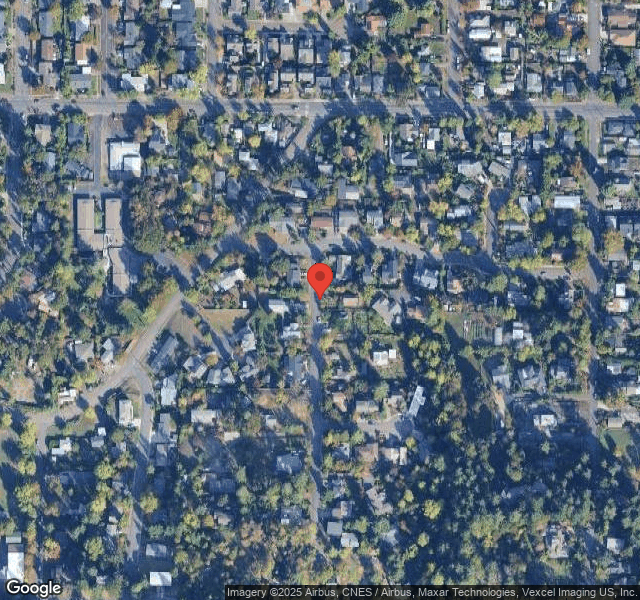
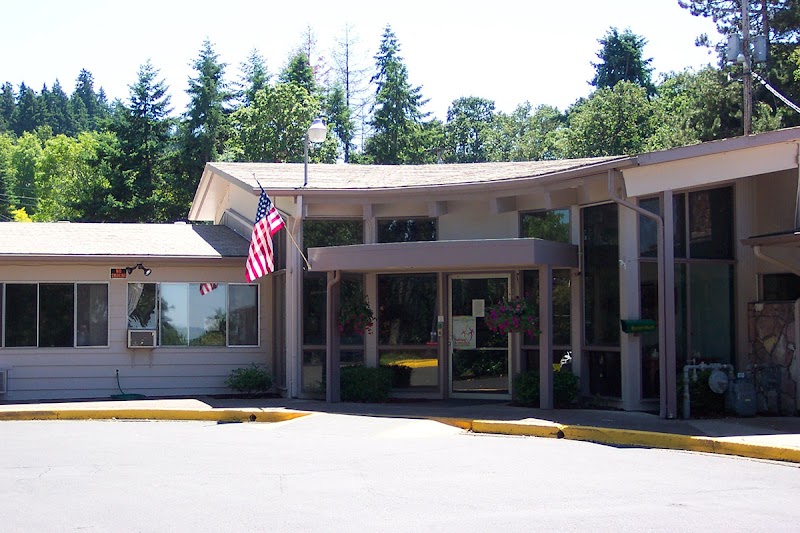
1201 MCLEAN BLVD., EUGENE, OR 97405 (541) 683-2155
For profit - Corporation 83 Beds VOLARE HEALTH Data: November 2025
Trust Grade
50/100
#90 of 127 in OR
Last Inspection: August 2024

Within standard 12-15 month inspection cycle. Federal law requires annual inspections.

Overview

Hillside Heights Rehabilitation Center has a Trust Grade of C, which means it is average and falls in the middle of the pack for nursing homes. It ranks #90 out of 127 facilities in Oregon, placing it in the bottom half, and #9 out of 13 in Lane County, indicating there are only a few local options that are better. The facility is improving, as it went from 19 issues in 2023 to 11 in 2024, suggesting progress is being made. Staffing is rated average at 3 out of 5 stars, with a turnover rate of 47%, which is slightly better than the state average, indicating some staff stability. However, the nursing home has concerning RN coverage, being lower than 88% of facilities in Oregon, which may affect the quality of care. While there have been no fines recorded, there are some specific issues that families should be aware of. For example, residents were not given menus to choose their meals, which limited their food preferences and could impact their nutritional needs. Additionally, there were problems with food storage and cleanliness in the kitchen, raising concerns about food safety and potential health risks. Overall, while there are some strengths in staffing and improvements in compliance, the facility still has significant areas that need attention.

Trust Score
C
50/100
In Oregon
#90/127
Bottom 30%
Safety Record
Low Risk
No red flags
Inspections
Getting Better
19 → 11 violations
Staff Stability
⚠ Watch
47% turnover. Above average. Higher turnover means staff may not know residents' routines.
Penalties
✓ Good
No fines on record. Clean compliance history, better than most Oregon facilities.
Skilled Nurses
⚠ Watch
Each resident gets only 24 minutes of Registered Nurse (RN) attention daily — below average for Oregon. Fewer RN minutes means fewer trained eyes watching for problems.
Violations
⚠ Watch
36 deficiencies on record. Higher than average. Multiple issues found across inspections.
★★☆☆☆
2.0
Overall Rating
★★★☆☆
3.0
Staff Levels
★★★☆☆
3.0
Care Quality
★★☆☆☆
2.0
Inspection Score
Stable
2023: 19 issues
2024: 11 issues

The Good

  • Full Sprinkler Coverage · Fire safety systems throughout facility
  • No fines on record

Facility shows strength in fire safety.

The Bad

2-Star Overall Rating

Below Oregon average (3.0)

Below average - review inspection findings carefully

Staff Turnover: 47%

Near Oregon avg (46%)

Higher turnover may affect care consistency

Chain: VOLARE HEALTH

Part of a multi-facility chain

Ask about local staffing decisions and management

The Ugly 36 deficiencies on record

Aug 2024 11 deficiencies
CONCERN (D)

Potential for Harm - no one hurt, but risky conditions existed

Deficiency F0552 (Tag F0552)

Could have caused harm · This affected 1 resident

Based on interview and record review it was determined the facility failed to provide risk and benefit information for a psychotropic medication for 1 of 5 sampled residents (#37) reviewed for unneces...

Read full inspector narrative →
Based on interview and record review it was determined the facility failed to provide risk and benefit information for a psychotropic medication for 1 of 5 sampled residents (#37) reviewed for unnecessary medications. This placed the residents at risk for lack of ability to make informed decisions about their care. Findings include: Resident 37 admitted to the facility in 7/2022 with diagnoses including depression, anxiety, and insomnia. The 1/24/24 physician order indicated Resident 37 received Trazodone (antidepressant) for insomnia. Review of Resident 37's medical record revealed no indication the risks and benefits of the medication was reviewed with the resident. On 8/27/24 at 12:05 PM Resident 37 stated she/he received Trazodone for sleep, depression, and anxiety. Resident 37 stated she/he did not recall going over the risks and benefits of the medication with facility staff or signing a consent for the medication. On 8/29/24 at 1:21 PM Staff 3 (LPN-Unit Manager)) acknowledged there was no evidence to indicate the risk and benefits for Trazodone were reviewed with Resident 37.
CONCERN (D)

Potential for Harm - no one hurt, but risky conditions existed

Deficiency F0578 (Tag F0578)

Could have caused harm · This affected 1 resident

Based on interview and record review it was determined the facility failed to obtain information related to advance directives and health care decisions for 3 of 4 sampled residents (#s 17, 34 and 37)...

Read full inspector narrative →
Based on interview and record review it was determined the facility failed to obtain information related to advance directives and health care decisions for 3 of 4 sampled residents (#s 17, 34 and 37) reviewed for advance directives. This placed residents at risk for not having their health care decisions honored. Findings include: 1. Resident 17 was admitted to the facility in 7/2016 with diagnoses including depression. A review of Resident 17's clinical record revealed no evidence the resident was provided with information on the right to formulate an advance directive. On 8/29/24 at 1:40 PM Staff 7 (Director of Social Services) confirmed Resident 17 was not provided information on formulating an advance directive. 3. Resident 37 admitted to the facility in 7/2022 with diagnoses including diabetes. Review of Resident 37's medical record indicated no documentation an advance directive was offered or reviewed with the resident or her/his family. On 8/29/24 at 1:42 PM Staff 7 ( Social Services Director) stated he was unable to provide documentation of an advance directive being offered or reviewed with Resident 37 or her/his family. 2. Resident 34 admitted to the facility in 6/2024 with diagnoses diabetes. Review of Resident 34's medical record indicated no documentation an advance directive was offered or reviewed with the resident or her/his family. On 8/29/24 at 1:42 PM Staff 7 (Director of Social Services) stated he was unable to recall or provide documentation of an advance directive being offered or reviewed with Resident 34 or her/his family.
CONCERN (D)

Potential for Harm - no one hurt, but risky conditions existed

Respiratory Care (Tag F0695)

Could have caused harm · This affected 1 resident

Based on observation, interview, and record review it was determined the facility failed to ensure oxygen was administered as ordered and failed to ensure residents' respiratory equipment was maintain...

Read full inspector narrative →
Based on observation, interview, and record review it was determined the facility failed to ensure oxygen was administered as ordered and failed to ensure residents' respiratory equipment was maintained for 2 of 2 sampled residents (#s 6 and 10) reviewed for respiratory care, ADLs and dialysis. This placed residents at risk for respiratory concerns. Findings include: 1. Resident 6 was admitted to the facility in 2018 with diagnoses including chronic respiratory failure with hypoxia (an absence of enough oxygen in the tissues to sustain bodily functions). The 10/13/23 Annual MDS indicated Resident 6 was cognitively intact. Resident 6's physician order dated 7/12/24 revealed the oxygen concentrator filter was to be changed weekly. The 8/2024 TAR indicated the external filters were changed weekly and it was last completed on 8/25/24. On 8/27/24 at 9:17 AM the external filters on the oxygen concentrator were observed to have a layer of dust. Resident 6 stated she/he used the oxygen concentrator nightly. On 8/29/24 at 11:11 AM Staff 16 (Med Tech) stated the evening nurse was to clean Resident 6's oxygen concentrator filters. On 8/29/24 at 11:15 AM Staff 2 (DNS) observed the oxygen concentrator filters and acknowledged the filters were not clean. 2. Resident 10 was admitted to the facility in 11/2014 with diagnoses including respiratory failure. A 7/20/23 physician order indicated the resident was to receive supplemental oxygen at 2 l/m (liters per minute) to keep oxygen levels above 90% every shift. Observations made from 8/26/24 through 8/29/24 revealed Resident 10 utilized oxygen and wore a nasal cannula (a device that fits into the nostrils for delivery of oxygen therapy) at 3 l/m. A review of Resident 10's medical record revealed there was no documentation the oxygen tubing was changed. On 8/28/24 at 2:11 PM Resident 10 stated staff did not change her/his oxygen tubing weekly and the tubing became crusty. Resident 10 stated staff turned up her/his oxygen to 3 l/m and she/he knew the oxygen was to be at 2 l/m per physician orders. Resident stated 3 l/m was high and dried her/his nose. On 8/28/24 at 2:42 PM Resident 10's oxygen tubing was observed with dried crusty debris on the nasal cannula. Staff 15 (LPN) came into Resident 10's room and stated oxygen tubing should be changed every seven days, the tubing marked with the date and the task documented as completed. Staff 15 acknowledged there was no date on the oxygen tubing, the tubing had dried crusty white debris on the nasal canula, and the resident's oxygen was turned up to 3 l/m which was not what the physician order indicated. On 8/28/24 at 2:43 PM Staff 4 (Regional RN) stated the facility did not have a policy for cleaning or changing oxygen tubing and acknowledged there was no documentation on the TAR which indicated the tubing was changed.
CONCERN (D)

Potential for Harm - no one hurt, but risky conditions existed

Infection Control (Tag F0880)

Could have caused harm · This affected 1 resident

Based on observation, interview and record review it was determined the facility failed to ensure the community use CBG glucometer was properly cleaned and sanitized between resident uses for 1 of 1 s...

Read full inspector narrative →
Based on observation, interview and record review it was determined the facility failed to ensure the community use CBG glucometer was properly cleaned and sanitized between resident uses for 1 of 1 sampled resident (#24) reviewed during CBG checks. This placed all residents who required CBG checks at risk for bloodborne illness. Findings include: The facility's undated Glucometer Cleaning Competency Check indicated glucometers were to be cleaned with bleach wipes after each use. On 8/29/24 at 12:17 PM Staff 13 (LPN) was observed to obtain a CBG for Resident 24 on the East Hall. Staff 13 exited the room and placed the glucometer in the East Hall treatment cart without cleaning it. On 8/29/24 from 12:17 PM to 12:40 PM continuous observations were made. Staff 13 passed medication and administered insulin to multiple residents. Staff 13 did not clean the glucometer during the observations. On 8/29/24 at 12:40 PM Staff 13 stated Resident 24 was the last CBG check she had to complete prior to lunch. Staff 13 stated she cleaned the glucometers at the beginning and end of shift with purple wipes. Staff 13 stated she did not know where the wipes were located and they were not on the treatment cart. On 8/29/24 at 12:57 PM Staff 2 (DNS) stated the expectation was for staff to clean glucometers with bleach wipes between every glucometer use. On 8/30/24 at 12:50 PM Staff 4 (Corporate RN) stated there were two residents on the East Hall who required regular CBG checks and one resident who had PRN CBG checks.
CONCERN (D)

Potential for Harm - no one hurt, but risky conditions existed

Room Equipment (Tag F0908)

Could have caused harm · This affected 1 resident

Based on observation and interview it was determined the facility failed to maintain essential kitchen equipment in safe operating condition for 1 of 1 kitchen reviewed for kitchen services. Findings ...

Read full inspector narrative →
Based on observation and interview it was determined the facility failed to maintain essential kitchen equipment in safe operating condition for 1 of 1 kitchen reviewed for kitchen services. Findings include: On 8/26/24 at 9:34 AM an observation of the walk-in refrigerator in the kitchen revealed a missing door handle to exit the refrigerator. On 8/26/24 at 9:53 AM Staff 19 (Dietary) stated the door handle fell off and Staff 19 was not sure where it went. On 8/26/24 at 10:04 AM Staff 17 (Dietary Manager) acknowledged the door handle fell off and needed to be repaired. On 8/28/24 at 11:30 AM during a follow up visit to the kitchen the walk-in refrigerator door handle was still missing. On 8/30/24 at 10:45 AM Staff 8 (Dietitian) stated the staff needed to find the door handle and screw it in.
CONCERN (E) 📢 Someone Reported This

A family member, employee, or ombudsman was alarmed enough to file a formal complaint

Potential for Harm - no one hurt, but risky conditions existed

Safe Environment (Tag F0584)

Could have caused harm · This affected multiple residents

Based on observation, interview, and record review it was determined the facility failed to ensure a resident rooms were in good repair and free of odors for 5 of 5 sampled residents (#s 6, 19, 27, 32...

Read full inspector narrative →
Based on observation, interview, and record review it was determined the facility failed to ensure a resident rooms were in good repair and free of odors for 5 of 5 sampled residents (#s 6, 19, 27, 32 and 33) reviewed for environment. This placed residents at risk for lack of a homelike environment. Findings include: 1. On 8/26/24 at 1:33 PM the following observation was made: Resident 19's air conditioner unit made a loud, high pitch squeak. On 8/30/24 at 10:59 AM Staff 1 (Administrator) and Staff 9 (Maintenance Director) acknowledged the identified environment issue. 2. On 8/27/24 at 9:17 AM the following observation was made: Resident 6's light in the bathroom was burned out. On 8/30/24 at 10:31 AM Staff 20 (Nursing Assistant) stated Resident 6's bathroom light had been burned out for about one week. Staff 20 stated he reported the light and it had not been fixed. On 8/30/24 at 10:59 AM Staff 1 (Administrator) and Staff 9 (Maintenance Director) acknowledged the identified environment issue. 5. Resident 32 was admitted to the facility in 8/2020 with diagnoses including urge incontinence. On 8/26/24 at 12:05 PM Resident 32's room was noted with a strong odor of urine. On 8/26/24 at 12:06 PM Resident 32 stated she/he was incontinent and wore briefs Resident 32 stated she was aware of the strong urine odor but was not sure if it was from her/his room or wheelchair or from another room. Resident 32 stated she/he would like to have staff clean her/his wheelchair. On 8/28/24 at 9:46 AM Staff 5 (CNA) the resident's room and wheelchair had a strong odor of urine. Staff 5 stated night shift cleaned the wheelchairs and the resident needed her/his wheelchair cleaned. On 8/28/24 at 9:51 AM Staff 23 (CNA) Staff 22 stated the resident's room and wheelchair had a strong odor of urine all the time. Staff 22 stated night shift was supposed to clean the wheelchairs, and Resident 32's wheelchair was to be cleaned. On 8/28/24 at 2:11 PM Staff 15 (LPN) stated Resident 32 wore more than one brief at a time and had multiple incontinent pads on her/his wheelchair. Staff 15 acknowledged the resident's room and wheelchair always had a strong odor of urine and the wheelchair needed to be cleaned. On 8/28/24 at 2:30 PM Staff 24 (Housekeeping) stated she mopped the resident's room daily. Staff 24 stated there were days the resident would not allow a deep clean of her/his room but she cleaned and mopped the room everyday. Staff 24 stated Resident 32's wheelchair also had a strong odor of urine. On 8/29/24 at 10:40 AM Staff 3 (LPN-Unit Manager) stated Resident 32 was incontinent and doubled or tripled her/his briefs for more protection which caused the strong urine odor. On 8/29/24 at 11:55 AM Staff 2 (DNS) and Staff 4 (Corporate RN) stated the resident's room and wheelchair had a strong urine odor. Staff 4 stated wheelchairs were to be cleaned on night shift, and acknowledged there was no documentation wheelchairs were cleaned and no documentation Resident 32 refused to have her/his wheelchair cleaned. 3. On 8/26/24 at 10:57 AM the following observation was made: Resident 27's head of the bed was located by the window against the wall. A large portion of the bottom window trim paint was peeled off with exposed particle board peeling off. On 8/30/24 at 11:04 AM Staff 9 (Maintenance Director) and Staff 1 (Administrator) acknowledged the identified environment issues for Resident 27. 4. On 8/26/24 at 1:22 PM the following observations were made: Resident 33's head of the bed was located by the window against the wall. Two window trim pieces were observed to be separated in the corner with exposed edges. On 8/30/24 at 11:04 AM Staff 9 (Maintenance Director) and Staff 1 (Administrator) acknowledged the identified environment issues for Resident 33.
CONCERN (E)

Potential for Harm - no one hurt, but risky conditions existed

Deficiency F0726 (Tag F0726)

Could have caused harm · This affected multiple residents

Based on observation, interview and record review it was determined the facility failed to ensure Staff 13 (LPN) had the appropriate competencies and skills for infection control during CBG checks and...

Read full inspector narrative →
Based on observation, interview and record review it was determined the facility failed to ensure Staff 13 (LPN) had the appropriate competencies and skills for infection control during CBG checks and administration of insulin. This placed residents at risk for bloodborne illness and reduced efficacy of medications. Findings include: a. On 8/29/24 at 12:17 PM Staff 13 (LPN) was observed to obtain a CBG for Resident 24. Staff 13 exited the room and placed the glucometer in the east hall treatment cart without cleaning it. On 8/29/24 from 12:17 PM to 12:40 PM continuous observations were made. Staff 13 passed medication and administered insulin to multiple residents. Staff 13 did not clean the glucometer during the observations. On 8/29/24 at 12:40 PM Staff 13 stated Resident 24 was the last CBG check she had to complete prior to lunch. Staff 13 stated she cleaned the glucometers at the beginning and end of shift with purple wipes. Staff 13 further stated she worked at the facility for one month and this was her first nursing job. Staff 13 stated she was trained for about three weeks and did not think the facility checked her for nursing competencies. On 8/29/24 at 12:57 PM Staff 2 (DNS) Staff 2 stated nursing competencies were not completed for Staff 13. b. The Novolog manufacturer instructions indicated to prime the insulin pen with two units prior to drawing up the insulin for administration. On 8/29/24 at 12:37 PM Staff 13 (LPN) was observed to administer Novolog insulin via insulin pen to Resident 24. Staff 13 did not prime the insulin pen with two units prior to drawing up the insulin for administration. On 8/29/24 at 12:40 PM Staff 13 acknowledged she did not prime the insulin pen prior to administration and stated she was not aware the Novolog insulin pen needed to be primed. Staff 13 stated she was trained for about three weeks and did not think the facility checked her for nursing competencies. On 8/29/24 at 12:57 PM Staff 2 (DNS) Staff 2 stated nursing competencies were not completed for Staff 13.
CONCERN (E)

Potential for Harm - no one hurt, but risky conditions existed

Deficiency F0727 (Tag F0727)

Could have caused harm · This affected multiple residents

Based on interview and record review it was determined the facility failed to ensure an RN was available for at least eight consecutive hours per day for 3 of 31 days reviewed for RN coverage. This pl...

Read full inspector narrative →
Based on interview and record review it was determined the facility failed to ensure an RN was available for at least eight consecutive hours per day for 3 of 31 days reviewed for RN coverage. This placed residents at risk for delayed nursing assessments. Findings include: A review of the Direct Care Staff Daily Reports from 7/26/24 through 8/25/24 revealed the following dates with no RN coverage: -8/20/24 -8/21/24 -8/22/24 On 8/29/24 at 10:38 AM Staff 1 (Administrator) acknowledged the lack of RN coverage on the identified dates.
CONCERN (E)

Potential for Harm - no one hurt, but risky conditions existed

Deficiency F0761 (Tag F0761)

Could have caused harm · This affected multiple residents

3. On 8/26/24 at 12:38 PM an East Hall treatment cart was observed to be unlocked. The cart was in the middle of the hall with residents and staff walking by. Nursing staff walked by the cart multiple...

Read full inspector narrative →
3. On 8/26/24 at 12:38 PM an East Hall treatment cart was observed to be unlocked. The cart was in the middle of the hall with residents and staff walking by. Nursing staff walked by the cart multiple times but did not lock the cart. On 8/26/24 at 12:43 PM Staff 14 (LPN) acknowledged she left the treatment cart unlocked and the cart was to be secured at all times. 4. On 8/27/24 at 9:22 AM an East Hall treatment cart was observed to be unlocked. The cart was in the middle of the hall with residents sitting around it and staff walking by. Nursing staff walked by the cart multiple times but did not lock the cart. On 8/27/24 at 9:30 AM Staff 14 (LPN) acknowledged she left the treatment cart unlocked both times and the cart was to be secured at all times. Based on observation, interview, and record review it was determined the facility failed to ensure proper storage temperatures were maintained for 1 of 2 medication storage refrigerators, and proper labeling of biologicals and securing of treatment carts for 1 of 3 treatment carts reviewed for medication storage. This placed residents at risk for reduced efficacy of medication and unauthorized access to medications. Findings include: 1. The 8/2024 east hall medication refrigerator temperature logs indicated the temperatures exceeded 46 degrees F on multiple occasions and the temperatures were as high as 73 degrees on 8/21/24. On 8/30/24 at 12:00 PM the medication refrigerator on the East Hall was observed with Staff 2 (DNS) and contained flu vaccines and insulin. On 8/30/24 at 12:00 PM Staff 2 (DNS) stated the medication refrigerator on the east hall contained flu vaccines and insulin and the temperatures were to be kept between 36 degrees F and 46 degrees F. Staff 2 acknowledged the 8/2024 temperature logs indicated the east hall medication refrigerator exceeded 46 degrees F on several occasions and the temperatures were as high as 73 degrees F on 8/21/24. 2. On 8/29/24 at 12:13 PM two open Tresiba insulin pens were observed in the East Hall treatment cart with no open dates. On 8/29/24 at 12:13 PM Staff 13 (LPN) acknowledged the two Tresiba pens were open and were not labeled with open dates.
CONCERN (F)

Potential for Harm - no one hurt, but risky conditions existed

Deficiency F0806 (Tag F0806)

Could have caused harm · This affected most or all residents

Based on observation, interview and record review it was determined the facility failed to ensure a system was in place to honor resident food preferences for 4 of 4 sampled residents (#s 17, 19, 21, ...

Read full inspector narrative →
Based on observation, interview and record review it was determined the facility failed to ensure a system was in place to honor resident food preferences for 4 of 4 sampled residents (#s 17, 19, 21, and 37) reviewed for dietary needs. This placed residents at risk for unmet nutritional needs and lessened quality of life. 1. Resident 17 was admitted to the facility in 2016 with diagnoses including diabetes. On 8/27/24 at 10:36 AM Resident 17 stated she/he was not given a menu to select her/his preferred meals. On 8/29/24 at 10:38 AM Staff 22 (CNA) stated about one month ago the facility stopped providing residents with a menu to choose between the main or alternate meal. Staff 22 stated several residents, including Resident 17, were upset about this as their opportunity to make a choice was taken away. On 8/29/24 at 2:00 PM Staff 18 (Dietitian) stated the facility recently changed the menu system from providing menus to residents each day to providing menus once per week on Fridays. On 8/30/24 at 9:54 AM Resident 17 stated she/he did not receive a weekly menu on Fridays. On 8/30/24 at 12:02 PM Staff 1 (Administrator) stated the facility recently changed the menu distribution to once per week on Fridays. Staff 1 stated the change was discussed in Resident Council and at a food committee which some residents attended. 2. Resident 19 was admitted to the facility in 12/2023 with diagnoses including diabetes. On 8/26/24 at 10:33 AM Resident 19 stated she/he was not given a menu to select her/his preferred meals. Resident 19 stated the facility did not inform her/him of any changes related to menus. On 8/29/24 at 10:38 A Staff 22 (CNA) stated about one month ago the facility stopped providing residents with a menu to choose between the main or alternate meal. Staff 22 stated several residents, including Resident 19, were upset about this as their opportunity to make a choice was taken away. On 8/29/24 at 2:00 PM Staff 18 (Dietitian) stated the facility recently changed the menu system from providing menus to residents each day to providing menus once per week on Fridays. On 8/29/24 at 2:10 PM Resident 19 stated she/he did not receive a weekly menu on Fridays. On 8/30/24 at 12:02 PM Staff 1 (Administrator) stated the facility recently changed the menu distribution to once per week on Fridays. Staff 1 stated the change was discussed in Resident Council and at a food committee which some residents attended. 3. Resident 21 was admitted to the facility in 1/2020 with diagnoses including heart disease. On 8/26/24 at 11:32 AM Resident 21 stated the kitchen removed the menus and she/he was not able to make choices for a meal. Resident 21 stated she/he used to look forward to meals but now there was nothing to look forward too because the kitchen delivered whatever they cooked. Resident 21 stated she/he wanted the menus back to be able to choose her/his meal. Resident 21 stated she/he does not receive a weekly menu on Fridays. On 8/28/24 at 12:41 PM Staff 10 (CNA) stated about one month ago the facility stopped providing residents with a menu to choose between the main or alternate meal. Staff 10 stated several residents were upset about this as their choices were taken away. On 8/29/24 at 12:35 PM Staff 23 (CNA) stated the facility stopped providing residents with a menu for at least a month and were upset they were not given the right to make choices about their meals. On 8/29/24 at 2:00 PM Staff 18 (Dietitian) stated the facility recently changed the menu system from selection based to preference based and residents received a weekly menu every Friday. 4. Resident 28 was admitted to the facility in 11/2023 with diagnoses including diabetes. On 8/30/24 at 8:53 AM Resident 28 stated about a month ago the facility stopped providing menus to residents to choose their meals. Resident 28 stated she/he received a meal of whatever the kitchen cooked. Resident 28 stated she/he was not given a menu on Fridays and wanted the menus back. On 8/28/24 at 12:41 PM Staff 10 (CNA) stated about one month ago the facility stopped providing residents with a menu to choose between the main or alternate meal. Staff 10 stated several residents were upset about this as their choice was taken away. On 8/29/24 at 12:35 PM Staff 23 (CNA) stated the facility stopped providing residents with a menu for at least a month and were upset they were not given the right to make choices about their meals. On 8/29/24 at 2:00 PM Staff 18 (Dietitian) stated the facility recently changed the menu system from selection based to preference based and residents received a weekly menu every Friday. 5. Resident 37 was admitted to the facility in 7/2022 with diagnoses including stroke. On 8/27/24 at 12:45 PM Resident 37 stated the facility stopped providing residents with menus for at least a month. Resident 37 stated she/he wanted her/his choices of meals back. Resident 37 stated she/he was not given a menu on Fridays. On 8/28/24 at 12:41 PM Staff 10 (CNA) stated about one month ago the facility stopped providing residents with a menu to choose between the main or alternate meal. Staff 10 stated several residents were upset about this as their choice was taken away. On 8/29/24 at 12:35 PM Staff 23 (CNA) stated the facility stopped providing residents with a menu for at least a month and were upset they were not given the right to make choices about their meals. On 8/29/24 at 2:00 PM Staff 18 (Dietitian) stated the facility recently changed the menu system from selection based to preference based and residents received a weekly menu every Friday.
CONCERN (F)

Potential for Harm - no one hurt, but risky conditions existed

Food Safety (Tag F0812)

Could have caused harm · This affected most or all residents

Based on observation and interview it was determined the facility failed to ensure the kitchen was cleaned, failed to ensure food was stored appropriately and discarded in a timely manner, and failed ...

Read full inspector narrative →
Based on observation and interview it was determined the facility failed to ensure the kitchen was cleaned, failed to ensure food was stored appropriately and discarded in a timely manner, and failed to monitor refrigerator temperatures for 1 of 1 kitchen and 1 of 2 refrigerators reviewed for sanitary conditions. This placed residents at risk for foodborne illness. Findings include: 1. On 8/26/24 at 9:29 AM during the initial tour of the kitchen the following was observed: a. Walk-in refrigerator: -A plastic container with pickle spears, opened and undated. -A cardboard box containing bananas that were dark brown in color. -A stick of margarine, open to air and undated. -Food crumbs, brown splatters, and various small debris on the floor throughout the walk-in refrigerator. b. Walk-in freezer: -A bag of frozen tapioca hot dog buns with a manufacture expiration of 12/22/22. -A bag of frozen chicken strips, opened to air and undated. -A bag of frozen hamburger patties, opened to air and undated. -A bag of frozen veggie vegan patties, opened to air and undated. -A zip lock gallon bag labeled pizza sausage, freezer burnt and date illegible. -Food crumbs and brown splatters of debris on the floor throughout walk-in freezer. c. Main Kitchen area: -A wire rack with shelves located next to a garbage can contained metal containers with splatters of debris. -Drips of white and brown debris located on the bottom self of the steam table where clean pots and pans were stored. -A wire shelf containing clean bowls had a sticky brown film on the surface. -Food crumbs, brown splatters, and various small debris on the floor throughout the main kitchen area. On 8/26/24 at 10:04 AM Staff 17 (Dietary Manager) acknowledged the identified findings. 2. On 8/26/24 at 9:54 AM a small refrigerator containing juice, milk, and yogurt located in the kitchen was observed with a thermometer inside. On 8/26/24 at 9:56 AM the temperature log binder located in the kitchen was reviewed and there was no temperature log for the small refrigerator. On 8/26/24 at 9:57 AM Staff 19 (Dietary) and Staff 21 (Dietary) did not know of a temperature log for the small refrigerator and acknowledged the temperature for the small refrigerator was not monitored. On 8/26/24 at 10:04 AM Staff 17 (Dietary Manager) acknowledged there was no temperature log for the small refrigerator that contained juice, milk, and yogurt for residents and acknowledged the temperature for the small refrigerator was not monitored.
Dec 2023 2 deficiencies
CONCERN (D) 📢 Someone Reported This

A family member, employee, or ombudsman was alarmed enough to file a formal complaint

Potential for Harm - no one hurt, but risky conditions existed

Notification of Changes (Tag F0580)

Could have caused harm · This affected 1 resident

Based on interview and record review it was determined the facility failed to notify the resident's family after a change of condition and transfer to a local hospital for 1 of 3 sampled residents (#2...

Read full inspector narrative →
Based on interview and record review it was determined the facility failed to notify the resident's family after a change of condition and transfer to a local hospital for 1 of 3 sampled residents (#23) reviewed for change of condition. This placed residents at risk for lack of notification. Findings include: Resident 23 was admitted to the facility in 6/2023 with diagnosis including diabetes. Review of a progress note dated 6/9/23 at 9:01 PM revealed the resident was alert and oriented, delayed responses, possible right upper extremity drift, right lip droop, dizziness and was fidgety. The note indicated the resident was sent to a local hospital for possible transient ischemic attack (mini stroke). Review of a progress note dated 6/10/23 at 1:32 AM revealed the resident returned to the facility with diagnoses of hyponatremia (low sodium) and fatigue. No documentation was found the resident's representative was notified of the transfer to the hospital. In an interview on 12/1/23 at 9:47 AM Witness 1 (Complainant) indicated the facility did not notify the resident's family of a possible stroke and transfer to a local hospital on 6/9/23. In an interview on 12/5/23 at 12:30 PM Staff 2 (DNS) acknowledged the resident representative was not notified of the resident's transfer to the hospital for a possible stroke.
CONCERN (D) 📢 Someone Reported This

A family member, employee, or ombudsman was alarmed enough to file a formal complaint

Potential for Harm - no one hurt, but risky conditions existed

ADL Care (Tag F0677)

Could have caused harm · This affected 1 resident

**NOTE- TERMS IN BRACKETS HAVE BEEN EDITED TO PROTECT CONFIDENTIALITY** Bassed on interview and record review it was determined the facility failed to provide ADL care for 1 of 8 (#13) sampled residen...

Read full inspector narrative →
**NOTE- TERMS IN BRACKETS HAVE BEEN EDITED TO PROTECT CONFIDENTIALITY** Bassed on interview and record review it was determined the facility failed to provide ADL care for 1 of 8 (#13) sampled residents reviewed for ADLs. This placed other residents at risk for lack of daily care. Findings include: Resident 13 was admitted to the facility on [DATE] with diagnosis including leg and clavicle fractures. Resident 13's care plan revealed she/he was dependent on one person for assistance with bathing/showering. On 2/21/23, Witness 15 (Complainant) stated Resident 13 reported she/he did not receive a shower or bath while at the facilty, which was 21 days. Shower and bath logs reviewed for 2/2023 revealed no showers or baths were given to the resident during her/his stay at the facility. On 12/6/23 at 10:00 AM, Staff 2 (DNS) acknowledged these findings.
Mar 2023 17 deficiencies
CONCERN (D)

Potential for Harm - no one hurt, but risky conditions existed

Deficiency F0582 (Tag F0582)

Could have caused harm · This affected 1 resident

Based on interview and record review it was determined the facility failed to provide written notification to 2 of 3 sampled residents (#s 303 and 304) reviewed for beneficiary notification. This plac...

Read full inspector narrative →
Based on interview and record review it was determined the facility failed to provide written notification to 2 of 3 sampled residents (#s 303 and 304) reviewed for beneficiary notification. This placed residents at risk for unknown financial liabilities. Findings include: 1. Resident 303 was admitted to the facility with Medicare Part A services in 8/2022. The resident's last covered day of Part A services was 9/2/22. A review of Resident 303's medical record revealed no evidence an Advanced Beneficiary Notice of Non-Coverage was issued. On 3/22/23 at 11:15 AM Staff 27 (Business Office Manager) stated Resident 303 remained in the facility after Medicare Part A services ended and was not issued an Advanced Beneficiary Notice of Non-Coverage. 2. Resident 304 was admitted to the facility with Medicare Part A services in 11/2022. The resident's last covered day of Part A services was on 12/11/22. A review of Resident 304's medical record revealed no evidence an Advanced Beneficiary Notice of Non-Coverage was issued. On 3/22/23 at 11:15 AM Staff 27 (Business Office Manager) stated Resident 304 remained in the facility after Medicare Part A services ended and was not issued an Advanced Beneficiary Notice of Non-Coverage.
CONCERN (D)

Potential for Harm - no one hurt, but risky conditions existed

Comprehensive Assessments (Tag F0636)

Could have caused harm · This affected 1 resident

Based on observation, interview and record review it was determined the facility failed to comprehensively assess 1 of 2 sampled residents (# 3) reviewed for positioning and mobility. This placed resi...

Read full inspector narrative →
Based on observation, interview and record review it was determined the facility failed to comprehensively assess 1 of 2 sampled residents (# 3) reviewed for positioning and mobility. This placed residents at risk for lack of proper care and services. Findings include: Resident 3 was admitted to the facility in 2022 with diagnoses including right-sided paralysis following a stroke. A 3/12/22 Hospital Progress Note revealed Resident 3 had a right hand contracture (a condition of shortening or hardening of muscles, tendons or other tissues). A 3/21/22 admission MDS revealed Resident 3 was documented as having no upper extremity range of motion impairment. A 12/22/22 Quarterly MDS revealed Resident 3 was documented as having no upper extremity range of motion impairment. An ADL care plan revised 8/8/22 revealed no care plan related to range of motion impairment. On 3/20/23 at 4:23 PM Resident 3 stated she/he had a contracture of her/his right hand from years ago. On 3/23/23 at 11:45 AM Resident 3's right hand was observed to be closed in a fist with a soft tube held in the palm of her/his hand. Staff 3 (RN Unit Manager) confirmed Resident 3's right hand was contracted and stated she was unaware of the contracture. On 3/23/23 at 2:15 PM Staff 2 (DNS) stated she expected the nurse completing the MDS to do in-person assessments to observe the residents and to know about contractures.
CONCERN (D)

Potential for Harm - no one hurt, but risky conditions existed

Assessment Accuracy (Tag F0641)

Could have caused harm · This affected 1 resident

Based on observation, interview and record review it was determined the facility failed to accurately assess 1 of 1 sampled resident (#s 12) reviewed for privacy. This placed residents at risk for lac...

Read full inspector narrative →
Based on observation, interview and record review it was determined the facility failed to accurately assess 1 of 1 sampled resident (#s 12) reviewed for privacy. This placed residents at risk for lack of proper care and services. Findings include: Resident 12 was admitted to the facility in 2014 with diagnoses including cellulitis (bacterial skin infection) and diabetes. A 9/2/22 Encounter Note from the physician indicated the plan was to provide a suppressive (long-term) dose of Keflex (antibiotic medication) was to be administered to Resident 12 twice daily for three months. A 12/3/22 hospital Discharge Orders Report indicated Resident 12's Keflex was discontinued. The 1/26/23 Quarterly MDS indicated Resident 12 received antibiotics during the previous seven days. The 1/2023 MAR indicated no antibiotic medications were provided to Resident 12 during that month. On 3/23/23 at 3:01 PM Staff 2 (DNS) confirmed the Quarterly MDS for Resident 12 was inaccurate.
CONCERN (D)

Potential for Harm - no one hurt, but risky conditions existed

Comprehensive Care Plan (Tag F0656)

Could have caused harm · This affected 1 resident

Based on interview and record review it was determined the facility failed to develop a comprehensive care plan for 1 of 5 sampled residents (#34) reviewed for medications. This placed residents at ri...

Read full inspector narrative →
Based on interview and record review it was determined the facility failed to develop a comprehensive care plan for 1 of 5 sampled residents (#34) reviewed for medications. This placed residents at risk for unmet needs. Findings include: Resident 34 admitted to the facility in 2023 with diagnoses of cognitive deficit and PTSD (post-traumatic stress disorder). A 1/5/23 Hospital Discharge Summary revealed Resident 34 had a MoCA score (dementia assessment) of 24/30 indicating mild congitve impairment and PTSD. A 1/5/23 care plan revealed Resident 34 was not care planned for cognitive impairment or PTSD. On 3/23/23 at 11:23 AM Staff 16 (Social Service Assistant) stated she completed a PTSD evaluation for Resident 34 and was unaware the PTSD care plan did not automatically trigger from the evaluation. On 3/23/23 at 3:14 PM Staff 9 (Activity Director/Former Social Service Director) confirmed Resident 34 was expected to be care planned for cognitive deficit and PTSD.
CONCERN (D)

Potential for Harm - no one hurt, but risky conditions existed

Deficiency F0657 (Tag F0657)

Could have caused harm · This affected 1 resident

**NOTE- TERMS IN BRACKETS HAVE BEEN EDITED TO PROTECT CONFIDENTIALITY** 3. Resident 38 was admitted to the facility in 2021 with diagnoses including diabetes. A review of the Documentation Survey Repo...

Read full inspector narrative →
**NOTE- TERMS IN BRACKETS HAVE BEEN EDITED TO PROTECT CONFIDENTIALITY** 3. Resident 38 was admitted to the facility in 2021 with diagnoses including diabetes. A review of the Documentation Survey Report for Resident 38 revealed the following documented behaviors: - 1/2023: abusive language, yelling or screaming, rejection of care, threating behavior. - 2/2023: yelling or screaming, abusive language, rejection of care. - 3/2023: yelling or screaming, abusive language. A 2/13/23 PASRR Level II revealed facility staff requested the PASRR Level II due to Resident 38 becoming upset and angry with others. On 3/22/23 at 3:06 PM Staff 36 (CNA) stated Resident 38 had behaviors including yelling out. A current Care Plan revealed no documentation of behaviors or interventions for Resident 38. On 3/23/23 at 9:20 AM Staff 24 (LPN) stated Resident 38 had behaviors which included refusal of care. On 3/23/23 at 9:27 AM Staff 37 (CMA) stated when Resident 38 was in a bad mood she/he refused care. On 3/23/23 at 12:23 PM Staff 31 (RN Unit Manager) stated Resident 38 refused care. On 3/23/23 at 2:32 PM Staff 9 (Activities Director/Former Social Services Director) stated Resident 38 at times got loud with staff, had very specific food preferences and she/he had a recent PASRR II assessment. Staff 9 stated the care plan did not have any updates or interventions related to behaviors. On 3/23/23 at 4:19 PM Staff 1 (Administrator) stated he expected a care plan related to behaviors to be in place for Resident 38. Based on interview and record review it was determined the facility failed to revise care plans for 3 of 5 sampled residents (#s 24, 28 and 38) reviewed for ADLs, nutrition and accidents. This placed residents at risk for unmet needs. Findings include: 1. Resident 24 was admitted to the facility in 2022 with diagnoses including prostate problems and urinary retention. An admission MDS dated [DATE] identified Resident 24: - Had no behaviors, - required extensive assistance (weight bearing) for bed mobility, - limited assistance (non-weight bearing, hands on, guided movements) for transfers, - was independent for eating, - needed limited assistance for toileting, - had no chewing or swallowing problems and no or unknown weight loss or gain. A care plan developed at the time of admission and revised identified: - Behaviors problems revised 10/8/22 for verbal aggression and threatening to staff and others, - limited assistance for bed mobility, - extensive assistance for transfers revised 3/13/23, - set up tray for eating, - limited assistance for toileting, - a nutrition problem related to medical condition with the goal of no significant weight loss. A Quarterly MDS dated [DATE] identified Resident 24: - Had no behaviors, - required extensive assistance for bed mobility, - did not transfer during the look back period (a timeframe used by the IDT for the assessment), - was supervised for eating, - needed extensive assistance for toileting, - had no chewing or swallowing problems and no or unknown weight loss or gain. Resident 24's medical record indicated changes to ADL status, refusals of care including therapy services, weights, getting out of bed, incontinent care and significant weight loss. On 3/23/23 at 2:39 PM Staff 31 (RN Unit Manager) was asked about Resident 24's changes and stated part of the decline was related to pain. Staff 24 (LPN) stated Resident 24 refused care at times including not getting out of bed. Staff 31 stated he did not update the care plan related to refusals of care, changes in ADL status, was not aware of refusals to be weighed and did not know why the resident was losing weight. 2. Resident 28 was admitted to the facility in 2022 with diagnoses including blood clots and strokes. A baseline care plan dated 10/28/22 identified Resident 28: - Was independent for bed mobility, - needed limited (non-weight bearing, hands on, guided movements) assistance with transfers, - was independent for eating, - needed set up assist for toileting, - needed extensive (weight bearing) assistance for bathing. An admission MDS dated [DATE] identified Resident 28: - Was supervised for bed mobility, transfers and toileting, - was independent for eating, - needed one person assistance in part of bathing, - had prognoses to live less than 6 months. - had one Stage 4 pressure ulcer and no lower extremity ulcers. A significant change MDS dated [DATE] identified Resident 28: - Was supervised for bed mobility, transfers, eating and toileting, - no longer had a prognoses to live less than 6 months, - had one unhealed Stage 4 pressure ulcer and one lower extremity ulcer. On 3/23/23 at 12:48 PM Staff 15 (Agency CNA) stated he worked with Resident 28 one time and the resident was independent for ADLs and provided some help with dressing only. On 3/23/23 at 3:20 PM Staff 31 (RN Unit Manager) was asked about the descrepancies in Resident 28's care plan and stated the MDS Coordinator did the care plan updates. Staff 31 added supervision meant staff were to check on a resident frequently. Staff 31 provided no additional information related to Resident 28's care plan.
CONCERN (D) 📢 Someone Reported This

A family member, employee, or ombudsman was alarmed enough to file a formal complaint

Potential for Harm - no one hurt, but risky conditions existed

ADL Care (Tag F0677)

Could have caused harm · This affected 1 resident

Based on observation, interview and record review it was determined the facility failed to ensure dependent residents received required assistance with ADLs for 2 of 6 sampled residents (#s 14 and 44)...

Read full inspector narrative →
Based on observation, interview and record review it was determined the facility failed to ensure dependent residents received required assistance with ADLs for 2 of 6 sampled residents (#s 14 and 44) reviewed for ADLs. This placed resident at risk for unmet needs. Findings include: 1. Resident 14 was admitted to the facility in 2015 with diagnoses including stroke and dementia. A public complaint was received on 12/10/21 indicating Resident 14 was not bathed for over a month. The 11/2021 and 12/2021 DSRs (Documentation Survey Report) revealed Resident 14 did not receive any type of bathing from 11/1/21 through 11/8/21 (eight days), 11/11/21 through 11/22/21 (11 days), 11/24/21 through 12/18/21 (25 days) and 12/20/21 through 12/31/21 (12 days). The 2/2023 and 3/2023 DSRs revealed the following: -Resident 14 did not receive any type of bathing from 2/4/23 through 2/9/23 (six days) 2/11/23 through 2/23/23 (13 days), 2/25/23 through 3/20/23 (24 days). -From 3/1/23 through 3/23/23 Resident 14 did not receive personal hygiene four instances on day shift and seven instances on evening shift. On 3/20/23 at 11:03 AM Resident 14 was observed with dark colored debris under her/his fingernails and stated she/he would like to be bathed more often. On 3/22/23 at 8:56 AM Staff 25 (CNA) stated at times staff completed bed baths instead of showers because they were faster and staff did not always have time to complete showers. On 3/22/23 at 11:25 AM Resident 14 was observed with Staff 25 to have dark colored debris under her/his fingernails. On 3/22/23 at 11:39 AM Witness 1 (Complainant) stated Resident 14 would like to get out of bed for a shower, but staff stated they did not always have time to get residents out of bed to do a full shower. Witness 1 confirmed Resident 14 was not bathed regularly. On 3/24/23 at 9:25 AM Staff 1 (Administrator) and Staff 2 (DNS) stated the scheduled showers for residents were not triggering on the correct days, so staff were marking not applicable and the residents were not being bathed. 2. Resident 44 was admitted to the facility in 11/2022, with diagnoses including stroke. The 2/2023 and 3/2023 DSRs (Documentation Survey Report) indicated Resident 44 was to receive showers on Monday and Friday and the report revealed the following: -Resident 44 did not receive any type of bathing from 2/1/23 through 2/13/23 (13 days), 2/15/23 through 3/3/23 (17 days). On Monday, 3/20/23 there was no documentation bathing was provided. On 3/21/23 At 8:36 AM Resident 44 stated she/he did not refuse showers. Resident 44 stated she/he was supposed to receive a shower on 3/20/23 and staff never came. Resident 44's hair was observed oily and was unkempt. On 3/24/23 at 9:25 AM Staff 1 (Administrator) and Staff 2 (DNS) stated the scheduled bathing for residents was not triggering on the correct days, so staff were marking not applicable and the residents were not being bathed.
CONCERN (D)

Potential for Harm - no one hurt, but risky conditions existed

Pressure Ulcer Prevention (Tag F0686)

Could have caused harm · This affected 1 resident

**NOTE- TERMS IN BRACKETS HAVE BEEN EDITED TO PROTECT CONFIDENTIALITY** Based on observation, interview and record review it was determined the facility failed to accurately assess, identify and provi...

Read full inspector narrative →
**NOTE- TERMS IN BRACKETS HAVE BEEN EDITED TO PROTECT CONFIDENTIALITY** Based on observation, interview and record review it was determined the facility failed to accurately assess, identify and provide treatment to wounds for 2 of 2 sampled residents (#s 4 and 28) reviewed for pressure ulcers. This place residents at risk for unmet wound care needs. Findings include: 1. Resident 4 was admitted to the facility in 2022 with diagnoses including heart failure and an ankle fracture. An 10/15/22 Hospital History and Physical identified Resident 4 broke her/his ankle and required surgery. An Operative Report dated 10/15/22 indicated Resident 4's ankle incisions were dressed, a sugar tong (U shaped device used to stabilize a injury) splint was placed and the foot and ankle were wrapped with elastic wrap. The 10/20/22 admission Database (nursing assessment) noted Resident 4 had an ankle fracture, an ADL deficit with no impairments or devices, the resident was non-weight bearing, right and left pedal pulses (ankle and foot) were palpable (felt), normal and the incision could not be visualized due to a cast/boot. There were no orders in the medical record to indicate whether the device on Resident 4's foot could or should be removed for assessment or bathing. A hospice noted dated 11/23/22 identified the boot was removed and a red area on the top of Resident 4's foot was noted due to the boot rubbing. An investigation dated 11/23/22 identified a purple area on Resident 4's right heel. The investigation did not identify any situations leading to the discovery of the purple area. The investigative conclusion dated 12/2/22 identified the cause of the purple area identified on 11/12/22 to be related to an orthopedic boot. The note further added the orthopedic doctor gave orders for a special off-loading boot with cushioning to relieve pressure. A six week Post Operative note dated 12/1/22 indicated Resident 4 had a unstageable wound to her/his right heel. A Multi-Podus (specialized device used to provide pressure relief and maintain alignment) boot was provided to relieve pressure to Resident 4's foot and ankle with instructions to check the foot and ankle daily. On 12/14/22 an Addendum to the Investigation documented the hospice nurse reported a DTI (deep tissue injury) to the sole of Resident 4's right foot. The note further indicated all three wounds occured at the same time. A Hospice Note dated 12/19/22 identified a fluid filled sac on top of Resident 4's right foot was popped and the boot replaced. A care plan problem initiated on 10/21/22 related to a surgical wound to Resident 4's right calf was revised on 1/17/23 with the identification of three deep tissue injury wounds upon cast removal. On 3/22/23 at 8:45 AM Resident 4 was observed in bed prior to wound care with quilted heel protectors on both feet and a pillow under her/his ankles. Resident 4 was asked about her/his wounds and stated she/he wanted to rest. Staff 40 (Agency RN) confirmed it was okay with the resident to perform the treatment. Staff 40 stated Resident 4 was painful, had scheduled pain meds and a brace at all times. Staff 40 added Resident 4 had a walking boot and then a Multi Podus boot. Observations of the heel and top of the right foot appeared dry with eschar (dead tissue) and the side of the right foot had an area of dead tissue and some good tissue. There were no signs of infection in the three wounds. On 3/22/23 at 9:05 AM Staff 15 (Agency CNA) stated the facility tried to keep soft boots on Resident 4. On 3/23/23 at 1:51 PM Resident 4 was up in a wheelchair, dressed warmly to go outside with soft quilted heel protectors in place. On 3/23/23 at 2:58 PM Staff 31 (RN Unit Manager) stated when Resident 4 admitted to the facility she/he had a boot or cast on the right foot. When asked if the device could be removed, Staff 31 stated he did not know. Staff 31 added when the boot came off Resident 4 was given another boot to prevent skin breakdown. Staff 31 stated there were orders to remove the boot, apply padding and notify the doctor if the wounds opened. Staff 31 added hospice was treating the wounds twice a week. On 3/24/23 at 10:14 AM Staff 13 (LPN/IP) was asked about the ankle device and stated she thought it was a non-removable cast and when it was removed the wounds were discovered. On 3/24/23 at 10:54 AM Staff 2 (DNS) was asked about the development of the pressure wounds for Resident 4, what device she/he was admitted with and whether the device could be removed. Staff 2 provided an operative report describing the sugar tong splint. No additional information was provided. 2. Resident 28 was admitted to the facility in 2022 with diagnoses including blood clots and stroke. An admission Database (nursing assessment) dated 10/28/22 revealed no wounds present at the time of admission to the facility. An admission MDS dated [DATE] identified one Stage 4 (full thickness tissue loss) pressure ulcer to Resident 28's right ankle present on admission. No other wounds were identified in the assessment. A Significant Change MDS dated [DATE] identified one unhealed Stage 4 pressure ulcer to Resident 28's right ankle and an arterial (poor circulation) ulcer on her/his right toe. The current care plan developed 10/28/22 identified the potential for skin impairment and the presence of a Stage 4 pressure ulcer. The care plan was revised on 1/17/23 to include the toe wound. A United Wound Healing assessment dated [DATE] identified a full thickness chronic pressure ulcer approximately 2 mm deep. There was no description of the wound base. The ankle wound was debrided (surgical removal of dead tissue) and was further described as a partial thickness non-pressure wound. The toe wound was documented as pressure with 76 to 100% eschar (hard, dry, dead tissue) and after surgical debridment was described as full thickness non-pressure related. A United Wound Healing assessment dated [DATE] identified the ankle wound as closed, resolved but fragile with a chance to re-open. The toe wound was further described as pressure caused and was closed. A Skin and Wound evaluation dated 3/9/23 for the ankle wound was described as a Stage 4 pressure ulcer, present on admission and scabbed. The toe wound was described as arterial caused, acquired at the facility and was scabbed. A wound evaluation picture dated 3/21/23 showed a 1.3 cm by 0.76 cm area that appeared to have a dark, dry crusted material with a four inch by four inch indented square area surrounding the wound from a dressing on Resident 28's right ankle. The wound was resolved. A Skin and Wound evaluation dated 3/21/23 described an arterial toe wound, acquired in the facility measuring 1.1 cm by 1.0 cm in size with a scab. A wound evaluation picture dated 3/21/23 showed a dime sized thick, crusty, skin colored cap with raised edges on the end of the right toe. The area was further described as acquired in the facility, contained a scab and was resolved. On 3/22/23 at 3:10 PM Resident 28 was asked about her/his foot wounds and stated she/he had them about eight months prior to coming to facility. On 3/23/23 at 11:50 AM Staff 24 (LPN) stated he did wound care and identified Resident 28's ankle wound was present on admission. Staff 24 further stated the toe wound started a couple months ago and thought the resident jammed it. Staff 24 was asked about the current status of the wounds and stated he asked Staff 31 (RN Unit Manager) if he could resolve them, adding they were just scabbed and the facility still monitored and applied dressings. On 3/23/23 at 3:20 PM Staff 31 stated Resident 28 had both wounds upon admission. Staff 31 added he talked with Staff 24 and was told they were healed. Staff 31 reviewed the wound pictures and agreed the wounds did not appear healed. On 3/24/23 at 10:54 AM the wounds were discussed with Staff 2 (DNS) who stated she was aware Resident 28 admitted with both wounds and agreed the description and resolution of the wounds did not make sense and she did not consider them healed.
CONCERN (D) 📢 Someone Reported This

A family member, employee, or ombudsman was alarmed enough to file a formal complaint

Potential for Harm - no one hurt, but risky conditions existed

Deficiency F0687 (Tag F0687)

Could have caused harm · This affected 1 resident

Based on observation, interview and record review it was determined the facility failed to ensure appropriate foot care was provided for 1 of 6 sampled residents (#14) reviewed for ADLs. This placed r...

Read full inspector narrative →
Based on observation, interview and record review it was determined the facility failed to ensure appropriate foot care was provided for 1 of 6 sampled residents (#14) reviewed for ADLs. This placed residents at risk for unmet foot care needs. Findings include: Resident 14 was admitted to the facility in 2015 with diagnoses including diabetes. A public complaint was received on 12/10/21 indicating Resident 14's toenails were long. A review of 12/2021, 1/2022 and 2/2022 TARs and physician orders revealed no nail care was provided to Resident 14. Physician orders dated 1/13/23 instructed staff to provide nail care weekly on Fridays. On 3/22/23 at 11:39 AM Witness 1 (Complainant) stated in 12/2021 Resident 14's toenails were long and she/he had a lot of dead skin built up on her/his feet and in between her/his toes. On 3/20/23 at 11:03 AM Resident 14 stated her/his toenails did not get trimmed regularly and at times her/his toenails got caught on the blanket because they were so long. On 3/22/23 at 11:25 AM Resident 14's toenails were observed with Staff 25 (CNA). Resident 14's toenails appeared to be approximately a quarter of an inch long. Staff 25 confirmed Resident 14's toenails appeared long. On 3/24/23 at 9:28 AM Staff 1 (Administrator) and Staff 2 (DNS) stated they recently reviewed all foot care for residents and bought equipment. Staff 1 and Staff 2 stated they expected nail care to be provided as physician ordered.
CONCERN (D)

Potential for Harm - no one hurt, but risky conditions existed

Deficiency F0688 (Tag F0688)

Could have caused harm · This affected 1 resident

3. Resident 7 admitted to the facility in 2018 with diagnoses including stroke. A revised 3/31/22 ADL Care Plan revealed Resident 7 had weakness on her/his right side, a contracture on her/his right h...

Read full inspector narrative →
3. Resident 7 admitted to the facility in 2018 with diagnoses including stroke. A revised 3/31/22 ADL Care Plan revealed Resident 7 had weakness on her/his right side, a contracture on her/his right hand, left foot drop and was receiving ROM until 3/31/22. On 3/20/23 at 11:48 AM Resident 7 stated she/he did not receive ROM for the past year. On 3/23/23 at 10:00 AM Staff 2 (DNS) confirmed Resident 7 did not receive ROM since the RA program was stopped about a year ago. 2. Resident 3 was admitted to the facility in 2022 with diagnoses including right sided paralysis following a stroke. A 3/12/22 Hospital Progress Note revealed Resident 3 had a right hand contracture (a condition of shortening or hardening of muscles, tendons or other tissues). An ADL care plan revised 8/8/22 revealed no care plan related to range of motion impairment. On 3/20/23 at 4:23 PM Resident 3 stated she/he had a contracture of her/his right hand from years ago. On 3/22/23 Staff 35 (CNA) stated Resident 3 had a contracture of her/his right hand and there was a cylinder in the hand the nurses changed. On 3/23/23 at 9:27 AM Staff 37 (CMA) stated she was not aware of Resident 3's right hand contracture. On 3/23/23 at 10:06 AM Staff 34 (LPN) stated she was not aware of Resident 3's right hand contracture. On 3/23/23 at 11:02 AM Staff 3 (RN Unit Manager) stated she was not aware of Resident 3 having a contracture of her/his right hand. Staff 3 reviewed Resident 3's medical record and stated there was no care plan or other documentation related to the contracture. On 3/23/23 at 11:45 AM Resident 3's right hand was observed to be closed in a fist with a soft tube held in the palm of her/his hand. Staff 3 observed and confirmed Resident 3's right hand was contracted. Resident 3 stated she/he tried to get someone to do something for months about her/his hand but the facility staff did not do anything for the hand contracture. On 3/23/23 at 2:15 PM Staff 2 (DNS) stated Resident 3 had hospice involvement and they provided some care, but she expected the nurses to know about the contracture and expected it to be documented in the chart. On 3/23/23 at 3:14 PM Staff 22 (CNA) stated she had not seen Resident 3's right hand contracture. On 3/24/23 at 10:19 AM Staff 16 (CNA) stated she washed Resident 3's hand but did nothing else for it. On 3/24/23 at 10:26 AM Staff 25 (CNA) stated there was nothing on Resident 3's care plan related to ROM and he did nothing related to ROM for her/him. Based on observation, interview and record review it was determined the facility failed to providerange of motionservices and care for contractures for 3 of 7 sampled residents (#s 3, 7 and 9) reviewed for ROM and ADLs. This placed residents at risk for ROM decline. Findings include: 1. Resident 9 was admitted to the facility in 9/2022 with diagnoses including stroke and adult failure to thrive. An 10/11/22 revised care plan indicated Resident 9 required extensive assist of one staff to transfer to the toilet and stand-by assistance with a front-wheel walker for ambulation (ability to walk from place to place with or without an assistive devise). A 1/20/23 Physical Therapy Discharge Summary indicated Resident 9 ambulated 75 feet with stand-by assist, use of a four-wheel walker, and bed mobility and transfers were supervised assist. The 2/2023 Documented Survey Report indicated Resident 9 walked in the corridor three times with assistance, but otherwise the activity did not occur. Resident 9 was totally dependent on others for assistance with toileting for six days. On 3/20/23 at 3:24 PM Resident 9 stated she/he walked less and was also concerned about her/his decreased ability to transfer to the toilet. On 3/21/23 at 3:11 PM Staff 23 (CNA) stated she saw Resident 9 walk with therapy but not with CNAs. On 3/22/23 at 2:01 PM Staff 21 (CNA) noted a decline in Resident 9's abilities and stated there were no improvements in her/his ambulation or transfers to the toilet. Staff 21 added if Resident 9 was asked to do anything she/he declined, but he/she agreed if directed this is what we are doing. On 3/22/23 at 2:19 PM Staff 26 (Rehabilitation Director) stated her work with Resident 9 included a designated time out of bed and she had not seen Resident 9 out of bed much since she/he discharged from therapy. Staff 26 stated Resident 9 demonstrated a strong potential to maintain her/his abilities at discharge with the right motivation, which was required because of her/his diagnosis. Staff 26 stated unit managers typically received care plan recommendations and met with therapists when residents discharged from therapy. Staff 26 stated she did not know what occured after discharge from therapy. On 3/22/23 at approximately 5:00 PM Staff 2 (DNS) stated the full restorative program for residents was discontinued the previous year and CNAs were assigned simple restorative tasks with residents but it was not effective. On 3/23/23 at 12:34 PM Staff 3 (Unit Manager) stated Resident 9's care plan was not updated in order to maintain her/his abilities with CNAs. Staff 3 added a walking program was needed with the right person for regular encouragement and Resident 9's therapy needed to be readdressed.
CONCERN (D)

Potential for Harm - no one hurt, but risky conditions existed

Deficiency F0699 (Tag F0699)

Could have caused harm · This affected 1 resident

Based on interview and record review it was determined the facility failed to ensure a resident who was a trauma survivor received trauma-informed care for 1 of 1 sampled resident (#44) reviewed for b...

Read full inspector narrative →
Based on interview and record review it was determined the facility failed to ensure a resident who was a trauma survivor received trauma-informed care for 1 of 1 sampled resident (#44) reviewed for behavioral needs. This placed residents at risk for unmet trauma needs and a decrease in their quality of life. Findings include: Resident 44 was admitted to the facility in 2022 with diagnoses including stroke, anxiety, post-traumatic stress disorder, depression, bipolar disorder and cognitive communication deficit. A 12/1/22 admission MDS revealed Resident 44's BIMS score was 14 which indicated she/he was cognitively intact. Resident 14 had little interest or pleasure in doing things, felt down, depressed, or hopeless, had trouble with sleep, felt tired or had no energy, had eating difficulties, felt bad about herself/himself, trouble concentrating and moving and spoke slowly. A review of Resident 44's 12/8/22 care plan revealed four areas which discussed trauma. All areas listed a history of trauma with lists of different examples but did not describe Resident 44's history of trauma. There were no specific person-centered details or interventions included in her/his care plan. On 3/23/23 at 11:36 AM Resident 44 stated her/his trauma triggers were loud noises and being isolated. Resident 44 stated staff never asked about her/his trauma triggers. On 3/23/23 at 12:07 PM Staff 9 (Activities Director/Former Social Service Director) stated Resident 9's trauma triggers were when she/he could not find her/his belongings and confirmed she/he was not care planned for her/his specific trauma triggers and interventions.
CONCERN (D)

Potential for Harm - no one hurt, but risky conditions existed

Deficiency F0740 (Tag F0740)

Could have caused harm · This affected 1 resident

Based on observation, interview and record review, it was determined the facility failed to complete a person-centered care plan, provide ongoing behavioral health needs and timely address mood sympto...

Read full inspector narrative →
Based on observation, interview and record review, it was determined the facility failed to complete a person-centered care plan, provide ongoing behavioral health needs and timely address mood symptoms for 1 of 1 sampled resident (#44) reviewed for behavioral needs. This placed residents at risk for unmet behavioral health needs and decrease in their quality of life. Findings include: Resident 44 was admitted to the facility in 2022 with diagnoses including stroke, anxiety, post-traumatic stress disorder, depression, bipolar disorder and cognitive communication deficit. A 12/1/22 admission MDS revealed Resident 44's BIMS score was 14 which indicated she/he was cognitively intact. Resident 14 had little interest or pleasure in doing things, felt down, depressed, or hopeless, had trouble with sleep, felt tired or had no energy, eating difficulties, felt bad about herself/himself, trouble concentrating and moving and spoke slowly. A review of Resident 44's 12/8/22 care plan revealed four areas which discussed trauma. All areas listed a history of trauma with lists of different examples but did not describe Resident 44's history of trauma. There were no specific person-centered details or interventions included in the care plan. A 3/14/23 Quarterly and Annual Note from Social Services revealed Resident 44 showed some behavioral health concerns of frequent crying because of her/his past trauma. Resident 44 was referred for a PASRR II (Preadmission Screening and Resident Review is a tool that examines the mental diagnosis of an individual) but was not evaluated. Staff continued trauma informed care approaches with the resident per the care plan. On 3/21/23 at 8:31 AM Resident 44 stated staff did not really care about her/his PTSD or history of trauma. Resident 44 stated she/he was not in counseling and would like to be in counseling. Resident 44 presented with a flat, sad affect during the interview. On 3/23/23 at 12:07 PM Staff 9 (Activities Director/Former Social Services Director) indicated when a resident arrived at the facility, they did a general care plan and once the facility got to know a resident the care plan changed to more person-centered. Staff 9 confirmed the care plan needed to be updated to be more person-centered. Staff 9 stated she did not know Resident 44 wanted to attend weekly counseling. Staff 9 stated her/his primary care physician referred Resident 44 to obtain a PASRR II, but it was not completed.
CONCERN (D)

Potential for Harm - no one hurt, but risky conditions existed

Deficiency F0745 (Tag F0745)

Could have caused harm · This affected 1 resident

Based on interview and record review it was determined the facility failed to provide medically related social services to attain or maintain the highest practicable mental and psychosocial well-being...

Read full inspector narrative →
Based on interview and record review it was determined the facility failed to provide medically related social services to attain or maintain the highest practicable mental and psychosocial well-being for 1 of 1 resident (#44) reviewed for behavioral and emotional needs. This placed residents at risk for unmet needs. Findings include: Resident 44 was admitted to the facility in 2022, with diagnoses including stroke, anxiety, post-traumatic stress disorder, depression, bipolar disorder and cognitive communication deficit. A 12/1/22 admission MDS revealed Resident 44's BIMS score was 14 which indicated she/he was cognitively intact. Resident 14 had little interest or pleasure in doing things, felt down, depressed, or hopeless, had trouble with sleep, felt tired or had no energy, had eating difficulties, felt bad about herself/himself, had trouble concentrating and moved and spoke slowly. A review of Resident 44's 12/8/22 care plan revealed four areas which discussed trauma. All areas listed a history of trauma with lists of different examples but did not describe Resident 44's history of trauma. There were no specific person-centered details or interventions included in the care plan. A 3/14/23 Quarterly and Annual Note from Social Services revealed Resident 44 showed some behavioral health concerns of frequent crying because of past trauma. Resident 44 was referred for a PASRR II (Preadmission Screening and Resident Review is a tool that examines the mental diagnosis of an individual) but was not evaluated at this time. Staff continued trauma informed care approaches with the resident per the care plan. On 3/23/23 at 11:36 AM Resident 44 stated her/his trauma triggers were loud noises and being isolated. Resident 44 stated staff never asked about her/his trauma triggers. On 3/23/23 at 12:07 PM Staff 9 (Activities Director/Former Social Services Director) indicated when a resident arrived at the facility, they did a general care plan and once the facility got to know a resident the care plan was changed to a more person-centered. Staff 9 confirmed the care plan needed to be updated to be more person-centered. Staff 9 stated she did not know Resident 44 wanted to attend weekly counseling. Staff 9 stated her/his primary care physician had referred Resident 44 to obtain a PASRR II, but it was not completed. Staff 9 stated Resident 9's trauma triggers were when she/he could not find her/his belongings and confirmed she/he was not care planned for her/his specific trauma triggers and interventions.
CONCERN (E)

Potential for Harm - no one hurt, but risky conditions existed

Quality of Care (Tag F0684)

Could have caused harm · This affected multiple residents

**NOTE- TERMS IN BRACKETS HAVE BEEN EDITED TO PROTECT CONFIDENTIALITY** 5. Resident 7 admitted to the facility in 2018 with diagnoses including stroke. A revised 3/31/22 ADL Care Plan revealed Residen...

Read full inspector narrative →
**NOTE- TERMS IN BRACKETS HAVE BEEN EDITED TO PROTECT CONFIDENTIALITY** 5. Resident 7 admitted to the facility in 2018 with diagnoses including stroke. A revised 3/31/22 ADL Care Plan revealed Resident 7 had weakness on her/his right side, a contracture on her/his right hand, foot drop to her/his left foot and received ROM until 3/31/22. On 3/20/23 at 11:48 AM Resident 7 stated she/he did not receive ROM for the past year. On 3/23/23 at 10:00 AM Staff 2 (DNS) confirmed Resident 7 did not receive ROM since the RA program was stopped about a year ago. 4. Resident 38 was admitted to the facility in 2021 with diagnoses including diabetes. On 3/20/23 Resident 38 stated she/he often had diarrhea and the facility provided nothing for it. A 1/26/23 Primary Care Visit note revealed Resident 38 complained of diarrhea and the physician wrote an order for loperamide (an anti-diarrhea medication) as needed. A review of Resident 38's physician orders revealed no orders for loperamide. On 3/24/23 at 8:50 AM Staff 31 (RN Unit Manager) reviewed Resident 38's orders and confirmed the order for loperamide was not added to her/his orders. 3. Resident 25 was admitted to the facility in 2020 with diagnoses including congestive heart failure and diabetes. A 12/23/20 physician order indicated Resident 25 was to have elastic wraps applied to both legs below the knee in the morning for edema and removed at bedtime. An 8/26/22 physician order indicated to remove Resident 25's elastic wraps at bedtime and and apply cream as prescribed. The 3/2023 TAR indicated Resident 25's elastic wraps were applied in the morning and removed at bedtime on all days except on 3/11/23 and 3/18/23 when Resident 25 refused. On 3/20/23 at 3:56 PM and 3/21/23 at 3:07 PM Resident 25 was observed with no elastic wraps on her/his legs. On 3/21/23 at 3:07 PM and 6:23 PM Staff 23 (CNA) and Staff 20 (CMA) stated they often provided care for Resident 25 and never saw the resident with elastic wraps on her/his legs. On 3/22/23 at 11:50 AM Staff 24 (LPN) stated he charted that elastic wraps were placed on Resident 25 in the morning, acknowledged some mornings the elastic wraps were not applied to Resident 25's legs but hoped CNAs applied the elastic wraps. Staff 24 stated at times Resident 25 refused the elastic wraps because of poor fit but Staff 24 did not consider charting the order as refused. On 3/22/23 at 4:34 PM Staff 14 (LPN) stated she worked on night shift and charted Resident 25's elastic wraps were removed and cream applied but often the elastic wraps were not on Resident 25. Staff 14 stated she never thought to inform anyone that Resident 25's elastic wraps were not on. On 3/23/23 at 1:07 PM Staff 3 (Unit Manager) stated nurses should follow up to ensure Resident 25's orders for elastic wraps were followed each morning, chart if Resident 25 refused and notify the physician. 2 a. Resident 44 was admitted to the facility in 11/2022 with diagnoses including stroke and mood disorder. A 11/30/22 care plan indicated Resident 44 had an ADL self-care performance deficit and required two-person extensive assist from bedside to the bedside commode. A 3/3/23 Quarterly MDS revealed Resident 44's BIMS was 14 indicating she/he was cognitively intact. Resident 44 required extensive two-person assist with toileting. On 3/21/23 at 8:25 AM and 3/23/23 at 11:36 AM Resident 44 stated a couple of months ago she/he informed a staff member who was completing a one-person transfer to the bedside commode she/he needed two-persons to assist. Resident 44 stated the staff continued to do a one-person assist at times to the bedside commode. Resident 44 stated staff did not listen to her/him when telling them she/he required two-persons to assist. The 1/2023, 2/2023, and 3/2023 Documentation Survey Reports revealed Resident 44 was provided one-person physical assist for toilet use as follows: 1/2023 a total of 31 opportunities each shift. -Day shift: 20 times. -Evening shift: 12 times. -Night shift: seven times. 2/2023 a total of 28 opportunities each shift. -Day shift: 12 times. -Evening shift: seven times. -Night shift: 11 times. 3/1/23-3/21/23 a total of 21 opportunities -Day shift: five times. -Evening shift: seven times. -Night shift: four times. On 3/24/23 at 9:37 AM Staff 1 (Administrator) and Staff 2 (DNS) stated they expected staff to follow the care plan. b. Resident 44 was admitted to the facility in 11/2022 with diagnoses including bipolar (a serious mental illness characterized by mood swings.) A 1/30/23 care plan indicated Resident 44 used psychotropic medications and required two staff at all times for assistance. A 3/3/23 Quarterly MDS revealed Resident 44's BIMS was 14 indicating she/he was cognitively intact. On 3/21/23 at 8:25 AM and 3/23/23 at 11:36 AM Resident 44 stated a couple of months ago she/he was provided cares via one-person assistance, but she/he needed two-person assistance. Resident 44 stated staff did not listen to her/him when she told them she/he required two-person assistance. Resident 44's [NAME] (instructions for CNAs) printed 3/23/23 indicated Resident 44 always required two persons for care. On 3/23/22 at 9:22 AM Staff 15 (CNA) stated he did not believe Resident 44 was care planned for always having two persons for cares. On 3/24/23 at 9:37 AM Staff 1 (Administrator) and Staff 2 (DNS) stated they expected staff to follow the care plan. Based on observation, interview and record review it was determined the facility failed to follow physicians' orders and care plan interventions for 5 of 16 sampled residents (#s 7, 21, 25, 38 and 44) reviewed for edema, medications, constipation/diarrhea, ADLs and accidents. This placed residents at risk for unmet needs. Finding include: 1. Resident 21 was admitted to the facility in 2022 with diagnoses including stroke. A care plan intervention dated 11/8/22 instructed staff to ensure Resident 21's left upper arm was in a sling and propped on pillows when up in the wheelchair. A care plan revision dated 1/11/23 instructed staff to keep Resident 21's left arm in a sling and supported at all times. On 3/23/23 at 10:07 AM Resident 21 was asked about her/his sling and stated she/he was supposed to wear it but did not know where it was and it was lost. On 3/23/23 at 3:11 PM Staff 31 (RN Unit Manager) was asked about Resident 21's sling. Staff 31 agreed Resident 21 was to wear the sling at all times, he did not know why the sling was not on, and would follow up with therapy and update the care plan as needed. On 3/24/23 at 10:23 AM Resident 21 was observed in bed without the sling in place. Resident 21 was asked about the sling and stated it was in the drawer. On 3/24/23 at 10:34 AM Staff 39 (Agency CNA) stated she received verbal education that indicated Resident 21 was to wear the sling when she/he was up in the chair. Staff 39 admitted she did not review the care plan. There was no indication the care plan had been reviewed or revised related to Resident 21's sling use.
CONCERN (E)

Potential for Harm - no one hurt, but risky conditions existed

Deficiency F0727 (Tag F0727)

Could have caused harm · This affected multiple residents

Based on interview and record review it was determined the facility failed to ensure RN coverage for eight consecutive hours in a 24-hour period for 17 out of 29 days reviewed for staffing. This place...

Read full inspector narrative →
Based on interview and record review it was determined the facility failed to ensure RN coverage for eight consecutive hours in a 24-hour period for 17 out of 29 days reviewed for staffing. This placed residents at risk for unassessed needs and lack of care. Findings include: A review of the Direct Care Staff Daily Reports dated 2/20/23 through 3/20/23 revealed no RN coverage for 17 out of 29 days reviewed. On 3/24/23 at 9:11 AM Staff 1 (Administrator) and Staff 2 (DNS) stated the facility continued to work to find RN coverage for the facility.
CONCERN (E)

Potential for Harm - no one hurt, but risky conditions existed

Deficiency F0730 (Tag F0730)

Could have caused harm · This affected multiple residents

Based on interview and record review it was determined the facility failed to ensure the required annual training and annual performance reviews were completed for 4 of 4 sampled CNA staff (#s 15, 25,...

Read full inspector narrative →
Based on interview and record review it was determined the facility failed to ensure the required annual training and annual performance reviews were completed for 4 of 4 sampled CNA staff (#s 15, 25, 28 and 29) reviewed for staffing. This placed residents at risk for unmet needs. Findings include: On 3/23/23 at 9:22 AM Staff 15 (CNA) stated he worked at the facility for a year. Staff 15 stated he did not remember receiving any training about abuse. On 3/23/23 staff start dates, annual performance reviews and annual trainings were requested for Staff 15, Staff 25 (CNA), Staff 28 (CNA) and Staff 29 (CNA). No documentation was received for staff start dates, performance reviews, or annual trainings. On 3/24/23 at 9:16 AM Staff 1 (Administrator) and Staff 2 (DNS) stated the facility changed ownership and there was difficulty obtaining documentation for staff trainings.
CONCERN (E)

Potential for Harm - no one hurt, but risky conditions existed

Infection Control (Tag F0880)

Could have caused harm · This affected multiple residents

**NOTE- TERMS IN BRACKETS HAVE BEEN EDITED TO PROTECT CONFIDENTIALITY** 2. Resident 7 admitted to the facility in 2018 with diagnoses including asthma. On 3/20/23 at 2:33 PM Resident 7's oxygen tubing...

Read full inspector narrative →
**NOTE- TERMS IN BRACKETS HAVE BEEN EDITED TO PROTECT CONFIDENTIALITY** 2. Resident 7 admitted to the facility in 2018 with diagnoses including asthma. On 3/20/23 at 2:33 PM Resident 7's oxygen tubing was observed on the floor. Staff 32 (CNA) confirmed Resident 7's oxygen tubing was located on the floor and stated it was contaminated and needed to be replaced. On 3/21/23 at 3:56 PM Resident 7's oxygen tubing was observed hanging off the bed. Staff 13 (Infection Preventionist) verified tubing placement and confirmed oxygen tubing was expected to be stored in a bag when not in use. Based on observation, interview and record review it was determined the facility failed to follow transmission based precautions for aerosol generating procedures for 1 of 4 halls (East Hall) reviewed for infection control and failed to follow infection control standards for 2 of 4 halls (South and West) reviewed for infection control. This placed residents at risk for exposure and contraction of infectious diseases. Findings include: 1. On 3/22/23 at 9:51 AM room [ROOM NUMBER] had a sign which indicated droplet precautions were in place due to an aerosol generating procedure and facility staff were to wear an N95 mask, gown, gloves and eye protection when in the room from 9:26 AM through 11:26 AM. Staff 25 (CNA) put on a gown and gloves and entered room [ROOM NUMBER]. On 3/22/23 at 9:54 AM Staff 25 confirmed he did not wear an N95 mask or eye protection in room [ROOM NUMBER] and stated he was unaware of the additional precautions. On 3/24/23 at 8:36 AM room [ROOM NUMBER] had a sign which indicated droplet precautions were in place due to an aerosol generating procedure and facility staff were to wear an N95 mask, gown, gloves and eye protection when in the room from 7:03 AM through 9:03 AM. Staff 38 (CNA) entered room [ROOM NUMBER] with a procedure mask, gown and gloves. On 3/24/23 at 8:47 AM Staff 38 stated he did not wear an N95 mask or eye protection, but should have. On 3/24/23 at 10:41 AM Staff 3 (RN Unit Manager/IP) stated staff were expected to wear eye protection, an N95 mask, gown and gloves when going into rooms on droplet precautions due to aerosol generating procedures. 3. Resident 55 was admitted to the facility in 3/2023 with diagnoses including pressure ulcer and use of a catheter. A 3/13/23 care plan indicated Resident 55 had a catheter and would remain free from catheter-related trauma. On 3/21/23 at 7:18 AM Staff 12 (CNA) transported Resident 55 from the shower room in a shower chair to the resident's room with her/his catheter bag dragging on the floor. On 3/21/23 at 7:44 AM Staff 12 stated she did not see the catheter bag on the floor while transporting the resident down the hall. On 3/23/23 at 8:28 AM Staff 13 (Infection Preventionist) stated it was the expectation of staff to hang the catheter bag below the bladder while transporting residents from the shower room but not to have the catheter bag dragging on the floor.
CONCERN (F)

Potential for Harm - no one hurt, but risky conditions existed

Food Safety (Tag F0812)

Could have caused harm · This affected most or all residents

Based on observation, interview and record review it was determined the facility failed to ensure the kitchen was cleaned and standard food safety practices were followed for 1 of 1 kitchen. This plac...

Read full inspector narrative →
Based on observation, interview and record review it was determined the facility failed to ensure the kitchen was cleaned and standard food safety practices were followed for 1 of 1 kitchen. This placed residents at risk for food borne illnesses. Findings include: 1. On 3/20/23 at 10:54 AM the kitchen was toured and the following was observed: -Shelves containing spices and random small cooking tools were unfinished and had a greasy brown film on the surface. The ceiling around the spice area had brown splatters. -Drips of brown debris were located along the edge of the steam table. -The back splash of the grill had large splashes of thick brown and black streaks. -The inside of the microwave contained splatters of food debris and the microwave door had metal that was chipped. -The counters around the microwave and work area had areas of both dust and food particles. -The white air vent above the steam table was covered with black streaks with dust hanging off the vents. -The doorway entrance of the walk-in refrigerator had exposed plaster and the corner molding of the wall was painted white with an area approximately 18 inches long and three feet off the floor with black streaks. An unfinished board was nailed to the wall. -The walk-in refrigerator stainless steel handle and surrounding area was covered in splatters and the gasket around the door was loose with debris around it. -The white cleaning closet and sink doors were rough in texture with areas of chipped paint. There were un-removeable black fingerprints around the door handles and edges. On 3/20/23 at 11:32 AM Staff 17 (Dietary Manager) provided a cleaning list for the kitchen that was laminated but unused. Staff 17 stated she did not set-up the cleaning list prior to the weekend as expected and acknowledged the uncleanliness of the kitchen appeared to be older than just from that day. Staff 17 also stated areas in the kitchen were uncleanable due to some surfaces in disrepair. On 3/22/23 at 10:30 AM Staff 19 (RD) stated during her 2/2023 kitchen audit she had comparable findings of the kitchen's disrepair and uncleanliness. Staff 19 stated her expectation was that photo copies of the laminated cleaning log should be kept by the facility and there was a need for improved kitchen cleaning practices. 2. A 1/2023 Dietary Form Cooling Log indicated cooked food must reach less than 70 degrees after one hour after the end of cooking time and to less than 41 degrees after three hours and not to exceed four hours of total cooling time. Foods should also be loosely covered during the cooling process. On 3/22/23 at 10:29 AM a warm pork roast was observed in a pan in the kitchen. Staff 18 (Cook) stated the leftover pork would be placed in a two inch pan to cool. Staff 18 stated no Cooling Logs were used but she would ensure that the meat cooled below 140 degrees by the fourth hour (which was incorrect). On 3/22/23 at 11:32 AM the a pork roast was observed in the refrigerator in a two inch pan that was tightly covered in plastic wrap and not vented. The pork roast was removed from the refrigerator and shown to Staff 17 (Dietary Manager) who confirmed the temperature of the roast was at 112 degrees (after almost one hour), the roast was not properly cooling and should have been vented to cool faster. Staff 17 acknowledged no Cooling Logs were used or available in the kitchen (which contained proper cooling instructions) and a staff in-service was necessary to ensure all staff knew the proper process for cooling food.
Mar 2022 6 deficiencies
CONCERN (D)

Potential for Harm - no one hurt, but risky conditions existed

Comprehensive Assessments (Tag F0636)

Could have caused harm · This affected 1 resident

Based on interview and record review it was determined the facility failed to develop a comprehensive assessment for 1 of 5 sampled residents (#39) reviewed for medications. This placed residents at r...

Read full inspector narrative →
Based on interview and record review it was determined the facility failed to develop a comprehensive assessment for 1 of 5 sampled residents (#39) reviewed for medications. This placed residents at risk for unmet needs. Findings include: Resident 39 was admiited to the facility in 2016 with diagnoses including Alzheimer's Disease and Post Traumatic Stress Disorder (PTSD). The resident was admitted to Hospice in 4/2021. The review of Resident 39's 2021 CAAs revealed multiple areas of the CAAs which were not comprehensive. Specifically in the areas of: Delirium, Behavioral Symptoms, Cognitive Loss and Dementia and Psychotropic Drug Use. The CAAs contained minimal information and did not demonstrate comprehensive knowledge of the resident or contain detailed analyses of findings related to the issues which had been triggered in the CAAs. Additionally, the CAAs contained references to other documents and records but no identifiers to enable finding those documents or records so they could be for reviewed. On 3/3/22 at 10:08 AM Staff 2 (DNS) and Staff 31 (Regional Nurse Consultant) acknowledged the MDS CAAs were not comprehensive.
CONCERN (D)

Potential for Harm - no one hurt, but risky conditions existed

Quality of Care (Tag F0684)

Could have caused harm · This affected 1 resident

Based on interview and record review it was determined the facility failed to follow bowel protocols for 1 of 1 sampled resident (#51) reviewed for constipation and bowel care. Findings include: Resid...

Read full inspector narrative →
Based on interview and record review it was determined the facility failed to follow bowel protocols for 1 of 1 sampled resident (#51) reviewed for constipation and bowel care. Findings include: Resident 51 was admitted to the facility in 2012 with diagnoses including epilepsy and partial paralysis from a stroke. Resident 51's care plan revised on 11/11/21 for Bowel and Bladder indicated the resident was on Hospice care with comfort as the primary goal and a decline was expected. The resident was at risk for constipation. Interventions in the care plan included to offer bowel care medications as ordered. A progress note dated 2/22/22 indicated staff spoke with a hospice nurse about Resident 51 not having a bowel movement (BM) since 2/14/22. The resident was administered milk of magnesia and a suppository with no results. Resident 51's 2/2022 MAR indicated the resident had received milk of magnesia and a suppository on 2/21/22. The resident did not receive any medications for bowel care from 2/17/22 to 2/21/22. The CNA Task List for Bowel Elimination for 2/2022 indicated Resident 51 had no BM until 2/22/22. The facility's Standing Orders for Constipation dated 9/2/21 contained the following information: For no BM in 72 hrs. start the following: *Day 1: Senna 2 tabs by mouth one time. *Day 2 (if no results by the morning from Day1): Miralax 17 grams in 8 ounces of water by mouth and Senna 2 tabs by mouth one time in the A.M. *Day 3: (if no results by the morning from Day 2): Dulcolax suppository 10 mg rectally. If no BM by evening, give one Fleets enema rectally. Contact provider if standing orders were ineffective. On 3/3/22 at 3:33 PM Staff 2 (DNS) and Staff 31 (Regional Nurse Consultant) were notified of the issue related to staff not following the facility's bowel protocol for Resident 51 and not contacting the provider per the standing orders. No additional information was provided.
CONCERN (D)

Potential for Harm - no one hurt, but risky conditions existed

Deficiency F0692 (Tag F0692)

Could have caused harm · This affected 1 resident

Based on observation, interview and record review it was determined the facility failed to provide enteral (nutrition provided through a tube directly into the stomach) nutrition and oral foods approp...

Read full inspector narrative →
Based on observation, interview and record review it was determined the facility failed to provide enteral (nutrition provided through a tube directly into the stomach) nutrition and oral foods appropriately for 1 of 4 sampled residents (#3) reviewed for tube feeding and nutrition. Findings include: Resident 3 was admitted to the facility in 2021 with diagnoses including stroke, weight loss, swallowing problems and no food or drink by mouth. On 2/16/22 Resident 3 had a swallowing test. The test indicated Resident 3 had severe swallowing problems. On 2/24/22 Resident 3 expressed the desire to eat and drink by mouth. The resident was informed of the risk and benefits of consuming oral food and fluids based on ongoing swallowing problems. On 2/28/22 orders were obtained to allow for three snacks a day in between three enteral feedings a day. Aspiration precautions on the 3/2022 TAR instructed staff to ensure Resident 3 was sitting up in a wheelchair for oral intake and to eat at a slow rate, take small bites and sips and limit distractions. A review of the 3/2022 MAR/TAR indicated Resident 3 was to receive three snacks per day at the scheduled times of 7:00 AM, 12:00 PM and 5:00 PM and three enteral feedings per day at the scheduled times of 8:00 AM, 12:00 PM and 6:00 PM. The snacks and enterable feedings were not spaced in a way as to encourage consumption of all food and enteral nutrition. A Nutrition at Risk note dated 3/1/22 indicated Resident 3's weight was down and she/he consumed some oral intake without evidence of choking. On 3/2/22 at 4:52 PM Resident 3 was asked about what times she/he received the enteral feedings and stated she/he did not receive any enteral feedings for that day. On 3/3/22 at 11:02 AM Resident 3 was lying in bed and stated she/he had hot chocolate and a bowl of chocolate pudding in the morning but did not have any enteral feedings. On 3/3/22 at 12:14 PM Staff 29 (RN) stated Resident 3 had tomato soup and a banana for lunch. Staff 29 added she was aware Resident 3 required supervision for meals and she had the staff leave the room door open the previous day for monitoring. Staff 29 denied being aware of any positioning requirements for safe consumption of food and fluids. On 3/3/22 at 12:25 PM Staff 5 (RN Unit Manager) stated enteral feedings were revised to include a higher calorie product to meet Resident 3's nutritional needs. Staff 5 added Resident 3 needed staff observation to ensure she/he was sitting upright and to encourage small bits and sips to prevent aspiration and choking. On 3/3/22 at 12:42 PM Resident 3 stated she/he had tomato soup and a banana at lunch and the last enteral feeding she/he received was on the previous day 3/2/22. Resident 3 was not receiving enteral feedings and snacks per order and staff were not ensuring positioning and monitoring of resident while eating to ensure safe consumption of nutrition. Due to scheduling snacks and enteral feedings close together, Resident 3 often refused enteral feedings which supplied the majority of Resident 3's nutritional needs. On 3/3/22 at 1:11 PM the issues with enteral feedings, snacks and supervision were discussed with Staff 2 (DNS) and Staff 5. No additional information was provided.
CONCERN (D)

Potential for Harm - no one hurt, but risky conditions existed

Medication Errors (Tag F0758)

Could have caused harm · This affected 1 resident

Based on interview and record review it was determined the facility failed to ensure appropriate psychotropic (medication that alters the brain's chemistry) medication use for 1 of 5 sampled residents...

Read full inspector narrative →
Based on interview and record review it was determined the facility failed to ensure appropriate psychotropic (medication that alters the brain's chemistry) medication use for 1 of 5 sampled residents (#51) reviewed for medications. This placed residents at risk for unnecessary psychotropic medications. Findings include: Resident 51 was admitted to the facility in 2020 with diagnoses including dementia and seizures. The 2/2022 MAR indicated Resident 51 had a 10/17/21 order for Haldol (antipsychotic medication) and a 2/3/22 order for Ativan (antianxiety medication). Resident 51 received both medications on a PRN basis in 2/2022. There was no additional documentation in Resident 51's medical record for the extended use beyond 14 days of Ativan or the required examination and evaluation by the provider for the renewal of the Haldol order. On 3/2/22 at 4:33 PM Staff 2 (DNS) acknowledged Resident 51 did not have documentation to justify the PRN Ativan and Haldol orders beyond the initial 14 days.
CONCERN (E)

Potential for Harm - no one hurt, but risky conditions existed

Drug Regimen Review (Tag F0756)

Could have caused harm · This affected multiple residents

2. Resident 39 admitted to the facility in 2021 with diagnoses including dementia and post-traumatic stress disorder (PTSD). a. A Pharmacy Consultation Report dated 12/1/21 through 12/31/21 contained ...

Read full inspector narrative →
2. Resident 39 admitted to the facility in 2021 with diagnoses including dementia and post-traumatic stress disorder (PTSD). a. A Pharmacy Consultation Report dated 12/1/21 through 12/31/21 contained the following: A repeated recommendation from 11/8/21: Please respond promptly to assure facility compliance with Federal regulations. Resident 39 had a PRN order for an antipsychotic (Haloperidol) which had been in place for greater than 14 days without a stop date. Recommendations: Please discontinue PRN Haloperidol. If this PRN antipsychotic cannot be discontinued at this time, current regulations require that the prescriber directly examine the resident to determine if the antipsychotic is still needed and document the specific condition being treated prior to issuing a new PRN order. A report of the resident's condition from the facility staff to the prescriber does not meet the criteria for an evaluation. On 3/3/22 the pharmacy request to discontinue the PRN antipsychotic medication which originated on 11/8/21 was still not addressed by the prescriber or the facility. On 3/3/22 at 9:29 AM Staff 2 (DNS) and Staff 31 (Regional Nurse Consultant) stated they received no response from the provider to the medication irregularities identified by the pharmacist. No follow up was done by the facility staff to ensure the recommendations were addressed. b. A Pharmacy Consultation Report dated 12/1/21 through 12/31/21 and an additional Pharmacy Consultation Report dated 2/1/22 through 2/28/22 contained the following: A repeated recommendation from 11/8/21: Please respond promptly to assure facility compliance with Federal regulations. Resident 39 had orders for the following acetaminophen containing medications: 1. Acetaminophen 1000 mg three times a day 2. Acetaminophen 1000 mg every eight hours PRN Recommendation: Please discontinue acetaminophen 1000 mg every eight hours PRN to prevent total daily acetaminophen 3000 mg per day. The pharmacy request to discontinue the additional acetaminophen medication to prevent exceeding 3000 mg per day which originated on 11/8/21 was not addressed until 2/15/22. On 3/3/22 at 9:29 AM Staff 2 (DNS) and Staff 31 (Regional Nurse Consultant) stated they received no response from the provider to the medication irregularities identified by the pharmacist. No follow up was done by the facility staff to ensure the pharmacy request from 11/8/21 was implemented until 2/15/22. 3. Resident 50 was admitted to the facility in 2014 with diagnoses including diabetes with long-term use of insulin. a. Two Pharmacy Consultation Reports dated 12/1/21 through 12/31/21 and 1/1/22 through 1/31/22 contained the following: Resident 50 received Degludec insulin, Victoza insulin and Humalog sliding scale insulin (a varied dose of insulin based on blood glucose levels). Recommendation: Please optimize insulin Degludec and initiate meal insulin Lispro and discontinue the Humalog sliding scale insulin. Rationale for Recommendation: Other therapies should be optimized as prolonged use of sliding scale insulin is not recommended and use often results in wide variations in blood glucose, including prolonged periods of hyperglycemia (high blood sugar) or hypoglycemia (low blood sugar). On 3/3/22 at 9:29 AM Staff 2 (DNS) and Staff 31 (Regional Nurse Consultant) stated they received no response from the provider to the medication irregularities identified by the pharmacy. No follow up was completed by the facility staff to ensure the recommendation was addressed. b. A Pharmacy Consultation Report dated 12/1/21 through 12/31/21 contained the following: A repeated recommendation from 11/16/21: Please respond promptly to assure facility compliance with Federal regulations. Resident 50 had a recent recurrent seizure disorder and was receiving Tramadol 50 mg every eight hours PRN which may lower seizure threshold. Recommendation: please discontinue Tramadol, taper as appropriate. Rationale for Recommendation: Tramadol may lower seizure threshold. If this therapy was to continue with the current regimen, it was recommended that a) the prescriber document an assessment of risk versus benefit, indicating that it continued to be a valid therapeutic intervention for this individual: and b) the facility interdisciplinary team ensured ongoing monitoring for effectiveness and potential adverse consequences (e.g., seizures). On 3/3/22 at 9:29 AM Staff 2 (DNS) and Staff 31 (Regional Nurse Consultant) stated they received no response from the provider to the medication irregularities identified by the pharmacy. No follow up was completed by the facility staff to ensure the recommendation was addressed. Based on interview and record review it was determined the facility failed to follow up on pharmacy recommendations for 3 of 5 sampled residents (#s 2, 39 and 50) reviewed for medications. This placed residents at risk for unnecessary medications. Findings include: 1. Resident 2 was admitted to the facility in 2021 with diagnoses including malnutrition and insomnia. A pharmacy medication regimen review dated 11/2021 recommended the monitoring of sleep following the initiation of Trazodone (an antidepressant used for sleep). A pharmacy medication regimen review dated 12/2021 noted a repeated recommendation to monitor sleep for the use of Trazodone. The recommendation for sleep monitoring for Resident 2 did not occur until the second request was made in 12/2021. On 3/2/22 at 12:10 PM Staff 2 (DNS) was asked about pharmacy recommendations and stated the recommendation from 11/2021 was not implemented at the time but later in 12/2021 after the second request.
CONCERN (F)

Potential for Harm - no one hurt, but risky conditions existed

Infection Control (Tag F0880)

Could have caused harm · This affected most or all residents

**NOTE- TERMS IN BRACKETS HAVE BEEN EDITED TO PROTECT CONFIDENTIALITY** 2. Upon entrance to the facility on 2/23/22 facility Administrative staff indicated there were currently two residents and one s...

Read full inspector narrative →
**NOTE- TERMS IN BRACKETS HAVE BEEN EDITED TO PROTECT CONFIDENTIALITY** 2. Upon entrance to the facility on 2/23/22 facility Administrative staff indicated there were currently two residents and one staff member who tested positive for COVID-19 in the facility. Staff indicated when COVID-19 was present in the building an N95 respirator mask and face shield or protective goggles should be worn. PPE instructions for staff entering isolation rooms with residents on droplet precautions included: perform hand hygiene, don gloves, gown, N95 mask and face shield. Prior to exiting the room staff should remove the gown and place in a lidded trash receptacle or covered laundry receptacle and dispose of the gloves in a covered trash can. Upon exiting the room: close the door, remove N95 mask and discard, perform hand hygiene, remove and sanitize their face shield (allowing set time for the disinfectant), perform hand hygiene again and don a clean N95 mask and the sanitized face shield. The door to the room must remain closed. On 2/24/22 at 10:15 AM room [ROOM NUMBER] on the East Hall of the facility was observed. The room was clearly designated as an isolation room. There was a sign posted prominently on the door which indicated Droplet Precautions were to be observed upon entry and exit of the room. Additionally, a large metal rack of gloves was hanging on the door, a cart containing PPE was just outside the door and additional signage indicated instructions for staff to follow prior to entering and when exiting the room. A sign was also posted to remind staff to tell the resident to put a mask on when staff entered the room. On 2/24/22 at 10:17 AM Staff 30 (CNA) was observed entering room [ROOM NUMBER]. Staff 30 was wearing a face shield and a procedure mask, not the required N95 mask. She sanitized her hands but did not put on gloves or a gown. She did not ask the resident to put a mask on and she left the door open. Staff 30 had close contact with the resident when she assisted the resident with repositioning and tucked in the bed covers. Upon exiting the room Staff 30 failed to remove her now contaminated procedure mask and face shield. She did not sanitize the face shield as outlined by the signage for the room and she left the resident's door open. An interview on 2/24/22 at 10:26 AM with Staff 30 directly following her leaving room [ROOM NUMBER] included her responses as to why she did not follow the procedures posted on the door for a room on droplet precautions: -She did not work at the facility, so she did not know the rules. She was temporary agency staff. -She did not need an N95 mask because she was not fit tested for one. -She thought the resident was on precautions for CPAP (a machine to assist with breathing) use, although there was no signage to indicate the resident was on precautions for CPAP use. -There were no cleaning supplies on the PPE cart so she could not sanitize her face shield. Staff 30 acknowledged she did not follow the droplet precaution procedures posted on the door of room [ROOM NUMBER]. On 3/1/22 at 1:00 PM Staff 1 (Administrator), Staff 2 (DNS), and Staff 16 (Infection Preventionist) were notified of Staff 30's failure to follow Infection Control procedures related to PPE use. Staff 1 indicated Staff 30's agency was notified of her failure to follow infection control protocols. Based on observation, interview and record review it was determined the facility failed to appropriately handle PPE (personal protective equipment) based on infection control standards for COVID-19 for 3 of 3 facility halls and failed to handle tube feeding equipment in a sanitary manner for 1 of 2 residents reviewed for tube feeding. This placed residents at risk for contracting COVID-19 and cross contamination. Finding include: According to CDC guidance: Face shields should be disinfected and stored in plastic containers or plastic bags and face masks if reused during crisis PPE shortage should be stored separately and in paper bags. PPE instructions for staff entering isolation rooms with residents on droplet precautions included: perform hand hygiene, put on gloves, gown, N95 mask and face shield. Prior to exiting the room staff should remove the gown and place in a lidded trash receptacle or covered laundry receptacle and dispose of the gloves in a covered trash can. Upon exiting the room: close the door, remove N95 mask and discard, perform hand hygiene, remove and sanitize their face shield (allowing set time for the disinfectant), perform hand hygiene again and don a clean N95 mask and the sanitized face shield. The door to the room must remain closed. On 2/23/22 at 4:29 PM Staff 26 (CNA) was observed to remove her N95 mask and face shield, place them on top of a plastic storage bin and exit the facility to smoke. On 2/23/22 at 4:38 PM Staff 7 (Medical Records) removed both her medical mask (not the required N95) and face shield and placed them together inside a plastic storage bin and exited the facility. Masks and face shields should not be stored together. On 2/23/22 at 4:51 PM Staff 26 was asked about PPE handling and stated she did not have a plastic storage bin and just put her used mask and used face shield back on when she re-entered the facility. Staff 26 did not disinfect her face shield before reusing it. No disinfection area or supplies were observed near the location of the plastic storage bins. On 2/24/22 at 9:41 AM isolation room [ROOM NUMBER] was observed to have a droplet precautions sign at the entrance. Another sign instructed staff regarding the repeat use of N95 masks. The sign indicated staff were to place their used mask in a labeled plastic bag and place the bag in the PPE storage cart. The cart was observed to have three plastic bags containing used masks in the top drawer. There was no face shield disinfection area or supplies near room [ROOM NUMBER]. On 2/24/22 at 11:45 AM Staff 27 (Nursing Assistant) was observed to place a large garbage bag on the floor outside an isolation room. Staff 27 obtained a gown from the PPE cart, removed his face shield, removed his used N95 mask and put on new N95 mask. Staff 27 placed his used N95 mask in a plastic bag. A few minutes later Staff 27 was observed to exit the isolation room wearing full PPE. He then removed his gown in the hall and placed it into the plastic garbage bag on the floor. Staff 27 put on his used N95 mask from the plastic bag. Staff 27 did not disinfect his face shield after exiting an isolation room. On 2/25/22 at 1:20 PM Staff 25 (CNA) was observed getting ready to enter isolation room [ROOM NUMBER]. Signs were posted at the room to demonstrate how to put on and take off PPE. Staff 16 (Infection Preventionist) was observed providing instructions to Staff 25. After a few minutes in the room, Staff 25 exited isolation room [ROOM NUMBER] wearing full PPE. Staff 16 stopped Staff 25 and informed him of the need to remove his gown and gloves inside the isolation room and provided instructions for face shield disinfection, product contact time, application of a new N95 and hand hygiene. On 2/25/22 at 1:31 PM observations of staff PPE use was discussed with Staff 16 who stated staff needed additional education related to the proper handling, storage and disinfection of PPE. 3. Resident 3 was admitted to the facility in 2021 with diagnoses including stroke and swallowing problems. On 2/23/22 at 3:19 PM a tube feeding bag was observed hanging on a pole in Resident 3's room. The bag was not labeled or dated and the cap on the top of the bag was open to the air. On 3/2/22 at 4:52 PM a tube feeding bag was again observed hanging on a pole in Resident 3's room. The bag was not labeled or dated and the cap on the top of the bag was open to the air. The tubing from the bottom of the bag contained residual enteral liquid (nutritional feeding administered directly into the stomach). On 3/3/22 at 1:11 PM infection control concerns were discussed with Staff 2 (DNS) and Staff 16 (Infection Preventionist). Staff 16 stated she was working on education related to the proper handling of tube feeding bags. No additional information was provided.
Understanding Severity Codes (click to expand)
Life-Threatening (Immediate Jeopardy)
J - Isolated K - Pattern L - Widespread
Actual Harm
G - Isolated H - Pattern I - Widespread
Potential for Harm
D - Isolated E - Pattern F - Widespread
No Harm (Minor)
A - Isolated B - Pattern C - Widespread

Questions to Ask on Your Visit

  • "Can I speak with families of current residents?"
  • "What's your RN coverage like on weekends and overnight?"

Our Honest Assessment

Strengths
  • • No major safety red flags. No abuse findings, life-threatening violations, or SFF status.
  • • No fines on record. Clean compliance history, better than most Oregon facilities.
Concerns
  • • 36 deficiencies on record. Higher than average. Multiple issues found across inspections.
  • • Grade C (50/100). Below average facility with significant concerns.
Bottom line: Mixed indicators with Trust Score of 50/100. Visit in person and ask pointed questions.

About This Facility

What is Hillside Heights Rehabilitation Center's CMS Rating?

CMS assigns HILLSIDE HEIGHTS REHABILITATION CENTER an overall rating of 2 out of 5 stars, which is considered below average nationally. Within Oregon, this rating places the facility higher than 0% of the state's 100 nursing homes. A rating at this level reflects concerns identified through health inspections, staffing assessments, or quality measures that families should carefully consider.
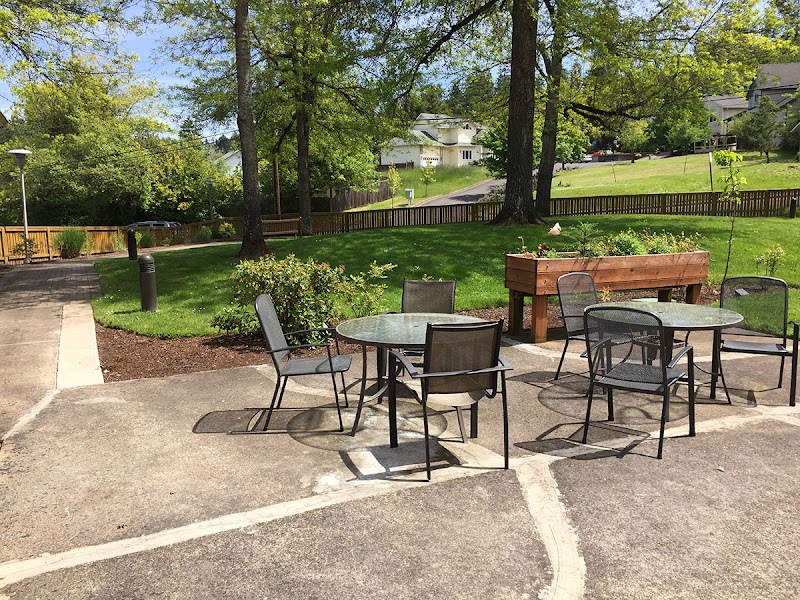
How is Hillside Heights Rehabilitation Center Staffed?

CMS rates HILLSIDE HEIGHTS REHABILITATION CENTER's staffing level at 3 out of 5 stars, which is average compared to other nursing homes. Staff turnover is 47%, compared to the Oregon average of 46%. RN turnover specifically is 80%, which is notably high. RNs provide skilled clinical oversight, so turnover in this role can affect medical care quality.

What Have Inspectors Found at Hillside Heights Rehabilitation Center?

State health inspectors documented 36 deficiencies at HILLSIDE HEIGHTS REHABILITATION CENTER during 2022 to 2024. These included: 36 with potential for harm.
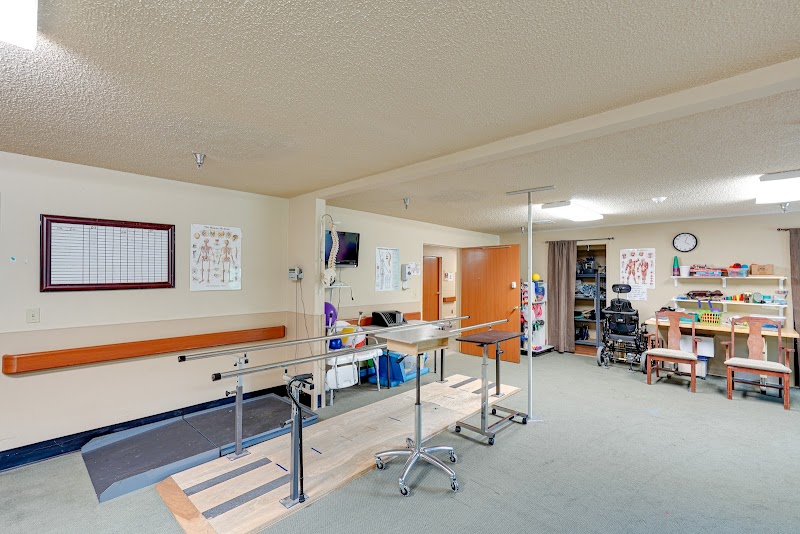
Who Owns and Operates Hillside Heights Rehabilitation Center?

HILLSIDE HEIGHTS REHABILITATION CENTER is owned by a for-profit company. For-profit facilities operate as businesses with obligations to shareholders or private owners. The facility is operated by VOLARE HEALTH, a chain that manages multiple nursing homes. With 83 certified beds and approximately 52 residents (about 63% occupancy), it is a smaller facility located in EUGENE, Oregon.
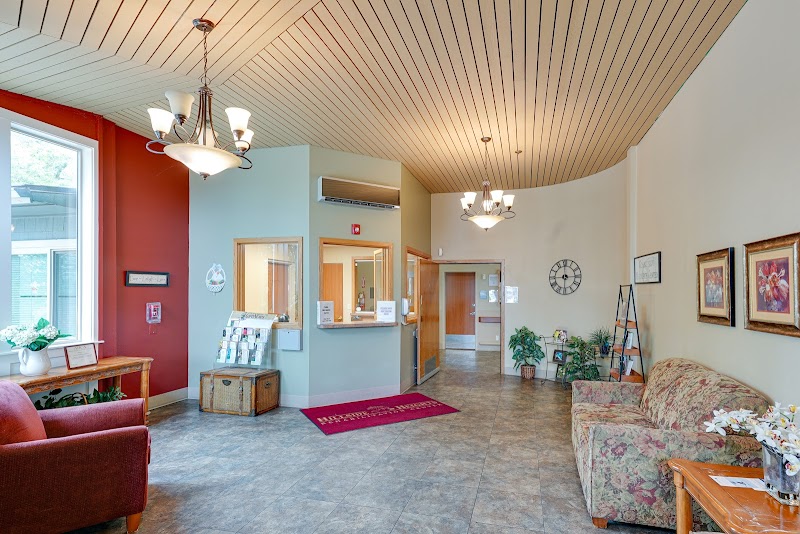
How Does Hillside Heights Rehabilitation Center Compare to Other Oregon Nursing Homes?

Compared to the 100 nursing homes in Oregon, HILLSIDE HEIGHTS REHABILITATION CENTER's overall rating (2 stars) is below the state average of 3.0, staff turnover (47%) is near the state average of 46%, and health inspection rating (2 stars) is below the national benchmark.

What Should Families Ask When Visiting Hillside Heights Rehabilitation Center?

Based on this facility's data, families visiting should ask: "Can I visit during a mealtime to observe dining assistance and food quality?" "How do you handle medical emergencies, and what is your hospital transfer rate?" "Can I speak with family members of current residents about their experience?"

Is Hillside Heights Rehabilitation Center Safe?

Based on CMS inspection data, HILLSIDE HEIGHTS REHABILITATION CENTER has a clean safety record: no substantiated abuse findings (meaning no confirmed cases of resident harm), no Immediate Jeopardy citations (the most serious violation level indicating risk of serious injury or death), and is not on the Special Focus Facility watch list (a federal program monitoring the lowest-performing 1% of nursing homes). The facility has a 2-star overall rating and ranks #100 of 100 nursing homes in Oregon. While no facility is perfect, families should still ask about staff-to-resident ratios and recent inspection results during their visit.

Do Nurses at Hillside Heights Rehabilitation Center Stick Around?

HILLSIDE HEIGHTS REHABILITATION CENTER has a staff turnover rate of 47%, which is about average for Oregon nursing homes (state average: 46%). Moderate turnover is common in nursing homes, but families should still ask about staff tenure and how the facility maintains care continuity when employees leave.

Was Hillside Heights Rehabilitation Center Ever Fined?

HILLSIDE HEIGHTS REHABILITATION CENTER has no federal fines on record. CMS issues fines when nursing homes fail to meet care standards or don't correct problems found during inspections. The absence of fines suggests the facility has either maintained compliance or corrected any issues before penalties were assessed. This is a positive indicator, though families should still review recent inspection reports for the full picture.

Is Hillside Heights Rehabilitation Center on Any Federal Watch List?

HILLSIDE HEIGHTS REHABILITATION CENTER is not on any federal watch list. The most significant is the Special Focus Facility (SFF) program, which identifies the bottom 1% of nursing homes nationally based on persistent, serious quality problems. Not being on this list means the facility has avoided the pattern of deficiencies that triggers enhanced federal oversight. This is a positive indicator, though families should still review the facility's inspection history directly.