VALLEY WEST HEALTH CARE CENTER
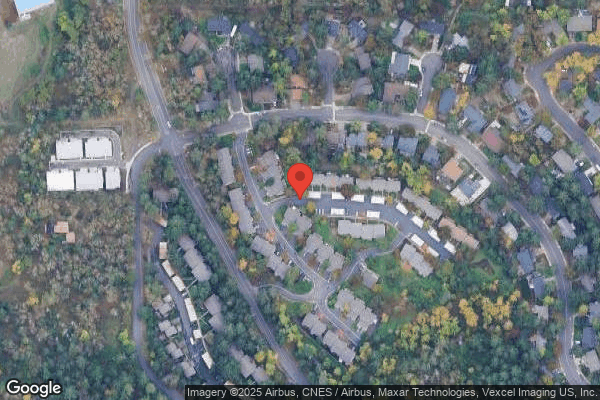
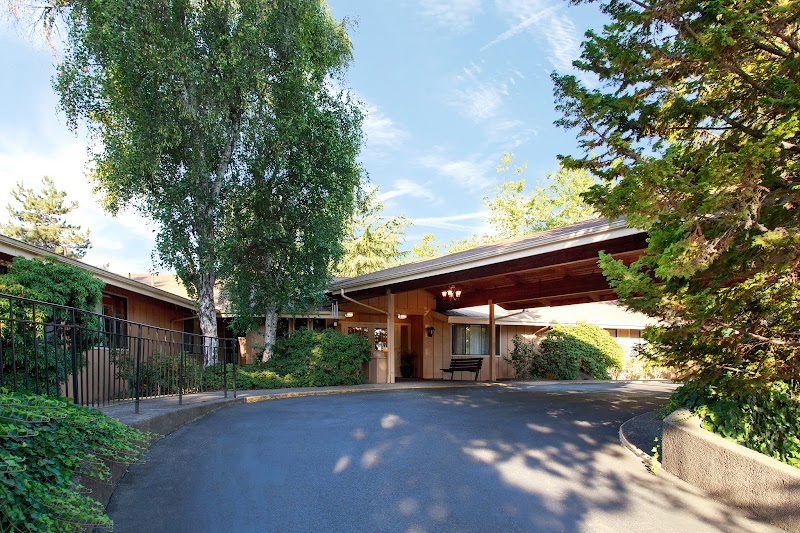
2300 WARREN STREET, EUGENE, OR 97405 (541) 686-2828
For profit - Corporation 121 Beds LIFE CARE CENTERS OF AMERICA Data: November 2025 1 Immediate Jeopardy citation
Trust Grade
8/100
#125 of 127 in OR
Last Inspection: May 2025

Inspected within the last 6 months. Data reflects current conditions.

Overview

Valley West Health Care Center has a Trust Grade of F, which indicates significant concerns about the quality of care provided. They rank #125 out of 127 nursing homes in Oregon, placing them in the bottom half of facilities in the state, and are last in Lane County. While the facility shows an improving trend, reducing issues from 19 in 2024 to 9 in 2025, they still have a concerning history with $134,829 in fines, which is higher than 86% of other facilities in Oregon. Staffing is relatively strong with a 4/5 star rating and a turnover rate of 42%, which is below the state average, but there have been critical incidents, such as administering the wrong medication to a resident and failing to provide necessary showers due to reported short staffing. Despite some strengths, the serious and critical care issues highlight significant areas for improvement.

Trust Score
F
8/100
In Oregon
#125/127
Bottom 2%
Safety Record
High Risk
Review needed
Inspections
Getting Better
19 → 9 violations
Staff Stability
○ Average
42% turnover. Near Oregon's 48% average. Typical for the industry.
Penalties
✓ Good
$134,829 in fines. Lower than most Oregon facilities. Relatively clean record.
Skilled Nurses
○ Average
Each resident gets 33 minutes of Registered Nurse (RN) attention daily — about average for Oregon. RNs are the most trained staff who monitor for health changes.
Violations
⚠ Watch
56 deficiencies on record. Higher than average. Multiple issues found across inspections.
★☆☆☆☆
1.0
Overall Rating
★★★★☆
4.0
Staff Levels
★★★★☆
4.0
Care Quality
★☆☆☆☆
1.0
Inspection Score
Stable
2024: 19 issues
2025: 9 issues

The Good

  • 4-Star Staffing Rating · Above-average nurse staffing levels
  • 4-Star Quality Measures · Strong clinical quality outcomes
  • Full Sprinkler Coverage · Fire safety systems throughout facility
  • No fines on record
  • Staff turnover below average (42%)

    6 points below Oregon average of 48%

Facility shows strength in staffing levels, quality measures, fire safety.

The Bad

1-Star Overall Rating

Below Oregon average (3.0)

Significant quality concerns identified by CMS

Staff Turnover: 42%

Near Oregon avg (46%)

Typical for the industry

Federal Fines: $134,829

Well above median ($33,413)

Significant penalties indicating serious issues

Chain: LIFE CARE CENTERS OF AMERICA

Part of a multi-facility chain

Ask about local staffing decisions and management

The Ugly 56 deficiencies on record

1 life-threatening 1 actual harm
Jun 2025 1 deficiency
CONCERN (D) 📢 Someone Reported This

A family member, employee, or ombudsman was alarmed enough to file a formal complaint

Potential for Harm - no one hurt, but risky conditions existed

Free from Abuse/Neglect (Tag F0600)

Could have caused harm · This affected 1 resident

Based on interview and record review it was determined the facility failed to protect the resident's right to be free from physical abuse by staff for 1 of 1 sampled resident (# 101) reviewed for abus...

Read full inspector narrative →
Based on interview and record review it was determined the facility failed to protect the resident's right to be free from physical abuse by staff for 1 of 1 sampled resident (# 101) reviewed for abuse and neglect. This placed residents at risk for abuse. Findings include: Resident 101 was admitted to the facility in 2022, with diagnoses including a below the knee amputation, mood disturbance, and anxiety. An Incident Report dated 5/26/25 indicated there was a physical altercation involving Staff 2 (CNA) against Resident 101. Resident 101 yelled profanities at and flailed her/his arms at Staff 2 during personal cares. Staff 2 grabbed the resident's wrists to calm her/him down then hit the residents left wrist area three times. Staff 2 ran out of the room and self-reported striking the resident to the nurse. Staff 2 was suspended pending an investigation, the Executive Director, the Police, and the State Agency were notified, and an investigation was started. A 5/26/25 Progress Note indicated Staff 2 came out of the resident's room crying and stated she had punched the resident on the left wrist because the resident was being verbally abusive to her. Staff 2 wrote a statement and was sent home. An initial skin assessment yielded nothing, but five minutes later a small bruise was noted to the resident's left wrist and the resident complained of pain with movement of the area. The facility's 5/26/25 Investigation Report concluded Staff 2 hit Resident 101 with her fist on the resident's left wrist after attempting to calm the resident by holding her/his wrists down. Staff 2 acknowledged the abuse, and the potential impact of her actions on the resident's well-being. Staff 2 was terminated from employment with the facility. On 6/25/25 at 11:45 AM, Resident 101 revealed she/he remembered the incident. Resident 101 stated while Staff 2 was providing personal care, she flipped out, hit her/him three times on the wrist, then took off running. Resident 101 stated Staff 2 had never taken care of her/him previously and she/he did not want her taking care of her/him again. On 6/25/25 at 2:40 PM, Staff 2 (CNA) stated on 5/26/25 she provided personal care for Resident 101. Staff 2 stated she was trying to hurry because the resident was agitated. She attempted to calm the resident but she/he was getting increasingly aggressive. Staff 2 stated at one point she used her arms to hold the resident's wrists down to help calm her/him, which did not work, and she hit the resident's forearm, wrist area three times. Staff 2 stated she felt the resident was going to hit her. Staff 2 also stated the resident did not actually take a swing at her, but she had been scared and understood she had over-reacted. On 6/25/25 at 3:05 PM, Staff 1 (Administrator) acknowledged they had determined there was physical abuse by Staff 2 against Resident 101. On 6/2/25, the Past Noncompliance was corrected when the facility completed a root cause analysis of the incident and determined abuse was substantiated. The Plan of Correction included: -An Ad Hoc QAPI meeting was held on 5/30/25 to review the incident. -Facility employees were re-educated regarding Abuse and Burnout. -A new plan for abuse training was to be held monthly at All-Staff meetings. -All facility residents were either interviewed or had a new skin evaluation completed. -Regular monitoring observations of CNA staff in various areas of the facility such as resident rooms, shower rooms, hallways, dining rooms, and during activities were conducted. -Audits by DON or Designee of nurses' notes and reviews of Risk Management reports for any signs of abuse or neglect for three months. Any evidence found, if not already reported, would be brought to the Executive Director and the Abuse Policy would be followed.
May 2025 8 deficiencies
CONCERN (D)

Potential for Harm - no one hurt, but risky conditions existed

Deficiency F0637 (Tag F0637)

Could have caused harm · This affected 1 resident

**NOTE- TERMS IN BRACKETS HAVE BEEN EDITED TO PROTECT CONFIDENTIALITY** Based on interview and record review it was determined the facility failed to conduct a Significant Change MDS assessment within...

Read full inspector narrative →
**NOTE- TERMS IN BRACKETS HAVE BEEN EDITED TO PROTECT CONFIDENTIALITY** Based on interview and record review it was determined the facility failed to conduct a Significant Change MDS assessment within the required timeframe for 1 of 1 sampled resident (#18) reviewed for hospice. This placed residents at risk for unassessed needs. Findings include: Resident 18 admitted to the facility in 12/2024 with diagnoses including heart failure. A 4/30/25 Progress Note revealed Resident 18 admitted to hospice services on 4/25/25. A Significant Change MDS assessment dated [DATE] was completed on 5/21/25, 27 days after Resident 18 admitted to hospice. On 5/23/25 at 8:36 AM Staff 15 (RN MDS Coordinator) stated Resident 18's Significant Change MDS assessment was not completed within 14 days after Resident 18 was admitted to hospice.
CONCERN (D)

Potential for Harm - no one hurt, but risky conditions existed

PASARR Coordination (Tag F0644)

Could have caused harm · This affected 1 resident

**NOTE- TERMS IN BRACKETS HAVE BEEN EDITED TO PROTECT CONFIDENTIALITY** Based on interview and record review it was determined the facility failed failed to complete a referral for a Level ll PASARR (...

Read full inspector narrative →
**NOTE- TERMS IN BRACKETS HAVE BEEN EDITED TO PROTECT CONFIDENTIALITY** Based on interview and record review it was determined the facility failed failed to complete a referral for a Level ll PASARR (Pre-admission Screening and Resident Review) for 1 of 2 sampled residents (#18) reviewed for PASARR. This placed residents with a mental health disorder at risk for delayed care, emotional distress related to mental illness and lack of services to attain their highest practicable well-being. Findings include: Resident 18 admitted to the facility in 12/2025 with diagnoses including schizophrenia (chronic mental disorder characterized by symptoms such as hallucinations, delusions, and cognitive challenges), polydipsia (excessive thirst), hyponatremia (a condition where sodium levels are low often due to excessive water consumption), and panic disorder. A 11/25/24 Level 1 PASARR was completed by the hospital on admission to the facility, no indication of serious mental illness was indicated. A 11/25/24 hospital discharge summary revealed Resident 18 had suicidal ideation on admission to the hospital. A 12/12/24 PASARR Level 1 revealed Resident 18 had serious mental illness indicators and met the conditions for an exempted hospital discharge. A review of Resident 18's physician orders revealed a 12/28/24 order for a 1500 ml/day fluid restriction. A 1/28/25 progress note revealed Resident 18 was heard yelling for five to 10 minutes and stated the voices made me drink water and I'm weak and I let them. A 3/3/25 hospital history and physical revealed Resident 18 admitted to the hospital on [DATE]. The history and physical revealed Resident 18 admitted to the hospital with an altered mental status which appeared to be caused by consumption of a large amount of water. The history and physical also revealed Resident 18 had a history of hyponatremia due to psychogenic (originating form a psychological rather than a physical cause) polydipsia. A 4/3/25 provider progress note revealed Resident 18 had active suicidal ideation and drank approximately 10 cups of water. The provider instructed the nurse to send Resident 18 to the emergency room for symptomatic chronic hyponatremia (a condition where sodium levels are low often due to excessive water consumption) with associated symptoms of suicidal ideation. A 4/3/25 hospital history and physical revealed Resident 18 admitted to the hospital on [DATE] with hyponatremia due to psychogenic polydipsia. The history and physical also revealed Resident 18 reported she/he chronically heard voiced that told her/him to kill her/himself. A 5/7/25 Significant Change MDS revealed Resident 18 had a PHQ-9 score of 14 which indicated moderate depression, and reported feeling down, depressed or hopeless nearly every day. A review of Resident 18's medical record revealed no evidence of a referral for a PASARR Level II related to a serious mental illness. On 5/21/25 at 9:18 AM Staff 12 (CNA) stated Resident 18 had verbal behaviors and thought everyone was after her/him. On 5/21/25 at 9:25 AM Staff 13 (CNA) stated Resident 18 was on a fluid restriction but would hide cups in her/his room and drank too much fluids. Staff 13 stated Resident 18 would become very upset if she/he saw cups removed from her/his room and would drink water to excess. On 5/21/25 at 10:02 AM Staff 14 (LPN) stated Resident 18 had behaviors related to fluids, was redirectable but would continue to drink excessive fluids and which was detrimental to her/his health. On 5/22/25 at 12:00 PM Staff 11 (Social Services Assistant) stated Resident 18 drank fluids consistently and was diagnosed with polydipsia related to this. Staff 11 stated Resident 18 did not have current mental health involvement and a PASARR Level II was not completed. On 5/23/25 at 9:41 AM Staff 4 (LPN Unit Manager) reviewed Resident 18's clinical record and stated it would have been appropriate to request a PASARR Level II. On 5/23/25 at 10:50 AM Staff 1 (Administrator) stated she would expect a PASARR Level II to have been completed for Resident 18.
CONCERN (D)

Potential for Harm - no one hurt, but risky conditions existed

Quality of Care (Tag F0684)

Could have caused harm · This affected 1 resident

Based on interview and record review it was determined the facility failed to follow physician orders for CBGs and medications for 2 of 8 sampled residents (#s 8 and 218) reviewed for nutrition. This ...

Read full inspector narrative →
Based on interview and record review it was determined the facility failed to follow physician orders for CBGs and medications for 2 of 8 sampled residents (#s 8 and 218) reviewed for nutrition. This placed residents at risk for ineffective medication regimen. Findings include: 1. Resident 8 was admitted to the facility in 12/2024 with a diagnosis of diabetes. Resident 8's hospital After Visit Summary revealed she/he was on oral diabetic medication and CBGs were to be checked three times a day. Resident 8's 12/17/24 nurse practitioner note revealed Resident 8 reported at home she/he checked her/his CBGs up to five times a day. The nurse practitioner indicated the plan was to initiate CBG monitoring. Resident 8's clinical record did not include staff perform CBG monitoring. On 05/22/25 at 10:49 AM Staff 4 (LPN Unit Manger)stated when a resident was admitted to the facility, medical records staff entered orders into a resident's electronic record, a floor nurse reviewed the orders entered by the medical records staff, and then a second nurse reviewed the orders prior to implementing the orders. The orders were then forwarded to a nurse manager and she reviewed the admission orders one more time for accuracy. Staff 4 verified Resident 8 had orders upon admission to the facility for CBG monitoring but staff did not implement the orders. On 5/22/25 at 2:00 PM Staff 2 (DNS) stated she reviewed Resident 8's record, verified the admission orders for CBG monitoring were not implemented, and indicated after the nurse practitioner visit staff did not implement CBG monitoring. 2. Resident 218 was admitted to the facility in 5/2025 with diagnoses including herpes virus infection. A review of Physician Orders revealed a 5/13/25 order for acyclovir (a medication used to treat viral infections) twice a day as needed for a herpes outbreak. On 5/19/25 at 10:13 AM Resident 218 was observed to have a sore near the left side of her/his mouth. Resident 218 stated the sore was from herpes and she/he was taking acyclovir for it. A review of Resident 218's 5/2025 MAR revealed she/he started taking acyclovir on 5/14/25. Resident 218 was administered acyclovir once daily except on 5/19/25 the acyclovir was given twice. On 5/23/25 at 8:24 AM Staff 4 (LPN Unit Care Coordinator) stated Resident 218 was given the acyclovir when she/he asked for it and acknowledged the acyclovir should be given twice a day per orders for herpes outbreak.
CONCERN (D) 📢 Someone Reported This

A family member, employee, or ombudsman was alarmed enough to file a formal complaint

Potential for Harm - no one hurt, but risky conditions existed

Accident Prevention (Tag F0689)

Could have caused harm · This affected 1 resident

Based on interview and record review it was determined the facility failed to ensure the care plan related to bathing was followed for 1 of 1 sampled resident (#16) reviewed for accidents. This placed...

Read full inspector narrative →
Based on interview and record review it was determined the facility failed to ensure the care plan related to bathing was followed for 1 of 1 sampled resident (#16) reviewed for accidents. This placed residents at risk for injuries. Findings include: Resident 16 was admitted to the facility in 2/2023 with diagnoses including depression and muscle weakness. The 2/19/25 Annual MDS revealed Resident 16 had a BIMs score of 15, which indicated the resident was cognitively intact. A review of the 3/14/25 Care Plan revealed Resident 16 required one person assistance for bathing. A facility reported incident dated 3/29/25 revealed Staff 6 (CNA) was reported to have escorted Resident 16 to the shower room, set the resident up and left the resident to shower independently. On 3/29/25 at 7:30 PM Resident 16 reported the incident to Staff 5 (LPN) and expressed she/he felt it was neglectful to have been left alone, but did not report feeling unsafe. On 5/21/25 at 11:35 AM Resident 16 stated she/he remembered the incident on 3/29/25. Resident 16 stated she/he was taken into the shower room, the CNA set her/him up then left for an unknown reason. Resident 16 stated, it made me feel very unsafe left alone in the shower. The resident reported no other incidents had occurred since. On 5/21/25 at 1:10 PM Staff 7 (CNA) stated on 3/29/25 during her shift the call light in the shower room was turned on so she answered the call light and Resident 16 was in the shower room alone. Staff 7 stated she worked with Resident 16 often and knew the resident required assistance in the shower, so she stayed with the resident and radioed for Resident 16's assigned CNA. On 5/21/25 at 1:17 PM Staff 6 (CNA) stated Resident 16 was assigned to her on 3/29/25 and this was the first time she worked with that resident. Staff 6 stated she read the care plan but never assisted Resident 16 in the shower before and, apparently missed out on some important details. On 5/21/25 at 7:51 PM Staff 5 (LPN) stated Resident 16 spoke with her on 3/29/25 and she/he was left in the shower room earlier that day and Resident 16 was upset. Staff 5 stated the resident had been back in the shower room since the incident and had no further concerns. On 5/23/25 at 11:26 AM and at 12:46 PM Staff 1 verified the incident occurred on 3/29/25 between Resident 16 and Staff 6. Staff 1 acknowledged Staff 6 was to have follow up education on 5/1/25, which did not occur until 5/23/25.
CONCERN (D)

Potential for Harm - no one hurt, but risky conditions existed

Laboratory Services (Tag F0770)

Could have caused harm · This affected 1 resident

Based on interview and record review it was determined the facility failed to process physician laboratory orders timely for 1 of 5 sampled residents (#35) reviewed for unnecessary medications. This p...

Read full inspector narrative →
Based on interview and record review it was determined the facility failed to process physician laboratory orders timely for 1 of 5 sampled residents (#35) reviewed for unnecessary medications. This placed residents at risk unmet needs. Findings include: Resident 35 was admitted to the facility in 12/2024 with diagnoses including hypothyroidism (a condition where the thyroid gland is underactive). A review of Physician Orders revealed a 2/19/25 order for TSH (Thyroid Stimulating Hormone)lab. A review of Resident 35's medical record revealed a TSH lab was completed on 3/25/25. On 5/23/25 at 8:41 AM Staff 4 (LPN Unit Care Coordinator) acknowledged the TSH was ordered on 2/19/25 and completed on 3/25/25. Staff 4 stated the TSH lab was not completed timely.
CONCERN (E)

Potential for Harm - no one hurt, but risky conditions existed

Deficiency F0727 (Tag F0727)

Could have caused harm · This affected multiple residents

Based on interview and record review it was determined the facility failed to staff a registered nurse (RN) for 8 consecutive hours per day 7 days per week for 4 out of 34 days reviewed for staffing. ...

Read full inspector narrative →
Based on interview and record review it was determined the facility failed to staff a registered nurse (RN) for 8 consecutive hours per day 7 days per week for 4 out of 34 days reviewed for staffing. This placed residents at risk for unmet assessment needs. Findings include: A review of Direct Care Staff Daily Report revealed there were no RNs scheduled on 7/6/24, 7/7/24, 7/20/24, 7/21/24, or 8/3/24. On 5/22/25 at 12:33 PM Staff 1 (Administrator) acknowledged there were no RNs scheduled on on the above dates. The deficient practice was identified as Past Noncompliance based on the following: In 10/2024, the deficient practice was identified by the facility and was corrected when the facility completed a staffing root cause analysis and determined the facility needed to hire an additional RN. The plan of correction included hiring an agency RN on 10/21/24 to ensure seven day a week RN coverage.
CONCERN (E)

Potential for Harm - no one hurt, but risky conditions existed

Infection Control (Tag F0880)

Could have caused harm · This affected multiple residents

**NOTE- TERMS IN BRACKETS HAVE BEEN EDITED TO PROTECT CONFIDENTIALITY** Based on observation, interview and record review it was determined the facility failed to follow CDC (Centers for Disease Contr...

Read full inspector narrative →
**NOTE- TERMS IN BRACKETS HAVE BEEN EDITED TO PROTECT CONFIDENTIALITY** Based on observation, interview and record review it was determined the facility failed to follow CDC (Centers for Disease Control and Prevention) Infection Control Guidelines related to Enhanced Barrier Precautions for 13 of 13 sampled resident rooms (#s 3, 7, 8, 12, 13, 14, 17, 21, 22, 23, 24, 29, and 33) reviewed for infection control. This placed residents at risk for exposure to infections and cross contamination. Findings include: The CDC's 4/2/24 implementation of Nursing Home PPE guidelines for prevention of spread of Multidrug-Resistant Organisms (MDROs) included a trash bin was to be placed inside the resident room and near the exit for discarding PPE after removal, prior to exit of the room. On 5/19/25 at 10:12 AM room [ROOM NUMBER] was observed to have enhanced barrier precaution signage next to the door. A plastic storage bin with new PPE in the drawers and a garbage bin with used PPE inside was observed outside of the resident's room. On 5/19/25 at 1:20 PM Staff 10 (CNA) performed hand hygiene, donned PPE, entered room [ROOM NUMBER], exited the room at 1:28 PM and doffed PPE in the hallway and placed the soiled PPE in the garbage bin outside of the resident's room. On 5/19/25 at 1:49 PM Staff 10 stated after direct care was provided for the resident, used PPE was placed in the garbage located outside of the resident's room. On 5/20/25 from 1:52 PM to 2:50 PM rooms 7, 8, 12, 13, 14,17, 21, 22, 23, 24, 29, and 33 were observed to have enhanced barrier precaution signage next to the room door. Each room had a plastic storage bin with new PPE in the drawers and a garbage bin that contained used PPE outside of the resident's room. On 5/21/25 at 9:29 AM Staff 7 (CNA) performed hand hygiene, donned PPE, entered room [ROOM NUMBER], then exited the room at 9:31 AM, doffed PPE in the hallway and placed the soiled PPE in the garbage bin outside of the resident's room. On 5/21/25 at 10:00 AM Staff 7 stated staff were provided education from the facility related to enhanced barrier precautions and were directed to discard used PPE in the garbage bin located outside of the resident's room. On 5/21/25 at 3:57 PM Staff 3 (RN Infection Preventionist) stated management discussed enhanced barrier precautions and placement for the garbage bins and she was advised to keep the garbage bins outside of the resident's room in the hallway. Staff 3 acknowledged the facility was not following the CDC guidelines related to enhanced barrier precautions.
CONCERN (E) 📢 Someone Reported This

A family member, employee, or ombudsman was alarmed enough to file a formal complaint

Potential for Harm - no one hurt, but risky conditions existed

Deficiency F0883 (Tag F0883)

Could have caused harm · This affected multiple residents

Based on interview and record review it was determined the facility failed to ensure residents were offered and received pneumococcal vaccines for 4 of 7 sampled residents (#s 31, 52, 267, and 268) re...

Read full inspector narrative →
Based on interview and record review it was determined the facility failed to ensure residents were offered and received pneumococcal vaccines for 4 of 7 sampled residents (#s 31, 52, 267, and 268) reviewed for vaccines. This places residents at risk for pneumonia. Findings include: A review of the revised 4/8/25 facility Pneumococcal Vaccine policy for residents revealed the following: 1. Each resident should be offered pneumococcal immunizations, unless the immunization is medically contraindicated, or the resident has already been immunized. 2. Consents and declinations should be documented using the Med-Pass form (CP-1900P-25) and placed in the medical record. The facility should re-address the refusal with the resident and/or resident representative each year to ensure they have not changed their decision. These conversations should be captured in the medical record. 1. Resident 31 was admitted to the facility in 2021 with a diagnosis of heart failure. Resident 31's clinical record revealed she/he was eligible for, but was not offered a pneumococcal vaccine. On 5/22/25 at 11:16 AM Staff 3 (RN Infection Preventionist) stated all long-term residents who were eligible for a pneumococcal vaccine were not yet offered. No additional information was provided. 2. Resident 52 was admitted to the facility in 2023 with a diagnosis of diabetes. Resident 52's clinical record revealed she/he was eligible for, but was not offered a pneumococcal vaccine. On 5/22/25 at 11:16 AM Staff 3 (RN Infection Preventionist) stated all long-term residents who were eligible for a pneumococcal vaccine were not yet offered. No additional information was provided. 3. Resident 267 was admitted to the facility in 3/2024 with a diagnosis of kidney failure. Resident 267's clinical record revealed on 3/23/24 the resident was offered and consented to receive a pneumococcal vaccine. The resident's clinical record did not indicate she/he received the vaccine. No additional information was provided. 4. Resident 268 was admitted to the facility in 4/2024 with a diagnosis of heart failure. Resident 268's clinical record revealed on 4/16/24 the resident was offered and consented to receive a pneumococcal vaccine. The resident's clinical record did not indicate she/he received the vaccine. No additional information was provided.
Feb 2024 19 deficiencies
CONCERN (D) 📢 Someone Reported This

A family member, employee, or ombudsman was alarmed enough to file a formal complaint

Potential for Harm - no one hurt, but risky conditions existed

Notification of Changes (Tag F0580)

Could have caused harm · This affected 1 resident

Based on interview and record review it was determined the facility failed to notify the physician for a change of condition for 1 of 1 sampled resident (#33) reviewed for change of condition. This pl...

Read full inspector narrative →
Based on interview and record review it was determined the facility failed to notify the physician for a change of condition for 1 of 1 sampled resident (#33) reviewed for change of condition. This placed residents at risk for delayed treatment. Findings include: Resident 33 was admitted to the facility in 2017 with diagnoses including heart failure. A 11/19/23 Administration Note instructed staff to administer Lisinopril two times a day for high blood pressure and hold for heart rate under 50. The note indicated vitals were outside of parameters and medication was not administered and the nurse was aware. A review of Resident 33's vital summaries from 11/1/23 through 11/18/23 revealed the following: -Pulse Summary: ranged between 56 to 88 beats per minute. -Respiration Summary: ranged between 14 to 20 breaths per minute. -O2 (Oxygen levels) Summary: Oxygen level was checked on 11/7/23 and was 92 percent. -Blood Pressure Summary: ranged between 134 systolic and 68 diastolic and 168 systolic 56 diastolic. A review of Resident 33's vital summaries on11/19/23 revealed the following: -Pulse Summary: at 9:05 PM and 9:07 PM Resident 33's pulse was 35 beats per minute. -Respiration Summary: No documentation respirations were checked at 9:05 PM and 9:07 PM. -O2 (Oxygen levels) Summary: No documentation oxygen levels were checked at 9:05 PM and 9:07 PM. -Blood Pressure Summary: at 9:05 PM and 9:07 PM Resident 33's blood pressure was 184 systolic and 84 diastolic. (Normal blood pressure levels are below 120 systolic and below 80 diastolic.) No documentation was found in Resident 33's clinical records the physician was notified of her/his low pluse rate. On 2/7/24 at 12:17 PM Staff 6 (LPN) stated she remembered 11/19/23 when Resident 33's pulse was in the 30's, the facility was short-staffed and she ran from room to room. Staff 6 stated she should have sent Resident 33 to the hospital. Staff 6 stated when she got home that night she thought that was not my best work. On 2/8/23 at 1:19 PM Staff 2 (DNS) and Staff 10 (Regional Director of Clinical) stated the expectation was staff should notify the physician. Refer to F684.
CONCERN (D) 📢 Someone Reported This

A family member, employee, or ombudsman was alarmed enough to file a formal complaint

Potential for Harm - no one hurt, but risky conditions existed

Comprehensive Care Plan (Tag F0656)

Could have caused harm · This affected 1 resident

Based on interview and record review it was determined the facility failed to ensure a comprehensive care plan was developed for 1 of 6 sampled residents (#50) reviewed for vision and medications. Thi...

Read full inspector narrative →
Based on interview and record review it was determined the facility failed to ensure a comprehensive care plan was developed for 1 of 6 sampled residents (#50) reviewed for vision and medications. This placed residents at risk for unmet needs. Findings include: 1. Resident 50 was admitted to the facility in 2023 with a diagnosis of dementia. a. A 1/11/23 admission MDS and 1/24/24 Annual MDS and associated CAAs revealed Resident 50 had a visual impairment and it placed the resident at risk for falls, decline in ADLs, decline in cognitive function and pain. The CAAs indicated a care plan was to be developed to ensure the resident's vision did not negatively impact the resident. Resident 50's care plan last revised 1/17/24 did not include a focused area to address the resident's impaired vision. On 2/8/24 at 11:05 AM Staff 2 (DNS) acknowledged Resident 50 was assessed to be at risk for impaired vision but a care plan was not developed. Refer to F685. b. A 1/24/24 Annual MDS and associated CAAs revealed Resident 50 had dementia with behavior disturbances and was administered Seroquel (antipsychotic). Resident 50's 1/2024 and 2/2024 MARs revealed she/he was administered Seroquel except for three days when a new medication was trialed. A care plan last revised 1/17/24 did not include a focused area to address the resident's use of Seroquel. On 2/8/24 at 11:06 AM Staff 2 (DNS) acknowledged Resident 50 did not have a care plan related to the use of Seroquel.
CONCERN (D) 📢 Someone Reported This

A family member, employee, or ombudsman was alarmed enough to file a formal complaint

Potential for Harm - no one hurt, but risky conditions existed

Deficiency F0657 (Tag F0657)

Could have caused harm · This affected 1 resident

Based on observation, interview and record review it was determined the facility failed to involve residents in the care planning process and revise care plan interventions for 3 of 10 sampled residen...

Read full inspector narrative →
Based on observation, interview and record review it was determined the facility failed to involve residents in the care planning process and revise care plan interventions for 3 of 10 sampled residents (#s 8, 50 and 168) reviewed for care plans, restraints and medications. This placed residents at risk for unmet needs. Findings include: 1. Resident 8 was admitted to the facility in 2017 with diagnoses including paraplegia (inability to move the lower parts of the body) and UTI. A 2/23/23 Care Management note revealed Resident 8 was involved in her/his care plan discussion and staff were present to hear her/his concerns. On 2/5/24 at 12:25 PM Resident 8 stated staff did not routinely involve her/him in the discussion of her/his care. Resident 8 last recalled a discussion of her/his care plan concerns with staff in 2/2023. On 2/9/24 at 12:39 PM Staff 3 (Social Services Director) confirmed discussions with Resident 8 about her/his plan of care were not completed quarterly as requested. 2. Resident 50 was admitted to the facility in 2023 with diagnoses of a finger fracture and Parkinson's disease. A care plan initiated 1/6/23 revealed Resident 50 had depression and behaviors and was administered an antidepressant medication. No other medications were identified on the care plan. 1/2024 and 2/2024 MARs revealed Resident 50 was administered Ativan (antianxiety medication) PRN. Resident 50 received five doses through the current date of 2/6/24. Resident 50's care plan was not updated to include resident specific behaviors which required the use of PRN Ativan, potential side affects and nonpharmacological interventions to try to alleviate the resident's anxiety prior to the use of the medication. On 2/8/24 at 11:06 AM Staff 2 (DNS) acknowledged the resident's care plan was not updated to reflect the use of an antianxiety medication. 3. Resident 168 was admitted to the facility in 2023 with a diagnosis of heart failure. A 12/5/23 Incident Summary revealed on 12/5/23 Resident 168 alleged on the night shift of 12/4/23 she/he was tied down by one staff and two staff of the opposite gender messed with her/him. The facility investigated the incident and the facility was not able to support the resident's allegations. The summary indicated immediate interventions included all bedside cares were to be done in pairs. Resident 168's care plan was not updated after 12/5/23 to include care in pairs. On 2/8/24 at 10:43 AM Staff 2 (DNS) acknowledged the care plan was not updated after the alleged 12/4/23 incident.
CONCERN (D) 📢 Someone Reported This

A family member, employee, or ombudsman was alarmed enough to file a formal complaint

Potential for Harm - no one hurt, but risky conditions existed

ADL Care (Tag F0677)

Could have caused harm · This affected 1 resident

Based on interview and record review it was determined the facility failed to ensure dependent residents received required assistance with ADLs for 1 of 3 sampled residents (#317) reviewed for ADLs. T...

Read full inspector narrative →
Based on interview and record review it was determined the facility failed to ensure dependent residents received required assistance with ADLs for 1 of 3 sampled residents (#317) reviewed for ADLs. This placed resident at risk for lack of personal hygiene. Findings include: Resident 317 was admitted to the facility in 2022 with diagnoses including chronic pain and muscle weakness. A 7/6/22 care plan indicated Resident 317 required one staff to assist with her/his shower or bed bath three times a week at night. The 8/2023 Documentation Survey Report indicated Resident 317 received bathing once on 8/4/23 for the entire month. There was no documentation Resident 317 refused bathing services. On 2/6/24 at 10:54 AM Resident 317 stated she/he did not receive bathing as expected in 8/2023 and staff continued to state her/his lack of bathing was related to the facility's lack of staffing. On 2/8/24 at 12:50 PM Staff 28 (CNA) indicated she cared for Resident 317 often, confirmed in 8/2023 the facility was routinely short of staff and the morning shift was to offer bathing the next day if the opportunity was missed at night. On 2/9/24 at 9:03 AM Staff 2 (DNS) acknowledged the bathing needs for Resident 317 were not met.
CONCERN (D)

Potential for Harm - no one hurt, but risky conditions existed

Deficiency F0685 (Tag F0685)

Could have caused harm · This affected 1 resident

Based on observation, interview and record review it was determined the facility failed to assist in vision care needs for 1 of 3 sampled residents (#50) reviewed for vision. This placed residents at ...

Read full inspector narrative →
Based on observation, interview and record review it was determined the facility failed to assist in vision care needs for 1 of 3 sampled residents (#50) reviewed for vision. This placed residents at risk for a decline in leisure activities. Finding include: Resident 50 was admitted to the facility in 2023 with a diagnosis of Parkinson's disease. A 1/11/23 admission MDS and 1/24/24 Annual MDS and associated CAAs revealed Resident 50 had impaired vision and it placed the resident at risk for falls, a decline in ADLs and overall decline in health. The assessment indicated the resident did not wear glasses, had blurred vision and preferred dim lighting. The resident was assessed to have a good memory. The CAAs indicated visual function and status would be addressed in the care plan. Resident 50's care plan did not address her/his visual impairment, need for glasses or other factors which impacted the resident's quality of life or quality of care due to poor vision. On 2/5/24 at 1:23 PM Resident 50 stated she/he had glasses but they broke at the facility, and she/he needed glasses. Resident 50 indicated it was hard to see without glasses and she/he preferred dim lighting because the bright lights hurt her/his eyes. Staff did not assist her/him with vision care. At the time of the interview the resident's room lights were not on. On 2/6/24 at 3:04 PM Staff 12 (LPN) stated the resident had two pair of glasses in her/his room. One pair had a missing lens and one pair had a missing arm. On 2/6/24 at 3:24 PM Staff 11 (LPN Resident Care Manager) stated if a resident needed assistance with glasses, social services helped with making arrangements. Staff 11 acknowledged Resident 11 was assessed to have impaired vision but there was no care plan to alert staff of the resident's potential vision needs. Staff 11 stated Resident 50 and her/his spouse did not report concerns to her. On 2/7/24 at 9:28 AM Staff 3 (Social Services) stated if a resident voiced visual needs she assisted in arranging appointments for residents. Staff 3 stated she was not aware Resident 50 was assessed to have impaired vision and had broken glasses. Staff 3 stated if a care plan was developed she would check with the resident at least quarterly to ensure the resident did not have visual needs. Staff 3 stated she did not address visual needs with Resident 50.
CONCERN (D)

Potential for Harm - no one hurt, but risky conditions existed

Pressure Ulcer Prevention (Tag F0686)

Could have caused harm · This affected 1 resident

Based on interview and record review it was determined the facility failed to implement physician orders related to a pressure ulcer for 1 of 2 sampled residents (#8) reviewed for pressure ulcers. Thi...

Read full inspector narrative →
Based on interview and record review it was determined the facility failed to implement physician orders related to a pressure ulcer for 1 of 2 sampled residents (#8) reviewed for pressure ulcers. This placed residents at risk for worsening pressure ulcers. Findings include: Resident 8 was admitted to the facility in 2017 with diagnoses including paraplegia (inability to move the lower parts of the body) and UTI. A 5/22/23 revised care plan revealed Resident 8 was at risk for skin breakdown due to chronic right hip wound which opened periodically. A 5/31/23 physician order indicated Resident 8's air mattress should be monitored every shift and settings kept at 2. A 6/14/23 clinic wound healing assessment indicated Resident 8 was assessed for a Stage 3 (full thickness tissue loss) right ischial (large bone in the lower part of the hip) pressure injury and her/his air mattress appeared to be improperly inflated and could be a potential cause for Resident 8's wound deterioration. The 1/2024 and 2/2024 TARs did not indicate Resident 8's air mattress was monitored. On 2/8/24 at 3:34 PM Staff 30 (CNA) verified Resident 8's air mattress was to remain at 2 according to her/his care plan and was currently set at 5 and not 2 as directed. On 2/7/24 at 1:14 PM Staff 2 (DNS) stated the order to monitor Resident 8's air mattress was incorrectly discontinued in 12/2023 and acknowledged the air mattress should be kept at 2 and monitored by nursing as ordered.
CONCERN (D) 📢 Someone Reported This

A family member, employee, or ombudsman was alarmed enough to file a formal complaint

Potential for Harm - no one hurt, but risky conditions existed

Deficiency F0688 (Tag F0688)

Could have caused harm · This affected 1 resident

**NOTE- TERMS IN BRACKETS HAVE BEEN EDITED TO PROTECT CONFIDENTIALITY** Based on observation, interview, and record review it was determined the facility failed to provide a restorative program to pre...

Read full inspector narrative →
**NOTE- TERMS IN BRACKETS HAVE BEEN EDITED TO PROTECT CONFIDENTIALITY** Based on observation, interview, and record review it was determined the facility failed to provide a restorative program to prevent further decline in range of motion and to apply devices as ordered for 3 of 3 sampled residents (#s 17, 38, and 50) reviewed for ROM. This placed residents at risk for decline in their range of motion abilities. Findings include: 1. Resident 17 admitted to the facility in 2019 with diagnosis including contracture of the left hand. Physician orders signed 1/26/24 instructed staff to apply a left-hand splint in the evening and remove in the morning. A 1/2024 TAR instructed staff to apply a left-hand splint in the evening and remove in the morning. The following entries instructed the reader to review notes: -1/10/24 night shift. -1/13/24 night shift. -1/16/24 night shift -1/18/24 evening shift. -1/19/24 night shift. A review of Administration Notes for Resident 17's left hand splint from 1/13/24 through 1/20/24 revealed the following: -1/11/24 cannot locate. -1/14/24 splint not located; Resident 17 had a stuffed animal in her/his hand. -1/17/24 splint not located. -1/20/24 splint not located; Resident 17 accepted the placement of a washcloth. On 2/6/24 at 7:11 AM Resident 17 was observed in bed with eyes closed and a stuffed animal in her/his left hand. On 2/8/24 at 1:07 PM Staff 2 (DNS) and Staff 10 (Regional Director of Clinical) stated they expected staff to look for the missing splint instead of documenting it could not be found. 2. Resident 38 admitted to the facility in 2022 with diagnoses including a fractured spine, muscle weakness, difficulty in walking and unsteadiness on feet. An 4/18/22 revised care plan indicated Resident 38 was at risk for falls with interventions including to encourage Resident 38 to participate in activities which promoted exercise and physical activity for strengthening and improved mobility. A 7/2022 PT Discharge Summary revealed Resident 38's discharge recommendations showed the resident had limited progress and was to remain at the facility and possibly pursue hospice services. A restorative program was not indicated at this time. An 8/11/23 Annual MDS and ADL CAA revealed Resident 38 had impairment on both sides to her/his lower extremities. Resident 38 completed PT on 7/20/22 and did not receive ROM. Resident 38 did not receive a prognosis indicating a life expectancy of six months or less. Resident 38 required either extensive assistance or was dependent for all ADLs. The goal was for Resident 38 to maintain her/his current level of self-care. A 11/11/23 Quarterly MDS revealed Resident 38 had impairment on both sides to her/his lower extremities. Resident 38 completed PT on 7/20/22 and did not receive ROM. Resident 38 did not receive a prognosis indicating a life expectancy of six months or less. No documentation was found in Resident 38's clinical record that she/he received ROM. On 2/5/23 at 11:20 AM Resident 38 was in her/his wheelchair with a leg pad under her/his legs. On 2/8/23 at 8:28 AM Staff 8 (CNA) stated she did not do any type of ROM with Resident 38 when dressing her/him in the morning. Staff 8 stated the restorative aides provided ROM for residents. Staff 8 stated she had a difficult time moving Resident 38's legs and used a pillow between her/his legs to keep her/his knees apart as she/he experienced a lot of pain if the pillow was not used. On 2/8/23 at 11:30 AM and 1:13 PM Staff 9 (Regional Rehabilitation Director) indicated he thought Resident 38 was going to be on hospice. Staff 9 stated he would check to see if any additional assessments were completed since Resident 38 was not on hospice. No additional information was provided. 3. Resident 50 was admitted to the facility in 2023 with a diagnoses of a fractured finger. A 7/28/23 OT Discharge Summary revealed Resident 50 was provided a splint for the left hand. Resident 50 tolerated the splint during the day and the resident and care givers were provided education for continued use. A 1/24/24 Annual MDS indicated Resident 50 had a good memory. A 1/2024 TAR revealed a splint was applied to the resident's left hand from 1/1/23 through 1/10/24. Progress Notes revealed Resident 50 was admitted to the hospital from [DATE] through 1/13/24. A 2/2024 TAR revealed no information related to the application of a left hand splint. A care plan revised on 2/1/24 revealed one goal was for Resident 50 to maintain her/his prior level of function. Interventions included a left hand splint applied daily for up to eight hours to stabilize the fourth and fifth fingers. On 2/5/24 at 11:07 AM and 12:03 PM, and on 2/6/24 at 10:12 AM Resident 50 was observed in bed with no splint on her/his left hand. On 2/5/24 at 1:41 PM Resident 50 stated she/he did not see her/his splint for quite some time. On 2/7/24 at 1:06 PM Staff 11 (LPN Resident Care Manager) stated Resident 50 refused to wear the splint to the left hand and at times removed it. If the splint was discontinued there would be a therapy note. On 2/7/24 at 1:10 PM Staff 13 (Therapy Director) stated therapy worked with the resident to create a splint for her/his hand. Staff 13 stated the last therapy note was on 7/2023. The OT indicated the resident tolerated the use of the splint for up to eight hours. Staff 13 stated if the resident refused to wear the splint or if the splint caused the resident pain, he expected communication from the nursing staff in order for the therapy staff to reassess the resident. Staff 13 stated he was not aware of concerns related to the splint and would provide documentation if there was an assessment to stop the use of the splint. No additional information was provided.
CONCERN (D) 📢 Someone Reported This

A family member, employee, or ombudsman was alarmed enough to file a formal complaint

Potential for Harm - no one hurt, but risky conditions existed

Deficiency F0692 (Tag F0692)

Could have caused harm · This affected 1 resident

**NOTE- TERMS IN BRACKETS HAVE BEEN EDITED TO PROTECT CONFIDENTIALITY** Based on observation, interview and record review the facility failed to follow physician orders to maintain healthy parameters ...

Read full inspector narrative →
**NOTE- TERMS IN BRACKETS HAVE BEEN EDITED TO PROTECT CONFIDENTIALITY** Based on observation, interview and record review the facility failed to follow physician orders to maintain healthy parameters of nutritional status and monitor for weight loss for 2 of 4 residents (#s 24 and 61) reviewed for hydration and nutrition. This placed residents at risk for weight loss. Findings include: 1. Resident 24 was admitted to the facility in 2016 with diagnoses including dementia and depression. A 6/1/23 physician order indicated Resident 24 was to receive a supplement health shakes with each meal. A 6/5/23 care plan intervention for Resident 24's dementia indicated she/he was to receive one on one assistance with all meals. The Weight Summary for Resident 24 revealed the following: -6/1/23 -126.8 pounds -8/3/23 -128.8 pounds -9/1/23 -121 pounds -10/1/23 -120.6 pounds -1/4/23 -116.6 pounds The Documentation Survey Report revealed the following: -7/2023, Resident 24 received greater assistance than cueing (an indirect signal) to eat during 14 of 93 meals . -8/2023, Resident 24 received greater assistance than cueing to eat during 24 of 93 meals. -9/2023, Resident 24 received greater assistance than cueing to eat during 30 of 90 meals. The 9/8/23 Quarterly MDS indicated Resident 24 had severe weight loss of six percent during the previous month. The 9/8/23 Quarterly Nutrition Data Collection indicated Resident 24 had an average intake of 58 percent, required limited to extensive assistance with meals and accepted health shakes with each meal. A 1/2/24 physician order indicated Resident 24 was to be in her/his wheelchair for all meals and offered pain medications before meals if indicated. A 1/4/24 Nurse Practioner note indicated the current plan was to maintain Resident 24's weight with current orders for supplemental health shakes and one on one assistance with meals. The 2/2024 TAR indicated the following: -Provide Hydrocodone-Acetaminophen (narcotic pain relief medication) every six hours as needed for pain. From 2/1/24 through 2/8/24 Resident 24 last received her/his narcotic pain medication at 1:33 PM on 2/5/24. On 2/6/24 at 10:35 AM Staff 33 (Nurse Practioner) stated orders for specfic weight loss interventions were updated in 1/2024 to ensure Resident 24 received the assistance she/he required based on SLP recommendations in 6/2023. Resident 24 continued to have weight loss and Staff 33 was concerned. On 2/7/24 at 11:36 AM Staff 8 (CNA) stated Resident 24 typically came to the dining room for lunch and not breakfast due to pain, Resident 24 received one on one assistance in her/his room during the breakfast meal and often slept during the lunch meal. Staff 8 acknowledged Resident 24 was to receive one on one assistance for all meals based on her/his care plan. On 2/7/24 at 12:02 PM Resident 24 sat up in her/his wheelchair in the dining room at her/his own table and was falling asleep while Staff 8 assisted another resident with dining On 2/7/24 at 12:41 PM Resident 24 was observed to use her/his straw and attempt to poke a single noodle and bring it to her/his mouth. No food entered Resident 24's mouth until Staff 25 (CNA) centered Resident 24's plate in front of her/him to allow her/him to successfully take one bite of food. No health shake was provided to Resident 24 during the meal. On 2/7/24 at 1:00 PM Staff 25 indicated Resident 24 was offered more assistance with dining if needed while Staff 8 stated Resident 24 was to received one on one assistance with meals. On 2/7/24 at 1:34 PM Staff 26 (CNA) stated on 2/7/24 Resident 24 declined to get up for breakfast and was assisted with breakfast while in bed. Staff 26 acknowledged no health shake was provided for Resident 24 during the meal and Staff 26 should have ensured it was provided. On 2/8/24 at 9:44 AM and 12:06 PM Staff 31 (CNA) stated she notified nursing if Resident 24 had pain during meal times and did not want to get out of bed. Staff 31 stated Resident 24 ate in her/his room at lunch on 2/8/24 due to pain. On 2/8/24 at 9:04 AM Staff 6 (LPN) stated the order for Resident 24 to get up for all meals was new and not all staff complied. Staff 6 stated not all staff knew to report pain prior to meals, there was no report of pain for Resident 24 at breakfast on 2/5/23 and acknowledged she knew Resident 24 did not get up for breakfast on that morning. Staff 6 acknowledged orders that CNAs carried out (health shakes) were at times not verified. On 2/9/24 at 9:13 AM Staff 2 (DNS) confirmed physician orders should be followed for Resident 24, and there was a need for an improved system to monitor compliance. 2. Resident 61 was admitted to the facility in 2023 with diagnoses including a fracture and diabetes. The clinical record indicated an admission weight of 362 pounds. A Mini Nutritional assessment dated [DATE] indicated Resident 61 had a weight loss of greater than six pounds and intakes were reduced in the last three months. On 12/15/23 Resident 61 received an order to monitor weights weekly. A 12/19/23 Nutrition Assessment/Data Collection Tool noted the most recent weight of 364 on 12/10/23, intakes of 76 to 100 percent of all meals, no chewing or swallow problems and the resident would benefit from weight loss. The plan included monitoring of intake, skin and weights. Weekly weight monitoring was scheduled for 12/20/23, 12/27/23, 1/3/24, 1/10/24, 1/17/24, 1/24/24. 1/31/24 and 2/7/24. Records revealed from 12/20/23 through 2/7/24 one weight of 339 pounds was captured on 1/17/24, there were two refusals and five instances the weights were noted as not obtained. On 2/9/24 at 8:14 AM Staff 27 (RD) confirmed Resident 61 was not monitored by the Nutrition at Risk committee. On 2/9/24 at 2:08 PM Staff 2 (DNS) acknowledged Resident 61's weights were not monitored as ordered and she/he was not monitored by the Nutrition at Risk committee.
CONCERN (D)

Potential for Harm - no one hurt, but risky conditions existed

Drug Regimen Review (Tag F0756)

Could have caused harm · This affected 1 resident

Based on interview and record review it was determined the facility failed to address pharmacy recommendations for 1 of 5 sampled residents (#40) reviewed for medications. This placed residents at ris...

Read full inspector narrative →
Based on interview and record review it was determined the facility failed to address pharmacy recommendations for 1 of 5 sampled residents (#40) reviewed for medications. This placed residents at risk for ineffective medications and medication side effects. Findings include: Resident 40 was admitted to the facility in 2023 with diagnoses including PTSD and depression. On 12/1/23 the pharmacist recommended the facility complete an Abnormal Involuntary Movement Scale (AIMS) test to evaluate Resident 40 due to her/his use of antipsychotic medications. On 1/10/24 the pharmacist recommended the facility monitor the hours of sleep for Resident 40 due to the use of trazadone (antidepressant used for insomnia). There was no evidence in the clinical record an AIMS test was completed or the hours of sleep were monitored for Resident 40. On 2/9/24 at 12:31 PM Staff 2 (DNS) stated she could not locate an AIMS test and there was no information related to monitoring trazadone.
CONCERN (D)

Potential for Harm - no one hurt, but risky conditions existed

Medication Errors (Tag F0758)

Could have caused harm · This affected 1 resident

Based on interview and record review it was determined the facility failed to monitor the use of psychotropic medications for 1 of 5 sampled residents (#40) reviewed for medications. This placed resid...

Read full inspector narrative →
Based on interview and record review it was determined the facility failed to monitor the use of psychotropic medications for 1 of 5 sampled residents (#40) reviewed for medications. This placed residents at risk for ineffective medications and medication side effects. Findings include: Resident 40 was admitted to the facility in 2023 with diagnoses including PTSD and anxiety. A review of the 2/2023 MAR indicated Resident 40 received Seroquel (antipsychotic medication) and trazadone (antidepressant used to treat insomnia). There was no evidence in the clinical record an Abnormal Involuntary Movement Scale (AIMS) test was completed or the hours of sleep were monitored for Resident 40. On 2/9/24 at 12:31 PM the monitoring of antipsychotic and antidepressant medications was discussed with Staff 2 (DNS). Staff 2 stated she could not locate a completed AIMS test or monitoring for the effectiveness of trazadone.
CONCERN (D) 📢 Someone Reported This

A family member, employee, or ombudsman was alarmed enough to file a formal complaint

Potential for Harm - no one hurt, but risky conditions existed

Laboratory Services (Tag F0770)

Could have caused harm · This affected 1 resident

**NOTE- TERMS IN BRACKETS HAVE BEEN EDITED TO PROTECT CONFIDENTIALITY** 2. The Life Care Centers of America Policy and Procedure: Lab Procedures and Diagnostics for Collecting a Stool Specimen dated 9...

Read full inspector narrative →
**NOTE- TERMS IN BRACKETS HAVE BEEN EDITED TO PROTECT CONFIDENTIALITY** 2. The Life Care Centers of America Policy and Procedure: Lab Procedures and Diagnostics for Collecting a Stool Specimen dated 9/20/23 indicated the following: The facility will provide Collecting a Stool Specimen in accordance with professional standards of practice, as outlined by [NAME] through the procedure (helps nursing staff achieve clinical excellence, with access to the latest evidence-based clinical information). Because it it's possible to obtain stool specimens on demand, proper collection requires careful patient instructions to ensure an uncontaminated specimen. Special Considerations: Place stool specimens in a refrigerator used only for specimens. If testing for Clostridioides difficle (C. Diff), (a germ (bacterium) that causes diarrhea and colitis (an inflammation of the colon) that can be life-threatening, collect only diarrheal (unformed) stool unless you suspect ileus (decrease in flow of intestinal contents) due to infection. According to the CDC the C. Diff toxin is very unstable. The toxin degrades at room temperature and might be undetectable within two hours after collection of a stool specimen. False-negative results could occur if specimens were not promptly tested or kept refrigerated until testing was done. On 2/7/24 at 12:06 PM, during the North Hall medication storage room inspection, a specimen container was observed sitting on top of the counter at room temperature. Inside the biohazard transport bag was a specimen container that contained a stool sample. Staff 17 (RN) was asked to identify the contents inside the specimen container. Staff 17 confirmed the sample was collected on 2/7/24 at 10:30 AM from Resident 61 by Staff 15 (LPN). Staff 17 confirmed the specimen container contained a stool sample for Resident 61 who was being tested for C. Diff. Staff 17 further stated she did not know the facility protocol related to laboratory protocols and did not know if the sample should be refrigerated. On 2/7/24 at 12:30 PM Staff 15 (LPN) confirmed she obtained the specimen sample from Resident 61 because the resident was being tested for C. Diff. Staff 15 stated she placed the stool sample on the counter because she did not have time to send the sample to the lab. Staff 15 stated she did not know the facility process related to the collecting and handling laboratory specimens for C. Diff. On 2/9/24 at 10:21 AM Staff 16 (RNCM/IP) acknowledged staff did not follow the facility protocol or CDC guidelines related to collecting and handling a laboratory specimen for suspected C. Diff, and confirmed staff training was needed. Based on interview and record review it was determined the facility failed to obtain laboratory testing in approved timeframes for 2 of 2 sampled residents (#s 41 and 61) reviewed for medications and infection control. This placed residents at risk for ineffective medications and inaccurate lab results. 1. Resident 41 was admitted to the facility in 2024 with diagnoses including a fracture and schizophrenia. On 1/25/24 Resident 41 received a STAT (usually within 30 minutes) order to obtain a potassium level to evaluate her/his potassium supplement. On 1/31/24 the facility received the results of the potassium level. On 2/9/24 at 12:47 PM Staff 2 (DNS) was asked about the delay in obtaining the lab. Staff 2 stated the facility only had lab services twice a week and the delay was due to the order arriving on a weekend which delayed the results.
CONCERN (D)

Potential for Harm - no one hurt, but risky conditions existed

Menu Adequacy (Tag F0803)

Could have caused harm · This affected 1 resident

2. Resident 24 was admitted to the facility in 2016 with diagnoses including dementia and depression. The 9/8/23 Quarterly Nutrition Data Collection indicated Resident 24 had an average intake of 58 p...

Read full inspector narrative →
2. Resident 24 was admitted to the facility in 2016 with diagnoses including dementia and depression. The 9/8/23 Quarterly Nutrition Data Collection indicated Resident 24 had an average intake of 58 percent, required limited to extensive assistance with meals and accepted health shakes with each meal. The 12/12/23 Quarterly Nutrition Data Collection indicated Resident 24 was to receive fortified meals for breakfast, lunch and dinner. A 2/7/24 diet slip for Resident 24 indicated fortified food and a vanilla health shake was to be provided at each meal. On 2/7/24 at 12:02 PM Resident 24 was observed in her/his wheelchair in the dining room for lunch, but no health shake was provided. On 2/7/24 at 1:34 PM Staff 26 (CNA) stated on 2/7/24 Resident 24 was not provided a health shake for breakfast. On 2/8/24 at 12:29 PM Staff 19 (Cook) read the diet slip for Resident 24 and confirmed the resident was to receive a health shake and fortified foods at each meal. Staff 19 stated Resident 24's breakfast cereal was fortified, but no additional information regarding the fortification of Resident 24's lunch and dinner meals was provided. On 2/9/24 at 9:13 AM Staff 2 (DNS) acknowledged the kitchen should provide fortified foods and health shakes as ordered. Based on observation, interview, and record review it was determined the facility failed to ensure menus were followed for 2 of 5 sampled residents (#s 24 and 33) observed during dining observations. This placed residents at risk for lack of honored preferences and nutrition. Findings include: 1. Resident 33 was admitted to the facility in 2017 with diagnoses including heart failure. On 2/5/24 at 4:10 PM Staff 18 (Social Service Assistant) stated he was working as the Dietary Manager for the past eight months until a few weeks ago and was aware menus were not followed. On 2/7/24 at 8:21 AM Staff 7 (CNA) served Resident 33's breakfast. Resident 33 stated residents often did not receive what was on the menu. Resident 33 further stated she/he raised this concern during residential council, but nothing was ever resolved and staff continued to not follow the menu. On 2/8/24 at 11:30 AM a sample lunch tray was requested to include: country fried steak, cream gravy, mashed potatoes, confetti coleslaw, dinner roll, a chocolate chip bar, juice and a vegetarian option. Staff 19 (Cook) stated the menu was changed. Staff 19 stated the main meal was no longer an option because she made a mistake when creating the menu. Staff 19 stated the main meal now included: pulled pork, cooked carrots, Texas toast and yellow cake. Staff 19 stated the alternative which included breaded shrimp was still available. Staff 19 further stated staff and residents were not notified the menu changed. On 2/8/24 at 12:30 PM the sample tray was provided and included: pulled pork, baked beans, carrots and a piece of toast. No vegetarian option, desert or beverage was provided. On 2/9/24 at 8:49 AM Staff 2 (DNS) was informed on 2/8/24 the survey team requested a meal tray and was not provided what was ordered or on the menu. Staff 2 confirmed menus should be followed.
CONCERN (D) 📢 Someone Reported This

A family member, employee, or ombudsman was alarmed enough to file a formal complaint

Potential for Harm - no one hurt, but risky conditions existed

Deficiency F0805 (Tag F0805)

Could have caused harm · This affected 1 resident

Based on observation, interview and record review it was determine the facility failed to ensure an ordered diet texture was provided as ordered for 1 of 3 sampled residents (#24) reviewed for nutriti...

Read full inspector narrative →
Based on observation, interview and record review it was determine the facility failed to ensure an ordered diet texture was provided as ordered for 1 of 3 sampled residents (#24) reviewed for nutrition. This placed residents at risk for unmet dietary needs. Findings include: The IDDSI (International Dysphasia Diet Standardization Initiative) for Easy to Chew texture indicated the following: -Do not provide fibrous foods. -Steak was to be avoided. -Make sure foods were soft enough to not regain its shape when pressed down firmly with a fork. Resident 24 admitted to the facility in 2017 with diagnoses including dementia and malnutrition. A 1/5/24 Speech Therapy Discharge Summary revealed Resident 24 required self-feeding with assistance due to dementia, and an Easy to Chew diet was recommended for the resident's safety. A 6/4/24 Nutrition: Quarterly Nutrition Data Collection indicated Resident 24 required assistance with meals. A 6/13/24 revised diet order for Resident 24 indicated she/he was to be provided Easy to Chew texture foods. A 6/25/24 revised care plan indicated Resident 24 was to received one-on-one assistance with meals, foods on a divided plate and moisture added to her/his foods. On 7/3/24 at 12:30 PM Resident 24 was observed waiting for her/his meal at a table outdoors. Multiple CNA staff were observed to assemble resident meals on paper plates from a table of food and did not reference resident meal tickets for diet information. On 7/3/24 at approximately 1:00 PM Staff 5 (CNA) was observed to cut steak into bite size pieces for Resident 24 and place the pieces of steak on a paper plate with other foods. The plate of food with the steak was placed in front of Resident 24 by Staff 5 and the surveyor requested Staff 3 (Dietary Manager) be notified. On 7/3/24 at 1:05 PM Staff 3 was shown Resident 24's plate of food including the pieces of steak. Staff 3 confirmed Resident 24's meal was not Easy to Chew as ordered. On 7/3/24 at 1:20 PM Staff 5 stated she received no training related to diet textures from the facility and believed the only requirement for an Easy to Chew diet was for foods to be cut.
CONCERN (E)

Potential for Harm - no one hurt, but risky conditions existed

Resident Rights (Tag F0550)

Could have caused harm · This affected multiple residents

Based on observation and interview it was determined the facility failed to ensure residents were treated with dignity related to dining needs for 1 of 2 sampled dining areas reviewed for dining. This...

Read full inspector narrative →
Based on observation and interview it was determined the facility failed to ensure residents were treated with dignity related to dining needs for 1 of 2 sampled dining areas reviewed for dining. This placed residents at risk for lack of a dignified dining experience. Findings include: On 2/5/24 from 11:30 AM through 12:37 PM during lunch observations in the independent dining room, multiple residents asked staff for beverages but were told by staff they needed to wait and someone would be right with them. Multiple times staff did not return to assist the residents with their request. On 2/5/24 at 11:35 AM a resident was observed sitting in the independent dining room with a cup of coffee and seven residents were observed in the independent dining room without any beverages. On 2/5/24 at 12:43 PM Staff 7 (CNA) was asked to explain her process for serving resident meals. Staff 7 stated staff was to serve residents sitting at one table before moving to the next table. Staff 7 stated there were a lot of new staff and they were still trying to learn the process. On 2/5/24 at 12:50 PM Staff 24 (CNA) was asked about the process for serving residents. Staff 24 stated she was new and served the residents who she knew by name first since she was the only one in the dining room. Staff 24 stated normally there was one more staff member to assist in the dining room, but they were attending to another resident. Staff 24 acknowledged she could ask the residents their names or ask for additional staff assistance. Staff 24 acknowledged she should serve one table at a time. On 2/7/24 at 8:08 AM Resident 29 was observed sitting in the independent dining room at a table with one other resident, drinking a cup of coffee. At 8:13 AM Resident 29 asked staff to get Resident 43 a cup of coffee. Staff 7 (CNA) told Resident 29 she would bring the resident a cup of coffee in a minute and proceeded to serve another resident sitting at a different table. At 8:15 AM Staff 24 served Resident 43's breakfast but did not bring her/him a cup of coffee. On 2/8/24 at 8:15 AM Resident 29 asked a staff to help assist /her him back to her/his room. Staff told the resident they would help her/him in a minute but never came back to assist the resident. Fifteen minutes later Resident 29 asked the surveyor to assist her/him back to her/his room. On 2/9/24 at 10:30 AM Staff 2 (DNS) was informed of the above concerns and Staff 2 acknowledged residents were not served in a dignified manor.
CONCERN (E)

Potential for Harm - no one hurt, but risky conditions existed

MDS Data Transmission (Tag F0640)

Could have caused harm · This affected multiple residents

**NOTE- TERMS IN BRACKETS HAVE BEEN EDITED TO PROTECT CONFIDENTIALITY** Based on interview and record review it was determine the facility failed to transmit resident assessments in the required timef...

Read full inspector narrative →
**NOTE- TERMS IN BRACKETS HAVE BEEN EDITED TO PROTECT CONFIDENTIALITY** Based on interview and record review it was determine the facility failed to transmit resident assessments in the required timeframe for 5 of 5 residents (#s 18, 47, 54, 55, and 56) reviewed for late assessments. Findings include: 1. Residents 18 was admitted in 2023 with diagnoses including a fracture. The clinical record indicated a discharge assessment dated [DATE] was completed but was not transmitted until 2/5/24. On 2/9/24 at 10:58 AM Staff 10 (Regional Director of Clinical Operations) stated the assessment was completed but was not transmitted in the required timeframe. 2. Resident 47 was admitted to the facility in 2023 with diagnoses including a fracture. The clinical record indicated a discharge assessment dated [DATE] was completed but was not transmitted until 2/5/24. On 2/9/24 at 10:58 AM Staff 10 (Regional Director of Clinical Operations) stated the assessment was completed but was not transmitted in the required timeframe. 3. Resident 54 was admitted to the facility in 2023 with diagnoses including a fracture. The clinical record indicated a discharge assessment dated [DATE] was completed but was not transmitted until 2/5/24. On 2/9/24 at 10:58 AM Staff 10 (Regional Director of Clinical Operations) stated the assessment was completed but was not transmitted in the required timeframe. 4. Resident 55 was admitted to the facility in 2023 with diagnoses including a fracture. The clinical record indicated a discharge assessment dated [DATE] was completed but was not transmitted until 2/5/24. On 2/9/24 at 10:58 AM Staff 10 (Regional Director of Clinical Operations) stated the assessment was completed but was not transmitted in the required timeframe. 5. Resident 56 was admitted to the facility in 2023 with diagnoses including heart disease and anxiety. The clinical record indicated a quarterly assessment dated [DATE] was completed but was not transmitted until 2/5/24. On 2/9/24 at 10:58 AM Staff 10 (Regional Director of Clinical Operations) stated the assessment was completed but was not transmitted in the required timeframe.
CONCERN (E) 📢 Someone Reported This

A family member, employee, or ombudsman was alarmed enough to file a formal complaint

Potential for Harm - no one hurt, but risky conditions existed

Quality of Care (Tag F0684)

Could have caused harm · This affected multiple residents

3. Resident 24 was admitted to the facility in 2016 with diagnoses including dementia and depression. A 1/6/23 revised care plan instructed staff to apply hearing aids in the morning and remove them a...

Read full inspector narrative →
3. Resident 24 was admitted to the facility in 2016 with diagnoses including dementia and depression. A 1/6/23 revised care plan instructed staff to apply hearing aids in the morning and remove them at bedtime for Resident 24. The 12/9/23 Quarterly MDS indicated Resident 24's hearing was adequate and she/he wore hearing aids. On 2/5/24 at 1:57 PM Resident 24 was observed sitting up in bed with no hearing aids in use and did not engage in conversation. On 2/7/24 at 9:07 AM Resident 24 was observed sitting up in bed with the television on. Resident 24 was not engaged in watching the program on the television and did not wear her/his hearing aids. Resident 24 stated she/he heard better with her/his hearing aids but neglected to put them in that day. On 2/7/24 at 1:34 PM Staff 26 (CNA) stated she was recently employed at the facility and was not aware Resident 24 wore hearing aids. On 2/8/24 at 12:06 PM Staff 14 (CNA) stated he cared for Resident 24 occasionally but was not aware Resident 24 wore hearing aids until 2/8/24. On 2/9/24 at 9:13 AM Staff 2 (DNS) stated Resident 24's care plan should be followed for use of her/his hearing aids. 4. Resident 45 was admitted to the facility in 2021 with diagnoses including edema (swelling of body tissue) and stroke. A 9/23/23 physician order indicated Resident 45 was to wear a compression sock on her/his lower left extremity every morning and it was to be removed in the evening. The 2/2023 TAR indicated on 2/6/24 Resident 45 was sleeping (no compression sock applied) and on 2/7/24 no compression sock was located. On 2/5/24 at 4:34 PM and 2/7/24 at 10:26 AM Resident 45 was observed wearing no compression sock. Resident 45 stated her/his compression sock was routinely not applied during the day. On 2/7/24 at 9:23 AM Staff 14 (CNA) stated Resident 45's compression sock was routinely in the laundry and not applied as expected. Staff 14 stated nursing was not informed Resident 45's compression sock was routinely missing. On 2/7/24 at 9:29 AM Staff 15 (LPN) stated she regularly worked during the day and was first notified on 2/7/24 there were issues with the application of Resident 45's compression sock. On 2/9/24 at 9:12 AM Staff 2 (DNS) acknowledged physician orders for Resident 45's compression sock should be followed. Based on observation, interview, and record review it was determined the facility failed to follow physician orders, monitor for abuse and respond to changes in condition in a timely manner for 4 of 6 residents (#s 24, 33, 45, and 168) reviewed for abuse, change of condition, hearing and edema. This placed residents at risk for delayed treatment and unmet needs. Findings include: 1. Resident 33 was admitted to the facility in 2017 with diagnoses including heart failure. A review of Resident 33's vital summaries from 11/1/23 through 11/18/23 revealed the following: -Pulse Summary: ranged between 56 to 88 beats per minute. -Respiration Summary: ranged between 14 to 20 breaths per minute. -O2 (Oxygen levels) Summary: Oxygen level was checked on 11/7/23 and was 92 percent. -Blood Pressure Summary: ranged between 134 systolic and 68 diastolic and 168 systolic 56 diastolic. A review of Resident 33's vital summaries on 11/19/23 revealed the following: -Pulse Summary: at 9:05 PM and 9:07 PM Resident 33's pulse was 35 beats per minute. -Respiration Summary: No documentation respirations were checked. -O2 Summary: No documentation oxygen levels were checked. -Blood Pressure Summary: at 9:05 PM and 9:07 PM Resident 33's blood pressure was 184 systolic and 84 diastolic (normal blood pressure levels are below 120 systolic and below 80 diastolic). A 11/19/23 at 9:05 PM Administration Note instructed staff to administer Lisinopril two times a day for hypertension and hold for heart rate under 50. The note indicated vitals were outside of parameters and medication was not administered and the nurse was aware. On 2/7/24 at 12:17 PM Staff 6 (LPN) stated she remembered 11/19/23 when Resident 33's pulse was in the 30's and the facility was short staffed, and Staff 6 was running from room to room. Staff 6 stated she should have sent Resident 33 to the hospital. Staff 6 stated when she got home that night she thought that was not my best work. On 2/8/24 at 8:11 AM Staff 4 (RN) stated she returned to the facility after being out and Resident 33 reported to her that her/his heart rate went as low as 32 and Staff 4 asked why no one sent her/him out to the hospital. Staff 4 stated Resident 33 should have been sent to the hospital. On 2/8/23 at 1:19 PM Staff 2 (DNS) and Staff 10 (Regional Director of Clinical) stated the expectation was to notify the physician of the low heart rate. 2. Resident 168 was admitted to the facility in 2023 with a diagnosis of heart failure. A 11/20/23 admission MDS and associated CAAs revealed Resident 168 was assessed to have cognitive impairment. A 12/5/23 Incident Summary revealed on 12/5/23 Resident 168 alleged on the night shift of 12/4/23 she/he was restrained and two CNAs of the opposite gender messed with her/him. The facility investigated the incident and was not able to support the resident's allegations. Progress Notes from 12/5/23 through 12/11/23 did not include the staff monitored Resident 168 to ensure she/he did not have psychosocial outcome related to her/his allegations of abuse. On 2/8/24 at 10:43 AM Staff 2 (DNS) stated if a resident reported abuse, even when the allegation was not supported, staff were to monitor the resident for 72 hours to ensure the resident felt safe. Staff 2 stated the staff did not monitor the resident.
CONCERN (E) 📢 Someone Reported This

A family member, employee, or ombudsman was alarmed enough to file a formal complaint

Potential for Harm - no one hurt, but risky conditions existed

Deficiency F0725 (Tag F0725)

Could have caused harm · This affected multiple residents

Based on observation, interview, and record review it was determined the facility failed to provide sufficient staffing to meet the needs of residents for 1 of 4 sampled residents (#33) and 1 of 1 fac...

Read full inspector narrative →
Based on observation, interview, and record review it was determined the facility failed to provide sufficient staffing to meet the needs of residents for 1 of 4 sampled residents (#33) and 1 of 1 facility reviewed for staffing. This placed residents at risk for unmet needs. Findings include: Resident 33 was admitted to the facility in 2017 with diagnoses including heart failure. A 12/4/23 Significant Change MDS indicated Resident 33 was cognitively intact and required extensive assistance from staff for toileting and brief changes. Review of 8/17/23 Resident Council Notes revealed residents had long call light wait times. On 9/1/23 a public complaint was received which indicated on night shift at times the facility only had one CNA working for 47 residents, and call light wait times were an hour and a half to two hours long. On 8/25/23 Resident 33 waited for a brief change for one hour and 55 minutes. A review of the Direct Care Staff Daily Reports from 7/1/23 through 8/31/23 revealed the facility did not have sufficient CNA staff to meet the State minimum CNA to resident staffing requirements for 68 of 186 shifts. On 2/6/24 at 8:49 AM Resident 33 stated call light wait times were an hour to an hour and a half on some days, and waiting while being wet or dirty was uncomfortable. On 2/8/24 at 9:53 AM Staff 5 (CNA) stated she worked at the facility since 2022, and staffing was always an issue. Staff 5 stated the facility was short-staffed three to four days out of the week and when understaffed it was hard to get all the work completed. On 2/8/24 at 1:25 PM AM Staff 1 (Administrator) confirmed she was aware of the facility was understaffed in 7/2023 and 8/2023. Refer to F677.
CONCERN (E) 📢 Someone Reported This

A family member, employee, or ombudsman was alarmed enough to file a formal complaint

Potential for Harm - no one hurt, but risky conditions existed

Deficiency F0806 (Tag F0806)

Could have caused harm · This affected multiple residents

3. On 2/8/24 at 11:00 AM residents were interviewed during Resident Council meeting. There were six residents present. Five of the six residents reported dissatisfaction with the food. Complaints incl...

Read full inspector narrative →
3. On 2/8/24 at 11:00 AM residents were interviewed during Resident Council meeting. There were six residents present. Five of the six residents reported dissatisfaction with the food. Complaints included: - Not receiving what was requested from the menu. - Food was undercooked (chicken and shrimp especially). - Not enough variety in the meals. - Inconsistency with kitchen staff, no dietary manager. - One resident reported she/he received the same vegetarian chicken patty for five days in a row. On 2/8/24 at 3:58 PM Staff 19 (Cook) stated, We don't have many vegetarian options for people. Based on observation, interview, and record review it was determined the facility failed to ensure resident food preferences were honored for 1 of 1 facility reviewed. This place residents at risk for lack of honored preferences. Findings include: 1. On 2/5/24 at 4:10 PM Staff 18 (Social Service Assistant) stated he was working as the Dietary Manager for the past eight months until a few weeks ago. Staff 18 stated he was aware of residents' concerns related to not having food preferences honored. On 2/7/24 at 8:21 AM Staff 7 (CNA) served Resident 33's breakfast. Resident 33 stated that's not mine I never order scrambled eggs. Resident 33 stated this happened a lot and the kitchen did not give residents what they ordered. On 2/7/24 at 9:18 AM Staff 23 (Cook) was asked about how staff made her aware of residents' food preferences, if they had any residents who were vegetarian and what their process included. Staff 23 confirmed Resident 368's diet slip indicated she/he was a vegetarian. Staff 23 stated the kitchen did not have a good variety of vegetarian options and the resident was served the same vegetarian patty for multiple days in a row. Staff 23 stated Resident 368 had an extensive list of food preferences, and she showed the surveyor the resident's preference list which indicated the resident liked fish and chicken. Staff 23 stated she was not aware of Resident 368's preference for fish and chicken. Staff 23 stated Resident 368 used to fill out her/his own menu, but she/he selected too many items which confused the kitchen staff, so they stopped allowing Resident 368 to fill out her/his own menus and instead staff made selections on her/his behalf. On 2/7/24 at 10:50 AM Resident 368 stated she/he considered her/himself a vegetarian, but she/he liked fish and chicken. Resident 368 stated she/he was served the same kind of vegetarian patty for five days in a row and it was burned and hard. Resident 368 further stated she/he filled out her/his menu, but the kitchen did not serve what was ordered, and she/he would like food preferences honored. On 2/8/24 at 8:04 AM Resident 11 stated she/he was never served enough scrambled eggs, and when she/he asked staff for more scrambled eggs staff stated the kitchen did not have any more. Resident 11 further stated she/he did not always get what was marked on the menu. On 2/8/24 at 10:44 AM Resident 8 stated during the past year staff did not ask about her/his food preferences. Resident 8 stated she/he would like more variety including fresh tomatoes, spinach, raviolis, and buttermilk. Resident 8 stated she/he did not always get what she/he ordered, and this happened a lot especially with buttermilk. Resident 8 stated she/he used to get buttermilk at least once a meal but now did not get it at all. 2. On 2/8/24 at 11:30 AM surveyors requested a sample lunch tray from the menu including: country fried steak, cream gravy, mashed potatoes, confetti coleslaw, dinner roll, a chocolate chip bar, juice and a vegetarian option. Staff 19 (Cook) stated the menu was changed and the main meal was no longer an option because she made a mistake when creating the menu. Staff 19 stated the main meal now included: pulled pork, cooked carrots, Texas toast and yellow cake. Staff 19 stated the alternative, which included breaded shrimp, was still available, but residents were not notified the menu changed. On 2/8/24 at 12:30 PM the sample tray was provided and included: pulled pork, baked beans, carrots and a piece of toast. The sample test tray did not include a vegetarian option, desert or beverage. On 2/9/24 at 8:28 AM Staff 25 (RD) stated all residents should have their food preferences listed on the meal ticket and staff should attempt to honor residents' food preferences. On 2/9/24 at 8:49 AM Staff 2 (DNS) stated in 1/2024 she became aware of residents' concerns related to preferences not being honored. Staff 2 stated the facility started an audit to identify residents' food preferences, and she provided surveyors a copy of the Food Preference Audit list. The Food Preference Audit list indicated 25 out of 36 residents' food preferences were not reviewed. Staff 2 confirmed the audits were not completed and residents' food preference concerns were not discussed during the last QAPI meeting in 1/2024. Staff 2 was informed on 2/8/24 the survey team requested a meal tray and was not provided what was ordered or on the menu. Staff 2 confirmed the residents' preferences were not honored and menus were not followed.
CONCERN (E)

Potential for Harm - no one hurt, but risky conditions existed

Infection Control (Tag F0880)

Could have caused harm · This affected multiple residents

2. On 2/6/24 at 11:57 AM a room on the North Hall had signage on the door to stop and speak with a nurse prior to entering. The sign indicated gown, gloves, mask and eye protection were to be used. Th...

Read full inspector narrative →
2. On 2/6/24 at 11:57 AM a room on the North Hall had signage on the door to stop and speak with a nurse prior to entering. The sign indicated gown, gloves, mask and eye protection were to be used. There was a sign adjacent to the door to make staff aware of the precaution. Signage on the door instructed staff to wear a mask, eye protection and gloves for resident contact. On 2/7/24 at 12:41 PM Staff 29 (SLP) was observed to exit the room of a resident on transmission based precaution. He did not change his mask or sanitize his eye protection. On 2/7/24 at 12:42 PM Staff 29 said his understanding was that he could keep the mask on all day and the eye shield throughout resident care. 3. Resident 42 was admitted to the facility in 2022 with diagnoses including Parkinsonism (syndrome related to involuntary movements) and contractures (a fixed tightening of muscle or tendons) on the right side. On 2/7/24 at 12:23 PM Staff 8 (CNA) sat at a shared dining table with Resident 42 and an unidentified resident while Staff 8 provided dining assistance to both residents. No hand hygiene was observed by Staff 8 prior to the assistance of the meal for each resident at the table. On 2/7/24 at 12:36 PM Staff 8 touched the face and mouth of the unidentified resident with a napkin and next assisted Resident 42 with her/his meal without first performing hand hygiene. On 2/7/24 at 1:00 PM Staff 25 (CNA) acknowledged it was common knowledge for CNAs to perform hand hygiene prior to the assistance of each resident during dining assistance. On 2/9/24 at 8:46 AM Staff 2 (DNS) acknowledged hand hygiene should be performed by CNAs each time dining assistance was provided for each resident. Based on observation, interview and record review it was determined the facility failed to implement consistent use of PPE in 2 of 5 halls and failed to perform hand hygiene when required while assisting dependent residents to eat in 1 of 2 dining rooms. This placed residents at risk for communicable diseases and spread of infection. Findings include: According to Oregon Health Authority Guidance staff caring for residents with suspect or confirmed COVID-19 are required to wear a fit-tested N95 respirator, eye protection, gown, and gloves. Public health may recommend unit-wide use of N95 and eye protection if facility is experiencing an outbreak to reduce the risk of transmission from asymptomatic or pre-symptomatic individuals. It may be appropriate to implement extended use of N95s and eye protection for the sequential care of a large volume of COVID-19 patients. Extended use should not be used when other organisms are present (e.g., multidrug-resistant organisms). Gowns and gloves are to be used for one resident, one encounter. Practice single use disposable PPE (one per resident per encounter). Extended use of N95 and eye protection permissible in cohorted area or for clustered care of confirmed COVID-19 residents/patients only. Disinfect reusable eye protection. 1. On 2/7/24 at 11:16 AM on the North Hall Staff 32 (CNA) was observed to exit the room of a resident on precautions related to COVID 19. Staff 32 was observed to perform hand hygiene with alcohol-based hand rub then remove and clean her eye protection. While holding her eye protection in one hand, Staff 32 removed the soiled N95 by touching the soiled surface of the mask. Without first performing hand hygiene, Staff 32 then obtained a clean mask from a box on the PPE bin, donned the mask and previously cleaned eye protection with potentially contaminated hands. On 2/7/24 at 11:37 Staff 17 (RN Staff Development Coordinator) was asked what the facility expectation was for staff related to PPE use for residents with COVID 19 infection. Staff 17 stated PPE was to be donned outside the room. After care was provided, gown and gloves were to be removed and discarded inside the room, eye protection was to be removed and sanitized outside the room, the used N95 respirator was to be removed and discarded and hand hygiene performed before a new mask was donned. Staff 17 stated she would inservice staff on the North Hall. On 2/8/24 at 9:36 AM Staff 29 (SLP) was observed on the North Hall to exit the room of a resident on precautions for COVID 19. Staff 29 was wearing a gown which he removed and discarded into a trash receptacle located in the hall outside the resident room. Staff 29 then removed his gloves, which he kept in his hand, picked up a clipboard and carried the gloves to nurses station where he discarded them in the trash. He then performed hand hygiene. When asked, he stated he had to remove the gown and gloves in the hall as there was no trash receptacle in the resident's room or if there was he did not see it.
Dec 2022 28 deficiencies 1 IJ
CRITICAL (J) 📢 Someone Reported This

A family member, employee, or ombudsman was alarmed enough to file a formal complaint

Immediate Jeopardy (IJ) - the most serious Medicare violation

Deficiency F0760 (Tag F0760)

Someone could have died · This affected 1 resident

2. Resident 42 admitted to the facility in 10/2019 with diagnoses including diabetes, peripheral vascular disease and depression. A 5/23/22 physician order indicated staff to administer 30 mg Morphin...

Read full inspector narrative →
2. Resident 42 admitted to the facility in 10/2019 with diagnoses including diabetes, peripheral vascular disease and depression. A 5/23/22 physician order indicated staff to administer 30 mg Morphine Sulfate Extended-Release (ER) Capsule one time a day for chronic pain. A 5/23/22 physician order indicated staff to administer 30 mg Morphine Sulfate ER in the afternoon for chronic pain. A 5/23/22 physician order indicated staff to administer 15 mg Morphine Sulfate ER on e time a day for chronic pain. A 7/27/22 physician order indicated staff to administer two 10 mg Oxycodone PRN every four hours for pain. A 9/11/22 Incident Report indicated Resident 42 was administered an extra dose of Mophine 30 mg instead of Oxycodone 10 mg. A Black Box Warning indicated accidental ingestion of even one dose of morphine could result in serious, life-threatening, or fatal respiratory depression, and to monitor for respiratory depression, especially during initiation of morphine or following a dose increase. No documentation was found in the medical record to indicate Resident 42 was monitored for respiratory depression following an extra dose of morphine extended release. On 12/5/22 at 1:17 PM Staff 12 (Regional RN) confirmed staff failed to monitor Resident 42 for potential life-threating side affects following a significant medication error. Based on observation, interview and record review it was determined the facility failed to ensure residents were free from significant medication errors for 2 of 2 sampled residents (#s 11 and 42) reviewed for medication administration. Resident 11 was administered an extended release antihypertensive medication in an inappropriate manner placing her/him at risk for clinical complications. Alteration of the medication's absorption properties can cause serious side effects up to and including fatal overdose. This failure was determined to be an immediate jeopardy situation. Findings include: 1. Resident 11 was admitted to the facility in 10/2021 with diagnoses including atrial fibrillation (irregular heartbeat), heart failure and high blood pressure. A physician's order dated 12/16/21 revealed diltiazem extended release 12 hours (for high blood pressure) was to be administered daily. On 12/6/22 at 10:06 AM Staff 31 (CMA) was observed to open a capsule of medication diltiazem HCL ER (12 hour) and place the contents in applesauce. Resident 11 was then observed to chew her/his medications. Staff 31 did not look up to see whether the medication could be administered this way. According to the Nursing Drug Handbook 2022 edition the diltiazem 12 hour extended release capsule should not be opened or chewed. Diltiazem HCL ER Capsule Extended Release (12 hour), when improperly administered, has the potential to cause side effect which include sedation, respiratory depression, irregular heat beat, swelling of face, arms and hands with difficulty breathing and death. On 12/6/22 at 10:43 AM Staff 31 acknowledged he should have verified if the capsule could be opened and its contents directly administered in applesauce. Staff 31 provided medication for 28 residents. Staff 31 continued to pass medication. Staff 31 did not double check whether the diltiazem could be administered through an alternate method. There were 13 residents with high risk medications that included diabetic medications, antidepressants and extended release potassium that could not be crushed or chewed. On 12/6/22 at 10:45 AM facility management was notified by surveyor immediately after medications were given to Resident 11. Staff 1 (Administrator), Staff 2 (DNS), Staff 3 (LPN-Unit Manager), Staff 4 (LPN/IP) and Staff 12 (Regional Nurse) acknowledged capsules were not to be opened and contents were not to be placed in applesauce. On 12/6/22 at 11:42 AM the surveyor repeated the medication error to Staff 2, Staff 3 and Staff 4 because they had not initiated interventions related to the medication error. Staff 2, Staff 3 and Staff 4 stated they should have taken vitals, notified the physician and put Resident 11 on monitoring. On 12/6/22 at 5:26 PM Staff 1 and Staff 12 were notified of an IJ situation related to a significant medication error, vital checks were not initiated and physician was not notified promptly. No investigation was started once the facility was notified of the significant medication error. Resident 11 was at high risk due to diagnoses of atrial fibrillation, heart failure, high blood pressure and resident being monitored for episode of low blood pressure. Diltiazem HCL ER Capsule Extended Release (12 hour), when improperly administered, had the potential to cause side effect which included sedation, respiratory depression, irregular heat beat, swelling of face, arms and hands with difficulty breathing and death. Staff 31 continued to pass medications and the potential for additional significant medication errors remained. The IJ template was provided and an immediate IJ removal plan was requested. On 12/6/22 at 7:46 PM an acceptable IJ removal plan was provided and indicated the following: In order to ensure resident needs are met, the facility leadership took the following immediate actions to ensure the safety and well-being of residents within the facility: 1. Immediate action for Resident 11: vital signs were obtained, resident placed on alert for adverse outcomes of ingestion of diltiazem HCL ER (12 hour) in powdered form. The physician was notified and every four hour vitals monitoring initiated. The family was notified. Resident 11 was in stable condition with no adverse outcomes noted. 2. Staff 31 administered medications to the resident on the central north unit, all of those residents assessed for possible adverse reactions to significant medication errors. 3. Staff 31 educated to verify medication can be crushed and that medication capsules cannot be opened for administration. Staff 31 educated to notify nurse immediately if medication error occurred. 4. Laminated Do Not Crush list placed on the medication cart and nurses station for reference. 5. All nurses and medication aides educated on verification of medications that can be crushed and that medication capsules cannot be opened for administration prior to working next shift. 6. All nurses and medication aides educated to perform timely assessment of residents for which a significant medication error has occurred and to implement interventions. Further, all nurses and medication aides were educated to notify the physician and to place the resident on alert charting following a significant medication error. On 12/6/22 at 7:50 PM the IJ planned was accepted and surveyors verified all elments of the IJ removal plan were completed.
SERIOUS (G) 📢 Someone Reported This

A family member, employee, or ombudsman was alarmed enough to file a formal complaint

Actual Harm - a resident was hurt due to facility failures

Deficiency F0692 (Tag F0692)

A resident was harmed · This affected 1 resident

4. Resident 259 admitted to the facility in 2022 with diagnoses including stroke and paralysis of the left side. The Resident's 6/17/22 care plan indicated Resident 259 required setup assistance with ...

Read full inspector narrative →
4. Resident 259 admitted to the facility in 2022 with diagnoses including stroke and paralysis of the left side. The Resident's 6/17/22 care plan indicated Resident 259 required setup assistance with meals, including fluids. Resident 259 did not have any other interventions pertaining to fluid intake. Resident 259's fluid intake record indicated: 3/1/22 - 500 mL 3/2/22 - 700 mL 3/3/22 - 1060 mL 3/4/22 - 840 mL 3/5/22 - 1160 mL 3/6/22 - 1620 mL 3/7/22 - 840 mL 3/8/22 - 960 mL 3/9/22 - 840 mL 3/10/22 - 700 mL 3/11/22 - 920 mL 3/12/22 - 720 mL 3/13/22 - 720 mL 3/14/22 - 480 mL 3/15/22 - 840 mL 3/16/22 - 1180 mL 3/17/22 - 1280 mL 3/18/22 - 660 mL 3/19/22 - 480 mL 3/20/22 - 360 mL 3/21/22 - 1020 mL 3/22/22 - 840 mL 3/23/22 - 720 mL 3/24/22 - 480 mL 3/25/22 - 420 mL 3/26/22 - X Resident not available 3/27/22 - 0 3/28/22 - X Resident not available. 5/4/22 - 480 mL 5/5/22 - 1080 mL 5/6/22 - 980 mL 5/7/22 - 1140 mL 5/8/22 - 1340 mL 5/9/22 - 710 mL 5/10/22 - 720 mL 5/11/22 - 1300 mL 5/12/22 - 1080 mL 5/13/22 - 1020 mL 5/14/22 - 1140 mL 5/15/22 - 1180 mL 5/16/22 - 360 mL 5/17/22 - 840 mL 5/18/22 - 720 mL 5/19/22 - 1080 mL 5/20/22 - 1320 mL 5/21/22 - 1560 mL 5/22/22 - 1080 mL 5/23/22 - 600 mL 5/24/22 - 900 mL 5/25/22 - 720 mL 5/26/22 - 1080 mL 5/27/22 - 1440 mL 5/28/22 - 1090 mL 5/29/22 - 840 mL 5/30/22 - 600 mL 5/31/22 - Resident not available. A 6/14/22 Nutrition assessment indicated Resident 259's fluid intake was to range between 2050-2460 mL per day. On 12/6/22 at 10:17 AM Staff 3 (LPN-Unit Manager) stated there was no way of knowing if residents received additional water. Staff 3 further stated it appeared Resident 259's fluid intakes were low. 5. Resident 7 admitted in 2022 with diagnoses including Alzheimer's disease. Resident 7's 2/25/21 care plan indicated Resident 7 was to be provided finger foods when utensil use was difficult, and Resident 7 required assistance with all meals. Record review revealed Resident 7 was not followed by the facilities nutrition at risk program (NAR). Meal intake record revealed between 10/22/22 and 10/31/22: - Five meals 0-25% consumed - Three meals 26-50% consumed - Five meals 51-75% consumed - Seven meals 76-100% consumed - Four meals resident refused - Five meals not documented On 6/4/2022 Resident 7 weighed 190 lbs. On 7/4/2022 Resident 7 weighed 187.5 lbs. On 8/5/2022 Resident 7 weighed 182.6 lbs. On 9/15/2022 Resident 7 weighed 178 lbs. On 10/7/22 Resident 7 weighed 186.2 lbs. On 11/7/22 Resident 7's weighed 169.4 lbs. This represented a nine percent decrease in weight in one month and severe weight loss for Resident 7. An 10/29/22 progress note indicated nursing staff were aware Resident 7 refused meals and had a poor appetite. On 11/28/22 a registered dietician note requested an additional weight to confirm the weight loss. Resident 7's record review revealed no interventions in place to address Resident 7's weight loss and no indication the RD was notified or aware until 11/28/22. Resident 7 was weighed on 12/5/22, which revealed Resident 7 weighed 165.0 pounds. On 12/6/22 at 10:17 AM Staff 3 (LPN-Unit Manager) stated nursing staff met with the registered dietician every week to review residents who were at risk for nutritional deficits and weights were reviewed at every meeting. Staff 3 confirmed the 12/2022 weights were accurate. Based on interview and record review it was determined the facility failed to ensure residents maintained acceptable parameters of hydration and nutrition status for 5 of 9 sampled residents (#s 7, 16, 20, 54 and 259) reviewed for hydration and nutrition. Resident 7 experienced a severe weight loss. Findings include: 1. Resident 16 was admitted to the facility in 10/2022 with diagnoses including altered mental status and falls. Resident 16's record revealed fluid intake from 11/17/22 through 11/29/22 as follows: -11/17/22-1640 ml for the day -11/18/22-1,080 ml for the day -11/19/22-1,190 ml for the day -11/20/22-360 ml for the day -11/21/22-730 ml for the day -11/22/22-1,080 ml for the day -11/23/22-480 ml for the day -11/24/22-480 ml for the day -11/25/22-340 ml for the day -11/26/22-360 ml for the day -11/27/22-1,360 ml for the day -11/28/22-720 ml for the day -11/29/22-1,320 ml for the day The recommended day daily fluid intake was 2,220 ml a day. Observations from 11/28/22 through 12/1/22 on day and evening shifts revealed no fluids in Resident 16's room. On 11/28/22 at 1:47 PM Resident 16 stated she/he had to ask for fluids. Resident 16 further stated if she/he did not ask she/he would not receive fluids except with meals. On 12/1/22 at 3:52 PM Staff 13 (CNA) stated residents received fluids on their meal trays, so she did not think of offering fluids. On 12/2/22 at 9:32 AM Staff 30 (CNA) stated she tried to remember to give the residents fluids but did not always get around to it unless they asked. On 12/05/22 at 12:22 PM Staff 2 (DNS) stated it was expected for staff to offer fluids before and during shifts and residents should not have to ask for fluids. 2. Resident 20 admitted to the facility in 6/2022 with diagnoses including muscle weakness, paraplegia and need for personal care. Resident 20's record revealed fluid intake from 11/6/22 through 11/20/22 as follows: - 11/6/22 - 720 ml for the day. - 11/7/22 - 240 ml for the day - 11/8/22 - 640 ml for the day - 11/9/22 - 600 ml for the day - 11/10/22 - 480 ml day for the day - 11/11/22 - 730 ml for the day - 11/12/22 - 720 ml for the day - 11/13/22 - 720 ml for the day - 11/14/22 - 1440 ml for the day - 11/15/22 - 880 ml for the day - 11/16/22 - 1720 ml for the day - 11/17/22 - 1440 ml for the day - 11/18/22 - 1200 ml for the day - 11/19/22 - 930 ml for the day - 11/20/22 - 600 ml for the day The recommended day daily fluid intake was 1,900 ml to 2,280 ml a day. Observations from 11/30/22 through 12/3/22 on day and evening shifts revealed no fluids in Resident 20's room. On 11/30/22 at 11:36 AM Resident 20 stated staff did not bring her/him fluids. Resident 20 stated she/he had bottled water in her/his closet but staff did not get it for her/him. On 12/1/22 at 3:52 PM Staff 13 (CNA) stated residents received fluids on their meal trays, so she did not think of offering fluids. On 12/2/22 at 9:32 AM Staff 30 (CNA) stated she tried to remember to give the residents fluids but did not always get around to it unless they asked. On 12/05/22 at 12:22 PM Staff 2 (DNS) stated it was expected for staff to offer fluids before and during shifts and residents should not have to ask for fluids. 3. Resident 54 admitted to the facility in 10/2012 with diagnoses including stroke. Resident 54's record revealed fluid intake from 11/3/22 through 11/16/22 as follows: - 11/3/22 - 960 ml for the day - 11/4/22 - 1,550 ml for the day - 11/5/22 - 1,300 ml for the day - 11/6/22 - 1,680 ml for the day - 11/7/22 - 480 ml for the day - 11/8/22 - 840 ml for the day - 11/9/22 - 1,350 ml for the day - 11/10/22 - 600 ml for the day - 11/11/22 - 710 ml for the day - 11/12/22 - 600 ml for the day - 11/13/22 - 500 ml for the day The recommended day daily fluid intake was 1,920 ml a day. Observations from 11/28/22 through 12/1/22 on day and evening shifts revealed no fluids in Resident 54's room. On 11/30/22 at 11:36 AM Resident 54 stated staff did not bring her/him fluids unless she/he asked. On 12/1/22 at 3:52 PM Staff 13 (CNA) stated residents received fluids on their meal trays, so she did not think of offering fluids. On 12/2/22 at 9:32 AM Staff 30 (CNA) stated she tried to remember to give the residents fluids but did not always get around to it unless they asked. On 12/05/22 at 12:22 PM Staff 2 (DNS) stated it was expected for staff to offer fluids before and during shifts and residents should not have to ask for fluids.
CONCERN (D)

Potential for Harm - no one hurt, but risky conditions existed

Resident Rights (Tag F0550)

Could have caused harm · This affected 1 resident

Based on observation, interview and record review it was determined the facility failed to ensure care was provided in a manner that maintained and promoted dignity for 1 of 1 sampled resident (#20) r...

Read full inspector narrative →
Based on observation, interview and record review it was determined the facility failed to ensure care was provided in a manner that maintained and promoted dignity for 1 of 1 sampled resident (#20) reviewed for dignity. This placed residents at risk for receiving care that did not promote their dignity. Findings include: Resident 20 was admitted to the facility in 6/2022 with diagnoses including muscle weakness and chronic pain. Resident 20's care plan dated 7/6/22 indicated Resident 20 required one person assistance for ADLs, used a mechanical lift for transfers and required two staff for toileting. On 12/1/22 from 1:36 PM through 2:15 PM Resident 20's call light was observed activated. Staff were in the hall but did not answer the call light. On 11/30/22 at 11:36 AM Resident 20 stated she/he moved slow due to deficits in ROM. Resident 20 stated when staff bust in my room and try to take care of me quickly without treating me like a human, I feel humiliated and not treated with dignity. Staff treat me like an object, they are here for a paycheck. On 12/2/22 at 11:17 AM Staff 7 (RN) stated Resident 20 was particular with staff who took care of her/him. Staff 7 stated staff became frustrated taking care of the resident due to her/him being slow and taking so long to care for. Staff 7 stated Resident 20 indicated she/he felt undignified because staff did not care about her/him and did not treat her/him well. Staff 7 stated Resident 20 could not move her/his arms and legs and had to ask for help, but had to wait too long and got upset. Staff 7 acknowledged staff avoided the resident's room and stated they did not want to go in because the resident could be rude. On 12/5/22 at 12:40 PM Staff 1 (Administrator), Staff 2 (DNS), Staff 3 (LPN/RCM) and Staff 4 (LPN/IP) stated they were aware of Resident 20's long call light times and how staff gave care too fast due to being so busy. Staff 1 stated he was aware the resident felt undignified when staff rushed her/him. Staff 3 acknowledged the resident had to wait too long for assistance and staff rushed her/him while providing care and this resulted in a lack of dignity for the resident.
CONCERN (D)

Potential for Harm - no one hurt, but risky conditions existed

Deficiency F0553 (Tag F0553)

Could have caused harm · This affected 1 resident

Based on interview and record review it was determined the facility failed to ensure residents were included in care planning for 1 of 2 sampled residents (#20) reviewed for care planning. This placed...

Read full inspector narrative →
Based on interview and record review it was determined the facility failed to ensure residents were included in care planning for 1 of 2 sampled residents (#20) reviewed for care planning. This placed residents at risk for not being involved in the care planning process. Findings include: Resident 20 was admitted to the facility in 6/2022 with diagnoses including muscle weakness. On 11/30/22 at 9:33 AM Resident 20 stated she/he did not have a care conference and was not offered a copy of her/his care plan. Resident 20 stated she/he wanted to contribute to her/his care plan so her/his care would be consistent and accurate. On 12/5/22 at 12:33 PM Staff 2 (DNS) stated Resident 20 did not have a welcome care conference and was not given a copy of her/his care plan.
CONCERN (D)

Potential for Harm - no one hurt, but risky conditions existed

Deficiency F0561 (Tag F0561)

Could have caused harm · This affected 1 resident

Based on interview and record review it was determined the facility failed to ensure preferences were honored for 1 of 1 sampled resident (#30) reviewed for choices. This placed residents at risk for ...

Read full inspector narrative →
Based on interview and record review it was determined the facility failed to ensure preferences were honored for 1 of 1 sampled resident (#30) reviewed for choices. This placed residents at risk for lack of support for preferences. Findings include: Resident 30 was admitted to the facility in 4/2018 with diagnoses including visual loss and hypertension (high blood pressure). The 9/26/22 revised care plan revealed Resident 30 required one person to assist with bathing and staff were to encourage the resident to make her/his own decisions. Resident 30's 30 day ADL Task revealed showers were to be provided every Monday and Friday evening and from 10/18/22 through 11/18/22 and during this time one bed bath was received. No additional bathing was provided. On 11/28/22 at 1:16 PM Resident 30 stated staff only offered showers when she/he preferred bed baths during the day because she/he got cold in the evenings. Resident 30 confirmed she/he often refused bathing as a result. On 11/30/22 at 12:17 PM Staff 14 (CNA) stated she was aware Resident 30 preferred bed baths but did not inquire about her/his bathing preferences for the time of day. On 12/1/22 at 10:21 AM Staff 3 (LPN-Unit Manager) stated shower schedules were designated to residents by their room number at admission and Staff 18 (LPN) and Staff 23 (MDS Coordinator) were to later obtain residents' preferences for bathing. On 12/1/22 at 3:13 PM Staff 5 (Social Services Director) stated due to a lack of resident care conferences, preferences for bathing were not reviewed. 12/5/22 at 11:03 AM Staff 23 stated an initial spreadsheet with shower schedules and resident preferences according to resident rooms was made. CNAs were to ask residents about bathing preferences and adjustments were to be made if needed. Staff 23 acknowledged there was no follow up on bathing preferences once the initial spreadsheet was completed.
CONCERN (D) 📢 Someone Reported This

A family member, employee, or ombudsman was alarmed enough to file a formal complaint

Potential for Harm - no one hurt, but risky conditions existed

Free from Abuse/Neglect (Tag F0600)

Could have caused harm · This affected 1 resident

Based on interview and record review it was determined the facility failed to ensure residents were free from verbal and physical abuse for 1 of 3 sampled residents (#52) reviewed for abuse. This plac...

Read full inspector narrative →
Based on interview and record review it was determined the facility failed to ensure residents were free from verbal and physical abuse for 1 of 3 sampled residents (#52) reviewed for abuse. This placed resident at risk for abuse. Findings include: Resident #52 admitted to the facility in 8/2022 with diagnoses including stroke with hemiplegia (paralysis of one side of the body), anxiety and major depressive disorder. On 8/18/22 at 10:13 AM Adult Protective Services (APS) called in a complaint to the state agency related to an incident which occurred on 8/7/22 at the facility. Staff 13 (CNA) took Resident 52 out to the smoking area. Staff 13 told Staff 16 (CNA) and Staff 48 (CNA) they were going outside and would need assistance to get back into the building. At approximately 9:45 PM the resident's ex-partner approached the smoking area from the street and began an altercation with the resident. The ex-partner approached the resident with a raised fist and was yelling, swearing and threatening the resident. The ex-partner hit the hat off the resident's head and grabbed cigarettes from the resident's hand and threw them in the bushes. The ex-partner also had their eight-year-old child yell at the resident. Staff 13 accompanying the resident was unable to reenter the locked nursing facility and radioed for assistance three times with no response. She then set off the nursing facility alarm on the door to the smoking area and still received no assistance. Staff 13 had to wheel the resident around to the front door to get the resident back in the building. Staff 13 was not able to reenter the facility without assistance as the door automatically locked after 9:00 PM. The resident called the police and was visibly shaken by the incident. A review of the resident's medical records indicated the facility was aware of the incident. An Incident report dated 8/7/22 revealed the facility ruled out abuse or neglect in this incident. However, a complete investigation of the incident was not conducted as evidenced by: No evidence was documented to indicate how abuse and neglect were ruled out. There were no signed, dated or written statements from the resident, the CNA witness or staff members on duty during the incident. The resident was identified by APS as a victim of verbal and physical abuse by the ex-partner. There was evidence of on-going mental and psychosocial harm to the resident as evidenced by the following two progress notes: On 8/14/2022 at 9:41 PM an Alert Note indicated the resident was on alert charting for the altercation with the ex-partner. Resident 52 stated she/he was concerned about the ex-partner leaving horrible voicemail messages on the her/his phone. It's awful stuff. I can't even repeat the things she/he says. The resident stated she/he was worried about their 8-year-old child and thought the ex-partner was doing drugs again. On 11/29/22 at 3:46 PM Resident 52 stated she/he remembered the incident that occurred with the ex-partner. The ex-partner yelled, hit her/his hat off, took her/his cigarettes and threw them. Staff 13 took the resident out to smoke because she/he was upset about an argument that took place via telephone with the ex-partner. Staff 13 tried to stop the altercation in the facility smoking area. She called for help and set off the door alarm but nobody came to help. Resident 52 called the police. Staff 13 assisted Resident 52 to the front door of the building. On 12/2/22 at 10:30 AM Staff 13 stated she was the CNA who took Resident 52 out to smoke the evening of 8/7/22 because the resident was upset about a fight with her/his ex-partner. Before they went out she asked Staff 16 and Staff 48 to please check on them in 10 minutes as the door auto-locked at 9:00 PM and it was 9:45 PM. They went outside and a person ran up to them. The person was screaming. Staff 13 tried to stop the person and stepped in between the two. She radioed three times for help but no one came. When she saw no one was coming to help she pulled the alarm on the door to get someone to answer but no one came. She threatened to call the police and the person told her to go ahead and call the police. Since no one came in response to her attempts to get staff assistance she took the resident around the building to the front door and got her/him inside. The person was completely irate and screaming the whole time. Staff 13 stated radios worked very well that day and staff had no problems with them in the evenings. Staff 13 stated no staff members came and checked on them even though they knew they were outside. The resident was doing okay physically but was very stressed emotionally. On 12/2/22 at 3:30 PM Staff 7 (RN) stated she was at the front desk when Staff 13 brought Resident 52 into the facility, but was not there when the police came. She remembered the ex-partner had a small child with her/him. The resident was very upset when it happened. The resident stated the ex-partner was stealing money from her/him and they had an ongoing feud. She heard the alarm go off for the door to the fireside room but she did not respond. The alarm on that door went off so often that we would generally just ignore it. On 12/14/22 at 3:42 PM Staff 47 (CNA) stated he was working that night but was on the South Hall. He did not witness the altercation but he did not understand how the staff or the nurse on the North Hall could not hear Staff 13's call for help. He knew the alarm went off a lot. A strong wind could set it off so staff ignored it. On 12/7/22 at approximately 3:36 PM Staff 1 (Administrator) and Staff 46 (Regional Director) reviewed the investigations for Resident 52 and acknowledged additional work should be done to ensure investigations are thorough, issues which need to be reported would be more thoroughly reviewed to ensure they were reported, and there would be clarification regarding how abuse and neglect were ruled out as part of facility investigations.
CONCERN (D) 📢 Someone Reported This

A family member, employee, or ombudsman was alarmed enough to file a formal complaint

Potential for Harm - no one hurt, but risky conditions existed

Report Alleged Abuse (Tag F0609)

Could have caused harm · This affected 1 resident

Based on interview and record review it was determined the facility failed to report potential abuse to the state agency for 1 of 3 sampled residents (#52) reviewed for abuse. This placed resident at ...

Read full inspector narrative →
Based on interview and record review it was determined the facility failed to report potential abuse to the state agency for 1 of 3 sampled residents (#52) reviewed for abuse. This placed resident at risk for abuse. Findings include: Resident #52 was admitted to the facility in 8/2022 with diagnoses including stroke with hemiplegia (paralysis of one side of the body), anxiety and major depressive disorder. On 8/18/22 at 10:13 AM Adult Protective Services (APS) called in a complaint to the state agency related to an incident which occurred on 8/7/22 at the facility. Staff 13 (CNA) took Resident 52 out to the smoking area. Staff 13 told Staff 16 (CNA) and Staff 48 (CNA) they were going outside and would need assistance to get back into the building. At approximately 9:45 PM the resident's ex-partner approached the smoking area from the street and began an altercation with the resident. The ex-partner approached the resident with a raised fist and was yelling, swearing and threatening the resident. The ex-partner hit the hat off the resident's head and grabbed cigarettes from the resident's hand and threw them in the bushes. The ex-partner also had their eight-year-old child yell at the resident. Staff 13 accompanying the resident was unable to reenter the locked nursing facility and radioed for assistance three times with no response, set off the nursing facility alarm on the door to the smoking area and still received no assistance. Staff 13 had to wheel the resident around to the front door to get the resident back in the building. Staff 13 was not able to reenter the facility without assistance as the door automatically locked after 9:00 PM. The resident called the police and was visibly shaken by the incident. This incident was not reported to the State Agency. On 12/7/22 at approximately 3:36 PM Staff 1 (Administrator) and Staff 46 (Regional Director) reviewed the investigation for Resident 52 and acknowledged additional work should be done to ensure issues which needed to be reported to the State Agency were reported.
CONCERN (D) 📢 Someone Reported This

A family member, employee, or ombudsman was alarmed enough to file a formal complaint

Potential for Harm - no one hurt, but risky conditions existed

Investigate Abuse (Tag F0610)

Could have caused harm · This affected 1 resident

Based on interview and record review it was determined the facility failed to complete thorough investigations related to abuse for 3 of 3 sampled residents (#s 19, 43 and 52) reviewed for abuse inves...

Read full inspector narrative →
Based on interview and record review it was determined the facility failed to complete thorough investigations related to abuse for 3 of 3 sampled residents (#s 19, 43 and 52) reviewed for abuse investigations. This placed residents at risk for abuse. Findings include: 1. Resident 19 was admitted to the facility in 8/2022 with diagnoses including dementia and frequent falls. An Incident Report dated 9/1/22 at 3:00 PM indicated a CNA assisted the resident to the floor after the resident attempted to transfer from the toilet back to the wheelchair. The resident grabbed the bathroom bar but her/his foot would not move so the resident was gently lowered to the floor since she/he could not transfer back to the wheelchair. No injuries were noted. The report included information that Resident 19 had a history of repeated falls, cognitive deficits and dementia. An Incident Report dated 9/21/22 indicated Resident 19 was complaining of pain from below the knee to the ankle on the right side. The resident was requesting an x-ray. The resident was refusing to work with therapy due to the pain. The resident was sent to the hospital for evaluation and returned with a diagnosis of ankle fracture. The report did not include any information as to how the resident received the injury. A CNA stated the resident was transferring off the toilet and began to sit into the wheelchair but her/his right leg was not in a good position and the resident stated there was pain. The CNAs stood the resident back up, adjusted the leg and the resident sat in the wheelchair with no complaints of pain. The resident stated she/he was fine but needed a pain pill. A FRI report dated 9/23/22 at 10:29 AM indicated Resident 19 had an x-ray which discovered a fractured ankle. The resident was sent to the emergency department per the provider's order and returned with the right leg in an immobilization boot. The FRI failed to indicate the resident had an injury of unknown source which could be abuse, and the facility did not complete a thorough investigation related to the injury. The report did not include the two fall incident reports that occurred during the timeframe of the ankle fracture. On 9/23/22 the State Agency received the FRI and requested additional information from the facility since the information provided was determined to not contain a thorough investigation of the incident. No additional information was provided. A facility Investigation document dated 10/3/22 regarding the 9/23/22 FRI indicated the facility determined an allegation of neglect was unsubstantiated. The resident's fracture was not found to be the result of negligence. Resident and staff interviews were unable to determine the origin of the fracture but staff and facility neglect was ruled out. The document did not contain any information or evidence as to how they ruled out neglect or if the facility considered abuse and the injury of unknown origin in addition to neglect. The document indicated the facility was unable to determine the origin of the fracture but a resident interview contained the possibility the resident's foot got stuck under a chair or lift. The 10/3/22 document was completed 11 days after the resident's initial complaint of pain and the date of one of the resident's falls. On 12/7/22 at 3:36 PM Staff 1 (Administrator) and Staff 46 (Regional Director) reviewed the investigation for Resident 19 and acknowledged additional work was needed to ensure investigations were thorough. 2. Resident 43 was admitted to the facility in 6/2022 with diagnoses including quadriplegia (paralysis that affects all a person's limbs and body from the neck down) and chronic pain. A FRI was received on 9/20/22 at 3:48 PM which indicated Resident 43 alleged a nurse did not respond to her/his call light and did not provide wound care as required. Facility CNAs told the nurse of the resident's request but the nurse ignored them. Staff at the facility were given guidance from the worker at the State Agency regarding what was required for an investigation to be thorough. In spite of the guidance the facility did not provide sufficient investigative materials to rule out abuse, and failed to provide any evidence to unsubstantiate the resident's allegation. The 9/20/22 investigation document provided by the facility indicated the following: Finding: Allegation of Neglect Unsubstantiated. The investigation determined the resident did not experience neglect. The investigation determined staff provided care to the resident as requested and required. During the investigation it was determined an employee was unprofessional and was subsequently provided corrective action (suspension) and education as a result of the investigation, but it was determined that her behavior was not directed toward the resident and no abuse or neglect occurred. A review of the resident's medical record and all investigation paperwork provided indicated the facility did not conduct a thorough investigation of the incident as evidenced by the following: Written statements by individuals involved in the incident were not included. Staff statements were not dated or signed. Most of the interviews contained one typewritten question and one very brief typewritten response. Key witnesses were not thoroughly interviewed for the investigation and some were not interviewed at all. The primary nurse involved in the incident received corrective action and was suspended. It was not clear how the facility came to the conclusion that abuse did not occur but corrective action was neccessary. The nurse continued to work with the resident from 9/13/22 through 9/20/22 per her witness statement. On 12/7/22 at 3:36 PM Staff 1 (Administrator) and Staff 46 (Regional Director) reviewed the investigation for Resident 43 and acknowledged additional work was needed to ensure investigations were thorough. 3. Resident 52 was admitted to the facility in 8/2022 with diagnoses including stroke with hemiplegia (paralysis of one side of the body), anxiety and major depressive disorder. On 8/18/22 at 10:13 AM Adult Protective Services (APS) called in a complaint to the state agency related to an incident which occurred on 8/7/22 at the facility. Staff 13 (CNA) took Resident 52 out to the smoking area. Staff 13 told Staff 16 (CNA) and Staff 48 (CNA) they were going outside and would need assistance to get back into the building. At approximately 9:45 PM the resident's ex-partner approached the smoking area from the street and began an altercation with the resident. The ex-partner approached the resident with a raised fist and was yelling, swearing and threatening the resident. The ex-partner hit the hat off the resident's head and grabbed cigarettes from the resident's hand and threw them in the bushes. The ex-partner also had their eight-year-old child yell at the resident. Staff 13 accompanying the resident was unable to reenter the locked nursing facility and radioed for assistance three times with no response, set off the nursing facility alarm on the door to the smoking area and still received no assistance. Staff 13 had to wheel the resident around to the front door to get the resident back in the building. Staff 13 was not able to reenter the facility without assistance as the door automatically locked after 9:00 PM. The resident called the police and was visibly shaken by the incident. A review of the resident's medical record revealed the facility was aware of the incident. An Incident Report dated 8/7/22 revealed the facility ruled out abuse and neglect, however a complete investigation of the incident was not conducted as evidenced by no documentation regarding how abuse and neglect were ruled out. There were no signed, dated or written statements from the resident, the CNA witness or staff members on duty during the incident. On 12/7/22 at 3:36 PM Staff 1 (Administrator) and Staff 46 (Regional Director) reviewed the investigation for Resident 52 and acknowledged additional work was needed to ensure investigations were thorough.
CONCERN (D)

Potential for Harm - no one hurt, but risky conditions existed

Assessment Accuracy (Tag F0641)

Could have caused harm · This affected 1 resident

**NOTE- TERMS IN BRACKETS HAVE BEEN EDITED TO PROTECT CONFIDENTIALITY** 3. Resident 26 admitted to the facility in 11/2021 with diagnoses including diabetes and chronic pain. The 9/2/22 Annual MDS an...

Read full inspector narrative →
**NOTE- TERMS IN BRACKETS HAVE BEEN EDITED TO PROTECT CONFIDENTIALITY** 3. Resident 26 admitted to the facility in 11/2021 with diagnoses including diabetes and chronic pain. The 9/2/22 Annual MDS and ADL CAA revealed Resident 26 often refused hand hygiene and during the assessment period from 8/27/22 through 9/2/22 there was no indication Resident 26 exhibited care refusals. An 8/30/22 progress note revealed Resident 26 refused showers and hand hygiene. A current care plan revealed Resident 26 refused to get out of bed and frequently refused either finger or toe nail care and to report any changes or concerns to nurses. On 11/29/22 at 8:27 AM Staff 14 (CNA) stated Resident 26 refused nail care and showers and nursing was aware. On 12/5/22 at 1:35 PM Staff 5 (Social Services Director) stated he completed the 9/2/22 Annual MDS behavior section for Resident 26 based only on information in the progress notes since he did not have access to CNA documentation. Staff 5 acknowledged the annual behavior assessment for care refusal for Resident 26 was inaccurate based solely on the 8/30/22 progress note. On 12/5/22 at 1:48 PM Staff 3 (Resident Care Manager) acknowledged assessments and documentation were lacking related to Resident 26's refusal of care. 2. Resident 7 admitted to the facility in 2022 with diagnoses including Alzheimer's disease. A 7/20/22 Annual MDS indicated Resident 7 was rarely or never understood and the BIMS was completed by staff for Section C. Resident 7's 10/26/22 care plan indicated the following: - her/his activities included engaging in conversation. - she/he communicated with her/his eyes. - she/he sang along with music. - Staff was directed to allow her/him extra time to respond to questions and instruction. - Ask yes/no questions if appropriate, use simple, brief, consistent words/cues and use alternative communication tools as needed. On 12/5/22 at 11:00 AM Staff 14 (CNA) stated Resident 7 communicated though hand gestures and she/he was able to make her/his needs known. On 12/5/22 at 1:35 PM Staff 5 (Social Service Director) stated he completed Section C of Resident 7's MDS. Staff 5 stated his training on how to complete an MDS was limited and he did not have access to all the necessary documentation to complete an MDS. Based on interview and record review it was determined the facility failed to accurately code assessments for skin conditions and mood and behaviors for 3 of 11 sampled residents (#s 7, 26 and 42) reviewed for nutrition, pain and ADLs. This placed residents at risk for inaccurate assessments. Findings include: 1. Resident 42 was admitted to the facility on [DATE] with diagnoses including diabetic ulcer and diabetes. The 10/21/22 Quarterly MDS indicated Resident 42 did not have a diabetic foot ulcer. The 10/19/22 Wound Evaluation indicated Resident 42 had a diabetic foot ulcer on her/his left heel. On 12/5/22 at 3:20 PM Staff 12 (Regional RN) stated Resident 42's Quarterly MDS assessment should have identified her/his diabetic foot ulcer.
CONCERN (D) 📢 Someone Reported This

A family member, employee, or ombudsman was alarmed enough to file a formal complaint

Potential for Harm - no one hurt, but risky conditions existed

Comprehensive Care Plan (Tag F0656)

Could have caused harm · This affected 1 resident

Based on interview and record review it was determined the facility failed to develop and implement comprehensive care plans for 3 of 6 sampled residents (#s 14, 18 and 54) reviewed for accidents, beh...

Read full inspector narrative →
Based on interview and record review it was determined the facility failed to develop and implement comprehensive care plans for 3 of 6 sampled residents (#s 14, 18 and 54) reviewed for accidents, behavior, and pressure injury. This placed residents at risk for unmet needs. Findings include: 1a. Resident 18 was admitted to the facility in 9/2019 with diagnoses including depression and adult failure to thrive. The 12/4/19 depression care plan indicated Resident 18 exhibited sad/tearful and frequently apologizing. On 3/3/22 interventions were revised and indicated staff to anticipate resident needs and provide education on effective coping strategies. The 8/22/22 Annual MDS cognitive loss dementia CAA indicated Resident 18 had mild depression, lost interest in prior activities and reported feeling bad about her/himself. The resident stated she/he had occasional thoughts of being better off dead. The 8/22/22 Annual MDS activity and mood CAA indicated Resident 18 reported depression regularly over the past 15 months. Resident 18's mood fluctuated, and she/he often apologized for 'being a bother. An 10/28/22 Physician order indicated staff to administer Mirtazapine (antidepressant) for weight loss. The 11/14/22 Quarterly MDS indicated Resident 18 had moderately severe depression. The 11/14/22 Staff Assessment of Resident Mood indicated Resident 18 had moderately severe depression, her/his sleep was interrupted, and she/he felt bad about her/himself. Resident 18 stated I must have done something wrong to be put in a place like this. On 12/7/22 at 9:34 AM Staff 12 (Regional RN) confirmed the resident depression care plan was not comprehensive and resident centered. 1b. Resident 18 was admitted to the facility in 9/2019 with diagnoses including adult failure to thrive and abnormal weight loss. The 8/22/22 Nutritional Assessment indicated Resident 18 weighed 85 pounds. The 9/7/22 nutrition care plan indicated Resident 18's goal was to not have a significant weight loss. Interventions were last revised on 1/19/22. The 9/19/22 Nutritional Assessment indicated Resident 18 weighed 75.8 pounds indicating a significant weight loss. On 12/7/22 at 9:34 AM Staff 12 (Regional RN) confirmed the resident's nutrition care plan was not comprehensive and resident centered. 2. Resident 14 admitted to the facility in 2022 with diagnoses including stroke and macular degeneration (distortion or loss of vision). On 11/28/22 at 1:36 PM Resident 14 stated she/he was worried about her/his safety in the facility, about intruders, security, being left alone, abandoned, and the homeless community in town. On 11/30/22 at 10:09 AM and 12/2/22 at 6:19 AM Staff 38 (CNA) and Staff 29 (LPN) stated Resident 14 became anxious on a routine basis and was worse at night. Staff 38 and Staff 29 stated Resident 14 was redirectable if staff knew how to redirect her/him. A review of Resident 14's comprehensive care plan did not identify any information regarding the managing of Resident 14's anxiety. On 12/6/22 at 10:17 AM Staff 3 (LPN-RCM) stated staff were aware of Resident 14's anxiety and confirmed Resident 14's anxiety was not addressed on her/his comprehensive care plan. 3. Resident 54 was admitted to the facility in 10/2022 with diagnoses including altered mental status and repeat falls. On 11/29/22 at 1:52 PM Resident 54 was observed smoking independently outside. The 10/20/22 care plan did not indicate Resident 54 was a smoker. On 12/1/22 at 10:58 AM Staff 2 (DNS) acknowledged the resident's care plan did not contain information the resident was a smoker.
CONCERN (D)

Potential for Harm - no one hurt, but risky conditions existed

Deficiency F0657 (Tag F0657)

Could have caused harm · This affected 1 resident

2. Resident 42 was admitted to the facility in 4/2022 after hospitalization for a major infection that resulted in a below the knee amputation. An 4/14/22 Late Entry Physician Note indicated Resident...

Read full inspector narrative →
2. Resident 42 was admitted to the facility in 4/2022 after hospitalization for a major infection that resulted in a below the knee amputation. An 4/14/22 Late Entry Physician Note indicated Resident 42 was re-admitted after hospitalization for staphylococcal (skin infection), blood clot and suicide attempt while in the hospital. The 5/25/22 psychosocial care plan goal indicated Resident 42 would have no psychosocial well-being problems. The 5/25/22 depression care plan indicated Resident 42 would not experience behaviors that were harmful to self or others. No documentation was found in the medical record to indicate staff revised care plan interventions regarding Resident 42's psychosocial well-being and suicide attempt. On 12/5/22 at 1:17 PM Staff 12 (Regional RN) acknowledged the facility failed to revise Resident 42's care plan after the resident made a suicide attempt. Based on interview and record review it was determined the facility failed to revise care plans for 2 of 3 sampled residents (#s 16 and 42) reviewed for care planning and hospitalization. This placed residents at risk for unmet needs. Findings include 1. Resident 16 was admitted to the facility in 10/2012 with diagnoses including stroke. On 11/13/22 Resident 16 had an unwitnessed fall from the toilet. The current care plan indicated the resident required moderate assistance by one staff for toileting. No information was found in the care plan related to Resident 16's fall on 11/13/22. On 12/5/22 at 12:29 PM Staff 3 (LPN-Unit Manager) confirmed Resident 16's care plan was not revised after her/his fall.
CONCERN (D) 📢 Someone Reported This

A family member, employee, or ombudsman was alarmed enough to file a formal complaint

Potential for Harm - no one hurt, but risky conditions existed

ADL Care (Tag F0677)

Could have caused harm · This affected 1 resident

2. Resident 36 was admitted to the facility in 2019 with diagnoses including quadriplegia. A 11/22/22 Care Plan revealed Resident 36 was dependent on one staff for showers and was to receive showers t...

Read full inspector narrative →
2. Resident 36 was admitted to the facility in 2019 with diagnoses including quadriplegia. A 11/22/22 Care Plan revealed Resident 36 was dependent on one staff for showers and was to receive showers twice a week. A review of the Documentation Survey Report revealed: - In 8/2022 of the nine shower opportunities three were not completed - In 9/2022 of the eight shower opportunities three were not completed - In 10/2022 of the nine shower opportunities five were not completed On 12/1/22 at 10:51 AM Resident 36 stated there were times she/he did not receive the scheduled showers and was told by staff it was due to low staffing. Resident 36 stated she/he did not refuse showers but wanted all offered showers. On 12/1/22 at 8:45 AM Staff 14 (CNA) stated the facility staffing was low and at times it prevented CNAs from completing tasks such as showers. On 12/1/22 at 12:16 PM Staff 34 (LPN) stated when CNA staffing was low the CNAs were unable to complete tasks like providing showers for the residents. On 12/2/22 at 11:37 AM Staff 15 (CNA) stated Resident 36 loved her/his showers and did not refuse them, however there were plenty of times when the CNAs were unable to complete the showers due to low staffing. Staff 15 stated the CNAs did not have a way to document showers missed due to staffing so they identified it as a refusal or just left the task blank. On 12/5/22 at 11:19 AM in a joint interview with Staff 2 (DON), Staff 3 (LPN-Unit Manager), and Staff 4 (LPN Infection Preventionist) Staff 2 stated CNA staffing was low and when the facility was understaffed the CNAs had a hard time getting their work done and may skip tasks. Staff 2 stated the CNAs skipped showers due to low staffing and documented it as either not applicable, left the field blank or documented the resident refused the shower. Based on observation, interview and record review it was determined the facility failed to provide showers and personal hygiene for dependent residents for 2 of 6 sampled residents (#s 36 and 40) reviewed for ADLs. This placed residents at risk for unmet needs. Findings include: 1. Resident 40 was admitted to the facility in 3/2022 with diagnoses including repeat falls and depression. The 7/2022 Documentation Survey Report revealed Resident 40 received three of eight scheduled baths during the month. The 7/5/22 Quarterly MDS revealed Resident 40 required one person assist for personal hygiene and bathing. The current bedside care plan revealed Resident 40 was to receive bathing on Wednesday and Sunday evenings. There was no indication of shaving care needs for Resident 40. On 11/29/22 at 8:50 AM Resident 40 was observed with gray chin whiskers approximately two inches long. Resident 40 stated she/he was not able to use her/his dominate hand to shave without staff assistance and the whiskers were unbecoming. Resident 40 stated bathing support was especially bad on weekends and lack of bathing consistency was worse over the summer. On 11/30/22 at 9:23 AM Staff 10 (CNA) stated she did not have time to provide shaving care assistance due to lack of staffing even though she knew Resident 40 requested shaving assistance. Staff 10 stated there were days when she did not have the opportunity to even consider providing scheduled resident showers. On 12/1/22 at 12:16 PM Staff 34 (LPN) stated when staffing was low showers were not completed. On 12/2/22 at 2:56 PM Staff 3 (LPN-Unit Manager) stated the care plan did not indicate the importance of shaved whiskers for Resident 40 and education was needed to ensure staff asked for assistance to meet the needs of residents.
CONCERN (D) 📢 Someone Reported This

A family member, employee, or ombudsman was alarmed enough to file a formal complaint

Potential for Harm - no one hurt, but risky conditions existed

Quality of Care (Tag F0684)

Could have caused harm · This affected 1 resident

Based on observation, interview and record review it was determined the facility failed to monitor edema for 1 of 1 sampled resident (#16) reviewed for oxygen. This placed residents at risk for unmet ...

Read full inspector narrative →
Based on observation, interview and record review it was determined the facility failed to monitor edema for 1 of 1 sampled resident (#16) reviewed for oxygen. This placed residents at risk for unmet needs. Findings include: Resident 16 was admitted to the facility in 10/2022 with diagnoses including altered mental status and falls. A physician's order dated 1/14/22 indicated staff were to elevate Resident 16's legs throughout the day. Observations from 11/28/22 through 12/1/22 on day and evening shifts revealed Resident 16 sat in her/his wheelchair with edema to both feet, and her/his legs were not elevated. Resident 16 had her/his shoes on her/his lap and stated her/his edema had become worse. Resident 16 stated the edema made the neuropathy (pain from nerve damage) in her/his feet painful and staff were not addressing this. On 12/5/22 at 12:04 PM Staff 2 (DNS) stated the physician's order indicated staff were to elevate the resident's legs throughout the day. Staff 2 stated the resident did not have compression stockings, wraps for her/his feet and was not on a diuretic. Staff 2 stated her expectation for staff was when the edema was noticed they were to notify the nurse and physician.
CONCERN (D) 📢 Someone Reported This

A family member, employee, or ombudsman was alarmed enough to file a formal complaint

Potential for Harm - no one hurt, but risky conditions existed

Pressure Ulcer Prevention (Tag F0686)

Could have caused harm · This affected 1 resident

**NOTE- TERMS IN BRACKETS HAVE BEEN EDITED TO PROTECT CONFIDENTIALITY** Based on observation, interview, and record review it was determined the facility failed to ensure skin and wounds were accurate...

Read full inspector narrative →
**NOTE- TERMS IN BRACKETS HAVE BEEN EDITED TO PROTECT CONFIDENTIALITY** Based on observation, interview, and record review it was determined the facility failed to ensure skin and wounds were accurately and routinely assessed for healing for 2 of 4 sampled residents (#s 18 and 260) reviewed for pressure ulcers. This placed residents at risk for new and worsening pressure ulcers. Findings include: The 2019 National Pressure Injury Advisory Panel (NPIAP) Prevention and Treatment of Pressure Ulcers/Injuries Quick Reference Guide indicated the following recommendations regarding pressure ulcer assessment: - Document the results of all wound assessments. - Assess and document physical characteristics including location, category/stage, size, tissue type(s), color, peri-wound condition, wound edges, sinus tracts, undermining, tunneling, exudate, and odor. - Select a uniform, consistent method for measuring wound length, width, depth or wound area to facilitate meaningful comparisons of wound measurements across time. - Ensure pressure ulcers are correctly differentiated from other skin injuries, particularly incontinence associated dermatitis or skin tears. 1. Resident 260 was admitted to the facility in 2022 with diagnoses including lymphedema and dysfunctional bladder. Resident 260's 4/14/22 admission Skin Assessment indicated sharp, stabbing, throbbing pain to the right heal, left heal, sacrum, and left lower leg (front). The right lower leg (front) was identified to have a skin tear. An 4/18/22 progress noted indicated the facility requested wound care orders from Resident 260's physician. The progress note indicated Resident 260 informed the nurse that the wounds on her/his left and right shin were chronic and ongoing. An 4/19/22 care management note indicated Resident 260 had an open area on the left buttock, no other new or existing skin impairments were found. Resident 260 discharged and re-admitted on [DATE]. A 5/5/22 admission Skin Assessment indicated a right thigh (front) wound measuring 2 cm x 1.8 cm x 0.2 cm. There was no drainage or signs or symptoms of infection. No other wounds were noted. A 5/5/22 admission note revealed no indication of skin impairment upon admission. A 5/10/22 care management note indicated Resident 260 had a wound on her/his left heel and her/his catheter was rubbing on the left thigh. A 5/11/22 physician progress note indicated Resident 260 had three wounds on her/his right leg, skin candidiasis in her/his abdominal folds and her/his groin. A 5/11/22 communication note to the physician indicated Resident 260 had a round open wound on her/his inner thigh of the right leg. The wound was approximately 1.5cm x 1.5cm x 0.1cm and was covered with slough (dead tissue), had redness, no drainage, or odor and requested treatment orders from the physician. 5/13/22 progress note indicated Resident 260 had a pressure ulcer to the right heel which was present upon admission and was circular in shape. The progress note requested a change in treatment orders. Clinical records revealed a wound assessment was not completed on the right heel wound until 5/13/22, eight days after Resident 260's admission. Resident 260 discharged and re-admitted on [DATE] A 6/21/22 admission Skin Assessment indicated Resident 260 had a dime sized area requiring a bandage to the right front thigh, bilateral lower extremity scaring, leaking weeping edema, and various bruises likely from blood draws. A 7/14/22 Wound Observation Tool revealed Resident 260 had acquired a right inner thigh wound. The wound type was noted as other. The wound measured 1.2 cm x 1.6 cm x 0.0 cm. The wound had 80 percent slough present, epithelial tissue and was healing with no drainage noted. The form was incomplete and did not include information regarding thickness, or specification of the origin. A 7/21/22 Wound Observation Tool revealed Resident 260 had acquired a right inner thigh wound. The wound type was noted as other. The wound measured 1.5 cm x 1.7 cm x 0.0 cm. The wound had 80 percent slough present, was larger than a week prior, and had the wrong dressing on the wound. The form was incomplete and did not include information regarding thickness, or specification of the origin. A 7/28/22 Wound Observation Tool revealed Resident 260 had acquired a right inner thigh wound. The wound type was noted as other. The wound measured to be 1.4cm x 1.4cm x 0.2 cm. The wound had 50 percent slough present, and was improving with no drainage noted. The form was incomplete and did not include information regarding thickness or specification of origin. An 8/5/22 Skin Evaluation completed by the wound clinic revealed the following: -Two wounds were identified. -The first wound located on the right anterior thigh was unstageable (define) and measured 1.7 cm x 2.0 cm x 0.4 cm. The wound base was one to 10% epithelialization, 11 to 25% granulation and 76 to 100% slough. No eschar was present. The wound edges were unattached, drainage was noted with signs of infection. -The second wound was noted on the right anterior lower leg and a full thickness skin tear. An 8/9/22 Wound Observation Tool noted Resident 260 acquired a right inner thigh wound. The wound type was noted as other. The wound measured 1.7 cm x 2 cm x 0.4 cm, with no tunnelling indicated. The wound was categorized as improving, and slough and epithelial tissue were indicated with no drainage noted. Additional comments included the wound had one to 10% epithelialization, 11 to 25% granulation and 76 to 100% slough. No eschar was present but there was a moderate amount of serous exudate (clear thin watery plasma). The form was incomplete, and no check marks were completed regarding thickness or specification of origin. No evidence was found in Resident 260's clinical record to indicate the facility was monitoring the right anterior thigh wound prior to the two assessments completed on 8/5/22 and 8/9/22. The wound clinic did not identify an inner right thigh wound. On 12/6/22 at 10:17 AM Staff 3 (LPN-RCM) acknowledged the inaccuracy and lack of thoroughness of Resident 206's skin and wound assessments. Staff 3 stated staff were expected to complete weekly skin and wound assessments per facility protocol. 2. Resident 18 was admitted to the facility in 9/2019 with diagnoses including adult failure to thrive, muscle weakness and abnormal weight loss. An 8/23/22 Incident Report indicated Staff 39 (CNA) found Resident 18 in her/his room calling out for help. Resident 18's right foot was tangled up in between her/his wheelchair and phone cord and the bedside table was pulled away from the wall. Resident 18 was unable to recall details due to memory impairment. Resident 18 indicated she/he had right ankle pain. Staff 8 (RN) assessed the resident and identified a small abrasion that appeared to be developing bruising. Resident 18 was referred to a wound care clinic for evaluation. The care plan was not updated at the time of identification of the skin injury. An 8/24/22 order indicated Staff 44 (Wound Nurse Practitioner) was to assess, evualuate and treat Resident 18's wounds. The 8/26/22 Wound Evaluation indicated Resident 18 had a right ankle abrasion. Two possible causes noted friction rubbing from her/his shoes or her/his ankle rubbing at the wheelbase of the wheelchair. Other possible contributing factors included pressure while lying in bed. Staff 44 indicated a treatment plan to include the resident to wear other shoes that did not cause friction or rubbing around ankle, and staff to apply offloading boots while the resident was in bed. The care plan was not updated at the time of identification of the skin injury and did not include treatment interventions. The 10/7/22 Wound Evaluation indicated Resident 18's ankle score deteriorated into a Stage 2 pressure ulcer (a partial thickness wound which presents as a shallow, open ulcer with a red or pink wound bed) on the resident's right ankle. Staff 44 indicated a treatment plan to include the resident to wear other shoes that did not cause friction or rubbing around ankle, wear loose fitting socks and offload at all times when the resident was in bed. The care plan was not updated at the time of identification of the skin injury and did not include treatment interventions. The 11/16/22 skin impairment care plan indicated staff to assist Resident 18 with wearing purple Ankle Keeper (heel protector) on the right ankle at all times except to shower. On 12/1/22 at 11:38 AM Resident 18 stated she/he had a sore on her/his foot that was there too long. Resident 18 stated it hurt when touched. Resident 18 stated staff sometimes helped to put her/his booties on. Resident 18 was observed only wearing slip socks and her/his slippers were laying in her/his room on floor. Resident 18 further stated staff sometimes put a patch on her/his foot. On 12/2/22 at 2:58 PM Staff 39 (CNA) stated Resident 18 currently had a pressure ulcer on her/his right ankle. Resident 18 gave Staff 39 permission to check her/his feet. Resident 18 was observed not wearing heel protectors and did not have anything on her/his feet to protect her/his heals. Resident 18's right foot was wrapped in gauze, and her/his left foot was laying directly on top of her/his right foot. Staff 39 stated the morning shift put Resident 18 to bed and should have put the residents heel protector on her/his feet. Staff 39 was unable to locate the resident's foot protector. On 12/2/22 at 6:15 PM Staff 8 (RN) stated Resident 18 was followed by Staff 44. Staff 8 stated Staff 44 and Staff 3 (LPN/RCM) completed weekly wound assessments. Staff 8 assumed Staff 3 was responsible for updating Resident 18's care plan with any new wound care recommendations. On 12/6/22 at 10:10 AM Resident 18 was observed wearing regular shoes when sitting up in her/his wheelchair. On 12/6/22 at 10:12 AM Staff 43 (CNA) stated this was his first time working with Resident 18 and he was not familiar with her/his care. Staff 43 stated he did not read the care plan prior to providing care and stated he put regular shoes on the resident. Staff 43 stated he did not know if the resident had any skin injuries. Staff 43 reviewed Resident 18's care plan and confirmed the resident had a skin injury on her/his right ankle and was not supposed to wear regular shoes. On 12/6/22 at 10:14 AM Staff 18 (LPN) confirmed Resident 18 had a Stage 2 pressure ulcer on her/his heel and she/he should not be wearing regular shoes. Staff 18 was informed of the 10:10 AM observation and notified Staff 43. On 12/7/22 at 9:34 AM Staff 12 (Regional RN) acknowledged the facility failed comprehensively assess and ensure Resident 18 received necessary treatment and services related to pressure ulcers.
CONCERN (D) 📢 Someone Reported This

A family member, employee, or ombudsman was alarmed enough to file a formal complaint

Potential for Harm - no one hurt, but risky conditions existed

Deficiency F0687 (Tag F0687)

Could have caused harm · This affected 1 resident

**NOTE- TERMS IN BRACKETS HAVE BEEN EDITED TO PROTECT CONFIDENTIALITY** 3. Resident 26 admitted to the facility in 11/2021 with diagnoses including diabetes, aphasia (inability to formulate language) ...

Read full inspector narrative →
**NOTE- TERMS IN BRACKETS HAVE BEEN EDITED TO PROTECT CONFIDENTIALITY** 3. Resident 26 admitted to the facility in 11/2021 with diagnoses including diabetes, aphasia (inability to formulate language) and chronic pain. A 11/18/21 care plan revealed Resident 26 frequently refused either finger or toe nail care or to report any changes or concerns to nurses. An 8/17/22 physician's order revealed weekly skin and diabetic nail checks were to be done every Thursday. The Nursing Weekly Skin Integrity Data Collection audits from 8/25/22 through 11/24/22 revealed no concerns with Resident 26's toes until 11/24/22 when a wound to her/his left foot last toe was documented. The 11/2022 TAR revealed Staff 32 (LPN) completed all the Nursing Weekly Integrity Data Collection audits for the month. On 11/28/22 at 3:24 PM Resident 26's toes were observed with all toe nails discolored, deformed and longer than one inch. Resident 26's right large toe nail was black and the nail vertically extended above the face of the nail over one inch. Resident 26 indicated through hand signals her/his toes were painful to touch. On 11/29/22 at 8:27 AM Staff 14 (CNA) stated in the past Resident 26 refused nail care but around 9/2022 Resident 26 became willing to receive foot care due to pain. Staff 14 stated she and a nurse went to Staff 5 (Social Service Director) about Resident 26's foot care concerns. On 12/1/22 at 10:21 AM Staff 3 (LPN-Unit Manager) stated she observed Resident 26's feet and toe nails some time after 9/2022 and Resident 26's foot condition was worse than when she observed them during a previous month. Staff 3 confirmed she did not document any of Resident 26's foot observations but informed Staff 5 (Social Services Director) of Resident 26's need for a podiatrist. On 12/1/22 at 3:03 PM Staff 5 stated he only received a sticky note without a date or signature on his desk related to Resident 26's foot care needs. Staff 5 acknowledged foot care services for Resident 26 were still needed and the option of in-house podiatrist care for residents without insurance coverage was only recently suggested. Staff 5 also acknowledged an improved method for resident appointment communication was necessary. On 12/5/22 at 1:48 PM Staff 3 acknowledged nursing progress notes and assessments lacked information related to Resident 26's feet and toe nail issues and physician's orders for Resident 26's foot care were not followed. On 12/7/22 at 12:44 PM Staff 32 confirmed she completed the weekly skin checks for Resident 26 and indicated by a checkmark in the TAR that Resident 26's skin was observed. Staff 32 stated she did not document Resident 26's ongoing foot care issues or nail care refusals because everyone knows. 2. Resident 42 was re-admitted to the facility in 4/2022 after hospitalization for a major infection that resulted in a below the knee amputation. An 8/5/22 Communication with Physician Note indicated Resident 42 had a new wound on the lateral side of her/his 5th toe and a small scab on her/is left shin. The resident wanted to be very proactive and cautious due to a history of wounds which started very small but eventually resulted in a right above the knee leg amputation. On 8/23/22 Staff 44 (Wound Nurse Practitioner) ordered staff to apply iodosorb one application to the left fifth toe and shin daily and cover with a band aid. An 8/24/22 Alert Note indicated Resident 42 told staff she/he was upset about the wounds on her/his left leg. Resident 42 stated she/he was mad that Staff 44 was not doing enough about her/his wound care. On 8/26/22 Staff 44's Wound Evaluation indicated Resident 42 had a small diabetic wound on her/his left lower leg and number five toe. Resident 42 had complex past medical history including a right below the knee amputation related to diabetes and poor blood flow. Physical examination indicated left lower extremity hemosiderin staining (brownish patches that usually occur when red blood cells break down and begin to leak iron), and was warm to the touch with mild edema (excessive fluid). Treatment recommendations included offloading, using a Darco shoe (provides the foot with solid protection and accommodates bulky bandages with ease) when up ambulating in a wheelchair, and a protein supplement with meals twice daily until wound closure. No documentation was found in the medical record to indicate staff followed or implemented the wound treatment recommendation. An 8/28/22 Skin and Wound Note indicated Resident 42's left fifth toe appeared worse and the wound increased in depth. An 8/29/22 at 10:55 AM Behavior Note indicated Resident 42 reported increased pain on her/his left toe. An 8/29/22 at 10:57 AM Communication with Physician Note indicated Resident 42 reported increased pain in her/his foot and she/he was fearful about another infection and amputation. On 12/2/22 at 6:15 PM Staff 8 (RN) stated on 8/5/22 she identified multiple skin issues on Resident 42's left toe and foot that worsened before the resident was assessed by Staff 44 on 8/28/22. Staff 8 further stated it should have not taken as long as it did, but the facility did not have enough staff to provide timely wound care. On 12/5/22 at 1:17 PM Staff 12 (Regional RN) acknowledged staff failed to ensure Resident 42 received proper foot care and treatment. Based on observation, interview and record review it was determined the facility failed to provide adequate foot care for 3 of 5 sampled residents (#s 26, 42 and 47) reviewed for ADLs. This placed residents at risk for increased foot problems. Findings include: 1. Resident 47 was admitted to the facility in 11/2022 with diagnoses including diabetes and stroke. On 11/29/22 at 10:24 AM Witness 5 (Emergency Contact) stated she visited the resident regularly. Witness 5 said initially the facility took good care of the resident and kept her/him clean and groomed. However, the last few times she was in the facility the resident was dirty and soiled. The staff were not taking care of the resident's feet or toenails. The resident's feet had very flaky skin and her/his toenails were not trimmed. The resident had skin tears on her/his shins and ankles and it looked like the toe nails may have torn open the skin. On 12/1/11 at 12:00 PM an observation of Resident 47's feet was conducted. The resident had multiple scabs on the lower shins and ankles. The lower legs and feet were red and the skin was taut indicating poor circulation. When the resident's socks were removed a [NAME] of dried skin flakes flew out of the socks. There were large, light brown, crusty areas of dead skin covering most of the bottom and sides of the resident's feet with several flaps of dried skin beginning to peel off. The toe nails were very thick and needed grooming. On 12/1/22 at 12:22 PM Staff 41 (LPN) observed the condition of Resident 47's feet. She acknowledged the resident had large areas of crusty dead and peeling skin and the resident's toe nails were very thick, long and needed grooming.
CONCERN (D)

Potential for Harm - no one hurt, but risky conditions existed

Deficiency F0688 (Tag F0688)

Could have caused harm · This affected 1 resident

3. Resident 40 was admitted to the facility in 3/2022 with diagnoses including repeat falls and depression. The 4/7/22 revised care plan revealed Resident 40 reported an old injury to her/his left sh...

Read full inspector narrative →
3. Resident 40 was admitted to the facility in 3/2022 with diagnoses including repeat falls and depression. The 4/7/22 revised care plan revealed Resident 40 reported an old injury to her/his left shoulder that resulted in decreased ROM. There was no indication ROM services were to be provided. A 6/23/22 Restorative Nursing Communication Tool revealed Resident 40 was to receive ROM services three to four times each week for increased ROM and coordination in both upper extremities. The 7/5/22 Quarterly MDS revealed no ROM was provided to Resident 40. An 10/14/22 Restorative Nursing Communication Tool revealed Resident 40 was to receive ROM services for upper extremities one to four times each week. A 11/2022 Restorative Record revealed ROM services were only provided to Resident 40 on 11/19/22 and 11/24/22 by Staff 10 (CNA). No additional documentation was provided. On 11/30/22 at 9:23 AM Staff 10 stated she did not have time to provide ROM services for Resident 40 because she was directed to work as a CNA instead of a RA due to lack of CNA staffing. On 12/1/22 at 10:53 AM Staff 21 (PT) stated there was a lack of steady improvement for Resident 40 and consistent ROM services were recommended to benefit Resident 40 because therapy focused on standing and other bigger issues. Staff 21 stated he observed Staff 10 worked as a CNA instead of a RA 50 percent of the time when ROM services were to be provided. On 12/1/22 at 5:28 PM Staff 1 (Administrator) acknowledged the facility did not currently have a working plan to provide ROM services for residents but a new plan was in process. Based on observation, interview and record reviewed it was determined the facility failed to provide ROM services for 3 of 3 sampled residents (#s 23, 43 and 40) reviewed for ROM. This placed residents at risk for decreased ROM. Finding include: 1. Resident 23 was admitted to the facility in 4/2019 with diagnoses including stroke and muscle weakness. The 6/3/20 ADL care plan indicated staff were to provide ROM one to five times a week to lower upper extremities, fingers, wrist, elbow and shoulder. Staff were to provide ROM one to two times a week to lower leg extremities. The Restorative Nursing Program Plan was last revised 9/14/20. An 10/19/22 Restorative Nursing Communication Tool revealed Resident 43 was to receive ROM services one to four times each week to increase lower extremity strength and coordination. The 11/2022 Restorative Record indicated Resident 23 was unable to receive ROM two days of the month. No additional documentation was provided. The 12/1/22 Quarterly MDS revealed Resident 23 had upper and lower extremity impairment and the resident did not receive ROM services. On 11/28/22 at 12:39 PM Resident 23 was unable to complete interview. On 12/7/22 at 9:34 AM Staff 10 (Restorative Aid/CNA) stated she was not able to provide Resident 23 with ROM due to staff shortages. Staff 12 (Regional RN) was present and acknowledged ROM services were not provided. 2. Resident 43 was admitted to the facility in 6/2022 with diagnoses including weakness, quadriplegia and pain. The 6/24/22 ADL care plan indicated Resident 43 had contractures of the lower extremities. A Physical Therapy Summary indicated Resident 43 received PT and OT from 6/24/22 through 9/15/22. PT and OT recommended staff to provide ROM one to four times a week to increase lower extremity strength and coordination. The 6/29/22 admission MDS revealed Resident 43 had lower extremity impairment to both hips, knees, ankles and feet. Resident 43 and staff believed she/he was capable of increased independence in at least some ADLs. An 10/19/22 Restorative Nursing Communication Tool revealed Resident 43 was to receive ROM services one to four times each week to increased lower extremities strength and coordination. A 11/22/22 Restorative Program Note indicated Resident 43 received ROM. No additional documentation was provided. On 12/2/22 at 2:21 PM Resident 43 stated she/he was supposed to have ROM starting in 10/2022 and staff only provided ROM a couple of times. Resident 43 stated she/he was concerned that her/his legs were starting to contract and she/he was loosing her/his strength. Resident 43 further stated when she/he asked for ROM staff told her/him they did not have enough staff to provide ROM. On 12/7/22 at 9:34 AM Staff 10 (Restorative Aid/CNA) stated she was not able to provide Resident 43 with ROM due to staff shortages. Staff 12 (Regional RN) was present and acknowledged ROM services were not provided.
CONCERN (D) 📢 Someone Reported This

A family member, employee, or ombudsman was alarmed enough to file a formal complaint

Potential for Harm - no one hurt, but risky conditions existed

Accident Prevention (Tag F0689)

Could have caused harm · This affected 1 resident

3. Resident 40 admitted to the facility in 3/2022 with diagnoses including repeat falls and depression. The 6/6/22 revised care plan revealed Resident 40 was a high risk for falls and required two st...

Read full inspector narrative →
3. Resident 40 admitted to the facility in 3/2022 with diagnoses including repeat falls and depression. The 6/6/22 revised care plan revealed Resident 40 was a high risk for falls and required two staff to turn and reposition. A 7/27/22 Witnessed Fall investigation revealed one CNA provided care for Resident 40 when she/he had a fall and rolled out of bed. No predisposing factors related to the environment or Resident 40 were identified. A 7/27/22 progress note titled summary of incident revealed the CNA was interviewed and instructed Resident 40 to roll towards the window during care, Resident 40 fell to the floor and was noted with an abrasion to her/his right knee and right great toe. The care plan was updated to have two staff assist with care at night time. On 12/1/22 at 3:57 Resident 40 stated she/he did not always have two staff assist her/him during care especially during the time of her/his falls. On 12/1/22 at 4:18 PM Staff 29 (LPN) stated although she updated Resident 40's care plan after the 7/27/22 fall, she was not part of the team who reviewed the investigation. Staff 29 stated she was aware the care plan was not followed during the fall but that information was not in the report. On 12/1/22 at 5:36 PM Staff 1 (Administrator) and Staff 3 (LPN-Unit Manager) stated information after Resident 40's fall was reviewed by the interdisciplinary team, the team came to a conclusion based on the information in the report, and entered the conclusion into Resident 40's clinical note. On 12/2/22 at 8:36 AM Staff 37 (Regional Director of Clinical Services) stated the facility's investigations were reviewed and acknowledged fall investigations were not thorough. Based on interview and record review it was determined the facility failed to ensure care planned interventions and facility smoking policies were followed, and investigations were thorough for 3 of 4 sampled residents (#s 16, 40 and 54) reviewed for accidents. This placed residents at risk for injuries. Finding include: 1. Resident 16 was admitted to the facility in 10/2012 with diagnoses including stroke and difficulty walking. Review of the 3/14/20 care plan indicated the resident was at risk for falls due to stroke with right sided deficits, deconditioning, gait and balance problems, weakness, pain and history of falls. The resident had potential for falls related to cognitive loss, altered safety awareness and history of falls. The interventions were to anticipate and meet the resident's needs, assist with ADLs and place the call light button within reach. Review of a 11/13/22 fall incident report indicated the resident was heard screaming and staff ran into her/his room to find the resident fell off of the toilet hitting the right side of her/his head on a transfer pole and then the floor in the process, which wedged her/his head between the pole and the wall. Neurological checks were started but not completed. No statements from the staff who responded to the fall were included in the investigation and the investigation did not rule out abuse or neglect. On 12/5/22 at 12:29 PM Staff 3 (LPN-Unit Manager) confirmed the incident report and investigation for Resident 16's fall on 11/13/22 was not thorough and was incomplete. Staff 3 further confirmed the neurological assessments were not completed. 2. Resident 54 was admitted to the facility in 10/2022 with diagnoses including altered mental status and repeat falls. On 11/29/22 at 10:47 AM Staff 23 (Receptionist) stated Resident 54 had her/his own cigarettes and lighter and was told to smoke in the designated smoking area. Staff 23 observed Resident 54 smoke near the entry of the facility. Staff 23 stated the resident smoked near the entry to the facility all the time. On 11/29/22 at 10:52 AM Resident 54 stated she/he had cigarettes, but staff had just took them away. Resident 54 stated staff did not tell her/him where to smoke. On 11/29/22 at 1:52 PM Resident 54 was observed walking from the back door smoking a cigarette. Resident 54 was stopped by Witness 4 (Fire Marshal) before she/he came to the front entry door. On 12/5/22 at 2:35 PM Staff 1 (Administrator) acknowledged Resident 54 was not smoking in the designated smoking area.
CONCERN (D)

Potential for Harm - no one hurt, but risky conditions existed

Respiratory Care (Tag F0695)

Could have caused harm · This affected 1 resident

**NOTE- TERMS IN BRACKETS HAVE BEEN EDITED TO PROTECT CONFIDENTIALITY** 2. Resident 162 was admitted to the facility in 6/2022 with diagnoses including chronic heart failure, kidney disease and COVID-...

Read full inspector narrative →
**NOTE- TERMS IN BRACKETS HAVE BEEN EDITED TO PROTECT CONFIDENTIALITY** 2. Resident 162 was admitted to the facility in 6/2022 with diagnoses including chronic heart failure, kidney disease and COVID-19. On [DATE] at 9:49 AM a Communication with Physician included the following: Situation: The resident's oxygen (O2) saturation (sat) was 69 percent on two liters via nasal cannula. Background: The resident with active COVID-19. Assessment (RN)/Appearance (LPN): Resident was lying flat and coughing when O2 sat was 69%. This LN raised head up to 90 degrees and increased O2 to 3L. O2 sat increased to 72%. O2 was then increased to 4L and resident's O2 sat increased to 80%. O2 was then increased to 5L and resident began to sat between 93-95%. Resident's lungs continue to be congested with adventitious lung sounds noted in all lobes. Resident has no orders for medications to assist with breathing. On [DATE] at 2:59 PM an Orders Administration Note indicated: Oxygen at two liters per minute continuously via nasal cannula. Resident increased to five liters per minute related to oxygen saturation levels dropping. A review of the resident's medical record revealed no increase in the monitoring frequency of the resident's oxygen saturation levels related to the resident's change of condition. A [DATE] at 3:20 AM Progress Note indicated Resident 162 was found at approximately 2:30 AM absent of vital signs, CPR was initiated, Paramedics were called. The resident was pronounced deceased . On [DATE] at 4:09 PM Staff 2 (DNS), Staff 3 (LPN-Unit Manager), Staff 4 (IP), and Staff 12 (Regional Nurse Consultant) acknowledged the expectation was to monitor oxygen levels more frequently than one time per shift for a resident with worsening oxygen saturation levels. Based on interview and record review it was determined the facility failed to ensure respiratory equipment was properly maintained for 2 of 3 sampled residents (#s 162 and 259) reviewed for respiratory care. This placed residents at risk for infection. Findings include: Resident 259 was admitted to the facility in 2022 with diagnoses including stroke and paralysis of the left side. Resident 259's [DATE] care plan indicated the following was to be completed for her/his CPAP (respiratory therapy to treat sleep apnea) machine: - Clean mask with warm soapy water, rinse, and air dry as needed. - Clean reservoir with warm soapy water, rinse, and set out to dry every day shift every seven days. - Fill humidifier with purified water every night shift. Resident 259's care plan revealed none of the interventions were assigned to CNA, RN or LPN tasks to ensure Resident 259's CPAP machine was cleaned. A review of Resident 259's 10/2022 MAR and TAR revealed no physician order or indication the CPAP was cleaned. On [DATE] at 10:17 AM Staff 3 (LPN-Unit Manager) stated staff were expected to clean the CPAP mask, tubing, and reservoir weekly and ensure the CPAP filter was changed. Staff 3 could not locate any documentation that verified if the CPAP machine was cleaned for Resident 259.
CONCERN (D)

Potential for Harm - no one hurt, but risky conditions existed

Deficiency F0697 (Tag F0697)

Could have caused harm · This affected 1 resident

Based on observation, interview and record review it was determined the facility failed to manage residents' pain for 1 of 2 sampled residents (#43) reviewed for pain. This placed residents at risk fo...

Read full inspector narrative →
Based on observation, interview and record review it was determined the facility failed to manage residents' pain for 1 of 2 sampled residents (#43) reviewed for pain. This placed residents at risk for unmanaged pain. Findings include: Resident 43 was admitted to the facility in 6/2022 with diagnoses including three Stage 4 pressure ulcers (full tissue loss) chronic pain and muscle weakness. The 6/23/22 Admission/readmission Skin Assessment indicated Resident 43 admitted from the hospital with three open area/wounds on her/his buttocks. The wounds were dry, intact, and bandages were changed by the wound nurse at the hospital. The resident complained her/his pain was a 7/10 and stated the Oxycodone (narcotic pain medication) was ineffective. The 6/23/22 care plan indicated Resident 43 had sacral pain that was not controlled with current pain medications. A 6/25/22 Physician Note indicated Resident 43 had pelvic pain. Pain medication during wound care was not enough and there was an absolute need for pain clinic referral. The 6/29/22 admission MDS indicated Resident 43 was alert and oriented and able to make her/his needs known. The 7/8/22 care plan indicated for staff to obtain an appointment with a pain clinic and to evaluate the effectiveness of pain interventions. An order dated 8/3/22 indicated Staff 44 (Wound Nurse Practitioner) was to evaluate and treat Resident 43's wounds as indicated. A review of the Nursing Wound Observations indicated Resident 43's wounds worsened on 8/15/22, 8/30/22, 9/8/22 and 11/3/22. No documentation was located in the medical record to indicate new wound care treatments were discussed or implemented. The 9/16/22 Wound Evaluation revealed Staff 44 indicated Resident 43's wounds were difficult to assess due to the resident's pain level. The resident was unable to tolerate surrounding tissue being touched or the measurement device being used to determine the depth of the wound. The evaluation further indicated Resident 43 refused debridement related to pain and discomfort despite local anesthetic and medication. Three Nursing Wound Observations dated from 6/25/22 through 11/30/22 all indicated Resident 43 had pain related to her/his wounds. Resident 43 voiced pain, breathed deeply and asked nurses to stop and give her/him a break during treatments. Staff indicated Oxycodone (narcotic pain medication) was administered but was ineffective and the physician was not notified. On 11/30/22 at 1:02 PM Staff 3 (LPN/RCM) acknowledged Resident 43's Wound Observation indicated the resident's pain was not managed and staff failed to describe the effectivness of interventions or notify the resident's physician. On 11/30/22 at 4:32 PM Resident 43 stated her/his pain was not controlled especially during daily wound care. Resident 43 stated her/his doctor did not want to be in charge of her/his pain medications and he recommended she/he go to a pain clinic. Resident 43 stated her/his doctor did not provide any explanation as to why he would not increase her/his pain medications. Resident 43 stated months ago the facility made one attempt to find her/him a pain clinic and never followed up. On 12/2/22 at 6:15 PM Staff 8 (RN) stated Resident 43's pain was unmanaged during wound care. Staff 8 stated the resident told her she/he was frustrated because her/his pain was not managed during wound care and she/he was concerned it impacted her/his wound healing. Staff 8 stated in 8/2022 Resident 43's physician reffered the resident to a pain clinic and confirmed staff did not followed up with the referral. On 12/5/22 at 1:17 PM Staff 12 (Regional RN) acknowledged the facility failed to thoroughly assess and manage Resident 43's pain.
CONCERN (D)

Potential for Harm - no one hurt, but risky conditions existed

Medication Errors (Tag F0758)

Could have caused harm · This affected 1 resident

Based on interview and record review it was determined the facility failed to ensure a resident was not given psychotropic medications without an appropriate diagnoses and adequate monitoring for 1 of...

Read full inspector narrative →
Based on interview and record review it was determined the facility failed to ensure a resident was not given psychotropic medications without an appropriate diagnoses and adequate monitoring for 1 of 5 sampled residents (#42) reviewed for medications. This placed residents at risk for receiving unnecessary medications. Findings include: Resident 42 admitted to the facility in 10/2019 with diagnoses including depression. A 5/23/22 physician's order indicated staff were to administer trazodone (antidepressant medication) PRN for insomnia. A 9/13/22 Pharmacy Consultation note indicated Resident 42's trazodone PRN had no stop date. A 9/15/22 Pharmacy note indicated Resident 42 required PRN trazodone nightly to promote quality of life and it was PRN so that she/he may determine when she/he wanted to retire to bed. A 11/7/22 Pharmacy Consultation note repeated a 10/16/22 recommendation to discontinue the order for PRN trazodone with no stop date. On 11/16/22 the Physician indicated Resident 42 had trouble sleeping due to anxiety and would reassess the need for trazodone. A review of the 9/1/11 through 12/1/22 MARs revealed Resident 42 was administered trazodone PRN 51 days. No information was located in the clinical record indicating the resident was monitored for insomnia. On 12/5/22 at 1:17 PM Staff 12 (Regional RN) confirmed the resident did not have a diagnosis of insomnia and was not monitored for insomnia.
CONCERN (D)

Potential for Harm - no one hurt, but risky conditions existed

Deficiency F0806 (Tag F0806)

Could have caused harm · This affected 1 resident

Based on observation, interview and record review it was determined the facility failed to ensure an effective system for resident food preferences for 1 of 2 sampled residents (#40) reviewed for food...

Read full inspector narrative →
Based on observation, interview and record review it was determined the facility failed to ensure an effective system for resident food preferences for 1 of 2 sampled residents (#40) reviewed for food . This placed residents at risk for meal prefererences not being honored. Findings include: Resident 40 was admitted to the facility in 3/2022 with diagnoses including repeat falls and depression. A 7/12/22 Quarterly Nutrition Review revealed Resident 40's goal for weight maintenance with gradual weight reduction was acceptable. Resident 40's clinical record revealed no indication of food preferences. The 10/7/22 Resident Council Minutes revealed resident concerns related to food preferences that were not followed and lack of menu variety. On 11/29/22 at 9:22 AM Resident 40 stated she/he spoke to someone on admission related to her meal preferences but there was no follow through after the initial conversation. Resident 40 indicated she/he was concerned about healthy food alternatives and limited information was available regarding menu alternatives. On 11/30/22 at 11:08 AM and 12:49 AM Staff 6 (Food Service Director) stated residents could request almost anything as an alternative menu option but details about the alternative menu information was only verbally available to residents. Staff 6 stated he was aware he was behind in the expectation to obtain menu preferences from newly admitted residents. On 12/2/22 at 3:55 PM Staff 36 (LPN) stated alternative menu options were only verbally explained to new residents when they first arrived and residents complained that food preferences written on tickets were often not provided because meal tickets were misplaced. On 12/5/22 at 3:38 PM Staff 35 (RD) confirmed the regular menu was posted and an alternative menu was available but not posted.
CONCERN (E) 📢 Someone Reported This

A family member, employee, or ombudsman was alarmed enough to file a formal complaint

Potential for Harm - no one hurt, but risky conditions existed

Safe Environment (Tag F0584)

Could have caused harm · This affected multiple residents

**NOTE- TERMS IN BRACKETS HAVE BEEN EDITED TO PROTECT CONFIDENTIALITY** 2. On 11/28/22 at 12:09 PM a gel seat pad was observed attached to the top of the toilet seat in the bathroom of room [ROOM NUMB...

Read full inspector narrative →
**NOTE- TERMS IN BRACKETS HAVE BEEN EDITED TO PROTECT CONFIDENTIALITY** 2. On 11/28/22 at 12:09 PM a gel seat pad was observed attached to the top of the toilet seat in the bathroom of room [ROOM NUMBER]. The gel seat pad was discolored, stained with various shades of brown and the gel seal was broken in the front section of the pad. In the exposed front section of the pad brown debris with texture was observed. On 11/29/22 at 8:57 AM the toilet seat and toilet bowl in room [ROOM NUMBER] was observed with brown streaks and brown debris. The bedroom vanity was observed cracked with rough edges exposed. On 11/29/22 at 10:17 AM the floor tiles in rooms [ROOM NUMBERS] were observed cracked. On 11/29/22 at 10:22 AM the floor in room [ROOM NUMBER] was observed cracked, the bathroom floor tile was raised and uneven around the toilet and the molding around the vanity was missing with edges exposed. The bathroom area was dirty with a strong smell of urine. On 11/29/22 at 9:46 AM Staff 25 (Housekeeping Assistant) stated he was able to sweep and wipe down residents' rooms daily but time was not available to deep clean the rooms. On 11/29/22 at 12:26 PM the toilet seat in room [ROOM NUMBER] was observed with Staff 33 (Housekeeping Assistant). Staff 33 stated there were not enough staff to clean resident rooms every day, confirmed the gel pad was not cleanable and she did not report the issue to her manager. On 11/29/22 at 12:57 PM resident rooms 24, 33 and 36 were observed with Staff 24 (Housekeeping Director). Staff 24 confirmed the bathroom area in room [ROOM NUMBER] appeared as if it was not cleaned for more than two days and the vanity area was not cleanable and unsafe. She also stated the raised tiles around the toilet in room [ROOM NUMBER] were not cleanable and the gel pad on the toilet seat of room [ROOM NUMBER] was not cleanable and should be replaced. On 12/2/22 at 2:35 PM the floors in rooms 18, 33, 34, 37, 38, 39 and vanities in rooms 24, 33, 37, 38 and 39 were observed with Staff 1 (Administrator). Staff 1 stated resident room floors and vanities were previously identified as a concern and needed to be replaced. Based on observation, interview and record review it was determined the facility failed to maintain adequate room temperatures and clean and sanitary conditions on 2 of 2 halls (North and South) reviewed for environment. This placed residents at risk for lack of a clean and comfortable environment. Findings include: 1. During interviews with residents from 11/28/22 through 12/7/22 Residents 8, 31, 49 and 159 expressed concerns related to the building being too cold. Resident Council minutes from 9/2022, 10/2022 and 11/2022 contained concerns related to the temperature in the building being too cold. The 11/2022 meeting included residents felt the facility was warmer that week because the state surveyors were in the facility. On 11/30/22 at 11:45 AM Staff 9 (Director of Maintenance) stated he checked temperatures daily at the thermostats. The building heat fluctuated because it was an old building with older heating units. The thermostats were locked but some people are taking off the locks. The windows were a problem also. If the windows were opened in one room it affected other rooms and made them colder. Staff 9 stated some of the heating units and windows needed to be replaced. Additionally, the facility no longer had drapes on the windows which could provide some insulation. On 12/1/22 at 12:16 PM Staff 34 (LPN) stated some of the rooms were hot and some were cold. She did not know if it was because the building was old. She was not aware of any way to adjust temperatures. On 12/1/22 at 12:58 PM Staff 16 (CNA) stated some rooms were really hot and some were really cold. Rooms 21 through 30 on North were extremely hot and staff could not adjust the temperature. On 12/5/22 at 1:26 PM Staff 49 (CNA) stated many of the residents on the North Hall complained about how cold the rooms were. On 12/5/22 at 1:00 PM a Weekly Room Temperature Log random sample was conducted. Temperatures in nursing facilities are to be between 71 and 81 degrees. The maintenance department's temperature gun was used to take readings. Staff 9 provided instructions on the use of the temperature gun. Various areas in the resident rooms and the Fireside room were tested. The results were as follows: room [ROOM NUMBER] N: 69 degrees room [ROOM NUMBER] N: 68 degrees mid room, 62 in bathroom and 56 at windows room [ROOM NUMBER] N: 64 degrees, various areas room [ROOM NUMBER] N: 68 to 69 degrees, various areas room [ROOM NUMBER] N: 69 degrees in center, 64 at windows room [ROOM NUMBER] S: 65 degrees, various areas room [ROOM NUMBER] S: 64 to 65 degrees, various areas room [ROOM NUMBER] S: 66 degrees, 71 at ceiling, 66 by floor, 56 by windows room [ROOM NUMBER] S: 69 to 70 degrees, 64 by windows room [ROOM NUMBER] S: 63 degrees, various areas room [ROOM NUMBER] S: 66 degrees, various areas room [ROOM NUMBER] S: 69 to 71 degrees, various areas Fireside Room: (used for activities and assisted dining) 59 degrees by the outside doors, 60 degrees by the large windows and 65 in the center of the room. On 12/5/22 at 1:35 PM Staff 1 (Administrator) reviewed the temperature log and checked the temperature manually for room [ROOM NUMBER] N. The resident in the room told Staff 1 she/he was cold and the room was very cold. Staff 1 acknowledged the room was at 64 degrees which was below accepted standards. Staff 1 indicated he would speak with the Maintenance Director about increasing the temperature at the thermostats.
CONCERN (E)

Potential for Harm - no one hurt, but risky conditions existed

Deficiency F0730 (Tag F0730)

Could have caused harm · This affected multiple residents

Based on interview and record review it was determined the facility failed to ensure CNA staff annual performance reviews were completed for 4 of 4 sampled CNA staff (#s 14, 15, 16 and 19) reviewed fo...

Read full inspector narrative →
Based on interview and record review it was determined the facility failed to ensure CNA staff annual performance reviews were completed for 4 of 4 sampled CNA staff (#s 14, 15, 16 and 19) reviewed for staffing. This placed residents at risk for a lack of competent staff. Findings include: On 12/6/22 at 9:50 AM Staff 1 (Administrator) provided the most recent performance reviews for Staff 14 (CNA), Staff 15 (CNA), Staff 16 (CNA) and Staff 19 (CNA). - Staff 14 was hired on 1/30/07, the provided performance review was dated 2/12/20 - Staff 15 was hired on 6/22/21, the facility was unable to provide a performance review - Staff 16 was hired on 3/10/2015, the provided performance review was dated 2/28/20 - Staff 19 was hired on 3/26/14, the provided performance review was dated 6/15/16 On 12/6/22 at 11:32 AM Staff 1 acknowledged the performance evaluations were not completed annually for Staff 14, Staff 15, Staff 16 and Staff 19.
CONCERN (E)

Potential for Harm - no one hurt, but risky conditions existed

Unnecessary Medications (Tag F0759)

Could have caused harm · This affected multiple residents

Based on observation, interview and record review it was determined the facility failed to maintain a medication error rate of less than 5%. There were 34 medication administration opportunities with ...

Read full inspector narrative →
Based on observation, interview and record review it was determined the facility failed to maintain a medication error rate of less than 5%. There were 34 medication administration opportunities with 4 errors. The medication error rate was 11.76%. This placed residents at risk for decreased medication efficacy and/or adverse side effects. Findings include: Resident 11 admitted to the facility in 10/2021 with diagnoses including atrial fibrillation (irregular heart rate) and GERD (gastrointestinal reflux disease). Physician orders dated 10/19/21 and 12/16/21 indicated: omeprazole (to treat acid reflux) delayed release, magnesium oxide (supplement), vitamin D (supplement) and Seroquel (antipsychotic). On 12/6/22 at 10:06 AM Staff 31 (CMA) was observed to crush all medications, place them into applesauce and administer them to Resident 11. Resident 11 chewed the applesauce mixture. According to the Nursing Drug Handbook 2022 edition, omeprazole, magnesium oxide, vitamin D and Seroquel should not be crushed or chewed. On 12/06/22 at 10:30 AM Staff 31 was notified of the medication error. Staff 31 acknowledged he should have checked the medications to verify they could be crushed or chewed before he administered them. On 12/06/22 at 10:33 AM Staff 2 (DNS), Staff 3 (LPN-Unit Manager), Staff 4 (LPN/IP) and Staff 12 (Regional RN) verified the medications should not have been crushed or chewed.
CONCERN (E)

Potential for Harm - no one hurt, but risky conditions existed

Food Safety (Tag F0812)

Could have caused harm · This affected multiple residents

**NOTE- TERMS IN BRACKETS HAVE BEEN EDITED TO PROTECT CONFIDENTIALITY** Based on observation, interview and record review it was determined the facility failed to properly store and monitor food in 1 ...

Read full inspector narrative →
**NOTE- TERMS IN BRACKETS HAVE BEEN EDITED TO PROTECT CONFIDENTIALITY** Based on observation, interview and record review it was determined the facility failed to properly store and monitor food in 1 of 2 resident refrigerators and provide a clean exhaust hood for 1 of 1 kitchen. This placed residents at risk for an unclean preparation area and foodborne illness. Findings include: 1. On 11/30/22 at 12:02 PM the kitchen exhaust hood was observed with dark residue on the removable panels and dark sticky residue around the lip of the hood. A label with the date of 1/2022 was observed on the exhaust hood. Weekly Cleaning logs provided for 9/2022 and 11/2022 revealed no signature for the task of hood filters. No additional weekly documentation for cleaning of the hood filter during the last three months was provided. On 11/30/22 at 12:03 PM Staff 6 (Food Service Director) confirmed staff did not clean the removable panels and the exhaust hood was last cleaned when it was serviced in 1/2022. On 11/30/22 at 1:17 PM Staff 1 (Administrator) acknowledged the exhaust hood cleanliness was mentioned during a recent state fire safety inspection and needed to be addressed. 2. On 12/1/22 at 9:49 AM the resident food refrigerator located in the north utility room contained a personal coffee drink with an exposed straw, a [NAME] jar and lid with an unlabeled and undated green liquid, an uncovered and undated bent paper cup with butter, an uncovered container of half eaten yogurt with no date, an undated open box of prune juice and an undated meal for room [ROOM NUMBER] with an egg. The sign on the door of the refrigerator indicated housekeeping checks Tuesday/Thursday. On 12/1/22 at 9:49 AM Staff 27 (CNA) stated only labeled and dated resident food or food from the kitchen was to be in the refrigerator. On 12/1/22 at 9:59 AM Staff 24 (Housekeeping Director) stated she checked the refrigerator on 11/30/22 and disposed of some items. On 12/1/22 at 10:08 AM Staff 6 (Food Service Director) reviewed the contents of the north utility refrigerator and acknowledged the food in the refrigerator did not meet expectations for proper food storage. Staff 6 stated instructions for housekeeping staff on the requirements for food storage was not provided.
CONCERN (E)

Potential for Harm - no one hurt, but risky conditions existed

Deficiency F0947 (Tag F0947)

Could have caused harm · This affected multiple residents

**NOTE- TERMS IN BRACKETS HAVE BEEN EDITED TO PROTECT CONFIDENTIALITY** Based on interview and record review it was determined the facility failed to have a system in place to ensure CNA staff receive...

Read full inspector narrative →
**NOTE- TERMS IN BRACKETS HAVE BEEN EDITED TO PROTECT CONFIDENTIALITY** Based on interview and record review it was determined the facility failed to have a system in place to ensure CNA staff received 12 hours of in-service training annually for 3 of 4 randomly selected staff members (#s 15, 16 and 19) reviewed for evidence of in-service training. This placed residents at risk for lack of competent staff. Findings include: On [DATE] at 9:50 AM Staff 1 (Administrator) provided the last 18 months of all completed training and in-services for Staff 15 (CNA), Staff 16 (CNA) and Staff 19 (CNA): - Staff 15 completed one in-service training, infection control - Staff 16 completed one in-service training, CPR - Staff 19 completed one in-service training, CPR On [DATE] at 11:32 AM Staff 1 acknowledged the required 12 hours of annual in-service training was not completed for Staff 15, Staff 16 and Staff 19.
CONCERN (F) 📢 Someone Reported This

A family member, employee, or ombudsman was alarmed enough to file a formal complaint

Potential for Harm - no one hurt, but risky conditions existed

Deficiency F0725 (Tag F0725)

Could have caused harm · This affected most or all residents

**NOTE- TERMS IN BRACKETS HAVE BEEN EDITED TO PROTECT CONFIDENTIALITY** 5. Resident 36 was admitted to the facility in 2019 with diagnoses including quadriplegia. A 11/22/22 Care Plan revealed Residen...

Read full inspector narrative →
**NOTE- TERMS IN BRACKETS HAVE BEEN EDITED TO PROTECT CONFIDENTIALITY** 5. Resident 36 was admitted to the facility in 2019 with diagnoses including quadriplegia. A 11/22/22 Care Plan revealed Resident 36 was dependent on one staff for showers and was to receive showers twice a week. A review of the Documentation Survey Report revealed: -8/2022 of the nine shower opportunities three were not completed -9/2022 of the eight shower opportunities three were not completed -10/2022 of the nine shower opportunities five were not completed The 9/27/22 and 10/7/22 Resident Council Mintues revealed concerns regarding short staffing were identified by the residents. On 12/1/22 at 10:51 AM Resident 36 stated there were times she/he did not get scheduled showers and was told by staff it was due to short staffing. Resident 36 stated she/he did not refuse showers but wanted all offered showers. On 12/1/22 at 8:45 AM Staff 14 (CNA) stated the facility staffing was short and at times it prevented the CNAs from completing tasks like providing showers. On 12/1/22 at 12:16 PM Staff 34 (LPN) stated when CNA staffing was low the CNAs were unable to complete tasks like providing showers for the residents. On 12/1/22 at 12:28 PM Staff 16 (CNA) stated the facility ran short staffed and at times she provided care for up to 18 residents on a shift. On 12/2/22 at 11:37 AM Staff 15 (CNA) stated Resident 36 loved her/his showers and did not refuse them, however there were plenty of times when the CNAs were unable to complete them due to short staffing. Staff 15 stated the CNAs did not have a way to document missed showers rellated to short staffing so they identified them as a refusal or just left the task field blank. Staff 15 stated there were times she was required to provide care for nine residents on her own during her day shift and those residents had very heavy care needs. On 12/5/22 at 11:19 AM in a joint interview with Staff 2 (DON), Staff 3 (LPN Resident Care Manager), and Staff 4 (LPN Infection Preventionist) Staff 2 stated the facility had a hard time getting enough CNAs, CNA staffing was short, and when the facility was understaffed the CNAs had a hard time getting their work done and may skip tasks. Staff 2 stated the CNAs skipped doing showers due to short staffing as needed. 3. The 7/2022 Direct Care Staff Daily Reports revealed 20 of 31 days when the facility had an insufficent number of CNAs and three of those days when a CNA with light duty care limitations was scheduled. On 11/28/22 at 2:27 PM Staff 16 (CNA) stated light duty limitations were often not honored by other staff during staffing shortages which included 7/2022, and residents were at greater risk for lack of care. On 11/30/22 at 9:23 AM Staff 10 (CNA) stated she was not able to provide residents' care as directed in the care plan over the last few months because of staffing shortages. Staff 10 stated incontinent care, showers and vitals were often lacking and gave an example of a time the previous week when she was only able to touch each resident assigned to her once during the shift due to staffing shortages. On 11/30/22 at 9:50 AM Staff 39 (Activities Assistant) was observed answering a call light in room [ROOM NUMBER] South but was unable to provide needed care. Staff 39 re-engaged the call light until care was provided at 10:03 AM. Staff 39 stated she answered residents' call lights when she was able and was aware staff often walked past call lights that were on. On 12/1/22 at 8:53 AM Staff 40 (Staffing Coordinator) stated there were times when light duty staff were scheduled to provide more care than allowed because of staffing shortages. Staff 40 stated a number of staff who had other duties within the facility and who were also CNAs were scheduled in order to cover resident care needs when there were staff call ins. Staff 40 confirmed the facility was short staffed in 7/2022 and ROM services for residents were negatively impacted by staffing shortages. On 12/1/22 at 3:47 PM Staff 19 (CNA) stated in 7/2022 staffing shortages were extremely bad and during one shift she had 24 resident to care for alone. On 12/5/22 at 1:48 PM Staff 1 (Administrator) stated the facility kept the census below 60 and was trying to hire additional staff to address staffing issues. 4. Resident 20 admitted to the facility in 6/2022 with diagnoses including diabetes and difficulty walking. On 11/29/22 at 8:34 AM the call light in Resident 20's room was observed on. Staff 22 (Receptionist) stated earlier that morning she spoke to Staff 3 (LPN-Unit Manager) in the hall when she was carrying food to Resident 20's room. Staff 22 indicated she asked Staff 3 to assist Resident 20 because there were no CNAs available. Staff 3 did not assist Resident 20 with her/his meal. Staff 22 stated Resident 20's call light was on since 8:15 AM. On 11/29/22 at 10:09 AM the call light in Resident 20's room remained on. Resident 20 stated he/she was still in bed after requests for care. On 11/29/22 at 1:09 PM Staff 26 (CNA) stated she had to assist other residents in the dining room during breakfast and Staff 30 (CNA) was assigned to monitor Resident 20's call light at that time because Resident 20 wanted to remain in her/his room. On 11/30/22 at 1:17 PM Staff 1 (Administrator) stated there was no excuse for unanswered call lights on 11/29/22 because the facility was fully staffed. Staff 1 acknowledged it was the responsibility of all staff to answer call lights. On 12/1/22 at 8:21 AM Staff 3 stated she may have heard Staff 22 ask for assistance for Resident 20 only in passing and it was difficult to monitor residents' call light times because there was no electric monitoring system. On 12/5/22 at 12:23 PM Staff 30 (CNA) stated on 11/29/22 she turned off the call light when she observed Staff 22 in Resident 20's room, did not provide care and did not return to Resident 20's room because she thought Staff 22 was providing care for Resident 20. Based on observation, interview and record review it was determined the facility failed to provide sufficient staffing to meet the needs of residents for 1 of 1 facility reviewed for staffing. This placed residents at risk for unmet needs. Findings include: 1. On 11/29/22 at 10:17 AM Staff 7 (RN) stated that day was the first day she had two nurses on North Hall. On other days they were always short staffed on day and evening shifts and most weekends. Staff 7 stated she was unable to complete all of her daily assignments including: administering medications for 29 residents. Staff 7 stated she was not sure if or how often she made mistakes when passing medications due to being rushed and understaffed, and not always able to provide wound care treatments and complete charting for each shift. Staff 7 stated almost every other day she had to pass wound care treatments off to evening shift. Staff 7 stated she was not able to take breaks, administration was aware and did not provide support and told her she should have time to complete her duties. Staff 7 stated when nurses called the on-call nurse, they often did not answer the phone or if they did they disregarded their concerns. On 11/30/22 at 12:13 PM Staff 11 (CMA) stated some residents had to wait longer to receive pain medications due to a lack of staff. Staff 11 stated it was normal to be short staffed on a regular basis, and he always picked up extra shifts and did not have a day off since 10/31/22. Staff 11 stated he was the only CMA on South Hall, further stated he typically passed medications for 36 residents, and he often accrued overtime because he was unable to complete his work within a normal shift. On 11/30/22 at 12:49 PM Staff 18 (LPN) stated she had multiple residents who were still waiting on wound care and that she was not able to complete all wound rounds that morning. On 11/30/22 at 4:10 PM Staff 45 (CNA) stated she worked full time at the facility for the past three months and the day shift was always short staffed. Staff 45 stated staffing shortages were the worst on the weekends. Staff 45 stated a couple of nurses tried to help with resident care when they were short staffed but this generally happened only if there were only three CNAs. Staff 45 stated she was not able to get all her work done during the shift and she was not always able to provide the following: resident showers, change bed linens and provide timely incontinent care. Staff 45 further stated call light response time was up to an hour and a few weeks ago one resident sat in her/his soiled brief for 45 minutes before staff were able to answer her/his call light and the resident was in tears. On 12/1/22 at 1:36 PM Staff 16 (CNA) stated she was asked to come in early to help the day shift because they were short staffed. Staff 16 stated she was asked to come in early at least a few times a week because they were understaffed almost daily. Staff 16 stated she was not able to get her work duties done during the shift or take breaks. On 12/2/22 at 6:16 PM Staff 8 (RN) stated due to staffing shortages she did not always have time to complete her assigned duties including providing residents' wound care, reviewing new physician orders, uploading orders timely into the residents' medical record and administering medications timely. On 12/7/22 at 9:34 AM Staff 10 (Restorative Aid/CNA) stated she was not able to provide ROM for Resident 23 and Resident 43 due to staffing availability. A review of the Direct Care Staff Daily Reports from 10/1/22 through 12/1/22 revealed the facility failed to meet the State minimum number of CNA staff for 108 out of 186 shifts. On 12/5/22 at 9:38 AM Staff 3 (LPN-Unit Manager), Staff 2 (DNS) and Staff 12 (Regional RN) acknowledged the facility failed to ensure sufficient staffing. Staff 2 acknowledged staff were not able to complete work duties. 2. Resident 43 was admitted on 6/2022 with diagnoses including parapelgia and chronic pain. On 11/28/22 at 2:41 PM Resident 43 stated the facility did not have enough staff during the night shift to help her/him reposition. On 11/30/22 at 4:10 PM Staff 45 (Agency CNA) stated staffing was pretty bad most days. Staff 45 stated residents had to wait more than 30 minutes before staff had time to answer resident call lights. Staff 45 stated Resident 43 required frequent repositioning due to multiple pressure sores and she/he yelled out in pain when staff took too long. On 12/2/22 at 2:21 PM Resident 43 stated the facility was understaffed most days of the week but especially during the weekends, and she/he dreaded the weekends. Resident 43 stated she/he was supposed to have ROM starting in 10/2022 and staff only provided ROM a couple of times. Resident 43 further stated when she/he asked for ROM staff told her/him they did not have enough staff to provide ROM. On 12/7/22 at 9:34 AM Staff 10 (Restorative Aid/CNA) stated she was not able to provide Resident 43 with ROM due to staff shortages. Staff 12 (Regional RN) was present and acknowledged ROM services were not provided.
CONCERN (F) 📢 Someone Reported This

A family member, employee, or ombudsman was alarmed enough to file a formal complaint

Potential for Harm - no one hurt, but risky conditions existed

Staffing Information (Tag F0732)

Could have caused harm · This affected most or all residents

Based on interview and record review it was determined the facility failed to ensure the DCSDR (Direct Care Staff Daily Reports) were complete for 12 of 18 days reviewed for staffing. This placed resi...

Read full inspector narrative →
Based on interview and record review it was determined the facility failed to ensure the DCSDR (Direct Care Staff Daily Reports) were complete for 12 of 18 days reviewed for staffing. This placed residents and visitors at risk for lack of staffing information. Findings include: A review of DCSDRs from 1/11/23 through 1/29/23 revealed the following: -1/11/23 no census documented for evening shift. -1/12/23 no census documented for evening and night shift. -1/13/23 no census documented for night shift. -1/14/23 no census documented for night shift. -1/15/23 no census documented for day and evening shift. -1/16/23 no census documented for day and evening shift. -1/17/23 no census documented for evening shift. -1/20/23 no hours documented for CNAs day shift. -1/21/23 no census documented for day and evening shift. -1/22/23 no census documented for day and evening shift. -1/24/23 no census documented for evening shift. -1/27/23 no census documented for day shift. -1/28/23 no census documented for evening shift. On 2/1/23 at 9:30 AM Staff 1 (Administrator) confirmed the DCSDRs were missing information.
Understanding Severity Codes (click to expand)
Life-Threatening (Immediate Jeopardy)
J - Isolated K - Pattern L - Widespread
Actual Harm
G - Isolated H - Pattern I - Widespread
Potential for Harm
D - Isolated E - Pattern F - Widespread
No Harm (Minor)
A - Isolated B - Pattern C - Widespread

Questions to Ask on Your Visit

  • "What changes have you made since the serious inspection findings?"
  • "Can I speak with families of current residents?"
  • "What's your RN coverage like on weekends and overnight?"

Our Honest Assessment

Strengths
  • • 42% turnover. Below Oregon's 48% average. Good staff retention means consistent care.
Concerns
  • • Multiple safety concerns identified: 1 life-threatening violation(s), 1 harm violation(s), $134,829 in fines. Review inspection reports carefully.
  • • 56 deficiencies on record, including 1 critical (life-threatening) violation. These warrant careful review before choosing this facility.
  • • $134,829 in fines. Extremely high, among the most fined facilities in Oregon. Major compliance failures.
  • • Grade F (8/100). Below average facility with significant concerns.
Bottom line: Trust Score of 8/100 indicates significant concerns. Thoroughly evaluate alternatives.

About This Facility

What is Valley West Health's CMS Rating?

CMS assigns VALLEY WEST HEALTH CARE CENTER an overall rating of 1 out of 5 stars, which is considered much below average nationally. Within Oregon, this rating places the facility higher than 0% of the state's 100 nursing homes. A rating at this level reflects concerns identified through health inspections, staffing assessments, or quality measures that families should carefully consider.
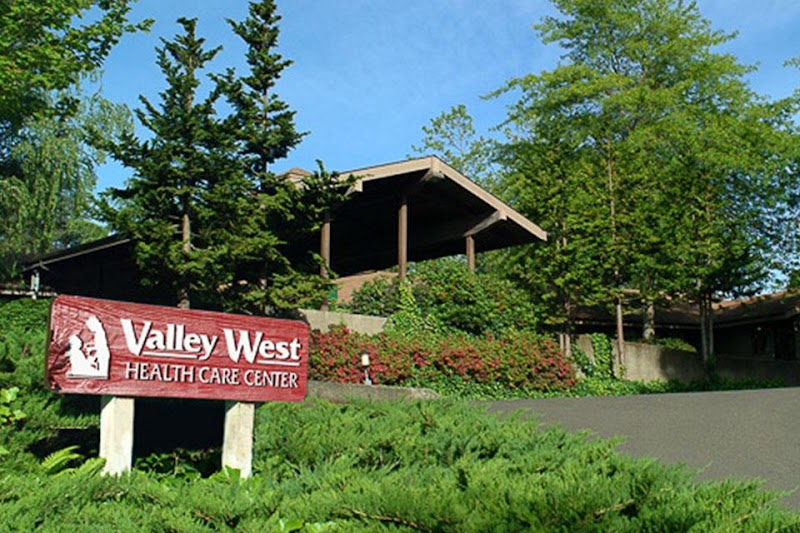
How is Valley West Health Staffed?

CMS rates VALLEY WEST HEALTH CARE CENTER's staffing level at 4 out of 5 stars, which is above average compared to other nursing homes. Staff turnover is 42%, compared to the Oregon average of 46%. This relatively stable workforce can support continuity of care. RN turnover specifically is 64%, which is notably high. RNs provide skilled clinical oversight, so turnover in this role can affect medical care quality.

What Have Inspectors Found at Valley West Health?

State health inspectors documented 56 deficiencies at VALLEY WEST HEALTH CARE CENTER during 2022 to 2025. These included: 1 Immediate Jeopardy (the most serious level, indicating potential for serious harm or death), 1 that caused actual resident harm, and 54 with potential for harm. Immediate Jeopardy findings are rare and represent the most serious regulatory concerns. They require immediate corrective action.
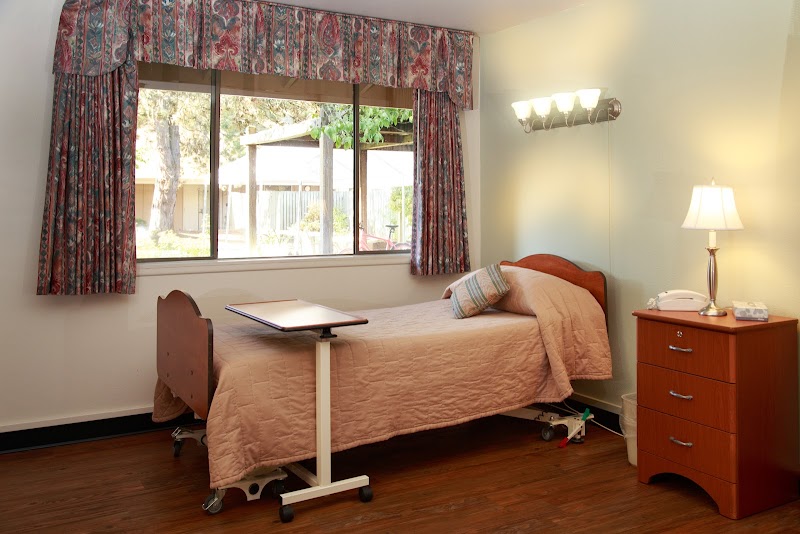
Who Owns and Operates Valley West Health?

VALLEY WEST HEALTH CARE CENTER is owned by a for-profit company. For-profit facilities operate as businesses with obligations to shareholders or private owners. The facility is operated by LIFE CARE CENTERS OF AMERICA, a chain that manages multiple nursing homes. With 121 certified beds and approximately 64 residents (about 53% occupancy), it is a mid-sized facility located in EUGENE, Oregon.
How Does Valley West Health Compare to Other Oregon Nursing Homes?

Compared to the 100 nursing homes in Oregon, VALLEY WEST HEALTH CARE CENTER's overall rating (1 stars) is below the state average of 3.0, staff turnover (42%) is near the state average of 46%, and health inspection rating (1 stars) is much below the national benchmark.

What Should Families Ask When Visiting Valley West Health?

Based on this facility's data, families visiting should ask: "What changes have been made since the serious inspection findings, and how are you preventing similar issues?" "Can I visit during a mealtime to observe dining assistance and food quality?" "How do you handle medical emergencies, and what is your hospital transfer rate?" "Can I speak with family members of current residents about their experience?" These questions are particularly relevant given the facility's Immediate Jeopardy citations.

Is Valley West Health Safe?

Based on CMS inspection data, VALLEY WEST HEALTH CARE CENTER has documented safety concerns. Inspectors have issued 1 Immediate Jeopardy citation (the most serious violation level indicating risk of serious injury or death). The facility has a 1-star overall rating and ranks #100 of 100 nursing homes in Oregon. Families considering this facility should ask detailed questions about what corrective actions have been taken since these incidents.

Do Nurses at Valley West Health Stick Around?

VALLEY WEST HEALTH CARE CENTER has a staff turnover rate of 42%, which is about average for Oregon nursing homes (state average: 46%). Moderate turnover is common in nursing homes, but families should still ask about staff tenure and how the facility maintains care continuity when employees leave.

Was Valley West Health Ever Fined?

VALLEY WEST HEALTH CARE CENTER has been fined $134,829 across 2 penalty actions. This is 3.9x the Oregon average of $34,427. Fines at this level are uncommon and typically indicate a pattern of serious deficiencies, repeated violations, or failure to correct problems promptly. CMS reserves penalties of this magnitude for facilities that pose significant, documented risk to resident health or safety. Families should request specific documentation of what issues led to these fines and what systemic changes have been implemented.

Is Valley West Health on Any Federal Watch List?

VALLEY WEST HEALTH CARE CENTER is not on any federal watch list. The most significant is the Special Focus Facility (SFF) program, which identifies the bottom 1% of nursing homes nationally based on persistent, serious quality problems. Not being on this list means the facility has avoided the pattern of deficiencies that triggers enhanced federal oversight. This is a positive indicator, though families should still review the facility's inspection history directly.