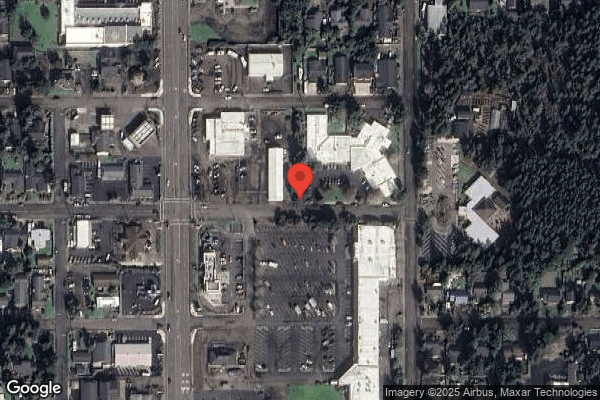

REGENCY FLORENCE

1951 E. 21ST STREET, FLORENCE, OR 97439 (541) 997-8436
For profit - Corporation 72 Beds REGENCY PACIFIC MANAGEMENT Data: November 2025
Trust Grade
48/100
#66 of 127 in OR
Last Inspection: December 2024

Within standard 12-15 month inspection cycle. Federal law requires annual inspections.

Overview

Regency Florence has a Trust Grade of D, indicating below-average performance with some concerns about care quality. It ranks #66 out of 127 facilities in Oregon, placing it in the bottom half, and #5 of 13 in Lane County, meaning only four local options are worse. The facility is improving, having reduced its issues from 12 in 2024 to just 1 in 2025. Staffing is a relative strength with a 4/5 star rating, although turnover is at 55%, which is average for the state. However, there are some significant weaknesses, including a serious incident where a resident fell during a transfer, resulting in fractures, and multiple missed medication doses, which could lead to adverse health consequences. Overall, while there are areas of improvement, families should weigh these concerns carefully when considering this facility.

Trust Score
D
48/100
In Oregon
#66/127
Bottom 49%
Safety Record
Moderate
Needs review
Inspections
Getting Better
12 → 1 violations
Staff Stability
⚠ Watch
55% turnover. Above average. Higher turnover means staff may not know residents' routines.
Penalties
✓ Good
$7,443 in fines. Lower than most Oregon facilities. Relatively clean record.
Skilled Nurses
○ Average
Each resident gets 35 minutes of Registered Nurse (RN) attention daily — about average for Oregon. RNs are the most trained staff who monitor for health changes.
Violations
⚠ Watch
38 deficiencies on record. Higher than average. Multiple issues found across inspections.
★★★☆☆
3.0
Overall Rating
★★★★☆
4.0
Staff Levels
★★★☆☆
3.0
Care Quality
★★★☆☆
3.0
Inspection Score
Stable
2024: 12 issues
2025: 1 issues

The Good

  • 4-Star Staffing Rating · Above-average nurse staffing levels
  • Full Sprinkler Coverage · Fire safety systems throughout facility
  • No fines on record

Facility shows strength in staffing levels, fire safety.

The Bad

3-Star Overall Rating

Near Oregon average (3.0)

Meets federal standards, typical of most facilities

Staff Turnover: 55%

Near Oregon avg (46%)

Frequent staff changes - ask about care continuity

Federal Fines: $7,443

Below median ($33,413)

Minor penalties assessed

Chain: REGENCY PACIFIC MANAGEMENT

Part of a multi-facility chain

Ask about local staffing decisions and management

Staff turnover is elevated (55%)

7 points above Oregon average of 48%

The Ugly 38 deficiencies on record

1 actual harm
Mar 2025 1 deficiency
CONCERN (D) 📢 Someone Reported This

A family member, employee, or ombudsman was alarmed enough to file a formal complaint

Potential for Harm - no one hurt, but risky conditions existed

Quality of Care (Tag F0684)

Could have caused harm · This affected 1 resident

Based on interview and record review it was determined the facility failed to follow physician orders for therapy, failed to provide incontinence care and failed to ensure a call light was accessible ...

Read full inspector narrative →
Based on interview and record review it was determined the facility failed to follow physician orders for therapy, failed to provide incontinence care and failed to ensure a call light was accessible for 2 of 3 sampled residents (#s 102 and 104) reviewed for quality of care and treatment. This placed residents at risk for unmet care needs. Findings include: 1. Resident 102 was admitted to the facility in 2024, with diagnoses including stroke and diabetes. Resident 102's admission Orders dated 9/12/24 included orders for Physical and Occupational Therapy. On 3/25/25 at 1:34 PM, Staff 15 (OT/Therapy Manager) stated the resident was not seen for therapy as they had not received therapy orders. On 3/26/25 at 3:40 PM, Witness 1 (Family Member) stated the resident was admitted to the nursing facility for Respite Care (temporary relief for caregivers of individuals with chronic illness, disabilities, or special needs) in 9/2024. The resident's PCP included orders for PT and OT but the resident did not receive any therapy while at the facility. On 3/27/25 at 3:36 PM, Staff 1 (Administrator) indicated she was unable to locate any documentation to explain why the resident did not receive the ordered therapy during the nine days the resident was at the facility. 2. Resident 104 was admitted to the facility in 2024, with diagnoses including a Stage 4 pressure ulcer (most severe pressure wound with skin and tissue loss and exposed underlying structures like muscle, tendon, or bone) and quadriplegia-incomplete (partial paralysis of all four limbs resulting from a spinal cord injury or disease). A Facility Reported Incident dated 6/17/24 for an incident which occurred on 6/15/24 indicated Resident 104 was not provided incontinence care during the night shift, was found soiled in the morning, and her/his call light was on the floor out of the resident's reach. An investigation was conducted which determined the resident was left without cares through the night by Staff 16 (CNA). Staff 16 was terminated. Staff 16 did not respond to interview attempts on 3/24/25 and 3/25/25. On 3/24/25 at 11:58 AM, Staff 8 (CNA) indicated she went in to bring the resident breakfast on 6/16/24 and found the resident hanging half way off the bed and covered in feces. Staff stated she cleaned the resident and took her/him to the shower. Staff 8 stated the resident told her Staff 16 and another CNA had started to change her/him last night and had taken off her/his brief. Staff 8 stated the resident told her the CNAs would be back to finish changing her/him but no one ever came back. Staff 8 stated she found the wipes and a brief still on the bed. Staff 8 stated the resident stated Staff 16 had not been back to the room for the rest of the night shift. On 3/24/25 at 2:10 PM, Staff 2 (DNS) indicated their investigation determined Staff 16 did not provide appropriate care to Resident 104.
Dec 2024 11 deficiencies
CONCERN (D)

Potential for Harm - no one hurt, but risky conditions existed

Deficiency F0552 (Tag F0552)

Could have caused harm · This affected 1 resident

Based on interview and record review it was determined the facility failed to obtain consent prior to administration of a vaccine for 1 of 5 sampled residents (#1) reviewed for immunizations. This pla...

Read full inspector narrative →
Based on interview and record review it was determined the facility failed to obtain consent prior to administration of a vaccine for 1 of 5 sampled residents (#1) reviewed for immunizations. This placed residents at risk for lack of informed consent. Findings include: Resident 1 admitted to the facility in 4/2024 with diagnoses including depression. A 12/4/24 review of immunizations revealed Resident 1 received a COVID-19 vaccine on 5/9/24. A 12/4/24 review of Resident 1's medical record revealed no evidence of a COVID-19 vaccine consent. On 12/6/24 at 10:46 AM Staff 2 (DNS) stated she was unable to locate a signed consent for the COVID-19 vaccine Resident 1 received on 5/9/24.
CONCERN (D)

Potential for Harm - no one hurt, but risky conditions existed

Deficiency F0578 (Tag F0578)

Could have caused harm · This affected 1 resident

Based on interview and record review it was determined the facility failed to obtain information related to advance directives and health care decisions for 1 of 3 sampled residents (#30) reviewed for...

Read full inspector narrative →
Based on interview and record review it was determined the facility failed to obtain information related to advance directives and health care decisions for 1 of 3 sampled residents (#30) reviewed for advance directives. This placed residents at risk for not having health care decisions honored. Findings include: Resident 30 admitted to the facility in 10/2021 with diagnoses including stroke. 5/23/23, 2/8/24, 2/22/24, 5/23/24 and 8/22/24 Interdisciplinary Care Conference notes revealed Resident 30 did not have an advance directive, but wanted one offered. Review of Resident 30's electronic record revealed no advance directive. On 12/3/24 at 9:43 AM Resident 30 stated she/he attended Care Conferences, but was not offered an advance directive. On 12/4/24 at 9:47 AM Staff 3 (Social Service Director) stated she offered advance directives at care conferences, and had the resident sign an admission Assessment document to verify they received the advance directive. Staff 3 stated she did not conduct follow up related to provision of advance directives. On 12/5/24 at Staff 1 (Administrator) stated she expected staff to follow up before quarterly care conferences regarding advance directives.
CONCERN (D) 📢 Someone Reported This

A family member, employee, or ombudsman was alarmed enough to file a formal complaint

Potential for Harm - no one hurt, but risky conditions existed

Investigate Abuse (Tag F0610)

Could have caused harm · This affected 1 resident

Based on interview and record review it was determined the facility failed to thoroughly investigate allegations of abuse for 1 of 7 sampled residents (#94) reviewed for abuse. This placed residents a...

Read full inspector narrative →
Based on interview and record review it was determined the facility failed to thoroughly investigate allegations of abuse for 1 of 7 sampled residents (#94) reviewed for abuse. This placed residents at risk for abuse. Findings include: Resident 94 admitted to the facility in 3/2024 with diagnoses including failure to thrive. On 9/23/24 a public complaint was received which alleged on 9/12/24 Resident 94 stated Staff 17 (Former Agency LPN) indicated she was going to administer her/him an extra dose of oxycodone beyond what was prescribed, laughed and walked out of the resident's room. Resident 94 stated she/he felt threatened, verbally abused, and the incident caused her/him increased anxiety. Resident 94 stated Staff 17 came to her/his room later and indicated she gave the resident an extra dose of oxycodone. Resident 94 stated she/he was extremely upset and scared. Resident 94 stated a couple hours later Staff 17 came back to her/his room and explained she administered an extra dose of oxycodone to another resident and not her/him, laughed, and walked out of her/his room. On 12/5/24 at 1:57 PM Staff 7 (CNA) stated on 9/12/24 Staff 17 explained to the resident she/he administered an extra dose of oxycodone. Resident 94 started to panic, became upset, and she/he thought she/he was going to die. Staff 7 stated after a couple hours Staff 17 came and told the resident she/he did not administer the extra dose of oxycodone to her/him but to another resident. The investigation for the above incident did not include witness statements, other resident interviews or interview of the alleged perpetrator. On 12/5/24 at 2:45 PM Staff 2 (DNS) acknowledged there was no witness statement for the 9/12/24 incident. Staff 2 acknowledged a thorough investigation was not completed for the incident that occurred on 9/12/24.
CONCERN (D)

Potential for Harm - no one hurt, but risky conditions existed

Quality of Care (Tag F0684)

Could have caused harm · This affected 1 resident

**NOTE- TERMS IN BRACKETS HAVE BEEN EDITED TO PROTECT CONFIDENTIALITY** Based on interview and record review the facility failed to follow doctor's orders for 1 of 5 sampled residents (#24) reviewed f...

Read full inspector narrative →
**NOTE- TERMS IN BRACKETS HAVE BEEN EDITED TO PROTECT CONFIDENTIALITY** Based on interview and record review the facility failed to follow doctor's orders for 1 of 5 sampled residents (#24) reviewed for unnecessary medications. This placed residents at risk for receiving unnecessary medications. Findings include: Resident 24 admitted on [DATE] with diagnoses including heart disease. A review of Resident 24's medication orders revealed orders for Ipratropium-Albuterol Inhalation Solution (a medication to treat shortness of breath) for five days beginning 11/22/24. A review of Resident 24's 11/2024 and 12/2024 MARs also revealed the medication should be discontinued after five days on 11/27/24, however the MAR indicated the medication was administered through 12/4/24. In an interview on 12/4/24 at 4:00 PM Staff 2 (DNS) acknowledged the record showed Resident 24 continued to be given doses of Ipratropium-Albuterol Inhalation Solution for seven days past the date the medication was ordered to be discontinued.
CONCERN (D)

Potential for Harm - no one hurt, but risky conditions existed

Deficiency F0685 (Tag F0685)

Could have caused harm · This affected 1 resident

Based on interview and record review it was determined the facility failed to address orders for corrective lenses for 1 of 2 sampled residents (#1) reviewed for vision. This placed residents at risk ...

Read full inspector narrative →
Based on interview and record review it was determined the facility failed to address orders for corrective lenses for 1 of 2 sampled residents (#1) reviewed for vision. This placed residents at risk for unmet vision needs. Findings include: Resident 1 admitted to the facility in 4/2024 with diagnoses including depression. A 6/3/24 Encounter Summary revealed Resident 1 saw an optometrist on 6/3/24 and a prescription was written for glasses. On 12/2/24 at 2:51 PM Resident 1 stated she/he went to an eye exam about six months previously and was supposed to get glasses, but did not. On 12/4/24 at 8:48 AM Staff 3 (Social Service Director) stated Resident 1 had her/his eyes checked on 6/3/24 but was unaware of the order for new glasses. On 12/4/24 at 2:04 PM Staff 2 (DNS) stated Resident 1 had an order for glasses but did not receive new glasses. Staff 2 acknowledged Resident 1 did not receive timely follow up for new glasses.
CONCERN (D) 📢 Someone Reported This

A family member, employee, or ombudsman was alarmed enough to file a formal complaint

Potential for Harm - no one hurt, but risky conditions existed

Pressure Ulcer Prevention (Tag F0686)

Could have caused harm · This affected 1 resident

Based on observation, interview, and record review it was determined the facility failed to assess and monitor pressure ulcers for 2 of 2 sampled residents (#s 11 and 94) reviewed for pressure ulcers....

Read full inspector narrative →
Based on observation, interview, and record review it was determined the facility failed to assess and monitor pressure ulcers for 2 of 2 sampled residents (#s 11 and 94) reviewed for pressure ulcers. This placed residents at risk for unassessed and unmet treatment needs. Findings include: 1. Resident 11 admitted to the facility in 1/2017 with diagnoses including dementia. a. An 10/18/24 New Pressure Injury Incident Report indicated Staff 15 (LPN) was completing wound care for Resident 11 and noticed a new pressure injury to the left heel. The heel tissue was purple in color, soft to the touch, and the skin was intact. Staff 15 stated Resident 11 did not have her/his feet elevated with a pillow. Staff 11 (NA) reported the resident was upset and kicked the pillow off the bed. An 8/28/24 Care Plan revealed staff were to float Resident 11's heels with pillows while she/he was in bed as she/he allowed. A review of Resident 11's medical record revealed a left heel facility-acquired pressure ulcer. There was no documentation in the resident's medical record the left heel wound was assessed or monitored. On 12/2/24 at 3:14 PM Resident 11 was observed lying in bed without a pillow under her/his feet. On 12/3/24 at 9:40 AM Resident 11 was observed lying in bed without a pillow under her/his feet. On 12/4/24 at 9:31 AM Resident 11 was observed lying in bed without a pillow under her/his feet. On 12/5/24 at 7:58 AM Resident 11 was observed lying in bed without a pillow under her/his feet. A review of Resident 11's medical record revealed no Skin and Wound Evaluations documents. On 12/5/24 at 9:51 AM Staff 10 (CNA) and Staff 11 (CNA) stated they were aware Resident 11 had bruising to her/his left heel. Staff 10 and Staff 11 stated they keep the resident's heels off the bed mattress by placing a pillow under her/his feet. Staff 11 stated the left heel bruise was new but he was not aware if nursing was treating the wound. On 12/6/24 at 10:00 AM Staff 2 (DNS) acknowledged there were no Skin and Wound Evaluation documents for the left heel pressure injury. 2. Resident 94 admitted to the facility in 3/2024 with diagnoses including diabetes. The 3/11/24 admission MDS indicated Resident 94 was cognitively intact and had no pressure injuries. An 4/16/24 New Skin Issue Incident Report revealed Resident 94 complained of pain in the back of her/his left thigh. Staff 16 (LPN) observed an area approximately 2 cm below the left buttocks approximately 0.3 cm x 0.4 cm. The area was red in color and the surrounding tissue was red. The root cause appeared to be Resident 94 had her/his catheter tubing under her/his thigh because that was where she/he thought the tubing was supposed to be placed. The tubing was readjusted and the resident was educated on placement of the tubing. No Skin and Wound Evaluation was initiated regarding the wound. A 5/4/24 Initial Skin Ulcer/Injury Measurement and Evaluation indicated Resident 94 had an unstageable (full thickness wound covered by a layer of dead tissue) facility-acquired pressure ulcer to her/his right heel. There was no incident report or investigation for the above incident. A 5/15/24 Progress Note indicated Resident 94 developed a pressure injury to her/his coccyx (tailbone). There was no incident report or investigation for the above incident. A review of Resident 94's medical record revealed no Skin and Wound Evaluation documents relative to the above new pressure-related skin injuries. On 12/3/24 at 1:10 PM Resident 94 stated she/he had a left hip pressure ulcer which was painful, and staff did not assist her/him to reposition in bed. Resident 94 stated after the pressure wound developed staff assisted her/him with repositioning in bed. On 12/5/24 at 1:57 PM Staff 7 (CNA) and Staff 14 (CNA) stated the resident developed pressure wounds to the buttocks and hip area and to her/his heels. Staff 7 stated he repositioned the resident often and placed pillows under Resident 94's feet while in bed but the resident had leg spasms and accidentally kicked the pillows off the bed. On 12/6/24 at 10:00 AM Staff 2 (DNS) acknowledged there were no Skin and Wound Evaluations for the new left thigh and buttocks injury, right heel injury, and the coccyx injury, the new skin injuries were not investigated, and Resident 94's care plan was not updated
CONCERN (D) 📢 Someone Reported This

A family member, employee, or ombudsman was alarmed enough to file a formal complaint

Potential for Harm - no one hurt, but risky conditions existed

Accident Prevention (Tag F0689)

Could have caused harm · This affected 1 resident

Based on interview and record review it was determined the facility failed to monitor residents at risk for elopement and follow care plans related to safety for 2 of 6 sampled residents (#s 8 and 93)...

Read full inspector narrative →
Based on interview and record review it was determined the facility failed to monitor residents at risk for elopement and follow care plans related to safety for 2 of 6 sampled residents (#s 8 and 93) reviewed for accidents. This placed residents at risk for accidents. Findings include: 1. Resident 8 admitted to the facility in 2/2019 with diagnoses including dementia. A 3/24/24 Quarterly MDS indicated Resident 8 had severe cognitive deficits. A 3/28/24 Elopement Evaluation indicated Resident 8 was at risk for elopement. A 5/5/24 Progress Note indicated Resident 8 attempted to leave the facility four times in the evening before eloping at approximately 5:30 PM. Resident 8 was found outside, on the side of the road near the facility. Resident 8 fell out of her/his wheelchair and was assisted by individuals that were passing by. On 12/5/24 at 1:13 PM Staff 6 (CNA) stated Resident 8 was an active exit seeker prior to her/his elopement on 5/5/24. Staff 6 stated Resident 8 figured out the door code and attempted to leave the facility by entering in the door code. On 12/5/24 at 2:00 PM Staff 5 (LPN) stated on 5/5/24 Resident 8 stated she/he wanted to go out and feed her/his dog and during the evening of 5/5/24 Resident 8 continued to exit-seek between the front door and the back door trying to get out of the facility. Staff 5 stated facility staff attempted to keep an eye on Resident 8, but she/he successfully eloped from the facility and Staff 5 found Resident 8 on the sidewalk after she/he fell out of her/his wheelchair. On 12/5/24 at 2:01 PM Staff 7 (CNA) stated on 5/5/24, prior to Resident 8's elopement, he observed Resident 8 enter the door code and attempt to exit the facility. Staff 7 was able to intervene and keep Resident 8 from exiting the facility. On 12/6/24 at 10:46 AM Staff 1 (Administrator) acknowledged Resident 8 was an active exit seeker prior to the elopement on 5/5/24 and stated Resident 8 should have been placed on one-to-one supervision to prevent the elopement. 2. Resident 93 admitted to the facility in 7/2024 with diagnoses including diabetes. A 7/8/24 Care Plan revealed Resident 93 was care planned for one person assist while showering. A 7/25/24 public complaint indicated Resident 93 was left alone while taking a shower. On 12/3/24 at 5:06 PM Resident 93 stated a nurse left her/him alone in the shower which caused Resident 93 to feel frightened of falling. On 12/6/24 at 8:18 AM Staff 3 (Social Service Director) stated Resident 93 informed her she/he was left alone in the shower, but she/he declined to fill out a grievance form. On 12/6/24 at 11:06 AM Staff 4 (Agency LPN) acknowledged she left Resident 93 in the shower alone for approximately 10 minutes. On 12/6/24 at 10:46 AM Staff 1 (Administrator) stated residents were not to be left alone in the shower unless they were independent and approved by therapy to be left alone in the shower. Staff 1 acknowledged Resident 93 was not approved to be left alone in the shower.
CONCERN (D)

Potential for Harm - no one hurt, but risky conditions existed

Deficiency F0699 (Tag F0699)

Could have caused harm · This affected 1 resident

Based on interview and record review it was determined the facility failed to ensure provision of trauma-informed care for 2 of 2 sampled residents (#s 11 and 30) reviewed for behavioral needs. This p...

Read full inspector narrative →
Based on interview and record review it was determined the facility failed to ensure provision of trauma-informed care for 2 of 2 sampled residents (#s 11 and 30) reviewed for behavioral needs. This placed residents at risk for unmet trauma needs and a decreased quality of life. Findings include: 1. Resident 11 admitted to the facility in 1/2017 with diagnoses including bipolar disorder, mood disturbance, communication deficit and post-traumatic stress disorder (PTSD). An 10/21/24 Annual MDS revealed Resident 11's BIMS score was five which indicated she/he had severe cognitive impairment. Resident 11 had little interest or pleasure in doing things, felt down, depressed, or hopeless, had trouble with sleep, felt tired, had eating difficulties, felt bad about herself/himself, trouble concentrating and moving and spoke slowly. A review of Resident 11's 11/8/24 care plan revealed areas which discussed trauma. All areas listed a history of trauma from the Vietnam War with history of a gunshot wound. There were no specific triggers related to Resident 11's PTSD or interventions included in her/his care plan. On 12/3/24 at 9:40 AM Resident 11 stated loud noises make her/him upset and scared and she/he experienced bad dreams. On 12/4/24 at 9:51 AM Staff 10 (CNA) and Staff 11 (CNA) stated Resident 11 could become upset and could be combative. Staff 10 and Staff 11 stated they did not know the resident had PTSD or what her/his triggers were. On 12/5/24 at 8:02 AM Staff 2 (DNS) stated Resident 11 had PTSD from the war and getting shot and she/he was not care planned for her/his specific trauma triggers or interventions. 2. Resident 30 admitted to the facility in 11/2021 with diagnoses including post-traumatic stress disorder (PTSD), stroke, depression, mood disorder, and suicidal ideations. A 11/15/24 Annual MDS revealed Resident 30's BIMS score was 15 which indicated she/he was cognitively intact. A review of Resident 30's 11/20/24 care plan revealed areas which discussed depression and self-harm. No areas spoke of Resident 30's history of abuse. There were no specific triggers or interventions included in her/his care plan. On 12/3/24 at 9:43 AM Resident 30 stated she/he had a history of abuse and her/his triggers included people yelling, or when male staff members came into her/his room. Resident 30 stated nobody asked her/him what her/his triggers were. On 12/4/24 at 9:51 AM Staff 9 (CNA) and Staff 11 (CNA) stated they were not aware Resident 30 had PTSD or what her/his triggers were. On 12/5/24 at 8:02 AM Staff 2 (DNS) stated Resident 30 had PTSD from a history of abuse and she/he was not care planned for her/his specific trauma triggers or interventions.
CONCERN (D)

Potential for Harm - no one hurt, but risky conditions existed

Drug Regimen Review (Tag F0756)

Could have caused harm · This affected 1 resident

**NOTE- TERMS IN BRACKETS HAVE BEEN EDITED TO PROTECT CONFIDENTIALITY** 2. Resident 24 admitted to the facility on [DATE] with diagnoses including heart disease. A pharmacist review completed 9/2024 i...

Read full inspector narrative →
**NOTE- TERMS IN BRACKETS HAVE BEEN EDITED TO PROTECT CONFIDENTIALITY** 2. Resident 24 admitted to the facility on [DATE] with diagnoses including heart disease. A pharmacist review completed 9/2024 instructed the facility to clarify Resident 24's order for carvedilol (a medication to treat hypertension) to administer the medication with food. A record review of Resident 24's MAR and physician orders completed 12/4/24 revealed Resident 24's orders were not updated with the instruction to administer her/his carvedilol with food. In an interview on 12/4/24 at 4:00 PM Staff 2 (DNS) acknowledged Resident 24's orders were not updated to reflect her/his carvedilol needed to be given with food. Based on interview and record review it was determined the facility failed to address pharmacy recommendations for 2 of 5 sampled residents (#s 1 and 24) reviewed for unnecessary medications. This placed residents at risk for adverse medication reactions and unnecessary medications. Findings include: 1. Resident 1 admitted to the facility in 4/2024 with diagnoses including depression. A review of Resident 1's pharmacy consultation reports revealed a 9/3/24 recommendation to attempt a gradual dose reduction on citalopram (an antidepressant medication). A review of Resident 1's medical record revealed no evidence of a signed physician order to attempt a gradual dose reduction on citalopram in 9/2024. A review of Resident 1's pharmacy consultation reports revealed a 10/1/24 recommendation to attempt a gradual dose reduction on citalopram. A review of Resident 1's medical record revealed a 10/8/24 order to decrease citalopram from 20 mg to 10 mg. On 12/4/24 at 1:47 PM Staff 8 (LPN Resident Care Manager) stated pharmacy recommendations should be addressed within a week of receiving the recommendations. Staff 8 confirmed Resident 1's pharmacy recommendation to attempt a gradual dose reduction on citalopram was not completed timely.
CONCERN (D)

Potential for Harm - no one hurt, but risky conditions existed

Laboratory Services (Tag F0770)

Could have caused harm · This affected 1 resident

Based on interview and record review it was determined the facility failed to process physician laboratory orders timely for 2 of 5 sampled residents (#s 1 and 20) reviewed for unnecessary medications...

Read full inspector narrative →
Based on interview and record review it was determined the facility failed to process physician laboratory orders timely for 2 of 5 sampled residents (#s 1 and 20) reviewed for unnecessary medications. This placed residents at risk for unnecessary medications. Findings include: 1. Resident 1 admitted to the facility in 4/2024 with diagnoses including depression. A review of Resident 1's orders revealed a 5/7/24 order for a comprehensive metabolic panel (laboratory test) to be completed on the next lab day and every six months. A review of Resident 1's laboratory test results revealed a comprehensive metabolic panel completed on 9/7/24. On 12/4/24 at 2:05 PM Staff 2 (DNS) acknowledged Resident 1's comprehensive metabolic panel was ordered on 5/7/24 but not completed until 9/7/24. Staff 2 stated the test was not completed timely. 2. Resident 20 admitted to the facility in 8/2024 with diagnoses including depression. A review of Resident 20's orders revealed an 8/9/24 order for a lipid panel (laboratory test) to be completed the next lab day and every 12 months. A review of Resident 20's laboratory test results revealed a lipid panel completed on 9/5/24. On 12/4/24 at 2:05 PM Staff 2 (DNS) acknowledged Resident 20's lipid panel was ordered on 8/9/24 but not completed until 9/5/24. Staff 2 stated the test was not completed timely.
CONCERN (D)

Potential for Harm - no one hurt, but risky conditions existed

Dental Services (Tag F0791)

Could have caused harm · This affected 1 resident

Based on interview and record review it was determined the facility failed to make a dental appointment for 1 of 2 sampled residents (#1) reviewed for dental needs. This placed residents at risk for u...

Read full inspector narrative →
Based on interview and record review it was determined the facility failed to make a dental appointment for 1 of 2 sampled residents (#1) reviewed for dental needs. This placed residents at risk for unmet dental needs. Findings include: Resident 1 admitted to the facility in 4/2024 with diagnoses including depression. On 12/2/24 at 2:48 PM Resident 1 stated the facility informed her/him they were going to make a dental appointment for new dentures at her/his last care conference approximately two to three months ago, but no dental appointment was scheduled. On 12/4/24 at 2:19 PM Staff 8 (LPN Resident Care Manager) stated during the 10/17/24 Care Conference Resident 1 indicated she/he needed to see the dentist and Staff 8 stated the appointment was not scheduled. Staff 8 acknowledged Resident 1 did not have timely follow up for her/his dental appointment needs.
Apr 2024 1 deficiency
CONCERN (D) 📢 Someone Reported This

A family member, employee, or ombudsman was alarmed enough to file a formal complaint

Potential for Harm - no one hurt, but risky conditions existed

ADL Care (Tag F0677)

Could have caused harm · This affected 1 resident

Based on observation, interview and record review it was determined the facility failed to provide incontinence care for 3 of 3 dependent residents (#s 101, 102 and 103) reviewed for incontinence care...

Read full inspector narrative →
Based on observation, interview and record review it was determined the facility failed to provide incontinence care for 3 of 3 dependent residents (#s 101, 102 and 103) reviewed for incontinence care. This placed residents at risk for unmet care needs. Findings include: 1. Resident 101 was admitted to the facility in 2020, with diagnoses including dementia and Traumatic Brain Injury (TBI). Resident 101's 2/2/24 Annual MDS CAA for Urinary Incontinence revealed Resident 101 was frequently incontinent of urine and required extensive assistance for toilet use and total dependence for transfers. Resident 101 was dependent on staff for toileting hygiene and was always incontinent of bladder. The resident had mixed incontinence (urge and functional). The resident has a terminal illness. Staff were directed to maintain pride and dignity while giving personal care. Resident 101's care plan indicated the resident was at risk for ADL deficits related to weakness, decreased mobility, impulse disorder, dementia with behaviors and traumatic brain injury. Resident 101 was on a Check and Change toileting program. Staff were to check the resident every two hours and assist with toileting as needed. A Facility Reported Incident dated 5/18/22, claimed Staff 8 (CNA) failed to provide timely incontinent care and repositioning for Resident 101 on 5/18/22 between 9:10 AM and 12:30 PM. The facility's investigation dated 5/18/22, indicated Staff 8 failed to provide incontinence care and repositioning for the resident who was dependent on staff for ADL care. Staff 8 initially stated she had provided care but then changed her statement and stated no staff answered her call for assistance. Staff interviews revealed she did not call for assistance on the walkie-talkies and did not ask anyone in person. The facility concluded Staff 8 failed to provide the required assistance to the resident. A written statement dated 5/18/22, by Staff 3 (RCMA/LPN) indicated at 9:10 AM, she placed an audit cared under Resident 101's left hip area. At approximately 12:30 PM she asked Staff 8 when did she last change and reposition Resident 101. Staff 8 stated at 10:50 AM. Staff 3 checked the resident and found the audit card was still in place under the resident and the resident was soaked. Staff 8 had not provided care for the resident. On 4/23/24 at 2:15 PM, Staff 3 (RCMA/LPN) stated she was the charge nurse on 5/18/22 and Staff 8 told her she had changed the resident but Staff 3 stated the evidence showed she had not. Staff 3 stated Staff 8 did not ask her for assistance with the resident or she would have helped her. On 4/23/24 at 3:00 PM, Staff 1 (Administrator) and Staff 2 (DNS) confirmed the lack of incontinence care for Resident 101 on 5/18/22. 2. Resident 102 was admitted to the facility in 2016, with diagnoses including cerebral palsy (congenital disorder of movement, muscle tone, or posture), left sided hemiparesis (partial paralysis) and need for assistance with personal care. Resident 102's 12/3/23 Annual MDS CAA for Urinary Incontinence revealed at-risk diagnoses included: muscle weakness, lack of coordination, reduced mobility, general weakness, abnormality of gait and mobility. The resident had mixed urinary incontinence (urge, functional and overflow). The resident was always incontinent of bowel and bladder and was a 1-person staff assist with toilet hygiene. Resident 102's care plan dated 3/4/22, indicated the resident was on a Check and Change Toileting program. Staff were to check the resident every two hours and assist with toileting as needed. A Facility Reported Incident dated 5/13/22, claimed Staff 9 (NA) failed to provide appropriate ADL care to Resident 102 on 5/7/22. Staff 9 put a bath blanket under the resident instead of changing her/his wet bed sheets. Resident 102 was found with a wet spot under the bath blanket. No harm was found to the resident and an investigation was started. The facility's investigation dated 5/13/22, indicated Staff 4 (PCA) stated she worked the night shift (10:00 PM to 6:00 AM) on 5/7/22 and received report from Staff 9 who stated he had changed the resident at 9:15 PM. When she checked on the resident around 10:30 or 11:00 PM, she found the resident with the blanket underneath her/him which was wet and there was a wet spot under the blanket. The facility determined Resident 102 did not receive incontinence care appropriately or timely. On 4/24/24 at 11:04 AM, Staff 4 (PCA) stated it was not correct procedure to put a blanket underneath the resident instead of changing the resident's soiled bedding. The material of the blanket could cause skin breakdown. Staff 4 stated when she saw Resident 102's condition she went and got the charge nurse to assess her/him. Staff 4 and two other aides cleaned the resident up and changed the bedding. Resident 102 was soaked with urine and had dried bowel movement on her/his behind. On 4/23/24 at 11:43 AM, Resident 102 stated she/he did not remember the incident. Resident 102 said the staff took very good care of her/him. On 4/23/24 at 3:00 PM, Staff 1 (Administrator) and Staff 2 (DNS) confirmed the lack of incontinence care for Resident 102 on 5/13/22. 3. Resident 103 was admitted to the facility in 2018, with diagnoses including dementia and Traumatic Brain Injury (TBI). Resident 103's 11/24/2021 admission MDS CAA for Urinary Incontinence indicated the resident was on end-of-life Hospice care. Factors contributing to the resident's incontinence included: anxiety, increased weakness, decreased mobility, increased need for ADL support, death and the dying process. The resident's incontinence appeared to be functional in nature with a decline expected. Resident 103's care plan dated 11/17/22, indicated the resident was on a Check and Change Toileting program. Staff were to check the resident every two hours and assist with toileting as needed. The resident was a 1-person staff assist for toileting. A Facility Reported Incident dated 5/13/22, claimed Staff 9 (NA) failed to provide appropriate ADL care to Resident 103 on 5/7/22. Staff 9 put a bath blanket under the resident instead of changing her/his soiled bed sheets. Resident 103 was found with wet spots under the bath blankets. No harm was found to the resident and an investigation was started. The facility's investigation dated 5/13/22, indicated Staff 4 (PCA) stated she worked the night shift (10:00 PM to 6:00 AM) on 5/7/22 and received report from Staff 9 who stated he had changed the resident at 9:15 PM. When she checked on the resident around 10:30 or 11:00 PM, she found the resident with the blanket underneath her/him which was wet and there was a wet spot under the blanket. The facility determined Resident 103 did not receive incontinence care appropriately or timely. On 4/24/24 at 11:04 AM, Staff 4 (PCA) stated it was not correct procedure to put a blanket underneath the resident instead of changing the resident's soiled bedding. The material of the blanket could cause skin breakdown. Staff 4 stated when she saw Resident 103's condition she went and got the charge nurse to assess her/him. Staff 4 and two other aides cleaned the resident up and changed the bedding. Resident 103 was soaked with urine and had dried bowel movement on her/his behind. On 4/23/24 at 11:15 AM, Resident 103 was found not to be interviewable for this investigation. The resident was lying in bed asleep. The resident was clean and groomed, there was clean bedding on the bed and there were no odors detected in the room. On 4/23/24 at 3:00 PM, Staff 1 (Administrator) and Staff 2 (DNS) confirmed the lack of incontinence care for Resident 103 on 5/13/22.
Nov 2023 1 deficiency
CONCERN (D) 📢 Someone Reported This

A family member, employee, or ombudsman was alarmed enough to file a formal complaint

Potential for Harm - no one hurt, but risky conditions existed

Investigate Abuse (Tag F0610)

Could have caused harm · This affected 1 resident

Based on interview and record review it was determined the facility failed to complete a thorough investigation within five working days related to potential narcotic medication misappropriation for 1...

Read full inspector narrative →
Based on interview and record review it was determined the facility failed to complete a thorough investigation within five working days related to potential narcotic medication misappropriation for 1 of 4 sampled residents (#2) reviewed for medications. This placed residents at risk for misappropriation of property. Findings include: Resident 2 was admitted to the facility in 3/2021 with diagnoses including a stroke. Review of a physician order dated 3/21/21 the resident was to receive morphine(narcotic pain medication) 0.25 ml as needed for pain. A physician order dated 9/22/21 revealed the resident was to receive morphine 0.25 ml daily. Review of a narcotic log dated 10/9/23 revealed the last dose of morphine was administered to the resident on 10/20/23 and indicated 4 ml remaining. The unused quantity in the bottle was 0.25 ml and was verified by Staff 2 (DNS) and Staff 3 (DNS/RNCM) on 10/24/23. A note on the log indicated the bottle was greater than five months old and some is likely evaporated/stuck in bottle neck. Review of an incident report dated 10/24/23 at 11:07 AM revealed Resident 2 was missing 2.5 ml of morphine during a medication count. Review of an incident investigation dated 11/2/23 at 11:35 AM revealed Resident 2 was missing 2.5 ml of morphine during shift change. The medication cart was audited for any other missing medication and none were found. Upon investigation the bottle was five months old and had some liquid staff were not able to suction out which amounted to 0.5-0.7 ml. The investigation concluded there was no drug diversion because staff were unable to remove all of the medication in the bottle. The investigation did not include interviews with the alleged victim, potential perpetrators or possible witnesses. In an interview on 11/2/23 at 10:39 AM Staff 2 said she was aware of the missing medication and there was no documented investigation at this time. In an interview on 11/2/23 at 11:05 AM Staff 5 (CMA) said on 10/18/23 she identified Resident 2's morphine bottle contained less than indicated on the narcotic log. Staff 5 said she reported the shortage to Staff 3 and left a note for Staff 4 (LPN). Staff 5 said there was 0.25 ml left in the bottle but there should have been 4 ml. Staff 5 said she was not interviewed by the administration regarding the missing medication. In an interview on 11/3/23 at 8:08 AM Staff 4 said she was informed by Staff 5 about Resident 2's missing morphine on 10/19/23. Staff 4 said she did not notify Staff 3 until a few days later and brought the morphine bottle to Staff 2. Staff 4 said she was not interview by the administration regarding the missing medication. In an interview on 11/7/23 at 9:15 AM Staff 2 acknowledged the investigation for Resident 2's missing medication was not completed within five working days.
Oct 2023 8 deficiencies
CONCERN (D) 📢 Someone Reported This

A family member, employee, or ombudsman was alarmed enough to file a formal complaint

Potential for Harm - no one hurt, but risky conditions existed

Deficiency F0760 (Tag F0760)

Could have caused harm · This affected 1 resident

Based on interview and record review it was determined the facility failed to administer medication for prevention of blood clots as ordered by the physician which resulted in a significant medication...

Read full inspector narrative →
Based on interview and record review it was determined the facility failed to administer medication for prevention of blood clots as ordered by the physician which resulted in a significant medication error for 1 of 1 sampled resident (#4) reviewed for medications. This placed resident at risk for development of blood clots, heart attack, stroke, or other damage to the cardiovascular system. Findings include: Resident 4 was admitted to the facility in 9/2023 with diagnoses including STEMI (heart attack) with stent (tube inserted to promote blood flow) placement and ischemic cardiomyopathy (reduced blood flow to the heart). A Progress Alert Note dated 9/4/23 indicated the resident with no bleeding issues and no indications of clotting related to no administration of Plavix (blood thinner) for the past three days. A Progress Alert Note dated 9/5/23 indicated the resident was on alert charting for bleeding abnormalities related to no Plavix for three days. On Monday 9/4/23 at 4:46 PM Witness 11 indicated Resident 4's order for Plavix was transcribed incorrectly. The correct dosage was confirmed with the provider but Staff 9 (LPN) did not make a note about it. The pharmacy never received the order on Friday 9/1/23. Staff 19 (LPN) said not to worry about it because the medication never came in, so the resident never got it. Witness 11 verified the pharmacy did not send the medication and the medication was not pulled from the Omnicell (controlled medication dispenser). Witness 11 indicated there was a problem because Staff 3 (RNCM) and Staff 15 (CMA) both documented they administered the medication and Staff 19 documented there was no supply of the Plavix. There was a supply in the Omnicell, but no one looked there, and no one pulled it. Which meant Resident 4 did not receive Plavix since admission. On 9/5/23 at 4:49 PM Resident 4 vomited and was not verbally responding to questions. Vitals were BP 92/56, Respirations 16, Pulse 56, and Temperature 97.0. 911 was called and the resident went out to the hospital. There was no clear evidence the missed medication was responsible for the hospitalization. There was no documentation in the hospital admission History & Physical or hospital Discharge Summary to indicate the hospital was notified of the missed medication doses. An Incident Report dated 9/11/23 for a 9/3/23 incident indicated Resident 4's Plavix order was transcribed incorrectly as twice a day when it should have been once a day. The medication was charted as given in the AM on 9/2/23 by Staff 3 (RNCM) and PM of 9/1/23 and AM of 9/3/23 by Staff 15 (CMA) but none was delivered by the pharmacy and none was pulled from the Omnicell. On 9/2/23 during the PM Staff 19 documented the medication as not available. On 9/11/23 the facility determined the order for Plavix twice a day was not given despite the transcription error. The transcription error was found on 9/3/23. The report indicated Staff 3 and Staff 15 borrowed medications from other residents and gave them to Resident 4 but no evidence was included to verify medications from other residents was administered. On 9/19/23 at 1:17 PM Staff 6 (Nurse Practitioner) stated he was told the resident was likely double dosed; then later was told the resident was under-dosed. He was concerned the resident did not get enough Plavix. Staff 6 stated, You cannot make that mistake with that medication. On 9/25/23 at 11:13 AM Staff 9 indicated she transcribed the Plavix order incorrectly and the resident went three days without Plavix. He went out to the hospital shortly after it happened but she was not sure why. On 9/27/23 at 10:03 AM Staff 15 (CMA) said she only remembered giving the medication one time. She stated emphatically she did not give the resident the medication on 9/3/23. Staff 15 said someone told her to borrow the medication from another resident. Staff 15 said she did not remember who told her to borrow medications and she did not remember which resident she took the medications from. Staff 15 stated she felt they were throwing her under the bus because she was new and she was just trying to do what they told her. No documentation was found in the medical record to indicate Staff 15 took medications from another resident to administer to Resident 4. Facility nursing staff were monitoring Resident 4 for not receiving the medication. On 9/27/23 at 10:06 AM Staff 19 (LPN) stated she charted no medication was available on 9/2/23. She did not administer the Plavix because they did not have it. It was a wrong order. Staff 19 further stated the other medication aide said they did not have it so she did not check the Omnicell. Staff 19 stated she did not tell anyone to take the medications from another resident. On 9/27/23 at 10:40 AM Staff 3 (RNCM) stated she did not go to Omnicell to check for the Plavix. She took medication out of another resident's card to give to the resident. Staff 3 said she understood borrowing medications from another resident was theft. She said she made a mistake and she knew it when she did it. She also said she did not replace the medication in the other resident's card. Staff 3 said she could not speak for anyone else but she did it before (taken medications from other residents) a number of times. It was not a nursing standard of practice but she was more concerned about getting done. No documentation was found in the medical record to indicate Staff 3 took medications from another resident to administer to Resident 4 and facility nursing staff were monitoring Resident 4 for not receiving the medication. On 10/9/23 at 3:00 PM Staff 1 (Administrator) and Staff 2 (DNS) were told about the significant medication error. No additional documentation was provided.
CONCERN (D) 📢 Someone Reported This

A family member, employee, or ombudsman was alarmed enough to file a formal complaint

Potential for Harm - no one hurt, but risky conditions existed

Deficiency F0761 (Tag F0761)

Could have caused harm · This affected 1 resident

Based on observation, interview, and record review it was determined the facility failed to ensure controlled drugs listed in Scheduled II-V of the Controlled Drug Abuse Prevention and Control Act and...

Read full inspector narrative →
Based on observation, interview, and record review it was determined the facility failed to ensure controlled drugs listed in Scheduled II-V of the Controlled Drug Abuse Prevention and Control Act and other drugs subject to abuse were accurately identified, correctly counted, and stored in separately locked, permanently affixed compartments with mechanisms in place to minimize loss or diversion for 1 of 1 facility reviewed for safe medication system. This placed residents' medications at risk for drug diversion. Findings include: A review of facility records indicated the facility with a recent significant drug diversion case in 3/2023. A 9/18/23 at 1:30 PM an observation of the facility's medication room revealed the room with one single lock on the door. The room also contained an Omnicell (locked storage for narcotic and high-risk medications). On 9/18/23 at 9:58 AM Witness 8 indicated the facility with a resident with medications from home. Resident 9 had a duffle bag of medications including narcotics which were brought from home. The facility took the medications per their policy but the medications were stored in the medication room for a long time. Witness 8 said she saw the narcotic medications Lyrica and Oxycodone in the bag which was left in the medication room for 3-4 months. The medication room had a single locked door. Witness 8 also found a resident's bottle of Norco (narcotic medication) in the cupboard of the medication room, it was also there for a long time. Witness 8 said if medications came with a resident from home, they needed to be counted into the medication book or sent home with family. Witness 8 said resident medications from home were also often left in Staff 2's (DNS) office and were not counted or monitored. On 9/18/23 at 10:30 AM Witness 18 stated on Sunday 9/10/23 the facility narcotics delivery sat on the medication room counter for a week. The DNS said she forgot to put them away. Also, a resident came in with a bottle of Norco (narcotic medication) and Staff 2 put it in a cupboard in the medication room. It was not locked up and not counted. Witness 18 said there were resident medications brought in from home in the supply cupboard in the DNS's office, which were not counted or monitored. On 9/19/23 at 1:30 PM Witness 11 stated in 5/2023 there were narcotics in paper sacks for weeks at a time in the medication room and only Staff 2 (DNS) and Staff 3 (RNCM) could put them away. They were still sitting on the counter in 6/2023. Witness 11 stated no one would listen to him/her when she/he voiced concerns, they just left them on the counter or gave them to Staff 14 (CMA) and Staff 15 (CMA). Witness 11 stated narcotics should not be kept on the counters in the medication room because it could easily lead to drug diversion. Per Witness 11 medications which residents brought in from home did not get counted or stored correctly either. On 9/19/23 at 2:47 PM Witness 12 stated there was a bottle of Norco (narcotic) in the cupboard in the medication room above the sink. She took it to the DNS and the DNS said she knew about it but was trying to ignore it. The DNS then asked Witness 12 if she wanted to put it in the lock box and have to count it every day, then told Witness 12 to do what she wanted with the medication. There was also a small black bag and a duffle bag with resident medications which were left in the medication room for weeks to months and the narcotic medications Lyrica and Oxycodone were inside them. On 9/20/23 at 8:35 AM Witness 7 indicated she took medication handling concerns to the administration and nothing was done. For regular medications, from the pharmacy, staff would tell Staff 2 and they would sit on the counter for days and the narcotic refills also sat on the counter for days. When residents brought in medications from home, they wanted staff to just put them in the medication room without locking them up or counting them. There was a large bottle of the narcotic Norco in a cupboard in the medication room. It was there for a quite a while. A nurse finally got a family member to take it home. On 9/25/23 at 11:13 AM Staff 9 (LPN) stated if medications come in with a resident, they ask a family member to take them home, or tell Staff 2, because they should not keep the medications or they needed to be destroyed. Staff 9 stated Resident 9 brought in all her/his home medications in a duffle bag which was put in the medication room. Staff 9 stated she saw the bag in the medication room. The medications were sent home eventually but they were in the medication room a long time. On 9/27/23 at 10:06 AM Staff 19 (LPN) stated the nurse who received the medications in the morning should put them in the book and put them away. Staff 19 stated sometimes they just left them in the medication room on the counter. On 10/2/23 at 11:07 AM Witness 16 stated he previously did inventory in the medication room but when he complained about the narcotics being left on the counter he was removed from the position. On 10/4/23 at 4:12 PM Witness 10 stated there was an incident when the medications came in for the Omnicell but were not restocked. Witness 10 saw the medications in the envelop and put them in the notebook for the pharmacy. Witness 10 stated this was classic drug diversion behavior. On 9/28/23 at 2:37 PM Witness 21 (Omnicell Representative) stated she expected a facility with a recent significant drug diversion case to be extremely careful about their medication systems. On 10/9/23 at 3:00 PM Staff 1 (Administrator) and Staff 2 (DNS) and this Surveyor discussed the situation with medications from home and being left on the counters. No additional documentation was provided.
CONCERN (D) 📢 Someone Reported This

A family member, employee, or ombudsman was alarmed enough to file a formal complaint

Potential for Harm - no one hurt, but risky conditions existed

Medical Records (Tag F0842)

Could have caused harm · This affected 1 resident

Based on interview and record review it was determined the facility failed to ensure medical records for each resident were complete and accurately documented for 1 of 1 facility reviewed for medical ...

Read full inspector narrative →
Based on interview and record review it was determined the facility failed to ensure medical records for each resident were complete and accurately documented for 1 of 1 facility reviewed for medical record documentation. This placed residents at risk for medical complications. Findings include: On 9/18/23 at 3:15 PM Witness 13 said Staff 9 (LPN) copied and pasted notes word for word with no changes from other nurses' documentation into the electronic health records. If she did not do her own documenting, she did not do the tasks. Witness 13 indicated she told Staff 2 (DNS) about the copied and pasted notes which was false documentation. On 9/19/23 at 7:06 AM Witness 20 stated Staff 9 copied and pasted notes. She also said to copy and paste someone else's notes was not okay, sections of others' notes could be used but documentation should be individualized and reflect the tasks which were completed by the nurse. On 9/20/23 at 11:09 AM Witness 7 said on 7/5/23 both she and Witness 8 saw Staff 9 copy and paste notes into the electronic record and sign them. Witness 7 and Witness 8 notified the Administrator who acknowledged it was false documentation. The notes were skilled notes for Medicare and staff charted on items which needed monitoring. Witness 7 also questioned whether Staff 9 actually completed the tasks for the TAR. She watched Staff 9 just click on the TAR button and the timelines were the same. The DNS told staff she spoke to Staff 9 about the documentation issue but Staff 9 told the DNS she changed things on the notes. Witness 7 went on to say, but the notes were verbatim of notes copied from others. A 9/20/23 review of the alert notes for 7/5/23 at 6:06 AM indicated a nurse documented the following, Antibiotic Therapy Macrobid related to UTI. No adverse side effects noted or refused. Resident appeared to be tolerating well at this time, Residnet is resting in bed with no c/o pain, hematuria, dysuria, no nausea or vomiting. Will continue with the current plan of care. The note included a misspelling of the word resident as residnet. The next two Alert Notes were completed by Staff 9 on 7/5/23 at 2:00 PM and 7/6/23 at 3:15 PM and were identical to the first note including the misspelled word resident. On 9/21/23 at 11:09 AM Witness 7 stated Staff 9 copied her notes for three days of alert charting. Witness 7 stated she knew the note was hers because she made a spelling error in the note. Witness 7 further stated Staff 9 was not doing the actual work required to individualize her notes and just copied other nurses' notes. On 9/29/23 at 5:06 PM Witness 11 stated she was aware Staff 9 regularly copied and pasted nursing notes from other nurses in the electronic health record. On 10/9/23 at 3:00 PM Staff 1 (Administrator) and Staff 2 (DNS) indicated they were aware of the documentation issues. No additional documentation was provided.
CONCERN (E) 📢 Someone Reported This

A family member, employee, or ombudsman was alarmed enough to file a formal complaint

Potential for Harm - no one hurt, but risky conditions existed

Deficiency F0658 (Tag F0658)

Could have caused harm · This affected multiple residents

**NOTE- TERMS IN BRACKETS HAVE BEEN EDITED TO PROTECT CONFIDENTIALITY** Based on interview and record review it was determined the facility failed to ensure Staff 2 (DNS), Staff 3 (RNCM), Staff 9 (LPN...

Read full inspector narrative →
**NOTE- TERMS IN BRACKETS HAVE BEEN EDITED TO PROTECT CONFIDENTIALITY** Based on interview and record review it was determined the facility failed to ensure Staff 2 (DNS), Staff 3 (RNCM), Staff 9 (LPN), Staff 15 (CMA) and Staff 19 (LPN) adhered to standards of practice regarding medication administration for 1 of 1 sampled residents (# 4) reviewed for significant medication error. Findings include: OAR 8510450040 Scope of Practice Standards for All Licensed Nurses indicated the following: (1) Standards related to the licensed nurse's responsibilities for client advocacy. The licensed nurse: (b) Intervenes on behalf of the client to identify changes in health status, to protect, promote and optimize health, and to alleviate suffering. OAR 8510450050 Scope of Practice Standards for Licensed Practical Nurses indicated the following: (B) Distinguishing abnormal from normal data, sorting, selecting, recording, and reporting the data; (C) Selecting appropriate nursing interventions and strategies; (d) Implement the plan of care by: (A) Implementing treatments and therapy, appropriate to the context of care, including, but not limited to, medication administration, nursing activities, nursing, medical and interdisciplinary orders; health teaching and health counseling. OAR 8510450070 Conduct Derogatory to the Standards of Nursing Defined indicated the following: (2) Conduct related to other federal or state statute/rule violations: (3) Conduct related to communication: (h) Failing to communicate information regarding the client's status to members of the health care team (physician, nurse practitioner, nursing supervisor, nurse coworker) in an ongoing and timely manner; and 1. Resident 4 was admitted to the facility in 9/2023 with diagnoses including STEMI (heart attack) with stent (tube inserted to promote blood flow) placement and ischemic cardiomyopathy (reduced blood flow to the heart). A Progress Alert Note dated 9/5/23 indicated the resident was on alert charting for bleeding abnormalities related to no Plavix (blood thinner) medication for three days. On Monday 9/4/23 at 4:46 PM Witness 11 indicated Resident 4's order for Plavix was transcribed incorrectly by Staff 9 (LPN). The correct dosage was confirmed with the provider but Staff 9 did not make a note about it. The pharmacy never received the order on Friday 9/1/23. Another nurse, Staff 19 (LPN), told Witness 11 not to worry about it because the medication never came in, so the resident never got it. Witness 11 verified the pharmacy did not send the medication and the medication was not pulled from the Omnicell (medication dispensing machine). Witness 11 indicated there was a problem because Staff 3 (RNCM) and Staff 15 (CMA) both documented they administered the medication and Staff 19 documented there was no supply of the Plavix. Witness 11 stated there actually was a supply in the Omnicell for the Plavix, but no one looked there, and no one pulled it. This meant Resident 4 had not received the Plavix since admission. On 9/5/23 at 4:49 PM Resident 4 had vomited and was not verbally responding to questions. Vitals were BP 92/56, Respirations 16, Pulse 56, and Temperature 97.0. 911 was called and the resident went out to the hospital. It was not documented if the hospitalization was related to the medication error. An Incident Report dated 9/11/23 for a 9/3/23 indicated Resident 4's Plavix (blood thinner) order was transcribed incorrectly as twice a day when it should have been once a day. The transcription error was found on 9/3/23. The medication was charted as given in the morning on 9/2/23 by Staff 3 (RNCM) and in the evening of 9/1/23 and the morning of 9/3/23 by Staff 15 (CMA) but none was delivered by the pharmacy and none was pulled from the Omnicell (controlled medication dispenser). For the 9/2/23 evening dose Staff 19 documented the medication was not available. On 9/11/23 the facility determined the order for Plavix twice a day was not given despite the transcription error. The report indicated Staff 3 and Staff 15 borrowed medications from other residents and gave them to Resident 4 but no documentation or evidence was provided to verify any medication was borrowed. On 9/19/23 at 1:17 PM Staff 6 (Nurse Practitioner) stated he was told the resident was likely double dosed then later told the resident was under-dosed. He was concerned the resident did not get enough medication. Staff 6 stated You cannot make that mistake, with that medication. On 9/25/23 at 11:13 AM Staff 9 indicated she transcribed the Plavix order incorrectly and the resident went three days without the Plavix. He went out to the hospital shortly after it happened but she was not sure why. On 9/27/23 at 10:03 AM Staff 15 (CMA) said she only remembered giving the medication one time. She stated emphatically she did not give the resident the medication on 9/3/23. Staff 15 said someone told her to borrow the medication from another resident. Staff 15 said she did not remember who told her to borrow medications and she did not remember which resident she took the medications from. No documentation was found in the medical record to indicate Staff 15 took medications from another resident to administer to Resident 4 and facility nursing staff were monitoring Resident 4 for not receiving the medication. On 9/27/23 at 10:06 AM Staff 19 (LPN) stated she charted no medication was available on 9/2/23. She did not give the Plavix because they did not have it. It was a wrong order. A CMA told her they did not have it, so she did not check the Omnicell. Staff 19 stated she did not tell anyone to take the medication from another resident. On 9/27/23 at 10:40 AM Staff 3 (RNCM) stated she did not go to the Omnicell to check for the Plavix, she took medication out of another resident's card to give to the resident. Staff 3 said she understood borrowing medications from another resident was not acceptable. She also said she did not replace the medication in the other resident's card. Staff 3 said she could not speak for anyone else but she had done it before (taken medications from other residents) a number of times. Staff 3 said she was aware it was not a nursing standard of practice but she was more concerned about getting medication administration done. No documentation was found in the medical record to indicate Staff 3 took medications from another resident to administer to Resident 4. A facility Medication Error Report dated 9/4/23, completed by Staff 2, failed to include Staff 3 on the list of staff involved in the medication error. The report indicated the original error was only a transcription error. The medication was not delivered over the weekend. No one pulled the medication from the Omnicell and no satellite delivery was available. The medication was charted as given by Staff 15 on 9/1/23 and 9/3/23 and by Staff 3 on 9/2/23. Staff 19 noted no supply on 9/2/23. The facility was unable to determine if any doses were given. A facility document dated 9/7/23 generated by a Regional Nurse Consultant indicated Staff 2 (DNS) insisted the medication was given to the resident although the medication was not available. Staff 2 said it could have been borrowed from another patient. Staff 2 was told written statements were needed as to where the nurse and CMA got the medication to administer but no written statements were received. The document indicated there was a lack of a thorough investigation by Staff 2 and an investigation into the medication administration in the facility was pending. On 10/9/23 at 3:00 PM Staff 1 (Administrator) and Staff 2 (DNS) were notified regarding the professional standards concerns. No additional documentation was provided. 2. Based on interview and record review it was determined the facility failed to ensure Staff 2 (DNS), Staff 3 (RNCM) and Staff 9 (LPN) met professional standards for ensuring pressure ulcers were appropriately assessed and treated for 2 of 2 sampled residents (#s 5 and 6) reviewed for pressure ulcers. This placed residents at risk for further skin deterioration and delayed healing of wounds. Findings include: a. Resident 5 was admitted to the facility in 8/2023 with diagnoses including Fournier's gangrene (rare but deadly infection of the genital and perineum) and Vacuum Assisted Closure wound therapy (wound vac) for perirectal abscess wound. A hospital Wound Consult note dated 8/22/23 indicated a recommendation for wound vac therapy to encourage granulation tissue formation (development of new tissue and blood vessels), to increase the rate of healing, and to decrease the chance of complications including infection. There was enough skin between the wound edges and the anus to seal the wound vac dressing and withstand the presence of stool if loose stools occurred. There were multiple options for vac placement to avoid the dressing from being close to the anus and it would be very difficult to keep the wound clean without the vac's airtight waterproof dressing. Other therapies were ruled out related to the resident's presence of co-morbidities, high risk of infection, need for accelerated granulation tissue and history of delayed wound healing. An 8/31/23 at 2:52 PM Progress Note by Staff 9 indicated the resident's wound vac continuously came unsealed. Staff 9 called the on-call provider and told the provider multiple nurses had been unable to get the wound vac to seal, and she obtained new orders for a standard wet-to-dry dressing. No documentation was found in the medical record to indicate any nurses, except Staff 9, attempted to place the wound vac. Seven of the nine members of the licensed nursing floor staff were interviewed and indicated they had not attempted to place the wound vac as described by Staff 9. On 9/4/23 at 4:46 AM Witness 11 indicated Staff 6 (NP) was very concerned about Resident 5's wound and the treatment being provided. Staff 6 told Witness 11, unless the facility got the wound vac on quickly, he wanted the surgeon to be contacted to find out what else could be done or Resident 5 needed to discharge to a place where she/he could receive the appropriate wound care. Staff 6 also stated the wet-to-dry was not appropriate for the type of wound the resident had and was only a temporary measure while waiting for wound vac supplies. On 9/19/23 at 1:17 PM Staff 6 (NP) stated Resident 5 had Fournier's gangrene which was a rare but life-threatening infection. The resident had a long-term perineum wound which needed negative pressure (wound VAC). The wet-to-dry would not assist in wound healing because there was a massive cavity. Staff 6 said he requested a surgeon consult because the wet-to-dry was not effective for the type of wound involved. Staff 6 said he was told multiple nurses tried to obtain a seal but could not. Staff 6 was not aware Staff 9 was the only staff member who had trouble with the wound vac and multiple nurses had not attempted to place the vac. On 9/25/23 at 10:12 AM Witness 8 stated Resident 5's wound vac care stopped because the facility did not have the wound vac care supplies to provide the care. Witness 8 looked in the supply closet in the DNS's office but there were no wound vac supplies. Witness 8 said staff could not do wound vac care without the correct supplies and Staff 2 was responsible for ordering the wound vac supplies for the facility. On 9/25/23 at 11:26 AM Staff 6 (NP) was notified there was not an issue with the wound vac sealing as he had been informed by Staff 9, there was an issue of the facility not having the necessary wound vac supplies to manage the wound care and some nursing staff did not have adequate training to manage the wound vac treatments. Staff 6 stated if there was an intervention used at the hospital but not in the SNF then there was a competency issue at the facility. Staff 6 said groins and abdomens needed negative wound pressure for the greatest healing outcomes. On 9/25/23 at 1:10 PM Resident 5 indicated she/he was started on the wound vac at the hospital and it had worked great. Staff 9 told Resident 5 she could not get the wound vac to work and mentioned they had trouble getting supplies for the vac so they stopped using the wound vac. On 9/29/23 at 5:06 PM Witness 11 stated she did not try to place the wound vac for Resident 5. Witness 11 also stated the wet-to-dry was not appropriate for the wound. Witness 11 stated nursing staff just did not want to deal with the wound vac and they did not have adequate wound vac supplies. Witness 11 said she had looked for documentation in the medical record of nurses other than Staff 9 attempting to place the vac but found no documentation. On 10/3/23 at 4:12 PM Witness 10 stated she did not attempt to place the wound vac and the main reason they did not use the wound vac was because the facility did not have the supplies to manage it. The facility frequently ran out of supplies for wound vacs. Additionally, some of the nurses did not have the skills for managing wound vacs including Staff 9 who initiated the orders being changed for Resident 5's wound care. b. On 9/18/23 at 3:00 PM a review of Resident 5's electronic health record indicated no weekly skin and wound assessments were completed for the resident. On 9/19/23 at 9:15 AM Staff 2 (DNS) acknowledged there were no weekly skin and wound assessments of Resident 5 in the electronic health record. Staff 2 stated she thought the weekly assessments were not needed because the resident had a surgical wound. Staff 2 was notified the resident's initial wound was pressure related followed by surgical intervention and required weekly assessments. On 9/20/23 at 2:13 PM Staff 2 (DNS) stated she checked on the assessment issue and said the resident was a Veteran's Administration (VA) recipient so only required a skilled nursing note. Staff 2 was again notified weekly assessments were still needed for the resident even if the payor source was VA. Staff 2 indicated she understood and had Staff 3 provide a handwritten page dated 9/20/23 with a description of the resident's wound measurements. 3. Resident 6 was admitted to the facility 7/18/2023 with diagnoses including a Stage 4 pressure ulcer of the right buttock requiring Vacuum Assisted Closure wound therapy (wound vac). A review of Resident 6's electronic health record revealed from 9/11/23 through 9/16/23 the resident did not have the wound vac in place because the facility did not have the necessary supplies for the wound vac. On 9/25/23 at 11:26 AM Staff 6 (NP) 6 stated if there was an intervention used at the hospital but not in the SNF then there was a competency issue at the facility. On 10/3/23 at 4:12 PM Witness 10 stated the main reason they did not use the wound vac was because the facility did not have the supplies to manage it. The facility frequently ran out of supplies for wound vacs. Additionally, some of the nurses did not have the skills for managing wound vacs. On 10/9/23 at 3:00 PM Staff 1 (Administrator) and Staff 2 (DNS) indicated they understood the concerns related to wound vacs. No additional documentation was provided. a. A review of Resident 6's Weekly Skin Ulcer Injury Measurement & Evaluations from 7/25/23 through 9/1/23 revealed the assessments were not completed weekly and the initial assessment was not completed for 17 days after the resident's admission on [DATE]. As of 8/9/23 the resident had two weekly wound assessments the first for the original right buttock wound and a new one for a left hip wound. The assessments for both wounds were dated 8/9/23 but were not completed until 8/14/23 which was 10 days from the last assessment for the first wound. The weekly wound assessments reviewed were being completed 10-14 days apart and not the required seven days. The last three wound assessments reviewed (with two dated 8/25/23 and one 9/1/23) were all completed on the same date of 9/8/23. The review revealed the Weekly Skin Ulcer Injury Measurement & Evaluations completed by Staff 3 were not being done timely. On 10/9/23 at 3:00 PM Staff 1 (Administrator) and Staff 2 (DNS) indicated they understood the concerns related to wound vacs and assessments not being timely. No additional documentation was provided. Refer to F686 and F760
CONCERN (E) 📢 Someone Reported This

A family member, employee, or ombudsman was alarmed enough to file a formal complaint

Potential for Harm - no one hurt, but risky conditions existed

Quality of Care (Tag F0684)

Could have caused harm · This affected multiple residents

Based on interview and record review it was determined the facility failed to ensure medications were available per physician orders for 6 of 6 sampled residents (#s 2, 3, 4, 9, 13 and 14) reviewed fo...

Read full inspector narrative →
Based on interview and record review it was determined the facility failed to ensure medications were available per physician orders for 6 of 6 sampled residents (#s 2, 3, 4, 9, 13 and 14) reviewed for medications. This placed residents at risk for medication-related adverse consequences. Findings include: The facility's 8/2023 Medication Administration Audit Report revealed the following sample of residents with missed medications: -Resident 3's 8/26/23 physician order for Carbidopa-Levodopa, two tablets, three times a day for Parkinson's Disease. The Medication Administration Audit Report revealed the resident did not receive the scheduled dose on 8/26/23 at 10:00 AM. -Resident 14's 8/17/23 physician order for a scheduled dose of Warfarin Sodium (blood clot prevention). The Medication Administration Audit Report revealed the resident did not receive the dose on 8/17/23 at 7:00 AM. On 9/18/23 at 3:12 PM Witness 13 stated there was an Azithromycin (antibiotic) medication error for Resident 9. There was no pharmacy satellite available and no medication was pulled from the Omnicell. On 9/18/23 at 3:15 PM Witness 13 stated Resident 9 did not receive Doxycycline (Antibiotic) when she/he readmitted from the hospital on 6/26/23. On 9/19/23 at 1:17 PM Staff 6 (Nurse Practitioner, NP) indicated there was a problem with Dilaudid (opioid pain reliever) not being available for Resident 3 admitted following shoulder replacement surgery. He needed to prescribe Ibuprofen for the resident which was not the best choice for pain relief. Staff 6 stated he was not happy the facility did not administer the resident's Dilaudid. On 9/19/23 at 1:17 PM Staff 6 (NP) indicated Resident 2 did not receive her/his morning dose of MS Contin (morphine/opioid) medication on 8/28/23. On 9/19/23 at 1:17 PM Staff 6 (NP) said there were medication errors with the Plavix medication for Resident 4. He was initially told the resident was likely double dosed but later told she/he was underdosed. He was very concerned the resident did not get the medication. Staff 6 stated, You cannot make that mistake with that medication. On 9/29/23 5:06 PM Witness 11 indicated there were Plavix (blood thinner) medication errors for Resident 4 even though there were four doses of the medication in the Omnicell. The facility did not receive the order until 9/4/23 because the pharmacy never got the order. The resident did not receive the Plavix medication for three days after admission following heart surgery with stent (tubes to assist with blood flow) placement. On 10/4/23 at 4:12 PM Witness 10 stated two weeks ago Resident 13 was out of the medication Tegretol (anticonvulsant) and it was a Friday so the pharmacy could not get it to the facility. On 10/9/23 at 3:00 PM Staff 1 (Administrator) and Staff 2 (DNS) and this Surveyor discussed the situation with medications. No additional documentation was provided.
CONCERN (E) 📢 Someone Reported This

A family member, employee, or ombudsman was alarmed enough to file a formal complaint

Potential for Harm - no one hurt, but risky conditions existed

Pressure Ulcer Prevention (Tag F0686)

Could have caused harm · This affected multiple residents

Based on observation, interview, and record review it was determined the facility failed to ensure weekly skin and wound assessments were completed and completed timely and appropriate wound care trea...

Read full inspector narrative →
Based on observation, interview, and record review it was determined the facility failed to ensure weekly skin and wound assessments were completed and completed timely and appropriate wound care treatment was provided for residents with wound vacuum systems for 2 of 2 residents (#s 5 and 6) reviewed for appropriate wound care and assessments. This placed residents at risk for delayed wound healing. Findings include: 1. Resident 5 was admitted to the facility in 8/2023 with diagnoses including Fournier's gangrene (rare but deadly infection of the genital and perineum) and Vacuum Assisted Closure wound therapy (wound vac) for a perirectal abscess wound. A hospital Wound Consult note dated 8/22/23 indicated a recommendation for wound vac therapy to encourage granulation tissue formation (development of new tissue and blood vessels), to increase the rate of healing, and to decrease the chance of complications including infection. There was enough skin between the wound edges and the anus to seal the wound vac dressing and withstand the presence of stool if loose stools occurred. There were multiple options for vac placement to avoid the dressing from being close to the anus and it would be very difficult to keep the wound clean without the vac's airtight waterproof dressing. Other therapies were ruled out related to the resident's presence of co-morbidities, high risk of infection, need for accelerated granulation tissue and history of delayed wound healing. An 8/31/23 at 5:52 AM Alert Charting Note for New Admit indicated Resident 5 was alert and oriented and able to make needs and wants known. The resident's wound vac was in place and the resident tolerated it well. An 8/31/23 at 2:52 PM Progress Note by Staff 9 indicated the resident's wound vac continuously came unsealed. Staff 9 (LPN) called the on-call provider, told the provider multiple nurses were unable to get the wound vac to seal, and she obtained new orders for a standard dressing. No documentation was found in the medical record to indicate any nurses, except Staff 9, attempted to place the wound vac. Seven of the nine members of the licensed nursing floor staff were interviewed and indicated they did not attempt to place the wound vac as described by Staff 9. The information provided to the on-call provider was not accurate. On 9/4/23 at 4:46 AM Witness 11 indicated the Nurse Practitioner (NP) was very worried about Resident 5's wound and the treatment which was provided. He stated unless the facility got the wound vac on quickly, he wanted the surgeon to be contacted to find out what else could be done for Resident 5 or the resident may need to discharge to a place where they could do the wound care the resident needed. He stated the wet-to-dry was not appropriate for the trype of wound and was only meant to be temporary while the facility was waiting for wound vac supplies, as with the other wound vac resident (currently out of supplies, too). On 9/19/23 at 1:17 PM Staff 6 (NP) stated Resident 5 was diagnosed with Fournier's gangrene which was a serious infection. The resident had a long-term perineum wound which needed negative pressure (wound vac). The wet-to-dry would not assist in wound healing because there was a massive cavity. Staff 6 said he requested a surgeon consult because the wet-to-dry was not effective for the type of wound involved. Staff 6 said he was told multiple nurses tried to obtain a seal but could not. On 9/19/23 at 9:15 AN Staff 2 (DNS) indicated she understood the concerns related to wound care and she was working on the ordering process for supplies. On 9/25/23 at 10:12 AM Witness 8 stated Resident 5's wound vac care stopped because the facility did not have the wound vac care supplies to provide the care. The NP really wanted the wound vac placed. Witness 8 looked in the supply closet in the DNS's office but there were no wound vac supplies. Witness 8 said staff could not do wound vac care without the correct supplies and the DNS was responsible for ordering supplies for the facility. On 9/25/23 at 11:26 AM Staff 6 (NP) was notified there was not an issue with the wound vac not sealing as he was informed by Staff 9, there was an issue of the facility not having the necessary wound vac supplies to manage the wound care and some nursing staff might not have adequate training to manage the wound vac treatments. Staff 6 stated if there was an intervention used at the hospital but not in the SNF then there was a competency issue at the facility. Staff 6 stated groins and abdomens needed negative wound pressure for the greatest healing outcomes. On 9/25/23 at 1:10 PM Resident 5 indicated she/he started on the wound vac at the hospital and it was working great. The wound vac at the facility was smaller than the one at the hospital. One nurse told her/him she could not get it to work and mentioned they were having trouble getting supplies for the vac and then they stopped using it. On 9/29/23 at 5:06 PM Witness 11 stated she did not try to place the wound vac for Resident 5. Witness 11 also stated the wet-to-dry was not appropriate for the type of wound for Resident 5. Witness 11 stated nursing staff did not want to deal with the wound vac and they did not have adequate wound vac supplies. No documentation was found in the medical record any nurses, other than Staff 9, attempted to place the wound vac. On 10/3/23 at 4:12 PM Witness 10 stated she did not attempt to place the wound vac and the main reason they did not use the wound vac was because the facility did not have the supplies to manage it. The facility frequently ran out of supplies for wound vacs. Additionally, some of the nurses did not have the skills for managing wound vacs including Staff 9 who initiated the orders being changed for Resident 5's wound care. On 10/9/23 at 3:00 PM Staff 1 (Administrator) and Staff 2 (DNS) indicated they understood the concerns related to wound vacs. No additional documentation was provided. A.) On 9/18/23 at 3:00 PM a review of Resident 5's electronic health record indicated no weekly skin and wound assessments were being completed for the resident with multiple wounds. On 9/19/23 at 9:15 AM Staff 2 (DNS) acknowledged there were no weekly skin and wound assessments of Resident 5 in the electronic health record. Staff 2 stated she thought the weekly assessments were not needed because the resident had a surgical wound. Staff 2 was notified the resident's initial wound was pressure related followed by surgical intervention and required weekly assessments. On 9/19/23 at 1:17 PM Staff 6 (NP) stated the provider's expectation for assessment of Resident 5's wound would be for the wound to be assessed weekly. An initial assessment should be completed and weekly thereafter. On 9/20/23 at 2:13 PM Staff 2 (DNS) stated she checked on the assessment issue and said the resident was a Veteran's Administration (VA) recipient and only required a skilled nursing note. Staff 2 was again notified weekly assessments were still needed for the resident even if the payor source was VA. Staff 2 indicated she understood and Staff 3 provided a handwritten page dated 9/20/23 with a description of the resident's wound measurements. On 10/9/23 at 3:00 PM Staff 1 (Administrator) and Staff 2 (DNS) indicated they understood the concerns related to wound vacs and assessments. No additional documentation was provided. 2. Resident 6 was admitted to the facility 7/18/2023 with diagnoses including a Stage 4 pressure ulcer of the right buttock requiring Vacuum Assisted Closure wound therapy (wound vac). A 9/20/23 at 6:62 AM Progress Note indicated the wound vac came off due to not being covered for the resident's shower. Education was provided to resident and staff to always cover the area as it was not ideal to change the vac every day. A review of Resident 6's electronic health record revealed from 9/11/23 through 9/16/23 the resident did not have the wound vac in place because the facility did not have the necessary supplies for the wound vac. A Medication Administration note dated 9/11/23 at 7:00 PM indicated a new wound care order: clean wound with wound cleanser, pat dry, use bulky gauze, wet with sterile water and pack wound with wet gauze, cover with wound vac drape. Discontinue the order when wound vac supplies came in and were in use for resident. A Medication Administration note dated 9/12/23 at 11:11 PM indicated wound care done as ordered until vac supplies arrive. A Medication Administration note dated 9/13/23 at 11:49 PM Coccyx wound: Cleansed with wound cleanser and carefully removed mostly solid mass the size of a ping pong ball. There was mostly blood, small amount of gray, white slough, and yellowish clear mucous which started to coagulate on periwound at 4 o'clock. Sterile water and bulky gauze used to pack wound with wet gauze, cover with wound vac drape. Discontinue the order when wound vac supplies came in and were in use for resident. On 9/25/23 at 10:12 AM Witness 8 stated Resident 6's wound vac care stopped because the facility did not have the wound vac care supplies to provide the care. Witness 8 said staff could not do wound vac care without the correct supplies. On 9/25/23 at 11:26 AM Staff 6 (Nurse Practitioner) stated if there was an intervention used at the hospital but not in the SNF then there was a competency issue at the facility On 10/3/23 at 4:12 PM Witness 10 stated the main reason they did not use the wound vac was because the facility did not have the supplies to manage it. The facility frequently ran out of supplies for wound vacs. Additionally, some of the nurses did not have the skills for managing wound vacs. A review of the missing documentation for Resident 6 from the Medication Administration Audit Report for 9/1//23 through 9/18/23 revealed the following physician orders were not completed by staff: -8/9/23 2:00 PM: Monitor non blanchable red area to left hip until resolved, every day and evening shift. -8/9/23 2:30 PM: non-adherent foam dressing to left hip/buttock hold in place with tape. Change as needed for soiling. two times a day for wound prevention. -8/11/23 2:00 PM: Check skin. Indicate (+) if new condition present, (-) if no new skin condition. If new condition present, document a progress note and initiate skin documentation form every evening shift, every Friday, for prevention of skin breakdown. -8/11/23 at 2:00 PM: CBC (complete blood count), CMP (comprehensive metabolic panel), Magnesium, zinc every day and evening shift for routine labs discontinue once obtained. -8/11/23 at 2:00 PM: Left hip pressure injury: Cleanse with wound cleanser, pat dry, apply calcium alginate, cover with adherent pad until resolved. every evening shifts. -8/11/23 at 2:00 PM: Monitor scab and redness to right elbow every day and evening shift. -8/11/23 at 2:00 PM: Apply skin repair to medial left foot to redness every day and evening. -8/11/23 at 2:00 PM: Apply skin repair cream to left and right lateral great toes to redness, every day and evening shift -8/11/23 at 2:30 PM: Barrier cream to left hip for redness until resolved. Two times a day. -8/11/23 2:30 PM: Clean wound with wound cleanser, pat dry, use bulky gauze, wet with sterile water and pack wound with wet gauze, cover with wound vac drape. Change twice day. Discontinue order when wound vac supplies come in and are in use for resident, two times a day related to Pressure Ulcer of right buttock Stage 4. Discontinue order when wound vac supplies arrive. -8/14/23 2:30 PM: Left hip pressure injury, cleanse with wound cleanser, pat dry, apply calcium alginate, cover with adherent pad until resolved, every evening shift. Barrier cream to left hip for redness until resolved, two times a day. -8/29/23 2:00 PM: Left hip pressure injury, cleanse with wound cleanser, pat dry, apply calcium alginate, cover with adherent pad until resolved every evening shift. -8/29/23 2:30 PM Barrier cream to left hip for redness until resolved two times a day. On 10/9/23 at 3:00 PM Staff 1 (Administrator) and Staff 2 (DNS) indicated they understood the concerns related to wound vacs. No additional documentation was provided. A. A review of Resident 6's Weekly Skin Ulcer Injury Measurement & Evaluations revealed the weekly assessments were not completed weekly or timely as evidenced by: Resident 6's first weekly assessment was due on 7/25/23 but was not completed until 8/4/23 or 17 days after initial admission. The assessment was not completed for over two weeks after the resident's admission. The second weekly assessment was due on 8/1/23 but no assessment for 8/1/23 was found in the medical record. The next assessment found in the medical record was dated 8/4/23 or 10 days after the first assessment. It was not completed in the weekly timeframe. The next two (wounds now included a second wound on the hip) weekly wound assessments due 8/9/23 were not completed until 8/14/23 which was 10 days after the previous assessment or five days late. The next two weekly assessments were completed on 8/19/23 or 10 days after the last assessment. They were not completed within the weekly timeframe. The next two weekly assessments were dated 8/25/23 or 6 days after the last assessment but were not completed until 9/8/23 or 14 days from the last assessment. They were not completed within the weekly timeframe. The last reviewed weekly assessment was dated 9/1/23 but was not completed until 9/8/23 which was the same date as the two assessments for 8/25/23. The last two separate weekly assessments were completed on the same day 9/8/23. A review of two Nutrition At Risk (NAR) Reviews for Resident 6 were completed on 9/12/23 and 9/20/23 but indicated there were errors on the weekly reviews. The errors included: No date listed, IDT attendees were not listed, the Summary of Review was not completed, Relevant Medications were not listed and the 3-month review was not completed. On 10/9/23 at 3:00 PM Staff 1 (Administrator) and Staff 2 (DNS) indicated they understood the concerns related to wound vacs and assessments. No additional documentation was provided.
CONCERN (E) 📢 Someone Reported This

A family member, employee, or ombudsman was alarmed enough to file a formal complaint

Potential for Harm - no one hurt, but risky conditions existed

Pharmacy Services (Tag F0755)

Could have caused harm · This affected multiple residents

Based on observation, interview, and record review it was determined the facility failed to ensure policies and procedures were in place for the safe and secure handling of controlled medications and ...

Read full inspector narrative →
Based on observation, interview, and record review it was determined the facility failed to ensure policies and procedures were in place for the safe and secure handling of controlled medications and other drugs subject to abuse, and to adhere to best practices for ordering, refilling, receiving, documenting and disposition of medications for 1 of 1 facility reviewed for safe medication systems. This placed residents at risk for unmet care, medication needs and drug diversion. Findings include: The facility's 8/2023 Medication Administration Audit Report revealed the following sample of residents with missed medications: -Resident 3 had an 8/26/23 physician order for Carbidopa-Levodopa, two tablets, three times a day for Parkinson's Disease. The Medication Administration Audit Report revealed the resident did not receive the scheduled dose on 8/26/23 at 10:00 AM. -Resident 14 had an 8/17/23 physician order for a scheduled dose of Warfarin Sodium (blood thinner). The Medication Administration Audit Report revealed the resident did not receive the dose on 8/17/23 at 7:00 AM. On 9/18/23 at 9:58 AM Witness 8 indicated Staff 2 (DNS) and Staff 14 (CMA) were the only staff who destroyed medications in the facility which was unusual. If a resident discharged or a medication was discontinued nurses did not destroy the unused medications themselves, per standard nursing practice, they gave them to Staff 2 or Staff 14. On 9/18/23 at 2:34 PM Witness 13 stated the nurses were recently allowed access to the Omnicell (medication dispensing machine) but she still did not have access. She tried to witness a drug pull for another nurse but could not. Witness 13 stated as a nurse, she needed to have access to the medications in the Omnicell when needed for the residents. She could not pull medications or restock the Omnicell machine to ensure medications were available if needed for residents. Witness 13 also stated she never destroyed or wasted medications per usual standards of practice for nurses. Only the DNS and Staff 14 destroyed medications and only the DNS and Staff 3 restocked the Omnicell. Limiting who was able to access medications and destroy medications could more easily lead to issues with drug diversion. On 9/18/23 at 3:12 PM Witness 13 stated there was an Azithromycin (antibiotic) medication error for Resident 9. They had no pharmacy satellite available and no medication was pulled from the Omnicell. Witness 13 thought the antibiotic was given but then determined the medication was not available to administer. Witness 13 stated Staff 9 (LPN) documented she administered the medication but she could not have done so. The facility did not have the medication and the pharmacy did not deliver on Mondays. A report was run which verified the Omnicell did not have medication pulled. The resident did not receive the 7/17/23 dose of their antibiotic. Witness 13 indicated she contacted the Physician and he stated Staff 9 did not contact him and did not notify him of the missed dose of antibiotic and Staff 9 did not contact him when she put in new orders and changed the time for administration. Staff 9 put in new orders but there were orders already there. The next day the resident got two tabs of medication in the morning when it was scheduled for the evening. The Physician also told Witness 13 these medication issues seemed to be happening a lot lately. Witness 11 said she told a Regional Nurse of the multiple medication errors by Staff 9 and nothing was being done about medication errors by facility administration. (Staff 2 failed to provide these medication errors in the requested list of facility medication errors.) On 9/18/23 at 3:15 PM Witness 13 stated Resident 9 did not receive Doxycycline (Antibiotic) when she/he readmitted from the hospital on 6/26/23. The resident returned to the facility between 12:00-12:30 PM in plenty of time for Staff 9 to request her/his medications. Staff 9 said everything was done and the resident was on the medication but nothing was on the MAR and the orders were still in the queue. Staff 9 had not initiated them. Witness 13 compared the orders. Witness 13 came in on evening shift and no admission assessment was done. Staff 9 should have looked at the resident's skin but there was no documentation to indicate it was done. The resident took the medication that night but it was not on the MAR the next day. A note said it was pending Resident 9 did not receive the morning dose. (Staff 2 failed to provide these medication errors in the requested list of medication errors.) On 9/19/23 at 10:02 AM Witness 8 said if they received the pharmacy medication delivery but did not get a chance to get to put the medications away, the medications would be left for Staff 15 (CMA) to manage or left on the counter in the medication room. The medications being left on the counter did not always happen but happened a lot. On 9/19/23 at 1:17 PM Staff 6 (Nurse Practitioner, NP) stated the following: - There was a problem with Dilaudid (opioid pain reliever) not being available for Resident 3 with recent shoulder replacement surgery. Staff 6 received a very late-night call from two nurses at the facility. He found it unacceptable why the medication was not available, when they had an Omnicell (medication dispensing machine). The medication should be available but it was not restocked into the Omnicell but instead was left on the counter in the medication room. The nurses were unable to take the medication because it had not been accounted for properly. He had to prescribe Ibuprofen for the resident which was not the best choice for pain relief. Staff 6 stated he was not happy they could not get the resident's Dilaudid. - There was a medication error for Resident 2. The resident did not receive her/his morning dose of MS Contin (morphine/opioid) medication. The medication was available in the Omnicell but Staff 9 did not check for the medication and did not give the medication to the resident. Staff 9 also did not notify the physician of the missed medication. - There were medication errors with the Plavix medication for Resident 4. He was initially told the resident was likely double dosed but was later told he was underdosed. He was very concerned the resident did not get the medication. Staff 6 stated, You cannot make that mistake with that medication. On 9/19/23 at 2:15 PM sample observations of the facility Narcotic Books revealed the following: - Narcotic Book 85: Skilled Hall Book Resident 10: 12 tablets of the unused medication oxycodone were released to the resident. There was only one staff signature for the disposition of medication. There was no resident signature or the required second staff signature. Page 19, 9/12/23: 27 oxycodone tablets disposition with only one staff signature and no resident signature. - Narcotic Book 84 reviewed: No Date noted: 18 Hydrocodone released to Resident 11, no resident signature and only one staff signature. Page 19, 9/13/23: 27 oxycodone released to Resident 12, only one staff signature and no resident signature. Page 28 no date noted: Oxycodone tablets released; the disposition section was not filled out. On 9/21/23 at 11:09 AM Witness 7 said medications ran out often. The facility was always out of Eliquis (blood thinner) and other pain medications. Witness 7 said there was no standard for what documents go where for nursing staff. Witness 7 said they needed to do a better job at checking for narcotic refills, because they ran out frequently and needed to pull medications from the Omnicell or get a new prescription from the on-call provider. Witness 7 stated they did not have anyone in charge of narcotic cards and it could take almost a week to get medications. Usually, the other nurses did not do their own refills, the medication aides usually did the refills, but they were not getting it done. On 9/19/23 at 1:30 PM Witness 11 stated in 5/2023 there were narcotics in paper sacks for weeks at a time in the medication room and only Staff 2 (DNS) and Staff 3 (RNCM) could put them away. They were still sitting on the counter in 6/2023. Staff just left them on the counter or gave them to Staff 14 (CMA) and Staff 15 (CMA). Witness 11 stated you should not keep narcotics on the counters in the medication room, it could easily lead to drug diversion. Witness 11 said medications from resident's homes did not get counted or locked up appropriately either. Witness 11 said she knew of at least two times refill medications did not get put in the Omnicell timely. For example, a couple of months ago she went to get a medication from the Omnicell but it was not there. She found a bag on the counter with the medication in it but she could not administer the medication because it was not signed in yet or entered in the Omnicell. She took her concerns to management but nothing was done. On 9/25/23 at 11:13 AM Staff 9 (LPN) said she was aware of the issue with the Omnicell. The medications were left sitting on the counter and did not get restocked in the machine. Staff 9 also said there were supplies and resident medications in the DNS's cupboard in her office but she did not know which medications. On 9/28/23 at 2:11 PM Witness 18 said the Flex Pass (flexible medication administration times) the facility had been using was dangerous. One of the residents received Flomax doses too close together and there were other medications given too close together. Resident 6's Oxybutynin (antispasmodic) was on the flex pass but there was a medication timing issue: if given three times a day, you should not give them one hour apart because it could drop the resident's blood pressure. A copy of the facility's new Flex Pass Policy was requested and received; it was dated 9/8/23. On 9/28/23 at 2:37 PM Witness 21 (Omnicell Representative) stated she expected a facility with a recent significant drug diversion case to be extremely careful about their medication systems On 9/29/23 at 5:06 PM Witness 11 indicated there were Plavix (blood thinner) medication issues for Resident 4 even though there were four doses of the medication in the Omnicell. Staff 3, Staff 9, Staff 15 and Staff 19 were all involved in the medication errors. None of the nurses involved looked in the Omnicell. Staff 9 failed to transcribe the order for Plavix correctly and failed to contact the pharmacy. The facility did not receive the order until 9/4/23 because the pharmacy never got the order. The resident did not receive the Plavix medication for three days after admission following heart surgery with stent (tubes to assist with blood flow) placement. Staff 3 and Staff 9 documented they administered the medication to Resident 4 when it was not available to administer and no evidence was found in the medical record to indicate the medication administration had occurred. On 10/4/23 at 4:12 PM Witness 10 stated two weeks ago Resident 13 was out the medication Tegretol (anticonvulsant) and it was a Friday so the pharmacy could not get it to the facility. The resident had a seizure. Witness 10 said she felt the facility was not reordering medications timely. Whoever was doing the medication reorders needed to be on top of ordering medications before they ran out. Staff should check medication cards to ensure they had ample supplies and not doing so was a classic drug diversion tactic. On 10/9/23 at 3:00 PM Staff 1 (Administrator) and Staff 2 (DNS) and this Surveyor discussed the situation with medications. No additional documentation was provided.
CONCERN (E) 📢 Someone Reported This

A family member, employee, or ombudsman was alarmed enough to file a formal complaint

Potential for Harm - no one hurt, but risky conditions existed

Food Safety (Tag F0812)

Could have caused harm · This affected multiple residents

Based on observation and interview it was determined the facility failed to store milk-based nutritional supplements correctly for 2 of 2 medication carts observed for medications. This placed residen...

Read full inspector narrative →
Based on observation and interview it was determined the facility failed to store milk-based nutritional supplements correctly for 2 of 2 medication carts observed for medications. This placed residents at risk of food-borne illness. Findings include: On 9/26/23 at 11:17 AM an observation with Staff 2 (DNS) was conducted and revealed the Hi Cal Oral (nutritional) Supplement (milk-based) to be in a metal container on the long term hall medication cart. Staff 2 checked the temperature of the supplement which was 52.4 degrees F. On 9/26/23 at 11:20 AM an observation with Staff 2 (DNS) was conducted and revealed the Hi Cal Oral Supplement to be in an empty metal container on the skilled hall medication cart. Staff 2 checked the temperature of the supplement which was 58 degrees F. On 9/26/23 at 11:19 AM Staff 2 stated she did not know what the safe temperature zone was for the nutritional supplements.
Aug 2023 5 deficiencies 1 Harm
SERIOUS (G) 📢 Someone Reported This

A family member, employee, or ombudsman was alarmed enough to file a formal complaint

Actual Harm - a resident was hurt due to facility failures

Accident Prevention (Tag F0689)

A resident was harmed · This affected 1 resident

Based on interview and record review it was determined the facility failed to ensure staff provided a safe mechanical lift transfer during care for 1 of 3 sampled residents (#11) reviewed for accident...

Read full inspector narrative →
Based on interview and record review it was determined the facility failed to ensure staff provided a safe mechanical lift transfer during care for 1 of 3 sampled residents (#11) reviewed for accidents. Resident 11 sustained a pelvic fracture and bilateral leg fractures. Findings include: Resident 11 admitted to the facility in 7/2015 and readmitted on 8/2023 with diagnoses including a pelvic fracture and bilateral leg fractures. An 8/9/23 Fall Incident Report revealed the following: -Resident 11 fell out of a mechanical lift during a two-person transfer. -Staff 8 (CNA) and Staff 24 (CNA) were getting Resident 11 ready for her/his smoke break, the bottom left side of the sling came off the hook. Resident 11 hit her/his head on the bottom of the bed, Staff 8 ran out of the room for help, and Staff 24 stayed with the resident. -Resident 11 was alert and talking and stated, I fell out and hit my head on the bed, but it is my legs and lower back that are hurting. Staff were unable to move Resident 11 due to her/his yelling out in pain and waited for the paramedics to arrive. -Resident 11 was sent to the hospital and it was revealed she/he sustained a pelvic fracture and bilateral hip fractures. -Staff 8 and Staff 24 were interviewed and indicated they were almost finished with the transfer when they turned Resident 11's feet in order to get her/him into the wheelchair and the bottom left sling loop came undone and the resident fell to the floor. -The care plan was followed and Staff 8 and Staff 24 were present during the time of the transfer. The sling was inspected and was not found to be faulty, and all the sling loops were intact. Staff 8 and Staff 24 were not sure how the incident happened. -It was determined the incident were isolated and abuse and neglect was ruled out. On 8/21/23 at 3:06 PM Staff 6 (LPN) stated she was present on 8/9/23 and entered Resident 11's room and she/he was flat on her/his back with her/his head pointed towards the bed and feet towards the door. Staff 6 indicated Resident 11 was not crying but stated her/his back and legs hurt. Staff 6 stated Resident 11 had severe pain when staff attempted to move her/him and tried to keep her/him comfortable until the paramedics arrived and she/he was transported to the hospital. Staff 6 indicated the left bottom strap came undone somehow during the mechanical lift transfer. On 8/21/23 at 4:41 PM Staff 8 (CNA) stated she assisted with the mechanical lift transfer on 8/9/23 when Resident 11 fell out of the mechanical lift. Staff 8 stated she and Staff 24 were getting Resident 11 up for her/his usual smoke break and once Resident 11 was in the mechanical lift they started to move her/his feet and the left sling loop came off the mechanical lift (the hook) and Resident 11 fell to the floor. Staff 8 stated Resident 11 kind of bounced onto her/his bottom and then fell down onto her/his left side on the floor. Staff 8 stated she stayed with the resident and Staff 24 went for help. Staff 8 indicated they could not move Resident 11 because she hollered ouch, ouch. Staff 8 stated they followed the care plan, were not rushed during the transfer but was not sure what happened because it happened so fast. On 8/22/23 at 9:46 AM Staff 24 stated she helped transfer Resident 11 on 8/9/23 and previously transferred Resident 11 multiple times in the mechanical lift. Staff 24 stated Staff 8 assisted with the transfer and they had Resident 11 hooked up to the mechanical lift using a sling. Staff 8 stated once they started to move Resident 11 closer to the wheelchair she/he fell out of the sling because one of the leg loops came off. Staff 24 stated Resident 11 fell onto her/his butt first and then fell onto her/his back on the floor. Staff 8 stated we were all in shock because it happened so fast. Staff 24 stated she ran out of the room for assistance and Resident 11 was transported to the hospital. On 8/22/23 at 2:23 PM Staff 3 (RNCM) stated she entered Resident 11's room and found the resident on the floor. Staff were unable to move her/him due to how painful she/he was. Staff 3 stated Resident 11 kept saying dammit get me off the floor, but when staff attempted to move her/him she/he screamed out in pain. Staff 3 stated the paramedics arrived and transported her/him to the hospital. Staff 3 stated the mechanical lift was not faulty and the sling was in good working condition but the left sling loop came off of the hook somehow. On 8/23/23 at 10:08 AM Staff 1 (Administrator) and Staff 2 (DNS) were present for an interview. Staff 2 stated Staff 8 alerted her of the incident on 8/9/23 and she entered Resident 11's room and assessed the resident. Staff 2 stated the sling was still underneath the resident but they were not able to move her/him due to the resident being uncomfortable. Staff 2 indicated Resident 11 was cool as a cucumber but was painful when and if she/he was moved. Staff 2 stated Resident 11 was transported to the hospital and fractured both of her/his legs and sustained a pelvic fracture. Staff 1 and Staff 2 stated this was an isolated incident and indicated the sling and mechanical lift were in good working condition. Staff 1 and Staff 2 stated it was determined the loop slipped off the mechanical lift during the transfer which caused the fall. Staff 1 and Staff 2 indicated Staff 8 and Staff 24 were re-educated to ensure the sling loops to the mechanical lift were all secured prior to moving any resident. Staff 1 and Staff 2 stated this was an unfortunate accident.
CONCERN (D) 📢 Someone Reported This

A family member, employee, or ombudsman was alarmed enough to file a formal complaint

Potential for Harm - no one hurt, but risky conditions existed

Free from Abuse/Neglect (Tag F0600)

Could have caused harm · This affected 1 resident

Based on interview and record review it was determined the facility failed to protect the resident's right to be free from verbal abuse by Staff 19 (Former RN) for 1 of 2 sampled residents (#242) revi...

Read full inspector narrative →
Based on interview and record review it was determined the facility failed to protect the resident's right to be free from verbal abuse by Staff 19 (Former RN) for 1 of 2 sampled residents (#242) reviewed for abuse. This placed residents at risk for psychosocial harm. Findings include: Resident 242 was admitted to the facility in 2023 with diagnoses including colostomy (diversion of the colon through an opening in the abdomen). The facility's 9/2022 Abuse/Neglect/Misappropriation/Exploitation Policy revealed the facility was to protect residents from abuse. Verbal abuse was defined as the use of oral language that willfully included disparaging and derogatory terms to residents. A 6/3/23 FRI revealed Resident 242 asked Staff 19 (Former RN) to leave her/his room due to care issues. Staff 19 became upset and said to the resident, shut the [profanity] up. Resident 242 reported a previous incident when Staff 19 pressed too hard on her/his abdomen while replacing a colostomy bag. Since that occurrence Staff 19 no longer provided colostomy care to the resident. Staff 16 (Agency CNA) stated she was in Resident 242's room and radioed for nurse assistance for the resident's colostomy. Staff 19 responded and entered Resident 242's room. Resident 242 said, I do not want you in here. Staff 19 replied, You can shut the [profanity] up. Staff 19 was asked to leave the room. On 8/22/23 at 2:07 PM Staff 17 (CNA) stated she was in Resident 242's room on 6/3/23 when the resident needed her/his colostomy bag changed. When Staff 19 entered Resident 242's room, the resident did not want him in the room and asked him to leave. Staff 19's response to the resident was, [profanity] off. On 8/23/23 at 10:33 AM Staff 18 (LPN) stated on 6/3/23 she was radioed to change Resident 242's colostomy bag. Staff 18 stated the resident was upset and explained to her what had happened with Staff 19. On 8/23/23 at 10:52 AM Resident 242 stated previously Staff 19, pushed hard to place my colostomy bag. Since that incident, every time Staff 19 entered Resident 242's room she/he asked him to leave and said, I don't want you touching me. On 6/3/23 Staff 19 entered her/his room, walked around the end of the bed, and said he needed to check her/his colostomy bag. The resident told Staff 19 to get away and not to touch her/him. The resident reported Staff 19 said, Shut your mouth and [profanity] off. On 8/23/23 at 2:34 PM Staff 1 (Administrator) acknowledged the incident occurred and when he interviewed Staff 19 he admitted he told Resident 242, You can shut the [profanity] up. On 8/24/23 at 9:16 AM Staff 19 stated he entered Resident 242's room on 6/3/23 to assess her/his colostomy. The resident said, Get out of here, don't touch it. Staff 19 told Resident 242 to Shut the [profanity] up. Staff 19 stated, It just came out and it was wrong. On 6/26/23, the Past Noncompliance was corrected when the facility completed the following: 1. Performed a thorough investigation of the incident and submitted a FRI dated 6/3/23. 2. Interviewed Resident 242 and all other residents in the facility and asked about occurrences of abuse. 3. Interviewed staff involved in the incident. 4. Notified the Police Department, Long-Term Ombudsman, and the Oregon Board of Nursing of the incident. 5. Suspended Staff 19 from working and subsequently terminated him. 6. Provided staff education on 6/26/23 about abuse and abuse reporting.
CONCERN (D) 📢 Someone Reported This

A family member, employee, or ombudsman was alarmed enough to file a formal complaint

Potential for Harm - no one hurt, but risky conditions existed

Report Alleged Abuse (Tag F0609)

Could have caused harm · This affected 1 resident

Based on interview and record review it was determined the facility failed to report allegations of abuse and serious bodily injury to the State Survey Agency for 1 of 3 sampled residents (#11) review...

Read full inspector narrative →
Based on interview and record review it was determined the facility failed to report allegations of abuse and serious bodily injury to the State Survey Agency for 1 of 3 sampled residents (#11) reviewed for accidents. This placed residents at risk for abuse and neglect. Findings include: Resident 11 admitted to the facility in 7/2015 and readmitted in 8/2023 with diagnoses including bilateral leg fractures and a pelvic fracture. A Fall Incident Report dated 8/9/23 revealed Resident 3 had a fall from a mechanical lift during a two-person transfer when the bottom left side loop of the sling came undone and the resident fell to the floor. Resident 3 was transported to the hospital and it was determined the resident sustained a pelvic fracture and bilateral leg fractures due to the fall. No evidence was found to indicate this incident was reported to the State Survey Agency. In an interview on 8/23/23 at 10:08 AM Staff 1 (Administrator) and Staff 2 (DNS) acknowledged the 8/9/23 incident was not reported to the State Survey Agency.
CONCERN (D) 📢 Someone Reported This

A family member, employee, or ombudsman was alarmed enough to file a formal complaint

Potential for Harm - no one hurt, but risky conditions existed

Investigate Abuse (Tag F0610)

Could have caused harm · This affected 1 resident

Based on interview and record review it was determined the facility failed to thoroughly investigate an injury of unknown origin for 1 of 2 sampled residents (#21) reviewed for abuse. This placed resi...

Read full inspector narrative →
Based on interview and record review it was determined the facility failed to thoroughly investigate an injury of unknown origin for 1 of 2 sampled residents (#21) reviewed for abuse. This placed residents at risk for abuse and neglect. Findings include: Resident 21 admitted to the facility in 2018 with diagnoses including anxiety. Resident 21's undated care plan indicated she/he used a wheelchair for mobility. Resident 9 admitted to the facility in 2019 with diagnoses including dementia. Resident 9's 3/24/23 MDS indicated she/he use a wheelchair for mobility. A progress note dated 6/9/23 indicated Staff 20 (Social Services) heard Resident 21 yelling at Resident 9. Resident 9 wanted Resident 21 to move and hit Resident 21 in the shoulder. Resident 21 was upset and hit Resident 9 back. Staff 20 and Staff 1 (Administrator) removed Resident 21 from the situation. Resident 21 understood Resident 9's behavior was not directed towards her/him as Resident 9 had dementia. Resident 21 was calmed down and both residents were to stay away from each other moving forward. A review of Resident 21's medical record revealed no documentation for a resident-to-resident investigation was completed. On 8/21/23 at 3:11 PM Resident 21 stated she/he had an incident in the dining room area with Resident 9. Resident 21 stated Resident 9 hit her/him in the shoulder. On 8/22/23 at 2:33 PM Staff 2 (DNS) stated no investigation was completed for the 6/8/23 incident between Resident 21 and Resident 9. On 8/23/23 at 7:51 AM Staff 20 stated she did not see the incident between Resident 21 and Resident 9. Staff 20 stated she heard yelling and witnessed Resident 21 yell and curse at Resident 9. Resident 21 indicated Resident 9 back slapped her/him but there were no visible injuries on either resident. Staff 20 stated Resident 21 indicated she/he was not scared or injured by Resident 9. Resident 9 did not recall the incident after it occurred. On 8/23/23 at 9:59 AM Staff 1 indicated Resident 21 and Resident 9 got into a little tiff outside of the dining room on 6/8/23. Staff 1 stated Resident 21 did not report being physically hurt by Resident 9. Staff 1 stated they did look into the situation and concluded the incident had to do with Resident 21 and Resident 9 getting into each other's space. Staff 1 acknowledged an investigation was not completed for the 6/8/23 resident-to-resident incident.
CONCERN (D)

Potential for Harm - no one hurt, but risky conditions existed

Quality of Care (Tag F0684)

Could have caused harm · This affected 1 resident

Based on interview and record review it was determined the facility failed to follow physician orders for bowel care for 1 of 5 sampled residents (#8) reviewed for medications. This placed residents a...

Read full inspector narrative →
Based on interview and record review it was determined the facility failed to follow physician orders for bowel care for 1 of 5 sampled residents (#8) reviewed for medications. This placed residents at risk for medical complications from constipation. Findings include: Resident 8 was admitted to the facility in 2023 with diagnoses including dementia. The facility's Bowel Care Protocol indicated: - PRN bowel medication was to be administered after no BM (bowel movement) for three days. - PRN bowel medications (laxatives) order of administration was (Milk of Magnesia, Dulcolax tablet/suppository, Fleet enema). - If no bowel movement after all three PRN medications a digital exam was to be completed, the medical provider notified, and the resident placed on alert charting until resolved. Resident 8's Physician Order Summary Report as of 8/25/23 indicated the following PRN bowel medication orders: - Milk of Magnesia 30 ml every 24 hours as needed for constipation. - Dulcolax tablet 10 mg every 24 hours as needed for constipation. - Dulcolax suppository 10 mg every 24 hours as needed for constipation. - Fleet enema every 24 hours as needed for no BM. Resident 8's BM records from 7/24/23 through 8/24/23 indicated the resident did not have a BM on the following dates: - 8/10/23 through 8/14/23 (five days). - 8/16/23 through 8/23/23 (eight days). No evidence was found in the resident's clinical record to indicate bowel care medications were administered timely, a digital exam was completed, the medical provider was notified or the resident was placed on alert charting. On 8/23/23 at 1:22 PM Staff 15 (RN) stated Resident 8 was often on the bowel care list (residents with no BM for three days), did not eat a lot and bowel medications were only partially effective. Staff 15 stated if a resident refused bowel care medications or if the medication was ineffective she contacted the medical provider. On 8/24/23 at 9:50 AM Staff 2 (DNS) confirmed Resident 8 was not administered bowel medications as ordered for constipation, the provider was not contacted and the resident was not put on alert charting. Staff 2 stated she expected bowel care medications to start after a resident did not have a BM for three days and confirmed this did not occur for Resident 8.
Mar 2023 5 deficiencies
CONCERN (D) 📢 Someone Reported This

A family member, employee, or ombudsman was alarmed enough to file a formal complaint

Potential for Harm - no one hurt, but risky conditions existed

Free from Abuse/Neglect (Tag F0600)

Could have caused harm · This affected 1 resident

Based on interview and record review it was determined the facility failed to protect the resident's right to be free from verbal, physical and mental abuse by staff for 1 of 1 sampled resident (#1) r...

Read full inspector narrative →
Based on interview and record review it was determined the facility failed to protect the resident's right to be free from verbal, physical and mental abuse by staff for 1 of 1 sampled resident (#1) reviewed for abuse. This placed residents at risk of abuse. Findings include: Resident 1 was re-admitted to the facility in 2021 with diagnoses including stroke. A Facility Investigation document dated 12/20/21 indicated on 12/14/21 Resident 1 entered the facility kitchen to get a hot beverage. Staff 3 (Dietary Aide) yelled repeatedly at the resident, You are not allowed in here! Staff 3 then pulled the resident in her/his wheelchair backwards, while the brakes were on, in a manner that other staff observed to be very rough and unnecessary. Staff 3 was suspended prior to his next shift. Staff 3 was interviewed and admitted yelling at the resident and pulling her/his wheelchair backwards while the brakes were on. Resident 1 was interviewed and did not remember the event and denied being abused or neglected in the facility and presented at her/his emotional baseline. The facility substantiated abuse and Staff 3 was terminated. On 2/16/23 at 11:32 AM Staff 4 (RN) stated she was at the nurse's station when she heard Staff 3 yelling. She went out and saw Staff 3 pull Resident 1 backwards quickly. She was surprised Staff 3 was pulling the wheelchair backwards and at almost a 90-degree angle. The resident could have slipped or fallen out the chair and been seriously hurt. Staff removed the resident from Staff 3. On 2/16/23 at 12:42 PM Staff 5 (CMA) stated he was halfway out the door when he heard Staff 3 start yelling and he observed Staff 3 had the handles of the resident's wheelchair and pulled the resident back aggressively. Staff 5 felt the resident could have been physically injured. Staff 6 (CNA) intervened and removed the resident. The next day the resident was despondent, did not want to leave her/his room and was not talking, which was out of character for the resident. On 2/16/23 at 3:00 PM Staff 1 (Administrator) acknowledged Staff 3 was observed by staff members yelling at Resident 1 and pulling the resident out of the kitchen backwards while the brakes of her/his wheelchair were locked. The abuse was substantiated and Staff 3 was terminated. A 12/20/21 facility investigation and 2/16/21 interview with Staff 1 (Administrator) revealed the following: -Staff 1 began an investigation immediately upon being notified of the allegation of abuse. -Staff 3 was suspended prior to his next shift pending the investigation by Staff 1. -Resident 1 was interviewed and assessed for mental or psychosocial harm but did not remember the incident and presented at emotional baseline. -Incident was witnessed by Staff 4, Staff 5 and Staff 6 who removed the resident to a safe place, provided comfort and reported the incident. -Abuse allegation was reported to family, physician and state agency. -Social Service Director completed a quarterly evaluation for resident on 12/23/21 and held a care conference with family on 12/30/21. -Staff 1 determined abuse had occurred and Staff 3 was terminated from employment. No additional instances of the same deficient practice were identifies since the issue was corrected by the facility on 12/20/21. On 3/1/23 at 3:30 PM Staff 1 was notified of the past non-compliance.
CONCERN (D) 📢 Someone Reported This

A family member, employee, or ombudsman was alarmed enough to file a formal complaint

Potential for Harm - no one hurt, but risky conditions existed

Report Alleged Abuse (Tag F0609)

Could have caused harm · This affected 1 resident

Based on interview and record review it was determined the facility failed to ensure an allegation of misappropriation of personal property by staff was reported in a timely manner for 1 of 1 sampled ...

Read full inspector narrative →
Based on interview and record review it was determined the facility failed to ensure an allegation of misappropriation of personal property by staff was reported in a timely manner for 1 of 1 sampled resident (#3) reviewed for narcotic medication diversion. This placed resident at risk for further diversion of narcotic medications. Findings include: Resident 3 was admitted to the facility in 2016 with diagnoses including anxiety and Post Traumatic Stress Disorder (PTSD). The facility's Abuse/Neglect/Misappropriation/Exploitation policies and procedures included the following: - All alleged violations involving misappropriation of resident property, are reported immediately, but not later than 2 hours after the allegation is made, if the events that cause the allegation involve abuse or result in serious bodily injury, or not later than 24 hours if the events that cause the allegation do not involve abuse and do not result in serious bodily injury, to the administrator of the facility and to other officials (including to the State Survey Agency) in accordance with State law through established procedures. A FRI was submitted to the state agency on 8/19/22 when a card of 26 tabs of narcotic medication for Resident 3 was missing from a medication cart. The missing medication was discovered by Staff 7 (LPN) on 8/12/22, seven days before Staff 7 reported the medication missing on 8/19/22. On 2/15/23 at 2:26 PM Staff 2 (DNS) acknowledged Staff 7 brought the missing medication to her attention a week after he identified the issue. The medication also was not logged into the narcotic book. Staff 7 then started to act weird and asked to be laid off from work. On 2/28/23 at 10:01 AM Staff 1 (Administrator) stated Staff 2 completed a medication audit and it appeared the missing medication led back to Staff 7 as the person responsible. Staff 7 denied taking the medication. Staff 7 reported it a week late and said it was because he felt he would be blamed.
CONCERN (E) 📢 Someone Reported This

A family member, employee, or ombudsman was alarmed enough to file a formal complaint

Potential for Harm - no one hurt, but risky conditions existed

Deficiency F0602 (Tag F0602)

Could have caused harm · This affected multiple residents

Based on interview and record review it was determined the facility failed to protect residents' rights to be free from misappropriation of personal property by staff for 13 of 14 sampled residents (#...

Read full inspector narrative →
Based on interview and record review it was determined the facility failed to protect residents' rights to be free from misappropriation of personal property by staff for 13 of 14 sampled residents (#s 1, 3, 4, 5, 6, 7, 8 ,9, 10, 11, 12, 13 and 14) reviewed for diversion of narcotic medications. This placed residents at risk for abuse. Findings include: A FRI was submitted on 8/19/22 when it was discovered a card of narcotic medications (26 pills) was missing from the medication cart at the facility. The facility was unable to determine the status of the missing medication and requested an audit by their contract pharmacy. An audit by the pharmacy on 9/8/22 discovered 44 cards of narcotic medications were missing from 13 current and former residents for a total of 1,318 pills for the audit time period of 6/1/22 through 9/3/22. The FRI dated 8/19/22 also indicated the missing medication was discovered by Staff 7 (LPN) on 8/12/21 between 6:00 AM and 6:00 PM, or seven days after Staff 7 dicsovered the medication missing. Staff 7 failed to report abuse in the required time frame. The facility's Investigation document dated 9/9/22 included numerous interviews with facility staff. Staff 17 (CMA) was identified as a suspect. Staff 17 confessed to the misappropriation of medications from the facility and diverting medications for at least five years. The list of residents from the pharmacy audit performed by Witness 1 (Pharmacy Auditor/RN) included Residents (#s 1, 3, 4, 5, 6 ,7, 8, 9, 10, 11 ,12, 13 and 14). Staff 17 (CMA) confessed to diverting medications for at least 5 additional years with an unknown number of additional victims. The facility Investigation document dated 9/9/22 included the following: -During interviews with facility staff, Staff 17 (CMA) was identified as a suspect. Staff 17 confessed to the misappropriation of medications from the facility and diverting medications for at least the last five years. -Staff 17's employee record revealed she was accused of medication diversion in 4/2011, was drug tested and tested positive for opioids. Staff 17 had a prescription on file for opioids at that time but no further documentation related to the investigation of drug diversion was found. -The facility was unable to determine if any other staff directly assisted Staff 17 in the diversion of narcotic medications but determined some of their other nursing staff did not follow protocols and procedures related to the handling of controlled medications. -The facility identified their medication receiving process was not adequate. Based on the pharmacy audit and the confession by Staff 17 the facility substantiated the misappropriation of property related to controlled medications. Interviews with nursing staff between 9/13/22 and 9/16/22 were documented by Staff 1 (Administrator) and Staff 18 (Regional Manager) and were attached to the facility investigation. The interviews revealed nursing staff did not follow standard procedures for handling narcotic medications, had knowledge of the on-going issue of staff not following procedures and did not report discrepancies they observed to facility administration. The following nursing staff [#s 4 (RN), 5 (CMA), 7 (LPN), 8 (RN), 9 (RN),10 (LPN),11 (LPN),12 (LPN),13 (LPN),14 (LPN),15 (LPN), 16 (LPN) and 17 (CMA)] were identified by the facility, the Pharmacy Auditor and from staff interviews as not following professional standards of practice related to misappropriation of personal property, reporting abuse and pharmacy services or they had knowledge of staff not following professionional standards of practice and/or they did not report to facility administration any identified concerns with controlled medication practices at the facility. On 2/27/23 at 11:45 AM Witness 1 (Pharmacy Auditor/RN) indicated she found multiple areas of concern related to the audit of the facility's controlled medication system including: Incorrect receiving and documentation of receipt of narcotic medications. Quantity of delivered medications did not match quantity on card label. Failure to count narcotic medications between shifts. Leaving or having knowledge of staff leaving medications in the medication room or in the medication cart without signing them into the system logs. Not having two signatures for transferred, wasted, dropped or refused controlled medications and no explanation of the event. Incorrect usage of direction change stickers with obscuring of pharmacy labels. Releasing medications home with residents (without required information) including resident name, address, phone number and responsible party. Documenting incorrect dosages administered. Missing pages from bound narcotic books. Missing signatures and dates when documenting in the narcotic medication book. Clerical errors in the narcotic book on amount received, wasted doses, disposed quantity and transferred pages and required two signatures, the date and the amount affected. The facility failed to ensure evidence of tampering or diversion did not exist. Emergency medication was not maintained under double lock procedures and the emergency medications authorization log was not completed. On 2/28/23 at 1:26 PM Witness 2 (Regional Manager for Pharmacy) said they put the facility on alert status for suspicious patterns and the staff member who diverted the medication was skilled at hiding the diversion of medications. Witness 2 did not provide an explanation for why the pharmacy did not identify the multi-year substantial medication diversion at the facility. On 2/28/23 at 10:01 Staff 1 was asked about items the facility investigation and corrective action did not include or address: -Drug testing: Staff 1 indicated the facility did not drug test any staff related to the misappropriation of controlled medications even though the number of missing medications was significant. -Additional auditing: No additional auditing of the facility's controlled medications was conducted (after the initial 3 months reviewed) even when Staff 17 confessed to an additional five years of diverting medications. Staff 1 was not able to give a reason why this did not occur. -Controlled Medication procedures: The facility did not change their controlled medication receiving process even after they identified it was inadequate. Staff 1 said they tried to get the time medications were delivered from the pharmacy to a different time when more staff were available but the pharmacy could not make the change for logistical reasons. -Physician responsibility related to opioid prescription usage: Staff 1 indicated the physician (Medical Director) was notified of the diversion. She did not know if the physician made any changes to his process relating to opioid prescriptions; he was on FMLA leave shortly after the audit and not available to respond. Staff 1 did not indicate any further conversation with the physician occurred or any conversations with the NPs working with the physician. -Pharmacy Auditor concerns about other staff involvement in the diversion: Witness 1 (Pharmacy Auditor) identified concerns related to the involvement of Staff 5 (CMA), Staff 7 (LPN) and Staff 11 (LPN). Staff 1 indicated she was not aware of the auditor's concerns about staff still in the facility who were likely involved with the diversion. The facility did not identify any specific staff except Staff 17 who confessed. The Police Report was not available at the time of this report. On 2/28/23 at 10:01 AM Staff 1 acknowledged the misappropriation of personal property (narcotic medications) did occur. She stated she did not know why the pharmacy did not identify any issues related to the controlled medications or why the Medical Director did not identify any concerns. She did indicate she felt people trusted Staff 17. She acknowledged Staff 7 failed to report the initial missing medication for a week and she was aware of the multiple other issues found by the pharmacy auditor with the facility's handling of controlled medications.
CONCERN (E) 📢 Someone Reported This

A family member, employee, or ombudsman was alarmed enough to file a formal complaint

Potential for Harm - no one hurt, but risky conditions existed

Deficiency F0658 (Tag F0658)

Could have caused harm · This affected multiple residents

**NOTE- TERMS IN BRACKETS HAVE BEEN EDITED TO PROTECT CONFIDENTIALITY** Based on interview and record review it was determined the facility failed to ensure professional standards were followed by nur...

Read full inspector narrative →
**NOTE- TERMS IN BRACKETS HAVE BEEN EDITED TO PROTECT CONFIDENTIALITY** Based on interview and record review it was determined the facility failed to ensure professional standards were followed by nursing staff related to abuse, reporting of abuse and pharmaceutical services for 13 of 13 nursing staff [#s 4 (RN), 5 (CMA), 7 (LPN), 8 (RN), 9 (RN),10 (LPN),11 (LPN),12 (LPN),13 (LPN),14 (LPN),15 (LPN), 16 (LPN) and 17 (CMA)] reviewed for misappropriation of narcotic medications and pharmaceutical services. This placed residents at risk for abuse related to medication diversion and unmet pharmaceutical needs. Findings include: OAR [PHONE NUMBER] Scope of Practice Standards for All Licensed Nurses included: Standards related to the licensee's responsibility for safe nursing practice. Licensed nurses should adhere to professional practice and performance standards. Standards related to the licensee's responsibility for documentation of nursing practice. The licensee shall document nursing practice in a timely, accurate, thorough, and clear manner. Oregon Administrative Rule [PHONE NUMBER]: Conduct Derogatory to the Standards of Nursing Defined indicated the following, Conduct related to other federal or state statute/rule violations: (f) Unauthorized removal or attempted removal of narcotics, other drugs, supplies, property, or money from clients, the workplace, or any person (l) Failing to report actual or suspected incidents of abuse, neglect or mistreatment including misappropriation of medications. A FRI was submitted on 8/19/22 when it was discovered a card of narcotic medications (26 pills) was missing from the medication cart at the facility. The facility was unable to determine the status of the missing medication and requested an audit by their contract pharmacy. An audit by the pharmacy on 9/8/22 discovered 44 cards of narcotic medications were missing from 13 current and former residents for a total of 1,318 pills for the audit time period of 6/1/22 through 9/3/22. A facility investigation document dated 9/9/22 included numerous interviews with facility staff. Staff 17 (CMA) was identified as a suspect. Staff 17 confessed to misappropriation of medications from the facility and later confessed to having done so for at least five years. The FRI submitted to the state agency on 8/19/22 indicated missing medication was discovered by Staff 7 (LPN) on 8/12/12 between 6:00 AM and 6:00 PM, seven days before Staff 7 reported the missing medication. Staff 7 failed to report abuse in the required time frame. The following is a partial list of residents, provided by the facility, affected by the failure to follow professional standards with associated misappropriation of narcotic medications. The list only included residents from the 6/1/22 through 9/3/22 pharmacy audit performed by Witness 1 (Pharmacy Auditor/RN): Residents 1, 3, 4, 5, 6 ,7, 8, 9 ,10, 11, 12, 13 and 14). Staff 17 (CMA) confessed to diverting medications for at least 5 additional years with an unknown number of additional victims The following nursing staff [#s 4 (RN), 5 (CMA), 7 (LPN), 8 (RN), 9 (RN),10 (LPN),11 (LPN),12 (LPN),13 (LPN),14 (LPN),15 (LPN), 16 (LPN) and 17 (CMA)] were identified by the facility, the Pharmacy Auditor and from staff interviews as not following professional standards of practice related to pharmacy services or had knowledge of staff not following professional standards of practice and did not report to facility administration any identified concerns. Interviews with nursing staff between 9/13/22 and 9/16/22 were documented by Staff 1 (Administrator) and Staff 18 (Regional Manager) and were included in the facility investigation. The interviews revealed staff did not follow appropriate procedures for handling of narcotic medications and/or did not report discrepancies they observed to facility administration. On 2/27/23 at 11:45 AM Witness 1 (Pharmacy Auditor/RN) indicated she found multiple areas of concern related to the audit of the facility's controlled medication system including: Incorrect receiving and documentation of receipt of narcotic medications. Quantity of delivered medications did not match quantity on card label. Failure to count narcotic medications between shifts. Leaving or having knowledge of staff leaving medications in the medication room or in the medication cart without signing them into the system logs. Not having two signatures for transferred, wasted, dropped or refused controlled medications and no explanation of the event. Incorrect usage of direction change stickers with obscuring of pharmacy labels. Releasing medications home with residents (without required information) including resident name, address, phone number and responsible party. Documenting incorrect dosages administered. Missing pages from bound narcotic books. Missing signatures and dates when documenting in the narcotic medication book. Clerical errors in the narcotic book on amount received, wasted doses, disposed quantity and transferred pages and required two signatures, the date and the amount affected. The facility failed to ensuring evidence of tampering or diversion did not exist. Emergency medication was not maintained under double lock procedures and the emergency medications authorization log was not completed. On 2/28/23 at 10:01 AM Staff 1 (Administrator) indicated she was aware of the issues related to the pharmacy's audit on their controlled medications. They identified the facility's medication receiving process was not adequate. She did acknowledge her investigation found other nurses did leave medications for others to check and log in and were complicit with the process which allowed for diversion of the narcotic medication.
CONCERN (E) 📢 Someone Reported This

A family member, employee, or ombudsman was alarmed enough to file a formal complaint

Potential for Harm - no one hurt, but risky conditions existed

Pharmacy Services (Tag F0755)

Could have caused harm · This affected multiple residents

Based on interview and record review it was determined the facility failed to establish a system to accurately reconcile controlled medications using acceptable standards of practice and have safeguar...

Read full inspector narrative →
Based on interview and record review it was determined the facility failed to establish a system to accurately reconcile controlled medications using acceptable standards of practice and have safeguards and systems in place to control, account for, dispose of and periodically reconcile controlled medications in order to prevent loss or diversion for 1 of 1 facility reviewed for misappropriation of narcotic medications. This placed residents at risk for drug diversion and unmet pharmaceutical needs. Findings include: A FRI was submitted by the facility on 8/19/22, after it was discovered that a card of narcotic medication was missing from the medication cart. One of the steps requested at the time, was an audit of narcotics to be completed by the facility's contracted pharmacy. The audit occurred on 9/8/22. The audit identified 44 cards of missing narcotic medications totaling 1,318 pills between 6/1/22, and 9/3/22. During the investigation process by the facility Staff 17 (CMA) was identified as a suspect and was immediately suspended pending the outcome of the investigation. Staff 17 confessed to misappropriation of medications at the facility for the last five years. An Investigation document dated 9/9/22 indicated the facility identified the medication receiving process of the facility was not adequate. The facility was unable to determine if anyone directly assisted Staff 17 in this diversion activity, but the facility determined some of the other nurses did leave medications for Staff 17 to check/log in and were indirectly complicit with the process Staff 17 used to divert medication. Interviews with nursing staff between 9/13/22 and 9/16/22 were documented by Staff 1 (Administrator) and Staff 18 (Regional Manager) and were included in the facility investigation. The interviews revealed staff did not follow appropriate procedures for handling of narcotic medications and/or did not report discrepancies they observed to administration. On 2/27/23 at 11:45 AM Witness 1 (Pharmacy Auditor/RN) indicated she had found multiple areas of concern related to the audit of the facility's controlled medication system and narcotic record books including: Incorrect receiving and documentation of receipt of narcotic medications. Quantity of delivered medications did not match quantity on card label. Failure to count narcotic medications between shifts. Leaving or having knowledge of staff leaving medications in the medication room or in the medication cart without signing them into the system logs. Not having two signatures for transferred, wasted, dropped or refused controlled medications and no explanation of the event. Incorrect usage of direction change stickers with obscuring of pharmacy labels. Releasing medications home with residents (without required information) including resident name, address, phone number and responsible party. Documenting incorrect dosages administered. Missing pages from bound narcotic books. Missing signatures and dates when documenting in the narcotic medication book. Clerical errors in the narcotic book on amount received, wasted doses, disposed quantity and transferred pages and required two signatures, the date and the amount affected. The facility failed to ensuring evidence of tampering or diversion did not exist. Emergency medication was not maintained under double lock procedures and the emergency medications authorization log was not completed. No documentation was found or provided to indicate why the consultant pharmacy did not identify any concerns with the number of opioids going into the small rural facility or how often they were being ordered or irregularities related to scheduled and PRN medication used for long term care residents without changes of condition. On 2/28/23 at 10:01 AM Staff 1 (Administrator) indicated she was aware of the issues related to the pharmacy's audit on their controlled medications. The facility identified the facility's medication receiving process was not adequate. She acknowledged her investigation found other nurses left medications, sometimes overnight, for others to check and log in and were complicit with the process which allowed for diversion of the narcotic medication.
Aug 2022 6 deficiencies
CONCERN (D)

Potential for Harm - no one hurt, but risky conditions existed

Notification of Changes (Tag F0580)

Could have caused harm · This affected 1 resident

Based on interview and record review it was determined the facility failed to notify the physician of severe weight loss for 2 of 2 sampled residents (#s 20 and 26) reviewed for nutrition. This placed...

Read full inspector narrative →
Based on interview and record review it was determined the facility failed to notify the physician of severe weight loss for 2 of 2 sampled residents (#s 20 and 26) reviewed for nutrition. This placed residents at risk for additional weight loss. Findings include: 1. Resident 20 was admitted to the facility in 7/2022 with diagnoses including a fractured hip and severe protein-calorie malnutrition. Resident 20's care plan dated 7/1/22 indicated the resident was at risk for nutritional problems and staff should report significant losses or gains of weight to the physician and the RD. The 8/22/22 at 2:48 PM Weight Loss Note indicated Resident 20 had a severe weight loss of 12 pounds or 7.7 percent from her/his 7/1/22 admission weight. Resident 20's clinical record did not contain documentation to indicate the physician was notified of the resident's severe weight loss. On 8/26/22 at 10:55 AM Staff 2 (DNS) acknowledged the physician was not notified of Resident 20's severe weight loss. 2. Resident 26 was admitted to the facility in 7/2022 with diagnoses including a hip fracture and protein-calorie malnutrition. The 8/23/22 Weight Change Note indicated Resident 26 had a severe weight loss of 14 pounds or 13.2 percent in the preceding month. Resident 26's clinical record did not contain documentation the physician was notified of the resident's severe weight loss. On 8/26/22 at 10:55 AM Staff 2 (DNS) acknowledged the physician was not notified of Resident 26's severe weight loss.
CONCERN (D)

Potential for Harm - no one hurt, but risky conditions existed

Comprehensive Care Plan (Tag F0656)

Could have caused harm · This affected 1 resident

Based on interview and record review it was determined the facility failed to complete a comprehensive care plan related to weight loss for 1 of 2 sampled residents (#26) reviewed for nutrition. This ...

Read full inspector narrative →
Based on interview and record review it was determined the facility failed to complete a comprehensive care plan related to weight loss for 1 of 2 sampled residents (#26) reviewed for nutrition. This placed residents at risk for additional weight loss. Findings include: Resident 26 was admitted to the facility in 7/2022 with diagnoses including a hip fracture and protein-calorie malnutrition. On 8/23/22 at 12:15 PM Resident 26 stated she was having issues with diarrhea. She was very upset about it and stated she/he never previously had issues with diarrhea. She/he said her/his normal weight was 98 pounds but she felt she/he had lost weight. The 8/23/22 Weight Change Note indicated Resident 26 had a severe weight loss of 14 pounds or 13.2 percent in month. Resident 26's nutritional care plan initiated on 7/15/22 indicated the resident was at risk for nutrition and hydration problems related to decreased mobility from a right hip fracture and being in a new environment. The Interventions included: assess food likes and dislikes, monitor weight per policy and provide and serve diet as ordered per physician. A review of the care plan revealed no information regarding the resident's continued weight loss or current severe weight loss status. There was no information or documentation found related to the resident's on-going issues with diarrhea. In the 13 days from 8/12/11 through 8/24/22 Resident 26 had 13 episodes of diarrhea which impacted her/his weight. The nutrition care plan also did not contain information about the resident's diagnoses on admission of protein-calorie malnutrition and there were no goals or intervention in place to address that condition. On 8/26/22 at 10:55 AM nutrition issues were discussed with Staff 2 (DNS). No additional documentation was provided.
CONCERN (D)

Potential for Harm - no one hurt, but risky conditions existed

Deficiency F0692 (Tag F0692)

Could have caused harm · This affected 1 resident

**NOTE- TERMS IN BRACKETS HAVE BEEN EDITED TO PROTECT CONFIDENTIALITY** Based on interview and record review it was determined the facility failed to maintain adequate nutrition parameters for 2 of 2 ...

Read full inspector narrative →
**NOTE- TERMS IN BRACKETS HAVE BEEN EDITED TO PROTECT CONFIDENTIALITY** Based on interview and record review it was determined the facility failed to maintain adequate nutrition parameters for 2 of 2 sampled residents (#s 20 and 26) reviewed for nutrition and weight loss. This placed residents at risk for weight loss. Findings include: The facility's Nutrition and Hydration policy and procedures revised 7/2018 included the following: -Residents who show an unexpected significant weight change will be assessed by the facility Dietician and Resident Care Manager. The nutrition assessment was to include current weight, percentage of weight change and time frame for the weight change, history of food and fluid intake, BMI, labs and risk factors for weight loss including refusals of meals, poor intake, skin impairments, disease process and use of medications associated with weight change. The policy and procedure document contained no direction to notify the physician of significant weight loss for residents. The document was provided by Staff 2 (DNS) who indicated they did not notify the physician of significant weight loss for residents per this policy. Suggested parameters for evaluating significance of unplanned and undesired weight loss: Interval Significant Loss Severe Loss 1 month 5% Greater than 5% 3 months 7.5% Greater than 7.5% 6 months 10% Greater than 10% 1. Resident 20 was admitted to the facility in 7/2022 with diagnoses including a fractured hip, GERD (gastroesophageal reflux disease) and severe protein-calorie malnutrition. The resident was admitted to the facility to receive therapy for the fractured hip and was living independently prior to admission. Resident 20's care plan dated 7/1/22 indicated the resident was at risk for nutritional problems related to diabetes and left hip fracture and staff should report significant losses or gains of weight to the physician and the RD. This careplan was not in alignment with the facility's Policy and Procedures for Nutrition and Hydration related to notification of the physician. Resident 20's admission MDS comprehensive assessment dated [DATE] revealed the Nutrition and Weight Loss CAA was not triggered for the resident. The resident's recorded weights between 7/1/22 through 7/15/22 indicated a 5-6 percent weight loss for two weeks which was a significant weight loss. This resulted in the resident not being comprehensively assessed for nutrition and weight loss. A Clinical and Order Alerts Listing Report dated 7/1/22 through 7/25/22 indicated Resident 20 had diarrhea on 7/5, 7/6 and 7/12. No additional documentation was provided related to diarrhea episodes. However, the physician reported continued loose stools on 8/8/22 and Resident 20 reported continued episodes of diarrhea in an interview on 8/22/22. A Weights and Vitals Summary report for 7/1/22 through 8/17/22 revealed the facility was getting continuous electronic warnings of weight loss for Resident 20. The warnings presented in the clinical record in red ink to indicate weight loss issues. The alerts were noted on 7/29, 8/5, 8/5, and 8/17. No documentation was found to indicate nursing staff addressed the issues as they were alerted. The dates on 7/1, 7/8, 7/15 should also have contained alerts but Staff 2 (DNS) indicated there was likely a glitch in the computer system. An 8/8/22 Offsite Physician Progress Notes Report for follow up related to the resident's hip fracture documented the following: -The resident continued to have loose stools related to the use of omeprazole (proton-pump inhibitor for heartburn or GERD). These continued loose stools were not documented in the facility's clinical record except for the three dates in 7/2022. -The resident's weight was listed as 145 pounds or 10 pounds less than her/his admission weight at the facility approximately one month earlier. No notes were documented the physician was notified of the weight loss for the resident or the physician was aware of the resident's trending significant weight loss to enable the physician to address the problem during the physician visit. An 8/2022 a physician Order Summary Report indicated the resident was on a CCHO (consistent carbohydrate), American Diabetes, no sugar added, no concentrated sweets, regular texture, thin consistency and heart healthy diet. Interventions included: a liquid protein supplement daily and to offer a snack at bedtime for diabetes. No monitoring for the effectiveness of interventions was found in the clinical record Resident 20's TAR for 8/2022 revealed Resident 20 declined all bedtime snacks from 8/1/22 through 8/24/22. No monitoring for the effectiveness of interventions was found in the clinical record. On 8/22/22 at 1:20 PM Resident 20 indicated she/he and her/his roommate were both having issues with diarrhea. Resident 20 said other residents on their hall were also complaining of diarrhea but the resident was not able to name the other residents. Resident 20 said she/he thought she/he was losing weight but it was not planned and not on purpose. The 8/22/22 Registered Dietician's Weight Loss Note identified Resident 20 had a severe weight loss of 12 pounds or 7.7 percent from her/his 7/1/22 admission weight. The following weights were documented for Resident 20 in the clinical record as of 8/23/22: -7/1/22 3:55 PM 155.8 Lbs. (Wheelchair) -7/8/22 7:48 AM 152.6 Lbs. (Wheelchair) -7/15/22 5:12 AM 148.8 Lbs. (Wheelchair) -7/29/2211:23 AM 144.0 Lbs. (Wheelchair) -8/5/22 12:14 PM 145.4 Lbs. (Wheelchair) -8/17/22 5:24 AM 143.8 Lbs. (Wheelchair) The resident had a weight loss of 7.7 percent or 12 pounds in approximately one and a half months which constituted severe weight loss per the Registered Dietician. The facility followed the standard of practice for weights for the first three weights recorded but the third-and fourth-week weights were 2 weeks apart. On 8/26/22 at 10:55 AM Staff 2 (DNS) acknowledged Resident 20 had a severe weight loss. The physician was not notified of the severe weight loss and should have been, the care plan was not comprehensive, the initial MDS comprehensive assessment for Nutrition and Hydration was not triggered or completed because of a glitch in their computer system and the interventions in place, (daily supplement and nightly snacks) did not stop the weight loss. Staff 2 indicated she would find out about the computer program issue for the MDS but no documentation was provided. 2. Resident 26 was admitted to the facility in 7/2022 with diagnoses including a hip fracture and protein-calorie malnutrition. The resident was admitted to the facility to receive therapy for the fractured hip and was living independently prior to admission. A review of Resident 26's care plan initiated on 7/15/22 and revised on 7/29/22 indicated the resident was at risk for nutritional and hydration problems related to decreased mobility from a right hip fracture and being in a new environment. Contributing factors included Osteoporosis, history of TIA and stroke, anemia, kidney disease and high blood pressure. The Goal: Resident's weight should remain stable for the next 21 days. Interventions: food likes and dislikes to be assessed, monitor the resident's weight per facility policy of weekly weights for four weeks and provide diet as ordered. The care plan did not address the resident's weight loss and was not revised to address the current severe weight loss status. No additional interventions were added to the care plan. A Nutrition Risk Assessment (NAR) dated 7/15/22 completed by the Registered Dietician (RD) indicated the resident's admission weight was 105.8 pounds. The RD ordered a reweigh of the weight but no evidence was found that a reweigh was completed or that there was any weight change. No other documentation in the clinical record indicated the admission weight was an error. The next weight documented was on 8/1/22 and was 102.4 pounds. The NAR documentation did not include information the resident received IV fluids and blood while in the hospital which may have impacted weight levels. A Nutrition Risk assessment dated [DATE] indicated Resident 26 consumed 25-75 percent of meals with an average of 70 percent. A Physician Visit Progress Notes Report dated 7/25/22 documented the resident's weight as 105 pounds 12.8 ounces. A Weights and Vitals Summary report for 8/1/22 through 8/17/22 revealed the facility was getting continuous electronic warnings of weight loss for Resident 26. The warnings presented in the clinical record in red ink to indicate weight loss issues. The alerts were noted on 8/1, 8/11, 8/16 and 8/17. No documentation was found to indicate nursing staff addressed the issues as they were alerted. A Clinical and Order Alerts Listing Report for the dates of 8/12/22 through 8/24/22 (12 days) revealed Resident 26 had 13 documented episodes for Loose Bowel Movement/Diarrhea. The diarrhea occurred every day and twice on 8/13 and 8/22. The RD was not notified of the bowel issues for Resident 26. A Physician Visit Progress Notes Report dated 8/15/22 documented the resident's weight as (!) 93 pounds. For the issue of protein malnutrition: continued on protein supplement drink 3 times daily. The resident has had some weight loss and may have some element of failure to thrive. Resident's weight from previous physician visit was down -12.10 percent. The facility did not report the severe level of weight loss to the physician. A NAR Review dated 8/19/22 indicated the resident's admission weight was 105.8 pounds, the resident's average meal consumption was 94 percent, current weight was 92.2 and percentage of weight loss was 12.9. The following were Resident 26's weights documented in the electronic medical record as of 8/22/22: -7/15/22 2:49 PM 105.8 Lbs. (Wheelchair) -8/1/22 8:41 AM 102.4 Lbs. (Wheelchair) -8/11/22 9:57 AM 93.2 Lbs. (Wheelchair) -8/16/22 5:11 AM 91.6 Lbs. (Wheelchair) -8/17/22 5:24 AM 92.2 Lbs. (Wheelchair) The resident had a weight loss of 12.85 percent or 13.6 pounds which was a severe weight loss. A review of the dates the resident was weighed revealed the facility did not follow their own policy for weighing residents weekly for four weeks. The first two weights were 17 days apart, the second and third weights were 10 days apart, the third and fourth were correct, the fourth and fifth weights were one day apart. The Registered Dietician's 8/22/22 Weight Loss Note indicated Resident 26 had a severe weight loss. On 8/23/22 at 12:15 PM Resident 26 was observed during lunch. The resident reported being a picky eater. Resident 26 said she/he did not like the food at the facility and felt it was giving her/him diarrhea. Resident 26 said she/he was very upset about the diarrhea because she/he never had it before. The resident stated she normally weighed 98 lbs and had for a long time but felt she/he was losing weight and it was not on purpose. Resident also stated she/he did not like the shakes they tried to give her/him and she/he was not drinking them. Observed the resident did not eat much of the lunch meal. She just picked at the food and pushed it aside after a few minutes. Intake was approximately 25 percent of the meal. There was concern as to the accuracy of the documentation by staff of the resident's actual meal consumptions. The 8/23/22 Registered Dietician's Weight Change Note indicated Resident 26 had a severe weight loss of 14 pounds or 13.2 percent in the preceding month. On 8/26/22 at 11:15 AM and 8/29/22 at 10:16 AM Staff 19 (RD) stated she was not notified by the facility of on-going episodes of diarrhea for Resident 26 and yes it could impact weight. On 8/26/22 at 11:15 AM and 8/29/22 at 10:16 AM Staff 5 (RD) stated she consulted two times per month at the facility but had not been into the building for onsite visits. She stated the physician did see the resident. On 8/8/22 he documented Resident 26's weight but did address it. The facility did not notify the physician of the amount of weight loss. On the Nutrition at Risk (NAR) forms the facility uses there is a place to document the resident's weight loss and the percentage of change. There was a place to answer the question if the physician or family was to be notified of weight change? They select the Not Applicable option. This was a procedural thing for the facility. On 8/26/22 at 10:55 AM Staff 2 (DNS) acknowledged Resident 26 had a severe weight loss. The care plan was not comprehensive. The RD was not notified about the resident's multiple episodes of diarrhea which impact weight loss and the physician was not notified of the severe weight loss which would enable the physician to address the issue. The bowel medication was not controlling the diarrhea. The intervention of protein supplement three times a day was not controlling the weight loss.
CONCERN (E)

Potential for Harm - no one hurt, but risky conditions existed

Deficiency F0727 (Tag F0727)

Could have caused harm · This affected multiple residents

Based on interview and record review it was determined the facility failed to staff a registered nurse for 8 consecutive hours per day 7 days per week for 4 out of 42 days reviewed for staffing. This ...

Read full inspector narrative →
Based on interview and record review it was determined the facility failed to staff a registered nurse for 8 consecutive hours per day 7 days per week for 4 out of 42 days reviewed for staffing. This placed residents at risk for unmet assessment needs. Findings include: A review of the Direct Care Staff Daily Report (DCSDR) dated 7/11/22 through 8/22/22 revealed there were four days without eight consecutive hours of registered nurse coverage on any shift in a 24-hour period. The dates were as follows: -7/13/22 all three shifts. -7/20/22 all three shifts. -7/27/22 all three shifts. -8/3/22 all three shifts. On 8/25/22 at 1:26 PM the DCSDRs were reviewed with Staff 16 (Staffing Coordinator). Staff 16 stated agency staff would not work unless two of them could come together as they carpooled. On 8/26/22 at 7:39 AM the DCSDRs were reviewed with Staff 1 (Administrator) and Staff 2 (DNS). Staff 1 and Staff 2 stated they believed there was RN coverage on the four days. They confirmed there was no documented RN coverage and they wanted to review. No additional documentation or information was provided indicating there was RN coverage for the four days.
CONCERN (E)

Potential for Harm - no one hurt, but risky conditions existed

Infection Control (Tag F0880)

Could have caused harm · This affected multiple residents

**NOTE- TERMS IN BRACKETS HAVE BEEN EDITED TO PROTECT CONFIDENTIALITY** Based on observation and interview it was found the facility failed to dispose of personal protective equipment (PPE) safely for...

Read full inspector narrative →
**NOTE- TERMS IN BRACKETS HAVE BEEN EDITED TO PROTECT CONFIDENTIALITY** Based on observation and interview it was found the facility failed to dispose of personal protective equipment (PPE) safely for 1 of 3 halls (long term hall) reviewed for infection control. This placed residents at risk for exposure to infections. Findings include: On 8/22/22 at 1:47 PM room [ROOM NUMBER] was observed with a sign for contact precautions on the door, a PPE cart was outside the room and a covered trash can was outside the room. Inside the trash can were many used gowns. On 8/23/22 at 9:29 AM a garbage can was observed outside room [ROOM NUMBER], the lid was up and multiple used gowns were inside. On 8/23/22 at 9:30 AM room [ROOM NUMBER] was observed with a sign for contact precautions, a garbage can was outside the door, the lid was down and used gowns were inside the garbage can. In an interview on 8/23/22 at 9:39 AM Staff 2 (DNS) reported that due to space limitation within the resident rooms the facility generally disposed of PPE outside the room, stating the space outside the resident rooms was considered a neutral zone but the garbage cans should have been shut. In an interview on 8/26/22 at 8:19 AM Staff 2 stated the intention of the garbage cans outside the rooms was for hall trash, used PPE should be disposed of inside the resident rooms.
CONCERN (E)

Potential for Harm - no one hurt, but risky conditions existed

Deficiency F0886 (Tag F0886)

Could have caused harm · This affected multiple residents

Based on interview and record review it was determined the facility failed to ensure COVID-19 testing was completed for 1 of 3 halls (long term hall) reviewed for COVID-19 testing. This placed residen...

Read full inspector narrative →
Based on interview and record review it was determined the facility failed to ensure COVID-19 testing was completed for 1 of 3 halls (long term hall) reviewed for COVID-19 testing. This placed residents at risk for exposure to COVID-19. Findings include: On 8/24/22 Staff 4 (CNA) stated she was not vaccinated against COVID-19 and was required by the facility to complete COVID-19 tests twice a week. A review of the Staff Testing spreadsheets provided by the facility on 8/25/22 revealed Staff 4 was not tested for COVID-19 for the weeks of 8/7/22 through 8/13/22, 8/14/22 through 8/20/22 and was not tested for the week of 8/21/22. A review of the facility 8/2022 staff schedule revealed Staff 4 worked Monday through Friday each week of 8/2022. On 8/26/22 at 10:08 AM Staff 2 (DNS) stated Staff 4 was not tested twice each week for COVID-19 as required.
Understanding Severity Codes (click to expand)
Life-Threatening (Immediate Jeopardy)
J - Isolated K - Pattern L - Widespread
Actual Harm
G - Isolated H - Pattern I - Widespread
Potential for Harm
D - Isolated E - Pattern F - Widespread
No Harm (Minor)
A - Isolated B - Pattern C - Widespread

Questions to Ask on Your Visit

  • "Can I speak with families of current residents?"
  • "What's your RN coverage like on weekends and overnight?"

Our Honest Assessment

Strengths
  • • Licensed and certified facility. Meets minimum state requirements.
Concerns
  • • 38 deficiencies on record, including 1 serious (caused harm) violation. Ask about corrective actions taken.
  • • Grade D (48/100). Below average facility with significant concerns.
  • • 55% turnover. Above average. Higher turnover means staff may not know residents' routines.
Bottom line: Trust Score of 48/100 indicates significant concerns. Thoroughly evaluate alternatives.

About This Facility

What is Regency Florence's CMS Rating?

CMS assigns REGENCY FLORENCE an overall rating of 3 out of 5 stars, which is considered average nationally. Within Oregon, this rating places the facility higher than 0% of the state's 100 nursing homes. This mid-range rating indicates the facility meets federal standards but may have areas for improvement.

How is Regency Florence Staffed?

CMS rates REGENCY FLORENCE's staffing level at 4 out of 5 stars, which is above average compared to other nursing homes. Staff turnover is 55%, which is 9 percentage points above the Oregon average of 46%. High turnover can affect care consistency as new staff learn residents' individual needs.

What Have Inspectors Found at Regency Florence?

State health inspectors documented 38 deficiencies at REGENCY FLORENCE during 2022 to 2025. These included: 1 that caused actual resident harm and 37 with potential for harm. Deficiencies causing actual harm indicate documented cases where residents experienced negative health consequences.

Who Owns and Operates Regency Florence?

REGENCY FLORENCE is owned by a for-profit company. For-profit facilities operate as businesses with obligations to shareholders or private owners. The facility is operated by REGENCY PACIFIC MANAGEMENT, a chain that manages multiple nursing homes. With 72 certified beds and approximately 41 residents (about 57% occupancy), it is a smaller facility located in FLORENCE, Oregon.

How Does Regency Florence Compare to Other Oregon Nursing Homes?

Compared to the 100 nursing homes in Oregon, REGENCY FLORENCE's overall rating (3 stars) matches the state average, staff turnover (55%) is near the state average of 46%, and health inspection rating (3 stars) is at the national benchmark.

What Should Families Ask When Visiting Regency Florence?

Based on this facility's data, families visiting should ask: "How do you ensure continuity of care given staff turnover, and what is your staff retention strategy?" "Can I visit during a mealtime to observe dining assistance and food quality?" "How do you handle medical emergencies, and what is your hospital transfer rate?" "Can I speak with family members of current residents about their experience?" These questions are particularly relevant given the facility's high staff turnover rate.

Is Regency Florence Safe?

Based on CMS inspection data, REGENCY FLORENCE has a clean safety record: no substantiated abuse findings (meaning no confirmed cases of resident harm), no Immediate Jeopardy citations (the most serious violation level indicating risk of serious injury or death), and is not on the Special Focus Facility watch list (a federal program monitoring the lowest-performing 1% of nursing homes). The facility has a 3-star overall rating and ranks #1 of 100 nursing homes in Oregon. While no facility is perfect, families should still ask about staff-to-resident ratios and recent inspection results during their visit.

Do Nurses at Regency Florence Stick Around?

Staff turnover at REGENCY FLORENCE is high. At 55%, the facility is 9 percentage points above the Oregon average of 46%. High turnover means new staff may not know residents' individual needs, medications, or preferences. It can also be disorienting for residents, especially those with dementia who rely on familiar faces. Families should ask: What is causing the turnover? What retention programs are in place? How do you ensure care continuity during staff transitions?

Was Regency Florence Ever Fined?

REGENCY FLORENCE has been fined $7,443 across 1 penalty action. This is below the Oregon average of $33,153. While any fine indicates a compliance issue, fines under $50,000 are relatively common and typically reflect isolated problems that were subsequently corrected. Families should ask what specific issues led to these fines and confirm they've been resolved.

Is Regency Florence on Any Federal Watch List?

REGENCY FLORENCE is not on any federal watch list. The most significant is the Special Focus Facility (SFF) program, which identifies the bottom 1% of nursing homes nationally based on persistent, serious quality problems. Not being on this list means the facility has avoided the pattern of deficiencies that triggers enhanced federal oversight. This is a positive indicator, though families should still review the facility's inspection history directly.