AVAMERE REHABILITATION OF CLACKAMAS
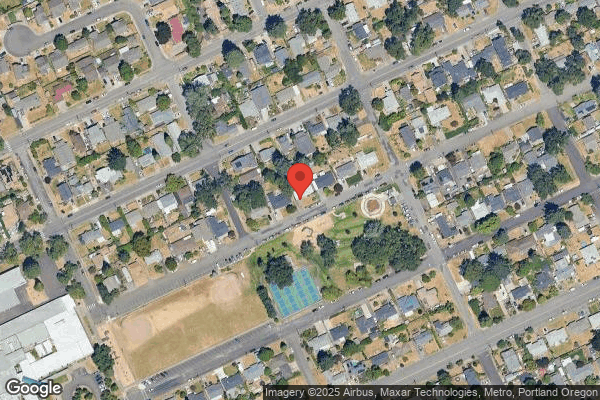
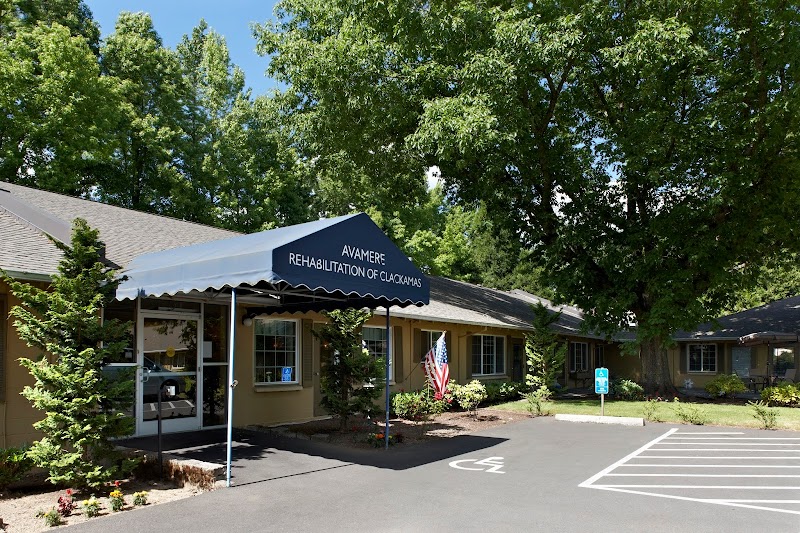
220 E. HEREFORD, GLADSTONE, OR 97027 (503) 656-0393
For profit - Corporation 87 Beds AVAMERE Data: November 2025 2 Immediate Jeopardy citations
Trust Grade
11/100
#76 of 127 in OR
Last Inspection: July 2024

Within standard 12-15 month inspection cycle. Federal law requires annual inspections.

Overview

Avamere Rehabilitation of Clackamas has received a Trust Grade of F, indicating poor performance and significant concerns about care quality. Ranked #76 out of 127 facilities in Oregon, they are in the bottom half of state facilities and #12 out of 13 in Clackamas County, suggesting limited options for better care locally. The facility's performance is stable, with 6 identified issues in both 2023 and 2024. Staffing is one of their strengths, rated 4 out of 5 stars, with a 47% turnover rate, which is slightly better than the state average. However, the facility has a concerning $183,963 in fines, which is higher than 95% of Oregon facilities and indicates compliance issues. Specific incidents include a critical failure to properly clean blood glucose monitors, which put residents at risk for bloodborne illnesses, and a failure to follow care plans for a resident at risk of elopement, exposing all residents to potential harm. Additionally, one resident suffered a serious fall that resulted in a fracture due to inadequate adherence to their care plan. While the staffing levels are good, the serious and critical incidents raise significant concerns for families considering this nursing home for their loved ones.

Trust Score
F
11/100
In Oregon
#76/127
Bottom 41%
Safety Record
High Risk
Review needed
Inspections
Holding Steady
6 → 6 violations
Staff Stability
⚠ Watch
47% turnover. Above average. Higher turnover means staff may not know residents' routines.
Penalties
○ Average
$183,963 in fines. Higher than 52% of Oregon facilities. Some compliance issues.
Skilled Nurses
✓ Good
Each resident gets 49 minutes of Registered Nurse (RN) attention daily — more than average for Oregon. RNs are trained to catch health problems early.
Violations
⚠ Watch
20 deficiencies on record. Higher than average. Multiple issues found across inspections.
★★☆☆☆
2.0
Overall Rating
★★★★☆
4.0
Staff Levels
★★★☆☆
3.0
Care Quality
★★☆☆☆
2.0
Inspection Score
Stable
2023: 6 issues
2024: 6 issues

The Good

  • 4-Star Staffing Rating · Above-average nurse staffing levels
  • Full Sprinkler Coverage · Fire safety systems throughout facility
  • No fines on record

Facility shows strength in staffing levels, fire safety.

The Bad

2-Star Overall Rating

Below Oregon average (3.0)

Below average - review inspection findings carefully

Staff Turnover: 47%

Near Oregon avg (46%)

Higher turnover may affect care consistency

Federal Fines: $183,963

Well above median ($33,413)

Significant penalties indicating serious issues

Chain: AVAMERE

Part of a multi-facility chain

Ask about local staffing decisions and management

The Ugly 20 deficiencies on record

2 life-threatening 1 actual harm
Sept 2024 1 deficiency 1 IJ
CRITICAL (J) 📢 Someone Reported This

A family member, employee, or ombudsman was alarmed enough to file a formal complaint

Immediate Jeopardy (IJ) - the most serious Medicare violation

Accident Prevention (Tag F0689)

Someone could have died · This affected 1 resident

Based on observation, interview and record review it was determined the facility failed to follow care plan interventions related to elopement for 1 of 1 sampled resident (#32) reviewed for elopement....

Read full inspector narrative →
Based on observation, interview and record review it was determined the facility failed to follow care plan interventions related to elopement for 1 of 1 sampled resident (#32) reviewed for elopement. This failure, determined to be an Immediate Jeopardy situation, placed all residents at risk for an unsafe elopement and injury. Findings include: The facility's revised 3/2019 Wandering and Elopement policy states the facility will identify residents who are at risk of unsafe wandering and strive to prevent harm while maintaining the least restrictive environment for residents. The facility's revised 7/18/24 Avamere Living-Code Pink Guidelines, an Elopement, Exit seeking, Wandering Assessment, stated the facility will complete the Code Pink Documentation tool when the resident is identified as at risk for elopement, exit seeking or wandering. Resident 32 admitted to the facility in 3/2024, with diagnoses including dementia and congestive heart failure. Resident 32's 6/19/24 Care Plan indicated Resident 32 may leave facility premises only if accompanied by a responsible party for therapeutic leave. Resident 32's 8/15/24 AvaElopement Risk Evaluation indicated the resident was disoriented, cognitively impaired with poor decision-making skills, known history of elopement, able to self-propel wheelchair independently and a moderate risk for wandering. On 8/19/24 at 12:41 PM, a complaint was received by the State Survey Agency (SSA), which alleged Resident 32 arrived on 8/16/24 via a medical transport bus to a brand-new appointment with a new practitioner, unattended and disoriented. Paperwork received from the nursing facility stated the resident had dementia and was an elopement risk. The receiving clinic recognized the residents' risk for elopement and assigned a staff member to monitor the resident. On 9/16/24 at 10:59 AM Resident 32 stated she/he was unable to recall the recent clinic visit. On 9/16/24 at 11:05 AM Staff 4 (CNA) stated she arranged for Resident 32's transportation to the new clinic and ordered Hand To Hand: Specific instructions when the resident arrived to the clinic she/he was not to be left alone. Staff 4 stated the facility did not send staff with the resident. On 9/16/24 at 11:52 AM Staff 2 (DNS) stated medical transport takes residents to their appointments and then picks them back up. Staff 2 stated the facility did not send staff with Resident 32 for the clinic appointment and acknowledged Resident 32 was not able to communicate and was an elopement risk. Staff 2 stated the expectation was for Resident 32 to be accompanied by a responsible party. On 9/17/24 at 12:05 PM Staff 3 (RNCM) stated she had received a phone call from the clinic stating Resident 32 was confused and could not give them any information. Staff 3 stated she knew Resident 32 was an elopement risk but assumed the driver from the medical transport would escort the resident in to the clinic. On 9/18/24 at 10:27 AM Staff 5 (RN Charge Nurse) stated Resident 32 needed redirection due to being forgetful and acknowledged Resident 32 was an elopement risk. Staff 5 stated she did not know if the resident could leave the facility by her/himself. On 9/18/24 at 10:52 AM Witness 2 (Medical Transport Driver) stated she did not know what the term Hand To Hand meant when transporting residents. On 9/20/24 at 3:00 PM Staff 1 (Administrator) and Staff 2 were notified of the immediate jeopardy (IJ) situation and provided a copy of the IJ template related to the facility's failure to follow Resident 32's care plan to have a responsible party accompany the resident to an outside appointment. On 9/20/24 at 4:51 PM an acceptable facility IJ removal plan was submitted by the facility. The plan indicated the facility would implement the following actions: 1. The care plan for Resident 32 has been reviewed and revised to include an escort for all appointments. The resident will continue to receive 15-minute checks. 2. All staff on evening shift on 9/20/24, have been educated on the facility's elopement policy, with a special emphasis on transportation for appointments. 3. All remaining staff will be educated on the facility's elopement policy before the start of their shift, with a special emphasis on transportation for appointments. All staff with no scheduled shift within the week will have been educated by 9/26/24. 4. All residents in the facility have been reassessed for elopement risk, and care plans have been updated as necessary. 5. To ensure ongoing compliance the DNS/designee will audit and assess all new admissions for risk of elopement for one week, weekly for three weeks, and then monthly until substantial compliance is achieved. 6. All findings to be reported to the Quality Assurance and Performance Improvement Committee. On 9/23/24 at 2:20 PM, the IJ was removed as confirmed by onsite verification.
Jul 2024 4 deficiencies 1 IJ (1 affecting multiple)
CRITICAL (K)

Immediate Jeopardy (IJ) - the most serious Medicare violation

Infection Control (Tag F0880)

Someone could have died · This affected multiple residents

**NOTE- TERMS IN BRACKETS HAVE BEEN EDITED TO PROTECT CONFIDENTIALITY** Based on observation, interview and record review it was determined the facility failed to ensure the community use CBG glucomet...

Read full inspector narrative →
**NOTE- TERMS IN BRACKETS HAVE BEEN EDITED TO PROTECT CONFIDENTIALITY** Based on observation, interview and record review it was determined the facility failed to ensure the community use CBG glucometer was properly cleaned and sanitized between resident use for 1 of 1 sampled resident (# 299) reviewed during CBG checks. This failure, determined to be an Immediate Jeopardy situation, placed all residents who required CBG checks at significant risk for bloodborne illness. Findings include: The Evencare G2 blood glucose monitoring system manufacturer instructions indicated to disinfect the meter with EPA-registered wipes. The 9/2014 facility policy for Blood Sampling Capillary (Finger Sticks) indicated to follow the manufacturer's instructions. On 7/17/24 at 11:29 AM Staff 3 was observed to obtain a CBG for Resident 299. Staff 3 exited the room and cleaned the glucometer with alcohol wipes. Staff 3 stated she primarily used alcohol wipes to clean the glucometer. Staff 3 then started to proceed down the hall to complete a CBG for Resident 296 using the same glucometer. The State Surveyor intervened, and Staff 3 went back to the treatment cart and used a bleach wipe to clean the glucometer. Staff 3 then started to proceed down the hall without allowing the glucometer to dry (manufacturer instructions indicated a three-minute contact time). The State Surveyor intervened and asked Staff 3 to review the contact time on the bleach wipes. Staff 3 then set the glucometer down and obtained another glucometer from the cart to use. On 7/17/24 at 11:55 AM Staff 2 (DNS) provided a list of 15 residents who required CBG checks, which included Resident 15. Resident 15's clinical record indicated she/he admitted to the facility on [DATE] with diagnoses including human immunodeficiency virus (HIV) and required CBG checks three times a day and used a shared glucometer. Resident 15's Diabetic Administration Record indicated Staff 3 first completed Resident 15's CBG checks twice on 6/14/24. On 7/17/24 at 12:11 PM Staff 3 stated she worked on all resident halls. On 7/17/24 at 1:30 PM Staff 2 (DNS) stated the expectation was for staff to use microkill bleach wipes between every glucometer use and to rotate glucometers to ensure proper dwell times were reached. On 7/17/24 at 2:15 PM the facility was informed that the facility's failure to improperly clean and sanitize the common use glucometer between residents constituted an Immediate Jeopardy situation. An IJ removal plan was requested. On 7/17/24 at 5:30 PM an acceptable facility IJ removal plan was submitted by the facility. The plan indicated the facility would implement the following actions: 1. Glucometers in the facility have been immediately collected and disinfected using an EPA-approved disinfectant for bloodborne pathogens prior to the next CBG checks. 2. Staff 3 was suspended, will receive 1:1 education/training on glucometer disinfection between uses, and dedicating CBG equipment for residents with diagnoses of bloodborne pathogens prior to return to work. 3. Licensed nurses, prior to start of shift, will be educated on the proper procedure for disinfecting blood glucose monitors and complete a Blood Glucose Monitoring Competency and will have dedicated CBG equipment for residents with bloodborne pathogens. 4. Resident 15 was provided with dedicated blood glucose monitoring equipment. 5. Residents in the facility will be audited for diagnoses of bloodborne pathogens and provided with dedicated blood glucose monitoring equipment if indicated. 6. The Medical Director was notified. Residents potentially exposed also notified. Testing will be offered as requested. 7. To ensure ongoing compliance, the DNS/designee will observe blood glucose monitor disinfection for routine blood glucose checks x 1 week, weekly x 3 weeks, monthly x 2 months to ensure proper disinfection. 8. All findings to be reported to the QAPI Committee. On 7/18/24 at 2:30 PM it was determined the immediacy was removed after verification of completion of the IJ removal plan.
CONCERN (D)

Potential for Harm - no one hurt, but risky conditions existed

Deficiency F0744 (Tag F0744)

Could have caused harm · This affected 1 resident

Based on interview and record review it was determined the facility failed to implement resident-centered care plan interventions to ensure residents with dementia maintained their highest practicable...

Read full inspector narrative →
Based on interview and record review it was determined the facility failed to implement resident-centered care plan interventions to ensure residents with dementia maintained their highest practicable level of well-being for 1 of 1 sampled resident (#18) reviewed for dementia. This placed residents at risk for a lack of psychosocial well-being and increased behaviors. Findings include: The facility's revised 2018 Dementia - Clinical Protocol revealed for individuals with confirmed dementia, the IDT (Inter-Disciplinary Team) would identify a resident-centered care plan to maximize their remaining function and quality of life. Resident 18 admitted to the facility in 2020 with diagnoses including dementia with agitation and depression. Resident 18's 8/21/23 Annual MDS indicated behaviors including rejection of care, combative behavior and agitation. Resident 18's 5/21/24 Quarterly MDS assessed her/him as severely cognitively impaired. Review of Resident 18's 7/18/24 behavioral care plan identified her/him as confrontational, rude, demanding, suspicious, manipulative and anxious. The care plan identified behaviors of verbal aggression, physical aggression, yelling, hitting, interference with roommate's care, and history of false accusative statements. The care planned interventions were that sometimes she/he would calm down when chocolate was given, discharge planning, separate from other residents, approach calmly and unhurriedly, notify physician if behaviors interfered with medical needs, leave the room and leave her/him alone to give space. Review of Resident 18's 7/18/24 ADL care plan revealed she/he refused ADLs and showers. The interventions were to document refusals and re-approach at a different time. No other interventions for ADLs and shower refusals were documented. On 7/19/24 at 8:43 AM Staff 10 (CNA) stated she received her information to care for residents from the care plan and shift reports from other staff members. Staff 10 stated Resident 18 had behaviors often, ate meals in her/his room due to behaviors and the staff kept her/him away from people. No other interventions were provided to prevent negative behaviors. On 5/19/24 at 9:13 AM Staff 2 (DNS) acknowledged Resident 18's care plan was not resident centered. Staff 2 acknowledged the interventions were for staff and were not specific to Resident 18 as an individual. Staff 2 reported some interventions were attempted but they were not documented or care planned in Resident 18's health record. No further information was provided.
CONCERN (E) 📢 Someone Reported This

A family member, employee, or ombudsman was alarmed enough to file a formal complaint

Potential for Harm - no one hurt, but risky conditions existed

Safe Environment (Tag F0584)

Could have caused harm · This affected multiple residents

Based on observation and interview the facility failed to provide a comfortable and homelike environment for 1 of 1 facility reviewed for physical environment. This placed residents at risk for a less...

Read full inspector narrative →
Based on observation and interview the facility failed to provide a comfortable and homelike environment for 1 of 1 facility reviewed for physical environment. This placed residents at risk for a lessened quality of life. Findings include: The facility's 2021 Homelike Environment Policy revealed residents were provided with a safe, clean, comfortable and homelike environment. Comfortable and adequate lighting was provided in all areas of the facility. Resident 24 admitted to the facility in 2019 with diagnoses including hypertension (high blood pressure) and depression. Resident 24's 4/21/24 Annual MDS indication she/he was cognitively intact. On 7/16/24 at 9:24 AM Resident 24 stated she/he was going to an activity in the dining room where the lighting was bad, and her/his vision was not so great so she/he sat by the window or the doors to see better. On 7/16/24 at 3:40 PM Resident 24 stated the lights in the dining room could be brighter because when residents were in activities in the dining room, other residents would ask if the lights could be turned on, but the lights were already on. During the Resident Council meeting on 7/16/24 at 1:00 PM the council members stated the lights in the dining room, where they had activity groups, had light bulbs out for a while and made it difficult to see. On 7/16/24 at 1:53 PM the dining room was observed with three of the six ceiling lights to not produce light. The dining room floor had four large pieces of black tape on the light-colored floor and the flooring was buckled up near the soda machine. On 7/17/24 at 11:10 AM the shared bathroom between room one and room three was observed with brown and yellow stained caulking around the base of the toilet. The floor was stained with brown markings and appeared dirty. On 7/17/24 at 11:12 AM the shared bathroom between room two and room four was observed with brown and yellow stained caulking around the base of the toilet and appeared dirty. On 7/17/24 at 11:13 AM room four's wall under the window was observed with the paneling peeling away from the wall in several spots. On 7/19/24 at 9:58 AM Staff 11 (Maintenance Director) confirmed the lights in the dining room were not working properly and needed new bulbs. Staff 11 stated he found out about the lights on Tuesday (7/16/24) from the Resident Council meeting and was unaware prior to 7/16/24. Staff 11 confirmed the taped flooring in the dining room and the other identified areas were in disrepair. Staff 11 stated the facility did not have a plan in place to fix flooring repairs. Staff 11 acknowledged the stained caulking in the shared resident bathrooms between rooms one and three and rooms two and four. Staff 11 stated the caulking needed to be repaired. Staff 11 acknowledged the paneling pulled away from the wall in room four and stated the facility did not have a plan in place to fix the wall. On 7/19/24 at 10:10 AM Staff 1 (Administrator) confirmed the needed repairs of lights in the dining room, flooring in the dining room, shared resident bathrooms between rooms one and three and rooms two and four, and the wall in room four. Staff 1 stated he expected a plan to be in place to make the repairs.
CONCERN (E)

Potential for Harm - no one hurt, but risky conditions existed

Deficiency F0658 (Tag F0658)

Could have caused harm · This affected multiple residents

**NOTE- TERMS IN BRACKETS HAVE BEEN EDITED TO PROTECT CONFIDENTIALITY** Based on observation, interview and record review it was determined the facility failed to ensure staff adhered to professional ...

Read full inspector narrative →
**NOTE- TERMS IN BRACKETS HAVE BEEN EDITED TO PROTECT CONFIDENTIALITY** Based on observation, interview and record review it was determined the facility failed to ensure staff adhered to professional standards related to disinfection of common use glucometers for 1 of 2 licensed nurses (Staff #3) reviewed for infection control and medication administration. This placed residents at significant risk for bloodborne illness. Findings include: Per OAR [PHONE NUMBER] Scope of Practice Standards for All Licensed Nurses (1) Standards related to the licensee's responsibility for safe nursing practice. The licensee shall: (A) Adhere to professional practice and performance standards; Per OAR [PHONE NUMBER] Conduct Derogatory to the Standards of Nursing Defined: Conduct that adversely affects the health, safety, and welfare of the public, fails to conform to legal nursing standards, or fails to conform to accepted standards of the nursing profession, is conduct derogatory to the standards of nursing. Such conduct includes, but is not limited to: (2) Conduct related to achieving and maintaining clinical competency: (a) Failing to conform to the essential standards of acceptable and prevailing nursing practice. Actual injury need not be established; (3) Conduct related to the client's safety and integrity: (a) Developing, modifying or implementing policies that jeopardize client safety; The Evencare G2 blood glucose monitoring system manufacturer instructions indicated to disinfect the meter with EPA registered wipes. The 9/2014 facility policy for Blood Sampling Capillary (Finger Sticks) indicated to follow the manufacturer's instructions. On 7/17/24 at 11:29 AM Staff 3 was observed to obtain a CBG for Resident 299. Staff 3 exited the room and cleaned the glucometer with alcohol wipes. Staff 3 stated she primarily used alcohol wipes to clean the glucometer. Staff 3 then started to proceed down the hall to complete a CBG for Resident 296 using the same glucometer. The State Surveyor intervened, and Staff 3 went back to the treatment cart and used a bleach wipe to clean the glucometer. Staff 3 then started to proceed down the hall without allowing the glucometer to dry (manufacturer instructions indicated a 3-minute contact time). The State Surveyor intervened and asked Staff 3 to review the contact time on the bleach wipes. Staff 3 then set the glucometer down and obtained another glucometer from the cart to use. On 7/17/24 at 12:11 PM Staff 3 stated she worked on all resident halls. On 7/17/24 at 1:30 PM Staff 2 (DNS) stated the expectation was for staff to use microkill bleach wipes between every glucometer use and to rotate glucometers to ensure proper dwell times were reached. Refer to F880.
Jun 2024 1 deficiency
CONCERN (D) 📢 Someone Reported This

A family member, employee, or ombudsman was alarmed enough to file a formal complaint

Potential for Harm - no one hurt, but risky conditions existed

Accident Prevention (Tag F0689)

Could have caused harm · This affected 1 resident

Based on observation, interview, and record review it was determined the facility failed to re-evaluate elopement risks and revise care plan interventions to prevent repeated elopements for 1 of 1 sam...

Read full inspector narrative →
Based on observation, interview, and record review it was determined the facility failed to re-evaluate elopement risks and revise care plan interventions to prevent repeated elopements for 1 of 1 sample residents (#1) reviewed for elopement. This placed residents at risk for an unsafe elopement and injury. Findings include: Resident 1 admitted to the facility in 3/2024, with diagnosis including dementia and Type 2 diabetes. Resident 1's 3/16/24 Elopement Assessment identified she/he was a moderate risk for elopement. Resident 1's 4/15/24 Care Plan indicated the resident presented as a high risk for wandering and elopement with interventions to implement a Code Pink protocol. Code Pink was defined as a medical emergency for residents who have wandered away from the facility and was at risk of harm and/or protecting themselves. Resident 1 was also revealed to be a significant fall risk due to cognitive impairment related to dementia. No additional interventions were identified. A 4/24/24 Facility Incident Reported revealed Resident 1 had an unwitnessed exit from the facility. Resident 1 was located according to the facility's investigation to have been found at the local market. Facility door alarms were in place but was revealed to have not alerted staff when resident exited the facility. Residents SLUMS score was revealed to be 12/30 indicating significant cognitive impairment. On 4/24/24 Resident 1's care plan interventions included working with the resident to determine reasons for wanting to leave the facility. No additional interventions were identified. A 5/31/24 Facility Incident Report revealed, Resident 1 had an unwitnessed exit from the facility. Facility indicated during internal review that staff were unaware of resident's whereabouts and unaware she/he could not leave the facility on her/his own. Facility investigation revealed care staff were not aware of Resident 1's elopement and prior interventions were determined to be unsuccessful. Resident 1 was located at the local market and returned to the facility by care staff. On 5/31/24 Resident 1's care plan interventions included placing the resident on 15 minute checks. A 6/10/24 Facility Incident Report revealed, Resident 1 had an unwitnessed exit from the facility. Resident was located at Clackamas Town Center by spouse. Resident 1 was picked up by the facility. There was no documented evidence the facility re-evaluated Resident 1's elopement risk to identify her/his risk factors and to develop targeted interventions or to determine the need for increased supervision to prevent reoccurring elopements. On 6/18/24 at 11:27 AM, Resident 1's room was observed to be located between two emergency exit doors. On 6/18/24 at 11:34 AM, Staff 3 (CNA) stated Resident 1 consistently wanted to elope from the facility and continued to present as an elopement risk for the facility due to Resident 1's elusiveness and not having staff to monitor the resident every 15 minutes. Staff 3 was unaware of any additional interventions in place for Resident 1. On 6/18/24 at 12:17 PM, Staff 7 (RNCM) stated Resident 1 was not appropriate for a nursing facility due to residents consistent wandering behaviors and was more suitable for a memory care facility. Staff 7 indicated Resident 1 was capable of leaving the facility without notifying anyone. Staff 7 stated no additional interventions other then fifteen minute checks were implemented in the resident's care plan. On 6/18/24 at 3:06 PM, Staff 2 (DNS) stated no additional communication, assessments, or interventions were put into place for Resident 1 outside of the fifteen minute checks due to the facility's belief in additional interventions or assessments to be unnecessary. On 6/18/24 at 3:14 PM, (Staff 5) CNA stated Resident 1 was smart enough to elope from the building by waiting for care staff to get busy then walk out through the front door or side door. Staff 5 stated only fifteen minute interventions were in place and was unaware of any additional interventions identified. On 6/20/24 at 11:04 AM, Staff 1 (Administrator) and Staff 2 (DNS) acknowledged the facility failed to implement additional interventions to prevent Resident 1's elopements. Staff 2 (DNS) acknowledged the facility failed to re-evaluate Resident 1's elopement risk and failed to revise care plan interventions to prevent Resident 1's elopements.
May 2023 6 deficiencies
CONCERN (D)

Potential for Harm - no one hurt, but risky conditions existed

Respiratory Care (Tag F0695)

Could have caused harm · This affected 1 resident

Based on observation, interview and record review it was determined the facility failed to ensure oxygen filters were cleaned for 1 of 1 sampled resident (#4) reviewed for respiratory care. This place...

Read full inspector narrative →
Based on observation, interview and record review it was determined the facility failed to ensure oxygen filters were cleaned for 1 of 1 sampled resident (#4) reviewed for respiratory care. This placed residents at risk for lack of respiratory care. Findings include: The facility's 2001 policy related to respiratory support indicated washable filters were to be rinsed under running water once a week to remove dust and debris. Resident 4 admitted to the facility in 2020 with diagnoses including palliative care. A physician order dated 2/10/23 indicated Resident 4 was to have 0-2 liters of supplemental oxygen PRN to maintain saturation of more than 88 percent. A 4/24/23 hospice note indicated Resident 4 used 2 liters of oxygen continuously. Review of the 4/2023 MAR indicate Resident 4 received 2 liters of oxygen routinely. On 5/1/23 at 11:17 AM Resident 4 was observed to have oxygen in place. Resident 4 stated she/he used oxygen all the time. The oxygen filter was observed to have a thick layer of dust covering the entire filter. On 5/2/23 at 12:47 PM Staff 2 (DNS) stated night shift staff was responsible for maintaining and cleaning resident oxygen equipment, including the filters. Staff 2 acknowledged Resident 4's oxygen filter was dirty and covered in dust.
CONCERN (D)

Potential for Harm - no one hurt, but risky conditions existed

Drug Regimen Review (Tag F0756)

Could have caused harm · This affected 1 resident

Based on interview and record review it was determined the facility failed to address pharmacy recommendations for 1 of 5 sampled residents (#24) reviewed for medications. This placed residents at ris...

Read full inspector narrative →
Based on interview and record review it was determined the facility failed to address pharmacy recommendations for 1 of 5 sampled residents (#24) reviewed for medications. This placed residents at risk for adverse medication side effects. Findings include: Resident 24 admitted to the facility in 2022 with diagnoses including depressive disorder. The 3/3/23 pharmacy recommendation indicated the following: -Resident 24 was taking Lexapro (antidepressant medication) 7.5 mg for depression and was due for a gradual dose reduction (GDR) assessment; The pharmacy recommendation was not signed by the provider until 4/27/23 (55 days later) and indicated no change to Resident 24's Lexapro. On 5/3/23 at 2:03 PM at Staff 2 (DNS) acknowledged the facility did not follow up with the pharmacy recommendation timely.
CONCERN (D)

Potential for Harm - no one hurt, but risky conditions existed

Deficiency F0757 (Tag F0757)

Could have caused harm · This affected 1 resident

Based on interview and record review it was determined the facility failed to withhold bowel medication as indicated for 2 of 5 sampled residents (#s 3 and 24) reviewed for medication. This placed res...

Read full inspector narrative →
Based on interview and record review it was determined the facility failed to withhold bowel medication as indicated for 2 of 5 sampled residents (#s 3 and 24) reviewed for medication. This placed residents at risk for adverse side effects of bowel medication. Findings include: 1. Resident 3 was admitted to the facility in 2019 with diagnoses including stroke. Resident 3's 5/4/23 physician's orders included the following medications: - Miralax (laxative) BID for bowel care. - Senna (laxative) BID for bowel care. Resident 3's Bowel elimination records from 4/4/23 through 4/30/23 revealed she/he had loose stools or diarrhea documented on 17 of 30 days for a total of 24 occurrences. Resident 3's 4/2023 MAR indicated: - The resident's scheduled Miralax was administered routinely every day from 4/1/23 through 4/30/23. - The resident's scheduled senna was administered routinely every day from 4/1/23 through 4/30/23 except for the refusal of two doses. Resident 3's 4/19/23 Care Plan indicated the resident had loose stools and diarrhea with a goal of reduced episodes of diarrhea. On 5/4/23 at 11:05 AM Staff 10 (Agency RN) stated the CNAs reported loose stools to the CMA. The CMA then communicated this information to the nurse. Staff 10 reported she was not informed Resident 3 had loose stools or diarrhea. On 5/4/23 at 12:58 PM Staff 2 (DNS) acknowledged Resident 3 had loose stools or diarrhea documented in April 2023 and the scheduled bowel care medications (Miralax and senna) were administered for all but two doses. She stated if a resident had a loose stool it should be communicated so this information could be passed on to the doctor to determine if the bowel care medication should be held or discontinued. 2. Resident 24 admitted to the facility in 2022 with diagnoses including heart failure. The 3/29/23 physician orders indicated Resident 24 was to receive the following: -polyethylene glycol powder (laxative medication) give 1 scoop in juice in the morning for bowel care; -senna 8.6 mg (laxative medication) one tab in the evening for bowel care. Hold for loose stool or more than 2 bowel movements daily; -senna-docusate sodium 8.6-50 mg (laxative medication) 2 tabs twice daily for stool softener. A review of MARs from 4/4/23 through 5/3/23 indicated the following: -Resident 24 received polyethylene glycol on 29 occasions and refused the medication four times; -Resident 24 received all doses of senna 8.6 mg in the evening as ordered; -Resident 24 received all doses of senna-docusate sodium 8.6-50 mg 2 tabs twice daily as ordered. A review of Resident 24's bowel records from 4/4/23 through 5/3/23 indicated the resident had loose stools on 17 occasions. On 5/3/23 at 1:05 PM Staff 2 (DNS) acknowledged Resident 24 had loose stools on 17 occasions between 4/4/23 and 5/3/23 and acknowledged the bowel medication was not held per the orders and not held per indication of use.
CONCERN (D)

Potential for Harm - no one hurt, but risky conditions existed

Garbage Disposal (Tag F0814)

Could have caused harm · This affected 1 resident

Based on observation and interview it was determined the facility failed to ensure garbage storage areas were maintained in a sanitary manner to prevent the presence and feeding of pests, and to ensur...

Read full inspector narrative →
Based on observation and interview it was determined the facility failed to ensure garbage storage areas were maintained in a sanitary manner to prevent the presence and feeding of pests, and to ensure garbage storage area dumpsters were covered condition for 1 of 1 facility storage areas reviewed for sanitary garbage storage. This placed residents at risk for presence of pests. Findings include: On 5/1/23 at 9:09 AM during the initial kitchen tour including the outside garbage storage area Staff 9 (Cook) stated the trash compacter was broken for over a year and the facility brought in a large dumpster. A large, approximately 20 feet by 10 feet uncovered dumpster with two hinged doors at the front was observed at back side of the building. On 5/2/23 at 12:58 PM one of the dumpster doors opened was observed open; trash bags and a pair of used gloves dangled off the edge of the dumpster. On 5/3/23 at 10:12 AM one of the the dumpster doors was observed open and one garbage bag hung over the front edge; two black crows were observed by the dumpster opening. On 5/3/23 at 10:25 AM Resident 29 stated she/he saw cats and birds in the dumpster at times. On 5/4/23 at 1:55 PM Staff 6 (Dietary Manager) stated she was aware the dumpster required a cover to stop the risk of pests and rodents, but was not involved in the decision-making process for the dumpster. On 5/4/23 at 2:09 PM Staff 5 (Maintenance Director) stated the trash compactor broke almost two years ago, and the two large uncovered dumpster was in use for almost a year. Staff 5 stated one of the dumpster doors was always left open because some staff were not able to throw trash bags into the dumpster from above. On 5/5/23 at 9:07 AM Staff 1 (Administrator) acknowledged the dumpster was not covered and was not aware it had to be covered.
CONCERN (E)

Potential for Harm - no one hurt, but risky conditions existed

Safe Environment (Tag F0584)

Could have caused harm · This affected multiple residents

**NOTE- TERMS IN BRACKETS HAVE BEEN EDITED TO PROTECT CONFIDENTIALITY** 2. On 5/1/23 at 9:52 AM Resident 40 stated her/his shower was delayed on Sunday, 4/30/23 due to the facility not having any clea...

Read full inspector narrative →
**NOTE- TERMS IN BRACKETS HAVE BEEN EDITED TO PROTECT CONFIDENTIALITY** 2. On 5/1/23 at 9:52 AM Resident 40 stated her/his shower was delayed on Sunday, 4/30/23 due to the facility not having any clean towels or linen. On 5/2/23 at 1:37 PM Staff 7 (Housekeeping Manager) stated the weekend staff did not show up to work on Saturday and Sunday. Staff 7 was not aware there was no housekeeping staff present in the facility until he was notified by the DNS on Sunday morning. On 5/2/23 at 1:59 PM Staff 2 (DNS) stated Staff 8 (CNA) called her on Sunday morning stating there was no clean linen or towels in the facility and staff were cutting up bed sheets to use as washcloths. Staff 2 called Staff 7 immediately, who came in to provide laundry and housekeeping services. On 5/5/23 at 8:48 AM Staff 8 (CNA) stated she was told by other CNA staff there was no clean towels or linen in the facility. Staff 8 called Staff 2 to inform her of the linen and towel shortage. Staff 8 stated she did not call Staff 7 because she did not have his number. On 5/5/23 9:10 AM Staff 1 (Administrator) stated she was called on Sunday regarding the linen shortage. Based on observation and interview it was determined the facility failed to ensure resident rooms, bathrooms and linen supplies were maintained for 2 of 2 halls reviewed for environment. This placed residents at risk for lessened quality of life. Findings include: 1. A 5/3/23 at 10:06 AM observation of room [ROOM NUMBER] and bathroom revealed duct tape on the floor under the sink and across the toilet threshold. The grout around the toilet was uneven and patchy, there were tiles on the floor and wall in the shower stall that were cracked and broken. The dry wall leading toward the bathroom was cracked near the ceiling and the frame around the bathroom door was separated. There was a gap between the wall and ceiling along three of the bathroom walls (except the window wall). The exhaust vent did not turn on when tested. The resident in room [ROOM NUMBER] stated she/he used that bathroom. A 5/1/23 at 11:49 AM observation of the bathroom between rooms [ROOM NUMBERS] revealed the linoleum around the toilet and across the width of the bathroom floor was separated which exposed subflooring. The bathroom was used daily. A 5/1/23 at 12:24 PM observation of room [ROOM NUMBER] and bathroom revealed the toilet riser was missing paint and visibly rusted in several spots. The linoleum was separated close to the toilet and a rust-colored ring was noted around the base of the toilet. The molding was separated from the wall under the sink, and the caulk and drywall was cracked above the sink. The floor was stained gray and brown in multiple locations, and there were several chips out of the bathroom door which exposed the wood underneath. A 5/1/23 at 12:31 PM observation of room [ROOM NUMBER] and bathroom revealed gray stains on the floor, a commode with non-cleanable tape, caulk missing at the base of the toilet, and the base of the toilet was stained brown. The commode was rusted, and the floor had several dark nicks and scratches. A 5/1/23 at 12:43 PM observation of room [ROOM NUMBER] and bathroom revealed a persistent urine odor, and the toilet seat did not fit the toilet (oversized). The caulk was missing from the base of the toilet and the floor surrounding the toilet was rusted and brown in color. On 5/4/23 at 11:43 AM Staff 5 (Maintenance Director) stated the Facility had discussed two of the bathroom remodels however did not plan on all of them. Staff 5 confirmed all observed concerns and acknowledged the identified findings. On 5/4/23 at 12:10 PM Staff 1 (Administrator) acknowledged the observed damage and confirmed repairs were needed.
CONCERN (E)

Potential for Harm - no one hurt, but risky conditions existed

Deficiency F0804 (Tag F0804)

Could have caused harm · This affected multiple residents

**NOTE- TERMS IN BRACKETS HAVE BEEN EDITED TO PROTECT CONFIDENTIALITY** Based on observation, interview and record review it was determined the facility failed to provide palatable meals for 2 of 2 sa...

Read full inspector narrative →
**NOTE- TERMS IN BRACKETS HAVE BEEN EDITED TO PROTECT CONFIDENTIALITY** Based on observation, interview and record review it was determined the facility failed to provide palatable meals for 2 of 2 sampled residents (#s 12 and 30) reviewed for food quality. This placed residents at risk for impaired nutrition. Findings include: 1. Resident 12 was admitted to the facility in 2023 with diagnoses including pneumonia, dysphagia (difficulty swallowing) and malnutrition. Resident 12's 4/24/23 Care Plan indicated the resident had altered nutrition related to diagnoses of malnutrition and dysphagia. Resident 12's 4/26/23 ordered diet was a regular diet with minced and moist texture. A Registered Dietitian assessment dated [DATE] indicated the resident had an underweight BMI (body mass index). On 5/1/23 at 1:06 PM Resident 12 reported the texture, preparation and appearance of the food was not good. The resident stated the meal served at lunch was minced to death and she/he was not able to identify what it was. On 5/4/23 at 12:15 PM surveyors sampled two meals (regular and minced/moist) consisting of Hawaiian-style pork, orzo (pasta), oven-roasted Brussels sprouts with garlic and fruit. The pork was observed to be overcooked, dry and flavorless. The orzo was pasty and lacked flavor. The Brussels sprouts were overcooked. The minced and moist food was not appetizing in appearance. The plate had two scoops of pale colored food (pork and orzo) and one scoop of green colored food. The food was lacking in flavor and the texture had a pureed (ground finely) consistency. On 5/3/23 at 12:24 PM Staff 14 (Corporate Nurse Consultant) sampled the food and stated the orzo was sticky and the pork was dry. When tasting the Brussels sprouts Staff 14 gagged and spat the bite out. Staff 14 acknowledged the findings identified. 2. Resident 30 admitted to the facility in 2022 with diagnoses including anxiety. The 10/10/22 Care Plan indicated Resident 30 was independent with eating. A 3/28/23 progress note indicated Resident 30 was cognitively intact and was able to direct her/his own care. On 5/1/23 at 10:50 AM Resident 30 stated the food was not always good and kitchen staff did not know how to cook the food. On 5/4/23 at 12:15 PM surveyors sampled a regular diet meal consisting of Hawaiian-style pork, orzo (pasta), oven-roasted Brussels sprouts with garlic and fruit. The pork was overcooked, dry and flavorless. The orzo was pasty and lacked flavor. The Brussels sprouts were overcooked. On 5/3/23 at 12:24 PM Staff 14 (Corporate Nurse Consultant) sampled the food and stated the orzo was sticky and the pork was dry. When tasting the Brussels sprouts Staff 14 gagged and spat the bite out. Staff 14 acknowledeged the findings indentified.
Dec 2022 1 deficiency 1 Harm
SERIOUS (G) 📢 Someone Reported This

A family member, employee, or ombudsman was alarmed enough to file a formal complaint

Actual Harm - a resident was hurt due to facility failures

Accident Prevention (Tag F0689)

A resident was harmed · This affected 1 resident

**NOTE- TERMS IN BRACKETS HAVE BEEN EDITED TO PROTECT CONFIDENTIALITY** Based on observation, interview, and record review it was determined the facility failed to follow the plan of care for 1 of 3 s...

Read full inspector narrative →
**NOTE- TERMS IN BRACKETS HAVE BEEN EDITED TO PROTECT CONFIDENTIALITY** Based on observation, interview, and record review it was determined the facility failed to follow the plan of care for 1 of 3 sampled residents (#4) reviewed for falls. This failure resulted in Resident 4 experiencing a fall with a fracture. This placed residents at risk for increased falls. Findings include: Resident 4 admitted to the facility on [DATE] with diagnoses including dementia. Resident 4's Quarterly MDS dated [DATE] revealed she/he had a BIMS score of 5 (severely impaired). Resident 4's care plan dated 7/21/22 included padded fall mats on both bedsides when in bed, wider bed for comfort and a scoop mattress to prevent rolling out of bed. A 9/24/22 facility investigation revealed on 9/24/22 Resident 4 was found on the floor next to her/his bed and no fall mats were present. Staff 5 (LPN) checked Resident 4 for injuries. Staff 5 called for x-rays which revealed a broken left femur. In an interview on 11/29/22 at 2:18 PM Staff 6 (CNA) stated she did not put the fall mats next to Resident 4's bed on 9/24/22. She didn't see the mats and thought the resident no longer needed them. In an interview on 11/30/22 at 11:20 AM Staff 5 (LPN) stated he checked Resident 4 for injuries and pain on 9/24/22 after the fall. Resident 4 stated her/his knee hurt. The LN medicated the resident and call for x-rays. In an interview on 11/29/22 at 2:04 PM Staff 3 (RNCM) confirmed the care plan was not followed for Resident 4 and resulted in a fall with a fracture. In an interview on 11/29/22 at 2:06 PM Staff 2 (DNS) confirmed the care plan was not followed for Resident 4 and resulted in a fall with a fracture.
Apr 2019 7 deficiencies
CONCERN (D)

Potential for Harm - no one hurt, but risky conditions existed

Resident Rights (Tag F0550)

Could have caused harm · This affected 1 resident

Based on interview and record review it was determined the facility failed to ensure residents who required assistance for toileting were treated with dignity for 1 of 1 resident (#36) reviewed for di...

Read full inspector narrative →
Based on interview and record review it was determined the facility failed to ensure residents who required assistance for toileting were treated with dignity for 1 of 1 resident (#36) reviewed for dignity. This placed residents at risk for lack of dignity. Findings include: Resident 36 admitted to the facility in 2019 with diagnoses including multiple fractures of the extremities and spine. The resident's care plan, last updated 4/18/19, indicated she/he used a urinal and bedpan for toileting and required one-person assistance with the urinal and two-person assistance with the bedpan. On 4/22/19 at 1:51 PM Resident 36 stated during the evening of 4/12/19 a CNA was rude when the resident asked for assistance to use the urinal. Resident further stated the CNA did not assist the resident which made her/him feel bad. Resident 36 was unable to recall the name of the CNA but stated the CNA no longer worked with her/him after the incident was reported to administrative staff. On 4/24/19 at 10:29 AM Staff 11 (RN) stated she was made aware of a staff member being rude to Resident 36 on night shift and the staff member was Staff 12 (CNA). Staff 11 further stated she did not know specifics about the incident. On 4/26/19 at 9:56 AM Staff 1 (Administrator) stated there was no written investigation completed for the incident alleged by Resident 36. Staff 1 acknowledged the CNA told Resident 36 she/he could use the urinal independently, which resulted in Resident 36 spilling urine on her/his bed. Staff 1 stated Resident 36 was upset at the time. Staff 1 further stated the identified CNA was reprimanded and no longer worked with Resident 36. Refer to 677
CONCERN (D)

Potential for Harm - no one hurt, but risky conditions existed

Deficiency F0558 (Tag F0558)

Could have caused harm · This affected 1 resident

Based on observation, interview and record review it was determined the facility failed to provide a haircut for 1 of 1 sampled resident (#36) reviewed for accommodation of needs. This placed resident...

Read full inspector narrative →
Based on observation, interview and record review it was determined the facility failed to provide a haircut for 1 of 1 sampled resident (#36) reviewed for accommodation of needs. This placed residents at risk for unmet grooming needs. Findings include: Resident 36 was admitted to the facility in 2019 with diagnoses including multiple fractures to extremities and spine. The Care Plan, last updated 4/18/19, indicated Resident 36 was on bed rest, required extensive two-person assistance with bed mobility and required a mechanical lift for transfers. On 4/24/19 at 9:01 AM Resident 36 stated she/he asked Staff 14 (Facility Beautician) for a haircut and was told she would not cut the resident's hair in her/his room. Resident 36 stated due to her/his broken back she/he could not get to the facility salon and could not sit up in a chair for a haircut. Resident 36 stated she/he preferred a military style haircut. The resident's hair was observed to be approximately three inches long. On 4/24/19 at 10:53 AM Staff 3 (Social Services) acknowledged there was no current process in place for bed-bound residents to receive haircuts as Staff 14 did not cut hair in resident rooms. On 4/29/19 at 1:34 PM Staff 15 (RNCM) stated he was unaware Staff 14 did not provide haircuts to residents in their rooms and acknowledged he was not aware of a current process for such residents to receive haircuts.
CONCERN (D)

Potential for Harm - no one hurt, but risky conditions existed

Deficiency F0582 (Tag F0582)

Could have caused harm · This affected 1 resident

Based on interview and record review it was determined the facility failed to ensure residents were informed in writing of changes in coverage for 1 of 3 sampled residents (#190) reviewed for required...

Read full inspector narrative →
Based on interview and record review it was determined the facility failed to ensure residents were informed in writing of changes in coverage for 1 of 3 sampled residents (#190) reviewed for required advance beneficiary notification. This placed residents at risk for not being informed of financial liabilities. Findings include: Resident 190 admitted to the facility with Medicare Part A Services in 11/2018. According to the Skilled Nursing Facility (SNF) Beneficiary Protection Notification document provided by the facility, Resident 190 remained in the facility after 12/22/18 as a private pay resident. No evidence was found in the resident's record to indicate Resident 190 was provided with a Notice of Medicaid Non-Coverage (NOMNC) or an Advance Beneficiary Notice (ABN), or any other written notification of financial responsibility. On 4/23/19 at 2:43 PM Staff 3 (Social Services) acknowledged there was no evidence to indicate Resident 190 was provided with written notification of financial responsibility and acknowledged a NOMNC and an ABN should have been provided to Resident 190 on or around 12/18/18 when the facility anticipated the resident's transition to private pay status.
CONCERN (D)

Potential for Harm - no one hurt, but risky conditions existed

Transfer Notice (Tag F0623)

Could have caused harm · This affected 1 resident

Based on interview and record review it was determined the facility failed to ensure the office of the Long Term Care Ombudsman (LTCO) was notified of facility initiated transfers to the hospital for ...

Read full inspector narrative →
Based on interview and record review it was determined the facility failed to ensure the office of the Long Term Care Ombudsman (LTCO) was notified of facility initiated transfers to the hospital for 2 of 2 sampled residents (#s 15 and 37) reviewed for hospitalization. This placed residents at risk for the LTCO being uninformed of transfer status. Findings include: 1. Resident 15 admitted to the facility in 2015 with diagnoses including a history of urinary tract infection. A progress note dated 4/23/19 indicated Resident 15 was admitted to the hospital following her/his transfer out to the emergency department on 4/22/19. A review of the resident's clinical record revealed no evidence the LTCO was notified of the resident's transfer to the hospital. On 4/24/19 at 10:28 AM Staff 2 (DNS) indicated the facility did not have a system in place to notify the ombudsman of facility initiated resident transfers to the hospital. 2. Resident 37 admitted to the facility in 2018 with diagnoses including multiple sclerosis (disease of the nervous system). A progress note dated 2/28/19 indicated Resident 37 was sent out to the emergency department following a bout of respiratory distress. A review of the resident's clinical record revealed no evidence the LTCO was notified of the resident's transfer to the hospital. On 4/23/19 at 10:28 AM Staff 2 (DNS) indicated the facility did not have a system in place to notify the ombudsman of facility initiated resident transfers to the hospital.
CONCERN (D)

Potential for Harm - no one hurt, but risky conditions existed

ADL Care (Tag F0677)

Could have caused harm · This affected 1 resident

Based on interview and record review it was determined the facility failed to provide toileting assistance for 1 of 1 sampled resident (#36) reviewed for ADLs. This placed residents at risk for unmet ...

Read full inspector narrative →
Based on interview and record review it was determined the facility failed to provide toileting assistance for 1 of 1 sampled resident (#36) reviewed for ADLs. This placed residents at risk for unmet toileting needs. Findings include: Resident 36 was admitted to the facility in 2019 with diagnoses including multiple fractures to the extremities and spine. The resident's care plan, last updated 4/18/19, indicated she/he used a urinal and bedpan for toileting and required one-person assistance with the urinal. The care plan further indicated Resident 36 was at risk for incontinence due to impaired mobility. On 4/22/19 at 1:51 PM Resident 36 stated a CNA did not assist the resident when she/he asked for assistance with the urinal the night of 4/12/19. Resident 36 was unable to recall the name of the CNA but stated the CNA no longer worked with the resident after the incident was reported by the resident to administrative staff. On 4/26/19 at 9:56 AM Staff 1 (Administrator) acknowledged a staff member told Resident 36 she/he could use the urinal independently which resulted in Resident 36 spilling urine on her/his bed. Staff 1 further stated there was no written investigation completed for the incident alleged by Resident 36, however the identified staff member was reprimanded and no longer worked with Resident 36.
CONCERN (D)

Potential for Harm - no one hurt, but risky conditions existed

Accident Prevention (Tag F0689)

Could have caused harm · This affected 1 resident

Based on observation, interview and record review it was determined the facility failed to ensure care planned safety interventions were in place to prevent fall-related injuries for 1 of 2 sampled re...

Read full inspector narrative →
Based on observation, interview and record review it was determined the facility failed to ensure care planned safety interventions were in place to prevent fall-related injuries for 1 of 2 sampled residents (#6) reviewed for accidents. This placed residents at risk for fall-related injuries. Findings include: Resident 6 admitted to the facility in 2017 with diagnoses including cancer and Parkinson's. The 1/21/19 Annual MDS indicated Resident 6 had a history of falls when attempting to self-transfer. The MDS indicated Resident 6 was forgetful and did not use her/his call light. Resident 6's care plan for falls, revised 2/1/19, indicated the following interventions: fall mat in place, frequent safety checks, bed in lowest position, privacy drape pulled so resident was able to be seen and non-skid footwear at all times. On 4/22/19 at 9:38 AM Resident 6 was observed in bed. Resident 6 did not have non-skid footwear on, the fall mat was not in place and the bed was not in low position. On 4/22/19 at 1:37 PM Resident 6 was observed in bed and no fall mat was in place. On 4/22/19 at 2:37 PM Resident 6 was observed in bed with no fall mat in place. The privacy curtain was extended and the resident was not able to be observed from the hallway or doorway. On 4/22/19 at 2:37 PM Staff 8 (CNA) acknowledged no fall mat was in place and the resident was not able to be seen from the hallway or doorway due to the privacy curtain. Staff 8 stated he was assigned to Resident 6's care but was not sure if the resident was a fall risk. Staff 8 also stated he was not familiar with Resident 6's care planned interventions to prevent fall-related injuries. On 4/22/19 at 3:30 PM Staff 2 (DNS) acknowledged Resident 6 was a fall risk and acknowledged staff were responsible for ensuring interventions were in place to prevent fall-related injuries.
CONCERN (E)

Potential for Harm - no one hurt, but risky conditions existed

Deficiency F0578 (Tag F0578)

Could have caused harm · This affected multiple residents

4. Resident 36 admitted to the facility in 2019 with diagnoses including multiple fractures. A Progress Note dated 3/29/2019 indicated Resident 36 had an advanced directive and a copy was to be obtain...

Read full inspector narrative →
4. Resident 36 admitted to the facility in 2019 with diagnoses including multiple fractures. A Progress Note dated 3/29/2019 indicated Resident 36 had an advanced directive and a copy was to be obtained for the medical record. Review of Resident 36's medical record did not reveal a copy of her/his advance directive or evidence of attempts to obtain a copy of the resident's advance directive. On 4/23/19 at 2:59 PM Staff 3 (Social Services) stated there was no follow up to obtain a copy of Resident 36's advance directive. Based on interview and record review the facility failed to ensure advance directives were obtained or offered for 4 of 4 sampled residents (#s 6, 23, 26 and 36) reviewed for advance directives. This placed residents at risk for not having their health care decisions honored. Findings include: 1. Resident 6 admitted to the facility in 7/2018 with diagnoses including cancer. A 1/21/19 Annual MDS indicated Resident 6 was on hospice status. A 1/16/19 progress note indicated Resident 6 wanted to formulate an advance directive. No evidence was found in the resident's clinical record to indicate the resident was provided with information on the right to formulate an advance directive. On 4/23/19 at 2:59 PM Staff 3 (Social Services) acknowledged there was no indication Resident 6 was provided with information on the right to formulate an advance directive. 2. Resident 23 admitted to the facility in 3/2019 with diagnoses including dementia. No evidence was found in Resident 23's clinical record to indicate the resident was provided with information on the right to formulate an advance directive. On 4/23/19 at 2:59 PM Staff 3 (Social Services) acknowledged there was no indication Resident 23 was provided with information on the right to formulate an advance directive. 3. Resident 26 was admitted to the facility in 3/2019 with a diagnosis including end stage renal disease. A review of Resident 26's clinical record on 4/23/19 revealed no evidence the resident was provided with information on the right to formulate an advance directive. On 4/23/19 at 2:59 PM Staff 3 (Social Services) confirmed Resident 26 was not provided information on formulating an advance directive.
Understanding Severity Codes (click to expand)
Life-Threatening (Immediate Jeopardy)
J - Isolated K - Pattern L - Widespread
Actual Harm
G - Isolated H - Pattern I - Widespread
Potential for Harm
D - Isolated E - Pattern F - Widespread
No Harm (Minor)
A - Isolated B - Pattern C - Widespread

Questions to Ask on Your Visit

  • "What changes have you made since the serious inspection findings?"
  • "Can I speak with families of current residents?"
  • "What's your RN coverage like on weekends and overnight?"

Our Honest Assessment

Strengths
  • • Licensed and certified facility. Meets minimum state requirements.
Concerns
  • • Multiple safety concerns identified: 2 life-threatening violation(s), 1 harm violation(s), $183,963 in fines. Review inspection reports carefully.
  • • 20 deficiencies on record, including 2 critical (life-threatening) violations. These warrant careful review before choosing this facility.
  • • $183,963 in fines. Extremely high, among the most fined facilities in Oregon. Major compliance failures.
  • • Grade F (11/100). Below average facility with significant concerns.
Bottom line: Trust Score of 11/100 indicates significant concerns. Thoroughly evaluate alternatives.

About This Facility

What is Avamere Rehabilitation Of Clackamas's CMS Rating?

CMS assigns AVAMERE REHABILITATION OF CLACKAMAS an overall rating of 2 out of 5 stars, which is considered below average nationally. Within Oregon, this rating places the facility higher than 0% of the state's 100 nursing homes. A rating at this level reflects concerns identified through health inspections, staffing assessments, or quality measures that families should carefully consider.
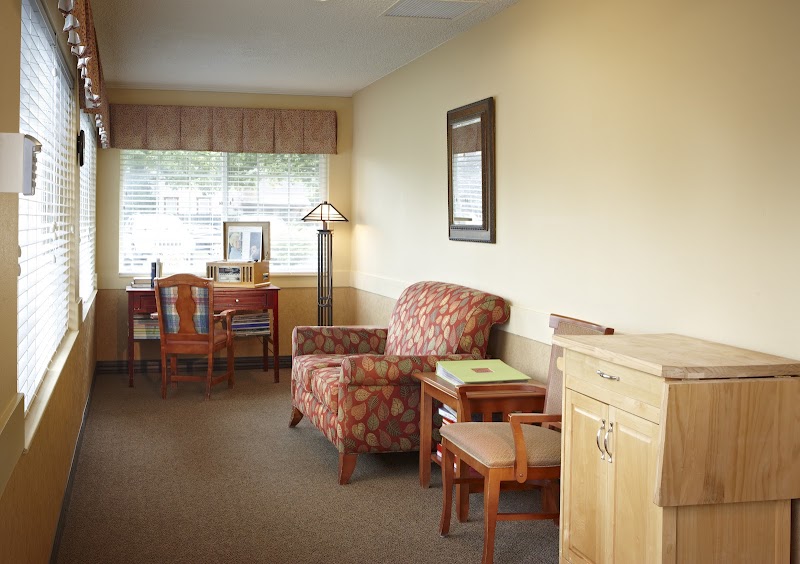
How is Avamere Rehabilitation Of Clackamas Staffed?

CMS rates AVAMERE REHABILITATION OF CLACKAMAS's staffing level at 4 out of 5 stars, which is above average compared to other nursing homes. Staff turnover is 47%, compared to the Oregon average of 46%.

What Have Inspectors Found at Avamere Rehabilitation Of Clackamas?

State health inspectors documented 20 deficiencies at AVAMERE REHABILITATION OF CLACKAMAS during 2019 to 2024. These included: 2 Immediate Jeopardy (the most serious level, indicating potential for serious harm or death), 1 that caused actual resident harm, and 17 with potential for harm. Immediate Jeopardy findings are rare and represent the most serious regulatory concerns. They require immediate corrective action.
Who Owns and Operates Avamere Rehabilitation Of Clackamas?

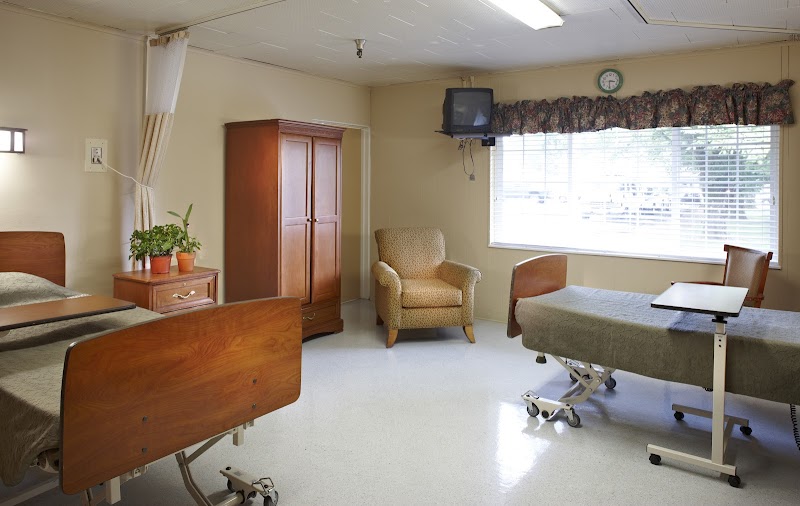
AVAMERE REHABILITATION OF CLACKAMAS is owned by a for-profit company. For-profit facilities operate as businesses with obligations to shareholders or private owners. The facility is operated by AVAMERE, a chain that manages multiple nursing homes. With 87 certified beds and approximately 42 residents (about 48% occupancy), it is a smaller facility located in GLADSTONE, Oregon.
How Does Avamere Rehabilitation Of Clackamas Compare to Other Oregon Nursing Homes?

Compared to the 100 nursing homes in Oregon, AVAMERE REHABILITATION OF CLACKAMAS's overall rating (2 stars) is below the state average of 3.0, staff turnover (47%) is near the state average of 46%, and health inspection rating (2 stars) is below the national benchmark.

What Should Families Ask When Visiting Avamere Rehabilitation Of Clackamas?

Based on this facility's data, families visiting should ask: "What changes have been made since the serious inspection findings, and how are you preventing similar issues?" "Can I visit during a mealtime to observe dining assistance and food quality?" "How do you handle medical emergencies, and what is your hospital transfer rate?" "Can I speak with family members of current residents about their experience?" These questions are particularly relevant given the facility's Immediate Jeopardy citations.

Is Avamere Rehabilitation Of Clackamas Safe?

Based on CMS inspection data, AVAMERE REHABILITATION OF CLACKAMAS has documented safety concerns. Inspectors have issued 2 Immediate Jeopardy citations (the most serious violation level indicating risk of serious injury or death). The facility has a 2-star overall rating and ranks #100 of 100 nursing homes in Oregon. Families considering this facility should ask detailed questions about what corrective actions have been taken since these incidents.

Do Nurses at Avamere Rehabilitation Of Clackamas Stick Around?

AVAMERE REHABILITATION OF CLACKAMAS has a staff turnover rate of 47%, which is about average for Oregon nursing homes (state average: 46%). Moderate turnover is common in nursing homes, but families should still ask about staff tenure and how the facility maintains care continuity when employees leave.

Was Avamere Rehabilitation Of Clackamas Ever Fined?

AVAMERE REHABILITATION OF CLACKAMAS has been fined $183,963 across 4 penalty actions. This is 5.3x the Oregon average of $34,918. Fines at this level are uncommon and typically indicate a pattern of serious deficiencies, repeated violations, or failure to correct problems promptly. CMS reserves penalties of this magnitude for facilities that pose significant, documented risk to resident health or safety. Families should request specific documentation of what issues led to these fines and what systemic changes have been implemented.

Is Avamere Rehabilitation Of Clackamas on Any Federal Watch List?

AVAMERE REHABILITATION OF CLACKAMAS is not on any federal watch list. The most significant is the Special Focus Facility (SFF) program, which identifies the bottom 1% of nursing homes nationally based on persistent, serious quality problems. Not being on this list means the facility has avoided the pattern of deficiencies that triggers enhanced federal oversight. This is a positive indicator, though families should still review the facility's inspection history directly.