LAUREL HILL NURSING CENTER
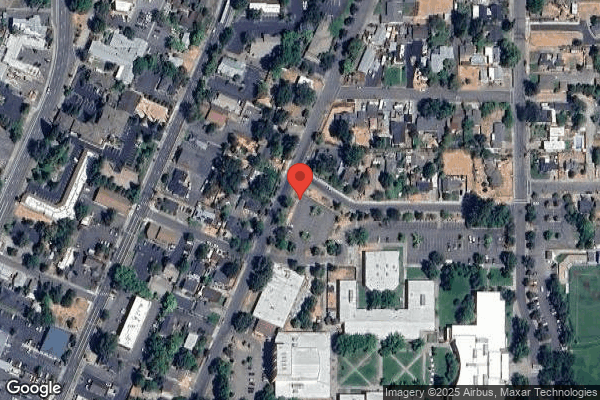
859 NE 6TH STREET, GRANTS PASS, OR 97526 (541) 479-3700
For profit - Limited Liability company 44 Beds REGENCY PACIFIC MANAGEMENT Data: November 2025
Trust Grade
58/100
#39 of 127 in OR
Last Inspection: March 2025

Within standard 12-15 month inspection cycle. Federal law requires annual inspections.

Overview

Laurel Hill Nursing Center has a Trust Grade of C, which means it is average and falls in the middle of the pack among nursing homes. It ranks #39 out of 127 facilities in Oregon, placing it in the top half, and #2 out of 4 in Josephine County, indicating that only one local option is better. The facility's trend is stable, with 10 issues reported in both 2023 and 2025. Staffing is a strong point here, earning a 5/5 star rating with a turnover rate of 37%, below the state average of 49%, suggesting staff continuity and familiarity with residents. However, the facility has concerning fines of $23,465, which are higher than 77% of Oregon facilities, indicating potential compliance issues. Despite these strengths, there are significant weaknesses, including serious incidents where residents did not receive adequate supervision, leading to falls and injuries. For example, one resident fell from a bed that was not positioned safely, and another incident involved inadequate skin care management for a resident with diabetes. Additionally, the facility has been cited for improper dish sanitation practices, which could pose risks for foodborne illnesses. Overall, while there are notable strengths, families should be aware of the concerning incidents and compliance issues.

Trust Score
C
58/100
In Oregon
#39/127
Top 30%
Safety Record
Moderate
Needs review
Inspections
Holding Steady
10 → 10 violations
Staff Stability
○ Average
37% turnover. Near Oregon's 48% average. Typical for the industry.
Penalties
○ Average
$23,465 in fines. Higher than 66% of Oregon facilities. Some compliance issues.
Skilled Nurses
✓ Good
Each resident gets 58 minutes of Registered Nurse (RN) attention daily — more than average for Oregon. RNs are trained to catch health problems early.
Violations
⚠ Watch
28 deficiencies on record. Higher than average. Multiple issues found across inspections.
★★★★☆
4.0
Overall Rating
★★★★★
5.0
Staff Levels
★★★★☆
4.0
Care Quality
★★★☆☆
3.0
Inspection Score
Stable
2023: 10 issues
2025: 10 issues

The Good

  • 5-Star Staffing Rating · Excellent nurse staffing levels
  • 4-Star Quality Measures · Strong clinical quality outcomes
  • Full Sprinkler Coverage · Fire safety systems throughout facility
  • No fines on record
  • Staff turnover below average (37%)

    11 points below Oregon average of 48%

Facility shows strength in staffing levels, quality measures, fire safety.

The Bad

Staff Turnover: 37%

Near Oregon avg (46%)

Typical for the industry

Federal Fines: $23,465

Below median ($33,413)

Minor penalties assessed

Chain: REGENCY PACIFIC MANAGEMENT

Part of a multi-facility chain

Ask about local staffing decisions and management

The Ugly 28 deficiencies on record

2 actual harm
Mar 2025 10 deficiencies
CONCERN (D)

Potential for Harm - no one hurt, but risky conditions existed

Free from Abuse/Neglect (Tag F0600)

Could have caused harm · This affected 1 resident

Based on observation, interview, and record review, it was determined the facility failed to protect the resident's right to be free from verbal abuse by a resident for 1 of 3 sampled residents (#12) ...

Read full inspector narrative →
Based on observation, interview, and record review, it was determined the facility failed to protect the resident's right to be free from verbal abuse by a resident for 1 of 3 sampled residents (#12) reviewed for abuse. This placed residents at risk for abuse. Findings include: The facility's 10/2022 revised Abuse/Neglect/Misappropriation/Exploitation policy was to implement procedures designed to prevent, identify, report, and investigate potential instances of abuse and mistreatment. Resident 12 was admitted to the facility in 3/2025 with diagnoses including dementia and depression. The 3/9/25 admission MDS and Cognition CAA indicated Resident 12's cognition was moderately impaired, the resident had short and long term memory loss, and she/he was at risk for depression, anxiety, diminished psychosocial well-being, and non-participation in activities. Resident 20 was admitted to the facility in 4/2024 with diagnoses including delusional (beliefs that were contrary to reality) disorders and mild cognitive impairment. The 1/22/25 Quarterly MDS indicated Resident 20 had hallucinations, delusions, and one to three verbal behaviors directed towards others during the review period. On 3/24/25 at 12:44 PM Resident 12 was asked by a surveyor if she/he experienced abuse at the facility. Resident 12 was observed to sit alone at a dining room table during lunch and stated she/he preferred to eat with others. Resident 12 stated, a few weeks ago during dinner, Resident 20 yelled and cussed at Resident 12 which made her/him feel uncomfortable and intimidated by Resident 20. Resident 12 stated she/he was eating her/his meal at the same table as Resident 20 when the incident occurred. Resident 12 stated staff separated her/him from Resident 20 and explained to Resident 12 that Resident 20's behaviors were not uncommon. On 3/25/25 at 11:36 AM Staff 13 (CNA) stated she was aware Resident 20 was upset with Resident 12, but was not present during any incident. Staff 13 stated she received information about an incident between Resident 12 and Resident 20 at shift change on 3/23/25. Staff 13 stated on 3/24/25 Resident 20 stated look at how Resident 12 stares at me and continued to glare at Resident 12 throughout the day. On 3/26/25 at 8:41 AM Staff 27 (Dietary Manager) stated he heard commotion from the kitchen on 3/22/25 during lunch. Staff 27 stated Resident 12 was at the dining room table with Resident 20 when Resident 20 yelled. Staff 27 stated CNAs had the situation under control in the dining room and Resident 20's behaviors were not isolated to 3/22/25. Staff 27 was not aware if any incident report was filed. On 3/27/25 at 10:20 AM Staff 3 (LPN) stated she was unaware of any incident between Resident 12 and Resident 20. Staff 3 stated she heard yelling in the dining room during the previous week, but there were no reports of any issues from staff. On 3/28/25 at 10:49 AM Staff 21 (CNA) stated she was aware of an incident between Resident 20 and Resident 12 when they were both at the same dining room table. Resident 20 yelled at Resident 12 who became upset by the altercation. Staff 21 stated she reassured Resident 12 that Resident 20's behaviors and yelling were normal. Staff 21 stated she did not report the incident to a nurse because the situation was de-escalated. Staff 21 stated, the following day, Resident 12 chose to sit at a dining room table alone and Resident 20 remained at the table with other residents. On 3/28/25 at 9:57 AM Staff 1 (Administrator) stated the idea held by staff that Resident 20's behavior was normal towards Resident 12 needed correction. Staff 1 acknowledged Resident 12 was verbally abused by Resident 20.
CONCERN (D) 📢 Someone Reported This

A family member, employee, or ombudsman was alarmed enough to file a formal complaint

Potential for Harm - no one hurt, but risky conditions existed

Investigate Abuse (Tag F0610)

Could have caused harm · This affected 1 resident

Based on interview and record review it was determined the facility failed to thoroughly investigate allegations of abuse and injuries of unknown origin for 3 of 3 sampled residents (#s 4, 7 and 19) r...

Read full inspector narrative →
Based on interview and record review it was determined the facility failed to thoroughly investigate allegations of abuse and injuries of unknown origin for 3 of 3 sampled residents (#s 4, 7 and 19) reviewed for abuse and skin conditions. This placed residents at risk for abuse. Findings include: 1. Resident 4 was admitted to the facility in 2/2025 with diagnoses including dementia. The 2/25/25 admission MDS indicated Resident 4 had severe cognitive impairment and was never/rarely able to make decisions. The 2/25/25 Fall Risk Evaluation revealed Resident 4 had no falls within the past three months. The 2/26/25 Initial Skin Evaluation revealed no bruising. On 3/24/25 at 1:12 PM Resident 4 was observed to have a dark bruise/mark under her/his left eye that was approximately 1-inch by 1-inch. The resident was unable to be interviewed due to her/his impaired cognition. On 3/25/25 at 1:29 PM Staff 25 (LPN) stated approximately a week ago Staff 5 (CNA) reported Resident 4's black eye during the morning shift. Staff 25 confirmed sometimes it took 2 to 3 aides to help with the resident's bed mobility and transfers but she did not recall who else assisted with the resident. Staff 25 acknowledged she did not collect witness statements from all CNAs involved. On 3/26/25 at 4:15 PM Staff 5 (CNA) stated she and two additional CNA's assisted Resident 4 out of bed before breakfast. Staff 5 stated she only remembered Staff 21's (CNA) name and she did not recall who reported the incident to the nurse or providing a witness statement. On 3/27/25 at 9:08 AM Staff 21 stated it sometimes took two or three aids to assist Resident 4 with bed mobility and transfers due to the resident's fear and anxiety. She confirmed she did not assist Resident 4 with care that morning but noticed the bruise while the resident was being wheeled down the hall. Staff 21 reported Staff 7 assisted Staff 5 during the resident's care and stated she informed the DNS how she believed the black eye may have occurred. On 3/27/25 at 9:15 AM Staff 7 (CNA) confirmed she assisted Staff 5 with Resident 4's bed mobility and transfers. She noticed a bruise under the resident's left eye which darkened over the next few days. She assumed Staff 5 reported the bruise to management and acknowledged she was also responsible for completing a witness statement and management did not follow up with her. On 3/28/25 at 6:54 AM Staff 8 (CNA) confirmed she worked with Resident 4 the day before during the night shift and was not asked to fill out a witness statement. On 3/28/25 at 7:11 AM Staff 19 (LPN) confirmed she worked with Resident 4 the day before during the night shift. She stated no one contacted her regarding the resident's bruise and she was not asked to fill out a witness statement. On 3/28/25 at 8:45 AM Staff 1 (Administrator) and Staff 2 (DNS) confirmed the investigation was not thorough or complete. 2. Resident 7 was admitted to the facility in 3/2022 with diagnoses including dementia. Resident 19 was admitted to the facility in 11/2024 with diagnoses including stroke. The facility's 10/2022 Incident Documentation and Investigation revealed the following: -Licensed nurses were required to obtain witness statements from the assigned nursing assistants and other staff in the immediate area. The 11/24/24 facility investigation indicated Staff 32 (Former CNA) reported to Staff 34 (Former LPN) she witnessed Resident 7 touching Resident 19's breast The Incident Witness Statement completed by Staff 34 on 12/9/24 confirmed other witnesses were present during the incident, but no additional details were provided. The Incident Witness Statement completed by Staff 32 on 12/9/24 was incomplete. It failed to document: -The time of the incident -The type and location of the incident -Events preceding and following the incident -The witnesses' names and signatures On 3/25/25 multiple attempts were made to contact Staff 32 but no response was received. On 3/27/25 at 9:21 PM Staff 34 confirmed she received this report from Staff 32. Staff 34 stated three additional CNAs witnessed the incident but she did not recall their names or obtain witness statements. Staff 34 further stated she was unaware of the facility's abuse protocol. On 3/28/25 at 9:02 AM Staff 1 (Administrator) acknowledged staff failed to conduct a thorough investigation of the alleged incident. On 3/28/25 at 9:02 AM Staff 1 (Administrator) acknowledged staff failed to conduct a thorough investigation of the alleged incident.
CONCERN (D) 📢 Someone Reported This

A family member, employee, or ombudsman was alarmed enough to file a formal complaint

Potential for Harm - no one hurt, but risky conditions existed

Quality of Care (Tag F0684)

Could have caused harm · This affected 1 resident

**NOTE- TERMS IN BRACKETS HAVE BEEN EDITED TO PROTECT CONFIDENTIALITY** 4. Resident 84 was admitted to the facility in 4/2024 with a diagnosis of chronic pancreatitis (long term condition: symptoms in...

Read full inspector narrative →
**NOTE- TERMS IN BRACKETS HAVE BEEN EDITED TO PROTECT CONFIDENTIALITY** 4. Resident 84 was admitted to the facility in 4/2024 with a diagnosis of chronic pancreatitis (long term condition: symptoms include stomach pain). Resident 84's 4/22/24 hospital Discharge Orders revealed staff were to administer Zenpep (medication to help digest food when the pancreas does not make enough enzymes to digest food) three times a day with food. A 4/24/24 Facility/Account clinical Edit Notification form revealed the facility approved to be billed the cost of Resident 84's Zenpep. Resident 84's 4/2024 and 5/2024 MAR revealed she/he received Zenpep three times a day from 4/27/24 through 5/14/24. A 5/21/24 Encounter Note by Staff 11 (Physician) revealed Resident 84 had a diagnosis of chronic pancreatitis and the facility was not able to obtain Zenpep since the resident's admission to the facility. The note indicated even without taking the medication, she/he did not have nausea, vomiting, or diarrhea. Staff 11 discontinued the Zenpep and staff were to monitor the resident. A 5/27/24 Nursing Communication fax to Staff 11 revealed Resident 84 reported nausea and diarrhea for three days and requested immodium (treats diarrhea). Resident 84 reported to staff she/he took Zenpep for her/his pancreatic condition, but recently on 5/14/24, the medication was stopped. Staff 11 responded with a note indicating the facility was not able to obtain the mediation and to communicate with the pharmacy to obtain a medication which could be substituted for Zenpep or to see if Resident 84 was able to supply her/his own medication. On 3/27/25 at 11:27 AM Staff 11 stated she was informed by Staff 18 (Former DNS) the facility was not able to obtain Resident 84's Zenpep and the pharmacy did not have the medication, therefore, she discontinued the order. On 3/27/25 at 11:39 AM Witness 9 (Pharmacy Technician) stated in 5/2024 the facility sent a second Facility/Account clinical Edit Notification form to the facility requesting approval to bill the facility for Resident 84's Zenpep, but the facility did not send back a response. On 3/27/25 at 12:08 PM Staff 12 (Regional RN) stated there was nothing in Resident 84's clinical record to indicate the facility attempted to find alternatives to Resident 84's Zenpep or to ensure she/he received medication to treat her/his chronic pancreatitis. Based on observation, interview, and record review it was determined the facility failed to follow physician orders and provide medications to treat a chronic condition for 4 of 4 sampled residents (#s 6, 19, 25, and 84) reviewed for constipation, hospice, abuse, and choices. This placed residents at risk for bowel obstruction and unmet care needs. Findings include: 1. Resident 6 was admitted to the facility in 12/2017 with diagnoses including stroke. The 1/7/25 physician's order indicated Resident 6's bowel care protocol for constipation included: -Senna (laxative medication) tablets or Miralax powder (laxative medication) may be used as needed if there was no bowel movement (BM) within 24 hours after two consecutive days without a BM. -Take one bisacodyl (laxative medication) tablet orally every 24 hours if there was no BM in three days. -Administer one bisacodyl suppository rectally every 24 hours if no BM in four days. If this occurs, notify provider. -A fleet enema (laxative medication) should be administered every 24 hours if there was no bowel movement for five days. A review of Resident 6's clinical record from 2/24/25 through 3/1/25 revealed no bowel care medication was administered to Resident 6 after five days without a bowel movement. From 3/6/25 through 3/14/25. A Bisacodyl tablet was administered on 3/10/24, after four consecutive days without a bowel movement and an enema was given on 3/14/25. No bowel medication was provided after four consecutive days without a bowel movement. On 3/27/25 at 10:03 AM, Staff 2 (DNS) stated she expected the timely administration of bowel medication and acknowledged the physician's order for Resident 6's bowel care was not followed. 2. Resident 19 was admitted to the facility in 11/2024 with diagnoses including stroke affecting the left and right sides. The 2/27/25 care plan revealed Resident 19 was at risk for falls related to cognitive and communication deficits, right and left side impairment, and a history of seizures. The resident was totally dependent on staff for ADL care. The 3/3/25 Quarterly MDS revealed Resident 19 had one fall without injury. On 3/24/25 at 12:27 PM Resident 19 was observed in the dining room. She/he was able to answer simple yes/no questions but tired quickly. On 3/25/25 at 12:47 PM Staff 13 (CNA) stated she was aware of the resident's fall history. Staff 13 stated anytime a resident had an unwitnessed fall, the nurses assessed the resident for injury and started neuro checks. CNAs were required to complete a full set of vitals for the following 72 hours and report back to the nurse. Staff 13 stated CNAs wrote the vitals down on a piece of paper and gave them to the nurse and they put the vitals in the resident's chart. On 3/25/25 at 1:12 PM Staff 4 (CNA/RA) stated Resident 19 had a history of unwitnessed falls and she was familiar with the facility's fall protocol. On 3/27/25 at 9:28 AM Staff 22 (RN) stated she started the 3/11/25 fall investigation after Resident 19's unwitnessed fall. Staff 22 stated for an unwitnessed fall nurses were required to assess the resident for injury, ROM and complete a set of [NAME] checks. CNAs continued to take the resident's vitals per facility protocol write them down on a piece of paper and give them to the nurse to document in the resident's chart. Staff 22 stated she did not follow up with the CNAs to ensure the resident's vitals were completed but it was her responsibility. On 3/27/25 at 9:21 PM Staff 31 (Former LPN) stated Resident 19 had a history of unwitnessed falls. Nurses were required to assess the resident for injury, ROM and obtain a full set of vitals. CNAs were expected to continue taking vitals per facility policy for the following 72 hours and give a copy to the nurse. On 3/28/25 at 8:45 AM Staff 1 (Administrator) stated staff were expected to complete neuro checks for unwitnessed falls. Staff 1 was unable to provide documentation of completed neuro checks or completed staff education for the 3/11/25 unwitnessed fall. 3. Resident 25 was admitted to the facility in 1/2025 with diagnoses including heart failure and encounter for palliative care (specialized treatment for serious illnesses). The 1/30/25 care plan revealed Resident 25's pain management was provided by hospice. The 2/3/25 admission MDS indicated Resident 25 was moderately cognitively impaired, received hospice services, and had unstable angina (chest pains). A 2/24/25 signed physician order indicated to administer nitroglycerin (medication to treat chest pain) as needed to Resident 25 every five minutes for chest pains and to call hospice after the first tablet was given. The 3/2025 MAR indicated Resident 25 received nitroglycerin three times on 3/3/25 and one time on 3/6/25. On 3/26/25 at 9:41 AM Staff 30 (RN) stated she was not present when Resident 25 was administered nitroglycerin and verified the orders for the medication included to notify hospice. On 3/26/25 at 11:09 AM Resident 25 recalled when medication was provided to address her/his chest pain. On 3/26/25 at 2:58 PM Witness 11 (Hospice Director) stated each resident on hospice had different needs and confirmed hospice was not informed Resident 25 was administered nitroglycerin on 3/3/25 or 3/6/25 as ordered. On 3/27/25 at 6:47 PM Staff 28 (LPN) acknowledged he administered Resident 16's nitroglycerin medication on 3/3/25, but was unaware of the order to contact the hospice physician when the medication was administered. On 3/28/25 at 10:19 AM Staff 2 (DNS) stated orders to notify hospice of Resident 25's nitroglycerin administration should be followed.
CONCERN (D)

Potential for Harm - no one hurt, but risky conditions existed

Pressure Ulcer Prevention (Tag F0686)

Could have caused harm · This affected 1 resident

Based on interview and record review it was determined the facility failed to assess a pressure ulcer at the time it was identified for 1 of 2 sampled residents (#83) reviewed for pressure ulcers. Thi...

Read full inspector narrative →
Based on interview and record review it was determined the facility failed to assess a pressure ulcer at the time it was identified for 1 of 2 sampled residents (#83) reviewed for pressure ulcers. This placed residents at risk for delayed treatment and pain. Findings include: An Incident Documentation and Investigation policy revised on 10/2022 revealed an incident report was to be completed when new pressure ulcers, Stage II (partial thickness skin loss or may present as an intact or open/ruptured blister) or greater were identified. When the incident occurred, the resident was to be examined by the nurse and care provided. Once immediate care was provided, the nurse was to initiate an investigation. Resident 83 was admitted to the facility in 3/2025 with a diagnosis of a respiratory illness. Resident 83's 3/13/25 admission Profile form revealed, upon admission to the facility in 3/2025, she/he did not have a pressure ulcer. Resident 83's 3/2025 Documentation Survey Report (CNA documentation of care provided) revealed on 3/18/25, during the evening shift, a CNA identified a new open area to Resident 83's left leg. Resident 83's clinical record did not have documentation to indicate her/his new open area, identified on 3/18/25 to the left leg, was assessed by a nurse on 3/18/25 during the evening shift. Resident 83's 3/19/25 New Pressure Injury investigation revealed on 3/19/25 a CNA reported Resident 83 had a new wound on her/his heel that needed to be assessed because it was leaking. Resident 83's 3/19/25 Skin and Wound Evaluation form revealed she/he had a Stage II pressure ulcer to the left heel and coccyx. The left heel pressure ulcer was 6.2 cm long and 4.8 cm wide and had heavy drainage which was blood tinged. On 3/27/25 at 1:53 PM Staff 20 (LPN) stated she was assigned to care for Resident 83 on 3/18/25 and the CNA did not notify her that Resident 83 had a new pressure ulcer to her/his left heel. On 3/27/25 On 4:39 PM Staff 10 (LPN Wound Nurse) stated she was not sure what time on 3/19/25 she was notified of Resident 83's new heel pressure ulcer, but when she was notified, she assessed the wound, and provided treatment. On 3/27/25 at 4:51 PM Staff 19 (LPN) stated she worked the evening shift on 3/18/25 when Resident 83 was identified to have a new left heel pressure ulcer, but was not assigned to care for Resident 83. Staff 19 stated a CNA notified her Resident 83 had an open area, and Staff 19 informed the CNA to let Staff 20 know when she returned from her/his lunch break. Staff 19 stated she also notified the CNA to let her know if Staff 20 was unable to assess the open area. Staff 19 stated the CNA did not reapproach her, did not ask her to assist with Resident 83, and she did not assess Resident 83's pressure ulcer when it was first identified. On 3/27/25 at 1:30 PM Staff 15 (LPN Resident Care Manager) verified staff identified Resident 83's pressure ulcer on the evening shift of 3/18/25 but it was not assessed and treatment was not provided until 3/19/25 on the day shift. An interview occurred on 3/28/25 at 10:05 AM with Staff 2 (DNS) and Staff 12 (Regional RN). Staff 2 stated CNAs were to document new skin issues on shower sheets and also on residents' ADL documentation reports. Staff 2 stated CNA staff were also able to create an alert in a resident's clinical record to notify the nurse regarding a change in condition. Staff 12 stated Resident 83's pressure ulcer was identified on 3/18/25 during the evening shift and was assessed the following morning. Staff 2 and Staff 12 acknowledged there were no treatments placed to protect the blister and to ensure the heel was elevated to prevent potential discomfort after the ulcer was initially identified.
CONCERN (D)

Potential for Harm - no one hurt, but risky conditions existed

Deficiency F0757 (Tag F0757)

Could have caused harm · This affected 1 resident

Based on interview and record review it was determined the facility failed to provide appropriate dosing of medications for 1 of 6 sampled residents (#12) reviewed for medications. This placed residen...

Read full inspector narrative →
Based on interview and record review it was determined the facility failed to provide appropriate dosing of medications for 1 of 6 sampled residents (#12) reviewed for medications. This placed residents at risk for complications related to medications. Findings include: Resident 12 was admitted to the facility in 3/2025 with diagnoses including atrial fibrillation (irregular heart rhythm) and high blood pressure. The 3/9/25 revised care plan indicated Resident 12 received medication for her/his atrial fibrillation and medications were to be provided according to physician orders. The 3/2025 MAR indicated to administer hydralazine (blood pressure medication) three times daily and hold for a systolic (upper number) blood pressure less than 120. Resident 12 was administered hydralazine as follows: -3/13/25 at 8:00 AM with a systolic blood pressure of 119. -3/13/25 at 12:00 PM with a systolic blood pressure of 119. -3/13/25 at 4:00 PM with a systolic blood pressure of 104. -3/18/25 at 4:00 PM with a systolic blood pressure of 108. -3/19/25 at 12:00 PM with a systolic blood pressure of 115. On 3/26/25 at 9:37 AM Staff 30 (RN) reviewed Resident 12's medication administration record for 3/19/25 and acknowledged she incorrectly provided the resident's hydralazine outside of the written parameters on 3/19/25. On 3/27/25 at 10:07 AM Staff 22 (LPN) stated the medication administration system required her to enter a blood pressure for Resident 12 before her/his hydralazine was administered and she double-checked her results. Staff 22 confirmed she administered Resident 12's blood pressure medication incorrectly on 3/13/25 and 3/18/25. On 3/27/25 at 10:45 AM Staff 2 (DNS) confirmed physician orders should be followed and acknowledged staff did not follow the parameters for the administration of Resident 12's hydralazine.
CONCERN (D) 📢 Someone Reported This

A family member, employee, or ombudsman was alarmed enough to file a formal complaint

Potential for Harm - no one hurt, but risky conditions existed

Deficiency F0760 (Tag F0760)

Could have caused harm · This affected 1 resident

Based on interview and record review it was determined the facility failed to ensure residents were free from significant pain medication errors for 1 of 6 sampled residents (#16) reviewed for medicat...

Read full inspector narrative →
Based on interview and record review it was determined the facility failed to ensure residents were free from significant pain medication errors for 1 of 6 sampled residents (#16) reviewed for medications. This placed residents at risk for complications related to medications. Findings include: Resident 16 was admitted to the facility in 2/2025 with diagnoses including prostate cancer, UTI, and chronic pain. The 2/18/25 admission MDS indicated Resident 16 had constant pain throughout the day and her/his pain frequently interfered with her/his daily activities. The 2/2025 MAR revealed Resident 16 was to receive one fentanyl transdermal patch (opioid pain medication applied to the skin) every three days for 14 days beginning on 2/15/25 and to remove the old fentanyl patch when the new fentanyl patch was applied. On 2/27/25 the fentanyl patch was applied by Staff 22 (LPN). A 2/17/25 care plan indicated staff were to monitor Resident 16's pain and her/his pain medication administration. A 3/2/25 Nursing Note indicated two fentanyl patches were found on Resident 16, the resident was easily aroused from sleep, and no new orders were received from the physician. A 3/2/25 Medication Error investigation completed by Staff 29 (RNCM) for Resident 16 revealed, during the process of applying a new fentanyl patch on the resident, Staff 23 (LPN) found two fentanyl patches on the front of both of the resident's shoulders. The investigation revealed no dates or signatures were found on either of Resident 16's patches on 3/2/25. On 3/27/25 at 9:09 AM Witness 6 (Family) stated it was difficult to manage Resident 16's pain when she/he was in the facility. On 3/27/25 at 10:17 AM Staff 22 stated her process for Resident 16's fentanyl patch administration was to rotate locations on her/his skin. On 3/27/25 at 5:57 PM Staff 23 confirmed he discovered two fentanyl patches on Resident 16 on 3/2/25. Staff 23 stated the standard of practice was to remove the old fentanyl patch prior to the administration of a new patch. On 3/28/25 at 10:19 AM Staff 2 (DNS) confirmed, after the 3/2/25 medication error, the expectation for nurses was as follows: -Ensure fentanyl patches were applied as ordered. -Identify fentanyl patches with dates and initials when applied. -A witness must observe the disposal of the old fentanyl patch. The deficient practice was identified as Past Noncompliance based on the following: On 3/3/25, the deficient practice was identified by the facility and was corrected when the facility implemented a Plan of Correction which included: 1. Nursing staff were educated regarding fentanyl patch administration, 2. Other residents with fentanyl patches were reviewed for proper administration. 3. Licensed nurses were instructed to initiate incident reports for medication errors. 4. The fentanyl patch administration procedure was updated to include a witness nurse signature in the fentanyl administration record. During the survey process from 3/24/25 through 3/28/25 no concerns regarding fentanyl patch administration were identified.
CONCERN (D)

Potential for Harm - no one hurt, but risky conditions existed

Deficiency F0790 (Tag F0790)

Could have caused harm · This affected 1 resident

Based on observation, interview, and record review it was determined the facility failed to ensure residents were provided dental services for 1 of 1 sampled resident (#26) reviewed for dental. This p...

Read full inspector narrative →
Based on observation, interview, and record review it was determined the facility failed to ensure residents were provided dental services for 1 of 1 sampled resident (#26) reviewed for dental. This placed residents at risk for unmet dental needs. Findings include: Resident 26 was admitted to the facility in 12/2024 with a diagnosis of a stroke. Resident 26's 1/4/25 admission MDS revealed Resident 26 was alert, unable to communicate, had likely cavities, and broken molars. Resident 26's 1/13/25 Care Conference did not address if Resident 26 or her/his representative wanted Resident 26 to be assessed by a dentist for her/his identified dental issues. On 3/25/25 at 11:53 AM Resident 26 was observed to eat and did not show signs of pain while eating. On 3/26/25 at 11:07 AM Staff 17 (Social Services) stated if a resident was assessed to have dental issues on the MDS, staff were to offer dental services. Staff 17 stated she did not reach out to Resident 26's representative to offer dental services. On 3/26/25 at 11:12 AM and on 3/27/25 at 12:15 PM Staff 15 (LPN Resident Care Manager) stated if a resident was assessed to have dental issues, a dental referral was made. Staff 15 stated Resident 26 had dental issues, but did not report dental pain. Staff 15 stated she did not address the dental issues with Resident 26's representative. An interview occurred on 3/28/25 at 9:57 AM with Staff 2 (DNS) and Staff 12 (Regional RN). Staff 2 stated if a resident had missing or broken teeth, or cavities, the MDS triggered staff to make a referral to dental after checking with the resident and or resident representative.
CONCERN (D)

Potential for Harm - no one hurt, but risky conditions existed

Infection Control (Tag F0880)

Could have caused harm · This affected 1 resident

Based on observation and interview it was determined the facility failed to ensure clean items were not stored in contaminated areas for 1 of 1 laundry room reviewed for infection control. This placed...

Read full inspector narrative →
Based on observation and interview it was determined the facility failed to ensure clean items were not stored in contaminated areas for 1 of 1 laundry room reviewed for infection control. This placed residents at risk for cross contamination. Findings include: On 3/26/25 at 12:16 PM observations of the dirty side of the laundry room revealed the following: -approximately 15 pillows -four uncovered styrofoam cushions -and a triangular wedge were present on the shelf. On 3/26/25 at 12:02 PM Staff 35 (Laundry/housekeeping) stated the pillows, styrofoam cushions and a triangular wedge had been stored on the dirty laundry side for approximately one month. She reported her concerns to the maintenance director but the items were not removed. On 3/26/25 at 12:17 PM Staff 36 (Assistant Maintenance Director) confirmed he placed the pillows, styrofoam cushions, and a triangular wedge in the laundry room on the soiled linen side some time ago. He stated he did not know this was an infection control issue. On 3/28/25 at 9:20 AM Staff 1 (Administrator) and Staff 2 (DNS) were informed of the findings from the laundry room observation. Staff 1 and 2 confirmed the storage of clean items in proximity to dirty laundry posed an infection control concern due to potential cross-contamination.
CONCERN (E) 📢 Someone Reported This

A family member, employee, or ombudsman was alarmed enough to file a formal complaint

Potential for Harm - no one hurt, but risky conditions existed

Report Alleged Abuse (Tag F0609)

Could have caused harm · This affected multiple residents

Based on interview and record review it was determined the facility failed to report to the State Survey Agency an allegation of abuse for 3 of 3 sampled residents (#s 7, 12 and 19) reviewed for abuse...

Read full inspector narrative →
Based on interview and record review it was determined the facility failed to report to the State Survey Agency an allegation of abuse for 3 of 3 sampled residents (#s 7, 12 and 19) reviewed for abuse. This placed residents at risk for reoccurring abuse. Findings include: 1. Resident 7 was admitted to the facility in 3/2022 with a diagnosis of dementia. The 6/2/23 care plan revealed Resident 7 had impaired cognitive function related to dementia. Staff were to ask yes/no questions to determine her/his needs. The facility's investigation revealed on 11/24/24 Staff 32 (Former CNA) reported to Staff 34 (Former LPN) Resident 7 had inappropriately touched another resident. The 1/26/25 Quarterly MDS indicated Resident 7 had mild cognitive impairment. On 3/25/25 multiple attempts were made to contact Staff 32 and Staff 18 (Former DNS) but no response was received. On 3/27/25 at 9:21 PM Staff 34 confirmed Staff 32 told her that she witnessed Resident 7 touch another resident inappropriately. Staff 34 further stated she did not report the allegation to the State Survey Agency. On 12/9/24 a Facility Reported Incident (FRI) was submitted to the State Survey Agency. The report revealed the facility became aware of the allegation of sexual abuse on 11/24/24 but did not report the allegation until 16 days later. On 3/28/25 at 9:02 AM Staff 1 (Administrator) stated she did not become aware of the allegation until two weeks later. Staff 1 acknowledged the facility failed to report the allegation of sexual abuse to the State Survey Agency in a timely manner. 2. Resident 19 admitted to the facility in 11/2024 with a diagnosis of stroke. The 3/3/25 Quarterly MDS indicated Resident 19 had severe cognitive impairment. The facility's investigation revealed on 11/24/24 Staff 32 (Former CNA) reported to Staff 34 (Former LPN) she witnessed another resident touch Resident 19's breast. On 3/25/25 multiple attempts were made to contact Staff 32 and Staff 18 (Former DNS) but no response was received. On 3/27/25 at 9:21 PM Staff 34 confirmed Staff 32 told her that she witnessed Resident 19 being touched inappropriately by another resident. Staff 34 further stated she did not report the allegation to the State Survey Agency. On 12/9/24 a Facility Reported Incident (FRI) was submitted to the State Survey Agency. The report revealed the facility became aware of the allegation of sexual abuse on 11/24/24 but did not report the allegation until 16 days later. On 3/28/25 at 9:02 AM Staff 1 (Administrator) stated she did not become aware of the allegation until two weeks later. Staff 1 acknowledged the facility failed to report the allegation of sexual abuse to the State Survey Agency in a timely manner. 3. A 10/2022 revised facility Incident Documentation and Investigation policy indicated staff were to document and investigate incidents to protect residents from further incidents, including resident to resident altercations. Resident 12 was admitted to the facility in 3/2025 with diagnoses including dementia and depression. The 3/9/25 admission MDS and Cognition CAA indicated Resident 12's cognition was moderately impaired, and she/he was at risk for depression, anxiety, diminished psychosocial well-being and non-participation in activities. Resident 20 was admitted to the facility in 4/2024 with diagnoses including delusional (beliefs that are contrary to reality) disorders and mild cognitive impairment. A 1/22/25 Quarterly MDS indicated Resident 20 had hallucinations, delusions, and one to three verbal behaviors directed towards others during the review period. On 3/24/25 at 12:44 PM Resident 12 was asked by a surveyor if she/he ever felt abused at the facility. Resident 12 stated, a few weeks ago during dinner, Resident 20 yelled and cussed at Resident 12 which made her/him feel uncomfortable and intimidated by Resident 20. Resident 12 stated she/he was only eating her/his meal at the same table as Resident 20 when the incident occurred. On 3/25/25 at 11:28 AM Staff 2 (DNS) stated she was not informed of an incident between Resident 12 and Resident 20. On 3/25/25 at 11:36 AM Staff 13 (CNA) stated she was aware Resident 20 was upset with Resident 12, but was not present during the incident. Staff 13 stated she received information about an incident between Resident 12 and Resident 20 at shift change on 3/23/25. On 3/25/25 at 11:53 AM Staff 17 (Social Services Manager) stated staff were instructed to report any altercation between residents to the administration and was unaware of any incident between Resident 20 and Resident 12. On 3/25/25 at 12:20 PM and 3/28/25 at 9:57 AM Staff 1 (Administrator) stated she expected an incident report regarding the altercation between Resident 12 and Resident 20 which occurred on 3/20/25. Staff 1 stated a FRI was completed on 3/25/25 and acknowledged the required reporting to the State Agency for the resident to resident altercation was not completed timely.
CONCERN (F)

Potential for Harm - no one hurt, but risky conditions existed

Food Safety (Tag F0812)

Could have caused harm · This affected most or all residents

Based on observation, interview, and record review it was determined the facility failed to properly follow dish sanitation practices for 1 of 1 kitchen. This placed residents at risk for food borne i...

Read full inspector narrative →
Based on observation, interview, and record review it was determined the facility failed to properly follow dish sanitation practices for 1 of 1 kitchen. This placed residents at risk for food borne illnesses. Findings include: Instructions for the facility dish machine revealed the dish machine required 50 parts per million of chlorine rinse to santize. On 3/27/25 at 12:40 PM Staff 26 was observed to use the dish machine to wash dishes. Staff 26 stated she started the dish machine in the mornings when she worked and ensured chemicals were visually flowing into the dish machine to verify the chemical concentration was adequate in the dish machine. Staff 26 stated she did not know how to test for the chemcial levels of the dishwasher. The 3/2025 Sanitizing Strips and Dish Machine log indicated Staff 26 (Cook) verified the concentration of the chemical sanitation for the dishwasher was at 50 for multiple shifts on the following days she worked: 3/1/25 through 3/3/25, 3/8/25 through 3/20/25, and 3/18/25 through 3/22/25. On 3/27/25 at 1:24 PM Staff 26 stated she completed the Dish Machine log using the documented trends of other staff. Staff 27 (Dietary Manager) acknowledged the Dish Machine log was not accurate and the facility did not verify proper chemical levels of the dish machine during each shift. On 3/28/25 at 10:19 AM Staff 1 (Administrator), Staff 2 (DNS), and Staff 12 (Regional Director of Clinical Operations) acknowledged consistent testing of the chemical levels in the dish machine using test strips should be completed to ensure proper dish sanitation.
Dec 2023 10 deficiencies 1 Harm
SERIOUS (G) 📢 Someone Reported This

A family member, employee, or ombudsman was alarmed enough to file a formal complaint

Actual Harm - a resident was hurt due to facility failures

Accident Prevention (Tag F0689)

A resident was harmed · This affected 1 resident

**NOTE- TERMS IN BRACKETS HAVE BEEN EDITED TO PROTECT CONFIDENTIALITY** Based on observation, interview, and record review it was determined the facility failed to provide adequate supervision, follow...

Read full inspector narrative →
**NOTE- TERMS IN BRACKETS HAVE BEEN EDITED TO PROTECT CONFIDENTIALITY** Based on observation, interview, and record review it was determined the facility failed to provide adequate supervision, follow care plans, complete thorough investigations and timely assess smoking for 4 of 4 sampled residents (#s 6,15, 23, and 134) reviewed for accidents. Resident 15 and Resident 134 experienced falls resulting in fractures. Findings include: 1. Resident 15 was admitted to the facility in 2022 with diagnoses including Alzheimer's disease and stroke. A 7/13/22 admission MDS and CAAs indicated Resident 15 was impaired on both sides, at risk for falls due to weakness, required increased ADL support and her/his care plan was to include interventions to reduce the risk of falls. a. A 3/10/23 revised care plan indicated Resident 15's bed would be in a low position for safety. A 3/20/23 Fall Investigation indicated Resident 15 fell out of her/his bed around 12:15 AM, her/his bed was not in the lowest position at the time of the fall. No staff interviews were completed as part of the investigation. At the time of the fall Resident 15 did not complaint of pain and alert monitoring began. A 3/22/23 Alert Note (monitoring after the 3/20/23 fall) indicated Resident 15's foot and ankle were observed swollen with bruising to her/his ankle by staff, the resident had uncontrolled pain even after pain medication was provided and Resident 15 was sent to the emergency room. A 3/22/23 hospital History and Physical indicated Resident 15's was diagnosed with an ankle fracture after x-rays were completed in the emergency room. Resident 15 remained in the hosptial for pain control. On 12/13/23 at 4:29 PM and 12/14/23 at 4:44 PM Staff 2 (DNS) acknowledged Resident 15's care plan at the time of the 3/20/23 fall was not followed, Resident 15's fall resulted in an ankle fracture and staff interviews were needed for a thorough investigation. b. A 10/29/23 Fall investigation revealed Resident 15 was found on the floor in the dining room at 8:57 AM (after the breakfast meal) near her/his wheelchair which was in the upright position. A new intervention for Resident 15's fall prevention was to ensure she/he did not remain alone in the dining room. No staff interviews were found. A 12/11/23 revised care plan did not include Resident 15 was to be supervised after meals. On 12/13/23 at 10:48 AM Staff 6 (LPN) confirmed she completed the 10/29/23 fall investigation and did not update Resident 15's care plan as needed. Staff 6 acknowledged, because of many new staff, care plan updates to prevents further falls for Resident 15 were important. On 12/13/23 at 3:23 PM Staff 24 (CNA) stated Resident 15's care plan was not updated to include active fall preventions which were necessary to know to prevent further falls. On 12/14/23 at 9:02 AM, 10:33 AM and 4:44 PM Staff 2 (DNS) acknowledged she needed to improve fall investigations to include staff interviews especially at the time of the fall and Resident 15's care plan was not updated as necessary after her/his 10/29/23 fall. 2. Resident 134 was admitted to the facility in 2023 with diagnoses including falls and back fracture. The Fall CAA dated 6/18/23 revealed Resident 21 was a fall risk due to the need for assistance with mobility, transfers and ADLs due to self-care deficit, recent hospitalization, weakness, balance problems and pain. The resident's 7/6/23 revised care plan indicated Resident 134 required the assistance of two staff members for toileting. A 9/18/23 Quarterly MDS indicated Resident 134 required one person to assist her/him to and from the toilet due to unsteadiness and only able to stabilize with staff assistance. A 9/20/23 FRI indicated on 9/19/23 Resident 134 was assisted to stand at the toilet by Staff 21 (Former CNA) before shift change at 10:00 PM. Staff 21 left the resident standing in front of the toilet in the bathroom to give report to the oncoming shift. The night shift staff found the resident on the floor 15 minutes later. Resident 134 complained of pain related to the fall, was sent to the hospital and found to have a pelvic fracture from the fall. On 12/14/23 at 10:11 AM Staff 2 (DNS) acknowledged the resident was a fall risk, the care plan was not revised and indicated Resident 134 was two person assistance to the toilet and Staff 21 did not follow the care plan. 3. Resident 6 was admitted to the facility in 2023 with diagnoses including diabetes and respiratory failure. The 10/17/23 admission Profile indicated Resident 6 smoked. The 10/17/23 care plan indicated Resident 6 was an independent smoker and would remain compliant with facility smoking policy. Interventions included: instruct the resident about smoking times, locations and safety concerns; staff were to observe clothing for cigarette burns and smoking supplies would be stored at the nurses' station. There was no smoking assessment or Resident 6's acknowledgement of the smoking policy found in the resident's clinical record. On 12/13/23 at 8:13 AM Resident 6 stated she/he smoked since arrival to the facility on [DATE]. Resident 6 stated she/he did not sign any paperwork related to smoking in the facility. On 12/13/23 at 12:50 PM Resident 6 was observed smoking outside alone. On 12/15/23 at 8:29 AM Staff 9 (CNA) and Staff 18 (CNA) stated they worked with the resident since she/he admitted to the facility and observed Resident 6 getting her/his smoking materials and going outside to smoke. On 12/15/23 at 9:10 AM Staff 3 (Social Service Manager) acknowledged Resident 6 was not assessed for smoking and did not sign a smoking agreement upon admission. 4. Resident 23 was admitted to the facility in 2023 with diagnoses including dementia and end of life care. Records indicated Resident 23 had a history of falls and remained at risk for further falls. A review of three fall investigations dated 9/26/23, 11/5/23 and 11/26/23 revealed a lack of witness statements and/or an explanation of how the facility ruled out abuse and neglect related to Resident 23's falls. On 12/15/23 at 11:02 AM Fall investigations were reviewed with Staff 2 (DNS). Staff 2 stated she interviewed staff as part of her investigation of falls. Staff 2 added further education was needed related to the facility staff's responsibility to gather information, document and rule out abuse and neglect at the time of the fall.
CONCERN (D)

Potential for Harm - no one hurt, but risky conditions existed

Deficiency F0578 (Tag F0578)

Could have caused harm · This affected 1 resident

Based on interview and record review it was determined the facility failed to follow-up with residents related to their desire to formulate advance directives for 2 of 13 sampled residents (#s 4 and 2...

Read full inspector narrative →
Based on interview and record review it was determined the facility failed to follow-up with residents related to their desire to formulate advance directives for 2 of 13 sampled residents (#s 4 and 20) reviewed for advance directives. This placed residents at risk for healthcare decisions in conflict with their wishes. Findings include: 1. Resident 4 was admitted to the facility in 2019 with diagnoses including heart failure and kidney disease. A 7/12/23 Social Service Progress Note indicated no advance directive was offered and Resident 4 declined to sign a declination on 7/19/19. No follow-up regarding an advance directive was found in the electronic record. An 8/7/23 Significant Change MDS revealed Resident 4 was cognitively intact. On 12/14/23 at 10:14 AM Staff 3 (Social Service Manager) stated she addressed advance directives with residents every quarter but did not document it was completed. Staff 3 acknowledged she should follow-up with Resident 4 related to her/his advance directive. 2. Resident 20 was admitted to the facility in 2022 with diagnoses including stroke and kidney failure. There was no advance directive found in Resident 20's clinical record. A 7/18/23 Annual IDT (Interdisciplinary Care Conference) meeting revealed Resident 20 had a BIMS score of 11 indicating moderate cognitive impairment. There was no indication the facility followed up with the resident related to her/his desire to execute an advance directive. On 12/14/23 at 10:14 AM Staff 3 (Social Service Manager) stated she addressed advance directives with residents every quarter but did not document it was completed. Staff 3 acknowledged she should follow-up with Resident 20 related to her/his advance directive.
CONCERN (D)

Potential for Harm - no one hurt, but risky conditions existed

Safe Environment (Tag F0584)

Could have caused harm · This affected 1 resident

**NOTE- TERMS IN BRACKETS HAVE BEEN EDITED TO PROTECT CONFIDENTIALITY** Based on observation and interview it was determined the facility failed to provide a clean and well-maintained environment for ...

Read full inspector narrative →
**NOTE- TERMS IN BRACKETS HAVE BEEN EDITED TO PROTECT CONFIDENTIALITY** Based on observation and interview it was determined the facility failed to provide a clean and well-maintained environment for 2 of 23 resident room floors. This placed residents at risk for lack of a clean and homelike environment. Findings include: On 12/12/23 at 12:38 PM room [ROOM NUMBER] was observed to have a large split and separation of the vinyl flooring revealing the wood underlayment. The flooring felt soft and spongy. On 12/14/23 at 3:33 PM room [ROOM NUMBER] was observed to have a large split and separation of the vinyl flooring revealing the wood underlayment. The flooring felt soft and spongy. On 12/15/23 at 11:58 AM Staff 5 (Environmental Service Manager) acknowledged the findings above. He stated the floors were old and needed to be replaced.
CONCERN (D)

Potential for Harm - no one hurt, but risky conditions existed

Deficiency F0685 (Tag F0685)

Could have caused harm · This affected 1 resident

Based on observation, interview and record review it was determined the facility failed to ensure hearing aides and glasses were in place for 1 of 1 sampled resident (#21) reviewed for vision and hear...

Read full inspector narrative →
Based on observation, interview and record review it was determined the facility failed to ensure hearing aides and glasses were in place for 1 of 1 sampled resident (#21) reviewed for vision and hearing. This placed residents at risk for a decline in hearing and vision. Findings include: Resident 21 was admitted to the facility in 2022 with diagnoses including hearing loss and vision impairment. An 8/5/22 Inventory Sheet revealed Resident 21 admitted with two pairs of glasses and a single hearing aide. An 8/12/22 care plan indicated to ensure Resident 21 wore her/his glasses. There was nothing on the care plan related to the resident's hearing aids. A 11/15/23 IDT (Interdisciplinary Team) Care Conference meeting indicated the resident's significant other had concerns related to the resident not wearing her/his hearing aids and glasses. Random observations from 12/11/23 through 12/14/23 on day and evening shifts revealed Resident 21 was without her/his hearing aids and glasses. On 12/14/23 at 10:38 AM Staff 3 (Social Service Manager) stated Resident 21 came to the facility with hearing aids and glasses and staff were to ensure she/he wore them.
CONCERN (D)

Potential for Harm - no one hurt, but risky conditions existed

Deficiency F0688 (Tag F0688)

Could have caused harm · This affected 1 resident

Based on observation, interview and record review it was determine the facility failed to implement therapy recommendations, and ROM services and interventions for care for 1 of 1 resident (#15) revie...

Read full inspector narrative →
Based on observation, interview and record review it was determine the facility failed to implement therapy recommendations, and ROM services and interventions for care for 1 of 1 resident (#15) reviewed for position and mobility. This placed residents at risk for compromised mobility and pain. Resident 15 was admitted to the facility in 2022 with diagnoses including diabetes and stroke. A 12/20/22 OT Discharge Summary revealed Resident 15 would wear a palm guard for up to five hours per day to prevent contractures (a fixed tightening or shortening of muscles or ligaments) to her/his left hand. An 10/11/23 Contracture Screening (completed by nursing) indicated Resident 15 had right wrist, fingers and thumb contractures and a skilled evaluation and restorative program was appropriate. There was no indication Resident 15 had contractures to her/his left hand. An 10/24/23 revised care plan revealed Resident 15 had an ADL performance deficit related to contractures with no goals or interventions indicated. The 11/2023 and 12/2023 TARs revealed Resident 15 refused weekly nail care five times since 11/26/23. On 12/11/23 at 12:36 PM and 4:40 PM Resident 15 was observed sitting in her/his wheelchair with her/his right hand closed and against her/his chest and her/his left hand without a palm guard. On 12/12/23 at 11:28 AM and 4:16 PM Staff 2 (DNS) stated she was unaware of the 12/20/22 recommendation for Resident 15's palm guard and knew Resident 15's hands were painful. Staff 2 stated the 10/11/2023 nursing assessment did not generate a care plan related to Resident 15's contractures which was needed for Resident 15's overall care including nail care. Staff 2 acknowledged the ROM program should be reinstated for Resident 15 which would start with a complete assessment by therapy.
CONCERN (D)

Potential for Harm - no one hurt, but risky conditions existed

Deficiency F0699 (Tag F0699)

Could have caused harm · This affected 1 resident

Based on interview and record review it was determined the facility failed to implement trauma informed care interventions for 1 of 1 sampled resident (#9) reviewed for mood and behavior. This place r...

Read full inspector narrative →
Based on interview and record review it was determined the facility failed to implement trauma informed care interventions for 1 of 1 sampled resident (#9) reviewed for mood and behavior. This place residents at risk for retraumatization. Finding include: Resident 9 was admitted to the facility in 2022 with diagnoses including PTSD (Post-Traumatic Stress Disorder) and depression. A 3/6/23 Psychosocial History and Discharge form indicated Resident 9 had PTSD, did not want to share details about her/his PTSD and she/he spoke to her/his spouse for support. An 4/23/23 Annual MDS and CAAs indicated Resident 9 was mildly depressed and at risk for depression, behaviors and psychosocial well-being due to her/his diagnoses. An 10/25/23 revised care plan indicated Resident 9 had PTSD related to combat and interventions included active listening. No behavior or triggers related to Resident 9's PTSD were included. On 12/11/23 at 1:38 PM Resident 9 was observed in her/his room on her/his bed with a sheet over her/his head. Resident 9 declined an interview. On 12/12/23 at 9:01 AM Resident 9 began to tear-up and indicated it was beneficial to have a sheet over her/his head related to her/his PTSD. On 12/14/23 at 9:25 AM Staff 6 (LPN) stated she was not aware Resident 9 had PTSD triggers and thought Resident 9 often kept her/his head covered with a sheet during the past year because she/he was cold. On 12/14/23 at 9:54 AM Staff 3 (Social Services Manager) stated she was aware noises bothered Resident 9, but did not connect noises or the use of her/his sheet to cover her/his head as related to her/his PTSD. Staff 3 acknowledged Resident 9's PTSD care plan was not personalized to include noise as one of her/his triggers and an improved process to evaluate any resident with PTSD was necessary.
CONCERN (D)

Potential for Harm - no one hurt, but risky conditions existed

Deficiency F0808 (Tag F0808)

Could have caused harm · This affected 1 resident

Based on observation, interview, and record review it was determined the facility failed to provide therapeutic diets as ordered for 2 of 16 sampled residents (#s 15 and 18) reviewed during kitchen ob...

Read full inspector narrative →
Based on observation, interview, and record review it was determined the facility failed to provide therapeutic diets as ordered for 2 of 16 sampled residents (#s 15 and 18) reviewed during kitchen observations. This placed residents a risk for lack of adequate nutrition and weight loss. Findings include: An undated Nutritionally Enhanced Meals (NEM) policy indicated the NEM program added additional calories and protein to a resident's meals and could include the addition of butter, whole milk and protein enhanced soups or potatoes. 1. Resident 15 was admitted to the facility in 2022 with diagnoses including malnutrition and stroke. On 12/13/23 at 11:48 AM the meal ticket for Resident 15 revealed a NEM therapeutic diet was required. Staff 12 (Cook) was observed to plate the meal for Resident 15 and did not provide any additional calories or protein to her/his meal. Staff 12 indicated she was unaware what a NEM diet represented or the dietary requirements to implement the diet. On 12/13/23 at 11:52 AM Staff 17 (RD) stated he relied on Staff 4 to conduct the necessary trainings for dietary staff which should include the requirements to implement the NEM therapeutic diet. 2. Resident 18 was admitted to the facility in 2023 with diagnoses including malnutrition and diabetes. On 12/13/23 at 11:46 AM the meal ticket for Resident 18 revealed a NEM therapeutic diet was required. Staff 12 (Cook) was observed to plate the meal for Resident 18 and did not provide any additional calories or protein to her/his meal. Staff 12 stated she was unaware what a NEM diet represented or the dietary requirements to implement the diet. On 12/13/23 at 11:52 AM Staff 17 (RD) he relied on Staff 4 to conduct the necessary trainings for dietary staff and should include the requirements to implement the NEM therapeutic diet.
CONCERN (E)

Potential for Harm - no one hurt, but risky conditions existed

Deficiency F0582 (Tag F0582)

Could have caused harm · This affected multiple residents

Based on interview and record review, it was determined the facility failed to provide information related to the Quality Improvement Organization (QIO) for 3 of 3 sampled residents (#s 234, 235, and ...

Read full inspector narrative →
Based on interview and record review, it was determined the facility failed to provide information related to the Quality Improvement Organization (QIO) for 3 of 3 sampled residents (#s 234, 235, and 236) reviewed for liability and appeal notices. This placed residents at risk for accurate QIO information. Findings include: The review of three Medicare discharged residents revealed the following: -Resident 234's services ended on 9/30/23. The NOMNC (Notice of Medicare Non-Coverage) form provided to the resident did not include QIO information. -Resident 235's services ended on 10/10/23. The NOMNC form provided to the resident did not include QIO information. -Resident 236's services ended on 10/27/23. The NOMNC form provided to the resident did not include QIO information. On 12/12/23 at 12:15 PM Staff 1 (Administrator) verified there was no documentation Resident 234, Resident 235, and Resident 236 were notified of the appropriate QIO.
CONCERN (F)

Potential for Harm - no one hurt, but risky conditions existed

Deficiency F0801 (Tag F0801)

Could have caused harm · This affected most or all residents

Based on interview and record review it was determined the facility failed to employ a director of food and nutrition services with the required certification for 1 of 1 facility reviewed for qualifie...

Read full inspector narrative →
Based on interview and record review it was determined the facility failed to employ a director of food and nutrition services with the required certification for 1 of 1 facility reviewed for qualified dietary staff. This placed residents at risk for unmet dietary needs. Findings include: A 9/19/19 Nutrition and Food Service Training Program indicated Staff 4 (Dietary Manager) completed 270 contact hours of the program. On 12/12/23 at 11:05 AM Staff 4 indicated he did not yet pass the test for the nutrition program certification. On 12/13/23 at 1:35 PM Staff 1 (Administrator) stated she was only recently aware that Staff 4 did not possess the required certification as required.
CONCERN (F)

Potential for Harm - no one hurt, but risky conditions existed

Food Safety (Tag F0812)

Could have caused harm · This affected most or all residents

Based on observation and interview it was determined the facility failed to maintain a sanitary kitchen and follow proper handwashing practices for 1 of 1 facility kitchen. This placed residents at ri...

Read full inspector narrative →
Based on observation and interview it was determined the facility failed to maintain a sanitary kitchen and follow proper handwashing practices for 1 of 1 facility kitchen. This placed residents at risk for food-borne illnesses. Findings include: On 12/13/23 at 8:55 AM Staff 13 (Dietary Aide) was observed to wash her hands in a sink with dirty dishes. Staff 13's hands appeared to touch the dirty dishes in the sink before she attempted to dry her hands prior to the removal of clean dishes from the dish washer. Staff 13 stated it was difficult not to touch the dirty dishes after her hands were washed. On 12/13/23 at 11:52 AM Staff 17 (RD) acknowledged hand washing should not take place in a sink with dirty dishes and a separate hand washing sink should be used. On 12/13/23 at 1:12 PM the kitchen was observed: -The floor had a two foot by three foot outline in the vinyl flooring that was approximately one inch wide. The outline contained sections where wood underlayment was exposed. -Shelves against the wall, the top of a juice dispenser and hoses behind the juice dispenser all contained a layer of dust and grease. -A pipe was located along the base of the floor and against the wall where black debris accumulated under the pipe. On 12/13/23 at approximately 1:20 PM Staff 17 confirmed the floor was in disrepair and areas in the kitchen needed improved cleaning.
Sept 2022 8 deficiencies 1 Harm
SERIOUS (G)

Actual Harm - a resident was hurt due to facility failures

Quality of Care (Tag F0684)

A resident was harmed · This affected 1 resident

**NOTE- TERMS IN BRACKETS HAVE BEEN EDITED TO PROTECT CONFIDENTIALITY** Based on interview and record review it was determined the facility failed to ensure a surgical wound was monitored and assessed...

Read full inspector narrative →
**NOTE- TERMS IN BRACKETS HAVE BEEN EDITED TO PROTECT CONFIDENTIALITY** Based on interview and record review it was determined the facility failed to ensure a surgical wound was monitored and assessed for 1 of 1 sampled resident (#177) reviewed for non-pressure skin. This resulted in Resident 177's surgical wound becoming infected, and the resident being hospitalized . Findings include: The facility's 4/2018 Skin at Risk Program Overview indicated: 16. Skin conditions other than pressure ulcers, etc. will be documented on the resident's treatment record. Other skin conditions (rashes, skin tears, excoriations, abrasions, bruises or surgical wounds) would be addressed with appropriate treatment orders. 17. The Non-Ulcer Skin Condition Evaluation would be completed weekly for wounds likely to result in complications including delayed wound healing or infections (examples: poorly approximated surgical wound or large skin tear, etc.). Resident 177 admitted to the facility on [DATE] with diagnoses including a right below the knee amputation, diabetes, and a left fifth toe amputation performed on 5/10/21. Resident 177 discharged from the facility on 10/18/21. The initial 10/5/21 Non-Pressure Skin Condition Assessment indicated the resident had a left toe scab that measured 1.5 cm x 0.5 cm x 0 cm. The note indicated there was no exudate (drainage) or odor. The wound bed had black/brown eschar (dead tissue) and necrotic tissue with normal edges for skin type. The assessment was completed by Staff 10 (LPN). An 10/5/21 Physician Order indicated for the left lower extremity fifth toe amputation, staff were to keep the dressing clean and dry and a referral to the surgeon was in process. The 10/10/21 admission MDS indicated Resident 177 was cognitively intact and had surgical wound(s). During the look-back period the resident had frequent, severe pain that made it difficult for the resident to sleep and participate in ADLs. The 10/10/21 Pain CAA indicated the resident's pain was related to the left foot. Resident 177's Care Plan did not mention the left fifth toe amputation surgical wound or include interventions to monitor or prevent worsening. An 10/12/21 Physician Visit indicated the resident had left foot rest pain symptoms. The resident reported in the last month she/he had increasing rest pain symptoms in the left lower extremity. The exam was noted as deferred. There was no indication the surgeon examined Resident 177's left lower extremity. An 10/13/21 primary care physician (PCP) visit indicated the resident felt her/his pain was not well controlled and may need something for nerve pain. The exam of the left lower extremity noted no tenderness to palpitation, no edema, or ecchymosis (discoloration/bruising of skin) and no pain during ROM. The assessment noted Continue Wound care to foot per the surgeon's orders. The resident's narcotic pain medication was increased. A verbal order was received on 10/14/22 to monitor the left foot, fifth toe amputation site for breakdown every shift for fragile skin. An 10/15/21 at 11:28 AM Nursing Note indicated Resident 177 had a new skin issue, a 0.5 cm x 0.5 cm blood blister on top of the left great toe. The amputation site of fifth toe was noted as covered with a dry crusty scab and no drainage or open area noted. The amputation site was left open to air. Weekly Skin Sheets indicated the following: *10/7/21: No new skin issues noted at this time. There were no measurements or description of the fifth toe amputation wound or worsening/healing noted. The note was completed by Staff 14 (LPN). *10/14/21: Open area on L foot at 5th toe amputation site. Order entered. There were no measurements or description of the fifth toe amputation wound. The note was completed by Staff 13 (LPN). *10/18/21: Left foot big toe noted red with a big toe scab and oozing clear fluids. Treatment order in place at this time. Patient to see MD today for follow up appointment. There were no measurements or description of the fifth toe amputation wound or worsening/healing noted. The note was completed by Staff 14 (LPN). The 10/2021 TAR indicated Resident 177 had the following orders: *Order implemented 10/11/21: Check skin and indicate + if a new skin condition is present and - if no new skin condition is present. Initiate skin documentation form every day shift on Monday. The TAR was marked as negative on 10/11/21 and 10/18/21. *Order implemented 10/15/21 Order: Monitor left foot, 5th toe amputation site for breakdown every day shift for fragile skin. The TAR was checked off as completed on 10/15/21 through 10/18/21. Nursing Progress Notes and Skilled Service Notes indicated the following: *10/14/21: The resident was assessed for pain. Resident had left foot pain. Intensity and frequency varied. Sometimes she/he waited too long to ask for pain medication and cried. The resident had Norco (narcotic pain medication) at 12:30 PM and was comfortable at 4:00 PM. The resident wanted to wait until later for another pill. The resident was crying at 7:00 PM and had another Norco and was feeling better at 9:00 PM. *10/15/21: The resident did not need any narcotics this shift and stated her/his left foot was feeling better today. *10/16/21: The resident had a narcotic pain medication two times that evening. The first time was before dinner, when staff saw her/him wincing when moving and then again after getting on and off the commode. The resident was crying after getting back in bed from the commode. *10/17/21: The resident was assessed for pain and reported left foot pain and back pain. The intensity and frequency varied. Pain medication provided per physician order. *10/18/21 at 11:08 AM: spoke with resident's son regarding the resident's pain. The resident stated the pain medication was not really helping but the doctor stated the resident was already on too much medication and did not want to add anything else. *10/18/21 at 2:34 PM: Received a call from the resident's PCP clinic and they sent the resident to the ER via ambulance for intractable left foot pain. *10/18/21 at 5:52 PM: Resident went out to a doctor appointment and was sent and admitted to the hospital for possible gangrene. An 10/18/21 PCP appointment note indicated the resident's family had asked for wound care by the facility and it was not provided. The resident saw the surgeon the week prior, and the PCP feared the resident was not getting better at the facility and was getting weaker. The resident's left foot was noted to have purulent (puss) drainage, was severely tender, and was not even dressed. The exam indicated the resident had severe tenderness to palpitation present to the dorsum of foot, the left fifth toe amputation site had a thick ulcer draining purulent material, and the wound was red and inflamed. The resident was unwilling to walk and was not able to stand and pivot any longer on the left lower extremity ulcer. Cultures were obtained and the resident was sent to the ED. The 10/18/21 Hospital Records indicated the resident was admitted for wound care and the left lateral foot wound status post pinky toe amputation was Odorous and weeping; unstageable. Labs indicated the resident had local osteomyelitis (infection of the bone) with diagnoses of gangrene. The records further indicated hospital staff spoke with Staff 10 (LPN Resident Care Manager) at the facility and Staff 10 stated the resident was admitted for therapy unrelated to wound care and Staff 10 completed the initial wound assessment on 10/5/21. At that time the resident's toe amputation site was a small scab. Staff 10 stated the resident refused all showers and physical therapy since arrival due to pain level. The note indicated Staff 10 further stated the resident refused to be touched by staff except to be put on a bed pan and screamed in pain when touched. Staff 10 stated facility staff were unaware of wound progression on foot. An 10/20/21 Hospital Record indicated the wound was not healing and the surgeon stated he would advise an above knee amputation or hospice care for Resident 177 but would stabilize the resident for now. On 9/12/22 at 12:39 PM Witness 3 (Family Member) stated the resident had so much foot pain she/he would not lift the bedding covers at the facility so the resident was sent to the doctor. Witness 3 stated at the clinic on 10/18/21 they had to put a pad on the floor to collect the brown drainage from Resident 177's left foot. Witness 3 stated facility staff told Resident 177's family that if they moved the covers the resident would become upset, so staff were not looking at the wound. Witness 3 stated the resident had a lot of pain due to her/his left foot and stated to the family, I hurt and they are not helping. Witness 3 stated the doctor was not notified of refusals or wound concerns. Witness 3 stated Resident 177 ended up losing her/his left leg due to the infection. Interviews were conducted on 9/13/22 and 9/14/22 with Staff 13 (LPN) and Staff 14 (LPN) who were unable to recall the resident or if the resident had skin issues related to her/his fifth toe amputation site. Both Staff 13 and Staff 14 stated resident care managers (RCMs) were responsible for assessing new/worsening wounds once identified by nursing staff. On 9/13/22 at 12:01 PM and 9/14/22 at 1:04 PM Staff 10 (LPN Resident Care Manager) stated for surgical site wounds, if a wound worsened the floor nurses did the initial assessment and treatments and then RCMs measured the wounds once a week and notified the provider if worsening. Staff 10 stated she completed the initial skin assessment for Resident 177 on 10/5/21 and did not observe the left fifth toe amputation after the initial assessment. Staff 10 confirmed there was no description on 10/18/21 of the left fifth toe amputation site and stated this was due to the resident having an appointment with her/his PCP that same day. Staff 10 stated the resident experienced a lot of pain but did not want to see the facility's medical provider and there was difficulty contacting the resident's PCP for orders and appointments. Staff 10 stated the resident had relentless pain and was never not in pain. Staff 10 stated the facility did not send the resident to the ER as they were under the impression the resident wanted to be seen in-house but the resident changed her/his mind and wanted to be seen by her/his outside PCP and the on-call provider would not prescribe narcotics. Staff 10 stated she was not made aware of any changes to Resident 177's left fifth toe amputation site. On 9/15/22 at 2:09 PM and 2:31 PM Staff 2 (DNS) stated for any change from baseline to a wound, the expectation was for staff to assess, measure, and monitor until healed. Staff 2 stated staff absolutely should have measured and described the wound and how it changed. Staff 2 stated it would be hard to go from nothing on the early morning of 10/18/21 to then fully infected later that day. Staff 2 further stated for pain management, if the doctor was not available and the on-call provider was not willing to prescribe pain medications, the expectation was to send the resident to the hospital if the resident was crying out in pain or not participating in therapy due to pain. Staff 2 acknowledged Resident 177's wound worsened from baseline and became infected, resulting in hospitalization on 10/18/21.
CONCERN (D)

Potential for Harm - no one hurt, but risky conditions existed

ADL Care (Tag F0677)

Could have caused harm · This affected 1 resident

**NOTE- TERMS IN BRACKETS HAVE BEEN EDITED TO PROTECT CONFIDENTIALITY** Based on observation, interview and record review it was determined the facility failed to provide nail care for 2 of 2 sampled ...

Read full inspector narrative →
**NOTE- TERMS IN BRACKETS HAVE BEEN EDITED TO PROTECT CONFIDENTIALITY** Based on observation, interview and record review it was determined the facility failed to provide nail care for 2 of 2 sampled residents (#s 9 and 17) reviewed for activities of daily living. This placed residents at risk for unmet needs. Findings include: 1. Resident 9 admitted to the facility in 7/2019 with diagnoses including diabetes. The 11/2/20 Care Plan indicated Resident 9 was diabetic and was to receive nail care by a licensed nurse. The 7/12/22 Annual MDS indicated Resident 9 was cognitively intact. A review of the 6/1/22-9/13/22 TARs and progress notes indicated the last time Resident 9 had nail care was on 6/16/22. On 9/12/22 at 1:53 PM Resident 9 stated it had been weeks since she/he had her/his fingernails trimmed. The resident was observed to have long, yellow jagged toenails and long fingernails. On 9/13/22 at 2:36 PM Staff 2 (DNS) observed Resident 9 and acknowledged she/he had long fingernails and toenails. Staff 2 acknowledged the last documented nail care for Resident 9 was on 6/16/22. 2. Resident 17 admitted to the facility on [DATE] with diagnoses including hemiplegia (partial paralysis of one side) affecting the left side and osteomyelitis (inflammation of the bone) of the backbone. On 9/12/22 at 3:23 PM Resident 17 stated she/he would like to have her/his fingernails and toenails trimmed. The resident stated her/his nails had not been trimmed in awhile. Resident 17's finger and toe nails were observed to be about 1/4 inch long and dirty. On 9/13/22 at 1:45 PM Resident 17 stated she/he would appreciate her/his finger and toe nails being trimmed. Review Resident 17's 8/2022 shower/skin sheets revealed no indication of nail care being completed. On 9/13/22 at 1:57 PM Staff 7 (CNA) stated nail care was provided on a resident's shower day and when requested. Staff 7 stated nail care was documented on the shower/nail care sheets. Staff 7 stated he was not able to recall if Resident 17 was offered or provided nail care. Staff 7 was shown Resident 17's finger and toe nails and confirmed they were long and needed to be trimmed. On 9/15/22 at 2:24 PM Staff 2 (DNS) confirmed Resident 17 was not provided nail care.
CONCERN (D)

Potential for Harm - no one hurt, but risky conditions existed

Pressure Ulcer Prevention (Tag F0686)

Could have caused harm · This affected 1 resident

**NOTE- TERMS IN BRACKETS HAVE BEEN EDITED TO PROTECT CONFIDENTIALITY** Based on interview and record review it was determined the facility failed to monitor, assess and treat pressure ulcers for 1 of...

Read full inspector narrative →
**NOTE- TERMS IN BRACKETS HAVE BEEN EDITED TO PROTECT CONFIDENTIALITY** Based on interview and record review it was determined the facility failed to monitor, assess and treat pressure ulcers for 1 of 2 sampled residents (#3) reviewed for pressure ulcers. This placed residents at risk for unmet treatment needs. Findings include: Resident 3 admitted to the facility in 2018 with diagnoses including a pressure ulcer. The 6/29/22 Quarterly MDS indicated Resident 3 was cognitively intact. The 8/10/22 Physician Order indicated Resident 3 was to receive the following wound care: -wound mid coccyx: cleansed with saline gauze; first layer treated with silver nitrate; second layer Aqua [DATE] x 4 3/8; third layer Maple border 4 x 4 dressing changes every other day. The 8/2022 MARs and TARs indicated Resident 3 did not receive the ordered wound care to the coccyx on the following dates: -8/14/22 -8/18/22 -8/20/22 -8/22/22 -8/24/22 -8/26/22 -8/30/22 A review of the 7/2022 and 8/2022 Weekly Skin Ulcer Measurement Wound Evaluation of the coccyx indicated the following: -7/26/22: 3.8 cm length, 2.8 cm width, 1.8 cm depth -8/2/22: 3.8 cm length, 2.8 cm width, 1.8 cm depth -8/9/22: no weekly skin assessment was completed -8/16/22: 3.8 cm length, 3 cm width, 1.8 cm depth -8/23/22: 4 cm length, 3 cm width, 1.6 cm depth -8/30/22: 3.8 cm length, 2.4 cm width, 1.8 cm depth -9/6/22: 3.5 cm length, 2.2 cm width, 2 cm depth On 9/12/22 at 1:58 PM Resident 3 stated staff left the same dressing on her/his pressure ulcer on her/his buttocks for 2 or 3 days before changing the dressings. Resident 3 stated this occurred a couple of weeks ago. On 9/13/22 at 10:59 AM Staff 9 (RN) stated she completed dressing changes for Resident 3 and there was one instance when the dressing was not changed when it should have been. Staff 9 stated the dressing was to be changed daily and the date on the dressing was two days old when she changed it. Staff 9 stated she mentioned it to someone but does not remember who the staff was and did not recall the date of the incident. On 9/15/22 at 2:30 PM Staff 2 (DNS) stated the expectation was for weekly wound measurements to be completed and acknowledged the resident did not have wound measurements completed on 8/9/22. Staff 2 acknowledged the identified pressure ulcer measurements. Staff 2 further acknowledged the missed wound care on the identified dates.
CONCERN (D)

Potential for Harm - no one hurt, but risky conditions existed

Respiratory Care (Tag F0695)

Could have caused harm · This affected 1 resident

Based on observation, interview and record review it was determined the facility failed to ensure a resident's CPAP (continuous positive airway pressure) machine was cleaned and tubing changed for 1 o...

Read full inspector narrative →
Based on observation, interview and record review it was determined the facility failed to ensure a resident's CPAP (continuous positive airway pressure) machine was cleaned and tubing changed for 1 of 1 sampled resident (#25) reviewed for respiratory care. This placed residents at risk for infection due to unhygienic equipment. Findings include: Resident 25 admitted to the facility in 2/2021 with diagnoses including COPD (chronic obstructive pulmonary disease) and chronic respiratory failure. An 8/23/21 Order indicated staff were to clean the CPAP mask, filter, tubing and machine every day shift on Thursdays and as needed if soiled. The 8/21/22 Quarterly MDS indicated the resident was cognitively intact and received oxygen therapy. On 9/12/22 at 1:31 PM Resident 25 stated staff did not always clean her/his CPAP machine or change the filter. Resident 25 was unable to recall the last time the machine at been cleaned. The CPAP tubing was observed to have a brown splatter on the tubing. The 9/2022 TAR indicated staff cleaned the CPAP every Thursday and the next scheduled cleaning was due on 9/15/22. On 9/15/22 the 9/15/22 TAR CPAP cleaning order was marked as completed by Staff 14 (LPN). On 9/15/22 at 12:15 PM Resident 25 stated the CPAP was not cleaned that day. The same brown splatter was observed on the CPAP tubing. There was no Progress Note related to the CPAP in Resident 25's medical record. On 9/15/22 at 1:08 PM Staff 14 (LPN) stated she marked off the cleaning order on the TAR for 9/15/22 as completed. Staff 14 stated Resident 25 cleaned the CPAP her/himself and did not want staff to clean the machine. Staff 14 confirmed she did not ask the resident to clean the machine or look at the CPAP machine or accessories on 9/15/22. On 9/15/22 at 1:25 PM Staff 1 (Administrator) and Staff 8 (Administrator in Training) acknowledged Resident 25's CPAP order was marked as completed on 9/15/22 and it was not done. Staff 1 and Staff 8 stated the expectation was for staff to complete tasks on the TAR before signing it off as completed.
CONCERN (D)

Potential for Harm - no one hurt, but risky conditions existed

Pharmacy Services (Tag F0755)

Could have caused harm · This affected 1 resident

Based on interview and record review it was determined the facility failed to ensure resident medications did not run out for 1 of 5 sampled residents (#25) reviewed for medications. This placed resid...

Read full inspector narrative →
Based on interview and record review it was determined the facility failed to ensure resident medications did not run out for 1 of 5 sampled residents (#25) reviewed for medications. This placed residents at risk for increased pain. Findings include: Resident 25 admitted to the facility in 2/2021 with diagnoses including chronic pain and osteoarthritis. The 5/29/21 Pain Care Plan indicated staff were to administer medication per physician orders. Resident 25 had an 10/13/21 order for tramadol (narcotic pain medication) 50mg to be given every six hours PRN for pain. On 9/13/22 at 10:27 AM Resident 25 stated her/his tramadol ran out about a week ago and she/he did not receive the medication for multiple days because staff did not reorder the medication. No significant outcomes were reported as a result of Resident 25 missing the medication doses. Resident 25 stated her/his medication running out occurred multiple times previously. The 9/2022 MAR indicated the resident did not receive tramadol from 9/4/22 until 9/7/22 (three days). A 9/6/22 Nursing Note indicated Resident 25 was concerned and wondering where her/his tramadol prescription was. The note indicated staff told the resident they would call the pharmacy. The pharmacy stated a new prescription was needed for the resident's tramadol, so the doctor was notified. A 9/7/22 Nursing Note indicated the resident was resting comfortably but was waiting for tramadol to be delivered. On 9/14/22 at 10:45 AM Staff 13 (LPN) stated medication did at times run out if staff forgot to reorder. Staff 13 could not recall if Resident 25's tramadol ever ran out. Staff 13 stated the process was for all nursing staff to review the medications and order if they were low. On 9/15/22 at 1:11 PM Staff 14 (LPN) confirmed Resident 25's tramadol ran out when Staff 14 was on vacation and was made aware when she returned. Staff 14 stated the facility had to get a new prescription, so the resident was out of the medication for multiple days. Staff 14 stated all nurses were to ensure medications did not run out and to reorder medications when the supply was low. On 9/15/22 at 1:23 PM Staff 1 (Administrator) and Staff 8 (Administrator in Training) stated the central supply manager was to order medications weekly and ensure they were available for residents. Staff 1 and Staff 8 both stated they were unaware of Resident 25's tramadol running out and acknowledged staff were expected to ensure medications were available for residents per physician orders.
CONCERN (D)

Potential for Harm - no one hurt, but risky conditions existed

Medication Errors (Tag F0758)

Could have caused harm · This affected 1 resident

**NOTE- TERMS IN BRACKETS HAVE BEEN EDITED TO PROTECT CONFIDENTIALITY** Based on interview and record review it was determined the facility failed to provide the clinical rationale for extending a PRN...

Read full inspector narrative →
**NOTE- TERMS IN BRACKETS HAVE BEEN EDITED TO PROTECT CONFIDENTIALITY** Based on interview and record review it was determined the facility failed to provide the clinical rationale for extending a PRN psychotropic medication order beyond 14 days for 1 of 5 sampled residents (#17) reviewed for unnecessary medications. This placed residents at risk for unnecessary medications. Findings include: Resident 17 admitted to the facility on [DATE] with diagnoses including anxiety. An order dated 8/8/22 indicated Resident 17 received hydroxyzine (anti-anxiety medication) as needed for anxiety. An 8/17/22 Psychotropic Medication Review indicated Resident 17 received hydroxyzine as needed for anxiety and received five doses of the medication. A letter was sent regarding the duration of the hydroxyzine. Review of the 8/2022 and 9/2022 MAR indicated Resident 17 received hydroxyine one to three times a day. There was no indication in Resident 17's medical record of follow up related to the duration of the hydroxyine or a rationale from the physician related to the use of the medication beyond 14 days. On 9/14/22 at 1:00 PM Staff 1 (Administrator) confirmed there was no follow up related to the duration of the medication and no further information was provided.
CONCERN (D)

Potential for Harm - no one hurt, but risky conditions existed

Infection Control (Tag F0880)

Could have caused harm · This affected 1 resident

Based on observation and interview it was determined the facility failed to ensure a resident's catheter was not on the floor for 1 of 1 resident (#26) randomly observed for infection control. This pl...

Read full inspector narrative →
Based on observation and interview it was determined the facility failed to ensure a resident's catheter was not on the floor for 1 of 1 resident (#26) randomly observed for infection control. This placed residents at risk for infection. Findings include: Resident 26 admitted to the facility in 8/2022 with diagnoses including Stage IV esophageal cancer and had a Foley catheter for comfort care. On 9/14/22 at 5:40 AM Resident 26's catheter bag and tubing were observed uncovered and laying on the floor next to the resident's bed. On 9/14/22 at 5:47 AM Staff 7 (LPN) verified Resident 26's catheter bag and tubing were on the ground which was an infection control concern. Staff 7 stated the bag and tubing ended up on the floor often as the resident moved around a lot. On 9/15/22 at 1:28 PM Staff 1 (Administrator) and Staff 8 (Administrator in Training) confirmed catheter bags and tubing were expected to be off the floor for infection control.
CONCERN (E)

Potential for Harm - no one hurt, but risky conditions existed

Deficiency F0730 (Tag F0730)

Could have caused harm · This affected multiple residents

Based on interview and record review it was determined the facility failed to ensure CNA staff annual performance reviews were completed for 3 of 3 sampled CNA staff (#s 4, 5, and 6) reviewed for staf...

Read full inspector narrative →
Based on interview and record review it was determined the facility failed to ensure CNA staff annual performance reviews were completed for 3 of 3 sampled CNA staff (#s 4, 5, and 6) reviewed for staffing. This placed residents at risk for a lack of competent staff. Findings include: The facility provided a list of hire dates for the following CNA staff: *Staff 4 (CNA), hired: 8/19/21. *Staff 5 (CNA), hired: 6/21/19. *Staff 6 (CNA), hired: 1/8/21. On 9/14/22 the facility was asked for annual performance reviews for Staff 4, Staff 5, and Staff 6. On 9/14/22 at 10:51 AM Staff 1 (Administrator) stated there were no annual performance reviews completed for Staff 4 or Staff 6 and the last one completed for Staff 5 was completed on 7/1/20. Staff 1 stated the performance reviews were not completed per hires dates annually for the staff identified.
Understanding Severity Codes (click to expand)
Life-Threatening (Immediate Jeopardy)
J - Isolated K - Pattern L - Widespread
Actual Harm
G - Isolated H - Pattern I - Widespread
Potential for Harm
D - Isolated E - Pattern F - Widespread
No Harm (Minor)
A - Isolated B - Pattern C - Widespread

Questions to Ask on Your Visit

  • "Can I speak with families of current residents?"
  • "What's your RN coverage like on weekends and overnight?"

Our Honest Assessment

Strengths
  • • 37% turnover. Below Oregon's 48% average. Good staff retention means consistent care.
Concerns
  • • 28 deficiencies on record, including 2 serious (caused harm) violations. Ask about corrective actions taken.
  • • $23,465 in fines. Higher than 94% of Oregon facilities, suggesting repeated compliance issues.
  • • Grade C (58/100). Below average facility with significant concerns.
Bottom line: Mixed indicators with Trust Score of 58/100. Visit in person and ask pointed questions.

About This Facility

What is Laurel Hill Nursing Center's CMS Rating?

CMS assigns LAUREL HILL NURSING CENTER an overall rating of 4 out of 5 stars, which is considered above average nationally. Within Oregon, this rating places the facility higher than 99% of the state's 100 nursing homes. This rating reflects solid performance across the metrics CMS uses to evaluate nursing home quality.

How is Laurel Hill Nursing Center Staffed?

CMS rates LAUREL HILL NURSING CENTER's staffing level at 5 out of 5 stars, which is much above average compared to other nursing homes. Staff turnover is 37%, compared to the Oregon average of 46%. This relatively stable workforce can support continuity of care. RN turnover specifically is 57%, which is notably high. RNs provide skilled clinical oversight, so turnover in this role can affect medical care quality.

What Have Inspectors Found at Laurel Hill Nursing Center?

State health inspectors documented 28 deficiencies at LAUREL HILL NURSING CENTER during 2022 to 2025. These included: 2 that caused actual resident harm and 26 with potential for harm. Deficiencies causing actual harm indicate documented cases where residents experienced negative health consequences.

Who Owns and Operates Laurel Hill Nursing Center?

LAUREL HILL NURSING CENTER is owned by a for-profit company. For-profit facilities operate as businesses with obligations to shareholders or private owners. The facility is operated by REGENCY PACIFIC MANAGEMENT, a chain that manages multiple nursing homes. With 44 certified beds and approximately 28 residents (about 64% occupancy), it is a smaller facility located in GRANTS PASS, Oregon.

How Does Laurel Hill Nursing Center Compare to Other Oregon Nursing Homes?

Compared to the 100 nursing homes in Oregon, LAUREL HILL NURSING CENTER's overall rating (4 stars) is above the state average of 3.0, staff turnover (37%) is near the state average of 46%, and health inspection rating (3 stars) is at the national benchmark.

What Should Families Ask When Visiting Laurel Hill Nursing Center?

Based on this facility's data, families visiting should ask: "Can I visit during a mealtime to observe dining assistance and food quality?" "How do you handle medical emergencies, and what is your hospital transfer rate?" "Can I speak with family members of current residents about their experience?"

Is Laurel Hill Nursing Center Safe?

Based on CMS inspection data, LAUREL HILL NURSING CENTER has a clean safety record: no substantiated abuse findings (meaning no confirmed cases of resident harm), no Immediate Jeopardy citations (the most serious violation level indicating risk of serious injury or death), and is not on the Special Focus Facility watch list (a federal program monitoring the lowest-performing 1% of nursing homes). The facility has a 4-star overall rating and ranks #1 of 100 nursing homes in Oregon. While no facility is perfect, families should still ask about staff-to-resident ratios and recent inspection results during their visit.

Do Nurses at Laurel Hill Nursing Center Stick Around?

LAUREL HILL NURSING CENTER has a staff turnover rate of 37%, which is about average for Oregon nursing homes (state average: 46%). Moderate turnover is common in nursing homes, but families should still ask about staff tenure and how the facility maintains care continuity when employees leave.

Was Laurel Hill Nursing Center Ever Fined?

LAUREL HILL NURSING CENTER has been fined $23,465 across 1 penalty action. This is below the Oregon average of $33,314. While any fine indicates a compliance issue, fines under $50,000 are relatively common and typically reflect isolated problems that were subsequently corrected. Families should ask what specific issues led to these fines and confirm they've been resolved.

Is Laurel Hill Nursing Center on Any Federal Watch List?

LAUREL HILL NURSING CENTER is not on any federal watch list. The most significant is the Special Focus Facility (SFF) program, which identifies the bottom 1% of nursing homes nationally based on persistent, serious quality problems. Not being on this list means the facility has avoided the pattern of deficiencies that triggers enhanced federal oversight. This is a positive indicator, though families should still review the facility's inspection history directly.