ROYALE GARDENS HEALTH & REHABILITATION CENTER
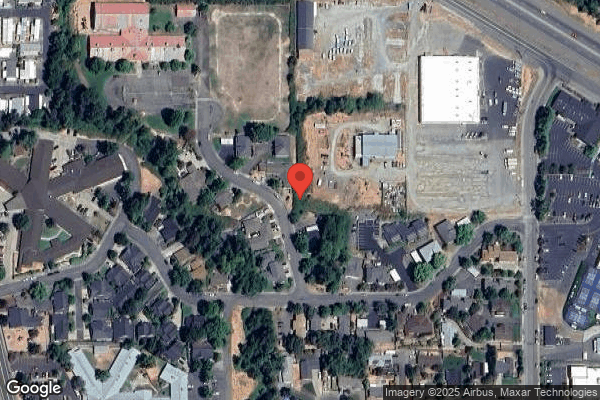
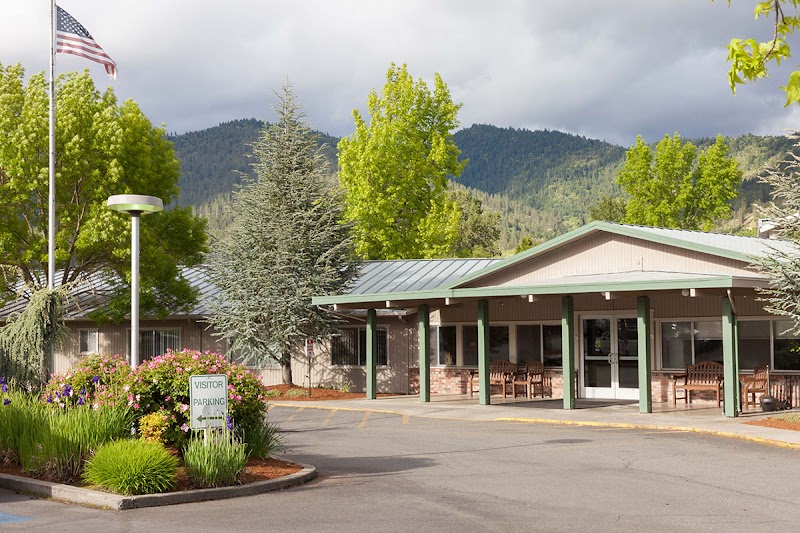
2075 NW HIGHLAND AVENUE, GRANTS PASS, OR 97526 (541) 476-8891
For profit - Corporation 145 Beds VOLARE HEALTH Data: November 2025 1 Immediate Jeopardy citation
Trust Grade
0/100
#121 of 127 in OR
Last Inspection: October 2024

Within standard 12-15 month inspection cycle. Federal law requires annual inspections.

Overview

Royale Gardens Health & Rehabilitation Center has received a Trust Grade of F, indicating significant concerns about the facility's quality of care. With a state rank of #121 out of 127 in Oregon, they fall in the bottom half of all facilities, and they are ranked #4 out of 4 in Josephine County, meaning there are no better local options available. While the facility's trend is improving, having reduced issues from 35 in 2024 to 5 in 2025, there are still serious concerns, including $200,505 in fines which is higher than 89% of Oregon facilities, indicating possible compliance problems. Staffing is rated average with a 3/5 star rating, but the turnover is concerning at 60%, which is above the state average. Notably, there were critical incidents, including failures in medication management that put residents at risk for untimely medications and the development of avoidable pressure ulcers due to inadequate care plans. Overall, while there are some signs of improvement, families should weigh these strengths against the serious weaknesses in care and compliance.

Trust Score
F
0/100
In Oregon
#121/127
Bottom 5%
Safety Record
High Risk
Review needed
Inspections
Getting Better
35 → 5 violations
Staff Stability
⚠ Watch
60% turnover. Above average. Higher turnover means staff may not know residents' routines.
Penalties
✓ Good
$200,505 in fines. Lower than most Oregon facilities. Relatively clean record.
Skilled Nurses
⚠ Watch
Each resident gets only 26 minutes of Registered Nurse (RN) attention daily — below average for Oregon. Fewer RN minutes means fewer trained eyes watching for problems.
Violations
⚠ Watch
73 deficiencies on record. Higher than average. Multiple issues found across inspections.
★☆☆☆☆
1.0
Overall Rating
★★★☆☆
3.0
Staff Levels
★★★★☆
4.0
Care Quality
★☆☆☆☆
1.0
Inspection Score
Stable
2024: 35 issues
2025: 5 issues

The Good

  • 4-Star Quality Measures · Strong clinical quality outcomes
  • Full Sprinkler Coverage · Fire safety systems throughout facility
  • No fines on record

Facility shows strength in quality measures, fire safety.

The Bad

1-Star Overall Rating

Below Oregon average (3.0)

Significant quality concerns identified by CMS

Staff Turnover: 60%

14pts above Oregon avg (46%)

Frequent staff changes - ask about care continuity

Federal Fines: $200,505

Well above median ($33,413)

Significant penalties indicating serious issues

Chain: VOLARE HEALTH

Part of a multi-facility chain

Ask about local staffing decisions and management

Staff turnover is elevated (60%)

12 points above Oregon average of 48%

The Ugly 73 deficiencies on record

1 life-threatening 8 actual harm
Jul 2025 2 deficiencies
CONCERN (D) 📢 Someone Reported This

A family member, employee, or ombudsman was alarmed enough to file a formal complaint

Potential for Harm - no one hurt, but risky conditions existed

Deficiency F0552 (Tag F0552)

Could have caused harm · This affected 1 resident

Based on interview and record review, it was determined the facility failed to inform the resident prior to the initiation of a psychotropic medication for 1 of 3 sampled residents (#3). This placed r...

Read full inspector narrative →
Based on interview and record review, it was determined the facility failed to inform the resident prior to the initiation of a psychotropic medication for 1 of 3 sampled residents (#3). This placed residents at risk for not being informed of the side effects of a medication and not participating in their treatment. Findings include:Resident 3 admitted to the facility in 2/2025 with a diagnosis of seizures. Resident 3's Physician Order Details revealed she/he was administered the following psychotropic medications between 2/12/25 and 6/16/25:- Asenapine (prescribed to treat bipolar disorder)- Buspirone (prescribed to treat anxiety).- Lamotrigine (prescribed for seizures (can also be used for bipolar)). - Abilify (prescribed to treat bipolar). There was no documented evidence to show the resident was informed of the side effects of these medications prior to being administered.On 7/21/25 at 11:48 AM, Staff 14 (SSD) confirmed Resident 3 was not informed for the listed medications prior to the medication being administered. 7/23/25 at 10:45 AM, Staff 16 (Administrator), Staff 15 (DNS), and Staff 17 (Regional Nurse) were notified of the findings of Resident 3 not being informed, and no additional information was provided.
CONCERN (D) 📢 Someone Reported This

A family member, employee, or ombudsman was alarmed enough to file a formal complaint

Potential for Harm - no one hurt, but risky conditions existed

Free from Abuse/Neglect (Tag F0600)

Could have caused harm · This affected 1 resident

Based on observation, interview, and record review it was determined the facility failed to protect the resident's right to be free from sexual abuse by another resident for 1 of 3 sampled residents (...

Read full inspector narrative →
Based on observation, interview, and record review it was determined the facility failed to protect the resident's right to be free from sexual abuse by another resident for 1 of 3 sampled residents (# 6) reviewed for abuse. This placed residents at risk for mental anguish and abuse. Findings include:Resident 6 admitted to the facility in 2024, with diagnoses including diabetes and below the knee amputation.Resident 6's 6/25/25 Quarterly MDS revealed Resident 6 had a BIMS score of 15, which indicated the resident was cognitively intact. Resident 7 admitted to the facility in 2023, with diagnosis including cognitive communication deficit. Resident 7's 6/10/25 Quarterly MDS revealed Resident 7 had a BIMS score of 15, which indicated the resident was cognitively intact.On 6/16/25 a public complaint was filed which alleged Resident 7 made sexual contact with Resident 6 with a food item. On 7/16/25 at 9:47 AM, Resident 7 stated she/he gestured toward Resident 6 with a doughnut. Resident 7 did not recall saying anything afterward. Resident 7 stated Resident 6 had avoided her/him since the incident. On 7/17/25 at 9:46 AM, Witness 2 confirmed Resident 7 swiped a doughnut between Resident 6's legs. On 7/17/25 at 9:58 AM, Witness 1 stated her/his back was turned but Resident 6 was unable to speak, and the activities director was mad something happened. On 7/17/25 at 10:06 AM, Resident 6 stated she/he was sitting with two other residents and Staff 7 (Activity director) in the activity room eating doughnuts and drinking coffee. Resident 6 stated she/he playfully made a joke that she/he had touched all the doughnuts when Resident 7 reached for one. Resident 7 then took a doughnut, wiped it in her/his crotch area, ate it, and then stated now she/he had touched them all. Resident 6 stated, for a while after the incident she/he would check and see where Resident 7 was to avoid her/him. Resident 6 stated she/he was triggered by Resident 7's presence for at least a week after the incident. On 7/17/25 at 1:03 PM, Staff 7 (Activities Director) confirmed Resident 6 stated Resident 7 rubbed a doughnut between my legs. Staff 7 recalled Resident 6 turning white and getting quiet. Staff 7 confirmed an unwanted sexual incident occurred. On 7/18/25 at 8:37 AM, Staff 9 (CNA) stated after the incident Resident 6 was not herself/himself for about a week. Staff 9 indicated Resident 6 was angry about what happened. On 7/18/25 at 10:14 AM, Staff 13 (CNA) stated Resident 6 was angry and upset after the incident occurred. On 7/22/25 at 8:53 AM, Staff 18 (LPN) stated Resident 7 grabbed a doughnut and put it near Resident 6's private area. Staff 18 stated that Residents 6 and 7 were separated. Staff 18 confirmed the incident occurred.
May 2025 1 deficiency
CONCERN (E) 📢 Someone Reported This

A family member, employee, or ombudsman was alarmed enough to file a formal complaint

Potential for Harm - no one hurt, but risky conditions existed

Deficiency F0725 (Tag F0725)

Could have caused harm · This affected multiple residents

Based on interview and record review it was determined the facility failed to ensure sufficient nursing staff to ensure timely incontinent care and resident showers were completed for 6 of 6 sampled r...

Read full inspector narrative →
Based on interview and record review it was determined the facility failed to ensure sufficient nursing staff to ensure timely incontinent care and resident showers were completed for 6 of 6 sampled residents (#s 5, 8, 12, 14, 15, and 16) reviewed for staffing. This placed residents at risk for unmet care needs. Findings include: The facility's 1/2025 Resident Council Notes revealed concerns related to short staffing and having care needs met. The facility's 3/2025 Resident Council Notes revealed resident showers were not completed as scheduled. Review of the assigned showers on 4/20/25 revealed Resident 5, Resident 12, Resident 14, Resident 15, and Resident 16 did not receive their showers. The CNA staff documented, not attempted due to environmental limitations, refused, or NA. Resident 8's 4/2025 Shower Record revealed she/he did not receive a shower on 4/23/25 and 4/25/25. On 4/30/25 at 5:40 PM, Resident 8 stated the facility was often short staffed, call lights were not answered timely and she/he did not always get her/his scheduled showers. On 4/30/25 at 6:00 PM, Staff 18 (CNA) stated staffing shortages over the past few months caused residents to miss showers and not receive timely incontinent care. On 4/30/25 at 6:10 PM, Staff 19 (CNA) stated he was unable to meet the care plan needs of his assigned residents including showers and had come on shift to find residents soaked in urine. On 4/30/25 at 7:08 PM, Staff 4 (Licensed Nurse) and Staff 5 (Licensed Nurse) stated there was not enough CNA staff to provide residents with their scheduled showers, including Resident 8. On 5/1/25 at 8:23 AM, Staff 17 (CNA) stated on 4/20/25 the facility was short seven CNAs for day shift; showers were missed, incontinent care was not timely, residents did not get out of bed and call lights were not answered timely. Staff 17 stated the facility was short staffed and it was common for residents to miss showers and not get timely incontinent care. On 5/1/25 at 10:00 AM, Staff 10 (CNA) stated the facility was often understaffed, she was unable to complete the assigned resident showers, and incontinent care was not completed timely. On 5/1/25 at 10:07 AM, Staff 9 (CNA) verified Resident 8 was not always offered showers. On 5/1/25 at 10:17 AM, Staff 11 (CNA), Staff 20 (CNA) and Staff 21 (CNA) all stated staffing was terrible and chaotic and resident showers were frequently missed. On 5/1/25 at 12:15 PM, Staff 15 (CNA) confirmed on 4/20/25 resident showers were not completed due to low staffing levels and stated she documented this as refused and NA. On 5/1/25 at 12:27 PM, Staff 1 (Administrator) and Staff 2 (DNS) stated the facility was short staffed for CNAs in 4/2025 and acknowledged resident showers did not occur for Residents 5, 8, 12, 14, 15 and 16 on 4/20/25.
Feb 2025 1 deficiency
CONCERN (D) 📢 Someone Reported This

A family member, employee, or ombudsman was alarmed enough to file a formal complaint

Potential for Harm - no one hurt, but risky conditions existed

Quality of Care (Tag F0684)

Could have caused harm · This affected 1 resident

**NOTE- TERMS IN BRACKETS HAVE BEEN EDITED TO PROTECT CONFIDENTIALITY** Based on interviews and record review, it was determined the facility failed to treat, assess, and monitor wounds for 3 of 3 sam...

Read full inspector narrative →
**NOTE- TERMS IN BRACKETS HAVE BEEN EDITED TO PROTECT CONFIDENTIALITY** Based on interviews and record review, it was determined the facility failed to treat, assess, and monitor wounds for 3 of 3 sampled residents (#s 101, 102, and 103) reviewed for wound care. This placed residents at risk for worsening wounds and infections. Findings include: 1. Resident 101 admitted to the facility on 2/2025, with diagnoses including mononeuropathy of the bilateral lower limbs (damage or dysfunction of two or more peripheral nerves in both legs), second degree burns of the right foot (2nd and 3rd toes) and second degree burns to the left foot and toes. Resident 101's 2/13/25 Hospital Discharge Orders indicated to continue local dressing changes daily with Xeroform and a dry sterile dressing. Resident 101's 2/13/25 Nursing Admission/readmission Evaluation included the following skin observation: -Right toe(s): burns, blisters -Left toe(s): burns, blisters No additional information related to the wounds was found such as: description, measurements, which toes were involved, or the condition of surrounding tissues. The skin evaluation did not contain any information related to the burn wound on the upper aspect of the left foot. Resident 101's 2/15/25 Nursing admission Skin & Wound Evaluation indicated she/he had a second degree burn on the right dorsum, 2nd digit (toe) with no evidence of infection. There was no Skin & Wound Evaluation found for the left foot. On 2/24/25 at 4:24 PM, Witness 1 (Hospital Social Worker) reported Resident 101 sustained burns to both feet from a space heater at home. The resident discharged from the hospital to the nursing home on 2/13/25 with orders to change the Xeroform and sterile dressings (inner and outer dressings) daily. Witness 1 stated that on 2/20/25, the facility wound nurse observed that the resident had smelly discharge, discoloration to the left great toe, as well as pain and swelling. Resident 101 was re-admitted to the hospital on [DATE], and reported to the hospital podiatrist that the nursing facility staff had not changed the Xeroform dressing on her/his wounds for four of the seven days she/he was at the facility. On 2/24/25, while at the hospital, Resident 101 had debridement performed on both feet and the removal of second and third toenail beds of the right foot. Resident 101's 2/2025 TAR indicated the resident's wound orders of 2/13/25 was not initiated until 2/15/25, two days after the resident's admission to the facility. A review of Resident 101's TAR for 2/2025 revealed the order for the wound care was not transcribed onto the TAR until 2/15/25 or two days after admission. On 2/28/25 at 9:58 AM, Staff 4 (Wound Nurse/RN) stated nursing staff did not transcribe Resident 101's wound orders, there was no documentation showing that nursing staff implemented the resident's wound care during the first two days of admission, and staff did not monitor the resident's wounds. Staff stated the resident's admission Nursing Assessment - Skin/Wound section did not assess the resident's wounds to her/his toes and foot. The resident was sent out to the hospital on 2/20/25 due to an infection. On 2/27/25 at 1:17 PM, Staff 2 (DNS) and Staff 4 (Wound Nurse/RN) acknowledged the lack of treatment and monitoring of Resident 101's wounds on 2/13/25 and 2/14/25, and was unable to provide documentation of wound care to the resident's other foot for 2/15/25. On 2/28/25 at 11:53 AM Resident 101 stated the nurses at the facility told her/him they did not receive an order for wound care so they would have to leave her/his wounds alone. About five days went by before the wound care nurse came and addressed the wound, but the wound had started to stink. Resident 101 state she/he knew her/his feet were infected and she/he almost lost a toe. Resident 101 stated staff never offered to change the bandages on the first day she/he was admitted and she/he never refused wound care. Resident 101 stated that she/he pleaded with staff to perform wound care because she/he knew she/he got infections easily. On 2/28/25 at 3:39 PM, Witness 2 (Wound Clinic Physician) indicated Resident 101 was his patient prior to and after her/his stay at the facility. On 2/20/25 the resident told him the facility had not completed wound care for four of the seven days the resident was at the facility and they only changed the outer dressing not the inner dressing. Witness 2 stated the resident had pain during dressing changes but never refused dressing changes. Witness 2 also stated burn wounds have a different physiology than other types of wounds. Infection was the main concern, and a lack of wound care can contribute to the development of an infection in the wound. 2. Resident 102 was admitted to the facility in 2/2025, with diagnoses including fractured right femur and need for orthopedic aftercare (care following a fracture repair such as, physical therapy, pain management, and wound care). Resident 102's 2/4/25 Nursing Progress Note indicated the resident admitted to the facility at approximately 2:10 PM, with a right femur fracture above the knee which was wrapped and a brace in place. Resident 102's Care Plan dated 2/11/25 indicated the resident was at risk for skin breakdown and pressure injury related to immobility from a recent femur fracture. Staff was to follow facility policies and protocols for the prevention and treatment of skin breakdown. On 2/27/25 the care plan was revised to include monitor the surgical incision to right knee and thigh for signs and symptoms of infection such as, increased pain, drainage, redness, odor, fever. Wound care provided every shift and notify nurse and MD if signs and symptoms occur. Resident 102's 2/2025 TAR included an order for staff to monitor surgical incision to the right knee and thigh for signs and symptoms of infection, increased pain, drainage, redness, odor, fever. Notify nurse and MD if symptoms occurred, every shift, for wound care. The order was dated 2/27/25, 23 days after the resident's admission date of 2/4/25. Resident 102's electronic medical record revealed weekly skin evaluations were not completed, and had the following evaluations for the resident's three surgical sites as follows: -2/28/25: Skin & Wound Evaluation - front right knee (4 sutures) -2/28/25: Skin & Wound Evaluation - front right-side knee (3 sutures) -2/28/25: Skin & Wound Evaluation - front right thigh (2 sutures) On 2/27/25 at 10:36 AM, Staff 2 (DNS) and Staff 4 (Wound Nurse/RN) reviewed Resident 102's documentation and acknowledged the monitoring of the resident's surgical site did not begin until 2/27/25. Staff 4 indicated they were having trouble with hospitals not providing wound care instructions for residents and they were working to address the issue. 3. Resident 103 was admitted to the facility in 2/2025, with diagnoses including fractured femur with a surgical site on the hip with staples. Resident 103's care plan dated 2/20/25 included the resident had potential for impairment to skin integrity related to surgical site on the hip with 13 staples. Staff were to monitor the hip for any changes to skin integrity. On 2/24/25 the care plan was revised to include staff were to monitor for pain, redness, and swelling to the site and report to nursing and MD. Resident 103's 2/2025 TAR included an order for staff to monitor the resident's right hip incisions for signs and symptoms of infection, BID. The order was dated 2/27/25, 9 days after the resident's admission date. On 2/27/25 at 10:36 AM, Staff 2 (DNS) and Staff 4 (Wound Nurse/RN) reviewed the resident's documentation and acknowledged the monitoring of the resident's surgical site did not begin until 2/27/25. Staff 4 indicated they were having trouble with hospitals not providing wound care instructions for residents and they were working to address the issue.
Jan 2025 1 deficiency
CONCERN (D) 📢 Someone Reported This

A family member, employee, or ombudsman was alarmed enough to file a formal complaint

Potential for Harm - no one hurt, but risky conditions existed

Accident Prevention (Tag F0689)

Could have caused harm · This affected 1 resident

Based on interview and record review it was determined the facility failed to assess the effectiveness of interventions and provide adequate resident supervision to prevent falls for 1 of 3 sampled re...

Read full inspector narrative →
Based on interview and record review it was determined the facility failed to assess the effectiveness of interventions and provide adequate resident supervision to prevent falls for 1 of 3 sampled residents (#s 102) reviewed for accidents. This placed residents at risk for recurring falls. Findings include: Resident 102 was admitted to the facility in 2024 with diagnoses including dementia, and repeated falls. Resident 102 had a BIMS score of 5 which indicated severe cognitive impairment. The resident had a total of 27 falls during the two months she/he was at the facility. Resident 102's care plan dated 9/30/2024 indicated the resident was a two person extensive assist with bathing/showering, transferring, and locomotion. Resident 102's 10/7/24 Fall Risk Care Plan instructed staff to anticipate and meet the resident's needs, keep the call light within reach, encourage use of the call light, educate the resident about safety reminders, ensure commonly used items were within reach, wear appropriate footwear, keep the bed in a low position,and a PT consult for strength and mobility. A review of the facility's fall Incident Reports revealed Resident 102 had 27 falls while at the facility from 10/3/24 through 12/1/24. There were 7 falls with staff assist to the ground or while staff were assisting the resident, 8 falls were witnessed, and 12 falls were unwitnessed. A review of the 27 Fall Incident Reports for Resident 102 from 10/3/24 through 12/1/24 revealed: -For 21 of the incident reports indicated Resident 102's care plan interventions at the time of the fall were frequent rounding, call light within reach, and staff-provided care. -The 10/4/24 a report included a gait belt was in place at the time of the intervention. The resident was ambulating alone in the hall. -The 11/14/24, 11/26/24, and 11/27/24 reports did not contain what interventions were in place at the time of falls. -The 11/28/24 report indicated Resident 102 was using the proper wheelchair at the time of the fall, which as not listed as a fll intervention on the resident's care plan. -The 10/13/24 and 11/6/24 the report indicated an intervention as the resident's walker was nearby which was not listed as an intervention on the resident's care plan, -The 10/13/24 and 10/14/24 incident reports also included an intervention to use visual reminders to ask for assistance which was not listed as an intervention on the resident's care plan. There was no documented evidence the facility conducted an analysis of the resident's falls to evaluate if her/his fall interventions were effective or appropriate. On 1/14/25 at 3:38 PM, Witness 2 (family member) stated the resident was at high risk for falls and required two-person assistance for transfers and showers. The resident had many falls while at the facility. On 12/1/24 the facility staff called the family and told them the resident fell in the shower and was sent to the hospital. The resident was diagnosed with damage from previous falls and a new brain bleed. On 1/16/24 at 8:55 AM, Witness 4 (LCSW/Veteran's Administration) stated Resident 103 had multiple falls while at the facility. Witness 4 further stated she has met with the Ombudsman and facility staff because the resident was having frequent falls and felt the facility did not have good fall interventions in place as the resident continued to fall. On 1/21/24 at 2:02 PM, Staff 5 (CNA) stated she was the CNA who assisted Resident 102 in the shower on 12/1/24 and had heard the resident had two falls earlier in the morning. Staff 5 stated Resident 102 needed one to one care because of the frequent falls but the facility did not have the staff to provide that level of care. On 1/21/25 at 2:23 PM, Staff 6 (CNA) stated Staff 5 completed a shower with the resident and she called for help because the resident became unresponsive. Staff 6 further stated the facility was often under staffed and when they were not staffed adequately they were unable to monitor residents who high fall risks. On 1/15/25 at 9:12 AM, Staff 12 (Nurse) stated Resident 102 was sent to the hospital often for falls. Staff 12 stated she had warned staff and the resident's family that the fall interventions in place were not adequate and did not work. Staff 12 further stated there was not enough staff to monitor Resident 102 who had sundowning behaviors and was impulsive. Staff 12 stated the resident needed one-to-one caregiver during waking hours. On 1/22/25 at 4:14 PM, Staff 1 (Administrator) stated they felt Resident 102's care plan was followed for both falls on 12/1/24. Staff 1 did not address how the care plan was followed for the resident's unwitnessed fall. Staff 1 was unable to address why Resident 102 had 27 falls in two months or why there was no assessment of the effectiveness or appropriateness of Resident 102's fall interventions.
Oct 2024 23 deficiencies 1 IJ
CRITICAL (J)

Immediate Jeopardy (IJ) - the most serious Medicare violation

Pharmacy Services (Tag F0755)

Someone could have died · This affected 1 resident

Based on interview and record review it was determined the facility failed to provide timely pharmaceutical services for 3 of 7 sampled residents (#s 198, 21, and 78) reviewed for medication administr...

Read full inspector narrative →
Based on interview and record review it was determined the facility failed to provide timely pharmaceutical services for 3 of 7 sampled residents (#s 198, 21, and 78) reviewed for medication administration, and failed to ensure narcotic medication management systems were in place to account for and reconcile narcotics for 2 of 5 narcotic books reviewed for medication administration. This placed residents at risk for untimely medications and diversion. Findings include: 1. Resident 198 admitted to the facility in 10/11/24 with a history of seizures. The 10/2024 MAR instructed staff to administer lacosamide (antiseizure medication) two times a day for seizures, with a start date of 10/11/24. From 10/11/24 through 10/21/24 the MAR referred the reader to progress notes. Administration Notes revealed the following for lacosamide administrations: -10/11/24 waiting for delivery. -10/12/24 at 7:37 AM waiting for medication delivery. -10/12/24 at 7:17 PM the medication was unavailable. -10/13/24 at 8:44 AM the medication was unavailable. -10/14/24 at 10:01 AM an Administration Note revealed the medication was unavailable in the facility's automated electronic medication dispensing unit. At 7:40 PM the Administration Note indicated the medication was unavailable. -10/15/24 at 8:01 AM and 7:13 PM the medication was unavailable. -10/16/24 at 7:23 AM and 7:58 PM the medication was unavailable. -10/17/24 at 10:03 AM and 7:53 PM the medication was ordered and not available. -10/18/24 at 8:39 AM the medication was still not in the facility. -10/19/24 at 8:05 AM and 9:33 PM the medication was unavailable. -10/20/24 at 8:11 AM and 7:21 PM the medication was unavailable and nurse was aware. The 10/14/24 Encounter Provider Note revealed nursing indicated the pharmacy was unavailable to deliver the lacosamide for Resident 198's seizures. The 10/21/24 at 11:06 AM Nursing Note indicated the facility received signed orders for lacosamide and the pharmacy was faxed. No documentation was found in Resident 198's clinical record the facility contacted the pharmacy to follow up on the medication. On 10/24/24 on 1:31 PM Resident 198 stated lacosamide was the only antiseizure medication she/he took, and when she/he had a seizure it felt like an out of body experience, and she/he had a history of grand mal (type of seizure which involves a loss of consciousness and violent muscle contractions). Resident 198 stated she/he always took her/his seizure medication. Resident 198 stated she/he felt shaky and had an electrical current feeling form at the base of her/his skull to the top of her/his head and had headaches everyday lately. Resident 198 was unaware she/he was not receiving her/his antiseizure medication until notified by the survey team. On 10/24/24 at 2:04 PM Witness 5 (Pharmacy Technician) stated on 10/11/24 the pharmacy sent a request for Resident 198's lacosamide to her/his physician. The pharmacy was not provided a new prescription until 10/21/24. On 10/24/24 at 2:50 PM Staff 2 (DNS) stated she was not aware there were issues with Resident 198's admission medications. Staff 2 indicated the process was for the admission nurse to notify the pharmacy if a medication was not delivered, and every shift was to follow up with the pharmacy until the medications arrived. Staff 2 acknowledged the process was not followed. 2. Resident 21 admitted to the facility in 9/2024 with diagnoses including high blood pressure and lung disease. A 9/27/24 physician order indicated staff were to administer Atorvastatin (for high cholesterol) once a day at bedtime. The 10/2024 MAR indicated Resident 21 missed doses of her/his medication on 10/1/24, 10/2/24 and 10/3/24. The MAR referred the reader to the Nursing Progress Notes. Nursing Progress Notes dated 10/1/14 through 10/5/24 revealed the medication was unavailable. No documentation was found which indicated the physician or the pharmacy were notified of the unavailable or missed doses of Atorvastatin. On 10/24/24 at 2:50 PM Staff 2 (DNS) indicated the process was for the admission nurse to notify the pharmacy if a medication was not delivered, and every shift was to follow up with the pharmacy until the medications arrived. 3. Resident 78 admitted to the facility in 9/2024 with diagnoses including respiratory failure. a. An 10/14/24 physician order indicated Resident 78 was to receive dexamethasone (for seizures) two times a day. The 10/1/24 MAR indicated the following: -Resident 78's dexamethasone was to be administered twice a day at 8:00 AM and 8:00 PM. -On 10/14/24 and 10/15/24 the MAR referred the reader to Nursing Progress Notes. Nursing Progress Notes dated 10/14/24 through 10/15/24 indicated dexamethasone was not available, No documentation was found which indicated the physician or the pharmacy were notified of the unavailable and missed doses medications. b. An 10/17/24 physician order indicated staff were to administer Advair (used in the treatment of chronic obstructive pulmonary disease) aerosol powder inhaler BID. Review of the 10/2024 MAR indicated Resident 78 missed doses of her/his inhaler on 10/18/24 10/19/24, and 10/20/24. On 10/21/24 and 10/22/24 Resident 78 missed two doses of her/his inhaler. The MAR referred the reader to Nursing Progress Notes. Progress Notes from 10/8/24 through 10/22/24 revealed the Advair inhaler was unavailable. No documentation was found which indicated the physician or the pharmacy were notified of the unavailable or missed doses of the inhaler. On 10/24/24 at 2:50 PM Staff 2 (DNS) indicated the process was for the admission nurse to notify the pharmacy if a medication was not delivered, and every shift was to follow up with the pharmacy until the medications arrived. 3. On 10/23/24 at 12:38 PM the narcotic reconciliation records were reviewed with Staff 2 (DNS) for the two narcotic books on the B and G halls. The reconciliation records revealed many blank signature areas. Staff 2 stated staff should sign the narcotic reconciliation book at every shift change when narcotic medications were counted. Staff 2 acknowledged the blank signature areas and acknowledged the expected process was not followed.
SERIOUS (G) 📢 Someone Reported This

A family member, employee, or ombudsman was alarmed enough to file a formal complaint

Actual Harm - a resident was hurt due to facility failures

Pressure Ulcer Prevention (Tag F0686)

A resident was harmed · This affected 1 resident

Based on interview and record review it was determined the facility failed to accurately assess, care plan, implement, follow and maintain pressure ulcer treatments and care plans for 1 of 1 sampled r...

Read full inspector narrative →
Based on interview and record review it was determined the facility failed to accurately assess, care plan, implement, follow and maintain pressure ulcer treatments and care plans for 1 of 1 sampled resident (#191) reviewed for pressure ulcers. Resident 191 developing an avoidable unstageable (obscured full-thickness skin and tissue loss) pressure ulcer. Findings include: Resident 191 admitted to the facility in 6/2024 with diagnoses including kidney failure. The 6/17/24 admission MDS indicated Resident 191 had pressure ulcer and was at risk for pressure ulcers due to incontinence and decreased mobility. Resident 191 admitted with a Stage 2 (shallow open wound) pressure ulcer to the coccyx. A public compliant was received on 6/25/24 which indicated Resident 191 discharged from the hospital on 6/12/24 with a Stage 2 (shallow open wound with red or pink base) pressure ulcer on her/his coccyx (tailbone) measuring 2 cm by 0.1 cm. Resident 191 returned to the hospital on 6/19/24 with worsening wounds to her/his coccyx. The 6/27/24 care plan indicated Resident 191 had potential for skin impairments related to fragile skin. Staff were to identify and document potential causative factors, and resolve them when possible. The 6/12/24 Skin and Wound Evaluation indicated the resident had a Stage 2 pressure ulcer, but did not identify where the wound was located. The picture of the resident's pressure wound in the electronic record revealed the wound bed had slough (a layer of dead tissue on the base of a pressure wound) which indicated an unstageable (covered by necrotic tissue making it impossible to determine the depth of the wound) pressure ulcer. A 6/16/24 Nursing Progress Note indicated Resident 191 had a new open area to her/his right buttocks. No Skin and Wound Evaluation or incident report was found in the resident's electronic record. A 6/18/24 Nursing Progress Note indicated Resident 191's right buttock had a wound that was open, dark red, moist, and had purple bruising surrounding the wound. Resident 191 complained the wounds were painful and burning. No documentation of the wounds or incident report was found in the resident's electronic record. The 6/24/24 Skin and Wound Evaluation indicated Resident 191 had a Stage 2 pressure ulcer to the coccyx upon admission, but there was no documentation or description of the wound or wound care treatment. Resident 191's new pressure ulcer was an unstageable pressure wound to the buttocks, not the coccyx. There was no documented description or treatment for the unstageable pressure ulcer. On 10/27/24 at 1:25 PM Staff 12 (RN) stated she remembered the resident and the pressure wound she/he had. Staff 12 stated the resident admitted to the facility with a Stage 2 pressure ulcer to her/his coccyx which became worse and she/he returned to the hospital. Staff 12 stated the resident also acquired an unstageable pressure ulcer to her/his buttocks which never should have happened. Staff 12 stated the treatments were not working, nurses were not documenting on the Skin and Wound Evaluation documents, and the doctor was not notified. On 10/29/24 at 10:45 AM Staff 2 (DNS) stated wound measurements are part of the admission process. The admission nurse did not complete a Skin and Wound Evaluation, for the initial coccyx wound. Staff 2 stated the physician was not notified of the resident's acquired and worsening unstageable pressure ulcer to her/his buttocks and should have been before the wound became worse.
CONCERN (D) 📢 Someone Reported This

A family member, employee, or ombudsman was alarmed enough to file a formal complaint

Potential for Harm - no one hurt, but risky conditions existed

Deficiency F0558 (Tag F0558)

Could have caused harm · This affected 1 resident

Deficiency Text Not Available

Read full inspector narrative →
Deficiency Text Not Available
CONCERN (D)

Potential for Harm - no one hurt, but risky conditions existed

Grievances (Tag F0585)

Could have caused harm · This affected 1 resident

Based on interview and record review it was determined the facility failed to ensure residents' grievances were addressed for 2 of 2 sampled residents (#s 52 and 70) reviewed for personal property. Th...

Read full inspector narrative →
Based on interview and record review it was determined the facility failed to ensure residents' grievances were addressed for 2 of 2 sampled residents (#s 52 and 70) reviewed for personal property. This placed residents at risk for unresolved grievances. Findings include: 1. Resident 52 admitted to the facility in 9/2023 with a diagnosis of diabetes. A 9/10/24 annual MDS revealed Resident 52 was cognitively intact. A 7/3/24 Grievance Report revealed Resident 52 reported a missing or misplaced heavy jacket. The grievance indicated staff looked in laundry but the jacket was not found. There was no resolution to the missing jacket. On 10/21/24 12:58 PM Resident 52 stated she/he was missing a heavy jacket and there was no follow-up. On 10/22/24 at 12:23 PM Staff 53 (CNA) stated Resident 52 reported a missing jacket and it was sentimental to her/him because a friend gifted it to her/him. On 10/24/24 at 11:54 AM Staff 2 (DNS) acknowledged there was no resolution for the missing jacket. On 10/25/24 at 10:32 AM Staff 27 (Social Services Director) stated if a resident was missing clothing, staff looked for it for about one week to see if it was found in laundry. If the item was not found then a grievance was filed to determine if it would be replaced. 2. Resident 70 admitted to the facility in 9/2024 with a diagnosis of pneumonia. An undated Inventory of Resident 70's personal items revealed Resident 70 had a gold ring. An 10/4/24 Progress Note indicated Resident 70 reported she/he lost her/his wedding ring. The note indicated staff did not locate the ring. On 10/22/24 at 5:05 PM Staff 2 (DNS) acknowledged progress notes indicated Resident 70 reported a gold ring was missing and her/his inventory list included a gold ring. Staff 2 also stated social services and the LPN Unit Manager was not aware of a missing ring and a grievance was not filed.
CONCERN (D)

Potential for Harm - no one hurt, but risky conditions existed

Report Alleged Abuse (Tag F0609)

Could have caused harm · This affected 1 resident

Based on interview and record review it was determined the facility failed to ensure a report of misappropriation was reported to the State Survey Agency for 1 of 2 sampled residents (#52) reviewed fo...

Read full inspector narrative →
Based on interview and record review it was determined the facility failed to ensure a report of misappropriation was reported to the State Survey Agency for 1 of 2 sampled residents (#52) reviewed for personal property. This placed residents at risk for abuse. Findings include: Resident 52 admitted to the facility in 9/2023 with a diagnosis of diabetes. Resident 52's 9/10/24 annual MDS revealed Resident 52 was cognitively intact. A 7/3/24 Grievance Report revealed Resident 52 was missing or misplaced a wallet. The investigation revealed Resident 52 reported money was missing from her/his bank account. A police report was filed. On 10/24/24 at 11:54 AM Staff 2 (DNS) stated an allegation of a missing wallet and money could be misappropriation. Staff 2 stated social services filed a police report on behalf of Resident 52 but a FRI was not submitted.
CONCERN (D)

Potential for Harm - no one hurt, but risky conditions existed

PASARR Coordination (Tag F0644)

Could have caused harm · This affected 1 resident

Based on interview and record review it was determined the facility failed to ensure a resident was referred to the state agency authority for Level II PASARR (preadmission screening and resident revi...

Read full inspector narrative →
Based on interview and record review it was determined the facility failed to ensure a resident was referred to the state agency authority for Level II PASARR (preadmission screening and resident review: assessment to ensure individuals with serious mental illness) evaluation for 1 of 1 sampled resident (#52) reviewed for PASARR. This placed residents at risk for lack of mental health services. Findings include: Resident 52 admitted to the facility from another facility on 9/2023 with a diagnosis of mental illness. A 9/10/23 admission MDS revealed Resident 52 was not administered antidepressants or mood stabilizing medications and she/he was at risk for ongoing social isolation and depression. A plan was to refer Resident 52 to behavioral health services. 9/2023, 10/2023 and 11/2023 MARs and DARs (Diabetic Administration Records) revealed Resident 52 accepted medications and allowed CBG testing. 12/2023, 1/2024 and 2/2024 MARs and DARs revealed Resident 52 refused to take certain medications, cooperate by providing pain levels, and allow staff to obtain CBGs. Progress Notes revealed the following: -1/11/24 Resident 52 refused medication every morning. -2/22/24 a physician note indicated Resident 52 was easily agitated. Staff reported Resident 52 felt staff were playing games with her/him and administered medications which were not prescribed. -2/26/24 Resident 52 refused blood pressure medications and stated she/he thought staff were trying to kill her/him by taking medication she/he did not need. Resident 52's blood pressure was noted to be much higher in the past few days and the physician was notified. -2/28/24 Resident 52 continued to have angry outbursts -2/28/24 Resident 52 continued to have high blood pressure, but refused to take blood pressure medication and refused to have her/his blood pressure checked. -5/9/24 Resident 52 refused blood pressure medications and only accepted two doses so far that month. Resident 52 had a history of refusing medications and treatments. -5/9/24 a physician note indicated the resident was accusatory of staff. Interdisciplinary Team Care Plan/Conference/Welcome Meeting forms revealed the following: -9/11/23 and 12/11/23 no concerns were identified for Resident 52 -3/26/24 Resident 52 reported she/he was not happy in the facility, refused care, and she/he wanted to move. Staff informed Resident 52 her/his behaviors could impact a transfer. -9/9/24 Resident 52 was identified to refuse care, meals, and did not trust staff. Resident 52 continued to make accusations that staff do not do things she/he asked for. -10/18/24 Resident 52 did not trust staff, refused care, and made accusations against staff. Resident 52's record did not indicate a PASARR level II was requested related to her/his mental health diagnosis, refusal of cares, and mood changes. On 10/23/24 at 9:51 AM Staff 43 (CNA) stated Resident 52 often refused care including blood pressure monitoring. On 10/23/24 at 10:27 AM Staff 46 (CMA) stated Resident 52 absolutely refused medications and blood pressure monitoring even when the resident had high blood pressure readings. Resident 52 also became very anxious with care and did not trust staff. On 10/23/24 at 4:47 PM Staff 27 (Social Service Director) stated if a resident had a mental health diagnosis, increased behaviors, and refusal of cares a PASAAR II was usually requested or a request was made to the facility psychologist to assess a resident. Staff 27 stated this was not done for Resident 52.
CONCERN (D) 📢 Someone Reported This

A family member, employee, or ombudsman was alarmed enough to file a formal complaint

Potential for Harm - no one hurt, but risky conditions existed

Deficiency F0655 (Tag F0655)

Could have caused harm · This affected 1 resident

**NOTE- TERMS IN BRACKETS HAVE BEEN EDITED TO PROTECT CONFIDENTIALITY** 2. Resident 243 admitted to the facility on [DATE] with diagnoses including altered mental status and fracture of the lower back...

Read full inspector narrative →
**NOTE- TERMS IN BRACKETS HAVE BEEN EDITED TO PROTECT CONFIDENTIALITY** 2. Resident 243 admitted to the facility on [DATE] with diagnoses including altered mental status and fracture of the lower back. A review of Resident 243's hospital History and Physical dated 2/13/24 indicated she/he had an admission to the hospital for recurrent falls. Resident 243's baseline care plan dated 2/16/24 did not contain information regarding her/his risk for falls or fall interventions. On 10/29/24 at 10:17 AM Staff 1 (Administrator) and Staff 2 (DNS) stated they expected fall interventions to be included in the baseline care plan. Based on interview and record review it was determined the facility failed to ensure baseline care plans were developed for 2 of 9 sampled residents (#s 24 and 243) reviewed for accidents and discharge. This placed residents at risk for unmet needs. Findings include: 1. Resident 24 re-admitted to the facility on [DATE] with a diagnosis of type 1 diabetes with complications including high blood sugar levels. 9/24/24 hospital Discharge orders revealed Resident 24 was admitted for diabetic ketoacidosis (a complication of diabetes in which acids build up in the blood to levels that can be life threatening) and was discharged to the facility with insulin orders. Resident 24's baseline care plan initiated 9/24/24 did not include Resident 24 was diabetic with history of high blood sugar levels, symptoms to monitor, and interventions to provide if needed. On 10/24/24 at 12:52 PM Staff 2 (DNS) stated when a resident was discharged to the hospital her/his care plan was discontinued and a new care plan was initiated upon her/his return. Staff 2 acknowledged there was no baseline care plan related to Resident 24's diabetes, insulin, and what symptoms staff should monitor related to high and low blood sugar levels.
CONCERN (D)

Potential for Harm - no one hurt, but risky conditions existed

Deficiency F0657 (Tag F0657)

Could have caused harm · This affected 1 resident

Based on observation, interview and record review it was determined the facility failed to involve residents and/or representatives in the care planning process for 1 of 2 sampled residents (#8) revie...

Read full inspector narrative →
Based on observation, interview and record review it was determined the facility failed to involve residents and/or representatives in the care planning process for 1 of 2 sampled residents (#8) reviewed for care plans. This placed residents at risk for lack of care plan interventions. Findings include: Resident 8 admitted to the facility in 9/2024 with diagnoses including stroke. A 9/25/24 through 10/22/24 (CNA) Task: Shower/Bathe Self Saturday and Wednesday document indicated Resident 8 refused or did not receive bathing for six of nine opportunities. A 9/26/24 admission MDS indicated Resident 8 was moderately cognitively impaired. The 10/4/24 IDT (Interdisciplinary Team) Care Plan Conference/Welcome Meeting Form indicate Resident 8 was present but Witness 8 (Family Member) was not present during a discussion of Resident 8's care needs. The 10/22/24 contact list for Resident 8 indicated Witness 8 was her/his first emergency contact and POA (Power of Attorney) for care. On 10/21/24 at 3:44 PM Witness 8 stated because of Resident 8's memory issues, the resident wanted her involved in her/his care planning especially because Resident 8 continued to refuse showers. Witness 8 stated she was not aware who to contact related to her concerns for Resident 8 even though she visited Resident 8 often. On 10/22/24 at 2:00 PM Staff 27 (Social Services) stated it was important to involve Resident 8's POA in her/his care planning because the resident's cognition was moderately impaired. Staff 27 acknowledged she did not involved Resident 8's representative in the care planning process even though it was needed.
CONCERN (D)

Potential for Harm - no one hurt, but risky conditions existed

Deficiency F0676 (Tag F0676)

Could have caused harm · This affected 1 resident

Deficiency Text Not Available

Read full inspector narrative →
Deficiency Text Not Available
CONCERN (D) 📢 Someone Reported This

A family member, employee, or ombudsman was alarmed enough to file a formal complaint

Potential for Harm - no one hurt, but risky conditions existed

ADL Care (Tag F0677)

Could have caused harm · This affected 1 resident

Based on interview and record review it was determined the facility failed to ensure dependent residents received required assistance with ADLs for 2 of 5 sampled residents (#s 31 and 240) reviewed fo...

Read full inspector narrative →
Based on interview and record review it was determined the facility failed to ensure dependent residents received required assistance with ADLs for 2 of 5 sampled residents (#s 31 and 240) reviewed for ADLs. This placed resident at risk for unmet needs. Findings include: 1. Resident 31 admitted to the facility in 8/2018 with diagnoses including stroke and dementia. An 8/23/24 MDS revealed Resident 31's BIMS score was seven which indicated severe cognitive impairment. Resident 31 required substantial to maximal assistance with toilet transfers and was dependent on staff for assistance with toileting hygiene. Resident 31 was frequently incontinent of bladder and bowel. The urinary incontinence CAA indicated Resident 31 required significant assistance with most ADLs. Resident 31 was at risk for complications resulting from bowel and bladder incontinence. Staff were to provide assistance with toileting and incontinence, frequent checks and assistance with incontinent care, and to encourage toileting independence as safely able. A review of Resident 31's care plan revised 2/23/23 indicated Resident 31 was incontinent of bowel and bladder with interventions including check and change frequently and toilet as requested, observe the pattern of incontinence, initiate a toileting schedule if indicated, and for staff to take Resident 31 to the bathroom at the same time each day she/he usually had a bowel movement. A review of the Documentation Survey Report (DSR) for 3/2024 revealed the following for Resident 31's bowel elimination out of 95 opportunities: -Day shift: 20 no bowel movement, five continent, three refused, and four incontinent. -Evening shift: 12 no bowel movement, five continent, three refused, six incontinent and five no documentation. -Night shift: 21 no bowel movement, six refused, four no documentation and one not applicable. A review of the DSR for 4/2024 revealed the following for Resident 31's bowel elimination out of 92 opportunities: -Day shift: 24 no bowel movement, six continent, one refused, and one incontinent. -Evening shift: 19 no bowel movement, five continent, four incontinent and two no documentation. -Night shift: 23 no bowel movement, one continent, three refused, and three no documentation. On 4/24/24 the State Survey Agency received a public complaint which indicated while Resident 31 was in the hallway she/he asked staff to assist her/him to the bathroom. Staff stood in the hallway and ignored her/him. Resident 31 crapped [her/his] pants. On 10/22/24 at 12:52 PM Witness 2 (Complainant) confirmed the 4/24/24 public complaint allegations. On 10/25/24 at 9:56 AM Staff 9 (CNA) stated there were one or two instances where Resident 31 requested to use the toilet and the staff were busy passing meal trays or getting ready to go into a resident room which required PPE and Resident 31 had a bowel incontinence episode. On 10/29/24 at 10:08 AM Staff 1 (Administrator) and Staff 2 (DNS) stated it was expected one staff assisted the Resident 31 when she/he needed to use the toilet, and the remaining staff continue with passing trays or other tasks. 2. Resident 240 admitted to the facility in 10/2017 with diagnoses including stroke and anxiety. A review of Resident 240's care plan dated 6/28/23 indicated she/he had an ADL self-care performance deficit and required extensive assistance of one staff. Resident 240 could have a shower upon her/his request. A review of the Documentation Survey Report (DSR) for 3/2024 revealed Resident 240's bathing days were Monday and Thursday. The DSR indicated Resident 240 received bathing on 3/16/24, 3/18/24, and 3/28/24. On 3/4/24, 3/14/24, and 3/25/24 there was no documentation Resident 240 received any type of bathing. On 3/7/24, 3/11/24, and 3/21/24 documentation indicated Resident 240 refused bathing. Resident 240 did not receive any type of bathing for 15 days from 3/1/24 through 3/15/24 and nine days from 3/22/24 through 3/27/24. The DSR from 4/4/24 through 4/23/24 revealed Resident 240's bathing days were Monday and Thursday. The DSR indicated on 4/4/24 bathing was not attempted due to illness, exacerbation, or injury. No additional documentation was found on the DSR Resident 240 received bathing from 4/4/24 through 4/23/24. On 4/24/24 the State Survey agency received a public complaint which indicated Resident 240 was denied showers. The complaint indicated staff stated I am not dealing with [her/him] today. The staff informed Resident 240 it was not her/his shower day when she/he was scheduled for a shower. On 10/22/24 at 12:52 PM Witness 2 (Complainant) confirmed the public complaint allegations. Witness 2 stated some CNAs did not assist a resident if they did not like her/him. On 10/29/24 at 10:11 AM Staff 2 (DNS) stated the expectation for a refusal was for CNAs to ask a resident three times and to notify the nurse. The nurse then checked with the resident and the refusal was documented on the shower sheet. Staff 2 reviewed Resident 240's shower sheets. No additional information was provided.
CONCERN (D) 📢 Someone Reported This

A family member, employee, or ombudsman was alarmed enough to file a formal complaint

Potential for Harm - no one hurt, but risky conditions existed

Deficiency F0699 (Tag F0699)

Could have caused harm · This affected 1 resident

**NOTE- TERMS IN BRACKETS HAVE BEEN EDITED TO PROTECT CONFIDENTIALITY** Based on interview and record review it was determined the facility failed to ensure a resident received trauma informed care fo...

Read full inspector narrative →
**NOTE- TERMS IN BRACKETS HAVE BEEN EDITED TO PROTECT CONFIDENTIALITY** Based on interview and record review it was determined the facility failed to ensure a resident received trauma informed care for 1 of 1 sampled resident (52) reviewed for behavioral-emotional care. This placed residents at risk for re-traumatization. Findings include: Resident 52 was admitted to the facility 9/2023 with a diagnosis of a mental health illness. A [DATE] Psychosocial History revealed Resident 52 had trauma related to a child's death and had nightmares about the incident. A [DATE] annual MDS revealed Resident 52 was cognitively intact. A [DATE] Grievance Summary Report revealed staff assisted Resident 52 with a shower. Resident 52 agreed to have her/his beard shaved. The CNA started to shave Resident 52's mustache. Resident 52 stated the CNA was in a hurry to leave the room after the shower and shave. A [DATE] Statement form revealed Staff 51(CNA) offered to shower Resident 52, shave her/his beard, and trim her/his hair. Resident 52 agreed and Staff started to shave her/his mustache. Halfway through the shave Resident 52 stated don't shave my mustache. Staff 51 reported she was not aware Resident 52's mustache was not to be shaved. On [DATE] at 1:03 PM Resident 52 stated staff shaved her/his mustache and it upset her/him. Resident 52 stated one of her/his children died when the child was a toddler. The child used to always play with her/his mustache. Resident 52 stated the day the child died, the last interaction she/he had was the child was playing with her/his mustache. Resident 52 stated the mustache reminded her/him of the child. On [DATE] at 11:54 AM Staff 2 (DNS) acknowledged Resident 52's mustache was shaved against her/his preference
CONCERN (D) 📢 Someone Reported This

A family member, employee, or ombudsman was alarmed enough to file a formal complaint

Potential for Harm - no one hurt, but risky conditions existed

Deficiency F0730 (Tag F0730)

Could have caused harm · This affected 1 resident

Based on interview and record review it was determined the facility failed to ensure CNA staff annual performance reviews were completed for 1 of 5 sampled CNA staff (#35) reviewed for staffing. This ...

Read full inspector narrative →
Based on interview and record review it was determined the facility failed to ensure CNA staff annual performance reviews were completed for 1 of 5 sampled CNA staff (#35) reviewed for staffing. This placed residents at risk for a lack of competent staff. Findings include: During a review of the most recent performance reviews for CNA staff no documentation was provided for Staff 35 (CNA) who was hired on 5/22/22. On 10/29/24 Staff 1 (Administrator) confirmed there was no performance review for Staff 35.
CONCERN (D)

Potential for Harm - no one hurt, but risky conditions existed

Medication Errors (Tag F0758)

Could have caused harm · This affected 1 resident

Based on interview and record review it was determined the facility failed to monitor a resident on a psychotropic medication for 1 of 5 sampled residents (#85) reviewed for medications. This placed r...

Read full inspector narrative →
Based on interview and record review it was determined the facility failed to monitor a resident on a psychotropic medication for 1 of 5 sampled residents (#85) reviewed for medications. This placed residents at risk for receiving unnecessary psychotropic medications. Findings include: Resident 85 admitted to the facility in 9/2024 with diagnoses including dementia and depression. The 9/30/24 admission MDS and CAA indicated Resident 85 was severely cognitively impaired and had multiple falls prior to admission and within the facility. An 10/7/24 physician order indicated to administer trazodone (antidepressant medication) to Resident 85 at bedtime for insomnia. An 10/16/24 Psychotropic Medication Review indicated Resident 85 was a new admission and her/his trazodone would be monitored to establish baseline. There was no indication for the use of trazodone for Resident 85. An 10/22/24 revised care plan revealed no indication Resident 85 had insomnia or received medication to address her/his sleep. On 10/24/24 at 8:57 PM Staff 54 (LPN) stated Resident 85 was difficult to arouse in the morning and her/his sleep was not monitored. On 10/25/24 at 10:09 AM Staff 10 (Unit Manager-LPN) stated there was a lack of indication for Resident 85's use of trazadone and acknowledged there should be a monitor in place for her/his sleep, especially since the resident had multiple falls and received trazadone for sleep.
CONCERN (D)

Potential for Harm - no one hurt, but risky conditions existed

Dental Services (Tag F0791)

Could have caused harm · This affected 1 resident

Based on observation, interview and record review it was determined the facility failed to ensure a resident was provided dental services for 1 of 4 sampled residents (#30) reviewed for dental. This p...

Read full inspector narrative →
Based on observation, interview and record review it was determined the facility failed to ensure a resident was provided dental services for 1 of 4 sampled residents (#30) reviewed for dental. This placed residents at risk for dental pain. Findings include: Resident 30 admitted to the facility with a diagnosis of diabetes. A 9/5/24 quarterly MDS revealed Resident 30 was cognitively intact. On 10/23/24 at 11:28 AM Resident 30 was observed to have a missing left upper tooth. Resident 30 stated Witness 6 (Family Member) visited about one month prior and noticed her/his tooth was broken. Resident 30 stated the tooth fragment remained in her/his gums. On 10/23/24 12:19 PM Witness 6 stated in 9/2024 she visited Resident 30 and asked her/him What's up with your tooth? Witness 6 stated she notified one of the CNAs who was in Resident 30's room about the newly identified broken tooth. Shortly after she visited Resident 30 a dental office called her to set up an appointment for Resident 30's tooth. Witness 6 stated she informed the dental office to call the facility to set up the appointment and transportation. Witness 6 stated she did not hear from the facility about any additional dental appointments. On 10/23/24 02:15 PM Staff 10 (LPN Unit Manager) stated no one informed him Resident 30 had a broken tooth. On 10/23/24 at 11:38 AM Staff 50 (Agency CNA) stated most of the facility residents had missing teeth and she really did not pay very much attention to missing teeth. On 10/23/24 at 12:33 PM Staff 27 (Social Service Director) stated generally she scheduled dental appointments, but at times the nurses scheduled appointments. Staff 27 stated she was not aware Resident 27 required a dental appointment.
CONCERN (D)

Potential for Harm - no one hurt, but risky conditions existed

Deficiency F0810 (Tag F0810)

Could have caused harm · This affected 1 resident

Based on observation, interview and record review it was determined the facility failed to provide assistive devices for 1 of 3 sampled residents (#15) reviewed for nutrition. This placed residents at...

Read full inspector narrative →
Based on observation, interview and record review it was determined the facility failed to provide assistive devices for 1 of 3 sampled residents (#15) reviewed for nutrition. This placed residents at risk for unmet dining needs. Findings include: Resident 242 admitted to the facility in 3/2024 with diagnoses including anxiety and catatonic schizophrenia (subtype of schizophrenia characterized by extreme changes in motor activity). A revised care plan dated 8/26/24 indicated Resident 15 had a nutritional problem and need for assistance with food and fluids. Interventions included Resident 15 was to be provided a non-weighted built-up spoon with each meal. On 10/22/24 at 8:09 AM Resident 15 was in the dining room and was eating her/his breakfast with her/his hands. On 10/23/24 at 11:54 AM Resident 15 was in the dining room and was provided a spoon which was not a non-weighted built-up spoon. At 12:01 PM Staff 11 (CNA) stated CNAs did not have access to the resident's specialized equipment and confirmed the kitchen did not provide Resident 15 the non-weighted built-up spoon for her/his meal. On 10/29/24 at 10:24 AM Staff 7 (Regional Director of Therapy Operations) confirmed staff should provide Resident 15 her/his non-weighted built-up spoon as care planned during meals.
CONCERN (E)

Potential for Harm - no one hurt, but risky conditions existed

Deficiency F0679 (Tag F0679)

Could have caused harm · This affected multiple residents

**NOTE- TERMS IN BRACKETS HAVE BEEN EDITED TO PROTECT CONFIDENTIALITY** 4. Resident 68 admitted to the facility in 11/2023 with diagnoses including anoxic brain damage (lack of oxygen to the brain). A...

Read full inspector narrative →
**NOTE- TERMS IN BRACKETS HAVE BEEN EDITED TO PROTECT CONFIDENTIALITY** 4. Resident 68 admitted to the facility in 11/2023 with diagnoses including anoxic brain damage (lack of oxygen to the brain). An admission MDS dated 11/2023 indicated preferences for activities were not assessed. A 9/2/24 activities care plan indicated Resident 68 was to maintain involvement in cognitive stimulation during social activities. The care plan included an intervention of one-on-one bedside in-room visits if unable to attend out-of-room events. From 10/21/24 through 10/24/24, during four separate observations, Resident 68 was not observed participating in activities. On 10/22/24 at 8:15 AM Resident 68 stated activities were not offered. On 10/28/24 at 3:07 PM Staff 24 (Activities Director) acknowledged the resident did not participate in activities and was not offered any activities. Based on observation, interview and record review it was determined the facility failed to ensure a residents were provided meaningful activity programs for 4 of 4 sampled residents (#s 14, 48, 52, and 68) reviewed for activities. This placed residents at risk for decreased quality of life and isolation. Findings include: 1. Resident 14 admitted to the facility in 3/2024 with diagnoses including depression and dementia. A review of Resident 14's care plan dated 3/25/24 revealed she/he desired one-on-one activities at least once a month for 30 minutes, and to focus on her/his preferred activity interests. The care plan indicated Resident 14 had little to no activity involvement, but the reason why field was blank. Interventions included to monitor for and document the impact of medical problems on the resident's activity level, and the resident's preferred activities were documented as (SPECIFY). Staff were to converse with the resident while providing care, invite the resident to scheduled activities, and provide activity calendars and notify of any changes. A review of Resident 14's MDS dated [DATE] revealed Resident 14's BIMS score was four, which indicated severely impaired cognitive function. It was very important for Resident 14 to do her/his favorite activities, somewhat important to go outside to get fresh air when the weather was good, and to participate in religious services or practices. Resident 14's Activities CAA was blank with no information documented. Observations of Resident 14 from 10/21/24 through 10/23/24 revealed no activities were provided. Resident 14's TV was observed to be on and muted in four instances, but she/he was not observed looking at the TV. A review of the 9/2024 Documentation Survey Report revealed on 9/14/24 Resident 14 attended a snack social event and she/he was active during the activity. A review of the 10/1/24 through 10/24/24 Documentation Survey Report revealed on 10/18/24 Resident 14 was provided a manicure and talked during the activity. On 10/25/24 at 10:09 AM Staff 24 (Activities Director) stated she was in the position for a few weeks and did not realize there was missing documentation in Resident 14's CAA and care plan. On 10/29/24 at 10:18 AM Staff 1 (Administrator) stated she expected Resident 14 to be assessed and care planned for activities. 2. Resident 48 admitted to the facility in 10/2024 with diagnoses including rib fractures and respiratory failure. During five separate observations between 10/21/24 and 10/29/24 Resident 48 was not observed participating in activities. Resident 48's 10/7/24 activities care plan indicated she/he used to read a lot, but now her/his glasses were not working. Resident 48 stated she/he felt every day was the same. Staff were to encourage her/him to come down to activities of interest. The 10/7/24 admission MDS indicated Resident 48 enjoyed activities with a group of people, and liked to go outside and participate in activities of interest. On 10/21/24 at 12:33 PM Resident 48 stated there were no staff on the weekends to do activities, so she/he stayed in her/his room. Resident 48 stated staff did not take her/him to activities during the day. On 10/23/24 at 10:34 AM Staff 24 (Activities Director) stated she saw Resident 48 when she/he arrived in the facility, but had not spoken to her/him for a while regarding activities she/he would like to participate in and did not offer any activities to Resident 48. 3. Resident 52 admitted to the facility in 9/2023 with a diagnosis of diabetes. A 9/10/23 admission MDS revealed Resident 52 was cognitively intact but was not assessed for activity preferences. Resident 52 was identified to be at risk for social isolation, depression, and had blindness to both eyes. The assessment also indicated Resident 52 preferred to visit with her/his significant other. Activities/Recreation reviews revealed the following: -12/23/23 Resident 52 participated in 1:1 activities and her/his favorite activity was smoking outside with others. There was no identified activity goal or focus. -3/13/24 Resident 52 participated in 1:1 activities and enjoyed to smoke with others. There was no identified goals or focus. -6/23/24 Resident 52 reported she/he felt staff did not allow visits with her/his significant other and reported she/he could not do anything because she/he was going blind. The form indicated the resident used to like audio books. New interventions included to offer audio books. -10/3/24 Resident 52 at times went to activities to socialize but otherwise stayed in her/his room. The goal was to engage Resident 52 with audio books and information related to dealing with blindness. Interdisciplinary Team Care Plan Conference/Welcome Meeting forms revealed the following: -12/11/23 Resident 52 did not participate in activities due to vision loss. Resident 52 refused independent activities or supplies and stated she/he was very limited and can't participate. -3/19/24 Resident 52 did her/his own in-room activities and visited with the other residents who smoked. -9/9/24 Resident 52 was independent with her/his activities, liked to go outside to smoke, and on some days went on outings with her/his significant other. Activity Participation documentation from 9/30/24 through 10/23/24 revealed Resident 52 participated in one activity, which was reminiscing. On 10/21/24 at 12:53 PM Resident 52 stated she/he could not see, but would like audio books or music. Resident 52 stated the television did not have music programs. Observations revealed: -10/22/24 at 4:14 PM Resident 52 was in her/his room looking toward the television. -10/23/24 at 9:50 AM Resident 52 propelled in the hall. -10/23/24 at 5:12 PM Resident 52 propelled outside and stated she/he was getting fresh air. On 10/24/24 at 12:03 PM Staff 52 (Activities) stated she worked in the facility since 6/2024. Staff 52 stated she was not sure the reason Resident 52 was initially not assessed for activities, indicated Resident 52 did not have 1:1 visits in the last 30 days, and she did not obtain audio books for Resident 52 or other activities which a visually impaired person may enjoy. Staff 52 indicated she did not have experience working with visually impaired residents.
CONCERN (E) 📢 Someone Reported This

A family member, employee, or ombudsman was alarmed enough to file a formal complaint

Potential for Harm - no one hurt, but risky conditions existed

Quality of Care (Tag F0684)

Could have caused harm · This affected multiple residents

**NOTE- TERMS IN BRACKETS HAVE BEEN EDITED TO PROTECT CONFIDENTIALITY** Based on observation, interview and record review it was determined the facility failed to administer bowel care and follow ther...

Read full inspector narrative →
**NOTE- TERMS IN BRACKETS HAVE BEEN EDITED TO PROTECT CONFIDENTIALITY** Based on observation, interview and record review it was determined the facility failed to administer bowel care and follow therapy recommendations for 3 of 5 sampled residents (#s 30, 70 and 191) reviewed for pressure ulcers, and unnecessary medications. This placed residents at risk for unmet care needs. Findings include: 1. Resident 8 admitted to the facility in 9/2024 with diagnoses including stroke and heart disease. A 9/26/24 admission MDS indicated Resident 8 required setup assistance for eating. An 10/15/24 revised care plan indicated Resident 8 required extensive assistance of one staff for eating, and to encourage the resident to sit upright after meals. An 10/18/24 Occupational Therapy Treatment Encounter Note indicated therapy staff spoke to nursing to ensure Resident 8 was in her/his wheelchair for all meals and communication would be provided to CNAs. On 10/21/24 at 1:35 PM Resident 8 was observed sitting in her/his bed with her/his head in a slouched position. A meal was on a bedside table in front of the resident. Witness 8 (Family Member) stated she spoke with therapy who indicated Resident 8 was to be up in her/his wheelchair for meals. On 10/23/24 at 12:43 PM Staff 9 (CNA) stated he delivered Resident 8's meal while she/he was in bed, and did not provide meal assistance for Resident 8 because the need for meal assistance was not discussed during the change of shift meeting. Staff 9 reviewed the [NAME] (CNA care plan) and verified Resident 8 required one staff to assist with her/his meals. On 10/23/24 at 12:59 PM Staff 8 (Therapy) stated she observed staff did not assist Resident 8 with her/his meals in the morning on 10/23/24, and encouraged the resident to be up for meals due to changes in her/his blood pressure. On 10/23/24 at 5:34 PM Staff 10 (Unit Manager-LPN) acknowledged Resident 8's care plan interventions for eating were not followed. 4. Resident 191 admitted to the facility in 6/2024 with diagnoses including pressure ulcer and genital wounds. A public compliant was received on 6/25/24 which indicated Resident 191 discharged from the hospital on 6/12/24 with a small tissue wound to her/his genitals. The 6/27/24 care plan indicated Resident 191 had potential for skin impairments related to fragile skin. Staff were to identify and document potential causative factors and eliminate and resolve where possible. The 6/12/24 admission Skin and Wound Evaluation revealed no documentation regarding the wound to the genitals. The 6/13/24 Skin and Wound Evaluation indicated Resident 191 had an unknown wound to the genitals. There was no documentation of the wound size, description of the wound or wound care. A 6/16/24 Nursing Progress Note indicated Resident 191 had a new open area to her/his right buttocks. No Skin and Wound Evaluation or incident report was found in the resident's medical record. A 6/18/24 Nursing Progress Note indicated Resident 191's right buttock had an open area that was dark red, moist, and had purple bruising surrounding the wound. There were two similar openings to the genitals. Resident 191 complained the wounds were painful and burning. No documentation of the wounds or incident report was found. On 10/29/24 at 10:45 AM Staff 2 (DNS) stated the physician was not notified of the new open wounds to the resident's genitals and there was no skin evaluation or assessment completed.
CONCERN (E)

Potential for Harm - no one hurt, but risky conditions existed

Deficiency F0711 (Tag F0711)

Could have caused harm · This affected multiple residents

Based on interview and record review it was determined the facility failed to ensure a plan of care was reviewed and signed by a physician for 4 of 4 sampled residents (#s 2, 29, 31, and 35) reviewed ...

Read full inspector narrative →
Based on interview and record review it was determined the facility failed to ensure a plan of care was reviewed and signed by a physician for 4 of 4 sampled residents (#s 2, 29, 31, and 35) reviewed for physician orders. This placed residents at risk for unassessed medical needs and adverse side effects of medication. Findings Include: 1. Resident 2 admitted to the facility in 9/2021 with diagnoses including arthritis and heart disease. During a review of Resident 2's clinical record on 10/28/24, a physician signed plan of care was not found for 1/2023 through 12/2023, 1/2024 through 3/2024, 5/2024, and 6/2024. On 10/28/24 at 4:00 PM Staff 1 (Administrator) and Staff 52 (Regional Director of Clinical Services) stated no further physician signed plans of care were available, and acknowledged the months without physician signed plans of care in Resident 2's clinical record. 2. Resident 29 admitted to the facility in 1/2024 with diagnoses including breast cancer and diabetes. During a review of Resident 29's clinical record on 10/28/24, a physician signed plan of care was not found after 4/2023. On 10/28/24 at 4:00 PM Staff 1 (Administrator) and Staff 52 (Regional Director of Clinical Services) stated no further physician signed plans of care were available, and acknowledged the months without physician signed plans of care in Resident 29's clinical record. 3. Resident 31 admitted to the facility in 8/2018 with diagnoses including left sided paralysis and COPD. During a review of Resident 31's clinical record on 10/28/24, no physician signed plan of care was found for 8/2023 through 12/2023, 1/2024 though 3/2024, and 5/2024 through 10/2024. On 10/28/24 at 4:00 PM Staff 1 (Administrator) and Staff 52 (Regional Director of Clinical Services) stated no further physician signed plans of care were available, and acknowledged the months without physician signed plans of care in Resident 31's clinical record. 4. Resident 35 admitted to the facility in 11/2023 with diagnoses including diabetes and heart disease. During a review of Resident 35's clinical record on 10/28/24, no physician signed plan of care was found after 6/2023. On 10/28/24 at 4:00 PM Staff 1 (Administrator) and Staff 52 (Regional Director of Clinical Services) stated no further physician signed plans of care were available, and acknowledged the months without physician signed plans of care in Resident 35's clinical record.
CONCERN (E)

Potential for Harm - no one hurt, but risky conditions existed

Deficiency F0712 (Tag F0712)

Could have caused harm · This affected multiple residents

Based on interview and record review it was determined the facility failed to ensure residents were seen by a physician every 60 days for 4 of 4 sampled residents (#s 2, 29, 31, and 35) reviewed for p...

Read full inspector narrative →
Based on interview and record review it was determined the facility failed to ensure residents were seen by a physician every 60 days for 4 of 4 sampled residents (#s 2, 29, 31, and 35) reviewed for physician visits. This placed residents at risk for unmet medical needs. Findings include: 1. Resident 2 admitted to the facility in 9/2021 with diagnoses including arthritis and heart disease. During a review of Resident 2's clinical record on 10/28/24, no physician visit notes were found for 1/2024 through 3/2024, 5/2024, 6/2024, and 8/2024. On 10/28/24 at 4:00 PM Staff 1 (Administrator) and Staff 52 (Regional Director of Clinical Services) stated no further physician visit notes were available, and acknowledged there was no evidence to indicate Resident 2 had a physician visit every 60 days relative to the above timeframes. 2. Resident 29 admitted to the facility in 1/2024 with diagnoses including breast cancer and diabetes. During a review of Resident 29's clinical record on 10/28/24, no physician visit notes were found after 4/2023. On 10/28/24 at 4:00 PM Staff 1 (Administrator) and Staff 52 (Regional Director of Clinical Services) stated no further physician visit notes were available, and acknowledged there was no evidence to indicate Resident 29 had a physician visit every 60 days relative to the above timeframe. 3. Resident 31 admitted to the facility in 8/2018 with diagnoses including left sided paralysis and COPD. During a review of Resident 31's clinical record on 10/28/24, no physician visit notes were found for 6/2024, 7/2024, and 9/2024. On 10/28/24 at 4:00 PM Staff 1 (Administrator) and Staff 52 (Regional Director of Clinical Services) stated no further physician visit notes were available, and acknowledged there was no evidence to indicate Resident 31 had a physician visit every 60 days relative to the above timeframes. 4. Resident 35 admitted to the facility in 11/2023 with diagnoses including diabetes and heart disease. During a review of Resident 35's clinical record on 10/28/24, no physician visit notes were found for 5/2023 through 7/2024, 9/2024, and 10/2024. On 10/28/24 at 4:00 PM Staff 1 (Administrator) and Staff 52 (Regional Director of Clinical Services) stated no further physician visit notes were available, and acknowledged there was no evidence to indicate Resident 35 had a physician visit every 60 days relative to the above timeframes.
CONCERN (E) 📢 Someone Reported This

A family member, employee, or ombudsman was alarmed enough to file a formal complaint

Potential for Harm - no one hurt, but risky conditions existed

Staffing Information (Tag F0732)

Could have caused harm · This affected multiple residents

Based on interview, and record review, it was determined the facility failed to post accurate and complete staffing information for 1 of 1 facility reviewed for staffing. This placed residents at risk...

Read full inspector narrative →
Based on interview, and record review, it was determined the facility failed to post accurate and complete staffing information for 1 of 1 facility reviewed for staffing. This placed residents at risk for incomplete and inaccurate staffing information. Findings include: Observations of the Direct Care Staff Daily Reports (DCSDR) from 10/21/24 through 10/25/24 revealed the following: -10/21/24 at 11:52 AM no census was documented for day shift. -10/22/24 at 6:51 AM the 10/22/24 DCSDR was not posted. -10/23/24 at 8:09 AM the 10/23/24 DCSDR was not posted. -10/25/24 at 10:31 AM no census was documented for day shift. A review of the DCSDR from 10/1/24 through 10/20/24 revealed no census was documented on evening and night shift. On 10/29/24 at 10:04 AM Staff 1 (Administrator) and Staff 2 (DNS) stated the reports would be reviewed and adjustments made as needed. Staff 1 stated she would collect in the morning for the previous day and would try to complete before the morning meetings.
CONCERN (E)

Potential for Harm - no one hurt, but risky conditions existed

Unnecessary Medications (Tag F0759)

Could have caused harm · This affected multiple residents

Based on observation, interview, and record review it was determined the facility failed to ensure a medication error rate of less than 5 percent. There were five errors out of 44 medication administr...

Read full inspector narrative →
Based on observation, interview, and record review it was determined the facility failed to ensure a medication error rate of less than 5 percent. There were five errors out of 44 medication administration opportunities resulting in a 11.36 percent error rate. This placed residents at risk for an ineffective medication regimen. Findings include: 1. Resident 21 admitted to the facility in 9/2024 with a diagnoses including respiratory failure. An 10/7/24 physician order indicated staff were to administer Advair powder inhaler, inhale one puff and then rinse her/his mouth after each administration. On 10/23/24 at 8:37 AM Staff 36 (CMA) handed Resident 21 her/his inhaler and the resident inhaled twice, but she/he did not rinse her/his mouth after the medication administration. On 10/23/24 at 8:40 AM Resident 21 stated she/he inhaled the medication twice but did not rinse her/his mouth after the medication administration. On 10/23/24 at 8:45 AM Staff 36 stated the resident should inhale the medication one time then rinse her/his mouth after inhaling the medication. On 10/24/24 at 2:50 PM Staff 2 (DNS) acknowledged staff should have residents rinse and spit after inhaler use to avoid mouth infections, and follow physician orders. 2. Resident 198 admitted to the facility in 10/2024 with a diagnoses including heart failure, lung disease and anorexia. An 10/11/24 physician order indicated staff were to administer Combivent inhaler (for chronic lung disease) three times a day. An 10/12/24 physician order indicated staff were to administer iron oral solution daily, metoprolol (for high blood pressure) daily and, Incruse Ellipta inhaler (to treat chronic lung disease) daily. Per WebMD, after administration of Combivent and Incruse Ellipta inhalers, the resident should rinse her/his mouth and spit to avoid mouth infections. On 10/23/24 at 8:48 AM Staff 36 (CMA) administered Resident 198's medication. The resident was not observed to rinse her/his mouth out after she/he used the inhaler medication. Staff 36 stated there was no iron oral solution in the facility and the pharmacy did not deliver the metoprolol to the facility for a few days. Staff 36 acknowledged she did not have the resident rinse her/his mouth after the inhaler medications, and the resident did not receive iron oral solution or metoprolol. On 10/24/24 at 2:50 PM Staff 2 (DNS) stated she was not aware there were issues with Resident 198's admission medications. Staff 2 indicated the admission process was for the admission nurse to notify the pharmacy and every shift was to follow up with the pharmacy until the medications arrived. Staff 2 also acknowledged staff should have the residents rinse and spit after inhaler use to avoid mouth infections.
CONCERN (E)

Potential for Harm - no one hurt, but risky conditions existed

Deficiency F0805 (Tag F0805)

Could have caused harm · This affected multiple residents

Based on observation, interview and record review it was determine the facility failed to follow modified textured diets as ordered for 1 of 6 sampled residents (#8) reviewed for food. This place resi...

Read full inspector narrative →
Based on observation, interview and record review it was determine the facility failed to follow modified textured diets as ordered for 1 of 6 sampled residents (#8) reviewed for food. This place residents at risk for medical complications and aspiration. Findings include: Resident 8 admitted to the facility in 9/2024 with diagnoses including stroke and intestinal obstruction. A 9/26/24 admission MDS indicated Resident 8 required set-up assistance for eating. A 9/29/24 Order Details revealed Resident 8's diet texture was an Easy to Chew texture. An 10/21/24 Lunch Day 23 Diet Guide instructed staff to serve minced dijon pork loin with brown gravy for Easy to Chew and Soft and Bite Size diet textures. Staff were also instructed to serve bite-sized moistened citrus glazed angel food cake for Soft and Bite Size diet textures. On 10/21/24 at 1:36 PM Resident 8 stated she/he often did not receive the modified textured diet as ordered. Resident 8's partially eaten plate of food was observed which included one-inch cubed pieces of cooked pork with no gravy as part of her/his meal. On 10/21/24 at 1:43 PM Staff 13 (Dietary Manager) and Staff 55 (Dietary District Manager) observed Resident 8's lunch meal plate of food and acknowledged minced pork was not available for service or provided during the meal for those who required modified textured diets. On 10/22/24 at 2:20 PM Staff 4 (SLP) stated she observed multiple residents within the last week who did not received the correct modified textured diets during meals including Resident 8. Staff 4 stated she removed a dessert from a resident who required Soft and Bite Size texture because the pieces of cake were too large and a choking hazard. Staff 4 stated she was concerned dietary staff lacked understanding related to modified texture diets.
CONCERN (F)

Potential for Harm - no one hurt, but risky conditions existed

Food Safety (Tag F0812)

Could have caused harm · This affected most or all residents

Based on observation, interview, and record review it was determined the facility failed to provide a sanitary kitchen environment for 1 of 1 facility kitchen. This placed residents at risk for food-b...

Read full inspector narrative →
Based on observation, interview, and record review it was determined the facility failed to provide a sanitary kitchen environment for 1 of 1 facility kitchen. This placed residents at risk for food-borne illness. Findings include: An 10/2024 Sanitizer Bucket Log indicated the facility's Multi-Quat Sanitizer had a broad efficacy range of 150-400 PPM (parts per million), staff were to complete testing of the sanitizer levels a minimum of every four hours and more often as needed, and to keep the water clean to keep the sanitizer in use effective. On 10/25/24 at 9:23 AM Staff 47 (Dietary Aide) was observed to sanitize a soiled dish cart with a rag that was removed from a red bucket and contained sanitizing solution. The rag and sanitizing solution was observed to contain black flecks. Staff 47 was asked to test the concentration of the sanitizer in the bucket and confirmed the sanitizer solution used to sanitize the soiled dish cart was ineffective at 100 PPM. Staff 47 indicated the sanitizer in the bucket was changed every four hours. On 10/25/24 at approximately 9:30 AM Staff 37 acknowledged the system in the kitchen to ensure the effectiveness of the sanitizer in use was inadequate. On 10/24/24 at 11:16 AM the kitchen walk-in refrigerator pass-through doors were observed to have black specks around and on white gaskets surrounding the doors. A cleaning checklist was observed in use in the kitchen and there was no task identified for the cleaning of refrigerators within the kitchen. On 10/24/24 at approximately 11:30 AM the resident snack refrigerator was observed to have a white gasket around the refrigerator door which was torn. Dried brown particles were in the creases of the refrigerator door gasket. The top shelf of the refrigerator was also observed with dried brown participles. On 10/24/24 at 11:49 AM Staff 37 (Operational Manager) acknowledged the refrigerators in the kitchen and snack area were not cleaned and the task should be added to the kitchen cleaning list to ensure compliance.
Jan 2024 12 deficiencies 4 Harm
SERIOUS (G) 📢 Someone Reported This

A family member, employee, or ombudsman was alarmed enough to file a formal complaint

Actual Harm - a resident was hurt due to facility failures

Deficiency F0603 (Tag F0603)

A resident was harmed · This affected 1 resident

Based on interviews and record review it was determined the facility failed to protect the resident's right to be free from involuntary seclusion by facility administration for 1 of 3 sampled resident...

Read full inspector narrative →
Based on interviews and record review it was determined the facility failed to protect the resident's right to be free from involuntary seclusion by facility administration for 1 of 3 sampled residents (# 12) reviewed for abuse. This failure resulted in Resident 12 experiencing psychosocial harm with suicidal ideation, increased depression symptoms, heightened anxiety, and fear of losing her/his home. Findings include: Resident 12 was admitted to the facility in 11/2015 with diagnoses including quadriplegia (a form of paralysis that affects all four limbs, plus the torso), contractures of the right and left hand, right elbow, and lower extremities (fixed tightening of muscle, tendons, ligaments, or skin which prevents normal movement of the body part) and a history of traumatic brain injury. Resident 12 was dependent on a power wheelchair for her/his mobility. Resident 12's care plan dated 11/17/2020 indicated the resident had an ADL self-care deficit related to quadriplegia and contractures in both upper and lower extremities. The resident was dependent on two staff for assistance with bed mobility, toilet use and transferring. The resident was totally dependent on one staff for eating, filling a water cup and drinking fluids. A facility Incident Report dated 12/8/23 indicated Resident 12 and Staff 3 (Administrator) had an altercation in the Staff 3's office. Both Staff 3 and Resident 12 accused each other of yelling. Staff 3 also said Resident 12 bumped him with her/his power chair and caused pain to his Achilles tendon. Staff 3 claimed he was assaulted. Resident 12 said Staff 3 tried to shut the office door on her/him and caused a small cut to her/his leg and she/he did not hit Staff 3 with the power chair. There were no witnesses identified who heard either yelling or saw any physical incident. Law Enforcement responded but did not arrest the resident. Staff 3 told the officer he wanted to pursue charges but the District Attorney's office refused to charge the resident with assault as no one saw any physical contact, there was no proof of any injury and there was no intention to cause injury. Staff 3 then requested they arrest the resident for harassment but the District Attorney's office declined. On 12/8/23 at 9:30 PM a Nursing Note indicated staff were told the resident required the assistance of two staff for all care giving, her/his power chair was to be removed from the room while an investigation was conducted, and a manual wheelchair was provided for the resident. Resident 12 did not have the physical ability to use a manual wheelchair due to quadriplegia. On 12/9/23 at 7:22 AM a Nursing Note indicated an unnamed CNA reported Resident 12 told her they took away her/his power chair and said she/he assaulted Staff 3. The resident said she/he hated the facility and just wanted to die. If she/he got Covid she/he would just refuse treatment and oxygen. On 12/9/23 at 9:25 AM a Nursing Note indicated Resident 12 was made aware all cares were to be provided by 2 staff. The resident stated she/he was told it was to monitor for aggression, but a CNA told her/him they were not worried because she/he was not aggressive and they were not scared. Resident 12 said he thought it was just some bullshit to try to get rid of her/him. Then the resident said, What am I going to do? Refuse and not get any care? The resident was calm and polite with staff. On 12/9/23 at 1:52 PM a Nursing Note indicated Resident 12 again stated if I were to get Covid or a kidney infection I would just let the infection take me. As of right now, I'm going to call and cancel my school, all rehab appointments and cancel all future surgeries since I can't use my wheelchair. The resident was informed there was a manual wheelchair for appointments and so she/he could get up and leave the room. The resident stated she/he could not use the chair because she/he could not push it. Staff would need to push her/him around and they did not have time to push her/him around because there was not enough staff and it would take away from other residents getting care. Resident 12 was again informed she/ he could use a manual chair for appointments and rehab but she/ he refused because the pickup service could not push the wheelchair for her/him either. Resident 12 said, they are going to kick me out of here anyway. On 12/19/23 at 4:39 PM a Social Services Note indicated the resident was informed there was a contract written by the corporate office for her/him to sign to regain use of the power chair. The resident was informed the contract needed to be signed before she/he would be able to use her/his power chair. Staff 3 (Administrator) informed staff the chair needed to be removed from the resident's room and she/he could not use the chair until the contract was signed. On 12/20/23 at 5:32 PM a Social Services Note indicated she informed the resident the power chair had been put away in a safe place. Staff 3 informed Social Service staff the resident called the police regarding the chair being stolen. Resident 12 said the chair was stolen, they had no right to take it from the room and she/he would not be signing a contract because she/he was already deemed safe to manage the power chair. On 12/27/23 at 3:03 PM the power chair was returned to the resident. On 1/8/24 at 3:45 PM Resident 12 said after the incident with Staff 3, they took away her/his power chair and told the resident they needed to, during their investigation, so the resident agreed. Resident 12 said Staff 3 told the nurses she/he was violent and they put a guard on her/him and they treated me like a criminal. Resident 12 said she/he had no history of hurting anyone for the 11 years she/he lived at the facility. Resident 12 said she/he did not hit Staff 3 with the chair. The facility took away the power chair on 12/8/23 and did not return it until 12/27/23. The resident said they took the guard (1:1 caregiver) off me for two weeks then put it back on. After Christmas, the resident was back on 1:1, they returned the power chair and took the guard duty off again. Resident 12 stated she/he felt like she/he was being singled out but could not find out what was going on because she/he was stuck in her/his room without the use of her/his chair. Resident 12 went on to say taking her/his power chair away messed with her/him hardcore. The resident stated she/he almost quit going to school a couple of times, she/he used to have 100 percent participation at school but it went down to about 20 percent because she/he was depressed as heck. Resident 12 said without her/his power chair she/he was not able to celebrate Christmas with her/his family and the facility did not offer any assistance to help her/him get to the family home. Staff 12 said the CNAs were taking care of her/him but she/he was worried management were going to force her/him to leave. If there was no issue with Staff 3, the resident wanted to stay at the facility so she/he could finish her/his schooling to be a Counselor. The timeline related to the involuntary seclusion of resident 12 was as follows: -The resident was a quadriplegic and the only means for having independence was the use of a power wheelchair. -The resident was accused of intentionally hitting Staff 3 with her/his power chair on 12/8/23. -The resident was informed the power chair would be removed from her/his room and use while the facility conducted an investigation on 12/8/23. -The facility administration provided the resident with a manual wheelchair on 12/8/23. However, the resident was not physically able to use a manual wheelchair due to quadriplegia. -Staff 3 was suspended starting the evening of 12/8/23, for the duration of the investigation. -Staff 3 returned to work on Monday, 12/11/23, indicating the end of the investigation. The power chair was not returned to Resident 12. -The facility had the resident take a new driver's test which she/he passed 12/12/23. The resident did not get her/his power chair back. -On 12/15/23 the facility told the resident to sign a contract before she/he could get the power chair back. The contract had a confession statement and indicated a determination of breach of the agreement would be at the sole discretion of the facility and the resident would then agree to an immediate voluntary discharge. The resident did not sign the contract. -On 12/19/23 Staff 3 asked the power chair company to turn the wheelchair power down to 1 mph (known as turtle mode) but was advised the resident was cognitively able to make the decision on appropriate speed and any decrease in speed by the company could be viewed as a restraint. -Resident 12 was not able to spend the Christmas holiday with her/his family because she/he did not have her/his power chair on 12/25/23. -The facility returned the resident's power chair on 12/27/23. On 1/22/24 at 1:50 PM Staff 16 (Regional Director) acknowledged the power chair was removed on Friday 12/8/23 and returned on 12/27/23. Staff 16 indicated Staff 3 should have handled the situation differently.
SERIOUS (G) 📢 Someone Reported This

A family member, employee, or ombudsman was alarmed enough to file a formal complaint

Actual Harm - a resident was hurt due to facility failures

Deficiency F0604 (Tag F0604)

A resident was harmed · This affected 1 resident

Based on interviews, and record review it was determined the facility failed to protect the resident's right to be free from physical restraints for 1 of 3 sampled residents (# 12) reviewed for abuse....

Read full inspector narrative →
Based on interviews, and record review it was determined the facility failed to protect the resident's right to be free from physical restraints for 1 of 3 sampled residents (# 12) reviewed for abuse. This failure resulted in Resident 12 experiencing psychosocial harm with suicidal ideation, increased depression symptoms, heightened anxiety, and fear of losing her/his home. Findings include: Resident 12 was admitted to the facility in 2015 with diagnoses including quadriplegia (a form of paralysis that affects all four limbs, plus the torso), contractures of the right and left hand, right elbow, and lower extremities (fixed tightening of muscle, tendons, ligaments, or skin which prevents normal movement of the body part), and a history of traumatic brain injury. Resident 12 was dependent on a power wheelchair for her/his mobility. Resident 12's care plan dated 11/17/2020 indicated the resident had an ADL self-care deficit related to quadriplegia and contractures in both upper and lower extremities. The resident was dependent on two staff for assistance with bed mobility, toilet use and transferring. The resident was totally dependent on one staff for eating, filling a water cup and drinking fluids. A facility Incident Report dated 12/8/23 indicated Resident 12 and Staff 3 (Administrator) had an altercation in the doorway of the Administrator's office. Both Staff 3 and Resident 12 accused each other of yelling and physical contact. Staff 3 said Resident 12 ran into the back of his leg with her/his power chair and caused pain to his Achilles tendon. Resident 12 said Staff 3 tried to shut the office door on her/him and caused a small cut to her/his leg. There were no witnesses identified who heard either yelling or saw any physical contact. Law Enforcement responded but no arrest was made. On 12/8/23 at 9:30 PM a Nursing Note indicated staff were told the resident's power chair was to be removed from the room while an investigation was conducted, and a manual wheelchair was provided for the resident. An email dated 12/26/23 at 11:42 AM from Witness 18 (State Operations Policy Analyst) to Staff 3 (Administrator) requested Staff 3 provide confirmation, and response to a summary of details related to the incident with Resident 12. Witness 18 reiterated to Staff 3 it was important to ensure Resident 12's rights were not compromised and to ensure removal of the power chair was not considered a physical restraint. Witness 18 requested Staff 3 confirm and ensure the resident was provided with a 1:1 caregiver and staff had documented the 1:1 care was provided. Based on the resident's functionality/disability the facility may NOT take away mobility without ensuring she/he had a caregiver to assist 24 hours per day 7 days a week because she/he could not use the manual wheelchair by herself/himself. Witness 18 wrote if the facility did not ensure a 1:1 caregiver was assigned, removal of the electronic wheelchair would be considered a physical restraint. The timeline of events which occurred after the 12/8/23 incident between Staff 3 and Resident 12 and included the following: -Resident 12's care plan dated 11/17/20 indicated Resident 12 was a quadriplegic and the only means for having independence was the use of a power chair. -On 12/8/23 the resident was accused of intentionally hitting Staff 3 with her/his power chair. -On 12/8/23 the resident was informed the power chair would be removed from her/his room and use while the facility conducted an investigation. -On 12/8/23 the facility provided the resident with a manual wheelchair. Resident 12 was not physically able to use a manual wheelchair due to quadriplegia. -On Friday 12/8/23, Staff 3 was suspended from the facility for the duration of the investigation. -On 2/9/23 a 1:1 caregiver was provided for the resident. -On Monday 12/11/23, Staff 3 returned to work which indicated the end of the investigation. The power chair was not returned to Resident 12. -On 12/11/23 the 1:1 caregiver was discontinued. -On 12/12/23 the facility had the resident take a new driver's test which she/he passed. The resident did not get the chair back. -On 12/15/23 the facility told the resident to sign a contract before she/he could get the power chair back. The contract had a confession statement and indicated a determination of breach of the agreement would be at the sole discretion of the facility and the resident would then agree to an immediate voluntary discharge. The resident did not sign the contract. -On 12/17/23 Resident 12 had an unwitnessed fall and was found on the floor by her/his bed. The resident stated she/he had to yell for about 10 minutes before staff responded. No 1:1 caregiver was present. -On 12/19/23 Staff 3 asked the power chair company to turn the wheelchair power down to 1 mph (known as turtle mode) but was advised the resident was cognitively able to make the decision on appropriate speed and any decrease in speed by the company could be viewed as a restraint. -On 12/25/23 Resident 12 was not able to spend the Christmas holiday with her/his family because she/he did not have her/his power chair on 12/25/23. -On 12/26/23 Staff 3 received an email from Witness 18 (State Operations Policy Analyst) reminding him of the importance of having 1:1 caregiving provided to Resident 12 during the entire time the wheelchair was removed from her/his use or it would be considered physical restraint. Witness 18 requested verification the care was provided and documented in the resident's medical record. -On 12/26/23 a 1:1 caregiver was provided for the resident. -On 12/26/23 Resident 12 called the State Complaint line because the 1:1 was reinstated and she/he wanted to know why. Both facility Unit Managers were present and said they did not know. -On 12/27/23 the facility returned the resident's power chair and the 1:1 caregiver was discontinued. On 1/12/24 at 3:35 PM Staff 3 provided the timeline for the 1:1 caregiving they provided for Resident 12 when they removed the resident's power chair. The resident was placed on 1:1 effective 12/09 - 12/10. The 1:1 stopped on 12/11.(two days) The 1:1 commenced again on 12/26 and ended on 12/27. (one day) The resident received 1:1 care for 3 days out of the 19 days the facility withheld the power chair. Staff 3 (Administrator) said the reason the 1:1 caregiver was removed was due to staffing. In interviews on 1/8/24 and 1/24/24 Resident 12 stated she/he knew Staff 3 was retaliating against her/him for standing up to him. Resident 12 said Staff 3 was a bully. Resident 12 said taking her/his chair messed with her/him hardcore. The resident said she/he almost quit going to school and her/his participation in school dropped from 100 percent down to 20 percent because she/he was so depressed. The resident said she/he could not celebrate Christmas with family because she/he did not have the power chair and the facility did not offer to help. Resident 12 also said Staff 3 moved the CNAs around so she/he would not receive assistance from the CNAs she/he trusted and the facility knew she/he needed consistency with care. The resident also stated she/he knew Staff 3 wanted to get rid of her/him but if she/he had a choice she/he would at the facility stay to finish school. Resident 12 said she/he had lived at the facility since 11/2020, had no violent history and wanted to stay at the facility. Resident 12 said she/he knew she/he could not if Staff 3 was there. Documentation in the facility progress notes by nursing staff following the incident on 12/8/23 and removal of the resident's power chair indicated the resident expressed suicidal thoughts, hopelessness, anxiety, and fear. On 1/22/24 at 1:50 PM Staff 16 (Regional Director) acknowledged the power chair was removed on Friday 12/8/23 and returned on 12/27/23. Staff 16 indicated Staff 3 should have handled the situation differently. On 1/22/24 at 8:30 AM The District Attorney's office determined there was no evidence Resident 12 had assaulted or caused physical injury to Staff 3 and there was no evidence of any intention of Resident 12 to cause injury to Staff 3. The District Attorney's office declined to press charges for simple assault or for harassment even though Staff 3 was pushing for them to press charges against the resident and was angry they did not.
SERIOUS (G) 📢 Someone Reported This

A family member, employee, or ombudsman was alarmed enough to file a formal complaint

Actual Harm - a resident was hurt due to facility failures

Pressure Ulcer Prevention (Tag F0686)

A resident was harmed · This affected 1 resident

Based on interview and record review it was determined facility staff failed to provide necessary treatment and services to prevent pressure ulcers for 1 of 3 sampled residents (#6) reviewed for press...

Read full inspector narrative →
Based on interview and record review it was determined facility staff failed to provide necessary treatment and services to prevent pressure ulcers for 1 of 3 sampled residents (#6) reviewed for pressure ulcers. Resident 6 developed an unstageable (wound covered by necrotic (dead) tissue or thick, brown or black scab or crust that covers the wound) ulcer on 12/20/23. Findings include: The facility's policy and guidelines for Skin Integrity dated 3/2023, stated the facility would provide care and services consistent with professional standards of practice to promote the healing of pressure ulcers or injuries and individualized interventions would be implemented to prevent development of pressure ulcers or injuries. Resident 6 admitted to the facility in 9/8/23 with diagnosis including Sepsis (an overall body infection which can be life threatening). Resident 6's initial nursing assessment noted she/he had wounds on her/his left hand, both thighs, right side of her/his face and pink skin above her/his coccyx (the small bone located above the sacral area, which is the area on the back located between the right and left hip bones). A nursing note written on 9/26/23 by Staff 9 (LPN) noted the resident was observed with two small, blanchable open sores on her/his buttocks. There was no documentation the facility physician or unit manager was notified of this change until 9/28/23, when the resident had a telehealth visit with the facility provider and told the provider she/he had experienced pain due to the wound. The 9/2023 TAR did not reflect any orders for treatment of the sores observed on Resident 6's buttocks. Resident 6's initial care plan dated 9/16/23 indicated she/he was at risk for skin breakdown related to impaired mobility and bowel and bladder incontinence. No updates were made to the care plan after the open sores on the resident's buttocks were observed on 9/26/23. Skin and wound assessments for 9/2023 and 10/2023 were reviewed and there was no documentation of any assessment for the wounds on Resident 6's coccyx/sacral area. A nursing note written on 11/22/23 by Staff 8 (LPN/Wound Care) noted an alert due to red blanchable skin developing over the resident's coccyx. New orders were input on 11/23/23 to cleanse the skin over the coccyx, apply barrier cream and foam dressing to the sacral area daily. The 9/2023 TAR reflected the dressing was not changed on 9/25/23. A progress note written by Staff 12 (LPN) on 11/25/23 noted the dressing had been changed the day before. A nursing note written on 12/13/23 by Staff 8 noted red skin over the resident's coccyx with a small open area. A provider note written on 12/18/23 noted Resident 6 had no skin issues. A nursing note written on 12/20/23 by Staff 8 noted during todays dressing change a deep unstageable pressure ulcer was discovered, skin split around wound. Photo uploaded .new wound care orders in place. Resident is on an air mattress, MD notified. No risk management report was initiated by the facility for the resident's unstageable pressure ulcer and no investigation was initiated. On 1/19/24 at 5:47 PM, Staff 1 (DNS) acknowledged no risk management report or investigation had been completed by the facility for the unstageable pressure ulcer.
SERIOUS (G) 📢 Someone Reported This

A family member, employee, or ombudsman was alarmed enough to file a formal complaint

Actual Harm - a resident was hurt due to facility failures

Accident Prevention (Tag F0689)

A resident was harmed · This affected 1 resident

**NOTE- TERMS IN BRACKETS HAVE BEEN EDITED TO PROTECT CONFIDENTIALITY** 2. On 1/18/24 at 2:45 PM Witness 4 (Medical Professional) indicated the facility had 10 bariatric residents but did not have the...

Read full inspector narrative →
**NOTE- TERMS IN BRACKETS HAVE BEEN EDITED TO PROTECT CONFIDENTIALITY** 2. On 1/18/24 at 2:45 PM Witness 4 (Medical Professional) indicated the facility had 10 bariatric residents but did not have the correct size or configuration Hoyer mechanical lifts to transfer the residents safely. Witness 4 said the Administrator had been trying for the past four months to get the needed Hoyer lifts but had been ignored. Witness 4 stated the CNA staff were standing on the Hoyer lifts so they would not topple when the lifts were used to transfer bariatric residents and Witness 4 said it was not safe for the residents or the staff. On 1/18/24 at 3:06 PM Staff 4 (LPN) indicated they did not have appropriate Hoyer lifts for the bariatric residents. They had one 600 lb Hoyer that did not work properly but their corporation would not spend the money to fix the issue or get new equipment. Staff 4 said there was an issue two weeks ago with Resident 16. The resident needed to go to the hospital for fluid overload (too much fluid in your body which can cause swelling, high blood pressure and potential heart problems) but the Hoyer was not adequate to get the resident out of bed. It took 3-5 EMTs (Emergency Medical Technicians), 3 CNAs and a couple of nurses to drag the resident off the bed, into the hallway and onto a gurney. It took over 25 minutes to get the resident up and out for transport to the hospital. On 1/18/24 at 4:16 PM Staff 1 (DNS) acknowledged the facility needed new Hoyer lifts to accommodate bariatric residents. She tried to get at least one from a sister facility but had not managed to ensure it would be possible. The facility needed newer equipment such as two of the higher capacity Hoyers with a better configuration in the lifting arm to provide the safest care for their bariatric residents. In a follow up interview on 1/23/24 at 2:09 PM Resident 14 indicated there had been an issue with her/his transfer to the hospital and she/he was concerned about the facility's ability to transfer her/him. Resident 14 said there had been some rough transfers recently including transfers with staff having a CNA stand on the Hoyer lift so it would not tip over. The resident did not think that was the safest thing to do for her/him or the CNAs. Resident 14 stated she/he had to go to the hospital a lot lately and she/he was worried about what might happen each time and what they would do if there was a fire. Based on interview and record review it was determined the facility failed to prevent a fall with significant injury for 1 of 3 sampled residents (#4) reviewed for falls and the facility failed to ensure appropriate mechanical lift equipment was available for transferring bariatric residents for 1 of 1 facility reviewed for accidents. The failure to prevent falls resulted in Resident 4 sustaining a fall with a fractured hip and required hospitalization. Both failures placed residents and staff at risk for falls and significant injuries. Findings include: Resident 4 was admitted to the facility on [DATE] with diagnoses including a right hip fracture, unspecified dementia and atrial fibrillation (irregular heartbeat that can lead to blood clots). A 9/13/23 hospital discharge orders revealed the resident was admitted to the hospital on [DATE] with a right hip fracture and required surgical repair on 9/5/23. The orders indicated activity instructions were weight bearing as tolerated on the right lower leg. A 9/13/23 PT Discharge Summary revealed Resident 4 had potential for falls, weight bearing precautions (weight bearing as tolerated) and total hip precautions. Mobility recommendations revealed the resident had a decreased awareness of precautions and her/his deficits. The resident was noted to self correct mobility errors with cues and good awareness of safety. A Nursing admission Evaluation on 9/13/23 at 4:23 PM indicated Resident 4 required the extensive assistance of one staff for toileting and the extensive assistance of two staff to turn and reposition in bed and when transferring. The evaluation revealed the resident had an unsteady gait (manner of walking) and generalized weakness. Resident 4's 9/13/23 initial care plan revealed safety interventions included: - One staff assistance with a four-wheeled walker and gait belt for transfers and - One staff assistance with locomotion. A 9/13/23 incident report revealed Resident 4 was found on the floor in her/his room at 9:00 PM next to the bed. The resident stated she/he was sitting on the bedside commode, tried to get up on her/his own and fell. The report indicated the resident reported intense left hip pain and was transferred to the hospital for evaluation. According to a 9/13/23 ED (Emergency Department) visit note, X-rays revealed the resident had a (new) left hip fracture and the previous right hip fracture repair was intact. A 9/16/23 hospital discharge report revealed Resident 1 had left hip repair surgery on 9/14/23. Discharge orders included: weight bearing as tolerated for her/his left and right lower extremities and hip precautions for the right hip. During an interview on 1/18/24 at 12:24 PM Witness 10 (Complainant) stated during the intake process on 9/13/23, a nurse indicated the resident should not be left alone or get out of bed for the first 24 hours. Witness 10 stated she was called by the facility at approximately 9:00 PM to notify her the resident had fallen. Witness 10 indicated the facility staff told her the resident convinced them she/he wanted to get up to the commode, the resident was left without supervision and while attempting to clean herself/himself, she/he fell and broke the other hip. On 1/18/24 evidence of a facility investigation was requested for the resident's 9/13/23 fall. Staff 2 (Unit Manager) provided an undated document that indicated the resident used a hoy lift (Hoyer lift - a mechanical assistive device used for transfers). The investigation revealed the fall was unavoidable because care plan interventions were in place: call light within reach, using a bedside commode and the resident attempted to transfer without assistance. The resident's care plan revealed the fall interventions identified in the 9/13/23 investigation were not initiated until 9/16/23 and 9/20/23, when the resident was readmitted to the facility after the second fall. On 1/23/24 at 2:13 PM Staff 18 (LPN/Unit Manager) confirmed she completed the incident report and investigation for Resident 4's 9/13/23 fall. Staff 18 revealed the resident did not use the call light to request help while she/he was on the commode. Staff 18 stated the fall was unavoidable because care plan interventions were in place and abuse and neglect were ruled out because no one had intentions for having [the resident] fall. On 1/24/24 at 3:20 PM Staff 1 (DNS) revealed when Resident 4 was on the commode the CNA did not remain near her/him to provide privacy. Staff 1 stated the resident tried to clean herself/himself and fell, and staff were not close enough to assist her/him. Staff 1 indicated the resident's discharge orders were weight bearing as tolerated. Staff 1 stated it was difficult to get all the critical evaluations done within 24 hours and acknowledged a fall risk assessment was not completed before Resident 4 fell. On 1/25/24 at 10:40 AM Staff 27 (Former Staff - RN) stated she remembered Resident 4's initial evaluation was done in her/his room with Witness 10 present, but she was unable to recall the specific conversation. Staff 27 stated she remembered the resident because she/he fell and broke the other hip on the same day she/he was admitted to the facility. Staff 27 stated she was not at the facility when the fall occurred and Witness 10 indicated she noticed during the initial evaluation, the resident did have some dementia.
CONCERN (D) 📢 Someone Reported This

A family member, employee, or ombudsman was alarmed enough to file a formal complaint

Potential for Harm - no one hurt, but risky conditions existed

Report Alleged Abuse (Tag F0609)

Could have caused harm · This affected 1 resident

**NOTE- TERMS IN BRACKETS HAVE BEEN EDITED TO PROTECT CONFIDENTIALITY** Based on interview and record review it was determined the facility failed to ensure a fall resulting in a serious bodily injury...

Read full inspector narrative →
**NOTE- TERMS IN BRACKETS HAVE BEEN EDITED TO PROTECT CONFIDENTIALITY** Based on interview and record review it was determined the facility failed to ensure a fall resulting in a serious bodily injury was reported to the State Agency for 1 of 3 sampled residents (#4) reviewed for falls. This placed residents at risk for abuse/neglect. Findings include: Resident 4 was admitted to the facility on [DATE] with diagnoses including a right hip fracture and atrial fibrillation (irregular heartbeat that can lead to blood clots). A 9/13/23 Incident Report revealed Resident 4 was found on the floor next to the bed in her/his room. The resident stated she/he was sitting on the bedside commode and tried to get up on her/his own and fell. The report revealed the resident reported intense left hip pain and was transferred to the hospital for evaluation. A 9/13/23 ED (Emergency Department) visit note indicated X-rays confirmed the resident had a left hip fracture and the previous right hip fracture repair was intact. 9/16/23 hospital discharge orders revealed Resident 4 had left hip repair surgery on 914/23. The orders included the following: Weight bearing as tolerated for her/his left and right lower extremities and hip precautions for the right hip. On 1/23/24 at 3:55 PM Staff 18 (LPN/Unit Manager) acknowledged she completed the incident report for Resident 4's 9/13/23 fall. Staff 18 stated she did not believe the resident's fall was reported to the State Agency. On 1/24/24 at 3:20 PM Staff 1 (DNS) confirmed Resident 4's fall with a fractured hip was not reported to the State Agency. Staff 1 stated they did not know the resident sustained a fracture due to the fall.
CONCERN (D) 📢 Someone Reported This

A family member, employee, or ombudsman was alarmed enough to file a formal complaint

Potential for Harm - no one hurt, but risky conditions existed

Investigate Abuse (Tag F0610)

Could have caused harm · This affected 1 resident

**NOTE- TERMS IN BRACKETS HAVE BEEN EDITED TO PROTECT CONFIDENTIALITY** 2. Resident 14 was admitted to the facility in 8/2023 with diagnoses including dementia, psychotic disturbance, mood disturbance...

Read full inspector narrative →
**NOTE- TERMS IN BRACKETS HAVE BEEN EDITED TO PROTECT CONFIDENTIALITY** 2. Resident 14 was admitted to the facility in 8/2023 with diagnoses including dementia, psychotic disturbance, mood disturbance, anxiety, and bipolar disorder (disorder with episodes of mood swings ranging from depressive lows to manic highs). Resident 14 had a BIMS score of 7 indicating cognitive impairment. A Facility Reported Incident dated 8/29/23 indicated Resident 14 made an abuse allegation against Staff 23 (Agency CNA). Resident 14 said Staff 23 pushed her/him in the thoracic cavity, threw bed pillows against the headboard and aggressively repositioned the bedside commode. Staff 23 was immediately removed from the floor; his agency was notified and he was not to return to the building in any capacity. The report indicated Staff 23 was not able to be interviewed for the investigation. The Investigation Incident Report dated 9/1/23 for the incident on 8/28/23 completed by Staff 2 (Unit Manager/LPN) indicated Resident 14 accused Staff 23 of abuse. The facility notified the CNA's agency. There was no witness to physical abuse but the roommate heard the resident say, don't push me. The report indicated abuse and neglect were ruled out but did not indicate how abuse was ruled out. On 1/12/24 at 2:02 PM Staff 23 said the facility terminated him but he did not quite know why. He said the DNS said there were complaints he was rude but no specific information. Staff 23 also said he felt it was because the night prior to speaking with the DNS he called the police because a resident hit him several times with a reaching stick. There was no issue with physical abuse mentioned. On 1/12/24 Witnesses 5 (Agency Manager), 15 (Regional Manager) and 16 (Recruiter) were contacted related to the termination of Staff 23 and all said they were not informed the CNA had been accused of abuse. The initial call from the facility was not specific but did not include any physical or other abuse. On 1/12/24 at 3:00 PM a review of the facility's investigation documents revealed the following: -The investigation document was not dated or signed. -The alleged perpetrator was not interviewed. The Incident Report said Staff 23 was not available. Staff 23 was not aware of any allegations of physical abuse, or any other type of abuse, made by a resident. -The Healthcare Agency staff were not informed there was an allegation of abuse against Staff 23. -There were no written statements provided by the roommate or the 11 interviewed residents. -The Investigation did not accurately indicate the resident's Mental Status. No information was found to reflect the resident had numerous psychological diagnoses. On 1/12/24 at 4:20 PM Staff 3 (Administrator) was notified the investigation was not complete or thorough. No additional documentation was provided. 3. Resident 2 was readmitted to the facility in 12/2023 with diagnoses including traumatic pneumothorax (blunt chest trauma), heart disease, and stroke. On 8/31/23 at 3:57 PM Witness 9 (hospital social worker) indicated the resident's family member reported the resident woke up on 8/29/23 with dizziness, blurred vision, and involuntary eye movements. The facility did not check up on the resident until later in the afternoon when the resident was sent to the hospital and diagnosed with a stroke. The facility Investigation Incident Report dated 8/29/23 at 1:32 PM completed by Staff 2 (Unit Manager) indicated the report said the resident's son had no concerns but the son had multiple concerns when contacted for this survey. -The time frames in the report were not specific as evidenced by the use of 9ish, 12ish and 2ish. -No witnesses were identified in the report, several CNAs and the Activities Director witnessed changes in the resident. -The form was marked that the resident was not taken to the hospital. -There was no documentation about predisposing factors. -There were no witness statements included in the investigation documents. -The initial nurse, who did not send the resident to the hospital, was not interviewed. -There was no evidence the resident was checked on while outside as stated in the report. -The report stated staff did not notice any signs or symptoms of a change in condition yet two nurses went out to assess the resident after 2:00 PM. -No documentation was found to indicate the resident resisted care on that day and the resident had a stroke and could not be considered intact at the time. -The report indicated abuse and neglect had been ruled out but there was no explanation provided on how that was determined. On 1/23/24 at 9:57 AM Staff 1 (DNS) acknowledged the investigation was not complete or thorough. No additional documentation was provided. Based on interview and record review it was determined the facility failed to complete a thorough investigation regarding an injury of unknown origin for 4 of 4 sampled residents (#s 1, 2, 4 and 14) reviewed for safe environment and falls. This placed residents at risk for potential abuse. Findings include: 1. Resident 1 was admitted to the facility in 9/2023 with diagnoses including a stroke. Review of a progress note dated 8/19/23 at 8:25 AM revealed the resident told staff that a night shift CNA had grabbed her/his arm during a transfer causing a bruise. The note indicated the CNA had not transferred the resident during the night shift. Review of an incident investigation dated 8/19/23 revealed Resident 1 told staff a night shift staff person had grabbed her/his arm during a transfer causing a bruise to the right inside arm. The investigation indicated the resident's care plan was followed, the incident was unavoidable and abuse and neglect was ruled out. The investigation did not include a comprehensive analysis on how the resident obtained the bruise including medications, resident current cognitive status, communication deficits, transfer techniques by staff, falls or skin audits. Review of a Wound Evaluation dated 8/20/23 revealed a 7 cm by 4 cm bruise on the resident's inner left arm. In an interview on 1/8/24 at 9:45 AM Resident 1 said she/he did not remember the incident on 8/19/23. In an interview on 1/8/24 at 11:00 AM Staff 1 (DNS) said the resident was found to have a bruise on 8/19/23 and the alleged perpetrator was a traveling CNA who no longer works at the facility. Staff 1 acknowledged the incident investigation was not thorough regarding the incident. In an interview on 1/9/24 at 10:55 AM Staff 2 (Unit Manager) said he completed the incident investigation and had the alleged perpetrator and others to write statements regarding the incident. Staff 2 said the resident was inconsistent with their statements on what happened and the resident bruises easily due to diuretic medication. Staff 2 acknowledged the investigation did not include a rationale on how the facility had ruled out abuse. 4. Resident 4 was admitted to the facility on [DATE] with diagnoses including right hip fracture, unspecified dementia and atrial fibrillation (irregular heartbeat that can lead to blood clots). A 9/13/23 Nursing admission Evaluation indicated Resident 4 required the extensive assistance of one staff for toileting and the extensive assistance of two staff to turn and reposition in bed and while transferring. The evaluation revealed the resident had an unsteady gait (manner of walking) and generalized weakness. A 9/13/23 Incident Report revealed Resident 4 was found on the floor in her/his room next to the bed. The resident stated she/he was sitting on the bedside commode, tried to get up on her/his own and fell. The report indicated the resident reported intense left hip pain and was transferred to the hospital for evaluation. A 9/13/23 ED (Emergency Department) visit note indicated X-rays confirmed the resident had a left hip fracture and the previous right hip fracture repair was intact. A 9/16/23 hospital discharge report revealed Resident 4 had left hip repair surgery on 9/14/23. Discharge orders included: Weight bearing as tolerated for her/his left and right lower extremities and hip precautions for the right hip. On 1/18/24 evidence of a facility investigation was requested for the resident's 9/13/23 fall. Staff 2 (Unit Manager) provided an undated document that indicated the resident used a hoy lift (Hoyer lift - a mechanical assistive device used for transfers). The investigation revealed the fall was unavoidable due to care plan interventions were in place: call light within reach, using a bedside commode and attempt to transfer without assistance. The resident's care plan indicated the fall interventions identified in the investigation were initiated on 9/16/23 and 9/20/23, when the resident was readmitted to the facility after the fall on 9/13/23. On 1/23/24 at 2:13 PM Staff 18 (LPN/Unit Manager) confirmed she completed the incident report and investigation for Resident 4's 9/13/23 fall. Staff 18 stated the resident did not use the call light to request help while she/he was on the commode. Staff 18 stated the fall was unavoidable due to care plan interventions were in place and abuse and neglect were ruled out due to no one had intentions for having [the resident] fall. On 1/24/24 at 3:20 PM Staff 1 (DNS) confirmed the investigation of Resident 4's 9/13/23 fall was inaccurate regarding the use of a Hoyer lift and fall interventions. Staff 1 stated Staff 18 did not complete the investigation until 9/22/23, after the resident's second fall. Staff 1 revealed when Resident 4 was on the commode the CNA did not remain near her/him in order to provide privacy. Staff 1 stated the resident tried to clean herself/himself and fell but staff were not close enough to assist her/him. Staff 1 acknowledged the investigation did not include witness statements from the staff who were present when the resident fell.
CONCERN (D) 📢 Someone Reported This

A family member, employee, or ombudsman was alarmed enough to file a formal complaint

Potential for Harm - no one hurt, but risky conditions existed

Comprehensive Care Plan (Tag F0656)

Could have caused harm · This affected 1 resident

Based on interview and record review it was determined the facility failed to implement the care plan for 1 of 3 sampled residents (# 12) reviewed for abuse. This placed residents at risk for abuse. F...

Read full inspector narrative →
Based on interview and record review it was determined the facility failed to implement the care plan for 1 of 3 sampled residents (# 12) reviewed for abuse. This placed residents at risk for abuse. Findings include: Resident 12 was admitted to the facility in 2015 with diagnoses including quadriplegia (a form of paralysis that affects all four limbs, plus the torso), contractures of the right and left hand, right elbow, and lower extremities (fixed tightening of muscle, tendons, ligaments, or skin which prevents normal movement of the body part) and a history of traumatic brain injury. Resident 12 was dependent on a power wheelchair for her/his mobility. Resident 12's care plan dated 11/17/2020 indicated the resident had an ADL self-care deficit related to quadriplegia and contractures in both upper and lower extremities. The resident was dependent on two staff for assistance with bed mobility, toilet use and transferring. The resident was totally dependent on one staff for eating, filling a water cup and drinking fluids. Resident 12's care plan also included: -The resident had the potential to be verbally aggressive related to poor impulse control. Staff were to analyze triggers and what helped to deescalate behavior, assess if the resident understood the situation and allow time for the resident to express herself/himself and feelings about the situation. If the resident was agitated staff were to guide her/him away from the source of distress, engage the resident calmly in conversation, if necessary, walk away and reapproach later. -Deescalate anger behavior by listening to the resident, showing respect, and honoring her/his requests as able. Explain procedures to the resident. -Monitor for and address episodes of anxiety, fear, and distress. -Resident with depression related to current life status. Allow resident to maintain as much independence and control as possible. A facility Incident Report dated 12/8/23 indicated Resident 12 and Staff 3 (Administrator) had an altercation in the Administrator's office. The resident was upset because Staff 7 (Social Services) told the resident she would be unable to assist the resident anymore. Resident 12 and Staff 7 went to Staff 3's office to find out why and Resident 12 became agitated when Staff 3 would not answer her/him. Staff 3 and Resident 12 had differing accounts of what happened next. There was an unwitnessed interaction at the doorway of Staff 3's office. Staff 3 yelled for staff to come assist with the resident and a nurse came, deescalated the resident, and the resident left the doorway. Staff 3 called the police to report an assault. Law Enforcement responded but did not arrest the resident. Staff 3 told the officer he wanted to pursue charges but the District Attorney's (DA's) office refused to charge the resident with assault as no one saw any physical contact, there was no proof of any injury and there was no intention to cause injury. Staff 3 then requested they arrest the resident for harassment but the DA's office declined. A review of the resident's care plan indicated the actions taken by Staff 3 did not include implementing the care planned interventions to deescalate situations when Resident 12 was agitated. On 1/22/24 at 1:50 PM Staff 16 (Regional Director) indicated she felt Staff 3 should have handled the situation differently.
CONCERN (D) 📢 Someone Reported This

A family member, employee, or ombudsman was alarmed enough to file a formal complaint

Potential for Harm - no one hurt, but risky conditions existed

Deficiency F0661 (Tag F0661)

Could have caused harm · This affected 1 resident

Based on interview and record review it was determined the facility failed to complete a discharge summary for 1 of 3 sampled residents (#3) reviewed for facility discharge. This placed residents at r...

Read full inspector narrative →
Based on interview and record review it was determined the facility failed to complete a discharge summary for 1 of 3 sampled residents (#3) reviewed for facility discharge. This placed residents at risk for an unsafe discharge. Findings include: Resident 3 was admitted to the facility in 5/2023 with diagnoses including diabetes. Review of a fax dated 10/24/23 revealed the facility requested physician orders for physical therapy, occupational therapy and home health for the resident's anticipated discharge to an Assisted Living Facility (ALF) on 10/25/23. Review of a Discharge Instructions/Orders form dated 10/24/23 revealed Resident 3 had diabetic medication training by the facility nursing staff. Review of a progress note dated 10/25/23 at 3:35 PM revealed the resident was discharged from the facility to the Assisted Living Facility (ALF) with instructions and medications. No discharge summary was created to include Resident 3 recapitulation of stay, functional status on discharge or the resident's discharge plan of care. In an interview on 1/9/24 at 2:24 PM Staff 1 (DNS) acknowledged the resident discharge information did not include a recapitulation of the resident's stay, functional status on discharge and discharge plan or care.
CONCERN (D) 📢 Someone Reported This

A family member, employee, or ombudsman was alarmed enough to file a formal complaint

Potential for Harm - no one hurt, but risky conditions existed

Incontinence Care (Tag F0690)

Could have caused harm · This affected 1 resident

Based on observation, interview, and record review it was determined the facility failed to provide catheter care for 1 of 3 sampled residents (#12) reviewed for catheter care. This placed residents a...

Read full inspector narrative →
Based on observation, interview, and record review it was determined the facility failed to provide catheter care for 1 of 3 sampled residents (#12) reviewed for catheter care. This placed residents at risk for unmet catheter needs. Findings include: Resident 12 was admitted to the facility in 2015 with diagnoses including quadriplegia (a form of paralysis that affects all four limbs, plus the torso) and neurogenic bladder (lacking bladder control due to brain, spinal cord, or nerve problem.) Resident 12 was alert and oriented and able to direct her/his own care. On 1/8/24 Resident 12 said she/he woke up with her/his catheter plugged. For at least an hour she/he asked the CNAs to get the nurse but the nurse would not come. The resident felt she/he could not wait because she/he thought her/his body would go into shock since it had happened before. Resident 12 said Staff 22 (CNA) came in, saw she/he had been waiting over 40 minutes, she/he was not looking good, was in pain, so she went to get a nurse. The nurse finally came in but said she needed to assess the resident first, wanted to reposition the resident, and do an anal exam. The resident told the nurse she/he only needed the catheter flushed and she/he was not going to have an anal exam. The nurse would not agree so the resident requested she call 911 for her/him. The nurse did not call 911. Staff 22 heard the nurse say she had to do an anal exam and reposition the resident but that was not the usual process for flushing a catheter. Staff 22 left the room and found another nurse to assist the resident. The catheter was flushed two and a half hours after the initial request, per the resident. On 1/22/24 at 4:17 PM Staff 22 said she turned in a report because she was quite upset by the incident. The resident was in pain. Resident 12 knew her/his body and could direct her/his own care. Staff 24 (LPN) wanted to reposition the resident which was painful for her/him and then mentioned an anal exam which Staff 22 knew was not a normal procedure. Staff 22 argued with the nurse but she would not budge so Staff 22 went to get help from another nurse. On 1/23/24 at 2:47 PM Staff 20 (LPN) said Staff 24 let the issue go for quite a while and when Staff 24 eventually went down to the resident's room, the resident told her to leave. The resident just wanted the catheter flushed and so Staff 20 flushed the catheter. It was not standard practice for a nurse to do an anal check for a catheter flush and the resident knew what position was comfortable for her/him. When the catheter flush was completed, the resident was comfortable and no longer wanted to go to the hospital. On1/25/24 at 8:20 AM Staff 1 (DNS) said the resident had a suprapubic catheter (drains urine from the bladder through a cut in the abdomen) so there was no need to do an anal exam. Nurse 24 should have assessed the line for kinks and proceeded with the flush.
CONCERN (E) 📢 Someone Reported This

A family member, employee, or ombudsman was alarmed enough to file a formal complaint

Potential for Harm - no one hurt, but risky conditions existed

Safe Environment (Tag F0584)

Could have caused harm · This affected multiple residents

**NOTE- TERMS IN BRACKETS HAVE BEEN EDITED TO PROTECT CONFIDENTIALITY** Based on observation, interview, and record review it was determined the facility failed to maintain adequate room temperatures ...

Read full inspector narrative →
**NOTE- TERMS IN BRACKETS HAVE BEEN EDITED TO PROTECT CONFIDENTIALITY** Based on observation, interview, and record review it was determined the facility failed to maintain adequate room temperatures and a home like environment for 1 of 1 facility reviewed for comfortable and homelike environment. This placed residents at risk for an uncomfortable and un-homelike environment. Findings include: 1. OAR §483.10(i)(6) Comfortable and Safe Temperature Levels: indicated facilities must maintain a temperature range of 71 to 81°F; and the ambient temperature should be in a relatively narrow range to minimize residents' susceptibility to loss of body heat and risk of hypothermia, or hyperthermia, and comfortable for the residents. Resident 13 was admitted to the facility in 2021 with diagnoses including diabetes and bi-polar disorder (disorder with episodes of mood swings ranging from depressive lows to manic highs). On 11/27/23 Resident 13 reported to hospital staff her/his room at the facility was cold and did not get any heat. On 1/8/24 at 1:45 PM Staff 6 (Maintenance Manager) indicated there were multiple problems with the heating system. The building had some older equipment. There were problem rooms throughout the building with some being too hot and some being too cold. Another problem was a lack of locking covers on the thermostats in the hallways. Staff would turn down the heat because the hallways were too warm while they were working. Staff 6 said the heaters on the right side of F Hall, where Resident 13's room was located, needed to be repaired or replaced and sometimes the finances were not available to get the work done. On 1/8/24 multiple temperature readings were taken for each of the listed rooms on the F Hall and the following temperatures were noted: -room [ROOM NUMBER]: the temperatures were between 64.2 degrees and 67 degrees. -room [ROOM NUMBER]: the temperature was 68 degrees and 65 degrees by the windows. -room [ROOM NUMBER]: average temperature was 68 degrees. -room [ROOM NUMBER]: average temperature was 67 degrees. -room [ROOM NUMBER]: average temperature was 67 or 68 degrees for all three resident areas. -room [ROOM NUMBER]: the temperature was 65 degrees by the windows. On 1/8/24 at 2:34 PM Resident 19 was observed wrapped in four blankets and the resident was rubbing her/his hands together. The resident said the room was very cold. Resident 19 put her/his hands out to touch and her/his hands were cold to the touch. On 1/8/23 at 2:40 PM Staff 26 (CNA) said all the facility's halls were cold, room [ROOM NUMBER] on F Hall was usually freezing and G Hall also had cold rooms. On 1/9/24 at 8:08 AM Residents 18 and 19 said their room was too cold and it was too cold most of the time. The residents were observed wearing multiple layers of clothing with sweaters and one had on a winter cap. On 1/9/24 at 8:15 AM Resident 13 stated in the winter there was no heat and, in the summer, there was no air. Her/his room was in the high 90's for over a week this past summer. Resident 13 also said the window in her/his room leaks and cold air comes into the room. They had tape on it but the tape came off, there was still tape on the other side of the window. It was noted there was also cold air coming from the ceiling vent during the interview. The resident was wearing multiple layers of clothing with a heavy sweater, a thick winter hat and a lap blanket. On 1/9/24 at 10:33 AM Witness 14 (Heating Company Representative) indicated there were multiple heating units in the facility and some older equipment and older machines sometimes break down. With thermostats being in the hallway, and residents' doors closed, the air just loops in the room. Return air censors may work or new thermostats might be needed. Witness 14 said they found a refrigerator leak on F Hall and completed a temporary fix. The leak did not have a permanent fix. The unit on F Hall was old and needed to be replaced. Witness 14 said the reverse issue with room temperatures would happen in the summer and rooms would be too hot. On 1/8/24 at 3:09 PM Staff 1 (DNS) and Staff 3 (Administrator) acknowledged the residents' rooms were below the required temperatures. In a follow up interview on 1/16/24 at 2:45 PM Resident 13 again mentioned the heating issues in her/his room. The room was noticeably colder than the hall. The resident said someone came to check out the heating, she/he heard them on the roof but, it's still not fixed. In a follow up interview on 1/18/24 at 3:05 PM Staff 4 (LPN) revealed the facility's Medical Director purchased blankets for some of the residents because they were cold. 2. Resident 10 admitted to the facility 7/2023 with diagnoses including paralysis due to stroke. On 1/9/24 at 4:06 PM, an observation of Resident 10's room revealed the window blinds were covered by a bed sheet. Staff 15 (CNA) was interviewed in the A wing hall, reported there were several rooms that had missing blinds and expressed concern about the residents privacy. The residents windows were open to the outside of the building and the rooms were easily observed from outside the windows. On 1/10/24 at 2:55 PM, observations were made with Staff 6 (Maintenance Director) of halls A, G and F which revealed the following: A Hall: room [ROOM NUMBER]'s blinds were observed to be missing half the blind slats; room [ROOM NUMBER] had several blind slats missing and the resident stated the slats had been missing for a while; room [ROOM NUMBER]'s windows had no blinds on them; rooms [ROOM NUMBERS] were missing several blind slats; room [ROOM NUMBER] had several blinds which appeared to be cut several inches short, making the blinds jagged at the bottom. Staff 6 stated the condition of the blinds was unsafe; room [ROOM NUMBER] had a blanket over the window and several slats were missing. F Hall: room [ROOM NUMBER] was missing several blind slats and the resident stated the blinds had been missing since she/he admitted to the facility. G Hall: room [ROOM NUMBER], 6, and 9's blinds were observed to be missing several window slats. Staff 6 stated there should be no blankets or any cloth coverings over the windows as it was a fire hazard and the missing blind slats were not a home like environment.
CONCERN (E) 📢 Someone Reported This

A family member, employee, or ombudsman was alarmed enough to file a formal complaint

Potential for Harm - no one hurt, but risky conditions existed

Quality of Care (Tag F0684)

Could have caused harm · This affected multiple residents

Based on interview and record review it was determined the facility failed to follow physician orders, and failed to identify and address a resident's change of condition for 3 of 6 sampled residents ...

Read full inspector narrative →
Based on interview and record review it was determined the facility failed to follow physician orders, and failed to identify and address a resident's change of condition for 3 of 6 sampled residents (#s 2, 10 and 11) reviewed for physician orders and change of condition. This placed residents at risk for lack of care and treatment and negative medical outcomes related to delayed treatment. Findings include: 1. Resident 10 admitted to the facility in 7/2023 with diagnoses including paralysis due to stroke. Resident 10's care plan indicated she/he was admitted to the facility with a Stage 4 pressure ulcer on the sacrum (the area between the right and left hip bones) and another Stage 4 ulcer on the lower right buttock due to immobility, poor food and fluid intake. Resident 10 also had wounds on her/his left and right lower legs. Interventions ordered were to cleanse the large coccyx (the small bone located below the sacrum) which forms the wound with wound cleanser/saline, pat dry, apply calcium alginate to the wound bed and apply sacral foam dressing daily and PRN. Orders for the smaller coccyx wound were to cleanse with wound cleasner/normal saline, pat dry and apply calazine cream daily for every brief change. Orders for the right calf wound were to cleanse with wound cleanser/normal saline, pat dry, apply 3 X 3 foam dressing and change daily. Resident 10's clinical record revealed no wound care was completed for the large and small wounds on the coccyx or lower right calf on 8/4/23 and 9/5/23. On 1/23/24 at 3:55 PM, Staff 8 (LPN/Wound Care) confirmed it was an expectation that wound care should be provided daily as ordered. On 1/25/24 at 11:00 AM, Staff 1 (DNS) and Staff 3 (Administrator) were advised of the investigative findings and provided no additional information. . 2. Resident 11 admitted to the facility 11/2023 with diagnoses including neoplasm (cancer) of the cranial nerves and diabetes mellitus (a medical condition which causes inadequate insulin management). The facility's Diabetes Mellitus Management policy dated 6/2019 stated that blood glucose results will be documented in the EHR (Electronic Health Record) and compared with parameters established by the physician. a. On 11/21/23 a public complaint was received which alleged Resident 11 did not have her/his CBG's (blood sugar) checked while she/he was at the facility from 11/19/23 to 11/20/23. A review of Resident 11's clinical record revealed no CBG checks were completed during the resident's stay. On 1/18/24 at 12:42, Staff 1 (DNS) confirmed the CBG orders were not transcribed from the hospital orders into the facility's clinical record and it was an expectation that nurses completing new admissions to check and re-check admission orders. b. Resident 11's medication order was for Refresh Plus Ophthalmic solution 0.5%: Instill 2 drop in left eye four times a day for dry eye with a start date of 11/19/23. A review of Resident 11's clinical record revealed no drops were administered during the resident's stay and nursing notes dated 11/19/23 and 11/20/23 revealed the facility was waiting for the eye drops to be delivered by the pharmacy. On 1/25/24 at 11:00 AM, Staff 1 (DNS) and Staff 3 (Administrator) were advised of the investigative findings and provided no additional information. 3. Resident 2 was readmitted to the facility in 12/2023 with diagnoses including traumatic pneumothorax (blunt chest trauma), heart disease, and stroke. On 8/31/23 at 3:57 PM Witness 9 (hospital social worker) indicated the resident's family member reported the resident woke up on 8/29/23 with dizziness, blurred vision, and involuntary eye movements. The facility did not check on the resident until later in the afternoon when the resident was sent to the hospital and diagnosed with a stroke. A Progress Note dated 8/29/23 at 10:30 AM indicated the resident was outside that morning and seemed very off and not herself/himself. The resident said she/he could not see and seemed very confused. A Late Entry Progress Note dated 8/29/23 documented at 12:00 PM by Staff 28 (LPN) indicated an aide reported earlier to Staff 28 the resident was off and confused and the resident said her/his vision was blurry. Staff 28 took the resident inside to be assessed and determined the resident was oriented and maintained conversation with staff. The resident said her/his vision was blurry but she/he was fine. Staff 28 noted the resident had nystagmus (repetitive, uncontrolled eye movements) and blurry vision. The resident was unable to say if her/his eyes normally shifted from side to side and staff were unable to say if this was normal for the resident. The Provider was paged but was not reached. The resident wanted to go back outside and the nurse took the resident back outside. A Progress Note dated 8/29/23 at 3:08 PM indicated the resident was transported to the hospital. The resident was found outside with nystagmus, abnormal vital signs (oxygen at 88 percent on room air), white lips, and the right side of her/his face was swollen. The Provider was not contacted previously. On 1/23/24 at 9:29 AM Witness 17 (family member) said the resident was having symptoms multiple staff noticed but they left the resident outside. Witness 17 said he knew it was very important to get to a person having a stroke as fast as possible for the best outcomes. The resident woke up confused and she/he may have said she/he was fine but they were the medical professionals. Witness 17 said he got to the facility about 12:30 PM and saw the resident's face was bluish, her/his eyes were twitching back and forth and she/he seemed to be out of it. Witness 17 said he did not understand why the facility had not called 911 when they saw the changes in the resident. On 1/23/24 at 9:47 AM Staff 3 (DNS) indicated she heard about the incident and said Staff 28 should have called 911 and sent the resident to the hospital, but she did not.
CONCERN (E) 📢 Someone Reported This

A family member, employee, or ombudsman was alarmed enough to file a formal complaint

Potential for Harm - no one hurt, but risky conditions existed

Room Equipment (Tag F0908)

Could have caused harm · This affected multiple residents

Based on observation, interview and record review it was determined the facility failed to monitor resident care equipment for 4 of 4 halls (A, B, F and G Halls) and failed to maintain kitchen equipme...

Read full inspector narrative →
Based on observation, interview and record review it was determined the facility failed to monitor resident care equipment for 4 of 4 halls (A, B, F and G Halls) and failed to maintain kitchen equipment in a safe and functional condition for 1 of 1 kitchen reviewed for environment. This placed residents at risk for unmet needs, accidents, injury and food-borne illnesses. Findings include: 1. A public complaint was received on 11/16/23 which alleged the facility's crash cart (cabinet containing supplies for medical emergencies), located on A Hall, was not monitored by staff twice a week. On 1/8/24 at 12:27 PM Witness 8 (Complainant) stated the crash cart contained vital medical equipment such as oxygen, a suction machine and other supplies. Witness 8 stated the last time she/he checked the cart it had been months since the log showed the cart had been checked. On 1/9/24 at 4:47 PM, the crash cart was observed in Hallway A. A log book was on top of the cart with Crash Cart Inventory/Audit Instructions attached to the log book. The instructions stated nursing staff were to check the cart two times per week, Monday and Thursday NOC shift, audit the supplies, complete the check off sheet, date and sign the log. A review of the crash cart logs revealed the following: 7/2023: no audits were completed after 7/10/23; 8/2023: no audits were completed from 8/1/23 through 8/24/23; 9/2023: no audits were completed except on 9/25/23; 10/2023: no audits were completed 10/4/23 through 10/17/23; No logs were in the audit log for November 2023 or December 2023. On 1/10/24 at 11:07 AM, Staff 1 (DNS) acknowledged the audits were not completed. 2. A public complaint was received on 11/16/23 which alleged facility nursing staff were not monitoring the cbg monitors (a machine used to test diabetic residents blood sugar levels) which included calibrating the machines on a daily basis. On 1/8/24 at 12:27 PM Witness 8 (Complainant) stated there were several diabetic patients in the facility whose blood sugar levels were tested daily. The cbg machines used to test the blood sugars had to be calibrated each night in order to have correct testing levels. Witness 8 stated only a few nurses in the facility ever calibrated the machines. A review of the cbg monitoring logs revealed the following: 11/2023: No logs for 11/4/23 through 11/8/23, 11/11/23 though 11/15/23, 11/17/23 through 11/22/23, 11/25/23 through 11/28/23; 12/2023: No logs for 12/1/23 through 12/5/23, 12/7/23 through 12/14/23, 12/16/23, 12/20/23, 12/24/23 and 12/26/23 through 12/29/23. On 1/10/24 at 11:07 AM, Staff 1 (DNS) acknowledged the audits were not completed. 3. On 1/9/24 at 9:00 AM observations of the kitchen revealed metal wire was attached to the handles of two ovens. The wire went from the handle through holes in the upper front section of the ovens. Staff 5 (Dietary Manager) indicated the oven doors did not stay closed and the wire was used to keep the oven doors from opening on their own. A review of the facility's TELS (web-based software maintenance system) list revealed 9 needed repairs listed as critical for the facility kitchen. The critical repairs included: -The big steamer needed repairs. -The plate warmer was not heating up. -The oven did not heat and cook foods in a timely manner. -The spring on the left side of the oven door broke and the oven door did not stay shut. -The left side of the oven was not working. -The dish washing machine was not sanitizing. -A stove knob was not turning off, so the burner could not be used. -The flat top on the stove was not working. -Tiles on the dish room floor and wall were lifting up. On 1/15/24 at 11:37 AM Staff 5 confirmed the items on the list were in need of repair or replacement and they had been on the list for quite a while.
Jul 2023 17 deficiencies 2 Harm
SERIOUS (G)

Actual Harm - a resident was hurt due to facility failures

Deficiency F0658 (Tag F0658)

A resident was harmed · This affected 1 resident

**NOTE- TERMS IN BRACKETS HAVE BEEN EDITED TO PROTECT CONFIDENTIALITY** Based on observation, interview and record review it was determined facility staff failed to ensure professional standards were ...

Read full inspector narrative →
**NOTE- TERMS IN BRACKETS HAVE BEEN EDITED TO PROTECT CONFIDENTIALITY** Based on observation, interview and record review it was determined facility staff failed to ensure professional standards were followed related to pressure ulcers for 1 of 1 sampled resident (#1) reviewed for pressure ulcers. Resident 1 developed a Stage 4 (Full-thickness skin and tissue loss with exposed muscle, tendon, ligament, cartilage or bone) pressure ulcer. Findings include: Resident 1 was admitted to the facility on [DATE] with diagnoses including a fractured leg. A 6/1/23 physician order indicated Resident 1 was to wear a knee immobilizer to the non-weight bearing right lower extremity at all times. On 6/2/23 Resident 1 was sent to the ER for pain control due to a leg fracture. The hospital History and Physical document indicated the resident had a pressure ulcer on the lateral (outside) of the right ankle. The hospital did not order treatment for the pressure ulcer. Resident 1 returned to the facility on 6/2/23. There was no documentation in Resident 1's in clinical record related to the pressure ulcer identified at the hospital. On 7/8/23 a Wound and Skin Evaluation created by Staff 14 (LPN-Unit Manager) indicated Resident 1 had a new Stage 4 pressure ulcer to the right lateral malleolus (bony prominence on each side of the ankle). There was no documentation in the resident's clinical record to indicate the physician was called, an investigation was completed or treatments were put in place. Observations from 7/10/23 through 7/14/23 on day and evening shifts revealed Resident 1 lying in bed. Resident 1's right leg was on a pillow, the immobilizer was in place and her/his right foot was turned out with pressure on the wound. On 7/14/23 at 10:15 AM Staff 34 (LPN) stated if she saw an order which indicated knee immobilizer at all times she would clarify with the physician whether the immobilizer could be removed for skin checks and showers. On 7/14/23 at 11:06 AM Staff 2 (DNS) stated Staff 14 (LPN-Unit Manager) and Staff 31 (LPN) found the wound but did not notify the physician or complete an investigation. Staff 2 stated staff should have called the physician to clarify if the brace could be removed for showers and skin inspections. Staff 2 stated if staff monitored the wound after it was identified during the resident's 6/2/23 hospital visit the wound may not have worsened. Refer to F 686
SERIOUS (G)

Actual Harm - a resident was hurt due to facility failures

Pressure Ulcer Prevention (Tag F0686)

A resident was harmed · This affected 1 resident

**NOTE- TERMS IN BRACKETS HAVE BEEN EDITED TO PROTECT CONFIDENTIALITY** Based on observation, interview and record review it was determined the facility failed provide necesssary treatment and service...

Read full inspector narrative →
**NOTE- TERMS IN BRACKETS HAVE BEEN EDITED TO PROTECT CONFIDENTIALITY** Based on observation, interview and record review it was determined the facility failed provide necesssary treatment and services to prevent pressure ulcers for 1 of 2 sampled residents (#1) reviewed for pressure ulcers. Resident 1 developing a Stage 4 (full-thickness skin and tissue loss with exposed muscle, tendon, ligament, cartilage or bone) pressure ulcer. Findings include: Resident 1 was readmitted to the facility on [DATE] with diagnoses including right leg fracture. A 6/1/23 physician order indicated Resident 1 was to always wear a knee immobilizer to the non-weight bearing right lower extremity. On 6/2/23 Resident 1 was sent to the ER for pain control due to the leg fracture. The hospital History and Physical indicated the resident had a pressure ulcer on the lateral (outside) of the right ankle. On 7/8/23 a Wound and Skin Evaluation created by Staff 14 (LPN-Unit Manager) indicated Resident 1 had a new Stage 4 pressure ulcer to the right lateral malleolus (bony prominence on the side of the ankle). This was over one month after the pressure ulcer was identified in the ER. There was no documentation in the resident's record to indicate the physician was called, an investigation was completed or treatments were put in place. Observations from 7/10/23 through 7/14/23 on day and evening shifts revealed Resident 1 lying in bed with her/his immobilizer on and Resident 1's right leg was on a pillow with her/his right foot laying on the pressure ulcer. On 7/14/23 at 11:06 AM Staff 2 (DNS) stated Staff 14 (LPN-Unit Manager) and Staff 31 (LPN) found the wound but did not notify the physician or complete an investigation. Staff 2 stated staff should have called the physician to clarify if the brace could be removed for showers and skin inspections.
CONCERN (D)

Potential for Harm - no one hurt, but risky conditions existed

Resident Rights (Tag F0550)

Could have caused harm · This affected 1 resident

Based on interview and record review it was determined the facility failed to ensure a dignified dining experience for 1 of 2 sampled residents (#46) reviewed for dignity. This placed residents at ris...

Read full inspector narrative →
Based on interview and record review it was determined the facility failed to ensure a dignified dining experience for 1 of 2 sampled residents (#46) reviewed for dignity. This placed residents at risk for lack of dignity. Findings include: Resident 46 was admitted to the facility in 4/2023 with diagnoses including heart disease and a neurological disorder. An 4/17/23 care plan indicated Resident 46 required one staff to assist with locomotion. An 4/23/23 admission MDS indicated Resident 46 was cognitively intact and set-up assistance was required for dining. On 7/10/23 at 7:57 PM Witness 4 (Family Member) stated Resident 46 was left in the dining room after a meal and was later heard yelling after she/he became stuck in a corner of the dining room in her/his wheelchair when attemping to return to her/his room. On 7/11/23 at 9:46 AM Resident 46 recalled when she/he was left in the dining room and it made her/him feel small and insignificant but not abused. On 7/11/23 at 4:57 PM the details of the 7/11/23 interview with Resident 46 was shared with Staff 10 (Social Service Director). Staff 10 stated on 7/5/23 Witness 4 told her Resident 46 was left alone in the dining room and she spoke with both Witness 4 and Resident 46 at the same time to ensure the situation did not happen again. Staff 10 stated she should have interviewed Resident 46 independently about the incident and acknowledged it was reasonable based on what she knew about the 7/2/23 dining room incident that Resident 46 would feel undignified. On 7/12/23 at 12:37 PM Staff 23 (CNA) stated the person who was assigned to Resident 46 did not check on her/him after lunch on 7/2/23, Staff 23 found Resident 46 and she/he was left in the dining room alone for about 15 to 20 minutes. On 7/12/23 at 12:01 PM Staff 24 (CNA) stated she worked on 7/2/23 and came in at 2:30 PM after Staff 23 (CNA) found Resident 46 alone in the dining room. Staff 24 stated the facility was constantly short of staff in the dining room and there were not enough staff scheduled to watch residents in the dining room who needed assistance with meals and to transport them back to their rooms after eating. On 7/12/23 at 12:37 Staff 23 stated on 7/2/23 by 1:30 PM staff did not realize Resident 46 was still in the dining room when she found her/him. Staff 23 stated there were not enough staff scheduled for the dining room especially when one staff was needed to transport residents back to their rooms.
CONCERN (D)

Potential for Harm - no one hurt, but risky conditions existed

Deficiency F0553 (Tag F0553)

Could have caused harm · This affected 1 resident

Based on interview and record review it was determined the facility failed to ensure residents were included in care planning for 1 of 3 sampled residents (#18) reviewed for care planning. This placed...

Read full inspector narrative →
Based on interview and record review it was determined the facility failed to ensure residents were included in care planning for 1 of 3 sampled residents (#18) reviewed for care planning. This placed residents at risk for not being involved in the care planning process. Findings include: Resident 18 was admitted to the facility in 2020 with diagnoses including anxiety disorder and muscle weakness. A review of Resident 18's clinical record revealed Resident 18 did not receive a care conference from 10/18/22 through 5/14/23. A review of Resident 18's care plan revealed on 2/22/23 and 3/3/23 Resident 18's care plan was updated. On 7/10/23 at 1:35 PM and 7/13/23 at 8:40 AM Resident 18 stated with dissatisfaction she/he and the facility met at care conferences about once a year but did not discuss her/his care planning in detail. Resident 18 stated she/he did not receive a copy of her/his care plan. Resident 18 stated with dissatisfaction she/he did not remember a representative from dietary services attending her/his care conferences. On 7/14/23 at 10:00 AM Staff 10 (Social Services Director) stated she did not provide Resident 18 with a care plan since the fall of 2022 and they did not have a care conference in 2/2023.
CONCERN (D)

Potential for Harm - no one hurt, but risky conditions existed

Deficiency F0554 (Tag F0554)

Could have caused harm · This affected 1 resident

Based on observation, interview and record review it was determined the facility failed to assess or assess timely for self-administration of medication for 2 of 6 sampled residents (#s 31 and 214) re...

Read full inspector narrative →
Based on observation, interview and record review it was determined the facility failed to assess or assess timely for self-administration of medication for 2 of 6 sampled residents (#s 31 and 214) reviewed for medications. This placed residents at risk for adverse medication reactions. Findings include: 1. Resident 31 was admitted to the facility in 2021 with diagnoses including diabetes. A 7/6/23 Nursing Note indicated Resident 31 woke up and checked her/his own blood sugar. A 7/6/23 Alert Note indicated Resident 31 was given cream for her/his groin area and was able to administer it by herself/himself. A 7/9/23 Alert Note indicated staff handed Resident 31 an insulin pen and dialed the insulin to 12 units for her/him to administer, as [she/he] usually does and Resident 31 changed the insulin pen to 18 units and administered the insulin. There was no assessment in the clinical record to indicate Resident 31 was evaluated to self-administer her/his medications. On 7/11/23 at 9:12 AM Resident 31 stated she/he always checked her/his own blood sugars. On 7/14/23 at 10:40 AM Staff 1 (Administrator) and Staff 2 (DNS) confirmed Resident 31 was not timely assessed for self-administration of medications. 2. Resident 214 was admitted to the facility with diagnoses including GERD (gastroesophageal reflux disease). On 7/11/23 at 4:20 PM Resident 214 was observed to have Geri-Lanta (to treat stomach acid) on her/his bedside dresser. Resident 214 stated she/he administered the Geri-Lanta to herself/himself when she/he had heartburn. A review of Resident 214's clinical record revealed no self-administration of medication assessment. On 7/13/23 at 2:57 PM Staff 2 (DNS) acknowledged Resident 214 had multiple medications in her/his room and a self-administration of medications assessment was not completed.
CONCERN (D) 📢 Someone Reported This

A family member, employee, or ombudsman was alarmed enough to file a formal complaint

Potential for Harm - no one hurt, but risky conditions existed

Deficiency F0557 (Tag F0557)

Could have caused harm · This affected 1 resident

Based on interview and record review it was determined the facility failed to ensure residents' personal belongings were not searched without permission for 1 of 1 sampled resident (#166) reviewed for...

Read full inspector narrative →
Based on interview and record review it was determined the facility failed to ensure residents' personal belongings were not searched without permission for 1 of 1 sampled resident (#166) reviewed for respect and dignity. This place residents at risk for lack of respect. Findings include: Resident 166 was admitted to the facility in 2023 with diagnoses including respiratory problems and pain. A nurses' note dated 6/23/23 indicated Staff 33 (former agency LPN) visualized a bag in Resident 166's room, opened the bag and saw a tall can of beer. Staff 33 informed Resident 166 of the need for an order to consume alcohol and removed the beer from the resident's room. On 7/13/23 at 2:12 PM Staff 33 stated she was informed in the morning meeting Resident 166 left the facility and when the resident returned, Staff 33 accompanied her/him to her/his room. Staff 33 indicated she was concerned the resident brought beer into the facility again without a physician's order. Staff 33 noticed a bag behind the trash can and picked it up, looked inside and discovered a tall can of beer. Staff 33 stated she reminded Resident 166 she/he could not have the beer without a physician's order and removed the beer from the resident's room. On 7/14/23 at 12:01 the search of Resident 166's belongings was discussed with Staff 1 (Administrator) and Staff 2 (DNS) and they acknowledged the beer was not in plain sight and therefore the bag should not have been opened without the resident's permission.
CONCERN (D)

Potential for Harm - no one hurt, but risky conditions existed

Deficiency F0558 (Tag F0558)

Could have caused harm · This affected 1 resident

Based on observation, interview and record review it was determined the facility failed to accommodate resident needs for 1 of 6 sampled residents (#21) reviewed for environment. This placed residents...

Read full inspector narrative →
Based on observation, interview and record review it was determined the facility failed to accommodate resident needs for 1 of 6 sampled residents (#21) reviewed for environment. This placed residents at risk for unmet needs. Findings include: Resident 21 was admitted to the facility in 2021 with diagnoses including difficulty walking and obesity. A 3/10/23 Social Services Note indicated Staff 10 (Social Services Director) spoke with Resident 21 about her/his previous request for a wheelchair and Resident 21 stated she/he did not wish to move forward at this time. A review of the clinical record revealed no additional information about Resident 21's wheelchair status after 3/10/23. A 5/18/23 Quarterly MDS indicated Resident 21's BIMS score was 15 which indicated she/he was cognitively intact. The 6/10/23 care plan did not have any information about Resident 21's wheelchair. On 7/11/23 at 7:45 AM Resident 21 stated she/he did not have a wheelchair and she/he was not able to get out of bed except to shower. Resident 21 stated she/he wanted a larger wheelchair but it would not fit through her/his room door. Observations of Resident 21 on 7/12/23, 7/13/23 and 7/14/23 revealed no wheelchair in her/his room. On 7/13/23 at 12:11 PM Staff 10 stated Resident 21 was offered alternative chairs and declined. Staff 10 stated she did not remember documenting the information. On 7/14/23 at 10:25 AM Staff 1 (Administrator) and Staff 2 (DNS) stated there were multiple changes in staff and the medical equipment order for Resident 21's wheelchair did not get placed.
CONCERN (D)

Potential for Harm - no one hurt, but risky conditions existed

Deficiency F0625 (Tag F0625)

Could have caused harm · This affected 1 resident

**NOTE- TERMS IN BRACKETS HAVE BEEN EDITED TO PROTECT CONFIDENTIALITY** Based on interview and record review it was determined the facility failed to provide bed hold information for 1 of 1 sampled re...

Read full inspector narrative →
**NOTE- TERMS IN BRACKETS HAVE BEEN EDITED TO PROTECT CONFIDENTIALITY** Based on interview and record review it was determined the facility failed to provide bed hold information for 1 of 1 sampled resident (#61) reviewed for hospitalization. This placed residents at risk for lack of information related to the right to hold their bed placement while in the hospital. Findings include: Resident 61 was admitted to the facility on [DATE] with diagnoses including spinal fractures. Progress notes dated 6/13/23 and 6/14/23 revealed the resident called emergency transportation and went to the hospital because she/he reported lack of pain control. The resident's clinical record did not include documentation to indicate the resident was provided the bed hold policy. On 7/11/23 at 2:41 PM Staff 10 (Social Services) stated the resident was admitted on [DATE] and the resident was assessed to be cognitively intact. The bed hold policy was usually provided with admission paperwork. Staff 10 indicated she was not sure if Resident 61 received the bed hold policy. On 7/11/23 at 2:49 PM Staff 35 (Business Office Manager) stated the resident did not sign the admission paperwork including the bed hold policy.
CONCERN (D)

Potential for Harm - no one hurt, but risky conditions existed

Comprehensive Care Plan (Tag F0656)

Could have caused harm · This affected 1 resident

Based on observation, interview and record review it was determined the facility failed to implement a care plan for catheters, anticoagulant medication and accidents for 1 of 9 sampled residents (#31...

Read full inspector narrative →
Based on observation, interview and record review it was determined the facility failed to implement a care plan for catheters, anticoagulant medication and accidents for 1 of 9 sampled residents (#313) reviewed for medications. This placed residents at risk for unmet needs. Findings include: Resident 313 was admitted to the facility in 2023 with diagnoses including mood disorder and acute deep vein thrombosis (the formation of a blood clot within a blood vessel). The 6/2023 and 7/2023 MARs revealed Resident 313 received Eliquis (blood thinner medication) daily from 6/27/23 through 7/1/23 and 7/5/23 through 7/11/23. A 6/28/23 care plan revealed no reference to Resident 313's use of Eliquis. On 7/13/23 at 4:49 PM Staff 12 (LPN-Unit Manager) stated because Resident 313 had a recent bleed it was important for all staff to be aware of her/his use of Eliquis and acknowledged there was no reference to the use of blood thinner medication with the initial care plan.
CONCERN (D)

Potential for Harm - no one hurt, but risky conditions existed

Accident Prevention (Tag F0689)

Could have caused harm · This affected 1 resident

2. Resident 13 admitted to the facility in 2014 with diagnoses including anxiety and dementia. A 5/5/23 Unwitnessed [fall] document indicated the care plan intervention at the time of the fall include...

Read full inspector narrative →
2. Resident 13 admitted to the facility in 2014 with diagnoses including anxiety and dementia. A 5/5/23 Unwitnessed [fall] document indicated the care plan intervention at the time of the fall included non-skid strips on the floor which were not in place. Staff 2 (DNS) was notified and a maintenance work order to apply the non-skid strips was submitted. A 5/17/23 revised care plan indicated Resident 13 was at risk for falls. Resident 13's fall interventions included non-skid strips on the floor near her/his bed. On 5/27/23 Resident 13's clinical record indicated she/he was moved from bed C to bed A in the same room. On 7/11/23 at 7:02 AM and 7/12/23 at 8:14 AM Resident 13 was observed in bed asleep with no non-skid strips in place. On 7/12/23 at 8:19 AM Staff 25 (CNA) confirmed there were no non-skid strips on the floor. On 7/12/23 at 8:30 AM Staff 26 (LPN) stated she worked at the facility for over five years, she worked with Resident 13 often and did not see non-skid strips used for Resident 13. On 7/14/23 at 10:40 AM Staff 2 stated the non-skid strips were on order, and the order was placed after Resident 13's 5/5/23 fall. Staff 2 stated Resident 13's bed was moved on 5/27/23 after a second fall on 5/17/23 so she/he could easily be viewed from the hall for safety. Staff 2 acknowledged the non-skid strips were not reapplied to the floor near Resident 13's bed after she/he was moved. Based on observation, interview and record review it was determined the facility failed to implement fall interventions and reevaluate a resident's smoking status for 2 of 4 sampled residents (#s 13 and 166) reviewed for accidents. This placed residents at risk for accidents. Findings include: Resident 166 was admitted to the facility in 2023 with diagnoses including respiratory problems and pain. A 6/9/23 Smoking Policy review and evaluation indicated residents were not allowed to maintain their smoking materials, could not share their smoking materials with others and smoking materials must be secured by nursing staff. The evaluation indicated Resident 166 wore oxygen and demonstrated safe smoking behavior. An alert note dated 6/11/23 indicated Resident 166 was observed out in the smoking area with a cigarette and lighter. Resident 166 indicated the lighter was provided by another resident. Resident 166 relinquished the lighter and was educated on the need to turn in smoking materials. A 6/16/23 nursing note by the Staff 36 (Unit Manager) indicated Resident 166 was smoking while using oxygen. Resident 166 was educated on the dangers of smoking with oxygen and reminded failure to comply with the smoking rules would result in a change from independent smoking to supervised smoking. A skilled nursing note dated 6/18/23 indicated Resident 166 was outside smoking while holding an oxygen tank and utilizing a nicotine patch. An alert noted dated 6/21/23 indicated a nurse smelled smoke, entered Resident 166's room, the oxygen concentrator (condenses oxygen from room air) was running and Resident 166 admitted to smoking in the bathroom. Resident 166 was reeducated about safe smoking and the policy. Cigarettes and a lighter on the bedside table were removed. On 7/14/23 at 12:01 PM Resident 166's smoking was discussed with Staff 1 (Administrator) and Staff 2 (DNS). Staff 2 stated Resident 166 did not follow the smoking rules and agreed she/he should have been reassessed and made a supervised smoker due to failure to follow the smoking rules and safety concerns.
CONCERN (D)

Potential for Harm - no one hurt, but risky conditions existed

Respiratory Care (Tag F0695)

Could have caused harm · This affected 1 resident

Based on observation, interview and record review it was determined the facility failed to provide respiratory care and services for 1 of 2 sampled residents (#49) reviewed for respiratory services. T...

Read full inspector narrative →
Based on observation, interview and record review it was determined the facility failed to provide respiratory care and services for 1 of 2 sampled residents (#49) reviewed for respiratory services. This placed residents at risk for unmet respiratory needs. Findings include: Resident 49 was admitted to the facility in 2023 with diagnoses including systemic inflammatory response syndrome (a condition where the body reacts to an infection with inflammation which affects the whole body.) A 3/11/23 care plan indicated Resident 49 had oxygen therapy with the goal not to have signs or symptoms of poor oxygen absorption with oxygenation saturation greater than (SPECIFY) (no specified amount was documented) through the review date. Interventions included Resident 49 was on oxygen. A 6/2023 TAR instructed staff to provide Resident 49 oxygen per nasal cannula zero to four liters to keep oxygen saturations greater than 90 percent as needed. There was no documentation Resident 49 was administered oxygen in 6/2023. The TAR also instructed staff to change the humidifier bottle every 28 days. It was documented on 6/3/23 to refer to notes. A 6/3/23 Administration Note indicated there was no supply of humidifier bottles for the oxygen concentrator. A 6/29/23 signed physician order instructed staff to provide the following: -Oxygen per nasal cannula zero to four liters, keep oxygen saturations greater than 90 percent PRN. -Change humidifier bottle every 28 days. -Change oxygen tubing and change or clean filter every night shift on Sundays. A 7/2023 TAR instructed staff to provide the following for Resident 49: -Oxygen per nasal cannula zero to four liters, keep oxygen saturations greater than 90 percent PRN. There was no documentation Resident 49 was administered oxygen from 7/1/23 through 7/12/23. -Change humidifier bottle every 28 days. It was documented on 7/1/23 the humidifier bottle was changed. -Change oxygen tubing and clean or change filter every night shift on Sundays. It was documented tubing was changed and filter was cleaned or replaced on 7/9/23. On 7/10/23 at 12:53 PM, 7/12/23 at 9:18 AM and 7/14/23 at 8:04 AM Resident 49's oxygen concentrator was observed covered with dust and there was no humidifier bottle connected to the oxygen concentrator. Resident 49's nasal cannula was in place and she/he was being administered oxygen at two liters. An O2 Sats Summary (oxygen saturations) report indicated Resident 49's oxygen saturations were at or above 96 percent from 7/1/23 through 7/12/23. Resident 49's saturations were checked 21 times and it was documented she/he was on oxygen via nasal cannula 14 instances. On 7/13/23 at 7:34 AM Staff 25 (CNA) stated Resident 49's oxygen was always administered and she/he also slept with the oxygen. On 7/14/23 at 8:07 AM Staff 15 (RN) observed the concentrator with no humidifier, the filter and Resident 49 with nasal cannula was in place. Staff 15 agreed the filter should be cleaned and stated he would investigate the humidifier and Resident 49's orders. On 7/14/23 at 10:34 AM Staff 1 (Administrator) and Staff 2 (DNS) confirmed if Resident 49 received oxygen it should be documented in the TAR. Staff 2 also confirmed the filter should be cleaned and humidifier bottle should be on the concentrator if physician ordered.
CONCERN (D)

Potential for Harm - no one hurt, but risky conditions existed

Deficiency F0806 (Tag F0806)

Could have caused harm · This affected 1 resident

Based on observation, interview and record review it was determined the facility failed to ensure resident food preferences were honored for 1 of 2 sampled residents (#314) reviewed for food. This pla...

Read full inspector narrative →
Based on observation, interview and record review it was determined the facility failed to ensure resident food preferences were honored for 1 of 2 sampled residents (#314) reviewed for food. This placed residents at risk for lack of meal satisfaction and weight loss. Findings include: Resident 314 was admitted to the facility in 2023 with diagnoses including depression and high blood pressure. A 7/2/23 admission MDS indicated Resident 314 was cognitively intact. A 7/6/23 care plan indicated interventions for Resident 314's depression included involvement in her/his own decision making as much as possible. An undated Dietary Profile Form indicated Resident 314 received a regular texture diet and liked good vegetables. An undated Always Available Menu indicated Chef Salad, Tossed Salad and Grilled Cheese along with cold sandwiches were available. On 7/10/23 at 3:53 PM Resident 314 stated the general menu was limited and there was no discussion or detailed information regarding alternative food options since she/he admitted . Resident 314 stated she/he saw other residents with grilled cheese sandwhiches and chef salads at times as her/his time progressed in the facility and that was the only reason she/he began to ask for those items. Resident 314 also stated if a menu item she/he ordered was not available the new item, just comes without notification of the substitution. On 7/11/23 at 8:06 AM and 11:00 AM Resident 314 stated for dinner on 7/10/23 she/he received chips and a sandwich as her meal with no vegetables. Resident 314 stated she asked for raw vegetables sticks when the meal arrived and was told no. On 7/12/23 at 11:02 AM Staff 21 (Dietary Manager) stated four months ago a copy of the Always Available Menu was placed in each resident room. Staff 21 stated she did not check the rooms to ensure menus were present since the task was completed. On 7/12/23 at 11:07 AM Resident 314's room was observed and no Always Available Menu was present. On 7/12/23 at 11:10 AM Staff 30 (CNA) stated no resident on the 'B Hall had Always Available Menu in their rooms and CNAs had to tell new residents about other food options. On 7/12/23 at 3:31 PM Staff 21 stated when Resident 314 was interviewed for her/his food preferences she did not provide information about the Always Available Menu. Staff 21 also stated some food items that were always available to residents were not on the printed Always Available Menu. Staff 21 indicated raw vegetables sticks could be available if a resident requested and was unsure why the request for raw vegetables sticks was not honored for Resident 314. Staff 21 stated the kitchen relied on CNAs to communicate to residents any changes to the menu, the Always Available Menu should be posted in every residents' room to ensure additional food choices at any time and was unsure why these menus were not present.
CONCERN (D)

Potential for Harm - no one hurt, but risky conditions existed

Infection Control (Tag F0880)

Could have caused harm · This affected 1 resident

Based on observation, interview and record review it was determined the facility failed to follow infection control standards for 2 of 4 sampled residents (#s 49 & 214) reviewed for respiratory and ur...

Read full inspector narrative →
Based on observation, interview and record review it was determined the facility failed to follow infection control standards for 2 of 4 sampled residents (#s 49 & 214) reviewed for respiratory and urinary catheter. This placed residents at risk for exposure to and contraction of infectious diseases. Findings include: 1. Resident 49 was admitted to the facility in 2023 with diagnoses including acute kidney failure. A 5/16/23 revised care plan indicated Resident 49 had a catheter. Resident 49 required a mechanical lift with two-person assistance for transfers and one to two persons for bed mobility. On 7/12/23 at 7:32 AM Resident 49 was laying on her/his side in bed and her/his catheter bag was on the floor about two feet away from the bed with the privacy bag halfway off. On 7/13/23 at 7:34 AM Staff 25 (CNA) stated Resident 49 did not pull or move her/his own catheter bag and she/he did not get up on her/his own. On 7/14/23 at 12:45 Staff 2 (DNS) confirmed Resident 49's catheter bag should not be on the floor. 2. Resident 214 was admitted to the facility in 2023 with diagnoses including bladder disorder. On 7/10/23 at 3:02 AM Resident 214's catheter bag and tubing hung on a laundry basket with the lower part of the bag lying on the floor next to the resident's bed. On 7/11/23 at 8:17 AM Resident 214's catheter bag and tubing were observed on the floor next to the resident's bed. Staff 20 (CNA) confirmed Resident 214's catheter bag was on the floor. On 7/12/23 at 4:05 PM Staff 2 (DNS) stated Resident 214's catheter bag should not be on the floor.
CONCERN (D) 📢 Someone Reported This

A family member, employee, or ombudsman was alarmed enough to file a formal complaint

Potential for Harm - no one hurt, but risky conditions existed

Deficiency F0947 (Tag F0947)

Could have caused harm · This affected 1 resident

Based on interview and record review it was determined the facility failed to have a system in place to ensure CNA staff received 12 hours of in-service training annually for 2 of 5 randomly selected ...

Read full inspector narrative →
Based on interview and record review it was determined the facility failed to have a system in place to ensure CNA staff received 12 hours of in-service training annually for 2 of 5 randomly selected staff members (#s 27 and 29) reviewed for evidence of in-service training. This placed residents at risk for lack of competent staff. Findings include: On 7/14/23 at 3:00 PM Staff 2 (DNS) provided documentation of all completed training and in-services for Staff 27 (CNA) and Staff 29 (CNA): -Staff 27 completed Essentials of HIPAA on 5/16/22 with no abuse or dementia training in the last 18 months. -Staff 29 did not have training documented since 2019. On 12/6/22 at 11:32 AM Staff 1 (Administrator) acknowledged the required 12 hours of annual in-service training was not completed for Staff 27 and Staff 29.
CONCERN (E)

Potential for Harm - no one hurt, but risky conditions existed

Deficiency F0657 (Tag F0657)

Could have caused harm · This affected multiple residents

Based on interview and record review it was determined the facility failed to update a care plans to reflect residents' needs for 4 of 4 sampled residents (#s 1, 18, 166 and 214) reviewed for accident...

Read full inspector narrative →
Based on interview and record review it was determined the facility failed to update a care plans to reflect residents' needs for 4 of 4 sampled residents (#s 1, 18, 166 and 214) reviewed for accidents, care planning and catheter. This placed residents at risk for unmet needs. Findings include: 1. Resident 18 was admitted to the facility in 2020 with diagnoses including anxiety disorder and muscle weakness. A 5/23/23 Annual MDS indicated Resident 18's BIMS score was 15 which indicated she/he was cognitively intact, and she/he did not have any behavioral concerns. Resident 18 required extensive assistance of one person for bed mobility, dressing, toilet use and personal hygiene. A 6/2/23 revised care plan indicated Resident 18 had ADL self-care performance deficit and was a two-person assist with all cares because of Resident 18's behaviors and preferences. On 7/10/23 at 1:15 PM Resident 18 stated she/he had anxiety when two staff members were standing over her/him while she/he was in bed. On 7/13/23 at 9:41 AM Staff 4 (CNA) stated typically Resident 18 received one-person care as she/he did not like having two people assist. On 7/13/23 at 9:27 AM Staff 9 (CNA) stated Resident 18 did not like two staff when she/he received care, only when she/he received a bed bath. On 7/14/23 at 10:18 AM Staff 1 (Administrator) and Staff 2 (DNS) stated Resident 18's care plan needed to be updated as Resident 18 was safe enough not to require two staff members in the room for cares. 3. Resident 1 was admitted to the facility in 2023 with diagnoses including weakness. On 5/24/23 Resident 1 had a fall, broke her/his leg and required a brace. The 6/6/23 care plan did not include monitoring of the resident's leg, leg brace or medical interventions for a fractured leg. On 7/14/23 at 11:22 AM Staff 2 (DNS) acknowledged the care plan should have included interventions and monitoring of the fracture and the leg brace brace. Staff 2 acknowledged the care plan was not person centered. 4. Resident 214 was admitted to the facility in 2023 with diagnoses including bladder disorder. On 7/10/23 at 3:02 PM and 7/11/23 at 8:17 AM Resident 214's catheter bag was not covered with a privacy bag. On 7/11/23 at 4:20 PM Resident 214 stated staff did not cover her/his catheter bag with a privacy bag. On 7/12/23 at 12:50 PM Staff 2 (DNS) acknowledged there was not a privacy bag over Resident 214's catheter bag because the resident did not want the catheter bag covered. Staff 2 acknowledged this was not on Resident 214's care plan. 2. Resident 166 was admitted to the facility in 2023 with diagnoses including respiratory problems and pain. Resident 166's care plan dated 6/9/23 indicated she/he used smoking materials and the interventions were to instruct the resident on the facility policy for smoking, locations, times and safety. Resident 166's progress notes documented several incidents when the resident did not follow the smoking policy or left the facility to obtain beer. The care plan was not revised to indicate whether Resident 166 was an independent or supervised smoker, failed to comply with the facility's smoking policy or brought beer into the facility without a physician's order. On 7/14/23 at 12:01 PM Resident 166 was discussed with Staff 1 (Administrator) and Staff 2 (DNS). Staff 2 stated Resident 166 did not follow the smoking rules and was bringing beer into the facility without a physician's order. No additional information was provided.
CONCERN (E) 📢 Someone Reported This

A family member, employee, or ombudsman was alarmed enough to file a formal complaint

Potential for Harm - no one hurt, but risky conditions existed

Deficiency F0725 (Tag F0725)

Could have caused harm · This affected multiple residents

2. Resident 46 was admitted to the facility in 4/2023 with diagnoses including heart disease and neurological disorder. An 4/17/23 care plan indicated Resident 46 required one staff to assist with loc...

Read full inspector narrative →
2. Resident 46 was admitted to the facility in 4/2023 with diagnoses including heart disease and neurological disorder. An 4/17/23 care plan indicated Resident 46 required one staff to assist with locomotion. An 4/23/23 admission MDS indicated Resident 46 was cognitively intact and set-up assistance was required for dining. A 7/2/23 Direct Care Staff Daily Report revealed 12 staff were required to work during day shift (including lunch time) and only nine were scheduled. On 7/10/23 at 7:57 PM Witness 4 (Family Member) stated Resident 46 was left in the dining room after a meal and was later heard yelling after she/he became stuck in a corner of the dining room in her/his wheelchair while Resident 46 attempted to return to her/his room without assistance. Witness 4 stated she filled out a grievance form because of the incident and Resident 46 was returned to her/his room and left without a call light or water. On 7/12/23 at 12:01 PM Staff 24 (CNA) stated she worked on 7/2/23 and came in at 2:30 PM after Staff 23 (CNA) found Resident 46 alone in the dining room. Staff 24 stated the facility was constantly short of staff in the dining room, there were near misses when residents choked in the dining room, there were not enough staff scheduled to watch residents in the dining room who needed assistance with meals and to transport them back to their rooms after eating. On 7/12/23 at 12:37 Staff 23 stated on 7/2/23 by 1:30 PM staff did not realize Resident 46 was still in the dining room when she found her/him. Staff 23 stated there were not enough staff scheduled for the dining room especially when one staff was needed to transport residents back to their rooms. Staff 23 stated Staff 12 (LPN-Unit Manager) indicated two staff in the dining room were not necessary. On 7/14/23 at 10:51 AM Staff 1 (Administrator) indicated one to two staff should be in the dining room during meals and the amount of staff in the dining room needed to be based on resident acuity. Staff 2 (DNS) indicated there was an increase in attendance of residents in the dining room for meals since 1/2023 and it was a learning process understanding what was needed. Based on observation, interview, and record review it was determined the facility failed to provide sufficient staffing to meet the needs of residents for 3 of 4 Halls (A, G & F Halls) and 1 of 1 dining room reviewed for staffing. This placed residents at risk for unmet needs. Findings include: 1. On 5/22/23 a public complaint was received which indicated Resident 18 reported the facility was short staffed and there was not enough staff to provide care for all of the residents. Resident 18's call light was on all night when she/he needed assistance and no staff responded until the day shift. A 6/7/23 Call light Audit Tool revealed the following call light wait times: -Room A-14 call light was activated at 8:07 AM and answered and 8:23 AM (16 minutes), and 8:32 AM and was answered at 8:53 AM. (21 minutes) -Room A-5 call light activated 8:09 AM and answered at 8:27 AM (18 minutes). On 6/28/23 a public complaint was received which indicated the facility was understaffed and residents did not receive the care they needed. Day shift had only two CNAs for 19 residents and all of the residents showers were not completed. A review of the Direct Care Staff Daily Reports from 5/1/23 through 5/30/23 and 6/10/23 through 7/10/23 revealed the facility did not have sufficient CNA staff to meet the State required minimum CNA to resident staffing ratios for 61 of 183 shifts. On 7/10/23 at 12:45 PM Resident 49 stated call light wait times were up to a half an hour wait or the staff did not come in at all to answer the call lights until the next shift. On 7/10/23 at 1:15 PM Resident 18 stated she/he reported the short staffing concerns to the management but she/he did not receive a response. On 7/11/23 at 7:46 AM Resident 21 stated call light wait times were up to a half an hour wait on both days and nights. Resident 21 stated she/he had incontinent episodes because of having to wait too long for assistance. On 7/12/23 at 11:02 AM Staff 30 (CNA) stated she worked on all halls. The worst day for staffing was on Sundays especially on the G Hall. There were 20 residents and at least 10 of those residents required mechanical lifts to transfer them. If two staff were in a room to transfer a resident and the call lights were activated a staff member could not answer the call light for approximately 20 minutes. The residents on the G Hall had a high acuity and on Sundays a lot of the residents required their weights obtained which was difficult to complete. Staff 30 stated she did not always receive her 15-minute breaks because of the high workload. On 7/12/23 at 11:25 AM Staff 23 (CNA) stated staffing was a concern especially on G Hall during the evenings and on Sundays and Mondays. Most of the residents required two staff to transfer, and assist with mobility and incontinent care. One resident could take up to two hours to complete a shower. If there was only two staff and both the staff members were in a room assisting a resident there was not another staff to answer the call lights. Staff 23 stated some days she did not take a lunch break and would complete her resident charting during her 15-minute breaks. Staff 23 stated it was difficult to complete all the required showers and at times not all residents who would like to get up out of bed were assisted out of bed. On 7/12/23 at 11:22 AM observations at the call light monitor at the main nurses' station indicated Resident 2's call light was activated for 20 minutes. At 11:26 AM Resident 2 indicated long call light wait times occured 50 percent of the time and she/he recently had a call light wait time of 50 minutes. On 7/13/23 at 7:46 AM the main nurses' station call light monitor indicated Room G-15 call light was activated for 28 minutes. On 7/13/23 from 8:45 AM to 9:15 AM Staff 18 (CNA) and Staff 24 (CNA) were observed assisting Resident 11 out of bed. Both staff assisted with incontinent care, dressing, and she/he was placed into a sit to stand and transferred to her/his wheelchair (30 minutes with two staff members). On 7/13/23 at 10:40 AM Staff 32 (Staffing Coordinator) stated she was informed she was only to staff for the bariatric residents only if it was needed. On 7/13/23 at 11:33 AM Staff 7 (Agency CNA) stated the facility worked short staffed and they would only have three to four CNAs on the night shift. Staff 7 stated it was stressful at times and there were some long call light wait times. On 7/14/23 at 10:07 AM Staff 1 (Administrator) and Staff 2 (DNS) confirmed the facility currently had eight contracted bariatric residents which required additional staff. Staff 1 and Staff 2 stated weekends were difficult for staffing and the summer was a concern for staff calling off work.
CONCERN (E)

Potential for Harm - no one hurt, but risky conditions existed

Deficiency F0882 (Tag F0882)

Could have caused harm · This affected multiple residents

Based on interview and record review it was determined the facility failed to have a qualified and trained IP in place for 1 of 1 facility reviewed for infection prevention and control. This placed re...

Read full inspector narrative →
Based on interview and record review it was determined the facility failed to have a qualified and trained IP in place for 1 of 1 facility reviewed for infection prevention and control. This placed residents at risk for inadequate infection control. Findings include: A Staff List provided on 7/10/23 indicated the facility had an IP. On 7/10/23 at 3:15 PM Staff 2 (DNS) stated the facility did not have a qualified IP working in the facility at least part time. Staff 2 stated she did not have specialized training for infection control. On 7/12/23 at 10:00 AM Staff 3 (Regional IP) stated she was not in the facility for the past year and would not be in the facility until 7/24/23. Staff 3 acknowledged the facility did not have an IP that worked at the facility at least part time.
Jun 2023 1 deficiency
CONCERN (D) 📢 Someone Reported This

A family member, employee, or ombudsman was alarmed enough to file a formal complaint

Potential for Harm - no one hurt, but risky conditions existed

Pressure Ulcer Prevention (Tag F0686)

Could have caused harm · This affected 1 resident

Based on observation, interview and record review it was determined the facility failed to prevent the resident's pressure ulcer for 1 of 3 sampled residents (#204) reviewed for skin breakdown. This p...

Read full inspector narrative →
Based on observation, interview and record review it was determined the facility failed to prevent the resident's pressure ulcer for 1 of 3 sampled residents (#204) reviewed for skin breakdown. This placed residents at risk for additional skin breakdown and pressure ulcers. Findings include: Resident 204 admitted to the facility in 2022 with diagnoses including diabetes and Adult Failure to Thrive (syndrome of weight loss, decreased appetite with poor nutrition and inactivity). Resident 204's care plan dated 8/3/22 indicated the resident was at risk for pressure ulcer development related to impaired bed mobility and frequent urinary incontinence. Contributory factors included weakness, iron deficiency anemia, diabetes and osteoarthritis. Resident 204 had actual skin impairment of the bilateral gluteal folds (the horizontal skin crease formed by the inferior aspect of the buttocks) on admission. No information was found on the care plan related to wounds on the resident's toes. On 9/6/22 at 11:01 PM an Alert Note indicated: Upon inspection of Resident 204's feet, two areas of blanchable redness were found on the foot near the second and fourth toes. The resident's feet were noted to be pressed against the footboard of the bed. The LN floated the resident's lower extremities and rechecked the foot 30 minutes later. The foot continued to have blanchable redness. The resident was assisted to sit up higher in bed and the foot of the bed was elevated. The LN also placed two pillows to keep the resident's feet floated. An order was placed for staff to ensure the resident's feet were floated and not pressed against the footboard. A 3/20/23 Progress Note indicated an LN asked Resident 204 how her/his podiatry appointment went. The resident stated she/he was told she/he needed a way to keep pressure off her/his toes. A Skin & Wound Evaluation dated 6/4/23 indicated Resident 204 had a pressure ulcer of the 1st digit toe (big toe) of the left foot that was unstageable (obscured full-thickness skin and tissue loss) and was facility acquired. The exact date of the wound was unknown but was noted as present for 1-3 months. On 6/6/23 at 9:08 AM Witness 1 (Hospital RN) indicated she saw the resident's wounds on 4/14/23 when the resident came to the hospital. Witness 1 indicated the resident had one or two wounds under the left big toenail with necrotic (dead) tissue present. The resident was 6 feet 8 inches tall and her/his feet hit the footboard of the bed from being so tall which likely caused the toe wound. On 6/6/23 at 10:44 AM Resident 204 was observed in bed and appeared tall. The resident's head of the bed was at a 45 degree angle to allow easier breathing. The resident was lying on her/his back. The resident's legs were bent at the knees and her/his feet and toes were pressed against the footboard of the bed. The resident could not straighten her/his legs out as the bed's length would not accommodate it. The resident's feet were not elevated and were covered by bedding. There were two pieces of foam stuck into the area of the bed where the mattress was not long enough to reach the footboard. The foam was not as tall as the mattress and let the resident's feet drop forward and down. The angle of the resident's feet applied additional pressure to the toe area where the resident already developed the unstageable pressure ulcer. On 6/6/23 at 10:45 AM Staff 8 (Unit Manager/LPN), Staff 9 (CNA), Staff 10 (Central Supply) and Staff 2 (DNS) were asked to observe the resident. The staff members acknowledged the resident was too tall for the current bed and the resident's toes were pressed against the footboard.
Apr 2023 7 deficiencies 1 Harm
SERIOUS (G) 📢 Someone Reported This

A family member, employee, or ombudsman was alarmed enough to file a formal complaint

Actual Harm - a resident was hurt due to facility failures

Quality of Care (Tag F0684)

A resident was harmed · This affected 1 resident

**NOTE- TERMS IN BRACKETS HAVE BEEN EDITED TO PROTECT CONFIDENTIALITY** Based on interview and record review it was determined the facility failed to provide care and services for wound care for 2 of ...

Read full inspector narrative →
**NOTE- TERMS IN BRACKETS HAVE BEEN EDITED TO PROTECT CONFIDENTIALITY** Based on interview and record review it was determined the facility failed to provide care and services for wound care for 2 of 3 sampled residents (#s 2 and 16) reviewed for wound care and 1 of 1 sampled resident (#10) reviewed for bowel care. As a result, Resident 16 developed a wound infection which required hospitalization. Findings include: The facility's wound care policy and procedure dated 10/2019, indicated upon admission staff nurses complete the nursing admission evaluation including a careful evaluation of the skin with thorough and descriptive documentation of any alteration in skin integrity, provide detailed documentation in the progress notes, obtain and enter a treatment order for any identified skin issues and enter into the TAR monitoring each shift for condition and presence of a dressing (if used), daily monitoring for signs of infection or drainage, dressing changes as ordered and initiate care plan for altered skin integrity and include any treatments. 1. Resident 16 was admitted to the facility on [DATE] with diagnoses including surgical aftercare following spinal surgery and muscle weakness. The facility's initial nursing admission form dated 12/9/22 and completed by Staff 4 (LPN) provided documentation for the resident's surgical wound as followed: lumbar incision. Dressing in place. No measurements or observations of the surgical incision were documented in the resident's clinical record upon her/his admission to the facility. Resident 16's care plan, initiated 12/9/22, did not have any care planned interventions for the surgical wound. Physician orders revealed no wound care orders for the resident until a follow up surgeon's appointment was completed on 12/19/22. The 12/2022 TAR did not indicate any assessments, care or treatments were completed for the resident's surgical wound for the duration of her/his stay at the facility. A nursing progress note dated 12/21/22 at 10:53 AM revealed Resident 16 was observed to be pale, confused and unable to focus her/his eyes after being transferred to bed from a chair. The provider was notified. A nursing progress note dated 12/22/22 at 1:24 AM revealed Resident 16's nausea was subsiding and she/he had no further episodes of diarrhea. A nursing progress note dated 12/22/22 at 10:44 AM revealed Resident 16 was assessed by Staff 7 (Nurse Practicioner) and the surgical wound was examined. The wound was found to be open with purulent drainage and the resident was sent to the emergency department. Hospital records dated 12/22/22 at 11:31 AM revealed Resident 16 was admitted to the hospital in septic shock (widespread infection). The surgical wound was found to contain fecal matter and was attributed to the resident's diarrhea at the facility the previous evening. Resident 16 was not interviewed due to discharge from the facility. On 4/6/23 at 9:47 AM, Staff 4 confirmed on the morning of 12/22/22, Resident 16's wound was observed by her and Staff 7, the wound appeared infected and the decision was made to send the resident to the hospital. On 4/10/23 at 10:26 AM, Staff 3 (Unit Manager) confirmed it was an expectation that residents have comprehensive skin and wound assessments upon admission to the facility and there was no documentation Resident 16 received daily wound care during her/his stay at the facility. On 4/12/23 at 2:30 PM, Staff 1 (Administrator) and Staff 2 (DNS) were advised of the findings of this investigation and provided no additional information. 2. Resident 2 was admitted to the facility in 2021 with diagnoses including osteomyelitis (bone infection) of the right ankle and foot and diabetes. Resident 2's 7/29/21 hospital discharge orders indicated she/he had a diabetic ulcer of the right midfoot and surgery for amputation of her/his right fourth and fifth toes. The discharge document did not include orders for her/his right foot wound care. A 7/29/21 Skin and Wound Evaluation revealed Resident 2 had a surgical wound with 16 sutures on the right foot. Wound measurements were listed as: 0 cm area, 0 cm length and 0 cm width. There was no evidence of infection and light bloody drainage was noted. The dressing to the wound was described as dry. The 7/2021 TAR included instructions dated 7/30/21, to follow if the right foot dressing became dislodged: Okay to clean with wound cleaner and rinse, pat dry and apply Vaseline gauze dressing then wrap with gauze as needed for 14 days until follow up appointment with doctor. Resident 2's medical record did not include a signed physician's order for the 7/30/21 right foot wound care instructions on the 7/2021 TAR. The resident's record lacked documented evidence of routine monitoring of the right foot wound, including ensuring the dressing was dry and intact, from 7/31/21 through 8/12/21. An 8/24/21 Skin and Wound Evaluation, 26 days after the first evaluation, revealed the resident's surgical wound measurements were listed as 2.7 cm area, 5.2 cm length and 0.8 cm width. There was no evidence of drainage or infection documented. On 4/12/23 at 1:30 PM and 1:41 PM Staff 2 (DNS) acknowledged the initial wound care for Resident 2's right foot were likely discussed during report and passed on during admission and the initial evaluation process. Staff 2 further acknowledged there was a lack of monitoring and evaluation of the right foot wound from 7/29/21 through 8/24/21 and was not best practice. 3. Resident 10 was admitted to the facility in 9/2022 with diagnoses including Parkinson's Disease (brain disorder affecting balance and coordination), traumatic brain injury and generalized anxiety disorder. The facility's Bowel Protocol included the following information: After day three (with) no bowel movement: Step 1 - Give milk of magnesia (saline laxative) 30 ml PO or give 10 mg bisacodyl (stimulant laxative) PO if no bowel movement in 12 hours. Step 2 - Give bisacodyl suppository if no bowel movement in 12 hours (24 hours from Step 1). Step 3 - Evaluate (bowel assessment) and report your evaluation to the provider. Resident 10's bowel monitor revealed the following: From the morning of 9/30/22 through the evening of 10/7/22 (eight days) no BMs (bowel movements) were documented for the resident. A 10/3/22 progress note indicated the resident had no documented BM for 3 days. Has an order for scheduled Miralax (osmotic laxative - draws water into the colon). The 10/2022 MAR revealed Resident 10 received Miralax daily every morning beginning on 10/1/22. There was no documented evidence PRN bowel care medications were administered per the facility's Bowel Protocol after it was identified on 10/3/22 Resident 10 had no BMs for three days. A 10/7/22 progress note indicated no documented BM for 3 days. The progress note further indicated Resident 10's last BM was on 9/29/22 and her/his name was placed on today's laxative list. According to the 10/2022 MAR no PRN bowel care medications were administered to Resident 10 on 10/7/22. On 10/8/22 the bowel monitor revealed Resident 2 had two medium BMs. A 10/9/22 at 7:23 AM progress note indicated no documented BM for 3 days. Constipation continues. A 10/9/22 at 5:47 PM progress note indicated Resident 10 called 911 due to abdominal pain and requested to be taken to the hospital. A 10/10/22 at 7:00 AM progress note revealed Resident 10 reported while at the Emergency Department, she/he had an extra large BM with no other issues. A progress note at 2:30 PM revealed the resident returned to the facility. Resident 10 reported on 10/10/22 she/he called for staff assistance due to abdominal cramping and when there was no response she/he called 911. Resident 10 was sent to the Emergency Department where she/he had explosive diarrhea and then returned to the facility. The resident's 10/2022 MAR indicated no PRN bowel care medications were administered until 10/14/22 when Resident 10 received a dose of milk of magnesia. The facility failed to ensure the Bowel Protocol was followed for Resident 10 when she/he experienced constipation. On 4/5/22 at 3:00 PM Staff 12 (LPN) stated she did not recall Resident 10 having problems with her/his bowels. On 4/12/23 at 11:47 AM Staff 2 (DNS) reviewed the facility Bowel Protocol with this surveyor and acknowledged it was not followed for Resident 10.
CONCERN (D) 📢 Someone Reported This

A family member, employee, or ombudsman was alarmed enough to file a formal complaint

Potential for Harm - no one hurt, but risky conditions existed

Free from Abuse/Neglect (Tag F0600)

Could have caused harm · This affected 1 resident

Based on interview and record review it was determined the facility failed to ensure residents were free from verbal and mental abuse by Staff 8 (Former CNA) for 2 of 5 sampled residents (#s 1 and 20)...

Read full inspector narrative →
Based on interview and record review it was determined the facility failed to ensure residents were free from verbal and mental abuse by Staff 8 (Former CNA) for 2 of 5 sampled residents (#s 1 and 20) reviewed for abuse. This placed residents at risk for continued abuse. The facility identified the noncompliance, immediately initiated a plan of correction which resulted in disciplinary action and an action plan regarding abuse and neglect was initiated. Both incidents were identified as meeting the criteria for past noncompliance. Findings include: The facility's Freedom from Abuse, Neglect and Exploitation policy, revised 9/2022 stated allegations of abuse, neglect, misappropriation and exploitation will be investigated including: a.) identifying staff responsible for the investigation, b.) exercising caution in handling potential evidence, c.) identifying and interviewing involved persons, witnesses and other persons who may have knowledge to the extent possible, d.) determining whether abuse occurred and the extent and cause, and d.) documenting the investigation. 1. Resident 20 was admitted to the facility in 12/2021 with diagnoses including Parkinson's Disease and rheumatoid arthritis. Resident 20's 3/2023 MDS Quarterly revealed a BIMS score of 15, indicating no cognitive impairment. On 5/13/22, the facility submitted a FRI which indicated on 5/13/22 Staff 11 (Former Administrator) was told about an incident that occurred on 5/12/22 involving Resident 20. On 5/12/22, staff reported to the charge nurse that Staff 8 spoke loudly and harshly to Resident 20 during an incontinence change. Staff 8 placed the soiled wipe she used to clean Resident 20 by her/his face and told her/him this is why I have to do this after the resident complained Staff 8 was hurting her/him. Staff 11 initiated and completed an investigation and concluded Resident 20 was verbally abused. Staff 8 was terminated from the facility upon conclusion of the facility's investigation. On 4/3/23 at 4:13 PM Resident 20 stated she/he did not recall the specific incident but confirmed some CNAs pushed her/him back and forth in a rough manner, which exacerbated her/his vertigo. On 4/5/23 at 3:40 PM, Staff 10 (CNA) stated she recalled the incident and confirmed Staff 8 was aggressive and rough with Resident 20 during an incontinence change. Resident 20 told Staff 8 I have vertigo, don't turn me that fast. Staff 8 became upset with Resident 20 while wiping her/him during the incontinence change and Staff 10 recalled Staff 8 told Resident 20 she had to thoroughly remove the bowel movement from between the resident's buttocks. The resident complained again about Staff 8 being too rough. Staff 8 put the dirty wipe close to Resident 20's face and said that there was still bowel movement there and that she had to get it out. Staff 10 stated she then told Staff 8 to leave the room and she would complete the incontinence change. Staff 10 reported this was the only incident she witnessed. On 4/8/23 at 4:40 PM, Staff 8 stated she recalled the incident and Resident 20 said she was hurting her/him. Staff 8 stated the resident's bowel movement was extensive and when the resident complained she/he was in pain, Staff 8 reached over and held the wipe up so she/he could see it and told Resident 20 this was why she had to thoroughly clean the resident. Staff 8 denied putting the wipe close to the resident's face but acknowledged she did show the resident the dirty wipe. On 4/12/23 at 2:30 PM, Staff 1 (Administrator) and Staff 2 (DNS) were advised of the findings of the investigation and provided no additional information. 2. Resident 1 was admitted to the facility in 2020 with diagnoses including schizophrenia. An Incident report dated 5/13/22 indicated Staff 9 (CNA) reported to Staff 1 (Former Administrator) she overheard Resident 1 say don't hurt me, Staff 8 (Former CNA), I still like you while Staff 8 was providing cares for the resident. The report confirmed verbal abuse by Staff 8 was identified by the facility. An undated Investigation report indicated Staff 9 and Staff 10 (CNA) both indicated they overheard Resident 1 say, don't hurt me Staff 8. I'm sorry. I still like you. The report indicated the resident did not appear to be in any distress when questioned and denied any rough or inappropriate care was provided. On 4/4/23 at 11:54 AM Staff 9 said Staff 8 was rough when making Resident 1 rollover for cares. Staff 8 would grab the resident and push her/him over. Staff 9 said she would help Staff 8 change Resident 1 because, the resident had said something to her so she tried to be with her/him during cares. Staff 9 said she felt Staff 8 was abusive to Resident 1. Staff 8 was terminated and not available for comment. On 4/4/23 at 2:45 PM Staff 1 (Administrator) indicated the facility identified abuse by Staff 8 and Resident 1 as one of the residents involved. The incidents met the criteria for past non compliance as follows: 1. Both incidents indicated noncompliance for F600. 2. The noncompliance occurred after the exit date of the last standard recertification survey, 4/9/22 and before the date of the current survey, 4/12/23. 3. There was sufficient evidence the facility corrected the noncompliance and was in substantial compliance with F600 as evidenced by: -The facility identified the deficient practice, completed a full investigation with staff and resident interviews and terminated the CNA responsible; -The facility initiated in service training for all staff the following week for abuse and neglect training, which covered all components of abuse, including reporting requirements; -The facility initiated a Performance Action Plan which included root cause analysis, systemic changes, monitoring and Quality Assurance and Performance Improvement (QAPI). 4. Staff interviewed indicated knowledge of abuse and neglect components and reporting requirements.
CONCERN (D) 📢 Someone Reported This

A family member, employee, or ombudsman was alarmed enough to file a formal complaint

Potential for Harm - no one hurt, but risky conditions existed

Investigate Abuse (Tag F0610)

Could have caused harm · This affected 1 resident

**NOTE- TERMS IN BRACKETS HAVE BEEN EDITED TO PROTECT CONFIDENTIALITY** Based on interview and record review it was determined the facility failed to investigate possible abuse for 1 of 5 sampled resi...

Read full inspector narrative →
**NOTE- TERMS IN BRACKETS HAVE BEEN EDITED TO PROTECT CONFIDENTIALITY** Based on interview and record review it was determined the facility failed to investigate possible abuse for 1 of 5 sampled residents (#11) reviewed for abuse. This placed residents at risk for abuse. Findings include: Resident 11 admitted to the facility on [DATE] with diagnoses including Chronic Obstructive Pulmonary Disease (COPD) and Type 2 diabetes. Resident 11's 8/10/22 Quarterly MDS revealed a BIMS score of 15, indicating no cognitive impairment. On 10/14/22, Resident 11 reported she/he received bruises on her/his hips and legs after a bed pan was improperly placed underneath her/him. This occurred shortly after the resident admitted to the facility in 2/2022. A nursing progress note dated 2/23/22 at 11:47 AM written by Staff 3 (Unit Manager/LPN) stated patient has dark purple bruise on coccyx from bed pan use. Continue to use caution when putting her/him on the bedpan. Dark purple bruise on lower right extremity below knee. On 4/10/23 at 10:26 AM, Staff 3 (Unit Manager) confirmed he wrote the 2/23/22 nursing progress note related to the resident's bruises on her/his coccyx and leg. He confirmed there was no investigation initiated or completed. On 4/10/23 at 1:02 PM, Staff 2 (DNS) confirmed no investigation was initiated related to Resident 11's bruise.
CONCERN (D) 📢 Someone Reported This

A family member, employee, or ombudsman was alarmed enough to file a formal complaint

Potential for Harm - no one hurt, but risky conditions existed

Comprehensive Assessments (Tag F0636)

Could have caused harm · This affected 1 resident

Based on interview and record review it was determined the facility failed to complete a comprehensive and accurate nutritional assessment for 1 of 3 sampled residents (#15) reviewed for discharge. Th...

Read full inspector narrative →
Based on interview and record review it was determined the facility failed to complete a comprehensive and accurate nutritional assessment for 1 of 3 sampled residents (#15) reviewed for discharge. This placed resident at risk for unmet needs. Findings include: Resident 15 was admitted to the facility in 11/2022 with diagnoses including diabetes. Review of a Blood Sugar Summary dated 11/19/22 through 12/20/22 revealed the resident's blood sugar ranged from 54 to 500 (Normal range 70-99). On 11/21/22 at 7:54 PM the resident's blood sugar was documented as 326. Review of a physician note dated 11/22/22 at 10:00 PM revealed the resident's CBGs were variable, likely had brittle diabetes (hard to control diabetes) and was at risk for hypoglycemia (low blood sugar) or diabetic keto acidosis (complication of diabetes where the body cannot produce enough insulin). Review of a Nutritional Status CAA dated 11/29/22 revealed the resident was identified to have nutritional concerns because the resident was on a therapeutic diet due to diabetes. The CAA indicated the resident's blood sugars were within normal limits. The CAA did not identify the resident's nutritional problem or concern and did not describe how current eating patterns, functional problems, mental status, other conditions, medications and environmental factors could impact the resident's nutritional status. The CAA did not include interviews of the resident or resident's representative and did not include an accurate rationale for care plan decisions. In an interview on 4/7/23 at 10:30 AM Staff 2 (DNS) and Staff 6 (Dietary Manager) both acknowledged no interviews with the resident or resident representative were completed for the MDS assessment. Staff 2 and Staff 6 also acknowledged the Nutritional CAA did not accurately reflect Resident 15's nutritional status and the impact of the resident's diabetes, blood sugar fluctuations and non compliance with diet recommendations.
CONCERN (D) 📢 Someone Reported This

A family member, employee, or ombudsman was alarmed enough to file a formal complaint

Potential for Harm - no one hurt, but risky conditions existed

Deficiency F0661 (Tag F0661)

Could have caused harm · This affected 1 resident

**NOTE- TERMS IN BRACKETS HAVE BEEN EDITED TO PROTECT CONFIDENTIALITY** Based on interview and record review it was determined the facility failed to complete a discharge summary which included a reca...

Read full inspector narrative →
**NOTE- TERMS IN BRACKETS HAVE BEEN EDITED TO PROTECT CONFIDENTIALITY** Based on interview and record review it was determined the facility failed to complete a discharge summary which included a recapitulation of stay and a final summary of the resident's status on discharge for 2 of 4 sampled residents (#s 15 and 17) reviewed for discharge. This placed residents at risk for unsafe discharges. Findings include: 1. Resident 15 was admitted to the facility in 11/2022 with diagnoses including diabetes. Review of an MDS assessment dated [DATE] revealed the resident's identified care areas included communication, ADL functional potential, falls, nutritional status, dehydration, psychotropic drug use and pain. Review of a progress note dated 12/20/22 at 9:29 PM revealed the resident was discharged from the facility upon the request of family to the resident's assisted living facility. The resident left with all medications and paperwork. Review of discharge summary paperwork dated 12/20/22 revealed no recapitulation of the resident's stay or final summary of the resident's status at the time of discharge based on the resident last comprehensive assessment. In an interview on 4/4/23 at 11:30 AM Staff 2 (DNS) acknowledged the resident's discharge summary did not include a recapitulation of the resident's stay and a final summary of the resident's status on discharge based on the resident's most recent comprehensive assessment. 2. Resident 17 was admitted to the facility in 12/2022 with diagnoses including an infection of the right knee. Review of a progress note date 1/4/23 at 2:21 PM revealed the resident was discharged with medications and physician orders. Review of discharge summary paperwork dated 12/29/22 revealed no recapitulation of the resident's stay or a final summary of the resident's status at the time of discharge based on the resident's last comprehensive assessment. In an interview on 4/10/23 at 11:35 AM Staff 2 (DNS) acknowledged the resident's discharge summary did not include a recapitulation of the resident's stay and a final summary of the resident's status based on the resident's most recent comprehensive assessment.
CONCERN (D) 📢 Someone Reported This

A family member, employee, or ombudsman was alarmed enough to file a formal complaint

Potential for Harm - no one hurt, but risky conditions existed

ADL Care (Tag F0677)

Could have caused harm · This affected 1 resident

Based on interview and record review it was determined the facility failed to provide ADL assistance for 2 of 3 dependent residents (#s 2 and 10) reviewed for nail care and bathing. This placed reside...

Read full inspector narrative →
Based on interview and record review it was determined the facility failed to provide ADL assistance for 2 of 3 dependent residents (#s 2 and 10) reviewed for nail care and bathing. This placed residents at risk for unmet hygiene needs. Findings include: 1. Resident 10 was admitted to the facility in 9/2022 with diagnoses including Parkinson's Disease (brain disorder affecting balance and coordination), traumatic brain injury and generalized anxiety disorder. On 4/4/23 at 11:21 AM Resident 10 stated facility staff did not assist her/him with showering when she/he needed help. Resident 10's facility bathing record from 9/28/22 through 10/17/22 revealed she/he was not available for a bath on 10/10/22. According to the progress notes, the resident went to the Emergency Department on 10/10/22. Bathing record documentation on 10/15/22 and 10/17/22, indicated either the bath was provided by someone other than facility staff or the resident refused. A 10/17/22 PN indicated Resident 10 discharged from the facility. There were no other entries noted to indicate attempts to bathe Resident 10 on her/his facility bathing record. On 4/11/23 at 1:35 PM Staff 1 (Administrator) stated Resident 10's showers were not scheduled but were available according to the resident's needs or by request. On 4/12/23 at 9:35 AM Staff 2 (DNS) indicated when a resident was admitted , the nurse edited the tasks to include showers and CNAs were alerted to the resident's bathing needs. Staff 2 stated if the task was not updated, CNAs were not aware of the resident's bath schedule. Staff 2 stated residents usually receive a shower every third day and acknowledged Resident 10's bathing record reflected she/he did not receive a shower while at the facility. 2. Resident 2 was admitted to the facility in 2021 with diagnoses including osteomyelitis (bone infection) of the right ankle and foot and diabetes. On 9/28/21 Witness 10 indicated Resident 2's nails were very dirty and appeared to have not been cleaned in sometime. Resident 2's 8/11/21 Care Plan revealed she/he had a deficit in ADL self-care performance due to impairments in strength, balance and endurance which limited her/his participation in daily routines. The Care Plan indicated Resident 2 was totally dependent on the assistance of one staff for personal hygiene needs. On 4/5/23 a copy of Resident 2's nail care record was requested from the facility. No documentation was provided to show the resident was provided with nail care while at the facility. On 4/12/23 at 1:38 PM Staff 2 (DNS) indicated after a bath, care staff filled out a shower sheet that included documentation of whether nail care was provided. Staff 2 stated the notification for providing the task of nail care for Resident 2 was not activated in the electronic health record. Staff 2 confirmed there was no documentation of nail care for Resident 2 during her/his admission at the facility.
CONCERN (E) 📢 Someone Reported This

A family member, employee, or ombudsman was alarmed enough to file a formal complaint

Potential for Harm - no one hurt, but risky conditions existed

Comprehensive Care Plan (Tag F0656)

Could have caused harm · This affected multiple residents

**NOTE- TERMS IN BRACKETS HAVE BEEN EDITED TO PROTECT CONFIDENTIALITY** Based on interview and record review it was determined the facility failed to develop and implement a comprehensive care plan fo...

Read full inspector narrative →
**NOTE- TERMS IN BRACKETS HAVE BEEN EDITED TO PROTECT CONFIDENTIALITY** Based on interview and record review it was determined the facility failed to develop and implement a comprehensive care plan for 1 of 3 sampled residents (#16) reviewed for catheter care and wound care. This placed residents at risk for unmet needs. Findings include: The facility's urinary catheterization policy and procedure dated 4/2021, stated if a resident enters the facility with an indwelling urinary catheter, or later receives one, (the resident) will be assessed for removal of the catheter as soon as possible unless the resident's condition indicates that catheterization is necessary. A comprehensive, interdisciplinary review of the assessment will be used to assist in the development of a plan for removal of indwelling urinary catheters. The facility's wound care policy and procedure dated 10/2019, stated upon admission staff nurse complete the nursing admission evaluation including a careful evaluation of the skin with thorough and descriptive documentation of any alteration in skin integrity, provide detailed documentation in the progress notes, obtain and enter a treatment order for any identified skin issues and enter into the TAR monitoring each shift for condition and presence of a dressing (if used), daily monitoring for signs of infection or drainage, dressing changes as ordered and initiate care plan for altered skin integrity and include any treatments. Resident 16 was admitted to the facility on [DATE] with diagnoses including surgical aftercare following spinal surgery and muscle weakness. Resident 16's hospital discharge paperwork dated 12/9/22 indicated Resident 16 received an indwelling urinary catheter on 12/9/22 due to acute urinary retention and obstruction. The facility's initial nursing admission form dated 12/9/22 and completed by Staff 4 (LPN) did not indicate Resident 16 had an indwelling catheter on the devices and treatments section of the assessment. The only documentation for the resident's surgical wound was a note in the skin section which noted lumbar incision. Dressing in place. Resident 16's care plan, initiated 12/9/22, did not include interventions for the use, care or removal of the catheter or for care and treatment of the surgical wound. The 12/2022 TAR did not indicate any assessments, care or treatments were completed for the resident's catheter or surgical wound. On 4/6/23 at 11:10 AM Staff 4 confirmed Resident 16 had an indwelling catheter upon admission, she did not document the catheter or examine and take measurements of the residen'ts surgical incision on the initial nursing assessment. On 4/10/23 at 10:26 AM, Staff 3 (Unit Manager) confirmed it was an expectation that upon admission residents should have comprehensive assessments for skin and wound care, for devices including urinary catheters and this was not included in the care plan. On 4/12/23 at 2:30 PM, Staff 1 (Administrator) and Staff 2 (DNS) were advised of the investigative findings and provided no additional information.
Apr 2022 8 deficiencies
CONCERN (D)

Potential for Harm - no one hurt, but risky conditions existed

Deficiency F0657 (Tag F0657)

Could have caused harm · This affected 1 resident

2. Resident 42 was admitted to the facility in 8/2021 with diagnoses including End-Stage Renal Disease (ESRD) with dependence on renal dialysis (treatment for people whose kidneys are failing). Resid...

Read full inspector narrative →
2. Resident 42 was admitted to the facility in 8/2021 with diagnoses including End-Stage Renal Disease (ESRD) with dependence on renal dialysis (treatment for people whose kidneys are failing). Resident 42's Care Plan dated 1/6/22 contained the following ESRD and dialysis related information: -Check and change the dressing on the dialysis access site per physician orders and document. -Do not draw blood or take blood pressure in the arm with the graft. -The resident received dialysis Tuesday, Thursday and Saturday. Resident 42's care plan was not revised to reflect that the resident currently had a CVC (Central Venous Catheter, a flexible y-shaped tube inserted through one of the central veins found in the neck, chest or groin to allow access to the bloodstream. It was placed deeper in the body and into larger blood veins). The care plan did not include the revised information that a CVC had the potential for significant medical issues and the Dialysis agency staff were responsible for the care and treatment of the CVC site. Additionally, the resident did not currently have a graft in the arm and her/his Dialysis days were Monday, Wednesday and Friday. On 4/8/22 at 2:05 PM Staff 2 (DNS) acknowledged the items in the resident's care plan should be revised. Based on interview and record review it was determined the facility failed to revise care plan interventions for 2 of 4 sampled residents (#s 9 and 42) reviewed for dental and dialysis. This placed residents at risk for unmet needs. Findings include: 1. Resident 9 was admitted to the facility in 7/2016 with a diagnoses including anxiety and diabetes. A comprehensive care plan revealed the following: -Resident 9 had two bottom teeth which were at risk for oral problems - revised 10/18/17 -Resident 9's goal was to be free of infection, pain or bleeding in the oral cavity - revised 7/15/21. -Coordinate arrangements for dental care, transportation as needed and ordered - revised 5/9/17. -Diet as ordered, consult with dietitian and change if chewing or swallowing problems were noted - revised 5/9/17. A 10/5/21 Nutritional Evaluation indicated Resident 9 did not have any natural teeth and did not have dentures. On 4/5/22 at 10:45 AM Resident 9 stated her/his dentures were gone a long time and she/he wanted them replaced. In an interview on 4/8/22 at 8:45 AM Staff 5 (Social Services Director) and Staff 7 (Social Services Assistant) stated Resident 9's care plan needed to be revised and updated.
CONCERN (D)

Potential for Harm - no one hurt, but risky conditions existed

Pressure Ulcer Prevention (Tag F0686)

Could have caused harm · This affected 1 resident

**NOTE- TERMS IN BRACKETS HAVE BEEN EDITED TO PROTECT CONFIDENTIALITY** Based on observation interview and record review it was determined the facility failed to timely assess pressure ulcers for 1 of...

Read full inspector narrative →
**NOTE- TERMS IN BRACKETS HAVE BEEN EDITED TO PROTECT CONFIDENTIALITY** Based on observation interview and record review it was determined the facility failed to timely assess pressure ulcers for 1 of 1 sampled resident (#38) reviewed for pressure ulcers. This placed residents at risk for worsening pressure ulcers. Findings include: Resident 38 was admitted to the facility in 2/2022 with diagnoses including muscle weakness and sepsis (life threatening complication of an infection). The 2/16/22 admission Assessment document completed by Staff 9 (RN) did not include Resident 38's two Stage 2 pressure ulcers (shallow open areas) on the sacrum/coccyx (sacrum is a large flat triangular bone nested between the hip bone and the coccyx is the tailbone). The 48 hour care plan indicated Resident 38 had skin impairment related to fragile skin, immobility, and a left above the knee amputation surgical wound. There was no documentation of Resident 38's two pressure ulcers included in the care plan. On 2/18/22 a skilled progress note completed by Staff 10 (LPN) indicated Resident 38 had a left above the knee amputation and two wounds on the left buttocks. A 2/19/22 Incident Report completed by Staff 13 (Unit Manager LPN) indicated on 2/19/22 Resident 38 finished a shower and a CNA noticed a bandage on her/his sacrum/coccyx area with no date written on the bandage. The bandage was removed and two Stage 2 pressure ulcers were noted on the left buttock. Resident 38 stated she/he had pressure ulcers while in the hospital. Staff 1 (Administrator), Staff 2 (DNS), Staff 11 (MDS Coordinator/RN) and Resident 38's physician were notified. On 4/5/22 at 2:38 PM Staff 12 (RN) stated the wounds were not found on admission but were found the following day. Staff 12 stated because the pressure ulcers were missed on admission staff had to document the pressure ulcers were facility acquired. On 4/9/22 at 8:35 AM Staff 1 and Staff 2 stated Staff 9 and Staff 10 did not complete a head to toe assessment when Resident 38 was admitted on [DATE]. Staff 1 stated the pressure ulcers were not found until 2/19/22. Staff 2 stated the nurses were to do a head to toe assessment daily. Staff 1 acknowledged the nurses did not complete a timely comprehensive assessment of Resident 38's wounds.
CONCERN (D)

Potential for Harm - no one hurt, but risky conditions existed

Deficiency F0698 (Tag F0698)

Could have caused harm · This affected 1 resident

Based on interview and record review it was determined the facility failed to provide necessary care and services related to dialysis for 2 of 2 sampled residents (#s 42 and 55) reviewed for dialysis....

Read full inspector narrative →
Based on interview and record review it was determined the facility failed to provide necessary care and services related to dialysis for 2 of 2 sampled residents (#s 42 and 55) reviewed for dialysis. This placed residents at risk for potential complications related to dialysis care and treatment. Findings include: 1. Resident 42 was admitted to the facility in 2021 with diagnoses including End-Stage Renal Disease (ESRD) with dependence on renal Dialysis (treatment for failing kidneys). A review of the 4/7/22 electronically signed physician Order Review History Report indicated there was no physician order for Dialysis and no orders or instructions for the care of the CVC (Central Venous Catheter a flexible, y-shaped tube inserted through one of the central veins found in the neck, chest or groin to allow access to the bloodstream. It was placed deeper in the body and into larger blood veins) site for Resident 42. Resident 42's Care Plan dated 1/6/22 contained the following ESRD and Dialysis related information: -Check and change the dressing on access site per MD orders and document. -Do not draw blood or take blood pressure in the arm with the graft. -Resident received dialysis on Tuesday,Thursday and Saturday. Resident 42's care plan was not revised to reflect the resident currently had a CVC. There was also no revised information to inform staff the Dialysis agency staff were responsible for the care and treatment of the CVC site, the resident did not currently have an arm graft and her/his Dialysis days were Monday, Wednesday and Friday. On 4/8/22 at 1:25 PM Staff 6 (LPN) indicated, on Dialysis days, medications were sent with the resident to the appointment. The Pre/Post Dialysis Assessment & Communication forms were in the computer and they were to be filled out and sent with the resident to Dialysis in a red folder. Staff were to take the resident's vitals and administer insulin prior to the appointment. Upon return from dialysis staff were to review the information sent back from dialysis, take vitals and complete the post-dialysis form. The forms were to be placed in the DNS's in-box. Staff 6 was unable to find any of the completed forms in the DNS's in-box and the red folder was empty. A review of the Pre/Post Dialysis Assessment & Communication forms revealed these forms were to be sent with the resident to every dialysis appointment. The resident went to dialysis three times a week which would result in at least 12 forms per month. The completed forms were scanned into the resident's medical record. The following were found in the medical record: -In 2/2022 only two of the 12 forms were completed: on 2/3/22 and 2/12/22 -In 3/2022 only one of the 12 forms were completed: on 3/13/22 -For 4/1/22 through 4/9/22 only two of the possible four forms were completed. On 4/8/22 at 2:05 PM Staff 2 (DNS) indicated she was aware there should be three forms per week for each dialysis visit. Staff 1 indicated there was a lack of communication with the resident's Dialysis center and a lack of staff following up to obtain post dialysis information. This was an ongoing issue and she implemented the system using the red folder to ensure paperwork went to dialysis and returned from dialysis. Staff 2 acknowledged the resident should be assessed after return from dialysis and the assessment should be documented in the medical record and it was not being done. On 4/8/22 at 3:38 PM Staff 2 acknowledged the dialysis related orders were not on the signed physician order sheet for Resident 42 and the care plan was not updated. On 4/14/22 at 1:00 PM a return call was received from Witness 1 (Dialysis RN) who verified the resident currently had a CVC site and the Dialysis center staff managed the care for the site. Witness 1 also indicated they were not receiving the Pre/Post Dialysis Assessment & Communication forms from the facility for Resident 42. She stated they rarely received the red folder for Resident 42. They had three dialysis patients from the facility and regularly received the red folders for the other residents. 2. Resident 55 was admitted to the facility in 3/2022 with diagnoses including end stage kidney disease. The 3/7/22 through 4/7/22 physician orders did not contain the following: -dialysis, dialysis schedule, individualized dialysis prescription such as the number of treatments a week, length of treatment time, type of dialysis, fluid restrictions, target weight or blood pressure monitoring. The only physician order was to monitor the dialysis AV shunt (abnormal connection between an artery and a vein and is sometimes surgically created to help with hemodialysis) for hemodialysis (mechanical treatment of blood to clean it of impurities and excess fluids) On 4/5/22 at 11:26 AM Resident 55 was observed to have an AV shunt on the left arm. On 4/9/22 at 7:57 AM Staff 1 (Administrator) and Staff 2 (DNS) stated Resident 55 did not have an order to receive dialysis but did have an order to monitor the AV shunt. Staff acknowledged they should have an order for Resident 55 to receive dialysis.
CONCERN (E)

Potential for Harm - no one hurt, but risky conditions existed

Safe Environment (Tag F0584)

Could have caused harm · This affected multiple residents

Based on observation and interview it was determined the facility failed to ensure the environment was free of loud noises for 1 of 3 halls (G Hall) reviewed for environment. This placed residents at ...

Read full inspector narrative →
Based on observation and interview it was determined the facility failed to ensure the environment was free of loud noises for 1 of 3 halls (G Hall) reviewed for environment. This placed residents at risk for an uncomfortable environment. Findings include: 1. On 4/5/22 at 9:31 AM Resident 5 stated the facility was loud at night because the staff were transporting items down the hall and it sounded like a semi-truck on a rocky road. On 4/7/22 at 4:49 AM and 6:12 AM Staff 3 (CNA) stated the trash cans on wheels were old and made a lot of noise as they were rolled down the hall. Staff 3 stated some of the residents complained about the noise. Staff 3 stated each hallway brought their trash cans to the G hall to empty so the trash cans came every day and went into the soiled linens room and then out a doorway to the outside to the garbage bin. Staff 3 stated the older trash cans were a lot louder than the one new trash can which was on the B hall. On 4/7/22 at 5:48 AM through 6:10 AM the following was observed: -5:48 AM a noise could be heard coming from the nurses' station in the middle of the facility. Staff 8 (CNA) wheeled a trash can down the G hall and went into a soiled linens room. Staff 3 stated it was one of the newer trash cans and was quieter than the older ones. -5:54 AM Staff 8 came out of the soiled linens room and wheeled the trash can back down the G hall toward the middle of the facility. The trash can created echoes throughout the hallway and was heard clearly when Staff 8 was at the nurses' station in the middle of the facility. -5:55 AM Staff 8 brought a trash can on wheels down the G hall, the trash can could be heard coming from the middle of the facility by the nurses' station. Staff 8 took the trash can into the soiled linens room and came out a few minutes later rolling the trash can back toward the middle of the facility. -6:07 AM Staff 8 brought a trash can on wheels down the G hall and the trash can was heard coming from the middle of the facility by the nurses' station. Staff 8 wheeled the trash can into the soiled linens room and came out of the room at 6:10 AM rolling the trash can back toward the middle of the facility. Staff 3 stated something to Staff 8 as she rolled the trash can down the hall and Staff 8 did not respond or acknowledge Staff 3 had spoken to her and Staff 8 continued walking down the hall. Staff 3 called out louder to Staff 8 and Staff 8 did not acknowledge or respond to Staff 3 and continued to walk down the hall. On 4/8/22 at 1:24 PM Staff 2 (DNS) confirmed the trash cans were loud and the wheels needed to be replaced. 2. On 4/6/22 at 7:11 AM and 4/7/22 at 8:23 AM Resident 162 stated the PA (Public Announcement) system was loud and the PA startled her/him to the point it caused her/him to scream a little. On 4/7/22 at 8:25 AM a speaker was observed approximately 10 feet from Resident 162's door on the ceiling. The PA system came on announcing a name and that they had a phone call on line one. The announcement was repeated twice and was loud enough to be heard throughout the G hall. On 4/8/22 at 1:26 PM Staff 1 (Administrator) and Staff 2 (DNS) confirmed the PA system was loud and not homelike.
CONCERN (E)

Potential for Harm - no one hurt, but risky conditions existed

Comprehensive Assessments (Tag F0636)

Could have caused harm · This affected multiple residents

**NOTE- TERMS IN BRACKETS HAVE BEEN EDITED TO PROTECT CONFIDENTIALITY** 3. Resident 33 was admitted to the facility in 2/2021 with diagnoses including: Conversion Disorder (physical symptoms of a heal...

Read full inspector narrative →
**NOTE- TERMS IN BRACKETS HAVE BEEN EDITED TO PROTECT CONFIDENTIALITY** 3. Resident 33 was admitted to the facility in 2/2021 with diagnoses including: Conversion Disorder (physical symptoms of a health problem but no injury or illness to explain them), Borderline Personality Disorder, Anxiety Disorder, Dementia with behavioral disturbance, Major Depressive Disorder, and Post-Traumatic Stress Disorder. Resident 33's 2/19/22 Annual MDS CAA for Psychotropic Drug Use indicated the resident triggered for this CAA for psychotropic and antidepressant use. The CAA included a generic list of risks associated with the use of psychotropic medications. The CAA did not include a description of the multiple mental health diagnoses for Resident 33, which medications were in use for each diagnosis, causes and contributing factors for medication use, medication alternatives considered or attempted, any indications of the resident's needs and preferences related to diagnoses and medications, behaviors exhibited by the resident or an overall person-centered analysis of Resident 33's psychotropic medication use. Resident 33's CAA for Cognitive Loss and Dementia indicated the resident triggered for this area related to a diagnosis of dementia with behavioral disturbances and the resident was being treated with medications. The resident remained stable and did not have any episodes of behaviors. The CAA did not include resident specific information such as what type of dementia the resident had or how the behavioral disturbances manifested for the resident. There was no information related to which medications the resident was taking, why medications were necessary and if any other interventions were attempted. Although the CAA indicated the resident had no behaviors there were multiple interventions in the resident's care plan to indicate behaviors were present such as: -Monitor and record for target behavior symptoms: inappropriate response to verbal communication and verbal aggression towards staff and others. -Non-Medication interventions in place routinely: Approach in a slow non-threatening manner, move to a safe environment for increased behaviors, move to a quieter environment to decrease over-stimulation and do not force or rush care. -One to one care as needed. -Provide a calm and quiet environment with reassurance. -Provide redirection and distraction. -Social service interventions as needed. On 4/8/22 at 11:19 AM Staff 2 (DNS) reviewed the resident's MDS CAAs for Psychotropic Medications and Dementia and acknowledged the assessments were not comprehensive. 4. Resident 42 was admitted to the facility in 8/2021 with diagnoses including End-Stage Renal Disease (ESRD) with dependence on renal dialysis (treatment for people whose kidneys are failing). Resident 42's 12/1/21 Annual MDS CAAs for ADL Function and Dehydration and Fluid Maintenance were reviewed related to ESRD and Dialysis. -The ADL Function CAA contained a list of the resident's diagnoses and a generic list of risks associated with the diagnoses. There was no person-centered information contained in the CAA except for the diagnoses list. The Analysis of Findings did not contain enough information to indicate the resident was comprehensively assessed. -The Dehydration and Fluid Maintenance CAA indicated the resident had fluid overload or potential fluid volume overload related to ESRD and a list of risks associated with that diagnosis. The list of risks associated with ESRD did not contain person-centered information regarding how it impacted the resident. The CAA did not contain what the facility was doing to address the situation, medication use, impact on Dialysis treatment, the resident's noncompliance with fluid restrictions or strategies to assist the resident in maintaining adequate hydration or reduce risk of fluid overload. On 4/8/22 at 11:19 AM Staff 2 (DNS) reviewed the resident's MDS CAAs and indicated they were not comprehensive. Based on interview and record review it was determined the facility failed to comprehensively assess 4 of 9 sampled residents (#s 5, 9, 33 and 42) reviewed for accommodation of needs, medications, dementia care, pressure ulcers and dialysis. This placed residents at risk for unmet needs. Findings include: 1. Resident 5 was admitted to the facility in 11/2014 with a diagnosis including Parkinson's disease. A 4/13/21 Social Service Note indicated Resident 5 could not move around her/his room as she/he wanted. Resident 5 requested an electric wheelchair for mobility to get around the facility. Social Services was going to put Resident 5 on a list to speak with the physician about the request. Resident 5 stated she/he was feeling a little down which was one of the reasons she/he wanted an electric wheelchair so she/he could socialize. On 4/5/22 at 9:55 AM Resident 5 stated she/he needed an electric wheelchair and she/he spoke with staff about it. Resident 5 stated the manual wheelchair limited her/his mobility drastically and it was maddening. A review of Resident 5's clinical records revealed no additional documentation to indicate Resident 5 was assessed for an electric wheelchair. On 4/8/22 at 8:26 AM Staff 7 (Social Services Assistant) and Staff 5 (Social Services Director) stated there were a lot of staff transitions at the facility and no progress was made to obtain an electric wheelchair for Resident 5. 2. Resident 9 was admitted to the facility in 7/2016 with a diagnoses including anxiety, depression and brain injury. A review of Resident 9's Annual MDS dated [DATE] revealed the following: -Resident 9 was feeling down, depressed or hopeless seven to 11 days, feeling tired or having little energy two to six days, felt bad about herself/himself or that she/he was a failure or let people down for two to six days. Resident 9 had behaviors of rejection of care one to three days, verbal behaviors directed toward others one to three days and physical behavioral symptoms directed toward others one to three days. -The Cognitive Loss Dementia CAA indicated See SS notes. The CAA did not include information on Resident 9's potential problems, risk factors or dated references of other documentation or assessments. -The Psychosocial Well-Being CAA indicated See SS notes. The CAA did not include information on Resident 9's potential problems, risk factors or dated references of other documentation or assessments. -The Mood State CAA indicated See SS notes. The CAA did not include information on Resident 9's potential problems, risk factors or dated references of other documentation or assessments. -The Behavioral Symptoms CAA indicated See SS notes. The CAA did not include information on Resident 9's potential problems, risk factors or dated references of other documentation or assessments. On 4/8/22 at 8:45 AM Staff 7 (Social Services Assistant) and Staff 5 (Social Services Director) confirmed the above CAAs were not comprehensive.
CONCERN (E)

Potential for Harm - no one hurt, but risky conditions existed

Comprehensive Care Plan (Tag F0656)

Could have caused harm · This affected multiple residents

Based on interview and record review it was determined the facility failed to develop comprehensive care plans related to nutrition and respiratory care for 2 of 3 sampled residents (#s 23 and 60) rev...

Read full inspector narrative →
Based on interview and record review it was determined the facility failed to develop comprehensive care plans related to nutrition and respiratory care for 2 of 3 sampled residents (#s 23 and 60) reviewed for nutrition and respiratory care. This placed residents at risk for unmet needs. Findings include: 1. Resident 23 was admitted to the facility in 3/2022 with a diagnoses including respiratory failure and sleep apnea. The 4/5/22 care plan indicated Resident 23 used a BiPap machine ( a machine with a mask to help push air into the lungs) while sleeping with physician prescribed settings. No documentation was found in the care plan for settings of the BiPap machine, parameters for oxygen saturations and cleaning or maintenance of the oxygen and BiPap machines. On 4/8/22 at 12:35 PM Staff 2 (DNS) acknowledged there was no documentation on the care plan regarding settings and cleaning for the BiPap machine and no parameters for oxygen saturation for Resident 23. 2. Resident 60 was re-admitted to the facility in 3/2022 with diagnoses including, multiple hospital admissions related to knee surgery and infections, chronic kidney disease, edema diabetes and a left leg surgical wound. The 10/18/21 admission MDS indicated Resident 60 had a potential nutritional problem and needed a therapeutic diet. Resident 60's risks associated with her/his nutritional status included malnutrition, skin impairment, exacerbation of disease processes, fluid overload with edema and impaired wound healing. A Nutritional Evaluation dated 3/24/22 indicated Resident 60 received a CCHO (consistent controlled carbohydrate) diet, no added salt, low potassium, regular texture, regular/thin fluids, no milk, yogurt, tomatoes, bananas, orange juice, oranges and limit potatoes to half a cup per day. The 3/24/22 care plan did not contain information regarding nutrition, fluid retention or edema. On 4/8/22 at 9:30 AM Staff 13 (Unit Manager LPN) stated when the resident was admitted she/he had fluid overload with edema so she/he lost quite a bit of weight with diuretics. Staff 13 stated Resident 60's care plan should have mentioned nutrition needs, fluid retention and edema. On 4/9/22 at 7:40 AM Staff 1 (Administrator) and Staff 2 (DNS) confirmed nutrition needs, fluid retention and edema should have been included in the care plan.
CONCERN (E)

Potential for Harm - no one hurt, but risky conditions existed

Respiratory Care (Tag F0695)

Could have caused harm · This affected multiple residents

**NOTE- TERMS IN BRACKETS HAVE BEEN EDITED TO PROTECT CONFIDENTIALITY** 5. Resident 161 was admitted to the facility in 4/2022 with diagnoses including pneumonia due to COVID-19 and shortness of breat...

Read full inspector narrative →
**NOTE- TERMS IN BRACKETS HAVE BEEN EDITED TO PROTECT CONFIDENTIALITY** 5. Resident 161 was admitted to the facility in 4/2022 with diagnoses including pneumonia due to COVID-19 and shortness of breath. An 4/2022 TAR instructed staff to complete the following: -Resident 161 was to receive O2 (oxygen) at two liters per minute by nasal cannula (a device used to deliver supplemental oxygen or increased airflow to a patient or person in need of respiratory help) two times a day with a start date of 4/4/22. -Change Resident 161's oxygen tubing weekly on Sunday nights one time a day every Sunday with a start date of 4/10/22. No documentation was found in clinical records for the cleaning of Resident 161's oxygen concentrator filter. On 4/5/22 at 7:49 AM and on 4/8/22 at 7:43 AM Resident 161 was lying in her/his bed and received O2 through a nasal cannula from a concentrator. The filter was observed covered with a layer of dust. On 4/8/22 at 7:53 AM Staff 6 (RN) stated Resident 161's concentrator filter should be cleaned monthly by the night shift and should be on the MAR. Based on observation, interview and record review it was determined the facility failed to ensure oxygen concentrators were maintained appropriately for 5 of 5 sampled residents (#s 11, 23, 28, 55 and 161) reviewed for respiratory care. This placed residents at risk for unmet respiratory needs. Findings include: 1. Resident 11 was admitted to the facility in 1/2020 with diagnoses including COPD (chronic obstructive pulmonary disease) and utilized oxygen with an oxygen concentrator (a medical device which provides more oxygen). An 4/2022 TAR instructed staff to complete the following: -Oxygen 1-2 liters per nasal cannula (a device used to deliver oxygen through the nose). -Document O2 saturations (amount of oxygen traveling trough the blood) and liters per minute every shift -Start date: 1/13/20. The TAR did not contain information regarding cleaning and services of the oxygen concentrators's filters or date and time the nasal cannula was changed. No documentation was found in Resident 11's clinical records for the cleaning or services of the oxygen concentrator's filter or date and time when the nasal cannula was changed. Multiple observations from 4/4/22 through 4/8/22 on day and evening shifts revealed Resident 11 did not have the date and time when the nasal cannula was changed and the concentrator filter was covered with thick brown dust. On 4/8/22 at 8:38 AM Staff 4 (RN), Staff 14 (CNA), Staff 15 (CNA) and Staff 16 (CNA) acknowledged there was no date and time on the oxygen tubing and the concentrator filter was dirty. 2. Resident 23 was admitted to the facility in 3/2022 with a diagnosis including respiratory failure and sleep apnea. A 3/28/22 physician order instructed staff to provide Resident 23 with one liter of continuous oxygen via nasal cannula (a device to deliver oxygen through the nose). The Resident utilized an oxygen concentrator and a BiPap machine (provides the user's airway with pressurized air so the user does not stop breathing while sleeping). The order did not include parameters for oxygen saturations, care and services for the oxygen tubing, the oxygen concentrator or the BiPap machine. The 4/2022 TAR had no instructions for the care and services for the oxygen tubing, oxygen concentrator or the BiPap. No documentation was found in the clinical records for the cleaning of Resident 23's oxygen concentrator filter, BiPap machine or the date and time when the nasal cannula was changed. Multiple observations from 4/4/22 through 4/8/22 on day and evening shifts revealed no date and time on Resident 23's oxygen tubing to indicate when the nasal cannula was changed, the oxygen concentrator filters had dust, hair and brown debris on them and the BiPap machine mask had dried white debris. On 4/8/22 at 8:38 AM Staff 4 (RN), Staff 14 (CNA), Staff 15 (CNA) and Staff 16 (CNA) acknowledged there was no date and time on the oxygen tubing and the concentrator filters and BiPap machine were dirty. 3. Resident 28 was admitted to the facility in 3/2022 with diagnoses including respiratory failure and sleep apnea. Resident 28's admission MDS dated [DATE] indicated the resident used an oxygen concentrator and a CPAP machine (provides air at a pressure just high enough to prevent the collapse of the airway). A 3/2022 TAR instructed staff to complete the following: -Resident 28 received oxygen at two liters a minute by nasal cannula (a device to deliver oxygen through the nose) to keep oxygen saturations equal or greater than 90%. -Change and date oxygen tubing and clean concentrator filters every week with a start date of 4/3/22. On 4/5/22 at 2:01 PM Resident 28 stated staff did not change her/his nasal cannula and the concentrator filter did not get cleaned. Multiple observations from 4/4/22 through 4/6/22 on day and evening shifts revealed no date and time Resident 28's oxygen tubing was changed, the oxygen concentrator filters had a thick layer of brown dust and and hair on them and The CPAP machine mask had dried white debris on it. No documentation was found in the clinical records for the cleaning of Resident 28's oxygen concentrator filter, CPAP machine or date and time when the nasal cannula was changed. On 4/8/22 at 8:38 AM Staff 4 (RN), Staff 14 (CNA), Staff 15 (CNA) and Staff 16 (CNA) acknowledged there was no date and time when the nasal cannula was changed and the oxygen concentrator filters had a thick layer of dust and the CPAP machine mask had dried white debris on it. 4. Resident 55 was admitted to the facility in 3/2022 with diagnoses including respiratory failure. An 4/2022 TAR instructed staff to complete the following: -Resident 55 was to receive oxygen at two to four liters per minute continuously by nasal cannula (a device to deliver oxygen through the nose) to keep oxygen saturations greater than 91% with a start date of 3/22/22. -Change Resident 55's oxygen tubing, change and date humidifier and clean concentrator screens. The TAR indicated these tasks were completed. Multiple observations from 4/5/22 through 4/8/22 on day and evening shifts revealed no date when Resident 55's nasal cannula was changed and the oxygen concentrator filters had a thick layer of brown dust and hair on them. On 4/8/22 at 8:38 AM Staff 4 (RN), Staff 14 (CNA), Staff 15 (CNA) and Staff 16 (CNA) acknowledged there was no date and time when the nasal cannula was changed and the oxygen concentrator filters had a thick layer of brown dust and hair on them.
CONCERN (F)

Potential for Harm - no one hurt, but risky conditions existed

Infection Control (Tag F0880)

Could have caused harm · This affected most or all residents

Based on observation, interview and record review it was determined the facility failed to ensure staff wore PPE appropriately to prevent the spread of COVID-19 for 4 of 4 halls reviewed for Infection...

Read full inspector narrative →
Based on observation, interview and record review it was determined the facility failed to ensure staff wore PPE appropriately to prevent the spread of COVID-19 for 4 of 4 halls reviewed for Infection Control. This placed residents at risk for exposure to and contraction of COVID-19. Findings include: A Nursing Facility Provider Alert #21-070 indicated during a COVID-19 outbreak, eye protection must also be used through the first 100% resident and staff testing cycle and can be removed if all tests come back negative. If all tests are not negative eye protection remains in place. Upon entry to the facility on 4/4/22 visitors were instructed to follow the same PPE usage as the staff which included wearing an N95 mask and a face shield. The facility was in an active testing cycle as a result of two residents recently testing positive for COVID-19. The facility was in an active testing cycle, staff were observed being tested as a result of the positive residents for COVID-19 during multiple observations. Staff 2 (DNS) indicated two residents tested positive for Covid-19 during the testing cycle Multiple observations from 4/4/22 through 4/9/22 revealed the following: -On the A hall three facility staff were observed wearing their face shields on top of their head instead of over their face. -On the B hall 13 facility staff were observed wearing their face shields on top of their head instead of over their face. -On the F hall 16 facility staff were observed wearing their face shields on top of their head instead of over their face. -On the G hall three facility staff were observed wearing their face shields on top of their head instead of over their face. -On 4/6/22 at 1:36 PM two Unit Managers were observed wearing their face shields on top of their head instead of over their face. -On 4/7/22 at 2:40 PM two facility staff were observed wearing their face shields on top of their head instead of over their face. On 4/8/22 at 10:22 AM Staff 4 (RN), Staff 15 (CNA) and Staff 16 (CNA), Staff 17 (CNA) and Staff 19 (CNA) stated they were hot and placed their face shields on top of their heads to cool off. On 4/8/22 Staff 2 (DNS) acknowledged staff should keep their face shields over their faces at all times.
Understanding Severity Codes (click to expand)
Life-Threatening (Immediate Jeopardy)
J - Isolated K - Pattern L - Widespread
Actual Harm
G - Isolated H - Pattern I - Widespread
Potential for Harm
D - Isolated E - Pattern F - Widespread
No Harm (Minor)
A - Isolated B - Pattern C - Widespread

Questions to Ask on Your Visit

  • "What changes have you made since the serious inspection findings?"
  • "What safeguards are in place to prevent abuse and neglect?"
  • "Why is there high staff turnover? How do you retain staff?"
  • "Can I speak with families of current residents?"
  • "What's your RN coverage like on weekends and overnight?"

Our Honest Assessment

Strengths
  • • Licensed and certified facility. Meets minimum state requirements.
Concerns
  • • Multiple safety concerns identified: Federal abuse finding, 1 life-threatening violation(s), Special Focus Facility, 8 harm violation(s), $200,505 in fines. Review inspection reports carefully.
  • • 73 deficiencies on record, including 1 critical (life-threatening) violation. These warrant careful review before choosing this facility.
  • • $200,505 in fines. Extremely high, among the most fined facilities in Oregon. Major compliance failures.
  • • Grade F (0/100). Below average facility with significant concerns.
Bottom line: This facility has a substantiated abuse finding. Extreme caution advised. Explore alternatives.

About This Facility

What is Royale Gardens Health & Rehabilitation Center's CMS Rating?

CMS assigns ROYALE GARDENS HEALTH & REHABILITATION CENTER an overall rating of 1 out of 5 stars, which is considered much below average nationally. Within Oregon, this rating places the facility higher than 0% of the state's 100 nursing homes. A rating at this level reflects concerns identified through health inspections, staffing assessments, or quality measures that families should carefully consider.

How is Royale Gardens Health & Rehabilitation Center Staffed?

CMS rates ROYALE GARDENS HEALTH & REHABILITATION CENTER's staffing level at 3 out of 5 stars, which is average compared to other nursing homes. Staff turnover is 60%, which is 14 percentage points above the Oregon average of 46%. High turnover can affect care consistency as new staff learn residents' individual needs.

What Have Inspectors Found at Royale Gardens Health & Rehabilitation Center?

State health inspectors documented 73 deficiencies at ROYALE GARDENS HEALTH & REHABILITATION CENTER during 2022 to 2025. These included: 1 Immediate Jeopardy (the most serious level, indicating potential for serious harm or death), 8 that caused actual resident harm, and 64 with potential for harm. Immediate Jeopardy findings are rare and represent the most serious regulatory concerns. They require immediate corrective action.
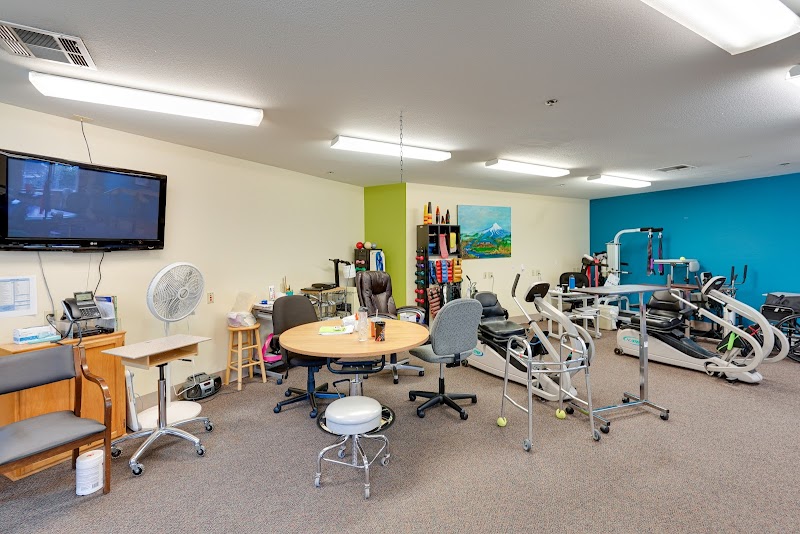
Who Owns and Operates Royale Gardens Health & Rehabilitation Center?

ROYALE GARDENS HEALTH & REHABILITATION CENTER is owned by a for-profit company. For-profit facilities operate as businesses with obligations to shareholders or private owners. The facility is operated by VOLARE HEALTH, a chain that manages multiple nursing homes. With 145 certified beds and approximately 68 residents (about 47% occupancy), it is a mid-sized facility located in GRANTS PASS, Oregon.
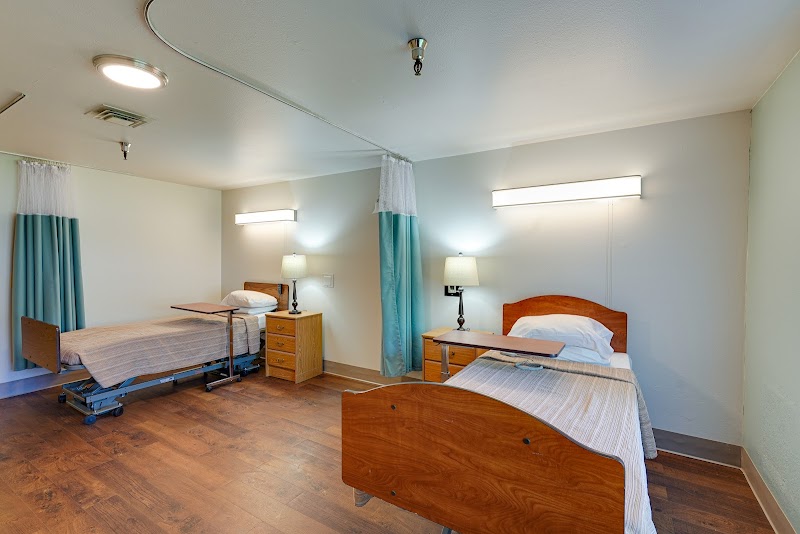
How Does Royale Gardens Health & Rehabilitation Center Compare to Other Oregon Nursing Homes?

Compared to the 100 nursing homes in Oregon, ROYALE GARDENS HEALTH & REHABILITATION CENTER's overall rating (1 stars) is below the state average of 3.0, staff turnover (60%) is significantly higher than the state average of 46%, and health inspection rating (1 stars) is much below the national benchmark.

What Should Families Ask When Visiting Royale Gardens Health & Rehabilitation Center?

Based on this facility's data, families visiting should ask: "What changes have been made since the serious inspection findings, and how are you preventing similar issues?" "What safeguards and monitoring systems are in place to protect residents from abuse or neglect?" "How do you ensure continuity of care given staff turnover, and what is your staff retention strategy?" "Can I visit during a mealtime to observe dining assistance and food quality?" These questions are particularly relevant given the facility's Immediate Jeopardy citations, the substantiated abuse finding on record, and the facility's high staff turnover rate.

Is Royale Gardens Health & Rehabilitation Center Safe?

Based on CMS inspection data, ROYALE GARDENS HEALTH & REHABILITATION CENTER has documented safety concerns. The facility has 1 substantiated abuse finding (meaning confirmed case of resident harm by staff or other residents). Inspectors have issued 1 Immediate Jeopardy citation (the most serious violation level indicating risk of serious injury or death). The facility is currently on the Special Focus Facility watch list (a federal program monitoring the lowest-performing 1% of nursing homes nationwide). The facility has a 1-star overall rating and ranks #100 of 100 nursing homes in Oregon. Families considering this facility should ask detailed questions about what corrective actions have been taken since these incidents.

Do Nurses at Royale Gardens Health & Rehabilitation Center Stick Around?

Staff turnover at ROYALE GARDENS HEALTH & REHABILITATION CENTER is high. At 60%, the facility is 14 percentage points above the Oregon average of 46%. High turnover means new staff may not know residents' individual needs, medications, or preferences. It can also be disorienting for residents, especially those with dementia who rely on familiar faces. Families should ask: What is causing the turnover? What retention programs are in place? How do you ensure care continuity during staff transitions?

Was Royale Gardens Health & Rehabilitation Center Ever Fined?

ROYALE GARDENS HEALTH & REHABILITATION CENTER has been fined $200,505 across 3 penalty actions. This is 5.7x the Oregon average of $35,084. Fines at this level are uncommon and typically indicate a pattern of serious deficiencies, repeated violations, or failure to correct problems promptly. CMS reserves penalties of this magnitude for facilities that pose significant, documented risk to resident health or safety. Families should request specific documentation of what issues led to these fines and what systemic changes have been implemented.

Is Royale Gardens Health & Rehabilitation Center on Any Federal Watch List?

ROYALE GARDENS HEALTH & REHABILITATION CENTER is currently an SFF Candidate, meaning CMS has identified it as potentially qualifying for the Special Focus Facility watch list. SFF Candidates have a history of serious deficiencies but haven't yet reached the threshold for full SFF designation. The facility is being monitored more closely — if problems continue, it may be added to the official watch list. Families should ask what the facility is doing to address the issues that led to this status.