FAIRLAWN HEALTH AND REHAB OF CASCADIA
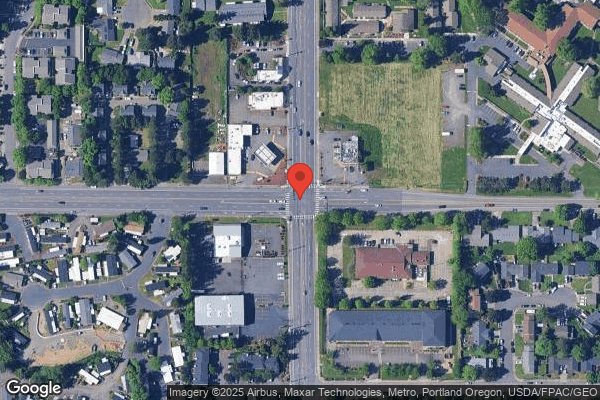
3457 NE DIVISION STREET, GRESHAM, OR 97030 (503) 667-1965
For profit - Corporation 82 Beds CASCADIA HEALTHCARE Data: November 2025
Trust Grade
50/100
#54 of 127 in OR
Last Inspection: December 2024

Within standard 12-15 month inspection cycle. Federal law requires annual inspections.

Overview

Fairlawn Health and Rehab of Cascadia has a Trust Grade of C, which means it is average and falls in the middle of the pack among nursing homes. It ranks #54 out of 127 facilities in Oregon, putting it in the top half, and #13 out of 33 in Multnomah County, indicating only a few local options are better. Unfortunately, the facility is worsening, with issues increasing from 3 in 2023 to 8 in 2024. Staffing is a strength, rated 4 out of 5 stars, with a turnover rate of 47%, slightly below the state average. There have been no fines recorded, which is a positive sign, and the facility has more registered nurse coverage than 80% of other facilities in Oregon, providing better oversight for residents. However, there have been serious incidents, such as a resident missing anticoagulant doses, which led to a stroke and hospitalization. Another resident received diabetic medication despite not having diabetes, resulting in a seizure due to dangerously low blood sugar. Additionally, there were concerns about food safety practices, with kitchen cookware not being properly prepared or stored, which could risk contamination. Overall, while there are some strengths, the increasing number of issues and serious incidents should be carefully considered by families looking for care options.

Trust Score
C
50/100
In Oregon
#54/127
Top 42%
Safety Record
Moderate
Needs review
Inspections
Getting Worse
3 → 8 violations
Staff Stability
⚠ Watch
47% turnover. Above average. Higher turnover means staff may not know residents' routines.
Penalties
✓ Good
No fines on record. Clean compliance history, better than most Oregon facilities.
Skilled Nurses
✓ Good
Each resident gets 48 minutes of Registered Nurse (RN) attention daily — more than average for Oregon. RNs are trained to catch health problems early.
Violations
⚠ Watch
27 deficiencies on record. Higher than average. Multiple issues found across inspections.
★★★☆☆
3.0
Overall Rating
★★★★☆
4.0
Staff Levels
★★★☆☆
3.0
Care Quality
★★★☆☆
3.0
Inspection Score
Stable
2023: 3 issues
2024: 8 issues

The Good

  • 4-Star Staffing Rating · Above-average nurse staffing levels
  • Full Sprinkler Coverage · Fire safety systems throughout facility
  • No fines on record

Facility shows strength in staffing levels, fire safety.

The Bad

3-Star Overall Rating

Near Oregon average (3.0)

Meets federal standards, typical of most facilities

Staff Turnover: 47%

Near Oregon avg (46%)

Higher turnover may affect care consistency

Chain: CASCADIA HEALTHCARE

Part of a multi-facility chain

Ask about local staffing decisions and management

The Ugly 27 deficiencies on record

2 actual harm
Dec 2024 5 deficiencies
CONCERN (D)

Potential for Harm - no one hurt, but risky conditions existed

Safe Environment (Tag F0584)

Could have caused harm · This affected 1 resident

**NOTE- TERMS IN BRACKETS HAVE BEEN EDITED TO PROTECT CONFIDENTIALITY** Based on observation and interview it was determined the facility failed to ensure a homelike environment for 1 of 2 resident ro...

Read full inspector narrative →
**NOTE- TERMS IN BRACKETS HAVE BEEN EDITED TO PROTECT CONFIDENTIALITY** Based on observation and interview it was determined the facility failed to ensure a homelike environment for 1 of 2 resident rooms (room [ROOM NUMBER]) reviewed for environment. This placed residents at risk for a lessened quality of life. Findings include: An observation on 12/2/24 at 9:56 AM revealed the cloth recliner chair in room [ROOM NUMBER] was stained with an unknown brown dried residue on the seat of the chair and on the arm rests. On 12/4/24 at 2:14 PM Staff 10 (CNA) stated the chair in room [ROOM NUMBER] was filthy and did not have a cleanable surface. On 12/4/24 at 2:23 PM Staff 3 (Infection Preventionist) stated the chair was very dirty and did not have a cleanable surface. On 12/6/24 at 12:54 PM Staff 12 (Housekeeping) stated she had a monthly cleaning schedule for resident recliners but did not clean the one in room [ROOM NUMBER] because it was cloth. On 12/6/24 at 2:20 PM Staff 1 (Administrator) confirmed the chair was dirty and had a bad odor.
CONCERN (D) 📢 Someone Reported This

A family member, employee, or ombudsman was alarmed enough to file a formal complaint

Potential for Harm - no one hurt, but risky conditions existed

Deficiency F0660 (Tag F0660)

Could have caused harm · This affected 1 resident

**NOTE- TERMS IN BRACKETS HAVE BEEN EDITED TO PROTECT CONFIDENTIALITY** Based on interview and record review it was determined the facility failed to ensure a safe discharge for 1 of 2 sampled residen...

Read full inspector narrative →
**NOTE- TERMS IN BRACKETS HAVE BEEN EDITED TO PROTECT CONFIDENTIALITY** Based on interview and record review it was determined the facility failed to ensure a safe discharge for 1 of 2 sampled residents (#210) reviewed for safe discharges. This placed residents at risk for unmet care needs. Findings include: Resident 210 was admitted to the facility in 7/2024 with diagnoses including periprosthetic fracture around other internal prosthetic joint (a bone fracture that occurs near or around a joint replacement implant). Resident 210's 7/31/24 St. Louis University Mental Status Examination (SLUMS) score indicated the resident experienced dementia. Resident 210's 9/5/24 Discharge MDS Assessment revealed the resident was cognitively intact, had an indwelling catheter, was occasionally incontinent of urine, required setup or clean-up assistance with showering and to put on or take off foot wear and required supervision or touch assistance with car transfers and to go up or down a curb or one step. Resident 210's 9/5/24 Physician Orders directed the resident to receive hydralazine (a medication used to treat high blood pressure) three times daily. The medication was to be held for a systolic (the highest pressure in your arteries when your heart beats) blood pressure less than 110. A review of Resident 210's 9/2024 Progress Notes revealed the following: -A 9/2/24 Progress Note revealed Resident 210 continued to experience episodes of dizziness, unstable blood pressures and urine retention. -A 9/3/24 Physician Order directed the resident to be straight catheterized (a procedure that involves inserting a straight catheter into the urethra to drain the bladder) if her/his post void residual (PVR, the amount of urine left in the bladder after urinating) was more than 300 ml every six hours. If the resident continued to have greater than 300 ml PVR, the resident was to be straight catheterized again. If she/he was straight catheterized three times, a foley catheter (a medical device that helps drain urine from the bladder) was to be inserted. If she/he refused the foley catheter, the resident was to be sent to the emergency department. -A 9/3/24 Skilled Charting Note revealed the resident was concerned about her/his ongoing urine retention and decided the safest thing would be to discharge home with a foley catheter. -A 9/3/24 Social Service Note indicated Resident 210 wanted to discharge on [DATE]. -A 9/5/24 Social Service Note written at 1:28 PM indicated Witness 2 (Family Member) was called per Resident 20's request to notify Witness 2 of her/his discharge. -A 9/5/24 Health Status Note written at 4:15 PM indicated Resident 210 had a foley catheter re-inserted STAT (immediately) prior to her/his discharge from the facility. Resident 210's 9/5/24 Utilization Review Physical Therapy Progress Section revealed the resident lived with family in a one story home with three steps to enter. The resident required a front wheel walker and supervision with transfers. The Discharge Plan Section indicated the discharge plan was for the resident to go home with Witness 2 and with home health but home health had not been ordered. Resident 210's 9/5/24 Planned Discharge Summary revealed the resident discharged from the facility on 9/5/24 at 2:00 PM, went home as planned and was accompanied home by the driver of a transportation company, needed assistance with lower extremity dressing, personal hygiene and with stairs and was moderately independent for making decisions. In the section of the summary entitled Resident Education Materials Provided, there was no check in the boxes for catheter care or monitor blood pressure. Resident 210's 9/5/24 Physician Discharge Summary indicated the resident discharged home with family on 9/5/24 at 2:06 PM. No evidence was found in Resident 210's clinical record to indicate she/he was could independently administer her/his medications or provide her/his own catheter care, the resident was safe to be alone when she/he experienced on-going episodes of dizziness, the resident's family was notified of her/his discharge from the facility prior to her/his day of discharge, confirmation a family member would be at the resident's house to assist the resident with the stairs or care as needed on the day she/he discharged from the facility or that a family member had received instructions on the resident's medications or catheter care. On 12/5/24 at 11:04 AM Resident 210 stated she/he informed the facility she/he intended to discharge from the facility on 9/5/24 weeks in advance of her/his discharge. Resident 210 stated on her/his day of discharge, everyone was running around to get paperwork done at the last minute. Resident 210 stated she/he did not recall reviewing her/his medication list at the time of discharge or care for her/his catheter. On 12/5/24 at 12:15 PM Witness 2 stated Resident 210's discharge from the facility was really confusing and sad and there was no communication regarding a plan to discharge. Witness 2 stated she was initially informed of Resident 210's discharge from the facility on 9/5/24, just two hours prior to when Resident 210 was anticipated to arrive home. Witness 2 stated when she was informed of the discharge, she told the facility she was out of town and did not know if she would be home at the time Resident 210 arrived. Witness 2 stated she was informed at this time that the resident would be returning home with a foley catheter in place and she had not been trained on the care of a foley catheter. Witness 2 stated she was not informed of what medications the resident was discharged with prior to her/his discharge or if she/he had the necessary supplies for her/his catheter. Witness 2 stated the medication card that contained the resident's blood pressure medication did not match the orders the facility sent home with the resident, and when Resident 210's blood pressure dropped, she/he was not cognitively with it. Witness 2 further stated home health was not set up at the time of Resident 210's discharge, and it was the facility's responsibility to make sure we had the resources available when the resident returned home since we live in a small community where access to resources was limited and home health services were over an hour away. On 12/5/24 at 1:48 PM Staff 13 (CNA) stated Resident 210 was confused and forgetful mostly daily. Staff 13 stated Resident 210 could not independently complete her/his own catheter care at the time of her/his discharge. On 12/6/24 at 11:26 AM Staff 15 (RNCM) stated family was to be notified of a discharge three days ahead of time and throughout the stay. Staff 15 stated residents with a foley catheter required education on catheter care and nurses should document resident abilities in the progress notes. Staff 15 stated residents with medication parameters, such as holding a medication dependent on a blood pressure reading, would need to be trained to take their blood pressure. Staff 15 stated if a resident was determined to discharge home with family, a family member would have to be present when going through all of the patient's medications and she would expect a family member present for catheter care instructions as well. Staff 15 stated Resident 210 had a foley catheter placed the day she/he discharged from the facility because the resident could not straight catheterize on [her/his] own. Staff 15 stated Resident 210 experienced intermittent dizziness, the resident's blood pressure was kind of elevated and staff worked with the resident's provider to change her/his cardiac medication to see what would work. Staff 15 stated the plan was for Resident 210 to discharge home with Witness 2 as the resident required assistance with her/his catheter, needed assistance with transfers for safety reasons and was unable to care for her/himself when dizzy. Staff 15 stated Resident 210's foley catheter was placed at the last minute and the family would have needed some kind of training. Staff 15 reviewed Resident 210's clinical record and confirmed there was no documentation to indicate the family was informed of her/his discharge from the facility prior to her/his date of discharge or that the family was provided any education regarding care of the resident's catheter or medication administration. On 12/6/24 at 12:08 PM Staff 5 (Social Services) stated she was aware of Resident 210's plan to discharge a couple of days prior to her/his actual discharge from the facility on 9/5/24. Staff 5 stated she thought she tried to call Witness 2 to inform her of the resident's discharge on [DATE] but she did not connect with Witness 2 or leave her a voicemail. Staff 5 stated she spoke with Witness 2 on 9/5/24 about the resident's discharge and was told Witness 2 may not be home when the resident arrived. On 12/6/24 at 1:26 PM Staff 16 (Physical Therapy Assistant) stated Resident 210 lived with family way far away. Staff 16 stated Resident 210 needed supervision to do the steps at home and needed someone to always be with [her/him] at home. On 12/6/24 at 2:22 PM Staff 1 (Administrator) and Staff 2 (DNS) acknowledged the findings and Staff 2 stated more training and documentation was needed.
CONCERN (D)

Potential for Harm - no one hurt, but risky conditions existed

Accident Prevention (Tag F0689)

Could have caused harm · This affected 1 resident

**NOTE- TERMS IN BRACKETS HAVE BEEN EDITED TO PROTECT CONFIDENTIALITY** Based on observation, interview and record review it was determined the facility failed to ensure safety interventions for fall ...

Read full inspector narrative →
**NOTE- TERMS IN BRACKETS HAVE BEEN EDITED TO PROTECT CONFIDENTIALITY** Based on observation, interview and record review it was determined the facility failed to ensure safety interventions for fall prevention were followed for 1 of 4 residents (#26) reviewed for accidents. This placed residents at risk for accidents. Findings include: Resident 26 was admitted to the facility on [DATE] with diagnoses including age-related osteoporosis with a current pathological fracture of her/his left femur (a chronic disease that causes bones to become brittle and porous, and a broken upper-leg bone) and severe vascular dementia with agitation (problems with reasoning, planning, judgment, memory and other thought processes caused by brain damage from impaired blood flow to the brain). A review of Resident 26's 9/30/24 Quarterly MDS Assessment revealed she/he had severe cognitive impairment. Resident 26's 9/30/24 Quarterly Fall Risk Assessment indicated she/he was at risk for falls related to her/his incontinence, impaired cognition and impaired functional mobility. A review of Resident 26's care plan revealed she/he had a low bed and it was to be against the wall and in the lowest position with a fall mat at her/his bedside to minimize her/his risk of injuries from falls. On 12/3/24 at 10:01 AM Resident 26 was observed to be in bed with a fall mat at her/his bedside. Her/his bed was elevated to a level for transfers and was not in the low position. There were no caregivers in her/his room. On 12/5/24 at 9:24 AM Resident 26 was observed to be in bed, awake and watching television with the head of the bed elevated to approximately 30 degrees. There was a fall mat on the floor beside the bed and the bed was elevated to a height appropriate for wheelchair transfers. The bed was not in the low position and there were no caregivers in the room. On 12/5/24 9:59 AM Staff 13 (CNA) stated Resident 26 was part of the facility's Falling Star program which indicated staff were to look inside Resident 26's room whenever they passed it to make sure she/he had not fallen, there was a fall mat at her/his bedside and her/his bed was in the lowest position. Staff 13 confirmed Resident 26 was in her/his bed and the bed was in wheelchair transfer height. Staff 13 stated Resident 26's bed should be in the lowest position when she/he was in it. On 12/5/24 at 11:23 AM Staff 15 (RN) stated Resident 26 was assessed to be at risk for falls and had a history of falls. She stated she expected CNAs to follow Resident 26's care plan for her/his safety. On 12/6/24 at 10:28 AM Staff 3 (LPN / Infection Preventionist) stated Resident 26 often sat in bed with her/his legs dangling over the edge and it made us nervous. He added this was one of the reasons for Resident 26's fall prevention interventions. On 12/06/24 at 2:23 PM Staff 1 (Administrator) stated she expected staff to follow care planned interventions because Resident 26 was at risk for falls.
CONCERN (D)

Potential for Harm - no one hurt, but risky conditions existed

Incontinence Care (Tag F0690)

Could have caused harm · This affected 1 resident

Based on observation, interview and record review it was determined the facility failed to follow catheter care orders for 1 of 1 resident (# 53) reviewed for catheter care. This placed residents at r...

Read full inspector narrative →
Based on observation, interview and record review it was determined the facility failed to follow catheter care orders for 1 of 1 resident (# 53) reviewed for catheter care. This placed residents at risk for unmet care needs. Findings include: Resident 53 was initially admitted to the facility in 10/2024 with diagnoses including urine retention (difficulty urinating) with the use of a Foley catheter to remove urine from the bladder. A 10/3/24 BIMS indicated Resident 53 had normal cognitive function. A 12/3/24 Neurosurgery Postoperative Visit note included instructions for Resident 53's Foley catheter to be changed after she/he returned to the nursing facility. A 12/3/24 physician order stated the following: Change Foley ASAP, was not changed during hospitalization. On 12/4/24 at 9:53 AM Resident 53 stated she/he returned to the facility after a surgical procedure at the hospital and had orders to have her/his catheter changed immediately. Resident 53 stated her/his Foley catheter was not changed on 12/3/24. On 12/5/24 at 9:50 AM Resident stated her/his Foley catheter was not changed on 12/4/24. Review of the 12/2024 TAR on 12/5/24 revealed Resident 53's Foley catheter change was not completed on 12/3 or 12/4. On 12/5/24 at 10:28 AM Staff 20 (RCM/LPN) stated Resident 53's catheter should have been changed as soon as possible and confirmed that change was not performed as ordered on 12/3/24 or 12/4/24. On 12/5/24 at 11:13 AM Staff 18 (RN) stated she provided care to Resident 53 on 12/3/24 and confirmed she did not change Resident 53's Foley catheter. Staff 18 stated she intended to contact Resident 53's physician for clarification of catheter change orders, but did not contact the physician. On 12/5/24 at 12:03 PM Staff 19 (LPN) stated she provided care to Resident 53 on 12/4/24 and confirmed the Foley catheter change was not completed because she ran out of time. On 12/5/24 at 11:37 AM Staff 2 (DNS) confirmed Resident 53's catheter was not changed as ordered.
CONCERN (E)

Potential for Harm - no one hurt, but risky conditions existed

Food Safety (Tag F0812)

Could have caused harm · This affected multiple residents

Based on observation, interview and record review it was determined the facility failed to ensure food and beverages were labeled and stored in a manner to minimize spoilage and cross contamination fo...

Read full inspector narrative →
Based on observation, interview and record review it was determined the facility failed to ensure food and beverages were labeled and stored in a manner to minimize spoilage and cross contamination for 1 of 1 kitchen reviewed for sanitary conditions. This placed residents at risk for foodborne illness. Findings include: 1. The facility's 4/2018 Food Storage: Cold Foods Policy Statement specified, All foods will be stored wrapped or in covered containers, labeled and dated, and arranged in a manner to prevent cross contamination. The facility's 9/2017 Food Storage: Dry Goods Policy Statement specified, All packaged and canned food items will be kept clean, dry, and properly sealed. On 12/2/24 at 9:43 AM during the initial tour of the facility's kitchen, the following was observed: -Three trays of unlabeled and undated cups of milk and juice on the top shelves of the middle and right refrigerators in the food preparation area; -An uncovered and unlabeled large plastic bin of dry oat cereal sitting on the top shelf of a wheeled cart in the dry storage room; -An opened and undated five-pound plastic tub of peanut butter with peanut butter smeared on the top and edge of the lid and on the sides of the tub on the top shelf of a wheeled cart in the dry storage room. The tub was slick and unclean; -An opened and undated bag of salad greens on the top shelf of the refrigerator in the dry storage room; and -A plastic bin containing four eggs, one with a broken shell, on the bottom shelf of the refrigerator in the dry storage room. On 12/2/24 at 9:55 AM Staff 14 (Dietary Manager) stated the lettuce shouldn't be left open as it was observed. She added, It needs to be closed up and wrapped with plastic and labeled with a date. She acknowledged the cracked shell and stated she expected staff to throw out any eggs with broken shells. She added, The peanut butter is definitely not clean like that. It should be wiped down during the process if it gets messy. Staff 14 also stated the bin of oat cereal should was not be uncovered in dry storage storage. She expected the bin to be emptied and taken to the dishwashing station rather than left uncovered in the dry storage room. 2. The facility's 9/2017 Equipment Policy Statement specified, All non-food contact equipment will be clean and free of debris On 12/2/24 at 10:06 AM the gaskets on the interiors of the refrigerator doors were observed to be grimey with solid and liquid food debris collected in the plastic flanges. The gaskets were observed to be pulling away from doors which created an incomplete seal. Staff 14 (Dietary Manager) stated she cleaned the gaskets regularly but they got dirty again because they are old and they don't close well. Stuff drops from above. Staff 14 stated she expected her staff to keep it clean because It shouldn't be like this. Staff 14 stated the facility needed a new refridgerator. 3. On 12/2/24 at 10:07 AM the kitchen was observed to have multiple dirty in-floor drains. The drain opposite the food preparation and steam table area had black grime caked around the inset grate. The drain adjacent to the ice machine was also observed to be caked with so much black grime it was not possible to see the inset grate. Additionally, food debris and other kitchen waste was observed on the floor adjacent to the drain next to the ice machine. Staff 14 (Dietary Manager) confirmed these observations and stated the drains were dirty and needed to be cleaned. On 12/6/24 at 2:14 PM Staff 1 (Administrator) acknowledged these findings and stated she expected the kitchen staff to keep the kitchen clean and sanitary and items should be covered, labeled and dated to prevent spoilage and cross-contamination.
Nov 2024 2 deficiencies
CONCERN (D) 📢 Someone Reported This

A family member, employee, or ombudsman was alarmed enough to file a formal complaint

Potential for Harm - no one hurt, but risky conditions existed

Deficiency F0661 (Tag F0661)

Could have caused harm · This affected 1 resident

Based on interview and record review it was determined the facility failed to complete a discharge summary for 1 of 3 sampled residents (#1) reviewed for discharge. This placed residents at risk for u...

Read full inspector narrative →
Based on interview and record review it was determined the facility failed to complete a discharge summary for 1 of 3 sampled residents (#1) reviewed for discharge. This placed residents at risk for unmet discharge needs. Findings include: Resident 1 admitted to the facility on 8/2023 with diagnoses including malnutrition. Resident 1's care plan, revised 9/29/23, revealed she/he planned to discharge home and the facility would make referrals for home health, physical and occupational therapy, and other medically related services. On 11/18/24 at 11:05 AM, Staff 4 (Social Services Director) stated she was responsible for resident discharges. She stated she made community referrals including home health, faxed physician orders to community providers and completed discharge summaries as part of the discharge process. She confirmed Resident 1 did not have a discharge summary in her/his clinical record in 2023. On 11/19/24 at 10:16 AM, Witness 1 (Home Health Staff) stated she attended a care conference a couple of days before Resident 1 discharged last year. The facility agreed they would make referrals for home health and send the necessary paperwork to the home health agency. Witness 1 stated she made multiple phone calls to Staff 3 (Previous SSD) requesting physician orders and instructions but did not receive a return call from anyone at the facility. Resident 1's clinical record was reviewed and did not include a discharge summary. Progress notes revealed she/he discharged home on 9/17/23. Staff 3 was no longer working at the facility and unable to be interviewed. On 11/21/24 at 3:30 PM, Staff 1 (Administrator) was informed of the investigative findings and provided no additional information.
CONCERN (D) 📢 Someone Reported This

A family member, employee, or ombudsman was alarmed enough to file a formal complaint

Potential for Harm - no one hurt, but risky conditions existed

Quality of Care (Tag F0684)

Could have caused harm · This affected 1 resident

**NOTE- TERMS IN BRACKETS HAVE BEEN EDITED TO PROTECT CONFIDENTIALITY** Based on interview and record review it was determined the facility failed to follow physician orders for 2 of 3 sampled residen...

Read full inspector narrative →
**NOTE- TERMS IN BRACKETS HAVE BEEN EDITED TO PROTECT CONFIDENTIALITY** Based on interview and record review it was determined the facility failed to follow physician orders for 2 of 3 sampled residents (#s 3 and 4) reviewed for bowel care. This placed other residents at risk for bowel complications. Findings include: On 3/31/24, the Past Noncompliance was corrected when the facility implemented an updated bowel protocol, which included: -Bowel protocol binders are located at each nursing station; -New bowel forms were created for every resident and reviewed daily; -Residents with no documented bowel movement after 72 hours were added to the list, monitored and followed up by nursing staff; -Staff in-serviced on the facility's bowel protocol. -Interviews conducted with nursing staff and confirmed bowel protocol was in place. 1. Resident 3 admitted to the facility in 9/2023, with diagnoses including atrial fibrillation and constipation. Resident 3's physician orders dated 9/28/23 indicated she/he was to be administered bowel medications daily. The bowel protocol on the resident's orders and 10/2023 MAR indicated the following steps were to be taken: -Step 1-Administer 17 grams of Polyethylene Glycol Powder every 48 hours for no bowel movement in two days. -Step 2-Administer Bisacodyl suppository every 72 hours for no bowel movement in three days. If resident refused the suppository, administer two Bisacodyl tablets every 72 hours. -Step 3-Administer a Fleet Mineral Oil enema for no bowel movement in four days. -Step 4-Administer Lactulose Solution, 30 ml every 8 hours as needed if unrelieved by bowel protocols. Resident 3's bowel logs for 10/2023 revealed no bowel movement from 10/22/23 through 10/31/23. Resident 3's 10/2023 MAR revealed she/he was given the following bowel medications and results: -10/25/23 (three days after no bowel movement): Polyethylene Glycol Powder: Results - ineffective -10/25/23: Bisacodyl tablets (3 days after no bowel movement): Results - ineffective -10/30/23: Bisacodyl Suppository (8 days after no bowel movement): Results - ineffective -10/31/23: Fleet Mineral Oil enema (9 days after no bowel movement): Results - ineffective -10/31/23: Lactulose Solution (9 days after no bowel movement): Results - unknown A nursing note dated 11/1/23 stated CMA informed LN that patient is going on day 11 of no BM. Enema was given yesterday with no results. LN performed bowel assessment, abdomen soft and round, bowel tones in all four quadrants. Denies nausea or vomiting, denies any pain, eating and drinking well. Provider aware of lack of bowel movement, per verbal from provider scheduled 30 ml of Lactulose q 8 hrs until BM. Orders updated. Resident 3's 11/2023 bowel log revealed she/he had a large bowel movement on 11/3/23. Resident 3 was not interviewed due to discharging from the facility. On 11/21/24 at 1:08 PM, Staff 2 (DNS) confirmed the resident's bowel protocol was not followed. 2. Resident 4 admitted to the facility in 10/2023 with diagnoses including stroke. Resident 4's physician orders dated 10/20/23 indicated she/he was to be administered bowel medications daily. The bowel protocol on the resident's orders and her/his 10/2023 MAR indicated the following steps were to be taken: -Step 1-Administer 17 grams of Polyethylene Glycol Powder every 48 hours for no bowel movement in two days. -Step 2-Administer Bisacodyl suppository every 72 hours for no bowel movement in three days. If resident refused the suppository, administer two Bisacodyl tablets every 72 hours. -Step 3-Administer a Fleet Mineral Oil enema for no bowel movement in four days. -Step 4-Administer Lactulose Solution, 30 ml every 8 hours as needed if unrelieved by bowel protocols. Resident 4's Nursing admission assessment dated [DATE] revealed no bowel movement since 10/18/23, when she/he was hospitalized . Resident 4's bowel logs revealed no bowel movement from 10/20/23 through 10/23/23. Resident 4's 10/2023 MAR revealed she/he was not given Polyethylene Glycol Powder from 10/20/23 through 10/23/23 and was not given a Bisacodyl suppository until 10/24/23, six days after her/his last bowel movement. The MAR indicated the suppository administered 10/24/23 was effective. Resident 4 was no longer in the facility and was unable to be interviewed. On 11/21/24 at 3:30 PM, Staff 1 (Administrator) and Staff 2 (DNS) were informed of the investigative findings and provided no additional information.
May 2024 1 deficiency
CONCERN (D) 📢 Someone Reported This

A family member, employee, or ombudsman was alarmed enough to file a formal complaint

Potential for Harm - no one hurt, but risky conditions existed

Quality of Care (Tag F0684)

Could have caused harm · This affected 1 resident

Based on interview and record review it was determined the facility failed to follow physician orders for medication administration for 1 of 3 residents (# 501) reviewed for medication administration ...

Read full inspector narrative →
Based on interview and record review it was determined the facility failed to follow physician orders for medication administration for 1 of 3 residents (# 501) reviewed for medication administration timeliness. This placed residents at risk for reduced medication efficacy and adverse medication side effects. Findings include: Resident 501 was admitted to the facility in 9/2023 with diagnoses including a urinary tract infection (UTI). Physician Orders from 10/2023 included orders for the following medications to be administered at 7:15 AM: - Polyethylene Glycol Power - Give 17 grams in the morning for bowel care. - Potassium Chloride ER - Give half a tablet by mouth in the morning for supplement. - Torsemide 100 mg - Give one tablet by mouth in the morning for heart health. - Cipro 500 mg - Give one tablet by mouth twice a day for UTI for 10 days. (Started 10/10/23). - Nitrofurantoin Macrocrystal 100 mg - Give one capsule by mouth in the morning for UTI prevention. (Started 10/20/23). Review of a 10/2023 Medication Admin Audit Report revealed the following delays in medication administration: - 10/5/23 - Administered at 9:48 AM - 10/7/23 - Administered at 10:54 AM - 10/13/23 - Administered at 9:18 AM - 10/20/23 - Administered at 11:03 AM - 10/21/23 - Administered at 10:11 AM - 10/27/23 - Administered at 9:52 AM - 10/28/23 - Administered at 8:51 AM On 5/23/34 at 2:35 PM Staff 1 (Administrator) stated the administration for medications had a two hour window, which meant medications ordered to be administered at 7:15 AM could be administered between 6:15 AM and 8:15 AM. Staff 1 confirmed Resident 501 received her/his medications outside of this timeframe on the dates listed above.
Oct 2023 1 deficiency
CONCERN (D) 📢 Someone Reported This

A family member, employee, or ombudsman was alarmed enough to file a formal complaint

Potential for Harm - no one hurt, but risky conditions existed

Deficiency F0760 (Tag F0760)

Could have caused harm · This affected 1 resident

Based on interview and record review it was determined the facility failed to administer Warfin (blood thinner) as ordered which resulted in a significant medication error for 1 of 3 sampled residents...

Read full inspector narrative →
Based on interview and record review it was determined the facility failed to administer Warfin (blood thinner) as ordered which resulted in a significant medication error for 1 of 3 sampled residents (#1) reviewed for medication administration. The placed the resident at risk for adverse side effects of medications. Findings include: Resident 1 was admitted to the facility in 2023 with diagnoses including heart failure, chronic kidney failure, and atrial fibrillation. Resident 1's admission MDS identified Resident 1 with a BIMS score of 13 out of 15 which indicated no cognitive impairment. Resident 1's signed Physician Order's revealed Resident 1 was ordered Warfin 2.5 mg by mouth every Monday, Friday, Saturday, and Sunday at bedtime to treat Resident 1's diagnosis of Atrial Fibrillation. A 9/4/23 Incident Note revealed Staff 7 identified and documented that Resident 1 missed 3 doses of Warfin on Friday, 9/1/23, Saturday, 9/2/23 and Sunday 9/3/23. The 9/2023 MAR revealed on Friday 9/1/23, Saturday 9/2/23, and Sunday 9/3/23, Resident 1 was not administered Warfin as prescribed by the provider. On 10/16/23 at 12:47 PM Staff 7 (LPN) acknowledged Resident 1 missed 3 doses of her/his prescribed Warfin order and was required to receive a new medication order as a result. On 10/18/23 at 10:30 AM Staff 1 (Administrator) and Staff 2 (DNS) confirmed findings and provided no additional information.
Aug 2023 1 deficiency
CONCERN (D) 📢 Someone Reported This

A family member, employee, or ombudsman was alarmed enough to file a formal complaint

Potential for Harm - no one hurt, but risky conditions existed

Quality of Care (Tag F0684)

Could have caused harm · This affected 1 resident

**NOTE- TERMS IN BRACKETS HAVE BEEN EDITED TO PROTECT CONFIDENTIALITY** Based on interview and record review it was determined the facility failed to follow physician orders for 1 of 3 sampled residen...

Read full inspector narrative →
**NOTE- TERMS IN BRACKETS HAVE BEEN EDITED TO PROTECT CONFIDENTIALITY** Based on interview and record review it was determined the facility failed to follow physician orders for 1 of 3 sampled residents (#1) reviewed for respiratory care and bowel care. This placed other residents at risk for unmet needs. Findings include: Resident 1 admitted to the facility in 7/2023 with diagnoses including congestive heart failure, emphysema and muscle weakness related to falls. a. Resident 1's 7/17/23 care plan interventions for her/his respiratory symptoms included wearing a CPAP/BIPAP (a machine that regulates lung airflow and helps with breathing) while sleeping. Physician Orders dated 7/18/23 instructed Resident 1 use a BIPAP one time a day related to sleep apnea. Nursing assessments and notes revealed Resident 1 had a history of hypercapnia (high levels of carbon dioxide in the blood) and had not consistently used her/his CPAP while living at home. Nursing notes dated 8/19/23, 8/20/23 and 8/21/23 revealed the CPAP machine's tubing was missing after she/he moved rooms. There was no documentation until 8/21/23 the facility attempted to replace the tubing. A nursing note revealed on 8/22/23 at 3:06 AM Resident 1 was lethargic and would not wake up with verbal or physical stimuli. The on call physician was notified and the resident was sent to the ED and was found to be hypercapnic. Resident 1 was not interviewed due to discharging from the facility. On 8/29/23 at 11:45 AM, Staff 3 (RCM) confirmed the CPAP tubing was missing from 8/19/23 until Resident 1 was hospitalized on [DATE]. b. The facility's bowel care protocol was to administer laxatives to residents after two days of no bowel movement. Resident 1's physician orders followed this protocol. Resident 1's 7/2023 and 8/2023 bowel records revealed she/he had no bowel movements from 7/19/23 through 7/24/23 and from 8/4/23 through 8/7/23. The 7/2023 MAR revealed no Bisacodly (laxative) was administered to Resident 1 until 7/23/23, four days after her/his last bowel movement. The 8/2023 MAR revealed no Bisacodly was administered until 8/7/23, three days after her/his last bowel movement. On 8/29/23 at 11:45 AM, Staff 3 (RCM) confirmed the facility did not follow the bowel protocol.
Jan 2023 1 deficiency 1 Harm
SERIOUS (G) 📢 Someone Reported This

A family member, employee, or ombudsman was alarmed enough to file a formal complaint

Actual Harm - a resident was hurt due to facility failures

Quality of Care (Tag F0684)

A resident was harmed · This affected 1 resident

**NOTE- TERMS IN BRACKETS HAVE BEEN EDITED TO PROTECT CONFIDENTIALITY** 1. Based on interview and record review, it was determined the facility failed to follow physician orders for 1 of 3 (#4) reside...

Read full inspector narrative →
**NOTE- TERMS IN BRACKETS HAVE BEEN EDITED TO PROTECT CONFIDENTIALITY** 1. Based on interview and record review, it was determined the facility failed to follow physician orders for 1 of 3 (#4) residents sampled for physician orders. As a result, Resident 4 missed several doses of an anticoagulant (medication that prevents blood clots, which if not controlled could lead to heart attack or stroke), experienced a stroke and was hospitalized . The facility identified the noncompliance, immediately initiated a plan of correction, initiated in service training for staff providing services and care to residents with similar orders and completed audits to ensure resident safety. This incident was identified as meeting the criteria for past noncompliance. Findings include: Resident 4 admitted to the facility on [DATE] with diagnoses including atrial fibrillation (a medical condition which causes the heart to beat too quickly) and congestive heart failure. Resident 4's 5 Day MDS assessment dated [DATE] revealed a BIMS score of 14 which indicated no cognitive impairment. Resident 4's care plan dated 10/14/22 indicated Resident 4 was prescribed an anticoagulant medication related to atrial fibrillation. The facility submitted a FRI on 10/21/22 which revealed Resident 4 had missed several scheduled doses of the anticoagulant due to an INR (International Normalized Ratio, a blood test that measured blood clotting, which determined how often blood thinners were administered) coding error in her/his TAR. As a result, Resident 4 experienced a stroke on 10/18/22 and required hospitalization. The facility's investigation summary dated 10/24/22 and updated 10/26/22 revealed the following: Staff 5 (Former RN) stated she completed an INR check on Resident 4 on 10/11/22 and the result was 4.5 (a high count that could result in excessive bleeding). Staff 5 notified the physician who ordered the anticoagulant be held for two days and to recheck the INR on 10/15/22. Staff 5 stated while typing in the order she did not change the order type to lab which would have resulted in the order populating into the TAR and the order type was left as other, which did not populate into the TAR. On 10/17/22, Staff 4 (RN) discovered the resident's INR check was not completed as ordered on 10/15/22. Staff 4 completed the lab which resulted in a low INR count (which indicated the blood had clotted and possibly caused a stroke). Staff 4 notified the physician, who ordered the anticoagulant be resumed. On 10/18/22 at approximately 6:30 PM, Resident 4 was observed to have symptoms of stroke and was sent to the hospital. The facility concluded the deficient practice resulted from the miscoded lab order, which prevented instructions to complete INR's to appear on the TAR. Resident 4's medical chart was reviewed and the 10/2022 MAR revealed she/he did not receive anticoagulants from 10/11/22 through 10/17/22. Physician Orders dated 10/11/22 revealed the anticoagulant was ordered to be held for two days and the next INR check be completed on 10/13/22. No INR checks were completed on 10/13/22 or 10/15/22. Hospital records revealed Resident 4 was admitted to the Emergency Department on 10/18/22 with diagnoses of stroke and aphasia (inability to speak). Staff 5 was not interviewed due to no longer working at the facility. On 1/27/23 at 3:42 PM Staff 4 confirmed the facility's investigative findings and provided no additional information. On 1/30/23 at 10:25 AM Staff 1 (Administrator) and Staff 2 (DNS) were notified of the investigative findings and provided no additional information. The incident met the criteria for past non compliance as follows: 1. The incident indicated non compliance for F684. 2. The non compliance occurred after the exit date of the last standard recertification survey on 1/21/20 and before the date of the current survey, 1/25/22. 3. There was sufficient evidence the facility corrected the non compliance and was in substantial compliance with F684 as evidenced by: -No deficient practice was found at F684 with additional sampled residents. -The deficient practice was identified by the facility and the facility took immediate action to provide one on one counseling with the staff responsible for the coding error, provided in service training to all nursing staff for proper coding of orders and provided signature sheets verifying the nursing staff completed the training by 10/24/22. -Daily audits were immediately implemented to ensure proper entries for orders related to anticoagulant medications with no deficient practice found. 2. Based on interview and record review, it was determined the facility failed to follow manufacturer instructions for heat pack application for 1 of 3 residents (#7) reviewed for wound care. This placed residents at risk for developing wounds. The facility identified the noncompliance, immediately initiated a plan of correction, initiated in service training for staff providing services and care to residents with similar orders and completed audits to ensure resident safety. These incidents were identified as meeting the criteria for past non compliance. Findings include: Resident 7 admitted to the facility in 2017 with diagnoses including Multiple Sclerosis (MS) and quadriplegia. Resident 7's Quarterly MDS dated [DATE] revealed a BIMS score of 15 which indicated no cognitive impairment. Resident 7's care plan dated 10/20/22 revealed she/he had limited physical mobility related to her/his MS diagnosis and was totally dependent on staff for all ADL's. Resident 7 used an adaptive call light pad due to her/his mobility issues and was able to move her/his head to activate the call light. The facility submitted a FRI on 5/14/20 which revealed on 5/12/20 Resident 7 had a blister on her/his right shoulder which was acquired from a heat pack applied to the shoulder on 5/12/20. The resident's physician was notified, the blister was treated and Staff 2 (DNS) reviewed heat pack procedures with all nurses on duty, with in service training implemented for all other nurses to review the procedure. The facility's investigative summary dated 5/21/20 revealed the following: On 5/12/20 at 10:30 AM Staff 7 (Former RN) applied a heat pack to Resident 7's right shoulder. The call light was located on the resident's chest. At approximately 11:00 AM Resident 7 asked Staff 8 (Former CNA) to look at the shoulder area where the heat pack was applied because it hurt. Staff 8 removed the pack and observed the right shoulder area to be red. Later that evening Staff 9 (Former CNA) discovered the blister on Resident 7's right shoulder and notified Staff 18 (Former RN) who examined Resident 7. A blister was treated at the facility and the resident did not have any further complaints of pain. The facility determined the heat pack was not inspected every five minutes per manufacturer's recommendations due to Staff 7's report she was called away to another resident. Nursing notes from 5/13/20 through 5/19/20 revealed the resident was seen by her/his physician, who ordered the heat pack discontinued. Orders were changed to apply topical cream to the resident's shoulder when she/he experienced pain and new protocols were implemented for all residents with orders for heat packs. On 1/26/23 at 11:56 AM Staff 2 confirmed the facility's investigative findings and provided no additional information. The incident met the criteria for past non compliance as follows: 1. The incident indicated non compliance for F684. 2. The non compliance occurred after the exit date of the last standard recertification survey on 1/21/20 and before the date of the current survey, 1/25/22. 3. There was sufficient evidence the facility corrected the non compliance and was in substantial compliance with F684 as evidenced by: -No deficient practice was found at F684 with additional sampled residents. -The deficient practice was identified by the facility and the facility took immediate action to provide one on one counseling with the staff responsible for not checking the heat pack every five minutes, provided in service training to all nursing staff, therapy staff and restorative aides responsible for heat pack application, provided signature sheets verifying the nursing staff completed the training and new protocols for testing water temperatures were implemented which ensured water temperatures were within manufacturer's recommended range. -Audits of all residents with heat pack application orders were reviewed for safety and appropriateness. Orders were discontinued for any resident deemed inappropriate for continued heat pack use.
Jan 2020 14 deficiencies 1 Harm
SERIOUS (G)

Actual Harm - a resident was hurt due to facility failures

Deficiency F0760 (Tag F0760)

A resident was harmed · This affected 1 resident

**NOTE- TERMS IN BRACKETS HAVE BEEN EDITED TO PROTECT CONFIDENTIALITY** Based on interview and record review it was determined the facility failed to ensure residents were free from significant medica...

Read full inspector narrative →
**NOTE- TERMS IN BRACKETS HAVE BEEN EDITED TO PROTECT CONFIDENTIALITY** Based on interview and record review it was determined the facility failed to ensure residents were free from significant medication errors for 1 of 8 sampled residents (#107) reviewed for medications. As a result, Resident 107 received a diabetic medication, she/he did not have a diabetic condition, and experienced seizure activity due to severe hypoglycemia (low blood sugar) with a blood sugar level of 19 upon arrival at the hospital. Resident 107's blood sugar levels did not stabilize and she/he became unresponsive and was transferred to the hospital. Findings include: Resident 107 was admitted to the facility on [DATE] with diagnoses including prostate cancer, heart disease and heart failure. The admission did not include a diagnosis of diabetes and monitoring of blood sugar levels. The 5/13/19 admission MDS assessment revealed Resident 107 had a BIMS score of 10 (moderately impaired cognition). She/he was not coded for a diabetic condition and did not receive diabetic medication. Resident 107's care plan did not include care and supports for a diabetic condition. A 5/29/19 handwritten physician order was signed by Staff 12 (Physician) instructing staff to: - Administer glimepiride (diabetic medication used to control high blood sugar levels) 2 mg by mouth one time a day. There was no clinical indication on the order for the glimepiride medication. A 5/30/19 fax request from the facility to Staff 12 requested a clinical indication for the use of the glimepiride medication and .would you like us to check CBGs? (capillary blood glucose). Nursing staff did not question the order for the gliperimide medication in the absence of a diabetic diagnosis in the admitting hospital records. A 6/1/19 response from Staff 12 revealed the clinical indication for glimepiride as diabetes mellitus. Staff 12 ordered the resident's CBGs to be checked twice a day, once at breakfast and once at dinner. The 5/2019 MAR revealed Resident 107 received the glimepiride on 5/30/19 and 5/31/19. The 6/2019 MAR revealed Resident 107 received the glimepiride on 6/1, 6/2, 6/3 and 6/4/19. Staff checked Resident 107's blood sugars twice a day from 6/1 through 6/3/19. On 6/4/19 the resident's blood sugar levels dropped and her/his blood sugars were not stabilized and documented on the MAR as follows: - 7:00 AM the resident's blood sugar was 49; - 3:00 PM the resident's blood sugar was 55; - 3:24 PM the resident's blood sugar was 40 and insta-glucose was administered - 3:39 PM the resident's blood sugar was 40; - 4:00 PM the resident's blood sugar was 73; - 5:00 PM the resident's blood sugar was 40. On 6/4/19 nursing staff remained in contact with Staff 12 and the monitoring of blood sugar levels were increased. The 6/2019 MAR revealed a physician order for Glucagon Emergency Kit 1 MG, inject 1 mg intramuscularly one time only for low blood sugar for one day which was administered at 2:34 PM. The 6/19/19 hospital discharge summary revealed Resident 107 was admitted to the hospital on [DATE] as a result of having received glimepiride which was mistakenly prescribed while not a diabetic patient. As a result, Resident 107 had seizure like activity and acute encephalopathy (brain disease which alters brain function or structure) from severe hypoglycemia with a blood sugar level of 19. The facility's 6/10/19 investigation revealed Staff 12 indicated he got Resident 107 mixed up with another resident while talking to staff. Staff 19 transcribed the order and did not notify Resident 107's representative about the new diabetic medication. Resident 107 received the glimepiride in error. On 1/15/20 at 9:22 AM Staff 12 acknowledged he ordered Resident 107 to receive the glimepiride but the resident did not have a diabetic diagnosis. He stated it was a busy day and he remembered talking to a staff about a resident who was going to be admitted to the facility with similar issues as Resident 107 when he wrote the order on the wrong resident's order sheet. Staff 12 stated Resident 107 became hypoglycemic as a result of having received the glimepiride medication. On 1/16/20 at 10:51 AM Staff 2 (DNS) confirmed Resident 107 did not have a diabetic diagnosis when she/he admitted to the facility on [DATE]. Staff 2 stated Staff 19 transcribed the 5/29/19 order for the glimepiride medication and Staff 10 (RN) confirmed the order. On 1/17/20 at 6:05 PM Witness 4 (Family) stated Resident 107 did not have diabetes and as a result of being given the diabetic medication experienced a seizure at the hospital and required admission to the ICU. On 1/21/20 at 9:33 AM Witness 5 (Family) stated Resident 107 was not diabetic. He was in the facility on 6/4/19 and stated he observed Resident 107's eyes rolled to the back of her/his head and she/he became unresponsive. Witness 5 indicated he was informed by facility staff glucagon had already been administered. Witness 5 insisted staff call 911 and was told to calm down, it would be fine and we have this under control. Witness 5 was unsure of how long it took for medics to arrive and stated Resident 107 had a short seizure while at the facility and convulsed for about 45 minutes at the hospital.
CONCERN (D)

Potential for Harm - no one hurt, but risky conditions existed

Deficiency F0578 (Tag F0578)

Could have caused harm · This affected 1 resident

Based on record review and interview it was determined the facility failed follow up on advance directives for 1 of 5 sampled residents (#20) reviewed for advanced directives. This placed residents at...

Read full inspector narrative →
Based on record review and interview it was determined the facility failed follow up on advance directives for 1 of 5 sampled residents (#20) reviewed for advanced directives. This placed residents at risk for choices not being honored. Findings include: The 4/2016 Advance Care Planning and Advanced Directive policy revealed Purpose: to provide each resident the opportunity to make decisions regarding future medical care and select a proxy .to define a process to assist residents or families and healthcare decision makers in advanced care planning. Resident 20 was admitted in 10/2012 with diagnoses including dementia. The 2/13/19 Advanced Care Planning note revealed an annual review of the POLST (portable orders for life sustaining treatment) form. The resident was unable to comprehend or discuss her/his POLST and the family was not available for discussion. Will continue with the current POLST. No additional documentation was found or provided by the facility to ensure the resident's representative was offered the opportunity to provide information if Resident 20 had an advanced directive. On 1/17/20 at 2:31 PM Staff 1 (Administrator) stated she expected staff to follow up with the resident's family to find out if Resident 20 had an advanced directive. On 1/17/20 at 2:44 PM Staff 2 (DNS) stated staff communicated with the resident's representative on other occasions and should have followed up to find out if Resident 20 had an advanced directive.
CONCERN (D)

Potential for Harm - no one hurt, but risky conditions existed

Notification of Changes (Tag F0580)

Could have caused harm · This affected 1 resident

**NOTE- TERMS IN BRACKETS HAVE BEEN EDITED TO PROTECT CONFIDENTIALITY** Based on interview and record review it was determined the facility failed to ensure a resident's representative was notified of...

Read full inspector narrative →
**NOTE- TERMS IN BRACKETS HAVE BEEN EDITED TO PROTECT CONFIDENTIALITY** Based on interview and record review it was determined the facility failed to ensure a resident's representative was notified of a new medication and treatment order for 1 of 8 sampled residents (#107) reviewed for medications. This placed residents at risk for being administered medication and treatments for a condition the resident did not have. Findings include: The facility's Medication - Administration, Including Scheduling and Medication Aides policy and procedure revised in 1/2020 revealed The resident and/or legal representative will be notified of new medication orders and the risk/benefit of the medications. All discussions will be documented in the medical record . Resident 107 was admitted to the facility on [DATE] with diagnoses including prostate cancer, heart disease and heart failure. The 5/13/19 admission MDS assessment revealed Resident 107 had a BIMS score of 10 (moderately impaired cognition). She/he was not coded for a diabetic condition and did not receive diabetic medication. Resident 107's care plan did not include care and supports for a diabetic condition. A 5/29/19 handwritten physician order was signed by Staff 12 (Physician) instructing staff to: - Administer glimepiride (diabetic medication used to control high blood sugar levels) 2 mg by mouth one time a day. There was no clinical indication on the order for the glimepiride medication. A 5/29/19 at 6:50 PM progress note written by Staff 19 (Nursing Unit Secretary) revealed Staff 19 notified Resident 107's representative of the glimepiride medication order. A 5/30/19 fax request from the facility to Staff 12 requested a clinical indication for the use of the glimepiride medication and .would you like us to check CBGs? (capillary blood glucose). A 6/1/19 response from Staff 12 revealed the clinical indication for glimepiride as diabetes mellitus. Staff 12 ordered the resident's CBGs to be checked twice a day, once at breakfast and once at dinner. The 5/2019 MAR revealed Resident 107 received the glimepiride on 5/30/19 and 5/31/19. The 6/2019 MAR revealed Resident 107 received the glimepiride on 6/1, 6/2, 6/3 and 6/4/19. Staff checked Resident 107's blood sugars twice a day from 6/1 through 6/3/19. On 6/4/19 the resident's blood sugar began to drop and her/his blood sugar levels were ordered to be checked every two hours. The residents blood sugar levels continued to drop and the order was changed to every hour for monitoring. The facility's 6/10/19 investigation revealed Staff 19 indicated she did not recall notifying the resident's family. After reviewing the facility's call logs administrative staff determined Staff 19 did not notify the resident's family about the new diabetic medication and treatment order to monitor her/his blood sugar levels. On 1/15/20 at 7:26 PM Witness 3 (Family) stated the facility was supposed to contact Resident 107's family for any medication changes and indicated staff did not do so. Witness 3 stated Resident 107 did not have a diabetic diagnosis. On 1/16/19 at 10:51 AM Staff 2 (DNS) confirmed Resident 107's representative was not notified of the glimepiride medication and the treatment order to monitor her/his blood sugar levels. On 1/17/19 at 6:05 PM Witness 4 (Family) stated the facility did not contact him in regards to any changes in medication and treatment. Witness 4 stated Resident 107 did not have a diabetic diagnosis.
CONCERN (D)

Potential for Harm - no one hurt, but risky conditions existed

Comprehensive Assessments (Tag F0636)

Could have caused harm · This affected 1 resident

Based on observation, interview and record review it was determined the facility failed to comprehensively assess the use of an urinary catheter for 1 of 1 sampled resident (#6) reviewed for catheters...

Read full inspector narrative →
Based on observation, interview and record review it was determined the facility failed to comprehensively assess the use of an urinary catheter for 1 of 1 sampled resident (#6) reviewed for catheters. This placed residents at risk for unassessed needs. Findings include: Resident 6 was admitted to the facility in 6/2019 with diagnoses including hypertensive chronic kidney disease. Resident 6 was observed from 1/13/20 at 4:46 PM through 1/15/20 at 4:14 PM with a urine catheter bag and tubing. The Significant Change of Condition MDS Assessment completed 10/1/19 indicated Resident 6 had no use of a urinary catheter. A 10/25/19 Urology note indicated Resident 6 had a catheter placed for incontinence. Record review revealed no ongoing assessment which identified the resident risk and benefits for urinary catheterization, plan for removal when no longer necessary or consideration of complications from the use of an indwelling (tube into bladder) catheter. During an interview on 1/15/20 at 4:15 PM, Staff 3 (RNCM) confirmed Resident 6 had no assessment for the indwelling catheter. Staff 3 stated she expected Resident 6 to have an ongoing assessment for the indwelling catheter. On 1/17/20 at 1:48 PM, Staff 2 (DNS) acknowledged she expected Resident 6 to have an assessment for the indwelling catheter.
CONCERN (D)

Potential for Harm - no one hurt, but risky conditions existed

Comprehensive Care Plan (Tag F0656)

Could have caused harm · This affected 1 resident

3. Resident 56 was admitted to the facility in 9/2016 with diagnoses including dementia. The 9/2018 Care Plan, in use at the time of survey revealed the resident was scheduled to receive fresh fruit o...

Read full inspector narrative →
3. Resident 56 was admitted to the facility in 9/2016 with diagnoses including dementia. The 9/2018 Care Plan, in use at the time of survey revealed the resident was scheduled to receive fresh fruit on all three trays. On 1/13/20 at 11:58 AM, 1/15/20 at 12:56 PM and 1/16/20 at 11:49 AM resident 56's meal tray had no fruit on the tray. On 1/17/20 at 4:20 PM Staff 1 (Administrator) and Staff 2 (DNS) stated they expected Resident 56's care plan be followed. Based on observation, interview and record review, it was determined the facility failed to develop a resident centered care plan for 3 of 6 sampled residents (#'s 3, 17 and 56) reviewed for activities, communication and nutrition. This placed resident at risk for unmet needs. Findings include: 1. Resident 3 was admitted to the facility in 3/2018 with diagnoses including anxiety. Resident 3's 4/3/19 Annual MDS revealed the resident required a Vietnamese translator for more complex communication. The residents family members and two staff assisted with language translation. A communication tool with pictures to help enhance communication had been placed in her/his room to help with communication when family and our Vietnamese speaking staff members were not available. A 4/3/19 care plan note indicated Resident 3's communication tool had been missing from her/his room and a new communication tool had been placed in her/his room. Resident 3's care plan review on 1/17/20 at 10:09 AM indicated intervention of a communication tool with pictures to help enhance communication when family was not available, had been placed on the wall in room and provide a translator as necessary to communicate. Observations were made in Resident 3's room of the following: - 1/14/20 at 8:15 AM, no communication tool in sight; - 1/15/20 at 4:11 PM, no communication tool in sight; - 1:16/20 at 10:39 AM, no communication tool in sight; - 1/16/20 at 2:26 PM, with a eight and a half by eleven piece of white copy paper, with light colored print, words in English by picture, which were hung behind her/his head board and out a residents reach; - 1/17/20 at 12:21 PM, with two pieces of eight and a half by eleven pieces of white paper with darker print of words in English by pictures, which were hung behind her/his head board and out of resident reach. On 1/17/20 at 12:21 PM, Resident 3 was asked about the two pieces of paper with English words which hung behind her/his head board, she/he shrugged her/his shoulders and did not answer what she/he would do with the paper. On 1/17/20 at 7:42 AM, Staff 22 (CNA) reported the only way to communicate with Resident 3 was by hand gestures and pointing at things of interest. On 1/17/20 at 10:21 AM, Staff 8 (RN) reported she used hand gestures to give Resident 3 medications and medical treatments. Staff 8 reported the facility had staff who spoke Vietnamese in the past but no longer had staff to translate. Staff 8 did not mention of a communication tool or other resources for translation. On 1/17/20 at 11:01 AM, Staff 21 (CNA) reported when Resident 3's transportation had been canceled and the resident was upset, she had used her personal phone to provide translation to communicate the canceled ride to the resident. On 1/17/20 at 12:25 PM, Staff 3 (RNCM) reported the facility nurse should know to use language link a translation source. Staff 3 was not able to show where the information was to call such a service. Staff 3 acknowledged she had changed the communication tool this day ( two pieces of paper with English words by the pictures) earlier in the day. Staff 8 was not aware if Resident 3 was able to read English. Staff 3 confirmed the communication tool sometimes disappears and the care plan had no information to provide a translator other than past staff and family, which were not always available. On 1/21/20 between 9:24 AM and 9:35 AM, three of Resident 3's family members were called on the phone. There was no answers and message left to return call and no return call had been received prior to 1:30 PM. On 1/21/20 at 9:44 AM, Staff 20 (SSD) was unaware if Resident 3 used the communication tool but she would expect it in her/his room at all times. Staff 20 acknowledged no other information was available for translation services for staff and the resident. 2. Resident 17 was admitted to the facility in 7/2018 with diagnoses including dementia and depression. Resident 17's 7/28/19 Annual MDS revealed books, newspapers reading, music, going outside, religious practices and to do her/his favorite activities were very important to her/him. Resident 17's current care plan indicated the resident had depression as evidenced by (SPECIFY) with no specific information. Interventions were to provide the resident with a program of activities that was meaningful and to her/his interest. Also, to encourage and provide opportunities for exercise and physical activity. Resident 17's current care plan indicated the resident had impaired cognitive function/dementia or impaired thought processes related to (SPECIFY) and evidenced by (SPECIFY). Interventions were to engage the resident in simple structured activities that avoided overly demanding tasks. Record review provided no further resident centered care planned interventions for activities. On 1/14/20 at 10:56 AM, Resident 17 stated she/he enjoyed watching the birds out of her/his room window. Resident 17 stated she/he would like staff to make sure the curtains were opened daily to watch the birds. On 1/17/20 at 8:44 AM, Staff 14 (Activity Director) confirmed Resident 17's care plan was not resident centered. On 1/17/20 at 2:04 PM, Staff 1 (Administrator) stated she expected the resident care plans to be resident centered.
CONCERN (D)

Potential for Harm - no one hurt, but risky conditions existed

Deficiency F0679 (Tag F0679)

Could have caused harm · This affected 1 resident

Based on interview and record review it was determined the facility failed to provide an ongoing program of activities designed to meet the interests and psychosocial well-being for 1 of 2 sampled res...

Read full inspector narrative →
Based on interview and record review it was determined the facility failed to provide an ongoing program of activities designed to meet the interests and psychosocial well-being for 1 of 2 sampled residents (#17) reviewed for activities. Failure to provide meaningful and regular activities placed residents at risk for unmet psychosocial needs. Findings include: Resident 17 was admitted to the facility in 7/2018 with diagnosis including major depression and dementia. Resident 17's 7/26/19 Activity Assessment identified she/he enjoyed going on outings. Resident 17's 7/28/19 Annual MDS identified it was very important for her/him to go outside and participate in her/his favorite things. Review of the 10/2019, 11/2019, 12/2019 and 1/2020 Activity Calendars revealed no group outings were scheduled for residents. During an interview on 1/14/20 at 10:56 AM, Resident 17 reported she/he did not have the opportunity to go on outings with the facility. On 1/17/20 at 7:47 AM, Witness 1 (Facility Staff) reported the facility had not provided the residents an opportunity for outings into the community or a scenic drive and the groups were planned to meet the interests of a select few residents. On 1/17/20 at 8:44 AM, Staff 14 (Activity Director) confirmed she assessed Resident 17's expressed pleasure and enjoyment to go on outings out of the facility. Staff 14 confirmed the facility had not scheduled or taken residents on group outings or scenic drives since the summer of 2019. She reported the facility had two buses which were wheel chair accessible but she did not have the staff to take residents out even for a drive. Staff 14 also thought it might be too cold to go out of facility. Staff 14 planned activities for the residents who came to the groups. On 1/17/20 at 2:04 PM, Staff 1 (Administrator) acknowledged the facility had two buses available for the activity department use. Staff 1 confirmed the facility had not provided a group outing since the summer of 2019.
CONCERN (D)

Potential for Harm - no one hurt, but risky conditions existed

Accident Prevention (Tag F0689)

Could have caused harm · This affected 1 resident

Based on observation, interview and record review it was determined the facility failed to keep a medication needle attended and out of residents' access for 1 of 5 sampled residents (#19) reviewed fo...

Read full inspector narrative →
Based on observation, interview and record review it was determined the facility failed to keep a medication needle attended and out of residents' access for 1 of 5 sampled residents (#19) reviewed for accidents. This placed residents at increased risk for injury. Findings include: Resident 19 was admitted to the facility in 10/2019 with diagnoses including Type 2 Diabetes and major pain. The physician order for Resident 19 revealed the resident was injected (by needle) Lispro (insulin) subcutaneously (under skin) before meals as ordered. On 1/16/20 at 9:05 AM, an observation was made in Resident 19's room with a medication needle left on her/his bedside table. On 1/16/20 at 9:06 AM, Staff 9 (LPN) confirmed the medication needle was left on Resident 19's bedside table. Staff 9 stated all needles should be disposed of in the sharps container after use. On 1/21/20 at 8:46 AM, Staff 1 (Administrator) acknowledged she expected a needle to be left at a residents bedside. On 1/21/20 at 8:55 AM, Staff 2 (DNS) stated she expected a needle to be disposed of in a sharps container and not left on a residents bedside table.
CONCERN (D)

Potential for Harm - no one hurt, but risky conditions existed

Incontinence Care (Tag F0690)

Could have caused harm · This affected 1 resident

Based on observation, interview and record review it was determined the facility failed to determine if a resident's clinical condition necessitated catheterization for 1 of 1 sampled resident (#6) re...

Read full inspector narrative →
Based on observation, interview and record review it was determined the facility failed to determine if a resident's clinical condition necessitated catheterization for 1 of 1 sampled resident (#6) reviewed for urinary catheters. This placed residents at risk of unnecessary urinary catheterization. Findings include: Resident 6 was admitted to the facility in 6/2019 with diagnoses including chronic kidney disease. Observation on 1/15/20 at 7:47 AM, revealed Resident 6 had a urinary catheter bag and tubing. The 10/1/19 Significant Change of Condition MDS Assessment, revealed Resident 6 was incontinent and had no urinary catheter. Medical record review did not provide another diagnosis for the use of the urinary catheter. There was no documentation in the resident's health record which included the consideration of the risks and benefits of an indwelling (tube into bladder), other than incontinence catheter; the potential for removal of the catheter; and consideration of complications resulting from the use of an indwelling catheter. On 1/15/20 at 4:15 PM and 1/17/20 at 11:57 AM, Staff 3 (RNCM), confirmed Resident 6 had no clinical diagnosis for the placement of an indwelling catheter, ongoing assessment which included the risks and benefits or a plan for removal. On 1/17/20 at 1:48 PM, Staff 2 (DNS) provided Resident 6's copy of a 10/25/19 urology appointment which indicated a plan for placement of an indwelling catheter due to urinary incontinence. Staff 2 acknowledged the lack of a comprehensive assessment, ongoing evaluation and diagnosis for the long term use of the urinary catheter, other than incontinence.
CONCERN (D)

Potential for Harm - no one hurt, but risky conditions existed

Deficiency F0757 (Tag F0757)

Could have caused harm · This affected 1 resident

Based on record review and interview it was determined the facility failed to ensure a resident was free from receiving incorrect medication for 1 of 7 sampled residents (#208) reviewed for unnecessar...

Read full inspector narrative →
Based on record review and interview it was determined the facility failed to ensure a resident was free from receiving incorrect medication for 1 of 7 sampled residents (#208) reviewed for unnecessary medications. This placed residents at risk for unnecessary medications and side effects. Findings include: Resident 208 was admitted to the facility in 4/2018 with diagnoses including delusional disorders. The facility's unnamed summary of an incident on 12/24/18 during the overnight shift revealed Resident 208 was administered a PRN dose of Ativan (antianxiety medication). Resident 208 had no orders for PRN Ativan. Resident 208 had no adverse reaction to the dose of Ativan. Resident 208's 12/2018 Physician Orders revealed the resident had scheduled ativan every morning. Resident 208 had no PRN Ativan orders. In an interview on 1/16/20 at 12:33 PM Staff 1 (Administrator) and Staff 2 (DNS) stated the medication error occurred because staff mixed up Resident 208 with another resident. Staff 1 and Staff 2 stated they expected residents to receive the correct medications. The facility completed the following by 1/3/19 to ensure further medication errors did not occur: -the staff was immediately suspended while the facility completed an investigation; -the facility completed a thorough investigation of the error and reported it to the State Agency within the required timeframe; -staff were inserviced about medication administration requirements and protocols; -administration assessed residents for any additional medication concerns such as pain, agitation and discomfort; -the facility added medication administration to QAPI (Quality Assurance and Performance Improvement).
CONCERN (D)

Potential for Harm - no one hurt, but risky conditions existed

Infection Control (Tag F0880)

Could have caused harm · This affected 1 resident

Based on observation, interview and record review it was determined the facility failed to provide adequate care and services related to catheter care for 1 of 1 sampled resident (#6) reviewed for uri...

Read full inspector narrative →
Based on observation, interview and record review it was determined the facility failed to provide adequate care and services related to catheter care for 1 of 1 sampled resident (#6) reviewed for urinary catheter care. This placed residents at risk for infection and displacement of the catheter. Findings include: Resident 6 was admitted to the facility in 6/2019 with diagnoses including hypertensive chronic kidney disease. The Significant Change of Condition MDS Assessment completed 10/1/19 indicated Resident 6 had no use of a urinary catheter. A 10/25/19 Urology note indicated Resident 6 had a catheter placed for incontinence. Resident 6 was observed to sit in her/his wheel chair and recliner chair with the catheter tubing resting on the floor under the wheel chair before entering the catheter bag on the following occasions: - 1/13/20 at 4:46 PM; - 1/15/20 at 7:47 AM; - 1/15/20 at 11:41 AM; - 1/15/20 at 12:35 PM; - 1/15/20 at 4:14 PM. On 1/15/20 at 4:15 PM, Staff 3 (RNCM) confirmed Resident 6's catheter tubing was on the floor. Staff 3 acknowledged the catheter tubing should never be on the floor due to possible infection or displacement of the catheter.
CONCERN (E)

Potential for Harm - no one hurt, but risky conditions existed

Deficiency F0577 (Tag F0577)

Could have caused harm · This affected multiple residents

Based on observation and interview it was determined the facility failed to inform residents of the location of 1 of 1 State survey inspection results and failed to ensure the survey results were read...

Read full inspector narrative →
Based on observation and interview it was determined the facility failed to inform residents of the location of 1 of 1 State survey inspection results and failed to ensure the survey results were readily accessible. This placed residents and public at risk for lack of knowledge regarding quality of care and quality of life concerns within the facility. Findings include: On 1/15/20 at 11:23 AM ten of ten members of the resident council group interview, responded they were unaware of where to access a copy of and what the facility's survey results were without asking facility staff. On 1/15/20 at 11:35 AM no facility State survey results were found on any of the 3 halls, in the prayer lobby and at the nurse's station. On 1/15/20 at 1:34 PM a binder labeled RECENT SURVEY was observed at the front reception desk behind a potted plant, tucked in a gap between the wall and the glass to the reception desk with approximately four inches of the binder exposed from the nook-like gap. The survey binder was not visible or accessible to someone sitting in a wheelchair or walking by. On 1/16/20 at 9:57 AM the State survey inspection binder was observed at the front reception desk behind potted plant in the wall gap. Staff 1 (Administrator) stated the plant was there for the holiday and acknowledged the binder was in a spot which may not be visible to residents. When asked how residents know the survey results binder was available to them without asking Staff 1 stated the facility did not make a public notice for the binder and she indicated she understood how it was a problem for residents to find.
CONCERN (E)

Potential for Harm - no one hurt, but risky conditions existed

Staffing Information (Tag F0732)

Could have caused harm · This affected multiple residents

Based on observation, interview and record review it was determined the facility failed to ensure the daily staff posting was accurate for 107 out of 107 days reviewed for staffing. This placed reside...

Read full inspector narrative →
Based on observation, interview and record review it was determined the facility failed to ensure the daily staff posting was accurate for 107 out of 107 days reviewed for staffing. This placed residents, public and staff at risk for lack of accurate staffing information. Findings include: On 1/13/20 at 9:02 AM and 1/15/20 at 5:20 PM, the Direct Care Staff Daily Report was observed prefilled with completed information for all shifts and had not been completed at the beginning of each shift on a daily basis. On 1/16/20 at 1:59 PM, the Direct Care Staff Daily Reports were provided by facility from 10/1/19 through 1/15/20. The reports had no corrections made on the sheets and the signatures were of the same person completing all three shifts. On 1/17/20 at 8:25 AM, Staff 1 (Administrator) acknowledged the Daily Staffing reports were not completed at the beginning of each shift and were completed at the start of the day or evening prior.
CONCERN (E)

Potential for Harm - no one hurt, but risky conditions existed

Deficiency F0804 (Tag F0804)

Could have caused harm · This affected multiple residents

**NOTE- TERMS IN BRACKETS HAVE BEEN EDITED TO PROTECT CONFIDENTIALITY** Based on observation, interview and record review it was determined the facility failed to ensure meals were palatable, attracti...

Read full inspector narrative →
**NOTE- TERMS IN BRACKETS HAVE BEEN EDITED TO PROTECT CONFIDENTIALITY** Based on observation, interview and record review it was determined the facility failed to ensure meals were palatable, attractive and served at an appropriate temperature for 2 of 3 halls and 2 of 2 sampled residents (#s 45 and 55) reviewed for food quality. This placed residents at risk for unmet needs. Findings include: 1. Resident 55 was admitted to the facility on [DATE] with diagnoses including wound care. The 12/2019 admission MDS revealed Resident 55 had a BIMS score of 15, which indicated she/he was cognitively intact. Resident 55 was assessed to eat independently and she/he did not have any swallowing disorders. On 1/13/20 at 10:48 AM, Resident 55 stated the vegetables were mushy. Resident 55 stated that she/he had been given an inadequate amount of food for breakfast and was still hungry. Resident 55 stated she/he was unaware that snacks or alternative food could be requested. Resident 55 stated she/he had observed the food cart in the hall on dinner shift. She/he stated it took a while for the food to be served and stated she/he observed approximately 35 to 40 minutes to lapse while the staff were doing other tasks. Resident 55 stated when the tray was delivered to her/him, the food was cold. She/he stated that a recent meal had succotash and the vegetables were all mushy except the corn. Resident 55 stated she/he was hungry between meals. The 12/2019 Resident Council notes revealed the residents had expressed concerns of the meal plates and food were not warm enough when served. The 1/10/20 Resident Council notes reported the residents stated the morning's breakfast consisted of english muffins, which were too hard to eat and unripe fruit. The residents stated that food was undercooked (eggs too wet and vegetables too hard) or overcooked (vegetables too soft). On 1/15/20 at 11:07 AM, a Resident Council interview revealed the food was served cold and the plates were cold. The fruit was served unripe. On 1/17/20 at 1:04 PM a meal test tray was delivered to surveyors from the west hall meal cart. The meal consisted of lemon fish with a lemon gravy, rice pilaf, vegetable medley and a piece of pineapple upside down cake. The fish was tepid in temperature, overcooked and was bland in flavor. The rice was slightly warm. The vegetables were slightly warm, the cauliflower and zucchini were visibly and orally mushy. The cake was dry and crumbled when sliced and scooped with a fork. On 1/17/20 at 2:19 PM, Staff 1 (Administrator) stated she expected food to be delivered in a timely manner and for food to be served at an appropriate temperature. 2. Resident 45 was admitted to the facility in 3/2019 with diagnoses including Parkinson's Disease and diabetes. The 12/2019 Quarterly MDS Assessment revealed Resident 45 had a BIMS score of 14, which indicated she/he was cognitively intact. Resident 45 was assessed to eat independently with set up help and she/he did not have any swallowing disorders. On 1/13/20 at 10:53 AM Resident 45, whom resided on the west hall of the facility, stated my food is usually cold. At 3:11 PM Resident 45 indicated her/his lunch was between cold and warm and she/he indicated the meal temperature was not how she/he preferred. On 1/14/20 at 3:50 PM Resident 45 indicated her/his noon meal was not warm when it was delivered to her/his room. On 1/17/20 at 1:04 PM a meal test tray was delivered to surveyors from the west hall meal cart. The meal consisted of lemon fish with a lemon gravy, rice pilaf, vegetable medley and a piece of pineapple upside down cake. The fish was tepid in temperature, overcooked and was bland in flavor. The rice was slightly warm. The vegetables were slightly warm, the cauliflower and zucchini were visibly and orally mushy. The cake was dry and crumbled when sliced and scooped with a fork. On 1/17/20 at 1:24 PM Resident 45 was observed in her/his room with a meal tray in front of her/him. There was a small portion of fish, a large amount of rice and vegetables left on her/his plate. Resident 45 indicated her/his meal was delivered less than warm but not cold. Resident 45 stated the fish was overcooked and the vegetables were soft. She/he indicated her/his coffee was delivered cold. The lid to the resident's cup of coffee was observed to be off and the cup was full.
CONCERN (F)

Potential for Harm - no one hurt, but risky conditions existed

Food Safety (Tag F0812)

Could have caused harm · This affected most or all residents

Based on observation, interview and record review it was determined the facility failed to appropriately prepare, distribute, serve and store kitchen cookware for 2 of 2 kitchens reviewed for food ser...

Read full inspector narrative →
Based on observation, interview and record review it was determined the facility failed to appropriately prepare, distribute, serve and store kitchen cookware for 2 of 2 kitchens reviewed for food services quality. This placed residents at risk for contaminated food. Findings include: 1. On 1/15/20 at 3:43 PM eight pans in the main kitchen were observed to be stacked wet in the dry storage area. In an interview on 1/15/20 at 3:45 PM Staff 15 (Cook) stated that the pans were not usually stacked wet and the pans needed to be air dried prior to being stacked. On 1/17/20 at 2:19 PM, Staff 1 (Administrator) confirmed she expected pans to be stacked dry. 2. The 7/2018 Employee Hygiene and Dress Code for Good and Nutrition Services revealed hairnets or hair restraints are used when in the food preparation kitchen including dish rooms and storage rooms. Hair is to be covered completely. On 1/16/20 at 7:12 AM through 7:27 AM Staff 16 (Dietary Aide) was observed with her bangs outside the hairnet while handling plates of food in the kitchen. On 1/16/20 at 11:35 AM Staff 16 and Staff 17 (Cook) were observed with bangs not covered by the hairnet while handling plates of food in the kitchen. On 1/16/20 at 12:32 PM Staff 16 confirmed her bangs were out of the hairnet while she was handling plates. On 1/17/20 at 12:14 PM Staff 17 was observed with bangs not covered by the hairnet while handling plates of food in the kitchen. On 1/17/20 at 2:19 PM Staff 1 (Administrator) confirmed she expected staff to have hairnets covering all hair.
May 2018 2 deficiencies
CONCERN (D)

Potential for Harm - no one hurt, but risky conditions existed

Deficiency F0660 (Tag F0660)

Could have caused harm · This affected 1 resident

Based on interview and record review it was determined the facility failed to ensure the necessary discharge medical supplies were available and provided upon discharge for 1 of 2 sampled residents (#...

Read full inspector narrative →
Based on interview and record review it was determined the facility failed to ensure the necessary discharge medical supplies were available and provided upon discharge for 1 of 2 sampled residents (#254) reviewed for discharge planning. This placed residents at risk for an unsafe discharge. Findings include: Resident 254 was admitted to the facility in 2/2018, with diagnoses including diabetes and acute cystitis (inflammation of the bladder). Resident 254 was discharged to an AFH (Adult [NAME] Home) on 4/5/18. Resident 254's discharge physician orders dated 3/22/18 included the resident to have straight catherization done every 48 hours. Resident 254's 3/2018 and 4/2018 TARs revealed the resident was to have straight catherization done every 48 hours due to urine retention. The resident's last catherization was administered on 4/4/18. According to a 4/5/18 Progress Note, Resident 254's discharge packet was not sent with her/him. The AFH was contacted and medication and insurance information was faxed to the AFH and the resident's discharge packet was to be mailed. In an interview on 5/10/18 at 9:30 am, Staff 4 (admission Coordinator/CNA) stated she handled the resident's discharge and recalled the resident called her and stated she/he had not gotten her/his supplies. In an interview on 5/10/18 at 10:11 am, Witness 1 (Complainant) stated Resident 254 was discharged without her/his straight catherization supplies and her/his discharge orders were not sent with the resident. In an interview on 5/10/18 at 1:03 pm, Staff 6 (RNCM) stated she wasn't sure if the resident was sent with her/his straight catherization supplies but expected the resident to be discharged with those supplies. In an interview on 5/10/18 at 2:23 pm, Staff 7 (RN) stated she discharged the resident. Staff 7 stated she did not discharge the resident with any of her/his straight catherization supplies. Staff 7 stated the resident was discharged to an AFH and felt the AFH would have had those supplies. In an interview on 5/10/18 at 1:40 pm, Staff 2 (DNS) stated she would have wanted the resident to be discharged with her/his catherization supplies, but felt the AFH should have had those supplies available.
CONCERN (D)

Potential for Harm - no one hurt, but risky conditions existed

Medication Errors (Tag F0758)

Could have caused harm · This affected 1 resident

2. Based on interview and record review it was determined the facility failed to limit the use of a PRN antipsychotic medication to 14 days without review from a physician for 1 of 5 sampled residents...

Read full inspector narrative →
2. Based on interview and record review it was determined the facility failed to limit the use of a PRN antipsychotic medication to 14 days without review from a physician for 1 of 5 sampled residents (# 36) reviewed for medications. This placed residents at risk for adverse side effects for the use of antipsychotic medication. Findings include: Resident 36 was admitted to the facility in 1/2002 with diagnoses including dementia and hiccough (hiccup). Physician order dated 1/31/18 indicated Resident 36 had an order for PRN Thorazine (antipsychotic medication) for hiccough diagnosis. Review of Resident 36's MAR she/he was given the PRN Thorizine medication on: - 2/4/18 - 2/11/18 - 3/11/18 - 3/12/18 - 4/13/18 - 4/15/18 - 4/17/18 - 5/5/18 There was no evidence in the medical record of review of the PRN antipsychotic medication, as required by the physician within 14 days. During an interview on 5/11/18 at 3:37 pm, Staff 5 (RNCM) confirmed Resident 36 had no physician review, every 14 days for the continued use of the PRN antipsychotic. On 5/11/18 at 3:56 pm, Staff 2 (DNS) acknowledged Resident 36 had an order for PRN Thorizine. Staff 2 acknowledged the regulation for PRN orders for antipsychotic drug were limited to 14 days and cannot be renewed unless the attending physician or prescribing practitioner evaluated the resident for the appropriateness of the medication. Staff 2 acknowledged this was not completed for Resident 36. 1. Based on observation, interview and record review it was determined the facility failed to assess the continued use, failed to attempt a GDR (Gradual Dose Reduction) and failed to identify behaviors for the use of an antipsychotic medication for 1 of 5 sampled residents (#16) reviewed for unnecessary medications. This placed residents at risk for receiving unnecessary medications with adverse side effects. Findings include: Resident 16 was admitted to the facility in 5/2017, with diagnoses including depression, diabetes, chronic kidney disease and collapsed vertebra. On 5/9/18 at 8:55 am, Resident 16 was observed sitting in her/his recliner watching TV. The resident presented alert, oriented with a pleasant affect. Resident 16's 6/7/17 Psychotropic CAA and Social Service Progress Note indicated she/he received Zyprexa (an antipsychotic medication) for mood and the facility was to seek clarification for diagnosis for the use of Zyprexa as the resident's medical record did not indicate any psychiatric diagnoses. The resident's assessment failed to address the reason for the continued use of Zyprexa and whether her/his medication could be discontinued or reduced. Resident 16's 9/21/17 and 12/13/17 Psychopharmalogical Progress Notes indicated the resident received Zyprexa for depression, which was not an appropriate use for an antipsychotic medication. The physician was notified and added the diagnosis of severe refractory depression with psychotic features as the reason for Resident 16's Zyprexa use. The team determined to not recommend a GDR for Zyprexa. Resident 16's current care plan revealed she/he received Zyprexa with the goal for the resident to be free of drug related complications and for staff to monitor, record and report any side effects. The resident's care plan failed to identify any behaviors to be monitored related to the resident's diagnosis of severe depression with psychotic features. Resident 16's 12/18/17 Pharmacy Consultation Report revealed a GDR was clinically contraindicated and documented the patient is stable and psychotropic team deems that this is an adequate dose at this moment. The resident's physician failed to provide a clinical rationale as to why a GDR should not be attempted. In an interview on 5/9/18 at 10:46 am, Staff 8 (CNA) stated the resident was able to make her/his needs known and she had never experienced any behaviors from the resident. In an interview on 5/10/18 at 12:22 pm, Staff 3 (SSD) stated the resident had behaviors upon admit such as not being happy and was short tempered with staff. In an interview on 5/10/18 at 1:28 pm, Staff 5 (RNCM) stated she was unclear as to the reason for the resident's Zyprexa use and stated she had not observed any behaviors from the resident. In an interview on 5/11/18 at 2:06 pm, Staff 2 (DNS) was informed of the lack of assessment to address the continued need of the resident's Zyprexa, the lack of a clinical rationale to explain why a GDR was not attempted and the lack of behaviors identified on the resident's care plan. Staff 2 acknowledged the findings.
Understanding Severity Codes (click to expand)
Life-Threatening (Immediate Jeopardy)
J - Isolated K - Pattern L - Widespread
Actual Harm
G - Isolated H - Pattern I - Widespread
Potential for Harm
D - Isolated E - Pattern F - Widespread
No Harm (Minor)
A - Isolated B - Pattern C - Widespread

Questions to Ask on Your Visit

  • "Can I speak with families of current residents?"
  • "What's your RN coverage like on weekends and overnight?"

Our Honest Assessment

Strengths
  • • No fines on record. Clean compliance history, better than most Oregon facilities.
Concerns
  • • 27 deficiencies on record, including 2 serious (caused harm) violations. Ask about corrective actions taken.
  • • Grade C (50/100). Below average facility with significant concerns.
Bottom line: Mixed indicators with Trust Score of 50/100. Visit in person and ask pointed questions.

About This Facility

What is Fairlawn Health And Rehab Of Cascadia's CMS Rating?

CMS assigns FAIRLAWN HEALTH AND REHAB OF CASCADIA an overall rating of 3 out of 5 stars, which is considered average nationally. Within Oregon, this rating places the facility higher than 0% of the state's 100 nursing homes. This mid-range rating indicates the facility meets federal standards but may have areas for improvement.
How is Fairlawn Health And Rehab Of Cascadia Staffed?

CMS rates FAIRLAWN HEALTH AND REHAB OF CASCADIA's staffing level at 4 out of 5 stars, which is above average compared to other nursing homes. Staff turnover is 47%, compared to the Oregon average of 46%. RN turnover specifically is 57%, which is notably high. RNs provide skilled clinical oversight, so turnover in this role can affect medical care quality.

What Have Inspectors Found at Fairlawn Health And Rehab Of Cascadia?

State health inspectors documented 27 deficiencies at FAIRLAWN HEALTH AND REHAB OF CASCADIA during 2018 to 2024. These included: 2 that caused actual resident harm and 25 with potential for harm. Deficiencies causing actual harm indicate documented cases where residents experienced negative health consequences.
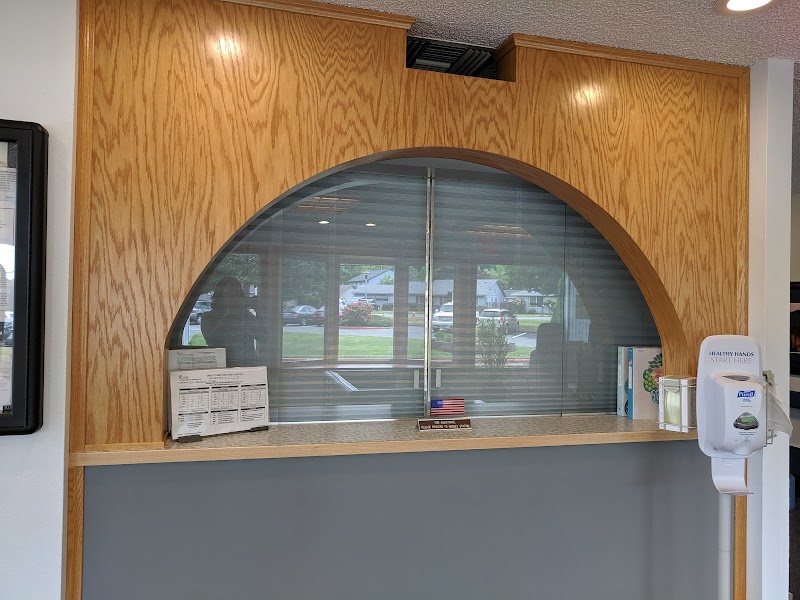
Who Owns and Operates Fairlawn Health And Rehab Of Cascadia?

FAIRLAWN HEALTH AND REHAB OF CASCADIA is owned by a for-profit company. For-profit facilities operate as businesses with obligations to shareholders or private owners. The facility is operated by CASCADIA HEALTHCARE, a chain that manages multiple nursing homes. With 82 certified beds and approximately 64 residents (about 78% occupancy), it is a smaller facility located in GRESHAM, Oregon.
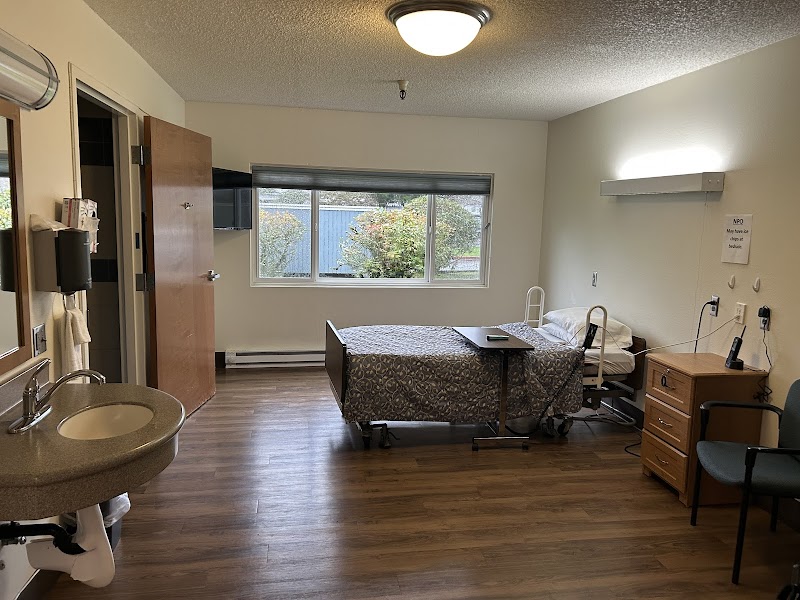
How Does Fairlawn Health And Rehab Of Cascadia Compare to Other Oregon Nursing Homes?

Compared to the 100 nursing homes in Oregon, FAIRLAWN HEALTH AND REHAB OF CASCADIA's overall rating (3 stars) matches the state average, staff turnover (47%) is near the state average of 46%, and health inspection rating (3 stars) is at the national benchmark.

What Should Families Ask When Visiting Fairlawn Health And Rehab Of Cascadia?

Based on this facility's data, families visiting should ask: "Can I visit during a mealtime to observe dining assistance and food quality?" "How do you handle medical emergencies, and what is your hospital transfer rate?" "Can I speak with family members of current residents about their experience?"

Is Fairlawn Health And Rehab Of Cascadia Safe?

Based on CMS inspection data, FAIRLAWN HEALTH AND REHAB OF CASCADIA has a clean safety record: no substantiated abuse findings (meaning no confirmed cases of resident harm), no Immediate Jeopardy citations (the most serious violation level indicating risk of serious injury or death), and is not on the Special Focus Facility watch list (a federal program monitoring the lowest-performing 1% of nursing homes). The facility has a 3-star overall rating and ranks #1 of 100 nursing homes in Oregon. While no facility is perfect, families should still ask about staff-to-resident ratios and recent inspection results during their visit.

Do Nurses at Fairlawn Health And Rehab Of Cascadia Stick Around?

FAIRLAWN HEALTH AND REHAB OF CASCADIA has a staff turnover rate of 47%, which is about average for Oregon nursing homes (state average: 46%). Moderate turnover is common in nursing homes, but families should still ask about staff tenure and how the facility maintains care continuity when employees leave.

Was Fairlawn Health And Rehab Of Cascadia Ever Fined?

FAIRLAWN HEALTH AND REHAB OF CASCADIA has no federal fines on record. CMS issues fines when nursing homes fail to meet care standards or don't correct problems found during inspections. The absence of fines suggests the facility has either maintained compliance or corrected any issues before penalties were assessed. This is a positive indicator, though families should still review recent inspection reports for the full picture.

Is Fairlawn Health And Rehab Of Cascadia on Any Federal Watch List?

FAIRLAWN HEALTH AND REHAB OF CASCADIA is not on any federal watch list. The most significant is the Special Focus Facility (SFF) program, which identifies the bottom 1% of nursing homes nationally based on persistent, serious quality problems. Not being on this list means the facility has avoided the pattern of deficiencies that triggers enhanced federal oversight. This is a positive indicator, though families should still review the facility's inspection history directly.