GRESHAM POST ACUTE CARE AND REHABILITATION
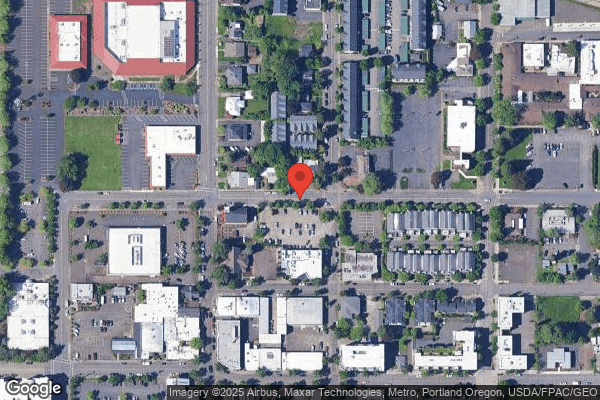
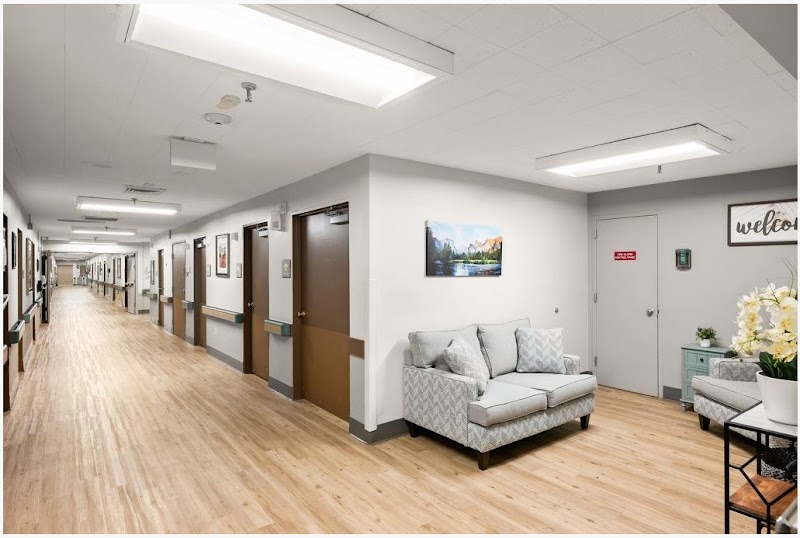
405 NE 5TH STREET, GRESHAM, OR 97030 (503) 666-5600
For profit - Limited Liability company 78 Beds SAPPHIRE HEALTH SERVICES Data: November 2025 2 Immediate Jeopardy citations
Trust Grade
0/100
#116 of 127 in OR
Last Inspection: August 2024

Within standard 12-15 month inspection cycle. Federal law requires annual inspections.

Overview

Gresham Post Acute Care and Rehabilitation has received a Trust Grade of F, indicating significant concerns about the quality of care provided. With a state rank of #116 out of 127 Oregon facilities and a county rank of #33 out of 33 in Multnomah County, it is in the bottom tier of available options. The facility is showing signs of improvement, as issues decreased from 12 in 2024 to just 1 in 2025, but it still has much work to do. Staffing is rated average with a 3/5 star rating and a low turnover rate of 0%, meaning staff are likely familiar with residents; however, there are critical incidents, such as a resident struggling to swallow without proper monitoring after receiving medication, and ongoing concerns about insufficient staffing levels that affect resident care needs. Additionally, the facility has accumulated fines totaling $116,800, which is higher than 91% of Oregon facilities, indicating serious compliance problems that families should consider when making their decision.

Trust Score
F
0/100
In Oregon
#116/127
Bottom 9%
Safety Record
High Risk
Review needed
Inspections
Getting Better
12 → 1 violations
Staff Stability
○ Average
Turnover data not reported for this facility.
Penalties
✓ Good
$116,800 in fines. Lower than most Oregon facilities. Relatively clean record.
Skilled Nurses
✓ Good
Each resident gets 57 minutes of Registered Nurse (RN) attention daily — more than average for Oregon. RNs are trained to catch health problems early.
Violations
⚠ Watch
48 deficiencies on record. Higher than average. Multiple issues found across inspections.
★☆☆☆☆
1.0
Overall Rating
★★★☆☆
3.0
Staff Levels
★★☆☆☆
2.0
Care Quality
★☆☆☆☆
1.0
Inspection Score
Stable
2024: 12 issues
2025: 1 issues

The Good

  • Full Sprinkler Coverage · Fire safety systems throughout facility
  • No fines on record

Facility shows strength in fire safety.

The Bad

1-Star Overall Rating

Below Oregon average (3.0)

Significant quality concerns identified by CMS

Federal Fines: $116,800

Well above median ($33,413)

Significant penalties indicating serious issues

Chain: SAPPHIRE HEALTH SERVICES

Part of a multi-facility chain

Ask about local staffing decisions and management

The Ugly 48 deficiencies on record

2 life-threatening 3 actual harm
Jun 2025 1 deficiency 1 Harm
SERIOUS (G) 📢 Someone Reported This

A family member, employee, or ombudsman was alarmed enough to file a formal complaint

Actual Harm - a resident was hurt due to facility failures

Quality of Care (Tag F0684)

A resident was harmed · This affected 1 resident

**NOTE- TERMS IN BRACKETS HAVE BEEN EDITED TO PROTECT CONFIDENTIALITY** Based on interview and record review it was determined the facility failed to ensure residents received treatment and services n...

Read full inspector narrative →
**NOTE- TERMS IN BRACKETS HAVE BEEN EDITED TO PROTECT CONFIDENTIALITY** Based on interview and record review it was determined the facility failed to ensure residents received treatment and services necessary to prevent constipation for 1 of 3 sampled residents (#100) reviewed for bowel care. This failure resulted in the resident experiencing no bowel movements for seven days, which led to the need for emergency department evaluation and treatment due to a fecal impaction (a severe form of constipation where a large, hard mass of stool becomes lodged in the colon or rectum, preventing normal bowel movements). The facility's Bowel Management policy dated 4/2025 indicated the following: -Resident's bowel movements were recorded daily and reviewed by the licensed nurse. -If a resident had no bowel movement for six 12 hour shifts (three days) or nine eight hour shifts (three days) or within their routine bowel pattern, the facility bowel program would be initiated and the resident would be placed on the laxative list. -If the facility bowel program was not effective within 24 to 32 hours of the resident being placed on the bowel list, the licensed nurse would notify the resident's physician and request further orders. Resident 100 was admitted to the facility on [DATE] with diagnoses including central cord syndrome (an incomplete spinal cord injury which the spinal cord's ability to transmit messages to or from the brain is damaged) and toxic encephalopathy (a neurological disorder characterized by altered mental status, cognitive impairments, memory loss, personality and behavioral changes). Resident 100's 5/23/25 admission MDS indicated the resident had severe cognitive impairments, was incontinent of bowel and required substantial to maximal assistance for toileting. Resident 100's 5/19/25 through 5/31/25 Oral Intake monitor indicated the resident ate between zero to 75% of meals until 5/26/25 when her/his intakes declined consistently to zero to 25%. Resident 100's 5/19/25 through 5/31/25 MAR indicated the resident was prescribed polyethylene glycol (laxative) one time in the morning for constipation and sennosides (stimulant laxative) one time in the morning and at bedtime for constipation. According to Resident 100's MAR, the resident accepted the prescribed polyethylene glycol on 12 out of 12 administration attempts and the sennosides on 18 out of 24 administration attempts. Resident 100's 5/19/25 through 5/31/25 Bowel Records indicated the resident had no bowel movements on the following days. -5/25/25; -5/26/25; -5/27/25; -5/28/25; -5/29/25; -5/30/25 and -5/31/25. A review of Resident 100's electronic health record indicated no evidence the resident's medical provider was notified of Resident 100's lack of bowel movements and no new orders for bowel care interventions were prescribed prior to 5/31/25. A 5/31/25 progress note written at 2:29 PM, indicated Resident 100 had not had a bowel movement since 5/24/25 [seven days] and continued to refuse to eat and drink so the resident's on-call provider was contacted and orders were obtained to send Resident 100 to the emergency department for evaluation and treatment. A 5/31/25 progress note written at 11:29 PM, indicated Resident 100 returned to the facility with new prescriptions for a UTI (an infection affecting the urinary system) and constipation. Resident 100's 5/31/25 CT Scan (a diagnostic imaging procedure) of the abdomen and pelvis revealed a large/copious amount of stool seen throughout the colon and rectum with significant rectal distention due to fecal impaction. Resident 100's Emergency Department's After Visit Summary indicated the resident was diagnosed and treated for slow transit constipation, dehydration and a UTI. On 6/16/25 at 9:04 AM, Staff 18 (LPN) reported a resident should not go more than two or three days without a bowel movement. Staff 18 stated three days with no bowel movement was the maximum and after three days the bowel protocol would be initiated. Staff 18 stated if there was no bowel movement after administering the bowel protocol (PRN medication or enema depending on the physician orders) then the medical provider should be contacted for additional instructions and orders. Staff 18 stated the facility was very strict on following the bowel protocol and if a resident did not have a bowel movement for seven days, that would be a very serious issue. On 6/16/25 at 11:15 AM, Staff 16 (LPN) stated each morning she checked the daily bowel list to determine which residents had not had a bowel movement for three days. Staff 16 stated the resident would be assessed by the nurse and a PRN bowel medication (in addition to the resident's routine bowel medications) would be administered to the resident. Staff 16 stated if there was still no bowel movement, she would contact the medical provider for further direction and interventions. On 6/16/25 at 1:43 PM and 6/17/25 at 2:53 PM, Staff 3 (RNCM) stated on 5/28/25, Resident 100 triggered on the daily bowel list. She reported the resident did not consistently eat or drink and refused her/his bowel medications at times. Staff 3 reported when a resident did not have a bowel movement for three full days, there would be a go to bowel medication depending on the resident's physician order and if the resident still did not have a bowel movement, the medical provider would be called for further orders. Staff 3 stated Resident 100 had no bowel movements since 5/24/25. Staff 3 reviewed Resident 100's bowel records and stated staff should have contacted the resident's medical provider on 5/28/25, 5/29/25 and 5/30/25 since the resident had not had a bowel movement for several days. Staff 3 stated on 5/31/25, Resident 100 was sent to the emergency department for evaluation and treatment. On 6/17/25 at 12:04 PM, Staff 9 (LPN) stated when residents did not have a bowel movement for three days, she would notify the medical provider to get further instructions. Staff 9 stated she cared for Resident 100 on 5/28/25 but was unable to recall if she contacted the resident's medical provider to notify them the resident did not have a bowel movement for four days. On 6/17/25 at 12:25 PM, Staff 8 (LPN) reviewed Resident 100's bowel records and reported on 5/28/25, Resident 100 should have been given a PRN bowel medication and the resident's medical provider should have been notified. Staff 8 stated she had been the assigned day nurse for Resident 100 on 5/29/25 and 5/30/25. She stated the resident's medical provider should have been notified of the resident's lack of bowel movements for the previous five and six days, respectively. However, she was unable to recall whether she had contacted the provider, and there was no documentation in the electronic health record indicating the provider was contacted. On 6/17/25 at 9:58 AM, Staff 4 (Nurse Practitioner) stated he was the primary medical provider for managing Resident 100's medical care. Staff 4 stated he had not been involved much with the resident but she/he had significant cognitive deficits and was sundowning. Staff 4 stated he was also aware Resident 100 was not eating or drinking and refused medications. Staff 4 stated he was unaware Resident 100 had no bowel movements from 5/25/25 through 5/31/25 (seven days). Staff 4 stated nursing staff usually communicated with him via an SBAR (a communication tool which stands for Situation, Background, Assessment and Recommendations) but he was unaware of any communications related to Resident 100's constipation prior to 5/31/25. Staff 4 stated Resident 100 was not eating or drinking much thus he would not have expected the resident to have bowel movements so there would have been no interventions needed. On 6/17/25 at 2:53 PM, Staff 2 (Interim DNS) confirmed Resident 100 had no bowel movements from 5/25/25 through 5/31/25. Staff 2 stated nursing staff should have contacted the resident's medical provider on 5/28/25 to notify them of the resident's bowel status and obtained orders for a PRN bowel medication. She confirmed nursing did not contact the medical provider on 5/28/25. Staff 2 reported nursing should have contacted the medical provider on 5/29/25 and 5/30/25, as the resident had gone several days without a bowel movement. She confirmed Resident 100's medical provider was not contacted regarding the resident's lack of bowel movements. Staff 2 further stated on 5/31/25, Resident 100 required emergency evaluation and treatment for a fecal impaction.
Aug 2024 12 deficiencies 1 Harm
SERIOUS (G)

Actual Harm - a resident was hurt due to facility failures

Pressure Ulcer Prevention (Tag F0686)

A resident was harmed · This affected 1 resident

**NOTE- TERMS IN BRACKETS HAVE BEEN EDITED TO PROTECT CONFIDENTIALITY** Based on observation, interview and record review it was determined the facility failed to initiate treatment for a pressure inj...

Read full inspector narrative →
**NOTE- TERMS IN BRACKETS HAVE BEEN EDITED TO PROTECT CONFIDENTIALITY** Based on observation, interview and record review it was determined the facility failed to initiate treatment for a pressure injury present upon admission for 1 of 2 sampled residents (#173) reviewed for pressure ulcers. The wound progressed from a DTI (deep tissue injury) to unstageable and required medical intervention for debridement. Findings include: Resident 173 was admitted to the facility on [DATE] with diagnoses including recent onset of paralysis of the lower extremities, diabetes, obesity, and a documented history of pressure injury to the sacrum that occurred during hospitalization. A Hospital History and Physical dated 8/16/24 indicated Resident 173 had a new pressure injury to sacrum (area above the tailbone) found on 8/14/24. The wound was described as an intact, discolored DTI (deep tissue injury). Treatment included protective ointment, a foam dressing, frequent repositioning and pressure reduction. The admission orders to the facility did not include orders for wound care. The facility Clinical admission form dated 8/21/24 did not identify the presence of the wound to the resident's sacral area. A Braden Scale (standard form used to determine level of risk for developing pressure ulcers) dated 8/21/24 identified the resident to have no sensory perception impairment although resident had a spinal cord injury with paralysis from the waist down. The form indicated the resident had slightly limited mobility and a potential problem with friction and shearing. Resident 173's Care Plan was revised on 8/22/24 to indicate the need for the extensive assistance of two persons for bed mobility, bathing and toileting. The resident had an indwelling urinary catheter and was incontinent of bowel. The care plan was updated on 8/26/24 to include a focus area for potential skin impairment related to immobility. On 8/26/24 a therapy note indicated OT and PT collaborated with nursing staff regarding [the resident's] sacral wound. On 8/27/24 at 10:53 AM Staff 4 (LPN) confirmed she completed the resident's Clinical admission form but was unable to visualize the resident's sacrum at that time. Staff 4 stated she received information regarding the wound in a report received from the hospital. She visualized the pressure injury on 8/26/24 and described it as crusted over and greenish and with an adjacent superficial open area. Resident 173 was scheduled to be seen by the facility wound nurse, who would recommend treatment. Staff 4 confirmed there were no current orders for treatment. On 8/27/24 the facility's certified wound specialist, Staff 6 (LPN) assessed the wound and initiated treatment. There was no documented evidence in the resident's record to indicate treatment was initiated prior to 8/27/24. On 8/27/24 at 10:57 AM Staff 6 stated Resident 173 had two wounds, one to her/his sacrum and another adjacent wound near the coccyx (tailbone). The pressure ulcers were unstageable ( full-thickness skin and tissue loss in which the extent of tissue damage within the ulcer cannot be confirmed because the wound bed is obscured) and covered with slough (non-viable yellow, tan, gray, green or brown tissue). Treatment was to include initiation of an air mattress and Santyl ointment to remove the slough through enzymatic debridement. On 8/28/24 at 12:11 PM Staff 3 (LPN, Resident Care Manager) stated if a resident was admitted with no wound care orders, the nurse was to enter a generic order to clean and cover then contact the provider for a more specific order. The expectation was for the generic order be entered right away and more specific orders entered by the second day. On 8/28/24 at 12:20 PM Resident 173 who was alert and oriented, confirmed the pressure wound started at the hospital. The area was not painful due to a general lack of sensation below the waist. On 8/28/24 at 3:54 PM Staff 2 (DNS) and Staff 3 (LPN, Resident Care Manager) stated the resident may have had a sacral dressing at the time of admission and refused a full assessment. The refusal was not documented and the next shifts did not follow up. They confirmed the Braden Scale completed at the time of admission was inaccurate and the resident did not receive wound care until 8/27/24, six days after admission.
CONCERN (D)

Potential for Harm - no one hurt, but risky conditions existed

Deficiency F0552 (Tag F0552)

Could have caused harm · This affected 1 resident

3. Resident 14 was admitted to the facility in 7/2024 with diagnoses including anxiety disorder and major depressive disorder. The 8/2024 MAR revealed Resident 14 received Fluoxetine (an antidepressa...

Read full inspector narrative →
3. Resident 14 was admitted to the facility in 7/2024 with diagnoses including anxiety disorder and major depressive disorder. The 8/2024 MAR revealed Resident 14 received Fluoxetine (an antidepressant) daily. A review of the Psychotropic Disclosure and Consent dated 7/12/24 revealed no verbal or written consent for Fluoxetine. No information was found in the resident record which showed the risks and benefits of the medication's use was reviewed with Resident 14 prior to administration. On 8/30/24 at 10:27 AM Staff 3 (RCM) verified the Consent date 7/12/24 did not include Fluoxetine. Staff 3 stated the resident should have received a consent with a review of the risks and benefits of Fluoxitine. 2. Resident 26 was admitted to the facility in 1/2020 with diagnoses including depression and anxiety. Resident 26's 8/4/22 Physician Order indicated the resident was prescribed aripiprazole (antidepressant medication) to be taken at bedtime related to depression. Resident 26's 8/2024 MAR revealed the resident received aripiprazole, daily. Review of Resident 26's health record revealed no documentation to indicate the resident or her/his representative was informed of the risks and benefits of aripiprazole and no evidence the resident consented to receive the medication until 8/27/24. On 8/28/24 at 2:23 PM Staff 7 (LPN-Care Manager) reported it was the nursing staff's responsibility to review the risks and benefits of psychotropic medications with residents prior to residents taking the medications and confirmed Resident 26 received aripiprazole without consent being obtained prior to administration. Based on interview and record review it was determined the facility failed to inform residents and/or resident's responsible party of the risks and benefits, and to ensure consent was obtained for the use of psychotropic medications for 3 of 5 sampled residents (#s 14, 26, and 66) reviewed for unnecessary medications. This placed residents at risk for lack of informed consent. Findings include: 1. Resident 66 was admitted to the facility in 7/2024 with diagnoses including major depressive disorder. Resident 66's 7/20/24 Physician Order indicated the resident was prescribed citalopram hydrobromide (antidepressant medication) to be taken each morning related to major depressive disorder. Resident 66's 8/2024 MAR revealed the resident received citalopram hydrobromide, daily. Review of Resident 66's health record revealed no documentation to indicate the resident or her/his representative was informed of the risks and benefits of citalopram hydrobromide and no evidence the resident consented to receive the medication until 8/27/24. On 8/28/24 at 2:23 PM Staff 7 (LPN-Care Manager) reported it was the nursing staff's responsibility to review the risks and benefits of psychotropic medications with residents prior to residents taking the medications and confirmed Resident 66 received citalopram hydrobromide without consent being obtained prior to administration.
CONCERN (D)

Potential for Harm - no one hurt, but risky conditions existed

Transfer Notice (Tag F0623)

Could have caused harm · This affected 1 resident

2. Resident 42 was admitted to the facility in 3/2024 with diagnoses including chronic respiratory failure. A review of Resident 42's health record revealed the resident was sent to the hospital on 5...

Read full inspector narrative →
2. Resident 42 was admitted to the facility in 3/2024 with diagnoses including chronic respiratory failure. A review of Resident 42's health record revealed the resident was sent to the hospital on 5/29/24, 6/12/24, 7/11/24 and 8/23/24. No evidence was found in Resident 42's health record to indicate transfer notices with appeal rights were provided in writing to her/him and their representatives or the Office of the State Long-Term Care Ombudsman was notified of the resident's transfers to the hospital. On 8/30/24 at 9:34 AM Staff 6 (LPN) stated he did not provide residents or their representatives with transfer notices with appeal rights in writing at the time of a resident transfer. On 8/30/24 at 10:05 AM Staff 26 (Social Services Director) stated she did not provide residents or their representatives with transfer notices with appeal rights in writing at the time of a resident transfer or notify the Office of the State Long-Term Care Ombudsman of resident transfers or discharges. On 8/30/24 at 10:27 AM Staff 1 (Administrator) confirmed the facility did not provide written transfer notices with appeal rights to residents or their representatives following a resident transfer or inform the Ombudsman of resident transfers and discharges. Based on interview and record review it was determined the facility failed to ensure transfer notices with appeal rights were provided in writing to residents and their representatives, and to ensure the Office of the State Long-Term Care Ombudsman was notified of resident hospitalizations for 2 of 2 sampled residents (#s 42 and 44) reviewed for hospitalizations. This placed residents at risk for lack of information regarding their options, rights and lack of advocacy from the Ombudsman Office. Findings include: 1. Resident 44 was admitted to the facility in 11/2022 with diagnoses including chronic respiratory failure (a condition resulting in the inability to effectively exchange carbon dioxide and oxygen in the body) and quadriplegia (paralysis that effects the torso and all four limbs). A review of Resident 44's health record revealed she/he was transferred to the hospital on 3/19/24, 6/19/24 and 7/15/24. No evidence was found in Resident 44's health record to indicate a transfer notice with appeal rights was provided in writing to her/him upon transfer to the hospital or that the Office of the State Long-Term Care Ombudsman was notified of the resident's transfers to the hospital. On 8/29/24 at 1:40 PM Staff 25 (Social Service Director) indicated she was not aware the Office of the State Long-Term Ombudsman had to be notified when residents were transferred to the hospital or discharged from the facility. On 8/29/24 at 2:40 PM Staff 26 (Social Service Director) indicated she was aware the Office of the State Long-Term Ombudsman needed to be notified when residents transferred to the hospital or discharged from the facility but she did not know which facility staff was responsible for this. On 8/30/24 at 9:36 AM Staff 1 (Administrator) confirmed transfer notices with appeal rights were not being provided to residents when they transferred to the hospital and the Office of the State Long-Term Care Ombudsman was not being notified when residents transferred to the hospital or discharged from the facility.
CONCERN (D)

Potential for Harm - no one hurt, but risky conditions existed

Deficiency F0625 (Tag F0625)

Could have caused harm · This affected 1 resident

2. Resident 42 was admitted to the facility in 3/2024 with diagnoses including chronic respiratory failure. A review of Resident 42's health record revealed the resident was sent to the hospital on 5...

Read full inspector narrative →
2. Resident 42 was admitted to the facility in 3/2024 with diagnoses including chronic respiratory failure. A review of Resident 42's health record revealed the resident was sent to the hospital on 5/29/24, 6/12/24, 7/11/24 and 8/23/24. No evidence was found in Resident 42's health record to indicate written notice of the facility's bed hold policy was provided to the resident or their representative on 5/29/24, 6/12/24, 7/11/24 or 8/23/24. On 8/30/24 at 9:34 AM Staff 6 (LPN) stated he did not provide residents or their representatives with a copy of the facility's bed hold policy at the time of a resident transfer. On 8/30/24 at 10:14 AM Staff 1 (Administrator) acknowledged these findings and confirmed the facility did not provide residents or their representatives with any written notification of the facility's bed hold policy at the time of a resident transfer. Based on interview and record review it was determined the facility failed to provide residents with a written notice of the facility's bed hold policy at the time of transfer to the hospital for 2 of 2 sampled residents (#s 42 and 44) reviewed for hospitalization. This placed residents at risk for lack of knowledge regarding their choices and potential financial responsibilities. Findings include: 1. Resident 44 was admitted to the facility in 11/2022 with diagnoses including chronic respiratory failure (a condition resulting in the inability to effectively exchange carbon dioxide and oxygen in the body) and quadriplegia (paralysis that effects the torso and all four limbs). A review of Resident 44's health record revealed she/he was discharged to the hospital on 3/19/24, 6/19/24 and 7/15/24. No evidence was found in Resident 4's health record to indicate written notice of the facility's bed hold policy was provided to Resident 44 when she/he was transferred to the hospital on 3/19/24, 6/19/24 or 7/15/24. On 8/27/24 at 2:30 PM Staff 26 (Social Service Director) stated she was unfamiliar with the bed hold policy and how to complete it. She stated a written bed hold policy was not provided to Resident 44 upon her/his transfer to the hospital on 3/19/24, 6/19/24 or 7/15/24. On 8/30/24 at 9:36 AM Staff 1 (Administrator) confirmed a written bed hold policy was not provided to Resident 44 when she/he was transferred to the hospital on 3/19/24, 6/19/24 or 7/15/24.
CONCERN (D)

Potential for Harm - no one hurt, but risky conditions existed

Assessment Accuracy (Tag F0641)

Could have caused harm · This affected 1 resident

Based on record review and interview it was determined the facility failed to complete MDS assessments which reflected accurate mental health diagnoses for 1 of 5 sampled residents (#33) reviewed for ...

Read full inspector narrative →
Based on record review and interview it was determined the facility failed to complete MDS assessments which reflected accurate mental health diagnoses for 1 of 5 sampled residents (#33) reviewed for unnecessary medications. This placed residents at risk for inaccurate assessment and care. Findings include: Resident 33 was readmitted in 10/2023 with diagnoses including generalized anxiety disorder and major depressive disorder-recurrent. A 3/13/24 physician's note (internal medicine) identified the resident reported significant anxiety and depression with psychiatric treatment in the past. Resident 33 did not recall the use of antipsychotic medication. The physician suggested a diagnosis of schizoaffective disorder (a chronic mental health disorder characterized by symptoms of both schizophrenia and mood disorder) but it was unclear if the resident met the diagnostic criteria. Further consultation with a colleague was planned. On 3/14/24, a diagnosis of schizoaffective disorder, depressive type was entered in the medical record. According to the record, the diagnosis was made by Staff 34 (Former Nurse Practitioner). There was no evidence in the medical record a mental health practitioner was involved when determining the diagnosis or that the resident met the criterion for schizoaffective disorder. The 4/2024 Pharmacy Review identified the resident had no history of schizoaffective disorder and the diagnosis was inappropriate. On the 5/8/24 Significant Change MDS and the 8/6/24 Quarterly MDS, Schizophrenia was coded in Section I. The medical record did not support the coding of this diagnosis. On 8/29/24 at 2:46 PM, Staff 2 (DNS) stated there was no evidence in the medical record that a mental health professional was involved in the diagnosis of the resident and the diagnosis had been questioned by both the pharmacist and physician. Staff 2 acknowledged the diagnosis should not have been coded on the MDS.
CONCERN (D)

Potential for Harm - no one hurt, but risky conditions existed

Deficiency F0655 (Tag F0655)

Could have caused harm · This affected 1 resident

Based on interview and record review it was determined the facility failed to ensure a baseline care plan was sufficient to meet the needs of a resident admitted with a pressure injury for 1 of 2 samp...

Read full inspector narrative →
Based on interview and record review it was determined the facility failed to ensure a baseline care plan was sufficient to meet the needs of a resident admitted with a pressure injury for 1 of 2 sampled residents (#173) reviewed for pressure ulcers. This placed residents at risk for a delay in treatment. Findings include: Resident 173 was admitted to the facility in 8/2024 with diagnoses including recent onset of paralysis of the lower extremities and a documented history of pressure injury to the sacrum that occurred during hospitalization. A Hospital History and Physical dated 8/16/24 indicated Resident 173 had a new pressure injury to sacrum (area above the tailbone) found on 8/14/24. The wound was described as an intact, discolored DTI (deep tissue Injury). Treatment included protective ointment, a foam dressing, frequent repositioning and pressure reduction. Documentation on the facility Clinical admission Form dated 8/21/24 did not identify the presence of the wound on the resident's sacrum. Resident 173's Initial Care Plan dated 8/22/24 did not identify the presence of an actual pressure injury. A Care Plan focus area related to potential impairment to skin integrity related to immobility was initiated on 8/26/24, five days after admission. On 8/27/24 at 10:53 AM Staff 4 (LPN) stated she completed the resident's admission but was unable to visualize the resident's sacrum at that time. Staff 4 confirmed she received information regarding a pressure wound in a report received from the hospital. On 8/28/24 at 3:54 PM Staff 2 (DNS) and Staff 3 (LPN, Resident Care Manager) stated the Baseline Care Plan was derived from data entered on the Clinical admission Form. Resident 173 refused a full assessment at the time of admission. The refusal was not documented and the next shifts did not follow up.
CONCERN (D)

Potential for Harm - no one hurt, but risky conditions existed

Deficiency F0657 (Tag F0657)

Could have caused harm · This affected 1 resident

2. Resident 66 was admitted to the facility in 7/2024 with diagnoses including compression of the brain. Resident 66's 8/26/24 Care Plan indicated the following: -The resident was to wear a protectiv...

Read full inspector narrative →
2. Resident 66 was admitted to the facility in 7/2024 with diagnoses including compression of the brain. Resident 66's 8/26/24 Care Plan indicated the following: -The resident was to wear a protective helmet when out of bed as tolerated related to the surgical wound to her/his scalp. -Staff were to ensure the resident's helmet was on when she/he was out of bed as the resident was at risk to fall. -The resident was to wear a helmet when out of bed and when sitting at the edge of the bed related to her/his ADL performance deficit. On 8/27/24 at 9:04 AM the resident was observed to sit in her/his wheelchair in her/his room. The resident's protective helmet was on top of her/his bedside table. On 8/30/24 at 9:13 AM Staff 5 (CNA) stated Resident 66 wore her/his helmet when she/he was in her/his wheelchair. Staff 5 further stated she obtained information about when the resident wore her/his helmet in the resident's care plan. On 8/30/24 at 11:07 AM Staff 7 (LPN-Care Manager) stated she needed to review the physician's orders to determine which intervention was appropriate for the resident's care plan. On 8/30/24 at 11:19 AM Staff 2 (DNS) acknowledged the findings of this investigation and stated Resident 66's care plan was in need of revision. 3. Resident 67 was admitted to the facility in 7/2024 with diagnoses including acute kidney failure. Resident 67's 7/5/24 admission MDS indicated the resident was cognitively intact. Resident 67's 7/12/24 Care Plan indicated the resident received dialysis treatments three times weekly. On 8/29/24 at 10:57 AM Resident 67 stated she/he was on dialysis when she/he came to the facility but had been off of dialysis for weeks. On 8/30/24 at 11:15 AM Staff 2 (DNS) stated Resident 67's care plan should have been revised in 7/2024 when she/he stopped receiving dialysis treatments. Based on observation, interview, and record review it was determined the facility failed to ensure care plans were revised to accurately to reflect the needs of residents for 3 of 7 sampled residents (#s 19, 66 and 67) reviewed for accidents, care plans and nutrition. This placed residents at risk for unmet needs. Findings include: 1. Resident 19 admitted to the facility in 11/2017 with diagnoses including dysphagia (difficulty swallowing) and epilepsy (seizure disorder). A Care Plan initiated on 3/3/21 revealed Resident 19 used bilateral fall mats related to risk of injury from seizure activity and was to be shaved daily. A 8/16/24 Quarterly MDS revealed Resident 19 had severe cognitive impairment. Observations on 8/28/24 from 8:00 AM to 3:00 PM revealed Resident 19 did not have bilateral fall mats in place in her/his room while the resident was in bed and she/he had facial hair growth that was a quarter to half an inch long. On 8/28/24 at 12:29 PM Staff 5 (CNA) stated Resident 19 was to have bilateral fall mats in place at all times. Staff 5 also stated he did not shave Resident 19 on a daily basis. On 8/28/24 at 12:44 PM Staff 3 (LPN-Resident Care Manager) stated Resident 19 no longer required bilateral fall mats and was not to be shaved daily. Staff 3 stated Resident 19's family assisted the resident with shaving or staff took care of it on her/his shower days. Staff 3 stated she expected the care plan to accurately reflect Resident 19's current needs.
CONCERN (D)

Potential for Harm - no one hurt, but risky conditions existed

Deficiency F0658 (Tag F0658)

Could have caused harm · This affected 1 resident

**NOTE- TERMS IN BRACKETS HAVE BEEN EDITED TO PROTECT CONFIDENTIALITY** Based on interview and record review it was determined the facility failed to ensure 1 of 1 Nurse Practitioner's (Former Staff 3...

Read full inspector narrative →
**NOTE- TERMS IN BRACKETS HAVE BEEN EDITED TO PROTECT CONFIDENTIALITY** Based on interview and record review it was determined the facility failed to ensure 1 of 1 Nurse Practitioner's (Former Staff 34) diagnostic practices were confined to his specified clinical discipline. This placed residents at risk for diagnosis by unqualified staff. Findings include: According to OAR [PHONE NUMBER], Nurse Practitioner Scope of Practice: (7)The nurse practitioner is responsible for recognizing limits of knowledge and experience, and for resolving situations beyond his/her nurse practitioner expertise by consulting with or referring clients to other health care providers. (8)The nurse practitioner will only provide health care services within the nurse practitioner's scope of practice for which he/she is educationally prepared and for which competency has been established and maintained. Educational preparation includes academic coursework, workshops or seminars, provided both theory and clinical experience are included. (9)The scope of practice as previously defined is incorporated into the following specialty categories and further delineates the population served: (d)Adult-Gerontology Primary Care Nurse Practitioner (AGPCNP): Independently provides comprehensive primary health care for adolescents to the older adults; Resident 33 was readmitted to the facility in 10/2023 with diagnoses including generalized anxiety disorder and major depressive disorder-recurrent. A 3/13/24 physician's note (internal medicine) identified the resident reported significant anxiety and depression with psychiatric treatment in the past. Resident 33 did not recall the use of antipsychotic medication. The physician suggested a diagnosis of schizoaffective disorder (a chronic mental health disorder characterized by symptoms of both schizophrenia and mood disorder)might be appropriate but it was unclear if the resident met the diagnostic criteria. Further consultation with a colleague was planned. On 3/14/24, a diagnosis of schizoaffective disorder, depressive type was entered in the medical record. The diagnosis was made by the Staff 34 (Former Nurse Practitioner). Staff 34 was accredited as an AGNP (Adult-Gerontology Primary Care Nurse Practitioner). There was no evidence a mental health practitioner was involved when determining the diagnosis. The same day, quetiapine (an antipsychotic medication) was ordered related to the diagnosis of schizoaffective disorder. A 4/3/24 Pharmacy Review noted [AGE] year old patient's Seroquel [quetiapine] was increased to 400 mg daily for schizoaffective disorder. Patient has NO HISTORY OF schizoaffective disorder Use of the diagnosis of schizoaffective disorder is INAPPROPRIATE for this patient . A 6/17/24 Pharmacy Review noted no response had been provided in regards to the April recommendations. At the time of survey, the diagnosis of schizoaffective disorder remained on Resident 33's active diagnoses list. On 8/9/24 at 2:47 PM, Staff 2 (DNS) stated the diagnosis of schizoaffective disorder had been made by Staff 34 and she could find no evidence a mental health professional had been involved when determining the diagnosis. Staff 2 was aware the diagnosis had been questioned by the pharmacist and the physician, but could provide no additional follow up to their concerns. Staff 34 no longer worked in the facility.
CONCERN (D)

Potential for Harm - no one hurt, but risky conditions existed

Respiratory Care (Tag F0695)

Could have caused harm · This affected 1 resident

Based on observation, interview, and record review it was determined the facility failed to maintain oxygen equipment for 1 of 1 sampled resident (#5) reviewed for oxygen therapy. This placed resident...

Read full inspector narrative →
Based on observation, interview, and record review it was determined the facility failed to maintain oxygen equipment for 1 of 1 sampled resident (#5) reviewed for oxygen therapy. This placed residents at increased risk for respiratory failure. Findings include: Resident 5 was admitted to the facility in 6/2024 with diagnoses including chronic obstructive pulmonary disease (chronic lung disease that causes breathing difficulty). The 6/7/24 admission MDS indicated Resident 5 was cognitively intact. The 6/3/24 physician order revealed the resident used continuous oxygen and to clean the oxygen concentrator and filter every Tuesday NOC (night) shift. Observations on 8/26/24 at 11:26 AM revealed Resident 5's oxygen concentrator was covered in dust and the external filter had a thick gray layer of dust. On 8/26/24 at 11:28 AM Resident 5 stated she/he did not recall staff cleaning the concentrator or filter the whole time she/he has been in the facility. The 6/2024 TAR revealed no documentation for 6/4/24, 6/11/24, 6/18/24 or 6/28/24 to indicate NOC shift staff cleaned Resident 5's oxygen concentrator and filter as ordered. The 7/2024 TAR revealed no documentation for 7/2/24, 7/9/24, 7/16/24, 723/24, or 7/30/24 to indicate NOC shift staff cleaned Resident 5's oxygen concentrator and filter as ordered. The 8/2024 TAR revealed no documentation for 8/6/24, 8/13/24 or 8/20/24 to indicate NOC shift staff cleaned Resident 5's oxygen concentrator and filter as ordered. On 8/28/24 at 4:07 PM Staff 14 (LPN) stated NOC shift was responsible to clean Resident 5's concentrator and filter. On 8/29/24 at 10:53 AM Staff 7 (LPN-Resident Care Manager) acknowledged Resident 5's concentrator and filter were not cleaned. Staff 7 stated it was her expectation staff cleaned the concentrator and filter every week as ordered.
CONCERN (D)

Potential for Harm - no one hurt, but risky conditions existed

Medication Errors (Tag F0758)

Could have caused harm · This affected 1 resident

Based on interview and record review it was determined the facility failed to identify clinical indications for the use of an antipsychotic medication for 1 of 5 sampled residents (#33) reviewed for u...

Read full inspector narrative →
Based on interview and record review it was determined the facility failed to identify clinical indications for the use of an antipsychotic medication for 1 of 5 sampled residents (#33) reviewed for unnecessary medications. This placed residents at risk for the unnecessary use of psychotropic medication. Findings include: Resident 33 was readmitted in 10/2023 with diagnoses including cancer, generalized anxiety disorder and major depressive disorder-recurrent. The Behavior Monitor for Resident 33 tracked behaviors of: Withdrawal, difficulty sleeping, a history of accusations, easily overwhelmed, irritability and tangential. The 2/2024 Behavior Monitor identified two episodes of difficulty sleeping during the month and no behaviors/concerns were identified in progress notes. A 2/29/24 nurse practitioner visit described Resident 33's behavior as appropriate, with an open attitude, anxious mood, clear speech and concrete thought process. The resident's focus during the visit was her/his pain which was all the time, anxiety and insomnia. A GAD (Generalized Anxiety Disorder) scale was completed and identified a score of 16, indicating anxiety symptoms were severe. On 3/1/24 quetiapine (an antipsychotic medication) 25 mg BID for depression was ordered. There was no rationale provided in the medical record which identified the clinical indications for the use of an antipsychotic medication or how the effectiveness of the medication would be evaluated. On 3/12/24, the quetiapine dose was increased to 100 mg BID. No clinical rationale was found for the increase in dose. A 3/14/24 progress note identified the resident as having a pleasant mood, being compliant with care and experiencing no changes in behavior or mood. On the same day, Staff 34 (Former Nurse Practitioner) changed the quetiapine dose to 200 mg one time a day for the diagnosis of schizoaffective disorder, depressive type. This was a new diagnosis for the resident which was not supported by a mental health practitioner's evaluation or diagnostic criterion. On 3/21/24, the quetiapine dose was increased to 400 mg at bedtime. No clinical rationale was found for the increase in dose. The 3/2024 Behavior Monitor identified no targeted behaviors during the month and progress notes reflected no behavior or mood concerns. On 8/29/24 at 2:47 PM, Staff 2 (DNS) provided information regarding the prescription of quetiapine but was unable to locate supporting documentation which identified why the quetiapine was ordered, what symptoms it treated, or how effectiveness was determined. Staff 2 stated there was no evidence of a mental health professional involved in the diagnosis of schizoaffective disorder and agreed the diagnosis had been questioned by the pharmacist and physician.
CONCERN (E)

Potential for Harm - no one hurt, but risky conditions existed

Deficiency F0947 (Tag F0947)

Could have caused harm · This affected multiple residents

Based on interview and record review it was determined the facility failed to ensure CNA staff received 12 hours of annual in-service training for 4 of 5 randomly selected staff members (#s 19, 20, 21...

Read full inspector narrative →
Based on interview and record review it was determined the facility failed to ensure CNA staff received 12 hours of annual in-service training for 4 of 5 randomly selected staff members (#s 19, 20, 21 and 22) reviewed for evidence of in-service training. This placed residents at risk for a lack of quality care. Findings include: On 8/29/24 at 1:06 PM Staff 24 (Human Resources) provided a list of training hours for nurse aid staff which revealed the following: -Staff 19 (CNA): 1.1 annual training hours; -Staff 20 (CNA): 0 annual training hours; -Staff 21 (CNA): 0 annual training hours and -Staff 22 (CNA): 0 annual training hours. On 8/29/24 at 1:10 PM Staff 24 acknowledged Staff 19, Staff 20, Staff 21 and Staff 22 did not complete the required 12 hours of annual in-service training. On 8/30/24 at 10:51 AM Staff 1 (Administrator) acknowledged CNA staff were required to have 12 hours of annual in-service training and stated the facility needed to develop a tracking system for monitoring the hours.
CONCERN (F)

Potential for Harm - no one hurt, but risky conditions existed

Food Safety (Tag F0812)

Could have caused harm · This affected most or all residents

3. Review of the US FDA Food Code 2022 revealed: -food employees shall wear hair restraints such as hats, hair coverings or nets, beard restraints, and clothing that covers body hair, that are design...

Read full inspector narrative →
3. Review of the US FDA Food Code 2022 revealed: -food employees shall wear hair restraints such as hats, hair coverings or nets, beard restraints, and clothing that covers body hair, that are designed and worn to effectively keep their hair from contacting exposed food. Observations on 8/28/24 at 11:28 AM for lunch time tray line plating Staff 32 (Dietary Aide) was observed in the kitchen area not wearing a hair restraint and preparing the lunch trays for the start of meal service. Staff 33 (Cook) was observed in the kitchen area not wearing a hair restraint while cooking. Staff 31 (Dietary Manager) was observed walking around the kitchen area without a hair restraint. On 8/28/24 at 11:35 AM Staff 31 acknowledged certain kitchen staff were not wearing hair restraints and stated it was her expectation that all staff wear hair restraints at all times when in the kitchen area. Based on observation and interview it was determined the facility failed to ensure staff wore appropriate hair restraints during meal preparation for 1 of 1 kitchen reviewed for sanitation and properly stored and labeled food for 2 of 2 resident refrigerators reviewed for storage. This placed residents at risk for unsanitary food and cross contamination. 1. Resident 4 admitted to the facility in 12/2022 with diagnoses including osteomyelitis (bone infection) and malnutrition. A 7/28/24 Annual MDS revealed Resident 4 was cognitively intact. On 8/28/24 at 10:44 AM Resident 4's personal refrigerator was observed to contain three covered cups of milk not labeled or dated, three plastic facility containers of chocolate pudding dated 7/19/24, 8/1/24 and 8/3/24, one facility container of vanilla pudding dated 8/17/24, one facility container of butterscotch pudding dated 8/3/24 and one small container of ranch dip not labeled or dated. On 8/28/24 at 10:50 AM Resident 4 stated no one in the facility checked the temperatures or expiration dates for her/his refrigerator. On 8/28/24 at 11:14 AM Staff 7 (LPN-Resident Care Manager) stated the items should have been dated or thrown away. Staff 7 took the undated and expired foods out of the refrigerator to dispose of them. On 8/28/24 at 11:23 AM Staff 1 (Administrator) stated there had been a lot of staff turnover and some things had fallen through the cracks. Staff 1 also stated the facility did not have a policy or procedure for residents' personal refrigerators. 2. Resident 21 admitted to the facility in 10/2016 with diagnoses including kidney disease and hypertension. A 7/22/24 Quarterly MDS revealed Resident 21 was cognitively intact. On 8/28/24 at 10:58 AM Resident 21's personal refrigerator was observed to have three covered cups of orange juice not labeled or dated, one peach yogurt in a facility plastic container dated 6/3/24 and a paper container of [NAME] in the Box chicken nuggets with an opened sauce container not labeled or dated. On 8/28/24 at 11:00 AM Resident 21 stated staff did not check the refrigerator temperatures or for expired foods. On 8/28/24 at 11:14 AM Staff (LPN-Resident Care Manager) stated the items should have been dated or thrown away. Staff 7 took the undated and expired foods out of the refrigerator to dispose of them. On 8/28/24 at 11:23 AM Staff 1 (Administrator) stated there had been a lot of staff turnover and some things had fallen through the cracks. Staff 1 also stated the facility did not have a policy or procedure for resident personal refrigerators.
Oct 2023 1 deficiency
CONCERN (D) 📢 Someone Reported This

A family member, employee, or ombudsman was alarmed enough to file a formal complaint

Potential for Harm - no one hurt, but risky conditions existed

Incontinence Care (Tag F0690)

Could have caused harm · This affected 1 resident

Based on interview and record review it was determined the facility failed to provide timely incontinence care for 1 of 1 resident (# 5) reviewed for incontinence care. This placed residents at risk f...

Read full inspector narrative →
Based on interview and record review it was determined the facility failed to provide timely incontinence care for 1 of 1 resident (# 5) reviewed for incontinence care. This placed residents at risk for unmet care needs. Findings include: Resident 5 was admitted to the facility in 8/2023 with diagnoses including brain damage. Resident 5's 8/31/23 care plan included Resident 5 required two person total assist with incontinence care. Bowel Movement Documentation from 9/2023 indicated Resident 5 received incontinence care and incontinence care checks three times on 9/1/23 and twice on 9/2/23. On 10/26/23 at 1:59 PM and 2:34 PM, Staff 19 (CNA) and Staff 20 (CNA) stated incontinence checks were suppose to be performed every two hours but they were usually only able to perform incontinence checks twice during an eight hour shift. Staff 19 stated CNAs document whenever a resident's brief is checked regardless of if it needed to be changed. On 10/27/23 at 10:42 AM Staff 17 (RCM) stated the expectation was to have incontinent residents checked every two hours. Staff 17 confirmed it was unacceptable these checks were only able to be performed twice during a shift.
May 2023 19 deficiencies 2 IJ
CRITICAL (J) 📢 Someone Reported This

A family member, employee, or ombudsman was alarmed enough to file a formal complaint

Immediate Jeopardy (IJ) - the most serious Medicare violation

Accident Prevention (Tag F0689)

Someone could have died · This affected 1 resident

**NOTE- TERMS IN BRACKETS HAVE BEEN EDITED TO PROTECT CONFIDENTIALITY** Based on interview and record review it was determined the facility failed to provide eating assistance and to monitor for aspir...

Read full inspector narrative →
**NOTE- TERMS IN BRACKETS HAVE BEEN EDITED TO PROTECT CONFIDENTIALITY** Based on interview and record review it was determined the facility failed to provide eating assistance and to monitor for aspiration for 1 of 2 sampled residents (#168) reviewed for nutrition. The facility's failure was determined to be an immediate jeopardy situation because it resulted in Resident 168's 4/23/23 hospitalization for aspiration pneumonia and a subsequent death on 4/27/23. Findings include: Resident 168 admitted to the facility on [DATE] with diagnoses including dysphagia (difficulty swallowing) and chronic respiratory failure. The 4/19/23 admission Orders included an order for oxygen three liters via nasal cannula during the day. The 4/20/23 Physician Order revealed Resident 168 was to be alert and to sit up at 90 degrees for all meals. Staff were to monitor for coughing and choking throughout the meal. The 4/22/23 Nutrition Care Plan revealed Resident 168 was to have one person assistance with meals and staff were to monitor, document and report as needed any signs or symptoms of dysphagia including pocketing, choking, coughing, drooling, holding food in (the) mouth, several attempts at swallowing, refusing to eat or appeared concerned during the meal. Resident 168 was to be alert and sit up for all meals. The CNA Point of Care documentation revealed on 4/22/23 and 4/23/23 Resident 168 ate independently after set up for breakfast. The Narcotic Log Book revealed Resident 168 was administered Morphine (narcotic medication which may suppress respiratory effort) at 1:16 PM by Staff 20 (CNA/CMA). [There was no evidence in the resident's medical record or facility records that any other staff member observed the resident after this medication administration.] The facility call light logs revealed Resident 168's call light was activated at 1:49 PM and not reset until 4:31 PM. The 4/23/23 at 1:53 PM Progress Note revealed Resident 168 had trouble swallowing and informed staff food got stuck in her/his throat. The 4/23/23 at 5:45 PM Progress Note revealed Resident 168's family arrived at 4:30 PM to visit and requested Resident 168 be transferred to the hospital because she/he had a gurgling voice and was very sleepy. The nurse assessed Resident 168 to be lethargic, have an upper airway gurgle and clammy skin. The nurse contacted the physician who gave a verbal order to transfer Resident 168 to the hospital. The paramedics arrived and took the resident to the hospital at 5:30 PM. The 4/23/23 Hospital Records revealed upon EMS (Emergency Medical Service) arrival Resident 168 oxygen saturation (O2 sat) was in the 70's while on two liters per minute of oxygen and was somnolent. [Normal oxygen saturation is 95 - 100%. Oxygen order was for three liters.] The resident's O2 sat improved to the 90's on a non-rebreather mask. A physical exam was conducted in the Emergency Department and found the resident alert and oriented on oxygen at six liters via nasal cannula. The resident reported she/he choked on food at the facility. The resident had a vomit stain on the chest of her/his clothing. The 4/27/23 Hospital Discharge Summary revealed Resident 168 died on 4/27/23 due to acute on chronic hypoxemic (low blood oxygen) and hypercapnic (higher than normal carbon dioxide level in the blood) respiratory failure due to recurrent aspiration pneumonia, approximate interval five days. On 5/19/23 at 7:59 AM Staff 31 (Agency CNA) verified she intermittently assisted Resident 168 with the breakfast meal on 4/23/23. Staff 31 stated Resident 168 was tired, did not really want to eat and was in bed with the head of the bed up 40 to 50 degrees. Staff 31 stated she did not read Resident 168's care plan, she was not aware Resident 168 required assistance with eating and returned to Resident 168's room sporadically to offer the resident something to eat. The resident had difficulty with eating, coughed, cleared her/his throat and choked a lot. The resident continued to cough when she/he was laid down for incontinence care. Staff 31 said on 4/23/23, the day was ridiculous. She checked on the resident after lunch but was unable to recall what time, was unaware Resident 168 activated her/his call light at 1:49 PM and further stated no staff replaced her at the change of shift (2:00 PM) so she stayed at the facility assisting in the care of other residents but did not observe Resident 168 again. On 5/18/23 at 11:05 AM Staff 30 (CNA) stated he assisted Resident 168 with the lunch meal on 4/23/23. Resident 168 was exhausted and experienced difficulty swallowing so he reported the swallowing difficulty to the nurse. On 5/18/23 at 11:08 AM Staff 32 (RN) stated the CNA reported Resident 168 had issues with swallowing, she assessed Resident 168 and she/he was fine. She downgraded the resident's diet and notified both Resident 168's family and physician. Staff 32 further stated after the family arrived, they called me to the room and requested to send the resident to the hospital. Resident 168 was gurgling and her/his voice was gargling. The family reported the resident's sleepiness was different. Staff 32 stated she called the physician and then sent the resident to the hospital. Staff 32 stated the last time she checked on Resident 168 was when she assessed Resident 168 at lunch time. On 5/18/23 at 11:49 AM and 5/19/23 at 9:00 AM Staff 3 (RNCM) stated staff are expected to review care plans daily and should be aware of any care plan revisions. Staff 3 verified Resident 168's 4/22/23 Nutrition Care Plan indicated Resident 168 was to be alert and to sit up for all meals and to monitor, document and report any signs or symptoms of dysphagia. Staff 3 further verified the 4/20/23 Physician Order indicated the resident was to be alert and sit up at 90 degrees for all meals. Staff 3 verified the CNA documentation on 4/22/23 and 4/23/23 for the breakfast meal revealed the resident ate independently with set-up assistance and the CNAs did not follow Resident 168's care plan to provide one person assistance or to monitor, document and report signs or symptoms of dysphagia including coughing or choking. Staff 3 stated Resident 168 had a big sign above [her/his] bed saying [she/he] had to sit up at 90 degrees. On 5/19/23 at 12:30 PM the facility was notified of the Immediate Jeopardy (IJ) situation and an immediacy removal plan was requested. On 5/19/23 at 2:41 PM the facility submitted an acceptable immediacy removal plan which would abate the IJ situation. The immediacy removal plan included the following: *Resident 168 was no longer a resident in the facility. *Other residents in the facility had the potential risk for aspiration, transfer to the hospital or death if the facility did not provide adequate supervision. Other residents who required assistance or supervision with meals would be reassessed for needs. Care plans would be revised as indicated. *The DNS or designee would educate the facility staff on Care Plan interventions and [NAME] (CNA specific care plan) location and to know high risk items for each resident. An education binder would be created for agency staff to be educated on aspiration risk, monitoring, and education and would add [NAME] locations and the need to be familiar with high-risk conditions of the residents they were assigned. Education was started and would be on-going as each staff and agency staff arrived on duty. Agency staff would sign into the Agency Education binder and sign the [NAME] for their assigned residents. *The DNS or designee would audit two meals per day to ensure adequate supervision and proper interventions were in place for residents who have aspiration risks identified. Two meals per day for four weeks, then five meals per week for eight weeks. Meal observations would start with dinner on 5/19/23. *The findings would be brought to QAPI (Quality Assurance and Performance Improvement) monthly until resolved. One to one remediation would be done for any negative findings. On 5/23/23 at 10:50 AM it was determined through observations, staff interviews and review of the facility documentation all aspects of the plan of correction were implemented and completed.
CRITICAL (J) 📢 Someone Reported This

A family member, employee, or ombudsman was alarmed enough to file a formal complaint

Immediate Jeopardy (IJ) - the most serious Medicare violation

Deficiency F0725 (Tag F0725)

Someone could have died · This affected 1 resident

**NOTE- TERMS IN BRACKETS HAVE BEEN EDITED TO PROTECT CONFIDENTIALITY** 2. Based on observation, interview, and record review it was determined the facility failed to ensure sufficient staffing to mee...

Read full inspector narrative →
**NOTE- TERMS IN BRACKETS HAVE BEEN EDITED TO PROTECT CONFIDENTIALITY** 2. Based on observation, interview, and record review it was determined the facility failed to ensure sufficient staffing to meet resident care needs for 1 of 1 facility reviewed for sufficient and competent staffing. This placed residents at risk for delayed and unmet care needs. Findings include: On 5/15/23 the facility provided a list of residents who: -Required one or two person assistance with bathing: 25; -Were fully dependent for bathing: 43; -Required one or two person assistance for eating: 35; -Were fully dependent on staff for eating: 15; -Required one or two person assistance for toileting: 42; -Were fully dependent on staff for toileting: 24; -Required one or two person assistance with transfers: 37; -Were fully dependent on staff for transfers: 28; -Required one or two person assistance with dressing: 56; -Were fully dependent on staff for dressing: 12; -Had behavioral healthcare needs: 26; -Required suctioning: 17; -Required tube feedings: 15; -Required tracheostomy care: 16. A review of the facility Direct Care Staff Daily Reports from 4/1/23 through 5/14/23 revealed the facility had insufficient CNA staff based on state minimum staffing ratios for one or more shifts on the following dates: Skilled/Long-Term Care Units: 4/1, 4/2, 4/9, 4/10, 4/12, 4/13, 4/27 and 5/2. Ventilator Assisted Unit: 4/9, 4/15, 4/16, 4/29, 4/30 and 5/14. Random observations revealed the following: 5/15/23: -2:17 PM A strong urine smell was noted in the hallway around rooms [ROOM NUMBERS]; -2:24 PM Three CNAs out of six were present for the evening shift (Shift change occurred at 2:00 PM); -2:30 PM Two day shift agency CNAs were waiting for evening shift CNAs to arrive so they could leave for the day; -2:37 PM The call light in room [ROOM NUMBER] was activated for 25 minutes; -2:40 PM There was a resident in the 200 hallway yelling for help. 5/16/23: -2:37 PM The call light in room [ROOM NUMBER] was activated for 46 minutes; 5/17/23: -8:23 AM The call light in room [ROOM NUMBER] was activated for 18 minutes; -8:35 AM The call light in room [ROOM NUMBER] was activated for 25 minutes and the call light in room [ROOM NUMBER] was activated for 22 minutes; -10:38 AM The call light in room [ROOM NUMBER] was activated for 46 minutes and the call light in room [ROOM NUMBER] was activated for 21 minutes; -12:37 PM The call light in room [ROOM NUMBER] was activated for 32 minutes; -1:11 PM The call light in room [ROOM NUMBER] was activated for 35 minutes. 5/18/23: -8:52 AM The call light in room [ROOM NUMBER] was activated for 47 minutes, the call light in room [ROOM NUMBER] was activated for 42 minutes, the call light in room [ROOM NUMBER] was activated for 37 minutes and the call light in room [ROOM NUMBER] was activated for 25 minutes; -9:29 AM The call light in room [ROOM NUMBER] was activated for 30 minutes; -11:56 AM A resident on the 200 hallway was yelling for help due to her/his hip hurting. At 12:00 PM a dietary staff member entered the room to assist the resident and was unable to provide assistance due to the resident requiring CNA help. Interviews with staff revealed the following concerns: -On 5/17/23 at 12:24 PM Staff 8 (Therapy Director) stated the rehab department was currently understaffed with OT staff so he had to prioritize residents' therapy services and reduce the amount of time spent with residents. -On 5/18/23 at 8:29 AM Staff 11 (CNA) stated CNA staff were unable to keep up with residents' turning schedules and could not meet time requirements for getting residents up and put back down. Staff 11 stated she previously spoke with management regarding staffing concerns and was told the facility was only allowed to staff to the State minimum staffing ratios. She stated it was impossible to take all of her breaks. -On 5/18/23 at 9:31 AM and 5/22/23 at 12:55 PM Staff 6 (CNA) stated all of the residents on her unit required two person assistance which made it difficult to get everything done. She stated residents' were supposed to be turned every two hours but that was a dream. She stated there were two behavioral residents who got angry, cussed and exhibited behaviors if they had to wait too long for care. She stated there was no way for CNA staff to take all of their breaks and she often provided extra care to the residents on her own time. -On 5/18/23 at 10:08 AM Staff 26 (CNA) reported the facility was short staffed for the past two months. Staff 26 stated the facility utilized one to five agency CNAs per shift and the agency CNAs did not receive adequate orientation and were sent out on the floor without knowing the residents. Staff 26 also reported they were unable to give shift change reports because they were too busy, which impacted resident care. -On 5/18/23 at 10:58 AM Staff 16 (Staffing Coordinator) stated she staffed to the State minimum staffing ratios for CNA and licensed nursing and not to the acuity needs of the residents. Staff 16 stated any staffing needs outside of the minimum staffing ratios were determined by Staff 1 (Administrator) or Staff 2 (DNS). -On 5/18/23 at 2:30 PM Staff 1 stated in the past two months the facility utilized a lot of agency CNA and nursing staff. Staff 1 reported the facility did not check agency staff's competency to work in the nursing home setting and assumed they were competent since they were licensed. Staff 1 stated the facility staffed according to the State minimum staffing ratios. -On 5/22/23 at 8:20 AM Staff 18 (CNA) stated she was unable to adhere to the required two hour turning schedule for residents. She stated there were days when she arrived for the start of day shift (at 6:00 AM) and she was the only CNA for the entire unit until 7:30 AM, when the second CNA arrived. She stated on certain days the unit was not fully staffed with CNAs until 10:00 AM when the third CNA was scheduled to start her shift. Staff 18 stated she never got all of her breaks and often could not take her full lunch. She stated she previously told administration her concerns with staffing but nothing changed. Staff 18 stated when she asked for additional help she was told there was no help to offer. -On 5/22/23 at 12:41 PM Staff 7 (CNA) stated the unit was often short staffed and there were times she was unable to complete bathing care. She stated there was a resident who frequently asked for showers but they only provided a bed bath because the resident took a long time to shower and they did not have adequate staff. Staff 7 stated CNAs were unable to turn residents every two hours as required and if they could turn the residents more often it would help with the residents' bed sores. Staff 7 stated she had to pick and choose who got up because they did not have adequate staffing to get all of the residents up who wanted to get up. Staff 7 stated CNA staff were unable to do any stretching or exercises with residents and, due to the facility not having a restorative program, it would be helpful to the residents if the CNAs provided this service. On 5/22/23 at 1:51 PM Staff 38 (Director of Operations) was informed of staffing concerns within the facility and acknowledged the current staffing issues were not acceptable and he would present a staffing model based on acuity in the morning. This is a repeat citation previously cited on 4/19/22, 2/13/23 and 3/30/23. 1. Based on interview and record review it was determined the facility failed to respond to a residents call lights timely for 4 of 12 sampled residents (#s 32, 39, 41 and 168) reviewed for staffing. This facility's failure was determined to be an immediate jeopardy situation because it resulted in Resident 168's in delay of care, transfer to the hospital, subsequent death and placed all residents at risk for untimely and unmet care needs. Findings include: 1. Resident 168 admitted to the facility on [DATE] with diagnoses including dysphagia (difficulty swallowing) and chronic respiratory failure. a. The Direct Care Staff Daily Report revealed the facility had eight CNAs on duty for day shift on 4/23/23 which was the State minimum requirement. The facility's daily assignment sheet revealed Staff 24 (CNA) was assigned to Resident 168's care for the 4/23/23 evening shift. The 4/19/23 admission Orders included an order for oxygen three liters via nasal cannula during the day. The 4/20/23 Physician Order revealed Resident 168 was to be alert and to sit up at 90 degrees for all meals. Staff were to monitor for coughing and choking throughout the meal. The 4/22/23 Nutrition Care Plan revealed Resident 168 was to have one person assistance with meals and staff were to monitor, document and report as needed any signs or symptoms of dysphagia including pocketing, choking, coughing, drooling, holding food in mouth, several attempts at swallowing, refusing to eat or if she/he appeared concerned during the meal. Resident 168 was to be alert and sit up for all meals. The CNA Point of Care documentation revealed on 4/22/23 and 4/23/23 Resident 168 ate independently after set up for breakfast. The Narcotic Log Book revealed Resident 168 was administered Morphine (narcotic medication which could suppress respiratory effort) at 1:16 PM. [There was no evidence in the resident's medical record or facility records any staff member observed the resident after the medication administration.] The facility call light logs revealed Resident 168's call light was activated at 1:49 PM and not reset until 4:31 PM. The 4/23/23 at 1:53 PM Progress Note revealed Resident 168 had trouble swallowing and informed staff food got stuck in her/his throat. The 4/23/23 at 5:45 PM Progress Note revealed Resident 168's family arrived at 4:30 PM to visit with the resident and requested Resident 168 be transferred to the hospital because she/he had a gurgling voice and was very sleepy. The nurse assessed Resident 168 to be lethargic, have an upper airway gurgle and clammy skin. The nurse contacted the physician who gave a verbal order to transfer Resident 168 to the hospital. The paramedics arrived and took the resident to the hospital at 5:30 PM. There was no evidence in Resident 168's medical record a full respiratory assessment was completed. The 4/23/23 Hospital Records revealed on EMS (Emergency Medical Service) arrival Resident 168 oxygen saturation (O2 sat) was in the 70's while on two liters per minute of oxygen and was somnolent. [Normal oxygen saturation is 95 - 100%. Oxygen order was for three liters.] The resident's O2 sat improved to the 90's on a non-rebreather mask. A physical exam was conducted in the Emergency Department found the resident alert and oriented on oxygen at six liters via nasal cannula. The resident reported she/he choked on food at the facility. The resident had a vomit stain on the chest of her/his clothing. The 4/27/23 Hospital Discharge Summary revealed Resident 168 died on 4/27/23 due to acute on chronic hypoxemic (low blood oxygen) and hypercapnic (high carbon dioxide level in the blood) respiratory failure due to recurrent aspiration pneumonia, approximate interval five days. On 5/19/23 at 7:59 AM Staff 31 (Agency CNA) verified she assisted Resident 168 with the breakfast meal on 4/23/23. Staff 31 stated Resident 168 was tired, did not really want to eat and was in bed with the head of the bed up 40 to 50 degrees. Staff 31 stated she had not read Resident 168's care plan, she was not aware Resident 168 required assistance with eating and returned to Resident 168's room sporadically to offer the resident something to eat. The resident had difficulty with eating, coughed, cleared her/his throat and choked a lot. The resident continued to cough when she/he was laid down for incontinence care. Staff 31 said on 4/23/23, the day was ridiculous, she checked on the resident after lunch but was unable to recall what time, was unaware Resident 168 activated her/his call light at 1:49 PM and further stated no staff replaced her at the change of shift (2:00 PM) so she stayed at the facility assisting in the care of other residents but did not observe Resident 168 again. On 5/18/23 at 11:08 AM Staff 32 (RN) stated a CNA reported Resident 168 had issues with swallowing, she assessed Resident 168 and she/he was fine. She downgraded the resident's diet and notified both Resident 168's family and physician. Staff 32 further stated after the family arrived, they called her to the room and requested to send the resident to the hospital. Resident 168 was gurgling and her/his voice was gargling. The family reported the resident's sleepiness was different. Staff 32 stated she called the physician and then sent the resident to the hospital. Staff 32 stated the last time she checked on Resident 168 was when she assessed Resident 168 at lunch time. On 5/18/23 at 11:49 AM and 5/19/23 at 9:00 AM Staff 3 (RNCM) stated staff were expected to review care plans daily and be aware of any care plan revisions. Staff 3 verified Resident 168's 4/22/23 Nutrition Care Plan indicated Resident 168 was to be alert and to sit up for all meals and to monitor, document and report and signs or symptoms of dysphagia. Staff 3 further verified the 4/20/23 Physician Order indicated the resident was to be alert and sit up at 90 degrees for all meals. Staff 3 verified the CNA documentation on 4/22/23 and 4/23/23 for the breakfast meal revealed the resident ate independently with set-up assistance and the CNAs did not follow Resident 168's care plan to provide one person assistance or to monitor, document and report signs or symptoms of dysphagia including coughing or choking. Staff 3 verified Resident 168's call light went unanswered for two hours and 42 minutes between 1:49 PM and 4:31 PM on 4/23/23. On 5/18/23 at 4:05 PM Staff 24 (CNA) stated she only worked night shifts and did not work the 4/23/23 evening shift. On the morning of 5/19/23 Staff 1 (Administrator) stated Staff 24 was assigned to care for Resident 168 on evening shift on 4/23/23, she talked to Staff 24 who did not remember working that shift. She asked Staff 24 to come in to figure out if Staff 24 worked as scheduled or not. No additional information was provided. On 5/19/23 at 12:30 PM the facility was notified of the Immediate Jeopardy (IJ) situation and an immediacy removal plan was requested. On 5/19/23 at 2:41 PM the facility submitted an acceptable immediacy removal plan which would abate the IJ situation. The immediacy removal plan included the following: * Resident 168 was no longer a resident in the facility. * Other residents requiring assistance had the risk of unmet care needs and negative outcomes if adequate staff were not provided or call lights were not answered timely. See on-going audits. * The Administrator and DNS would provide education to staff and agency staff on the call light system, the volume would be turned on and up on all monitors and kiosks for call lights to be heard. The assigned charge nurse would monitor the call light board and triage the call lights between assigned staff and available resources of the IDT (interdisciplinary team) and float staff. Charge Nurses would be educated on the call light responsibilities of their duty to ensure all care needs were met on their shift. Education had started and would continue as staff and agency staff came on shift. The Administrator, DNS and RNCMs would meet on Monday, Wednesday and Friday after stand-up to review the acuity needs and adjust staffing levels accordingly to ensure all care needs could be met with toileting, turning, repositioning and ADL needs. * The Administrator or DNS would pull the call light report every eight hours, prior to the end of each shift for the next seven days. The would review any call light over 20 minutes and speak with the nurse about assessments and ensuring that the care needs were met for the residents. After seven days, if the call light times were below 20 minutes, the audits would go to daily for 11 weeks. * All findings would be brought through QAPI (Quality Assurance and Performance Improvement) until resolved. One to one remediation would be done for any negative findings. On 5/23/23 at 10:50 AM it was determined through observations, staff interviews and review of the facility documentation all aspects of the plan of correction were implemented and completed. b. Review of Resident 168's call light logs revealed the following:: * 4/20/23 at 9:51 PM; 40 minutes and 26 seconds * 4/21/23 at 12:31 AM: 28 minutes and 17 seconds * 4/23/23 at 6:15 AM; 25 minutes and 40 seconds * 4/23/23 4:31 PM: 2 hours, 42 minutes and 53 seconds On 5/19/23 at 9:00 AM Staff 3 (RNCM) acknowledged the long call light wait times on 4/20/23, 4/21/23 and 4/23/23. 2. Resident 32 was admitted to the facility in 2021 with diagnoses including paralysis. On 5/16/23 at 10:32 AM Resident 32 stated the facility did not have enough staff to answer her/his calls for assistance timely. The resident stated it took staff 30 to 45 minutes to answer her/his call light. Resident 32's call light record from 5/10/23 through 5/17/23 revealed 12 times when the resident's call light was on for more than 20 minutes. On five occasions the call light was on for more than one hour with the longest at three hours and eleven minutes. On 5/18/23 at 3:07 PM Staff 1 (Administrator) stated the expectation was for resident call lights to be answered within 20 minutes. Staff 1 stated the facility's QAPI (Quality Assurance and Performance Improvement) committee had been working on call light response times since 1/2023 and all department heads had a call light monitoring system in their offices. Staff 1 was unable to explain why the issue was not resolved. Staff 29 (Regional RN) stated the facility was having technical issues with the electronic call light system and residents received care but the call lights were not getting turned off after the care was provided. Staff 29 acknowledged administrative staff were not out on the halls observing to verify the long call light issue was actually the lights not being reset and residents had received timely care. 3. Resident 39 was admitted to the facility in 2021 with diagnoses including paralysis of the lower body. On 5/15/23 at 9:59 AM Resident 39 stated she/he had to wait up to three hours for staff to respond to her/his call for assistance, and wait times are often more than 20 minutes. Resident 39's call light record from 5/10/23 through 5/17/23 revealed six times when the resident's call light was on for more than 20 minutes. The longest was one hour and forty five minutes. On 5/18/23 at 3:07 PM Staff 1 (Administrator) stated the expectation was for resident call lights to be answered within 20 minutes. Staff 1 stated the facility's QAPI (Quality Assurance and Performance Improvement) committee had been working on call light response times since 1/2023 and all department heads had a call light monitoring system in their offices. Staff 1 was unable to explain why the issue was not resolved. Staff 29 (Regional RN) stated the facility was having technical issues with the electronic call light system and residents received care but the call lights were not getting turned off after the care was provided. Staff 29 acknowledged administrative staff were not out on the halls observing to verify the long call light issue was actually the lights not being reset and residents had received timely care. 4. Resident 41 was admitted to the facility in 2021 with diagnoses including irregular heart rhythm. On 5/15/23 at 9:59 AM Resident 41 stated she/he waited up to one and a half hours for staff to answer her/his calls for assistance four times in the last week. Resident 41's call light record from 5/10/23 through 5/17/23 revealed 27 times when the resident's call light was on for more than 20 minutes. On four occasions the call light was on for more than one hour with the longest at one hour and twenty minutes. On 5/18/23 at 3:07 PM Staff 1 (Administrator) stated the expectation was for resident call lights to be answered within 20 minutes. Staff 1 stated the facility's QAPI (Quality Assurance and Performance Improvement) committee had been working on call light response times since 1/2023 and all department heads had a call light monitoring system in their offices. Staff 1 was unable to explain why the issue was not resolved. Staff 29 (Regional RN) stated the facility was having technical issues with the electronic call light system and residents received care but the call lights were not getting turned off after the care was provided. Staff 29 acknowledged administrative staff were not out on the halls observing to verify the long call light issue was actually the lights not being reset and residents had received timely care.
SERIOUS (I) 📢 Someone Reported This

A family member, employee, or ombudsman was alarmed enough to file a formal complaint

Actual Harm - a resident was hurt due to facility failures

Deficiency F0865 (Tag F0865)

A resident was harmed · This affected most or all residents

⚠️ Facility-wide issue

Based on interview and record review it was determined the facility failed to address QAPI (Quality Assurance and Performance Improvement) identified concerns regarding sufficient staff for 1 of 1 QA ...

Read full inspector narrative →
Based on interview and record review it was determined the facility failed to address QAPI (Quality Assurance and Performance Improvement) identified concerns regarding sufficient staff for 1 of 1 QA (Quality Assurance) committees reviewed for QAPI. This resulted in the failure to provide timely care and assistance to residents. Findings include: The 4/19/22 Annual Survey identified nurse staffing as an area requiring correction in order to provide adequate care to residents. A 2/12/23 complaint investigation identified nurse staffing as an area requiring continued correction with deficient practice identified from 8/2022 through 12/2022. Review of QAPI Meeting Minutes from 1/2023 identified nurse staffing as an area to address and review in future QAPI meetings. Review of QAPI Meeting Minutes from 2/2023, 3/2023 and 4/2023 included minimal information regarding an approach and attempt to resolve the ongoing identified area of nurse staffing. During the current 5/15/23 to 5/23/23 Annual Survey staffing was reviewed and identified as a continued deficient practice which impacted quality of care for residents. On 5/23/23 at 10:34 AM Staff 1 (Administrator) was informed nurse staffing and call light response timeliness were previously identified as an area of deficient practice and has continued to occur. Staff 1 confirmed nurse staffing was an on-going issue which had not been resolved by QAPI since it was identified as an issue in 4/2022. See F725.
CONCERN (D) 📢 Someone Reported This

A family member, employee, or ombudsman was alarmed enough to file a formal complaint

Potential for Harm - no one hurt, but risky conditions existed

Resident Rights (Tag F0550)

Could have caused harm · This affected 1 resident

**NOTE- TERMS IN BRACKETS HAVE BEEN EDITED TO PROTECT CONFIDENTIALITY** Based on interview and record review it was determined the facility failed to protect residents' rights to make personal care de...

Read full inspector narrative →
**NOTE- TERMS IN BRACKETS HAVE BEEN EDITED TO PROTECT CONFIDENTIALITY** Based on interview and record review it was determined the facility failed to protect residents' rights to make personal care decisions for 1 of 3 sampled residents (#267) reviewed for choices. This placed residents at risk for lack of personal care decisions for resident choices. Findings include: Resident 267 admitted to the facility in 10/2022 with diagnoses including metabolic encephalopathy (a medical problem in the brain caused by a blood imbalance) and diabetes mellitus. Resident 267's admission MDS dated [DATE] revealed a BIMS score of 13, indicating no cognitive impairment. The facility's Resident Rights policy, revised 2/2021 stated Employees shall treat all residents with kindness, respect and dignity and residents have the right of self determination. Resident 267's care plan dated 11/16/22 indicated the resident was resistant to ADL care at times due to pain. Interventions were to negotiate a time with the resident to provide care, leave the resident's room and return five to ten minutes later and offer care again. On 5/16/23 at 12:21 PM Witness 1 (Complainant) stated she/he was contacted by Resident 267 on 11/12/22 around 2:00 AM, and the resident was crying and upset. Resident 267 told Witness 1 Staff 24 (CNA) and Staff 25 (CNA) had tussled with her/him because they wanted to change Resident 267's bedding and she/he did not want the bedding changed. Resident 267 told Witness 1 the bedding was not wet and one of the CNAs was rough as they turned her/him during the bedding change. Witness 1 stated the resident complained of back pain as a result of the incident and she/he requested the resident be sent to the hospital for assessment. Resident 267 returned to the facility later that morning with no reported injuries. On 5/17/23 at 3:53 PM Staff 24 stated on the date of the incident, she passed by Resident 267's room and saw her/him standing by the bed and ran to her/him because Resident 267 was a high fall risk. She requested Staff 25 to help put the resident back to bed. She did not recall whether the bedding was changed. On 5/17/23 at 4:24 PM Staff 25 stated he was called to Resident 267's room by Staff 24 due to the resident falling out of bed. Staff 25 recalled Resident 267's bed sheets were wet and he advised the resident they needed to change the bedding. Staff 25 stated Resident 267 did not want the bedding change but he and Staff 24 changed the bedding because the sheets were soaked with urine. Staff 25 stated Resident 267 wanted to be left alone but they had to change the sheets. On 5/22/23 at 2:48 PM Staff 2 (DNS) was advised of the investigative findings and provided no additional information.
CONCERN (D) 📢 Someone Reported This

A family member, employee, or ombudsman was alarmed enough to file a formal complaint

Potential for Harm - no one hurt, but risky conditions existed

Deficiency F0578 (Tag F0578)

Could have caused harm · This affected 1 resident

Based on interview and record review it was determined the facility failed to provide written information to residents concerning the right to formulate an advance directive for 1 of 3 sampled residen...

Read full inspector narrative →
Based on interview and record review it was determined the facility failed to provide written information to residents concerning the right to formulate an advance directive for 1 of 3 sampled residents (#9) reviewed for advance directives. This placed residents at risk for not having their health care decisions honored. Findings include: Resident 9 was admitted to the facility in 2023 with diagnoses including acute kidney failure and chronic kidney disease. A 4/2023 admission MDS indicated Resident 9 was cognitively intact. The 4/20/23 Care Plan indicated: Resident states that the orders on the POLST reflect their advance directive wishes and they do not wish to fill out the Advance Directive form. On 5/15/23 at 12:23 PM Witness 1 (Family) stated the facility had not asked Resident 9 if she/had an advance directive or if one could have been obtained. On 5/16/23 at 8:20 AM Resident 9 stated she/he had an advance directive through her/his physician's office and the facility had not asked if she/he had an advance directive or if she/he would like to fill one out. Resident 9's clinical record did not contain a copy of her/his advance directive. On 5/17/23 at 3:05 PM Staff 36 (Social Services Director) stated she obtained a POLST upon admission but not an advance directive. Staff 36 stated she marked in the resident records if the residents declined an advance directive and indicated upon admission there was not a form for the residents to fill out. On 5/18/23 at 11:22 AM Staff 29 (Regional RN) indicated upon admission staff were to ask residents if they had an advance directive. If the resident had one, staff were to obtain a copy for the resident's clinical record. Staff 29 stated she expected residents to be offered an advance directive upon admission and for it to be charted accurately in the residents' clinical record.
CONCERN (D) 📢 Someone Reported This

A family member, employee, or ombudsman was alarmed enough to file a formal complaint

Potential for Harm - no one hurt, but risky conditions existed

Deficiency F0582 (Tag F0582)

Could have caused harm · This affected 1 resident

**NOTE- TERMS IN BRACKETS HAVE BEEN EDITED TO PROTECT CONFIDENTIALITY** Based on interview and record review it was determined the facility failed to provide a Notice of Medicare Non-coverage to 1 of ...

Read full inspector narrative →
**NOTE- TERMS IN BRACKETS HAVE BEEN EDITED TO PROTECT CONFIDENTIALITY** Based on interview and record review it was determined the facility failed to provide a Notice of Medicare Non-coverage to 1 of 3 sampled residents (#118) reviewed for beneficiary notification. This placed residents at risk for unknown financial liabilities. Findings include: Resident 118 was admitted to the facility on [DATE] with diagnoses including leg fracture. Resident 118's Clinical Census (reviewed on 5/18/23) indicated the resident's last covered day of Medicare Part A services (skilled services including therapy) was 1/13/23. On 5/18/23 at 3:07 PM Staff 1 stated Resident 118 was not provided with a Notice of Medicare Non Coverage prior to discharge, but a notice should have been provided.
CONCERN (D) 📢 Someone Reported This

A family member, employee, or ombudsman was alarmed enough to file a formal complaint

Potential for Harm - no one hurt, but risky conditions existed

ADL Care (Tag F0677)

Could have caused harm · This affected 1 resident

Based on interview and record review it was determined the facility failed to provide ADL care to dependent residents for 1 of 5 sampled residents (#217) reviewed for ADL care. This placed residents a...

Read full inspector narrative →
Based on interview and record review it was determined the facility failed to provide ADL care to dependent residents for 1 of 5 sampled residents (#217) reviewed for ADL care. This placed residents at risk for lack of ADL care. Findings include: Resident 217 was admitted to the facility in 3/2023 with diagnoses including hypertension (high blood pressure) and congestive heart failure. Resident 217's 3/21/23 admission MDS revealed a BIMS score of 9, indicating moderate cognitive impairment. Resident 217's care plan revealed she/he was incontinent of bowel and bladder and was dependent on staff for most ADL's. There were no care planned interventions for fecal smearing. The facility's ADL policy, revised 3/2018 indicated Appropriate care and services will be provided for residents who are unable to carry out ADL's independently, including support and assistance with hygiene (bathing, dressing, grooming and oral care) and elimination (toileting). On 5/15/23 at 12:33 PM Witness 4 (Complainant) stated she/he visited Resident 217 a few days after she/he admitted to the facility. During the visit she/he witnessed Resident 217 digging her/his hands in her/his incontinent brief, the resident smelled of feces and had fecal matter on her/his hands. Witness 4 spoke to facility staff and they told her Resident 217 was fingerpainting. On 5/15/23 at 3:42 PM Witness 6 (Visitor) stated she/he visited Resident 217 a day or so before she/he discharged from the facility. During the visit she/he observed dark material under Resident 217's nails, what appeared to be fecal matter on the resident's bed sheet and noted Resident 217 smelled strongly of urine. On 5/17/23 at 10:57 AM Staff 31 (CNA) recalled Resident 217 and confirmed she/he frequently placed her/his hands in her/his incontinence brief. He stated staff would observe feces on the resident's hands and washed the feces off the resident's hands almost daily. Staff 30 did not recall if this behavior was documented in the care plan. On 5/18/23 at 10:08 AM Staff 26 (CNA) recalled Resident 217 and confirmed she/he frequently dug in her/his incontinence brief and he frequently washed the feces off her/his hands. He stated the resident did not do it as much in common areas but if she/he were in bed, she/he would take off the incontinence brief because she/he did not like to wear soiled briefs. On 5/18/23 at 12:14 PM Staff 5 (RNCM) confirmed she had observed Resident 217 digging in her/his brief one time and this was a frequent behavior. On 5/22/23 at 3:06 PM Staff 2 (DNS) was advised of the investigative findings and provided no additional information.
CONCERN (D) 📢 Someone Reported This

A family member, employee, or ombudsman was alarmed enough to file a formal complaint

Potential for Harm - no one hurt, but risky conditions existed

Deficiency F0679 (Tag F0679)

Could have caused harm · This affected 1 resident

**NOTE- TERMS IN BRACKETS HAVE BEEN EDITED TO PROTECT CONFIDENTIALITY** Based on observation, interview and record review it was determined the facility failed to provide an ongoing program of activit...

Read full inspector narrative →
**NOTE- TERMS IN BRACKETS HAVE BEEN EDITED TO PROTECT CONFIDENTIALITY** Based on observation, interview and record review it was determined the facility failed to provide an ongoing program of activities designed to meet the interests and psychosocial well-being for 1 of 2 sampled residents (#56) reviewed for activities. This placed residents at risk for unmet psychosocial needs and isolation. Findings include: The facility's 6/2018 Activity Programs policy and procedure specified the following: -The activities program is provided to support the well-being of residents and to encourage both independence and community interaction. -Our activity programs are designed to encourage maximum individual participation and are geared to the individual resident's needs. -Activities are documented in the resident's medical record. Resident 56 was admitted to the facility in 1/2023 with diagnoses including depression, anxiety and respiratory failure. Resident 56's 1/16/23 admission MDS indicated the resident was cognitively intact. Her/his activity preferences indicated it was important or very important to go outside when the weather was good and to do things with groups of people. Resident 56's health care record showed no evidence the resident was provided with or participated in one-on-one or group activities. Observations from 5/15/23 through 5/19/23 between the hours of 8:00 AM and 4:00 PM revealed Resident 56 resided on the Ventilator Assisted Unit ([NAME]). No activities were observed on the [NAME] unit. Additional observations included: -On 5/17/23 at 1:57 PM and 11:45 AM Staff 12 (Activity Director) was observed notifying Resident 56 of a karaoke activity later that day and stated she would take Resident 56 to the activity. At 1:57 PM a karaoke activity was observed in the main dining room with several residents but Resident 56 was not present. At 1:59 PM Resident 56 stated she wanted to go to the karaoke group but nobody came to take her/him to the activity group and she/he was unable to get there on her/his own. -On 5/18/23 at 4:00 PM a nail care activity group was observed outside in the front of the facility. Resident 56 was not in attendance. -On 5/19/23 at 12:29 PM a facility luncheon and dunk tank was observed set up in front of the facility with many residents participating. Resident 56 was not in attendance. On 5/15/23 at 1:42 PM and 5/18/23 at 12:29 PM Resident 56 stated there were no activities on the unit and she/he would participate in some activities if they were offered. Resident 56 stated she/he was going crazy and just wanted to spend time outside. Resident 56 stated she/he asked to go outside several times and was told no because she/he was not allowed to be outside by herself/himself. Resident 56 stated there was nothing to do all day. On 5/16/23 at 2:40 PM Staff 10 (RN) stated the other side of the facility had an activity program but no activities occurred on the [NAME] unit. On 5/18/23 at 8:17 AM Staff 7 (CNA) stated there was no activity program on the [NAME] unit. Staff 7 stated she knew of at least five residents who would benefit from an ongoing activities program. Staff 7 stated CNA staff could not take residents outside because they did not have enough staff. On 5/18/23 at 9:31 AM Staff 6 (CNA) stated there were no one-on-one or group activities on the [NAME] unit. She stated she sometimes polished resident's nails on her own time and gathered the [NAME] unit staff to sing, Happy Birthday to residents on their birthdays. On 5/18/23 at 9:55 AM Staff 12 stated there was currently no activity program for the [NAME] unit.
CONCERN (D) 📢 Someone Reported This

A family member, employee, or ombudsman was alarmed enough to file a formal complaint

Potential for Harm - no one hurt, but risky conditions existed

Quality of Care (Tag F0684)

Could have caused harm · This affected 1 resident

3. Resident 9 admitted to the facility in 2023 with diagnoses including acute kidney failure and chronic kidney disease. The 4/2023 Physician Order revealed an order to measure weight daily and repor...

Read full inspector narrative →
3. Resident 9 admitted to the facility in 2023 with diagnoses including acute kidney failure and chronic kidney disease. The 4/2023 Physician Order revealed an order to measure weight daily and report to the physician any weight gain over three pounds from the admission weight of 294 pounds. The May 2024 TARs revealed Resident 9 was to be weighed every Monday for four weeks. The TARs records reviewed for 4/2023 and 5/2023 revealed Resident 9's weights were not charted on: -4/19, 4/20, 4/21, 4/23, 4/24, 4/25, 4/26, 4/27 and 4/29 -5/4, 5/7 and 5/12. The daily weights record dated 4/17/23 through 5/22/23 indicated Resident 9 had a weight gain of over 3 pounds from her/his admission weight on: -5/13, 5/15, 5/16, 5/17 and 5/18 as well as no evidence the physician was contacted on those dates. On 5/17/23 at 10:28 AM Staff 3 (LPN) confirmed the physician orders were not entered correctly for Resident 9 and weights were not obtained on the dates listed. Staff 3 also stated the physician was not notified of the weight gain. Based on observation, interview and record review it was determined the facility failed to follow physician's orders for 3 of 6 sampled residents (#s 4, 9 and 319) reviewed for medication administration, bowel care and daily weights. This placed residents at risk for adverse medical consequences. Findings include: 1. Resident 319 was admitted to the facility in 2023 with diagnoses including fracture. Resident 319's 5/2023 physician's orders revealed an order for calcium carbonate-vitamin D3 600 mg-12.5 mcg every morning after a meal. Resident 319's 5/2023 MAR revealed the medication was charted as having been administered from 5/5/2023 through 5/17/23, including by Staff 35 (CMA) on 5/17/23. On 5/18/23 at 9:36 AM Staff 35 was observed administering medications to Resident 319. She stated she could not administer the resident's ordered calcium carbonate-vitamin D3 600 mg-12.5 mcg because the medication was not available. Staff 35 stated she would notify Staff 3 (LPN) to either obtain the medication or adjust the dose. Staff 35 stated the ordered dosage was not on the medication cart and staff were probably administering calcium carbonate-vitamin D3 600 mg-10 mcg which was available on the medication cart. Staff 35 acknowledged she documented that she had administered the ordered dosage of carbonate-vitamin D3 to the resident on 5/17/23. On 5/18/23 at 9:50 AM Staff 3 inspected the medication cart and did not find the ordered calcium carbonate-vitamin D3 600 mg-12.5 mcg. Staff 3 stated staff were probably administering calcium carbonate-vitamin D3 600 mg-10 mcg to the resident. 2. Resident 4 was admitted to the facility in 2022 with diagnoses including bone infection. Resident 4's bowel record from 4/16/23 through 5/14/23 revealed the resident did not have a bowel movement for six days from 4/16/23 through 4/21/23. Resident 4's 4/2023 MAR revealed the resident did not have any PRN bowel care medications ordered. A review of Resident 4's Progress Notes from 4/16/23 through 4/21/23 revealed no assessment of the resident related to potential constipation or a submitted request to the physician for bowel care orders. On 5/22/23 at 10:11 AM Staff 5 (RNCM) stated the expectation was for nurses to run a report in the morning for all residents who had not had a bowel movement for three days so the residents could be offered bowel care medication. If a resident refused bowel care medication the nurse should conduct an assessment. Staff 5 verified there were no bowel assessments of Resident 4 from 4/16/23 through 4/21/23.
CONCERN (D) 📢 Someone Reported This

A family member, employee, or ombudsman was alarmed enough to file a formal complaint

Potential for Harm - no one hurt, but risky conditions existed

Pressure Ulcer Prevention (Tag F0686)

Could have caused harm · This affected 1 resident

**NOTE- TERMS IN BRACKETS HAVE BEEN EDITED TO PROTECT CONFIDENTIALITY** 3. Resident 168 was admitted to the facility on [DATE] with diagnoses including chronic respiratory failure. The 4/19/23 admissi...

Read full inspector narrative →
**NOTE- TERMS IN BRACKETS HAVE BEEN EDITED TO PROTECT CONFIDENTIALITY** 3. Resident 168 was admitted to the facility on [DATE] with diagnoses including chronic respiratory failure. The 4/19/23 admission Nurse Database (nursing assessment) indicated the resident had a right iliac crest blister. The 4/19/23 Skin and Wound Assessment revealed an undiagnosed wound which measured 8.29 cm by 4.55 cm. The assessment indicated current treatment included wound cleanser and a foam dressing. The accompanied picture of Resident 168's buttocks revealed two Stage II (partial thickness skin loss) pressure ulcers with red skin surrounding and between the two wounds. The 4/20/23 Provider Note revealed no evidence the provider was aware of Resident 168's two pressure ulcers. The 4/20/23 Care Plan revealed Resident 168 had actual skin impairment to skin integrity related to blisters and instructed staff to encourage the resident to change position frequently. The Care Plan further revealed the resident had potential for pressure ulcer development related to decreased mobility, the need for assistance with bed mobility and included an intervention to remind/assist the resident to turn and reposition frequently or more often as needed or requested. The April 2023 CNA Point of Care documentation revealed Resident 168 did not receive any bathing or skin observations between admission on [DATE] through her/his discharge on [DATE] and did not receive any reminders or assistance with turning and repositioning on 4/21/23 and 4/22/23 night shift. A review of the April 2023 TARs revealed no scheduled treatments for the two wounds. A PRN order for house barrier cream at least BID and to initiate preventive measures (offloading) for any reddened areas of skin until healed was not administered. Hospital records revealed on 4/24/23 Resident 168 had a Stage II pressure ulcer to the superior right flank and a deep tissue pressure injury (a pressure related injury to subcutaneous tissues under intact skin) to the inferior right flank. There was no evidence in Resident 168's medical record the family was notified of the two pressure ulcers. On 5/18/23 at 11:49 AM and 5/22/23 at 11:43 AM Staff 3 (RNCM) verified the 4/19/23 admission Database documented a single blister for Resident 168's admission skin issues and the 4/19/23 Wound and Skin Assessment picture revealed two Stage II pressure ulcers. Staff 3 acknowledged only the larger wound was assessed, no wound treatments were in place or completed for the two wounds and staff did not remind or assist Resident 168 with turning and repositioning during the night shift on 4/21/23 and 4/22/23. Based on interview and record review it was determined the facility failed to accurately assess a pressure ulcer and provide ordered pressure ulcer wound care for 3 of 6 sampled residents (#s 4, 32 and 168) reviewed for pressure ulcers. This placed residents at risk for worsening pressure ulcers. Findings include: 1. Resident 32 was admitted to the facility in 2021 with diagnoses including paralysis. a. On 5/16/23 at 10:42 AM Resident 32 stated the facility did not perform her/his pressure ulcer wound care on 5/12/23. Resident 32's 5/2023 physician's orders revealed wound care instructions for the resident's left buttock pressure wound including wound vac (A device which creates negative pressure on a wound to help the wound heal) settings. Resident 32's 5/9/23 Skin & Wound Evaluation revealed the resident had a Stage 4 (full-thickness skin and tissue loss with exposed fascia, muscle, tendon, ligament, cartilage or bone) pressure wound over the left trochanter (bony prominence near the end of the thigh bone). Resident 32's 5/2023 TAR revealed on 5/12/23 the resident's left buttock wound care was not completed and was documented as 9 for Other/See Nurses Notes. Resident 32's Progress Note dated 5/12/23 at 7:01 PM revealed Wasn't able to perform wound care during shift due to other occurrences with other patients. On 5/17/23 at 12:35 PM Staff 2 (DNS) verified the wound care was not performed on 5/12/23. b. Resident 32's 5/2023 TAR revealed a wound care intervention of Document Daily nursing note due to complex wounds and wound vac. Document progress of wounds/skin/pain/mobility and any changes in condition or refusals of care. Resident 32's Progress Notes from 5/1/23 through 5/16/23 revealed no notes which fully addressed the intervention on 5/1/23, 5/2/23, 5/6/23, 5/7/23, 5/8/23, 5/10/23, 5/11/23, 5/13/23, 5/14/23, 5/15/23 and 5/16/23. On 5/17/23 at 12:35 PM the missing chart notes were discussed with Staff 2 (DNS) who did not provide any additional information. 2. Resident 4 was admitted to the facility in 2022 with diagnoses including bone infection. A review of Resident 4's Skin & Wound Evaluations revealed on 4/25/23 the resident was assessed with Stage 2 pressure ulcer (partial thickness skin loss) on the right iliac crest (part of the pelvic bone). The size of the wound was described as 4.6 cm by 8.3 cm with a depth of 1.0 cm (a depth of 1 cm is not consistent with a Stage 2 pressure ulcer) and no wound bed description. On 5/22/23 at 9:51 AM Staff 5 (RNCM) stated Resident 4 had a Stage 4 pressure ulcer (full-thickness skin and tissue loss with exposed fascia, muscle, tendon, ligament, cartilage or bone) and the 4/25/23 assessment was not accurate.
CONCERN (D) 📢 Someone Reported This

A family member, employee, or ombudsman was alarmed enough to file a formal complaint

Potential for Harm - no one hurt, but risky conditions existed

Deficiency F0687 (Tag F0687)

Could have caused harm · This affected 1 resident

Based on observation, interview and record review it was determined the facility failed to provide nail care for 1 of 2 sampled residents (# 41) reviewed for nail care. This placed residents at risk f...

Read full inspector narrative →
Based on observation, interview and record review it was determined the facility failed to provide nail care for 1 of 2 sampled residents (# 41) reviewed for nail care. This placed residents at risk for inadequate foot care. Findings include: Resident 41 was admitted to the facility in 7/2022 with diagnoses including type 2 diabetes. Physician orders from 7/8/22 stated Resident 41 was to receive podiatry (foot and toenail) services as needed. On 5/17/23 at 9:44 AM Resident 41 reported she/he had not received toe nail care for a few months. Resident 41's big toe nails were observed to be extended one inch, half an inch thick, yellow, crusted and excessively curved. All other toenails were also extended half an inch, a quarter of an inch thick, yellow, crusted and excessively curved. On 5/17/23 at 10:02 AM Staff 3 (LPN/Resident Care Manager) reported Resident 41 had requested to receive nail care during her/his last care conference on 4/12/23. Staff 3 stated Staff 32 (Social Services) was responsible for setting up nail care services for Resident 41. On 5/17/23 at 10:12 AM Staff 32 stated she was aware Resident 41 required specialized nail care but stated she was unaware when Resident 41 was last seen by a podiatrist. On 5/17/23 at 11:47 AM Staff 3 stated Resident 41 required specialized nail care due to her/his diabetes. Staff 3 stated she was unsure when Resident 41 last received podiatry nail care. Upon review of records, Staff 3 stated she was unable to find records of podiatry nail care. Staff 3 stated the lack of toe nail care services for Resident 41 was unacceptable.
CONCERN (D) 📢 Someone Reported This

A family member, employee, or ombudsman was alarmed enough to file a formal complaint

Potential for Harm - no one hurt, but risky conditions existed

Incontinence Care (Tag F0690)

Could have caused harm · This affected 1 resident

Based on interview and record review it was determined the facility failed to provide urinary catheter care as ordered for 1 of 3 sampled residents (#32) reviewed for urinary catheters. This placed re...

Read full inspector narrative →
Based on interview and record review it was determined the facility failed to provide urinary catheter care as ordered for 1 of 3 sampled residents (#32) reviewed for urinary catheters. This placed residents at risk for UTI. Findings include: Resident 32 was admitted to the facility in 2021 with diagnoses including paralysis. Resident 32's 5/2023 physician's orders revealed the resident's suprapubic catheter (a tube inserted through the abdominal wall into the bladder to drain urine) was ordered to be changed monthly. Resident 32's 5/2023 TAR revealed on 5/13/23 the resident's suprapubic catheter was not changed and was documented as 7 for Resident temporarily not available. A review of the resident's clinical record revealed no Progress Notes to indicate why the catheter was not changed or rescheduled. On 5/17/23 at 12:23 PM Staff 2 (DNS) verified the resident's catheter was not changed as ordered. No additional information was provided.
CONCERN (D) 📢 Someone Reported This

A family member, employee, or ombudsman was alarmed enough to file a formal complaint

Potential for Harm - no one hurt, but risky conditions existed

Deficiency F0698 (Tag F0698)

Could have caused harm · This affected 1 resident

Based on interview and record review it was determined the facility failed to assess residents after dialysis for 1 of 1 sampled resident (#18) reviewed for dialysis. This placed residents at risk for...

Read full inspector narrative →
Based on interview and record review it was determined the facility failed to assess residents after dialysis for 1 of 1 sampled resident (#18) reviewed for dialysis. This placed residents at risk for complications related to dialysis. Findings include: Resident 18 was admitted to the facility in 2022 with diagnoses including end-stage kidney disease. Resident 18's 4/6/23 Cognitive Patterns MDS BIMS score was 4 which indicated the resident was severely cognitively impaired. Resident 18's Care Plan initiated on 12/28/22 revealed the resident received dialysis (a procedure to remove waste products from the blood when the kidneys stop working) three times a week at a clinic outside the facility. A review of Resident 18's clinical record revealed six Dialysis Communication Reports (a document designed to share information between the facility and the dialysis clinic and to document pre and post dialysis assessments of the resident by both the facility and the dialysis clinic). Of the six reports, three were from 1/2023, one from 2/2023 and two were undated. None of the six included a post dialysis assessment by the facility. No other post-dialysis assessments were found in the clinical record. On 5/18/23 at 11:33 AM Staff 2 (DNS) was asked to provide the location of the Dialysis Communication Reports. Staff 2 stated they should be in the medical records department. On 5/18/23 at 11:40 AM Staff 30 (Medical Records Director) was asked to provide Resident 18's Dialysis Communication Reports. Staff 30 stated she could not find any but she would look through her unscanned documents. No further documentation was provided. On 5/18/23 at 11:43 AM and 1:55 PM Staff 5 (RNCM) was asked where the resident's Dialysis Communication Reports were located. Staff 5 stated they were probably in the resident's dialysis communication binder. Staff 5 stated the dialysis center was not filling out the forms and the resident did not always remember to give them the form. On 5/18/23 at 2:25 PM Staff 2 confirmed there were no additional Dialysis Communication Reports. Staff 2 acknowledged facility staff could still perform a post-dialysis assessment and document in the progress notes if the resident did not return with a Dialysis Communication Report from dialysis. Staff 2 was informed no post-dialysis assessments were found in the resident's Progress Notes. No additional documentation was provided. On 5/18/23 at 4:19 PM Resident 18 returned to the facility from dialysis with her/his dialysis communication binder. Staff 2 was informed the binder did not contain any previously completed Dialysis Communication Reports. No additional information was provided.
CONCERN (D) 📢 Someone Reported This

A family member, employee, or ombudsman was alarmed enough to file a formal complaint

Potential for Harm - no one hurt, but risky conditions existed

Deficiency F0727 (Tag F0727)

Could have caused harm · This affected 1 resident

Based on interview and record review it was determined the facility failed to ensure an RN was available for at least eight consecutive hours per day seven days per week for 4 of 44 days reviewed for ...

Read full inspector narrative →
Based on interview and record review it was determined the facility failed to ensure an RN was available for at least eight consecutive hours per day seven days per week for 4 of 44 days reviewed for staffing. This placed residents at risk for lack of timely RN assessments and care. Findings include: Review of the Direct Care Staff Daily Reports from 4/1/23 through 5/14/23 revealed on 4/1, 4/2, 4/7 and 5/14 there was no RN coverage for eight consecutive hours. On 5/18/23 at 11:34 AM Staff 16 (Staffing Coordinator) acknowledged the facility lacked RN coverage on the identified days.
CONCERN (D) 📢 Someone Reported This

A family member, employee, or ombudsman was alarmed enough to file a formal complaint

Potential for Harm - no one hurt, but risky conditions existed

Deficiency F0757 (Tag F0757)

Could have caused harm · This affected 1 resident

Based on interview and record review it was determined the facility failed to ensure residents were free from unnecessary bowel medications for 1 of 5 sampled residents (#56) reviewed for unnecessary ...

Read full inspector narrative →
Based on interview and record review it was determined the facility failed to ensure residents were free from unnecessary bowel medications for 1 of 5 sampled residents (#56) reviewed for unnecessary medications. This placed residents at risk for loose stools and diarrhea. Findings include: Resident 56 was admitted to the facility in 1/2023 with diagnoses including muscular dystrophy (a genetic disorder causing progressive muscular weakness) and respiratory failure. A review of Resident 56's 4/1/23 through 5/17/23 MAR indicated an order for Senna-Ducusate Sodium (a laxative and stool softener) which was administered every morning and at bedtime for bowel health. The order indicated to hold the medication if Resident 56 had diarrhea. The MAR indicated Resident 56 was administered Senna twice daily and there were no instances when the medication was held. A review of Resident 56's Bowel Elimination Flowsheets from 4/18/23 through 5/17/23 indicated Resident 56 had loose stools/diarrhea on the following dates: 4/21, 4/22, 4/24, 4/25, 4/26, 4/28, 4/30, 5/1, 5/2, 5/3, 5/5, 5/6, 5/7, 5/8, 5/12 and 5/14. On 5/18/23 at 1:35 PM and 5/23/23 at 10:17 AM Staff 14 (RNCM) confirmed Resident 56's bowel medication should have been held on the identified dates and Staff 2 (DNS) stated she expected bowel medications to be held when residents had loose stool/diarrhea.
CONCERN (D) 📢 Someone Reported This

A family member, employee, or ombudsman was alarmed enough to file a formal complaint

Potential for Harm - no one hurt, but risky conditions existed

Deficiency F0761 (Tag F0761)

Could have caused harm · This affected 1 resident

Based on observation and interview it was determined the facility failed to store treatment supplies and medications in locked compartments for 1 of 2 treatment carts randomly observed. This placed re...

Read full inspector narrative →
Based on observation and interview it was determined the facility failed to store treatment supplies and medications in locked compartments for 1 of 2 treatment carts randomly observed. This placed residents at risk for medication diversion and accidents. Findings include: The facility's 11/2020 Storage of Medications Policy noted: Compartments (including, but not limited to, drawers, cabinets, rooms, refrigerators, carts and boxes) containing drugs and biologicals are locked when not in use. Unlocked medication carts were not to be left unattended. On 5/15/23 at 12:58 PM an unlocked treatment cart was observed near the nurse's station on Hall 100. Staff were observed to walk by the cart but did not lock the cart. There were no residents in the area. On 5/15/23 at 1:00 PM Staff 4 (LPN) stated the treatment cart contained different items used for treatments including insulin and resident prescription medications including Coumadin (drug used to prevent blood clots), lanthanum carbonate (drug used to lower high blood phosphate levels for individuals on dialysis), sevelamer (a drug used to lower high blood pressure in patients who are on dialysis). Staff 4 stated she forgot to lock the cart when she walked away. On 5/15/23 at 1:47 PM Staff 2 (DNS) stated the cart contained treatment supplies and medications and should have been locked.
CONCERN (D) 📢 Someone Reported This

A family member, employee, or ombudsman was alarmed enough to file a formal complaint

Potential for Harm - no one hurt, but risky conditions existed

Deficiency F0825 (Tag F0825)

Could have caused harm · This affected 1 resident

Based on observation, interview and record review it was determined the facility failed to ensure residents received specialized rehabilitative services (OT services) at the frequency needed for donni...

Read full inspector narrative →
Based on observation, interview and record review it was determined the facility failed to ensure residents received specialized rehabilitative services (OT services) at the frequency needed for donning/doffing splints for 1 of 2 sampled residents (#2) reviewed for therapy. Findings include: Resident 2 was admitted to the facility in 6/2022 with diagnoses including multiple sclerosis (progressive neurological diseases affecting the brain and spinal cord) and functional quadriplegia (complete immobility). A 6/2/22 physician order requested an OT evaluation and treatment. Resident 2's 3/12/23 Quarterly MDS indicated the resident had limited functional mobility due to impairments on both sides of her/his upper and lower extremities. Resident 2's 3/13/23 through 6/10/23 OT Recertification, Progress Report (most recent progress report dated 4/21/23) and Updated Therapy Plan indicated the following: -Caregivers will demonstrate good understanding of orthotic wearing schedule and donning/doffing protocol in order to reduce long term risk for contractures/skin breakdown. Caregivers not yet trained. -Resident 2 wore and tolerated her/his left elbow extension splint for five to six hours a day. -Resident 2 was to wear bilateral hand splints at all times other than bathing in order to reduce the risk for contractures/skin breakdown. [Resident 2] exhibited good tolerance and compliance with bilateral hand splints. On 5/15/23 at 10:30 AM an instructional sign was observed posted on the wall above Resident 2's bed which indicated bilateral blue air hand splints were to be on at all times except during bathing and the resident's left arm elbow splint was to be on every day for four to six hours as tolerated. Multiple random observations from 5/15/23 through 5/17/23 between the hours of 8:00 AM and 4:00 PM revealed Resident 2's left elbow was flexed and her/his left hand exhibited contractures. A small stuffed animal was sometimes observed in or near her/his left hand. Resident 2's right arm was extended and her/his hand was clenched. No device was observed in Resident 2's right hand. Resident 2 was not wearing bilateral hand splints or a left elbow extension splint. On 5/17/23 at 11:55 AM and 1:20 PM Staff 6 (CNA) stated Resident 2 had hand splints and an elbow splint that was supposed to be worn everyday. Staff 6 stated therapy was supposed to put Resident 2's splints on but she did not see the splints on everyday, including today (5/17/23) or yesterday (5/16/23). Staff 6 stated she did not put Resident 2's splints on because she was not yet trained to do so but she sometimes removed the splints. On 5/17/23 at 12:17 PM Staff 7 (CNA) stated Resident 2 had splints that were supposed to be put on daily but were not consistently being put on. Staff 7 stated therapy put Resident 2's splints on and took them off because staff were not trained yet. On 5/17/23 at 12:23 PM Staff 37 (OT) stated she did not know anything about Resident 2's splints because she had never seen Resident 2. On 5/17/23 at 12:24 PM Staff 8 (Rehab Director) stated Resident 2 should have bilateral hand splints on at all times and a left elbow extension splint on for four to six hours a day. Staff 8 stated therapy was fully responsible for putting Resident 2's splints on and taking them off. Staff 8 stated Resident 2 was scheduled with OT therapy two to three times a week and on the days Resident 2 was not scheduled, the resident's splints were most likely not being put on. Staff 8 reported Resident 2's hand splints were special, custom splints so staff were not able to put them on because they were not trained yet. Staff 8 stated the rehab department was currently understaffed with OT staff so he had to prioritize residents' therapy services and reduce the amount of time spent with residents. On 5/17/23 at 12:48 PM Staff 9 (Certified Occupational Therapist) stated Resident 2 should have hand splints on at all times and Resident 2 was tolerating the hand splints well so you should see them on. Staff 9 stated she put Resident 2's splints on two to three times a week when she was assigned Resident 2 and was unsure how Resident 2's splints were put on when the resident was not scheduled with her. On 5/17/23 at 2:02 PM Staff 15 (LPN) stated he spoke with Staff 9 and verified Resident 2's bilateral hand and elbow splints were supposed to be put on by OT staff. On 5/23/23 at 10:17 AM Staff 2 (DNS) acknowledged Resident 2's splints should be put on as instructed.
CONCERN (D) 📢 Someone Reported This

A family member, employee, or ombudsman was alarmed enough to file a formal complaint

Potential for Harm - no one hurt, but risky conditions existed

Medical Records (Tag F0842)

Could have caused harm · This affected 1 resident

**NOTE- TERMS IN BRACKETS HAVE BEEN EDITED TO PROTECT CONFIDENTIALITY** 2. Resident 27 admitted to the facility in 2021 with diagnoses including Parkinson's disease. A 3/15/23 Annual MDS reported Resi...

Read full inspector narrative →
**NOTE- TERMS IN BRACKETS HAVE BEEN EDITED TO PROTECT CONFIDENTIALITY** 2. Resident 27 admitted to the facility in 2021 with diagnoses including Parkinson's disease. A 3/15/23 Annual MDS reported Resident 27 was at risk for developing pressure ulcers. A 3/30/23 Skin and Wound Evaluation reported Resident 27 developed a newly identified sacral (tailbone) pressure ulcer documented to be at a Stage I (red, blue or purple skin discoloration). Skin and Wound Evaluations completed 4/18/23, 4/25/23 and 5/2/23 reported Resident 27's sacral pressure ulcer were Stage I. Resident 27's Care Plan from 4/30/23 included pressure ulcer care and monitoring including weekly treatment documentation to include measurement of each area of skin breakdown's width, length, depth and type of tissue. On 5/18/23 at 11:28 AM Wound Evaluation records from 5/2/23 were reviewed with Staff 5 (RNCM). Staff 5 confirmed Resident 27's sacral pressure ulcer was incorrectly documented at Stage I and should have been recorded at a Stage II (partial thickness skin loss) due to the presence of a visible open sore. Based on interview and record review it was determined the facility failed to accurately document in the medical record for 2 of 5 sampled residents (#'s 27 and 168) reviewed for pressure ulcers. This placed residents at risk for inaccurate medical records and unmet treatment needs. Findings include: 1. Resident 168 admitted to the facility on [DATE] with diagnoses including chronic respiratory failure. The resident discharged on 4/23/23. a. The 4/19/23 admission Nurse Database (nursing assessment) indicated Resident 168 had a right iliac crest blister. The 4/19/23 Skin and Wound Assessment revealed an undiagnosed wound which measured 8.29 cm by 4.55 cm. The assessment indicated current treatment included wound cleanser and a foam dressing. The accompanied picture of Resident 168's buttocks revealed two Stage II (partial thickness skin loss) pressure ulcers with red skin surrounding and between the two wounds. A review of the 4/2023 TARs revealed no scheduled treatments for the two wounds. A PRN order for house barrier cream at least BID and initiate preventive measures (offloading) for any reddened areas of skin until healed was not administered. On 5/18/23 at 11:49 AM and 5/22/23 at 11:43 AM Staff 3 (RNCM) verified the 4/19/23 admission Database documented a single blister for Resident 168's admission skin issues and the 4/19/23 Wound and Skin Assessment picture revealed two Stage II pressure ulcers. Staff 3 verified the admission Database incorrectly documented the number and type of skin issues Resident 168 admitted with and acknowledged no wound treatments were in place as documented on the Skin and wound evaluation. b. The Point of Care (POC) documentation indicated Resident 168 was turned and repositioned on the 4/25/23 evening shift and was up in a chair for dinner on 4/25/23. On 5/18/23 at 11:49 AM Staff 3 (RNCM) verified the 4/25/23 POC documentation was inaccurate as the resident was no longer in the facility.
CONCERN (E) 📢 Someone Reported This

A family member, employee, or ombudsman was alarmed enough to file a formal complaint

Potential for Harm - no one hurt, but risky conditions existed

Deficiency F0730 (Tag F0730)

Could have caused harm · This affected multiple residents

Based on interview and record review it was determined the facility failed to ensure CNA staff annual performance reviews were completed for 4 of 5 sampled CNA staff (#s 19, 20, 22 and 23) reviewed fo...

Read full inspector narrative →
Based on interview and record review it was determined the facility failed to ensure CNA staff annual performance reviews were completed for 4 of 5 sampled CNA staff (#s 19, 20, 22 and 23) reviewed for sufficient and competent nurse staffing. This placed residents at risk for a lack of competent staff. Findings include: A review of personnel records on 5/17/23 indicated the following employees had not received their annual performance evaluations: -Staff 19 (CNA), hire date 4/4/18; last performance evaluation was completed on 8/26/21. -Staff 20 (CNA), hire date 6/17/17; last performance evaluation was completed on 6/11/21. -Staff 22 (CNA), hire date 3/10/21; no performance evaluation was completed. -Staff 23 (CNA), hire date 5/31/10; last performance evaluation was completed on 8/25/21. On 5/17/23 at 3:05 PM Staff 17 (Human Resource Manager) confirmed annual performance reviews for the identified staff were not completed.
Feb 2023 4 deficiencies
CONCERN (D) 📢 Someone Reported This

A family member, employee, or ombudsman was alarmed enough to file a formal complaint

Potential for Harm - no one hurt, but risky conditions existed

Grievances (Tag F0585)

Could have caused harm · This affected 1 resident

Based on interview and record review, it was determined the facility failed to replace missing items for 1 of 3 (#100) sampled residents reviewed for resident rights/grievances. This placed residents ...

Read full inspector narrative →
Based on interview and record review, it was determined the facility failed to replace missing items for 1 of 3 (#100) sampled residents reviewed for resident rights/grievances. This placed residents at risk for loss of personal items. Findings include: Resident 100 admitted to the facility in 12/2022 with diagnoses including hip fracture and hypertension. Resident 100's 12/2022 5 Day MDS revealed a BIMS score of 12, indicating moderate cognitive impairment. Resident 100's care plan dated 12/8/22 revealed she/he was a one person limited assist for most ADL's including dressing. On 2/6/23 at 6:54 PM, Witness 1 (Complainant) reported several items that belonged to Resident 100 were missing from her/his room. Witness 1 stated some of the items were replaced by the facility but the clothing item was not. A grievance form dated 12/28/22 was reviewed and one item of clothing was identified as missing and not found. There was no evidence the facility reimbursed Witness 1 for the item. On 2/13/23 at 1:30 PM, Staff 1 (Administrator) was notified of the findings of this investigation and provided no further information.
CONCERN (D) 📢 Someone Reported This

A family member, employee, or ombudsman was alarmed enough to file a formal complaint

Potential for Harm - no one hurt, but risky conditions existed

Quality of Care (Tag F0684)

Could have caused harm · This affected 1 resident

Based on interview and record review, it was determined the facility failed to provide the necessary care and services for 2 of 3 (#s 100 and 200) sampled residents reviewed for bowel care. This place...

Read full inspector narrative →
Based on interview and record review, it was determined the facility failed to provide the necessary care and services for 2 of 3 (#s 100 and 200) sampled residents reviewed for bowel care. This placed residents at risk for bowel care complications. Findings include: The facility's Bowel Management policy, dated 9/2021 stated the facility would follow standing physican orders unless other direction/orders were provided. Standing orders consisted of recording bowel movements daily and resident records were reviewed by the licensed nurse (LN). If residents had no bowel movements for 6 shifts or within their routine bowel pattern, the bowel program was initiated, the LN would assess the resident and if the bowel program was ineffective the LN notified the physician for further orders. 1. Resident 100 admitted to the facility in 12/2022 with diagnoses including hip fracture and hypertension. Resident 100's 12/2022 5 Day MDS revealed a BIMS score of 12, indicating moderate cognitive impairment. Resident 100's care plan dated 12/8/22 revealed she/he was a one person limited assist for most ADLs including bowel care. At the time of her/his admission, Resident 100 was continent of bowel and required assistance to toilet. Resident 100's 12/8/22 admission orders instructed staff if no BM (bowel movement) in 72 hours, Licensed Nurse to perform abdominal assessment and offer 17 g of Miralax in 8 oz of liquid. Notify provider for orders if no result in 12 hours. Okay to use on top of exiting Miralax order, if it exists. For any patient on narcotics, ask for order for scheduled and PRN stool softners or Miralax. Bowel records for 12/2022 revealed Resident 100 did not have a bowel movement from 12/8/22 through 12/14/22. Resident 100's 12/2022 MAR revealed no PRN bowel medication was administered until 12/13/22. On 2/10/23 at 11:35 AM, Staff 4 (RNCM) confirmed there was no bowel assessment completed as ordered and no bowel medications were administered as ordered. On 2/13/23 at 1:30 PM, Staff 1 (Administrator) and Staff 2 (DNS) were advised of the findings of this investigation and provided no additional information. 2. Resident 200 admitted to the facility in 4/2021 with diagnoses including Chronic Obstructive Pulmonary Disease and Chronic kidney disease. Resident 200's 12/2022 5 Day MDS revealed a BIMS score of 15, indicating no cognitive impairment. Resident 200's care plan dated 11/15/22 revealed she/he was incontinent of bowel, was frequently constipated and interventions were to follow the facility bowel protocol. Resident 200's physician orders dated 7/6/22 instructed staff Give 1 (Sennosides) tablet by mouth as needed for constipation may have once per day. Bowel records for 1/2023 and 2/2023 revealed Resident 200 did not have a bowel movement from 1/14/23 through 1/18/23 and from 2/4/23 through 2/9/23. Resident 200's 1/2023 and 2/2023 MAR revealed no PRN bowel medication was administered. On 2/9/23 at 12:39 PM, Staff 3 (RNCM) confirmed no PRN bowel medications were administered as ordered. On 2/13/23 at 1:30 PM, Staff 1 (Administrator) and Staff 2 (DNS) were advised of the findings of this investigation and provided no additional information.
CONCERN (E) 📢 Someone Reported This

A family member, employee, or ombudsman was alarmed enough to file a formal complaint

Potential for Harm - no one hurt, but risky conditions existed

Deficiency F0725 (Tag F0725)

Could have caused harm · This affected multiple residents

Based on observation, interview and record review it was determined the facility failed to provide sufficient staffing to ensure residents maintained their highest practicable quality of life for 3 of...

Read full inspector narrative →
Based on observation, interview and record review it was determined the facility failed to provide sufficient staffing to ensure residents maintained their highest practicable quality of life for 3 of 4 halls (100, 300 and 400 halls) reviewed for staffing. This placed residents at risk for lack of timely assistance and unmet needs. Findings include: 1. Resident 200 admitted to the facility in 4/2021 with diagnoses including Chronic Obstructive Pulmonary Disease and Chronic Kidney Disease. Resident 200's 12/2022 5 Day MDS revealed a BIMS score of 15, indicating no cognitive impairment. On 8/25/22 a public complaint was received which alleged Resident 200 was not receiving assistance timely due to long call light wait times. Witness 5 (Complainant) reported the resident routinely waited over an hour and as long as five hours for call lights to be responded to. On 2/6/23 at 4:06 PM, Resident 200 confirmed that call light time reponses had been long in 8/2022. Call lights logs for Resident 200 from 8/21/22 through 8/25/22 revealed the following response/reset times: 8/21/22 at 1:47 PM: 1 hour, 41 minutes 8/21/22 at 3:38 PM: 53 minutes 8/21/22 at 4:53 PM: 3 hours, 50 minutes 8/21/22 at 9:42 PM: 1 hour, 24 minutes 8/23/22 at 5:20 PM: 1 hour, 4 minutes 8/23/22 at 7:15 PM: 2 hours, 11 minutes 8/24/22 at 8:52 AM: 43 minutes 8/24/22 at 3:31 PM: 52 minutes 8/25/22 at 7:49 AM: 41 minutes 8/25/22 at 10:16 AM: 43 minutes On 2/8/23 at 4:47 PM, Staff 1 (Administrator) stated the expected response time for call lights was 30 to 40 minutes or as soon as possible. Staff 1 was unable to provide a written policy regarding call light response times. On 2/13/23 at 1:30 PM Staff 1 and Staff 2 (DNS) were informed of the findings of this investigation and provided no further information. 2. Resident 800 was admitted to the facility in 1/2023 with diagnoses including leg and foot fractures and diabetes mellitus. Resident 800's 1/2023 MDS 5 Day assessment revealed a BIMS score of 13, indicating no cognitive impairment. Resident 800's care plan dated 1/16/23 revealed she/he had occasional bowel incontinence and required assistance with bathing, bed mobility and toileting. On 2/7/23 at 2:08 PM, the call light monitor was observed activated for Resident 800's room. At 2:52 PM, Staff 6 (CNA) was observed entering Resident 800's room and left the room a few minutes later. Resident 800 was immediately interviewed and confirmed Staff 6 was the only staff who responded to her/his call light since it had been activated 44 minutes ago and she/he was the only resident in the room. Resident 800 stated staff were lax about responding to call lights and wait times could be up to an hour and a half. On 2/8/23 at 4:47 PM, Staff 1 (Administrator) stated the expected response time for call lights was 30 to 40 minutes or as soon as possible. Staff 1 was unable to provide a written policy regarding call light response times. On 2/13/23 at 1:30 PM Staff 1 and Staff 2 (DNS) were informed of the findings of this investigation and provided no further information. 3. Resident Council meeting notes were reviewed for 11/2022, 12/2022 and 1/2023 with the following comments: 11/29/22: Constant excuses to long call light wait times .the call lights over shift change are the worst, 5:00 AM - 7:00 AM, 2:00 PM - 4:00 PM and 9:00 PM - 12:00 AM; 12/28/22: Call lights-CNA's come in, turn off call lights claiming to come back, only to have to wait all over again; 1/30/23: Call lights turned off without care performed - staff say they'll come back and don't. A review of the SNF/ICF units Direct Care Staff Daily Reports from 12/1/22 through 12/31/22 revealed the following shifts did not have sufficient CNA staff in relation to the facility census: 12/2/22: evening shift; 12/7/22: evening shift; 12/11/22: day shift; 12/18/22: day shift; 12/20/22: day shift; 12/22/22: day shift; 12/23/22: day shift; 12/25/22: day shift. A review of the ventilator unit's Direct Care Staff Daily Reports from 12/1/22 through 12/31/22 revealed the facility did not have a registered nurse on duty daily for 16 hours on the following dates: 12/1/22, 12/2/22, 12/4/22, 12/5/22, 12/6/22, 12/7/22, no report provided for 12/8/22, 12/12/22, 12/13/22, 12/15/22, 12/18/22, 12/19/22, 12/20/22, 12/21/22, 12/23/22, 12/24/22, 12/25/22, 12/26/22, 12/27/22, 12/28/22 and 12/29/22. On 2/10/23 at 1:50 PM, Staff 7 (Staffing Coordinator) confirmed there was a CNA staffing shortage in December 2022. On 2/13/23 at 1:30 PM Staff 1 (Administrator) and Staff 2 (DNS) were informed of the findings of this investigation and provided no further information.
CONCERN (E) 📢 Someone Reported This

A family member, employee, or ombudsman was alarmed enough to file a formal complaint

Potential for Harm - no one hurt, but risky conditions existed

Staffing Information (Tag F0732)

Could have caused harm · This affected multiple residents

Based on interview and record review it was determined the facility failed to accurately document the DCSDR (Direct Care Staff Daily Report) for 24 out of 31 days reviewed for staffing for 2 of 2 unit...

Read full inspector narrative →
Based on interview and record review it was determined the facility failed to accurately document the DCSDR (Direct Care Staff Daily Report) for 24 out of 31 days reviewed for staffing for 2 of 2 units. This placed residents and visitors at risk for being uninformed of available staff and hours worked by facility staff. Findings include: The December 2022 DCSDR reports contained forms not filled out for entire shifts and days, inaccurately listed dates, missing resident census and staff hours worked on the following days: SNF/ICF Unit: 12/3/22: Report missing; 12/4/22: No day shift and census information completed; 12/6/22: No day shift information completed; 12/7/22: No night shift and census information completed; 12/8/22: No evening and night shift information completed; 12/9/22: No night shift and census information completed; 12/10/22: No day shift and census information completed; 12/12/22: No night shift and census information completed; 12/14/22: No night shift and census information completed; 12/15/22: No evening, night shift and census information completed; 12/17/22: Report missing; 12/18/22: No night shift and census information completed; 12/19/22: No night shift and census information completed; 12/20/22: No CNA information completed for night shift; 12/21/22: No CNA information completed for all shifts and no licensed or registered nurses information completed for evening and night shift; 12/22/22: No CNA and census information completed for night shift; 12/23/22 No night shift and census information completed; 12/24/22: Report missing 12/25/22: No night shift and census information completed; 12/27/22 through 12/29/22: Reports missing; 12/30/22: No night shift and census information completed; 12/31/22: Report missing VENT Unit: 12/3/22: No CNA information completed for night shift; 12/4/22 No CNA information completed for all shifts; 12/8/22: Report missing; 12/10/22: No CNA information completed for day shift; 12/11/22: Report missing; 12/18/22: No day shift information completed; 12/21/22: No shift and census information completed; 12/23/22: Date was listed as 02/23/2002; 12/24/22: No day and evening shift and census information completed; 12/25/22: No day and evening shift information completed and census information for all shifts not completed; 12/27/22: No day and evening shift information completed and census information for all shifts not completed; 12/28/22: No night shift and census information completed. On 2/13/23 at 1:30 PM, Staff 1 (Administrator) and Staff 2 (DNS) were informed of the findings of this investigation and provided no additional information.
Apr 2022 11 deficiencies
CONCERN (D)

Potential for Harm - no one hurt, but risky conditions existed

Deficiency F0582 (Tag F0582)

Could have caused harm · This affected 1 resident

**NOTE- TERMS IN BRACKETS HAVE BEEN EDITED TO PROTECT CONFIDENTIALITY** Based on interview and record review it was determined the facility failed to provide a completed Notice of Medicare Non-Coverag...

Read full inspector narrative →
**NOTE- TERMS IN BRACKETS HAVE BEEN EDITED TO PROTECT CONFIDENTIALITY** Based on interview and record review it was determined the facility failed to provide a completed Notice of Medicare Non-Coverage (NOMNC) and Advance Beneficiary Notice of Non-coverage (ABN) two days prior to discharge as required, failed to provide Quality Improvement Organization (QIO) contact information on the NOMNC, and failed to provide a NOMNC for 3 of 3 sampled residents (#s 20, 33, and 407) reviewed for beneficiary protection notification. This placed residents at risk of unforeseen financial responsibilities and not being fully informed for whom to contact to appeal non-coverage. Findings include: 1. Resident 407 was admitted with Medicare Part A services in 10/2021. She/he discharged home on [DATE]. No NOMNC was found in the resident's clinical record. On 4/18/22 at 4:32 PM Staff 1 (Administrator) stated the discharge for Resident 407 was planned and voluntary. Staff 1 acknowledged the resident should have been provided with a NOMNC but was unable to verify one was provided. 2. Resident 20 admitted with Medicare Part A services in 11/2021 and discharged on 12/3/21. The 12/16/21 NOMNC did not contain the name or contact information of the QIO for her/him to file an appeal. Both the NOMNC and ABN were dated 12/16/21 (13 days after the resident's discharge). On 4/18/22 at 4:32 PM Staff 1 stated the facility attempted to have Resident 20 sign her/his NOMNC and ABN in a timely manner but she/he was unavailable until 12/16/21. Staff 1 acknowledged the NOMNC was incomplete because of the omitted QIO information. 3. Resident 33 admitted with Medicare Part A services in 2/2022 and discharged on 3/9/22. Both the NOMNC and ABN were dated 3/8/22. These letters were not provided to or reviewed with Resident 33 two days prior to discharge as required. On 4/18/22 at 4:32 PM Staff 1 confirmed Resident 33's last covered day under Medicare Part A was 3/9/22 and the resident signed the NOMNC and ABN on 3/8/22.
CONCERN (D)

Potential for Harm - no one hurt, but risky conditions existed

Deficiency F0635 (Tag F0635)

Could have caused harm · This affected 1 resident

**NOTE- TERMS IN BRACKETS HAVE BEEN EDITED TO PROTECT CONFIDENTIALITY** Based on interview and record review the facility failed to obtain a physician order for 1 of 3 sampled residents (#54) reviewed...

Read full inspector narrative →
**NOTE- TERMS IN BRACKETS HAVE BEEN EDITED TO PROTECT CONFIDENTIALITY** Based on interview and record review the facility failed to obtain a physician order for 1 of 3 sampled residents (#54) reviewed for physical therapy. This placed residents at risk for unmet needs. Findings include: Resident 54 was admitted to the facility in 11/2021 with diagnoses including a knee replacement. A Resident Inventory dated 11/4/21 revealed Resident 54 was admitted with a cryo cuff cooler (a device used to provide cold therapy to knees). A Pain assessment dated [DATE] indicated Resident 54 was to receive ice to her/his knee but did not specify a particular device or how to complete the treatment. An admission progress note dated 11/4/21 indicated Resident 54 had an ice cooler pack/wrap to right knee. A progress note dated 11/4/21 indicated ice was changed twice for Resident 54's ice-cooler and did not provide any additional information. A progress note dated 11/9/21 indicated a CNA filled the resident's ice bucket. There was no physician order for a cryo cuff cooler found in Resident's 54's clinical records. Instructions for the use of the cryo cuff cooler were not on the resident's 11/2021 TAR. On 4/14/22 at 12:00 PM Staff 21 (Rehab Director) stated Resident 54 had a knee replacement and he believed CNAs put ice into the device. On 4/18/22 at 9:30 AM Staff 17 (RN) stated Resident 54 had an ice cooler device for her/his knee and confirmed the use of the device was not in the resident's clinical record. On 4/18/22 at 12:19 PM Staff 2 (DNS) stated there was no physician order for the cryo cuff cooler in the resident's chart. She stated staff should have asked the physician for an order and then ensured the order instructions were on the resident's TAR.
CONCERN (D)

Potential for Harm - no one hurt, but risky conditions existed

Deficiency F0658 (Tag F0658)

Could have caused harm · This affected 1 resident

Based on interview and record review it was determined the facility failed to ensure professional standards for medication administration and medication errors were upheld for 1 of 7 nursing staff (#2...

Read full inspector narrative →
Based on interview and record review it was determined the facility failed to ensure professional standards for medication administration and medication errors were upheld for 1 of 7 nursing staff (#24) reviewed for medication administration. This placed residents at risk for adverse side effects of medication. Findings include: Resident 48 admitted to the facility in 12/2021 with diagnoses including hypertension. A 12/22/21 physician order indicated to provide carvedilol (a blood pressure lowering medication) two times a day. The medication was to be held for SBP [systolic blood pressure, the first/greater number in a blood pressure measurement] less than 100 and pulse less than 55 and notify MD. A review of the 2/2022 MAR indicated Resident 48's blood pressure was 92/69 on 2/17/22 and Staff 24 (CMA) administered carvedilol to the resident. A review of the 3/2022 MAR indicated ten instances when Resident 48's SBP was less than 100. On 3/29/22, 3/30/22, and 3/31/22 Staff 24 administered carvedilol to Resident 48 when the resident's SBP measured lower than 100. There were no occasions when Staff 24 withheld carvedilol from Resident 48. A review of the 4/2022 MAR indicated Resident 48's blood pressure was 80/46 on 4/6/22 when Staff 24 administered carvedilol to the resident. No evidence was found in Resident 48's clinical record to indicate the resident was monitored for a medication error on any of the identified dates. During interviews on 4/18/22 at 1:38 PM and 4/19/22 at 10:06 AM Staff 24 stated she normally withheld blood pressure medication for a SBP less than 100. Staff 24 stated she did not withhold the medication for Resident 48 because she interpreted the parameters to mean it was only to be withheld if the resident's SBP was less than 100 and the resident's heart rate was less than 55. Staff 24 stated she discussed the parameters with a nurse in the past and was told to provide the medication even though the resident's SBP was less than 100 since the pulse was not less than 55. Staff 24 was not able to state which nurse she spoke to or when the conversation occurred. Staff 24 stated she clarified the order with Staff 5 (RNCM) after administering the medication on 4/6/22 and was told to withhold the medication if either criteria was met. When asked if she informed Staff 5 or any other staff member of the 4/6/22 medication error, she said she was unable to recall if she told anyone about the specific situation. Staff 24 stated she monitored the resident after the medication error on 4/6/22 but did not document the activity. Staff 24 stated in her training as a CMA she was trained to not provide a blood pressure reducing medication if the SBP was less than 100. On 4/18/22 at 3:52 PM Staff 12 (LPN) indicated she was the charge nurse on Resident 48's hall on 4/6/22. Staff 12 stated she was not aware of the medication error on 4/6/22. Staff 12 stated if Staff 24 would have told her about Resident 48's low blood pressure then she would have told Staff 24 to withhold the medication. During interviews with Staff 2 (DNS) and Staff 5 on 4/18/22 both staff indicated they were not aware of the 4/6/22 medication error. The staff indicated facility protocol was to hold blood pressure reducing medication if the SBP was less than 100. Staff 5 indicated if she had known the medication error occurred she would have placed Resident 48 on alert and monitored the resident for a medication error.
CONCERN (D)

Potential for Harm - no one hurt, but risky conditions existed

Accident Prevention (Tag F0689)

Could have caused harm · This affected 1 resident

Based on interview and record review the facility failed to ensure residents were transported safely for 1 of 2 sampled residents (#51) reviewed for accidents. This placed residents at risk for accide...

Read full inspector narrative →
Based on interview and record review the facility failed to ensure residents were transported safely for 1 of 2 sampled residents (#51) reviewed for accidents. This placed residents at risk for accidents. Findings include: Resident 51 was admitted to the facility in 3/2022 with diagnoses including fracture of right humerus (upper arm). The 3/27/22 care plan indicated Resident 51 required two-person assistance with transfers using a mechanical lift. A 4/7/22 Supervisor Coaching and Counseling report indicated Staff 13 (CNA) transported a resident in an unsafe manner. Staff 13 was educated not to transport residents in a mechanical lift. On 4/13/22 at 11:31 AM Staff 20 (Receptionist/Central Supply) stated she observed Staff 13 and Staff 14 (Personal Care Assistant) transport Resident 51 in a mechanical lift to the shower room and was concerned for Resident 51's safety. On 4/13/22 at 4:10 PM Staff 12 (LPN) stated she observed Staff 13 and Staff 14 transport Resident 51 to the shower room in a mechanical lift on 4/7/22 and was concerned for Resident 51's safety. Staff 12 stated she educated Staff 13 and Staff 14 on transport safety, issues a disciplinary warning to the staf members and reported the incident to Staff 3 (LPN Resident Care Manager). No evidence was found to indicate the facility conducted an assessment to identify if any other residents were transported in an unsafe manner. On 4/15/22 at 11:27 AM and 1:25 PM Staff 13 and Staff 14 both acknowledged they transported Resident 51 to the shower room in a mechanical lift on 4/7/22. Staff 13 acknowledged the mechanical lift was not intended to transport residents. On 4/15/22 at 12:15 PM Resident 51 acknowledged she/he was transported in a mechanical lift to the shower room on 4/7/22. On 4/18/22 at 11:44 AM Staff 3 confirmed using a mechanical lift to transport residents was an unsafe practice.
CONCERN (D)

Potential for Harm - no one hurt, but risky conditions existed

Deficiency F0757 (Tag F0757)

Could have caused harm · This affected 1 resident

Based on interview and record review it was determined the facility failed to withhold blood pressure medication when contraindicated for 1 of 5 sampled residents (#48) reviewed for unnecessary medica...

Read full inspector narrative →
Based on interview and record review it was determined the facility failed to withhold blood pressure medication when contraindicated for 1 of 5 sampled residents (#48) reviewed for unnecessary medication. This placed residents at risk for adverse side effects of medication. Findings include: Resident 48 admitted to the facility in 12/2021 with diagnoses including hypertension. A 12/22/21 physician order indicated to provide carvedilol (a blood pressure lowering medication) two times a day. The medication was to be held for SBP [systolic blood pressure, the first/greater number in a blood pressure measurement] less than 100 and pulse less than 55 and notify MD. A review of the 2/2022 MAR indicated Resident 48's blood pressure was 92/69 on 2/17/22 and Staff 24 (CMA) administered carvedilol to the resident. A review of the 3/2022 MAR indicated on 3/29/22, 3/30/22, and 3/31/22 Staff 24 administered carvedilol to Resident 48 when the resident's SBP measured lower than 100. A review of the 4/2022 MAR indicated Resident 48's blood pressure was 80/46 on 4/6/22 when Staff 24 administered carvedilol to the resident. During interviews on 4/18/22 at 1:38 PM and 4/19/22 at 10:06 AM Staff 24 acknowledged she provided blood pressure lowering medication to Resident 48 despite the resident's low blood pressure measurements. Staff 24 stated she provided the medication due to confusion about the wording of the parameters. During interviews with Staff 2 (DNS) and Staff 5 (RNCM) on 4/18/22 both staff indicated the facility protocol was to hold blood pressure reducing medication if the SBP was less than 100. See F-658.
CONCERN (E)

Potential for Harm - no one hurt, but risky conditions existed

Deficiency F0558 (Tag F0558)

Could have caused harm · This affected multiple residents

**NOTE- TERMS IN BRACKETS HAVE BEEN EDITED TO PROTECT CONFIDENTIALITY** Based on observation and interview it was determined the facility failed to provide residents with pull strings for over bed lig...

Read full inspector narrative →
**NOTE- TERMS IN BRACKETS HAVE BEEN EDITED TO PROTECT CONFIDENTIALITY** Based on observation and interview it was determined the facility failed to provide residents with pull strings for over bed lights for two of four halls (100 and 200 halls). This placed residents at risk for accidents and lack of independence. Findings include: Random observations on 4/12/2022 revealed resident rooms 103, 105, 111, 201 and 206 did not have pull strings for the over bed lights. This prevented residents from independently accessing their over bed lights. On 4/12/22 at 6:33 PM Witness 4 (Complainant) stated the over bed light in room [ROOM NUMBER] did not have a pull string. The only way to turn a light on in the room was to get out of the bed and ambulate to the light switch by the door. Witness 4 stated this was not safe and did not give residents maximal independence. On 4/14/2022 at 10:53 AM Staff 9 (Maintenance Manager) confirmed there were missing over-bed pull strings. On 4/19/2022 at 10:17 AM Staff 1 (Administrator) agreed the pull strings were missing and needed to be replaced.
CONCERN (E)

Potential for Harm - no one hurt, but risky conditions existed

Safe Environment (Tag F0584)

Could have caused harm · This affected multiple residents

**NOTE- TERMS IN BRACKETS HAVE BEEN EDITED TO PROTECT CONFIDENTIALITY** Based on observation, interview and record review it was determined the facility failed to maintain a safe, clean, comfortable a...

Read full inspector narrative →
**NOTE- TERMS IN BRACKETS HAVE BEEN EDITED TO PROTECT CONFIDENTIALITY** Based on observation, interview and record review it was determined the facility failed to maintain a safe, clean, comfortable and homelike environment for four of four halls (100, 200, 300 and 400 halls) reviewed for environment. This placed residents at risk for health and safety concerns, and discomfort. Findings include: Random observations of resident rooms on 4/12/22, 4/14/22 and 4/19/22 revealed the following: room [ROOM NUMBER]'s windows did not lock, there was an open gap between the window and the wall to the outside and there were no screens. The windows in rooms [ROOM NUMBERS] did not have latches to lock the windows. The windows in rooms 104, 212, 302, 404, 407, 411 and 412 did not have screens. The windows in room [ROOM NUMBER] did not have latches to lock and did not have screens. An entry on the facility's maintenance log dated 11/30/21 revealed the window in room [ROOM NUMBER] was drafty and the windows in 412 did not lock. On 4/12/22 at 11:00 AM Staff 16 (LPN) stated many resident rooms did not have screens. During interviews from 4/12/22 through 4/15/22 Witness 2 (Complainant), Witness 3 (Complainant) and Witness 4 (Complainant) all stated the windows in room [ROOM NUMBER] did not lock. On 4/14/22 at 11:00 AM Staff 9 (Maintenance Manager) agreed the window in room [ROOM NUMBER] did not lock, did not have screens and had an open gap to the outside. He also confirmed other resident rooms had windows that did not lock and windows without screens. On 4/18/22 at 8:43 AM Staff 20 (Receptionist/Central Supply) stated there have been complaints over the years of windows in residents' rooms not locking. On 4/19/22 at 10:17 AM Staff 1 (Administrator) agreed there were many resident rooms with windows that did not lock and did not have screens.
CONCERN (E)

Potential for Harm - no one hurt, but risky conditions existed

Deficiency F0725 (Tag F0725)

Could have caused harm · This affected multiple residents

**NOTE- TERMS IN BRACKETS HAVE BEEN EDITED TO PROTECT CONFIDENTIALITY** Based on observation, interview and record review it was determined the facility failed to provide sufficient staffing to ensure...

Read full inspector narrative →
**NOTE- TERMS IN BRACKETS HAVE BEEN EDITED TO PROTECT CONFIDENTIALITY** Based on observation, interview and record review it was determined the facility failed to provide sufficient staffing to ensure residents maintained their highest practicable quality of life for 2 of 4 halls (100 and 300 halls) reviewed for staffing. This placed residents at risk for lack of timely assistance and unmet needs. Findings include: 1. On 4/14/22 at 10:10 AM a call light monitor indicated Resident 49's call light in the 300 hall was activated. On 4/14/22 at 11:12 AM a staff member was observed to answer Resident 49's call light after the resident waited 66 minutes for nursing assistance. During an interview on 4/14/22 at 11:15 AM Resident 49 stated she/he waited for assistance from nursing staff for toileting assistance since 10:10 AM. Resident 49 stated waiting for more than 45 minutes for nursing assistance was typical. Resident 49 stated she/he decided to bang a cane against her/his furniture to get nursing staff's attention after waiting 45 minutes. On 4/14/22 at 11:31 AM Staff 12 (LPN) confirmed Resident 49 waited 66 minutes for assistance. Staff 12 stated delays in call light response occurred on the majority of shifts she worked in the facility. 2. On 4/14/22 at 10:28 AM a call light monitor indicated Resident 48's call light in the 300 hall was activated. On 4/14/22 at 11:31 AM Staff 12 (LPN) was observed using a two way radio to request a response to Resident 48's call light, stating the call light had been on for an hour. On 4/14/22 at 11:31 AM Staff 12 (LPN) confirmed Resident 48's call light was on since 10:28 AM with no response. Staff 12 stated a delay in call light response occurred on the majority of shifts she worked in the facility. On 4/14/22 at 11:32 AM a CNA was observed entering Resident 48's room [ROOM NUMBER] minutes after the resident requested assistance. During an interview on 4/14/22 at 11:34 AM Resident 48 confirmed she/he waited for assistance since 10:28 AM. Resident 48 stated waiting extended periods for staff to respond to call lights was not unusual. 5. On 4/14/22 at 10:09 AM Witness 7 (Family Member) stated she pushed Resident 304's call light (on the 200 hall) for ADL care at 8:18 AM. Witness 7 stated after a 30 minute wait a CNA came into the room, turned the call light off and said they would be back. Witness 7 stated, now it's been an hour later and I'm out here in the hallway asking for help. Observation of the call light monitor was consistent with the witness's statement. 6. A 2/28/22 resident council meeting log revealed residents reported a call light wait time average of 45 minutes. Residents reported having forgotten reasons for requests of care due to delayed call light responses. A 3/31/22 resident council meeting log revealed continued concerns of extended call light wait periods. 7. On 4/19/22 at 1:22 PM Staff 1 (Administrator) confirmed delayed call light response times was an ongoing issue at the facility. 3. On 4/12/22 at 6:13 PM a call light monitor at the nurses station indicated Resident 48's call light on the 100 hall was active and was activated 21 minutes prior. On 4/12/22 at 6:14 PM Resident 48 stated she/he was waiting for assistance and the call light was activated a while ago. On 4/12/22 at 6:18 PM (26 minutes after the call light was activated) Staff 25 (CNA) was observed to enter Resident 48's room, speak to Resident 48 and then leave the room. On 4/12/22 at 6:20 PM Staff 25 stated the resident asked for a PRN medication. Staff 25 stated he was not sure how long the resident's call light was on prior to entering the room. Staff 25 stated he answered call lights as quickly as he could and tried to answer them within five minutes. 4. On 4/13/22 at 11:38 AM a call light monitor at the nurses station indicated Resident 405's call light on the 100 hall was active and was activated 25 minutes prior. On 4/13/22 at 11:46 AM Staff 8 (Social Services Coordinator) was observed to enter Resident 405's room and speak with the resident. On 4/13/22 at 11:47 AM Staff 8 stated she answered call lights if she saw one activated for more than five minutes. Staff 8 stated Resident 405's call light was active for about 35 minutes prior to staff providing assistance.
CONCERN (E)

Potential for Harm - no one hurt, but risky conditions existed

Garbage Disposal (Tag F0814)

Could have caused harm · This affected multiple residents

Based on observation and interview it was determined the facility failed to ensure waste was properly contained in dumpsters and garbage storage areas were maintained in a sanitary condition for 1 of ...

Read full inspector narrative →
Based on observation and interview it was determined the facility failed to ensure waste was properly contained in dumpsters and garbage storage areas were maintained in a sanitary condition for 1 of 1 garbage area reviewed for kitchen sanitation. This placed residents at risk for exposure to pathogens related to the harborage and feeding of pests. Findings include: On 4/12/22 at 10:42 AM procedure gloves, a blood glucose strip, and three garbage bags containing food waste were observed scattered behind, around, and under the main dumpster located outside of the kitchen. The kitchen door leading to the dumpster area was propped open. On 4/12/22 at 10:44 AM Staff 19 (Dietary Services Manager) stated the kitchen door leading to the dumpster should not be left open. On 4/15/22 at 8:06 AM the dumpster area was not clean and contained the same items as noted from 4/12/22. Staff 9 (Maintenance Manager) reported he was in charge of keeping the garbage dumpster area free of debris. He stated he did not check or clean the garbage area. On 4/18/22 at 8:34 AM the same bag of garbage initially observed on 4/12/22 was still behind and partially under the dumpster outside of the kitchen. Orange peels were also observed discarded on the ground behind the dumpster. On 4/18/22 at 1:18 PM Staff 19 was informed of the unsanitary conditions at the garbaga area. No further information was provided.
CONCERN (E)

Potential for Harm - no one hurt, but risky conditions existed

Deficiency F0914 (Tag F0914)

Could have caused harm · This affected multiple residents

**NOTE- TERMS IN BRACKETS HAVE BEEN EDITED TO PROTECT CONFIDENTIALITY** Based on observation, interview and record review it was determined the facility failed to provide for resident privacy for 3 of...

Read full inspector narrative →
**NOTE- TERMS IN BRACKETS HAVE BEEN EDITED TO PROTECT CONFIDENTIALITY** Based on observation, interview and record review it was determined the facility failed to provide for resident privacy for 3 of 4 halls (100, 200 and 300) reviewed for environment. This placed residents at risk for lack of visual privacy. Findings include: Random observations of rooms on 4/12/22, 4/14/22 and 4/19/22 revealed resident rooms 105, 111, 202, 206 and 210 had blinds with missing or broken slats which prevented residents from obtaining privacy. On 4/12/22 at 11:00 AM Staff 16 (LPN) stated many resident rooms had broken blinds. On 4/14/22 at 10:53 AM Staff 9 (Maintenance Manager) agreed some of the resident rooms lacked functional window blinds. An entry on the Maintenance Log dated 9/8/21 indicated resident room [ROOM NUMBER]'s blinds were completely broken. On 4/19/22 at 10:17 AM Staff 1 (Administrator) agreed some of the resident rooms did not have complete and functioning blinds to ensure resident privacy.
CONCERN (F)

Potential for Harm - no one hurt, but risky conditions existed

Deficiency F0727 (Tag F0727)

Could have caused harm · This affected most or all residents

Based on interview and record review it was determined the facility failed to use the services of a registered nurse for 8 consecutive hours per day for 22 of 45 days reviewed for RN coverage. This pl...

Read full inspector narrative →
Based on interview and record review it was determined the facility failed to use the services of a registered nurse for 8 consecutive hours per day for 22 of 45 days reviewed for RN coverage. This placed residents at risk for lack of comprehensive assessments and unmet needs. Findings include: Review of the Direct Care Staff Daily Reports from 3/1/22 through 4/14/22 revealed no RN was working in the 100, 200 or 300 halls on the identified dates: 3/3, 3/4, 3/10, 3/11, 3/12, 3/17, 3/24, 3/25, 3/31, 4/1, 4/2, 4/3, 4/4, 4/5, 4/6, 4/7, 4/8, 4/9, 4/10, 4/11, 4/12, and 4/13. During an interview on 4/19/22 at 12:15 PM, Staff 6 (Staffing/Payroll) confirmed there was no RN coverage in the 100, 200 and 300 halls on the identified dates. On 4/19/22 at 12:47 PM, Staff 1 (Administrator) confirmed the facility did not have RN coverage in the 100, 200 and 300 halls on the identified dates.
Understanding Severity Codes (click to expand)
Life-Threatening (Immediate Jeopardy)
J - Isolated K - Pattern L - Widespread
Actual Harm
G - Isolated H - Pattern I - Widespread
Potential for Harm
D - Isolated E - Pattern F - Widespread
No Harm (Minor)
A - Isolated B - Pattern C - Widespread

Questions to Ask on Your Visit

  • "What changes have you made since the serious inspection findings?"
  • "Can I speak with families of current residents?"
  • "What's your RN coverage like on weekends and overnight?"

Our Honest Assessment

Strengths
  • • Licensed and certified facility. Meets minimum state requirements.
Concerns
  • • Multiple safety concerns identified: 2 life-threatening violation(s), 3 harm violation(s), $116,800 in fines. Review inspection reports carefully.
  • • 48 deficiencies on record, including 2 critical (life-threatening) violations. These warrant careful review before choosing this facility.
  • • $116,800 in fines. Extremely high, among the most fined facilities in Oregon. Major compliance failures.
  • • Grade F (0/100). Below average facility with significant concerns.
Bottom line: Trust Score of 0/100 indicates significant concerns. Thoroughly evaluate alternatives.

About This Facility

What is Gresham Post Acute Care And Rehabilitation's CMS Rating?

CMS assigns GRESHAM POST ACUTE CARE AND REHABILITATION an overall rating of 1 out of 5 stars, which is considered much below average nationally. Within Oregon, this rating places the facility higher than 0% of the state's 100 nursing homes. A rating at this level reflects concerns identified through health inspections, staffing assessments, or quality measures that families should carefully consider.
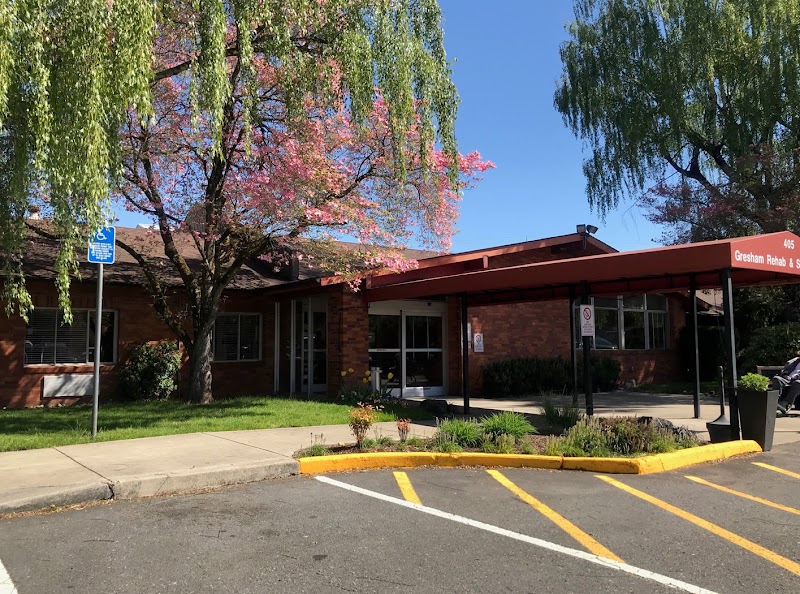
How is Gresham Post Acute Care And Rehabilitation Staffed?

CMS rates GRESHAM POST ACUTE CARE AND REHABILITATION's staffing level at 3 out of 5 stars, which is average compared to other nursing homes.

What Have Inspectors Found at Gresham Post Acute Care And Rehabilitation?

State health inspectors documented 48 deficiencies at GRESHAM POST ACUTE CARE AND REHABILITATION during 2022 to 2025. These included: 2 Immediate Jeopardy (the most serious level, indicating potential for serious harm or death), 3 that caused actual resident harm, and 43 with potential for harm. Immediate Jeopardy findings are rare and represent the most serious regulatory concerns. They require immediate corrective action.
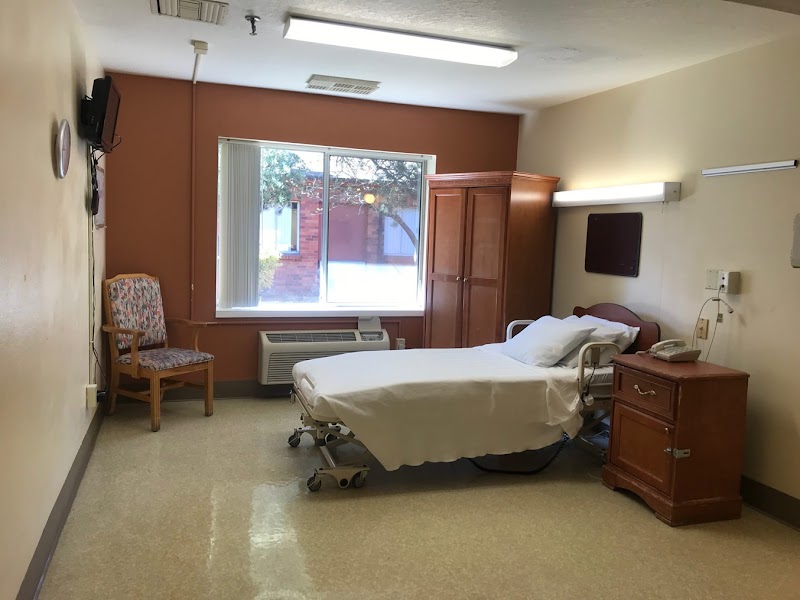
Who Owns and Operates Gresham Post Acute Care And Rehabilitation?

GRESHAM POST ACUTE CARE AND REHABILITATION is owned by a for-profit company. For-profit facilities operate as businesses with obligations to shareholders or private owners. The facility is operated by SAPPHIRE HEALTH SERVICES, a chain that manages multiple nursing homes. With 78 certified beds and approximately 71 residents (about 91% occupancy), it is a smaller facility located in GRESHAM, Oregon.
How Does Gresham Post Acute Care And Rehabilitation Compare to Other Oregon Nursing Homes?

Compared to the 100 nursing homes in Oregon, GRESHAM POST ACUTE CARE AND REHABILITATION's overall rating (1 stars) is below the state average of 3.0 and health inspection rating (1 stars) is much below the national benchmark.

What Should Families Ask When Visiting Gresham Post Acute Care And Rehabilitation?

Based on this facility's data, families visiting should ask: "What changes have been made since the serious inspection findings, and how are you preventing similar issues?" "Can I visit during a mealtime to observe dining assistance and food quality?" "How do you handle medical emergencies, and what is your hospital transfer rate?" "Can I speak with family members of current residents about their experience?" These questions are particularly relevant given the facility's Immediate Jeopardy citations.

Is Gresham Post Acute Care And Rehabilitation Safe?

Based on CMS inspection data, GRESHAM POST ACUTE CARE AND REHABILITATION has documented safety concerns. Inspectors have issued 2 Immediate Jeopardy citations (the most serious violation level indicating risk of serious injury or death). The facility has a 1-star overall rating and ranks #100 of 100 nursing homes in Oregon. Families considering this facility should ask detailed questions about what corrective actions have been taken since these incidents.

Do Nurses at Gresham Post Acute Care And Rehabilitation Stick Around?

GRESHAM POST ACUTE CARE AND REHABILITATION has not reported staff turnover data to CMS. Staff turnover matters because consistent caregivers learn residents' individual needs, medications, and preferences. When staff frequently change, this institutional knowledge is lost. Families should ask the facility directly about their staff retention rates and average employee tenure.

Was Gresham Post Acute Care And Rehabilitation Ever Fined?

GRESHAM POST ACUTE CARE AND REHABILITATION has been fined $116,800 across 2 penalty actions. This is 3.4x the Oregon average of $34,247. Fines at this level are uncommon and typically indicate a pattern of serious deficiencies, repeated violations, or failure to correct problems promptly. CMS reserves penalties of this magnitude for facilities that pose significant, documented risk to resident health or safety. Families should request specific documentation of what issues led to these fines and what systemic changes have been implemented.

Is Gresham Post Acute Care And Rehabilitation on Any Federal Watch List?

GRESHAM POST ACUTE CARE AND REHABILITATION is not on any federal watch list. The most significant is the Special Focus Facility (SFF) program, which identifies the bottom 1% of nursing homes nationally based on persistent, serious quality problems. Not being on this list means the facility has avoided the pattern of deficiencies that triggers enhanced federal oversight. This is a positive indicator, though families should still review the facility's inspection history directly.