

VILLAGE HEALTH CARE

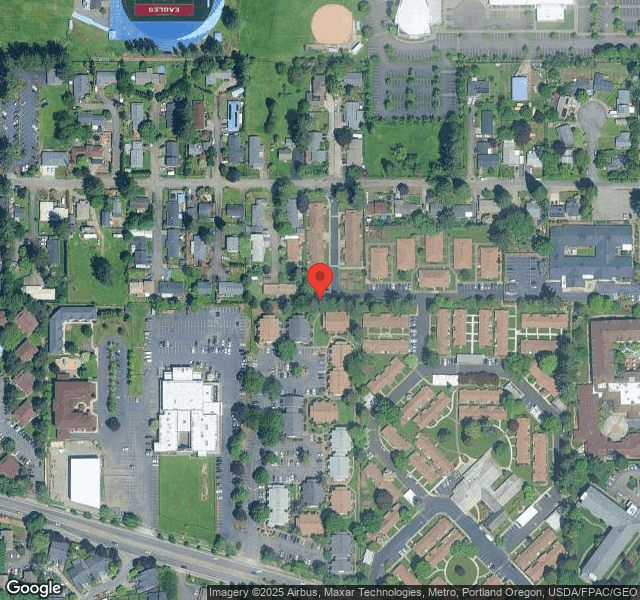
3955 SE 182ND AVENUE, GRESHAM, OR 97030 (503) 665-0183
For profit - Corporation 106 Beds EMPRES OPERATED BY EVERGREEN Data: November 2025
Trust Grade
43/100
#101 of 127 in OR
Last Inspection: February 2025

Within standard 12-15 month inspection cycle. Federal law requires annual inspections.

Overview

Village Health Care in Gresham, Oregon, has a Trust Grade of D, indicating below-average quality and some significant concerns. It ranks #101 out of 127 facilities in Oregon, placing it in the bottom half, and #27 out of 33 in Multnomah County, meaning only a few local options are better. The facility's trend is worsening, with issues increasing from 7 in 2023 to 27 in 2025. While staffing is a strength with a turnover rate of 0%, significantly lower than the Oregon average, the facility has received $4,225 in fines, which is average but still suggests some compliance problems. Specific incidents include a serious medication error that led to a resident's hospitalization and failures in hand hygiene practices, which could put residents at risk for infections. Overall, while there are some strengths, such as staff stability, the facility has serious weaknesses that families should consider carefully.

Trust Score
D
43/100
In Oregon
#101/127
Bottom 21%
Safety Record
Moderate
Needs review
Inspections
Getting Worse
7 → 27 violations
Staff Stability
○ Average
Turnover data not reported for this facility.
Penalties
✓ Good
$4,225 in fines. Lower than most Oregon facilities. Relatively clean record.
Skilled Nurses
○ Average
Each resident gets 40 minutes of Registered Nurse (RN) attention daily — about average for Oregon. RNs are the most trained staff who monitor for health changes.
Violations
⚠ Watch
38 deficiencies on record. Higher than average. Multiple issues found across inspections.
★★☆☆☆
2.0
Overall Rating
★★★☆☆
3.0
Staff Levels
★★★★☆
4.0
Care Quality
★★☆☆☆
2.0
Inspection Score
Stable
2023: 7 issues
2025: 27 issues

The Good

  • 4-Star Quality Measures · Strong clinical quality outcomes
  • Full Sprinkler Coverage · Fire safety systems throughout facility
  • No fines on record

Facility shows strength in quality measures, fire safety.

The Bad

2-Star Overall Rating

Below Oregon average (3.0)

Below average - review inspection findings carefully

Federal Fines: $4,225

Below median ($33,413)

Minor penalties assessed

Chain: EMPRES OPERATED BY EVERGREEN

Part of a multi-facility chain

Ask about local staffing decisions and management

The Ugly 38 deficiencies on record

1 actual harm
May 2025 1 deficiency 1 Harm
SERIOUS (G) 📢 Someone Reported This

A family member, employee, or ombudsman was alarmed enough to file a formal complaint

Actual Harm - a resident was hurt due to facility failures

Deficiency F0760 (Tag F0760)

A resident was harmed · This affected 1 resident

Based on interview and record review it was determined the facility failed to ensure residents were free from significant medication errors for 1 of 3 sampled residents (#3) reviewed for medications. ...

Read full inspector narrative →
Based on interview and record review it was determined the facility failed to ensure residents were free from significant medication errors for 1 of 3 sampled residents (#3) reviewed for medications. As a result, Resident 3 experienced significant clinical symptoms (increased swelling of the extremities, lowered oxygen levels and shortness of breath) related to the medication error and had a 10-day hospitalization stay. Findings include: Resident 3 admitted to the facility in 1/2025 with diagnoses including chronic obstructive pulmonary disease (damage to the airways and air sacs in the lungs which make it difficult to breathe) and congestive heart failure (a weakened heart condition the causes fluid buildup in the feet, arms, lungs and other organs). Resident 3's 1/10/25 nursing notes indicated she/he was alert and oriented and was able to make her/his needs known. On 2/4/25, the facility submitted a report to the State Survey Agency which revealed Resident 3 did not receive her/his lasix (a diuretic which reduces fluid buildup), which resulted in her/his hospitalization and the facility had initiated an investigation. On 2/7/25, the facility sent additional information which confirmed Resident 3 did not receive lasix for four days due to a charting error on the resident's MAR. Physician orders dated 1/11/25 for Resident 3 revealed she/he was to be administered 40 mg of lasix once a day from 1/11/25 through 1/22/25. Resident 3's Nursing Note dated 1/22/25 revealed she/he had a new order for lasix to be administered two times a day for five days due to the resident's complaints of increased swelling in her/his lower extremities. Resident 3's 1/23/25 Nursing Note indicated for the resident's new order to be implemented, her/his original order needed to be stopped. Resident 3's 1/2025 MAR revealed she/he did not receive her/his lasix from 1/27/25 through 1/30/25. An MD provider note dated 1/31/25, indicated Resident 3 had reported shortness of breath and swelling in her/his legs. The note indicated the resident had not been administered lasix from 1/27/25 through 1/31/25 and was a medication error. Resident 3 was re-started on her/his medication on 1/31/25. Resident 3's 2/2/25 Nursing Note revealed she/he was observed to have continued shortness of breath, increased respiratory rate, lower than normal oxygen levels and swelling in her/his legs. The resident was sent to the ED at approximately 9:00 AM and diagnosed with acute hypoxemic respiratory failure (a serious condition where the lungs fail to deliver enough oxygen to the blood, leading to a deficiency of oxygen in the body). Hospital discharge records dated 2/12/25 revealed Resident 3 was admitted to the ED on 2/2/25, and was diagnosed with hypoxemic respiratory failure. Resident 3 was admitted to the ICU and received 5-6 liters of oxygen (baseline oxygen was 2 liters), prednisone (a steroid medication used to treat inflammation), and was volume overloaded on her/his physical exam. Resident 3's BNP (brain natriuretic peptide, a protein hormone produced by the heart's ventricles in response to stress and pressure, which rise when heart failure is experienced) was elevated above normal levels and the report concluded the heart failure was due to medication non-adherence. On 5/21/25 at 2:31 PM, Staff 5 confirmed she received new orders from the provider to start a lasix burst which consisted of taking the medication twice a day for five days. She attempted to hold the once per day lasix order from 1/22/25 through 1/26/25. She was unable to place the medication on hold due to a glitch in the computer system and had to discontinue the medication. She stated she was going to be off for several days, so she spoke to the facility provider and the care manager regarding the medication change, as she was concerned about the glitch in the medication system. Staff 5 stated she placed the resident on alert for the new medication regimen and assumed the previous nurse manager or DNS would address the issue in their clinical rounds. Resident 3 was not interviewed due to discharging from the facility. On 5/22/25 at 11:28 AM, Staff 4 (Nurse Practitioner) stated a resident missing four days of lasix would constitute a significant medication error and could have significant, serious medical outcomes for residents. On 5/22/25 at 12:05 PM, Staff 1 (Administrator) and Staff 2 (DNS) were notified of the investigative findings and provided no additional information.
Feb 2025 26 deficiencies
CONCERN (D)

Potential for Harm - no one hurt, but risky conditions existed

Resident Rights (Tag F0550)

Could have caused harm · This affected 1 resident

Based on observation, interview and record review it was determined the facility failed to ensure residents were treated with dignity for 1 of 1 sampled resident (# 3) and 1 of 1 facility reviewed for...

Read full inspector narrative →
Based on observation, interview and record review it was determined the facility failed to ensure residents were treated with dignity for 1 of 1 sampled resident (# 3) and 1 of 1 facility reviewed for dignity and dining. This placed residents at risk for lack of dignity. Findings include: 1. Resident 3 was admitted to the facility in 10/2014 with diagnoses including adult failure to thrive, abnormal weight loss and anxiety. Resident 3's 12/20/24 Annual MDS revealed the resident had no cognitive impairments and had impairments of both upper extremities. Observations of Resident 3 during breakfast and lunch meals from 1/28/25 through 1/30/25 revealed the following: -1/28/25 at 8:52 AM: Resident 3 received two glasses of juice served in plastic medication glasses and cereal served in a medium sized paper bowl. -1/28/25 at 12:48 PM: Resident 3 received two glasses of juice served in plastic medication glasses. -1/29/25 at 8:23 AM: Resident 3 received two glasses of juice served in plastic medication glasses. -1/30/25 at 8:37 AM: Resident 3 received two glasses of juice served in Styrofoam glasses. On 1/28/25 at 8:52 AM and 12:48 PM Resident 3 stated she/he received paper, plastic and Styrofoam dishware for at least the past two months. She/he stated it was difficult to feed herself/himself because the paper, plastic and Styrofoam dishware was not sturdy enough which resulted in spilled food and drinks. On 1/28/25 at 12:55 PM Staff 4 (CNA) reported residents, including Resident 3, were served with plastic or Styrofoam glasses because the regular glassware kept getting lost or the kitchen ran out of regular dishware. On 1/29/25 at 8:25 AM Staff 5 (CNA) stated the residents were served with plastic or Styrofoam glasses for the past couple of months and was not sure why the kitchen did not provide regular dishware. On 1/29/25 at 8:34 AM Staff 6 (Dietary Manager) stated he was new in his role as dietary manager and was unaware the residents were being served drinks and food with plastic and Styrofoam dishware. Resident 3 spoke with Staff 6 and told him plastic and Styrofoam dishware did not work with her/his hands. Staff 6 confirmed Resident 3 was being served drinks in plastic and Styrofoam glasses and that was not dignified or home-like. 2. Random observations of the facility during breakfast and lunch on 1/28/25 through 1/29/25 revealed the following: -Multiple residents who were served meals in their rooms and both dining rooms were served drinks in plastic medication or Styrofoam glasses. -Plastic medication and Styrofoam glasses were observed on the all of the beverage service carts. On 1/28/25 at 8:52 AM and 12:48 PM Resident 3 stated she/he received paper, plastic and Styrofoam dishware for at least the past two months. She/he stated it was difficult to feed herself/himself because the paper, plastic and Styrofoam dishware was not sturdy enough which resulted in spilled food and drinks. On 1/28/25 at 12:55 PM Staff 4 (CNA) reported residents, including Resident 3, were served with plastic or Styrofoam glasses because the regular glassware kept getting lost or the kitchen ran out of regular dishware. On 1/29/25 at 8:25 AM Staff 5 (CNA) stated the residents were served with plastic or Styrofoam glasses for the past couple of months and was not sure why the kitchen did not provide regular dishware. On 1/29/25 at 8:34 AM Staff 6 (Dietary Manager) stated he was new in his role as dietary manager and was unaware the residents were being served drinks and food with plastic and Styrofoam dishware. Staff 6 completed a walk-through of the facility and confirmed multiple residents were being served drinks in plastic and Styrofoam glasses and that was not dignified or home-like.
CONCERN (D)

Potential for Harm - no one hurt, but risky conditions existed

Deficiency F0552 (Tag F0552)

Could have caused harm · This affected 1 resident

Based on interview and record review it was determined the facility failed to inform residents and/or the residents' responsible party of the risks and benefits, and to ensure consent was obtained for...

Read full inspector narrative →
Based on interview and record review it was determined the facility failed to inform residents and/or the residents' responsible party of the risks and benefits, and to ensure consent was obtained for the use of psychotropic medications for 1 of 5 sampled residents (# 220) reviewed for unnecessary medications. This placed residents at risk for lack of informed consent. Findings include: The facility's Informed Consent for Psychotropic Drugs, dated 9/2017, revealed the licensed nurse was to: -Discuss the rationale/benefits for the orders as directed by the physician. -Discuss the potential risk factors (side effects/symptoms) of taking the prescribed drug. -Review the content with the resident and obtain their signature if they agreed to take the prescribed drug. Resident 220 was admitted to the facility in 1/2025 with diagnoses including generalized anxiety disorder. Resident 220's 1/2025 MAR revealed the resident received the following psychotropic medications as ordered by her/his physician: -Citralopram Hydrobromide (a medication to treat depression and panic attacks) one time a day for generalized anxiety. -Aprazolam (a medication to treat anxiety) every 12 hours as needed for anxiety. Review of Resident 220's health record revealed no documentation to indicate the resident or her/his representative was informed of the risks and benefits of citralopram and aprazolam and no evidence the resident consented to receive the medications. On 1/30/25 at 12:47 PM Staff 2 ( DNS) stated it was her expectation nursing staff reviewed the risks and benefits of psychotropic medications with residents prior to the residents taking the medications and confirmed Resident 220 received citralopram and aprazolam without consent being obtained.
CONCERN (D)

Potential for Harm - no one hurt, but risky conditions existed

Deficiency F0553 (Tag F0553)

Could have caused harm · This affected 1 resident

**NOTE- TERMS IN BRACKETS HAVE BEEN EDITED TO PROTECT CONFIDENTIALITY** Based on interview and record review it was determined the facility failed to ensure residents were included in care planning fo...

Read full inspector narrative →
**NOTE- TERMS IN BRACKETS HAVE BEEN EDITED TO PROTECT CONFIDENTIALITY** Based on interview and record review it was determined the facility failed to ensure residents were included in care planning for 1 of 4 sampled residents (#28) reviewed for care planning. This placed residents at risk for not being involved in the care planning process. Findings include: Resident 28 was admitted to the facility in 1/8/25 with diagnoses including myocardial infarction (heart attack) and a fractured leg. A review of Resident 28's clinical record revealed she/he was her/his own responsible party. Resident 28's Functional Abilities and Goals assessment dated [DATE] indicated she/he was cognitively independent. No evidence was found in Resident 28's clinical record to indicate she/he was involved in the development of her/his care plan. On 1/27/25 at 10:54 AM Resident 28 stated the facility staff did not speak with her/him to develop her/his care plan and added she/he did not know what was included in her/his care plan. On 1/28/25 at 3:55 PM Staff 3 (RNCM) stated she did not find any evidence Resident 28 was involved in the development of her/his care plan. On 1/29/25 at 4:02 PM Staff 2 (DNS) stated there was no documentation of a care conference with Resident 28 regarding her/his care plan. She stated she expected residents to have a care conference within 72 hours of admitting to the facility so they were aware of their goals and discharge plan.
CONCERN (D)

Potential for Harm - no one hurt, but risky conditions existed

Deficiency F0554 (Tag F0554)

Could have caused harm · This affected 1 resident

Based on observation, interview and record review it was determined the facility failed to determine the appropriateness for the self-administration of medication for 2 of 2 sampled residents (#s 18 a...

Read full inspector narrative →
Based on observation, interview and record review it was determined the facility failed to determine the appropriateness for the self-administration of medication for 2 of 2 sampled residents (#s 18 and 60) reviewed for self-administering medication. This placed residents at risk for unsafe medication administration. Findings include: Review of the facility's Self-Administration of Medications policy, dated 9/2017, revealed if a resident desires to self-administer medications, the Self-Medication Evaluation was completed. This evaluation was completed before the resident was able to self-administer medication. 1. Resident 18 was admitted to the facility in 2023 with diagnoses including a stroke. On 1/30/25 at 12:16 PM Resident 18 was observed to lie in her/his bed with the overbed table placed over her/his lap. On the table was a brown bottle, spray of Fluticasone Propionate Nasal spray, 50mg, within her/his reach. Review of the resident's health record revealed no self-administer medication assessment was completed to determine Resident 18's ability to safely self-administer the Fluticasone Propionate Nasal spray. On 1/31/25 at 9:38 AM Staff 2 (DNS) observed the Fluticasone Propionate Nasal spray within Resident 18's reach. Staff 2 confirmed the resident was not assessed to safely self-medicate and the medication should not be left in her/his room. 2. Resident 60 was admitted to the facility in 12/2024 with diagnoses including chronic obstructive pulmonary disease (COPD, airway narrowing which causes difficulty breathing). A 12/31/24 Physician Order included albuterol sulfate to be administered by a clinician every six hours as needed for COPD. Review of Resident 60's records on 1/28/25 reveal no assessment for self-administration of any medications was performed. On 1/28/25 at 9:03 AM an inhaler was observed on Resident 60s bedside table. Resident 60 stated the inhaler was albuterol sulfate. On 1/28/25 at 1:23 PM Staff 2 (DNS) confirmed Resident 60 had not been assessed for safety with self-administration of albuterol sulfate and the inhaler should not have been left with Resident 60 before she/he was determined to be safe with self-administration of that medication.
CONCERN (D)

Potential for Harm - no one hurt, but risky conditions existed

Deficiency F0558 (Tag F0558)

Could have caused harm · This affected 1 resident

Based on observation, interview and record review it was determined the facility failed to ensure the call light was within reach for 1 of 1 sampled resident (#17) reviewed for call lights. This place...

Read full inspector narrative →
Based on observation, interview and record review it was determined the facility failed to ensure the call light was within reach for 1 of 1 sampled resident (#17) reviewed for call lights. This placed residents at risk for accidents and the inability to call for assistance. Findings include: Resident 17 was admitted to the facility in 2021 with diagnoses including Aphasia (language disorder which affects a person's ability to communicate). Resident 17's 1/29/25 in room care plan directed staff to ensure the resident's call light was in reach. On 1/29/25 at 9:31 AM and 10:47 AM, Resident 17 was observed to lie in her/his bed. The resident's call light was not within reach and was wrapped around the base of the head of the frame. During a 1/30/25 at 11:00 AM Resident Council meeting the residents stated their call lights were often not within reach and were tied to the back of their beds which did not allow them to call for assistance. On 1/30/25 at 12:59 PM Staff 8 (CNA) confirmed Resident 17's call light was not within reach and was tied to the back of her/his bed. On 2/3/25 at 8:20 AM Staff 2 (DNS) confirmed Resident 17's call light was not within her/his reach. Staff 2 stated she expected the care plan to be followed and residents to have call lights within reach.
CONCERN (D)

Potential for Harm - no one hurt, but risky conditions existed

Deficiency F0582 (Tag F0582)

Could have caused harm · This affected 1 resident

**NOTE- TERMS IN BRACKETS HAVE BEEN EDITED TO PROTECT CONFIDENTIALITY** Based on interview and record review it was determined the facility failed to provide SNF ABN (Skilled Nursing Facility Advanced...

Read full inspector narrative →
**NOTE- TERMS IN BRACKETS HAVE BEEN EDITED TO PROTECT CONFIDENTIALITY** Based on interview and record review it was determined the facility failed to provide SNF ABN (Skilled Nursing Facility Advanced Beneficiary Notice of Non-Coverage) notifications to 1 of 3 sampled residents (#34) reviewed for Beneficiary Notification. This placed residents and their representatives at risk for unknown financial liabilities. Findings include: Resident 34 was admitted to the facility on [DATE] with Medicare A benefits. A 10/11/24 NOMNC (Notice of Medicare Non-Coverage) indicated Resident 34's Medicare Part A benefits ended on 10/14/24. Review of Resident 34's health record indicated the resident remained in the facility and was financially responsible for her/his care from 10/15/24 until 12/1/24. There was no documentation indicating the SNF ABN notification was provided to Resident 34 or their representative to inform them of the resident's daily out-of-pocket costs. On 1/29/25 at 12:54 PM Staff 2 (DNS) reported the facility was not providing SNF ABN notifications to residents or their representatives. Staff 2 stated her expectation was residents or their representatives were informed of the resident's daily out-of-pocket costs via a SNF ABN notification form.
CONCERN (D)

Potential for Harm - no one hurt, but risky conditions existed

Assessment Accuracy (Tag F0641)

Could have caused harm · This affected 1 resident

Based on observation, interview and record review it was determined the facility failed to ensure accurate assessments for 2 of 5 sampled residents (#s 25 and 45) reviewed for medications. This placed...

Read full inspector narrative →
Based on observation, interview and record review it was determined the facility failed to ensure accurate assessments for 2 of 5 sampled residents (#s 25 and 45) reviewed for medications. This placed residents at risk for unmet care needs. Findings include: 1. Resident 25 was admitted to the facility in 2018 with diagnoses including diabetes. On 1/28/25 at 12:54 PM Resident 25 was observed to be alert, oriented and was able to effectually express her/his current and past needs and history. Resident 25's 12/21/24 Quarterly MDS indicated the resident's BIMS score was not assessed as she/he was rarely/never understood and no diagnosis was provided to indicate the use of opioid medication. Resident 25's 3/20/24 Annual MDS revealed the resident's BIMS score of 15 (cognitively intact) and a diagnosis of chronic pain. On 2/3/25 at 8:08 AM Staff 2 (DNS) was informed of the findings and stated Resident 25's 12/21/24 Quarterly MDS was not accurate and she expected resident assessment to be accurate. 2. Resident 45 was admitted to the facility in 4/2024 with diagnoses including anxiety disorder. An 8/28/24 MDS Assessment stated Resident 45 used corrective lenses to assist with her/his vision. A 12/1/24 MDS Assessment stated Resident 45 did not use corrective lenses to assist with her/his vision. On 1/29/25 at 9:29 AM Resident 45 was observed wearing glasses. Resident 45 stated she/he had worn glasses pretty much forever. On 1/29/25 at 10:46 AM Staff 2 (DNS) confirmed Resident 45's most recent MDS Assessment inaccurately reflected Resident 45's visual needs.
CONCERN (D)

Potential for Harm - no one hurt, but risky conditions existed

PASARR Coordination (Tag F0644)

Could have caused harm · This affected 1 resident

**NOTE- TERMS IN BRACKETS HAVE BEEN EDITED TO PROTECT CONFIDENTIALITY** Based on observation, interview and record review the facility failed to conduct a new/accurate Level I PASARR (Pre-admission Sc...

Read full inspector narrative →
**NOTE- TERMS IN BRACKETS HAVE BEEN EDITED TO PROTECT CONFIDENTIALITY** Based on observation, interview and record review the facility failed to conduct a new/accurate Level I PASARR (Pre-admission Screening and Resident Review) when the facility became aware of indicators of a serious mental illness diagnosis and failed to complete a referral for a Level ll PASARR for 1 of 2 sampled residents (# 24) reviewed for PASARR coordination of care. This placed residents with a mental health disorder at risk for delayed care, emotional distress related to mental illness and lack of services to attain their highest practicable well-being. Findings include: Resident 24 admitted to the facility in 6/2022 with diagnoses including Bi-Polar Disorder (episodes of mood swings), Major Depressive Disorder and anxiety. Resident 24's heath record revealed a PASARR l coded for no indication of a serious mental illness was completed by the hospital upon admission on [DATE]. Resident 24's in room care plan directed staff with interventions for the following safety and behavioral concerns: -To give antidepressant, antipsychotic and mood stabilizer medications. -Report to nurse if resident was agitated, aggressive or in a depressed mood. -Resident experienced hallucinations of brother and other people outside of her/his room in the courtyard. An 11/20/24 Summary-Social Services form revealed Resident 24 still experienced hallucinations and stated they saw her/his brother living in the room above them and spoke vulgar things to her/him. Review of Resident 24's health record provided no evidence of a corrected Level l PASARR or facility efforts to make a referral for a Level ll PASARR for behavioral services. On 1/28/25 to 1/30/25 from 8:21 AM to 3:31 PM Resident 24 was observed on multiple occasions to self-isolate in her/his room. On 1/30/25 at 1:34 PM Staff 9 (Activity Director/Social Service Director) stated Resident 24 experienced behaviors which affected her/his daily life. Staff 9 expected a PASARR ll to be completed for Resident 24. On 2/3/25 at 10:59 AM Staff 2 (DNS) stated she would have expected a PASARR ll referral to have been completed for Resident 24.
CONCERN (D)

Potential for Harm - no one hurt, but risky conditions existed

Deficiency F0655 (Tag F0655)

Could have caused harm · This affected 1 resident

**NOTE- TERMS IN BRACKETS HAVE BEEN EDITED TO PROTECT CONFIDENTIALITY** Based on interview and record review it was determined the facility failed to comprehensively develop a resident-centered baseli...

Read full inspector narrative →
**NOTE- TERMS IN BRACKETS HAVE BEEN EDITED TO PROTECT CONFIDENTIALITY** Based on interview and record review it was determined the facility failed to comprehensively develop a resident-centered baseline care plan within 48 hours of a resident's admission for 2 of 3 sampled residents (#s 41 and 220) reviewed for choices and accidents. This placed residents at risk for unmet care needs. Findings include: The facility's Baseline Plan of Care policy, last updated 4/2024, indicated the following: -The baseline plan of care included information regarding care and services sufficient to promote safe delivery of care. -Once triggered, the baseline care plan must be addressed and all customizations must be completed on the day of admission. 1. Resident 220 was admitted to the facility on [DATE] with diagnoses including acute and chronic respiratory failure with hypoxia (a condition of inadequate supply of oxygen to the the body), oxygen dependence, dysphagia (difficulty swallowing), moderate protein-calorie malnutrition (a condition in which reduced nutrients lead to changes in body functioning), stroke, anxiety disorder and metabolic encephalopathy (a neurological condition where the brain does not function properly). Resident 220's 1/20/25 Admission-readmission Nursing Evaluation identified multiple areas of care needs including the need for oxygen therapy, use of BIPAP (a non-invasive ventilation therapy used to treat breathing difficulties) at bedtime, modified diet textures due to swallowing difficulties including the need for one-on-one supervision when eating, incontinence of both bowel and bladder, high fall risk, need for wound care on the coccyx (the small bone at the bottom of the spine) and right hip and assistance with all care including transfers, dressing and bathing. A review of Resident 220's baseline care plan, dated 1/24/25, indicated a problem, goal and intervention for nutrition only; no other care area concerns were identified or included on the baseline care plan. On 1/30/25 at 10:27 AM Staff 3 (RNCM) stated Resident 220's baseline care plan should have included the resident's active problems such as difficulty breathing, anxiety and medication monitoring. Staff 3 confirmed staff would not know what Resident 220's care needs were when looking at her/his current baseline care plan. On 1/30/25 at 12:47 PM Staff 2 (DNS) confirmed Resident 220's baseline care plan did not adequately address the resident's care needs. 2. Resident 41 was admitted to the facility in 12/2024 with diagnoses of orthostatic hypotension (low blood pressure upon standing or sitting up from a lying position) and metabolic encephalopathy (brain dysfunction related to an imbalance in brain chemicals. A review of resident 41's 12/27/24 admission nursing evaluation revealed she/he had sever cognitive impairment, required partial to moderate assistance to transfer and she/he had no history of elopement nor did she/he indicate she/he may attempt to leave the facility. On 1/4/25 Resident 41 attempted to transfer from her/his wheelchair independently and experienced a fall resulting in a fracture of her/his right hip. Resident 41 was sent to the hospital for treatment on 1/5/25 and returned to the facility on 1/9/25. No evidence was found in Resident 41's clinical record to indicate the facility developed her/his baseline care plan between 12/27/24 and 1/5/25. On 1/29/25 at 3:25 PM Staff 13 acknowledged the facility did not develop a baseline care plan for Resident 41 during her/his first stay in the facility from 12/27/24 until she/he was discharged to the hospital on 1/5/25. She added, I totally expect a resident to have a baseline care plan.
CONCERN (D) 📢 Someone Reported This

A family member, employee, or ombudsman was alarmed enough to file a formal complaint

Potential for Harm - no one hurt, but risky conditions existed

Comprehensive Care Plan (Tag F0656)

Could have caused harm · This affected 1 resident

**NOTE- TERMS IN BRACKETS HAVE BEEN EDITED TO PROTECT CONFIDENTIALITY** Based on interview and record review it was determined the facility failed to develop a plan of care to address resident centere...

Read full inspector narrative →
**NOTE- TERMS IN BRACKETS HAVE BEEN EDITED TO PROTECT CONFIDENTIALITY** Based on interview and record review it was determined the facility failed to develop a plan of care to address resident centered medication management or need for PASARR (Pre-admission Screening and Resident Review) for 2 of 3 residents (#s 24 and 118) reviewed for implementation of physician orders or PASSAR. This placed the residents at risk for emotional distress related to lack of services to attain their highest practicable well-being. Finding include: 1. Resident 118 was admitted in 8/2024 with diagnoses including epilepsy, surgical repair of fractured hip, anxiety disorder and depression. admission orders dated 8/16/24 included clobazam 15 mg twice a day for seizure disorder and diazepam 10 mg gel rectally twice daily as needed for aura (physical, emotional or sensory changes that may proceed seizure activity in some individuals). The admission MDS dated [DATE] indicated the resident had mild cognitive impairment with a BIMS of 13, no mood concerns or behaviors, frequent pain, and received opioid and antianxiety medications. The resident's Psychotropic CAA identified risk for adverse drug reactions related use of psychotropic medications and listed the following medications: Diazepam and clobazam (both benzodiazepines used to treat anxiety and/or seizures) and buspirone (an anti-anxiety medicine). Care Conference notes dated 8/27/24 indicated the resident's only concern was their medication and wanting clarification on what they were taking and how much. The notes indicated the resident had problematic coping behavior and a SLUMS (St. Loius University Mental Status - test used to evaluated cognitive function) score of 19 indicating dementia. The notes also indicated the facility would continue the current plan of care. The resident's Care Plan dated 8/21/24 included a problem related to the use of antianxiety medication for treatment of an anxiety disorder. The care plan did not identify how the anxiety disorder manifested. The care plan did not address the resident's use of PRN diazepam or that it was to be given for either auras or seizure activity. The care plan did not address the potential cognitive changes or behavioral needs identified in the care conference notes. In an interview on 1/31/25 at 11:10 AM Staff 2 (DNS) acknowledged the lack of a person-centered care plans for some residents. 2. Resident 24 was admitted to the facility in 2022, with diagnoses including Bipolar Disorder (mood swings), Major Depression and anxiety. Review of Resident 24's 11/1/24 Annual MDS indicated she/he received antipsychotic and antidepressant medications. The resident's current care plan indicated Resident 24 experienced visual hallucinations related to mental illness. The interventions directed staff to provide medications as ordered for hallucinations of her/his brother as well as other people outside her/his room in the courtyard. Resident 24's care plan failed to address how the resident's diagnoses and behaviors presented with and did not provide staff specific interventions to be used when the resident exhibited the behaviors. On 1/30/25 at 1:34 PM Staff 9 (Activity Director/Social Service Director) acknowledged the care plan failed to include resident centered interventions for behaviors. In an interview on 2/3/25 at 10:49 AM Staff 2 (DNS) acknowledged would expect the care plan with resident centered interventions to address Resident 24's behavior.
CONCERN (D) 📢 Someone Reported This

A family member, employee, or ombudsman was alarmed enough to file a formal complaint

Potential for Harm - no one hurt, but risky conditions existed

Quality of Care (Tag F0684)

Could have caused harm · This affected 1 resident

**NOTE- TERMS IN BRACKETS HAVE BEEN EDITED TO PROTECT CONFIDENTIALITY** Based on observation, interview, and record review it was determined the facility failed to provide care and treatment as care p...

Read full inspector narrative →
**NOTE- TERMS IN BRACKETS HAVE BEEN EDITED TO PROTECT CONFIDENTIALITY** Based on observation, interview, and record review it was determined the facility failed to provide care and treatment as care planned for 1 of 3 sampled residents (# 25) reviewed for skin conditions and failed to ensure person-centered medication management for 1 of 1 sampled resident (# 118) reviewed for implementation of physician orders. This placed residents at risk for delayed treatment and unmet needs. Findings include: 1. Resident 118 was admitted to the facility in 8/2024 with diagnoses including surgical repair of a fractured hip, epilepsy, depression and anxiety disorder. admission orders for Resident 118 dated 8/16/24 included clobazam 15 mg twice a day for seizure disorder, diazepam 10 mg gel, rectally, twice daily as needed for aura (physical, emotional or sensory changes that may proceed seizure activity in some individuals) or seizures and buspirone (an anti-anxiety medication). An admission MDS dated [DATE] indicated the resident had mild cognitive impairment with a BIMS of 13, no mood concerns or behaviors, frequent pain, and received opioid and anti-anxiety medications. The resident's Psychotropic CAA identified risk for adverse drug reactions related use of psychotropic medications and listed the following medications: Diazepam and clobazam (both benzodiazepines used to treat anxiety and/or seizures) and buspirone (an anti-anxiety medicine). Review of Care Conference notes dated 8/27/24 revealed the resident's only concern at that time was their medication and wanting clarification on what they were taking and how much. The note described problematic behavior and a SLUMS (St. Louis University Mental Status - test used to evaluated cognitive function) score of 19 indicating dementia. The note indicated the facility would continue the current plan of care. Review of nursing notes for August and September 2024 revealed several episodes of conflict between the resident and nursing staff who were hesitant to administer concurrent doses of sedating medications. Provider notes dated 9/6/24 revealed an evaluation of the resident's medications including information obtained from the resident's primary provider. The note identified the need to clarify for nursing staff resident-specific administration parameters including the resident's description of auras manifested as as heart palpitations, anxiety, changes in blood pressure or pulse. The note stated there was no for a time interval between PRN doses of diazepam but no more than two doses to be given in 24 hours. The resident's plan of care was not updated to describe how the resident's aura or seizure activity was manifested and the administration instructions on the TAR remained unchanged. In an interview on 1/28/25 at 12:38 PM Resident 118 stated she/he was frustrated and angry and felt like she/he had to fight for medications. On 1/30/25 at 1:10 PM Staff 19 (RN) stated Resident 118 asked for sedating medications to given at the same time but she was not comfortable giving multiple sedating medications to the resident and based on her assessment, the resident was not exhibiting seizure activity. On 1/31/25 at 11:10 AM Staff 2 (DNS) confirmed the progress notes provided important information for nursing staff responsible for administering medication. 2. Resident 25 was admitted to the facility in 2018 with diagnoses including diabetes. On 1/27/25 at 1:05 PM Resident 25 was observed to lie in her/his bed. Resident 25 was observed with a large section of bruising, varying in color, to her/his lower right leg and an abrasion about an inch long, scabbed over. The resident's right inner lower arm was observed with several bruises. Resident 25 stated she/he obtained these bruises from a fall months ago. Review of Resident 25's health record revealed no skin assessment, monitoring or treatments were completed for the bruising. On 2/3/25 at 8:08 AM Staff 2 (DNS) confirmed Resident 25 did not have assessments, monitoring or treatments for the bruising or the skin abrasion. Staff 2 would expect all bruising and skin abrasions to be assessed and monitored. No further information was provided.
CONCERN (D)

Potential for Harm - no one hurt, but risky conditions existed

Deficiency F0685 (Tag F0685)

Could have caused harm · This affected 1 resident

Based on observation, interview and record review it was determined the facility failed to provide glasses repair assistance for 1 of 1 sampled resident (# 45) reviewed for vision. This placed residen...

Read full inspector narrative →
Based on observation, interview and record review it was determined the facility failed to provide glasses repair assistance for 1 of 1 sampled resident (# 45) reviewed for vision. This placed residents at risk for decreased visual abilities. Findings include: Resident 45 was admitted to the facility in 4/2024 with diagnoses including anxiety disorder. An 8/28/24 MDS Assessment stated Resident 45 used corrective lenses to assist with her/his vision. On 1/29/25 at 9:29 AM Resident 45 was observed wearing glasses. A scratch the size of a quarter was observed on the right lens of Resident 45's glasses. Resident 45 stated this scratch had been on her/his glasses for a long time and it makes her/his vision hazy. On 1/29/25 at 9:41 AM Staff 9 (Activity Director/SSD) stated Resident 45's glasses were damaged as result of a fall which occurred at the facility. On 1/29/25 at 10:46 AM Staff 2 (DNS) confirmed Resident 45's glasses should have been repaired or replaced as result of the damage having occurred at the facility.
CONCERN (D)

Potential for Harm - no one hurt, but risky conditions existed

Deficiency F0688 (Tag F0688)

Could have caused harm · This affected 1 resident

**NOTE- TERMS IN BRACKETS HAVE BEEN EDITED TO PROTECT CONFIDENTIALITY** Based on observation, interview and record review it was determined the facility failed to regularly provide restorative nursing...

Read full inspector narrative →
**NOTE- TERMS IN BRACKETS HAVE BEEN EDITED TO PROTECT CONFIDENTIALITY** Based on observation, interview and record review it was determined the facility failed to regularly provide restorative nursing services to ensure residents maintained or improved their current level of ROM or mobility for 2 of 2 residents (#s 18 and 33) reviewed for mobility. This placed residents at risk for decline in physical functioning. Findings include: 1. Resident 33 was admitted to the facility in 11/2021 with diagnoses including stroke with hemiparesis (partial paralysis on one side of the body). According the resident's Annual MDS dated [DATE] Resident 33 was cognitively intact, It was important to the resident to make choices and to be active. The resident had ROM impairment on one side and used a walker and wheelchair for mobility. Under Restorative Nursing Programs the MDS indicated the resident received no RA services during the seven-day look back period. Resident 33's Comprehensive Care Plan last revised 12/8/24 included a restorative nursing program related to impaired mobility to be provided three to five times each week. The program included active and passive ROM exercises, ambulation and use of exercise equipment with assistance from the restorative aides. On 1/27/25 at 4:07 PM Resident 33 stated she/he was not receiving RA regularly because the RA was frequently reassigned to work as a CNA. Review of the resident's record revealed no documentation of restorative services. On 1/30/25 at 8:57 AM Resident 33 stated she/he was less steady when walking and it hurt more to get dressed when RA services were not provided regularly. On 1/30/25 at 9:37 AM Staff 8 (RA/CNA) stated she worked with Resident 33 for about two years. Resident 33 never refused restorative services when offered. Staff 8 stated she was not always able to provide RA as planned if pulled from RA duties to work as a CNA. Staff 8 stated Resident 33 complained of shoulder pain with ROM exercises when the resident missed regular sessions, was less steady using her/his hemi-walker and was not able to walk as far. On 1/31/25 at 10:57 AM Staff 2 (DNS) confirmed the restorative aide was pulled to work as a CNA at times. Staff 2 agreed it was difficult to track restorative services and the facility needed to decide how and where they would document. 2. Resident 18 admitted to the facility in 2023 with diagnoses including stroke. Resident 18's 10/24/24 Restorative Program Initiation form revealed the program goal was to promote out of bed activities and improve quality of life. Resident 18's 1/3/25 re-admission MDS indicated no RA services were provided during the look back period. The current RA care plan, revised 1/20/25, indicated Resident 18 had an RA program for impaired mobility. The interventions directed staff to provide passive ROM to the left side and a power wheelchair program to assist with the use of her/his power wheelchair. On 1/28/25 at 1:53 PM and 1/29/25 at 12:36 PM Resident 18 stated she/he would like to get up out of bed and out of her/his room. On 1/30/25 at 12:59 PM Staff 8 (RA/CNA) stated often when they were scheduled for the RA position, they were moved to a CNA position and RA services were not available for residents due to lack of staffing. Staff 8 indicated the facility did not have a system to track RA services provided to residents or the level of resident participation when provided. On 2/3/25 at 9:11 AM Staff 2 (DNS) stated, to her knowledge, the facility did not have an active RA program and she was unsure of the last time RA was offered to residents consistently. Staff 2 acknowledged she expected Resident 18 to receive RA services as care planned. No additional information was provided.
CONCERN (D)

Potential for Harm - no one hurt, but risky conditions existed

Deficiency F0697 (Tag F0697)

Could have caused harm · This affected 1 resident

**NOTE- TERMS IN BRACKETS HAVE BEEN EDITED TO PROTECT CONFIDENTIALITY** Based on interview and record review it was determined the facility failed to update pain medication instructions to include res...

Read full inspector narrative →
**NOTE- TERMS IN BRACKETS HAVE BEEN EDITED TO PROTECT CONFIDENTIALITY** Based on interview and record review it was determined the facility failed to update pain medication instructions to include resident centered dosing for 1 of 3 residents (#26) reviewed for pain. This placed the resident at risk for increased pain and anxiety related to inconsistent interpretation of PRN orders. Findings include: Resident 26 was admitted to the facility in 10/2022 with diagnoses including anxiety, cancer and a more recent diagnosis of an abscess of the lower limb. Resident 26's Annual MDS dated [DATE] identified she/he had mild cognitive impairment with a BIMS of 13, experienced pain daily and received scheduled and PRN pain medication. The Pain CAA indicated house providers and licensed nurses monitored and managed the resident's pain control. Review of the resident's physician orders revealed a 11/6/24 order for oxycodone HCl 5 MG, 1 tablet by mouth as needed for Pain three times a day as needed. Resident 26's Comprehensive Care Plan last revised 11/12/24 included a problem statement related to generalized pain with a goal of pain relief. Interventions included consulting the prescriber for medication management. The Care Plan did not address the resident's specific pain related to the lower extremity infection, or need for pain control with dressing changes. On 1/27/25 at 10:30 AM Resident 26 stated she/he was prescribed oxycodone for pain but did not always receive it timely. The resident usually took one dose in the morning, a second dose at 2:00 pm and the third dose at bedtime. On 1/29/25 at 8:15 AM Resident 26 complained she/he did not receive a bedtime dose of oxycodone as the nurse stated it was too early to give it and she/he only received Tylenol which did not relieve her/his pain. Review of the resident's MAR indicated a dose of oxycodone was given at 4:18 PM and deemed effective at 6:00 PM. The resident did not receive another dose until the following morning. According to an Encounter Note from the resident's provider dated 1/29/24, the resident's pain medication regimen was discussed and the resident reported not always receiving medication timely due to nursing staff interpreting the TID dosing as three times a day or every 8 hours. The provider indicated in the note the minimum time between doses could be three hours. Review of the the resident's MAR and Care Plan on 1/31/25 at 5:50 PM revealed no updates to the plan of care to address the timing of the resident's pain medication. On 1/31/25 at 11:10 AM Staff 2 (DNS) confirmed there was information in the house provider progress notes that would provide clarification for nursing staff responsible for giving medication.
CONCERN (D)

Potential for Harm - no one hurt, but risky conditions existed

Deficiency F0698 (Tag F0698)

Could have caused harm · This affected 1 resident

Based on observation, interview and record review it was determined the facility failed to ensure dialysis services were in place including monitoring and communication with the dialysis provider for ...

Read full inspector narrative →
Based on observation, interview and record review it was determined the facility failed to ensure dialysis services were in place including monitoring and communication with the dialysis provider for 1 of 1 sampled resident (# 22) reviewed for dialysis. This placed residents at risk for dialysis complications and delayed treatment. Findings include: The facility's Dialysis policy, last updated 3/2015, indicated the following: -The facility communicated with the dialysis center by completing the dialysis transfer form and sending new labs obtained. -The facility required the dialysis center to provide information, including pre-dialysis and post-dialysis weights, labs and results obtained at dialysis, medications given at the dialysis center and follow-up care or procedures needing to be done at the facility. -If the facility nurse did not receive the requested information from the dialysis center, a call was to be placed to request the information. -If the dialysis center did not provide the needed information, the nurse should notify the DNS and the DNS would contact the dialysis center to obtain the information. Continued non-compliance would be referred to the facility's medical director. Resident 22 was admitted to the facility in 1/2025 with diagnoses including diabetes and end-stage renal disease. Resident 22's 1/16/25 admission MDS indicated the resident had no disorganized thinking or inability to focus, no difficulty tracking conversation and the resident received dialysis. Resident 22's 1/22/25 Dialysis Care Plan indicated the resident received dialysis on Monday, Wednesday and Friday at noon. From 1/10/25 through 1/29/25, Resident 22 had nine dialysis treatments. A review of Resident 22's Dialysis Communication Reports from 1/10/25 through 1/29/25 revealed the facility provided information to the dialysis center on 1/22/25 but no information was provided to the facility by the dialysis center. No other Dialysis Communication Reports were completed for any of Resident 22's other dialysis treatments. A review of Resident 22's health care record revealed no evidence nursing staff contacted the dialysis center to obtain a verbal report due to missing pre-dialysis and post-dialysis information for any of the resident's nine dialysis visits. On 1/28/25 at 1:39 PM Resident 22 was observed in her/his wheelchair leaving the facility for dialysis and on 1/29/25 at 12:03 PM Resident 22 was out of the facility for dialysis. On 1/28/25 at 1:12 PM Resident 22 reported she/he went to dialysis on Monday, Wednesday and Friday around 10:30 AM and usually returned to the facility between 4:30 and 6:00 PM. Resident 22 stated when she/he returned to the facility from dialysis, nursing staff did not complete an assessment or check her/his port. On 1/29/25 at 10:17 AM Staff 12 (RN) stated when a resident went to dialysis, the top portion of the Dialysis Communication Report was to be completed by the nurse and sent with the resident to dialysis. She stated upon the resident's return, the dialysis center should have completed the mid-portion of the Communication Dialysis Report, the nurse assessed the resident and then completed the last section of the report. Staff 12 stated once the Communication Dialysis Report was completed, it went to the DNS who reviewed the report. On 1/29/25 at 3:02 PM Staff 2 (DNS) stated Communication Dialysis Reports were to be completed by the nurse and sent with the resident to dialysis. The dialysis center then completed the pre-dialysis and post-dialysis portion of the report. When the resident returned from dialysis and the nurse assessed the resident, they completed the last portion of the report. Staff 2 acknowledged there was only one partially completed communication report, for Resident 22, dated 1/22/25. Staff 2 stated she expected communication reports to be completed for each dialysis visit and nursing staff to be assessing the resident upon return from dialysis and documenting information on the report.
CONCERN (D)

Potential for Harm - no one hurt, but risky conditions existed

Drug Regimen Review (Tag F0756)

Could have caused harm · This affected 1 resident

Based on interview and record review it was determined the facility failed to respond to pharmacy recommendations for limiting use of PRN antipsychotic to 14 days for 1 of 5 residents (#15) reviewed f...

Read full inspector narrative →
Based on interview and record review it was determined the facility failed to respond to pharmacy recommendations for limiting use of PRN antipsychotic to 14 days for 1 of 5 residents (#15) reviewed for medication regimen. Findings include: Resident 15 was admitted to the facility in 5/2019 with diagnoses including major depression, schizophrenia, and anxiety disorder. Review of the December 2024 and January 2025 MARs revealed an order for Seroquel (an antipsychotic medication) 25 mg every six hours PRN agitation/anxiety in addition to scheduled doses. The Seroquel had a start date of 12/2/24 and an end date of 1/28/25 when the order changed to a 14 day duration. On 1/30/25 at 11:15 AM Staff 13 (Corporate Nurse Consultant) stated there was no evidence the December pharmacy review was completed or acted upon. On 1/31/25 at 10:01 AM in a telephone interview Staff 20 (Consultant Pharmacist) stated he sent a review and note to the prescriber on 12/20/24 and 1/27/25 regarding the need for the 14 day limit and to ensure evidence of in-person physician visits.
CONCERN (D)

Potential for Harm - no one hurt, but risky conditions existed

Medication Errors (Tag F0758)

Could have caused harm · This affected 1 resident

Based on Interview and record review it was determined the facility failed ensure PRN use of an antipsychotic was limited to 14 days for 1 of 5 residents (#15) for whom medications were reviewed. This...

Read full inspector narrative →
Based on Interview and record review it was determined the facility failed ensure PRN use of an antipsychotic was limited to 14 days for 1 of 5 residents (#15) for whom medications were reviewed. This placed the resident at increased risk for unnecessary use of psychotropic medications. Findings include: Resident 15 was admitted to the facility in 2019 with diagnoses including major depression, schizophrenia, and anxiety disorder. Review of the December 2024 and January 2025 MARs revealed an order for Seroquel (an antipsychotic medication) 25 mg every six hours PRN for agitation/anxiety in addition to scheduled doses. The Seroquel had a start date of 12/2/24 and an end date of 1/28/25 when the order changed to a 14 day duration. Review of the MAR for December 2024 revealed the PRN dose was used 15 times. January 2025 revealed the PRN Seroquel was used eight times. On 1/30/25 at 11:15 AM Staff 13 (Corporate Nurse Consultant) confirmed the PRN Seroquel should have been limited to 14 days.
CONCERN (D)

Potential for Harm - no one hurt, but risky conditions existed

Medical Records (Tag F0842)

Could have caused harm · This affected 1 resident

Based on observation, interview and record review it was determined the facility failed to accurately document physician orders for 2 of 4 sampled residents (#s 220 and 269 ) reviewed for choices and ...

Read full inspector narrative →
Based on observation, interview and record review it was determined the facility failed to accurately document physician orders for 2 of 4 sampled residents (#s 220 and 269 ) reviewed for choices and pain. This placed residents at risk for inaccurate medical records and risk for injury and/or decreased ability for recovery. Findings include: 1. Resident 220 was admitted to the facility in 1/2025 with diagnoses including dysphagia (difficulty swallowing), moderate protein-calorie malnutrition (a condition in which reduced nutrients lead to changes in body functioning), stroke and anxiety disorder. Resident 220's 1/20/25 post-discharge hospital orders indicated the resident was discharged to the facility with physician orders for mechanical soft diet textures (a modified diet consisting of soft, easy to chew foods). Resident 220's 1/20/25 Admission-readmission Nursing Evaluation indicated the resident was admitted to the facility with physician orders for mechanical soft diet textures. Resident 220's 1/20/25 facility's physician orders indicated the resident received minced and moist diet textures (a modified diet consisting of foods that were finely chopped, minced or pureed [blended] which required minimal chewing). On 1/27/25 at 1:22 PM and 1/28/25 at 1:38 PM Resident 220 was observed at lunch with the majority of her/his food textures being pureed. Resident 220 stated she/he was unsure why she/he received pureed foods, she/he did not like pureed foods and previously ate foods that were normal texture but cut-up into small pieces. Resident 220 stated she/he was not going to eat pureed foods. On 1/29/25 at 1:38 PM Staff 10 (LPN) reviewed Resident 220's diet texture orders and stated the resident's physician orders should have been mechanical soft diet textures but whoever transcribed the resident's admission orders inadvertently entered the resident's orders as minced and moist diet textures. On 1/30/25 at 12:48 PM Staff 2 (DNS) confirmed Resident 220's diet texture orders were inputted into the facility's physician orders incorrectly and it was important to have a resident's diet textures transcribed accurately. 2. Resident 269 was admitted to the facility in 1/2025 with diagnoses including athrosclerosis (reduced blood flow) of her/his left lower extremity. The 1/17/25 Hospital Discharge Instructions included Resident 269 to be weight bearing as tolerated (WBAT) on her/his left lower extremity. A 1/19/25 admission Nursing Evaluation performed at the nursing facility stated Resident 269 was to be non-weight bearing (NWB) on her/his left lower extremity. A 1/19/25 Care Plan stated Resident 269 was to be NWB on her/his left lower extremity. On 1/27/25 at 10:31 AM Resident 269 stated she/he had been instructed to be NWB bearing on her/his left leg by nurses while being instructed to be WBAT by physical and occupational therapists. On 1/29/25 at 3:17 PM Staff 2 (DNS) confirmed Resident 269's weight bearing precautions were inaccurately documented in nursing records and should have stated Resident 269 was to be weight bearing as tolerated on her/his left lower extremity.
CONCERN (E)

Potential for Harm - no one hurt, but risky conditions existed

Deficiency F0572 (Tag F0572)

Could have caused harm · This affected multiple residents

Based on interview and record review it was determined the facility failed to ensure residents were notified their of rights both orally and in writing on an ongoing basis for 1 of 1 facility reviewed...

Read full inspector narrative →
Based on interview and record review it was determined the facility failed to ensure residents were notified their of rights both orally and in writing on an ongoing basis for 1 of 1 facility reviewed for Resident Council. This placed residents at risk for not being informed of their rights. Findings include: On 1/30/25 at 11:00 AM the Resident Council members stated they were not informed of resident rights on an ongoing basis, were unsure if any were posted in the facility, or where to obtain the resident rights. Record review of Resident Council Meeting minutes for 11/12/24, 12/10/24 and 1/17/25 revealed no evidence resident rights were provided to, or reviewed with, residents during the meetings or by any other method. On 1/30/25 at 12:27 PM Staff 1 (Administrator) stated he believed resident rights were reviewed through Resident Council and was not aware of any other method used to relay resident rights. Staff 1 acknowledged this finding and no additional information was provided.
CONCERN (E)

Potential for Harm - no one hurt, but risky conditions existed

Deficiency F0576 (Tag F0576)

Could have caused harm · This affected multiple residents

Based on interview and record review it was determined the facility failed to have a system in place to deliver mail on Saturdays for 1 of 1 Resident Council reviewed. This placed residents at risk fo...

Read full inspector narrative →
Based on interview and record review it was determined the facility failed to have a system in place to deliver mail on Saturdays for 1 of 1 Resident Council reviewed. This placed residents at risk for lack of timely written communications. Findings include: On 1/30/25 at 11:00 AM during the Resident Council group interview, residents stated their mail was not delivered on Saturdays. Review of 11/20024 through 1/2025 resident activity participation charts revealed no evidence mail was delivered to residents on Saturdays. On 1/30/25 at 1:10 PM, Staff 1 (Administrator) confirmed there was no system in place to deliver mail to residents on Saturdays.
CONCERN (E)

Potential for Harm - no one hurt, but risky conditions existed

Comprehensive Assessments (Tag F0636)

Could have caused harm · This affected multiple residents

**NOTE- TERMS IN BRACKETS HAVE BEEN EDITED TO PROTECT CONFIDENTIALITY** Based on interview and record review it was determined the facility failed to comprehensively assess 3 of 7 sampled residents (#...

Read full inspector narrative →
**NOTE- TERMS IN BRACKETS HAVE BEEN EDITED TO PROTECT CONFIDENTIALITY** Based on interview and record review it was determined the facility failed to comprehensively assess 3 of 7 sampled residents (#s 15, 18 and 33) reviewed for medications, ROM and behaviors. This placed residents at risk for unassessed needs and a lack of a person-centered care plan. Findings include: 1. Resident 15 was admitted to the facility in 2019 with diagnoses including major depression, schizophrenia, post traumatic stress disorder and anxiety disorder. An annual MDS assessment dated [DATE] indicated the resident had mild cognitive impairment with a BIMS of 13. According to the MDS the resident was prescribed daily psychotropic medication including antianxiety, antipsychotic, and antidepressant medication. Under the CAA for psychotropics, the analysis of findings was limited to a list of psychiatric diagnoses, a list of the prescribed psychotropic medications, and a statement that psychotropic meds have been included in [the resident's] Care Plan as a preventative measure. Care Plan will be updated if changes in risk factors. There was no evidence of a review of the indicators and supporting documentation, no description of the problem such as targeted behaviors, how the mental health diagnosis manifested or presented or specific risk factors associated with the use of psychotropic medications. The CAAs for falls, nutrition, and functional ability all followed the same pattern. On 1/31/25 at 10:50 AM Staff 2 (DNS) confirmed the CAAs did not include an analysis of the triggered concerns. 2. Resident 33 was admitted in 11/2021 with diagnoses including stroke and hemiplegia (paralysis on one side of the body). The resident's annual MDS dated [DATE] identified the resident to be cognitively intact with a BIMS of 15. Under preferences the MDS identified that it was important to the resident that they make choices and stay active. Under the Functional Abilities section the resident was identified to have a ROM impairment on one side and used a walker and wheelchair for mobility. The MDS identified the resident to experience occasional pain and to have received no restorative services in the past seven days. The Functional Abilities CAA described the resident to be at risk for ADL inabilities and identified a list of diagnoses that could impact mobility. The CAA indicated ADLs have been included in [resident's] care plan as a preventative measure. Care plan will be updated if change in risk factors. Noted--Pt has RA program. The CAA lacked an analysis of the resident's current level of function, goals, or level of participation in the RA program. The CAA did not identify what potential negative outcome was to be prevented by including ADLs in the resident's care plan. On 1/31/25 at 10:57 AM Staff 2 (DNS) confirmed the CAA lacked an analysis of findings to ensure a person-centered care plan. 3. Resident 18 admitted to the facility in 2023 with a diagnoses including major depression. Resident 18's 11/15/24 Quarterly MDS indicated no symptoms of little interest in doing things, depressed mood, feeling down or hopeless. A 11/20/24 Social Services Evaluation revealed Resident 18 appeared to have had a decline in her/his mood and affect. Resident 18's health record revealed no assessment for the analysis, cause or contributing factors for a decline in her/his mood and affect. Resident 18's 1/3/25 re-admission MDS assessed her/him with moderately impaired cognition with diagnoses including major depression. Resident 18 was assessed with no behaviors exhibited. No CAA was completed to comprehensively assess the resident's mood and behaviors. On 2/3/25 at 9:11 AM Staff 2 (DNS) confirmed Resident 18's health record did not accurately assess and include a description of the specific behaviors documented by Social Services, the MDS lacked through assessment for Resident 18's mood and behaviors and lacked a CAA with an analysis of findings.
CONCERN (E)

Potential for Harm - no one hurt, but risky conditions existed

Deficiency F0679 (Tag F0679)

Could have caused harm · This affected multiple residents

**NOTE- TERMS IN BRACKETS HAVE BEEN EDITED TO PROTECT CONFIDENTIALITY** 2. Resident 17 was admitted to the facility in 2021 with diagnoses including stroke and Aphasia (language disorder that affects ...

Read full inspector narrative →
**NOTE- TERMS IN BRACKETS HAVE BEEN EDITED TO PROTECT CONFIDENTIALITY** 2. Resident 17 was admitted to the facility in 2021 with diagnoses including stroke and Aphasia (language disorder that affects a person's ability to communicate). Resident 17's 10/13/24 Annual MDS revealed the resident experienced severely impaired cognition. Resident 17 liked listening to music, doing things in groups of people, pets, participating in favorite activities and participating in religious activities or practices. On 1/27/25 at 1:11 PM Witness 4 (Family) stated Resident 17 enjoyed watching television, listening to music, especially jazz, classical and the oldies. Witness 4 stated Resident 17 had a radio in her/his room but they had not seen the radio since last spring. A review of Resident 17's current care plan directed staff to complete the following: - Assist patient to/from activity area. -Coordinate with nursing/therapy staff to get patient up for activities of choice. -Arrange for resident to attend group activities. -Encourage resident to eat in common dining area. -Seat resident near others as desired. -Explain activity events offered. Narrate as need for understanding and success. -Invite resident to activities and encourage participation. -Schedule one-on-one activity for resident one to two times per week. -Approaches may include braiding her/his hair, read aloud, watch television with commentary. No resident centered care plan interventions were found in Resident 17's health record. The facility's Activity Calendar revealed the following scheduled activities: -1/27/25 9:30 AM: Sit and Be Fit 10:30 AM: Bingo 11:30 AM: Screen Time 2:00 PM: Wii Sports -1/28/25 9:30 AM: Sit and Be Fit 10:15 AM: Coffee and Chat 2:00 PM: Crafting DIY Squirrel Feeder -1/29/25 9:30 AM: Sit and Be Fit (one resident in attendance) 10:30 AM: Bingo (12 residents in attendance) 2:00 PM: Chinese New Year Celebration with Chinese Appetizers -1/30/25 9:30 AM: Sit and Be Fit 10:15 AM: Coffee and Chat 11:00 AM: Gospel Sing Along with [NAME] and [NAME] 2:00 PM: Uno -1/31/25 9:30 AM: Sit and Be Fit 10:30 AM: Bingo 2:00 PM: Friday Matinee Everything, Everywhere, All at Once Resident 17's Activity Participation Log from 12/30/24 through 1/30/25 indicated Resident 17 participated in one in room activity on 1/25/25. Random observations of Resident 17 were conducted from 1/27/25 through 1/30/25 between the hours of 8:24 AM and 3:32 PM. Resident 17 was observed to lie in bed with curtains pulled around her/his bed, her/his television turned off, no music played and her/his room was often dark. At times, Resident 17's roommate's television was on but not visable to Resident 17 as cutians were pulled. Resident 17 was not observed engaged in any group activities, including a live music performance observed on 1/28/25, and no one-on-one or diversional activities were observed in Resident 17's room. On 1/30/25 at 1:34 PM Staff 9 (Activity Director/Social Service Director) confirmed the lack of activities provided for Resident 17. Staff 9 stated in room activities had not been provided recently and staff did not get Resident 17 out of bed to attend group activities. Staff 9 stated she was not aware Resident 17 enjoyed television or had a radio to listen to in her/his room. On 1/31/25 at 9:51 AM Staff 2 (DNS) stated she expected activity care plans to be resident centered, implemented and an activity program to be in place for all residents. 3. Resident 24 was admitted to the facility in 2022 with diagnoses including chronic kidney disease and diabetes. Resident 24's 11/1/24 Annual MDS revealed the resident was cognitively intact. Resident 24 liked the news, listening to music, animals, reading books/newspapers or magazines, doing things in groups of people, fresh air outdoors, participating in favorite activities and participating in religious activities or practices. A review of Resident 24's 1/28/25 care plan directed staff to complete the following: -Assist her/him to and from activity area -Coordinate with nursing/therapy staff to get patient up for activities of choice Invite and encourage her/him to participate in activities of her/his interest. -Offer one-on-one activity in room or other resident preferred location, one time a week by way of crafting, conversation, television viewing and prayer as tolerated. No resident centered care plans were found in Resident 24's health record. The facility's Activity Calendar revealed the following scheduled activities: -1/27/25 9:30 AM: Sit and Be Fit 10:30 AM: Bingo 11:30 AM: Screen Time 2:00 PM: Wii Sports -1/28/25 9:30 AM: Sit and Be Fit 10:15 AM: Coffee and Chat 2:00 PM: Crafting DIY Squirrel Feeder -1/29/25 9:30 AM: Sit and Be Fit (one resident in attendance) 10:30 AM: Bingo (12 residents in attendance) 2:00 PM: Chinese New Year Celebration with Chinese Appetizers -1/30/25 9:30 AM: Sit and Be Fit 10:15 AM: Coffee and Chat 11:00 AM: Gospel Sing Along with [NAME] and [NAME] 2:00 PM: Uno -1/31/25 9:30 AM: Sit and Be Fit 10:30 AM: Bingo 2:00 PM: Friday Matinee Everything, Everywhere, All at Once Resident 24's Activity Participation Log from 12/30/24 through 1/30/25 indicated Resident 24 participated in one independent activity on 1/25/25. Random observations of Resident 24 conducted from 1/27/25 through 1/30/25 between the hours of 8:21 AM and 3:30 PM revealed the resident was asleep or watched television in her/his bed with the divider curtain pulled to the foot of the right side of bed. Resident 24 was not observed engaged in any group activities, including a live music performance observed on 1/28/25, and no one-on-one activities were observed in Resident 24's room. On 1/30/25 at 1:34 PM Staff 9 (Activity Director/Social Service Director) confirmed the lack of activities provided for Resident 24. Staff 9 stated in room activities had not been provided recently and staff did not get Resident 24 out of bed to attend group activities. On 1/31/25 at 9:51 AM Staff 2 (DNS) stated she expected to see resident centered activity plans and an activity program in place for all residents. Based on observation, interview and record review it was determined the facility failed to provide an ongoing person-centered activity program for 4 of 4 sampled dependent residents (#s 17, 24, 57 and 269) reviewed for activities. This placed residents at risk of a decline in psychosocial well-being and diminished quality of life. Findings include: 1. Resident 57 was admitted to the facility in 12/2024 with diagnoses including stroke, schizophrenia and dementia. Resident 57's 1/4/25 admission MDS revealed the resident had short and long term memory problems and the resident was severely impaired to make decisions regarding tasks of daily living. Resident 57 liked listening to music, reading books/newspapers or magazines, doing things in groups of people, participating in favorite activities and participating in religious activities or practices. A review of Resident 57's health record revealed no evidence an Activities care plan was completed. The facility's Activity Calendar revealed the following scheduled activities: -1/27/25 9:30 AM: Sit and Be Fit 10:30 AM: Bingo 11:30 AM: Screen Time 2:00 PM: Wii Sports -1/28/25 9:30 AM: Sit and Be Fit 10:15 AM: Coffee and Chat 2:00 PM: Crafting DIY Squirrel Feeder -1/29/25 9:30 AM: Sit and Be Fit 10:30 AM: Bingo 2:00 PM: Chinese New Year Celebration with Chinese Appetizers -1/30/25 9:30 AM: Sit and Be Fit 10:15 AM: Coffee and Chat 11:00 AM: Gospel Sing Along with [NAME] and [NAME] 2:00 PM: Uno -1/31/25 9:30 AM: Sit and Be Fit 10:30 AM: Bingo 2:00 PM: Friday Matinee Everything, Everywhere, All at Once Resident 57's Activity Participation Log from 12/30/24 through 1/30/25 indicated Resident 57 participated in one independent activity on 1/25/25. Random observations of Resident 57 conducted from 1/28/25 through 1/30/25 between the hours of 9:15 AM and 2:46 PM revealed the resident was mostly up in her/his wheelchair, often alone in her/his room but at times in the hallway or sitting in the 200 unit dining area. The resident had one paperback novel and a blue, hard covered book observed in her/his room. The resident had no TV on, no music playing and no newspapers or magazines in her/his room. Resident 57 was not observed engaged in any group activities, including a live music performance observed on 1/28/25, and no one-on-one activities occurred in Resident 57's room. On 1/29/25 at 3:08 PM Witness 1 (Family) reported Resident 57 loved to walk and be outside in the sunshine. Witness 1 reported Resident 57 was very artistic, liked books, was very religious and enjoyed nice, soft music. Witness 1 stated recently, when she came to visit, she found Resident 57 sitting alone in her/his wheelchair in her/his semi-dark room, with the door closed. Witness 1 stated Resident 57 was not being engaged in activities. On 1/30/25 at 9:05 AM Staff 7 (CNA) reported Resident 57 enjoyed listening to live music. Staff 7 stated she did not see Resident 57 engaged in group or one-on-one activities and the resident did not have anything in her/his room to do. On 1/30/25 at 11:03 AM Staff 9 (Activity Director/Social Service Director) confirmed Resident 57 did not have an Activity care plan completed. Staff 9 stated she was unaware of Resident 57's activity preferences and no activities program was developed for the resident. Staff 9 stated the activities program began to fall off around mid-December. Staff 9 stated she was unable to get to many of the newly admitted residents so other residents, including Resident 57, were without a developed activities program. On 1/31/25 at 11:14 AM Staff 2 (DNS) stated she expected to see activity plans in place for all residents but especially for residents with dementia or behavioral issues. 4. Resident 269 was admitted to the facility in 1/2025 with diagnoses including congestive heart failure. Review of Resident 269's records revealed no assessment of activity preferences had been completed. On 1/27/25 at 10:29 AM Resident 269 stated she/he had not been asked about activity preferences and had not been invited to participate in any activities. On 1/29/25 at 2:00 PM a music activity was overheard occurring in the main dining room of the facility. Resident 269 was not observed at the activity. On 1/30/25 at 10:06 AM Resident 269 stated she/he heard the music activity the previous day but had not been invited to the activity and would have been interested in attending. On 1/30/25 at 10:48 AM Staff 9 (Activity Director/Social Service Director) stated an activity assessment was to be completed on residents within five days of their admission to the facility. On 1/31/25 at 11:27 AM Staff 2 (DNS) confirmed an activity assessment had not been completed for Resident 269 to determine activity preferences and Resident 269 had not been invited to activities.
CONCERN (E)

Potential for Harm - no one hurt, but risky conditions existed

Deficiency F0725 (Tag F0725)

Could have caused harm · This affected multiple residents

Based on interview and record review it was determined the facility failed to provide evidence a designated licensed nurse (LN) served as a charge nurse to provide the appropriate competencies and ski...

Read full inspector narrative →
Based on interview and record review it was determined the facility failed to provide evidence a designated licensed nurse (LN) served as a charge nurse to provide the appropriate competencies and skills sets to provide nursing and related services to assure resident safety and attain or maintain the highest practicable physical, mental, and psychosocial well-being of each resident for 1 of 1 facility reviewed for staffing. This placed the residents at risk for unmet needs. Findings include: The facility's Direct Care Staff Daily Reports revealed from 1/1/25 through 1/27/25, 36 out of 81 shifts were without LN coverage to serve as a charge nurse as follows: -1/1/25; day shift. -1/2/25; day, evening and night shifts. -1/3/25 day shift. -1/6/25; day, evening and night shifts. -1/8/25; night shift. -1/9/25; day and night shifts. -1/10/25; night shift. -1/14/25; day, evening and night shifts. -1/15/25; night shift. -1/17/25; evening and night shift. -1/20/25; day, evening and night shifts -1/21/25; day, evening and night shifts. -1/22/25; day, evening and night shifts. -1/23/25; evening and night shifts. -1/24/25; day, evening and night shifts. On 1/30/25 at 9:42 AM Staff 17 (Staffing Coordinator) confirmed the dates and shifts the facility did not meet the LN coverage on the shifts identified. No additional information was provided. An interview on 1/30/25 at 9:56 AM with Staff 1 (Administrator) confirmed the facility was unaware if an LN was staffed on the shifts provided. No additional information was provided.
CONCERN (E)

Potential for Harm - no one hurt, but risky conditions existed

Deficiency F0727 (Tag F0727)

Could have caused harm · This affected multiple residents

Based on interview and record review it was determined the facility failed to ensure an RN was available for at least eight consecutive hours per day seven days per week for 9 of 27 days reviewed for ...

Read full inspector narrative →
Based on interview and record review it was determined the facility failed to ensure an RN was available for at least eight consecutive hours per day seven days per week for 9 of 27 days reviewed for staffing. This placed residents at risk for lack of timely RN assessments and care. Findings include: Review of the Direct Care Staff Daily Reports from 1/3/25 through 1/27/25 revealed no RN coverage was available for at least eight consecutive hours per day on the following days: -1/2/25. -1/6/25. -1/13/25. -1/14/25. -1/17/25. -1/20/25. -1/21/25. -1/22/25. -1/24/25. On 1/30/25 at 9:42 AM Staff 17 (Staffing Coordinator) acknowledged the facility lacked RN coverage on the identified days on the Direct Care Staff Daily Reports. No additional information was provided. On 1/30/25 at 9:56 AM Staff 1 (Administrator) acknowledged the facility's failure to meet RN coverage for eight consecutive hours per day on the dates provided. No additional information was provided.
CONCERN (F)

Potential for Harm - no one hurt, but risky conditions existed

Infection Control (Tag F0880)

Could have caused harm · This affected most or all residents

Based on observation, interview and record review it was determined the facility failed to ensure proper hand hygiene and infection control practices were followed during CBG monitoring for 1 of 1 sam...

Read full inspector narrative →
Based on observation, interview and record review it was determined the facility failed to ensure proper hand hygiene and infection control practices were followed during CBG monitoring for 1 of 1 sampled resident (#22) reviewed for dialysis and failed to ensure enhanced barrier and transmission based precautions were followed for 1 of 1 facility reviewed for infection control precautions. This placed residents at risk for infections, communicable diseases and cross-contamination. Findings include: 1. The Lippincott Manual of Nursing Practice, 10th edition, Fundamentals of Standard Precautions for Hand Hygiene indicated hand hygiene is the single most recommended measure to reduce the risk of transmitting micro-organisms. Hand hygiene should be performed between patient contacts; after contact with blood, body fluids, secretions and excretions, and contaminated equipment or articles; before donning and after removing gloves is vital for infection control. The American Health Care Association National Infection Prevention Forum Tips for Meeting the Cleaning and Disinfecting of Blood Glucose Meters Requirements in Skilled Nursing Facilities, undated, indicated the following: -Place a barrier under the blood glucose meter when in a resident 's room or when placed on top of the medication cart to avoid spread of microorganisms and contamination of surfaces and other equipment or supplies. -Place clean and dry paper towel(s) under the blood glucose meter before placing it on a resident's table or on top of the medication cart. -Perform hand hygiene immediately after removal of gloves and before touching other medical equipment or supplies intended for use with other persons. Resident 22 was admitted to the facility in 1/2025 with diagnoses including diabetes and end-stage renal disease. Resident 22's 1/2025 MAR indicated the resident had CBGs monitored before each meal and at bedtime. On 1/27/25 at 12:04 PM Staff 11 (RN) entered Resident 22's room with CBG supplies including a lancet (a sharp device used to prick a finger to obtain a blood droplet for testing), small square gauze, alcohol prep pad and a glucometer and placed them on the resident's dirty bedside table. No barrier was utilized on Resident 22's bedside table to prevent contamination. Staff 11 left Resident 22's room and returned two minutes later. Staff 11 then donned gloves (without completing hand hygiene), pricked Resident 22's finger, wiped off a small drop of blood using the gauze pad and placed the second drop of blood onto a test strip which was inserted into the shared glucometer. On 1/27/25 at 12:06 PM Staff 11 completed CBG monitoring, exited Resident 22's room, returned to the medication cart, placed the glucometer on the cart (without a barrier), removed his gloves, donned new gloves (without completing hand hygiene) and disinfected the glucometer. Staff 11 then placed the disinfected glucometer back on the medication cart. The medication cart was not disinfected and no barrier was utilized to prevent contamination. Staff 11 then removed his gloves, donned new gloves (without completing hand hygiene), removed a syringe and a vial of insulin from the medication cart and drew up Resident 22's insulin injection. Staff 11 placed the syringe on the medication cart. The medication cart was not disinfected and no barrier was utilized to prevent contamination. Staff 11 then removed his gloves, donned a new pair of gloves (without completing hand hygiene) and entered Resident 22's room. He placed the syringe with insulin on the resident's dirty bedside table, prepped the resident's skin using an alcohol prep pad and gave Resident 22 her/his insulin injection. Resident 22's table was not disinfected and no barrier was utilized to prevent contamination. On 1/27/25 at 1:09 PM Staff 11 stated he typically utilized paper towels as a barrier on a resident's bedside table and the medication cart but did not do so today because he was behind in his scheduled duties. Staff 11 stated he typically completed hand hygiene after removing dirty gloves and before donning clean gloves but he forgot to complete appropriate hand hygiene today because he was stressed from being behind in his schedule. On 1/31/25 at 11:10 AM Staff 2 (DNS) stated staff were expected to complete hand hygiene after removing dirty gloves and before donning clean gloves and a barrier should have been used on Resident 22's dirty bedside table and the medication cart prior to placing clean supplies down. Staff 2 stated clean supplies should never be placed on a dirty surface and hand hygiene should always be completed between gloving. 3. According to the CDCs Guideline for Isolation Precautions: Preventing Transmission of Infectious Agents in Healthcare Settings (2007), droplet precautions include use of a mask for mouth and nose protection and eye protection to prevent transmission of respiratory droplets which can transmit infection, including influenza, between individuals. Resident 270 was readmitted to the facility in 1/2025 which diagnoses including influenza. A progress note from 1/19/25 at 3:34 AM reported Resident 270 had returned from the hospital with diagnoses including influenza and droplet precautions were to be followed. On 1/27/25 at 1:29 PM a cart containing PPE was observed outside Resident 270s room. No sign which indicated what type of precautions were to be followed was observed outside of the room. On 1/27/25 at 1:29 PM Staff 16 (LPN) and Staff 8 (RA/CNA) were asked what precautions were to be followed for Resident 270. Staff 16 stated she was not sure. Staff 8 stated enhanced barrier precautions were to be followed for Resident 270. On 1/27/25 at 1:44 PM housekeeping staff was observed inside Resident 270's room wearing a surgical mask and gloves, but no eye protection. Verbal communication was attempted with this staff member which was unsuccessful. On 1/27/25 at 1:49 PM Resident 270's precautions were reviewed with Staff 2 (DNS). Staff 2 stated droplet precautions should have been followed for Resident 270 until she/he was reassessed and physician orders had been updated. On 1/27/25 at 2:02 PM Staff 2 and Staff 15 (Regional [NAME] President) confirmed a sign outside of Resident 270's room should have been present to communicate what precautions were to be followed for Resident 270. Staff 2 also confirmed a resident should have been assessed prior to changes being made in infection control practices. 2. The CDC's website titled Frequently Asked Questions (FAQs) about Enhanced Barrier Precautions in Nursing Homes dated 6/28/24 indicated the following: -Enhanced Barrier Precautions are an infection control intervention designed to reduce transmission of multidrug-resistant organisms (MDROs). -Enhanced Barrier Precautions involve gown and glove use during high-contact resident care activities for residents known to be colonized or infected with a MDRO as well as those at increased risk of MDRO acquisition (e.g., residents with wounds or indwelling medical devices). The facility's March 26, 2024 Enhanced Barrier Precautions (EBP) policy and procedure indicated the following: -EBPs are initiated to reduce transmission of multidrug resistant organisms (MDRO) employing targeted gown and glove use during high contact resident care activities. -EBPs are indicated for residents with MDRO, wounds, or indwelling medical devices. On 1/27/25 the facility had 14 residents who had MDRO, wounds or indwelling medical devices which required Enhanced Barrier Precautions (EBP). On 2/3/25 at 12:32 PM Staff 2 (DNS / Infection Preventionist) verified the following residents met the requirements for EBPs: -Resident 1 -Resident 13 -Resident 14 -Resident 21 -Resident 26 -Resident 30 -Resident 35 -Resident 36 -Resident 38 -Resident 64 -Resident 220 -Resident 221 -Resident 271 -Resident 318 Random observations from 1/27/25 through 1/28/25 between the hours of 8:00 am and 4:30 PM revealed all 14 identified residents requiring EBPs had no EBP signage to notify staff they were on EBPs and no PPE supplies were observed outside any of the listed residents' rooms. On 1/28/25 at 2:06 PM Staff 15 (CNA) was observed to exit Resident 318's room and Resident 21's room. She stated she did not wear a gown or mask when she provided hands-on care to these residents. She stated she only had to wear a gown and a mask if the residents had flu-like symptoms. On 1/28/25 at 4:16 PM Staff 3 (RN/RCM) stated she expected staff to follow Enhanced Barrier Precautions when providing high-contact direct cares for residents with a catheter, a nephrostomy, a urostomy, a picc line or other points of entry that could place the resident at risk. Staff 3 acknowledged the facility did not currently have signage or PPE kits at residents' doors whose conditions indicated the use of enhanced barrier precautions. She stated, I expect it. It is standard of practice. On 2/3/25 at 10:47 AM Staff 15 (Regional [NAME] President) acknowledged the facility was not following Enhanced Barrier Precautions and stated, PPE should be in the carts outside the rooms for anyone that meets the EBP criteria. Hands on care would require full PPE to protect the point of entry and everyone involved.
MINOR (C)

Minor Issue - procedural, no safety impact

Staffing Information (Tag F0732)

Minor procedural issue · This affected most or all residents

Based on observation, interview, and record review, it was determined the facility failed to post accurate and complete staffing information for 1 of 1 facility reviewed for staffing. This placed resi...

Read full inspector narrative →
Based on observation, interview, and record review, it was determined the facility failed to post accurate and complete staffing information for 1 of 1 facility reviewed for staffing. This placed residents and the public at risk for incomplete and inaccurate staffing information. Findings include: A review of the Direct Care Staff Daily Reports, dated from 1/1/25 through 1/27/25 revealed 17 days when portions of the form were left blank or were inaccurate. The incomplete or inaccurate information included daily census, signatures and the number of working staff. On 1/27/25 at 9:18 AM and 1/28/25 at 8:10 AM the Care Staff Daily Reports were displayed with incorrect information which included shifts not completed or information from the day prior. On 1/30/25 at 9:56 AM Staff 1 (Administrator) acknowledged many of the reviewed Care Staff Daily Reports were incomplete and the information documented on the reports were inaccurate for the number of staff working on many days.
Sept 2023 7 deficiencies
CONCERN (D) 📢 Someone Reported This

A family member, employee, or ombudsman was alarmed enough to file a formal complaint

Potential for Harm - no one hurt, but risky conditions existed

Safe Environment (Tag F0584)

Could have caused harm · This affected 1 resident

Based on interview and record review it was determined the facility failed to ensure a resident's missing personal property was addressed for 1 of 1 sampled resident (#34) reviewed for personal proper...

Read full inspector narrative →
Based on interview and record review it was determined the facility failed to ensure a resident's missing personal property was addressed for 1 of 1 sampled resident (#34) reviewed for personal property. This placed residents at risk for loss of personal items. Findings include: Resident 34 was admitted to the facility in 4/2023 with diagnoses including a fractured hip and stroke with right sided paralysis. On 9/5/23 at 11:24 AM Resident 34 stated she/he had an heirloom back scratcher given to her/him as a gift and had a lot of sentimental value. Resident 34 stated several months ago, a staff member took the back scratcher away from her/him. The resident reported she/he spoke with several staff and asked to have the back scratcher returned but she/he had not heard anything further. Resident 34 stated she/he just wants it back because it was a gift from my step-dad and means a lot to me. On 9/6/23 at 1:25 PM and 1:48 PM Staff 4 (Social Service Director) and Staff 5 (Social Service Assistant) stated they were not aware Resident 34 was missing a back scratcher. Staff 4 stated no grievances were filed regarding Resident 34's missing back scratcher. On 9/7/23 at 9:08 AM Staff 6 (RN) stated Resident 34 notified her several weeks ago that her/his back scratcher was missing. She stated she checked everywhere but was unable to find it. Staff 6 stated she told the oncoming nurse about Resident 34's missing back scratcher and that was the last she knew about the situation. On 9/7/23 at 12:32 PM Staff 3 (LPN-Care Manager) reported Resident 34 mentioned her/his back scratcher was missing and she told her/him to speak to Staff 4 or Staff 5. On 9/8/23 at 10:51 AM Staff 2 (DNS) stated Resident 34's missing item was not investigated.
CONCERN (D) 📢 Someone Reported This

A family member, employee, or ombudsman was alarmed enough to file a formal complaint

Potential for Harm - no one hurt, but risky conditions existed

Quality of Care (Tag F0684)

Could have caused harm · This affected 1 resident

Based on interview and record review it was determined the facility failed to ensure physician orders were followed for 1 of 5 sampled residents (#20) reviewed for unnecessary medications. This placed...

Read full inspector narrative →
Based on interview and record review it was determined the facility failed to ensure physician orders were followed for 1 of 5 sampled residents (#20) reviewed for unnecessary medications. This placed residents at risk for adverse medication consequences. Findings include: Resident 20 was admitted to the facility in 7/2023 with diagnoses including chronic headache and long term use of anticoagulant medication. 1. A 7/21/23 physician order indicated Resident 20 was prescribed cetirizine (an allergy medication) two times a day for allergies. A review of Resident 20's 8/1/23 through 8/31/23 MAR indicated the resident's cetirizine was not administered according to the physician orders on the following days: -8/21 evening dosage and -8/29 evening dosage. On 9/7/23 at 12:17 PM and 9/8/23 at 10:51 AM Staff 3 (LPN-Care Manager) and Staff 2 (DNS) reviewed Resident 20's cetirizine MAR and confirmed the resident's cetirizine should have been given on the dates identified. 2. A 7/21/23 physician order indicated Resident 20 was prescribed cyanocobalamin (a form of Vitamin B 12) two times a day as a supplement. A review of Resident 20's 8/1/23 through 8/31/23 MAR indicated the resident's cyanocobalamin was not administered according to the physician orders on the following days: -8/21 evening dosage and -8/29 evening dosage. On 9/7/23 at 12:17 PM and 9/8/23 at 10:51 AM Staff 3 (LPN-Care Manager) and Staff 2 (DNS) reviewed Resident 20's cyanocobalamin MAR and confirmed the resident's cyanocobalamin should have been given on the dates identified. 3. A 7/21/23 physician order indicated Resident 20 was prescribed topiramate (to prevent migraine headaches) two times a day. A review of Resident 20's 8/1/23 through 8/31/23 MAR indicated the resident's topiramate was not administered according to the physician orders on the following days: -8/21 evening dosage and -8/29 evening dosage. On 9/7/23 at 12:17 PM and 9/8/23 at 10:51 AM Staff 3 (LPN-Care Manager) and Staff 2 (DNS) reviewed Resident 20's topiramate MAR and confirmed the resident's topiramate should have been given on the dates identified. 4. A 7/22/23 physician order indicated Resident 20 was prescribed magnesium two times a day as a supplement. A review of Resident 20's 8/1/23 through 8/31/23 MAR indicated the resident's magnesium was not administered according to the physician orders on the following days: -8/21 evening dosage and -8/29 evening dosage. On 9/7/23 at 12:17 PM and 9/8/23 at 10:51 AM Staff 3 (LPN-Care Manager) and Staff 2 (DNS) reviewed Resident 20's magnesium MAR and confirmed the resident's magnesium should have been given on the dates identified. 5. An 8/17/23 physician order indicated Resident 20 was prescribed warfarin (to prevent blood clots) every Monday, Tuesday, Thursday, Friday, Saturday and Sunday. A review of Resident 20's 8/1/23 through 8/31/23 MAR indicated the resident's warfarin was not administered according to the physician orders on Monday, 8/21/23. On 9/7/23 at 12:17 PM and 9/8/23 at 10:51 AM Staff 3 (LPN-Care Manager) and Staff 2 (DNS) reviewed Resident 20's warfarin MAR and confirmed the resident's warfarin should have been given on the date identified.
CONCERN (D) 📢 Someone Reported This

A family member, employee, or ombudsman was alarmed enough to file a formal complaint

Potential for Harm - no one hurt, but risky conditions existed

Deficiency F0757 (Tag F0757)

Could have caused harm · This affected 1 resident

Based on interview and record review it was determined the facility failed to ensure residents were free from unnecessary bowel medications for 1 of 5 sampled residents (#20) reviewed for unnecessary ...

Read full inspector narrative →
Based on interview and record review it was determined the facility failed to ensure residents were free from unnecessary bowel medications for 1 of 5 sampled residents (#20) reviewed for unnecessary medications. This placed residents at risk for loose stools and diarrhea. Findings include: Resident 20 was admitted to the facility in 7/2023 with diagnoses including bladder infection. Review of Resident 20's 8/24/23 through 9/6/23 MAR indicated an 8/24/23 physician order for MiraLAX (a laxative) which was to be administered one time a day for bowel care. The order indicated to hold the medication if Resident 20 had loose stools. The MAR indicated Resident 20 was administered MiraLAX daily and there were no instances when the medication was held. Review of Resident 20's Bowel Elimination Flow Record from 8/24/23 through 9/6/23 indicated Resident 20 had loose stools on the following dates: -8/28, 9/1, 9/2, 9/5 and 9/6. On 9/7/23 at 12:17 PM Staff 3 (LPN-Care Manager) reviewed Resident 20's MiraLAX MAR and Bowel Elimination Flow Record. Staff 3 stated the staff members responsible for passing medications (medication aide or licensed nurse) were expected to review the resident's bowel documentation and then notify the floor nurse if it was warranted to hold the medication. Staff 3 confirmed Resident 20's MiraLAX should have been held on 8/28, 9/1, 9/2, 9/5 and 9/6.
CONCERN (D) 📢 Someone Reported This

A family member, employee, or ombudsman was alarmed enough to file a formal complaint

Potential for Harm - no one hurt, but risky conditions existed

Unnecessary Medications (Tag F0759)

Could have caused harm · This affected 1 resident

**NOTE- TERMS IN BRACKETS HAVE BEEN EDITED TO PROTECT CONFIDENTIALITY** Based on observation, interview and record review it was determined the facility failed to ensure a medication pass error rate o...

Read full inspector narrative →
**NOTE- TERMS IN BRACKETS HAVE BEEN EDITED TO PROTECT CONFIDENTIALITY** Based on observation, interview and record review it was determined the facility failed to ensure a medication pass error rate of less than five percent. There were three errors in 26 opportunities resulting in a 11.54% error rate. This placed residents at risk for reduced medication efficacy and adverse medication side effects. Findings include: According to the [NAME] Drug Guide 2023, thyroid medications should be taken on an empty stomach and eating and drinking should be avoided for 30-60 minutes afterwards. Resident 28 was admitted to the facility in 5/2022 with diagnoses including hypothyroidism and diabetes. Resident 28's 9/2023 physician orders included the following: -levothyroxine sodium, (treats low thyroid) 25mcg, give one tablet by mouth one time a day. -Advair Diskus Inhalation Aerosol Powder, (asthma medication) 100-50 mcg/ACT, one puff inhale orally every 12 hours, rinse mouth with water after use. -ziprasidone (antipsychotic) 60mg, give one tablet by mouth twice a day, give with food. On 9/7/23 from 7:32 AM to 7:48 AM Staff 9 (CMA) was observed to administer Resident 28's morning medications. Resident 28 was seated in a wheelchair, waiting to take a shower and had not had breakfast. Staff 9 administered the resident's levothyroxine and ziprasidone together with a protein shake and a liquid laxative. Staff 9 administered Resident 28's inhaler and did not have the resident rinse with water afterwards. On 9/7/23 at 8:06 AM Staff 9 acknowledged the thyroid medication was given with other medications including a protein shake and a laxative and should have been given on an empty stomach. Staff 9 stated she did not have the resident rinse with water after using the inhaler. Staff 9 stated ziprasidone should be given with food and Resident 28 was headed to the shower. On 9/7/23 at 12:00 PM Staff 2 (DNS) stated she expected staff to follow physicians' orders and have residents rinse with water after administering the inhaler and administer the ziprasidone with food. Staff 2 stated she expected the thyroid medication to be given on an empty stomach.
CONCERN (D) 📢 Someone Reported This

A family member, employee, or ombudsman was alarmed enough to file a formal complaint

Potential for Harm - no one hurt, but risky conditions existed

Deficiency F0761 (Tag F0761)

Could have caused harm · This affected 1 resident

**NOTE- TERMS IN BRACKETS HAVE BEEN EDITED TO PROTECT CONFIDENTIALITY** Based on observation, interview and record review it was determined the facility failed to store drugs and biologicals in locked...

Read full inspector narrative →
**NOTE- TERMS IN BRACKETS HAVE BEEN EDITED TO PROTECT CONFIDENTIALITY** Based on observation, interview and record review it was determined the facility failed to store drugs and biologicals in locked compartments for 2 of 3 treatment carts observed during this survey. This placed residents at risk for medication diversion and accidents. Findings include: The facility's Storage of Medications Policy and Procedure dated 8/2018 stated: Medication rooms, carts, and medication supplies are locked when not attended by persons with authorized access. On 9/6/23 at 8:36 AM a treatment cart was observed to be unlocked outside room [ROOM NUMBER]. The nurse was not in view of the cart. Staff 7 (LPN-Care Manager) verified the cart was unlocked. On 9/7/23 at 3:17 PM a treatment cart was observed to be unlocked near room [ROOM NUMBER]. The nurse was not in view of the cart. Staff 8 (Human Resources Manager) walked by and locked the cart. Staff 10 (RN) acknowledged she left the cart unlocked. On 9/8/23 at 9:43 AM Staff 2 (DNS) stated it was her expectation the carts remained locked when not in use.
CONCERN (E) 📢 Someone Reported This

A family member, employee, or ombudsman was alarmed enough to file a formal complaint

Potential for Harm - no one hurt, but risky conditions existed

Deficiency F0578 (Tag F0578)

Could have caused harm · This affected multiple residents

Based on interview and record review it was determined the facility failed to ensure a periodic review regarding advance directives was completed for 4 of 4 sampled residents (#s 1, 2, 29 and 32) revi...

Read full inspector narrative →
Based on interview and record review it was determined the facility failed to ensure a periodic review regarding advance directives was completed for 4 of 4 sampled residents (#s 1, 2, 29 and 32) reviewed for advance directives. This placed residents at risk for not having their health care wishes honored. Findings include: 1. Resident 1 was admitted to the facility in 6/2022 with diagnoses including femur fracture and schizophrenia. Resident 1's 6/2022 admission MDS indicated moderate cognitive impairment. Resident 1's face sheet revealed the Power of Attorney was her/his daughter. Review of Resident 1's health care record indicated there was no follow-up completed regarding the resident's advance directive information. On 6/8/23 at 12:21 PM Staff 1 (Administrator) acknowledged there was no system in place to periodically review residents' advance directive information. 2. Resident 2 was readmitted to the facility in 6/2022. Resident 2's 7/2023 Quarterly MDS indicated she/he was cognitively intact. Review of Resident 2's health care record indicated there was no follow-up completed regarding the resident's advance directive information. On 6/8/23 at 12:21 PM Staff 1 (Administrator) acknowledged there was no system in place to periodically review residents' advance directive information. 3. Resident 29 was admitted to the facility in 4/2023. Resident 29's 8/2023 Quarterly MDS indicated she/he was cognitively intact. Review of Resident 29's health care record indicated there was no follow-up completed regarding the resident's advance directive information. On 6/8/23 at 12:21 PM Staff 1 (Administrator) acknowledged there was no system in place to periodically review residents' advance directive information. 4. Resident 32 was admitted to the facility in 2/2020. Resident 32's 8/2023 MDS indicated she/he was cognitively intact. Review of Resident 2's health care record indicated there was no follow-up completed regarding the resident's advance directive information. On 6/8/23 at 12:21 PM Staff 1 (Administrator) acknowledged there was no system in place to periodically review residents' advance directive information.
CONCERN (E) 📢 Someone Reported This

A family member, employee, or ombudsman was alarmed enough to file a formal complaint

Potential for Harm - no one hurt, but risky conditions existed

Staffing Information (Tag F0732)

Could have caused harm · This affected multiple residents

Based on interview and record review it was determined the facility failed to ensure the Direct Care Staff Daily Report (DCSDR) postings were accurate for 17 of 36 days reviewed for staffing. This pla...

Read full inspector narrative →
Based on interview and record review it was determined the facility failed to ensure the Direct Care Staff Daily Report (DCSDR) postings were accurate for 17 of 36 days reviewed for staffing. This placed residents at risk for incorrect staffing information. Findings include: Review of the 8/1/23 through 9/5/23 DCSDRs indicated the following days when the number of CNA staff and CNA hours worked were inaccurate on the daily postings: -8/1, 8/2, 8/4, 8/5, 8/6, 8/7, 8/8, 8/9, 8/11, 8/13, 8/17, 8/22, 8/23, 8/24, 8/31, 9/2 and 9/5. On 9/7/23 at 2:53 PM Staff 8 (Human Resource Director) confirmed the facility's failure to accurately complete required information on the DCSDRs.
Nov 2019 4 deficiencies
CONCERN (D)

Potential for Harm - no one hurt, but risky conditions existed

Report Alleged Abuse (Tag F0609)

Could have caused harm · This affected 1 resident

Based on interview and record review it was determined the facility failed to report injuries of unknown origin to the state agency for 1 of 3 sampled residents (#29) reviewed for abuse. This placed r...

Read full inspector narrative →
Based on interview and record review it was determined the facility failed to report injuries of unknown origin to the state agency for 1 of 3 sampled residents (#29) reviewed for abuse. This placed residents at risk for abuse. Findings include: Resident 29 admitted to the facility in 5/2016 with diagnoses including dementia with behaviors and hemorrhagic disorder due to anticoagulants (blood thinner medication). On 9/13/19, Witness 3 (complainant) filed a public complaint concerned of an injury of unknown origin for Resident 29. Witness 3 reported Resident 29 had a contusion (bruise) on her/his leg. The 9/13/19 facility investigation for Resident 29 revealed the following: - On 9/13/19 morning, Staff 22 (LPN) found a 7.3 centemeters by 25.2 centemeters purple bruise to left groin. Staff 22 notified physician who ordered a two view hip x-ray, INR (International Normalized Ratio use for people who take blood thinners), CBC (completed blood count); - staff which were interviewed had not seen the bruise in the past 24 hours prior to Staff 22 discovery; - the hip x-rays were negative and the INR and CBC were within normal range; - the physician ordered Resident 29 sent out to the hospital for further evaluation, with concerns of possible vascular bleed; - the hospital determined Resident 29 had no hip fractures, no vascular bleeds or any medical reason found for the large bruise; - the resident returned to the facility; - the facility placed Resident 29 on alert for continued monitoring and were not able to determine the cause of the bruise. In an interview on 11/14/19 11:58 AM, Staff 6 (DNS) stated she was notified of Resident 29's bruise on 9/13/19. Staff 6 revealed she conducted an investigation. Staff 6 stated she was not able to determine what had caused the bruise on Resident 29's leg. Staff 6 confirmed the facility had not reported the bruise to the State Agency.
CONCERN (D)

Potential for Harm - no one hurt, but risky conditions existed

Assessment Accuracy (Tag F0641)

Could have caused harm · This affected 1 resident

Based on observations, interview and record review it was determined the facility failed to accurately assess hospice, cognition and mood for 2 of 4 sampled residents (#42 and 64) who were reviewed fo...

Read full inspector narrative →
Based on observations, interview and record review it was determined the facility failed to accurately assess hospice, cognition and mood for 2 of 4 sampled residents (#42 and 64) who were reviewed for communication/sensory services and pressure ulcers. This placed residents at risk for unmet needs. Findings include: 1. Resident 42 admitted to the facility in 9/2018 with diagnoses including deafness. Resident 42's 9/18/19 Annual MDS, Section C: Brief Interview for Mental Status and Sect D: Resident Mood Interview, revealed resident interviews were not attempted. On 11/07/19 at 9:19 AM, Resident 42 was observed to participate in an interview with an ASL (American Sign Language) intertupter. On 11/12/19 at 11:14 AM, Resident 42 was observed to participate in the group Resident Council interview meeting by reading the questions and answering with ASL and pointed to her/his answers. In an interview on 11/14/19 at 11:55 AM, Staff 9 (SSD) confirmed she had completed Resident 42's Annual MDS Sections C and D. Staff 9 stated she had not offered Resident 42 the opportunity to answer the resident interview questions. Staff 9 stated she should have offered Resident 42 the opportunity to answered the questions to reflect an accurate assessment of her/his mental status and mood. In an interview on 11/14/19 at 12:12 PM, Staff 6 (DNS) stated she would expect that Resident 42 had the opportunity to answer the resident interview questions on her/his Annual MDS to accurately reflect her/his status. 2. Resident 64 was admitted to the facility in 9/2011 with diagnoses including dementia. The 7/15/19 Significant Change MDS Assessment and the 10/15/19 Quarterly MDS Assessment revealed the resident was not coded for hospice services. A 9/4/19 physician progress note revealed Resident 64 received hospice services which began on 7/1/19. On 11/13/19 at 4:01 PM, Staff 7 (Clinical Care Coordinator) acknowledged Resident 64 received hospice services. On 11/13/19 at 4:15 PM, Staff 6 (DNS) confirmed Resident 64 started hospice services on 7/1/19 and she/he remained on hospice services. Staff 6 confirmed the 7/15/19 Significant Change MDS and the 10/15/19 Quarterly MDS Assessments were coded incorrectly.
CONCERN (D)

Potential for Harm - no one hurt, but risky conditions existed

Deficiency F0657 (Tag F0657)

Could have caused harm · This affected 1 resident

Based on observation, interview and record review it was determined the facility failed to revise and update resident care plans for 2 of 3 sampled residents (#s 7, and 42) reviewed for abuse. This pl...

Read full inspector narrative →
Based on observation, interview and record review it was determined the facility failed to revise and update resident care plans for 2 of 3 sampled residents (#s 7, and 42) reviewed for abuse. This placed residents at risk for unmet needs. Findings include: 1. Resident 42 admitted to the facility in 9/2018 with diagnoses including deafness and cerebral palsy. Record review revealed Resident 42 and Resident 7 were involved in Resident to Resident events on 9/11/19 and 9/30/19. These events revealed Resident 42 and Resident 7 were involved in an on and off consensual relationship which resulted in some conflict. On 11/12/19 at 4:35 PM, Resident 42 and Resident 7 were observed sitting in the dining room within arms reach of each other. In an interview on 11/13/19 at 3:20 PM, Staff 16 (CNA) stated Resident 42 and Resident 7 were to be kept separated. In an interview on 11/13/19 at 3:40 PM, Staff 3 (Patient Care Manager) reported the on and off relationship had existed between the two residents. Staff 3 stated Resident 42 was not able to always make her/his needs known, especially with wanting space from Resident 7 or for Resident 7 to leave her/him alone. Staff 3 reported staff were working with Resident 7 to recognize personal boundaries. In an interview on 11/14/19 at 11:55 AM, Staff 9 (SSD) confirmed Resident 42 had no revisions to the care plan to address her/his on and off relationship with Resident 7. On 11/14/19 at 12:12 PM, Staff 6 (DNS) acknowledged Resident 42 had no revised care plan for the on and off relationship with Resident 7. 2. Resident 7 admitted to the facility in 10/2018 with diagnoses including major depression and cerebrovascular accident (stroke). Record review revealed Resident 7 and Resident 42 were involved in Resident to Resident events on 9/11/19 and 9/30/19. These events revealed Resident 7 and Resident 42 were involved in an on and off consensual relationship which resulted in some conflict. On 11/12/19 at 4:35 PM, Resident 42 and Resident 7 were observed sitting in the dining room within arms reach of each other. In an interview on 11/13/19 at 3:20 PM, Staff 16 (CNA) stated Resident 42 and Resident 7 were to be kept separated. In an interview on 11/13/19 at 3:40 PM, Staff 3 (Patient Care Manager) reported the on and off relationship between had existed the two resident. Staff 3 stated Resident 42 was not able to always make her/his needs known, especially with wanting space from Resident 7 or for Resident 7 to leave her/him alone. Staff 3 reported staff were working with Resident 7 to recognize personal boundaries. In an interview on 11/14/19 at 11:55 AM, Staff 9 (SSD) confirmed Resident 7 had no revisions to the care plan to address her/his on and off relationship with Resident 42. On 11/14/19 at 12:12 PM, Staff 6 (DNS) acknowledged Resident 7 had no revised care plan for the on and off relationship with Resident 42 .
CONCERN (D)

Potential for Harm - no one hurt, but risky conditions existed

Respiratory Care (Tag F0695)

Could have caused harm · This affected 1 resident

Based on observation, interview and record review it was determined the facility failed to provide respiratory care and services in accordance with residents needs for 2 of 2 sampled residents (#s 16 ...

Read full inspector narrative →
Based on observation, interview and record review it was determined the facility failed to provide respiratory care and services in accordance with residents needs for 2 of 2 sampled residents (#s 16 and 367 ) reviewed for respiratory care. This placed residents at risk for unmet respiratory needs. Findings include: 1. Resident 16 was admitted to the facility in 6/2018 with the diagnoses of stroke, respiratory failure and COPD (Chronic Obstructive Pulmonary Disease-a lung condition that interferes with normal breathing and is irreversible.) Resident 16's physician order dated 4/1/19 instructed the resident to receive: -O2 (oxygen) 2-4 L (liters) via NC (nasal cannula) for goal O2 saturation (balance of oxygen in the blood) of 92%. Check sats every shift and prn. (Generally using 3 liters continuously.) The 8/14/19 Annual MDS Assessment under Section C (Cognition) indicated Resident 16 had a BIMS score of 15 which indicated no cognitive impairment and Section O (Special Treatments, Procedures and Programs) indicated Resident 16 received oxygen therapy. A progress note dated 10/27/19 at 5:10 PM, indicated Resident 16's sister contacted the facility at 4:45 PM and stated the facility had provided one full tank and one empty tank of oxygen for the outing and the resident was almost out of oxygen. Resident 16's arranged transportation was refused because they did not have oxygen available in their vehicles. Resident 16's sister was instructed by the facility to call 911 and have Resident 16 transported to ED (Emergency Department). Family and resident agreed but were agitated regarding the facility's lack of providing appropriate oxygen for the outing. Multiple observations of Resident 16 from 11/6/19 through 11/14/19 and from the hours of 7:30 AM to 5:00 PM indicated the resident utilized oxygen at all times. In an interview on 11/6/19 at 11:36 AM and 11/8/19 at 11:42 AM, Resident 16 reported on 10/27/19 she/he was scheduled to go on an all day outing and requested to have two tanks of oxygen placed on her/his wheelchair prior to leaving the facility. Resident 16 stated upon leaving the facility she/he asked a CNA to provided her/him with a second oxygen tank. The resident stated a CNA grabbed a tank from the oxygen closet and placed it on her/his wheelchair. Resident 16 arrived at the outing and during the visit realized the second oxygen tank was empty. Resident 16 did not have adequate oxygen to make it back to the facility. Resident 16 stated her/his sister called 911 and the resident was transported to the ED. In an interview on 11/8/19 at 12:18 PM, Staff 3 (Patient Care Manager) reported Resident 16's family member called in advance to inform her on 10/27/19 Resident 16 planned to go on an all day outing. Staff 3 reported on the day of the outing, Resident 16 asked a CNA to give her/him an extra tank of oxygen for the outing and the CNA grabbed the wrong tank. She stated the CNA provided Resident 16 with an empty tank which resulted in her/him not having an adequate supply of oxygen with her/him. She stated the facility had been in the wrong. In an interview on 11/14/19 at 8:10 AM, Staff 6 (DNS) confirmed Resident 16 did not have an adequate supply of oxygen for the outing on 10/27/19, was sent to ED and returned to facility. The 10/27/19 Emergency Department Discharge Instructions diagnosed Resident 16 with COPD. There was no indication Resident 16 experienced any negative outcome from the event. 2. Resident 367 was admitted to the facility in 1/2019 with diagnoses including acute respiratory failure and pulmonary fibrosis (scarring of the lungs). Resident 367's physician order dated 1/21/19 instructed the resident to receive: -O2 via nasal cannula 3 to 5 liters continuously. Check O2 sats every shift. The 1/28/19 admission MDS Assessment Section C (Cognition) indicated Resident 367 had a BIMS score of 14 which indicated no cognitive impairment and Section O (Special Treatments, Procedures and Programs) indicated Resident 367 required oxygen. A progress noted dated 1/25/19 at 2:05 PM, stated Resident 367 was picked up from the facility at 7:30 AM and transported to a scheduled 8:40 AM appointment. The CNA exchanged the oxygen prior to Resident 367 leaving the facility. The resident was sent with one tank of oxygen which was expected to last for two hours but during her/his appointment the resident ran out of oxygen. The physician's office was able to supplement the oxygen. The facility arranged different transportation in order for Resident 367 to have oxygen in the vehicle for her/his ride back to the facility. In an interview on 11/7/19 at 11:49 AM, Witness 1 (Complainant) stated Resident 367 was supposed to have oxygen on at all times. Witness 1 stated the resident required oxygen twenty four seven and was always short of breath. Witness 1 stated Resident 367 had a doctor's appointment and by the time the resident arrived to the appointment the oxygen tank was empty. In an interview on 11/12/19 at 10:37 AM and 11:17 AM, Staff 3 (Patient Care Manager) stated on 1/25/19 Resident 367 had a doctor's appointment and a CNA provided the resident with a tank of oxygen prior to her/him leaving the facility. Staff 3 stated when the resident arrived at the appointment Resident 367's daughter called the facility to report the oxygen tank was nearly empty. Staff 3 stated Resident 367 typically required five liters of oxygen so the tank should have lasted two hours. Staff 3 acknowledged one tank of oxygen would not have been adequate to provide oxygen to cover the combined transportation and appointment times and Resident 367 would have needed to use the oxygen in the transportation vehicle for her/his ride back; however, the scheduled transportation did not have oxygen available in the vehicle. In an interview on 11/14/19 at 8:10 AM Staff 6 (DNS) acknowledged Resident 367 ran out of oxygen while at an appointment on 1/25/19.
Understanding Severity Codes (click to expand)
Life-Threatening (Immediate Jeopardy)
J - Isolated K - Pattern L - Widespread
Actual Harm
G - Isolated H - Pattern I - Widespread
Potential for Harm
D - Isolated E - Pattern F - Widespread
No Harm (Minor)
A - Isolated B - Pattern C - Widespread

Questions to Ask on Your Visit

  • "Can I speak with families of current residents?"
  • "What's your RN coverage like on weekends and overnight?"

Our Honest Assessment

Strengths
  • • $4,225 in fines. Lower than most Oregon facilities. Relatively clean record.
Concerns
  • • 38 deficiencies on record, including 1 serious (caused harm) violation. Ask about corrective actions taken.
  • • Grade D (43/100). Below average facility with significant concerns.
Bottom line: Trust Score of 43/100 indicates significant concerns. Thoroughly evaluate alternatives.

About This Facility

What is Village Health Care's CMS Rating?

CMS assigns VILLAGE HEALTH CARE an overall rating of 2 out of 5 stars, which is considered below average nationally. Within Oregon, this rating places the facility higher than 0% of the state's 100 nursing homes. A rating at this level reflects concerns identified through health inspections, staffing assessments, or quality measures that families should carefully consider.

How is Village Health Care Staffed?

CMS rates VILLAGE HEALTH CARE's staffing level at 3 out of 5 stars, which is average compared to other nursing homes.

What Have Inspectors Found at Village Health Care?

State health inspectors documented 38 deficiencies at VILLAGE HEALTH CARE during 2019 to 2025. These included: 1 that caused actual resident harm, 36 with potential for harm, and 1 minor or isolated issues. Deficiencies causing actual harm indicate documented cases where residents experienced negative health consequences.

Who Owns and Operates Village Health Care?

VILLAGE HEALTH CARE is owned by a for-profit company. For-profit facilities operate as businesses with obligations to shareholders or private owners. The facility is operated by EMPRES OPERATED BY EVERGREEN, a chain that manages multiple nursing homes. With 106 certified beds and approximately 66 residents (about 62% occupancy), it is a mid-sized facility located in GRESHAM, Oregon.

How Does Village Health Care Compare to Other Oregon Nursing Homes?

Compared to the 100 nursing homes in Oregon, VILLAGE HEALTH CARE's overall rating (2 stars) is below the state average of 3.0 and health inspection rating (2 stars) is below the national benchmark.

What Should Families Ask When Visiting Village Health Care?

Based on this facility's data, families visiting should ask: "Can I visit during a mealtime to observe dining assistance and food quality?" "How do you handle medical emergencies, and what is your hospital transfer rate?" "Can I speak with family members of current residents about their experience?"

Is Village Health Care Safe?

Based on CMS inspection data, VILLAGE HEALTH CARE has a clean safety record: no substantiated abuse findings (meaning no confirmed cases of resident harm), no Immediate Jeopardy citations (the most serious violation level indicating risk of serious injury or death), and is not on the Special Focus Facility watch list (a federal program monitoring the lowest-performing 1% of nursing homes). The facility has a 2-star overall rating and ranks #100 of 100 nursing homes in Oregon. While no facility is perfect, families should still ask about staff-to-resident ratios and recent inspection results during their visit.

Do Nurses at Village Health Care Stick Around?

VILLAGE HEALTH CARE has not reported staff turnover data to CMS. Staff turnover matters because consistent caregivers learn residents' individual needs, medications, and preferences. When staff frequently change, this institutional knowledge is lost. Families should ask the facility directly about their staff retention rates and average employee tenure.

Was Village Health Care Ever Fined?

VILLAGE HEALTH CARE has been fined $4,225 across 1 penalty action. This is below the Oregon average of $33,121. While any fine indicates a compliance issue, fines under $50,000 are relatively common and typically reflect isolated problems that were subsequently corrected. Families should ask what specific issues led to these fines and confirm they've been resolved.

Is Village Health Care on Any Federal Watch List?

VILLAGE HEALTH CARE is not on any federal watch list. The most significant is the Special Focus Facility (SFF) program, which identifies the bottom 1% of nursing homes nationally based on persistent, serious quality problems. Not being on this list means the facility has avoided the pattern of deficiencies that triggers enhanced federal oversight. This is a positive indicator, though families should still review the facility's inspection history directly.