AVAMERE REHABILITATION OF HILLSBORO
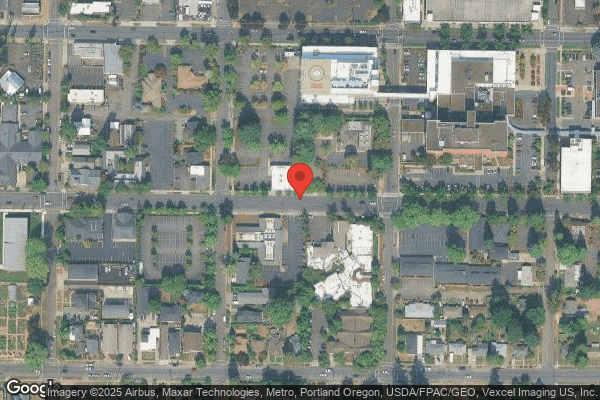
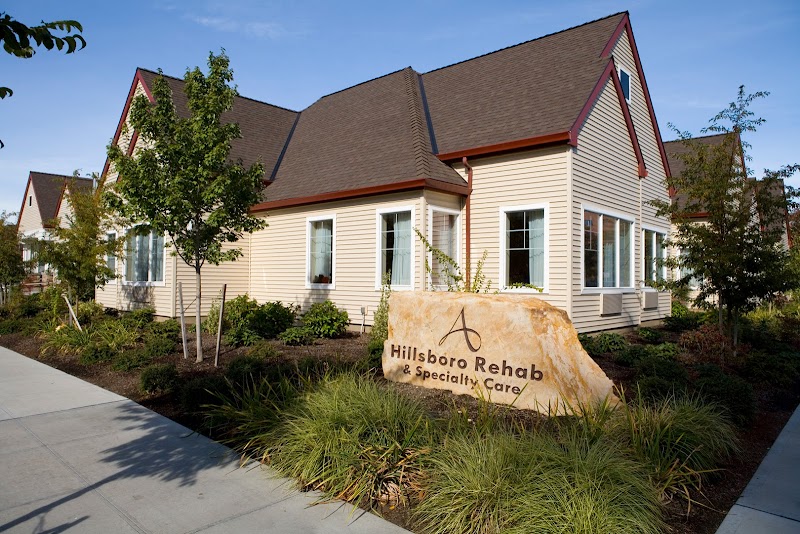
650 SE OAK STREET, HILLSBORO, OR 97123 (503) 648-8588
For profit - Corporation 87 Beds AVAMERE Data: November 2025
Trust Grade
48/100
#50 of 127 in OR
Last Inspection: January 2025

Within standard 12-15 month inspection cycle. Federal law requires annual inspections.

Overview

Avamere Rehabilitation of Hillsboro has a Trust Grade of D, indicating below-average performance with some concerning issues. They rank #50 out of 127 facilities in Oregon, placing them in the top half of the state but still below many competitors. Unfortunately, the facility's trend is worsening, with the number of issues increasing from 2 in 2024 to 13 in 2025. Staffing is a relative strength, with a 4 out of 5-star rating and a turnover rate of 42%, which is below the state average. However, the facility has been fined $23,465, which is concerning and suggests ongoing compliance issues. Specific incidents highlight some serious care gaps; for example, a resident fell and fractured their femur due to improper transfer procedures, and another resident's skin impairments were not adequately assessed or treated, risking their health further. Additionally, some residents lacked access to essential items like overbed lights and remotes, which could hinder their independence. Overall, while there are strengths in staffing, the facility must address significant weaknesses in care and compliance.

Trust Score
D
48/100
In Oregon
#50/127
Top 39%
Safety Record
Moderate
Needs review
Inspections
Getting Worse
2 → 13 violations
Staff Stability
○ Average
42% turnover. Near Oregon's 48% average. Typical for the industry.
Penalties
○ Average
$23,465 in fines. Higher than 73% of Oregon facilities. Some compliance issues.
Skilled Nurses
○ Average
Each resident gets 32 minutes of Registered Nurse (RN) attention daily — about average for Oregon. RNs are the most trained staff who monitor for health changes.
Violations
⚠ Watch
31 deficiencies on record. Higher than average. Multiple issues found across inspections.
★★★☆☆
3.0
Overall Rating
★★★★☆
4.0
Staff Levels
★★★☆☆
3.0
Care Quality
★★★☆☆
3.0
Inspection Score
Stable
2024: 2 issues
2025: 13 issues

The Good

  • 4-Star Staffing Rating · Above-average nurse staffing levels
  • Full Sprinkler Coverage · Fire safety systems throughout facility
  • No fines on record
  • Staff turnover below average (42%)

    6 points below Oregon average of 48%

Facility shows strength in staffing levels, fire safety.

The Bad

3-Star Overall Rating

Near Oregon average (3.0)

Meets federal standards, typical of most facilities

Staff Turnover: 42%

Near Oregon avg (46%)

Typical for the industry

Federal Fines: $23,465

Below median ($33,413)

Minor penalties assessed

Chain: AVAMERE

Part of a multi-facility chain

Ask about local staffing decisions and management

The Ugly 31 deficiencies on record

2 actual harm
May 2025 1 deficiency 1 Harm
SERIOUS (G) 📢 Someone Reported This

A family member, employee, or ombudsman was alarmed enough to file a formal complaint

Actual Harm - a resident was hurt due to facility failures

Accident Prevention (Tag F0689)

A resident was harmed · This affected 1 resident

Based on interview and record review, it was determined the facility failed to implement care plan interventions to prevent a fall for 1 of 1 sampled resident (#3) reviewed for accidents. As a result,...

Read full inspector narrative →
Based on interview and record review, it was determined the facility failed to implement care plan interventions to prevent a fall for 1 of 1 sampled resident (#3) reviewed for accidents. As a result, Resident 3 sustained a fracture of the right distal femur (the lower portion of the thigh bone). Findings include: Resident 3 was admitted to the facility in 2013, with diagnoses including fracture of the right hip joint and right femur. Resident 3's 7/26/24 Care Plan revealed Resident 3 was a high fall risk related to a prior fall with right hip injury. Resident 3 was identified as a 2-person transfer with a Hoyer lift (a mechanical device used to lift and transfer residents who have difficulty moving themselves). A facility reported incident dated 8/29/24 revealed Staff 21 (CNA) reported Resident 3 had a fall while being transferred from her/his wheelchair to bed. Staff 21 reported Resident 3 slid from the edge of the bed which resulted in her/him twisting their ankle and falling on their right knee. The report indicated Staff 21 confirmed Resident 3 was transferred by one staff member instead of two staff members which resulted in her/him falling from the bed to the floor and a result was sent to the hospital for evaluation. A 9/6/24 Hospital Summary noted Resident 3 sustained a right distal femur fracture as a result of the fall. On 5/14/25 at 11:56 AM, Staff 17 (CNA) confirmed staff received training as a result of the fall that occurred between Staff 21 and Resident 3. Staff 17 stated Staff 21 attempted to self-transfer Resident 3 without a Hoyer lift, which resulted in the resident's fall with fracture. On 5/14/25 at 12:15 PM, Staff 21 (CNA) could not be reached for interview. A review of the facility's Investigation Summary dated 8/29/24, revealed the facility determined an accident had occurred with Resident 3 as a result of Staff 21 not following the resident's transfer care plan which resulted in Resident 3 sustaining a right distal fracture. On 5/15/25 at 1:00 PM, Staff 1 (Administrator) and Staff 2 (DNS) verified the incident occurred on 8/29/24 between Resident 3 and Staff 21, which resulted in Resident 3 sustaining a fracture from the fall.
Jan 2025 12 deficiencies
CONCERN (D)

Potential for Harm - no one hurt, but risky conditions existed

Deficiency F0561 (Tag F0561)

Could have caused harm · This affected 1 resident

Based on observation, interview and record review it was determined the facility failed to ensure a resident request for a personal computer was honored for 1 of 1 sampled resident (#31) reviewed for ...

Read full inspector narrative →
Based on observation, interview and record review it was determined the facility failed to ensure a resident request for a personal computer was honored for 1 of 1 sampled resident (#31) reviewed for behavioral-emotional needs. This placed residents at risk for unmet psychosocial and activity needs. Findings include: Resident 31 was admitted to the facility in 12/2019 with diagnoses including Huntington's disease (a genetic disorder that causes nerve cells in the brain to break down, which leads to uncontrolled movements, cognitive decline and emotional disturbances). A 12/3/24 Care Conference Note indicated Resident 31 requested a personal computer to use that was not too hard. A 12/4/24 Social Service Note indicated Witness 1 (Representative Payee) was to load more funds onto [Resident 31's] Visa so a personal computer could be purchased. Resident 31's 12/4/24 Annual MDS revealed the resident was cognitively intact. On 1/21/25 at 9:41 AM Witness 1 stated she received a request to load money onto [Resident 31's] card back in December 2024. Witness 1 further stated she loaded the funds onto the resident's card on 12/4/24, the computer had still not been purchased and someone at the facility was supposed to assist with this purchase. On 1/21/25 at 10:47 AM Resident 31 was observed in her/his room in her/his wheelchair. No computer was observed in her/his room. Resident 31 stated she/he requested a personal computer in early December 2024 but never received one. Resident 31 further stated she/he still wanted a computer because she/he felt sort of cut off. On 1/21/25 at 11:11 AM Staff 12 and 13 confirmed Resident 31 made a request for a personal computer on 12/4/24, the resident had the funds available to purchase a computer and one had still not been purchased. On 1/21/25 at 11:35 AM Staff 1 (Administrator) acknowledged the facility did not assist Resident 31 to purchase a computer.
CONCERN (D)

Potential for Harm - no one hurt, but risky conditions existed

Deficiency F0582 (Tag F0582)

Could have caused harm · This affected 1 resident

**NOTE- TERMS IN BRACKETS HAVE BEEN EDITED TO PROTECT CONFIDENTIALITY** Based on interview and record review it was determined the facility failed to provide SNF ABN (Skilled Nursing Facility Advanced...

Read full inspector narrative →
**NOTE- TERMS IN BRACKETS HAVE BEEN EDITED TO PROTECT CONFIDENTIALITY** Based on interview and record review it was determined the facility failed to provide SNF ABN (Skilled Nursing Facility Advanced Beneficiary Notice of Non-Coverage) notifications to 2 of 3 sampled residents (#s 12 and 48) reviewed for Beneficiary Notification. This placed residents and their representatives at risk for lack of knowledge regarding their right to appeal and unknown financial liabilities. Findings include: 1. Resident 12 was admitted to the facility on [DATE] with Medicare Part A benefits. Resident 12's SNF Beneficiary Protection Notification Review provided by the facility indicated the resident's last covered day for Medicare Part A services was 11/1/24 and Resident 12 remained in the facility. According to the SNF Beneficiary Notification form, the resident was not provided with a SNF ABN notification to inform them or their representative of potential out-of-pocket expenses. On 1/15/25 at 1:40 PM Staff 12 (Social Services Director) stated the facility did not issue SNF ABN notifications to residents when they were discharged from Medicare Part A services and remained in the facility and confirmed Resident 12 did not receive the required SNF ABN notification. On 1/17/25 at 11:43 AM Staff 1 (Administrator) acknowledged the facility did not issue SNF ABN notifications to residents and their representatives as required. 2. Resident 48 was admitted to the facility on [DATE] with Medicare Part A benefits. Resident 48's SNF Beneficiary Protection Notification Review provided by the facility indicated the resident's last covered day for Medicare Part A services was 10/28/24 and Resident 48 remained in the facility. According to the SNF Beneficiary Notification form, the resident was not provided with a SNF ABN notification to inform them or their representative of potential out-of-pocket expenses. On 1/15/25 at 1:40 PM Staff 12 (Social Services) stated the facility did not issue SNF ABN notifications to residents when they were discharged from Medicare Part A services and remained in the facility and confirmed Resident 48 did not receive the required SNF ABN notification. On 1/17/25 at 11:43 AM Staff 1 (Administrator) acknowledged the facility did not issue SNF ABN notifications to residents and their representatives as required.
CONCERN (D)

Potential for Harm - no one hurt, but risky conditions existed

Grievances (Tag F0585)

Could have caused harm · This affected 1 resident

Based on interview and record review it was determined the facility failed to address a grievance for 1 of 3 sampled residents (#38) reviewed for personal property. This placed residents at risk for u...

Read full inspector narrative →
Based on interview and record review it was determined the facility failed to address a grievance for 1 of 3 sampled residents (#38) reviewed for personal property. This placed residents at risk for unresolved grievances. Findings include: The facility's 9/2004 Lost Item Policy indicated the following: -It is the policy of this facility to protect residents' items from theft or loss to the extent possible. Every effort will be made to insure against theft or loss, to recapture lost items, or to make restitution should a lost item not be recovered. Resident 38 was admitted to the facility on 3/2023 with anemia (a condition in which blood lacks adequate healthy red blood cells) and chronic kidney disease (a long-term condition in which the kidneys are damaged and decrease in function). Resident 38's 12/26/24 Quarterly MDS revealed the resident was cognitively intact. On 1/13/25 at 11:03 AM Resident 38 stated she/he was missing several clothing items and a personalized blanket received as a birthday gift several months ago. Resident 38 stated she/he told everyone and someone assisted her/him to file grievances on the missing items with no resolution. Staff 38 stated he/he ran out of clothing and that the CNAs had to get clothing from the donated rack in laundry. On 1/15/25 at 10:24 AM Staff 34 (CNA) stated Resident 38 reported missing clothing and assisted the resident to fill out the Lost or Damaged Item form several months ago. On 1/15/25 at 3:36 PM Staff 12 (Social Services) stated Resident 38 submitted two Lost or Damaged Items forms on 9/19/24 for six missing shirts and a personalized blanket the resident received as a gift. Staff 12 stated the items were not located or replaced. 1/21/25 at 10:32 AM Staff 1 (Administrator) acknowledged Resident 38 had missing items and the grievance was unresolved from 9/2024. Staff 1 stated it was her expectation grievances were to be followed-up with the resident and family for an agreeable resolution.
CONCERN (D)

Potential for Harm - no one hurt, but risky conditions existed

Deficiency F0679 (Tag F0679)

Could have caused harm · This affected 1 resident

Based on observation, interview and record review it was determined the facility failed to provide an ongoing person-centered activities program for 1 of 2 sampled residents (#46) reviewed for activit...

Read full inspector narrative →
Based on observation, interview and record review it was determined the facility failed to provide an ongoing person-centered activities program for 1 of 2 sampled residents (#46) reviewed for activities. This placed residents at risk for a decline in psychosocial well-being and diminished quality of life. Findings include: The facility's 2/2005 Activities Policy revealed the facility would provide an activities program that addressed the intellectual, social, spiritual, creative and physical needs, capabilities and interests of each resident. Resident 46 was admitted to the facility in 8/2024 with diagnoses including alcoholic cirrhosis of the liver with ascites (a condition where the liver is permanently scarred due to alcohol consumption and fluid builds up in the abdomen). Resident 46's admission MDS revealed the resident was cognitively intact and reading books, newspapers and magazines, listening to music, keeping up with the news, going outside to get fresh air, doing things with groups of people, doing her/his favorite activities and participating in religious services or practices were important activities to the resident. The Functional Abilities CAA indicated the resident was on hospice and her/his life expectancy was three months or less. Resident 46's 11/5/24 Activity Care Plan revealed the following: -The resident preferred independent or self-directed activities. -The resident would self-initiate activities daily. -Activity interests included blues music, reading and keeping up with the news. -Activity needs included the newspaper and her/his computer. Resident 46's 11/26/24 End-of-Life Care Plan indicated spiritual needs would be offered and met per resident wishes and bereavement support was to be provided to the resident. A 1/2/25 Hospice Progress Note indicated Resident 46 was confused, forgetful and slept more. The facility's 1/2025 Activity Calendar revealed the following activities: -1/13/25: 8:30 AM Room Visits 10:00 AM Bible Study 11:00 AM Large Group Exercises 2:00 PM Teatime Social 3:00 PM Afternoon Rounds and Mail -1/14/25: 8:30 AM Room Visits 10:30 AM Library Cart 2:00 PM Nails and Hand Massages 3:00 to 4:00 PM Afternoon Rounds and Mail -1/15/25: 8:30 AM Room Visits 11:00 AM Large Group Exercises 11:30 AM Resident Shopping 3:00 PM Afternoon Rounds and Mail A review of Resident 46's activity participation documentation from 12/28/24 through 1/15/25 revealed the resident did not receive any one-to-one visits, go outside, utilize her/his computer, listen to music or participate in group activities, including religious services. Observations of Resident 46 from 1/13/25 through 1/15/25 from 5:22 AM to 6:15 PM revealed the resident to be in her/his room either in bed or in her/his wheelchair with the television on. No newspapers, books, magazines or a computer were observed to be accessible to the resident. On 1/13/24 at 11:24 AM Resident 46 stated she/he missed her/his music and she/he wanted to participate in activities at the facility. Resident 46 stated she/he used a computer but was unsure where her/his computer was. On 1/15/25 at 10:07 AM Resident 46 waved the state surveyor in the hall to come into her/his room and stated she/he was up to nothing and would love to do something but did not know if [she/he] could. On 1/15/25 at 3:07 PM Staff 28 (CNA) stated Resident 46 was confused and forgetful, she was not aware of Resident 46's activity interests and she did not know where to find information on the resident's activity interests. On 1/16/25 at 9:54 AM Staff 32 (CNA) stated Resident 46 had declined and needed help to make decisions. Staff 32 stated Resident 46 used to play bingo and do puzzles with other residents when she/he was independent but now the resident was pretty dependent and mostly watched television. Staff 32 stated the resident used a computer and liked to receive the newspaper but she had not seen the resident with either this week. On 1/16/25 at 12:02 PM Staff 33 (LPN) stated Resident 46 spent more and more time in bed and her/his cognition changed every day. Staff 33 stated the resident needed support to direct her/his day and to make decisions. Staff 33 stated she had not seen the resident on her/his computer, listen to music or with a newspaper or book for maybe three weeks. On 1/16/25 at 1:04 PM Resident 46 again waved the state surveyor in the hall to come into her/his room and asked if there was any music going on? On 1/17/25 at 11:33 AM Staff 14 (Activity Director) stated Resident 46 was more isolated, did not get out of her/his room and was unable to self-initiate or direct activities. Staff 14 stated activity interests documented in a resident's MDS should be included in the resident's care plan and acknowledged Resident 46's activity care plan was not comprehensive. Staff 14 stated she had never seen the resident listen to music or use her/his computer. Staff 14 stated a facility volunteer did a weekly Bible study with residents who expressed interest and Resident 46 was supposed to be on that list. Staff 14 found the Bible study list, confirmed Resident 46 was not on the list and did not participate in this activity. Staff 14 further stated she did not receive really any training on how to provide activities for residents on hospice, including how and when to adjust care plans for residents at end-of-life, or how to complete person-centered one-to-one visits with residents. Staff 14 stated she was unaware Resident 46 was on hospice but was aware of her/his declining cognition because other residents reported Resident 46's declines to her. On 1/17/25 at 12:17 PM Staff 1 (Administrator), Staff 2 (DNS) and Staff 3 (Regional Nurse Consultant) acknowledged the findings of this investigation and Staff 1 stated Resident 46's activity care plan was in need of revision.
CONCERN (D)

Potential for Harm - no one hurt, but risky conditions existed

Accident Prevention (Tag F0689)

Could have caused harm · This affected 1 resident

**NOTE- TERMS IN BRACKETS HAVE BEEN EDITED TO PROTECT CONFIDENTIALITY** Based on observation, interview and record review it was determined the facility failed to ensure a safe environment and care pl...

Read full inspector narrative →
**NOTE- TERMS IN BRACKETS HAVE BEEN EDITED TO PROTECT CONFIDENTIALITY** Based on observation, interview and record review it was determined the facility failed to ensure a safe environment and care plan interventions to prevent falls were implemented for 1 of 3 sampled residents (#46) reviewed for accidents. This placed residents at risk for injury from accidents. Findings include: The facility's 3/2018 Falls and Fall Risk Policy indicated staff would identify interventions related to a resident's specific risks and causes to prevent the resident from falling and to minimize complications from falling. The policy further identified incorrect bed height as an environmental factor that could contribute to the risk of falls. The facility's 7/2024 Code Pink Guidelines directed the following: -An elopement/exit-seeking/wandering assessment, called a code pink documentation tool, was completed at the time a resident was identified as at risk for elopement/exit-seeking/wandering. -General guidelines for when a door alarm sounded included to check the door and the immediate area near the exit (outside and inside to determine no resident exited or attempted to exit the facility unaccompanied and reset the alarm. -Door alarms to be checked per door alarm policy. Resident 46 was admitted to the facility in 8/2024 with diagnoses including alcoholic cirrhosis of the liver with ascites (a condition where the liver is permanently scarred due to alcohol consumption and fluid builds up in the abdomen). 1a. Resident 46's 8/11/24 Fall Risk Evaluation indicated the resident was at moderate risk to fall. Resident 46's 8/18/24 admission MDS revealed the resident was cognitively intact, did not exhibit any behaviors and experienced a fall in the last month prior to her/his admission to the facility. A 12/28/24 Fall Incident Report and Investigation for Resident 46 revealed the following: -The resident was confused, exited the facility from an emergency exit door located next to her/his room (room [ROOM NUMBER]) and experienced a fall outside of the facility. -Staff 21 (CNA) noticed the emergency exit door next to the resident's room was not completely closed which alerted her to look outside of the facility for the resident. -Staff 21 found the resident on the ground outside of the facility in a bed of bark chips. -Staff 35 (LPN) assessed the resident for injuries and vital signs were obtained. -The resident experienced minor injuries from the fall. -After the fall, the resident agreed to move to a room closer to the nurses station to allow for increased staff observation. No evidence was found in Resident 46's clinical record to indicate a thorough investigation of the environmental factors that contributed to the resident's elopement from the facility and subsequent fall was completed, including an investigation of the emergency exit door. On 1/16/25 at 2:01 PM Staff 21 stated she was Resident 46's assigned CNA on 12/28/24. Staff 21 stated the resident seemed out of it on 12/28/24 prior to her/his elopement and fall. Staff 21 stated she entered the resident's room on this day at approximately 4:45 PM and noticed she/he was not in her/his room. Staff 21 stated she checked the bathroom and then walked a circle around the facility and still could not find the resident. Staff 21 stated after walking the facility, she ended up back at room [ROOM NUMBER] when she noticed the emergency exit door was not closed all the way which prompted her to check outside for the resident. Staff 21 stated she was so mad because the alarm for the emergency exit door did not sound and that was [her] backup if [the resident] ever did that. Staff 21 stated the incident was scary and could have not been so bad if the door alarm would have sounded. On 1/16/25 at 2:35 PM a sign that read: Emergency Exit Only. Alarm will Sound was observed on the emergency exit door next to room [ROOM NUMBER]. At this time, the state surveyor pushed open the door. The alarm did not sound and the door remained open until the state surveyor pulled it closed. A concrete path was located on the other side of the emergency exit door which led to a sidewalk. On the far side of the side walk was a bed of bark chips which bordered a busy street. On 1/16/25 at 2:46 PM Staff 1 (Administrator) stated the emergency exit door next to room [ROOM NUMBER] remained unlocked as it was a fire exit but it had an alarm that sounded when it was opened. At this time, the state surveyor open the emergency exit door next to room [ROOM NUMBER] and no alarm sounded. Staff 1 stated that was not good and it looked like the alarm was broken. Staff 1 stated she thought this door and its alarm were investigated following Resident 46's elopement and fall on 12/28/24 but she was not sure. On 1/16/25 at 3:53 PM Staff 35 stated Resident 46 was extra confused on 12/28/24. Staff 35 stated staff usually kept really good eyes on everyone but she also figured the alarm would have worked on the emergency exit door next to room [ROOM NUMBER] if a resident attempted to exit through it. On 1/17/25 at 10:01 AM Staff 10 (Maintenance Director) stated he was unaware the emergency exit door by room [ROOM NUMBER] needed to have a working alarm. Staff 10 stated he was informed that particular door needed an alarm on 1/16/25 because if a resident escaped from it, staff would know. On 1/17/25 at 10:28 AM Staff 1 confirmed the emergency exit door next to room [ROOM NUMBER] was not investigated following Resident 46's elopement and fall on 12/28/24 and should have been. Staff 1 further stated the Door Alarm Policy referred to in the facility's Code Pink Policy did not exist. 1b. Resident 46's 12/4/24 Fall Care Plan directed the resident's bed to be at appropriate height except during care. Resident 46's 12/28/24 Fall Risk Evaluation indicated the resident was at moderate risk to fall. Observations of Resident 46 from 1/13/25 to 1/15/25 between 5:22 AM through 2:39 PM revealed the resident to be in bed. The height of the resident's bed was observed to be at knee and waist height at times and in a low position at other times. On 1/16/25 at 12:53 PM Staff 36 (CNA) reviewed Resident 46's care plan and stated she guessed the language in the care plan indicated Resident 46's bed was to be in the low position when occupied. On 1/17/25 at 11:01 AM Staff 7 (LPN/RCM) reviewed Resident 46's care plan and clarified that appropriate height indicated the resident's bed was to be in the lowest position when occupied on account of the resident's history of falls. On 1/17/25 at 12:17 PM Staff 1 (Administrator), Staff 2 (DNS) and Staff 3 (Regional Nurse Consultant) were present for an interview. Staff 1, 2 and 3 acknowledged Resident 46's care plan was unclear and her/his bed should always be in the low position when occupied.
CONCERN (D)

Potential for Harm - no one hurt, but risky conditions existed

Respiratory Care (Tag F0695)

Could have caused harm · This affected 1 resident

Based on observation, interview, and record review it was determined the facility failed to ensure resident respiratory equipment was maintained for 2 of 3 sampled residents (#s 9 and 10) reviewed for...

Read full inspector narrative →
Based on observation, interview, and record review it was determined the facility failed to ensure resident respiratory equipment was maintained for 2 of 3 sampled residents (#s 9 and 10) reviewed for respiratory care. This placed residents at risk for increased respiratory concerns. Findings include: 1. Resident 9 admitted to the facility in 8/2024 with diagnoses including chronic respiratory failure and fracture. The 12/4/24 Quarterly MDS indicated Resident 9 was cognitively intact. Resident 9's physician order dated 9/10/24 revealed she/he required continuous oxygen. On 1/14/25 at 9:11 AM the oxygen concentrator was observed to have an external foam filter with a thick layer of dust. Resident 9 stated she/he used the oxygen concentrator continuously and was concerned about the dirty filter. On 1/15/25 at 11:41 AM Staff 16 (LPN) observed Resident 9's oxygen concentrator and acknowledged the foam filter was dirty and needed to be cleaned. On 1/15/25 at 12:17 PM Staff 2 (DNS) stated the facility did not have a cleaning schedule for the oxygen concentrators. 2. Resident 10 admitted to the facility in 6/2023 with diagnoses including chronic obstructive pulmonary disease and cellulitis. The 10/18/24 Quarterly MDS indicated Resident 10 was cognitively intact. Resident 10's physician order dated 10/10/24 revealed she/he required PRN use of oxygen. On 1/14/25 at 9:21 AM the oxygen concentrator was observed to have an external foam filter with a thick layer of dust. Resident 10 stated she/he used the oxygen concentrator when needed. On 1/15/25 at 11:41 AM Staff 16 (LPN) observed Resident 9's oxygen concentrator and acknowledged the foam filter was dirty and needed to be cleaned. On 1/15/25 at 12:17 PM Staff 2 (DNS) stated the facility did not have a cleaning schedule for the oxygen concentrators.
CONCERN (D)

Potential for Harm - no one hurt, but risky conditions existed

Deficiency F0699 (Tag F0699)

Could have caused harm · This affected 1 resident

Based on observation, interview and record review it was determined the facility failed to identify a resident's past history of trauma and potential triggers of re-traumatization for 1 of 1 sampled r...

Read full inspector narrative →
Based on observation, interview and record review it was determined the facility failed to identify a resident's past history of trauma and potential triggers of re-traumatization for 1 of 1 sampled resident (#31) reviewed for behavioral-emotional needs. This placed residents at risk for re-traumatization. Finding include: The facility's 8/2022 Trauma-Informed Care and Culturally Competent Care Policy directed the following: -Universal screening of residents was to be performed, which included a brief, non-specialized identification of possible exposure to traumatic events. -Screening could include information such as trauma history, including type, severity and duration and trauma-related symptoms. -The initial screening was to be utilized to identify the need for further assessment and care. -Individualized care plans would be developed to address past trauma in collaboration with the resident and family, as appropriate, and to identify and decrease exposure to triggers that may re-traumatize the resident. Resident 31 was admitted to the facility in 12/2019 with diagnoses including Huntington's disease (a genetic disorder that causes nerve cells in the brain to break down, which leads to uncontrolled movements, cognitive decline and emotional disturbances). Resident 31's 12/4/24 Annual MDS revealed the resident was cognitively intact. Resident 31's 12/4/24 Social Service Quarterly Review indicated the resident was sometimes saddened and angered by [her/his] decline due to disease process and she/he received bupropion (an antidepressant) daily for major depressive disorder. On 1/13/25 at 11:08 AM and 1/21/25 at 10:47 AM Resident 31 was observed in her/his room in her/his wheelchair. Resident 31 stated she/he felt generally depressed, no one at the facility had ever talked to her/him about her/his trauma history and she/he was open to a conversation about her/his past traumas and potential trauma triggers. On 1/15/25 at 11:03 AM Staff 29 (RN) stated Resident 31's mood varied, she/he got upset at staff and had outbursts. On 1/21/25 at 11:11 AM Staff 12 (Social Services) stated all residents were supposed to receive a trauma assessment and confirmed Resident 31 had not received one. On 1/21/25 at 11:35 AM Staff 1 (Administrator) acknowledged the findings of this investigation and did not provide any additional information.
CONCERN (D)

Potential for Harm - no one hurt, but risky conditions existed

Deficiency F0740 (Tag F0740)

Could have caused harm · This affected 1 resident

Based on observation, interview and record review it was determined the facility failed to identify and provide necessary behavioral health care and services for 1 of 1 sampled resident (#31) reviewed...

Read full inspector narrative →
Based on observation, interview and record review it was determined the facility failed to identify and provide necessary behavioral health care and services for 1 of 1 sampled resident (#31) reviewed for behavioral-emotional needs. This placed residents at risk for unmet behavioral and emotional needs and a decrease in their quality of life. Findings include: Resident 31 was admitted to the facility in 12/2019 with diagnoses including Huntington's disease (a genetic disorder that causes nerve cells in the brain to break down, which leads to uncontrolled movements, cognitive decline and emotional disturbances), major depressive disorder and anxiety. A review of Resident 31's PHQ-9 (Patient Health Questionnaire, a multipurpose instrument for screening, diagnosing, monitoring and measuring the severity of depression) interview results from 12/2023 through 9/2024 revealed the following scores: -12/4/23: a score of a 2, indicative of a minimal depression. -3/5/24: a score of a 14, indicative of a moderate depression. -6/5/24: a repeat score of a 14. -9/5/24: a repeat score of a 14. Resident 31's 12/4/24 Annual MDS revealed the resident was cognitively intact and felt down, depressed or hopeless several days over the last two weeks. Resident 31's 12/4/24 Social Service Quarterly Review indicated the resident was sometimes saddened and angered by [her/his] decline due to disease process and she/he received bupropion (an antidepressant) daily for major depressive disorder. Resident 31's 1/6/25 Psychosocial Well-Being Problem Care Plan revealed the resident needed assistance and support to identify problems that could not be controlled. On 1/13/25 at 11:08 AM Resident 31 was observed in her/his room in her/his wheelchair. Resident 31 stated she/he felt generally depressed, she/he had not been offered the opportunity to talk to someone about her/his depression, including a counselor, and she/he wanted to receive additional support related to her/his depression. On 1/21/25 at 10:47 AM Resident 31 stated the social workers at the facility just dealt with razors and clothes and did not provide support for resident moods or emotional needs. On 1/15/25 at 11:03 AM Staff 29 (RN) stated Resident 31's mood varied, she/he got upset at staff and had outbursts. On 1/17/25 at 2:14 PM Staff 12 (Social Services) stated she created a care plan for psychosocial well-being for a resident when a PHQ-9 mood interview was triggered. Staff 12 stated the care plan would consist of the mood symptom the resident identified as experiencing on the PHQ-9 and the total score from the PHQ-9. Staff 12 stated she discussed mood interventions with residents when the MDS assessment process prompted her to do so. Staff 12 further stated Staff 13 (Social Services) completed Resident 31's mood interviews and could better speak to her/his current mood state. On 1/21/25 at 8:38 AM Staff 37 (RN) described Resident 31's mood to be off and on and stated some days she/he wanted to be totally left alone. Staff 37 stated on these days, she checked on the resident to determine the problem but the resident was hard to communicate with. On 1/21/25 at 8:49 AM Staff 38 (CNA) stated Resident 31's mood varied which was dependent on her/his uncontrolled movements and level of pain. Staff 38 further stated the resident got frustrated quickly if you could not understand her/him. On 1/21/25 at 11:11 AM Staff 12 and Staff 13 were present for an interview. Staff 13 stated Resident 31 had a short fuse and was really down in the dumps at times because she/he experienced decline related to her/his disease progression. When questioned about who provided the support to identify problems the resident could not control, such as the natural progression of her/his diagnosed Hungtington's disease, as outlined in Resident 31's Psychosocial Well-Being Care Plan, Staff 13 stated the resident's care plan was confusing. Neither Staff 12 nor Staff 13 were able to identify any specific mood interventions offered to the resident following her/his reported increased depression from the PHQ-9 interviews from 3/5/24, 6/5/24 or 9/5/24. Staff 13 stated she spoke with Staff 5 (LPN/RCM) about Resident 31's mood and depression in December 2024 but did not think she spoke directly with the resident about her/his mood and why she/he felt down, depressed or hopeless. Staff 13 further stated she had a difficult time understanding Resident 31 on account of her/his slurred speech. Staff 12 stated the resident's activity care plan was in need of revision because activity staff should encourage and help with psychosocial well-being. On 1/21/25 at 12:19 PM Staff 14 (Activity Director) stated her interactions with Resident 31 consisted of dropping off puzzles and newspapers at least weekly and to assist the resident to turn pages of her/his book if she/he experienced increased tremors. On 1/21/25 at 2:00 PM Staff 1 (Administrator) acknowledged the findings and stated Resident 31's care plans could be improved.
CONCERN (D)

Potential for Harm - no one hurt, but risky conditions existed

Deficiency F0825 (Tag F0825)

Could have caused harm · This affected 1 resident

Based on observation, interview and record review it was determined the facility failed to provide physical and occupational therapy services as ordered for 1 of 2 sampled residents (#35) reviewed for...

Read full inspector narrative →
Based on observation, interview and record review it was determined the facility failed to provide physical and occupational therapy services as ordered for 1 of 2 sampled residents (#35) reviewed for rehabilitation services. This placed residents at risk for a decline in functional abilities and diminished quality of life. Findings include: The facility's 11/2005 Rehab Services Policy indicated a therapist will provide therapy upon written order of the resident's attending physician. Resident 35 admitted to the facility in 3/2024 with diagnoses including gastroenteritis (stomach and intestine inflammation) and colitis (colon inflammation). Resident 35's 9/16/24, 10/31/24 and 12/10/24 Physician Orders revealed PT and OT to be provided as indicated. Resident 35's 12/26/24 Quarterly MDS indicated the resident was cognitively intact. The MDS indicated the resident did not receive any PT or OT during the review period. On 1/15/25 at 6:42 AM Staff 17 (RA) stated Resident 35 was motivated with her/his therapies prior to her/his hospital stays. Staff 17 stated Resident 35 was doing good with her/his ambulation but had declined since her/his last hospital stay. On 1/15/25 at 8:18 AM Resident 35 was observed in her/his room in bed. Resident 35 stated she/he had received therapies in the past and did not know why they stopped since her/his last hospital stay. Resident 35 stated she/he wanted to participate in therapies so she/he could walk again. On 1/15/25 at 8:49 AM Staff 4 (Rehab Director) reviewed Resident 35's physician orders and stated the resident had physician orders for PT and OT but since Resident 35 had been in and out of the hospital multiple times she did not do an evaluation and therapies were not started. On 1/16/25 at 12:19 PM Staff 27 (Physician) stated it was his expectation he would have been notified of the therapy orders for Resident 35 and the PT and OT evaluations were to be completed as ordered. On 1/17/25 at 10:51 AM Staff 2 (DNS) and Staff 3 (Regional Nurse Consultant) stated it was their expectation residents were evaluated per physician orders. Staff 3 stated Resident 35 slipped through the cracks, the resident was not evaluated and physician orders were not followed. On 1/21/25 at 9:25 AM Staff 1 Administrator stated it was her expectation residents would be evaluated for PT and OT per physician orders when admitted . Staff 1 stated Resident 35 should have been evaluated when she/he readmitted from the hospital on the above listed dates.
CONCERN (E)

Potential for Harm - no one hurt, but risky conditions existed

Deficiency F0558 (Tag F0558)

Could have caused harm · This affected multiple residents

Based on observation, interview and record review it was determined the facility failed to ensure overbed lights and television remotes were accessible for 3 of 5 sampled residents (#s 6, 362 and 364)...

Read full inspector narrative →
Based on observation, interview and record review it was determined the facility failed to ensure overbed lights and television remotes were accessible for 3 of 5 sampled residents (#s 6, 362 and 364) reviewed for accommodation of needs. This placed residents at risk for loss of independence. Findings include: The facility's 3/2021 Accommodation of Needs Policy indicated the following: -Staff attitudes and behaviors are directed towards assisting residents in maintaining independence, dignity and well-being to the extent possible and in accordance with the residents' wishes, including arranging personal items so that they are in easy reach of the resident. -Adaptations may be made to the physical environment, including the resident's bedroom and bathroom, as well as the common areas in the facility. Examples of such adaptations include installing longer cords or providing remote controlled overhead or task lighting so that they are easily accessible. 1. Resident 6 was admitted to the facility in 1/2023 with diagnoses including chronic kidney disease. Resident 6's 11/7/24 Quarterly MDS revealed the resident was cognitively intact and dependent on staff for assistance with transfers. On 1/13/25 at 1:33 PM Resident 6 was observed in her/his room in bed with her/his television on. Resident 6 asked the state surveyor to turn off her/his television since she/he did not have a remote control. Resident 6 stated she/he did not have a remote for her/his television for over a month and she/he called everyone to inform them the remote was missing. Resident 6 stated she/he was so angry because every time I want to change the channel or turn the television on or off, someone has to come in. I don't want to piss anyone off, so I just don't do it. On 1/16/25 at 11:30 AM Staff 21 (CNA) stated maintenance staff fixed Resident 6's television a month ago but did not provide the resident with a remote for her/his television. On 1/16/25 at 11:44 AM Staff 20 (CNA) stated Resident 6's television remote was missing for two-to-three weeks. Staff 20 stated she thought the resident reported the missing remote to management, they were not doing anything and the resident was frustrated. On 1/17/25 at 10:05 AM Staff 10 (Maintenance Director) stated he was unaware Resident 6 did not have a remote control for her/his television. On 1/17/25 at 12:30 PM Staff 1 (Administrator) acknowledged the findings of this investigation and did not provide any additional information. 2. Resident 362 was admitted to the facility in 1/2025 with a diagnosis of pneumonitis (inflammation of lung tissue). On 1/13/25 at 10:25 AM, Resident 362 could not reach the overbed light above her/his bed. The overbed light cord was approximately 3 inches long and out of the resident's reach. There were no other means of adjusting the overbed light. On 1/15/25 at 9:53 AM, Staff 31 (LPN) stated residents should be able to turn the light off on their own and not have to rely on staff to do so. On 1/15/25 at 10:16 AM, Staff 10 (Maintenance) stated that residents should be able to turn their overbed light on and off independently and that cords should be at least 24 inches long. On 1/21/25 at 12:10 PM Staff 1 (Administrator) confirmed the cord to residents' overhead lights should be long enough to drape on the bed for residents to have access. 3. Resident 364 was admitted to the facility in 12/2024 with a diagnosis of severe protein-calorie malnutrition. On 1/15/25 at 9:52 AM, Resident 364's overbed light cord was about 11 inches long and out of the resident's reach. On 1/15/25 at 9:53 AM, Staff 31 (LPN) stated residents should be able to turn the light off on their own and not have to rely on staff to do so. On 1/15/25 at 10:16 AM, Staff 10 (Maintenance) stated residents should be able to turn their overbed light on and off independently and cords should be at least 24 inches long. On 1/21/25 at 12:10 PM Staff 1 (Administrator) confirmed the cord to resident overhead lights should be long enough to drape on the bed for residents to have access.
CONCERN (E)

Potential for Harm - no one hurt, but risky conditions existed

Medical Records (Tag F0842)

Could have caused harm · This affected multiple residents

Based on observation, interview and record review it was determined the facility failed to ensure resident records were accurate for 4 of 5 sampled residents (#s 6, 31, 35 and 363) reviewed for vaccin...

Read full inspector narrative →
Based on observation, interview and record review it was determined the facility failed to ensure resident records were accurate for 4 of 5 sampled residents (#s 6, 31, 35 and 363) reviewed for vaccination records. This placed residents at risk for inaccurate health records. Findings include: The facility's Immunization Documentation Procedure (undated) indicated the following: - Make sure all signatures and dates are filled in on form. 1: Resident 31 was admitted to the facility in 12/2019 with diagnoses including Huntington's disease (a genetic disorder that causes nerve cells in the brain to break down, which leads to uncontrolled movements, cognitive decline and emotional disturbances). Resident 31's 1/6/25 Nutritional Problem Care Plan indicated the resident was to receive aspiration precautions (a set of practices that help prevent food or liquid from entering the airway), which included close supervision by staff at meal times. Resident 31's 1/6/25 ADL Self Care Performance Deficit Care Plan indicated the resident required occasional supervision from staff at meal times. On 1/13/25 at 10:35 AM Resident 31 was observed to eat independently in her/his room. On 1/14/25 at 3:02 PM Staff 28 (CNA) stated Resident 31 required close supervision at meal times, so you need to sit one-by-one with [her/him]. On 1/15/25 at 11:03 AM Staff 29 (RN) stated Resident 31 was pretty independent with eating and staff were to check on Resident 31 every so often during meal times. On 1/15/25 at 12:33 PM Staff 7 (LPN/RCM) stated Resident 31 required occasional supervision from staff at meal times and the resident's Nutritional Problem Care Plan was inaccurate. On 1/17/25 at 12:17 PM Staff 1 (Administrator), Staff 2 (DNS) and Staff 3 (Regional Nurse Consultant) acknowledged the findings of this investigation and confirmed Resident 6's care plan was inaccurate. 2. Resident 6 was admitted to the facility in 1/2023 with a diagnosis of Urinary Tract Infection. A review of Resident 6's records revealed vaccine consent forms missing ID number, Nursing Care Center, Living Unit, Address, Physician, the person giving resident education, and the date the forms were signed. On 1/16/25 at 10:00 AM, Staff 6 (LPN, Infection Preventionist)'s stated expectations included vaccine consent forms should be accurately dated and completely filled out. On 1/21/25 at 11:40 AM, Staff 2 (DNS) confirmed resident consent forms were expected to be completed prior to being administered a vaccine, including being dated with the resident's name and physician information. 3. Resident 35 was admitted to the facility in 3/2024 with a diagnosis of infectious gastroenteritis and colitis (inflammation of stomach/intestines and colon). A review of Resident 35's records revealed vaccine consent forms missing ID number, Nursing Care Center, Living Unit, Address, Physician, the person giving resident education, and the date on which the forms were signed. On 1/16/25 at 10:00 AM, Staff 6 (LPN, Infection Preventionist)'s stated expectations included vaccine consent forms should be accurately dated and completely filled out. On 1/21/25 at 11:40 AM, Staff 2 (DNS) confirmed resident consent forms were expected to be completed prior to being administered a vaccine, including being dated with the resident's name and physician information. 4. Resident 363 was admitted to the facility in 1/2025 with signs and symptoms involving the musculoskeletal system. A review of Resident 363's records revealed the vaccine consent form missing ID number, the person giving resident education, Address, and the date on which the form was signed. On 1/16/25 at 10:00 AM, Staff 6 (LPN, Infection Preventionist)'s stated expectations included vaccine consent forms should be accurately dated and completely filled out. On 1/21/25 at 11:40 AM, Staff 2 (DNS) confirmed resident consent forms were expected to be completed prior to being administered a vaccine, including being dated with the resident's name and physician information.
MINOR (C)

Minor Issue - procedural, no safety impact

Transfer Notice (Tag F0623)

Minor procedural issue · This affected most or all residents

**NOTE- TERMS IN BRACKETS HAVE BEEN EDITED TO PROTECT CONFIDENTIALITY** Based on interview and record review, it was determined the facility failed to implement a process of notifying the Ombudsman wh...

Read full inspector narrative →
**NOTE- TERMS IN BRACKETS HAVE BEEN EDITED TO PROTECT CONFIDENTIALITY** Based on interview and record review, it was determined the facility failed to implement a process of notifying the Ombudsman when residents transfered to the hospital for 2 of 2 sampled residents (#s 40 and 60) reviewed for hospitalization. This placed residents at risk of being uninformed. Findings include: 1. Resident 60 was admitted to the facility in 11/2024 with diagnoses including Hypertrophic Pyloric Stenosis (swelling of muscles which creates a blockage of contents from the stomach to the small intestine). A progress note dated 11/13/24 indicated Resident 60 was sent to the hospital for shortness of breath and fluid retention around his abdomen, groin, and legs. A review of Resident 60' s clinical record revealed no indication the Office of the State Long-Term Care Ombudsman was notified the resident was transferred to the hospital. On 1/21/25 at 9:15AM, Staff 1 (Administrator) acknowledged the requirement to notify the Ombudsman and stated the facility did not have a process to implement the requirement. 2. Resident 40 was admitted to the facility in 10/2024 with a diagnosis of pneumonitis (inflammation of lung tissue). Resident 40 was admitted to the hospital on [DATE] for being non-responsive to staff. Resident 40 was admitted to the hospital on [DATE] for pulmonary embolism (blood clot traveling to lungs and blocking one or more pulmonary arteries) and sepsis (body's immune system overreacting to infection). Resident 40 was admitted to the hospital 12/9/24 for spitting up blood and shortness of breath. Resident 40 was admitted to the hospital on [DATE] for pneumonitis (inflammation of lungs). A review of Resident 40's medical records revealed no indication the Office of the State Long-Term Care Ombudsman was notified the resident was transferred to the hospital. On 1/21/25 at 9:15AM, Staff 1 (Administrator) acknowledged the requirement to notify the Ombudsman and stated the facility did not have a process to implement the requirement.
Nov 2024 1 deficiency
CONCERN (D) 📢 Someone Reported This

A family member, employee, or ombudsman was alarmed enough to file a formal complaint

Potential for Harm - no one hurt, but risky conditions existed

Deficiency F0560 (Tag F0560)

Could have caused harm · This affected 1 resident

Based on interview and record review it was determine the facility failed to honor a resident's right to refuse a transfer to another room for 3 of 5 sampled residents (#s 5, 7, and 19) reviewed for r...

Read full inspector narrative →
Based on interview and record review it was determine the facility failed to honor a resident's right to refuse a transfer to another room for 3 of 5 sampled residents (#s 5, 7, and 19) reviewed for resident's rights. This placed residents at risk for lack of honored choices. Findings include: 1. Resident 5 admitted to the facility in 9/2024 with diagnoses including anemia (blood disorder characterized by a low number of healthy red blood cells) and respiratory failure (a condition where there's not enough oxygen or too much carbon dioxide in your body). A 10/15/24 Admission/Room Move Notification indicated the reason for the room move was necessary for we need to condense/move ICF beds to make room for new admissions, you will be coming off skilled services and transitioning to ICF services. On 10/23/24 Resident 5 was moved to a different room. On 11/5/24 at 11:11 AM Resident 5 stated she/he refused to the sign the 10/15/24 Admission/Room Move Notification because she/he did not want to move rooms. On 11/6/24 at 10:34 AM Staff 3 (Social Services Director) stated room moves were discussed in the morning meetings. Staff 3 and Staff 1 (Administrator) would meet with the resident to review the room move paperwork, show the new room and when the move would occur. If the resident refused to sign, Staff 1 would write the response on the Room Move Notification. The residents that refused to sign were still moved to the new rooms because the resident was notified by the facility of the room move. On 11/6/24 at 12:03 PM Staff 1 stated Resident 5 was given the room move notice and acknowledged Resident 5 refused to the sign the room move notice. Staff 1 stated Resident 5 was moved because her/his skilled days were exhausted and the resident was provided a seven day notice of a room change to the long-term care side. 2. Resident 7 admitted to the facility in 2022 with diagnoses including congestive heart failure (inability of the heart of maintain an adequate supply of blood to the organs and tissues) and stroke (a loss of blood flow to the part of the brain). A 9/20/24 Admission/Room Move Notification indicated the reason for the room move was necessary for room/bed condensing to make room for new admits. On 9/27/24 Resident 7 was moved to a different room. On 11/4/24 at 1:01 PM Resident 7 stated she/he refused to sign the 9/20/24 Admission/Room Move Notification because she/he did not want to move rooms and the facility could not force her/him to move. On 11/6/24 at 10:34 AM Staff 3 (Social Services Director) stated room moves were discussed in the morning meetings. Staff 3 and Staff 1 (Administrator) would meet with the resident to review the room move paperwork, show the new room and when the move would occur. If the resident refused to sign, Staff 1 would write the response on the Room Move Notification. The residents that refused to sign were still moved to the new rooms because the resident was notified by the facility of the room move. On 11/6/24 at 12:03 PM Staff 1 stated Resident 7 was given the room move notice and acknowledged Resident 7 refused to the sign the room move notice. Staff 1 stated it was her understanding per the state regulation the facility was required to provide a notice for the room move, not whether the resident wanted or agreed to move rooms. 3. Resident 19 admitted to the facility in 2021 with diagnoses including coronary artery disease (the arteries that supply blood narrow and hardened) and urinary tract infection (an infection in any part of the urinary system). A 9/20/24 Admission/Room Move Notification indicated the reason for the room move was necessary for room/bed condensing to make room for new admits. On 10/8/24 Resident 19 was moved to a different room. On 11/6/24 at 10:12 AM Resident 19 stated she she/he refused to sign the 9/20/24 Room Move Notification because she/he had been in her room for two years and did not want to move rooms. On 11/6/24 at 10:34 AM Staff 3 (Social Services Director) stated room moves were discussed in the morning meetings. Staff 3 and Staff 1 (Administrator) would meet with the resident to review the room move paperwork, show the new room and when the move would occur. If the resident refused to sign, Staff 1 would write the response on the Room Move Notification. The residents that refused to sign were still moved to the new rooms because the resident was notified by the facility of the room move. On 11/6/24 at 12:03 PM Staff 1 stated Resident 19 was given the room move notice and acknowledged Resident 19 refused to the sign the room move notice. Staff 1 stated it was her understanding per the state regulation the facility was required to provide a notice for the room move, not whether the resident wanted or agreed to move rooms.
Sept 2024 1 deficiency
CONCERN (D) 📢 Someone Reported This

A family member, employee, or ombudsman was alarmed enough to file a formal complaint

Potential for Harm - no one hurt, but risky conditions existed

Accident Prevention (Tag F0689)

Could have caused harm · This affected 1 resident

Based on interview and record review it was determined the facility failed to evaluate elopement risks for 1 of 3 sampled residents (#1) reviewed for elopement. This placed residents at risk for unsaf...

Read full inspector narrative →
Based on interview and record review it was determined the facility failed to evaluate elopement risks for 1 of 3 sampled residents (#1) reviewed for elopement. This placed residents at risk for unsafe elopement. Findings include: On 8/8/24, the Past Noncompliance was corrected when the facility implemented a plan of correction, which included: -An Elopement Risk Evaluation was completed for residents upon admission, quarterly and with a significant change of condition to determine risk factors for elopement; -Assigned Resident 1 a one-to-one aide until a memory care unit was located; -Provided in-service training to all nursing staff for elopement risk, elopement drills and proper notification for serious events; -Provided signature sheets verifying nursing staff had completed the training. Resident 1 admitted to the facility in 8/2022, with diagnoses including dementia. Resident 1's 5/30/24 Quarterly MDS revealed she/he had severe cognitive impairment and was rarely or never understood. On 7/26/24 the facility submitted a report to the State Survey Agency (SSA) which stated Resident 1 was reported missing on 7/26/24 at 11:07 AM. A facility and neighborhood search was initiated and Resident 1 was not located. She/he was located later in the afternoon at the nearby hospital's Emergency Department (ED) after she/he was found a few blocks away by a passerby. The resident fell and was transported as a Jane Doe to the ED. Resident 1 was diagnosed with a UTI, had no serious injuries from the fall and returned to the facility on 7/28/24. The facility initiated a risk management report on 7/26/24 which included a statement by Staff 15 (assigned CNA) which stated I was in the dining room assisting with feeding a resident and Resident 1 was still eating during the time trays were picked up about 10:40 AM. Staff 13 (CNA) was giving a shower (to another resident) and Staff 8 (CNA) was on break. I continued my rounds on the hall and Resident 1 was still in the dining room. I went to check on a call light and when I came back, the resident was not in the dining room. I asked Staff 8 and Staff 13 if they had seen her/him and they said she/he was in the dining room. I informed them she/he was not and began looking for her/him. I let the nurse know at this time. On 9/9/24 at 12:10 PM, Staff 8 revealed she had provided care for Resident 1 several times in the past year and said the resident had always loved to walk. She stated on 7/26/24, the resident had been observed in the dining room eating lunch before she/he eloped. She/he was observed sitting with the residents after meal trays were picked up. The dining room staff began to assist other residents to their rooms. Staff 8 assisted another resident to their room, returned to the dining room and was told Resident 1 could not be located. Staff 8 stated she observed Resident 1 standing by an exit door earlier in the day on 7/26/24, but she/he was easily re-directed and did not have a history of elopement. On 9/9/24 at 12:59 PM, Staff 13 (CNA) stated Resident 1 liked to walk laps around the facility and she would follow the resident if she was assigned to her/him. Staff 13 stated she previously observed Resident 1 try to push through the double doors in the back of the building and re-directed her/him. Staff 13 stated it was well known the resident would try to leave the building while walking and at times tried to walk without her/his walker. Staff 13 stated she was not working the day shift on 7/26/24 but worked the evening shift and was informed about the elopement. On 9/9/24 at 1:24 PM, Staff 14 (CNA) revealed Resident 1 liked to get up, go for walks, had attempted to walk out of the facility several times but was always stopped by staff. Staff 14 stated the resident tried to leave the facility because she/he wanted to go outside but did not wish to elope. She stated Resident 1 was very confused and probably just went for a stroll and forgot her/his way back. Staff 14 stated she was on lunch when the resident eloped and when she returned everyone was looking for the resident. Staff 14 stated Resident 1 was placed on one-to-one supervision after her/his return to the facility. On 9/9/24 at 2:19 PM, Staff 6 (RCM) stated Resident 1 did not actively exit seek on 7/26/24 but liked to walk around the building. She noted the resident usually stayed in the 200 hall (where the resident's room is located) but that week had expanded to walking in other parts of the building. Staff 6 stated the resident was easily re-directed and always came with staff if they requested she/he go to her/his room. Staff 6 confirmed the resident had eloped on 7/26/24 and was on one-to-one supervision until a memory care placement was found. On 9/10/24 at 10:20 AM, Staff 15 (CNA) stated on 7/26/24 she was assigned to Resident 1 and assisted the resident to the dining room for lunch. She left the dining room to check on a call light after 11:00 AM and when she returned saw Resident 1 was gone. She asked Staff 8 and Staff 13 if they saw the resident and they told her the resident was probably walking around. Staff 15 stated she looked throughout the whole building and did not locate the resident. She notified other CNA's and a facility wide search for the resident was started. Staff 15 recalled this was the first time she was assigned to Resident 1 and the resident had been on 15 minute checks. Three observations of Resident 1 were made on 9/9/24 at 11:00 AM, 9/9/24 at 2:01 PM and 9/10/24 at 11:13 AM. She/he was observed with a one-to-one aide with her/him at all times. On 9/20/24 at 11:30 AM, Staff 1 (Administrator) and Staff 2 (DNS) were advised of the findings of the investigation and provided no additional information.
Jul 2023 11 deficiencies 1 Harm
SERIOUS (G)

Actual Harm - a resident was hurt due to facility failures

Quality of Care (Tag F0684)

A resident was harmed · This affected 1 resident

Based on observation, interview and record review it was determined the facility failed to ensure resident skin impairments were identified, comprehensively assessed, routinely assessed, treated and m...

Read full inspector narrative →
Based on observation, interview and record review it was determined the facility failed to ensure resident skin impairments were identified, comprehensively assessed, routinely assessed, treated and monitored for healing or worsening for 1 of 2 sampled residents (#45) reviewed for skin conditions. This placed residents at risk for unidentified, untreated and worsening skin impairments. Findings include: The facility's 12/2010 Skin Program Guideline specified upon admission the nurse will complete a skin evaluation and document the resident's skin condition on the Nursing Database and the resident's clinical record. If a resident is identified to have a skin alteration, the licensed nurse will notify the Resident Care Manager who will investigate the potential cause, develop and implement interventions, complete the appropriate skin form, notify the physician, obtain new orders as indicated, update the MAR and TAR, notify the resident or responsible party and document skin conditions. Actual skin areas will have weekly documentation that includes measurements and how the wound is progressing towards healing (improvement, worsening or unchanged). [For] wounds that are worse or unchanged for two weeks, the licensed nurse will reassess, the physician will be contacted and a new treatment will be considered. Resident 45 was admitted to the facility in 11/2022 with diagnoses including stenosis (restriction of blood flow) of the cerebral artery. Resident 45's Profile Sheet (summary of important resident information) included a photo of the resident taken at the time of admission. Resident 45 had a small skin impairment on her/his right nostril and in the center of her/his forehead. Resident 45's 11/22/22 admission MDS indicated the resident did not have any skin issues and was cognitively impaired. Review of Resident 45's 2/22/23 Quarterly MDS, 5/25/23 Quarterly MDS and the 6/15/23 Significant Change MDS indicated the resident had no skin issues and was cognitively impaired. On 7/24/23 at 12:25 PM Resident 45 was unable to provide information related to the lesions on her/his nose and forehead. On 7/24/23 through 7/26/23 between the hours of 7:00 AM and 4:00 PM Resident 45 had a reddish-black, raised, thick, scabbed lesion of crusted blood which covered her/his right nostril and a black, scabbed lesion, approximately one centimeter in length, in the center of her/his forehead. Resident 45's health record revealed no documentation the lesions were identified, assessed, treated and monitored for healing or worsening and no evidence to indicate the physician was notified to obtain a treatment order. On 7/25/23 at 3:05 PM Staff 17 (CNA) stated Resident 45 had the scab on her/his nose for awhile and stated the resident picked at the scab a lot which often made it bleed. Staff 17 stated he was unsure about the skin impairment on Resident 45's forehead and stated anything to do with wounds was the nurse's responsibility. 7/26/23 at 8:50 AM Staff 12 (CNA) stated she was unsure what was wrong with Resident 45's nose and forehead. She stated Resident 45's nose was scabbed for a long time, the resident picked at her/his nose scab all the time and she thought the nurses knew about it. On 7/26/23 at 9:00 AM Staff 10 (LPN) stated Resident 45 had a small scrape on her/his nose upon admission, stated the nose lesion was much bigger now and looked cancerous. Staff 10 stated there were no physician orders for treatment, no skin sheet to monitor for healing or worsening, no documented measurements or characteristics of the lesion and no initial assessment completed. When asked how the nose lesion was monitored for healing or worsening, Staff 10 stated she tried to look at it when she worked. When asked about Resident 45's forehead lesion, Staff 10 stated she was unaware the resident had a skin impairment on her/his forehead. On 7/26/23 at 10:30 AM Staff 3 (LPN Resident Care Manager) stated when a skin issue was identified, the facility protocol included to write an incident report, assess the skin issue, notify the physician, obtain a treatment order and routinely monitor for healing on the TAR. Staff 3 stated if a skin issue was identified as worsening, the protocol included to notify the physician. Staff 3 stated Resident 45's nose lesion was present upon admission, she did not think it was assessed or monitored for healing and acknowledged the lesion was larger compared to the resident's admission photo. Staff 3 stated she spoke with the physician several times regarding Resident 45's nose lesion, the physician did not order a treatment and the physician said it wouldn't heal because the resident picked at it. Staff 3 was unable to locate documentation of the physician statements and notification. Staff 3 stated she as unaware Resident 45 had a lesion on her/his forehead and acknowledged there was no assessment, monitoring or treatment for the forehead lesion. On 7/27/23 at 12:35 PM Staff 2 (DNS) was notified Resident 45's health record did not include an initial assessment of the resident's nose and forehead lesions, there was no ongoing assessment and monitoring for healing or worsening, and there was no physician notification and treatment in place. Staff 2 acknowledged the lesions appeared worsened and bigger compared to the admission photo and the lesions looked like cancer. Staff 2 stated she spoke with the nurse who completed Resident 45's admission skin assessment, the nurse confirmed the lesions were present upon the resident's admission and she did not document the lesions. Staff 2 stated the lesions should have been identified, assessed and documented upon the resident's admission and acknowledged the lesions should have been routinely monitored thereafter.
CONCERN (D)

Potential for Harm - no one hurt, but risky conditions existed

Deficiency F0552 (Tag F0552)

Could have caused harm · This affected 1 resident

Based on interview and record review it was determined the facility failed to ensure the POLST (Physician Orders for Life-Sustaining Treatment) accurately reflected the resident's preferred code statu...

Read full inspector narrative →
Based on interview and record review it was determined the facility failed to ensure the POLST (Physician Orders for Life-Sustaining Treatment) accurately reflected the resident's preferred code status for 1 of 2 sampled residents (#35) reviewed for advanced directives. This placed residents at risk for receiving incorrect and undesired medical interventions. Findings include: The Oregon.gov website, section titled, POLST, specified a POLST was designed to assure the medical treatment wishes expressed by the [resident] were honored by health care professionals. The facility's admission Packet included the following: - The facility looks to the [resident] for guidance regarding all care including end of life care decisions. [The resident] retains the right to verbally revoke any previously provided direction in a POLST if they retain capacity to do so. Resident 35 was admitted to the facility in 12/2019 with diagnoses including Huntington's disease (progressive breakdown of nerve cells in the brain). On 7/24/23 at 11:10 AM Resident 35 ate her/his meal, watched television and requested a cup of coffee. Resident 35 declined to converse about her/his care. Resident 35's Profile Sheet (summary of important resident information) section titled, Code Status was blank. Review of Resident 35's health record revealed two POLST forms with the following contradictory medical interventions: - 4/20/20 DNR with comfort measures only (provide treatments to relieve pain and suffering through the use of any medication by any route, positioning, wound care and other measures. Use oxygen, suction and manual treatment of airway obstruction as needed for comfort. No transfer to hospital. Treatment Plan: Provide treatments for comfort through symptom management. - 8/2/22 DNR (do not attempt resuscitation) with limited treatment (use medical treatment, antibiotics, intravenous fluids and monitor as indicated. Transfer to hospital if indicated. Treatment Plan: Provide basic medical treatments. A 6/6/23 Care Conference Note revealed the resident was her/his own responsible party and she/he requested to be full code (attempt resuscitation) with limited treatment. Review of Resident 35's health record revealed the resident's POLST was not updated to reflect her/his medical interventions request. On 7/26/23 at 10:59 AM Staff 4 (RNCM) reviewed Resident 35's health record and acknowledged the resident's code status section on the Profile Sheet was blank. Staff 4 confirmed Resident 35 had two POLST forms with contradictory medical directives. Staff 4 reviewed the 6/6/23 Care Conference Note and verified the resident requested to be full code with limited treatment and her/his request was not implemented. On 7/27/23 at 12:51 PM Staff 2 (DNS) was notified Resident 35's POLST was not updated to reflect the resident's request to be full code. Staff 2 acknowledged the findings of this investigation and provided no additional information.
CONCERN (D)

Potential for Harm - no one hurt, but risky conditions existed

Deficiency F0578 (Tag F0578)

Could have caused harm · This affected 1 resident

Based on interview and record review it was determined the facility failed to ensure a resident request to formulate an Advance Directive was followed for 1 of 2 sampled residents (#35) reviewed for A...

Read full inspector narrative →
Based on interview and record review it was determined the facility failed to ensure a resident request to formulate an Advance Directive was followed for 1 of 2 sampled residents (#35) reviewed for Advanced Directives. This placed residents at risk for receiving incorrect medical interventions. Findings include: The facility's 9/2022 Advance Directives Policy & Procedure specified the resident has the right to formulate an Advance Directive. If the resident does not have an Advance Directive the facility staff will offer assistance in establishing an Advance Directive. Resident 35 was admitted to the facility in 12/2019 with diagnoses including Huntington's disease (progressive breakdown of nerve cells in the brain). On 7/24/23 at 11:10 AM Resident 35 ate her/his meal, watched television and requested a cup of coffee. Resident 35 declined to converse about her/his care. A 3/7/23 Care Conference Note revealed the resident would like to work on filling out an Advance Directive. Review of Resident 35's health record revealed no documentation to indicate the resident received assistance in establishing an Advance Directive on or after her/his request on 3/7/23. On 7/26/23 at 10:59 AM Staff 4 (RNCM) reviewed Resident 35's health record and acknowledged the resident did not receive assistance to establish an Advance Directive on or after the resident's 3/7/23 request. On 7/27/23 at 12:51 PM Staff 2 (DNS) was notified Resident 35 requested on 3/7/23 to fill out an Advance Directive and acknowledged the facility did not follow up on the resident's request.
CONCERN (D)

Potential for Harm - no one hurt, but risky conditions existed

Safe Environment (Tag F0584)

Could have caused harm · This affected 1 resident

Based on observation and interview it was determined the facility failed to provide a comfortable and homelike environment for 1 of 1 dining room and 1 of 1 sampled resident (#38) reviewed for dining ...

Read full inspector narrative →
Based on observation and interview it was determined the facility failed to provide a comfortable and homelike environment for 1 of 1 dining room and 1 of 1 sampled resident (#38) reviewed for dining experience and personal property. This placed residents at risk for an unsatisfying meal experience, living in an institutionalized environment and not having individual needs met. Findings include: 1. During an observation of the dining room on 7/26/23 at 12:13 PM, during the lunch meal, it was observed the residents sat at the dining room tables, while two metal bed frames were against the dining room wall. On 7/26/23 at 1:12 PM Staff 1 (Administrator) observed the dining room with the surveyor. Staff 1 acknowledged he expected the residents dining experience to be homelike and the bed frames to not be stored in the dining room while the residents' ate their meals. 2. Resident 38 was admitted to the facility in 8/2020 with diagnoses including dysphagia (difficulty swallowing). On 7/26/23 at 10:38 AM Resident 38's wheelchair was observed with the arm rests in poor condition. The left arm rest had tears in the arm rest covering which made the surface rough and uncleanable. The right arm rest was observed with self-adhesive cohesive wrap bandage tape wrapped around the arm rest which made the surface uncleanable. On 7/27/23 at 12:27 PM Staff 1 (Administrator) acknowledged the poor condition and uncleanable surface of Resident 38's wheelchair arm rests. Staff 1 stated he expected the residents to have their personal equipment in good working condition.
CONCERN (D)

Potential for Harm - no one hurt, but risky conditions existed

ADL Care (Tag F0677)

Could have caused harm · This affected 1 resident

Based on observation, interview and record review it was determined the facility failed to provide adequate hygiene related to nail care for 1 of 1 sampled resident (#45) reviewed for ADLs. This place...

Read full inspector narrative →
Based on observation, interview and record review it was determined the facility failed to provide adequate hygiene related to nail care for 1 of 1 sampled resident (#45) reviewed for ADLs. This placed residents at risk for unmet hygiene needs. Findings include: The facility's 3/2018 Activities of Daily Living Policy & Procedure specified residents who were unable to carry out activities of daily living independently would receive the services necessary to maintain good nutrition, grooming and personal hygiene. Resident 45 was admitted to the facility in 11/2022 with diagnoses including stenosis (restriction of blood flow) of the cerebral artery. Resident 45's 6/15/23 Significant Change MDS indicated the resident had cognitive impairment and required the assistance of one staff for personal hygiene and bathing. On 7/24/23 at 12:25 PM, 7/25/23 at 3:03 PM and 7/26/23 at 8:35 AM Resident 35 had thick, black and crusted debris under her/his fingernails on both hands. On 7/26/23 at 8:36 AM Resident 35 stated she/he just had a shower. On 7/25/23 at 3:05 PM Staff 17 (CNA) stated Resident 45 required the assistance of one staff for ADL care. On 7/26/23 at 8:50 AM Staff 12 (CNA) stated Resident 45 was dependent on staff for ADL care. Staff 12 stated she assisted Resident 45 in the shower earlier this morning. On 7/26/23 at 9:00 AM Staff 10 (LPN) stated Resident 45 required staff assistance for ADL care, stated CNAs were responsible for provision of resident showers and nail care was included as a task during a resident shower. On 7/26/23 at 9:24 AM Staff 10 observed Resident 45's hands and confirmed there was thick, black and crusted debris under the resident's fingernails. Staff 10 stated she expected Resident 45's nails cleaned and should have been cleaned in the shower this morning. On 7/26/23 at 10:30 AM Staff 3 (LPN Resident Care Manager) was notified Resident 45 had the same thick, black and crusted debris under her/his nails from 7/24/23 at 12:25 PM through 7/26/23 at 9:24 AM. Staff 3 stated CNAs were able to clean debris from under residents' nails and Resident 45's nails should have been cleaned. On 7/27/23 at 12:35 PM Staff 2 (DNS) was notified Resident 45 had thick, black and crusted debris under her/his fingernails on both hands from 7/24/23 through 7/26/23 and the debris was present after the resident's 7/26/23 shower. Staff 2 acknowledged the findings of this investigation and indicated the resident's care plan would be updated.
CONCERN (D) 📢 Someone Reported This

A family member, employee, or ombudsman was alarmed enough to file a formal complaint

Potential for Harm - no one hurt, but risky conditions existed

Deficiency F0760 (Tag F0760)

Could have caused harm · This affected 1 resident

**NOTE- TERMS IN BRACKETS HAVE BEEN EDITED TO PROTECT CONFIDENTIALITY** Based on interview and record review it was determined the facility failed to ensure residents were free from significant medica...

Read full inspector narrative →
**NOTE- TERMS IN BRACKETS HAVE BEEN EDITED TO PROTECT CONFIDENTIALITY** Based on interview and record review it was determined the facility failed to ensure residents were free from significant medication errors for 1 of 1 sampled resident (#108) reviewed for a medication error. As a result, Resident 108 received erroneous medications on 7/10/21 and required transfer to the hospital on 7/11/21. The facility identified the noncompliance, immediately initiated a plan of correction which resulted in staff awareness and education to ensure accurate identification of residents, and no further medication errors occurred. This incident was identified as meeting the criteria for past noncompliance. Findings include: The facility's 12/2012 Administering Medications Policy & Procedure specified the individual administering medications must verify the resident's identity before giving the resident her/his medications. Methods of identifying the resident include checking the identification band and checking the photograph attached to the medical record. Resident 108 was admitted to the facility in 6/2021 with diagnoses including hypotension (low blood pressure), congestive heart failure (a weakened heart condition), weakness and failure to thrive. A facility 7/10/21 Medication Error Event Report indicated on 7/10/21 at 8:00 AM Staff 11 (CMA) erroneously administered the following incorrect medications to Resident 108: - Protonix (used to reduce stomach acid) 40 mg - gabapentin (used to prevent seizures) 300 mg - carbamazepine (used to prevent seizures) 400 mg - Lasix (used to reduce fluid in the body) 40 mg - Metoprolol extended release (used to treat high blood pressure) 150 mg - potassium chloride (used to treat low amounts of potassium in the blood) 10 mEq The Medication Error Event Report indicated Staff 11 realized her mistake and immediately reported the medication error to Staff 10 (LPN) and to Resident 108. Staff 10 reported the error to Staff 20 (Physician) who directed staff to monitor Resident 108's blood pressure and pulse and to observe the resident for confusion. Staff 10 notified Resident 108's spouse about the medication error and provided her/him with the names of the medications. Resident 108 was placed on alert charting and her/his orders were updated to monitor the resident's confusion, blood pressure and pulse. On 7/25/23 at 1:00 PM Staff 11 stated on 7/10/21 during the morning medication pass, she erroneously administered Resident 108's roommate's medications to Resident 108. Staff 11 stated she did not verify Resident 108's identity correctly by asking the resident her/his name and date of birth , and as a result, Resident 108 answered yes when Staff 11 called her/him by the roommate's name. Staff 11 stated she usually did not pass medications on the 500 hall and was unfamiliar with which was bed one and bed two in Resident 108's room. Staff 11 stated she realized her mistake when she prepared Resident 108's roommate's medications and immediately reported the error to the charge nurse. Staff 11 stated after the incident, she filled out a report and Staff 3 (LPN Resident Care Manager) educated her regarding the proper way to identify residents. Staff 11 stated the education included to look at the resident photograph in the health record, verify the identification wristbands and to ask residents to say their name and date of birth . Staff 11 stated after the incident, she was required to complete additional training related to medication administration. On 7/26/23 at 9:14 AM Staff 10 stated on the morning of 7/10/21 Staff 11 approached her, was very upset and reported she administered the wrong medications to Resident 108. Staff 10 stated Staff 11 reported she asked Resident 108 if she/he was [roommate's name] and Resident 108 said, yes. Staff 10 stated she immediately reported the medication error to Resident 108's spouse, Staff 3 and Staff 20 who were in the facility at the time. Staff 20 ordered staff to monitor the resident's vital signs and confusion. Staff 10 stated Resident 108 was placed on alert charting, her/his vital signs were obtained and she/he was assessed for confusion. Staff 10 recalled Resident 108 was sent to the hospital the following day on 7/11/21 and was unsure if the resident's hospitalization was related to the medication error or the resident's other medical issues. Interviews were conducted from 7/24/23 and 7/31/23 between the hours of 7:00 AM and 4:00 PM with Resident 7, Staff 21 (CNA), Staff 10 (LPN), Staff 11 (CMA), Staff 16 (LPN), Staff 23 (LPN), Staff 25 (CMA) and Staff 24 (LPN). Resident 7 stated staff asked for her/his name and date of birth in addition to observing her/his identification wristband prior to administering her/his medications. Staff interviews revealed staff were educated to identify residents using the picture in the electronic health record, identification wristbands and asking the resident to speak their name and date of birth prior to administering medications. On 7/27/23 at 12:03 PM Staff 2 (DNS) confirmed the medication error occurred on 7/10/21. Staff 2 stated Resident 108 was sent to the hospital on 7/11/21 due to shortness of breath and hypotension. Staff 2 stated a plan of correction was immediately implemented which included the following: - Provision of a Medication Administration Training inservice to all licensed staff which outlined the process to ensure the correct drug, resident, dose, route and time prior to administering medications; - All licensed staff were provided a copy of the Medication Administration Guidelines; - Staff 10 completed remedial CMA training; - Staff 2 conducted skills audits to ensure the medication administration competency of licensed staff; - Results of the audits were brought to Quality Assurance and reviewed. Staff 2 reported no additional medication errors occurred after the 7/10/21 incident. This situation met the criteria for past noncompliance as follows: 1. The incident indicated noncompliance at F760; 2. The noncompliance occurred after the exit date of the last standard survey (7/15/19) and before the date of this survey (7/31/23). 3. There was sufficient evidence the facility corrected the noncompliance and was in substantial compliance with F760 as evidenced by: - No deficient practice found at F760 with additional sampled residents; - Evidence the deficient practice was identified by the facility, brought to quality assurance and a plan of correction was implemented on 7/10/21. - DNS, LPN, CMA, CNA and resident interviews indicated knowledge, awareness and implementation of the protocol to accurately identify residents.
CONCERN (D)

Potential for Harm - no one hurt, but risky conditions existed

Deficiency F0806 (Tag F0806)

Could have caused harm · This affected 1 resident

Based on observation, interview and record review it was determined the facility failed to honor meal preferences for 1 of 4 sampled residents (#53) reviewed for food. This placed residents at risk fo...

Read full inspector narrative →
Based on observation, interview and record review it was determined the facility failed to honor meal preferences for 1 of 4 sampled residents (#53) reviewed for food. This placed residents at risk for lessened quality of life. Findings include: Resident 53 was admitted to the facility in 6/2023 with diagnoses including cellulitis (a bacterial skin infection). Resident 53's 7/6/23 admission MDS indicated she/he was cognitively intact and was appropriate for a diet of regular-texture foods and thin liquids. On 7/24/23 at 1:00 PM Resident 53 stated she/he felt like the kitchen staff did not read her/his meal selections or dietary likes/dislikes. She/he reported, One day I circled cabbage roll and they sent me an egg salad sandwich and soup. On 7/26/23 at 12:19 PM Resident 53 was observed with her/his lunch meal. She/he reported, I just ate part of the meal because it has things I don't eat on it. It has broccoli and cauliflower in the mixed vegetables so I ate around them. Also I don't care for pasta so I just ate the filling. A pile of broccoli, cauliflower and pasta was observed pushed to the side of her/his lunch plate. A review of Resident 53's lunch meal ticket dated 7/26/23 revealed a list of her/his disliked foods including pasta, broccoli and cauliflower. These items were highlighted in orange on her/his ticket. On 7/26/23 at 1:42 PM Staff 6 (Dietary Manager) confirmed Resident 53 received Italian vegetables and stuffed shells on her/his lunch tray and acknowledged she/he should not receive cauliflower, broccoli or pasta because they are listed as dislikes on her/his meal tickets. She stated she expected dietary staff to read the tickets before putting food items on residents' trays. On 7/31/23 at 1:52 PM Staff 1 (Administrator) acknowledged the errors related to food service and residents' food preferences.
CONCERN (D)

Potential for Harm - no one hurt, but risky conditions existed

Food Safety (Tag F0812)

Could have caused harm · This affected 1 resident

**NOTE- TERMS IN BRACKETS HAVE BEEN EDITED TO PROTECT CONFIDENTIALITY** Based on observation, interview and record review it was determined the facility failed to ensure food was labeled, stored appro...

Read full inspector narrative →
**NOTE- TERMS IN BRACKETS HAVE BEEN EDITED TO PROTECT CONFIDENTIALITY** Based on observation, interview and record review it was determined the facility failed to ensure food was labeled, stored appropriately and a resident refrigerator was properly cleaned and maintained for 1 of 1 kitchen and 1 of 4 unit refrigerators reviewed for sanitary food storage and handling. This placed residents at risk for food-borne illness and cross contamination. Findings include: 1. On 7/24/23 at 10:59 AM the following items were observed in the facility's walk-in refrigerator: - A partially-consumed, undated one-quart carton of half & half with the top unsealed and open; - A partially-consumed, undated plastic jar of mayonnaise; - A partially-consumed, undated plastic jar of sweet relish; - A partially-consumed, undated plastic bottle of lemon juice from concentrate; - A partially-consumed, undated plastic bottle of teriyaki sauce. On 7/24/23 at 10:59 AM Staff 22 (Cook) confirmed the half & half was not closed and the other items were not labeled with the date they were originally opened. On 7/24/23 at 11:11 AM Staff 6 (Dietary Manager) acknowledged the items were not closed and labeled appropriately. She stated she expected the dietary staff to label items in the refrigerator with the date they were opened and to close the containers appropriately. 2. On 7/27/23 at 12:38 PM the refrigerator in the employee break room was observed to have food crumbs in the handle along the top of door and food debris inside on the bottom shelf. The following items were observed inside the refrigerator: - An undated partially-consumed carton of vanilla ice cream with the lid partially removed. Ice crystals covered the surface of the ice cream; - An undated partially-consumed 8-ounce container of sour cream; - An undated partially-consumed bottle of salad dressing; - An undated resealable bag of what appeared to be herb butter; - An undated plastic bag of various food items labeled, Mike [illegible] RM [ROOM NUMBER]. The refrigerator contained the following message printed on a sheet of paper and secured to the outside of the door within a clear plastic sheet protector: ALL FOOD IN THIS REFRIGERATOR MUST BE LABELED WITH A NAME AND DATE IF NOT, IT WILL BE THROWN OUT. ALL TAKEOUT FOOD MUST BE CONSUMED WITHIN TWO DAYS OTHERWISE IT WILL BE DISCARDED. FOOD ONLY. NO ICE PACKS. ALL REFRIGERATOR TEMPERATURES ARE RECORDED BY DIETARY STAFF NO EXCEPTIONS. On 7/27/23 at 12:38 PM Staff 26 (CNA) confirmed these observations and stated this was the refrigerator staff used to store residents' food brought in from outside of the facility and Housekeeping staff was in charge of cleaning this refrigerator and discarding the items without residents' names or the dates they were opened. On 7/27/23 at 12:53 PM Staff 27 (Housekeeping Manager) stated he believed dietary staff were in charge of the break room refrigerator. On 7/27/23 at 1:01 PM Staff 6 (Dietary Manager) stated the activities staff is in charge of the resident food refrigerator in the employee lounge. On 7/27/23 at 1:13 PM Staff 8 (Activity Director) stated she believed Staff 6 was in charge of maintenance for the break room refrigerator. On 7/31/23 at 1:05 PM Staff 1 (Administrator) acknowledged the facility did not designate a staff member to monitor and maintain the refrigerator in the employee lounge.
CONCERN (D)

Potential for Harm - no one hurt, but risky conditions existed

Deficiency F0847 (Tag F0847)

Could have caused harm · This affected 1 resident

**NOTE- TERMS IN BRACKETS HAVE BEEN EDITED TO PROTECT CONFIDENTIALITY** Based on interview and record review the facility failed to ensure residents were fully informed and understood the binding arbi...

Read full inspector narrative →
**NOTE- TERMS IN BRACKETS HAVE BEEN EDITED TO PROTECT CONFIDENTIALITY** Based on interview and record review the facility failed to ensure residents were fully informed and understood the binding arbitration agreement for 3 of 3 sampled residents (#s 7, 39 and 163) reviewed for binding arbitration agreement. This placed residents at risk of being uninformed regarding their legal rights. Findings include: The facility's undated Patient and Facility Arbitration Agreement included the following: - The parties understand and agree that by entering this agreement they are giving up and waiving their constitutional right to have any claim decided in a court of law before a judge and a jury. The [resident] understands this Arbitration Agreement may be withdrawn by written notice to the facility from the [resident] within 30 days of signature. If not withdrawn within 30 days, this Arbitration Agreement shall remain in effect for all care and services rendered at the facility. - By signing below, I acknowledge that I have been afforded an opportunity to read this Arbitration Agreement and accept its terms. On 7/31/23 at 12:05 PM Staff 13 (Admissions Coordinator) stated she was responsible for reviewing and explaining the facility Binding Arbitration Agreement with residents and after the resident's signature was obtained on the form, she filed the form into the resident's health record. Staff 13 stated the Arbitration Agreement was confusing and her explanation to the residents included if something happened in the facility and the resident wanted to sue, there was a court process that happened. When asked about the resident's right to withdraw the Arbitration Agreeement within 30 days of signature, Staff 13 stated she was not familiar with that information and she did not explain that portion to the residents. Resident 163 was admitted to the facility on [DATE] with diagnoses including brain bleed. Resident 163's 7/17/23 admission MDS indicated the resident was cognitively intact. Resident 163's health record included the facility Patient and Facility Arbitration Agreement, dated 7/11/23 and signed by the resident. On 7/31/23 at 12:30 PM Resident 163 stated she/he did not remember signing the facility's arbitration agreement and did not know what the arbitration agreement meant. Resident 7 was readmitted to the facility in 6/2023 with diagnoses including right knee infection. Resident 7's 6/6/23 5-day MDS indicated the resident was cognitively intact. Resident 7's health record included the facility Patient and Facility Arbitration Agreement, dated 5/21/23 and signed by the resident. On 7/31/23 at 12:37 Resident 7 stated she/he sort of remembered signing a lot of paperwork upon her/his admission, did not specifically recall reviewing the arbitration agreement and did not recall Staff 13 explaining she/he could rescind her/his signature within 30 days. Resident 39 was admitted to the facility in 4/2021 with diagnoses including amputation of left leg. Resident 39's 4/14/23 Quarterly MDS indicated the resident was cognitively intact. Resident 39's health record included the facility Patient and Facility Arbitration Agreement, dated and signed by the resident. On 7/31/23 at 12:44 Resident 39 stated she/he did not know what an arbitration agreement was and did not recall signing the agreement. On 7/31/23 at 1:21 PM Staff 1 (Administrator) was notified Staff 13 did not fully understand and did not comprehensively explain the Binding Arbitration Agreement to residents. Staff 1 was notified Residents 7, 39 and 163 did not understand the Binding Arbitration Agreement and the residents did not recall it being explained to them in detail. Staff 1 stated he was unaware of a follow up process to ensure residents understood all the components of the Binding Arbitration Agreement, including the opportunity to rescind their signature within 30 days.
CONCERN (E)

Potential for Harm - no one hurt, but risky conditions existed

Deficiency F0761 (Tag F0761)

Could have caused harm · This affected multiple residents

**NOTE- TERMS IN BRACKETS HAVE BEEN EDITED TO PROTECT CONFIDENTIALITY** Based on observation, interview and record review it was determined the facility failed to ensure medication carts were secure a...

Read full inspector narrative →
**NOTE- TERMS IN BRACKETS HAVE BEEN EDITED TO PROTECT CONFIDENTIALITY** Based on observation, interview and record review it was determined the facility failed to ensure medication carts were secure and inaccessible to unauthorized individuals for 2 of 4 medication carts observed during survey. This placed residents at risk for drug diversion. Findings include: The facility's 11/2020 Storage of Medications Policy & Procedure specified drugs and biologicals used in the facility were stored in locked compartments and only persons authorized to administer medications had access to locked medications. Compartments, including medication carts which contained drugs and biologicals, were locked when not in use and unlocked medication carts were not left unattended. On 7/27/23 at 11:31 AM an unattended and unlocked medication cart was observed next to room [ROOM NUMBER]. CNA staff were observed within close proximity of the unlocked and unattended cart. Staff 2 (DNS) walked by the cart, noticed it was unlocked and unattended, locked the cart and acknowledged it was unlocked. On 7/28/23 from 11:00 AM until 11:33 AM an unattended and unlocked medication cart was observed between rooms [ROOM NUMBERS]. During the 33 minutes the treatment cart was unlocked and unattended, two contracted construction workers, two residents and two visitors were observed to be in direct proximity of the unlocked cart and had access to the contents of the cart. On 7/28/23 at 11:33 AM Staff 24 (LPN) approached the unlocked and unattended medication cart and acknowledged the cart was unlocked. Staff 24 reviewed the contents of the cart with the State Surveyor and confirmed the cart contained Insulin, medicated creams and powders, needles, lancets and wound dressing supplies. Staff 24 stated she inadvertently left the treatment cart unlocked and stated it should have been locked while unattended. On 7/28/23 at 12:27 PM an unattended and unlocked medication cart was observed on the 500 hall. CNA and Housekeeping staff were observed in close proximity to the unlocked cart and had access to the contents of the cart. At 12:33 PM the State Surveyor summoned Staff 23 (LPN), who sat at the adjacent 500 hall nursing station and Staff 23 confirmed the cart was unlocked and unattended. Staff 23 reviewed the contents of the cart with the State Surveyor and confirmed the cart contained residents' medications such as pills, powders, creams, liquids, eye drops, inhalers and nose spray. Staff 23 stated the cart should have been locked while unattended. On 7/31/23 at 9:07 AM Staff 2 (DNS) was informed regarding the unattended and unlocked medication carts and was notified the carts were accessible to construction workers, staff, visitors and residents. Staff 2 stated the medication carts should have been locked while unattended. On 7/31/23 at 10:32 AM an unattended and unlocked medication cart was next to room [ROOM NUMBER]. Three staff were observed to be in close proximity of the cart and had access to the contents of the cart. At 10:36 AM Staff 16 (LPN) exited a resident room, approached the cart and acknowledged the cart was unlocked while unattended. Staff 16 confirmed the contents of the cart included insulin, needles and medicated powders and creams.
CONCERN (E)

Potential for Harm - no one hurt, but risky conditions existed

Infection Control (Tag F0880)

Could have caused harm · This affected multiple residents

**NOTE- TERMS IN BRACKETS HAVE BEEN EDITED TO PROTECT CONFIDENTIALITY** 2. Based on observation, interview and record review it was determined the facility failed to ensure proper infection control pr...

Read full inspector narrative →
**NOTE- TERMS IN BRACKETS HAVE BEEN EDITED TO PROTECT CONFIDENTIALITY** 2. Based on observation, interview and record review it was determined the facility failed to ensure proper infection control practices were followed during the handling of staff Covid-19 tests. This placed residents and staff at risk for infection. Findings include: The CDC (Centers for Disease Control and Prevention) 11/29/22 Core Infection Prevention and Control Practices for Safe Healthcare Delivery in All Settings indicated standard precautions are the basic practices that apply to all patient care, regardless of the patient's suspected or confirmed infectious state, and apply to all settings where care is delivered. These practices protect healthcare personnel and prevent healthcare personnel or the environment from transmitting infections to other patients. Standard precautions include wearing gloves when it can be reasonably anticipated that contact with blood or other potentially infectious materials, mucous membranes, non-intact skin, potentially contaminated skin or contaminated equipment could occur. The CDC 4/4/22 Guidance for SARS-CoV-2 Rapid Testing Performed in Point-of-Care Settings indicated the following: - Personnel handling specimens but not directly involved in the collection (e.g., self-collection) and not working within 6 feet of the patient should follow standard precautions. It is recommended that personnel wear well-fitting cloth masks, facemasks, or respirators at all times while at the point-of-care site where the testing is being performed. - Disinfect surfaces within six feet of the specimen collection and handling area at these times: before testing begins each day, between each specimen collection, at least hourly during testing when visibly soiled, in the event of a specimen spill or splash, and at the end of every testing day. - Use a new pair of gloves each time a specimen is collected from a different person. If specimens are tested in batches, also change gloves before putting a new specimen into a testing device. Doing so will help to avoid cross-contamination. The CDC undated [NAME] Binaxnow Covid 19 AG Card Test Helpful Testing Tips revealed the following: - Gloves should be changed immediately after collecting, handling, and processing a new specimen. Discard used gloves in a biohazardous waste container. - To avoid cross-contamination between specimens, decontaminate surfaces before processing another specimen. Observations conducted on 7/31/23 between 8:00 AM to 8:33 AM revealed the following: - A small rectangular table located just inside the facility's entryway and across from the reception desk used as the area where staff members self-administered Covid-19 tests. Hand sanitizer was available on the table but no gloves or disinfectant wipes were observed. - At 8:00 AM three used Covid-19 rapid tests were observed on the table. No protective barrier was placed between the tests and the table surface. - At 8:26 AM six used Covid-19 rapid tests were observed on the table. No protective barrier was placed between the tests and the table surface. - At 8:27 Staff 18 (Business Office Manager) was observed to self-administer a Covid-19 test without gloves. Staff 18 placed her completed test on the table next to the six other used tests, filled out the Covid 19 Testing Employee Roster and then sanitized her hands. No protective barrier was placed between her test and the table surface. Staff 18 stated she was going to her office as the facility's Infection Preventionist (IP) read the test results, and if her test came up positive, the IP would notify her. - At 8:33 AM Staff 1 (Administrator) was observed to self-administer a Covid-19 test without gloves. He placed his completed test on the table next to the other seven used Covid-19 tests. No protective barrier was placed between the tests and the table surface. - The testing table was not disinfected between 8:00 AM and 8:33 AM. On 7/31/23 at 8:35 AM and 9:07 AM Staff 19 (LPN Infection Preventionist) stated she read the rapid test results every so often and she did the best she could because the facility did not have a dedicated person for testing. Staff 19 stated the facility did not utilize a barrier between the completed Covid-19 rapid tests and the table as they disinfected the table every so often. Staff 19 further stated there was no schedule for disinfecting the table. On 7/31/23 at 10:47 AM Staff 19 was observed to hold and read completed Covid-19 tests without gloves. On 7/31/23 at 11:56 AM Staff 2 (DNS) stated employee Covid-19 testing was to occur behind the nurse's station. Staff 2 further stated she thought completed Covid-19 rapid tests waiting to be read were placed on a paper towel and she expected the person reading the results of the Covid-19 rapid tests to be wearing gloves. 1. Based on observation, interview and record review it was determined the facility failed to ensure residents received adequate hand hygiene before meals for 5 of 5 halls and 1 of 1 dining room reviewed for dining. This placed residents at risk for the spread of infection and unsanitary dining. Findings include: The facility 8/2019 Handwashing/Hand Hygiene Policy Statement specified this facility considers hand hygiene the primary means to prevent the spread of infecion. The facility 3/2018 Activities of Daily Living Policy & Procedure specified appropriate care and services will be provided for residents who are uanble to carry out ADLs independently including assistance with hygiene. On 7/26/23 from 11:47 AM to 12:45 PM the lunch meal was served to the residents throughout the facility. During the meal pass, staff did not offer or provide hand hygiene to the residents prior to the delivery of the lunch meal. On 7/26/23 at 12:02 PM Staff 28 (CNA) was observed to pass lunch meal trays and stated she only assisted residents with hand hygiene before breakfast. On 7/26/23 at 12:22 PM and 12:45 PM Resident 7 and Resident 209 stated they were not offered hand hygiene prior to service of the lunch meal. On 7/31/23 at 11:53 AM Staff 2 (DNS) was informed about the lack of hand hygiene provided to residents prior to the lunch service on 7/26/23. Staff 2 stated residents should have been provided with hand hygiene after using the bathroom and before they ate meals.
Jul 2019 5 deficiencies
CONCERN (D)

Potential for Harm - no one hurt, but risky conditions existed

Resident Rights (Tag F0550)

Could have caused harm · This affected 1 resident

Based on observation and interview it was determined the facility failed to provide a dignified dining experience for the dinner meal for 1 of 1 dining halls observed for dining. This placed residents...

Read full inspector narrative →
Based on observation and interview it was determined the facility failed to provide a dignified dining experience for the dinner meal for 1 of 1 dining halls observed for dining. This placed residents at risk for a decrease in their quality of life. Findings include: On 7/12/19 at 5:32 PM to 6:25 PM, while in the 200 hall dining room, the following dinner meal observations were made: -The medication cart was stationed outside of the dining room. A staff member's personal cell phone was playing music (70's rock) and at the same time the dining room television was on at a medium volume level. While standing in the dining room, the music and TV station could be heard and the combination of both sounds interfered with each other and created an unpleasant and loud environment. - At 6:02 PM, Staff 15 (CNA) began to assist Resident's 17 and 32 with their meal. Staff 15 stood over Resident 17 and 32 and went from one resident to the other resident assisting them with their meal. Staff 15 continued to stand over each resident until the completion of their meal at approximately 6:25 PM. - From 6:07 PM to 6:19 PM, while Staff 15 (CNA) was in the dining room and another staff member periodically entering and leaving the dining room, left Resident 25 sitting at a table with food dribbling down her/his chin without assisting the resident with cleaning Resident 25's chin. In interviews on 7/11/19 at 6:39 PM and 6:48 PM, Staff 16 (CNA) and Staff 17 (CNA) stated it was very difficult to assist all residents with only one staff in the 200 hall dining room. Staff 16 stated she had to go from one resident to another resident to assist with their meal and this was very difficult. Staff 16 stated there was supposed to be a staff member from other halls to help but this did not happen. Staff 17 stated you can not have one staff in the dining room, you have to hurry residents and this was criminal. In an interview on 7/12/19 at 6:30 PM, Staff 15 (CNA), when asked why she stood to assist Resident 17 and 32 with their meal, stated it is just easier. In an interview on 7/15/19 at 11:54 AM, Staff 2 (DNS) stated a dignified dining experience would be where staff did not stand over residents when assisting with their meals, for staff to focus on the residents and not be task oriented and to ensure the dining room was not to loud.
CONCERN (D)

Potential for Harm - no one hurt, but risky conditions existed

Deficiency F0582 (Tag F0582)

Could have caused harm · This affected 1 resident

Based on interview and record review, it was determined the facility failed to inform residents of the charges for services not covered under Medicare for 1 of 1 sampled residents (#52) who used trans...

Read full inspector narrative →
Based on interview and record review, it was determined the facility failed to inform residents of the charges for services not covered under Medicare for 1 of 1 sampled residents (#52) who used transportation services. Resident 52 was not able to make an informed financial decision as a result, and all medicare residents were placed at risk for incurring undue costs. Findings include: The facility's admission packet directed residents to the Resident Handbook for information on services not covered under Medicare. The facility's Resident Handbook contained examples of services that may not be covered under Medicare, but did not include information what the associated charges were. Resident 52 admitted to the facility in 6/2019 with a colostomy (the diversion of the colon through the abdomen) and pressure ulcers. On 6/17/19, Resident 52 was transported to the emergency department to have the colostomy evaluated. On 7/9/19 at 10:01 AM, Resident 52 reported she/he went to the emergency department because of concern there was a complication developing with the colostomy. Resident 52 stated different options were provided for transportation, but not the associated costs. Resident 52 chose to transport via stretcher in an ambulance because of the pressure ulcers and later received a bill for over $1000. Resident 52 then learned the other modes of transportation were approximately $80 or $5 and stated she/he would have chosen one of those if the information was available. On 7/12/19 at 10:43 AM, Staff 19 (LPN) reported she would talk to residents or family about transportation options, depending on the situation. When asked about the costs, Staff 19 stated she was not personally responsible for that information, but would go to the business office. On 7/12/19 at 11:00 AM, Staff 9 (RNCM) reported the receptionist made the appointments and talked with the resident or family about transportation options. On 7/12/19 at 1:30 PM, Staff 21 (Receptionist) reported she verified the resident's insurance coverage before discussing transportation options. She stated if the resident had Medicare, normally the cost would be out of pocket and she would review prices with the resident/family. The costs changed so often with the different companies, Staff 21 said she just kept the information in her head. The conversations with residents/family were not documented. Staff 21 reported she asked the nurses if Resident 52 could go by wheelchair, because it was cheaper. She reported the nurses said it was the resident's choice. She recalled speaking with Resident 52 and informed the resident it would be quite a bit more to go by stretcher. On 7/12/19 at 1:40 PM, Staff 20 (Regional Nurse Consultant) stated the actual charges were not listed anywhere because they were ever changing. She thought the nurses would not have a way to know what those charges were. Staff 20 reviewed the Resident Handbook and confirmed the costs for services not covered by Medicare were not included.
CONCERN (D)

Potential for Harm - no one hurt, but risky conditions existed

Deficiency F0679 (Tag F0679)

Could have caused harm · This affected 1 resident

Based on observation, interview and record review it was determined the facility failed to provide a person-centered activity program for 3 of 5 sampled residents (#s 30, 36 and 54) reviewed for activ...

Read full inspector narrative →
Based on observation, interview and record review it was determined the facility failed to provide a person-centered activity program for 3 of 5 sampled residents (#s 30, 36 and 54) reviewed for activities. This placed residents at risk for decreased quality of life. Findings include: The 7/2019 Activity Calendar revealed the following: Monday through Fridays revealed five to six planned activities per day; Saturday 7/6/19 first come first serve computer access. At 1:30 PM and 7:00 PM family games. Saturday 7/13/19 at 10:00 AM Native American flute and guitar. The activities director was on vacation. Sundays: 7/7/19 and 7/14/19 revealed 2:00 PM church service and computer access. At 1:30 PM and 7:00 PM family games. 1. Resident 30 was re-admitted to the facility in 10/2018 with diagnoses including dementia. The 5/2019 MDS revealed the resident had moderate cognitive impairments and required cues and supervision. The revised 5/2019 Care Plan revealed the following: -Non-contributory in group activities; -Invite to activities of interest with a daily flyer; -Was an avid reader, enjoyed history, books, movies and puzzles. The resident disliked group activities and wished to be independent in her/his room with activities of choice; -Offer and arrange in room activities of choice, provide an activity calendar and provide in room materials, as indicated. On 7/8/19 2:04 PM and 7/10/19 at 8:09 AM, Resident 30 was observed in bed with her/his eyes open with no stimulation or activities. In an interview on 7/12/19 at 1:11 PM, Staff 3 (CNA) stated there was no set person on weekends. If the residents were bored on weekend staff could take the resident outside but that was only if staff had time. In an interview on 7/12/19 at 1:42 PM, Staff 4 (LPN) stated during the weekends staff did not plan activities because families often visited. In an interview on 7/12/19 at 1:45 PM, Staff 5 (LPN) stated staff tried to keep residents occupied when time allowed but there were not many activities on the weekend. In an interview on 7/12/19 at 1:52 PM, Staff 6 (CNA) stated the activity director offered activities around breakfast, such as a crossword or a newspaper. Staff 6 stated there were limited activities on the weekends. In an interview on 7/15/19 at 10:51 AM, Staff 7 (CMA) stated there was one main activity staff and she offered non-cognitively intact residents activity once per day in the morning. In an interview on 7/15/19 at 11:01 AM, Staff 8 (CNA) stated she worked on every unit in the past year and had not witnessed activity staff complete one on one activities. Staff 8 stated she was uncertain if any activities occurred on Saturdays. The Activity Director was on vacation and was unavailable for interview. In an interview on 7/15/19 at 12:24 PM, Staff 1 (Administrator) stated he expected sufficient activities for residents and one on ones for residents with need. 2. Resident 36 was re-admitted to the facility in 5/2019 with diagnoses including a stroke and dementia. The 6/2019 Admissions MDS revealed the resident had a BIMS score of 7 out of 15 (severely impaired). The revised 6/2019 Care Plan revealed the following: -Non-contributory and self directed in own activities of choice; -Likes reading, watching TV, keeping up with the news, visits with therapy pets, cooking, listening to music, and visiting with family; -Invite to activities of interest, provide with daily flyers and read them to her/him; -Offer and arrange in room activities of choice, provide activity calendar and in room materials, as indicated. On 7/8/19 at 2:02 PM, Resident 36 was observed in bed, waving her/his arms with no stimulation or activities. On 7/11/19 at 11:26 AM, Resident 36 was observed in bed with her/eyes open with no stimulation or activities. On 7/12/19 at 10:07 AM, Resident 36 was observed in bed looking toward the hall with no stimulation or activities. On 7/12/19 at 1:40 PM, Resident 36 was observed in bed looking toward the hall with no stimulation, the therapy dog was in building but walked past the resident's door but did not enter. In an interview on 7/12/19 at 1:11 PM, Staff 3 (CNA) stated there was no set person on weekends. If the residents were bored on weekend staff could take the resident outside but that was only if staff had time. In an interview on 7/12/19 at 1:42 PM, Staff 4 (LPN) stated during the weekends staff did not plan activities because families often visited. In an interview on 7/12/19 at 1:45 PM, Staff 5 (LPN) stated staff tried to keep residents occupied when time allowed but there were not many activities on the weekend. In an interview on 7/12/19 at 1:52 PM, Staff 6 (CNA) stated the activity director offered activities around breakfast, such as a crossword puzzle or a newspaper. Staff 6 stated there were limited activities on the weekends. In an interview on 7/15/19 at 10:51 AM, Staff 7 (CMA) stated there was one main activity staff and she offered non-cognitively intact residents activity once per day in the morning. In an interview on 7/15/19 at 11:01 AM, Staff 8 (CNA) stated she worked on every unit in the past year and had not witnessed activity staff complete one on one activities. Staff 8 stated she was uncertain if any activities occurred on Saturdays. The Activity Director was on vacation and was unavailable for interview. In an interview on 7/15/19 at 12:24 PM, Staff 1 (Administrator) stated he expected sufficient activities for residents and one on ones for residents with need. 3. Resident 54 was admitted to the facility in 9/2015 with diagnoses including a disorder of the central nervous system. Resident 54's 6/2019 Quarterly MDS revealed a BIMS of 15 out of 15 (cognitively intact). Resident 54's Care Plan revised 3/2016 revealed she/he was independent and self-directed in activities of choice but needed assistance or an escort to activity functions. In an interview on 7/12/19 at 1:11 PM, Staff 3 (CNA) stated there was no set person on weekends. If the residents were board on weekend staff could take the resident outside but that was only if staff had time. In an interview on 7/12/19 at 1:21 PM, Resident 54 stated nothing happened on the weekends and it was pretty boring and would be nice if the facility had more activities on the weekend. In an interview on 7/12/19 at 1:42 PM, Staff 4 (LPN) stated during the weekends staff did not plan activities because families often visited. In an interview on 7/12/19 at 1:45 PM, Staff 5 (LPN) stated staff tried to keep residents occupied when time allowed but there were not many activities on the weekend. In an interview on 7/12/19 at 1:52 PM, Staff 6 (CNA) stated the activity director offered activities around breakfast, such as a crossword or a newspaper. Staff 6 stated there were limited activities on the weekends. In an interview on 7/15/19 at 10:51 AM, Staff 7 (CMA) stated there was one main activity staff and she offered non-cognitively intact residents activity once per day in the morning. In an interview on 7/15/19 at 11:01 AM, Staff 8 (CNA) stated she worked on every unit in the past year and had not witnessed activity staff complete one on one activities. Staff 8 stated she was uncertain if any activities occurred on Saturdays. The Activity Director was on vacation and was unavailable for interview. In an interview on 7/15/19 at 12:24 PM, Staff 1 (Administrator) stated he expected sufficient activities for residents and one on ones for residents with need.
CONCERN (D)

Potential for Harm - no one hurt, but risky conditions existed

Infection Control (Tag F0880)

Could have caused harm · This affected 1 resident

Based on observation, interview and record review, it was determined the facility failed to ensure staff disinfected common use glucometers (a device used to obtain blood glucose levels) for 2 of 3 st...

Read full inspector narrative →
Based on observation, interview and record review, it was determined the facility failed to ensure staff disinfected common use glucometers (a device used to obtain blood glucose levels) for 2 of 3 staff (#s 18 and 19) observed performing CBG tests. This placed residents at risk for infection. Findings include: The facility's current Blood Sampling - Capillary (Finger Sticks) policy directed staff to use an approved EPA registered disinfectant for cleaning the glucometer after each use and before returning it to the treatment cart. The operator's manual for the glucometer emphasized the importance of disinfecting it after use with an approved disinfected wipe. On 7/12/19 at 7:46 AM, Staff 18 (LPN) was observed using a common use glucometer to perform a CBG test for Resident 163. Upon completion, Staff 18 proceeded to clean the glucometer with an alcohol wipe. Staff 18 reported either an alcohol wipe or the approved wipes provided on the cart could be used to disinfect the glucometer. On 7/12/19 at 11:43 AM, Staff 19 (LPN) was observed using a common use glucometer to perform a CBG test for Resident 164. Staff 19 proceeded to put the glucometer back into the treatment cart drawer without disinfecting it. When asked, Staff 19 reported she was instructed to use the approved wipes located on the cart to disinfect the glucometer. On 7/12/19 at 12:18 PM, Staff 20 (Regional Nurse Consultant) reported staff were directed to use the approved wipes provided on the treatment carts to clean the glucometers after use. Staff 20 confirmed Staff 18 and Staff 19 did not clean the glucometers according to facility policy and manufacturer's instructions.
MINOR (C)

Minor Issue - procedural, no safety impact

Deficiency F0868 (Tag F0868)

Minor procedural issue · This affected most or all residents

Based on interview and record review it was determined the facility failed to ensure the medical director and/or designee attended the facility's quarterly Quality Assurance Performance Improvement (Q...

Read full inspector narrative →
Based on interview and record review it was determined the facility failed to ensure the medical director and/or designee attended the facility's quarterly Quality Assurance Performance Improvement (QAPI) committee meetings. This placed residents at risk for an ineffective QAPI program to address and resolve identified quality of life and quality of care issues. Findings include: The facility's QAPI policy and procedures noted This facility shall develop, implement and maintain an ongoing program designed to monitor, evaluate the quality of resident care, pursue methods to improve quality care and to resolve identified problems. The committee membership will include the following individuals to serve on the committee: Administrator, Director of Nursing Services, Medical Director .and the committee will meet quarterly . In interviews on 7/15/19 at 3:30 PM and 4:32 PM, Staff 1 (Administrator) and Staff 2 (DNS) stated the facility meets quarterly and invited the medical director to the facility's QAPI meetings. Staff 1 stated the facility's medical director does not have the best attendance. When asked when was the last time the facility's medical director attended, Staff 2 stated the last time the medical director and/or designee attended was in 12/2018. Staff 1 confirmed the medical director's designee has not been at the facility's QAPI meetings for awhile and stated we need to do better in having the medical director and/or designee attend.
Understanding Severity Codes (click to expand)
Life-Threatening (Immediate Jeopardy)
J - Isolated K - Pattern L - Widespread
Actual Harm
G - Isolated H - Pattern I - Widespread
Potential for Harm
D - Isolated E - Pattern F - Widespread
No Harm (Minor)
A - Isolated B - Pattern C - Widespread

Questions to Ask on Your Visit

  • "Can I speak with families of current residents?"
  • "What's your RN coverage like on weekends and overnight?"

Our Honest Assessment

Strengths
  • • 42% turnover. Below Oregon's 48% average. Good staff retention means consistent care.
Concerns
  • • 31 deficiencies on record, including 2 serious (caused harm) violations. Ask about corrective actions taken.
  • • $23,465 in fines. Higher than 94% of Oregon facilities, suggesting repeated compliance issues.
  • • Grade D (48/100). Below average facility with significant concerns.
Bottom line: Trust Score of 48/100 indicates significant concerns. Thoroughly evaluate alternatives.

About This Facility

What is Avamere Rehabilitation Of Hillsboro's CMS Rating?

CMS assigns AVAMERE REHABILITATION OF HILLSBORO an overall rating of 3 out of 5 stars, which is considered average nationally. Within Oregon, this rating places the facility higher than 0% of the state's 100 nursing homes. This mid-range rating indicates the facility meets federal standards but may have areas for improvement.
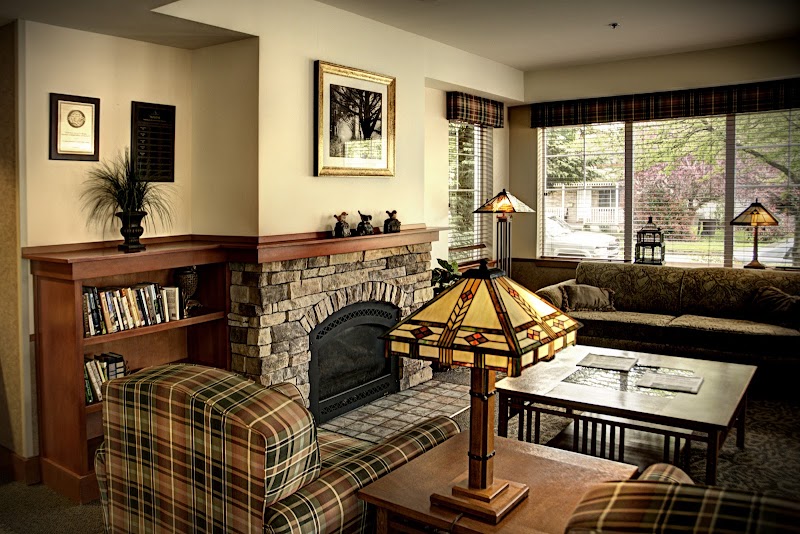
How is Avamere Rehabilitation Of Hillsboro Staffed?

CMS rates AVAMERE REHABILITATION OF HILLSBORO's staffing level at 4 out of 5 stars, which is above average compared to other nursing homes. Staff turnover is 42%, compared to the Oregon average of 46%. This relatively stable workforce can support continuity of care.

What Have Inspectors Found at Avamere Rehabilitation Of Hillsboro?

State health inspectors documented 31 deficiencies at AVAMERE REHABILITATION OF HILLSBORO during 2019 to 2025. These included: 2 that caused actual resident harm, 27 with potential for harm, and 2 minor or isolated issues. Deficiencies causing actual harm indicate documented cases where residents experienced negative health consequences.
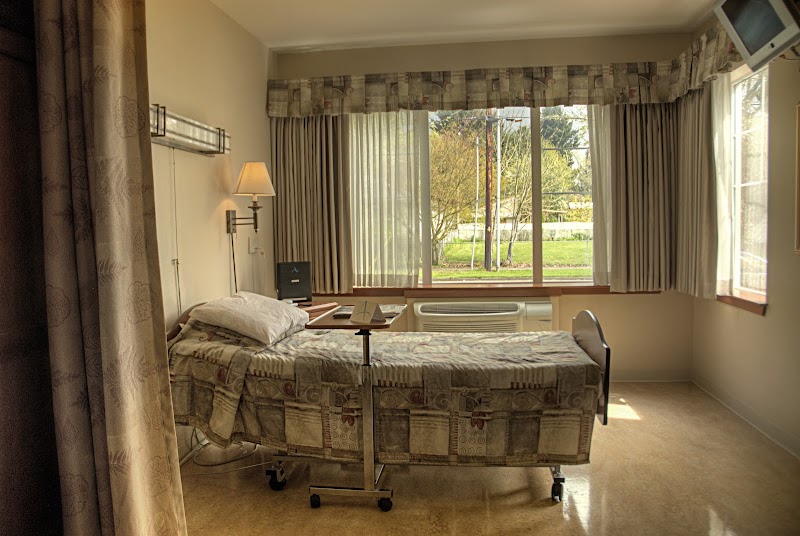
Who Owns and Operates Avamere Rehabilitation Of Hillsboro?

AVAMERE REHABILITATION OF HILLSBORO is owned by a for-profit company. For-profit facilities operate as businesses with obligations to shareholders or private owners. The facility is operated by AVAMERE, a chain that manages multiple nursing homes. With 87 certified beds and approximately 71 residents (about 82% occupancy), it is a smaller facility located in HILLSBORO, Oregon.
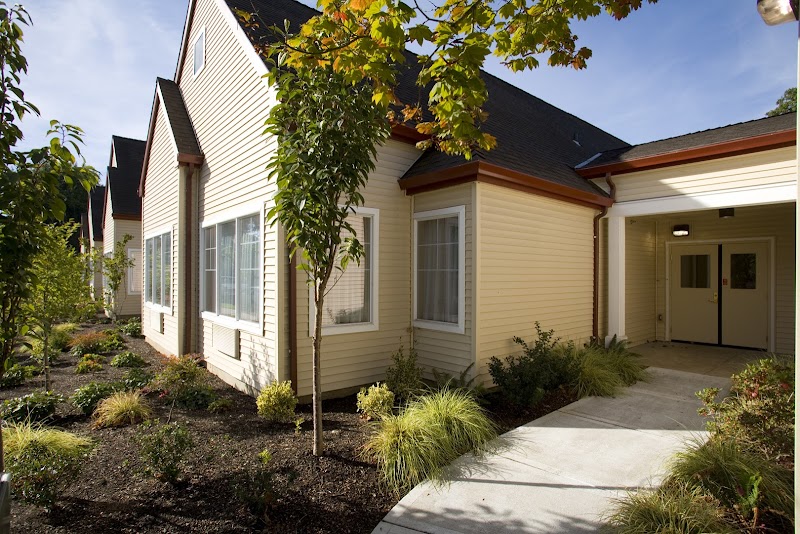
How Does Avamere Rehabilitation Of Hillsboro Compare to Other Oregon Nursing Homes?

Compared to the 100 nursing homes in Oregon, AVAMERE REHABILITATION OF HILLSBORO's overall rating (3 stars) matches the state average, staff turnover (42%) is near the state average of 46%, and health inspection rating (3 stars) is at the national benchmark.

What Should Families Ask When Visiting Avamere Rehabilitation Of Hillsboro?

Based on this facility's data, families visiting should ask: "Can I visit during a mealtime to observe dining assistance and food quality?" "How do you handle medical emergencies, and what is your hospital transfer rate?" "Can I speak with family members of current residents about their experience?"

Is Avamere Rehabilitation Of Hillsboro Safe?

Based on CMS inspection data, AVAMERE REHABILITATION OF HILLSBORO has a clean safety record: no substantiated abuse findings (meaning no confirmed cases of resident harm), no Immediate Jeopardy citations (the most serious violation level indicating risk of serious injury or death), and is not on the Special Focus Facility watch list (a federal program monitoring the lowest-performing 1% of nursing homes). The facility has a 3-star overall rating and ranks #1 of 100 nursing homes in Oregon. While no facility is perfect, families should still ask about staff-to-resident ratios and recent inspection results during their visit.

Do Nurses at Avamere Rehabilitation Of Hillsboro Stick Around?

AVAMERE REHABILITATION OF HILLSBORO has a staff turnover rate of 42%, which is about average for Oregon nursing homes (state average: 46%). Moderate turnover is common in nursing homes, but families should still ask about staff tenure and how the facility maintains care continuity when employees leave.

Was Avamere Rehabilitation Of Hillsboro Ever Fined?

AVAMERE REHABILITATION OF HILLSBORO has been fined $23,465 across 1 penalty action. This is below the Oregon average of $33,314. While any fine indicates a compliance issue, fines under $50,000 are relatively common and typically reflect isolated problems that were subsequently corrected. Families should ask what specific issues led to these fines and confirm they've been resolved.

Is Avamere Rehabilitation Of Hillsboro on Any Federal Watch List?

AVAMERE REHABILITATION OF HILLSBORO is not on any federal watch list. The most significant is the Special Focus Facility (SFF) program, which identifies the bottom 1% of nursing homes nationally based on persistent, serious quality problems. Not being on this list means the facility has avoided the pattern of deficiencies that triggers enhanced federal oversight. This is a positive indicator, though families should still review the facility's inspection history directly.