AVAMERE REHABILITATION OF JUNCTION CITY
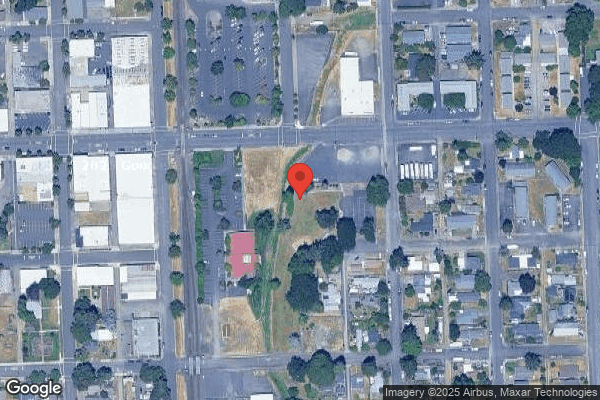
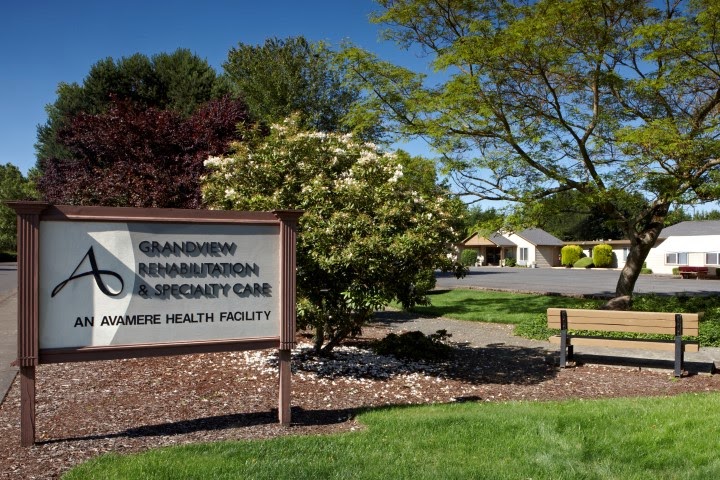
530 BIRCH STREET, JUNCTION CITY, OR 97448 (541) 998-2395
For profit - Corporation 53 Beds AVAMERE Data: November 2025 1 Immediate Jeopardy citation
Trust Grade
33/100
#32 of 127 in OR
Last Inspection: July 2025

Inspected within the last 6 months. Data reflects current conditions.

Overview

Avamere Rehabilitation of Junction City has a Trust Grade of F, indicating significant concerns about the quality of care provided, which is below acceptable standards. It ranks #32 out of 127 facilities in Oregon, placing it in the top half, but that may not be reassuring given the low trust grade. The facility's trend is improving, with issues decreasing from 10 in 2024 to 6 in 2025, but the total of 33 issues found raises alarms. Staffing is a relative strength, with a 4/5 star rating and a turnover rate of 37%, which is well below the state average of 49%, suggesting a stable workforce. However, the facility has faced concerning fines totaling $144,665, which is higher than 98% of Oregon facilities, indicating ongoing compliance problems. RN coverage is another issue, as it is lower than 84% of state facilities, which means residents may not receive adequate oversight for their health needs. Specific incidents of concern include a critical failure to protect a resident from emotional abuse and serious medication errors that put residents at risk. While the staffing situation is favorable, the presence of significant fines and serious incidents underscores the need for families to weigh these issues carefully.

Trust Score
F
33/100
In Oregon
#32/127
Top 25%
Safety Record
High Risk
Review needed
Inspections
Getting Better
10 → 6 violations
Staff Stability
○ Average
37% turnover. Near Oregon's 48% average. Typical for the industry.
Penalties
○ Average
$144,665 in fines. Higher than 64% of Oregon facilities. Some compliance issues.
Skilled Nurses
⚠ Watch
Each resident gets only 24 minutes of Registered Nurse (RN) attention daily — below average for Oregon. Fewer RN minutes means fewer trained eyes watching for problems.
Violations
⚠ Watch
33 deficiencies on record. Higher than average. Multiple issues found across inspections.
★★★★☆
4.0
Overall Rating
★★★★☆
4.0
Staff Levels
★★★★★
5.0
Care Quality
★★★☆☆
3.0
Inspection Score
Stable
2024: 10 issues
2025: 6 issues

The Good

  • 4-Star Staffing Rating · Above-average nurse staffing levels
  • 5-Star Quality Measures · Strong clinical quality outcomes
  • Full Sprinkler Coverage · Fire safety systems throughout facility
  • No fines on record
  • Staff turnover below average (37%)

    11 points below Oregon average of 48%

Facility shows strength in staffing levels, quality measures, fire safety.

The Bad

Staff Turnover: 37%

Near Oregon avg (46%)

Typical for the industry

Federal Fines: $144,665

Well above median ($33,413)

Significant penalties indicating serious issues

Chain: AVAMERE

Part of a multi-facility chain

Ask about local staffing decisions and management

The Ugly 33 deficiencies on record

1 life-threatening 2 actual harm
Jul 2025 6 deficiencies
CONCERN (D)

Potential for Harm - no one hurt, but risky conditions existed

Assessment Accuracy (Tag F0641)

Could have caused harm · This affected 1 resident

**NOTE- TERMS IN BRACKETS HAVE BEEN EDITED TO PROTECT CONFIDENTIALITY** Based on interview and record review it was determined the facility failed to accurately assess 1 of 1 sampled resident (#1) rev...

Read full inspector narrative →
**NOTE- TERMS IN BRACKETS HAVE BEEN EDITED TO PROTECT CONFIDENTIALITY** Based on interview and record review it was determined the facility failed to accurately assess 1 of 1 sampled resident (#1) reviewed for skin conditions. This placed residents at risk for unmet needs and delayed treatment. Findings include: Resident 1 admitted to the facility on [DATE] with diagnoses including unstageable pressure ulcer to the buttocks and pain. The 6/24/25 admission MDS indicated Resident 1 was at risk for developing pressure ulcers and had one or more unhealed pressure ulcer injuries. The MDS did not include documentation indicating the number of unstageable pressure ulcers due to non-removable dressings or devices. The section addressing unstageable pressure ulcers present on admission or re-entry was left incomplete. The skin and ulcer treatment section indicated the resident used a pressure reducing device for the bed and received surgical wound care. No documentation reflected the resident was receiving care for a pressure ulcer.On 7/24/25 at 4:08 PM, Staff 2 (DNS) acknowledged Resident 1's MDS was inaccurate.
CONCERN (D)

Potential for Harm - no one hurt, but risky conditions existed

Quality of Care (Tag F0684)

Could have caused harm · This affected 1 resident

**NOTE- TERMS IN BRACKETS HAVE BEEN EDITED TO PROTECT CONFIDENTIALITY** Based on observation, interview, and record review, it was determined the facility failed to notify the physician and act upon a...

Read full inspector narrative →
**NOTE- TERMS IN BRACKETS HAVE BEEN EDITED TO PROTECT CONFIDENTIALITY** Based on observation, interview, and record review, it was determined the facility failed to notify the physician and act upon a change in condition timely resulting in increased avoidable pain and psychosocial harm for 1 of 1 sampled resident (#1) reviewed for skin conditions and behavioral health. Findings include: a. Resident 1 was admitted to the facility on [DATE] with diagnoses including adjustment disorder with depressed mood, anxiety, intentional poisoning by methamphetamine, self-harm, history of suicide attempts, accidental and intentional substance abuse overdose. Resident 1 was under the care of a neuropsychologist and received outpatient services prior to admission. A 6/3/25 Rehabilitation Neuropsychology Consult Note documented the resident expressed frustration regarding communication about wound care and pain management. The resident reported feeling unheard and unsupported when advocating for her/his needs. The 6/5/25 Rehabilitation Neuropsychology Consult Note documented the resident expressed ongoing distress and frustration with miscommunication, particularly around care preferences the resident described feeling overwhelmed, out of control, and reported declining care as a result. The anxiety care plan initiated on 6/17/25, indicated Resident 1 received anxiety medication. The goal was to reduce signs and symptoms of anxiety. Interventions included staff to administer anti-anxiety medications as ordered and monitor the resident for adverse side effects.On 6/18/25 Resident 1 was admitted to hospice. Staff were to call or fax for the flowing concerns: Immediately, if the patient experiences any change in condition or has unrelieved pain or distress. Facility staff interventions: Address psychosocial/spiritual needs monitor and address patient fears and encourage social interaction.The mood/behavior/psychosocial care plan initiated on 6/18/25, indicated Resident 1 had mood and behavioral issues related to recent amputations, hospice admission, acute and chronic pain, adjustment disorder with depressed mood, and generalized anxiety disorder. The resident's goal was to prevent any decline in mood over the next 30 days. Interventions included administrative medications per physician orders, document the resident's behavior as needed, and notify the social service director of any decline in mood or behavior.No documentation was found in the clinical record to indicate the facility monitored the resident's mood to determine if her/his goal were met.The communication care plan, initiated on 6/20/25, indicated Resident 1 had ineffective coping related to history of substance abuse. The resident's goal was to ensure her/his safety. Interventions included staff to refer the resident for mental health consultation as needed.The trauma care plan, initiated on 6/21/25, indicated resident one had complex traumas. Interventions included assigning consistent care givers to build trust. Staff to notify the nurse when the resident was triggered. Staff to maintain a comfortable distance, respecting personal space, and stop care if the resident was uncomfortable. The 6/19/25 Hospice Order indicated a Master of Social Work (MSW) provided and assisted with emotional behavioral management related to depression, symptom management, signs of worsening depression, guilt, shame, and self-loathing of family systems regarding addiction. Resident and staff were to report improved ability to manage depressive symptoms. A hospice MSW will monitor for signs of worsening depression. No documentation was found in the clinical record to indicate Resident 1 was provided or assisted with emotional behavioral management or monitored for signs of worsening depression. Resident 1's 6/24/25 admission MDS indicated the resident was cognitively intact, had minimal or no depression and exhibited no behaviors. The psychotropic drug use CAA indicated: The resident and family participate in her/his care conference with the facility and hospice. No concerns identified at this time.The 6/24/25 admission MDS CAAs did not trigger concerns for the areas related to communication, psychosocial well-being, mood, behavioral symptoms or nutritional status.On 7/23/25 at 11:20 AM, Staff 2 (DNS) and Staff 14 (Social Services Director) confirmed Resident 1 received behavioral health services prior to admission, and Staff 14 confirmed services continued after admission. However, the facility did not coordinate with the resident before the behavioral health worker met with her/him. Staff 2 acknowledged this approach was not resident centered stated that. Staff 2 also confirmed the resident's behavioral care plan was not individualized or resident centered. Staff 14 stated she attempted to meet with the resident on the day of admission to complete the trauma assessment, but the resident refused. Staff 14 did not reattempt the assessment, seek information from the family, or develop a resident centered care plan for trauma. Staff 14 also reviewed the MDS and confirmed that sections related to mood, psychosocial well-being, communication, and behavior were blank On 7/24/25 at 9:12 AM, Staff 7 (LPN) stated she was aware of Resident 1's complex mental health needs. Staff 7 stated the resident was on hospice and that hospice was responsible providing mental health services, but she was not aware of what those services included. Staff 7 further stated the resident experienced significant pain and anxiety and often refused care due to ineffective coping skills.On 7/24/25 at 11:00 AM, Staff 6 (CMA) stated she was familiar with Resident 1. Staff 6 stated the resident experienced significant depression, anxiety, and pain. During the previous week, Resident 1 expressed feeling hopeless, stating I don't know if I want to fight this. The resident talked about her/his past traumas and emotional triggers, but Staff 6 did not report this information to other members of the care team. On 7/24/25 at 5:20 PM, Staff (DNS) acknowledged the resident's care plan and MDS was not comprehensive, or resident centered. Staff 2 confirmed Resident 1 requested to be evaluated by a psychiatrist, but the facility failed to follow up.b. The ADL self-care performance care plan, initiated on 6/17/25 indicated Resident 1 had limited mobility related to amputations on the left arm below the elbow, bilateral below the knee amputations, necrotic tissue of the right hand, and severe pain. The resident's goal was to maintain her/his current level of function. Interventions indicated the resident was dependence on staff for repositioning and turning in bed, dressing, and transfers.The pain care plan, initiated on 6/17/25, indicated Resident 1 had chronic pain related to multiple wounds. The resident's goal was to verbalize satisfaction with pain management. Interventions included attempted to reposition and redirect before administering pain medications. Staff were to administer pain medications per physician orders, record pain level, and report any complaints or request for pain treatment to nursing staff. Staff were to attempt to try to rule out possible causes of pain. The skin impairment care plan initiated on 6/17/25 indicated Resident 1 had skin impairment related to multiple wounds across the body. The resident's goal was to maintain skin integrity. Interventions included keeping the skin clean and dry. Nurses were to complete weekly skin assessments. Nurses were instructed to monitor and document the location, size, and treatment of skin injuries, and report abnormalities, failure to heal, signs of infection or maceration to the medical director. Resident 1 was to use a pressure relieving mattress to protect the skin while in bed. CNA's were directed to report any new skin impairments or changes such as increased drainage, odor, or appearance to licensed nursing staff immediately. Staff were to follow treatment orders as directed by the medical director.No documentation was found in the clinical record to indicate the facility completed weekly skin assessments, monitored and documented the residents' wounds and treatments, or reported abnormalities such as failure to heal, signs of infection to the medical director. There was no documentation that the resident's goal was met or that the care plan was revised. The 6/17/25 TAR indicated staff were to complete a Braden Scale (standardized tool used to assess a patient's risk for developing pressure injuries) upon admission then weekly for three weeks every Thursday. Staff did not complete on 7/3/25.On 6/18/25 Resident 1 was admitted to hospice. Staff were to call or fax for the flowing concerns: Immediately, if the patient experiences any change in condition or has unrelieved pain or distress. For needed medical equipment or supplies. Facility staff interventions: Administer medications and treatments as ordered.Monitor patient for change in condition and contact hospice for pain and symptom management.A 6/18/25 Hospice order indicated Resident 1's pain will be managed at a level acceptable to the patient. Resident 1 will tolerate wound care with minimal discomfort. Wounds will be managed without infection and pain will be controlled. Hospice to provide wound care supplies. The wound management/post-surgical care plan initiated on 6/20/25, indicated Resident 1 had acquired absence of the right and left legs below the knee and the left arm below the elbow. Staff were to notify the provider if no improvement was observed. Staff were to follow wound care treatment orders. The terminal progress care plan, initiated on 6/21/25, indicated Resident 1 had a terminal prognosis related to infection, multiple amputations, and refusal of wound care. Intervention included assessing the resident's coping strategies. Staff to monitor for signs of pain and administer pain medication as ordered. Staff to notify the physician immediately of breakthrough pain. Staff were to collaborate with hospice staff to address the resident's needs to provide maximum comfort.There was no documentation found in the clinical record to indicate the physician was notified immediately of breakthrough pain. Furthermore, no documentation was found to indicate the facility collaborate with hospice to address the resident's needs and ensure maximum comfort.A progress note dated 6/22/25 at 12:18 PM, indicated the hospice nurse attempted to place an air mattress under the resident but was unsuccessful due to unmanaged pain with movement. Resident 1's 6/24/25 admission MDS indicated the resident was cognitively intact.The pain CAA indicated: The resident had a history of substance use disorder, resulting in a high pain tolerance. The resident was receiving appropriate dosages of medication for her/his tolerance. Resident has damage to internal organs and body systems has a chronic pain. Resident was on hospice for end-of-life care comfort measures at this time. Resident had chronic pain related to multiple wounds. The resident's goal was to verbalize satisfaction with her/his pain management. Resident 1's care plan was reviewed and is up to date to reflect the resident's current needs.No documentation was found in the clinical record to indicate how staff determined the appropriate pain medication dosage.A 6/24/25 at 10:34 PM, Progress note indicated Resident 1 exhibited behavioral outbursts, cursed at staff, and refused care. The resident was moved to a different bed (with air mattress) and later calmed down and slept. On 6/25/25 Resident 1 re-admitted to hospice with the following orders: Nursing staff to report Resident 1's pain greater than a 6 out of 10. Resident 1's goals was to have pain managed at a level acceptable to her/him. The resident will tolerate wound care with minimal discomfort, wounds will be managed without infection and pain will be controlled.A 6/25/25 hospice order directed staff to contact hospice staff when Resident 1's pain level was greater than a six. Resident 1's MAR was reviewed from 6/25/25 through 6/30/25 indicated the following pain levels related to the above medication: -6/26/25: 3,7,5, 5 and 8-6/28/25: 8,5,6,5, and 5-6/29/25: 7,5,7, and 5No documentation was found in the clinical record to indicate hospice was notified when the resident's pain was greater than a six. A 6/25/25 Hospice Client Coordination Note Report indicated the facility called to request assistance with the resident's air mattress that would not stay inflated. Facility staff indicated they were able to lift Resident 1 up and change the mattress out.A 6/25/25 Client Supplies Report indicated staff ordered Resident 1 an air-pressure pump with pad, half bed rails and a high/low hospital bed. On 7/21/25 at 2:56 PM, Resident 1 stated upon admission to the facility they did not provide the appropriate bed or side rails. Resident 1 stated she/he asked for side rails so she/he could help with bed mobility. An air mattress was provided several days later however it did not inflate properly. The resident reported her/his family placed five or six pillows under the mattress to try to make it more comfortable. Resident 1 stated it felt like she/he was laying on a board. Resident 1 stated staff moved her/him multiple times into different beds and each time it was extremely painful. Resident 1 expressed frustration towards staff because they did not understand the extent of her/his pain.On 7/24/25 at 9:12 AM, Staff 7 (LPN) stated when Resident 1 admitted to the facility she/he was initially provided only a standard mattress because the facility did not have an extra air mattress at that time, which was not standard practice for residents with wound care needs. The resident was admitted to hospice the following day. The first mattress did not stay inflated, so pillows were used as a temporary measure. Staff 7 recalled the resident experiencing significant pain and refused wound care, but she did not notify the physician. On 7/24/25 at 1:18 PM, Staff 18 (CNA) stated on 6/22/25, she noticed the resident lying wonky, she/he appeared to be laying on the bed rails and looked like she/he was in pain. Resident 1's family told her they placed about six pillows under the mattress in an attempt to provide the resident with some comfort. At the family's request, Staff 18 assisted the family to transfer Resident 1 to a different bed using a flat sheet. During the transfer, the resident cried out in pain and asked them to stop. Staff 18 explained to the resident the transfer needed to be completed for safety reasons. On 7/24/25 at 2:35 PM, Staff 22 (RN) confirmed upon admission, Resident 1 was provided a regular bed however the side rails did not fit the frame. On 6/22/25, six staff assisted with transferring the resident into another bed with mobility bars because she/he was in a lot of pain. Staff 22 stated Resident 1's pain medications were increased at this time but could not confirm if her/his pain medications were adjusted thereafter. Staff 22 stated Resident 1 refused wound care due to unmanaged pain, and anxiety. Staff 22 stated staff were supposed to offer pre-medication before wound care, notify the physician regarding treatment refusals and unmanaged pain. Staff 22 confirm the physician was not notified. On 7/24/25 at 2:35 PM, Staff 2 (DNS) acknowledged the facility failed to comprehensively assess and implement appropriate care and services for a resident with wound care needs. Staff 2 confirmed Resident 1 admitted with a regular bed that lacked mobility bars, and the resident did not receive an air mattress for five days. During that time staff attempted to transfer the resident multiple times without the appropriate equipment which caused the resident additional, avoidable pain. An order start date 6/19/25 and discontinued 6/26/25 instructed staff to provide wound care for all wounds every Thursday. Clean with wound cleaner, apply Xeroform sheets (medicated wound dressing) and cover with ABD pads (absorbent pads). Lightly wrap Kerlix (soft woven gauze used to pack wounds) to BLE's (bilateral lower extremities). Change weekly and PRN. If dressings sticks use sterile water and soak for loosening. No documentation was found on the TAR to indicate staff provided wound care on 6/19/25 and 6/22/25. A 6/23/25 Nursing Care Note indicated Staff 1 (Administrator) and Staff 2 (DNS) approved the family to help with wound care. No documentation was found in the clinical record to indicate nursing staff provided care for Resident 1's necrotic tissues on her/his right fingertips or followed up with the physician to obtain orders. Resident 1's 6/24/25 admission MDS indicated the resident had impairments of both upper and lower extremities bilaterally and was dependent on staff for upper body dressing, hygiene, and bed mobility. The resident was bedbound and dependent on staff to roll left and right. Resident 1 reported her/his pain was almost constant, interfered with sleep and ADLs. Resident 1 rated pain at 8 out of 10. A 6/25/25 Hospice admission Note indicated Resident 1 re-admitted to hospice due to multiple recent amputations and necrotic tissue. Resident 1 reported increased pain and difficulty participating in therapies due to her/his pain. Resident 1 stated her/his pain became progressively worse and difficult to manage. Resident 1 stated her/his pain felt like road rash to her/his bottom and back. A 6/26/25 order instructed staff to provide wound care to Resident 1's left buttock. Staff were to remove and place new xerofoam (sterile non-adherent dressing commonly used for wound care) once daily and PRN. Staff were to document acceptance or refusals and if care was completed by family. A 6/26/25 order instructed staff to provide wound care to Resident 1's distal right lower extremity. Staff were to remove and place new xerofoam sheet once daily and PRN. Cleanse as resident allows. Staff were to document acceptance or refusals and if care was completed by family. A 6/26/25 order instructed staff to provide wound care to Resident 1's lateral right knee. Staff were to remove and place new extra foam sheet once daily and PRN. Cleanses as the resident allows. Document acceptance or refusals. Staff were to document acceptance or refusals and if care was completed by family. A 6/26/25 order instructed staff to provide wound care to Resident 1's right lateral thigh. Remove in place extra foam sheet once daily and PRN. Cleanses as the resident allows. Document acceptance or refusal. Staff were to document acceptance or refusals and if care was completed by family. A 6/26/25 order instructed staff to provide wound care to Resident 1's distal lower left extremity remove and place new extra foam sheet once daily and PRN. Document acceptance or refusal. Staff were to document acceptance or refusals and if care was completed by family. A 6/26/25 order instructed staff to provide wound care to Resident 1's right buttock. Staff were to remove and place new extra foam sheet once daily and PRN. Document acceptance or refusals. Staff were to document acceptance or refusals and if care was completed by family. Start date 6//26/25 wound care to lateral lower knee. Staff to remove and place new extra from sheet once daily and PRN. Document acceptance or refusal. Staff were to document acceptance or refusals and if care was completed by family. Start date 6/26/25 wound care to lateral Left thigh. Staff to remove and place new extra foam sheet once daily and PRN. Document acceptance or refusal. Staff were to document acceptance or refusals and if care was completed by family. Documentation was provided in the clinical record to indicate the family provided wound care on various days. However, there was no documentation regarding the details of the resident's wound care, status of the wounds, or whether staff followed up.The 6/26/25 Wound Evaluation for Resident 1's left lateral thigh indicated the residents' wound had moderate drainage. The wound measured 22 cm x 9 cm. No Wound Evaluations were found in the clinical record for Resident 1's buttock wounds, BLE stumps, necrotic tissue or RFA stump. The 6/2025 TAR indicated Resident 1 refused all wound care from 6/26/25 through 6/30/25. No documentation was found in the clinical record to indicate the physician was notified.The 7/10/25 and 7/17/25 Wound Evaluation for Resident 1's left lateral thigh indicated the resident's wound had a foul odor and lacked healing. No documentation was found in Resident 1's clinical record to indicate the physician was notified.No additional Weekly Wound Evaluations were located in Resident 1's clinical record for the following wounds: buttocks, BLE stumps, thighs, necrotic fingertips or RFA stump.The 7/11/25 Alert note indicated Resident 1 refused all linen changes for the past two weeks. The charge nurse and two CNAs attempted to change Resident 1's linen due to significant wounds. The sheets were saturated through with purulent (drainage containing pus, often brown and green drainage, usually an indication of infection). The resident had several inches of fluid built up around her/his body and the odor from the wounds were beginning to permeate the building. Resident 1 was pre-medicated prior to staff attempting to change her/ his linens. When staff attempted to change the linens, the resident became agitated and refused all cares. Staff were only able to remove the top blanket at this time it was noted the patient had very large amounts of maggots in her/his wound beds and in her/his peri area. Staff informed the administrator and family. The 7/11/25 Nursing Care note indicated Resident 1's wounds continued to decline due to continued refusal of care. Drainage from the resident's wounds filled between the resident and the edge of air mattress to the point of draining onto the floor. No documentation was found in Resident 1's clinical record to indicate the physician was notified.The 7/12/25 Nursing Care note indicated Resident 1 and family requested to see her/his doctor to discuss her/his care.The 7/16/25 Weekly Skin Audit note indicated a skin irregularity was identified. Resident 1's wounds continue to decline.A 7/17/25 Physician Progress note indicated he informed Resident 1 that no changes would be provided to her/his pain dosage because they are within her/his tolerance and the comfort level of both the staff and the prescriber. The resident's wounds appeared molted and had a decay smell that permeated the room. Resident 1 was informed her/his wounds were getting worse due to refusals in care and that it would be very difficult to heal her/his wounds at this stage. On 7/21/25 at 2:56 PM, Witness 1 stated Resident 1 told her she/he refused wound care and repositioning because it was too painful to tolerate even after pain medications were given prior. Resident 1 also refused care because she/he felt like staff were impatient and did not listen to her/him when staff provided wound care. Witness 1 stated Resident 1's wounds have continued to deteriorate and a few weeks ago the facility contacted her to report they found maggots inside the resident's wounds, including inside her/his perineal area. Resident 1 stated approximately five staff members were in the room trying to determine what to do, and she/he felt she/he was not treated with dignity and experienced humiliation. Witness 1 further stated they had to keep asking the facility to speak with the doctor to discuss Resident 1's care. On 7/24/25 at 9:12 AM, Staff 7 (LPN) stated Resident 1 had significant wounds and pain. Staff were responsible for providing wound care when hospice was not available. Staff 7 reported the resident's wound care took hours and staff did not always have adequate time to provide. Staff 7 stated the resident frequently refused wound care from staff and preferred the family to provide wound care. Staff 7 stated the family updated staff when they provided wound care, but she did make detailed notes about the resident's wounds. Staff 7 acknowledged the resident's wounds continued to decline and she did not notify the physician.On 7/24/25 at 1:18 PM, Staff 18 (CNA) confirmed the resident experienced unmanaged pain and felt that staff rushed through wound care, which caused her/him increased anxiety and pain, leading to frequent refusals of care.On 7/24/25 at 2:35 PM, Staff 22 (RN) confirmed she did not document the status of wounds, notify the physician of the resident's worsening wounds, or unmanaged pain.On 7/24/25 at 5:20 PM, Staff 2 (DNS) confirmed the facility failed to conduct a comprehensive and accurate assessment of Resident 1's clinical condition, including skin integrity and pain. Staff 2 also confirmed the physician was not notified of worsening skin conditions.
CONCERN (D) 📢 Someone Reported This

A family member, employee, or ombudsman was alarmed enough to file a formal complaint

Potential for Harm - no one hurt, but risky conditions existed

Deficiency F0699 (Tag F0699)

Could have caused harm · This affected 1 resident

Based on observation, interview, and record review it was determined the facility failed to ensure a resident with a history of trauma received trauma-informed care for 1 of 1 sampled resident (#1) re...

Read full inspector narrative →
Based on observation, interview, and record review it was determined the facility failed to ensure a resident with a history of trauma received trauma-informed care for 1 of 1 sampled resident (#1) reviewed for mood and behavior this placed residents at risk for unmet needs and a decrease in their quality of life. Findings include:On 6/17/25 Resident 1 admitted to the facility with diagnoses including adjustment disorder with depressed mood, anxiety, intentional poisoning by methamphetamine, self-harm, history of suicide attempts, accidental and intentional substance abuse overdose.Prior to admission Resident 1 received care from a neuropsychologist. A 5/29/25 Rehabilitation Neuropsychology Consult Note documented during the interview, the resident expressed mixed emotions, reported hopelessness about achieving sobriety, reconnecting with family, and managing psychosocial stressors. The resident reported feeling overwhelmed, lacked non-substance related coping strategies, and disclosed a long history of depression and suicidal ideation. A 6/3/25 Rehabilitation Neuropsychology Consult Note documented the resident expressed frustration regarding communication about wound care and pain management. The resident reported feeling unheard and unsupported when advocating for her/his needs.The 6/5/25 Rehabilitation Neuropsychology Consult Note documented the resident expressed ongoing distress and frustration with miscommunication, particularly around care preferences the resident described feeling overwhelmed, out of control, and reported declining care as a result.On 6/17/25 Resident 1 admitted to the facility with diagnoses including adjustment disorder with depressed mood, anxiety, intentional poisoning by methamphetamine, self-harm, history of suicide attempts, and both accidental and intentional substance use overdose.The 6/17/25 Trauma Informed Care Evaluation indicated the resident did not want to complete the assessment and/or stated she/he did not experience trauma.A 6/17/25 Physician order instructed staff to administer 0.5 mg Lorazepam (anti-anxiety) one time a day for anxiety. The 6/18/25 mood/behavior/psychosocial care plan indicated the resident had multiple amputations, recently admitted to hospice, had acute pain, adjustment disorder with depressive mood, and generalized anxiety. The resident's goal was to have no decline in mood or increase in behaviors over the next 30 days. Behavior monitor as needed. Behaviors included: 1. Verbal agitation 2. Refusing care 3. Cursing at staff member 4. Isolating or withdrawn 5. Provide positive reassurance 6. Be an active listening 7. Rule out pain. Staff were to notify social service director of any decline in mood or behavior. Triggers: 1. Change in routine 2. Pain 3. Uncertain of future 4. Lack of sleepOn 6/18/25 Resident 1 was admitted to hospice services. The 6/19/25 Hospice Order indicated a Master of Social Work (MSW) was to provide and assist with emotional behavioral management related to depression, symptom management, signs of worsening depression, guilt, shame, and self-loathing of family systems regarding addiction. Resident and staff to report improved ability to manage depressive symptoms. MSW will monitor for signs of worsening depression. No documentation was found in the clinical record to indicate emotional behavioral management was provided, evaluated, or monitored. The clinical record lacked evidence of follow-up assessments, resident responses to interventions, or interdisciplinary team review to determine whether the resident's depressive symptoms were improving.The 6/21/25 Hospice care plan instructed staff to work closely with the hospice team to ensure social needs are met.No documentation was found Resident 1's clinical record to indicate she/he received emotional behavioral support.The 6/21/25 Trauma care plan indicated staff were to assess the effectiveness and appropriateness of the resident's identified triggers and coping strategies on a quarterly or PRN basis. Staff were to update the care plan to reflect any changes. Resident will identify potential triggers and coping strategies. Interventions included identify triggers. Defense mechanisms include screaming, refusing cares, kicking family and staff out of room, and crying. No documentation was found in Resident 1's clinical record to indicate staff assessed or monitored these interventions. There was also no evidence of care plan updates, progress notes, or interdisciplinary review indicating the resident's trauma response or coping strategies had been evaluated or addressed.On 7/21/25 at 2:56 PM, and 7/24/25 at 12:02 PM, Resident 1 stated during a recent hospitalization, she/he requested to be seen by psychiatrist for ongoing mental health needs. After admission to the facility, she/he reported expressing this request multiple times to the hospice social worker. Resident 1 stated she/she was told by the social worker that he was the appropriate person to address her/his needs. Resident 1 stated she/he felt he lacked the clinical qualifications to properly assess or address her/his complex me mental health concerns.On 7/23/25 at 10:23 AM, Staff 15 (Behavioral Health Consultant) confirmed Resident 1 expressed interest in behavioral health services and was identified as an appropriate candidate for behavioral health services. Staff 15 noted the resident appeared fatigued, withdrawn, avoidant, and disinterested; behaviors they recognized as signs of trauma. Staff 15 acknowledged they were unable to establish rapport or develop recommendations.On 7/23/25 at 11:20 AM, Staff 14 (Social Service Director) confirmed awareness of Resident 1's trauma history. The trauma assessment was neither completed nor re-attempted. Staff 14 did not seek input from the resident's involved family. Staff 14 reviewed the MDS and care plan and confirmed there was no documentation of trauma triggers or individualized interventions to address the resident's behavioral health needs.On 7/24/25 at 9:12 AM, Staff 7 (LPN) stated she was aware of Resident 1's complex mental health needs. Staff 7 stated the resident was on hospice and they were responsible for providing mental health services.On 7/24/25 at 11:00 AM, Staff 6 (CMA) reported the resident shared her/his past trauma and expressed feelings of hopelessness. Staff 6 confirmed she did not report these concerns to other facility staff. On 7/24/25 at 4:32 PM, Staff 17 Hospice Licensed Clinical Social Worker (LCSW) stated he met with Resident 1 weekly and confirmed Resident 1 requested psychiatric services. Staff 17 stated he did not follow-up on the request or document his visits in the clinical record. On 7/25/25 at 2:39 PM, Staff 2 (DNS) acknowledged the resident's care plan and MDS was not comprehensive, or resident centered. Staff 2 further acknowledged Staff 17 should have documented his visits with Resident 1 to ensure continuity of care.
CONCERN (D)

Potential for Harm - no one hurt, but risky conditions existed

Deficiency F0740 (Tag F0740)

Could have caused harm · This affected 1 resident

Based on observation, interview, and record review it was determined the facility failed to ensure residents with behavioral health needs, including substance use disorder received appropriate service...

Read full inspector narrative →
Based on observation, interview, and record review it was determined the facility failed to ensure residents with behavioral health needs, including substance use disorder received appropriate services for 2 of 2 sampled residents (#s 1 and 8) reviewed for behavioral health. This placed residents at risk for unmet behavioral health needs and increased risk of substance misuse or overdose. Findings include:The facility's 11/2022 Substance Use Disorder policy and procedure revealed the following:The behavioral health care needs of residents with a substance use disorder (SUD) or other serious mental health conditions are evaluated as part of the facility assessment. All residents are screened prior to admission for serious mental health disorders, intellectual disabilities, and related conditions to determine if specialized services are required under the Preadmission Screening and Resident Review (PASRR) process. If a resident does not qualify for pass are related specialized services but requires more intensive behavioral health care, the facility will provide or arrange for those services. The specific services needed are identified during the comprehensive assessment, and the resident's care plan will address individualized needs related to mental health or substance use disorder.A resident's history of substance use disorder and potential risk of substance use or overdose while in the facility will be identified to the extent possible and documented in the medical record. 1.On 6/17/25 Resident 1 admitted to the facility with diagnoses including adjustment disorder with depressed mood, anxiety, intentional poisoning by methamphetamine, self-harm, history of suicide attempts, and both accidental and intentional substance use overdose.Prior to admission Resident 1 had been receiving care from a neuropsychologist. A 5/29/25 Rehabilitation Neuropsychology Consult Note documented during the interview, the resident expressed mixed emotions, reported hopelessness about achieving sobriety, reconnecting with family, and managing psychosocial stressors. The resident reported feeling overwhelmed, lacked non-substance related coping strategies, and disclosed a long history of depression and suicidal ideation. A 6/3/25 Rehabilitation Neuropsychology Consult Note documented the resident expressed frustration regarding communication about wound care and pain management. The resident reported feeling unheard and unsupported when advocating for their needs.The 6/5/25 Rehabilitation Neuropsychology Consult Note documented the resident expressed ongoing distress and frustration with miscommunication, particularly around care preferences the resident described feeling overwhelmed, out of control, and reported declining care as a result.The 6/24/25 care plan indicated the resident had ineffective coping skills related to a history of substance use and overdose. The goal was to ensure resident safety. Staff to refer resident to mental health consultation as needed.A 6/25/25 Hospice admission Note indicated prior to admission, Resident 1 was receiving methadone treatment for substance use disorder.On 7/23/25 at 10:23 AM, Staff 15 (Behavioral Health Consultant) confirmed Resident 1 expressed interest in support for substance use and was identified as an appropriate candidate for behavioral health services. Staff 15 noted the resident appeared fatigued, withdrawn, avoidant, and disinterested; behaviors they recognized as signs of trauma. Staff 15 acknowledged they were unable to establish rapport or develop recommendations.On 7/23/25 at 11:20 AM, Staff 14 (Social Services Director) confirmed awareness of the resident's history of substance use. Upon review of the MDS and care plan, Staff 14 acknowledged the documents were not individualized and failed to include any information about the resident's substance use history or prior suicide attempts. Staff 14 also stated they were unaware the resident required substance use treatment.On 7/24/25 at 11:00 AM, Staff 6 (CMA) reported the resident shared her/his past trauma, including long-term substance use, and had expressed feelings of hopelessness.On 7/24/25 at 2:14 PM, Staff 13 (CNA) staff stated approximately one week after admission, the resident disclosed a history of trauma and substance use. Staff 13 stated this information was relayed to the charge nurse, who said they would notify social services. On 7/25/25 at 1:05 PM, Staff 19 (RN/Regional Director of Quality Assurance) and Staff 20 (RCM) confirmed there was no documentation to show the resident's trauma history, substance use, or behavioral health concerns were comprehensively assessed, addressed, or care planned. On 7/25/25 at 2:39 PM, Staff 2 (DNS) acknowledged staff reported concerns related to Resident 1's trauma history, substance abuse, hopelessness, and difficulty coping. Staff 2 also reported the resident requested psychiatric support and he confirmed the facility did not document the resident's request or follow up with behavioral services. Staff 2 further acknowledged the resident had not been comprehensively assessed, the care plan was not individualized, trauma informed, or reflective of the resident's history of suicide attempts.2. On 1/27/25 Resident 8 admitted to the facility with diagnoses including adjustment disorder with mixed anxiety and pressed mood, major depressive disorder, anxiety and Post Traumatic Stress Disorder (PTSD). At 3/30/25 10:45 AM, an Alert Note indicated Resident 8 was found difficult to arouse from sleep, presenting as lethargic and confused. Staff 8 noted this behavior was similar to a prior episode observed several weeks earlier. During the room check the nurse and CNA discovered a package of 20, 5 mg cannabis infused jellies totaling 100 mg. Resident 8 stated she/he consumed them the night before however she/he was exhibiting confusion at the time.A 3/30/25 at 1:09 PM, Nursing care note indicated the resident was awake and alert but remained slightly confused, fatigued, had nausea, and reported she/he had a headache and low back pain.A 3/31/25 at 10:15 AM, Social Service note documented Staff 14 (Social Service Director) and Staff 1 (Administrator) met with Resident 8 to discuss the cannabis infused jellies found in her/his room. Resident 8 denied consuming the jellies and said she/he did not know where they came from.A 3/31/25 Standard Progress Note indicated the Licensed Clinical Social Worker (LCSW) met with Resident 8 following a facility consult related to an overdose on THC Gummies brought in by the resident's family. Although Resident 8 denied consuming them, the resident's family confirmed he brought them in but did not expect the resident to consume the entire package. Resident 8 appeared depressed, had impaired function status and was still recovering from ingesting a significant amount of THC on 3/24/25. The resident demonstrated limited capacity for conversation. Continued therapeutic support was recommended.A 3/31/25 at 8:36 PM, Nursing note indicated Resident 8 was found with abnormal vital signs and signs of confusion. Resident 8 was lying in bed, rolling slightly, groaning, and unable to clearly verbalize concerns responding only by humming. Resident 8 was unable to recall her/his last name, date of birth , location or time. Due to continued confusion, the resident was transported to the hospital.The 4/2/25 Facility Investigation ruled out abuse and neglect, stating the facility was not aware Resident 8 brought unprescribed medications into the facility. The facility determined the root cause was Resident 8 often experienced pain, tried to self-medicate and requested her/his family bring medications into the facility. The facility's interventions indicated staff were to monitor the resident's pain and provide frequent education about not bringing medications into the facility without a physician order. No documentation was found in Resident 8's clinical record to indicate the facility developed and implemented these interventions.Resident 8 re-admitted to the facility from the hospital on 4/4/25.A 6/23/25 Psychotropic Time Out note directed staff to make a referral to mental health provider. The 6/27/25 admission MDS indicated Resident 8 was cognitively intact. No documentation was found in Resident 8's clinical record to indicate the facility followed up with the mental health referral or requested a Preadmission Screening and Resident Review (PASRR) Level II evaluation.On 7/23/25 at 9:00 AM, Resident 8 stated she/he was always in pain and rated her/his pain a 10 out of 10. The resident reported the facility did not always manage her/his pain effectively. However, during the interview, Resident 8 was observed smiling, actively engaged in conversation, and preparing to attend an activity. No physical signs of pain were noted at that time.On 7/23/25 at 10:57 AM, Resident 8 stated she/he was upset because staff had taken her/his Tylenol and ibuprofen and now she/he was in a lot of pain.On 7/23/25 at 11:10 AM, Staff 14 (Social Service Director) confirmed she was aware Resident 8 had a history of bringing unprescribed medications into the facility. Staff 14 reviewed the resident's behavioral health care plan and MDS CAAs and acknowledged there was no documentation indicating the resident had been comprehensively assessed for mental health services. Staff 14 further confirmed the facility failed to follow up with a mental health referral.On 7/24/25 at 8:52 AM, Staff 21 (CNA) reported discovering white powder and pills scattered on Resident 8's bed while providing care the following morning. Staff 21 informed the medication aide and Staff 7 (LPN), who followed up on the concerns. Staff 21 also stated Resident 8 frequently complained of pain but did not have behaviors that indicated she/he was in pain.On 7/24/25 at 9:35 AM, Staff 7 (LPN) stated she was aware of a prior incident on 3/30/25 when Resident 8's family brought her/him a package of cannabis infused gummies. The facility was unaware of how many gummies the resident consumed. Following the incident, the resident experienced a cognitive decline and was hospitalized . Staff 7 further reported on 7/23/25, a CNA gave her a handful of pills found on Resident 8's bed. With the resident's permission, Staff 7 searched the room and discovered: approximately 30 to 40 tablets of trazodone 150 mg (antidepressant), Belsomra (sleep aid), or approximately 100 tablets of Tylenol 500 mg and ibuprofen 200 mg, allergy spray, and Omega joint supplements. Staff 7 stated Resident 8 was often nauseated and believed it may have been due to excessive intake of Tylenol and ibuprofen. Staff 7 stated after the search, while sitting with Resident 8 at the nurse's station, the resident called her/his family and asked them to bring more medications.On 7/24/25 at 10:25 AM, Staff 2 (DNS) stated he was aware of Resident 8's prior history of bringing in unprescribed medications including the incident on 3/24/25. Staff 2 acknowledged this had been an ongoing issue and confirmed the facility failed to comprehensively assess and provide behavioral health services.
CONCERN (D)

Potential for Harm - no one hurt, but risky conditions existed

Unnecessary Medications (Tag F0759)

Could have caused harm · This affected 1 resident

Based on observation, interview, and record review it was determined the facility failed to ensure a medication error rate of less than 5 percent. There were two errors out of 25 medication administra...

Read full inspector narrative →
Based on observation, interview, and record review it was determined the facility failed to ensure a medication error rate of less than 5 percent. There were two errors out of 25 medication administration opportunities resulting in an eight percent error rate. This placed residents at risk for an ineffective medication regimen. Findings include:1.Resident 44 was admitted to the facility in 8/2024, with diagnoses including diabetes and obesity.An 8/22/24 physician order indicated Resident 44 received Jardiance (antidiabetic medication) once daily.On 7/23/25 at 9:20 AM, Staff 6 (CMA) stated she was not able to administer Resident 44 her/his scheduled Jardiance because it was not available. Staff 6 stated it had been ordered from the pharmacy but had not arrived. 2. Resident 51 was admitted to the facility in 7/2025 with diagnoses including muscle weakness. A 7/14/25 physician order indicated Resident 51 received Ingrezza (for movement disorder) once daily. On 7/23/25 at 9:32 AM, Staff 6 (CMA) stated she was not able to give Resident 51 her/his scheduled Ingrezza because it was not available. Staff 6 stated it had been ordered from the pharmacy but had not arrived. On 7/25/25 at 1:22 PM Staff 2 (DNS) stated his expectation was for staff to reorder medications before the medications ran out. Staff 2 stated when medications were omitted it was considered a medication error.
CONCERN (F)

Potential for Harm - no one hurt, but risky conditions existed

Infection Control (Tag F0880)

Could have caused harm · This affected most or all residents

Based on observation, interview and record review it was determined the facility failed to ensure infection control standards were implemented for facility laundry services. This placed residents at r...

Read full inspector narrative →
Based on observation, interview and record review it was determined the facility failed to ensure infection control standards were implemented for facility laundry services. This placed residents at risk for exposure to and contraction of infectious diseases. Findings include: A 1/2014 facility Departmental (Environmental Services) Laundry and Linen policy indicated staff were to keep soiled and clean linen separated and follow standard precautions, which included the use of clean gowns and hand washing after glove use.A 2023 Rapid Multi Surface Disinfectant Cleaner data sheet revealed viruses and bacteria were killed with proper application as follows:-Influenza viruses after 30 seconds.-Methicillin-resistant Staphylococcus aureus (MRSA) bacteria after three to five minutes.-Soft surfaces were disinfected after 10 minutes.On 7/25/25 at 11:04 AM, a tour of the laundry facility was conducted with Staff 11 (Laundry). Empty laundry bins were observed (soiled area) outside the washer and dryer room (clean area). Staff 11 stated she allowed the Rapid Multi Surface Disinfectant Cleaner to set for 30 seconds for every use in the laundry area. A fabric gown hung on the far wall of the clean area next to the washing machines and a sink was observed in a room accessed by walking through the clean area. Staff 11 stated, after she sorted soiled linen, she hung her gown on the far wall in the clean area and walked through the clean area to wash her hands at the sink. Staff 11 stated she sorted soiled linen a few times a day and the gown was cleaned once daily, Staff 11 stated she was not provided procedures for the use of personal protective equipment in the laundry room and had no information on the dwell time for the Rapid Multi Surface Disinfectant Cleaner. On 7/25/25 at 11:20 AM, Staff 10 (Housekeeping Manager) acknowledged no training was given to staff on how to handle biohazard waste or soiled linens in the laundry area. Staff 10 indicated staff used the disinfectant cleaner to sanitize the fabric gown used by laundry staff and acknowledged increased training for the Rapid Multi Surface Disinfectant Cleaner was needed. On 7/25/25 at 11:35 AM and 1:56 PM, Staff 2 (DNS) acknowledged the flow of the laundry room between clean and soiled areas needed to be addressed. Staff 2 expected the dwell time information of the disinfectant cleaner to be in a binder for staff.
Jun 2024 2 deficiencies 1 Harm
SERIOUS (G) 📢 Someone Reported This

A family member, employee, or ombudsman was alarmed enough to file a formal complaint

Actual Harm - a resident was hurt due to facility failures

Deficiency F0760 (Tag F0760)

A resident was harmed · This affected 1 resident

**NOTE- TERMS IN BRACKETS HAVE BEEN EDITED TO PROTECT CONFIDENTIALITY** Based on interview and record review it was determined the facility failed to ensure residents were free from significant medica...

Read full inspector narrative →
**NOTE- TERMS IN BRACKETS HAVE BEEN EDITED TO PROTECT CONFIDENTIALITY** Based on interview and record review it was determined the facility failed to ensure residents were free from significant medication errors for 2 of 3 sampled residents (#s 1 and 5) reviewed for medication. This failure resulted in Resident 1 sustaining a gastrointestinal (GI) bleed which required hospitalization, and placed residents at risk for adverse medication side effects. Findings include: 1. Resident 1 readmitted to the facility on [DATE] with diagnoses including pulmonary embolism (blood clot in the lungs). The 3/4/24 physician orders indicated Resident 1 was to receive apixaban (anticoagulant medication) 10 mg BID for six days, then 5 mg BID. The 3/2024 MARS indicated Resident 1 received the following: -apixaban 10 mg one dose on the evening of 3/4/24. -apixaban 10 mg BID from 3/5/24 through 3/26/24. -apixaban 10 mg one dose on the morning of 3/27/24. The 3/27/24 medication incident report indicated Resident 1 readmitted to the facility with an order for apixaban and it was incorrectly entered into the facility's electronic record system without the correct stop dates and dose adjustment. The medication error was caught by the nurse practitioner on 3/27/24. The medication double and triple checks were not completed correctly. The resident was not aware of the medication error until she/he was notified by staff when collecting blood tests. The 4/3/24 Summary indicated: Actions taken: the nurse practitioner notified Staff 2 (DNS) and resident care manager of the error. Staff 2 and resident care manager pulled the charge nurse to discuss the orders and the error on admission. The administrator was notified. Stat labs were ordered. Resident 1 was sent to the hospital due to low hemoglobin counts. The 4/2/24 hospital records indicated Resident 1 presented to the hospital with melena (black tarry stools and a symptom of internal bleeding); GI bleed; acute blood loss and anemia. The nursing facility failed to decrease apixaban from 10 mg to 5 mg. The resident had a lab result for Hemoglobin of 6.5, which deviated from a baseline of 9-10. Resident 1 received a blood transfusion and was admitted to the hospital. On 6/5/24 at 1:30 PM Staff 2 (DNS) acknowledged Resident 1 received apixaban 10 mg BID from 3/4/24 through 3/26/24. Staff 2 stated Resident 1's physician order indicated she/he was to start taking the lower dose of apixaban 5 mg BID on 3/11/24 and she/he continued to receive apixaban 10 mg BID until the error was discovered by the nurse practitioner on 3/27/24. Staff 2 acknowledged stat labs were ordered and it was determined Resident 1 had a GI bleed, was sent to the hospital, and received a blood transfusion as a result of receiving increased apixaban. 2. Resident 5 was admitted to the facility in 5/2024 with diagnoses including diabetes. The 6/1/24 Medication Error Report indicated Resident 5 received Resident 7's medications in error on 6/1/24 at 7:25 PM. The medications included the following: -tamsulosin 0.4 mg (medication for benign prostatic hyperplasia) -buspirone 20 mg (antianxiety medication) -loxapine 50 mg (antipsychotic medication) -metoprolol extended release 50 mg (blood pressure medication) -seroquel 100 mg (antipsychotic medication) -terazosin 4 mg (blood pressure medication) The 6/1/2024 8:07 PM Progress Note by Staff 4 (LPN) indicated she was notified by the CMA that Resident 5 received a fellow resident's medication. The resident was evaluated for neurological and cognition changes immediately and none were found. Vitals were checked immediately, with instructions for neurological vitals protocol - vitals stable, though blood pressure observed to be slightly hypotensive at 103/60. The resident stated she/he felt fine, smiled and interacted pleasantly with staff. The nurse notified the hospice nurse who relayed the information to the physician. Currently awaiting further instruction from the hospice physician. The 6/1/24 10:10 PM Progress Note by Staff 4 indicated hospice followed up and requested to hold lisinopril (blood pressure medication) and finasteride (medication for benign prostatic hyperplasia) for the next 24 hours, and to notify hospice before administering comfort medications. Notified poison control per hospice request, and poison control staff confirmed the resident could continue to be monitored at the facility and confirmed the administered medications would not hit peak times simultaneously. Neurological checks remained within normal limits for the remainder of shift. On 6/5/24 at 12:04 PM Staff 4 stated she was notified by Staff 6 (CMA) on the evening of 6/1/24 that a medication error occurred when Staff 6 administered Resident 7's medications to Resident 5. Staff 4 stated Resident 5 did not usually take medications at night as she/he was on PRN comfort medications only. Staff 4 stated she immediately initiated neurological checks, contacted the physician, hospice and poison control and it was determined the resident would remain in the facility and continue to be monitored for medication side effects. Staff 4 further stated the resident was hypotensive and tired, but had no other side effects from the medications. On 6/7/24 at 1:05 PM Staff 6 (CMA) stated on 6/1/24 she prepared evening shift medications for Resident 7. Staff 6 stated a CNA asked her for assistance in Resident 5's room. Staff 6 stated after she assisted the CNA she gave Resident 5 the medications she prepared for Resident 7. She stated she realized her error when she went to leave the room and called Resident 5 by the incorrect name and the CNA corrected her. Staff 6 stated she reported the error to Staff 4. Staff 6 further stated Resident 5 was monitored and had no adverse side effects due to the medication error. On 6/7/24 at 2:07 PM Staff 2 (DNS) acknowledged Resident 7's medications were administered to Resident 5 by Staff 6 on the evening of 6/1/24 in error. Staff 2 acknowledged the medications included tamsulosin 0.4 mg; buspirone 20 mg; loxapine 50 mg; metoprolol extended release 50 mg; seroquel 100 mg and terazosin 4 mg.
CONCERN (D) 📢 Someone Reported This

A family member, employee, or ombudsman was alarmed enough to file a formal complaint

Potential for Harm - no one hurt, but risky conditions existed

Deficiency F0602 (Tag F0602)

Could have caused harm · This affected 1 resident

Based on interview and record review it was determined the facility failed to ensure residents were free from misappropriation of financial resources for 1 of 1 sampled resident (#4) reviewed for misa...

Read full inspector narrative →
Based on interview and record review it was determined the facility failed to ensure residents were free from misappropriation of financial resources for 1 of 1 sampled resident (#4) reviewed for misappropriation. This placed residents at risk for financial loss. Findings include: Resident 4 admitted to the facility in 2022 with diagnoses including congestive heart failure. A 4/29/24 FRI indicated Staff 5 (LPN) informed Staff 2 (DNS) and Staff 1 (Administrator) of Resident 4 giving $1200 to Staff 3 (CNA). Resident 4 indicated $1000 was a loan and $200 was a gift. Interviews indicated the following: - Staff 5 indicated she was in Resident 4's room providing a treatment and the resident talked about helping others over the years and felt obligated to help others in time of need. Resident 4 told Staff 5 that two weeks ago she/he heard about a CNA at the facility who was struggling to pay rent and she/he gave the CNA $1200 to help pay the rent. Resident 4 indicated the CNA she/he gave the money to was Staff 3. - Resident 4 stated she/he was speaking with Staff 3 about finances and Staff 3 indicated she was unable to pay her rent. Resident 4 indicated she/he offered her $1200; $200 as a gift and $1000 as a loan. - Staff 3 admitted to speaking with Resident 4 about her financial situation and admitted to accepting a $1200 check. Staff 3 was suspended pending the investigation. The facility's investigation indicated the taking, borrowing, or accepting of funds from a person residing at the facility by a staff person was considered financial exploitation. The money was refunded to Resident 4 and Staff 3 was terminated on 5/3/24. Resident 4's Care Plan was updated to include trauma (abuse) with a history of giving money to those who are in need. The Oregon Board of Nursing was notified of Staff 3's misconduct; law enforcement was also notified. On 6/5/24 at 10:56 PM Resident 4 stated Staff 3 told her/him that she helped someone out and did not have the money to pay her rent that was due the following week. Staff 3 informed Resident 4 she had three small children. Resident 4 stated she/he thought about it and felt bad, so she gave Staff 3 a check for $1200. Resident 4 stated she/he told Staff 3 that $200 was a gift and $1000 was a loan to pay back when she could. Resident 4 stated she/he was talking to Staff 5 and told her about it. Resident 4 stated administrative staff spoke to her/him about it and Staff 3 was fired. Resident 4 stated Staff 3 never refused the money or indicated she was unable to accept money from residents. On 6/5/24 at 10:32 AM Staff 2 stated he and Staff 1 spoke with Staff 3. Staff 2 stated Staff 3 indicated she spoke with Resident 4 about her financial issues and that she was not able to pay her rent. Staff 2 stated Staff 3 indicated Resident 4 offered her money and Staff 3 accepted the money. Staff 2 stated Staff 3 indicated she was aware it was wrong, but felt she had no other option. Staff 2 stated a plan of correction was immediately started which included training with all staff and audits related to misappropriation. On 6/5/24 at 11:25 AM Staff 5 stated she was in Resident 4's room completing a treatment and the resident started telling her about giving Staff 3 money. Staff 5 stated she immediately informed the DNS and Administrator. On 6/5/24 at 12:26 PM Staff 3 stated she returned from vacation and was having family issues. Staff 3 stated somehow Resident 4 found about her financial issues and offered to help. Staff 3 stated she told Resident 4 no, but the resident kept offering to help. Staff 3 stated she accepted the $1200, cashed the check and paid her rent. Staff 3 stated a month later she received a call from Staff 1; she was suspended, and then terminated due to accepting money from Resident 4. Staff 3 stated she did not steal anything. Resident 4 was coherent and offered the money to her. Staff 3 stated she told the resident it was against the rules of the facility to accept money from a resident, but the resident was crying, so she, just did it. On 6/5/24 at 12:41 PM Staff 1 stated after it was reported to her, she and Staff 2 contacted Staff 3. Staff 1 stated Staff 3 admitted to accepting money from Resident 4 and asked if she was going to terminated. Staff 1 stated Staff 3 immediately knew she was wrong and indicated she was in a tight spot and needed to send money to her family. Staff 1 stated Staff 3 indicated she thought she was going to be get away with it. Staff 1 stated Staff 3 was terminated, and the allegation of misappropriation was substantiated. On 6/4/24 at 10:20 AM the facility provided information to indicate education and an in-service was provided to nursing staff related to the identified incident. The deficient practice was determined to be past non-compliance, corrected on 4/29/24.
Apr 2024 8 deficiencies
CONCERN (D) 📢 Someone Reported This

A family member, employee, or ombudsman was alarmed enough to file a formal complaint

Potential for Harm - no one hurt, but risky conditions existed

Deficiency F0578 (Tag F0578)

Could have caused harm · This affected 1 resident

Based on interview and record review it was determined the facility failed to assist residents with formulation of an advance directive for 1 of 1 sampled resident (#10) reviewed for advance directive...

Read full inspector narrative →
Based on interview and record review it was determined the facility failed to assist residents with formulation of an advance directive for 1 of 1 sampled resident (#10) reviewed for advance directive. This placed residents at risk for lack of individualized healthcare decisions. Findings include: Resident 10 was admitted to the facility in 1/2021 with diagnoses including depression and bipolar disorder. The facility policy, Advance Directives, dated 9/2022 indicated the following: -If the resident or representative indicates that he or she has not established an advance directive, the facility staff will offer assistance in establishing an advance directive. The 11/16/23 Comprehensive Plan of Care Review indicated Resident 10 did not have an advance directive established and requested assistance from facility staff to establish one. A review of Resident 10's clinical record from 11/2023 through 4/2024 revealed no indication facility staff assisted Resident 10 to establish an advance directive. On 4/1/24 at 11:14 AM Resident 10 stated she/he asked for assistance to establish an advance directive in 11/2023 and never received help. On 4/2/24 at 2:31 PM Staff 13 (SSD) acknowledged follow up did not occur after Resident 10 requested assistance on 11/16/23 to establish an advance directive.
CONCERN (D) 📢 Someone Reported This

A family member, employee, or ombudsman was alarmed enough to file a formal complaint

Potential for Harm - no one hurt, but risky conditions existed

Safe Environment (Tag F0584)

Could have caused harm · This affected 1 resident

Based on observation and interview it was determined the facility failed to ensure resident equipment was clean and in good repair for 2 of 3 sampled residents (#s 14 and 22) reviewed for environment....

Read full inspector narrative →
Based on observation and interview it was determined the facility failed to ensure resident equipment was clean and in good repair for 2 of 3 sampled residents (#s 14 and 22) reviewed for environment. This placed residents at risk for living in an unhomelike environment. Findings include: 1. Resident 22 readmitted to the facility in 10/2023 with diagnoses including dementia and muscle weakness. On 4/2/24 at 9:28 AM Resident 22 was observed to walk with her/his walker and the left front wheel of the walker shook back and forth as she/he pushed it down the hall. The left handle was observed to be worn and missing some foam. Resident 22 stated Staff 19 (Physical Therapist) was aware of the issues with the walker. On 4/3/24 at 11:09 AM Staff 18 (Occupational Therapist) stated Staff 19 was out of the facility for the week. Staff 18 observed Resident 22's walker and stated the bolt that held the wheel was loose and acknowledged it needed repairs. On 4/5/24 at 11:19 AM Resident 22's walker was observed with Staff 1 (Administrator). The left handle of the walker was missing foam and Resident 22 stated the brakes did not work. Staff 1 acknowledged the identified findings for Resident 22's walker. 2. Resident 14 admitted to the facility in 12/2021 with diagnoses including multiple sclerosis. On 4/2/24 at 9:45 AM Resident 14's wheelchair was observed to have dried food debris splattered along the sides and it was dirty. The bilateral armrests were torn and the metal underneath was exposed where the resident rested her/his hands. On 4/5/24 at 10:24 AM Staff 8 (CNA) stated she noticed Resident 14's dirty wheelchair a couple of days prior and when she asked staff who cleaned the wheelchairs, she was told night shift was responsible for cleaning the wheelchairs. On 4/5/24 at 11:19 AM Staff 1 (Administrator) observed Resident 14's wheelchair and it was splattered with dried food debris and the bilateral armrests were torn and in disrepair. Staff 1 acknowledged the identified findings.
CONCERN (D) 📢 Someone Reported This

A family member, employee, or ombudsman was alarmed enough to file a formal complaint

Potential for Harm - no one hurt, but risky conditions existed

Deficiency F0657 (Tag F0657)

Could have caused harm · This affected 1 resident

Based on interview and record review it was determined the facility failed to update resident care plans related to head lice for 1 of 1 sampled resident (#37) reviewed for head lice. This placed resi...

Read full inspector narrative →
Based on interview and record review it was determined the facility failed to update resident care plans related to head lice for 1 of 1 sampled resident (#37) reviewed for head lice. This placed residents at risk for lack of treatment. Findings include: Resident 37 was admitted to the facility in 2/2024 with diagnoses including vascular dementia and bipolar disorder. A 4/2/24 Progress Note indicated the resident was found to have several live head lice on her/his head. The resident's provider was notified on 4/2/24, a treatment was prescribed, and applied the same day. The provider recommended Resident 37 cut her/his hair, however the resident refused. A review of Resident 37's comprehensive care plan from 4/2/24 through 4/3/24 did not reveal any information related to head lice. On 4/4/24 Resident 37's comprehensive care plan was updated to reflect the current diagnosis of head lice. On 4/4/24 at 1:15 PM Staff 2 (DNS) acknowledged Resident 37's care plan was not updated timely.
CONCERN (D) 📢 Someone Reported This

A family member, employee, or ombudsman was alarmed enough to file a formal complaint

Potential for Harm - no one hurt, but risky conditions existed

Accident Prevention (Tag F0689)

Could have caused harm · This affected 1 resident

Based on interview and record review it was determined the facility failed to ensure supervision and safety interventions were in place to prevent smoking related accidents for 1 of 2 sampled resident...

Read full inspector narrative →
Based on interview and record review it was determined the facility failed to ensure supervision and safety interventions were in place to prevent smoking related accidents for 1 of 2 sampled residents (#22) reviewed for smoking safety. This placed residents at risk for burns and accidents. Findings include: The facility 2/2010 Smoking Policy indicated the following: -Residents who smoke were evaluated by a licensed nurse for smoking safety using the Smoking Safety Evaluation prior to being able to smoke at the facility. -Initiate a smoking care plan that identifies dependence status, risk, safety devices needed and other interventions determined by the Smoking Safety Evaluation. Resident 22 readmitted to the facility in 10/2023 with diagnoses including dementia and muscle weakness. The 11/10/23 Smoking Safety Evaluation indicated Resident 22 had a history of smoking in the building, burning her/himself and a history of not following the smoking rules. The resident was to remain supervised for the safety of her/himself, others, and the building. The 2/27/24 Quarterly MDS indicated Resident 22 was moderately cognitively impaired. Resident 22's 3/6/24 Care Plan indicated she/he was to smoke with supervision only and the facility was to store tobacco and fire materials. The 3/28/24 Smoking Injury report indicated Staff 2 (DNS) and Staff 6 (LPN/Infection Preventionist) observed Resident 22 smoking unsupervised with another resident in the courtyard and it was not during the timeframe for supervised smoking. Staff 2 noticed Resident 22's hair was singed on the right side of her/his forehead and the resident had a burn mark above her/his right eye. Resident 22 admitted to smoking a cigarette that was given to her/him by the other resident. Staff 6 and Staff 2 found several cigarette butts and a pack of cigarettes in Resident 22's possession A 3/29/24 progress note indicated Resident 22's forehead burn resolved. On 4/4/24 at 1:50 PM Staff 14 (LPN) stated he worked on 3/28/24 and assessed Resident 22 after she/he burned her/his forehead. Staff 14 stated Resident 22 had a small red mark on her/his forehead where she/he burned her/himself with a cigarette and there was some ash around her/his forehead. Staff 14 stated he applied a bandage over it. Staff 14 further stated the next day the bandage was no longer on her/his forehead and the burn was gone. On 4/5/24 at 12:03 PM Staff 2 (DNS) stated Resident 22 was a supervised smoker and was observed smoking independently on 3/28/24 with another resident. Staff 2 stated he asked Resident 22 what happened, and the resident stated she/he caught her/his hair on fire. Staff 2 acknowledged Resident 22's care plan was not followed for supervised smoking and the resident singed her/his hair and burned her/his forehead.
CONCERN (E) 📢 Someone Reported This

A family member, employee, or ombudsman was alarmed enough to file a formal complaint

Potential for Harm - no one hurt, but risky conditions existed

Deficiency F0761 (Tag F0761)

Could have caused harm · This affected multiple residents

Based on observation, interview and record review it was determined the facility failed to ensure appropriate medication storage temperatures were maintained within parameters for 1 of 1 medication st...

Read full inspector narrative →
Based on observation, interview and record review it was determined the facility failed to ensure appropriate medication storage temperatures were maintained within parameters for 1 of 1 medication storage refrigerator reviewed for safe medication storage. This placed residents at risk for receiving medications with reduced efficacy. Findings include: On 4/2/24 at 10:16 AM the medication refrigerator was observed with Staff 6 (LPN/Infection Preventionist). A review of the refrigerator temperature logs indicated temperatures were to be maintained between 36-46 degrees F and the temperature was to be checked twice daily (AM/PM). The temperature logs from 1/1/24 through 4/2/24 revealed 19 instances when the temperature of the refrigerator was below 36 degrees F. The medication refrigerator contained tuberculin (used for testing and diagnosis of Tuberculosis), influenza vaccines (vaccines which require refrigeration), insulin and an emergency medicine kit. A review of the temperature logs from 1/2024 through 4/2024 revealed temperatures out of range for the following dates: January 2024: 1/2; 1/8; 1/10; 1/12; 1/30 and 1/31. February 2024: 2/4; 2/5; 2/6; 2/7; 2/8; 2/14; 2/15; 2/16; 2/23; 2/24; 2/28. March 2024: 3/4 and 3/11. On 4/2/24 at 10:45 AM Staff 2 (DNS) acknowledged the refrigerator temperatures were to be checked and documented twice daily. Staff 2 acknowledged the identified dates when the temperature logs revealed temperatures below 36 degrees F. Staff 2 stated he expected staff to readjust the temperature in the refrigerator, recheck the temperature later and contact management as cold temperatures reduced the efficacy of insulin and vaccines.
CONCERN (E) 📢 Someone Reported This

A family member, employee, or ombudsman was alarmed enough to file a formal complaint

Potential for Harm - no one hurt, but risky conditions existed

Food Safety (Tag F0812)

Could have caused harm · This affected multiple residents

Based on observation and interview it was determined the facility failed to store and handle food in a sanitary manner for 2 of 2 unit refrigerators and freezers reviewed for safe food storage. This p...

Read full inspector narrative →
Based on observation and interview it was determined the facility failed to store and handle food in a sanitary manner for 2 of 2 unit refrigerators and freezers reviewed for safe food storage. This placed residents at risk for foodborne illness. Findings include: Observations of the unit refrigerators on 4/4/24 between 2:34 PM and 4:05 PM revealed the following: -The [NAME] unit freezer contained three freezer bags of waffles that were unsealed. -The [NAME] unit refrigerator contained six expired applesauce cups. - The South unit freezer contained two ice cream half gallons with visible freezer burn. -The South unit refrigerator included a bag containing undated mayonnaise and salad dressing, two expired cheese dips with visible spoilage, and six expired yogurts. On 4/4/24 at 2:58 PM Staff 12 (Dietary Manager) acknowledged the observations and stated the food items were not discarded after the expiration dates.
CONCERN (E) 📢 Someone Reported This

A family member, employee, or ombudsman was alarmed enough to file a formal complaint

Potential for Harm - no one hurt, but risky conditions existed

Infection Control (Tag F0880)

Could have caused harm · This affected multiple residents

Based on observation, interview, and record review it was determined the facility failed to ensure appropriate infection control standards for head lice for 1 of 1 sampled resident (#37) reviewed for ...

Read full inspector narrative →
Based on observation, interview, and record review it was determined the facility failed to ensure appropriate infection control standards for head lice for 1 of 1 sampled resident (#37) reviewed for head lice. This placed residents at risk for head lice. Findings include: The Centers for Disease Control and Prevention (CDC) Tip Sheet and Frequently Asked Questions for head lice dated 11/2019 and 9/2020 revealed the following: -Patients with head lice should be placed on contact precautions (requires the use of gown and gloves on every entry into a resident's room) until 24 hours following a successful treatment. -Head lice are spread by direct contact with the hair of an infested person and by shared clothing, belongings, lying or sitting on a couch and/or chair without a wipeable surface. -Clothing, linens, and other items that an infested person wore or used during the two days before treatment need to be machine washed with hot water at 130 degrees F and dried on a high heat cycle to destroy lice. -Clothing and items that are not washable can be dry-cleaned or sealed in a plastic bag and stored for two weeks to destroy lice. Resident 37 was admitted to the facility in 2/2024 with diagnoses including vascular dementia and bipolar disorder. The 3/4/24 re-admission MDS indicated Resident 37 was mildly cognitively impaired, was ambulatory and wandered at baseline. On 4/1/24 and 4/2/24 random observations of Resident 37 revealed she/he wore a fabric hat and a leather jacket. A Progress Note on 4/2/24 at 11:35 AM indicated Resident 37 was found to have several live head lice on her/his head. The resident's provider was contacted, an order for lice treatment was obtained and Resident 37 received a lice treatment the same day. On 4/2/24 at 1:50 PM the surveyor observed Enhanced Barrier Precautions (the use of gown and gloves only when a resident has an infection and/or uses a medical device such as a catheter) signage next to Resident 37's room. On 4/3/24 at 10:35 AM Staff 16 (Housekeeping) was observed to enter Resident 37's room wearing gloves and she was observed to clean the resident's room and bathroom. In a follow up interview with Staff 16 on 4/3/24 in the afternoon, she stated when a precautions sign was posted outside the resident's room she typically followed the instructions for required PPE prior to entering the resident's room. On 4/3/24 at 10:39 AM Resident 37 was observed wearing the same fabric hat and leather jacket. On 4/3/24 at 12:11 PM Staff 6 (LPN/ Infection Preventionist) stated Resident 37 was placed on Enhanced Barrier Precautions and she/he received the first treatment for head lice. She stated she thought the resident's laundry and linens were washed with other resident's laundry and linens. Staff 6 stated she did not think Resident 37's jacket could be laundered as it was leather. She also stated Resident 37 was wearing the fabric hat today, so highly unlikely it was laundered. On 4/4/24 at 1:15 PM Staff 2 (DNS) stated the facility was to follow the CDC recommendations for any resident with head lice. He stated the CDC recommended a resident with head lice be placed on contact precautions, not enhanced barrier precautions, until the treatment was applied and 24 hours following the treatment. Staff 2 acknowledged the facility did not follow the CDC recommendations for contact precautions.
CONCERN (F) 📢 Someone Reported This

A family member, employee, or ombudsman was alarmed enough to file a formal complaint

Potential for Harm - no one hurt, but risky conditions existed

Deficiency F0727 (Tag F0727)

Could have caused harm · This affected most or all residents

Based on interview and record review it was determined the facility failed to ensure a RN was available for at least eight consecutive hours, seven days a week for 19 of 60 days reviewed for RN covera...

Read full inspector narrative →
Based on interview and record review it was determined the facility failed to ensure a RN was available for at least eight consecutive hours, seven days a week for 19 of 60 days reviewed for RN coverage. This placed residents at risk for lack of RN oversight including nursing assessments. Findings include: Review of the facility's Direct Care Daily Staff Reports from 2/1/24 through 3/31/24 indicated there was no RN coverage on the following dates: -2/3/24 -2/4/24 -2/10/24 -2/11/24 -2/17/24 -2/18/24 -2/24/24 -2/25/24 -3/2/24 -3/3/24 -3/9/24 -3/10/24 -3/16/24 -3/17/24 -3/23/24 -3/24/24 -3/29/24 -3/30/24 -3/31/24 On 4/5/24 at 10:46 AM Staff 7 (Scheduling Coordinator) acknowledged the facility lacked RN coverage on the identified dates.
Feb 2023 1 deficiency
CONCERN (D) 📢 Someone Reported This

A family member, employee, or ombudsman was alarmed enough to file a formal complaint

Potential for Harm - no one hurt, but risky conditions existed

Accident Prevention (Tag F0689)

Could have caused harm · This affected 1 resident

Based on observation, interview and record review it was determined the facility failed to update the care plan and implement interventions for 1 of 1 sampled resident (#1) reviewed for elopement. Thi...

Read full inspector narrative →
Based on observation, interview and record review it was determined the facility failed to update the care plan and implement interventions for 1 of 1 sampled resident (#1) reviewed for elopement. This placed residents at risk for elopement. Findings include: Resident 1 was admitted to the facility in 3/2022 with diagnoses including emphysema. Review of an incident report and investigation dated 7/11/22 revealed Resident 1 was reported missing and staff overheard the resident talking about going to a local store. Staff drove to the store and employees at the store indicated the resident was there, but the resident then called a taxi to be picked up. The facility called the taxi company who stated they took the resident to a bank but was bringing the resident back to the facility because the resident had no money. The resident was returned to the facility with no injuries and 15 minute checks were initiated. Review of a care plan initiated 7/11/22 revealed Resident 1 was at risk for elopement related to a history of elopement. The care plan indicated the resident had dementia and would leave the facility to visit his/her daughter in Sacramento. Interventions included 15 minute checks by the CNAs and one hour checks by nursing. No updates to the care plan were made until 2/20/23 after the resident eloped on 2/18/23. Review of an incident report and investigation dated 1/16/23 revealed the facility was alerted by staff Resident 1 was out of the facility moving down the sidewalk. Staff returned the resident back to the facility. Resident 1 showed facility staff where he/she left the facility through the a gate outside in the smoking area. The investigation indicated the resident was able to stand up and unlatch the gate. The facility interventions included moving the latches up higher and placing alarms on the gates. The alarm for the exit door from the facility to the smoking area was on at all times and the resident had no injuries. The investigation did not include how the resident was able to pass through the alarmed exit door to get to the gate in the smoking area. Review of an incident report and investigation dated 2/19/23 revealed Resident 1 was reported out of the facility on 2/18/23 down the street and told staff she/he was going to go home. The investigation indicated the resident exited the facility door by the smoking area and left through the outside gate. The investigation indicated Resident 1 would be placed on 1:1 staff supervision until the facility could install a wander guard safety system. The investigation did not indicate how the resident left through the alarmed door to the smoking area or the outside gate. Resident 1 was brought back to the facility with no injuries. Observations on 2/22/23 at 8:55 AM revealed there were five exits to the outside of the facility. Four exits had working alarms and the front door had a code lock. The facility had three gated areas with two gates each which were not alarmed. The smoking are was located on the northwest side of the building and had two gates, one to the facility parking lot and the other to the north side of the building. In an interview on 2/22/23 at 8:07 AM Resident 1 indicated leaving the facility through any door she/he could and looked for opportunities to leave because she/he felt like she/he was in prison. Resident 1 said she/he left the building on 2/18/23 because she/he wanted to go to her/his apartment which was not far away. Resident 1 knew the facility neighborhood and would call a taxi if she/he needed to get back to the facility. Resident 1 said she/he left through the northwest exit and through a gate in the smoking area. Resident 1 said staff forgot to turn the exit door alarm on and she/he went through the gate by using her/his hat to unlatch the gate. In an interview on 2/24/23 at 9:45 AM Staff 1 (DNS) acknowledged Resident 1's care plan intervention to place alarms on the outside gates was not implemented and the care plan interventions were not updated until the resident's last elopement. Staff 1 also acknowledged the reason Resident 1 was able to leave through the northwest exit was because staff failed to turn on the alarm.
Jan 2023 16 deficiencies 1 IJ
CRITICAL (J) 📢 Someone Reported This

A family member, employee, or ombudsman was alarmed enough to file a formal complaint

Immediate Jeopardy (IJ) - the most serious Medicare violation

Free from Abuse/Neglect (Tag F0600)

Someone could have died · This affected 1 resident

Based on observation, interview and record review it was determined the facility failed to ensure residents were free from physical, verbal and emotional abuse for 2 of 4 sampled residents (#s 12 and ...

Read full inspector narrative →
Based on observation, interview and record review it was determined the facility failed to ensure residents were free from physical, verbal and emotional abuse for 2 of 4 sampled residents (#s 12 and 25) reviewed for abuse. This deficient practice was determined to be an immediate jeopardy situation. Resident 25 was verbally and emotionally abused by Resident 30. Resident 25 experienced psychosocial harm as a result of Resident 30's targeted aggressive behavior toward Resident 25. Findings include: Resident 30 admitted to the facility in 7/2022 with diagnoses including bipolar disorder and stroke. An 8/26/22 revised care plan revealed Resident 30 was at risk of injury to self or others related to bipolar manic episodes and interventions included one to one provided support as needed. 1. Resident 25 admitted to the facility in 3/2022 with diagnoses including depression and PTSD (post-traumatic stress disorder). The 12/21/22 Quarterly MDS revealed Resident 25 was cognitively intact. The current care plan indicated Resident 25 had trauma related to a history of intimate partner violence and staff were to prevent re-traumatization. The care plan did not reveal any triggers related to Resident 25's trauma. A 12/19/22 handwritten note by Staff 5 (CMA) and provided by Staff 2 (DNS) revealed Resident 30 screamed at Staff 5 to shut your mouth, bitch. Resident 25 observed the situation and told Resident 30 not to speak to Staff 5 in that manner. Resident 30 then screamed at Resident 25 You can shut up too, bitch and pushed her/his wheelchair backwards towards Resident 25 and motioned to strike her/him. Staff 5 intervened. There was no evidence of any incidents between Resident 25 and Resident 30 in Resident 25's clinical record until 1/10/23. On 1/8/23 at 1:23 PM Resident 25 was observed in the TV room watching the television when Resident 30 approached her/him and commented about the boots she/he wore. Resident 30 continued to get closer to Resident 25 and she/he did not reply to Resident 30's comment. Resident 25 looked away towards the wall as Resident 30 approached, her/his facial expressions appeared tight and body rigid until Resident 30 left the vicinity. On 1/8/23 at 2:18 PM Resident 25 stated her/his response to Resident 30 early that day was related to multiple interactions with Resident 30. Resident 25 stated during an incident on 12/19/22 Resident 30 called her/him a bitch, attempted to hit her/him and Staff 5 had to intervene. Resident 25 stated similar interactions occurred with Resident 30 during the past three months, Resident 30 reminded her/him of her/his ex-spouse and she/he felt threatened by Resident 30. Resident 25 stated Staff 3 (Resident Care Manager) and Staff 7 (Social Services Director) were aware of her/his interactions with Resident 30 and moved Resident 30 to a different hall but it did not help since she/he continued to approach Resident 25 when she/he was in her/his room or other locations within the facility. On 1/10/23 at 9:55 AM Resident 30 was observed to yell at Staff 6 (Charge Nurse) and stated I can talk any way I want. On 1/10/22 at 10:50 AM Resident 25 requested to speak with surveyors in her/his room. Resident 25 cried as she/he spoke, her/his body trembled and she/he stated please do something. Resident 25 explained she/he felt threatened and was called a bitch by Resident 30 again. On 1/10/23 at 10:55 AM Staff 11 (CMA) stated targeting interactions between Resident 30 and residents typically occurred in the evening when management was not present. Staff 11 stated the concerns about Resident 30 were reported to nurses but staff wondered what to do because Resident 30's behaviors continued. On 1/10/23 at 11:15 AM Staff 3 (Resident Care Manager) acknowledged she was aware of the 12/19/22 incident between Resident 25 and Resident 30 but it was not in Resident 25's record and Resident 25's behaviors around that time lacked documentation, Resident 3 stated Staff 1 (Administrator) and Staff 2 were also aware of the incident. On 1/10/23 at 2:00 PM Staff 5 stated Resident 30's behaviors towards Resident 25 occurred for months and Resident 25 continued to be afraid and cry because of Resident 30. Staff 5 stated Resident 30 strategically taunted Resident 25 from the hall. Staff 5 stated when she worked Resident 25 felt safe because she parked her cart near Resident 25's door. On 1/10/23 at 2:10 PM Resident 25 was observed to wipe her/his nose frequently, cried as she/he spoke and her/his body trembled. Resident 25 stated she/he had chest pains and was having a panic attack. Resident 25 stated she/he wanted to run away because she/he was scared of Resident 30 and stayed away from the TV Room and smoking area in order to avoid Resident 30. Resident 25 stated about two weeks ago Staff 3 and Staff 7 were aware of the issues with Resident 30 and they indicated it would not happen again. Resident 25 stated on 1/9/23 in the evening Resident 30 called her/him a fucking bitch. Resident 25 stated earlier on 1/10/23 encounters with Resident 30 continued: -Around 10:30 AM Resident 30 called Resident 25 a bitch as Resident 30 wheeled herself/himself down the hall to get a drink and passed by Resident 25. Resident 25 stated she/he said nothing to Resident 30. -Around 12:30 PM Resident 25 sat in the TV room and Resident 30 told her to get out. -Around 1:10 PM Resident 30 called Resident 25 a fat bitch when she/he passed Resident 30 on the way outside to smoke. On 1/10/23 at 6:20 PM Resident 25 did not go into the TV room where Resident 30 was located and attempted to watch the television from a hall on the opposite side of a wall connected to the TV room. Resident 30 was reclined in a chair and watched the television inside the TV room. On 1/10/23 at 6:22 PM Staff 1 and Staff 2 were notified of an IJ situation related to abuse. Staff were aware of Resident 30's targeted and verbally abusive behaviors directed at Resident 25 since before 12/19/22. Staff interventions to relocate Resident 30 to a different hall and to redirect the resident were unsuccessful. Resident 30's behaviors continued on 1/10/23. Resident 25's daily routine was impacted and her/his PTSD was triggered with a preoccupation of fear. Resident 25 physically demonstrated psychosocial harm by evidence of a panic attack and crying during interviews because of Resident 30. On 1/10/23 at 6:30 PM the IJ template was provided and an immediate IJ removal plan was requested. On 1/10/23 at 8:20 PM an acceptable IJ removal plan was provided and indicated the following: 1. Resident 30 was to have one on one supervision at all times and any contact with Resident 25 was to be avoided. 2. Resident 25 was to be assisted to and from the smoking area for protection and outsourced counseling was to be started. 3. Staff would be immediately educated for interventions related to resident safety, trauma informed care, physical abuse, verbal abuse and abuse reporting. All staff would be educated by 1/11/23. 4. Resident 12 and Resident 10 were interviewed because of previous interactions with Resident 30 and felt safe. By 1/11/23 all other resident were to be audited for safety concerns. 5. Five random residents were to be interviewed weekly for three months to ensure no additional safety or abuse concerns existed. All finding were to be reported to the Quality Assurance Performance Improvement committee and the performance plan would be revised if required. On 1/11/23 at 4:30 PM the IJ plan was fully implemented and surveyors verified all elements of the IJ removal plan were completed. On 1/12/23 at 12:04 PM Staff 9 (Charge Nurse) stated he was aware of the incident on 12/19/22 between Resident 25 and Resident 30 but did not initiate an investigation or alert because he was unaware of any physical or verbal interaction between the residents. On 1/13/23 at 3:46 PM Staff 7 (Social Services Director) stated Resident 30 and Resident 25 were both spoken to after the incident on 12/19/22 and Staff 7 did not consider the incident abuse at that time even though she was aware of Resident 25's PTSD. On 1/17/23 at 11:44 AM Staff 2 stated the incident on 12/19/22 was probably discussed during a morning meeting and determined with guidance from Staff 1 (Administrator) that only a conversation with Resident 30 was necessary. Staff 1 would speak with Resident 30 because they were both veterans and that would be the end of it. Staff 2 stated because there was no investigation related to the incident on 12/19/22 no further interventions were reviewed for Resident 25. Staff 2 acknowledged she was aware of the connection between Resident 25's emotions, the 12/19/22 event and current events, and was further educated on emotional abuse. 2. Resident 12 admitted to the facility in 12/2021 with diagnoses including bipolar disorder and spinal stenosis (narrowing of the spinal canal). A 12/12/22 FRI indicated Resident 30 pinched Resident 12 in the stomach and hit her/him on the side of the face after a verbal altercation in the hall. On 1/8/23 at 11:44 AM Resident 12 stated Resident 30 bothered her/him but Resident 12 was able to defend herself/himself against Resident 30 if necessary unlike others in the facility. On 1/13/23 at 1:48 PM Staff 5 (CMA) stated Resident 30 routinely taunted Resident 12 and attempts were made to keep Resident 30 away from the [NAME] Hall in the facility because of her/his specific issues with Resident 12 and other residents in that hall. On 1/17/23 at 4:25 PM Staff 2 (DNS) acknowledged physical abuse occurred between Resident 30 and Resident 12.
SERIOUS (G)

Actual Harm - a resident was hurt due to facility failures

Deficiency F0745 (Tag F0745)

A resident was harmed · This affected 1 resident

**NOTE- TERMS IN BRACKETS HAVE BEEN EDITED TO PROTECT CONFIDENTIALITY** Based on observation, interview and record review it was determine the facility failed to provide counseling services, a revised...

Read full inspector narrative →
**NOTE- TERMS IN BRACKETS HAVE BEEN EDITED TO PROTECT CONFIDENTIALITY** Based on observation, interview and record review it was determine the facility failed to provide counseling services, a revised care plan and interventions related to trauma care for 2 of 5 residents (#s 15 and 25) reviewed for abuse and care planning. Resident 25 experienced repeat traumatization and psychsocial harm associated with increased anxiety, fear and decreased socialization. Findings include: 1. Resident 25 was admitted to the facility in 3/2022 with diagnoses including depression and PTSD (post-traumatic stress disorder). The 3/2022 admission CAA for Psychosocial Well-Being revealed Resident 25 had past trauma related to her/his ex-spouse and a strained relationship with family. A referral for counseling was indicated and the resident was tearful during the admission interview. The 12/21/22 Quarterly MDS revealed Resident 25 was cognitively intact. The Behavior Monitors for 12/2022 and 1/2023 listed no behaviors for Resident 25 until 1/11/23 which indicated she/he was tearful and the environment was the trigger. A 1/10/23 [NAME] (care staff's view of a resident's care plan) revealed staff were to report any signs or symptoms of depression, tearfulness, negative statements with triggers of depression including: environment, pain and change in routine. The [NAME] had no reference to Resident 25's PTSD. The current care plan indicated Resident 25 had trauma related to intimate partner violence and staff were to prevent re-traumatization. Interventions indicated staff were to develop trust, not startle the resident and encourage self-care for bathing for Resident 25. The care plan did not reveal any triggers related to Resident 25's trauma. A 12/19/22 handwritten note by Staff 5 (CMA) and provided by Staff 2 (DNS) revealed Resident 30 screamed at Staff 5 to shut your mouth, bitch. Resident 25 observed the situation and told Resident 30 not to speak to Staff 5 in that manner. Resident 30 then screamed at Resident 25 You can shut up too, bitch, pushed her/his wheelchair backwards towards Resident 25 and motioned to strike her/him. Staff 5 intervened. On 1/8/23 at 1:23 PM Resident 25 was observed in the TV room watching the television when Resident 30 approached her/him and commented about the boots she/he wore. Resident 30 continued to get closer to Resident 25 when she/he did not reply to Resident 30's comment. Resident 25 looked away towards the wall as Resident 30 approached, and her/his facial expressions became tight and body rigid until Resident 30 left the vicinity. On 1/8/23 at 2:18 PM Resident 25 stated her/his response to Resident 30 early that day was related to multiple interactions with Resident 30. During an incident on 12/19/22 Resident 30 called her/him a bitch, attempted to hit her/him, and Staff 5 had to intervene. Resident 25 stated similar interactions occurred with Resident 30 during the past three months, Resident 30 reminded her/him of her/his ex-spouse and she/he felt threatened by Resident 30. Resident 25 stated Staff 3 (Resident Care Manager) and Staff 7 (Social Services Director) were aware of her/his interactions with Resident 30 and moved Resident 30 to a different hall but it did not help since she/he continued to approach Resident 25 when she/he was in her/his room or other locations within the facility. Resident 25 stated any counseling she/he needed never occurred. On 1/10/23 at 11:33 PM Staff 10 (CNA) stated she was aware of Resident 25's domestic violence trauma because she read the list of Resident 25's diagnoses and Resident 25 spoke to her about flashbacks and issues when she/he heard males yell at females. Staff 10 confirmed there was nothing on Resident 25's [NAME] related to emotional trauma and the trauma support Resident 25 required. On 1/10/23 at 2:10 PM Resident 25 was observed to wipe her/his nose frequently, cried and her/his body shook as she/he spoke. Resident 25 stated she/he had chest pains and was having a panic attack. Resident 25 stated she/he wanted to run away because she/he got scared and stayed away from the TV Room and smoking area in order to avoid Resident 30. Resident 25 stated about two weeks ago Staff 3 and Staff 7 were aware of the issues with Resident 30 and indicated it would not happen again. Resident 25 stated on 1/9/23 in the evening Resident 30 called her/him a fucking bitch. Resident 25 stated earlier that day encounters with Resident 30 continued: -Around 10:30 AM Resident 30 called Resident 25 a bitch as Resident 30 wheeled herself/himself down the hall to get a drink and passed by Resident 25. Resident 25 stated she/he said nothing to Resident 30. -Around 12:30 PM Resident 25 sat in the TV room and Resident 30 told her to get out. -Around 1:10 PM Resident 30 called Resident 25 a fat bitch when she/he passed Resident 30 on the way outside to smoke. On 1/10/23 at 6:20 PM Resident 25 did not enter the TV Room and attempted to watch the television from the hall. Resident 30 was reclined in a chair and watched the television from inside the TV room. On 1/12/23 at 12:04 PM Staff 9 (Charge Nurse) stated he was not aware Resident 25 had PTSD or any needs related to that diagnoses. On 1/13/23 at 3:46 PM and 1/19/23 at 10:22 AM Staff 7 acknowledged she should have updated Resident 25's care plan after the first incident with Resident 30, the care plan was not resident-centered related to her/his PTSD and the care plan related to Resident 25's PTSD should have been connected to the [NAME] so direct care staff were aware. Staff 7 stated counseling for Resident 25 was discussed during morning meetings around the time Resident 25 first arrived but none were provided. Staff 7 stated she also attempted to located an assessment tool to conduct a trauma interview but none were found. Staff acknowledged no baseline or follow-up assessments related to Resident 25's diagnoses of PTSD were completed and her understanding related to trauma informed care was limited. 2. Resident 15 was admitted to the facility in 11/2022 with diagnoses including depression and bipolar disorder. An 10/27/22 Comprehensive Plan of Care Review indicated Resident 15 stated she/he wanted counseling services in order to have someone with whom to speak. On 1/17/23 at 12:22 PM Resident 15 stated she/he was stressed due to memories from her/his past. Resident 15 stated Do you see that red and black quilt on my chair? The facility had people make quilts and I chose a green one but somehow the black and red comes to my room even when I tell staff to take it away. Resident 15 stated the colors reminded her/him of when she/he was abused satanically when she/he was younger. Resident 15 stated she/he became scared when she/he saw the blanket and it keeps coming back to [her/his] room. Resident 15 stated she/he went to counseling but had not gone in months due to staff not scheduling an appointment. On 1/17/23 at 12:45 PM Staff 2 (DNS) was informed of the situation and stated she would go remove the blanket and speak with Staff 7 (Social Services Director). On 1/17/23 at 1:28 PM the red and black quilt was not removed from Resident 15's room. Staff 2 was notified again the blanket was still in Resident 15's room and this was a negative trigger related to her/his mental health. Staff 2 stated I forgot to remove the blanket. On 1/18/23 at 11:02 AM Staff 3 (Resident Care Manager) stated she was aware of the satanic trauma the resident had suffered but had not done anything to help the resident. Staff 3 stated Resident 15's spouse set-up an appointment with the resident's physician but not a counselor. Staff 3 stated The follow-up fell through the cracks On 1/18/23 at 11:15 AM Staff 7 stated Resident 15 wanted to make her/his own appointment but had no luck. Staff 7 stated during Resident 15's Care Plan review she/he wished to speak with a counselor to have someone with whom to talk. Staff 7 stated there was no-follow up with the resident to ensure an appointment was made.
CONCERN (D)

Potential for Harm - no one hurt, but risky conditions existed

Deficiency F0553 (Tag F0553)

Could have caused harm · This affected 1 resident

Based on interview and record review it was determined the facility failed to ensure residents were included in care planning for 1 of 1 sampled resident (#15) reviewed for care planning. This placed ...

Read full inspector narrative →
Based on interview and record review it was determined the facility failed to ensure residents were included in care planning for 1 of 1 sampled resident (#15) reviewed for care planning. This placed residents at risk for not being involved in the care planning process. Findings include: Resident 15 was admitted to the facility in 1/2021 with diagnoses including respiratory failure. The 10/27/22 Comprehensive Plan of Care Review indicated Resident 15 wanted an new counselor to have someone to speak with. On 1/8/23 at 12:13 PM Resident 15 stated she/he was not offered a copy of her/his care plan. Resident 15 stated she/he wanted to contribute to her/his care plan so her/his care would be consistent and accurate On 1/18/23 at 11:02 AM Staff 3 (Resident Care Manager) stated Resident 15 had a care conference but was not given a copy of her/his care plan.
CONCERN (D)

Potential for Harm - no one hurt, but risky conditions existed

Report Alleged Abuse (Tag F0609)

Could have caused harm · This affected 1 resident

Based on interview and record review it was determined the facility failed to report to the State Survey Agency allegations of abuse for 1 of 4 sampled residents (#25) reviewed for abuse. This placed ...

Read full inspector narrative →
Based on interview and record review it was determined the facility failed to report to the State Survey Agency allegations of abuse for 1 of 4 sampled residents (#25) reviewed for abuse. This placed residents at risk for abuse. Findings include: A 3/15/17 Abuse Prevention Policy and Procedure revealed mental abuse included: humiliation, harassment, threats of punishment and intimidation. Resident 25 was admitted to the facility in 3/2022 with diagnoses including depression and PTSD (post-traumatic stress disorder). Resident 30 was admitted to the facility in 7/2022 with diagnoses including bipolar disorder (disorder of mood swings which ranged from depression to manic highs) and stroke. A 12/19/22 progress note by Staff 9 (Charge Nurse) for Resident 30 revealed Resident 30 attempted to strike Resident 25 and Staff 5 (CMA) had to intervene in order to protect Resident 25. A 12/19/22 handwritten note by Staff 5 (CMA) and provided by Staff 2 (DNS) revealed Resident 30 screamed at Staff 5 to shut your mouth, bitch. Resident 25 observed the situation and told Resident 30 not to speak to Staff 5 in that manner. Resident 30 then screamed at Resident 25 You can shut up too, bitch, pushed her/his wheelchair backwards towards Resident 25 and motioned to strike her/him. Staff 5 intervened. There was no evidence the allegation of abuse was reported to the State Survey Agency and no notes related to the incident were found in Resident 25's clinical record. On 1/8/23 at 2:18 PM Resident 25 stated Resident 30 recently [12/19/22] attempted to hit her/him and Staff 5 had to intervene. Resident 30 got away from Staff 5 and attempted a second time to strike her/him during the same incident. Resident 25 stated she/he felt threatened by Resident 30. On 1/10/23 at 2:00 PM Staff 5 stated she provided a written statement after the incident on 12/19/22 to Staff 2 as requested by Staff 9. On 1/12/23 at 12:04 PM Staff 9 stated no notification to management was done on 12/19/22 because he had no knowledge of any verbal interaction between Resident 25 and Resident 30 and physical contact did not occur. On 1/13/23 at 3:46 PM Staff 7 (Social Services Director) stated Resident 30 was spoken to after the incident on 12/19/22, but she did not consider the incident abuse at that time and was not involved in the FRI reporting process. On 1/17/23 at 11:44 AM Staff 2 stated the incident between Resident 25 and Resident 30 on 12/19/22 was probably discussed during a morning meeting and determined with guidance from Staff 1 (Administrator) that it was not a reportable incident. Staff 2 stated she should have read the handwritten note by Staff 5 immediately, but did not, and a FRI should have been post-dated and reported the the State Survey Agency at that time. Refer to F600
CONCERN (D)

Potential for Harm - no one hurt, but risky conditions existed

Investigate Abuse (Tag F0610)

Could have caused harm · This affected 1 resident

Based on interview and record review it was determined the facility failed to investigate allegations of abuse for 1 of 4 sampled residents (#25) reviewed for abuse. This placed residents at risk for ...

Read full inspector narrative →
Based on interview and record review it was determined the facility failed to investigate allegations of abuse for 1 of 4 sampled residents (#25) reviewed for abuse. This placed residents at risk for abuse. Findings include: A 3/15/17 Abuse Prevention Policy and Procedure revealed mental abuse included: humiliation, harassment, threats of punishment and intimidation. Resident 30 was admitted to the facility in 7/2022 with diagnoses including bipolar disorder (disorder of mood swings which ranged from depression to manic highs) and stroke. Resident 30's 12/2022 Behavior Monitor indicated on 12/19/22 Resident 30 had verbal aggression during both the day and evening shifts and the intervention was to redirect the resident. A 12/19/22 progress note by Staff 9 (Charge Nurse) for Resident 30 revealed Resident 30 attempted to strike Resident 25 and Staff 5 (CMA) had to intervene in order to protect Resident 25. Resident 25 was admitted to the facility in 3/2022 with diagnoses including depression and PTSD (post-traumatic stress disorder). There was no evidence found in Resident 25's clinical record of the 12/19/22 incident with Resident 30. A 12/19/22 handwritten note by Staff 5 (CMA) and provided by Staff 2 (DNS) revealed Resident 30 screamed at Staff 5 to shut your mouth, bitch. Resident 25 observed the situation and told Resident 30 not to speak to Staff 5 in that manner. Resident 30 then screamed at Resident 25 You can shut up too, bitch, pushed her/his wheelchair backwards towards Resident 25 and motioned to strike her/him. Staff 5 intervened. On 1/8/23 at 2:18 PM Resident 25 stated Resident 30 recently attempted to hit her/him and Staff 5 had to intervene. Resident 30 got away from Staff 5 and attempted a second time to strike her/him during the same incident. Resident 25 stated she/he felt threatened by Resident 30, did not feel safe and Resident 30 triggered her/his PTSD. On 1/10/23 at 11:15 AM Staff 3 (Resident Care Manager) stated she was aware of the incident between Resident 25 and Resident 30 on 12/19/22 and confirmed there was no documentation or follow-up of an investigation. Staff 3 stated concerns were brought to Staff 1 (Administrator) and Staff 2 regarding Resident 30's behaviors towards Resident 25 and the concerns were not addressed. On 1/10/23 at 2:00 PM Staff 5 stated she provided a written statement after the incident between Resident 25 and Resident 30 on 12/19/22 to Staff 2 as requested by Staff 9. On 1/12/23 at 12:04 Staff 9 stated the incident report on 12/19/22 was not started because he had no knowledge of any verbal interaction between Resident 25 and Resident 30 and physical contact did not occur. On 1/13/23 at 3:46 PM Staff 7 (Social Services Director) stated Resident 30 was spoken to after the incident on 12/19/22. Staff 7 did not consider the incident abuse at that time even though she was aware of Resident 25's PTSD. On 1/17/23 at 11:44 AM Staff 2 stated the incident on 12/19/22 was probably discussed during a morning meeting and determined with guidance from Staff 1 (Administrator) that only a conversation with Resident 30 was necessary. Staff 1 would then speak with Resident 30 because they were both veterans and that would be the end of it. Staff 2 stated an investigation should have been initiated. Refer to F600
CONCERN (D)

Potential for Harm - no one hurt, but risky conditions existed

Comprehensive Assessments (Tag F0636)

Could have caused harm · This affected 1 resident

Based on interview and record review it was determined the facility failed to complete a comprehensive assessment for 2 of 5 sampled residents (#s 3 and 24) reviewed for unnecessary medications. This ...

Read full inspector narrative →
Based on interview and record review it was determined the facility failed to complete a comprehensive assessment for 2 of 5 sampled residents (#s 3 and 24) reviewed for unnecessary medications. This placed residents at risk for lack of assessed needs. Findings include: 1. Resident 3 was admitted to the facility in 11/2022 with diagnoses including chronic kidney disease. Review of a Cognitive Loss/Dementia CAA dated 3/14/22 revealed the resident was at risk for a cognitive decline related to her/his BIMS (cognition evaluation) score. The CAA did not analyze or form a rationale for care plan decisions and how the resident's current medical conditions impacted the risk of cognitive decline. Review of a Urinary Incontinence and Indwelling Catheter CAA dated 3/14/22 revealed Resident 3 was at risk for skin breakdown, urinary tract infections and incontinence. The CAA did not analyze or form a rationale for care plan decisions and how the resident's current medical conditions impacted the risk of incontinence. The CAA did not indicate the resident's type of incontinence in order to implement appropriate care plan interventions. Review of a Mood State CAA dated 3/14/22 revealed the resident felt more tired and had less of an appetite due to pain. The CAA did not include an analysis or form a rationale for care plan decisions and how the resident's current medical conditions impacted the resident's mood state. Review of Nutritional Status, Dehydration/ Fluid Maintenance, Pressure Ulcer/Injury, Psychotropic Drug Use and Pain CAAs dated 3/14/22 revealed the resident was at risk for a nutrition deficit, dehydration, pressure ulcers, complications due to psychotropic drug use and pain. The CAAs did not analyze or form a rationale for care plan decisions and how the resident's current medical conditions impacted the risk of nutrition deficits, dehydration, pressure ulcers, psychotropic drug use and pain. In an interview on 1/12/23 at 1:50 PM Staff 17 (Nurse Consultant) acknowledged the resident's CAAs were not comprehensive and did not include analysis or rationale for care plan decisions. 2. Resident 24 was admitted to the facility in 11/2021 with diagnoses including diabetes. Review of Cognitive Loss/Dementia, Visual Function, ADL Functional, Urinary Incontinence, Mood State, Falls, Nutritional, Dehydration, Pressure Ulcer, Psychotropic Drug Use and Pain CAAs dated 12/1/22 revealed the CAAs did not analyze or form a rationale for care plan decisions and how the resident's current medical conditions impacted the risk of cognitive loss, vision, ADLs, incontinence, mood, falls, nutrition, dehydration, pressure ulcers and pain CAAs. The CAAs also did not contain input from the resident or the resident's representative. Resident observations were not documented. In an interview on 1/13/23 at 11:00 AM Staff 17 (Nurse Consultant) acknowledged the resident's CAAs were not comprehensive and did not include observations and input from the resident or the resident's representative.
CONCERN (D)

Potential for Harm - no one hurt, but risky conditions existed

Comprehensive Care Plan (Tag F0656)

Could have caused harm · This affected 1 resident

Based on observation, interview and record review it was determined the facility failed to develop comprehensive, person-centered care plans for 1 of 1 sampled resident (#26) reviewed for accidents. T...

Read full inspector narrative →
Based on observation, interview and record review it was determined the facility failed to develop comprehensive, person-centered care plans for 1 of 1 sampled resident (#26) reviewed for accidents. This placed residents at risk for further accidents. Findings include: Resident 26 admitted to the facility in 9/2020 with diagnoses including dementia and history of falls. A 11/29/22 fall incident investigation indicated resident 26 was independent with transfers to the restroom but had frequent falls due to her/his impulsiveness and forgetfulness, and it was a challenge to get her/him to use the call light and wait for assistance. Resident 26 forgot to use her/his walker or wheelchair if needed. A 9/10/20 care plan indicated the resident was at risk for falls related to a recent fall with injury, confusion, pain and weakness, Interventions included: call light within reach at all times, encourage the resident to wear non-skid footwear with all transfers and ambulation, monitor for decline or improvement in mobility, notify family and physician of any falls, and PT/OT therapy evaluation and treatment as needed. The care plan did not include Resident 26 was impulsive, forgetful and did not always use her/his call light, walker or wheelchair when transferring or ambulating. On 1/18/23 at 11:08 AM Staff 3 (Resident Care Manager) acknowledged Resident 26's care plan did not contain the resident's impulsiveness, forgetfulness, not using her/his call light or wheelchair and walker. Staff 3 acknowledged Resident 26's care plan was not person-centered.
CONCERN (D)

Potential for Harm - no one hurt, but risky conditions existed

Deficiency F0658 (Tag F0658)

Could have caused harm · This affected 1 resident

**NOTE- TERMS IN BRACKETS HAVE BEEN EDITED TO PROTECT CONFIDENTIALITY** Based on interview and record review it was determined the facility failed to ensure professional standards were followed for me...

Read full inspector narrative →
**NOTE- TERMS IN BRACKETS HAVE BEEN EDITED TO PROTECT CONFIDENTIALITY** Based on interview and record review it was determined the facility failed to ensure professional standards were followed for medication administration for 5 of 5 sampled residents (#s 5, 6,12, 29 and 188) reviewed for medication administration. This placed residents at risk for medication complications. Findings include: Per Division 45 Standards and Scope of Practice for the LPN and RN [PHONE NUMBER]; Conduct Derogatory to the Standards of Nursing Defined: - Failing to dispense or administer medications in a manner consistent with state and federal law. Oregon Administrative Rule [PHONE NUMBER] Scope of Practice Standards for Licensed Practical Nurses and Oregon Administrative Rule [PHONE NUMBER] Scope of Practice Standards for Registered Nurses included: The Board recognizes that the scope of practice for [nurses] encompasses a variety of roles, including but not limited to: 1. Applying nursing knowledge, critical thinking, and clinical judgment effectively in the synthesis of the client's condition or needs. Oregon Administrative Rule [PHONE NUMBER] Conduct Derogatory to the Standards of Nursing included: Nurses, regardless of role, whose behavior fails to conform to the legal standard and accepted standards of the nursing profession, or who may adversely affect the health, safety, and welfare of the public, may be found guilty of conduct derogatory to the standards of nursing. Such conduct shall include, but is not limited to, the following: 1. Conduct related to the client's safety and integrity: Per CMS guidelines: -Count a wrong time error if the medication was administered 60 or more minutes earlier or later than its scheduled time of administration. -One of the most frequent types of errors is a dose of medication that is ordered but not given. Observations on 1/13/23 at 9:30 AM during medication administration revealed late medication administration for the following residents: 1. Resident 5 was admitted to the facility in 12/2020 with diagnoses including stroke and depression. Resident 5 received the following 8:00 AM scheduled medications at 9:30 AM and a missed dose of medication: -Hydrocodone (pain medication) -Haldol (antipsychotic was not given) 2. Resident 12 was admitted to the facility in 11/2022 with diagnoses including gangrene of the left leg and bipolar disorder. Resident 12 received the following 8:00 AM scheduled medications at 9:48 AM: -Gabapentin (anticonvulsant) TID. Resident 12 had received her/his 8:00 AM scheduled dose of Gabapentin at 9:52 AM and the 12:00 PM scheduled does at 11:42 AM which was too close together and placed the resident at risk for adverse side effects. 3. Resident 29 was admitted to the facility in 3/2022 with diagnoses including high blood pressure and dementia. Resident 29 received the following 8:00 AM scheduled medications at 10:15 AM: -Losartan (blood pressure medication) -Multi vitamin with minerals 4. Resident 188 was admitted to the facility in 1/2023 with diagnoses including muscle weakness and pain. Resident 188 received the following 8:00 AM scheduled medications at 10:30 AM: - Amoxicillin (antibiotic) TID - Baclofen (for muscle spasms) TID -Methadone (pain medication) BID 5. Resident 6 was admitted to the facility in 12/2021 with diagnoses including chronic pain and anxiety. Resident 6 received the following 9:00 AM scheduled medications at 10:46 AM, a missed dose of medication and medication left at the bedside. The resident was not assessed to self-administer medications: -Baclofen TID -Buprenorphine (pain medication) BID -Famotidine (for reflux) BID -Neurontin (anticonvulsant/pain medication) TID -Tamsulosin (for enlarged prostate) BID -Miralax (for constipation) was at left at the bedside, was removed by Staff 22 (LPN) and not administered. On 1/13/23 at 10:04 AM Staff 22 stated she was aware she was two hours behind administering medications to the residents. Staff 22 stated the night nurse expected her to run late that day because it was her first time in the building and to just keep going. Staff 22 stated she knew to ask another LPN for help but did not. Staff 22 was aware that Staff 2 (DNS), Staff 3 (Resident Care Manager) and Staff 17 (Regional Nurse) were in a meeting but stated I won't bother them now, I will tell them later. Staff 22 was asked about the facility's protocol for late administration of medications and she stated she did not know the protocol. On 1/13/23 at 10:50 AM Staff 17 was made aware medication administration was two hours late. On 1/13/23 at 12:00 PM Staff 17 stated Staff 22 did not call the physician regarding the late medication administration and she was concerned about the late medications which were to be given more than once a day. Staff 17 was also made aware of other professional standards which were not followed including: -Not identifying the resident before medications were administered -Not informing the residents of the medications they received -Leaving medications by the bedside for a resident who was not able to administer the medication on their own -Not asking for assistance with medication administration when over one hour late Staff 17 further stated staff were to identify the resident before any medication was administered, inform the resident of the medication they received, not to leave medications with a resident who was not assessed to administer them on their own, and ask for help when medications were over an hour late. On 1/18/23 at 12:48 PM Staff 2 (DNS) acknowledged Resident 12's and Resident 29's physicians were not notified of the late medications. Staff 2 further acknowledged Resident 12 received her/his 8:00 AM scheduled dose of Gabapentin at 9:52 AM and the 12:00 PM scheduled doses at 11:42 AM, which was too close together and placed the resident at risk for adverse side effects.
CONCERN (E)

Potential for Harm - no one hurt, but risky conditions existed

Deficiency F0727 (Tag F0727)

Could have caused harm · This affected multiple residents

Based on interview and record review it was determined the facility failed to have an RN on duty at least 8 consecutive hours a day for 14 of 41 days. This placed residents at risk for unassessed need...

Read full inspector narrative →
Based on interview and record review it was determined the facility failed to have an RN on duty at least 8 consecutive hours a day for 14 of 41 days. This placed residents at risk for unassessed needs. Findings include: A review of the Direct Care Staff Daily Report from 12/1/22 through 12/31/22 revealed the facility did not have an RN on duty for 10 of 31 days. A review of the Direct Care Staff Daily Report from 1/1/23 through 1/10/23 revealed the facility did not have an RN on duty for 4 of 10 days. In an interview on 1/17/23 at 9:00 AM Staff 2 (DNS) acknowledged the facility did not have an RN on duty for 14 of 41 days.
CONCERN (E)

Potential for Harm - no one hurt, but risky conditions existed

Unnecessary Medications (Tag F0759)

Could have caused harm · This affected multiple residents

Based on observation, interview and record review it was determined the facility failed to maintain a medication error rate of less than 5%. There were 12 errors in 34 opportunities resulting in a 35....

Read full inspector narrative →
Based on observation, interview and record review it was determined the facility failed to maintain a medication error rate of less than 5%. There were 12 errors in 34 opportunities resulting in a 35.49% error rate. This placed residents at risk for adverse medication side effects. Findings include: Per CMS guidelines: -Count a wrong time error if the medication was administered 60 or more minutes earlier or later than its scheduled time of administration. -One of the most frequent types of errors is a dose of medication that is ordered but not given. Observations on 1/13/23 at 9:30 AM during medication administration revealed late medication administration for the following residents: 1. Resident 5 was admitted to the facility in 12/2020 with diagnoses including stroke and depression. An 4/15/22 physician order indicated Resident 5 received Haldol TID. On 1/13/23 at 9:30 AM Staff 22 (LPN) stated she was not able to give Resident 5 her/his scheduled Haldol because it was not available. 2. Resident 6 was admitted to the facility in 12/2021 with diagnoses including chronic pain and anxiety. a. A 12/24/21 physician order indicated resident 6 received Neurontin (for pain) TID at 9:00 AM, 3:00 PM and 8:00 PM. Resident 6 received her/his 9:00 AM at 10:46 AM. b. A 12/31/21 physician order indicated resident 6 received Miralax (for constipation) daily. Staff 22 did not administer the medication. c. An 10/21/22 physician order indicated Resident 6 received Lexapro (antidepressant) daily at 9:00 AM. Resident 6 did not receive her/his dose until 10:46 AM. d. A physician order dated 12/25/21 indicated Resident 6 received buprenorphine (for chronic pain) BID at 9:00 AM and 8:00 PM. Resident 29 did not receive her/his 9:00 AM dose until 10:46 AM. e. A physician order dated 12/26/21 indicated Resident 6 received Famotidine (for acid reflux) BID at 9:00 AM and 8:00 PM. Resident 29 did not receive her/his 9:00 AM dose until 10:46 AM f. A 12/24/21 physician order indicated Resident 6 received Tamsulosin (for urine retention) BID at 9:00 AM and 8:00 PM. Resident 6 did not receive her/his 9:00 AM dose until 10:46 AM. 3.Resident 12 was admitted to the facility in 11/2022 with diagnoses including gangrene of the left leg and bipolar disorder A 12/17/21 physician order indicated Resident 12 received gabapentin TID at 8:00 AM, 12:00 PM and 4:00 PM. Resident 12 received her/his 8:00 AM dose late at 10:00 AM, and the 12:00 PM dose at 11:42 AM. This medication was administered too close together which could have caused adverse side effects. 4. Resident 29 was admitted to the facility in 3/2022 with diagnoses including high blood pressure and dementia. a. A 3/9/22 physician order indicated Resident 29 received Losartan (blood pressure medication) once daily at 8:00 AM. Resident 29 received the medication at 10:15 AM. b. A physician order dated 3/9/22 indicated the Resident 29 received finasteride (for prostate) once daily at 8:00 AM. Resident 29 received her/his medication at 10:15 AM. 5. Resident 188 was admitted to the facility in 1/2023 with diagnoses including muscle weakness and pain. a. A physician order dated 1/8/23 indicated Resident 188 received methadone (for pain) BID at 8:00 AM and 8:00 PM. Resident 188 did not receive her/his 8:00 AM dose until 10:30 AM. b. A 1/9/23 physician order indicated Resident 188 received baclofen (for muscle spasms) TID at 9:00 AM, 2:00 PM and 9:00 PM. Resident 188 did not receive her/his 9:00 AM dose until 10:30 AM. c. A 1/12/23 physician order indicated Resident 188 received Amoxicillin (antibiotic) TID at 12:00 AM, 8:00 AM and 4:00 PM. Resident 188 did not receive her/his 8:00 AM dose until 10:30 AM On 1/13/23 at 3:00 PM Staff 17 (Nurse Consultant) stated Staff 22 should have stopped and asked for help after she was aware she was over an hour late passing medications. Staff 17 further stated Staff 22 should have had another nurse call the doctors to alert them the medications were late and get a new order. Staff 17 acknowledged there was a medication which was given late, the next dose was given too soon and could have caused serious adverse side effects.
CONCERN (E)

Potential for Harm - no one hurt, but risky conditions existed

Administration (Tag F0835)

Could have caused harm · This affected multiple residents

Based on the lack of effective systems for ensuring the provision of medically related social services, abuse investigation and reporting and IP oversight, the facility administration failed to utiliz...

Read full inspector narrative →
Based on the lack of effective systems for ensuring the provision of medically related social services, abuse investigation and reporting and IP oversight, the facility administration failed to utilize its resources effectively and efficiently to ensure all residents attained or maintained their highest practicable mental and psychosocial well-being. Resident 25 experienced psychosocial harm, and additionally residents were placed at risk for abuse and lack of infection control oversight. Findings include: 1. Deficient practice was identified regarding the facility's failure to provide medically related social services. This failure resulted in Resident 25 experiencing psychosocial harm. On 1/19/23 at 10:22 AM Staff 7 (Social Service Director) stated her understanding of trauma informed care was limited. Refer to F745 2. Deficient practice was identified regarding investigations and reporting related to psychosocial abuse. On 1/17/23 at 11:44 AM Staff 2 (DNS) stated guidance from Staff 1 (Administrator) was sought related to abuse investigations and reporting and Staff 1 stated he would speak with Resident 30 because they were both veterans and that would be the end of it. Refer to F600, F609 and F610 3. Deficient practice was indentified regarding infection control practices and oversight. On 1/19/23 at 9:44 AM Staff 15 (Senior Regional Administrator) stated if there was no IP in the facility he expected Staff 1 (Administrator) to coordinate coverage with another facility since the requirement for the position was not full time. Refer to F880, F881 and F882.
CONCERN (E) 📢 Someone Reported This

A family member, employee, or ombudsman was alarmed enough to file a formal complaint

Potential for Harm - no one hurt, but risky conditions existed

QAPI Program (Tag F0867)

Could have caused harm · This affected multiple residents

Based on interview and record review it was determined the facility failed to monitor data and analyze events of abuse for 3 of 3 quarters. This placed residents at risk for abuse. Findings include: T...

Read full inspector narrative →
Based on interview and record review it was determined the facility failed to monitor data and analyze events of abuse for 3 of 3 quarters. This placed residents at risk for abuse. Findings include: The 3/2022 through 9/2022 QAPI minutes revealed no discussion or data related to adverse events or events related to abuse. The 8/24/22 and 12/12/22 FRI reports revealed Resident 30 was involved in multiple resident to resident altercations since 8/2022 and abuse was substantiated by the facility. The 1/9/23 QAPI Plan for the facility indicated the QAPI Self Assessment was to be reviewed annually, was last reviewed on 11/10/21 and was to include abuse tracking and analysis. On 1/19/23 at 9:44 AM Staff 15 (Senior Regional Administrator) stated because resident to resident altercations through FRIs were reported to the State Agency during the last quarter, Staff 15 expected the facility to address those trends during QAPI meetings, and especially since there was a trend with Resident 30.
CONCERN (E)

Potential for Harm - no one hurt, but risky conditions existed

Deficiency F0868 (Tag F0868)

Could have caused harm · This affected multiple residents

Based on interview and record review it was determined the facility failed to ensure the QAA committee consisted of the minimum required members for 3 of 3 quarters. This placed residents at risk for ...

Read full inspector narrative →
Based on interview and record review it was determined the facility failed to ensure the QAA committee consisted of the minimum required members for 3 of 3 quarters. This placed residents at risk for lack of identified facility improvement. Findings include: The 3/2022 through 9/2022 QAPI minutes revealed Staff 18 (Medical Director) was only present for the 5/2022 meeting and an IP was not present for QAPI meetings until 6/2022. On 1/19/23 at 9:44 AM Staff 15 (Senior Regional Administrator) stated Staff 18 and an IP were not present at least quarterly for QAPI meetings.
CONCERN (F)

Potential for Harm - no one hurt, but risky conditions existed

Infection Control (Tag F0880)

Could have caused harm · This affected most or all residents

**NOTE- TERMS IN BRACKETS HAVE BEEN EDITED TO PROTECT CONFIDENTIALITY** Based on observation, interview and record review it was determined the facility failed to implement appropriate infection contr...

Read full inspector narrative →
**NOTE- TERMS IN BRACKETS HAVE BEEN EDITED TO PROTECT CONFIDENTIALITY** Based on observation, interview and record review it was determined the facility failed to implement appropriate infection control practices for 1 of 1 facility reviewed for infection control. This placed residents at risk for the spread of infectious diseases. Findings include: The revised 9/23/22 CDC Core Infection Prevention and Control Practices for Safe Healthcare Delivery in All Settings stated: Ensure proper selection and use of personal protective equipment (PPE) based on the nature of the patient interaction and potential for exposure to blood, body fluids and/or infectious material: -Wear gloves when it can be reasonably anticipated that contact with blood or other potentially infectious materials, mucous membranes, non-intact skin, potentially contaminated skin or contaminated equipment could occur. -Wear a gown that is appropriate to the task to protect skin and prevent soiling of clothing during procedures and activities that could cause contact with blood, body fluids, secretions, or excretions. -Use protective eyewear and a mask, or a face shield, to protect the mucous membranes of the eyes, nose and mouth during procedures and activities that could generate splashes or sprays of blood, body fluids, secretions and excretions. Select masks, goggles, face shields, and combinations of each according to the need anticipated by the task performed. -Remove and discard PPE, other than respirators, upon completing a task before leaving the patient's room or care area. If a respirator is used, it should be removed and discarded (or reprocessed if reusable) after leaving the patient room or care area and closing the door. -Ensure that healthcare personnel have immediate access to and are trained and able to select, put on, remove, and dispose of PPE in a manner that protects themselves, the patient, and others. Random breaks in infection control practices were observed from 1/8/23 through 1/19/23: On 1/8/23 at 10:26 AM the survey team entered the building and observed a staff member walk through the door with no PPE on. The staff member walked to the nurses station and proceeded to don a KN95. A sign located at the front door indicated staff were to wear N95 masks. Observation of all staff in the building indicated all were wearing KN95 masks. Staff 6 (LPN) greeted the survey team and was wearing an N95 mask. Staff 6 informed the survey team the facility was in the midst of an outbreak of COVID-19. On 1/8/23 at 10:32 AM multiple residents were observed outside smoking sitting close together. On 1/9/23 at 10:32 AM Staff 4 (Resident Care Manager) reviewed the contents of the PPE cart in front of room [ROOM NUMBER] which was on transmission based precautions. The cart contained no N95 masks, but contained personal items, a pair of sweat pants and a cloth gait belt. Staff 4 stated the cart was not to contain personal items, clothes or a cloth gait belt. The cart also contained a combination face shield and procedure mask and Staff 4 stated the mask was to be replaced after staff exited the room so there was no need for staff to replace N95 masks. Staff 4 acknowledged N95 masks were to be in the cart in case they needed to be replaced after resident care. On 1/9/23 at 10:36 AM Resident 10 was participating with Staff 23 (PT manager) when they were informed the resident was positive for COVID-19. Staff 23 and Staff 24 (PT) brought the resident back to her/his room where Staff 24 assisted her/him back to bed. Staff 23 was wearing an N95 mask. While still in the resident's room Staff 23 removed his N95 mask, proceeded to grab a new mask from the bin outside the room then go back in the resident's room to remove the old mask and don a new mask. Staff 24 had an N95 on and a face shield. After assisting the resident to bed she left the room without cleaning her face shield or donning a new N95. On 1/9/23 at 10:00 AM Staff 18 (Activities Director) was observed wearing a KN95 mask. Staff 18 stated she would change her mask to a N95 per facility protocol with COVID-19 outbreaks. On 1/9/23 at 10:45 AM Staff 6 (LPN) was observed to don a procedure gown, don gloves and remove her goggles, which were set on top of a Kleenex box. Staff 6 placed a procedure mask over her N95 mask and then entered a COVID-19 positive room. Staff 6 stated they always donned PPE that way. On 1/9/23 at 11:51 AM Staff 20 (CNA) was observed leaving a COVID-19 positive room. Staff 20 doffed a gown and gloves inside the room and then proceeded to walk down the hall with his contaminated N95 mask on. Staff 20 stated he had to go to the nurses' station to get a new mask because there were none in the PPE cart. Staff 20 did not wear the N95 mask correctly; he utilized one strap rather than two over the back of his head due to the mask being too tight. On 1/9/23 at 12:02 PM Staff 1 (Administrator) donned a gown before entering a COVID-19 positive room. Staff 1 did not have gloves or goggles on. Staff 1 came out of the room to the hallway twice in his gown and then re-entered the room to assist a resident. On 1/9/23 at 2:52 PM Staff 4 was observed pushing a cart down the hall with COVID-19 testing supplies. Staff 4 stated she went room to room to test the residents. The used COVID-19 testing supplies including the swab from the residents' noses were placed in a box with no lid while the cart was parked in the hallway. Staff 4 stated the used supplies were not in a covered container. On 1/9/23 at 4:16 PM a garbage can outside of a COVID-19 positive room was observed with dirty gowns and N95 masks exposed. This was brought to the attention of Staff 21 (Regional Nurse) who stated the garbage cans should remain in the COVID-19 positive rooms so staff can doff their PPE inside of the room. On 1/10/23 at 3:00 PM Staff 2 and Staff 4 stated It is all the little breaks in our infection control that have led to our COVID-19 outbreaks.
CONCERN (F)

Potential for Harm - no one hurt, but risky conditions existed

Antibiotic Stewardship (Tag F0881)

Could have caused harm · This affected most or all residents

Based on interview and record review it was determined the facility failed to implement an antibiotic stewardship program for the facility. This placed residents at risk for developing antibiotic resi...

Read full inspector narrative →
Based on interview and record review it was determined the facility failed to implement an antibiotic stewardship program for the facility. This placed residents at risk for developing antibiotic resistance. Findings include: On 1/17/23 at 2:11 PM Staff 4 (Resident Care Manager) stated she was not certified to be the infection control preventist. Staff 4 stated there was another nurse who worked on the antibiotic stewardship, but she left in 9/2022. Staff 4 stated nothing was done with the antibiotic stewardship since the former Infection Preventionist left. On 1/17/23 at 3:43 PM Staff 2 acknowledged the facility did not have an antibiotic stewardship in place for the facility.
CONCERN (F)

Potential for Harm - no one hurt, but risky conditions existed

Deficiency F0882 (Tag F0882)

Could have caused harm · This affected most or all residents

Based on interview and record review it was determined the facility failed to have a qualified and trained infection preventionist in place for 1 of 1 facility reviewed for infection prevention and co...

Read full inspector narrative →
Based on interview and record review it was determined the facility failed to have a qualified and trained infection preventionist in place for 1 of 1 facility reviewed for infection prevention and control. This placed residents at risk for inadequate infection control. Findings include: A Staff List provided on 1/9/23 did not identify an Infection Preventionist. On 1/9/23 at 11:31 AM Staff 2 (DNS) stated the facility did not have a qualified Infection Preventionist since 10/2022. Staff 2 stated Staff 4 (Resident Care Manager) had not completed the required infection control training.
Understanding Severity Codes (click to expand)
Life-Threatening (Immediate Jeopardy)
J - Isolated K - Pattern L - Widespread
Actual Harm
G - Isolated H - Pattern I - Widespread
Potential for Harm
D - Isolated E - Pattern F - Widespread
No Harm (Minor)
A - Isolated B - Pattern C - Widespread

Questions to Ask on Your Visit

  • "What changes have you made since the serious inspection findings?"
  • "Can I speak with families of current residents?"
  • "What's your RN coverage like on weekends and overnight?"

Our Honest Assessment

Strengths
  • • 37% turnover. Below Oregon's 48% average. Good staff retention means consistent care.
Concerns
  • • Multiple safety concerns identified: 1 life-threatening violation(s), 2 harm violation(s), $144,665 in fines. Review inspection reports carefully.
  • • 33 deficiencies on record, including 1 critical (life-threatening) violation. These warrant careful review before choosing this facility.
  • • $144,665 in fines. Extremely high, among the most fined facilities in Oregon. Major compliance failures.
  • • Grade F (33/100). Below average facility with significant concerns.
Bottom line: Trust Score of 33/100 indicates significant concerns. Thoroughly evaluate alternatives.

About This Facility

What is Avamere Rehabilitation Of Junction City's CMS Rating?

CMS assigns AVAMERE REHABILITATION OF JUNCTION CITY an overall rating of 4 out of 5 stars, which is considered above average nationally. Within Oregon, this rating places the facility higher than 99% of the state's 100 nursing homes. This rating reflects solid performance across the metrics CMS uses to evaluate nursing home quality.
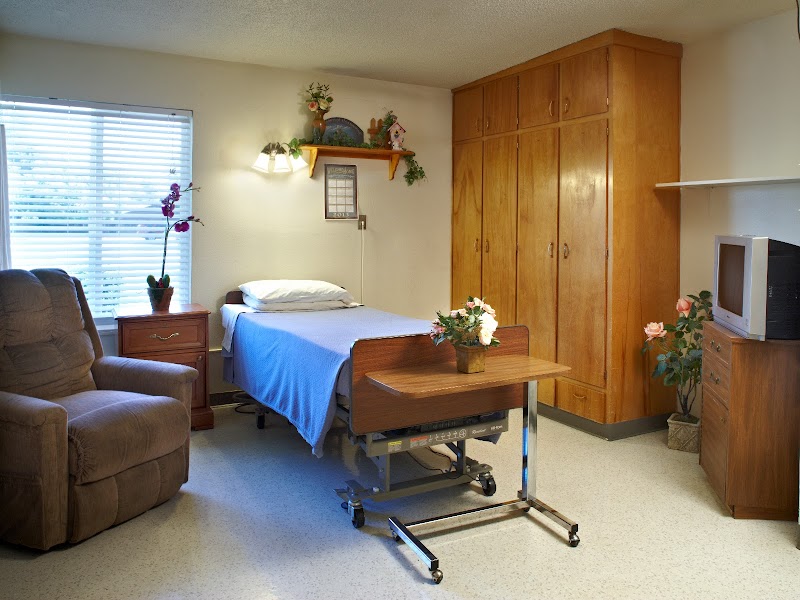
How is Avamere Rehabilitation Of Junction City Staffed?

CMS rates AVAMERE REHABILITATION OF JUNCTION CITY's staffing level at 4 out of 5 stars, which is above average compared to other nursing homes. Staff turnover is 37%, compared to the Oregon average of 46%. This relatively stable workforce can support continuity of care.

What Have Inspectors Found at Avamere Rehabilitation Of Junction City?

State health inspectors documented 33 deficiencies at AVAMERE REHABILITATION OF JUNCTION CITY during 2023 to 2025. These included: 1 Immediate Jeopardy (the most serious level, indicating potential for serious harm or death), 2 that caused actual resident harm, and 30 with potential for harm. Immediate Jeopardy findings are rare and represent the most serious regulatory concerns. They require immediate corrective action.
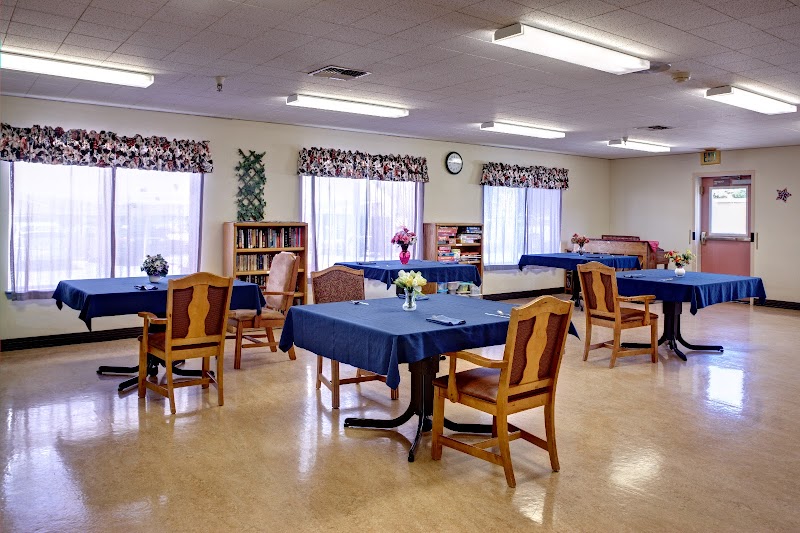
Who Owns and Operates Avamere Rehabilitation Of Junction City?

AVAMERE REHABILITATION OF JUNCTION CITY is owned by a for-profit company. For-profit facilities operate as businesses with obligations to shareholders or private owners. The facility is operated by AVAMERE, a chain that manages multiple nursing homes. With 53 certified beds and approximately 45 residents (about 85% occupancy), it is a smaller facility located in JUNCTION CITY, Oregon.
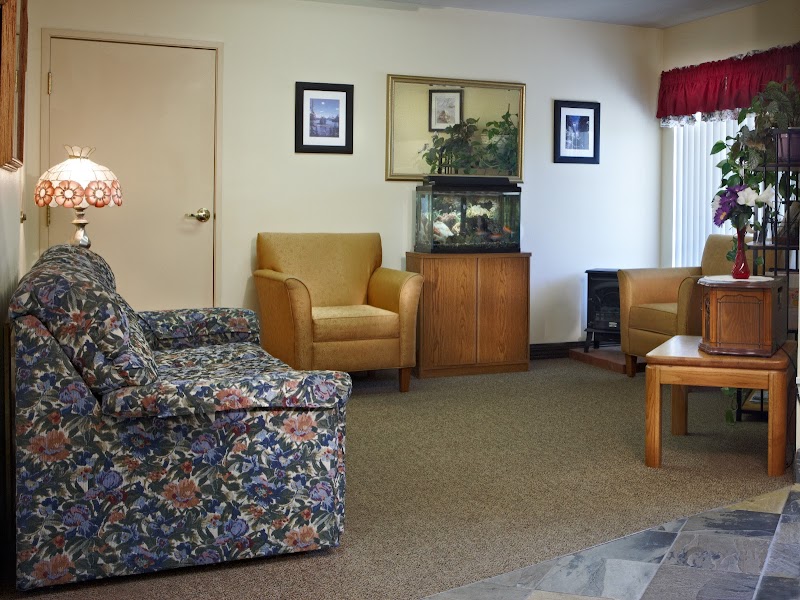
How Does Avamere Rehabilitation Of Junction City Compare to Other Oregon Nursing Homes?

Compared to the 100 nursing homes in Oregon, AVAMERE REHABILITATION OF JUNCTION CITY's overall rating (4 stars) is above the state average of 3.0, staff turnover (37%) is near the state average of 46%, and health inspection rating (3 stars) is at the national benchmark.

What Should Families Ask When Visiting Avamere Rehabilitation Of Junction City?

Based on this facility's data, families visiting should ask: "What changes have been made since the serious inspection findings, and how are you preventing similar issues?" "Can I visit during a mealtime to observe dining assistance and food quality?" "How do you handle medical emergencies, and what is your hospital transfer rate?" "Can I speak with family members of current residents about their experience?" These questions are particularly relevant given the facility's Immediate Jeopardy citations.

Is Avamere Rehabilitation Of Junction City Safe?

Based on CMS inspection data, AVAMERE REHABILITATION OF JUNCTION CITY has documented safety concerns. Inspectors have issued 1 Immediate Jeopardy citation (the most serious violation level indicating risk of serious injury or death). The facility has a 4-star overall rating and ranks #1 of 100 nursing homes in Oregon. Families considering this facility should ask detailed questions about what corrective actions have been taken since these incidents.

Do Nurses at Avamere Rehabilitation Of Junction City Stick Around?

AVAMERE REHABILITATION OF JUNCTION CITY has a staff turnover rate of 37%, which is about average for Oregon nursing homes (state average: 46%). Moderate turnover is common in nursing homes, but families should still ask about staff tenure and how the facility maintains care continuity when employees leave.

Was Avamere Rehabilitation Of Junction City Ever Fined?

AVAMERE REHABILITATION OF JUNCTION CITY has been fined $144,665 across 2 penalty actions. This is 4.2x the Oregon average of $34,526. Fines at this level are uncommon and typically indicate a pattern of serious deficiencies, repeated violations, or failure to correct problems promptly. CMS reserves penalties of this magnitude for facilities that pose significant, documented risk to resident health or safety. Families should request specific documentation of what issues led to these fines and what systemic changes have been implemented.

Is Avamere Rehabilitation Of Junction City on Any Federal Watch List?

AVAMERE REHABILITATION OF JUNCTION CITY is not on any federal watch list. The most significant is the Special Focus Facility (SFF) program, which identifies the bottom 1% of nursing homes nationally based on persistent, serious quality problems. Not being on this list means the facility has avoided the pattern of deficiencies that triggers enhanced federal oversight. This is a positive indicator, though families should still review the facility's inspection history directly.