KEIZER NURSING AND REHABILITATION
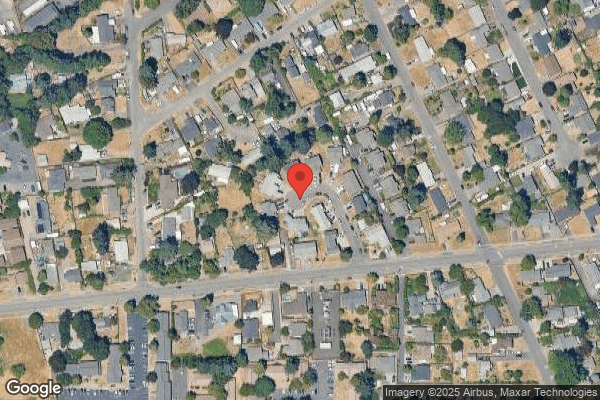
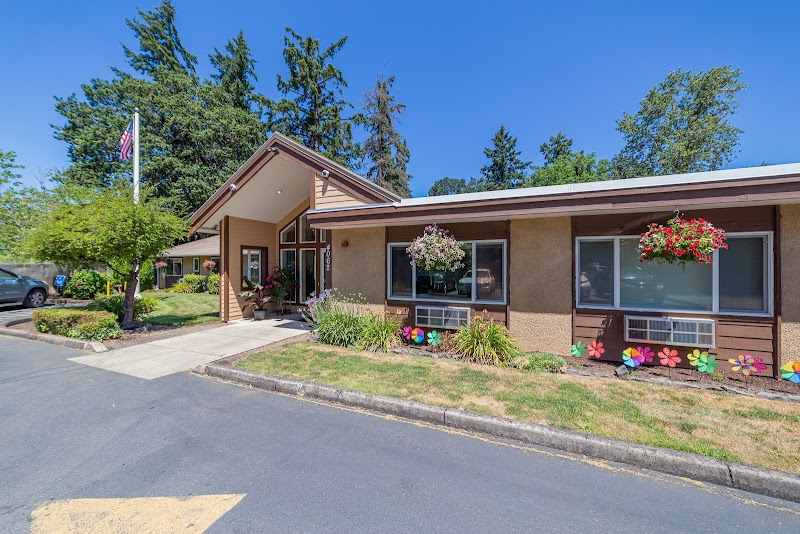
4062 ARLETA AVENUE NE, KEIZER, OR 97303 (503) 390-2271
For profit - Corporation 49 Beds VOLARE HEALTH Data: November 2025
Trust Grade
58/100
#38 of 127 in OR
Last Inspection: May 2025

Inspected within the last 6 months. Data reflects current conditions.

Overview

Keizer Nursing and Rehabilitation has a Trust Grade of C, indicating it is average and positioned in the middle tier of facilities. It ranks #38 out of 127 in Oregon, placing it in the top half of the state, and #1 out of 8 in Marion County, meaning it has the best ranking locally. The facility shows an improving trend, with issues decreasing from 12 in 2024 to 5 in 2025. Staffing is rated as average with a turnover rate of 57%, which is close to the state average, though it has concerning RN coverage that is less than 86% of other facilities in Oregon. However, there are some significant weaknesses to consider. The facility has been fined $19,383, which is average but does raise some concerns about compliance with regulations. Specific incidents noted include a serious issue where two residents experienced severe weight loss due to nutritional concerns, and instances where staffing levels were inadequate, risking delayed care for residents needing assistance. Overall, while Keizer Nursing and Rehabilitation has strengths, families should weigh these issues carefully when considering care for their loved ones.

Trust Score
C
58/100
In Oregon
#38/127
Top 29%
Safety Record
Moderate
Needs review
Inspections
Getting Better
12 → 5 violations
Staff Stability
⚠ Watch
57% turnover. Above average. Higher turnover means staff may not know residents' routines.
Penalties
○ Average
$19,383 in fines. Higher than 70% of Oregon facilities. Some compliance issues.
Skilled Nurses
⚠ Watch
Each resident gets only 21 minutes of Registered Nurse (RN) attention daily — below average for Oregon. Fewer RN minutes means fewer trained eyes watching for problems.
Violations
⚠ Watch
30 deficiencies on record. Higher than average. Multiple issues found across inspections.
★★★★☆
4.0
Overall Rating
★★★☆☆
3.0
Staff Levels
★★★★☆
4.0
Care Quality
★★★★☆
4.0
Inspection Score
Stable
2024: 12 issues
2025: 5 issues

The Good

  • 4-Star Quality Measures · Strong clinical quality outcomes
  • Full Sprinkler Coverage · Fire safety systems throughout facility
  • No fines on record

Facility shows strength in quality measures, fire safety.

The Bad

Staff Turnover: 57%

11pts above Oregon avg (46%)

Frequent staff changes - ask about care continuity

Federal Fines: $19,383

Below median ($33,413)

Minor penalties assessed

Chain: VOLARE HEALTH

Part of a multi-facility chain

Ask about local staffing decisions and management

Staff turnover is elevated (57%)

9 points above Oregon average of 48%

The Ugly 30 deficiencies on record

1 actual harm
May 2025 5 deficiencies
CONCERN (D)

Potential for Harm - no one hurt, but risky conditions existed

Notification of Changes (Tag F0580)

Could have caused harm · This affected 1 resident

Based on interview and record review, it was determined the facility failed to notify the physician regarding weight changes for 1 of 5 sampled residents (#7) reviewed for medications. This placed res...

Read full inspector narrative →
Based on interview and record review, it was determined the facility failed to notify the physician regarding weight changes for 1 of 5 sampled residents (#7) reviewed for medications. This placed residents at risk for lack of physician involvement. Findings include: Resident 7 was admitted to the facility in 1/2025 with diagnoses including chronic heart failure, hypertension (abnormally high blood pressure), and a pacemaker (a small device implanted in the chest to help control the heartbeat). A 4/13/25 physician order indicated staff were to complete daily weights and notify the physician of a weight gain of three or more pounds in 24 hours or above 283 pounds for weight monitoring. A review of Resident 7's 4/2025 TAR revealed the following weights in pounds: -4/2/25: 283 -4/3/25: 287 -4/4/25: 286 -4/5/25: 290 -4/9/25: 287 -4/10/25: 290 -4/11/25: 279 -4/12/25: 288 No documentation was found in Resident 7's clinical record to indicate the physician was notified of three or more pounds weight gain or weight over 283 pounds. On 5/8/25 at 10:31 AM, Staff 4 (LPN) stated she could not recall if she notified the physician of Resident 7's weight gains in 4/2025. Staff 4 stated she should have documented the information in the resident's chart when the physician was notified. On 5/9/25 at 10:26 AM, Staff 1 (Administrator) and Staff 2 (DNS) stated they expected staff to implement the physician's order and notify the physician of the increased weight changes.
CONCERN (D)

Potential for Harm - no one hurt, but risky conditions existed

Report Alleged Abuse (Tag F0609)

Could have caused harm · This affected 1 resident

Based on interview and record review it was determined the facility failed to report a fall with major injury to the State Survey Agency within 24 hours for 1 of 1 sampled resident (#25) reviewed for ...

Read full inspector narrative →
Based on interview and record review it was determined the facility failed to report a fall with major injury to the State Survey Agency within 24 hours for 1 of 1 sampled resident (#25) reviewed for dialysis. This placed residents at risk for neglect. Findings include: The Oregon Department of Human Services Nursing FRI form revised 4/2023 indicated alleged violations (an occurrence not yet investigated and, if verified, could be noncompliance with Federal requirements) not involving abuse or resulting in serious bodily injury must be reported to the state agency no later than 24 hours after the allegation was made. Resident 25 was admitted to the facility in 12/2023 with diagnoses including diabetes and kidney failure. Review of a facility incident report investigation closed 8/5/24 indicated Resident 25 sustained a fall on 7/24/24 while working with physical therapy. The report indicated the resident complained of pain and x-rays of her/his right leg and foot were ordered by the provider. A 7/25/24 progress note indicated the provider ordered Resident 25 be sent out to the hospital for further evaluation. Review of the 7/25/24 hospital report indicated Resident 25's right leg was fractured in multiple places. On 5/8/25 at 10:24 AM, Staff 9 (Former DNS) stated she did not file a FRI regarding Resident 25's fall on 7/24/25. She stated a FRI was not necessary because Resident 25's injuries were not serious bodily injuries as defined on the FRI form, and the FRI form was only needed if serious bodily injury occurred. On 5/9/25 at 12:04 PM, Staff 2 (DNS) acknowledged a FRI was not submitted for Resident 25's fall with major injury on 7/24/25.
CONCERN (D)

Potential for Harm - no one hurt, but risky conditions existed

ADL Care (Tag F0677)

Could have caused harm · This affected 1 resident

Based on observation, interview, and record review it was determined the facility failed to ensure a dependent resident received required assistance with ADLs for 1 of 1 sampled resident (#17) reviewe...

Read full inspector narrative →
Based on observation, interview, and record review it was determined the facility failed to ensure a dependent resident received required assistance with ADLs for 1 of 1 sampled resident (#17) reviewed for mobility and positioning. This placed residents at risk for unmet needs. Findings include: Resident 17 was admitted to the facility in 4/2022 with diagnoses including diabetes and osteoarthritis (a degenerative joint disease). A review of Resident 17's clinical record revealed an order for fingernail care every day shift every Friday, which started on 3/10/23 and was discontinued on 5/25/23. No additional documentation was located for diabetic nail care in Resident 17's clinical record in 4/2025 and 5/2025. A 4/27/25 revised care plan indicated Resident 17 had fragile skin, decreased mobility, and cognitive deficits. Resident 17 was forgetful of events at times and time of day. Interventions included keeping Resident 17's fingernails short and allowing her/him time to think and respond to her/his needs. On 5/6/25 at 12:03 PM and 5/9/25 at 7:50 AM, Resident 17 was observed to have fingernails approximately a half an inch long. Resident 17 stated her/his fingernails were too long and she/he was concerned they would poke into her/his hands and cause a cut as they were jagged. Resident 17 wanted her/his nails trimmed. On 5/9/25 at 7:58 AM, Staff 5 (CNA) was in Resident 17's room and verified her/his fingernails were long. On 5/9/25 at 7:59 AM, Staff 6 (RN) stated she found no documentation regarding Resident 17's nail care in the clinical record. On 5/9/25 at 10:22 AM, Staff 1 (Administrator) stated when a resident was diabetic, nurses were expected to provide nail care and documentation was to be completed in the residents clinical record.
CONCERN (D)

Potential for Harm - no one hurt, but risky conditions existed

Deficiency F0699 (Tag F0699)

Could have caused harm · This affected 1 resident

Based on observation interview and record review it was determined the facility failed to ensure a resident with history of trauma received trauma informed care for 1 of 1 sample resident (#23) review...

Read full inspector narrative →
Based on observation interview and record review it was determined the facility failed to ensure a resident with history of trauma received trauma informed care for 1 of 1 sample resident (#23) reviewed for mood and behavior. This placed residents at risk for lack of psychosocial needs and a potential decline in their quality of life. Findings include: Resident 23 was admitted to the facility in 2024 with diagnoses including altered mental status with auditory hallucinations, anxiety, and PTSD (Post-Traumatic Stress Disorder). The 3/29/24 Preadmission-admission Screening/Resident Review (PASRR) Level I, indicated serious mental illness. Sections II and III of the form were not completed, and no documentation was provided to support further assessment. The 4/9/25 Resident Review Screening for Mental Illness confirmed the need for specialized services. Part B of the form was not completed within the required seven-day timeframe, and there was no documentation of staff follow-up regarding the referral. The 4/14/25 care plan revealed increased hallucinations, delusions and mistrust towards caregivers. The 4/21/25 care plan indicated PTSD but did not document the resident's trauma history or identify individual triggers. Interventions noted a psychiatric consult. The care plan did not include person-centered details related to her/his triggers. The 4/22/25 Psychiatric admission Note indicated Resident 23 had a complex psychiatric history including depression, anxiety, chronic pain syndrome, cognitive communication deficits, and a past history of auditory hallucinations. Resident 23 had a history of sexual abuse and traumatic physical injury. The 4/27/25 Significant Change in Status MDS revealed Resident 23's BIMS score was seven which indicated severe cognitive impairment. The cognitive, behavioral, mood state, and psychosocial well-being CAAs did not reference or reflect trauma informed care planning. The 4/29/25 Social Services Psychosocial Evaluation did not document the resident's trauma history or demonstrate a psychosocial assessment which incorporated PTSD related concerns. There was no evidence of a trauma informed, person centered care plan. On 5/7/25 at 10:36 AM, Staff 14 (CNA) stated Resident 23 would spontaneously reference past traumas while receiving assistance with personal care a couple times a month. During these episodes, the resident reportedly described being raped by multiple individuals, tied up, and drugged. Staff 14 stated Resident 23 at times appeared to re-experience past events, demonstrating behaviors and making statements such as, you shouldn't be doing this because . On 5/8/25 at 9:51 AM, Staff 6 (RN) reported long-term familiarity with the resident and noted frequent hallucinations and delusions, often triggered by loud noises, unfamiliar staff and lack of sleep. Staff 6 stated Resident 23 consistently expressed the belief others were trying to harm her/him and often became verbally aggressive towards new staff members because she/he did not trust them. Staff 6 stated loud noises, particularly during mealtimes, where especially upsetting for the resident. Staff 6 recalled an incident the previous week in which the resident placed a chair in front of her/his door to prevent staff from coming in her/his room during lunch because she/he was overwhelmed and needed to calm down. On 5/9/25 at 9:36 AM, Staff 1 (Administrator) and Staff 13 (Regional Director of Clinical Services) acknowledged there was not appropriate follow up related to Resident 23's PASRR, along with incomplete documentation. Staff 1 and Staff 13 acknowledged the need for Resident 23 to have triggers identified for her/his PTSD diagnosis to reduce triggers and prevent re-traumatization. Staff 1 and Staff 13 confirmed the care plan and CAAs did not reflect trauma or person-centered care.
CONCERN (D)

Potential for Harm - no one hurt, but risky conditions existed

Deficiency F0761 (Tag F0761)

Could have caused harm · This affected 1 resident

Based on observation, interview, and record review it was determined the facility failed to ensure resident medications were not expired for 1 of 1 medication storage room and 1 of 4 medication carts ...

Read full inspector narrative →
Based on observation, interview, and record review it was determined the facility failed to ensure resident medications were not expired for 1 of 1 medication storage room and 1 of 4 medication carts reviewed for medication storage. This placed residents at risk for lack of medication efficacy and adverse reactions from expired medications. Findings include: During an observation of the medication storage room on 5/6/25 at 12:31 PM, the following were found: - Three bottles of Pro Stat AWC liquid (nutritional supplement) with an expiration date of 4/3/25. - One bottle of ASA (aspirin) 325 mg tablets with an expiration date of 4/2025. - 33 boxes of bisacodyl (laxative) 10 mg suppositories with an expiration date of 4/2025. On 5/6/25 at 12:47 PM, Staff 7 (LPN) stated the expectation for expired medications was for them to be destroyed and replaced. During an observation of medication cart number 2 on 5/6/25 at 12:55 PM, the following was found: - One bottle of ASA 325 mg tablets with an expiration date of 4/2025. On 5/6/25 at 1:01 PM, Staff 8 (LPN) stated the expectation for expired medications was for them to be removed from the medication cart. On 5/9/25 at 12:04 PM, Staff 2 (DNS) acknowledged expired medications were found in the medication storage room and medication cart number 2. She stated the expectation for expired medications was for them to be removed from circulation and destroyed.
Feb 2024 12 deficiencies
CONCERN (D) 📢 Someone Reported This

A family member, employee, or ombudsman was alarmed enough to file a formal complaint

Potential for Harm - no one hurt, but risky conditions existed

Notification of Changes (Tag F0580)

Could have caused harm · This affected 1 resident

Based on interview and record review it was determined the facility failed to notify a physician of a resident's change in condition for 1 of 3 sampled residents (#8) reviewed for hospitalization. Thi...

Read full inspector narrative →
Based on interview and record review it was determined the facility failed to notify a physician of a resident's change in condition for 1 of 3 sampled residents (#8) reviewed for hospitalization. This placed residents at risk for delayed treatment. Findings include: Resident 8 was admitted to the facility in 5/2023 with diagnoses including fracture of the right femur (thighbone) with an external fixator (stabilizing frame to hold broken bones in proper position). Resident 8's 12/2023 TAR indicated a surgical wound on the resident's right lower extremity. Staff were to monitor the wound, change the resident's dressing daily, and notify the wound nurse and physician if there were signs or symptoms of infection. A Nursing Progress Note dated 12/7/23 at 5:14 AM revealed Resident 8 reported thigh pain, burning, and muscle spasms in her/his right leg. The resident was tearful from the pain and rated her/his pain as a 10 (worse pain possible). The skin around the external fixator was assessed to be red in color and there was drainage from the leg which had an odor. The redness and odor from the drainage were not previously present. The resident screamed out in pain to a light touch of her/his skin. Review of Resident 8's clinical record revealed no evidence the physician was notified of the resident's change in condition. On 2/23/24 at 11:49 AM Staff 16 (LPN) stated when a resident had a change in condition her process was to assess the resident, notify the physician of the assessment findings and implement any new physician orders. On 2/26/23 at 10:20 AM Staff 4 (RNCM) acknowledged there waso indication the physician was notified when Resident 8's condition worsened on 12/7/23. Staff 4 stated she expected all nurses to assess and contact the physician to report residents changes in condition. Refer to F684.
CONCERN (D) 📢 Someone Reported This

A family member, employee, or ombudsman was alarmed enough to file a formal complaint

Potential for Harm - no one hurt, but risky conditions existed

Deficiency F0676 (Tag F0676)

Could have caused harm · This affected 1 resident

Based on observation, interview and record review it was determined the facility failed to implement the plan of care related to communication needs for 1 of 1 sampled resident (#35) reviewed for comm...

Read full inspector narrative →
Based on observation, interview and record review it was determined the facility failed to implement the plan of care related to communication needs for 1 of 1 sampled resident (#35) reviewed for communication. This placed residents at risk for communication barriers. Findings include: Resident 35 was admitted to the facility in 1/2024 with diagnoses including stroke and aphasia (difficulty speaking). The resident's primary language was Spanish. Resident 35's comprehensive care plan dated 1/23/24, indicated a Speech/Language Therapist was to evaluate Resident 35 to provide effective communication to allow the resident to express her/his wishes and coordinate with therapy for possible alternative communication devices as indicated. According to record review and observation, Resident 35 was able to point and verbalize yes/no. The Speech/Language evaluation dated 1/23/24 did not address speech, language, or communication. The evaluation reviewed the resident's history and recommended the resident continue with NPO (nothing by mouth) status due to severe dysphagia (difficulty swallowing). The evaluation also revealed the resident was not alert or able to participate in the evaluation and indicated patient non-verbal and did not rouse during session. During random observations from 2/20/24 through 2/22/24 staff did not introduce themselves, communicate or interact while they provided ADL care for Resident 35. In an interview on 2/23/24 at 12:30 PM Staff 26 (LPN) stated she did not feel comfortable communicating with the resident because she didn't speak Spanish. On 2/23/24 at 12:43 PM Staff 4 (RN Resident Care Manager) stated she was not familiar with the Speech/Language evaluation and stated she could have requested a second evaluation to address communication.
CONCERN (D) 📢 Someone Reported This

A family member, employee, or ombudsman was alarmed enough to file a formal complaint

Potential for Harm - no one hurt, but risky conditions existed

Quality of Care (Tag F0684)

Could have caused harm · This affected 1 resident

**NOTE- TERMS IN BRACKETS HAVE BEEN EDITED TO PROTECT CONFIDENTIALITY** Based on interview and record review it was determined the facility failed to provide timely treatment for a worsening surgical ...

Read full inspector narrative →
**NOTE- TERMS IN BRACKETS HAVE BEEN EDITED TO PROTECT CONFIDENTIALITY** Based on interview and record review it was determined the facility failed to provide timely treatment for a worsening surgical site infection for 1 of 2 sampled residents (#8) reviewed for hospitalization. This placed residents at risk for untreated infections. Findings include: Resident 8 was admitted to the facility in 5/2023 with diagnoses including fracture of the right femur (thighbone) with an external fixator (stabilizing frame to hold broken bones in the proper position). The 10/23/23 Significant Change Pressure Ulcer/Injury CAA indicated Resident 8 had a surgical intervention to her/his right lower extremity and had an external fixator present. The resident was noted to be at risk for pressure ulcer/injury due to the external fixator and indicated nursing staff were to monitor the site. Resident 8's 12/4/23 Weekly Total Body Skin Assessment indicated the resident's skin color, temperature and condition were normal and there were no new wounds. The 12/5/23 Provider Note indicated Resident 8's external fixator to her/his right leg had redness, edema (swelling) and scant (minimal) drainage to the right thigh around the pin sites. Staff were to continue to monitor for worsening signs and symptoms and notify the provider as needed. Antibiotics were ordered. The 12/2023 MAR indicated Resident 8 did not receive the first dose of the antibiotics, which were ordered on 12/5/23, until 12/8/23. A Nursing Progress Note dated 12/6/23 at 9:25 PM indicated the resident reported a pain level of 10 (worse pain possible) to her/his right leg. The resident described the pain as constant, burning, shooting pain. A Nursing Progress Note dated 12/7/23 at 5:14 AM revealed Resident 8 reported thigh pain, burning, and muscle spasms in her/his right leg. The resident was tearful from the pain and rated her/his pain as a 10. The skin around the external fixator was assessed to be red in color and there was drainage from the leg which had an odor. The redness and odor from the drainage were not previously present. The resident screamed out in pain to a light touch of her/his skin. No documentation was found in Resident 8's clinical record to indicate the physician was notified of the change in condition and no new treatments for the worsening infection were initiated until 12/9/23. A Nursing Progress Note dated 12/9/23 at 6:37 PM revealed Resident 8 reported burning and pain in her/his right leg. Assessment of the right leg revealed the resident had redness from the insertion site to the right hip area. The resident's right leg had taut (stretched tight) skin. Review of Resident 8's December 2023 MAR indicated the following: - From 12/1/23 through 12/5/23 the resident did not rate her/his pain at a 10. - From 12/6/23 through 12/9/23 the resident's pain ranged from 6-10 and on seven occasions was rated a 10. Resident 8's Hospital After Visit Summary dated 12/15/23 indicated the resident was hospitalized on [DATE], diagnosed with cellulitis and infected hardware in her/his right lower extremity, and was started on IV antibiotics. On 2/21/24 at 9:23 AM the surveyor asked Resident 8 about her/his hospitalization and pain in 12/2023, but the resident did not want to discuss it. On 2/23/24 at 11:49 AM Staff 16 (LPN) stated when a resident had a change in condition her process was to assess the resident, notify the physician of the assessment findings and implement any new physician orders. Staff 16 reported when a resident had a change in condition the resident was placed on Alert Charting and documented on every shift. Staff 16 stated she provided wound care for Resident 8's external fixator on 12/7/23 and 12/8/23; the resident had drainage from the pin sites which had a little odor and the skin around the pins had light redness. On 2/26/23 at 10:20 AM Staff 4 (RNCM) stated she was not aware of Resident 8's change in condition until she/he was sent to the hospital. Staff 4 acknowledged there was no indication the physician was notified and no treatment put in place when Resident 8's condition worsened on 12/7/24. Staff 4 stated she expected the nurse to assess the resident and contact the physician to report a change in condition. Staff 4 further stated her expectation was for the resident to be placed on Alert Charting and assessed and monitored frequently for signs and symptoms of infection.
CONCERN (D) 📢 Someone Reported This

A family member, employee, or ombudsman was alarmed enough to file a formal complaint

Potential for Harm - no one hurt, but risky conditions existed

Accident Prevention (Tag F0689)

Could have caused harm · This affected 1 resident

Based on interview and record review it was determined the facility failed to provide services to prevent a fall for 1 of 2 sampled residents (#2) reviewed for accidents. This placed residents at risk...

Read full inspector narrative →
Based on interview and record review it was determined the facility failed to provide services to prevent a fall for 1 of 2 sampled residents (#2) reviewed for accidents. This placed residents at risk for falls. Findings include: Resident 2 was admitted to the facility in 9/2022 with diagnoses including dementia and weakness. Resident 2's 9/26/23 Quarterly BIMS Evaluation indicated a score of an eight which indicated moderate cognitive impairment. The 11/17/23 Quarterly Fall Risk Evaluation indicated Resident 2 was at risk for falls as she/he was non-ambulatory. Review of Resident 2's 10/24/23 Care Plan revealed the resident required extensive assistance of two staff with a Hoyer (mechanical lift) for transfers. Review of an incident report dated 12/21/23 revealed Staff 31 (CNA) attempted to transfer Resident 2 to her/his wheelchair without additional staff assistance and without a Hoyer. The resident was unable to bear weight to transfer and was assisted by Staff 31 to the floor. Staff 31 reported she was unaware of the resident's transfer status. On 2/26/24 at 1:16 PM Staff 16 (LPN) stated on 12/21/23 Resident 2 was on the floor after Staff 31 attempted to transfer the resident without a Hoyer. Staff 16 stated she assessed the resident who denied injury and the resident was not injured from the incident. On 2/26/24 at 1:00 PM Staff 4 (RNCM) acknowledged Resident 2 was care planned for two-person staff assistance with a Hoyer for transfers and the care plan was not followed on 12/21/23.
CONCERN (D) 📢 Someone Reported This

A family member, employee, or ombudsman was alarmed enough to file a formal complaint

Potential for Harm - no one hurt, but risky conditions existed

Deficiency F0730 (Tag F0730)

Could have caused harm · This affected 1 resident

Based on interview and record review it was determined the facility failed to ensure CNAs received annual performance reviews for 2 of 5 randomly selected CNA staff (#s 9 and 13) reviewed for staffing...

Read full inspector narrative →
Based on interview and record review it was determined the facility failed to ensure CNAs received annual performance reviews for 2 of 5 randomly selected CNA staff (#s 9 and 13) reviewed for staffing. This placed residents at risk for lessened quality of care. Findings include: Performance reviews were requested on 2/22/24 for Staff 9 and Staff 13. Staff 1 (Administrator) was unable to produce the documentation. On 2/27/24 at 9:15 AM Staff 1 acknowledged Staff 9 and Staff 13's annual performance reviews were not completed.
CONCERN (D) 📢 Someone Reported This

A family member, employee, or ombudsman was alarmed enough to file a formal complaint

Potential for Harm - no one hurt, but risky conditions existed

Pharmacy Services (Tag F0755)

Could have caused harm · This affected 1 resident

Based on interview and record review it was determined the facility failed to obtain medications timely for 1 of 5 sampled residents (#9) reviewed for medications. This placed residents at risk for me...

Read full inspector narrative →
Based on interview and record review it was determined the facility failed to obtain medications timely for 1 of 5 sampled residents (#9) reviewed for medications. This placed residents at risk for medication-related adverse consequences. Findings include: Resident 9 admitted to the facility in 5/2023 with diagnoses including depression. A review of Resident 9's 2/21/24 physician orders revealed an order for bupropion 50mg twice daily with a start date of 12/15/23. A review of Resident 9's 12/2023 MAR revealed the facility did not receive the medication from the pharmacy until 12/19/23 (four days after the order). Records revealed no communication between the facility and the pharmacy during the identified date range. On 2/26/24 at 4:16 PM Staff 22 (LPN Resident Care Manager) stated the expectation was for the nurse on duty to call the pharmacy for the medication to be sent to the facility on a rush order if the facility did not have the medication in the CUBEX (an automated medication dispensing machine with a limited inventory of medications). Staff 22 stated she expected nursing staff to notify the resident's physician of the pharmacy delay. Staff 22 acknowledged there was no documentation to indicate the pharmacy was called or the physician was notified. She acknowledged Resident 9 did not receive the scheduled medication for four days.
CONCERN (D) 📢 Someone Reported This

A family member, employee, or ombudsman was alarmed enough to file a formal complaint

Potential for Harm - no one hurt, but risky conditions existed

Laboratory Services (Tag F0770)

Could have caused harm · This affected 1 resident

Based on observation, interview and record review it was determined the facility failed to obtain lab samples for 1 of 1 sampled residents (# 25) reviewed for laboratory services. This placed resident...

Read full inspector narrative →
Based on observation, interview and record review it was determined the facility failed to obtain lab samples for 1 of 1 sampled residents (# 25) reviewed for laboratory services. This placed residents at risk for lack of timely stool sample. Findings include: Resident 25 was admitted to the facility in 4/2023 with diagnoses including diarrhea and GERD (Gastro-esophageal reflux disease). A 2/18/24 Progress Note at 10:02 AM indicated Staff 33 (LPN) notified the provider regarding Resident 25 and her/his multiple loose stools, complaints of hurting and a burning on her/his behind and loose stools associated with foul odor and mucus. On 2/18/24 at 10:16 AM an order was obtained from the provider for a stool sample to be obtained and sent to the lab. No evidence was found in the resident's clinical record to indicate the stool sample was collected. On 2/22/24 at 11:31 AM Staff 27 (Agency CNA) stated she provided incontinence care for Resident 25 and noticed a foul smell and stated she would let the nurse know. On 2/26/24 at 12:49 PM Staff 29 (LPN) stated, This was a one time order and it should have been completed. The facility had the supplies to collect the stool sample. On 2/26/24 at 1:26 PM Staff 4 (RN Resident Care Manager) verified the stool sample was not collected. She stated the stool sample could have been collected on 2/20/24. The staff had plenty of opportunities to collect the stool sample. Staff 4 stated she expected staff to collect the stool sample within a couple of days of the order and if the resident did not have a stool to sample then the provider was to be notified.
CONCERN (D) 📢 Someone Reported This

A family member, employee, or ombudsman was alarmed enough to file a formal complaint

Potential for Harm - no one hurt, but risky conditions existed

Deficiency F0810 (Tag F0810)

Could have caused harm · This affected 1 resident

Based on observation, interview and record review it was determined the facility failed to implement appropriate adaptive dining equipment for 1 of 3 sampled residents (#31) reviewed for food. This pl...

Read full inspector narrative →
Based on observation, interview and record review it was determined the facility failed to implement appropriate adaptive dining equipment for 1 of 3 sampled residents (#31) reviewed for food. This placed residents at risk for decreased food intake and an undignified dining experience: Findings include: Resident 31 was admitted to the facility in 3/2022 with diagnoses including anoxic brain injury (complete lack of oxygen to the brain) and dysphagia (difficulty swallowing). Resident 31's care plan for ADL self care performance deficit with eating, last revised 12/2/23, included the intervention to use weighted silverware and a scoop plate (an adaptive meal plate with a high, curved rim which enables food to be rolled back onto the spoon to minimize spillage) and to provide one-to-one staff assistance for meals. On 2/20/24 at 9:25 AM Staff 6 (Dietary Manager) stated the facility's kitchen was being repaired after the ice storm (1/2024) due to pipes bursting in the kitchen. Staff 6 stated all residents were served their meals in a Styrofoam container and plasticware was provided because the kitchen was not functioning. They facility used a food truck with equipment to cook all meals for the residents. Resident 31's meal ticket form on 2/20/24 included the following: - mildly thickened liquids - adaptive equipment to include a scoop plate, weighted fork, weighted spoon and two handled cup. Observations of Resident 31 were conducted from 2/20/24 through 2/23/24 between the hours of 12:00 PM through 12:30 PM. Resident 31 was observed in her/his wheelchair in the main dining for lunch. For the meals observed, Resident 31's food was served in a Styrofoam container. Resident 31 was provided with plastic utensils and attempted to utilize the plasticware to eat. Whenever the resident attempted to use her/his fork her/his hand would have uncontrollable tremors. On one occasion Resident 31 unsuccessfully attempted to gather the food onto her/his plastic fork from the Styrofoam container. As a result, with the help of a CNA, the resident attempted to bring the food to her/his mouth and one ended up on her/his lap. On 2/22/24 at 2:33 PM Staff 10 (CNA) stated Resident 7 required adaptive silverware for all her/his meals and was to recieve a one-person assistance with meals. Staff 10 stated the resident needed assistance because of her/his tremors and to ensure the resident did not choke. On 2/22/24 at 3:52 PM Staff 17 (LPN) stated Resident 7 needed assistance with all her/his meals due to her/his hands shaking. Staff 17 stated the resident was to be provided with weighted silverware to help reduce her/his hand tremors and staff were to sit and assist her/him at meals. Staff 17 stated the resident was able to feed herself/himself but became frustrated due to her/his tremors. On 2/23/24 at 9:52 AM Staff 9 (CNA) stated Resident 7 needed one staff to assist her/him with meals and required weighted silverware because of her/his tremors. On 2/26/24 at 9:16 AM Staff 4 (RN Resident Care Manager) stated staff were expected to implement and follow the care plan. Staff 4 stated Resident 31 required weighted silverware and one-person assistance with meals.
CONCERN (E) 📢 Someone Reported This

A family member, employee, or ombudsman was alarmed enough to file a formal complaint

Potential for Harm - no one hurt, but risky conditions existed

Deficiency F0725 (Tag F0725)

Could have caused harm · This affected multiple residents

Based on observation, interview, and record review the facility failed to provide sufficient nursing staff to ensure residents attained or maintained their highest practicable mental, physical, and ps...

Read full inspector narrative →
Based on observation, interview, and record review the facility failed to provide sufficient nursing staff to ensure residents attained or maintained their highest practicable mental, physical, and psychosocial well-being for 4 of 6 sampled residents (#s 9, 21, 31 and 290) reviewed for call light wait times and staffing. This placed residents at risk for delayed ADL care needs. Findings include: 1. On 2/20/24 the facility provided lists of residents who: -Required assistance with eating: 3 -Required two-person assistance: 20 -Required assistance with dressing: 39 -Required assistance with bathing: 39 -Required assistance with toileting: 12 -Residents who were incontinent: 25 -Had wandering behaviors: 13 -Had behavioral healthcare needs: 3 -Had bariatric healthcare needs: 4 On 10/11/23 a public complaint was received which indicated the facility was short staffed on all shifts due to a former resident, Resident 40's need for a one to one CNA every shift since 8/2023. Interviews with residents revealed the following concerns: On 2/20/24 at 11:57 AM Resident 9 stated the facility was short staffed all the time. Resident 9 stated the facility utilized agency staff and call light response times were up to 30 minutes and often occurred during the afternoon. On 2/20/24 at 12:04 PM Witness 1 (Family Member) stated she visited Resident 7 daily in the late afternoon and evening. Witness 1 stated the facility did not have enough staff in the building to assist all residents timely. Witness 1 stated call light response times were long. Witness 1 stated residents waited up to an hour just to go to bed because of staff shortages. Witness 1 stated she observed on multiple occasions there were no staff to be found on the floor. Witness 1 further stated the facility utilized agency staff often and they did not know the residents. On 2/20/24 at 12:07 PM Resident 290 stated call light response times varied and were 15 minutes or longer. Resident 290 stated, 15 minutes can be a long time. Interviews with staff revealed the following concerns: On 2/20/24 at 4:05 PM Staff 23 (CNA) stated due to required a one to one CNA every shift, the facility was short staffed. Staff 23 stated CNAs were often late providing care or answering call lights for other residents, and this occurred on both day and evening shifts. On 2/21/24 at 9:29 AM Staff 12 (CNA) stated the facility struggled with staff shortages since 9/2023. Staff 12 stated there was high acuity residents in the facility including bariatric residents and it was difficult to assist residents timely. Staff 12 stated call light response times could be long and she tried to answer the call lights as quickly as possible. Staff 12 stated residents complained of long call light response times and usually it was related to residents wanting to go to bed or the residents needed their brief changed. On 2/22/24 at 10:36 AM Staff 13 (CNA) stated the facility often ran short on CNAs for each shift because a former resident required a one to one CNA. Staff 13 stated she often did not receive her breaks. Staff 13 further stated other residents did not receive care timely and had lengthy call light times. On 2/22/24 at 10:56 AM Staff 11 (CNA) stated the facility experienced occasional staffing shortages and relied on agency staff. Staff 11 stated she responded to call lights as quickly as possible, but residents frequently complained about extended call light response times. Staff 11 stated staff members turned off a resident's call light and indicated they would be right back, but never returned. Staff 11 stated the issue seemed to be related to residents requesting assistance with brushing their teeth or just needing a fresh cup of coffee. On 2/22/24 at 2:33 PM and 2/24/24 at 2:46 AM Staff 18 (CNA) stated the facility experienced staffing shortages consistently since 9/2023. Staff 18 stated call light response times could be greater than 15 minutes, especially on evening shift. Staff 18 stated they had a lot of high acuity residents requiring assistance from two staff which resulted in long call light response times. On 2/23/24 at 10:04 AM Staff 9 (CNA) stated the facility was short staffed consistently since 9/2023. Staff 9 stated the facility had a lot of high acuity residents including bariatric residents, residents who required two-person assistance with all ADL care needs and requiared mechanical lifts for transfers. Staff 9 stated call light response times were long at times. On 2/23/24 at 10:50 AM Staff 15 (CNA) stated the facility had several residents with a high acuity. The day shift often ran short on CNAs due to a former resident which required one to one supervision from a CNA. On 2/23/24 at 2:46 PM Staff 10 (CNA) stated on several occurrences she had to wait for another CNA to complete resident care as the facility was short staffed. The CNA who provided one to one care for a former resident was not able to help with other resident's care as she/he required supervision for increased behaviors. On 2/24/24 at 1:43 AM Staff 32 (CNA) stated the facility struggled with staffing shortages. Staff 32 stated many residents required two-person assistance or were totally dependent on staff for help. On 2/24/24 at 2:02 AM Staff 8 (LPN) stated the facility was consistently short staffed and with high acuity residents in the building call lights were difficult to answer timely. Staff 8 stated weekends were consistently short staffed. On 2/26/24 at 11:03 AM Staff 7 (LPN) stated the facility was consistently short staffed on the weekends. Staff 7 stated on 2/25/24 the facility had four CNAs but were suppose to have five on the floor, and residents might wait longer to receive ADL care. On 2/26/24 at 11:26 AM and 1:55 PM Staff 5 (Staffing Coordinator) stated she created the staff schedule based off the facility's current census and required one additional CNA due to having bariatric residents. Staff 5 stated the facility had difficulty meeting the state minimum CNA staffing ratios and at times it was difficult to find CNA coverage when a former resident required one to one supervision. Staff 5 further stated this was an on-going issue. On 2/27/24 at 9:15 AM Staff 1 (Administrator) stated there was a staffing crisis and acknowledged the facility struggled with meeting the state minimum CNA staffing ratios. Staff 1 stated she expected call lights to be answered timely, but indicated there was not a specific time range a call light was to be answered.
CONCERN (E) 📢 Someone Reported This

A family member, employee, or ombudsman was alarmed enough to file a formal complaint

Potential for Harm - no one hurt, but risky conditions existed

Food Safety (Tag F0812)

Could have caused harm · This affected multiple residents

Based on observation, interview, and record review it was determined the facility failed to ensure food was stored appropriately in the refrigerator, temperatures were maintained, and staff utilized b...

Read full inspector narrative →
Based on observation, interview, and record review it was determined the facility failed to ensure food was stored appropriately in the refrigerator, temperatures were maintained, and staff utilized beverage thickener in a sanitary manner for 1 of 1 kitchen reviewed for safe food handling. This placed residents at risk for food borne illness. Findings include: 1. The facility's Food Safety Policy, dated 3/2023, indicated refrigerated foods must be labeled and dated, stored below 41 degrees F unless otherwise specified by law, and temperatures would be monitored. On 2/26/24 at 9:40 AM the 2/2024 Temperature Log for the resident refrigerator, located in the dining room was reviewed. The log indicated a temperature was to be recorded twice a day. The log revealed a total of seven days recorded in 2/2024 and five of the seven days were over the minimum temperature of 41 degrees F. On 2/26/24 at 9:43 AM during observations of the locked resident refrigerator in the dining room the following was noted: -One container of salad with a date of 2/4/24. -One pre-packaged bag of apple slices, expired 2/9/24. -Three containers of salad with a date of 2/22/24. A sign taped on the outside of the resident unit refrigerator stated, Resident food only. Put an open date on anything open. Only keep up to 3 days worth of food per resident. On 2/26/24 at 12:58 PM Staff 21 (Infection Preventionist Unit Manager) acknowledged the above observations. She confirmed the refrigerator temperatures were not monitored appropriately and acknowledged the five days over the minimum temperature of 41 degrees F. Staff 21 stated the night shift nurses were expected to check the unit refrigerator and dispose of any outdated items. Staff 21 stated she was unsure how many days food items could be left in the resident refrigerator. On 2/26/24 at 2:09 PM Staff 1 (Administrator) stated the facility's policy for food items in the resident unit refrigerator was to discard the item after three days. 2. Random observations from 2/22/24 through 2/23/24 during lunch meals from 12:00 PM through 12:30 PM revealed multiple CNAs prepared beverages for residents in the main dining area. Staff were observed to use a scoop for the thickening mix with either a glove or bare hand. The staff would grab a small blue scooper, scoop out the thickener powder, and then place the blue scoop back in the container. On 2/23/24 at 12:26 PM Staff 15 (CNA) stated staff were to use a glove to scoop out the thickener from the container. Staff 15 stated she placed the scoop back into the container and closed the lid. On 2/23/24 at 12:53 PM Staff 13 (CNA) stated she did not wear gloves when reaching into the container to scoop out the thickener. On 2/26/24 at 1:39 PM Staff 6 (Dietary Manager) stated staff were expected to sanitize their hands and put gloves on before scooping out the thickener from the container. Staff 6 stated the scoop was not to be left inside the container.
CONCERN (E) 📢 Someone Reported This

A family member, employee, or ombudsman was alarmed enough to file a formal complaint

Potential for Harm - no one hurt, but risky conditions existed

Deficiency F0947 (Tag F0947)

Could have caused harm · This affected multiple residents

Based on interview and record review it was determined the facility failed to have a system in place to ensure CNA staff received 12 hours of in-service training annually for 4 of 5 randomly selected ...

Read full inspector narrative →
Based on interview and record review it was determined the facility failed to have a system in place to ensure CNA staff received 12 hours of in-service training annually for 4 of 5 randomly selected staff members (#s 9, 10, 13 and 15) reviewed for in-service training. This placed residents at risk for lack of competent staff. Findings include: Annual training hours were requested on 2/22/24 related to 12 hours of in-service training completed for Staff 9, Staff 10, Staff 13 and Staff 15. Staff 1 (Administrator) was unable to produce the documentation. On 2/27/24 at 9:15 AM Staff 1 acknowledged Staff 9, Staff 10, Staff 13, and Staff 15's in-service trainings were not completed.
CONCERN (F) 📢 Someone Reported This

A family member, employee, or ombudsman was alarmed enough to file a formal complaint

Potential for Harm - no one hurt, but risky conditions existed

Staffing Information (Tag F0732)

Could have caused harm · This affected most or all residents

Based on observation, interview and record review the facility failed to ensure the Direct Care Staff Daily Report (DCSDR) form was in a prominent place, readily accessible to residents and visitors f...

Read full inspector narrative →
Based on observation, interview and record review the facility failed to ensure the Direct Care Staff Daily Report (DCSDR) form was in a prominent place, readily accessible to residents and visitors for 1 of 1 facility reviewed for staffing. This placed residents and visitors at risk for lack of awareness of nurse staffing levels. Findings include: Random observations from 2/13/24 through 2/16/24 and 2/26/24 through 2/27/24 revealed the DCSDR form was attached to a clipboard and placed inside an opaque file folder. The opaque file folder was mounted to the wall across from the nurses station. The DCSDR was not easily identifiable, and as a result, residents and visitors were unable to view the census or the number of staff working during each shift. On 2/27/24 at 9:15 AM Staff 1 (Administrator) acknowledged the DCSDR was not located in a prominent place.
Sept 2023 1 deficiency
CONCERN (D) 📢 Someone Reported This

A family member, employee, or ombudsman was alarmed enough to file a formal complaint

Potential for Harm - no one hurt, but risky conditions existed

Accident Prevention (Tag F0689)

Could have caused harm · This affected 1 resident

Based on interview and record review it was determined the facility failed to ensure safety interventions were in place to prevent a fall for 1 of 3 sampled residents (#7) reviewed for accidents. This...

Read full inspector narrative →
Based on interview and record review it was determined the facility failed to ensure safety interventions were in place to prevent a fall for 1 of 3 sampled residents (#7) reviewed for accidents. This placed residents at risk for fall-related injuries. Findings include: Resident 7 admitted to the facility in 2018 with diagnoses including dementia, muscle weakness and a stroke. Resident 7's care plan, revised on 12/23/22, for ADL deficit and falls revealed the resident had poor safety awareness, gait balance problems, and needed assistance with transfers. Resident 7 was a one-person stand-pivot transfer to her/his bed and wheelchair. Staff were to ensure proper footwear with ambulation or mobilization in the wheelchair. The 8/14/23 facility fall investigation did not indicate if a gait belt was utilized during Resident 7's transfer. The investigation indicated the resident had a fall during a transfer because she/he was not able to pivot properly lost her/his balance and Staff 10 (Agency-CNA) assisted Resident 7 to the floor. The resident was not injured from the fall. On 9/12/23 at 2:00 PM Staff 10 stated she assisted Resident 7 on 8/14/23 from her/his bed to the wheelchair and used a walker but did not utilize a gait belt. Staff 10 indicated when the resident stood up her/his legs became weak and she held onto the resident's pants and lowered her/him to the floor. Staff 10 stated she was not sure if Resident 7 required the use of a gait belt and relied on staff during shift change for information regarding residents' transfer status because the care plan was not always reliable. During interviews on 9/13/23 at 11:52 AM and 12:06 PM Staff 4 (CNA) and Staff 5 (CNA) indicated Resident 7 requireed one-person stand-pivot transfer assistance, and a gait belt was used for safety. Staff 4 and Staff 5 indicated gait belts were stored in Resident 7's room. On 9/14/23 at 1:24 PM Staff 9 (Rehabilitation Director) indicated Resident 7 required one-person stand pivot transfer with a walker and a gait belt for safety. Staff 9 stated residents had gait belts located in their rooms and additional gait belts were stored in the clean linen rooms or staff were able to retrieve a gait belt from the therapy room. On 9/14/23 at 3:05 PM Staff 1 (Administrator) and Staff 2 (DNS) acknowledged Staff 10 did not utilize a gait belt on 8/14/23.
Feb 2023 12 deficiencies 1 Harm
SERIOUS (G) 📢 Someone Reported This

A family member, employee, or ombudsman was alarmed enough to file a formal complaint

Actual Harm - a resident was hurt due to facility failures

Deficiency F0692 (Tag F0692)

A resident was harmed · This affected 1 resident

Based on observation, interview and record review it was determined the facility failed to ensure residents maintained acceptable parameters of nutritional status for 2 of 2 sampled residents (#s 18 a...

Read full inspector narrative →
Based on observation, interview and record review it was determined the facility failed to ensure residents maintained acceptable parameters of nutritional status for 2 of 2 sampled residents (#s 18 and 19) reviewed for nutrition. As a result Resident 19 had a severe weight loss of 10.50% in 38 days. This placed residents at risk for further weight loss. Findings include: 1. Resident 19 readmitted to the facility in 2022 with diagnoses including failure to thrive, stroke and dementia. The 1/9/23 Care Plan indicated Resident 19 had a nutritional problem and had right sided hemiparesis (paralysis to one side of the body). The RD was to evaluate and make diet change recommendations PRN. The 2/1/23 physician order indicated Resident 19 was to receive a house supplement 118 ml. one time daily. The order indicated the start date was 1/25/22. The Weight Summary from 1/20/23 through 2/27/23 indicated the following: -1/20/23 221.9 lbs -2/1/23 212.0 lbs. -2/13/23 202.5 lbs. -2/27/23 198.6 lbs. Resident 19 had a severe weight loss of 23.3 lbs. (10.50%) in 38 days. The 2/1/23 Nutrition At Risk (NAR) note indicated the following: -Resident 19's weight fluctuated and she/he weighed 221.9 lbs on 1/20/23 and 212 lbs on 2/1/23. -It was believed the incorrect scale was possibly being utilized, will remind staff to use the white Hoyer scale. -Resident 19 regularly does not eat breakfast but she/he does eat lunch and dinner. Family and MD aware. No additional interventions were identified to address the resident's weight loss. The 2/17/23 NAR note indicated the following: -Resident 19 had weight loss and ate 75-100% of meals. -Weight was 202.5 lbs. -Evaluation/plan: reweigh and offer snacks BID. No additional interventions were identified to address the resident's weight loss. No NAR notes were identified in the electronic health record between 2/1/23 and 2/17/23. MARs reviewed for 2/2023 indicated Resident 19 refused the house supplement on nine occasions. Nutrition: Snacks documentation reviewed for 2/2023 and Resident 19 refused snacks 20 out of 27 days. There was no indication what snacks were offered to the resident. Meal monitoring was reviewed for 2/2023 and indicated the following: -48 occasions ate 76-100% -13 occasions ate 51-75% -2 occasions ate 26-50% -1 occasions ate 0-25% -22 occasions refused On 2/22/23 at 12:49 PM Resident 19 was observed to have a meal in front of her/him on the bedside table and was sitting up. The resident repositioned her/himself down to a lying position and did not touch the meal. No staff were present in the room. On 2/22/23 at 12:58 PM Staff 12 (CNA) stated Resident 19 usually did not eat breakfast but usually ate lunch and dinner. Staff 12 stated the resident was picky about her/his food and sometimes accepted alternates. Staff 12 stated nursing staff were responsible for tracking weight and informed CNA staff of weights that needed to be completed. On 2/24/23 at 8:58 AM Staff 26 (CNA) stated Resident 19 usually did not eat breakfast but always ate lunch and dinner. On 2/24/23 at 9:31 AM Staff 8 (LPN) stated Resident 19 received health shakes and resident care managers tracked her/his weights. On 2/27/23 at 9:59 AM Staff 9 (Registered Dietician) acknowledged Resident 19 weighed 221.9 lbs. on 1/20/23 and her/his weight decreased to 202.5 pound on 2/13/23 resulting in an 8.74% loss in 24 days. Staff 9 stated the resident did not eat breakfast and she/he had a health shake added on 1/25/23. Staff 9 stated Resident 19 was supposed to be on weekly NAR. Staff 9 stated she requested a reweigh of Resident 19 after 2/17/23 did not receive the reweigh and the resident was not reviewed at NAR on 2/24/23 and was not reweighed. On 2/27/23 at 10:28 AM Staff 10 (RNCM) stated she did not believe Resident 19's weight of 202 pounds or that she/he had weight loss because she/he is eating too much to have lost that much weight and the scales are not reliable. Staff 10 stated weights were tracked by highlighting who needed a weight on the daily vitals sheets for CNAs and the nurse was expected to follow up and document the weights. On 2/28/23 at 12:22 PM Staff 2 (DNS) acknowledged Resident 19 had a severe weight loss of 23.3 pounds (10.50%) in 38 days. Staff 2 further acknowledged there was no process in place to assess and reweigh the resident, to ensure NAR meetings were completed and to ensure if the snacks were appropriate for the resident in order to prevent further weight loss. 2. Resident 18 admitted to the facility in 2021 with diagnoses including malnutrition. The revised 11/15/22 care plan indicated Resident 18 had a nutritional problem. Interventions included to monitor/record/report to physician any malnutrition and weight loss. Review of Resident 18's weights indicated Resident 18 weighed 145 pounds on 2/22/23 and 152.1 pounds on 1/10/22 a loss of 7.1 pounds (4.6 %). A 1/18/23 physician progress note indicated the resident's current weight was 152.1 pounds and her/his intake was being impacted by deconditioning from a [neck] fracture [suffered on 12/16/22]. The resident's intake was noted to be between 50-75% with improvement over the past week. The plan was to monitor and to consider mirtapazine (appetite stimulant) to help with appetite. A 1/19/23 nutritional note indicated Resident 18 had weight loss with interventions including health shake with meals and medication pass TID to prevent further weight loss. Review of Nutrition At Risk (NAR) notes from 1/27/23, 2/10/23 and 2/17/23 indicated Resident 18 had difficulty with eating due to the neck brace and the resident's appetite was less and less. The note indicated the physician was notified. The 2/17/23 NAR note indicated Resident 18 now had a soft collar in place making it easier for the resident to eat her/his meals. There was no indication in the NAR notes the use of mirtapazine was considered. On 2/27/23 at 9:50 AM Staff 9 (Registered Dietician) stated Resident 18's weight loss began in December from suffering a neck fracture. Staff 9 stated the resident wore a hard collared neck brace which contributed to the weight loss due the resident not being able to open her/his mouth wide as she/he was used to. Staff 9 stated she expected Resident 18's appetite to improve due to the current soft collar. Staff 9 stated she was not aware the physician noted the consideration of mirtapazine. Staff 9 stated the possible use of mirtapazine was not discussed in the NAR meetings.
CONCERN (D) 📢 Someone Reported This

A family member, employee, or ombudsman was alarmed enough to file a formal complaint

Potential for Harm - no one hurt, but risky conditions existed

Transfer Notice (Tag F0623)

Could have caused harm · This affected 1 resident

Based on interview and record review it was determined the facility failed to ensure the Office of the State Long Term Care Ombudsman was notified of resident hospitalizations for 1 of 1 sampled resid...

Read full inspector narrative →
Based on interview and record review it was determined the facility failed to ensure the Office of the State Long Term Care Ombudsman was notified of resident hospitalizations for 1 of 1 sampled resident (#11) reviewed for hospitalization. This placed residents at risk for lack of advocacy by the Ombudsman's office. Findings include: Resident 11 was admitted to the facility in 2015 with diagnoses including multiple sclerosis. The 2/5/23 progress note indicated Resident 11 was admitted to the hospital. The 2/7/23 progress note indicated Resident 11 was readmitted to the facility. No evidence was found in the resident's clinical record to indicate the Office of the State Long Term Care Ombudsman was notified of Resident 11's hospitalization. On 2/24/23 at 1:18 PM Staff 1 (Administrator) stated the facility had no process in place to notify the Office of the State Long Term Care Ombudsman of resident hospitalizations.
CONCERN (D) 📢 Someone Reported This

A family member, employee, or ombudsman was alarmed enough to file a formal complaint

Potential for Harm - no one hurt, but risky conditions existed

Comprehensive Assessments (Tag F0636)

Could have caused harm · This affected 1 resident

Based on interview and record review it was determined the facility failed to complete a comprehensive assessment for 1 of 2 sampled residents (#18) reviewed for nutrition. This placed residents at ri...

Read full inspector narrative →
Based on interview and record review it was determined the facility failed to complete a comprehensive assessment for 1 of 2 sampled residents (#18) reviewed for nutrition. This placed residents at risk for unmet needs. Findings include: Resident 18 was admitted to the facility in 2021 with diagnoses including malnutrition, depression, anxiety, post-traumatic stress disorder and schizophrenia. Review of 2/8/23 MDS CAAs included identical information related to Resident 18's diagnoses and ADL care needs. The identified CAAs indicated the following: -Nutrition CAA triggered from weight loss (No further information was provided related to nutrition and weight loss). -Delirium was triggered related to resident behavior. The resident's behaviors was not debilitating and was managed by medication and activities (no further information was provided related to what the behaviors were or what medications assisted with managing the behaviors and what activities the resident participated in). - Cognitive Loss/Dementia was triggered from low BIMS score as well as other issues. The resident seemed content and not distressed despite not understanding her/his whereabouts and attended activities (no further information was provided related to what the other issues were, how the low BIMS score correlated with the triggered CAA and how activities affected the resident's dementia). - Mood was triggered related to antidepressant use (no further information was provided specific to mood). On 2/27/23 at 11:11 AM Staff 2 (DNS) confirmed the identified CAAs were not comprehensive and included identical information unrelated to areas triggered.
CONCERN (D) 📢 Someone Reported This

A family member, employee, or ombudsman was alarmed enough to file a formal complaint

Potential for Harm - no one hurt, but risky conditions existed

ADL Care (Tag F0677)

Could have caused harm · This affected 1 resident

Based on observation, interview and record review it was determined the facility failed to provide nail care to a dependent resident for 1 of 3 sampled residents (#24) reviewed for ADLs. This placed r...

Read full inspector narrative →
Based on observation, interview and record review it was determined the facility failed to provide nail care to a dependent resident for 1 of 3 sampled residents (#24) reviewed for ADLs. This placed residents at risk for lack of grooming and skin impairments. Finding include: Resident 24 admitted to the facility in 2022 with diagnoses including diabetes and the need for assistance with personal care. The 6/7/22 care plan indicated Resident 24 had a potential for skin impairment related to diabetes, fragile skin and immobility. An intervention included to keep the resident's fingernails short. A progress note dated 12/27/22 indicated Resident 24 requested her/his toenails be trimmed. Staff assessed the resident's toenails and cut the nails that were able to be trimmed. Resident 24 was informed some nails were not able to be cut due to being too thick and would require a podiatrist. Review of Resident 24's medical record revealed weekly skin assessments were completed with no indication of nail care completed or follow up related to the resident's need to see a podiatrist. On 2/22/23 at 9:34 AM and 2/24/23 at 10:25 AM Resident 24 was observed to have three fingers of both right and left hands moderately contracted. A fourth finger was also contracted in an upward position for both hands. Resident 24's fingernails were visibly long, curled and touching her/his palms. The fourth fingernail was also observed to be long, curled and touching the finger tip. No skin breakdown or irritation was observed. Resident 24's left foot was observed to be contracted with the big toe and second toe overlapping each other. The resident's left big toenail was observed to be thick and over a half inch long and touching the second toe. The resident's right foot was observed to be in the same condition with a thick big toenail that was long. No skin breakdown was observed. On 2/22/23 at 9:34 AM and 2/24/23 at 10:25 AM Resident 24 stated a family member trimmed her/his nails but they lived in out of state. Resident 24 further stated she/he also had a friend who trimmed her/his nails but was not able to visit until the following week. Resident 24 stated staff tried to trim her/his nails but said she/he needed to see a podiatrist and she/he heard nothing further. Resident 24 stated her/his nails needed to be trimmed and she/he did not know when the last time her/his nails were trimmed. On 2/24/23 at 10:34 AM Staff 2 (DNS) stated nail care was to be documented on the weekly skin assessment. Staff 2 confirmed Resident 24's fingernails and toenails were long, needed to be trimmed and the resident needed to see a podiatrist.
CONCERN (D) 📢 Someone Reported This

A family member, employee, or ombudsman was alarmed enough to file a formal complaint

Potential for Harm - no one hurt, but risky conditions existed

Staffing Information (Tag F0732)

Could have caused harm · This affected 1 resident

Based on interview and record review it was determined the facility failed to ensure the Direct Care Staff Daily Report (DCSDR) postings were complete for 4 of 34 days reviewed for staffing. This plac...

Read full inspector narrative →
Based on interview and record review it was determined the facility failed to ensure the Direct Care Staff Daily Report (DCSDR) postings were complete for 4 of 34 days reviewed for staffing. This placed residents at risk for incorrect staffing information. Findings include: Review of the 1/19/23 through 2/21/23 DCSDRs indicated the following days when required information was missing on the daily postings: -1/31, 2/13, 2/14 and 2/15. On 2/27/23 at 11:10 AM Staff 2 (DNS) confirmed the facility's failure to complete required information on the DCSDRs.
CONCERN (D) 📢 Someone Reported This

A family member, employee, or ombudsman was alarmed enough to file a formal complaint

Potential for Harm - no one hurt, but risky conditions existed

Deficiency F0757 (Tag F0757)

Could have caused harm · This affected 1 resident

Based on interview and record review it was determined the facility failed to ensure residents were free from unnecessary bowel medications for 1 of 5 sampled residents (#38) reviewed for unnecessary ...

Read full inspector narrative →
Based on interview and record review it was determined the facility failed to ensure residents were free from unnecessary bowel medications for 1 of 5 sampled residents (#38) reviewed for unnecessary medications. This placed residents at risk for loose stools and diarrhea. Findings include: Resident 38 was admitted to the facility 12/2022 with diagnoses including heart failure and diabetes. Resident 38's 1/13/23 admission MDS indicated Resident 38 had moderately impaired cognitive deficits. A review of Resident 38's 1/10/23 through 2/8/23 MAR indicated an order for Senna (a laxative and stool softener) which was administered one time daily for constipation until 2/9/23. The order indicated to hold the medication if Resident 38 had loose stools or diarrhea. The MAR indicated Resident 38 was administered Senna once daily and there was one instance (1/31/23) when the medication was held due to resident refusal. A review of Resident 38's Bowel Elimination Flowsheets from 1/25/23 through 2/8/23 indicated Resident 38 had loose stools on 1/25, 1/26, 1/27, 1/28, 1/29, 1/30, 2/1, 2/2, 2/4, 2/5, 2/6, 2/7 and 2/8. On 2/24/23 at 4:46 PM and 2/27/23 at 9:03 AM Staff 14 (CNA) and Staff 20 (CNA) stated they were responsible for documenting residents' bowel movements on the Bowel Elimination Flowsheet. Staff 14 and Staff 20 stated watery or loose stools and diarrhea were documented as loose/diarrhea and when a resident had loose stools, it was reported to the nurse. Staff 14 stated Resident 38 frequently had loose stools. On 2/27/23 at 10:58 AM Staff 2 (DNS) reviewed Resident 38's MAR and Bowel Elimination Flowsheets and confirmed Resident 38's Senna should have been held on the identified dates due to the resident having loose stools.
CONCERN (D) 📢 Someone Reported This

A family member, employee, or ombudsman was alarmed enough to file a formal complaint

Potential for Harm - no one hurt, but risky conditions existed

Food Safety (Tag F0812)

Could have caused harm · This affected 1 resident

Based on observation, interview and record review it was determined the facility failed to store food in accordance with professional standards for food service safety for 1 of 1 unit refrigerator and...

Read full inspector narrative →
Based on observation, interview and record review it was determined the facility failed to store food in accordance with professional standards for food service safety for 1 of 1 unit refrigerator and 2 of 2 unit freezers. This placed residents at risk for exposure to harmful bacteria, reduced nutritive value and stale food products. Findings include: The Foods Brought in by Family/Visitors policy dated 7/2018, indicated the following: -The facility will store the food separately from facility food or in an easily distinguishable manner. -Food must be tightly covered, resealable containers and labeled with the resident's name, item and date. Facility staff will discard the item when the use by date has passed. On 2/27/23 at 10:27 AM the top freezer-refrigerator unit located in the employee break room was observed to have facility staff and residents' food/drinks stored in the refrigerator and top freezer. In the freezer were 32 medical ice packs and one kale bowl which could not be identified as belonging to a staff member or resident. The refrigerator contained one jar of cheese marked Resident 29 which was opened and undated. The refrigerator was completely full of staff food/drinks and finding resident food/drink items was difficult. On 2/27/23 at 10:27 AM Staff 17 (Dining Service Director) stated there was not a separate refrigerator/freezer for residents' to store their food/drinks. Staff 17 confirmed there were 32 medical ice packs located in the top freezer and stated ice packs should not be stored in the same freezer as residents' food/drinks. Staff 17 also confirmed the residents' food/drink items identified in the refrigerator were undated or did not have expiration dates. On 2/27/23 at 11:20 AM the freezer located in the employee break room which stored food for resident use and belonged to the activities department was observed. There was one partial chocolate cake wrapped in plastic which was undated and had no expiration date. On 2/27/23 at 11:20 AM Staff 18 (Activities Director) stated the items in the activities freezer were for use for resident activities and confirmed the items identified were undated or had no expiration dates. On 2/28/23 at 12:13 PM Staff 1 (Administrator) and Staff 19 (Regional RN) were notified of the findings of this investigation. No additional information was provided.
CONCERN (D) 📢 Someone Reported This

A family member, employee, or ombudsman was alarmed enough to file a formal complaint

Potential for Harm - no one hurt, but risky conditions existed

Deficiency F0840 (Tag F0840)

Could have caused harm · This affected 1 resident

Based on interview and record review it was determined the facility failed to have a dialysis contract in place for 1 of 1 sampled resident (#34) reviewed for dialysis. This placed residents at risk f...

Read full inspector narrative →
Based on interview and record review it was determined the facility failed to have a dialysis contract in place for 1 of 1 sampled resident (#34) reviewed for dialysis. This placed residents at risk for not receiving dialysis services. Findings include: Resident 34 admitted to the facility in 2023 with diagnoses including dependence on renal dialysis. On 2/21/23 at 9:59 AM a copy of the dialysis contract was requested from Staff 1 (Administrator). On 2/24/23 at 12:27 PM Staff 1 stated she was unable to locate the dialysis contract or confirm a contract was in place.
CONCERN (E) 📢 Someone Reported This

A family member, employee, or ombudsman was alarmed enough to file a formal complaint

Potential for Harm - no one hurt, but risky conditions existed

Safe Environment (Tag F0584)

Could have caused harm · This affected multiple residents

**NOTE- TERMS IN BRACKETS HAVE BEEN EDITED TO PROTECT CONFIDENTIALITY** 9. Resident 29 was admitted to the facility in 2022 with diagnoses including diabetes, severe protein-calorie malnutrition and d...

Read full inspector narrative →
**NOTE- TERMS IN BRACKETS HAVE BEEN EDITED TO PROTECT CONFIDENTIALITY** 9. Resident 29 was admitted to the facility in 2022 with diagnoses including diabetes, severe protein-calorie malnutrition and depression. The Foods Brought in by Family/Visitors policy dated 7/2018, indicated the following: -If the resident has a personal refrigerator, food brought by family or other visitors may be stored in the resident's refrigerator. Multiple observations from 2/21/23 through 2/28/23 between the hours of 8:30 AM and 2:00 PM revealed small personal refrigerators in multiple resident rooms and Staff 2's (DNS) office. Multiple observations from 2/21/23 through 2/28/23 between the hours of 8:30 AM and 2:00 PM revealed Resident 29 had approximately 12 cans of pop on the floor in her/his room. There were boxes of crackers, bags of chocolates and fresh oranges in storage bins, drawers and on a counter in her/his room. On 2/27/23 at 10:27 AM the refrigerator located in the employee break room was observed with facility staff food/drinks and two items belonging to Resident 29 (a jar of cheese and a prepackaged container of soup) stored in the refrigerator. The refrigerator was completely full of staff food/drink items with little additional room to store residents' food/drinks. There was no separate refrigerator to store Resident 29's food or drinks. On 2/22/23 at 11:50 AM, 2/27/23 at 8:53 AM and 2/28/23 at 11:16 AM Resident 29 stated she/he asked to have a small personal refrigerator in her/his room and Resident 29 was told no because it was a load on the electrical system. Resident 29 stated she/he either kept food/drinks in her/his room or the girls took it to the refrigerator in the employee break room. Resident 29 stated she/he was not allowed to get her/his food/drinks from the employee break room and had to ask staff to retrieve items. Resident 29 stated it was important for her/him to have a small personal refrigerator in her/his room to keep her/his pop, fresh vegetables and fruits cold. Resident 29 also stated she/he wanted to independently retrieve food/drink items without having to ask a staff member. On 2/23/23 at 9:55 AM Staff 17 (Dining Services Director) stated the facility currently had four or five residents with personal refrigerators. She stated residents were allowed to have small personal refrigerators in their rooms and there was no reason why Resident 29 could not have a personal refrigerator. On 2/23/23 at 4:11 PM Staff 4 (Social Services) stated Resident 29 asked to bring in a personal refrigerator and a staff member told her/his spouse it was okay. Resident 29's spouse purchased a small personal refrigerator and brought it to the facility but Staff 1 (Administrator) said newly admitted residents were no longer allowed to have personal refrigerators in their rooms. Staff 4 stated Resident 29 could bring in other personal items but a personal refrigerator would not be accommodated. Staff 4 stated there was a refrigerator in the employee break room that Resident 29 could store her/his food/drinks in but Resident 29 did not have access to the break room so a staff member had to take her/his food/drinks to the refrigerator and also retrieve them. On 2/24/23 at 4:42 PM Staff 14 (CNA) stated several residents in the facility had personal refrigerators. On 2/27/23 at 4:26 PM the findings of this investigation were provided to Staff 1 (Administrator) and Staff 19 (Regional RN). Staff 1 stated she would meet with her team to discuss the findings of this investigation. No additional information was provided. Based on observation and interview it was determined the facility failed to ensure a clean, sanitary and homelike environment for 3 of 3 halls reviewed for environment. This placed residents at risk for living in an unhomelike environment. Findings include: 1. On 2/27/23 at 8:53 AM the shower room next to room [ROOM NUMBER] was observed with Staff 7 (CNA). Staff 7 stated she tried to use the shower room on 2/25/23 for a resident but due to the ice-cold water she could not use it. Staff 7 stated the residents in rooms 1-7 had to use the shower room on the other hall due to the water not staying warm in the shower room. On 2/27/23 at 8:53 AM the Surveyor turned the faucet on in the shower room to straight hot water, the water was warm and continued to run warm until 8:58 AM and the water went from being warm to ice-cold and continued to be ice cold after that. On 2/27/23 at 9:04 AM Staff 6 (Maintenance Director) acknowledged the water in the shower room next to room [ROOM NUMBER] did not stay warm enough for staff to complete a shower for residents. Staff 6 stated when staff did laundry it caused the water to get cold. 2. On 2/27/23 at 8:11 AM the shower room next to room [ROOM NUMBER] was observed to have brown, black and reddish stained tile and grout throughout the shower floor and walls and it was more abundant in the corners of the shower. On 2/27/23 at 9:09 AM Staff 6 (Maintenance Director) acknowledged the findings and stated he was unsure if the tiles needed to be replaced or if they could be cleaned. 3. On 2/27/23 at 8:15 AM room [ROOM NUMBER]'s bathroom was observed with chips out of the door exposing the wood, the sink had a crack in it with a hole approximately the size of a pencil eraser. The wall near the shower had a large amount of missing spackle that exposed the metal corner. There was no soap in the soap dispenser and no paper towels in the bathroom. The wall outside the bathroom had three areas of brown plastic molding that was peeling away from the wall. Resident 11 stated she/he used the bathroom to take showers. On 2/27/23 at 9:11 AM Staff 6 (Maintenance Director) acknowledged the findings. 4. On 2/27/23 at 8:21 AM room [ROOM NUMBER]'s bathroom was observed to have approximately one to two inch thick black ring around the base of the toilet with some missing caulking. The toilet was cracked at the base on the left side. There was an approximately a two inch bolt coming out of the base of the toilet on both sides with no cover over the bolts. A large chip approximately three inches was observed in the wall near the entrance of the shower exposing the metal corner. Chips were missing from the door exposing the wood. Resident 21 stated she/he used the bathroom and the toilet had been cracked for a long time. On 2/27/23 at 9:13 AM Staff 6 (Maintenance Director) acknowledged the findings. 5. On 2/27/23 at 8:26 AM room [ROOM NUMBER]'s bathroom door was observed to have chips missing with exposed wood. The toilet was black around the base, brown smears were observed at the base of the toilet on the right side, and brown splatters on front of toilet. The shower chair had brown spots on the base with long brown hairs stuck to the shower chair and ran down behind the shower chair. A gap was observed between the flooring and the shower. The door was chipped with wood exposed. Resident 28 stated she/he used the bathroom and the shower. On 2/27/23 at 9:15 AM Staff 6 (Maintenance Director) acknowledged the findings. 6. On 2/27/23 at 8:31 AM room [ROOM NUMBER]'s bathroom had a gap between the shower and floor, the linoleum was loose and lifting near the shower. The door was observed to have chips with exposed wood. Resident 31 stated she/he used the bathroom. On 2/27/23 at 9:18 AM Staff 6 (Maintenance Director) acknowledged the findings. 7. On 2/27/23 at 8:34 AM room [ROOM NUMBER]'s bathroom had an approximately six to eight inch metal area exposed on the corner near the shower entrance. The base of the toilet was brown and there was a round brown stain in front of the toilet. The toilet was brown inside and appeared to be stained. There was a gap between the linoleum and the floor. Resident 6 and Resident 27 stated they use the bathroom. On 2/27/23 at 1:36 PM Staff 6 (Maintenance Director) acknowledged the findings. 8. On 2/27/23 at 8:47 AM room [ROOM NUMBER]'s bathroom had a large amount of hair in the drain and the door was chipped. Resident 24 stated she/he used the shower. On 2/27/23 at 9:20 AM Staff 6 (Maintenance Director) acknowledged the findings.
CONCERN (E) 📢 Someone Reported This

A family member, employee, or ombudsman was alarmed enough to file a formal complaint

Potential for Harm - no one hurt, but risky conditions existed

Deficiency F0688 (Tag F0688)

Could have caused harm · This affected multiple residents

Based on observation, interview and record review, it was determined the facility failed to provide appropriate services and devices to increase range of motion and to prevent further decrease in rang...

Read full inspector narrative →
Based on observation, interview and record review, it was determined the facility failed to provide appropriate services and devices to increase range of motion and to prevent further decrease in range in motion for 3 of 3 sampled residents (#s 11, 16 and 19) reviewed for ROM and mobility. This placed residents at risk for worsening contractures and decreased ROM. Findings include: 1. Resident 11 admitted to the facility in 2020 with diagnoses including multiple sclerosis and paraplegia (paralysis of legs). The 1/17/23 Quarterly MDS indicated Resident 11 was cognitively intact. On 2/22/23 at 9:10 AM Resident 11 stated she/he wanted to participate in restorative care to receive range of motion exercises. Resident 11 stated she/he was concerned about a left elbow contracture. On 2/27/23 at 3:14 PM and 2/28/23 at 10:27 AM Staff 25 (Director of Rehab) stated Resident 11 had muscle tightness in her/his left elbow and was at risk for contractures. Staff 25 stated Resident 11 was not currently receiving RA services or therapy but would benefit from range of motion exercises and a restorative program. On 2/28/23 at 12:21 PM Staff 2 (DNS) stated there was no current restorative program in place for residents and acknowledged Resident 11 would benefit from a restorative program. 2. Resident 16 admitted to the facility in 2014 with diagnoses including hemiplegia (paralysis to one side of the body). The 2/1/23 physician order with a start date of 10/22/18, indicated Resident 16 was to have a left hand/wrist splint to prevent further joint deformity. The most recent care plan did not have information regarding the splint device. On 2/21/23 at 1:14 PM Witness 3 (Family Member) stated Resident 16's left hand was fixed and she/he had a splint device. Witness 3 stated she did not see the splint device in place during the last two visits. On 2/24/23 at 11:22 AM Staff 24 (CNA) stated Resident 16 was only able to open her/his index finger and thumb. Resident 16 was observed not wearing a splint. Staff 24 removed the splint device from the bedside table and stated the resident was supposed to wear the splint. On 2/24/23 at 1:27 PM Resident 16 was observed not wearing the splint. Staff 2 (DNS) acknowledged Resident 16 was not wearing the splint as it was on the bedside table. On 2/24/23 at 1:55 Staff 2 acknowledged Resident 16 was supposed to wear a splint and acknowledged it was not on the care plan. 3. Resident 19 readmitted to the facility in 2022 with diagnoses including chronic pain and dementia. The 2/1/23 physician order with a start date of 9/27/22 indicated Resident 19 was to have a right-hand splint put on in the morning and taken off at night. The most recent care plan did not have information regarding the splint device. On 2/21/23 at 11:42 AM Resident 19 was observed to have a contracture to the right hand with no splint device in place. On 2/27/23 at 11:54 AM Resident 19 was observed in the dining room with no splint device in place. On 2/27/23 at 11:56 AM Staff 7 (CNA) stated Resident 19 had a splint device in her/his room on the bedside table but was unsure if it was on the resident's care plan. Staff 7 stated she did not apply the splint for Resident 19 when caring for her/him as it was different than other splints she used in the past and was unsure of how to use it. On 2/28/23 at 12:20 PM Staff 2 (DNS) stated the expectation was for Resident 19's splint device to be in place and acknowledged it was not on the care plan.
CONCERN (E) 📢 Someone Reported This

A family member, employee, or ombudsman was alarmed enough to file a formal complaint

Potential for Harm - no one hurt, but risky conditions existed

Deficiency F0725 (Tag F0725)

Could have caused harm · This affected multiple residents

Based on observation, interview, and record review it was determined the facility failed to ensure sufficient staffing to meet resident care needs for 1 of 3 halls reviewed for staffing. This placed r...

Read full inspector narrative →
Based on observation, interview, and record review it was determined the facility failed to ensure sufficient staffing to meet resident care needs for 1 of 3 halls reviewed for staffing. This placed residents at risk for delayed and unmet care needs. Findings include: On 2/24/23 the facility provided lists of residents who: -Required one or two-person assistance with bathing: 44. -Required assistance with eating: 2. -Were fully dependent on staff for toileting: 25. -Had behavioral healthcare needs: 5. -Required one or two-person assistance with transfers: 42. -Required one or two-person assistance with dressing: 43. -Wandering residents: 3. A review of the facility Direct Care Staff Daily Reports from 1/19/23 through 2/21/23 revealed the facility had insufficient CNA staff based on state miniumum staffing ratios for one or more shifts on the following dates: January 2023: 21-22, 26-30 and 31. February 2023: 1-5, 7-8, 10-16, and 20-21. Interviews with residents revealed the following concerns: -On 2/21/23 at 1:48 PM Resident 6 stated the facility was short staffed and CNAs did not have time to walk with her/him and she/he was concerned because she/he just started walking again. -On 2/22/23 at 8:57 AM Resident 11 stated she/he waited a half hour to two hours for assistance. Resident 11 stated she/he was incontinent and she/he waited up to two hours in a soiled brief before she/he received assistance. Resident 11 stated staff turned off the call light and didn't come back to assist her/him. Resident 11 further stated some staff refuse to assist her/him and told the resident, I'm not your aide. -On 2/22/23 at 9:01 AM Resident 24 stated call light response times took up to an hour and sometimes staff never come. Resident 24 stated she/he was incontinent and had to lay in a soiled brief for an extended period of time due to the facility being short staffed. Interviews with staff revealed the following concerns: -On 2/24/23 at 9:20 AM Staff 8 (LPN) stated staffing was rough some days and the facility was short CNA staff and nursing staff. Staff 8 stated when the facility was short staffed medications were given late. -On 2/27/23 at 3:21 PM Staff 11 (CNA) stated the facility was short staffed sometimes and if there were only three or four CNAs working then staff were unable to give residents showers. -On 2/27/23 at 3:26 PM Staff 12 (CNA) stated when the facility was short staffed the CNAs were not able to get to showers and if there was an extra person working the next day then they offerd showers to residents. -On 2/28/23 at 11:58 AM Staff 13 (RN) stated sometimes the facility was short staffed for CNAs especially on the weekends. Staff 13 stated CNA staff were not always able to give showers, brief changes and other care when they were short staffed. 1. Resident 28 admitted to the facility in 2021 with diagnoses including stroke. On 2/24/23 at 9:37 AM Resident 28 was observed to be readjusted in bed before she/he received morning medications. Resident 28 told Staff 5 (CNA) that she/he needed to use the bathroom and Staff 5 stated you're going to have to wait, were in the middle of helping another resident. Staff 5 exited the room. On 2/24/23 at 9:59 AM Resident 28 had still not received assistance to the bathroom. Resident 28 stated she/he waited a long time to get help going to the bathroom and stated she/he still needed to go. On 2/24/23 at 10:28 AM Staff 5 stated she had not had time to change Resident 28 because she was assisting other residents with showers and incontinence care. On 2/24/23 at 10:40 AM Staff 5 entered Resident 28's room to assist the resident. On 2/24/23 at 10:44 AM Staff 5 exited Resident 28's room and stated she/he was incontinent and she also helped the resident to the bathroom. Staff 5 acknowledged Resident 28 waited for over an hour to receive help with incontinence care and toileting. Staff 5 stated the facility was short staffed and she probably would not be able to take a lunch that day. On 2/27/23 at 11:18 AM Staff 2 (DNS) acknowledged Resident 28 waited for over an hour to receive assistance with incontinence care and toileting. Staff 2 stated the expectation was for staff to respond to a resident who needed to use the bathroom as soon as possible.
CONCERN (E) 📢 Someone Reported This

A family member, employee, or ombudsman was alarmed enough to file a formal complaint

Potential for Harm - no one hurt, but risky conditions existed

Deficiency F0730 (Tag F0730)

Could have caused harm · This affected multiple residents

Based on interview and record review it was determined the facility failed to ensure CNA staff annual performance reviews were completed for 3 of 3 sampled CNA staff (#s 12, 15 and 16) reviewed for st...

Read full inspector narrative →
Based on interview and record review it was determined the facility failed to ensure CNA staff annual performance reviews were completed for 3 of 3 sampled CNA staff (#s 12, 15 and 16) reviewed for staffing. This placed residents at risk for a lack of competent staff. Findings include: The facility provided a list of hiring dates for the following CNAs: -Staff 12: 11/1/21 -Staff 15: 11/1/21 -Staff 16: 11/1/21 On 2/28/23 at 10:45 AM Staff 2 (DNS) was asked to provide Staff 12, Staff 15 and Staff 16's annual performance reviews. On 2/28/23 at 12:25 PM Staff 2 stated annual performance reviews for Staff 12, 15 and 16 were not completed and acknowledged performance reviews were supposed to be completed annually.
Understanding Severity Codes (click to expand)
Life-Threatening (Immediate Jeopardy)
J - Isolated K - Pattern L - Widespread
Actual Harm
G - Isolated H - Pattern I - Widespread
Potential for Harm
D - Isolated E - Pattern F - Widespread
No Harm (Minor)
A - Isolated B - Pattern C - Widespread

Questions to Ask on Your Visit

  • "Why is there high staff turnover? How do you retain staff?"
  • "Can I speak with families of current residents?"
  • "What's your RN coverage like on weekends and overnight?"

Our Honest Assessment

Strengths
  • • Licensed and certified facility. Meets minimum state requirements.
Concerns
  • • 30 deficiencies on record, including 1 serious (caused harm) violation. Ask about corrective actions taken.
  • • $19,383 in fines. Above average for Oregon. Some compliance problems on record.
  • • Grade C (58/100). Below average facility with significant concerns.
  • • 57% turnover. Above average. Higher turnover means staff may not know residents' routines.
Bottom line: Mixed indicators with Trust Score of 58/100. Visit in person and ask pointed questions.

About This Facility

What is Keizer Nursing And Rehabilitation's CMS Rating?

CMS assigns KEIZER NURSING AND REHABILITATION an overall rating of 4 out of 5 stars, which is considered above average nationally. Within Oregon, this rating places the facility higher than 99% of the state's 100 nursing homes. This rating reflects solid performance across the metrics CMS uses to evaluate nursing home quality.

How is Keizer Nursing And Rehabilitation Staffed?

CMS rates KEIZER NURSING AND REHABILITATION's staffing level at 3 out of 5 stars, which is average compared to other nursing homes. Staff turnover is 57%, which is 11 percentage points above the Oregon average of 46%. High turnover can affect care consistency as new staff learn residents' individual needs. RN turnover specifically is 67%, which is notably high. RNs provide skilled clinical oversight, so turnover in this role can affect medical care quality.

What Have Inspectors Found at Keizer Nursing And Rehabilitation?

State health inspectors documented 30 deficiencies at KEIZER NURSING AND REHABILITATION during 2023 to 2025. These included: 1 that caused actual resident harm and 29 with potential for harm. Deficiencies causing actual harm indicate documented cases where residents experienced negative health consequences.

Who Owns and Operates Keizer Nursing And Rehabilitation?

KEIZER NURSING AND REHABILITATION is owned by a for-profit company. For-profit facilities operate as businesses with obligations to shareholders or private owners. The facility is operated by VOLARE HEALTH, a chain that manages multiple nursing homes. With 49 certified beds and approximately 41 residents (about 84% occupancy), it is a smaller facility located in KEIZER, Oregon.

How Does Keizer Nursing And Rehabilitation Compare to Other Oregon Nursing Homes?

Compared to the 100 nursing homes in Oregon, KEIZER NURSING AND REHABILITATION's overall rating (4 stars) is above the state average of 3.0, staff turnover (57%) is significantly higher than the state average of 46%, and health inspection rating (4 stars) is above the national benchmark.

What Should Families Ask When Visiting Keizer Nursing And Rehabilitation?

Based on this facility's data, families visiting should ask: "How do you ensure continuity of care given staff turnover, and what is your staff retention strategy?" "Can I visit during a mealtime to observe dining assistance and food quality?" "How do you handle medical emergencies, and what is your hospital transfer rate?" "Can I speak with family members of current residents about their experience?" These questions are particularly relevant given the facility's high staff turnover rate.

Is Keizer Nursing And Rehabilitation Safe?

Based on CMS inspection data, KEIZER NURSING AND REHABILITATION has a clean safety record: no substantiated abuse findings (meaning no confirmed cases of resident harm), no Immediate Jeopardy citations (the most serious violation level indicating risk of serious injury or death), and is not on the Special Focus Facility watch list (a federal program monitoring the lowest-performing 1% of nursing homes). The facility has a 4-star overall rating and ranks #1 of 100 nursing homes in Oregon. While no facility is perfect, families should still ask about staff-to-resident ratios and recent inspection results during their visit.

Do Nurses at Keizer Nursing And Rehabilitation Stick Around?

Staff turnover at KEIZER NURSING AND REHABILITATION is high. At 57%, the facility is 11 percentage points above the Oregon average of 46%. Registered Nurse turnover is particularly concerning at 67%. RNs handle complex medical decisions and coordinate care — frequent RN changes can directly impact care quality. High turnover means new staff may not know residents' individual needs, medications, or preferences. It can also be disorienting for residents, especially those with dementia who rely on familiar faces. Families should ask: What is causing the turnover? What retention programs are in place? How do you ensure care continuity during staff transitions?

Was Keizer Nursing And Rehabilitation Ever Fined?

KEIZER NURSING AND REHABILITATION has been fined $19,383 across 1 penalty action. This is below the Oregon average of $33,273. While any fine indicates a compliance issue, fines under $50,000 are relatively common and typically reflect isolated problems that were subsequently corrected. Families should ask what specific issues led to these fines and confirm they've been resolved.

Is Keizer Nursing And Rehabilitation on Any Federal Watch List?

KEIZER NURSING AND REHABILITATION is not on any federal watch list. The most significant is the Special Focus Facility (SFF) program, which identifies the bottom 1% of nursing homes nationally based on persistent, serious quality problems. Not being on this list means the facility has avoided the pattern of deficiencies that triggers enhanced federal oversight. This is a positive indicator, though families should still review the facility's inspection history directly.