PEARL AT KRUSE WAY, THE
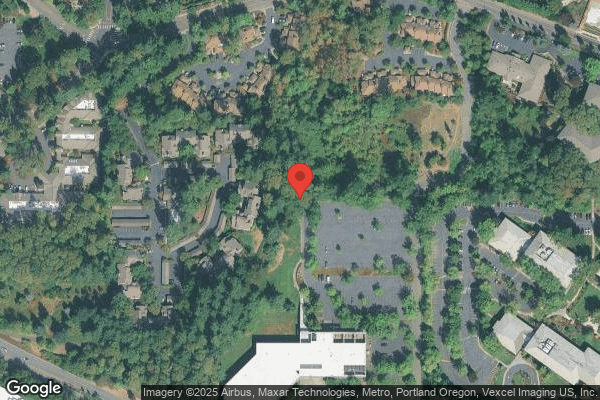

4550 CARMAN DRIVE, LAKE OSWEGO, OR 97035 (503) 675-6055
For profit - Limited Liability company 74 Beds AVAMERE Data: November 2025
Trust Grade
60/100
#65 of 127 in OR
Last Inspection: August 2024

Within standard 12-15 month inspection cycle. Federal law requires annual inspections.

Overview

The Pearl at Kruse Way in Lake Oswego, Oregon has a Trust Grade of C+, which means it is slightly above average but still has room for improvement. It ranks #65 out of 127 facilities in Oregon, placing it in the bottom half, and #10 out of 13 in Clackamas County, indicating that only a few local options are better. The facility is improving, with the number of issues decreasing from 7 in 2024 to 2 in 2025. Staffing is a strength here, rated 4 out of 5 stars, although the turnover rate of 61% is concerning as it is higher than the state average. There have been no fines, which is a positive sign, and the facility has more RN coverage than 81% of Oregon facilities, ensuring better oversight of resident care. However, residents have reported significant delays in receiving assistance, with some waiting up to 45 minutes for help, and a lack of communication regarding their care plans has been noted. Overall, while there are strengths in staffing and RN coverage, families should be aware of the reported care delays and communication issues.

Trust Score
C+
60/100
In Oregon
#65/127
Bottom 49%
Safety Record
Low Risk
No red flags
Inspections
Getting Better
7 → 2 violations
Staff Stability
⚠ Watch
61% turnover. Above average. Higher turnover means staff may not know residents' routines.
Penalties
✓ Good
No fines on record. Clean compliance history, better than most Oregon facilities.
Skilled Nurses
✓ Good
Each resident gets 59 minutes of Registered Nurse (RN) attention daily — more than average for Oregon. RNs are trained to catch health problems early.
Violations
⚠ Watch
20 deficiencies on record. Higher than average. Multiple issues found across inspections.
★★★☆☆
3.0
Overall Rating
★★★★☆
4.0
Staff Levels
★★★☆☆
3.0
Care Quality
★★★☆☆
3.0
Inspection Score
Stable
2024: 7 issues
2025: 2 issues

The Good

  • 4-Star Staffing Rating · Above-average nurse staffing levels
  • Full Sprinkler Coverage · Fire safety systems throughout facility
  • No fines on record

Facility shows strength in staffing levels, fire safety.

The Bad

3-Star Overall Rating

Near Oregon average (3.0)

Meets federal standards, typical of most facilities

Staff Turnover: 61%

15pts above Oregon avg (46%)

Frequent staff changes - ask about care continuity

Chain: AVAMERE

Part of a multi-facility chain

Ask about local staffing decisions and management

Staff turnover is elevated (61%)

13 points above Oregon average of 48%

The Ugly 20 deficiencies on record

Jan 2025 2 deficiencies
CONCERN (D) 📢 Someone Reported This

A family member, employee, or ombudsman was alarmed enough to file a formal complaint

Potential for Harm - no one hurt, but risky conditions existed

Quality of Care (Tag F0684)

Could have caused harm · This affected 1 resident

**NOTE- TERMS IN BRACKETS HAVE BEEN EDITED TO PROTECT CONFIDENTIALITY** Based on interview and record review it was determined the facility failed to follow physician orders and implement bowel care f...

Read full inspector narrative →
**NOTE- TERMS IN BRACKETS HAVE BEEN EDITED TO PROTECT CONFIDENTIALITY** Based on interview and record review it was determined the facility failed to follow physician orders and implement bowel care for 1 of 3 sampled residents (#4) reviewed for constipation. This placed residents at risk for medical complications from constipation including bowel impaction. Findings include: The facility's 10/2020 Bowel Care Protocol indicated the following: -If a resident did not have a bowel movement for three consecutive days then evening shift was to run a report and administer Milk of Magnesia (MOM). If no results, then day shift was to administer a suppository and if no results then a Fleets enema was to be administered. Resident 4 admitted to the facility on [DATE] with diagnoses including femur fracture. The 1/6/24 physician order indicated Resident 4 was to receive the following: -Milk of Magnesia 30 ml every 24 hours PRN for bowel care and constipation. -Dulcolax suppository 10 mg insert rectally PRN for constipation, give for no bowel movement for four days for constipation if MOM was ineffective. -Fleet enema insert 1 application rectally as needed for constipation. Resident 4's 1/2024 bowel records revealed the following: -1/14/24-1/19/24 no bowel movement (six days). -1/21/24-1/25/24 no bowel movement (five days). There was no indication Resident 4 received or refused the ordered bowel medications on the identified dates. Interviews on 1/22/25 and 1/23/25 with Staff 10 (LPN Resident Care Manager), Staff 3 (Therapy Director), Staff 8 (LPN), Staff 7 (RNCM), Staff 11 (RN), Staff 12 (RN) and Staff 5 (SSD) revealed the staff did not remember Resident 4. Two unsuccessful attempts were made to contact Staff 9 (CNA) who was noted in the clinical record to often work with Resident 4. On 1/23/25 at 2:30 PM Staff 2 (DNS) acknowledged Resident 4 did not have bowel movements on the identified dates. Staff 2 further acknowledged there was no evidence to indicate the resident was offered bowel medications on the identified dates.
CONCERN (D) 📢 Someone Reported This

A family member, employee, or ombudsman was alarmed enough to file a formal complaint

Potential for Harm - no one hurt, but risky conditions existed

Pressure Ulcer Prevention (Tag F0686)

Could have caused harm · This affected 1 resident

**NOTE- TERMS IN BRACKETS HAVE BEEN EDITED TO PROTECT CONFIDENTIALITY** Based on interview and record review it was determined the facility failed to assess and monitor pressure ulcers for 1 of 3 samp...

Read full inspector narrative →
**NOTE- TERMS IN BRACKETS HAVE BEEN EDITED TO PROTECT CONFIDENTIALITY** Based on interview and record review it was determined the facility failed to assess and monitor pressure ulcers for 1 of 3 sampled residents (#4) reviewed for pressure ulcers. This placed residents at risk for worsening pressure ulcers. Findings include: Resident 4 admitted to the facility on [DATE] with diagnoses including femur fracture. Resident 4 discharged from the facility on 1/29/24. The 1/6/24 admission Nursing Database indicated Resident 4 did not have skin issues. The 1/2024 TAR indicated weekly skin audits were completed on 1/13/24 and 1/20/24 and no new skin issues were identified. The 1/22/24 physician progress note indicated the following: -Bilateral pressure injuries on heels with no open areas or drainage. The heels were floated and in cushion boots. -Pressure ulcer of the left buttock Stage 2 (Partial thickness skin loss). There was no evidence in Resident 4's clinical record to indicate the pressure ulcers were assessed including staging and measuring the wounds. The 1/2024 care plan did not include information or interventions regarding the bilateral heel pressure ulcers and the left buttock Stage 2 pressure ulcer. The 1/2024 TAR indicated Resident 4 received treatments to the bilateral heels and buttocks pressure ulcers as ordered. There was no indication the pressure ulcers were investigated to determine the cause or interventions needed to avoid further skin decline until 4/19/24 (81 days after the residents discharged ). Interviews on 1/22/25 and 1/23/25 with Staff 10 (LPN Resident Care Manager), Staff 3 (Therapy Director), Staff 8 (LPN), Staff 7 (RNCM), Staff 11 (RN), Staff 12 (RN) and Staff 5 (SSD) revealed the staff did not remember Resident 4. Two unsuccessful attempts were made to contact Staff 9 (CNA) who was noted in the clinical record to often work with Resident 4. On 1/22/25 at 11:46 AM and 1/23/25 at 2:30 PM Staff 2 (DNS) stated the expectation was for nursing staff to take pictures of pressure ulcers when they were identified and then weekly. Staff 2 stated staff were to also stage the wounds and update the care plan to reflect appropriate interventions. Staff 2 acknowledged no pictures were taken of the bilateral heel pressure ulcers or the Stage 2 pressure ulcer to the buttocks, no measurements were completed upon identification of the pressure ulcers on 1/22/24, the care plan was not updated with interventions and the investigation was not completed until 4/19/24 after the resident discharged .
Aug 2024 5 deficiencies
CONCERN (D)

Potential for Harm - no one hurt, but risky conditions existed

Deficiency F0552 (Tag F0552)

Could have caused harm · This affected 1 resident

**NOTE- TERMS IN BRACKETS HAVE BEEN EDITED TO PROTECT CONFIDENTIALITY** Based on interview and record review it was determined the facility failed to notify a resident of a medication change for 1 of ...

Read full inspector narrative →
**NOTE- TERMS IN BRACKETS HAVE BEEN EDITED TO PROTECT CONFIDENTIALITY** Based on interview and record review it was determined the facility failed to notify a resident of a medication change for 1 of 5 sampled residents (#19) reviewed for unnecessary medications. This placed residents at risk for lack of participation in treatment decisions. Findings include: Resident 19 admitted to the facility in 7/2024 with diagnoses including depression. The admission MDS dated [DATE] indicated Resident 19 was cognitively intact. The 7/2024 MAR indicated 40 mg of Citalopram was administered at bedtime from 7/7/24 through 7/19/24. Pharmacy recommendations dated 7/17/24 included a request to decrease Resident 19's Citalopram (anti-depressant medication) from 40 mg to 20 mg with a provider agreement and signature dated 7/18/24. A nursing note dated 7/19/24 indicated a gradual dosage decrease of Citalopram from 40 mg to 30 mg and then 20 mg per provider order. The 7/2024 MAR indicated 30 mg of Citalopram was administered from 7/20/24 through 7/22/24. Progress notes from 7/21/24 to 7/22/24 indicated the change to Resident 19's dosage of Citalopram was not discussed with the resident until 7/22/24 after the resident requested to speak with the provider. After that discussion, the dosage was changed back to 40 mg. On 8/1/24 at 10:21 AM Resident 19 stated, They treated me like I was brain dead, and she/he was outraged, incensed, and disgusted about the lack of communication regarding changes to the resident's Citalopram dose. Resident 19 stated she/he experienced no adverse reactions from changes to the Citalopram dosage. On 8/1/24 at 2:43 PM Staff 2 (DNS) indicated she usually followed up on pharmacy recommendations with residents prior to any changes to medications. Staff 2 reviewed the progress notes and verified the first communication with Resident 19 regarding changes to the resident's Citalopram dosage was on 7/22/24, four days after the dose was reduced.
CONCERN (E)

Potential for Harm - no one hurt, but risky conditions existed

Deficiency F0655 (Tag F0655)

Could have caused harm · This affected multiple residents

**NOTE- TERMS IN BRACKETS HAVE BEEN EDITED TO PROTECT CONFIDENTIALITY** Based on interview and record review it was determined the facility failed to provide a summary of the baseline care plan to 5 o...

Read full inspector narrative →
**NOTE- TERMS IN BRACKETS HAVE BEEN EDITED TO PROTECT CONFIDENTIALITY** Based on interview and record review it was determined the facility failed to provide a summary of the baseline care plan to 5 of 5 sampled residents (#s 19, 124, 125, 130, and 133) reviewed for pain, rehab services and unnecessary medication. This placed residents at risk for being uninformed of their plan of care. Findings include: 1. Resident 19 admitted in 7/2024 with diagnoses including aftercare following joint replacement surgery and depression. The admission MDS dated [DATE] indicated Resident 19 was cognitively intact. No information was found in the resident's clinical record to indicate a baseline care plan or summary was provided to the resident. On 7/29/24 at 11:26 AM Resident 19 stated she/he did not receive any care plan paperwork. On 8/1/24 at 11:24 AM Staff 2 (DNS) confirmed a copy of the resident's baseline care plan was not provided to Resident 19. 2. Resident 124 admitted 7/2024 with diagnoses including bone fractures and hearing loss. A 7/26/24 cognition assessment indicated Resident 124 was cognitively intact. A review of Resident 124's clinical record revealed no indication Resident 124 received a copy of the baseline care plan. On 8/1/24 at 11:24 AM Staff 2 (DNS) confirmed a copy of the resident's baseline care plan was not provided to Resident 124. 3. Resident 125 admitted to the facility in 7/2024 with diagnoses including cognitive impairment and hypertension. A 7/25/24 cognition assessment indicated Resident 125 was cognitively intact. A review of Resident 125's clinical record revealed no indication Resident 125 received a copy of the baseline care plan. On 8/1/24 at 11:24 AM Staff 2 (DNS) confirmed a copy of the resident's baseline care plan was not provided to Resident 125. 4. Resident 130 admitted to the facility in 7/2024 with diagnoses including diabetes and seizures. A 7/22/24 cognition assessment indicated Resident 130 had moderate cognitive impairment. A review of Resident 130's clinical record revealed no indication Resident 130 received a copy of the baseline care plan. On 8/1/24 at 11:24 AM Staff 2 (DNS) confirmed a copy of the resident's baseline care plan was not provided to Resident 130. 5. Resident 133 admitted to the facility in 7/2024 with diagnoses including hypertension and bone fractures. A 7/29/24 cognition assessment indicated Resident 133 was cognitively intact. A review of Resident 133's clinical record revealed no indication Resident 133 received a copy of the baseline care plan. On 8/1/24 at 11:24 AM Staff 2 (DNS) confirmed a copy of the resident's baseline care plan was not provided to Resident 133.
CONCERN (E)

Potential for Harm - no one hurt, but risky conditions existed

Quality of Care (Tag F0684)

Could have caused harm · This affected multiple residents

Based on interview and record review it was determined the facility failed to ensure physician orders were followed for 4 of 8 sampled residents (#s 125, 135, 181, and 228) reviewed for medications. T...

Read full inspector narrative →
Based on interview and record review it was determined the facility failed to ensure physician orders were followed for 4 of 8 sampled residents (#s 125, 135, 181, and 228) reviewed for medications. This placed residents at risk for reduced medication efficacy and adverse medication side effects. Findings include: 1. Resident 228 admitted to the facility in 7/2024 with diagnoses including hypertension and prostate cancer. An 8/2/24 facility audit of Resident 228's medication administrations from 7/27/24 through 8/1/24 revealed the following: - On 7/31/24 seven medications were administered one hour and 38 minutes to two hours and 49 minutes late. - On 8/1/24 four medications were administered one hour and 30 minutes late. On 8/2/24 Staff 2 (DNS) confirmed the medications were not administered timely. 2. Resident 135 admitted to the facility in 7/2024 with diagnoses including paralysis and depression. An 8/2/24 facility audit of Resident 135's medication administrations from 7/27/24 through 8/1/24 revealed the following: - On 7/31/24 four medications were administered 47 minutes to two hours and 47 minutes late. - On 8/1/24 five medications were administered two hours and 30 minutes late. On 8/2/24 Staff 2 (DNS) confirmed the medications were not administered timely. 3. Resident 125 admitted to the facility in 7/2024 with diagnoses including cognitive impairment and hypertension. An 8/2/24 facility audit of Resident 125's medication administrations from 7/27/24 through 8/1/24 revealed the following: - On 7/31/24 six medications were administered 48 minutes to three hours late. - On 8/1/24 four medications were administered two hours and 30 minutes late. On 8/2/24 Staff 2 (DNS) confirmed the medications were not administered timely. 4. Resident 181 admitted to the facility in 7/2024 with diagnoses including diabetes and heart failure. An 8/2/24 facility audit of Resident 181's medication administrations from 7/27/24 through 8/1/24 revealed the following: - On 7/27/24 one medication was administered one hour and 21 minutes late - On 7/28/24 three medications were administered 30-55 minutes late - On 7/29/24 seven medications were administered one hour and 45 minutes to 3 hours and 46 minutes late - On 7/30/24 three medications were administered one hour and 25 minutes late - On 8/1/24 four medications were administered one hour and 9 to one hour and 16 minutes late. On 8/2/24 Staff 2 (DNS) confirmed the medications were not administered timely.
CONCERN (E)

Potential for Harm - no one hurt, but risky conditions existed

Deficiency F0761 (Tag F0761)

Could have caused harm · This affected multiple residents

**NOTE- TERMS IN BRACKETS HAVE BEEN EDITED TO PROTECT CONFIDENTIALITY** 2. On 7/31/24 between 3:40 PM and 3:53 PM a treatment cart was observed in the East Hall unattended and unlocked. During the con...

Read full inspector narrative →
**NOTE- TERMS IN BRACKETS HAVE BEEN EDITED TO PROTECT CONFIDENTIALITY** 2. On 7/31/24 between 3:40 PM and 3:53 PM a treatment cart was observed in the East Hall unattended and unlocked. During the continuous observations both staff and visitors were seen walking past the cart. On 7/31/24 at 3:53 PM Staff 3 (RN) confirmed the cart contained insulin and other treatment supplies and was supposed to be locked when not in use. On 8/2/24 at 9:55 AM Staff 2 (DNS) confirmed treatment carts were to be locked when unattended. Based on observation and interview it was determined the facility failed to ensure medications were secured and only accessible to authorized persons for 1 of 2 sampled medication carts and 1 of 1 treatment cart reviewed for medication storage. This placed residents at risk for drug diversion. Findings include: 1. On 8/1/24 at 7:53 AM a medication cart on [NAME] Hall was observed to be unlocked and unattended outside of room [ROOM NUMBER]. On 8/1/24 at 7:55 AM Staff 10 (LPN) confirmed the medication cart was left unlocked and unattended.
CONCERN (E)

Potential for Harm - no one hurt, but risky conditions existed

Food Safety (Tag F0812)

Could have caused harm · This affected multiple residents

Based on observation and interview it was determined the facility failed to ensure food was labeled and stored in a manner to prevent food spoilage, expired food was discarded, staff used appropriate ...

Read full inspector narrative →
Based on observation and interview it was determined the facility failed to ensure food was labeled and stored in a manner to prevent food spoilage, expired food was discarded, staff used appropriate hand hygiene, and staff used hair restraints properly for 1 of 1 kitchen and 1 of 2 unit refrigerators reviewed for food storage and handling. This placed residents at risk for food contamination and food-borne illnesses. Findings include: The facility's Food Safety and Sanitation Policy, revised 1/2024, indicated food was to be labeled and dated. The policy also indicated hair restraints were required to cover all head hair. 1. On 7/29/24 at 9:48 AM during an initial tour of the facility's walk-in refrigerator and freezer the following were observed: Refrigerator: - dark liquid in a clear dispenser with a spigot had no label or date - bagged grapes sitting in brown liquid in a cardboard tray - three plastic clamshell packs of strawberries were mushy and had white fuzz - small metal container labeled, Ham, with a use by date of 7/24/24 - to go container with a use by date of 7/26/24 - an undated to go container with no name - cooked bacon in a metal pan with a plastic lid and no label or date - clear bag of shredded fresh purple vegetable with no label - partially consumed carton of ricotta with no date Freezer: - open inner bag and outer box of frozen hamburger patties with ice crystals - partially open bag of chicken tenders with ice crystals - metal container labeled casserole with a tin foil lid with holes in it and visible ice crystals On 7/30/24 at 2:00 PM Staff 4 (Executive Chef) stated the food storage process required a label and date for all food items, all expired items were to be thrown away, and all storage containers were to be kept closed. Staff 4 acknowledged the identified items in the refrigerator and freezer were not labeled, stored, and discarded correctly. 2. Observation of the facility's unit refrigerators on 7/30/24 at 2:14 PM revealed the [NAME] Hall resident refrigerator contained: - wrapped sandwich with a use by date of 7/29/24 - partially consumed jug of 1% milk with no date On 7/30/24 at 2:18 PM Staff 8 (CNA) verified the identified items in the refrigerator and freezer were not stored and labeled properly. 3. During a kitchen observation on 7/31/24 at 12:14 PM Staff 6 (Prep Cook) was noted wearing the same pair of gloves to touch the refrigerator door, food cart, food containers, utensils, bread slices, tomato slices, lettuce slices, portions of meat and chips. Staff 5 (Chef), Staff 7 (Dietary Aide), and Staff 6 (Prep Cook) were noted to have hair not completely covered by hair restraints. On 7/31/24 at 12:24 PM Staff 3 (Dietary Manager) verified staff were not using gloves and hair restraints properly.
Jun 2024 2 deficiencies
CONCERN (D) 📢 Someone Reported This

A family member, employee, or ombudsman was alarmed enough to file a formal complaint

Potential for Harm - no one hurt, but risky conditions existed

Quality of Care (Tag F0684)

Could have caused harm · This affected 1 resident

Based on interview and record review it was determined the facility failed to administer medications at the prescribed dose for 1 of 3 sampled residents (#3) reviewed for physician orders. This placed...

Read full inspector narrative →
Based on interview and record review it was determined the facility failed to administer medications at the prescribed dose for 1 of 3 sampled residents (#3) reviewed for physician orders. This placed residents at risk to receive a sub-therapeutic dose of medication. Findings include: Resident 3 was admitted to the facility in 12/2023, with diagnoses including high blood pressure. Resident 3's 12/15/23 Physician Orders included an order for metoprolol (a high blood pressure medication) 50 mg every evening. Review of Resident 3's 12/2023 and 1/2024 MARs revealed the resident received 25 mg of metoprolol instead of 50 mg from 12/15/23 through 1/8/24. On 6/27/24 at 8:39 AM, Staff 4 (Regional RN) verified Resident 3 was administered 25 mg of metoprolol instead of the 50 mg as ordered from 12/15/23 through 1/8/24.
CONCERN (D) 📢 Someone Reported This

A family member, employee, or ombudsman was alarmed enough to file a formal complaint

Potential for Harm - no one hurt, but risky conditions existed

Accident Prevention (Tag F0689)

Could have caused harm · This affected 1 resident

Based on interview and record review it was determined the facility failed to follow the resident's plan of care for 1 of 3 sampled residents (#5) reviewed for accidents. This placed residents at risk...

Read full inspector narrative →
Based on interview and record review it was determined the facility failed to follow the resident's plan of care for 1 of 3 sampled residents (#5) reviewed for accidents. This placed residents at risk for falls and injury. Findings include: Resident 5 was admitted to the facility in 12/2023, with diagnoses including stroke and attention and concentration deficit. Resident 5's 12/21/23 ADL Care Plan instructed staff to not leave the resident alone when she/he was up in the wheelchair. Resident 5's 1/31/23 Progress Note indicated Resident 5 was left alone in her/his room while in a wheelchair. The resident attempted to self-transfer and fell to the floor. On 6/25/24 at 12:20 PM, Staff 4 (Regional RN) verified Resident 5 was left alone in her/his wheelchair, the resident attempted to self-transfer and fell. Staff 4 acknowledged Resident 5's care plan was not followed.
Jul 2023 11 deficiencies
CONCERN (D)

Potential for Harm - no one hurt, but risky conditions existed

Comprehensive Care Plan (Tag F0656)

Could have caused harm · This affected 1 resident

**NOTE- TERMS IN BRACKETS HAVE BEEN EDITED TO PROTECT CONFIDENTIALITY** Based on interview and record review it was determined the facility failed to develop a comprehensive care plan for 1 of 1 sampl...

Read full inspector narrative →
**NOTE- TERMS IN BRACKETS HAVE BEEN EDITED TO PROTECT CONFIDENTIALITY** Based on interview and record review it was determined the facility failed to develop a comprehensive care plan for 1 of 1 sampled resident (#6) reviewed for activities. This placed residents at risk for decreased participation in activities of interest. Findings include: Resident 6 was admitted to the facility in 6/2023 with diagnoses including end stage renal disease. The 6/9/23 admission MDS coded her/him BIMS (Brief Interview for Mental Status) as a 10 indicating a moderate cognitive deficit. Resident 6 identified she/he had little interest or pleasure in doing things. Activity interests were identified to include access to newspapers/books/magazines, listening to music, access to animals, spending time outside and religious activities. Doing things with groups of people was somewhat important to the resident. Resident 6's 6/9/23 Activity Profile further identified hobbies including crosswords and word search games, gardening, arts & crafts, bible studies, 1980s music and travel films. The 7/6/23 Care Plan did not include the resident's activities of interest. When interviewed on 7/11/23 at 8:31 AM and 11:11 AM, Resident 6 stated she/he liked to have meals in the common area with other residents but was not always given that choice, enjoyed reading and getting stuck into a good series on the TV. In a 7/12/23 interview at 5:06 PM, Staff 21 (CNA) stated the resident was observed to watch TV in the evening, but he was unaware of any other activity interests. In a 7/13/23 interview at 10:49 am, Staff 23 (Agency CNA) stated she relied on the care plan and [NAME] to help her understand the resident's needs. When asked about Resident 6's activities of interest, she stated there was no care plan entry so she had no knowledge. In a 7/13/23 interview at 1:45 PM, Staff 22 (Activity Director) stated she completed a 72 hour activity profile, the MDS and CAAs, and finally a care plan which incorporated all of this knowledge for each resident in the facility. Staff 22 was unable to locate a care plan which addressed activities for Resident 6.
CONCERN (D)

Potential for Harm - no one hurt, but risky conditions existed

Deficiency F0657 (Tag F0657)

Could have caused harm · This affected 1 resident

Based on interview and record review it was determined the facility failed to update the care plan for 1 of 1 sampled resident (#6) reviewed for UTI. This placed residents at risk for unmet needs and ...

Read full inspector narrative →
Based on interview and record review it was determined the facility failed to update the care plan for 1 of 1 sampled resident (#6) reviewed for UTI. This placed residents at risk for unmet needs and delayed healing. Findings include: Resident 6 was admitted in 6/2023 with diagnoses including End Stage Renal Disease. A 7/6/23 Physician's note identified intermittent dysuria (painful or difficult urination) and cloudy urine on 7/5/23. Urinary Analysis (UA) was ordered and the lab was collected on 7/7/23. A 7/8/23 Physician's progress note identified the abnormal UA was consistent with infection and cephalexin (an antibiotic) for UTI was ordered for 7 days. No Care Plan was found which addressed the new diagnosis of UTI. In interviews on 7/12/23 at 5:06 PM and 7/13/23 at 10:49 AM, Staff 21 (CNA) and Staff 23 (Agency CNA) were unaware of the new infection or interventions to promote healing. In a 7/13/23 interview at 3:33 PM, Staff 26 (RNCM) stated she was aware that Resident 6 was on alert for the antibiotic and it was noted in the Teleshare communication system (nursing communication), but there was no care plan in place which CNAs could access.
CONCERN (D) 📢 Someone Reported This

A family member, employee, or ombudsman was alarmed enough to file a formal complaint

Potential for Harm - no one hurt, but risky conditions existed

Accident Prevention (Tag F0689)

Could have caused harm · This affected 1 resident

Based on interview and record review it was determined the facility failed to follow the plan of care for 1 of 2 sampled residents (#413) reviewed for falls. This placed residents at risk for falls. F...

Read full inspector narrative →
Based on interview and record review it was determined the facility failed to follow the plan of care for 1 of 2 sampled residents (#413) reviewed for falls. This placed residents at risk for falls. Findings include: Resident 413 was admitted to the facility in 7/2022 with diagnoses including stroke and Parkinson's Disease. The 7/19/22 admission MDS revealed Resident 413 had severely impaired daily decision making skills. The 8/11/22 Fall Care Plan instructed staff to not leave the resident unsupervised in the bathroom. The 8/18/22 Progress Note revealed a CNA exited the resident's room, the nurse heard a thud, went to the resident's bathroom and found Resident 413 on the floor. The 8/18/22 Fall Investigation revealed Staff 21 (CNA) assisted Resident 413 to the bathroom and left the resident alone on the toilet. The investigation determined Staff 21 did not follow the care plan which resulted in the minor injury fall. On 7/12/23 at 8:40 AM Staff 2 (DNS) verified Resident 413 sustained a minor injury fall as a result of Staff 21 not following the resident's care plan.
CONCERN (D) 📢 Someone Reported This

A family member, employee, or ombudsman was alarmed enough to file a formal complaint

Potential for Harm - no one hurt, but risky conditions existed

Deficiency F0698 (Tag F0698)

Could have caused harm · This affected 1 resident

Based on observation, interview and record review it was determined the facility failed to maintain a coordinated plan of care for 1 of 1 sampled resident (#6) reviewed for dialysis. This placed resid...

Read full inspector narrative →
Based on observation, interview and record review it was determined the facility failed to maintain a coordinated plan of care for 1 of 1 sampled resident (#6) reviewed for dialysis. This placed residents at risk for lack of coordinated transportation to and from dialysis and unmet nutritional needs. Findings include: Resident 6 was admitted to the facility in 6/2023 with diagnoses including end stage renal disease. The resident had physician's orders for dialysis three times a week which was provided offsite. When interviewed on 7/12/23 at 8:35 AM, Resident 6 stated she/he had breakfast prior to leaving for dialysis, never took lunch with her/him to dialysis, but sometimes ate a protein bar when offered by dialysis staff. Resident 6 was observed preparing to leave for dialysis at 9:07 AM with a blanket, a packet of information for dialysis and a purse. Resident 6 asked for the purse and stated she/he needed to pay the driver. No lunch bag was observed. On 7/12/23 at 5:22 PM, upon return from dialysis, the resident shared she/he was very hungry and began to eat dinner immediately when served. Resident 6 stated dialysis staff offered a protein bar but she/he did not eat it as Resident 6 was tired of the bars. In a 7/13/23 interview at 10:24 AM, Staff 25 (Culinary Director) stated Resident 6's family member transported the resident to and from dialysis and provided lunch. Staff 25 confirmed she was not notified that transportation arrangements changed and a lunch for dialysis was needed. In a 7/13/23 interview at 3:33 PM, Staff 26 (RNCM) stated she believed Resident 6's family member brought lunch to the dialysis location, but acknowledged there was no system in place to notify the facility if lunch was not provided to the resident.
CONCERN (D) 📢 Someone Reported This

A family member, employee, or ombudsman was alarmed enough to file a formal complaint

Potential for Harm - no one hurt, but risky conditions existed

Deficiency F0730 (Tag F0730)

Could have caused harm · This affected 1 resident

Based on interview and record review it was determined the facility failed to have a system in place for conducting annual performance reviews of CNA staff for 1 of 1 sampled Staff 8 (CNA) reviewed fo...

Read full inspector narrative →
Based on interview and record review it was determined the facility failed to have a system in place for conducting annual performance reviews of CNA staff for 1 of 1 sampled Staff 8 (CNA) reviewed for annual performance reviews. This placed residents at risk for a lack of quality of care. Findings include: A review of staff training records for CNAs employed at the facility over one year revealed: Staff 8 (CNA), hired 4/11/22, had no performance review documentation. On 7/14/23 at 9:30 AM Staff 2 (DNS) acknowledged Staff 8 did not have a performance review completed as the facility did not currently have a system in place for annual performance reviews.
CONCERN (D)

Potential for Harm - no one hurt, but risky conditions existed

Deficiency F0947 (Tag F0947)

Could have caused harm · This affected 1 resident

Based on interview and record review it was determined the facility failed to have a system in place to ensure CNA staff received 12 hours of in-service training annually for 1 of 1 sampled staff (#8)...

Read full inspector narrative →
Based on interview and record review it was determined the facility failed to have a system in place to ensure CNA staff received 12 hours of in-service training annually for 1 of 1 sampled staff (#8) reviewed for in-service training. This placed residents at risk for lack of quality care. Findings include: On 7/13/23 at 3:45 PM a request was made to review the facility's in-service records and documentation which tracked self-paced electronic training hours. No staff in-service records were provided for Staff 8. On 7/14/23 at 9:30 AM Staff 2 (DNS) stated she could not locate documentation to verify in-service trainings were completed over the last 12 months for Staff 8 or other staff. Staff 2 was unable to provide information to demonstrate there was a system to track in-service or self-paced electronic training hours for CNA staff.
CONCERN (E)

Potential for Harm - no one hurt, but risky conditions existed

Safe Environment (Tag F0584)

Could have caused harm · This affected multiple residents

**NOTE- TERMS IN BRACKETS HAVE BEEN EDITED TO PROTECT CONFIDENTIALITY** c. Resident 312 was admitted to the facility on [DATE]. On 7/10/23 at 12:17 PM Resident 312 stated her/his room was not regularl...

Read full inspector narrative →
**NOTE- TERMS IN BRACKETS HAVE BEEN EDITED TO PROTECT CONFIDENTIALITY** c. Resident 312 was admitted to the facility on [DATE]. On 7/10/23 at 12:17 PM Resident 312 stated her/his room was not regularly cleaned. The resident reported white debris was on the floor near the bathroom doorway since the day she/he was admitted to the facility. Observations of the resident's room from 7/10/23 to 7/13/23 revealed damage to the drywall near the bathroom door with chips of drywall and paint on the floor of the resident's room. On 7/13/23 at 11:05 AM Staff 15 (Maintenance Director) explained that he relied on staff to use the TELS (online maintenance request system) for reports of damage. He was not notified of the damage. 3. On 7/13/23 the following observations were made with Staff 15 (Maintenance Director) and Staff 16 (Corporate Representative). - room [ROOM NUMBER]A bathroom had missing and broken floor covering in front of the shower which created a non- cleanable surface. - room [ROOM NUMBER]A had cracks surrounding the cove in the bathroom floor with additional damage near the shower. - room [ROOM NUMBER]A shower had black stains at the edge of the shower and the flooring was cracked in several places. On 7/13/23 at 11:05 AM Staff 15 explained that he relied on staff to use the TELS (online maintenance request system) for reports of damage. Staff 15 was waiting on bids to fix the building issues. 2. Based on observation and interview it was determined the facility failed to maintain and provide a clean homelike environment for 6 of 25 sampled residents (#s 4, 7, 11, 19, 20 and 110) reviewed for environment. This placed residents at risk for living in an unclean and an unhomelike environment. Findings include: a. Resident 2 admitted to the facility on [DATE] with diagnoses including pain. On 7/10/23 at 9:59 am Resident 2 stated her/his room was not clean. Resident 2 stated her/his bathroom, including the toilet had not been cleaned since admission. Resident 2 stated she/he used the bathroom and toilet. Resident 2 stated she/he was a tidy person and the room did not resemble how her/his home was kept. On 7/10/23 at 10:00 AM the the toilet was observed to be dirty with black and brown specks around inside of the toilet bowl. On 7/10/23 at 11:30 AM Staff 2 (DNS) confirmed Resident 2's toilet was dirty. On 7/13/23 at 11:59 AM Staff 14 (Housekeeping Manager) acknowledged the Resident 2's bathroom had not been cleaned including the toilet. b. Resident 162 admitted to the facility on [DATE] with diagnoses including weakness. On 7/10/23 at 10:23 AM Resident 162 stated her/his room had not been cleaned since admission, including the bathroom. Resident 162 stated staff used a container to empty the urine from her/his catheter into the toilet and then rinsed the container in the sink. Resident 162 stated she/he did not feel comfortable brushing her/his teeth in the sink due to the urine and the sink not being cleaned. On 7/10/23 at 10:25 AM Resident 162's bathroom was observed to have the container used to empty the urine sitting on the counter by the sink. On 7/13/23 at 11:59 AM Staff 14 (Housekeeping Manager) stated there was no documentation to indicate when resident rooms were cleaned. Staff 14 acknowledged Resident 20's bathroom should have been cleaned daily. 1. Based on interview and record review it was determined the facility failed to implement a system which addressed missing personal items in a timely manner for 1 of 1 sampled resident (#6) reviewed for personal property. This placed the resident at risk for loss of personal property. Findings include: Resident 6 was admitted in 6/2023 with diagnoses including end stage renal disease. In a 7/11/23 interview at 8:47 AM, Resident 6 reported she/he was missing a red nightgown for over a month. Resident 6 reported it missing but could not state to whom. The 6/5/23 Personal Possessions Record did not identify a red nightgown as part of the possessions brought with the resident on admission. In a 7/12/23 interview at 5:06 PM, Staff 21 (CNA) stated there was a current list of missing items for Resident 6. Staff 21 referred to a log (a sheet of paper visible on the counter of the common area) and stated if the CNAs were unable to find the missing items, someone followed up. Staff 21 could not state who the missing item list was referred to. In a 7/13/23 interview at 11:58 AM, Staff 24 (Social Service) stated if a resident, family or staff told her there were missing items, a missing item form was given to them to complete and returned to her. She then sent that form to the manager to search for the item. If the item was not found, Staff 24 checked the resident's inventory list, checked cognition and talked with family if the resident was deemed confused. If Staff 24's investigation showed the item was likely in the facility, the cost of the item was reimbursed. According to Staff 24, Resident 6 had no current reports of missing items. Staff 24 stated it was reported a while ago that staff were unclear what process to use for missing personal items. In response, Staff 24 sent an email to all department heads with the detailed process, but acknowledged that this information may not have been communicated to the direct care staff. When asked if any items were still missing on 7/13/23 at 12:45 PM, Resident 6 stated many of the items were found the night before, but the red nightgown was still missing.
CONCERN (E) 📢 Someone Reported This

A family member, employee, or ombudsman was alarmed enough to file a formal complaint

Potential for Harm - no one hurt, but risky conditions existed

Staffing Information (Tag F0732)

Could have caused harm · This affected multiple residents

Based on interview and record review it was determined the facility failed to ensure the Direct Care Staff Daily Reports were complete for 27 out of 39 sampled days reviewed for staffing. This placed ...

Read full inspector narrative →
Based on interview and record review it was determined the facility failed to ensure the Direct Care Staff Daily Reports were complete for 27 out of 39 sampled days reviewed for staffing. This placed residents at risk for incorrect staffing information. Findings include: A review of the Direct Care Staff Daily Reports dated 6/1/23 through 7/10/23 revealed 27 out of 39 days the CNA and/or RN hours were blank for one or more shifts for the following days: -6/2/23 -6/4/23 -6/7/23 -6/8/23 -6/9/23 -6/10/23 -6/11/23 -6/12/23 -6/13/23 -6/15/23 -6/16/23 -6/17/23 -6/18/23 -6/19/23 -6/22/23 -6/23/23 -6/24/23 -6/25/23 -6/28/23 -6/29/23 -6/30/23 -7/1/23 -7/2/23 -7/4/23 -7/6/23 -7/7/23 -7/8/23 On 7/13/23 at 9:37 AM Staff 10 (Staffing Coordinator) acknowledged the incomplete documented hours for the days identified.
CONCERN (E)

Potential for Harm - no one hurt, but risky conditions existed

Infection Control (Tag F0880)

Could have caused harm · This affected multiple residents

Based on observation and interview it was determined the facility failed to ensure appropriate hand hygiene procedures was followed by staff during direct patient contact for 1 of 1 facility reviewed ...

Read full inspector narrative →
Based on observation and interview it was determined the facility failed to ensure appropriate hand hygiene procedures was followed by staff during direct patient contact for 1 of 1 facility reviewed for infection control. This placed residents at risk for spread of infection. Findings include: On 7/10/23 at 11:12 AM Staff 5 (CMA) was observed wearing her surgical mask on her chin area while standing at the medication cart. Staff 5 prepared medication to dispense, placed the surgical mask over her nose and mouth area before entering a resident room without sanitizing her hands. Staff 5 stated she should have sanitized her hands before and after preparing medications, before entering and after exiting the resident room and touching her mask. On 7/10/23 at 12:47 PM Staff 7 (NA) was observed to wear a surgical mask on her chin then move mask over her mouth and nose area before retrieving a tray in a resident room without performing hand hygiene. Staff 7 then assisted a resident seated in the dining room. Staff 7 stated she should have sanitized her hands before and after touching her mask and before the resident interaction. On 7/11/23 at 12:12 PM Staff 6 (NA) was observed to retrieve a surgical mask from her pocket while seated next to a resident in the dining room area without sanitizing her hands. Staff 6 stated she should have sanitized her hands prior to donning the mask. On 7/12/23 at 12:29 PM Staff 6 was observed with her surgical mask on her chin in the kitchen area. Staff 6 prepared a hot cup of coffee for a resident seated in the dining area, then walked into a resident room to provide care and placed mask on her face without sanitizing hands. Staff 6 retrieved a tray from the cart, delivered and set-up the tray for a resident and retrieved another meal tray. Staff 6 stated she should have sanitized her hands before and after tray delivery and after touching her mask. On 7/12/23 at 12:39 PM Staff 8 (CNA) was observed to exit a resident room, move her surgical mask to her chin area, walk to the kitchen area and fill a cup of water and retrieve a juice box from the refrigerator. Staff 8 moved the surgical mask back over her nose and mouth area and walked into a resident's room. Staff 8 stated she should have completed hand hygiene before and after entering a resident's room and after touching a her mask. On 7/12/23 at 2:49 PM Staff 2 (DNS) stated it was her expectation staff sanitize their hands before and after entering a resident room, between resident care and when touching their mask.
CONCERN (F) 📢 Someone Reported This

A family member, employee, or ombudsman was alarmed enough to file a formal complaint

Potential for Harm - no one hurt, but risky conditions existed

Deficiency F0725 (Tag F0725)

Could have caused harm · This affected most or all residents

Based on interview and record review the facility failed to provide sufficient nursing staff to ensure residents attained or maintained their highest practicable mental, physical and psychosocial well...

Read full inspector narrative →
Based on interview and record review the facility failed to provide sufficient nursing staff to ensure residents attained or maintained their highest practicable mental, physical and psychosocial well-being for 3 of 3 sampled residents (#s 2, 48 and 162) reviewed for staffing. This placed residents at risk for unmet ADL care needs. Findings include: A list provided by the facility on 7/14/23 indicated the facility had 4 residents who required a mechanical lift for transfers and two other residents who required two staff for transfers. Residents indicated the following concerns: - A concern reported on 6/26/23 indicated Resident 48 waited up to 45 minutes for for assistance, including waiting to get assisted to the toilet and off the toilet. It was indicated weekends were worse. - On 7/10/23 at 9:59 AM Resident 2 stated call lights took a long time. Resident 2 stated she/he had to go into the hall to look for staff to get assistance. - On 7/10/23 at 10:54 AM Resident 19 stated she/he was disappointed in the way [staff] did not respond to call lights. Resident 19 stated she/he had to call the front desk to get assistance because her/his call light was not answered. Resident 19 stated the facility was under staffed and it took up to an an hour sometimes for staff to answer her/his call light. Resident 19 stated a resident across the hall had to throw things out in the hall to get staff assistance. Facility record review of call light logs revealed the following: - From 6/6/23 to 7/7/23 there were 67 instances when Resident 48's call light times was between 20 and 63 minutes. - From 6/22/23 to 7/10/23 there were 13 instances when Resident 2 call light times was between 20 and 45 minutes. - From 6/14/23 through 7/10/23 there were 27 instances when Resident 19 call lights times was 20 to 52 minutes. Facility Staff indicated the following concerns: - 7/11/23 at 3:57 PM Staff 4 (LPN) stated they were short staff in multiple departments. Staff 4 stated there were days she was doing treatments, medications and CNA duties. Staff 4 stated weekends and shift change were the worst for call lights. - 7/12/23 at 8:33 AM Staff 5 (CMA) stated there were times when there were no nurses working in the facility. - On 7/12/23 at 9:30 AM Staff 11 (CNA) stated call lights could get crazy. Staff 11 stated she had several residents who were two-person transfers and sometimes waited for a second staff person to assist which could take some time. Staff 11 stated sometimes residents had waited for call lights to be answered due to assisting other residents with transfers. - On 7/12/23 at 1:23 PM Staff 12 (CNA) stated they were always short staffed. Staff 12 stated when the facility was over staffed CNAs were sent home. Staff 12 stated it was overwhelming at times with call lights going off and not having enough CNA staff to answer the call lights timely. Staff 12 stated residents often complained about the long call light times. Staff 12 stated at night there were only two CNA for the facility and only one CNA for a section. Staff 12 stated she had to to leave her section to assist another CNA in another section. Staff 12 stated call lights could be over 20 minutes. - On 7/12/23 at 6:00 PM Staff 21 (CNA) stated it was scary to work at the facility. Staff 21 stated acuity did not matter in relation to CNAs. Staff 21 stated CNAs were overwhelmed as they were also expected to pick up housekeeping and maintenance duties in addition to caring for residents. - On 7/13/23 at 9:37 AM Staff 10 (Staffing Coordinator) stated CNA staff were sent home before all CNAs arrived without ensuring there was enough coverage. Staff 10 acknowledged she staffed based on the census. Staff 10 stated night shift CNA staff complained about staffing. On 7/13/23 at 10:29 AM Staff 2 (DNS) stated staffing was a frequent concern. Staff 2 stated the goal was for call lights to answered in 10 to 15 minutes. Staff 2 acknowledged CNA staff were not always staffed based on resident acuity and acknowledged the long call light times for Residents 2, 19 and 48.
CONCERN (F)

Potential for Harm - no one hurt, but risky conditions existed

Deficiency F0865 (Tag F0865)

Could have caused harm · This affected most or all residents

Based on interview and record review it was determined the facility failed to develop a Quality Assessment and Assurance (QAA) program that identified quality deficiencies and developed and implemente...

Read full inspector narrative →
Based on interview and record review it was determined the facility failed to develop a Quality Assessment and Assurance (QAA) program that identified quality deficiencies and developed and implemented action plans to correct identified quality deficiencies. The facility failed to conduct an analysis of quality data, design interventions, test those interventions, and determine if the desired outcome was achieved or sustained for 1 of 1 facility reviewed for QAPI. This failed practice placed all residents at risk for not receiving the care and services for optimal resident outcomes. Findings include: The 2/7/22 facility policy Quality Assurance and Performance Improvement (QAPI) Plan indicated the the QAPI committee was responsible to: -Address Care and Services; -Define and Measure Goals; -Monitor Processes; -Recognize Problems and Improvement Opportunities; -Identify a Working QAPI plan On 7/14/23 at 10:17 AM Staff 2 (DNS) stated the last QAPI meeting was held in January 2023 and addressed issues from the last quarter of 2022. Staff 2 stated the facility did not have QAPI meetings from January 2023 to current (7/14/23).
Understanding Severity Codes (click to expand)
Life-Threatening (Immediate Jeopardy)
J - Isolated K - Pattern L - Widespread
Actual Harm
G - Isolated H - Pattern I - Widespread
Potential for Harm
D - Isolated E - Pattern F - Widespread
No Harm (Minor)
A - Isolated B - Pattern C - Widespread

Questions to Ask on Your Visit

  • "Why is there high staff turnover? How do you retain staff?"
  • "Can I speak with families of current residents?"
  • "What's your RN coverage like on weekends and overnight?"

Our Honest Assessment

Strengths
  • • No major safety red flags. No abuse findings, life-threatening violations, or SFF status.
  • • No fines on record. Clean compliance history, better than most Oregon facilities.
Concerns
  • • 20 deficiencies on record. Higher than average. Multiple issues found across inspections.
  • • 61% turnover. Above average. Higher turnover means staff may not know residents' routines.
Bottom line: Mixed indicators with Trust Score of 60/100. Visit in person and ask pointed questions.

About This Facility

What is Pearl At Kruse Way, The's CMS Rating?

CMS assigns PEARL AT KRUSE WAY, THE an overall rating of 3 out of 5 stars, which is considered average nationally. Within Oregon, this rating places the facility higher than 0% of the state's 100 nursing homes. This mid-range rating indicates the facility meets federal standards but may have areas for improvement.

How is Pearl At Kruse Way, The Staffed?

CMS rates PEARL AT KRUSE WAY, THE's staffing level at 4 out of 5 stars, which is above average compared to other nursing homes. Staff turnover is 61%, which is 15 percentage points above the Oregon average of 46%. High turnover can affect care consistency as new staff learn residents' individual needs. RN turnover specifically is 60%, which is notably high. RNs provide skilled clinical oversight, so turnover in this role can affect medical care quality.

What Have Inspectors Found at Pearl At Kruse Way, The?

State health inspectors documented 20 deficiencies at PEARL AT KRUSE WAY, THE during 2023 to 2025. These included: 20 with potential for harm.

Who Owns and Operates Pearl At Kruse Way, The?

PEARL AT KRUSE WAY, THE is owned by a for-profit company. For-profit facilities operate as businesses with obligations to shareholders or private owners. The facility is operated by AVAMERE, a chain that manages multiple nursing homes. With 74 certified beds and approximately 36 residents (about 49% occupancy), it is a smaller facility located in LAKE OSWEGO, Oregon.

How Does Pearl At Kruse Way, The Compare to Other Oregon Nursing Homes?

Compared to the 100 nursing homes in Oregon, PEARL AT KRUSE WAY, THE's overall rating (3 stars) matches the state average, staff turnover (61%) is significantly higher than the state average of 46%, and health inspection rating (3 stars) is at the national benchmark.

What Should Families Ask When Visiting Pearl At Kruse Way, The?

Based on this facility's data, families visiting should ask: "How do you ensure continuity of care given staff turnover, and what is your staff retention strategy?" "Can I visit during a mealtime to observe dining assistance and food quality?" "How do you handle medical emergencies, and what is your hospital transfer rate?" "Can I speak with family members of current residents about their experience?" These questions are particularly relevant given the facility's high staff turnover rate.

Is Pearl At Kruse Way, The Safe?

Based on CMS inspection data, PEARL AT KRUSE WAY, THE has a clean safety record: no substantiated abuse findings (meaning no confirmed cases of resident harm), no Immediate Jeopardy citations (the most serious violation level indicating risk of serious injury or death), and is not on the Special Focus Facility watch list (a federal program monitoring the lowest-performing 1% of nursing homes). The facility has a 3-star overall rating and ranks #1 of 100 nursing homes in Oregon. While no facility is perfect, families should still ask about staff-to-resident ratios and recent inspection results during their visit.

Do Nurses at Pearl At Kruse Way, The Stick Around?

Staff turnover at PEARL AT KRUSE WAY, THE is high. At 61%, the facility is 15 percentage points above the Oregon average of 46%. Registered Nurse turnover is particularly concerning at 60%. RNs handle complex medical decisions and coordinate care — frequent RN changes can directly impact care quality. High turnover means new staff may not know residents' individual needs, medications, or preferences. It can also be disorienting for residents, especially those with dementia who rely on familiar faces. Families should ask: What is causing the turnover? What retention programs are in place? How do you ensure care continuity during staff transitions?

Was Pearl At Kruse Way, The Ever Fined?

PEARL AT KRUSE WAY, THE has no federal fines on record. CMS issues fines when nursing homes fail to meet care standards or don't correct problems found during inspections. The absence of fines suggests the facility has either maintained compliance or corrected any issues before penalties were assessed. This is a positive indicator, though families should still review recent inspection reports for the full picture.

Is Pearl At Kruse Way, The on Any Federal Watch List?

PEARL AT KRUSE WAY, THE is not on any federal watch list. The most significant is the Special Focus Facility (SFF) program, which identifies the bottom 1% of nursing homes nationally based on persistent, serious quality problems. Not being on this list means the facility has avoided the pattern of deficiencies that triggers enhanced federal oversight. This is a positive indicator, though families should still review the facility's inspection history directly.