AVAMERE REHABILITATION OF LEBANON
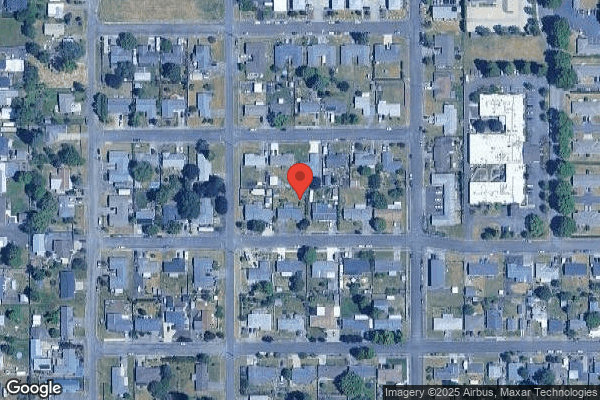
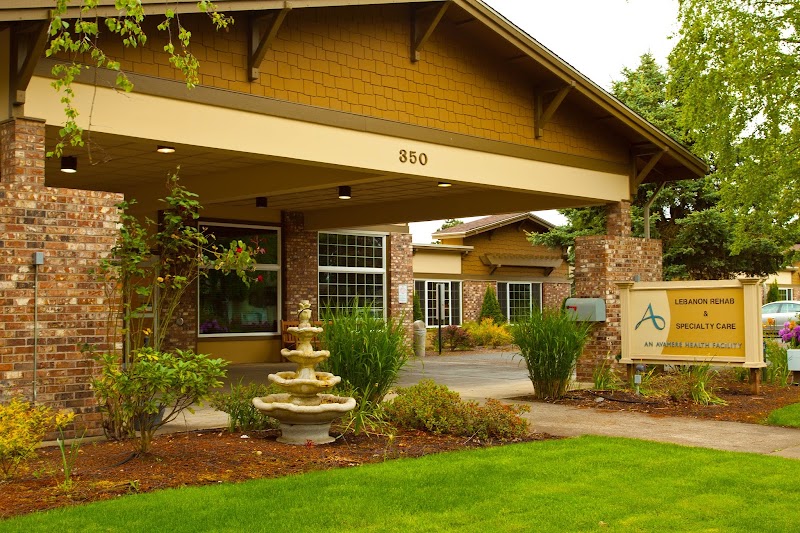
350 S. 8TH, LEBANON, OR 97355 (541) 259-1221
For profit - Limited Liability company 84 Beds AVAMERE Data: November 2025 1 Immediate Jeopardy citation
Trust Grade
26/100
#105 of 127 in OR
Last Inspection: July 2024

Within standard 12-15 month inspection cycle. Federal law requires annual inspections.

Overview

Avamere Rehabilitation of Lebanon has received a Trust Grade of F, indicating significant concerns about the quality of care provided at this facility. Ranked #105 out of 127 in Oregon, they are in the bottom half of all state facilities, and they are last in their county, ranked #5 out of 5 in Linn County. While the facility's trend shows improvement, reducing issues from 32 in 2024 to 5 in 2025, there are still serious concerns, including a critical finding where a resident received food not appropriate for their diet, leading to a severe choking risk. Staffing is a weak point, with only 1 out of 5 stars and less RN coverage than 93% of Oregon facilities, which raises concerns about adequate supervision and care. Additionally, the facility has been fined $20,303, which is average, but the high number of deficiencies-46 in total-suggests ongoing compliance problems and the need for significant improvements.

Trust Score
F
26/100
In Oregon
#105/127
Bottom 18%
Safety Record
High Risk
Review needed
Inspections
Getting Better
32 → 5 violations
Staff Stability
⚠ Watch
46% turnover. Above average. Higher turnover means staff may not know residents' routines.
Penalties
✓ Good
$20,303 in fines. Lower than most Oregon facilities. Relatively clean record.
Skilled Nurses
⚠ Watch
Each resident gets only 19 minutes of Registered Nurse (RN) attention daily — below average for Oregon. Fewer RN minutes means fewer trained eyes watching for problems.
Violations
⚠ Watch
46 deficiencies on record. Higher than average. Multiple issues found across inspections.
★☆☆☆☆
1.0
Overall Rating
★☆☆☆☆
1.0
Staff Levels
★★★★☆
4.0
Care Quality
★☆☆☆☆
1.0
Inspection Score
Stable
2024: 32 issues
2025: 5 issues

The Good

  • 4-Star Quality Measures · Strong clinical quality outcomes
  • Full Sprinkler Coverage · Fire safety systems throughout facility
  • No fines on record

Facility shows strength in quality measures, fire safety.

The Bad

1-Star Overall Rating

Below Oregon average (3.0)

Significant quality concerns identified by CMS

Staff Turnover: 46%

Near Oregon avg (46%)

Higher turnover may affect care consistency

Federal Fines: $20,303

Below median ($33,413)

Minor penalties assessed

Chain: AVAMERE

Part of a multi-facility chain

Ask about local staffing decisions and management

The Ugly 46 deficiencies on record

1 life-threatening
Sept 2025 1 deficiency
CONCERN (D) 📢 Someone Reported This

A family member, employee, or ombudsman was alarmed enough to file a formal complaint

Potential for Harm - no one hurt, but risky conditions existed

ADL Care (Tag F0677)

Could have caused harm · This affected 1 resident

Based on interview and record review it was determined the facility failed to provide bathing and shower care for 1 of 3 sampled residents (#16) reviewed for ADLs. This placed residents at risk for po...

Read full inspector narrative →
Based on interview and record review it was determined the facility failed to provide bathing and shower care for 1 of 3 sampled residents (#16) reviewed for ADLs. This placed residents at risk for poor hygiene. Findings include: Resident 16 was admitted to facility on 7/5/25 with diagnoses including chronic obstructive pulmonary disease and metabolic encephalopathy (temporary or permanent brain dysfunction caused by a problem with the body's metabolism).Resident 16's 7/5/25 Care Plan indicated she/he required two staff to assist with bathing.Resident 7/13/25 admission MDS indicated the resident was dependent on assistance with bathing/showering.Resident 16's 7/2025 Bath/Shower task logs indicated the resident received showers on 7/8/25, 7/15/25 and 7/22/25. There was no documentation for 7/11/25, 7/18/25, and 7/29/25, which were Resident 16's scheduled shower days, as those entries were left blank.A review of Resident 16's Progress Notes from 7/5/25 through 7/30/25 revealed no evidence the resident was offered additional a showering opportunity when a shower was refused or not provided. On 09/04/2025 7:35 AM Staff 8 (CNA) stated there were times when staff would get too busy to chart tasks performed on residents. She stated after performing a shower task on residents, she would chart the shower task as completed.On 9/8/25 at 10:14 AM, Staff 6 (Resident Care Manager - LPN) stated if the Bath/Shower task logs were blank, it would indicate the task was not given. She stated residents were typically given baths/showers two times per week, and the expectation was for staff to complete resident showers and documenting they were done. At 11:53 AM, Staff 6 provided documentation stating on 7/11/25, Resident 16's bath/shower was not completed due to being short-staffed.
Jul 2025 3 deficiencies
CONCERN (D) 📢 Someone Reported This

A family member, employee, or ombudsman was alarmed enough to file a formal complaint

Potential for Harm - no one hurt, but risky conditions existed

Grievances (Tag F0585)

Could have caused harm · This affected 1 resident

Based on interview and record review it was determined the facility failed to respond timely to a resident's grievance for 1 of 2 sampled residents (#8) reviewed for missing property. This placed resi...

Read full inspector narrative →
Based on interview and record review it was determined the facility failed to respond timely to a resident's grievance for 1 of 2 sampled residents (#8) reviewed for missing property. This placed residents at risk for unresolved concerns. Findings include: A Grievance Policy last revised 1/2017 revealed the facility would promptly address grievances. The grievance would be addressed within five days of its receipt. The Grievance official, administrator, or department head would contact the concerned party to inform them of the resolution of their concern. Resident 8 was admitted to the facility in 4/2021 with a diagnosis of diabetes. Resident 8's 5/14/25 quarterly MDS revealed she/he was cognitively intact. Resident 8's Missing Property investigation initiated on 7/11/25 revealed when she/he went to take money out of her/his wallet, there was only 20 dollars instead of 65 dollars in her his wallet. Resident 8 reported there should have been three 20-dollar bills and five one-dollar bills. With the resident's permission, staff looked in Resident 8's wallet and observed one 20-dollar bill and some loose change. On 7/14/25 Staff 3 (LPN Resident Care Manager) indicated theft was ruled out because Resident 8 made multiple statements, Resident 8 was offered to lock her/his remaining money in a safe, and Staff 4 (Social Services) was notified. On 7/21/25 at 12:30 PM Resident 8 stated she/he reported her/his money was missing and no one told her/him if the money would be reimbursed. On 7/21/25 at 12:44 PM Staff 3 stated she spoke to Resident 8 multiple times and the amount of money she/he reported missing kept changing. Staff 3 stated after she completed her/his investigation she notified Staff 4. Staff 3 indicated she was not sure if Resident 8 was going to be reimbursed her/his money or not.On 7/22/25 at 9:48 AM Staff 4 stated last week she was told Resident 8 was going to be reimbursed her/his lost money, so she/he did not communicate the findings with Resident 8. On 7/22/25 at 2:19 PM Staff 1 (Administrator) acknowledged the Grievance policy revealed staff were to resolve a resident's concerns within five days of receipt of the issue and staff did not notify Resident 8 of the resolution of her/his reported missing money timely.
CONCERN (D) 📢 Someone Reported This

A family member, employee, or ombudsman was alarmed enough to file a formal complaint

Potential for Harm - no one hurt, but risky conditions existed

Deficiency F0602 (Tag F0602)

Could have caused harm · This affected 1 resident

Based on interview and record review it was determined the facility failed to ensure a resident's cell phone was not stolen for 1 of 2 sampled residents (#3) reviewed for missing property. This placed...

Read full inspector narrative →
Based on interview and record review it was determined the facility failed to ensure a resident's cell phone was not stolen for 1 of 2 sampled residents (#3) reviewed for missing property. This placed residents at risk for loss of property. Findings include:Resident 3 was admitted to the facility in 8/2023 with a diagnosis of a stroke. Resident 3's 2/19/25 quarterly MDS revealed she/he was cognitively intact. Resident 3's 4/7/25 Theft investigation revealed Resident 3 reported her/his cell phone was missing. Resident 3 reported on the evening of 4/6/25 she/he used the phone to call her/his spouse and after the call was completed placed the phone on her/his bedside table. The investigation included staff interviews verifying Resident 3 had her/his phone the evening of 4/6/25. Resident 3's spouse filed a police report the following day. Resident 3's spouse was able to use a phone locator and Resident 3's phone was a few blocks from the facility. A 5/10/25 letter from Witness 1 revealed a request for reimbursement for the lost phone and for the purchase of a new phone.A 5/16/25 bank check Pay to the Order to Witness 1 revealed the dollar amount requested by Witness 1 on 5/10/25.On 7/21/25 at 11:19 AM Resident 3 stated she/he always kept her/his phone in her/his room when she/he was in the room or on a lanyard around her/his neck. Resident 3 stated on 4/6/25 she/he called her/his spouse and placed her/his phone on the bedside table and then went to sleep. Resident 3 stated no one came in her/his room except staff and at times her/his roommate's visitors. Resident 3 stated Witness 1 was able to find the approximate location of the phone the next day, and it was about eight blocks from the facility. Witness 1 (via phone) stated the facility investigated the incident and reimbursed her/him in a timely manner. On 7/21/25 at 2:54 PM Staff 17 (CNA) stated Resident 3 always had her/his phone either around her/his neck with a lanyard or on her/his bedside table. Resident 3 did not leave the facility unless she/he had an appointment and when she/he left the facility, she/he always took her/his phone. Staff 17 stated he recalled Resident 3 had her/his phone the evening of 4/6/25 and it was missing the next day. The deficient practice was identified as Past Noncompliance based on the following: -4/7/25 Resident 3 reported a missing cell phone.-4/7/25 A FRI was submitted, and an investigation was initiated-A facility wide search for Resident 3's phone was unsuccessful-4/8/25 a police report was filed.-4/9/25 Resident 3's spouse was notified of the reimbursement procedure-5/10/25 a request for reimbursement was submitted by Witness 1.-5/16/25 reimbursement was provided to Witness 1.
CONCERN (E) 📢 Someone Reported This

A family member, employee, or ombudsman was alarmed enough to file a formal complaint

Potential for Harm - no one hurt, but risky conditions existed

Deficiency F0725 (Tag F0725)

Could have caused harm · This affected multiple residents

Based on observation, interview, and record review it was determined the facility failed to provide adequate staffing to meet resident needs for 1 of 1 facility reviewed for staffing. This placed resi...

Read full inspector narrative →
Based on observation, interview, and record review it was determined the facility failed to provide adequate staffing to meet resident needs for 1 of 1 facility reviewed for staffing. This placed residents at risk for unmet needs. Findings include:1. Resident 3 was admitted to the facility in 3/2025 with diagnoses including dementia and stroke. A 5/2025 Documentation Survey Report revealed Resident 3’s showers were typically provided during the evening shifts. The resident was scheduled to receive a shower on 5/27/25, and there was no documentation Resident 3’s shower was completed. The 5/27/25 Direct Care Staff Daily Report indicated five CNAs worked during the evening shift with a facility census of 56 residents. A 6/2/25 public complaint was received which alleged, on 5/27/25, each CNA had 12 residents during the evening shift due to call outs, and it was possible resident showers were not provided. A 6/12/25 revised care plan indicated Resident 3 required one person to assist with bathing. On 7/21/25 at 12:14 PM, Staff 13 (LPN) stated she recalled 5/27/25 as a “terrible” day. Staff 13 stated the facility was understaffed, she answered numerous call lights, and there was a lack of assistance from management to help on the floor. Staff 13 stated she often skipped breaks and stayed after hours to complete her charting when there was a lack of CNA staffing. On 7/21/25 at 2:20 PM, Staff 6 (CNA) stated on 5/27/25 the staff were unable to complete Resident 3’s shower due to insufficient staff. Staff 6 stated showers were frequently missed for residents due to unresolved facility staffing issues. On 7/21/25 at 3:54 PM, Staff 4 (Social Service Director) confirmed on 5/27/25 efforts were made to contact agency staff resources, and no staff responded to the request for assistance. Staff 4 acknowledged staff not working when scheduled remained an issue. On 7/22/25 at 2:20 PM, Staff 1 (Administrator) stated the facility’s issues related to staffing and meeting the needs of residents remained a concern and a focus since 12/2024. Staff 1 confirmed resident needs were not met on 5/27/25 since the facility was short-staffed. Staff 1 acknowledged additional staffing resources were necessary to meet resident needs. 2. A public complaint received on 2/4/25 alleged the facility did not provide adequate staffing on 2/1/25. A review of the 2/1/25 Daily Nursing Assignment revealed there were five CNAs scheduled to work from 2:00 PM to 10:00 PM, one CNA to float between 2:00 PM and 4 PM, and two CNAs scheduled to work 6:00 PM to 10:00 PM. On 7/21/25 at 11:21 AM, Resident 4 stated she/he preferred to go to bed between 7:00 PM and 8:00 PM. Resident 4 stated there were frequently not enough CNAs scheduled and management did not help the CNAs when there were not enough CNAs. Resident 4 stated the CNAs would give up their lunch and breaks to provide care to the residents when they were short staffed. On 7/21/25 at 10:09 AM Witness 7 (Complainant/Former CNA) stated on 2/1/25 there were not enough CNAs scheduled for evening shift causing residents to get to bed late, missed showers, and residents were unable to get oral care due to staffing. Witness 7 stated she was Resident 4’s CNA on 2/1/25 and she did not put Resident 4 to bed until approximately 9:30 PM on 2/1/25. On 7/21/25 at 12:03 PM Staff 16 (CNA) stated the facility was short CNAs every day in 2/2025 and when they were short CNAs, he would have to prioritize care and sometimes showers would not get completed. Staff 16 stated he was Resident 5’s CNA on 2/1/25. Staff 16 stated if he did not chart a shower was completed, the shower was not completed. A review Resident 5’s 2/2025 Documentation Survey Report revealed no documentation Resident 5 received her/his scheduled shower on 2/1/25. On 7/21/25 at 12:23 PM, Staff 12 (Former Staff Coordinator/CNA) stated she was unable to remember if the facility was short CNAs on 2/1/25 but stated the facility was short on CNAs a lot. Staff 12 stated the facility continued to admit new residents even though there were not enough CNAs. On 7/21/25 at 1:20 PM, Staff 3 (LPN Resident Care Manager) stated she was sure the facility was short CNAs in 2/2025, but she could not remember specific dates. Staff 3 acknowledged when the CNAs worked short, they were unable to complete all required tasks. On 7/22/25 at 2:20 PM Staff 1 (Administrator) acknowledged the facility had not provided adequate CNA staff to provide for residents’ needs on 2/1/25. Staff 1 stated they had a census cap of 63 related to staffing and he would look at lowering. 3. A review of the 7/19/25 Direct Care Staff Daily report revealed the following: -On 7/19/25 day shift the census was 65 and there were eight CNAs scheduled. -On 7/19/25 evening shift the census was 64 and there were five and one half CNAs scheduled. A review of Oregon CNA ratios revealed the following: -Dayshift with a census of 65 required 10 CNAs. -Dayshift with a census of 63 required nine CNAs. -Evening shift with a census of 64 required seven CNAs. -Evening shift with a census of 63 required seven CNAs. On 7/21/25 at 11:21 AM, Resident 4 stated there were frequently not enough CNAs scheduled and management would not help the CNAs when there were not enough CNAs. Resident 4 stated the CNAs would give up their lunch and breaks to provide care to the residents when they were short staffed. On 7/21/25 at 12:23 PM, Staff 12 (Former Staffing Coordinator/CNA) stated the facility had a ton of CNA shortages, but the facility kept admitting new residents even though there were not enough staff. On 7/21/25 at 12:32 PM, Staff 15 (LPN) stated the staffing was getting better, but the last week was the worst. Staff 15 stated they were short CNAs a lot but especially on 7/19/25. Staff 15 stated the census was going up and the facility did not have the staff to care for the residents. On 7/21/25 at 1:20 PM Staff 3 (LPN Resident Care Manager) stated the facility was short CNAs off and on throughout the year. Staff 3 stated she was on call on 7/19/25 and there were not enough CNAs for day and evening shifts. Staff 3 stated the CNA staff informed her they needed help, and she attempted to find coverage but was unable to. On 7/21/25 at 4:35 PM, Staff 7 (CNA) stated they frequently worked without enough CNAs on day shift and evening shift. Staff 7 stated she could complete all required tasks but frequently stayed late to finish. On 7/22/25 at 11:15 AM Staff 8 (RN) stated they were short CNAs on 7/19/25. Staff 8 stated another nurse called the on-call nurse, Staff 3, and Staff 2 (DNS) to request help. Staff 8 stated, “no managers came in to help us, they just left us short staffed.” On 7/22/25 at 2:20 PM Staff 1 (Administrator) acknowledged the facility had not provided adequate CNA staff to provide for residents’ needs on 7/19/25. Staff 1 stated they had a census cap of 63 related to staffing and he would look at lowering. a. Resident 9 was admitted to the facility in 1/2024 with a diagnosis of a stroke. Resident 9’s Care Plan Report revealed she/he required one person assistance for bathing. Resident 9’s 4/17/25 quarterly MDS revealed she/he was moderately cognitively impaired, was able to participate in the mood interview, and was able to express her/his needs. Resident 9’s 7/2025 ADL report revealed she/he was to be bathed on Wednesdays and Saturdays. There was no documentation for 7/19/25, Saturday, to indicate if bathing was provided. On 7/21/25 at 1:14 PM Staff 18 (CNA) stated Resident 9 did not receive a shower on 7/19/25 due to short staffing. On 7/22/25 at 1:21 PM Resident 9 indicated she/he did not receive a shower on 7/19/25, and she/he did not decline a shower. Resident 9 also indicated she/he was not happy she/he did not receive a shower. On 7/22/25 at 9:53 AM Staff 3 (LPN Resident Care Manager) stated on 7/19/25 she was aware showers were not provided due to staffing, including Resident 9’s shower, and “make-up” showers were provided on 7/21/25. On 7/22/25 at 10:09 AM Staff 2 (DNS) stated she was aware there were concerns related to short staffing, staff were not able to complete charting, but she was not aware bathing was not being completed. On 7/22/25 at 2:20 PM Staff 1 (Administrator) acknowledged the facility had not provided adequate CNA staff to provide for residents’ needs on 7/19/25. Staff 1 stated they had a census cap of 63 related to staffing and he would look at lowering. b. Resident 10 was admitted to the facility in 7/2018 with a diagnosis of a stroke. Resident 10’s 5/16/25 annual MDS revealed she/he was cognitively impaired and required extensive assistance with bathing. Resident 10’s 7/2025 ADL report revealed she/he was to be bathed on Wednesdays and Saturdays. On 7/19/25, Saturday, it was documented Resident 10 refused bathing. On 7/22/25 at 9:45 AM Staff 5 (CNA) stated Resident 10 did not refuse to bathe on 7/19/25 but there were no options to document staff did not have time to provide bathing. Staff 5 stated they did not have enough staff, and she did not have time to provide Resident 10 her/his bath. Staff 5 stated Resident 5 was provided a make-up bath on 7/21/25. On 7/22/25 at 9:53 AM Staff 3 (LPN Resident Care Manager) stated on 7/19/25 she was aware showers were not provided due to staffing, including Resident 10’s shower, and “make-up” showers were provided on 7/21/25. On 7/22/25 at 10:09 AM Staff 2 (DNS) stated she was aware there were concerns related to short staffing, staff were not able to complete charting, but she was not aware bathing was not being done. On 7/22/25 at 2:20 PM Staff 1 (Administrator) acknowledged the facility had not provided adequate CNA staff to provide for residents’ needs on 7/19/25. Staff 1 stated they had a census cap of 63 related to staffing and he would look at lowering. c. Resident 11 was admitted to the facility in 2/2017 with a diagnosis of cancer. Resident 11’s 11/26/24 annual MDS revealed she/he had limited mobility and required the assistance of one staff for bathing. Resident 11’s 5/24/25 quarterly MDS revealed she/he was cognitively intact. Resident 11’s ADL report revealed she/he was to be bathed on Wednesdays and Saturdays. It was documented Resident 11 refused to shower on 7/19/25. On 7/21/25 at 2:05 PM Resident 11 stated on Saturday, 7/19/25 the staff were short staffed and very busy, and she/he did not refuse to take a shower. Resident 11 stated she/he received a “make-up” shower today. On 7/21/25 at 7:40 PM Staff 19 (CNA) stated the facility worked short staffed on 7/19/25 and Resident 11 was not provided a shower. Resident 11 did not refuse to take a shower, but there were no additional code options to document indicating a shower was not provided due to low staffing. On 7/22/25 at 9:53 AM Staff 3 (LPN Resident Care Manager) stated she was aware showers were not provided due to staffing on 7/19/25 and “make-up” showers were provided on 7/21/25, including Resident 11. On 7/22/25 at 10:09 AM Staff 2 (DNS) stated she was aware there were concerns related to short staffing, staff were not able to complete charting, but she was not aware bathing was not being done. On 7/22/25 at 2:20 PM Staff 1 (Administrator) acknowledged the facility had not provided adequate CNA staff to provide for residents’ needs on 7/19/25. Staff 1 stated they had a census cap of 63 related to staffing and he would look at lowering. 4. A review of 7/20/25 Direct Care Staff Daily report revealed the following: -On 7/20/25 day shift the census was 63 and there were seven CNAs scheduled. -On 7/20/25 evening shift the census was 63 and there were five CNAs scheduled A review of Oregon CNA ratios revealed the following: -Dayshift with a census of 63 required nine CNAs. -Evening shift with a census of 63 required seven CNAs. On 7/21/25 at 11:21 AM, Resident 4 stated there were frequently not enough CNAs scheduled and management would not help the CNAs when there were not enough CNAs. Resident 4 stated the CNAs would give up their lunch and breaks to provide care to the residents when they were short staffed. On 7/21/25 at 12:23 PM, Staff 12 (Former Staffing Coordinator/CNA) stated the facility had a ton of CNA shortages, but the facility kept admitting new residents even though there were not enough staff. Staff 12 stated on 7/20/25 they had seven CNAs on day shift and five CNAs on evening shift. On 7/21/25 at 12:32 PM, Staff 15 (LPN) stated the staffing was getting better, but the last week was the worst. Staff 15 stated they were short CNAs a lot but especially on 7/20/25. Staff 15 stated the census was going up and the facility did not have the staff to care for the residents. On 7/21/25 at 1:20 PM Staff 3 (LPN Resident Care Manager) stated the facility was short CNAs off and on throughout the year. Staff 3 stated she was on call on 7/20/25 and there were not enough CNAs for day and evening shifts. Staff 3 stated the CNA staff informed her they needed help, and she attempted to find coverage but was unable to. On 7/21/25 at 2:49 PM, Staff 14 (CNA) stated they worked short a lot, especially on 7/20/25. Staff 14 stated when there was enough CNAs, she would prioritize care and was unable to complete showers, oral care, and personal hygiene. Staff 14 stated there were some days when they were short CNAs and she was only able to change residents, get them up for their meal, and lay them back down in bed after dinner. On 7/21/25 at 4:35 PM, Staff 7 (CNA) stated they frequently worked without enough CNAs on day shift and evening shift. Staff 7 stated she could complete all required tasks but frequently stayed late to finish. On 7/21/25 at 4:45, Staff 5 (CNA) stated they were short CNAs a lot, for the last week they were short one to two CNAs every day. Staff 5 stated the management knew there was not enough staff, and they kept admitting new residents. Staff 5 stated on 7/20/25 they did not have enough CNAs, and she was unable to complete one of two showers she was assigned. On 7/22/25 at 2:20 PM Staff 1 (Administrator) acknowledged the facility did not provide adequate CNA staff to provide for residents’ needs on 7/20/25. Staff 1 stated they had a census cap of 63 related to staffing and he would look at lowering.
May 2025 1 deficiency
CONCERN (D) 📢 Someone Reported This

A family member, employee, or ombudsman was alarmed enough to file a formal complaint

Potential for Harm - no one hurt, but risky conditions existed

Resident Rights (Tag F0550)

Could have caused harm · This affected 1 resident

Based on interview and record review it was determined the facility failed to follow resident rights for 1 of 3 sampled residents (# 2) reviewed for resident rights. This placed residents at risk for ...

Read full inspector narrative →
Based on interview and record review it was determined the facility failed to follow resident rights for 1 of 3 sampled residents (# 2) reviewed for resident rights. This placed residents at risk for lack of dignity. Findings include: Resident 2 admitted to facility in 7/2024, with diagnoses including dementia. A 1/2025 Quarterly MDS Assessment indicated Resident 2 was moderately cognitively impaired. The facility's abuse investigation dated 10/3/24 indicated the following: -Staff 4 (CNA) changed Resident 2's soiled shirt. Resident 2 had told Staff 4 to leave her/him alone and not change her/his shirt. -On 10/3/24 Resident 2 stated the lady took her/him to the room and ripped Resident 2's shirt off. Resident 2 stated they refused to have their shirt removed. -On 10/3/24 Staff 4 (CNA) stated she went into Resident 2's room to change her/his shirt. The shirt was a lot dirtier than just wiping it off. Staff 4 stated she explained this to Resident 2, but the resident fought and cussed at her while she changed the resident's shirt. Staff 4 notified Staff 5 (LPN) that Resident 2 was very upset about their shirt being changed. -On 10/4/24 Staff 5 (LPN) stated Staff 4 (CNA) told her that Resident 2 was mad because she made Resident 2 change their shirt. On 5/2/25 at 6:05 AM, Staff 3 (CNA) stated she heard about the incident and recalled the education received by all staff afterward. Staff 3 stated Staff 4 should have gotten a second CNA or the nurse and not complete the task on her own. On 5/2/25 at 7:06 AM, Staff 6 (CNA/RA) stated she remembered Resident 2 crying. Resident 2 told her something about a girl and her/his shirt. Staff 6 indicated she was unsure what occurred but knew something wrong had happened. Staff 6 stated she informed the nurse of the situation. On 5/2/25 at 9:12 AM, Staff 8 (LPN/RCM Assistant) stated at the time of the incident Resident 2 appeared in distress. Staff 8 stated Resident 2 never used the words abuse, and when asked only repeated the details of the incident, but it was clear Resident 2 was forced to do something she/he did not want to do. Staff 8 recalled two days later Resident 2 no longer had any recollection of the incident. Attempts to contact Staff 4 (CNA) were unsuccessful and Staff 4 did not return the surveyor's calls. On 5/5/25 at 11:00 AM, Staff 1 (Administrator) and Staff 2 (DNS) confirmed the information of the incident was accurate and the failure to maintain resident rights had occurred.
Jul 2024 32 deficiencies 1 IJ
CRITICAL (J)

Immediate Jeopardy (IJ) - the most serious Medicare violation

Deficiency F0805 (Tag F0805)

Someone could have died · This affected 1 resident

Based on observation, interview, and record review it was determined the facility failed to ensure physician ordered diets were provided as ordered for 3 of 5 sampled residents (#s 3, 39 and 57) revie...

Read full inspector narrative →
Based on observation, interview, and record review it was determined the facility failed to ensure physician ordered diets were provided as ordered for 3 of 5 sampled residents (#s 3, 39 and 57) reviewed for nutrition. This deficient practice was determined to be an immediate jeopardy situation. Resident 57 was provided food not prepared according to their physician ordered diet texture, and this resulted in a severe coughing episode and risk of choking and/or aspiration. Staff were aware the food they were providing the resident was not appropriate. Findings include: 1. Resident 57 admitted 3/2024 with a diagnosis of pneumonitis (inflamation of lung tissue) due to inhalation of food and vomit, and CVA (cerebral vascular accident) with severe expressive aphasia (non-verbal) as well as severe oropharyngeal dysphagia (difficulty swallowing). Resident 57 was physician ordered for minced and moist textured food and care planned to be supervised for all oral intake. She/he had a recent history of aspiration (food or fluid enters the lungs), and pneumonia related to aspiration. Resident 57 was non-verbal and required total assistance from staff for eating. On 7/15/24 at 1:04 PM Resident 57's midday meal was observed. The chicken on the meal tray prepared by the kitchen was white meat with no gravy. While Staff 4 (CNA) assisted Resident 57 with eating a bite of chicken, she/he had a severe coughing episode for approximately three minutes. Resident 57's eyes became large, watery and she/he appeared panicked, and her/his face became flushed. Staff intervened and altered Resident 57's posture forward to assist with coughing until the coughing episode subsided. The resident's meal was discontinued. She/he had an elevated respiratory rate and appeared fatigued. On 7/15/24 at 1:08 PM Staff 4 stated she knew Resident 57's diet texture order was minced and moist, but no gravy was on or mixed in to the minced chicken. Staff 4 stated she was aware of the diet texture error, but did not obtain the necessary gravy because the kitchen was busy and chaotic. On 7/15/24 at 5:27 PM the faciity administrative staff including Staff 1 (Administrator), Staff 2 (DNS)and Staff 3 (Regional Support Lead)were notified of the immediate jeopardy (IJ) situation related to the facility's failure to provide a physician ordered diet. On 7/15/24 at 6:44 PM an acceptable immediate risk removal plan to to address the serious risk to residents' health and welfare was received from and implemented by the facility. The plan indicated the following facility actions: -Resident 57 was assessed for s/sx of aspiration, her/his physician was notified, and the resident was placed on alert charting. -Staff 4 was suspended and slated for 1:1 inservice training prior to returning to work related to food textures, ensuring food textures served matched the meal ticket, and the process for what to do if there was a discrepency. - Kitchen staff currently working were trained regarding proper diet textures. Other kitchen staff were slated to be educated prior to the start of their next shift until 100% were inserviced. Inserving was scheduled to be provided by a Certified Dietary Manager independent of the facility. -Nursing staff were slated to be inserviced regarding appropriate food textures and ensuring residents received the correct texture. -All residents with mechanically altered diets would have their meal tickets audited for correct texture prior to leaving the kitchen by the Certified Dietary Manager or designee, and a second check would occur by IDT team members in collaboration with CNAs prior to meals being served to residents. -Audits would be conducted of each meal for two weeks, then daily for four weeks, then weekly for four weeks. All findings were to be reported to the QAPI committee. Audits were to be conducted by the Certified Dietary Manager or designee. 3. Resident 39 admitted to the facility in 4/2022 with diagnoses including a stroke and dysphagia (swallowing difficulties). A review of Resident 39's record revealed a 4/14/22 order for easy chew 7 diet texture (foods the require less chewing and reduce the risk of choking). A review of a 5/13/24 Physician Progress Note revealed Resident 39 had an episode of post-tussive emesis (vomiting produce by coughing) while eating her/his lunch. A review of Resident 39's record revealed a 5/22/24 care plan for dysphagia and an 4/14/22 intervention to monitor and document ability to chew and swallow, and if presenting with problems obtain an order for ST to evaluate and treat. Resident 39 was observed eating lunch on 7/15/24. At approximately 1:00 PM Resident 39 was observed coughing on a tortilla for about 20 seconds. On 7/15/24 at 2:03 PM Staff 5 (Certified Dietary Manager) confirmed Resident 39 should have received a piece of bread instead of a tortilla based on her/his diet texture of easy chew 7. 2. Resident 3 admitted to the facility in 7/2021 with diagnoses including difficulty swallowing. A 9/5/21 physician order instructed staff to provide Resident 3 with easy-to-chew textured diet. Review of Resident 3's care plan dated 4/18/24 indicated Resident 3 had impaired swallowing and was at risk for aspiration following a choking incident. Interventions included providing meals as ordered, ensuring Resident 3 remained upright for 30 minutes after eating, and serving an easy-to-chew texture diet. It was recommended to encourage Resident 3 to eat outside of bed; if in bed, the bed should be elevated to 90 degrees with the TV off. A Nursing Care Note on 4/18/24 documented Resident 3 choked on a piece of meat during lunch, which became lodged in the throat. Resident 3 was unable to clear the obstruction and was unable to swallow anything else. The physician was notified, was onsite at the facility at the time of the incident, and recommended transfer to the emergency department for treatment. An 4/18/24 physician Progress Notes indicated Resident 3 choked on a piece of pork during lunch, aspirating for approximately 20 minutes before medical intervention. The physician adjusted the bed to 90 degrees and attempted to provide water, which was coughed back up. The decision was made to transfer Resident 3 to the emergency department. A review of an 4/18/24 Emergency Department Encounter indicated Resident 3 sought medical attention for a feeling of a foreign body in the throat after eating pork. A review of the Documentation Survey Report from 7/1/24 through 7/17/24 revealed Resident 3 was to be supervised in the dining room for all meals. For day and evening shift Resident 3 refused 16 instances on day shift and one instance had no documentation, refused 10 times on evening shift, accepted two times and for five instances there was no documentation. Documentation revealed staff were to encourage Resident 3 to be out of bed for meals to decrease risk for aspiration with 16 refusals for breakfast and one accepted, 14 refusals for lunch with three accepted, nine refusals for dinner, and five instances with no documentation and three accepted. In an interview on 7/15/24 at 12:29 PM Witness 5 (Family Member) stated Resident 3 had a choking episode while she/he was lying down and had to go to the hospital. Witness 5 stated Resident 3 was supposed to go to the dining room for meals to be supervised but she/he refused and there was not enough staff to supervise her/him in her/his room. During observation and interview on 7/18/24 at 1:20 PM an easy-to-chew test tray was provided to the survey team and found to have inadequately cooked potatoes with crunchy pieces, and tough portions in the breaded pork. At 1:27 PM Staff 5 (Certified Dietary Manager) confirmed these findings. During an interview on 7/19/24 at 7:47 AM Staff 16 (CMA) stated Staff 17 (CNA) reported Resident 3 was choking and staff rushed into her/his room. Staff could hear Resident 3 trying to expel a piece of pork out of her/his throat. When she/he tried to swallow it made a horrible sound. Staff 16 stated everyone complained that day about how dry the pork was. On 7/19/24 at 10:54 AM Staff 17 stated on 4/18/24 she delivered Resident 3's tray and cut up everything on her plate and she remembered the pork being dry.
CONCERN (D)

Potential for Harm - no one hurt, but risky conditions existed

Deficiency F0552 (Tag F0552)

Could have caused harm · This affected 1 resident

**NOTE- TERMS IN BRACKETS HAVE BEEN EDITED TO PROTECT CONFIDENTIALITY** Based on interview and record review it was determined the facility failed to provide risk and benefit information related to th...

Read full inspector narrative →
**NOTE- TERMS IN BRACKETS HAVE BEEN EDITED TO PROTECT CONFIDENTIALITY** Based on interview and record review it was determined the facility failed to provide risk and benefit information related to the use of antipsychotic medications to residents/responsible parties prior to administration for 1 of 5 sampled residents (#10) reviewed for medications. This placed resident responsible parties at risk for lack of informed consent. Findings include: Resident 10 admitted to the facility in 5/2024 with diagnosis including dementia. A review of the 5/2024 MAR revealed instruction staff to administer Haloperidol (an antipsychotic used to treat mental and mood disorders) four times a day for anxiety and agitation with a start date of 5/9/24. The admission MDS dated [DATE] revealed Resident 10 had a BIMS score of 10, which indicated the resident was moderately impaired cognitively. A review of Resident 10's clinical record revealed Witness 2 (Family Member) was Resident 10's responsible party. A review of a Consent for use of Psychotropic Medication Therapy dated 5/16/24 revealed Resident 10 was prescribed haloperidol for anxiety. Resident 10 was informed about the risk and benefits of the medication. In an interview on 7/19/24 at 12:42 PM Staff 1 (Administrator), Staff 2 (DNS), Staff 3 (Regional Support Lead), and Staff 23 (Regional Nurse Consultant) confirmed staff were expected to have medication consent forms signed before the medications were administered.
CONCERN (D)

Potential for Harm - no one hurt, but risky conditions existed

Deficiency F0553 (Tag F0553)

Could have caused harm · This affected 1 resident

Based on interview and record review it was determined the facility failed to ensure care conferences were completed for 1 of 5 sampled residents (#15) reviewed for ADLs. This placed residents at risk...

Read full inspector narrative →
Based on interview and record review it was determined the facility failed to ensure care conferences were completed for 1 of 5 sampled residents (#15) reviewed for ADLs. This placed residents at risk for unmet needs. Findings include: Resident 15 admitted to the facility in 11/2021 with diagnoses including dementia. On 7/18/24 at 1:30 PM Witness 6 (family member) stated the facility scheduled a care conference on 5/27/24. Witness 6 stated the care conference did not occur and no one contacted her to reschedule. On 7/18/24 at 3:01 PM Staff 15 (LPN Assistant RCM) confirmed Resident 15 had a care conference scheduled on 5/27/24. Staff 15 stated on 5/27/24 Witness 6 came down to the social services office to inquire about the scheduled care conference. Staff 15 stated she spoke with Witness 6 and Witness 6 had no concerns. Staff 15 confirmed Resident 15 was not in attendance. On 7/18/24 at 3:09 PM Staff 33 (Social Service Coordinator) stated on 5/27/24 Witness 6 came to her office to inquire about the scheduled care conference. Staff 33 stated she spoke with Witness 6 and Witness 6 had no concerns. Staff 33 confirmed Resident 15 was not in attendance. On 7/19/24 at 7:55 AM Staff 32 (LPN RCM) stated the care conferences should include the resident, family and the interdisplinary team (IDT) which included nursing, social services, therapy (if applicable), dietary and activities. On 7/19/24 at 8:24 AM Staff 31 (SSD) stated care conference should include the resident, family and IDT. Staff 31 confirmed Resident 15 did not have a care conference and stated she was working on rescheduling the care conference.
CONCERN (D)

Potential for Harm - no one hurt, but risky conditions existed

Deficiency F0561 (Tag F0561)

Could have caused harm · This affected 1 resident

Based on observation, interview and record review it was determined the facility failed to include a resident in shower schedule decisions for 1 of 4 sampled residents (#36) reviewed for choices. This...

Read full inspector narrative →
Based on observation, interview and record review it was determined the facility failed to include a resident in shower schedule decisions for 1 of 4 sampled residents (#36) reviewed for choices. This placed residents at risk for lack of independent choices. Findings include: Resident 36 admitted to the facility in 2024 with diagnoses including diabetes and a foot ulcer. A 5/22/24 revised care plan indicated Resident 36 required two staff to assist with transfers and was dependent on staff with dressing. A 6/25/24 Census for Resident 36 indicated a room move. On 7/16/24 at 9:09 AM a communication board in Resident 36's room indicated her/his shower days were Monday and Thursday. Resident 36 stated the schedule for her/his showers were recently changed without a conversation with the resident. Resident 36 stated the current shower schedule interferred with her/his weekly medical appointment which was not acceptable. On 7/18/24 at 5:11 PM Staff 28 (LPN-Resident Care Manager) stated when Resident 36 moved to a new room her/his shower scheduled automatically changed. Staff 28 acknowledged Resident 36's shower schedule should have been discussed with Resident 36 prior to any changes.
CONCERN (D)

Potential for Harm - no one hurt, but risky conditions existed

Notification of Changes (Tag F0580)

Could have caused harm · This affected 1 resident

Based on interview and record review it was determined the facility failed to notify provider of CBG check and orthostatic blood pressure refusals for 1 of 5 sampled residents (# 17) reviewed for medi...

Read full inspector narrative →
Based on interview and record review it was determined the facility failed to notify provider of CBG check and orthostatic blood pressure refusals for 1 of 5 sampled residents (# 17) reviewed for medications. This placed residents at risk for unmet needs. Findings include: Resident 17 admitted to the facility in 9/2019 with diagnoses including diabetes. A review of Resident 17's Physician Orders revealed a 9/26/23 order to check her/his CBG every Tuesday morning and a 5/11/22 order to check her/his orthostatic blood pressure (blood pressure check when laying down, sitting and standing) every month. A review of Resident 17's 5/2024 MAR revealed she/he refused CBG checks on 5/21/24 and 5/28/24 and she/he refused orthostatic blood pressures on 5/12/24. A review of Resident 17's 6/2024 MAR revealed she/he refused CBG checks on 6/4/24, 6/11/24, 6/18/24 and 6/25/24 and she/he refused orthostatic blood pressures on 6/12/24. A review of Resident 17's MAR from 7/1/24 through 7/18/24 revealed she/he refused CBG checks on 7/2/24, 7/9/24 and 7/16/24 and there was no evidence of documentation for orthostatic blood pressures on 7/12/24. A 7/18/24 review of Resident 17's medical record revealed no evidence the provider was notified of Resident 17's refusals for CBG checks and orthostatic blood pressures. On 7/19/24 at 10:23 AM Staff 23 (RN Regional Nurse Consultant) confirmed Resident 17's provider was not notified of Resident 17's refusals for CBG checks and orthostatic blood pressures.
CONCERN (D) 📢 Someone Reported This

A family member, employee, or ombudsman was alarmed enough to file a formal complaint

Potential for Harm - no one hurt, but risky conditions existed

Free from Abuse/Neglect (Tag F0600)

Could have caused harm · This affected 1 resident

Based on interview and record review it was determined the facility failed to ensure residents were free from abuse for 1 of 1 resident (#46) reviewed for abuse. This placed residents at risk for abus...

Read full inspector narrative →
Based on interview and record review it was determined the facility failed to ensure residents were free from abuse for 1 of 1 resident (#46) reviewed for abuse. This placed residents at risk for abuse. Findings include Resident 46 admitted to the facility in 2024 with diagnoses including PTSD (post traumatic stress disorder) and anxiety disorder. The 4/5/24 admission MDS indicated Resident 46 had a BIMS of 15 which indicated she/he was cognitively intact. The 4/1/24 care plan indicated Resident 46 was on behavior monitoring related to a history of PTSD, depression, and anxiety. Resident 46's triggers for PTSD included: -overwhelmed -feeling loss of control -upset with situation On 6/13/24 a public complaint was received which indicated Resident 46 was being harassed and intimidated by Resident 29. The facility was not doing enough to keep her/him safe and it was an ongoing issue. Witness 8 (Complainant) stated on 6/2/24 Resident 29 came into the dining room and was disruptive. Resident 46 politely asked her/him to to not be disruptive while they were having their meal. Resident 29 became angry and began yelling and cursing, and ever since then Resident 29 continued to come in the dining room on her/his electric scooter, ride around Resident 46 and stare at her/him. Resident 46 told Witness 8 she/he felt harassed and caused her/him anxiety. Witness 8 stated Resident 46 used to come out of her/his room to read and socialize but now spent time in her/his room. Witness 8 stated the residents lived on separate halls and there was no reason Resident 29 needed to come down the 400 hall where Resident 46 resided. Witness 8 stated Resident 29 came to Resident 46's room, stood in the door way and stared at her/him. Witness 8 stated she was concerned for Resident 46's safety and was worried the situation would escalate. Multiple observations from 7/16/24 through 7/19/24 on day and evening shifts revealed Resident 29 on the 400 hall by Resident 46's room staring at her/him. Staff intervened and Resident 29 began cursing. On 7/16/24 at 11:05 AM Resident 29 stated Resident 46 was mean and yelled at her/him in the dining room and when she/he was in the 400 hall. Resident 29 sated Resident 46 started the argument not her/him. On 7/17/24 at 3: 09 PM Resident 46 stated Resident 29 came into the dining room on 6/2/24 and started yelling at staff and banged on the tables. Resident 46 stated she/he politely asked Resident 29 to not be disruptive while residents ate their meal. Resident 46 stated Resident 29 became angry, left the dining, room, but came back and started cursing at her/him. Resident 46 stated after the incident Resident 29 continued to come down the 400 hall, stand in her/his doorway and stare at her/him. Resident 46 stated she/he felt scared, intimidated, and uncomfortable. Resident 46 stated she/he spoke with management but nothing was done. On 7/18/24 at 3:01 PM Staff 32 (LPN-RCM) stated Resident 29 was targeting and making Resident 46 uncomfortable by coming down the 400 hall and staring at her/him. Staff 32 stated there are multiple doors Resident 29 can exit from but chose the 400 hall door. Staff 32 stated management indicated if Resident 29 talked to Resident 46 staff can intervene otherwise there was noting staff could do because Resident 29 had a right to be wherever she/he wanted. Staff 32 stated Resident 46 had become more anxious, PTSD was intensified, and stated she/he felt targeted by Resident 29. Staff 32 stated management was aware of the incident but nothing was done to protect Resident 46. On 7/18/24 at 3:15 PM Staff 46 (CNA) stated Resident 29 intimidated Resident 46 all day. Resident 29 came down Resident 46's hall and stalked her/him. Staff 46 stated management told staff when Resident 29 came down the 400 hall to encourage her/him to go somewhere else, but Staff 46 indicated this caused Resident 29 to yell at staff. Staff 46 stated Resident 46 was more anxious and now stayed in her/his room due to Resident 29's behavior. Staff 46 stated management was aware of the situation but nothing was done to protect Resident 46. On 7/19/24 at 12:34 PM Staff 16 (CMA) stated Resident 29 never came down the 400 hall until the 6/2/24 incident. Staff 16 stated management told staff there was nothing they could do because Resident 29 had the right to go wherever she/he wanted to go. Staff 16 stated staff saw Resident 29 outside Resident 46's window staring at her/him. Staff 16 stated Resident 46 stated she/he felt scared, anxious, not protected, and her/his rights were violated. Staff 16 stated management was aware of the situation but nothing was done to protect Resident 46. On 7/19/24 at 2:22 PM Staff 1 (Administrator) stated Resident 46 indicated she/he felt intimidated by Resident 29, and Resident 29 glared and made faces at her/him. Staff 1 stated staff were instructed to redirect Resident 29 but this angered Resident 29. Staff 1 stated staff were to continue redirecting Resident 29.
CONCERN (D) 📢 Someone Reported This

A family member, employee, or ombudsman was alarmed enough to file a formal complaint

Potential for Harm - no one hurt, but risky conditions existed

Investigate Abuse (Tag F0610)

Could have caused harm · This affected 1 resident

Based on observation, interview, and record review it was determined the facility failed to investigate allegations of abuse for 1 of 1 sampled resident (#46) reviewed for abuse. This placed residents...

Read full inspector narrative →
Based on observation, interview, and record review it was determined the facility failed to investigate allegations of abuse for 1 of 1 sampled resident (#46) reviewed for abuse. This placed residents at risk for abuse. Findings include: Resident 46 admitted to the facility in 2024 with diagnoses including PTSD (post traumatic stress disorder) and anxiety disorder. The 4/5/24 admission MDS indicated Resident 46 had a BIMS of 15 which indicated she/he was cognitively intact. The 4/1/24 care plan indicated Resident 46 was on behavior monitoring related to a history of PTSD, depression, and anxiety. Resident 46's triggers for PTSD included: -overwhelmed -feeling loss of control -upset with situation On 6/13/24 a public complaint was received which indicated Resident 46 was being harassed and intimidated by Resident 29. The facility was not doing enough to keep her/him safe and it was an ongoing issue. Witness 8 (Complainant) stated on 6/2/24 Resident 29 came into the dining room and was disruptive. Resident 46 politely asked her/him to to not be disruptive while they were having their meal. Resident 29 became angry and began yelling and cursing, and ever since then Resident 29 continued to come in the dining room on her/his electric scooter, ride around Resident 46 and stare at her/him. Resident 46 told Witness 8 she/he felt harassed and caused her/him anxiety. Witness 8 stated Resident 46 used to come out of her/his room to read and socialize but now spent time in her/his room. Witness 8 stated the residents lived on separate halls and there was no reason Resident 29 needed to come down the 400 hall where Resident 46 resided. Witness 8 stated Resident 29 came to Resident 46's room, stood in the door way and stared at her/him. Witness 8 stated she was concerned for Resident 46's safety and was worried the situation would escalate. Multiple observations from 7/16/24 through 7/19/24 on day and evening shifts revealed Resident 29 on the 400 hall by Resident 46's room staring at her/him. Staff intervened and Resident 29 began cursing. On 7/16/24 at 11:05 AM Resident 29 stated Resident 46 was mean and yelled at her/him in the dining room and when she/he was in the 400 hall. Resident 29 sated Resident 46 started the argument not her/him. On 7/17/24 at 3: 09 PM Resident 46 stated Resident 29 came into the dining room on 6/2/24 and started yelling at staff and banged on the tables. Resident 46 stated she/he politely asked Resident 29 to not be disruptive while residents ate their meal. Resident 46 stated Resident 29 became angry, left the dining, room, but came back and started cursing at her/him. Resident 46 stated after the incident Resident 29 continued to come down the 400 hall, stand in her/his doorway and stare at her/him. Resident 46 stated she/he felt scared, intimidated, and uncomfortable. Resident 46 stated she/he spoke with management but nothing was done. On 7/18/24 at 3:01 PM Staff 32 (LPN-RCM) stated Resident 29 was targeting and making Resident 46 uncomfortable by coming down the 400 hall and staring at her/him. Staff 32 stated there are multiple doors Resident 29 can exit from but chose the 400 hall door. Staff 32 stated management indicated if Resident 29 talked to Resident 46 staff can intervene otherwise there was noting staff could do because Resident 29 had a right to be wherever she/he wanted. Staff 32 stated Resident 46 had become more anxious, PTSD was intensified, and stated she/he felt targeted by Resident 29. Staff 32 stated management was aware of the incident but nothing was done to protect Resident 46. On 7/18/24 at 3:15 PM Staff 46 (CNA) stated Resident 29 intimidated Resident 46 all day. Resident 29 came down Resident 46's hall and stalked her/him. Staff 46 stated management told staff when Resident 29 came down the 400 hall to encourage her/him to go somewhere else, but Staff 46 indicated this caused Resident 29 to yell at staff. Staff 46 stated Resident 46 was more anxious and now stayed in her/his room due to Resident 29's behavior. Staff 46 stated management was aware of the situation but nothing was done to protect Resident 46. On 7/19/24 at 12:34 PM Staff 16 (CMA) stated Resident 29 never came down the 400 hall until the 6/2/24 incident. Staff 16 stated management told staff there was nothing they could do because Resident 29 had the right to go wherever she/he wanted to go. Staff 16 stated staff saw Resident 29 outside Resident 46's window staring at her/him. Staff 16 stated Resident 46 stated she/he felt scared, anxious, not protected, and her/his rights were violated. Staff 16 stated management was aware of the situation but nothing was done to protect Resident 46. On 7/19/24 at 2:22 PM Staff 1 (Administrator) stated Resident 46 indicated she/he felt intimidated by Resident 29, and Resident 29 glared and made faces at her/him. Staff 1 stated staff were instructed to redirect Resident 29 but this angered Resident 29. Staff 1 stated staff were to continue redirecting Resident 29. Staff 1 stated he was not made aware of the 6/2/24 incident until 6/5/24 and the police were not called until 6/5/24. Staff 1 acknowledged the investigation should have started on 6/2/24 the date of the incident.
CONCERN (D) 📢 Someone Reported This

A family member, employee, or ombudsman was alarmed enough to file a formal complaint

Potential for Harm - no one hurt, but risky conditions existed

Deficiency F0657 (Tag F0657)

Could have caused harm · This affected 1 resident

**NOTE- TERMS IN BRACKETS HAVE BEEN EDITED TO PROTECT CONFIDENTIALITY** 3. Resident 17 admitted to the facility in 9/2019 with diagnoses including alcohol dependency and narcissistic personality disor...

Read full inspector narrative →
**NOTE- TERMS IN BRACKETS HAVE BEEN EDITED TO PROTECT CONFIDENTIALITY** 3. Resident 17 admitted to the facility in 9/2019 with diagnoses including alcohol dependency and narcissistic personality disorder (a mental health condition in which people have an unreasonably high sense of their own importance). A review of Resident 17's care plan revealed a behavior care plan related to a history of behaviors and a diagnosis of narcissistic personality disorder. On 7/19/24 at 10:16 AM Staff 2 (DNS) stated any alcohol consumption by Resident 17 would result in worsening behaviors. A 7/19/24 care plan review revealed no evidence Resident 17 was care planned for alcohol dependency or worsening behaviors with alcohol consumption. On 7/19/24 at 1:02 PM Staff 32 (LPN RCM) stated alcohol consumption by Resident 17 made her/his behaviors worse. Staff 32 confirmed Resident 17 was not care planned for alcohol dependency or for worsening behaviors with alcohol consumption. On 7/19/24 at 1:12 PM Staff 2 confirmed Resident 17 was not care planned for alcohol dependency or worsening behaviors with alcohol consumption. Based on observation, interview, and record review it was determined the facility failed to revise care plan interventions for 3 of 13 sampled residents (#s 10, 17 and 24) reviewed for ADLS, medications, positioning and mobility. This placed residents at risk for unmet needs. Findings include: 1. Resident 10 admitted to the facility in 5/2024 with diagnoses including a broken arm. The admission MDS dated [DATE] revealed Resident 10 had a BIMS score of 10, which indicated the resident was moderately impaired cognitively. Resident 10 was at risk for contracture to the left fingers. A review of a TAR for 7/2024 instructed staff to soak and wash her/his hand in warm water every shift and apply a hand brace every day and evening shift for the hand contracture with a start date of 6/11/24. Review of Resident 10's current care plan revealed no documentation related to the hand contracture. On 7/19/24 at 7:54 AM Staff 16 (CMA) stated she was the one who started soaking Resident 10's hand as her/his hand was crusty and smelled bad. She requested the brace and she used to apply it, but now Staff 43 (Restorative Aide) applied the brace. On 7/19/24 at 8:07 AM Staff 43 stated everyone soaks Resident 10's hand and applied her/his brace. Staff 43 stated Resident 10's fingernail broke off into the palm of her/his hand due to the hand contracture. In an interview on 7/19/24 at 12:42 PM Staff 1 (Administrator), Staff 2 (DNS), Staff 3 (Regional Support Lead), and Staff 23 (Regional Nurse Consultant) confirmed Resident 10's hand contracture should have been added to the care plan. 2. Resident 24 admitted to the facility in 1/2024 with diagnoses including aphasia (damage or injury to the language area of the brain) and stroke. A review of the care plan dated 1/23/24 indicated Resident 24 had deficits in ADL performance and nutritional issues due to dysphagia (difficulty in swallowing), poor intake and leaving 25 percent of food uneaten. Interventions included easy-to-chew textures, nutritional supplement four times a day. There was no documentation specifying whether Resident 24 required supervision or assistance with eating. On 7/18/24 at 10:54 AM, Staff 14 (CNA) stated Resident 24 did not require assistance with eating she/he just needed some cues to eat at times. On 7/19/24 at 8:35 AM Resident 24 was observed eating breakfast in her/his room. Staff 43 (Restorative Aide) stated Resident 24 did not require assistance with eating and she/he usually ate breakfast in her/his room. In an interview on 7/19/24 at 12:12 PM, Staff 1 (Administrator), Staff 2 (DNS), Staff 3 (Regional Support Lead), and Staff 23 (Regional Nurse Consultant) acknowledged that supervision and cueing for eating assistance should have been specified on Resident 24's care plan.
CONCERN (D) 📢 Someone Reported This

A family member, employee, or ombudsman was alarmed enough to file a formal complaint

Potential for Harm - no one hurt, but risky conditions existed

ADL Care (Tag F0677)

Could have caused harm · This affected 1 resident

**NOTE- TERMS IN BRACKETS HAVE BEEN EDITED TO PROTECT CONFIDENTIALITY** 3. Resident 40 admitted to the facility in 2022 with diagnoses including dementia and depression. The 5/2024 Documentation Surve...

Read full inspector narrative →
**NOTE- TERMS IN BRACKETS HAVE BEEN EDITED TO PROTECT CONFIDENTIALITY** 3. Resident 40 admitted to the facility in 2022 with diagnoses including dementia and depression. The 5/2024 Documentation Survey Report indicated Resident 40 received two showers during the month on 5/24/24 and 5/28/24 and refused showers on 5/2/24, 5/3/24, 5/21/24 and 5/31/24. A 6/6/24 revised care plan indicated Resident 40 needed physical assistance for personal hygiene and bathing. The CNA Tasks: Bathe/Shower on 7/15/24 revealed Resident 40 received four showers in the past 30 days on 6/21/24, 7/5/24, 7/9/24 and 7/15/24, and refused showers on 6/18/24, 6/25/24 and 7/2/24. On 7/16/24 at 9:24 AM Resident 40 was observed to have dry flakes on her/his head and hair which appeared to stick together. On 7/17/24 at 10:07 AM Staff 27 (LPN) stated showers for Resident 40 were not completed two times each week as assigned to CNAs due to lack of available staff. On 7/18/24 at 12:32 PM Staff 30 (CNA) stated Resident 40 rarely refused showers when she/he was properly approached. Staff 30 acknowledged staffing was a challenge in order to accomplish evening showers. On 7/18/24 at 6:09 PM Staff 28 (LPN-Unit Manager) acknowledged improved training for CNAs was necessary in order for Resident 40 to accept her/his needed showers. Based on observation, interview, and record review it was determined the facility failed to ensure dependent residents received required assistance with ADLs for 3 of 6 sampled residents (#s 16, 24, and 40) reviewed for ADLs. This placed resident at risk for unmet needs. Findings include: 1. Resident 16 admitted to the facility in 2/2017 with diagnoses including a fractured pelvis. The quarterly MDS dated [DATE] revealed Resident 16 had a BIMS score of 15 indicating the resident was cognitively intact. The resident required substantial to maximal assistance with transfers related to toileting. A review of Resident 16's care plan revised 7/5/21 revealed Resident 16 had bladder incontinence. Interventions included to notify staff of toileting needs. Resident 16 was occasionally incontinent before reaching the bathroom and required one-person assistance for toilet transfers. On 5/30/24 the State Survey Agency received a public complaint which indicated staff were busy with dinner one night the week of 5/20/24. Resident 16 activated her/his call light for toileting assistance, but staff did not respond for 45 minutes. A review of a 5/2024 Documentation Survey Report revealed the week of 5/20/24 to 5/27/24, on the evening shift, Resident 16 was continent twice, was both continent and incontinent seven times, and incontinent once. Witness 1 (Staff) was interviewed on 7/17/24 at 9:31 AM and confirmed the complaint that Resident 16 did not receive timely toileting assistance the week of 5/2024, and was upset she/he had an incontinent episode. During an interview on 7/17/24 at 9:58 AM Resident 16 confirmed that in 5/2024, during dinner time, she/he waited 45 minutes after activating her/his call light for toileting assistance. Resident 16 indicated she/he could not wait and had an incontinent episode. During an interview on 7/18/24 at 12:00 PM Staff 13 (CNA) stated when toileting assistance was documented as both continent and incontinent during a shift it indicated a resident was continent one time and incontinent another time on the same shift. In an interview on 7/19/24 at 12:12 PM Staff 1 (Administrator), Staff 2 (DNS), Staff 3 (Regional Support Lead), and Staff 23 (Regional Nurse Consultant) stated the expectation for a call light to be answered was 15 to 20 minutes. 2. Resident 24 admitted to the facility in 1/2024 with diagnoses including stroke and dementia. The quarterly MDS dated [DATE] revealed Resident 24 was rarely or never understood and experienced short-term and long-term memory issues. Resident 24 was dependent on staff for bathing. A review of the care plan dated 1/23/24 indicated Resident 24 had deficits in ADL performance and required two-person physical assistance for bathing. A review of the 4/2024 and 5/2024 Documentation Survey Reports indicated Resident 24 refused showers eight times and received nine showers. On 5/17/24 there was no documentation that Resident 24 received a shower. On 5/30/24 the State Survey Agency received a public complaint which indicated staff were unable to complete showers for all residents. Resident 24 missed showers and developed body odor due to lack of bathing. A review of a 6/2024 Documentation Survey Report indicated Resident 24 refused showers four instances and received four showers. On 7/17/24 at 10:59 AM Staff 18 (CNA) stated not all tasks for residents, including showers, could always be completed due to time constraints. On 7/17/24 at 11:53 AM, Witness 1 (Staff) stated when showers could not be completed she/he documented that the resident refused, as there was no option to document that the shower was not completed. In an interview on 7/19/24 at 12:12 PM Staff 1 (Administrator), Staff 2 (DNS), Staff 3 (Regional Support Lead), and Staff 23 (Regional Nurse Consultant) stated staff were expected to not document if a shower was not completed and for the next shift to complete the shower if a shower was not completed.
CONCERN (D)

Potential for Harm - no one hurt, but risky conditions existed

Deficiency F0679 (Tag F0679)

Could have caused harm · This affected 1 resident

2. Resident 42 admitted to the facility in 2024 with diagnoses including anxiety disorder. A 6/27/24 care plan indicated Resident 42 had no activity care plan. The 7/19/24 [CNA] Tasks: Activity reve...

Read full inspector narrative →
2. Resident 42 admitted to the facility in 2024 with diagnoses including anxiety disorder. A 6/27/24 care plan indicated Resident 42 had no activity care plan. The 7/19/24 [CNA] Tasks: Activity revealed Resident 42 did not engage in any group or one on one activities during the previous 30 days. On 7/19/24 at 12:04 PM Staff 31 (Social Services) stated she did not find any activity preferences in the care plan for Resident 42. On 7/19/24 at 12:30 PM Staff 37 (Activities Director) stated she did not get an activity preference sheet completed for Resident 42. Based on observation, interview and record review it was determined the facility failed to assess and provide meaningful activities for 2 of 2 sampled resident (#s 36 and 42) reviewed for activities. This placed residents at risk for lack of social interaction. Findings include: 1. Resident 36 admitted to the facility in 2024 with diagnoses including diabetes and a foot ulcer. A 5/21/24 admission MDS revealed Resident 36 was cognitively intact and it was very important to choose activities which were important to her/him. A 5/28/24 Activity Profile indicated Resident 36 desired group activities which included exercise. A 5/29/24 care plan indicated Resident 36 wanted staff to discuss her/his likes and dislikes related to activities. The 7/15/24 [CNA] Tasks: Activity revealed Resident 36 did not engage in any group or one on one activities during the previous 30 days. On 7/16/24 at 8:42 AM Resident 36 was observed in bed and stated she/he was bored and there were no exercise options presented. On 7/17/24 at 3:09 PM Staff 37 (Activities Director) stated Resident 36 had no interest in current activities. Staff 37 stated in room activities were offered to Resident 36 although Staff 37 was aware of Resident 36's interest in exercise. Staff 37 acknowledged current activities did not include exercise programming.
CONCERN (D)

Potential for Harm - no one hurt, but risky conditions existed

Quality of Care (Tag F0684)

Could have caused harm · This affected 1 resident

Based on interview and record review it was determined the facility failed to implement bowel care, notify the physician and follow physician orders for 2 of 8 sampled residents (#s 17 and 33) reviewe...

Read full inspector narrative →
Based on interview and record review it was determined the facility failed to implement bowel care, notify the physician and follow physician orders for 2 of 8 sampled residents (#s 17 and 33) reviewed for skin, change of condition, and medications. This placed residents at risk for unmet needs. Findings include: 1. Resident 17 admitted to the facility in 9/2019 with diagnoses including diabetes. A review of Resident 17's medical record revealed 5/7/24 orders to increase Lisinopril (a medication used to treat high blood pressure). A 6/20/24 Progress Note stated Resident 17's provider wrote orders on 5/7/24 to increase her/his Lisinopril and the order was not entered into Resident 17 chart. On 7/17/24 at 1:31 PM Staff 25 (LPN) stated she discovered the pharmacy sent Lisinopril 7.5 mg, but the order in Resident 17's chart was for Lisinopril 5 mg. Staff 25 stated she checked the orders written by the provider and discovered Resident 17's Lisinopril was increased from 5 mg daily to 7.5 mg daily on 5/7/24. Staff 25 stated she was unsure when the pharmacy sent the correct dose. On 7/17/24 at 1:42 PM Staff 24 (CMA) stated she would have given Resident 17 Lisinopril 5 mg as indicated in the resident's chart. On 7/19/24 at 10:17 AM Staff 2 (DNS) stated Resident 17's Lisinopril order changed on 5/8/24 but was not input into the resident's chart until 6/15/24. Staff 2 stated the pharmacy sent the correct dose for Lisinopril but acknowledged she was unable to determine if and how long Resident 17 received the wrong dose of Lisinopril. 2. Resident 33 admitted to the facility in 6/2024 with a diagnosis including arthritis. A review of the Documentation Survey Report for 6/2024 revealed from 6/7/24 through 6/13/24 Resident 33 did not have a bowel movement. A review of the 6/2024 MAR indicated staff were instructed to administer milk of magnesia every 24 hours as needed for constipation. Resident 33 received the medication on 6/12/24, five days after not having a bowel movement. In an interview on 7/19/24 at 11:48 AM Staff 1 (Administrator), Staff 2 (DNS), Staff 3 (Regional Support Lead), and Staff 23 (Regional Nurse Consultant) confirmed Resident 33 should have received bowel care sooner.
CONCERN (D) 📢 Someone Reported This

A family member, employee, or ombudsman was alarmed enough to file a formal complaint

Potential for Harm - no one hurt, but risky conditions existed

Deficiency F0685 (Tag F0685)

Could have caused harm · This affected 1 resident

Based on observation, interview, and record review it was determined the facility failed to replace hearing aids in a timely manner for 1 of 3 sampled residents (#40) reviewed for sensory needs. This ...

Read full inspector narrative →
Based on observation, interview, and record review it was determined the facility failed to replace hearing aids in a timely manner for 1 of 3 sampled residents (#40) reviewed for sensory needs. This placed residents at risk for a decline in hearing and impaired communication. Findings include: Resident 40 admitted to the facility in 2022 with diagnoses including dementia and depression. A 5/17/24 Quarterly MDS indicated Resident 40's hearing was adequate and she/he was assessed for the use of hearing aids or a hearing appliance. A 6/6/24 revised care plan indicated Resident 40 was to wear hearing aids in both ears in order to address her/his mild hearing deficit. On 7/16/24 at 9:24 AM Resident 40 was observed seated at a dining room table with no hearing aid in either ear. Staff 29 (CNA) stated Resident 40 did not use her/his hearing aids because they were broken for the last three to four months, and the resident was on a list to have her/his hearing aids repaired. On 7/17/24 at 10:07 AM Staff 27 (LPN) stated Resident 40 had no hearing aids since the resident moved to a new hall on 4/19/24. On 7/17/24 at 3:35 PM Staff 31 (Social Service Director) stated she believed Resident 40 chose not to wear hearing aids and acknowledged she was not aware her/his hearing aids were missing or broken.
CONCERN (D)

Potential for Harm - no one hurt, but risky conditions existed

Pressure Ulcer Prevention (Tag F0686)

Could have caused harm · This affected 1 resident

2. Resident 1 admitted to the facility in 3/2016 with diagnoses including anoxic brain injury (brain damage related to a lack of oxygen). A 7/17/24 medical record review revealed Resident 1 had an in-...

Read full inspector narrative →
2. Resident 1 admitted to the facility in 3/2016 with diagnoses including anoxic brain injury (brain damage related to a lack of oxygen). A 7/17/24 medical record review revealed Resident 1 had an in-house acquired Stage 4 pressure ulcer (a wound caused by pressure resulting in full thickness tissue loss with exposed bone, tendon or muscle) on her/his left upper abdomen. On 7/18/23 at 3:20 PM Staff 23 (RN Regional Nurse Consultant) stated there was no investigation completed for Resident 1's in-house acquired pressure ulcer. On 7/19/24 at 7:55 AM Staff 32 (LPN RCM) stated Resident 1's left arm was contracted, and the in-house pressure ulcer was caused from her/his left elbow pressing against her/is left upper abdomen. Staff 32 confirmed there was no investigation completed for Resident 1's in-house acquired pressure ulcer. Based on interview and record review it was determined the facility failed to implement pressure ulcer treatments and care plans for 2 of 2 sampled residents (#s 1 and 3) reviewed for pressure ulcers and incontinent care. This placed residents at risk for pressure ulcers. Findings include: 1. Resident 3 admitted to the facility in 7/2021 with diagnoses including stroke. A 5/31/24 Weekly Skin Audit revealed Resident 3 had new skin irregularities with significant redness to the peri area and sacral (large, triangular bone at the base of the spine) area. There was no documentation indicating the physician was informed. Review of the 6/2024 TAR instructed staff to conduct bi-weekly skin checks and document in the assessment tab which was discontinued on 6/16/24. The TAR indicated the task was completed on 6/2/24, 6/5/24, 6/12/24, and 6/16/24. On 6/13/24 it referred the reader to notes. There were no corresponding assessments found in the assessment tab for those dates. A 6/12/24 Order Note revealed the weekly skin check was not completed as it was completed on 6/9/24. A review of External Visit physician notes dated 6/20/24 indicated Resident 3's only concern was her/his buttocks soreness. Resident 3 reported a sore on her/his buttocks. Visit diagnoses included an unstageable pressure injury of the back and buttock. The physician requested an off-loading mattress and a facility skin assessment. No documentation was found in clinical records Resident 3 received a skin assessment in 6/2024. In an interview on 7/19/24 at 11:48 AM Staff 1 (Administrator), Staff 2 (DNS), Staff 3 (Regional Support Lead), and Staff 23 (Regional Nurse Consultant) stated it was expected of staff to complete skin and wound checks and evaluations.
CONCERN (D) 📢 Someone Reported This

A family member, employee, or ombudsman was alarmed enough to file a formal complaint

Potential for Harm - no one hurt, but risky conditions existed

Accident Prevention (Tag F0689)

Could have caused harm · This affected 1 resident

**NOTE- TERMS IN BRACKETS HAVE BEEN EDITED TO PROTECT CONFIDENTIALITY** 2. Resident 66 admitted to the facility in 2023 with diagnoses including COPD (chronic obstructive pulmonary disease), generaliz...

Read full inspector narrative →
**NOTE- TERMS IN BRACKETS HAVE BEEN EDITED TO PROTECT CONFIDENTIALITY** 2. Resident 66 admitted to the facility in 2023 with diagnoses including COPD (chronic obstructive pulmonary disease), generalized muscle weakness, and Transient Ischemic Attack (slight stroke). An Incident Report dated 11/11/23 indicated Resident 66 required two staff to assist with all mechanical lift transfers. The Incident Report revealed Resident 66 fell out of the lift sling while a CNA was transferring the resident. The incident report also indicated the care plan was not followed as indicated for two staff at all times for in and out of bed transfers. Review of hospital notes dated 11/13/23 indicated Resident 66 did not have any acute traumatic abnormalities. In an interview on 7/18/24 at 7:20 AM Staff 1 (Administrator) stated he was aware of Staff 43 (RA) not following the care plan that indicated the resident was to be transferred by two people. Staff 1 indicated that Staff 43 communicated to Staff 1 that she knew she wasn't following the care plan and she should have waited for an additional staff member to assist in the Hoyer transfer. In an interview on 7/18/24 at 7:46 AM Staff 43 (RA) stated she attempted to transfer Resident 66 by herself. As the mechanical lift was elevated, she heard the sling rip, the resident slid out of the sling backwards hitting her head on the floor. Resident 66 was painful and crying and was sent to the hospital. Staff 43 stated she was aware of the care plan indicated the resident was to be transferred by two people, however she was rushed and thought she could transfer the resident alone. Based on observation, interview, and record review it was determined the facility failed to ensure a resident's environment remained free from accident hazards for 1 of 1 sampled resident (#66) reviewed for accidents, and respond to changes in condition in a timely manner for 1 of 1 sampled resident (#65) reviewed for change of condition. This placed residents at risk for injury and untimely care needs. Findings include: 1. Resident 65 admitted to the facility in 2024 with diagnoses including leg fracture. A progress note dated 12/15/23 at 5:33 PM indicated Resident 65 had a recent fall and her/his right lower extremity was swollen, bruised, and and painful. A STAT (immediate) x-ray was ordered to rule out injury. A progress note dated 12/16/23 at 2:41 AM indicated the x-ray revealed Resident 65 had a right ankle fracture. A progress note dated 12/18/23 at 9:40 AM indicated Staff 41 (LPN) sent a message to the physician that Resident 65 had a fractured ankle. The physician replied the x-ray was noted on 12/16/23. Staff 41 indicated Staff 42 (LPN) sent a message to the physician but did not call the on-call physician regarding Resident 65's fracture. Resident 65 was sent to the emergency room on [DATE] two days after the right ankle fracture was verified. On 7/19/24 at 1:34 PM Staff 42 stated she did not call the on-call physician she only sent a message through the hospital messaging system. Staff 42 acknowledged she should have called the on-call physician to get Resident 65 the care she/he needed. On 7/19/24 at 2:39 PM Staff 1 (Administrator) stated he did not know why the resident was not sent to the emergency room on [DATE] when the fracture was verified. Staff 1 stated his expectation is for nurses to call the on-call physician for after hour emergencies and notify the physician in a message through the hospital messaging system.
CONCERN (D) 📢 Someone Reported This

A family member, employee, or ombudsman was alarmed enough to file a formal complaint

Potential for Harm - no one hurt, but risky conditions existed

Incontinence Care (Tag F0690)

Could have caused harm · This affected 1 resident

Based on interview and record review it was determined the facility failed to provide adequate catheter care for 1 of 2 sampled residents (#14) reviewed urinary catheter. This placed residents at risk...

Read full inspector narrative →
Based on interview and record review it was determined the facility failed to provide adequate catheter care for 1 of 2 sampled residents (#14) reviewed urinary catheter. This placed residents at risk for urinary infections. Findings include: Resident 14 admitted to the facility in 2023 with diagnoses including chronic kidney disease and displacement of a nephrostomy catheter (tube that diverts urine from kidney). A 6/14/23 Discharge Summary indicated Resident 14 had a nephrostomy tube placed. An 10/13/23 through 3/13/24 physician order indicated to cover Resident 14's nephrostomy tube site and change the bandage daily. The 4/2024 TAR indicated to ensure catheter straps were attached to the lower left extremely for the nephrostomy bag. Treatments were discontinued on 4/30/24. A 5/9/24 physician order indicated to change Resident 14's nephrostomy tube dressing, remove the old dressing, cleanse, dry and apply a new dressing. A 7/2/24 revised care plan indicated Resident 14 had a left nephrostomy related to end stage kidney disease, the goal was to have no infections, and interventions included to monitor for complications related to seizures. No other interventions related to Resident 14's nephrostomy were indicated. On 7/15/24 at 11:31 AM Resident 14 stated she/he had concerns about the placement and staff knowledge related to her/his nephrostomy bag. Resident 14 stated the bag burst or leaked because it was not checked or properly closed. On 7/17/24 at 9:32 AM Staff 29 (CNA) stated for a period of time it was not clear who was responsible for changing or addressing the needs of Resident 14's nephrostomy bag. Staff 29 stated the correct placement or strap to be used for Resident 14's nephrostomy bag was unclear and at times nephrostomy bag supplies were unavailable. On 7/17/24 at 10:07 AM Staff 27 (LPN) acknowledged there were previous challenges with Resident 14's nephrostomy supplies and CNAs began to monitor supplies within the last two weeks. Staff 27 stated the placement of Resident 14's nephrostomy bag was important for her/his comfort and not all CNAs knew how or where to position the nephrostomy bag. On 7/18/24 at 5:42 PM and 7/19/24 at 12:11 PM Staff 28 (LPN-Resident Care Manager) acknowledged a systematic method to maintain the preferred nephrostomy supplies for Resident 14 was needed, CNAs needed more training, and a detailed care plan related to Resident 14's nephrostomy bag care and placement was necessary. On 7/19/24 at 3:25 PM Staff 23 (Regional Nurse Consultant) acknowledged there were no orders for Resident 14's nephrostomy care from 3/13/24 through 5/9/24 as expected.
CONCERN (D) 📢 Someone Reported This

A family member, employee, or ombudsman was alarmed enough to file a formal complaint

Potential for Harm - no one hurt, but risky conditions existed

Respiratory Care (Tag F0695)

Could have caused harm · This affected 1 resident

Based on observation, interview, and record review it was determined the facility failed to obtain orders for oxygen for 2 or 2 sampled residents (#s 30 and 63) reviewed for respiratory care. This pla...

Read full inspector narrative →
Based on observation, interview, and record review it was determined the facility failed to obtain orders for oxygen for 2 or 2 sampled residents (#s 30 and 63) reviewed for respiratory care. This placed residents at risk for unmet respiratory needs. Findings include: 1. Resident 30 admitted to the facility in 4/2022 with diagnoses including chronic obstructive pulmonary disease (a lung disease which causes restricted airflow and breathing problems). A review of Resident 30's care plan revealed a 12/21/23 care plan for oxygen use as needed. A 7/18/24 review of Resident 30's medical record revealed no evidence of a current order for oxygen use. On 7/18/24 at 11:49 AM Staff 17 (CNA) stated Resident 30 used oxygen as needed almost daily. On 7/18/24 at 3:37 PM Staff 32 (LPN RCM) stated Resident 30 used oxygen as needed when she/he was short of breath. Staff 32 confirmed Resident 30 had no orders for oxygen use. 2. Resident 63 admitted to the facility in 2024 with diagnoses including COPD (chronic obstructive pulmonary disease). A physician order dated 6/2/24 indicated Resident 63 received oxygen via nasal cannula (nasal tube allowing continuous oxygen delivery) at three liters a minute (LPM) as needed. A review of Resident 63's medical record revealed from 5/29/24 through 6/26/24 Resident 63 had oxygen on every day except for six days she/he was on room air. There was no documentation the resident was on three LPM of oxygen as ordered and no documentation of how often oxygen tubing was to be changed. On 7/17/24 at 10:49 AM Witness 7 (Caregiver) stated Resident 63 wore continuous oxygen on three LPM due to COPD. On 7/17/24 at 11:38 AM Staff 39 (CNA) stated she took care of the resident and she/he wore continuous oxygen or she/he became short of breath. On 7/17/24 at 11:11 AM Staff 26 (RN) and Staff 24 (CMA) stated Resident 63 wore continuous oxygen. On 7/18/24 Staff 28 (RCM-LPN) stated Resident 63 wore continuous oxygen. Staff 28 acknowledged the resident did not have an order for continuous oxygen, and no documentation could be found in the resident's medical record that oxygen tubing was changed.
CONCERN (D)

Potential for Harm - no one hurt, but risky conditions existed

Deficiency F0698 (Tag F0698)

Could have caused harm · This affected 1 resident

Based on observation, interview, and record review it was determined the facility failed to ensure residents received proper dialysis care and services after dialysis for 1 of 1 sampled resident (#55)...

Read full inspector narrative →
Based on observation, interview, and record review it was determined the facility failed to ensure residents received proper dialysis care and services after dialysis for 1 of 1 sampled resident (#55) reviewed for dialysis. This placed residents at risk for dialysis complications. Findings include: Resident 55 admitted to the facility in 2024 with diagnoses including end stage kidney disease. On 7/17/24 at 12:37 PM Resident 55 was observed to have a fistula (surgically created connection between an artery and a vein to provide access for dialysis) in her/his left arm. Resident 55 stated she/he had dialysis three times a week, when she/he returned staff were not checking her/his access site for thrill and bruit (two ways to check for good blood flow in a dialysis fistula). The 2/7/24 care plan for dialysis indicated the resident had dialysis three times a week, staff were to monitor the access site for infection and bleeding. Staff were to also obtain and document weights. Resident 55 had six weights documented in the electronic record from 2/7/24 through 6/29/24. No evidence was found in the resident's clinical record to indicate monitoring of the resident's access site or monitoring of weights were completed. On 7/18/24 at 11:41 AM Staff 28 (RCM-LPN) acknowledged there was nothing on the resident's care plan to indicate the type of dialysis access site the resident had or care needs for the site, and Resident 55 should have daily weights documented.
CONCERN (D) 📢 Someone Reported This

A family member, employee, or ombudsman was alarmed enough to file a formal complaint

Potential for Harm - no one hurt, but risky conditions existed

Deficiency F0730 (Tag F0730)

Could have caused harm · This affected 1 resident

Based on interview and record review it was determined the facility failed to ensure CNA staff annual performance reviews were completed for 1 of 5 sampled CNA staff (#9) reviewed for staffing. This p...

Read full inspector narrative →
Based on interview and record review it was determined the facility failed to ensure CNA staff annual performance reviews were completed for 1 of 5 sampled CNA staff (#9) reviewed for staffing. This placed residents at risk for a lack of competent staff. Findings include: A review of the facility's performance review records revealed the following: -Staff 9 (CNA) was hired on 3/23/21, the provided performance review was dated 4/30/22. In an interview on 7/19/24 at 12:02 PM Staff 1 (Administrator), Staff 2 (DNS), Staff 3 (Regional Support Lead), and Staff 23 (Regional Nurse Consultant) stated the missed review occurred during a staffing transition.
CONCERN (D)

Potential for Harm - no one hurt, but risky conditions existed

Drug Regimen Review (Tag F0756)

Could have caused harm · This affected 1 resident

2. Resident 17 admitted to the facility in 9/2019 with diagnoses including diabetes. A review of Resident 17's 5/2024 pharmacy recommendation revealed recommendations for laboratory testing. A 7/17/24...

Read full inspector narrative →
2. Resident 17 admitted to the facility in 9/2019 with diagnoses including diabetes. A review of Resident 17's 5/2024 pharmacy recommendation revealed recommendations for laboratory testing. A 7/17/24 review of Resident 17's medical record revealed the last lab tests completed were on 4/26/23. A 7/17/24 review of Resident 17's medical record revealed no evidence of documentation related to Resident 17's 5/2024 pharmacy recommendations for laboratory testing. On 7/18/24 at 3:43 PM Staff 32 (LPN RCM) stated Resident 17 often refused lab testing due to a fear of needles. Staff 32 confirmed there was no documentation related to Resident 17's 5/2024 pharmacy recommendation for lab testing. Based on interview and record review it was determined the facility failed to address pharmacy recommendations for 2 of 5 sampled residents (#s 10 and 17) reviewed for medications. This placed residents at risk for adverse medication side effects. Findings include 1. Resident 10 admitted to the facility in 5/2024 with diagnosis including dementia. The 5/31/24 and 6/28/24 Note to Attending Physician Prescriber indicated Resident 10 was prescribed trazodone (an antidepressant to treat depression) PRN and promethazine (an antihistamine to prevent and treat nausea and vomiting) for agitation, both limited to 14 days. The note requested either discontinuation or a rationale for extended use, but lacked the physician's signature, date, or clinical justification. The 7/2024 MAR instructed staff to administer trazodone every 12 hours as needed for agitation starting on 5/9/24. The MAR also indicated to administer Promethazine every four hours as needed for agitation, nausea and vomiting starting 5/8/24. In an interview on 7/19/24 at 11:48 AM Staff 1 (Administrator), Staff 2 (DNS), Staff 3 (Regional Support Lead), and Staff 23 (Regional Nurse Consultant) stated there was a communication breakdown between the provider and the facility.
CONCERN (D)

Potential for Harm - no one hurt, but risky conditions existed

Deficiency F0757 (Tag F0757)

Could have caused harm · This affected 1 resident

Based on interview and record review it was determined the facility failed to monitor anticoagulant medication for 1 of 5 sampled residents (#27) reviewed for medications. This placed residents at ris...

Read full inspector narrative →
Based on interview and record review it was determined the facility failed to monitor anticoagulant medication for 1 of 5 sampled residents (#27) reviewed for medications. This placed residents at risk for adverse side effects of medications. Findings include: Resident 27 admitted to the facility in 2023 with diagnoses including stroke and blood clot. A 3/28/24 signed physician order indicated Resident 27 received Apixaban (anticoagulant medication used to treat and prevent blood clots). There was no monitoring in the resident's electronic record for adverse side effects for Apixaban. On 7/18/24 at 9:41 AM Staff 28 (RCM-LPN) acknowledged there was no monitoring for adverse side effects of Apixaban in Resident 27's electronic record.
CONCERN (D)

Potential for Harm - no one hurt, but risky conditions existed

Medication Errors (Tag F0758)

Could have caused harm · This affected 1 resident

2. Resident 17 admitted to the facility in 8/2019 with diagnoses including narcissistic personality disorder (a mental health condition in which people have an unreasonably high sense of their own imp...

Read full inspector narrative →
2. Resident 17 admitted to the facility in 8/2019 with diagnoses including narcissistic personality disorder (a mental health condition in which people have an unreasonably high sense of their own importance). A review of Resident 17's Physician Orders revealed she/he took four psychotropic medications (medications that affect the mind, emotions and behaviors), olanzapine (an antipsychotic medication), diazepam (an anti-anxiety medication), and duloxetine and trazodone (antidepressant medications). A review of Resident 17's care plan revealed a 5/27/21 care plan to monitor for adverse side effects of antipsychotic medications, and to monitor for anti-anxiety and antidepressant medications. A 7/18/24 review of Resident 17's medical record revealed no evidence of documentation for monitoring for adverse side effects of psychotropic medications. On 7/18/24 at 3:43 PM Staff 32 (LPN RCM) stated she expected monitoring for adverse side effects to psychotropic medications to be documented daily on the MAR. Staff 32 confirmed there was no documentation related to monitoring for adverse side effects of psychotropic medications. Based on interview and record review it was determined the facility failed to consistently monitor residents on psychotropic medications and ensure residents did not receive unnecessary medications for 3 of 5 sampled residents (#10, 17 and 27) reviewed for psychotropic medications. This placed residents at risk for receiving unnecessary psychotropic medications. Findings include: 1. Resident 10 admitted to the facility in 5/2024 with diagnoses including dementia. A review of 7/2024 MAR revealed Resident 10 was administered haloperidol (antipsychotic medication) daily. A review of monitors revealed no daily documentation of daily monitoring for antipsychotic side effects. In an interview on 7/19/24 at 12:43 PM Staff 1 (Administrator), Staff 2 (DNS), Staff 3 (Regional Support Lead), and Staff 23 (Regional Nurse Consultant) stated the expectation was to monitor daily for adverse side effects. 3. Resident 27 admitted to the facility in 2023 with diagnosis including depression. A 12/30/23 signed physician order indicated Resident 27 received Zoloft (antidepressant), and a 1/4/24 signed physician order indicated Resident 27 received Remeron (antidepressant). There was no monitoring in the resident's electronic record for adverse side effects of Zoloft and Remeron. On 7/18/24 at 9:41 AM Staff 28 (RCM-LPN) acknowledged there was no monitoring for adverse side effects of Zoloft and Remeron in Resident 27's electronic record, and stated the expectation was to monitor daily for adverse side effects.
CONCERN (D)

Potential for Harm - no one hurt, but risky conditions existed

Deficiency F0806 (Tag F0806)

Could have caused harm · This affected 1 resident

Based on observation, interview and record review it was determined the facility failed to ensure residents' food preferences were honored for 1 of 1 sampled resident (#27 ) reviewed for nutrition. Th...

Read full inspector narrative →
Based on observation, interview and record review it was determined the facility failed to ensure residents' food preferences were honored for 1 of 1 sampled resident (#27 ) reviewed for nutrition. This placed residents at risk for unmet needs. Findings include: Resident 27 admitted to the facility in 2023 with diagnoses including malnutrition and diabetes. Resident 27's dietary card had lactose intolerant listed in two places. On 7/17/24 at 1:34 PM Resident 27 was observed to have a glass of milk on her/his meal tray. On 7/18/24 at 1:12 PM Resident 27 was observed to have a glass of milk on her/his meal tray. Resident 27 became angry regarding the milk and asked staff to remove the milk immediately. On 7/18/24 at 1:29 PM Staff 28 (RCM-LPN) acknowledged the resident's dietary card indicated she/he was lactose intolerant and should not receive milk.
CONCERN (D)

Potential for Harm - no one hurt, but risky conditions existed

Infection Control (Tag F0880)

Could have caused harm · This affected 1 resident

3. Resident 30 admitted to the facility in 4/2022 with diagnoses including chronic obstructive pulmonary disease (a lung disease which causes restricted airflow and breathing problems). On 7/15/24 at ...

Read full inspector narrative →
3. Resident 30 admitted to the facility in 4/2022 with diagnoses including chronic obstructive pulmonary disease (a lung disease which causes restricted airflow and breathing problems). On 7/15/24 at 2:21 PM Resident 30 stated she/he used oxygen as needed; an oxygen concentrator was observed next to her/his bed. A review of Resident 30's care plan revealed a 12/21/23 care plan for oxygen use as needed. On 7/18/24 at 11:49 AM Staff 17 (CNA) stated Resident 30 used oxygen as needed, almost daily. Staff 17 stated Resident 30 applied oxygen by her/himself when needed. On 7/18/24 at 3:37 PM Staff 32 (LPN RCM) stated Resident 30 used oxygen as needed when she/he was short of breath. On 7/19/24 at 9:18 AM Resident 30's oxygen tubing was observed to be on the floor. Staff 32 confirmed Resident 30's oxygen tubing was on the floor. Staff 32 stated oxygen tubing should be placed in a bag to prevent it from falling to the floor. Based on observation, interview, and record review it was determined the facility failed to follow infection control standards for 1 of 2 sampled residents (#30) and 2 of 2 unsampled residents (#s 6 and 11) reviewed for respiratory care. This placed residents at risk for exposure and contraction of infectious diseases. Findings include. 1. Resident 6 admitted to the facility in 2024 with diagnoses including sleep apnea (sleep related breathing disorder). On 7/16/24 at 9:55 AM Resident 6's CPAP mask was observed under her/his pillow against her/his mattress. On 7/17/24 at 1: 53 PM Resident 6's CPAP mask was observed resting on her/his bedrail. On 7/18/24 at 9:33 AM Resident 6's CPAP mask was observed on the floor. On 7/19/24 at 10:50 AM Staff 27 (LPN) stated Resident 6's CPAP mask should be stored in a sanitary manner. 2. Resident 11 admitted to the facility in 2024 with diagnoses including sleep apnea (sleep related breathing disorder). On 7/16/24 at 9:55 AM Resident 11's CPAP mask was observed on her/his nightstand. On 7/17/24 at 1:53 PM Resident 11's CPAP mask was observed hanging off her/his nightstand. On 7/18/24 at 9:33 AM Resident 11's CPAP mask was observed resting against her/his commode. On 7/19/24 at 10:50 AM Staff 27 (LPN) stated Resident 11's CPAP mask should be stored in a sanitary manner.
CONCERN (E)

Potential for Harm - no one hurt, but risky conditions existed

Safe Environment (Tag F0584)

Could have caused harm · This affected multiple residents

**NOTE- TERMS IN BRACKETS HAVE BEEN EDITED TO PROTECT CONFIDENTIALITY** Based on observation and interview it was determined the facility failed to provide a clean homelike environment for 7 of 10 sam...

Read full inspector narrative →
**NOTE- TERMS IN BRACKETS HAVE BEEN EDITED TO PROTECT CONFIDENTIALITY** Based on observation and interview it was determined the facility failed to provide a clean homelike environment for 7 of 10 sampled residents (#s 6, 19, 27, 29, 37, 46 and 58) and 1 of 2 halls (North) reviewed for environment. This placed residents at risk for an unclean and unhomelike environment. Findings include: 1. Resident 19 admitted to the facility in 6/2023 with diagnosis including reduced mobility. On 7/15/24 at 10:41 AM approximately 50 dents with black marks were observed on the floor at the foot of Resident 19's bed. Resident 19's roommate mentioned ongoing cleaning efforts by housekeeping that did not remove the marks. Additionally, in the bathroom, there were two gray substance lines, each approximately four inches by 12 inches on an aged and dingy floor. On 7/19/24 at 8:00 AM Staff 19 (Maintenance Lead) confirmed completion of some work was needed near the toilet and acknowledged flooring damage. 2. Resident 58 admitted to the facility in 4/2024 with diagnosis including end-of-life care. On 7/15/24 at 10:32 AM multiple square dents with black marks were observed under the foot of Resident 58's bed. There was gray substance around the toilet in the bathroom with cracking, and an unclean base with black substance in several areas. The flooring appeared aged and dingy. On 7/19/24 at 8:00 AM Staff 19 (Maintenance Lead) confirmed the flooring damage. 3. On 7/15/24 at 10:14 AM and 12:12 PM two strips of white tape, approximately two inches wide and six inches long, were observed outside room [ROOM NUMBER] on the carpeted floor. In the hallway between rooms [ROOM NUMBERS] a large dark stain was observed. The carpet outside room [ROOM NUMBER] showed a black coloration extending approximately four to six inches from the door threshold and spanning the door's full width. On 7/19/24 at 8:00 AM Staff 19 (Maintenance Lead) confirmed the flooring damage. 4. Resident 6 admitted to the facility in 2024 with diagnosis including heart disease. On 7/16/24 at 10:01 AM missing flooring was observed by the resident's nightstand. On 7/19/24 at 8:00 AM Staff 19 (Maintenance Lead) acknowledged the flooring damage. 5. Resident 27 admitted to the facility in 6/2023 with diagnosis including stroke. On 7/16/24 at 10:25 AM a gray putty or cement rectangular area was observed on the floor by Resident 27's transfer pole. Resident 27 stated staff used putty to fix holes in the floor. On 7/19/24 at 8:00 AM Staff 19 (Maintenance Lead) acknowledged the flooring damage. 6. Resident 29 admitted to the facility in 2024 with diagnosis including stroke. On 7/16/24 at 11:10 AM the ceiling by Resident 29's TV appeared to have leakage damage and was coming apart in areas. There was also dark brown dried debris on the wall where the roof leaked. On 7/19/24 at 12:59 PM AM Staff 19 (Maintenance Lead) confirmed the ceiling damage. 7. Resident 37 was admitted to the facility in 2024 with diagnoses including weakness. On 7/16/24 at 10:48 AM Resident 37's bathroom flooring was observed chipped and missing pieces. Resident 37's toilet had dark brownish black debris around the base of the toilet. On 7/19/24 at 8:00 AM Staff 19 (Maintenance Lead) confirmed the dark brownish black debris around the base of the toilet and acknowledged the flooring damage. 8. Resident 46 admitted to the facility in 2024 with diagnosis including anxiety disorder. On 7/16/24 at 11:46 AM approximately 10-15 dents with black marks were observed on the floor at the foot of Resident 46's bed. Resident 46 stated the floors were bad and needed to be fixed. On 7/19/24 at 8:00 AM Staff 19 (Maintenance Lead) confirmed the flooring damage.
CONCERN (E) 📢 Someone Reported This

A family member, employee, or ombudsman was alarmed enough to file a formal complaint

Potential for Harm - no one hurt, but risky conditions existed

Deficiency F0725 (Tag F0725)

Could have caused harm · This affected multiple residents

**NOTE- TERMS IN BRACKETS HAVE BEEN EDITED TO PROTECT CONFIDENTIALITY** Based on observation, interview, and record review it was determined the facility failed to provide sufficient staffing to meet ...

Read full inspector narrative →
**NOTE- TERMS IN BRACKETS HAVE BEEN EDITED TO PROTECT CONFIDENTIALITY** Based on observation, interview, and record review it was determined the facility failed to provide sufficient staffing to meet the needs of residents for 1 of 8 sampled residents (#16) and 2 of 2 halls (North and 2nd South) reviewed for staffing. This placed residents at risk for unmet needs. Findings include: 1. A review of Council Minutes revealed the following: -4/29/24 Staff were overworked. Staff left a resident unattended during care resulting in the resident being stuck in the bathroom. Another resident was left in the shower for an extended period. Staff checked on one resident in a room but not their roommate. Call light response times were too long while residents were in the bathroom. -5/29/24 staff lacked the time to spend with residents and had poor attitudes. Call lights went unanswered for 20 minutes or more. Staff did not assist each other. If a staff member was not assigned to a resident, they did not answer their call light. On 7/15/24 the following interviews occurred: -8:46 AM, Resident 36 reported waiting 45 minutes for incontinent care three times during the week of 7/8/24. On 7/14/24 she/he waited 45 minutes to be assisted off the bedside commode and experienced pain as a result. -10:12 AM, Resident 42 reported staff did not respond promptly to call lights and frequently apologized for being too busy. -10:30 AM, Resident 27 reported waiting up to an hour for assistance. -10:33 AM, Resident 55 expressed dissatisfaction with call light wait times across all shifts, particularly night shift. -11:03 AM, Resident 14 stated the week of 7/8/24 she/he waited for staff to answer her/his call light when needing to use the bathroom for over 20 minutes -12:29 PM Witness 5 (Family Member) stated Resident 3 was supposed to go to the dining room for meals to be supervised but she/he refused and there was not enough staff to supervise her/him in her/his room. On 7/17/24 at 9:31 AM Witness 1 (Staff) stated insufficient staffing led to new skin issues for a resident due to delayed incontinent care. Witness 1 sometimes could not complete resident showers because of time constraints. On 7/17/24 at 10:59 AM Staff 18 (CNA) stated the facility was consistently short-staffed. Staff 18 could not complete all her required tasks, including assisting with showers. After Staff 18's 30-minute lunch break the same call lights remained unanswered. Staff 18 witnessed residents with skin breakdown due to prolonged exposure to soaked incontinent briefs. Shift change was often disorganized, sometimes taking 30 to 40 minutes to determine staff assignments. Staff 18 stated staff did not receive breaks due to short staffing. On 7/17/24 at 12:03 PM Staff 38 (LPN) stated completing assigned tasks was a struggle as staff called off work two hours before the shift which resulted in CNA shortages. Staff 38 assisted CNAs during short-staffed periods but fell behind on her own work. The facility did not staff according to the residents' needs. Staff 38 stated short staffing occurred approximately three to four days a week. On 7/18/24 at 9:42 AM Staff 10 (CNA) stated the residents' needs exceeded the available staff capacity. Staff 10 sometimes struggled to complete her required daily tasks. The facility instructed CNA staff not to stay beyond their shifts to finish tasks. Some residents experienced skin issues due to delayed incontinent care by CNAs. Staff 10 reported when a fall-risk resident attempted to get up, she could not simultaneously monitor them and perform checks on other residents. On 7/18/24 at 10:54 AM Staff 14 (NA) stated understaffing was a significant issue at the facility. Staff continued to request additional staff. Staff experienced burnout because of ongoing understaffing. Staff 14 stated she faced challenges providing showers to residents due to short staffing. On 7/18/24 at 12:00 PM Staff 13 (CNA) reported ongoing concerns about short staffing in the facility. Residents become agitated waiting for their call lights to be answered. Short staffing occurred one or two days a week. Staff 13 stated many staff quit because of burnout. On 7/19/24 at 11:05 AM Staff 17 (CNA) stated sometimes she did not have enough time to complete resident showers. When she started her shift she found residents soaked in urine or bowel movements because the previous shift did not have time to complete incontinent care. Staff 17 stated she observed residents with skin redness because of sitting in urine or bowel movement. In an interview on 7/19/24 at 11:48 AM Staff 1 (Administrator), Staff 2 (DNS), Staff 3 (Regional Support Lead), and Staff 23 (Regional Nurse Consultant) confirmed staffing issues. 2. Resident 16 admitted to the facility in 2/2017 with diagnosis including a fractured pelvis. The quarterly MDS dated [DATE] revealed Resident 16 had a BIMS score of 15 indicating the resident was cognitively intact. The resident required substantial to maximal assistance with transfers for toileting. Review of Resident 16's care plan revised 7/5/21 revealed Resident 16 had bladder incontinence. Interventions included to notify staff of toileting needs. Resident 16 was occasionally incontinent before reaching the bathroom and required one-person assistance for toilet transfers. On 5/30/24 the State Survey Agency received a public complaint which indicated staff were busy with dinner one night the week of 5/20/24. Resident 16 activated her/his call light for toileting assistance, but staff did not respond for 45 minutes. A review of a 5/2024 Documentation Survey Report revealed the week of 5/20/24 to 5/27/24, on the evening shift, Resident 16 was continent twice, was both continent and incontinent seven times, and incontinent once. Witness 1 (Staff) was interviewed on 7/17/24 at 9:31 AM and confirmed the complaint that Resident 16 waited 45 minutes for toileting assistance one evening the week of 5/20/24. During an interview on 7/17/24 at 9:58 AM Resident 16 confirmed in 5/2024, during dinner time, she/he waited 45 minutes after activating her/his call light for toileting assistance. Resident 16 stated that about once a week she/he waited 20 minutes or more for the call light to be answered, with the afternoons being the worst. During an interview on 7/18/24 at 12:00 PM Staff 13 (CNA) reported call wait times sometimes were up to 30 minutes and residents became agitated. Staff 13 stated when toileting assistance was documented as both continent and incontinent during a shift it indicated a resident was continent one time and incontinent another time on the same shift. In an interview on 7/19/24 at 12:12 PM Staff 1 (Administrator), Staff 2 (DNS), Staff 3 (Regional Support Lead), and Staff 23 (Regional Nurse Consultant) stated the expectation for a call light to be answered was 15 to 20 minutes.
CONCERN (E) 📢 Someone Reported This

A family member, employee, or ombudsman was alarmed enough to file a formal complaint

Potential for Harm - no one hurt, but risky conditions existed

Deficiency F0727 (Tag F0727)

Could have caused harm · This affected multiple residents

Based on interview and record review it was determined the facility failed to staff a registered nurse for eight consecutive hours per day 7 days per week for 34 out of 126 days reviewed for staffing....

Read full inspector narrative →
Based on interview and record review it was determined the facility failed to staff a registered nurse for eight consecutive hours per day 7 days per week for 34 out of 126 days reviewed for staffing. This placed residents at risk for unmet assessment needs. Findings include: Review of the Direct Care Staff Daily Report sheets from 1/1/24 through 1/28/24, 2/3/24 through 2/25/24, 3/10/24 through 3/24/24, 5/1/24 through 5/30/24, 6/14/24 through 6/30/24, 7/1/24 through 7/14/24 revealed the facility did not have RN coverage for eight consecutive hours on the following days: 1/20/24, 1/21/24, 1/28/24, 2/3/24, 2/4/24, 2/5/24, 2/7/24, 2/8/24, 2/10/24, 2/11/24, 2/13/24, 2/16/24, 2/17/24, 2/18/24, 2/19/24, 2/21/24, 2/23/24, 3/10/24, 3/11/24, 3/12/24, 3/13/24, 3/14/24, 3/15/24, 3/16/24, 3/17/24, 3/18/24, 3/19/24, 3/20/24, 3/21/24, 3/22/24, 3/23/24, 3/24/24, 6/30/24 and 7/3/24. In an interview on 7/19/24 at 11:48 AM Staff 1 (Administrator), Staff 2 (DNS), Staff 3 (Regional Support Lead), and Staff 23 (Regional Nurse Consultant) stated they thought RN coverage was better than what was documented and reported two RN's employment was terminated.
CONCERN (E) 📢 Someone Reported This

A family member, employee, or ombudsman was alarmed enough to file a formal complaint

Potential for Harm - no one hurt, but risky conditions existed

Staffing Information (Tag F0732)

Could have caused harm · This affected multiple residents

Based on observation, interview, and record review, it was determined the facility failed to post accurate and complete staffing information for 1 of 1 facility reviewed for staffing. This placed resi...

Read full inspector narrative →
Based on observation, interview, and record review, it was determined the facility failed to post accurate and complete staffing information for 1 of 1 facility reviewed for staffing. This placed residents and visitors at risk for incomplete and inaccurate staffing information. Findings include: On 7/15/24 at 9:41 AM the DCSDR (Direct Care Staff Daily Report) was observed posted on the wall. The DCSDR did not have any staff hours documented for LPNs or CNAs. On 7/16/24 at 7:38 AM and 8:25 AM the 7/15/24 DCSDR was still posted on the wall. On 7/17/24 at 7:57 AM the DCSDR was observed on posted on the wall with no LPN or CNAs documented on the form. On 7/17/24 at 11:53 AM Witness 1 (Staff) stated in the last few months the nurses were informed to just fill in the staff numbers without staff hours and the administration would complete the form the next day. On 7/18/24 at 7:51 AM and 9:11 AM the 7/18/24 DCSDR was observed posted on the wall with no LPN or CNA hours documented for all three shifts. On 7/18/24 at 8:40 AM a text message was received from Witness 1 which was a photo of the DCSDR for 6/1/24 which was posted behind glass showing day shift and evening shift with LPN's signatures. Day shift was missing hours worked for RN, LPN, and CNAs, Evening shift was missing resident census, number of CNA staff and hours worked for RN, LPN, and CNA staff. On 7/19/24 at 8:43 AM the 7/19/24 DCSDR was observed posted on the wall with no CNA or LPN hours documented. In an interview on 7/19/24 at 11:48 AM Staff 1 (Administrator), Staff 2 (DNS), Staff 3 (Regional Support Lead), and Staff 23 (Regional Nurse Consultant) stated completing the DCSDR was an ongoing issue with staff not adding up the hours.
CONCERN (E)

Potential for Harm - no one hurt, but risky conditions existed

Deficiency F0925 (Tag F0925)

Could have caused harm · This affected multiple residents

Based on observation, interviews and record review it was determined the facility failed to ensure resident rooms were free from pests for 1 of 10 sampled residents (#36) and 1 of 3 dining rooms revie...

Read full inspector narrative →
Based on observation, interviews and record review it was determined the facility failed to ensure resident rooms were free from pests for 1 of 10 sampled residents (#36) and 1 of 3 dining rooms reviewed for environment. This placed residents at risk for pest infestation. Findings include: Resident 36 admitted to the facility in 2024 with diagnoses including diabetes and foot ulcer. A 7/6/24 Work Order indicated there was an excessive amount of flies in the main area and resident rooms in the south part of the building. A 7/13/24 at 6:10 AM SBAR (Situation, Background, Assessment, Recommendation) Change of Condition note indicated on 7/13/24 Staff 26 (RN) reported at 5:00 AM to Staff 27 (LPN) Resident 36 had maggots (fly larva) on her/his bed that came from her/wound dressing. Resident 36 was transported to the hospital. On 7/15/24 at 12:30 PM five flies were observed in the resident dining room around residents' food. Residents continued to swat the flies away from their meals. On 7/16/24 at 8:50 AM Resident 36 stated around 7/4/24 she/he complained about flies in her/his room that continued to land on her/his food and foot. Resident 36 stated she/he asked if something could be done about the flies and the answer was no. On 7/17/24 at 9:48 AM Staff 27 stated she found maggots in the early morning in Resident 36's room on 7/13/24, and administration was contacted but did not arrived until after 12:30 PM. Staff 27 stated staff were directed to deep clean Resident 36's room. Resident 36 remained in the room during the deep cleaning so it was necessary for the process to be completed a second time. Staff 27 stated when Resident 36 returned from the hospital that same day, Resident 36 was placed in her/his room with flies still present. On 7/18/24 at 9:09 AM Staff 19 (Maintenance Lead) confirmed he received a work order related to flies on 7/6/24 and did not address the issue until after the weekend on 7/8/24 when Staff 19 walked around the building. Staff 19 stated he saw no issue with flies on 7/8/24. On 7/19/24 at 10:48 AM Staff 2 (DNS) and Staff 23 (Regional Nurse Consultant) stated an investigation was completed for the 7/13/24 issue with Resident 36's maggots. Staff 23 acknowledged the facility was not aware there was a 7/6/24 work order related to flies in the building that was addressed days later when pest control arrived on 7/10/24.
CONCERN (E) 📢 Someone Reported This

A family member, employee, or ombudsman was alarmed enough to file a formal complaint

Potential for Harm - no one hurt, but risky conditions existed

Deficiency F0947 (Tag F0947)

Could have caused harm · This affected multiple residents

Based on interview and record review it was determined the facility failed to have a system in place to ensure CNA staff received 12 hours of in-service training annually for 5 of 5 randomly selected ...

Read full inspector narrative →
Based on interview and record review it was determined the facility failed to have a system in place to ensure CNA staff received 12 hours of in-service training annually for 5 of 5 randomly selected staff members (#s 6, 7, 8, 9, and 10) reviewed for evidence of in-service training. This placed residents at risk for lack of competent staff. Findings include: A review of the facility's staff training records revealed the following: - Staff 6 (CNA), hired 5/30/22, had 15 minutes of documented training from 5/30/23 through 5/30/24. - Staff 7 (CNA), hired 6/20/19, had one hour of documented training from 6/20/23 through 6/20/24. - Staff 8 (CNA), hired 5/14/20, had two hours of documented training from 5/14/23 through 5/14/24. -Staff 9 (CNA), hired 3/23/21, had 7.25 hours of documented training from 3/23/23 through 3/23/24 -Staff 10 (CNA) hired 6/16/21, had 15 minutes of documented training from 6/16/23 through 6/16/24. In an interview on 7/19/24 at 12:03 PM Staff 1 (Administrator), Staff 2 (DNS), Staff 3 (Regional Support Lead), and Staff 23 (Regional Nurse Consultant) stated staff were not obtaining the sign-up sheets for the trainings to keep track of staff training hours.
CONCERN (F)

Potential for Harm - no one hurt, but risky conditions existed

Menu Adequacy (Tag F0803)

Could have caused harm · This affected most or all residents

Based on observation and interview it was determined the facility failed to follow recipes to meet menu and therapeutic standards for 1 of 1 kitchen. This place residents at risk for lack of meal sati...

Read full inspector narrative →
Based on observation and interview it was determined the facility failed to follow recipes to meet menu and therapeutic standards for 1 of 1 kitchen. This place residents at risk for lack of meal satisfaction and compromised nutrition. Finding include: The 7/18/24 posted lunch menu included breaded pork cutlet, au gratin potatoes, cauliflower and the alternative menu was sloppy joes, cheddar mash potatoes and broccoli. On 7/18/24 at 11:20 AM Staff 35 (Cook) was observed to assemble lunch and was asked to provide the recipes used to prepare the meal. Staff 35 stated he worked in the facility for three weeks and no recipes were provided during his training. Staff 35 stated no recipes were followed to prepare any of the foods served for lunch. On 7/18/24 at 12:03 PM and 12:53 PM Staff 5 (Certified Dietary Manager) stated a new menu system with recipes was introduced to the facility in 6/2024 and recipes should have been printed for all therapeutic diets and followed.
CONCERN (F) 📢 Someone Reported This

A family member, employee, or ombudsman was alarmed enough to file a formal complaint

Potential for Harm - no one hurt, but risky conditions existed

Deficiency F0804 (Tag F0804)

Could have caused harm · This affected most or all residents

Based on observation, interview, and record review it was determined the facility failed to ensure proper flavor and food temperatures were maintained for meals served for 1 of 5 sampled resident (#27...

Read full inspector narrative →
Based on observation, interview, and record review it was determined the facility failed to ensure proper flavor and food temperatures were maintained for meals served for 1 of 5 sampled resident (#27) and 1 of 1 facility kitchen reviewed for dining services. This placed residents at risk for food that was not palatable, safe, or appetizing. Findings include: 1. The 7/18/24 posted lunch menu included breaded pork cutlet, au gratin potatoes, cauliflower and the alternative menu was sloppy joes, cheddar mash potatoes and broccoli. The desert was ice cream. On 7/18/24 at 1:20 PM two sample plates were received. The first plate included minced and moist textured sloppy joes, mashed potatoes and gravy and broccoli. The second sample plate included easy to chew textured au gratin potatoes and cauliflower. The au gratin potatoes had crunchy pieces of dried potatoes, the moist and minced broccoli was cold with pieces that were firm to chew, the ice cream was melted and the milk was served warm. On 7/18/24 at 1:27 PM Staff 5 (Certified Dietary Manager) acknowledged the au gratin potatoes were cold and underdone, the broccoli was cold with no flavor, the ice cream should not be melted and milk was too warm and served at 64 degree. Staff 5 acknowledged the meal temperatures, flavors and palatability were not appropriate. 2. Resident 27 admitted to the facility in 2023 with diagnoses including malnutrition and diabetes. On 7/16/24 at 10:16 AM Resident 27 stated the flavor of the food was bland with no taste, the bananas were over-ripe, the meat was dry and tough, and the food was always cold. On 7/18/24 at 9:43 AM Resident 27 was observed in the dining room during breakfast which included eggs, sausage, muffin, and an over-ripe banana. Resident 27 stated breakfast was cold and had no flavor. On 7/18/24 at 1:12 PM Resident 27 was in the dining room for lunch which included sloppy joe, broccoli, and mashed potatoes. Resident 27 stated the food was cold and tasted bad. On 7/18/24 at 1:29 PM Staff 28 (RCM-LPN) observed Resident 27's meal and stated the meal did not appear appetizing or appealing.
CONCERN (F)

Potential for Harm - no one hurt, but risky conditions existed

Food Safety (Tag F0812)

Could have caused harm · This affected most or all residents

Based on observation, interview and record review it was determined the facility failed to ensure sanitation processes were followed for 1 of 1 observed kitchen. This placed residents at risk for food...

Read full inspector narrative →
Based on observation, interview and record review it was determined the facility failed to ensure sanitation processes were followed for 1 of 1 observed kitchen. This placed residents at risk for food borne illnesses. Findings include: A 7/2024 Dishwasher Temperature Log revealed a low-temperature dishwasher was monitored from 7/1/24 through 7/14/24, but with no evidence chemical concentration levels were documented. On 7/15/24 at 10:02 AM Staff 44 (Dietary Aide) was observed loading dishes into a low-temperature dishwasher that used chlorine to sanitize dishes. Staff 44 stated she cleaned dishes routinely, monitored the wash and rinse temperatures daily, but was never instructed to monitor the chemical concentration of the dish machine. On 7/15/24 at 10:17 AM Staff 45 (Dietary Services Manager) acknowledged she was aware the dish machine chemical concentration was to be monitored with the use of chemical test strips, which did not occur, and relied on monthly dish machine inspections by the chemical supplier to ensure the dish machine operated correctly. On 7/15/24 at 10:55 AM Staff 5 (Certified Dietary Manager) stated the form used to monitor the dish washer was incorrect since it provided no place to document any evidence of chemical sanitizer concentration. Staff 5 acknowledged he expected dish machine sanitation levels should be monitored and logged daily to ensure dishes were properly sanitized.
Mar 2023 5 deficiencies
CONCERN (D)

Potential for Harm - no one hurt, but risky conditions existed

Comprehensive Assessments (Tag F0636)

Could have caused harm · This affected 1 resident

2. Resident 47 readmitted to the facility in 2022 with diagnoses including dementia. The 12/18/22 Annual MDS Cognitive Loss/Dementia CAA indicated Resident 47 was easily distracted and her/his mood c...

Read full inspector narrative →
2. Resident 47 readmitted to the facility in 2022 with diagnoses including dementia. The 12/18/22 Annual MDS Cognitive Loss/Dementia CAA indicated Resident 47 was easily distracted and her/his mood could vary. No further information was provided related to Resident 47's history of dementia, extent of the resident's cognitive loss, mood and behaviors or medical issues that may impact cognition. On 3/23/23 at 12:50 PM Staff 2 (DNS) acknowledged Resident 47's dementia CAA was not comprehensive. Based on interview and record review it was determined the facility failed to complete a comprehensive dementia assessment for 2 of 3 sampled residents (#s 2 and 47) reviewed for dementia. This place residents at risk for unassessed needs. Findings include: 1. Resident 2 admitted to the facility in 2018 with diagnoses including dementia. The 8/28/22 Annual MDS Dementia comprehensive assessment indicated Resident 2 was unable to answer a lot of questions, struggled with the answers and had some dementia. Resident 2 believed her/his memory was due to old age. No further information was provided related to Resident 2's history of dementia, extent of the resident's cognitive loss, mood and behaviors or medical issues that may impact cognition. On 3/23/23 at 9:11 AM Staff 10 (Social Service Director) stated social services completed the dementia MDS assessments. Staff 10 confirmed Resident 2's dementia assessment was not comprehensive.
CONCERN (D)

Potential for Harm - no one hurt, but risky conditions existed

ADL Care (Tag F0677)

Could have caused harm · This affected 1 resident

Based on observation, interview and record review it was determined the facility failed to provide diabetic nail care for 1 of 4 sampled residents (# 51) reviewed for ADLs. This placed residents at ri...

Read full inspector narrative →
Based on observation, interview and record review it was determined the facility failed to provide diabetic nail care for 1 of 4 sampled residents (# 51) reviewed for ADLs. This placed residents at risk for lack of nail care. Findings include: Resident 51 admitted to the facility in 2022 with diagnoses including diabetes. On 3/20/23 at 1:12 PM and 3/24/23 at 10:00 AM Resident 51 was observed to have long fingernails. Review of Resident 51's current physician orders revealed no orders for diabetic nail care and the 3/2023 TAR revealed no indication diabetic nail care was being completed. On 3/24/23 at 10:03 AM Staff 24 (CNA) stated Resident 51 was diabetic and nursing staff were to complete nail care. On 3/24/23 at 10:10 AM Resident 51 stated her/his nails were long. On 3/24/23 @ 10:11 AM Staff 8 (Resident Care Manager/LPN) stated nursing staff were to monitor diabetic nail care weekly and it was to be documented on the TAR. Staff 2 acknowledged Resident 51's nails were long and there were no orders in place and no diabetic nail care on the TAR.
CONCERN (D)

Potential for Harm - no one hurt, but risky conditions existed

Deficiency F0804 (Tag F0804)

Could have caused harm · This affected 1 resident

Based on observation, interview and record review it was determined the facility failed to ensure proper food temperatures for 3 of 9 sampled residents (#s 33, 46 and 218) reviewed for food. This plac...

Read full inspector narrative →
Based on observation, interview and record review it was determined the facility failed to ensure proper food temperatures for 3 of 9 sampled residents (#s 33, 46 and 218) reviewed for food. This placed residents at risk for cold food and impaired nutrition. Findings include: On 3/20/23 at 10:30 AM Resident 46 stated the food was not warm enough and was always cold. On 3/20/23 at 10:30 AM Resident 218 reported the food was not always warm. On 3/20/23 at 12:59 PM and 3/22/23 at 10:52 AM Resident 33 reported her/his breakfast was the usual, cold eggs, hot cereal and the food is a disaster. On 3/22/23 at 12:30 PM Resident 33 stated the meatloaf served at lunch was good, but not particularly warm. On 3/22/23 at 12:36 PM surveyors sampled a regular textured lunch meal and a mechanical soft/small bites meal. The lunch meals consisted of meatloaf, mashed potatoes, green beans and strawberry shortcake. The surveyors agreed the meatloaf was cool on the regular/small bites tray and cold on the mechanical soft tray. On 3/22/23 at 12:41 PM Staff 4 (Regional Nurse Consultant) sampled the meatloaf on both trays and confirmed the meatloaf on the regular tray was cool and the meatloaf on the mechanical soft tray was cold.
CONCERN (D)

Potential for Harm - no one hurt, but risky conditions existed

Food Safety (Tag F0812)

Could have caused harm · This affected 1 resident

Based on observation and interview it was determined the facility failed to maintain the ice machine reviewed for 1 of 1 kitchen. This placed residents at risk for contamination. Findings include: On...

Read full inspector narrative →
Based on observation and interview it was determined the facility failed to maintain the ice machine reviewed for 1 of 1 kitchen. This placed residents at risk for contamination. Findings include: On 3/20/23 at 9:45 AM the inside of the ice machine was observed to have a black mildew substance across the entire trim of the plastic ice dispenser. Water droplets were observed to fall from the dispenser trim onto the ice on the bottom of the ice machine. On 3/20/23 at 9:50 AM Staff 9 (Dietary Manager) stated the ice machine was used for the entire facility. Staff 9 acknowledged the ice machine should not have a visible black mildew substance and the ice machine needed to be cleaned.
CONCERN (E) 📢 Someone Reported This

A family member, employee, or ombudsman was alarmed enough to file a formal complaint

Potential for Harm - no one hurt, but risky conditions existed

Deficiency F0725 (Tag F0725)

Could have caused harm · This affected multiple residents

Based on interview and record review it was determined the facility failed to ensure sufficient staffing to meet resident care needs for 2 of 2 halls (200 and 400) reviewed for staffing. This placed r...

Read full inspector narrative →
Based on interview and record review it was determined the facility failed to ensure sufficient staffing to meet resident care needs for 2 of 2 halls (200 and 400) reviewed for staffing. This placed residents at risk for delayed and unmet care needs. Findings include: On 3/22/23 the facility provided a list of residents who: -Required assistance or were dependent with eating: three, -Required two-person assistance with a mechanical lift: 16, -Required two-person assistance with sit-to-stand: three, -Required two-person assistance with bathing: three, -Were fully dependent on staff for bathing: three A review of the Direct Care Staff Daily Reports revealed 60 days out of 150 days when the state minimum CNA staffing ratios were not met for one or more shifts. Interviews with residents revealed the following concerns: -On 3/20/23 at 10:27 AM Resident 45 stated the facility was often short staffed and call light response times could take greater than 30 minutes to answer. Resident 45 stated because of long call light response times she/he sat in a soiled brief which burned her/his skin, this happened the week of 3/12/23. -On 3/20/23 at 11:46 AM Resident 61 stated call light response times could take up to 30 minutes to answer and she/he had incontinence episodes due to long call light response time. Resident 61 further stated staff assisted with setting up her/his urinal if they got there in time. -On 3/20/23 at 12:26 PM Resident 216 stated she/he required assistance to get on the bedside commode but had transferred herself/himself due to long call light response time. Resident 216 further stated this occurred often on evening shift and waited 45 minutes or greater because no staff were available to assist her/him. -On 3/20/23 at 12:49 PM Resident 7 stated she/he used her/his call light on the evening of 3/19/23 and got herself/himself seated on the edge of the bed but needed staff to assist with getting her/his feet up onto the bed, it took 30 to 45 minutes before staff assisted her/him. Resident 7 further stated call light response times were an ongoing concern. -On 3/20/23 at 12:56 PM Resident 33 stated call light response times on an average took 30 minutes or longer before answered. Resident 33 stated she/he had a colostomy bag which burst open due to long call light response times. -On 3/20/23 at 1:30 PM Resident 23 stated call light response times could take 30 minutes or longer and staff did not answer the call light in an orderly fashion. Resident 23 stated long call light response times occurred on a regular basis. Interviews with staff revealed the following concerns: -On 3/21/23 at 11:30 AM Staff 19 (CNA) stated the facility was short staffed on evening shift and call light response times could take greater than 30 minutes. Staff 19 stated they had high acuity residents with roughly 10 residents who required a mechanical lift and three residents were a sit to stand which required two staff to assist with those residents. Staff 19 stated at times showers were difficult to complete due to being short staffed. -On 3/21/23 at 1:14 PM Staff 18 (CNA) stated she worked multiple shifts on the 200 and 400 halls, and the facility was short staffed at times. Staff 18 stated when the facility was short staffed call light response times were greater than 20 minutes. Staff 18 stated there were times Resident 15's call light would be on for 30 minutes (while she was on lunch break) because not all the staff would answer her/his call light. -On 3/22/23 at 10:59 AM Staff 20 (admission Coordinator [Former CNA/RA]) stated the facility struggled with staffing at times and in 8/2022 she was the Restorative Aide and was pulled two or three times during the week to cover as a CNA and those residents who were scheduled for restorative services would not receive RA on those days. -On 3/22/23 at 12:04 PM Staff 17 (CNA) stated at times the facility was short staffed which caused call light response times to be greater than 20 minutes at times. Staff 17 stated she had a consistent routine but could be difficult to find help from other staff or CNAs due to being short staffed. Staff 17 further stated weekends could be a challenge due to lack of CNA coverage. -On 3/22/23 at 1:19 PM Staff 16 (CNA) stated the facility struggled with staffing and call light response times could be greater than 15 minutes. Staff 16 stated residents had complained to her of not getting showers due to staffing and she would attempt to complete them if she had time. -On 3/22/23 at 1:58 PM Staff 15 (CNA) stated residents complained about not having enough staff and long call light response times. Staff 15 stated when the facility was short staffed call light response times could take longer than 20 minutes to answer. Staff 15 stated scheduled showers for residents were not always completed timely and residents would complain. -On 3/22/23 at 2:28 PM Staff 14 (LPN) stated the facility was short staffed at times and made call lights difficult to answer. Staff 14 stated call light response times could be greater than 15 minutes and residents had complained about long call light response times. -On 3/22/23 at 5:17 PM Staff 13 (LPN) stated when she worked as the charge nurse she was responsible for 20 to 25 residents depending on the census and could be difficult to complete all her tasks when the facility was short staffed. Staff 13 stated call light response times could be greater than 20 minutes due to being short staffed. -On 3/24/23 at 9:15 AM Staff 5 (Staffing Coordinator) stated he was new to the position and indicated the facility struggled with CNA coverage. -On 3/24/23 at 11:20 AM Staff 1 (Administrator) and Staff 2 (DNS) were present for an interview. Staff 1 and Staff 2 acknowledged they struggled with staffing shortages at the facility. Staff 2 stated all staff were expected to respond to the call lights within 15 minutes. Staff 2 acknowledged this was difficult at times because of the acuity of the residents at the facility.
Feb 2022 4 deficiencies
CONCERN (D)

Potential for Harm - no one hurt, but risky conditions existed

Comprehensive Care Plan (Tag F0656)

Could have caused harm · This affected 1 resident

Based on observation, interview and record review, it was determined the facility failed to develop a person-centered comprehensive care plan for 2 of 4 sampled residents (#s 32 and 158) reviewed for ...

Read full inspector narrative →
Based on observation, interview and record review, it was determined the facility failed to develop a person-centered comprehensive care plan for 2 of 4 sampled residents (#s 32 and 158) reviewed for ADLs. This placed residents at risk for unmet needs. Findings include: 1. Resident 32 was admitted to the facility in 12/2021 with diagnoses including hip fracture and stroke. The 12/13/21 admission MDS revealed Resident 32 had physical impairment on one side of her/his body due to a stroke and required extensive one-person physical assistance with personal hygiene. The 12/13/21 care plan indicated Resident 32 had an ADL self-care deficit related to weakness. Random observations from 2/7/22 through 2/14/22 on day and evening shift revealed Resident 32 had a chin full of long white hairs. Resident 32 stated she/he did not like the hair on her/his chin and had asked staff multiple times for assistance to shave but staff stated they were busy. On 2/7/22 at 3:29 PM Staff 3 (NA) stated Resident 32 was a total assist with all her/his ADLs. Staff 3 stated she was aware of the resident's chin hairs but did not offer to shave the resident. On 2/14/22 at 12:56 PM Staff 4 (CNA) stated Resident 32 was a total assist with all ADLs including her/his personal hygiene care. Staff 4 was aware of Resident 32's chin hair but did not offer to shave the resident. On 2/14/22 at 12:22 PM Staff 3 (Resident Care Manager/LPN) and Staff 4 (Resident Care Manager/LPN) acknowledged they were aware of Resident 32's chin hairs, did not include this as a preference on the resident's care plan and the care plan was not person-centered. 2. Resident 158 was admitted to the facility in 2/2022 with diagnoses including a fractured right wrist and a contracture (fixed tightening of muscle,tendons and ligament which prevented normal movement) to her/his left hand. The 2/7/22 admission MDS indicated Resident 158 required one-person physical assist with hygiene. The 2/3/22 care plan indicated Resident 158 had an ADL self-care deficit related to limited mobility. Random observations from 2/7/22 through 2/14/22 on day and evening shifts revealed Resident 158's fingernails were long, had dark brown debris under them and she/he had a couple days growth of facial hair. Resident 158 stated she/he had told staff she/he would like to shave daily and have her/his nails checked due to not being able to complete the tasks with a broken right wrist and contracted left hand. On 2/7/22 at 3:29 PM Staff 3 (NA) stated Resident 158 was a total assist with all her/his ADLs. Staff 3 stated she was aware the resident preferred to be shaved daily and she/he was not. Staff 3 stated nail care was done on shower days but should be cleaned more regularly. On 2/14/22 at 4:02 PM Staff 4 (CNA), Staff 8 (RN) and Staff 15 (LPN) stated Resident 158 was a one-person assist with personal hygiene due to immobility of her/his hands. Staff stated nail care should be done as needed and checked daily due to the resident's inability to complete the task on her/his own and Resident 158 should be shaved daily as preferred. On 2/14/22 at 4:45 PM Staff 5 (Resident Care Manager/LPN) stated she had observed the resident's dirty nails and facial hair. Staff 5 acknowledged Resident 158's preferences to be shaved daily and have nail care performed should have been on her/his care plan and the care plan was not person-centered.
CONCERN (D)

Potential for Harm - no one hurt, but risky conditions existed

Deficiency F0657 (Tag F0657)

Could have caused harm · This affected 1 resident

Based on observation, interview and record review it was determined the facility failed to revise a care plan for 1 of 1 sampled resident (#22) reviewed for tube feeding. This placed residents at risk...

Read full inspector narrative →
Based on observation, interview and record review it was determined the facility failed to revise a care plan for 1 of 1 sampled resident (#22) reviewed for tube feeding. This placed residents at risk for unmet care needs. Findings include: Resident 22 was admitted to the facility in 2016 with diagnoses including brain injury and swallowing problems. a. On 2/7/22 at 1:50 PM Resident 22 was observed in bed. A sign above the bed indicated the resident was to wear a hand brace or a cloth carrot (a device in the hand to reduce contractures[fixed tightening of muscle, tendons and ligament which prevents normal movement]) in her/his right hand at all times. No brace or carrot was observed to be in place. A review of the 2/2022 MAR/TAR included: -A nursing order dated 7/2019 for use of a splint to her/his right hand for six plus hours a day as tolerated. -A nursing order dated 12/2020 for the right hand splint to be removed every evening. -A nursing order dated 6/2021 for daily skin checks before and after placing the right hand splint to monitor for swelling and skin impairment. The current ADL care plan indicated Resident 22 was to wear the carrot in her/his right hand at night. Separate instruction under the RA program indicated staff were to place the right hand brace on for six plus hours a day as tolerated. The current ADL care plan and separate RA instructions were in contradiction of the posted signage above the resident's bed for use of the brace or carrot. The current care plan was not revised to reflect the current interventions related to Resident 22's brace or carrot use. On 2/15/22 at 8:27 AM Staff 7 (Resident Care Manager/LPN) stated she was not aware of the sign above Resident 22's bed and had no additional information to provide related to multiple different instructions for the right hand brace or carrot. b. On 2/10/22 at 8:07 AM Resident 22 was observed to be in bed and an enteral formula was infusing ( method to deliver nutrition directly into the stomach). The tube feeding bag was labeled as Isosource and the feeding pump indicated the formula was infusing at 85 ml per hour. A review of the 2/2022 MAR/TAR included: -A physician order dated 1/7/22 to start Isosource 1.5 at 85 ml per hour for a total of 16 hours a day. -A physician order dated 10/7/21 for Isosource 1.5 at 75 ml per hour for a total of 16 hours a day. The current Nutrition care plan instructed staff to provide Isosource 1.5 at 85 ml per hour for 16 hours a day and Isosource 1.5 at 75 ml per hour. The care plan contained two conflicting interventions for Resident 22's nutritional needs. On 2/15/22 at 8:27 AM Staff 7 (Resident Care Manger/LPN) agreed there were two conflicting tube feeding orders and the care plan was not updated.
CONCERN (D)

Potential for Harm - no one hurt, but risky conditions existed

ADL Care (Tag F0677)

Could have caused harm · This affected 1 resident

Based on observation, interview and record review, it was determined the facility failed to ensure dependent residents received necessary services to maintain personal hygiene for 2 of 2 sampled resid...

Read full inspector narrative →
Based on observation, interview and record review, it was determined the facility failed to ensure dependent residents received necessary services to maintain personal hygiene for 2 of 2 sampled residents (#s 32 and 158) reviewed for ADL care. This placed residents at risk for unmet care needs. Findings include: 1. Resident 32 was admitted to the facility in 12/2021 with diagnoses including hip fracture and stroke. The 12/13/21 admission MDS revealed Resident 32 had physical impairment on one side of her/his body and required extensive one-person physical assistance with personal hygiene. Random observations from 2/7/22 through 2/14/22 on day and evening shifts revealed Resident 32 had a chin full of long white hairs. Resident 32 stated she/he did not like the hair on her/his chin and asked staff multiple times to be shaved but she/he did not receive assistance. On 2/7/22 at 3:29 PM Staff 3 (NA) stated Resident 32 was a total assist with all her/his ADLs. Staff 3 stated she was aware of the resident's chin hair and she/he should have been shaved. On 2/14/22 at 12:22 PM Staff 3 (Resident Care Manager/LPN) and Staff 4 (Resident Care Manager/LPN) acknowledged they were aware of Resident 32's chin hair and she/he should have been shaved. 2. Resident 158 was admitted to the facility in 2/2022 with diagnoses including a fractured right wrist and a contracture (fixed tightening of muscle,tendons and ligament which prevents normal movement) to her/his left hand. The 2/3/22 care plan indicated Resident 158 was a one-person physical assist for personal hygiene. Random observations from 2/7/22 through 2/14/22 on day and evening shifts revealed Resident 158's fingernails were dirty, with dark brown debris under them and she/he had facial hair. Resident 158 stated she/he told staff she/he would like to be shaved daily and have her/his nails checked due to not being able to complete the tasks with a broken wrist and contracted left hand. Staff stated they would help but did not come back to complete the tasks. On 2/7/22 at 3:29 PM Staff 3 (NA) stated she was aware the resident was not shaved for a couple of days and the resident's nails were dirty. On 2/14/22 at 4:02 PM Staff 4 (CNA), Staff 8 (RN) and Staff 15 (LPN) stated Resident 158 needed one-person assist with personal hygiene due to immobility with her/his hands. Staff 4 stated resident 158 had facial hair and dirty nails. On 2/14/22 at 4:45 PM Staff 5 (Resident Care Manager/LPN) stated she had observed the resident's dirty nails and facial hair and her expectation of staff was for them to provide ADL assistance to Resident 158 to complete the tasks.
CONCERN (F)

Potential for Harm - no one hurt, but risky conditions existed

Infection Control (Tag F0880)

Could have caused harm · This affected most or all residents

Based on observation, interview and record review it was determined the facility failed to correctly use PPE based on infection control standards for COVID-19 for 1 of 1 facility reviewed for infectio...

Read full inspector narrative →
Based on observation, interview and record review it was determined the facility failed to correctly use PPE based on infection control standards for COVID-19 for 1 of 1 facility reviewed for infection control. This placed residents at risk for infections. Findings include: On 2/7/22 at 10:45 AM the face shield disinfection station, supplies and instructions were observed at the front entrance to the facility. The facility also had portable shelving near the front entrance which staff used to store their face shields. On 2/11/22 at 10:23 AM Staff 24 (CNA) was observed to place her face shield into her plastic storage box, place the box on a table at the entrance and left the facility wearing an N95 mask worn in the facility. Upon her return at 10:52 AM she wore an N95 mask, obtained her face shield from her storage box, put it on and placed her storage box back on the shelf. On 2/11/22 at 11:14 AM an observation of the break room noted a container of disinfectant wipes on the counter. A staff member was sitting at the table with her face shield pushed up onto the top of her head and her N95 mask was pulled down under her chin. There was no designated area for staff to disinfect their face shields, or instructions for the disinfection of the time clock, the coffee maker or the microwave to ensure staff were disinfecting high touch areas in the breakroom. On 2/14/22 at 11:46 AM Staff 20 (dietary aide) was observed to return to the facility and pulled up her N95 mask up from her chin. Staff 20 entered the facility, obtained her face shield from the plastic storage box and put it on. Staff 20 was asked about practices when leaving the facility for a break. She stated she took her N95 mask with her, placed her face shield in her plastic storage box and upon return put her face shield back on. Staff 20 was asked about disinfection of her face shield and stated no one told her to disinfect it. On 2/14/22 at 4:45 PM Staff 22 (CNA) returned from a break outside the facility wearing an N95 mask. Staff 21 (CNA) reached over the counter to the front desk, obtained a face shield and gave it to Staff 22. On 2/14/22 at 4:47 PM Staff 21 (CNA) was asked about the face shield on the desk and stated he found it on the table and Staff 22 (CNA) was the last one to leave so he assumed it was his. Staff 21 (CNA) stated he disinfected the face shield and placed it behind the counter. On 2/15/22 at 10:11 AM Staff 19 (housekeeper) entered the facility wearing an N95 mask, performed hand hygiene and obtained her face shield and put it on. On 2/15/22 at 10:21 AM Staff 19 was asked about mask and face shield practices and stated she came in, got her shield, put it on and cleaned her hands. Staff 19 was asked about disinfection of her shield and stated she disinfected it at the end of the day and placed it into her storage box. She was asked about her mask and confirmed she wore the same mask all day. Staff 19 stated she used to keep her mask in the plastic storage box but got in trouble for that and then asked if she could keep it in her pocket. On 2/15/22 at 1:43 PM management of PPE was discussed with Staff 23 (Infection Preventionist). Staff 23 stated when staff left the facility they were to disinfect their shield, place it in a plastic storage box, discard their N95 mask, perform hand hygiene and upon return obtain a new N95 mask. Staff 23 added when staff used the break room, they were to take off their PPE and place them on a barrier. Staff 23 stated she needed to re-educate staff related to mask and face shield practices.
Understanding Severity Codes (click to expand)
Life-Threatening (Immediate Jeopardy)
J - Isolated K - Pattern L - Widespread
Actual Harm
G - Isolated H - Pattern I - Widespread
Potential for Harm
D - Isolated E - Pattern F - Widespread
No Harm (Minor)
A - Isolated B - Pattern C - Widespread

Questions to Ask on Your Visit

  • "What changes have you made since the serious inspection findings?"
  • "Can I speak with families of current residents?"
  • "What's your RN coverage like on weekends and overnight?"

Our Honest Assessment

Strengths
  • • Licensed and certified facility. Meets minimum state requirements.
Concerns
  • • Multiple safety concerns identified: 1 life-threatening violation(s). Review inspection reports carefully.
  • • 46 deficiencies on record, including 1 critical (life-threatening) violation. These warrant careful review before choosing this facility.
  • • $20,303 in fines. Higher than 94% of Oregon facilities, suggesting repeated compliance issues.
  • • Grade F (26/100). Below average facility with significant concerns.
Bottom line: Trust Score of 26/100 indicates significant concerns. Thoroughly evaluate alternatives.

About This Facility

What is Avamere Rehabilitation Of Lebanon's CMS Rating?

CMS assigns AVAMERE REHABILITATION OF LEBANON an overall rating of 1 out of 5 stars, which is considered much below average nationally. Within Oregon, this rating places the facility higher than 0% of the state's 100 nursing homes. A rating at this level reflects concerns identified through health inspections, staffing assessments, or quality measures that families should carefully consider.
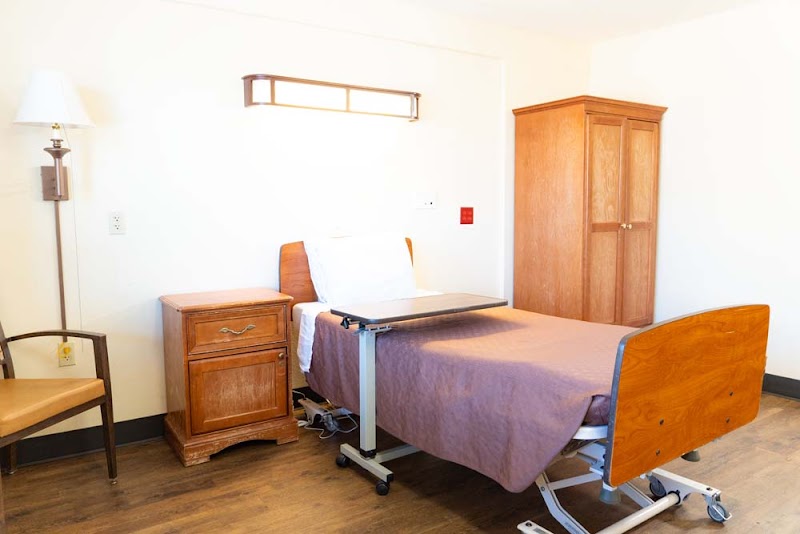
How is Avamere Rehabilitation Of Lebanon Staffed?

CMS rates AVAMERE REHABILITATION OF LEBANON's staffing level at 1 out of 5 stars, which is much below average compared to other nursing homes. Staff turnover is 46%, compared to the Oregon average of 46%. RN turnover specifically is 86%, which is notably high. RNs provide skilled clinical oversight, so turnover in this role can affect medical care quality.

What Have Inspectors Found at Avamere Rehabilitation Of Lebanon?

State health inspectors documented 46 deficiencies at AVAMERE REHABILITATION OF LEBANON during 2022 to 2025. These included: 1 Immediate Jeopardy (the most serious level, indicating potential for serious harm or death) and 45 with potential for harm. Immediate Jeopardy findings are rare and represent the most serious regulatory concerns. They require immediate corrective action.
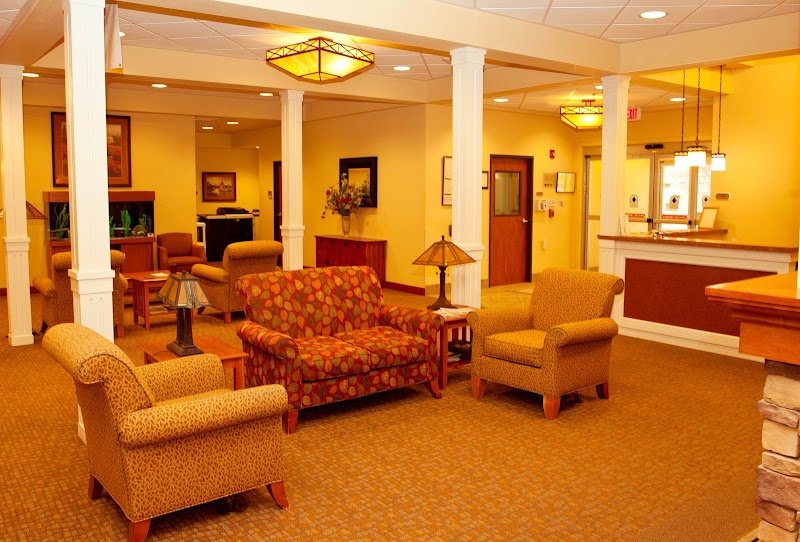
Who Owns and Operates Avamere Rehabilitation Of Lebanon?

AVAMERE REHABILITATION OF LEBANON is owned by a for-profit company. For-profit facilities operate as businesses with obligations to shareholders or private owners. The facility is operated by AVAMERE, a chain that manages multiple nursing homes. With 84 certified beds and approximately 54 residents (about 64% occupancy), it is a smaller facility located in LEBANON, Oregon.
How Does Avamere Rehabilitation Of Lebanon Compare to Other Oregon Nursing Homes?

Compared to the 100 nursing homes in Oregon, AVAMERE REHABILITATION OF LEBANON's overall rating (1 stars) is below the state average of 3.0, staff turnover (46%) is near the state average of 46%, and health inspection rating (1 stars) is much below the national benchmark.

What Should Families Ask When Visiting Avamere Rehabilitation Of Lebanon?

Based on this facility's data, families visiting should ask: "What changes have been made since the serious inspection findings, and how are you preventing similar issues?" "Can you walk me through typical staffing levels on day, evening, and night shifts?" "Can I visit during a mealtime to observe dining assistance and food quality?" "How do you handle medical emergencies, and what is your hospital transfer rate?" These questions are particularly relevant given the facility's Immediate Jeopardy citations and the below-average staffing rating.

Is Avamere Rehabilitation Of Lebanon Safe?

Based on CMS inspection data, AVAMERE REHABILITATION OF LEBANON has documented safety concerns. Inspectors have issued 1 Immediate Jeopardy citation (the most serious violation level indicating risk of serious injury or death). The facility has a 1-star overall rating and ranks #100 of 100 nursing homes in Oregon. Families considering this facility should ask detailed questions about what corrective actions have been taken since these incidents.

Do Nurses at Avamere Rehabilitation Of Lebanon Stick Around?

AVAMERE REHABILITATION OF LEBANON has a staff turnover rate of 46%, which is about average for Oregon nursing homes (state average: 46%). Moderate turnover is common in nursing homes, but families should still ask about staff tenure and how the facility maintains care continuity when employees leave.

Was Avamere Rehabilitation Of Lebanon Ever Fined?

AVAMERE REHABILITATION OF LEBANON has been fined $20,303 across 1 penalty action. This is below the Oregon average of $33,282. While any fine indicates a compliance issue, fines under $50,000 are relatively common and typically reflect isolated problems that were subsequently corrected. Families should ask what specific issues led to these fines and confirm they've been resolved.

Is Avamere Rehabilitation Of Lebanon on Any Federal Watch List?

AVAMERE REHABILITATION OF LEBANON is not on any federal watch list. The most significant is the Special Focus Facility (SFF) program, which identifies the bottom 1% of nursing homes nationally based on persistent, serious quality problems. Not being on this list means the facility has avoided the pattern of deficiencies that triggers enhanced federal oversight. This is a positive indicator, though families should still review the facility's inspection history directly.