MYRTLE POINT REHABILITATION & CARE
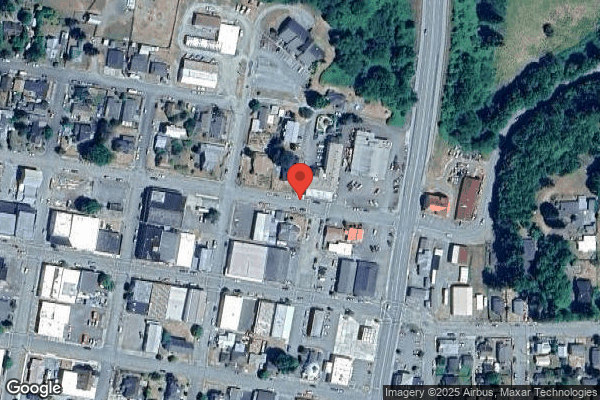
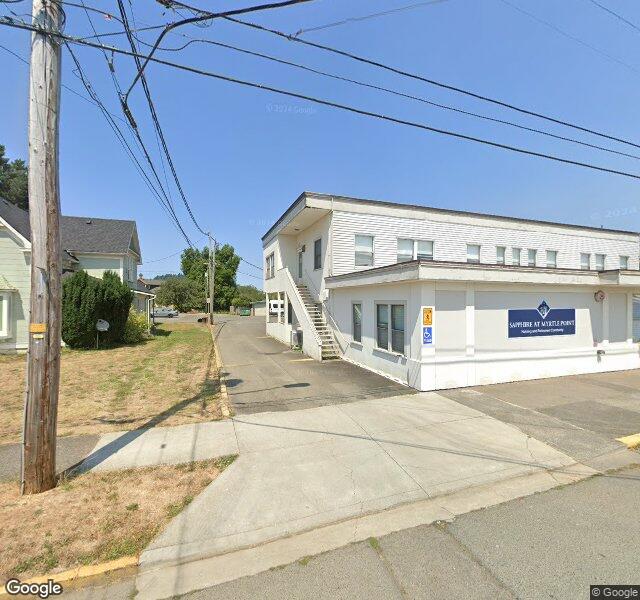
637 ASH STREET, MYRTLE POINT, OR 97458 (541) 572-2066
For profit - Limited Liability company 35 Beds SAPPHIRE HEALTH SERVICES Data: November 2025 2 Immediate Jeopardy citations
Trust Grade
0/100
#118 of 127 in OR
Last Inspection: November 2024

Within standard 12-15 month inspection cycle. Federal law requires annual inspections.

Overview

Myrtle Point Rehabilitation & Care has received a Trust Grade of F, which indicates significant concerns about the quality of care provided. Ranking #118 out of 127 facilities in Oregon places it in the bottom half, and it is the third out of three options in Coos County, meaning families have limited choices for better care in the area. Although the facility is showing signs of improvement, with the number of issues dropping from 39 in 2023 to 23 in 2024, the overall picture remains troubling. Staffing is rated average with a turnover rate of 0%, which is a positive sign, but the facility has accumulated $59,140 in fines, indicating compliance issues that are concerning. Specific incidents include failures to follow physician orders for critical medications, leading to potential health risks for residents, and a lack of appropriate care for residents requiring dialysis, which resulted in serious medical complications. Additionally, a resident who needed assistance for transfers fell while attempting to move without help, highlighting safety concerns. While there are strengths in staff retention, the serious deficiencies and high fines suggest families should carefully consider their options when looking for a safe and effective care environment.

Trust Score
F
0/100
In Oregon
#118/127
Bottom 8%
Safety Record
High Risk
Review needed
Inspections
Getting Better
39 → 23 violations
Staff Stability
○ Average
Turnover data not reported for this facility.
Penalties
○ Average
$59,140 in fines. Higher than 74% of Oregon facilities. Some compliance issues.
Skilled Nurses
✓ Good
Each resident gets 50 minutes of Registered Nurse (RN) attention daily — more than average for Oregon. RNs are trained to catch health problems early.
Violations
⚠ Watch
72 deficiencies on record. Higher than average. Multiple issues found across inspections.
★☆☆☆☆
1.0
Overall Rating
★★★☆☆
3.0
Staff Levels
★★☆☆☆
2.0
Care Quality
★☆☆☆☆
1.0
Inspection Score
Stable
2023: 39 issues
2024: 23 issues

The Good

  • Full Sprinkler Coverage · Fire safety systems throughout facility
  • No fines on record

Facility shows strength in fire safety.

The Bad

1-Star Overall Rating

Below Oregon average (3.0)

Significant quality concerns identified by CMS

Federal Fines: $59,140

Above median ($33,413)

Moderate penalties - review what triggered them

Chain: SAPPHIRE HEALTH SERVICES

Part of a multi-facility chain

Ask about local staffing decisions and management

The Ugly 72 deficiencies on record

2 life-threatening 1 actual harm
Nov 2024 21 deficiencies
CONCERN (D) 📢 Someone Reported This

A family member, employee, or ombudsman was alarmed enough to file a formal complaint

Potential for Harm - no one hurt, but risky conditions existed

Deficiency F0558 (Tag F0558)

Could have caused harm · This affected 1 resident

**NOTE- TERMS IN BRACKETS HAVE BEEN EDITED TO PROTECT CONFIDENTIALITY** Based on observation, interview, and record review it was determined the facility failed to accommodate resident needs for 2 of ...

Read full inspector narrative →
**NOTE- TERMS IN BRACKETS HAVE BEEN EDITED TO PROTECT CONFIDENTIALITY** Based on observation, interview, and record review it was determined the facility failed to accommodate resident needs for 2 of 7 sampled residents (#s 8 and 14) reviewed for environment. This placed residents at risk for lack of independence. Findings include: 1. Resident 8 admitted to the facility on [DATE] with diagnoses including hemiplegia (weakness on one side of the body) and depression. On 11/5/24 at 2:38 PM Resident 8 complained she/he was moved to a different room because of a ceiling leak. She/he wanted to move back to the original room because that was where her/his adaptive equipment (trapeze and side rails) were installed to assist Resident 8 with bed mobility. When asked if there was adaptive equipment in her/his current room she/he replied, no it's in my old room. When asked how long she/he was without her/his adaptive equipment, she/he stated it was a few months. On 11/6/24 at 9:06 AM observation of Resident 8's previous room revealed the installed adaptive equipment. Observation of Resident 8's current room revealed no adaptive equipment. On 11/7/24 at 3:08 PM an interview with Staff 12 (Maintenance) revealed Resident 8 was moved from her/his room over two months ago because of a ceiling leak. Staff 12 confirmed he did not move Resident 8's adaptive equipment to the new room, and Resident 8 was without her/his adaptive equipment for over two months. 2. Resident 14 admitted to the facility in 5/2023 with diagnoses including arthritis and intervertebral disc degeneration (one or more discs in the spine deteriorate). a. A 11/6/23 care plan indicated Resident 14 had an ADL self-care performance deficit with interventions including the use of an electric wheelchair for mobility. A 5/30/24 MDS revealed Resident 14's BIMS was 15 which indicated she/he was cognitively intact. On 7/24/24 the State Survey Agency received a public complaint which indicated Resident 14 requested a new power wheelchair since her/his admission as she/he was borrowing a power wheelchair which was too large for her/him. Resident 14's feet could not touch the floor. The physician completed the paperwork for the new power wheelchair a few months ago, but there was follow-up by staff. An 8/9/24 Communication form to Resident 14's provider indicated Resident 14 needed a prescription for a power mobility wheelchair. The provider's response on 8/13/24 was for a physical therapy evaluation to be completed and to schedule an MRI. No documents were found in clinical records a power wheelchair assessment was completed for Resident 14. A review of a Provider Note dated 8/12/24 revealed Resident 14 needed a prescription for a power mobility wheelchair. Resident 14 required a power wheelchair to interact in the community and attend medical appointments. An 8/29/24 Nursing Note revealed a request to the provider for Resident 14 for new wheelchair prescription. A 9/2/24 Provider Note indicated Resident 14 required access to a power wheelchair because of her/his inability to manually utilize a non-powered wheelchair. The power wheelchair she/he was currently using did not fit appropriately, and exacerbated many of her/his physical issues with pain. Resident 14 stated the frustration around the difficulties accessing care exacerbated her/his underlying anxiety and depression. A 9/5/24 Nursing Note stated a new prescription for a power wheelchair was received and sent to the wheelchair and mobility equipment company. An 10/19/24 physician order instructed staff to complete a referral for an electric wheelchair for Resident 14. On 11/6/24 at 9:42 AM Resident 14 stated she/he heard the wheelchair mobility equipment company declined her/his new wheelchair. Resident 14 stated the one she/he was using was too large and her/his feet did not touch the floor. On 11/7/24 at 9:24 AM Witness 7 (Complainant) stated Resident 14's wheelchair did not fit through her/his bathroom door, and she/he had to go to the bathroom in her/his incontinent brief. On 11/8/24 at 9:01 AM in interview with Staff 1 (Administrator) and Staff 2 (Interim DNS), Staff 2 stated she was working with the wheelchair and mobility equipment company because Resdient 14's insurance provider denied coverage for a new power wheelchair. Resident 14 provided incorrect information to the insurance compant and Staff 2 stated she was working to provide the correct information. b. On 3/6/24 the State Survey Agency received a public complaint which indicated Resident 14 could not access personal belongings because staff did not unpack them for her/him. Resident 14 could not reach her/his clothing as the clothing was located too high up in her/his closet for her/him to reach. A 11/6/23 care plan indicated Resident 14 had an ADL self-care performance deficit and required one staff assistance with most ADLs. On 11/6/24 Resident 14's room was observed with a shelf next to the window which was full of boxes. There were boxes in her/his closet which came out into the room approximately two feet. The clothes hanger bar in Resident 14's closet was too high for her/him to reach, and additionally the boxes prevented her/his access to the closet. A table located along the wall had multiple items stacked on it. Resident 14 stated staff informed her/him previously they would assist with unpacking the boxes when she/he moved into her/his current room. Review of Resident 14's room census revealed she/he moved into her/his room in 11/2023. On 11/7/24 at 9:24 AM Witness 7 (Complainant) stated staff did not lower Resident 14's clothes hanger bar in her/his closet and did not unpack her/his personal items in her/his room. On 11/8/24 at 7:25 AM Staff 18 (CNA) stated Resident 14 had boxes in her/his room which she/he wanted to go through. Staff 18 stated it was the responsibility of the CNA staff to assist residents to move and unpack their personal belongings and to take inventory. On 11/8/24 at 7:52 AM Staff 19 (CNA) stated it was the responsibility of the CNA staff to assist residents with putting away their personal belongings. On 11/8/24 at 8:44 AM Staff 1 (Administrator) and Staff 2 (Interim DNS) stated they were unaware Resident 14 wanted her/his belongings unpacked and put away rather than left in boxes.
CONCERN (D) 📢 Someone Reported This

A family member, employee, or ombudsman was alarmed enough to file a formal complaint

Potential for Harm - no one hurt, but risky conditions existed

Report Alleged Abuse (Tag F0609)

Could have caused harm · This affected 1 resident

Based on interview and record review it was determined the facility failed to report allegations of abuse for 1 of 2 sampled residents (#14) reviewed for abuse reporting. This placed residents at risk...

Read full inspector narrative →
Based on interview and record review it was determined the facility failed to report allegations of abuse for 1 of 2 sampled residents (#14) reviewed for abuse reporting. This placed residents at risk for abuse. Findings include: Resident 14 admitted to the facility in 5/2023 with diagnoses including arthritis and intervertebral disc degeneration (one or more discs in the spine deteriorate). A 5/30/24 MDS revealed Resident 14's BIMS score was 15 which indicated she/he was cognitively intact. Review of a Complex Medical Add On note revealed on 7/14/24 Resident 14 tested positive for COVID-19 and refused to stay inside her/his room. On 11/5/24 at 11:58 AM Staff 25 (CNA) stated Staff 20 (Former Administrator) yelled at Resident 14 and there were other residents who also heard the yelling. On 11/6/24 at 9:42 AM Resident 14 stated in 7/2024 she/he tested positive for COVID-19. Staff paused the elevator operation so other residents did not come up the elevator while Resident 14 sat by the elevator, and staff went to get her/him a mask so she/he could go downstairs. Staff 20 came up the stairs and saw Resident 14 and told her/him to go to her/his room. Resident 14 stated she/he was not by any staff or residents and attempted to inform Staff 20 she/he wanted to go outside. Staff 20 became angry and kept telling her/him to go back to her/his room. Resident 14 stated Staff 20 was bullying her/him and she/he felt it was emotional and psychological abuse from Staff 20. Resident 14 stated after that she/he did not want to speak to Staff 20 alone. At a later time she/he was outside and asked Staff 20 to go away as she/he wanted someone else to witness the interaction. Resident 14 stated Staff 20 did not go away and Resident 14 became upset and was calling out for someone to come as Staff 20 would not leave her/him alone. Resident 14 started crying multiple times during the interview. On 11/7/24 at 9:05 AM Staff 13 (CNA) stated Staff 20 did a lot of loud talking, Staff 20 felt she was the judge and jury and was not pleasant. Staff 13 observed Staff 20 direct Resident 14 to go back to her/his room multiple times in an authoritative voice when Resident 14 was at the nurses' station by the elevator. On 11/7/24 at 7:09 AM Witness 7 (Former Staff) stated Resident 14 did not file any grievances regarding Staff 20 as she/he was concerned she/he would get punished for it, and would not get her/his needs met. Witness 7 stated she observed Staff 20 going down the hallway yelling and cussing before Staff 20 entered a resident room. On 11/8/24 at 7:25 AM Staff 18 (CNA) stated Resident 14 was uncomfortable with talking alone with Staff 20. There was no indication the allegation of abuse was reported to the State Survey Agency. On 11/8/24 at 8:54 AM Staff 1 (Administrator) and Staff 2 (Interim DNS) stated they expected an allegation of abuse to be reported to the State Survey Agency.
CONCERN (D) 📢 Someone Reported This

A family member, employee, or ombudsman was alarmed enough to file a formal complaint

Potential for Harm - no one hurt, but risky conditions existed

Investigate Abuse (Tag F0610)

Could have caused harm · This affected 1 resident

Based on interview and record review it was determined the facility failed to investigate an allegation of abuse for 1 of 2 sampled residents (#14) reviewed for abuse. This placed residents at risk fo...

Read full inspector narrative →
Based on interview and record review it was determined the facility failed to investigate an allegation of abuse for 1 of 2 sampled residents (#14) reviewed for abuse. This placed residents at risk for abuse. Findings include: Resident 14 admitted to the facility in 5/2023 with diagnoses including arthritis and intervertebral disc degeneration (one or more discs in the spine deteriorate). A 5/30/24 MDS revealed Resident 14's BIMS score was 15 which indicated she/he was cognitively intact. Review of a Complex Medical Add On note revealed on 7/14/24 Resident 14 tested positive for COVID-19 and refused to stay inside her/his room. On 11/5/24 at 11:58 AM Staff 25 (CNA) stated Staff 20 (Former Administrator) yelled at Resident 14. On 11/6/24 at 9:42 AM Resident 14 stated in 7/2024 she/he tested positive for COVID-19. Staff paused the elevator operation so other residents did not come up the elevator while Resident 14 sat by the elevator, and staff went to get her/him a mask so she/he could go downstairs. Staff 20 came up the stairs and saw Resident 14 and told her/him to go to her/his room. Resident 14 stated she/he was not by any staff or residents and attempted to inform Staff 20 she/he wanted to go outside. Staff 20 became angry and kept telling her/him to go back to her/his room. Resident 14 stated Staff 20 was bullying her/him and she/he felt it was emotional and psychological abuse from Staff 20. Resident 14 stated after that she/he did not want to speak to Staff 20 alone. At a later time she/he was outside and asked Staff 20 to go away as she/he wanted someone else to witness the interaction. Resident 14 stated Staff 20 did not go away and Resident 14 became upset and was calling out for someone to come as Staff 20 would not leave her/him alone. Resident 14 started crying multiple times during the interview. On 11/7/24 at 9:05 AM Staff 13 (CNA) stated Staff 20 did a lot of loud talking, Staff 20 felt she was the judge and jury and was not pleasant. Staff 13 observed Staff 20 direct Resident 14 to go back to her/his room multiple times in an authoritative voice when Resident 14 was at the nurses' station by the elevator. On 11/7/24 at 7:09 AM Witness 7 (Former Staff) stated Resident 14 did not file any grievances regarding Staff 20 as she/he was concerned she/he would get punished for it, and would not get her/his needs met. Witness 7 stated she observed Staff 20 going down the hallway yelling and cussing before Staff 20 entered a resident room. On 11/8/24 at 7:25 AM Staff 18 (CNA) stated Resident 14 was uncomfortable with talking alone with Staff 20. No documentation was found in Resident 14's clinical records an investigation was completed for Staff 20 directing Resident 14 to return to her/his room after she/he tested positive for COVID-19. On 11/8/24 at 8:54 AM Staff 1 (Administrator) and Staff 2 (Interim DNS) stated it was expected for an abuse investigation to be completed.
CONCERN (D) 📢 Someone Reported This

A family member, employee, or ombudsman was alarmed enough to file a formal complaint

Potential for Harm - no one hurt, but risky conditions existed

ADL Care (Tag F0677)

Could have caused harm · This affected 1 resident

Based on observation, interview, and record review it was determined the facility failed to ensure dependent residents received required assistance with ADLs for 1 of 4 sampled residents (#14) reviewe...

Read full inspector narrative →
Based on observation, interview, and record review it was determined the facility failed to ensure dependent residents received required assistance with ADLs for 1 of 4 sampled residents (#14) reviewed for ADLs. This placed resident at risk for unmet needs. Findings include: Resident 14 admitted to the facility in 5/2023 with diagnoses including arthritis and intervertebral disc degeneration (one or more discs in the spine deteriorate). A 5/30/24 MDS revealed Resident 14's BIMS score was 15 which indicated she/he was cognitively intact. A 11/6/23 care plan indicated Resident 14 had an ADL self-care performance deficit with interventions including she/he would activate her/his call light for assistance, and she/he required one-person assistance with most ADLs. On 11/6/24 at 9:42 AM Resident 14 stated Staff 13 (CNA) and Staff 19 (CNA) responded to her/his call light while her/his roommate was sleeping, so she/he told staff to keep quiet and to not turn on the light. Staff 13 and Staff 19 left the room. Resident 14 then waited another 45 minutes to an hour to receive assistance, and sat in a soiled brief during the wait. On 11/6/24 at 12:11 PM Resident 14's call light was activated, and Staff 8 (CMA) went into Resident 14's room and requested Resident 14 turn off her/his call light. At 12:51 PM Resident 14 stated she/he requested batteries for her/his television remote at 7:30 AM, then again at 12:11 PM, and had not yet received the batteries. At 1:11 PM Resident 14's lunch tray was delivered, and Staff 10 (RN) stated she would go check about the batteries. On 11/8/24 at 7:52 AM Staff 19 stated she was requested not to work with Resident 14 because of a morning when Staff 13 and Staff 19 answered Resident 14's call light and Resident 14 started shushing Staff 19 and Staff 13 to not wake her/his roommate. Resident 14's roommate was looking right at Staff 19 and Staff 13. The room was dark, and Resident 14 did not want the light turned on. Staff 19 asked Resident 14 how they were supposed to help her/him if they could not see or talk. Staff 19 and Staff 13 left and informed two other CNAs. Staff 19 stated Staff 13 and Staff 19 were in another room for approximately 10 to 15 minutes before going to answer Resident 14's call light. After leaving the room they told Staff 11 (Former LPN) on shift, and he may have gone into the room. Staff 19 stated she did not believe Resident 14 waited a total of 45 minutes before she received care. On 11/5/24 and 11/7/24 attempts to contact Staff 11 were unsuccessful. On 11/8/24 at 8:44 AM Staff 1 (Administrator) and Staff 2 (Interim DNS) stated they expected staff to address an issue if a call light was turned off in a room and staff could not see, by either speaking to the resident to help problem-solve, or engage a nurse in charge to assist. On 11/8/24 at 11:30 AM Staff 13 stated on morning shift there were four CNAs working that day. Staff 13 and Staff 19 answered Resident 14's call light and she wanted to turn the room light on so she could see as it was dark in the room. Resident 14 told them to be quiet so not to wake her roommate. Staff 13 stated the roommate was looking right at Staff 13 and Resident 14 did not want the light on, so they went to the nurses' station to have the other two CNAs provide care.
CONCERN (D) 📢 Someone Reported This

A family member, employee, or ombudsman was alarmed enough to file a formal complaint

Potential for Harm - no one hurt, but risky conditions existed

Quality of Care (Tag F0684)

Could have caused harm · This affected 1 resident

**NOTE- TERMS IN BRACKETS HAVE BEEN EDITED TO PROTECT CONFIDENTIALITY** Based on interview and record review it was determined the facility failed to respond to changes in condition and follow physici...

Read full inspector narrative →
**NOTE- TERMS IN BRACKETS HAVE BEEN EDITED TO PROTECT CONFIDENTIALITY** Based on interview and record review it was determined the facility failed to respond to changes in condition and follow physician orders for 2 of 7 sampled residents (#s 4 and 29) reviewed for change of condition. This placed residents at risk for delayed treatment and unmet needs. Findings include: 1. Resident 4 admitted to the facility on [DATE] with diagnoses including Parkinson's disease, constipation and chronic kidney disease. A review of the 10/2024 MAR revealed a physician order for Miralax to be administered if Resident 4 had no BM for three days. Resident 4 was noted to have no BM from 10/19/24 through 10/23/24; a period of five days. Resident 4 was administered Miralax on 10/24/24, day six, and it was noted to be effective. Staff 2 (DNS) confirmed the medication was not given in accordance with physician orders. 2. Resident 29 admitted to the facility in 9/2018 with diagnoses including dementia and UTI. A review of a 1/21/24 POLST revealed Resident 29's preference was limited treatment which included antibiotics. Resident 29 would be transferred to the hospital if indicated and provided basic medical treatments. A 6/2/24 at 4:21 AM Alert Note indicated Resident 29 returned from the hospital with new orders to start Levofloxacin every 24 hours for five days, and the initial dose was administered at the hospital. The prescription was sent to the pharmacy with associated diagnoses of UTI, dehydration, and acute kidney failure. Three liters of IV fluids were infused. A 6/2/24 at 12:20 PM Alert Note indicated Resident 29 awoke with moderate difficulty and was unable to stay awake. Resident 29 had difficulty eating with difficulty swallowing. Resident 29 was assisted with eating. A 6/3/24 at 7:15 PM Nursing Note indicated Resident 29's oxygen levels were at 64 percent with oxygen at two liters per minute. Breathing was slightly labored, eyes open and pupils pinpoint. Resident 29 stared but did not respond to voice. The physician notified and Resident 29 was transported to the hospital. On 11/5/24 at 9:29 AM Staff 4 (CNA) stated a couple of days before Resident 29 passed away her/his tongue and lips were blue and she/he was not eating solid food. Resident 29 started choking and aspirated and Staff 4 and Staff 13 (CNA) had to hold Resident 29 up. Staff 11 (Former LPN) was sitting at the nurses' station and did not get up to assess Resident 29. On 11/7/24 at 9:05 AM Staff 13 stated in one instance she was at the nurses' station when Resident 29's tongue was black and she/he was choking. Staff 11 was sitting at the nurses' station but did not get up to assess Resident 29. Staff 11 acted like Resident 29's choking was normal. Staff 13 stated Staff 11 was not a hands on nurse for the residents. On 11/8/24 at 8:00 AM Staff 6 (CNA) stated Staff 11 was slow to attend to residents and took his time to assess residents. Attempts to contact Staff 11 on 11/5/24 and 11/7/24 were unsuccessful. On 11/8/24 at 9:25 AM Staff 1 (Administrator) and Staff 2 (Interim DNS) stated the expectation was for Staff 11 to timely assess a resident who had a black tongue and was choking.
CONCERN (D) 📢 Someone Reported This

A family member, employee, or ombudsman was alarmed enough to file a formal complaint

Potential for Harm - no one hurt, but risky conditions existed

Accident Prevention (Tag F0689)

Could have caused harm · This affected 1 resident

Based on observation, interview, and record review it was determined the facility failed to maintain an environment free from accident hazards and to monitor a resident after a fall for 2 of 4 sampled...

Read full inspector narrative →
Based on observation, interview, and record review it was determined the facility failed to maintain an environment free from accident hazards and to monitor a resident after a fall for 2 of 4 sampled residents (#s 6 and 18) reviewed for accidents. This placed residents at risk for accidents. Findings include: 1. Resident 6 admitted to the facility in 5/2023 with diagnoses including stroke. A review of Resident 6's care plan dated 6/2024 revealed Resident 6 was at risk for falls, with interventions including she/he was a high fall risk and to meet her/his needs. On 7/24/24 the State Survey Agency received a public complaint which indicated Resident 6 fell because the main entrance door did not work, and there was a sign to use the back door. The back door had a wheelchair ramp with no railing, and she/he fell and hurt her/his back and bruised her/his hip after the tire of her/his electric wheelchair slipped off the edge of the ramp. A 7/24/24 Fall investigation revealed at about 2:30 PM Resident 6 was found lying on the ground with her/his electric wheelchair next to her/his side. A CNA was checking her/his vitals and checking for injuries. A non-bleeding skin tear was found on Resident 6's left elbow. Resident 6 stated she/he was trying to open the side back door to the building, and when she/he backed up one of her/his wheels went off the ramp and she/he tipped over. The notes indicated Resident 6 was out at an appointment, came back to the facility, and the security keypad on the door was broken so she/he attempted to open the door manually. When she/he attempted to open the door her/his wheelchair collided with the door, which caused the wheelchair to tip over. The keypad on the door was not functioning, so the door would not open automatically. On 8/1/24 the State Survey Agency received a public complaint which indicated Resident 6 fell because the automated front door that residents used was broken. Resident 6 used the doorbell for assistance to enter the building, she/he received no response, and so she/he went to the back entrance which was for staff use only. There was a slight incline and she/he tipped over in her/his wheelchair sustaining left hip bruising and road rash. On 11/5/24 at 9:26 AM Staff 4 (CNA) stated the doorbell on the front door did not work, Resident 6 went to the back door by the kitchen and fell off the concrete ramp. Staff 4 stated the door was not functioning properly for approximately two weeks. On 11/5/24 at 12:48 PM Staff 15 stated the keypads which operated the front door and the back door by kitchen were both not functioning. On 11/6/24 at 9:57 AM the back door by the kitchen was observed to have a concrete ramp from the parking lot up to the back door. The ramp did not have any type of railing, and the distance from the highest point of the ramp to the parking lot surface was approximately 16 inches. On 11/7/24 at 12:32 PM Staff 12 (Maintenance) stated in 7/2024 there was nobody who was doing maintenance. Staff 12 stated he started working at the facility during the first part of 8/2024. On 11/8/24 at 9:08 AM Staff 1 (Administrator) and Staff 2 (Interim DNS) stated they wanted to review the information related to Resident 6's fall. No additional information or documentation was provided from Staff 1 or Staff 2 related to Resident 6's fall, or the timeline regarding when the doors were fixed. 2. Resident 18 admitted to the facility in 4/2023 with a diagnosis of a stroke. a. A 2/14/24 Fall investigation revealed on 2/14/24 at 12:45 PM staff heard Resident 18 call for help. It was determined Resident 18 attempted to self-transfer. The investigation revealed Resident 18's wheelchair brakes were not locked. Resident 18 denied hitting her/his head when found on the floor. Resident 18's record did not include neurological checks (assessment to identify heard injuries). On 11/6/24 at 11:49 AM Staff 9 (LPN) stated if a resident had an unwitnessed fall staff were to complete neurological assessments which were to be documented. Staff 9 also stated the neurological assessments were to be completed even if a resident denied hitting her/his head. On 11/7/24 at 4:03 PM Staff 2 (Interim DNS) stated she was unable to locate the neurological assessments. b. A 2/22/24 Fall investigation revealed Resident 18 fell on 2/22/24 at 8:26 PM. Staff found Resident 18 on the floor in the bathroom. It was determined Resident 18 propelled to the bathroom and fell without asking for assistance. On 11/6/24 at 11:49 AM Staff 9 (LPN) stated if a resident had an unwitnessed fall staff were to complete neurological assessments (assessment to identify head injuries) which were to be documented. Staff 9 also stated the neurological assessments were to be completed even if a resident denied hitting her/his head. On 11/7/24 at 4:03 PM Staff 2 (Interim DNS) stated she was unable to locate the neurological assessments. c. On 11/5/24 at 1345 PM Resident 18 was observed to have non-slip matrerial on her/his wheelchair cushion. Resident 18's care plan initiated 5/2/23 indicated she/he was at risk for falls. Interventions did not include non-slip material was to be placed on her/his wheelchair cushion. On 11/4/24 at 1:47 PM Staff 24 (DNS) acknowledged Resident 18's care plan did not reflect the use of non-slip material on her/his wheelchair cushion.
CONCERN (D) 📢 Someone Reported This

A family member, employee, or ombudsman was alarmed enough to file a formal complaint

Potential for Harm - no one hurt, but risky conditions existed

Deficiency F0697 (Tag F0697)

Could have caused harm · This affected 1 resident

Based on interview and record review the facility failed to provide pain medications as ordered for 1 of 2 sampled residents (#14) reviewed for pain management. This placed residents at risk for uncon...

Read full inspector narrative →
Based on interview and record review the facility failed to provide pain medications as ordered for 1 of 2 sampled residents (#14) reviewed for pain management. This placed residents at risk for uncontrolled pain. Findings include: Resident 14 admitted to the facility in 5/2023 with diagnoses including arthritis and intervertebral disc degeneration (one or more discs in the spine deteriorate). A 11/6/23 Care plan indicated Resident 14 had chronic pain with interventions including to administer pain medications as ordered by the physician. A 2/2024 MAR instructed staff to administer Methadone (to treat moderate to severe pain) three times a day for chronic pain with a start date of 1/11/24. On 2/7/24 at 4:00 AM, 2/20/24 at 8:00 PM and 2/21/24 at 4:00 AM the MAR referred the reader to review Medication Administration Notes. A 2/7/24 Medication Administration Note indicated Methadone was not administered to Resident 14 because the facility was waiting on the delivery from the pharmacy. No documentation was found in Medication Administration Note for 2/20/24 why Resident 14 did not receive her/his Methadone. A 2/21/24 Medication Administration Note indicated Resident 14's Methadone was not delivered to the facility yet. On 3/6/24 the State Survey Agency received a public complaint which indicated Resident 14's pain medication was not re-ordered timely and she/he did not receive the medication timely. A 3/7/24 MDS revealed Resident 14's BIMS score was 15 which indicated she/he was cognitively intact. Resident 14 was on scheduled pain medication and was almost always in constant pain which frequently affected sleep and day to day activities. A 3/2024 MAR instructed staff to administer Methadone three times a day for chronic pain. On 3/17/24 at 12:00 PM, 8:00 PM and 3/18/24 at 4:00 AM the MAR referred the reader to review Medication Administration Notes. A 3/17/24 11:44 AM Medication Administration Note indicated Methadone was not administered because the facility was waiting on a physician order. A 3/17/24 8:08 PM Medication Administration Note indicated Methadone was not administered because the medication was unavailable, and the facility was waiting for the medication. A 3/18/24 4:39 PM Medication Administration Note indicated Methadone was not administered to Resident 14 because the facility was waiting on a delivery from the pharmacy. No documentation was found in clinical records Resident 14's physician was notified of missed Methadone administrations. A 5/30/24 MDS revealed Resident 14's BIMS score was 15 which indicated she/he was cognitively intact. On 11/6/24 at 9:34 AM Resident 14 stated almost every month her/his pain medications were late or missed. On 11/7/24 at 9:24 AM Witness 7 (Complainant) stated the facility consistently mismanaged Resident 14's medications. On 11/7/24 at 9:24 AM Witness 2 (Complainant) stated the facility mismanaged Resident 14's medications, and it was a hardship for her/him. On 11/8/24 at 8:39 AM Staff 1 (Administrator) and Staff 2 (Interim DNS) stated Resident 14 was frequently out in the community away from the facility. Staff 2 stated she expected the physician to be notified if Resident 14 missed a dose of pain medication.
CONCERN (D) 📢 Someone Reported This

A family member, employee, or ombudsman was alarmed enough to file a formal complaint

Potential for Harm - no one hurt, but risky conditions existed

Pharmacy Services (Tag F0755)

Could have caused harm · This affected 1 resident

Based on interview and record review it was determined the facility failed to provide accurate and timely pharmaceutical services for 1 of 2 sampled residents (#14) reviewed for pain management. This ...

Read full inspector narrative →
Based on interview and record review it was determined the facility failed to provide accurate and timely pharmaceutical services for 1 of 2 sampled residents (#14) reviewed for pain management. This placed residents at risk for medication errors. Findings include: Resident 14 admitted to the facility in 5/2023 with diagnoses including arthritis and intervertebral disc degeneration (one or more discs in the spine deteriorate). A 11/6/23 Care plan indicated Resident 14 had chronic pain with interventions including to administer pain medications as ordered by the physician. A 2/2024 MAR instructed staff to administer Methadone (to treat moderate to severe pain) three times a day for chronic pain with a start date of 1/11/24. On 2/7/24 at 4:00 AM, 2/20/24 at 8:00 PM and 2/21/24 at 4:00 AM the MAR referred the reader to review Medication Administration Notes. A 2/7/24 Medication Administration Note indicated Methadone was not administered to Resident 14 because the facility was waiting on the delivery from the pharmacy. No documentation was found in Medication Administration Note for 2/20/24 why Resident 14 did not receive her/his Methadone. A 2/21/24 Medication Administration Note indicated Resident 14's Methadone was not delivered to the facility yet. On 3/6/24 the State Survey Agency received a public complaint which indicated Resident 14's pain medication was not re-ordered timely and as a result she/he did not receive the medication timely. A 3/7/24 MDS revealed Resident 14's BIMS score was 15 which indicated she/he was cognitively intact. Resident 14 was on scheduled pain medication and was almost always in constant pain, which frequently affected sleep and day to day activities. A 3/2024 MAR instructed staff to administer Methadone three times a day for chronic pain. On 3/17/24 at 12:00 PM, 8:00 PM and 3/18/24 at 4:00 AM the MAR referred the reader to review Medication Administration Notes. A 3/17/24 11:44 AM Medication Administration Note indicated Methadone was not administered because the facility was waiting on a physician order. A 3/17/24 8:08 PM Medication Administration Note indicated Methadone was not administered because the medication was unavailable, and the facility was waiting for the medication. A 3/18/24 4:39 PM Medication Administration Note indicated Methadone was not administered to Resident 14 because the facility was waiting on a delivery from the pharmacy. A 5/30/24 MDS revealed Resident 14's BIMS score was 15 which indicated she/he was cognitively intact. On 11/6/24 at 9:34 AM Resident 14 stated almost every month her/his pain medications were late or missed. On 11/7/24 at 9:24 AM Witness 7 (Complainant) stated the facility consistently mismanaged Resident 14's medications. On 11/7/24 at 9:24 AM Witness 2 (Complainant) stated the facility mismanaged Resident 14's medications, and it was a hardship for her/him. On 11/8/24 at 8:39 AM Staff 1 (Administrator) and Staff 2 (Interim DNS) stated Resident 14 was frequently out in the community away from the facility. Staff 2 stated she expected the physician to be notified if Resident 14 missed a dose of pain medication.
CONCERN (D)

Potential for Harm - no one hurt, but risky conditions existed

Dental Services (Tag F0791)

Could have caused harm · This affected 1 resident

Based on observation, interview and record review it was determined the facility failed to ensure a follow-up dental appointment was made for 1 of 2 sampled residents (#18) reviewed for dental. This p...

Read full inspector narrative →
Based on observation, interview and record review it was determined the facility failed to ensure a follow-up dental appointment was made for 1 of 2 sampled residents (#18) reviewed for dental. This placed residents at risk for dental pain. Findings include: Resident 18 admitted to the facility in 4/2023 with a diagnosis of diabetes. A 3/19/24 dental Clinical Notes Report revealed an oral exam was performed and findings included cavities. Recommendations included a referral for treatment and a full crown. A 5/15/24 Clinical Notes Report revealed Resident 18 was seen for a dental visit. X-rays were not able to be performed due to the resident's mental capacity. Resident 18's clinical record did not indicate she/he was referred to another dental provider. On 11/8/24 at 10:16 AM Staff 1 (Administrator) stated Resident 18 was not setup for a dental referral related to the treatment recommendations from the previous dental appointments.
CONCERN (D) 📢 Someone Reported This

A family member, employee, or ombudsman was alarmed enough to file a formal complaint

Potential for Harm - no one hurt, but risky conditions existed

Deficiency F0806 (Tag F0806)

Could have caused harm · This affected 1 resident

Based on observation, interview, and record review it was determined the facility failed to ensure residents' food preferences were honored for 1 of 3 sample residents (#14) reviewed regarding food. T...

Read full inspector narrative →
Based on observation, interview, and record review it was determined the facility failed to ensure residents' food preferences were honored for 1 of 3 sample residents (#14) reviewed regarding food. This placed residents at risk for unmet needs. Findings include: On 7/24/24 the State Survey Agency received a public complaint which indicated Resident 14 was not getting enough food and did not always get what other residents were served. On 11/6/24 at 9:42 AM and 1:13 PM Resident 14 stated the facility served their largest meal at lunch and in her/his culture the largest meal of the day was at dinner time. Resident 14 stated the facility did not provide choices during meals and residents received what was served. At times Resident 14 was served beets or Brussels sprouts, and she/he did not like those types of vegetables. Resident 14 stated when a request for a salad was honored it was very small and with hardly anything on the salad. Resident 14 received her/his lunch meal tray with mashed potatoes and gravy, vegetables, and a pork chop. Resident 14 stated the pork chop was dry. A review of an undated Alternative Meal Item list revealed the following choices: 1. Cottage cheese and fruit 2. All beef hotdog with bun 3. Corndogs 4. Grilled cheese sandwich 5. Egg salad sandwich 6. Tuna sandwich 7. Bowl of cereal. A 9/3/24 Likes and Dislikes Interview sheet stated Resident 14 went to bed hungry and CNAs refused to provide a bowl of cereal. On 11/7/24 at 3:12 PM Staff 23 (Dietary Manager) stated the alternative meal menu was comprised of items continuously asked for by residents. Staff 23 stated there were only a few residents that wanted salad, and when they did they asked the CNAs and then CNAs passed the request on to the kitchen. On 11/8/24 at 7:25 AM Staff 18 (CNA) stated a couple of instances she saw meal portions super small. Staff 18 stated there used to be an alternative meal menu, but when Staff 20 (Former Administrator) worked in the facility in 7/2024 and 8/2024 she took away the alternative menu. Staff 18 stated the alternative menu did not come back when Staff 20 no longer worked at the facility. On 11/8/24 at 9:05 AM Staff 1 (Administrator) and Staff 2 (Interim DNS) confirmed the alternative meal item list was not nutritionally equivalent to the main menu.
CONCERN (D) 📢 Someone Reported This

A family member, employee, or ombudsman was alarmed enough to file a formal complaint

Potential for Harm - no one hurt, but risky conditions existed

Medical Records (Tag F0842)

Could have caused harm · This affected 1 resident

Based on interview and record review it was determined the facility failed to ensure resident records were complete and accessible for 2 of 2 sampled residents (#s 11 and 18) whose records were review...

Read full inspector narrative →
Based on interview and record review it was determined the facility failed to ensure resident records were complete and accessible for 2 of 2 sampled residents (#s 11 and 18) whose records were reviewed. This placed residents at risk for unmet needs. Findings include: 1. Resident 11 admitted to the facility in 6/2019 with diagnoses including blindness and dementia. On 8/1/24 the State Survey Agency received a public complaint which indicated Staff 20 (Former Administrator) disposed of residents' medical records which included tuberculosis (TB) testing records. The nurse had to re-do residents' TB testing. Resident 11 stated staff attempted to poke her/him to re-do the TB test. No documentation was found in Resident 11's clinical records she/he was offered or received TB testing prior to 6/2024. A review of Resident 11's Immunization Details revealed on 8/2/24 Resident 11 refused a TB skin test. On 11/5/24 at 12:31 PM Staff 9 (LPN) stated she remembered a concern with lost medical documents and having to re-do TB testing on some residents. On 11/8/24 at 11:57 AM Staff 1 (Administrator) and Staff 2 (Interim DNS) confirmed some TB testing medical documents were lost and the facility had to do their due diligence and complete the testing again. 2. Resident 18 admitted to the facility in 4/2023 with diagnoses including anxiety and dementia. On 8/1/24 the State Survey Agency received a public complaint which indicated Staff 20 (Former Administrator) disposed of residents' medical records which included tuberculosis (TB) testing records. The nurse had to re-do residents' TB testing. No documentation was found in Resident 18's clinical records she/he was offered or received TB testing prior to 8/2024. A review of Resident 18's Immunization Details revealed on 8/1/24 Resident 18 received a TB skin test on the right forearm. On 11/5/24 at 12:31 PM Staff 9 (LPN) stated she remembered a concern with lost medical documents and having to re-do TB testing on some residents. On 11/8/24 at 11:57 AM Staff 1 (Administrator) and Staff 2 (Interim DNS) confirmed some TB testing medical documents were lost and the facility had to do their due diligence and complete the testing again.
CONCERN (E) 📢 Someone Reported This

A family member, employee, or ombudsman was alarmed enough to file a formal complaint

Potential for Harm - no one hurt, but risky conditions existed

Safe Environment (Tag F0584)

Could have caused harm · This affected multiple residents

3. On 11/4/24 at 12:11 PM the sunroom was observed with residents sitting in wheelchairs looking outside through the window. Cobwebs accumulated on the windows prevented a clear view for the residents...

Read full inspector narrative →
3. On 11/4/24 at 12:11 PM the sunroom was observed with residents sitting in wheelchairs looking outside through the window. Cobwebs accumulated on the windows prevented a clear view for the residents. On 11/7/24 at 10:46 AM Resident 18 stated, The windows are awfully dirty. I sit here every day and look at filthy windows. They have been dirty for quite awhile. I just go with the flow and look out the filthy windows with all the black spiders. On 11/7/24 at 10:48 AM Resident 12 stated The windows have been dirty for awhile. On 11/7/24 at 10:43 AM Staff 12 (Maintenance) acknowledged the sunroom windows were not clean and needed pressure washed. 2. Resident 19 admitted to the facility in 3/2024 with diagnoses including depression and respiratory failure. On 8/1/24 the State Survey Agency received a public complaint which indicated the window in Resident 19's room was in disrepair. The glass fell out of the window but was not reinstalled correctly, and yellow and black caution tape was across the window. On 11/5/24 at 9:35 AM Staff 4 (CNA) stated the window in Resident 19's room was fastened with screws because without them the window would fall out. On 11/4/24 at 11:23 AM black and yellow caution tape in an 'X' pattern was observed around Resident 19's window in her/his room. Resident 19 stated the tape was there since she/he admitted to the room. Resident 19 stated she/he was not sure why the window was covered by the tape. On 11/7/24 at 9:54 AM Staff 12 (Maintenance) stated the facility received a bid to have the window fixed. Staff 12 stated if the window was opened the window would slide off its hinges. On 11/8/24 at 8:34 AM Staff 1 (Administrator) and Staff 2 (Interim DNS) stated it was expected the window be fixed more quickly. Based on observation, interview, and record review it was determined the facility failed to provide a clean and homelike environment, and failed to ensure residents' belongings were safe for 2 of 7 sampled residents (#s 18 and 19) and 1 of 1 sunroom reviewed for environment and personal property. This placed residents at risk for an unclean, un-homelike environment, and missing belongings. Findings include: 1. Resident 18 admitted to the facility in 4/2023 with a diagnosis of a stroke. A care plan updated 5/21/24 revealed Resident 18 had hearing aids, but chose not to wear them. On 11/4/24 at 1:21 PM Witness 1 (Complainant) stated Resident 18 had hearing aids, but they were not in her/his room. Witness 1 stated this was reported to staff. On 11/6/24 at 11:42 AM Staff 4 (CNA) stated Resident 18 had hearing aids, but she was not aware where the hearing aids were located. On 11/5/24 at 1:25 PM Staff 3 (Social Services) stated she did not have a grievance for Resident 18's hearing aids. On 11/7/24 at 11:56 AM Staff 2 (Interim DNS) stated Resident 18 had hearing aids, but staff were not able to locate them. Staff 2 stated she would communicate with Resident 18's family to determine if family took the hearing aids home due to non-use. No additional information was provided.
CONCERN (E) 📢 Someone Reported This

A family member, employee, or ombudsman was alarmed enough to file a formal complaint

Potential for Harm - no one hurt, but risky conditions existed

Free from Abuse/Neglect (Tag F0600)

Could have caused harm · This affected multiple residents

Based on interview and record review the facility failed to protect residents' right to be free from verbal abuse by staff and neglect related to failure to provide residents needed supplies for 4 of ...

Read full inspector narrative →
Based on interview and record review the facility failed to protect residents' right to be free from verbal abuse by staff and neglect related to failure to provide residents needed supplies for 4 of 5 sampled residents (#3, 14, 18, and 20) reviewed for supplies and abuse. Findings include: 1. Resident 14 admitted to the facility in 5/2023 with diagnoses including arthritis and intervertebral disc degeneration (one or more discs in the spine deteriorate). A 5/30/24 MDS revealed Resident 14's BIMS score was 15 which indicated she/he was cognitively intact. A 7/14/24 Social Service Note written by Staff 20 (Former Administrator) indicated on 7/11/24 Resident 14 verbalized she/he would inform family members of her/his positive COVID-19 test results in the facility. Review of a Complex Medical Add On note revealed on 7/14/24 Resident 14 tested positive for COVID-19 and refused to stay inside her/his room. On 11/5/24 at 9:15 AM Staff 4 (CNA) stated in 7/2024 when the elevator did not work Staff 20 was yelling and screaming. On 11/5/24 at 11:58 AM Staff 25 (CNA) stated Staff 20 yelled at Resident 14 and there were other residents who also heard the yelling. On 11/6/24 at 9:42 AM Resident 14 stated in 7/2024 she/he tested positive for COVID-19. Staff paused the elevator operation so other residents did not come up the elevator while Resident 14 sat by the elevator, and staff went to get her/him a mask so she/he could go downstairs. Staff 20 came up the stairs and saw Resident 14 and told her/him to go to her/his room. Resident 14 stated she/he was not by any staff or residents and attempted to inform Staff 20 she/he wanted to go outside. Staff 20 became angry and kept telling her/him to go back to her/his room. Resident 14 stated Staff 20 was bullying her/him and she/he felt it was emotional and psychological abuse from Staff 20. Resident 14 stated after that she/he did not want to speak to Staff 20 alone. At a later time she/he was outside and asked Staff 20 to go away as she/he wanted someone else to witness the interaction. Resident 14 stated Staff 20 did not go away and Resident 14 became upset and was calling out for someone to come as Staff 20 would not leave her/him alone. Resident 14 started crying multiple times during the interview. On 11/7/24 at 9:05 AM Staff 13 (CNA) stated Staff 20 did a lot of loud talking, Staff 20 felt she was the judge and jury and was not pleasant. Staff 13 observed Staff 20 direct Resident 14 to go back to her/his room multiple times in an authoritative voice when Resident 14 was at the nurses' station by the elevator. On 11/7/24 and 11/8/24 attempts to contact Staff 20 were unsuccessful. On 11/7/24 at 7:09 AM Witness 7 (Former Staff) stated Resident 14 did not file any grievances regarding Staff 20 as she/he was concerned she/he would get punished for it, and would not get her/his needs met. Witness 7 stated she observed Staff 20 going down the hallway yelling and cussing before Staff 20 entered a resident room. On 11/8/24 at 7:25 AM Staff 18 (CNA) stated Resident 14 was uncomfortable talking alone with Staff 20. On 11/8/24 at 8:54 AM Staff 1 (Administrator) and Staff 2 (Interim DNS) stated it was expected to interview Resident 14 and the staff who witnessed the interaction regarding Staff 20's level and tone of voice during the interaction noted above. 2. Resident 3 admitted to the facility in 1/2023 with diagnoses including irritable bowel syndrome and diarrhea. A 11/22/23 care plan revealed Resident 3 was incontinent of bowel and staff were to provide peri-care after each incontinent episode. A 5/13/24 MDS indicated Resident 3's BIMS score was 15 which indicated she/he was cognitively intact. Resident 3 was always incontinent of bowel and was dependent on staff for toileting hygiene. On 7/25/24 the State Survey Agency received a public complaint which indicated the facility lacked supplies incontinent including briefs and wipes. On 8/1/24 the State Survey Agency received a public complaint which indicated the facility was short on supplies for incontinent briefs and wipes. Staff were provided six packages of incontinent wipes to use on all residents for all shifts. When incontinent wipes were requested the staff member was informed the wipes were behind locked doors. Resident 3 had redness in her/his groin area from low-quality briefs. On 11/5/24 at 9:15 AM Witness 8 (Complainant) stated in 7/2024 and 8/2024 the facility did not provide enough briefs for residents and the briefs were not the right size. Some of the residents had redness from the briefs not being the right size. On 11/6/24 at 10:08 AM Staff 15 (Central Supply) stated in 8/2024 there were some delayed supply orders and Staff 20 (Former Administrator) was ordering supplies in 8/2024. The facility had many donations of incontinent briefs during 8/2024 because they were in short supply by the facility. On 11/6/at 10:12 AM Resident 3 stated in 7/2024 and 8/2024 incontinent briefs were not the right size, staff had to cinch the wrong size brief, and they were too tight. In 8/2024 the skin in her/his groin area became red due to the wrong-sized briefs. On 11/8/24 at 11:21 AM Staff 13 (CNA) stated around 7/2024 and 8/2024 the facility could not get the correct size incontinent briefs for bariatric residents, and there were not enough incontinent wipes. The briefs the facility had deteriorated. On 11/8/24 at 8:34 AM Staff 1 (Administrator) and Staff 2 (Interim DNS) confirmed staff should have the correct size incontinent briefs available for residents. 3. Resident 18 admitted to the facility in 4/2023 with diagnoses including anxiety and skin rash. A review of a 5/4/24 MDS assessment revealed Resident 18's BIMS score was seven, which indicated severe cognitive deficits. Resident 18 was dependent on staff for toileting hygiene, was frequently incontinent of bladder, and always incontinent of bowel. On 7/25/24 the State Survey Agency received a public complaint which indicated the facility lacked supplies including incontinent briefs and wipes, and pillow cases. Resident 18 required XXXL size briefs. Around 7/11/24 there was only one size brief available in the facility for residents which was not size XXXL, staff attempted to keep her/him continent which was difficult, and they had to use liners with the one available size brief. Additionally staff had to use washcloths since no incontinent wipes were available. On 11/5/24 at 9:35 AM Staff 4 (CNA) stated in 7/2024 Resident 18 required extra-large incontinent briefs, the facility only provided large size briefs, and staff had to leave the brief open because it did not fit her/him. On 11/6/24 at 10:08 AM Staff 15 (Central Supply) stated in 8/2024 there were some delayed orders and Staff 20 (Former Administrator) was ordering supplies at that time. The facility had many donations of briefs during 8/2024 because they were in short supply by the facility. On 11/8/24 at 11:21 AM Staff 13 (CNA) stated around 7/2024 and 8/2024 the facility could not get the correct size incontinent briefs for bariatric residents, and there were not enough incontinent wipes. The briefs the facility had deteriorated. On 11/8/24 at 9:10 AM Staff 1 (Administrator) and Staff 2 (Interim DNS) confirmed staff should have the correct size incontinent briefs available for residents. 4. Resident 20 admitted to the facility in 6/2024 with diagnoses including kidney disease and dementia. A 6/10/24 MDS indicated Resident 20's BIMS score was five indicating she/he had severe cognitive impairment. Resident 20 was always incontinent of bowel and bladder, and required substantial to maximal assistance with toileting hygiene. On 7/25/24 the State Survey Agency received a public complaint which indicated the facility lacked incontinent supplies including briefs and wipes. On 8/1/24 the State Survey Agency received a public complaint which indicated the facility was short on supplies for incontinent briefs and wipes. Staff were provided six packages of incontinent wipes to use on all residents for all shifts. When incontinent wipes were requested the staff member was informed the wipes were behind locked doors. Resident 3 had redness in her/his groin area from low-quality briefs An 8/1/24 Skin Integrity Issue investigation revealed Resident 20 had a red abrasion to the right hip. Resident 20 believed it was from the incontinent brief rubbing on her/his skin. On 11/5/24 at 9:15 AM Witness 8 (Complainant) stated in 7/2024 and 8/2024 the facility did not provide enough incontinent briefs for residents and the briefs were not the right size. Some of the residents had redness from the briefs not being the right size. On 11/6/24 at 10:08 AM Staff 15 (Central Supply) stated in 8/2024 there were some delayed orders and Staff 20 (Former Administrator) was ordering supplies at that time. The facility had many donations of briefs during 8/2024 because they were in short supply by the facility. On 11/8/24 at 11:21 AM Staff 13 (CNA) stated around 7/2024 and 8/2024 the facility could not get the correct size incontinent briefs for bariatric residents, and there were not enough incontinent wipes. The briefs the facility had deteriorated. On 11/8/24 at 9:10 AM Staff 1 (Administrator) and Staff 2 (Interim DNS) confirmed staff should have the correct size incontinent briefs available for residents.
CONCERN (E) 📢 Someone Reported This

A family member, employee, or ombudsman was alarmed enough to file a formal complaint

Potential for Harm - no one hurt, but risky conditions existed

Deficiency F0679 (Tag F0679)

Could have caused harm · This affected multiple residents

**NOTE- TERMS IN BRACKETS HAVE BEEN EDITED TO PROTECT CONFIDENTIALITY** Based on observation, interview and record review it was determined the facility failed to provide an ongoing activity program t...

Read full inspector narrative →
**NOTE- TERMS IN BRACKETS HAVE BEEN EDITED TO PROTECT CONFIDENTIALITY** Based on observation, interview and record review it was determined the facility failed to provide an ongoing activity program to meet the needs of residents for 1 of 1 sampled resident (#6) and 1 of 1 facility reviewed for activities. This placed residents at risk for decrease in quality of life. Findings include: 1. Resident 6 admitted to the facility in 2024 with diagnoses including chronic kidney disease and depression. On [DATE] at 1:40 PM Resident 6 stated she/he wanted to go fishing more often and the facility could not take residents on outings because the facility van was not road legal. On [DATE] at 12:26 PM Staff 3 (Social Services/Activities) stated the facility van's registration was not up-to-date, and she could not take residents on outings. Observation of the facility van's registration stickers on [DATE] at 2:43 PM revealed the registration was out of date. On [DATE] at 10:04 AM multiple residents at the resident council meeting stated they were unhappy the van was not available, and they wanted to go on outings. On [DATE] at 12:32 PM Staff 12 (Maintenance Director) verified the facility van's registration was expired, and he was not able to get them renewed because the title to the van was in the previous owner's name. He stated the regional representative for the facility was working on getting the title transferred to the facility, but he did not know when it would be completed. Staff 12 stated he would contact the regional representative for more information. No further information was provided. 2. On [DATE] the State Survey agency received a public complaint which indicated the Social Services and Activity Directors' employment was around the first part of 7/2024, and the positions remained vacant. There were no activities available for the residents. A review of Resident 16's Documentation Survey Report for 7/2024 indicated she/he had one personal visit on [DATE], but no other activities were documented in 7/2024. A review of Resident 3's Documentation Survey Report for 7/2024 revealed Resident 3 exercised on [DATE] and [DATE], but no other activites were documented for the month. A review of Resident 20's Documentation Survey Report for 7/2024 revealed Resident 20 did not participate in any activities from [DATE] through [DATE]. A review of Resident 18's Documentation Survey Report for 7/2024 revealed no documented activities for 7/2024. On [DATE] at 9:05 AM Staff 13 (CNA) stated in 7/2024 Staff 20 (Former Administrator) fired the Activity Director and there were no activities for the residents. The activity calendar was posted on the wall, but no activities were occurring. On [DATE] at 10:02 AM Staff 3 (Activity Director and Social Services) stated she started as the Activity Director in 8/2024. Staff 3 stated she worked as a CNA on Sundays before she was hired as the Activity Director and there were no activities on Sundays when she worked as a CNA.
CONCERN (E) 📢 Someone Reported This

A family member, employee, or ombudsman was alarmed enough to file a formal complaint

Potential for Harm - no one hurt, but risky conditions existed

Deficiency F0725 (Tag F0725)

Could have caused harm · This affected multiple residents

Based on observation, interview, and record review it was determined the facility failed to have adequate staff available to meet the needs of residents for 2 of 4 residents (#s 14 and 18) reviewed fo...

Read full inspector narrative →
Based on observation, interview, and record review it was determined the facility failed to have adequate staff available to meet the needs of residents for 2 of 4 residents (#s 14 and 18) reviewed for ADLs, and 1 of 1 facility reviewed for staffing. This placed residents at risk for unmet needs. Findings include: 1. Resident 18 admitted to the facility in 2023 with diagnoses including dementia and cognitive impairment. A 5/4/24 annual MDS revealed Resident 18 had moderate cognitive impairment. A 7/19/24 provider note stated Resident 18 had dementia and arrived at her/his appointment without their required facility staff escort. The note stated the provider called the facility and was told no escort was available due to short staffing. On 11/8/24 at 11:35 AM Staff 1 (Administrator) stated she expectated staff to accompany residents to their appointments as required. She acknowledged the provider note stating no facility staff escort was provided due to short staffing. 2. On 7/25/24 the State Survey Agency received a public complaint which indicated the facility was short staffed, and when there were not enough staff the facility did not address the issue. On the 7/24/24 to 7/25/24 night shifts the facility only had one nurse and one CNA for 27 residents. On 8/1/24 the State Survey Agency received a public complaint which indicated Staff 20 (Former Administrator) terminated the employment of multiple staff, and half of the CNAs and CMAs voluntarily ended their employment before it was terminated. All shifts were short-staffed, and the administration brought in agency nurses but no agency CNAs. On 8/1/24 the State Survey Agency received a public complaint which indicated Staff 20 terminated the employment of a lot of the staff. The facility did not have enough staff to adequately care for the residents and the resident acuity was high. On 11/5/24 at 9:26 AM Witness 8 (Complainant) confirmed in 7/2024 the facility was short-staffed, and the facility did not meet minimum required staffing levels for all the shifts. Review of the Direct Care Staff Daily Reports for the months of 4/2024 through 7/2024, 10/2024, and 11/2024 revealed the following days when one or more shifts did not meet the state minimum CNA staffing requirements: - 4/10/24 - 4/26/24 through 4/29/24 - 5/3/24 through 5/6/24 - 5/8/24 - 5/11/24 - 5/13/24 - 5/15/24 - 5/18/24 - 5/20/24 through 5/23/24 - 5/26/24 - 5/29/24 - 5/31/24 - 6/1/24 through 6/7/24 - 6/10/24 - 6/22/24 through 6/23/24 - 6/26/24 - 6/29/24 through 6/30/24 - 7/1/24 - 7/24/24 through 7/26/24 - 10/18/24 Noc shift On 11/5/24 at 11:46 AM Witness 9 (Complainant) stated in 7/2024 lack of staff was horrible. Witness 9 stated one night there was only one CNA and one nurse. Witness 9 stated she was deathly concerned about residents falling on the night shift when there were only two staff in the facility. On 11/6/24 at 12:11 PM Resident 14's call light was activated, and Staff 8 (CMA) went into Resident 14's room and requested Resident 14 turn off her/his call light. At 12:51 PM Resident 14 stated she/he requested batteries for her/his television remote at 7:30 AM, then again at 12:11 PM, and had not yet received the batteries. At 1:11 PM Resident 14's lunch tray was delivered, and Staff 10 (RN) stated she would go check about the batteries. On 11/7/24 at 7:09 AM Witness 7 (Former Staff) stated in 7/2024 Staff 20 hindered staff in completing their work. At times she cut the scheduled staff hours and the CNAS were always running and doing their best to provide care to the residents. On 11/7/24 at 10:04 AM Resident 3 stated staff needed to answer call lights more quickly. At times she/he waited 30 to 45 minutes which usually occured on evening shift. On 11/7/24 at 10:50 AM Resident 22 stated in 7/2024 the facility was a nasty place. Resident 22 stated he went multiple hours without her/his antibiotic and pain medications. The Administrator made her/him make phone calls to try and find her/his own housing for when she/he discharged . On 11/7/24 at 9:05 AM Staff 13 (CNA) stated in 7/2024 there was a shortage of staff because of all the changes in the facility. Staff 13 stated CNA staff assisted the residents as quickly as possible. On 11/8/24 at 7:25 AM Staff 18 (CNA) stated in 6/2024 and 7/2024 it was hit or miss on the evening shift and there were times evening shift was short of staff. On 11/8/24 at 8:44 AM Staff 1 (Administrator) and Staff 2 (Interim DNS) stated they expected staff to address an issue if a call light was turned on in a resident room.
CONCERN (E)

Potential for Harm - no one hurt, but risky conditions existed

Deficiency F0726 (Tag F0726)

Could have caused harm · This affected multiple residents

Based on interview and record review it was determined the facility failed to ensure nursing staff were able to demonstrate competency in skills and techniques necessary to care for residents for 3 of...

Read full inspector narrative →
Based on interview and record review it was determined the facility failed to ensure nursing staff were able to demonstrate competency in skills and techniques necessary to care for residents for 3 of 5 staff (#s 18, 26, and 27) reviewed for competencies. This placed residents at risk for poor quality of care and lack of competent staff. Findings include: On 11/5/24 Staff 1 (Administrator) was asked to provide documentation of a completed competency checklist for Staff 17 (CNA), Staff 18 (CNA), Staff 26 (CNA), Staff 27 (CNA), and Staff 28 (CNA). On 11/6/24 at 10:00 AM Staff 1 provided completed competency checklists for Staff 17 and Staff 28. Staff 1 stated she did not have the requested completed competency checklists for Staff 18, Staff 26, and Staff 27.
CONCERN (E)

Potential for Harm - no one hurt, but risky conditions existed

Deficiency F0730 (Tag F0730)

Could have caused harm · This affected multiple residents

Based on interview and record review it was determined the facility failed to ensure the required annual CNA training and annual performance reviews were completed for 2 of 5 sampled CNA staff (#s 26 ...

Read full inspector narrative →
Based on interview and record review it was determined the facility failed to ensure the required annual CNA training and annual performance reviews were completed for 2 of 5 sampled CNA staff (#s 26 and 28) reviewed for staffing. This placed residents at risk for unmet needs and lack of competent staff. Findings include: On 11/5/24 at 1:00 PM Staff 1 (Administrator) was asked to provide annual performance reviews and documentation of annual in-service training for Staff 26 and Staff 28. No annual performance reviews or in-service training documentation were provided for the identified staff members. On 11/6/24 at 10:00 AM Staff 1 (Administrator) stated in-service training was completed for CNA staff during staff meetings and via internet-based services. She stated she was recently hired and was not sure when or how evaluations were completed for staff. She acknowledged the identified CNA staff records did not show 12 hours of annual in-service training and did not include annual performance reviews. She stated the facility was not able to access the previous internet-based training service records, and the facility had not started the new internet-based training service.
CONCERN (E)

Potential for Harm - no one hurt, but risky conditions existed

Food Safety (Tag F0812)

Could have caused harm · This affected multiple residents

Based on observation and interview it was determined the facility failed to ensure food was stored appropriately and was discarded in a timely manner for 1 of 1 resident refrigerator reviewed for food...

Read full inspector narrative →
Based on observation and interview it was determined the facility failed to ensure food was stored appropriately and was discarded in a timely manner for 1 of 1 resident refrigerator reviewed for food storage and handling. This placed residents at risk for food-borne illness and cross-contamination. Findings include: On 11/4/24 at 11:34 AM the resident refrigerator located in the sunroom contained the following food items that were labeled with expired dates: - Applesauce was dated 10/28/24 (expired for 7 days). - A sandwich was dated 10/30/24 (expired for 5 days). - A dish of pineapple was dated 10/30/24 (expired for 5 days). - A plastic bag of carrots was dated 10/31/24 (expired for 4 days). On 11/4/24 at 11:46 AM Staff 23 (Dietary Manager) confirmed the food items should have been discarded by the expiration dates.
CONCERN (E) 📢 Someone Reported This

A family member, employee, or ombudsman was alarmed enough to file a formal complaint

Potential for Harm - no one hurt, but risky conditions existed

Infection Control (Tag F0880)

Could have caused harm · This affected multiple residents

Based on observation, interview, and record review it was determined the facility failed to follow infection control standards for 1 of 7 sampled residents (#27) reviewed for infection control. This p...

Read full inspector narrative →
Based on observation, interview, and record review it was determined the facility failed to follow infection control standards for 1 of 7 sampled residents (#27) reviewed for infection control. This placed residents at risk for exposure and contraction of infectious diseases. Findings include: Resident 27 admitted to the facility in 2/2024 with a diagnosis of a fracture to the right hip. A 5/20/24 Nursing Note indicated Resident 27 discharged from the facility to the hospital because she/he had copious amounts of pus drainage from her/his surgical site. A 6/6/24 hospital transfer orders indicated Resident 27 had active infection of Methicillin Resistant Staphylococcus Aureus (MRSA, a bacterium which can cause serious infections in humans, is multi-drug resistant, and carriers could spread the infection even if they are not sick themselves). A 6/11/24 Nursing Note indicated Resident 27 had IV antibiotic treatment for an infected wound. No documentation was found in Resident 27's clinical record she/he was placed on precautions after readmitting to the facility on 6/6/24. On 7/25/24 the State Survey Agency received a public complaint which indicated multiple residents admitted with MRSA and the biohazard receptacles were removed and Resident 27 developed a MRSA infection. On 11/5/24 at 11:58 AM Witness 9 (Complainant) confirmed the allegation Resident 27 developed MRSA in the facility due to lack of infection control. On 11/8/24 at 7:25 AM Staff 18 (CNA) stated Resident 27 readmitted from the hospital with MRSA. Staff 18 stated staff did not know Resident 27 had MRSA and she/he was not on any type of infection control precautions. On 11/8/24 at 9:16 AM Staff 1 (Administrator) and Staff 2 (Interim DNS) stated they would review the information. Staff 2 provided a 7/3/24 care plan which indicated Resident 27 was placed on precautions 27 days after she/he readmitted to the facility. No further information or documentation was provided.
CONCERN (F)

Potential for Harm - no one hurt, but risky conditions existed

Deficiency F0801 (Tag F0801)

Could have caused harm · This affected most or all residents

Based on interview and record review it was determined the facility failed to employ a director of food and nutrition services with the required certification for 1 of 1 facility reviewed for qualifie...

Read full inspector narrative →
Based on interview and record review it was determined the facility failed to employ a director of food and nutrition services with the required certification for 1 of 1 facility reviewed for qualified dietary staff. This placed residents at risk for unmet dietary needs. Findings include: On 11/7/24 at 3:12 PM Staff 23 (Dietary Manager) stated she would be certified in 2/2025 as a dietary manager. No documentation was provided for Staff 23's certification as a dietary manager. On 11/8/24 at 11:17 AM and 12:14 PM Staff 1 (Administrator) was informed Staff 23 currently lacked the required certification, and also did not have the required certification in 2023 which was identified during the annual recertification survey that year. Staff 1 stated Staff 23 was coming in on Sundays and working on the classes. Staff 1 stated since Staff 23's preceptor passed away, she did not complete the training. Staff 1 stated she was not aware the facility was cited previously for the same issue. Review of 2022 and 2023 recertification surveys revealed the facility was cited because Staff 23 did not possess the required certification.
CONCERN (F)

Potential for Harm - no one hurt, but risky conditions existed

Staffing Data (Tag F0851)

Could have caused harm · This affected most or all residents

Based on interview and record review it was determined the facility failed to submit Payroll Based Journal staffing data and other verifiable and auditable data as required for 1 of 1 facility reviewe...

Read full inspector narrative →
Based on interview and record review it was determined the facility failed to submit Payroll Based Journal staffing data and other verifiable and auditable data as required for 1 of 1 facility reviewed. This placed residents at risk for inaccurate staffing data reporting. Findings include: Review of the Payroll Based Journal Staffing Data for fiscal year 2024, quarter three (4/1/24 through 6/30/24), revealed the facility failed to submit required data for the quarter. On 11/6/24 at 12:22 PM Staff 1 (Administrator) stated she was unaware the data was not submitted until the survey team alerted her to the omission.
Sept 2024 1 deficiency
CONCERN (D) 📢 Someone Reported This

A family member, employee, or ombudsman was alarmed enough to file a formal complaint

Potential for Harm - no one hurt, but risky conditions existed

Deficiency F0776 (Tag F0776)

Could have caused harm · This affected 1 resident

Based on interview and record review it was determined the facility failed to timely obtain radiology services for 1 of 3 sampled residents (#300) reviewed for specialized medical appointments. This p...

Read full inspector narrative →
Based on interview and record review it was determined the facility failed to timely obtain radiology services for 1 of 3 sampled residents (#300) reviewed for specialized medical appointments. This placed residents at risk for lack of radiology services. Findings include: A public complaint was received on 9/17/24 which alleged Resident 300 did not receive a timely radiology appointment. Resident 300 admitted to the facility in 9/2023 with diagnoses including spinal stenosis (narrowing of the spinal canal). On 9/19/24 at 11:28 AM Witness 1 (Complainant) stated Resident 300 had an order for a MRI (medical imaging used to take pictures of the body) for her/his left knee on 6/19/24, but the resident was not seen until 9/11/24 due to inaccurate facility documentation including no physician signature on the order, and what imaging the resident was to receive. Witness 1 stated the facility was called numerous times to update the order and add the physician signature, but there was lack of communication by the facility and the radiology appointment was delayed until 9/11/24. A 6/19/24 physician order indicated the resident was to receive an appointment for a MRI. On 9/19/24 at 2:04 PM Staff 9 (Social Service Director) acknowledged Resident 300's physician order for radiology services was not addressed timely, and was delayed by approximately three months.
Sept 2024 1 deficiency
CONCERN (D) 📢 Someone Reported This

A family member, employee, or ombudsman was alarmed enough to file a formal complaint

Potential for Harm - no one hurt, but risky conditions existed

Free from Abuse/Neglect (Tag F0600)

Could have caused harm · This affected 1 resident

Based on interview and record review it was determined the facility failed to follow care plan interventions to ensure residents were free from physical abuse for 1 of 6 sampled residents (#2) reviewe...

Read full inspector narrative →
Based on interview and record review it was determined the facility failed to follow care plan interventions to ensure residents were free from physical abuse for 1 of 6 sampled residents (#2) reviewed for abuse. This placed residents at risk for physical abuse. Findings include: Resident 2 was admitted to the facility in June 2019 with diagnoses including dementia. Resident 1 was admitted to the facility in June 2022 with diagnoses including dementia with agitation. Review of a progress note dated 7/17/23 at 4:45 PM, stated Resident 1 was observed to slap a resident on the left hand. Review of Resident 1's care plan updated 7/17/23, stated Resident 1 was to be at arms length away from other residents. Review of a facility investigation dated 7/21/23, stated Resident 1 had a history of striking out at other residents, verbal comments and aggression. The investigation indicated Resident 1's care plan would be updated to keep Resident 1 at arms length away from other residents and abuse was ruled out. Review of a Facility Reported Incident (FRI) dated 7/24/23, stated on 7/23/23 Resident 2 was wheeled past Resident 1 in front of the nursing station when Resident 1 struck Resident 2 on the left side of the face. No injuries were noted to Resident 2. The report indicated the residents were separated and staff was instructed to ensure Resident 1 was not to close to other residents. Review of the facility's incident investigation dated 8/3/23, stated Resident 1 struck Resident 2 while passing by the nursing station. The investigation indicated abuse was ruled out and the incident was closed. The investigation did not indicate whether Resident 1's care plan interventions were followed or not. Review of Resident 1 and Resident 2's progress notes revealed no documentation of the incident. In an interview on 9/4/24 at 11:30 AM, Staff 1 (Administrator) and Staff 2 (DNS) indicated they were not employed at the facility when the incident on 7/23/23 occurred. Staff 1 and Staff 2 acknowledged Resident 2 was struck in the face by Resident 1 on 7/23/23. Staff 1 and Staff 2 also acknowledged Resident 1's care plan was not followed after the 7/17/23 incident, which led to the incident on 7/23/23.
Aug 2023 39 deficiencies 2 IJ
CRITICAL (J) 📢 Someone Reported This

A family member, employee, or ombudsman was alarmed enough to file a formal complaint

Immediate Jeopardy (IJ) - the most serious Medicare violation

Quality of Care (Tag F0684)

Someone could have died · This affected 1 resident

**NOTE- TERMS IN BRACKETS HAVE BEEN EDITED TO PROTECT CONFIDENTIALITY** 4. Resident 18 was admitted to the facility in 2023 with diagnoses including depression and stroke. The 5/24/23 through 7/25/23 ...

Read full inspector narrative →
**NOTE- TERMS IN BRACKETS HAVE BEEN EDITED TO PROTECT CONFIDENTIALITY** 4. Resident 18 was admitted to the facility in 2023 with diagnoses including depression and stroke. The 5/24/23 through 7/25/23 MAR indicated Resident 18 was administered Lopressor (heart medication) twice daily. The 6/23/23 signed Physician Order Report directed staff to administer Lopressor to Resident 18 twice daily with special instructions to hold the medication for systolic (upper blood pressure reading) less than 100 or diastolic (lower blood pressure reading) less than 60. A 6/24/23 through 7/26/23 Search Vitals Results revealed the following blood pressure readings for Resident 18: -On 6/24/23: 111/53 -On 6/25/23: 109/53 -On 6/30/23: 127/56 -On 7/1/23: 142/59 On 7/31/23 at 1:54 PM Staff 2 (DNS) stated Resident 18's physician's order for Lopressor was not followed. Based on interview and record review it was determined the facility failed to timely respond to changes in condition and follow physician orders for 4 of 10 sampled residents (#s 2, 18, 26 and 129) reviewed for change of condition, position and mobility, UTIs and medications. This deficient practice was determined to be an immediate jeopardy situation as a result of a delay in treatment for Resident 129's sepsis (infection of the blood stream), UTI, lactic acidosis (buildup of lactic acid in blood stream), acute kidney failure, acute low blood pressure and GI bleed (bleeding in the intestinal tract). Resident 129 required hopsitalization, and died on [DATE]. Findings include: 1. Resident 129 was admitted to the facility in 2022 with diagnoses including heart attack, insomnia and muscle weakness. a. An 10/4/22 Quarterly MDS revealed Resident 129's BIMS score was an eight indicating severe cognitive impairment. Resident 129 received anticoagulant medications and required extensive assistence or was totally dependent with most ADLs. An 10/13/22 care plan indicated the following for Resident 129: -Impaired decision-making. -At risk for elevated blood pressure with interventions to assess weight as ordered, monitor for headache, lightheadedness and chest pain, provide diet and medications as ordered. -Impaired cardiovascular status with interventions including assess breath sounds as necessary, observe and report nausea, flushing, nosebleeds, shortness of breath, chest pain, edema, restlessness and fatigue. Monitor weight and report significant changes. On 10/20/22 Resident 129's blood pressure was checked which indicated her/his blood pressure was 97/52 and out of normal range. On 10/25/22 a SLP order was obtained and an evaluation was pending. A review of the Direct Care Staff Daily Reports 11/1/22 through 11/27/22 revealed there was no RN coverage on any shift for all days reviewed. A 11/21/22 Physician Progress Note indicated Resident 129 was seen for a follow-up for recent insomnia. Resident 129 reported she/he was sleeping better. The visit was completed via telemedicine (remote diagnosis and treatment using means of telecommunications technology). The Advanced Registered Nurse Practitioner ordered Resident 129's blood pressure to be checked daily. No documentation was found in Resident 129's clinical record her/his blood pressure was checked daily. The 11/2022 MAR instructed staff to monitor sleep hours twice a day with a start date of 11/11/22. From 11/21/22 through 11/25/22 documentation on the MAR revealed Resident 129 slept 10 to 12 hours a night. The 11/2022 MAR instructed staff to administer Eliquis (a blood thinner) twice a day. No documentation was found in Resident 129's clinical record to indicate she/he was monitored for adverse side effects of the blood thinner. A 11/23/22 Monthly Summary revealed no vitals were checked for Resident 129, revealed her/his memory was per baseline, lungs were clear, bowel sounds were active, she/he had poor appetite and ate in her/his room. No progress notes were found in the clinical record from 11/23/22 at 2:44 PM through 11/27/22 at 12:52 AM. A Search Vitals Results for Fluids revealed the following total daily intake: -11/24/22 240 ml -11/25/22 220 ml -11/26/22: day shift 980 ml and no documentation fluids were offered after 6:29 PM -11/27/22 no documentation of fluids offered until 9:34 AM, and the fluid were not accepted. On 11/27/22 Resident 129's oxygen saturation level was 73 percent which was out of the normal range. A 11/27/22 at 12:52 AM Nursing Progress Note indicated Resident 129 had two episodes of vomiting. Resident 129 was administered PRN nausea medication and Resident 129's temperature was 97.1 degrees. A 11/27/22 at 9:56 AM Nursing Progress Note indicated Resident 129 was unresponsive at 6:50 AM and vitals were documented: -temperature 97.2 -oxygen saturation 73 percent -blood pressure could not be read. A 11/29/22 emergency department Physician Note revealed Resident 129 admitted on [DATE] at 7:45 AM and was unresponsive. Resident 129 vomited during the night and when checked on in the morning she/he was unresponsive and the facility called emergency medical services. The resident's vital sign records revealed Resident 129's beats-per-minute heart rate was in the 40's. Emergency medical services noted a dark residue in her/his mouth. Witness 8 (Family Member) stated Resident 129 was on stomach acid reducing medication in the past but was not sure it was administered at the facility. During the physical exam of Resident 129's mouth she/he had dry mucous membranes and dark residue. When a catheter was placed her/his urine was cloudy yellow. At 6:16 PM it was noted she/he had a large volume of pus in the urinary catheter. Resident 129 was diagnosed with sepsis, UTI, lactic acidosis, acute kidney failure, acute low blood pressure and a GI bleed. Resident 129 died on [DATE] at 4:15 AM. A public complaint was received on 12/15/22 which indicated in mid-10/2022 Resident 129 started vomiting and she/he was administered anti-nausea medication. Resident 129 was not eating or drinking enough. Resident 129 could barely whisper when she/he spoke. The week of 11/15/22 Resident 129 was still periodically vomiting and staff reported she/he had a virus. One evening around 11/15/22 Resident 129 was very sleepy and the CNA had a difficult time getting her/him to sit up to eat dinner. Resident 129 did not acknowledge the CNA and stared off into space. One side of her/his mouth was drooping. The CNA asked her/him questions and Resident 129 did not acknowledge her/him for an hour and it appeared Resident 129 was having a seizure. The CNA ran to get a nurse and Resident 129 vomited. Staff stated Resident 129 was fine and she/he was just getting sick. A CNA requested to have her/him evaluated and staff stated there was not much more they could do for her/him. The next morning concerns were reported to the administrative staff and a video conference was conducted. On 7/25/23 at 9:51 AM Witness 8 stated Resident 129 was non-responsive and would not make eye contact. On or around 11/15/22 Witness 8 spoke with the administrator and expressed concerns of a 12-hour delay for an assessment by a physician after the alleged seizure incident. Resident 129 had incidents of vomiting for almost a month and there was no follow up on her/his speech evaluation. Witness 8 confirmed the information in the 12/15/22 public complaint. On 7/28/23 at 10:58 AM Staff 34 (Social Services Director) stated Witness 8 had concerns about Resident 129's care. Staff 34 stated Resident 129 started sleeping more in 10/2022 or 11/2022. On 7/28/23 at 11:18 AM Staff 32 (CNA) stated she worked the night Resident 129 vomited and reported it to Staff 33 (Former LPN). Staff 33 came in, observed Resident 129 and she/he vomited a huge amount. Staff 32 stated the week before Resident 129 went to the hospital, she/he slept more than usual, had increased confusion and her/his urine had an odor. Staff 32 stated Resident 129 took only little sips of fluids. Staff 32 stated prior to her/his transfer to the hospital Resident 129 did not recognize her and appeared to be afraid of Staff 32, which was not normal. On 7/28/23 at 5:30 PM Staff 26 (LPN) stated on 11/27/22 she administered Resident 129's mediations in the morning and later a CNA came in and stated Resident 129 was unresponsive. Staff 26 stated she had Resident 129 transferred to the hospital. On 7/27/23 at 10:27 AM, 7/28/23 at 11:35 AM, 7/31/23 at 11:22 AM and 11:35 AM and 8/1/23 at 11:08 AM Staff 3 (Clinical Operations Education Director) stated an order for a speech evaluation was requested but no one was available to complete the evaluation, so the request was sent to a third party and Resident 129 passed away before the evaluation could be completed. Staff 3 confirmed Resident 129 was not included in meetings held to discuss residents at high-risk relative to her/his weight loss. Staff 3 confirmed there was no monitoring for Eliquis, or blood pressure. Staff 3 confirmed physician orders for blood pressure monitoring daily were not followed. Staff 3 also confirmed no RN coverage in 11/2022. On 7/28/23 at 5:50 PM the facility administrative staff, including Staff 1 (Administrator), Staff 2 (DNS), Staff 3 (Clinical Operations Education Director) and Staff 17 (Regional Director of Operations) were notified of the immediate jeopardy (IJ) situation related to the facility's failure to document assessments and monitoring, follow physician orders, and identify and respond timely to significant changes of condition. On 7/28/23 at 10:20 PM an acceptable facility plan removing the immediate risk to residents' health and welfare was accepted from and implemented by the facility. The plan indicated the following facility actions: -Care plans would be updated by the end of day 7/29/23. -The facility would in-service all staff on recognizing changes of conditions and interventions including: bowel care interventions, nausea, vomiting, vital signs, sepsis, UTI, acute kidney failure, low blood pressure, and GI bleeding. -Regional Nursing Consultant (RNC) would reeducate the DNS on the importance of recognizing resident change of condition by the end of day 7/28/23. -DNS would present information to the QAPI committee to ensure compliance. -Education material included for DNS/Staff training: PowerPoint on change of condition and the facility's bowel protocol policy. -RN coverage for assessment and review: RNC would remotely assess once a week and be onsite once a month for two days, the MDS Coordinator would remotely assess once a week and speak with corporate recruiting on a plan of action to get a RN in house as soon as possible with corporate resources or agency. -Continue to monitor bowel care interventions, nausea, vomiting, vital signs, sepsis, UTI, acute kidney failure, low blood pressure, GI bleeding through correct progress notes, RNCM audits, quarterly QAPI meetings and care plan reviews. Refer to F656, F692 and F727 b. A 6/27/22 admission order revealed Resident 129 was to be administered 30 mg of lisinopril (blood pressure medication) daily. An 10/6/22 Physician Progress Note instructed staff to decrease lisinopril to 20 mg daily and hold the medication if the upper blood pressure reading was less than 110. An 10/12/22 Physician Progress Note indicated unfortunately Resident 129's lisinopril did not get decreased as previously ordered on 10/6/22. An 10/2022 MAR indicated Resident 129 received lisinopril as follows: -From 10/6/22 through 10/10/22 Resident 129 received 30 mg daily. -No documentation was found on the MAR Resident 129's blood pressure was monitored before administration of lisinopril, or lisinopril was reduced as ordered on 10/6/22. A 11/2022 MAR indicated on 11/25/22 Resident 129 was administered lisinopril 20 mg two times in one day. On 7/31/23 at 11:35 AM Staff 3 (Clinical Operations Education Director) confirmed Resident 129 was administered lisinopril two times on 11/25/22 and confirmed lisinopril physician orders were not followed. 2. Resident 26 was admitted to the facility in 2023 with a diagnoses including stroke, diabetes and depression. a. A 5/2023 MAR instructed staff to weigh Resident 26 daily with frequency once a day on Monday. No weights were obtained from 5/5/23 through 5/14/23. Resident 26 was weighed on 5/15/23 and weighed 212 pounds. The order was discontinued on 5/15/23. A 7/2023 MAR instructed staff to weigh Resident 26 weekly on Monday. The 7/10/23 and 7/17/23 weights were not obtained. On 7/24/23 Resident 26 weighed 187 pounds. On 7/24/23 at 1:40 PM Resident 26 stated she/he lost weight because she/he did not like the taste of the food and she/he only received fresh fruit once in a while. A 7/25/23 recapitulation signed physician order instructed staff to weigh Resident 26 daily with a start date of 5/14/23. On 8/1/23 at 10:18 AM Staff 3 (Clinical Operations Education Director) confirmed Resident 26's weights were not completed as physician ordered. b. A 7/21/23 physician order instructed staff to administer sertraline (antidepressant) 150 mg once a day in the evenings. A 7/2023 MAR revealed on 7/31/23 Resident 26 was administered sertraline twice. On 8/1/23 at 12:24 PM Staff 19 (RNCM) confirmed Resident 26 received two administrations of sertraline as dialysis ordered it to be given at night. Resident 26 received one dosage during the day and one at night. 3. Resident 2 admitted to the facility in 2022 with diagnoses including arthritis and dementia. A signed 5/1/23 PT Evaluation and Plan of Treatment instructed staff to use a PRAFO (Pressure relief ankle foot orthosis) brace to the left foot. A 5/1/23 Nursing Progress Note revealed an email was received from PT, Staff 2 (DNS) was aware and a copy was provided to Staff 1 (Administrator) to order the PRAFO boot. Review of the 5/2023, 6/2023 and 7/2023 MAR/TAR and clinical records revealed no documentation, staff instructions, administration or refusals of the PRAFO boot to the left foot. On 8/1/23 at 10:20 AM Staff 3 (Clinical Operations Education Director) stated the PRAFO boot order should be documented on the MAR and staff should document refusals.
CRITICAL (J)

Immediate Jeopardy (IJ) - the most serious Medicare violation

Deficiency F0698 (Tag F0698)

Someone could have died · This affected 1 resident

Based on observation, interview and record review it was determined the facility failed to provide essential services related to dialysis for 1 of 1 sampled resident (#26) reviewed for dialysis. An im...

Read full inspector narrative →
Based on observation, interview and record review it was determined the facility failed to provide essential services related to dialysis for 1 of 1 sampled resident (#26) reviewed for dialysis. An immediate jeopardy situation was identified. The facility failed to provide essential dialysis-related assessment, care planning and monitoring to Resident 26 resulting in pain, extensive bruising, and the likelihood of severe medical complications such as infection, bleeding, fluid overload, and adverse side effects including death. Findings include: Resident 26 was admitted to the facility in 2023 with diagnoses including acute kidney failure. A 5/19/23 Quarterly MDS revealed Resident 26's BIMS score was 15 which indicated she/he was cognitively intact. A 7/19/23 5:43 PM Nursing Progress Note revealed Resident 26 went out of the facility to obtain a dialysis port. No documentation was found in the clinical record for Resident 26's dialysis, monitoring of the dialysis port, schedule for dialysis or any additional information related to dialysis including emergency procedures. A 7/20/23 Physician Progress Note for a psychiatric telemedicine (use of technology to support physician services) visit revealed Resident 26 reported having pain to her/his dialysis port site. According to the 7/2023 MAR, on 7/20/23 at 11:16 AM staff administered acetaminophen (medication to treat mild to moderate pain) to Resident 26 for pain. Resident 26's pain level was not assessed. No other acetaminophen was documented as administered. Nursing Progress Notes on 7/19/23 at 9:28 PM, 7/21/23 at 2:20 AM and 7/22/23 at 2:19 AM by Staff 26 (LPN) repeated the exact words to document Resident 26 returned from surgery at approximately 6:30 PM, was resting quietly with eyes closed, and no complaints of pain to the surgical site. Resident 26's dressing was clean, dry and intact. Nursing Progress Notes on 7/21/23 at 3:20 PM by Staff 5 (LPN) were repeated word for word at 9:19 PM by Staff 25 (RN) to document Resident 26 had a recent placement of dialysis port to left chest wall with no redness, warmth, or signs or symptoms of infection and Resident 26 was medicated for pain PRN. Nursing Progress Notes on 7/23/23 at 11:15 PM by Staff 23 (LPN) were repeated word for word on 7/25/23 at 1:21 PM and 7/26/23 at 1:21 PM by Staff 25 to document Resident 26 was resting quietly with eyes closed with no complaints of pain to the surgical site, dressing was clean, dry and intact with no distress noted. No Nursing Progress Notes were found for 7/24/23. A review of Vitals Results for Pain from 7/5/23 through 7/31/23 revealed no pain level documented for Resident 26's pain. On 7/24/23 at 1:43 PM Resident 26 stated she/he had one dialysis port which was not taken out and was not working. Resident 26 reported she/he went to dialysis one time. Resident 26 stated she/he was in pain and had bruising from the procedure. Physicians' orders signed on 7/25/23 had no orders for dialysis services, monitoring of the central line dialysis port site or monitoring or treatment to the right failed port sites. On 7/25/26 6:54 AM Staff 8 (CNA) stated Resident 26 went to dialysis and was not in the facility that day. On 7/26/23 at 2:45 PM Staff 1 (Administrator) stated the facility did not have a contract for dialysis services. A 7/26/23 at 3:34 PM Nursing Progress Note revealed Resident 26 had recent placement of a dialysis port to the left chest wall with no redness, warmth or signs of infection noted. On 7/27/23 the comprehensive care plan was reviewed and revealed no information related to Resident 26's dialysis services. On 7/27/23 at 8:12 AM Staff 20 (CNA) stated Resident 26 was scheduled for dialysis transportation at 4:45 AM every Tuesday, Thursday and Saturday. Staff 20 stated Resident 26 had extreme bruising because attempts were madeto place two dialysis access ports, one on each side of her/his chest. Staff 20 stated after dialysis Resident 26 was tired, wanted to sleep and felt sick. On 7/27/23 at 8:24 AM a sticky note was observed on a CNA clipboard at the nurses' station which indicated Resident 26 had dialysis transport between 4:45 AM and 5:45 AM. On 7/27/23 at 12:37 PM Staff 3 (Clinical Operations Education Director) reported 7/27/23 was the first day Resident 26 went to dialysis. A 7/27/23 at 1:01 PM Nursing Progress Note revealed Resident 26 was assessed for pain to the right side of the chest around the failed dialysis port. The area was purple from the chest extending to the mid back. Across the front of the chest was yellowish from previous bruising. The new dialysis dressing was assessed and was clean, dry and intact. The port site was assessed for bruit (a murmur sound heard with a stethoscope over the carotid artery), which was positive. Nursing staff were to monitor each shift. On 7/27/23 at 1:56 PM Resident 26 was observed in her/his bed after dialysis by a nurse surveyor, and her/his chest had four square dressings approximately 1.5 by 1.5 inches. One was on her/his neck and then went down the right side of the chest to just above her/his nipple. Resident 26 was observed to have one square dressing of the same size on the left side of the chest and a white dressing below it which was approximately 4 inches long and 2 inches wide. Resident 26 had bruising the width of her/his chest from the neck to her/his nipples. The bruising was yellow with purple and redness throughout. Resident 26 stated that day was her/his third time she/he went to dialysis. On 7/28/23 at 11:07 AM Staff 5 stated Resident 26 was on dialysis and she could only monitor her/him and make sure the site for dialysis was not warm or anything like that, and that was all she could do. On 7/28/23 at 2:04 PM Witness 6 (Dialysis Administrative Assistant) stated they were using the central line on Resident 26's left side of her/his chest and did not provide treatment to any other area. Witness 6 stated Resident 26 started dialysis on 7/22/23, and received dialysis services on 7/25/23 and 7/27/23. Witness 6 stated a dialysis contract was sent to the facility but it was not returned. On 7/28/23 at 2:46 PM Staff 3 stated a dialysis central line should not be checked for bruit. On 7/28/23 at 5:39 PM Staff 26 stated Resident 26 complained of soreness and stiffness. Staff 26 did not believe Resident 26 had any bruising, thought Resident 26 had one dialysis access site and did not remember if it was on the right or left side of the chest. Staff 26 stated Resident 26 went to dialysis every Tuesday, Thursday and Saturday and thought she/he went to dialysis approximately four times. Staff 26 stated a dialysis communication sheet went with Resident 26 when she/he attended dialysis and it was then placed in a binder. No information was found in the clinical record Resident 26 had communication sheets for her/his attendance at dialysis. On 7/28/23 at 5:57 PM Staff 1 (Administrator), Staff 2 (DNS) , Staff 3 and Staff 17 (Regional Director of Operations) were notified of the immediate jeopardy (IJ) situation regarding the facility's failure to provide essential services related to dialysis including assessment, care planning, treatment and monitoring. This placed Resident 26, and any resident receiving dialysis services, at signifigant risk for infection, bleeding, fluid overload, and adverse side effects including death. As a result of the deficient practice, Resident 26 experienced pain and extensive bruising. On 7/28/23 at 8:00 PM Resident 26 was observed in her/his bed with Staff 2 and Staff 19 (RNCM) leaving the resident's room. Resident 26's chest continued to have bruising the entire width of her/his chest. On the left side of Resident 26's chest was a 4 inch by 2 inch dressing covering the dialysis access site. The smaller dressing previously observed on 7/27/23 after dialysis by the nurse surveyor was removed. On the right side of Resident 26's chest was a 4 inch by 4 inch dressing near her/his neck. All other dressings to the right side were removed as previously observed on 7/27/23 after dialysis. Three inches above the right nipple a square shaped discolored purple and red area was visible on Resident 26's skin with a pea sized round wound in the center. Staff 2 stated Resident 26 received the dressing change at dialysis the same day 7/28/23, and the remaining ports were removed at dialysis. There was no evidence in the clinical record Resident 26 had a port removal and dressing change on 7/28/23. On 7/28/23 at 9:29 PM an acceptable facility plan removing the immediate risk to resident health and welfare was accepted from and implemented by the facility. The plan indicated the following facility actions: -The facility would add and follow the Medical Director's order for dialysis written on 7/19/23 which was not in the medical record. -The facility conducted a facility wide physical resident audit of all residents on dialysis for dialysis access sites, infections, fluid overload and bleeding. -The facility would audit all dialysis care plans and update interventions and emergency intervention protocols in resident care plans. -The Clinical Manager would assess Resident 26's access ports to review neck, chest and mid-back for bruises. -The DNS or designee would audit for compliance two times a week for four weeks and monthly thereafter. -The facility would assess all residents currently on dialysis for bruising, bleeding, fluid overload, pain and evaluate bruits and thrills on appropriate dialysis residents by the end of day 7/28/23. -The care plans would be reviewed for all dialysis residents to ensure all emergency interventions were included in the plan of care. -The care plan for Resident 26 would be updated by end of day 7/28/23. -In-service of all staff would be completed starting 7/28/23 including reading and entering physician orders for dialysis, access care, dialysis schedule and monitoring for fluid restrictions. -Weights, vital signs, nutrition, abnormal lab results and pain would be assessed every shift. -The DNS would present relevant information to QAPI to ensure compliance. -Emergency kits and instructions for staff would be placed above dialysis residents' beds. On 7/31/23 at 9:10 AM Staff 3 stated Staff 5 completed wound treatment to Resident 26's right chest wounds on 7/28/23 without a physician order. Staff 3 reported the facility requested the physician orders for Resident 26's dialysis care.
SERIOUS (G) 📢 Someone Reported This

A family member, employee, or ombudsman was alarmed enough to file a formal complaint

Actual Harm - a resident was hurt due to facility failures

Accident Prevention (Tag F0689)

A resident was harmed · This affected 1 resident

**NOTE- TERMS IN BRACKETS HAVE BEEN EDITED TO PROTECT CONFIDENTIALITY** 2. Resident 25 was admitted to the facility in 2023 with diagnoses including depression and dementia. A 5/4/23 admission MDS ind...

Read full inspector narrative →
**NOTE- TERMS IN BRACKETS HAVE BEEN EDITED TO PROTECT CONFIDENTIALITY** 2. Resident 25 was admitted to the facility in 2023 with diagnoses including depression and dementia. A 5/4/23 admission MDS indicated Resident 25 required two staff for transfers. A 6/28/23 Event Report indicated Resident 25 fell from her/his wheelchair on 6/28/23 while in her/his room and no injuries were noted. Resident 25 stated she/he attempted to transfer herself/himself into bed. Staff 37 (LPN) documented she and another nurse heard a scream for help coming from Resident 25's room and observed Resident 25 sitting on the floor leaning against her/his wheelchair. Resident 25 was educated to use her/his call light. No follow-up notes related to Resident 25's fall were indicated. A 6/29/23 revised care plan indicated to check Resident 25 regularly when in her/his chair to ensure safety and her/his bed was to be in the lowest position. A 6/29/23 progress note revealed Resident 25 had a bruise on her/his left thigh. On 7/26/23 at 4:55 PM Staff 18 (CNA) was observed exiting Resident 25's room without lowering her/his bed and stated she was not aware Resident 25 was a fall risk. On 7/27/23 at 12:25 PM Staff 5 (LPN) stated she was a nurse who was present when Resident 25 fell on 6/28/23 and no witness statement was requested. Staff 5 explained Resident 25 slid out of her/his wheelchair because of a loose cushion on the chair and a pillow placed behind her/his back that made Resident 25 lean forward. On 7/27/23 at 12:26 PM Resident 25's empty wheelchair was observed to contain a large pillow and loose wheelchair cushion covered with a loose blanket. Staff 5 confirmed the cushion and pillow observed were the same that were present on the day of Resident 25's fall. On 7/31/23 at 4:38 PM Staff 2 (DNS) stated witness statements and the note of Resident 25's bruising should have been obtained as part of the investigation of Resident 25's fall. Staff 2 stated he did not follow up on Resident 25's fall after he read the incomplete initial report. Staff 2 also stated all staff should read care plans and be aware of Resident 25's fall interventions to prevent futher falls and this was not done. Based on observation, interview and record review it was determined the facility failed to provide adequate supervision to prevent accidents and failed to implement fall risk interventions and thoroughly investigate falls for 2 of 4 sampled residents (#s 20 and 25) reviewed for accidents. Resident 20 experienced a fall resulting in a leg fracture. Findings include: 1. Resident 20 was admitted to the facility in 2023 with diagnoses including weakness and a history of falls. A 2/21/23 Hospital PT note indicated Resident 20 was a two-person maximum assist to sit on the edge of the bed and a two-person moderate assist to stand. A 3/1/23 through 3/31/23 Point of Care document indicated Resident 20 was provided extensive assistance with physical help for transfers and toilet use. Resident 20's MDS dated [DATE] indicated Resident 20 was a two-person transfer. The 3/9/23 care plan indicated the resident would be free from falls and did not include transfer interventions. On 3/14/23 at 4:29 PM a Nursing Progress Note indicated Resident 20 incurred a ground level fall from the commode during a failed one-person transfer by Staff 38 (Former CNA). Resident 20 complained of knee pain. A Nursing Facility Fall Report dated 3/15/23 at 8:50 PM indicated the resident fell on 3/14/23 around 6:30 PM in the evening and the report was not complete. On 7/25/23 at 8:13 AM Resident 20 stated she/he turned on her/his call light to use the commode. Resident 20 stated staff entered her/his room and began to transfer her/him, but Resident 20 became dizzy and fell on her/his knees. Resident 20 stated it hurt bad. Resident 20 stated her/his pain was worse that night in her/his right knee and the knee became swollen. On 7/28/23 at 12:03 PM Staff 2 (DNS) stated Resident 20 fell on 3/14/23 in the evening. Staff 2 stated there was no documentation Staff 27 assessed the resident all night. Staff 2 stated when he arrived to the facility the morning of 3/15/23 he checked on Resident 20 with Staff 39 (Former RNCM) and found Resident 20 in pain and her/his right knee was swollen. Staff 2 sent the resident to the hospital and she/he returned after treatement for a fractured leg resulting from the 3/14/23 fall. On 7/31/23 at 1:19 PM Staff 27 stated she checked on the resident twice, once while she/he was sleeping, and the second time Resident 20 stated her/his knee hurt. Staff 27 acknowledged she did not document the two assessments.
CONCERN (D)

Potential for Harm - no one hurt, but risky conditions existed

Deficiency F0578 (Tag F0578)

Could have caused harm · This affected 1 resident

Based on interview and record review it was determined the facility failed to follow up regarding advance directives for 3 of 3 sampled residents (#s 11, 19 and 20) reviewed for advance directives. Th...

Read full inspector narrative →
Based on interview and record review it was determined the facility failed to follow up regarding advance directives for 3 of 3 sampled residents (#s 11, 19 and 20) reviewed for advance directives. This placed residents at risk for not having their healthcare wishes honored. Findings include: 1. Resident 11 was admitted to the facility in 2023 with diagnoses including kidney disease. On 5/23/23 at 5:47 PM a Social Service note indicated Resident 11 read and signed an Advance Directive form. A 5/31/23 Care Conference note indicated Resident 11 elected to be full code (wished to receive life-saving measures if found without a pulse) on her/his POLST (Physician Orders for Life Sustaining Treatment) form. On 7/26/23 at 9:02 AM Resident 11 stated she/he did not complete an Advance Directive but rather completed a POLST form. Review of the medical record revealed no information related to follow-up regarding an Advance Directive. On 7/26/23 at 10:08 AM Staff 34 (Social Service Director) stated she reviewed advanced directives with residents upon admission as part of the admission packet. Staff 34 acknowledged she asked about advance directives quarterly but did not document the conversation with the resident. 2. Resident 19 was admitted to the facility in 2021 with diagnoses including heart failure. An 10/14/22 progress note indicated Resident 19 declined an Advance Directive. Review of the medical record revealed no information related to follow-up regarding an advance directive. On 7/26/23 at 10:08 AM Staff 34 (Social Service Director) stated she reviewed Advanced Directives with residents upon admission as part of the admission packet. Staff 34 acknowledged she asked about advance directives quarterly but did not document the conversation with the resident. On 7/26/23 at 11:48 AM Resident 19 stated she/he was pretty sure she/he was offered an Advance Directive a long time ago but there was no follow-up. 3. Resident 20 admitted to the facility in 2023 with diagnoses including respiratory failure. Review of the medical record indicated on 3/7/23 Resident 20 declined to complete an Advance Directive. On 7/25/23 at 8:34 AM Resident 20's medical record revealed no information related to follow-up regarding an advance directive. On 7/26/23 at 10:08 AM Staff 34 (Social Service Director) stated she reviewed Advanced Directives with residents upon admission as part of the admission packet. Staff 34 acknowledged she asked about advance directives quarterly but did not document the conversation with the resident. On 7/26/23 at 11:50 AM Resident 20 stated she/he declined to sign an Advance Directive upon admission because she/he did not feel well. Resident 20 stated she/he was not offered another Advance Directive form.
CONCERN (D)

Potential for Harm - no one hurt, but risky conditions existed

Notification of Changes (Tag F0580)

Could have caused harm · This affected 1 resident

Based on observation, interview and record review it was determined the facility failed to notify a physician regarding medication refusals and errors for 1 of 5 sampled residents (#20) reviewed for u...

Read full inspector narrative →
Based on observation, interview and record review it was determined the facility failed to notify a physician regarding medication refusals and errors for 1 of 5 sampled residents (#20) reviewed for unnecessary medications. This placed residents at risk for lack of physician oversight. Findings include: Resident 20 was admitted to the facility in 2023 with diagnoses including weakness, history of falls and gastric intestinal metaplasia (precancerous change of the mucosa in the stomach). The 5/25/23 through 6/24/23 MAR indicated Resident 20 refused medications or medications were unavailable for the following: -metformin (for diabetes) 12 times -metoclopramide (for reflux disease)10 times -metoprolol (for Blood pressure) seven times -pantoprazole (for gastric issues) five times -potassium chloride (for low potassium) nine times -Thermotabs (For low sodium) seven times and unavailable 10 times -cymbalta (antidepressant) unavailable three times -hydralazine (for blood pressure) 10 times -levothroxine (for thyroid) two times The 7/1/23 through 7/25/23 MAR indicated Resident 20 refused potassium chloride four times. No documentation was found in Resident 20's clinical record that the physician was notified of the above refusals or unavailable medications. On 7/26/23 at 2:36 PM Staff 3 (Clinical Operations Education Director) acknowledged the physician was not notified of medications refused or unavailable.
CONCERN (D) 📢 Someone Reported This

A family member, employee, or ombudsman was alarmed enough to file a formal complaint

Potential for Harm - no one hurt, but risky conditions existed

Grievances (Tag F0585)

Could have caused harm · This affected 1 resident

Based on interview and record review it was determined the facility failed to provide a written grievance resolution or communicate with a resident or resident's representative regarding the resolutio...

Read full inspector narrative →
Based on interview and record review it was determined the facility failed to provide a written grievance resolution or communicate with a resident or resident's representative regarding the resolution of a resident grievance for 1 of 1 sampled resident (#129) reviewed for grievances. This placed residents at risk for unaddressed concerns and grievances. Findings include: Resident 129 was admitted to the facility in 2022 with diagnoses including heart attack. On 12/15/22 a public complaint was received which indicated Resident 129 expressed concerns about nursing staff behavior during a care conference on 9/29/22. Resident 129 expressed concerns that the nurses were mean to her/him, and Resident 129 started to cry during the meeting. Resident 129 stated staff said mean things and insisted her/his requests be made earlier in the evening. The complaint also reported Resident 129 did not feel safe in the facility. The DNS was notified and wrote down what Resident 129 reported. On 7/28/23 at 10:58 AM Staff 34 (Social Services Director) stated Resident 129 brought up some concerns during the care conference in 9/29/22 and cried. Staff 34 thought Resident 129 was crying because she/he did not understand the purpose of the meeting and was scared. Staff 34 did not remember if Resident 129 reported anything about staff members being mean to her/him. On 7/31/23 at 10:09 AM Staff 2 (DNS) stated he could not remember if Resident 129 reported concerns about nursing staff. The facility provided an undated and untitled typed document on 8/1/23 at 9:05 AM. The document indicated on 9/29/22, during a care conference, Resident 129 reported that two staff from night shift were picking on her/him. On 8/1/23 at 9:06 AM Staff 3 (Clinical Operations Education Director) confirmed no grievance was completed for Resident 129's concerns.
CONCERN (D) 📢 Someone Reported This

A family member, employee, or ombudsman was alarmed enough to file a formal complaint

Potential for Harm - no one hurt, but risky conditions existed

Free from Abuse/Neglect (Tag F0600)

Could have caused harm · This affected 1 resident

Based on interview and record review it was determined the facility failed to protect residents' rights to be free from verbal abuse by staff and physical abuse by a resident for 2 of 4 sampled reside...

Read full inspector narrative →
Based on interview and record review it was determined the facility failed to protect residents' rights to be free from verbal abuse by staff and physical abuse by a resident for 2 of 4 sampled residents (#s 6 and 179) reviewed for abuse. This placed residents at risk for verbal and physical abuse. Findings include: The facility's undated Abuse/Neglect Prevention, Reporting and Investigation policy revealed the facility would .not permit residents to be subjected to abuse or neglect by anyone, including staff, residents .or any other individual that comes into the facility. 1. Resident 179 was admitted to the facility in 2019 with diagnoses including Methicillin-resistant Staphylococcus aureus infection (MRSA) and bilateral leg amputations. Resident 179's 10/2019 Quarterly MDS revealed she/he had a BIMS score of 14 indicating no cognitive impairment. The facility's 11/26/19 abuse investigation revealed Staff 10 (former CNA) and Staff 14 (former RN) attempted to transfer Resident 179 to her/his bed when Staff 10 told Resident 179 We are going to put you to bed and you are going to stay there the rest of the night. I am tired of your bullshit. You are not helping at all. The investigation revealed Staff 10 admitted the incident occurred. On 7/26/23 at 9:20 AM Staff 10 stated he remembered Resident 179 and the 11/26/19 incident. He said he was frustrated with the short staffing situation and Resident 179 was being outrageous. He added, while he and Staff 14 put Resident 179 to bed he said This is bullshit. On 7/26/23 at 11:35 AM Staff 14 stated she remembered Resident 179 and the incident on 11/26/19. She said she helped Staff 10 put Resident 179 to bed and witnessed Staff 10 tell Resident 179 I'm tired of your shit and we are going to put you in bed now. Staff 14 added she did not want Staff 10 to get into any trouble but she talked to him before about his temper. She stated he had a short fuse, was not patient much of the time and no resident deserved to be talked to like that. On 7/26/23 at 12:16 PM Staff 1 (Administrator) was informed of the findings of this investigation and he had no additional information to provide. 2. Resident 6 was admitted to the facility in 2018 with diagnoses including dementia and anxiety disorder. Resident 6's 12/18/22 Quarterly MDS revealed she/he had a BIMS score of 6 indicating severe cognitive impairment. Resident 8 was admitted to the facility in 2016 with diagnoses including dementia with agitation. Resident 8's 2/19/23 Annual MDS revealed she/he had a BIMS score of 3 indicating severe cognitive impairment. The facility's 2/19/23 FRI revealed on 2/19/23 Resident 6 was sitting in her/his wheelchair in the sunroom. Resident 8 wheeled up behind Resident 6 and was witnessed by staff to hit the top backside of Resident 6's head with an open hand multiple times. Staff intervened immediately. A 2/19/23 progress note revealed Resident 8 hit Resident 6 on the head multiple times with an open hand on 2/19/23. On 7/26/23 at 8:20 AM Staff 5 (LPN) stated she was not at the facility at the time of the 2/19/23 incident but heard Resident 8 hit Resident 6 on the head several times and said That's just what she/he does. On 7/26/23 at 1:00 PM Staff 2 (DNS) acknowledged Resident 8 engaged in behaviors which included reaching out to hit other residents. Staff 2 confirmed Resident 8 hit Resident 6 on the head multiple times on 2/19/23 and the incident was unprovoked by Resident 6. Staff 2 confirmed Resident 6's back was faced towards Resident 8 when Resident 8 hit her/him. Staff 2 added the incident was witnessed by staff and said there was enough staff on shift but staff were not right there when the incident happened.
CONCERN (D) 📢 Someone Reported This

A family member, employee, or ombudsman was alarmed enough to file a formal complaint

Potential for Harm - no one hurt, but risky conditions existed

Employment Screening (Tag F0606)

Could have caused harm · This affected 1 resident

Based on interview the facility failed to ensure staff were employable for 1 of 6 staff (#10) reviewed for personnel files. This placed residents at risk for abuse. Findings include: On 7/25/23 at 3:...

Read full inspector narrative →
Based on interview the facility failed to ensure staff were employable for 1 of 6 staff (#10) reviewed for personnel files. This placed residents at risk for abuse. Findings include: On 7/25/23 at 3:08 PM Staff 10's (former CNA) personnel file was requested from Staff 1 (Administrator) as a result of a staff to resident verbal abuse allegation. On 7/26/23 at 1:40 PM Staff 17 (Regional Director of Operations) stated Staff 10's personnel file was in a storage unit offsite. Staff 1 confirmed the file was in an offsite storage unit. On 7/31/23 at 12:26 PM Staff 1 stated he could not find Staff 10's file. No documentation was provided to confirm Staff 10 was employable by the state licensure agency.
CONCERN (D) 📢 Someone Reported This

A family member, employee, or ombudsman was alarmed enough to file a formal complaint

Potential for Harm - no one hurt, but risky conditions existed

Abuse Prevention Policies (Tag F0607)

Could have caused harm · This affected 1 resident

Based on interview and record review it was determined the facility failed to implement abuse policies and failed to address abuse with the QAPI committee for 2 of 5 sampled residents (#s 6 and 180) r...

Read full inspector narrative →
Based on interview and record review it was determined the facility failed to implement abuse policies and failed to address abuse with the QAPI committee for 2 of 5 sampled residents (#s 6 and 180) reviewed for abuse. This placed residents at risk for abuse by staff and other residents. Findings include: The facility's undated Abuse/Neglect Prevention, Reporting and Investigation policy revealed .we protect our residents from all issues of abuse through facility preventative measures. It is our policy that all allegations of abuse be reported and thoroughly investigated ., and .will not permit residents to be subjected to abuse or neglect by anyone, including staff, residents or any other individual that comes into the facility. On 12/26/22 Resident 180 was found by facility staff with bruising over her/his eyebrow. Resident 180 was unable to state how she/he sustained the injury. A thorough investigation was not completed and abuse was not ruled out. The facility did not report the injury of unknown origin to the state agency. On 2/19/23 staff witnessed Resident 8 approach Resident 6 from behind and Resident 8 hit Resident 6 on the head multiple times with an open hand. The incident was unprovoked by Resident 6. There was no evidence provided by the facility which would have indicated a quality assurance and performance improvement program was implemented to prioritize, analyze, and monitor abuse allegations and injuries of unknown origin. On 7/31/23 at 5:00 PM Staff 1 (Administrator) confirmed the facility's QAPI committee did not review abuse concerns. Refer to F600
CONCERN (D) 📢 Someone Reported This

A family member, employee, or ombudsman was alarmed enough to file a formal complaint

Potential for Harm - no one hurt, but risky conditions existed

Report Alleged Abuse (Tag F0609)

Could have caused harm · This affected 1 resident

**NOTE- TERMS IN BRACKETS HAVE BEEN EDITED TO PROTECT CONFIDENTIALITY** 2. Resident 20 was admitted to the facility on [DATE] with diagnoses including history of falls. Resident 20's 3/9/23 care plan ...

Read full inspector narrative →
**NOTE- TERMS IN BRACKETS HAVE BEEN EDITED TO PROTECT CONFIDENTIALITY** 2. Resident 20 was admitted to the facility on [DATE] with diagnoses including history of falls. Resident 20's 3/9/23 care plan did not include information related to transfer status. Resident 20's 3/10/23 admission MDS indicated Resident 20 was a two-person transfer. On 3/14/23 at 4:29 PM a Nursing Progress Note indicated Resident 20 incurred a ground level fall from the commode during a failed one-person transfer. On 3/14/23 at approximately 6:30 PM and 3/15/23 at 8:25 AM Resident 20 complained of pain to her/his right knee throughout the night. A 3/15/23 Safety Events Fall Report revealed a witness statement by Staff 38 (Former CNA) on 3/14/23 at approximately 6:30 PM the resident had to go to the bathroom. She performed a one-person transfer to the commode; the resident became dizzy and fell on her/his knees. Staff 38 stated she yelled for help and Staff 26 (LPN) came to the resident's room to assist her/him back to bed and complete an assessment. On 3/15/23 at 9:00 AM Resident 20 was sent to the emergency room and found to have a fractured leg. The facility determined Staff 27 (Former LPN) did not complete assessments on Resident 20 throughout the shift. The 3/15/23 FRI sent to the SA at 3:20 PM indicated the facility reported a fall incident that occurred on 3/14/23 at 6:30 PM in Resident 20's room which resulted in a fractured leg. On 7/28/23 at 12:30 PM Staff 2 (DNS) indicated upon investigation it was determined Staff 27's failure to assess Resident 20 throughout the shift placed the resident at risk for a negative outcome. Staff 27 was suspended pending investigation. Staff 2 acknowledged he did not rule out abuse or neglect for the resident. Based on interview and record review it was determined the facility failed to report an injury of unknown origin for 1 of 4 sampled residents (#180) reviewed for abuse. This placed residents at risk for being abused, sustaining injury and unmet care needs. Findings include: The facility's undated Abuse/Neglect Prevention, Reporting and Investigation policy revealed All incidents of skin condition changes are investigated by the RCM or the DNS for potential abuse or neglect, and .If abuse canot be reasonably ruled out as a cause, then it must be reported . 1. Resident 180 was admitted to the facility in 2012 with diagnoses including diplegia of upper limbs (a form of paralysis affecting both arms) and cervical spinal cord injuries affecting multiple vertebrae. Resident 180's 11/4/22 Quarterly MDS revealed she/he had a BIMS score of 5 indicating severe cognitive impairment. Resident 180 was assessed to need extensive assistance with dressing and total assistance with eating and personal hygiene. A 12/26/22 progress note revealed Resident 180 had a two to three cm in length by one cm in width dark bluish area above her/his left eye and the resident was unable to state how it happened. The progress note revealed multiple fading old bruises to the resident's bilateral forearms from blood draws. There was no additional documentation regarding the bruising above the resident's left eye. A 12/26/22 Event Report revealed Resident 180 had a bruise in the middle of her/his left eyebrow measuring two cm in length by one cm in width. The note section of the Event Report revealed the resident had a dark bluish area approximately two to three cm in length and one cm in width above her/his left eye, and the resident was unable to state how it happened. There was no evidence in the resident's health record regarding how Resident 180 sustained bruising to her/his eyebrow and there was no evidence the injury of unknown origin was reported to the state agency. On 7/27/23 at 11:15 AM Staff 2 (DNS) acknowledged Resident 180 was unable to move her/his arms. Staff 2 confirmed the resident had bruising over her/his eyebrow with an unknown cause on 12/26/22 and the facility did not report the finding to the state agency.
CONCERN (D) 📢 Someone Reported This

A family member, employee, or ombudsman was alarmed enough to file a formal complaint

Potential for Harm - no one hurt, but risky conditions existed

Investigate Abuse (Tag F0610)

Could have caused harm · This affected 1 resident

Based on interview and record review it was determined the facility failed to ensure a thorough investigation was completed for an injury of unknown origin for 1 of 5 sampled residents (#180) reviewed...

Read full inspector narrative →
Based on interview and record review it was determined the facility failed to ensure a thorough investigation was completed for an injury of unknown origin for 1 of 5 sampled residents (#180) reviewed for abuse. This placed residents at risk for being abused, sustaining injury and unmet care needs. Findings include: The facility's undated Abuse/Neglect Prevention, Reporting and Investigation policy revealed All incidents of skin condition changes are investigated by the RCM or the DNS for potential abuse or neglect, and .If abuse canot be reasonably ruled out as a cause, then it must be reported . Resident 180 was admitted to the facility in 2012 with diagnoses including diplegia of upper limbs (a form of paralysis affecting both arms) and cervical spinal cord injuries affecting multiple vertebrae. Resident 180's 11/4/22 Quarterly MDS revealed she/he had a BIMS score of 5 indicating severe cognitive impairment. Resident 180 was assessed to need extensive assistance with dressing and total assistance with eating and personal hygiene. A 12/26/22 progress note revealed Resident 180 had a two to three cm in length by one cm in width dark bluish area above her/his left eye and the resident was unable to state how it happened. The progress note revealed multiple fading old bruises to the resident's bilateral forearms from blood draws. There was no additional documentation regarding the bruising above the resident's left eye. A 12/26/22 Wound Management Detail Report revealed Resident 180 had a three cm in length by one cm in width blue area. The document did not reveal what part of the resident's body was affected. A 12/26/22 Event Report revealed Resident 180 had a bruise in the middle of her/his left eyebrow measuring two cm in length by one cm in width. The note section of the Event Report revealed the resident had a dark bluish area approximately two to three cm in length and one cm in width above her/his left eye, and the resident was unable to state how it happened. There was no evidence in the resident's health record regarding an investigation as to how Resident 180 sustained bruising to her/his eyebrow. On 7/27/23 at 11:15 AM Staff 2 (DNS) acknowledged Resident 180 was unable to move her/his arms. Staff 2 confirmed the resident had bruising over her/his eyebrow with an unknown cause on 12/26/22 and the facility did not complete a thorough investigation to rule out abuse.
CONCERN (D)

Potential for Harm - no one hurt, but risky conditions existed

Deficiency F0655 (Tag F0655)

Could have caused harm · This affected 1 resident

**NOTE- TERMS IN BRACKETS HAVE BEEN EDITED TO PROTECT CONFIDENTIALITY** Based on interview and record review it was determined the facility failed to implement a baseline care plan for 1 of 3 sampled ...

Read full inspector narrative →
**NOTE- TERMS IN BRACKETS HAVE BEEN EDITED TO PROTECT CONFIDENTIALITY** Based on interview and record review it was determined the facility failed to implement a baseline care plan for 1 of 3 sampled residents (#405) reviewed for catheter care. This placed residents at risk for unmet care needs. Findings include: Resident 405 was admitted to the facility on [DATE] with diagnoses including heart disease. A 9/26/23 review of Resident 405's clinical record revealed no baseline care plan. On 9/27/23 at 3:38 PM Staff 5 (LPN) stated the admission process for Resident 405 was never completed, there was no baseline care plan for Resident 405 and she was asked to complete a care plan on 9/27/23. On 9/27/23 at 4:13 PM Staff 3 (Clinical Operations Education Director) stated the new admission process was not completed for Resident 405. Staff 3 acknowledged Resident 405 had no baseline care plan.
CONCERN (D) 📢 Someone Reported This

A family member, employee, or ombudsman was alarmed enough to file a formal complaint

Potential for Harm - no one hurt, but risky conditions existed

Comprehensive Care Plan (Tag F0656)

Could have caused harm · This affected 1 resident

2. Resident 129 was admitted to the facility in 2022 with diagnoses including heart attack. A 7/4/22 admission MDS indicated Resident 129 received anticoagulant therapy. An 10/4/22 signed physician ...

Read full inspector narrative →
2. Resident 129 was admitted to the facility in 2022 with diagnoses including heart attack. A 7/4/22 admission MDS indicated Resident 129 received anticoagulant therapy. An 10/4/22 signed physician order instructed staff to administer Eliquis (a blood thinner). A review of Resident 129's 10/13/22 care plan did not identify the use of a blood thinner or interventions. On 7/31/23 at 11:22 AM Staff 3 (Clinical Operations Education Director) confirmed there was no monitoring for Eliquis and Resident 129 was not care planned for blood thinner therapy. Based on interview and record review it was determined the facility failed to develop and implement comprehensive care plans for 2 of 5 of sampled residents (#s 20 and 129) reviewed for accidents and change of condition. This placed residents at risk for unmet needs. Findings include: 1. Resident 20 was admitted to the facility in 2023 with diagnoses including weakness and respiratory failure. The 6/14/23 care plan did not address resident 20's ADLs or transfer status. On 7/27/23 at 10:08 AM Staff 3 (Regional operations Education Director) acknowledged Resident 20's care plan did not address her/his ADLs or transfer status.
CONCERN (D) 📢 Someone Reported This

A family member, employee, or ombudsman was alarmed enough to file a formal complaint

Potential for Harm - no one hurt, but risky conditions existed

Deficiency F0657 (Tag F0657)

Could have caused harm · This affected 1 resident

2. Resident 26 admitted to the facility in 2023 with diagnoses including UTI and kidney failure. A 5/8/23 physician order instructed staff to remove Resident 26's urinary catheter. A 5/15/23 care pla...

Read full inspector narrative →
2. Resident 26 admitted to the facility in 2023 with diagnoses including UTI and kidney failure. A 5/8/23 physician order instructed staff to remove Resident 26's urinary catheter. A 5/15/23 care plan reviewed on 8/1/23 indicated Resident 26 required an indwelling urinary catheter with interventions including catheter care and documenting urinary output. A 5/23/23 at 3:48 PM Progress note indicated Resident 26 was voiding regularly since the removal of her/his catheter. On 7/24/23 at 1:34 PM and 1:46 PM Resident 26 reported she/he did not have a catheter. On 8/1/23 at 10:18 AM Staff 3 (Clinical Operations Education Director) confirmed Resident 26's care plan was not updated. Based on interview and record review it was determined the facility failed to update care plans for 2 of 5 sampled residents (#s 20 and 26) reviewed for accidents and UTIs. This placed residents at risk for unmet needs. Findings include: 1. Resident 20 was admitted to the facility in 2023 with diagnoses including a history of falls and respiratory failure. A 3/15/23 progress note revealed Resident 20 returned to the facility after a 3/14/23 fall with a diagnosis of a broken leg. The 6/14/23 revised care plan indicated the resident had a history of falls, would not sustain any further falls, and to place frequently used items within reach of the resident. The revised care plan did not include interventions in place after the 3/14/23 fall related to Resident 20's transfer status or nursing and personal care related to her/his broken leg. On 10/27/23 at 10:08 AM Staff 3 (Clinical Operations Education Director) acknowledged Resident 20's revised care plan did not include interventions related to the fall with fracture.
CONCERN (D)

Potential for Harm - no one hurt, but risky conditions existed

ADL Care (Tag F0677)

Could have caused harm · This affected 1 resident

Based on observation, interview and record review it was determined the facility failed to ensure dependent residents received required assistance with ADLs for 1 of 2 sampled residents (#26) reviewed...

Read full inspector narrative →
Based on observation, interview and record review it was determined the facility failed to ensure dependent residents received required assistance with ADLs for 1 of 2 sampled residents (#26) reviewed for UTI. This placed resident at risk for unmet needs. Findings include: Resident 26 was admitted to the facility in 2023 with diagnoses including stroke and diabetes. A 7/2023 MAR instructed staff to complete diabetic nail care by a nurse weekly as needed. On 7/10/23 it was documented unable to complete. On 7/17/23 it was documented not needed at this time. On 7/24/23 it was documented as completed. On 7/24/23 at 1:46 PM Resident 26 stated she/he had to ask for a washcloth to wash her/his hands and one was not provided at every meal. There was no sink in her/his room. On 7/27/23 at 1:56 PM, 7/28/23 at 8:00 PM and 7/31/23 at 8:56 AM Resident 26 was observed to have dark brown debris under her/his nails with nails approximately 1/2 inch beyond fingertips. On 7/31/23 at 10:17 AM light brown discoloration was observed under Resident 26's nails and her/his nails were approximately 1/2 inch beyond fingertips. Staff 7 (CMA) stated she would let the charge nurse know Resident 26's fingernails needed attention. On 8/1/23 at 10:18 AM Staff 3 (Clinical Operations Education Director) stated a nurse should complete Resident 26's nail care. Staff 3 added on 7/31/23 Resident 26's nail care was completed by a non-nurse.
CONCERN (D)

Potential for Harm - no one hurt, but risky conditions existed

Incontinence Care (Tag F0690)

Could have caused harm · This affected 1 resident

**NOTE- TERMS IN BRACKETS HAVE BEEN EDITED TO PROTECT CONFIDENTIALITY** Based on interview and record review it was determined the facility failed to properly assess, follow physician orders and provi...

Read full inspector narrative →
**NOTE- TERMS IN BRACKETS HAVE BEEN EDITED TO PROTECT CONFIDENTIALITY** Based on interview and record review it was determined the facility failed to properly assess, follow physician orders and provide adequate catheter care for 1 of 2 sampled residents (#26) reviewed for UTI. This placed residents at risk for unmet catheter needs. Findings include: Resident 26 admitted to the facility in 2023 with diagnoses including UTI. A 5/5/23 admission Observation revealed Resident 26 had a urinary catheter. A review of the 5/6/23 baseline care plan revealed Resident 26 required a urinary catheter. A signed 5/8/23 Order Communication Form requested removal of Resident 26's urinary catheter, monitor for urinary retention, insert straight catheter (intermittent catheter removed after each use) as necessary and replace urinary catheter if the resident was unable to void. A 5/2023 review of Point of Care History document revealed Resident 26 had a urinary catheter in place from 5/6/23 through 5/21/23. A 5/9/23 admission MDS CAA indicated Resident 26 was frequently incontinent of bladder and referred the reader to review the Urinary Assessment. No Urinary Assessment was found in clinical records. The 5/2023 MAR instructed staff to provide the following: -Urinary catheter care every shift and PRN for soilage; on 5/24/23 it was documented catheter care was provided. -Urinary equipment was not identified and staff were instructed to change the urinary catheter as needed. -Document urinary output every shift: from 5/6/23 to 5/31/23 it was documented the resident voided medium [NAME] times and large three times with no ml documented. Review of progress notes revealed no documentation of color, odor or if the catheter was draining correctly on the following dates and shifts: -5/6/23 day and night shift -5/7/23 evening and night shift -5/8/23 all shifts -5/14/23 all shifts -5/16/23 all shifts -5/17/23 all shifts -5/19/23 all shifts -5/21/23 evening and night shift -5/22/23 all shifts A 5/15/23 progress note revealed Resident 26 had a failed voiding trial and her/his catheter was reinserted. A 5/15/23 comprehensive care plan revealed Resident 26 required an indwelling urinary catheter due to urinary retention with interventions including to document urinary output, amount, type, color and odor every shift. A 5/23/23 at 3:48 PM progress note indicated Resident 26 was voiding regularly since the removal of her/his catheter. A 5/24/23 at 2:35 AM progress note revealed the urinary catheter was intact, and draining clear yellow urine into the bedside drainage bag. On 7/27/23 at 12:37 PM and 8/1/23 at 12:54 PM Staff 3 (Clinical Operations Education Director) stated she expected an assessment to be completed by the nurse and comprehensive CAA assessment to be completed. Staff 3 confirmed the MDS and CAA were incorrect and should have indicated Resident 26 had a catheter.
CONCERN (D) 📢 Someone Reported This

A family member, employee, or ombudsman was alarmed enough to file a formal complaint

Potential for Harm - no one hurt, but risky conditions existed

Deficiency F0692 (Tag F0692)

Could have caused harm · This affected 1 resident

Based on interview and record review it was determined the facility failed to maintain healthy parameters of nutritional status for 1 of 4 sampled residents (#129) reviewed for nutrition. This placed ...

Read full inspector narrative →
Based on interview and record review it was determined the facility failed to maintain healthy parameters of nutritional status for 1 of 4 sampled residents (#129) reviewed for nutrition. This placed residents at risk for weight loss. Findings include: Resident 129 was admitted to the facility in 2022 with diagnoses including muscle weakness, and vitamin D and B12 deficiencies. A 6/27/22 admission Observation revealed no concerns with dental, had upper and lower dentures, dentures were in good repair and in the resident's possession. Resident 129 had expressive dysphasia (affects speech and language output). The diet slip was sent to dietary and orders faxed to the pharmacy. A 7/4/22 admission MDS indicated Resident 129 had broken or loosely fitting dentures and weighed 158 pounds. The Nutritional CAA indicated the CAA was triggered because Resident 129 was potentially at risk for nutritional deficit because of weakness, confusion and pain. A care plan would be initiated because the resident was at potential risk for a nutritional deficits. Additionally the CAA referred the reader to the admission Notes. An 10/4/22 signed physician's order instructed staff to implement the following interventions: -Soft and easy to chew food texture with thin liquid diet. -Ensure (food supplement) with meals twice a day. -Two-Cal (food supplement) or Ensure after meals three times a day. An 10/2022 MAR instructed staff to implement the following: -Ensure between meals up to two times daily with a start date of 10/18/22. No Ensure was documented as administered from 10/4/22 through 10/17/22. -A 10/25/22 SLP evaluation and treatment order was indicated. No documentation was found on MAR to indicate Resident 129 received Ensure or Two-Cal as ordered and no SLP evaluation was completed. An 10/8/22 Monthly Summary indicated a regular diet with regular texture and thin liquids. Resident 129 ate independently and her/his appetite was fair. An 10/16/22 care plan indicated Resident 129 was at risk for nutritional impairment due to a mechanically altered diet with a goal to maintain weight on admit within five lbs. Interventions included assess and evaluate dietary likes and dislikes. Resident 129 liked cream of wheat and spaghetti without meat. The care plan further indicated to inform the resident of the meal alternative, monitor meal intake, obtain monthly weights, offer meal supplements after meals, provide diet according to the physician order and refer to a dietician. A 11/9/22 signed physician's order instructed staff to implement the following: -Two-Cal or Ensure after meals three times a day. -Ensure with meals up to two times a day. -SLP evaluation and treatment. The 11/2022 MAR instructed staff to complete the following: -Two-Cal or Ensure after meals three times a day with a start date of 8/9/22; discontinued on 11/8/22. -Ensure one can between meals up to two times daily with start date of 10/18/22. -SLP evaluation and treatment. No documentation was found in clinical records Resident 129 was evaluated by an SLP. A Search Vitals Report Weights from 6/27/22 through 11/1/22 revealed Resident 129 weighed 158 lbs. on 6/27/22 and was weighed 12 times in the above period. Resident 129 weighed 114 lbs. on 11/1/22, a 28 percent weight loss. No weights were documented from 11/2/22 through 11/27/22. A review of Search Vital Results for intake for meals from 6/27/22 through 11/27/22 revealed the following: -Breakfast: Resident 129 consumed zero to 25 percent on average with some refusals. -AM snack: No documentation an AM snack was provided. -Lunch: Resident 129 consumed zero to 25 percent on average with some refusals. -PM snack: No documentation a PM snack was provided. -Dinner: Resident 129 consumed zero to 25 percent on average with some refusals. -Bedtime snack: Resident 129 was provided a snack on 9/8/22 and 10/16/22 with one to 25 percent eaten. On 7/25/23 at 9:51 AM Witness 8 (Family Member) stated during a care conference, concerns were brought up that Resident 129 struggled to eat, drink and had difficulty swallowing. Resident 129 could not feed herself/himself and requested softer foods or built-up utensils. Witness 8 stated Resident 129 vomited for almost a month and did not receive a requested speech evaluation. On 7/26/23 at 10:28 AM Staff 31 (CNA) stated Resident 129 had difficulty with swallowing, choked and was losing weight. On 7/27/23 at 10:27 AM Staff 3 (Clinical Operations Education Director) stated an order for a speech evaluation was ordered but no one was available to complete the evaluation so the request was sent to a third party and Resident 129 passed away before the evaluation could be completed. Staff 3 confirmed Resident 129's high-risk weight lost was not discussed. Refer to F684
CONCERN (D) 📢 Someone Reported This

A family member, employee, or ombudsman was alarmed enough to file a formal complaint

Potential for Harm - no one hurt, but risky conditions existed

Deficiency F0712 (Tag F0712)

Could have caused harm · This affected 1 resident

**NOTE- TERMS IN BRACKETS HAVE BEEN EDITED TO PROTECT CONFIDENTIALITY** 2. Resident 24 was admitted to the facility on [DATE] with diagnoses including depression. Record review revealed the resident ...

Read full inspector narrative →
**NOTE- TERMS IN BRACKETS HAVE BEEN EDITED TO PROTECT CONFIDENTIALITY** 2. Resident 24 was admitted to the facility on [DATE] with diagnoses including depression. Record review revealed the resident did not see her/his physician within 40 days from time of admission. On 8/2/23 at 9:14 AM Staff 3 (Clinical Operations Education Director) confirmed Resident 24 was not seen by a physician within the required timeframe. Based on interview and record review it was determined the facility failed to ensure residents were seen as required by a physician for 2 of 5 sampled residents (#s 20 and 24) reviewed for medications. This placed residents at risk for unmet medical needs. Findings include: 1. Resident 20 was admitted to the facility on [DATE] with diagnoses including falls and respiratory failure. Records revealed Resident 20 had in-person physician visits on 4/7/23, 5/5/23 and 7/14/23. The were no in-person physician visits in 6/2023. On 8/2/23 at 9:56 AM Staff 3 (Regional operations Education Director) confirmed resident 20 was not seen in-person by a physician in 6/2023.
CONCERN (D)

Potential for Harm - no one hurt, but risky conditions existed

Medication Errors (Tag F0758)

Could have caused harm · This affected 1 resident

2. Resident 18 was admitted to the facility in 2023 with diagnoses including depression and stroke. A 5/30/23 revised care plan indicated to monitor Resident 18 for adverse side effects and effectiven...

Read full inspector narrative →
2. Resident 18 was admitted to the facility in 2023 with diagnoses including depression and stroke. A 5/30/23 revised care plan indicated to monitor Resident 18 for adverse side effects and effectiveness of a mood altering medication. The 6/2023 Psychotropic Meeting Notes revealed Resident 18's use of citalopram (a mood altering medication) was reviewed. The 6/25/23 through 7/25/23 MAR indicated Resident 18 was administered citalopram daily, but no behavior or side effect monitor for Resident 18's use of citalopram was found. On 7/27/23 at 8:29 AM Staff 5 (LPN) stated Resident 18 did not have behaviors and there was no document in place to monitor her/his behaviors. On 7/27/23 at 10:08 AM Staff 3 (Clinical Operations Education Director) acknowledged a behavior and side effect monitor for Resident 18 was needed and was not in place. On 7/31/23 at 1:54 PM Staff 2 (DNS) stated the Psychotropic Meeting Notes should have been charted with more detail into Resident 18's chart and they were not. Staff 2 acknowledged monitoring and staff understanding related to Resident 18's behaviors and use of citalopram was lacking. Based on interview and record review it was determined the facility failed to ensure residents were free of unnecessary psychotropic medications for 2 of 5 sampled residents (#s 5 and 18) reviewed for unnecessary medications. This placed residents at risk for receiving unnecessary psychotropic medication. Findings include: 1. Resident 5 was admitted to the facility in 2023 with diagnoses including neurocognitive disorder with Lewy bodies (a type of progressive dementia that leads to a decline in thinking, reasoning and independent function), chronic congestive heart failure and conversion disorder with seizures (a condition causing physical and sensory problems such as paralysis, numbness, blindness, deafness or seizures with no neurologic pathology). Resident 5 had a long list of allergies which included many medications. The 5/11/23 Quarterly MDS revealed Resident 5 had a BIMS score of 14 indicating no cognitive impairment. The 7/2023 MAR revealed an entry for the medication sertraline (used to treat depression) 150mg with instructions to administer one capsule once a day with a start date of 7/21/23. There was no clinical indication for why the sertraline medication was prescribed. The MAR revealed staff documentation indicating the sertraline medication was administered on 7/22/23, 7/23/23, 7/24/23, 7/26/23, 7/27/23, 7/28/23, 7/29/23, 7/30/23 and 7/31/23. No physician order for the sertraline medication for Resident 5 was found in her/his health record. A 7/31/23 progress note revealed the sertraline medication was intended for a different resident and was entered for Resident 5 in error. The progress note indicated Resident 5 had no adverse side effects or pain as a result of the error. On 8/2/23 at 8:30 AM Staff 2 (DNS) confirmed Resident 5 did not have a sertraline medication order, the medication was entered into Resident 5's health record in error and the staff documentation on the MAR reflected the medication was administered to Resident 5 on the dates identified. Staff 2 stated Resident 5 had a BIMS score of 14 and if she/he was told what medications she/he received Resident 5 would have spoken up to say something. On 8/2/23 at 9:15 AM Resident 5 stated she/he knew what medications were ordered for her/him. Resident 5 stated sometimes the staff told her/him what medications she/he was given. Resident 5 named a few medications she/he was ordered to receive and confirmed several medications on her/his physician orders. When asked if she/he had an order for sertraline, Resident 5 shook her/his head no.
CONCERN (D) 📢 Someone Reported This

A family member, employee, or ombudsman was alarmed enough to file a formal complaint

Potential for Harm - no one hurt, but risky conditions existed

Deficiency F0806 (Tag F0806)

Could have caused harm · This affected 1 resident

Based on interview and record review it was determined the facility failed to ensure residents' food preferences were honored for 1 of 5 sampled residents (#129) reviewed regarding food preferences. T...

Read full inspector narrative →
Based on interview and record review it was determined the facility failed to ensure residents' food preferences were honored for 1 of 5 sampled residents (#129) reviewed regarding food preferences. This placed residents at risk for unmet dietary preferences. Findings include: Resident 129 was admitted to the facility in 2022 with diagnoses including muscle weakness, and vitamin D and B12 deficiencies. A 6/27/22 admission Observation and Notes revealed Resident 129's diet slip (a form to communicate physician prescribed dietary needs) was sent to dietary. A 6/27/22 through 11/27/22 review of Resident 129's clinical record found no documented food preference assessment. A 11/4/22 Physician Progress Note indicated on 10/27/22 and 10/28/22 Resident 129 expressed she/he did not like meat but was served warmed tuna fish for dinner. An undated diet card revealed Resident 129 was on a heart-healthy mechanical soft diet and was allergic to nuts and tuna. Resident 129 disliked all meats, corn, peas and green beans. On 7/31/23 at 2:42 PM Staff 12 (Dietary Manager) stated the facility normally gathered a resident's food choices at the time of admission. Staff 12 stated she was unable to locate a food choices assessment for Resident 129.
CONCERN (D) 📢 Someone Reported This

A family member, employee, or ombudsman was alarmed enough to file a formal complaint

Potential for Harm - no one hurt, but risky conditions existed

Medical Records (Tag F0842)

Could have caused harm · This affected 1 resident

3. Resident 18 was admitted to the facility in 2023 with diagnoses including depression and stroke. A 2/24/23 hospital Discharge Packet revealed Resident 18 was prescribed no opioids (narcotic pain me...

Read full inspector narrative →
3. Resident 18 was admitted to the facility in 2023 with diagnoses including depression and stroke. A 2/24/23 hospital Discharge Packet revealed Resident 18 was prescribed no opioids (narcotic pain medications). A 2/27/23 through 3/26/23 MAR indicated no pain medications were administered to Resident 18 and she/he had mostly no pain except for five of 24 opportunities when little pain was indicated. The 3/6/23 admission MDS inaccurately indicated Resident 18 received opioids for the previous seven days. On 7/27/23 at 10:08 AM Staff 3 (Regional Clinical Operations Education Director) stated she expected to see a full nursing assessment for pain and it was not completed for Resident 18. No additional information was provided. Based on interview and record review it was determined the facility failed to ensure resident records were complete and accurate for 3 of 8 sampled residents (#s 18, 26 and 129) reviewed for change of condition, dialysis and medications. This placed residents at risk for inaccurate care. Findings include: 1. Resident 26 was admitted to the facility in 2023 with diagnoses including acute kidney failure. a. On 7/24/23 at 1:43 PM Resident 26 stated she/he had one dialysis port that was not taken out and it was not working. Resident 26 reported she/he went to dialysis one time. Resident 26 stated she/he was in pain and had bruising from the procedure. On 7/25/26 6:54 AM Staff 8 (CNA) stated Resident 26 went to dialysis and was not in the facility. On 7/27/23 at 8:12 AM Staff 20 (CNA) stated Resident 26 was picked up at 4:45 AM every Tuesday, Thursday and Saturday for dialysis. On 7/27/23 at 8:24 AM a note was observed on a CNA clipboard at the nurses' station which indicated Resident 26 was transported to dialysis between 4:45 AM and 5:45 AM. On 7/28/23 at 2:04 PM Witness 6 (Dialysis Administrative Assistant) stated Resident 26 started dialysis on 7/22/23 and attended on 7/25/23 and 7/27/23. A 7/31/23 care plan indicated Resident 26 needed transportation to and from the dialysis center on Monday, Wednesday and Friday. No dialysis orders for Resident 26 could be located in the clinical record. On 8/1/23 at 10:18 AM Staff 3 (Clinical Operations Education Director) stated the care plan needed to be updated and the record was not accurate or complete regarding Resident 26's dialysis care and services. b. A 7/2023 MAR instructed staff to administer Humalog (insulin) at a sliding scale, one unit for a CBG result of 150-199, two units for a CBG result of 200-249, three units for a CBG result of 250-299, four untis for a CB result of 300-349, five units for a CBG result of 350-399, and seven units for a CBG result of 400-999. From 7/1/23 through 7/26/23 the MAR did not include any documentation of how many units of insulin Resident 26 received when insulin was administered. On 8/1/23 at 10:18 AM Staff 3 (Clinical Operations Education Director) confirmed Resident 26's MAR did not include the number of units of insulin received when insulin was administered. 2. Resident 129 was admitted to the facility in 2022 with diagnoses including heart attack. An 10/6/22 Physician Progress Note for a psychiatry visit instructed staff to start Remeron (antidepressant) 7.5mg nightly for seven days then increase to 15 mg nightly thereafter. An 10/2022 MAR instructed staff to administer 7.5 mg of Remeron once a day for depression with a start date of 10/6/22. An 10/7/22 Nursing Progress Note indicated Resident 129 was on alert charting for decreased Remeron. An 10/8/22 Nursing Progress Note indicated Resident 129 was on alert charting because of a gradual dose reduction (GDR) for Remeron. An 10/9/22 Nursing Progress Note indicated Resident 129 was on alert charting a GDR for Remeron. On 7/31/23 at 11:22 AM Staff 3 (Clinical Operations Education Director) stated the progress notes for the GDR for Resident 129 were incorrect and she/he did not have a GDR in process for Remeron.
CONCERN (D) 📢 Someone Reported This

A family member, employee, or ombudsman was alarmed enough to file a formal complaint

Potential for Harm - no one hurt, but risky conditions existed

Deficiency F0849 (Tag F0849)

Could have caused harm · This affected 1 resident

Based on interview and record review it was determined the facility failed to ensure a hospice agreement was in place with a hospice provider for 1 of 1 sampled resident (#4) reviewed for hospice serv...

Read full inspector narrative →
Based on interview and record review it was determined the facility failed to ensure a hospice agreement was in place with a hospice provider for 1 of 1 sampled resident (#4) reviewed for hospice services. This placed the resident at risk for unmet hospice care needs. Findings include: Resident 4 was admitted to the facility in 2016 with diagnoses including dementia, Alzheimer's disease and muscle weakness. Resident 4's 2/19/23 Quarterly MDS revealed she/he received hospice services while she/he was a resident in the facility. Resident 4's revised 5/30/23 Care Plan revealed she/he received hospice services with a start date of 5/15/21. There was no evidence in the resident's record of a hospice agreement with the facility. On 7/26/23 at 1:03 PM Staff 2 (DNS) confirmed Resident 4 received hospice services and added hospice staff visited Resident 4 weekly. On 7/26/23 at 2:45 PM Staff 1 (Administrator) stated the facility did not have a hospice contract, but Resident 4 received Hospice services at the facility for two years.
CONCERN (E)

Potential for Harm - no one hurt, but risky conditions existed

Safe Environment (Tag F0584)

Could have caused harm · This affected multiple residents

Based on observation and interview it was determined the facility failed to maintain a clean and homelike environment for 2 of 2 halls reviewed for environment. This placed residents at risk for an un...

Read full inspector narrative →
Based on observation and interview it was determined the facility failed to maintain a clean and homelike environment for 2 of 2 halls reviewed for environment. This placed residents at risk for an unclean and non-homelike environment. Findings include: Observations made during the week of 7/24/23 through 7/29/23 revealed 2 of 2 carpeted hallways had multiple dark brown and black areas. There were also dark brown and black spots on the carpet in the entryways and resident rooms. On 7/28/23 at 9:00 AM Staff 1 (Administrator) acknowledged the carpets were old, had stains and needed to be replaced.
CONCERN (E) 📢 Someone Reported This

A family member, employee, or ombudsman was alarmed enough to file a formal complaint

Potential for Harm - no one hurt, but risky conditions existed

Comprehensive Assessments (Tag F0636)

Could have caused harm · This affected multiple residents

**NOTE- TERMS IN BRACKETS HAVE BEEN EDITED TO PROTECT CONFIDENTIALITY** 2. Resident 2 admitted to the facility in 2022 with diagnoses including dysphagia (difficulty in swallowing food or liquid) and ...

Read full inspector narrative →
**NOTE- TERMS IN BRACKETS HAVE BEEN EDITED TO PROTECT CONFIDENTIALITY** 2. Resident 2 admitted to the facility in 2022 with diagnoses including dysphagia (difficulty in swallowing food or liquid) and dementia. A review of Resident 2's Annual MDS dated [DATE] revealed concerns related to the assessments not being comprehensive including the following: -The 5/4/23 Cognitive Loss CAA area triggered because Resident 2 had cognitive deficit dementia. A care plan would be followed because she/he had cognitive decline and the reader was referred to the monthly summary. The cognitive loss CAA did not provide an analysis, history, triggers, when confusion and disorientation occurred, how often and her/his dementia stage. -The 5/5/23 Nutritional CAA revealed the CAA was triggered because Resident 2 may be at risk for nutritional decline and a care plan would be followed because Resident 2 may be at risk for weight loss. The CAA referred the reader to the Monthly Summary and admission Evaluation. The CAA did not include a description of the problem, causes and contributing factors, any alternatives discussed or tried, risk factors related to or an overall analysis. A review of all the remaining MDS CAAs for Resident 2 revealed similar issues related to the assessments not being comprehensive. A 5/5/23 Monthly Summary revealed Resident 2 was on a regular mechanical soft diet with independent eating habits and appetite was fair. The summary revealed Resident 2 was alert and oriented to self only with poor short-term memory per her/his baseline. On 7/27/23 at 12:37 PM Staff 3 (Clinical Operations Education Director) stated she expected the assessment to be comprehensive and confirmed the CAAs were not comprehensive. 3. Resident 24 was admitted to the facility in 2023 with diagnoses including depression. A 6/8/23 Psychotropic Medication Consent revealed Resident 24 was prescribed Depakote (anticonvulsant) , olanzapine (antipsychotic), hydroxyzine (antihistamine used to treat anxiety), sertraline and trazadone (antidepressants). A 6/8/23 admission Observation indicated Resident 24 was alert and oriented to person, place and time. Her/his memory was intact and she/he was anxious. Resident 24 had no behaviors or sadness. No additional notes were included in the admission Observation form. A 6/15/23 Psychotropic Medication Use CAA revealed the CAA was triggered because Resident 24 was prescribed antipsychotic and antidepressant medications, was at risk for increased falls, lethargy and depression and a care plan would be developed. The CAA referred the reader to the consent for use of psychotropic medication. There was no analysis or indication for the need of the psychotropic medications. It did not list the medications or indications for use, how the medications were monitored or an overall analysis of psychotropic medication use. There were no target behaviors identified or non-pharmacological interventions attempted. A 6/15/23 Cognitive Loss Dementia CAA revealed the CAA was triggered because the resident had cognitive loss and a care plan would be developed because the resident had confusion, disorientation and forgetfulness. The CAA did not include information including a description of the problem, causes and contributing factors, any alternatives discussed or tried, risk factors or overall analysis. A review of all the remaining MDS CAAs for Resident 24 revealed similar issues related to the assessments not being comprehensive. On 7/27/23 at 12:37 PM Staff 3 (Clinical Operations Education Director) stated she expected the assessment to be comprehensive and confirmed the CAAs were not comprehensive. 4. Resident 129 was admitted to the facility in 2022 with diagnoses including heart attack. A review of Resident 129's admission MDS dated [DATE] revealed concerns related to the assessments not being comprehensive including the following: -The 7/6/22 Delirium CAA revealed the CAA was triggered because Resident 129 had delirium. The care plan would be updated because she/he had periods of confusion and referred the reader to admission notes. The CAA did not include information including a description of the problem, causes and contributing factors, any alternatives discussed or tried, related risk factors or overall analysis. -The 7/6/22 Cognitive Loss CAA revealed the CAA was triggered because Resident 129 had confusion and disorientation. A care plan would be initiated because she/he had confusion and disorientation and referred the reader to admission notes. The CAA did not include information including a description of the problem, causes and contributing factors, any alternatives discussed or tried, related risk factors or overall analysis. A review of all the remaining MDS CAAs for Resident 129 revealed similar issues related to the assessments not being comprehensive. On 7/27/23 at 12:37 PM Staff 3 (Clinical Operations Education Director) stated she expected the assessment to be comprehensive and confirmed the CAAs were not comprehensive. Based on interview and record review it was determined the facility failed to comprehensively assess 4 of 8 sampled residents (#s 2, 20, 24 and 129) reviewed for medications and nutrition. This placed residents at risk for unassessed needs. Findings include: 1. Resident 20 was admitted to the facility in 2023 with diagnoses including weakness and history of falls. The 3/10/23 admission MDS CAA for ADLs included the following: - This care area was triggered because the resident required assistance with activities of daily living from staff. A care plan would be initiated because the resident required staff assistance with most activities of daily living related to limited mobility. The Fall CAA included the following: - This care area was triggered because the resident had previous falls and was at risk for a fall that can subject the resident to an injury. A care plan would be initiated because the resident was at risk for a fall or injury from possible side effects of the medication. On 7/27/23 at 10:08 AM Staff 3 (Clinical Operations Education Director) acknowledged the ADL and Fall CAA were not comprehensive.
CONCERN (E) 📢 Someone Reported This

A family member, employee, or ombudsman was alarmed enough to file a formal complaint

Potential for Harm - no one hurt, but risky conditions existed

Respiratory Care (Tag F0695)

Could have caused harm · This affected multiple residents

Based on observation, interview and record review it was determined the facility failed to provide respiratory care and services in accordance with physician orders for 3 of 3 sampled residents (#s 14...

Read full inspector narrative →
Based on observation, interview and record review it was determined the facility failed to provide respiratory care and services in accordance with physician orders for 3 of 3 sampled residents (#s 14, 20 and 130) reviewed for respiratory services. This placed residents at risk for unmet respiratory needs. Findings include: 1. Resident 14 was admitted to the facility in 2023 with diagnoses including chronic obstructive pulmonary disease (lung disease). A 5/31/23 Discharge Order revealed Resident 14 had no orders for oxygen equipment. The 7/2023 MAR revealed no orders for oxygen therapy or oxygen equipment maintenance and cleaning. A 7/25/23 Safety Event-Fall Report indicated Staff 5 (LPN) completed the report and Resident 14's oxygen saturations were at 96 percent with a two liter flow of oxygen after a fall. On 7/25/23 at 11:01 AM and 7/26/23 at 11:15 AM Resident 14 was observed sleeping in bed with a nasal cannula (tubing) and the use of two liters per minute (LPM) of continuous oxygen. On 7/26/23 Staff 6 (CNA) stated she could provide Resident 14 up to two LPM of oxygen as needed and Resident 14 often needed more than two LPM of oxygen which was administered by a nurse. On 7/26/23 Staff 5 stated she believed Resident 14 had orders for oxygen that were obtained through a verbal physician order, a previous nurse was to ensure the verbal oxygen orders were processed and Staff 5 confirmed no orders for oxygen were in place. On 7/26/23 at 11:24 AM Staff 8 (CNA) stated she was present when Resident 14 admitted and was instructed by a nurse to provide two LPM oxygen to the resident. On 7/26/23 at 11:28 AM Staff 2 (DNS) acknowledged no oxygen orders for Resident 14 were in place and physician order was needed for any staff to provide oxygen therapy. 3. Resident 130 was admitted to the facility in 2023 with diagnoses including chronic obstructive pulmonary disease (lung disease). A signed 7/18/23 physician order instructed staff to administer continuous oxygen at two liters per minute (LPM). No documentation was found in the MAR, TAR or care plan Resident 130 was administered oxygen. Observations of Resident 130 revealed the following: -On 7/24/23 at 1:12 PM in the dining room eating lunch, oxygen was not being administered; at 2:35 PM in her/his room, oxygen was being administered via nasal cannula. -On 7/25/23 at 7:03 AM in the sunroom in her/his wheelchair, oxygen was not being administered. -On 7/26/23 at 7:06 AM in her/his room sitting in recliner, oxygen was not being administered; at 9:09 AM sitting in dining room in wheelchair, oxygen was not being administered. A 7/25/23 admission MDS indicated Resident 130 was not on oxygen therapy during her/his stay so far at the facility. On 7/26/23 at 10:35 AM Staff 31 (CNA) stated Resident 130 did okay without her/his oxygen for a while and if she/he was in her/his room staff administered her/his oxygen. On 7/26/23 at 10:57 AM Staff 2 (DNS) observed Resident 130's oxygen concentrator between her/his recliner and clothing dresser. The flow rate was not observed because furniture obstructed the view. Staff 2 stated the facility needed improvements to their respiratory process. Staff 2 was informed Resident 130's oxygen was not on the TAR or care plan, and he stated he would investigate. On 7/31/23 at 9:24 AM Staff 3 (Clinical Operations Education Director) stated Staff 2 would put the oxygen orders into the MAR and stated Resident 130 refused administration of oxygen when she/he went to the dining room. Staff 3 stated she requested Staff 2 to put the refusal into a progress note and if Resident 130 continued to refuse to notify the physician. A review of Resident 130's clinical records on 8/2/23 revealed no documentation Resident 130 refused administration of her/his oxygen on 7/31/23, and a physician order for oxygen at two LPM continuously was not on the MAR. 2. Resident 20 was admitted to the facility in 2023 with diagnoses including respiratory failure. A 3/8/23 physician order indicated the resident was on continuous oxygen at 2.5 liters per minute (LPM). Observations from 7/25/23 through 7/26/23 revealed Resident 20's oxygen was 1.5 LPM. On 7/26/23 at 10:49 AM Staff 2 (DNS) verified the oxygen was set to 1.5 LPM instead of physician ordered 2.5 LPM. Staff 2 adjusted the oxygen flow rate to 2.5 LPM, and Resident 20 stated oh that is much better.
CONCERN (E)

Potential for Harm - no one hurt, but risky conditions existed

Food Safety (Tag F0812)

Could have caused harm · This affected multiple residents

Based on observation and interview it was determined the facility failed to serve food in a sanitary manner and keep refrigerators and the ice machine clean for 1 of 1 kitchen observed. This placed re...

Read full inspector narrative →
Based on observation and interview it was determined the facility failed to serve food in a sanitary manner and keep refrigerators and the ice machine clean for 1 of 1 kitchen observed. This placed residents at risk for food borne illnesses. Findings include: On 7/24/23 at 12:35 PM the refrigerator in the main kitchen was observed with multiple rusted wire racks. A head of purple cabbage was on the top shelf placed directly on the refrigerator's wire rack. On 7/26/23 the following occurred: -11:28 AM Staff 12 (Dietary Manager) stated the rusty refrigerator shelves were usually taken out each year and sprayed with a rubberized material which was not completed this year. -11:36 AM the floor around the drain pipe running from the ice machine to the floor was covered in dust, debris and build up. The linoleum flooring was peeled away from the floor. There was black mildew was on the inside of the ice machine door and when in the open position the mildew hung from the door approximately a quarter of an inch. -11:39 AM Staff 12 confirmed the ice machine door required cleaning. -11:48 AM the lunch meal preparation was observed in the kitchen. During continuous observations Staff 35 (Dietary Aide) opened up a can of pineapple and placed pineapple into individual dishes. Staff 35 scooped the pineapple out with a scoop, grabbed the pineapple with bare hands and placed the pineapple into the individual dishes. Staff 35 then covered the tray of multiple individual dishes with plastic wrap, turned around, opened the refrigerator door and placed the tray into the refrigerator. Staff 35 then went to another cupboard in the corner of the kitchen and opened the cupboard and obtained a plastic container. She then went back to the can of pineapple, continued to scoop the pineapple up with the scoop and use her bare hands to place the pineapple into the plastic container. On 7/27/23 Staff 12 stated it was expected of staff to wear gloves when handling ready-to-eat foods.
CONCERN (E)

Potential for Harm - no one hurt, but risky conditions existed

Deficiency F0843 (Tag F0843)

Could have caused harm · This affected multiple residents

Based on interview and record review it was determined the facility failed to make a good faith effort to obtain a transfer agreement with the local hospital(s) for 1 of 1 facility reviewed for transf...

Read full inspector narrative →
Based on interview and record review it was determined the facility failed to make a good faith effort to obtain a transfer agreement with the local hospital(s) for 1 of 1 facility reviewed for transfer agreements. This place residents at risk for delayed transfers. Findings include: On 8/1/23 Staff 1 (Administrator) was asked to provide a transfer agreement with the local hospital(s). On 8/2/23 9:34 AM Staff 1 stated he could not locate any transfer agreements and was not aware if any were pursued.
CONCERN (E)

Potential for Harm - no one hurt, but risky conditions existed

Infection Control (Tag F0880)

Could have caused harm · This affected multiple residents

**NOTE- TERMS IN BRACKETS HAVE BEEN EDITED TO PROTECT CONFIDENTIALITY** 2. The 7/2023 Scheduled Maintenance log indicated general facility water temperatures were monitored monthly. No information rel...

Read full inspector narrative →
**NOTE- TERMS IN BRACKETS HAVE BEEN EDITED TO PROTECT CONFIDENTIALITY** 2. The 7/2023 Scheduled Maintenance log indicated general facility water temperatures were monitored monthly. No information related to the analysis of potential areas of growth and spread of water-borne pathogens was provided. On 7/27/23 at 3:40 PM Staff 36 (Maintenance Director) stated he heard about the need to monitor for Legionella (a disease causing bacteria found in standing water) during the last state survey but the process was not started and no analysis of the facility water system was requested by the facility management. On 7/31/23 at 3:39 PM Staff 1 (Administrator) acknowledged there was no comprehensive testing and water management program in place. Based on observation, interview and record review it was determined the facility failed to follow infection control procedures for vital sign machines and implement a water management plan for 4 of 4 rooms during random observations and 1 of 1 facility reviewed for infection control. This placed residents at risk for cross contamination and communicable diseases. Findings include: 1. On 7/31/23 at 2:51 PM Staff 29 (CMA) was completing blood pressure and oxygenation checks in rooms 11, 12, 14 and 15. Staff 29 was stopped before entering room [ROOM NUMBER] due to not sanitizing the equipment after each use. On 7/31/23 at 2:59 PM Staff 29 acknowledged she did not sanitize the blood pressure cuff or oxygen saturation monitor after each resident in the above rooms. Staff 29 stated there were no sanitizing wipes on the vital sign cart.
CONCERN (E)

Potential for Harm - no one hurt, but risky conditions existed

Antibiotic Stewardship (Tag F0881)

Could have caused harm · This affected multiple residents

Based on interview and record review it was determine the facility failed to implement an antibiotic stewardship program for 1 of 1 facility reviewed for infection control. This place residents at ris...

Read full inspector narrative →
Based on interview and record review it was determine the facility failed to implement an antibiotic stewardship program for 1 of 1 facility reviewed for infection control. This place residents at risk for developing antibiotic resistance. Findings include: A 7/27/23 Infection Surveillance Report dated from 6/1/23 through 7/24/23 revealed a list of facility residents who received specific antibiotics for a variety of infectious diseases and symptoms but no labs or cultures were listed. On 7/31/23 at 2:51 PM Staff 2 (DNS/IP) stated it was difficult to obtain data related to residents' lab results before physician prescribed antibiotics and no physician was involved in the antibiotic stewardship program. Staff 2 stated he was the only one who looked at the available antibiotic usage data, his monitoring of facility infections was based solely on each resident's infectious disease title, and acknowledged the antibiotic stewardship program and monitoring of antibiotic usage in the facility was incomplete.
CONCERN (E)

Potential for Harm - no one hurt, but risky conditions existed

Deficiency F0883 (Tag F0883)

Could have caused harm · This affected multiple residents

**NOTE- TERMS IN BRACKETS HAVE BEEN EDITED TO PROTECT CONFIDENTIALITY** Based on interview and record review it was determined the facility failed to assess immunization status and provide vaccines fo...

Read full inspector narrative →
**NOTE- TERMS IN BRACKETS HAVE BEEN EDITED TO PROTECT CONFIDENTIALITY** Based on interview and record review it was determined the facility failed to assess immunization status and provide vaccines for 5 of 5 sampled residents (#s 5, 6 14, 18 and 20) reviewed for immunizations. This placed residents at risk for illnesses and being uninformed about vaccinations. Findings include: A 3/2022 facility Pneumococcal Vaccine policy indicated residents were to be assessed for eligibility to receive the pneumococcal vaccine series and offered within 30 days of admission. The 2/2023 CDC Pneumococcal Vaccination website, section titled Pneumococcal Vaccination, indicated the following: - Vaccines help prevent pneumococcal disease which is any type of illness caused by Streptococcus pneumoniae bacteria. There are two kinds of pneumococcal vaccines available in the United States: * Pneumococcal conjugate vaccines (PCV13, PCV15 and PCV20) * Pneumococcal polysaccharide vaccine (PPSV23) - CDC recommends pneumococcal vaccination for adults [AGE] years old and older; On 7/28/23 at 8:45 AM an undated, untitled and incomplete immunization spreadsheet for all facility residents was provided related to influenza and pneumococcal vaccinations. 1. Resident 5 was admitted to the facility in 1/2023. Resident 5's clinical record revealed she/he received PPSV23 in 2019 and was eligible for PCV15 or PCV20. No documentation was found to indicate Resident 5 was offered, refused or administered the pneumococcal vaccination or the 2023 influenza vaccination. 2. Resident 6 was admitted to the facility in 9/2018. Resident 6's clinical record revealed she/he received PPSV23 in 2019 and was eligible for PCV15 or PCV20. No documentation was found to indicate Resident 5 was offered, refused or administered the pneumococcal vaccination. c. Resident 14 was admitted to the facility in 5/2023. Resident 14's clinical record revealed she/he received PPSV23 in 2011 and was eligible for PCV15 or PCV20. No documentation was found to indicate Resident 14 was offered, refused or administered the pneumococcal vaccination. d. Resident 18 was admitted to the facility in 2/2023. No documentation was found to indicate Resident 18 was offered, refused or administered the pneumococcal vaccination or the 2023 influenza vaccination. e. Resident 20 was admitted to the facility in 3/2023 and no immunization information was found. On 7/27/23 at 12:43 PM and 7/28/23 at 8:45 AM Staff 3 (Clinical Operations Education Director) acknowledged the facility immunization log was incomplete, there was no documentation of vaccine education for many residents and immunizations were not offered as required.
CONCERN (F) 📢 Someone Reported This

A family member, employee, or ombudsman was alarmed enough to file a formal complaint

Potential for Harm - no one hurt, but risky conditions existed

Deficiency F0727 (Tag F0727)

Could have caused harm · This affected most or all residents

Based on interview and record review it was determined the facility failed to ensure an RN worked as the charge nurse for eight consecutive hours per day seven days per week for 64 of 81 days reviewed...

Read full inspector narrative →
Based on interview and record review it was determined the facility failed to ensure an RN worked as the charge nurse for eight consecutive hours per day seven days per week for 64 of 81 days reviewed for RN coverage. This placed residents at risk for lack of RN oversight including resident assessment, care and services. Findings include: Review of the facility's Direct Care Staff Daily Reports revealed no designated RN coverage on the following dates: - 10/15/22 through 10/31/22 (16 days) - 11/15/22 through 11/27/22 (12 days) - 2/26/23 - 3/14/23, 3/15/23, 3/16/23, 3/18/23, 3/19/23, 3/20/23, 3/21/23, 3/22/23, 3/23/23, 3/24/23, 3/25/23, 3/27/23, 3/28/23, 3/29/23, 3/30/23 and 3/31/23 (16 days) - 7/1/23, 7/2/23, 7/3/23, 7/4/23, 7/5/23, 7/6/23, 7/7/23, 7/8/23, 7/9/23, 7/10/23, 7/13/23, 7/15/23, 7/16/23, 7/18/23, 7/19/23, 7/21/23, 7/22/23, 7/23/23 and 7/24/23 (19 days) On 7/27/23 at 8:38 AM Staff 1 (Administrator) confirmed the facility did not have the adequate RN coverage on the dates identified. He stated the facility used agency staff but they just did not have any RNs willing to go to the facility. When asked what happens on the weekend regarding RN staffing, Staff 1 stated I'm going to be honest with you, we just don't have it. On 7/27/23 at 12:11 PM Staff 20 (CNA) stated there was not always an RN on the floor for a consecutive eight hour shift especially on weekends. Staff 20 stated it was difficult to get residents assessed when there were no RNs onsite. On 7/27/23 at 8:45 AM Staff 3 (Clinical Operations Education Director) confirmed the facility did not have RN staffing coverage. She stated it was a rural area, staffing agencies did not have anyone they could send and there no one applied to work at the facility. On 7/28/23 at 11:07 AM Staff 5 (LPN) stated RNs were needed to assess residents because she could not perform the task as an LPN.
CONCERN (F) 📢 Someone Reported This

A family member, employee, or ombudsman was alarmed enough to file a formal complaint

Potential for Harm - no one hurt, but risky conditions existed

Deficiency F0730 (Tag F0730)

Could have caused harm · This affected most or all residents

Based on interview and record review it was determined the facility failed to ensure staff annual performance reviews were completed for 4 of 5 CNA staff (#s 6, 7, 10 and 16) reviewed for sufficient s...

Read full inspector narrative →
Based on interview and record review it was determined the facility failed to ensure staff annual performance reviews were completed for 4 of 5 CNA staff (#s 6, 7, 10 and 16) reviewed for sufficient staffing and abuse. This placed residents at risk for inadequate care. Findings include: The following CNA staff were reviewed for staff annual performance reviews: - Staff 6 (CNA) was hired on 4/19/17; - Staff 7 (CNA/CMA) was hired on 11/17/13; - Staff 10 (former CNA) was employed by the facility from 2015 through 11/2019; - Staff 16 (CNA) was hired on 12/4/18. On 7/25/23 at 8:59 AM Staff 6 stated she did not know how many training hours she had and said she thought Staff 1 (Administrator) or Staff 2 (DNS) tracked them. On 7/25/23 the personnel file of Staff 10 (former CNA) was requested. On 7/27/23 at 8:45 AM Staff 3 (Clinical Operations Education Director) stated the facility did not have a policy regarding the completion of annual performance reviews. On 7/28/23 at 3:15 PM she stated there was no documentation of staff training and there were no completed staff competencies or annual performance reviews. On 7/31/23 at 12:26 PM Staff 1 (Administrator) stated he could not find Staff 10's personnel file.
CONCERN (F)

Potential for Harm - no one hurt, but risky conditions existed

Deficiency F0801 (Tag F0801)

Could have caused harm · This affected most or all residents

Based on interview and record review it was determined the Dietary Manager (DM) did not possess the required certification to provide DM services for 1 of 1 facility reviewed for qualified dietary sta...

Read full inspector narrative →
Based on interview and record review it was determined the Dietary Manager (DM) did not possess the required certification to provide DM services for 1 of 1 facility reviewed for qualified dietary staff. This placed residents at risk for unmet dietary needs. Findings include: On 7/27/23 at 8:07 AM documentation was requested regarding the dietary certification of Staff 12 (Dietary Manager). On 7/27/23 at 8:07 AM Staff 12 stated the facility was cited the previous year by the State Agency regarding the lack of a certified dietary manager. Staff 12 stated she needed to file an extension because she did not complete the training to be certified.
CONCERN (F) 📢 Someone Reported This

A family member, employee, or ombudsman was alarmed enough to file a formal complaint

Potential for Harm - no one hurt, but risky conditions existed

Administration (Tag F0835)

Could have caused harm · This affected most or all residents

Based on immediate jeopardy situations and the number of citations including deficient practice in the areas of resident rights, freedom from abuse, comprehensive assessments and care planning, qualit...

Read full inspector narrative →
Based on immediate jeopardy situations and the number of citations including deficient practice in the areas of resident rights, freedom from abuse, comprehensive assessments and care planning, quality of care, nursing services, food and nutrition services, and QAPI and training requirements, it was determined the facility was not managed in a manner that enabled it to use its resources effectively and efficiently to attain or maintain the highest practicable physical, mental, and psychosocial well-being of each resident. This resulted in two immediate jeopardy situations and substandard quality of care. Findings include: 1. Residents 11, 19 and 20 were not assessed, offered or assisted to make advance care planning decisions. Refer to F578 2. The facility failed to maintain a clean and homelike environment. Refer to F584 3. The facility failed to prevent verbal abuse, determine staff eligibility for hire, address abuse policies and concerns with the QAPI Committee, report potential abuse or neglect and thoroughly investigate allegations of abuse for Residents 6, 20, 179 and 180. Refer to F600, F606, F607, F609 and F610 4. Residents 2, 20, 24, 26 and 129 did not have comprehensive assessments, accurate assessments, comprehensive care plans developed or revised as needed. Refer to F636, F656 and F657 5. The facility failed to provide quality services for nail care, change of condition, following physician orders, investigating and implementing fall interventions, catheter care, nutrition services, respiratory care and dialysis care for Residents 2, 14, 18, 20, 24, 25, 26, 129 and 130. Refer to F677, F684, F689, F690, F692, F695 and F698 6. The facility failed to provide nursing services to ensure adequate RN coverage, conduct annual performance reviews and 12 hours required annual training for CNAs. Refer to F727, F730 and M182 7. Residents 5 and 18 did not receive pharmacy services as appropriate related to recommendations and unnecessary medications. Refer to F758 8. The facility failed to have a qualified dietary manager, maintain a sanitary kitchen and ensure Resident 129's dietary preferences were honored. Refer to F801, F806 and F812 9. The facility failed to ensure resident records were complete and accurate for Residents 18, 26 and 129, make a good faith effort to obtain a transfer agreement with the local hospital(s) and ensure a Hospice contract was in place for Resident 4. Refer to F 842, 843 and 849 10. The facility failed to maintain a QAPI program to include a committee, regular meetings and perform quality improvement activities. Refer to F865, F867 and F868 11. The facility failed to maintain an effective training program to include residents' rights, abuse, the QAPI and infection control programs, and 12 hour required annual CNA training. Refer to F940 and F947
CONCERN (F) 📢 Someone Reported This

A family member, employee, or ombudsman was alarmed enough to file a formal complaint

Potential for Harm - no one hurt, but risky conditions existed

Deficiency F0865 (Tag F0865)

Could have caused harm · This affected most or all residents

Based on interview and record review it was determined the facility failed to develop a Quality Assessment and Assurance (QAA) program that identified quality deficiencies and develop and implement ac...

Read full inspector narrative →
Based on interview and record review it was determined the facility failed to develop a Quality Assessment and Assurance (QAA) program that identified quality deficiencies and develop and implement action plans to correct identified quality deficiencies. The facility failed to conduct an analysis of quality data, design interventions, test those interventions, and determine if the desired outcome was achieved or sustained. This failed practice placed all residents at risk for not receiving the care and services necessary for optimal resident outcomes. Findings include: An 4/2014 facility Quality Assurance and Performance Improvement (QAPI) Plan revealed: The objectives of the QAPI Plan are to provide structure and processes to correct identified quality and/or safety deficiencies; establish and implement plans to correct deficiencies, and to monitor the effects of these action plans on resident outcomes. The QAPI Committee shall meet monthly to review reports, evaluate the significance of data, and monitor quality-related activities of all departments, services, or committees. The QAPI committee shall oversee and authorize QAPI activities, including data-collection tools, monitoring tools, and the basis for and appropriateness and effectiveness of QAPI activities. The facility QAPI plan did not describe how the facility would track and measure performance or establish goals and thresholds for performance measurement. The QAPI plan did not reflect how the facility identified, selected or prioritized quality deficiencies or how quality deficiencies would be systematically analyzed to identify the underlying causes. On 7/31/23 at 3:22 PM Staff 17 (Regional Director of Operations) stated an email with essential tools for an effective QAPI program were recently sent to the facility management and he acknowledged the facility's QAPI program was not in place. On 8/2/23 at 10:07 AM Staff 1 (Administrator) stated the facility was not consistent with QAPI requirements and there was no follow up QAPI processes. Refer to F835 and F867
CONCERN (F) 📢 Someone Reported This

A family member, employee, or ombudsman was alarmed enough to file a formal complaint

Potential for Harm - no one hurt, but risky conditions existed

QAPI Program (Tag F0867)

Could have caused harm · This affected most or all residents

Based on interview and record review it was determined the facility failed to have a Quality Assessment and Assurance (QAA) program which systematically identified issues related to infection control,...

Read full inspector narrative →
Based on interview and record review it was determined the facility failed to have a Quality Assessment and Assurance (QAA) program which systematically identified issues related to infection control, nursing care and services, sufficient RN nursing staff and to ensure that improvements were realized and sustained. Two immediate jeopardy situations were identified with coincident identification of substandard quality of care. Findings include: On 7/31/23 at 2:51 PM Staff 2 (DNS) stated the facility had a program to collect infection information but the data was not shared because no QAPI meeting occurred in over a year. On 8/2/23 at 10:07 AM Staff 1 (Administrator) stated he and Staff 2 were aware staff education was lacking. Staff 1 did not provide any documents related to a QAPI plan or meetings. Staff 1 acknowledged there was no follow-up to any QAPI process that was to start after the 2022 annual survey, and corrections were not implemented or maintained. Refer to F684, F698 and F835
CONCERN (F) 📢 Someone Reported This

A family member, employee, or ombudsman was alarmed enough to file a formal complaint

Potential for Harm - no one hurt, but risky conditions existed

Deficiency F0868 (Tag F0868)

Could have caused harm · This affected most or all residents

Based on interview and record review it was determine the facility failed to have a quality assessment and assurance committee that met and which included required members to systematically identify i...

Read full inspector narrative →
Based on interview and record review it was determine the facility failed to have a quality assessment and assurance committee that met and which included required members to systematically identify issues. This placed all residents at risk. Two immediate jeopardy situations were identified with coincident identification of substandard quality of care. Findings include: A 6/30/23 Facility Assessment indicated the QAPI (Quality Assurance and Performance Improvement) committee last reviewed the document on 3/22/22. On 7/31/23 at 3:39 PM Staff 1 (Administrator) stated there was no working document related to QAPI issues the facility identified, the Medical Director was only available through video and did not attend any QAPI meetings, and QAPI meetings were informal and only involved discussions between Staff 1 and Staff 2 (DNS). Refer to F867
CONCERN (F) 📢 Someone Reported This

A family member, employee, or ombudsman was alarmed enough to file a formal complaint

Potential for Harm - no one hurt, but risky conditions existed

Deficiency F0940 (Tag F0940)

Could have caused harm · This affected most or all residents

Based on interview and record review it was determined the facility failed to have an effective training program for 1 of 1 facility reviewed for training. This placed residents at risk for untrained ...

Read full inspector narrative →
Based on interview and record review it was determined the facility failed to have an effective training program for 1 of 1 facility reviewed for training. This placed residents at risk for untrained staff. Findings include: On 8/2/23 at 8:15 AM Staff 1 (Administrator) was asked to provide staff training records related to Resident Rights, Abuse, Neglect and Exploitation, the QAPI program and the Infection Control program. On 8/2/23 at 9:34 AM Staff 3 (Clinical Operations Education Director) stated she could find only a couple trainings offered and there were no additional trainings located specific to the requested training records.
CONCERN (F) 📢 Someone Reported This

A family member, employee, or ombudsman was alarmed enough to file a formal complaint

Potential for Harm - no one hurt, but risky conditions existed

Deficiency F0947 (Tag F0947)

Could have caused harm · This affected most or all residents

Based on interview and record review it was determined the facility failed to ensure CNA staff completed the required 12 hours annual training for 1 of 1 facility reviewed for CNA staff training and p...

Read full inspector narrative →
Based on interview and record review it was determined the facility failed to ensure CNA staff completed the required 12 hours annual training for 1 of 1 facility reviewed for CNA staff training and performance reviews. This placed residents at risk for untrained CNAs. Findings include: On 8/2/23 at 8:15 AM Staff 1 (Administrator) was asked to provide staff training records related to Resident Rights, Abuse, Neglect and Exploitation, the QAPI program and the Infection Control program. On 8/2/23 at 9:34 AM Staff 3 (Clinical Operations Education Director) stated she could find only a couple trainings offered and there were no additional trainings located.
Sept 2022 10 deficiencies
CONCERN (D)

Potential for Harm - no one hurt, but risky conditions existed

Comprehensive Assessments (Tag F0636)

Could have caused harm · This affected 1 resident

**NOTE- TERMS IN BRACKETS HAVE BEEN EDITED TO PROTECT CONFIDENTIALITY** Based on interview and record review it was determined the facility failed to comprehensively assess 2 of 2 sampled residents (#...

Read full inspector narrative →
**NOTE- TERMS IN BRACKETS HAVE BEEN EDITED TO PROTECT CONFIDENTIALITY** Based on interview and record review it was determined the facility failed to comprehensively assess 2 of 2 sampled residents (#s 4 and 5) reviewed for positioning and mobility. This failure placed residents at risk for unmet needs. Findings include: 1. Resident 4 was admitted to the facility in 2012 with diagnoses including upper arm diplegia (a condition that causes stiffness, weakness, or lack of mobility in muscle groups on both sides of the body), contracture of muscle and injuries of the spinal cord. A review of Resident 4's Annual MDS dated [DATE] revealed concerns related to the assessments not being comprehensive including the following: The 5/4/22 MDS CAA for ADL Functional Status and Rehabilitation Potential indicated the resident had limited mobility and required staff to assist with all ADLs due to physical limitations regarding weakness. The CAA did not contain information on what the physical limitations were, how they impacted the resident, which functional areas were impacted, what caused the weakness, what interventions were in place and if they were effective. The analysis of findings was not comprehensive. The location and date of CAA information was not complete making it difficult to locate information related to the assessment. A review of Resident 4's clinical record revealed diagnoses of schizophrenia (mental disorder), altered mental status, manic episodes, mild cognitive loss, anxiety and depressive episodes. The resident presented behaviors related to these diagnoses as follows: It was sometimes difficult to reorient the resident and she/he often became tearful and frustrated. The resident required supervision at times to ensure her/his safety and the cognitive deficits led to confusion, disorientation and forgetfulness. The resident experienced major emotional outbreaks, feelings of loneliness and feeling down, depressed and hopeless. The 5/4/22 MDS CAA for Psychotropic Medication Use included an Analysis of Findings which only indicated the resident may be at risk for a problem related to use of psychotropic medication. There was no analysis or indication for the need of the psychotropic medications. It did not list the medications or indications for use, how the medications were monitored or an overall analysis of psychotropic medication use. The CAA did not list how the medications were administered or monitored. There were no target behaviors identified or non-pharmacological interventions attempted. The resident had a complicated mental health history and it was not captured in the assessment. A review of all the remaining MDS CAAs for Resident 4 revealed similar issues related to the assessments not being comprehensive. On 9/8/22 at 12:24 PM Staff 2 (DNS) stated he was aware there were issues with the MDS assessments not being comprehensive and the facility would work on it. 2. Resident 5 admitted to the facility in 6/2016 with diagnoses including dementia and muscle weakness. The 5/19/22 Annual MDS ADL CAA indicated Resident 5 had impaired mobility to upper and lower extremities. The CAA did not include Resident 5's contractures to her/his upper and lower extremities. The ADL CAA did not include a history or Resident 5's contractures, risk factors or rationale for care plan decisions. On 9/8/22 Staff 3 (RNCM) stated the Annual MDS ADL CAA was not comprehensive and acknowledged it needed to include a history of the issue, the current plan of care, the future plan and any risks and alternatives, attempted and assessed.
CONCERN (D)

Potential for Harm - no one hurt, but risky conditions existed

Comprehensive Care Plan (Tag F0656)

Could have caused harm · This affected 1 resident

2. Resident 11 admitted to the facility in 2017 with diagnoses including stroke with paralysis affecting right non-dominant side and heart failure. A Medical Utilization Review Form dated 12/14/21 in...

Read full inspector narrative →
2. Resident 11 admitted to the facility in 2017 with diagnoses including stroke with paralysis affecting right non-dominant side and heart failure. A Medical Utilization Review Form dated 12/14/21 indicated they had evaluated Resident 11 for an orthotics brace, a prescription was received and sent with therapy notes to the brace provider. Resident 11's 1/17/22 Annual MDS CAA for ADLs Functional Status and Rehabilitation Potential indicated the resident had right sided weakness related to a stroke. It did not contain information related to the leg brace and referred readers to the ADL care plan already in place. On 9/8/22 at 11:30 AM Resident 11 was observed outside in the gazebo area. The resident was in a power chair. There was a brace on her/his right foot. The foot in the brace was not in alignment with the brace itself. The foot was angled inwards. On 9/8/22 at 11:45 AM Resident 11 stated she/he thought the brace was making her/his foot turn inward. The resident said no one was checking on the brace and he was concerned. A review of resident 11's care plan revealed the care plan did not contain information related to the resident's foot brace. There was no information why the resident had the brace, the care and maintenance of the brace, who was to put the brace on and off, when the resident was to wear the brace and for what length of time. On 9/9/22 at 11:24 AM Staff 3 (RNCM) viewed the resident's leg and felt he should request a therapy department review of the brace. On 9/9/22 at 3:27 PM Staff 2 (DNS) and Staff 3 (RNCM) acknowledged there was no information in the resident's care plan related to the brace or instructions for the brace's care and use. Based on observation, interview and record review it was determined the facility failed to develop a comprehensive person-centered care plan for 2 of 2 sampled residents (#s 5 and 11) reviewed for positioning, mobility and medical devices. This placed residents at risk for unmet needs. Findings include: Resident 5 was admitted to the facility in 6/2016 with diagnoses including dementia and muscle weakness. The 5/19/22 Annual MDS indicated Resident 5 had impairments to the upper and lower extremities. The 1/9/20 care plan for contractures, last revised 9/7/22 indicated Resident 5's contractures to bilateral upper extremities would not worsen with ROM and current range of motion would be maintained. Staff was to provide ROM to Resident 5's upper and lower extremities when care was provided. The care plan did not include a history of the issue, the future plan and any risks and alternatives tried, attempted and assessed for the resident's contractures. Observations from 9/7/22 through 9/9/22 on day and evening shifts revealed Resident 5 lying in bed with her/his hands balled into a fist due to her/his hands being contracted. Resident 5's legs were contracted and crossed over each other which caused redness to the legs. On 9/8/22 at 3:22 PM Staff 9 (CNA) stated Resident 5 had contractures to her/his knees, arms and hands and was to have palm protectors in her/his hands and a pillow between her/his legs to avoid skin breakdown. Staff 9 acknowledged there were no palm protectors in Resident 5's hands and her/his nails dug into Resident 5's palms. Staff 9 stated Resident 5 had no pillow between her/his legs and there was redness to the resident's shins where her/his legs crossed from the contractures. Staff 9 acknowledged the palm protectors and the pillow between the resident's legs was not on the care plan. Staff 9 stated she was told by another CNA to provide the intervention but the interventions were consistent. On 9/9/22 at 1:41 PM Staff 2 (DNS) acknowledged Resident 5's care plan did not include interventions for Resident 5's bilateral hand contractures.
CONCERN (D)

Potential for Harm - no one hurt, but risky conditions existed

Deficiency F0658 (Tag F0658)

Could have caused harm · This affected 1 resident

**NOTE- TERMS IN BRACKETS HAVE BEEN EDITED TO PROTECT CONFIDENTIALITY** Based on observation, interview and record review it was determined facility staff failed to ensure adherence to professional st...

Read full inspector narrative →
**NOTE- TERMS IN BRACKETS HAVE BEEN EDITED TO PROTECT CONFIDENTIALITY** Based on observation, interview and record review it was determined facility staff failed to ensure adherence to professional standards related to the administration of insulin, dignity and medication administration for 2 of 2 sampled residents (#s 6 and 19) reviewed for diabetic medication administration. This placed residents at risk for adverse side effects. Findings include: Per Division 45 Standards and Scope of Practice for the LPN and RN: [PHONE NUMBER] Conduct Derogatory to the Standards of Nursing Defined: Conduct that adversely affects the health, safety, and welfare of the public, fails to conform to legal nursing standards, or fails to conform to accepted standards of the nursing profession, is conduct derogatory to the standards of nursing. Such conduct includes, but is not limited to: (8) Conduct related to other federal or state statute or rule violations (q) Failing to dispense or administer medications in a manner consistent with state and federal law. 851-045-0070 Conduct Derogatory to the Standards of Nursing Defined Conduct that adversely affects the health, safety, and welfare of the public, fails to conform to legal nursing standards, or fails to conform to accepted standards of the nursing profession, is conduct derogatory to the standards of nursing. Such conduct includes, but is not limited to: (1) Conduct related to general fitness to practice nursing: (a) Failing to conform to the essential standards of acceptable and prevailing nursing practice. Actual injury need not be established. (3) Conduct related to the client's safety and integrity: 1. Resident 6 was admitted to the facility on 9/2019 with diagnoses including diabetes. On 9/8/22 at 4:33 PM Staff 7 (RN) was observed to draw up insulin for Resident 6 without verifying the dose with a physician order. Staff 7 stated she had a notebook which had insulin amounts to be given to Resident 6. Staff 7 stated she verified the order from her notebook cheat sheet but not with the actual order in the electronic record. Staff 7 acknowledged there was a computer in the medication room to verify the physician order but she used her cheat sheet. Staff 7 acknowledged she should look at the actual physician order to verify the correct amount of insulin to administer instead of using her cheat sheet. On 9/8/22 at 4:38 PM Staff 7 entered Resident 6's room to administer the insulin. Staff 7 did not provide privacy for Resident 6's insulin injection and did not clean the injection site with alcohol before administering the insulin. Staff 7 acknowledged she should have closed Resident 6's door for privacy and should have cleaned the injection site with alcohol before administering the insulin injection. 2. Resident 19 was admitted to the facility on [DATE] with diagnoses including diabetes and shortness of breath. On 9/8/22 at 4:36 PM Staff 7 (RN) was observed to check Resident 19's blood sugar. Resident 19 was observed to be short of breath. Staff 7 checked Resident 19's oxygenation which was 91 percent on room air. Staff 7 stated Resident 19's oxygenation should be 93 percent or more per physician order. Staff 7 walked out of Resident 19's room to the nurse's station and stated she received an order at 4:00 PM to administer Ativan (for anxiety and shortness of breath) to Resident 19 now but checked blood sugars instead. Staff 7 proceeded to prepare Resident 19's insulin without verifying the dosage with the physician order. Staff 7 entered resident 19's room to administer the insulin, left Resident 19's door open and proceeded to pull down the resident's blanket exposing the resident's belly and brief. Staff 7 did not clean the injection site with alcohol before administering insulin. On 9/8/22 at 5:13 PM Staff 7 prepared Resident 19's Ativan which was over an hour after the now order was received. Staff 7 stated the order was to administer 0.5 mg of Ativan now so she needed to cut the medication in half. Staff 7 stated she would have to dispose of the other half and asked this surveyor to observe the disposal. Surveyor declined and Staff 7 stated she would have to find another nurse. On 9/8/22 at 6:00 PM Staff 2 (DNS) was made aware of the incidents. Staff 2 stated staff had access to a laptop in the medication room to verify the physician orders when administering medications to avoid errors. Staff 2 stated it was expected that Staff 7 utilized the laptop and not her cheat sheet to verify an order which was unacceptable. Staff 2 stated he expected staff to clean the injection site with alcohol before administering insulin and provide residents with privacy when body parts were exposed. Staff 2 further stated when staff received a now order from a physician, they were to administer the medication right away not wait to administer the medication an hour later.
CONCERN (D)

Potential for Harm - no one hurt, but risky conditions existed

ADL Care (Tag F0677)

Could have caused harm · This affected 1 resident

Based on observation, interview and record review it was determined the facility failed to provide nail care for 1 of 1 sampled resident (#5) reviewed for positioning and mobility. This placed residen...

Read full inspector narrative →
Based on observation, interview and record review it was determined the facility failed to provide nail care for 1 of 1 sampled resident (#5) reviewed for positioning and mobility. This placed residents at risk for unmet needs. Findings include: Resident 5 was admitted to the facility in 6/2016 with diagnoses including altered mental status and muscle weakness. Resident 5's care plan dated 9/3/18 included the resident was dependent on assistance with all ADLs related to immobility and contractures and staff were to check frequently for ADL care needs such as nail care. Observations on 7/11/22 at 4:37 PM and 7/13/22 at 2:31 PM revealed Resident 5 had long, jagged dirty fingernails and toenails with a dark brown substance under all the fingernails and toenails. On 9/8/22 at 2:30 PM Staff 9 (CNA) observed Resident 5's fingernails and toenails and verified they were dirty and long. Staff 9 stated the current condition of the resident's nails was not acceptable and she would trim and clean the fingernails. On 9/8/22 at 2:38 PM Staff 8 (LPN) verified Resident 5's nails were long, dirty and needed to be trimmed.
CONCERN (E)

Potential for Harm - no one hurt, but risky conditions existed

Deficiency F0578 (Tag F0578)

Could have caused harm · This affected multiple residents

Based on interview and record review it was determined the facility failed to provide advance directive education, assistance and follow up for 3 of 3 sampled residents (#s 4, 5 and 18) reviewed for a...

Read full inspector narrative →
Based on interview and record review it was determined the facility failed to provide advance directive education, assistance and follow up for 3 of 3 sampled residents (#s 4, 5 and 18) reviewed for advance directives. This placed residents at risk for being uninformed regarding medical decisions. Findings include: 1. Resident 4 was admitted to the facility with diagnoses including diabetes and chronic pain. On 9/7/22 at 10:30 AM a review of the resident's clinical record found no documentation related to advance directives. The facility's admission Packet did not contain education materials for advance directives. On 9/7/22 at 1:22 PM Staff 10 (Social Services Director) explained she was new to the position and did not fully know the process regarding advance directives for residents after their admission and was unable to confirm if residents who were at the facility long term were ever explained their right to have an advance directive. Staff 10 stated she was not aware she should document to indicate the residents were informed of their right to formulate an advanced directive, if they wanted advance directive assistance, if they refused an advance directive and if she followed up with residents who had advance directives. Staff 10 was also unaware she should be revisiting and discussing, on a regular basis, any changes to advance directives wanted by residents. On 9/8/22 at 10:43 Staff 2 (DNS) acknowledged they did not have an advance directive for Resident 4 and they needed to improve their process. 2. Resident 5 admitted to the facility in 6/2016 with diagnoses including dementia. A review of Resident 5's clinical record revealed no advance directive. On 9/7/22 at 1:22 PM Staff 10 (Social Service Director) stated the facility did not provide advance directives upon admission. On 9/8/22 at 10:43 AM Staff 2 (DNS) acknowledged the resident did not have an advance directive and there was no evidence in the clinical record it was offered. 3. Resident 18 admitted to the facility in 10/2021 with diagnoses including kidney disease and heart failure. A review of Resident 18's clinical record revealed no advance directive. On 9/7/22 at 1:22 PM Resident 18 stated she/he was not offered an advanced directive upon admission. On 9/7/22 at 2:58 PM Staff 10 (Social Service Director) stated the facility did not provide advance directives upon admission. On 9/822 at 10:43 AM Staff 2 (DNS) acknowledged the resident did not have an advance directive and there was no evidence in the clinical record it was offered.
CONCERN (E)

Potential for Harm - no one hurt, but risky conditions existed

Deficiency F0688 (Tag F0688)

Could have caused harm · This affected multiple residents

Based on observation, interview and record review it was determined the facility failed to provide adequate range of motion (ROM) exercises or Restorative Assistance (RA) services for residents with l...

Read full inspector narrative →
Based on observation, interview and record review it was determined the facility failed to provide adequate range of motion (ROM) exercises or Restorative Assistance (RA) services for residents with limited ROM for 4 of 6 sampled residents (#s 4, 5, 6 and 8) reviewed for position and mobility. This placed residents at risk for decreased ROM and mobility. Findings include: 1. Resident 4 was admitted to the facility in 2012 with diagnoses including diplegia (a condition that causes stiffness, weakness, or lack of mobility in muscle groups on both sides of the body) of upper arms, contracture (shortening of tendons, muscles or other connective tissues causing loss of full extension of the affected joints) of muscle and injuries of the spinal cord. Resident 4's care plan indicated the resident was at risk for a decline in ADLs related to spinal cord injuries, decreased mobility, and obesity. An intervention directed staff to encourage the resident to do as much as she/he could by her/his self regarding ROM. On 9/9/22 Resident 4 stated staff did not provide exercises or ROM with her/him anymore. There was a staff member who used to do ROM with her/his arms and legs but the staff member moved away. The current staff did not provide ROM. Observations of Resident 4 between 9/6/22 through 9/10/22 revealed the resident had limited ability to move her/his arms and legs. The resident was observed three times where she/he slid down in the bed and was unable to reposition on her/his own. Resident 4 had a diagnosis of contracture of muscle but staff were not able to physically identify where the resident was contracted. The MDS Indicator Facility Rate Report dated through 10/4/22 identified six residents, including Resident 4, with ROM limitation who were not receiving services to prevent further loss of mobility. On 9/10/22 at 9:14 AM Staff 2 (DNS) acknowledged they needed an RA program for the benefit of the residents and they were not currently providing ROM or RA services for residents identified with limited ROM. 2. Resident 6 admitted to the facility in 2018 with diagnoses including hemiplegia (paralysis) affecting the right dominant side and dementia. Observations of Resident 6 from 9/6/22 through 9/10/22 revealed the resident had obvious restriction of movement of the right side of the body and a contracture (shortening of tendons, muscles or other connective tissues causing loss of full extension of the affected joints) of the right hand. The resident was not wearing a hand splint when observed. The 9/28/21 Annual MDS CAA for Functional Status and Rehabilitation Potential Worksheet indicated Resident 6 had a contracture of her/his hand and staff were to place and remove a hand splint daily. The resident was at risk for skin breakdown, decreased mobility, increased pain, and unmet needs due to immobility. The MDS Indicator Facility Rate Report dated through 10/4/22 identified six residents, including Resident 6, with ROM limitation who were not receiving RA services to prevent further loss of mobility. On 9/10/22 at 9:14 AM Staff 2 (DNS) acknowledged they needed an RA program for the benefit of the residents and they were not currently providing ROM or RA services for residents identified with limited ROM. 3. Resident 8 was admitted to the facility in 2018 with diagnoses including heart disease and respiratory failure. Resident 8's care plan indicated the resident was at risk for decreased mobility. The resident had trunk weakness and limited mobility in the right hand and arm. The resident's goals included to improve balance, increase lower extremity ROM and strength, build activity tolerance, minimize fall risk and sit up in her/his wheelchair longer without needing oxygen. The care plan included Resident 8 was motivated to improve her/his functional abilities. The care plan contained no interventions for ROM, PROM (passive range of motion) or RA services for the resident. On 9/9/22 at approximately 3:30 PM Resident 8 was transferred into a shower chair by staff. Observations of the resident's legs and feet during the transfer revealed concerns. The resident's legs did not bend at the knee while in the shower chair and were stuck in a straight, extended position. The resident's feet were bending slightly inward and down in a fixed manner. On 9/10/22 at 8:30 AM an observation of Resident 8 with Staff 2 (DNS) in attendance. He stated the resident's condition had declined since he last observed and assessed her/his. The resident had likely developed foot drop (the inability to raise the front part of the foot due to weakness or paralysis of the muscles that lift the foot) in both feet. The resident was not able to raise the front part of her/his feet. The resident was also unable to raise her/his legs or bend her/his knees. The resident expressed pain during attempts to move her/his limbs. On 9/10/22 at 9:14 AM Staff 2 completed an examination of Resident 8 and felt a higher level of assessment was required. However, Staff 2 stated it did look like the resident's knees, legs and feet were compromised and the resident likely had developed contractures which were not present on admission to the facility. The MDS Indicator Facility Rate Report dated through 10/4/22 identified 6 residents, including Resident 8, with ROM limitation who were not receiving services to prevent further loss of mobility. On 9/10/22 at 9:14 AM Staff 2 (DNS) acknowledged they needed an RA program for the benefit of the residents and they were not currently providing ROM or RA services for residents identified with limited ROM. 4. Resident 5 was admitted to the facility in 6/2019 with diagnoses including dementia and muscle weakness. The 5/19/22 Annual MDS indicated Resident 5 had impairments to the upper and lower extremities. Resident 5's care plan dated 9/30/18, revised 9/7/22 indicated the resident was dependent on staff with all ADLs related to dementia and immobility. Resident 5 had contractures to the upper and lower extremities and current ROM would be maintained. There were no references to an RA program or range of motion exercises for the resident in the care plan. Observations from 9/7/22 through 9/9/22 on day and evening shifts revealed Resident 5 lying in bed with her/his hands balled in fists due to contractures to her/his hands. Resident 5's legs were contracted and crossed over each other which caused redness to the legs. On 9/8/22 at 3:22 PM Staff 9 (CNA) stated Resident 5 had contractures to her/his knees, arms and hands and was to have palm protectors in her/his hands and a pillow between her/his legs to avoid skin breakdown. Staff 9 acknowledged there were no palm protectors in Resident 5's hands and her/his nails dug into her/his palms. Staff 9 stated Resident 5 had no pillow between her/his legs and there was redness to the resident's shins where her/his legs crossed from the contractures. Staff 9 stated Resident 5 was not on a restorative program. Staff 9 acknowledged the palm protectors and the pillow between the resident's legs was not on the care plan. Staff 9 stated she was told by another CNA to provide the intervention but the interventions were consistent. On 9/9/22 at 10:33 AM Staff 8 (LPN) stated Resident 5's contractures were facility acquired and the facility did not have an RA program. On 9/9/22 at 1:41 PM Staff 2 (DNS) and Staff 3 (RNCM) stated Resident 5 developed contractures two or three years ago. Staff 2 acknowledged the resident did not receive RA but would benefit from it and should have received some kind of therapy.
CONCERN (E)

Potential for Harm - no one hurt, but risky conditions existed

Deficiency F0712 (Tag F0712)

Could have caused harm · This affected multiple residents

Based on interview it was determined the facility failed to ensure residents received required in-person, onsite physician visits for 1 of 1 facility reviewed for physician visits. This placed residen...

Read full inspector narrative →
Based on interview it was determined the facility failed to ensure residents received required in-person, onsite physician visits for 1 of 1 facility reviewed for physician visits. This placed residents at risk for unmet medical needs. Findings include: On 9/10/22 at 9:14 AM Staff 2 (DNS) stated the contractor who provided physician oversight and visits for the facility did not actually come into the facility. Staff 2 stated he had been working in the facility for the past year and they did not see the residents face-to-face or provide onsite visits in that time.
CONCERN (E)

Potential for Harm - no one hurt, but risky conditions existed

Deficiency F0804 (Tag F0804)

Could have caused harm · This affected multiple residents

Based on observation and interview it was determined the facility failed to provide food that was palatable, attractive, and at a safe and appetizing temperature for 1 of 1 facility kitchen reviewed f...

Read full inspector narrative →
Based on observation and interview it was determined the facility failed to provide food that was palatable, attractive, and at a safe and appetizing temperature for 1 of 1 facility kitchen reviewed for food. This placed residents at risk for unmet nutritional needs. Findings include: On 9/7/22 at 10:52 AM Resident 14 stated she/he did not like the food. She/he said she/he felt like she/he had lost 20 lbs. since admission. The facility served lots of vegetables that she/he did not like because they were not fresh and were mushy. The eggs were very bad, even the quiches were bad because the eggs were rubbery. The pork chops were good but were too hard to chew and she/he could barely cut them with a knife. Dinner was the worst because it was always soup and sandwiches and not real dinners. The facility had dinner for lunch and lunch for dinner and the resident did not like it. The resident said lots of food was cold and did not have much flavor. On 9/7/22 at 4:04 PM Resident 11 stated the food was not good. You could only get eggs scrambled or over-easy. The eggs were rubbery and did not taste good. She/he thought they were powdered eggs and they just did not taste right. The facility did not serve much of a variety of foods either. They served the same foods over and over and the food needed more flavor. On 9/7/22 at 9:25 AM an additional resident, who did not wish to be identified even by number, stated the food was bad and was all slop. It was not hot enough, it had no taste, it was mushy and just tasted bad. The resident stated she/he rarely ate the food because it was awful. On 9/8/22 at 12:12 PM a lunch tray was received which contained baked chicken, green beans, a large baked potato and carrot cake. The green beans were seasoned well but were cold. The chicken was breaded and was a very small portion. The chicken was dry and the breading was very bland. The baked potato was very large. The carrot cake looked tasty but was dry and had very little flavor. The potato appeared larger than what most of the residents could eat at one sitting. A sample of finished lunch plates was observed and many had large amounts of potato left on them. On 9/8/22 at 12:15 PM Staff 17 (Cook) checked the food on the test lunch tray and said the beans were not warm. She stated she checked food temperatures when she made the food but did not check them after they left the kitchen. Staff 17 also said the potato was too large and should have been cut in half for most of the residents. When she cooked the chicken she added a little seasoning. On 9/9/22 at 7:48 AM Staff 9 (CNA) stated she received food complaints from the residents often. The residents complained the hot food was cold and they received the same foods over and over. On 9/9/22 during an observation of tray pass for breakfast, the food cart was in the upstairs hallway with breakfast trays on it. The staff were making adjustments and adding items and drinks to the trays. This process took about 10-15 minutes. The food dishes were covered but did not have insulated bases and the carts were not heated. A breakfast tray was received on 9/9/22 with scrambled eggs and toast. The eggs did not taste like fresh eggs. They had a rubbery consistency that was not pleasant in the mouth. On 9/9/22 at 8:20 AM Staff 17 (Cook) stated they used liquid eggs and the residents could get scrambled eggs or over-easy eggs. On 9/9/22 at 8:25 AM Staff 1 (Administrator) was asked to taste the eggs from the breakfast test tray. He indicated they were rubbery and had little flavor. He indicated he understood the concerns with the food.
CONCERN (F)

Potential for Harm - no one hurt, but risky conditions existed

Deficiency F0679 (Tag F0679)

Could have caused harm · This affected most or all residents

Based on observation, interview and record review it was determined the facility failed to provide an ongoing program of activities to meet the interests and physical, mental and psychosocial needs of...

Read full inspector narrative →
Based on observation, interview and record review it was determined the facility failed to provide an ongoing program of activities to meet the interests and physical, mental and psychosocial needs of residents for 1 of 1 facility reviewed for activities. This placed residents at risk of unmet activity needs. Findings include: During the survey, two surveyors, during varied times each of the five days of survey, observed the following: -On 9/6/22 no group activity or directed individual activities were observed occurring for residents. -On 9/7/22 no group activity or directed individual activities were observed occurring for residents. One resident was given a coloring book and pencils by a CNA. -On 9/8/22 no activities were observed for residents. Staff 16 (Activities Director) walked through the hall greeting the residents. -On 9/9/22 no group activities or directed individual activities were observed for residents. -On 9/10/22 Staff 16 was observed reading to a resident on Hospice and heard greeting residents. No other activities were observed. On 9/6/22 at 3:50 PM Resident 11 stated she/he would really like to be taken on rides around town or go fishing. The residents went fishing a couple of times before COVID but had not gone since and she/he really enjoyed the trips. Resident 11 stated she/he felt the Activities Director did more for the residents downstairs in the Assisted Living Facility (ALF). Resident 11 stated she/he tried to do her/his own activities because they did not offer many activities. The facility had a van and it would be great if they could use it more often for outings. The resident stated she/he wanted more activities and there were no activities in the evenings or weekends. On 9/8/22 at 10:33 AM Staff 16 stated she worked both upstairs at the Nursing Facility (NF) and downstairs at the ALF. She stated she worked upstairs on Monday, Wednesday and Friday mornings. Staff 16 stated there was no current dedicated room for group activities in the nursing facility. Staff 16 indicated other staff did not currently assist getting residents to activities and it would be extremely helpful if they did. Staff 16 also stated she was aware there were residents who wanted to participate more in activities but staff did not get them up and ready. On 9/8/22 at 2:56 PM Staff 15 (CNA) stated she worked at the facility for about 5 months and worked mostly evening shifts. Staff 15 stated activities did not occur during her evening shifts, she did not take residents downstairs for activities and there were no activities on the weekends. On 9/9/22 at 5:43 PM Staff 2 (DNS) stated there are no activities scheduled in the evenings or on the weekends at the facility. There was not much of any type of activities occurring in the nursing facility and the residents needed more to do. Staff 2 stated he would like to see an active activities program.
CONCERN (F)

Potential for Harm - no one hurt, but risky conditions existed

Deficiency F0801 (Tag F0801)

Could have caused harm · This affected most or all residents

Based on interview it was determined the Dietary Manager (DM) did not possess the required certification to provide Dietary Management services for 1 of 1 facility reviewed for qualified dietary staff...

Read full inspector narrative →
Based on interview it was determined the Dietary Manager (DM) did not possess the required certification to provide Dietary Management services for 1 of 1 facility reviewed for qualified dietary staff. This placed residents at risk for unmet dietary needs. Findings include: On 9/07/22 at 2:30 PM Staff 4 (DM) stated she was not a Registered Dietician and had not completed the required certification for the position as Dietary Manager. On 9/10/22 at 12:30 PM Staff 1 (Administrator) and Staff 2 (DNS) indicated they were aware Staff 4 did not possess the required dietary management certification.
Understanding Severity Codes (click to expand)
Life-Threatening (Immediate Jeopardy)
J - Isolated K - Pattern L - Widespread
Actual Harm
G - Isolated H - Pattern I - Widespread
Potential for Harm
D - Isolated E - Pattern F - Widespread
No Harm (Minor)
A - Isolated B - Pattern C - Widespread

Questions to Ask on Your Visit

  • "What changes have you made since the serious inspection findings?"
  • "What safeguards are in place to prevent abuse and neglect?"
  • "Can I speak with families of current residents?"
  • "What's your RN coverage like on weekends and overnight?"

Our Honest Assessment

Strengths
  • • Licensed and certified facility. Meets minimum state requirements.
Concerns
  • • Multiple safety concerns identified: Federal abuse finding, 2 life-threatening violation(s), Special Focus Facility, 1 harm violation(s), $59,140 in fines. Review inspection reports carefully.
  • • 72 deficiencies on record, including 2 critical (life-threatening) violations. These warrant careful review before choosing this facility.
  • • $59,140 in fines. Extremely high, among the most fined facilities in Oregon. Major compliance failures.
  • • Grade F (0/100). Below average facility with significant concerns.
Bottom line: This facility has a substantiated abuse finding. Extreme caution advised. Explore alternatives.

About This Facility

What is Myrtle Point Rehabilitation & Care's CMS Rating?

CMS assigns MYRTLE POINT REHABILITATION & CARE an overall rating of 1 out of 5 stars, which is considered much below average nationally. Within Oregon, this rating places the facility higher than 0% of the state's 100 nursing homes. A rating at this level reflects concerns identified through health inspections, staffing assessments, or quality measures that families should carefully consider.

How is Myrtle Point Rehabilitation & Care Staffed?

CMS rates MYRTLE POINT REHABILITATION & CARE's staffing level at 3 out of 5 stars, which is average compared to other nursing homes.

What Have Inspectors Found at Myrtle Point Rehabilitation & Care?

State health inspectors documented 72 deficiencies at MYRTLE POINT REHABILITATION & CARE during 2022 to 2024. These included: 2 Immediate Jeopardy (the most serious level, indicating potential for serious harm or death), 1 that caused actual resident harm, and 69 with potential for harm. Immediate Jeopardy findings are rare and represent the most serious regulatory concerns. They require immediate corrective action.

Who Owns and Operates Myrtle Point Rehabilitation & Care?

MYRTLE POINT REHABILITATION & CARE is owned by a for-profit company. For-profit facilities operate as businesses with obligations to shareholders or private owners. The facility is operated by SAPPHIRE HEALTH SERVICES, a chain that manages multiple nursing homes. With 35 certified beds and approximately 26 residents (about 74% occupancy), it is a smaller facility located in MYRTLE POINT, Oregon.

How Does Myrtle Point Rehabilitation & Care Compare to Other Oregon Nursing Homes?

Compared to the 100 nursing homes in Oregon, MYRTLE POINT REHABILITATION & CARE's overall rating (1 stars) is below the state average of 3.0 and health inspection rating (1 stars) is much below the national benchmark.

What Should Families Ask When Visiting Myrtle Point Rehabilitation & Care?

Based on this facility's data, families visiting should ask: "What changes have been made since the serious inspection findings, and how are you preventing similar issues?" "What safeguards and monitoring systems are in place to protect residents from abuse or neglect?" "Can I visit during a mealtime to observe dining assistance and food quality?" "How do you handle medical emergencies, and what is your hospital transfer rate?" These questions are particularly relevant given the facility's Immediate Jeopardy citations and the substantiated abuse finding on record.

Is Myrtle Point Rehabilitation & Care Safe?

Based on CMS inspection data, MYRTLE POINT REHABILITATION & CARE has documented safety concerns. The facility has 1 substantiated abuse finding (meaning confirmed case of resident harm by staff or other residents). Inspectors have issued 2 Immediate Jeopardy citations (the most serious violation level indicating risk of serious injury or death). The facility is currently on the Special Focus Facility watch list (a federal program monitoring the lowest-performing 1% of nursing homes nationwide). The facility has a 1-star overall rating and ranks #100 of 100 nursing homes in Oregon. Families considering this facility should ask detailed questions about what corrective actions have been taken since these incidents.

Do Nurses at Myrtle Point Rehabilitation & Care Stick Around?

MYRTLE POINT REHABILITATION & CARE has not reported staff turnover data to CMS. Staff turnover matters because consistent caregivers learn residents' individual needs, medications, and preferences. When staff frequently change, this institutional knowledge is lost. Families should ask the facility directly about their staff retention rates and average employee tenure.

Was Myrtle Point Rehabilitation & Care Ever Fined?

MYRTLE POINT REHABILITATION & CARE has been fined $59,140 across 1 penalty action. This is above the Oregon average of $33,670. Fines in this range indicate compliance issues significant enough for CMS to impose meaningful financial consequences. Common causes include delayed correction of deficiencies, repeat violations, or care failures affecting resident safety. Families should ask facility leadership what changes have been made since these penalties.

Is Myrtle Point Rehabilitation & Care on Any Federal Watch List?

MYRTLE POINT REHABILITATION & CARE is currently an SFF Candidate, meaning CMS has identified it as potentially qualifying for the Special Focus Facility watch list. SFF Candidates have a history of serious deficiencies but haven't yet reached the threshold for full SFF designation. The facility is being monitored more closely — if problems continue, it may be added to the official watch list. Families should ask what the facility is doing to address the issues that led to this status.