AVAMERE REHABILITATION OF OREGON CITY
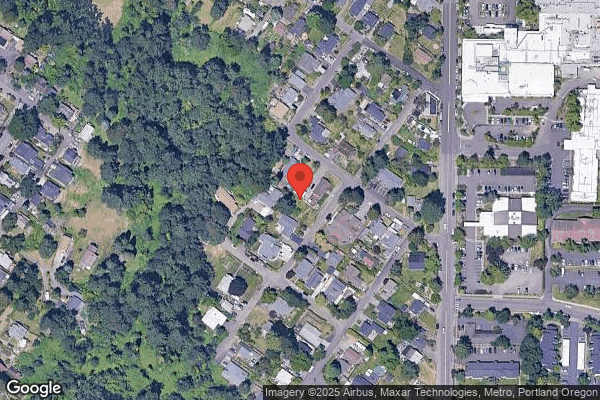
1400 DIVISION STREET, OREGON CITY, OR 97045 (503) 656-0367
For profit - Limited Liability company 111 Beds AVAMERE Data: November 2025
Trust Grade
20/100
#51 of 127 in OR
Last Inspection: June 2025

Inspected within the last 6 months. Data reflects current conditions.

Overview

Avamere Rehabilitation of Oregon City has received a Trust Grade of F, indicating significant concerns about the facility's operations and care quality. It ranks #51 out of 127 nursing homes in Oregon, placing it in the top half, but the overall score suggests there are serious issues to consider. The situation appears to be improving, with a decrease in reported problems from 31 in 2024 to 12 in 2025, but the facility still faces challenges. Staffing is rated well at 4 out of 5 stars, with a turnover rate of 38% which is lower than the state average, but there are concerning fines totaling $147,486, higher than 88% of Oregon facilities. Specific incidents include a resident sustaining a fractured arm due to improper assistance during transfers and lapses in skin care assessments for another resident, highlighting areas of both concern and the need for improvement in resident care.

Trust Score
F
20/100
In Oregon
#51/127
Top 40%
Safety Record
High Risk
Review needed
Inspections
Getting Better
31 → 12 violations
Staff Stability
○ Average
38% turnover. Near Oregon's 48% average. Typical for the industry.
Penalties
✓ Good
$147,486 in fines. Lower than most Oregon facilities. Relatively clean record.
Skilled Nurses
○ Average
Each resident gets 34 minutes of Registered Nurse (RN) attention daily — about average for Oregon. RNs are the most trained staff who monitor for health changes.
Violations
⚠ Watch
65 deficiencies on record. Higher than average. Multiple issues found across inspections.
★★★☆☆
3.0
Overall Rating
★★★★☆
4.0
Staff Levels
★★★★★
5.0
Care Quality
★★☆☆☆
2.0
Inspection Score
Stable
2024: 31 issues
2025: 12 issues

The Good

  • 4-Star Staffing Rating · Above-average nurse staffing levels
  • 5-Star Quality Measures · Strong clinical quality outcomes
  • Full Sprinkler Coverage · Fire safety systems throughout facility
  • No fines on record
  • Staff turnover below average (38%)

    10 points below Oregon average of 48%

Facility shows strength in staffing levels, quality measures, fire safety.

The Bad

3-Star Overall Rating

Near Oregon average (3.0)

Meets federal standards, typical of most facilities

Staff Turnover: 38%

Near Oregon avg (46%)

Typical for the industry

Federal Fines: $147,486

Well above median ($33,413)

Significant penalties indicating serious issues

Chain: AVAMERE

Part of a multi-facility chain

Ask about local staffing decisions and management

The Ugly 65 deficiencies on record

5 actual harm
Aug 2025 1 deficiency 1 Harm
SERIOUS (G) 📢 Someone Reported This

A family member, employee, or ombudsman was alarmed enough to file a formal complaint

Actual Harm - a resident was hurt due to facility failures

Accident Prevention (Tag F0689)

A resident was harmed · This affected 1 resident

Based on interview and record review it was determined the facility failed to provide adequate supervision and assistance to prevent a fall with injury for 1 of 2 sampled residents (#8) reviewed for f...

Read full inspector narrative →
Based on interview and record review it was determined the facility failed to provide adequate supervision and assistance to prevent a fall with injury for 1 of 2 sampled residents (#8) reviewed for falls. As a result, Resident 8 sustained a fractured arm. Findings include:Resident 8 was admitted to the facility in 5/2025, with diagnoses including neck fracture.Resident 8's 5/27/25 Care Plan revealed the resident had limited mobility due to her/his neck fracture and required a two-person transfer assist for toileting. Resident 8's 5/31/25 MDS revealed she/he was cognitively intact and had a BIMS of 15 out of 15.A 6/25/25 Facility Investigation Report (FRI) revealed Resident 8 fell and sustained a fracture of her/his right arm after Staff 20 (CNA) attempted to transfer Resident 8 from the commode by herself. The facility determined Staff 20 had not followed Resident 8's care plan, which indicated the resident was a two-person transfer assist for toileting.A 6/27/25 Hospital Discharge Summary revealed that Resident 8 sustained a right arm fracture as a result of her/his fall at the facility. On 8/20/25 at 2:40 PM, Resident 8 stated Staff 20 had attempted to assist her/him from the commode when she/he slipped and fell to the floor, causing her/him to fracture her/his arm. Resident 8 stated that per her/his care plan, she/he required two-person assistance for transfers and toileting. On 8/27/25 at 2:37 PM, Staff 3 (RCM) stated Resident 8 required two-person assistance with transfers and toileting, and confirmed Staff 20 failed to follow the resident's care plan, which led to Resident 8 sustaining a fracture of the right arm. The surveyor attempted to interview Staff 20 on 8/26/25 and 8/27/25 but was unable to reach them.On 8/29/25 at 10:00 AM, Staff 1 (Administrator) and Staff 3 confirmed Staff 20 did not follow Resident 8's care plan related to transfers with toileting, which led to Resident 8's fall, where she/he sustained a fractured right arm. The deficient practice was identified as Past Noncompliance based on the following:On 6/26/25, the deficient practice was identified by the facility to be corrected when the facility completed a root cause analysis of the incident and determined there was a failure to follow a resident's care plan. The Plan of Correction included:Resident 8's care plan was reviewed and revised to address any additional risk factors.A facility-wide audit of all residents with fall risk care plans was conducted to ensure interventions were current and being followed by staff.All nursing staff were re-educated on the importance of following the individualized resident care plans.Supervisors conducted random spot checks to verify compliance with care plans.The DNS performed weekly audits of care plan implementation for residents at risk for falls for three months. Results were reviewed in the Quality Assurance and Performance Improvement (QAPI) committee meetings, and corrective actions were taken as needed, including ongoing monitoring.
Jun 2025 8 deficiencies
CONCERN (D)

Potential for Harm - no one hurt, but risky conditions existed

Deficiency F0552 (Tag F0552)

Could have caused harm · This affected 1 resident

Based on interview and record review it was determined the facility failed to ensure residents were informed of the risks and benefits of psychotropic medications for 1 of 5 sampled residents (#14) re...

Read full inspector narrative →
Based on interview and record review it was determined the facility failed to ensure residents were informed of the risks and benefits of psychotropic medications for 1 of 5 sampled residents (#14) reviewed for unnecessary medications. This placed residents at risk for being uninformed about their medications. Findings include: Resident 14 was admitted to the facility in 11/2024 with diagnoses including depression. Resident 14's 12/2024 Physician Orders indicated the resident was prescribed use of duloxetine and Wellbutrin (antidepressant medication) for depression. Resident 14's 5/2025 MAR revealed the resident received duloxetine and Wellbutrin daily. Review of Resident 14's medical record revealed no indication the resident was informed in advance of the risks and benefits of the duloxetine or Wellbutrin. On 6/6/25 at 9:58 AM, Staff 2 (Director of Nursing) acknowledged Resident 14 was not informed of the risks and benefits of the use of duloxetine or Wellbutrin.
CONCERN (D)

Potential for Harm - no one hurt, but risky conditions existed

Safe Environment (Tag F0584)

Could have caused harm · This affected 1 resident

Based on observation, interview, and record review it was determined the facility failed to provide a homelike environment for 1 of 4 sampled residents (#15) reviewed for environment. This placed resi...

Read full inspector narrative →
Based on observation, interview, and record review it was determined the facility failed to provide a homelike environment for 1 of 4 sampled residents (#15) reviewed for environment. This placed residents at risk for lessened quality of life. Findings include: Resident 15 admitted to the facility in 2024 with diagnoses including asthma and congestive heart failure. The 5/18/24 Care Plan indicated Resident 15 had asthma and interventions to minimize contact with known offending allergens. Staff were to assist in identifying asthma triggers and strategies for prevention. On 6/2/25 at 11:14 AM the wall behind Resident 15's bed was observed to have a large section of missing sheet rock scattered across the wall. A significant amount of sheet rock pieces and sheet rock dust was observed scattered across the base board ledge and on the floor. Resident 15 stated the debris was caused by the bed hitting the wall and it had not been fixed. On 6/4/25 at 8:46 AM Staff 11 (CNA) stated damage to Resident 15's wall was due to the bed sliding into the wall. Staff 11 stated the wall had been in disrepair for about eight months. On 6/5/25 at 10:33 AM Staff 12 (CNA) stated Resident 15's wall was damaged for as long as he worked in the facility, about five and half months. On 6/4/25 at 9:05 AM Staff 8 (Maintenance Director) stated he was the Maintenance Director for two weeks but assisted the previous Maintenance Director for several weeks prior. Staff 8 stated he noticed Resident 15's wall was in disrepair but was not yet repaired due to having other projects. On 6/5/25 at 10:38 AM Staff 1 (Administrator) acknowledged Resident 15's wall was in despair, was not repaired in a timely manner and should have been repaired.
CONCERN (D) 📢 Someone Reported This

A family member, employee, or ombudsman was alarmed enough to file a formal complaint

Potential for Harm - no one hurt, but risky conditions existed

Investigate Abuse (Tag F0610)

Could have caused harm · This affected 1 resident

Based on interview and record review it was determined the facility failed to thoroughly investigate allegations of mental abuse for 1 of 2 sampled residents (#2) reviewed for abuse. This placed resid...

Read full inspector narrative →
Based on interview and record review it was determined the facility failed to thoroughly investigate allegations of mental abuse for 1 of 2 sampled residents (#2) reviewed for abuse. This placed residents at risk for abuse. Findings include: Resident 2 admitted to the facility in 7/2024 with diagnoses including major depressive disorder and post-traumatic stress disorder. Resident 2's 2/16/25 Quarterly MDS indicated a BIMS score of 15 which indicated she/he was cognitively intact. On 6/2/25 at 12:10 PM Resident 2 stated she/he witnessed staff on several occasions mock and make fun of her delusions. Resident 2 stated she/he reported the incidents to someone in April, but nothing was done. Resident 2 stated the mocking and laughing took a mental toll on her/him, made her/him angry and made her/him not want to report the delusions anymore. On 6/5/25 at 12:52 PM Staff 6 (Social Services Director) and Staff 7 (Social Services Coordinator) stated Resident 2 reported the floor staff were making fun and laughing at her/him. Staff 6 stated Resident 2 did not want to file a grievance because she/he feared staff would retaliate against her/him. Staff 6 and Staff 7 stated a progress note was not made, and the concerns were not brought to facility administration to investigate. On 6/5/25 at 1:35 PM Staff 1 (Administrator) stated he was not aware of Resident 2's allegations. Staff 1 acknowledged all reports of abuse were to be investigated, even if a resident did not want to file a grievance.
CONCERN (D)

Potential for Harm - no one hurt, but risky conditions existed

PASARR Coordination (Tag F0644)

Could have caused harm · This affected 1 resident

Based on observation, interview and record review it was determined the facility failed to ensure a PASARR Level II (Preadmission Screening and Resident Review for individuals with a mental disorder a...

Read full inspector narrative →
Based on observation, interview and record review it was determined the facility failed to ensure a PASARR Level II (Preadmission Screening and Resident Review for individuals with a mental disorder and individuals with intellectual disability/developmental disability) was completed for 1 of 1 sampled resident (#30) reviewed for PASARR Level II. This placed residents at risk for not receiving specialized services. Findings include: Resident 30 was admitted to the facility in 12/2023 with diagnoses including schizoaffective disorder, bipolar type. A 6/24/24 PASARR Mental Health Evaluation was completed for Resident 30 which recommended a PASARR Level II be completed for a serious mental illness (SMI) and intellectual disability (ID)/Developmental Disability (DD). A 6/27/24 hospital discharge summary record indicated that Resident 30 had probable developmental delay. No evidence was found in Resident 30's medical record to indicate a PASARR Level II for ID/DD was completed. On 6/5/25 at 2:47 PM Staff 6 (Social Services Director) and Staff 5 (Social Services Coordinator) were present for an interview. Staff 6 stated she did not request a PASARR Level II for ID/DD for Resident 30. Staff 5 stated she did not know when to request a PASARR Level II for ID/DD. Both Staff 5 and Staff 6 stated they did not know when to request a PASARR Level II. On 6/5/25 at 3:51 PM Staff 1 (Administrator) stated he expected a PASARR Level II to be completed within 30 days if a PASARR Level I indicated the need for further evaluation. Staff 1 confirmed Resident 30 did not receive a PASARR Level II and needed one completed.
CONCERN (D)

Potential for Harm - no one hurt, but risky conditions existed

Deficiency F0685 (Tag F0685)

Could have caused harm · This affected 1 resident

Based on observation, interview and record review it was determined the facility failed to ensure hearing aids fit properly and worked for 1 of 1 sampled resident (#45) reviewed for communication. Thi...

Read full inspector narrative →
Based on observation, interview and record review it was determined the facility failed to ensure hearing aids fit properly and worked for 1 of 1 sampled resident (#45) reviewed for communication. This placed residents at risk for decreased quality of life. Findings include: Resident 45 was admitted to the facility in 1/2025 with diagnoses including bipolar disorder. Resident 45's 1/31/25 admission MDS indicated Resident 45 could hear adequately with the assistance of aids or other hearing appliance. A 1/28/25 progress note indicated resident 45's hearing aid did not work. A 3/4/25 progress note indicated Resident 45 needed a new hearing aid as it was broken. On 6/3/25 at 8:58 AM, the State Surveyor interviewed Resident 45 and had to speak loudly, clearly, and close to Resident 45's face in order to be heard. On 6/3/25 at 8:58 AM, Resident 45 stated she/he was hard of hearing and could not hear well unless she/he wore hearing aids. Resident 45 stated she/he had hearing aids, but they no longer worked. Resident 45 stated she/he told Staff 15 (CMA) & Staff 20 (RN) her/his hearing aids did not work and wanted them replaced. On 6/4/25 at 3:08 PM Staff 17 (CNA) stated Resident 45 did not like it when people talked loudly to her/him because she/he got overstimulated. On 6/5/25 at 10:56 AM Resident 45 was asked to show her/his hearing aids as she/he was not wearing them. The hearing aids were stored in a red cup in her/his bedside table. Four batteries were sitting in the cup; no sound was coming from the hearing aids. Resident 45 stated she/he lost a lot of weight (100 lbs), and the hearing aids haven't fit since admission. Resident 45 noted the last time the hearing aids were worn was about a week ago because they were broken. Resident 45 stated Staff 15 tried to fix them about a week ago and could not fix them. On 6/5/25 at 10:40 AM Staff 14 (CNA) stated Resident 45 utilized hearing aids, and her/his hearing aids did not work, and have not fit or worked since admission to facility. On 6/5/25 at 11:00 AM Staff 15 (RN) stated Resident 45 had hearing aids that never fit her/him or worked appropriately. On 6/5/25 at 3:32 PM with Staff 5 (Social Services Director) and Staff 6 (Social Services Coordinator), Staff 5 stated she did not know Resident 45 needed hearing aids. Staff 6 indicated she was aware Resident 45's hearing aids did not fit or work correctly since 1/2025; efforts were not made to get hearing aids repaired or replaced. On 6/5/25 at 4:16 PM Staff 2 (DNS) stated she expected staff to report broken or ill-fitting hearing aids to herself and social services and that social services would make efforts to get them repaired or replaced. Staff 2 stated she was unaware Resident 45's hearing aids did not fit and were broken.
CONCERN (D)

Potential for Harm - no one hurt, but risky conditions existed

Deficiency F0688 (Tag F0688)

Could have caused harm · This affected 1 resident

Based on observation, interview and record review it was determined the facility failed to offer restorative services to increase range of motion for 1 of 1 sampled resident (#4) reviewed for rehabili...

Read full inspector narrative →
Based on observation, interview and record review it was determined the facility failed to offer restorative services to increase range of motion for 1 of 1 sampled resident (#4) reviewed for rehabilitation and restorative. This placed resident at risk for decrease in range of motion. Findings include: The facility's Restorative Policy, dated 11/11/05, indicated the following: -It is the policy of this facility to provide its residents the restorative services in an effort to maintain the resident's highest level of self-care and independence, physically and psychosocially. Resident 4 was admitted to the facility in 1/2025 with diagnoses including pleural effusion (a excessive fluid build up in between the lungs and chest wall). Review of Resident 4's PT Discharge Summary on 2/28/25 indicated Resident 4 was seen for PT from 1/7/25 to 2/28/25. A 4/11/25 Care Conference Note indicated Resident 4 expressed interest to continue physical therapy and/or restorative services. A 4/17/25 Progress Note indicated Resident 4 would be a good fit for a restorative program to regain strength. No evidence was found in Resident 4's clinical record to indicate she/he received restorative services. On 6/2/25 at 3:22 PM, Resident 4 stated when she/he was admitted , she/he was able to stand and pivot onto a wheelchair and was able to ambulate. Resident 4 stated she/he had not received physical therapy services for over two months. Resident 4 thought she/he no longer qualified for PT but wanted to participate in restorative services. Resident 4 stated she/he was not offered ROM exercises. On 6/4/25 at 12:36 PM, Staff 16 (CNA) stated Resident 4 was dependent and required maximum assistance from staff to complete physical activity. Staff 16 stated she thought Resident 4 received restorative services but did not observe the resident participate. On 6/4/25 at 12:44 PM, Staff 22 (CNA) stated Staff 23 (Restorative Aide) provided a list of residents to the CNAs which included the residents enrolled in restorative services. Staff 22 stated Resident 4 was not enrolled. On 6/4/25 at 1:00 PM, Staff 23 stated all residents were discussed in monthly meetings to determine who would benefit from restorative services. Staff 23 stated Resident 4 was discussed at one point but did not receive an RA program because her caseload was full. On 6/4/25 at 2:10 PM, Staff 3 (RNCM) stated when a resident voiced interest in restorative services, she connected with the restorative assistant and conducted an assessment. Staff 3 stated she was unsure why the Resident 4 was not added to the caseload. On 6/4/25 at 3:20 PM, Staff 24 (Regional Administrator) stated she expected staff to offer residents restorative services to residents who expressed interest. Staff acknowledged Resident 4 needed restorative services.
CONCERN (D)

Potential for Harm - no one hurt, but risky conditions existed

Infection Control (Tag F0880)

Could have caused harm · This affected 1 resident

**NOTE- TERMS IN BRACKETS HAVE BEEN EDITED TO PROTECT CONFIDENTIALITY** Based on observation, interview and record review it was determined the facility failed to ensure staff followed transmission-ba...

Read full inspector narrative →
**NOTE- TERMS IN BRACKETS HAVE BEEN EDITED TO PROTECT CONFIDENTIALITY** Based on observation, interview and record review it was determined the facility failed to ensure staff followed transmission-based precautions for 1 of 5 sampled residents (#260) reviewed for infection control. This placed residents at risk for exposure and contraction of infectious diseases. Findings include: Resident 260 was admitted to the facility on [DATE] with diagnoses including clostridioides difficile (c-diff, a bacterium that can cause severe diarrhea and inflammation of the colon). Resident 260 on transmission-based precautions - enteric precautions at time of admission. An undated Avamere Contact Enteric Precautions facility procedure: -Everyone Must: Clean hands with sanitizer when entering room. Wash with soap and water upon leaving room. -Gown and glove before entering the room after hand hygiene has been completed. -Doctors and Staff Must: use resident dedicated or disposable equipment. -Clean and disinfect shared equipment between residents and before removing it from the resident's room. On 6/2/25 at 11:48 AM observed Staff 9 (CNA) enter Resident 260's room without donning PPE. On 6/2/25 at 11:51 AM observed Staff 9 exit Resident 260's room with the lunch tray, returned the tray to the meal cart, proceeded to kitchenette at front dining room then walked to main kitchen to retrieve a soup for Resident 260. Staff 9 did not wash or sanitize her hands after exiting Resident 260's room. On 6/2/25 at 12:01 PM Staff 9 stated she was aware Resident 260 was on transmission-based precautions for c-diff and staff was required to wear a mask, gown and gloves when providing care but thought PPE was not needed when delivering meals. Staff 9 acknowledged she did not wash her hands after leaving Resident 260's room. On 6/3/5 at 12:51 PM observed Staff 10 (CNA) wearing gloves and no PPE gown while placing a blanket on Resident 260. Staff 10 stated she had completed peri-care and had doffed her gown and mask when Resident 260 had asked for blanket. Staff 10 acknowledged she should have completed all care for Resident 260 before doffing all PPE. On 6/05/25 at 3:07 PM Staff 5 (LPN, IP) stated education was provided to all staff regarding transmission-based precautions and signs were posted outside of Resident 260's room. Staff 5 stated all staff were supposed to wear PPE when going into the room whether including answering the call light, dropping of the meal tray, placing on a blanket on the resident. On 6/5/25 at 3:09 PM observed Resident 260 without wearing any PPE ambulating in the hallway during a therapy session. On 6/5/25 at 3:11 PM Staff 5 stated Resident 260 was still on transmission-based precautions and was supposed to remain in her/his room until cleared of c-diff. On 6/5/25 at 3:15 PM Staff 2 (DNS) stated she expected all staff to follow all transmission-based precautions at all times.
CONCERN (E)

Potential for Harm - no one hurt, but risky conditions existed

Deficiency F0761 (Tag F0761)

Could have caused harm · This affected multiple residents

Based on observation, interview and record review it was determined the facility failed to ensure biologicals were stored securely for 1 of 3 sampled medication carts reviewed for medication storage. ...

Read full inspector narrative →
Based on observation, interview and record review it was determined the facility failed to ensure biologicals were stored securely for 1 of 3 sampled medication carts reviewed for medication storage. This placed residents at risk for unauthorized access to drugs and biologicals. Findings include: The facility's 11/2020 Storage of Medications Policy specified the following: -Drugs and biologicals are stored in the packaging in which they are recieved. -Drugs and biologicals used in the facility are stored in locked compartments. The facility's 11/2020 Administering Medications Policy specified the following: - The individual adminstering the medication checks the label three times to verify the right resident, right medication, right dosage, right time and right route of adminstration before giving the medication. A review of Resident 13, 14, 18, 31, 32 and 38's 5/2025 MARs revealed the following: - Resident 13 received atorvastatin (lowered cholesterol levels), gabapentin (reduced nerve pain), and sertraline (anti-depressant). -Resident 14 received simvastatin (lowered cholesterol levels), docusate (stool softener), Topiramate (calmed overactive nerves in the body), and Dicyclomine (relaxed muscles in the stomach and bowel). - Resident 18 received atorvastatin (lowered cholesterol levels), Prazosin (lowered blood pressure), Senokot (stool softener), trazodone (anti-depressant), buspirone (anti-anxiety), gabapentin (reduced nerve pain). - Resident 31 received Tylenol (pain relief), atorvastatin (lowered cholesterol levels), Calcium supplement (maintained bone strength), Icosapent (controlled fat-like substance in the blood), baclofen (muscle relaxor), and gabapentin (reduced nerve pain). -Resident 32 received Prilosec (reduced acid in the stomach), Tylenol (pain relief), hydroxyzine (anti-anxiety), Risperdal (anti-psychotic), simvastatin (lowered cholesterol levels), sucralfate (treated ulcers), PRN morphine (narcotic pain relief) and Dilaudid (narcotic pain relief). - Resident 38 received aripiprazole (anti-psychotic), atorvastatin (lowered cholesterol levels), mirtazapine (anti-depressant), and tamsulosin (treated symptoms of an enlarged prostate). On 6/4/25 at 3:50 PM, six plastic medication cups filled with medications and labeled with resident room numbers were observed in the top drawer of the medication cart in hall 100. In the same cart, one medication cup filled with medication pills and unlabeled was observed in the narcotic locked box of the medication cart. On 6/4/25 at 3:52 PM, Staff 25 (CMA) acknowledged she prepped evening scheduled medications early for Residents 13, 14, 18, 31, 32 and 38. Staff 25 stated she left prepped medications in the medication cart prior to leaving on a lunch break. She labeled plastic medication cups with the resident room number and placed the resident's medications that were scheduled to be administered between 4:00 PM to 8:00 PM and left the medication cups in the top shelf and in the narcotic drawer. Staff 25 stated that was her usual process because administering medication in a timely manner was challenging. Staff 25 acknowledged it was not best practice to pre-prep medications. On 6/4/25 at 4:18 PM, Staff 2 (Director of Nursing) confirmed the presence of pre-prepped medications for residents in the medication cart and acknowledged pre-prepped medications stored in the medication cart was not proper medication storing.
Jan 2025 3 deficiencies
CONCERN (D) 📢 Someone Reported This

A family member, employee, or ombudsman was alarmed enough to file a formal complaint

Potential for Harm - no one hurt, but risky conditions existed

Deficiency F0624 (Tag F0624)

Could have caused harm · This affected 1 resident

**NOTE- TERMS IN BRACKETS HAVE BEEN EDITED TO PROTECT CONFIDENTIALITY** Based on interview and record review it was determined the facility failed properly orientate and sufficiently prepare a residen...

Read full inspector narrative →
**NOTE- TERMS IN BRACKETS HAVE BEEN EDITED TO PROTECT CONFIDENTIALITY** Based on interview and record review it was determined the facility failed properly orientate and sufficiently prepare a resident for a facility-initiated discharged for 1 of 3 sampled residents (#11) reviewed for safe discharge. This placed residents at risk for unsafe, facility-initiated discharges. Findings include: Resident 11 admitted to the facility in 9/2024 with diagnoses including depression, anxiety, alcohol abuse and cannabis dependence. A 11/5/24 Social Service Note stated a list of assisted living facilities was provided to Resident 11 via email and indicated the resident should follow up to inquire if a facility had a vacancy. A 11/7/24 Progress Note stated Resident 11 left the faciity on [DATE] and did not return until dinner time on 11/6/24; over 24 hours out of the facility. Resident 11 was discharged AMA (against medical advice). There was no documented evidence the facility provided Resident 11 sufficient preparation and orientation for her/his discharge. On 1/13/25 at 10:17 AM, Staff 3 (RNCM) stated since Resident 11 was out past midnight the facility discharged her/him AMA. On 1/13/25 at 11:01 AM, Staff 1 (Administrator) verified the discharge was facility initiated. Staff 1 stated he was unaware an AMA needed to be initiated by the resident. Staff 1 stated Resident 11 was discharged without her/his medications and her/his discharge was based on the resident's voluntary absence from the facility.
CONCERN (D) 📢 Someone Reported This

A family member, employee, or ombudsman was alarmed enough to file a formal complaint

Potential for Harm - no one hurt, but risky conditions existed

Quality of Care (Tag F0684)

Could have caused harm · This affected 1 resident

Based on interview and record review it was determined the facility failed to follow physician's orders for 1 of 3 sampled residents (#2) reviewed for diabetic medication management. This placed resid...

Read full inspector narrative →
Based on interview and record review it was determined the facility failed to follow physician's orders for 1 of 3 sampled residents (#2) reviewed for diabetic medication management. This placed residents at risk for complications from diabetes. Findings include: Resident 2 was admitted to the facility in 1/2024 with diagnoses including diabetes, unspecified fracture of the right femur (largest leg bone) and dementia. No observations were made of Resident 2. Resident 2 was discharged . Resident 2's 1/17/24 Care Plan revealed the resident had impaired swallowing with risk for aspiration and was on a one to one assist with all meals. Resident 2's 1/19/24 MDS revealed the resident was moderately cognitively impaired. Resident 2's 1/29/24 physician orders revealed the resident was on two different insulin for her/his diabetes. The insulin order for Humalog (lispro) read: -Humalog 100unit/ml (lispro). Give 6 units SQ (subcutaneous, under the skin) with meals. -Humalog 100 unit/ml (lispro). Inject as per sliding scale (before meals and at bedtime): If capillary blood glucose (CBG) test indicated: CBG 0-150 =0 (no insulin needed) CBG 151-200=1 units CBG 201-250=2 units CBG 251-300=3 units CBG 301-350=4 units CBG 351-400= 5 units and call MD. Resident 2's February 2024 DAR indicated the following times the physician was not notified: On 2/6/24 at 6:30 AM CBG = 355 On 2/8/24 at 6:30 AM CBG = 355 On 2/11/24 at 4:30 PM CBG = 399 On 2/13/24 at 9:00 PM CBG = 390 On 2/14/24 at 4:30 PM CBG = 389 On 2/22/24 at 6:30 AM CBG = 379 On 2/22/24 at 4:30 PM CBG = 382 On 2/23/24 at 4:30 PM CBG = 550 On 2/29/24 at 6:30 AM CBG =361 On 1/16/24 at 10:31 AM, Staff 10 (LPN) reviewed Resident 2's February 2024 DAR and acknowledged she did not notify the resident's physician when the resident's blood sugar levels exceeded 351, as per the physician's orders. On 1/16/24 at 1:38 PM, Staff 3 (RNCM) reviewed Resident 2's February 2024 DAR, which revealed the resident's physician was not notified on nine occasions when the resident's blood sugar exceeded 351. Staff 3 acknowledged Resident 2's physician should have been notified and was unable to find records the physician was notified.
CONCERN (D) 📢 Someone Reported This

A family member, employee, or ombudsman was alarmed enough to file a formal complaint

Potential for Harm - no one hurt, but risky conditions existed

Deficiency F0804 (Tag F0804)

Could have caused harm · This affected 1 resident

Based on observation, interview and record review it was determined the facility failed to provide palatable food for 4 of 5 sampled residents (#s 3, 9, 12 and 13) reviewed for dietary services. This ...

Read full inspector narrative →
Based on observation, interview and record review it was determined the facility failed to provide palatable food for 4 of 5 sampled residents (#s 3, 9, 12 and 13) reviewed for dietary services. This placed residents at risk for unmet nutritional needs. Findings include: Resident 3 was admitted to the facility in 6/2023 with diagnoses including unspecified severe protein-calorie malnutrition and Vitamin D deficiency. Resident 9 was admitted to the facility in 11/2024 with diagnoses including malnutrition and hepatic encephalopathy (a loss of brain function when a damaged liver doesn't remove toxins from the blood). Resident 12 was admitted to the facility 5/2024 with diagnoses including hypertension and chronic kidney disease. Resident 13 was admitted to the facility 1/2025 with diagnoses including diabetes and Vitamin D deficiency. On 1/9/24 at 12:20 PM, a test tray was delivered to two members of the survey team. The lunch tray consisted of chicken fried steak, mashed potatoes with gravy and cooked spinach. The lunch meal was not palatable. The chicken fried steak was tough and dry. On 1/13/25 at 12:42 PM, an additional test tray was delivered to two members of the survey team. The lunch tray consisted of ham, cooked carrots and macaroni noodles. The lunch meal was not palatable. The food temperature was warm. The ham was salty and the noodles were bland. On 1/13/25 at 9:57 AM, Resident 3 stated the food was shitty.' On 1/13/25 at 10:03 AM, Resident 12 stated the meat was tough and not easy to chew, the food was spicy and she/he eats very little because of the taste. Resident 12 stated she/he did not fill out a grievance form but a family member was calling the corporate office today to complain about the food. On 1/13/25 at 10:05 AM, Resident 13 stated she/he didn't eat the carrots because they were overcooked and the pasta had no flavor and the ham was too salty. On 1/13/25 at 1:03 PM, Resident 9 stated she/he did not eat the lunch today and stated she/he never eats the food here because it was nasty. The 4/2/24, 5/14/24 and the 6/11/24 Food Committee Meeting Notes revealed the following residents complaints: -The seasoned potatoes sometimes too peppery; -Pork is typically tough; -Fries are cold, hard or soggy/rubbery; and -All the meat, all the time and every meat item is all overcooked. On 1/9/25 at 12:30 PM, Staff 1 (Administrator) sampled the test tray. Staff 1 stated the potatoes looked like instant potatoes, had a weird texture and thought the chicken could have been better. On 1/13/25 at 12:50 PM, Staff 2 (DNS) sampled the test tray. Staff 2 stated the noodles were bland and the food was not warm.
Feb 2024 31 deficiencies 1 Harm
SERIOUS (G) 📢 Someone Reported This

A family member, employee, or ombudsman was alarmed enough to file a formal complaint

Actual Harm - a resident was hurt due to facility failures

Pressure Ulcer Prevention (Tag F0686)

A resident was harmed · This affected 1 resident

**NOTE- TERMS IN BRACKETS HAVE BEEN EDITED TO PROTECT CONFIDENTIALITY** 2. Resident 46 admitted to the facility in 10/2023 with diagnoses including chronic kidney disease. Resident 46's 10/31/23 admi...

Read full inspector narrative →
**NOTE- TERMS IN BRACKETS HAVE BEEN EDITED TO PROTECT CONFIDENTIALITY** 2. Resident 46 admitted to the facility in 10/2023 with diagnoses including chronic kidney disease. Resident 46's 10/31/23 admission MDS indicated the resident was moderately cognitively impaired, was at risk to develop pressure ulcers and did not have any pressure ulcers. Resident 46's 11/18/23 Braden Scale for Predicting Pressure Sore Risk revealed the resident was at risk for the development of pressure ulcers. Resident 46's 11/2023 Physician Orders revealed the resident was to receive a weekly skin audit, and any new skin issues were to be documented in the resident's clinical record. Resident 46's 11/2023 TAR revealed the weekly skin audit scheduled for 11/25/23 was not completed. A review of Resident 46's 11/2023 Bathing/Shower Task Form revealed the resident did not receive a shower from 11/19/23 through 11/27/23, additional opportunities during which the resident's skin was not assessed. A 11/27/23 Progress Note written at 1:52 PM revealed Resident 46 fractured her/his right femur and she/he was transferred to the hospital. A 11/28/23 Summary of Patient Status Note completed during Resident 46's hospitalization identified the resident had a Stage 2 pressure ulcer (open wound) to her/his sacrum that was present at the time of the resident's admission to the hospital on [DATE]. A 11/28/23 Inpatient Skin Wound Care Consult identified the wound to Resident 46's sacrum as a Stage 3 pressure ulcer (an open wound that extends through the skin into deeper tissue and fat but does not reach muscle, tendon, or bone) that was present on her/his admission to the hospital. Resident 46 was readmitted to the facility on [DATE] with diagnoses including a Stage 3 pressure ulcer of the sacrum. Resident 46's 12/3/23 Nursing admission Database Form indicated the resident had a pressure ulcer to her/his coccyx and wound care orders were in place. No additional details regarding the wound, including the length, width, depth, type of wound, shape, wound edges, wound bed description, presence of drainage, signs of infection, odor, condition of surrounding tissue and presence of pain were noted. Resident 46's Wound Evaluations completed on 12/5/23 and 12/12/23 by Staff 3 (RNCM) identified the wound to the resident's sacrum as Incontinence Associated Dermatitis. Resident 46's 12/12/23 Wound, Ostomy and Continence Progress Note completed by Staff 52 (Wound Nurse) indicate the resident had an unstageable pressure injury to her/his sacrum/coccyx. Resident 46's 12/19/23 Wound, Ostomy and Continence Progress Notes completed by Staff 53 (Wound Nurse) indicated the resident had an unstageable pressure injury to sacrococcygeal that continu[ed] to deteriorate. Resident 46's 12/26/23 Wound, Ostomy and Continence Progress Notes completed by Staff 53 indicated the resident had an unstageable pressure injury with full thickness tissue loss with slough. A review of Resident 46's 12/2023 MAR revealed the resident received wound care treatment according to physician orders for the pressure ulcer to her/his sacrum. Resident 46's 1/2/24 Wound Evaluation completed by Staff 3 identified the wound to the resident's sacrum as Incontinence Associated Dermatitis. This evaluation included information about the wound's dimensions and indicated the wound decreased in size. A 1/2/24 Wound, Ostomy and Continence Progress Note completed by Staff 53 indicated the wound to Resident 46's sacrum was at least a stage three, possibly stage four pressure injury, which would be determined once the wound was debrided (removal of dead, damaged or infected tissue). No changes were made to the resident's wound care plan at this time. A 1/9/24 Wound Evaluation completed by Staff 3 identified Resident 46's wound on her/his sacrum as a Stage 4 pressure ulcer. Resident 46's 1/11/23 Physician Orders directed the following related to the care of the resident's sacrum wound: -Gently cleanse/irrigate wound and undermining with normal saline or wound cleanser and pat dry; -Apply no-sting skin barrier to intact peri (surrounding) wound skin and allow to air dry; -Gently fill/cover wound with moistened gauze, cover with dry gauze and secure with tape; and -Change BID and PRN related to drainage, incontinence care or odor. A review of Resident 46's 1/2024 and 2/2024 TARs revealed no wound care was provided to the wound on the resident's sacrum on the following days: -1/12/24 at 6pm; -1/13/24 at 6am; -1/15/24 at 6am; -1/18/24 at 6pm; -1/19/24 at 6pm; -1/20/24 at 6pm; -1/24/24 at 6pm; -1/25/24 at 6pm; -1/26/24 at 6pm; and -2/3/24 at 6pm. On 2/8/24 at 9:21 AM Staff 33 (LPN) stated Resident 46 was to receive wound care to her/his sacrum twice daily and PRN. Staff 33 stated she thought the resident's missing wound treatments were related to the facility's use of agency nurses. On 2/9/24 at 12:20 PM Staff 3 stated she incorrectly identified Resident 46's wound on her/his sacrum as Incontinence Associated Dermatitis on the 12/5/23, 12/12/23 and 1/2/24 Wound Evaluations but stated the appropriate treatments for a Stage 3 pressure ulcer were in place. On 2/9/24 at 1:28 PM and 2/12/24 at 1:26 PM Staff 12 (Regional RN) acknowledged Resident 46 did not receive a shower or skin assessment from 11/19/23 through 11/27/23, the resident's wound was incorrectly identified on the 12/5/23, 12/12/23 and 1/2/24 Wound Evaluations completed by Staff 3 and the resident did not receive wound treatments as ordered in both 1/2024 and 2/2024. Staff 12 agreed the resident's wound on her/his sacrum was acquired at the facility prior to the resident's hospitalization on 11/27/23. Based on interview, and record review it was determined the facility failed to provide the necessary care to prevent pressure ulcers, and accurately assess and provide timely treatment and repositioning to promote healing of pressure ulcers for 2 of 2 sampled residents (#s 2 and 46) reviewed for pressure ulcers. Resident 2 developed a preventable Stage 3 pressure ulcer. Findings include: CMS Appendix PP defined a Stage 3 pressure ulcer as: Full-thickness skin loss. Full-thickness loss of skin, in which subcutaneous fat may be visible in the ulcer and granulation tissue and epibole (rolled wound edges) are often present. Slough (dead cells that accumulate in the wound) and/or eschar (a dry, dark scab or falling away of dead skin) may be visible but does not obscure the depth of tissue loss. The depth of tissue damage varies by anatomical location; areas of significant adiposity can develop deep wounds. Undermining and tunneling may occur. Fascia, muscle, tendon, ligament, cartilage and/or bone are not exposed. If slough or eschar obscures the wound bed, it is an Unstageable PU/PI. 1. Resident 2 admitted to the facility in 2018 with diagnoses of multiple sclerosis and depression. A care plan dated 2/11/21 revealed Resident 2 was at high risk of impairment to skin integrity related to fragile skin, incontinence, decreased mobility, progressive multiple sclerosis, and chronic recurrent MASD (Mostiure Associated Skin Damage). Resident 2 was totally dependent on staff and was to be repositioned in bed every two hours. Staff were to keep the resident's skin clean and dry. Resident 2 had an alternating pressure relieving air mattress for pressure reduction. An 10/14/23 Skin Incident Report revealed Resident 2 had a history of multiple old wounds to her/his buttocks region, and the skin was fragile. Staff 34 (LPN) was called into the room and determined the resident's wound had some scant bleeding with two rounded mountain peak shapes that joined together in an oval pattern. The wound was approximately 4.0 cm x 1.5 cm, and the wound site exhibited full-thickness skin loss to the right gluteal area due to bowel incontinence, friction, and shearing. On 10/16/23 Staff 5 (RN MDS Coordinator) inspected the wound and the wound appeared to be full-thickness skin loss caused by bowel incontinence and friction. Resident 2 had fragile skin to the buttocks area, increased susceptibility for skin breakdown due to immobility in bed, constant bowel incontinence due to neurogenic bowel function secondary to multiple sclerosis, history of prior skin impairments and ongoing chronic issues. Resident 2 preferred to be positioned in a Semi [NAME] (head is an upright position 90 degrees high or 30-45 degree low to promote oxygenation via maximum chest expansion, and implemented during events of respiratory distress). The resident often slid down on the air mattress causing friction and shearing from the drawsheet to the skin. An 10/14/23 Skin and Wound Evaluation revealed Resident 2 had MASD to the right gluteal area which was facility acquired. The wound measured 3.6 cm x 1.6 cm, had slough, sanguineous/blood (thin liquid that oozes from wound), and edges were attached and appeared flush with the wound bed or as a sloping edge. The Evaluation noted Placed foam for protective dressing to site. Three days later an 10/17/23 Wound Clinic Note written by Staff 49 (Nurse Practitioner) revealed Resident 2 had a full-thickness ulcer to her/his right medial ischium (pelvic region) near the rectum. The area was exposed to frequent stools, friction, and shearing. The wound exhibited characteristics consistent with a Stage 3 pressure ulcer were often present. The resident and staff were educated on off-loading techniques to reduce shearing and friction. A physician order dated 10/17/23 directed staff to cleanse the open ulcer to the left gluteal cleft, pat dry and apply silver nitrate (an antibacterial topical for skin wound) two times a day for 14 days. Staff were to notify the provider of poor wound healing or progression. 10/2023 TARs revealed the order was not implemented until 10/20/23, three days after it was ordered, and on 10/27/23 wound treatment was not completed on evening shift. The last treatment was completed on 11/2/23. A new physician order was not implemented until 11/7/23, five days after the completion of the 10/17/23 physician order. A physician order start date of 11/21/23 and end date of 11/28/23 directed staff to clean the right medial gluteus with wound cleanser and pat dry, apply skin prep and allow to dry, apply calcium alginate (an antibacterial used to absorb any exudate (fluid that is secreted) in a wound) cut to size of the open wound base and cover with occlusive dressing (a transparent dressing), and skin prep edges down to promote seal. The order noted to change the dressing daily and PRN for soiling, saturation or accidental removal every day shift until resolved. 11/2023 TARs revealed no treatment was completed on 11/24/23 or 11/25/23. The Quarterly MDS dated [DATE] revealed Resident 2 was at risk for pressure ulcers and had MASD. A physician order start date of 11/29/23 and end date of 1/23/24 directed staff to clean the right medial ischium with wound cleanser and pat dry, apply skin thin dusting of stoma powder (absorbs moisture from broken skin) to the open wound and then apply zinc-based barrier cream two times a day and PRN after peri-care two times a day. 12/2023 TARs revealed no treatment was completed on 12/3/23 evening shift, 12/8/23 day shift and 12/15/23 day shift. On 2/5/24 at 9:39 AM and 2/12/24 at 12:16 PM Resident 2 stated she/he had a wound to her/his buttocks and staff did not always reposition her/him every two hours due to long call light wait times. Resident 2 stated I know my routine and staff were excessively late at times and she/he contacted her/his family to notify staff she/he needed to be repositioned. On 2/5/24 at 9:45 AM Staff 25 (LPN) stated Resident 2 had very fragile skin, an open sore to her/his buttock region and was to be repositioned every two hours. Staff 25 stated on evenings and weekends the resident was not always repositioned timely due to staff shortages and weekends were the worst. On 2/5/24 at 5:55 PM and 2/14/23 at 1:06 PM Staff 34 (LPN) stated she discovered the wound on 10/14/23 and there was a delay with an RN assessment because of the weekend. Staff 34 stated Resident 2 had some standard creams in place for her/his buttocks region and any new or additional wound orders were to be implemented and followed. Staff 34 stated Resident 2 was dependent on staff to be repositioned every two hours but at times the resident was not positioned for three or four hours and she often repositioned her/him on her own due to staff shortages. On 2/7/24 at 1:31 PM Staff 50 (CNA) stated Resident 2 was dependent on staff for repositioning and she/he had a touch pad placed by her/his left upper chest area because of her/his limited mobility. Staff 50 stated repositioning the resident every two hours was difficult due to staff shortages. Staff 50 stated the resident called her/his family due to long call light wait times. On 2/7/24 at 5:42 PM Staff 51 (CNA) stated Resident 2 was to be repositioned and her/his brief change every two hours, but this did not always happen, especially on evenings and weekends. Staff 51 stated Resident 2 had a touch pad alarm that needed to be near her/his upper chest and she witnessed the call pad out of her/his reach at times. On 2/9/24 at 1:41 PM Staff 5 (RN/MDS Coordinator) stated he evaluated Resident 2's wound on 10/16/23, but he was uncertain how to classify the wound and requested the wound clinic to come to the facility to assess the wound. Staff 5 acknowledged the 11/22/23 Quarterly MDS and the Skin and Wound Evaluations were inaccurate. On 2/12/24 at 9:17 AM Witness 5 (Complainant) stated Resident 2 acquired a wound on her/his buttocks in 10/2023 due to staff not repositioning her/him. Witness 5 stated she received calls from Resident 2 because her/his call light went unanswered for long periods of time. Witness 5 stated this was an ongoing concern. On 2/12/24 at 9:38 AM Staff 14 (CNA) stated Resident 2 was to be repositioned every two hours, but at times it was every three to four hours due to staff shortages resulting in long call light wait ties. Staff 14 stated family members called staff to complain because of the resident not being repositioned timely. On 2/12/24 at 9:55 AM Witness 6 (Family Member) stated in 10/2023 Resident 2's buttocks wound was due to facility staff not repositioning the resident timely. Witness 6 stated she received multiple calls from the resident regarding her/his call light being on for over an hour and it occurred a lot. Witness 6 stated this was discussed on multiple occasions, but nothing was done. On 2/13/24 at 11:00 AM Staff 2 (DNS) stated Resident 2's wound was correctly identified and should not have indicated MASD. Staff 2 stated facility staff were expected to implement and follow physician orders, and acknowledged the delay in assessment and missed treatments. Staff 2 stated staff were expected to follow the care plan and reposition Resident 2 every two hours and staff were expected to answer call lights within 10 to 15 minutes. On 1/16/24 at 12:03 PM Staff 49 (Nurse Practitioner Wound Clinic) stated she initially assessed Resident 2's Stage 3 pressure ulcer in 10/2023, the depth and presentation on her first assessment was not MASD because the wound had slough present. Staff 49 stated the resident had fragile skin, frequent stooling at times and the wound was close to the rectum area. Staff 49 stated Resident 2 expressed at times she/he had difficulty with call light response times on evening and night shifts and these concerns were brought to Staff 2. Refer to F725.
CONCERN (D) 📢 Someone Reported This

A family member, employee, or ombudsman was alarmed enough to file a formal complaint

Potential for Harm - no one hurt, but risky conditions existed

Deficiency F0554 (Tag F0554)

Could have caused harm · This affected 1 resident

Based on observation, interview, and record review it was determined the facility failed to assess a resident's ability to self-administer medications for 1 of 1 sampled resident (#33) reviewed for se...

Read full inspector narrative →
Based on observation, interview, and record review it was determined the facility failed to assess a resident's ability to self-administer medications for 1 of 1 sampled resident (#33) reviewed for self-administration of medications. This placed residents at risk for adverse side effects. Findings include: Resident 33 was admitted to the facility in 2023 with diagnoses including respiratory failure. On 2/7/24 at 12:35 PM Resident 33 was observed to have a bottle of lidocaine (anesthetic) lotion on her/his bedside table. Resident 33 stated she/he applied the lotion to her/his rashes to help reduce her/his pain. A review of Resident 33's medical record did not reveal a self-administration of medication assessment was completed. On 2/8/24 at 12:38 PM Staff 4 (LPN-RCM) acknowledged Resident 33 had lidocaine lotion in her/his room and a self-administration of medications assessment was not completed for the resident.
CONCERN (D) 📢 Someone Reported This

A family member, employee, or ombudsman was alarmed enough to file a formal complaint

Potential for Harm - no one hurt, but risky conditions existed

Deficiency F0578 (Tag F0578)

Could have caused harm · This affected 1 resident

Based on interview and record review it was determined the facility failed to ensure residents received written information in a manner they understand for 1 of 1 sampled residents (#24) and failed to...

Read full inspector narrative →
Based on interview and record review it was determined the facility failed to ensure residents received written information in a manner they understand for 1 of 1 sampled residents (#24) and failed to follow-up regarding advance directives for 2 of 5 sampled residents (#s 15 and 42) reviewed for advance directives. This placed residents at risk for not having their health wishes honored. Findings include: 1. Resident 24 was admitted to the facility in 2023 with diagnosis including cancer. A 6/24/23 admission MDS indicated Resident 24 was Spanish speaking with limited English. A 12/6/23 Care Conference Progress note indicated Resident 24 was able to answer simple questions, but was unable to understand more complex ideas. On 2/12/24 at 11:35 AM, with the assistance of an interpreter, Resident 24 stated she/he was not aware of an advance directive being offered. On 2/12/24 at 2:42 PM Staff 7 (Social Service Director) stated Resident 24 was not given paperwork to formulate an advance directive in Spanish, a manner which she/he could understand. 2. Resident 15 was admitted to the facility in 2023 with diagnoses including pressure ulcer and weakness. A 1/19/24 Care Conference Review indicated Resident 15 wanted assistance in executing an advanced directive. On 2/7/24 at 3:34 PM Staff 7 (Social Service Director) stated she may address advance directives with residents every quarter but did not document it was completed. Staff 7 acknowledged she should have followed-up with Resident 15 related to her/his advance directive. 3. Resident 42 was admitted to the facility in 2023 with diagnoses including mood disturbance and anxiety. On 2/5/24 at 2:21 PM Resident 42 stated she/he was not offered an advance directive when she/he admitted to the facility in 6/2023. On 2/7/24 at 3:34 PM Staff 7 (Social Service Director) stated Resident 42's last care conference was 12/19/23. Staff 7 acknowledged she may address advance directives with residents every quarter but did not document it was completed. Staff 7 acknowledged she should have followed-up with Resident 42 related to her/his advance directive.
CONCERN (D) 📢 Someone Reported This

A family member, employee, or ombudsman was alarmed enough to file a formal complaint

Potential for Harm - no one hurt, but risky conditions existed

Safe Environment (Tag F0584)

Could have caused harm · This affected 1 resident

Based on observation, interview and record review it was determined the facility failed to maintain adequate room temperatures for 1 of 1 resident (#156) reviewed comfortable environments. This placed...

Read full inspector narrative →
Based on observation, interview and record review it was determined the facility failed to maintain adequate room temperatures for 1 of 1 resident (#156) reviewed comfortable environments. This placed residents at risk for uncomfortable environments. Findings include: Resident 156 was admitted to the facility in 2/2024 with diagnoses including back fracture. Resident 156's 2/4/23 BIMS assessment indicated the resident was cognitively intact. On 2/6/24 at 3:52 PM Resident 156 was in her/his room in bed with a shawl wrapped around her/his body talking with Staff 47 (PT). Resident 156 stated her/his room was freezing and she/he was always cold. Resident 156 stated she/he reported her/his concerns regarding the temperature of her/his room to multiple staff since the day she/he admitted to the facility, but her/his concern was not addressed. On 2/7/24 at 12:24 PM Resident 156 was in her/his room sitting in her/his wheelchair wearing a sweater. Resident 156 stated her/his room was freezing since she/he admitted to the facility, and one night she/he asked for four blankets to keep warm, but she/he was still freezing. Resident 156 stated Staff 9 (Maintenance Director) came into her/his room that morning and stuck a tool up in the vent and the room temperature felt somewhat better. On 2/8/24 at 2:01 PM Resident 156 was observed in her/his room in her/his wheelchair wearing a heavy jacket. Resident 156 stated she/he was freezing and the vent was blowing cold air. On 2/8/24 at 2:35 PM Staff 9 confirmed Resident 156's window was closed and the resident's room temperature was 66 degrees. Staff 9 stated Resident 156's room temperature was too cold and he aimed to maintain resident room temperatures around 72 degrees. Staff 9 stated he was not made aware of a temperature problem in Resident 156's room until 2/7/24 when he adjusted the vent. Staff 9 did not indicate he re-checked the temperature in Resident 156's room since adjusting the vent on 2/7/24. On 2/8/24 at 3:22 PM Staff 1 (Administrator) acknowledged the findings of this investigation and stated he expected resident room temperature to be at about 70 degrees.
CONCERN (D) 📢 Someone Reported This

A family member, employee, or ombudsman was alarmed enough to file a formal complaint

Potential for Harm - no one hurt, but risky conditions existed

Deficiency F0602 (Tag F0602)

Could have caused harm · This affected 1 resident

Based on interview and record review it was determined the facility failed to ensure resident drug records including narcotics were accurate for 1 of 1 sampled resident (#259) reviewed for medications...

Read full inspector narrative →
Based on interview and record review it was determined the facility failed to ensure resident drug records including narcotics were accurate for 1 of 1 sampled resident (#259) reviewed for medications. This placed residents at risk for inaccurate clinical records related to narcotics and drug diversion. Findings include: Resident 259 was admitted to the facility on 1/2024 with diagnoses including lumbar radiculopathy (inflammation of a nerve root in the lower back). A 1/25/24 admission MDS indicated Resident 259 had a BIMS score of 15, which indicated the resident was cognitively intact. On 2/7/24 at 3:04 PM Resident 259 stated Staff 20 (LPN) brought in the resident's gabapentin (nerve pain medication) and oxycodone (pain medication) at approximately 6:00 AM on 2/5/24. Resident 259 stated she/he refused the oxycodone because she/he did not need it at that time. Staff 20 stated he would destroy the oxycodone. Resident 259 stated she/he requested an oxycodone from Staff 42 (CMA) around 10:00 AM on 2/5/24 and asked if her/his oxycodone was destroyed from 6:00 AM. Staff 42 stated according to the Narcotic Logbook it was not documented as destroyed. A review of the Narcotic Logbook on 2/7/24 revealed Staff 20 signed for an oxycodone on 2/5/24 at 5:57 AM but was not marked as destroyed. A review of Resident 259's 2/2024 MAR revealed the medication was signed as administered at 6:00 AM by Staff 20. Attempts to contact Staff 20 were unsuccessful. A review of the Narcotic Logbook on 2/7/24 revealed Staff 42 signed for an oxycodone on 2/5/24 at 9:59 AM. A review of Resident 259's 2/5/24 MAR revealed Staff 42 did not sign an oxycodone was dispensed. On 2/8/24 at 12:04 PM Staff 42 stated she forgot to sign the 2/5/24 oxycodone in the MAR when she gave Resident 259 the oxycodone medication. On 2/8/24 at 11:30 AM Staff 12 (Regional RN) stated the expectation was a nurse destroy a narcotic with another nurse present and document the narcotic as destroyed, and staff sign the Narcotic Logbook and MAR when administering medications.
CONCERN (D) 📢 Someone Reported This

A family member, employee, or ombudsman was alarmed enough to file a formal complaint

Potential for Harm - no one hurt, but risky conditions existed

Report Alleged Abuse (Tag F0609)

Could have caused harm · This affected 1 resident

2. Resident 46 was admitted to the facility in 10/2023 with diagnoses including chronic kidney disease. Resident 46's 10/31/23 admission MDS indicated the resident was moderately cognitively impaired...

Read full inspector narrative →
2. Resident 46 was admitted to the facility in 10/2023 with diagnoses including chronic kidney disease. Resident 46's 10/31/23 admission MDS indicated the resident was moderately cognitively impaired, had no upper or lower extremity impairment and was able to walk 10 feet with partial-to-moderate assistance from staff. A 11/27/23 Physician's Progress Note written at 10:24 AM by Staff 44 (Physician) revealed Resident 46 experienced acute distress when moving her/his right leg, the resident's right hip was painful with localized swelling in the right thigh and the resident experienced difficulty flexing and extending her/his right hip. X-rays of the resident's right hip and pelvis were ordered. A 11/27/23 Progress Note written at 1:52 PM indicated the results of Resident 46's x-rays were received. The x-rays revealed Resident 46 fractured her/his right femur and she/he was transferred to the hospital. No evidence was found in Resident 46's clinical record to indicate the facility notified the SA (state agency) of the resident's injury of unknown origin. On 2/8/24 at 2:47 PM Staff 2 (DNS), Staff 12 (Regional RN) and Staff 13 (RN) were present for an interview. Staff 2 stated the SA should have been notified of Resident 46's injury of unknown origin immediately. Based on interview and record review it was determined the facility failed to timely report an allegation of abuse and injury of unknown origin to the State Survey Agency for 2 of 4 sampled residents (#s 42 and 46) reviewed for abuse and accidents. This placed residents at risk for abuse and neglect. Findings include: 1. Resident 42 was admitted to the facility in 2023 with diagnoses including leg fracture. A Grievance document dated 10/20/23 revealed Resident 42 reported to Staff 44 (CNA) a male CNA was rough with her/him during care and she/he told the CNA to stop. Staff 44 indicated this was reported to Staff 45 (LPN). A Progress Note dated 12/8/23 indicated Resident 42 was heard screaming in her/his room. Staff 25 (LPN) entered the resident's room and saw two CNAs providing ADL care. Resident 42 was screaming for staff to stop but they continued. On 2/5/24 at 2:42 PM Resident 42 stated she/he experienced two episodes of care from CNA staff where she/he felt abused. The first episode two CNAs came into her/his room and were rough with her/him during cares, she/he yelled for staff to stop but they did not. The second encounter a male CNA came into her/his room to provide incontinent care and even though she/he told the staff member no, the staff member continued with the care until the resident started screaming. Staff 1 (Administrator) was notified of the abuse allegation for resident 42 on 2/5/24 at 3:10 PM. No evidence was found in Resident 42's clinical record to indicate the facility notified the State Agency of the resident's allegations of abuse. On 2/7/23 at 1:35 PM Staff 2 (DNS) acknowledged the State Agency should have been notified of Resident 42's allegations of abuse immediately.
CONCERN (D) 📢 Someone Reported This

A family member, employee, or ombudsman was alarmed enough to file a formal complaint

Potential for Harm - no one hurt, but risky conditions existed

Investigate Abuse (Tag F0610)

Could have caused harm · This affected 1 resident

Based on interview and record review it was determined the facility failed to investigate an allegation of abuse and injury of unknown origin for 2 of 4 sampled residents (#s 42 and 46) reviewed for a...

Read full inspector narrative →
Based on interview and record review it was determined the facility failed to investigate an allegation of abuse and injury of unknown origin for 2 of 4 sampled residents (#s 42 and 46) reviewed for abuse and accidents. This placed residents at risk for abuse and injuries. Findings include: 1. Resident 46 was admitted to the facility in 10/2023 with diagnoses including chronic kidney disease. Resident 46's 10/31/23 admission MDS indicated the resident was moderately cognitively impaired, had no upper or lower extremity impairment and required partial/moderate assistance when going from sitting to standing and with bed-to-chair transfers. Resident 46's 11/2023 ADL Task Form revealed the following: -From 11/1/23 through 11/23/23 the resident was noted to be independent to requiring substantial/maximal assistance when going from sitting to standing. On 11/24/23 and 11/25/23 the resident was dependent on staff to go from the sitting to standing position. -From 11/1/23 through 11/24/23 the resident was noted to be independent to requiring substantial/maximal assistance with bed-to-chair transfers. On 11/25/23 the resident was dependent on staff with bed-to-chair transfers. Progress Notes dated 11/25/23 and 11/26/23 indicated Resident 46 experienced new pain which was generalized, rated as a pain score of a seven out of 10 and needed review. A 11/27/23 Incident Report and Investigation completed by Staff 33 (LPN) revealed the following: -Staff 33 and Staff 45 (LPN) were informed at approximately 9:30 AM on 11/27/23 Resident 46 experienced right hip pain and difficulty with transfers. -Staff 33 assessed the resident's right hip and noted swelling and pain to the touch. Staff 33 indicated the resident did not tolerate ROM and could not bear weight. -Resident 46 indicated she/he did not know what happened and denied experiencing a fall. -An x-ray was ordered which confirmed a right femur fracture. -A witness statement was provided by Staff 14 (CNA) who indicated the resident initially reported right leg pain at approximately 6:30 AM on 11/27/23. No evidence was found in Resident 46's clinical record to indicate Resident 46's new pain or decline in ADLs noted on 11/25/23 was investigated or staff members across multiple shifts, including those who worked on 11/27/23 when the fracture was discovered, or the resident's roommate, family members or visitors were interviewed. On 2/8/24 at 2:47 PM Staff 2 (DNS), Staff 12 (Regional RN) and Staff 13 (RN) were present for an interview. Staff 2 stated he was not aware of the resident's new pain or change in ADLs that was noted on 11/25/23 and confirmed no additional interviews were completed for an investigation outside of witness statements provided by Staff 33 and Staff 14. Staff 12 acknowledged the investigation of Resident 46's fractured femur was not thorough. 2. Resident 42 was admitted to the facility in 2023 with diagnoses including leg fracture. A grievance document dated 10/20/23 revealed Resident 42 reported to Staff 44 (CNA) a male CNA was rough with her/him during care and she/he told the CNA to stop. Staff 44 indicated this was reported to Staff 45 (LPN). A progress Note dated 12/8/23 indicated Resident 42 was heard screaming in her/his room. Staff 25 (LPN) entered the resident's room and saw two CNAs providing ADL care. Resident 42 was screaming for staff to stop but they continued. On 2/5/24 at 2:42 PM Resident 42 stated she/he experienced two episodes of care from CNA staff where she/he felt abused. The first episode two CNAs came into her/his room and were rough with her/him during cares, she/he yelled for staff to stop but they did not. The second encounter a male CNA came into her/his room to provide incontinent care and even though she/he told the staff member no, the staff member continued with the care until the resident started screaming. Staff 1 (Administrator) was notified of the abuse allegation for resident 42 on 2/5/24 at 3:10 PM. On 2/12/24 at 12:29 PM Staff 25 stated she reported the allegation of abuse to management but was not interviewed and was unaware of an investigation. On 2/7/23 at 1:35 PM Staff 2 (DNS) acknowledged no investigation was completed regarding either allegation of abuse.
CONCERN (D)

Potential for Harm - no one hurt, but risky conditions existed

Comprehensive Assessments (Tag F0636)

Could have caused harm · This affected 1 resident

**NOTE- TERMS IN BRACKETS HAVE BEEN EDITED TO PROTECT CONFIDENTIALITY** Based on interview and record review it was determined the facility failed to provide ongoing assessments of a skin condition fo...

Read full inspector narrative →
**NOTE- TERMS IN BRACKETS HAVE BEEN EDITED TO PROTECT CONFIDENTIALITY** Based on interview and record review it was determined the facility failed to provide ongoing assessments of a skin condition for 1 of 1 sampled resident (#33) reviewed for skin conditions. This placed residents at risk for worsening skin conditions. Findings include: Resident 33 admitted to the facility on [DATE] with a diagnosis of heart failure. An 10/17/23 admission Data Base Evaluation indicated Resident 33 had open skin and redness under bilateral breasts and in the creases of the groin. A review of the resident's clinical record did not indicate any skin assessments or physician's order for wound treatment. On 2/5/24 at 10:25 AM Resident 33 stated she/he had open red areas under her/his breast and groin area. Resident 33 stated she/he used her/his own lidocaine powder because the areas were painful. On 2/8/24 at 12:16 PM Staff 4 (LPN-RCM) acknowledged Resident 33's skin assessment was completed on the admission Data Evaluation but no further skin assessments of the open red areas or physician's order for treatment were found in the clinical record.
CONCERN (D) 📢 Someone Reported This

A family member, employee, or ombudsman was alarmed enough to file a formal complaint

Potential for Harm - no one hurt, but risky conditions existed

Deficiency F0637 (Tag F0637)

Could have caused harm · This affected 1 resident

**NOTE- TERMS IN BRACKETS HAVE BEEN EDITED TO PROTECT CONFIDENTIALITY** Based on observation, interview and record review it was determined the facility failed to ensure a significant change of condit...

Read full inspector narrative →
**NOTE- TERMS IN BRACKETS HAVE BEEN EDITED TO PROTECT CONFIDENTIALITY** Based on observation, interview and record review it was determined the facility failed to ensure a significant change of condition assessment was completed for 1 of 3 sampled residents (#46) reviewed for accidents. This placed residents at risk for unmet care needs. Findings include: Resident 46 was admitted to the facility in 10/2023 with diagnoses including chronic kidney disease. Resident 46's 10/31/23 admission MDS indicated the resident was moderately cognitively impaired, occasionally incontinent of bladder and bowel and had no pressure ulcers. The MDS also indicated the resident required partial/moderate assistance with showers, upper and lower body dressing, personal hygiene and transfers and required substantial/maximal assistance with toilet hygiene. A 11/27/23 Progress Note revealed Resident 46 fractured her/his right femur and she/he was transferred to the hospital. Resident 46 was readmitted to the facility on [DATE] with diagnoses including fracture of the right femur and a Stage 3 pressure ulcer (subcutaneous fat may be visible, but bone, tendon or muscle is not exposed) of the sacral region (located below the spine and above the tailbone). Resident 46's 1/31/24 Quarterly MDS indicated the resident was severely cognitively impaired, always incontinent of urine, frequently incontinent of bowel and had a Stage 4 pressure ulcer (full thickness tissue loss with exposed bone, tendon or muscle). The MDS also indicated the resident required substantial/maximal assistance with showers, upper and lower body dressing, personal hygiene and transfers and was dependent on staff assistance for toilet hygiene. On 2/6/24 at 3:40 PM Resident 46 was observed in bed. Resident 46 was unable to answer specific questions regarding the femur fracture she/he sustained or about her/his specific care needs. Resident 46 stated she/he had a wound on her/his bottom that caused her/him pain. On 2/8/24 at 3:12 PM Staff 48 (CNA) stated Resident 46 required minimal assistance with ADLs, was mostly continent and only a little confused prior to the fracture in 11/2023. Staff 48 stated the resident currently required extensive assistance with ADLs, was incontinent and much more confused. On 2/9/24 at 11:23 AM Staff 25 (LPN) stated Resident 46 definitely declined in mental and functional status after sustaining a femur fracture. On 2/9/24 at 12:00 PM Staff 5 (RN) stated he completed significant change of condition assessments when a resident experienced a decline in two areas of functioning. Staff 5 stated prior to completing a significant change of condition assessment, the resident would be put on alert charting for two weeks in order to determine if a significant change in the resident's condition had occurred. Staff 5 stated the resident should have been put on alert to monitor for a change of condition following her/his femur fracture and return from the hospital in 12/2023 and confirmed a significant change of condition assessment should have been completed for Resident 46 given her/his declines in physical functioning and incontinence as well as the emergence of a Stage 4 pressure ulcer.
CONCERN (D) 📢 Someone Reported This

A family member, employee, or ombudsman was alarmed enough to file a formal complaint

Potential for Harm - no one hurt, but risky conditions existed

Assessment Accuracy (Tag F0641)

Could have caused harm · This affected 1 resident

**NOTE- TERMS IN BRACKETS HAVE BEEN EDITED TO PROTECT CONFIDENTIALITY** Based on interview and record review it was determined the facility failed to accurately code MDS assessments for 2 of 3 sampled...

Read full inspector narrative →
**NOTE- TERMS IN BRACKETS HAVE BEEN EDITED TO PROTECT CONFIDENTIALITY** Based on interview and record review it was determined the facility failed to accurately code MDS assessments for 2 of 3 sampled residents (#s 2 and 33) reviewed for dental and pressure ulcers. This placed residents at risk for inaccurate assessments. Findings include: 1. Resident 2 was admitted to the facility in 2018 with diagnoses including Multiple Sclerosis and depression. An 10/14/23 Skin Incident Report revealed Resident 2 had a history of multiple old wounds to her/his buttocks region, and the skin was fragile. Staff 34 (LPN) was called into the room and determined the resident had some scant bleeding from a wound with two rounded mountain peak shapes that joined together in an oval pattern. The wound was approximately 4.0 cm x 1.5 cm, and the wound site exhibited full-thickness skin loss to the right gluteal area due to bowel incontinence, friction, and shearing. On 10/16/23 Staff 5 (RN-MDS Coordinator) inspected the wound and the wound appeared to be full-thickness skin loss caused by bowel incontinence and friction. An 10/17/23 Clinical Wound note revealed an assessment was completed revealing Resident 2 had a full-thickness ulcer to her/his right medial ischium (pelvic bone) near the rectum. The area was exposed to frequent stools, friction, and shearing. The wound exhibited characteristics consistent with a Stage 3 (Full-thickness loss of skin in which subcutaneous fat may be visible in the ulcer and granulation tissue and epibole [rolled wound edges] are often present. The Quarterly MDS dated [DATE] revealed Resident 2 was at risk for pressure ulcers and had MASD (Moisture Associated Skin Damage). No wounds were identified on the MDS. On 2/9/24 at 1:41 PM Staff 5 stated he evaluated Resident 2's wound on 10/16/23, but he was uncertain about how to classify the wound and requested the wound clinic come to the facility to assess the wound. Staff 5 acknowledged the Quarterly MDS from 11/22/23 was inaccurate. 2. Resident 33 was admitted to the facility in 2023 with diagnosis including heart failure. Resident 33's 10/21/23 admission MDS Indicated the resident had all natural teeth without impairments to impede the resident's chewing ability. On 10/30/23 a SLP evaluation indicated Resident 33 was missing a upper right and left molars and an additional molar was loose. On 2/8/24 at 12:10 PM Staff 4 (LPN-RCM) acknowledged Resident 33's MDS assessment for dental was incorrectly coded.
CONCERN (D) 📢 Someone Reported This

A family member, employee, or ombudsman was alarmed enough to file a formal complaint

Potential for Harm - no one hurt, but risky conditions existed

Comprehensive Care Plan (Tag F0656)

Could have caused harm · This affected 1 resident

Based on interview, and record review it was determined the facility failed to develop comprehensive care plans for 2 of 3 sampled residents (#s 17, and 33) reviewed for dialysis and dental. This plac...

Read full inspector narrative →
Based on interview, and record review it was determined the facility failed to develop comprehensive care plans for 2 of 3 sampled residents (#s 17, and 33) reviewed for dialysis and dental. This placed residents at risk for lack of ADL care needs. Findings include: 1. Resident 17 was admitted to the facility in 2022 with diagnoses including chronic kidney disease and received dialysis (a procedure to remove waste products from the blood when the kidneys stop working). Resident 17's Psychotropic Drug Use CAA dated 12/11/23 indicated Resident 17 had a long term use of Wellbutrin (used to treat depression) and hydroxyzine (used to treat anxiety). A review of Resident 17's clinical record revealed no comprehensive care plan was completed related to the resident's use of Wellbutrin and hydroxyzine. On 2/12/24 at 2:14 PM Staff 3 (RNCM) acknowledged Resident 17's comprehensive care plan did not include any information regarding the use of Wellbutrin and hydroxyzine 2. Resident 33 was admitted to the facility in 2023 with a diagnoses of atrial fibrillation (irregular heart rhythm) and heart failure. A 11/7/23 physician order indicated Resident 33 was prescribed pradaxa (a blood thinner to prevent blood clots for people with atrial fibrillation). Resident 33's care plan last revised 11/7/23 did not address Resident 33's use of a blood thinner or interventions. On 2/8/24 at 12:45 PM Staff 4 (LPN RCM) acknowledged Resident 33 took a blood thinner and was not care planned for atrial fibrillation, heart failure or side effects from the blood thinner.
CONCERN (D) 📢 Someone Reported This

A family member, employee, or ombudsman was alarmed enough to file a formal complaint

Potential for Harm - no one hurt, but risky conditions existed

Deficiency F0657 (Tag F0657)

Could have caused harm · This affected 1 resident

**NOTE- TERMS IN BRACKETS HAVE BEEN EDITED TO PROTECT CONFIDENTIALITY** Based on observation, interview, and record review it was determined the facility failed to revise care plans and conduct person...

Read full inspector narrative →
**NOTE- TERMS IN BRACKETS HAVE BEEN EDITED TO PROTECT CONFIDENTIALITY** Based on observation, interview, and record review it was determined the facility failed to revise care plans and conduct person-centered care conferences for 2 of 5 sampled residents (#s 15 and 42) reviewed for care planning and care conferences. This placed residents at risk for unmet needs. Findings include: 1. Resident 15 admitted to the facility in 2023 with diagnoses including pressure ulcer and weakness. On 2/5/24 at 4:07 PM Resident 15 stated she/he had a care conference when she/he first admitted to the facility in 10/2023 but did not have another care conference. A 12/7/23 Comprehensive Plan of Care Review Included Staff 8 (Social Services Coordinator), Staff 4 (LPN-RCM) and Staff 11 (Activities Director). There was no mention Resident 15 or department managers were in attendance. On 2/13/24 at 10:47 AM Staff 2 (DNS) and Staff 12 (Regional RN) stated all care conferences should include the Resident or Resident Representative and the following department managers: Resident Care Manager, Dietary, Therapy, Provider, Pharmacy, Social Service, DNS and Activities. 2. Resident 42 admitted to the facility in 2023 with diagnoses including anxiety and mood disturbance. On 2/6/24 at 4:08 PM Resident 42 stated she/he did not have a care conference since admission on [DATE]. A 12/7/23 Comprehensive Plan of Care Review Included Staff 8 (Social Services Coordinator), Staff 4 (LPN-RCM) and Staff 11 (Activities Director). There was no mention Resident 42 or department managers were in attendance. On 2/13/24 at 10:47 AM Staff 2 (DNS) and Staff 12 (Regional RN) stated all care conferences should include the Resident or Resident Representative and the following department managers: Resident Care Manager, Dietary, Therapy, Provider, Pharmacy, Social Service, DNS and Activities.
CONCERN (D) 📢 Someone Reported This

A family member, employee, or ombudsman was alarmed enough to file a formal complaint

Potential for Harm - no one hurt, but risky conditions existed

Deficiency F0658 (Tag F0658)

Could have caused harm · This affected 1 resident

Based on observation, interview and record review it was determined facility staff failed to meet professional standards for medication administration for 2 of 2 unsampled residents (#s 13 and 37) and...

Read full inspector narrative →
Based on observation, interview and record review it was determined facility staff failed to meet professional standards for medication administration for 2 of 2 unsampled residents (#s 13 and 37) and 1 of 1 sampled resident (#17) observed during medication administration. This placed residents at risk for adverse medication reactions. Findings include: 1. Resident 13 admitted to the facility in 2022 with diagnosis including diabetes. A 12/6/23 physician order indicated Resident 13 received Humalog (fast acting) insulin before meals. On 2/7/24 at 5:16 PM a student nurse supervised by Staff 25 (LPN) administered insulin to Resident 13. Resident 13 did not receive her/his evening meal until 6:41 PM. Staff 25 and the student nurse acknowledged the resident should have food within five to 15 minutes after administration of insulin and the meal was not provided to the resident within the appropriate timeframe. On 2/8/24 at 10:49 AM Staff 2 (DNS) stated she expected nurses to administer fast-acting insulin with a meal. 2. Resident 17 admitted to the facility in 2022 with diagnosis including diabetes. An 10/17/23 physician order indicated Resident 14 received Novolog (fast acting) insulin before meals. On 2/7/24 at 5:20 PM a student nurse supervised by Staff 25 (LPN) administered insulin to Resident 14. Resident 14 did not receive her/his evening meal until 6:36 PM. Staff 25 and the student nurse acknowledged the resident should have food within five to 15 minutes after administration of insulin, and a meal was not provided to the resident within the appropriate timeframe. On 2/8/24 at 10:49 AM Staff 2 (DNS) stated she expeceted nurses to administer fast-acting insulin with a meal. 3. Resident 37 admitted to the facility in 2023 with diagnoses including diabetes. A 1/22/24 physician order indicated Resident 37 received Humalog (fast acting) insulin and NPH (intermediate acting) insulin before meals. On 2/7/24 at 5:30 PM a student nurse supervised by Staff 25 (LPN) administered insulin to Resident 37. Resident 37 did not receive her/his evening meal until 6:40 PM. Staff 25 and the student nurse acknowledged the resident should have food within five to 15 minutes after administration of fast acting insulin, and 30 to 45 minutes after administration of intermediate acting insulin, and a meal was not provided to the resident within the appropriate timeframe. On 2/8/24 at 10:49 AM Staff 2 (DNS) acknowledged nurses should give fast-acting insulin with a meal and intermediate acting insulin within 30 to 45 minutes.
CONCERN (D) 📢 Someone Reported This

A family member, employee, or ombudsman was alarmed enough to file a formal complaint

Potential for Harm - no one hurt, but risky conditions existed

ADL Care (Tag F0677)

Could have caused harm · This affected 1 resident

2. Resident 8 admitted to the facility in 12/2023 with diagnoses including stroke. Resident 8's 12/10/23 admission MDS indicated the resident was cognitively intact and dependent on staff assistance ...

Read full inspector narrative →
2. Resident 8 admitted to the facility in 12/2023 with diagnoses including stroke. Resident 8's 12/10/23 admission MDS indicated the resident was cognitively intact and dependent on staff assistance for showers. Resident 8's 12/19/23 ADL Self Care Performance Deficit Care Plan revealed the resident required some physical assistance from staff with bathing. Resident 8's 12/2023 and 1/2024 Bathe/Shower Task revealed the following: -12/9/23 refused -12/16/23 refused -12/30/23 refused -1/3/24 refused -1/6/24 refused -1/10/24 refused -1/13/24 refused -1/17/24 blank -1/20/24 blank -1/27/24 refused -1/31/24 blank On 2/5/24 at 9:22 AM and 2/6/24 at 3:18 PM Resident 8 stated she/he was to receive showers twice a week but she/he was not receiving them as scheduled. Resident 8 stated she/he kept a personal log of when she/he received showers and stated she/he refused a shower only on one occasion as it was during a cold spell and it felt icy in the facility. Resident 8 stated she/he thought she/he was not offered showers due to the facility being short-staffed and she/he was never offered the opportunity to make-up a skipped shower on another occasion and she/he had to wait until her/his next scheduled day instead. Resident 8 further stated she/he had to wait 10 days between showers at one point. On 2/7/24 at 8:53 AM Staff 41 (CNA) stated CNAs were supposed to complete a shower audit form each time a resident was assisted with a shower on which they were to indicate any skin issues, if the resident refused a shower and how many times the resident was re-approached if the shower was refused. Staff 41 further stated a resident who refused a shower would not be offered another shower until the resident's next scheduled shower day. On 2/7/24 at 9:06 AM Staff 22 (CNA) stated if a resident refused a shower, the CNA was supposed to re-offer the shower two or three more times, document the refusals on a shower audit form and report the refusals to the nurse. Staff 22 stated Resident 8 never refused showers. On 2/7/24 at 9:16 AM Staff 26 (LPN) stated CNAs were responsible for completing a shower audit form each time they assisted with a resident shower, indicating any refusals on the form. Staff 26 further stated Resident 8 did not refuse showers. On 2/7/24 at 1:02 PM Staff 4 (LPN RCM) stated residents received showers twice weekly. Staff 4 stated CNAs were supposed to reapproach a resident three times if they refused a shower and complete a shower audit form indicating if the shower was completed or how many times they offered the shower in the case of a refusal, and CNAs turned these forms in to the RCMs and DNS. Staff 4 stated Resident 8 did not refuse showers and confirmed the resident was not offered showers on 1/17/24, 1/20/24 or 1/31/24. Based on observation, interview, and record review it was determined the facility failed to provide showers to maintain appropriate hygiene for 2 of 7 sampled residents (#s 8 and 34) reviewed for ADLs. This placed residents at risk for lack of showers and grooming. Findings include: 1. Resident 34 admitted to the facility in 7/2023 with diagnoses including chronic heart failure and strain of the right quadriceps muscle and tendon. A care plan dated 12/24/23 revealed Resident 34 required one to two person maximum assistance with bathing and to encourage independence with upper body hygiene. The 1/4/24 Annual MDS, revealed Resident 34 had a BIMS score of 15, which indicated the resident was cognitively intact. A review of the Shower CNA Document Report Survey from 12/2023 through 2/2024 revealed the following: -Resident 34's showers were scheduled every Monday and Thursday evenings. 12/2023: Resident 34 had eight opportunities for showers. -12/4/23, 12/7/23, 12/11/23, 12/14/23, 12/8/23 and 12/21/23, but they were blank or had an x. -12/25/23 and 12/28/23 were marked with the resident refused or was not available. 1/2024: Resident 34 had nine opportunities for showers. -1/4/24, 1/8/24, 1/18/24, 1/25/24 and 1/29/24 were marked with the resident refused or was not available. 2/2024: Resident 34 had four opportunities for showers. -2/1/24 and 2/8/24 were marked with the resident refused or was not available. -2/5/24 was blank. No shower sheets were provided and no documentation was found in the clinical record if Resident 34 was offered or rescheduled for showers. On 2/5/24 at 3:50 PM and 2/12/23 at 11:20 AM Resident 34 stated she/he was supposed to receive showers on evening shift but did not always receive her/his showers due to staff shortages. Resident 34 stated this was an ongoing concern because there is not enough staff. On 2/5/24 at 5:07 PM Witness 3 (Complainant) and Witness 4 (Family Member) stated Resident 34 did not always receive her/his showers. Witness 3 and Witness 4 indicated when they visited the resident she/he was not always clean or smelled very good. On 2/7/24 at 9:52 AM Staff 24 (CNA) and at 5:42 PM Staff 51 (CNA) stated the resident did not refuse showers to their knowledge. Staff 51 and Staff 24 stated they completed shower sheets and turned them in to the charge nurse. Staff 24 stated if Resident 34 refused a shower, staff were expected to approach the resident again, then report to the charge nurse. Staff 24 stated this was to be documented as a refusal in the medical record. On 2/7/24 at 11:46 AM Staff 25 (LPN) stated Resident 34 refused showers at times and staff were to approach the resident a second time and if she/he still refused to report to the nurse. Staff 25 stated CNAs completed shower sheets on shower days and charted in the medical record if a shower was completed or not and why. On 2/13/24 at 10:36 AM Staff 2 (DNS) stated Resident 34 refused showers at times and all residents were scheduled two showers per week. Staff 2 stated if a resident refused a shower, staff were to approach two additional times and report to the charge nurse and in the case of a resident refusal, a shower audit form was to be completed and turned into the nurse. Staff 2 stated when a resident refused the staff should offer a bed bath or wash cloth to allow the resident to clean themselves if possible and document in the medical record.
CONCERN (D) 📢 Someone Reported This

A family member, employee, or ombudsman was alarmed enough to file a formal complaint

Potential for Harm - no one hurt, but risky conditions existed

Deficiency F0685 (Tag F0685)

Could have caused harm · This affected 1 resident

**NOTE- TERMS IN BRACKETS HAVE BEEN EDITED TO PROTECT CONFIDENTIALITY** Based on observation, interview, and record review it was determined the facility failed to ensure treatment and services to mai...

Read full inspector narrative →
**NOTE- TERMS IN BRACKETS HAVE BEEN EDITED TO PROTECT CONFIDENTIALITY** Based on observation, interview, and record review it was determined the facility failed to ensure treatment and services to maintain vision abilities were provided for 1 of 1 sampled resident (#1) reviewed for vision. This placed residents at risk for impaired vision. Findings include: Resident 1 was admitted to the facility in 2020 with diagnoses including chronic heart failure and hypertension. A Grievance Communication Form dated 12/29/23, revealed Resident 1 was upset because she/he was not scheduled for an eye appointment. On 1/4/24 Staff 7 (Social Service Director) contacted the clinic and learned Resident 1 asked to schedule her/his own eye appointments. Staff 7 spoke with Resident 1 about the call with the clinic and Resident 1 stated she/he would alert Staff 7 if she/he needed any assistance. A Quarterly MDS dated [DATE] revealed Resident 1 had a BIMS score of 12, which indicated the resident had moderate cognitive impairment. Random observations from 2/5/24 through 2/7/24 revealed the resident wore glasses. On 2/5/24 at 1:59 PM Resident 1 stated she wanted an eye appointment. Resident 1 stated she spoke with staff but no one arranged any eye appointment. On 2/9/24 Staff 3 (RNCM) stated Resident 1 presented well but had some delusional ideations. Staff 3 stated she was not aware Resident 1 requested or desired an eye appointment. On 2/13/24 at 9:59 AM Staff 7 stated she knew about Resident 1's request for an eye appointment but expected the resident to update her regarding the appointment. When asked about a follow-up procedure for residents who arranged their own appointments, Staff 7 stated she did not check on them but the residents were responsible to notify the nursing staff or report to Staff 36 (Receptionist/Transportation Coordinator) who assisted with transportation to an appointment. On 2/13/24 at 10:02 AM Staff 36 indicated Resident 1 did not contact her about an eye appointment and there was no record of it in the appointment calendar. Staff 36 stated residents were supposed to inform their RCM (Resident Care Manager) of any appointments residents made and the RCM would let her know to arrange transportation. Staff 36 stated this process was always followed. On 2/13/24 at 11:15 AM Staff 2 (DNS) and Staff 12 (Regional RN) stated Resident 1 should have received follow-up regarding her/his appointment to ensure it was scheduled.
CONCERN (D) 📢 Someone Reported This

A family member, employee, or ombudsman was alarmed enough to file a formal complaint

Potential for Harm - no one hurt, but risky conditions existed

Deficiency F0687 (Tag F0687)

Could have caused harm · This affected 1 resident

2. Resident 19 admitted to the facility in 4/2023 with diagnoses including congestive heart failure. On 2/5/24 at 11:11 AM Resident 19 was observed in bed with a long darkened colored right toenail. R...

Read full inspector narrative →
2. Resident 19 admitted to the facility in 4/2023 with diagnoses including congestive heart failure. On 2/5/24 at 11:11 AM Resident 19 was observed in bed with a long darkened colored right toenail. Resident 19 stated she/he requested podiatry services for several months but did not see a podiatrist. A review of Resident 19's progress notes from 7/2023 to 2/2024 revealed Resident 19's Nurse Practitioner wrote requests for a podiatry consult on 8/1/23, 1/11/24, 1/18/24, and 1/23/24. On 2/7/24 at 5:02 PM Staff 25 (LPN) stated Resident 19 had a toenail fungus treatment for her/his right great toe but was unsure if the podiatrist saw the resident. Staff 25 stated a podiatrist came to the facility quarterly but was unsure how residents were placed on the list to be seen. On 2/8/24 at 9:24 AM Staff 7 (Social Services Director) stated Resident 19 was not on the podiatry list and was unaware Resident 19 had any podiatry needs. On 2/8/24 at 2:40 PM Staff 4 (LPN RCM) stated when a resident's provider visited the facility, the RCM read the after-visit summary and any recommendations were addressed. Staff 4 was unsure how Resident 19's podiatry consult was missed. On 2/9/24 at 2:06 PM Staff 12 (Regional RN) acknowledged the podiatry consult requests were missed on the identified dates for Resident 19. Based on observation, interview, and record review it was determined the facility failed to provide appropriate foot care for 2 of 2 sampled residents (#19 and 34) reviewed for foot care. This placed residents at risk for lack of nail care, pain, and increased infections. Findings include: 1. Resident 34 admitted to the facility in 7/2023 with diagnoses including chronic heart failure and strain of the right quadriceps muscle and tendon. The 1/4/24 Annual MDS revealed Resident 34 had a BIMS score of 15, which indicated the resident was cognitively intact. A Progress Note dated 1/8/24 revealed Staff 25 (LPN) delivered Resident 34's medications and the patient asked Staff 25 to trim her/his nails. Staff 25 filed her/his nails and the resident complained Staff 25 did not cut or file them short enough. Staff 25 explained her/his nails were too thick to be cut and she/he needed a podiatry appointment. On 2/5/24 at 3:50 PM Resident 34 stated her/his toenails were long and thick and she/he wanted her/his nails trimmed. Resident 34 stated her/his concern to staff but no one made a podiatry appointment or followed up with her/him. On 2/7/24 at 12:05 PM, and 2/7/24 at 5:33 PM Resident 34 was observed in bed or wheelchair and her/his right toenail was thick, long and curling in towards her/his skin. On 2/9/24 at 1:48 PM Staff 7 (Social Service Director) stated she was unaware Resident 34 needed a podiatry appointment and was not on her list to have an appointment scheduled. On 2/12/24 at 11:17 AM Staff 25 entered Resident 34's room and confirmed the resident's right toenail was long and curling in towards the skin and her/his nails needed to be addressed by a podiatrist. Staff 25 indicated she did not make an appointment or tell the RCM about the need for a podiatry appointment for the resident. On 2/12/24 at 10:36 AM Staff 2 (DNS) acknowledged Resident 34 did not have a podiatry appointment scheduled and staff were expected to report and assist with ensuring residents had appropriate podiatry appointments scheduled.
CONCERN (D) 📢 Someone Reported This

A family member, employee, or ombudsman was alarmed enough to file a formal complaint

Potential for Harm - no one hurt, but risky conditions existed

Deficiency F0688 (Tag F0688)

Could have caused harm · This affected 1 resident

Based on observation, interview, and record review it was determined the facility failed to provide a restorative program to prevent further decline in range of motion as ordered for 1 of 1 sampled re...

Read full inspector narrative →
Based on observation, interview, and record review it was determined the facility failed to provide a restorative program to prevent further decline in range of motion as ordered for 1 of 1 sampled resident (#3) reviewed for ROM. This placed residents at risk for decline in their range of motion abilities. Findings include: Resident 3 admitted to the facility in 2013 with diagnoses including Multiple Sclerosis. On 2/5/24 at 10:18 AM Resident 3's was observed with her/his right upper extremity tightly held against her/his body. Resident 3 stated the facility did not do any ROM to her/his arms or leg and it upset her/him. On 2/7/24 at 9:19 AM Staff 19 (CNA Restorative Aide) stated Resident 3 was previously on restorative services but no longer received restorative services and CNAs were responsible to provide ROM for Resident 3. Staff 19 stated CNAs were expected to complete ROM for Resident 3 which included upper and lower extremities and was implemented several months ago. On 2/7/24 at 9:32 AM Staff 22 (CNA) stated ROM was completed by Staff 19, not by the CNAs. Staff 22 stated she did not recall if ROM was part of the CNA task to complete for Resident 3. On 2/8/24 at 2:31 PM Staff 26 (LPN) stated she was unsure if Resident 3 was on RA but knew the CNAs did not do ROM with residents. On 2/8/24 at 2:51 PM Staff 4 (LPN RCM) stated she recently switched Resident 3 from an RA program to a CNA task for ROM which appeared on the daily task months ago. Staff 4 stated she expectated the CNAs to see the new ROM task when they logged on to the electronic medical record and to provide ROM.
CONCERN (D) 📢 Someone Reported This

A family member, employee, or ombudsman was alarmed enough to file a formal complaint

Potential for Harm - no one hurt, but risky conditions existed

Accident Prevention (Tag F0689)

Could have caused harm · This affected 1 resident

Based on observation, interview and record review it was determined the facility failed to ensure staff followed the care plan related to fall safety for 1 of 2 sampled residents (#46) reviewed for ac...

Read full inspector narrative →
Based on observation, interview and record review it was determined the facility failed to ensure staff followed the care plan related to fall safety for 1 of 2 sampled residents (#46) reviewed for accidents. This placed residents at risk for injury. Findings include: Resident 46 was readmitted to the facility in 12/2023 with diagnoses including fracture of the right femur. Resident 46's 1/11/24 Falls Care Plan indicated the resident was to have fall mats to the bilateral sides of her/his bed. Resident 46's 1/31/24 Quarterly MDS revealed the resident was severely cognitively impaired, required substantial/maximal assistance from staff with transfers and experienced two or more falls since her/his prior assessment. Observations of Resident 46 on 2/6/24 at 3:40 PM, 2/7/24 at 3:15 PM and 2/8/24 at 3:10 PM revealed the resident to be in her/his room in bed. No fall mat was observed on the floor on the resident's left side. On 2/9/24 at 11:23 AM Staff 25 (LPN) stated Resident 46 was considered at risk to fall. Staff 25 further stated the resident required a fall mat when she/he was in bed but could not remember if the resident needed one or two. On 2/9/24 at 12:38 PM Staff 3 (RNCM) stated Resident 46 was at risk to fall and required a fall mat on each side of her/his bed when occupied.
CONCERN (D) 📢 Someone Reported This

A family member, employee, or ombudsman was alarmed enough to file a formal complaint

Potential for Harm - no one hurt, but risky conditions existed

Respiratory Care (Tag F0695)

Could have caused harm · This affected 1 resident

Based on observation, interview and record review it was determined the facility failed to follow physician orders related to oxygen and BiPAP (breathing support through a face mask) administration fo...

Read full inspector narrative →
Based on observation, interview and record review it was determined the facility failed to follow physician orders related to oxygen and BiPAP (breathing support through a face mask) administration for 1 of 1 sampled resident (#33) reviewed for respiratory care. This placed residents at risk for difficulty breathing. Findings include: Resident 33 admitted to the facility in 2023 with diagnoses including heart failure and respiratory failure. The 10/2023 TAR revealed the resident required continuous oxygen at two liters when not using her/his BiPAP machine. -The 1/2024 TAR indicated the resident was to have a humidifier connected to her/his oxygen concentrator and indicated Resident 33 was to wear her/his BiPAP machine while sleeping with four liters of oxygen connected to the machine. Random observations from 2/5/24 through 2/8/24 on day and evening shifts revealed Resident 33 not wearing oxygen continuously and there was no humidifier connected to the oxygen concentrator. On 2/8/24 at 12:38 PM Resident 33 stated staff did not place her/his oxygen on when her/his BiPAP machine was removed, and staff did not place a humidifier on the concentrator tank since admission. Resident 33 further stated on 2/7/23 at bedtime staff placed her/his BiPAP machine but forgot to connect the oxygen. Resident 33 stated she/he tested her/his oxygenation levels and the numbers were in the 80's which was low for her/him. On 2/8/24 at 12:40 PM Staff 4 (LPN RCM) acknowledged Resident 33's oxygen and BiPAP administration orders were not followed.
CONCERN (D) 📢 Someone Reported This

A family member, employee, or ombudsman was alarmed enough to file a formal complaint

Potential for Harm - no one hurt, but risky conditions existed

Deficiency F0697 (Tag F0697)

Could have caused harm · This affected 1 resident

**NOTE- TERMS IN BRACKETS HAVE BEEN EDITED TO PROTECT CONFIDENTIALITY** Based on observation, interview and record review it was determined the facility failed to provide appropriate and timely pain m...

Read full inspector narrative →
**NOTE- TERMS IN BRACKETS HAVE BEEN EDITED TO PROTECT CONFIDENTIALITY** Based on observation, interview and record review it was determined the facility failed to provide appropriate and timely pain management for 1 of 4 sampled residents (#156) reviewed for pain. This placed residents at risk for experiencing pain. Findings include: Resident 156 admitted to the facility in 2/2024 with diagnoses including back fracture and restless leg syndrome (a condition that causes discomfort in the legs and a strong urge to move the legs, especially at night and when sitting or lying down, and can disrupt sleep). Resident 156's 2/4/24 BIMS revealed the resident was cognitively intact. Resident 156's 2/4/24 Vitals and Pain Only Evaluation revealed the resident experienced constant pain over the last five days in her/his lower back. The resident rated her/his pain as moderate (five out of 10 on a pain scale). Resident 156's SNF/ICF admission Orders directed the resident to receive the following: -acetaminophen, take two tablets every six hours; -ropinirole (used to treat symptoms of restless less syndrome), take one-half to four tablets at bedtime; and -gabapentin (used to treat nerve pain), take one to three capsules at bedtime. Resident 156's 2/2024 Physician Orders revealed the resident was to receive the following: -acetaminophen four times a day for pain with a 2/4/24 order and start date; -ropinirole BID, give at 2:00 PM and 6:00 PM for restless leg syndrome with a 2/5/24 order and start date; and -gabapentin at bedtime for neuropathy (a disease that causes weakness, numbness, and pain from nerve damage) with a 2/5/24 order and start date. Progress Notes written on 2/4/24 and 2/5/24 indicated the resident experienced moderate pain (five out of 10 on a pain scale) in her/his lower back but had a pleasant mood and was smiling without distress. A review of Resident 156's 2/2024 MAR revealed the resident did not receive her/his scheduled evening dose of acetaminophen, ropinirole or gabapentin on 2/4/24. On 2/5/24 at 10:05 AM Resident 156 was observed in her/his room wearing a back brace that extended from her/his lower back to her/his neck. Resident 156 stated she/he admitted to the facility on [DATE] following a hospitalization for a broken back. Resident 156 stated her/his first night in the facility was a terrible experience as she/he experienced 10 out of 10 pain and only got two hours of sleep because of the discomfort she/he experienced as a result of not receiving her/his pain or restless leg medications. Resident 156 stated she/he reported her/his pain and discomfort to multiple staff members and nothing was done. Resident 156 stated she/he asked for both a hot and a cold pack to help with the pain, neither of which she/he received. On 2/7/24 at 12:16 PM Resident 156 was observed to be smiling and stated she/he felt much better now that she/he was receiving her/his pain and restless leg medications as ordered. On 2/8/24 at 10:33 AM Staff 43 (LPN) stated when residents admit to the facility, it was the responsibility of the nurse to ensure ordered medications were available to the resident. Staff 43 stated when resident medications were not available at the facility either in the medication room or pixis (automated medication dispensing system), the nurse was responsible for faxing the pharmacy and request the medications were sent urgently to the facility. Staff 43 stated if she was unable to obtain necessary medications, she reached out to the resident's physician. On 2/8/24 at 11:30 AM Staff 18 (RN) stated she assisted with Resident 156's admission to the facility and stated she made a mistake inputting the resident's medications into the electronic system. Staff 18 stated because of this mistake, not all of the resident's medications were made available to her/him as ordered on the day of her/his admission. On 2/8/24 at 12:04 PM Staff 2 (DNS), Staff 12 (Regional RN) and Staff 13 (RN) were present for an interview. Staff 12 stated Resident 156 should have received her/his acetaminophen, ropinirole and gabapentin as ordered on 2/4/24 and the resident's physician should have been notified these medications were missed.
CONCERN (D) 📢 Someone Reported This

A family member, employee, or ombudsman was alarmed enough to file a formal complaint

Potential for Harm - no one hurt, but risky conditions existed

Deficiency F0698 (Tag F0698)

Could have caused harm · This affected 1 resident

Based on observation, interview, and record review the facility failed to ensure ongoing communication with the dialysis center for 1 of 1 sampled resident (#17) reviewed for dialysis. This placed res...

Read full inspector narrative →
Based on observation, interview, and record review the facility failed to ensure ongoing communication with the dialysis center for 1 of 1 sampled resident (#17) reviewed for dialysis. This placed residents at risk for dialysis complications. Findings include: Resident 17 was admitted to the facility in 2022 with diagnoses including chronic kidney disease and was dependent on dialysis (a procedure to remove waste products from the blood when the kidneys stop working). Resident 17's care plan for renal failure dialysis, created on 12/2/24, indicated the resident's scheduled dialysis days were Tuesday, Thursday, and Saturday. A dialysis communication form was reviewed and indicated the facility was to complete the section for Resident 17s last recorded weight, current blood pressure, any concerns, and the nursing staff signature and date. The dialysis center was to complete the section for pre and post dialysis weights, labs performed, treatment provided (medication given), problems, date, and signature. The facility staff was to complete blood pressure, pulse, respirations, temperature, location of dialysis access site, if the resident's temperature elevated in the last 24 hours, problems or concerns and the nurse's signature. The form indicated nurses please document access site observations on the treatment record every shift. A review of the resident's clinical record revealed no documentation related to dialysis communication forms from 12/5/23 through 2/13/24 between the facility and the dialysis provider. On 2/12/24 at 11:41 AM Staff 25 (LPN) indicated Resident 17 started on dialysis on 12/5/23. Staff 25 stated Resident 17 never used a dialysis communication form. Staff 25 stated an order was updated on 2/7/24 to contact the dialysis center to obtain the resident's dry weight and post weight from dialysis. Staff 25 stated the form was an important document and used for communication between the dialysis center and the facility. On 2/12/24 at 2:14 PM Staff 3 (RNCM) stated Resident 17 refused to take the communication forms to the dialysis center and they did not follow up with dialysis about the communication form. Staff 3 stated and acknowledged the communication form was not being used and verified there were no dialysis communication forms in Resident 17's clinical record. Staff 3 stated a recent update to the resident's TAR instructed facility staff to contact the dialysis center and obtain the resident's pre and post-treatment weights after the residents returned from the dialysis center.
CONCERN (D) 📢 Someone Reported This

A family member, employee, or ombudsman was alarmed enough to file a formal complaint

Potential for Harm - no one hurt, but risky conditions existed

Unnecessary Medications (Tag F0759)

Could have caused harm · This affected 1 resident

Based on observation, interview, and record review it was determined the facility failed to maintain a medication error rate of less than 5%. There were 3 errors in 26 opportunities resulting in an 11...

Read full inspector narrative →
Based on observation, interview, and record review it was determined the facility failed to maintain a medication error rate of less than 5%. There were 3 errors in 26 opportunities resulting in an 11.54% error rate. This placed residents at risk for adverse medication side effects. Findings include: A 2/1/24 Mayo Clinic Insulin Administration document included: -Inject Humalog rapid acting insulin within five to 10 minutes before or after a meal -Inject NPH intermediate acting insulin 30 to 45 minutes before a meal 1. Resident 13 was admitted to the facility in 2022 with diagnosis including diabetes. A 12/6/23 physician order indicated Resident 13 to receive Humalog (fast acting) insulin before meals. On 2/7/24 at 5:16 PM a student nurse supervised by Staff 25 (LPN) administered insulin to Resident 13. Resident 13 did not receive her/his evening meal until 6:41 PM. Staff 25 and the student nurse acknowledged a meal was not provided to the resident within the appropriate timeframe. On 2/8/24 at 10:49 AM Staff 2 (DNS) acknowledged nurses should give fast-acting insulin with a meal. 2. Resident 14 was admitted to the facility in 2022 with diagnosis including diabetes. An 10/17/23 physician order indicated Resident 14 to receive Novolog (fast acting) insulin before meals. On 2/7/24 at 5:20 PM a student nurse supervised by Staff 25 (LPN) administered insulin to Resident 14. Resident 14 did not receive her/his evening meal until 6:36 PM. Staff 25 and the student nurse acknowledged a meal was not provided to the resident within the appropriate timeframe. On 2/8/24 at 10:49 AM Staff 2 (DNS) acknowledged nurses should give fast-acting insulin with a meal. 3. Resident 37 was admitted to the facility in 2023 with diagnoses including diabetes. A 1/22/24 physician order indicated Resident 37 received Humalog (fast acting) insulin and NPH (intermediate acting) insulin before meals. On 2/7/24 at 5:30 PM a student nurse supervised by Staff 25 (LPN) administered insulin to Resident 37. Resident 37 did not receive her/his evening meal until 6:40 PM. Staff 25 and the student nurse acknowledged a meal was not provided to the resident within the appropriate timeframe. On 2/8/24 at 10:49 AM Staff 2 (DNS) acknowledged nurses should give fast-acting and intermediate acting insulin with a meal.
CONCERN (D) 📢 Someone Reported This

A family member, employee, or ombudsman was alarmed enough to file a formal complaint

Potential for Harm - no one hurt, but risky conditions existed

Dental Services (Tag F0791)

Could have caused harm · This affected 1 resident

Based on interview and record review it was determined the facility failed to provide timely dental services to meet resident needs for 1 of 1 sampled resident (#33) reviewed for dental. This placed r...

Read full inspector narrative →
Based on interview and record review it was determined the facility failed to provide timely dental services to meet resident needs for 1 of 1 sampled resident (#33) reviewed for dental. This placed residents at increased risk for decline in oral health. Findings include: Resident 33 admitted to the facility in 2023 with diagnosis including heart failure. On 2/5/24 at 10:32 AM Resident 33 stated she/he recently spoke with a nurse regarding her/his missing and loose teeth which bothered her/him, she/he wanted a dental appointment, but did not receive any response to the request. Resident 33's 10/17/23 admission Data Base indicated Resident 33 had no missing teeth. Resident 33's 10/21/23 admission MDS indicated the resident had all natural teeth without impairments. A 10/30/23 SLP evaluation indicated Resident 33 had missing left and right molars and a loose molar. On 2/8/24 at 12:06 PM Staff 4 (LPN-RCM) indicated when a resident or staff member notified her an appointment was needed for a resident she notified Social Services. On 2/8/24 at 2:41 PM Staff 7 (Social Service Director) indicated she did not know the resident had missing and loose teeth bothering her/him and wanted to be seen by a dentist. Staff 7 acknowledged the nurse should have caught the missing teeth on admission and notified Social Services.
CONCERN (D) 📢 Someone Reported This

A family member, employee, or ombudsman was alarmed enough to file a formal complaint

Potential for Harm - no one hurt, but risky conditions existed

Deficiency F0810 (Tag F0810)

Could have caused harm · This affected 1 resident

Based on observation, interview and record review it was determined the facility failed to ensure residents received adaptive utensils for 1 of 7 sampled resident (#16) reviewed for ADLs. This placed ...

Read full inspector narrative →
Based on observation, interview and record review it was determined the facility failed to ensure residents received adaptive utensils for 1 of 7 sampled resident (#16) reviewed for ADLs. This placed residents at risk for unmet care needs and weight loss. Findings include: Resident 16 was admitted to the facility in 2013 with diagnoses including dementia. On 2/7/24 at 11:48 AM Resident 16 was observed in the assisted dining room with regular utensils. Resident 16's meal ticket indicated adaptive built-up silverware for all meals. On 2/7/24 at 11:50 AM Staff 19 (CNA Restorative Aide) stated the kitchen always forgot Resident 16's adaptive utensils and staff had to ask the kitchen for the adaptive utensils. On 2/7/24 at 1:20 PM Staff 10 (Dietary Manager) acknowledged the kitchen staff often forgot to place the adaptive utensils on the tray, but the facility was changing the meal ticket form which would make it easier for the kitchen staff to see/read the adaptive utensils on the meal tickets.
CONCERN (D) 📢 Someone Reported This

A family member, employee, or ombudsman was alarmed enough to file a formal complaint

Potential for Harm - no one hurt, but risky conditions existed

Deficiency F0825 (Tag F0825)

Could have caused harm · This affected 1 resident

**NOTE- TERMS IN BRACKETS HAVE BEEN EDITED TO PROTECT CONFIDENTIALITY** 2. Resident 49 admitted to the facility on [DATE] with diagnoses including subdural hemorrhage (bleeding inside the skull). Res...

Read full inspector narrative →
**NOTE- TERMS IN BRACKETS HAVE BEEN EDITED TO PROTECT CONFIDENTIALITY** 2. Resident 49 admitted to the facility on [DATE] with diagnoses including subdural hemorrhage (bleeding inside the skull). Resident 49 stated she/he was admitted to the facility for physical therapy in order to return home but did not receive any therapy services. A review of Resident 49's 11/20/23 hospital transfer order indicated physical and occupational therapy evaluation and management orders. A review of Resident 49's 11/20/23 facility admission orders indicated physical therapy and occupational therapy evaluation and treatment, as indicated. On 2/5/24 at 12:15 PM Staff 4 (LPN RCM) stated Resident 49 was admitted to the facility for long term care, not for therapy. On 2/7/24 at 12:52 PM Staff 4 stated she was not aware Resident 49 admitted to the facility with physical therapy and occupational therapy orders. On 2/8/24 at 9:31 AM Staff 28 (Certified Occupational Therapy Assistant/Director of Rehabilitation) stated Resident 49 admitted to the facility as a long-term care resident and was not aware the resident had therapy orders in 11/2023. On 2/9/24 at 2:12 PM Staff 12 (Regional Nurse) stated she expected Resident 49's admission orders to be thoroughly reviewed to ensure no orders were missed. Based on observation, interview and record review it was determined the facility failed to provide physical and occupational therapy services as ordered for 2 of 2 sampled residents (#s 8 and 49) reviewed for rehabilitation services. This placed residents at risk for a decline in functional abilities and diminished quality of life. Findings include: The facility's 11/2005 Rehab Services Policy revealed a therapist will provide therapy upon written order of the resident's attending physician. 1. Resident 8 admitted to the facility in 12/2023 with diagnoses including stroke. Resident 8's 12/1/23 admission Orders directed the resident to receive skilled physical and occupational therapy. Resident 8's 12/6/23 Physician Orders revealed physical and occupational therapy to be provided as indicated. Resident 8's 12/10/23 admission MDS indicated the resident was cognitively intact, had lower extremity impairment and required substantial to maximal assistance with most transfers. The MDS indicated the resident did not received any physical or occupational therapy during the review period. On 2/6/24 at 3:26 PM Resident 8 was observed in her/his room in bed. Resident 8 stated she/he was informed when she/he admitted to the facility she/he would receive therapy. Resident 8 stated she/he had yet to participate in either physical or occupational therapy and she/he was interested in doing so as she/he wanted to rebuild her/his leg strength to be able to stand and walk. On 2/7/24 at 9:16 AM Staff 26 (LPN) reviewed Resident 8's physician orders and stated the resident should receive physical and occupational therapy but she/he did not receive therapy services. On 2/7/24 at 1:02 PM Staff 4 (LPN RCM) stated Resident 8 did not receive any therapy services. Staff 4 further stated she was unaware of Resident 8's orders for physical and occupational therapy and the resident should receive both following her/his admission to the facility in 12/2023. On 2/7/24 at 3:44 PM Staff 2 (DNS), Staff 12 (Regional RN) and Staff 13 (RN) were notified of the above findings. Staff 12 confirmed Resident 8 had orders for physical and occupational therapy at the time of her/his admission and the resident did not receive any therapy.
CONCERN (E) 📢 Someone Reported This

A family member, employee, or ombudsman was alarmed enough to file a formal complaint

Potential for Harm - no one hurt, but risky conditions existed

Quality of Care (Tag F0684)

Could have caused harm · This affected multiple residents

3. Resident 259 was admitted to the facility on 1/2024 with diagnoses including lumbar radiculopathy (inflammation of a nerve root in the lower back). A 1/25/24 admission MDS indicated Resident 259 h...

Read full inspector narrative →
3. Resident 259 was admitted to the facility on 1/2024 with diagnoses including lumbar radiculopathy (inflammation of a nerve root in the lower back). A 1/25/24 admission MDS indicated Resident 259 had a BIMS score of 15, which indicated the resident was cognitively intact. A physician's order dated 1/31/24 revealed tizanidine (muscle spasm medication) was to be administered to Resident 259 every eight hours as needed for muscle spasms. On 2/7/24 at 3:04 PM Resident 259 stated on 2/5/24 before 6:00 AM she/he requested tizanidine from Staff 20 (LPN) who stated he could not find the tizanidine in the medication cart and to ask the next shift for the medication. Resident 259 stated she/he requested tizanidine from the Staff 42 (CMA) at the next shift after 6:00 AM. Staff 42 stated the MAR revealed Resident 259 received tizanidine at 5:57 AM and she/he had to wait for eight hours for the next dose. Resident 259 stated she/he did not receive the medication. On 2/8/24 at 12:04 PM Staff 42 stated when Resident 259 stated she/he did not receive the tizanidine, Staff 42 informed Staff 3 (RNCM), and Staff 3 gave her the approval to administer the tizanidine at 10:55 AM. On 2/9/24 at 1:58 PM Staff 12 (Regional RN) stated she expected the nurse to notify the physician and receive approval for early administration of the tizanidine medication and staff were expected document the incident. On 2/12/24 at 12:31 PM Staff 3 stated she attempted to call Staff 20 but the was unsuccessful. Staff 3 and Staff 42 counted Resident 259's PRN tizanidine and it appeared the medication was not given even though the medication was signed out in the MAR. Staff 3 stated she gave approval for the early administration of the tizanidine medication and the physician was notified. 4. Resident 52 was admitted to the facility in 1/2024 with diagnoses including right hip fracture and delirium. A physician's order dated 1/15/24 revealed staff were directed to administer mesalamine (medication used to treat and prevent inflammation in the lining of the intestines) delayed release daily in the morning for Lymphocytic Colitis (inflammation of the large intestine). On 2/8/24 at 12:04 PM Staff 42 (CMA) stated she crushed all of Resident 52's medications because of the resident's delirium. On 2/8/24 at 2:17 PM Staff 46 (CMA) stated she was assigned to administer Resident 52 her/his medication and initially administered the medication whole as ordered but was directed by a nurse to crush all the medications for Resident 52. On 2/9/24 at 10:22 AM Staff 30 (CMA) stated she crushed all of Resident 52's medications. The surveyor observed Staff 30 crush all of Resident 52's medications including mesalamine and place the contents in applesauce. On 2/9/24 at 10:33 AM Staff 25 (LPN) stated Resident 52's medication was crushed per a physician's standing order because Resident 52 was an aspiration risk. Staff 25 assumed the CMAs would not crush any delayed release medications and notify the nurse if the CMAs had any questions. On 2/9/24 at 2:02 PM Staff 12 (Regional RN) stated she expected CMA staff to seek clarification from a nurse regarding any crushed medications. Based on interview and record review it was determined the facility failed to follow physician orders for 4 of 5 sampled resident (#s 26, 34, 52 and 259) reviewed medications. This placed residents at risk for side effects and of lack medication efficacy. Findings include: 1. Resident 34 was admitted to the facility in 7/2023 with diagnoses including chronic heart failure and strain of the right quadriceps muscle and tendon. The 1/4/24 Annual MDS revealed Resident 34 had a BIMS score of 15, which indicated the resident was cognitively intact. A physician's order dated 1/25/24 directed staff to administer hydroxyzine (an anti-anxiety) every four hours for anxiety. Administration times were 12:00 AM, 4:00 AM, 8:00 AM, 12:00 PM, 4:00 PM and 8:00 PM. A review of the 1/2024 MAR and the Medication Audit Report revealed the following: -1/27/24 8:00 AM dose was given at 11:13 AM (over three hours late). -1/27/24 12:00 PM was marked as given in the MAR however the Medication Audit Report did not show the medication was administered on 1/27/24 at 12:00 PM. -1/28/24 8:00 AM dose was given at 9:15 AM (one hour and 15 minutes late). -1/28/24 4:00 PM was given at 5:13 PM (one hour and 13 minutes late). On 2/5/24 at 3:50 PM Resident 34 stated staff were either late with her/his anti-anxiety medications or she/he did not receive them at all. Resident 34 stated she/he reported her/his concern to staff. On 2/7/24 at 3:24 PM Staff 33 (LPN) stated she did not pass medications but Resident 34 voiced concerns she/he did not received her/his medication on the weekends from Staff 31 (CMA) and this was reported to Staff 2 (DNS). On 2/8/24 at 2:27 PM Staff 31 stated she worked evenings and weekends and struggled at times to keep up with passing medications timely. Staff 31 stated she had a two-hour window to pass medications before they were considered early or late, but still struggled with keeping within the timeframe. Staff 31 stated she worked on the 100 and 300 hall and both halls had residents with PRN pain medications which could be difficult to address timely. On 2/9/24 at 12:39 PM Staff 30 (CMA) stated she worked weekends and was able to administer medications timely, but indicated residents reported to her about not receiving medications timely on the weekend of 1/27/24. On 2/13/24 at 10:36 AM Staff 2 (DNS) indicated Staff 31 struggled with medication administration and it was an ongoing concern. Staff 2 stated staff were expected to be within the two-hour window before the medication was considered early or late and if Staff 31 struggled with passing medication timely and she should report her concerns to the charge nurse. 2. Resident 26 was admitted to the facility in 2/2018 with diagnoses including chronic kidney disease and chronic heart failure. a. The 1/13/24 Quarterly MDS revealed Resident 26 had a BIMS score of 12, which indicated the resident had moderate cognitive impairment. A physician's order dated 10/16/23 directed staff to administer 25 mg of trazodone (an antidepressant) by mouth at 9:00 PM at bedtime for insomnia. A physician's order dated 1/16/24 directed staff to ask the resident about her/his pain level and offer the PRN if indicated. The resident requested to be asked at 9:00 AM and 9:00 PM two times a day for a pain level assessment. A physician's order dated 2/3/24 directed staff to administer 2.5 mg of hydromorphone (an opioid pain medication) in the evening every Saturday and Sunday for pain not scheduled on weekdays Monday through Friday. A review of the 1/2024 MAR and the Medication Audit Report revealed the following: -1/28/24 Staff 31 (CMA) was to ask the resident about her/his pain level at 9:00 AM but did not ask the resident until 10:50 AM (one hour and 50 minutes late) and the resident did not receive any pain medication. -1/28/24 Staff 31 was to ask the resident at 9:00 PM about her/his pain level but did not ask the resident until 11:21 PM and trazodone was administered (two hours and 21 minutes late). A 1/29/24 Grievance Communication Form revealed Resident 26 complained about her/his medications not being administered timely or not receiving her/his pain medications over the weekend. This occurred on 1/28/23 when Staff 31 (CMA) passed medications. Staff 2 (DNS) interviewed Staff 31 and encouraged her to pass medications on time and to document medications received appropriately. On 2/9/24 at 12:39 PM Staff 31 (CMA) stated she worked weekends and was able to administer her medications timely, but indicated residents reported to her about not receiving medications timely on the weekend of 1/27/24. On 2/13/24 at 10:36 AM Staff 2 (DNS) indicated Staff 31 struggled with medication administration and it was an ongoing concern. Staff 2 stated staff were expected to be within the two hour window before the medication was considered late and if Staff 31 struggled with passing medication timely she should report to her charge nurse. b. A physician's order dated 10/16/23 directed staff to administer 25 mg of trazodone (an antidepressant) by mouth at 9:00 PM at bedtime for insomnia. A physician's order dated 2/3/24 directed staff to administer 2.5 mg of hydromorphone (an opioid pain medication) in the evening every Saturday and Sunday for pain not scheduled on weekdays Monday through Friday. A review of the 2/11/24 MAR indicated Staff 32 administered the hydromorphone at 7:38 PM and the trazodone at 8:26 PM. On 2/12/24 at 9:28 AM Resident 26 stated on Sunday 2/11/24 Staff 32 (LPN) came into her/his room at 5:00 PM and asked if she/he wanted to take her/his trazodone and hydromorphone and she/he stated, no I don't want to fall asleep this early. Resident 26 stated at around 10:00 PM she/he asked Staff 20 (LPN) because she/he was ready for her/his medications. Staff 20 entered her/his room and indicated she/he already received the medications, which she/he told Staff 20 that was not true. Resident 26 stated Staff 20 placed a call to Staff 32 about the trazodone and hydromorphone which was found in a cup on the medication cart. Resident 26 stated Staff 20 brought her/his medications around 11:30 PM way late and it was frustrating. On 2/12/24 at 12:57 PM Staff 32 stated he worked 2:00 PM to 10:00 PM on 2/11/24 and did not recall what time he asked Resident 26 when she/he wanted her/his trazadone and hydromorphone medications, but the resident refused to take the medication and he never followed back up with her/him. Staff 32 stated he put the medications, which were in a small cup, in the medication cart and forgot to pass the information onto the next staff person at 10:00 PM. Staff 32 stated Staff 20 administered the medications to Resident 26 later in the evening. On 2/12/24 at 3:32 PM Staff 20 stated he started his shift at 10:00 PM on 2/11/24 and Resident 26 reported she/he did not receive her/his trazadone or hydromorphone. Staff 20 stated when he reviewed the electronic medical record both medications were check marked green which indicated they were administered, and the record indicated they were administered by Staff 32. Staff 20 stated the resident was upset because Staff 32 attempted to administer the two medications at 5:00 PM. Staff 20 stated he called Staff 32 to find out where the medications were and found them locked in the medication cart. Staff 20 stated he did not administer the medications to Resident 26 but they were already marked as given. On 2/13/24 at 10:36 AM Staff 2 (DNS) stated he was not aware of the 2/11/24 incident regarding Resident 26's medications. Staff 2 stated staff were expected to ensure residents were available and wanted to take their medications prior to dispensing medications or completing the documentation in the electronic medication record medications were administered. Staff 2 stated staff were expected to implement and follow physician orders and communicate with oncoming staff regarding any concerns around medication administration.
CONCERN (E) 📢 Someone Reported This

A family member, employee, or ombudsman was alarmed enough to file a formal complaint

Potential for Harm - no one hurt, but risky conditions existed

Deficiency F0725 (Tag F0725)

Could have caused harm · This affected multiple residents

**NOTE- TERMS IN BRACKETS HAVE BEEN EDITED TO PROTECT CONFIDENTIALITY** Based on observation, interview, and record review the facility failed to provide sufficient nursing staff to ensure residents a...

Read full inspector narrative →
**NOTE- TERMS IN BRACKETS HAVE BEEN EDITED TO PROTECT CONFIDENTIALITY** Based on observation, interview, and record review the facility failed to provide sufficient nursing staff to ensure residents attained or maintained their highest practicable mental, physical, and psychosocial well-being for 12 of 14 sampled residents (#s 2, 8, 15, 19, 23, 26, 28, 33, 34, 42, 46, and 157) and 3 of 3 halls reviewed for call light wait times and staffing. This placed residents at risk for delayed care. Findings include: 1.On 2/5/24 the facility provided lists of residents who: -Required assistance with eating: 10 -Required two-person assistance with transfers: 9 -Required a mechanical lift for transfers: 22 -Required assistance with dressing: 45 -Required assistance with bathing: 39 -Required assistance with toileting: 33 -Residents who were incontinent: 33 -Had wandering behaviors: 1 -Had behavioral healthcare needs: 2 Interviews with residents revealed the following concerns: On 2/5/24 at 9:05 AM Resident 2 indicated call light response wait times were a concern and were ongoing as far back as 5/2023. Resident 2 stated she/he was dependent on staff and call light wait times were 30 minutes or greater. A review of call light wait times for Resident 2 from 1/15/24 through 2/7/24 (23 days) revealed the following: * 365 opportunities for call light responses: * A total of 21 calls which reflected an 11 to 15 minute wait time. * A total of 15 calls which reflected a 16 to 25 minute wait time. * A total of 14 calls which reflected a 26 to 34 minute wait time. * A total of five calls which reflected a greater than 35 minute wait time. On 2/5/24 at 9:53 AM Resident 8 indicated the facility was short-staffed all the time and she/he did not always receive a shower. Resident 8 indicated call light wait times were long. A review of call light wait times for Resident 8 from 1/15/24 through 2/7/24 (23 days) revealed the following: * 150 opportunities for call light responses: * A total of 13 calls which reflected an 11 to 15 minute wait time. * A total of 17 calls which reflected a 16 to 25 minute wait time. * A total of three calls which reflected a 26 to 34 minute wait time. * A total of two calls which reflected a greater than 35 minute wait time. On 2/5/24 at 9:54 AM Resident 28 indicated call light wait times were long and took forever to answer. A review of call light wait times for Resident 28 from 1/15/24 through 2/7/24 (23 days) revealed the following: * 183 opportunities for call light responses: * A total of 16 calls which reflected an 11 to 15 minute wait time. * A total of 15 calls which reflected a 16 to 25 minute wait time. * A total of 15 calls which reflected a 26 to 34 minute wait time. * A total of nine calls which reflected a greater than 35 minute wait time. On 2/5/24 at 9:59 AM Witness 9 (Family member) stated Resident 46 was not always able to use her/his call light and the roommate called for assistance on Resident 46's behalf. Witness 9 stated Resident 46 sat in wet incontinence briefs and thought it was how Resident 46 sustained a wound on her/his back. A review of call light wait times for Resident 46 from 1/15/24 through 2/7/24 (23 days) revealed the following: * 54 opportunities for call light responses: * A total of seven calls which reflected an 11 to 15 minute wait time. * A total of six calls which reflected a 16 to 25 minute wait time. * A total of three calls which reflected a 26 to 34 minute wait time. * A total of three calls which reflected a greater than 35 minute wait time. On 2/5/24 at 10:14 AM Resident 33 indicated she/he required assistance when getting into bed and call light response times were too long and cuased with her/him to experience pain. A review of call light wait times for Resident 33 from 1/15/24 through 2/7/24 (23 days) revealed the following: * 106 opportunities for call light response times: * A total of 11 calls which reflected an 11 to 15 minute wait time. * A total of 12 calls which reflected a 16 to 25 minute wait time. * A total of three calls which reflected a 26 to 34 minute wait time. * A total of three calls which reflected a greater than 35 minute wait time. On 2/5/24 at 10:14 AM Resident 157 indicated call light wait times were 30 minutes or greater and weekends were the worst. Resident 157 stated on 2/4/24, Sunday, it took staff 3 hours to change her/him. A review of call light wait times for Resident 157 from 1/15/24 through 2/7/24 (23 days) revealed the following: * 111 opportunities for call light response times: * A total of 16 calls which reflected an 11 to 15 minute wait time. * A total of 13 calls which reflected a 16 to 25 minute wait time. * A total of five calls which reflected a 26 to 34 minute wait time. * A total of one call which reflected a greater than 35 minute wait time. On 2/5/24 at 11:32 AM Resident 19 indicated the facility was always short-staffed. A review of call light wait times for Resident 19 from 1/15/24 through 2/7/24 (23 days) revealed the following: * 121 opportunities for call light responses: * A total of 16 calls which reflected an 11 to 15 minute wait time. * A total of 13 calls which reflected a 16 to 25 minute wait time. * A total of five calls which reflected a 26 to 34 minute wait time. * A total of seven calls which reflected a greater than 35 minute wait time. On 2/5/24 at 11:33 AM Resident 26 indicated call light wait times on evening shift were 45 minutes and weekends were terrible. Resident 26 indicated she/he sat in a soaked incontinent brief and bed on more than one occasion. Resident 26 further stated her/his pain medications were often late. On 2/5/24 at 12:22 PM Resident 42 indicated the facility was constantly short-staffed and she/he waited at least an hour for help on night shift and on weekends on more than one occasion. A review of call light wait times for Resident 42 from 1/15/24 through 2/7/24 (23 days) revealed the following: * 145 opportunities for call light responses: * A total of 13 calls which reflected an 11 to 15 minute wait time. * A total of 14 calls which reflected a 16 to 25 minute wait time. * A total of eight calls which reflected a 26 to 34 minute wait time. * A total of two calls which reflected a greater than 35 minute wait time. On 2/5/24 at 3:30 PM Resident 15 indicated the facility was short-staffed mainly on evening shift and weekends. Resident 15 indicated she/he waited at least an hour for staff to assist her/him or to receive medications. A review of call light wait times for Resident 15 from 1/15/24 through 2/7/24 (23 days) revealed the following: * 70 opportunities for call light responses: * A total of 10 calls which reflected an 11 to 15 minute wait time. * A total of three calls which reflected a 16 to 25 minute wait time. * A total of two calls which reflected a 26 to 34 minute wait time. * A total of two calls which reflected a greater than 35 minute wait time. On 2/5/24 at 4:24 PM Resident 34 indicated the facility was short-staffed constantly on the weekends. Resident 34 stated she/he sat in wet and soiled incontinent briefs on more than one occasion. A review of call light wait times for Resident 34 from 1/15/24 through 2/7/24 (23 days) revealed the following: * 406 opportunities for call light responses: * A total of 53 calls which reflected an 11 to 15 minute wait time. * A total of 22 calls which reflected a 16 to 25 minute wait time. * A total of 16 calls which reflected a 26 to 34 minute wait time. * A total of 10 calls which reflected a greater than 35 minute wait time. Interviews with staff revealed the following concerns: On 2/7/24 at 9:52 AM Staff 24 (CNA) stated the facility faced staff shortages since 5/2023. Staff 24 stated call lights were supposed to be answered with in five to 15 minutes and when she worked day shift, she found many residents with soaked incontinent briefs and their bedding from the night shift. Staff 24 stated several residents complained about the lack of staff and discomfort of being in wet incontinent briefs and soaked bedding. Staff 24 stated the facility had high acuity residents who required two-person assistance for transfers and ADL care, which made it hard to provide ADL care timely. On 2/7/24 at 3:55 PM Staff 33 (LPN) stated the facility faced staff shortages since 5/2023. Staff 33 stated call lights were supposed to be answered within five to 15 minutes. Staff 33 stated that it was sometimes hard to give residents their medications on time and residents often had to sit in wet and soiled incontinent briefs because of the lack of staff. On 2/7/24 at 5:55 PM Staff 34 (LPN) stated the facility experienced staff shortages since 5/2023, particularly CNAs. Staff 34 stated during the Summer months there were instances when she was the sole nurse in the entire building on weekends. Staff 34 stated call lights remained unanswered for extended periods, and residents frequently complained about being in soiled and wet incontinent briefs. The call light response times ranged from 30 minutes to an hour, primarily due to the combination of staffing shortages and the presence of high-acuity residents within the facility. On 2/5/24 at 9:45 AM Staff 26 (LPN) reported the facility was consistently understaffed on all shifts, with weekends being the most challenging. Staff 26 stated the expectation was to answer call lights within five minutes, but this was not feasible due to the staffing situation. Staff 26 stated residents frequently complained about prolonged periods of sitting in wet and soiled incontinent briefs because of the staff shortage. Staff 26 further stated on 2/7/24 multiple residents were found to be soaked and were not provided incontinent care again due to the ongoing staffing shortages. On 2/8/24 at 12:04 PM Staff 37 (Former/CNA) stated the facility frequently experienced short staffing during evening and night shifts. Staff 37 indicated it was a challenge of splitting halls (100 and 200), which made it difficult to observe and respond to call lights. Staff 37 indicated residents expressed dissatisfaction due to lengthy call light wait times and remaining in wet and soiled incontinent briefs for extended periods of time, particularly during evening and night shift. Staff 37 stated this was reported multiple times to management, but, unfortunately, no action was taken. Staff 37 further indicated call light response times often exceeded 30 minutes due to staff shortages. On 2/12/24 at 9:38 AM Staff 14 (CNA) stated the facility frequently faced short staffing during evening, night and weekend shifts. Staff 14 stated call lights were active for extended periods, and residents often sat in wet and soiled incontinent briefs for more than 30 minutes. Staff 14 stated on 2/11/24 the facility was short-staffed, resulting in the resident in room [ROOM NUMBER] screaming because they were soaked. Staff 14 indicated one of the residents in room [ROOM NUMBER] had a bowel movement, leading to her/his buttocks being sore and red. Staff 14 further indicated in room [ROOM NUMBER], another resident had a bowel movement and sat in her/his bowel movement for an extended period because it was dry and crusted to her/his buttocks and legs by the time she/he received incontinent care. Staff 14 further stated the facility consistently struggled with staff shortages on weekends and encountered challenges on evening shift. On 2/12/24 at 11:17 AM Staff 25 (LPN) stated the facility experienced staff shortages for some time and she was responsible for over 30 residents, depending on the census. Staff 25 stated it was challenging to prioritize her workload and was unable to consistently complete wound or skin treatments. Staff 25 stated insufficient staff in the building made it difficult to address the acuity needs of the resident, and the facility had multiple residents who required mechanical lifts but there were only two available, which was insufficient to assist all residents timely. Staff 25 stated call light response times often exceeded 20 minutes, depending on the severity of staff shortages. On 2/13/24 at 1:15 PM Staff 1 (Administrator) stated the staff schedule was tailored to the facility's census and acuity of residents in the building. Staff 1 stated he expected all staff to respond to call lights within the following timeframes: - Day shift: within five minutes. - Evening shift within 10 to 15 minutes. - Night shift within 15 to 20 minutes. Staff 1 stated the facility strived to meet the minimum state required staffing levels and considered acuity when creating the staff schedule. 2. Resident 23 admitted to the facility on 11/2023 with diagnoses including inflammatory left knee prosthesis and obesity. A FRI dated 12/16/23 revealed Resident 23 was left on her/his bedside commode on 12/5/23 by Staff 37 (Former/CNA) unattended for roughly an hour without her/his call light. Resident 23 called a family member who alerted the facility. Staff 43 (LPN) assisted Resident 23 off the bedside commode, assessed the resident and no injuries or psychosocial harm occurred from the incident. Staff 2 (DNS) determined Staff 37 did not ensure Resident 23 had her/his call light within reach and did not check in with the resident timely. Staff 37 was terminated on 12/6/23. On 2/6/24 at 9:13 AM Resident 23 recalled the incident on 12/5/23 and stated Staff 37 left her/him on the bedside commode for greater than 20 minutes without her/his call light and ignored her/his request to stay in the room. Resident 37 stated she/he called a family member, who notified the facility, and another staff person helped her/him off the bedside commode. Resident 23 stated she/he had no injuries, it was a one-time incident, and Staff 37 never worked with her/him again. On 2/8/24 at 11:24 AM Staff 43 (LPN) stated she remembered the 12/5/23 incident involving Resident 37. Staff 43 stated she helped the resident off the bedside commode after a family member called the nurses' station. Staff 43 stated the resident did not have her/his call light in reach and was stuck on the commode. Staff 43 stated Resident 23 did not have any injuries from the incident but was upset. Staff 43 further stated Staff 37 no longer worked for the facility. On 2/8/24 at 12:04 PM Staff 37 stated she recalled the incident on 12/5/23 and it was not intentional. Staff 37 stated she had two halls (100 and 200) to cover and forgot about Resident 23 being on the bedside commode. Staff 37 stated another staff member helped the resident off the bedside commode which was greater than 20 minutes. Staff 37 stated she apologized to Resident 23 but was let go after the incident. On 2/13/24 at 11:23 AM Staff 2 indicated he completed the FRI and determined Resident 23 was left on the bedside commode for greater than 45 minutes. Staff 2 indicated Staff 37 did not ensure the resident had her/his call light prior to leaving the room and lost track of time. Staff 2 indicated Staff 37 no longer worked for the facility.
CONCERN (E) 📢 Someone Reported This

A family member, employee, or ombudsman was alarmed enough to file a formal complaint

Potential for Harm - no one hurt, but risky conditions existed

Deficiency F0730 (Tag F0730)

Could have caused harm · This affected multiple residents

Based on interview and record review it was determined the facility failed to ensure CNAs received annual performance reviews for 4 of 5 randomly selected CNA staff (#s 19, 21, 22 and 23) reviewed for...

Read full inspector narrative →
Based on interview and record review it was determined the facility failed to ensure CNAs received annual performance reviews for 4 of 5 randomly selected CNA staff (#s 19, 21, 22 and 23) reviewed for staffing. This placed residents at risk for lessened quality of care. Findings include: Performance reviews were requested on 2/12/24 for Staff 19 (CNA), Staff 21 (CNA), Staff 22 (CNA), and Staff 23 (CNA). Staff 1 (Administrator) was unable to produce the documentation. On 2/13/24 at 1:15 PM Staff 1 acknowledged Staff 19, Staff 21, Staff 22, and Staff 23 annual performance reviews were not completed.
CONCERN (E) 📢 Someone Reported This

A family member, employee, or ombudsman was alarmed enough to file a formal complaint

Potential for Harm - no one hurt, but risky conditions existed

Staffing Information (Tag F0732)

Could have caused harm · This affected multiple residents

Based on observation, interview, and record review it was determined the facility failed to ensure the Direct Care Daily Staff Reports (DCSDR) were accurate for 79 of 188 days reviewed for staffing. T...

Read full inspector narrative →
Based on observation, interview, and record review it was determined the facility failed to ensure the Direct Care Daily Staff Reports (DCSDR) were accurate for 79 of 188 days reviewed for staffing. This placed residents and the public at risk for lack of knowledge of accurate staffing. Finding include: A review of the DCSDR from 7/1/23 through 7/31/23, 8/1/23 through 8/31/23, 9/1/23 through 9/30/23, 10/1/23 through 10/31/23, 11/1/23 through 11/30/23 and 1/1/24 through 2/4/24 revealed 79 instances where the actual number of RNs working was not recorded accurately. On 2/9/24 at 2:02 PM Staff 38 (Staffing Coordinator) and Staff 39 (Business Office Manager and Human Resources) indicated they did not realize they were to include all RNs on the DCSDR. On 2/13/24 at 1:15 PM Staff 1 (Administrator) confirmed the DCSDR did not reflect the actual count of RNs working and those available to staff.
CONCERN (E) 📢 Someone Reported This

A family member, employee, or ombudsman was alarmed enough to file a formal complaint

Potential for Harm - no one hurt, but risky conditions existed

Deficiency F0947 (Tag F0947)

Could have caused harm · This affected multiple residents

Based on interview and record review it was determined the facility failed to have a system in place to ensure CNA staff received 12 hours of in-service training annually for 3 of 5 randomly selected ...

Read full inspector narrative →
Based on interview and record review it was determined the facility failed to have a system in place to ensure CNA staff received 12 hours of in-service training annually for 3 of 5 randomly selected staff members (#s 21, 22, and 23) reviewed for in-service training. This placed residents at risk for lack of competent staff. Findings include: A review of the facility's staff training records revealed the following: - Staff 21 (CNA) received 6.5 hours of annual training. - Staff 22 (CNA) received 7.0 hours of annual training. - Staff 23 (CNA) received 3.0 hours of annual training. On 2/13/24 at 1:15 PM Staff 1 (Administrator) confirmed Staff 21, Staff 22 and Staff 23 lacked the required 12 hours of in-service training.
CONCERN (F) 📢 Someone Reported This

A family member, employee, or ombudsman was alarmed enough to file a formal complaint

Potential for Harm - no one hurt, but risky conditions existed

QAPI Program (Tag F0867)

Could have caused harm · This affected most or all residents

Based on interview and record review it was determined the facility's quality assessment and assurance committee (QAA) failed to implement and oversee appropriate plans of action to correct identified...

Read full inspector narrative →
Based on interview and record review it was determined the facility's quality assessment and assurance committee (QAA) failed to implement and oversee appropriate plans of action to correct identified deficiencies related to: investigation of abuse, sufficient staffing, inaccurate daily staff postings, medication error rate and reference checks. This placed residents at risk for lack of quality of life and quality of care. Findings include: 1. A review of four residents for investigation of abuse revealed two were not thoroughly investigated. -This deficiency was also cited on the 1/13/23 recertification survey. 2. A review of 12 of 14 sampled residents (#s 2, 8, 10, 15, 19, 23, 26, 28, 33, 34, 42, 46, 157 and 259) and 3 of 3 halls reviewed for call light wait times and staffing revealed sufficient nursing staff was not provided to attain or maintain residents highest practicable level of well-being. -This deficiency was cited on the 1/13/23 recertification survey. 3. A review of the daily staff posting information revealed inaccurate daily staff postings. -This deficiency was also cited on the 1/13/23 recertification survey. 4. A review of reference checks revealed four out of five newly hired staff did not have reference checks completed. -This deficiency was also cited on the 1/13/23 recertification survey. 5. A review of medication administration revealed three errors in 26 opportunities; a 11.54% error rate. -This deficiency was also cited on the 1/13/23 recertification survey. On 2/13/24 at 1:29 PM Staff 1 (Administrator) stated they were aware of sufficient staffing and had been working on these areas. Staff 1 stated the facility was working on reducing agency staff and incentives for long term employees. Refer to F610, F725, F732 and F759
Mar 2023 1 deficiency
CONCERN (E) 📢 Someone Reported This

A family member, employee, or ombudsman was alarmed enough to file a formal complaint

Potential for Harm - no one hurt, but risky conditions existed

Deficiency F0725 (Tag F0725)

Could have caused harm · This affected multiple residents

**NOTE- TERMS IN BRACKETS HAVE BEEN EDITED TO PROTECT CONFIDENTIALITY** Based on observation, interview and record review it was determined the facility failed to provide sufficient staffing to ensure...

Read full inspector narrative →
**NOTE- TERMS IN BRACKETS HAVE BEEN EDITED TO PROTECT CONFIDENTIALITY** Based on observation, interview and record review it was determined the facility failed to provide sufficient staffing to ensure residents maintained their highest practicable quality of life for 3 of 3 halls (100, 200 and 300 halls) reviewed for staffing. This placed residents at risk for lack of timely assistance and unmet needs. Findings include: Resident 50 admitted to the facility on [DATE] with diagnoses including cerebral infarction (stroke) and congestive heart failure. Resident 50's admission MDS dated [DATE] revealed a BIMS score of 14, indicating no cognitive impairment. Her/his functional assessment revealed she/he was frequently incontinent of bladder and always incontinent of bowel. Resident 50 was an extensive assist for transfers, dressing and toileting and required two persons to assist with her/his care needs. On 3/24/23 at 10:51 AM, Resident 50 stated she/he waited over an hour to get help for incontinence care on several occasions and after no call light response, called the front desk to find someone to change her/him. Resident 50 stated she/he only called the front desk after waiting over 45 minutes and reported feeling frustrated about the long call light times. Resident 50 stated the staff were very caring and professional when they made it to her/his room but expressed concern about what could have happened if there was a medical or another emergency. On 3/24/23 at 10:32 AM, Staff 7 (CNA) stated she worked the weekend of 2/25/23. She confirmed there were several CNAs who did not work their scheduled shifts which resulted in two CNAs being responsible for the entire building for day and evening shifts. Staff 7 stated the facility had a COVID-19 outbreak which resulted in several staff calling out and attempts were made to contact the staffing coordinator but no response was received. On 3/24/23 at 11:35 AM, Staff 5 (SSD) stated she assisted with scheduling CNA work schedules. She confirmed there had been a shortage of CNA staff in late February and earlier in the month due to a new scheduling system which had not integrated with the old system and resulted in agency staff not added to the schedules. On 3/24/23 at 12:32 PM, Staff 8 (CNA) stated she was working the weekend of 2/25/23 and confirmed there were not enough CNAs working in the facility. She stated management staff came in and helped but some resident cares such as showers were not completed, and call lights took a while to respond to. A review of the Direct Care Staff Daily Reports (DCSDR's) from 2/23/23 through 3/23/23 revealed the following shifts did not have sufficient CNA staff in relation to the facility census: 2/23/23: day and evening shift; 2/24/23: day and evening shift; 2/25/23: day and evening shift; 2/26/23: day and evening shift; 2/27/23: day and evening shift; 2/28/23: day and evening shift; 3/1/23: day and evening shift; 3/2/23: evening shift; 3/2/23: day shift; 3/6/23: day shift; 3/8/23: day shift; 3/9/23: day shift; 3/12/23: day shift; 3/13/23: day shift; 3/14/23: evening shift; 3/15/23: day shift; 3/16/23: day and evening shift; 3/18/23: day shift; 3/19/23: day shift. A review of the DCSDR's for the same dates revealed the following shifts did not have sufficient licensed nurses for the following shifts: 2/27/23: No RN for any shift; 2/28/23: No RN for any shift; 3/1/23: No RN for any shift; 3/6/23: RN hours did not meet state agency requirements for 8 consecutive hours. On 3/24/23 at 2:00 PM, Staff 1 (Administrator) confirmed the lack of CNA and nurse staffing for the dates and shifts listed. He stated severe weather on 2/22/23 and a COVID-19 outbreak the following week prevented staff from working their shifts as well as a new scheduling system which had not worked well with the old system.
Jan 2023 21 deficiencies 3 Harm
SERIOUS (G) 📢 Someone Reported This

A family member, employee, or ombudsman was alarmed enough to file a formal complaint

Actual Harm - a resident was hurt due to facility failures

Free from Abuse/Neglect (Tag F0600)

A resident was harmed · This affected 1 resident

Based on interview and record review it was determined the facility failed to protect the residents right to be free from physical abuse by staff for 1 of 1 sampled resident (#25) reviewed for abuse. ...

Read full inspector narrative →
Based on interview and record review it was determined the facility failed to protect the residents right to be free from physical abuse by staff for 1 of 1 sampled resident (#25) reviewed for abuse. This resulted in Resident 25 experiencing increased agitation post event. This placed residents at risk for physical and psychosocial harm. Findings include: Resident 25 admitted to the facility in 2018 with diagnoses including Alzheimer's disease and major depressive disorder. The 11/30/22 Quarterly MDS indicated Resident 25 was rarely/never understood and staff interviews indicated the resident experienced memory deficits. An 11/1/22 Abuse Investigation indicated Staff 6 (RNCM) was informed that morning by Staff 28 (CNA) that on 10/31/22 he assisted Resident 25 to bed with the help of Staff 27 (Former CNA). Staff 28 reported Staff 27 became upset with Resident 25 after the resident called her a derogatory word and swatted [the resident] with the back of her hand. After the resident was assisted into bed Staff 27 put the covers over Resident 25's face for a few minutes. Staff 27 was suspended pending the investigation and the police were notified. Staff 28 reported the incident to the board of nursing on the evening of 10/31/22. There were no injuries observed to Resident 25 and the resident was unable to state any details due to the resident's diagnosis of dementia. Resident 8 (Resident 25's roommate) was not in the room at the time of the alleged incident but stated Resident 25 and Staff 27 had good moments and bad moments. Resident 8 reported Staff 27 would state things to Resident 25 such as are you going to fight me tonight? and felt the statement was putting the idea into [Resident 25's] head. Resident 8 stated Resident 25 had previously struck Staff 27 related to the way Staff 27 approached Resident 25. Staff 27 denied hitting Resident 25 and stated the resident used the derogatory word towards her all the time and she joked with the resident. Staff 27 further stated she pulled Resident 25's top sheet up and it went over the resident's face briefly but she did not put it over the resident's face intentionally. Two other residents (Resident 4 and a resident who discharged in 11/2022) were interviewed and denied witnessing or experiencing abuse or neglect. The investigation summary indicated the allegation of abuse was not substantiated and Staff 27 was unsuspended from working at the facility as per other staff and residents Staff 27 had not been physically, verbally or otherwise abusive, aggressive or neglectful. There was no evidence found in the electronic medical record Resident 25 was placed on alert charting after the alleged incident on 10/31/22 to monitor for physical or psychosocial harm/changes. On 1/8/23 at 11:55 AM Resident 25 was unable to be interviewed. Resident 8 stated she/he was Resident 25's spouse and responsible party. Resident 8 stated she/he was informed of the alleged incident by Staff 28 on 11/1/22. Resident 8 stated when Staff 27 assisted with incontinence care Resident 25 she/he felt Staff 27 was rough but was unsure if it was intentional. Resident 8 reported when Staff 27 came in the room she would ask Resident 25 questions such as, are you going to hit me tonight? Resident 8 stated Staff 27 was antagonizing [Resident 25] and the resident had dementia. Resident 8 stated Staff 27 was very loud, and Resident 25 did not like loud noises, so Resident 25 would cuss at Staff 27. Resident 8 stated when she/he told Staff 27 to not be so loud Staff 27 would get mad at her/him. Resident 8 stated after the alleged incident Resident 25 was not worse off .but agitated. Resident 8 stated she/he asked Staff 2 (DNS) why Staff 27 still worked at the facility and was told Staff 28 retracted his statement related to the allegation. Resident 8 further stated there were times when Resident 25 and Staff 27 screamed at each other off and on when Staff 27 provided ADL care. Resident 8 stated Staff 27 had not worked with her/him or Resident 25 since the alleged incident. On 1/10/23 at 10:07 AM Staff 27 (Former CNA) stated she stopped working at the facility on 12/22/22 after finding another job. Staff 27 stated she assisted Staff 28 on 10/31/22 with Resident 25 and provided incontinence care because Resident 25 fights. Staff 27 stated Resident 25 called her a derogatory word, but it did not bother her as the resident had dementia and often called her names. Staff 27 denied she hit or slapped Resident 25 even jokingly. Staff 27 denied pulling a blanket or sheet over Resident 25's head. On 1/10/23 at 10:43 AM Staff 28 (CNA) stated on 10/31/22 Resident 25 called Staff 27 a derogatory name during ADL care due to her/his dementia. Staff 28 stated Staff 27 proceeded to slap Resident 25 with an open palm on the right cheek, hard enough to leave a mark, but did not leave a lasting mark that he was aware of. Staff 27 then pulled the bedsheet up over Resident 25's head for a second or so, and made it seem, like she was joking but Staff 28 did not take it that way. Staff 28 stated after ADL cares he immediately reported the incident to an agency nurse. Staff 28 stated immediately after the incident Resident 25 was more agitated and yelled out more. Staff 28 stated he previously witnessed Staff 27 raise her voice to other residents but was unable to recall specific residents. Lastly, Staff 28 stated he did not retract his witness statement from the alleged incident on 10/31/22. On 1/10/23 at 2:04 PM during a Resident Council interview, Resident 24 mentioned concerns about witnessing a staff member slap Resident 25. Resident 24 stated she/he was going to report the incident at the time, but the facility already looked into the concern. On 1/10/23 at 2:35 PM during a follow-up interview with Resident 24, the resident stated she/he was walking down Resident 25's hall and witnessed a CNA slap Resident 25 a few months ago. When asked, Resident 24 confirmed the CNA was Staff 27. Resident 24 stated she/he heard Resident 25 call Staff 27 a derogatory word and Staff 27 became irate, screamed you have no right to call me that! and Staff 27 slapped Resident 25 hard enough for the resident to say ouch. Resident 24 could not recall if another staff member was present but believed Resident 8 was in the room with Resident 25 and Staff 27. Resident 24 stated during personal interactions, Staff 27 was short with her/him, loud and abrasive, and the same issues were reported by others in Resident Council. Resident 24 further stated Staff 27 thought she [was] funny but does not come off that way. Lastly, Resident 24 stated no one at the facility interviewed her/him regarding the incident between Staff 27 and Resident 25. On 1/11/23 09:14 AM Resident 4 stated she/he had no concerns of abuse but did not leave her/his room or mingle with other residents so had not seen or heard anything. The following interviews were conducted with additional staff from 1/8/23 through 1/13/23 and indicated: *1/8/23 at 1:27 PM Staff 11 (CNA) stated Staff 27 had no bedside manners and returns the same attitude a resident gives her. Staff 11 stated she witnessed Staff 27 being rough with Resident 1 month ago. Staff 11 stated Resident 1 told Staff 27 to get away when Staff 27 tried to wipe the resident's face, so Staff 27 held Resident 1's hands down and wiped the resident's face. Resident 1 denied any abuse concerns. *1/11/23 at 12:59 PM Staff 17 (CNA) stated Staff 27 could be loud, obnoxious, and blunt but never saw Staff 27 mistreat a resident. Staff 17 stated she had heard from other staff that Staff 27 was rude to Resident 25 but was unable to provide further information. *1/13/23 at 10:16 AM Staff 19 (CNA) stated Staff 27 had a bedside manner that was cold, dry and Staff 27's attitude was apparent. Staff 19 stated for example a resident would request incontinence care again after assisted with incontinence care 30 minutes earlier and Staff 27 would have an attitude of annoyance. Staff 19 stated Staff 27 was loud and loud voices agitated Resident 25. Staff 19 stated she never witnessed Staff 27 be physical towards other residents, but other residents complained to her about Staff 27. Staff 27 was unable to provide specific resident names or examples. Staff 19 stated she worked with Resident 25 after the incident and the resident had severe dementia so she was not sure if the resident would remember anything that happened. *1/13/23 at 10:41 AM Staff 18 (CNA) stated residents reported to her that Staff 27 was rude, forceful, and would tell residents, this is the way things are going to be. Staff 18 stated she never witnessed any incidents between Staff 27 and residents. Staff 18 stated she heard about the 10/31/22 incident between Staff 27 and Resident 25 from Staff 28 himself and that Staff 28 told her Staff 27 slapped the resident after the resident called Staff 27 a derogatory name. Staff 18 further stated she and Staff 28 were informed by Resident 8 that Staff 28 changed his story and was why Staff 27 worked in the building after the 10/31/22 incident, but Staff 28 denied changing his story of the alleged event. Utilizing the reasonable person concept, it was reasonable to assume based on Resident 25's diagnoses of Alzheimer's disease and major depressive disorder, Resident 25 would have suffered from agitation and depression from Staff 27's verbal and physical abuse. The facility failed to provide supervision and monitor to ensure Resident 25 did not suffer any physical or psychosocial harm post the 10/31/22 abuse incident. On 1/11/23 11:06 AM and 1/12/23 01:22 PM Staff 2 (DNS) stated based on the facility investigation abuse was unable to be substantiated. Staff 2 stated administrative staff were aware Resident 25 called Staff 27 derogatory names but Staff 27 liked working with Resident 25 and the resident and Staff 27 would banter back and forth. Staff 2 confirmed Resident 24 was not interviewed and stated she interviewed multiple staff and residents, but the statements were not written down. Staff 2 confirmed a staff member slapping a resident met the definition for physical abuse. Refer to F610.
SERIOUS (G) 📢 Someone Reported This

A family member, employee, or ombudsman was alarmed enough to file a formal complaint

Actual Harm - a resident was hurt due to facility failures

Investigate Abuse (Tag F0610)

A resident was harmed · This affected 1 resident

Based on interview and record review it was determined the facility failed to ensure a thorough investigation was completed related to an allegation of physical abuse for 1 of 1 sampled resident (#25)...

Read full inspector narrative →
Based on interview and record review it was determined the facility failed to ensure a thorough investigation was completed related to an allegation of physical abuse for 1 of 1 sampled resident (#25) reviewed for abuse. This resulted in Resident 25 experiencing increased agitation post event and placed residents at risk for continued abuse. Findings include: Resident 25 admitted to the facility in 2018 with diagnoses including Alzheimer's disease and major depressive disorder. The 11/30/22 Quarterly MDS indicated Resident 25 was rarely/never understood and staff interviews indicated the resident experienced memory deficits. An 11/1/22 Abuse Investigation indicated Staff 6 (RNCM) was informed that morning by Staff 28 (CNA) that on 10/31/22 he was assisting Resident 25 to bed with the help of Staff 27 (Former CNA). Staff 28 reported Staff 27 became upset with Resident 25 after the resident called her a derogatory word and swatted [the resident] with the back of her hand. After the resident was assisted into bed Staff 27 then put the covers over Resident 25's face for a few minutes. Staff 27 was suspended pending the investigation and the police were notified. Staff 28 reported the incident to the board of nursing on the evening of 10/31/22. There were no injuries observed to Resident 25 and the resident was unable to state any details due to the resident's diagnosis of dementia. Resident 8 (Resident' 25's roommate and spouse) was not in the room at the time of the alleged incident but stated Resident 25 and Staff 27 had good moments and bad moments. Resident 8 reported Staff 27 would state things to Resident 25 such as Are you going to fight me tonight? and felt the statement was putting the idea into [Resident 25's] head. Resident 8 stated Resident 25 had previously struck Staff 27 related to the way Staff 27 approached Resident 25. Staff 27 denied hitting Resident 25 and stated the Resident used the derogatory word towards her all the time and she joked with the resident. Staff 27 further stated she pulled Resident 25's top sheet up and it went over the resident's face briefly but she did not put it over the resident's face intentionally. Two other residents (Resident 4 and a resident who discharged in 11/2022) were interviewed and denied witnessing or experiencing abuse or neglect. The investigation summary indicated the allegation of abuse was not substantiated and Staff 27 was unsuspended from working at the facility as per other staff and residents Staff 27 had not been physically, verbally or otherwise abusive, aggressive or neglectful. The investigation did not include staff statements (besides Staff 27 and Staff 28) or additional resident interviews. Resident 25 was not placed on alert charting to monitor potential physical or psychosocial effects related to the allegation of abuse. Utilizing the reasonable person concept, it was reasonable to assume Resident 25's diagnoses of Alzheimer's disease and major depressive disorder, Resident 25 would have suffered from agitation and depression from Staff 27's verbal and physical abuse. The facility failed to provide supervision and monitor to ensure Resident 25 did not suffer any physical or psychosocial harm post 10/31/22 alleged physical abuse incident. On 1/11/23 at 11:06 AM Staff 2 (DNS) confirmed the investigation for alleged physical abuse was not thorough. Refer to F600.
SERIOUS (G) 📢 Someone Reported This

A family member, employee, or ombudsman was alarmed enough to file a formal complaint

Actual Harm - a resident was hurt due to facility failures

Quality of Care (Tag F0684)

A resident was harmed · This affected 1 resident

b. Resident 45 admitted to the facility in 12/2022 with diagnoses including a stroke and aphasia (communication disorder). The 12/20/22 admission MDS indicated the resident was cognitively intact but...

Read full inspector narrative →
b. Resident 45 admitted to the facility in 12/2022 with diagnoses including a stroke and aphasia (communication disorder). The 12/20/22 admission MDS indicated the resident was cognitively intact but had moderate difficulty hearing. On 1/8/23 at 12:48 PM Resident 45 stated she/he previously received her/his roommates medications but was unwilling to answer further questions. A 1/6/23 Nursing Care Note indicated Resident 45 received her/his roommate's (Resident 46) AM medications. The note indicated Resident 45 did not have a picture attached to her/his electronic profile and when asked if Resident 45's name was her/his roommates name, Resident 45 agreed. The physician was notified and Resident 45 was monitored for adverse side effects. A 1/6/23 Physician's Progress Note indicated the physician was called to report Resident 45 had a medication error when she/he was given another patient's medications. The physician called three times and was unable to reach a nurse, so a message was left for Staff 2 (DNS). A 1/6/23 Medication Error investigation indicated Resident 45 received her/his roommate's medication. The investigation did not include which medications Resident 45 received. The investigation indicated the resident was monitored for adverse side effects. On 1/12/23 at 1:11 PM Staff 2 (DNS) acknowledged the medication error for Resident 45. Staff 2 stated the expectation for medication administration was for staff to ensure medications were administered to the right patient, and residents were given the right type and route. Staff 2 and Staff 3 (Corporate Nurse Consultant) stated Resident 45 received atorvastatin calcium (cholesterol medication) 40 mg and losartan K+ (hypertension blood pressure medication) 25 mg. Staff 2 stated Resident 45 did not experience any adverse side effects from receiving her/his roommate's medications. 1. Based on interview and record review it was determined the facility failed to follow physician's orders for a timely post-operative follow-up appointment for 1 of 1 sampled residents (#98) reviewed for quality of care. This delay resulted in Resident 98 being sent from the physician's clinic, directly to the hospital for surgery. Findings include: Resident 98 was admitted to the facility in 11/22/22 with diagnoses including amputation and diabetes. Resident 98's hospital Skilled/Intermediate Nursing Facility Transfer Orders dated 11/22/22 included: - Operations/Major Procedures: right partial first ray (toe) amputation. - No changes to the right foot dressing until podiatry follow-up. - Schedule an appointment as soon as possible for a visit in one week. Please make the appointment with [the resident's surgeon] at [a specific office location]. A Transportation Request Checklist dated 11/23/22 indicated Resident 98 had a podiatry appointment scheduled for 12/7/22 [with a different provider and location than what was ordered]. A Progress Note dated 12/7/22 at 10:07 AM indicated Resident 98 stated her/his follow-up appointment was supposed to be with a specific physician and at a specific clinic location. [The resident's appointment was made for her/him at a different clinic location and different provider.] A Progress Note dated 12/7/22 at 1:53 PM indicated Resident 98 had a follow-up appointment for her/his right foot. Witness 3 returned to the facility without the resident because the resident was readmitted to the hospital for further surgery. Resident 98's Hospital Emergency Department Encounter Note dated 12/7/22 revealed: - The most recent vascular study indicated the affected area had adequate arterial flow. - Photos of the surgical site showed blackened tissue to the right great toe amputation site. Resident 98's Hospitalist History and Physical dated 12/7/22 revealed: - On 11/19/22 the resident had a right great toe amputation. - On 12/7/22 the resident was at an out-patient follow-up visit with her/his podiatrist and was found to have gangrene (Dead tissue with symptoms including discolored skin, severe pain, numbness and foul discharge. Urgent care is required, including removal of the dead tissue and antibiotics.) [to the surgical site] and was sent to the hospital for further surgical care (The hospital notes did not indicate the specific surgical intervention provided). On 1/9/23 at 9:14 AM Resident 98 stated the facility made her post-surgical follow-up appointment late and the appointment was not with her provider or at the correct clinic location. The resident stated she/he lost a week of time because the appointment was late and her surgical wound had gangrene. Resident 98 stated there was no pain because the foot was dead. On 1/12/23 at 12:10 PM Witness 3 (Family) stated when Resident 98 went to her/his follow-up appointment the resident's incision area was black, and red around it with flaky skin. The physician said the resident needed to go to the hospital emergency department. Witness 3 stated the physician at the hospital stated the resident's foot would need to be amputated. On 1/12/23 at 10:09 AM Staff 2 (DNS) verified Resident 98's surgical follow-up appointment was made for 12/7/22 (eight days later than ordered by the surgeon) and the appointment was made at a different location, with a different provider than ordered. On 1/12/23 at 10:32 AM Staff 6 (RNCM) stated she and Staff 33 (Receptionist) made numerous attempts to schedule Resident 98's follow-up appointment and were told by the clinic an appointment time was not available with the ordered provider or at the ordered clinic location. On 1/12/23 at 10:44 AM Staff 33 was asked why Resident 98's follow up appointment was not made until 12/7/22 and if she had any documentation regarding her attempts to make an appointment. Staff 33 stated Staff 6 told her she had up to two weeks after the week the resident was admitted to the facility to get a follow-up appointment scheduled. The only documentation Staff 33 had was the Transportation Request Checklist dated 11/23/22. On 1/12/23 at 10:59 AM Staff 6 was asked if she told Staff 33 she had two weeks after the week Resident 98 admitted to the facility to make the follow-up appointment. Staff 6 refused to answer the question. 2. Based on interview and record review it was determined the facility failed to provide ordered bowel care and ensure a resident did not receive another resident's medications for 2 of 6 sampled residents (#s 15 and 45) reviewed for medications. This placed residents at risk for constipation and adverse side effects. Findings include: a. The facility's Bowel Care Protocol dated 10/2020 indicated if a resident had not had a bowel movement for three consecutive days an escalating bowel care medication regime would be started until the resident had a bowel movement. If the resident did not have a bowel movement then the resident would be assessed and the physician notified. Resident 15 was re-admitted to the facility in 2020 with diagnoses including dementia and kidney disease. Resident 15's 12/2022 bowel record revealed the resident did not have a bowel movement for four days from 12/15/22 through 12/18/22 and 12/26/22 through 12/29/22. Resident 15's 12/2022 MAR revealed the resident had the following PRN bowel care medications available but none were administered in 12/2022: - bisacodyl suppository - bisacodyl tablet - fleet enema - Miralax On 1/11/22 at 11:20 AM Staff 30 (RN) stated every morning a bowel care report was ran to identify residents who did not have a bowel movement in 72 hours and those residents were administered bowel care medication. On 1/11/22 at 12:21 PM Staff 3 (Corporate Nurse Consultant) verified the resident went four days without a bowel movement twice in 12/2022 and the resident was not administered bowel care medication.
CONCERN (D)

Potential for Harm - no one hurt, but risky conditions existed

Deficiency F0558 (Tag F0558)

Could have caused harm · This affected 1 resident

Based on observation, interview and record review it was determined the facility failed to ensure a resident received a recliner chair for 1 of 2 sampled residents (#26) reviewed for accommodation of ...

Read full inspector narrative →
Based on observation, interview and record review it was determined the facility failed to ensure a resident received a recliner chair for 1 of 2 sampled residents (#26) reviewed for accommodation of needs. Findings include: Resident 26 admitted to the facility in 11/2022 with diagnoses including a pubic bone fracture. The 11/28/22 admission MDS indicated Resident 26 was cognitively intact and required extensive staff assistance with transfers. The 1/5/23 Physical Therapy Note indicated Resident 26 was still requesting a lift recliner to be installed in the room. On 1/8/23 at 1:50 PM Resident 26 stated she/he requested a recliner for easier transfers to the commode but had not received one. Resident 26 stated she/he spoke with Staff 10 (Physical Therapist) and the facility had an extra recliner but needed permission to put it in Resident 26's room. There was no recliner observed in Resident 26's room. On 1/9/23 at 12:16 PM Staff 10 stated she asked administrative staff to get Resident 26 a recliner for two weeks as the resident needed to be able to transfer from a recliner in order to be discharged home. On 1/9/23 at 12:58 PM Staff 1 (Administrator) stated he was not aware Resident 26 wanted a recliner but there was no reason the resident could not have a recliner if she/he requested one.
CONCERN (D) 📢 Someone Reported This

A family member, employee, or ombudsman was alarmed enough to file a formal complaint

Potential for Harm - no one hurt, but risky conditions existed

Deficiency F0561 (Tag F0561)

Could have caused harm · This affected 1 resident

Based on observation and interview the facility failed to assist a resident with transportation to a medical appointment for 1 of 1 sampled residents (#98) reviewed for medical transportation. This pl...

Read full inspector narrative →
Based on observation and interview the facility failed to assist a resident with transportation to a medical appointment for 1 of 1 sampled residents (#98) reviewed for medical transportation. This placed residents at risk of not attending scheduled medical appointments. Findings include: Resident 98 was admitted to the facility in 11/22/22 with diagnoses including amputation and diabetes. Resident 98's hospital Skilled/Intermediate Nursing Facility Transfer Orders dated 11/22/22 included: - Schedule an appointment as soon as possible for a visit in one week. Please make the appointment with [the resident's surgeon] at [a specific office location]. A Transportation Request Checklist dated 11/23/22 indicated Resident 98 had a podiatry appointment scheduled for 12/7/22 with a different provider and location than what was ordered. The checklist also incorrectly indicated the resident was not diabetic and also indicated the resident required a wheelchair van for transportation but would be transported by Witness 3 (Family). A Progress Note dated 12/7/22 at 10:07 AM indicated Resident 98 was very upset about transportation (to a surgery follow-up appointment). The resident stated the appointment was supposed to be with a specific physician and at a specific clinic location. The resident's appointment was made for her/him at a different clinic location and Witness 3 was transporting the resident to the appointment. On 1/9/23 at 9:14 AM Resident 98 stated the facility made her post-surgical follow-up appointment late and the appointment was not with her provider or at the correct clinic location. Resident 98 stated the facility did not arrange transportation for the appointment. On 1/12/23 at 12:10 PM Witness 3 (Family) stated the facility called her/him and said they were not able to arrange medical transportation for the resident to go to her/his follow-up appointment and either Witness 3 would have to transport the resident or would have to pay for transportation. Witness 3 stated she/he had to take time off from work to transport the resident to the appointment. On 1/12/23 at 10:44 AM Staff 33 was asked why Resident 98's follow up appointment was not made until 12/7/22 and if she had any documentation regarding her attempts to make an appointment. The only documentation Staff 33 had was the Transportation Request Checklist dated 11/23/22. Staff 33 stated she called multiple medical transportation companies but they either did not service the area, did not work with the resident's insurance or did not have availability. She stated she called Witness 3, explained the failed attempts to schedule transportation and Witness 3 agreed to transport the resident to the appointment. Refer to F684, example 1.
CONCERN (D)

Potential for Harm - no one hurt, but risky conditions existed

Deficiency F0657 (Tag F0657)

Could have caused harm · This affected 1 resident

Based on observation, interview and record review it was determined the facility failed to update the care plan for feeding assistance for 1 of 5 sampled residents (#25) reviewed for food. This placed...

Read full inspector narrative →
Based on observation, interview and record review it was determined the facility failed to update the care plan for feeding assistance for 1 of 5 sampled residents (#25) reviewed for food. This placed residents at risk for unmet needs and aspiration. Findings include: Resident 25 admitted to the facility in 2018 with diagnoses including Alzheimer's disease. The 11/30/22 Quarterly MDS indicated Resident 25 was rarely/never understood and required extensive assistance with eating. The 11/2/21 Care Plan indicated the Resident 25 was at risk for aspiration and required 1:1 therapeutic dining assistance with all oral intake. The Care Plan instructed staff to ensure the head of the bed was elevated above 30 degrees, the resident took slow sips and bites, and had completed swallowing without pocketing food. There was no information indicating the resident's spouse (Resident 8) assisted Resident 25 with eating. On 1/8/23 at 11:42 AM Resident 8 stated she/he fed Resident 25 most of the time because the resident was less irritable and consumed more food when she/he assisted the resident. On 1/11/23 at 9:34 AM Staff 24 (SLP) stated Resident 25 required 1:1 feeding assistance and was at risk for aspiration. Staff 24 stated she observed Resident 8 assist Resident 25 with meals and had no concerns from a clinical perspective and Resident 8 was aware not to leave anything at Resident 25's bedside. Staff 24 stated staff were to be aware of food at bedside and monitor for concerns related to Resident 25's swallowing. On 1/11/23 at 12:52 PM Resident 8 was observed assisting Resident 25 with eating. On 1/12/23 at 11:43 AM Staff 6 (RNCM) stated she would expect the information about Resident 25's spouse assisting the resident with meals to be on the care plan so staff were aware to monitor for food/drinks at bedside or issues swallowing.
CONCERN (D)

Potential for Harm - no one hurt, but risky conditions existed

Deficiency F0744 (Tag F0744)

Could have caused harm · This affected 1 resident

**NOTE- TERMS IN BRACKETS HAVE BEEN EDITED TO PROTECT CONFIDENTIALITY** Based on observation, interview and record review it was determined the facility failed to consistently document behaviors and u...

Read full inspector narrative →
**NOTE- TERMS IN BRACKETS HAVE BEEN EDITED TO PROTECT CONFIDENTIALITY** Based on observation, interview and record review it was determined the facility failed to consistently document behaviors and update and implement care plan interventions to ensure residents with dementia maintained their highest practicable level of well-being for 2 of 4 sampled residents (#s 16 and 25) reviewed for dementia. This placed residents at risk for a lack of psychosocial well-being and increased behaviors. Findings include: 1. Resident 16 admitted to the facility in 2015 with diagnoses including dementia and anxiety. The 11/5/22 Annual MDS indicated Resident 16 was rarely/never understood and had memory deficits. The resident had physical, verbal and other behaviors multiple days during the seven-day look-back period. The 12/14/22 through 1/11/23 Behavior Task Sheet indicated the resident had behaviors including: crying, yelling/screaming, kicking/hitting, pushing, pinching/scratching/spitting, abusive language, grabbing, threatening behavior, and/or rejection of care 27 out of the 30 days reviewed. There was no documentation on 12/17/22. The 12/2022 and 1/2023 Behavior Monitoring Records indicated staff were to document twice daily Resident 16's behaviors including: isolating self in room, lack of interest in leisure activities, irritability, negative comments, and refusal of cares. Interventions included: assess needs/redirect, change position, provide options whenever possible, leave and re-approach, 1:1, encourage positive statements, and encourage to talk about her/himself. There were 18 shifts with no documentation. Documentation for all other shifts were either a check mark or the number 20, indicating no behaviors. The undated [NAME] (a care plan utilized by CNA staff) reviewed on 1/8/23 revealed Resident 16 was resistive to care. Staff were to approach her/him in a calm manner and unhurriedly, do not invade her/his personal space, and explain all procedures. If Resident 16 became hostile stop providing care, ensure safety and attempt ADL care later, listen to Resident 16 attentively and attempt to re-focus her/his behavior with something positive. Multiple observations were made of Resident 16 from 1/8/23 through 1/13/23 and the resident would scream out help me repeatedly or put my head up throughout the day. There were no activities observed. On 1/10/23 at 9:17 AM Staff 11 (CNA) stated Resident 16 liked 1:1 time with staff but that was not always possible due to the facility being short-staffed. Staff 16 was not aware the resident had a doll and stated the resident would benefit doing an activity with her/his hands, but Staff 11 was not aware if Resident 16 had a doll or an activity to keep her/his hands busy. On 1/11/23 at 10:52 AM Staff 5 (Activities Coordinator) stated she did not have much interaction with Resident 16 as she did not have enough time to visit with the resident. Staff 5 stated it was hard to do 1:1 with residents. Staff 5 acknowledged the resident was care planned for social activities and did not believe the resident had a doll or other activities besides the television. On 1/12/23 at 1:14 PM Staff 1 (Administrator), Staff 2 (DNS), and Staff 3 (Corporate Nurse Consultant) acknowledged behavior monitoring was not accurate or consistent and interventions to mitigate dementia related behaviors were not implemented. 2. Resident 25 admitted to the facility in 2018 with diagnoses including Alzheimer's disease. The 11/30/22 Quarterly MDS indicated Resident 25 was rarely/never understood and had behaviors including physical, verbal, and other (Hitting, scratching, screaming, etc.) one to three days during the seven-day look-back period. An 11/14/2022 Physician's Progress Note indicated staff were to continue non-pharmacological interventions to promote euthymic (happy) mood related to Resident 25's dementia including the facility activity plan. Review of the resident's Activity Task Sheet from 12/14/22 through 1/11/23 indicated the resident participated in no activities for the past 30 days. The 10/6/22 Behavior and Dementia Care Plan, indicated Resident 25 had altered cognition and communication, and behaviors related to dementia. Behaviors included aggression towards others and swearing or calling names. Interventions included: explaining cares, approaching the resident calmly and unhurriedly, providing flexibility in the ADL routine, and if having behaviors, to leave and re-approach. Care Plan interventions to prevent behaviors did not include to not approach the resident from her/his left side. Observations from 1/8/23 through 1/13/23 revealed multiple Agency Staff working in the facility. On 1/8/23 at 11:42 AM and 1/10/23 at 9:45 AM Resident 8 (Resident 25's spouse and responsible party) Resident 25 did not participate in any activities to keep her/him busy. Resident 8 stated Resident 25 liked bingo but staff did not have time to get Resident 25 up to play on 1/9/23 because the time was changed. Resident 8 further stated Resident 25 liked to fiddle with things and it would be great if the resident could have a Rubik's cube or something to hold. A teddy bear was the only item observed on Resident 25's side of the room. Resident 8 further stated there were no planned activities on the weekends and residents had to do their own thing. On 1/10/23 at 9:23 AM Staff 11 (CNA) confirmed there were no activities on weekends for residents. Staff 11 stated the activity provided for Resident 25 included getting the resident up to look out the dining room window and bingo. Staff 11 stated there were no tinkertoys or anything for Resident 25 to hold other than a teddy bear. On 1/11/23 at 10:38 AM Staff 5 (Activities Coordinator) stated she was new to the activities coordinator role and was still learning the job responsibilities. Staff 5 stated she was not always able to engage Resident 25 with bingo or outdoor activities. Staff 5 acknowledged the lack of activities for Resident 25. On 1/13/23 10:41 AM Staff 18 (CNA) stated Resident 25 had more behaviors, including calling staff names when anyone approached the resident on her/his left side. Staff 18 believed it was related to a former accident. Staff 18 stated everyone knows the resident did not like anyone on her/his left side. On 1/13/23 at 11:03 AM Staff 6 (RNCM) stated Resident 25 did not like people to stand on her/his left side. Staff 6 was unsure why the resident did not like staff standing on that side and it caused the resident to be more combative. Staff 6 stated the expectation would be to have the information on the care plan to mitigate dementia-related behaviors. Refer to F679 and F725.
CONCERN (D)

Potential for Harm - no one hurt, but risky conditions existed

Deficiency F0757 (Tag F0757)

Could have caused harm · This affected 1 resident

Based on observation and interview it was determined the facility failed to not administer a blood pressure medication according to physician ordered parameters for 1 of 5 sampled residents (#15) revi...

Read full inspector narrative →
Based on observation and interview it was determined the facility failed to not administer a blood pressure medication according to physician ordered parameters for 1 of 5 sampled residents (#15) reviewed for unnecessary medications. This placed residents at risk for low blood pressure. Findings include: Resident 15 was re-admitted to the facility in 2020 with diagnoses including high blood pressure. Resident 15's physician's orders as of 1/11/23 included amlodipine besylate (treats high blood pressure) every day at bedtime and to hold the medication if the resident's systolic (the upper number in a blood pressure reading) blood pressure was less than 110. Resident 15's 1/2023 MAR revealed the amlodipine besylate was administered on 1/2/23, 1/3/23 and 1/4/23 when the resident's systolic blood pressure was less than 110. On 1/10/23 at 1:10 PM Staff 3 (Corporate Nurse Consultant) verified Resident 15 was administered amlodipine besylate on 1/2/23, 1/3/23 and 1/4/23 when the resident's systolic blood pressure was less than 110.
CONCERN (D)

Potential for Harm - no one hurt, but risky conditions existed

Unnecessary Medications (Tag F0759)

Could have caused harm · This affected 1 resident

Based on observation, interview and record review it was determined the facility failed to ensure a medication error rate of less than five percent for 1 of 4 sampled residents (#15) reviewed for medi...

Read full inspector narrative →
Based on observation, interview and record review it was determined the facility failed to ensure a medication error rate of less than five percent for 1 of 4 sampled residents (#15) reviewed for medication administration. The facility had 12 errors out of 25 opportunities for an error rate of 48 percent. This placed residents at risk for adverse medication consequences. Findings include: The facility's Administering Medications policy revised 12/2012 indicated residents could self-administer their own medications only if the physician and the Interdisciplinary Care Planning Team determined the resident had the decision-making capacity to do so safely. Resident 15 was re-admitted to the facility in 2020 with diagnoses including dementia. Resident 15's physician's orders as of 1/11/23 included the following medications: - omeprazole (for heartburn) - calcitriol (for inflamed gall bladder) - calcium carbonate (antacid) - creon (for inflamed gall bladder) - Elequis (prevents blood clots) - hydroclorothiazide (treats high blood pressure) - imatinib mesylate (chemotherapy) - laratadine (allergy medication) - potassium chloride (for high blood pressure) - pramipexole dihydrochloride (for restless leg syndrome) - Zoloft (for depression) - bupropion HCL (for depression) On 1/11/23 at 8:13 AM Staff 29 (RN) placed the above medications in several medication administration cups. She took the cups with the medications to the resident's room and placed them on the sink counter where the resident was sitting in a wheelchair. Staff 29 then left the resident's room with the medications on the sink counter. On 1/11/23 at 8:26 AM Staff 29 stated she did not know if Resident 15 was assessed to safely self-administer her/his medications without supervision. Staff 29 then went back into Resident 15's room and supervised the resident with taking her/his medications. On 1/11/23 at 9:06 AM Staff 2 (DNS) stated no residents in the facility were currently assessed as safe to self-administer their medications. She verified medications should not be left with a resident unsupervised.
CONCERN (D)

Potential for Harm - no one hurt, but risky conditions existed

Deficiency F0806 (Tag F0806)

Could have caused harm · This affected 1 resident

Based on observation, interview and record review it was determined the facility failed to accommodate resident food preferences for 1 of 5 sampled residents (#25) reviewed for food. This placed resid...

Read full inspector narrative →
Based on observation, interview and record review it was determined the facility failed to accommodate resident food preferences for 1 of 5 sampled residents (#25) reviewed for food. This placed residents at risk for weight loss. Findings include: Resident 25 admitted to the facility in 2018 with diagnoses including Alzheimer's disease. The 11/30/22 Quarterly MDS indicated Resident 25 was rarely/never understood and required extensive assistance with eating. On 1/10/21 at 12:50 PM Resident 25 was observed sitting up for lunch with staff present in the room. The resident's lunch tray was observed to have Mexican food including: rice, beans, and chicken mole. The meal card on Resident 25's tray indicated the resident disliked Mexican food. Staff 18 (CNA) verified the resident was brought food that was on her/his dislikes list and stated the resident often received the wrong food items. On 1/12/23 at 9:29 AM Staff 16 (Dietary Manager) acknowledged the food preference concern.
CONCERN (D) 📢 Someone Reported This

A family member, employee, or ombudsman was alarmed enough to file a formal complaint

Potential for Harm - no one hurt, but risky conditions existed

Medical Records (Tag F0842)

Could have caused harm · This affected 1 resident

Based on interview and record review it was determined the facility failed to ensure a resident's medical record reflected the care and services provided across all disciplines to ensure information i...

Read full inspector narrative →
Based on interview and record review it was determined the facility failed to ensure a resident's medical record reflected the care and services provided across all disciplines to ensure information is available to facilitate communication among the interdisciplinary team for 1 of 1 residents (#98) reviewed for quality of care. This placed residents at risk for unmet needs. Findings include: Resident 98 was admitted to the facility in 11/22/22 with diagnoses including amputation and diabetes. Resident 98's hospital Skilled/Intermediate Nursing Facility Transfer Orders dated 11/22/22 included: - Operations/Major Procedures: right partial first ray (toe) amputation. - No changes to the right foot dressing until podiatry follow up. - Schedule an appointment as soon as possible for a visit in one week. Please make the appointment with [the resident's surgeon] at [a specific office location]. A Transportation Request Checklist dated 11/23/22 indicated Resident 98 had a podiatry appointment scheduled for 12/7/22 with a different provider and location than what was ordered. The checklist also incorrectly indicated the resident was not diabetic and also indicated the resident required a wheelchair van for transportation but would be transported by Witness 3 (Family). A Progress Note dated 12/7/22 at 10:07 AM indicated Resident 98 was very upset about transportation (to a surgery follow-up appointment). The resident stated the appointment was supposed to be with a specific physician and at a specific clinic location. The resident's appointment was made for her/him at a different clinic location and Witness 3 was transporting the resident to the appointment. On 1/9/23 at 9:14 AM Resident 98 stated the facility made her/his post-surgical follow-up appointment late and the appointment was not with her/him provider or at the correct clinic location. Resident 98 stated the facility did not arrange transportation for the appointment. On 1/12/23 at 12:10 PM Witness 3 (Family) stated the facility called her/him and said they were not able to arrange medical transportation for the resident to go to her/his follow-up appointment and either Witness 3 would have to transport the resident or would have to pay for transportation. Witness 3 stated she/he had to take time off from work to transport the resident to the appointment. On 1/12/23 at 10:32 AM Staff 6 (RNCM) stated she and Staff 33 (Receptionist) made numerous attempts to schedule Resident 98's follow-up appointment and were told by the clinic an appointment time was not available with the ordered provider or at the ordered clinic location. Staff 6 stated she made paper notes regarding the attempts and conversations but she had thrown them out. Staff 6 was asked why there were no electronic Progress Notes regarding the scheduling attempts and conversations in the resident's clinical record. Staff 6 stated she was still learning her position and had only been in the position for about one year. On 1/12/23 at 10:44 AM Staff 33 was asked why Resident 98's follow up appointment was not made until 12/7/22 and if she had any documentation regarding her attempts to make an appointment. Staff 33 stated Staff 6 told her she had up to two weeks after the week the resident was admitted to the facility to get a follow-up appointment scheduled. The only documentation Staff 33 had was the Transportation Request Checklist dated 11/23/22. Refer to F684, example 1.
CONCERN (E)

Potential for Harm - no one hurt, but risky conditions existed

Deficiency F0565 (Tag F0565)

Could have caused harm · This affected multiple residents

Based on interview and record review it was determined the facility failed to ensure resident council requests or grievances were followed up on for 1 of 1 Resident Council reviewed for grievances. Th...

Read full inspector narrative →
Based on interview and record review it was determined the facility failed to ensure resident council requests or grievances were followed up on for 1 of 1 Resident Council reviewed for grievances. This placed residents at risk for unaddressed needs. Findings include: On 1/9/23 at 12:00 PM resident council Notes were requested for any grievances or concerns regarding residents' care needs from 10/2022 through 12/2022. On 1/10/23 at 1:43 PM Staff 1 (Administrator) stated there were no resident council notes located for 10/2022 or 11/2022 which would address concerns regarding resident care needs. Staff 1 stated 12/2022 the resident council meeting was canceled due to a COVID-19 outbreak. Staff 1 stated the only resident council notes located were from 8/2022 and 9/2022. On 1/10/23 at 1:57 PM Resident 24 (Resident Council President) stated they had monthly meetings and concerns were reviewed and discussed at the resident council meetings. Resident 24 indicated conversations had been on-going regarding insufficient staffing, ADL care needs and dietary concerns. Resident 24 further stated she/he personally had no concerns but other residents that attended resident council brought a variety of concerns to the meetings.
CONCERN (E)

Potential for Harm - no one hurt, but risky conditions existed

Deficiency F0679 (Tag F0679)

Could have caused harm · This affected multiple residents

**NOTE- TERMS IN BRACKETS HAVE BEEN EDITED TO PROTECT CONFIDENTIALITY** 3. Resident 16 admitted to the facility in 2015 with diagnoses including dementia. The 11/5/22 Annual MDS indicated Resident 16...

Read full inspector narrative →
**NOTE- TERMS IN BRACKETS HAVE BEEN EDITED TO PROTECT CONFIDENTIALITY** 3. Resident 16 admitted to the facility in 2015 with diagnoses including dementia. The 11/5/22 Annual MDS indicated Resident 16 was rarely/never understood and had memory deficits. Section F (Activities) completed by staff, indicated Resident 16's activity preferences included being around animals, listening to music, keeping up with the news, participating in favorite activities, and participating in religious activities/practices. The 11/5/22 Care Conference indicated Resident 16 enjoyed watching television, liked holding her/his doll close, enjoyed certain foods such as popcorn and bananas, liked 1:1 with staff, and visits from her/his daughter. Life enrichment suggestions indicated to continue the current care plan, encourage the resident to participate in activities that interest her/him and continue to provide the resident with sensory activities. The Activities Care Plan, last updated 11/28/22, indicated 1:1 Activities would be provided to Resident 16 and included watching television, animal magazines, 1:1 visits with daughter and staff, and to invite the resident to activities of interest. Resident 16's current [NAME] (A brief care plan to provide direct care) instructed staff to arrange in room activities of choice; wordsearches, picture finds, 1:1 with staff, family, and volunteers, coloring supplies, and TV programs. Review of the resident's Activity Task Sheet from 12/14/22 through 1/11/23 indicated the resident participated in one passive/active activity on 12/31/22. On 1/8/23 Resident 16 was observed throughout the day and no activities were provided for the resident. No staff were observed visiting with the resident. Resident 16 screamed out help me throughout the day. There was no doll or sensory toys observed in the resident's room. The television was turned on. On 1/11/23 at 2:35 PM Resident 16 was observed sitting up in bed staring at the wall, there was no television or music on. No doll or sensory activities were observed. Multiple observations were made of Resident 16 from 1/8/23 through 1/13/23 and the resident would scream out help me repeatedly or put my head up throughout the day. On 1/10/23 at 9:17 AM Staff 11 (CNA) stated Resident 16 liked 1:1 time with staff but was not always possible due to the facility being short-staffed. Staff 11 stated Resident 16 did not get up for activities. Staff 11 was not aware the resident had a doll and stated the resident would benefit doing an activity with her/his hands, but Staff 11 was not aware Resident 16 had those activities available. On 1/11/23 at 10:52 AM Staff 5 (Activities Coordinator) stated she did not have much interaction with Resident 16 as she did not have enough time to visit with the resident. Staff 5 stated it was hard enough to do activities for the group let alone 1:1 with residents. Staff 5 acknowledged the resident was care planned for social activities and did not believe the resident had a doll or other activities besides the television. On 1/12/23 at 1:14 PM Staff 1 (Administrator), Staff 2 (DNS), and Staff 3 (Regional Nurse Consultant) acknowledged the activity concerns. Staff 2 stated the facility was not set up to have staff sit with the resident, but the resident would do better if staff sat with her/him. Staff 1 and Staff 2 acknowledged activities were not implemented for Resident 16. Refer to F725 and F744. 4. Resident 25 admitted to the facility in 2018 with diagnoses including Alzheimer's disease. The Activities Care Plan, last updated 5/10/22, indicated Resident 25 enjoyed spending time with her/his spouse, being outdoors, bingo, holding items like musical instruments or other tinker toys, looking out the window in the front dining room, and social gatherings. Staff were to offer in-room activities of choice. The 11/30/22 Quarterly MDS indicated Resident 25 was rarely/never understood. Review of the resident's Activity Task Sheet from 12/14/22 through 1/11/23 indicated the resident participated in no activities for the past 30 days. On 1/8/23 there were no activities observed in the building for residents. On 1/8/23 at 11:42 AM and 1/10/23 at 9:45 AM Resident 8 (Resident 25's spouse and responsible party) stated she/he participated in activities outside the room but Resident 25 did not. Resident 8 stated Resident 25 liked playing bingo but on 1/9/23 the time for bingo changed from 2:00 PM to 10:00 AM last minute and staff did not have time to get Resident 25 up to play. Resident 8 further stated Resident 25 liked to fiddle with things and it would be great if the resident could have a Rubik's cube or something to hold. A teddy bear was the only item observed on Resident 25's side of the room. Resident 8 further stated there were no planned activities on the weekends and residents had to do their own thing. On 1/10/23 at 9:23 AM Staff 11 (CNA) confirmed there were no activities on the weekends for residents, and Staff 5 (Activities Coordinator) was not in building on Sunday, 1/8/23. Staff 11 stated activities for Resident 25 included getting the resident up to look out the dining room window and bingo. Staff 11 stated there were no tinkertoys or anything for Resident 25 to hold other than a teddy bear. On 1/11/23 at 10:38 AM Staff 5 (Activities Coordinator) stated she was new to the activities coordinator role and was still learning the job responsibilities. Staff 5 stated Resident 25 enjoyed bingo but there were times staff were not able to get Resident 25 up in time for activities, including outdoor activities. Staff 5 stated she had difficulty finding activities for Resident 25 to do and acknowledged the lack of activities for Resident 25. The 1/2023 Activities Calendar indicated on 1/11/23 bingo was scheduled for 2:00 PM. On 1/11/23 at 2:01 PM Resident 25 was observed in her/his room up in her/his wheelchair. Three residents were observed in the dining room doing a puzzle but there was no bingo activity observed. On 1/11/23 at 2:31 PM Resident 25 and Resident 8's room call light was observed initiated. Resident 8 was overheard asking a CNA staff about bingo since it was scheduled for 2:00 PM. The CNA stated she would ask the Staff 5 (Activities Coordinator). Staff 5 was observed in kitchenette area and when asked about bingo by the CNA, Staff 5 stated I haven't even gotten time to do that yet. Refer to F725 and F744. Based on observation, interview and record review it was determined the facility failed to provide an ongoing activities program designed to meet the individual interests and needs of residents for 4 of 5 sampled residents (#s 4, 13, 16, and 25) reviewed for activities. This placed residents at risk for diminished physical, emotional and psychosocial well-being. Findings include: 1. Resident 4 admitted to the facility in 10/2013 with diagnoses including multiple sclerosis (a progressive disease which damages the sheaths of nerve cells in the brain and spinal cord). A care plan revised on 10/29/13 revealed the following: - Staff were to invite Resident 4 to activities; preferred in room activities such as manicures, crossword puzzles, word searches and TV programs. - Resident 4 enjoyed playing bingo. - One-to-ones with staff, visitors and family. On 1/8/23 at 12:39 PM Resident 4 stated she/he preferred to stay in her/his room and never got out of bed. Resident 4 stated the facility had bingo but no other activities and she/he was not provided an activities calendar. Resident 1 stated she/he liked puzzles but had not received any from facility staff. Resident 1 further stated the facility had no weekend activities which would be nice. Random observations from 1/8/23 through 1/10/23 revealed Resident 4 in bed and no activities calendar was located in her/his room. A review of the 1/2023 Activity Calendar revealed bingo was played on Mondays and Wednesdays at 2:00 PM. On 1/10/23 at 11:11 AM Staff 18 (CNA) stated Resident 4 preferred to stay in her/his room and in bed. Staff 18 stated if Resident 4 participated in bingo and Staff 5 (Activities Coordinator) provided a bingo board and a walkie-talkie so Resident 4 could participate. Staff 18 stated Resident 4 liked puzzles and had a cross-board workbook but was not sure where the cross-board workbook went. Staff 18 stated she was not sure if Staff 5 provided Resident 4 with the cross-board workbook or any other activities for Resident 4 to keep busy. On 1/10/23 at 10:39 AM Staff 5 stated she had been in the activities position since 8/2022 and was still figuring out what her responsibilities were. Staff 5 stated she had no official training, did not have an activities certificate but had assisted with activities in the past. Staff 5 stated she provided Resident 4 a bingo board along with a walkie-talkie for her/him to participate on the days they offered bingo. Staff 5 stated she was still trying to learn how to document all the activities she provided into the electronic system but there was not enough of her to go around. Random observations on 1/11/23 from 2:00 PM through 3:00 PM revealed Resident 4 in her/his room with no bingo board or walkie-talkie available to her/him. Resident 4 stated she/he did not realize bingo was scheduled for 1/11/23 and had not received her/his bingo board or walkie-talkie. On 1/11/23 at 2:31 PM Staff 5 was observed in the kitchenette area and when asked about bingo by the Staff 11 (CNA), Staff 5 stated I haven't even gotten time to do that yet. On 1/12/23 at 1:13 PM Staff 1 (Administrator) stated Staff 5 had prior experience working in activities but did not have an activities certificate. 2. Resident 13 admitted to the facility in 7/2022 with diagnoses including chronic heart failure and chronic respiratory failure. A 10/19/22 Quarterly MDS indicated Resident 13's BIMS score was 10 indicating moderate cognitive impairment. A review of the 1/2023 Activity Calendar revealed shopping was completed every Monday for residents. On 1/10/23 at 11:57 AM Resident 13 indicated Staff 5 (Activities Coordinator) would not shop for her/him and no one at the facility had shopped for her/him since 10/2022. Resident 13 further stated she/he only participated in therapy and was not interested in any other activities the facility offered other than shopping for her/his needed items. On 1/10/23 at 12:00 PM Resident 20 stated Resident 13 was her/his roommate and no one in the facility had shopped for her/him since 10/2022. Resident 20 stated she/he thought it was Staff 5's responsibility to purchase or shop for residents. On 1/10/23 at 10:39 AM Staff 5 stated she had been in the activities position since 8/2022 and was still figuring out what her responsibilities were. Staff 5 stated she had no official training, did not have an activities certificate but had assisted with activities in the past. Staff 5 stated she was supposed to shop for Resident 13 on Monday's but there was not enough of her to go around and was unable to shop for her/him at times. On 1/12/23 at 1:13 PM Staff 1 (Administrator) stated Staff 5 had prior experience working in activities but did not have an activities certificate. Staff 1 further stated Staff 5 was not the only staff person that could shop for residents.
CONCERN (E)

Potential for Harm - no one hurt, but risky conditions existed

Deficiency F0680 (Tag F0680)

Could have caused harm · This affected multiple residents

Based on interview and record review it was determined the facility failed to provide a qualified professional to direct the activities program for the facility. This placed residents at risk for unme...

Read full inspector narrative →
Based on interview and record review it was determined the facility failed to provide a qualified professional to direct the activities program for the facility. This placed residents at risk for unmet physical, mental and psychosocial needs. Findings include: On 1/10/23 at 10:39 AM Staff 5 (Activity Coordinator) stated she had been in the activities position since 8/2022 and was still figuring out what her responsibilities were. Staff 5 stated she had no official training, did not have an activities certificate but had assisted with activities in the past. On 1/12/23 at 1:13 PM Staff 1 (Administrator) stated Staff 5 had prior experience working in activities but did not have an activities certificate.
CONCERN (E)

Potential for Harm - no one hurt, but risky conditions existed

Staffing Information (Tag F0732)

Could have caused harm · This affected multiple residents

Based on observation, interview and record review it was determined the facility failed to ensure the daily staff posting was accurate for 18 out of 31 days reviewed for staffing. This placed resident...

Read full inspector narrative →
Based on observation, interview and record review it was determined the facility failed to ensure the daily staff posting was accurate for 18 out of 31 days reviewed for staffing. This placed residents, public and staff at risk for lack of accurate staffing information. Findings include: On 1/8/23 at 11:36 AM the Direct Care Staff Daily Report was observed and had 1/6/23 through 1/7/23 attached behind the 1/8/23 form. The forms were missing census, staff type and hours worked. On 1/8/23 at 3:30 PM the Direct Care Staff Daily reports were provided from 12/8/22 through 1/7/23 revealed 18 instances when portions of the form were left blank or were inaccurate. The incomplete or inaccurate information included census, number of staff working and number of hours worked. On 1/12/23 at 10:29 AM Staff 4 (HR/Payroll/Staffing Coordinator) acknowledged the Direct Care Staff Daily Report forms were inaccurate regarding staff, staff hours worked and census. Staff 4 stated the Direct Care Staff Daily Report form was to be completed by the nurse coming onto the next shift and the nurses were expected to complete the form and adjust the hours to be reflective of staff currently at work in the building.
CONCERN (E)

Potential for Harm - no one hurt, but risky conditions existed

Deficiency F0813 (Tag F0813)

Could have caused harm · This affected multiple residents

Based on observation, interview and record review it was determined the facility failed to develop a policy that identified staff responsible for monitoring the use and storage of food in resident per...

Read full inspector narrative →
Based on observation, interview and record review it was determined the facility failed to develop a policy that identified staff responsible for monitoring the use and storage of food in resident personal refrigerators for 4 of 4 sampled residents (#s 1, 3, 4 and 12). This placed residents at risk for cross-contamination and foodborne illness. Findings include: A review of the December 2016 Facility Personal Food Storage Policy indicated personal room refrigeration units would be monitored by designated facility staff for food safety, perishable foods would be dated, and all units were to have internal thermometers to monitor safe food storage temperature. The policy did not indicate the staff designated. On 1/9/23 at 11:49 AM pre-packed Jell-O cups with an expiration date of 10/18/21 and pre-packaged mandarin oranges with an expiration of 12/20/21 were observed on the floor below a small personal refrigerator in Resident 12's room. Resident 12 stated she/he could not reach the refrigerator independently. Inside the refrigerator were four Jell-O cups which had an 10/18/21 expiration date and were liquid in consistency, four pre-packaged mandarin oranges with a 12/20/21 expiration date and two undated plastic containers which contained food. One of the plastic containers had visible dark colored spots inside that appeared to be mold. There was no thermometer inside the refrigerator. On 1/9/23 at 2:10 PM Staff 22 (RN) stated he did not know who monitored resident refrigerators. On 1/10/23 at 11:23 AM Staff 23 (CNA) stated the CNAs were not tasked with cleaning resident refrigerators. On 1/10/23 at 12:51 PM Staff 2 (DNS) stated she was unsure who monitored resident personal refrigerators and thought it was either kitchen or maintenance staff. Staff 2 (DNS) acknowledged Resident 12 had expired foods and containers of food that had visible dark colored spots inside which appeared to be mold in the resident's personal refrigerator and no thermometer to check the refrigerator temperature.
CONCERN (F) 📢 Someone Reported This

A family member, employee, or ombudsman was alarmed enough to file a formal complaint

Potential for Harm - no one hurt, but risky conditions existed

Deficiency F0725 (Tag F0725)

Could have caused harm · This affected most or all residents

Based on observation, interview and record review it was determined the facility failed to provide sufficient nursing staff to attain and maintain the highest practicable wellbeing for 3 of 3 halls (1...

Read full inspector narrative →
Based on observation, interview and record review it was determined the facility failed to provide sufficient nursing staff to attain and maintain the highest practicable wellbeing for 3 of 3 halls (100, 200 and 300 halls) reviewed for staffing. This placed residents at risk for lack of timely assistance for ADL care needs. Findings include: 1. On 1/8/23 at 1:03 PM Resident 298 stated she/he was new to the facility and staff were not timely with assisting her/him in bed when using her/his call light. Resident 298 stated she/he was scared because no one helped her/him timely. On 1/8/23 at 1:46 PM Resident 26 stated call lights were a concern and the wait time was from 15 minutes up to an hour to receive help to use the bathroom. Resident 26 stated one CNA was always on their phone and not attending to her/his ADL care needs. Resident 26 further started she/he did not always get her/his pain medications timely. On 1/8/23 at 2:12 PM Resident 3 stated she/he was dependent on staff for cares and there was not enough staff in the building to answer call lights timely. Resident 3 stated she/he would call Witness 1 (family member) to alert staff of her/him needing to be turned and provide incontinence care. On 1/8/23 at 2:14 PM Resident 10 stated the facility was short-staffed and the call light wait time could be long. Resident 10 stated she/he did not receive a shower on 1/6/23 because of staffing shortage and she/he was scheduled for Tuesdays and Fridays. Resident 10 further stated her/his showers were missing more than once. On 1/8/23 at 2:27 PM Resident 1 stated the facility was short-staffed and she/he would wait for her/his call light to be answered for greater than 30 minutes at a time. On 1/9/23 at 1:40 PM Staff 11 (CNA) stated the facility was short-staffed often on day shift and evening shift. Staff 11 indicated evening shift was worse and was always down one CNA staff. Staff 11 stated the 300 hall was difficult because more residents on the 300 hall were dependent on staff for assistance. Staff 11 stated call lights were greater than 15 minutes because of the high acuity on the 300 hall. On 1/10/23 at 11:11 AM Staff 18 (CNA) stated she worked day shift and they were down one CNA today and it was a very common occurrence. Staff 18 indicated not all staff helped with answering call lights or attending to Resident 16 who hollered out often and CNAs were not always able to attend to her/him immediately, which was quite stressful on CNAs and Resident 16. On 1/10/23 at 11:29 AM Staff 17 (CNA) stated the facility was short-staffed often and ADL care was not being provided regularly for residents. Staff 17 stated residents' teeth were not being cleaned after meals; showers were not always completed because of CNA shortages. Staff 17 stated residents had complained to her on multiple occasions regarding not receiving showers or basic ADL care needs timely. On 1/10/23 at 2:24 AM Staff 19 (CNA) stated she worked all shifts and on various halls. Staff 19 stated evening shift was a struggle because the facility was constantly short-staffed for CNA coverage. Staff 19 stated day shift was hit or miss with CNA coverage. Staff 19 stated during the day and the evening shift it was a struggle to toilet residents timely or the residents would sit in a wet and soiled brief due to long call light wait times (greater than 20 to 30 minutes). Staff 19 stated residents often complained of not being toileted timely or sitting in a soiled brief for an extended period. Staff 19 stated this happens more often than it should. On 1/10/23 at 2:04 PM Staff 20 (CNA) stated the facility always was short CNAs on evening shift. Staff 20 stated call light wait times ranged from 20 to 30 minutes and residents often sat in a wet brief due to long call light wait times. Staff 20 stated the facility utilized agency staff often and struggled because of no continuity or agency not knowing the residents well enough to care for them. On 1/11/23 at 9:17 AM Staff 21 (CNA) stated she worked days, evenings and on all the halls. Staff 21 stated the facility was short-staffed on both day and evening shifts constantly. Staff 21 stated meals for lunch and dinner were often over 45 minutes late and by the time staff on the floor delivered the meals they were cold and residents were very upset. Staff 21 stated CNAs were not always able to complete scheduled showers due to being short-staffed and again residents upset especially on the 300 hall. Staff 21 further stated they had eight residents on the 300 hall that required a mechanical lift which required two staff to assist. On 1/11/23 at 10:15 AM Witness 1 (family member) indicated call wait times were greater than 30 minutes and happened often. Witness 1 indicated she visited recently in the evening and it took staff longer than 30 minutes to answer Resident 3's call light. On 1/12/23 at 9:00 AM a list was provided which revealed how many residents in the facility required two-person physical assist, a mechanical lift, required assistance with eating and residents in the facility who had behaviors: -Nine residents required a mechanical lift (which required two-staff person assist) -18 residents required two-person physical assistance. -13 residents required assistance with eating. -Five residents had behaviors. On 1/12/23 at 10:29 AM Staff 4 (HR/Payroll/Staffing Coordinator) acknowledged the facility struggled with ensuring CNA coverage was provided for residents and utilized agency when regular staff were unable to work. Staff 4 stated it was difficult at times to find coverage with short-notice call ins or when staff were sick. On 1/12/23 at 1:19 PM Staff 1 (Administrator) and Staff 2 (DNS) acknowledged the facility struggled with CNA coverage and was working on reducing how much agency staff worked in their building for continuity of residents and staff. 2. Resident 16 admitted to the facility in 2015 with diagnoses including dementia and anxiety. Multiple observations were made of Resident 16 from 1/8/23 through 1/13/23 and the resident would scream out help me repeatedly or put my head up throughout the day. On 1/10/23 at 9:17 AM Staff 11 (CNA) stated Resident 16 liked 1:1 time with staff due to her/his diagnosis of dementia, but that was not always possible due to the facility being short-staffed. Staff 11 stated Resident 16 did not participate in activities. On 1/11/23 at 10:52 AM Staff 5 (Activities Coordinator) stated she did not have much interaction with Resident 16 as she did not have enough time to visit with the resident. Staff 5 stated it was hard enough to do activities for the group let alone 1:1 with residents. On 1/12/23 at 1:19 PM Staff 1 (Administrator) and Staff 2 (DNS) acknowledged the facility staffing concerns. 3. Resident 25 admitted to the facility in 2018 with diagnoses including Alzheimer's disease. The 11/30/22 Quarterly MDS indicated Resident 25 was rarely/never understood and was totally dependent on staff assistance for bathing and transfers. a. On 1/8/23 at 11:42 AM Resident 8 stated she/he was the spouse of Resident 25 who had scheduled showers on Wednesdays and Saturdays. Resident 8 stated on 1/4/23 Resident 25 did not receive her/his shower and was not offered a bed bath due to lack of CNA coverage. Resident 8 stated Resident 25 was lucky to receive a shower one time a week. Resident 25's shower records were reviewed for 12/7/22 through 1/7/23 and indicated the resident did not receive showers due to RR (resident refusal) on 1/4/23 by Staff 32 (CNA), 12/21/22 by Staff 28 (CNA), and 12/24/22 by an Agency CNA. The reason was marked RR for resident refused. On 1/10/23 at 12:55 PM Staff 14 (CNA) stated completing showers were difficult due to a staffing shortage. Staff 14 stated staff marked resident refused RR if they were unable to give a shower because there were only two options either Yes or RR. On 1/11/23 at 1:13 PM Staff 32 (CNA) could not recall if Resident 25 did not receive her/his shower on 1/4/23 due to a refusal but believed it was due to the resident requiring two staff members to complete the resident's shower and not having enough staff to complete the task. Staff 32 stated the biggest concern with staffing was completing showers for residents. On 1/12/23 at 1:19 PM Staff 1 (Administrator) and Staff 2 (DNS) acknowledged the facility staffing concerns. b. On 1/8/23 at 11:42 AM and 1/10/23 at 9:45 AM Resident 8 (Resident 25's spouse and responsible party) stated Resident 25 liked playing bingo but on 1/9/23 the time for bingo changed from 2:00 PM to 10:00 AM last minute and staff did not have time to get Resident 25 up to play. On 1/11/23 at 10:38 AM Staff 5 (Activities Coordinator) stated Resident 25 enjoyed bingo but there were times staff were not able to get Resident 25 up in time for activities including bingo due to staffing shortages. On 1/12/23 at 1:19 PM Staff 1 (Administrator) and Staff 2 (DNS) acknowledged the facility staffing concerns. Refer to F679.
CONCERN (F)

Potential for Harm - no one hurt, but risky conditions existed

Deficiency F0802 (Tag F0802)

Could have caused harm · This affected most or all residents

Based on observation and interview it was determined the facility failed to provide sufficient support personnel to effectively carry out the functions of the food and nutrition service for 1 of 1 kit...

Read full inspector narrative →
Based on observation and interview it was determined the facility failed to provide sufficient support personnel to effectively carry out the functions of the food and nutrition service for 1 of 1 kitchen reviewed. This placed residents at risk for delayed meals and cold food. Findings include: On 1/10/23 at 11:06 AM a sign on the kitchen door was observed stating Please hold all resident requests/needs/wants etc. until after tray service times. As soon as we are finished with tray service, we will reopen window to assist you. Times on the door for tray service indicated: Breakfast 8 AM, Lunch 12 PM, Dinner 5:15 PM. On 1/10/23 at 11:08 AM Staff 13 (Dietary Aide) stated she just started working in the kitchen 1/3/23 and there was one cook to serve meals for about 45 residents. Staff 13 was observed to be the only kitchen personnel. Staff 13 stated the cook was supposed to come in at 11 AM and the dietary manager had just left. On 1/10/23 at 11:57 AM Staff 12 (Cook) stated he just started his shift and not everything for lunch was prepped so he had to complete that prior to serving lunch. Staff 12 stated the facility just cut the kitchen staffs hours, which made it harder to complete meal service. On 1/10/23 at 12:50 PM the last meal cart was observed leaving the kitchen (50 minutes after the posted lunch mealtime). On 1/10/23 at 12:52 PM Staff 14 (CNA) and Staff 15 (CNA) were observed passing meal trays and stated residents complained about food being cold all the time. On 1/10/23 at 1:12 PM Surveyors were provided with the last tray on the meal cart (over an hour after the scheduled lunch meal time). On 1/13/23 at 9:09 AM Staff 17 (CNA) stated the food was always cold due to the kitchen being late getting the food carts out. On 1/12/23 9:29 AM Staff 16 (Dietary Manager) stated a kitchen staff member recently left so she spent a lot of her time covering in the kitchen. Staff 16 further stated the kitchen received feedback for temperatures from four out of five residents audited and felt the reason was possibly part of tray pass. Refer to F804.
CONCERN (F)

Potential for Harm - no one hurt, but risky conditions existed

Deficiency F0804 (Tag F0804)

Could have caused harm · This affected most or all residents

3. Resident 25 admitted to the facility in 2018 with diagnoses including Alzheimer's disease. The 11/30/22 Quarterly MDS indicated Resident 25 was rarely/never understood and required extensive assis...

Read full inspector narrative →
3. Resident 25 admitted to the facility in 2018 with diagnoses including Alzheimer's disease. The 11/30/22 Quarterly MDS indicated Resident 25 was rarely/never understood and required extensive assistance with eating. On 1/8/23 11:42 AM Resident 8 (Resident 25's spouse) stated most of the time Resident 25's meal was cold. Resident 8 stated staff would leave the resident's tray uncovered part way through assisting the resident to eat to go help pass other residents' meal trays. Resident 8 stated by the time staff returned, the resident's food was cold. On 1/8/23 at 1:24 PM Staff 11 (CNA) stated residents who required feeding assistance had to wait until CNAs passed all resident meal trays before assisting them and by then the food was cold. On 1/10/23 at 12:52 PM Staff 14 (CNA) and Staff 15 (CNA) stated residents complained about food being cold and not getting the right food items all the time. On 1/10/23 at 1:12 PM Surveyors were provided with a test tray, the last one off the meal cart. The meal consisted of rice, beans and chicken mole. The surveyors agreed the food was cold. On 1/10/23 at 1:18 PM Staff 3 (Corporate Nurse Consultant) confirmed the food temperature was not warm and indicated the facility kitchen staff had changed and were new. On 1/11/23 at 12:52 PM Resident 8 was assisting Resident 25 with her/his meal and stated to housekeeping staff everything is cold on [Resident 25's] tray. The housekeeping staff was observed to retrieve a CNA to warm up Resident 25's meal. On 1/12/23 9:29 AM Staff 16 (Dietary Manager) acknowledged the food concerns and stated the kitchen was actively working on solutions. Refer to F802 and F725. 4. Resident 26 admitted to the facility in 11/2022 with diagnoses including a pubic bone fracture. The 11/28/22 admission MDS indicated Resident 26 was cognitively intact (BIMS 15) and required supervision with eating during the look-back period. On 1/8/23 at 1:57 PM Resident 26 stated the food was yuck and was usually cold. Resident 26 further stated a couple times the kitchen did not send a meal for her/him and staff had to retrieve a meal for her/him from the kitchen. On 1/10/23 at 12:52 PM Staff 14 (CNA) and Staff 15 (CNA) stated residents complained about food being cold and not getting the right food items all the time. On 1/10/23 at 1:12 PM Surveyors were provided with a test tray, the last one off the meal cart. The meal consisted of rice, beans and chicken mole. The surveyors agreed the food was cold. On 1/10/23 at 1:18 PM Staff 3 (Corporate Nurse Consultant) confirmed the food temperature was not warm and indicated the facility kitchen staff changed and were new. On 1/10/23 at 2:01 PM Resident 26 stated she/he had a salad for lunch but last night her/his burger was cold. On 1/13/23 at 9:09 AM Staff 17 (CNA) stated there had absolutely been times meals did not come for residents and it occurred up to twice a week. Staff 17 further stated food was always cold due to the kitchen being late getting the food carts out. On 1/12/23 9:29 AM Staff 16 (Dietary Manager) acknowledged the food concerns and stated the kitchen was actively working on solutions. Refer to F802. Based on observation, interview and record review it was determined the facility failed to ensure proper flavor, food textures and food temperatures were maintained for food trays served from 1 of 1 facility kitchens reviewed for food service. This placed residents at risk for food that was not palatable, safe or appetizing. Findings include: 1. Resident 4 admitted to the facility in 10/2013 with diagnoses including multiple sclerosis (a progressive disease which damages the sheaths of nerve cells in the brain and spinal cord). On 1/9/23 at 1:05 PM Resident 4's lunch arrived which had popcorn shrimp on her/his plate and Resident 4 indicated the popcorn shrimp was cold and she/he did not like it. On 1/9/23 at 1:08 PM Staff 18 (CNA) stated Resident 4's meals were often cold and she/he would request an alternative meal because the meal was either cold or Resident 4 did not like the taste of what she/he originally ordered. On 1/10/23 at 12:46 PM Resident 4 was observed in bed and she/he was brought her/his meal which included enchiladas, rice and beans. Staff 31 (CNA) removed the lid and assisted Resident 4 to take a bite of her/his enchilada and the resident stated that is not warm at all and asked Staff 31 to warm it up. On 1/10/23 at 12:50 PM Staff 31 acknowledged the meal was not warm and she went and reheated the meal for Resident 4. Staff 31 stated meals were often not warm when delivered to residents. On 1/10/23 at 1:12 PM Surveyors were provided with a test tray, the last one off the meal cart. The meal consisted of rice, beans and chicken mole. The surveyors agreed the food was cold. On 1/10/23 at 1:18 PM Staff 3 (Regional RN) tasted the food and agreed the food was not warm enough. On 1/11/23 at 12:50 PM Resident 4 was observed in bed and Staff 18 assisted her/him to take a bite of the sweet-and-sour pork and Resident 4 stated that is cold! and she/he requested the meal to be warmed up. Staff 18 returned with the meal and attempted to give Resident 4 a bite and she/he replied, now it's too damn hot! At 12:57 PM Resident 4 attempted another bite of the sweet-and-sour pork and stated, the pork was rough and tasted awful! On 1/11/23 at 12:53 PM Staff 18 stated meals were often delivered cold and when she warmed up the food in the kitchenette on the 200 hall there was no food thermometer to test to ensure the food was an appropriate temperature for residents to consume. 2. Resident 1 admitted to the facility in 12/2019 with diagnoses including dementia. A 11/2/22 Quarterly MDS indicated Resident 1's was cognitively intact. On 1/8/23 at 2:10 PM Resident 1 stated the meals were constantly late and once she/he received her/his meal the meal was often cold. Resident 1 stated the food was over-cooked and did not taste good. On 1/9/23 at 1:10 PM Resident 1 was observed in her/his wheelchair and her/his bedside table had popcorn shrimp and potatoes on her/his plate the lid was off the food was untouched and Resident 1 was asleep. At 1:47 PM Resident 1 was awake and her/his meal was on her bedside table and she/he stated, the meal was cold and not good. On 1/10/23 at 1:12 PM Surveyors were provided with a test tray, the last one off the meal cart. The meal consisted of rice, beans and chicken mole. The surveyors agreed the food was cold. On 1/10/23 at 1:18 PM Staff 3 (Corporate Nurse Consultant) tasted the food and agreed the food was not warm enough. On 1/10/23 at 2:24 PM Staff 19 (CNA) stated Resident 1 complained about the food being cold often. Staff 19 stated the kitchen was not timely, meal carts were always late, and once staff delivered meals to residents, they would be cold. Staff 19 stated she had to warm up Resident 1's lunch on multiple occasions.
CONCERN (F)

Potential for Harm - no one hurt, but risky conditions existed

Food Safety (Tag F0812)

Could have caused harm · This affected most or all residents

Based on observation, interview and record review it was determined the facility failed to ensure kitchen equipment was clean, food was stored and labeled according to appropriate food handling guidel...

Read full inspector narrative →
Based on observation, interview and record review it was determined the facility failed to ensure kitchen equipment was clean, food was stored and labeled according to appropriate food handling guidelines, and all kitchen staff wore hairnets while working in for 1 of 1 kitchen reviewed. This placed residents at risk for cross-contamination and foodborne illness. Findings include: 1. On 1/8/22 at 10:44 AM initial kitchen tour observations revealed: *Two unopened containers of buttermilk with a use by date of 12/28/22. *A bag of opened pie crust dated 1/3 with the bag open to air. *Wilted lettuce in a bag open and undated in the fridge. *Coleslaw in an opened bag that was soggy on the bottom and undated in the fridge. *A new bag of freezer burned broccoli. *An opened container of undated and partially eaten pie in the freezer. On 1/8/23 at 10:52 AM Staff 12 (Cook) acknowledged the unlabeled and undated food items and stated the freezer-burned veggies came to them two days ago in that condition. Staff 12 agreed the food items were expected to be discarded. On 1/12/23 at 9:29 AM Staff 16 (Dietary Manager) acknowledged the above findings and all items needed to be dated, labeled, and thrown out if old or freezer burned. 2. On 1/10/23 at 11:06 AM follow-up kitchen observations revealed the following: *Two kitchen fans bolted on the wall above kitchen equipment were very dusty with gray and black grime. *11:52 AM Staff 13 not wearing a hairnet when starting tray line and was reminded by the Surveyor. *12:07 PM Surveyor stopped Staff 14 before he touched sliced cheese with gloves after he cut a tomato, touched bins containing utensils, and the sink with the same gloves on. On 1/12/23 at 9:29 AM Staff 16 (Dietary Manager) acknowledged the above findings and stated all staff were required to wear hairnets in the kitchen, staff were expected to follow safe food handling practices, and she was in the process of having maintenance remove the fans. 3. Observations on 1/8/23 at 10:56 AM and 1/10/23 at 9:31 AM of the ice machine and the two resident unit fridges revealed: *Behind the ice machine was dirty with dust, a plastic fork and takeout boxes. *The first resident fridge had what appeared to be juice stains dripping down the top shelf, bottom shelf, and on the side door. *The wall and counter across from the fridge were streaked with brown drips and the counter had red juice rings and drips down the cabinets. *The second resident fridge had an undated bag of moldy clementines, sticky fridge shelves, undated breakfast food in a plastic container, and the freezer had paper towels lining the bottom with a brown sticky substance underneath. On 1/8/23 at 10:58 AM Staff 9 (CNA/CMA) confirmed there were red stains and brown rings on the wall and counter and believed they were there from the night prior. Staff 9 confirmed behind the ice machine was dirty, the first fridge was dirty, and she was unsure who was responsible for cleaning out the resident food fridges. On 1/10/23 at 9:32 AM Staff 11 (CNA) confirmed the second fridge had moldy clementines, undated food item, and was dirty. Staff 11 then stated the fridge usually looked worse and kitchen staff were supposed to clean the fridges weekly. On 1/12/23 at 9:29 AM Staff 16 (Dietary Manager) acknowledged the above findings and stated she was actively creating a plan to keep the fridges and kitchenette area clean.
CONCERN (F)

Potential for Harm - no one hurt, but risky conditions existed

QAPI Program (Tag F0867)

Could have caused harm · This affected most or all residents

Based on interview and record review it was determined the facility's quality assessment and assurance committee (QAA) failed to implement and oversee appropriate plans of action to correct identified...

Read full inspector narrative →
Based on interview and record review it was determined the facility's quality assessment and assurance committee (QAA) failed to implement and oversee appropriate plans of action to correct identified deficiencies related to: To bowel care, sufficient staffing, food procurement, sufficient staffing and CNA staffing ratios. This placed residents at risk for unmet needs. Findings include: 1. A review of five residents for bowel care revealed one was not provided appropriate bowel care. This deficiency was also cited on the 1/11/22 recertification survey. 2. A review of 3 of 3 Halls (100, 200 and 300 Hall) revealed sufficient nursing staff was not provided to attain or maintain residents highest practicable level of well-being. A review of minimum CNA staffing requirements were did not meet the minimum CNA ratios. This deficiency was cited on the 1/11/22 recertification survey. 3. A review of the daily staff posting information revealed inaccurate daily staff postings. This deficiency was also cited on the 1/11/22 recertification survey. 4. A review of one of one kitchen revealed the facility failed to ensure kitchen equipment was clean, food was stored and labeled according to appropriate food handling guidelines and kitchen staff wore hairnets while working. This deficiency was also cited on the 1/11/22 recertification survey. -Additional concerns related to kitchen revealed the following: -A review of dietary staff revealed insufficient staff in the kitchen who were unable to effectively carry out the functions of food and nutrition services. -The facility was unable to provide appropriate flavor, texture and temperatures were maintained for one of one kitchens and four of four residents related to food services. -The facility failed to accommodate residents food preferences for one of four residents. In an interview on 1/13/23 at 10:54 AM Staff 1 (Administrator) and Staff 2 (DNS) stated they were aware of bowel care protocol, sufficient staffing and food procurement and had been working on these areas. Staff 1 stated the facility was working on reducing agency staff and incentives for long term employees. Staff 1 and Staff 2 stated they had been working with a registered dietician from corporate to improve kitchen quality and had increased kitchen staff to assist with dietary needs. Staff 2 further stated at times they had difficulty with food chain supplies. Refer to F684, F725, F732, F802, F804, F806, F812 and M183
Understanding Severity Codes (click to expand)
Life-Threatening (Immediate Jeopardy)
J - Isolated K - Pattern L - Widespread
Actual Harm
G - Isolated H - Pattern I - Widespread
Potential for Harm
D - Isolated E - Pattern F - Widespread
No Harm (Minor)
A - Isolated B - Pattern C - Widespread

Questions to Ask on Your Visit

  • "Can I speak with families of current residents?"
  • "What's your RN coverage like on weekends and overnight?"

Our Honest Assessment

Strengths
  • • 38% turnover. Below Oregon's 48% average. Good staff retention means consistent care.
Concerns
  • • Multiple safety concerns identified: 5 harm violation(s), $147,486 in fines. Review inspection reports carefully.
  • • 65 deficiencies on record, including 5 serious (caused harm) violations. Ask about corrective actions taken.
  • • $147,486 in fines. Extremely high, among the most fined facilities in Oregon. Major compliance failures.
  • • Grade F (20/100). Below average facility with significant concerns.
Bottom line: Trust Score of 20/100 indicates significant concerns. Thoroughly evaluate alternatives.

About This Facility

What is Avamere Rehabilitation Of Oregon City's CMS Rating?

CMS assigns AVAMERE REHABILITATION OF OREGON CITY an overall rating of 3 out of 5 stars, which is considered average nationally. Within Oregon, this rating places the facility higher than 0% of the state's 100 nursing homes. This mid-range rating indicates the facility meets federal standards but may have areas for improvement.
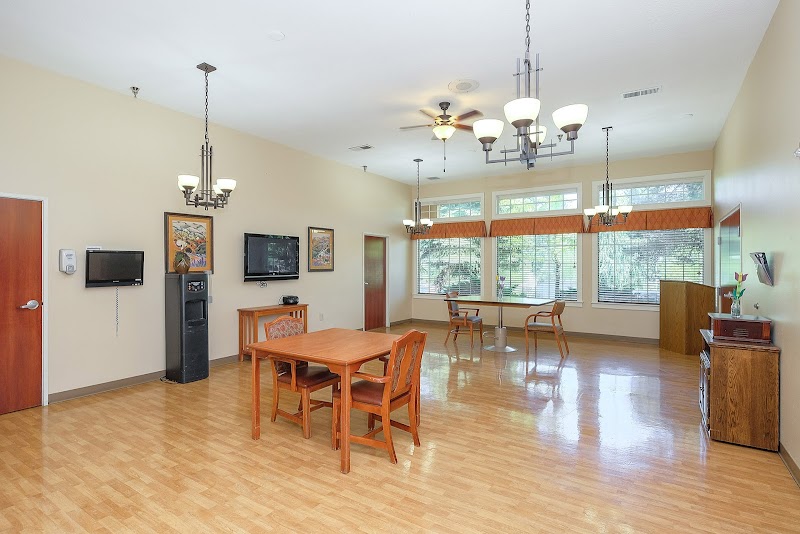
How is Avamere Rehabilitation Of Oregon City Staffed?

CMS rates AVAMERE REHABILITATION OF OREGON CITY's staffing level at 4 out of 5 stars, which is above average compared to other nursing homes. Staff turnover is 38%, compared to the Oregon average of 46%. This relatively stable workforce can support continuity of care.

What Have Inspectors Found at Avamere Rehabilitation Of Oregon City?

State health inspectors documented 65 deficiencies at AVAMERE REHABILITATION OF OREGON CITY during 2023 to 2025. These included: 5 that caused actual resident harm and 60 with potential for harm. Deficiencies causing actual harm indicate documented cases where residents experienced negative health consequences.
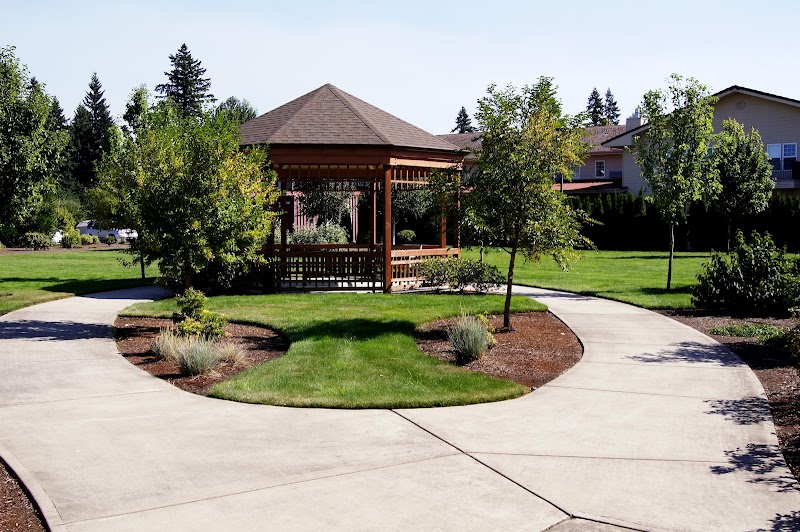
Who Owns and Operates Avamere Rehabilitation Of Oregon City?

AVAMERE REHABILITATION OF OREGON CITY is owned by a for-profit company. For-profit facilities operate as businesses with obligations to shareholders or private owners. The facility is operated by AVAMERE, a chain that manages multiple nursing homes. With 111 certified beds and approximately 61 residents (about 55% occupancy), it is a mid-sized facility located in OREGON CITY, Oregon.
How Does Avamere Rehabilitation Of Oregon City Compare to Other Oregon Nursing Homes?

Compared to the 100 nursing homes in Oregon, AVAMERE REHABILITATION OF OREGON CITY's overall rating (3 stars) matches the state average, staff turnover (38%) is near the state average of 46%, and health inspection rating (2 stars) is below the national benchmark.

What Should Families Ask When Visiting Avamere Rehabilitation Of Oregon City?

Based on this facility's data, families visiting should ask: "Can I visit during a mealtime to observe dining assistance and food quality?" "How do you handle medical emergencies, and what is your hospital transfer rate?" "Can I speak with family members of current residents about their experience?"

Is Avamere Rehabilitation Of Oregon City Safe?

Based on CMS inspection data, AVAMERE REHABILITATION OF OREGON CITY has a clean safety record: no substantiated abuse findings (meaning no confirmed cases of resident harm), no Immediate Jeopardy citations (the most serious violation level indicating risk of serious injury or death), and is not on the Special Focus Facility watch list (a federal program monitoring the lowest-performing 1% of nursing homes). The facility has a 3-star overall rating and ranks #1 of 100 nursing homes in Oregon. While no facility is perfect, families should still ask about staff-to-resident ratios and recent inspection results during their visit.

Do Nurses at Avamere Rehabilitation Of Oregon City Stick Around?

AVAMERE REHABILITATION OF OREGON CITY has a staff turnover rate of 38%, which is about average for Oregon nursing homes (state average: 46%). Moderate turnover is common in nursing homes, but families should still ask about staff tenure and how the facility maintains care continuity when employees leave.

Was Avamere Rehabilitation Of Oregon City Ever Fined?

AVAMERE REHABILITATION OF OREGON CITY has been fined $147,486 across 2 penalty actions. This is 4.3x the Oregon average of $34,554. Fines at this level are uncommon and typically indicate a pattern of serious deficiencies, repeated violations, or failure to correct problems promptly. CMS reserves penalties of this magnitude for facilities that pose significant, documented risk to resident health or safety. Families should request specific documentation of what issues led to these fines and what systemic changes have been implemented.

Is Avamere Rehabilitation Of Oregon City on Any Federal Watch List?

AVAMERE REHABILITATION OF OREGON CITY is not on any federal watch list. The most significant is the Special Focus Facility (SFF) program, which identifies the bottom 1% of nursing homes nationally based on persistent, serious quality problems. Not being on this list means the facility has avoided the pattern of deficiencies that triggers enhanced federal oversight. This is a positive indicator, though families should still review the facility's inspection history directly.