MARQUIS OREGON CITY POST ACUTE REHAB
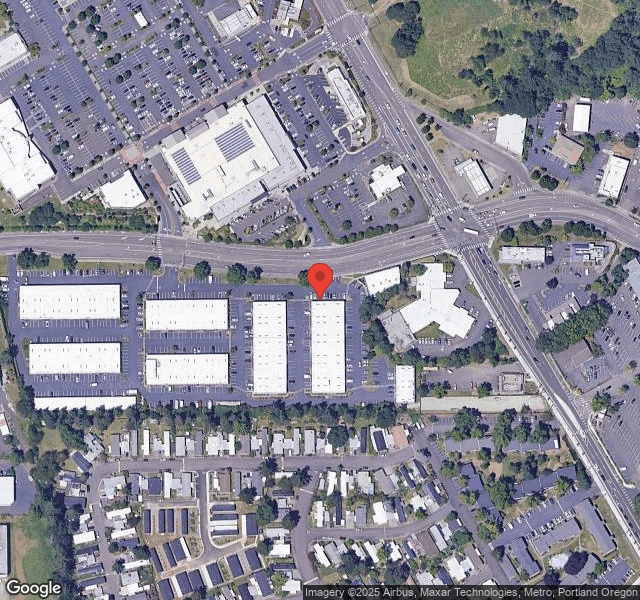

1680 MOLALLA AVENUE, OREGON CITY, OR 97045 (503) 655-2588
For profit - Limited Liability company 102 Beds MARQUIS COMPANIES Data: November 2025
Trust Grade
55/100
#61 of 127 in OR
Last Inspection: October 2024

Within standard 12-15 month inspection cycle. Federal law requires annual inspections.

Overview

Marquis Oregon City Post Acute Rehab has a Trust Grade of C, which means it is average and sits in the middle of the pack among nursing homes. It ranks #61 out of 127 facilities in Oregon, placing it in the top half, and #9 out of 13 in Clackamas County, indicating that only a few local options are better. The facility is currently worsening, with issues increasing from 1 in 2022 to 7 in 2024. Staffing is a strength, earning a 5-star rating with a low turnover rate of 24%, well below the state average, which suggests that staff are experienced and familiar with the residents. While the facility has not incurred any fines, there are concerning issues, such as an 18% medication error rate affecting resident care and cleanliness problems, including dirt and debris in light fixtures and vents, which can impact residents' quality of life.

Trust Score
C
55/100
In Oregon
#61/127
Top 48%
Safety Record
High Risk
Review needed
Inspections
Getting Worse
1 → 7 violations
Staff Stability
✓ Good
24% annual turnover. Excellent stability, 24 points below Oregon's 48% average. Staff who stay learn residents' needs.
Penalties
✓ Good
No fines on record. Clean compliance history, better than most Oregon facilities.
Skilled Nurses
○ Average
Each resident gets 39 minutes of Registered Nurse (RN) attention daily — about average for Oregon. RNs are the most trained staff who monitor for health changes.
Violations
⚠ Watch
15 deficiencies on record. Higher than average. Multiple issues found across inspections.
★★★☆☆
3.0
Overall Rating
★★★★★
5.0
Staff Levels
★★★★☆
4.0
Care Quality
★★☆☆☆
2.0
Inspection Score
Stable
2022: 1 issues
2024: 7 issues

The Good

  • 5-Star Staffing Rating · Excellent nurse staffing levels
  • 4-Star Quality Measures · Strong clinical quality outcomes
  • Low Staff Turnover (24%) · Staff stability means consistent care
  • Full Sprinkler Coverage · Fire safety systems throughout facility
  • No fines on record
  • Staff turnover is low (24%)

    24 points below Oregon average of 48%

Facility shows strength in staffing levels, quality measures, staff retention, fire safety.

The Bad

3-Star Overall Rating

Near Oregon average (3.0)

Meets federal standards, typical of most facilities

Chain: MARQUIS COMPANIES

Part of a multi-facility chain

Ask about local staffing decisions and management

The Ugly 15 deficiencies on record

Oct 2024 6 deficiencies
CONCERN (D) 📢 Someone Reported This

A family member, employee, or ombudsman was alarmed enough to file a formal complaint

Potential for Harm - no one hurt, but risky conditions existed

Free from Abuse/Neglect (Tag F0600)

Could have caused harm · This affected 1 resident

Based on interview and record review it was determined the facility failed to protect the resident's right to be free from physical and mental abuse by a resident for 1 of 1 resident (# 32) reviewed f...

Read full inspector narrative →
Based on interview and record review it was determined the facility failed to protect the resident's right to be free from physical and mental abuse by a resident for 1 of 1 resident (# 32) reviewed for abuse. This placed residents at risk for psychosocial harm. Findings include: Resident 38 was admitted to the facility in 6/2023 with diagnoses including dementia with behavioral disturbance. Resident 32 was admitted to the facility in 9/2024 with diagnoses including dementia with behavioral disturbance. A 9/20/24 Behavior/Psychotropic Meeting report included Resident 38 exhibited behavior problems including grabbing others on 9/11/24 and screaming at others on 9/23/24. A 9/25/24 Resident to Resident Event Assessment reported Staff 16 (CNA) heard two residents yelling in a room. Staff 16 entered the room and found Resident 38 straddling Resident 32 with her/his hands around Resident 32's neck. Staff 16 was required to intervene to remove Resident 38 off of Resident 32. The report indicated Resident 38 reported, [Resident 32] was yelling and I told [her/him] I was going to kick [her/his] ass. The report indicated at that point Resident 38 got out of bed and put her/his hands around Resident 32's neck. On 10/23/24 at 10:05 AM Staff 16 (CNA) recalled the incident and stated he overheard yelling from Resident 32 and Resident 38's shared room. Staff 16 stated he was required to pull Resident 38 off Resident 32 and remove Resident 32 from the shared room. Staff 16 stated Resident 32 was distressed initially after the incident, but was able to calm down after an hour or two. On 10/23/24 at 10:14 AM Staff 17 (LPN) recalled Resident 32 stating she/he did not want to return to the room shared with Resident 38 after the incident. On 10/23/24 at 12:32 PM Staff 2 (DNS) confirmed the incident occurred and stated Resident 38's behavior towards Resident 32 was unacceptable. The identified deficient practice was determined to be past noncompliance as the facility put interventions in place to prevent additional incidents and in-serviced staff. The deficient practice was determined to be corrected on 10/10/24.
CONCERN (D) 📢 Someone Reported This

A family member, employee, or ombudsman was alarmed enough to file a formal complaint

Potential for Harm - no one hurt, but risky conditions existed

Assessment Accuracy (Tag F0641)

Could have caused harm · This affected 1 resident

Based on interview and record review it was determined the facility failed to ensure the MDS was coded accurately related to the use of hearing devices for 1 of 2 sampled residents (#9) reviewed for h...

Read full inspector narrative →
Based on interview and record review it was determined the facility failed to ensure the MDS was coded accurately related to the use of hearing devices for 1 of 2 sampled residents (#9) reviewed for hearing. This placed residents at risk for unassessed needs. Findings include: Resident 9 was admitted to the facility in 2019 with diagnoses including Parkinson's and anxiety. The 8/14/24 Annual MDS indicated the resident did not use hearing aids. The 8/14/24 Communication CAA revealed Resident 9 had a hard time hearing and often needed staff to raise their voice level when speaking to the resident. Staff were to speak in an elevated tone and face the resident when conversing. The CAA indicated Resident 9 did not use hearing aid devices but may eventually need hearing aids if her/his hearing worsened. On 10/23/24 at 3:05 PM and 10/24/24 at 11:52 AM Staff 3 (Social Services) stated the resident utilized hearing aids. Staff 3 stated she completed the 8/14/24 Annual MDS and Communication CAA, and acknowledged both were inaccurate.
CONCERN (D) 📢 Someone Reported This

A family member, employee, or ombudsman was alarmed enough to file a formal complaint

Potential for Harm - no one hurt, but risky conditions existed

Deficiency F0676 (Tag F0676)

Could have caused harm · This affected 1 resident

Based on observation, interview and record review it was determined the facility failed to ensure staff assisted a resident with wearing hearing aids for 1 of 2 sampled residents (#35) reviewed for he...

Read full inspector narrative →
Based on observation, interview and record review it was determined the facility failed to ensure staff assisted a resident with wearing hearing aids for 1 of 2 sampled residents (#35) reviewed for hearing. This placed residents at risk for a decline in communication. Findings include: Resident 35 was admitted to the facility in 7/2024 with diagnoses including dementia and anxiety. Review of Resident 35's Care Plan, revised on 8/16/24, revealed the resident had adequate hearing with hearing aids. Staff were instructed to place Resident 35's hearing aids in her/his ears in the morning, remove them at night, and place them on a charger on the night stand in a green container. Resident 35 might decline to wear her/his hearing aids due to them not being comfortable. A 9/11/24 Significant Change MDS revealed Resident 35 used hearing aids and her/his hearing was adequate. Resident 10 had a BIMS score of 10, indicating moderate cognitive impairment. A review of Resident 35's clinical record revealed no indication Resident 35 refused to have her/his hearing aids placed in her/his ears. On 10/21/24 at 11:24 AM Witness 2 (Family Member) stated when she visited Resident 35 during the day, the resident never had her/his hearing aids in. Witness 2 stated she placed them in the resident's ears and brought the concern up with staff but was not sure if anything was done to address the concern. On 10/22/24 at 11:00 AM Resident 35 stated she/he required assistance with putting her/his hearing aids in and staff did not always offer to assist with the hearing aids. Resident 35 stated she/he was hard of hearing without them. Random observations from 10/22/24 through 10/24/24 revealed Resident 35 had two hearing aids on her/his night stand in a green container being charged and not in Resident 35's ears. On 10/23/24 at 10:07 AM Resident 35 was heard asking staff to put in her/his hearing aids, however, no staff responded to her/his request, and multiple staff were in and out of the resident's room. On 10/23/24 at 10:44 AM Staff 5 (CNA), and at 1:01 PM Staff 6 (CNA), both stated Resident 35 was very hard of hearing and used hearing aids. Staff 5 acknowledged Resident 35 did not have her/his hearing aids in. Staff 5 and Staff 6 stated at times Resident 35 refused to wear the hearing aids, and they were supposed to document the refusals and report to the charge nurse. On 10/23/24 at 3:39 PM Staff 7 (CNA) stated Resident 35 was hard of hearing and required assistance with her/his hearing aids. Staff 7 stated the resident did not always have them in her/his ears when he came on shift. Staff 7 stated the hearing aids definitely helped with Resident 35's hearing. On 10/24/24 at 1:56 PM, Staff 4 (RNCM) stated Resident 35 required assistance with hearing aids being placed in her/his ears. Staff 4 stated Witness 2 reported concerns regarding the resident's hearing aids not being placed in her/his ears. Staff 4 stated she expected staff to offer to place Resident 35's hearing aids in the resident's ears. If Resident 35 refused, staff were to document in the clinical record and report the refusal to the charge nurse. Staff 4 acknowledged Resident 35's hearing aids were not being offered or placed in her/his ears.
CONCERN (E) 📢 Someone Reported This

A family member, employee, or ombudsman was alarmed enough to file a formal complaint

Potential for Harm - no one hurt, but risky conditions existed

Safe Environment (Tag F0584)

Could have caused harm · This affected multiple residents

Based on observation and interview the facility failed to ensure a clean, home-like environment for 1 of 1 memory care units and 1 of 1 dining halls observed. This placed residents at risk for lessene...

Read full inspector narrative →
Based on observation and interview the facility failed to ensure a clean, home-like environment for 1 of 1 memory care units and 1 of 1 dining halls observed. This placed residents at risk for lessened quality of life. Findings include: On 10/22/24 at 11:58 AM an observation during lunch service in the main dining room revealed the light fixtures had built up debris and dead insects inside eight of eight ceiling lights. On 10/24/24 at 10:45 AM an observation near the exit of the Memory Care Unit revealed debris and dead insects accumulated on two vent covers, and in one ceiling light fixture. On 10/24/24 at 11:19 AM and 11:57 AM Staff 14 (Maintenance Director) stated he usually cleaned vents annually and cleaned the light fixtures when he noticed they were dirty or someone told him they needed cleaning. Staff 14 stated the design of the lights was perfect for catching dust and insects like a bowl. Staff 14 acknowledged the vents and light fixtures were not clean.
CONCERN (E) 📢 Someone Reported This

A family member, employee, or ombudsman was alarmed enough to file a formal complaint

Potential for Harm - no one hurt, but risky conditions existed

Unnecessary Medications (Tag F0759)

Could have caused harm · This affected multiple residents

Based on observation, interview, and record review it was determined the facility had a medication error rate of greater than 5%. The facility's error rate was 18% with six errors in 33 opportunities....

Read full inspector narrative →
Based on observation, interview, and record review it was determined the facility had a medication error rate of greater than 5%. The facility's error rate was 18% with six errors in 33 opportunities. This placed residents at risk for inaccurate medication dosage and adverse consequences related to medications. Findings include: 1. Resident 14 admitted to the facility in 11/2019 with diagnoses including dementia. A review of Resident 14's physician orders revealed a 9/25/24 order for acidophilus pectin (probiotic) daily. On 10/23/24 at 9:24 AM Staff 13 (CMA) was observed administering medication to Resident 14. Staff 13 did not administer acidophilus pectin. A review of Resident 14's MAR revealed Staff 13 indicated she administered acidophilus pectin with the morning medications on 10/23/24. On 10/23/24 at 9:57 AM Staff 13 stated she did not administer acidophilus pectin. Staff 13 stated there was no acidophilus pectin in the medication cart and she was going to get a bottle from the medication storage room and administer it. On 10/23/24 at 10:04 AM Staff 4 (RNCM) stated medications were to be signed out when they were given and Staff 13 should have obtained the medication prior to signing it out. 2. Resident 19 admitted to the facility in 9/2024 with diagnoses including right knee pain. A review of Resident 19's physician orders revealed a 9/25/24 order for Lidocaine 5% patch: apply two patches, one to the posterior right knee and one to the anterior right knee. On 10/23/24 at 9:06 AM Staff 13 (CMA) was observed applying one lidocaine patch to Resident 19's right knee. On 10/23/24 at 9:58 AM Staff 13 stated she was unaware the orders stated to apply two lidocaine patches. On 10/23/24 at 10:10 AM Staff 12 (RNCM) stated she expected staff to read and follow the physician orders. Staff 12 stated two lidocaine patches should have been applied per physician orders. 3. Resident 45 admitted to the facility in 7/2024 with diagnoses including depression. a. A review of Resident 45's physician orders revealed an 10/22/24 order for acidophilus pectin (probiotic) daily. On 10/23/24 at 8:46 AM Staff 13 (CMA) was observed administering Resident 45's medications. Staff 13 did not administer acidophilus pectin. On 10/23/24 at 10:02 Staff 13 acknowledged she did not administer acidophilus pectin. Staff 13 stated there was no acidophilus/pectin in the medication cart and she was going to get a bottle from the medication storage room and administer the medication. On 10/23/24 at 10:12 AM Staff 12 (RNCM) stated medications were to be signed out when they were given and Staff 13 should have obtained the medication prior to signing it out. b. A review of Resident 45's physician orders revealed a 10/22/24 order for apripazole (a medication to treat depression) 7.5 mg daily. On 10/23/24 at 8:46 AM Staff 13 (CMA) was observed administering Resident 45's medications. Staff 13 administered apripazole 5 mg. On 10/23/24 at 10:02 Staff 13 acknowledged she did not administer the correct dose of apripazole. On 10/23/24 at 10:12 AM Staff 12 (RNCM) stated staff were expected to read and follow physician orders. c. A review of Resident 45's physician orders revealed a 10/22/24 order for budesonide formoterol fumarate inhaler: rinse with water and spit after each dose. On 10/23/24 at 8:46 AM Staff 13 (CMA) was observed administering Resident 45's budesonide formoterol fumarate inhaler without having Resident 45 rinse and spit after each dose. On 10/23/24 at 10:02 AM Staff 13 acknowledged she did not have Resident 45 rinse and spit after administering her/his inhaler. On 10/23/24 at 10:12 AM Staff 12 (RNCM) stated staff were expected to read and follow physician orders. 4. Resident 255 admitted to the facility in 10/2024 with diagnoses including chronic obstructive pulmonary disease. A review of Resident 255's physician orders revealed a 10/21/24 order for aclidinium bromide inhaler: rinse mouth after use. On 10/23/24 at 8:58 AM Staff 13 (CMA) was observed administering Resident 255's aclidinium bromide inhaler. Staff 13 did not have Resident 255 rinse her/his mouth after using the inhaler. On 10/23/24 at 10:00 AM Staff 13 stated she was unaware of the instructions to rinse the mouth after use of Resident 255's inhaler. On 10/23/24 at 10:10 AM Staff 12 (RNCM) stated staff were expected to read and follow physician's orders.
CONCERN (E) 📢 Someone Reported This

A family member, employee, or ombudsman was alarmed enough to file a formal complaint

Potential for Harm - no one hurt, but risky conditions existed

Deficiency F0761 (Tag F0761)

Could have caused harm · This affected multiple residents

**NOTE- TERMS IN BRACKETS HAVE BEEN EDITED TO PROTECT CONFIDENTIALITY** Based on observation and interview it was determined the facility failed to ensure medication storage was free of expired biolog...

Read full inspector narrative →
**NOTE- TERMS IN BRACKETS HAVE BEEN EDITED TO PROTECT CONFIDENTIALITY** Based on observation and interview it was determined the facility failed to ensure medication storage was free of expired biologicals for 1 of 1 medication room reviewed for medication storage. This placed residents at risk for diminished treatment efficacy. Findings include: On [DATE] at 1:52 PM the medication storage refrigerator was observed to have three open vials of aplisol (tuberculosis test solution) with open dates in 7/2024. Each bottle indicated to discard 30 days after opening. On [DATE] at 1:56 PM Staff 2 (DNS) stated aplisol was to be discarded per the manufacturer's recommendation, 30 days after opening the vial. Staff 2 acknowledged all three vials of aplisol were open for greater than 30 days and needed to be discarded.
Jul 2024 1 deficiency
CONCERN (D) 📢 Someone Reported This

A family member, employee, or ombudsman was alarmed enough to file a formal complaint

Potential for Harm - no one hurt, but risky conditions existed

Free from Abuse/Neglect (Tag F0600)

Could have caused harm · This affected 1 resident

**NOTE- TERMS IN BRACKETS HAVE BEEN EDITED TO PROTECT CONFIDENTIALITY** Based on interview and record review it was determined the facility failed to ensure residents were free from abuse for 1 of 4 s...

Read full inspector narrative →
**NOTE- TERMS IN BRACKETS HAVE BEEN EDITED TO PROTECT CONFIDENTIALITY** Based on interview and record review it was determined the facility failed to ensure residents were free from abuse for 1 of 4 sampled residents (#7) reviewed for abuse. This placed residents at risk for abuse. Findings include: Resident 7 admitted to the facility in 3/2020, with diagnoses including unspecified dementia and acute kidney failure. Resident 7's Quarterly MDS dated [DATE] revealed a BIMS score of 4, which indicated severe cognitive impairment. Resident 8 admitted to the facility in 8/2022 with diagnoses including Alzheimer's Disease and diabetes. Resident 8's Progress Note revealed on 9/14/22, she/he was observed trying to touch other residents in the groin area. When confronted by staff, Resident 8 would stop what she/he was doing and move onto the next closest female/male and start to grab their hands and then slowly rub their leg and try to creep her/his hand slowly to their groin area. Patient was redirected several times. Resident 8's Quarterly MDS dated [DATE] revealed a BIMS score of 9, which indicated moderate cognitive impairment. Resident 8's most recent care plan, revised on 7/10/23 revealed the resident had both verbal and physical inappropriate sexual behaviors, which included a history of inappropriately touching residents of the opposite gender since 2022. Resident 8's care plan interventions included one to one supervision as needed, supervision during group activities and meal times, staff to seat resident next to the same gender in group activities and line of sight supervision if one to one supervision could not be provided. On 3/13/23 the State Survey Agency (SSA) received a Facility Reported Incident (FRI), which revealed on 3/13/23 at 3:25 PM, Resident 8 was observed by staff with her/his hand down the front of Resident 7's pants. The residents were in the dining room watching a movie and Staff 9 (Former Activities Director) left the dining room briefly. When Staff 9 returned to the dining room, she observed the incident. The residents were separated and assessed by Staff 9. The report indicated Resident 7 did not experience psychosocial distress as a result of the incident. A Progress Note dated 3/13/23 at 11:40 PM, revealed after the incident Resident 8 was placed on 15 minute checks. Resident 8 was not interviewed due to discharging from the facility. On 7/24/24 at 9:59 AM, Resident 7 was observed to be lying in bed. She/he had no recall of the incident. On 7/24/24 at 10:15 AM, Staff 10 (CNA) recalled both residents and noted Resident 8 was just a little too friendly with residents of the opposite gender and was to be closely supervised while out of her/his room. On 7/26/24 at 1:55 PM, Staff 7 (Life Enrichment Coordinator) recalled the incident and stated staff were instructed to keep an eye on Resident 8, not leave her/him with other female/male residents due to her/his behaviors which included her/him rubbing or touching other resident's bodies without their consent. On 7/29/23 at 11:38 AM, Staff 5 (RCM) stated Resident 8 was placed on one to one supervision in 7/2023 due to another incident involving a different resident. She stated the 3/2023 incident with Resident 7 resulted in Resident 8 being placed on 15 minute checks and not seated by residents of the opposite gender. On 7/29/24 at 1:00 PM, Staff 1 (Administrator) and Staff 2 (DNS) were notified of the investigative findings.
Nov 2022 1 deficiency
CONCERN (D) 📢 Someone Reported This

A family member, employee, or ombudsman was alarmed enough to file a formal complaint

Potential for Harm - no one hurt, but risky conditions existed

Accident Prevention (Tag F0689)

Could have caused harm · This affected 1 resident

**NOTE- TERMS IN BRACKETS HAVE BEEN EDITED TO PROTECT CONFIDENTIALITY** Based on interview and record review it was determined the facility failed to follow the plan of care for 1 of 3 sampled residen...

Read full inspector narrative →
**NOTE- TERMS IN BRACKETS HAVE BEEN EDITED TO PROTECT CONFIDENTIALITY** Based on interview and record review it was determined the facility failed to follow the plan of care for 1 of 3 sampled residents (#1) reviewed for falls. This placed residents at risk for increased falls. Findings include: Resident 1 admitted to the facility on [DATE] with diagnoses including CVA. Resident 1's admission MDS dated [DATE] revealed she/he had a BIMS score of 13 (cognitively intact). Resident 1's care plan updated 10/24/22 included TRANSFERS: Provide me with one person constant guidance and physical assist w/quad cane & gait belt. The investigation revealed on 11/2/22 Resident 1 was being pushed in the wheelchair by his wife to the bathroom when Staff 7 (CNA) came into room and took Resident 1 to the toilet. Resident 1 stood up, grabbed the transfer bar in the bathroom then lost balance and sat herself/himself down on the floor. Staff 5 (LPN) checked Resident 1 for injuries and assisted her/him up from the floor. Resident 1 had no injuries and did not hit her/his head. In interview on 10/15/22 at 10:41 AM and 10/17/22 at 7:47 AM, Staff 7 (CNA) stated Resident 1 did not have a gait belt on when she/he was transferred. The gait belt was in Resident 1's room, not in the bathroom. In interview on 10/15/22 at 2:38 PM Staff 5 (LPN) stated she checked Resident 1 for injuries and found none. Staff 5 stated Resident 1 told she/he had not hit her/his head. In interview on 10/16/22 at 12:16 PM Staff 2 (DNS) confirmed the gait belt was not used during the transfer on 11/2/22.
Aug 2019 4 deficiencies
CONCERN (D)

Potential for Harm - no one hurt, but risky conditions existed

Report Alleged Abuse (Tag F0609)

Could have caused harm · This affected 1 resident

Based on interview and record review it was determined the facility failed to report an allegation of abuse to the State Survey Agency within 24 hours for 1 of 8 sampled residents (#3) for abuse. This...

Read full inspector narrative →
Based on interview and record review it was determined the facility failed to report an allegation of abuse to the State Survey Agency within 24 hours for 1 of 8 sampled residents (#3) for abuse. This placed residents at risk for lack of timely investigations. Findings include: Resident 3 admitted to the facility in 2017 with diagnoses including dementia. The 2/2/19 Annual MDS Cognitive Loss/Dementia CAA indicated Resident 3 had a diagnosis of dementia, had short term memory loss and difficulty recalling some long-term memories. The resident often was confused and had anxious behaviors such as yelling and screaming for help. The 7/19/19 Resident to Resident Event Assessment indicated Resident 3 was in the dining room calling out repeatedly and CNA staff assisted her/him to the day room and the resident refused to stay in the dayroom. The CNA staff then assisted Resident 3 to the hallway between the dining room and dayroom and she/he was calm. CNA staff continued helping other residents into the day room. Resident 5 was sitting in a wheelchair at a table in the dining room still finishing dinner. The CNA in the dayroom noticed Resident 3 was no longer in the hallway and heard her/him calling out, Where am I? and Why am I here? from the dining room. Resident 3 had self-propelled in the wheelchair into the dining room. The CNA went to the dining room to assist Resident 3 and heard Resident 5 ask Resident 3 What's wrong? and then heard a slap sound. Resident 5 was facing Resident 3 and Resident 3 punched Resident 5 on the right upper arm, as indicated by Resident 5 rubbing her/his arm [the slap and punch was not witnessed by staff]. Resident 5 stated [she/he] walloped me on the arm a good one, indicating a closed fist making a punching motion. Afterwards, Resident 3 could not answer questions about the incident due to cognitive deficits. The residents were immediately separated. Resident 5 was calm and uninjured. Due to the nature of the incident the resident-to-resident event resulted in physical abuse with Resident 3 being the instigator. On 8/29/19 at 1:58 PM Staff 20 (RNCM) stated the altercation between Resident 3 and Resident 5 occurred on 7/19/19 and was not reported to the State Survey Agency until 7/22/19.
CONCERN (D)

Potential for Harm - no one hurt, but risky conditions existed

Deficiency F0657 (Tag F0657)

Could have caused harm · This affected 1 resident

Based on interview and record review it was determined the facility failed to revise and update a care plan related to a skin impairment for 1 of 2 sampled residents (#34) reviewed for hospitalization...

Read full inspector narrative →
Based on interview and record review it was determined the facility failed to revise and update a care plan related to a skin impairment for 1 of 2 sampled residents (#34) reviewed for hospitalization. This placed residents at risk for unmet care needs. Findings include: Resident 34 was admitted to the facility in 2019 with a diagnoses including acute embolism and thrombosis of the right femoral vein (blood clot inside the right leg). Resident 34's Bedside care plan dated 7/11/19 indicated the resident received anticoagulant medication (used to treat and prevent blood clots). An intervention included to observe and report any bruising or bleeding. The care plan also indicated the resident was a risk for skin conditions and had interventions including air mattress, pressure reducing cushion and to float heels. Review of progress notes indicated the resident discharged from the facility on 8/15/19 and returned to the facility from the hospital with a stent placed on her/his right leg on 8/16/19. Review of Resident 34's medical record indicated the Bedside care plan was not updated to include the resident's skin impairment of the stent in the right leg. On 8/29/19 at 12:52 PM Staff 10 (CNA) stated Resident 34 was assisted with ADLs including transfers and catheter care. Staff 10 stated the resident left to the hospital and returned to the facility with a surgical wound on her/his right thigh. She stated the resident's skin impairment was not on the Bedside care plan and the resident informed her of the wound. She stated it would have been helpful to have information about the resident's surgical wound on the Bedside care plan so staff would not cause more damage during care. On 8/30/19 at 8:39 AM Staff 12 (RN) stated Resident 34 readmitted to the facility with a stent placed in her/his leg. Staff 12 stated it was important for the CNAs to observe for pain, redness and drainage associated with the surgical wound on the resident's right leg. She further stated Resident 34 was at increased risk for bleeding and clotting especially after a new surgery. On 8/29/19 at 1:30 PM Staff 11 (RNCM) stated Resident 34's surgical wound was on the care plan for the nurses to refer to and was not available for CNAs. She stated CNAs were informed of the resident's surgical wound only by verbal report from the nurse. Staff 11 confirmed Resident 34's skin impairment of the surgical stent on her/his right leg was not on the Bedside care plan for the CNAs to refer to.
CONCERN (D)

Potential for Harm - no one hurt, but risky conditions existed

Quality of Care (Tag F0684)

Could have caused harm · This affected 1 resident

Based on interview and record review it was determined the facility failed to ensure the physician was notified of repeated refusals of thyroid medication for 1 of 5 sampled residents (#35) reviewed f...

Read full inspector narrative →
Based on interview and record review it was determined the facility failed to ensure the physician was notified of repeated refusals of thyroid medication for 1 of 5 sampled residents (#35) reviewed for medications. This placed residents at risk for adverse side effects. Findings include: Resident 35 admitted to the facility in 3/2019 with diagnoses including hypothyroidism (underactive thyroid). Review of the 8/2019 MAR revealed Resident 35 was to receive Levothyroxine Sodium Tablet (medication used to treat hypothyroidism) one time daily. Resident 35 was documented to refuse the Levothyroxine nine of 27 days reviewed. Review of Resident 35's medical record revealed no indication Resident 35's physician was notified of the refusals of Levothyroxine. On 8/28/19 at 11:02 AM Staff 20 (RNCM) acknowledged the 8/2019 MAR indicated Resident 35 refused her/his Levothyroxine nine of 27 days and the physician was not notified of the indicated refusal dates.
CONCERN (D)

Potential for Harm - no one hurt, but risky conditions existed

Drug Regimen Review (Tag F0756)

Could have caused harm · This affected 1 resident

Based on interview and record review it was determined the facility failed to follow-up on pharmacist recommendations for 1 of 5 sampled residents (#35) reviewed for medications. This placed residents...

Read full inspector narrative →
Based on interview and record review it was determined the facility failed to follow-up on pharmacist recommendations for 1 of 5 sampled residents (#35) reviewed for medications. This placed residents at risk for adverse side effects. Findings include: Resident 35 admitted to the facility in 2019 with diagnoses including dementia. A 4/4/19 physician order indicated Resident 35 began Namenda (dementia medication) once daily. Review of Resident 35's medical record revealed a 5/2019 pharmacist recommendation to consider a dose decrease of Resident 35's Namenda. Review of Resident 35's medical record on 8/28/19 revealed no indication her/his physician was provided the 5/2019 pharmacist recommendation for consideration. On 8/28/19 at 12:09 PM Staff 1 (Administrator) confirmed Resident 35's physician had not been notified of the 5/2019 pharmacist recommendation until 8/28/19.
Feb 2018 3 deficiencies
CONCERN (D)

Potential for Harm - no one hurt, but risky conditions existed

Comprehensive Care Plan (Tag F0656)

Could have caused harm · This affected 1 resident

**NOTE- TERMS IN BRACKETS HAVE BEEN EDITED TO PROTECT CONFIDENTIALITY** 2. Resident 19 was admitted to the facility in 5/2014 with diagnoses including Alzheimer's Disease and intervertebral disc degen...

Read full inspector narrative →
**NOTE- TERMS IN BRACKETS HAVE BEEN EDITED TO PROTECT CONFIDENTIALITY** 2. Resident 19 was admitted to the facility in 5/2014 with diagnoses including Alzheimer's Disease and intervertebral disc degeneration (back pain). The 5/31/17 Annual MDS indicated Resident 19 required extensive assistance with upper body ADL's. The ADL Function CAA dated 6/12/17, indicated the resident was dependent and required extensive assistance with ADL's and mobility. Resident 19's current care plan had no indication for the use of a C shaped collar pillow behind her/his head. Resident 19 was observed to have a C shaped pillow placed behind her/his head on multiple observations including the following: - 2/12/18 at 12:57 PM - 2/13/18 at 9:00 AM - 2/14/18 at 10:30 AM, 11:17 AM, 11:59 AM, 12:34 PM, 12:52 PM, and 3:03 PM - 2/15/18 at 12:30 PM, 12:46 PM During an interview on 2/15/18 at 4:03 PM, Staff 6 (RNCM) revealed the C shaped pillow was used for positioning Resident 19's head. Staff 6 revealed Resident 19 did not have a care plan for the positioning pillow. Staff 6 confirmed Resident 19's pillow should have been care planned. On 2/15/18 at 4:37 PM, Staff 2 (DNS) verified Resident 19 did not have a care plan for the C positioning pillow. Staff 2 confirmed the pillow should be on the care plan. Based on observation, interview and record review the facility failed to develop an accurate and comprehensive care plan for 2 of 5 sampled residents (#s 19 and 36) reviewed for activities and positioning. This placed residents at risk for unmet psychosocial needs and body positioning. Findings include: 1. Resident 36 was admitted to the facility in 1/2018 with diagnoses including dementia and congestive heart failure. The resident's admission MDS dated [DATE] indicated the resident had a BIMS (Brief Interview for Mental Status) score of three which indicated the resident had severe cognitive impairment. The MDS indicted the resident's activity preferences which included to be around animals such as pets, do her/his favorite activities, and get fresh air when the weather was good. The Activity CAA was not triggered for a comprehensive assessment. The resident's care plan was initiated on 1/4/18 and had a focus area titled My Story. The goal of the My Story section was to have staff aware of the resident's life and incorporate it into the resident's care. It included cultural, family, marriage, home, birthplace, occupational, and spiritual aspects. All of the areas in Resident 36's My Story were blank and contained no resident information. The care plan indicated the resident had activity needs related to end of life. The interventions were to include the resident in activities of choice and as the resident desired but identified no resident specific preferences for activities such as the ones included in the MDS. The resident's [NAME] (visual bedside care plan) contained no resident specific activity preferences and the My Story section was blank. On 2/12/18 at 11: 30 AM, 1:22 PM, and 2:30 PM Resident 36 was observed in a supine position with her/his eyes closed on her/his bed. The right side of the bed was against wall. There were two vases of wilting flowers next to the resident's bed. There were no pictures or other personal items in the resident's area and the walls were empty. Resident 36's bed was positioned out of site of the hallway and the privacy curtain between the roommates was pulled so Resident 36 could not see out of the window. The walls and the privacy curtains were light beige in color and provided no visual stimulation. On 2/14/18 at 9:11 AM, the resident was sleeping in bed. The room lights were off and the privacy curtains were closed between the roommates. On 2/14/18 at 2:36 PM, Staff 4 (Activity Director) provided a handwritten copy of an undated activity admission assessment. Staff 4 stated she did the assessment three days after the resident's admission and verified she had not entered the information into the resident's medical record yet, more than five weeks after the resident was admitted . On 2/15/18 at 1:15 PM, Staff 4 verified before 2/15/18 the care plan was blank and there was nothing to reflect the resident's preferences in the resident's room or on the care plan.
CONCERN (D)

Potential for Harm - no one hurt, but risky conditions existed

Deficiency F0679 (Tag F0679)

Could have caused harm · This affected 1 resident

**NOTE- TERMS IN BRACKETS HAVE BEEN EDITED TO PROTECT CONFIDENTIALITY** Based on observation, interview and record review it was determined the facility failed to provide an activity program to 1 of 2...

Read full inspector narrative →
**NOTE- TERMS IN BRACKETS HAVE BEEN EDITED TO PROTECT CONFIDENTIALITY** Based on observation, interview and record review it was determined the facility failed to provide an activity program to 1 of 2 sampled residents ( # 36) reviewed for meaningful activities. This placed residents at risk for poor quality of life. Findings include: Resident 36 was admitted to the facility in 1/2018 with diagnoses including dementia and congestive heart failure. The resident's admission MDS dated [DATE] indicated the resident had a BIMS (Brief Interview for Mental Status) score of three which indicated the resident had severe cognitive impairment. The MDS indicated the resident stated it was somewhat important to be around animals such as pets, do her/his favorite activities, and to get fresh air when the weather was good. The Activity CAA was not triggered for a comprehensive assessment. The resident's care plan was initiated on 1/4/18 and identified no resident specific preferences for activities. On 2/12/18 at 11 30 AM, 1:22 PM and 2:30 PM, Resident 36 was observed in a supine position with her/his eyes closed on her/his bed. The resident did not reply to verbal stimulation. The right side of the bed was against the wall. There were no pictures or personal items in the resident's area and the walls were empty. The walls and the privacy curtains were light beige in color and provided no visual stimulation. On 2/14/18 at 9:11 AM and 11:12 AM, the resident was observed in bed with her/his eyes closed. A bulletin board with family pictures had been provided and was hung behind the resident and out of Resident 36's sight. The room lights were off and the privacy curtains were closed between the roommates. During interview on 2/15/18 at 1:15 PM, Staff 4 (Activity Director) verified she did very little for Resident 36. Staff 4 verified there was not a program developed to meet the resident's preferences or resident specific activities.
CONCERN (E)

Potential for Harm - no one hurt, but risky conditions existed

Food Safety (Tag F0812)

Could have caused harm · This affected multiple residents

Based on observation and interview it was determined facility failed to distribute and handle food under sanitary conditions in 1 of 1 dining rooms or to keep equipment clean and under sanitary condit...

Read full inspector narrative →
Based on observation and interview it was determined facility failed to distribute and handle food under sanitary conditions in 1 of 1 dining rooms or to keep equipment clean and under sanitary conditions for 1 of 1 popcorn machines. This placed residents at risk for food-borne illness. Findings include: 1. During the dining room observation on 2/12/18 at 12:26 PM, Staff 8 (DIetary Aide) was observed to wear disposable gloves, touch the cupboard door, touch the food plate with his thumb and did not change his gloves. Dining room observation of the following on 2/13/18 between 12:20 PM and 12:40 PM: - 12:20 PM, Staff 8 was observed to serve beverages to multiple residents seated in the dining room with disposable gloved hands. With gloved hands, Staff 8 pushed the beverage cart, touched table tops, touched resident glasses, filled with beverages and began food service with out changing gloves. - 12:23 PM, Staff 8 was observed to walk to the community coffee dispensers, push on the top of the dispenser, which had been used by residents and family members. Staff 8 was not observed to change gloves before serving another resident food. - 12:27 PM, Staff 8 was observed to wear the same disposable gloves while serving multiple residents. Staff 8 was observed to wear disposable gloves, touch the cupboard door, touch the food plate with his thumb and did not change his gloves. - 12:38 PM, Staff 8 touched his shirt and his skin, just above the top of gloves. Staff 8 was not observed to change gloves and proceed to serve food, with thumb on top of plate. In an interview on 2/13/18 at 12:41 PM, Staff 8 (Dietary Aide) confirmed he should have changed disposable gloves between touching items and should not have had a thumb on the plate when serving residents. During an interview on 2/13/18 at 1:13 PM, Staff 1 (Administrator) confirmed staff should be washing or sanitizing hands between touching cupboards, personal clothing, skin, tables and serving residents. Staff 1 verified the plates should not be served with thumbs on top of the plate. 2. On 2/12/18 at 12:05 PM and 2/13/18 at 11:48 PM, the vintage style popcorn maker located in the dining room, had popped popcorn and kernels on the edges of the tray inside the popcorn machine. The cooking pot had a handle lift, which was coated with a thick, dark substance and had greasy dust on the top which hung over the popcorn serving tray. In an interview on 2/13/18 at 12:09 PM, Staff 4 (Activity Director) verified the popcorn machine was used weekly to serve residents and was last used 5 days prior. Staff 4 confirmed the machine was dirty, greasy and had not been cleaned. Staff 4 reported the Activity department used the popcorn machine weekly and she did not who was in charge to clean the machine. In an interview on 2/13/18 at 1:13 PM, Staff 1 (Administrator) confirmed the popcorn machine was dirty and should not have popcorn or kernels left in the tray.
Understanding Severity Codes (click to expand)
Life-Threatening (Immediate Jeopardy)
J - Isolated K - Pattern L - Widespread
Actual Harm
G - Isolated H - Pattern I - Widespread
Potential for Harm
D - Isolated E - Pattern F - Widespread
No Harm (Minor)
A - Isolated B - Pattern C - Widespread

Questions to Ask on Your Visit

  • "What safeguards are in place to prevent abuse and neglect?"
  • "Can I speak with families of current residents?"
  • "What's your RN coverage like on weekends and overnight?"

Our Honest Assessment

Strengths
  • • No fines on record. Clean compliance history, better than most Oregon facilities.
  • • 24% annual turnover. Excellent stability, 24 points below Oregon's 48% average. Staff who stay learn residents' needs.
Concerns
  • • Multiple safety concerns identified: Federal abuse finding. Review inspection reports carefully.
  • • 15 deficiencies on record. Higher than average. Multiple issues found across inspections.
  • • Grade C (55/100). Below average facility with significant concerns.
Bottom line: This facility has a substantiated abuse finding. Extreme caution advised. Explore alternatives.

About This Facility

What is Marquis Oregon City Post Acute Rehab's CMS Rating?

CMS assigns MARQUIS OREGON CITY POST ACUTE REHAB an overall rating of 3 out of 5 stars, which is considered average nationally. Within Oregon, this rating places the facility higher than 0% of the state's 100 nursing homes. This mid-range rating indicates the facility meets federal standards but may have areas for improvement.

How is Marquis Oregon City Post Acute Rehab Staffed?

CMS rates MARQUIS OREGON CITY POST ACUTE REHAB's staffing level at 5 out of 5 stars, which is much above average compared to other nursing homes. Staff turnover is 24%, compared to the Oregon average of 46%. This relatively stable workforce can support continuity of care.

What Have Inspectors Found at Marquis Oregon City Post Acute Rehab?

State health inspectors documented 15 deficiencies at MARQUIS OREGON CITY POST ACUTE REHAB during 2018 to 2024. These included: 15 with potential for harm.

Who Owns and Operates Marquis Oregon City Post Acute Rehab?

MARQUIS OREGON CITY POST ACUTE REHAB is owned by a for-profit company. For-profit facilities operate as businesses with obligations to shareholders or private owners. The facility is operated by MARQUIS COMPANIES, a chain that manages multiple nursing homes. With 102 certified beds and approximately 51 residents (about 50% occupancy), it is a mid-sized facility located in OREGON CITY, Oregon.

How Does Marquis Oregon City Post Acute Rehab Compare to Other Oregon Nursing Homes?

Compared to the 100 nursing homes in Oregon, MARQUIS OREGON CITY POST ACUTE REHAB's overall rating (3 stars) matches the state average, staff turnover (24%) is significantly lower than the state average of 46%, and health inspection rating (2 stars) is below the national benchmark.

What Should Families Ask When Visiting Marquis Oregon City Post Acute Rehab?

Based on this facility's data, families visiting should ask: "What safeguards and monitoring systems are in place to protect residents from abuse or neglect?" "Can I visit during a mealtime to observe dining assistance and food quality?" "How do you handle medical emergencies, and what is your hospital transfer rate?" "Can I speak with family members of current residents about their experience?" These questions are particularly relevant given the substantiated abuse finding on record.

Is Marquis Oregon City Post Acute Rehab Safe?

Based on CMS inspection data, MARQUIS OREGON CITY POST ACUTE REHAB has documented safety concerns. The facility has 1 substantiated abuse finding (meaning confirmed case of resident harm by staff or other residents). The facility has a 3-star overall rating and ranks #1 of 100 nursing homes in Oregon. Families considering this facility should ask detailed questions about what corrective actions have been taken since these incidents.

Do Nurses at Marquis Oregon City Post Acute Rehab Stick Around?

Staff at MARQUIS OREGON CITY POST ACUTE REHAB tend to stick around. With a turnover rate of 24%, the facility is 21 percentage points below the Oregon average of 46%. Low turnover is a positive sign. It means caregivers have time to learn each resident's needs, medications, and personal preferences. Consistent staff also notice subtle changes in a resident's condition more quickly.

Was Marquis Oregon City Post Acute Rehab Ever Fined?

MARQUIS OREGON CITY POST ACUTE REHAB has no federal fines on record. CMS issues fines when nursing homes fail to meet care standards or don't correct problems found during inspections. The absence of fines suggests the facility has either maintained compliance or corrected any issues before penalties were assessed. This is a positive indicator, though families should still review recent inspection reports for the full picture.

Is Marquis Oregon City Post Acute Rehab on Any Federal Watch List?

MARQUIS OREGON CITY POST ACUTE REHAB is not on any federal watch list. The most significant is the Special Focus Facility (SFF) program, which identifies the bottom 1% of nursing homes nationally based on persistent, serious quality problems. Not being on this list means the facility has avoided the pattern of deficiencies that triggers enhanced federal oversight. This is a positive indicator, though families should still review the facility's inspection history directly.