RIVERCREST POST ACUTE

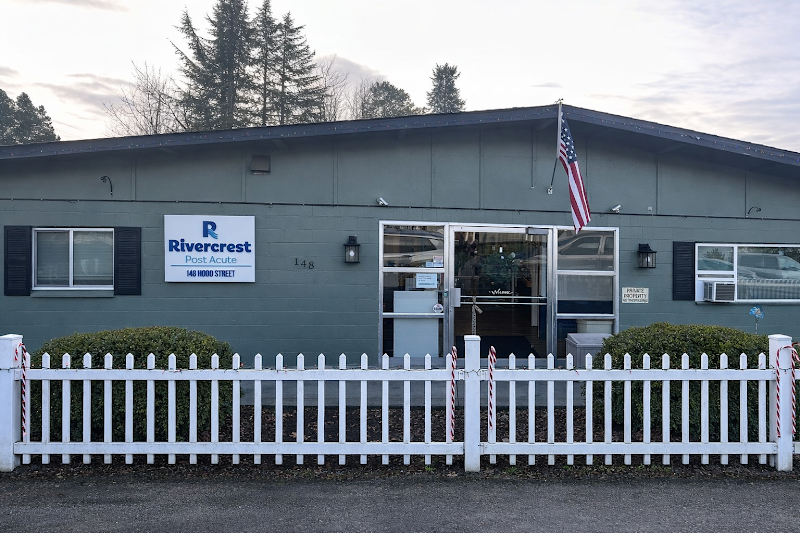
148 HOOD STREET, OREGON CITY, OR 97045 (503) 656-4035
For profit - Limited Liability company 53 Beds PACS GROUP Data: November 2025
Trust Grade
48/100
#68 of 127 in OR
Last Inspection: October 2024

Within standard 12-15 month inspection cycle. Federal law requires annual inspections.

Overview

Rivercrest Post Acute in Oregon City has a Trust Grade of D, indicating below-average quality and raising some concerns for potential residents and their families. It ranks #68 out of 127 facilities in Oregon, placing it in the bottom half, and is #11 of 13 in Clackamas County, suggesting limited options for better care in the area. However, the facility shows signs of improvement, having reduced its reported issues from 10 in 2024 to 2 in 2025. Staffing is a concern with a turnover rate of 72%, significantly higher than the state average, and it has less RN coverage than 95% of Oregon facilities, which could impact the quality of care. Recent inspections revealed several concerns, including a lack of in-person management attendance at meetings and unsafe conditions such as damaged flooring that could pose injury risks to residents. Despite these weaknesses, the facility has an average rating for quality measures, indicating some aspects of care may be satisfactory.

Trust Score
D
48/100
In Oregon
#68/127
Bottom 47%
Safety Record
Low Risk
No red flags
Inspections
Getting Better
10 → 2 violations
Staff Stability
⚠ Watch
72% turnover. Very high, 24 points above average. Constant new faces learning your loved one's needs.
Penalties
○ Average
$18,075 in fines. Higher than 71% of Oregon facilities. Some compliance issues.
Skilled Nurses
⚠ Watch
Each resident gets only 16 minutes of Registered Nurse (RN) attention daily — below average for Oregon. Fewer RN minutes means fewer trained eyes watching for problems.
Violations
⚠ Watch
22 deficiencies on record. Higher than average. Multiple issues found across inspections.
★★★☆☆
3.0
Overall Rating
★★★☆☆
3.0
Staff Levels
★★★★☆
4.0
Care Quality
★★★☆☆
3.0
Inspection Score
Stable
2024: 10 issues
2025: 2 issues

The Good

  • 4-Star Quality Measures · Strong clinical quality outcomes
  • Full Sprinkler Coverage · Fire safety systems throughout facility
  • No fines on record

Facility shows strength in quality measures, fire safety.

The Bad

3-Star Overall Rating

Near Oregon average (3.0)

Meets federal standards, typical of most facilities

Staff Turnover: 72%

25pts above Oregon avg (46%)

Frequent staff changes - ask about care continuity

Federal Fines: $18,075

Below median ($33,413)

Minor penalties assessed

Chain: PACS GROUP

Part of a multi-facility chain

Ask about local staffing decisions and management

Staff turnover is very high (72%)

24 points above Oregon average of 48%

The Ugly 22 deficiencies on record

Apr 2025 2 deficiencies
CONCERN (D) 📢 Someone Reported This

A family member, employee, or ombudsman was alarmed enough to file a formal complaint

Potential for Harm - no one hurt, but risky conditions existed

Accident Prevention (Tag F0689)

Could have caused harm · This affected 1 resident

Based on interview and record review it was determined the facility failed to ensure falls were evaluated to ensure resident safety and to ensure care plan interventions were followed for 2 of 4 sampl...

Read full inspector narrative →
Based on interview and record review it was determined the facility failed to ensure falls were evaluated to ensure resident safety and to ensure care plan interventions were followed for 2 of 4 sampled residents (#s 3 and 7) reviewed for accidents. This placed residents at risk for continued accidents. Findings include: 1. Resident 3 admitted to the facility in 11/2024, with diagnoses including heart failure. A 12/1/24 at 02:26 AM Progress Note indicated Resident 3 slid out of bed, landed on the floor and got a skin tear on her/his leg. The same progress note indicated Resident 3 was sent out to the hospital per her/his request, not due to injury. The resident did not return to the facility. The progress note did indicate if Resident 3's fall was witness or unwitnessed. Record review found no documented evidence to show the resident's fall was evaluated to ensure resident safety and care plan interventions were followed. On 4/18/25 at 10:15 AM, Staff 2 (DNS) and Staff 3 (RN consultant) confirmed that a thorough and complete analysis was not done for Resident 3's fall incident. 2. Resident 7 admitted to the facility 3/2025, with diagnoses including failure to thrive. Resident 7's 4/1/25 Un-witnessed Fall Investigation was incomplete. Resident 7 was unaware of any details of the incident. The analysis of the fall incident was not in the report and no evidence to show the resident's fall was evaluated to ensure resident safety and to ensure care plan interventions were followed. Review of Resident 7's clinical record indicated the resident's fall on 4/1/25 was not her/his first fall in the facility. On 4/18/25 at 10:15 AM, Staff 2 (DNS) and Staff 3 (RN consultant) confirmed that a thorough and complete analysis of the incident was not done for Resident 7's 4/1/25 fall.
CONCERN (D) 📢 Someone Reported This

A family member, employee, or ombudsman was alarmed enough to file a formal complaint

Potential for Harm - no one hurt, but risky conditions existed

Infection Control (Tag F0880)

Could have caused harm · This affected 1 resident

Based on observation, interview and record review it was determined the facility failed to ensure staff followed contact precautions for 1 of 3 sampled residents (#1) reviewed for infection control. T...

Read full inspector narrative →
Based on observation, interview and record review it was determined the facility failed to ensure staff followed contact precautions for 1 of 3 sampled residents (#1) reviewed for infection control. This placed residents at risk for cross contaminations. Findings include: Resident 1 was admitted to the facility on 5/2024, with diagnoses including a stage 4 and stage 3 pressure ulcer. On 4/17/25 at 9:09 AM, Staff 4 (LPN) and Staff 5 (CNA) performed a dressing change for Resident 1. Staff 4 removed the old dressing and carefully cleaned Resident 1's wound. Staff then re-dressed the wound per physician order. Staff 4 did not change her gloves between handling soiled dressings and clean dressings. On 4/17/25 at 9:18 AM, Staff 4 (LPN) removed her PPE gown improperly. Staff 4 came into contact with the exterior side of the gown when it was removed. On 4/17/25 at 9:21 AM, Staff 4 (LPN) confirmed she was aware she should have changed her gloves between dirty and clean portions of the procedure. Staff 4 stated she understood the contamination risk related to how a PPE gown should be removed. On 4/18/25 at 10:15 AM, Staff 3 (RN consultant) and Staff 2 (DNS) stated the expectation was gloves were changed between dirty and clean portions of a dressing change. Staff 2 and Staff 3 also confirmed a PPE gown should not be removed over a person's head.
Oct 2024 10 deficiencies
CONCERN (D) 📢 Someone Reported This

A family member, employee, or ombudsman was alarmed enough to file a formal complaint

Potential for Harm - no one hurt, but risky conditions existed

Deficiency F0561 (Tag F0561)

Could have caused harm · This affected 1 resident

**NOTE- TERMS IN BRACKETS HAVE BEEN EDITED TO PROTECT CONFIDENTIALITY** Based on observation, interview and record review it was determined the facility failed to promote self determination for 1 of 3...

Read full inspector narrative →
**NOTE- TERMS IN BRACKETS HAVE BEEN EDITED TO PROTECT CONFIDENTIALITY** Based on observation, interview and record review it was determined the facility failed to promote self determination for 1 of 3 sampled residents (#5) reviewed for choices. This placed residents at risk for lack of honoring choices and room preferences. Findings include: 1. Resident 5 was admitted to the facility on 9/2020 with diagnoses including anxiety and schizoaffective (a condition that is marked by depression and mania) disorder. The Quarterly MDS dated [DATE], revealed Resident 5 had a BIMS score of 15, which indicated the resident was cognitively intact. Random observations from 10/7/24 through 10/10/24 revealed her/his room was cluttered with multiple items on the bedside table, bed, dresser and on the floor. Resident 5 was observed using a front wheel walker, frequently going out to smoke or walking up and down the halls. On 10/7/24 at 10:44 AM, Resident 5 and Staff 8 (LPN) were present for an interview. Resident 5 stated she/he was told by management she/he would have to move out of her/his room, which she had been in for two years, and be placed in a room with three other female residents. Resident 5 stated this was not right and she/he had not been sleeping well since the conversation. Staff 8 stated Resident 5 was very upset and Staff 8 had noticed an increase in Resident 5 anxiousness. Staff 8 stated the resident was not sleeping well during the night since the information was communicated to Resident 5. On 10/8/27 at 12:36 PM, Staff 16 (CNA) stated Resident 5 had an increase in her/his anxiousness because the resident was told she/he would be moving rooms and sharing with three other female residents. Staff 16 stated the resident felt overwhelmed about moving rooms and did not want to pack up her/his belongings. On 10/9/24 at 11:21 AM, Staff 24 (CNA) and at 1:05 PM, Staff 25 (LPN) both stated Resident 5 was alert and oriented with baseline confusion. Staff 24 and Staff 25 stated Resident 5 was very private, and her/his room was cluttered. Staff 24 and Staff 25 stated the resident did not like her/his room touched. Staff 25 stated Resident 5 struggled with change and very closed off to new outside persons. On 10/11/24 at 9:55 AM Staff 3 (Social Service Director) and Staff 4 (Social Services) stated Resident 5 had briefly mentioned being told she/he would be moving rooms and sharing with three other female residents. Resident 5 did not want to move from her/his current room and was easily anxious. Staff 3 stated there was not a set time line. On 10/11/24 at 12:10 PM Staff 2 (DNS) stated they were considering moving four long term care female residents into the therapy room (converting to a four room space) and had discussed this with Resident 5. Staff 2 stated the resident was very suspicious of anything new, was a hoarder, and had been in her/his room since 2021. Staff 2 stated Resident 5 had asked other staff about the move and had perseverated on the subject.
CONCERN (D) 📢 Someone Reported This

A family member, employee, or ombudsman was alarmed enough to file a formal complaint

Potential for Harm - no one hurt, but risky conditions existed

Deficiency F0582 (Tag F0582)

Could have caused harm · This affected 1 resident

Based on interview and record review it was determined the facility failed to ensure residents were informed in writing of changes in financial coverage for 1 of 3 sampled residents (#3) reviewed for ...

Read full inspector narrative →
Based on interview and record review it was determined the facility failed to ensure residents were informed in writing of changes in financial coverage for 1 of 3 sampled residents (#3) reviewed for advance beneficiary notification. This placed residents at risk for unknown financial liabilities and lack of knowledge regarding the right to appeal the decision. Findings include: Resident 3 admitted to the facility in 5/2024 with diagnoses including lower extremity paraplegia (the inability to move lower extremities). A review of Resident 3's electronic health record revealed she/he was discharged from Medicare Part A services on 8/9/24 with 37 skilled days remaining. The resident remained in the facility. No evidence was found in the resident's record to indicate she/he received a Notice of Medicare Non-coverage form (NOMNC) or a Skilled Nursing Facility Advance Beneficiary Notice of Non-coverage (SNF ABN). In an interview on 10/9/2024 at 3:16 PM Staff 4 (Social Services Coordinator) stated she was unable to locate a NOMNC or a SNF ABN for Resident 3. In an interview on 10/11/24 at 12:05 PM, Staff 3 (Social Services Director) stated the facility did not provide a NOMNC or SNF ABN to Resident 3.
CONCERN (D) 📢 Someone Reported This

A family member, employee, or ombudsman was alarmed enough to file a formal complaint

Potential for Harm - no one hurt, but risky conditions existed

Deficiency F0583 (Tag F0583)

Could have caused harm · This affected 1 resident

Based on observation, interview, and record review it was determined the facility failed to ensure personal privacy was honored for 1 of 1 resident (#187) reviewed for privacy. This placed residents a...

Read full inspector narrative →
Based on observation, interview, and record review it was determined the facility failed to ensure personal privacy was honored for 1 of 1 resident (#187) reviewed for privacy. This placed residents at risk for breaches of confidentiality. Findings include: Resident 187 admitted to the facility in 9/2024 with diagnoses including intracranial (inside the skull) abscess. On 10/10/24 from 1:00 PM through 2:00 PM, Resident 187 was observed meeting with Staff 27 (Physician's Assistant) in a corner of the main dining room. The survey team was meeting in the activity room adjacent to the main dining room and the two rooms were separated by a curtain. The survey team was able to hear the medical conversation. The resident and Staff 27 were discussing private health information including diagnoses, symptoms, medications and prognosis. Resident 187 was overheard telling Staff 27 about her/his discomfort with the lack of privacy associated with sharing a room with three roommates and stated she/he wanted to leave the facility due to the lack of privacy. In an interview on 10/11/24 at 9:28 AM Staff 27 stated he had private conversations with residents in the facility in their rooms or in the dining room. Staff 27 stated the conversation he had with Resident 187 might have been more appropriate in a more private area. Staff 27 stated he was not aware of a private meeting area in the facility. In an interview on 10/11/24 at 9:52 AM, Resident 187 stated she/he preferred to have a private area to meet with Staff 27. Resident 187 stated it was difficult to find a place to have a private phone call in the facility, and it was impossible to have privacy while sharing a room with three other residents. In an interview on 10/11/24 at 11:32 AM Staff 3 (Social Services Director) stated she tried to have private meetings or conversations in the Social Services office but sometimes residents preferred their rooms. Staff 3 stated she frequently utilized the activity room and residents utilized the outdoor areas for privacy. Staff 3 stated she had concerns about proposed changes in the facility which would impact the residents' privacy due to a lack of dedicated meeting space in the facility. In an interview on 10/11/24 at 1:16 PM Staff 1 (Administrator) stated residents had a right to privacy when receiving care and a place to meet in private. Staff 1 stated residents were informed they could request to use staff offices for private meetings. Staff 1 stated Resident 187 did not request to use a staff office for her/his meeting with Staff 27. When asked where Staff 1 would like to have a conversation regarding personal medical information, Staff 1 stated he would like the conversation to be held in a private location.
CONCERN (D)

Potential for Harm - no one hurt, but risky conditions existed

Comprehensive Care Plan (Tag F0656)

Could have caused harm · This affected 1 resident

Based on interview and record review it was determined the facility failed to develop a comprehensive person centered care plan for 1 of 3 recently admitted residents (#85) reviewed for incontinence a...

Read full inspector narrative →
Based on interview and record review it was determined the facility failed to develop a comprehensive person centered care plan for 1 of 3 recently admitted residents (#85) reviewed for incontinence and respiratory care. This placed residents at risk for unmet needs. Findings include: Resident 85 was admitted in 9/2024 with diagnoses including diabetes, chronic obstructive pulmonary disease, history of lung cancer, heart failure and generalized weakness. Resident 85's admission MDS and CAAs dated 9/24/24 identified the resident was frequently incontinent of urine related to weakness and the use of diuretic medication, and the resident required staff assistance with toileting. Current Physician orders for Resident 85 included an order for a 2000 ml per day fluid restriction. Resident 85's care plan dated 9/21/24 identified bladder incontinence related to the use of diuretic medication, impaired mobility and the need for extensive assistance with transfers. Interventions directed staff to check and change frequently throughout the shift and PRN. The care plan did not include interventions to reduce incontinent episodes. The resident's Comprehensive Care Plan was last revised on 10/9/24. The care plan included a focus area that indicated the resident was at risk for dehydration or electrolyte imbalance related to diabetes and diuretic use. Interventions included encourage increase PO [oral] fluids. The care plan did not address the prescribed fluid restriction. The Care Plan indicated the resident had an Advance Directive (a written instruction, such as a living will or durable power of attorney . to direct the provision of health care when the individual is incapacitated). Further review of the resident's record revealed she/he was offered a blank Advance Directive form upon admission but did not have an Advance Directive in place. On 10/11/24 at 10:51 AM Staff 2 (DNS) stated care plans were reviewed quarterly and after input from care conferences. Staff 2 confirmed Resident 85's care plan was not completely accurate or individualized.
CONCERN (D)

Potential for Harm - no one hurt, but risky conditions existed

ADL Care (Tag F0677)

Could have caused harm · This affected 1 resident

Based on observation, interview, and record review it was determined the facility failed to ensure residents received appropriate ADL assistance for 1 of 3 sampled residents (#136) reviewed for activi...

Read full inspector narrative →
Based on observation, interview, and record review it was determined the facility failed to ensure residents received appropriate ADL assistance for 1 of 3 sampled residents (#136) reviewed for activities of daily living. This placed residents at risk for lack of grooming and personal hygiene. Findings include: Resident 136 was admitted to the facility in 10/2024 with diagnoses including stroke. A review of Resident 136's Baseline Care plan dated 10/5/24 revealed the resident required substantial/maximal assistance from one person for showers. A review of Resident 136's 10/2024 shower task form revealed the resident received a bed bath on 10/6/24. An observation and interview on 10/7/24 at 2:36 PM revealed Resident 136 was in bed and her/his hair was greasy. Resident 136 stated she/he received one bed bath since admission, but her/his hair was not washed, which would have been nice. Random observations from 10/8/24 through 10/9/24 revealed Resident 136 was in her/his bed or up in her/his wheelchair, and the resident's hair was greasy. On 10/9/24 at 11:56 AM Resident 136 stated she/he did not receive a shower and would kill to have her/his greasy hair washed. On 10/9/24 at 1:40 PM, Staff 15 (CNA) and at 5:58 PM, Staff 13 (CNA) stated residents received a shower or a bed bath two times weekly. Staff 15 and Staff 13 stated they noticed Resident 136's hair was greasy and should have been washed as part of her/his bed bath. On 10/11/24 at 10:59 AM, Staff 5 (Resident Care Manager LPN) stated residents were scheduled for a shower or bed bath twice weekly. Staff 5 stated staff were expected to use warm soapy water for a bed bath, including washing all body parts, including Resident 136's hair. Staff 5 acknowledged Resident 136's hair was not washed.
CONCERN (D) 📢 Someone Reported This

A family member, employee, or ombudsman was alarmed enough to file a formal complaint

Potential for Harm - no one hurt, but risky conditions existed

Incontinence Care (Tag F0690)

Could have caused harm · This affected 1 resident

**NOTE- TERMS IN BRACKETS HAVE BEEN EDITED TO PROTECT CONFIDENTIALITY** Based on interview and record review it was determined the facility failed to ensure residents received support to maintain cont...

Read full inspector narrative →
**NOTE- TERMS IN BRACKETS HAVE BEEN EDITED TO PROTECT CONFIDENTIALITY** Based on interview and record review it was determined the facility failed to ensure residents received support to maintain continence for 1 of 2 residents (#85) reviewed for incontinence. This placed residents at increased risk for skin breakdown and loss of dignity. Findings include: Resident 85 was admitted in 9/2024 with diagnoses including chronic obstructive pulmonary disease, heart failure and generalized weakness. Resident 85's admission MDS dated [DATE] identified the resident was frequently incontinent of urine and the resident required staff assistance with toileting. The 9/24/24 Urinary Incontinence CAA identified the type of incontinence as a mixture of urge, related to use of diuretic medication and functional, due to weakness and impaired mobility. According to the CAA as the resident regained strength, it was anticipated the resident would be more able to self-toilet and avoid incontinence issues. Resident 85's care plan dated 9/21/24 indicated the presence of moisture associated skin breakdown to the resident's groin and perineum related to incontinence episodes. Interventions included a directive to keep the resident's skin clean and dry to the extent possible. The care plan also identified bladder incontinence related to the use of diuretic medication, impaired mobility and the need for extensive assistance with transfers. Interventions directed staff to check and change frequently throughout the shift and PRN. The care plan did not address the type of incontinence (urge or mixed) or a specific strategy to reduce the frequency of incontinent episodes. In an interview on 10/7/24 at 10:31 AM Resident 85 reported slow call light response times that caused the resident to be incontinent of urine. Resident 85 was told by staff to plan better but the resident felt this was impossible due to use of diuretic medication and subsequent urgency to void. Resident 85 indicated five to 10 minutes was too long to wait to avoid an incontinent episode and voiding in a brief was undignified. Resident 85 reported a history of skin breakdown on the tailbone which was healed but Resident 85 was concerned that wearing a wet brief would cause the area to breakdown again. On 10/9/24 at approximately 4:00 PM Staff 13 (CNA) stated she was familiar with Resident 85. Staff 13 stated the resident was able to call for assistance and was unable to toilet or use a urinal without staff assistance. On 10/9/24 at 4:15 PM Staff 26 (CNA) indicated he was new to caring for the resident and stated Resident 85 needed assistance to the toilet and assistance to get cleaned up after using it. Toileting assistance was provided when the resident called for it. He did not know if the resident used a urinal independently. On 10/10/24 at 9:47 AM Staff 18 (CNA) stated the resident called for assistance if she/he needed to toilet and needed assistance to use the urinal. On 10/10/24 at 1:18 PM Staff 5 (Resident Care Manager-LPN) confirmed interventions were not in place to reduce the frequency of incontinent episodes or the resident's desire to not rely on the use of a brief.
CONCERN (D)

Potential for Harm - no one hurt, but risky conditions existed

Respiratory Care (Tag F0695)

Could have caused harm · This affected 1 resident

Based on observation, interview and record review it was determined the facility failed to follow physician's orders for continuous oxygen use for 1 of 1 (#85) sampled resident reviewed for respirator...

Read full inspector narrative →
Based on observation, interview and record review it was determined the facility failed to follow physician's orders for continuous oxygen use for 1 of 1 (#85) sampled resident reviewed for respiratory care. This place residents at risk for complications related to chronic respiratory disease. Findings include: Resident 85 was admitted to the facility in 9/2024 for rehabilitation with diagnoses including chronic obstructive pulmonary disease (COPD), obstructive sleep apnea and heart failure. Resident 85's physician orders dated 9/17/24 and Comprehensive Care Plan dated 9/21/24 directed staff to administer continuous humidified oxygen at 6 liters per minute via nasal cannula to keep oxygen saturation (percentage of oxygen in the resident blood) between 89 and 92%. Review of a published cylinder duration chart for medical oxygen indicated an E-cylinder, if full, would last 1.7 hours at a flow rate of 6 liters per minute. This information was not part of the resident's plan of care. On 10/7/24 at 1:23 PM Resident 85 was observed to transfer from a wheelchair to bed. The resident had a portable E-sized oxygen cylinder on the back of the wheelchair and was wearing a nasal cannula. The resident's oxygen tank was observed to be empty. The resident was cued by the surveyor to activate her/his call light. A CNA responded after approximately five minutes, moved the resident's oxygen to the in-room oxygen concentrator and obtained a new tank for the resident's wheelchair. On 10/7/24 at 3:28 PM Resident 85 described a recent incident when staff assisted her/him to the toilet without oxygen and Resident 85 had to call out for staff due to almost passing out. On 10/9/24 at 8:20 AM Resident 85 was seated in a wheelchair in the dining room. The resident's oxygen tank was observed to be set a 6 liters per minute and was nearly empty. At 8:26 AM staff changed out the oxygen tank for a full one. Resident 85 remained up in her/his wheelchair until 10:31 AM when the resident returned to bed and resumed using oxygen via the in-room concentrator. On 10/9/24 at 11:19 AM Resident 85 stated her/his BiPap machine (bi-level positive airway pressure machine used for management of sleep apnea) was humidified at night but oxygen was not humidified at other times. Resident 85 stated her/his nose was dry. On 10/9/24 at 4:23 PM Staff 19 (LPN) confirmed Resident 85 had an order for humidification of oxygen and there was no humidifier on the oxygen concentrator in the resident's room. On 10/10/24 at 1:18 PM Staff 5 (Resident Care Manager-LPN) stated she was not aware Resident 85's oxygen was without humidification. Staff 5 confirmed a portable tank at the resident's ordered flow rate would not last very long. On 10/11/24 at 10:02 AM Staff 17 (CNA) stated she thought Resident 85's tank lasted about a shift to a half a shift depending on how long the resident was up in a wheelchair. Staff 17 stated she recalled an incident when the resident was up in the bathroom without oxygen and felt faint. She stated she wasn't aware at the time the resident needed oxygen at all times. She reported that staff sometimes forgot to turn the tank off when they switched the resident to the concentrator and this depleted the oxygen in the tank.
CONCERN (D) 📢 Someone Reported This

A family member, employee, or ombudsman was alarmed enough to file a formal complaint

Potential for Harm - no one hurt, but risky conditions existed

Deficiency F0761 (Tag F0761)

Could have caused harm · This affected 1 resident

**NOTE- TERMS IN BRACKETS HAVE BEEN EDITED TO PROTECT CONFIDENTIALITY** Based on observation and interview it was determined the facility failed to ensure medication storage areas were free of expired...

Read full inspector narrative →
**NOTE- TERMS IN BRACKETS HAVE BEEN EDITED TO PROTECT CONFIDENTIALITY** Based on observation and interview it was determined the facility failed to ensure medication storage areas were free of expired medication and biologicals for 1 of 1 medication storage room and 1 of 3 treatment carts reviewed for medication storage. This placed residents at risk for diminished treatment efficacy. Findings include: On [DATE] at 11:08 AM observations within the medication storage room refrigerator revealed a vial of tuberculin used for tuberculosis screening labeled as opened on [DATE]. Staff 2 (DNS) confirmed the tuberculin was to be discarded 30 days after opening. A bottle of acidophilus with an expiration date of 8/2024 was located in the door compartment of the refrigerator. Staff 2 confirmed it was expired. Observations of one of three facility treatment carts on [DATE] at 11:20 AM revealed a vial of Bacitracin (antibacterial) ointment with an expiration date of 8/2024. Staff 2 (DNS) confirmed the used tube of Bacitracin was expired.
CONCERN (E) 📢 Someone Reported This

A family member, employee, or ombudsman was alarmed enough to file a formal complaint

Potential for Harm - no one hurt, but risky conditions existed

Safe Environment (Tag F0584)

Could have caused harm · This affected multiple residents

**NOTE- TERMS IN BRACKETS HAVE BEEN EDITED TO PROTECT CONFIDENTIALITY** Based on observation and interview it was determined the facility failed to ensure carpet, flooring and doors were in good repai...

Read full inspector narrative →
**NOTE- TERMS IN BRACKETS HAVE BEEN EDITED TO PROTECT CONFIDENTIALITY** Based on observation and interview it was determined the facility failed to ensure carpet, flooring and doors were in good repair 1 of 1 facility and 3 of 19 resident rooms reviewed for homelike environment. This placed residents at risk for injury from damaged surfaces and lack of a homelike environment. Findings include: Multiple observations between 10/7/24 and 10/11/24 revealed hall carpet throughout the facility was heavily stained and worn. Observations on 10/9/24 at 9:36 AM revealed a metal floor latch socket was missing below the fire doors between rooms [ROOM NUMBERS]. This created a hole in the flooring 2.5 inches long, 1.5 inches wide and an inch deep; large enough for canes and walkers to catch on. On 10/10/24 at 10:50 AM the floor covering surrounding the base of the toilet between rooms [ROOM NUMBERS] was observed to be damaged with exposed under floor. The exposed surface was rough, brownish-gray and was not a cleanable surface. The rest of the bathroom floor was worn and had patches of gray discoloration. On 10/10/24 at 10:15 AM the hinge side of the door to room [ROOM NUMBER] was observed to have an approximately 18 inch section of rough damaged surface. The door to room [ROOM NUMBER] also had rough damage to the hinge side of door. The door of room [ROOM NUMBER] had a deeply gouged and splintered surface from the door knob to the floor with sharp edges. In an interview on 10/11/24 at 10:41 AM Staff 21 (Maintenance director) confirmed the facility carpet was heavily stained and worn. He stated it was regularly steam cleaned but the stains remained. He stated the hole in the floor at the fire door was for a latch no longer in use for the type of fire door and it needed to be filled. Staff 21 confirmed damage to room doors was on his list of needed repairs, however, he was not specifically aware of the damage to room [ROOM NUMBER]. Staff 21 agreed the edge of the door was sharp. He was not aware of the damage to the bathroom floor between rooms [ROOM NUMBERS] and confirmed the flooring needed to be replaced. On 10/11/24 at 1:01 PM these findings were reviewed with Staff 1 (Facility Administrator) who stated the facility was working on a plan for the flooring and the doors.
CONCERN (F) 📢 Someone Reported This

A family member, employee, or ombudsman was alarmed enough to file a formal complaint

Potential for Harm - no one hurt, but risky conditions existed

Deficiency F0868 (Tag F0868)

Could have caused harm · This affected most or all residents

Based on interview and record review it was determined the facility failed to have the Medical Director attend the Quality Assessment and Assurance and Quality Assurance Performance Improvement (QAA/Q...

Read full inspector narrative →
Based on interview and record review it was determined the facility failed to have the Medical Director attend the Quality Assessment and Assurance and Quality Assurance Performance Improvement (QAA/QAPI) committee meetings. This placed residents at risk for unidentified needs. Findings include: Documentation of QAA/QAPI meeting minutes were requested from 4/2024 through 9/2024 which revealed Staff 23 (Former Medical Director) did not attend any of the QAA/QAPI meetings. On 10/8/24 at 9:59 AM, and on 10/11/24 at 1:51 PM, Staff 1 (Administrator) stated Staff 23 the Former Medical Director refused to attend the QAA/QAPI meetings in person or via skype.
Jul 2023 6 deficiencies
CONCERN (D)

Potential for Harm - no one hurt, but risky conditions existed

Quality of Care (Tag F0684)

Could have caused harm · This affected 1 resident

Based on interview and record review it was determined the facility failed to follow physician's orders for 1 of 5 sampled residents (#17) reviewed for unnecessary medications. This placed residents a...

Read full inspector narrative →
Based on interview and record review it was determined the facility failed to follow physician's orders for 1 of 5 sampled residents (#17) reviewed for unnecessary medications. This placed residents at risk for adverse medical consequences. Findings include: 1. Resident 17 was admitted to the facility in 2022 with diagnoses including Parkinson's Disease (a disorder that affects movement), end-stage renal disease with dialysis, astherosclerotic heart disease (disease of the heart's major blood vessels) and depression. a. A 5/1/23 physician order indicated Resident 17 was prescribed carbidopa-levodopa (Parkinson's medication) three times a day. A review of Resident 17's 6/1/23 through 7/11/23 MAR indicated the resident's carbidopa-levodopa was not given according to physician orders on the following days: -6/3 mid day and evening doses; -6/5 morning and mid day doses; -6/6 mid day dose; -6/8 morning, mid day and evening doses; -6/9 evening dose; -6/10 morning dose; -6/12 morning and mid day doses; -6/13 morning and mid day doses; -6/15 morning and mid day doses; -6/16 mid day dose; -6/17 morning and mid day doses; -6/18 morning, mid day and evening doses; -6/22 morning and mid day doses; -6/27 morning and mid day doses; -6/29 morning and mid day doses; -7/1 morning and mid day doses; -7/4 morning and mid day doses and -7/6 morning and mid day doses. A review of Resident 17's health care record revealed no evidence the resident's physician was contacted when the resident's carbidopa-levodopa was missed or refused. On 7/14/23 at 9:15 AM Staff 2 (DNS) reviewed Resident 17's carbidopa-levodopa MAR and stated the resident's carbidopa-levodopa should have been given on the dates identified. Staff 2 stated she expected the nursing staff to call the provider for all missed and refused medications. Staff 2 stated if medications were consistently missed due to dialysis, she expected the nursing staff to work with the resident's physician or herself to determine a better time to administer prescribed medications. b. A 5/1/23 physician order indicated Resident 17 was prescribed sertraline (an anti-depressant) one time a day. A review of Resident 17's 6/1/23 through 7/11/23 MAR indicated the resident's sertraline was not given according to physician orders on the following days: -6/3, 6/5, 6/8, 6/10, 6/12, 6/13, 6/15, 6/17, 6/18, 6/22, 6/27, 6/29, 7/1 and 7/6. A review of Resident 17's health care record revealed no evidence the resident's physician was contacted when the resident's sertraline was missed or refused. On 7/14/23 at 9:15 AM Staff 2 (DNS) reviewed Resident 17's sertraline MAR and stated the resident's sertraline should have been given on the dates identified. Staff 2 stated she expected the nursing staff to call the provider for all missed and refused medications. Staff 2 stated if medications were consistently missed due to dialysis, she expected the nursing staff to work with the resident's physician or herself to determine a better time to administer prescribed medications. c. A 5/10/23 physician order indicated Resident 17 was prescribed metoprolol (used to treat heart failure) in the morning and at bedtime every Monday, Wednesday, Friday and Sunday. Hold on dialysis days. A review of Resident 17's 6/1/23 through 7/11/23 MAR indicated the resident's metoprolol was not given according to physician orders on the following days: -6/5 morning dose; -6/9 evenings dose; -6/12 morning dose and -6/18 morning and evening doses. A review of Resident 17's health care record revealed no evidence the resident's physician was contacted when the resident's metoprolol was missed or refused. On 7/14/23 at 9:15 AM Staff 2 (DNS) reviewed Resident 17's metopolol MAR and stated the resident's metropolol should have been given on the dates identified. Staff 2 stated she expected the nursing staff to call the provider for all missed and refused medications. Staff 2 stated if medications were consistently missed due to dialysis, she expected the nursing staff to work with the resident's physician or herself to determine a better time to administer prescribed medications. d. A 5/2/23 physician order indicated Resident 17 was prescribed apixaban (a blood thinner) one time a day. A review of Resident 17's 6/1/23 through 7/11/23 MAR indicated the resident's apixaban was not given according to physician orders on the following days: - 6/8, 6/10, 6/12, 6/15, 6/17, 6/18, 6/20, 6/22, 6/27, 6/29, 7/1, 7/4 and 7/6. A review of Resident 17's health care record revealed no evidence the resident's physician was contacted when the resident's apixaban was missed or refused. On 7/14/23 at 9:15 AM Staff 2 (DNS) reviewed Resident 17's apixaban MAR and stated the resident's apixaban should have been given on the dates identified. Staff 2 stated she expected the nursing staff to call the provider for all missed and refused medications. Staff 2 stated if medications were consistently missed due to dialysis, she expected the nursing staff to work with the resident's physician or herself to determine a better time to administer prescribed medications. e. A 5/1/23 physician order indicated Resident 17 was prescribed atorvastatin (a cholesterol lowering medication) one time a day. A review of Resident 17's 6/1/23 through 7/11/23 MAR indicated the resident's atorvastatin was not given according to physician orders on the following days: - 6/3, 6/8, 6/9, 6/15, 6/17, and 6/18. A review of Resident 17's health care record revealed no evidence the resident's physician was contacted when the resident's atorvastatin was missed or refused. On 7/14/23 at 9:15 AM Staff 2 (DNS) reviewed Resident 17's atorvastatin MAR and stated the resident's atorvastatin should have been given on the dates identified. Staff 2 stated she expected the nursing staff to call the provider for all missed and refused medications. Staff 2 stated if medications were consistently missed due to dialysis, she expected the nursing staff to work with the resident's physician or herself to determine a better time to administer prescribed medications. f. A 5/1/23 physician order indicated Resident 17 was prescribed sevelamer carbonate (used to lower blood phosphate levels when on dialysis) three times a day with meals. A review of Resident 17's 6/1/23 through 7/11/23 MAR indicated the resident's sevelamer carbonate was not given according to physician orders on the following days: -6/3 noon dose; -6/4 evening dose; -6/5 morning and noon doses; -6/6 noon dose; -6/8 noon and evening doses; -6/10 morning dose; -6/11 morning dose; -6/12 morning and noon doses; -6/13 noon dose; -6/15 morning and noon doses; -6/16 noon and evening doses; -6/17 morning and noon doses; -6/18 morning, noon and evening doses; -6/20 morning dose; -6/22 morning and noon doses; -6/27 noon dose; -6/29 noon dose; -7/1 morning and noon doses; -7/4 morning and noon doses; -7/6 morning and noon doses; -7/8 morning dose and -7/11 morning dose. A review of Resident 17's health care record revealed no evidence the resident's physician was contacted when the resident's sevelamer carbonate was missed or refused. On 7/14/23 at 9:15 AM Staff 2 (DNS) reviewed Resident 17's sevelamer carbonate MAR and stated the resident's sevelamer carbonate should have been given on the dates identified. Staff 2 stated she expected the nursing staff to call the provider for all missed and refused medications. Staff 2 stated if medications were consistently missed due to dialysis, she expected the nursing staff to work with the resident's physician or herself to determine a better time to administer prescribed medications. g. A 5/2/23 physician order indicated Resident 17 was prescribed Nephro-Vite (used to treat vitamin deficiency) one time a day. A review of Resident 17's 6/1/23 through 7/11/23 MAR indicated the resident's Nephro-Vite was not given according to physician orders on the following days: - 6/5, 6/8, 6/10, 6/12, 6/13, 6/15, 6/17, 6/18, 6/22, 6/27, 6/29, 7/1, 7/4 and 7/6. A review of Resident 17's health care record revealed no evidence the resident's physician was contacted when the resident's Nephro-Vite was missed or refused. On 7/14/23 at 9:15 AM Staff 2 (DNS) reviewed Resident 17's Nephro-Vite MAR and stated the resident's Nephro-Vite should have been given on the dates identified. Staff 2 stated she expected the nursing staff to call the provider for all missed and refused medications. Staff 2 stated if medications were consistently missed due to dialysis, she expected the nursing staff to work with the resident's physician or herself to determine a better time to administer prescribed medications. h. A 5/3/23 physician order indicated Resident 17 was prescribed Nepro drinks (a nutritional supplement for individuals on dialysis) three times a day. A review of Resident 17's 6/1/23 through 7/11/23 MAR indicated the resident's Nepro drink was not given according to physician orders on the following days: -6/2 evening dose; -6/3 mid day dose; -6/5 morning and mid day doses; -6/6 mid day dose; -6/10 morning dose; -6/12 morning and mid day doses; -6/13 morning and mid day doses; -6/15 morning and mid day doses; -6/16 mid day and evening doses; -6/17 morning and mid day doses; -6/18 mid day dose; -6/22 mid day and evening doses; -6/27 mid day dose; -6/28 morning, mid day and evening doses; -6/29 morning and mid day doses; -7/1 morning and mid day doses; -7/2 morning and evening doses; -7/3 morning, mid day and evening doses; -7/4 morning and mid day doses; -7/5 morning, mid day and evening doses and -7/6 morning, mid day and evening doses. A review of Resident 17's health care record revealed no evidence the resident's physician was contacted when the resident's Nepro drink was missed or refused. On 7/14/23 at 9:15 AM Staff 2 (DNS) reviewed Resident 17's Nepro MAR and stated the resident's Nepro drink should have been given on the dates identified. Staff 2 stated she expected the nursing staff to call the provider for all missed and refused medications. Staff 2 stated if medications were consistently missed due to dialysis, she expected the nursing staff to work with the resident's physician or herself to determine a better time to administer prescribed medications.
CONCERN (D)

Potential for Harm - no one hurt, but risky conditions existed

Respiratory Care (Tag F0695)

Could have caused harm · This affected 1 resident

Based on observation, interview and record review it was determined the facility failed to follow physician orders for oxygen therapy for 1 of 1 sampled resident (#17) reviewed for oxygen. This placed...

Read full inspector narrative →
Based on observation, interview and record review it was determined the facility failed to follow physician orders for oxygen therapy for 1 of 1 sampled resident (#17) reviewed for oxygen. This placed residents at risk for unmet respiratory needs. Findings include: The facility's Respiratory Treatment Policy and Procedure last revised 6/22/22 indicated the following: -When residents had continuous oxygen therapy, the licensed nurse was responsible for checking residents oxygen therapy each shift and validating the regulator was set for the appropriate liter flow. Resident 17 was admitted to the facility in 2022 with diagnoses including end-stage renal disease, chronic respiratory failure and heart failure. Resident 17's 5/1/23 physician order indicated she/he required continuous oxygen at four liters per minute when resting, with activity and when sleeping. On 7/11/23 at 2:30 PM and 7/12/23 at 12:09 PM Resident 17 was observed with oxygen administration being provided via nasal cannula between 1.5 and two liters per minute. A review of Resident 17's 7/2023 health care record revealed no evidence the resident complained of shortness of breath and the resident's oxygen saturation levels (level of oxygen in the blood) were 90% or above. On 7/12/23 at 12:17 PM Staff 7 (LPN) reviewed Resident 17's oxygen administration and reported the resident's oxygen flow was set between 1.5 and two liters per minute. Staff 7 verified Resident 17's physician order instructed the resident to receive continuous oxygen at four liters per minute. Staff 7 reported she completed rounds of Resident 17 earlier in the morning and did not notice the resident's oxygen was being incorrectly administered. On 7/14/23 at 9:52 AM Resident 17 was observed with oxygen administration being provided via nasal cannula between 1.5 and two liters per minute. Resident 17 reported she/he felt fine and was not short of breath. On 7/14/23 at 9:57 AM Staff 2 (DNS) reviewed Resident 17's oxygen administration and confirmed the resident's oxygen flow was set between 1.5 and two liters per minute. Resident 17 was resting in bed and reported on 7/13/23 evening shift, she/he told the nurse on duty that her/his oxygen flow was supposed to be at four liters per minute but the nurse did not make adjustments to her/his oxygen. Staff 2 stated she expected Resident 17 to receive oxygen at four liters per minutes as instructed by the physician's order.
CONCERN (D)

Potential for Harm - no one hurt, but risky conditions existed

Deficiency F0761 (Tag F0761)

Could have caused harm · This affected 1 resident

Based on observation, interview and record review it was determined the facility failed to store drugs and biologicals in locked compartments for 1 of 2 medication carts observed during this survey. T...

Read full inspector narrative →
Based on observation, interview and record review it was determined the facility failed to store drugs and biologicals in locked compartments for 1 of 2 medication carts observed during this survey. This placed residents at risk for medication diversion and accidents. Findings include: The facility's Medication Administration Policy indicated: Unlock medication cart: Cart may remain unlocked only when in direct line of sight and control by the nurse or medication aide who is administering the medications. On 7/11/23 at 1:11 PM a medication cart was observed to be unlocked near the nurses' station. The nurse was not in view of the cart. Staff 5 (LPN) verified the cart was unlocked. On 7/11/23 at 2:10 PM a medication cart was observed to be unlocked near the nurses' station. The nurse was not in view of the cart. Staff 6 (LPN) verified the cart was unlocked. On 7/12/23 at 2:58 PM Staff 1 (Administrator) stated it was her expectation the carts remained locked when staff were not using them.
CONCERN (D)

Potential for Harm - no one hurt, but risky conditions existed

Medical Records (Tag F0842)

Could have caused harm · This affected 1 resident

Based on interview and record review it was determined the facility failed to ensure physician's visit notes were in the resident's clinical record for 1 of 5 sampled residents (#2) reviewed for unnec...

Read full inspector narrative →
Based on interview and record review it was determined the facility failed to ensure physician's visit notes were in the resident's clinical record for 1 of 5 sampled residents (#2) reviewed for unnecessary medications. This placed residents at risk for inaccurate or incomplete records. Findings include: Resident 2 was re-admitted to the facility in 2023 with diagnoses including disorder of the colon. A review of Resident 2's clinical record revealed no routine regulatory physician's visits from 1/1/23 through 7/14/23 were documented in the resident's record. On 7/14/23 at 9:51 AM Staff 2 (DNS) verified there were no regulatory physician's visit notes in Resident 2's clinical record. Staff 2 stated she was trying to obtain copies of the notes from the physician's office.
CONCERN (E)

Potential for Harm - no one hurt, but risky conditions existed

Deficiency F0730 (Tag F0730)

Could have caused harm · This affected multiple residents

Based on interview and record review it was determined the facility failed to ensure CNA staff annual performance reviews were completed for 3 of 5 sampled CNA staff (#s 8, 11 and 12) reviewed for suf...

Read full inspector narrative →
Based on interview and record review it was determined the facility failed to ensure CNA staff annual performance reviews were completed for 3 of 5 sampled CNA staff (#s 8, 11 and 12) reviewed for sufficient and competent nurse staffing. This placed residents at risk for a lack of competent staff. Findings include: A review of personnel records on 7/13/23 indicated the following employees had not received their annual performance evaluations: -Staff 8 (CNA), hire date 4/9/22: no annual performance reviews were provided. -Staff 11 (CNA), hire date 10/2/01: last performance review was completed on 2/20/20. -Staff 12 (CNA), hire date 2/27/17: last performance review was completed on 12/10/20. On 7/13/23 at 10:56 AM PM Staff 13 (Human Resource Director) confirmed annual performance reviews were not completed for the identified staff.
CONCERN (E)

Potential for Harm - no one hurt, but risky conditions existed

Deficiency F0947 (Tag F0947)

Could have caused harm · This affected multiple residents

Based on interview and record review it was determined the facility failed to ensure CNA staff received 12 hours of in-service training annually for 4 of 5 randomly selected staff members (#s 8, 9, 10...

Read full inspector narrative →
Based on interview and record review it was determined the facility failed to ensure CNA staff received 12 hours of in-service training annually for 4 of 5 randomly selected staff members (#s 8, 9, 10 and 12) reviewed for evidence of in-service training. This placed residents at risk for lack of quality care. Findings include: On 7/13/23 at 9:48 AM Staff 1 (Administrator) stated in-service trainings were provided according the facility's training calendar, monthly staff meetings and via online courses. On 7/14/23 at 10:59 Staff 1 provided the following annual CNA training hours for the past year: -Staff 8 received five hours of annual in-service training; -Staff 9 received six hours of annual in-service training; -Staff 10 received six hours of annual in-service training and -Staff 12 received nine hours of annual in-service training. On 7/14/23 at 10:59 AM Staff 1 stated she expected CNA staff to receive at least 12 hours of in-service training annually.
Sept 2022 4 deficiencies
CONCERN (D)

Potential for Harm - no one hurt, but risky conditions existed

Tube Feeding (Tag F0693)

Could have caused harm · This affected 1 resident

Based on interview and record review it was determined the facility failed to ensure a resident received appropriate care and services related to restoring the resident's normal eating skills and prev...

Read full inspector narrative →
Based on interview and record review it was determined the facility failed to ensure a resident received appropriate care and services related to restoring the resident's normal eating skills and preventing aspiration complications for 1 of 1 sampled resident (#15) reviewed for tube feeding. This placed residents at risk for complications related to aspiration. Findings include: Resident 15 was admitted to the facility in 8/2020 with diagnoses including sequelae of nontraumatic intracerebral hemorrhage (conditions produced after the acute phase of an injury has ended) and oropharyngeal phase dysphagia (swallowing difficulties in the mouth and throat). On 8/20/20 Resident 15 was sent to the hospital emergency department due to increased temperature, vomiting and coughing. Resident 15 was diagnosed with ventriculoperitoneal (VP) shunt infection and aspiration pneumonia. On 10/16/20 Resident 15 returned to the facility with a gastrostomy feeding tube (tube placed into the stomach through the abdominal wall) and orders for NPO (nothing by mouth) due to severe swallowing difficulties and high risk of aspiration. On 12/21/21 Resident 15 was advanced to recreational PO (food by mouth as requested) with aspiration precautions that included: 1:1 supervision, upright position, slow rate, small bites/sips, and continue with tube feeding as main source of nutrition. On 8/7/22 Resident 15 was sent to the hospital emergency department due to acute gastritis and aspiration pneumonia. On 8/12/22 Resident 15 returned to the facility with hospital orders for strict NPO and to continue with tube feeding as main source of nutrition. On 8/20/22 Staff 6 (LPN) requested an order for a SLP evaluation for dysphagia for Resident 15. There was no documentation in Resident 15's record a SLP evaluation was ordered. On 9/8/22 at 11:40 AM Staff 6 (LPN) stated she requested an order for a SLP evaluation for swallowing because Resident 15 previously ate snacks and a follow up swallowing evaluation was important due to the current order of strict NPO. Staff 6 stated Staff 5 (Rehab Manager) should have been notified of the SLP request for an order. On 9/8/22 at 2:20 PM Staff 3 (RCM-LPN) and Staff 20 (Interim RCM-LPN) stated when they received an order for therapy, they would notify Staff 5 (Rehab Manager) by email or report it in the morning meeting. Staff 3 and Staff 20 also stated they would notify the physician of the therapy order by phone call or email. Staff 3 and Staff 20 acknowledged they did not inform Staff 5 or the physician of the order for a SLP evaluation for Resident 15. On 9/9/22 at 8:55 AM Staff 5 (Rehab Director) stated she received the SLP order for Resident 15 via email on the afternoon of 9/8/22. On 9/9/22 at 8:59 AM Staff 1 (Administrator) acknowledged the order for a SLP evaluation for dysphagia for Resident 15 was not followed up on until 9/8/22.
CONCERN (D)

Potential for Harm - no one hurt, but risky conditions existed

Deficiency F0697 (Tag F0697)

Could have caused harm · This affected 1 resident

Based on interview and record review it was determined the facility failed to provide ordered pain medications for 1 of 1 sampled resident (#27) reviewed for pain management. This placed residents at ...

Read full inspector narrative →
Based on interview and record review it was determined the facility failed to provide ordered pain medications for 1 of 1 sampled resident (#27) reviewed for pain management. This placed residents at risk for unmanaged pain. Findings include: Resident 27 admitted to the facility in 8/2022 with diagnoses including end stage renal disease (a condition in which a person's kidneys stop functioning) and chronic pain. On 9/7/22 at 1:17 PM Resident 27 complained of constant lower back pain. Resident 27 stated the pain affected her/his sleep and ability to participate in activities. Resident 27 said Tylenol did not help control her/his pain. A progress note on 9/7/22 at 1:42 PM revealed Resident 27 requested oxycodone for back pain and declined Tylenol. An order was received for scheduled Lidocaine (pain medication) patches. A review of Resident 27's 9/2022 MAR revealed he/she was to receive the Lidocaine patch every morning starting 9/8/22, but did not receive it on 9/8/22 or 9/10/22. On 9/9/22 Resident 27's care plan did not include pain nor non-medication pain interventions. In an interview on 9/9/22 at 9:57 AM Resident 27 described her/his pain as a constant lower back ache that increased when sitting. The Lidocaine patch was applied prior to that interview and the resident stated the Lidocaine patch helped with pain control. On 9/9/22 at 12:06 PM Staff 12 (CNA) reported Resident 27 had constant pain which increased after dialysis. Staff 12 stated he let the nurse know of the complaints of pain. On 9/12/22 at 9:00 AM Staff 16 (LPN) stated Resident 27 had general back pain which had not been controlled with Tylenol but the addition of the Lidocaine patch did decrease the pain. On 9/12/22 at 1:00 PM Staff 2 (DNS) acknowledged Resident 27's pain was not managed effectively. Staff 2 also confirmed Resident 27 did not receive her/his Lidocaine patch as scheduled and stated she expected the Lidocaine patch to be applied prior to resident going to dialysis. Staff 2 also stated it was expected for the facility to attempt non-medication pain interventions and to address pain in a care plan, but this was not done for Resident 27's pain.
CONCERN (D)

Potential for Harm - no one hurt, but risky conditions existed

Drug Regimen Review (Tag F0756)

Could have caused harm · This affected 1 resident

**NOTE- TERMS IN BRACKETS HAVE BEEN EDITED TO PROTECT CONFIDENTIALITY** Based on interview and record review it was determined the facility failed to ensure the attending physician reviewed an identif...

Read full inspector narrative →
**NOTE- TERMS IN BRACKETS HAVE BEEN EDITED TO PROTECT CONFIDENTIALITY** Based on interview and record review it was determined the facility failed to ensure the attending physician reviewed an identified medication irregularity and provided a rational for not taking action on it for 1 of 5 sampled residents (#17) reviewed for medications. This placed residents at risk for unnecessary medications or medications used without a determination of risk versus benefit. Finding include: Resident 17 was admitted to the facility in 9/2020 with diagnoses including diabetes, chronic cystitis (inflammation of bladder) and respiratory failure. Review of Resident 17's MD orders and MAR showed she/he had received the antibiotic Macrodantin 100 mg daily since 6/10/21 for UTI suppression. The annual MDS dated [DATE] and quarterly MDS dated [DATE] identified the resident was taking an antibiotic daily. There were no lab results found in the resident's record during the assessment periods that indicated the antibiotic was used to treat an infection. There was no note to the prescriber from the consultant pharmacist regarding the irregularity of long-term antibiotic use without evidence of infection found in the resident's records. On 9/12/22 at 8:34 AM Staff 18 (Consultant Pharmacist) stated she sent a pharmacy recommendation to the facility and the prescriber in July 2022 questioning the long-term use of Macrodantin and stated they had not received a response. On 9/12/22 at 8:56 AM Staff 2 (DNS) confirmed the July 2022 pharmacy recommendation was not acted upon. On 9/13/22 at 11:56 AM Staff 2 stated the resident's primary physician responded to the pharmacy directly only with a renewal of the prescription for the antibiotic and confirmed no statement of risk benefit was provided to facility.
CONCERN (D)

Potential for Harm - no one hurt, but risky conditions existed

Antibiotic Stewardship (Tag F0881)

Could have caused harm · This affected 1 resident

Based on interview and record review it was determined the facility failed to implement their Antibiotic Stewardship program to ensure antibiotics were used in accordance with current FDA and CDC guid...

Read full inspector narrative →
Based on interview and record review it was determined the facility failed to implement their Antibiotic Stewardship program to ensure antibiotics were used in accordance with current FDA and CDC guidance related to the use of antibiotics as long-term suppressive treatment without a documented risk versus benefit analysis for 1 of 5 sampled residents (#17) reviewed for medications. This placed residents at risk for proliferation of drug resistant organisms. Findings Include: Resident 17 was admitted to the facility in 9/2020 with diagnoses including diabetes, chronic cystitis (inflammation of bladder) and respiratory failure. Resident 17 had a physician order dated 6/10/21 for Macrodantin 100 mg daily for UTI suppression. According to a SNF Resident Infection Report dated 6/11/21 the resident was evaluated for a UTI with date of onset 6/10/21. The evaluation indicated the resident had no identified signs or symptoms of UTI and UTI criteria was not met. The report concluded with a statement that it was prescribed for chronic infections and the resident had no current indicators of on-going infection. The report identified no end date on the medication at that time and no order that said it was prophylactic. The report concluded with the statement, RCM (Resident Care Manager) to follow up. Resident 17's care plan revised on 2/10/22 included a focus related to use of Macrodantin related to UTI suppression. Interventions included monitor, document and report PRN signs and symptoms of secondary infection related to antibiotic therapy therapy including oral thrush (white coating in mouth, tongue), persistent diarrhea, or perineal yeast infection. A Note To Attending Physician/Prescriber from the facility's consultant pharmacist dated 7/18/22 identified the current order for Macrodantin (nitrofurantoin macrocrystals) 100 mg daily (since 6/10/21) and included the following information: UTI prophylaxis with chronic antibiotic therapy is not recommended in LTC facilities. The risk to the resident and all residents at the facility for the proliferation of MDRO [multi-drug resistant organisms] and adverse events such as C. diff [infection of the intestine] typically result in the risks outweighing the benefits. The treatment will also make future UTIs harder to treat as we will have eliminated an antibiotic class. The pharmacist recommended discontinuation of the Macrodantin suppressive treatment and if continuing please provide a risk versus benefit statement. The 7/18/22 pharmacy note to the prescriber was sent to the urologist who originally prescribed the medication. The urologist responded she had not prescribed the medication since 1/5/22 as a 30 day supply with no refills and further stated she was no longer managing the resident. On 9/13/22 at 11:56 AM Staff 2 (DNS) stated the resident's primary physician responded to the pharmacy directly with a renewal of the prescription for the routine antibiotic and no statement of risk benefit was provided to facility.
Understanding Severity Codes (click to expand)
Life-Threatening (Immediate Jeopardy)
J - Isolated K - Pattern L - Widespread
Actual Harm
G - Isolated H - Pattern I - Widespread
Potential for Harm
D - Isolated E - Pattern F - Widespread
No Harm (Minor)
A - Isolated B - Pattern C - Widespread

Questions to Ask on Your Visit

  • "Why is there high staff turnover? How do you retain staff?"
  • "Can I speak with families of current residents?"
  • "What's your RN coverage like on weekends and overnight?"

Our Honest Assessment

Strengths
  • • No major safety red flags. No abuse findings, life-threatening violations, or SFF status.
Concerns
  • • 22 deficiencies on record. Higher than average. Multiple issues found across inspections.
  • • $18,075 in fines. Above average for Oregon. Some compliance problems on record.
  • • Grade D (48/100). Below average facility with significant concerns.
  • • 72% turnover. Very high, 24 points above average. Constant new faces learning your loved one's needs.
Bottom line: Trust Score of 48/100 indicates significant concerns. Thoroughly evaluate alternatives.

About This Facility

What is Rivercrest Post Acute's CMS Rating?

CMS assigns RIVERCREST POST ACUTE an overall rating of 3 out of 5 stars, which is considered average nationally. Within Oregon, this rating places the facility higher than 0% of the state's 100 nursing homes. This mid-range rating indicates the facility meets federal standards but may have areas for improvement.

How is Rivercrest Post Acute Staffed?

CMS rates RIVERCREST POST ACUTE's staffing level at 3 out of 5 stars, which is average compared to other nursing homes. Staff turnover is 72%, which is 25 percentage points above the Oregon average of 46%. High turnover can affect care consistency as new staff learn residents' individual needs.

What Have Inspectors Found at Rivercrest Post Acute?

State health inspectors documented 22 deficiencies at RIVERCREST POST ACUTE during 2022 to 2025. These included: 22 with potential for harm.
Who Owns and Operates Rivercrest Post Acute?

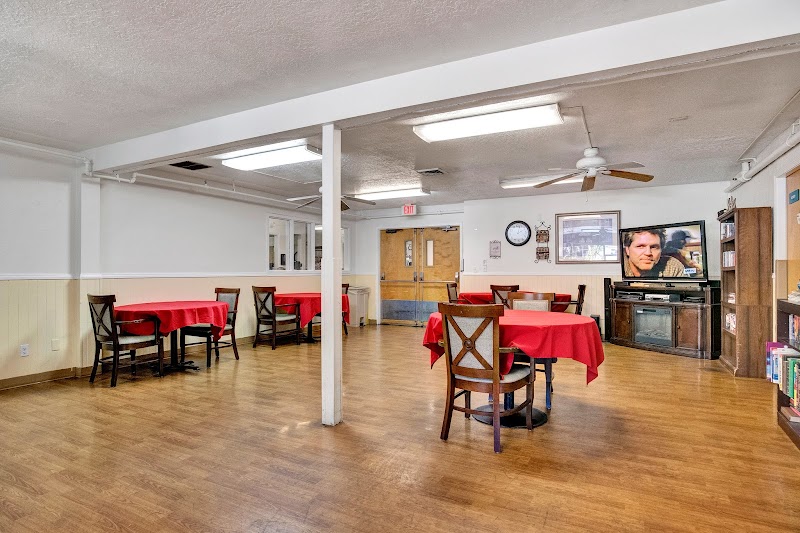
RIVERCREST POST ACUTE is owned by a for-profit company. For-profit facilities operate as businesses with obligations to shareholders or private owners. The facility is operated by PACS GROUP, a chain that manages multiple nursing homes. With 53 certified beds and approximately 50 residents (about 94% occupancy), it is a smaller facility located in OREGON CITY, Oregon.
How Does Rivercrest Post Acute Compare to Other Oregon Nursing Homes?

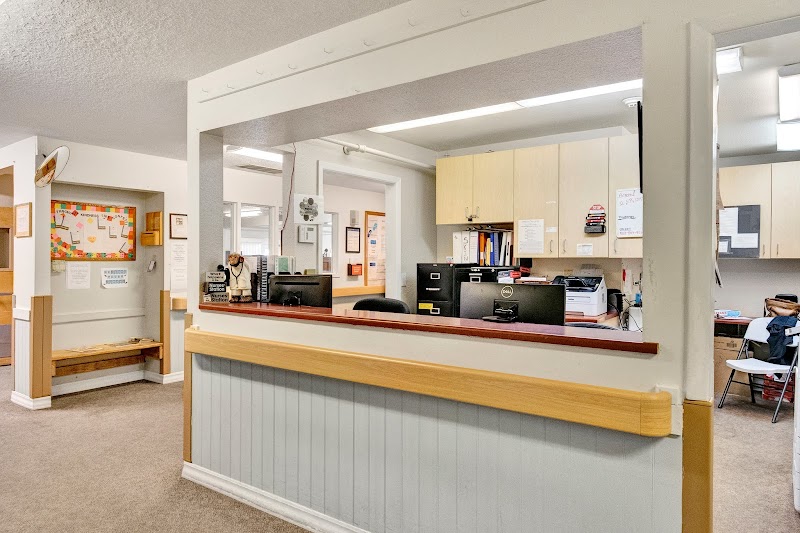
Compared to the 100 nursing homes in Oregon, RIVERCREST POST ACUTE's overall rating (3 stars) matches the state average, staff turnover (72%) is significantly higher than the state average of 46%, and health inspection rating (3 stars) is at the national benchmark.

What Should Families Ask When Visiting Rivercrest Post Acute?

Based on this facility's data, families visiting should ask: "How do you ensure continuity of care given staff turnover, and what is your staff retention strategy?" "Can I visit during a mealtime to observe dining assistance and food quality?" "How do you handle medical emergencies, and what is your hospital transfer rate?" "Can I speak with family members of current residents about their experience?" These questions are particularly relevant given the facility's high staff turnover rate.

Is Rivercrest Post Acute Safe?

Based on CMS inspection data, RIVERCREST POST ACUTE has a clean safety record: no substantiated abuse findings (meaning no confirmed cases of resident harm), no Immediate Jeopardy citations (the most serious violation level indicating risk of serious injury or death), and is not on the Special Focus Facility watch list (a federal program monitoring the lowest-performing 1% of nursing homes). The facility has a 3-star overall rating and ranks #1 of 100 nursing homes in Oregon. While no facility is perfect, families should still ask about staff-to-resident ratios and recent inspection results during their visit.

Do Nurses at Rivercrest Post Acute Stick Around?

Staff turnover at RIVERCREST POST ACUTE is high. At 72%, the facility is 25 percentage points above the Oregon average of 46%. High turnover means new staff may not know residents' individual needs, medications, or preferences. It can also be disorienting for residents, especially those with dementia who rely on familiar faces. Families should ask: What is causing the turnover? What retention programs are in place? How do you ensure care continuity during staff transitions?

Was Rivercrest Post Acute Ever Fined?

RIVERCREST POST ACUTE has been fined $18,075 across 1 penalty action. This is below the Oregon average of $33,260. While any fine indicates a compliance issue, fines under $50,000 are relatively common and typically reflect isolated problems that were subsequently corrected. Families should ask what specific issues led to these fines and confirm they've been resolved.

Is Rivercrest Post Acute on Any Federal Watch List?

RIVERCREST POST ACUTE is not on any federal watch list. The most significant is the Special Focus Facility (SFF) program, which identifies the bottom 1% of nursing homes nationally based on persistent, serious quality problems. Not being on this list means the facility has avoided the pattern of deficiencies that triggers enhanced federal oversight. This is a positive indicator, though families should still review the facility's inspection history directly.