AVALON CARE CENTER - PORTLAND
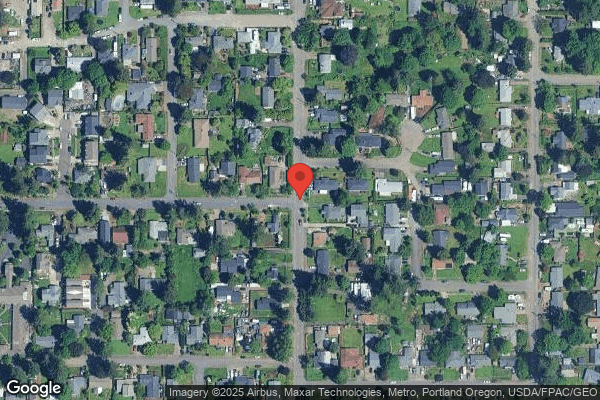
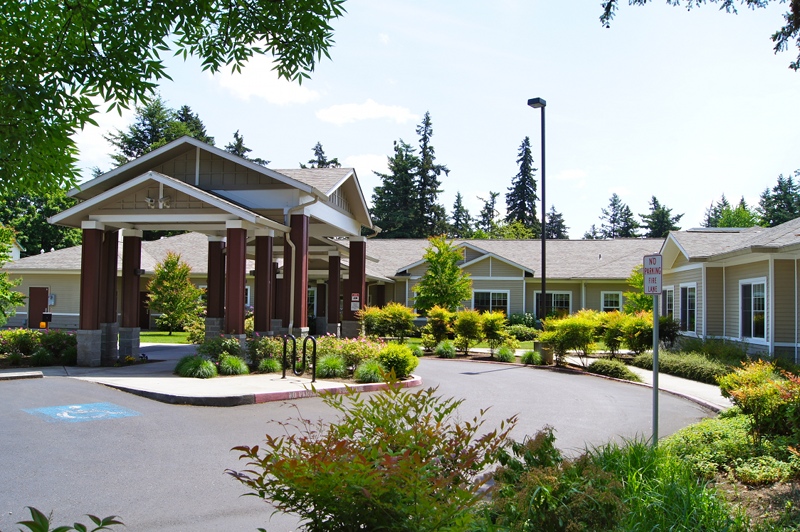
12640 SE BUSH, PORTLAND, OR 97236 (503) 761-6621
For profit - Limited Liability company 40 Beds Independent Data: November 2025
Trust Grade
75/100
#1 of 127 in OR
Last Inspection: July 2025

Inspected within the last 6 months. Data reflects current conditions.

Overview

Avalon Care Center in Portland, Oregon, has earned a Trust Grade of B, indicating it is a good choice for families considering nursing home options. It ranks #1 out of 127 facilities in the state and #1 out of 33 in Multnomah County, placing it at the top tier of local facilities. The trend is improving, with a decrease in issues from 13 in 2024 to 5 in 2025, and it has no fines on record, which suggests a stable compliance history. Staffing is rated 4 out of 5 stars, with a turnover rate of 41%, which is below the state average, although RN coverage is only average. However, there have been some significant concerns, such as a resident sustaining a second-degree burn due to inadequate implementation of the facility's smoking policy, and another incident involving inappropriate touching between residents, highlighting potential areas for improvement in safety and supervision.

Trust Score
B
75/100
In Oregon
#1/127
Top 1%
Safety Record
Moderate
Needs review
Inspections
Getting Better
13 → 5 violations
Staff Stability
○ Average
41% turnover. Near Oregon's 48% average. Typical for the industry.
Penalties
✓ Good
No fines on record. Clean compliance history, better than most Oregon facilities.
Skilled Nurses
○ Average
Each resident gets 36 minutes of Registered Nurse (RN) attention daily — about average for Oregon. RNs are the most trained staff who monitor for health changes.
Violations
⚠ Watch
29 deficiencies on record. Higher than average. Multiple issues found across inspections.
★★★★★
5.0
Overall Rating
★★★★☆
4.0
Staff Levels
★★★★★
5.0
Care Quality
★★★★☆
4.0
Inspection Score
Stable
2024: 13 issues
2025: 5 issues

The Good

  • 4-Star Staffing Rating · Above-average nurse staffing levels
  • 5-Star Quality Measures · Strong clinical quality outcomes
  • Full Sprinkler Coverage · Fire safety systems throughout facility
  • No fines on record
  • Staff turnover below average (41%)

    7 points below Oregon average of 48%

Facility shows strength in staffing levels, quality measures, fire safety.

The Bad

Staff Turnover: 41%

Near Oregon avg (46%)

Typical for the industry

The Ugly 29 deficiencies on record

1 actual harm
Jul 2025 5 deficiencies
CONCERN (D)

Potential for Harm - no one hurt, but risky conditions existed

Resident Rights (Tag F0550)

Could have caused harm · This affected 1 resident

**NOTE- TERMS IN BRACKETS HAVE BEEN EDITED TO PROTECT CONFIDENTIALITY** Based on observation, interview and record review it was determined the facility failed to ensure a resident's right to a dignif...

Read full inspector narrative →
**NOTE- TERMS IN BRACKETS HAVE BEEN EDITED TO PROTECT CONFIDENTIALITY** Based on observation, interview and record review it was determined the facility failed to ensure a resident's right to a dignified existence with use of a power mobility device for 1 of 1 resident (# 19) reviewed for choices. This placed residents at risk for diminished independence and freedom of socialization with other residents. Findings include:The facility's Resident Right Policy dated 7/2018 indicated the resident has a right to and the facility will promote and facilitate resident self-determination through support of resident choice.Resident 19 was admitted to the facility in 11/2022 with diagnoses including cerebral infarction (blockage of blood flow to the brain) and depression.A 5/8/25 Occupational Therapy Evaluation included a goal for Resident 19 to operate a power chair with standby assist in the facility to maximize socialization skills.Review of Occupational Therapy Encounter Notes from 5/8/25 through 7/21/25 revealed Resident 19 received therapy services from Staff 5 (Rehabilitation Director) focused on improving skills involved with operating a power wheelchair, but no assessment on the use of a power wheelchair was performed. The resident's plan of treatment included power wheelchair mobility training in therapy on 5/23/25, 5/27/25, and 5/28/25, however power wheelchair training did not occur on those dates. On 6/3/25, an Occupational Therapy Encounter Note stated the use of power wheelchair was trialed and discontinued, stating Resident 19 experienced tactile feedback and visual scanning deficiencies.A cognitive assessment dated [DATE] revealed Resident 19 had a BIMS score of 13 which indicated the resident had normal cognitive function.A 5/23/25 Quarterly MDS stated Resident 19 had adequate vision without corrective lenses.A 6/3/25 Therapy to Facility Communication note stated Resident 19 was unsafe to continue use of a power wheelchair due to her/his decreased tactile feedback in her/his hands and visual scanning.On 7/22/25 at 9:08 AM Resident 19 stated she/he wanted to use her/his power wheelchair to increase her/his freedom to move in the facility and community. Resident 19 stated therapy would assess her/him to determine if she/he was safe with using the power wheelchair, but no time was spent in a power wheelchair to determine Resident 19's abilities to use a power wheelchair safely.On 7/22/25 at 1:49 PM Staff 6 (CNA) stated Resident 19's functional use of her/his hands improved in the last month with Resident 19 demonstrating an ability to perform self-care tasks like brushing teeth, caring for dentures, face washing, upper body dressing and using a call button without assistance.On 7/22/25 at 1:56 PM Staff 5 stated Resident 19 had a goal to use a power wheelchair with standby assist, meaning a staff member was next to Resident 19. Skills related to power wheelchair use including sitting balance, fine motor skills and spatial reasoning were assessed, but no assessment which involved the use of a power wheelchair was performed with Resident 19. Staff 5 stated fine motor skills and spatial reasoning were impaired. When asked for a record of these assessments, no information related to operating a power wheelchair was provided.On 7/23/25 at 3:14 PM Resident 19 was observed independently participating in bingo which required fine motor and visual scanning techniques. The resident was also able to visually scan the bingo card and bin containing bingo markers, pick up a small bingo marker and place that marker on the correct number.On 7/23/25 at 3:33 PM Staff 7 (CNA) stated Resident 19 was not observed to have any difficulty with her/his vision or fine motor skills when participating in activities. Staff 7 stated Resident 19 previously had grasping problems when performing activities, but those impairments improved in the last month.On 7/24/25 at 10:14 AM Staff 2 (DNS) stated Resident 19 actively participated in occupational therapy which was focused on improving skills required to operate a power wheelchair and confirmed an assessment with Resident 19's use of a power wheelchair should have been performed to make a determination of Resident 19's independent use of a power wheelchair.
CONCERN (D)

Potential for Harm - no one hurt, but risky conditions existed

Deficiency F0645 (Tag F0645)

Could have caused harm · This affected 1 resident

Based on interview and record review it was determined the facility failed to ensure an appropriate PASARR (Preadmission Screening for individuals with a mental disorder and/or individuals with intell...

Read full inspector narrative →
Based on interview and record review it was determined the facility failed to ensure an appropriate PASARR (Preadmission Screening for individuals with a mental disorder and/or individuals with intellectual disability) was completed for 2 of 3 sampled resident (#s 8 and 34) reviewed for PASARR. This placed residents at risk for not receiving specialized services. Findings include: An 8/2018 facility policy revealed, a PASARR will be completed for each resident prior to admission. The applicants are evaluated for a serious mental disorder. Specialized services will be offered to individuals with mental disorders.1. Resident 34 admitted in 2/2025 with diagnoses including schizophrenia and anxiety.A PASARR I assessment completed on 5/5/24 revealed Resident 34 should receive a PASARR-II due to her/his diagnoses of schizophrenia.A review of Resident 34's electronic health record revealed no PASARR II was completed for Resident 34.On 7/24/25 at 10:06 AM Staff 2 (DNS) confirmed a PASARR-II had not been completed for Resident 34 to address her/his schizophrenia diagnoses.2. Resident 8 was admitted in 11/2024 with diagnoses including bipolar disorder (a disorder associated with episodes of mood swings ranging from depressive lows to manic highs), and PTSD (Post Traumatic Stress Disorder). A review of the resident's electronic health record (EHR) at the time of the survey revealed there was no PASARR I available in the record. In an interview on 7/23/25 at 3:26 PM Staff 14 (Admissions/Social Services) stated he reported the lack of PASARR I screenings to Staff 1 (Administrator).7/23/25 at 3:37 PM, Staff 4 (MDS Coordinator) acknowledged a PASARR 1 was not completed for Resident 8.On 7/23/25 at 3:48 PM Staff 1 stated Resident 8 should have had a PASARR I completed upon admission to the facility.
CONCERN (D)

Potential for Harm - no one hurt, but risky conditions existed

Deficiency F0679 (Tag F0679)

Could have caused harm · This affected 1 resident

**NOTE- TERMS IN BRACKETS HAVE BEEN EDITED TO PROTECT CONFIDENTIALITY** Based on observation, interview and record review the facility failed to ensure activities were honored for 1 of 1 sampled resid...

Read full inspector narrative →
**NOTE- TERMS IN BRACKETS HAVE BEEN EDITED TO PROTECT CONFIDENTIALITY** Based on observation, interview and record review the facility failed to ensure activities were honored for 1 of 1 sampled resident (#9) reviewed for activities. This placed residents at risk for boredom, and loneliness. Findings include:Resident 9 was admitted to the facility in 12/2024 with diagnoses including dementia and PTSD (Post Traumatic Stress Disorder).The resident's admission MDS dated [DATE] indicated the resident had a BIMS score of six which indicated the resident had severe cognitive impairment. The MDS revealed it was very important for Resident 9 to be around animals such as pets, do her/his favorite activities, go outside when the weather was good, and listen to music she/he liked.The resident's care plan initiated on 12/20/24 revealed Resident 9 liked music. The resident was provided an activity calendar, invited to activities, and calling family/friends. The care plan did not include specific preferences for Resident 9 which included, pet visits, listening to music of her/his choice, doing things with groups of people, and going outside on nice days. Random observations from 7/21/25 through 7/24/25, revealed Resident 9 sitting alone either in the main dining room or in the halls with little to no staff interaction and no activities of interest provided to her/him. Group activities were observed to be occurring near Resident 9.On 7/22/25 at 2:25 PM Resident 9 was observed sitting in the main dining room at a table alone. Two activities were occurring in the dining room; the resident was not included in either one. Resident 9 told a staff member she/he was looking for a hiding place because no one wanted to hang out with her/him.On 7/23/25 from 2:15 PM to 3:20 PM Resident 9 was sitting in the hallway staring at the floor and no staff interacted with her/him and no activities were offered. During an interview on 7/21/25 at 2:05 PM and 7/24/25 at 10:30 AM Witness 1 (Resident Representative) stated, Resident 9 slept when she/he was bored, was usually in bed or out sitting in the hallway when Witness 1 came to visit. Witness 1 stated the resident enjoyed listening to country music and older rock music. On 7/24/25 at 10:10 AM Resident 9 stated she/he liked country music, going outside, and liked dogs. Resident 9 stated she/he would like to be invited to activities.During an interview on 7/24/25 at 1:07 PM and 7/25/25 at 9:05 AM Staff 9 (CNA) stated Resident 9 enjoyed visiting with dogs and would go to activities if she/he was invited.During an interview on 7/24/25 at 1:30 PM Staff 17 (CNA) stated Resident 9 would go to activities if she/he was invited but was unaware of activity preferences.During an interview on 7/25/25 at 9:18 AM Staff 12 (Activities Director) stated she completed one on one visits twice weekly, but Resident 9 was not on her list. Staff 12 confirmed three activities which were very important to Resident 9 were missing from the care plan and were not being offered to Resident 9.During an interview on 7/25/25 at 10:02 AM Staff 1 (Administrator) stated she expected activities to be offered to all residents and ensure preferences and activities were reflected on the care plan. Staff 1 acknowledged Resident 9's care plan was not reflective of her/his activities and was not being offered to participate in activities.
CONCERN (D)

Potential for Harm - no one hurt, but risky conditions existed

Accident Prevention (Tag F0689)

Could have caused harm · This affected 1 resident

Based on observation, interview and record review, it was determined that the facility failed to implement care planned transfer interventions to prevent falls for 1 of 2 sample residents (#4) reviewe...

Read full inspector narrative →
Based on observation, interview and record review, it was determined that the facility failed to implement care planned transfer interventions to prevent falls for 1 of 2 sample residents (#4) reviewed for accidents. This placed residents at risk for physical injury. Findings include:Resident 4 was admitted to the facility in 1/2025 with diagnoses including right leg amputation.Resident 4's 4/2025 and 6/2025 care plan revealed the resident required two-person assistance with a mechanical lift when moving from bed to a shower chair. A Fall Incident dated 5/21/25 revealed Resident 4 had a fall while being transferred out of bed into a shower chair. The resident was transferred by one CNA who did not utilize a mechanical lift.On 7/24/25 at 2:19 PM Staff 11 (CNA) stated she was told by Resident 4 she/he no longer used the mechanical lift and only needed one staff person to assist with her/his transfer status because the resident was working with therapy.On 7/24/25 at 3:00 PM Staff 13 (LPN) stated Resident 4's transfer status in 5/2025 (before the fall) was a two-person mechanical lift transfer.On 7/25/25 at 10:22 AM Staff 2 (DNS) stated Resident 4 told Staff 11 she/he did not need the mechanical lift anymore because the resident was working with therapy utilizing a slide board transferring. Staff 2 stated she was aware of the fall on 5/21/25 and acknowledged Staff 11 did not follow the care plan. Staff 2 indicated she expected all staff to review and follow the residents care plan.On 5/28/25, the Past Noncompliance was corrected by the facility with the following: 1. Staff 11 was educated and retrained in the moment regarding reviewing and following the care plan. 2. All CNAs were educated regarding reviewing and implementing the care plan. 3. All staff attended monthly CNA meetings to ensure they provided safety checks for those residents which were considered a high fall risk.4. The QAPI team monitored/audited any kind of falls whether a resident was injured or not and ensured staff reviewed, implemented and followed the care plan.
CONCERN (D)

Potential for Harm - no one hurt, but risky conditions existed

Deficiency F0757 (Tag F0757)

Could have caused harm · This affected 1 resident

Based on interview and record review it was determined the facility failed to ensure a resident's prophylactic use of an antibiotic was reviewed and a rationale for continued use was documented when d...

Read full inspector narrative →
Based on interview and record review it was determined the facility failed to ensure a resident's prophylactic use of an antibiotic was reviewed and a rationale for continued use was documented when duplicate antibiotic treatment occurred for 1 of 1 sampled resident (#12) reviewed for antibiotic usage. This placed residents at risk for adverse medication consequences and drug-resistant infections. Findings include: The facility's Infection and Control: Antibiotic Stewardship policy, last revised 3/2019, indicated the facility would validate antibiotics were prescribed for the correct indication, the correct dose, the correct route and the correct duration. Resident 12 was admitted to the facility in 5/2024 with diagnoses including acute kidney failure, dysuria (painful or uncomfortable urination) and urinary retention (inability to completely empty the bladder). A 10/15/24 physician order indicated Resident 12 was prescribed Bactrim (an antibiotic) one time a day for UTI prophylaxis (ongoing antibiotic administration not intended to treat an existing infection, but to reduce the risk of developing one). A 6/14/25 progress note written at 6:40 PM indicated Resident 12 reported complaints of a possible UTI including burning with urination, weakness and low back pain. Resident 12 was transported to the Emergency Department (ED) for evaluation. A 6/14/25 progress note written at 11:00 PM indicated Resident 12 returned to the facility from the ED. Resident 12 had no UTI and blood work revealed no infection. The resident was diagnosed with possible muscle pain. Resident 12 was to follow-up with her/his PCP (Primary Care Physician). A 6/14/25 ED After Visit Summary revealed Resident 12 was evaluated for a possible UTI, no infection was identified and the resident was diagnosed with flank pain (discomfort located in the side of the abdomen, between the lower ribs and hips). Resident 12's 6/15/25 through 6/19/25 progress notes indicated there were no further concerns of burning with urination, weakness or low back pain voiced by the resident. A 6/19/25 PCP After Visit Summary indicated Resident 12 was started on cefuroxime (an antibiotic) twice a day for seven days (6/19/25 through 6/25/25) due to trace leukocytes (a small amount of white blood cells) identified during a urine dipstick test (a quick way to access various aspects of urine). Resident 12's June 2025 MAR indicated the resident received prophylactic Bactrim in addition to, cefuroxime from 6/19/25 through 6/25/25. A 6/20/25 progress note written at 9:29 AM indicated nursing staff attempted to contact Resident 12's PCP to clarify the resident's Bactrim usage due to Resident 12 receiving Bactrim and cefuroxime at the same time for the same condition. A review of Resident 12's electronic health record indicated the resident's PCP did not respond. On 7/22/25 at 1:04 PM, Staff 8 (LPN) stated Resident 12 was prescribed Bactrim for UTI prophylaxis in 10/2024. She stated on 6/14/25, Resident 12 went to the ED for abdominal pain and a possible UTI. Staff 8 reported when Resident 12 returned from the ED, there was no UTI found. Staff 8 reported Resident 12 was prescribed cefuroxime on 6/19/25, after a visit to the resident's outside provider. Staff 8 reported she was unsure why Resident 12 received two antibiotics at the same time for the same condition, and if she noticed a resident being prescribed two different antibiotics for the same condition, she would contact the provider for clarification. On 7/22/25 at 1:22 PM and 7/24/25 at 12:24 PM, Staff 2 (DNS) reported Resident 12 was placed on Bactrim, prophylactically for a history of UTI's, in 10/2024. On 6/14/25, Resident 12 went to the ED with symptoms of a possible UTI and was found to have no UTI. In addition, Resident 12's bloodwork indicated no infection. Staff 2 stated on 6/19/25, Resident 12 had a follow-up appointment with her/his PCP and returned to the facility with orders for a second antibiotic. Staff 2 stated she attempted to contact Resident 12's PCP office for clarification and to have a conversation regarding the resident's antibiotic use, but the PCP office did not return her call. Staff 2 stated Staff 4 (Infection Control Preventionist/MDS Coordinator) should have reached out to the PCP office to discuss the ongoing need and appropriateness of Resident 12's antibiotics. Staff 2 stated her expectations were for staff to have a clear understanding of why Resident 12 was on two antibiotics, Resident 12's antibiotics were evaluated and assessed to be appropriate and there was a rationale for dual antibiotic use. On 7/22/24 at 3:16 PM, Staff 4 stated she was aware Resident 12 received two different antibiotics at the same time for UTI management. Staff 4 stated she wondered why Resident 12 had two antibiotics and an antibiotic time-out form was faxed to the resident's PCP. Staff 4 stated Resident 12's PCP was not responsive, and she was unable to get through to the PCP office thus no follow-up regarding Resident 12's dual antibiotic use was completed. Staff 4 stated she would not want to see a resident receive two antibiotics for the same condition without clarification and a rationale provided and confirmed there was no clarification or rationale for Resident 12's dual antibiotic use.
Oct 2024 1 deficiency 1 Harm
SERIOUS (G) 📢 Someone Reported This

A family member, employee, or ombudsman was alarmed enough to file a formal complaint

Actual Harm - a resident was hurt due to facility failures

Accident Prevention (Tag F0689)

A resident was harmed · This affected 1 resident

**NOTE- TERMS IN BRACKETS HAVE BEEN EDITED TO PROTECT CONFIDENTIALITY** Based on observation, interview, and record review it was determined the facility failed to ensure the facility's smoking policy...

Read full inspector narrative →
**NOTE- TERMS IN BRACKETS HAVE BEEN EDITED TO PROTECT CONFIDENTIALITY** Based on observation, interview, and record review it was determined the facility failed to ensure the facility's smoking policy was implemented and followed for 1 of 3 (#2) sampled residents reviewed for accidents and hazards. As a result, Resident 2 sustained a second degree burn to her/his left hand. Findings include: The facility's 1/20/23 Smoking Policy indicated the facility will furnish a supervised designated smoking area where smoking and smoking paraphernalia items will be managed and distributed by staff. The facility indicated residents who smoke must return all smoking and smoking paraphernalia items to the facilities centralized storage box. Residents who smoke were to be informed that a violation of the facility smoking policy could place other residents at risk for endangerment which could lead to a facility initiated discharge. Resident 2 was admitted to the facility in 2/2024, with diagnoses including chronic kidney disease. A 10/4/24 Facility Incident Report stated Resident 2 set her/his hand on fire while refilling Resident 3's butane (gas) lighter. Resident 2 stated she/he was refilling Resident 3's butane lighter when she/he striked Resident 3's lighter and set fire to her/his middle, ring, and left finger of her/his left hand. A 10/8/24 Skin and Wound Evaluation indicated Resident 2 sustained 2nd degree burns to her/his middle, ring, and little finger of her/his left hand. On 10/16/24 at 10:28 AM, Resident 2 stated she/he sustained a 2nd degree burn to her/his left hand as a result of striking the [NAME] of Resident 3's lighter that she/he had overfilled with butane liquid fluid. Resident 2 was observed with significant burns on her/his left hand near the middle, ring and little finger. Resident 2 also stated the facility used to have a designated smoking area, but residents decided to leave the facility to smoke independently. Resident 2 stated the facility was aware of this and did not enforce the smoking policy and did not ask for residents to return smoking materials after use. On 10/16/24 at 11:27 AM, Resident 3 stated the facility did not enforce their smoking policy to return all smoking paraphernalia after use, which led to her/his continued use of her/his butane lighter fluid and butane lighter in the facility. On 10/16/24 at 1:00 PM, Staff 4 (CNA) confirmed residents were required to grab all smoking materials from the nurse's station and return the materials after use. Staff 4 indicated the facility did not enforce this requirement due to facility's inability to manage the smoking policy with residents. On 10/24/24 at 10:36 AM, Staff 1 (Administrator) acknowledged the facility failed to ensure resident safety related to the possession and management of smoking paraphernalia.
Jun 2024 12 deficiencies
CONCERN (D) 📢 Someone Reported This

A family member, employee, or ombudsman was alarmed enough to file a formal complaint

Potential for Harm - no one hurt, but risky conditions existed

Deficiency F0558 (Tag F0558)

Could have caused harm · This affected 1 resident

Based on observation, interview and record review it was determined the facility failed to ensure resident needs and preferences related to lighting were accommodated for 1 of 3 sampled residents (# 1...

Read full inspector narrative →
Based on observation, interview and record review it was determined the facility failed to ensure resident needs and preferences related to lighting were accommodated for 1 of 3 sampled residents (# 13) reviewed for accommodation of needs. This placed residents at risk for lack of access to lighting and an unhomelike environment. Findings include: Resident 13 was admitted to the facility in 3/2024 with diagnoses including a non-pressure chronic ulcer and Type 2 Diabetes (a condition that happens as a result of the way the body regulates sugar as fuel). A review of Resident 13's 4/4/24 admission MDS revealed her/his cognition was moderately impaired. On 5/29/24 at 9:34 AM Resident 13 stated her/his overbed light switch only had a short cord and she/he could not reach it to turn her/his light on or off. Resident 13 stated she/he reported it to staff but she/he was still waiting for it to be fixed. On 6/3/24 at 1:42 PM Staff 19 (Maintenance Director) stated he expected CNAs to report maintenance issues to him using the facility's work order system. He also stated he is notified of maintenance issues via word of mouth from staff members and residents. On 6/3/24 at 2:08 PM Staff 19 acknowledged the pull cord for Resident 13's overbed light was not long enough for her/him to use independently. Staff 19 stated the pull cord should be fixed. On 6/3/24 at 3:39 PM Staff 1 (Administrator) stated she expected residents to be able to turn their lights on and off and the broken pull cord needed to be repaired.
CONCERN (D) 📢 Someone Reported This

A family member, employee, or ombudsman was alarmed enough to file a formal complaint

Potential for Harm - no one hurt, but risky conditions existed

Deficiency F0578 (Tag F0578)

Could have caused harm · This affected 1 resident

Based on interview and record review it was determined the facility failed to obtain copies of advance directives and inform residents of the right to formulate advance directives for 2 of 2 sampled r...

Read full inspector narrative →
Based on interview and record review it was determined the facility failed to obtain copies of advance directives and inform residents of the right to formulate advance directives for 2 of 2 sampled residents (#s 8 and 13) reviewed for advance directives. This placed residents at risk of not having their health care decisions honored. Findings include: 1. Resident 8 was admitted to the facility in 8/2017 with diagnoses including Type 2 Diabetes (a condition that happens as a result of the way the body regulates sugar as fuel) and morbid (severe) obesity. Resident 8's 2/16/24 Quarterly MDS revealed she/he was cognitively intact. Resident 8's Care Plan revealed the following: -Focus: I have a Living Will or other Advance Directive: Health Care Agent. -Goal: I will have my desires and wishes followed according to my signed directive. -Interventions: Facility will place my Advance Directive in my medical record. Staff will review my healthcare directives with me at least quarterly to verify that my wishes have not changed. Staff will understand and follow my healthcare directives. (Date initiated: 6/8/23) No evidence was found in Resident 8's health record to indicate the facility obtained a copy of her/his advance directive or discussed it with her/him since the date the care plan intervention was initiated. On 5/30/24 at 9:33 AM Staff 1 (Administrator) stated she expect advance directives to be discussed with each resident at a minimum on a quarterly basis. She acknowledged the facility did not obtain a copy of Resident 8's advance directive and there was no documentation in her/his health record to indicate it was discussed with her/him since her/his care plan was initiated. 2. Resident 13 was admitted to the facility in 3/2024 with diagnoses including a non-pressure chronic ulcer and Type 2 Diabetes (a condition that happens as a result of the way the body regulates sugar as fuel). Resident 13's 4/4/24 admission MDS revealed her/his cognition was moderately impaired. A review of Resident 13's health record revealed she/he was her/his own responsible party. No evidence was found in Resident 13's health record to indicate she/he had an advance directive or that staff discussed her/his wishes related to creating an advance directive. On 5/30/24 at 9:33 AM Staff 1 (Administrator) stated she expect advance directives to be discussed with each resident at a minimum on a quarterly basis. She acknowledged there was no documentation in Resident 13's health record to indicate the facility discussed her/his wishes related to developing an advance directive.
CONCERN (D) 📢 Someone Reported This

A family member, employee, or ombudsman was alarmed enough to file a formal complaint

Potential for Harm - no one hurt, but risky conditions existed

Notification of Changes (Tag F0580)

Could have caused harm · This affected 1 resident

Based on interview and record review it was determined the facility failed to notify a resident's representative of an appointment out of the facility for 1 of 1 sampled resident (#289) reviewed for n...

Read full inspector narrative →
Based on interview and record review it was determined the facility failed to notify a resident's representative of an appointment out of the facility for 1 of 1 sampled resident (#289) reviewed for notification of change. This placed residents at risk of their representatives being uninformed. Findings include: Resident 289 was admitted to the facility in 12/2016 with diagnoses including chronic congestive heart failure (a long-term condition in which the heart cannot pump blood efficiently) and type 2 diabetes (a condition that happens as a result of the way the body regulates sugar as fuel). A review of Resident 289's 8/29/22 CAA related to cognition revealed she/he had severe cognitive decline including impaired memory and decision making. Resident 289's admission agreement indicated her/his representative/legal guardian was her/his daughter. A review of Resident 289's health record revealed she/he was sent out of the facility for an appointment on 11/10/2022. No evidence was found in Resident 289's health record to indicate her/his representative was notified she/he would be attending an appointment out of the facility. On 6/3/24 at 2:16 PM Staff 1 (Administrator) acknowledged Resident 289 was out of the facility for an appointment on 11/10/22 and she expected her/his representative to be notified of this.
CONCERN (D) 📢 Someone Reported This

A family member, employee, or ombudsman was alarmed enough to file a formal complaint

Potential for Harm - no one hurt, but risky conditions existed

Safe Environment (Tag F0584)

Could have caused harm · This affected 1 resident

Based on observation and interview it was determined the facility failed to maintain a homelike environment for 1 of 3 sampled residents (# 13) reviewed for environment. This placed residents at risk ...

Read full inspector narrative →
Based on observation and interview it was determined the facility failed to maintain a homelike environment for 1 of 3 sampled residents (# 13) reviewed for environment. This placed residents at risk for living in an unkempt environment. Findings include: Resident 13 was admitted to the facility in 3/2024 with diagnoses including a non-pressure chronic ulcer and type 2 diabetes (a condition that happens as a result of the way the body regulates sugar as fuel). A review of Resident 13's 4/4/24 admission MDS revealed her/his cognition was moderately impaired. On 5/29/24 at 9:40 AM a gouge approximately 16 inches in length and 36 inches above the floor was observed in the wall adjacent to the head of Resident 13's bed. On 6/3/24 at 1:42 PM 19 (Maintenance Director) acknowledged the gouge in the wall and stated it should have been fixed prior to the resident moving into the room. On 6/3/24 at 3:39 PM Staff 1 (Administrator) stated the gouge in Resident 13's wall was unacceptable and she expected residents' rooms to be painted and homelike before they move in.
CONCERN (D) 📢 Someone Reported This

A family member, employee, or ombudsman was alarmed enough to file a formal complaint

Potential for Harm - no one hurt, but risky conditions existed

Deficiency F0655 (Tag F0655)

Could have caused harm · This affected 1 resident

Based on interview and record review it was determined the facility failed to ensure written summary of a baseline care plan was provided to residents within 48 hours of admission for 2 of 4 sampled r...

Read full inspector narrative →
Based on interview and record review it was determined the facility failed to ensure written summary of a baseline care plan was provided to residents within 48 hours of admission for 2 of 4 sampled residents (#s 7 and 241) reviewed for baseline care plans. This placed residents at risk for being uninformed about their plan of care. Findings include: 1. Resident 7 was admitted to the facility in 5/2024 with diagnoses including kidney failure and anxiety. On 5/31/24 Resident 7's clinical record was reviewed. No record was found to show Resident 7 had a baseline care plan reviewed or provided to her/him. On 5/31/24 at 7:40 AM Resident 7 stated she/he had not been provided a baseline care plan. On 5/31/24 at 10:39 AM Staff 3 (LPN/RCM) and Staff 4 (RNCM) stated they were not aware baseline care plans were to be provided to and reviewed with residents. 2. Resident 241 was admitted to the facility in 5/2024 with diagnoses including heart failure and high cholesterol. On 5/31/24 Resident 241's clinical record was reviewed. No record was found to show Resident 241 had a baseline care plan reviewed or provided to her/him. On 5/31/24 at 10:39 AM Staff 3 (LPN/RCM) and Staff 4 (RNCM) stated they were not aware baseline care plans were to be provided to and reviewed with residents.
CONCERN (D) 📢 Someone Reported This

A family member, employee, or ombudsman was alarmed enough to file a formal complaint

Potential for Harm - no one hurt, but risky conditions existed

Comprehensive Care Plan (Tag F0656)

Could have caused harm · This affected 1 resident

Based on interview and record review it was determined the facility failed to develop a person-centered comprehensive care plan for 1 of 4 residents (#16) reviewed for mood and behavior. This placed r...

Read full inspector narrative →
Based on interview and record review it was determined the facility failed to develop a person-centered comprehensive care plan for 1 of 4 residents (#16) reviewed for mood and behavior. This placed residents at risk for lack of care planning. Findings include: Resident 16 was admitted to the facility in 1/2024 with diagnoses including post-traumatic stress disorder (PTSD). The Mood State CAA from Resident 16's 2/6/24 admission MDS noted Resident 16 had a diagnosis of PTSD and the care plan addressed the PTSD symptoms with interventions to assist with mood. A review of Resident 16's comprehensive care plan (last revised 4/14/24) revealed no focus, goals or interventions for Resident 16's PTSD symptoms. On 6/3/24 at 9:30 AM Staff 16 (Social Services Director) stated he completed a PTSD evaluation for Resident 16, and thought he completed the comprehensive care plan. Staff 16 confirmed Resident 16's comprehensive care plan related to PTSD symptoms with interventions to assist with mood was not completed.
CONCERN (D) 📢 Someone Reported This

A family member, employee, or ombudsman was alarmed enough to file a formal complaint

Potential for Harm - no one hurt, but risky conditions existed

Quality of Care (Tag F0684)

Could have caused harm · This affected 1 resident

Based on observation, interview and record review it was determined the facility failed to follow physician orders regarding wound care for 1 of 1 resident (# 241) reviewed for wound care. This placed...

Read full inspector narrative →
Based on observation, interview and record review it was determined the facility failed to follow physician orders regarding wound care for 1 of 1 resident (# 241) reviewed for wound care. This placed residents at risk of unmet care needs. Findings include: Resident 241 was admitted to the facility in 1/2018 with diagnoses including lymphedemia (swelling of the extremities) and erythmia (skin redness caused by swelling or irritation). A cognitive assessment from 1/18/24 indicated Resident 241 had normal cognitive function. A Physician Order from 4/3/24 instructed staff to apply ACE wraps to both lower extremities in the morning before Resident 241 got out of bed and take them off at night. Review of the 5/2024 TAR revealed the ACE wraps were documented as not applied to Resident 241's lower extremities on the following dates: - 5/20/24, - 5/21/24, - 5/22/24, - 5/23/24, - 5/24/24, - 5/25/24, - 5/26/24, - 5/28/24, - 5/29/24, - 5/30/24 and - 5/31/24. On 5/28/24 at 1:13 PM Resident 241 was observed wearing ACE wraps which appeared ragged and nearly falling off. Resident 241 stated she/he had worn the same ACE wraps for a week with the wraps never being taken off during the night. On 5/31/24 at 11:08 AM Staff 3 (LPN RCM) reviewed Resident 241's active orders and stated ACE wraps were to be applied to Resident 241's lower extremities in the morning and removed in the evening. Staff 3 was requested to determine if these orders were being followed. Upon observation of Resident 241 legs, Staff 3 confirmed Resident 241 was not wearing ACE wraps as ordered.
CONCERN (D) 📢 Someone Reported This

A family member, employee, or ombudsman was alarmed enough to file a formal complaint

Potential for Harm - no one hurt, but risky conditions existed

Accident Prevention (Tag F0689)

Could have caused harm · This affected 1 resident

Based on observation, interview and record review it was determined the facility failed to provide adequate care and hazard removal for 2 of 2 residents (#s 239 and 240) reviewed for accidents. This p...

Read full inspector narrative →
Based on observation, interview and record review it was determined the facility failed to provide adequate care and hazard removal for 2 of 2 residents (#s 239 and 240) reviewed for accidents. This placed residents at risk of injury. Findings include: 1. Resident 239 was admitted to the facility in 5/2022 with diagnoses including obesity and dementia. A Care Plan from 3/16/23 included instructions for two staff members to be present when providing all care. An 8/18/23 Progress Note stated Resident 239 rolled out of bed onto the floor when care was provided. On 5/30/24 at 1:13 PM Staff 10 (CNA) stated she recalled Resident 239 falling out of bed. Staff 10 stated care was provided by only one staff member when Resident 239 experienced the fall out of bed when care was being provided. On 5/31/24 at 2:37 PM Staff 1 (Administrator) confirmed Resident 239 was ordered to receive care from two staff members but care was only provided by one staff member when the fall occurred. 2. Resident 240 was admitted to the facility in 5/2024 with diagnoses including dementia. A cognitive assessment from 5/2024 indicated Resident 240 had severe cognitive impairment. On 5/31/24 at 12:39 PM two electric burners were observed unplugged on the floor of Resident 240's room. Resident 240 stated she/he has not used the electric burners but intended to use them. On 5/31/23 at 1:19 PM Staff 21 (CNA) stated she/he was unaware of the burners. On 5/31/23 at 1:25 PM Staff 1 (Administrator) confirmed the electric burners were unsafe and immediately removed them from Resident 240's room.
CONCERN (D) 📢 Someone Reported This

A family member, employee, or ombudsman was alarmed enough to file a formal complaint

Potential for Harm - no one hurt, but risky conditions existed

Respiratory Care (Tag F0695)

Could have caused harm · This affected 1 resident

Based on observation, interview and record review it was determined the facility failed to maintain oxygen equipment and ensure oxygen was administered as ordered for 2 of 3 sampled residents (#s 4 an...

Read full inspector narrative →
Based on observation, interview and record review it was determined the facility failed to maintain oxygen equipment and ensure oxygen was administered as ordered for 2 of 3 sampled residents (#s 4 and 21) reviewed for oxygen therapy. This placed residents at increased risk for respiratory failure. Findings include: 1. Resident 4 was admitted to the facility in 8/2023 with diagnoses including multiple sclerosis and chronic obstructive pulmonary disease (COPD). The 4/25/24 Quarterly MDS indicated Resident 4 was cognitively intact. On 5/28/24 at 1:28 PM Resident 4 was observed to use an oxygen concentrator. The external filter on the oxygen concentrator was observed to have a thick layer of dust. On 5/29/24 at 8:44 AM Staff 7 (LPN) observed the resident's equipment and acknowledged the external filter of the oxygen concentrator was not clean. On 5/29/24 at 8:56 AM Staff 2 (DNS) stated it was her expectation the external filters were cleaned once a month. 2. Resident 21 was admitted to the facility in 10/2023 with diagnoses including congestive heart failure and chronic respiratory failure. The 5/2/24 Quarterly MDS indicated Resident 21 had moderate cognitive impairment. The 5/6/24 physician order for Resident 21 revealed the resident used continuous oxygen with a flow rate of 1.5 liters. On 5/29/24 at 8:03 AM Resident 21 was observed to use an oxygen concentrator with a flow rate of 2.5 liters. The external filter on the oxygen concentrator was also observed to have a thick layer of dust. On 5/29/24 at 8:21 AM Staff 7 (LPN) observed the resident and her/his equipment. Staff 7 acknowledged the physician's order was not followed regarding the oxygen flow rate and the external filter of the oxygen concentrator was not clean. On 5/29/24 at 8:56 AM Staff 2 (DNS) stated it was her expectation the oxygen levels were checked at the beginning of each shift and external filters were cleaned once a month.
CONCERN (D) 📢 Someone Reported This

A family member, employee, or ombudsman was alarmed enough to file a formal complaint

Potential for Harm - no one hurt, but risky conditions existed

Medical Records (Tag F0842)

Could have caused harm · This affected 1 resident

Based on observation, interview and record review it was determined the facility failed to accurately document wound care being provided which followed physician's orders for 1 of 1 resident (# 241) r...

Read full inspector narrative →
Based on observation, interview and record review it was determined the facility failed to accurately document wound care being provided which followed physician's orders for 1 of 1 resident (# 241) reviewed for wound care. This placed residents at risk of unmet care needs. Findings include: Resident 241 was initially admitted to the facility in 1/2018 with diagnoses including lymphedemia (swelling of the extremities) and erythmia (skin redness caused by swelling or irritation). A cognitive assessment from 1/18/24 indicated Resident 241 had normal cognitive function. A Physician Order from 4/3/24 instructed staff to apply ACE wraps to both lower extremities in the morning before Resident 241 got out of bed and to take them off at night. Review of the 5/2024 TAR revealed ACE wraps were documented as being off of Resident 241's lower extremities on the following dates: - 5/20/24, - 5/21/24, - 5/22/24, - 5/23/24, - 5/24/24, - 5/25/24, - 5/26/24, - 5/28/24, - 5/29/24, - 5/30/24 and - 5/31/24. On 5/28/24 at 1:13 PM Resident 241 was observed wearing ACE wraps which appeared ragged and nearly falling off. Resident 241 stated she/he had worn the same ACE wraps for a week with the wraps never being taken off during the night. On 5/31/24 at 11:08 AM Staff 3 (LPN RCM) confirmed Resident 241's records regarding ACE wraps being on or off were not accurately documented.
CONCERN (E) 📢 Someone Reported This

A family member, employee, or ombudsman was alarmed enough to file a formal complaint

Potential for Harm - no one hurt, but risky conditions existed

Free from Abuse/Neglect (Tag F0600)

Could have caused harm · This affected multiple residents

2. Resident 3 was admitted to the facility in 1/2020 with diagnoses including anxiety. The 6/16/23 Annual MDS indicated Resident 3 was cognitively intact. Resident 33 was admitted to the facility in 4...

Read full inspector narrative →
2. Resident 3 was admitted to the facility in 1/2020 with diagnoses including anxiety. The 6/16/23 Annual MDS indicated Resident 3 was cognitively intact. Resident 33 was admitted to the facility in 4/2023 with diagnoses including dementia. The 4/30/24 Annual MDS indicated Resident 33 was cognitively intact and was ambulatory using a walker. A facility investigation dated 4/29/24 indicated on 4/23/24 around 8:45 PM Resident 3 reported that Resident 33 touched her/his breast inappropriately. Resident 3 stated Resident 33 walked by her/his room, stopped, stated she/he looked good and grabbed her/his breast and left the room. Resident 3 reported she/he was in her/his wheelchair in between the door and the bed at the time of the incident. On 5/28/24 at 12:32 PM Resident 3 stated she/he had arrived back to her/his room after breakfast on 4/23/24 and was in her/his wheelchair watching tv. Resident 3 stated Resident 33 entered the room, made a comment to her/him, then grabbed her/his breast inappropriately. Resident 3 stated she/he told Resident 33 to go away, and Resident 33 left the room. Resident 3 stated she/he did not report the incident until later that evening to the nurse. Resident 3 stated she/he does feel safe in her/his room and the facility. On 5/30/24 at 10:43 AM Witness 2 (Resident 3's roommate) stated she/he witnessed the incident on 4/23/24. Witness 2 stated she/he was laying in bed when Resident 3 arrived back to the room after breakfast and sat in her/his wheelchair watching tv and was in direct line of sight of her/him. Resident 33 entered the room, stood next to Resident 3 and Resident 3 told Resident 33 to leave which she/he did not. Resident 33 proceeded to approach Resident 3 and touched her/his breast inappropriately then left the room. Witness 2 stated she/he does feel safe in her/his room and the facility. On 6/3/24 at 10:02 AM Staff 20 (RN) stated Resident 3 reported the incident to her on 4/23/24 during the evening rounds. Resident 3 explained after breakfast that morning she/he went back to her/his room, watched tv while in her/his wheelchair and Resident 33 entered the room and touched her/his breast inappropriately. Staff 20 stated since the incident occurred Resident 3 did not have a change in mood or behavior. On 6/3/24 at 1:54 PM Resident 33 declined she/he ever touched a resident inappropriately and did not remember the incident. On 6/3/24 at 2:15 PM Staff 2 (DNS) stated she talked with Resident 3 frequently and since the incident occurred Resident 3 did not have a change in mood or behavior and her/his daily routine had not changed. Based on observation, interview, and record review it was determined the facility failed to protect the resident's right to be free from physical and sexual abuse for 2 of 7 sampled residents (#s 3 and 12) reviewed for abuse. This placed residents at risk for physical and psychological harm. Findings include: 1. Resident 12 was admitted to the facility in 6/2023 with diagnoses including a communication deficit and dementia. Resident 12's behavioral care plan initiated on 6/7/23 indicated the following: -The resident had a behavior issue related to a lack of spatial awareness (Resident does not recognize when she/he is close to others personal space.) -[Staff] consistently check on whereabouts of resident if found in room other than her/his or attempting to enter other rooms . -Intervene as necessary to protect the rights and safety of others. Approach/Speak in a calm manner. Divert attention. Remove from situation and take to alternate location as needed. Resident 12's 3/10/24 Quarterly MDS revealed the resident had short and long-term memory problems, no memory recall ability, and her/his decision making was severely impaired. Resident 17 was admitted to the facility in 1/2023 with two different types of dementia. Resident 17's 2/6/24 behavioral care plan indicated the following: - The resident had potential to be physically aggressive. - The resident's triggers for physical aggression were interactions with another resident invading her/his space. The resident's behavior was de-escalated by removing the other resident or this resident from the situation. Resident 17's 3/20/24 Quarterly MDS indicated the resident was moderately cognitively impaired. A Facility Reported Incident (FRI) dated 8/6/23 revealed Resident 12 was observed to be on her/his hands and knees on the floor next to Resident 17's bed. Resident 17 was observed to be holding a book in both hands and Resident 12 was noted to have multiple skin tears on both arms. A facility event report dated 8/11/23 revealed the following: - Resident 17 used to be homeless and had no space to call her/his own. - Resident 12 had behavioral issues related to other people's personal space. - Resident 12's location was to be consistently checked on due to her/his tendency to wander into other resident rooms. - Resident 17 stated she/he struck Resident 12 and considered striking her/him again. - Resident 12 was unable to be interviewed due to cognitive status. On 5/27/24 and 5/28/24 Resident 12 and 17 were interviewed. Neither resident had any recollection of an altercation. On 6/3/24 at 12:13 PM Staff 18 (Housekeeper) stated she witnessed Resident 12 on the floor on her/his hands and knees. Staff 18 witnessed Resident 17 holding a book over Resident 12 and told Staff 18 to get her/him out of here before I hit her/him again. There were no other witnesses to this altercation. On 5/31/24 at 7:48 AM Staff 17 (CNA) stated Resident 12's skin was very very fragile something as simple as trying to help Resident 12 transfer, if not done properly, will cause a skin tear. Staff 17 confirmed physical contact with Resident 12's arms by Resident 17 could easily cause skin tears. 05/30/24 07:42 AM Staff 8 (CNA) stated knowledge of Resident 12's and Resident 17's behaviors. Staff 8 stated an altercation and physical contact occurred but was unsure of the exact specifics. 05/31/24 10:45 AM Staff 3 (LPN/RCM) and Staff 4 (RNCM) - confirmed the facility knew Resident 12 wandered and had a history of climbing into other resident's beds. Staff 3 and 4 confirmed the facility was aware Resident 17 had a history of being aggressive when people entered her/his personal space. Staff 3 and 4 confirmed Residents 12 and 17 had a physical altercation and Resident 12 was injured as a result.
CONCERN (E) 📢 Someone Reported This

A family member, employee, or ombudsman was alarmed enough to file a formal complaint

Potential for Harm - no one hurt, but risky conditions existed

Food Safety (Tag F0812)

Could have caused harm · This affected multiple residents

Based on observation and interview it was determined the facility failed to store and handle food in a sanitary manner for 1 of 2 facility kitchens (dining room kitchenette) reviewed for sanitary food...

Read full inspector narrative →
Based on observation and interview it was determined the facility failed to store and handle food in a sanitary manner for 1 of 2 facility kitchens (dining room kitchenette) reviewed for sanitary food storage and handling. This placed residents at risk for food-borne illness and contamination. Findings include: On 5/28/24 at 11:34 AM during the initial tour of the dining room kitchenette, the following was observed: Refrigerator: -One piece of cake with whipping cream not covered, labeled or dated. -One small plastic container of an unknown substance not labeled or dated. -One covered plate with a pork chop, baked potato and corn not labeled or dated. -One tray with multiple covered juice drinks not labeled or dated. -One opened container of prune juice on the top shelf that spilled to the lower shelves and out onto the floor. Freezer: -Seven small plastic containers with unknown substances not labeled or dated. -Two individual strawberry yogurt containers with a use by date of 5/20/24. -Two opened one pint ice cream containers with resident names not dated. -One opened gallon of chocolate ice cream without a secure lid and not dated. -Three small plastic containers of fish snack crackers on top of the refrigerator not labeled or dated. On 5/28/24 at 11:43 AM Staff 1 (Administrator) confirmed the identified items were not appropriately stored.
Mar 2023 11 deficiencies
CONCERN (D)

Potential for Harm - no one hurt, but risky conditions existed

Deficiency F0552 (Tag F0552)

Could have caused harm · This affected 1 resident

Based on interview and record review it was determined the facility failed to ensure a psychotropic medication consent was provided for 1 of 5 sampled residents (#30) reviewed for unnecessary medicati...

Read full inspector narrative →
Based on interview and record review it was determined the facility failed to ensure a psychotropic medication consent was provided for 1 of 5 sampled residents (#30) reviewed for unnecessary medications. This placed residents at risk for not being informed of risks and benefits of medications. Findings include: Resident 30 was admitted to the facility in 2019 with diagnoses including Parkinson's disease (a central nervous system disorder that affects movement), depression, and anxiety disorder. Resident 30's admission Record dated 3/8/23 indicated her/his family member was the resident's responsible party. Resident 30's 11/29/22 Quarterly MDS indicated the resident had severe cognitive impairment. Resident 30's physician orders dated 12/11/22 indicated the resident had orders for the following scheduled medications: - Seroquel (antipsychotic medication) twice daily for psychotic disorder with hallucinations. - Zoloft (psychotropic medication used to treat depression) once daily for depression related to anxiety disorder. - mirtazapine (psychotropic medication used to treat depression) once daily for depression. - Nuplazid (used to treat Parkinson's disease psychosis) once daily for psychotic disorder with hallucinations related to Parkinson's disease. Resident 30's 2/2023 and 3/2023 MARs revealed the resident received these medications as ordered. Resident 30's health record did not contain a consent for the use of these psychotropic medications. On 3/14/23 at 9:42 AM Staff 1 (Administrator) confirmed there was no documentation to demonstrate the resident or their responsible party were informed of the risks and benefits of the psychotropic medications.
CONCERN (D)

Potential for Harm - no one hurt, but risky conditions existed

Deficiency F0578 (Tag F0578)

Could have caused harm · This affected 1 resident

3. Resident 32 was admitted to the facility in 11/2022 with diagnoses including stroke. Resident 32's admission Record dated 3/14/23 indicated the resident was her/his own responsible party. Resident ...

Read full inspector narrative →
3. Resident 32 was admitted to the facility in 11/2022 with diagnoses including stroke. Resident 32's admission Record dated 3/14/23 indicated the resident was her/his own responsible party. Resident 32's clinical record revealed no documentation to indicate the resident had an Advance Directive or was provided information concerning the right to formulate an Advance Directive. On 3/14/23 at 9:53 AM Staff 1 (Administrator) confirmed Resident 32 was not informed or provided written information concerning her/his right to formulate an Advance Directive. 2. Resident 23 was admitted to the facility in 2023 with diagnoses including stroke. A review of Resident 23's digital and physical clinical record revealed no documentation that Advance Directive information or the right to formulate one was provided to Resident 23 or her/his responsible party. On 3/7/23 at 11:11 AM Staff 2 (DNS) stated if Advance Directive information was not in the clinical record it did not exist. On 3/14/23 at 12:30 PM Staff 1 (Administrator) confirmed there was inadequate documentation that Advance Directive information was provided to residents. Based on interview and record review it was determined the facility failed to ensure residents were provided information related to the formulation of an Advance Directive for 3 of 3 sampled residents (#10, #23, #32) reviewed for Advance Directives. This placed residents at risk for not having their treatment decisions honored. Findings include: 1. Resident 10 was admitted to the facility in 2018 with diagnoses including multiple sclerosis (degenerative neurological disease). Resident 10's admission Record dated 3/6/23 indicated the resident was her/his own responsible party. Resident 10's clinical record revealed no documentation to indicate the resident had an Advance Directive or was provided information concerning the right to formulate an Advance Directive. On 3/9/23 at 10:37 AM Staff 1 (Administrator) stated there was no documentation Resident 10 was provided written information concerning her/his right to formulate an Advanced Directive.
CONCERN (D)

Potential for Harm - no one hurt, but risky conditions existed

Grievances (Tag F0585)

Could have caused harm · This affected 1 resident

Based on interview and record review it was determined the facility failed to ensure resident grievances were documented and resolved in a timely manner for 1 of 1 sampled resident (#5) reviewed for p...

Read full inspector narrative →
Based on interview and record review it was determined the facility failed to ensure resident grievances were documented and resolved in a timely manner for 1 of 1 sampled resident (#5) reviewed for personal property. This placed residents at risk for unaddressed concerns and unmet care needs. Findings include: Resident 5 admitted to the facility in 2022 with diagnoses including major depressive disorder. On 3/6/23 at 12:15 PM Resident 5 stated an unknown CNA broke her/his watch band more than a month ago and the facility had not replaced it. On 3/9/23 at 10:47 AM Staff 1 (Administrator) stated he offered to replace Resident 5's watch band. Staff 1 stated he received the watch and was researching a new band for the resident. Staff 1 reported the resident asked for her/his watch back and the item was returned to the resident and was not repaired. On 3/9/23 at 11:06 AM Staff 1 reported there was no documentation regarding this grievance. On 3/14/23 at 9:24 AM Staff 5 (Social Service Director) stated grievances were documented on a grievance log including documentation detailing the concern and resolution. Staff 5 stated there was usually a progress note in the resident's chart to document the grievance and resolution. Staff 5 confirmed there was no grievance log entry, or a progress note regarding this concern.
CONCERN (D)

Potential for Harm - no one hurt, but risky conditions existed

Investigate Abuse (Tag F0610)

Could have caused harm · This affected 1 resident

Based on interview and record review it was determined the facility failed to thoroughly investigate accidents for 1 of 1 sampled resident (# 21) reviewed for skin conditions. This placed residents at...

Read full inspector narrative →
Based on interview and record review it was determined the facility failed to thoroughly investigate accidents for 1 of 1 sampled resident (# 21) reviewed for skin conditions. This placed residents at risk for abuse. Findings include: 1. Resident 21 was admitted to the facility in 2023 with diagnoses including diabetes. On 3/6/23 at 10:20 AM Resident 21 stated her/his leg was pinched in a mechanical lift on 12/30/22. An incident report dated 12/30/22 indicated Resident 21 informed staff there was an accident earlier in the day on 12/30/22 involving a mechanical lift transfer. On 3/9/23 at 11:54 AM Staff 2 (DNS) confirmed an accident occurred causing a bruise and small cut to Resident 21's toe. Staff 2 further confirmed an incident report should have been completed. 2. Resident 21 was admitted to the facility in 2023 with diagnoses including diabetes. An incident report dated 12/30/22 indicated Resident 21 had an unwitnessed accident with her/his power chair where she/he was found against the closet door. The incident report indicated Resident 21 believed she/he may have run into the closet door with her/his power chair. There was no further information regarding the incident. On 3/9/23 at 11:54 AM Staff 2 (DNS) stated Staff 20 (LPN/Unit Manager) and Staff 21 (LPN) heard the incident and responded promptly. Staff 2 further indicated the facility contacted the physician and received an order for ice packs and an X-ray. On 3/12/23 Staff 2 requested Resident 21 be sent to the hospital for evaluation due to increased pain and worsening skin injury. Staff 2 confirmed this information was not documented in the incident report. On 3/9/23 at 12:05 PM Staff 20 stated she heard a loud noise and went into Resident 21's room and observed Resident 21's chair against the closet door. The resident stated she/he hit her/his leg. Staff 20 stated Resident 21 had cellulitis at the time, which likely contributed to her/his worsening condition. Staff 20 recalled coming into work the morning of 1/2/23 and the overnight nurse asked her to a look at Resident 21's leg. Staff 20 stated that is when she and Staff 2 decided the resident should be sent out to the hospital for evaluation. Staff 2 confirmed this information was not documented in the incident report. On 3/13/23 at 12:18 PM Staff 2 confirmed the investigation was not thorough and accurate.
CONCERN (D) 📢 Someone Reported This

A family member, employee, or ombudsman was alarmed enough to file a formal complaint

Potential for Harm - no one hurt, but risky conditions existed

Quality of Care (Tag F0684)

Could have caused harm · This affected 1 resident

2. Resident 30 was admitted to the facility in 2019 with diagnoses including Parkinson's disease (a central nervous system disorder that affects movement). Resident 30's current physician orders revea...

Read full inspector narrative →
2. Resident 30 was admitted to the facility in 2019 with diagnoses including Parkinson's disease (a central nervous system disorder that affects movement). Resident 30's current physician orders revealed the following medications: - Senna Plus BID for constipation. The medication was to be held for loose stools. - Imodium A-D (treats diarrhea) PRN for diarrhea after each loose stool. Bowel elimination records from 2/8/23 through 3/8/23 revealed Resident 30 had loose stools or diarrhea documented on 17 of 30 days for a total of 22 occurrences. Resident 30's 2/2023 and 3/2023 MARs indicated the resident's scheduled Senna Plus was administered routinely BID and was not held as ordered when the resident had loose stools. The PRN Imodium also was not administered when the resident had diarrhea or loose stools. On 3/10/23 at 11:20 AM Staff 10 (LPN) stated Resident 30 received the Senna Plus and it should have been held on the days the resident had loose stools. He confirmed the PRN Imodium was not administered. On 3/10/23 at 1:23 PM Staff 11 (CMA) stated she administered the scheduled Senna Plus to Resident 30 and did not administer the PRN Imodium because she was not aware the resident had loose stools. On 3/14/23 at 10:00 AM Staff 2 (DNS) verified Resident 30's medication orders for the scheduled Senna Plus and PRN Imodium were not followed. She stated her expectation was for medications to be administered according to the physician's orders. Based on observation, interview and record review it was determined the facility failed to administer oxygen and medications according to physician's orders for 2 of 6 sampled residents (#s 10 and 30) reviewed for medications and oxygen administration. This placed residents at risk for pain and unnecessary oxygen administration. Findings include: 1. Resident 10 was admitted to the facility in 2018 with diagnoses including multiple sclerosis (degenerative neurological disease). a. Resident 10's current physician's orders as of 3/6/23 indicated the resident had an order for oxygen at three liters per minute PRN to keep O2 sats above 90%. On 3/6/23 at 9:45 AM and 3/7/23 at 10:23 AM Resident 10 was observed in bed receiving oxygen at three liters per minute continuously. Resident 10's TAR, Progress Notes and O2 Sats Summary for 3/6/23 and 3/7/23 revealed no documentation to indicate which staff had initiated the oxygen administration, an assessment to indicate the need for oxygen administration or resident O2 sats below 90%. On 3/7/23 at 11:53 AM Staff 10 (LPN) stated he did not administer the oxygen to Resident 10 because it was already in place and he had not assessed the resident to determine if the resident needed the oxygen. On 3/8/23 at 10:30 AM Staff 2 (DNS) verified the resident's PRN oxygen order and the treatment was not signed for on the TAR. She stated for PRN orders the resident should be assessed prior to administering the intervention and reassessed later for effectiveness. b. Resident 10's 3/2023 MAR and current physician's orders as of 3/6/23 indicated the resident had orders for the following scheduled medications: - Gabapentin (used to treat convulsions and nerve pain) BID for muscle spasms, scheduled for 8:00 AM and 5:00 PM daily. - Baclofen (muscle relaxant) TID for muscle spasms, scheduled for 7:00 AM, 3:00 PM and 9:00 PM daily. - Methadone (used to treat moderate to severe pain) TID for multiple sclerosis, scheduled for 8:00 AM, 12:00 PM and 4:00 PM daily. On 3/6/23 at 9:45 AM Resident 10 stated her/his morning medications were administered late at least six times in the last couple of months and her/his pain increased when they were late. A review of untitled medication administration time reports from 1/31/23 through 3/7/23 revealed the following number of instances when medications were administered over an hour later than their scheduled administration times: Baclofen - 11 times Gabapentin - 4 times Methadone - 6 times On 3/8/23 at 10:30 AM Staff 2 (DNS) verified the late medication administrations and stated the expectation was for medications to be administered within one hour of their scheduled administration times.
CONCERN (D)

Potential for Harm - no one hurt, but risky conditions existed

Accident Prevention (Tag F0689)

Could have caused harm · This affected 1 resident

**NOTE- TERMS IN BRACKETS HAVE BEEN EDITED TO PROTECT CONFIDENTIALITY** Based on observation, interview and record review it was determined the facility failed to ensure adequate supervision for 1 of ...

Read full inspector narrative →
**NOTE- TERMS IN BRACKETS HAVE BEEN EDITED TO PROTECT CONFIDENTIALITY** Based on observation, interview and record review it was determined the facility failed to ensure adequate supervision for 1 of 1 sampled resident (#30) reviewed for accidents. This failure placed residents at increased risk for falls. Findings include: Resident 30 was admitted to the facility in 2019 with diagnoses including Parkinson's disease (a central nervous system disorder that affects movement) and Alzheimer's disease (brain disorder). Resident 30's 11/29/22 Quarterly MDS indicated the resident had severe cognitive impairment. The resident required extensive assistance of two or more staff for bed mobility and transfers. The MDS indicated the resident was not steady to transfer between the bed and her/his wheelchair and was only able to stabilize with staff assistance. Resident 30's Fall Risk assessment dated [DATE] indicated she/he was at risk for falls due to multiple chronic diagnoses, decreased muscular coordination and non-ambulatory status. Resident 30's Care Plan dated 12/3/22 contained a fall risk focus due to a history of falls, poor balance and gait, unawareness of safety needs, and cognitive and physical impairment. The Care Plan had an intervention initiated on 8/25/22 which indicated in all capital letters, DO NOT LEAVE RESIDENT UNATTENDED IN THE WHEELCHAIR. On 3/7/23 at 9:15 AM Staff 12 (CNA) brought Resident 30 to her/his room in a wheelchair. Staff 12 exited the room and left the resident unattended in the wheelchair. On 3/10/23 at 9:11 AM Staff 12 returned Resident 30 to her/his room in a wheelchair and informed the resident she would get assistance to help her/him back to bed. The resident was left unattended in the wheelchair and was observed to wheel around her/his room in the wheelchair. At 9:16 AM Staff 12 returned to the resident's room with a mechanical lift and another staff member. The two staff assisted the resident into bed. On 3/10/23 at 9:26 AM Staff 12 stated she did not know Resident 30 was not to be left alone in the wheelchair and thought this was only necessary when the resident was in the bathroom. On 3/14/23 at 10:00 AM Staff 2 (DNS) confirmed Resident 30's Care Plan indicated not to leave the resident unattended in the wheelchair. She stated her expectation was for staff to follow the plan of care.
CONCERN (D)

Potential for Harm - no one hurt, but risky conditions existed

Respiratory Care (Tag F0695)

Could have caused harm · This affected 1 resident

Based on observation, interview and record review it was determined the facility failed to ensure respiratory equipment was properly maintained for 1 of 1 sampled resident (#28) reviewed for respirato...

Read full inspector narrative →
Based on observation, interview and record review it was determined the facility failed to ensure respiratory equipment was properly maintained for 1 of 1 sampled resident (#28) reviewed for respiratory care. This placed residents at risk for infection. Findings include: Resident 28 was admitted to the facility in 2022 with diagnoses including chronic obstructive pulmonary disease. Resident 28's current physician orders indicated her/his oxygen tubing was to be changed weekly on Mondays. On 3/6/23 at 10:10 AM Staff 19 (LPN) confirmed the date on Resident 28's nasal canula read 2/21/23. On 3/6/23 at 12:30 PM Staff 19 stated she did not know who was responsible for changing the oxygen tubing. On 3/9/23 at 2:28 PM Staff 2 (DNS) confirmed Resident 28's oxygen tubing read 2/21/23 and should have been changed weekly for resident health.
CONCERN (D)

Potential for Harm - no one hurt, but risky conditions existed

Medication Errors (Tag F0758)

Could have caused harm · This affected 1 resident

Based on interview and record review it was determined the facility failed to ensure there was appropriate evaluation and monitoring of psychotropic medications for 1 of 5 sampled resident (#21) revie...

Read full inspector narrative →
Based on interview and record review it was determined the facility failed to ensure there was appropriate evaluation and monitoring of psychotropic medications for 1 of 5 sampled resident (#21) reviewed for unnecessary medications. This placed residents at risk for unnecessary medications. Findings include: Resident 21 was admitted to the facility in 2023 with diagnoses including heart failure. A review of Resident 21's clinical record revealed the resident had orders for the following psychotropic medications: - Sertraline (Anti-depressant) - Abilify (Antipsychotic) - Buspirone (Anti-anxiety) The most recent Abnormal Involuntary Movement Scale (AIMS) in Resident 21's record was dated 8/27/22. The most recent Psychotropic medication review in Resident 21's record was dated 9/28/22. On 3/13/23 at 12:18 PM staff 2 (DNS) confirmed the AIMS should have been completed at least every 3-6 months, and psychotropic review should have been completed at least monthly.
CONCERN (D) 📢 Someone Reported This

A family member, employee, or ombudsman was alarmed enough to file a formal complaint

Potential for Harm - no one hurt, but risky conditions existed

Deficiency F0804 (Tag F0804)

Could have caused harm · This affected 1 resident

**NOTE- TERMS IN BRACKETS HAVE BEEN EDITED TO PROTECT CONFIDENTIALITY** Based on observation, interview and record review it was determined the facility failed to provide palatable meals for 1 of 3 sa...

Read full inspector narrative →
**NOTE- TERMS IN BRACKETS HAVE BEEN EDITED TO PROTECT CONFIDENTIALITY** Based on observation, interview and record review it was determined the facility failed to provide palatable meals for 1 of 3 sampled residents (#10) reviewed for food. This placed residents at risk for impaired nutrition. Findings include: Resident 10 was admitted to the facility in 2018 with diagnoses including multiple sclerosis (degenerative neurological disease). On 3/6/23 at 9:45 AM Resident 10 stated the facility's food was cold, tough and nasty. The resident stated she/he did not eat the usually prepared lunch and only wanted a grilled cheese or egg salad sandwich and soup. On 3/6/23 at 12:21 PM a lunch tray cart was observed in the hall outside room [ROOM NUMBER]. Staff were delivering lunch trays to residents who were eating in their rooms. The door to the cart was left open as staff delivered trays and moved the cart further down the hall. Resident 10 received her/his lunch tray at 12:50 PM. The resident's grilled cheese sandwich and tomato soup were luke warm. On 3/9/23 at 12:43 PM a lunch meal tray was sampled which included stir fried beef, fried rice, chopped asparagus, chocolate pudding with cherry pie filling, and a grilled cheese sandwich. All of the foods which were supposed to be served hot were only luke warm. The beef was very dry and tough. The rice was over cooked. The asparagus was initially mistaken for mushy over cooked green beans.
CONCERN (D)

Potential for Harm - no one hurt, but risky conditions existed

Food Safety (Tag F0812)

Could have caused harm · This affected 1 resident

Based on observation, interview and record review it was determined the facility failed to handle, label and store food in a sanitary manner for 1 of 1 kitchen and 1 of 1 dining room reviewed for sani...

Read full inspector narrative →
Based on observation, interview and record review it was determined the facility failed to handle, label and store food in a sanitary manner for 1 of 1 kitchen and 1 of 1 dining room reviewed for sanitary food handling and serving practices. This placed residents at risk of cross contamination and foodborne illness. Findings include: 1. On 3/8/23 at 10:23 AM a tray in the main dining room refrigerator was observed to contain 12 individually-covered beverages. Ten of the 12 beverages were not labeled or dated. A tray that contained nine uncovered puddings and two uncovered fruit cups was observed on the counter adjacent to the refrigerator. On 3/8/23 between 11:00 AM and 11:35 AM six residents were observed participating in a chair yoga activity with Staff 18 (Activities Assistant) in the area immediately adjacent to the counter and tray of uncovered puddings and fruit cups. On 3/8/23 at 1:00 PM one remaining cup of uncovered pudding was observed on the counter. Staff 4 (Dietary Manager) verified the temperature of the pudding was 62 degrees F and stated these items should have been covered and dated in the refrigerator to maintain a safe temperature and minimize the potential for cross contamination. 2. On 3/8/23 at 12:10 PM Staff 13 (Cook) was observed in the kitchen plating dishes for lunch service. He wore gloves as he handled the serving utensils, dishes, and food. Between 12:14 PM and 12:20 PM he was observed to touch stove knobs, refrigerator handles, his personal beverage cup, a cheese sandwich, and a bacon-wrapped chicken breast without changing his gloves. He was also observed to adjust his face mask and beard restraint while wearing the same gloves. On 3/8/23 at 1:25 PM Staff 13 and Staff 4 (Dietary Manager) confirmed Staff 13 should have changed his gloves prior to touching residents' food after he touched service items, handles, and personal items to minimize the potential for cross contamination. 3. On 3/8/23 at 12:20 PM Staff 13 (Cook) was observed in the kitchen plating residents' meals for lunch service. He reheated a bowl of soup in the microwave oven and was observed to use a Super Sani Cloth (germicidal disposable wipe) to sanitize an instant-read thermometer prior to inserting it into the soup. He then sanitized the thermometer again with the same sanitizing wipe, discarded the wipe, and passed the bowl of soup to Staff 14 (Cook) who placed it on a tray to be delivered to a resident as part of the lunch meal. The directions for use on the label of the Super Sani Cloth indicated it could be used to disinfect nonfood contact surfaces only. The label also indicated, Wash thoroughly with soap and water after handling and before eating, drinking, chewing gum, using tobacco, or using restroom. On 3/8/23 at 12:48 PM Staff 1 (Administrator) and Staff 2 (DNS) confirmed kitchen staff should not have used the Super Sani Cloth to sanitize items that came into direct contact with food.
CONCERN (F) 📢 Someone Reported This

A family member, employee, or ombudsman was alarmed enough to file a formal complaint

Potential for Harm - no one hurt, but risky conditions existed

Deficiency F0727 (Tag F0727)

Could have caused harm · This affected most or all residents

Based on interview and record review it was determined the facility failed to ensure RN coverage for 8 consecutive hours per day 7 days per week for 30 out of 127 days reviewed for staffing. This plac...

Read full inspector narrative →
Based on interview and record review it was determined the facility failed to ensure RN coverage for 8 consecutive hours per day 7 days per week for 30 out of 127 days reviewed for staffing. This placed residents at risk for lack of timely assessments and care. Findings include: Review of the Direct Care Staff Daily Reports from 7/1/22 through 9/30/22 and 2/1/23 through 3/7/23 revealed there was no RN coverage for eight consecutive hours on: -7/17, 7/31, 8/1, 8/7, 8/8, 8/9, 8/10, 8/14, 8/15, 8/16, 8/19, 8/20, 8/24, 8/31, 9/6, 9/9, 9/13, 9/20, 9/22, 9/27, 9/29, 9/30; -2/4, 2/11, 2/12, 2/13, 2/18, 2/20, 2/28, 3/6. On 3/8/23 at 9:46 AM Staff 1 (Administrator) was notified of the findings of this investigation. Staff 1 stated the facility had struggled to hire RN's.
Understanding Severity Codes (click to expand)
Life-Threatening (Immediate Jeopardy)
J - Isolated K - Pattern L - Widespread
Actual Harm
G - Isolated H - Pattern I - Widespread
Potential for Harm
D - Isolated E - Pattern F - Widespread
No Harm (Minor)
A - Isolated B - Pattern C - Widespread

Questions to Ask on Your Visit

  • "Can I speak with families of current residents?"
  • "What's your RN coverage like on weekends and overnight?"

Our Honest Assessment

Strengths
  • • No fines on record. Clean compliance history, better than most Oregon facilities.
  • • 41% turnover. Below Oregon's 48% average. Good staff retention means consistent care.
Concerns
  • • 29 deficiencies on record, including 1 serious (caused harm) violation. Ask about corrective actions taken.
Bottom line: Generally positive indicators. Standard due diligence and a personal visit recommended.

About This Facility

What is Avalon - Portland's CMS Rating?

CMS assigns AVALON CARE CENTER - PORTLAND an overall rating of 5 out of 5 stars, which is considered much above average nationally. Within Oregon, this rating places the facility higher than 99% of the state's 100 nursing homes. This rating reflects solid performance across the metrics CMS uses to evaluate nursing home quality.

How is Avalon - Portland Staffed?

CMS rates AVALON CARE CENTER - PORTLAND's staffing level at 4 out of 5 stars, which is above average compared to other nursing homes. Staff turnover is 41%, compared to the Oregon average of 46%. This relatively stable workforce can support continuity of care.

What Have Inspectors Found at Avalon - Portland?

State health inspectors documented 29 deficiencies at AVALON CARE CENTER - PORTLAND during 2023 to 2025. These included: 1 that caused actual resident harm and 28 with potential for harm. Deficiencies causing actual harm indicate documented cases where residents experienced negative health consequences.

Who Owns and Operates Avalon - Portland?

AVALON CARE CENTER - PORTLAND is owned by a for-profit company. For-profit facilities operate as businesses with obligations to shareholders or private owners. The facility operates independently rather than as part of a larger chain. With 40 certified beds and approximately 38 residents (about 95% occupancy), it is a smaller facility located in PORTLAND, Oregon.

How Does Avalon - Portland Compare to Other Oregon Nursing Homes?

Compared to the 100 nursing homes in Oregon, AVALON CARE CENTER - PORTLAND's overall rating (5 stars) is above the state average of 3.0, staff turnover (41%) is near the state average of 46%, and health inspection rating (4 stars) is above the national benchmark.

What Should Families Ask When Visiting Avalon - Portland?

Based on this facility's data, families visiting should ask: "Can I visit during a mealtime to observe dining assistance and food quality?" "How do you handle medical emergencies, and what is your hospital transfer rate?" "Can I speak with family members of current residents about their experience?"

Is Avalon - Portland Safe?

Based on CMS inspection data, AVALON CARE CENTER - PORTLAND has a clean safety record: no substantiated abuse findings (meaning no confirmed cases of resident harm), no Immediate Jeopardy citations (the most serious violation level indicating risk of serious injury or death), and is not on the Special Focus Facility watch list (a federal program monitoring the lowest-performing 1% of nursing homes). The facility has a 5-star overall rating and ranks #1 of 100 nursing homes in Oregon. While no facility is perfect, families should still ask about staff-to-resident ratios and recent inspection results during their visit.

Do Nurses at Avalon - Portland Stick Around?

AVALON CARE CENTER - PORTLAND has a staff turnover rate of 41%, which is about average for Oregon nursing homes (state average: 46%). Moderate turnover is common in nursing homes, but families should still ask about staff tenure and how the facility maintains care continuity when employees leave.

Was Avalon - Portland Ever Fined?

AVALON CARE CENTER - PORTLAND has no federal fines on record. CMS issues fines when nursing homes fail to meet care standards or don't correct problems found during inspections. The absence of fines suggests the facility has either maintained compliance or corrected any issues before penalties were assessed. This is a positive indicator, though families should still review recent inspection reports for the full picture.

Is Avalon - Portland on Any Federal Watch List?

AVALON CARE CENTER - PORTLAND is not on any federal watch list. The most significant is the Special Focus Facility (SFF) program, which identifies the bottom 1% of nursing homes nationally based on persistent, serious quality problems. Not being on this list means the facility has avoided the pattern of deficiencies that triggers enhanced federal oversight. This is a positive indicator, though families should still review the facility's inspection history directly.