AVAMERE CRESTVIEW OF PORTLAND
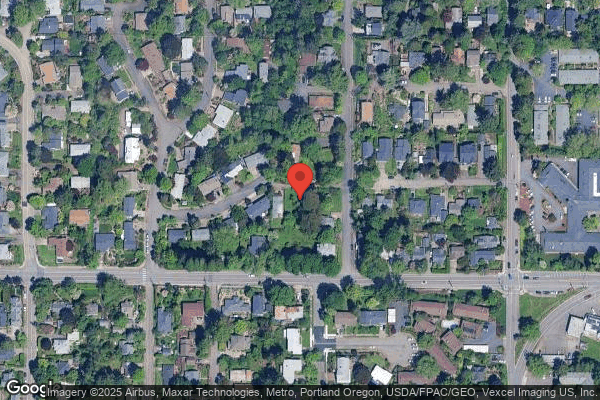
6530 SW 30TH AVENUE, PORTLAND, OR 97239 (503) 244-7533
For profit - Corporation 127 Beds AVAMERE Data: November 2025 1 Immediate Jeopardy citation
Trust Grade
0/100
#103 of 127 in OR
Last Inspection: September 2024

Within standard 12-15 month inspection cycle. Federal law requires annual inspections.

Overview

Avamere Crestview of Portland has received a Trust Grade of F, indicating significant concerns about the quality of care provided. Ranking #103 out of 127 facilities in Oregon places it in the bottom half, and at #28 out of 33 in Multnomah County, it has very few local competitors that perform better. The facility's trend is stable, with 27 issues reported in both 2023 and 2024, suggesting ongoing problems without improvement. Staffing is a relative strength, with a 4/5 rating and a turnover rate of 47%, which is slightly below the state average, indicating that staff members are generally staying longer. However, the facility has incurred $93,594 in fines, which is higher than 84% of other Oregon facilities, raising concerns about compliance issues. Specific incidents include a critical finding where staff failed to follow infection control procedures, leading to potential scabies treatment for 30 residents, and a serious incident where a resident was transferred improperly, resulting in a hip dislocation that required hospitalization. Additionally, another resident experienced significant unplanned weight loss due to a lack of timely intervention by the staff. These findings reflect both serious deficiencies and the need for improvement in care protocols at this facility.

Trust Score
F
0/100
In Oregon
#103/127
Bottom 19%
Safety Record
High Risk
Review needed
Inspections
Holding Steady
27 → 27 violations
Staff Stability
⚠ Watch
47% turnover. Above average. Higher turnover means staff may not know residents' routines.
Penalties
✓ Good
$93,594 in fines. Lower than most Oregon facilities. Relatively clean record.
Skilled Nurses
⚠ Watch
Each resident gets only 29 minutes of Registered Nurse (RN) attention daily — below average for Oregon. Fewer RN minutes means fewer trained eyes watching for problems.
Violations
⚠ Watch
68 deficiencies on record. Higher than average. Multiple issues found across inspections.
★☆☆☆☆
1.0
Overall Rating
★★★★☆
4.0
Staff Levels
★★☆☆☆
2.0
Care Quality
★☆☆☆☆
1.0
Inspection Score
Stable
2023: 27 issues
2024: 27 issues

The Good

  • 4-Star Staffing Rating · Above-average nurse staffing levels
  • Full Sprinkler Coverage · Fire safety systems throughout facility
  • No fines on record

Facility shows strength in staffing levels, fire safety.

The Bad

1-Star Overall Rating

Below Oregon average (3.0)

Significant quality concerns identified by CMS

Staff Turnover: 47%

Near Oregon avg (46%)

Higher turnover may affect care consistency

Federal Fines: $93,594

Well above median ($33,413)

Moderate penalties - review what triggered them

Chain: AVAMERE

Part of a multi-facility chain

Ask about local staffing decisions and management

The Ugly 68 deficiencies on record

1 life-threatening 5 actual harm
Sept 2024 24 deficiencies
CONCERN (D)

Potential for Harm - no one hurt, but risky conditions existed

Resident Rights (Tag F0550)

Could have caused harm · This affected 1 resident

Based on observation, interview and record review it was determined the facility failed to ensure dignity for 1 of 4 sampled residents (#23). This placed residents at risk for lack of dignity. Finding...

Read full inspector narrative →
Based on observation, interview and record review it was determined the facility failed to ensure dignity for 1 of 4 sampled residents (#23). This placed residents at risk for lack of dignity. Findings include: Resident 23 was admitted to the facility in 3/2022 with a diagnosis of dementia. Resident 23's Annual MDS completed on 3/14/2024 indicated Resident 23 was significantly cognitively impaired. Resident 23's revised 8/16/2024 Care Plan indicated Resident 23 had meals served on Styrofoam dishware. On 9/9/2024 through 9/11/2024 between the hours of 11:49 AM and 1:15 PM Resident 23 was obseved to eat meals off of Styrofoam dishware. On 9/12/2024 at 10:20 AM Staff 18 (LPN) stated the facility had not attempted to implement alternatives such as plasticware. Staff 18 confirmed the loss of dignity related to residents eating from Styrofoam dishware. On 9/12/2024 at 11:00 AM Staff 10 (Dietary Manager) acknowledged the use of Styrofoam dishware was a dignity concern. On 9/13/2024 at 2:06 PM Staff 1(Administrator) acknowledged the use of Styrofoam dishware was a dignity concern.
CONCERN (D)

Potential for Harm - no one hurt, but risky conditions existed

Deficiency F0552 (Tag F0552)

Could have caused harm · This affected 1 resident

Based on interview and record review it was determined the facility failed to ensure a consent was obtained prior to administering antipsychotic medications to residents for 1 of 5 sampled residents(#...

Read full inspector narrative →
Based on interview and record review it was determined the facility failed to ensure a consent was obtained prior to administering antipsychotic medications to residents for 1 of 5 sampled residents(#24) reviewed for unnecessary medications. This placed residents at risk for being uninformed about their medications. Findings include: Resident 24 was admitted to the facility in 7/2024 with diagnoses including fracture and dementia. Resident 24's 7/30/24 Physician Order indicated the resident was prescribed valproic (antipsychotic) for schizoaffective disorder. Resident 24's 8/2024 and 9/2024 MARs revealed the resident received valproic daily. Review of Resident 24's health record revealed no documentation to indicate the resident was informed in advance of the risks and benefits of valproic. On 9/11/24 at 9:57 AM Staff 13 (RNCM) reviewed Resident 24's health record, acknowledged there was no documentation to indicate the resident was informed of the risks and benefits of valproic and confirmed a consent was not obtained from Resident 24 or her/his representative prior to the resident starting the medication.
CONCERN (D)

Potential for Harm - no one hurt, but risky conditions existed

Deficiency F0561 (Tag F0561)

Could have caused harm · This affected 1 resident

Based on observation, interview and record review it was determined the facility failed to honor a resident's preference to get dressed for 1 of 4 sampled residents (#34) reviewed for ADLs. This place...

Read full inspector narrative →
Based on observation, interview and record review it was determined the facility failed to honor a resident's preference to get dressed for 1 of 4 sampled residents (#34) reviewed for ADLs. This placed residents at risk for lack of choices and self-determination. Findings include: Resident 34 was admitted to the facility in 10/2023 with diagnoses including blindness. Resident 34's 10/9/23 admission MDS indicated she/he was severely visually impaired, usually able to make her/himself understood to others, required substantial-to-maximal assistance for upper body dressing and was dependent on staff for lower body dressing. The MDS also indicated it was somewhat important to the resident to be able to choose what clothes she/he wanted to wear. Resident 34's 7/15/24 ADL Self Performance Deficit Care Plan revealed the resident was totally dependent on staff to get dressed. On 9/9/24 at 12:24 PM and 9/10/24 at 1:21 PM Resident 34 was observed in bed and wore a hospital gown. Resident 34 stated it was not her/his preference to wear a hospital gown and staff did not offer to assist her/him to get dressed. On 9/11/24 at 9:19 AM Staff 14 (CNA) stated Resident 34 never refused when he offered to assist her/him to get dressed and the resident always wanted to wear pants. On 9/12/24 at 2:03 PM Staff 1 (Administrator) stated she expected staff to offer to assist residents to get dressed in the morning.
CONCERN (D)

Potential for Harm - no one hurt, but risky conditions existed

Report Alleged Abuse (Tag F0609)

Could have caused harm · This affected 1 resident

Based on interview and record review it was determined the facility failed to report to the State Survey Agency an allegation of abuse for 1 of 4 sampled residents (#267) reviewed for dignity. This pl...

Read full inspector narrative →
Based on interview and record review it was determined the facility failed to report to the State Survey Agency an allegation of abuse for 1 of 4 sampled residents (#267) reviewed for dignity. This placed residents at risk for abuse and neglect. Findings include: Resident 267 was admitted to the facility in 9/2024 with diagnoses including malignant brain cancer. A 9/9/24 Grievance communication Form stated Resident 267 had concerns related to her/his night shift CNA not being responsive to the call light and not friendly during care. The DNS and LPN Resident Care Manager spoke with Resident 267 and her/his family about the concerns and determined Resident 267 can be overstimulated by noise and her/his care plan was updated. The conclusion of the grievance stated the CNA would not be working with Resident 267 anymore. On 9/10/24 at 10:00 AM Resident 267 stated on her/his first night in the facility there was a night shift CNA who did not take care of her/him and took her/his call light away. Resident 267 stated she/he called her/his brother to get assistance. Resident 267 was tearful when she/he described the night. A 9/10/24 admission MDS indicated Resident 267 had mild cognitive impairment. On 9/12/24 at 10:17 AM Staff 12 (LPN Resident Care Manager) stated she became aware of Resident 267's concerns through his/her brother. Staff 12 stated she spoke with Resident 267 with Staff 2 (DNS). Resident 267 stated the CNA was slow to respond to her/his call light and was not friendly. Staff 12 stated Resident 267's care plan was updated after talking with the family and the CNA was not coming back to the facility. When asked about the CNA taking Resident 267's call light, Staff 12 replied she thought the call light was taken away to provide care and then given back to Resident 267. On 9/12/24 at 11:03 AM Staff 2 (DNS) stated Resident 267 made a compliant about the night shift CNA on 9/6/24. Staff 2 stated she and Staff 12 spoke with Resident 267 and her/his family and she/he stated the CNA made her/him feel uncomfortable. Staff 2 stated Resident 267 likes interactions to be quiet and soft and this CNA was not quiet and soft. Staff 2 stated Resident 267's care plan was updated. When asked about Resident 267's call light being taken away, Staff 2 stated Resident 267 informed her the CNA removed the call light form her/his hands and she/he had to call her/his brother to get assistance. Staff 2 stated the CNA was not coming back to the facility due to the allegation of taking away Resident 267's call light. Staff 2 stated the incident could have been abuse depending upon why the CNA took away the call light and for how long. Staff 2 denied interviewing the CNA and stated the compliant should have been investigated to rule out abuse. On 9/12/24 at 11:47 AM Staff 16 (RNCM) stated if abuse is suspected, a Facility Incident Report should have been completed and sent to the State Survey Agency.
CONCERN (D)

Potential for Harm - no one hurt, but risky conditions existed

Investigate Abuse (Tag F0610)

Could have caused harm · This affected 1 resident

Based on interview and record review it was determined the facility failed to investigate an allegation of abuse for 1 of 4 sampled residents (#267) reviewed for dignity. This placed residents at risk...

Read full inspector narrative →
Based on interview and record review it was determined the facility failed to investigate an allegation of abuse for 1 of 4 sampled residents (#267) reviewed for dignity. This placed residents at risk for abuse and neglect. Findings include: Resident 267 was admitted to the facility in 9/2024 with diagnoses including malignant brain cancer. A 9/9/24 Grievance communication Form stated Resident 267 had concerns related to her/his night shift CNA not being responsive to the call light and not friendly during care. The DNS and LPN Resident Care Manager spoke with Resident 267 and her/his family about the concerns and determined Resident 267 can be overstimulated by noise, her/his care plan was updated. The conclusion of the grievance stated the CNA would not be working with Resident 267 anymore. On 9/10/24 at 10:00 AM Resident 267 stated on her/his first night in the facility there was a night shift CNA who did not take care of her/him and took her/his call light away. Resident 267 stated she/he called her/his brother to get assistance. Resident 267 was tearful when she/he described the night. A 9/10/24 admission MDS indicated Resident 267 had mild cognitive impairment. On 9/12/24 at 10:17 AM Staff 12 (LPN Resident Care Manager) stated she became aware of Resident 267's concerns through his/her brother. Staff 12 stated she spoke with Resident 267 with Staff 2 (DNS). Resident 267 stated the CNA was slow to respond to her/his call light and was not friendly. Staff 12 stated Resident 267's care plan was updated after talking with the family and the CNA was not coming back to the facility. When asked about the CNA taking Resident 267's call light, Staff 12 replied she thought the call light was taken away to provide care and then given back to Resident 267. On 9/12/24 at 11:03 AM Staff 2 (DNS) stated Resident 267 made a compliant about the night shift CNA on 9/6/24. Staff 2 stated she and Staff 12 spoke with Resident 267 and her/his family and she/he stated the CNA made her/him feel uncomfortable. Staff 2 stated Resident 267 like interactions to be quiet and soft and this CNA was not quiet and soft. Staff 2 stated Resident 267's care plan was updated. When asked about Resident 267's call light being taken away, Staff 2 stated Resident 267 informed her the CNA removed the call light form her/his hands and she/he had to call her/his brother to get assistance. Staff 2 stated the CNA was not coming back to the facility due to the allegation of taking away Resident 267's call light. Staff 2 stated the incident could have been abuse depending upon why the CNA took away the call light and for how long. Staff 2 denied interviewing the CNA and stated the compliant should have been investigated to rule out abuse.
CONCERN (D)

Potential for Harm - no one hurt, but risky conditions existed

Assessment Accuracy (Tag F0641)

Could have caused harm · This affected 1 resident

2. Resident 20 was admitted to the facility in 7/2016 with diagnosis of dementia. Resident 20's Annual MDS 6/19/24 indicated the primary language for Resident 20 was English and she/he needed or prefe...

Read full inspector narrative →
2. Resident 20 was admitted to the facility in 7/2016 with diagnosis of dementia. Resident 20's Annual MDS 6/19/24 indicated the primary language for Resident 20 was English and she/he needed or preferred an interpreter to communicate with a doctor and health care staff. Resident 20's Social Determinant of Health Assessment on 6/19/2024 indicated the primary language for Resident 20 had been Laotian or Thai and the resident preferred to have an interpreter when communicating with physicians and health care staff. On 9/9/2024 at 2:17 PM Staff 14 (CNA) entered Resident 20's room and asked if she/he needed assistance. Staff 14 asked yes-or-no questions in English to identify the resident's needs. The resident did not respond to the questions being asked. On 9/12/24 between 10:40 AM and 12:23 PM Staff 9 (Activities Director), Staff 5 (Social Services) and Staff 13 (LPN Care Manager) confirmed the assessments found in Resident 20's MDS had not been completed using an interpreter. On 9/13/2024 at 2:06 PM Staff 1 (Administrator) acknowledged interpretative services were not used to complete assessments for Resident 20. Based on observation, interview and record review it was determined the facility failed to ensure accurate assessments for 2 of 12 sampled residents (#s 11 and 20) reviewed for communication, dental, and activities. This placed residents at risk for inaccurate assessments. Findings include: 1. Resident 11 was admitted to the facility in 6/2023 with diagnoses including chronic diastolic (congestive) heart failure (a condition where the left heart ventricle becomes stiff and does not pump blood efficiently) and chronic respiratory failure with hypoxia (a condition where there is not enough oxygen or there is too much carbon dioxide in the blood). A review of resident 11's 6/25/24 annual MDS revealed she/he was cognitively intact and had no oral or dental issues. On 9/9/24 at 11:03 AM Resident 11 was observed to have teeth that were gray and jagged. Resident 11 stated she/he needed dental care and she/he had tooth decay, missing and broken teeth. Resident 11 stated she/he used a medicated mouthwash prescribed by her/his doctor to treat the infections in her/his teeth. She/he also said no facility staff ever looked in her/his mouth. A review of Resident 11's active orders revealed the following prescription: Chlorhexidine Gluconate Mouth/Throat Solution 0.12%; Give 15 ml by mouth every 12 hours as needed for prevention of oral infections. Resident 11's 6/24/24 Quarterly Dental Assessment indicated she/he refused to let the licensed nurse who completed the assessment to visually inspect her/his oral cavity. On 9/13/24 at 11:04 AM Staff 11 (MDS Coordinator) stated she completed Resident 11's annual MDS based on her/his 6/24/24 Dental Assessment. She stated she did not look in Resident 11's mouth and should have coded the entry as unable to assess. Staff 11 confirmed Resident 11 had the order for Chlorhexidine Gluconate since 2023 and added she would have reapproached her/him if she knew she/he had orders for the mouthwash. Staff 11 stated she did not accurately capture Resident 11's dental needs which, in turn, did not trigger dental care on the MDS. On 9/13/24 at 2:06 PM Staff 1 stated she expected Staff 11 to reapproach Resident 11 to accurately assess her/his dental status and needs.
CONCERN (D)

Potential for Harm - no one hurt, but risky conditions existed

PASARR Coordination (Tag F0644)

Could have caused harm · This affected 1 resident

Based on interview and record review it was determined the facility failed to incorporate PASARR (Preadmission Screening and Resident Review) Level II recommendations into residents' assessments and c...

Read full inspector narrative →
Based on interview and record review it was determined the facility failed to incorporate PASARR (Preadmission Screening and Resident Review) Level II recommendations into residents' assessments and care plans for 1 of 1 sampled resident (# 51) reviewed for PASARR coordination of care. This placed residents who have a mental health disorder at risk for delayed care and services to attain their highest practicable level of well-being. Findings include: Resident 51 was admitted to the facility in 6/2024 with diagnoses including stroke, dysphasia, post traumatic stress disorder, depression and anxiety. On 7/3/24 a PASARR Level II Mental Health Evaluation was conducted for Resident 51. The reason for the referral was noted as .concern about mood-related symptoms and history of depression and anxiety symptoms . The evaluation included the following recommendations: -Participation in support groups for individuals who have suffered a stroke. -A daily plan for that would be helpful for the resident to deal with difficult situations. Resident 51's 9/2024 MAR included the following medications: -Sertraline 50 mg - 1 tablet QD -Zolpidem 5 mg - 1 tablet HS In an interview on 9/13/24 at 10:55 AM Staff 6 (Social Services Coordinator) confirmed Resident 51's PASARR Level II recommendations were not incorporated into the resident's assessments or care plan. In an interview on 9/13/24 at 11:46 AM Staff 1 (Administrator) and Staff 16 (Regional Nurse Consultant) were informed of Resident 51's PASARR Level II recommendations not being incorporated into the resident's assessments and care plan. Staff 1 acknowledged there was no follow-up on the recommendatons for Resident 51.
CONCERN (D)

Potential for Harm - no one hurt, but risky conditions existed

Deficiency F0655 (Tag F0655)

Could have caused harm · This affected 1 resident

Based on interview and record review it was determined the facility failed to comprehensively complete a baseline care plan within 48 hours of a resident's admission for 1 of 4 sampled residents (#267...

Read full inspector narrative →
Based on interview and record review it was determined the facility failed to comprehensively complete a baseline care plan within 48 hours of a resident's admission for 1 of 4 sampled residents (#267) reviewed for dignity. This placed residents at risk for unmet needs. Findings include: Resident 267 was admitted to the facility in 9/2024 with diagnoses including anxiety, depression and a history of mental and behavioral disorders. On 9/10/24 at 10:00 AM Resident 267 stated on her/his first night in the facility there was a night shift CNA who did not take care of her/him and took her/his call light away. Resident 267 stated she/he called her/his brother to get assistance. Resident 267 was tearful when she/he described the night. A 9/10/24 admission MDS indicated Resident 267 had mild cognitive impairment. On 9/12/24 at 12:37 PM Resident 267 tearfully stated the incident that happened on her/his first night in the facility reminded her/him of the pain she/he had from childhood trauma related to her/his mother putting her/him in a dark room and being told to be quiet. A 9/12/24 review of Resident 267's chart revealed no evidence of an assessment of her/his history of mental health or behavioral concerns. On 9/13/24 at 8:08 AM Staff 1 (Administrator) stated Resident 267 has trauma related to feeling alone and left without the ability to call for help and she will have social services complete an assessment with Resident 267 for trauma and update to care plan as indicated.
CONCERN (D)

Potential for Harm - no one hurt, but risky conditions existed

Deficiency F0657 (Tag F0657)

Could have caused harm · This affected 1 resident

2. Resident 19 was admitted to the facility in 2016 with diagnoses including a stroke. A 9/10/24 review of Resident 19's physician orders revealed an 8/23/24 order for her/his right ear to clean with ...

Read full inspector narrative →
2. Resident 19 was admitted to the facility in 2016 with diagnoses including a stroke. A 9/10/24 review of Resident 19's physician orders revealed an 8/23/24 order for her/his right ear to clean with normal saline, pat dry, leave open to air and monitor for signs of infection every day for a pressure sore. A 9/10/24 review of Resident 19's care plan revealed no evidence of a care plan for Resident 19's pressure ulcer on her/his right ear. on 9/11/24 at 10:04 AM Resident 19 was observed to have a wound on the front, external part of her/his right ear. The wound was red, raised and had a scab on it. The wound had the appearance of a stage 2 pressure ulcer (a wound with partial thickness loss of the first layer of skin caused by pressue). On 9/12/24 at 10:21 AM Staff 12 (LPN Resident Care Manager) stated Resident 19's wound on her/his right ear occurred due to Resident 19 not being able to reposition her/himself causing pressure on the right ear. Staff 12 stated Resident 19's wound should be but was not in her/his care plan. On 9/12/24 aat 10:30 AM Resident 19's wound was observed with Staff 12. Staff 12 stated the wound appeared to be a stage 2 pressure ulcer. Based on observation, interview, and record review it was determined the facility failed to revise care plans for 2 of 6 sampled residents (#s 19 and 28) reviewed for pressure ulcers and nutrition. This placed residents at risk for unmet needs. Findings include: 1. Resident 28 was readmitted to the facility in 7/2024 with diagnoses including dysphagia (difficulty swallowing foods or liquids). Resident 28's 7/7/24 admission MDS revealed the resident was moderately cognitively impaired, had a feeding tube and required supervision or touching assistance with eating. Resident 28's 7/12/24 Dining Safety Care Plan revealed the following: -The resident was not to use straws. -The resident was to be in the atrium for meals. On 9/9/24 at 1:02 PM Resident 28 was observed in her/his room, in bed. Resident 28 ate from her/his lunch tray that was placed on an overbed table in front of the resident. A water pitcher with a straw was observed next to the lunch tray. On 9/10/24 at 9:59 AM and 9/11/24 at 9:14 AM a partially empty water pitcher with a straw was observed on Resident 28's overbed table and within the resident's reach. On 9/11/24 at 9:15 AM Staff 14 (CNA) stated Resident 28 preferred to eat meals in her/his room when the resident was drousy and liked to eat in the atrium when she/he had the strength. Staff 14 stated Resident 28 drank from a straw regularly and without issue. Staff 14 further stated he found information about where a resident was to have their meals and any dietary restrictions or needs in the resident's care plan. On 9/11/24 at 10:36 AM Staff 2 (DNS) and Staff 16 (Regional Nurse Consultant) acknowledged the findings of this investigation. Staff 2 confirmed Resident 28's care plan was in need of revision.
CONCERN (D) 📢 Someone Reported This

A family member, employee, or ombudsman was alarmed enough to file a formal complaint

Potential for Harm - no one hurt, but risky conditions existed

Deficiency F0661 (Tag F0661)

Could have caused harm · This affected 1 resident

Based on interview and record review it was determined the facility failed to ensure a recapitulation of the resident's stay was completed accurately for 1 of 2 sampled residents (#261) reviewed for d...

Read full inspector narrative →
Based on interview and record review it was determined the facility failed to ensure a recapitulation of the resident's stay was completed accurately for 1 of 2 sampled residents (#261) reviewed for discharge. This placed residents at risk for unmet discharge needs. Findings include: Resident 261 was admitted to the facility in 12/2023 with diagnoses including hemiplegia (inability to move) of the right dominant side. A 1/1/24 Progress Note indicated Resident 261 had two pressure ulcers noted on her/his right and left buttock. A 2/8/24 Progress Note indicated Resident 261 had multiple superficial open areas and excoriation noted to buttocks. A review of Physician Orders indicated Resident 261 had a 2/28/24 order to apply calmoseptin barrier cream daily and as needed to Resident 261's buttocks. A 3/14/24 Discharge Skin Summary stated Resident 261 had no skin impairments at time of discharge. A 3/14/24 Discharge Summary stated Resident 261 had treatment orders for A&D cream to bilateral lower extremities with no evidence of any other treatment orders. A 3/19/24 Discharge MDS stated Resident 261 did not have any pressure ulcers. A 3/20/24 public complaint indicated Resident 261 was discharged to an adult foster home on 3/19/24 with a wound to her/his buttocks. A picture of the wound was sent with the complaint in an email dated 3/20/24 which shows open areas on the right and left buttock. On 9/9/24 at 6:27 PM Witness 1 (Complainant) stated the facility said Resident 261 had no skin issues. On 9/9/24 at 6:30 PM Witness 2 (Representative) identified herself as an RN and stated the nursing facility stated Resident 261 did not have any skin issues upon discharge. Witness 2 stated she observed Resident 261's coccyx on 3/19/24 at the adult foster home and Resident 261 had a stage 2 pressure ulcer to her/his coccyx. On 9/9/24 at 6:36 PM Witness 3 (Representative) stated Resident 261 was discharged to her adult foster home facility on 3/19/24. Witness 3 stated the nursing facility informed her Resident 261 did not have any skin issues. Witness 3 stated when Resident 261 admitted , she/he had wounds to her/his coccyx area. On 9/12/24 at 10:35 AM Staff 13 (RNCM) stated she did not remember if Resident 261 had any pressure wounds, she thought the resident may have had excoriation to her/his bottom. On 9/12/24 at 10:44 AM Staff 12 (LPN Resident Care Manager) stated Resident 261 had orders for barrier cream to her/his bottom upon discharge. Staff 12 stated she did not recall if Resident 261 had pressure ulcers. On 9/12/24 at 10:55 AM Staff 5 (Social Services) stated Resident 261 did not discharge with orders for home health wound care and the discharge instructions did not include wound care. Staff 5 stated home health nursing for wound care would have been ordered for Resident 261 if she had been aware of the need. On 9/12/24 at 2:22 PM Staff 23 (LPN) stated she assessed Resident 261's wounds in 1/2024 after the wounds were discovered. Staff 23 stated Resident 261 did not have a pressure ulcer at that time, but she/he had moisture associated damage to her/his buttocks. On 9/12/24 at 2:29 PM Staff 16 (RNCM) stated there was no wound assessment documentation for Resident 261's wounds.
CONCERN (D)

Potential for Harm - no one hurt, but risky conditions existed

Deficiency F0676 (Tag F0676)

Could have caused harm · This affected 1 resident

Based on observation, interview, and record review it was determined the facility failed to provide appropriate treatment and services in communication for 1 of 1 sampled resident (#20) reviewed for c...

Read full inspector narrative →
Based on observation, interview, and record review it was determined the facility failed to provide appropriate treatment and services in communication for 1 of 1 sampled resident (#20) reviewed for communication. This placed residents at risk for diminished quality of life and potential decline in their ability to carry out activities of daily living. Findings include: Resident 20 was admitted to the facility in 7/2016 with diagnoses including dementia. Resident 20's 6/28/24 Care Plan indicated a language barrier due to the Resident's primary language being Laotian or Thai. Interventions indicated in the resident's Care Plan instructed staff to contact Optimal Interpreter Services for assistance in communication. Resident 20's 6/29/2024 Annual MDS revealed the primary language for Resident 20 was English and he/she needed or preferred to use an interpreter to communicate with a doctor and health care staff. The Communication CAA completed 6/19/2024 indicated language was a concern as the primary language for Resident 20 was Laotian or Thai. On 9/9/2024 at 2:17 PM Staff 14 (CNA) entered Resident 20's room and asked if she/he needed assistance. Staff 14 asked different yes-or-no questions in English to identify the resident's needs. It was unclear whether Resident 20 understood the questions asked by Staff 14 as the resident did not respond to the questions being asked. On 9/11/2024 at 11:25 AM and 9/12/2024 at 9:15 AM Resident 20 was asked in English how her/his morning was going. Both times Resident 20 responded in her/his native language. It was unclear if the resident understood the questions as the resident did not respond in English. On 9/11/2024 at 11:59 AM Staff 14 (CNA) stated staff communicated with Resident 20 by asking yes-or-no questions. Staff 14 stated he had not used interpretive interventions with Resident 20. On 9/13/2024 at 2:06 PM Staff 1 (Administrator) was nformed of these findings and did not provide any additional information.
CONCERN (D)

Potential for Harm - no one hurt, but risky conditions existed

ADL Care (Tag F0677)

Could have caused harm · This affected 1 resident

Based on observation, interview and record review it was determined the facility failed to ensure dependent residents received ADL care for 1 of 4 residents (#33) reviewed for ADLs. This placed reside...

Read full inspector narrative →
Based on observation, interview and record review it was determined the facility failed to ensure dependent residents received ADL care for 1 of 4 residents (#33) reviewed for ADLs. This placed residents at risk for unmet care needs. Findings include: Resident 33 was readmitted to the facility in 6/2022 with diagnoses including dementia. Resident 33's 3/20/24 Annual MDS revealed the resident was severely cognitively impaired, required substantial/maximal assistance with upper body dressing and was dependent upon staff for lower body dressing. Resident 33's 4/12/24 ADL Self Care Performance Deficit Care Plan indicated the resident required assistance from one staff to get dressed. On 9/9/24 at 2:34 PM Resident 33 was observed in her/his room in bed and wore a hospital gown. Resident 33 was unable to answer any questions about her/his care or routine. On 9/11/24 at 11:50 AM and on 9/12/24 at 11:58 AM Resident 33 was observed in her/his room and sat in her/his wheelchair. The resident was dressed in a pink dress with yellow flowers. On 9/12/24 at 10:40 AM Staff 23 (CNA) and at 10:52 AM Staff 14 (CNA) stated Resident 33 did not resist or refuse to get dressed. On 9/12/24 at 1:29 PM Staff 25 (CNA) stated he was Resident 33's assigned CNA on this day and was responsible for getting the resident dressed. Staff 25 stated Resident 33 currently wore the dress she/he had on yesterday because she/he usually wore the same clothes for a couple of days and was changed only if [she/he] got dirty. On 9/12/24 at 2:03 PM Staff 1 (Administrator) acknowledged these findings and stated she expected staff to assist residents to get dressed each morning and in clean clothes.
CONCERN (D)

Potential for Harm - no one hurt, but risky conditions existed

Deficiency F0679 (Tag F0679)

Could have caused harm · This affected 1 resident

3. Resident 20 was admitted to the facility in 2016 with diagnoses including dementia. Resident 20's 6/28/2024 Care Plan indicated the resident's activity preferences were watching funny videos, liste...

Read full inspector narrative →
3. Resident 20 was admitted to the facility in 2016 with diagnoses including dementia. Resident 20's 6/28/2024 Care Plan indicated the resident's activity preferences were watching funny videos, listening to music, and participating in the facility's entertainment and music events. Resident 20's Annual MDS revised 6/19/24 indicated the primary language for Resident 20 was English and he/she needed or prefered an interpreter to communicate with a doctor and health care staff. Section F: Activities and Preferences indicated it is somewhat important for the resident to participate in group activities, go outside, listen to music, and have books to read. The Communication CAA completed 6/19/2024 stated language was a concern as the primary language for Resident 20 was Laotian or Thai. Review of Resident 20's 8/13/2024 through 9/13/2024 Group Activity Task and One to One Activity Task indicated the resident did not participate in any group or one-to-one activities. The facility's 9/2024 Activity Calendar revealed the following scheduled activities: 9/9/24 -Debbie's Rounds -2:30 PM Bingo -4:00 PM UNO 9/10/24 -Outing to Hood River 9/11/24 -Debbie's Rounds -2:30 PM Bingo -4:00 PM UNO 9/12/24 -Debbie's Rounds -Resident Council Observations of Resident 20 from 9/9/2024 to 9/12/2024 from 8:56 AM to 2:12 PM revealed the resident to be in bed with the television on with English language programming. On 9/11/2024 at 11:59 AM and on 9/12/2024 at 10:56 AM Staff 14 (CNA) and Staff 15 (CNA) stated Resident 20 spent most of her/his time in bed in her/his room. On 9/13/2024 at 2:06 PM Staff 1 (Administrator) acknowledged these findings and did not provde any additional information. Based on observation, interview, and record review it was determined the facility failed to provide a person-centered activity program for 3 of 3 sampled residents (#s 7, 20, and 33) reviewed for activities. This placed residents at risk for a diminished quality of life. Findings include: The facility's 2/2023 Activity Evaluation Policy indicated the following: -An activity evaluation was conducted as part of the comprehensive assessment to help develop an activities plan that reflected the choices and interests of the resident. -The resident's activity evaluation was conducted by activity department personnel, in conjunction with other staff who evaluate related factors such as functional level, cognition and medical conditions that may affect activities participation. -The resident's lifelong interests, spirituality, life roles, goals, strengths, needs and activity pursuit patterns and preferences were included in the evaluation. -The activity evaluation was used to develop an individual activities care plan that allowed the resident to participate in activities of his/her choice and interest. -Each resident's activities care plan related to her/his comprehensive assessment and reflected her/his individual needs. -Through the interdisciplinary process, the activity evaluation and activities care plan identified if a resident was capable of pursuing activities independently, or if supervision and assistance was needed. -The completed activity evaluation was part of the resident's medical record and was updated as necessary, but at least quarterly. 1. Resident 7 was admitted to the facility in 9/2020 with diagnoses including dementia. Resident 7's 11/9/23 Annual MDS revealed the resident experienced short-and-long-term memory loss and was moderately impaired for decision making. The MDS also revealed having books, magazines and newspapers to read, listening to music and keeping up with the news were somewhat important activity preferences for the resident and doing her/his favorite activities was very important. Resident 7's 2/4/24 Activity Care Plan indicated the following: -The resident preferred to self-initiate/direct activities. -Self-directed pursuits included television (documentaries) and music (classical, opera and show tunes). -Provide the resident with a monthly calendar. -Provide the resident with one-to-three social visits per week for special updates on activities and provide/assist with self-directed material as needed/requested. -The resident's interests included animals, writing, music, television, being outside, reading and playing poker, cribbage and pinochle. -The resident got around on her/his scooter and went outside to smoke. A review of Resident 7's One-on-One Activity and Group Activity Tasks from 8/14/24 through 9/12/24 revealed the resident did not participate in any group activities and received four activity social visits. The facility's 9/2024 Activity Calendar revealed the following scheduled activities: 9/9/24 -Debbie's Rounds -2:30 PM Bingo -4:00 PM UNO 9/10/24 -Outing to Hood River 9/11/24 -Debbie's Rounds -2:30 PM Bingo -4:00 PM UNO 9/12/24 -Debbie's Rounds -Resident Council Random observations of Resident 7 from 9/9/24 through 9/12/24 from 9:11 AM to 4:12 PM revealed the resident to be either in bed or in her/his wheelchair in her/his room. No music was observed to play in the resident's room, three books were observed to sit in a stack on the far side of the resident's night stand underneath a figurine and the television was occasionally turned on and tuned to the FX channel. On 9/11/24 at 3:26 PM Resident 7 stated she/he enjoyed documentaries on television, listening to classical music and reading non-fiction books and the newspaper. When asked about the books stacked on her/his night stand, Resident 7 stated she/he was unaware she/he had any books and she/he had never been offered them. Resident 7 stated she/he enjoyed going outside but did not think staff would let her/him go outside. Resident 7 stated she/he enjoyed games but did not get to play them very often because there was no one to play with. Resident 7 was informed bingo was currently being played in the atrium, and the resident stated she/he would like to try to play but no one had invited her/him to join. On 9/11/24 at 4:10 PM Staff 24 (CNA) stated he had never seen Resident 7 read, use her/his scooter, smoke or participate in an activity out of her/his room, including going outside when the weather was nice. Staff 24 stated he was unsure of Resident 7's activity interests outside of watching television and talking about her/his time in the military. Staff 24 further stated Resident 7 did not make requests related to her/his routine and did not initiate any activities. On 9/12/24 at 10:27 AM Staff 23 (CNA) stated it had been years since [Resident 7] initiated conversations, questions or activities. Staff 23 stated she had never seen her/him read, write, go outside or participate in group activities and she/he had not smoked or rode her/his scooter in a long time. Staff 23 stated the only activity she saw Resident 7 do was watch television. On 9/12/24 at 10:55 AM Staff 14 (CNA) stated Resident 7 did not initiate activities. Staff 14 stated Resident 7 spent her/his time in her/his room and watched television. On 9/12/24 at 12:27 PM Staff 9 (Activity Director) stated Resident 7 was supposed to receive the newspaper on Wednesdays but did not receive one on 9/11/24 because the facility ran out. Staff 9 stated Resident 7 had tried Bingo in the past but the resident had difficulty participating on account of her/his hearing loss. Staff 9 stated she had involved the resident in Bingo prior to her/him receiving an assistive hearing device and had not reattempted the activity since. Staff 9 stated she missed the resident's interest of going outside and stated the resident had not participated in group activities in a month because she had been very busy. Staff 9 further stated the resident was no longer able to self-initiate activities. On 9/12/24 at 1:54 PM Staff 1 (Administrator) acknowledged the findings of this investigation and did not provide any additional information. 2. Resident 33 was readmitted to the facility in 6/2022 with diagnoses including dementia. Resident 33's 3/20/24 Annual MDS indicated the resident was severely cognitively impaired. The MDS also indicated listening to music, being around pets, doing her/his favorite activities and having books, newspapers and magazines to read were very important activities to the resident and doing things with groups of people, going outside and participating in religious services were somewhat important activities to the resident. Resident 33's 6/13/24 Activity Care Plan revealed the following: -The resident preferred to self-initiate/direct activities. -Self-directed pursuits included watching television, reading magazines and the newspaper, visiting with family, chatting and watching the birds at her/his window at the bird feeder. -The resident's other interests include pet visits and being outside. -The resident had occasionally come to activities and enjoyed her/himself. -Provide the resident with one-to-three social visits per week for special updates on activities and provide/assist with self-directed material as needed/requested. A review of Resident 33's Group Activity Task from 8/14/24 through 9/12/24 revealed the resident received three pet visits and participated in one musical activity. No evidence was found in the resident's clinical record to indicate the resident went outside or participated in any other group activity. The facility's 9/2024 Activity Calendar revealed the following scheduled activities: 9/9/24 -Debbie's Rounds -2:30 PM Bingo -4:00 PM UNO 9/10/24 -Outing to Hood River 9/11/24 -Debbie's Rounds -2:30 PM Bingo -4:00 PM UNO 9/12/24 -Debbie's Rounds -Resident Council Random observations of Resident 33 from 9/9/24 through 9/12/24 between 9:12 AM to 4:09 PM revealed the resident to be in her/his room either in bed or in her/his wheelchair. The resident's television was on low and she/he held her/his stuffed cat. No music was observed to play, no reading material was observed in her/his room and the bird feeder was not visible from the resident's window. On 9/11/24 at 4:17 PM Staff 24 (CNA) stated Resident 33 was usually very confused and had a problem communicating. Staff 24 stated the resident enjoyed holding her/his stuffed cat and watching television. Staff 24 stated the resident came out of her/his room for meals but not for activities. On 9/12/24 at 10:40 AM Staff 23 (CNA) stated Resident 33 spent her/his days in bed with her/his stuffed cat. Staff 23 stated the resident did not go outside, did not receive religious visits, did not listen to music and did not come out of her/his room for activities. On 9/12/24 at 10:52 AM Staff 14 (CNA) stated Resident 33 did not really go to activities and it had been a while since [he] had seen [her/him] go outside. Staff 14 further stated the resident spent her/his day in bed with her/his stuffed cat. On 9/12/24 at 12:50 PM Staff 9 (Activity Director) stated Resident 33 no longer self-initiated or directed her/his own activities and she had not attempted any sensory activities with her/him in a while because the resident was always in bed. Staff 9 stated the bird feeder outside of Resident 33's window was on the ground for the last week because she did not have a chance to hang it. Staff 9 further stated Resident 33 had not gone outside during this past year even when the weather was nice. On 9/12/24 at 1:54 PM Staff 1 (Administrator) acknowledged the findings of this investigation and did not provide any additional information.
CONCERN (D)

Potential for Harm - no one hurt, but risky conditions existed

Deficiency F0685 (Tag F0685)

Could have caused harm · This affected 1 resident

Based on observation, interview and record review it was determined the facility failed to ensure treatment and services to maintain hearing abilities were received for 1 of 6 sampled residents (#34) ...

Read full inspector narrative →
Based on observation, interview and record review it was determined the facility failed to ensure treatment and services to maintain hearing abilities were received for 1 of 6 sampled residents (#34) reviewed for communication and sensory care. This placed residents at risk for unmet hearing needs. Findings include: The facility's 2/2018 Care of Hearing Impaired Resident Policy revealed staff will assist the resident (or representative) with locating available resources, scheduling appointments and arranging transportation to obtain needed services. Resident 34 was admitted to the facility in 10/2023 with diagnoses including blindness. Resident 34's 10/17/23 Communication Care Plan revealed the following: -The resident had a hearing deficit. -The resident's family visited daily and could help answer specific questions for the resident. Resident 34's 7/11/24 Quarterly MDS revealed the resident was moderately cognitively impaired, experienced moderate difficulty hearing and was able to make her/himself understood. Resident 34's 9/2024 Physician Orders directed auditory consults as indicated. No evidence was found in the resident's clinical record to indicate an auditory consult or resources to obtain hearing aid or hearing appliance were offered to the resident. On 9/9/24 at 12:28 Resident 34 was observed in her/his room in bed with the television on. The volume of the television was turned up loud enough to be heard from the hallway. Resident 34 stated her/his hearing was fair and she/he had never been offered the opportunity to have an auditory consult or resources to obtain a hearing device and stated she/he was interested in both. During the course of the interview, the State Surveyor spoke at an elevated volume and repeated most questions posed to the resident as she/he was unable to hear. On 9/11/24 at 11:06 AM Staff 5 (Social Services Director) stated she scheduled auditory consults for residents when she was informed to do so by nursing staff. Staff 5 further stated she had never received a request to schedule an auditory consult for Resident 34. On 9/11/24 at 11:18 AM Staff 2 (DNS) and Staff 12 (LPN-Resident Care Manager) acknowledged the findings of this investigation. Staff 12 confirmed Resident 34's hearing was impaired and she had not offered the resident the opportunity to have an auditory consult and she should have.
CONCERN (D) 📢 Someone Reported This

A family member, employee, or ombudsman was alarmed enough to file a formal complaint

Potential for Harm - no one hurt, but risky conditions existed

Pressure Ulcer Prevention (Tag F0686)

Could have caused harm · This affected 1 resident

Based on observation, interview, and record review it was determined the facility failed to assess pressure ulcers and update care plans for 1 of 2 sampled residents (#19) reviewed for pressure ulcers...

Read full inspector narrative →
Based on observation, interview, and record review it was determined the facility failed to assess pressure ulcers and update care plans for 1 of 2 sampled residents (#19) reviewed for pressure ulcers. This placed residents at risk for worsening pressure ulcers. Findings include: 1. Resident 19 was admitted to the facility in 2016 with diagnoses including a stroke. A 9/10/24 review of Resident 19's physician orders revealed an 8/23/24 order for her/his right ear to clean with normal saline, pat dry, leave open to air and monitor for signs of infection every day for a pressure sore. A 9/10/24 review of Resident 19's care plan revealed no evidence of a care plan for Resident 19's pressure ulcer on her/his right ear. A 9/10/24 review of Resident 19's medical record revealed no evidence of a wound assessment of her/his right ear pressure ulcer. On 9/11/24 at 10:04 AM Resident 19 was observed to have a wound on the front, external part of her/his right ear. The wound was red, raised and had a scab on it. The wound had the appearance of a stage 2 pressure ulcer (a wound with partial thickness loss of the first layer of skin caused by pressure). On 9/12/24 at 10:21 AM Staff 12 (LPN Resident Care Manager) stated Resident 19's wound on her/his right ear occurred due to Resident 19 not being able to reposition her/himself causing pressure on the right ear. Staff 12 stated Resident 19's wound should be but was not in her/his care plan. Staff 12 stated wounds are assessed weekly but was unable to locate a wound assessment for Resident 19's right ear pressure wound. On 9/12/24 at 10:30 AM Resident 19's wound was observed with Staff 12. Staff 12 stated the wound appeared to be a stage 2 pressure ulcer and she was going to have the wound nurse assess the wound on 9/12/24 so weekly wound assessments and appropriate treatment will get done right away.
CONCERN (D) 📢 Someone Reported This

A family member, employee, or ombudsman was alarmed enough to file a formal complaint

Potential for Harm - no one hurt, but risky conditions existed

Tube Feeding (Tag F0693)

Could have caused harm · This affected 1 resident

Based on observation, interview and record review it was determined the facility failed to provide appropriate care and services related to enteral (tube) feeding for 1 of 4 sampled residents (#28) re...

Read full inspector narrative →
Based on observation, interview and record review it was determined the facility failed to provide appropriate care and services related to enteral (tube) feeding for 1 of 4 sampled residents (#28) reviewed for nutrition. This placed residents at risk for nutritional complications and weight loss. Findings include: The facility's 11/2018 Enteral Tube Feeding via Continuous Pump Policy and Procedure revealed the following: -Check the label on the enteral formula against the physician order (prior to starting the feed). -Hang the feeding bag on the IV (intravenous) pole and label initials, date and time the formula was hung/administered and initial that the label was checked against the order directly on the formula bag. Resident 28 was readmitted to the facility in 7/2024 with diagnoses including dysphagia (difficulty swallowing foods or liquids). Resident 28's 7/7/24 admission MDS revealed the resident was moderately cognitively impaired, had a feeding tube and received more than 51 percent of her/his calories by way of tube feeding. Resident 28's 8/26/24 Physician Orders directed the resident to receive Nutren 2.0 (a calorically-dense and nutritionally-complete tube-feeding formula) at an infusion rate of 75 ml per hour for eight hours to provide 1500 calories, one time a day. The tube feed was to start at 8:00 PM. A review of Resident 28's 9/2024 TAR revealed the resident received 600 ml of Nutren 2.0 each day. On 9/9/24 at 1:02 PM Resident 28 was observed in her/his room in bed with her/his nasogastric tube (a tube inserted through the nose, down the throat and esophagus and into the stomach and used to give drugs, liquids and liquid food) in place. Resident 28 stated her/his tube feed started at night and finished early in the morning. At this time, a partially used and undated bag of Nutren 2.0 was observed to hang from the resident's IV pole. The bag indicated the formula contained two calories per ml. On 9/11/24 at 9:42 AM Staff 21 (LPN) stated he labeled a resident's feeding bag with his initials, the date and what time he connected the tubing to the feeding bag each time he started a resident's tube feed. Staff 21 stated he would dispose of a feeding bag as soon as a resident's tube feed finished. Staff 21 further stated Resident 28 was supposed to receive 1500 calories from the tube feed each night and 600 ml equaled 1500 calories. On 9/11/24 at 10:36 AM Staff 2 (DNS) and Staff 16 (Regional Nurse Consultant) observed an unused bag of Resident 28's Nutren 2.0 and stated 600 ml of Nutren 2.0 was equivalent to 1200 calories. Staff 16 reviewed Resident 28's TAR and confirmed the resident received 1200 calories per day and she/he should receive 1500 as ordered by her/his physician. Staff 16 further stated she expected staff to remove the used feeding bag from the resident's room when the tube feed finished and formula bags should be dated upon use.
CONCERN (D)

Potential for Harm - no one hurt, but risky conditions existed

Deficiency F0699 (Tag F0699)

Could have caused harm · This affected 1 resident

Based on observation, interview and record review it was determined the facility failed to ensure residents who were trauma survivors received trauma-informed care for 3 of 3 sampled residents (#s 7, ...

Read full inspector narrative →
Based on observation, interview and record review it was determined the facility failed to ensure residents who were trauma survivors received trauma-informed care for 3 of 3 sampled residents (#s 7, 34, and 51) reviewed for mood. This placed residents at risk for re-traumatization and decreased quality of life. Findings include: The facility's 8/2022 Trauma-Informed and Culturally Competent Care Policy and Procedure revealed the following: -Traumatic events included abuse, neglect, serious injury or illness, racism, war and historical trauma. -Universal screening of residents was to be performed, which included a brief, non-specialized identification of possible exposure to traumatic events. -Screening included information such as trauma history, trauma-related symptoms, concerns with sleep or intrusive behaviors, behavioral or interpersonal concerns, historical mental health diagnosis, substance abuse, protective factors and resources available and physical health concerns. -The initial screening identified the need for further assessment and care. -Individualized care plans were developed to address past trauma and identified triggers that could re-traumatize the resident. 1. Resident 7 was admitted to the facility in 9/2020 with diagnoses including Post-traumatic stress disorder (PTSD). Resident 7's 9/24/20 Social History indicated the resident had a military history and she/he was exposed to Agent Orange (a chemical herbicide and defoliant) when she/he served in the Vietnam War. Resident 7's 8/11/24 Quarterly MDS revealed the resident was able to make her/himself understood and understand others without difficulty. No evidence was found in Resident 7's clinical record to indicate an assessment of the resident's trauma was completed or a care plan was developed to address the resident's potential trauma triggers. On 9/11/24 at 10:58 AM Staff 5 (Social Services Director) stated resident trauma screenings were to be completed at the time of admission for all residents, especially those residents with a diagnosis of PTSD. On 9/11/24 at 11:13 AM Staff 2 (DNS) acknowledged the findings of this investigation and stated she expected a trauma screening to have been completed for Resident 7. 2. Resident 34 was admitted to the facility in 10/2023 with diagnoses including Post-traumatic stress disorder (PTSD). Resident 34's 10/5/24 Social History indicated the resident was a Vietnam War Veteran and had a diagnosis of PTSD. Resident 34's 7/11/24 Quarterly MDS revealed the resident was moderately cognitively impaired and able to make her/himself understood. On 9/9/24 at 12:36 PM Resident 34 was observed in her/his room in bed with the lights off. Resident 34 stated she/he suffered from PTSD as a result of her/his service in the Army. Resident 34 further stated no one at the facility had ever discussed with her/him the cause of her/his PTSD or potential triggers for re-traumatization and she/he was interested in talking to someone. No evidence was found in Resident 34's clinical record to indicate an assessment of the resident's trauma was completed or a care plan was developed to address the resident's potential trauma triggers. On 9/11/24 at 10:58 AM Staff 5 (Social Services Director) stated resident trauma screenings were to be completed at the time of admission for all residents, especially those residents with a diagnosis of PTSD. On 9/11/24 at 11:13 AM Staff 2 (DNS) acknowledged the findings of this investigation and stated she expected a trauma screening to have been completed for Resident 34. 3. Resident 51 was admitted to the facility in 6/2024 with diagnoses including Post-traumatic stress disorder (PTSD) and anxiety. Resident 51's 6/18/24 Social History indicated the resident struggled to cope with change and changes in her/his environment. Resident 51's 6/17/24 admission MDS revealed the resident was able to make her/himself understood and understand others without difficulty. No evidence was found in Resident 51's clinical record to indicate an assessment of the resident's trauma was completed or a care plan was developed to address the resident's potential trauma triggers. On 9/11/24 at 10:58 AM Staff 5 (Social Services Director) stated resident trauma screenings were to be completed at the time of admission for all residents, especially those residents with a diagnosis of PTSD. On 9/13/24 at 11:46 AM Staff 1 (Administrator) and Staff 16 (Regional Nurse Consultant) acknowledged the findings of this investigation and stated Resident 51 should have had trauma informed screening completed.
CONCERN (D)

Potential for Harm - no one hurt, but risky conditions existed

Deficiency F0761 (Tag F0761)

Could have caused harm · This affected 1 resident

**NOTE- TERMS IN BRACKETS HAVE BEEN EDITED TO PROTECT CONFIDENTIALITY** Based on observation and interview it was determined the facility failed to ensure proper storage of biologicals on 1 of 1 medic...

Read full inspector narrative →
**NOTE- TERMS IN BRACKETS HAVE BEEN EDITED TO PROTECT CONFIDENTIALITY** Based on observation and interview it was determined the facility failed to ensure proper storage of biologicals on 1 of 1 medication rooms during random observations for medication storage. This placed residents at risk of unsafe access to stored biologicals. Findings include: On [DATE] at 2:32 PM two Pfizer COVID 19 vaccines were observed in the medication refrigerator with an expiration date of [DATE]. On [DATE] at 2:33 PM Staff 24 (CMA) verified the two Pfizer COVID 19 vaccines were expired. On [DATE] at 2:45 PM Staff 2 (DNS) confirmed the two Pfizer COVID 19 vaccines expired on [DATE].
CONCERN (D)

Potential for Harm - no one hurt, but risky conditions existed

Dental Services (Tag F0791)

Could have caused harm · This affected 1 resident

**NOTE- TERMS IN BRACKETS HAVE BEEN EDITED TO PROTECT CONFIDENTIALITY** Based on interview and record review it was determined the facility failed to ensure routine dental services were provided for 1...

Read full inspector narrative →
**NOTE- TERMS IN BRACKETS HAVE BEEN EDITED TO PROTECT CONFIDENTIALITY** Based on interview and record review it was determined the facility failed to ensure routine dental services were provided for 1 of 3 sampled residents (#46) reviewed for dental care needs. This placed residents at risk for unmet dental needs. Findings include: Resident 46 was admitted to the facility on [DATE] with a diagnosis that includes severe protein calorie malnutrition. Resident 46's 5/10/2024 admission Nursing Database assessment indicated the resident had no natural teeth, tooth fragments or missing teeth. An 8/13/2024 Physician Order instructed the facility to schedule dental, visionary, auditory, and podiatry consultations as indicated. No evidence was found in Resident 46's clinical record to indicate additional dental needs were offered to the resident. On 9/10/2024 at 2:30pm Resident 46 stated he had been interested in new dentures because it would make eating easier. On 9/11/2024 at 2:57pm Staff 5 (Social Services Director) stated that dental services were not offered to Resident 46. On 9/11/2024 at 3:22pm Staff 13 (LPN Resident Care Manager) indicated Resident 46 had not been offered dental services. On 9/13/2024 at 2:06pm Staff 1 (Administrator) was unable to provide additional information regarding Resident 46 and her/his being offered dental services.
CONCERN (E) 📢 Someone Reported This

A family member, employee, or ombudsman was alarmed enough to file a formal complaint

Potential for Harm - no one hurt, but risky conditions existed

Safe Environment (Tag F0584)

Could have caused harm · This affected multiple residents

**NOTE- TERMS IN BRACKETS HAVE BEEN EDITED TO PROTECT CONFIDENTIALITY** Based on observation and interview it was determined the facility failed to maintain a homelike environment for 4 of 7 facility ...

Read full inspector narrative →
**NOTE- TERMS IN BRACKETS HAVE BEEN EDITED TO PROTECT CONFIDENTIALITY** Based on observation and interview it was determined the facility failed to maintain a homelike environment for 4 of 7 facility halls reviewed for environment. This placed residents at risk for living in an unkempt environment. Findings include: Observations of the facility's general environment and residents' rooms from 9/9/24 through 9/13/24 identified the following issues: -Rooms 20, 23, 24, 27, 33, 35, 36, 38, 40, 45, 46, 49, 60, 61, 62, 64, 65, 66, 68 and 69 had resident doors with missing pieces of wood with sharp/jagged edges on the lower portions of the doors. -Rooms 61, 64, 65, 68, 69, 71 and 78 had walls where the in room sinks were with gouges along the walls, missing paint and exposed drywall. -room [ROOM NUMBER]-1 had a chunk of missing paint on the wall behind the resident bed. -room [ROOM NUMBER] had broken blinds and a jagged edge with missing paint and exposed drywall behind the resident door. -room [ROOM NUMBER]-1 had large scratches to the right of the head of bed and across the room from the foot of the bed. -room [ROOM NUMBER] had wall base peeling away from the wall next to the bathroom and the wall to the left of the resident door was gouged with missing paint, exposed drywall and had multiple missing chunks out of the blinds. -Carpet outside rooms [ROOM NUMBERS] was rippled approximately six feet by six feet causing a potential tripping hazard. -Carpet was pulled away from the wall base outside Rooms 17, 22, 23 and 46. -Carpet was pulled away from the wall base at nurses station 2 along with a sharp/jagged edges along the entryway with missing paint and exposed drywall. -Nurses station 1 had sharp/jagged edges along the lower portion of the entryway with pieces of wood that had separated. -The alcove adjacent to Hall 70 had two dirty light fixtures and two faux [NAME] chairs with exposed substrate fabric which was uncleanable and stained. -Blinds in the main dining room leading to the Activity Director's office had multiple missing and broken slats. -The entryway to the main dining room from the 300 Hall had a sharp/jagged wall edge with missing paint and exposed drywall approximately five feet up the wall. On 9/13/24 at 10:37 AM Staff 1 (Administrator) and Staff 8 (Maintenance Director) acknowledged the identified rooms were not homelike and the identified maintenance concerns needed to be repaired.
CONCERN (E)

Potential for Harm - no one hurt, but risky conditions existed

Deficiency F0726 (Tag F0726)

Could have caused harm · This affected multiple residents

Based on interview and record review it was determined the facility failed to provide staff with appropriate competencies and skills to attain and maintain the highest practicable well-being for 1 of ...

Read full inspector narrative →
Based on interview and record review it was determined the facility failed to provide staff with appropriate competencies and skills to attain and maintain the highest practicable well-being for 1 of 1 sampled resident (#20) reviewed for communications and activities. This placed residents at risk for unmet needs. Findings include: The facility's 2/2022 Trauma-Informed and Culturally Competent Care policy indicated all staff received orientation and in-service training regarding cultural competency as an aspect of resident-centered care. Resident 20 was admitted to the facility in 7/2016 with diagnoses including dementia. On 9/11/2024 at 11:59 AM Staff 14 (CNA) stated he had been an employee at the facility for over a year and had not received any cultural competency training. On 9/12/2024 at 10:56 AM Staff 15 (CNA) stated she had been an employee at the facility for over 12 years and had never participated or completed any cultural competency training. On 9/13/2024 at 12:42 PM Staff 4 (Staffing Coordinator) stated she was unaware of any cultural competency training program at the facility. On 9/13/2024 at 2:06 PM Staff 1 (Administrator) was unable to provide documentation to indicate Staff 14, Staff 15 or Staff 4 received training in cultural competency.
CONCERN (E) 📢 Someone Reported This

A family member, employee, or ombudsman was alarmed enough to file a formal complaint

Potential for Harm - no one hurt, but risky conditions existed

Deficiency F0745 (Tag F0745)

Could have caused harm · This affected multiple residents

**NOTE- TERMS IN BRACKETS HAVE BEEN EDITED TO PROTECT CONFIDENTIALITY** 4. Resident 20 was admitted to the facility in 2016 with diagnoses including dementia. Resident 20's Social Determinants of Heal...

Read full inspector narrative →
**NOTE- TERMS IN BRACKETS HAVE BEEN EDITED TO PROTECT CONFIDENTIALITY** 4. Resident 20 was admitted to the facility in 2016 with diagnoses including dementia. Resident 20's Social Determinants of Health assessment dated [DATE] indicated the primary language for Resident 20 was Laotian or Thai and the resident preferred to have an interpreter when communicating with physicians and health care staff. On 9/12/2024 at 11:40 AM Staff 5 (Social Services Director) stated she had not arranged or assisted to provide for communication needs through Resident 20's primary language. 5. Resident 46 was admitted to the facility in 5/2024 with a diagnosis including severe protein calorie malnutrition. On 9/10/2024 Resident 46 stated he wanted new dentures because it would make eating easier. On 9/11/2024 at 2:57pm Staff 5 (Social Services Director) stated she had not arranged or offered services to Resident 46 regarding her/his dental needs. Based on observation, interview, and record review it was determined the facility failed to provide medically-related social services to attain or maintain the highest practicable mental and psychosocial well-being for 5 of 14 sampled residents (#s 7, 20, 34, 46 and 51) reviewed for behaviors, communication and sensory care, dental and PASARR. This placed residents at risk for unmet needs and decreased dignity. Findings include: The facility's 9/2004 Social Services Program Policy and Procedure revealed the following: -The social services program shall assist facility staff, family and friends of the resident to help meet the resident's personal and emotional needs. -Duties of the social services department include assessing the psychosocial and emotional needs of each resident, developing interventions to address residents' needs and preferences to ensure or enhance quality of life and dignity, making referrals as needed and documenting the outcomes and assisting each resident in obtaining appropriate clothing. 1. Resident 7 was admitted to the facility in 9/2020 with diagnoses including Post-traumatic stress disorder (PTSD). Resident 7's 9/24/20 Social History indicated the resident had a military history and she/he was exposed to Agent Orange (a chemical herbicide and defoliant) when she/he served in the Vietnam War. Resident 7's 8/11/24 Quarterly MDS revealed the resident was able to make her/himself understood and understand others without difficulty. No evidence was found in Resident 7's clinical record to indicate the resident's mental and psychosocial needs were comprehensively assessed, including an assessment of the resident's trauma and potential trauma triggers. On 9/11/24 at 10:58 AM Staff 5 (Social Services Director) stated she started completing trauma assessments for residents in 7/2024, and because Resident 7 admitted to the facility prior to this date, the resident's trauma was not assessed. On 9/13/24 at 12:45 PM Staff 1 (Administrator) acknowledged the findings of this investigation and did not provide any additional information. 2. Resident 34 was admitted to the facility in 10/2023 with diagnoses including Post-traumatic stress disorder (PTSD). Resident 34's 10/5/24 Social History indicated the resident was a Vietnam War Veteran and had a diagnosis of PTSD. Resident 34's 10/9/23 admission MDS indicated she/he was visually severely impaired, experienced moderate difficulty hearing, was usually able to make her/himself understood to others, required substantial-to-maximal assistance for upper body dressing and was dependent on staff for lower body dressing. The MDS also indicated it was somewhat important to the resident to be able to choose what clothes she/he wanted to wear. A 4/7/24 Personal Inventory Record revealed the resident had one hat, one gray t-shirt, one pair of red sweats and one pair of shoes. On 9/9/24 at 12:36 PM Resident 34 was observed in her/his room in bed with the lights off dressed in a hospital gown. Resident 34 stated she/he suffered from PTSD as a result of her/his service in the Army. Resident 34 stated no one at the facility had ever discussed with her/him the cause of her/his PTSD or potential triggers for re-traumatization and she/he was interested in talking to someone. Resident 34 stated her/his hearing was fair and she/he had never been offered the opportunity to have an auditory consult or obtain a hearing device and stated she/he was interested in both. Resident 34 further stated it was not her/his preference to wear a hospital gown, staff did not offer to assist her/him to get dressed, she/had been told that she/he did not have any clothes and no one at the facility had ever offered to assist her/him to obtain clothing. At this time, the only clothing items present in the resident's closet were two pairs of pants. No evidence was found in Resident 34's clinical record to indicate an assessment of the resident's trauma was completed, a care plan was developed to address the resident's potential trauma triggers, an auditory consult, or resources to obtain a hearing aid or hearing appliance were offered to the resident or any attempt had been made to assist the resident to obtain clothing items. On 9/11/24 at 10:58 AM and 12:18 PM Staff 5 (Social Services Director) stated resident trauma assessments were to be completed at the time of admission for all residents, especially those residents with a diagnosis of PTSD. Staff 5 stated she started completing trauma assessments for residents in 7/2024, and because Resident 34 admitted to the facility prior to this date, she/he did not receive a trauma assessment. Staff 5 further stated she had not offered the resident an opportunity to have her/his hearing evaluated or assisted her/him to obtain clothing items. On 9/13/24 at 12:45 PM Staff 1 (Administrator) acknowledged the findings of this investigation and did not provide any additional information. 3. Resident 51 was admitted to the facility in 6/2024 with diagnoses including Post-traumatic stress disorder (PTSD) and anxiety. Resident 51's 6/17/24 admission MDS revealed the resident was able to make her/himself understood and understand others without difficulty. No evidence was found in Resident 51's clinical record to indicate an assessment of the resident's trauma was completed or a care plan was developed to address the resident's potential trauma triggers. On 9/11/24 at 10:58 AM Staff 5 (Social Services Director) stated resident trauma screenings were to be completed at the time of admission for all residents, especially those residents with a diagnosis of PTSD. Staff 5 stated she started completing trauma screenings for residents in 7/2024, and because Resident 51 admitted to the facility prior to this date, she/he did not receive a trauma screening. On 9/13/24 at 11:46 AM Staff 1 (Administrator) and Staff 16 (Regional Nurse Consultant) acknowledged the findings of this investigation.
CONCERN (E)

Potential for Harm - no one hurt, but risky conditions existed

Food Safety (Tag F0812)

Could have caused harm · This affected multiple residents

Based on observation, interview and record review it was determined the facility failed to maintain a clean and sanitary environment in the facility's ice machine, dry storage, and dish drying area fo...

Read full inspector narrative →
Based on observation, interview and record review it was determined the facility failed to maintain a clean and sanitary environment in the facility's ice machine, dry storage, and dish drying area for 1 of 1 kitchen reviewed for sanitary conditions. This placed residents at risk of potential infections related to foodborne pathogens and cross contamination. Findings include: 1. On 9/6/24 at 9:43 AM, the facility's ice machine was observed to drain onto the floor approximately six inches from the in-floor drain underneath the ice machine. The linoleum flooring under the ice machine was disintegrated and pulled away from the concrete floor. A puddle of brown, moldy water formed on the concrete floor and flowed underneath the linoleum and onto the floor around the ice machine and in the direct path to the walk-in freezer. A chunk of an unknown brown porous substance the approximate size of a baked potato was observed under the ice machine. Staff 10 (Dietary Manager) observed this, donned exam gloves and removed the item. She stated it looked like wadded up paper towels to collect the water under the machine. On 9/9/24 at 9:54 AM Staff acknowledged the presence of what appeared to be mold in the puddle under and adjacent to the ice machine. She stated it needed to be cleaned and the ice machine needed to drip into the in-floor drain. Staff 10 acknowledged the current condition was unsanitary and stated she expected the kitchen to be cleaned regularly to avoid the potential contamination of items in the walk-in freezer, dry storage and food prep areas. 2. On 9/9/24 at 10:05 AM the ice machine was observed to have a holster containing an ice scoop mounted on its left side. The ice scoop rested in an accumulation of water and a brown slimy substance inside the holster. Staff 10 (Dietary Manager) acknowledge the holster was not clean and stated the holster was to be cleaned daily for food safety. 3. On 9/9/24 at 10:08 AM the exit door adjacent to the dry storage area was observed to have a half-inch gap between the floor and the bottom of the door. Staff 10 stated kitchen staff kept the compost bins outside of this door at night and acknowledged the gap was sufficient for pests to enter the facility. She requested, Write it up so we can get it fixed. 4. On 9/9/24 at 10:13 AM a large drum fan was observed to blow on a wire shelving unit adjacent to the dishwashing station. The shelving unit contained recently-washed dishes, cookware and utensils. The grate covering the front of the fan was observed to have a large accumulation of fuzz, grime and dust which was blowing toward the drying dishes. On 9/9/24 at 10:15 AM Staff 22 (Dietary Aide) stated the fan was used during all shifts because the kitchen and dishwashing area were very hot. On 9/9/24 at 10:18 AM Staff 10 (Dietary Manager) acknowledged the presence of the fuzz, grime and dust on the fan. She stated it was not sanitary and needed to be cleaned. She stated she expected the fan to be cleaned regularly to avoid transferring potential contaminants to the clean dishes and cook areas.
CONCERN (E)

Potential for Harm - no one hurt, but risky conditions existed

Infection Control (Tag F0880)

Could have caused harm · This affected multiple residents

Based on observation and interview it was determined the facility failed to follow proper infection control precautions for 1 of 1 sampled resident (#40) reviewed for catheter care and while handling ...

Read full inspector narrative →
Based on observation and interview it was determined the facility failed to follow proper infection control precautions for 1 of 1 sampled resident (#40) reviewed for catheter care and while handling clean laundry for 1 of 1 laundry areas. This placed residents at risk for cross contamination and risk of infection. Finds include: According to the Center for Disease Control and Prevention: Guidelines for Prevention of Catheter-Associated Urinary Tract Infections (2009) III. B.2: -Keep the collecting bag below the level of the bladder at all times. Do not rest the bag on the floor. 1. Resident 40 admitted to the facility in 9/2022 with diagnoses including a urinary tract infection. On 9/11/2024 at 12:14 PM Resident 40 was observed to ambulate independently in his/her wheelchair as his/her catheter bag dragged on the ground. On 9/11/2024 at 12:17 PM Staff 2 (DNS) confirmed catheter bags should not drag on the ground. 2. On 9/12/2024 at 2:06 PM Staff 19 (Housekeeping) was observed to push an uncovered rolling rack of clean resident clothing down the hall. The rack was left unattended in a crowded hallway as Staff 19 delivered clothing items to resident rooms. On 9/13/2024 at 1:00 PM Staff 19 stated the rolling rack used to deliver clean resident clothing did not have a cover. On 9/13/2024 at 1:00 PM Staff 20 (Regional Housekeeping Manager) stated rolling racks used to return clean resident clothing should be covered.
Jan 2024 3 deficiencies
CONCERN (D) 📢 Someone Reported This

A family member, employee, or ombudsman was alarmed enough to file a formal complaint

Potential for Harm - no one hurt, but risky conditions existed

Accident Prevention (Tag F0689)

Could have caused harm · This affected 1 resident

Based on observation, interview and record review it was determined the facility failed to ensure a resident's environment remained free from accident hazards related to a mechanical lift for 1 of 2 s...

Read full inspector narrative →
Based on observation, interview and record review it was determined the facility failed to ensure a resident's environment remained free from accident hazards related to a mechanical lift for 1 of 2 sampled residents (# 7) reviewed for accidents. This placed residents at risk for accidents. Findings include: Resident 7 was admitted to the facility in 3/2022 with diagnoses including Type 2 Diabetes. A 3/18/22 admission MDS identified Resident 7 had no cognitive impairment. A 3/18/22 care plan identified Resident 7 as a moderate risk for falls. A 7/8/23 Nursing Care Note stated Staff 11 (LPN) with the assitance of Staff 20 (CNA) misused a mechanical lift during the transfer of Resident 7 which caused the lift to tilt forward while moving Resident 7 backwards. Resident 7 was struck by the lift across the nose and left cheek. A 7/12/23 hospital record indicated Resident 7 was diagnosed with a closed head injury and concussion as a result of being struck by the mechanical lift on the left side of her/his face. On 1/25/24 at 12:32 PM Staff 11 (LPN Resident Care Manager) confirmed Resident 7 was hit on the left side of the face as a result of care staff attempting to transfer Resident 7 with a mechanical lift. On 1/25/24 at 3:10 PM Staff 1 (Administrator) and Staff 2 (DNS) confirmed and verified the transfer was done incorrectly.
CONCERN (D) 📢 Someone Reported This

A family member, employee, or ombudsman was alarmed enough to file a formal complaint

Potential for Harm - no one hurt, but risky conditions existed

Incontinence Care (Tag F0690)

Could have caused harm · This affected 1 resident

Based on interview and record review it was determined the facility failed to provide adequate urinary incontinence care for 2 of 3 residents (#s 2 and 6) reviewed for incontinence care. This placed r...

Read full inspector narrative →
Based on interview and record review it was determined the facility failed to provide adequate urinary incontinence care for 2 of 3 residents (#s 2 and 6) reviewed for incontinence care. This placed residents at risk for unmet bladder care needs. Findings include: 1. Resident 2 was admitted to the facility in 11/2022 with diagnoses including Idiopathic Normal Pressure Hydrocephalus (a condition caused by impaired mobility, urinary urgency and incontinence). Resident 2's admission MDS identified the resident had severe cognitive impairment. Resident 2's 12/2/22 Care Plan revised on 4/28/23 indicated she/he had functional bladder incontinence due to her/his primary diagnosis. Resident 2's care interventions included frequent urinary checks, including brief changes and peri care. A 6/19/23 Witness Report indicated Resident 2 waited for over four hours to receive bladder incontinence care and Resident 2 urinated on her/his self. Review of bowel and bladder records for June of 2018 revealed a 4.5-hour delay between bladder incontinence care services. On 1/25/24 at 3:10 PM Staff 1 (Administrator) and Staff 2 (DNS) confirmed these findings and provided no additional information. 2. Resident 6 was admitted to the facility in 5/2021 with diagnoses including Traumatic Subdural Hemorrhage (a condition caused by significant head injury due to a fall or hitting of the head). Resident 6's 5/18/21 Care Plan indicated she/he had urge functional bladder incontinence due a to history of traumatic brain injury and left sided hemiparesis. Resident 6 was on an incontinence care program which included toileting upon rising, before meals, after meals, and at bedtime. A 2/14/23 Facility Incident Report stated Resident 6 was discovered by Staff 5 (CNA) and Staff 6 (CNA) in a brief saturated in urine. Resident 6 was not provided with brief care or peri-care by Staff 7 (CNA). A review of facility records showed Resident 6's brief was not changed between 2/13/23 at 2:38 AM and 2/14/23 at 1:31 PM. On 1/24/24 at 1:04 PM Staff 7 (CNA) stated she was unable to provide an accurate timeline when Resident 6 was provided with incontinence care during her shift. On 1/24/24 at 3:49 PM Staff 1 (Administrator) confirmed and verified there was no evidence Resident 6 recieved timely incontinence care.
CONCERN (D) 📢 Someone Reported This

A family member, employee, or ombudsman was alarmed enough to file a formal complaint

Potential for Harm - no one hurt, but risky conditions existed

Deficiency F0725 (Tag F0725)

Could have caused harm · This affected 1 resident

Based on interview and record review it was determined the facility failed to provide an adequate number of qualified staff to ensure residents received adequate care and services for 1 of 3 residents...

Read full inspector narrative →
Based on interview and record review it was determined the facility failed to provide an adequate number of qualified staff to ensure residents received adequate care and services for 1 of 3 residents (#2) reviewed for staffing. This placed residents at risk for unmet needs. Findings include: Resident 2 was admitted to the facility in 11/2022 with a diagnosis of Idiopathic Normal Pressure Hydrocephalus (a condition caused by impaired mobility urinary urgency and incontinence). Resident 2's admission MDS identified the resident had severe cognitive impairment. Resident 2's 12/2/22 Care Plan indicated the resident had functional bladder incontinence due to her/his primary diagnosis. Resident 2's care interventions included frequent urinary checks including brief changes and peri care. A 6/19/23 Witness Report indicated Resident 2 waited for over four hours to receive bladder incontinence care which resulted in Resident 2 urinating on her/his self. A review of Resident 2's June 2018 bowel and bladder records revealed Resdient 2 was not provided bladder incontinence care from 5:08 PM to 11:55 PM on 6/17/23. A review of facility staff schedules for 6/17/23 and 6/18/23 revealed the following: 6/17/23 Evening Shift was short 2.5 nursing assistants, 6/18/23 Day Shift was short 2 nursing assistants, and 6/18/23 evening shift was short 1.5 nursing assistants. On 1/25/24 at 3:10 PM Staff 1 (Administrator) and Staff 2 (DNS) verified and confirmed the facility did not have enough staff on 6/17/23 and 6/18/23.
Oct 2023 1 deficiency
CONCERN (D) 📢 Someone Reported This

A family member, employee, or ombudsman was alarmed enough to file a formal complaint

Potential for Harm - no one hurt, but risky conditions existed

Deficiency F0757 (Tag F0757)

Could have caused harm · This affected 1 resident

Based on interview and record review it was determined the facility failed to ensure residents were free from unnecessary medication for 1 of 3 sampled residents (#60) reviewed for unnecessary medicat...

Read full inspector narrative →
Based on interview and record review it was determined the facility failed to ensure residents were free from unnecessary medication for 1 of 3 sampled residents (#60) reviewed for unnecessary medications. This placed residents at risk for adverse medication consequences. Findings include: Resident 60 was admitted to the facility in 8/2023 with diagnoses including diabetes. An 8/28/23 admission MDS indicated the resident was cognitively intact. Resident 60's 10/2023 Physician's orders revealed the resident was to receive: Insulin Lispro before meals and Insulin Glargine at bedtime. On 10/16/23 at 10:27 AM Resident 60 stated on 10/6/23 around 7:00 AM Staff 5 (Agency LPN) entered her/his room and administered the morning insulin dose. Resident 60 stated Staff 5 re-entered her/his room and quickly administered another shot of insulin. Resident 60 stated she/he asked Staff 5 if the medication was ordered by the physician and Staff 5 stated, Yes. Resident 60 noted the medication was labeled Tresiba (a long-acting insulin), an insulin not ordered for Resident 60. Resident 60 did not say anything to Staff 5 at the time and later went to the nurses station and told Staff 6 (RN) what happened. On 10/16 23 at 3:45 PM Staff 5 stated she administered Resident 60's morning dose of insulin and then returned to the room and errantly administered another dose of long-acting insulin (Tresiba) to Resident 60. Staff 5 stated it was her fault the resident was administered the wrong medication. A Progress Note dated 10/6/23 at 8:20 AM revealed Resident 60's physician was notified of the medication error and orders were given to monitor Resident 60's CBG's every two hours for 24 hours and monitor for signs and symptoms of hypoglycemia. The facility's medication incident report dated 10/6/23 at 8:37 AM revealed Resident 60 reported she/he received the wrong insulin. Resident 60 had no acute distress noted and no signs or symptoms of hypoglycemia. On 10/16/23 at 5:00 PM Staff 2 (DNS) stated the medication error occurred because staff mixed up Resident 60 with another diabetic resident. Staff 2 stated she expected nurses to ensure they gave the correct medication to the correct resident, and this was not done.
Oct 2023 3 deficiencies
CONCERN (D) 📢 Someone Reported This

A family member, employee, or ombudsman was alarmed enough to file a formal complaint

Potential for Harm - no one hurt, but risky conditions existed

Free from Abuse/Neglect (Tag F0600)

Could have caused harm · This affected 1 resident

Based on observation, interview and record review it was determined the facility failed to protect the resident's right to be free from verbal and mental abuse by Witness 2 (Visitor/spouse of Resident...

Read full inspector narrative →
Based on observation, interview and record review it was determined the facility failed to protect the resident's right to be free from verbal and mental abuse by Witness 2 (Visitor/spouse of Resident 2) for 1 of 1 sampled resident (#1) reviewed for abuse. This placed residents at risk for verbal and mental abuse. Findings include: Resident 1 was admitted to the facility 8/2023 with diagnoses including diabetes, PTSD (post-traumatic stress disorder) and major depression. Resident 1's 8/2023 admission MDS indicated a BIMS score of 15 which indicated she/he was cognitively intact. The resident's 8/25/23 care plan revealed she/he was a PTSD survivor, was at risk for trauma and indicated a trigger was invasion of privacy. The care plan included a goal to prevent re-traumatization. An 8/28/23 admission Social History evaluation revealed Resident 1 had a history of trauma related to sexual abuse by a family member of the opposite sex. An 8/30/23 physician's progress note revealed Resident 1 received Prazosin (high blood pressure medication) for anxiety and experiencing reported nightmares of reliving prior abuse. A 9/18/23 1:51 AM progress note by Staff 4 (LPN) revealed: Resident 1 reported to Staff 4 on 9/17/23 at approximately 8:00 PM Witness 2 (Visitor/spouse of Resident 2) went through her/his room to unlock the shared bathroom door between her/his room and Resident 2's. Resident 1 stated she/he locked the door prior and was visibly agitated and upset at the situation. Staff 4 documented she told Witness 2 she/he was not to enter other resident rooms and Witness 2 denied going into Resident 1's room. Staff 4 noted Resident 1 was in the hall talking to another staff person about the incident and Witness 2 called Resident 1 a bitch and told her/him not to tell people about the incident and to stop bitching. Staff 4 notified Staff 1 (Interim Administrator) and was instructed to provide one-on-one monitoring for Resident 1's comfort and safety. Staff 4 indicated Resident 1 reported she/he did not feel safe with the situation and Witness 2 was asked to leave the facility premises, but she/he refused to do so. Staff 4 indicated she and another staff person heard Witness 2 continue to rattle doorknob in shared bathroom and use the shared bathroom after being asked not to use it. Staff 4 documented Resident 1 agreed to move to a room in another area of the facility without her/his name on the door. Witness 2 left the faciity on 9/18/23 at 1:50 AM. A Late Entry progress note for 9/17/21 at 8:00 PM was documented on 9/19/23 at 11:21 AM by Staff 2 (Interim DNS): This DNS alerted of resident concern, staff given instructions to keep resident safe, notify police, and later moved [her/him] to a different area of the building (Hall 30). I contacted the Admin and notified her of situation. placed her on alert and updated the careplan. The 9/17/21 revised care plan Resident 1 had an unpleasant encounter with Witness 2 which left her/him feeling unsafe and at risk for emotional distress. The goal was for the resident to feel safe in the facility and provided emotional support as needed. Interventions indicated the resident was moved that night and the resident would be provided with emotional support as needed to feel safe. Resident 1's care plan did not address her/his history of traumatic issues related to sexual abuse by a member of the opposite sex with the exception of providing caregivers of the same gender if determined by survivor. A 9/18/23 Incident Report described the 9/17/23 incident between Resident 1 and Witness 2 as a complaint of verbal abuse from a visitor of another resident, and uninvited entry into [her/his] room. The report indicated abuse and neglect was unsubstantiated due to unable to anticipate [Witness 2's] reaction and behavior. During an interview on 9/21/23 at 2:34 PM Resident 1 stated she/he was in the bathroom and overheard Witness 2 ask a nurse do we have to share a bathroom with Resident 1? A few minutes later Resident 1 said she/he asked the nurse about Witness 2's statement and said she/he did not know she/he was sharing a bathroom with [a person of the opposite sex]. Resident 1 stated Witness 2 continued to use the bathroom because she/he could hear the door open and close and Resident 2 was physically unable to use the bathroom. Resident 1 further stated she/he frequently clean snot out of the sink and urine on the toilet seat and lid after Witness 2 used the bathroom. Resident 1 revealed she/he had a history of molestation and sexual assaults as a teenager and abusive relationships as an adult. The resident said she/he continued to have nightmares as a result of these experiences. Resident 1 stated she/he continued to feel anxious and worried about retaliation from Witness 2. Resident 1 stated there was no actual plan to keep her/him safe because it was contingent upon a talk administration was going to have with Witness 2. In an interview on 9/21/23 at 3:50 PM Staff 1 discussed the 9/17/23 incident between Resident 1 and Witness 2. Staff 1 stated a meeting was scheduled with Witness 2 for the evening of 9/21/23 to discuss the 9/17/23 incident, but Witness 2 canceled the meeting. Staff 1 stated she was not aware of any other incidents where Witness 2 was involved with other residents in a negative way. On 9/21/23 at 4:44 PM Staff 2 stated Witness 2 canceled the 9/21/23 meeting and as of today the facility would begin locking the entry doors to the facility at 5:00 PM. Staff 2 stated Witness 2 would be placed on 15 minute checks by staff. The resident's 9/21/23 resident's care plan was revised with additional goals including: encourage resident to talk to staff when feeling unsafe, provide tlc (tender, loving care) and comfort as needed and Witness 2 is to be monitored at minimum, every 15 minutes, for [Resident 1's] safety while [she/he] is here. Resident 1's medical record revealed no documentation of a safety plan to ensure her/his safety from 9/17/23 through 9/21/23 when 15 minute checks were initiated. Review of the 15 minute check forms from 9/21/23 through 10/9/23 revealed the following: -9/21/23 7:45 PM: In linen closet in Hall 30 (Resident 1's hall). -9/23/23 9:00 PM: Walking through 30 HALL. -9/23/23 No documentation after 11:45 PM. -9/22/23 8:00 PM: 30 Hall linen closet without staff. -9/23/23 8:15 PM: 30 Hall linen closet. -10/2/23 No documentation from time of arrival through 12:00 AM. -10/4/23 Multiple missed checks from 7:00 PM through 9:45 PM. Resident 1's medical record revealed a 9/23/23 progress note she/he requested request day time showers instead of evening showers in order to avoid contact with [Witness 2] in building. The note indicated the resident's care plan was updated. A 9/28/23 progress note in Resident 2's record revealed Staff 1 and Staff 2 documented spoke with Witness 2 regarding expectations and rules within the facility. Witness 2 was asked to not walk down the 30 hall and informed it was unacceptable to enter any other residents' room beyond [her/his spouse's], with out an invitation. Witness 2 stated [she/he] understood and denied going in to any ones room. In an interview on 10/2/23 at 12:34 PM Staff 5 (CMA) revealed she was on duty on 9/17/23 during the incident between Resident 1 and Witness 2. Staff 5 stated Witness 2 was asked to leave the facility after the incident and she/he would not do so. Staff 5 revealed she sat with Resident 1 after the incident so she/he was not alone and within 15 minutes Witness 2 was messing with the doorknob and they could both hear it. Staff 5 stated Witness 2 arrived at the facility every day between 6:00 PM to 7:00 PM and stayed until 2:00 AM to 3:00 AM. During an interview on 10/2/23 at 7:32 PM Staff 4 (LPN) stated she was on duty 9/17/23 when the incident occurred between Resident 1 and Witness 2. Staff 2 stated she spoke directly to Witness 2 and informed her/him to not enter other resident's rooms. Staff 4 indicated Witness 2 denied going into Resident 1's room and became defensive and angry. Staff 4 stated she talked to Resident 1 who was upset and crying and they discussed a move to another room for her/his safety. Staff 4 stated after administrative staff was contacted and consulted, Witness 2 was asked to leave the facility but she/he refused to do so. Staff 4 stated Witness 2 continued rattleing Resident 1's doorknob and the resident felt like it was intimidation. Staff 4 indicated she and other staff moved the resident to a room in another section of the facility without her/his name on the door. On 10/3/23 at 11:25 AM Resident 1 stated Witness 2 knew where her/his room was located and she/he was instructed to not go down the hall where she/he was. Resident 1 revealed after the 9/17/23 she/he heard Witness 2 out in the hall and she/he loudly stated: Oh no, I better go before I get caught down here and then she/he laughed loudly. Resident 1 stated a lot of staff dismiss Witness 2's behavior and say: It's just Witness 2 being Witness 2. On 10/3/23 at 4:03 PM Staff 1 and Staff 2 confirmed the 15 minute checks to monitor Witness 2 were initiated on 9/21/23, four days after the incident with Resident 1 occurred. Resident 3 was admitted to the facility 6/2023. Resident 3's 9/4/23 Quarterly MDS revealed her/his BIMS score was 13, which indicated she/he was cognitively intact. On 10/10/23 at 12:25 PM Resident 3 stated Witness 2 did not live in the facility. Resident 3 further stated Witness 2's presence was upsetting and puzzling and she/he worried about the safety of all residents. Resident 4 was admitted to the facility 3/2022. Resident 4's 8/12/23 Quarterly MDS revealed she/he had a BIMS score of 13, which indicated she/he was cognitively intact. In an interview on 10/10/23 at 12:40 PM Resident 4 stated Witness 2 should not be here walking all over the facility late at night. Resident 4 stated she/he overheard Witness 2 yell at workers. During interviews on 10/10/23 at 1:59 PM and 3:20 PM Staff 2 and Staff 6 (Regional Director of Operations) reviewed the 9/17/23 incident between Resident 1 and Witness 2. Staff 2 indicated they were unaware Witness 2 used the shared resident bathroom with Resident 1 and after they were notified, Staff 1 talked to Witness 2. Both staff acknowledged the safety plan for Resident 1 was not followed consistently and she/he continued to have anxiety and feel intimidated by Witness 2.
CONCERN (D) 📢 Someone Reported This

A family member, employee, or ombudsman was alarmed enough to file a formal complaint

Potential for Harm - no one hurt, but risky conditions existed

Investigate Abuse (Tag F0610)

Could have caused harm · This affected 1 resident

Based on interview and record review it was determined the facility failed to ensure a thorough investigation was completed for 1 out of 1 sampled resident (#1) reviewed for abuse. This placed residen...

Read full inspector narrative →
Based on interview and record review it was determined the facility failed to ensure a thorough investigation was completed for 1 out of 1 sampled resident (#1) reviewed for abuse. This placed residents at risk for lack of complete investigations to rule out abuse. Findings include: Resident 1 was admitted to the facility in 8/2023 with diagnoses including diabetes, PTSD (post-traumatic stress disorder) and major depression. Resident 1's 8/2023 admission MDS indicated a BIMS score of 15 which indicated she/he was cognitively intact. Resident 1's medical record revealed an Incident Report dated 9/18/23. The incident was described as a complaint of verbal abuse from a visitor of another resident, and uninvited entry into [her/his] room. The report lacked documentation of staff interviews regarding the incident between Resident 1 and Witness 2 (Visitor/spouse of Resident 2) on 9/17/23. The 9/18/23 Incident Report indicated abuse and neglect was unsubstantiated due to unable to anticipate visitors reaction and behavior. There was no documentation to describe how verbal and mental abuse for Resident 1 was ruled out or what further interventions would be implemented to ensure the resident's safety. During interviews on 10/10/23 at 1:59 PM and 3:20 PM with Staff 2 (Interim DNS) and Staff 6 (Regional Director of Operations) the lack of a complete investigation was reviewed and no additional information was provided.
CONCERN (D) 📢 Someone Reported This

A family member, employee, or ombudsman was alarmed enough to file a formal complaint

Potential for Harm - no one hurt, but risky conditions existed

Deficiency F0699 (Tag F0699)

Could have caused harm · This affected 1 resident

Based on interview and record review it was determined the facility failed to ensure a resident with a history of trauma received trauma- informed care for 1 of 1 sampled resident reviewed for abuse a...

Read full inspector narrative →
Based on interview and record review it was determined the facility failed to ensure a resident with a history of trauma received trauma- informed care for 1 of 1 sampled resident reviewed for abuse and a safe environment. This placed residents at risk for re-traumatization and decreased quality of life. Findings include: Resident 1 was admitted to the facility in 2023 with diagnoses including diabetes, PTSD (post-traumatic stress disorder) and major depression. Resident 1's 8/2023 admission MDS indicated a BIMS score of 15 which indicated she/he was cognitively intact. The resident's 8/25/23 Care Plan revealed she/he was at risk for trauma and included triggers of invasion of privacy. The care plan included a goal to prevent re-traumatization. An 8/28/23 admission Social History evaluation revealed Resident 1 had a history of trauma related to sexual abuse by a family member of the opposite sex. An 8/30/23 physician's progress note revealed Resident 1 received Prazosin (high blood pressure medication) for anxiety and experiencing reported nightmares of reliving prior abuse. The 9/17/21 revised care plan revealed Resident 1 had an unpleasant encounter with Witness 2 which left her/him feeling unsafe and at risk for emotional distress. The goal was for the resident to feel safe in the facility and provided emotional support as needed. Interventions indicated the resident was moved that night and the resident would be provided with emotional support as needed to feel safe. Resident 1's care plan did not address her/his history of traumatic events related to sexual abuse by a member of the opposite sex with the exception of providing caregivers of the same gender if determined by survivor. A 9/18/23 1:51 AM progress note by Staff 4 (LPN) revealed: Resident 1 reported to Staff 4 on 9/17/23 at approximately 8:00 PM Witness 2 (Visitor/spouse of Resident 2) went through her/his room to unlock the shared bathroom door between her/his room and Resident 2's. Resident 1 stated she/he locked the door prior and was visibly agitated and upset at the situation. Staff 4 documented she told Witness 2 she/he was not to enter other resident rooms and Witness 2 denied going into Resident 1's room. Staff 4 noted Resident 1 was in the hall talking to another staff person about the incident and Witness 2 called Resident 1 a bitch and told her/him not to tell people about the incident and to stop bitching. Staff 4 notified Staff 1 (Interim Administrator) and was instructed to provide one-on-one monitoring for Resident 1 for comfort and safety. Staff 4 indicated Resident 1 reported she/he did not feel safe with the situation and Witness 2 was asked to leave the facility premises, but she/he refused to do so. Staff 4 indicated she and another staff person heard Witness 2 continue to rattle doorknob in shared bathroom and use the shared bathroom after being asked not to use it. Staff 4 documented Resident 1 agreed to move to a room in another area of the facility without her/his name on the door. Witness 2 left the faciity on 9/18/23 at 1:50 AM. During an interview on 9/21/23 at 2:34 PM Resident 1 stated she/he was in the bathroom and overheard Witness 2 ask a nurse do we have to share a bathroom with Resident 1? A few minutes later Resident 1 said she/he asked the nurse about Witness 2's statement and said she/he did not know she/he was sharing a bathroom with [a person of the opposite sex]. Resident 1 stated Witness 2 continued to use the bathroom because she/he could hear the door open and close and Resident 2 was physically unable to use the bathroom. Resident 1 further stated she/he frequently clean snot out of the sink and urine on the toilet seat and lid after Witness 2 used the bathroom. Resident 1 revealed she/he had a history of molestation and sexual assaults as a teenager and abusive relationships as an adult. The resident said she/he continued to have nightmares as a result of these experiences. Resident 1 stated she/he continued to feel anxious and worried about retaliation from Witness 2. Resident 1 stated there was no actual plan to keep her/him safe because it was contingent upon a talk administration was going to have with Witness 2. The resident's 9/21/23 resident's care plan was revised with additional goals including: encourage resident to talk to staff when feeling unsafe, provide tlc (tender, loving care) and comfort as needed and Witness 2 is to be monitored at minimum, every 15 minutes, for [Resident 1's] safety while [she/he] is here. During an interview on 10/2/23 at 7:32 PM Staff 4 (LPN) stated she was on duty 9/17/23 when the incident occurred between Resident 1 and Witness 2. Staff 2 stated she spoke directly to Witness 2 and informed her/him to not enter other resident's rooms. Staff 4 indicated Witness 2 denied going into Resident 1's room and became defensive and angry. Staff 4 stated she talked to Resident 1 who was upset and crying and they discussed a move to another room for her/his safety. Staff 4 stated after administrative staff was contacted and consulted, Witness 2 was asked to leave the facility but she/he refused to do so. Staff 4 stated Witness 2 continued rattleing Resident 1's doorknob and the resident felt like it was intimidation. Staff 4 indicated she and other staff moved the resident to a room in another section of the facility without her/his name on the door. On 10/3/23 at 11:25 AM Resident 1 stated Witness 2 knew where her/his room was located and she/he was instructed to not go down the hall where she/he was. Resident 1 revealed after the 9/17/23 incident she/he heard Witness 2 out in the hall and she/he loudly stated: Oh no, I better go before I get caught down here and she/he laughed loudly. Resident 1 stated a lot of staff dismiss Witness 2's behavior and say: it's just Witness 2 being Witness 2. Resident 1's medical record lacked documentation trauma-informed care related to her/his history history was provided to her/him. The facility failed to ensure she/was provided with support related to sharing a bathroom with Witness 2. Additionally, following the 9/17/23 incident, the facility did not institute a safety plan that included Resident 1's traumatic history to ensure her/his safety and wellbeing until four days after the incident. Witness 2 continued to access the facility and disregarded staff direction, frequented the hall Resident 1 was moved to and Witness 2 was not monitored as the 9/21/23 safety plan instructed staff to ensure Resident 1 remained safe. During interviews on 10/10/23 at 1:59 PM and 3:20 PM Staff 2 and Staff 6 (Regional Director of Operations) reviewed the 9/17/23 incident between Resident 1 and Witness 2. Staff 2 indicated they were unaware Witness 2 used the shared resident bathroom and when they found out Staff 1 talked to her/him. Staff 2 acknowledged the resident's care plan was not specific related to provision of trauma-informed care. Both staff acknowledged the safety plan for Resident 1 was not followed consistently and she/he continued to have anxiety and felt intimidated by Witness 2. Refer to F600
Jun 2023 17 deficiencies 1 IJ (1 affecting multiple)
CRITICAL (K) 📢 Someone Reported This

A family member, employee, or ombudsman was alarmed enough to file a formal complaint

Immediate Jeopardy (IJ) - the most serious Medicare violation

Infection Control (Tag F0880)

Someone could have died · This affected multiple residents

**NOTE- TERMS IN BRACKETS HAVE BEEN EDITED TO PROTECT CONFIDENTIALITY** 1. Based on observation, interview and record review it was determined the facility failed to ensure standard and contact precau...

Read full inspector narrative →
**NOTE- TERMS IN BRACKETS HAVE BEEN EDITED TO PROTECT CONFIDENTIALITY** 1. Based on observation, interview and record review it was determined the facility failed to ensure standard and contact precautions for infection control were performed by staff. This failure, determined to be an immediate jeopardy situation, resulted in 30 residents identified and treatment prescribed for potential scabies (a contagious skin disease marked by itching and small raised red spots caused by mites). This placed all residents at risk for contracting scabies and the psychosocial impact related to symptoms, isolation, pain, and discomfort and serious harm and/or death. Findings include: According to the Centers for Disease Control and Prevention website, dated 11/2010, section: Parasites - Scabies indicated the following: -On a person, scabies mites can live for as long as 1-2 months. Off a person, scabies mites usually do not survive more than 48-72 hours. Scabies mites will die if exposed to a temperature of 50°C (122°F) for 10 minutes. -Possible complications include bacterial skin infections that can lead to inflammation of the kidneys. On 6/7/23 at 10:25 AM Staff 42 (CNA) and Staff 11 (CNA) provided close contact direct care to Resident 14. Signage adjacent to Resident 14's door indicated Enhanced Barrier Precautions (EBP: PPE used during high contact care such as bathing or changing) were in place. Staff 42 and Staff 11 wore masks and gloves and did not have gowns donned while providing care. On 6/7/23 at 11:01 AM Staff 42 stated she did not see the EBP signage prior to providing direct care to Resident 14 and she was unsure why Resident 14 required EBP. Staff 42 stated she and Staff 11 should have worn gowns during care. On 6/9/23 at 8:11 AM Staff 4 (Housekeeping/Laundry Manager) stated the facility had an ongoing issue with residents' with rashes since about 1/2023. Staff 4 stated they were to start a new system in laundry to separate the infected residents laundry due to the 30 residents who were identified yesterday with rashes from scabies. Staff 4 confirmed the laundry was washed at at least 122 degrees F for at least 10 minutes. On 6/9/23 at 8:17 AM Staff 40 (CNA) and Staff 41 (Agency CNA) were observed to reposition Resident 31 in bed. Resident 31 was on contact precautions and neither CNA donned a gown at the time physical assistance to Resident 31 was provided. On 6/9/23 at 8:21 AM Staff 40 stated she was not sure why Resident 31 was on contact precautions and was not sure when she was supposed to wear a gown when assisting this resident. Staff 40 further stated she did not receive any training related to the contact precautions sign. On at 1:32 PM Staff 41 stated she did not know she was supposed to wear a gown at the time she provided assistance to Resident 31. Staff 41 further stated she did not think she needed to wear a gown when entering a resident's room who was on contact precautions. On 6/9/23 at 8:21 AM Resident 49 was observed in her/his wheelchair in the common area hallway near nursing station three. Staff 38 (CNA) assisted the resident back to her/his room which had contact precautions signage posted. The signage indicated hand hygiene was required before and after gloving, gown and gloves donned at door prior to entering, use resident-dedicated or disposable equipment, clean and disinfect shared equipment between residents and before removing equipment from the room. Staff 38 stated he thought some of the residents were on contact precautions because of a potential scabies outbreak and was unsure if residents who were on contact precautions should stay in their rooms. On 6/9/23 at 8:29 AM Staff 39 (Agency CNA) entered room [ROOM NUMBER] which had contact precautions signage posted and attempted to obtain Resident 43's blood pressure while the resident was lying in bed. Staff 39 leaned across the resident's body, which caused Staff 39's clothing to come into direct contact with the resident and her/his linens and placed the blood pressure cuff around Resident 43's left arm. Staff 39 was unable to obtain a blood pressure reading, leaned over the resident's body again, which caused her clothing to come into direct contact with the resident and her/his linens, retrieved the cuff and placed it on Resident 43's right arm. Staff 39 failed to obtain a blood pressure again, removed the blood pressure cuff from the resident's arm and held the cuff under her chin and against her chest while she reset the vital signs machine. During this interaction, Staff 39 did not wear gloves or a gown and her bare hands were in direct contact with Resident 43's skin, clothing and linens. At 8:36 AM Staff 39 gathered her papers off of Resident 43's bedding, placed the papers in her pocket, gathered the vitals equipment and exited the room. Staff 39 did not perform hand hygiene and did not disinfect the vital signs equipment. Staff 39 walked across the hall to room [ROOM NUMBER] which had contact precautions signage posted, retrieved a gown from the PPE bin and donned gloves and a gown. At 8:38 AM, Staff 39 entered Resident 55's room with the vitals equipment, obtained the resident's vital signs, and during the interaction touched the resident, her/his belongings and linens. At 8:43 AM Staff 39 doffed the PPE and exited room [ROOM NUMBER]. Staff 39 did not perform hand hygiene, did not disinfect the vitals equipment and walked across the hall to room [ROOM NUMBER] which had contact precautions signage posted. Staff 39 retrieved a gown and stated, Oh my gosh, it's every room. I wish they would have told me there was a scabies outbreak. I don't know how contagious it is but I have to work in three different facilities over the next three days. The surveyor intervened when Staff 39 attempted to don a gown and enter room [ROOM NUMBER]. When asked about contact precautions, PPE usage and hand hygiene, Staff 39 stated she did not see the contact precautions signs for room [ROOM NUMBER], acknowledged she did not wear gloves and a gown and did not perform hand hygiene after direct contact with the resident. Staff 39 stated she was unsure if the vitals equipment was disinfected between every resident and it probably should be. Staff 39 stated she wore gloves a couple of times but should have probably performed hand hygiene between each resident. On 6/9/23 at 9:20 AM Staff 3 (LPN/Infection Preventionist) stated Resident 116 went to the hospital and the facility was notified on 6/6/23 the resident was diagnosed with scabies and crusted (Norwegian, highly contagious) scabies while at the hospital. Resident 116 was treated for a rash in the facility prior to the hospital admission for an unrelated health concern. Staff 3 stated the facility conducted skin audits on 6/7/23 for all residents in the facility and identified 30 residents with skin rashes. She stated the facility put all of those residents on contact precautions and planned to put the roommates of some of those residents on contact precautions as well. Staff 3 stated the facility was to start treating those 30 residents orally and with a cream but needed a plan due to staffing and the need to shower each resident prior to the cream treatment. Signs for contact precautions were posted and she expected staff to follow standard and contact precautions. On 6/9/23 at 10:30 AM Staff 3 provided a list of residents on contact precautions. Staff 3 stated all of the 30 residents on contact precautions were related to identified rashes for potential scabies. Staff 3 stated this had occurred since 1/2023 with the first diagnosis of scabies. She stated we always have a rash or 2 or 10 and the rashes would get better and come back again. The facility was to offer to staff treatment for scabies and she had already contacted her provider to start medications to treat possible scabies. Staff 3 contacted the county health department and since the facility only had the one confirmed case, diagnosed at the hospital and no other residents were tested for scabies, the facility was not in an official scabies outbreak. On 6/9/23 at 11:12 AM a community visitor was followed from the facility front door to room [ROOM NUMBER]. room [ROOM NUMBER] had contact precautions signage posted. The visitor did not perform hand hygiene, did not don gloves and a gown, entered the room and touched the resident. Staff did not educate the visitor regarding infection control practices related to contact precautions. On 6/9/23 at 1:53 PM Staff 1 (Administrator) was informed of the immediate jeopardy (IJ) situation related to the facility's failure to follow appropriate infection control, standard and transmission based precautions. The IJ template was provided and an IJ removal plan was requested. On 6/9/23 at 4:34 PM the facility submitted a removal plan which was accepted by the survey team. The IJ Removal Plan indicated the facility would implement the following actions: - Staff from all departments would be in-serviced on infection control precautions, use of PPE, enhanced hand hygiene, disinfection of shared equipment. In-services were to take place in person prior to start of next working shift and by phone. - Residents were to be educated verbally about the importance to stay in their rooms for the duration of precautions unless escorted by staff or appropriate personnel. - Audits were to begin weekly to ensure infection control practices were followed. Between 3:00 PM on 6/9/23 and 4:00 PM on 6/10/23 Staff 2 (DNS) provided in-services / education to staff related to appropriate infection control practices, proper use of PPE, hand hygiene between residents, disinfection of shared equipment and expectations for residents on precautions. On 6/12/23 from 5:12 AM to 5:35 AM interviews were conducted with Staff 10 (CNA), Staff 22 (LPN), Staff 44 (CMA) and Staff 45 (Agency CNA). Staff verified they received training and education related appropriate infection control and PPE practices. On 6/12/23 at 8:40 AM Staff 1 provided documentation to verify all staff received the required training and education related to appropriate infection control practices and PPE use. Staff 1 and Staff 2 verified all elements of the IJ removal plan were completed on 6/10/23 at 4:00 PM. 2. Based on observation and interview, it was determined the facility failed to process laundry in accordance with accepted national standards in order to produce hygienically clean laundry and prevent the spread of infection to the extent possible for 2 of 2 laundry washing machines reviewed for infection control. This placed residents at risk of contaminated laundry. Findings include: According to the Center for Disease Control and Prevention: Guidelines for Environmental Control in Healthcare Facilities (2003); Laundry and Bedding Section G.II.D: -Do not leave damp textiles or fabrics in machines overnight. On 6/12/23 at 4:51 AM wet laundry, which included resident clothing, was observed in two washing machines in the laundry room. Condensation was visible on the inside of door windows and the wash cycle was complete. On 6/12/23 at 5:46 AM Staff 8 (Laundry Services Manager) confirmed wet laundry was left in the two washing machines overnight as the laundry staff did not start their shift until 7:00 AM. Staff 8 stated the wet laundry should never be left for an extended period due to potential of bacterial growth. 3. Based on observation, interview and record review it was determined the facility failed to ensure provision of appropriate hand hygiene for residents observed during the breakfast meal. This placed residents at risk for spread of infection and lack of hygiene. Findings include: On 6/12/23 at 7:18 AM observations of the breakfast meal revealed staff did not offer or provide residents with assistance to complete hand hygiene prior to the breakfast meal. On 6/12/23 at 8:12 AM Staff 10 (CNA) and Staff 34 (CNA) stated they did not recall being told to provide hand hygiene for residents before meals. Staff 10 and Staff 34 confirmed no hand hygiene was provided to residents before the breakfast meal. On 6/15/23 at 11:24 AM Staff 2 (DNS) stated it was an expectation for caregivers to assist residents with hand hygiene before all meals.
SERIOUS (G) 📢 Someone Reported This

A family member, employee, or ombudsman was alarmed enough to file a formal complaint

Actual Harm - a resident was hurt due to facility failures

Accident Prevention (Tag F0689)

A resident was harmed · This affected 1 resident

**NOTE- TERMS IN BRACKETS HAVE BEEN EDITED TO PROTECT CONFIDENTIALITY** 1. Based on interview and record review it was determined the facility failed to safely transfer a resident according to the car...

Read full inspector narrative →
**NOTE- TERMS IN BRACKETS HAVE BEEN EDITED TO PROTECT CONFIDENTIALITY** 1. Based on interview and record review it was determined the facility failed to safely transfer a resident according to the care plan for 1 of 4 sampled residents (#264) reviewed for accidents. This failure resulted in Resident 264 experiencing severe pain related to a right hip dislocation and requiring hospitalization and surgery. Findings include: Resident 264 was admitted to the facility in 8/2022 with diagnoses including fracture of the right femur. Resident 264's admission MDS revealed the resident was severely cognitively impaired and required extensive assistance from two or more staff with transfers. Resident 264's 8/24/22 ADL Self Care Performance Deficit Care Plan indicated the following: - Weight bearing as tolerated to right lower extremity, posterior hip precautions; and - The resident required two staff participation with transfers. A 9/16/22 Incident Report prepared by Staff 26 (LPN) revealed the following: - Staff 27 (Agency CNA) was told in shift report that Resident 264 needed the assistance of one person with transfers and was unaware the resident had any hip precautions in place. - Staff 27 did not review Resident 264's care plan prior to transferring the resident to the toilet. - Staff 27 independently transferred Resident 264 to the toilet. - Staff 28 (CNA) responded to Resident 264's bathroom call light. Staff 28 observed the resident on the toilet hunched over, drooling and crying. Resident 264 informed Staff 28 her/his legs hurt. Staff 28 and Staff 29 (CNA) assisted Resident 264 off of the toilet with a stand pivot transfer during which the resident's crying increased. - Staff 28 and Staff 29 transferred the resident to her/his bed and the resident was noted to be in distress and yelled anytime her/his right leg was moved. It was noted the resident was unable to use her/his leg during the transfers. - The resident was sent to the hospital on 9/16/22 for a dislocation of her/his hip prosthesis. The hip prosthesis was separated into two parts during an attempted reduction in the emergency department on 9/16/22. The resident was admitted to the hospital, had surgical repair to her/his hip prothesis on 9/18/22 and returned to the facility on 9/21/22. On 6/12/23 at 12:30 PM Staff 28 stated she remembered she found Resident 264 on 9/16/22 on the toilet crying from pain. Staff 28 stated she recalled Staff 27 independently transferred the resident onto the toilet. On 6/13/23 at 9:54 AM Staff 27 stated he assisted Resident 264 onto the toilet on 9/16/22 by himself. Staff 27 stated he was told Resident 264 had hip precautions and required two staff for transfers at the end of his shift, not at the beginning. Staff 27 stated he did not have time to review resident care plans because his resident assignment was changed multiple times during his shift. On 6/14/23 at 11:13 AM Staff 13 (RNCM) stated Resident 264 was care planned for posterior hip precautions, which included no acute angles in the hip, not turning her/his foot/hip out to the side, the assistance of two staff with transfers at the time of the incident. Staff 13 stated Staff 27 independently transferred Resident 264 onto the toilet. Staff 13 confirmed the resident's care plan was not followed in terms of the transfer. On 6/14/23 at 1:31 PM Staff 2 (DNS) acknowledged the findings and no additional information was provided. 2. Based on observation, interview and record review it was determined the facility failed to ensure smoking materials were secured and not accessible to residents for 1 of 1 (#57) resident reviewed for smoking. This placed residents at risk for access to hazardous materials and accidents. Findings include: Resident 57 was admitted to the facility in 3/2023 with diagnoses including schizophrenia. Resident 57's 12/22/22 Smoking Safety Evaluation specified the resident smoked independently. Resident 57's 4/3/23 Smoking Care Plan indicated her/his lighter was stored in a lock box in the nursing treatment cart at station two. On 6/7/23 at 11:19 AM, Resident 57 walked independently to the outdoor smoking area. Once she/he sat down, Resident 57 lit her/his own cigarette and smoked. At 11:25 AM, the resident stated her/his lighter and cigarettes were stored at the nursing station. Resident 57 did not provide additional details related to the process for returning the lighter and continued to smoke her/his cigarette. On 6/7/23 at 11:31 AM Resident 57 returned from the outdoor smoking area and placed a green lighter on the station two nursing station counter, did not notify staff she/he placed the lighter on the counter and walked to her/his room. The lighter was accessible and within reach of residents and staff. On 6/7/23 at 1:11 PM a blue lighter was observed on top of a medication cart located on the hall between rooms [ROOM NUMBERS], adjacent to Resident 57's room. The lighter was accessible and within reach of residents in the area. At 3:00 PM, the lighter was no longer on top of the medication cart. On 6/13/23 at 10:35 AM a blue lighter was observed in a white rectangular tray on top of a medication cart. The rectangular tray also contained medication cups and an open tube of permethrin 5% medicated cream (used to treat scabies or lice). Staff 19 (Agency RN) stated she saw the lighter there earlier and she was unsure where the lighter came from, where it was stored or what the facility's policy was regarding storage of smoking materials. At 10:41 AM Staff 13 (RNCM) approached the medication cart and observed the lighter in the tray. Staff 19 asked Staff 13 how and where smoking materials and the lighter were stored. Staff 13 stated smoking materials were locked in the lock box located in the medication cart. Staff 13 was notified of the 6/7/23 observations when the lighter was accessible and within reach of residents and stated the lighter should have been secured in the lock box at all times when not in use. On 6/13/23 at 10:56 AM Staff 2 (DNS) was notified about the instances of the lighter left unattended and within reach of residents at the nursing station and on top of the med cart. Staff 2 stated the lighter should always be secured in the lock box when not in use. 3. Based on interview and record review it was determined the facility failed to ensure the resident did not experience a fall for 1 of 4 sampled residents (#114) reviewed for accidents. This placed residents at risk for falls. Findings include: Resident 114 was admitted to the facility in 3/2023 with diagnoses including wrist fracture. Review of Resident 114's 3/2023 care plan revealed she/he required physical assistance from one person with the use of a four wheeled walker and a gait belt to ambulate. Resident 114 required assistance with her/his colostomy bag (small pouch used to collect waste from the body). In an interview on 6/12/23 at 11:45 AM Resident 114 confirmed on 4/2/23 she/he did not receive assistance when she called for help to empty her/his full colostomy bag and she/he walked to the bathroom without staff assistance, due to no responce from the call light to empty her/his colostomy bag. The colostomy bag exploded all over [her/himself], to the floor and [she/he] slipped and fell. A facility incident report initiated 4/2/23 revealed Resident 114 took her/himself to the bathroom because after her/his call light was not answered. Resident 114 experienced a full colostomy bag, which erupted, and spilled contents on the floor. Resident 114 slipped and fell in the waste on her/his bathroom floor. On 6/14/23 at 3:35 PM Staff 35 (LPN/Resident Care Manager) stated she expected staff to follow the resident's care plan to prevent accidents. On 6/14/23 at 4:05 PM Staff 1 (Administrator) confirmed Resident 114's fall on 4/2/23 was due to a lengthy call light time. She expected staff to follow the resident's care plan and answer call lights timely to prevent accidents.
SERIOUS (G)

Actual Harm - a resident was hurt due to facility failures

Deficiency F0692 (Tag F0692)

A resident was harmed · This affected 1 resident

**NOTE- TERMS IN BRACKETS HAVE BEEN EDITED TO PROTECT CONFIDENTIALITY** Based on observation, interview and record review it was determined the facility failed to promptly intervene when a resident ex...

Read full inspector narrative →
**NOTE- TERMS IN BRACKETS HAVE BEEN EDITED TO PROTECT CONFIDENTIALITY** Based on observation, interview and record review it was determined the facility failed to promptly intervene when a resident experienced unplanned significant weight loss for 1 of 5 sampled residents (#12) reviewed for medications. This resulted in an unplanned severe weight loss for Resident 12 and placed residents at increased risk of unplanned weight loss. Findings include: Resident 12 admitted to the facility in 2/2016 with diagnoses including dementia. Record review of Resident 12's past year of Nutritional Assessments revealed the RD completed an assessment on 6/21/22 and 2/14/23. The 2/14/23 assessment was completed after a re-admission. No formal assessments were found reguarding weight loss after 2/14/23. Resident 12's 2/2023 physician order directed staff to provide a general regular diet with pureed texture and mildly thick consistency liquids. The order directed staff to weigh her/him once a month. Resident 12's 2/2023 nutritional care plan indicated a potential problem related to the mechanically-altered diet. Interventions were to maintain adequate oral intake and to keep her/his weight stable. Resident 12 was to receive large protein portions with lunch and dinner and oatmeal with brown sugar on her/his breakfast tray. The RD would evaluate and make diet change recommendations PRN. Review of Resident 12's medical record revealed she/he was weighed on the following dates: -11/1/22 at 220.2 lbs. (pounds) -2/10/23 at 227.1 lbs. -4/1/23 at 191.6 lbs. -5/2/23 at 189.0 lbs. -6/12/23 at 186.4 lbs. Resident 12's 3/30/23 Quarterly MDS indicated she/he was cognitively intact with no behaviors, no signs or symptoms of a possible swallowing disorder and experienced no weight loss or gain. Review of the initial 5/11/23 NAR (Nutrition at Risk) meeting indicated Resident 12 was not reviewed by the IDT (interdisciplinary team) between 11/2022 and 5/11/23. The 5/11/23 NAR meeting it was identified Resident 12 had a 16.8% weight loss since 2/10/23. Resident 12's intake was not adequate, with 55% intake during the past two weeks. Resident 12 was noted to experience high levels of energy, with her/him up in her/his wheelchair, completing laps around the building. The next day sh/he slept all day. It was noted the IDT would contact the residents primary care physician for a speech evaluation related to diet texture. On 6/7/23 and 6/8/23 Resident 12 was observed in a deep sleep throughout each day. On 6/9/23 at 8:34 AM Resident 12 was observed to speak with Staff 20 (Dietary Services Manager) in her/his room. Resident 12 was overheard to speak about her/his food preferences, concerns and dislikes with the food. On 6/9/23 at 3:25 PM Resident 12 was observed to self-propel her/his wheelchair around the facility hallway. On 6/12/23 at 8:10 AM Staff 24 (RA) asked Resident 12 if she/he wanted anything to eat or just water. Resident 12 asked for just water. Staff 24 left Resident 12 with four glasses of thickened water. No other alternatives were offered to Resident 12 to eat. On 6/12/23 at 10:27 AM Resident 12 was observed to speak pleasantly on the phone in her/his room. On 6/13/23 at 12:32 PM Resident 12 was observed to sleep though out the morning. On 6/13/23 at 1:16 PM Staff 43 (RD) stated she started following Resident 12 in the beginning of May for weight loss. She stated the resident did not like the consistency of the food and water. Staff 43 tried to get an SLP order to evaluate the resident for swallowing food and liquids, but it was difficult to get results between the spouse and the outside care provider. Staff 43 stated Resident 12 had not been evaluated for a change in her/his food texture by an SLP since the weight loss was identified. Staff 43 stated Resident 12 did not want food someday's and other days she/he ate the pureed food and thickened water. On 6/15/23 at 11:04 AM Staff 24 stated Resident 12 was difficult to redirect, often expressed her/his choices strongly and chose what to eat and when. On 6/15/23 at 11:10 AM Staff 2 (DNS) and Staff 35 (LPN/Resident Care Manager) confirmed Resident 12 had not been weighed between 2/10/23 and 4/1/23 and then not until 5/2/23. Staff 35 confirmed Resident 12 had a NAR meeting initiated for the review of significant weight loss on 5/11/23 with an identified 16.8% weight loss since 2/10/23. Staff 2 and Staff 35 stated it was difficulty to get an SLP order to change the diet texture and fluid consistency due to the outside provider and the spouse. Staff 35 confirmed Resident 12 had not been evaluated by an SLP since the 2/2023 for her/his identified weight loss or a diet texture evaluation. Staff 2 and Staff 35 acknowledged they would expect the severe weight loss to be addressed [NAME] timely. No additional information was provided.
CONCERN (D)

Potential for Harm - no one hurt, but risky conditions existed

Resident Rights (Tag F0550)

Could have caused harm · This affected 1 resident

Based on observation, interview and record review it was determined the facility failed to treat residents in a dignified manner for 1 of 1 resident reviewed for dignity. This placed residents at risk...

Read full inspector narrative →
Based on observation, interview and record review it was determined the facility failed to treat residents in a dignified manner for 1 of 1 resident reviewed for dignity. This placed residents at risk for an undignified existence. Findings include: The facility's 2/2021 Dignity Policy & Procedure specified each resident shall be cared for in a manner that promotes and enhances his or her sense of well-being, level of satisfaction with life, and feelings of self-worth and self-esteem. The facility culture supports dignity and respect for residents by honoring resident goals, choices, preferences, values and beliefs. Individual preferences of the resident are identified through the assessment process. Resident 14 was admitted to the facility in 8/2013 with diagnoses including quadriplegia and traumatic brain injury. Resident 14's 3/11/23 Annual MDS indicated the resident was non verbal, was able to respond with facial expressions and her/his hearing was adequate. Resident 14's Care Plan indicated the resident moved her/his left leg, smiled and enjoyed having staff chat with her/him. The Care Plan did not indicate Resident 14 preferred or appreciated nicknames, did not indicate the resident had a preference for hair color and did not indicate the resident intentionally used her/his left leg to touch other people's body parts. On 6/7/23 at 12:00 PM Resident 14 was in her/his wheelchair at the nursing station and her/his eyes were closed. The State Surveyor and Staff 14 (LPN) were at the nursing station and in close proximity to the resident. When asked, Staff 14 said the resident's name and then added, [her/his] story is a sad story. Resident 14's eyes flickered open simultaneous to Staff 14's statement. On 6/7/23 at 3:20 PM Witness 1 (Family) stated a while ago staff called Resident 14 an unkind name. Witness 1 stated she saw a paper in Resident 14's room with a picture and an unkind name which she felt was inappropriate and not nice. Witness 1 stated after she heard the unkind name and saw the note, she reported it to Staff 17 (Social Services Director). Witness 1 stated she did not know the names of the staff who drew the picture or used the unkind name. From 6/7/23 through 6/12/23 between the hours of 5:30 AM and 3:02 PM, Resident 14 was observed either in her/his bed, in her/his wheelchair at the nursing station or in a shower chair in her/his room. During face-to-face interactions between this surveyor and Resident 14, the resident made eye contact in response to this surveyor's voice and she/he tracked this surveyor's movements throughout the room. At times, Resident 14's left leg moved slightly to the edge of her/his bed. On 6/12/23 at 9:18 AM Staff 13 (RNCM) prepared Resident 14's medications in the doorway of the resident's room. Resident 14 was in bed, faced towards the doorway and her/his eyes were open. Staff 13 turned towards the resident and stated, You're going to have company today! and pointed to this Surveyor. Staff 13 then turned to this Surveyor and stated, [she/he] really likes blondes! and said, If [she/he] starts kicking [her/his] leg, that means [she/he] is trying to touch your butt. This Surveyor asked how Staff 13 knew that was the resident's intent and Staff 13 replied, Because [she/he] has done it to me before, [she/he] has touched my butt. During the conversation, Resident 14's eyes were open and fixed on this Surveyor and Staff 13. On 6/12/23 at 11:10 AM Staff 17 stated on 4/27/23, Witness 1 sent an email which included a concern. Witness 1 wrote she was upset because staff called Resident 14 coconut head. Witness 1 wrote she felt the nickname was cruel and not funny. Staff 17 reported the concern to Staff 2 (DNS). On 6/12/23 at 11:23 AM and 11:25 AM Staff 15 (CNA) and Staff 16 (CNA) stated Resident 14 was non verbal, sometimes responded to conversation and questions with a smile and was able to hear. Staff 15 and Staff 16 stated Resident 14 did not intentionally use her/his leg to touch staff body parts and they were unaware of any preferences for others' hair colors. On 6/12/23 at 11:52 AM Staff 2 stated Resident 14 was non verbal, smiled at times, did not have a hearing deficit and followed staff with her/his eyes. Staff 2 was notified of the statements made to this Surveyor in the resident's presence and stated she did not understand how staff could distinguish the resident's preferences for things such as blonde hair because the resident was never able to verbalize her/his preferences. Staff 2 stated Resident 14 did not use her/his left leg to intentionally touch staff body parts and had no history of inappropriate behaviors or gestures. Staff 2 stated she expected staff to speak to the resident directly and maintain professional conversations. Staff 2 stated unless a resident specifically indicated their preference, nicknames or other terminology should not be used for residents. Staff 2 stated she investigated the 4/27/23 incident and was unable to identify the individuals responsible for the note, picture and nickname. As a result, Staff 2 stated she provided education to staff related to treating all residents in a dignified and professional manner.
CONCERN (D)

Potential for Harm - no one hurt, but risky conditions existed

Deficiency F0655 (Tag F0655)

Could have caused harm · This affected 1 resident

**NOTE- TERMS IN BRACKETS HAVE BEEN EDITED TO PROTECT CONFIDENTIALITY** Based on interview and record review it was determined the facility failed to provide residents with a baseline care plan for 1 ...

Read full inspector narrative →
**NOTE- TERMS IN BRACKETS HAVE BEEN EDITED TO PROTECT CONFIDENTIALITY** Based on interview and record review it was determined the facility failed to provide residents with a baseline care plan for 1 of 1 sampled resident (#115) reviewed for new admissions. This placed residents at risk for being uniformed of their plan of care. Findings include: The faility's Care Plans-Baseline Policy, revised 12/2016, revealed the staff were to assure the resident's immediate care needs were met and maintained, and a basleline care plan would be developed with in 48 hours of admission. The ressident and their representative will be provided a summary of the baseline care plan. Resident 115 was admitted to the facility on [DATE] with diagnoses including osteoporosis (brittle bones). Review of Resident 115's medical record indicated no evidence of a baseline care plan. On 6/7/23 at 3:20 PM Resident 115 stated she/he had not received a copy of her/his baseline care plan. On 6/12/23 at 10:29 Staff 30 (LPN/Resident Care Manager) stated Resident 115 was provided a copy of her/his care plan at the 72-hour meeting. Staff 30 stated the facility's process was to provide a copy of the care plan to the resident at the 72-hour meeting. On 6/12/23 at 10:35 AM Staff 2 (DNS) confirmed the facility was expected to provide a copy to the resident of their care plan at the 72-hour meeting. Staff 2 acknowledged staff did not meet the required timeline.
CONCERN (D) 📢 Someone Reported This

A family member, employee, or ombudsman was alarmed enough to file a formal complaint

Potential for Harm - no one hurt, but risky conditions existed

Comprehensive Care Plan (Tag F0656)

Could have caused harm · This affected 1 resident

Based on interview and record review it was determined the facility failed to implement care plans for 1 of 4 sampled residents (#114) reviewed for accidents. This placed residents at risk for unmet n...

Read full inspector narrative →
Based on interview and record review it was determined the facility failed to implement care plans for 1 of 4 sampled residents (#114) reviewed for accidents. This placed residents at risk for unmet needs. Findings include: Resident 114 was admitted to the facility in 3/2023 with diagnoses including wrist fracture. Record review of Resident 114's 3/2023 care plan revealed she/he required assistance from one person to complete colostomy bag (small pouch used to collect waste from the body) care. In an interview on 6/12/23 at 11:45 AM Resident 114 confirmed on 4/2/23 she/he did not receive assistance when she called for help to empty her/his full colostomy bag and the bag of waste exploded all over her/himself and the floor. Resident 114 stated she/he was very embarrassed when this occurred. In the same interview Witness 4 (Spouse) stated he came to the facility and helped to clean Resident 114 after the colostomy bag explosion and staff placed a towel over the bowel contents on the bathroom floor. A facility incident report dated 4/2/23 revealed Resident 114 experienced a full colostomy bag which erupted onto the floor from being full. On 6/14/23 at 3:35 PM Staff 35 (LPN/Resident Care Manager) stated she expected staff to follow the resident's care plan. Staff 35 expected staff to assist residents with colostomy care to empty the bag as needed. On 6/14/23 at 4:05 PM Staff 1 (Administrator) confirmed she expected staff to follow the resident's care plan and expected staff to assist Resident 114 to empty her/his colostomy bag as needed.
CONCERN (D)

Potential for Harm - no one hurt, but risky conditions existed

Deficiency F0657 (Tag F0657)

Could have caused harm · This affected 1 resident

Based on observation, interview and record review it was determined the facility failed to ensure comprehensive, person-centered care plans for ADLs and nutrition were revised for 2 of 6 sampled resid...

Read full inspector narrative →
Based on observation, interview and record review it was determined the facility failed to ensure comprehensive, person-centered care plans for ADLs and nutrition were revised for 2 of 6 sampled residents (#s1 and 24) reviewed for dental and nutrition. This placed residents at risk for unmet care needs. Findings include: 1. Resident 1 was admitted to the facility in 3/2022 with diagnoses including Type 2 diabetes. Resident 1's 2/9/23 Quarterly MDS revealed the resident was cognitively intact. Resident 1's 5/12/23 Annual MDS revealed the resident ate independently and required set-up assistance. Resident 1's 5/17/23 ADL Self-Care Care Plan indicated the resident required assistance to eat. On 6/13/23 at 10:24 AM Staff 12 (CNA) and at 2:06 PM Staff 11 (CNA) stated Resident 1 ate independently. On 6/14/23 at 10:45 AM Staff 13 (RNCM) stated Resident 1 required set-up assistance at mealtimes and otherwise ate independently. Staff 13 reviewed Resident 1's Care Plan and confirmed it was inaccurate and needed to be updated. On 6/14/23 at 1:38 PM Staff 2 (DNS) acknowledged the findings and no additional information was provided. 2. Resident 24 was admitted to the facility in 3/2022 with diagnoses including stroke. Resident 24's 3/22/23 Annual MDS revealed the resident was cognitively intact and ate independently. Resident 24's 3/28/23 Nutrition Care Plan Focus revealed the resident required adaptive utensils in order to eat independently. Observations of Resident 24 at mealtimes from 6/8/23 to 6/12/23 between 8:19 AM and 12:45 PM revealed the resident used regular at mealtimes. On 6/13/23 at 11:29 AM Staff 20 (Dietary Services Manager) stated Resident 24 no longer received adaptive utensils at meal times as the resident informed her a while ago she/he no longer wanted them. On 6/14/23 at 10:19 AM Staff 13 (RNCM) reviewed Resident 1's Care Plan and stated she was not sure if Resident 24 used adaptive utensils at meal times. Staff 13 stated she was unaware of the process for determining if a resident needed adaptive utensils and who made this decision. On 6/14/23 at 1:36 PM Staff 2 (DNS) acknowledged the findings and stated Resident 24's Care Plan was not updated correctly.
CONCERN (D)

Potential for Harm - no one hurt, but risky conditions existed

Quality of Care (Tag F0684)

Could have caused harm · This affected 1 resident

Based on observation, interview and record review it was determined the facility failed to follow physician orders for 1 of 2 sampled residents (#24) reviewed for position and mobility. This placed re...

Read full inspector narrative →
Based on observation, interview and record review it was determined the facility failed to follow physician orders for 1 of 2 sampled residents (#24) reviewed for position and mobility. This placed residents at risk for increased swelling and discomfort. Findings include: Resident 24 was admitted to the facility in 3/2022 with diagnoses including hemiparesis (muscle weakness or partial paralysis on one side of the body that can affect the arms, legs, and facial muscles) following stroke. Resident 24's 3/22/23 Annual MDS revealed the resident was cognitively intact. Resident 24's 5/31/23 Physician Orders indicated the following: - Apply size F tubigrip (provides continuous support for the management of strains, sprains, and swelling) to left forearm due to swelling in right hand, on in AM and off at HS. On 6/7/23 at 1:10 PM Resident 24 was observed sitting in her/his wheelchair with her/his left arm hanging down to the side of her/his wheelchair. Resident 24 was not a wearing tubigrip on her/his left arm and all five fingers on her/his left hand were swollen. Resident 24 stated her/his left arm was useless as a result of multiple strokes. On 6/13/23 at 1:28 PM Resident was observed without a tubigrip on her/his left arm. Resident 24 stated no one offered it to her/him. On 6/13/23 at 1:52 PM Staff 19 (Agency RN) stated she was aware of Resident 24's order for a tubigrip to her/his left arm but did not have an opportunity to put it on the resident. On 6/14/23 at 10:19 AM Staff 13 (RNCM) stated she expeceted staff to follow the care plan and put on a residents tubigrip(s) prior to breakfast, when indicated. On 6/14/23 at 11:32 AM Resident was observed without a tubigrip on her/his left arm. On 6/14/23 at 1:31 PM Staff 2 (DNS) was informed of the findings and stated tubigrips should be offered to residents between 7:00 AM and 10:00 AM.
CONCERN (D)

Potential for Harm - no one hurt, but risky conditions existed

Deficiency F0685 (Tag F0685)

Could have caused harm · This affected 1 resident

Based on observation, interview and record review it was determined the facility failed to ensure treatment and services to maintain vision abilities were provided for 1 of 1 sampled residents (#1) re...

Read full inspector narrative →
Based on observation, interview and record review it was determined the facility failed to ensure treatment and services to maintain vision abilities were provided for 1 of 1 sampled residents (#1) reviewed for communication and sensory care. This placed residents at risk for unmet vision needs. Findings include: Resident 1 was admitted to the facility in 3/2022 with diagnoses including Type 2 diabetes. Resident 1's 2/9/23 Quarterly MDS revealed she/he was cognitively intact. A review of Resident 1's clinical record revealed a prescription for eyeglasses dated 5/23/23. On 6/7/23 at 2:00 PM Resident 1 was observed without eye glasses and stated she/he had trouble seeing out of both of her/his eyes. Resident 1 stated she informed Staff 13 (RNCM) and her/his eye doctor she/he was interested in obtaining eye glasses. Resident 1 stated she/he did not understand why she/he could not get eye glasses. On 6/13/23 at 2:34 PM Staff 9 (Social Services Director) stated she asked residents on a quarterly basis about their interest in scheduling a vision appointment and/or having glasses. If the resident expressed interest in one or both, Staff 9 stated she scheduled appointments and pursued glasses based on the resident's insurance and finances. Staff 9 stated she was not aware Resident 1 was seen by the eye doctor in 5/2023 and thought Staff 13 scheduled this appointment. On 6/14/23 at 10:59 AM Staff 13 stated Social Services offered and scheduled basic vision appointments for the residents. More specialized eye visits, such as cataract appointments, were scheduled by the RNCMs. Staff 13 stated any recommendations made during vision appointments should be followed up on within a week of the appointment. Staff 13 reviewed Resident 1's clinical record and confirmed the resident received a prescription for eye glasses on 5/23/23 and staff had not followed up with the prescription. On 6/14/23 at 1:38 PM Staff 2 (DNS) was informed of the findings and stated she expected the process for obtaining Resident 1's eye glasses should have been started within 48 hours after her/his 5/23/23 eye appointment.
CONCERN (D)

Potential for Harm - no one hurt, but risky conditions existed

Deficiency F0688 (Tag F0688)

Could have caused harm · This affected 1 resident

Based on observation, interview and record review it was determined the facility failed to ensure residents with limited mobility received appropriate services and equipment for 1 of 2 sampled residen...

Read full inspector narrative →
Based on observation, interview and record review it was determined the facility failed to ensure residents with limited mobility received appropriate services and equipment for 1 of 2 sampled residents (#24) reviewed for position and mobility. This placed residents at risk for worsening contractures. Findings include: The facility's Resident Mobility and Range of Motion Policy revised 7/2017 indicated the following: - Residents with limited mobility will receive appropriate services, equipment and assistance to maintain or improve mobility unless reduction in mobility is unavoidable. - The care plan will include specific interventions, exercises and therapies to maintain, prevent avoidable decline in, and/or improve mobility and range of motion. - Interventions may include therapies, the provision of necessary equipment, and/or exercises and will be based on professional standards of practice and be consistent with state laws and practice acts. - The care plan will include the type, frequency, and duration of interventions, as well as measurable goals and objectives. The resident and representative will be included in determining these goals and objectives. - Documentation of the resident's progress toward the goals and objectives will include attempts to address any changes or decline in the resident's condition or needs. Resident 24 was admitted to the facility in 3/2022 with diagnoses including hemiparesis (muscle weakness or partial paralysis on one side of the body that can affect the arms, legs, and facial muscles) following stroke. Resident 24's 3/16/23 ADL Self Care Performance Care Plan listed the following goal: - The resident will remain free of complications related to immobility including contracture. The Care Plan did not include interventions specific to contracture prevention. Resident 24's 3/22/23 Annual MDS revealed the resident was cognitively intact, required extensive assistance from two or more staff with bed mobility, transferring, dressing and toilet use and had an upper extremity impairment on one side of her/his body. A review of Resident 24's 5/2023 and 6/2023 Nursing Rehab Tasks related to the resident's left upper extremity revealed the following: - Shoulder shrugs x 10/day- currently unable but encourage attempt. LE Exercises, ULE ROM and AAROM Exercises. 5/16/2023= 0 minutes 5/17/2023= 0 minutes 5/18/2023= 0 minutes 5/23/2023= 0 minutes 5/24/2023= 0 minutes 5/25/2023=10 minutes 5/30/2023= 5 minutes 5/31/2023= 0 minutes 6/1/2023= 10 minutes 6/7/2023= 10 minutes 6/8/2023= 0 minutes On 6/7/23 at 1:10 PM Resident 24 was observed sitting in her/his wheelchair with her/his left arm hung down to the side of her/his wheelchair, touching the wheel. Resident 24's four fingers were observed to curl in towards the palm of her/his hand and she/he was unable to straighten them out when prompted. Resident 24 stated her/his left arm was useless as a result of multiple strokes and staff did not offer her/him a brace for her/his left hand to help prevent contractures or any stretching for the fingers on her/his left hand. Resident 24 stated she/he was interested in both a brace and exercise for her/his left hand. On 6/13/23 at 10:09 AM Staff 12 (CNA) stated he was not aware of any CNA responsibilities related to the care or treatment of Resident 24's left hand. Staff 12 stated he did not recall being instructed to do anything for the resident's left hand. On 6/13/23 at 10:26 AM Staff 24 (RA) stated Resident 24 was very cooperative with the RA program and he worked with Resident 24 on Tuesdays, Wednesdays and Thursdays. On 6/13/23 at 11:10 Staff 25 (Occupational Therapy Assistant) stated Resident 24's current focus with RA was the standing frame with the goal of getting Resident 24 to stand. Staff 25 stated he did not recall if Resident 24 was ever trialed with a splint for her/his left hand to prevent worsening contractures. On 6/14/23 at 10:19 AM Staff 13 (RNCM) stated Resident 24's primary RA focus included the use the standing frame so as to gain strength. Staff 13 stated Resident 24 did not have any specific interventions in place to prevent contractures in the resident's left hand. On 6/14/23 at 1:34 PM Staff 2 (DNS) was informed of the findings and stated she thought some type of maintenance intervention should be in place to prevent worsening contractures.
CONCERN (D)

Potential for Harm - no one hurt, but risky conditions existed

Incontinence Care (Tag F0690)

Could have caused harm · This affected 1 resident

Based on observation, interview and record review it was determined the facility failed to determine if a resident's clinical condition necessitated urinary catheterization and failed to obtained a ph...

Read full inspector narrative →
Based on observation, interview and record review it was determined the facility failed to determine if a resident's clinical condition necessitated urinary catheterization and failed to obtained a physician order for urinary catheterization for 1 of 1 sampled resident (#11) reviewed for urinary catheters. This placed residents at risk of unnecessary urinary catheterization and infections. Findings include: Resident 11 was admitted to the facility in 4/2021 with diagnoses including diabetes. On 6/7/23 at 12:18 PM Resident 11 was observed with a urinary catheter bag and tubing in place. The 4/26/23 Annual MDS, revealed Resident 11 had an indwelling urinary catheter, and was not on a toileting program. Review of Resident 11's medical records did not provide a clinical diagnosis for the use or a physician order for the use of a urinary catheter. On 6/13/23 at 12:08 PM Staff 2 (DNS) and Staff 35 (LPN/Resident Care Manager), confirmed Resident 11 had no clinical diagnosis or physician order for the placement of an indwelling catheter.
CONCERN (D)

Potential for Harm - no one hurt, but risky conditions existed

Respiratory Care (Tag F0695)

Could have caused harm · This affected 1 resident

Based on observation, interview and record review it was determined the facility failed to follow physician orders and failed to ensure respiratory equipment was properly maintained for 1 of 3 sampled...

Read full inspector narrative →
Based on observation, interview and record review it was determined the facility failed to follow physician orders and failed to ensure respiratory equipment was properly maintained for 1 of 3 sampled residents (#6) reviewed for respiratory care. This placed residents at risk for adverse respiratory effects and discomfort. Findings include: The facility's 10/2010 Oxygen Administration Policy & Procedure specified the following: - Ensure the proper flow of oxygen was being administered; - Check the humidifying bottle to be sure it was in good working order, there was water in the humidifying bottle, the water level was high enough that the water bubbled and re-check to ensure adequate water level. Resident 6 was admitted to the facility in 9/2022 with diagnoses including respiratory failure. Resident 6's 5/4/23 Quarterly MDS indicated the resident used oxygen. Resident 6's 6/2023 Physician Orders included the following: - Oxygen at two liters per minute via nasal cannula; - Ensure foam covers were in place around nasal cannula tubing; - Oxygen tubing changed every week, labeled with current date, oxygen concentrator filter cleaned every week on Thursdays. Observations on 6/07/23 at 1:22 PM, 6/8/23 at 2:43 PM and 6/9/23 at 1:23 PM revealed Resident 6 used oxygen which flowed via nasal cannula from an oxygen concentrator in her/his room. The oxygen delivery was set at 3.5 liters per minute, the tubing was not labeled or dated, the humidifier bottle was empty and there were no foam covers in place around the tubing. On 6/9/23 at 2:32 PM Staff 18 (agency RN) stated she was not familiar with Resident 6 and was unable to provide information regarding the resident's oxygen use. On 6/9/23 at 4:57 PM Staff 2 (DNS) reviewed Resident 6's physician orders. Staff 2 entered Resident 6's room with this surveyor and confirmed the oxygen flowed at the incorrect rate of 3.5 liters per minute, verified the humidifier bottle was empty, the tubing was unlabeled and the foam covers were not in place. Staff 2 stated Resident 6's ears were prone to sores and stated the foam covers were supposed to be in place to protect her/his ears. Staff 2 stated the nurse's responsibilities included ensuring the physician order for oxygen was followed.
CONCERN (D)

Potential for Harm - no one hurt, but risky conditions existed

Medication Errors (Tag F0758)

Could have caused harm · This affected 1 resident

Based on interview and record review it was determined the facility failed to limit orders for PRN antipsychotic medication to 14 days and not renewed unless the attending physician or prescribing pra...

Read full inspector narrative →
Based on interview and record review it was determined the facility failed to limit orders for PRN antipsychotic medication to 14 days and not renewed unless the attending physician or prescribing practitioner evaluated the resident for the appropritateness of medications for 1 of 5 sampled residents (# 42) reviewed for medications. This placed residents at risk for adverse side effects for the use of antipsychotic medication. Findings include: Resident 42 was admitted to the facility in 1/2022 with diagnoses including dementia, Post Traumatic Stress Disorder, anxiety and depression. Record review on 6/12/23 revealed Resident 42 was ordered PRN Olanzapine (antipsychotic to treat mental disorders) 5mg every six hours to start 1/23/23 with no end date for the order. Resident 42 was given the medication on the following dates; -1/31/23 -2/3/23 - refused the mediation on 3/14/23, 3/15/23 and 3/16/23. Record review on 6/12/23 revealed Resident 42 was ordered PRN Quetiapine (antipsychotic to treat mental disorder) 25mg every six hours to start 1/23/23 with no end date for the order. Resident 42 was given the medication on 2/1/23. Record review on 6/12/23 revealed Resident 42 was ordered PRN Quetiapine 25mg every six hours on start date 3/18/23 with a 5/19/23 end date for the order. Resident 42 was given the medication on 5/4/23. Resident 42's 2/9/23 pharmacy review revealed a letter sent to the provider to advise the PRN Olanzapine and PRN Quetiapine requires the prescriber to provide a direct examination and rationale every 14 days. In the follow up column it was indicated the form was sent to the provider on 2/12/23 with no other information indicated on the form. Resident 42's 3/3/23 pharmacy review completed by the pharmacist revealed a letter was sent to the provider to advise either the the PRN Olanzapine and PRN Quetiapine needs to be discontinued and the prescriber needs to provide a direct examination and rationale every 14 days. No response from the provider was indicated in the follow up column. There was no evidence in the medical record of a review for the PRN antipsychotic medications as required by the physician within 14 days. On 6/14/23 at 3:40 PM Staff 2 (DNS) and Staff 35 (LPN/Resident Care Manager) confirmed Resident 42 was ordered PRN antipsychotic medications longer than the 14 days without a direct examination from the prescriber and a rationale for continued PRN antipsychotic use. On 6/14/23 at 4:18 PM Staff 1 (Administrator) confirmed the PRN antipsychotic medication for Resident 42 was ordered for longer than 14 days. Staff 1 stated she expected all providers to follow the regulations for the residents. No additional information was provided.
CONCERN (E)

Potential for Harm - no one hurt, but risky conditions existed

Safe Environment (Tag F0584)

Could have caused harm · This affected multiple residents

Based on interview and record review it was determined the facility failed to exercise reasonable care for the protection of the resident's property from loss or theft for 4 of 5 sampled residents (#s...

Read full inspector narrative →
Based on interview and record review it was determined the facility failed to exercise reasonable care for the protection of the resident's property from loss or theft for 4 of 5 sampled residents (#s1, 9, 42 and 52) reviewed for personal property. This placed residents at risk for living in an unhomelike environment. Findings include: The facility's Personal Property Policy dated 8/2022 outlined the following: - The resident's personal belongings and clothing are inventoried and documented upon admission and updated as necessary. - The facility promptly investigates any complaints of misappropriation or mistreatment of resident property. 1. Resident 1 was admitted to the facility in 3/2022 with diagnoses including Cerebral Palsy (a condition that affects movement and coordination). Resident 1's 2/9/23 Quarterly MDS revealed the resident was cognitively intact. A 3/20/23 Lost or Damaged Items Form signed by Staff 9 (Social Services Director) revealed the following: - Resident 1 was missing 15 pairs of socks, a blue sweatshirt, a black skirt and a short sleeve red top with sparkles. - The items were last seen a long time ago. - The laundry and the resident's room were searched and the items were not found. A 5/23/23 Care Conference Information Note completed by Staff 9 revealed the following: - The resident said everything is going great except [her/his] missing items- this is a grievance we will look into. - We spoke about her/his clothing grievance and missing items- This writer sent out a list to team to keep an eye out and laundry. On 6/7/23 at 1:46 PM Resident 1 stated she/he was losing things all of the time, and as a result, had to buy clothing because she/he wasn't getting her/his stuff back. Resident 1 stated she/he reminded staff of her/his missing items all the time but it did not seem like they cared. Resident 1 stated she/he was currently missing a pink and grey striped skirt, a red blouse and 30 pairs of socks. Resident 1 stated these items went missing months ago, she/he informed everyone and she/he was still waiting to have all of her/his belongings returned or to be reimbursed if the items were not found. On 6/12/23 at 8:58 AM Staff 7 (Laundry Staff) stated she was unaware Resident 1 was missing any clothing items. On 6/12/23 at 9:03 AM Staff 8 (Housekeeping Supervisor) stated he was unaware Resident 1 was missing any clothing items. Staff 8 stated CNAs were responsible for documenting resident clothing on a personal possessions record as well as labeling resident clothing at the time of admission. Staff 8 further stated this process did not work as CNAs did not always complete the record or label resident clothing. On 6/12/23 at 10:44 AM Staff 9 stated the facility experienced issues with missing items and clothing. Staff 9 stated staff were supposed to inform her or the other Social Services Director if a resident was missing a clothing item so they could search the facility's clothing closet. Staff 9 stated if the Social Services Director was unable to locate the item, an email was sent to the Administrator and the Housekeeping Supervisor to make them aware of the issue. Staff 9 stated in the case of missing clothing items, the resident should either have their item(s) returned or be reimbursed within a week. Staff 9 stated she was aware Resident 1 had missing clothing items and was not sure if they had been found or if the resident had been reimbursed. On 6/12/23 at 1:25 PM Staff 10 (CNA) stated she never updated the resident's personal possessions record after the resident's admission to the facility. Staff 10 stated she checked the laundry herself when a resident reported a missing item of clothing, and if she was unable to find the item, she informed the oncoming CNA as well as the nurse of the missing item. Staff 10 stated Resident 1 complained of having missing items but could not recall the details. On 6/13/23 at 1:59 PM Staff 11 (CNA) stated she inventoried and labeled resident clothing at the time of the resident's admission but did not update the personal possessions record when residents or family members brought in additional clothing items. Staff 11 stated she checked the laundry herself when a resident reported a missing item of clothing, and if she was unable to find the item, she informed the RNCM. Staff 11 stated she saw residents wear clothing items that belonged to other residents because residents moved rooms so much and their clothing items did not get relabeled. Staff 11 stated Resident 1 informed her she/he was missing clothing items about a week ago and she was not able to locate the items in the laundry. On 6/14/23 at 2:18 PM Staff 1 (Administrator) stated CNAs were supposed to fill out a personal possessions record and label all resident clothing at the time of admission. Staff 1 stated staff asked family members to label additional clothing items if staff noticed family bringing in items throughout the resident's stay. Staff 1 stated when a resident's clothing item went missing, she informed both the Social Services Director and Housekeeping Supervisor. Staff 1 stated if the item was not located, she purchased the same or a similar clothing item for the resident and she expected the time frame for resolution to be within a week. Staff 1 stated she was in the process of replacing socks for Resident 1 but had not had a chance to search for Resident 1's missing skirt. Staff 1 stated she had not done any follow up from the Missing Items Report from 3/20/23 and confirmed the facility's laundry system needed more organization. 2. Resident 9 was admitted to the facility in 6/2020 with diagnoses including end stage renal disease (the final, permanent stage of chronic kidney disease). Resident 9's 3/15/23 Quarterly MDS revealed the resident was cognitively intact. A 6/7/23 Social Services Note completed by Staff 9 (Social Services Director) revealed the following: Met with [the resident] today to ask what items [she/he] got back from laundry that [she/he] said were missing the other day. I confirmed [she/he] got items back and documented what is still missing. On 6/7/23 at 11:35 AM Resident 9 stated she/he was missing three or four t-shirts, a pair of scrub pants and a burgundy scrub top and pant set. Resident 9 stated she/he informed Staff 9 of her/his missing items and nothing had been done to her/his satisfaction as the items had not been found or replaced. On 6/12/23 at 8:58 AM Staff 7 (Laundry Staff) stated she was unaware Resident 9 was missing any clothing items. On 6/12/23 at 9:03 AM Staff 8 (Housekeeping Supervisor) stated he was unaware Resident 9 was missing any clothing items. Staff 8 stated CNAs were responsible for documenting resident clothing on a personal possessions record as well as labeling resident clothing at the time of admission. Staff 8 further stated this process was not working as CNAs did not always complete the record or label resident clothing. On 6/12/23 at 10:44 AM Staff 9 stated the facility experienced issues with missing items and clothing. Staff 9 stated staff were supposed to inform her or the other Social Services Director if a resident was missing a clothing item so they could search the facility's clothing closet. Staff 9 stated if the Social Services Director was unable to locate the item, an email was sent to the Administrator and the Housekeeping Supervisor to make them aware of the issue. Staff 9 stated in the case of missing clothing items, the resident should either have their item(s) returned or be reimbursed within a week. Staff 9 stated she was aware Resident 9 was missing a scrub top, two pairs of scrub pants and a pair of socks. Staff 9 stated she informed the Administrator of this grievance and was not sure it if had been resolved. On 6/12/23 at 1:25 PM Staff 10 (CNA) stated she never updated the resident's personal possessions record after the resident's admission to the facility. Staff 10 stated she checked the laundry herself when a resident reported a missing item of clothing, and if she was unable to find the item, she informed the oncoming CNA as well as the nurse of the missing item. Staff 10 stated Resident 9 complained of having missing items but could not recall the details. On 6/13/23 at 1:59 PM Staff 11 (CNA) stated she inventoried and labeled resident clothing at the time of the resident's admission but did not update the personal possessions record when residents or family members brought in additional clothing items. Staff 11 stated she checked the laundry herself when a resident reported a missing item of clothing, and if she was unable to find the item, she informed the RCM. Staff 11 stated saw residents wear clothing items that belonged to other residents because residents moved rooms so much and their clothing items did not get relabeled. On 6/14/23 at 2:18 PM Staff 1 (Administrator) stated CNAs were supposed to fill out a personal possessions record and label all resident clothing at the time of admission. Staff 1 stated staff asked family members to label additional clothing items if staff noticed family bringing in items throughout the resident's stay. Staff 1 stated when a resident's clothing item went missing, she informed both the Social Services Director and Housekeeping Supervisor. Staff 1 stated if the item was not located, she would purchase the same or a similar clothing item for the resident and she expected the time frame for resolution to be within a week. Staff 1 stated she was aware Resident 9 was missing scrub pants and a top. Staff 1 stated she was going to look in the laundry for these items but had not yet had a chance to do so. 3. Resident 52 was admitted to the facility in 9/2022 with diagnoses including congestive heart failure. Resident 52's 4/3/23 Quarterly MDS indicated the resident was cognitively intact. On 6/7/23 at 3:33 PM Resident 52 stated she/he was missing two green t-shirts and a pair of brand new grey sweatpants. Resident 52 stated she/he informed multiple CNAs of the missing items and she/he never had any resolve. Resident 52 stated the items had been missing for a while. On 6/12/23 at 8:58 AM Staff 7 (Laundry Staff) stated she was made aware Resident 52 was missing a pair of grey sweatpants in this past week but she had not found them. On 6/12/23 at 9:03 AM Staff 8 (Housekeeping Supervisor) stated he was unaware Resident 52 was missing any clothing items. Staff 8 stated CNAs were responsible for documenting resident clothing on a personal possessions record as well as labeling resident clothing at the time of admission. Staff 8 further stated this process was not working as CNAs did not always complete the record or label resident clothing. On 6/12/23 at 10:44 AM Staff 9 (Social Services Director) stated the facility experienced issues with missing items and clothing. Staff 9 stated staff were supposed to inform her or the other Social Services Director if a resident was missing a clothing item so they could search the facility's clothing closet. Staff 9 stated if the Social Services Director was unable to locate the item, an email was sent to the Administrator and the Housekeeping Supervisor to make them aware of the issue. Staff 9 stated in the case of missing clothing items, the resident should either have their item(s) returned or be reimbursed within a week. Staff 9 stated she was unaware of any missing items for Resident 52. On 6/12/23 at 1:25 PM Staff 10 (CNA) stated she never updated the resident's personal possessions record after the resident's admission to the facility. Staff 10 stated she checked the laundry herself when a resident reported a missing item of clothing, and if she was unable to find the item, she informed the oncoming CNA as well as the nurse of the missing item. On 6/13/23 at 10:09 AM Staff 12 (CNA) stated he was aware Resident 52 was missing some sweatpants and some t-shirts. Staff 12 further stated he did not know if the items were returned to the resident. On 6/13/23 at 1:59 PM Staff 11 (CNA) stated she inventoried and labeled resident clothing at the time of the resident's admission but did not update the personal possessions record when residents or family members brought in additional clothing items. Staff 11 stated she checked the laundry herself when a resident reported a missing item of clothing, and if she was unable to find the item, she informed the RNCM. Staff 11 stated she has seen residents wearing clothing items that belonged to other residents because residents moved rooms so much and their clothing items were not getting relabeled. On 6/14/23 at 2:18 PM Staff 1 (Administrator) stated CNAs were supposed to fill out a personal possessions record and label all resident clothing at the time of admission. Staff 1 stated staff asked family members to label additional clothing items if staff noticed family bringing in items throughout the resident's stay. Staff 1 stated when a resident's clothing item went missing, she informed both the Social Services Director and Housekeeping Supervisor. Staff 1 stated if the item was not located, she would purchase the same or similar clothing item for the resident and she expected the time frame for resolution to be within a week. Staff 1 stated she was not aware of any missing items for Resident 52. 4. Resident 42 was admitted to the facility in 1/2022 with diagnoses including dementia. On 6/7/23 at 1:40 PM Witness 2 (Family) stated Resident 42 had missing items of clothing for months and reported the missing items to Staff 1 (Administrator). Witness 2 purchased white clothing tags with green writing of the resident's name and sewed the tags into her/his clothing. The clothes were still missing and not returned. Witness 2 had not received compensation for the reported missing items. On 6/12/23 at 5:46 AM Staff 8 (Housekeeping Services) stated the facility experienced issues with residents' missing items. Staff 8 stated the facility worked to get the personal possessions record completed to itemize the residents' personal items. Staff 8 reported missing items to Staff 1. On 6/12/23 at 8:58 AM Staff 7 (Laundry) stated she was aware of the resident's missing item in laundry and was unaware if clothing was labeled to identify which resident the clothing belonged to. On 6/12/23 at 10:44 AM Staff 9 (Social Services Director) stated the facility experienced issues with missing items and clothing. Staff 9 stated staff were supposed to inform her or the other Social Services Director if a resident was missing a clothing item so they could search the facility's clothing closet. Staff 9 stated if the Social Services Director was unable to locate the item, an email was sent to the Administrator and the Housekeeping Supervisor to make them aware of the issue. Staff 9 stated in the case of residents missing clothing items, the resident should either have their item(s) returned or be reimbursed within a week. On 6/14/23 at 4:18 PM Staff 9 provided a grievance form for Resident 42's missing blanket dated 4/4/23. Staff 9 stated she had not heard back from Staff 1 about the blanket. Staff 9 recalled knowledge of the missing clothing, did not believe it was replaced and did not have a grievance form for the clothing items. On 6/14/23 at 4:18 PM Staff 1 stated CNAs were to fill out a personal possessions record and label all resident clothing at the time of admission. Staff 1 stated staff asked family members to mark additional clothing items if staff noticed family bringing in items throughout the resident's stay. Staff 1 stated when a resident's clothing item went missing, she informed both the Social Services Director and Housekeeping Supervisor. Staff 1 stated if the item was not located, she would purchase the same or similar clothing item for the resident and she expected the time frame for resolution to be within a week. Staff 1 stated she was aware of Resident 42's missing clothing from months ago and the family had not received reimbursement. Staff 1 was unaware of the blanket reported missing on 4/4/23.
CONCERN (E) 📢 Someone Reported This

A family member, employee, or ombudsman was alarmed enough to file a formal complaint

Potential for Harm - no one hurt, but risky conditions existed

Deficiency F0725 (Tag F0725)

Could have caused harm · This affected multiple residents

**NOTE- TERMS IN BRACKETS HAVE BEEN EDITED TO PROTECT CONFIDENTIALITY** 2. Resident 24 was admitted to the facility in 3/2022 with diagnoses including hemiparesis (muscle weakness or partial paralysis...

Read full inspector narrative →
**NOTE- TERMS IN BRACKETS HAVE BEEN EDITED TO PROTECT CONFIDENTIALITY** 2. Resident 24 was admitted to the facility in 3/2022 with diagnoses including hemiparesis (muscle weakness or partial paralysis on one side of the body that can affect the arms, legs, and facial muscles) following stroke. A 2/10/23 Incident Report prepared by Staff 9 (Social Services Director) revealed the following: - Resident 24 complained about lengthy call light response times, especially at night. - Resident 24 was frustrated about having to wait over 30 minutes to receive help and she/he experienced pain as a result of not receiving timely staff assistance. - The Administrator printed and reviewed call light logs for a period of two weeks prior to this report which revealed 18 instances of Resident 24's call light answered in greater than 30 minutes. - Staff 33 (CNA) was interviewed and indicated there were times other CNAs did not answer the call lights of her assigned residents which contributed to long call light response times. A review of call light response times for Resident 24 between 2/1/23 to 2/10/23 and from 6/1/23 to 6/8/23 revealed the following: - From 2/1/23 to 2/10/23 there were 11 instances when Resident 24's call light was answered in 20 minutes or longer. - From 6/1/23 to 6/8/23 there were 13 instances when Resident 24's call light was answered in 20 minutes or longer. On 6/07/23 at 12:57 PM Resident 24 stated she/he had issues with lengthy call light response times. Resident 24 stated it often took more than 45 minutes on night shift for her/his call light to be answered. Resident 24 stated as soon as administrative staff go home for the evening, call light response times increased. On 06/12/23 at 5:09 AM Staff 22 (LPN) stated she felt as if she was always in a hurry and did not have enough time to take care of the residents. On 6/12/23 at 11:10 AM Staff 9 stated the facility did not have the staff to answer Resident 24's call light timely, so long story short, she/he waits. Staff 9 stated Resident 24 reported to her she/he frequently waited over an hour for her/his call light to be answered. Staff 9 stated she reported this issue to the Administrator and thought the issue was worked on. On 6/14/23 at 2:16 PM Staff 1 (Administrator) stated the expectation was for call lights to be answered in 15 minutes or less. Staff 1 stated she completed a call light log audit in 2/2022 when this issue regarding Resident 24 was brought to her attention and found the resident experienced lengthy call light responses especially during evenings and nights. Staff 1 stated she provided education to staff at this time regarding call light expectations. Staff 1 stated she did not do any follow-up audits of Resident 24's call light logs to see if the problem had been resolved. Staff 1 confirmed the long call light response times on evenings and nights continued into 6/2023. Based on observation, interview and record review it was determined the facility failed to ensure sufficient nursing staff to meet resident care needs in a timely manner for 6 of 6 resident halls reviewed for staffing. This placed residents at risk for lack of timely assistance and unmet care needs. Findings include: 1. On 6/7/23 at 1:07 PM Resident 13 stated it took a long time, at times up to an hour, for staff to answer her/his call light, especially at night and on the weekends. On 6/8/23 at 2:48 PM and 3:08 PM Staff 31 (LPN) and Staff 32 (CNA) stated there was not enough time in their shift to complete tasks and respond to the residents' needs timely. On 6/9/23 at 2:43 PM Staff 14 (LPN) stated it was difficult to get nursing tasks done timely. Staff 14 stated there was not enough staff to ensure timely care for residents who required the assistance from two staff. On 6/9/23 at 2:38 PM the following call light times were displayed on the nursing station two monitor and no staff were in each of the following resident rooms: - room [ROOM NUMBER]: call light on for 27 minutes; - room [ROOM NUMBER]: call light on for 13 minutes; - room [ROOM NUMBER] and room [ROOM NUMBER]: call lights on for 32 minutes; - room [ROOM NUMBER] call light on for 26 minutes. On 6/9/23 at 2:39 PM Staff 18 (Agency RN) sat at the nursing station, acknowledged the call light monitor and paged CNAs to the rooms listed. On 6/9/23 at 2:54 PM room [ROOM NUMBER]'s call light was on for 26 minutes. At 2:57 PM, staff entered the resident's room. On 6/9/23 at 4:04 PM the following call light times were displayed on the nursing station monitor and no staff were in each of the following resident rooms: - room [ROOM NUMBER] call light on for 25 minutes; - room [ROOM NUMBER] call light on for 24 minutes; - room [ROOM NUMBER] call light on for 23 minutes. On 6/12/23 at 5:03 AM the following call light times were displayed on the nursing station monitor and no staff were in each of the following resident rooms: - room [ROOM NUMBER] call light on for 43 minutes; - room [ROOM NUMBER] call light on for 27 minutes. On 6/12/23 at 5:06 AM Resident 58 (room [ROOM NUMBER]) sat on the edge of her/his bed and stated she/he needed help to the bathroom. Resident 58 stated it usually took this long before staff assisted her/him. On 6/12/23 at 5:09 AM and 5:20 AM Staff 22 (LPN) and Staff 23 (RN) stated their assignments were split between halls, they were always in a hurry and it was difficult to provide timely resident care. Staff 22 and Staff 23 stated there was not enough time to complete tasks and provide quality and thorough nursing care to each of the residents. On 6/13/23 at 11:51 AM Resident 20's call light was displayed on the nursing station monitor for 37 minutes. At 11:53 AM, Resident 20 was observed sitting on the edge of her/his bed and stated I have been waiting a long time. I need help going to the bathroom and if I do it myself, I will fall. I have to use the bathroom so bad. This surveyor located a CNA, relayed the information and requested assistance for the resident. On 6/13/23 at 11:55 AM room [ROOM NUMBER]'s call light was on for 27 minutes and no staff were in the resident's room. On 6/13/23 at 10:12 AM room [ROOM NUMBER]'s call light had been on for 53 minutes. At 10:22 AM, two staff entered room [ROOM NUMBER]. On 6/14/23 at 2:15 PM Staff 1 was notified about the call light response time observations and interviews with staff related to staffing concerns. Staff 1 stated a reasonable and timely call light response was 15 minutes or less. 3. Resident 114 was admitted to the facility in 3/2023 with diagnoses including wrist fracture. A facility incident report initiated 4/2/23 revealed Resident 114 took her/himself to the bathroom because after her/his call light was on for 23 minutes. Resident 114 experienced a full colostomy bag (small pouch used to collect waste from the body). The colostomy bag erupted and spilled contents on the floor. Resident 114 slipped and fell in the spilled contents. Staff 36's (CMA) statement indicated during medication pass she observed Resident 114's call light on and overheard Resident 114 to yell for help. Staff 37's (CNA) statement revealed he observed Resident 114's call light on for 23 minutes and when he went to check on the resident, he heard her/him yell for help. Staff 37 observed Resident 114 on the floor of her/his bathroom. Review of Resident 114's call light records revealed on 4/2/23 her/his call light was activiated at 4:41 PM for 21 minutes and at 5:03 PM for 19 minutes. On 6/12/23 at 5:02 AM Staff 32 (CNA) stated residents often complained about the long call light response times on evening and night shifts. On 6/14/23 at 4:30 PM Staff 1 (Administrator) confirmed the facility was short staffed on 4/2/23 at the time of the incident and Resident 114's call light was on at least 23 minutes. Staff 1 expected residents to have their call lights answered within 15 minutes.
CONCERN (E)

Potential for Harm - no one hurt, but risky conditions existed

Deficiency F0761 (Tag F0761)

Could have caused harm · This affected multiple residents

**NOTE- TERMS IN BRACKETS HAVE BEEN EDITED TO PROTECT CONFIDENTIALITY** Based on observation, interview and record review it was determined the facility failed to ensure medications and biologicals we...

Read full inspector narrative →
**NOTE- TERMS IN BRACKETS HAVE BEEN EDITED TO PROTECT CONFIDENTIALITY** Based on observation, interview and record review it was determined the facility failed to ensure medications and biologicals were secured for 4 of 5 medication carts observed. This placed residents at risk for misappropriation of medications and drug diversion. Findings include: The facility's 11/2020 Storage of Medications Policy & Procedure specified medication carts containing drugs and biologicals were locked when not in use and unlocked medication carts were not left unattended. On 6/7/23 from 11:13 AM to 11:15 AM, an unlocked and unattended medication cart was observed at nursing station three. CNA and therapy staff were in the area and the contents of the cart were accessible. On 6/7/23 at 12:00 PM an unlocked and unattended medication cart was observed at nursing station two. Staff 14 (LPN) walked to the area and locked the cart. On 6/7/23 at 3:44 PM an unlocked and unattended medication cart was observed adjacent to room [ROOM NUMBER]. On 6/9/23 at 7:55 AM an unlocked and unattended medication cart was observed at nursing station two. At 7:57 AM, an unidentified RN approached the cart, retrieved insulin, locked the cart and left the area. On 6/9/23 at 3:35 PM an unlocked and unattended medication cart was observed at nursing station two. Staff 1 (Administrator), Staff 3 (Infection Prevention), Staff 13 (RNCM), CMA staff, CNA staff and residents were in the vicinity, passed by the unlocked cart, and the contents of the cart were accessible. At 4:24 PM Staff 21 (RN) walked by the cart, recognized it was unlocked and locked the cart. Staff 21 stated the cart contained medicated creams, ointments and powders, liquid medications, insulin, needles and wound dressing supplies. Staff 21 opened the cart upon request of the surveyor and the contents were verified. Staff 21 stated medication carts were supposed to be locked at all times when unattended. On 6/12/23 from 4:58 AM to 5:17 AM an unlocked and unattended medication cart was observed at nursing station three. CNA staff were observed in close proximity and the contents of the cart were accessible. At 5:17 AM Staff 22 (LPN) opened the cart and revealed the contents which included medicated creams, ointments and powders, insulin, needles and wound care supplies. Staff 22 stated the cart should have been locked. On 6/12/23 from 5:00 AM to 5:20 AM an unlocked and unattended medication cart was observed at nursing station two. Staff 23 (RN) approached the cart and stated she was busy, pulled in several directions and accidentally left the cart unlocked. Staff 23 opened the cart and confirmed the cart contained medicated creams, ointments and powders, medications, insulin, needles and wound care dressing supplies. Staff 23 acknowledged the cart was supposed to be locked when not in use. On 6/13/23 10:59 AM Staff 2 (DNS) was notified about the 6/7/23, 6/9/23 and 6/12/23 observations of unlocked and unattended medication carts. Staff 2 stated the medication carts were supposed to be locked when unattended and out of line of sight.
MINOR (C)

Minor Issue - procedural, no safety impact

Staffing Information (Tag F0732)

Minor procedural issue · This affected most or all residents

Based on observation, interview and record review it was determined the facility failed to ensure the Direct Care Staff Daily Reports (DCSDR) were completed, current and accurately reflected the actua...

Read full inspector narrative →
Based on observation, interview and record review it was determined the facility failed to ensure the Direct Care Staff Daily Reports (DCSDR) were completed, current and accurately reflected the actual staff working each shift for 5 of 7 days reviewed for staff postings. This placed residents and visitors at risk for inaccurate daily staffing information. Findings include: Observations of the DCSDR postings from 6/7/23 through 6/13/23 revealed the following days when the current DCSDR was not posted or the census, staff type, number of staff and hours worked was missing: - The 6/7/23 day shift number of staff and hours worked columns for the RN and LPN were blank; - The 6/8/23 evening shift census, staff type, number of staff and hours worked columns were blank; - The 6/9/23 DCSDR was not posted; - The 6/11/23 evening shift census, staff type, number of staff and hours worked columns were blank; - The 6/12/23 day shift census was blank. On 6/9/23 at 4:08 PM and 6/14/23 at 2:15 PM Staff 1 (Administrator) stated the DCSDR was supposed to be accurate and completed at the beginning of each shift.
Mar 2023 1 deficiency 1 Harm
SERIOUS (G) 📢 Someone Reported This

A family member, employee, or ombudsman was alarmed enough to file a formal complaint

Actual Harm - a resident was hurt due to facility failures

Deficiency F0760 (Tag F0760)

A resident was harmed · This affected 1 resident

Based on interview and record review it was determined the facility failed to administer medications as ordered which resulted in a significant medication error for 1 of 3 sampled residents (#2) revie...

Read full inspector narrative →
Based on interview and record review it was determined the facility failed to administer medications as ordered which resulted in a significant medication error for 1 of 3 sampled residents (#2) reviewed for medications. As a result Resident 2 became non-responsive to verbal stimuli and was sent out to the hospital after being administered another resident's medications. The facility identified the noncompliance, immediately initiated a plan of correction, including in service training for staff providing services and care to residents with similar orders and completed audits to ensure administration of resident medication. This incident was identified as meeting the criteria for past noncompliance. Findings include: Resident 2 admitted to the facility in 2/2022 with diagnoses including Metabolic Encephalopathy (a condition caused by a chemical imbalance in the brain). The facility submitted a FRI on 2/14/23 which revealed Resident 2 recived her/his roommates medication in error. As a result, Resident 2 became non-responsive and required hospitalization. The 2/14/23 Facility Medication Error report indicated at Resident 2 was provided with morning medication at approximately 1058 by Staff 4 (CMA). At approximately 1230, resident 2 was in the community dining room and became non-responsive to verbal stimuli. Resident 2 was transported to the hospital via ambulance a short time later. At approximatively 1350, Staff 4 indicated to Staff 1(Administrator) and Staff 2 (DNS) that she incorrectly administered Resident 2's medication. Staff 4 stated Resident 2 recevied her/his roommates medication which included Sertraline (Antidepressant), Clozapine (Antipsychotic), Haldol (Antipsychotic), and Benztropine (Anticholinergic). A 2/14/23 Hospital Note indicated Resident 2 received a diagnosis of Acute Toxic Encephalopathy (a condition caused by altered consiousness in the brains central nervous system) due to administration of Clozapine, Haloperidol, Sertraline and Benztropine while at the facility. On 3/1/23 at 9:35 AM Staff 4 (CMA) confirmed she made a medication administration error while passing medications for Resident 2. Staff 4 stated she did not follow administration protocol prior to medication administration for Resident 2. Staff 4 stated once she discovered her error, she reported her findings to Staff 1 and Staff 2. On 3/1/23 at 11:20 AM Staff 2 (DNS) stated Resident 2 was called for a full code when she/he was found unresponsive in the dining room. Staff 2 stated Resident 2 was transferred to hospital by ambulance after several attempts to arouse the resident. Staff 2 stated Staff 4 (CMA) reported to Staff 2 and Staff 1 (Administrator) that she made a medication error by administering Resident 3's medication to Resident 2. Staff 2 contacted the hospital to report these findings and notified family of the occurrence. Staff 2 stated Staff 4 was suspended and a full investigation was launched. On 3/2/23 at 1:53 PM Staff 1 (Administrator) and Staff 2 (DNS) confirmed findings and provided no additional information. The incident met the criteria for non compliance as follows: 1. The incident indicated non compliance for F760 2. There was sufficient evidence the facility corrected the non compliance and was in substantial compliance with F760 as evidenced by: -No deficient practice was found at F760 with additional sampled residents. -The deficient practice was identified by the facility and the facility took immediate action to provide one on one counseling with the staff responsible for the medication error, provided in service training to all medication aides and nursing staff for proper medication administration of orders from 2/15/23 to 2/20/23. -Weekly audits of medication carts were immediately implemented to ensure proper storage of resident medicaitons.
Jan 2023 5 deficiencies 1 Harm
SERIOUS (G) 📢 Someone Reported This

A family member, employee, or ombudsman was alarmed enough to file a formal complaint

Actual Harm - a resident was hurt due to facility failures

Accident Prevention (Tag F0689)

A resident was harmed · This affected 1 resident

**NOTE- TERMS IN BRACKETS HAVE BEEN EDITED TO PROTECT CONFIDENTIALITY** Based on interview and record review it was determined the facility failed to implement care plan interventions to prevent falls...

Read full inspector narrative →
**NOTE- TERMS IN BRACKETS HAVE BEEN EDITED TO PROTECT CONFIDENTIALITY** Based on interview and record review it was determined the facility failed to implement care plan interventions to prevent falls for 1 of 3 sampled residents (#100) reviewed for accidents. As a result, Resident 100 fell out of bed, was hospitalized and sustained multiple fractures. Findings include: Resident 100 was admitted to the facility on [DATE] with diagnoses including hypertension (high blood pressure), congestive heart failure and fracture of the sacrum. Resident 100's 10/2/22 MDS revealed a BIMS score of 14, indicating no cognitive impairment. Resident 100's care plan dated 9/29/22 revealed she/he had orders for adaptive devices (bedside rails) on her/his bed to assist with bed mobility. On 10/3/22 the facility submitted a FRI to the state agency which revealed Resident 100 fell out of bed on 10/2/22 at 10:15 PM. The resident reported hitting her/his head and later complained of pain all over her/his body. The physician was notified and directed staff to send Resident 100 to the hospital. The facility's risk management report dated 10/2/22 revealed upon admission, Resident 100 was assessed to be appropriate for a bariatric bed with side rails to assist her/him with bed mobility. A new bed was placed outside of her/his room on 9/30/22. The bed rails were installed by maintenance but the bed was not moved into the resident's room prior to her/his fall. Hospital notes reviewed by the facility revealed Resident 100 was diagnosed with a left acetabulum (hip socket) fracture and 4-6 rib fractures as a result of the fall. On 12/29/22 at 1:28 PM, Staff 4 (Admissions Coordinator) stated she obtained the bariatric bed for Resident 100 on 9/30/22 and left a work order with maintenance to install the bed rails before the resident was placed in the bed. On 12/29/22 at 1:39 PM, Staff 3 (RN) stated she provided care to the resident on 9/30/22, saw the bed outside the resident's room but did not know the bed was for Resident 100. She confirmed she did not initiate a bed transfer for Resident 100. On 1/9/23 at 11:23 AM, Staff 2 (DNS) confirmed the baritric bed with side rails was not moved into Resident 100's room before she/he fell out of bed.
CONCERN (D) 📢 Someone Reported This

A family member, employee, or ombudsman was alarmed enough to file a formal complaint

Potential for Harm - no one hurt, but risky conditions existed

Notification of Changes (Tag F0580)

Could have caused harm · This affected 1 resident

Based on interview and record review it was determined the facility failed to notify a resident's representative of an injury for 1 of 3 sampled residents (#102) reviewed for skin breakdown. This plac...

Read full inspector narrative →
Based on interview and record review it was determined the facility failed to notify a resident's representative of an injury for 1 of 3 sampled residents (#102) reviewed for skin breakdown. This placed residents at increased risk for injuries. Findings include: The facility's Change in a Resident's Condition or Status policy last revised February 2021 revealed, a nurse will notify the resident's representative when the resident is involved in any accident or incident that results in an injury including injuries of an unknown source . Resident 102 was admitted to the facility in 3/2022 with diagnoses including dementia, diabetes and a history of a stroke. The 9/2022 Quarterly MDS revealed Resident 102 had a BIMS of 11 (moderate cognitive impairment). Resident 102 was assessed and determined to require the use of a wheelchair for locomotion with staff assistance. She/he was totally dependent on staff for transferring. An 11/24/22 progress note at 7:30 PM revealed Resident 102 had multiple raised lacerations/abrasions with dried blood on three areas on her/his right lower leg. The areas were beginning to scab without signs or symptoms of infection. The 11/24/22 Skin Impairment Risk Management document revealed Staff 11 (LPN) found three lacerated areas on Resident 102's right lower leg on 11/24/22 at 7:30 PM. On 12/28/22 at 10:20 AM Witness 2 (Resident Representative) stated Resident 102 was found to have a scrape on her/his shin while at an appointment and Witness 2 was not informed of the injury by facility staff. On 1/3/23 at 1:24 PM Staff 3 (RNCM) stated Witness 2 informed her, she was not notified by facility staff of the scrapes on Resident 102's leg on 11/24/22. On 1/4/23 at 12:15 PM Staff 11 stated she observed the scrapes on Resident 102's right lower leg on 11/24/22 and started a Risk Management for the injury. Staff 11 stated Resident 102 was not able to state how the scrapes were obtained. Staff 11 could not confirm she notified Resident 102's representative regarding the injury on her/his right lower leg. There was no evidence in Resident 102's health record which indicated her/his representative was notified of the injury to her/his right leg. On 1/9/23 at 12:45 PM Staff 1 (Administrator) was informed of the findings of this investigation and stated she was unable to locate any additional information indicating Resident 102's representative was notified of the scrapes on her/his right lower leg on 11/24/22.
CONCERN (D) 📢 Someone Reported This

A family member, employee, or ombudsman was alarmed enough to file a formal complaint

Potential for Harm - no one hurt, but risky conditions existed

Report Alleged Abuse (Tag F0609)

Could have caused harm · This affected 1 resident

Based on interview and record review it was determined the facility failed to report an allegation of verbal abuse to the state agency for 1 of 3 sampled residents (#102) reviewed for abuse. This plac...

Read full inspector narrative →
Based on interview and record review it was determined the facility failed to report an allegation of verbal abuse to the state agency for 1 of 3 sampled residents (#102) reviewed for abuse. This placed residents at risk for verbal abuse. Findings include: The facility's September 2022 Avamere Living Freedom from Abuse, Neglect, Exploitation and Misappropriation of Resident Property policy revealed Mandated reporters are to immediately report all alleged violations to the Administrator, state agency and all other required agencies within specified timeframes when they have reasonable suspicion of abuse . Resident 102 was admitted to the facility in 3/2022 with diagnoses including dementia, diabetes and a history of a stroke. The 9/2022 Quarterly MDS revealed Resident 102 had a BIMS of 11 (moderate cognitive impairment). On 12/28/22 at 10:20 AM Witness 2 (Resident Representative) stated she was told by Resident 102 on 9/13/22 that during the overnight shift around 2:30 AM on 9/13/22 an unknown staff person entered the room to provide incontinence care and told Resident 102, Get your ass over while the staff pushed Resident 102 in the back. Witness 2 stated Staff 10 (Former DNS) said he was looking into the situation. On 12/28/22 at 2:20 PM Staff 1 (Administrator) stated she could not find any notification to the state agency regarding a report of verbal abuse towards Resident 102 in 9/2022. Staff 1 sated she would reach out to Staff 10 for more information. On 1/3/23 at 3:44 PM Staff 9 (LPN) stated she was made aware of the verbal abuse allegation from Witness 2 on 9/13/22 but did not follow up on reporting the allegation to Staff 1 because she thought Staff 10 was going to report the allegation. Attempts to contact Staff 10 on 1/4/23 and 1/5/23 were unsuccessful. No return calls were received. There was no evidence in the resident's health record indicating an abuse allegation was reported to the state agency. On 1/9/23 at 2:29 PM findings of the investigation were discussed with Staff 1. Staff 1 indicated she had no knowledge staff was aware of the verbal abuse allegation and stated they did not inform her. No additional information was provided.
CONCERN (D) 📢 Someone Reported This

A family member, employee, or ombudsman was alarmed enough to file a formal complaint

Potential for Harm - no one hurt, but risky conditions existed

Quality of Care (Tag F0684)

Could have caused harm · This affected 1 resident

Based on interview and record review it was determined the facility failed to follow physician orders for 1 of 3 sampled residents (#102) reviewed for diabetic insulin administration. This placed resi...

Read full inspector narrative →
Based on interview and record review it was determined the facility failed to follow physician orders for 1 of 3 sampled residents (#102) reviewed for diabetic insulin administration. This placed residents at risk of diabetic complications. Findings include: Resident 102 was admitted to the facility in 3/2022 with diagnoses including dementia, diabetes and a history of a stroke. The resident's 8/2022 physician order instructed staff to inject 8 units of Insulin Aspart Solution subcutaneously (under the skin) at bedtime. The 8/30/22 Risk Management for the resident's insulin medication revealed Staff 14 (RN) checked Resident 102's blood glucose levels and administered 8 units of insulin at 8:10 PM. At 8:13 PM Staff 11 (Former LPN) checked Resident 102's blood glucose levels and returned with the insulin. Resident 102 told Staff 11 she/he already received the insulin. Staff 11 informed Resident 102 the insulin was last administered before her/his meal and administered 8 additional units of insulin. The resident's physician and representative were notified. Resident 102 was monitored and had no adverse reaction to the double dose of insulin. An 8/31/22 2:20 AM progress note revealed Resident 102 received a double dose of scheduled 8 units of Insulin Aspart Solution. On 1/3/23 at 3:05 PM Staff 1 (Administrator) confirmed Resident 102 received two doses of the scheduled insulin at bedtime on 8/30/22 as a result of staff not communicating. She said the insulin was administered by a nurse and then a few minutes later it was administered by another nurse in error. On 1/4/23 at 5:10 PM Staff 14 stated she administered an insulin dose to Resident 102 on 8/30/22. She stated Staff 11 did not realize Staff 14 already administered the insulin to Resident 102 just minutes prior and Staff 11 administered another insulin dose to Resident 102.
CONCERN (D) 📢 Someone Reported This

A family member, employee, or ombudsman was alarmed enough to file a formal complaint

Potential for Harm - no one hurt, but risky conditions existed

Medical Records (Tag F0842)

Could have caused harm · This affected 1 resident

Based on interview and record review it was determined the facility failed to ensure resident medical records were accurate for 1 of 3 sampled residents (#102) reviewed for skin breakdown. This placed...

Read full inspector narrative →
Based on interview and record review it was determined the facility failed to ensure resident medical records were accurate for 1 of 3 sampled residents (#102) reviewed for skin breakdown. This placed residents at risk of not receiving skin audits and wound treatments. Findings include: Resident 102 was admitted to the facility in 3/2022 with diagnoses including dementia, diabetes and history of a stroke. The 12/2022 TAR revealed no documentation for the following treatments on the following dates: - Weekly skin audits every Tuesday evening shift: 12/20/22 and 12/27/22 - Wound care - Cleanse area to right great toe with wound cleanser, pat dry, apply triple-antibiotic ointment and cover with dressing daily until healed at bedtime: 12/20, 12/22, 12/24, 12/27 and 12/28/22 - Wound care - Cleanse multiple abrasion/laceration to right lower extremity with wound cleanser, pat dry, apply triple-antibiotic ointment and cover with foam bandage until healed at bedtime: 12/20, 12/22, 12/24, 12/27 and 12/28/22 There was no evidence in the resident's medical record indicating the above treatments were completed. On 1/9/23 at 3:10 PM Staff 1 (Administrator) stated she spoke to Staff 11 (former LPN) earlier on this date and was informed Staff 11 remembered completing the treatments but she did not document them. Staff one stated the TAR should not have been left blank.
May 2022 14 deficiencies 1 Harm
SERIOUS (G)

Actual Harm - a resident was hurt due to facility failures

Pressure Ulcer Prevention (Tag F0686)

A resident was harmed · This affected 1 resident

Based on observation, interview and record review, it was determined the facility failed to investigate a facility acquired pressure ulcer and failed to provide routine monitoring and wound assessment...

Read full inspector narrative →
Based on observation, interview and record review, it was determined the facility failed to investigate a facility acquired pressure ulcer and failed to provide routine monitoring and wound assessment for facility acquired pressure ulcers for 2 of 3 sampled residents (#s 64 and 30) reviewed for pressure ulcers. As a result, Resident 64's pressure ulcer worsened from a Stage 2 (partial-thickness loss of skin; shallow open ulcer) to a Stage 3 (full-thickness loss of skin; subcutaneous fat may be visible in the ulcer). Findings include: According to the facility's Wound Management Guidelines revised on 8/25/20, .If a resident is identified to have a new skin alteration the Licensed Nurse will: a. Notify the Nurse Manager and/or designees and they will: 1) Initiate Risk Management and investigate the potential cause, develop and implement interventions. b. Documentation of the new skin alteration will be completed in the resident's clinical records. Documentation will include: 1) Location 2) Size 3) Wound description 4) Drainage type 5) Surrounding tissue Skin documentation of wounds or pressure injury identification is completed in the EHR (electronic health record) Skin and Wound module. An assessment will be completed for each area . 1. Resident 64 was admitted to the facility in 4/2018, with diagnoses including chronic obstruction pulmonary disease, diabetes, liver cirrhosis and heart failure. Resident 64's current care plan indicated she/he had a pressure injury to her/his sacrum, with interventions including assess, record, monitor wound healing at least weekly. Measure length, width and depth status of wound perimeter, wound bed and healing progress, turn and reposition frequently and complete a skin assessment form as required and update at least weekly. Resident 64's 2/1/22 Pressure Ulcer CAA assessed the resident as being at risk for pressure ulcers and she/he needed one person assistance for bed mobility and transfers. Staff were to monitor skin daily for redness and other signs and symptoms for breakdown and licensed nurse to audit skin every week. Resident 64's 2/2022 Skin and Wound Evaluations documented the following: -On 2/21/22: Stage 2 facility acquired pressure ulcer located on sacrum, 1.8 cm x 2.1 cm x 1.1 cm. Wound bed is 90% filled granulation, 10% slough (devitalized tissue), increased pain, no odor, periwound edges attached. -On 2/28/22: Stage 2 facility acquired pressure ulcer located on sacrum, 0.1 cm x 1.4 cm x 0.3 cm. Wound bed is 100% covered, surface intact. There was no documented evidence Resident 64's Stage 2 facility acquired pressure ulcer identified on 2/21/22 was not investigated to identify possible causative factors and to ensure care plan interventions were effective and implemented. Resident 64's 3/2022 Skin and Wound Evaluation, Progress Notes and TAR documented the following: -A 3/8/22 Skin and Wound Evaluation noted: Stage 2 facility acquired pressure ulcer located on sacrum, 1.8 cm x 2.1 cm x 1.3 cm. Wound was resolved. -A 3/22/22 Progress Note indicated: Resident noted with small 1 cm skin tear on bottom/coccyx. Cleansed area with wound cleanser, patted dry and applied dressing. Notified PA . -The 3/2022 TAR indicated: Wound care to coccyx, clean with wound cleanser, pat dry and apply dry dressing (order date 3/22/22). There were two dates with no documentation to show treatment was administered on 3/30/22 and 3/31/22. There was no documented evidence a skin assessment was conducted after Resident 64 was noted to have a 1 cm skin tear to her/his coccyx (a pressure point area). Resident 64's 4/30/22 Quarterly MDS, Section C: Cognitive Patterns and Section M: Skin Conditions identified the resident as moderately impaired and had an unhealed, facility acquired Stage 3 pressure injury. Resident 64's 4/2022 Progress Notes and TAR documented the following: -On 4/12/22 Physician's Progress Note identified: Staff reports concern regarding [the resident's] coccyx wound with increased pain and a foul smell .has been refusing to let staff change [the resident's ] bandage on [the resident's] coccyx .[The resident] reports increased pain in the coccyx area in the past week. Foul smell noted upon walking into room and worse when examining wound .Coccyx area with large open area without purulent drainage .collect wound culture . -A 4/15/22 Physician's Progress Note identified: Staff reported concern regarding [the resident's] coccyx wound with increased pain and a foul smell .[the resident] reports increased pain in the coccyx area . -A 4/29/22 Progress Note identified: Resident presents with Stage 3 pressure ulcer measuring 4.0 cm x 1.5 cm x 0.02 cm. Noted pink tissue surrounding the edges. Resident compliant with offloading. -The 4/2022 TAR noted: Wound care to coccyx, clean with Dakin's, pat dry, apply .dressing then apply 4 x 4 optifoam dressing (order date 4/23/22). There was no documented evidence wound assessments were conducted after 4/12/22, when Resident 64 was identified to have a large open area to her/his coccyx. On 4/29/22 a progress note revealed Resident 64 had a Stage 3 pressure ulcer, 17 days after documentation noted the resident had an open area and 38 days after documentation noted the resident had a skin tear to her/his coccyx. The 5/2022 contracted wound specialist notes identified the following: -On 5/2/22: Unstageable facility acquired pressure ulcer located on sacrum, 2.6 cm x 2.3 cm x 1.5 cm. Wound bed with 100% slough, moderate exudates, periwound with attached edges. Subcutaneous level surgical debridement of nonviable and viable tissue was performed. -On 5/9/22: Unstageable facility acquired pressure ulcer located on sacrum, 4.0 cm x 2.2 cm x 0.6 cm. Wound bed with 100% slough, moderate exudates, periwound intact. Surgical debridement of nonviable and viable tissue was performed. On 5/16/22 at 8:36 AM and at 10:12 AM, Resident 64 was observed either resting in her/his bed on her/his side or sitting at the edge of her/his bed. Resident 64 had a low bed with a pressure relieving mattress. The resident presented alert, oriented, and had a pained affect as exhibited by a furrowed brow. Resident 64 declined to have the RN surveyor observe her/his wound. In an interview on 5/16/22 at 11:18 AM, when asked about the resident's pressure ulcer, Resident 64 stated, yes she/he had one and it hurts. The resident stated her/his sore had gotten out of hand and she/he questioned her/his care at times. In an interview on 5/17/22 at 10:45 AM, Staff 22 (Agency LPN), stated she was aware the resident had a wound and a wound doctor came weekly to assess the wound. Staff 22 stated she felt the resident's wound was getting better. In an interview on 5/17/22 at 11:02 AM, Staff 37 (CNA), stated she was aware the resident had an open area and would reposition the resident when she/he allowed. Staff 37 stated the resident could reposition herself/himself. In an interview on 5/18/22 at 11:29 AM, Staff 5 (RNCM) when asked about the resident's pressure ulcer, stated nurses were responsible for conducting initial wound assessments and then a recommendation was made to a wound specialist. Staff stated she last observed the resident's wound on 4/29/22. After reviewing the resident's progress notes from 3/22/22 to 4/12/22, Staff 5 stated she expected staff to assess and monitor the resident's wound. In an interview on 5/19/22 at 10:08 AM, Staff 2 (DNS), was informed of the findings related to Resident 64's pressure ulcer and lack of monitoring and assessment. Staff 2 stated when a resident had a facility acquired pressure ulcer, the expectation was to do an incident report. Staff 2 stated the resident should have had an assessment on 3/22/22 and a potential wound specialist referral and the resident's skin should have been addressed by the RCM at that time. 2. Resident 30 was admitted to the facility in 3/2022 with diagnoses including Type II diabetes mellitus and cervical disc disorder. End of life care was identified on admission. Weekly skin audits and a care plan addressing the potential for skin breakdown were put in place on 3/10/22. Interventions included use of a pressure relieving mattress, minimizing moisture to body parts, and minimize potential causative factors when possible. A 3/22/22 progress note indicated two open areas on the left buttock and one open area on the right buttock were discovered, each measuring 0.3 cm x 0.3 cm. Areas of non-blanchable redness were noted. Resident 30 was placed on alert charting, a geo (an enhanced pressure reducing) mattress was provided and the hospice nurse was notified. The 3/22/22 Facility Incident Investigation identified the hospice nurse was notified and provided orders to turn the resident every two hours and apply a barrier cream TID. Although the investigation reviewed the resident's diagnoses and medications, it did not come to a conclusion if the pressure ulcers were avoidable or if potential causative factors were found. There was no investigation around the report a nurse was informed of the open areas on 3/21/22, but failed to evaluate the resident at that time. A physician's order to cleanse the area and apply zinc oxide TID was put in place on 3/22/22. Weekly skin checks revealed the following: - On 3/31/22, three open areas to the buttocks were noted; - On 4/8/22, wound to coccyx with zinc barrier cream order in place; - On 4/14/22, MASD (moisture-associated skin damage) to buttocks; - On 4/22/22, an Excoriated bottom was noted. There was no other evidence found in the clinical record the resident's pressure ulcers were monitored for worsening or improvement (i.e. measurements, description, staging) or treatments were evaluated for their effectiveness. During observations from 5/17/22 at 12:10 PM through 5/19/22 at 11:28 AM, Resident 30 was sitting up in bed. No signs of pain or discomfort were noted. In a 5/19/22 interview at 3:37 PM, Staff 2 (DNS) and Staff 43 (Consulting DNS) acknowledged there was a breakdown in the system to document pressure ulcers, but believed care was provided. When questioned regarding the incident investigation, both acknowledged it was a statement of fact and did not review the contributing factors that lead to the skin breakdown. In a 5/20/22 interview at 9:55 AM, Staff 5 (RNCM) stated she had observed the resident's three Stage 2 pressure ulcers in the past, but had not seen them recently. Staff 5 believed they were not healed as there was still a treatment for them. In a 5/20/22 interview at 12:49 PM, Staff 36 (CNA) stated she had observed the resident's coccyx on 5/20/22 and the skin was darkened, but there were no open areas found.
CONCERN (D)

Potential for Harm - no one hurt, but risky conditions existed

Deficiency F0578 (Tag F0578)

Could have caused harm · This affected 1 resident

Based on interview and record review, it was determined the facility failed to obtained and maintained a copy of an advance directive in the resident's medical record that was readily retrievable for ...

Read full inspector narrative →
Based on interview and record review, it was determined the facility failed to obtained and maintained a copy of an advance directive in the resident's medical record that was readily retrievable for facility staff for 1 of 5 sampled residents (#5) reviewed for advance directives. This placed residents at risk of not having their health care decisions honored. Findings include: Resident 5 was admitted to the facility in 11/2020 with diagnoses including major depressive disorder and hypertension. The 72 Hour Huddle form dated 11/9/20 indicated Resident 5 had an advanced directive and her/his sibling had a copy of it. The Baseline Care Plan and Medication Review form dated 11/9/20 indicated Resident 5 had an advance directive and a copy was to be obtained for her/his medical record. There was no copy of Resident 5's advance directive located in the facility records. On 5/16/22 at 12:14 PM, Resident 5 stated she/he had an advance directive and the facility was provided with a copy of it. She/he was not able to recall exactly when this was done. On 5/17/22 at 8:43 AM, Staff 20 (Medical Records) stated she was unable to locate a copy of Resident 5's advance directive and was not aware if the resident had one or not. On 5/17/22 at 9:06 AM, Witness 2 (Family Member) stated Resident 5 had an advance directive and he had previously provided a copy of it to the facility over a year ago. On 5/17/22 11:56 AM, Staff 2 (DNS) was informed about Resident 5 having an advance directive and a copy of it not being in the resident's record. No further information was provided.
CONCERN (D)

Potential for Harm - no one hurt, but risky conditions existed

Deficiency F0582 (Tag F0582)

Could have caused harm · This affected 1 resident

**NOTE- TERMS IN BRACKETS HAVE BEEN EDITED TO PROTECT CONFIDENTIALITY** Based on interview and record review it was determined the facility failed to give written notification to 2 of 3 sampled reside...

Read full inspector narrative →
**NOTE- TERMS IN BRACKETS HAVE BEEN EDITED TO PROTECT CONFIDENTIALITY** Based on interview and record review it was determined the facility failed to give written notification to 2 of 3 sampled residents (#s 64 and 47) reviewed for beneficiary notices. This placed residents at risk for unknown financial liabilities. Findings include: 1. Resident 64 was admitted to the facility with Medicare Part A services on 4/2022 for physical and occupational therapy. On 4/26/22, Resident 64 was provided a Notice of Medicare Non-coverage (NOMNC) for Medicare A discharge on [DATE]. According to the facility's Skilled Nursing Facility (SNF) Advanced Beneficiary Protection Notification document, the resident remained in the facility after 4/28/22 as a Medicaid resident. There was no documented evidence a SNF Advanced Beneficiary Notification was provided to Resident 64. On 5/17/22 1:07 PM Staff 9 (Social Services Director) indicated a SNF Advanced Beneficiary was not issued for Resident 64 upon her/his transition to Medicaid. 2. Resident 47 was admitted to the facility with Medicare Part A services 1/2022 or physical and occupational therapy. On 1/18/22, Resident 47 was provided a NOMNC for Medicare A discharge on [DATE]. According to the facility's SNF Advanced Beneficiary Protection Notification document, the resident remained in the facility after 1/20/22 as a Medicaid resident. Resident 47 was not provided written notification of financial responsibility. On 5/17/22 1:07 PM Staff 9 (Social Services) indicated a SNF Advanced Beneficiary was not issued for Resident 47 upon her/his transition to Medicaid.
CONCERN (D)

Potential for Harm - no one hurt, but risky conditions existed

Deficiency F0637 (Tag F0637)

Could have caused harm · This affected 1 resident

Based on interview and record review it was determined the facility failed to ensure a significant change assessment was completed for 1 of 3 sampled residents (#22) reviewed for behavioral-emotional ...

Read full inspector narrative →
Based on interview and record review it was determined the facility failed to ensure a significant change assessment was completed for 1 of 3 sampled residents (#22) reviewed for behavioral-emotional health. This placed residents at risk for unmet care needs. Findings include: Resident 22 was admitted to the facility in 1/2022 with diagnoses including Parkinson's disease, dementia, and post-traumatic stress disorder. The 1/30/22 admission MDS coded Resident 22 to have a severe cognitive impairment, moderate depression and no negative behaviors. The resident was independent with eating, required limited assistance with dressing, and had no known weight loss or difficulties with eating. Resident 22 received an antipsychotic medication during the look-back period. The 5/2/22 Quarterly MDS coded Resident 22 with mild depression, but now she/he demonstrated verbal behaviors towards others on a daily basis, physical behaviors towards others 4-6 days a week and other behaviors not directed towards others 1-3 days. The resident required extensive assistance to eat and dress which was a decline from the admission assessment. A 10 pound weight loss (not significant) was documented with loss of liquids and solids and/or holding food in her/his mouth experienced when eating or drinking. In addition to antipsychotic medication, antidepressants and anti-anxiety medications were administered on a daily basis. There was no evidence in the medical record the facility staff identified the changes or evaluated the need for a Significant Change Assessment. In a 5/23/22 interview at 9:11 AM, Staff 14 (MDS Coordinator) stated she did not recall what had been coded on admission MDS and did not identify the coding changes when completing the Quarterly MDS.
CONCERN (D)

Potential for Harm - no one hurt, but risky conditions existed

Assessment Accuracy (Tag F0641)

Could have caused harm · This affected 1 resident

**NOTE- TERMS IN BRACKETS HAVE BEEN EDITED TO PROTECT CONFIDENTIALITY** Based on observation, interview and record review, it was determined the facility failed to accurately code the MDS for hearing ...

Read full inspector narrative →
**NOTE- TERMS IN BRACKETS HAVE BEEN EDITED TO PROTECT CONFIDENTIALITY** Based on observation, interview and record review, it was determined the facility failed to accurately code the MDS for hearing for 1 of 1 sampled resident (#41) reviewed for communication. This placed residents at risk for unassessed communication needs. Findings include: Resident 41 was admitted to the facility in 1/2021 with diagnoses including dysarthria and anarthria (motor speech disorders that limit the production of intelligible speech). A Quarterly MDS dated [DATE] identified Resident 41 had no hearing deficits. A Social Service Note dated 5/16/22 indicated Staff 9 (Social Services) conducted a BIMS and PHQ-9 (Patient Health Questionnaire-9) which indicated Resident 41 was unable to answer questions correctly due to a hearing deficit. Resident 41 was documented to have answered questions incorrectly due to her/his inability to understand what was being asked. In an interview on 5/18/22 at 11:09 AM Staff 14 (MDS Coordinator) indicated she used conversation to determine if a resident could hear. Staff 14 was not sure if Resident 41's hearing deficit was physical or behavioral.
CONCERN (D)

Potential for Harm - no one hurt, but risky conditions existed

PASARR Coordination (Tag F0644)

Could have caused harm · This affected 1 resident

**NOTE- TERMS IN BRACKETS HAVE BEEN EDITED TO PROTECT CONFIDENTIALITY** Based on observation, interview and record review it was determined the facility failed to incorporate PASARR (Preadmission Scre...

Read full inspector narrative →
**NOTE- TERMS IN BRACKETS HAVE BEEN EDITED TO PROTECT CONFIDENTIALITY** Based on observation, interview and record review it was determined the facility failed to incorporate PASARR (Preadmission Screening and Resident Review) Level II recommendations into residents' assessments and care plans for 3 of 3 sampled residents (#s 5, 11 and 63) reviewed for PASARR coordination of care. This placed residents who have a mental health disorder at risk for delayed care and services to attain their highest practicable well-being. Findings include: 1. Resident 63 was admitted to the facility in 7/2021, with diagnoses including anxiety, panic disorder, depression, diabetes, chronic kidney disease, pain and dementia. On 2/3/22 a PASARR Level II Mental Health Evaluation was conducted for Resident 63. The reason for the referral was noted as .for repeated episodes of anxious distress, alternating episodes of requesting help and then rejecting it and accusing staff of not helping her/him . The evaluation included the following recommendations: -Behavioral interventions such as distraction; -Refer geriatric psychiatry specialist for medication management; -Consistency in providing care; -Consider linking the resident with community supports; -The resident may benefit from having a larger calendar or near her/him to help with orientation; -The resident may do better in a smaller environment; -Refer to Psychiatrist for the following treatment and medication recommendations: The resident should be off the clonazepam (an antianxiety medication) and hydroxyzine (an antihistamine medication) as these medications paired will cause worsening of memory issues and will make the resident delirious at some point. Would increase duloxetine (an antidepressant medication) to 120 mg if the resident's anxiety persists. It's unclear why the topamax (an anticonvulsant medication) was being used for tremor, this medication lowers IQ test scores .Avoid medications like hydroxyzine, clonazepam and oxycodone in anyone over [AGE] years old due to the increased risk of delirium .If these medications can be eliminated, would recommend redoing cognitive testing. Resident 63's 5/2022 MAR included the following medications: -Duloxetine 90 mg - 1 capsule QD; -Clonazepam 0.5 mg - 1 tablet BID and PRN; -Topamax 50 mg BID; and -Oxycodone 5 mg - 1 tab PRN every 4 hours On 5/12/22, 5/13/22 and 5/17/22, multiple observations from 8:15 AM to 2:30 PM observed Resident 63 in her/his room lying in bed crying and yelling out, I'm afraid to be here alone, please don't leave me alone or momma please help me, please let me go home. In an interview on 5/18/22 at 1:52 PM, Staff 9 (Social Service) stated she was not aware of Resident 63's PASARR Level II recommendations, and confirmed the recommendations were not incorporated into the resident's assessments or care plan. In interviews on 5/19/22 at 10:08 AM and 11:25 AM, Staff 1 (Administrator) and Staff 2 (DNS) were informed of Resident 63's PASARR Level II recommendations not being incorporated into the resident's assessments and care plan. Staff 2 stated he was not aware of the PASARR recommendations. 2. Resident 5 was admitted to the facility in 11/2020 with diagnoses including major depressive disorder and limb amputation. The 8/5/21 Comprehensive Annual MDS and CAA summary indicated Resident 5 reported having no interest in doing anything while at the facility. The only thing the resident was interested in was discharging and returning to the area where she/he had come from. The resident had a decline in ADLs and functioning due to health conditions, was not eating a well balanced diet, had a recent leg amputation and other comorbidities that could impact her/his function and well being. Resident 5 had more difficulty controlling her/his mood and behaviors and became agitated very quickly. Refusals of insulin, eating and nursing care were also noted. Resident 5's care plan (revised on 8/6/21) indicated she/he had ineffective coping that included physical and verbal aggression related to anger, loss of control, and poor impulse control. A Level II PASARR for Resident 5 was completed on 9/23/21. The facility received the final report which included recommendations on 10/4/21. The resident was referred for a Level II PASARR for regulatory review and facility concerns for the resident related to unresolved/unimproving depressive symptoms of seemingly low mood/abrupt mood shift, negativity, irritability, refusing care, throwing objects and difficulty sleeping. The report indicated being closer to family would be good for the resident and provide her/him with some additional support and motivation. Recommendations included Resident 5 would benefit from mental health therapy to address depression, loss of independence and mobility. Resident 5's clinical record indicated there was no follow up or incorporation of the recommendations made from the 9/23/21 Level II PASARR in Resident 5's assessments or care plan. On 5/16/22 11:43 AM, Staff 41 (CNA) stated Resident 5's mood had not changed for as long as she had known the resident. The resident stayed in her/his room and slept or watched television when not outside smoking or at dialysis. The resident did not participate in any group activities. On 5/17/22 at 10:29 AM, Staff 9 (Social Services) was asked about Resident 5 and any follow up to Level II PASARR that was completed on 9/23/21. Staff 9 was not able to find any documentation to any follow up on Level II PASARR and no mental health services were provided. 3. Resident 11 was admitted to the facility in 2/2021 with diagnoses including major depressive disorder, anxiety disorder and post traumatic stress disorder. A Level II PASARR for Resident 11 was completed on 9/9/21. The facility received the final report which included recommendations on 9/27/21. The resident was referred for a Level II PASARR due to her/his behaviors which included yelling at staff, making accusations, refusal of care, and highly suspicious thoughts. The report indicated the resident refused to be interviewed and provided detailed information and recommendations for one to one mental health counseling. Other recommendations included, assisting care providers in caring for the resident. Progress Notes for Resident 11 reviewed from 2/1/22 to 5/18/22 indicated multiple incidents of refusals of care, negative/derogatory talk including allegations of mistreatment by staff and verbal abuse. Other notes indicated medical appointments were arranged for the resident that the resident canceled at the last minute without reason. The resident then blamed staff for the missed appointments. Resident 11's clinical record indicated there was no follow up or incorporation of the recommendations made from the 9/27/21 Level II PASARR in Resident 11's assessments or care plan. On 5/16/22 at 12:43 PM, Staff 9 (Social Services) stated she was not aware of the residents's Level II PASARR report.
CONCERN (D)

Potential for Harm - no one hurt, but risky conditions existed

Quality of Care (Tag F0684)

Could have caused harm · This affected 1 resident

2. Resident 41 was admitted to the facility in 1/2022 with diagnoses including cognitive impairment. Resident 41's 3/6/22 care plan indicated she/he had impaired skin integrity. Resident 41's care pl...

Read full inspector narrative →
2. Resident 41 was admitted to the facility in 1/2022 with diagnoses including cognitive impairment. Resident 41's 3/6/22 care plan indicated she/he had impaired skin integrity. Resident 41's care plan included interventions to keep Resident 41's skin clean, dry and moisturized. On 5/12/22 at 1:38 PM, on 5/13/22 at 11:42 AM, and on 5/16/22 at 10:59 AM and 1:40 PM Resident 41 was observed to have dry skin around her/his face, ears, and head. In an interview on 5/16/22 at 10:51 AM Staff 18 (CNA) stated Resident 41 suffered from dry skin on her/his legs, arms, face, and forehead and required lotion as treatment. In an interview on 5/16/22 at 3:36 PM Staff 16 (CNA) stated she was unaware of Resident 41's skin condition or what the resident's skin care needs were. In an interview on 5/17/22 at 9:34 AM Staff 15 (LPN) stated he reviewed all residents' skin impairments including residents with bruises, scratches and dry skin. Staff 15 stated he did not recall Resident 41 had skin impairment or dry skin. In an interview on 5/18/22 at 10:30 AM Staff 5 (RNCM) was informed of the lack of Resident 41's skin care being provided. Staff 5 was unable to provide further information as to why the resident's care plan was not followed. Based on observation, interview and record review it was determined the facility failed to obtain a referral for dermatology and document ongoing monitoring for a non-pressure skin concern and failed to implement skin care interventions for 2 of 2 sampled residents (#s 5 and 41) reviewed for skin issues; and failed to follow physician orders for bowel protocol for 1 of 5 sampled resident (#22) reviewed for medications. This placed residents at risk for lack of necessary treatment. Findings include: 1. Resident 5 was admitted to the facility in 11/2020 with diagnoses including diabetes and end-stage renal disease. According to a Nursing Care Note dated 3/23/22 the resident complained a lump on her/his head was causing a headache. The lump wasn't new, but it had not been painful before. The nurse documented it was red and looked enlarged. On 3/25/22 the resident was seen by a Physician Assistant (PA-C) who documented a tender lump on the resident's head, assessed as a possible abscess. The PA-C ordered warm compress to be applied to the area four times a day for five days and directed staff to continue to monitor closely. Documentation on the 3/2022 TAR indicated the treatment was provided as ordered on two of the five days. The resident refused once and was out of the facility twice. The treatment ended on 3/30/22. There was no further documentation related to the area of concern on Resident 5's head until 4/10/22 when staff documented the area as a 1.5 cm x 1 cm blister on a Skin Audit form. A corresponding nurses' note dated 4/10/22 described the area as not painful but the surrounding tissue was described as reddened with slight purulent [pus-like] drainage. There was no documentation to indicate the area of concern was specifically monitored again until 4/19/22. On 4/19/22 the PA-C described the area in a progress note as, mass on head: possible squamous cell carcinoma. Refer to dermatologist as soon as possible. Continue to monitor closely. On 4/20/22 a nursing order was written to refer to dermatology for lesion to scalp, however there was no evidence located in the resident's record to indicate a referral was completed or an appointment obtained. A Nurses Note dated 4/27/22 indicated the resident complained of throbbing pain from the area and the nurse described it as hot to touch. The PA-C was informed via voicemail. According to a Physician Progress noted dated 4/29/22 Resident 5 was examined by Staff 8 (Medical Director). His note indicated, possible squamous cell carcinoma, no signs or symptoms of infection at that time and referral to dermatologist imitated already. Nurses Notes dated 5/2/22 indicated the resident complained of pain and throbbing from the area and it was described as reddened and hot to touch. A nurse practitioner specializing in wound care was at the facility and agreed to examine and treat the area by incision and drainage. A sample of the drainage was sent for culture. On 5/3/22 the resident had new orders for antibiotics and daily wound care. On 5/20/22 at 8:06 AM Staff 5 (RNCM) stated she recalled she asked Staff 6 (RNCM, IP) to take care of referral to dermatologist. On 5/20/22 at 8:19 AM Staff 6 reviewed the resident's record and stated she could not find evidence that a referral was made. She thought that Staff 5 had sent the dermatology referral. Staff 6 stated the area on the resident's head was currently healing well with no current signs or symptoms of infection. Staff 6 recalled Resident 5 was scratching the area a lot in the beginning and that may have led to the infection. Staff 6 was unaware of the physician notes describing the area as a possible skin cancer or the original request for referral to the dermatologist. On 5/20/22 at 12:05 PM Staff 8 (Medical Director) stated when he first saw the area on the resident's scalp it was a raised lump with the appearance of dry skin with a wrinkly texture. Staff 8 indicated it did not look particularly concerning at the time but that didn't excuse not obtaining the referral as requested. Staff 8 indicated a dermatologist may been able to biopsy the area or tell by looking at it what it was, and the infection may have been caused by the resident scratching the original lesion. On 5/20/22 at 8:52 AM Staff 2 (DNS) stated the RNCMs were responsible to send the referral to the appropriate provider. There should be a progress note regarding where they sent it then follow up to schedule an appointment. If a referral is denied, they should find another provider. No new information was provided regarding lack of monitoring of the area between 3/30/22 when the warm compress treatment ended and 4/10/22 when staff initially noted the purulent drainage from the area. 3. The 10/2020 facility Bowel Care Protocol identified if a resident did not have a bowel movement (medium or large in size) for three consecutive days, the protocol would be initiated after a physician order was obtained. The protocol directed: - Evening shift to identify residents who did not have a bowel movement for two days by pulling a look back report; - Evening shift to give milk of magnesia. If no results, then day shift was to give the suppository. If no results, then Fleet enema was to be given. Resident 22 was admitted to the facility in 1/2022 with diagnoses including chronic constipation. The 4/2022 and 5/2022 MAR identified three PRN bowel medications were available for Resident 22's bowel care: Milk of magnesia, Dulcolax suppository and Fleet enema. Bowel records and MARs from 4/2022 and 5/2022 identified: - 4/22/22 through 4/27/22 (six days) with no bowel movement. Milk of magnesia was given on 4/24/22 (Day 3) and again on 4/27/22 (Day 6). Both were documented as ineffective. Dulcolax suppository was given on 4/28/22 (Day 7) and documented as effective; - 4/29/22 through 5/4/22 (six days) with no bowel movement. Milk of magnesia was given on 5/4/22 (Day 6) and documented as ineffective. The next intervention was a Fleet enema two days later on 5/6/22 which was identified as effective; - 5/7/22 through 5/11/22 (five days) with no bowel movement. No PRN bowel medications were documented as given. In a 5/20/22 interview at 1:06 PM, Staff 2 (DNS) stated PRN bowel care medications were not administered according to the facility's bowel care protocol.
CONCERN (D)

Potential for Harm - no one hurt, but risky conditions existed

Incontinence Care (Tag F0690)

Could have caused harm · This affected 1 resident

3. Resident 64 was admitted to the facility in 4/2018, with diagnoses including neuromuscular dysfunction of the bladder and heart failure. On 5/13/22 at 9:12 AM, Resident 64 was observed lying in her...

Read full inspector narrative →
3. Resident 64 was admitted to the facility in 4/2018, with diagnoses including neuromuscular dysfunction of the bladder and heart failure. On 5/13/22 at 9:12 AM, Resident 64 was observed lying in her/his bed with her/his catheter bag viewable from the hallway. The resident's catheter bag was directly on the floor without a privacy cover, with the tubing on the floor looped around the resident's wheelchair footrest. On 5/17/22 at 8:45 AM and 1:57 PM, Resident 64 was observed in her/his room with her/his catheter bag viewable from the hallway. The resident's catheter bag was attached to the resident's low bed, without a privacy bag and was resting on the floor. In an interview on 5/17/22 at 11:02 AM, Staff 37 (CNA) stated the resident's catheter bag should not be on the floor and should have a privacy cover. In an interview on 5/18/22 at 11:29 AM, Staff 5 (RNCM) stated catheter bags should not contact the floor and should have a privacy cover. Based on observation, interview and record review it was determined the facility failed to assess and provide an appropriate justification for the use of a catheter, failed to provide risk/benefits for the continued use of a catheter, failed to ensure a privacy/dignity bag was used and failed to ensure a catheter bag was properly placed for 3 of 5 sampled residents (#s 11, 30 and 64) reviewed for urinary catheters. This placed residents at risk of infection and lack of privacy/dignity issues. Findings include: 1. Resident 11 was admitted to the facility in 2/2021 with diagnoses including urinary incontinence. Observations of Resident 11 from 5/12/22 to 5/19/22 revealed the resident had a catheter as evidence by a urinary drainage bag observed attached to the railing of the resident's bed. On 5/20/22 at 3:10 PM, Resident 11 stated she/he had the indwelling catheter placed a few days after being admitted to the facility in 2/2021. The resident reported she/he required one due to the use of heavy diuretics and excessive urination. Resident 11 reported having numerous urinary tract infections and blamed them on staff not emptying her/his urinary drainage bag when full and staff not changing her/her catheter correctly causing complications and pain. The resident stated the facility had not discussed the risks/benefits of the continued use of the indwelling catheter with her/him. The 2/12/21 admission MDS and CAA summary indicated Resident 11 had an indwelling catheter. The CAA summary identified on 2/10/21, the resident requested an indwelling catheter due to use of two diuretics which caused the resident to frequently void. The 2/13/22 Annual MDS and CAA summary indicated Resident 11 had an indwelling catheter for urinary incontinence and for bladder related to urinary retention. Resident 11 had a BIMS score of 15 out of 15, indicating the resident was cognitively intact. Resident 11's current care plan indicated the resident had an indwelling catheter for her/his bladder related to urinary retention. Bowel and Bladder Evaluations were completed on 11/15/21, 2/14/22 and 5/16/22. Each indicated Resident 11 was a good candidate for retraining and was always aware of the need to toilet. The resident was identified to have urinary tract infections on 2/9/22 and 4/7/22. There was no documentation of a medical or clinical rationale for the continued use of the indwelling catheter and no documentation of any discussion of the risks and benefits for the continued use of indwelling catheter with the resident. On 5/18/22 at 9:50 AM, Staff 5 (RNCM) stated Resident 11 had requested an indwelling catheter due to use of diuretics and excessive urination. The resident had her/his primary care provider order the use of a catheter. Staff was unsure as to the clinical diagnosis for the continued use of the indwelling catheter. Staff 5 stated the resident used the indwelling catheter for convenience as she felt the resident was able to control her/his bladder, but did not want to get up to use the toilet and refused a bedpan or bedside commode. She stated she had not discussed the risks and benefits for the use of the catheter with the resident. On 5/20/22 at 3:15 PM, Staff 7 (RN) stated she was unsure as to exactly why Resident 11 had an indwelling catheter. She stated she had heard from other staff and licensed nurses that the resident had an indwelling catheter for convenience, as the resident did not want to get up to use the restroom. On 5/20/22 at 3:23 PM and 5/23/22 at 8:50 AM, Staff 2 (DNS) was asked for any documentation related to a clinical justification and information of the risks and benefits for the continued use of the Resident 11's indwelling catheter. Staff 2 was not aware of and was unable to provide any of the requested documentation in the resident's medical records. 2. Resident 30 was admitted to the facility in 3/2022 with diagnoses including personal history of urinary tract infections and mixed incontinence. The 3/14/22 admission MDS identified the resident was frequently incontinent of urine and had no catheter. A 4/13/22 progress note identified the presence of a catheter with symptoms of pressure and pain which were resolved when the catheter was adjusted and flushed. A 4/19/22 progress note identified the resident complained of abdominal pain and burning with urination. The hospice nurse replaced the resident's Foley catheter, obtained a urinary analysis and the resident was treated for a UTI. There was no documentation in the clinical record of when the catheter was placed, a physician's order for the catheter, a plan for care or evaluation of the clinical need. The catheter was not assessed as a contributing factor to the resident's UTI and the risk of continued use was not evaluated. On 5/16/22, physician's orders for Foley catheter care every shift and to change the bag as needed for leakage and drainage were obtained. On 5/16/22, the care plan was updated to reflect the presence of an indwelling catheter for bladder related to urinary incontinence and pressure injuries to the bilateral buttocks. On 5/18/22 at 1:48 PM and 5/19/22 at 11:28 AM, the resident was observed in bed with the catheter bag without a privacy cover and within full view from the doorway. The urine was clear and yellow. In a 5/18/22 interview at 1:48 PM, Resident 30 stated she/he believed the catheter was placed after back surgery in December, but knew it had been in place longer than two weeks. In a 5/18/22 interview at 4:17 PM, Staff 28 (LPN) stated Resident 30 complained of catheter pain to Staff 28 at times, but she felt there was urinary urgency causing the discomfort and flushing the catheter generally provided relief to the resident. In a 5/20/22 interview at 9:55 AM, Staff 5 (RNCM) stated the catheter was placed by hospice for comfort and bladder spasms. The resident had become frustrated with her/his incontinence. Staff 5 recalled the catheter was placed on a Saturday following 3/31/22, but she did not pursue orders for the catheter until 5/16/22. There were no attempts to remove the catheter and a medical need for the catheter was not assessed or documented.
CONCERN (D)

Potential for Harm - no one hurt, but risky conditions existed

Deficiency F0692 (Tag F0692)

Could have caused harm · This affected 1 resident

Based on observation, interview and record review it was determined the facility failed to have a system to assure fluids were available at the bedside for 1 of 1 sampled resident (#8) reviewed for hy...

Read full inspector narrative →
Based on observation, interview and record review it was determined the facility failed to have a system to assure fluids were available at the bedside for 1 of 1 sampled resident (#8) reviewed for hydration. This placed residents at risk for dehydration. Findings include: Resident 8 was a long time resident with diagnoses including dementia, chronic kidney disease, and diabetes. According to a 2/16/22 Quarterly MDS, the resident ate with limited assistance, received a diuretic medication and had severe cognitive deficits. Resident 8's care plan (revised in 5/2021) identified the resident to be at risk for dehydration. Approaches included encouraging the resident to drink fluids of choice. On 5/13/22 at 10:08 AM, the resident was observed with no fluids available at the bedside. On 5/17/22 at 12:21 PM, Resident 8 was observed to feed her/himself and drink approximately 50% of the fluids offered after the meal tray was set up on the overbed table. On 5/17/22 at 3:57 PM and 5/19/22 at 11:02 AM, the resident was again observed without access to fluids at the bedside. In a 5/18/22 interview at 12:40 PM, Staff 25 (CNA) stated the resident usually drank and ate independently. In a 5/19/22 interview at 11:04 AM, Staff 7 (RN) stated she worked with the staff to make sure snacks and juices were passed out. There was no requirement for water at the bedside, but if residents asked for water the staff should provide them with it. In a 5/19/22 interview at 1:41 PM, Staff 21 (CNA) stated she worked throughout the building and the facility had no set protocol for delivery of drinks to the bedside. Generally, staff would offer fluids while giving care and there should be a container for liquid at the bedside. Resident 8 was able to drink independently and if a glass was within her/his reach, the resident would drink if she/he wanted. In a 5/20/22 interview at 8:49 AM, Staff 5 (RNCM) stated there was an informal process to provide fluids at the bedside of residents. Staff should offer fluids during medication pass or when care was provided. Resident 8 should have fluids at the bedside as she/he was capable of reaching for fluids and drinking independently when alert.
CONCERN (D)

Potential for Harm - no one hurt, but risky conditions existed

Deficiency F0697 (Tag F0697)

Could have caused harm · This affected 1 resident

Based on observation, interview and record review, it was determined the facility failed to adequately conduct a reassessment of ongoing pain and failed to evaluate the response to pain interventions ...

Read full inspector narrative →
Based on observation, interview and record review, it was determined the facility failed to adequately conduct a reassessment of ongoing pain and failed to evaluate the response to pain interventions to ensure an effective pain management regimen was attained for 1 of 2 sampled residents (#63) reviewed for pain. As a result, Resident 63 experienced ongoing moderate, frequent pain (pain level ranging from 5-10) affecting her/his daily activities and sleep without a comprehensive evaluation of pharmacological and non-pharmacological interventions. Findings include: Resident 63 was admitted to the facility in 7/2021, with diagnoses including bullous pemphigoid (a rare autoimmune skin condition causing large, fluid filled blisters on skin), obesity, diabetes, chronic kidney disease, pain, and dementia. Resident 63's 7/2021 admission MDS - Section J: Pain Management conducted a pain assessment interview which determined the resident had frequent pain which affected her/his day-to-day activities. Resident 63's 8/2/21 Pain CAA assessed the resident as having experienced acute pain related to her/his diagnosis of bullous pemphigoid. Resident 63 had chronic pain related to obesity, polyneuropathy, kidney disease, irritable bowel syndrome and osteoarthritis. The resident received PRN Tylenol and Ibuprofen with adequate relief. Staff was to monitor body language and mood for signs and symptoms of increased pain or unmanaged pain, offer and encourage non-pharmacological interventions. Resident 63's current care plan identified the resident had chronic pain with the goal to not have an interruption in normal activities. Interventions included pain assessment per protocol, pain monitor evaluation, report to nurse complaints of pain, rule out acute conditions, and reposition for comfort. Resident 63's 10/2021, 1/2022 and 4/2022 Quarterly MDS - Section J: Pain Management conducted a pain assessment interview which determined the resident had frequent pain which affected her/his day-to-day activities and sleep. Resident 63's 11/2021 and 1/2022 Comprehensive Plan of Care Review identified the following: -11/2/21: Pain management - oxycodone (an opioid pain medication) PRN, Gabapentin (a medication to treat nerve pain) TID; -1/28/22: Pain management - oxycodone PRN, Tylenol PRN, Ibuprofen PRN and Gabapentin TID. Resident 63's 1/2022 and 4/2022 Pain Evaluations identified the following: -4/29/22: Resident 63 experienced frequent, moderate pain which affected her/his sleep and day to day activities over the last five days. The resident received Gabapentin 300 mg TID, PRN Tylenol 650 mg every 4 hours, Ibuprofen 400 mg every 8 hours and oxycodone 5 mg every 4 hours. Non-pharmacological interventions included reposition, distraction and quiet environment. -1/26/22: Resident 63 experienced frequent, moderate pain which affected her/his sleep and day-to-day activities over the last five days. The resident received Gabapentin 300 mg TID and PRN Tylenol 650 mg every 4 hours, Ibuprofen 400 mg every 8 hours and oxycodone 5-10 mg every 4 hours. Non-pharmacological interventions included reposition, distraction and rest. There was no documented evidence the facility reassessed the resident's pain management regimen after the resident continued to be assessed to have frequent, moderate pain which affected her/his day-to-day activities and sleep. In addition, there was no documented evidence the facility evaluated Resident 63's pharmacological and non-pharmacological interventions to determine if the current interventions were effective in reducing the resident's ongoing pain. Resident 63's 12/2021 to 4/2022 MARs indicated the resident used her/his PRN pain medication daily (oxycodone) despite numerous documentation showing the resident's medication was either ineffective or efficacy unknown. The resident's pain level was consistently evaluated to range from 5 to 10 (on a scale of 0-10). There was no documented evidence the facility evaluated Resident 63's frequent PRN medication use and the amount of times the medication was not effective or unknown. On 5/12/22 at 11:12 AM, Resident 63 was observed in her/his room lying in bed positioned on her/his back watching television. Resident 63 presented alert and oriented. When asked about pain, the resident stated she/he had pain in her/his back and foot. Resident 63 became tearful and stated it wasn't fair, I hurt everyday and I shouldn't have to hurt. In an interview on 5/17/22 at 9:02 AM, Staff 38 (CNA) stated Resident 63 did have frequent pain located on her/his bottom. Staff stated the resident did not get out of bed and refused to be repositioned. Staff 38 stated she reported the resident's pain to the nurse. In an interview on 5/17/22 at 3:53 PM, Staff 40 (CNA) stated Resident 63 had pain everywhere she/he was touched and the resident's pain was consistent and had not changed. When asked about interventions, Staff 40 stated the resident was reluctant to be repositioned and her/his refusals were probably due to pain. In an interview on 5/18/22 at 8:08 AM, Staff 26 (CNA) stated Resident 63 had pain often. Staff 26 stated in the past the resident would get up out of bed but did not anymore. When asked about non-pharmacological pain interventions, Staff 26 was not able to describe any. In an interview on 5/18/22 at 11:29 AM, Staff 5 (RNCM) stated Resident 63 did have a lot of back pain that was ongoing. Staff stated the resident refused to be repositioned and understood her/his pain was probably getting worse. Staff 5 stated the team did discuss the resident's pain but it was hard to distinguish between the resident's pain and her/his behavior. Staff 5 was not able to provide any information on how Resident 63's pain was being reassessed and if the resident's pain interventions were being reassessed for effectiveness. In interviews on 5/19/22 at 10:08 AM and 11:25 AM, Staff 1 (Administrator) and Staff 2 (DNS) were informed of the lack of reassessment of Resident 63's pain and the lack of evaluation of pain interventions to ensure her/his pain was effectively managed.
CONCERN (D)

Potential for Harm - no one hurt, but risky conditions existed

Deficiency F0740 (Tag F0740)

Could have caused harm · This affected 1 resident

Based on observation, interview and record review it was determined the facility failed to reassess and revised behavioral healthcare plan interventions to ensure interventions were appropriate and ef...

Read full inspector narrative →
Based on observation, interview and record review it was determined the facility failed to reassess and revised behavioral healthcare plan interventions to ensure interventions were appropriate and effective for 1 of 3 sampled residents (#63) reviewed for behavior health services. This placed residents at risk for unmet behavioral care needs and at risk for not attaining their highest practicable well-being. Findings include: Resident 63 was admitted to the facility in 7/2021, with diagnoses including anxiety, panic disorder, depression, diabetes, chronic kidney disease, pain and dementia without behavioral disturbances. Resident 63's current care plan indicated the resident had mood, behavior and psychosocial issues with behaviors including anxiety, tearfulness, argumentative, false accusations, yelling at others, refusal of care, increased agitation and verbally and physically abusive to staff. Interventions included assess the resident's needs, engage in conversations, don't argue, allow for self-expression, leave room, don't invade personal space, one-to-one, assist in finding a television show and call granddaughter. Resident 63's 10/2021, 1/2022 and 4/2022 Quarterly MDS - Section D: Mood and Section E: Behavior indicated the resident was feeling down and depressed, with verbal behaviors, rejection of care and other behaviors not directed towards others. Resident 63's 4/2022 Quarterly MDS - Section C: Cognitive Patterns indicated the resident was cognitively intact with a BIMS score of 14 out of 15. Resident 63's 1/2022 to 4/2022 TARs indicated the resident's behaviors as tearfulness, agitation, refusal of care, yelling, argumentative and negative statements, with interventions including assess the resident's needs, allow for self-expression, find a TV show, leave the resident's room and return, one to one, encourage and reassure and assist in calling granddaughter. The outcome of interventions on the resident's behavior was recorded as either + (improved), - (worsened) or 0 (unchanged). The resident's behaviors were recorded every day and night shifts: Documentation of the resident's behavior indicated the following: -1/2022 - Daily behavior with interventions offered. There were 29 times the outcome of interventions was documented as a 0 (behavior unchanged after interventions offered); -2/2022 - Daily behaviors with interventions offered. There were 30 times the outcome of interventions was documented as a 0; -3/2022 - Daily behaviors with interventions offered. There were 18 times the outcome of interventions was documented as a 0; -4/2022 - Daily behaviors with interventions offered. There were 35 times the outcome of interventions was documented as a 0. Resident 63's 1/2022 and 4/2022 Comprehensive Plan of Care Review documented the following: -1/2022: The resident appears tearful and easily agitated, reported feeling down, depressed and hopeless. -4/2022: The resident appears tearful and easily agitated, well being was getting worse, and her/his mood was in a constant state of yelling and agitation. There was no documented evidence the facility reassessed Resident 63's behavior health needs to determine if the resident's interventions were effective despite the same interventions being provided with no improvement. Observations made on 5/12/22, 5/13/22, 5/16/22 and 5/17/22 from 10:00 AM to 3:30 PM, observed Resident 63 in her/his room, lying in bed watching television and/or crying and yelling out phrases such as, don't leave me alone, I'm afraid to be here alone, momma please help me, please let me go home, I hate it here, I need help. In an interview on 5/12/22 at 11:01 AM, Resident 63 stated she/he was scared all the time. When asked what comforts her/him, the resident stated music can help sometimes and having her/his door open. In an interview on 5/17/22 at 9:02 AM, Staff 38 (CNA) stated the resident yelled, screamed and cursed which was her/his baseline. Staff stated approach was important and talking in a friendly manner helped. Staff stated the resident was lonely and wanted someone to talk to her/him, but we don't have a lot of time to spend with the resident. In an interview on 5/17/22 at 3:53 PM, Staff 40 (CNA) stated the resident's baseline behaviors were screaming and yelling out, which had not changed. Staff stated sitting with the resident helped. In an interview on 5/18/22 at 8:08 AM, Staff 26 (CNA) stated the resident was agitated and was scared to be alone. Staff stated having someone sit and talk with her/him helped. In an interview on 5/18/22 at 11:29 AM, Staff 5 (RNCM) stated the resident's behaviors had become worse and the only thing that helped was to have someone in her/his room. In an interview on 5/18/22 at 1:52 PM, Staff 9 (Social Services) stated the resident's behaviors were long standing, and she wasn't sure what to do. In an interview on 5/19/22 at 10:08 AM and on 11:25 AM, Staff 1 (Administrator) and Staff 2 (DNS) were informed of the lack of reassessment of Resident 63's behavior health interventions to ensure interventions were effective in helping the resident to improve. Staff 2 stated quarterly reviews were done. No further information was provided to show Resident 63's behavior health interventions had been reassessed. Refer to F644
CONCERN (D)

Potential for Harm - no one hurt, but risky conditions existed

Deficiency F0742 (Tag F0742)

Could have caused harm · This affected 1 resident

Based on observation, interview and record review it was determined the facility failed to re-evaluate and provide person-centered approaches for behavioral symptoms for 1 of 3 sampled residents (#22)...

Read full inspector narrative →
Based on observation, interview and record review it was determined the facility failed to re-evaluate and provide person-centered approaches for behavioral symptoms for 1 of 3 sampled residents (#22) reviewed for behavior-emotional care. This placed residents at risk for unmet psychosocial and mental health needs. Findings include: Resident 22 was admitted to the facility in 1/2022 with diagnoses including, post-traumatic stress disorder (PTSD), dementia with Lewy bodies, anxiety disorder, and adjustment disorder with depressed mood. A 12/27/21 hospital psychiatric consultation identified Resident 22 was experiencing agitation with hallucinations, voicing the feeling she/he was in a prison and attempting to do her/his own ADLs without assistance. When interviewed regarding past mental health issues, Resident 22 was unable/unwilling to give more than generalized information and did not speak to her/his current mood. The name of the resident's current psychiatrist and a history of a past hospitalization after a suicide attempt was identified. The report concluded the conflict between the resident's estimated level of independence which was in conflict with safety procedures (to prevent falls) might contribute to the resident's agitation. The assessor was doubtful that psychopharmacology would have a significant impact on behavior other than sedating the resident. The initial 1/27/22 care plan addressed trauma related to PTSD and psychosocial well-being with interventions including: Ask permission to touch or come near to the resident, respect personal space, keep informed of your intent, identify triggers to PTSD and make referrals to mental health services as needed. A 1/27/22 admission Activity Profile identified interests including music (bluegrass and jazz), reading, sports, documentaries and past enjoyment of anything outdoors such as fly fishing, drift boat fishing and camping. The 1/30/22 admission MDS identified Resident 22 to have a severe cognitive impairment, moderate depression and no negative behaviors. The resident was independent with eating and required limited assistance with dressing. Resident 22 received an antipsychotic medication during the look-back period. The corresponding Cognitive Loss and Psychosocial Well-being CAAs, completed 1/28/22, identified the resident's cognitive loss and diagnosis of PTSD with a need for staff to ask before initiating a task/care and to avoid loud noises which the resident reported could trigger her/him. Resident 22 shared she/he had a hard time accepting the limits of her/his abilities and prided her/himself with past accomplishments including skills as an outdoors person for over a decade. Approaches to prevent reactions from the resident included using a calming voice, break activities into manageable subtasks, pharaphrase information as needed, increase communication the resident's family and referrals to mental health services as needed. Although the resident was assessed to have severe cognitive impairment and the history indicated past involvement with mental health services, there was no evidence the facility reached out to family or the listed psychiatrist to determine additional identified triggers for her/his PTSD or approaches which could assist the resident to cope with her/his new environment. On 2/11/22, a Psychotropic Medication Review identified behaviors of yelling, restlessness, agitation, self isolation, throwing items, feeling depressed, fatigue and refusals. No change in the plan of care was recommended. On 2/11/22, a progress note identified the family reported a history of increased paranoia, hallucinations and agitation. A physician's order to increase the resident's quetiapine fumarate (an antipsychotic medication) was obtained. Progress notes from 2/12/22 through 2/27/22 identified continuing incidents of paranoia, accusations against staff and one incident of refusal to eat as the food was poison. Behavioral interventions were added to the care plan on 2/11/22 and revised on 2/16/22 to assure safety and leave the room if Resident 22 was aggressive during care, approach calmly and explain care, allow to make decisions about care and reach out to family to speak with the resident. On 2/27/22, a physician's order for quetiapine fumarate 25 mg to be administered PRN for agitation was obtained. Progress Notes from 3/1/22 through 4/30/22 identified ongoing incidents of negative behaviors including yelling throughout the night, shouting for help, cursing and attempting to hit staff and punching staff with a closed fist. The 3/2022 and 4/2022 MAR identified the PRN quetiapine fumarate was administered to the resident six times between 3/6/22 and 4/14/22. The 5/2/22 Quarterly MDS coded Resident 22 an improvement in the resident's depression, but a decline in behaviors with verbal behaviors towards others on a daily basis, physical behaviors towards others 4-6 days a week and other behaviors not directed towards others 1-3 days demonstrated. In addition to antipsychotic medication, antidepressants and anti-anxiety medications were administered on a daily basis. The 5/2/22 Comprehensive Plan of Care Review identified Resident 22 had behavioral symptoms of yelling, restlessness, agitation, self isolation, throwing items, feeling depressed or fatigued and refusals were documented 10 days in the last month. A 5/8/22 Progress Note identified the resident told staff the, VA is trying to kill me along with a bunch of their little helpers and I want to die like I said last night. Resident 22 told staff to stay away and leave her/him alone. There was no further assessment or evaluation of the need for mental health services related to her/his voiced desire to die. The resident's ongoing behaviors which impacted acceptance of care and food consumption were not assessed and the care plan remained unchanged. Observations from 5/17/22 at 12:05 PM and 5/19/22 at 1:48 PM revealed Resident 22 remained in her/his room in a low bed or recliner. Lighting was maintained at a low level and there was no music or TV on in the room. When awake, the resident was observed to watch the activity in the hall. No behaviors were observed when staff entered the room. In a 5/20/22 interview at 12:57 PM, Staff 44 (CNA) stated the resident was most likely to get upset when she/he had a need that could not be met immediately. Staff needed to present a plan for meeting the need and then, explain step-by-step what you were going to do. Staff 44 stated he was more successful if he asked questions of the resident, confirming and reconfirming what the need was. When Staff 44 had the opportunity, he would sit with the resident and talk to her/him about a significant other, but was unaware of any past interests of the resident. Resident 44 rarely left her/his room. In a 5/20/22 interview at 12:27 PM, Staff 11 (Activity Director) stated the resident consistently refused activities, both inside and outside of the room. Information about the resident's interests were available for staff and she hoped they used this when interacting with Resident 22. In a 5/20/22 interview at 1:06 PM, Staff 2 (DNS) stated the resident could become paranoid and had made statements such as, you are not going to take me upstairs and scan my brain? The resident could be confused as to where she/he was and easily became distrustful of staff. The resident could be triggered by hearing noise coming from the nurses station that was across from her/his room, if staff were in her/his space or if the resident felt she/he was too high in space (often wanted to be on the ground). Successful approaches included taking things at the resident's pace, offering reorientation, one-to-one time, playing music and offering to call the resident's significant other. Staff 2 shared an incident when he was called to help intervene with Resident 22. In order to calm the resident, Staff 2 sent all the other staff out of the room as they were standing over her/him, sat on the floor with the resident and listened. Eventually the resident calmed and allowed staff to assist her/him to bed. Staff 2 acknowledged the care provided by individual staff was not reflective of the resident's current care plan.
CONCERN (D)

Potential for Harm - no one hurt, but risky conditions existed

Medication Errors (Tag F0758)

Could have caused harm · This affected 1 resident

Based on interview and record review it was determined the facility failed to ensure the physician evaluated the use of PRN antipsychotic medication every 14 days for 1 of 5 sampled residents (#22) re...

Read full inspector narrative →
Based on interview and record review it was determined the facility failed to ensure the physician evaluated the use of PRN antipsychotic medication every 14 days for 1 of 5 sampled residents (#22) reviewed for unnecessary medications. This placed residents at risk for receiving unnecessary medications. Findings include: Resident 22 was admitted to the facility in 1/2022 with diagnoses including Parkinson's disease, dementia, and post-traumatic stress disorder. A 2/11/22 Psychotropic Medication Review identified the resident experienced behaviors including refusals, yelling, restlessness, agitation, self isolation, throwing items, feeling depressed, and fatigue. On 2/27/22, a physician's order for quetiapine fumarate (an antipsychotic medication) 25 mg, one tablet PRN for agitation, was obtained. Resident 22 discharged to the hospital on 3/1/22 and returned to the facility on 3/6/22 with the PRN order still in place. The 3/2022 and 4/2022 MAR identified the PRN quetiapine fumarate was administered to the resident six times between 3/6/22 and 4/14/22. A 4/6/22 Pharmacy Note to Attending Physician/Prescriber identified the need for direct examination and rational for use of a PRN antipsychotic medication every 14 days. On 4/14/22 (39 days after readmission), the physician discontinued the order for PRN quetiapine fumarate. In a 5/20/22 interview at 1:06 PM, Staff 2 (DNS) stated based on the pharmacy review and letter to the physician, the antipsychotic medication was not evaluated 14 days after it was initiated.
CONCERN (E)

Potential for Harm - no one hurt, but risky conditions existed

Safe Environment (Tag F0584)

Could have caused harm · This affected multiple residents

**NOTE- TERMS IN BRACKETS HAVE BEEN EDITED TO PROTECT CONFIDENTIALITY** Based on observation, interview and record review, it was determined the facility failed to ensure a safe and homelike environme...

Read full inspector narrative →
**NOTE- TERMS IN BRACKETS HAVE BEEN EDITED TO PROTECT CONFIDENTIALITY** Based on observation, interview and record review, it was determined the facility failed to ensure a safe and homelike environment for 5 of 24 rooms (#s 43, 45, 47, 64, and 76) reviewed for environment. This placed residents at risk of an non-homelike and unsafe environment. Findings include: On 5/12/22 at 10:54 AM the bedside table in room [ROOM NUMBER] was observed to be cracked, chipped, and had sharp edges. The laminate cover was split from the rest of the table. On 5/12/22 at 11:47 AM room [ROOM NUMBER] was observed with empty boxes and newspapers piled up in the room. On 5/13/22 at 11:19 AM room [ROOM NUMBER] was observed with wall scrapes and chipped paint in multiple areas in the room which resulted in exposed drywall. The dresser next to the bed had sharp exposed wood on the corners and drawer front. On 5/13/22 at 8:54 AM room [ROOM NUMBER] was observed with covebase molding peeled off the wall which exposed drywall in the bathroom. On 5/13/22 at 9:06 AM room [ROOM NUMBER] was observed with chipped flooring near the wall under the television. Resident council notes dated 2/2022 indicated CNA staff did not report maintenance needs to the management team. On 5/18/22 at 8:50 AM Staff 10 (Maintenance Director) confirmed the findings reviewed were unidentified by the maintenance team and should have been repaired.
Understanding Severity Codes (click to expand)
Life-Threatening (Immediate Jeopardy)
J - Isolated K - Pattern L - Widespread
Actual Harm
G - Isolated H - Pattern I - Widespread
Potential for Harm
D - Isolated E - Pattern F - Widespread
No Harm (Minor)
A - Isolated B - Pattern C - Widespread

Questions to Ask on Your Visit

  • "What changes have you made since the serious inspection findings?"
  • "Can I speak with families of current residents?"
  • "What's your RN coverage like on weekends and overnight?"

Our Honest Assessment

Strengths
  • • Licensed and certified facility. Meets minimum state requirements.
Concerns
  • • Multiple safety concerns identified: 1 life-threatening violation(s), 5 harm violation(s), $93,594 in fines, Payment denial on record. Review inspection reports carefully.
  • • 68 deficiencies on record, including 1 critical (life-threatening) violation. These warrant careful review before choosing this facility.
  • • $93,594 in fines. Extremely high, among the most fined facilities in Oregon. Major compliance failures.
  • • Grade F (0/100). Below average facility with significant concerns.
Bottom line: Trust Score of 0/100 indicates significant concerns. Thoroughly evaluate alternatives.

About This Facility

What is Avamere Crestview Of Portland's CMS Rating?

CMS assigns AVAMERE CRESTVIEW OF PORTLAND an overall rating of 1 out of 5 stars, which is considered much below average nationally. Within Oregon, this rating places the facility higher than 0% of the state's 100 nursing homes. A rating at this level reflects concerns identified through health inspections, staffing assessments, or quality measures that families should carefully consider.
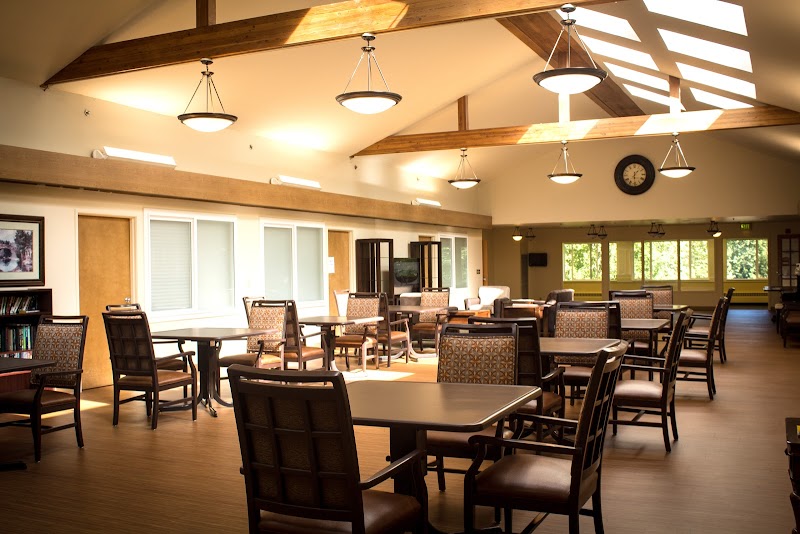
How is Avamere Crestview Of Portland Staffed?

CMS rates AVAMERE CRESTVIEW OF PORTLAND's staffing level at 4 out of 5 stars, which is above average compared to other nursing homes. Staff turnover is 47%, compared to the Oregon average of 46%.

What Have Inspectors Found at Avamere Crestview Of Portland?

State health inspectors documented 68 deficiencies at AVAMERE CRESTVIEW OF PORTLAND during 2022 to 2024. These included: 1 Immediate Jeopardy (the most serious level, indicating potential for serious harm or death), 5 that caused actual resident harm, 61 with potential for harm, and 1 minor or isolated issues. Immediate Jeopardy findings are rare and represent the most serious regulatory concerns. They require immediate corrective action.
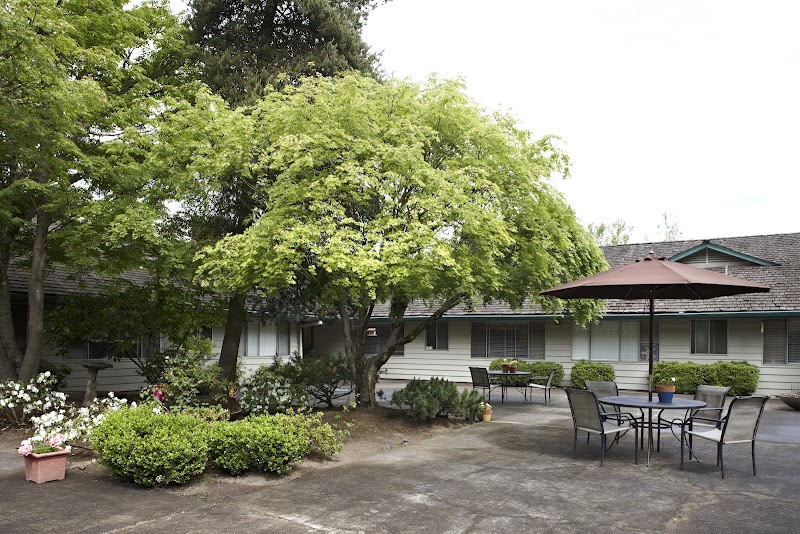
Who Owns and Operates Avamere Crestview Of Portland?

AVAMERE CRESTVIEW OF PORTLAND is owned by a for-profit company. For-profit facilities operate as businesses with obligations to shareholders or private owners. The facility is operated by AVAMERE, a chain that manages multiple nursing homes. With 127 certified beds and approximately 63 residents (about 50% occupancy), it is a mid-sized facility located in PORTLAND, Oregon.
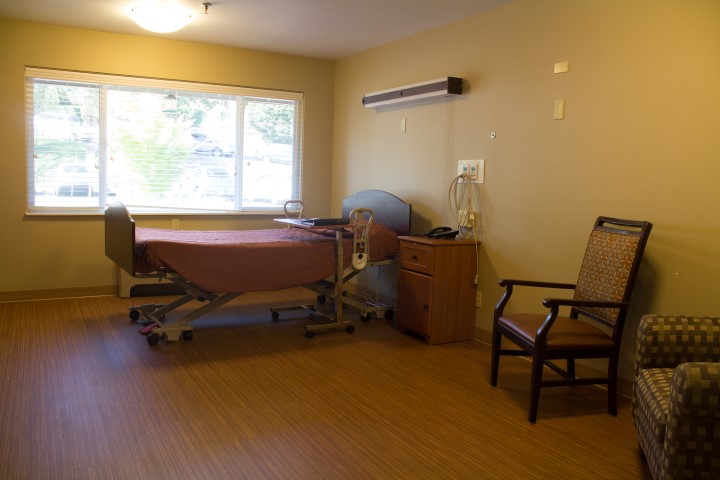
How Does Avamere Crestview Of Portland Compare to Other Oregon Nursing Homes?

Compared to the 100 nursing homes in Oregon, AVAMERE CRESTVIEW OF PORTLAND's overall rating (1 stars) is below the state average of 3.0, staff turnover (47%) is near the state average of 46%, and health inspection rating (1 stars) is much below the national benchmark.

What Should Families Ask When Visiting Avamere Crestview Of Portland?

Based on this facility's data, families visiting should ask: "What changes have been made since the serious inspection findings, and how are you preventing similar issues?" "Can I visit during a mealtime to observe dining assistance and food quality?" "How do you handle medical emergencies, and what is your hospital transfer rate?" "Can I speak with family members of current residents about their experience?" These questions are particularly relevant given the facility's Immediate Jeopardy citations.

Is Avamere Crestview Of Portland Safe?

Based on CMS inspection data, AVAMERE CRESTVIEW OF PORTLAND has documented safety concerns. Inspectors have issued 1 Immediate Jeopardy citation (the most serious violation level indicating risk of serious injury or death). The facility has a 1-star overall rating and ranks #100 of 100 nursing homes in Oregon. Families considering this facility should ask detailed questions about what corrective actions have been taken since these incidents.

Do Nurses at Avamere Crestview Of Portland Stick Around?

AVAMERE CRESTVIEW OF PORTLAND has a staff turnover rate of 47%, which is about average for Oregon nursing homes (state average: 46%). Moderate turnover is common in nursing homes, but families should still ask about staff tenure and how the facility maintains care continuity when employees leave.

Was Avamere Crestview Of Portland Ever Fined?

AVAMERE CRESTVIEW OF PORTLAND has been fined $93,594 across 2 penalty actions. This is above the Oregon average of $34,015. Fines in this range indicate compliance issues significant enough for CMS to impose meaningful financial consequences. Common causes include delayed correction of deficiencies, repeat violations, or care failures affecting resident safety. Families should ask facility leadership what changes have been made since these penalties.

Is Avamere Crestview Of Portland on Any Federal Watch List?

AVAMERE CRESTVIEW OF PORTLAND is not on any federal watch list. The most significant is the Special Focus Facility (SFF) program, which identifies the bottom 1% of nursing homes nationally based on persistent, serious quality problems. Not being on this list means the facility has avoided the pattern of deficiencies that triggers enhanced federal oversight. This is a positive indicator, though families should still review the facility's inspection history directly.