BELMONT CARE AND REHABILITATION
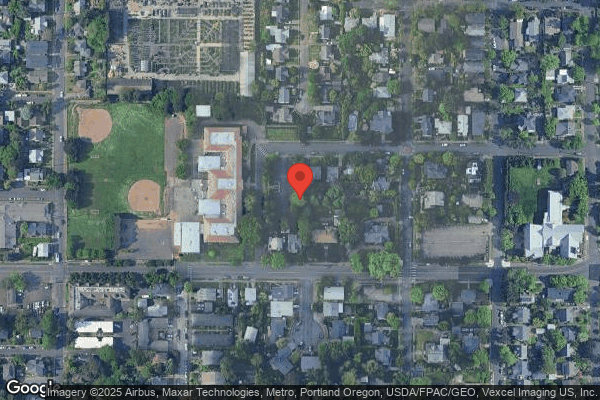
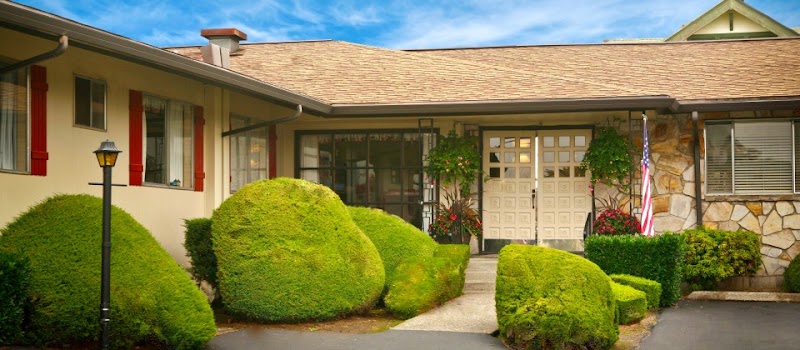
812 SE 48TH AVENUE, PORTLAND, OR 97215 (503) 236-2624
For profit - Limited Liability company 41 Beds SAPPHIRE HEALTH SERVICES Data: November 2025
Trust Grade
18/100
#80 of 127 in OR
Last Inspection: February 2025

Within standard 12-15 month inspection cycle. Federal law requires annual inspections.

Overview

Belmont Care and Rehabilitation has received a Trust Grade of F, indicating poor quality care and significant concerns. Ranking #80 out of 127 facilities in Oregon places it in the bottom half, and at #20 out of 33 in Multnomah County, only a few local options are better. The facility is worsening, having increased its issues from 4 in 2024 to 17 in 2025, which is alarming. While staffing is rated average with a 3/5 star rating, the 97% turnover is concerning, as it is much higher than the state average. Specific incidents include a failure to create a smoking plan for a resident, which could lead to safety risks, and unresolved complaints about missing clothing, indicating potential issues with communication and care. Overall, while there are some strengths, such as average staffing ratings, the facility's significant deficiencies and trend of worsening conditions raise serious red flags for families considering this option.

Trust Score
F
18/100
In Oregon
#80/127
Bottom 38%
Safety Record
High Risk
Review needed
Inspections
Getting Worse
4 → 17 violations
Staff Stability
⚠ Watch
97% turnover. Very high, 49 points above average. Constant new faces learning your loved one's needs.
Penalties
⚠ Watch
$7,397 in fines. Higher than 88% of Oregon facilities, suggesting repeated compliance issues.
Skilled Nurses
⚠ Watch
Each resident gets only 29 minutes of Registered Nurse (RN) attention daily — below average for Oregon. Fewer RN minutes means fewer trained eyes watching for problems.
Violations
⚠ Watch
50 deficiencies on record. Higher than average. Multiple issues found across inspections.
★★☆☆☆
2.0
Overall Rating
★★★☆☆
3.0
Staff Levels
★★☆☆☆
2.0
Care Quality
★★☆☆☆
2.0
Inspection Score
Stable
2024: 4 issues
2025: 17 issues

The Good

  • Full Sprinkler Coverage · Fire safety systems throughout facility
  • No fines on record

Facility shows strength in fire safety.

The Bad

2-Star Overall Rating

Below Oregon average (3.0)

Below average - review inspection findings carefully

Staff Turnover: 97%

50pts above Oregon avg (47%)

Frequent staff changes - ask about care continuity

Federal Fines: $7,397

Below median ($33,413)

Minor penalties assessed

Chain: SAPPHIRE HEALTH SERVICES

Part of a multi-facility chain

Ask about local staffing decisions and management

Staff turnover is very high (97%)

49 points above Oregon average of 48%

The Ugly 50 deficiencies on record

1 actual harm
Feb 2025 17 deficiencies
CONCERN (D) 📢 Someone Reported This

A family member, employee, or ombudsman was alarmed enough to file a formal complaint

Potential for Harm - no one hurt, but risky conditions existed

Safe Environment (Tag F0584)

Could have caused harm · This affected 1 resident

Based on observation, interview and record review it was determined the facility failed to provide a homelike environment for 1 of 1 sampled resident (#16) reviewed for environment. This placed reside...

Read full inspector narrative →
Based on observation, interview and record review it was determined the facility failed to provide a homelike environment for 1 of 1 sampled resident (#16) reviewed for environment. This placed residents at risk for a lack of homelike environment. Findings include: The facility's 2/2021 Homelike Environment Policy indicated residents were provided with a safe, clean, comfortable and homelike environment and encouraged to use their personal belongings to the extent possible. Resident 16 was admitted to the facility in 1/2023 with diagnoses including vascular dementia (a type of cognitive decline caused by damage to the blood vessels in the brain). Resident 16's 2/2/25 Annual MDS revealed the resident was in a persistent vegetative state (a chronic condition in which a person is awake but unaware of their surroundings). Random observations of Resident 16 from 2/24/25 to 2/27/25 between 8:43 AM through 4:42 PM revealed the resident to be in bed with her/his eyes open at times. The resident shared her/his room with three additional residents, and two of the four barriers she/he shared with her/his roommates were curtains. The other two barriers were walls. The small wall behind the head of the resident's bed revealed a cork board on which hung various papers, including information on aspiration precautions, the resident's case manager and passive range of motion exercises, with very little remaining space left on the wall. A small bedside table, located in between the resident's bed and one of the privacy curtains, had personal hygiene supplies on the surface top. Storage shelves lined the remaining wall in-and-on which were various medical and incontinence supplies, including items which belonged to the resident's roommates. On 2/24/25 at 1:14 PM, Witness 1 (Family Member) stated Resident 16's room looked like a storage room and it was very depressing. Witness 1 further stated she was unable to bring in any personal items for the resident because there was no place to put anything for happiness or wellness. On 2/26/25 at 10:20 AM, Staff 17 (CNA) stated Resident 16's room stored resident supplies for as long as I can remember, and the resident's closet was the only space available in her/his room for personal items. On 2/27/25 12:35 PM, Staff 1 (Administrator) observed Resident 16's room, acknowledged the room lacked space for the resident's personal items and stated the room was not homelike.
CONCERN (D)

Potential for Harm - no one hurt, but risky conditions existed

Grievances (Tag F0585)

Could have caused harm · This affected 1 resident

Based on observation, interview and record review it was determined the facility failed to make prompt efforts to resolve resident grievances for 2 of 4 sampled residents (#s 2 and 22) reviewed for pe...

Read full inspector narrative →
Based on observation, interview and record review it was determined the facility failed to make prompt efforts to resolve resident grievances for 2 of 4 sampled residents (#s 2 and 22) reviewed for personal property and Resident Council. This placed residents at risk for unresolved missing property and unaddressed concerns. Findings include: The facility's 6/2023 Grievances/Complaints, Recording and Investigating Policy directed the following: -All grievances and complaints filed with the facility were to be investigated and corrective actions were to be taken to resolve the grievance(s). -The Resident Grievance/Complaint Investigation Report Form was to be filed with the administrator within five working days of the incident. -The resident, or person acting on behalf of the resident, was to be informed of the findings of the investigation, as well as any corrective actions recommended, within five working days of the filing of the grievance or complaint. 1. Resident 22 was admitted to the facility in 9/2023 with diagnoses including diabetes. Resident 22's 12/17/24 Quarterly MDS revealed the resident was cognitively intact. On 2/24/25 at 10:05 AM, Resident 22 was observed in her/his room in bed. Resident 22 stated Witness 2 (Family Member) brought her/him a pair of pants for her/his birthday in 9/2024 and the pants had been missing for about a month and a half. Resident 22 stated she/he mentioned the missing pants to a couple of staff but never received a resolution to her/his complaint. No evidence was found in Resident 22's clinical record or in the facility's 2024 or 2025 Grievance Logs to indicate a grievance had been completed related to Resident 22's complaint of missing pants or an investigation was completed. On 2/26/25 at 2:48 PM, Staff 18 (CNA) stated Witness 2 frequently brought in personal items for Resident 22 without labeling the item with the resident's name or room number. On 2/26/25 at 2:56 PM, Staff 14 (CNA) stated he immediately reported missing resident personal items to the nurse. Staff 14 stated Resident 22 complained a pair of her/his pants were missing on a few occasions a couple of months ago. Staff 14 stated he looked for the resident's pants in the facility's laundry room, could not find them and reported the missing pants to Staff 9 (LPN). On 2/26/25 at 3:34 PM, Staff 9 stated she was unaware Resident 22 was missing a pair of pants. Staff 9 further stated she would have provided the resident with a grievance form had she been aware of her/his complaint. On 2/26/25 at 4:08 PM, Witness 2 (Family Member) stated Resident 22 frequently complained her/his clothing did not come back from the laundry which could be true for sure. Witness 2 further stated she gave the resident a pair of pants for her/his birthday last year. On 2/27/25 at 1:48 PM, Staff 5 (Social Services) stated he was the facility's grievance officer and he was unware Resident 22 complained she/he was missing a pair of pants. On 2/27/25 at 1:54 PM, Staff 1 (Administrator) stated a grievance form should have been completed for Resident 22 regarding her/his missing a pair of pants and a thorough investigation should have been completed. 2. Resident 2 was admitted to the facility in 11/2024 with a diagnosis of congestive heart failure. A review of Resident Council meeting minutes from 2/5/25 revealed Resident 2 reported two pairs of missing pants. The response included for her/him to file a grievance. On 2/25/25 at 12:00 PM, Staff 5 (Social Services) did not have the Grievance Book readily available when requested and stated he had to put it together. A review of the Grievance Book revealed there were no grievances filed for 2/2025. On 2/26/25 at 8:58 AM, Staff 5 stated there were no grievances filed for 2/2025 and Resident 2 did not have a grievance filed for the missing pants. At 9:03 AM, Staff 5 found Resident 2's grievance dated 2/12/25 in his stack of things to do. At 3:16 PM, Staff 5 stated his expectations were to initiate action on a Grievance form within 48 hours. During an interview on 2/27/25 at 10:45 AM, Staff 1 (Administrator) stated expectations included being informed within 24 hours of grievances in order to efficiently provide resolution to residents.
CONCERN (D) 📢 Someone Reported This

A family member, employee, or ombudsman was alarmed enough to file a formal complaint

Potential for Harm - no one hurt, but risky conditions existed

Free from Abuse/Neglect (Tag F0600)

Could have caused harm · This affected 1 resident

Based on observations, interviews and record review, it was determined the facility failed to protect the residents' right to be free from verbal abuse by a resident for 3 of 4 sampled residents (#s 3...

Read full inspector narrative →
Based on observations, interviews and record review, it was determined the facility failed to protect the residents' right to be free from verbal abuse by a resident for 3 of 4 sampled residents (#s 3, 23 and 26) reviewed for abuse. This placed residents at risk for mental anguish and verbal abuse. Findings include: The facility's revised 4/2021 Recognizing Signs and Symptoms of Abuse/Neglect revealed all types of resident abuse were strictly prohibited. Policy Interpretation defined abuse as willful infliction of injury, intimidation or mental anguish. 1. Resident 41 admitted to the facility in 2020 with diagnosis including Alcohol Abuse with alcohol-Induced Psychotic Disorder (mental disorder characterized by disconnection from reality). Resident 3 admitted to the facility in 2021 with diagnoses including quadriplegia (all four limbs experience partial or complete loss of muscle function) and anxiety. On 6/20/24 at 11:23 AM the state agency received a FRI which alleged resident abuse. On 6/19/24 at 3:52 AM, Staff 10 (LPN) wrote a progress note in Resident 41's health record which revealed on 6/18/24 at 8:00 PM Resident 41 returned to the facility. Resident 41 yelled at staff and residents, including Resident 3. Resident 3 overheard Resident 41 yelling at the staff and Resident 3 came out of her/his room. Resident 41 started to threaten Resident 3 to beat [her/his] fucking ass. Staff 10 got between the residents and asked Resident 3 to return to her/his room. Staff 10 later assisted Resident 3 to complete a grievance form and the resident appeared visibly upset and verbally abused. Resident 3's 1/26/25 Annual MDS assessed her/him to make independent decision about her/his daily life with an ok memory. During the survey from 2/24/25 through 2/28/25 between the hours of 8:00 AM to 4:00 PM Resident 41 had been discharged and was not observed in the facility. Resident 3 was observed with no negative interactions with other residents. On 2/24/25 at 3:57 PM, Resident 3 stated she/he recalled the 6/18/25 incident with Resident 41. Resident 3 stated she/he felt verbally abused by Resident 41 in 6/2024 and felt unsafe at the time of the out of control behavior. On 2/26/25 at 2:56 PM, Staff 5 (Social Services) stated Resident 3 was verbally abused by Resident 41 during the 6/18/24 incident at 8:00 PM. On 2/27/25 at 3:52 PM, Staff 25 (CNA) recalled Resident 41 used abusive language towards staff and other residents, especially when she/he drank alcohol. Staff 25 could not directly recall the 6/18/24 incident. On 2/28/25 at 10:34 AM, Staff 1 (Administrator) confirmed on 6/18/24 Resident 3 was verbally abused by Resident 41. Staff 1 stated she expected all residents to be free from abuse. 2. Resident 41 admitted to the facility in 2020 with diagnosis including Alcohol Abuse with alcohol-Induced Psychotic Disorder (mental disorder characterized by disconnection from reality). Resident 23 admitted to the facility in 2021 with diagnoses including heart failure and major depression. On 6/20/24 at 11:23 AM, the state agency received a FRI which alleged resident abuse. On 6/19/24 at 3:52 AM, Staff 10 (LPN) wrote a progress note in Resident 41's health record which revealed on 6/18/24 at 8:00 PM Resident 41 returned to the facility. Resident 41 yelled at staff and residents, including Resident 23. Resident 41 proceeded to leave the facility and stopped at Resident 23's room door and yelled to Resident 23 you are a fucking murderer and why don't you go murder some more people you fucking creep. Staff 10 later assisted Resident 23 to complete a grievance form and the resident appeared visibly upset and verbally abused. Resident 23's 1/15/25 BIMS indicated Resident was assessed to be cognitively intact. During the survey from 2/24/25 through 2/28/25 between the hours of 8:00 AM to 4:00 PM Resident 41 had been discharged and was not observed in the facility. Resident 23 was observed with no negative interactions with other residents. On 2/25/25 at 12:39 PM, Resident 23 stated she/he recalled the 6/18/25 incident with Resident 41. Resident 23 stated she/he felt verbally abused by Resident 41. On 2/26/25 at 2:56 PM, Staff 5 (Social Services) stated Resident 23 was verbally abused by Resident 41 during the 6/18/24 incident at 8:00 PM. On 2/27/25 at 3:52 PM, Staff 25 (CNA) recalled Resident 41 used abusive language towards staff and other residents, especially when she/he drank alcohol. Staff 25 could not directly recall the 6/18/24 incident. On 2/28/25 at 10:34 AM, Staff 1 (Administrator) confirmed on 6/18/24 Resident 23 was verbally abused by Resident 41. Staff 1 stated she expected all residents to be free from abuse. 3. Resident 41 admitted to the facility in 2020 with diagnosis including Alcohol Abuse with alcohol-Induced Psychotic Disorder (mental disorder characterized by disconnection from reality). Resident 26 admitted to the facility in 2023 with diagnoses including paraplegia (loss of muscle function in lower body) and PTSD (Post-Traumatic Stress Disorder, mental condition with intense emotional and/or physical reaction after a traumatic event or experience). On 6/20/24 at 11:23 AM, the state agency received a FRI which alleged resident abuse. On 6/19/24 at 3:52 AM, Staff 10 (LPN) wrote a progress note in Resident 41's health record which revealed on 6/18/24 at 8:00 PM Resident 41 returned to the facility. Resident 41 yelled at staff and residents, including Resident 26. Resident 26 asked Resident 41 to quiet down and Resident 41 proceeded to yell shut up and go do more heroin bitch. Resident 26 tried to get herself/himself out of bed and Staff 10 calmed Resident 26 enough to stop advancements to the hallway. Resident 41 went to her/his room, obtained her/his grabber stick, returned to Resident 26's doorway and threatened Resident 26 and Staff 10 by swinging the stick and yelling I'll beat you pussies. Come over here. Resident 41 then threw the grabber stick down the hallway and proceeded to leave the facility. Staff 10 later assisted Resident 26 to complete a grievance form and the resident appeared visibly upset and verbally abused. Resident 26's 12/1/24 Quarterly MDS BIMS score of 14, which indicated Resident was assessed to be cognitively intact. During the survey from 2/24/25 through 2/28/25 between the hours of 8:00 AM to 4:00 PM Resident 41 had been discharged and was not observed in the facility. Resident 26 was observed with positive interactions with other residents. On 2/24/25 at 10:21 PM, Resident 26 stated she/he recalled the 6/18/25 incident with Resident 41. Resident 26 stated she/he felt verbally abused by Resident 41. On 2/26/25 at 2:56 PM, Staff 5 (Social Services) stated Resident 26 was verbally abused by Resident 41 during the 6/18/24 incident at 8:00 PM. On 2/27/25 at 3:52 PM, Staff 25 (CNA) recalled Resident 41 used abusive language towards staff and other residents, especially when she/he drank alcohol. Staff 25 could not directly recall the 6/18/24 incident. On 2/28/25 at 10:34 AM, Staff 1 (Administrator) confirmed on 6/18/24 Resident 26 was verbally abused by Resident 41. Staff 1 stated she expected all residents to be free from abuse. 4. Resident 26 was admitted to the facility in 8/2023 with diagnoses including paraplegia, incomplete (a condition involving partial loss of movement and sensation in the lower half of the body due to spinal cord damage) and post-traumatic stress disorder (a mental health condition that can develop after experiencing or witnessing a traumatic event). Resident 26's 8/29/23 admission MDS and 11/29/23 Quarterly MDS indicated she/he was cognitively intact. A facility investigation completed by Staff 3 (LPN/RCM) indicated on 2/8/24 Resident Resident 41 yelled at Staff 23 (LPN) in a verbally abusive manner which Resident 26 could hear from her/his room. Resident 26 told Resident 41 to stop yelling at Staff 23. Resident 41 entered Resident 26's room and yelled at her/him that she/he was a heroine addict, only had a seventh-grade education and should overdose and die. Staff 23 used a two-way radio to request staff assistance to remove Resident 41 from Resident 26's room. On 2/26/25 at 11:52 AM, Resident 26 stated she/he recalled the incident and stated Resident 41 crossed the threshold to my room and blocked me off. Resident 26 stated, I can't handle being blocked in. Resident 26 stated Resident 41 yelled at her/him using abusive language and with a high level of disregard for anyone's feelings but [her/his] own. On 2/28/25 at 10:49 AM, Staff 14 (CNA) stated Resident 41 yelled at Staff 23 for no reason and Resident 26 stuck up for Staff 23. Staff 14 stated Resident 41 yelled at Resident 26 because Resident 41 didn't like to be told what to do or not to do and was belligerent. Staff 14 stated Resident 41 should not have yelled at Resident 26 the way she/he did. On 2/28/25 at 10:57 AM, Staff 2 (DNS) stated the verbal interaction upset Resident 26. Staff 2 stated Resident 41 used verbally abusive language towards Resident 26 and could not rule out verbal abuse. Staff intervened by positioning themselves between the two residents but were unable to prevent Resident 41 from continuing to use abusive language. Staff 2 stated it was unacceptable for Resident 41 to speak to anyone in such a manner
CONCERN (D) 📢 Someone Reported This

A family member, employee, or ombudsman was alarmed enough to file a formal complaint

Potential for Harm - no one hurt, but risky conditions existed

Report Alleged Abuse (Tag F0609)

Could have caused harm · This affected 1 resident

Based on interviews and record review it was determined the facility failed to report allegations of verbal abuse within the mandated timeframe for 4 of 4 sampled residents (#s 3, 23, 26 and 41) for 1...

Read full inspector narrative →
Based on interviews and record review it was determined the facility failed to report allegations of verbal abuse within the mandated timeframe for 4 of 4 sampled residents (#s 3, 23, 26 and 41) for 1 of 2 Facility Reported Incident (FRI) reports reviewed for abuse. This placed residents at risk for further abuse. Findings include: The facility's revised 4/2021 Recognizing Signs and Symptoms of Abuse/Neglect revealed it was expected for all personnel to report any signs and symptoms of abuse to their supervisor or the director of nursing services immediately. The facility's revised 9/2022 Abuse, Neglect, Exploitation or Misappropriation - Reporting and Investigation Policy and Procedures directed staff to report allegations of abuse to the state agency within two hours. On 6/19/24 at 3:52 AM, Staff 10 (LPN) wrote a progress note in Resident 41's health record which revealed on 6/18/24 at about 8:00 PM Resident 41 had been out of the facility and returned to the facility. Resident 41 proceeded to verbally and physically threatened staff, Resident 3, Resident 23 and Resident 26. On 6/20/24 at 11:23 AM, the state agency (SA) received a FRI for the 6/18/24 at 8:00 PM alleged abuse with Resident 41, Resident 3 Resident 23 and Resident 26. On 2/28/25 at 10:13 AM, Staff 2 (DNS) confirmed the FRI for the 6/18/24 allegations of abuse was submitted to the SA late. She stated she expected all allegations of abuse to be reported to the SA within the required two hour reporting time line.
CONCERN (D)

Potential for Harm - no one hurt, but risky conditions existed

Investigate Abuse (Tag F0610)

Could have caused harm · This affected 1 resident

Based on observation, interview and record review it was determined the facility failed to ensure incidents of suspected resident misappropriation were thoroughly investigated for 1 of 2 sampled resid...

Read full inspector narrative →
Based on observation, interview and record review it was determined the facility failed to ensure incidents of suspected resident misappropriation were thoroughly investigated for 1 of 2 sampled residents (#22) reviewed for personal property. This placed residents at risk for abuse. Findings include: The facility's 9/2022 Abuse, Neglect, Exploitation or Misappropriation- Reporting and Investigating Policy indicated the following: -All reports of resident abuse, including misappropriation of resident property, were thoroughly investigated by facility management. -The administrator was responsible to keep the resident and her/his representative informed of the progress of the investigation. -The individual conducting the investigation was to interview the person who reported the incident, interview any witnesses to the incident, interview staff members (on all shifts) who had contact with the resident during the period of the alleged incident, interview other residents to whom the accused employee provided care or services, review all events that led up to the alleged incident and document the investigation thoroughly and completely. Resident 22 was admitted to the facility in 9/2023 with diagnoses including diabetes. Resident 22's 12/17/24 Quarterly MDS revealed the resident was cognitively intact. A progress note dated 12/20/24 written by Staff 1 (Administrator) revealed the following: -Resident 22 reported $1,500 of her/his personal money was lost or stolen. -Resident 22 reported she/he received the money from Witness 2 (Family Member). -Staff 1 spoke with Witness 2 who confirmed she did provide Resident 22 with an unidentified amount money to use for the facility's vending machines. No evidence was found in Resident 22's clinical record to indicate a thorough investigation of the resident's report of missing money was completed, including interviews with staff members who worked with the resident during this time period. No additional interviews with the resident were completed to determine if she/he received money from other sources outside of Witness 2 and the resident was not offered the opportunity to have her/his room and belongings searched to determine if the money was misplaced. On 2/24/25 at 10:05 AM, Resident 22 was observed in her/his room in bed. Resident 22 stated the $1,500 was kept in her/his closet and came up missing a little over a month and a half ago after Staff 24 assisted her/him to count the money. Resident 22 stated she/he reported the missing money to Staff 5 (Social Services) but nothing was done. On 2/26/25 at 2:55 PM, Staff 18 (CNA) stated she recalled hearing something in passing about some money missing for Resident 22 but did not engage in it because a nurse was involved. On 2/26/25 at 3:30 PM, Staff 21 (LPN) stated Resident 22 reported she/he was missing money, and when she reported the resident's concern regarding the missing money to Staff 5, she was informed the issue had already been addressed. On 2/26/25 at 4:08 PM, Witness 2 stated someone at the facility spoke with her a few months ago about Resident 22's report of her/his money being lost or stolen. Witness 2 recalled she had given Resident 22 approximately $150.00 dollars and was not sure how else the resident could get such a large amount of money unless someone else mailed it to her/him. Witness 2 further stated she thought the resident might still have a bank card. On 2/27/25 at 8:53 AM, Staff 24 stated Resident 22 reported to him about a month or two ago she/he was missing $1,000 dollars. Staff 24 stated he immediately reported this to Staff 1 and Staff 2 (DNS). On 2/27/25 at 1:48 PM, Staff 5 stated he thought Resident 22 had her/his own bank card. Staff 5 stated the resident did leave the facility on occasion to go to the convenience store across the street where the resident could withdraw money from the store's ATM (automated teller machine). Staff 5 stated he did speak with Witness 2 about the resident's report of missing money but he did not interview anyone else, including Staff 24. On 2/27/25 at 1:54 PM, Staff 1 stated she spoke with Witness 2 following Resident 22's report of missing money in 12/2024 and was informed by Witness 2 that she did provide the resident with around $100. Staff 1 stated she asked Staff 24 if he had seen the money and was told by Staff 24 he never saw it and never took it. Staff 1 stated she did not interview any additional staff, and stated the resident's report of missing money should have been investigated more thoroughly, regardless of the amount of money that was missing.
CONCERN (D)

Potential for Harm - no one hurt, but risky conditions existed

Assessment Accuracy (Tag F0641)

Could have caused harm · This affected 1 resident

Based on observation, interview and record review it was determined the facility failed to ensure MDS assessments were accurately assessed for 2 of 7 sampled residents (#s 16 and 23) reviewed for acti...

Read full inspector narrative →
Based on observation, interview and record review it was determined the facility failed to ensure MDS assessments were accurately assessed for 2 of 7 sampled residents (#s 16 and 23) reviewed for activities and abuse. This placed residents at risk for an inaccurate picture of the resident's status. Findings include: 1. Resident 23 was admitted to the facility in 2021 with diagnoses including heart failure. Resident 23's 10/18/24 Significant Change MDS indicated the resident's BIMS score and the mood interview to screen for depression was not assessed. Resident 23's 1/18/25 Quarterly MDS indicated the resident's BIMS score and the mood interview to screen for depression was not assessed. On 2/2/25 at 12:39 PM, Resident 23 was observed to be alert, oriented and was able to effectually express her/his current and past mood, needs and history. On 2/26/25 at 12:56 PM, Staff 3 (LPN/Resident Care Manager) stated Staff 5 (Social Services) was responsible to complete Sections C (BIMS score), D (mood interview) and E (behaviors). Staff 3 confirmed Resident 23's 10/18/24 Significant Change MDS and 1/18/25 Quarterly MDS was coded as not assessed for her/his cognitive status or for a possible depression score. Staff 3 stated she would expect these areas assessed on the MDS. On 2/26/25 at 2:52 PM, Staff 5 stated he was responsible to complete the cognition and mood sections of the MDS for Resident 23. Staff 5 confirmed Resident 23's 10/18/24 Significant Change MDS and 1/18/25 Quarterly MDS did not reflect the resident's cognition or mood and they were not assessed according to the MDS. 2. Resident 16 was admitted to the facility in 1/2023 with diagnoses including vascular dementia (a type of cognitive decline caused by damage to the blood vessels in the brain). Resident 16's 2/2/25 Annual MDS indicated the resident was in a persistent vegetative state (a condition in which a person is awake but has no awareness of their surroundings or themselves). A progress note dated 2/5/25 written by Staff 19 (NP) indicated the resident was in a vegetative state. Resident 16's 2/23/25 Impaired Communication Care Plan revealed the following interventions: -Ask the resident questions that required a one-to-two word response. -Repeat back to the resident what was said to confirm understanding. -Watch the resident's mouth when she/he spoke and encourage enunciation of words. On 2/24/25 at 4:42 PM, Resident 16 was observed in her/his room in bed with her/his eyes closed. Resident 16 opened her/his eyes and smiled at the sound of the state surveyors greeting. Resident 16 moved her/his lips in response to a question posed by the state surveyor but was unable to respond clearly in either words or gestures. On 2/26/25 at 10:12 AM, Staff 19 stated he felt Resident 16 was in a vegetative state because the resident had never responded to any of his questions over the course of multiple visits. Staff 19 stated he was not informed Resident 16 was able to speak, and he would not consider the resident to be in a vegetative state if the resident was able to talk. On 2/26/25 at 10:20 AM, Staff 17 (CNA) stated Resident 16 was able to verbally respond to questions with a quiet yes or no. On 2/26/25 at 10:54 AM, Staff 3 (LPN/RCM) stated Resident 16 was able to say yes, no and fine. Staff 3 stated she did not discuss the resident's verbal abilities with Staff 19 and confirmed the resident's MDS coding was inaccurate.
CONCERN (D)

Potential for Harm - no one hurt, but risky conditions existed

Deficiency F0645 (Tag F0645)

Could have caused harm · This affected 1 resident

Based on interview and record review it was determined the facility failed to ensure a PASARR Level II (Preadmission Screening for individuals with a mental disorder and/or individuals with intellectu...

Read full inspector narrative →
Based on interview and record review it was determined the facility failed to ensure a PASARR Level II (Preadmission Screening for individuals with a mental disorder and/or individuals with intellectual disability) was completed for 1 of 1 sampled resident (# 11) reviewed for PASARR. This placed residents at risk for not receiving specialized services. Findings include: Resident 11 was admitted to the facility in 10/2023 with diagnoses including delusional disorders (a mental health condition characterized by persistent false beliefs that are not based in reality). A review of Resident 11's Pre-admission Screening/Resident Review (PASRR) Level 1 form completed on 10/19/23 revealed she/he had serious mental illness and was appropriate for further mental health screening upon admission to the facility. No evidence was found in Resident 11's clinical record to indicate the facility referred her/him for further screening related to her/his serious mental illness. On 2/27/25 at 10:04 AM, Staff 5 (Social Services) stated he did not know Resident 11 was not referred for further screening but was appropriate due to her/his serious mental illness. Staff 5 reported a review of residents' PASRR 1's was not completed during regular care conferences but he thought it was a good idea. On 2/27/25 at 12:43 PM Staff 2 (DNS) stated she expected a referral for further evaluation to be completed within a week once it was determined appropriate on a resident's PASARR 1.
CONCERN (D) 📢 Someone Reported This

A family member, employee, or ombudsman was alarmed enough to file a formal complaint

Potential for Harm - no one hurt, but risky conditions existed

Comprehensive Care Plan (Tag F0656)

Could have caused harm · This affected 1 resident

Based on interview and record review it was determined the facility failed to ensure a resident-centered care plan was implemented for 1 of 4 sampled residents (#21) reviewed for abuse. This placed re...

Read full inspector narrative →
Based on interview and record review it was determined the facility failed to ensure a resident-centered care plan was implemented for 1 of 4 sampled residents (#21) reviewed for abuse. This placed residents at risk for not being provided appropriate bed mobility assistance. Findings include: Resident 21 was admitted to the facility in 5/2022 with diagnoses including hepatic encephalopathy (a disorder that occurs when the liver is unable to filter toxins from the blood resulting in their build up in the brain and causing confusion, disorientation and other changes) and a spinal fracture. Resident 21's 1/6/24 Annual MDS indicated she/he was cognitively intact. A review of Resident 21's care plan dated 11/14/2022 revealed she/he required assistance from two staff members for bed mobility and she/he was to receive cares in pairs. A facility investigation created and signed by Staff 2 (DNS) on 2/15/24 indicated Staff 22 (Agency CNA) attempted to reposition Resident 21 by herself by guiding her/his hand to grab the headboard and having her/him pull herself/himself up in bed. Staff 22 was in Resident 21's room without another staff member at the time she attempted to reposition Resident 21. The facility investigation indicated after the interaction, Resident 21 did not want Staff 22 in her/his room again. On 2/28/25 at 9:20 AM, Staff 22 stated she worked with Resident 21 at the time of the reported incident and knew Resident 21 was to receive cares in pairs and required assistance from two staff to reposition her/him in bed. Staff 22 stated she decided to reposition her/him without the assistance of another CNA. Staff 22 stated she asked Resident 21 to reach over her/his head to grab and pull up on the headboard because she/he was not positioned appropriately in the bed. Staff 22 stated Resident 21 could not reach the headboard so she guided her hand to the headboard. On 2/28/25 at 10:41 AM, Staff 2 confirmed Staff 22 did not follow Resident 21's care plan to have two people in her/his room at all times.
CONCERN (D) 📢 Someone Reported This

A family member, employee, or ombudsman was alarmed enough to file a formal complaint

Potential for Harm - no one hurt, but risky conditions existed

ADL Care (Tag F0677)

Could have caused harm · This affected 1 resident

Based on observation, interview and record review it was determined the facility failed to ensure residents who were unable to carry out ADLs independently received personal grooming assistance for 1 ...

Read full inspector narrative →
Based on observation, interview and record review it was determined the facility failed to ensure residents who were unable to carry out ADLs independently received personal grooming assistance for 1 of 2 sampled residents (#16) reviewed for ADL care. This placed residents at risk for lack of grooming care needs. Findings include: Resident 16 was admitted to the facility in 1/2023 with diagnoses including vascular dementia (a type of cognitive decline caused by damage to the blood vessels in the brain). A physician order dated 1/16/25 revealed Resident 16 was to receive a hair removing face cream as needed for facial hair removal. Resident 16's 2/2/25 Annual MDS indicated the resident was in a persistent vegetative state (a condition in which a person is awake but has no awareness of their surroundings or themselves) and was dependent on staff assistance for all of her/his ADL needs. Resident 16's 2/23/25 ADL Self Care Performance Deficit Care Plan revealed the resident required full assistance from one person to shave. On 2/24/25 at 12:07 PM, Resident 16 was observed in her/his room in bed. Facial hair was observed to cover the resident's chin, jawline and parts of her/his neck and cheeks. On 2/24/25 at 1:14 PM, Witness 1 (Family Member) stated Resident 16 would never let people see whiskers on [her/his] chin, and she was disappointed seeing [the resident] with a full beard. Witness 1 stated Resident 16 use to get nasty razor sores when she/he shaved and preferred to use a hair removal cream instead. On 2/25/25 at 3:54 PM, Staff 20 (CNA) stated nurses were responsible to apply the hair removal cream to Resident 16 but she had never seen them use it. On 2/25/25 at 4:08 PM, Staff 21 (LPN) stated Resident 16 had an order for hair removal cream, she was responsible for applying the cream, but she had not used it yet because she was nervous to use it. On 2/25/25 at 4:38 PM, Staff 2 (DNS) observed and acknowledged Resident 16's facial hair and stated the resident was in need of a shave.
CONCERN (D) 📢 Someone Reported This

A family member, employee, or ombudsman was alarmed enough to file a formal complaint

Potential for Harm - no one hurt, but risky conditions existed

Deficiency F0679 (Tag F0679)

Could have caused harm · This affected 1 resident

**NOTE- TERMS IN BRACKETS HAVE BEEN EDITED TO PROTECT CONFIDENTIALITY** Based on observation, interview and record review, it was determined the facility failed to provide an ongoing program to suppor...

Read full inspector narrative →
**NOTE- TERMS IN BRACKETS HAVE BEEN EDITED TO PROTECT CONFIDENTIALITY** Based on observation, interview and record review, it was determined the facility failed to provide an ongoing program to support individual activity interests and preferences for 2 of 3 sampled residents (#s 16 and 27) reviewed for an activity program. This placed residents at risk for a decreased quality of life and social isolation. Findings include: 1. Resident 27 admitted to the facility in 2022 with diagnoses including a stroke and disease of the pharynx (throat). A 10/10/22 Activities admission Assessment revealed Resident 27 was nonverbal, dependent on staff and needed one-to-one visits. Resident 27 enjoyed hand massages, manicures, to watch television, listen to audio books and music, visits with family, a Pastor and pets. Resident 27's 10/24/24 Annual MDS assessed her/him with memory problems and rarely to never understood her/his ability to talk. Staff assessed Resident 27's leisure and diversional activity preferences as she/he enjoyed to listen to music, animals, to do things with groups of people, to participate in her/his favorite activities and to spend time outdoors. The 1/17/25 SNF (Skilled Nursing Facility) Activity Quarterly Review indicated Resident 27 had not experienced a change in her/his level of activity participation and was dependent on staff for care. The resident liked one-to-one and in-room visits, therapy animal visits, and sensory activities. Resident 27's interests included country and classic rock music, soap operas, murder mysteries, comedies, head and hand massages, her/his nails manicured, visits from the Pastor and her/his family. Resident 27's 2/25/25 care plan revealed she/he was dependent on staff for activities, cognitive stimulation and social interaction related to her/his cognition and immobility. The goal was for her/him to attend two weekly group activities. Staff were directed if she/he was not able to attend activities, the Activity Director would meet with the resident once or twice a week and provide television shows, music, and movies played for her/him while she/he was awake in her/his room. The care plan directed staff to the resident's preferred radio stations which included country and classic rock. Resident 27's preferred activities were head and hand massages, nails manicured, pet visits, family visits, sensory activities, listen to country and classic rock music, Pastor visits, one-to-one visits, to watch preferred television stations with soap operas, murder mysteries and comedies. The Activity Participation records revealed from 1/27/25 through 2/26/25 (30 days) Resident 27 participated in the following activities: -Spiritual Care on 2/6/25 and 2/20/25. -Movie/Video on 2/13/25 and 2/24/25. During the survey from 2/24/25 through 2/28/25 between 8:00 AM to 4:00 PM Resident 27 was not observed out of her/his bed. Observations on 2/25/25 at 9:19 AM,10:46 AM, 12:35 PM, 3:08 PM and on 2/26/25 at 8:47 AM revealed Resident 27 was observed awake in her/his bed with no television or music in the room and no social interactions. On 2/26/25 at 1:49 PM, Resident 27 was observed in her/his bed while the roommate's music played very loud soul music (not her/his preferred music type). On 2/27/25 at 10:29 AM, Staff 14 (CNA) stated Resident 27 sometimes would get out of bed on Tuesday and Thursdays. The CNA's would take her/him to the dining room and she/he looked like she/he enjoyed being around other people. On 2/27/25 at 10:34 AM, Staff 6 (Activity Director) stated Resident 27 was dependent on staff and when time allowed she/he should receive one-to-one visits because he could not get her/him up and out of bed. Staff 6 stated he sometimes completed one-to-one visits with Resident 27 which usually consisted of turning her/his roommate's television on. Staff 6 confirmed Resident 27 could not see the roommate's television. Staff 6 could not identify sensory stimulation type of activities identified to provide in the care plan for Resident 27. Staff 6 could not recall the last time he attempted sensory types of activities. Staff 6 stated he did not provide audio books or music for Resident 27. Staff 6 stated the resident's care plan goal to attend a group activity weekly was based on staff availability to get her/him out of bed. Staff 6 stated he did not invite Resident 27 or request any CNA to assistance to get Resident 27 out of bed to attend any group activity this past week. Staff 6 could not identify Resident 27's activity preferences or recall the last time the resident received a manicure or a hand massage. On 2/27/25 at 11:36 PM, Staff 1 (Administrator) confirmed the lack of activity participation for Resident 27. She stated she expected more opportunities for sensory stimulation and social interactions for Resident 27. 2. Resident 16 was admitted to the facility in 1/2023 with diagnoses including vascular dementia (a type of cognitive decline caused by damage to the blood vessels in the brain). A care conference note dated 8/6/24 revealed Resident 16 enjoyed to watch television and listen to music in her/his room and she/he had the biggest smile when she/he was out of bed and able to enjoy community activities. Resident 16's 11/4/24 Activity Quarterly Review revealed the resident enjoyed television, music, hand massages and church services. The resident also enjoyed to watch and visit with other residents in the facility's common area during group activities and to listen to people read. Resident 16's 2/2/25 Annual MDS indicated the resident was in a persistent vegetative state (a condition in which a person is awake but has no awareness of their surroundings or themselves). Resident 16's 2/23/25 Activity Care Plan revealed the following: -The resident was to attend a group activity once a week. -The resident was to receive a one-to-one visit from Staff 6 (Activities Director) once a week. -The resident's activity interests included television, manicures, music and visits with her/his pastor. -The resident enjoyed to watch the [NAME] Show on television. The facility's 2/2025 Activity Calendar revealed the following scheduled activities: -2/24/25: 1:30 PM Group Jeopardy Championship Game -2/25/25: 1:30 PM Tabletop Bowling Championship -2/26/25: 2:00 PM Write Around Portland (Writing Group) A review of Resident 16's Activity Task Logs from 1/27/25 through 2/26/25 revealed the resident participated in music and watched a movie on one occasion and participated in spiritual care on two occasions. No evidence was found in Resident 16's clinical record to indicate the resident received one-to-one visits from Staff 6, manicures or hand massages. Random observations of Resident 16 on 2/24/25 from 12:07 PM to 4:42 PM and on 2/25/25 from 8:43 AM to 1:24 PM revealed the resident was in her/his room in bed. No music played. The resident's eyes were open at times and the resident looked toward her/his television, which was turned off. The resident was unable to answer any questions about her/his activity preferences and interests. On 2/24/25 at 1:14 PM, Witness 1 (Family Member) stated Resident 16 enjoyed music, television, pets, children and church, and she had never been interviewed about Resident 16's activity preferences. Witness 1 stated the only thing Resident 16 was able to look at in her/his room was the television and it was often turned off. On 2/25/25 at 4:08 PM, Staff 21 (LPN) stated Resident 16 loved music, especially funk and R&B stuff but was not for certain. Staff 21 stated Resident 16 also enjoyed television, especially the news, soap operas and the [NAME] Show. On 2/26/25 at 10:20 PM, Staff 17 (CNA) stated Witness 1 told her Resident 16 enjoyed soul and Motown music and to watch music videos on television. Staff 17 further stated Witness 1 informed her the resident did not like the [NAME] Show. On 2/27/25 at 10:34 AM, Staff 6 stated residents who were dependent on staff received one-to-one visits, which included Resident 16. Staff 6 stated he completed one-to-one visits with Resident 16 once a week and the visits consisted of turning her/his television on if it was noted to be off. Staff 6 stated he could not recall the last time he attempted a sensory activity, except for one related to smells, and confirmed no additional types of sensory activities were attempted with the resident. Staff 6 stated he knew it was important for Resident 16 to attend weekly church services but he had not interviewed her/his family about additional activity preferences. Staff 6 stated the resident either smiled or slept when in a group activity and stated her/his ability to attend group activities was dependent on staff availability and resident showers. Staff 6 stated the resident's care plan goal of attending a group activity weekly was based on staff availability and not on the resident's preference. Staff 6 stated he did not invite Resident 16 or request any CNA to assist the resident to get out of bed to attend any group activity this week, and could not remember the last time the resident received a manicure or a hand massage. On 2/27/25 at 12:35 PM, Staff 1 (Administrator) stated one-to-one visits needed to consist of more than television, Resident 16's ability to participate in group activities should not be limited by staff availability and the facility needed to offer additional sensory activities to dependent and/or cognitively impaired residents.
CONCERN (D)

Potential for Harm - no one hurt, but risky conditions existed

Deficiency F0699 (Tag F0699)

Could have caused harm · This affected 1 resident

Based on interview and record review it was determined the facility failed to ensure residents who were trauma survivors received trauma-informed care in accordance with professional standards of prac...

Read full inspector narrative →
Based on interview and record review it was determined the facility failed to ensure residents who were trauma survivors received trauma-informed care in accordance with professional standards of practice and account for the residents' experiences and preferences to eliminate or mitigate triggers which may cause re-traumatization for 1 of 4 sampled residents (#26) reviewed for abuse. This placed residents at risk for re-traumatization and a decrease in their quality of life. Findings include: The facility's revised 8/2022 Trauma Informed Care and Culturally Competent Care Policy indicated the guide was to provide the trauma-informed care was in accordance with professional standards of practice and to address the needs of trauma survivors by minimizing triggers and/or re-traumatization. It directed staff to identify and decrease exposure to triggers that may retraumatize the resident. Resident 26 admitted to the facility in 2023 with diagnoses including PTSD (Post-Traumatic Stress Disorder, mental condition with intense emotional and/or physical reaction after a traumatic event or experience). An 8/24/23 SNF (Skilled Nursing Facility) Social Services History, Trauma and SUD (Substance Abuse Disorder) Assessment revealed Resident 26 experienced a physical assault and sudden violent death. No specific information related to how this trauma affected her/him currently nor any triggers for the trauma. Resident 26's 12/1/24 Quarterly MDS assessed her/him as cognitively intact and with a PTSD diagnosis. Staff 5 (Social Services) completed Resident 26's 12/2/24 SNF Social Service Quarterly Summary which reveal no new trauma and directed to continue the current care plan. Resident 26's 2/25/25 care plan identified she/he had a history of trauma. The care plan directed staff to provide reassurances, comfort, maintain a calm approach, display warmth, answer questions directly and offer unconditional acceptance. Staff were to establish and maintain a trusting relationship by listening to the resident. Staff were to maintain a calm, non-threatening manner while they worked and interacted with the resident. No evidence was found in Resident 26's health record related to the development and implementation of individualized interventions, for assessed triggers of trauma which may re-traumatize the resident or identification of ways to mitigate or decrease the effect of the triggers. On 2/25/25 at 10:42 AM, Resident 26 was observed to sit in her/his room with a book. Resident 26 was scheduled to attend the bowling outing this morning. Resident 26 stated she/he decided not to go to the bowling outing because my PTSD kicked in when she/he tried to get on the bus, it was crowded and the people were all around so she/he could not take it. On 2/26/25 at 10:30 AM, Resident 26 attended the Resident Council meeting. Resident 26 was observed to leave the meeting early and said something about there was to many people. On 2/26/25 at 3:03 PM Staff 5 confirmed Resident 26 did not have any triggers identified on her/his care plan or in her/his health record. Staff 5 could express one trigger for Resident 26 of other people pretending or lying to have served in the military. Staff 5 stated Resident 26 probably could not tell you any triggers for herself/himself. Staff 5 confirmed he had not specially asked the resident about any other possible triggers for the trauma she/he had experienced. Staff 5 stated he would call the Psychologist if a resident needed help with PTSD triggers. On 2/27/25 at 10:02 AM, Resident 26 freely talked about her/his triggers when asked. Resident 26 listed multiple triggers including the feeling of being trapped, her/his bedroom door closed, people in back of her/him, bullying types of behaviors directed at others, tight spaces, and at times groups of people. Resident 26 was able to express multiple ways to mitigate most of these triggers. On 2/27/25 at 3:47 PM, Staff 13 (CNA) stated staff obtained information to care for a resident, including Resident 26's challenging behaviors, from the care plan. On 2/28/25 at 10:34 AM, Staff 1 (Administrator) acknowledged she would expect Resident 26 to have identified triggers and specific interventions for the experienced trauma to possibly eliminate or mitigate these triggers which may cause re-traumatization.
CONCERN (D) 📢 Someone Reported This

A family member, employee, or ombudsman was alarmed enough to file a formal complaint

Potential for Harm - no one hurt, but risky conditions existed

Dental Services (Tag F0791)

Could have caused harm · This affected 1 resident

Based on observation, interview and record review it was determined the facility failed to obtain dental services for 2 of 2 sampled residents (#s 16 and 22) reviewed for dental services. This placed ...

Read full inspector narrative →
Based on observation, interview and record review it was determined the facility failed to obtain dental services for 2 of 2 sampled residents (#s 16 and 22) reviewed for dental services. This placed residents at risk for unmet dental needs. Findings include: The facility's 12/2016 Dental Services Policy indicated routine and emergency dental services were to be available to meet resident oral health needs in accordance with the resident's assessment and plan of care, and social services representatives were to assist residents with appointments and transportation arrangements for dental services. 1. Resident 16 was admitted to the facility in 1/2023 with diagnoses including vascular dementia (a type of cognitive decline caused by damage to the blood vessels in the brain). A care conference note dated 11/11/24 and written by Staff 5 (Social Services) indicated Resident 16 was to receive dental care as available. Resident 16's 2/2/25 Annual MDS indicated the resident was in a persistent vegetative state (a condition in which a person is awake but has no awareness of their surroundings or themselves) and she/he had obvious or likely cavity or broken natural teeth. The Dental CAA indicated a referral to a dentist was warranted in order to minimize risks and to maintain her/his current level of functioning. Resident 16's 2/23/25 Care Plan revealed the resident had oral health problems and required total assistance from one person with oral care. On 2/24/25 at 12:07 PM, Resident 16 was observed in her/his room in bed. The inside of the resident's mouth was unable to be visualized and the resident was unable to answer any questions about her/his oral care. On 2/24/25 at 1:14 PM, Witness 1 (Family Member) stated she made a request to Staff 1 (Administrator) and Staff 5 that Resident 16 be seen by a dentist months ago but she/he had not received any dental treatment. On 2/25/25 at 4:08 PM, Staff 21 (LPN) stated Resident 16 did not have the best teeth and her/his teeth were cracked, broken and missing. Staff 21 further stated she could not remember if the resident had ever been seen by a dentist. On 2/26/25 at 11:26 AM, Staff 3 (LPN/RCM) stated she was aware of Witness 1's request for Resident 16 to be seen by a dentist. Staff 3 stated she thought the resident was on the list to regularly be seen by the facility's in-house dental provider but she was not certain and did not know the last time the resident had been seen by a dentist. Staff 3 stated Staff 5 was responsible for scheduling and tracking resident dental appointments. On 2/26/25 at 11:39 AM, Staff 5 stated he was aware Witness 1 wanted Resident 16 to be seen by a dentist. Staff 5 stated he was not sure the last time the resident was seen by a dentist, and he was responsible for scheduling dental appointments for all residents. Staff 16 was unaware of the recommendation for a dental referral from the resident's 2/2/25 Annual MDS and he had not made a dental referral for Resident 16. On 2/26/25 at 1:01 PM, Staff 2 (DNS) acknowledged a dental referral for Resident 16 had not been made and should have been following her/his 2/2/25 Annual MDS. 2. Resident 22 was admitted to the facility in 9/2023 with diagnoses including diabetes. Resident 22's 9/16/24 Annual MDS revealed the resident had obvious or likely cavity or broken natural teeth. The Dental CAA indicated a referral to a dentist was warranted in order to minimize risks and to maintain her/his current level of functioning. Resident 22's 9/23/24 Dental Problem Care Plan indicated arrangements for dental care were to be made as needed. Resident 22's 12/17/24 Quarterly MDS revealed the resident was cognitively intact. On 2/24/25 at 10:18 AM, Resident 22 was observed in her/his room in bed and observed to be missing multiple teeth. The resident stated she/he told Staff 5 (Social Services) she/he wanted to see a dentist months ago, but had not not seen a dentist, and never heard back from Staff 5 about a timeframe of when she/he would see a dentist. On 2/26/25 at 10:31 AM, Staff 17 (CNA) stated Resident 22 complained about her/his teeth in 12/2024 and she informed a nurse. Staff 17 stated she did not know if the resident had seen a dentist. On 2/26/25 at 11:31 AM, Staff 3 (LPN/RCM) stated Resident 22 needed to be seen by a dentist and Staff 5 (Social Services) was responsible for coordinating and scheduling all dental visits for residents. On 2/26/25 at 11:35 AM, Staff 5 stated he had not asked Resident 22 about her/his teeth or interest to be seen by a dentist because that usually comes from the CNAs. Staff 5 stated the resident was last seen by a dentist in 4/2024 and he was not aware the resident needed to be seen again. On 26/25 at 1:14 PM, Staff 2 (DNS) stated a dental referral for Resident 22 had not made and should have been following her/his 9/16/24 Annual MDS.
CONCERN (D)

Potential for Harm - no one hurt, but risky conditions existed

Deficiency F0909 (Tag F0909)

Could have caused harm · This affected 1 resident

Based on observation, interview and record review it was determined the facility failed to ensure a bed rail was inspected and maintained according to manufacturer's recommendations for 1 of 2 sampled...

Read full inspector narrative →
Based on observation, interview and record review it was determined the facility failed to ensure a bed rail was inspected and maintained according to manufacturer's recommendations for 1 of 2 sampled residents (#22) reviewed for accidents. This placed residents at risk for potential injury. Findings include: The facility's 2/2021 Assistive Devices and Equipment Policy indicated the following: -Certain devices and equipment that assisted residents with mobility, safety and independence were provided for residents. -Devices and equipment were maintained on schedule and according to manufacturer's instructions. Defective or worn devices were discarded or repaired. Resident 22 was admitted to the facility in 9/2023 with diagnoses including history of falls and unsteadiness on her/his feet. Resident 22's 12/17/24 Quarterly MDS revealed the resident was cognitively intact. Resident 22's 12/27/24 Assistive Device Assessment revealed the resident had bilateral mobility bars (a type of bed rail used to provide support and stability for people with limited mobility) on her/his bed in order to provide the resident with increased independence and assistance with bed mobility and transfers. On 2/24/25 at 10:12 AM, and on 2/25/25 at 3:37 PM, Resident 22 was observed in her/his room in bed. Resident 22 stated her/his right mobility bar was not right and needed to be fixed, and did not want to use or rely on the bar because it was so loose. Resident 22 stated the mobility bar had been loose for months, she/he mentioned the mobility bar was in need of repair to a number of staff members and nothing had been done. On each of these occasions, the state surveyor observed the mobility bar to be extremely loose and to turn almost 180 degrees from side-to-side. On 2/25/25 at 3:48 PM, Staff 4 (Maintenance Director) stated mobility bars should not have any give or they weren't stable. At this time, Staff 4 observed Resident 22's right mobility bar, and stated it was broken and no one reported to him it was in need of repair. On 2/26/25 at 12:40 PM, Staff 3 (LPN/RCM) stated Resident 22 used the mobility bars for bed mobility and not for transfers. On 2/26/25 at 12:47 PM Staff 2 (DNS) stated she expected mobility bars to be securely and properly installed.
CONCERN (E)

Potential for Harm - no one hurt, but risky conditions existed

Deficiency F0565 (Tag F0565)

Could have caused harm · This affected multiple residents

Based on interview and record review it was determined the facility failed to promptly respond to grievances and complaints from the resident council for 2 of 3 months reviewed. This placed residents ...

Read full inspector narrative →
Based on interview and record review it was determined the facility failed to promptly respond to grievances and complaints from the resident council for 2 of 3 months reviewed. This placed residents at risk for unresolved missing property. Findings include: The facility's 2/2021 Resident Council policy states the following: A Resident Council Response Form will be utilized to track issues and their resolution. The facility department related to any issues will be responsible for addressing the item(s) of concern. 1. During a Resident Council meeting on 2/26/25 at 10:30AM, Residents #2, 11, 20, and 24 expressed concerns with unresolved missing clothing. a. A review of Resident Council meeting minutes from 11/19/24 revealed residents voiced concerns regarding missing clothing items in the Housekeeping/Laundry section. A resolution was not filed with the minutes. A review of the Grievance Book revealed no grievances filed for 11/2024 regarding the missing laundry items discussed during Resident Council meeting on 11/19/24. On 2/26/25 at 3:09 PM, Staff 6 (Activities Director) stated when complaints were reported during Resident Council, the process included distribution to each department and each department was responsible for providing resolution within ten days. Staff 1 (Administrator) reviewed and signed off on the resolution and was given back to Staff 6 to file with Resident Council minutes. Staff 6 was not able to locate the resolution regarding missing clothing from Resident Council meeting minutes from 11/19/24. b. A review of Resident Council meeting minutes from 2/5/25 revealed concerns regarding missing clothing. A resolution to the concern included having resident fill out a grievance form for replacement. On 2/26/25 at 8:58 AM, Staff 5 (Social Services Director) reported there were no grievances filed for February 2025. During an interview on 2/27/25 at 10:45 AM, Staff 1 (Administrator) stated the process she expected staff to follow for issues brought up during resident council included for staff to respond to resident issues within ten days and acknowledged the complaints were not addressed promptly.
CONCERN (E)

Potential for Harm - no one hurt, but risky conditions existed

Deficiency F0576 (Tag F0576)

Could have caused harm · This affected multiple residents

Based on interview and record review it was determined the facility failed to have a system in place to deliver mail on Saturdays for 1 of 1 Resident Council reviewed. This placed residents at risk fo...

Read full inspector narrative →
Based on interview and record review it was determined the facility failed to have a system in place to deliver mail on Saturdays for 1 of 1 Resident Council reviewed. This placed residents at risk for lack of timely mail delivery. Findings include: The facility's 5/2017 Mail and Electronic Communication Policy states the following: Mail and packages will be delivered to the resident within twenty-four (24) hours of delivery on premises or to the facility's post office box (including Saturday deliveries). Resident 20 was admitted to the facility in 3/2021 with diagnosis of chronic venous hypertension (prolonged high blood pressure in veins of lower extremities) and moderate cognitive impairment. During a Resident Council meeting on 2/26/25 at 10:30 AM, Resident 20 reported she/he did not receive mail on Saturdays. During an interview on 2/26/25 at 3:16 PM, Staff 5 (Social Services Director) was not sure how mail was distributed on Saturdays. During an interview on 2/27/25 at 10:45 AM, Staff 1 (Administrator) confirmed mail arrived at the facility on Saturdays, but mail was not distributed to residents unless residents asked for it.
CONCERN (E) 📢 Someone Reported This

A family member, employee, or ombudsman was alarmed enough to file a formal complaint

Potential for Harm - no one hurt, but risky conditions existed

Deficiency F0745 (Tag F0745)

Could have caused harm · This affected multiple residents

Based on observation, interview, and record review it was determined the facility failed to provide medically-related social services to attain or maintain the highest practicable mental and psychosoc...

Read full inspector narrative →
Based on observation, interview, and record review it was determined the facility failed to provide medically-related social services to attain or maintain the highest practicable mental and psychosocial well-being for 4 of 6 sampled residents (#s 3, 16, 22 and 26) reviewed for abuse and dental. This placed residents at risk for lack of psychosocial needs and decreased dignity. Findings include: The facility's 9/2021 Social Services Policy indicated medically-related social services were provided to maintain or improve each resident's ability to control everyday physical, mental and psychosocial needs. The social worker/social services staff were responsible for the following: -To make referrals and obtain needed services from outside entities. -To provide or arrange for mental and psychosocial counseling services as needed. -To identify and seek ways to support resident needs through the assessment and care planning process. -To identify and promote individualized, non-pharmacological approaches to care that meet the mental and psychosocial needs of each resident. 1. Resident 3 was admitted to the facility in 1/2022 with diagnoses including anxiety, major depression and substance abuse. Resident 3's 11/8/22 Behavior Management Contract described her/him as verbally aggressive towards staff and Social Services were to meet with the resident weekly if she/he chose to. Resident 3's 1/26/25 Annual MDS assessed her/him to make independent decision about her/his daily life with an ok memory. No evidence was found in Resident 3's clinical record to indicate the resident's mental and psychosocial needs were comprehensively assessed, including an assessment of the resident's trauma and potential trauma triggers. The 2/27/25 care plan identified Resident 3 to experience the following problems and interventions Social Services was to use to address the problem: -Inappropriate behaviors, Resistive to care related to depression, anxiety and insomnia: one-to-one support as needed, flexibility in ADL care routine to accommodate her/his mood. -Ineffective coping characterized by verbal aggression/abuse related to drug/alcohol withdrawal: Provide one-to-one time, discuss any concerns, fears, issues regarding health or other subjects as needed, encourage her/him to express their feelings, provide options of times care can be done and flexibility, Risk Management as needed. On 2/26/25 at 10:58 AM, Staff 5 (Social Services) stated Resident 3 had no indication for potential behavioral triggers in the resident's health record. Staff 5 stated he does not do one-to-one visits with residents and if a resident needed a one-to-one he would make a referral to the mental health consultant. Staff 5 was not able to provide information where behavior monitors were completed or what concise information, he used to assess the residents behaviors. Staff 5 could not identify interventions to assist Resident 3 when she/he experienced stressful behaviors. On 2/28/25 at 9:39 AM, Staff 11 (CNA) stated Resident 3 experienced behaviors almost daily and cursed at staff and refused care often. Staff 11 stated the behavior was not documented to their knowledge. On 2/28/25 at 9:39 AM, Staff 14 (CNA) stated Resident 3had behaviors almost everyday. Staff 14 stated staff reported behavior concerns to the charge nurse and CNAs had not charted behaviors for residents who experienced problematic behaviors. On 2/28/25 at 10:34 AM, Staff 1 (Administrator) stated she expected Resident 3 to have a strong care plan for behaviors. Staff 1 stated behaviors were to be documented, and Staff 5 was expected to provide one-to-one visits as needed. 2. Resident 26 was admitted to the facility in 8/2023 with diagnoses including PTSD (Post-Traumatic Stress Disorder, mental condition with intense emotional and/or physical reaction after a traumatic event or experience), bipolar disorder (extreme mood swings) and substance abuse. Resident 26's 8/24/23 SNF (Skilled Nursing Facility) Social Service History indicated the resident had a military history, experienced several traumas in life and had an unstable medical condition. Resident 26 identified meditation, fresh air, music and visits with family were helpful to cope with anxiety related to her/his trauma experience. Resident 26's 12/1/24 Quarterly MDS revealed the resident was cognitively intact, able to make herself/himself understood and ability to understand others without difficulty. The 12/2/24 SNF Social Services Quarterly Summary for Resident 26 indicated she/he experienced no new trauma and to continue the care plan. No evidence was found in Resident 26's clinical record to indicate the resident's mental and psychosocial needs were comprehensively assessed, including an assessment of the resident's trauma and potential trauma triggers. A 2/21/25 Psychiatric Consultant report revealed Resident 26 was seen for anxiety management and faced challenges with communication with friends and family when she/he were under the influence. The 2/26/25 care plan identified Resident 26 to experience the following problems and interventions Social Services was to use to address the problem: -Inappropriate behaviors, Resistive to care related to depression: one-to-one support as needed, flexibility in ADL care routine to accommodate her/his mood. -Ineffective coping characterized by verbal aggression/abuse related to depression: Provide one-to-one time, refer to mental health as indicated. -Ineffective coping characterized by physical aggression/abusive related to anger: Approach her/him slowly and from the front, be sure to have her/his attention before speaking or touching, provide options for times of care, refer to mental health, if strategies do not work reapproach, keep requests simple. -Ineffective coping, acts sad/depressed related to medical conditions: education for medication, engage in conversation, encourage a change in environment, reach out to family. On 2/26/25 at 10:58 AM, Staff 5 (Social Services) confirmed Resident 26's health records showed no indication of triggers for PTSD, and the helpful tools identified in the initial trauma assessment to aid in coping with anxiety were included in the care plan. Staff 5 stated he does not do one-to-one visits with residents and if a resident needed a one-to-one, he would make a referral to the mental health consultant. Staff 5 could not identify interventions to assist Resident 26 when she/he experienced stressful behaviors. No additional information was provided. On 2/28/25 at 10:34 AM, Staff 1 (Administrator) stated she would expect Resident 26 to have a strong care plan for mental health and for the Staff 5 to provide one-to-one visits as needed. 3. Resident 16 was admitted to the facility in 1/2023 with diagnoses including vascular dementia (a type of cognitive decline caused by damage to the blood vessels in the brain). A care conference note dated 11/11/24 and written by Staff 5 (Social Services) indicated Resident 16 was to receive dental care as available. Resident 16's 2/2/25 Annual MDS indicated the resident was in a persistent vegetative state (a condition in which a person is awake but has no awareness of their surroundings or themselves) and she/he had obvious or likely cavity or broken natural teeth. The Dental CAA indicated a referral to a dentist was warranted in order to minimize risks and to maintain her/his current level of functioning. On 2/24/25 at 12:07 PM, Resident 16 was observed in her/his room in bed. The inside of the resident's mouth was unable to be visualized and the resident was unable to answer any questions about her/his oral care. On 2/24/25 at 1:14 PM, Witness 1 (Family Member) stated she made a request to Staff 1 (Administrator) and Staff 5 that Resident 16 be seen by a dentist months ago but she/he had not received any dental treatment. On 2/25/25 at 4:08 PM, Staff 21 (LPN) stated Resident 16 did not have the best teeth and her/his teeth were cracked, broken and missing. Staff 21 further stated she could not remember if the resident had ever been seen by a dentist. On 2/26/25 at 11:39 AM, Staff 5 stated he was responsible for scheduling and tracking resident dental appointments. Staff 5 further stated he had not made a dental referral for Resident 16 following the resident's 2/2/25 Annual MDS. On 2/28/25 at 12:00 PM, Staff 1 (Administrator) stated she expected Staff 5 to schedule dental appointments following the request of a dental referral. 4. Resident 22 was admitted to the facility in 9/2023 with diagnoses including diabetes. Resident 22's 9/16/24 Annual MDS revealed the resident had obvious or likely cavity or broken natural teeth. The Dental CAA indicated a referral to a dentist was warranted in order to minimize risks and to maintain her/his current level of functioning. Resident 22's 9/23/24 Dental Problem Care Plan indicated arrangements for dental care were to be made as needed. Resident 22's 12/17/24 Quarterly MDS revealed the resident was cognitively intact. On 2/24/25 at 10:18 AM, Resident 22 was observed in her/his room in bed and observed to be missing multiple teeth. The resident stated she/he told Staff 5 (Social Services) she/he wanted to see a dentist months ago, but had not not seen a dentist, and never heard back from Staff 5 about a timeframe of when she/he would see a dentist. On 2/26/25 at 10:31 AM, Staff 17 (CNA) stated Resident 22 complained about her/his teeth in 12/2024 and she informed a nurse. Staff 17 stated she did not know if the resident had seen a dentist. On 2/26/25 at 11:35 AM, Staff 5 stated he was responsible for scheduling and tracking resident dental appointments. Staff 5 further stated he had not made a dental referral for Resident 22 following the resident's 9/16/24 Annual MDS. On 2/28/25 at 12:00 PM, Staff 1 (Administrator) stated she expected Staff 5 to schedule dental appointments following the request of a dental referral.
CONCERN (E)

Potential for Harm - no one hurt, but risky conditions existed

Infection Control (Tag F0880)

Could have caused harm · This affected multiple residents

**NOTE- TERMS IN BRACKETS HAVE BEEN EDITED TO PROTECT CONFIDENTIALITY** Based on observation, interview and record review it was determined the facility failed to transport clean laundry and failed to...

Read full inspector narrative →
**NOTE- TERMS IN BRACKETS HAVE BEEN EDITED TO PROTECT CONFIDENTIALITY** Based on observation, interview and record review it was determined the facility failed to transport clean laundry and failed to transport soiled linens in a manner to prevent cross contamination for 1 of 1 facility reviewed for infection control. This placed residents at risk for cross contamination. Findings include: 1. The CDC's website titled Healthcare-Associated Infections (HAIs) under the heading Appendix D - Linen and laundry management dated 3/19/24 indicated the following: -Clean laundry is to be sorted and transported in designated carts or containers in a manner that prevents the risk of contamination by dust, debris, or soiled linens or other soiled items. The American Healthcare Association's undated website titled Tips for Meeting Linen Requirements in Skilled Nursing Facilities indicated the following: -Clean laundry should be covered to prevent contamination when it is transported to residents. On 2/24/25 at 12:08 PM, Staff 7 (Laundry) was observed delivering laundry on hangers to the residents in room [ROOM NUMBER]. Staff 7 carried the clean laundry from the basement to room [ROOM NUMBER] draped over her bare left arm and the laundry was not covered. When she arrived at room [ROOM NUMBER], Staff 7 was observed to hang the laundry in the residents' closets. On 2/24/25 at 12:12 PM, Staff 7 stated there was no covered cart for delivering clean laundry to residents' closets. Staff 7 stated this was how she delivered clean clothes to residents. On 2/25/25 at 9:59 AM, Staff 7 was observed to carry clean laundry on hangers draped over her bare arm from the basement laundry room to the residents in room [ROOM NUMBER]. The laundry was not covered. On 2/27/25 at 10:47 AM, Staff 8 (Laundry Manager) was observed to carry an uncovered plastic bin which contained clean towels, sheets and clothing protectors upstairs from the basement laundry room and delivered them to the closet opposite the nurses' station. Staff 8 stated the facility had a small covered cart that allowed staff to deliver clean laundry to residents' rooms and linen closets while covered. Staff 8 stated it was difficult to pull the cart up the stairs with laundry in it and was why staff did not use the cart. Staff 8 stated she expected staff to keep laundry covered while delivering clean linen or clothing in order to prevent it from becoming contaminated. On 2/28/25 at 11:06 AM, Staff 2 (DNS) stated she expected residents' laundry and the facility's clean linens to be protected from potential contamination when it was delivered to residents rooms and linen closets. Staff 2 stated the facility had a covered cart but it was awkward and difficult to use so they were working on a solution. 2. The facility's policy titled, Laundry and Bedding, Soiled dated September 2022 indicated the following: -Contaminated laundry is bagged or contained at the point of collection i.e., location where it was used). The CDC's website titled Healthcare-Associated Infections (HAIs) under the heading Appendix D - Linen and laundry management dated 3/19/24 indicated the following: -Soiled linen should be placed in a bag or covered container in the patient care area. -Do not transport soiled linen by hand outside the specific resident care area from where it was removed. On 2/27/25 at 3:42 PM, Staff 16 (CNA) was observed to wheel a reclining shower chair from room [ROOM NUMBER] on the facility's west hall to the shower room on the east hall. A collection of unbagged wet towels and shower sheets were piled on the seat of the chair. On 2/27/25 at 3:46 PM, Staff 16 stated when he completed a shower for Resident 31, he transported the resident back to her/his room on the shower chair. Staff 16 stated Resident 31's family assisted her/him to dry and dress the resident. Staff 16 stated he placed the used towels and shower sheets on the shower chair to transport them to the shower room and placed them in a laundry bag. Staff 16 stated he should have placed the used towels and shower sheets in a plastic bag before taking them down the hall on the shower chair. He acknowledged he did not place the dirty linens in a bag before transporting them. On 2/28/25 at 11:06 AM, Staff 2 (DNS) stated she expected staff to place used linens in a laundry bag before removing them from the area where the care was provided.
Jul 2024 3 deficiencies
CONCERN (D) 📢 Someone Reported This

A family member, employee, or ombudsman was alarmed enough to file a formal complaint

Potential for Harm - no one hurt, but risky conditions existed

Free from Abuse/Neglect (Tag F0600)

Could have caused harm · This affected 1 resident

Based on interview and record review it was determined the facility failed to protect the resident's right to be free from verbal abuse by a resident for 1 of 5 sampled residents (#5) reviewed for abu...

Read full inspector narrative →
Based on interview and record review it was determined the facility failed to protect the resident's right to be free from verbal abuse by a resident for 1 of 5 sampled residents (#5) reviewed for abuse. This placed residents at risk for abuse. Findings include: Resident 4 admitted to the facility in 5/2024 with diagnoses including alcohol abuse with alcohol-induced psychotic disorder. Resident 5 admitted to the facility in 5/2024 with diagnoses including chronic respiratory failure. A 10/20/23 facility investigation indicated on either 10/29 or 10/30 an interaction occurred between Resident 4 and Resident 5. Staff indicated Resident 5 was in the hallway near the nurses station when Resident 4 was yelling and swearing at staff calling them bitches. Resident 5 stated Resident 4 was going to leave and Resident 5 was slightly in the way but tried to move out of her/his way. Before Resident 5 could completely move, Resident 4 yelled at her/him stating you're in the fucking way, move! Resident 5 stated she/he felt verbally abused by this statement. On 7/24/24 at 11:40 AM Resident 5 stated she/he felt like the incident was verbal abuse and that she/he did not feel safe in the facility unless Resident 4 was in her/his room. On 7/24/24 at 12:38 PM Staff 6 (CNA) stated he witnessed Resident 4 be verbally aggressive with residents and staff. Staff 6 stated Resident 4 used the F word a lot and did a lot a petty name calling towards the residents. On 7/24/24 at 1:06 PM Staff 2 (DNS) stated she was unable to rule out verbal abuse with the facility investigation. Staff 2 acknowledged that upon review of the facility's video footage, the incident occurred. Staff 2 also stated Resident 4 continues to be abusive with residents and that she/he was not appropriate for the facility.
CONCERN (D) 📢 Someone Reported This

A family member, employee, or ombudsman was alarmed enough to file a formal complaint

Potential for Harm - no one hurt, but risky conditions existed

ADL Care (Tag F0677)

Could have caused harm · This affected 1 resident

Based on interview and record review it was determined the facility failed to provide bathing assistance for 1 of 3 residents (#2) reviewed for bathing care. This placed residents at risk for unmet ca...

Read full inspector narrative →
Based on interview and record review it was determined the facility failed to provide bathing assistance for 1 of 3 residents (#2) reviewed for bathing care. This placed residents at risk for unmet care needs. Findings include: Resident 2 was admitted to the facility in 12/2020 with diagnoses including congestive heart failure. A 4/25/23 Care Plan reported Resident 2 required partial assistance with showers. Review of bathing records from 7/2023 revealed Resident 2 was not provided assistance with showers as scheduled on 7/1/23 and 7/3/23. On 7/23/24 at 1:45 PM Resident 2 stated she/he was not offered showers on 7/1/23 and 7/3/23 which resulted in a period of a week without assistance with showers. On 7/24/24 at 12:13 PM Staff 7 (LPN/Resident Care Manager) confirmed Resident 2's records indicated showers were not provided on 7/1/23 and 7/3/23 and appeared to not have been attempted on these dates.
CONCERN (E) 📢 Someone Reported This

A family member, employee, or ombudsman was alarmed enough to file a formal complaint

Potential for Harm - no one hurt, but risky conditions existed

Garbage Disposal (Tag F0814)

Could have caused harm · This affected multiple residents

Based on observation and interview it was determined the facility failed to ensure the garbage area dumpsters were covered and free from debris for 1 of 2 facility dumpsters reviewed for sanitation. T...

Read full inspector narrative →
Based on observation and interview it was determined the facility failed to ensure the garbage area dumpsters were covered and free from debris for 1 of 2 facility dumpsters reviewed for sanitation. This placed residents at risk for exposure to used medical supplies. Findings include: On 7/23/24 at 11:00 AM and on 7/24/24 at 8:47 AM the following observations were made: - One bin had one of two lids open throughout both observations - Nine medical gloves were observed under and outside of the bin - One trash bag was observed untied which emitted an odor and contained chucks (bed pads), used briefs, N95 masks, surgical masks, and gloves On 7/24/24 at 10:13 AM Staff 2 (DNS) confirmed the garbage had not been properly maintained.
Mar 2024 1 deficiency
CONCERN (D) 📢 Someone Reported This

A family member, employee, or ombudsman was alarmed enough to file a formal complaint

Potential for Harm - no one hurt, but risky conditions existed

Deficiency F0555 (Tag F0555)

Could have caused harm · This affected 1 resident

Based on interview and record review it was determined the facility failed to notify a resident's representative of a change in physician care for 1 of 3 sampled residents (#20) reviewed for care plan...

Read full inspector narrative →
Based on interview and record review it was determined the facility failed to notify a resident's representative of a change in physician care for 1 of 3 sampled residents (#20) reviewed for care plans. This placed residents and residents' representatives at risk for being uninformed of changes in physician providers. Findings include: Resident 20 was admitted to the facility in 5/2021 with diagnoses including muscular atrophy (the decrease in size and wasting of muscle tissue). Resident 20's 6/5/23 Annual MDS identified the resident with significant cognitive impairment. On 3/4/24 at 11:13 AM Witness 1 stated the facility failed to notify Resident 20 and Resident's Representative of the resident's change in primary care providers. Witness 1 indicated this caused confusion and concern as Resident 20 had developed a long-standing relationship with the previous physician. A review of Resident 20's clinical record revealed Resident 20 was last seen by resident's original primary care provider on 6/21/23. Additional review of records identified Resident 20 was seen by a physician that was identified as Resident 20's new primary care provider as of 7/13/23. No notification of physician change was identified in the resident's medical record. On 3/6/24 at 2:37 PM Staff 2 (DNS) confirmed the facility failed notify residents had received a new primary care provider.
Dec 2023 10 deficiencies
CONCERN (D)

Potential for Harm - no one hurt, but risky conditions existed

Deficiency F0679 (Tag F0679)

Could have caused harm · This affected 1 resident

Based on observation, interview and record review it was determined the facility failed to provide an ongoing program of activities designed to meet the interests and psychosocial well-being for 1 of ...

Read full inspector narrative →
Based on observation, interview and record review it was determined the facility failed to provide an ongoing program of activities designed to meet the interests and psychosocial well-being for 1 of 1 sampled resident (#38) reviewed for activities. This placed residents at risk for unmet psychosocial needs and isolation. Findings include: The facility's 6/2018 Activity Programs Policy and Procedure specified activity programs were designed to meet the interests of and support the physical, mental and psychosocial well-being of each resident. The programs were designed to encourage maximum individual participation and were geared to the individual resident's needs. Resident 38 was admitted to the facility in 10/2023 with diagnoses including dementia, psychotic disturbance, mood disturbance and anxiety. Resident 38's 10/19/23 admission MDS revealed the resident experienced short-term and long-term memory loss, was severely impaired in decision-making and no activity preferences were identified. A 10/12/23 Activities Care Plan indicated Resident 38: -Needed staff assistance to all activity functions. -Preferred activities included: reading books, listening to music, watching television, going outside when the weather was good, manicures and pet visits. An 11/2/23 Activities admission Assessment indicated Resident 38 participated passively in group activities and needed constant encouragement to participate. The assessment indicated Resident 38's preferred activities were exercise/sports, music, spiritual/religious activities, walking/wheeling outdoors, watching television and talking or conversing. A review of Resident 38's Activity Task Logs revealed no documentation of individual, group or one-on-one activities from 10/30/23 through 11/30/23. On 11/29/23 from 1:33 PM to 2:51 PM, Resident 38 was observed sitting on the edge of her/his bed, holding a clear plastic bag filled with clothes. Resident 38's television was on without volume and the resident was not facing the television. There were no attempts made by the facility staff to engage Resident 38 in any activity or conversation. On 11/30/23 at 8:33 AM Resident 38 was observed in her/his room with the television on without sound, no music was playing in her/his room and the resident sat on her/his bed looking out into the hallway. There were no attempts made by the facility staff to engage Resident 38 in any activity. On 12/1/23 at 10:05 AM Resident 38 was observed in her/his room with the television on without volume and no music was playing while an activity occurred in the dining room. On 11/30/23 at 3:06 PM Staff 9 (CNA) stated Resident 38 required assistance to activities. Staff 9 stated the resident enjoyed listening to music, but did not have any way to play music in her/his room. On 12/1/23 at 11:41 AM Staff 10 (CNA) stated Resident 38 liked to drink soda and listen to music. Staff 10 stated Resident 38 was unable to operate the radio or television without assistance in her/his room. The resident had no access to music in her/his room. On 12/1/23 at 12:21 PM Staff 8 (Assistant Activities Director) stated Resident 38 was at risk for wandering and required assistance from staff to participate in activities. Staff 8 stated Resident 38 enjoyed music, sports and bingo. Staff 8 confirmed it was her responsibility to invite and assist residents to activities. She acknowledged there was no system in place to track residents' participation, need for assistance or need for reminders to participate in activities. This is a repeat citation previously cited on 5/23/23.
CONCERN (D)

Potential for Harm - no one hurt, but risky conditions existed

Quality of Care (Tag F0684)

Could have caused harm · This affected 1 resident

Based on interview and record review it was determined the facility failed to follow physician orders for 1 of 5 sampled residents (#22) reviewed for unnecessary medications. This placed residents at ...

Read full inspector narrative →
Based on interview and record review it was determined the facility failed to follow physician orders for 1 of 5 sampled residents (#22) reviewed for unnecessary medications. This placed residents at risk for unmonitored weight gain. Findings include: Resident 22 was admitted to the facility in 9/2022 with peripheral vascular disease (a circulatory disorder). An 8/6/22 Physician Order instructed staff to obtain Resident 22's weight each day. Resident 22's 11/2023 TAR revealed daily weights were not obtained on the following days: 11/5/23, 11/7/23, 11/8/23, 11/11/23, 11/12/23, 11/14/23, 11/15/23, 11/18/23, 11/19/23, 11/20/23, 11/22/23, 11/23/23, 11/24/23, 11/26/23, 11/27/23 and 11/28/23. On 12/1/23 at 12:37 PM Staff 4 (LPN) confirmed daily weights were not completed per physician order. On 12/1/23 at 1:00 PM Staff 2 (DNS) acknowledged Resident 22's weights should have been completed daily.
CONCERN (D)

Potential for Harm - no one hurt, but risky conditions existed

Accident Prevention (Tag F0689)

Could have caused harm · This affected 1 resident

Based on observation, interview and record review it was determined the facility failed to follow safety procedures for 1 of 1 sampled resident (#11) reviewed for smoking. This placed residents at ris...

Read full inspector narrative →
Based on observation, interview and record review it was determined the facility failed to follow safety procedures for 1 of 1 sampled resident (#11) reviewed for smoking. This placed residents at risk for smoking related injuries. Findings include: The facility's Smoking Policy and Procedure for Independent and Supervised, last revised 11/2023, indicated the following: -Residents who were dependent for smoking would be provided supervision on the property during designated smoke times. -A resident smoking assessment determined what (if any) assistance or adaptive devices might be need for the resident's smoking safety. -Any recommended adaptive devices would be required to participate in supervised smoke breaks. Resident 11 was admitted to the facility in 9/2023 with diagnosis including schizophrenia (a psychiatric disorder). Resident 11's 9/15/23 smoking assessment revealed she/he required supervision and use of a smoking apron. On 11/30/23 at 3:41 PM Resident 11 was observed smoking in the outside smoking area with no smoking apron on while Staff 7 (CNA) provided supervision. On 11/30/23 at 3:46 PM Staff 7 stated Resident 11 required supervision for smoking and was unaware Resident 11 required a smoking apron when the resident was smoking. On 12/1/23 at 1:05 PM Staff 2 (DNS) reviewed Resident 11's smoking assessment and confirmed she/he required a smoking apron when the resident was smoking. She stated it was her expectation that Resident 11 wore a smoking apron while smoking.
CONCERN (D)

Potential for Harm - no one hurt, but risky conditions existed

Deficiency F0698 (Tag F0698)

Could have caused harm · This affected 1 resident

Based on observation, interview and record review it was determined the facility failed to conduct post-dialysis assessments and to ensure post-dialysis communication with the dialysis center was rece...

Read full inspector narrative →
Based on observation, interview and record review it was determined the facility failed to conduct post-dialysis assessments and to ensure post-dialysis communication with the dialysis center was received for 1 of 1 sampled resident (#28) reviewed for dialysis. This placed residents at risk for delayed treatment. Findings include: Resident 28 was admitted to the facility in 11/2023 with diagnoses including chronic kidney disease and diabetes. a. Resident 28's 11/7/23 Care Plan indicated the resident received dialysis three times per week and had a shunt in her/his left arm. On 11/30/23 at 10:57 AM Resident 2 was observed in her/his wheelchair at the end of the west hallway, waiting for transportation to pick her/him up for her/his dialysis appointment. Resident 28 returned from dialysis at 4:23 PM. Observations on 11/30/23 between 4:23 PM and 5:15 PM revealed nursing did not complete a post-dialysis assessment on Resident 28 upon her/his return from dialysis. On 11/30/23 at 10:08 AM and 4:58 PM Resident 28 stated no nursing staff ever checked her/his dialysis shunt or bandage after she/he returned from dialysis. Resident 28 stated she/he removed the bandage on her/his own, usually the next day. Resident 28 confirmed no nurse assessed her/his shunt or bandage upon her/his return from dialysis on 11/30/23. On 11/30/23 at 5:15 PM Staff 3 (LPN) stated when a resident returned from dialysis, nursing was to immediately check the resident's port to ensure it was intact and there was no excessive bleeding. Staff 3 stated she did not assess Resident 28 upon her/his return from dialysis but usually completed the assessment right when the resident returned. On 12/1/23 at 8:42 AM Staff 2 (DNS) stated when a resident returned from dialysis, a nurse assessed for thrill and bruit (vibration and whooshing sound near the incision site), checked the resident's dressing to ensure it was not bleeding through, gave the resident her/his medications and checked the resident's vital signs. Staff 2 stated she expected the assessment to be done immediately but if unable to be completed immediately, then the assessment should be completed within 30 minutes of the resident's return. b. Resident 28's 11/7/23 Care Plan indicated the resident received dialysis three times per week and had a shunt in her/his left arm. An 11/7/23 Physician Order instructed the facility to ensure the Dialysis Communication Record was sent to and returned from the dialysis center every morning and at bedtime on Tuesdays, Thursdays and Saturdays. A review of Resident 28's Dialysis Communication Records from 11/9/23 through 11/28/23 revealed the following days when the records were missing or not completed by the dialysis center: -11/14, 11/18 and 11/21. On 12/1/23 at 8:42 AM Staff 2 (DNS) confirmed there were no Dialysis Communication Records for 11/14/23 and 11/18/23 and the dialysis center did not complete the required information on 11/21/23. Staff 2 stated it was her expectation that the Dialysis Communication Records were completed for each dialysis visit and if they were not completed, she expected the nursing staff to contact the dialysis center to obtain the information.
CONCERN (D)

Potential for Harm - no one hurt, but risky conditions existed

Deficiency F0825 (Tag F0825)

Could have caused harm · This affected 1 resident

Based on interview and record review it was determined the facility failed to provide rehabilitation services for 1 of 2 sampled residents (#35) reviewed for rehabilitation services. This placed resid...

Read full inspector narrative →
Based on interview and record review it was determined the facility failed to provide rehabilitation services for 1 of 2 sampled residents (#35) reviewed for rehabilitation services. This placed residents at risk for reduced mobility and quality of life. Findings include: Resident 35 was admitted to the facility in 11/2023 with diagnosis including paraplegia (inability to move lower body). Resident 35's 4/7/23 Physician's Order indicated the resident was to be evaluated and treated by PT. The 8/5/23 Physical Therapy Recertification, Progress Report & Updated Therapy Plan indicated Resident 35 was to receive 20 PT treatment sessions from 8/5/23 through 11/2/23. On 11/28/23 at 10:36 AM Resident 35 stated she/he came to the facility for rehabilitation and had not received PT as it was ordered. Resident 35's PT Service Log Matrix from 8/5/23 through 11/2/23 indicated the resident received eight of the 20 planned PT treatment sessions. On 11/30/23 at 3:49 PM Staff 19 (OT Rehab Director) stated facility PT sessions were missed due to staffing shortages in the PT department. On 12/1/23 at 8:38 AM Staff 14 (CNA) stated there was a recent decline in the consistency of PT provided to Resident 35. On 12/1/23 at 10:33 AM Staff 2 (DNS) acknowledged Resident 35 was not provided PT treatment in 10/2023 and as the PT Therapy Plan indicated.
CONCERN (E)

Potential for Harm - no one hurt, but risky conditions existed

Deficiency F0727 (Tag F0727)

Could have caused harm · This affected multiple residents

Based on interview and record review it was determined the facility failed to provide RN coverage for 8 hours a day, 7 days a week, for 4 of 28 days reviewed for sufficient staff. This placed resident...

Read full inspector narrative →
Based on interview and record review it was determined the facility failed to provide RN coverage for 8 hours a day, 7 days a week, for 4 of 28 days reviewed for sufficient staff. This placed residents at risk for lack of RN oversight including resident care and services. Findings include: The facility's Direct Care Staff Daily Reports from 11/1/23 through 11/28/23 revealed the following days where no RN worked eight consecutive hours as a charge nurse: -11/10/23; -11/16/23; -11/19/23 and -11/26/23 On 12/1/23 at 1:03 PM Staff 2 (DNS) confirmed the facility's failure to ensure an RN worked eight consecutive hours as a charge nurse on the days identified. This is a repeat citation previously cited on 5/23/23.
CONCERN (E)

Potential for Harm - no one hurt, but risky conditions existed

Deficiency F0730 (Tag F0730)

Could have caused harm · This affected multiple residents

Based on interview and record review it was determined the facility failed to ensure CNA staff annual performance reviews were completed for 5 of 5 sampled CNA staff (#s 11, 12, 13, 14 and 15) reviewe...

Read full inspector narrative →
Based on interview and record review it was determined the facility failed to ensure CNA staff annual performance reviews were completed for 5 of 5 sampled CNA staff (#s 11, 12, 13, 14 and 15) reviewed for sufficient and competent nurse staffing. This placed residents at risk for a lack of care by competent staff. Findings include: A review of personnel records on 12/1/23 indicated the following employees had not received their annual performance evaluations: -Staff 11 (CNA), hire date 8/1/22; had no annual performance review documentation on file; -Staff 12 (CNA), hire date 8/1/22; had no annual performance review documentation on file; -Staff 13 (CNA), hire date 8/1/22; had no annual performance review documentation on file; -Staff 14 (CNA), hire date 8/1/22; had no annual performance review documentation on file and -Staff 15 (CNA), hire date 8/1/22; had no annual performance review documentation on file. On 12/1/23 at 12:40 PM Staff 2 (DNS) confirmed annual performance reviews were not completed for the identified staff.
CONCERN (E)

Potential for Harm - no one hurt, but risky conditions existed

Deficiency F0801 (Tag F0801)

Could have caused harm · This affected multiple residents

Based on observation, interview and record review it was determined the facility failed to employ a director of food and nutrition services with the required certification for 1 of 1 facility reviewed...

Read full inspector narrative →
Based on observation, interview and record review it was determined the facility failed to employ a director of food and nutrition services with the required certification for 1 of 1 facility reviewed for qualified dietary staff. This placed residents at risk for unmet dietary needs. Findings include: The facility's Director of Food Services job description, undated, indicated the qualifications/specifications of the position included: -The employee must be registered as a Food Service/Dietary Manager. Observations from 11/28/23 through 12/1/23 from 7:00 AM to 4:30 PM revealed Staff 6 (Dietary Manager) functioned in the capacity of the facility's director of food and nutrition services. On 11/28/23 at 7:04 AM Staff 6 reported he was not certified as a dietary or food service manager but was currently enrolled in a program to become a certified dietary manager and estimated he would have the course completed in 8/2024. On 12/1/23 at 10:26 AM Staff 1 (Administrator) stated she expected Staff 6 to have the proper credentials for his role as the Dietary Manager.
CONCERN (E)

Potential for Harm - no one hurt, but risky conditions existed

Food Safety (Tag F0812)

Could have caused harm · This affected multiple residents

Based on observation, interview and record review it was determined the facility failed to ensure the resident refrigerators were maintained at 41 degrees F or less for 1 of 2 resident refrigerators r...

Read full inspector narrative →
Based on observation, interview and record review it was determined the facility failed to ensure the resident refrigerators were maintained at 41 degrees F or less for 1 of 2 resident refrigerators reviewed for food storage and handling. This place residents at risk for food-borne illnesses. Findings include: The facility's Food Receiving and Storage Policy, dated 10/2017, indicated refrigerated foods must be stored below 41 degrees F unless otherwise specified by law. On 11/29/23, observations of two resident refrigerators revealed the following: -9:22 AM: The small residents' refrigerator located on the east wall of the dining room near the kitchen entrance revealed a temperature of 45 degrees F. Staff 6 (Dietary Manager) removed the thermometer and placed a new thermometer in the refrigerator. -9:54 AM: Staff 6 reviewed the small resident refrigerator and the new thermometer read 60 degrees F. Staff 6 removed the thermometer and placed another new thermometer in the refrigerator. -11:04 AM: Staff 6 reviewed the small resident refrigerator and the temperature read 48 degrees F. On 11/29/23 at 11:04 AM Staff 6 stated all foods must be refrigerated at 41 degrees F or less and the small resident refrigerator was not maintaining the proper temperature for safe food storage.
CONCERN (E)

Potential for Harm - no one hurt, but risky conditions existed

Deficiency F0947 (Tag F0947)

Could have caused harm · This affected multiple residents

Based on interview and record review it was determined the facility failed to have a system in place to track annual nurse aide training (required 12-hour minimum every year) for 5 of 5 sampled CNAs (...

Read full inspector narrative →
Based on interview and record review it was determined the facility failed to have a system in place to track annual nurse aide training (required 12-hour minimum every year) for 5 of 5 sampled CNAs (#s 11, 12, 13, 14 and 15) reviewed for sufficient and competent nurse staffing. This placed residents at risk for lack of care by competent staff. Findings include: On 11/30/23 CNA records were reviewed and revealed the following: -Staff 11 (CNA), hire date 8/1/22: received 1.50 annual training hours; -Staff 12 (CNA), hire date 8/1/22: received 0 annual training hours; -Staff 13 (CNA), hire date 8/1/22: received 1.04 annual training hours; -Staff 14 (CNA), hire date 8/1/22: received 3.04 annual training hours and -Staff 15 (CNA), hire date 8/1/22: received 7.54 annual training hours. On 12/1/23 at 12:40 PM Staff 2 (DNS) acknowledged the required 12 hours of annual in-service training was not completed by Staff 11, Staff 12, Staff 13, Staff 14 and Staff 15.
May 2023 16 deficiencies 1 Harm
SERIOUS (G) 📢 Someone Reported This

A family member, employee, or ombudsman was alarmed enough to file a formal complaint

Actual Harm - a resident was hurt due to facility failures

Accident Prevention (Tag F0689)

A resident was harmed · This affected 1 resident

**NOTE- TERMS IN BRACKETS HAVE BEEN EDITED TO PROTECT CONFIDENTIALITY** 2. Based on observation, interview and record review it was determined the facility failed to ensure residents were assessed and...

Read full inspector narrative →
**NOTE- TERMS IN BRACKETS HAVE BEEN EDITED TO PROTECT CONFIDENTIALITY** 2. Based on observation, interview and record review it was determined the facility failed to ensure residents were assessed and care planned for smoking for 1 of 3 sampled residents (#12) reviewed for accidents. This placed residents at risk for potentially avoidable accidents and unsafe smoking. Findings include: Resident 12 was re-admitted to the facility in 1/2023 with diagnoses including cellulitis (a bacterial skin infection). A 1/18/23 SNF Nursing admission Database Form revealed the following: - Resident 12 was a smoker. - Resident 12's smoking contents were to be locked up. - Resident 12 was to be supervised while smoking until an evaluation was completed. Resident 12's 3/17/23 Quarterly MDS revealed the resident was cognitively intact. No evidence was found in Resident 12's clinical record which indicated a smoking evaluation or care plan was completed. On 5/16/23 at 11:02 AM Resident 12 was observed laying in bed with a lighter on her/his right shoulder. Resident 12 stated she/he normally locked up her/his smoking contents but forgot to do so when she/he came home from being out in the community during the previous night. Resident 12 stated she/he smoked independently. On 5/17/23 at 11:53 AM Staff 27 (CNA) stated he obtained information regarding a resident's smoking status and any assistance needed from the resident's care plan. Staff 27 stated Resident 12 was an independent smoker and she/he independently maintained her/his own smoking supplies. On 5/17/23 at 1:28 PM Staff 15 (CNA) stated residents who were assessed as independent smokers did not need to lock up their smoking contents and were able to keep their cigarettes and lighter on their person or in their room. Staff 15 stated staff were informed of a resident's smoking status by word of mouth. Staff 15 further stated Resident 12 was an independent smoker. On 5/17/23 at 2:04 PM Staff 4 (LPN/Resident Care Manager) stated smoking assessments were completed at the time of a resident's admission to the facility, following a hospitalization and when there was some type of change in the resident. Staff 4 stated she had not completed a smoking assessment for Resident 12, and she would expect a smoking assessment to be completed following Resident 12's re-admission to the facility in 1/2023. Staff 4 reviewed Resident 12's electronic care plan and confirmed a care plan for smoking was not completed and it should have been. On 5/19/23 at 11:15 AM Staff 2 (DNS) stated smoking assessments were completed to determine whether or not a resident was independent with smoking or if they required supervision and were completed along with any significant change in a resident, when a resident re-admitted to the facility and on a quarterly basis. Staff 2 stated residents who smoked required a care plan that indicated whether or not they were independent with smoking or if they required supervision. Staff 2 stated Resident 12 was independent with smoking and confirmed she/he was missing a smoking assessment and care plan. Based on interview and record review it was determined the facility failed to ensure resident care equipment was in proper working order to prevent accidents for 1 of 3 sampled residents (#139) reviewed for accidents. This failure resulted in the resident experiencing fractured ribs and increased pain. Findings include: Resident 139 was admitted to the facility in 6/2017 with diagnoses including high blood pressure. Resident 139's ADL Self Care Deficit Care Plan, last revised 12/20/19, indicated the resident was able to move from side to side and sit up while in bed with limited assistance of one person and used the mobility bar to turn from side to side independently. Resident 139's 9/26/21 Quarterly MDS indicated the resident required the assistance of two staff for bed mobility. Resident 139's undated [NAME] (tool used by CNAs to direct resident care) directed staff to assure brakes on the bed were locked before transfer, indicated the resident was able to move from side to side and sit up while in bed with limited assistance of one person and used the mobility bar to turn from side to side independently. An 11/27/21 Facility Incident Report specified on 11/27/21, Resident 139 rolled out of bed while Staff 14 (CNA) provided incontinence care. The report detailed that during incontinence care, the bed was in an elevated position, the wheel locks on the bed malfunctioned and the bed shifted. The shift caused the resident to roll off the bed and onto the floor and Staff 14 immediately called Staff 4 (LPN Resident Care Manager). Resident 139 complained of 9 out of 10 pain (measurement of pain scale: 0=none / 10=worst possible pain) in her/his right shoulder, neck and head. Resident 139 was sent to the hospital for evaluation and on 11/27/21 at 9:00 PM, the resident returned to the facility with a diagnosis of right rib fracture and a new prescription for pain medication. Review of Resident 139's health record revealed no 11/27/21 hospital summary documents. Resident 139's 11/2021 MAR revealed the resident did not experience pain and rated her/his pain at 0 daily up until the fall on 11/27/21. After the fall, the resident experienced up to 10/10 pain daily and received PRN oxycodone (opioid medication used to treat moderate to severe pain) to manage her/his pain. Resident 139's 12/2021 MAR revealed the resident experienced up to 10/10 pain daily and received PRN oxycodone to manage her/his pain. Resident 139's 11/2021 and 12/2021 Progress Notes revealed the resident experienced daily pain after the fall and often refused care due to pain. On 5/17/23 at 11:13 AM Staff 19 (CNA) stated on 11/27/21, he provided incontinence care for Resident 139. Staff 19 stated Resident 139 was in her/his bed and the resident used the mobility bars to help roll side to side during care. Staff 19 stated he rolled the resident away from him and towards the window, the bed moved and the resident rolled farther than usual and out of the bed onto the floor. Staff 19 stated he was unsure if the bed's wheel brakes were broken but there was movement even when the brakes were locked. On 5/22/23 at 2:30 PM Staff 2 (DNS) was unable to locate Resident 139's 11/27/21 hospital summary and no additional information was provided. On 5/23/22 at 10:07 AM Staff 4 stated she was the charge nurse at the time of the 11/27/21 incident. Staff 4 stated she did not witness the incident but was called into the room after Resident 139 fell to the floor. Staff 4 stated she assessed Resident 139, the resident complained of right shoulder pain and she arranged to have her/him sent to the hospital for evaluation. Staff 4 stated Resident 139 did not ask for pain medication or experience pain prior to the incident and the resident was pretty painful after the fall. Staff 4 stated at the time of the incident, she believed Resident 139 required the assistance of two staff for bed mobility. Staff 4 reviewed the 9/26/21 Quarterly MDS and acknowledged it indicated the resident required the assistance of two staff for bed mobility. Staff 4 reviewed Resident 139's ADL Self Care Deficit Care Plan and [NAME] and agreed it did not correspond with the Quarterly MDS. On 5/23/22 at 11:09 AM Staff 2 and Staff 3 (Regional RN) reviewed the findings of this investigation. Staff 2 and Staff 3 were notified of the MDS and Care Plan discrepancy regarding how the resident was assisted during ADLs and acknowledged the 11/27/21 incident resulted in Resident 139 experiencing severe pain and fractured ribs.
CONCERN (D)

Potential for Harm - no one hurt, but risky conditions existed

Deficiency F0583 (Tag F0583)

Could have caused harm · This affected 1 resident

Based on observation and interview it was determined the facility failed to ensure a resident's privacy was maintained for 1 of 1 sampled resident (#5) reviewed for privacy. This placed residents at r...

Read full inspector narrative →
Based on observation and interview it was determined the facility failed to ensure a resident's privacy was maintained for 1 of 1 sampled resident (#5) reviewed for privacy. This placed residents at risk for loss of dignity and privacy. Findings include: Resident 5 was re-admitted to the facility in 11/2022 with diagnoses including chronic obstructive pulmonary disease (a disease that damages the lungs in ways that make it hard to breathe). Resident 5's 4/27/23 Quarterly MDS revealed the resident was cognitively intact. Resident 5 had a roommate and her/his room was connected to another shared resident room by a common bathroom. On 5/16/23 at 9:48 AM a resident from the connecting room was observed washing her/his hands at the sink in the common bathroom during the Surveyor's interview with Resident 5 which took place in Resident 5's room. Resident 5 stated the door to her/his bathroom did not close, and as a result, she/he did not have privacy. Resident 5 stated this was very upsetting. On 5/17/23 at 8:30 AM the Surveyor entered the resident's common bathroom and attempted to close the bathroom door. The door did not completely close, and as soon as the door handle was released, the door drifted open approximately three inches. The Surveyor had a complete view of Resident 5's roommate's side of the room from the inside of the common bathroom. Resident 5 stated the bathroom door was not able to close for months and she/he reported the issue to Staff 7 (Maintenance Supervisor). Resident 5 stated she/he put her/his trash can in front of the door to keep it from opening. On 5/17/23 at 1:28 PM Staff 15 (CNA) stated Resident 5's bathroom door had been broken for four or five months and the broken door was reported to Staff 7 by multiple CNAs months ago. Staff 15 stated she put a trash can in front of the bathroom door to keep it closed because it was common sense. Staff 15 stated Staff 7 did not provide her with any additional ideas to maintain privacy for Resident 5 while the door was broken. Staff 15 further stated Resident 5 complained about being able to see other residents in the bathroom as well as smells coming from the bathroom. On 5/19/23 at 1:02 PM Staff 7 stated he put in an order for a custom door for Resident 5's bathroom approximately four months ago. Staff 7 stated he last spoke with the door company on 4/14/23 when he was told the door was on its way. Staff 7 stated no additional measures to ensure Resident 5's privacy were put in place since the door was noted to not close four months ago. Staff 7 observed Resident 5's bathroom door held closed by a trash can and an overbed table and stated neither of which was a safe solution. On 5/22/23 at 12:07 PM Staff 1 (Administrator) stated he expected all bathroom doors to be able to fully close to allow for privacy. Staff 1 stated he was not aware of the problem with Resident 5's bathroom door until this week.
CONCERN (D) 📢 Someone Reported This

A family member, employee, or ombudsman was alarmed enough to file a formal complaint

Potential for Harm - no one hurt, but risky conditions existed

Free from Abuse/Neglect (Tag F0600)

Could have caused harm · This affected 1 resident

Based on observation, interview and record review it was determined the facility failed to protect the resident's right to be free from physical abuse by a resident for 2 of 7 sampled residents (#s 31...

Read full inspector narrative →
Based on observation, interview and record review it was determined the facility failed to protect the resident's right to be free from physical abuse by a resident for 2 of 7 sampled residents (#s 31 and 89) reviewed for 6 allegations of resident-to-resident abuse. This placed residents at risk for abuse. Findings include: 1. Resident 29 was admitted to the facility in 5/2022 with diagnoses including dementia and schizophrenia (mental condition). Resident 29's 3/9/23 Quarterly MDS indicated a BIMS score of 10 (moderately impaired) and no behaviors demonstrated. Resident 31 was admitted to the facility in 9/2022 with diagnoses including dementia and speech and language deficits from a stroke. Resident 31's 1/3/23 Quarterly MDS indicated she/he was unable to answer the questions and staff assessed her/him with severely impaired cognitive skills and non-verbal. On 2/1/23 at 7:55 PM Staff 36 (LPN) initiated an Incident Audit Report for Resident 29 and Resident 31. Staff 36 documented Staff 18 (CNA) reported Resident 29 slapped Resident 31 on the head. Staff 36 assessed Resident 31 for injuries and no injuries were noted. The report revealed on 2/1/23 around 6:20 PM, Staff 18 stated he walked past the residents' shared room when he observed Resident 29 strike Resident 31 on top of her/his head. Resident 29 sat in her/his wheelchair while Resident 31 was in her/his bed. In an interview on 5/22/23 at 12:47 PM Staff 2 (DNS) confirmed the incidents occurred. Staff 2 stated her investigation revealed Resident 29 did not recall hitting Resident 31. Resident 29 stated she/he could see [her/himself] doing that as Resident 31 annoyed her/him. She confirmed Resident 31 was not able to verbalize the incident. Staff 2 stated she expected all residents to be free from abuse. No further information was provided. 2. Resident 89 was admitted to the facility in 9/2021 with diagnoses including dementia and depression. Resident 89's 10/28/22 Annual MDS indicated a BIMS score of 14 (cognitively intact). Resident 17 was admitted to the facility in 5/2022 with diagnoses including respiratory failure and alcohol abuse with intoxication. Resident 17's 3/23/23 Quarterly MDS indicated a BIMS score of 15 (cognitively intact). Resident 89's 3/15/23 at 4:09 AM Progress Note revealed Staff 37 (LPN) wrote Resident 89 reported Resident 17 hit him/her with her/his fist on the face. Resident 89 reported Resident 17 went onto her/his bed, got on top of her/him and hit her/him. Resident 89 had a cut on her/his left eyebrow and a cut on her/his left face. A 3/15/23 at 7:26 AM Progress Note by Staff 2 (DNS) revealed she spoke with a police officer about the incident and was provided a case number. Resident 89's Progress Note dated 3/15/23 by Staff 6 (SSD) revealed he spoke with Resident 89 about the incident. Resident 89 reported she/he and Resident 17 were roommates and experienced a verbal dispute before she/he fell asleep and she/he woke up to Resident 17 hitting her/him. Record review from 3/15/23 to 3/19/23 revealed no skin or wound treatments were required for the scratch to the face for Resident 89. In an interview on 5/22/23 at 4:26 AM Staff 17 (CNA) recalled the incident between Resident 89 and Resident 17. Staff 17 stated he heard yelling and went to the residents' room. Staff 17 stated Resident 17 stood near Resident 89's side of the room while Resident 89 yelled she/he was beaten. Staff 17 observed blood on Resident 89's eye and face but the blood did not run or drip down the face. On 5/22/23 at 3:35 PM Staff 2 confirmed a scratch to Resident 89's left eyebrow and upper lip was obtained on 3/15/23 and did not require skin or wound treatments. On 5/23/23 at 10:35 AM Staff 6 confirmed he spoke with both Resident 89 and Resident 17 after the reported incident. Staff 6 reported that Resident 89 stated she/he was hit in the face by Resident 17 while she/he slept. Resident 17 did not recall the incident. The facility monitored behaviors for Resident 17 as she/he returned to the facility intoxicated multiple times and the two residents had verbal disagreements. On 5/23/23 at 10:53 AM Staff 1 (Administrator) stated he expected all residents to be free from abuse and confirmed the incident between Resident 89 and Resident 17 occurred. No further information was provided.
CONCERN (D)

Potential for Harm - no one hurt, but risky conditions existed

Deficiency F0655 (Tag F0655)

Could have caused harm · This affected 1 resident

**NOTE- TERMS IN BRACKETS HAVE BEEN EDITED TO PROTECT CONFIDENTIALITY** Based on interview and record review it was determined the facility failed to develop, review with the resident and provide a wr...

Read full inspector narrative →
**NOTE- TERMS IN BRACKETS HAVE BEEN EDITED TO PROTECT CONFIDENTIALITY** Based on interview and record review it was determined the facility failed to develop, review with the resident and provide a written summary of a baseline care plan within 48 hours of admission for 1 of 1 sampled resident (#140) reviewed for new admissions. This placed residents at risk for not receiving person centered care. Findings include: Resident 140 was admitted to the facility on [DATE] with diagnoses including urinary retention. Resident 140's 5/17/23 admission MDS was incomplete. On 5/16/23 at 7:51 AM and 11:59 AM and on 5/17/23 at 10:27 AM, Resident 140 was asked questions regarding her/his plan of care. During the interviews, Resident 140 was focused on her/his television remote and did not provide clear and consistent answers regarding her/his plan of care and if she/he was provided a written summary. Review of Resident 140's health record revealed no baseline care plan, no documentation the resident's plan of care was reviewed with her/him or no evidence the resident was provided a written summary of her/his baseline care plan. On 5/18/23 at 9:11 AM Staff 2 (DNS) stated a baseline care plan included basic resident care information such as ADLs, bowel and bladder continence, pain, skin issues, fall and safety, diet and medications. Staff 2 stated the baseline care plan was reviewed with residents during their first 72 hours in the facility and residents were provided a copy. Staff 2 stated she was unsure if a baseline care plan was developed and reviewed with Resident 140, was unable to find a baseline care plan in the resident's health record and could not provide the information her/his plan of care was reviewed.
CONCERN (D) 📢 Someone Reported This

A family member, employee, or ombudsman was alarmed enough to file a formal complaint

Potential for Harm - no one hurt, but risky conditions existed

Comprehensive Care Plan (Tag F0656)

Could have caused harm · This affected 1 resident

2. Resident 31 was admitted to the facility in 9/2022 with diagnoses including Vascular dementia (brain damage caused by multiple strokes) with agitation. Resident 31's 4/5/23 Quarterly MDS revealed t...

Read full inspector narrative →
2. Resident 31 was admitted to the facility in 9/2022 with diagnoses including Vascular dementia (brain damage caused by multiple strokes) with agitation. Resident 31's 4/5/23 Quarterly MDS revealed the resident experienced short-term and long-term memory loss and was severely impaired in decision-making. Resident 31's 5/12/23 Care Plan indicated the resident was to wear a soft helmet at all times for safety except when showering. Observations of Resident 31 from 5/16/23 to 5/18/23 between 6:00 AM to 4:15 PM revealed the resident was in her/his wheelchair or in bed in her/his room. Resident 31 was not observed to wear a soft helmet at any time. On 5/18/23 at 12:03 PM Staff 24 (CNA) stated Resident 31 did not wear a soft helmet at this time. On 5/18/23 at 2:18 PM Staff 25 (CNA) stated Resident 31 stopped wearing the soft helmet about a month and a half ago. On 5/19/23 at 11:11 AM Staff 2 (DNS) expected Resident 31 to wear a soft helmet as instructed in her/his care plan. Based on observation, interview and record review it was determined the facility failed to ensure the care plan was followed related to safety, incontinence care and repositioning for 2 of 6 sampled residents (#31 and 89) reviewed for position, mobility and ADLs. This placed residents at risk for lack of care. Findings include: 1. Resident 89 was admitted to the facility in 10/2019 with diagnoses including COPD (lung disease). Resident 89's 8/9/22 Care Plan directed hygiene and incontinence care needs will be met and the resident needed to be neat, clean and odor free. Staff were to provide quality care per professional care standards. Resident 89's 10/28/2022 Annual MDS indicated the resident was cognitively intact, required the assistance of one person for positioning and was on a turn/reposition program. An 11/23/22 Facility Event specified Resident 89 was inadvertently not assigned to a CNA and she/he was left up in her/his wheelchair from 6:00 AM to 2:00 PM. At shift change, the assignment discrepancy was discovered and Resident 89 was repositioned, provided with incontinence care, her/his skin was assessed and barrier cream was applied. The Facility Event indicated Resident 89 demanded to stay in her/his wheelchair for the remainder of the day. On 5/17/23 at 11:09 AM Staff 14 (CNA) stated he remembered sometime in 11/2022 at shift change, Resident 89 was missed on the CNA assignment sheet. Staff 14 stated Resident 89 was alert and oriented, communicated her/his needs to staff, yelled a lot and directed her/his own care. Staff 14 stated on the day of the incident, the resident was quiet, was in her/his room or the facility dining room and did not speak to staff. On 5/17/23 at 11:33 AM Staff 15 (CNA) stated at the start of the morning shift on 11/23/22, the CNA assignment sheet was revised and the resident rooms were divided among the CNAs. Staff 15 stated she became aware at the end of her shift at 2:00 PM on 11/23/22 that Resident 89 was not assigned to a CNA and immediately reported the discrepancy to Staff 2 (DNS). Staff 15 stated Resident 89 was capable of expressing her/his needs and on 11/23/22, the resident was unusually quiet, did not complain of pain or request to be repositioned. On 5/18/23 at 4:00 PM Staff 29 (CNA) stated on 11/23/22 at 2:00 PM, she was told Resident 89 was missed on the day shift CNA assignments and was left up in her/his wheelchair from 6:00 AM until 2:00 PM. Staff 29 stated after she received the report, she provided incontinence care to Resident 89. Staff 29 stated Resident 89 insisted she/he stay up in her/his wheelchair and stated the resident did not complain or verbalize concerns regarding being up in her/his wheelchair for the day. On 5/19/23 at 12:26 PM Staff 2 stated she remembered the incident on 11/23/22. Staff 2 stated the CNAs revised the resident room assignments, Resident 89 was not assigned to a CNA, the resident was up in her/his wheelchair for the day shift and she/he was not repositioned or provided incontinence care during the shift.
CONCERN (D)

Potential for Harm - no one hurt, but risky conditions existed

Deficiency F0679 (Tag F0679)

Could have caused harm · This affected 1 resident

**NOTE- TERMS IN BRACKETS HAVE BEEN EDITED TO PROTECT CONFIDENTIALITY** 2. Resident 31 was admitted to the facility in 9/2022 with diagnoses including Vascular dementia (brain damage caused by multipl...

Read full inspector narrative →
**NOTE- TERMS IN BRACKETS HAVE BEEN EDITED TO PROTECT CONFIDENTIALITY** 2. Resident 31 was admitted to the facility in 9/2022 with diagnoses including Vascular dementia (brain damage caused by multiple strokes) with agitation. Resident 31's 9/26/22 admission MDS Section F (Preferences for Routine & Activities), completed by Resident 31's family or significant other, revealed the following activities as being very important for Resident 31: - Having books, newspapers, and magazines to read. - Listening to music she/he liked. - Being around animals such as pets. - Doing things with groups of people. - Doing her/his favorite activities. - Going outside when the weather was good. Resident 31's 12/12/22 Care Plan revealed the following: - Focus: The resident was dependent on staff for activities, cognitive stimulation and social interaction related to cognitive deficits and disease process. - Goal: The resident will maintain involvement in cognitive stimulation and social activities as desired through the review date. - Interventions: -- The resident needs assistance/escort to and from activity functions. -- Provide sensory activities such as: pet therapy, brushing her hair, aromatherapy, listening to music, hand massages, back rubs and sensory fidget apron. -- When the resident chooses not to participate in organized activities, turn on the television or music in room to provide sensory stimulation. Resident 31's 4/5/23 Quarterly MDS revealed the resident experienced short-term and long-term memory loss and was severely impaired in decision-making. Resident 31's health record revealed no documentation related to activity participation. The 5/2023 Activity Calendar outlined the following events: 5/16/23: - 10:00 AM - 11:00 AM: Health & Wellness with [NAME] - 1:00 PM: Name that tune - 1:30 PM - 2:30 PM: Table games - 3:30 PM - Snow cones 5/17/23: - 10:00 AM - 11:00 AM: Garden club with Kasia - 2:00 PM: Trivia - 3:00 PM: Fancy nails Observations of Resident 31 on 5/16/23 and 5/17/23 from the hours of 8:49 AM to 4:03 PM revealed the resident to be sitting in her/his wheelchair outside of the nurse's station with a fidget sensory apron attached to her/his wheelchair or in her/his room in bed with her/his television off. The resident was not observed to be assisted to any activity offered on 5/16/23 and was observed to be escorted outside on 5/17/23 at 11:30 AM after the scheduled garden activity concluded. No music player was observed in Resident 31's room. On 5/17/23 at 1:28 PM Staff 15 (CNA) stated she was not aware of any activities of interest for Resident 31 outside of the resident liking to grab and touch things. Staff 15 stated the resident did not watch television or listen to music in her/his room. On 5/18/23 at 9:25 AM Staff 28 (CNA) stated Resident 31 loved music but music was not available to the resident in her/his room. On 5/18/23 at 11:42 AM Staff 15 (CNA) stated Resident 31 was always at the nurse's station for eight hours at a time. Staff 15 stated they keep her/him there all the time so she/he can get supervision but I don't understand the difference if [she/he] is in an activity being supervised by Staff 5 (Activity Director). Staff 15 stated she never observed Staff 5 assist Resident 31 to an activity. On 5/18/23 at 11:52 AM Staff 30 (CNA) stated Staff 15 made sure Resident 31 was involved in activities when she was working. Staff 30 said some CNAs left Resident 31 at the nurse's station during their shift and Staff 5 did not assist Resident 31 to activities. Staff 30 further stated he never saw Resident 31's television on but occasionally Resident 31's roommate would turn on her/his television or music for Resident 31 to watch or listen to. On 5/19/23 at 10:19 AM Staff 5 stated Resident 31 watched television from her/his roommate's television as she/he was not able to independently turn on her/his own television and listened to music from her/his roommate's cell phone because Resident 31 did not have a way to listen to music from her/his side of the room. Staff 5 stated she was not sure if Resident 31's television still functioned. Staff 5 stated CNAs primarily assisted Resident 31 to activities and she needed to make sure Resident 31 came to more activities. Staff 5 stated she was not sure why Resident 31 did not attend the Name that Tune activity on 5/16/23 as music was an activity of interest for Resident 31. Staff 5 further stated she needed to revise Resident 31's care plan for aromatherapy as that activity was no longer being offered at the facility. Based on observation, interview and record review it was determined the facility failed to develop and implement an activity care plan and failed to include residents in group and individual activities for 2 of 2 sampled residents (#s 31 and 140) reviewed for activities. This placed residents at risk for isolation and lack of social interaction and engagement. Findings include: The facility's 6/2018 Activity Programs Policy and Procedure specified activity programs were designed to meet the interests of and support the physical, mental and psychosocial well-being of each resident. The programs were designed to encourage maximum individual participation and were geared to the individual resident's needs. 1. Resident 140 was admitted to the facility on [DATE] with diagnoses including urinary retention. Resident 140's 5/17/23 admission MDS was incomplete. Resident 140's health record revealed no activities care plan, no assessments regarding the resident's leisure, social and activity preferences and no documentation related to activity participation. The 5/2023 Activity Calendar outlined the following events: 5/16/23: - 10:00 AM - 11:00 AM: Health & Wellness with [NAME] - 1:00 PM: Name that tune - 1:30 PM - 2:30 PM: Table games - 3:30 PM - Snow cones 5/17/23: - 10:00 AM - 11:00 AM: Garden club with Kasia - 2:00 PM: Trivia - 3:00 PM: Fancy nails Observations of Resident 140 from 5/16/23 to 5/17/23 between the hours of 7:51 AM and 4:30 PM revealed the resident in her/his room and in her/his bed. There were no observations of the resident invited to or included in the activities outlined on the calendar. Resident 140's television was on and without volume. At times, Resident 140 appeared agitated as evidenced by restlessness, fidgeting and squirming in her/his bed. At random times on multiple occasions, Resident 140 yelled, Hey! Hello? Excuse me! from her/his room. When asked questions regarding her/his care, Resident 140 stated, I'm bored, there's nothing to do. I'd like to be doing anything but laying here. The [television] is on but I don't know where the remote is or how to turn it up. On 5/16/23 at 1:13 PM a music and trivia event occurred in the main dining room and was attended by six residents. Before the music and trivia event, Resident 140 was not observed invited and during the event, the resident was in her/his bed. On 5/17/23 at 10:03 AM Staff 2 (DNS) entered the facility with unidentified people who carried potted flowers and plants and entered the main dining room to the outdoor patio. At 10:27 AM seven residents were observed on the covered patio, the sunshine beamed through the patio cover and the residents planted the flowers and plants. On 5/17/23 at 9:31 AM and 9:41 AM Staff 19 (CNA) stated Staff 5 (Activity Director) was responsible for inviting residents to participate in activities. She stated she did not know what Resident 140 liked to do and did not find any information in the resident's care plan related to preferences for activities. Staff 20 (CNA) stated Resident 140 liked to converse and watch television. She stated she was unsure if Resident 140 was invited to activity events and had not seen the resident up and involved in any activities. On 5/17/23 at 1:21 PM Staff 21 (LPN) stated she was unsure what Resident 140 liked to do. She stated the CNAs were responsible to remind residents about activity events. On 5/17/23 at 1:45 PM Staff 4 (LPN Resident Care Manager) stated Staff 5 was responsible for assessing Resident 140's social and activity preferences and it was the responsibility of CNAs, Nurses and Staff 5 to invite residents to activities. Staff 4 stated she was unsure of Resident 140's activity preferences and saw the resident outside only one time. On 5/19/23 at 10:19 AM Staff 5 stated when a resident was admitted , she visited with them within 72 hours, obtained information regarding their leisure, social and activity preferences and created an activities care plan. Staff 5 stated she tried to invite residents to activities of their preference. Staff 5 stated Resident 140 loved music, liked to be in the sunshine, enjoyed being with people and liked to be in a social area. When asked if Resident 140 was invited to the music, social and outdoor activities in the sunshine, Staff 5 responded she was unsure. Staff 5 stated she failed to develop an activities care plan for Resident 140 and confirmed there was no information in the resident's health record to inform staff about Resident 140's leisure, social and activity preferences.
CONCERN (D)

Potential for Harm - no one hurt, but risky conditions existed

Incontinence Care (Tag F0690)

Could have caused harm · This affected 1 resident

**NOTE- TERMS IN BRACKETS HAVE BEEN EDITED TO PROTECT CONFIDENTIALITY** 3. Resident 27 was admitted to the facility in 3/2023 with diagnoses including morbid obesity. A review of Resident 27's 3/2023...

Read full inspector narrative →
**NOTE- TERMS IN BRACKETS HAVE BEEN EDITED TO PROTECT CONFIDENTIALITY** 3. Resident 27 was admitted to the facility in 3/2023 with diagnoses including morbid obesity. A review of Resident 27's 3/2023 admission MDS revealed she/he used an indwelling catheter and was cognitively intact. On 5/18/23 at 12:54 PM Staff 28 (CNA) did not express if Resident 27's catheter bag was to be covered. She confirmed the catheter bag was left uncovered. Resident 27's uncovered catheter bag was visible from the hallway outside her/his room during day and evening shift observations conducted from 5/18/23 through 5/22/23. On 5/22/23 at 2:29 PM Resident 27 stated having her/his catheter bag visible from the hallway made her/him feel pretty bad. Based on observation, interview and record review it was determined the facility failed to ensure a catheter bag was properly placed and failed to ensure a privacy/dignity bag was used for 3 of 4 sampled residents (#s 27, 35 and 140) reviewed for urinary catheters. This placed residents at risk of infection and lack of privacy/dignity issues. Findings include: 1. Resident 35 was admitted to the facility in 4/2023 with diagnoses including protein/calorie malnutrition. Resident 35's 4/14/23 admission MDS indicated the resident used a urinary catheter. Resident 35's 5/8/23 Catheter Care Plan interventions included to position the catheter bag away from the room entrance. Observations conducted 5/16/23 through 5/18/23 between the hours of 8:04 AM and 3:30 PM revealed Resident 35's urinary catheter bag was uncovered and visible from the hallway and room entrance. On 5/17/23 at 1:45 PM Staff 4 (LPN Resident Care Manager) stated urinary catheter bags should be covered with a dignity bag. On 5/18/23 at 9:30 AM and 4:55 PM Staff 22 (CNA) and Staff 23 (CNA) stated Resident 35 used a urinary catheter. Staff 22 stated the catheter bag was supposed to have a blue or black cover and Staff 23 stated the catheter bags were never covered. On 5/18/23 at 1:49 PM Resident 30 stated, I have to wear the cover over the [urinary catheter] bag because someone complained they didn't want to see my pee. On 5/22/23 at 12:39 PM Staff 2 (DNS) was notified of the findings of this investigation and stated she expected staff to cover urinary catheter bags. 2. Resident 140 was admitted to the facility on [DATE] with diagnoses including urinary retention. Resident 140's 5/15/23 Foley Catheter Care Plan revealed the resident had a catheter due to urinary retention. Resident 140's 5/17/23 admission MDS was incomplete. Observations of Resident 140 from 5/16/23 to 5/17/23 between the hours of 7:51 AM and 2:05 PM revealed the resident in her/his room. Resident 140's room was located adjacent to the central nursing station and the resident's door was open. Resident 140's uncovered catheter bag contained yellow urine and was clearly visible from the nursing station and hallway. When asked questions regarding her/his catheter, Resident 140 was focused on her/his television remote and did not provide clear and consistent answers. On 5/17/23 at 9:41 AM Staff 20 (CNA) stated Resident 140 used a catheter. Staff 20 stated the catheter bag was supposed to be covered with a pillow case. On 5/17/23 at 1:45 PM Staff 4 (LPN Resident Care Manager) stated Resident 140 used a catheter related to urinary retention. Staff 4 stated urinary catheter bags should be covered with a dignity bag. On 5/22/23 at 12:39 PM Staff 2 (DNS) was notified of the findings of this investigation and stated she expected staff to cover urinary catheter bags.
CONCERN (D)

Potential for Harm - no one hurt, but risky conditions existed

Dental Services (Tag F0791)

Could have caused harm · This affected 1 resident

Based on observation, interview and record review it was determined the facility failed to provide dental services for 1 of 2 sampled residents (#23) reviewed for dental care needs. This placed reside...

Read full inspector narrative →
Based on observation, interview and record review it was determined the facility failed to provide dental services for 1 of 2 sampled residents (#23) reviewed for dental care needs. This placed residents at risk for unmet dental needs. Findings include: Resident 23 was admitted to the facility in 12/2021 with diagnoses including fracture of the left lower leg. On 5/16/23 at 11:32 AM Resident 23 was observed with grey teeth which appeared broken and decayed. She/he stated, I have some holes in my teeth and told staff she/he wanted to see a dentist but staff did not look in her/his mouth. A review of Resident 23's 1/2023 Significant Change MDS revealed she/he was cognitively intact and no obvious or likely cavities or broken natural teeth. No evidence was found in Resident 23's health record indicating a referral was made for dental services. On 5/19/23 at 3:05 PM Staff 6 (Social Services Director) stated he was responsible to submit a referral for dental work immediately or as soon as possible once the resident was assessed by a facility nurse and the need or request for dental work was identified. He confirmed he was not aware of Resident 23's need or request for dental work. On 5/19/23 3:18 PM Staff 2 (DNS) observed resident 23's teeth and asked if she/he wanted to see a dentist. Resident 27 stated, yes. Staff 2 stated she expectated residents to be assessed for dental services.
CONCERN (D)

Potential for Harm - no one hurt, but risky conditions existed

Deficiency F0809 (Tag F0809)

Could have caused harm · This affected 1 resident

Based on observation, interview and record review it was determined the facility failed to ensure adequate provision of a variety of snacks outside of mealtimes for 1 of 3 sampled residents (#35) revi...

Read full inspector narrative →
Based on observation, interview and record review it was determined the facility failed to ensure adequate provision of a variety of snacks outside of mealtimes for 1 of 3 sampled residents (#35) reviewed for food. This placed residents at risk for lack of snacks. Findings include: Resident 35 was admitted to the facility in 4/2023 with diagnoses including protein/calorie malnutrition. Resident 35's 4/14/23 admission MDS indicated the resident was cognitively intact and her/his plan of care included the goal to maintain or improve her/his current weight and nutritional status. Resident 35's current physician diet orders included a regular textured general diet with thin liquids. Review of the 3/2023, 4/2023 and 5/2023 Resident Council Meeting Minutes revealed the following resident concerns related to snacks: 3/14/23: - Resident Feedback/Concern: Snack cart isn't being handed out to all residents, even if they are sleeping, they would like to be woken up for a snack cart. - Facility response/solution: Will add proper snack distribution to all staff meeting. - Resident Feedback/Concern: Need more snacks on snack cart - suggestions: more cookies, chips, sandwiches. - Facility response/solution: If resident is not receiving enough snacks on the snack cart, they need to ask CNAs to please go to the kitchen and ask for more. 4/11/23: - Resident Feedback/Concern: Need more snacks on snack cart - suggestions: more cookies, chips, sandwiches. - Facility response/solution: If resident is not receiving enough snacks on the snack cart, they need to ask CNAs to please go to the kitchen and ask for more. - Resident Feedback/Concern: CNAs don't offer to get you your desired snack if it's out on the snack cart. They don't want to go back to kitchen. - Facility response/solution: Will complete in-service related to snack carts. 5/9/23: - Resident Feedback/Concern: The snack cart - they don't stock the cart and they don't go to the kitchen to get more snacks and the residents get missed. - Facility response/solution: If they don't have the snack you want, please ask the CNAs to go to the kitchen for your desired snack. If by any chance you get missed, please press your call light and ask for a snack. - Resident Feedback/Concern: Snack cart doesn't have sufficient snacks. Haven't had chips on snack cart. - Facility response/solution: Kitchen budget has been increased so we can have more variety in the snacks for the cart. On 5/16/23 at 9:10 AM the sign posted on the kitchen entrance door included: Kitchen Staff Only. No overnight entry. On 5/16/23 at 10:27 AM Resident 35 stated snack choices were lacking, it was the same options over and over and snacks were not available after 10:00 PM most nights. The resident stated on multiple occasions, she/he told the staff she/he was hungry and they responded we don't have anything. On 5/18/23 at 9:58 AM Staff 11 (Dietary Aide) delivered the snack cart to the nursing station. The cart contained a pitcher of orange colored fluid, a single box of Boost supplement, six snack-size bags of Fritos, sandwiches, four cheese sticks, graham crackers and two small plastic containers of grapes. Staff 11 stated food and snacks were stored in the kitchen and she was unsure if staff had access to the kitchen after hours. Staff 11 stated there were no snacks or food stored in a refrigerator in a common area or at the nursing station which would be accessible to staff. When asked what the process was when a resident requested a snack after hours, Staff 11 stated she did not know. On 5/18/23 at 10:10 AM Staff 30 (CNA) entered Resident 35's room and offered the resident a snack. Resident 35 asked if there were Fritos left and Staff 30 responded, Nope. Resident 35 asked, How about chips? and Staff 30 responded, No. Staff 30 stated there were graham crackers and Resident 35 responded, Ok, I suppose. On 5/18/23 at 11:27 AM Staff 28 (CNA) stated snack availability was a problem at times and when they run out, they run out. She stated she was unsure if the kitchen was accessible after hours. On 5/18/23 at 4:00 PM Staff 29 (CNA) stated snack carts were passed three times a day and the last cart was at 8:00 PM. Staff 29 stated there were not enough snacks on the cart to go around to all residents. Staff 29 stated by the time the snack pass was halfway finished, most of the snacks were gone. Staff 29 stated when she/he asked kitchen staff for additional snacks, she/he was told no. On 5/18/23 at 4:55 PM Staff 23 (CNA) stated Resident 35 asked for snacks frequently and outside of the scheduled snack cart times. Staff 23 stated the kitchen refused to pass out more snacks when the cart was emptied and stated when the snacks are gone, they are gone. On 5/22/23 at 9:19 AM Staff 5 (Activity Director) stated snacks were an on-going issue brought up during resident council in 3/2023, 4/2023 and 5/2023. Staff 5 stated she brought up the snack complaints to Staff 1 (Administrator) who said the snack budget was increased. On 5/22/23 at 12:15 PM Staff 1 (Administrator) stated he spoke with Staff 5 after the monthly resident council meetings and was aware of the ongoing concerns regarding snacks. Staff 1 was notified of the findings of this investigation and stated provision of adequate snacks and snack distribution outside of scheduled snack times was inconsistent amongst staff and needed to be more clearly communicated.
CONCERN (D)

Potential for Harm - no one hurt, but risky conditions existed

Deficiency F0810 (Tag F0810)

Could have caused harm · This affected 1 resident

Based on observation, interview and record review it was determined the facility failed to provide adaptive equipment for 1 of 4 sampled residents (#27) reviewed for ADLs. This placed residents at ris...

Read full inspector narrative →
Based on observation, interview and record review it was determined the facility failed to provide adaptive equipment for 1 of 4 sampled residents (#27) reviewed for ADLs. This placed residents at risk for decreased independence and weight loss. Findings include: Resident 27 was admitted to the facility in 2/2023 with diagnoses including morbid obesity. A review of Resident 27's 3/1/23 admission MDS revealed she/he was cognitively intact and required supervision and setup assistance for meals. On 5/22/23 at 12:34 PM Resident 27's lunch tray was observed with built-up handled utensils which included two forks and one spoon. She/he reported, They never bring me a knife with the built-up handle. I need to cut my sandwich in half but I didn't have a knife. She/he continued, This morning I had a bagel with cream cheese and no knife. How am I supposed to spread my cream cheese on my bagel with no knife? I can spread it myself but not without a knife. The instructions on her/his meal ticket indicated, adaptive equipment built up utensil handles. On 5/22/23 at 12:37 PM Staff 30 (CNA) stated Resident 27 always received two forks and a spoon with her/his meals but never a butter knife. A review of Resident 27's occupational therapy notes dated 3/6/23 revealed she/he benefited from built-up utensils. On 5/22/23 at 1:57 PM Staff 31 (Certified Occupational Therapy Assistant) confirmed Resident 27 was assessed to use built-up handle utensils and they were expected to be on her/his meal trays. Staff 31 stated she made a recommendation to dietary staff to include these utensils on Resident 27's meal trays. On 5/22/23 at 2:24 PM Staff 10 (Cook) stated the kitchen provided forks and spoons with built-up handles to residents who needed them. He confirmed the facility did not have knives with built-up handles.
CONCERN (E)

Potential for Harm - no one hurt, but risky conditions existed

Safe Environment (Tag F0584)

Could have caused harm · This affected multiple residents

Based on observation and interview it was determined the facility failed to keep door frames to resident rooms in good repair for 2 of 2 halls and maintain safe and clean vents in 1 of 1 library revie...

Read full inspector narrative →
Based on observation and interview it was determined the facility failed to keep door frames to resident rooms in good repair for 2 of 2 halls and maintain safe and clean vents in 1 of 1 library reviewed for environment. This placed residents at risk for lack of a homelike environment. Findings include: 1. Observations made from 5/16/23 to 5/23/23 revealed the door frames to all 19 resident rooms to be chipped, dented or missing paint. On 5/19/23 at 12:51 PM Staff 7 (Maintenance Director) stated he was told he did not need to worry about completing paint touch-ups to resident room door frames as the company's painter was responsible to complete this task. Staff 7 stated the painting project for the building was to start in October 2022 but was delayed due to other priorities. During a facility walkthrough, Staff 7 confirmed the company's painter did not paint or touch up any resident room door frames. On 5/22/23 at 12:07 PM Staff 1 (Administrator) stated the facility's painting project, which included resident room door frames, was to start months ago. Staff 1 acknowledged the door frames to resident rooms were not painted. 2. Observations made in the facility's library on 5/16/23 at 9:48 AM revealed an unattached metal vent cover on top of a vent and was filled with dirt . In a facility walk-through with Staff 7 (Maintenance Director) on 5/19/23 at 1:08 PM, Staff 7 stated the vent needed to be replaced as it was disconnected from the vent completely. Staff 7 stated he suspected a potted plant spilled and the space underneath the vent cover was not cleaned. On 5/22/23 at 12:07 PM Staff 1 (Administrator) confirmed the vent cover needed to be replaced and the space underneath needed to be cleaned.
CONCERN (E)

Potential for Harm - no one hurt, but risky conditions existed

ADL Care (Tag F0677)

Could have caused harm · This affected multiple residents

**NOTE- TERMS IN BRACKETS HAVE BEEN EDITED TO PROTECT CONFIDENTIALITY** 5. Resident 31 was admitted to the facility in 9/2022 with diagnoses including Vascular dementia (brain damage caused by multipl...

Read full inspector narrative →
**NOTE- TERMS IN BRACKETS HAVE BEEN EDITED TO PROTECT CONFIDENTIALITY** 5. Resident 31 was admitted to the facility in 9/2022 with diagnoses including Vascular dementia (brain damage caused by multiple strokes) with agitation. Resident 31's 4/5/23 Quarterly MDS revealed the resident experienced short-term and long-term memory loss, was severely impaired for decision-making and was totally dependent on assistance of two or more staff with personal hygiene. Resident 31's Care Plan revealed the following: - Focus: Requires assistance/potential to restore function to maximum self-sufficiency for bathing and personal hygiene (combing hair, brushing teeth shaving, applying makeup, washing/drying face, hands, and perineum (genital area)). - Goal: Hygiene needs will be met. - Interventions: Provide total care to comb hair, shave, apply make-up, wash/dry face and hands, perineum. Observations of Resident 31 from 5/16/23 to 5/18/23 between the hours of 6:11 AM to 4:03 PM revealed the resident either in her/his wheelchair or in her/his bed. Resident 31's upper lip facial hair was unshaven and the hair on her/his chin was approximately one inch long. Resident 31 was unable to answer any questions related to her/his personal hygiene or grooming. On 5/17/23 at 1:28 PM Staff 15 (CNA) stated she provided facial hair grooming for residents typically on their shower days. Staff 15 stated she never trimmed Resident 31's facial hair because she was scared as the resident moved so much. On 5/17/23 at 1:45 PM Staff 19 (CNA) observed Resident 31's facial hair and stated it should have been trimmed but she just had not gotten around to it. Staff 19 further stated when she did trim Resident 31's facial hair, she gave the resident something to hold in her/his hands to help with cooperation. On 5/18/23 at 12:03 PM Staff 24 (CNA) stated she provided facial hair grooming for residents, usually on their shower days. Staff 15 stated she never provided facial hair grooming to Resident 31 because the resident moved around a lot and she was nervous. On 5/22/23 at 2:22 PM Staff 2 (DNS) stated it was her expectation that staff provided assistance to shave if residents wanted or needed it. Based on observation, interview and record review it was determined the facility failed to provide the necessary care and assistance to maintain good grooming and hygiene for 4 of 4 sampled residents (#s 23, 27, 31 and 140) reviewed for ADLs. This placed residents at risk for poor grooming and hygiene. Findings include: A review of the facility's policy, Preparing the Resident for a Meal (revised September 2010) revealed caregivers were to provide residents with assistance as needed to wash their face and hands prior to meals. 1. Resident 27 was admitted to the facility in 3/2023 with diagnoses including morbid obesity. A review of Resident 27's admission MDS revealed she/he was cognitively intact and required extensive assistance from one person to complete personal hygiene tasks which included washing her/his hands. Resident 27's care plan dated 4/25/2023 indicated caregivers were to provide total care to assist her/him with hand hygiene. On 5/16/23 at 12:30 PM Resident 27 reported I have a yeast infection and was up all night scratching myself. They brought me my breakfast this morning and didn't even help me wash my hands. On 5/17/23 at 12:15 PM Staff 27 (CNA) delivered a lunch tray to Resident 27's over-bed table. Staff 27 did not provide assistance with hand hygiene or provide items for the resident to wash her/his hands independently. On 5/17/23 at 12:26 PM Staff 27 confirmed he did not assist Resident 27 to wash her/his hands. He stated he assisted residents with hand hygiene during cares but never before meals. He reported he was not aware of a facility policy related to providing assistance for residents to wash their hands before meals. On 5/19/23 at 11:52 AM Staff 2 (DNS) stated it was her expectation for caregivers to assist residents with hand hygiene before meals. 2. Resident 27 was admitted to the facility in 3/2023 with diagnoses including morbid obesity. A review of Resident 27's admission MDS revealed she/he was cognitively intact and required extensive assistance from one person to complete personal hygiene tasks which included shaving. Resident 27's care plan dated 4/25/2023 indicated caregivers were to provide total care to assist her/him to shave. On 5/16/23 at 10:10 AM Resident 27 was observed to have unshaven facial hair (beard). She/he reported staff did not shave her/his beard and stated, I have to put a pillow case under my chin at night because it scratches on my chest and keeps me from sleeping. On 5/18/23 at 9:09 AM Resident 27 stated she/he did not like to have facial hair because it made her/him look like a [NAME] goat. She/he asked a CNA to shave her/his beard on 5/17/23 but did not recall their name. On 5/18/23 at 12:54 PM Staff 28 (CNA) stated staff did their best to help residents shave their facial hair if they wanted it shaved. On 5/22/23 at 2:22 PM Staff 2 (DNS) stated it was her expectation that staff provided assistance to shave if residents wanted or needed it. 3. Resident 23 was admitted to the facility in 12/2021 with diagnoses including fracture of the left lower leg. A review of Resident 23's 1/9/23 Significant Change MDS revealed she/he was cognitively intact and required extensive assistance from one person to complete personal hygiene tasks. On 5/17/23 at 12:15 PM Staff 27 (CNA) delivered a lunch tray to Resident 27's over-bed table. Staff 27 did not provide assistance with hand hygiene or provide items for the resident to wash her/his hands independently. On 5/17/23 at 12:26 PM Staff 27 confirmed he did not assist Resident 27 to wash her/his hands. He stated he assisted residents with hand hygiene during cares but never before meals. He reported he was not aware of a facility policy related to providing assistance for residents to wash their hands before meals. On 5/19/23 at 11:52 AM Staff 2 (DNS) stated it was her expectation for caregivers to assist residents with hand hygiene before meals. 4. Resident 140 was admitted to the facility on [DATE] with diagnoses including stroke and traumatic brain injury. Resident 140's 5/17/23 admission MDS was incomplete. Observations of Resident 140 from 5/16/23 to 5/17/23 between the hours of 7:51 AM and 2:05 PM revealed the resident in her/his bed. Resident 140's hair was shoulder-length and unkempt, her/his facial hair was unshaven and her/his clothing was disheveled. The resident's right arm hung loosely and was limp at her/his side. When asked questions regarding her/his grooming and hygiene, Resident 140 was focused on her/his television remote, stated she/he could not use her/his right arm and hand and did not provide clear and consistent answers. Resident 140's Care Plan revealed the following: - Focus: Requires assistance/potential to restore function to maximum self-sufficiency for bathing, personal hygiene (combing hair, brushing teeth, shaving, applying makeup, washing/drying face, hands and perineum (genital area). - Goal: Hygiene needs will be met and to be neat, clean and odor free. - Interventions: Provide constant supervision with physical assistance for hygiene and grooming. Resident 140's Bathing Task Flowsheet revealed the resident refused bathing on two of four opportunities on 5/4/23 and 5/14/23. On 5/17/23 at 9:28 AM Staff 2 (DNS) asked Resident 140 about shaving preferences. Resident 140 stated she/he would like to be shaved every day. On 5/17/23 at 9:31 AM Staff 19 (CNA) stated Resident 140's right arm did not work and she/he required a lot of assistance with ADLs such as grooming and hygiene. Staff 19 stated she asked residents if they wanted to be shaved on shower days. On 5/17/23 at 9:41 AM Staff 20 (CNA) stated Resident 140 was confused at times and did not understand why her/his arm did not work. Staff 20 stated she generally did not shave residents or provide nail care on shower days. On 5/17/23 at 1:21 PM Staff 21 (LPN) stated Resident 140 was totally dependent on staff assistance for ADLs. Staff 21 stated shaving was an expected staff task during resident showers. Staff 21 stated if a resident refused a shower and grooming, staff were supposed to re-approach the resident and encourage grooming and hygiene. Staff 21 stated if the resident refused the ADLs, a refusal form was signed by the resident. Staff 21 stated she was unsure if Resident 140 accepted or refused showers. On 5/17/23 at 1:45 PM Staff 4 (LPN Resident Care Manager) stated Resident 140 was confused at times and was dependent on staff to assist with ADLs. Staff 4 stated she expected staff to shave both male and female residents according to their preferences during the shower. Staff 4 stated if a resident refused the shower, a shower refusal form was signed by the resident and included the reason for the refusal. Staff 4 reviewed Resident 140's health record and acknowledged Resident 140 was not bathed for two of four opportunities between 5/4/23 and 5/14/23. Staff 4 stated she was unaware the resident refused and was not bathed, and stated she was unable to locate any shower refusal forms. At 1:58 PM, Staff 4 observed Resident 140 and acknowledged the resident was unshaven. On 5/22/23 at 12:39 PM Staff 2 (DNS) stated she expected staff to shave residents according to their preferences. Staff 2 stated if a resident refused a shower, the CNA was supposed to notify the nurse and try to re-approach the resident. Staff 2 stated Resident 140's refusals should have been documented and she/he preferred to be shaved daily.
CONCERN (E)

Potential for Harm - no one hurt, but risky conditions existed

Deficiency F0727 (Tag F0727)

Could have caused harm · This affected multiple residents

Based on interview and record review it was determined the facility failed to ensure RN coverage for 8 consecutive hours 7 days per week for 20 of 122 days reviewed for staffing. This placed residents...

Read full inspector narrative →
Based on interview and record review it was determined the facility failed to ensure RN coverage for 8 consecutive hours 7 days per week for 20 of 122 days reviewed for staffing. This placed residents at risk for lack of care. Findings include: A review of the Direct Care Staff Daily Reports dated 7/1/22 through 9/30/22 and 4/1/23 through 4/30/23 revealed there were 20 days without eight consecutive hours of registered nurse coverage on any shift in a 24 hour period: -7/9/22 -7/30/22 -8/6/22 -8/13/22 -8/16/22 -8/17/22 -8/18/22 -8/20/22 -8/27/22 -9/3/22 -9/10/22 -9/17/22 -9/24/22 -9/29/22 -4/1/23 -4/8/23 -4/15/23 -4/22/23 -4/23/23 -4/29/23 On 5/23/23 at 3:00 PM Staff 1 (Administrator) and Staff 2 (DNS) were informed of the lack of RN coverage for the time period reviewed. No further information was provided.
CONCERN (E)

Potential for Harm - no one hurt, but risky conditions existed

Food Safety (Tag F0812)

Could have caused harm · This affected multiple residents

Based on observation, interview and record review it was determined the facility failed to ensure hair restraints were worn during meal preparation for 1 of 1 sampled kitchen reviewed for sanitary foo...

Read full inspector narrative →
Based on observation, interview and record review it was determined the facility failed to ensure hair restraints were worn during meal preparation for 1 of 1 sampled kitchen reviewed for sanitary food practices. This placed residents at risk of contaminated food. Findings include: On 5/16/23 at 7:35 AM Staff 11 (Diet Aide) was observed to prepare food in the kitchen without a hair restraint. She stated, oh I forgot mine and put on a hair net. On 5/18/23 at 6:34 AM Staff 12 (Diet Aide) was observed to prepare breakfast sandwiches in the kitchen. She assembled sandwiches and did not wear a hair restraint. She reported she normally wore a hair net but forgot to put one on. A review of the facility's policy, Food Preparation and Service (Revised April 2019), revealed food and nutrition services staff were expected to wear hair restraints, so that hair does not contact food. On 5/18/23 at 10:06 AM staff 8 (Dietary Manager) confirmed he expected kitchen staff to wear hair restraints while they worked with food.
CONCERN (E)

Potential for Harm - no one hurt, but risky conditions existed

Infection Control (Tag F0880)

Could have caused harm · This affected multiple residents

Based on observation and interview, it was determined the facility failed to process laundry in accordance with accepted national standards in order to produce hygienically clean laundry and prevent t...

Read full inspector narrative →
Based on observation and interview, it was determined the facility failed to process laundry in accordance with accepted national standards in order to produce hygienically clean laundry and prevent the spread of infection to the extent possible for 2 of 2 laundry washing machines reviewed for infection control. This placed residents at risk of contaminated laundry. The findings include: According to the Center for Disease Control and Prevention: Guidelines for Environmental Control in Healthcare Facilities (2003); Laundry and Bedding Section G.II.D: -Do not leave damp textiles or fabrics in machines overnight. On 5/16/23 at 4:01 PM wet laundry which included resident clothing was observed in one washing machine. Condensation was visible on the inside of door windows and the wash cycle was complete. On 5/17/23 at 4:24 PM wet laundry which included resident clothing was observed in both washing machines. Condensation was visible on the inside of door windows and the wash cycles were complete. On 5/18/23 at 6:00 AM wet laundry which included resident clothing was observed in both washing machines. Condensation was visible on the inside of door windows and the wash cycles were complete. On 5/18/23 at 7:29 AM Staff 26 (Laundry) stated she usually placed a load of laundry in the washing machine within the last 30 minutes of her shift each day so it would be ready to be switched into the dryer in the morning. Staff 26 confirmed she moved the two loads of wet laundry that had been washed on the previous day into the dryer on the start of her shift this morning. On 5/19/23 at 12:04 PM Staff 2 (DNS) stated she was not aware wet laundry was left in the washing machines overnight. Staff 2 stated she expected all wet and washed laundry would not be left in the washing machines overnight. Based on observation, interview and record review it was determined the facility failed to ensure provision of appropriate hand hygiene for residents reviewed during the lunch meal. This placed residents at risk for spread of infection and lack of hygiene. Findings include: A review of the facility's policy, Preparing the Resident for a Meal (revised September 2010) revealed caregivers were to provide residents with assistance as needed to wash their face and hands prior to meals. On 5/17/23 at 12:15 PM observations of the lunch meal revealed staff did not offer or provide residents with assistance to complete hand hygiene. On 5/17/23 at 12:26 PM Staff 27 (CNA) reported he did not assist residents with hand hygiene before meals and he was not aware of a facility policy related to providing assistance to residents to wash their hands before meals. On 5/17/23 at 2:08 PM Staff 20 (CNA) stated residents were not provided assistance with hand hygiene prior to meals and she was unsure why it was not offered. On 5/19/23 at 11:52 AM Staff 2 (DNS) stated it was her expectation for caregivers to assist residents with hand hygiene before meals.
CONCERN (E)

Potential for Harm - no one hurt, but risky conditions existed

Deficiency F0924 (Tag F0924)

Could have caused harm · This affected multiple residents

**NOTE- TERMS IN BRACKETS HAVE BEEN EDITED TO PROTECT CONFIDENTIALITY** Based on observation and interview it was determined the facility failed to firmly secure handrails in the corridors for 2 of 2 ...

Read full inspector narrative →
**NOTE- TERMS IN BRACKETS HAVE BEEN EDITED TO PROTECT CONFIDENTIALITY** Based on observation and interview it was determined the facility failed to firmly secure handrails in the corridors for 2 of 2 halls reviewed for environment. This placed residents at risk for accidents. Findings include: Observations made on 5/16/23 at 9:48 AM included the following: - The hand rail between room [ROOM NUMBER] and the Bath Room was observed to be loose and missing screws to ensure a secure attachment. - The hand rail between room [ROOM NUMBER] and the Oxygen Room was observed to be loose and missing a screw on the right side. The right side of the hand rail was not attached to the wall. On 5/19/23 at 12:45 PM Staff 7 (Maintenance Director) stated he constantly fixed and repaired the railings at the facility. Staff 7 stated he started working at the facility in October 2022 and the hand rails slowly worsened since that time. During a facility walk-through with Staff 7 on 5/19/23 at 12:51 PM, Staff 7 observed the loose hand rails and stated he last completed a hand rail audit on 4/3/23 and stated the hand rails were not that bad at the time of his audit. Staff 7 stated he was not aware of the unsecure handrails. On 5/22/23 at 12:07 PM Staff 1 (Administrator) confirmed the hand rails in the facility should be firmly secured.
Feb 2023 3 deficiencies
CONCERN (D) 📢 Someone Reported This

A family member, employee, or ombudsman was alarmed enough to file a formal complaint

Potential for Harm - no one hurt, but risky conditions existed

Free from Abuse/Neglect (Tag F0600)

Could have caused harm · This affected 1 resident

Based on interview and record review it was determined the facility failed to provide freedom from verbal abuse for 2 of 2 sampled residents (#2 and 3) reviewed for abuse. This placed the residents at...

Read full inspector narrative →
Based on interview and record review it was determined the facility failed to provide freedom from verbal abuse for 2 of 2 sampled residents (#2 and 3) reviewed for abuse. This placed the residents at risk for verbal abuse. Findings include: Resident 5 was admitted to the facility in 11/2020 with diagnoses including alcohol abuse with intoxication. Resident 6 was admitted to the facility in 9/2022 with diagnoses including end stage heart failure (a condition that is caused by damage to the heart). Resident 7 was admitted to the facility in 8/2022 with diagnoses including right inguinal hernia (a condition caused by an intestinal protrusion in the abdominal wall). A FRI dated 1/19/22 revealed Resident 5 returned from the facility at 10:30 PM from an outing. Resident 5 was identified by residents and staff as intoxicated and had began to shout obscenities towards staff. Staff 8 (LPN) reported Resident 5 then threatened to kill everyone before she/he went to the dining room and proceeded to call Resident 6 and 7 faggots. Resident 5 threatened Resident 6 and 7 and stated, fuck you ill knock you out. Staff 8 stated she then escorted Resident 6 and 7 back to their rooms and contacted the police and EMS for assistance. Staff 8 stated police declined to come to the facility, but EMS arrived and attempted to calm Resident 5 down. Resident 5 declined EMS assistance and threatened bodily harm against EMS. On 2/9/23 at 2:23 PM Resident 6 reported on 1/19/23 around 10:30 PM, she/he was in the dining room with Resident 7 having a Mocha when Resident 5 entered the dining room and began swearing at the two of them. Resident 5 called Resident 6 and 7 names such as retards and faggots and threatened to kick their ass. Staff 8 at that time intervened and escorted Resident 6 and 7 into Resident 7's room until the situation was managed. Resident 6 reported the Resident 5 was overheard swearing and threating to kill everyone until care staff were able to calm her/him down. Resident 6 stated Resident 5 did not reapproach them after their encounter in the dining room but had been greatly hurt and offended by Resident 5's comments. On 2/9/23 at 2:40 PM Resident 7 reported on 1/19/23 around 10:20 PM, Resident 7 and Resident 6 were interrupted by Resident 5 while drinking coffee. Resident 5 proceeded to call Resident 7 and Resident 6 retards, assholes, and threatened to kick our asses. Resident 7 reported Staff 8 had intervened and escorted both of them out of the dining room and into Resident 7's room. Resident 7 stated Resident 5 made no further attempt to engage with her/him or Resident 6 while in or outside of the dining room but was deeply saddened and frightened by Resident 5's statements. On 2/9/23 at 11:01 AM Staff 9 reported that Resident 5 returned to the facility beligerant after an outing. Staff 9 indicated Resident 5 shouted get me into fucking bed to Staff 9. Staff 9 reported that Staff 8 attempted to calm Resident 5 down and Resident 5 called Staff 8 a cunt. Staff 9 stated Resident 5 went to the dining hall where Residents 6 and 7 were sitting and called them gay faggots and threatened to knock them out. Staff 9 stated Residents 6 and 7 were escorted out by Staff 8 while Resident 5 exited the facility towards the back patio. Staff 9 reported Staff 2 (DNS) had entered the facility at that time and worked with Resident 5 for over an hour and a half to coerce Resident 5 to come inside. Staff 9 stated Staff 8 and Staff 2 assisted Resident 5 back inside and into bed. On 2/10/23 at 9:30 AM findings were confirmed with Staff 1 (Administrator) and Staff 2 (DNS), no additional information was provided.
CONCERN (E) 📢 Someone Reported This

A family member, employee, or ombudsman was alarmed enough to file a formal complaint

Potential for Harm - no one hurt, but risky conditions existed

Deficiency F0726 (Tag F0726)

Could have caused harm · This affected multiple residents

Based on interview and record review it was determined the facility failed to ensure staff had the appropriate skills and competencies necessary to care for resident needs related to tracheostomy care...

Read full inspector narrative →
Based on interview and record review it was determined the facility failed to ensure staff had the appropriate skills and competencies necessary to care for resident needs related to tracheostomy care for 2 of 2 sampled residents (1 and 2) reviewed for tracheostomy care. This placed residents at risk for unmet needs. Findings include: Resident 1 was admitted to the facility in 12/2022 with diagnoses including anoxic brain damage (a condition caused by oxygen deprivation of the brain) and tracheostomy (a surgically created hole that provides an alternative airway for breathing). Resident 2 was admitted to the facility in 10/2022 with diagnoses including cerebral edema (fluid in the brain) and tracheostomy (a surgically created hole that provides an alternative airway for breathing). A 1/5/23 and 1/10/23 Care Plan revealed if Resident 1 or Resident 2's trachestomy tube became dislodged or is coughed out, nursing staff were to reinsert a new trach tube or seek medical assistance immediately. On 2/7/23 at 11:07 AM Staff 4 (RN) and Staff 10 (LPN) stated they received no training from the facility related to tracheostomy care. On 2/7/23 at 1:45 PM Staff 3 (RCM) indicated during emergency situations; nurse staff were instructed to not replace the residents' tracheostomy tube if it became dislodged. Staff 3 stated nursing staff were discouraged to do this as they were not doctors. On 2/7/23 at 2:30 PM Staff 2 (DNS) confirmed nursing staff should immediately replace a trachestomy tube should it become dislodged and contact the provider. On 2/8/23 at 12:37 PM a review of nursing staff in-service training records revealed no completion of tracheostomy care and training. On 2/9/23 at 12:22 PM Staff 1 (Administrator) confirmed no training documentation could be provided, and the facility could not confirm nursing staff received training and education related to tracheostomy care. On 2/10/23 at 9:30 AM findings were confirmed with Staff 1 (Administrator) and Staff 2 (DNS), no additional information was provided.
CONCERN (E) 📢 Someone Reported This

A family member, employee, or ombudsman was alarmed enough to file a formal complaint

Potential for Harm - no one hurt, but risky conditions existed

Infection Control (Tag F0880)

Could have caused harm · This affected multiple residents

Based on observation, interview and record review it was determined the facility failed to ensure staff performed adequate use of personal protection equipment (PPE) for 2 of 2 floors reviewed for inf...

Read full inspector narrative →
Based on observation, interview and record review it was determined the facility failed to ensure staff performed adequate use of personal protection equipment (PPE) for 2 of 2 floors reviewed for infection control. This placed residents at risk for spread of COVID-19 infection. Findings include: The Centers for Disease Control (CDC) Infection Control Guidance for Coronavirus Disease 2019 (COVID-19) last revised as of 9/23/22, direct nursing facilities to implement Universal Source Control which reffered to the use of respirators or well-fitting facemasks or cloth masks to cover a person ' s mouth and nose to prevent spread of respiratory secretions when they are breathing, talking, sneezing, or coughing. These include the use of NIOSH - approved particulate respirators with N95 filters or higher. As community transmission levels increase, the potential for encountering asymptomatic or pre-symptomatic patients with SARS-CoV-2 infection also likely increases. Facilities that encounter a high rate of community transmission must use NIOSH-approved particulate respirators with N95 filters or higher where additional risk factors for transmission are present, such as the patient is unable to use source control and the area is poorly ventilated. They may also be considered if healthcare-associated SARS-CoV-2 transmission is identified and universal respirator use by HCP working in affected areas is not already in place. The Centers for Disease Control (CDC) Core Infection Prevention and Control Practices for Safe Healthcare Delivery in All Settings - Recommendations of the Healthcare Infection Control Practices Advisory Committee (HICPAC) requires the use of Standard Precautions to care for all patients in all settings including maintaining effective areas in hand hygiene and risk assessment with the use of appropriate personal protective equipment (e.g. gloves, gowns, face masks, based on activities being performed to prevent the transmission of infections to healthcare personnel or patients as indicated in core practice guidance). On 2/7/23 at 9:05 AM an observation at the facility's front entrance showed Staff 2 (DNS) without any mask or PPE when greeting this Surveyor. Observations from 2/7/23 to 2/8/23 revealed several care staff improperly wearing PPE equipment including no masks on at the nurses station, talking within close proximity without masks on, and masks improperly placed near residents. On 2/7/23 at 1:45 PM Staff 3 (RCM) observed holding an N95 mask over her face with both straps off and was near the nurses station in front of residents. On 2/8/23 at 12:20 PM Staff 3 (RCM) and unidentified CNA observed in RCM's office without masks positioned less than 3 feet apart. On 2/8/23 at 12:23 PM Staff 3 (RCM) observed wearing an N95 mask with the top strap and the bottom strap dangling down from Staff 3's face. On 2/10/23 at 9:30 AM findings were confirmed with Staff 1 (Administrator) and Staff 2 (DNS), no additional information was provided.
Understanding Severity Codes (click to expand)
Life-Threatening (Immediate Jeopardy)
J - Isolated K - Pattern L - Widespread
Actual Harm
G - Isolated H - Pattern I - Widespread
Potential for Harm
D - Isolated E - Pattern F - Widespread
No Harm (Minor)
A - Isolated B - Pattern C - Widespread

Questions to Ask on Your Visit

  • "What safeguards are in place to prevent abuse and neglect?"
  • "Why is there high staff turnover? How do you retain staff?"
  • "Can I speak with families of current residents?"
  • "What's your RN coverage like on weekends and overnight?"

Our Honest Assessment

Strengths
  • • Licensed and certified facility. Meets minimum state requirements.
Concerns
  • • Multiple safety concerns identified: Federal abuse finding, 1 harm violation(s). Review inspection reports carefully.
  • • 50 deficiencies on record, including 1 serious (caused harm) violation. Ask about corrective actions taken.
  • • Grade F (18/100). Below average facility with significant concerns.
  • • 97% turnover. Very high, 49 points above average. Constant new faces learning your loved one's needs.
Bottom line: This facility has a substantiated abuse finding. Extreme caution advised. Explore alternatives.

About This Facility

What is Belmont Care And Rehabilitation's CMS Rating?

CMS assigns BELMONT CARE AND REHABILITATION an overall rating of 2 out of 5 stars, which is considered below average nationally. Within Oregon, this rating places the facility higher than 0% of the state's 100 nursing homes. A rating at this level reflects concerns identified through health inspections, staffing assessments, or quality measures that families should carefully consider.

How is Belmont Care And Rehabilitation Staffed?

CMS rates BELMONT CARE AND REHABILITATION's staffing level at 3 out of 5 stars, which is average compared to other nursing homes. Staff turnover is 97%, which is 50 percentage points above the Oregon average of 47%. High turnover can affect care consistency as new staff learn residents' individual needs. RN turnover specifically is 80%, which is notably high. RNs provide skilled clinical oversight, so turnover in this role can affect medical care quality.

What Have Inspectors Found at Belmont Care And Rehabilitation?

State health inspectors documented 50 deficiencies at BELMONT CARE AND REHABILITATION during 2023 to 2025. These included: 1 that caused actual resident harm and 49 with potential for harm. Deficiencies causing actual harm indicate documented cases where residents experienced negative health consequences.

Who Owns and Operates Belmont Care And Rehabilitation?

BELMONT CARE AND REHABILITATION is owned by a for-profit company. For-profit facilities operate as businesses with obligations to shareholders or private owners. The facility is operated by SAPPHIRE HEALTH SERVICES, a chain that manages multiple nursing homes. With 41 certified beds and approximately 36 residents (about 88% occupancy), it is a smaller facility located in PORTLAND, Oregon.

How Does Belmont Care And Rehabilitation Compare to Other Oregon Nursing Homes?

Compared to the 100 nursing homes in Oregon, BELMONT CARE AND REHABILITATION's overall rating (2 stars) is below the state average of 3.0, staff turnover (97%) is significantly higher than the state average of 47%, and health inspection rating (2 stars) is below the national benchmark.

What Should Families Ask When Visiting Belmont Care And Rehabilitation?

Based on this facility's data, families visiting should ask: "What safeguards and monitoring systems are in place to protect residents from abuse or neglect?" "How do you ensure continuity of care given staff turnover, and what is your staff retention strategy?" "Can I visit during a mealtime to observe dining assistance and food quality?" "How do you handle medical emergencies, and what is your hospital transfer rate?" These questions are particularly relevant given the substantiated abuse finding on record and the facility's high staff turnover rate.

Is Belmont Care And Rehabilitation Safe?

Based on CMS inspection data, BELMONT CARE AND REHABILITATION has documented safety concerns. The facility has 1 substantiated abuse finding (meaning confirmed case of resident harm by staff or other residents). The facility has a 2-star overall rating and ranks #100 of 100 nursing homes in Oregon. Families considering this facility should ask detailed questions about what corrective actions have been taken since these incidents.

Do Nurses at Belmont Care And Rehabilitation Stick Around?

Staff turnover at BELMONT CARE AND REHABILITATION is high. At 97%, the facility is 50 percentage points above the Oregon average of 47%. Registered Nurse turnover is particularly concerning at 80%. RNs handle complex medical decisions and coordinate care — frequent RN changes can directly impact care quality. High turnover means new staff may not know residents' individual needs, medications, or preferences. It can also be disorienting for residents, especially those with dementia who rely on familiar faces. Families should ask: What is causing the turnover? What retention programs are in place? How do you ensure care continuity during staff transitions?

Was Belmont Care And Rehabilitation Ever Fined?

BELMONT CARE AND REHABILITATION has been fined $7,397 across 1 penalty action. This is below the Oregon average of $33,153. While any fine indicates a compliance issue, fines under $50,000 are relatively common and typically reflect isolated problems that were subsequently corrected. Families should ask what specific issues led to these fines and confirm they've been resolved.

Is Belmont Care And Rehabilitation on Any Federal Watch List?

BELMONT CARE AND REHABILITATION is not on any federal watch list. The most significant is the Special Focus Facility (SFF) program, which identifies the bottom 1% of nursing homes nationally based on persistent, serious quality problems. Not being on this list means the facility has avoided the pattern of deficiencies that triggers enhanced federal oversight. This is a positive indicator, though families should still review the facility's inspection history directly.