CASCADE TERRACE POST ACUTE
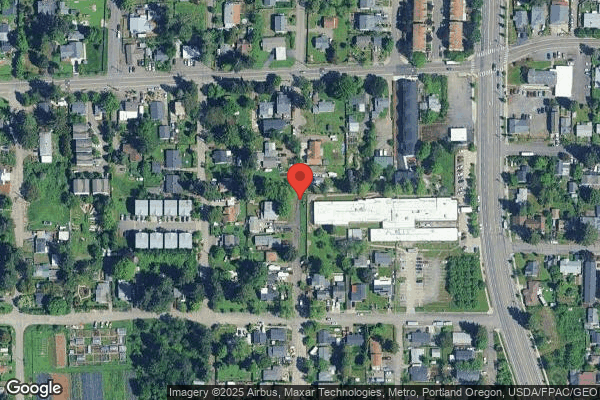

5601 SE 122ND AVENUE, PORTLAND, OR 97236 (503) 761-3181
For profit - Limited Liability company 105 Beds PACS GROUP Data: November 2025 3 Immediate Jeopardy citations
Trust Grade
0/100
#108 of 127 in OR
Last Inspection: April 2025

Within standard 12-15 month inspection cycle. Federal law requires annual inspections.

Overview

Cascade Terrace Post Acute in Portland, Oregon, has received a Trust Grade of F, indicating poor performance with significant concerns. Ranking #108 out of 127 facilities in Oregon places it in the bottom half, and #29 out of 33 in Multnomah County means only a few local options are worse. The facility is worsening, with issues increasing from 18 in 2024 to 19 in 2025. Staffing is rated average with a score of 3 out of 5, but the turnover rate of 55% is concerning, as it's similar to the state average. However, the facility has incurred fines totaling $185,923, which is higher than 94% of Oregon facilities, pointing to compliance issues. There are critical incidents that raise alarms: the facility failed to adequately monitor residents with substance use disorders, resulting in serious risks including drug overdose; a resident was allowed to elope from the facility into a busy area, which could have led to accidents; and another resident with a history of suicide attempts did not receive the necessary behavioral health care, leading to a suicide attempt. While there are some strengths, such as a decent quality rating, the numerous alarming findings highlight significant weaknesses that families should consider carefully.

Trust Score
F
0/100
In Oregon
#108/127
Bottom 15%
Safety Record
High Risk
Review needed
Inspections
Getting Worse
18 → 19 violations
Staff Stability
⚠ Watch
55% turnover. Above average. Higher turnover means staff may not know residents' routines.
Penalties
✓ Good
$185,923 in fines. Lower than most Oregon facilities. Relatively clean record.
Skilled Nurses
⚠ Watch
Each resident gets only 23 minutes of Registered Nurse (RN) attention daily — below average for Oregon. Fewer RN minutes means fewer trained eyes watching for problems.
Violations
⚠ Watch
41 deficiencies on record. Higher than average. Multiple issues found across inspections.
★☆☆☆☆
1.0
Overall Rating
★★★☆☆
3.0
Staff Levels
★★★★☆
4.0
Care Quality
★☆☆☆☆
1.0
Inspection Score
Stable
2024: 18 issues
2025: 19 issues

The Good

  • 4-Star Quality Measures · Strong clinical quality outcomes
  • Full Sprinkler Coverage · Fire safety systems throughout facility
  • No fines on record

Facility shows strength in quality measures, fire safety.

The Bad

1-Star Overall Rating

Below Oregon average (3.0)

Significant quality concerns identified by CMS

Staff Turnover: 55%

Near Oregon avg (46%)

Frequent staff changes - ask about care continuity

Federal Fines: $185,923

Well above median ($33,413)

Significant penalties indicating serious issues

Chain: PACS GROUP

Part of a multi-facility chain

Ask about local staffing decisions and management

Staff turnover is elevated (55%)

7 points above Oregon average of 48%

The Ugly 41 deficiencies on record

3 life-threatening
Apr 2025 17 deficiencies 1 IJ
CRITICAL (J) 📢 Someone Reported This

A family member, employee, or ombudsman was alarmed enough to file a formal complaint

Immediate Jeopardy (IJ) - the most serious Medicare violation

Accident Prevention (Tag F0689)

Someone could have died · This affected 1 resident

**NOTE- TERMS IN BRACKETS HAVE BEEN EDITED TO PROTECT CONFIDENTIALITY** Based on observation, interview, and record review it was determined the facility failed to keep residents free from hazards, pr...

Read full inspector narrative →
**NOTE- TERMS IN BRACKETS HAVE BEEN EDITED TO PROTECT CONFIDENTIALITY** Based on observation, interview, and record review it was determined the facility failed to keep residents free from hazards, provide appropriate monitoring and supervision for residents with known substance use disorder and a history of illicit drug use, ensure staff possessed adequate knowledge and training regarding substance use, and follow up on recommendations from a fall investigation for 2 of 8 sampled residents (#s 3 and 217) reviewed for accidents and positioning/mobility. This failure was determined to be an immediate jeopardy situation which resulted in a serious adverse outcome for Resident 217, and placed residents at risk for injury, drug overdose, and death. Findings include: The facility's February 2023 policy titled Resident Possession and Use of Illegal Substances indicated the following: -The possession and use of illegal substances by residents will not be tolerated; and -Facility staff will have knowledge of signs, symptoms, and triggers of possible illegal substance use. 1. Resident 217 was admitted to the facility in 3/2025 with diagnoses including encounter for surgical aftercare following surgery on the nervous system and lower back pain. A review of Resident 217's [DATE] Nursing Admission/readmission Evaluation/Assessment revealed she/he was alert and oriented and had a history of polysubstance use but denied current use. No evidence was found in Resident 217's care plan to indicate her/his history of polysubstance use. A progress note dated [DATE] at 7:57 PM indicated Resident 217 was found unresponsive in the facility's parking lot. Facility staff administered an intramuscular dose of Narcan (a medication used to reverse the effects of an opioid overdose) to Resident 217 to reverse the effects of a suspected opioid overdose, called 911 and sent her/him to the hospital emergency department. Resident 217's physician was notified of this incident and placed Resident 217's order for Oxycodone on hold pending a face to face meeting with Resident 217 on [DATE]. A review of Resident 217's [DATE] post visit hospital summary revealed she/he was seen in the emergency department for approximately two hours where she/he was monitored following an opioid overdose in the parking lot of the facility. A review of Resident 217's electronic health record revealed she/he returned to the facility on [DATE] at 11:44 PM. No evidence was found to indicate the facility initiated monitoring for opioid use after she/he returned from the hospital. A Social Services progress note written by Staff 16 (Social Services Director) dated [DATE] at 10:28 AM indicated Resident 217 was clearly upset and agitated about her/his medication being changed due to her/his opioid use. Resident 217 stated she/he may have to self-medicate and may blow out of here. A review of the facility reported incident investigation completed on [DATE] revealed Resident 217 was not in the facility during rounds on [DATE] at 4:30 AM and staff attempted to reach her/him by calling her/his cell phone. Resident 217 was found unresponsive on the floor of her/his bathroom on [DATE] at 6:30 AM. On [DATE] at 11:30 AM Staff 27 (LPN) stated Resident 217 left the facility with her/his friends almost daily. Staff 27 stated there were times when Resident 217 was barely rousable and the facility did not have a procedure to assess residents after being out of the facility. Staff 27 stated he attempted to resuscitate Resident 217 during the incident on [DATE] but was unsuccessful and Resident 217 was pronounced dead. Staff 27 stated he found drug paraphernalia including a lighter, burnt aluminum foil, a metal straw with a rubber tip and a powdery substance on the floor with Resident 217. Staff 27 further indicated he did not receive training related to SUD (substance use disorder). On [DATE] at 12:00 PM, Staff 10 (CNA) stated she was not aware of Resident 217's drug use and staff had not been asked to keep an eye on [her/him]. Staff 10 stated she did not receive any training regarding Resident 217's drug use. On [DATE] at 12:08 PM, and at 1:33 PM Staff 9 (CMA) stated she was unaware of any residents with polysubstance abuse or SUD. Staff 9 stated after the incident where Resident 217 overdosed in the facility parking lot, her/his oxy was discontinued. Staff 9 stated Resident 217 changed drastically after this and she/he began to refuse other medications. Staff 9 stated staff were not asked to monitor Resident 217 or do extra rounds or anything. Staff 9 stated on [DATE], Resident 217 was found deceased in her/his bathroom. Once the police left, the housekeeper was asked to clean the room and found drug paraphernalia hidden in Resident 217's bathroom. Staff 9 further stated she was not provided any education on identifying signs and symptoms related to the suspicion of drug use. On [DATE] at 12:09 PM Staff 20 (CMA) stated he was made aware of Resident 217's SUD on [DATE] by the emergency medical technicians who responded to incident. Staff 20 stated prior to the incident, he did not receive any training on how to identify signs and symptoms related to the suspicion of drug use or how and when to monitor a resident with a diagnosis of SUD if they spent time away from the facility. On [DATE] at 12:33 PM, Staff 8 (Housekeeper) stated he was tasked to clean Resident 217's room after she/he died but did not know about SUD precautions. Staff 8 stated he found a lighter, a piece of aluminum foil and bag of white powder in Resident 217's bathroom, which he picked up using a paper towel, placed in a plastic bag and handed to Staff 27. On [DATE] at 2:05 PM Staff 16 (Social Services Director) acknowledged Resident 217 was sent to the hospital emergency department following an opioid overdose in the facility's parking lot and she/he was upset that her/his Oxycodone was being held as a result. Staff 16 acknowledged Resident 217 talked about self-medicating and may blow out of here as she indicated in the [DATE] progress note. Staff 16 stated staff were uneducated related to interventions and monitoring for SUD residents. Staff 16 stated she participated in a Substance Use/Abuse Training on [DATE]. Staff 16 further stated she was instructed to provide training which included signs and symptoms of SUD and possible signs of an overdose to the licensed nursing staff only but did not include CNAs or any other staff. On [DATE] at 3:06 PM Staff 1 (Administrator) acknowledged Resident 217 passed away from the incident which occurred on [DATE]. Staff 1 stated it was a group decision to educate the nurses rather than the CNAs because the nurses would be doing the assessments. 2. On [DATE] at 9:31 AM Staff 16 provided additional information to the survey team which revealed an additional five residents (#s 18, 37, 61, 119 and 417) who resided in the building that had SUD who did not have baseline care plans to address their history of SUD and potential relapse and reuse. On [DATE] at 11:26 AM, Staff 14 (CNA) stated the facility trained staff on different tasks, but could not recall a specific training for SUD. She stated there were monthly in-service meetings, but had not yet had one regarding SUD. On [DATE] at 11:30 AM Staff 15 (LPN) stated she was not aware of Resident 217 having issues with drug use. She stated she received training online, but could not recall if there was a training regarding signs and symptoms of drug use and monitoring for drug use. She stated she had not received education on how to provide information to residents related to the risk of drug use. On [DATE] at 11:30 AM, Staff 13 (CNA) reported she was aware Resident 217's overdose in her/his bathroom and passed away however the only training she recalled was a sign posted in the breakroom to be aware of different things. On [DATE] at 11:47 AM, Staff 11 (CNA) reported she was aware Resident 217's overdose in her/his bathroom and passed away but was unaware the resident used drugs before that day. Staff 11 stated the facility did not provide any trainings related to SUD after the incident related to Resident 217. On [DATE] at 12:28 PM, Staff 31 (Agency CNA) and at 1:36 PM Staff 32 (CNA) stated they did not receive any training regarding SUD or monitoring for signs and symptoms of SUD. On [DATE] at 1:38 PM Staff 12 (CNA) stated she had not received any information recently about monitoring for suspicious behavior or drug related materials for residents with SUD. On [DATE] at 1:50 PM Staff 51 (CNA) stated she was not aware any residents used recreational drugs prior to [DATE] when staff provided training. On [DATE] at 2:05 PM Staff 16 (Social Services Director) stated staff were uneducated related to interventions and monitoring for SUD residents. Staff 16 stated she participated in a Substance Use/Abuse Training on [DATE]. Staff 16 further stated she was instructed to provide training which included signs and symptoms of SUD and possible signs of an overdose to the licensed nursing staff only but did not include CNAs or any other staff. On [DATE] at 3:06 PM Staff 1 (Administrator) stated it was a group decision to educate the nurses rather than the CNAs because the nurses would be doing the assessments. Staff 1 acknowledged no other staff disciplines were provided education regarding residents with SUD. On [DATE] at 4:18 PM Staff 1 (Administrator) and Staff 50 (Regional [NAME] President) were informed of the failure to identify the need to initiate interventions related to SUD and to educate direct staff on how to identify and safely care for residents with SUD. The failure constituted a situation of immediate jeopardy to the health and welfare of residents. A plan of correction was requested to immediately ensure residents with SUD were identified, their care plans were revised to include interventions and monitoring related to SUD and staff were educated on how to identify and treat residents with SUD. On [DATE] at 7:42 PM an acceptable facility IJ removal plan was submitted by the facility. The plan indicated the facility would implement the following actions: -All residents' records would be reviewed to identify other residents with history of or active substance use disorder. -Residents identified with active, suspected or history of substance use will be identified and listed in a binder found at the nursing stations. The residents name plates outside their room will have a sticker placed to alert staff of potential hazards associated with active substance use disorder. -Residents identified with history of, or active substance use disorder will be offered substance use treatment services. -Residents identified with history of, or active substance use disorder will be assessed upon return from independent offsite outing for suspected substance use. -Residents who are assessed upon return from independent offsite outing or identified as active substance use will have an incident report generated and law enforcement notification if required. -Staff, including temporary or agency staff, will be educated to location of binder with residents identified with suspected or history of substance use disorder. -Staff, including temporary or agency staff, will be in-serviced to substance use disorder and signs of abuse related to drug use, what to do if suspected active use, and reporting suspected drug paraphernalia, as well as facility policy on resident possession and use of illegal substances. -Residents that are identified with drug paraphernalia or signs/symptoms of active drug use will be placed on alert monitoring, MD notification, POC task will be placed to alert CNA for increased monitoring for drug paraphernalia, law enforcement notification if required. In addition an incident report will be generated and resident assessment completed. On [DATE] at 10:51 AM it was determined the immediacy was removed after verification of completion of the IJ removal plan. 3. Resident 3 was admitted to the facility in 2/2012 with diagnoses including hemiplegia (a condition characterized by paralysis on one side of the body). Resident 3's [DATE] Care Plan revealed the following: -The resident required extensive assistance from two or more people to transfer into a car. -The resident was cleared to go out of the facility with Witness 1 (Family Member), and she had received car transfer training. Resident 3's [DATE] Annual MDS revealed the resident was severely cognitively impaired and experienced upper and lower extremity impairment on one side. A [DATE] Witnessed Fall Investigation revealed the following: -Resident 3 was lowered to the ground during an attempted transfer to the car with Witness 1. -The resident did not sustain any injuries. -A PT referral was placed for transfer training. A [DATE] PT Discharge Summary indicated Resident 3 was not tested for car transfers. On [DATE] at 11:36 AM Witness 1 stated she took Resident 3 out of the facility for an outing on [DATE]. Witness 1 stated it was getting harder and harder to transfer the resident and she could not recall the last time she received any training or education on how to safely transfer the resident into her car. On [DATE] at 11:32 AM Resident 3 was observed in her/his room in bed. Resident 3 stated she/he loved activities, including going outside and visits with Witness 1. On [DATE] at 11:55 AM Staff 30 (CNA) stated Resident 3 went out of the facility every Saturday with Witness 1. Staff 30 stated the resident went out most recently on [DATE] with Witness 1, and Witness 1 transferred the resident into the car independently. On [DATE] at 1:45 PM Staff 42 (Director of Rehab) stated Resident 3 received PT following her/his fall in 3/2025 but the resident and Witness 1 did not receive any education or training regarding car transfers. Staff 42 further stated he was unaware the resident continued to go out of the facility with Witness 1 following her/his fall in 3/2025. On [DATE] at 12:12 PM Staff 2 (Regional Clinical Support) stated Witness 1 should have received car transfer training following Resident 3's fall on [DATE] and did not.
CONCERN (D)

Potential for Harm - no one hurt, but risky conditions existed

Deficiency F0554 (Tag F0554)

Could have caused harm · This affected 1 resident

Based on observation, interview and record review it was determined the facility failed to ensure residents were assessed for safe self-administration of medications for 1 of 1 sampled resident (#28) ...

Read full inspector narrative →
Based on observation, interview and record review it was determined the facility failed to ensure residents were assessed for safe self-administration of medications for 1 of 1 sampled resident (#28) reviewed for self-administration of medications. This placed residents at risk for unsafe medication administration and adverse medication side effects. Findings include: Resident 28 was admitted to the facility in 2/2025 with diagnoses including dementia. Resident 28's 3/1/25 admission MDS indicated the resident had no cognitive impairment. On 4/23/25 at 1:28 PM, Resident 28 had Aspercreme lidocaine gel (a topical pain reliever primarily used for muscle or joint pain) on her/his bedside table, within reach. Resident 28 stated the Aspercreme was used on her/his heels. Review of Resident 28's health record revealed no self-administration of medication assessment was completed to determine the resident's ability to safely self-administer the Aspercreme lidocaine gel. On 4/23/25 at 1:28 PM, Staff 13 (CNA) stated residents should not have any medications at their bedside and if medications were found, the CNA should report it to the nurse. On 4/23/25 at 2:19 PM, Staff 30 (CNA) confirmed Resident 28 had Aspercreme lidocaine gel on her/his bedside table and was unsure how long it had been there. Staff 30 stated residents should not have medications at the bedside and medications are to be kept in the medication carts. On 4/23/25 at 2:24 PM, Staff 40 (LPN) confirmed Resident 28 had Aspercreme lidocaine gel at her/his bedside. Staff 40 stated the medication should not be at the resident's bedside, it was from the facility's supply room and she was unaware how long it had been there. On 4/24/25 at 4:19 PM, Staff 2 (Regional Clinical Support) confirmed the resident was not assessed to safely self-administer the medication and the medication should not be left in her/his room.
CONCERN (D)

Potential for Harm - no one hurt, but risky conditions existed

Deficiency F0583 (Tag F0583)

Could have caused harm · This affected 1 resident

Based on observation, interview and record review it was determined the facility to maintain the privacy and confidentiality of resident records for 3 of 3 sampled residents (#s 14, 28 and 48) reviewe...

Read full inspector narrative →
Based on observation, interview and record review it was determined the facility to maintain the privacy and confidentiality of resident records for 3 of 3 sampled residents (#s 14, 28 and 48) reviewed for privacy. This placed residents at risk for loss of dignity and privacy. Findings include: The facility's 4/2014 Management and Protection of Protected Health Information (PHI) Policy indicated it was the responsibility of all personnel with access to resident and facility information to ensure that such information was managed and protected to prevent unauthorized release or disclosure. 1a. Resident 48 was admitted to the facility in 3/2025 with diagnoses including cellulitis (a common bacterial infection of the skin). Observations on 4/24/25 from 12:08 PM to 12:13 PM revealed an unlocked computer screen on one of the facility's treatment carts in the south hallway. The computer screen displayed a picture of Resident 48 as well as the resident's name, gender, date of birth , age, allergies, code status, attending physician, vital signs and her/his scheduled treatments. On 4/24/25 at 12:14 PM Staff 45 (Agency LPN) stated the resident health information was not viewable when the computer's screen was locked. Staff 45 stated he was responsible for the treatment cart and he forgot to lock the computer screen. On 4/25/25 at 2:58 PM Staff 1 (Administrator) stated he expected computer screens to be locked when no staff were present in order to maintain resident confidentiality. 1b. On 4/25/25 at 5:12 AM, four sheets of resident records were observed to be laid out on the counter of the central nurses station. CNAs were observed going in and out of resident rooms, away from the resident records. One of the sheets had Resident 48's room number, name, and information regarding the changing of her/his ostomy bag. Resident 417 was observed ambulating around the facility during this time, including passing by the central nurses station. On 4/25/25 at 5:21 AM, Staff 39 (LPN) confirmed the four sheets of resident records were from the evening shift and given to the night shift for review. Staff 39 stated evening shift ended around 10:30 PM and was not sure how long the papers were out on the counter. Staff 39 acknowledged the private and confidential information regarding Resident 48 observed on the papers and stated it should not be out in the open. On 4/25/25 at 2:58 PM, Staff 1 (Administrator) stated he expected staff to not leave shift change sheets unattended on the counter of the nurses station. Staff 1 stated private and confidential information should be under staff supervision or covered. 2. Resident 14 was admitted to the facility in 8/2020 with diagnoses including Anxiety (episodes of fear, dread and uneasiness). On 4/25/25 at 5:12 AM, four sheets of resident records were were observed to be laid out on the counter of the central nurses station. CNAs were observed going in and out of resident rooms, away from the resident records. One of the sheets had Resident 14's room number, name, and information regarding her/him being changed and constantly taking off her/his brief. Resident 417 was observed ambulating around the facility during this time, including passing by the central nurses station. On 4/25/25 at 5:21 AM, Staff 39 (LPN) confirmed the four sheets of resident records were from the evening shift and given to the night shift for review. Staff 39 stated evening shift ended around 10:30 PM and was not sure how long the papers were out on the counter. Staff 39 acknowledged the private and confidential information regarding Resident 14 observed on the papers and stated it should not be out in the open. On 4/25/25 at 2:58 PM, Staff 1 (Administrator) stated he expected staff to not leave shift change sheets unattended on the counter of the nurses station. Staff 1 stated private and confidential information should be under staff supervision or covered. 3. Resident 28 was admitted to the facility in 2/2025 with diagnoses including unilateral primary osteoarthritis (a condition where the cartilage in the hip joint is worn down). On 4/25/25 at 5:12 AM, four sheets of resident records were observed to be laid out on the counter of the central nurses station. CNAs were observed going in and out of resident rooms, away from the resident records. One of the sheets had Resident 28's room number, name, and information regarding her/his catheter being emptied and changed. Resident 417 was seen ambulating around the facility during this time, including passing by the central nurse's station. On 4/25/25 at 5:21 AM, Staff 39 (LPN) confirmed the four sheets of resident records were from the evening shift and given to the night shift for review. Staff 39 stated evening shift ended around 10:30 PM and was not sure how long the papers were out on the counter. Staff 39 acknowledged the private and confidential information regarding Resident 28 observed on the papers and stated it should not be out in the open. On 4/25/25 at 2:58 PM, Staff 1 (Administrator) stated he expected staff to not leave shift change sheets unattended on the counter of the nurses station. Staff 1 stated private and confidential information should be under staff supervision or covered.
CONCERN (D)

Potential for Harm - no one hurt, but risky conditions existed

Comprehensive Assessments (Tag F0636)

Could have caused harm · This affected 1 resident

**NOTE- TERMS IN BRACKETS HAVE BEEN EDITED TO PROTECT CONFIDENTIALITY** 2. Resident 320 was admitted to the facility in 4/2025 with diagnoses including stroke and Type 2 Diabetes (a chronic condition ...

Read full inspector narrative →
**NOTE- TERMS IN BRACKETS HAVE BEEN EDITED TO PROTECT CONFIDENTIALITY** 2. Resident 320 was admitted to the facility in 4/2025 with diagnoses including stroke and Type 2 Diabetes (a chronic condition characterized by high blood sugar levels). A review of resident 320's health record revealed her/his admission MDS assessment was in progress and overdue by five days on 4/28/25. On 4/28/25 at 1:31 PM Staff 33 (Assistant Regional Director of Clinical Services) acknowledged Resident 320's admission MDS was not completed within her/his first 14 days in the facility. Staff 33 stated an accurate MDS assessment was necessary to initiate a person-centered care plan for Resident 320. Based on interview and record review it was determined the facility failed to complete comprehensive assessments within 14 days of admission for 3 of 3 sampled residents (#s 318, 320, 468) reviewed for comprehensive admission assessments. This placed residents at risk for unmet care needs. Findings include: 1. Resident 318 admitted to the facility on [DATE] with diagnoses including type 2 diabetes mellitus and chronic kidney disease. On 4/23/25 (17 days after admission) a record review of Resident 318's admission MDS dated [DATE] indicated the MDS was incomplete. The MDS did not include provider signatures in Section V: Care Area Assessment (CAA) Summary and Section Z: Assessment Administration to indicate the MDS was complete and care planning decisions were made. Resident 318's admission MDS Section V triggered the following care areas for further assessment: Functional Abilities, Urinary Incontinence, Nutritional Status, Pressure Ulcer, and Pain. The identified CAAs were incomplete and unsigned on 4/23/25 (17 days after admission). On 4/28/25 at approximately 1:35PM, Staff 2 (Regional Clinical Support) confirmed the facility had overdue admission assessments for residents, including Resident 318. 3. Resident 468 admitted to the facility in 4/5/2025 with diagnoses including type 2 diabetes mellitus and below the knee amputation. On 4/23/2025 (18 days after admission) a record review of Resident 468's admission MDS dated [DATE] indicated the MDS was incomplete. The MDS did not include provider signatures in Section V: Care Area Assessment (CAA) Summary and Section Z: Assessment Administration to indicate the MDS was complete and care planning decisions were made. Resident 468's admission MDS Section V triggered the following care areas for further assessment: change in cognitive status, mood decline, nutritional status, pressure ulcers, mental errors, physical limitations, depression, contractures, and pain. The identified CAAs were incomplete and unsigned when reviewed on 4/23/2025 (18 days after admission). On 4/28/2025 at approximately 1:35 PM, Staff 2 confirmed the facility had overdue admission assessments for residents, including Resident 468.
CONCERN (D)

Potential for Harm - no one hurt, but risky conditions existed

Assessment Accuracy (Tag F0641)

Could have caused harm · This affected 1 resident

Based on observation, interview and record review it was determined the facility failed to ensure the MDS was coded accurately related to dental and hearing for 2 of 2 sampled residents (#s 3 and 16) ...

Read full inspector narrative →
Based on observation, interview and record review it was determined the facility failed to ensure the MDS was coded accurately related to dental and hearing for 2 of 2 sampled residents (#s 3 and 16) reviewed for dental and communication. This placed residents at risk for inaccurate assessments. Findings include: The facility's 11/2019 Certifying Accuracy of the Resident Assessment Policy revealed any information captured on the MDS reflected the status of the resident during the observation period for that assessment. 1. Resident 3 was admitted to the facility in 2/2012 with diagnoses including traumatic brain injury. A 6/3/24 Dental Treatment Record indicated Resident 3 was fully edentulous (lacking teeth). Resident 3's 12/24/24 Annual MDS revealed the resident was not edentulous. On 4/21/25 at 12:59 PM Resident 3 was observed in her/his room without any natural teeth. On 4/25/25 at 12:10 PM Staff 33 (Assistant Regional Director of Clinical Services) acknowledged Resident 3's Annual MDS was inaccurate and the resident should have been coded as edentulous. 2. Resident 16 was admitted to the facility in 3/2025 with diagnoses including heart failure. Resident 16's 3/23/25 Nursing admission Evaluation revealed the resident's hearing was poor in both ears. Resident 16's 3/30/25 admission MDS indicated the resident was cognitively intact and her/his hearing was adequate. On 4/21/25 at 2:50 PM Resident 16 was observed in her/his room in her/his wheelchair. Resident 16 was only able to hear questions when asked at close range, with an elevated volume and a face-to-face approach. Resident 16 stated she/he can't hear anything and was in need of hearing aids. On 4/28/25 at 11:19 AM Staff 34 (CNA) and at 11:21 AM Staff 25 (CNA) stated staff needed to speak at a loud volume and close to the resident in order for her/him to hear. On 4/28/25 at 11:45 AM Staff 2 (Regional Clinical Support) acknowledged Resident 16's admission MDS was inaccurate and the resident should have been coded as hearing impaired.
CONCERN (D)

Potential for Harm - no one hurt, but risky conditions existed

ADL Care (Tag F0677)

Could have caused harm · This affected 1 resident

**NOTE- TERMS IN BRACKETS HAVE BEEN EDITED TO PROTECT CONFIDENTIALITY** Based on interview and record review it was determined the facility failed to ensure dependent residents received showers for 1 ...

Read full inspector narrative →
**NOTE- TERMS IN BRACKETS HAVE BEEN EDITED TO PROTECT CONFIDENTIALITY** Based on interview and record review it was determined the facility failed to ensure dependent residents received showers for 1 of 6 sampled residents (#28) reviewed for ADLs. This placed residents at risk for a lack of personal hygiene and loss of dignity. Findings include: Resident 28 was admitted to the facility on [DATE] with diagnoses including dementia. Resident 28's 2/23/25 Bowel and Bladder Care Plan indicated the resident had a catheter due to urine retention and was incontinent of bowel. Resident 28's 2/23/25 [NAME] (a quick reference for CNAs to access a resident's care information)indicated the resident received bathing/showering on Monday and Thursday, day shift or per preference. Resident 28's 3/1/25 admission MDS indicated the resident had intact cognition and was dependent with bathing/showering. Resident 28's 3/2025 and 4/1/25 through 4/23/25 bathing task logs indicated the resident received bathing/showering on the following days: - 3/6, 3/20, 3/27, 3/31, 4/3, 4/10 and 4/23. A review of Resident 28's Progress Notes from 3/1/25 through 4/23/25 revealed no evidence the resident was provided with additional showering opportunities if showering was refused, or the resident's shower was not provided. On 4/21/25 at 11:33 AM, Resident 28 stated she/he was admitted to the facility in 2/2025 and was not showered until sometime in March. Resident 28 reported she/he was not showered frequently enough and she/he liked to receive showers at least twice a week. On 4/24/25 at 12:53 PM, Staff 35 (NA) stated Resident 28 was dependent on staff for showering, enjoyed taking long showers, and did not refuse showering. On 4/24/25 at 1:14 PM, Staff 30 (CNA) stated Resident 28 should receive showers twice a week and the resident did not refuse showering. On 4/25/25 at 11:29 AM, Staff 36 (CNA) stated if a resident missed a shower, it should be made up the next day unless the resident did not want it. Staff 36 stated if a resident refused a shower, a bed bath should be offered and if the resident refused a bed bath, the nurse would be notified. On 4/25/25 at 1:13 PM, Staff 37 (RN) stated if a resident refused bathing/showering the CNA notified the nurse and the nurse approached the resident. If the resident continued to refuse, the nurse documented the refusal and the resident was offered a shower the next day. Staff 37 reported if a resident's shower was missed, it should be made up later in the day or the next day. On 4/25/25 at 1:32 PM, Staff 2 (Regional Clinical Support)confirmed Resident 28 did not receive showers as scheduled. Staff 2 stated she expected Resident 28 to receive a minimum of two showers a week and showers refused or missed should be documented in the resident's progress notes.
CONCERN (D)

Potential for Harm - no one hurt, but risky conditions existed

Deficiency F0679 (Tag F0679)

Could have caused harm · This affected 1 resident

**NOTE- TERMS IN BRACKETS HAVE BEEN EDITED TO PROTECT CONFIDENTIALITY** Based on observation, interview and record review it was determined the facility failed to provide an ongoing person-centered ac...

Read full inspector narrative →
**NOTE- TERMS IN BRACKETS HAVE BEEN EDITED TO PROTECT CONFIDENTIALITY** Based on observation, interview and record review it was determined the facility failed to provide an ongoing person-centered activity program for 2 of 3 sampled residents (#s 28 and 118) reviewed for activities. This placed residents at risk of a decline in psychosocial well-being and diminished quality of life. Findings include: The facility's Activity Programs policy, revised 6/2018, indicated the following: -The activities program was provided to support the well-being of residents and to encourage both independence and community interaction. -Activities were based on the comprehensive resident-centered assessment and the preferences of each resident. -All activities were documented in the resident's medical record. -Individualized and group activities were provided that reflected the schedules, choices and rights of the residents. 1. Resident 28 was admitted to the facility in 2/2025 with diagnoses including dementia. Resident 28's 3/1/25 admission MDS indicated the resident was cognitively intact. Resident 28 liked to participate in religious services/practices, go outside for fresh air during good weather, do her/his favorite activities, listen to music and have books/newspapers/magazines to read. A 3/6/25 Activity Assessment indicated Resident 28's important activities included having books/newspapers/magazines, listening to music, being around animals such as pets, keeping up with the news, doing favorite activities, going outside when the weather was good and participating in religious services or practices. Resident 28's Psychosocial-Well being Care plan, last revised 3/6/25, indicated the resident was at risk for psychosocial-well being concerns related to dementia and other behavioral conditions. Resident 28's Activities-Customary Routine Care plan included keeping up with the news, listening to music, participating in favorite activities, reading books/newspapers or magazines and spending time outdoors. Resident 28 was to be provided with activity materials like books, magazines, newspapers, TV, radio and arts and crafts in accordance with the resident's interests. The facility's Activity Calendar revealed the following scheduled activities: -4/21/25 10:00 AM: [NAME] plays piano 1:30 PM: Bingo -4/22/25 10:00 AM: Art and reminisce 1:30 PM: Craft -4/23/25 10:00 AM: Collages 11:00 AM: Bible stories 1:30 PM: Bingo -4/24/25 10:00 AM: Spring sensory 2:00 PM: Banana splits -4/25/25 10:00 AM: Fun Friday 1:30 PM: Bingo Resident 28's Activity Participation Logs for 4/1/25 through 4/24/24 indicated the resident had coffee/treats on 4/1/25 and 4/10/25 and a hair cut on 4/8/25. On 4/19/25, Resident 28 participated in an unknown group activity. Random observations of Resident 28 conducted from 4/21/25 through 4/24/25 between the hours of 8:26 AM and 2:27 PM, revealed Resident 28 was often in her/his room, either in bed or her/his wheelchair, frequently yelling, help. Resident 28 was not observed out of her/his room and was not observed in any group or one-to-one activities. No books, newspapers or magazines were available in the resident's room. There was no music or TV playing. The resident was not observed outside despite the sunny, warm weather. Resident 28 often scrolled on her/his phone without focus. On 4/23/25 at 1:28 PM, Resident 28 stated she/he did not like to lie around and did not like bingo or TV. Resident 28 stated she/he enjoyed going outside, going to the gym, riding stationary bikes and music. Resident 28 was talkative and appeared to enjoy visiting with others. On 4/24/25 at 12:53 AM, Staff 35 (NA) reported Resident 28 got up in her/his wheelchair and kind of read the menu. Staff 35 stated Resident 28 went to bingo last week but she/he did not like bingo. Staff 35 stated Resident 28 did not like to watch TV and he had never seen any books, newspapers or magazines in the resident's room. On 4/24/25 at 1:06 PM, Staff 12 (CNA) stated Resident 28 liked attention or was lonely so if she/he was left in her/his room, alone, the resident would scream and yell. Staff 28 stated the resident went to the gym with therapy, otherwise, she did not see the resident in activities. Staff 12 stated Resident 28 used to play games on her/his phone but was no longer able to. Staff 12 stated Resident 28 was not seen in any activities in or out of her/his room. Staff 12 stated there were no books or magazines in the resident's room and she/he no longer received a newspaper since she/he changed rooms [4/19/25]. On 4/25/25 at 11:48 AM, Staff 7 (Activities Director) stated it was her responsibility to complete the activities section on the MDS, complete an Activity Assessment, develop the residents' activity care plans and document all activities in the resident's electronic health records. Staff 12 stated Resident 28 did not like bingo but watched TV. Staff 12 stated she did not know too much about Resident 28 but the facility was supposed to have music channels though she had not taken the time to learn how the music channels worked. Staff 12 stated she had radios/CD players but not enough for the residents. On 4/25/25 at 12:14 PM, Staff 7 observed Resident 28's room and confirmed there were no books or newspapers in the the resident's room and Staff 7 found one magazine buried under multiple items in the resident's night stand, top drawer. Staff 12 stated there was no radio/CD player assigned to Resident 28. On 4/28/25 at 12:39 PM, Staff 1 (Administrator) stated the facility was expected to provide activities that met the residents' preferences and if the resident stayed in their room, activities should be provided to keep them entertained. 2. Resident 118 was admitted to the facility in 4/2025 with diagnoses including necrotizing fasciitis (a serious bacterial infection that can cause rapid tissue damage). Resident 118's Activity Assessment revealed it was very important to listen to music she/he liked, keeping up with the news and to have materials to read. Resident 118's 4/18/25 Care Plan indicated for Resident 118 to be provided with materials such as books, magazines, newspapers, TV and radio in accordance with her/his interests. On 4/21/25 at 12:25 PM, Resident 118 expressed not knowing what activities were available and that it would be fun to listen to music, a podcast, or a book on tape. There were no activities observed in Resident 118's room. On 4/23/25 at 2:50 PM, after staff left Resident 118's room, there was no music or TV on. On 4/24/25 at 8:52AM, Resident 118 was sitting up while staff assisted her/him to eat. There was no music or TV on. On 4/24/25 At 12:04 PM, Resident 118 was observed in bed with no music or TV on. On 4/28/25 at 12:54 PM, Resident 118 stated she/he did not know how to use the TV and staff did not offer to turn it on. On 4/28/25 at 2:05 PM, Staff 25 (CNA) stated Resident 118 was invited to group activities, but she/he often declined. Staff 25 (CNA) stated she had not asked Resident 118 what she/he liked to do, but the information could be found on the Kardex. Staff 25 stated Resident 118 did not ask staff to turn on music or TV and Staff 25 had not suggested or offered to do it for her/him. On 4/25/25 at 11:50 AM, Staff 7 (Activities Director) acknowledged Resident 118 mainly stayed in her/his room and could not remember what Resident 118's preferences were. Staff 7 stated she had not taken the time to navigate music channels on the TV and she needed to procure more CD players or radios. Staff 7 stated she had not gotten anything for Resident 118. On 4/28/25 at 2:25 PM, Staff 1 (Administrator) expected CNAs to help Resident 118 with preferred activities. This included offering to help residents turn on music and TVs and not waiting for residents to request the service.
CONCERN (D)

Potential for Harm - no one hurt, but risky conditions existed

Quality of Care (Tag F0684)

Could have caused harm · This affected 1 resident

Based on observation, interview and record review it was determined the facility failed to obtain an ordered Ankle Foot Orthosis (AFO, a brace worn on the lower leg to provide support and control to t...

Read full inspector narrative →
Based on observation, interview and record review it was determined the facility failed to obtain an ordered Ankle Foot Orthosis (AFO, a brace worn on the lower leg to provide support and control to the ankle and foot), identify and assess a skin condition or follow physician orders for parameters for a cardiac medication for 3 of 9 sampled residents (#s 3, 13 and 18) reviewed for position and mobility, skin conditions and unnecessary medications. This placed residents at risk for injury, worsening skin conditions and adverse side effects related to uncontrolled hypertension. Findings include: 1. Resident 3 was admitted to the facility in 2/2012 with diagnoses including hemiplegia (a condition characterized by paralysis on one side of the body). A 12/12/24 Progress Note revealed Resident 3 was not appropriate for a prefabricated AFO due to her/his left hemiplegia and required a custom orthosis instead. Resident 3's 12/24/24 Annual MDS revealed the resident was severely cognitively impaired and experienced lower extremity impairment on one side. Resident 3's 1/24/25 PT Evaluation revealed an AFO would help to stabilize the left ankle joint and enhance the resident's ability to perform ADLs. A 3/7/25 Progress Note written by Staff 38 (NP) revealed the resident required the support from a custom AFO due to the need for foot and ankle support in more than one plane. No evidence was found in Resident 3's clinical record to indicate the facility obtained a custom orthosis for her/him since 12/2024. On 4/21/25 at 11:36 AM Witness 1 (Family Member) stated Resident 3 was supposed to wear an AFO with transfers. Witness 1 stated it had been forever since the AFO was ordered and it had still not been received. On 4/24/25 at 11:32 AM Resident 3 was observed in her/his room in bed. The resident indicated she/he was supposed to wear a brace on her/his left leg but could not recall the last time she/he wore it. On 4/24/25 at 1:16 PM Staff 41 (LPN) stated Resident 3 was supposed to use a left leg brace during transfers to help with stabilization. Staff 41 stated he could not recall the last time he saw the resident's leg brace. On 4/24/25 at 1:45 PM Staff 42 (Director of Rehab) stated Resident 3 was evaluated on 1/24/25 by PT when it was determined she/he was appropriate for an AFO. Staff 42 stated nothing had been done to obtain an AFO for Resident 3 since this time. On 4/25/25 at 12:10 PM Staff 2 (Regional Clinical Support) and Staff 33 (Assistant Regional Director of Clinical Services) acknowledged the lack of follow up regarding Resident 3's AFO. Staff 2 stated staff should have contacted the company responsible for creating the resident's AFO in 12/2024 once it was determined a custom orthosis was needed and followed up again in 1/2025 following the resident's PT evaluation. 2. The facility's 9/2024 Skin at Risk/Skin Breakdown Policy and Procedure directed the following: -Upon admission, skin at risk and any actual skin impairment was to be identified on the comprehensive care plan with interventions based on risk level identified. -A full body skin evaluation was to be completed weekly by the licensed nurse. -Upon discovery of a newly identified skin impairment, the licensed nurse was to document the skin impairment, notify the physician and obtain a treatment order if needed. Resident 18 was admitted to the facility in 3/2025 with diagnoses including spastic hemiplegia (a form of spastic cerebral palsy where one side of the body experiences muscle spasticity and weakness). Resident 18's 4/2/25 admission MDS indicated the resident was cognitively intact and did not have any skin issues. A review of Resident 18's 3/2025 and 4/2025 TAR revealed the resident's skin was evaluated twice weekly and no new skin impairments had been identified since her/his admission to the facility. On 4/23/25 at 3:21 PM Resident 18 was observed in her/his room in bed. Red blotches and bumps were observed scattered across both of the resident's cheeks. Resident 18 stated the blotches and bumps on her/his cheeks were present prior to her/his admission to the facility, they caused her/him irritation and she/he used a disposable wipe to clean her/his face daily. Resident 18 stated she/he could get stuff out of the bumps on occasion and the bumps felt like infected nerves. Resident 18 stated a nurse told her/him shortly after her/his admission to the facility she/he needed a cream for the blotches and bumps but the nurse never came back. Resident 18 stated she/he wanted the facility to assess and treat her/his skin condition. On 4/28/25 at 9:24 AM Staff 25 (CNA) stated nurses completed a skin evaluation upon a resident's admission to the facility and CNAs were to report any new skin issues to the nurse, including open wounds, bruises, redness, scratches, bumps, rashes and boils. Staff 25 stated she did not think Resident 18 admitted to the facility with the blotches and bumps on her/his cheeks, did not report the skin issue to the nurse and did not know if the resident's skin was being treated. On 4/28/25 at 9:30 AM Staff 27 (LPN) stated nurses completed resident skin assessments when notified of a new resident skin condition or if the nurse observed a new skin impairment. Staff 27 stated skin assessments were completed for any skin impairment, including redness, bruises and marks. Staff 27 stated the nurse completed a progress note and notified the resident's provider once the assessment was completed. Staff 27 stated he had not noticed the blotches or bumps and they had not been reported to him. On 4/28/25 at 10:00 AM Staff 2 (Regional Clinical Support) stated nurses were to complete a skin evaluation for any resident skin impairment and notify the provider. Staff 2 confirmed neither had been completed for the blotches and bumps on Resident 18's face. 3. Resident 13 was admitted to the facility in 10/2024 with diagnoses including hypertension (high blood pressure). A review of Physician Orders revealed an 10/26/24 order for hydralazine (a medication used to lower blood pressure) as need every six hours for a blood pressure greater than 160. A review of Resident 13's blood pressures revealed the following: -4/4/25 blood pressure of 172/90 -4/7/25 blood pressure of 164/78 -4/17/25 blood pressure of 161/70 -4/18/25 blood pressure of 164/72 -4/19/25 blood pressure of 164/72 A review of Resident 13's MAR revealed no evidence she/he received hydralazine for blood pressures greater than 160. On 4/28/25 at 10:21 AM Staff 2 (Regional Clinical Support) stated Resident 13 should have received hydralazine when her/his blood pressure was greater than 160.
CONCERN (D)

Potential for Harm - no one hurt, but risky conditions existed

Deficiency F0698 (Tag F0698)

Could have caused harm · This affected 1 resident

Based on observation, interview and record review it was determined the facility failed to ensure dialysis services were in place including monitoring and communication with the dialysis provider for ...

Read full inspector narrative →
Based on observation, interview and record review it was determined the facility failed to ensure dialysis services were in place including monitoring and communication with the dialysis provider for 1 of 1 sampled resident (#28) reviewed for dialysis. This placed residents at risk for dialysis complications and delayed treatment. Findings include: The facility's Hemodialysis (a medical treatment that removes waste products from the blood when the kidneys are not working properly) Care Policy and Procedure, dated 9/1/24 indicated the following: -The licensed nurse completed the dialysis center communication information prior to the resident leaving for dialysis. -Upon the resident's return, the post-dialysis assessment portion of the form was to be completed and attached to the resident's medical record. -Residents who required hemodialysis were provided ongoing assessment and monitoring before and after dialysis treatments including monitoring for complications, issues were documented by the licensed nurse and the medical providers were notified. Resident 6 was admitted to the facility in 2/2025 with diagnoses including diabetes, end-stage renal disease and dementia. Resident 6's 2/28/25 Hemodialysis Care Plan indicated the resident received dialysis on Monday, Wednesday and Friday. Resident 6's 3/6/25 admission MDS indicated the resident had severe cognitive impairment. From 4/1/25 through 4/22/25, Resident 6 received nine dialysis treatments. A review of Resident 6's Hemodialysis Communication Observation/Assessment forms from 4/1/25 through 4/22/25 revealed the following days when the facility did not have pre-dialysis, post-dialysis or dialysis center communication: -4/2: no pre-dialysis or dialysis center communication was completed; -4/4: no hemodialysis communication form was completed; -4/7: no pre-dialysis communication form was completed; -4/9: no hemodialysis communication form was completed; -4/11: no pre-dialysis or post-dialysis communication form was completed; -4/14: no hemodialysis communication form was completed; -4/18: no hemodialyis communication form was completed; -4/21: no hemodialysis communication form was completed. A review of Resident 6's health record revealed no evidence nursing staff contacted the dialysis center to obtain a verbal or electronic report on 4/2/25, 4/4/25, 4/9/25, 4/14/25, 4/18/25 or 4/21/25. On 4/23/25 at 1:25 PM, Resident 6 was out of the facility for dialysis and at 4:03 PM, she/he was observed returning to the facility from her/his appointment. On 4/22/24 at 8:35 AM, Witness 2 (Private Caregiver) stated Resident 6 went to dialysis on Monday, Wednesday and Friday and she accompanied the resident to her/his appointment. Witness 2 stated when Resident 6 returned from dialysis, usually the CNA obtained the resident's vitals but the licensed nurse did not complete an assessment upon the resident's return. On 4/24/25 at 9:49 AM, Staff 40 (LPN) stated licensed nurses were supposed to complete the pre-dialysis and post-dialysis communication form and place the completed form in the resident care manager's box. Staff 40 stated the dialysis center should complete the middle section of the Hemodialysis Communication Observation/Assessment form and if the dialysis center did not complete their section, the facility nurse was to call the dialysis center. Staff 40 reported, upon the resident's return from dialysis, a licensed nurse should assess the resident within 30 to 60 minutes. Staff 40 stated sometimes the nursing staff got busy and it was hard to keep up with everything. On 4/24/25 at 10:00 AM, Staff 4 (LPN-Care Manager) reviewed Resident 6's Hemodialysis Communication Observation/Assessment forms and stated it was important the nursing staff completed the top portion of the form, which was sent with the resident to dialysis, because the dialysis center did not have access to the facility's electronic health record system. Staff 4 stated upon the resident's return, the dialysis center should have completed the mid-portion of the form, the nurse was to assess the resident and then complete the last section of the form. Staff 4 confirmed the facility did not have pre-dialysis and post-dialysis information for Resident 6 on the identified dates and he expected communication between the facility and dialysis to be completed with each dialysis visit. On 4/25/25 at 1:38 PM, Staff 2 (Regional Clinical Support) stated she reviewed Resident 6's Hemodialysis Communication Observation/Assessment forms and confirmed there were missing and incomplete forms.
CONCERN (D)

Potential for Harm - no one hurt, but risky conditions existed

Deficiency F0757 (Tag F0757)

Could have caused harm · This affected 1 resident

Based on interview and record review it was determined the facility failed to monitor for adverse side effects (ASE) of medications for 1 of 1 sampled resident (#468) reviewed for Anticoagulant medica...

Read full inspector narrative →
Based on interview and record review it was determined the facility failed to monitor for adverse side effects (ASE) of medications for 1 of 1 sampled resident (#468) reviewed for Anticoagulant medication. This placed residents at risk for medication complications. Findings include: Resident 468 was admitted to the facility on 4/2025 with the diagnosis including Peripheral vascular disease. The April 2025 MAR identified Clopidogrel Bisulfate (anticoagulant medication) 75mg one tablet PO QD at bedtime for clot prevention. There was no evidence that adverse side effects were monitored. Side effects for the medication included according to the Mayo clinic website, Collection of blood under the skin, deep, dark purple bruise. On 4/21/25 at 1:34 PM the resident showed her/his arms which had multiple bruises covering both arms. On 4/21/25 at 1:34 PM Resident 468 stated she/he did not know where she/he got the bruises. In a 04/24/25 interview at 12:23 PM with Staff 36 (CNA) stated that skin checks were completed once a week, and no bruising had been noted. Staff 3 had noted a new skin tear on the left wrist. On 4/25/25 at 11:25 AM Staff 40 (LPN) stated there was no notation of bruising for Resident 468 and it should be in his/her chart. Staff 40 stated she was unable to find any orders for monitoring the resident while on anticoagulant medication. Staff 4 (LPN/care manager) stated he was unable to locate documentation for anticoagulant medication in Resident 468's chart. Staff 4 (LPN/care manager) looked at resident 468's skin at 1:30 pm on 4/25/25 and confirmed Resident 468 had bruising. Staff 4 did stated monitoring of side effects for anticoagulant medication should be conducted. On 4/28/25 at 12:34 PM Staff 2 (Regional clinical support )and Staff 3 (DNS) stated there was no monitoring in Resident 468's medical record for the use of anticoagulant medication. Staff 2 stated staff were expected to document each shift for adverse side effects of anticoagulant medications.
CONCERN (E)

Potential for Harm - no one hurt, but risky conditions existed

Deficiency F0727 (Tag F0727)

Could have caused harm · This affected multiple residents

Based on interview and record review it was determined the facility failed to ensure RN coverage for eight consecutive hours seven days per week for 4 of 33 days reviewed for staffing. This placed res...

Read full inspector narrative →
Based on interview and record review it was determined the facility failed to ensure RN coverage for eight consecutive hours seven days per week for 4 of 33 days reviewed for staffing. This placed residents at risk for lack of care. Findings include: Review of the Direct Care Staff Daily Reports (DCSDR) on 7/20/24, 8/3/24, and from 3/21/25 through 4/21/25 revealed no RN coverage for eight consecutive hours for the following Saturdays: 7/20/24, 8/3/24, 3/22/25 and 4/12/25. On 4/24/25 at 1:14 PM, Staff 6 (Payroll/Human Resources) acknowledged the facility lacked RN coverage on 7/20/24 and 8/3/24. She stated it was very difficult to find RN coverage on weekends. On 4/24/25 at 1:26 PM, Staff 6 acknowledged the facility lacked RN coverage on the DCSDR for 3/22/25 and 4/12/25. On 4/28/25 at 2:25 PM Staff 1 (Administrator) was not aware that there was no RN coverage on the identified days.
CONCERN (E)

Potential for Harm - no one hurt, but risky conditions existed

Staffing Information (Tag F0732)

Could have caused harm · This affected multiple residents

Based on observation, interview, and record review it was determined the facility failed to post accurate and complete staffing information for 14 of 34 days reviewed for staffing. This placed residen...

Read full inspector narrative →
Based on observation, interview, and record review it was determined the facility failed to post accurate and complete staffing information for 14 of 34 days reviewed for staffing. This placed residents and the public at risk for incomplete and inaccurate staffing information. Findings include: A review of the Direct Care Staff Daily Report from 3/21/25 through 4/24/25 revealed incorrect information listed on the following dates: 4/8/25, 4/10/25, 4/11/25, 4/12/25, 4/13/25, 4/14/25, 4/15/25, 4/16/25, 4/17/25, 4/18/25, 4/20/25, 4/21/25 and 4/24/25. A review of the DCSDR on 4/10/25, 4/11/25, 4/12/25, 4/13/25, 4/14/25, 4/15/25, 4/16/25, 4/17/25, 4/18/25, 4/20/25 and 4/21/25 revealed Sitter entered with hours worked for staff count. On 4/24/25 at 8:41 AM, the DCSDR for 4/24/25 was prefilled with morning, evening, and night shift information. The morning shift was signed and had no entries for Nursing Assistants. At 9:02 AM, Staff 35 was observed wearing a badge with CNA under his name and confirmed he was not a CNA. Staff 35 stated he did not have a CNA license in Oregon or any other state. At 1:45 PM, the DCSDR for 4/24/25 continued to reflect no entries for Nursing Assistants on the morning shift. On 4/24/25 at 1:14 PM, Staff 6 (Payroll/Human Resources) stated Sitter was a CNA who was assigned to perform one-on-one duties to a resident and should have been added to the CNA count. Staff 6 acknowledged the general public would not understand the role of Sitter and the DCSDR did not correctly identify the number of CNAs and hours worked for the identified dates. Staff 6 also confirmed Staff 35 was not a CNA and should have been listed as a Nursing Assistant on the DCSDR for 4/24/25. On 4/28/25 at 12:07 PM, Staff 6 confirmed Staff 35 worked with residents on 4/8/25, 4/11/25, 4/12/25, 4/13/25 and 4/14/25 and should have been counted as a Nursing Assistant. On 4/28/25 at 2:25 PM, Staff 1 (Administrator) stated he was not aware of the DCSDR having incorrect information.
CONCERN (E)

Potential for Harm - no one hurt, but risky conditions existed

Deficiency F0761 (Tag F0761)

Could have caused harm · This affected multiple residents

**NOTE- TERMS IN BRACKETS HAVE BEEN EDITED TO PROTECT CONFIDENTIALITY** Based on observation and interview it was determined the facility failed to ensure medications and biologicals were stored secur...

Read full inspector narrative →
**NOTE- TERMS IN BRACKETS HAVE BEEN EDITED TO PROTECT CONFIDENTIALITY** Based on observation and interview it was determined the facility failed to ensure medications and biologicals were stored securely and not accessible to unauthorized individuals and failed to ensure medications were not expired for 2 of 7 medication carts and 1 of 1 medication storage room. This placed residents at risk for diminished treatment efficiency and unauthorized access to medications and biologicals. Findings include: 1. On [DATE] at 8:31 AM a medication cart was observed to be unlocked in the hallway near room eight. Staff and residents were observed walking past the unlocked medication cart. On 4/22//25 at 8:32 AM the medication cart was observed with Staff 20 (CMA) to have over the counter medications and prescription medications inside. On [DATE] at 4:45 AM a medication cart was observed to be unlocked in the hallway near room [ROOM NUMBER]. The medication cart was observed to have ceftriaxone (an antibiotic) inside. On [DATE] at 8:50 AM a medication cart was observed to be unlocked in the hallway near room [ROOM NUMBER]. On [DATE] at 8:59 AM Staff 21 (Agency RN) returned to the unlocked medication cart. The medication cart was observed with Staff 21 to have insulin inside. On [DATE] at 9:42 AM a medication cart was observed to be unlocked in the hallway near room [ROOM NUMBER]. Staff 22 (RN) was observed siting at the nurses station near room [ROOM NUMBER] within eyesight of the medication cart, and staff and residents were observed in the hallway. On [DATE] at 9:51 AM Staff 22 was observed leaving the nurses station, the medication cart was observed to be unlocked, and staff and residents were observed in the hallway. On [DATE] at 9:56 AM Staff 22 was observed returning to the nurses station. The medication cart was observed with Staff 22 to be unlocked with insulin, prescription medications, and over the counter medications inside. On [DATE] at 11:48 AM Staff 2 (Regional Clinical Support) stated her expectation was the medication carts must be locked when not in use. 2. On [DATE] at 12:08 PM the medication storage room was observed with Staff 9 (CMA). The medication storage room was observed to have a bottle of Vitamin A which expired in 10/2024, a bottle of Complete Women 50+ multi-vitamin with minerals which expired in 2/2025, two bottles of L-Argine (an amino acid supplement) which expired in 12/2024, and a vial of Tubersol (a testing solution for tuberculosis) which was opened and had no open date on it. On [DATE] at 12:33 PM Staff 2 (Regional Clinical Support) acknowledged the above medications were expired. Staff 2 stated Tubersol was only good for 30 days after opening and she acknowledged the bottle of Tubersol did not have an open date on it.
CONCERN (E)

Potential for Harm - no one hurt, but risky conditions existed

Deficiency F0800 (Tag F0800)

Could have caused harm · This affected multiple residents

**NOTE- TERMS IN BRACKETS HAVE BEEN EDITED TO PROTECT CONFIDENTIALITY** F800 Based on observation, and interview, it was determined the facility failed to meet dietary preferences for 1 of 3 Residents...

Read full inspector narrative →
**NOTE- TERMS IN BRACKETS HAVE BEEN EDITED TO PROTECT CONFIDENTIALITY** F800 Based on observation, and interview, it was determined the facility failed to meet dietary preferences for 1 of 3 Residents (#468) sampled residents reviewed for food preferences. This placed residents at risk for limited food choices and potential weight loss. Findings include: Resident 468 was admitted to the facility in 4/2025 with diagnoses including diabetes and below the knee amputation. Resident 468's most recent MDS dated [DATE] revealed a BIMS score of 14 which indicated the resident was cognitively intact. In an 04/21/25 interview at 1:30 PM Resident 468 stated, she/he would like more food. Resident 468 stated he/she asked staff for bigger portions but did not receive them. Resident 468 stated she/he did not get enough food. On 4/ 24/25 at 12:14 PM Resident 468's meal tray was observed to have an order card for double portions and a hamburger on the side. Resident 468 received small portions and no hamburger. On 04/24/25 at 12:23 PM Staff 36 (CNA), stated there is not a good system in place to meet resident preferences and cultural preferences for food. On 4/25/25 at 10:30 AM in an interview Staff 43 (dinning manager) stated he had spoken to Resident 468 about her/his preference for more food and the resident did request double portions per her/his preference on 4/12/25. On 4/25/25 at 11:32 AM Staff stated 46 (dietary) stated Resident 468 requested double portions and a hamburger on the side, all the time but she/he was upgraded to double portions on 4/25/25.
CONCERN (E)

Potential for Harm - no one hurt, but risky conditions existed

Food Safety (Tag F0812)

Could have caused harm · This affected multiple residents

Based on observation, interview and record review it was determined the facility failed ensure food was labeled and stored in a manner to avoid spoilage in 1 of 1 kitchen and 2 of 3 nurses stations re...

Read full inspector narrative →
Based on observation, interview and record review it was determined the facility failed ensure food was labeled and stored in a manner to avoid spoilage in 1 of 1 kitchen and 2 of 3 nurses stations reviewed for sanitary food storage. The facility also failed to ensure the ice machine was plumbed correctly to prevent backflow of contaminated matter into the ice machine for 1 of 1 kitchen reviewed for sanitary conditions. This placed residents at risk for foodborne illness. Findings include: The facility's undated Key Food Safety Practices policy indicated: -All food must be labeled and dated when opened; and -Raw ingredients will be free from contamination. 1. On 4/21/25 at 9:22 AM the following items were observed in the unit refrigerator located behind Nurses Station One: -Two unlabeled, undated covered plastic ramekins of peanut butter; -One unlabeled, undated covered plastic coffee mug containing a clear liquid and ice; -One previously opened, unlabeled and undated 32 fluid ounce container of Med Pass 2.0+ Vanilla Fortified Nutritional Shake. On 4/21/25 at 9:22 AM Staff 27 (LPN) acknowledged the unlabeled and undated items and stated they need to be labeled with the date they were opened so the nursing staff would know when they were opened. On 4/21/25 at 9:35 AM the following items were observed in the unit refrigerator located behind Nurses Station Three: -One opened, undated and partially used 32 fluid ounce Sysco butter pecan flavored Med Plus 2.0 nutritional shake; -One unlabeled 16 fluid ounce can of Monster Energy drink. On 4/21/25 9:35 AM Staff 44 (LPN) acknowledged the undated shake and stated it should be thrown out because there was no way to know when it was opened. Staff 44 stated the Monster Energy drink belonged to an employee. On 4/28/25 at 2:16 PM Staff 1 (Administrator) stated he expected items in the nurses station refrigerators to be labeled with the date they were opened so staff will know when to discard them. Staff 1 also stated these refrigerators were not to be used by employees to store their personal items. 2. On 4/28/25 11:32 AM the facility's ice machine was observed to drain through a white plastic pipe into the wall behind the machine. No air gap was observed under the machine or connected to the drain pipe. The drain pipe exited the wall on the facility's north side and drained directly into the garden adjacent to the smoking gazebo. Staff 43 (Dietary Manager) stated this was the facility's only ice machine and the ice was used for preparing residents' beverages. On 4/28/25 at 11:45 AM Staff 1 (Administrator) acknowledged the ice machine drained unabated through a hole in the wall. Staff 1 stated he expected the ice machine to produce clean ice for residents' use and the current drain system involved the risk of contamination from the outside.
CONCERN (F)

Potential for Harm - no one hurt, but risky conditions existed

Staffing Data (Tag F0851)

Could have caused harm · This affected most or all residents

Based on interview and record review it was determined the facility failed to submit mandatory staffing information based on the payroll data journal and other verifiable and auditable data as require...

Read full inspector narrative →
Based on interview and record review it was determined the facility failed to submit mandatory staffing information based on the payroll data journal and other verifiable and auditable data as required. This placed residents at risk for inaccurate staffing information. Findings include: - The facility's Reporting Direct Care Staffing Information (Payroll-Based Journal) policy, dated 8/2022, indicated complete and accurate direct care staffing information is reported electronically to CMS through the Payroll-Based Journal system. Staffing information is collected daily and reported for each fiscal quarter no later than 45 days after the end of the reporting quarter. Dates included Fiscal Quarter 4 with a date range of 7/1 through 9/30 to be submitted by 11/14. Review of the Payroll Based Journal Staffing Data for fiscal year 2024, quarter four (7/1/24 through 9/30/24), revealed the facility failed to submit required data for the quarter. On 4/28/25 at 12:07 PM, Staff 6 (Payroll/Human Resources) was unaware the data was not submitted and stated the corporate office was responsible for submitting the information. On 4/28/25 at 2:25PM, Staff 1 (Administrator) was unaware the data was not submitted.
CONCERN (F)

Potential for Harm - no one hurt, but risky conditions existed

Deficiency F0944 (Tag F0944)

Could have caused harm · This affected most or all residents

Based on interview and record review it was determined the facility failed to train staff of the elements and goals of the facility QAPI program for 1 of 1 facility reviewed for QAPI training. This pl...

Read full inspector narrative →
Based on interview and record review it was determined the facility failed to train staff of the elements and goals of the facility QAPI program for 1 of 1 facility reviewed for QAPI training. This placed residents at risk for lack of safety and quality of care. Findings include: On 4/24/25 at 4:42 PM, Staff 6 (Payroll/Human Resources) provided a list of new hire and annual trainings offered by the facility. There was no QAPI training. On 4/25/25 between the hours of 8:15 AM and 8:36 AM, Staff 12 (CNA), Staff 35 (NA), Staff 41 (LPN) and Staff 42 (CNA) reported they were unaware of the facility's QAPI program and had not received any training related to QAPI. On 4/25/25 at 2:05 PM, Staff 1 reviewed the list of new hire and annual trainings provided by the facility and confirmed the facility did not offer QAPI training to staff. Staff 1 stated he expected the facility to provide staff required trainings.
Jan 2025 2 deficiencies
CONCERN (D) 📢 Someone Reported This

A family member, employee, or ombudsman was alarmed enough to file a formal complaint

Potential for Harm - no one hurt, but risky conditions existed

ADL Care (Tag F0677)

Could have caused harm · This affected 1 resident

Based on interview and record review it was determined the facility failed to provide ADL care for 1 of 3 sampled residents (#4) reviewed for ADL care. This placed residents at risk for unmet needs. F...

Read full inspector narrative →
Based on interview and record review it was determined the facility failed to provide ADL care for 1 of 3 sampled residents (#4) reviewed for ADL care. This placed residents at risk for unmet needs. Findings include: Resident 4 was admitted to the facility in 8/2024, with diagnoses including stroke and cerebral edema (excess fluid in the brain, which causes swelling). Resident 4 was discharged in 9/2024. Resident 4's admission Nursing Database form dated 8/9/24 revealed she/he was alert but not oriented to person, time, or place; she/he was nonverbal and unable to express understanding. Resident 4 was considered an extensive assist for all ADL's and was a one person total assist for bathing. Resident 4's care plan dated 8/10/24 revealed she/he was to be bathed or showered twice a week. On 1/16/25 at 9:40 AM, Witness 4 (Complainant) stated she visited the resident almost daily when she/he was at the facility and bathing just wasn't done. She noted Resident 4 was non verbal and could not refuse showers or baths and recalled family members washed the resident's hair because it would get funky. Witness 4 stated nursing staff were questioned by family members about the resident's lack of baths or showers and nobody had any information. Resident 4's 8/2024 bathing task sheet revealed no baths or showers were completed. On 1/16/25 at 10:25 AM, Staff 18 (CNA) stated she recalled the resident's spouse told staff the resident did not get her/his showers. Staff 18 stated the resident was scheduled for showers on evening shift but it wasn't getting done. On 1/22/24 at 10:46 AM, Staff 17 (Former CNA) stated staffing levels were down last August and Resident 4 was not always provided her/his baths or showers. On 1/23/25 at 4:15 PM, Staff 1 (Administrator) and Staff 2 (DNS) were notified of the findings of the investigation and provided no additional information.
CONCERN (D) 📢 Someone Reported This

A family member, employee, or ombudsman was alarmed enough to file a formal complaint

Potential for Harm - no one hurt, but risky conditions existed

Quality of Care (Tag F0684)

Could have caused harm · This affected 1 resident

Based on interview and record review it was determined the facility failed to ensure tube feeding was administered according to physician orders for 1 of 3 sampled residents (#4) reviewed for physicia...

Read full inspector narrative →
Based on interview and record review it was determined the facility failed to ensure tube feeding was administered according to physician orders for 1 of 3 sampled residents (#4) reviewed for physician orders. This placed residents at risk for insufficient nutrition. Findings include: Resident 4 was admitted to the facility in 8/2024, with diagnoses including stroke and cerebral edema (excess fluid in the brain, which causes swelling). Resident 4 was discharged in 9/2024. Resident 4's admission Nursing Database form dated 8/9/24 revealed she/he was alert but not oriented to person, time, or place; was nonverbal and unable to express understanding. Resident 4 was found to have a nutritional problem or potential nutritional problem due to her/his NPO (nothing by mouth) and impaired swallowing status. Resident 4's care plan dated 8/10/24 revealed she/he was NPO and received her/his nutrition via a PEG tube. Resident 4's initial physician orders for tube feeding were as followed: -PEG Tube feeding: Standard formula with fiber - Jevity 1/2 (or equivalent) 290 ml 5x/day (0700, 1100, 1500, 1900, 2100) five times a day. On 1/16/25 at 9:40 AM, Witness 4 (Complainant) stated the resident's tube feed was scheduled every 4 hours or so but the tube feeds either didn't get done or were an hour or two late. She stated she told staff the feeds had not been done and would be told they had been administered. Witness 1 stated she was with the resident the entire time, knew it didn't occur and when she told staff, nobody had answers why it wasn't completed. Review of the 8/2024 MAR Audit Report revealed the following dates and times the resident's tube feeding was administered late: 8/10/24 at 7:00 AM; administered at 8:51 AM 8/10/24 at 11:00 AM; administered at 1:44 PM; 8/10/24 at 3:00 PM; administered at 4:32 PM; 8/13/24 at 7:00 AM; administered at 8:37 AM; 8/13/24 at 11:00 AM; administered at 1:31 PM; 8/13/24 at 3:00 PM; administered at 6:02 PM; 8/14/24 at 7:00 AM; administered at 9:39 AM; 8/14/24 at 11:00 AM; administered at 12:37 PM; 8/14/24 at 3:00 PM; administered at 6:12 PM; 8/15/24 at 11:00 AM; administered at 1:10 PM; 8/15/24 at 3:00 PM; administered at 5:31 PM; 8/15/24 at 7:00 PM; administered at 9:19 PM; 8/16/24 at 11:00 AM; administered at 1:30 PM (no other tube feeding was administered or documented on this date); 8/17/24 at 9:00 PM; administered at 10:30 PM; 8/18/24 at 9:00 PM; administered at 10:31 PM; 8/20/24 at 7:00 AM; administered at 2:31 PM; 8/20/24 at 11:00 AM; administered at 2:31 PM; 8/20/24 at 7:00 PM; administered 8/21/24 at 1:22 AM; 8/20/24 at 9:00 PM; administered 8/21/24 at 1:22 AM; 8/21/24 at 7:00 AM; administered 3:43 PM; 8/21/24 at 11:00 AM; administered at 3:43 PM; 8/22/24 at 7:00 AM; administered at 3:31 PM; 8/22/24 at 11:00 AM; administered at 3:31 PM; 8/22/24 at 9:00 PM; administered at 11:25 PM; 8/23/24 at 9:00 PM; administered at 11:32 PM; 8/25/24 at 11:00 AM; administered at 1:27 PM; 8/27/24 at 7:00 AM; administered at 10:36 AM; 8/27/24 at 3:00 PM; administered at 6:15 PM; 8/27/24 at 7:00 PM; administered at 9:37 PM; 8/27/24 at 9:00 PM; administered at 10:42 PM; 8/28/24 at 7:00 AM; administered at 12:09 PM; 8/29/24 at 11:00 AM; administered at 1:06 PM. Review of physician orders revealed Resident 4's initial tube feeding formula was 290 ml five times per day. On 8/15/24, the formula was increased to 340 ml five times per day; on 8/27/24 the formula was increased to 350 ml five times per day, on 8/29/24 decreased to 340 ml five times per day until the resident discharged . On 1/16/25 at 3:00 PM, Staff 9 (Registered Dietitian) stated he did not recall speaking with Resident 4's family during her/his stay at the facility and stated he would be notified of a resident's weight loss by the resident's Resident Care Manager (RCM) but did not recall any notifications of Resident 4's weight loss. On 1/22/25 and 1/23/25 between 11:00 AM and 3:30 PM, Staff 3 (Assistant Director of Nursing), Staff 10 (LPN), Staff 11 (LPN), and Staff 12 (Medication Aide) stated all medications and tube feeding should be administered within an hour before or after times ordered. On 1/23/25 at 3:20 PM, Staff 6 (LPN) was shown the 8/2024 medication audit results and confirmed he was the day shift nurse for most of the Resident 4's 8/2024 stay at the facility. He confirmed the times of the tube feeds on the audit were not within the time frames as ordered by the physician.
Jan 2024 18 deficiencies 2 IJ
CRITICAL (J) 📢 Someone Reported This

A family member, employee, or ombudsman was alarmed enough to file a formal complaint

Immediate Jeopardy (IJ) - the most serious Medicare violation

Accident Prevention (Tag F0689)

Someone could have died · This affected 1 resident

1. Based on observation, interview and record review it was determined the facility failed to ensure safety interventions and supervision were in place and followed to protect residents from elopement...

Read full inspector narrative →
1. Based on observation, interview and record review it was determined the facility failed to ensure safety interventions and supervision were in place and followed to protect residents from elopement from the facility for 1 of 1 sampled resident (# 56) reviewed for elopement. This failure, determined to be an immediate jeopardy situation, resulted in Resident 56 eloping from the facility into heavily trafficked areas and placed residents at risk of avoidable accidents and death. Findings include: The facility's 6/2017 Elopement/Wandering Policy and Procedure revealed the following: -Residents deemed at risk to elope, that reside in an Expressions Unit, or have cognitive deficits will be accompanied by family, responsible party, or a facility staff member when leaving the facility for appointments/outings. -Residents evaluated as at risk for elopement would be in staff eyesight at all times when on facility outings. If staff are unable to keep the resident in line of sight, a designated staff member would accompany the resident on the outing to assist in maintaining resident safety. -Facilities with no elopement prevention system (i.e., wanderguard ((a safety monitoring device)) would place the resident on one-to-one care until their symptoms resolved or further evaluation could be completed to assist in maintaining resident safety. Resident 56 was admitted to the facility in 12/2023 with diagnoses including cancer. Resident 56 was discharged from the facility on 1/22/24. Resident 56's 12/21/23 admission MDS indicated the resident was moderately cognitively impaired (BIMS of 9), required supervision to partial/moderate assistance with ambulation, used a walker, a manual wheelchair and received hospice care. The Cognitive Loss/Dementia CAA indicated the resident experienced forgetfulness, confusion and cognitive fluctuations. Resident 56's 12/22/23 Elopement Risk Evaluation indicated the resident was cognitively impaired with poor decision-making skills, ambulated independently, expressed the desire to leave, go home or repeatedly pack, had wandered in the past month, was actively seeking to leave the building and was at risk to wander/elope. Records revealed on 12/26/23 Resident 56 eloped around 10:27 PM and was out of the facility for approximately 30 minutes before being found four blocks away from the facility by the facility's security company. The recorded temperature on 12/26/23 ranged from 41 to 48 degrees F. Following this incident, the facility's investigation recommended one-to-one supervision for Resident 56 until a wanderguard could be used. Resident 56's 12/27/23 Elopement Risk Evaluation indicated the resident was cognitively impaired with poor decision-making skills, ambulated independently, did not understand the need to inform staff if she/he left the facility, was actively seeking to leave the building and her/his wandering placed her/him at risk of getting to an unsafe place. A 1/3/24 Care Conference Note indicated Resident 56 wanted to discharge home but was encouraged to remain at the facility due to her/his cognition and memory deficits. The note also indicated the resident continued to receive one-to-one supervision due to elopement with safety concerns related to cognition and memory deficits. A 1/3/24 SLUMS (St. Louis University Mental Status) Examination completed by Staff 51 (Hospice Social Worker) revealed a score of eight out of 30, indicating the resident experienced dementia. A 1/4/24 Physician Order indicated Resident 56 was allowed to go on one walk per day, accompanied by facility staff if available. The walk was not to exceed two hours, and if the resident failed to return to the facility, hospice was to be notified. A review of the facility's 12/2023 and 1/2024 Daily Staffing Rosters (CNA daily staffing assignments) revealed Resident 56 inconsistently received one-to-one supervision from 12/27/23 through 1/9/24. The 1/9/24 Daily Staffing Roster indicated the resident no longer required one-to-one supervision as of evening shift. Records revealed on 1/9/24 at approximately 5:40 PM Resident 56 eloped from the facility. No one-to-one supervision or wanderguard was in place at the time of her/his elopement. The recorded temperature on 1/9/24 ranged from 34 to 52 degrees F. The facility is located on a busy street, with the exit of the facility located approximately 50 feet from the street with no barrier. The resident was located at her/his apartment on 1/10/24 at 12:16 PM by her/his friend. Resident 56 was brought back to the facility by a neighbor on 1/11/24 at 7:15 AM. The facility's 1/10/24 Incident Report and Investigation indicated nursing staff had great concern about Resident 56's safety when she/he was out in the community. The report indicated staff were concerned about the resident leaving the facility independently due to her/his fluctuating cognition. The report also revealed the resident's account of her/his 1/9/24 elopement, during which she/he left the facility, caught the first bus, ended up at the chaotic airport, got a ride from a police officer to a public transit station, took a different bus, got off at the wrong station and walked in circles until she/he located her/his apartment. Resident 56's heath record revealed a wanderguard was not put in place until 1/13/24. On 1/22/24 at 8:55 AM Resident 56 was observed in her/his room in bed. Resident 56 stated she/he was going to leave the facility today one way or another. On 1/22/24 at 10:34 AM Staff 5 (LPN) stated he was unsure if Resident 56 was able to leave the facility unsupervised and was unsure of what to do should the resident elope. On 1/22/24 at 10:36 AM Staff 6 (CNA) and at 11:04 AM Staff 7 (RN) stated they were unaware of Resident 56's elopements and of any safety interventions in place to prevent an elopement. On 1/22/24 at 12:05 PM Staff 3 (LPN/Care Manager) stated the facility requested a one-to-one caregiver from hospice for Resident 56 prior to the resident's 1/9/24 elopement and were told hospice could not accommodate this request. Staff 3 stated the facility provided Resident 56 with one-to-one supervision when they had extra staff available. Staff 3 further stated she did not think the resident was safe to leave the facility unattended and that was why she requested a wanderguard. On 1/22/24 at 12:36 PM Staff 2 (DNS) stated she had concerns regarding the 1/4/24 Physician Order as she did not believe Resident 56 was able to remember to sign out from the facility or return in two hours time. Staff 2 stated the facility did not have the staff to provide one-to-one supervision should the resident leave. Staff 2 stated that one-to-one supervision was necessary and should have been in place for Resident 56. Review of Resident 56's health record revealed lack of evidence to support the facility protected the resident from an elopement as evidenced by the following: -Staff failed to consistently implement one-to-one supervision for Resident 56, who was assessed to be cognitively impaired, following her/his elopement on 12/26/23 and prior to the resident receiving a wanderguard. -Staff failed to question a physician order they felt was inappropriate and unsafe related to Resident 56 leaving the building for two hours at a time, unsupervised. -The facility failed to educate all staff of Resident 56's potential to elope and of interventions to prevent elopement. On 1/22/24 at 6:45 PM Staff 1 (Administrator), Staff 43 (Director of Operations) and Staff 52 (Regional Support Nurse) were informed of the immediate jeopardy (IJ) situation related to the facility's failure to protect Resident 56 from elopement from the facility. An IJ template was provided and an immediate IJ removal plan was requested. On 1/22/24 at 8:09 PM the facility submitted an acceptable removal plan. The IJ Removal Plan indicated the facility would implement the following actions: -Resident 56 was discharged from the facility. -Immediate evaluation of all residents in the facility conducted to determine if any other residents have been affected. -Education provided to all staff on elopement prevention and intervention, including current residents who were identified at risk. On 1/23/24 at 9:59 AM Staff 2 (DNS) provided verification that licensed staff received the required training and education and confirmed evaluations had been completed and interventions put in place for other residents identified as at risk to elope. On 1/23/24 at 10:20 AM the immediacy was removed. 2. Based on observation, interview and record review it was determined the facility failed to follow care plan interventions, assess for care plan effectiveness, identify and implement new fall interventions and provide adequate supervision needed to prevent falls for 1 of 4 sampled residents (# 8) reviewed for falls. This placed residents at risk for injury. Findings include: Resident 8 was admitted to the facility in 7/2019 with diagnoses including vascular Parkinsonism (a brain condition that causes slow movements, stiffness and tremors). Resident 8's 1/6/23 Annual MDS indicated the resident had no cognitive impairments, required extensive assistance of two staff for transfers and toileting and was not steady moving from a seated to standing position. Resident 8 was frequently incontinent of bladder, always incontinent of bowel and was not on a toileting program. Resident 8 had multiple falls due to self-transferring as a result of either not asking for assistance or not waiting for help. Resident 8's 10/9/23 Quarterly MDS indicated the resident had no cognitive impairments and was dependent on staff for moving from a sitting to a standing position, for chair to bed transfers and when being transferred to and from the toilet. Resident 8 was frequently incontinent of bowel and bladder and was not on a toileting program. Resident 8's 1/7/24 Annual MDS indicated the resident had moderate cognitive impairments and required substantial to maximal staff assistance for moving from a sitting to a standing position, during a chair to bed transfer and when being transferred to and from the toilet. In addition, Resident 8 experienced numerous falls due to impulsivity and over-estimating her/his abilities. Resident 8 was frequently incontinent of bowel and bladder and was not on a toileting program. Resident 8's 1/11/24 fall risk assessment indicated the resident was a high fall risk. There were no fall risk assessments found in Resident 8's health record for 2023. Multiple fall risk assessments for 2022 all identified Resident 8 as a high fall risk. Resident 8's 1/2024 Care Plan indicated the resident was at risk for falls related to a history of falls, weakness secondary to a stroke, unsteady balance, poor safety judgement and not calling for assistance which resulted in the resident self-transferring. The following fall preventions were in place: -PT evaluate/treat as ordered and PRN. Initiated on 7/8/19. Revised on 2/4/21. -Review information on past falls and attempt to determine cause of falls. Record possible root causes and remove any potential causes if possible. Educate the resident, family, caregiver and interdisciplinary team as to causes. Initiated on 7/8/19. -Resident 8 was to wear non-skid footwear when transferring. Initiated on 7/6/19. -Resident 8's call light and personal items were to be within reach. Initiated on 7/6/19. -Be sure the resident's call light is within reach and encourage the resident to use it for assistance as needed. The resident needed prompt responses to all requests for assistance. Initiated on 8/1/19. -Educate the resident, family and caregiver about safety reminders and what to do if falls occurred. Initiated 8/1/19. -Offer caregiver training to the resident's family for transfers from the wheelchair to the toilet and off of toilet. Encourage the resident's family to call staff for assistance with resident's care as needed to prevent the resident from falling. Initiated on 8/1/19. -Anticipate and meet the resident's needs. Staff to place belongings within reach and offer any items to the resident prior to leaving her/his room and after care. Staff to encourage the resident to call for assistance by using her/his bedside call light. Initiated on 8/27/19. -Remind the resident often to call for help. Continue rounding focused on toileting. Offer toilet trips before and after meals. Initiated on 1/23/20. -Assure the resident's urinal was emptied and cleaned after each use. Offer her/him help if she/he allows on each round to prevent the resident's unsafe activity. Initiated on 8/14/20. -Remind the resident to call for assistance. Keep the resident's bedside table next to the resident's bed and important items within reach. Initiated on 1/20/21. Revised on 2/4/21. -Call [Witness 1 (Family)] to notify of the resident's desire to self-transfer. Initiated on 2/2/21. -Fill out Risk and Benefits for self-transfers and remind the resident to call for assistance. Initiated on 2/2/21. -Remind the resident to call for assistance. Initiated on 2/2/21. -Staff to answer call lights in a timely manner. Remind the resident to call for help. Initiated on 2/4/21. -Bilateral grab bars for mobility. Initiated on 7/19/21. -Keep bedside table close to the patient when she/he is in bed to ensure commonly use items are easily located. Initiated on 12/6/21. - The CNAs were to ensure the call light was reset so the resident was able to call for assistance. Initiated on 12/14/21. -Staff to continue with the current care plan. Encourage the resident to ask for help and use her/his call light. Continue with frequent checks, monitoring, offering toileting, ensuring commonly used items and the resident's call light was within reach. Initiated 12/19/21. -Patient to use an easy touch call light so that all call light activity was captured. Initiated on 3/21/22. -Nursing staff to monitor for unmet needs and assist the patient as needed. If the patient was wearing a jacket indoors, offer to help remove it as the patient may be too warm. Initiated on 1/24/22. -Please keep the resident's urinal at the bedside for when the patient is unable to wait for help with toileting. Ensure the urinal is emptied to prevent spilling. Initiated on 7/29/22. -Staff to do frequent monitoring and checks. Remind resident to wait for help. Initiated on 6/9/23. -Offer toileting before meals and at bedtime. Initiated on 3/20/23. -Reminder placed in the resident's bathroom to remind the resident to use the call light. Initiated on 4/3/23. -Staff were to do frequent monitoring and checks. Remind the resident to wait for help. Initiated 6/9/23. -Offer the resident toileting after meals. Initiated on 6/15/23. -CNA to transfer the resident into bed before bedtime. She/he prefers to go to bed between 8-9:15 PM. Initiated on 9/8/23. -Resident needs assistance with transfers on and off electric wheelchair and toilets. Initiated on 1/5/24. From 1/21/23 through 1/24/24, Resident 8 experienced seven falls in the facility. Fall investigations revealed the following: -1/21/23 at 4:39 AM: Fall Investigation revealed Resident 8 experienced an unwitnessed fall in her/his room while attempting a transfer from her/his bed to her/his wheelchair. Resident 8 stated she/he fell while self-transferring to her/his wheelchair. Resident 8 was instructed to call for help. The report indicated this was the 37th fall for Resident 8. It was concluded that Resident 8 had a history of falls, was impulsive and attempted to self-transfer. Recommendations were that all fall interventions were in place, continue to monitor and minimize risk of injury. No new fall care plan interventions were put in place. -3/17/23 at 9:30 AM: Fall Investigation revealed Resident 8 was found on the floor in her/his bathroom after attempting to self-transfer without assistance. The report indicated this was the 37th fall for Resident 8. The report recommended that the care plan be updated to offer toileting before meals and at bedtime. This was consistent with care plan interventions initiated on 1/23/20 and 12/19/21. No new fall care plan interventions were put in place. -3/30/23 at 8:45 AM: Fall Investigation revealed Resident 8 was found sitting on her/his bathroom floor. It was concluded that Resident 8 self-transferred herself/himself to the bathroom and attempted to toilet herself/himself without assistance. The report indicated this was Resident 8's 38th fall. A new fall care plan intervention was put into place to put a reminder sign in Resident 8's bathroom to call for assistance. Resident 8 was referred to PT services. -6/9/23 at 4:20 PM: Fall Investigation revealed Resident 8 was found on the floor near the head of her/his bed after activating the call light. The resident was provided reminders to use the call light and fall prevention was provided. Recommendations were to continue with the current fall interventions. No new fall care plan interventions were put in place. -9/5/23 at 9:00 PM: Fall Investigation revealed Resident 8 was found on the floor in her/his bathroom after going to the bathroom on her/his own and attempting to self-transfer to the toilet. It was concluded that Resident 8 was unaware of her/his own limitations, had a significant history of falling and self-transferred against facility advice. The report indicated this was Resident 8's 42nd fall. A new fall care plan intervention was put into place to transfer the resident to bed before bedtime and the resident preferred to go to bed between 8:00 PM and 9:15 PM. -9/17/23 at 12:49 PM: Fall Investigation revealed Resident 8 was found on the floor in her/his room. Resident 8's CNA left for lunch, returned from lunch and was completing rounds when the CNA found the resident on the floor. The report indicated this was Resident 8's 43rd fall. Recommendations were to continue with the current fall interventions and adhere to any therapy recommendations for the wheelchair cushion. No new fall care plan interventions were put in place. 1/1/24 at 9:53 AM: Fall Investigation revealed Resident 8 was found on the floor of her/his bathroom. The resident stated she/he activated the call light, no one came so she/he self-transferred to the bathroom and slipped off the toilet. It was concluded that Resident 8 self-transferred without assistance, was impulsive and did not wait for staff assistance. The report indicated this was Resident 8's 44th fall. Resident 8 was instructed to use the call light for safety. Recommendations were to continue with the current fall interventions. No new fall care plan interventions were put in place. A review of Resident 8's 1/1/24 through 1/24/24 Call Light Tracking Sheet revealed the following call light response times: -1/1/24 at 10:32 AM: call light response time 17 minutes; -1/1/24 at 11:04 AM: call light response time 16 minutes; -1/2/24 at 4:40 PM: call light response time 37 minutes; -1/3/24 at 4:09 PM: call light response time 16 minutes; -1/4/24 at 11:29 PM: call light response time 17 minutes; -1/6/24 at 8:24 AM: call light response time 41 minutes; -1/7/24 at 12:59 PM: call light response time 38 minutes; -1/7/24 at 8:15 PM: call light response time 24 minutes; -1/8/24 at 11:33 AM: call light response time 25 minutes; -1/8/24 at 6:54 PM: call light response time 26 minutes; -1/10/24 at 11:22 AM: call light response time 24 minutes; -1/10/24 at 9:16 PM: call light response time 27 minutes; -1/11/24 at 4:50 PM: call light response time 16 minutes; -1/11/24 at 6:49 PM: call light response time 1 hour 6 minutes; -1/11/24 at 9:54 PM: call light response time 20 minutes; -1/12/24 at 10:03 AM: call light response time 55 minutes; -1/12/24 at 11:59 AM: call light response time 20 minutes; -1/14/24 at 2:44 AM: call light response time 17 minutes; -1/14/24 at 12:39 PM: call light response time 28 minutes; -1/14/24 at 6:30 PM: call light response time 16 minutes; -1/15/24 at 2:05 PM: call light response time 23 minutes; -1/15/24 at 7:34 PM: call light response time 17 minutes; -1/18/24 at 7:22 PM: call light response time 24 minutes; -1/18/24 at 9:21 PM: call light response time 39 minutes; -1/19/24 at 8:39 PM: call light response time 15 minutes; -1/20/24 at 2:08 AM: call light response time 40 minutes; -1/20/24 at 7:29 AM: call light response time 19 minutes; -1/20/24 at 12:56 PM: call light response time 43 minutes; -1/20/24 at 6:38 PM: call light response time 25 minutes; -1/21/24 at 6:43 PM: call light response time 18 minutes; -1/21/24 at 9:43 PM: call light response time 18 minutes; -1/22/24 at 5:15 PM: call light response time 53 minutes; -1/22/24 at 6:13 PM: call light response time 20 minutes; -1/24/24 at 11:10 AM: call light response time 21 minutes. Random observations between 1/22/24 through 1/30/24 between the hours of 7:30 AM and 9:30 PM revealed the following concerns: -Resident 8 had a sign on her/his door directing staff to keep the door closed at all times. -Resident 8 was frequently in her/his room, alone, with the door closed. -Resident 8's bed was in a high position on all observations. -When Resident 8's door was open, Resident 8 was not visible from the hallway. -Numerous staff frequently walked by Resident 8's room without checking on the resident to ensure she/he was safe. -Resident 8 was left alone in her/his bathroom with the bathroom door and the room door closed. -There were at least three observations where no staff checked on Resident 8 for over one hour. The facility failed to follow care plan interventions, re-assess current interventions and develop new interventions to ensure Resident 8 was adequately supervised and her/his falls were unavoidable. On 1/23/24 at 11:19 AM Witness 1 (Family) reported Resident 8 activated her/his call light for help but staff did not come in a timely manner so Resident 8 gets up on [her/his] own and falls. Witness 1 stated long call light response times were worse on evening shift. On 1/25/24 at 1:30 PM and 1/30/24 at 9:50 AM Resident 8 stated she/he used her/his call light to get help but staff often took a long time to respond. Resident 8 stated she/he waited for 10 to 15 minutes and after 15 minutes if staff did not answer the call light, she/he got up and, as a result, had many falls. On 1/29/24 at 9:35 AM and 11:49 AM Staff 30 (CNA) and Staff 31 (NA) reported they were unaware if Resident 8 was considered a high fall risk. On 1/29/24 at 12:05 PM Staff 32 (CNA) stated the most important fall intervention for Resident 8 was to ensure her/his call light was answered timely because if Resident 8 had to wait too long, she/he got up on her/his own. 1/29/24 at 2:37 PM Staff 10 (LPN/Care Manager) and Staff 18 (Regional RN) acknowledged an analysis was not completed of Resident 8's falls to determine any patterns or trends related to the resident's numerous falls. Staff 10 and Staff 18 acknowledged many of Resident 8's fall interventions were repetitive or not effective. Staff 10 and Staff 18 stated they identified problems with Resident 8's fall interventions and were going to review the resident with the interdisciplinary team to determine more appropriate interventions to keep the resident safe and prevent avoidable falls. 1/30/24 at 2:38 PM Staff 1 (Administrator) stated she expected Resident 8's care plan to have active, helpful and proper interventions in place to prevent Resident 8 from falling. Staff 1 stated Resident 8 had many lengthy call light response times and she expected staff to respond to call lights in under five minutes. Refer to F725.
CRITICAL (J)

Immediate Jeopardy (IJ) - the most serious Medicare violation

Deficiency F0740 (Tag F0740)

Someone could have died · This affected 1 resident

Based on observation, interview and record review it was determined the facility failed to ensure a resident with a diagnosed mental disorder and documented history of suicide attempts received the ne...

Read full inspector narrative →
Based on observation, interview and record review it was determined the facility failed to ensure a resident with a diagnosed mental disorder and documented history of suicide attempts received the necessary behavioral health care and services needed to prevent suicide attempts for 1 of 5 sampled residents (# 52) reviewed for unnecessary medications. This failure, determined to be an immediate jeopardy situation, resulted in Resident 52 attempting suicide and placed residents at risk for avoidable accidents and death. Findings include: Resident 52 was admitted to the facility in 11/2023 with diagnoses including delirium (confusion), dementia with a behavioral disturbance and severe major depressive disorder with psychotic features. An 11/2/23 Progress Note revealed Resident 52 was found with her/his call light cord wrapped around her/his neck, following which the resident was provided with one-to-one supervision. An 11/3/23 Encounter Psych Initial Visit Note completed by Staff 13 (Psychiatric NP) indicated Resident 52 continued to experience suicidal thoughts. The note further indicated the plan was to continue to implement the safety plan, including reducing the availability of items for self-harm and for the resident to report self-harm urges to staff. Resident 52's 11/8/23 admission MDS indicated the resident was cognitively intact and she/he experienced moderately severe depression, delusions, inattention and disorganized thinking. The MDS assessment also indicated the resident exhibited physical and verbal behaviors directed towards others and other behavioral symptoms not directed towards others which significantly interfered with the resident's care and participation in activities/social interactions. The Self-Care and Mobility CAA indicated the resident required one-to-one supervision and the resident's food was brought in on paper plates and bowls with plastic silverware due to safety concerns related to suicidal ideation with an attempt. An 11/29/23 Provider Note completed by Staff 11 (Physician Assistant) indicated Resident 52 had not experienced any suicide attempts and it was appropriate to wean her/him off of one-to-one supervision. The note further indicated the resident had an appointment with Staff 13 on 12/5/23 and Staff 11 asked if the appointment could occur sooner. An 11/30/23 Encounter Psych Progress Note completed by Staff 13 indicated Resident 52 remained quite depressed and anxious and continued to receive one-to-one supervision due to a recent history of wrapping the call light cord around her/his neck when she/he first admitted to the facility. The note indicated staff were to contact Encounter Telehealth if Resident 52 experienced increasing symptoms, a mental status change, side effects and/or for any questions/concerns. An 11/30/23 Progress Note written by Staff 10 (LPN) indicated Resident 52 was going to be trialed off one-on-one supervision during daytime hours outside of the time period from 10:00 AM to 2:00 PM. This note also indicated if the resident appeared to be unsafe, she/he was to immediately be put back on one-to-one supervision and the provider was to be notified. A 12/5/23 Progress Note written at 12:25 PM by Staff 10 revealed one-to-one supervision was discontinued as Staff 9 (Medical Director) deemed Resident 52 to be safe. A 12/5/23 Progress Notes revealed Resident 52 was found with her/his blanket wrapped around her/his neck with the fitted sheet from her/his bed over her/his head. The sheets and blankets were removed for her/his safety. One-to-one supervision was reinstated for Resident 52. A 12/15/23 Encounter Psych Progress Note completed by Staff 13 indicated one-to-one supervision of Resident 52 was appropriate to be discontinued and replaced with checking on the resident every 15 minutes. This note further indicated one-to-one supervision was to be reinstituted should the resident have any additional attempts at self-harm over the weekend. The provider wanted to be contacted should any mental health or behavioral concerns arise. Records revealed frequent checks on Resident 21 were completed between 12/18/23 through 12/21/23. Resident 52's 12/2023 TAR indicated on 12/21/23 one-to-one monitoring was discontinued and changed to frequent checks. The TAR indicated one-to-one supervision was to be re-instituted if there were any further attempts to self-harm over the weekend. This order was discontinued on 1/12/24. No evidence was found in Resident 52's clinical record that a Self-Harm Care Plan was created until 1/1/24, 60 days after the resident's first suicide attempt and 27 days after her/his second suicide attempt. A 1/18/24 Progress Note written by Staff 16 (RN) revealed Resident 52 was found with robe ties around her/his neck, stating she/he was going to strangle her/himself. The note indicated robe ties were removed and close observation was provided. No evidence was found in Resident 52's clinical record that any further action was taken to address the resident's suicide attempt. Observations conducted from 1/22/24 to 1/24/24 between 7:30 AM to 8:30 PM revealed Resident 52 was not provided with one-to-one supervision. Resident 52 was observed during this time period in bed with bed linens present, including a sheet, and at times was not visible from the doorway due to the privacy curtain being extended. On 1/24/24 interviews conducted between 3:02 PM and 4:03 PM with Staff 14 (CNA), Staff 15 (CNA) and Staff 5 (LPN) stated Resident 52 did not require one-to-one supervision and they were unaware of any recent suicide attempts by Resident 52. On 1/24/24 at 2:42 PM Staff 11 (Physician Assistant) stated she was unaware of Resident 52's 1/18/24 suicide attempt or ideation. Staff 11 stated the resident should have been placed on one-to-one supervision and she and Staff 13 should have been notified of the suicide attempt. On 1/24/24 at 3:02 PM Staff 10 (LPN) stated she was not aware of Resident 52's 1/18/24 suicide attempt and ideation. Staff 10 indicated if she had known she would have instantly put her on a one-to-one and called the resident's provider, facility administrator and DNS. On 1/24/24 at 4:24 PM Staff 17 (Assistant DNS) stated the facility was unaware of Resident 52's 1/18/24 suicide attempt. Staff 17 stated one-to-one supervision of Resident 52 should have been initiated immediately after this attempt and the manager and DNS should have been immediately notified. On 1/24/24 at 5:18 PM Staff 16 (RN) stated on 1/18/24 an unknown CNA reported to him that she found Resident 52 with the string of her/his robe around her/his neck. Staff 16 stated he did not report this incident to the resident's provider because he did not think the resident was a danger to her/himself. Staff 16 stated he was not aware of any previous suicide attempts or ideations by Resident 52. Review of Resident 52's health record revealed a lack of evidence the facility provided the resident with the necessary behavioral health care and services needed to prevent suicide attempts as evidenced by the following: -Staff failed to complete a timely and comprehensive care plan related to the resident's history of and potential for suicide attempts and suicidal ideation. -Staff failed to comprehensively reassess the resident following her/his third suicide attempt and implement any interventions to prevent additional attempts. -Staff failed to notify the resident's physician and mental health provider following the resident's third suicide attempt. -The facility failed to educate all staff of Resident 52's potential for suicide attempts and suicidal ideation or interventions related to prevention. -The facility failed to consistently provide one-to-one supervision to ensure Resident 52's safety. On 1/24/24 at 7:25 PM Staff 1 (Administrator), Staff 2 (DNS) and Staff 18 (Regional RN) were informed of the immediate jeopardy (IJ) situation related to the facility's failure to implement further safety interventions, complete a comprehensive reassessment, update the resident's care plan and notify the resident's physician and mental health provider following Resident 52's third suicide attempt. IJ templates were provided and an immediate IJ removal plan was requested. On 1/24/24 at 9:26 PM the facility submitted an acceptable removal plan. The IJ Removal Plan indicated the facility would implement the following actions: -Resident 52 was placed on one-to-one supervision, her/his care plan was updated to reflect prior suicide attempts and to include appropriate interventions, Staff 9 and Staff 13 were notified of the resident's most recent suicide attempt and Staff 11 completed an assessment of the resident. -Immediate evaluation of all residents in the facility conducted by nursing management team to determine if any other residents have been affected. -Education provided to licensed staff on suicide prevention and intervention, including current residents who were identified at risk. On 1/25/24 at 10:19 AM Resident 52 was observed in her/his watching television with a staff member present. On 1/25/24 at 10:28 AM Staff 1 provided verification that licensed staff received the required training and education, confirmed assessments had been completed and care plans were updated for other residents identified as at risk for suicidal ideation and/or attempts. On 1/25/24 at 10:37 AM the immediacy was removed.
CONCERN (D) 📢 Someone Reported This

A family member, employee, or ombudsman was alarmed enough to file a formal complaint

Potential for Harm - no one hurt, but risky conditions existed

Deficiency F0552 (Tag F0552)

Could have caused harm · This affected 1 resident

Based on interview and record review it was determined the facility failed to ensure consent was obtained prior to administration of a vaccine for 1 of 5 sampled residents (#51) reviewed for immunizat...

Read full inspector narrative →
Based on interview and record review it was determined the facility failed to ensure consent was obtained prior to administration of a vaccine for 1 of 5 sampled residents (#51) reviewed for immunizations. This placed residents at risk for lack of information related to immunization risks, benefits and potential side effects. Findings include: Resident 51 was admitted to the facility in 8/2023 with diagnoses including heart failure. Resident 51's health record revealed a 1/23/24 Physician Order for the RSV (respiratory syncytial virus) vaccination. Resident 51's 1/2024 MAR indicated Staff 21 (LPN) administered the RSV vaccine to Resident 51. Review of Resident 51's health record revealed no evidence to indicate Resident 51 provided consent for the vaccination. There was no documentation to indicate the risks, benefits and potential side effects of the RSV vaccine were discussed or reviewed with Resident 51 prior to administration. On 1/25/24 at 1:21 PM Resident 51 stated she/he received the RSV vaccine last night after dinner. Resident 51 stated she/he did not sign a consent form and the nurse who administered the vaccine did not discuss or review the risks, benefits or potential side effects of the RSV vaccine. On 1/26/24 at 10:24 AM Staff 21 stated she administered the RSV vaccine to Resident 51 on 1/24/24. Staff 21 stated she did not obtain consent from Resident 51 and did not discuss or review the risks, benefits or potential side effects of the RSV vaccine. On 1/26/24 at 10:40 AM and 12:26 PM Staff 18 (LPN/Infection Preventionist) and Staff 20 (Regional Nurse Consultant) reviewed Resident 51's health record and were unable to locate a signed consent form for the RSV vaccine. Staff 20 stated Resident 51's health record did not reflect whether risks, benefits and potential side effects of the RSV vaccine were discussed with the resident and she expected consent to be in place prior to administration of the vaccine. On 1/29/24 at 1:16 PM Staff 1 (Administrator) was notified of the findings of this investigation and stated she expected staff to obtain consent for a vaccination prior to administration.
CONCERN (D) 📢 Someone Reported This

A family member, employee, or ombudsman was alarmed enough to file a formal complaint

Potential for Harm - no one hurt, but risky conditions existed

Deficiency F0558 (Tag F0558)

Could have caused harm · This affected 1 resident

Based on observation, interview and record review it was determined the facility failed to ensure accommodation of resident needs related to light pull cords for 2 of 2 sampled residents (#s 19 and 51...

Read full inspector narrative →
Based on observation, interview and record review it was determined the facility failed to ensure accommodation of resident needs related to light pull cords for 2 of 2 sampled residents (#s 19 and 51) reviewed for accommodation of needs. This placed residents at risk for loss of independence. Findings include: Resident 19 was admitted to the facility in 4/2023 with diagnoses including heart failure. Resident 51 was admitted to the facility in 8/2023 with diagnoses including heart failure. On 1/23/24 at 2:16 PM Resident 51's overbed light was observed on the wall, above and behind the resident's bed. The overbed light's pull chain was observed to be approximately four inches long and out of Resident 51's reach. Resident 51 stated she/he could not reach the pull chain and she/he had to rely on staff to turn it off and on for her/him. Resident 51 stated the light often shined in her/his eyes while she/he tried to fall asleep because staff did not turn off the light before they left the room. On 1/26/24 at 11:39 AM Staff 22 (Maintenance Director) stated he conducted room audits weekly which included ensuring the overbed light pull chains had extensions so residents could reach them. Staff 22 was asked to show the surveyor an example of the pull chain extension and entered Resident 19's room. Resident 19's overbed light's pull chain was observed to be approximately four inches long, out of the resident's reach and did not have an extension attached. Staff 22 stated all residents' overbed pull chains should have extensions and be within the residents' reach. On 1/29/24 at 1:15 PM Staff 1 (Administrator) was notified of the findings of this investigation and stated she expected overbed light pull chains were in place and accessible to residents.
CONCERN (D) 📢 Someone Reported This

A family member, employee, or ombudsman was alarmed enough to file a formal complaint

Potential for Harm - no one hurt, but risky conditions existed

Notification of Changes (Tag F0580)

Could have caused harm · This affected 1 resident

Based on interview and record review it was determined the facility failed to notify a resident's representative and physician of a resident's suicide attempt for 1 of 5 sampled residents (#52) review...

Read full inspector narrative →
Based on interview and record review it was determined the facility failed to notify a resident's representative and physician of a resident's suicide attempt for 1 of 5 sampled residents (#52) reviewed for unnecessary medications. This placed resident representatives and physicians at risk for being uninformed of current resident status and residents at risk of unmet treatment needs. Findings include: Resident 52 was admitted to the facility in 11/2023 with diagnoses including depression with psychotic features. Resident 52's 11/8/23 admission MDS indicated the resident was cognitively intact and she/he experienced moderately severe depression and delusional thinking. The MDS assessment also indicated the resident exhibited physical and verbal behaviors directed towards others and other behavioral symptoms not directed towards others which significantly interfered with the resident's care and participation in activities/social interactions. Resident 52's 1/2024 Face Sheet (a document that gives a resident's information at a quick glance) listed Witness 2 (Family) as the first emergency contact. A 1/18/24 Progress Note completed by Staff 16 (RN) revealed Resident 52 was found with robe ties around her/his neck and stated she/he would strangle herself/himself. A 1/24/24 Encounter Telehealth Note completed by Staff 13 (Psychiatric NP) indicated Staff 13 was not informed of Resident 52's suicide attempt on 1/18/24 until 1/24/24 and it was unclear why psych provider was notified six days later. On 1/24/24 at 2:42 PM Staff 11 (Physician Assistant) stated she was unaware of Resident 52's 1/18/24 suicide attempt and stated she should have been notified prior to 1/24/24. On 1/24/24 at 5:18 PM Staff 16 stated he did not inform Resident 52's resident representative or physician of this suicide attempt because, based on his assessment, he did not see the need. On 1/30/24 at 11:48 AM Witness 2 stated she was Resident 52's emergency contact and healthcare representative and was not notified of the resident's 1/18/24 suicide attempt until 1/24/24. On 1/30/24 at 1:02 PM Staff 1 (Administrator) stated Resident 52's physician, mental health provider and family should have been notified of the resident's suicide attempt as soon as the resident was deemed to be safe.
CONCERN (D) 📢 Someone Reported This

A family member, employee, or ombudsman was alarmed enough to file a formal complaint

Potential for Harm - no one hurt, but risky conditions existed

Free from Abuse/Neglect (Tag F0600)

Could have caused harm · This affected 1 resident

Based on interview and record review it was determined the facility failed to protect the resident's right to be free from physical abuse by Resident 40 for 1 of 3 sampled residents (#22) reviewed for...

Read full inspector narrative →
Based on interview and record review it was determined the facility failed to protect the resident's right to be free from physical abuse by Resident 40 for 1 of 3 sampled residents (#22) reviewed for abuse. This placed residents at risk for abuse. Findings include: The facility's 1/2023 Abuse Policy & Procedure specified the following: - Abuse is defined as willful infliction of injury or intimidation resulting in physical harm, pain or mental anguish. Injury is defined as extreme physical pain. Resident 22 was admitted to the facility in 8/2023 with diagnoses including cirrhosis of the liver (impaired liver function). Resident 22's 11/18/23 Quarterly MDS indicated the resident was cognitively intact. Resident 40 was admitted to the facility in 8/2023 with diagnoses including weakness on one side following a stroke. Resident 40's 11/17/23 Quarterly MDS indicated the resident was cognitively intact. On 1/22/24 at 9:31 AM Resident 22 stated on 11/19/23 at nighttime, Resident 40 beat [her/him] up outside in the smoking area. Resident 22 stated Resident 40 kicked her/his legs, punched her/him on her/his arms, neck and head with her/his fists and said, I'm going to kill you, you fucking bitch. Resident 22 stated it felt like it went on for 10 minutes and she/he yelled for help. Resident 22 stated a former resident witnessed the incident from her/his window which faced the smoking area and the resident called staff for help. Resident 22 stated by the time staff were present, Resident 40 stopped hitting her/him. Resident 22 stated she experienced pain, sustained bruises on her/his arms, legs and chest and Resident 40's fingernails gouged her/him. Resident 22 stated she/he avoided Resident 40 and no other physical altercations occurred between the two residents. The facility's 11/23/23 Incident Investigation, completed by Staff 1 (Administrator) indicated on 11/19/23 Resident 22 verbally harassed and laughed at Resident 40 while the two were smoking outside. Resident 40 stated she/he could not take it anymore and she/he hit Resident 22. The Incident Investigation included Staff 20's (LPN) statement which indicated Resident 22 had raised reddened areas to her/his right forearm, the back of her/his neck and to her/his right lower leg. The Incident Investigation included a witness report from a former resident who reported she/he heard loud talking and help help from outside her/his window and saw Resident 40 punching Resident 22 in the face and head. The Incident Investigation concluded the resident to resident altercation occurred. Observations of Resident 22 and Resident 40 were conducted from 1/23/24 through 1/31/24 between the hours of 7:30 AM and 9:45 PM. Resident 22 utilized a power scooter to navigate independently throughout the facility and outside to the smoking area. Residents 22 and 40 were alert and oriented with cheerful dispositions and socially interacted with other residents and staff. Residents 22 and 40 did not appear fearful and did not interact with one another. On 1/29/24 at 10:43 AM Staff 20 (LPN) stated she was the nurse on duty at the time of the incident between Resident 22 and Resident 40. Staff 20 stated on 11/19/23 at approximately 11:15 PM she heard noises down the hall and saw Residents 22 and 40 engaged in a physical altercation in which they were both reaching out and putting their hands on one another. Staff 20 stated she separated Resident 22 and Resident 40, obtained a statement from the former resident who witnessed the altercation and attempted to assess the residents for injury. On 1/29/24 at 12:18 PM Resident 40 stated she/he remembered the 11/19/23 incident with Resident 22. Resident 40 stated while the two were outside in the smoking area, Resident 22 got in [her/his] face, would not shut [her/his] mouth and would not leave her/him alone. Resident 40 stated she/he got mad and hit Resident 22. Resident 40 stated she/he blacked out in anger and could not recall how many times she/he hit Resident 22. Resident 40 stated after the incident on 11/19/23, she/he avoided Resident 22 and no other altercations had occurred. On 1/29/24 at 1:03 PM Staff 1 confirmed the physical altercation occurred on 11/19/23 between Residents 22 and 40 which resulted in Resident 22 experiencing physical abuse.
CONCERN (D) 📢 Someone Reported This

A family member, employee, or ombudsman was alarmed enough to file a formal complaint

Potential for Harm - no one hurt, but risky conditions existed

Report Alleged Abuse (Tag F0609)

Could have caused harm · This affected 1 resident

Based on interview and record review it was determined the facility failed to report an alleged violation timely to the state agency for 2 of 3 sampled residents (#s 5 and 22) reviewed for abuse. This...

Read full inspector narrative →
Based on interview and record review it was determined the facility failed to report an alleged violation timely to the state agency for 2 of 3 sampled residents (#s 5 and 22) reviewed for abuse. This placed residents at risk for delayed and incomplete investigations. Findings include: The facility's 1/2023 Abuse Policy and Procedure specified the following: - All staff members were considered mandatory reporters, and as such, were obligated to report using the state reporting mechanism. - If there was abuse or a serious injury the staff member must report the incident within two hours of forming the suspicion to the state survey agency. 1. Resident 5 was admitted to the facility in 12/2020 with diagnoses including traumatic brain injury. Resident 5's 9/25/23 Quarterly MDS indicated the resident had a memory problem and was moderately cognitively impaired. Resident 5's 12/19/23 at 1:57 PM Progress Note written by Staff 19 (LPN) identified yellowish bruising and swelling to the resident's upper left arm, the resident's left arm was painful during an assessment and an x-ray was ordered. A 12/20/23 at 3:16 AM progress note written by Staff 20 (LPN) indicated the results of Resident 5's x-ray were received. The x-ray results revealed a suspected acute mildly impacted fracture of the surgical neck of the proximal humerus (upper arm bone). The facility's 12/20/23 FRI form, completed by Staff 1 (Administrator) indicated the facility notified the SA (state agency) of Resident 5's injury of unknown origin on 12/20/23 at 10:07 AM, almost seven hours after the x-ray results were received. On 1/30/24 at 11:04 AM Staff 1 and Staff 18 (Regional Nurse Consultant) reviewed Resident 5's health record and the 12/20/23 FRI. Staff 1 confirmed Resident 5's bruise was identified on 12/19/23 at 1:57 PM. The x-ray identified an upper arm fracture on 12/20/23 at 3:16 AM. Staff 1 stated she expected the FRI form for an injury of unknown origin be initiated and sent into the SA within two hours as required. 2. Resident 22 was admitted to the facility in 8/2023 with diagnoses including cirrhosis of the liver (impaired liver function). A FRI form was submitted to the SA (state agency) on 11/20/23 at 10:57 AM by Staff 2 (DNS) and reported the following: - On 11/19/23 at 11:15 PM Resident 22 and Resident 40 were observed to argue and cry in the hallway. Resident 40 stated Resident 22 verbally harassed and laughed at her/him while they were out smoking. Resident 40 stated she/he could not take it anymore so [she/he] hit Resident 22. On 1/29/24 at 10:43 AM Staff 20 (LPN) stated she was the nurse on duty at the time of the incident between Resident 22 and Resident 40. Staff 20 stated on 11/19/23 at approximately 11:15 PM she heard noises down the hall and saw Residents 22 and 40 engaged in a physical altercation in which they were both reaching out and putting their hands on one another. Staff 20 stated she talked to a resident who witnessed Residents 22 and 40 slapping at each other outside in the smoking area. Staff 20 stated at the time of the incident, she was not sure if a FRI was required. Staff 2 was unavailable for interview regarding the FRI. On 1/29/24 at 1:03 PM Staff 1 (Administrator) reviewed the FRI form and stated she was notified of the physical altercation between Residents 22 and 40 on 11/20/23 at 10:40 AM. Staff 1 acknowledged the incident occurred on 11/19/23 at 11:15 PM and confirmed the FRI was submitted on 11/20/23 at 10:57 AM, almost 24 hours after the incident occurred.
CONCERN (D) 📢 Someone Reported This

A family member, employee, or ombudsman was alarmed enough to file a formal complaint

Potential for Harm - no one hurt, but risky conditions existed

Investigate Abuse (Tag F0610)

Could have caused harm · This affected 1 resident

Based on interview and record review it was determined the facility failed to investigate injuries of unknown origin and rule out potential abuse or neglect for 1 of 4 sampled residents (#8) reviewed ...

Read full inspector narrative →
Based on interview and record review it was determined the facility failed to investigate injuries of unknown origin and rule out potential abuse or neglect for 1 of 4 sampled residents (#8) reviewed for falls. This placed residents at risk for abuse and neglect. Findings include: Resident 8 was admitted to the facility in 7/2019 with diagnoses including vascular Parkinsonism (a brain condition that causes slow movements, stiffness and tremors.) Resident 8's health record revealed an incident report dated 7/17/23 was completed after Resident 8 reported she/he fell on 7/14/23. Interviews with staff working on 7/14/23 revealed no staff witnessed Resident 8 falling or on the floor. The report indicated Resident 8 would not have been able to get up from the floor by herself/himself if a fall occurred. During the fall investigation, a bruise was noted above Resident 8's left eyebrow and the resident had abrasions on her/his left hip and left lower leg. The abrasion on Resident 8's left hip was cleaned and a foam dressing was applied. The incident report concluded Resident 8 had not fallen and a cause for Resident 8's injuries were not determined but no abuse was suspected. A 7/17/23 Progress Note indicated Resident 8 provided inconsistent stories regarding her/his report of falling on 7/14/23. Resident 8 had a bruise above her/his left eyebrow and a scratch on her/his left hip. A foam dressing was applied and the resident reported her/his pain was relieved. Additional treatment orders were obtained for Resident 8's left hip abrasion. A 7/18/23 Progress Notes indicated there was bruising to Resident 8's face. There was no documentation in Resident 8's health record indicating the injuries of unknown origin were investigated to rule out if abuse or neglect occurred. On 1/29/24 at 2:18 PM Staff 18 (Regional RN) reviewed Resident 8's 7/17/23 incident report and stated Resident 8's injuries of unknown origin should have been thoroughly investigated to rule out abuse. Staff 18 stated there was no evidence in Resident 8's health record that an abuse investigation was completed. On 1/30/24 at 2:38 PM Staff 1 (Administrator) stated an abuse investigation should have been completed since Resident 8 was found with injuries of unknown origin.
CONCERN (D) 📢 Someone Reported This

A family member, employee, or ombudsman was alarmed enough to file a formal complaint

Potential for Harm - no one hurt, but risky conditions existed

Comprehensive Care Plan (Tag F0656)

Could have caused harm · This affected 1 resident

Based on observation, interview and record review it was determined the facility failed to implement care plan interventions in the area of fall prevention for 2 of 4 sampled residents (#s 14 and 35) ...

Read full inspector narrative →
Based on observation, interview and record review it was determined the facility failed to implement care plan interventions in the area of fall prevention for 2 of 4 sampled residents (#s 14 and 35) reviewed for falls. This placed residents at risk for potential injury. Findings include: 1. Resident 14 was admitted to the facility in 8/2020 with diagnoses including Parkinson's disease (a progressive disease of the nervous system). Resident 14's 9/5/23 Fall Scale revealed the resident overestimated or forgot her/his limits, had a history of falls, had impaired gait (manner of walking) and was at high risk for falling. Resident 14's 9/6/23 Fall Care Plan indicated the following: -Bilateral fall mats when the resident was in bed. -Resident 14 was at high risk to fall. Resident 14's 12/1/23 Quarterly MDS Assessment revealed the resident experienced moderate cognitive impairment. Observations of Resident 14 conducted from 1/23/24 through 1/25/24 between 9:37 AM to 7:39 PM revealed the resident to be in bed. No fall mats were observed on the resident's floor. On 1/25/24 at 3:04 PM Staff 19 (LPN) stated Resident 14 was supposed to have bilateral fall mats in place whenever she/he was in bed. On 1/29/24 at 11:05 AM Staff 18 (Regional RN) and Staff 3 (LPN/Care Manager) acknowledged the findings and confirmed they expected Resident 14 to have bilateral fall mats in place whenever she/he was in bed. 2. Resident 35 was admitted to the facility in 1/2021 with diagnoses including Alzheimer's disease. Resident 35's 10/26/23 Quarterly MDS Assessment revealed the resident was severely cognitively impaired and had experienced two or more falls since her/his admission or since her/his prior assessment. Resident 35's 12/18/23 Fall Care Plan indicated the following: -Do not leave the resident sitting in her/his wheelchair in her/his room. Leave the resident in an observable area. -Bilateral fall mats when the resident was in bed. -Resident 35 was at high risk to fall. Resident 35's 1/16/24 Fall Scale revealed the resident overestimated or forgot her/his limits, had a history of falls, had impaired gait (manner of walking) and was at high risk for falling. Observations of Resident 35 on 1/23/24 at 1:39 PM and at 2:18 PM revealed the resident to be in her/his wheelchair in her/his room without a staff member present. Observations of Resident 35 on 1/24/24 and 1/25/24 between 9:35 AM and 7:43 PM revealed the resident to be in bed. No fall mat was observed on the resident's right side. On 1/25/24 at 3:04 PM Staff 19 (LPN) stated Resident 35 was supposed to have bilateral fall mats in place whenever she/he was in bed. On 1/29/24 at 11:05 AM Staff 18 (Regional RN) and Staff 3 (LPN/Care Manager) acknowledged the findings and confirmed they expected staff to follow Resident 35's care plan interventions related to fall prevention.
CONCERN (D) 📢 Someone Reported This

A family member, employee, or ombudsman was alarmed enough to file a formal complaint

Potential for Harm - no one hurt, but risky conditions existed

Deficiency F0657 (Tag F0657)

Could have caused harm · This affected 1 resident

**NOTE- TERMS IN BRACKETS HAVE BEEN EDITED TO PROTECT CONFIDENTIALITY** Based on observation, interview and record review it was determined the facility failed to ensure care plans were revised to acc...

Read full inspector narrative →
**NOTE- TERMS IN BRACKETS HAVE BEEN EDITED TO PROTECT CONFIDENTIALITY** Based on observation, interview and record review it was determined the facility failed to ensure care plans were revised to accurately reflect the needs of residents for 1 of 1 sampled resident (#52) reviewed for nutrition. This placed residents at risk for unmet needs. Findings include: Resident 52 was admitted to the facility in 11/2023 with diagnoses including dysphagia (difficulty swallowing). Resident 52's 11/8/23 admission MDS indicated the resident experienced loss of liquids/solids from her/his mouth when eating or drinking, held food in her/his mouth/cheeks or residual food in her/his mouth after meals, coughed or choked during meals or when swallowing medications and had complaints of difficulty or pain when swallowing. The MDS assessment also indicated the resident received a mechanically altered and therapeutic diet and she/he required substantial/maximum assistance with eating. Resident 52's 12/7/23 SLP Discharge Summary completed by Staff 38 (SLP) recommended Resident 52 receive a regular texture/thin liquid diet with general safe swallowing techniques. Resident 52's 1/14/24 Physician Orders directed close supervision with eating, bite size amounts, small, slow rate of intake, fully upright, monitor for cough or change in vocal quality with intake, set-up and prepare tray, minimize distractions during oral intake and watch for impulsive rate of intake. Resident 52's 1/24/24 [NAME] (a care plan tool that makes resident information accessible concisely) for Nutrition/Eating indicated the following: -Eating: one person limited assist. -Eating: independent. Resident 52's 1/24/24 Diet Slip indicated the resident required supervision from staff at mealtimes. On 1/24/24 at 12:25 PM Resident 52 was observed in bed with her/his lunch tray and an open bag of chips placed on an overbed table in front of the resident. The resident was observed to eat the dessert on her/his tray as well as the chips without difficulty. No staff were present in the resident's room and the privacy curtain was pulled around the bed so the resident was not visible to staff from the hallway outside of her/his room. On 1/25/24 at 10:33 AM Staff 38 stated Resident 52 did not require any supervision at mealtimes as the resident was able to swallow independently without issue. On 1/25/24 at 1:08 PM Staff 28 (CNA) stated Resident 52 required supervision at mealtimes, and at times, the resident required physical assistance with eating. On 1/25/24 at 1:45 PM Staff 18 (Regional RN) and Staff 10 (LPN) acknowledged the findings and stated the resident's plan of care needed to be updated to accurately reflect the needs of Resident 52.
CONCERN (D) 📢 Someone Reported This

A family member, employee, or ombudsman was alarmed enough to file a formal complaint

Potential for Harm - no one hurt, but risky conditions existed

Quality of Care (Tag F0684)

Could have caused harm · This affected 1 resident

Based on interview and record review it was determined the facility failed to follow medication orders for 1 of 5 residents (# 52) reviewed for unnecessary medications. This placed residents at risk f...

Read full inspector narrative →
Based on interview and record review it was determined the facility failed to follow medication orders for 1 of 5 residents (# 52) reviewed for unnecessary medications. This placed residents at risk for medication side effects. Findings include: Resident 52 was admitted to the facility in 11/2023 with diagnoses including depression with psychotic features. On 1/7/24 Resident 52 was prescribed Seroquel to address behavior/mood changes related to depression with psychotic features. On 1/9/24 Resident 52 was prescribed Oxycodone every six hours as needed for pain. The orders instructed this medication was not to be given within two hours of Seroquel administration. Review of Resident 52's 1/2024 MAR revealed the following: -On 1/9/24 Resident 52 received Seroquel at 4:23 PM and received Oxycodone at 4:24 PM, 1 minute apart in administration. -On 1/10/24 Resident 52 received Oxycodone at 4:37 PM and received Seroquel at 6:14 PM, 1 hour and 37 minutes apart in administration. -On 1/11/24 Resident 52 received Seroquel at 8:00 AM and received Oxycodone at 9:21 AM, 1 hour and 21 minutes apart in administration. On 1/29/24 at 12:05 PM Staff 34 (LPN/Care Manager) stated her interpretation of the orders was that Oxycodone and Seroquel were not to be given within two hours of each other. Staff 34 confirmed the medications were not given as ordered on the dates listed.
CONCERN (D) 📢 Someone Reported This

A family member, employee, or ombudsman was alarmed enough to file a formal complaint

Potential for Harm - no one hurt, but risky conditions existed

Deficiency F0730 (Tag F0730)

Could have caused harm · This affected 1 resident

Based on interview and record review it was determined the facility failed to ensure CNAs received annual performance reviews for 2 of 5 randomly selected CNA staff (#s 25 and 26) reviewed for staffin...

Read full inspector narrative →
Based on interview and record review it was determined the facility failed to ensure CNAs received annual performance reviews for 2 of 5 randomly selected CNA staff (#s 25 and 26) reviewed for staffing. This placed residents at risk for lack of care by competent staff. Findings include: A review of personnel records on 1/30/24 with Staff 35 (Staffing Manager) indicated the following employees had not received their annual performance evaluations: -Staff 25 (CNA), hire date 12/30/14: no annual performance review was completed. -Staff 26 (CNA), hire date 11/26/22: no annual performance review was completed. On 1/30/24 at 11:39 AM Staff 35 confirmed annual performance reviews for Staff 25 and Staff 26 were not completed. On 1/30/24 at 2:38 PM Staff 1 (Administrator) stated she expected that annual CNA performance reviews would be completed by the end of the month of each staff member's hire date.
CONCERN (D) 📢 Someone Reported This

A family member, employee, or ombudsman was alarmed enough to file a formal complaint

Potential for Harm - no one hurt, but risky conditions existed

Deficiency F0760 (Tag F0760)

Could have caused harm · This affected 1 resident

Based on interview and record review it was determined the facility failed to administer a medication as ordered for 1 of 1 resident (# 164) reviewed for medication administration. This placed residen...

Read full inspector narrative →
Based on interview and record review it was determined the facility failed to administer a medication as ordered for 1 of 1 resident (# 164) reviewed for medication administration. This placed residents at risk for adverse medication side effects. Findings include: On 9/30/23, the Past Non-Compliance was corrected when the facility completed a root cause analysis of the incident and staff were trained on steps to take to ensure correct medication administration which included: -Nursing managers performing a review of new medication orders. -Follow-up on any needed clarification or corrections for new medication will be performed. -Random medication administration audits being performed weekly for four weeks and monthly for three months. -Audits results will be brought to the Quality Assurance and Performance Improvement committee for review. Resident 164 was admitted to the facility in 7/2023 with diagnoses including respiratory failure with a lack of oxygen intake. Hospital discharge orders from 7/14/23 included instructions to administer hydromorphone 8 mg tablets every 6 hours for pain. These orders were discontinued on 9/26/23. On 9/26/23 the hydromorphone medication order was modified from tablet form to liquid oral injection. These orders stated the following: hydromorphone HCI PF injection solution 10 mg/ml - give 1.2 ml orally every 6 hours for pain. These orders were discontinued on 9/27/23. On 9/27/23 the hydromorphone medication order was further modified and stated the following: hydromophone HCI powder. Give 8 mg by mouth every four hours for severe pain compound medication: Hydromorphone 10 mg/ml concentrate liquid. 8 mg is equal to .8 ml. A review of the Narcotic administration records from 9/2023 revealed on 9/28/23 at 7:34 AM Resident 164 was administered 8 ml of hydromorphone, ten times the ordered dose of .8 ml. Review of Resident 164's health records on 9/28/23 revealed no indication of an immediate change in condition as result of the medication administration error. Resident 164's vital signs remained within normal ranges and she/he continued to receive the hydromorphone medication as ordered on 9/28/23 at 10:03 AM, 10:42 AM and 12:27 PM. Review of Resident 164's 9/28/23 Medication Administration Incident report revealed the medication error was investigated and family was interviewed. Family stated they were not upset about the error and were glad to see Resident 164 could tolerate a higher dose of a medication used to relieve pain. On 1/22/24 at 10:14 AM Staff 2 (DNS) confirmed Resident 164 received 10 times the dose of hydromorphone on 9/28/23. Staff 2 reported the medication error required physician, pharmacy and family notification to resolve the incorrect medication administration.
CONCERN (E) 📢 Someone Reported This

A family member, employee, or ombudsman was alarmed enough to file a formal complaint

Potential for Harm - no one hurt, but risky conditions existed

Safe Environment (Tag F0584)

Could have caused harm · This affected multiple residents

Based on observation and interview it was determined the facility failed to maintain comfortable sound levels for 2 of 3 hallways observed for environment. This placed residents at risk for an uncomfo...

Read full inspector narrative →
Based on observation and interview it was determined the facility failed to maintain comfortable sound levels for 2 of 3 hallways observed for environment. This placed residents at risk for an uncomfortable environment. Findings include: Resident 52 was admitted to the facility in 11/2023 with diagnoses including anxiety and major depression. Multiple observations from 1/22/24 through 1/24/24 between the hours of 7:30 AM and 9:45 PM revealed Resident 52 frequently yelled and her/his yelling was audible on two of the three facility hallways. Other residents were heard yelling shut up to Resident 52 and Resident 52 yelling back, make me. Resident 52's yelling was noted during daytime and evening observations. On 1/22/24 at 9:52 AM Resident 38 reported Resident 52 yelled for hours every night and day since she/he was admitted to the facility. Resident 38 stated the yelling was mind numbing. Resident 38 stated she/he spoke to multiple staff about Resident 52's yelling and everyone was aware Resident 52 yelled but the yelling continued daily. On 1/23/24 at 11:19 AM Witness 1 (Family) reported Resident 52 yelled all of the time and at all hours of the night and day which was unnerving for the other residents, including Resident 8. Witness 1 stated Resident 52's continuous yelling impacted Resident 8's sleep patterns. On 1/24/24 at 2:43 PM Staff 11 (Physician Assistant) reported Resident 52 yelled most of the time, day and night. On 1/24/24 at 3:02 PM Staff 4 (CNA) reported Resident 52 yelled every night and was heard all the way down the hallways. On 1/24/24 at 4:12 PM Staff 36 (CNA) reported Resident 52 yelled all of the time. Staff 36 stated many residents complained about Resident 52's yelling which had been going on since the resident admitted to the facility in 11/2023. Staff 36 stated other residents in the hallway yelled back to Resident 52 to shut up. On 1/24/24 at 8:47 PM Resident 37 (LPN) reported Resident 52 yelled whenever she/he was not asleep. Staff 37 stated the resident yelled all night and day and other residents complained about the yelling. On 1/25/24 at 11:51 AM and 1:22 PM Resident 33 and Resident 60 reported Resident 52 constantly yelled, day and night. Resident 33 stated it keeps going on and on so I turn up my television and other residents get mad because it's too loud. Resident 33 stated Resident 52's yelling was disruptive to the rest of the residents. On 1/30/24 at 2:38 PM Staff 1 (Administrator) acknowledged that Resident 52's constant yelling was not homelike and she expected the facility to be homelike for all of the residents.
CONCERN (E) 📢 Someone Reported This

A family member, employee, or ombudsman was alarmed enough to file a formal complaint

Potential for Harm - no one hurt, but risky conditions existed

Deficiency F0725 (Tag F0725)

Could have caused harm · This affected multiple residents

**NOTE- TERMS IN BRACKETS HAVE BEEN EDITED TO PROTECT CONFIDENTIALITY** 4. Resident 57 was admitted to the facility in 12/2023 with diagnoses including kyphosis (exaggerated forward spinal rounding du...

Read full inspector narrative →
**NOTE- TERMS IN BRACKETS HAVE BEEN EDITED TO PROTECT CONFIDENTIALITY** 4. Resident 57 was admitted to the facility in 12/2023 with diagnoses including kyphosis (exaggerated forward spinal rounding due to weakness) which required spinal surgery. Random call light observations revealed the following: -1/24/24 at 8:42 AM the call light in room [ROOM NUMBER]-2 was activated for 54 minutes and the call light in room [ROOM NUMBER]-2 was activated for 23 minutes. -1/24/24 at 7:36 PM the call light in room [ROOM NUMBER]-2 was activated for 29 minutes. -1/24/24 at 8:52 PM the call light in room [ROOM NUMBER]-1 was activated for 49 minutes and the call light in room [ROOM NUMBER]-2 was activated for 28 minutes. -1/25/24 at 1:50 PM the call light in room [ROOM NUMBER]-2 was activated for 18 minutes. -1/29/25 at 1:25 PM the call light in room [ROOM NUMBER]-1 was activated for 36 minutes. Review of Resident 57's 1/2024 Call Light Tracking Sheets revealed the following call light response times: -1/1/24 at 8:25 PM: call light response time 23 minutes. -1/6/24 at 10:55 AM: call light response time 19 minutes. -1/6/24 at 9:13 PM: call light response time 38 minutes. -1/7/24 at 10:23 PM: call light response time 37 minutes. -1/9/24 at 7:07 PM: call light response time 29 minutes. -1/10/24 at 9:24 PM: call light response time 16 minutes. -1/11/24 at 5:17 PM: call light response time 17 minutes. -1/11/24 at 8:01 PM: call light response time 24 minutes. -1/11/24 at 9:06 PM: call light response time 20 minutes. -1/12/24 at 11:53 AM: call light response time 20 minutes. -1/12/24 at 9:09 PM: call light response time 34 minutes. -1/13/24 at 1:01 PM: call light response time 16 minutes. -1/13/24 at 2:35 PM: call light response time 34 minutes. -1/13/24 at 5:56 PM: call light response time 42 minutes. -1/14/24 at 1:09 AM: call light response time 18 minutes. -1/14/24 at 6:28 AM: call light response time 23 minutes. -1/14/24 at 7:16 AM: call light response time 16 minutes. -1/14/24 at 8:15 PM: call light response time 17 minutes. -1/14/24 at 10:58 PM: call light response time 16 minutes. -1/14/24 at 6:50 PM: call light response time 21 minutes. -1/14/24 at 8:52 PM: call light response time 18 minutes. -1/15/24 at 5:20 AM: call light response time 20 minutes. -1/15/24 at 9:08 AM: call light response time 16 minutes. -1/15/24 at 4:34 PM: call light response time one hour and 10 minutes. -1/15/24 at 7:07 PM: call light response time 17 minutes. -1/15/24 at 8:25 PM: call light response time 23 minutes. -1/15/24 at 7:44 PM: call light response time 18 minutes. -1/16/24 at 8:25 PM: call light response time 23 minutes. -1/17/24 at 8:22 AM: call light response time 17 minutes. -1/17/24 at 4:23 PM: call light response time 27 minutes. -1/17/24 at 8:06 PM: call light response time 20 minutes. -1/17/24 at 9:11 PM: call light response time 59 minutes. -1/18/24 at 5:35 PM: call light response time 19 minutes. -1/18/24 at 8:35 AM: call light response time 19 minutes. -1/18/24 at 12:28 PM: call light response time 19 minutes. -1/18/24 at 8:20 PM: call light response time 19 minutes. -1/19/24 at 6:42 AM: call light response time 40 minutes. -1/19/24 at 1:26 PM: call light response time 27 minutes. -1/20/24 at 3:38 AM: call light response time 24 minutes. -1/20/24 at 7:30 AM: call light response time 31 minutes. -1/20/24 at 10:21 AM: call light response time 28 minutes. -1/20/24 at 6:23 PM: call light response time 19 minutes. -1/20/24 at 9:27 PM: call light response time 22 minutes. -1/21/24 at 3:56 PM: call light response time 19 minutes. -1/21/24 at 6:08 PM: call light response time 21 minutes. -1/24/24 at 5:47 AM: call light response time 17 minutes. -1/25/24 at 4:43 PM: call light response time 16 minutes. -1/25/24 at 8:10 PM: call light response time one hour. -1/26/24 at 4:03 PM: call light response time 37 minutes. -1/26/24 at 6:25 PM: call light response time 25 minutes. -1/27/24 at 5:07 AM: call light response time 40 minutes. -1/28/24 at 7:54 AM: call light response time 17 minutes. -1/29/24 at 8:44 AM: call light response time 21 minutes. On 1/23/24 at 10:59 AM Resident 57 stated the response times for call lights often took more than 30 minutes. On 1/25/24 at 9:35 AM, 12:05 PM and 1:19 PM Staff 30 (CNA), Staff 32 (CNA) and Staff 40 (CNA) stated call lights were supposed to be responded to within five minutes. On 1/29/24 at 10:33 AM Staff 38 (Staffing Manager) stated staff were expected to respond to call lights within five minutes. She stated she monitored staff call light times and staff who did not keep their call light averages under five minutes were placed on corrective action. On 1/30/24 at 2:38 PM Staff 1 (Administrator) stated she expected staff to respond to call lights as soon as possible, but within five minutes of being activated. 5. Resident 18 was admitted to the facility in 10/2019 with diagnoses including congestive heart failure. Random call light observations revealed the following: -1/24/24 at 8:42 AM the call light in room [ROOM NUMBER]-2 was activated for 54 minutes and the call light in room [ROOM NUMBER]-2 was activated for 23 minutes. -1/24/24 at 7:36 PM the call light in room [ROOM NUMBER]-2 was activated for 29 minutes. -1/24/24 at 8:52 PM the call light in room [ROOM NUMBER]-1 was activated for 49 minutes and the call light in room [ROOM NUMBER]-2 was activated for 28 minutes. -1/25/24 at 1:50 PM the call light in room [ROOM NUMBER]-2 was activated for 18 minutes. -1/29/25 at 1:25 PM the call light in room [ROOM NUMBER]-1 was activated for 36 minutes. Review of Resident 18's 1/2024 Call Light Tracking Sheets revealed the following call light response times: -1/1/24 at 8:27 PM: call light response time 21 minutes. -1/2/24 at 9:31 PM: call light response time 30 minutes. -1/3/24 at 9:30 PM: call light response time 24 minutes. -1/5/24 at 11:38 AM: call light response time 17 minutes. -1/5/24 at 3:31 PM: call light response time 16 minutes. -1/5/24 at 7:17 PM: call light response time 24 minutes. -1/5/24 at 9:00 PM: call light response time 20 minutes. -1/7/24 at 6:57 PM: call light response time 30 minutes. -1/7/24 at 9:59 PM: call light response time 45 minutes. -1/8/24 at 5:07 AM: call light response time 21 minutes. -1/8/24 at 4:54 PM: call light response time 21 minutes. -1/8/24 at 8:12 PM: call light response time 24 minutes. -1/9/24 at 8:43 PM: call light response time 46 minutes. -1/12/24 at 8:34 PM: call light response time 17 minutes. -1/13/24 at 3:56 PM: call light response time 26 minutes. -1/15/24 at 8:00 PM: call light response time 17 minutes. -1/18/24 at 12:12 PM: call light response time 24 minutes. -1/18/24 at 6:19 PM: call light response time 16 minutes. -1/19/24 at 1:50 PM: call light response time 25 minutes. -1/19/24 at 8:10 PM: call light response time 17 minutes. -1/19/24 at 9:30 PM: call light response time 31 minutes. -1/26/24 at 1:29 PM: call light response time 19 minutes. -1/26/24 at 4:04 PM: call light response time 19 minutes. -1/28/24 at 9:31 AM: call light response time 17 minutes. -1/29/24 at 12:34 PM: call light response time 19 minutes. -1/29/24 at 4:06 PM: call light response time 19 minutes. On 1/23/24 at 2:11 PM Resident 18 stated call light response times usually ranged between 20 to 30 minutes. Resident 18 stated the there was no clear pattern to delayed call light response times. On 1/25/24 at 9:35 AM, 12:05 PM and 1:19 PM Staff 30 (CNA), Staff 32 (CNA) and Staff 40 (CNA) stated call lights were supposed to be responded to within five minutes. On 1/29/24 at 10:33 AM Staff 38 (Staffing Manager) stated staff were expected to respond to call lights within five minutes. She stated she monitored staff call light times and staff who did not keep their call light averages under five minutes were placed on corrective action. On 1/30/24 at 2:38 PM Staff 1 (Administrator) stated she expected staff to respond to call lights as soon as possible, but within five minutes of being activated. 2. Resident 8 was admitted to the facility in 7/2019 with diagnoses including vascular Parkinsonism (a brain condition that causes slow movements, stiffness and tremors). Random call light observations revealed the following: -1/24/24 at 8:42 AM the call light in room [ROOM NUMBER]-2 was activated for 54 minutes and the call light in room [ROOM NUMBER]-2 was activated for 23 minutes. -1/24/24 at 7:36 PM the call light in room [ROOM NUMBER]-2 was activated for 29 minutes. -1/24/24 at 8:52 PM the call light in room [ROOM NUMBER]-1 was activated for 49 minutes and the call light in room [ROOM NUMBER]-2 was activated for 28 minutes. -1/25/24 at 1:50 PM the call light in room [ROOM NUMBER]-2 was activated for 18 minutes. -1/29/25 at 1:25 PM the call light in room [ROOM NUMBER]-1 was activated for 36 minutes. A review of Resident 8's 1/1/24 through 1/24/24 Call Light Tracking Sheet revealed the following call light response times: -1/1/24 at 10:32 AM: call light response time 17 minutes; -1/1/24 at 11:04 AM: call light response time 16 minutes; -1/2/24 at 4:40 PM: call light response time 37 minutes; -1/3/24 at 4:09 PM: call light response time 16 minutes; -1/4/24 at 11:29 PM: call light response time 17 minutes; -1/6/24 at 8:24 AM: call light response time 41 minutes; -1/7/24 at 12:59 PM: call light response time 38 minutes; -1/7/24 at 8:15 PM: call light response time 24 minutes; -1/8/24 at 11:33 AM: call light response time 25 minutes; -1/8/24 at 6:54 PM: call light response time 26 minutes; -1/10/24 at 11:22 AM: call light response time 24 minutes; -1/10/24 at 9:16 PM: call light response time 27 minutes; -1/11/24 at 4:50 PM: call light response time 16 minutes; -1/11/24 at 6:49 PM: call light response time 1 hour 6 minutes; -1/11/24 at 9:54 PM: call light response time 20 minutes; -1/12/24 at 10:03 AM: call light response time 55 minutes; -1/12/24 at 11:59 AM: call light response time 20 minutes; -1/14/24 at 2:44 AM: call light response time 17 minutes; -1/14/24 at 12:39 PM: call light response time 28 minutes; -1/14/24 at 6:30 PM: call light response time 16 minutes; -1/15/24 at 2:05 PM: call light response time 23 minutes; -1/15/24 at 7:34 PM: call light response time 17 minutes; -1/18/24 at 7:22 PM: call light response time 24 minutes; -1/18/24 at 9:21 PM: call light response time 39 minutes; -1/19/24 at 8:39 PM: call light response time 15 minutes; -1/20/24 at 2:08 AM: call light response time 40 minutes; -1/20/24 at 7:29 AM: call light response time 19 minutes; -1/20/24 at 12:56 PM: call light response time 43 minutes; -1/20/24 at 6:38 PM: call light response time 25 minutes; -1/21/24 at 6:43 PM: call light response time 18 minutes; -1/21/24 at 9:43 PM: call light response time 18 minutes; -1/22/24 at 5:15 PM: call light response time 53 minutes; -1/22/24 at 6:13 PM: call light response time 20 minutes; -1/24/24 at 11:10 AM: call light response time 21 minutes. On 1/23/24 at 11:19 AM Witness 1 (Family) reported Resident 8 activated her/his call light for help but staff did not come in a timely manner so Resident 8 gets up on [her/his] own and falls. Witness 1 stated long call light response times were worse on evening shift. On 1/25/24 at 1:30 PM and 1/30/24 at 9:50 AM Resident 8 stated she/he used her/his call light to get help but staff often took a long time to respond. Resident 8 stated she/he waited for 10 to 15 minutes and after 15 minutes if staff did not answer the call light, she/he got up and, as a result, had many falls. On 1/25/24 at 9:35 AM, 12:05 PM and 1:19 PM Staff 30 (CNA), Staff 32 (CNA) and Staff 40 (CNA) stated call lights were supposed to be responded to within five minutes. On 1/29/24 at 10:33 AM Staff 38 (Staffing Manager) stated staff were expected to respond to call lights within five minutes. She stated she monitored staff call light times and staff who did not keep their call light averages under five minutes were placed on corrective action. On 1/30/24 at 2:38 PM Staff 1 (Administrator) stated she expected staff to respond to call lights as soon as possible, but within five minutes of being activated. Staff 1 reported she reviewed Resident 8's call light records and acknowledged there were a lot of long call light response times. 3. Resident 38 was admitted to the facility in 5/2022 with diagnoses including diabetes. Random call light observations revealed the following: -1/24/24 at 8:42 AM the call light in room [ROOM NUMBER]-2 was activated for 54 minutes and the call light in room [ROOM NUMBER]-2 was activated for 23 minutes. -1/24/24 at 7:36 PM the call light in room [ROOM NUMBER]-2 was activated for 29 minutes. -1/24/24 at 8:52 PM the call light in room [ROOM NUMBER]-1 was activated for 49 minutes and the call light in room [ROOM NUMBER]-2 was activated for 28 minutes. -1/25/24 at 1:50 PM the call light in room [ROOM NUMBER]-2 was activated for 18 minutes. -1/29/25 at 1:25 PM the call light in room [ROOM NUMBER]-1 was activated for 36 minutes. A review of Resident 38's 1/11/24 through 1/24/24 Call Light Tracking Sheet revealed the following call light response times: -1/11/24 at 7:34 PM: call light response time 21 minutes. -1/12/24 at 2:01 PM: call light response time 16 minutes. -1/15/24 at 2:03 PM: call light response time 34 minutes. -1/16/24 at 11:01 AM: call light response time 20 minutes. -1/18/24 at 5:51 PM: call light response time 24 minutes. -1/19/24 at 9:17 PM: call light response time 28 minutes. -1/22/24 at 2:33 PM: call light response time 53 minutes. -1/22/24 at 8:17 PM: call light response time 28 minutes. -1/23/24 at 5:47 PM: call light response time 33 minutes. On 1/22/24 at 10:04 AM Resident 38 stated call light response times typically ranged between 15 to 30 minutes. Resident 38 stated on a recent occasion, her/his blood sugar alarm went off alerting her/him that she/he had a low blood sugar. Resident 38 stated she/he activated the call light and it took approximately 30 minutes for a CNA to respond. On 1/25/24 at 9:35 AM, 12:05 PM and 1:19 PM Staff 30 (CNA), Staff 32 (CNA) and Staff 40 (CNA) stated call lights were supposed to be responded to within five minutes. On 1/29/24 at 10:33 AM Staff 38 (Staffing Manager) stated staff were expected to respond to call lights within five minutes. She stated she monitored staff call light times and staff who did not keep their call light averages under five minutes were placed on corrective action. On 1/30/24 at 2:38 PM Staff 1 (Administrator) stated she expected staff to respond to call lights as soon as possible, but within five minutes of being activated. Based on observation, interview and record review it was determined the facility failed to ensure timely call light responses for 5 of 5 sampled residents (#s 8, 18, 38, 57 and 59) reviewed for sufficient staffing. This placed residents at risk for delayed and unmet needs. Findings include: 1. Resident 59 was admitted to the facility in 1/2024 with diagnoses including arm fracture. On 1/22/24 at 12:18 PM Resident 59 stated after she/he turned on her/his call light, she/he waited 30 to 40 minutes for staff to respond. Resident 59 stated she/he used her call light when she/he needed her/his soiled incontinence brief changed and it was uncomfortable to sit in a pissy brief for 30 to 40 minutes. On 1/24/24 at 8:39 AM the call light monitor was observed and indicated Resident 59's call light was triggered at 7:58 AM and was unanswered by staff for 41 minutes. On 1/24/24 at 12:13 PM the call light monitor was observed and indicated Resident 59's call light was triggered at 12:01 PM. Resident 59 stated her/his call light was on for about 15 minutes, her/his brief was soiled with urine and she/he was waiting for staff to help her/him. On 1/24/24 at 12:53 PM Staff 23 (CNA) stated a reasonable call light response time was no more than 15 minutes. Review of Resident 59's 1/8/24 through 1/24/24 Call Light Tracking Sheet revealed the following call light response times: - 1/10/24 at 9:37 PM: call light response time 28 minutes; - 1/11/24 at 5:02 AM: call light response time 42 minutes; - 1/12/24 at 8:16 AM: call light response time 43 minutes; - 1/12/24 at 3:35 PM: call light response time 28 minutes; - 1/13/24 at 3:48 PM: call light response time 34 minutes; - 1/13/24 at 5:05 PM: call light response time 48 minutes; - 1/13/24 at 7:43 PM: call light response time 43 minutes; - 1/15/24 at 1:28 PM: call light response time 25 minutes; - 1/15/24 at 6:39 PM: call light response time 23 minutes; - 1/16/24 at 8:09 AM: call light response time 56 minutes; - 1/16/24 at 10:02 AM: call light response time 29 minutes; - 1/17/24 at 8:33 AM: call light response time 34 minutes; - 1/17/24 at 8:35 PM: call light response time 40 minutes; - 1/18/24 at 5:31 AM: call light response time 35 minutes; - 1/18/24 at 9:13 PM: call light response time 32 minutes; - 1/21/24 at 7:06 AM: call light response time 33 minutes; - 1/21/24 at 3:18 PM: call light response time 26 minutes; - 1/22/24 at 1:43 PM: call light response time 32 minutes; - 1/22/24 at 6:38 PM: call light response time 27 minutes; - 1/23/24 at 12:04 PM: call light response time 27 minutes; - 1/24/24 at 7:58 AM: call light response time 54 minutes; - 1/24/24 at 4:37 PM: call light response time 27 minutes; - 1/24/24 at 7:59 PM: call light response time 27 minutes; - 1/24/24 at 8:33 PM: call light response time one hour and three minutes. On 1/30/24 at 2:38 PM Staff 1 (Administrator) acknowledged the facility identified call light response times as an issue and the goal was to answer call lights in under five minutes.
CONCERN (E) 📢 Someone Reported This

A family member, employee, or ombudsman was alarmed enough to file a formal complaint

Potential for Harm - no one hurt, but risky conditions existed

Deficiency F0847 (Tag F0847)

Could have caused harm · This affected multiple residents

Based on interview and record review it was determined the facility failed to ensure residents were fully informed and understood the binding arbitration agreement for 3 of 3 sampled residents (#s 27,...

Read full inspector narrative →
Based on interview and record review it was determined the facility failed to ensure residents were fully informed and understood the binding arbitration agreement for 3 of 3 sampled residents (#s 27, 36 and 39) reviewed for binding arbitration agreement. This placed residents at risk of being uninformed of their legal rights. Findings include: The facility's undated Alternative Dispute Resolution Agreement Between Resident and Facility stated: Revocation of the Agreement. This Agreement may be canceled by the Resident by delivering written notice of revocation to the Facility not later than 5:00 PM local time on the fifth (5th) day after the date the Resident or their representative signs this Agreement. 1. Resident 36 was admitted to the facility in 5/2022 with a diagnosis of stroke. On 1/30/24 at 11:06 AM Resident 36 stated she/he did not recall signing an arbitration agreement. Record review revealed Resident 36 signed the facility's arbitration agreement on 1/19/21. On 1/30/24 at 10:11 AM Staff 44 (Director of Admissions) stated she was responsible for going over the arbitration agreements with residents or their representatives upon admission. Staff 44 stated the residents or their representatives were given 30 days to have a signed copy of the arbitration agreement rescinded. On 1/30/24 at 11:31 AM Staff 1 (Administrator) stated the facility's arbitration agreement had an inaccurate timeframe for the signed agreement to be rescinded. Staff 1 confirmed Resident 36's arbitration agreement was signed with an inaccurate timeframe. On 1/30/24 at 11:39 AM Staff 43 (Director of Operations) stated the timeframe for an arbitration agreement to be rescinded was 30 days, not five. 2. Resident 39 was admitted to the facility in 1/2021 with a diagnosis of blood cancer. On 1/30/24 at 11:12 AM Resident 39 stated she/he did not recall signing an arbitration agreement. Record review revealed Resident 39 signed the facility's arbitration agreement on 1/29/21. On 1/30/24 at 10:11 AM Staff 44 (Director of Admissions) stated she was responsible for going over the arbitration agreements with residents or their representatives upon admission. Staff 44 stated the residents or their representatives were given 30 days to have a signed copy of the arbitration agreement rescinded. On 1/30/24 at 11:31 AM Staff 1 (Administrator) stated the facility's arbitration agreement had an inaccurate timeframe for the signed agreement to be rescinded. Staff 1 confirmed Resident 39's arbitration agreement was signed with an inaccurate timeframe. On 1/30/24 at 11:39 AM Staff 43 (Director of Operations) stated the timeframe for an arbitration agreement to be rescinded was 30 days, not five. 3. Resident 27 was admitted to the facility in 9/2022 with a diagnosis of stroke. On 1/30/24 at 11:29 AM Resident 27 was unable to recall if she/he signed an arbitration agreement. Record review revealed Resident 27's legal representative signed the facility's arbitration agreement on 9/13/22. On 1/30/24 at 10:11 AM Staff 44 (Director of Admissions) stated she was responsible for going over the arbitration agreements with residents or their representatives upon admission. Staff 44 stated the residents or their representatives were given 30 days to have a signed copy of the arbitration agreement rescinded. On 1/30/24 at 11:31 AM Staff 1 (Administrator) stated the facility's arbitration agreement had an inaccurate timeframe for the signed agreement to be rescinded. Staff 1 confirmed Resident 27's arbitration agreement was signed with an inaccurate timeframe. On 1/30/24 at 11:39 AM Staff 43 (Director of Operations) stated the timeframe for an arbitration agreement to be rescinded was 30 days, not five.
CONCERN (E) 📢 Someone Reported This

A family member, employee, or ombudsman was alarmed enough to file a formal complaint

Potential for Harm - no one hurt, but risky conditions existed

Deficiency F0947 (Tag F0947)

Could have caused harm · This affected multiple residents

Based on interview and record review it was determined the facility failed to ensure CNA staff received 12 hours of in-service training annually for 5 of 5 randomly selected staff members (#s 4, 24, 2...

Read full inspector narrative →
Based on interview and record review it was determined the facility failed to ensure CNA staff received 12 hours of in-service training annually for 5 of 5 randomly selected staff members (#s 4, 24, 25, 26 and 27) reviewed for evidence of in-service training. This placed residents at risk for lack of quality care. Findings include: On 1/30/24 at 12:28 PM Staff 35 (Staffing Manager) provided a list of training hours for the sampled staff and confirmed the following: -Staff 4 (CNA): 9.5 annual training hours; -Staff 24 (CNA): 11.5 annual training hours; -Staff 25 (CNA): 11.5 annual training hours; -Staff 26 (CNA): 11.5 annual training hours and -Staff 27 (CNA): 11.5 annual training hours. On 1/30/24 at 2:38 PM Staff 1 (Administrator) stated she expected all CNA staff to receive 12 hours of annual in-service training.
CONCERN (F) 📢 Someone Reported This

A family member, employee, or ombudsman was alarmed enough to file a formal complaint

Potential for Harm - no one hurt, but risky conditions existed

Infection Control (Tag F0880)

Could have caused harm · This affected most or all residents

**NOTE- TERMS IN BRACKETS HAVE BEEN EDITED TO PROTECT CONFIDENTIALITY** Based on observation, interview and record review it was determined the facility failed to ensure adequate hand hygiene and appr...

Read full inspector narrative →
**NOTE- TERMS IN BRACKETS HAVE BEEN EDITED TO PROTECT CONFIDENTIALITY** Based on observation, interview and record review it was determined the facility failed to ensure adequate hand hygiene and appropriate use, reuse, disinfection and storage of PPE for 2 of 3 halls reviewed for infection control and failed to develop and implement a water management program and conduct a risk analysis assessment for potential areas of growth and spread of waterborne pathogens for 1 of 1 facility reviewed for infection control. This placed residents at risk for the spread of infectious diseases and exposure to waterborne pathogens. Findings include: 1. The facility's 3/2023 Transmission Based Precautions Policy and Procedure specified the following related to droplet precautions: -Masks are donned upon entry into a resident's room with droplet precautions. -Masks are removed prior to leaving the resident's room and hand hygiene is performed. -Residents remain on droplet precautions for the duration of illness or per CDC guidelines. The facility's 12/2021 Hand Hygiene Policy specified hand hygiene was to be performed: -Before and after direct resident contact. -Before and after entering transmission-based precaution areas. -Before applying and after removing gloves or aprons. On 1/23/24 at 9:00 AM rooms 16, 22, 23, 27, 29 and 36 were observed with CDC droplet precautions signs posted on the doors. The signs directed the following: -Everyone must: clean their hands, including before entering and when leaving the room. -Make sure eyes, nose and mouth were fully covered before room entry with either a face shield or goggles. -Remove face protection before room exit. Observations on 1/22/24 and 1/23/24 between 8:09 AM and 3:06 PM revealed the following: -On 1/22/24 at 8:06 AM Staff 47 (CNA) entered room [ROOM NUMBER] without eye protection. Staff 47 stated the droplet precautions signage on the door indicated staff needed to wear a gown, gloves and a mask to enter the room and thought shoe coverings should be worn also. Staff 47 pointed to a face shield on the hand rail outside the room and stated sometimes staff wore those. The face shield was observed between the hand rail and the wall outside room [ROOM NUMBER], not contained in a plastic bag, unlabeled and the shield was soiled with smears and debris. -On 1/22/24 at 8:09 AM Staff 39 (CNA) entered room [ROOM NUMBER] without eye protection. Staff 39 stated the residents in the room were in isolation but did not know why they were isolated. Staff 39 further stated she was supposed to wear eye protection when entering any room with a droplet precaution sign posted on the door but did not when she entered room [ROOM NUMBER] as no eye protection was available. -On 1/22/24 at 8:29 AM Staff 49 (CNA) prepared to enter room [ROOM NUMBER]. Staff 48 (CNA) told Staff 49 to wait until she retrieved shoe covers for him to wear. At 8:36 AM Staff 48 stated staff were supposed to wear shoe covers before entering droplet precautions rooms. -On 1/22/24 at 12:10 PM the garbage can outside of room [ROOM NUMBER] was over-flowing with used PPE which residents, staff and visitors could come in contact with. -On 1/23/24 at 10:04 AM a used pair of eye goggles were on top of the isolation cart outside of room [ROOM NUMBER] and four used and unlabeled face shields were on the handrail. -On 1/23/24 at 10:13 AM two used and unlabeled face shields were stacked on top of each other on the isolation cart outside of room [ROOM NUMBER]. No barrier was observed. -On 1/23/24 at 11:51 AM Staff 5 (LPN) removed gloves from his pants pocket, donned the gloves and entered an isolation room without eye protection. -On 1/23/24 at 12:14 PM Staff 41 (Student) entered room [ROOM NUMBER] without eye protection. Staff 41 was observed to not change her mask after exiting the room. Staff 41 stated she did not realize the residents in room [ROOM NUMBER] were on droplet precautions and she should have worn a gown, goggles and an N95 mask when she went into the room. -On 1/23/24 at 12:06 PM Staff 42 (CMA) entered room [ROOM NUMBER] wearing a disposable mask and glasses. Staff 42 was observed to not change her mask after exiting the room. Staff 42 stated she did not need to wear a face shield or goggles when working with residents on droplet precautions as her eye glasses were enough protection. Staff 42 further stated she did not know if she was supposed to change her mask after leaving resident rooms that were on droplet precautions. -On 1/23/24 at 12:10 PM Staff 50 (CNA) donned a gown, removed her face mask, retrieved a clean N95 mask from the isolation cart, donned the N95 mask and donned a clean face shield without completing hand hygiene. She then entered the isolation room. -On 1/23/24 at 12:14 PM three unlabeled face shields were observed on the hand railing along the wall outside of room [ROOM NUMBER]. -On 1/23/24 at 12:16 PM Staff 48 (CNA) donned a gown, removed her face mask, retrieved a clean N95 mask and donned the N95 mask. No hand hygiene was completed. Staff 48 then removed gloves from a box of clean gloves, donned the gloves and entered an isolation room. At 12:26 PM Staff 48 confirmed she did not complete proper hand hygiene while donning her personal protective equipment. -On 1/23/24 at 12:18 PM an unlabeled face shield was observed on an overbed table outside of room [ROOM NUMBER]. No barrier was present between the table and the face shield. On 1/26/24 at 10:46 AM Staff 18 (Regional Nurse) and Staff 20 (LPN/IP) acknowledged the findings and stated the observations did not meet their expectations of infection control practices. Staff 18 and Staff 20 stated they expected staff to wear eye protection, either a face shield or goggles, when in rooms on droplet precautions and to disinfect the eye protection upon leaving the room and store the disinfected eye protection in an individualized bag in the container outside of the resident's room or in the nurse's cart. Staff 18 and Staff 20 further stated they expected staff to change their mask upon exiting a resident room on droplet precautions and to perform hand hygiene before and after entering resident rooms on droplet precautions. 2. The facility's Legionnaire's Disease (a type of pneumonia caused by legionella bacteria) Policy and Procedure dated 7/21/22 specified the following: -The Center completes Legionella Risk Assessment to determine risk for legionella outbreaks annually. -The Center develops and reviews their Water Management Program annually. On 1/25/24 at 2:39 PM Staff 22 (Maintenance Director) stated he was in charge of the facility's legionella program. He reported he was unaware of the areas at risk for legionella growth within the facility and he did not complete a risk analysis based on the facility's water systems. Staff 22 stated his plan to reduce the risk of legionella growth included checking water temperatures weekly and emptying the boiler annually. Staff 22 was not aware of preventative measures to limit the growth of legionella in the facility's water system. Staff 22 also stated he was not aware of an established backup plan in the event legionella was detected. On 1/26/24 12:17 PM Staff 1 (Administrator) stated Staff 22 was unable to manage the facility's legionella program with his current level of knowledge. Staff 1 confirmed, I expect him to have a deeper understanding of the potential for legionella growth in the facility's water system and to have a plan in place to address it. I also expect us to be able to deal with it as a team to make sure our residents are safe. I want him to be able to speak to the risks and plan at the same level as I can and our IP can.
Dec 2022 4 deficiencies
CONCERN (D) 📢 Someone Reported This

A family member, employee, or ombudsman was alarmed enough to file a formal complaint

Potential for Harm - no one hurt, but risky conditions existed

Resident Rights (Tag F0550)

Could have caused harm · This affected 1 resident

Based on interview and record review it was determined the facility failed to ensure a resident was treated in a dignified manner for 1 of 3 sampled residents (#207) reviewed for dignity. This placed ...

Read full inspector narrative →
Based on interview and record review it was determined the facility failed to ensure a resident was treated in a dignified manner for 1 of 3 sampled residents (#207) reviewed for dignity. This placed residents at risk for loss of dignity. Findings include: Resident 207 was admitted to the facility in 6/2021 with diagnoses including throat and lung cancer. A 7/9/22 Cognitive Loss/Dementia CAA indicated Resident 207 was able to make her/his needs known, required extensive assistance with her/his ADLs and had no vision or hearing problems. Resident 207 received end-of-life care and a decline was expected. A Facility Reported Incident dated 6/3/22 revealed the following: -On the evening of 6/3/22 at approximately 7:00 PM Staff 4 (CNA) witnessed Staff 5 (CNA) mock Resident 207 who requested coffee. Resident 207 had cancer and required removal of tissue from her/his mouth, tongue and throat. As a result, her/his speech was severely affected and she/he slurred her/his words and had poor enunciation. -Staff 4 indicated she overheard Staff 5 laugh and mock Resident 207 because of how many cups of coffee she/he wanted and Resident 207 had difficulty with her/his speech. Staff 4 intervened and let Staff 5 know his behavior was not acceptable and he needed to stop. Staff 4 reported the incident to Staff 2 (DNS). -Staff 2 arrived at the facility and interviewed Staff 5 who mocked the resident. Staff 5 indicated Resident 207 yelled at him and threatened him in the hall while Staff 5 served beverages to residents. Staff 5 admitted to mimicking Resident 207's speech and explained that he was tired, in pain at the time and lost his patience with Resident 207. Staff 5 stated he apologized to Resident 207 after the incident and she/he accepted her/his apology. -Staff 2 interviewed Resident 207 who did not realize she/he was being mimicked/mocked and her/his feelings were not hurt. Resident 207 stated others had a hard time understanding her/his speech. Resident 207 indicated if she/he thought Staff 5 could not understand her/him, she/he would not have asked for coffee the way she/he did. Resident 207 indicated Staff 5 apologized to her/him and she/he accepted Staff 5's apology. -The investigation concluded Staff 5 acted inappropriately and did not treat Resident 207 in a dignified manner. Resident 207 experienced no negative outcome as a reulst of the incident. On 6/22/22 the Past Noncompliance was corrected when the facility determined this was an isolated incident between Staff 5 and Resident 207. 1. Staff completed education and competencies which included understanding residents with challenging behaviors, providing good customer service and abuse and neglect training, 2. Random audits were completed to ensure all residents were treated in a dignified manner. 3. Interviews were conducted with residents to ensure they were treated in a dignified manner when staff provided ADL cares. No further concerns were identified regarding residents not being treated in a dignified manner. On 12/15/22 at 5:15 PM Staff 4 stated she was present on the evening of 6/3/22 and overheard Staff 5 speaking disrespectfully towards Resident 207. Staff 4 stated she stepped in and stopped the incident immediately and told Staff 5 his response was not okay and she reported the incident to Staff 2. Staff 4 further stated Resident 207 was not upset and seemed unaffected by the incident. Staff 4 stated Staff 5 apologized after the incident and Resident 207 accepted Staff 5's apology. Staff 4 further stated Staff 5 did not work with Resident 207 after the incident. On 12/15/22 at 4:15 PM Staff 2 stated she initiated the investigation on the evening of 6/3/22. Staff 2 stated she determined Staff 5 did not treat Resident 207 in a dignified manner and suspended Staff 5 while she completed her investigation. Staff 2 stated Staff 5 was unable to return to work until 6/10/22 after he completed competencies and additional training regarding treating residents in a dignified manner. Staff 2 further stated she completed random audits with various residents to ensure Staff 5 interacted with and treated others in a respectful manner. On 12/16/22 at 2:45 PM Staff 5 stated he worked with Resident 207 on the evening of 6/3/22. Staff 5 stated he had a bad week and reacted inappropriately toward Resident 207 because she/he spoke rudely to him when she/he requested multiple cups of coffee. Staff 5 stated he mimicked Resident 207's speech and Staff 4 heard the interaction and stopped him immediately. Staff 5 stated he approached Resident 207 after the incident and apologized, and his apology was accepted by Resident 207. Staff 5 further indicated he was suspended and prior to returning to work he completed education, competencies and training on treating residents in a dignified manner.
CONCERN (D) 📢 Someone Reported This

A family member, employee, or ombudsman was alarmed enough to file a formal complaint

Potential for Harm - no one hurt, but risky conditions existed

ADL Care (Tag F0677)

Could have caused harm · This affected 1 resident

Based on interview and record review it was determined the facility failed to ensure residents received showers for 1 of 2 sampled residents (#107) reviewed for ADLs. This placed residents at risk for...

Read full inspector narrative →
Based on interview and record review it was determined the facility failed to ensure residents received showers for 1 of 2 sampled residents (#107) reviewed for ADLs. This placed residents at risk for poor hygiene. Findings include: Resident 107 was admitted to the facility 2/1/21 with diagnoses including stomach ulcers. A 2/1/21 admission Nursing Database revealed the resident was cognitively intact, had impaired mobility, required extensive assistance of one staff for bathing and preferred showers. A 2/2021 CNA documentation form revealed the resident did not receive a shower from 2/1/22 through 2/8/21. Resident 107 discharged on 2/8/21. On 12/15/22 at 10:48 AM, 11:06 AM and 11:46 AM Staff 2 (DNS) stated residents were offered two showers a week. Staff were to document the type of bathing provided or if bathing was refused. Staff 2 indicated there was no documentation to indicate Resident 107 was offered showers.
CONCERN (D)

Potential for Harm - no one hurt, but risky conditions existed

Unnecessary Medications (Tag F0759)

Could have caused harm · This affected 1 resident

Based on observation, interview and record review it was determined the facility failed to ensure a medication administration error rate of less than five percent for 3 of 4 residents (#s 6, 16 and 25...

Read full inspector narrative →
Based on observation, interview and record review it was determined the facility failed to ensure a medication administration error rate of less than five percent for 3 of 4 residents (#s 6, 16 and 25) reviewed for medication administration. The facility's medication error rate was 13%. This placed residents at risk for adverse medication consequences. Findings include: 1. Resident 25 was admitted to the facility in 2019 with diagnoses including hypothyroidism (low thyroid hormone). Resident 25's current physician's orders included: - levothyroxine sodium (thyroid hormone) 175 micrograms with instructions to take the medication on an empty stomach and do not take the medication within two hours of taking magnesium, calcium, iron, vitamins or omeprazole (treats acid reflux). Administer in addition to levothyroxine 13 micrograms. - levothyroxine sodium 13 micrograms. - multivitamin with minerals tablet, one tablet daily. - Glucerna (liquid dietary supplement) 237 ml daily in the morning. On 12/15/22 at 9:16 AM Staff 15 (LPN) was observed to administer levothyroxine 175 micrograms, levothyroxine 13 micrograms, a multivitamin tablet and a cup of liquid dietary supplement to Resident 25. The resident's roommate (Resident 6) was observed sitting up to an overbed table with a breakfast tray and the food was mostly consumed. On 12/15/22 at 9:16 AM Staff 15 confirmed the levothyroxine was administered late, she did not know if Resident 25 had eaten breakfast, and was aware the levothyroxine was supposed to be administered on an empty stomach. On 12/15/22 at 11:06 AM Staff 2 (DNS) verified levothyroxine should be administered in the morning before breakfast. 2. Resident 6 was admitted to the facility in 2021 with diagnoses including hypothyroidism (low thyroid hormone). Resident 6's current physician's orders included levothyroxine sodium (thyroid hormone) 100 micrograms with instructions to take the medication before breakfast. On 12/15/22 at 9:47 AM Staff 15 was observed to administer levothyroxine 100 micrograms to Resident 6. The resident was observed sitting up to an overbed table with a breakfast tray and the food was mostly consumed. On 12/15/22 at 11:06 AM Staff 2 (DNS) verified levothyroxine should be administered in the morning before breakfast. 3. Resident 16 was readmitted to the facility in 2022 with diagnoses including hypothyroidism (low thyroid hormone). Resident 16's current physician's orders included: - levothyroxine sodium (thyroid hormone) 50 micrograms with instructions to take the medication before breakfast. - Ensure Plus (liquid nutritional supplement) 120 ml TID. On 12/15/22 at 9:47 AM Staff 15 was observed to administer levothyroxine 50 micrograms and a cup of liquid nutritional supplement to Resident 16. On 12/15/22 at 11:06 AM Staff 2 (DNS) verified levothyroxine should be administered in the morning before breakfast.
CONCERN (E)

Potential for Harm - no one hurt, but risky conditions existed

Staffing Information (Tag F0732)

Could have caused harm · This affected multiple residents

Based on observation, interview and record review it was determined the facility failed to ensure the Direct Care Daily Staff Reports (DCSDR) were accurate for 7 of 42 days reviewed for staffing. This...

Read full inspector narrative →
Based on observation, interview and record review it was determined the facility failed to ensure the Direct Care Daily Staff Reports (DCSDR) were accurate for 7 of 42 days reviewed for staffing. This placed residents and the public at risk for lack of awareness of nurse staffing levels. Finding include: A review of the DCSDR from 11/1/22 through 12/15/22 revealed 49 instances where the actual number of staff (RNs, CNAs and NAs) working was not recorded accurately. On 12/15/22 at 9:25 AM Staff 14 (Staffing Coordinator) stated she was not aware the DCSDR was to reflect the actual count of staff working on the floor as the DCSDR was completed the previous night for the whole day. Staff 14 confirmed the DCSDR was not updated at the beginning or during the shift to reflect accurate staffing count. On 12/15/22 at 2:47 PM Staff 1 (Administrator) confirmed the DCSDR did not reflect the actual count of the staff working on the floor.
Understanding Severity Codes (click to expand)
Life-Threatening (Immediate Jeopardy)
J - Isolated K - Pattern L - Widespread
Actual Harm
G - Isolated H - Pattern I - Widespread
Potential for Harm
D - Isolated E - Pattern F - Widespread
No Harm (Minor)
A - Isolated B - Pattern C - Widespread

Questions to Ask on Your Visit

  • "What changes have you made since the serious inspection findings?"
  • "Why is there high staff turnover? How do you retain staff?"
  • "Can I speak with families of current residents?"
  • "What's your RN coverage like on weekends and overnight?"

Our Honest Assessment

Strengths
  • • Licensed and certified facility. Meets minimum state requirements.
Concerns
  • • Multiple safety concerns identified: 3 life-threatening violation(s), $185,923 in fines. Review inspection reports carefully.
  • • 41 deficiencies on record, including 3 critical (life-threatening) violations. These warrant careful review before choosing this facility.
  • • $185,923 in fines. Extremely high, among the most fined facilities in Oregon. Major compliance failures.
  • • Grade F (0/100). Below average facility with significant concerns.
Bottom line: This facility has 3 Immediate Jeopardy findings. Serious concerns require careful evaluation.

About This Facility

What is Cascade Terrace Post Acute's CMS Rating?

CMS assigns CASCADE TERRACE POST ACUTE an overall rating of 1 out of 5 stars, which is considered much below average nationally. Within Oregon, this rating places the facility higher than 0% of the state's 100 nursing homes. A rating at this level reflects concerns identified through health inspections, staffing assessments, or quality measures that families should carefully consider.
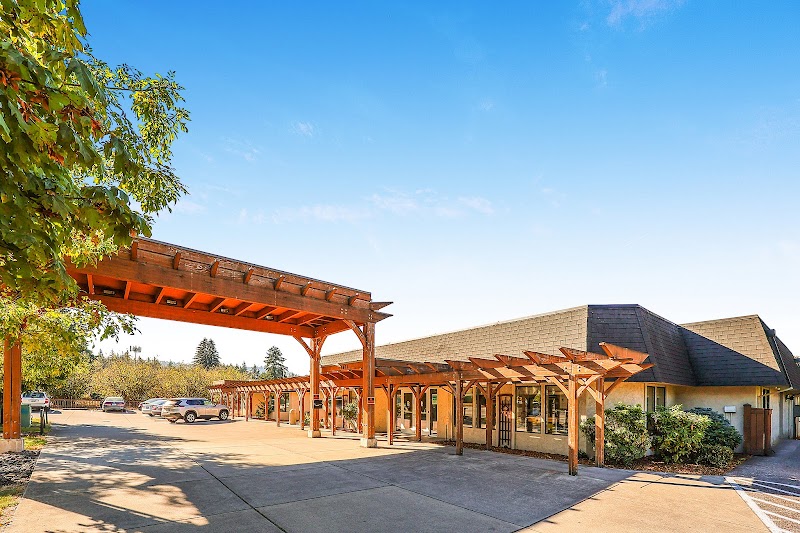
How is Cascade Terrace Post Acute Staffed?

CMS rates CASCADE TERRACE POST ACUTE's staffing level at 3 out of 5 stars, which is average compared to other nursing homes. Staff turnover is 55%, which is 9 percentage points above the Oregon average of 46%. High turnover can affect care consistency as new staff learn residents' individual needs. RN turnover specifically is 69%, which is notably high. RNs provide skilled clinical oversight, so turnover in this role can affect medical care quality.

What Have Inspectors Found at Cascade Terrace Post Acute?

State health inspectors documented 41 deficiencies at CASCADE TERRACE POST ACUTE during 2022 to 2025. These included: 3 Immediate Jeopardy (the most serious level, indicating potential for serious harm or death) and 38 with potential for harm. Immediate Jeopardy findings are rare and represent the most serious regulatory concerns. They require immediate corrective action.
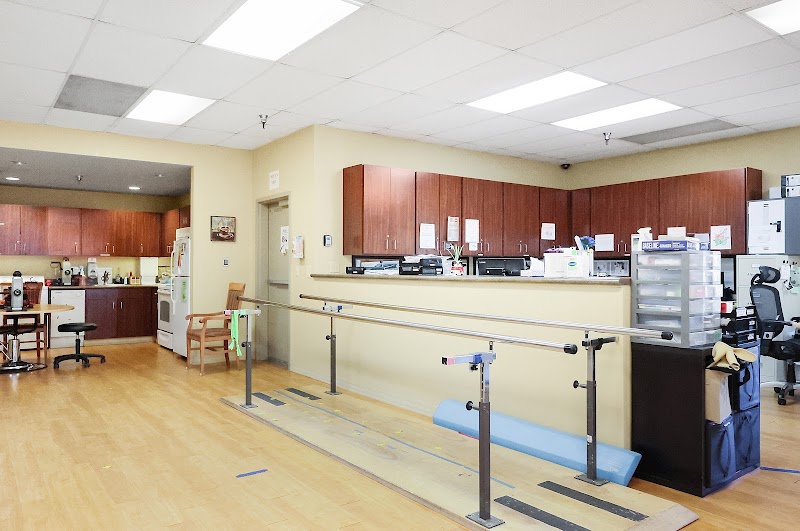
Who Owns and Operates Cascade Terrace Post Acute?

CASCADE TERRACE POST ACUTE is owned by a for-profit company. For-profit facilities operate as businesses with obligations to shareholders or private owners. The facility is operated by PACS GROUP, a chain that manages multiple nursing homes. With 105 certified beds and approximately 81 residents (about 77% occupancy), it is a mid-sized facility located in PORTLAND, Oregon.

How Does Cascade Terrace Post Acute Compare to Other Oregon Nursing Homes?

Compared to the 100 nursing homes in Oregon, CASCADE TERRACE POST ACUTE's overall rating (1 stars) is below the state average of 3.0, staff turnover (55%) is near the state average of 46%, and health inspection rating (1 stars) is much below the national benchmark.

What Should Families Ask When Visiting Cascade Terrace Post Acute?

Based on this facility's data, families visiting should ask: "What changes have been made since the serious inspection findings, and how are you preventing similar issues?" "How do you ensure continuity of care given staff turnover, and what is your staff retention strategy?" "Can I visit during a mealtime to observe dining assistance and food quality?" "How do you handle medical emergencies, and what is your hospital transfer rate?" These questions are particularly relevant given the facility's Immediate Jeopardy citations and the facility's high staff turnover rate.

Is Cascade Terrace Post Acute Safe?

Based on CMS inspection data, CASCADE TERRACE POST ACUTE has documented safety concerns. Inspectors have issued 3 Immediate Jeopardy citations (the most serious violation level indicating risk of serious injury or death). The facility has a 1-star overall rating and ranks #100 of 100 nursing homes in Oregon. Families considering this facility should ask detailed questions about what corrective actions have been taken since these incidents.

Do Nurses at Cascade Terrace Post Acute Stick Around?

Staff turnover at CASCADE TERRACE POST ACUTE is high. At 55%, the facility is 9 percentage points above the Oregon average of 46%. Registered Nurse turnover is particularly concerning at 69%. RNs handle complex medical decisions and coordinate care — frequent RN changes can directly impact care quality. High turnover means new staff may not know residents' individual needs, medications, or preferences. It can also be disorienting for residents, especially those with dementia who rely on familiar faces. Families should ask: What is causing the turnover? What retention programs are in place? How do you ensure care continuity during staff transitions?

Was Cascade Terrace Post Acute Ever Fined?

CASCADE TERRACE POST ACUTE has been fined $185,923 across 2 penalty actions. This is 5.3x the Oregon average of $34,938. Fines at this level are uncommon and typically indicate a pattern of serious deficiencies, repeated violations, or failure to correct problems promptly. CMS reserves penalties of this magnitude for facilities that pose significant, documented risk to resident health or safety. Families should request specific documentation of what issues led to these fines and what systemic changes have been implemented.

Is Cascade Terrace Post Acute on Any Federal Watch List?

CASCADE TERRACE POST ACUTE is not on any federal watch list. The most significant is the Special Focus Facility (SFF) program, which identifies the bottom 1% of nursing homes nationally based on persistent, serious quality problems. Not being on this list means the facility has avoided the pattern of deficiencies that triggers enhanced federal oversight. This is a positive indicator, though families should still review the facility's inspection history directly.