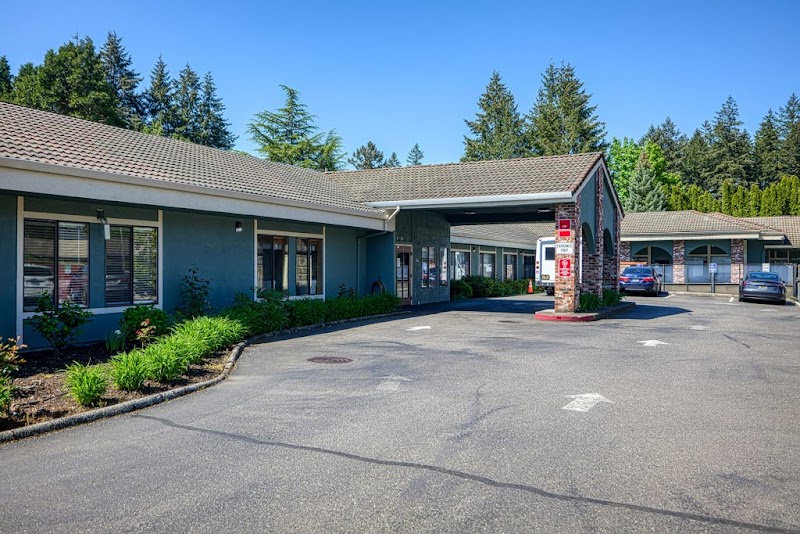
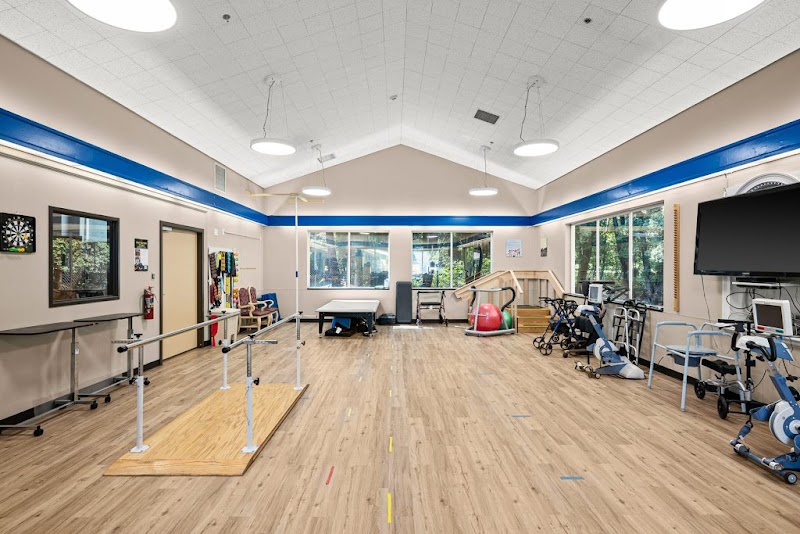
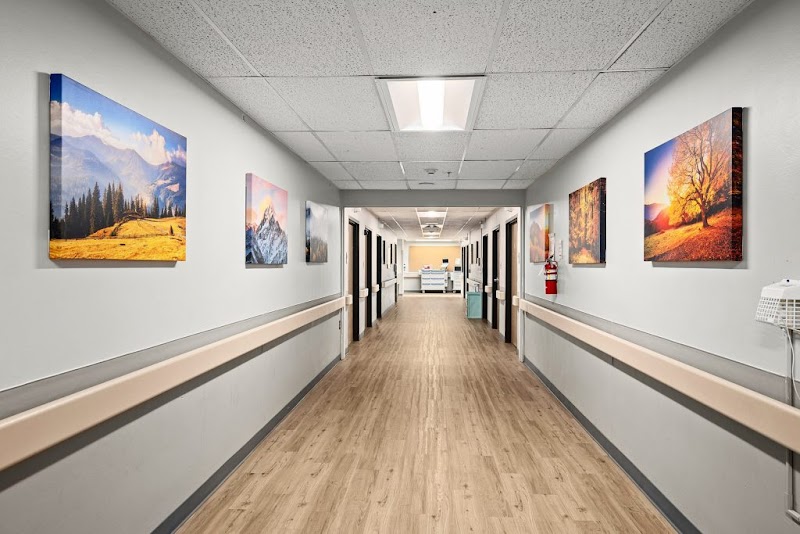
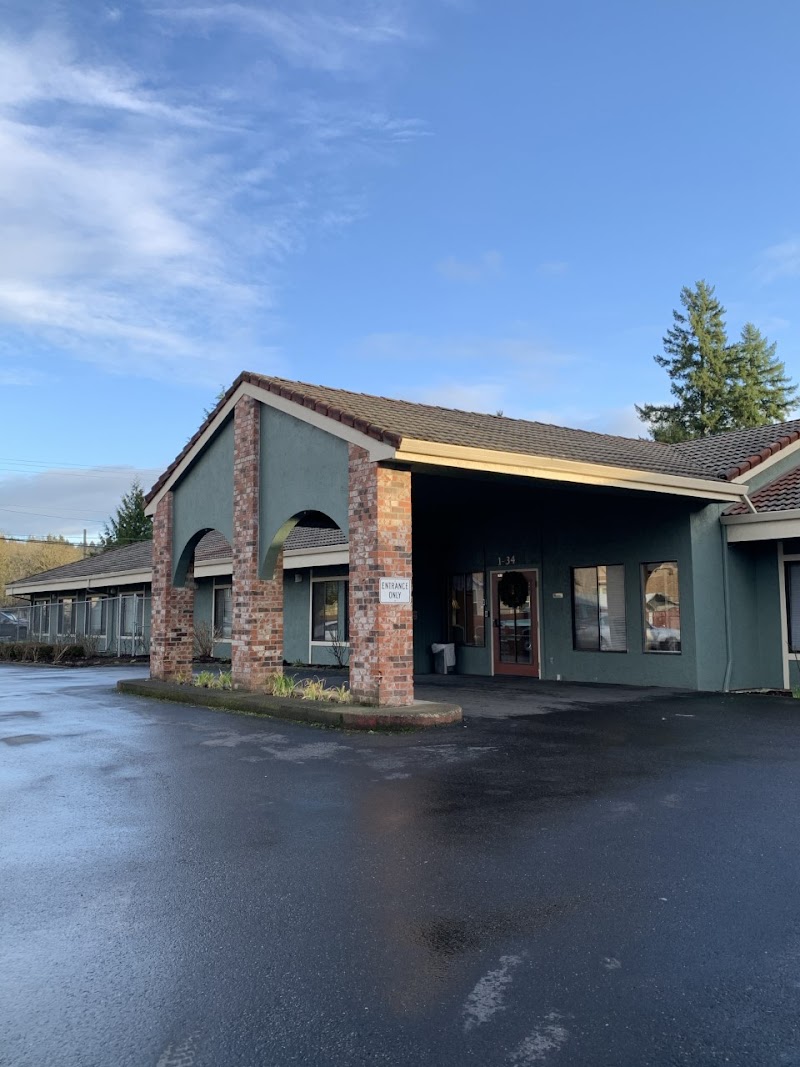
CEDAR CROSSINGS

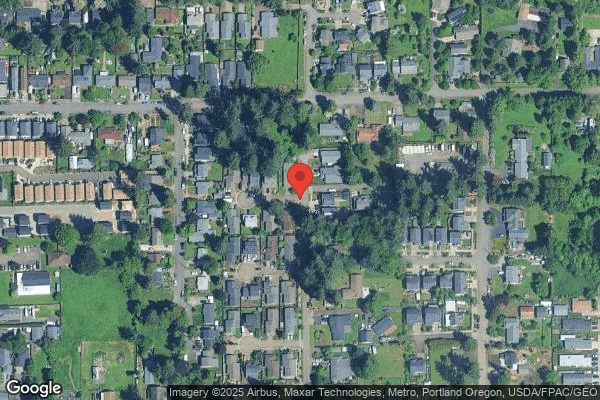
6003 SE 136TH AVENUE, PORTLAND, OR 97236 (971) 978-1268
For profit - Corporation 89 Beds SAPPHIRE HEALTH SERVICES Data: November 2025 1 Immediate Jeopardy citation
Trust Grade
13/100
#109 of 127 in OR
Last Inspection: January 2025

Within standard 12-15 month inspection cycle. Federal law requires annual inspections.

Overview

Cedar Crossings in Portland, Oregon has received a Trust Grade of F, indicating significant concerns about the quality of care provided. It ranks #109 out of 127 facilities in the state, placing it in the bottom half, and #30 out of 33 in Multnomah County, meaning there are very few local options that are worse. The facility's situation appears to be worsening, with issues increasing from 10 in 2024 to 15 in 2025. Staffing is a relative strength with a 3 out of 5 rating and a turnover rate of 0%, which is much better than the state average, suggesting that staff are likely to be familiar with the residents. However, it has accumulated fines totaling $44,133, indicating compliance issues that are more frequent than 76% of Oregon facilities. Additionally, the nursing home has had some serious incidents, including a critical event where a resident at high risk for wandering was able to leave the facility, putting them and others in danger. There were also cases where residents did not receive timely pain medication, leading to severe discomfort. While the facility has some strengths, such as staffing stability, the serious risks and poor overall trust score are significant drawbacks families should carefully consider.

Trust Score
F
13/100
In Oregon
#109/127
Bottom 15%
Safety Record
High Risk
Review needed
Inspections
Getting Worse
10 → 15 violations
Staff Stability
○ Average
Turnover data not reported for this facility.
Penalties
⚠ Watch
$44,133 in fines. Higher than 93% of Oregon facilities. Major compliance failures.
Skilled Nurses
○ Average
Each resident gets 40 minutes of Registered Nurse (RN) attention daily — about average for Oregon. RNs are the most trained staff who monitor for health changes.
Violations
⚠ Watch
66 deficiencies on record. Higher than average. Multiple issues found across inspections.
★☆☆☆☆
1.0
Overall Rating
★★★☆☆
3.0
Staff Levels
★★★★☆
4.0
Care Quality
★☆☆☆☆
1.0
Inspection Score
Stable
2024: 10 issues
2025: 15 issues

The Good

  • 4-Star Quality Measures · Strong clinical quality outcomes
  • Full Sprinkler Coverage · Fire safety systems throughout facility
  • No fines on record

Facility shows strength in quality measures, fire safety.

The Bad

1-Star Overall Rating

Below Oregon average (3.0)

Significant quality concerns identified by CMS

Federal Fines: $44,133

Above median ($33,413)

Moderate penalties - review what triggered them

Chain: SAPPHIRE HEALTH SERVICES

Part of a multi-facility chain

Ask about local staffing decisions and management

The Ugly 66 deficiencies on record

1 life-threatening 2 actual harm
Jan 2025 15 deficiencies
CONCERN (D) 📢 Someone Reported This

A family member, employee, or ombudsman was alarmed enough to file a formal complaint

Potential for Harm - no one hurt, but risky conditions existed

Quality of Care (Tag F0684)

Could have caused harm · This affected 1 resident

Based on observation, interview, and record review it was determined the facility failed to provide care and treatment for 1 of 2 sampled residents (#56) reviewed for edema. This placed residents at r...

Read full inspector narrative →
Based on observation, interview, and record review it was determined the facility failed to provide care and treatment for 1 of 2 sampled residents (#56) reviewed for edema. This placed residents at risk for unmet needs. Findings include: Resident 56 was admitted to the facility in 11/2024 with diagnoses including deep vein thrombosis (a blood clot that may cause pain and swelling) in the lower left leg, atrial fibrillation (an irregular, often rapid heart rate), and high blood pressure. On 1/13/2025 at 10:37 AM, Resident 56 stated she/he had discomfort to her/his legs due to swelling. The resident was observed to have edema (swelling) in both feet. The resident stated a provider had ordered compression stockings for the edema about four weeks earlier but she/he did not receive the compression stockings. Compression stockings were not observed on her/his lower extremities. On 1/16/25 at 12:07 PM, Staff 20 (RN) stated she was not aware of an order for compression stockings for Resident 56; however, she was able to locate an order for Tubigrip (a form of compression dressing) in a progress note dated 12/6/24. On 1/16/25 at 1:30 PM, Staff 33 (LPN Resident Care Manager) stated the order for Tubigrip for compression had not been followed up on and was not implemented, due to an oversight. On 1/17/25 at 12:59 PM Staff 2 (DNS) stated she expected the provider orders to be processed and implemented.
CONCERN (D) 📢 Someone Reported This

A family member, employee, or ombudsman was alarmed enough to file a formal complaint

Potential for Harm - no one hurt, but risky conditions existed

Respiratory Care (Tag F0695)

Could have caused harm · This affected 1 resident

Based on observation, interview and record review it was determined the facility failed to ensure resident respiratory services were in place and equipment was maintained for 1 of 2 sampled residents ...

Read full inspector narrative →
Based on observation, interview and record review it was determined the facility failed to ensure resident respiratory services were in place and equipment was maintained for 1 of 2 sampled residents (#54) reviewed for respiratory care. This placed residents at risk for breathing complications. Findings include: Resident 54 was admitted to the facility in 5/2024 with diagnoses including anxiety and depression. A care plan dated 5/24/24, revealed Resident 54 had sleep apnea and utilized a CPAP/BIPAP machine. The device was to be cleaned, including the mask, tubing and head gear. Random observations from 1/13/25 through 1/17/25 revealed Resident 54 utilized a BIPAP (a ventilator that helps people breathe by delivering pressurized air through a mask) machine adjacent to her/his bed on a nightstand. The BIPAP machine was dusty, and the tubing and mask were in a drawer covered with magazines and under a saltine cracker box. On 1/13/25 at 8:08 AM, and 11:38 AM, and on 1/17/25 at 8:17 AM, Resident 54 stated she/he utilized a BIPAP machine at night. Resident 54 stated staff did not clean the device or ensure the BIPAP had distilled water in the machine for her/him to utilize. A review of Resident 54's clinical record revealed no evidence of a physician's order for the use of the BIPAP machine. No evidence was found the facility staff were assisting the resident with placement or cleaning of Resident 54's BIPAP machine. On 1/16/25 at 5:13 AM, Staff 32 (CNA), and at 7:32 AM, Staff 23 (LPN), and at 8:39 AM, Staff 31 (LPN) all stated Resident 54 had a BIPAP machine and the resident wore the device at night. Staff 31 stated night shift was responsible for cleaning the BIPAP machine. Staff 32 stated Resident 54 refused to wear the machine at times. On 1/16/25 at 9:31 AM, Staff 3 (RNCM) entered the room and acknowledged Resident 54 had a BIPAP machine. The BIPAP device was on the nightstand, and the dispenser piece, which held the distilled water, was placed next to the BIPAP machine. Staff 3 stated it appeared the BIPAP machine seemed to have been cleaned. The tubing and mask was inside the drawer, while the machine itself was dusty, with no distilled water in the device or room. Staff 3 acknowledged she could not locate any orders for the BIPAP machine, and there was no indication the BIPAP was being cleaned appropriately.
CONCERN (D) 📢 Someone Reported This

A family member, employee, or ombudsman was alarmed enough to file a formal complaint

Potential for Harm - no one hurt, but risky conditions existed

Deficiency F0698 (Tag F0698)

Could have caused harm · This affected 1 resident

Based on observation, interview and record review it was determined the facility failed to administer medications and ensure communication forms were completed accurately for 1 of 1 sampled resident (...

Read full inspector narrative →
Based on observation, interview and record review it was determined the facility failed to administer medications and ensure communication forms were completed accurately for 1 of 1 sampled resident (#50) reviewed for dialysis (a procedure which removes waste products and excess fluid from the blood when the kidneys are no longer functioning properly). This placed residents at risk for lack of care and services, and potential medication side effects. Findings include: Resident 50 was admitted in 6/2024 with diagnoses including end stage renal disease and diabetes. a. A care plan dated 8/12/24 and revised on 1/17/25 revealed Resident 50 received dialysis related to renal failure. Resident 50 went out for dialysis at 5:00 AM on Tuesday, Thursday, and Saturday and returned at 2:00 PM. A review of Resident 50's Physician Recapitulation Orders dated 12/8/24, revealed the following medications to be administered in the morning at 7:00 AM or 7:30 AM: *Midodrine (a cardiovascular agent) 5 mg, administer every Tuesday, Thursday, and Saturday 20 minutes prior to dialysis to treat hypotension. *Nephro-Vite Oral Tab 0.8 mg (B-Complex & Folic Acid), administer one tablet in the morning as a supplement. *Sevelamer Carbonate (a phosphate binder) administer 800 mg three times daily for renal failure. *Amlodipine Besylate (a calcium channel blocker), administer 10 mg for hypertension. *Folic Acid (a B vitamin supplement), administer 400 mcg by mouth every day shift as a supplement. *Carvedilol (a beta blocker), administer 25 mg every morning for hypertension. *Losartan Potassium (a angiotensin receptor blocker), administer 50 mg every morning for hypertension. *Omeprazole (a proton pump inhibitor), administer 40 mg by mouth twice times daily for heartburn. *Prazosin (treats high blood pressure), administer 3 mg every morning for hypertension. *Dicylomine (treats irritable bowel syndrome), administer 1 capsule by mouth. *Metoclopramide (treats stomach problems), administer 1 tablet by mouth before meals for gastroparesis. *Sucralfate (treats stomach problems) suspension administer 10 ml by mouth before meals for gastric protection. A review of the MARs from 12/1/24 through 1/17/25 revealed 20 opportunities on dialysis days for Resident 50 to receive her/his medications before leaving for dialysis. There were multiple instances when the MARs indicated the resident was out of the facility and did not receive her/his medications or indicated they were administered. On 1/15/25 at 5:15 AM, Staff 25 (LPN) stated Resident 50 attended dialysis on Tuesday, Thursday, and Saturday. The resident received an oxycodone (a pain medication) for her/his chronic pain, and did not receive any other medications until she/he returned to the facility, which was after 10:00 AM. During a continuous observation on 1/16/25 from 5:00 AM through 5:40 AM Resident 50 was up, dressed, and stopped at the nurse's station. Staff 23 (LPN) administered a pain pill, handed Resident 50 the communication binder, and the resident sat in the front lobby until her/his ride arrived at 5:40 AM. Staff 23 stated the only medication administered to the resident prior to leaving for dialysis was the pain medication. On 1/16/25 at 11:26 AM, Resident 50 returned from dialysis, and stated she/he went to dialysis routinely and took a pain medication prior to leaving the facility. Resident 50 stated she/he returned around lunch time and received her/his morning medications upon returning to the facility. On 1/16/25 at 7:32 AM, Staff 23 (LPN) stated the resident only received pain medication before being sent to dialysis. Staff 23 stated the resident received her/his morning medications once she/he returned from dialysis. On 1/16/25 at 1:28 PM, Staff 22 (LPN) stated Resident 50 did not receive her/his morning medications on dialysis days until the resident returned from the dialysis unit. Staff 22 stated this was a concern and the resident's medication times needed to be adjusted. Staff 22 stated the resident did not have any side effects due to the medications not being administered on dialysis days, to her knowledge. On 1/17/25 at 9:51 AM, Staff 21 (CMA) stated when she arrived on shift, Resident 50 was gone for dialysis, and she saved the resident's medications until she/he returned from the dialysis center. Staff 21 stated she was told by a nurse to chart the medications as out or check off as administered because the medications would show late in the electronic system. On 1/17/25 at 10:31 AM, Staff 3 (RNCM) and at 11:39 AM, Staff 2 (DNS) stated both were unaware Resident 50 did not receive her/his scheduled morning medications until after she/he returned from dialysis. Staff 3 stated staff were expected to seek clarification regarding Resident 50's medications on her/his dialysis days, and acknowledged multiple medications were either not given or received after the resident returned from dialysis. b. A review of 15 Pre/Post Dialysis Communication forms from 12/24/24 through 1/16/25 revealed multiple instances when the dialysis forms were either inaccurate, not completed or not returned from the dialysis center. On 1/15/25 at 5:15 AM, Staff 25 (LPN) stated Resident 50 attended dialysis on Tuesday, Thursday, and Saturday. The resident took a dialysis communication book with her/him to dialysis. Staff 25 stated the forms were to be completed and placed back in the communication book; however this did not always occur. During a continuous observation on 1/16/25 from 5:00 AM through 5:40 AM, Resident 50 was up, dressed and stopped at the nurses station. Staff 23 (LPN) handed Resident 50 the communication binder and the resident sat in the front lobby until her/his ride arrived at 5:40 AM. On 1/16/25 at 11:26 AM, Resident 50 was observed returning from her/his dialysis treatment and stated she/he took the communication binder prior to her/him leaving the facility on Tuesday, Thursday, and Saturday. Resident 50 returned to the facility, and the communication binder was in a basket on her/his front wheeled walker. On 1/16/25 at 7:32 AM, Staff 23 (LPN) and at 1:28 PM, Staff 22 (LPN) both stated the communication binder forms were not always accurate or completed because they had two different forms available to use. Staff 22 stated the forms in the dialysis binder were to be transcribed and then given to medical records to upload in the electronic system. On 1/17/25 at 9:31 AM, Staff 3 (RNCM) and at 11:39 AM, Staff 2 (DNS), both acknowledged the Dialysis Communication Forms were inaccurate. Staff 2 stated staff were expected to complete the dialysis form in the electronic system, print it out, and place the form in the dialysis communication binder. Staff were to ensure all information was compete and accurate.
CONCERN (D) 📢 Someone Reported This

A family member, employee, or ombudsman was alarmed enough to file a formal complaint

Potential for Harm - no one hurt, but risky conditions existed

Drug Regimen Review (Tag F0756)

Could have caused harm · This affected 1 resident

Based on interview and record review it was determined the facility failed to ensure pharmacist recommendations were addressed for 1 of 5 sampled residents (#66) reviewed for unnecessary medications. ...

Read full inspector narrative →
Based on interview and record review it was determined the facility failed to ensure pharmacist recommendations were addressed for 1 of 5 sampled residents (#66) reviewed for unnecessary medications. This placed residents at risk for receiving ineffective or unnecessary medications. Findings include: Resident 66 was admitted to the facility in 9/2024 with diagnoses including insomnia. The 11/2024 Monthly Pharmacist Review of Resident 66's medication regimen revealed the following: -On 11/27/24 the pharmacist's recommendation advised the prescriber to reassess Resident 66's Melatonin 1 mg at bedtime (helps regulate sleep) and determine if the resident would benefit from an increase to 3 mg due to Resident 66 sleeping between one and four hours per night. Resident 66's clinical record revealed no indication the pharmacist's recommendation to increase the resident's Melatonin was addressed. On 1/15/25 at 11:42 AM Staff 4 (RNCM) reported she did not receive any follow up to Resident 66's 11/27/24 pharmacist recommendation to increase the resident's Melatonin from 1 mg to 3 mg. On 1/15/25 at 2:09 PM Staff 2 (DNS) confirmed the facility did not receive a response from Resident 66's provider regarding the 11/27/24 pharmacist's recommendation. Staff 2 reported the provider did not consistently respond to pharmacist recommendations which caused delays in follow up.
CONCERN (D)

Potential for Harm - no one hurt, but risky conditions existed

Dental Services (Tag F0791)

Could have caused harm · This affected 1 resident

Based on observation, interview and record review it was determined the facility failed to provide dental services for 1 of 1 sampled resident (#36) reviewed for dental care needs. This placed residen...

Read full inspector narrative →
Based on observation, interview and record review it was determined the facility failed to provide dental services for 1 of 1 sampled resident (#36) reviewed for dental care needs. This placed residents at risk for unmet dental needs. Findings include: Resident 36 was admitted to the facility in 1/2024 with diagnoses including dysphagia (inability to chew and swallow safely) and pneumonitis (inflammation of the lung tissue) due to inhalation of food and vomit. A review of Resident 36's 11/9/24 Significant Change MDS revealed she/he had severe cognitive impairment, her/his own teeth that were not broken or decayed, did not wear dentures and required substantial to maximal physical assistance to perform oral hygiene. A review of Resident 36's clinical record revealed no indication the resident was seen by a dentist since admission to the facility. On 1/13/25 at 12:27 PM and 1/14/25 at 2:14 PM Resident 36 was observed to have jagged, broken and decayed teeth. She/he also had thick accumulations of oral secretions on her/his teeth and gums. On 1/14/25 at 8:59 AM Witness 1 (Family Member) stated he noticed a lot of buildup on Resident 36's teeth. He also stated he thought the caregivers swabbed Resident 36's teeth rather than brushing them. He reported he told facility staff Resident 36 needed dental care but it was not provided. On 1/17/25 at 8:23 AM Staff 19 (CNA) stated she swabbed Resident 36's teeth but did not use the sponge toothbrush much because Resident 36 was at risk of choking. On 1/17/25 at 8:30 AM Staff 20 (RN) stated the caregivers tried to clean Resident 36's mouth but she never looked at her/his teeth closely. She also reported the last time a dentist visited the facility was about a week ago and stated the dentist did not see Resident 36. On 1/17/25 at 9:32 AM Staff 2 (DNS) confirmed Resident 36's 11/9/24 MDS was inaccurate and she/he needed dental care. She added she expected dental needs to be identified timely.
CONCERN (D) 📢 Someone Reported This

A family member, employee, or ombudsman was alarmed enough to file a formal complaint

Potential for Harm - no one hurt, but risky conditions existed

Garbage Disposal (Tag F0814)

Could have caused harm · This affected 1 resident

Based on observation, interview and record review it was determined the facility failed to ensure waste was properly contained in dumpsters and the garbage storage area was maintained in a sanitary co...

Read full inspector narrative →
Based on observation, interview and record review it was determined the facility failed to ensure waste was properly contained in dumpsters and the garbage storage area was maintained in a sanitary condition for 1 of 1 garbage area reviewed for kitchen sanitation. This placed residents at risk for potential exposure to pathogens related to the harborage and feeding of pests. Findings include: The facility's Food-Related Garbage and Refuse Disposal Policy dated October 2017 outlined the following: - Garbage and refuse containing food wastes will be stored in a manner that is inaccessible to pests. - Outside dumpsters provided by garbage pickup services will be kept closed and free of surrounding litter. On 1/13/25 at 9:15 AM the outside dumpsters adjacent to the kitchen door to the parking lot were observed to be uncovered with garbage bags full of kitchen and resident care waste spilling over and covering the ground around the dumpsters. A minimum of 20 bags of garbage were piled on the ground in the parking lot in front of the dumpsters. On 1/13/25 at 9:36 AM Staff 9 (Dietary Manager) acknowledged the garbage was on the ground rather than in the bins with the lids closed. She stated the garbage collection usually occured three times each week and the garbage overflowing the dumpsters accumulated since the previous week. She reported an additional dumpster was ordered to contain the additional garbage because the facility's garbage needed to be contained in closed dumpsters. On 1/16/25 at 3:03 PM Staff 10 (Maintenance Director) stated he expected the facility's garbage to be contained within the dumpsters provided and an additional dumpster was being used to contain all of the garbage. He confirmed the facility's policy to maintain the area around the dumpsters clear of garbage bags and debris to limit its accessibility to pests. He stated staff was educated regarding the importance of keeping the garbage in the dumpsters with the lids closed and added the facility also had a tall bin to serve as an overflow dumpster. On 1/17/25 at 9:40 AM Staff 2 (DNS) stated she expected the facility's garbage to be contained in the dumpsters.
CONCERN (D) 📢 Someone Reported This

A family member, employee, or ombudsman was alarmed enough to file a formal complaint

Potential for Harm - no one hurt, but risky conditions existed

Infection Control (Tag F0880)

Could have caused harm · This affected 1 resident

2. Resident 49 was admitted to the facility in 12/2024 with diagnoses including chronic obstructive pulmonary disease. A physician order from 12/20/24 included Resident 49 was to have a Foley cathete...

Read full inspector narrative →
2. Resident 49 was admitted to the facility in 12/2024 with diagnoses including chronic obstructive pulmonary disease. A physician order from 12/20/24 included Resident 49 was to have a Foley catheter to assist with bladder elimination. On 1/13/25 at 10:49 AM Resident 49 was observed in her/his room. Resident 49 was observed to have a catheter. No instructions regarding enhanced barrier precautions were observed outside of Resident 49's room. On 1/13/25 at 12:15 PM Staff 41 (CNA) was observed entering and exiting Resident 49's room. Staff 41 stated they were providing hands on care to Resident 49 which included a brief change. Staff 41 stated gloves were worn but no additional PPE was worn when providing hands on care for Resident 49. On 1/16/25 at 8:51 AM Staff 8 (Infection Preventionist) stated enhanced barrier precautions were to be followed when hands on care was provided to Resident 49 due to her/him having a Foley catheter. Staff 8 confirmed enhanced barrier precautions were not followed as required for Resident 49. On 1/16/25 at 9:08 AM Staff 1 (Administrator) confirmed enhanced barrier precautions were to be followed with Resident 49 due to the use of a Foley catheter. Based on observation, interview and record review it was determined the facility failed to follow infection control practices for 2 of 4 sampled residents (#s 36 and 49) reviewed for infection control. This placed residents at risk for cross contamination. Findings include: 1. Resident 36 was admitted to the facility in 1/2024 with diagnoses including dysphagia (inability to chew and swallow safely) and pneumonitis (inflammation of the lung tissue) due to inhalation of food and vomit. A review of Resident 36's 11/9/24 Significant Change MDS revealed she/he had severe cognitive impairment and required substantial to maximal physical assistance to complete toileting hygiene. Resident 36's care plan and signed physician's orders indicated staff were to follow enhanced barrier precautions when providing her/him care that involved physical contact. A sign posted on the outside of Resident 36's room outlined the following information and guidance: - Everyone must clean their hands, including before entering and when leaving the room. - Providers and staff must also wear gloves and a gown for changing linens, providing hygiene and changing briefs or assisting with toileting. On 1/15/25 at 10:39 AM Resident 36 was observed to walk to the door of her/his room wearing a T-shirt and a brief. The brief was visibly soiled with a bowel movement. Staff 20 (RN) approached Resident 36 and accompanied her/him back to her/his bed. Staff 20 drew the curtain closed around the bed, exited the room and called for CNA assistance. On 1/15/25 at 10:49 AM Staff 35 (CNA) entered Resident 36's room without donning a mask or gown from the PPE kit positioned in the hallway outside of Resident 36's room. Staff 35 performed hand hygiene and closed the door. On 1/15/25 at 11:10 AM Staff 35 exited Resident 36's room. He reported he provided toileting hygiene assistance by changing her/his brief. He also stated he cleaned and changed anything that could have been soiled including the sheets and [her/his] pillow case. Staff 35 stated he did not wear a gown to provide these cares but reported, Normally I totally would wear a gown and gloves when doing it for him. On 1/15/25 at 11:12 AM Staff 20 stated she expected all staff who provided hands-on care for Resident 36 to follow enhanced barrier precautions because she/he has a PEG tube (a feeding tube that is surgically inserted through the skin and stomach wall into the stomach). On 1/17/25 at 9:45 AM Staff 2 (DNS) stated she expected staff to follow enhanced barrier precautions when providing any cares that could result in exposure to Resident 36's PEG tube.
CONCERN (D) 📢 Someone Reported This

A family member, employee, or ombudsman was alarmed enough to file a formal complaint

Potential for Harm - no one hurt, but risky conditions existed

Deficiency F0947 (Tag F0947)

Could have caused harm · This affected 1 resident

Based on interview and record review it was determined the facility failed to have a system in place to ensure CNA staff received 12 hours of in-service training annually for 5 of 5 randomly selected ...

Read full inspector narrative →
Based on interview and record review it was determined the facility failed to have a system in place to ensure CNA staff received 12 hours of in-service training annually for 5 of 5 randomly selected staff members (#s 14, 15, 16, 17, and 18) reviewed for in-service training. This placed residents at risk for lack of competent staff. Findings include: On 1/16/25 at 1:00 PM, Staff 2 (DNS) was asked for a list of training hours for Staff 14, Staff 15, Staff 16, Staff 17, and Staff 18. A review of the personal profile records for Staff 14, Staff 15, Staff 16, Staff 17, and Staff 18 revealed no training hours were completed. On 1/16/25 at 1:22 PM, and 1/17/25 at 1:23 PM, Staff 1 (Administrator) and Staff 2 were present for an interview. Staff 2 stated if there was nothing located in the personal profile folders, the 12 hours of in-service training annually was not completed. Staff 1 and Staff 2 acknowledged the 12 hour in-service training were not completed for Staff 14, Staff 15, Staff 16, Staff 17, and Staff 18.
CONCERN (E) 📢 Someone Reported This

A family member, employee, or ombudsman was alarmed enough to file a formal complaint

Potential for Harm - no one hurt, but risky conditions existed

Safe Environment (Tag F0584)

Could have caused harm · This affected multiple residents

**NOTE- TERMS IN BRACKETS HAVE BEEN EDITED TO PROTECT CONFIDENTIALITY** Based on observation and interview it was determined the facility failed to maintain a safe, clean and homelike environment on 1...

Read full inspector narrative →
**NOTE- TERMS IN BRACKETS HAVE BEEN EDITED TO PROTECT CONFIDENTIALITY** Based on observation and interview it was determined the facility failed to maintain a safe, clean and homelike environment on 1 of 1 facility and 1 of 2 resident dining rooms reviewed for environment. This placed residents at risk for tripping and living in an unkept and unhomelike environment. Findings include: 1. The facility's Homelike Environment Policy dated February 2021 outlined the following: - Residents are provided with a safe, clean, comfortable and homelike environment. Observations of the facility's dining rooms, hallways and resident rooms from 1/14/25 through 1/17/25 between the hours of 7:30 AM and 2:00 PM found the following issues: -The flooring in the ECU (Enhanced Care Unit) dining room had an irregular half-circular portion of linoleum, approximately 9 inches long, 4 inches wide and 1.5 inches deep, missing on the left side of the dining room near the exit door which was a tripping hazard. In addition, there was approximately 5 feet in length of flooring with missing pieces of linoleum in the middle of the dining room. Several residents were observed ambulating independently in the dining room at all hours. -The flooring immediately inside the ECU locked doors had an approximate 4 foot long, bubbled up and cracked section of linoleum. -The shared television room on the ECU had large scrapes across the left wall. -room [ROOM NUMBER] had several black marks on the flooring in the center of the room. -room [ROOM NUMBER] had numerous vertical scrapes approximately 3 feet in length, along the wall across from the bed, and the door on the sink's cabinet had several scrapes approximately 1 foot in length. -room [ROOM NUMBER] had multiple black marks and scrapes in front of the bed nearest the door. -The linoleum flooring in room [ROOM NUMBER] had an approximate 7 foot long crack down the center of the room. -The wall behind the bed in room [ROOM NUMBER] had numerous scrape marks. On 1/16/25 at 8:38 AM Staff 13 (CNA) stated the flooring in the ECU dining room was in the current condition for some time and was reported to maintenance in the past. On 1/16/25 at 11:11 AM Staff 10 (Maintenance Director), during a facility walk-through, stated residents frequently ambulated independently in the ECU dining room and confirmed the flooring was a tripping hazard. Staff 10 reported there was no warning in place to notify residents of the tripping hazard. Staff 10 acknowledged the needed repairs in the identified resident rooms and shared spaces and stated it was his expectation that the facility was homelike and kept safe for all residents. 2. The facility's Homelike Environment Policy dated February 2021 outlined the following: - Residents are provided with a safe, clean, comfortable and homelike environment. Resident 68 was admitted to the facility in 11/2024 with a diagnosis of cerebral infarction (stroke). A review of Resident 68's care plan revealed she/he only slept in her/his chair and it was her/his goal to sleep comfortably. On 1/13/25 at 12:05 PM the temperature in Resident 68's room was cool and uncomfortably-cold air was felt blowing from the ceiling vent above her/his chair. On 1/13/25 at 12:09 PM Resident 68 was observed sitting in her/his room in the lounge chair where she/he slept and spent most of her/his time during the day. She/he stated, It's freezin' ass cold. And from midnight until 8:00 AM it gets even colder. The vent blows ice cold air. On 1/16/25 at 7:36 AM Resident 68 was observed in her/his room sitting in her/his chair. She/he had multiple blankets covering her/his chest and lap. She/he wore a jacket under the blankets. The temperature in the room was observed to be uncomfortably cold and cold air blew from the ceiling vent over Resident 68's chair where she/he was seated. She/he reported, It is always cold from midnight until about 8:00 AM. I put on extra blankets but it should be warmer in here. Resident 68 stated she/he told her/his caregivers the temperature in her/his room was too cold. On 1/16/25 at 7:52 AM Staff 26 (CNA) confirmed Resiedent 68's room was cold and stated she adjusted the thermostat when she/he told her the room was cold. She said when she adjusted the thermostat her/his room became too warm. She reported it was difficult to regulate the temperature and said, We try to fix it but it is hard. On 1/16/25 at 12:30 PM Staff 10 (Maintenance Director) stated he checked the temperature in residents' rooms regularly. He reported Resident 68's room was a little cold and stated, At night it gets cooler. He stated he adjusted the temperature for Resident 68 several times in the past three months. Staff 10 stated he planned to install locked cages covering the thermostats to prevent unauthorized individuals from changing temperatures or schedules. He added, People try to be helpful but it can mess things up more if they change the temperature setting. Staff 10 stated, The temperature should be comfortable all the time. A review of Resident Grievance Forms revealed the residents in rooms near Resident 68's room also reported cold temperatures in their rooms. On 1/17/25 at 9:40 AM Staff 2 (DNS) acknowledged the difficulty in regulating comfortable temperatures in residents' room and stated she was aware residents reported issues with their room temperatures being cool. She stated she expected temperatures to be comfortable for residents.
CONCERN (E) 📢 Someone Reported This

A family member, employee, or ombudsman was alarmed enough to file a formal complaint

Potential for Harm - no one hurt, but risky conditions existed

Accident Prevention (Tag F0689)

Could have caused harm · This affected multiple residents

Based on observation, interview and record review it was determined the facility failed to ensure staff completed timely smoking assessments and smoking materials were stored safely for 3 of 3 sampled...

Read full inspector narrative →
Based on observation, interview and record review it was determined the facility failed to ensure staff completed timely smoking assessments and smoking materials were stored safely for 3 of 3 sampled residents (#s 22, 50, and 60) reviewed for accidents. This placed residents at risk for accidents and smoking hazards. Findings include: A Smoking Policy dated 8/2022 revealed the following: -Resident smoking status is evaluated upon admission to ensure all residents are safe to smoke. -A resident's ability to smoke safely is re-evaluated quarterly, upon a significant change (physical or cognitive) and as determined by staff. -No resident will be allowed to store any smoking materials in their room. All smoking material will be stored in a secured designated area (a lock box) accessible only to staff. If any smoking materials are seen on residents, please report to nurse or the social worker. -If it is believed that residents are not compliant with locking up smoking materials and have them in their possession the IDT (interdisciplinary team) will be notified. IDT members will work with the resident to determine if smoking materials are being stored inappropriately and what interventions can be put in place to promote compliance. 1. Resident 22 was admitted to the facility in 10/2024 with diagnoses including chronic heart failure and diabetes. A 10/23/24 admission MDS revealed Resident 22 had a BIMS score of 13, which indicated the resident had moderate cognitive impairment. A smoking assessment was completed on 10/25/24 and 1/13/25 which revealed Resident 22 was safe to smoke independently. A care plan dated 6/27/24, and revised on 1/13/25, revealed Resident 22 was an independent smoker. No evidence was found indicating Resident 22's smoking materials needed to be locked up and stored safely. Random observations from 1/13/25 through 1/17/25, revealed Resident 22 kept her/his lighter and cigarettes in her/his upper right jacket pocket, which was visible. Resident 22 was observed self-propelling in and out of the designated smoking area independently and her/his smoking materials were with her/him. On 1/13/25 at 1:04 PM, Resident 22 stated she/he was allowed to smoke on her/his own, never turned in or locked up her/his smoking materials, and always kept them in her/his pocket. On 1/15/25 at 10:37 AM, Staff 27 (CNA) and at 6:07 PM, Staff 28 (CNA) both stated Resident 22 was independent to smoke and did not need supervision. Staff 27 and Staff 28 stated Resident 22 did not turn in her/his smoking materials and kept them on her/him at all times. Staff 27 stated Resident 22 was supposed to keep her/his smoking materials locked up. On 1/16/25 at 12:25 PM, Staff 2 (DNS) stated all residents who smoked were assessed upon admission, quarterly, and if a resident had a change of condition. Staff 2 stated all residents, whether supervised or unsupervised, were to keep smoking materials locked up when not out smoking. On 1/17/25 at 1:40 PM, Staff 1 (Administrator) and Staff 2 were present for an interview. Staff 1 stated residents who smoked were required to keep smoking materials locked up, but it was a bit challenging, and not all residents complied. Staff 1 stated that was something they continued to work on. 2. Resident 50 was admitted to the facility in 6/2024 with diagnoses including end stage kidney disease and diabetes. A 11/24/24, Quarterly MDS revealed Resident 50 had a BIMS score of 15, which indicated the resident was cognitively intact. A smoking assessment was completed on 9/27/24 and 1/13/25, which revealed Resident 50 was safe to smoke independently. No records were found to indicated Resident 22 had a smoking assessment upon her/his admission and the 1/13/25 quarterly smoking assessment was late. A care plan dated 6/28/24, and revised on 12/26/24, revealed Resident 50 was an independent smoker. Resident 50 was to secure her/his smoking materials in a secure storage box. Random observations from 1/13/25 through 1/17/25, revealed Resident 50 kept her/his lighter and cigarettes with her/him. Resident 50 was observed ambulating in and out of the designated smoking area independently and had her/his smoking materials with her/him. On 1/13/25 at 1:04 PM, Resident 50 stated she/he was allowed to smoke on her/his own, she/he always kept her/his smoking materials with her/him, and she/he never secured them in a storage box. On 1/14/25 at 2:40 PM, Staff 28 (CNA) stated Resident 50 was independent to smoke and the smoking materials were to be locked up. Staff 28 stated she was unsure if Resident 50 turned in her/his smoking materials. On 1/15/25 at 5:42 AM, Staff 29 (CNA) and at 5:09 PM, Staff 30 (CMA) both stated Resident 50 was independent to smoke. Staff 29 stated she was unaware if smoking materials were to be locked up or kept with the resident. Staff 30 stated Resident 50 was supposed to keep her/his smoking materials locked up at the nurses station. On 1/15/25 at 5:15 AM, Staff 25 (LPN) stated Resident 50 was an independent smoker, but all residents needed to be supervised. Staff 25 stated Resident 50 was supposed to keep her/his smoking materials at the nurses station, but was non-compliant. On 1/16/25 at 12:25 PM, Staff 2 (DNS) stated all residents who smoked were assessed upon admission, quarterly, and if a resident had a change of condition. Staff 2 acknowledged Resident 50's smoking assessment was not timely. Staff 2 stated all residents, whether supervised or unsupervised, were to keep smoking materials locked up when not out smoking. On 1/17/25 at 1:40 PM, Staff 1 (Administrator) and Staff 2 were present for an interview. Staff 1 stated residents who smoked were required to keep smoking materials locked up, but it was a bit challenging, and not all residents complied. Staff 1 stated that was something they continued to work on. 3. Resident 60 was admitted to the facility in 8/2024 with diagnoses including schizoaffective (causing individuals to have hallucinations, embrace false beliefs, and experience depression or mania) disorder and kidney disease. A 11/10/24 Quarterly MDS revealed Resident 60 had a BIMS score of 15, which indicated the resident was cognitively intact. A smoking assessment was completed on 1/13/25, which revealed Resident 60 was safe to smoke independently. A review of Resident 60's medical records revealed no care plan was initiated related to resident 60's smoking, and no initial smoking assessment was found or completed until 1/13/25. On 1/14/25 at 2:40 PM, Staff 28 (CNA) stated Resident 60 was independent to smoke and the smoking materials were to be locked up. Staff 28 stated she was unsure if Resident 60 turned in her/his smoking materials. On 1/14/25 at 2:33 PM, Resident 60 stated she/he was able to smoke on her/his own and family brought in her/his smoking materials. Resident 60 stated she/he did not secure any smoking materials in a secure lock box. On 1/15/25 at 5:42 AM, Staff 29 (CNA) and at 5:09 PM, Staff 30 (CMA) both stated Resident 60 was independent to smoke. Staff 29 stated she was unaware if smoking materials were to be locked up or kept with the resident. Staff 30 stated Resident 60 was supposed to keep her/his smoking materials locked up at the nurses station. On 1/16/25 at 8:39 AM, Staff 31 (LPN) stated Resident 60 was an independent smoker but could not speak to the current smoking policy because it was complicated and the smoking policy kept changing. On 1/16/25 at 12:25 PM, Staff 2 (DNS) stated all residents who smoked were assessed upon admission, quarterly, and if a resident had a change of condition. Staff 2 acknowledged Resident 60's smoking assessment was not timely and there was nothing on Resident 60's care plan related to smoking. Staff 2 stated all residents, whether supervised or unsupervised, were to keep smoking materials locked up when not out smoking. On 1/17/25 at 1:40 PM, Staff 1 (Administrator) and Staff 2 were present for an interview. Staff 1 stated residents who smoked were required to keep smoking materials locked up, but it was a bit challenging, and not all residents complied. Staff 1 stated that was something they continued to work on.
CONCERN (E) 📢 Someone Reported This

A family member, employee, or ombudsman was alarmed enough to file a formal complaint

Potential for Harm - no one hurt, but risky conditions existed

Deficiency F0725 (Tag F0725)

Could have caused harm · This affected multiple residents

Based on interview and record review the facility failed to provide sufficient nursing staff to ensure residents attained or maintained their highest practicable mental, physical, and psychosocial wel...

Read full inspector narrative →
Based on interview and record review the facility failed to provide sufficient nursing staff to ensure residents attained or maintained their highest practicable mental, physical, and psychosocial well-being for 5 of 9 sampled residents (#s 2, 8, 22, 26 and 57) reviewed for call light wait times and staffing. This placed residents at risk for lack of ADL care needs. Findings include: a. Resident 26 was admitted to the facility in 2/2023 with diagnoses including morbid obesity and diabetes. On 1/13/25 at 10:34 AM, Resident 26 stated call light response times took 45 minutes. Resident 26 stated she/he needed assistance with ADL care. Resident 26's call light response logs from 1/1/25 through 1/14/25 revealed six times when the the response time was 16 to 30 minutes, and six times when the response time was greater than 30 minutes. b. Resident 22 was admitted to the facility in 10/2024 with diagnoses including morbid obesity and right leg lower amputation. On 1/13/25 at 1:00 PM, Resident 22 stated she/he needed assistance to change her/his brief and staff could take 30 minutes or up to an hour to respond to her/his call light. Resident 22 stated she/he sat in a wet and soiled brief on more than one occasion due to long call light response times. Resident 22's call light response logs from 12/24/25 through 1/13/25 revealed seven times when the the response time was 16 to 30 minutes, and three times when the response time was greater than 30 minutes. c. Resident 57 was admitted to the facility in 7/2024 with diagnoses including lung and brain cancer. On 1/13/25 at 3:53 PM, Witness 3 (Complainant) stated Resident 57's call light was activated for 30 minutes or longer before the resident received assistance; and that happened on more than one occasion. Witness 3 stated the resident attempted to remove her/his own brief due to long call light response times. Resident 57's call light response logs from 11/20/24 through 1/7/25 revealed six times when the the response time was 16 to 30 minutes. d. Resident 2 was admitted to the facility in 4/2022 with diagnoses including diabetes. On 1/14/25 at 10:30 AM, Resident 2 stated call light response times were long and she/he was not always changed timely. Resident 2 stated staff turned her/his call light off and indicated they would be back but did not return. Resident 2's call light response logs from 12/24/25 through 1/13/25 revealed 16 times when the the response time was 16 to 30 minutes, and three times when the response time was greater than 30 minutes. e. Resident 8 was admitted to the facility in 5/2024 with diagnoses including morbid obesity and diabetes. On 1/14/25 at 10:48 AM, Resident 8 stated call light response times were excessively long; sometimes over two hours. Resident 8's call light response logs from 12/24/25 through 1/13/25 revealed 17 times when the the response time was 16 to 30 minutes, and 10 times when the response time was greater than 30 minutes. f. Interviews with staff revealed the following: -On 1/14/24 at 2:50 PM, Staff 28 (CNA) stated call light response times were longer when the facility was short staffed, which occurred, on occasion. -On 1/15/25 at 5:40 PM, Staff 38 (CNA) stated call light response times were longer to answer when the facility was short staffed which occurred occasionally. Staff 38 stated not all staff assisted with answering call lights. -On 1/17/25 at 10:41 AM, Staff 39 (CNA) stated call light response times could be greater than 20 minutes when the facility was short staffed. On 1/17/25 at 1:23 PM, Staff 1 (Administrator) and Staff 2 (DNS) stated staff were expected to answer call lights under 20 minutes and all staff were responsible for answering call lights. Staff 1 and Staff 2 acknowledged the long call light response times for residents 2, 8, 22, 26 and 57. g. A review of the facility's Direct Care Staff Daily Reports from 11/15/24 through 1/12/25 revealed the facility did not meet mandatory state minimum CNA ratios for one or more shifts on the following dates: 12/12/24: Day shift. 12/18/24: Day shift. 12/22/24: Day shift. 12/24/24: Day shift. 12/26/24: Day shift. 12/29/24: Day shift. 12/30/24: Day shift. On 1/16/25 at 12:51 PM, Staff 7 (Staffing Coordinator) stated at times it was difficult to cover shifts, especially when staff called at the last moment. Staff 7 stated she tried her best to ensure the facility met the state CNA minimum ratio. On 1/17/25 at 1:23 PM, Staff 1 (Administrator) and Staff 2 (DNS) were present for an interview. Staff 1 and Staff 2 acknowledged the above dates and stated the facility struggled at times meeting the state CNA minimum ratios. h. A list was provided from 11/2024 through 1/2025, which revealed the facility fluctuated between four to five bariatric residents. Review of the Direct Care Staff Daily Reports from 11/15/24 through 1/12/25 revealed the following dates when state bariatric staffing ratios were not met: 12/16/24: Day shift and Evening shift. 12/17/24: Day shift. 12/18/24: Day shift. 12/20/24: Day shift and Evening shift. 12/21/24: Evening shift. 12/22/24: Day shift. 12/24/24: Day shift and Evening shift. 12/25/24 Day shift. 12/26/24: Day shift. 12/28/24: Day shift and Evening shift. 12/29/24: Day shift. 12/30/24: Day shift. 12/31/24: Day shift. 1/1/25: Day shift and Evening shift. On 1/16/25 at 12:51 PM, Staff 7 (Staffing Coordinator) stated at times it was difficult to cover shifts, especially when staff called at the last moment. Staff 7 stated she tried her best to ensure the facility meets the state bariatric minimum ratio but was not always successful. On 1/17/25 at 1:23 PM, Staff 1 (Administrator) and Staff 2 (DNS) were present for an interview. Staff 1 and Staff 2 acknowledged the lack of coverage regarding the 14 days. Staff 1 and Staff 2 stated the facility struggled at times meeting the state bariatric minimum ratios.
CONCERN (E) 📢 Someone Reported This

A family member, employee, or ombudsman was alarmed enough to file a formal complaint

Potential for Harm - no one hurt, but risky conditions existed

Deficiency F0730 (Tag F0730)

Could have caused harm · This affected multiple residents

Based on interview and record review it was determined the facility failed to ensure each CNA received annual performance reviews for 5 of 5 randomly selected CNAs (#s 14, 15, 16, 17, and 18) reviewed...

Read full inspector narrative →
Based on interview and record review it was determined the facility failed to ensure each CNA received annual performance reviews for 5 of 5 randomly selected CNAs (#s 14, 15, 16, 17, and 18) reviewed for staffing. This failure placed residents at risk for lack of care by competent staff. Findings include: On 1/16/25 at 1:00 PM, Staff 2 (DNS) was asked for the annual performance reviews for Staff 14, Staff 15, Staff 16, Staff 17, and Staff 18. A review of the personnel profile records for Staff 14, Staff 15, Staff 16, Staff 17, and Staff 18 revealed no annual performance reviews were completed. On 1/16/25 at 1:22 PM, and 1/17/25 at 1:23 PM, Staff 1 (Administrator) and Staff 2 were present for an interview. Staff 2 stated if there was nothing located in the personnel profile folders, the annual performance reviews were not completed. Staff 1 and Staff 2 acknowledged the annual performance reviews were not completed for Staff 14, Staff 15, Staff 16, Staff 17, and Staff 18.
CONCERN (E) 📢 Someone Reported This

A family member, employee, or ombudsman was alarmed enough to file a formal complaint

Potential for Harm - no one hurt, but risky conditions existed

Deficiency F0761 (Tag F0761)

Could have caused harm · This affected multiple residents

**NOTE- TERMS IN BRACKETS HAVE BEEN EDITED TO PROTECT CONFIDENTIALITY** Based on observation, interview, and record review it was determined the facility failed to ensure drugs and biologicals were se...

Read full inspector narrative →
**NOTE- TERMS IN BRACKETS HAVE BEEN EDITED TO PROTECT CONFIDENTIALITY** Based on observation, interview, and record review it was determined the facility failed to ensure drugs and biologicals were secured and not expired for 3 of 4 medication carts reviewed for medication storage. This placed residents at risk for adverse medication effects. Findings include: The facility's Storage of Medication Policy, dated [DATE], states the facility drugs and biologicals will be stored in locked compartments, drugs with missing, incomplete, improper, or incorrect labels would be returned to the pharmacy, and discontinued or outdated drugs would be returned or destroyed. On [DATE] at 5:26 AM, during an observation of the [NAME] Hall diabetic/treatment cart assisted by Staff 23 (LPN) the following items were identified: -Naloxone Nasal Spray Pharmacy Label had an expiration date of [DATE]. -Lantus (Glargine) insulin vial was opened. No open date was written on the supplied label. The pharmacy fill date was [DATE]. This type of insulin had a 28-day use by date after opening. -An unlabeled and opened bottle of insulin was found in a plastic cup in the cart with a resident name on it. There was no opened date on the vial. -A Humulin Kwik Pen was found, it was unlabeled. The open date written on the pen was 11/05. This type of insulin had a 28-day use by date after opening. -An unlabeled tube of Solosite Wound Treatment Gel with an expiration date [DATE]. On [DATE] at 8:12 AM, The [NAME] Hall medication cart was observed outside of the dining room, unlocked and unattended. Several staff members and a resident walked past the unlocked cart. At 8:24 AM Staff 5 (LPN Resident Care Manager) acknowledged the medication cart was unlocked and was to be secured when not in use. On [DATE] at 8:30 AM, a review of the medication cart on [NAME] Hall revealed a medication storage card containing Lorazepam 1 mg tablets for a resident who no longer had an order for the medication and three loose tablets of an unknown ingredient found in the bottom of the medication drawer. Staff 5 confirmed the medications should have been destroyed. On [DATE] at 8:37 AM, an observation of the diabetic/treatment cart on [NAME] Hall revealed multiple opened medicated creams and ointments with no opened dates written on the provided labels. Staff 5 was uncertain if open dates were required. On [DATE] at 12:59 PM, during a review of the findings with Staff 2 (DNS), she stated she expected staff to properly store, label and destroy medications and biologicals according to the facility policy.
MINOR (B) 📢 Someone Reported This

A family member, employee, or ombudsman was alarmed enough to file a formal complaint

Minor Issue - procedural, no safety impact

Transfer Notice (Tag F0623)

Minor procedural issue · This affected multiple residents

**NOTE- TERMS IN BRACKETS HAVE BEEN EDITED TO PROTECT CONFIDENTIALITY** Based on interview and record review it was determined the facility failed to ensure transfer notices with appeal rights were pr...

Read full inspector narrative →
**NOTE- TERMS IN BRACKETS HAVE BEEN EDITED TO PROTECT CONFIDENTIALITY** Based on interview and record review it was determined the facility failed to ensure transfer notices with appeal rights were provided in writing to residents and their representatives for 2 of 2 sampled residents (#s 80 and 81) reviewed for hospitalizations. This placed residents at risk for lack of information regarding their options and rights. Findings include: 1. Resident 80 was admitted to the facility in 2/2024 with diagnoses including a stroke and difficulty with swallowing. A review of Resident 80's health record revealed she/he was transferred to the hospital on [DATE]. No evidence was found in Resident 80's health record to indicate a transfer notice with appeal rights was provided in writing to the resident or their representative upon transfer to the hospital. On 1/16/25 at 2:21 PM Staff 2 (DNS) stated transfer notifications with appeal rights were not being provided to residents or their representatives when they transferred to the hospital and it was her expectation that required notifications be provided to residents or their representatives when transferring to the hospital. 2. Resident 81 was admitted to the facility in 10/2024 with diagnoses including calculus (hard deposits) of the gallbladder and abdominal pain. A review of Resident 81's health record revealed she/he was transferred to the hospital on [DATE]. No evidence was found in Resident 81's health record to indicate a transfer notice with appeal rights was provided in writing to the resident or their representative upon transfer to the hospital. On 1/16/25 at 2:21 PM Staff 2 (DNS) stated transfer notifications with appeal rights were not being provided to residents or their representatives when they transferred to the hospital and it was her expectation that required notifications be provided to residents or their representatives when transferring to the hospital.
MINOR (B) 📢 Someone Reported This

A family member, employee, or ombudsman was alarmed enough to file a formal complaint

Minor Issue - procedural, no safety impact

Deficiency F0625 (Tag F0625)

Minor procedural issue · This affected multiple residents

**NOTE- TERMS IN BRACKETS HAVE BEEN EDITED TO PROTECT CONFIDENTIALITY** Based on interview and record review it was determined the facility failed to provide residents with a written bed hold notifica...

Read full inspector narrative →
**NOTE- TERMS IN BRACKETS HAVE BEEN EDITED TO PROTECT CONFIDENTIALITY** Based on interview and record review it was determined the facility failed to provide residents with a written bed hold notification, including reserved bed hold payment, at the time of transfer to the hospital for 2 of 2 sampled residents (#s 80 and 81) reviewed for hospitalization. This placed residents at risk for lack of knowledge regarding their choices and potential financial responsibilities. Findings include: 1. Resident 80 was admitted to the facility in 2/2024 with diagnoses including a stroke and difficulty with swallowing. A review of Resident 80's health record revealed she/he was discharged to the hospital on [DATE]. No evidence was found in Resident 80's health record to indicate written notice of the facility's bed hold policy was provided to the resident or her/his representative when she/he was transferred to the hospital on [DATE]. On 1/16/25 at 2:21 PM Staff 2 (DNS) confirmed a written bed hold policy including reserved payment was not provided to Resident 80 or their representative when the resident was transferred to the hospital on [DATE]. 2. Resident 81 was admitted to the facility in 10/2024 with diagnoses including calculus (hard deposits) of the gallbladder and abdominal pain. No evidence was found in Resident 81's health record to indicate written notice of the facility's bed hold policy was provided to the resident or her/his representative when she/he was transferred to the hospital on [DATE]. On 1/16/25 at 2:21 PM Staff 2 (DNS) confirmed a written bed hold policy including reserved payment was not provided to Resident 81 or their representative when the resident was transferred to the hospital on [DATE].
Oct 2024 3 deficiencies
CONCERN (D) 📢 Someone Reported This

A family member, employee, or ombudsman was alarmed enough to file a formal complaint

Potential for Harm - no one hurt, but risky conditions existed

Deficiency F0558 (Tag F0558)

Could have caused harm · This affected 1 resident

**NOTE- TERMS IN BRACKETS HAVE BEEN EDITED TO PROTECT CONFIDENTIALITY** Based on interview and record review it was determined the facility failed to provide bed rails needed for bed mobility for 1 of...

Read full inspector narrative →
**NOTE- TERMS IN BRACKETS HAVE BEEN EDITED TO PROTECT CONFIDENTIALITY** Based on interview and record review it was determined the facility failed to provide bed rails needed for bed mobility for 1 of 3 sampled resident (#11) reviewed for environment. This placed residents at risk of ADL decline. Findings include: Resident 11 admitted to the facility in 5/17/24, with diagnoses including chronic kidney disease with dialysis. The admission MDS dated [DATE] revealed Resident 11 had a BIMS score of 15, which indicated the resident was cognitively intact and required moderate assist with bed mobility. A 6/28/24 public complaint indicated Resident 11 had requested bed rails to assist with bed mobility. Resident 11 had to use the headboard to reposition herself/himself in bed, and waited a couple of weeks to have bed rails placed on her/his bed. A 5/17/24 nursing admission note indicated the Resident 11 requested side rails (bed rails). A 5/29/24 Resident Grievance Form filed by Resident 11 revealed the resident wanted bed rails. On 10/1/24 at 12:44 PM, Staff 9 (LPN) stated he recalled Resident 11 requested bed rails for bed mobility at the time of admission. Staff 9 stated he completed an assessment for the bed rails and requested an order from the physician. On 10/1/24 at 2:22 PM, Staff 2 (DNS) stated a bed rail assessment was not completed for Resident 11. Staff 2 stated a physician order for the bed rail was started on 5/29/24. On 10/1/24 at 2:40 PM, Staff 1 (Administrator) stated it was her expectation that if a resident requested bed rails a bed rail assessment would be completed, and a physician order would be obtained in a timely manner. Staff 1 acknowledged Resident 11 requested bed rails at the time of admission and did not receive the bed rails until 5/29/24.
CONCERN (D) 📢 Someone Reported This

A family member, employee, or ombudsman was alarmed enough to file a formal complaint

Potential for Harm - no one hurt, but risky conditions existed

Safe Transfer (Tag F0626)

Could have caused harm · This affected 1 resident

Based on interview and record review it was determined the facility failed to permit a resident to return to the facility for 1 of 4 sampled residents (#9) reviewed for discharge. This placed resident...

Read full inspector narrative →
Based on interview and record review it was determined the facility failed to permit a resident to return to the facility for 1 of 4 sampled residents (#9) reviewed for discharge. This placed residents at risk for being unhoused. Findings include: Resident 9 admitted to the facility in 12/2023, with diagnoses including absence of right foot, heart failure and cocaine abuse. The 12/27/23 Discharge Care Plan indicated Resident 9 was homeless, and stayed in her/his car or in motels. A 3/4/24 Progress Note indicated Resident 9 was out of the facility at her/his mother's house. A 3/5/24 Progress note indicated Resident 9 continued to be out of the facility. Staff left a voice message for a return call. A 3/9/13 Progress Note indicated Resident 9 returned to the facility at approximately 4:30 AM and was out of the facility since 3/3/24. Staff 8 (RN) informed Resident 9 she/he was discharged per facility policy however Resident 9 went to her/his previous room and went to bed. Staff 8 placed a call the the on-call manager. A 5/3/24 public complaint indicated upon Resident 9's return to the facility, she/he found her/his belongings locked up and was informed she/he was discharged as AMA (against medical advice). The complaint further alleged the resident was escorted out of the facility. On 9/27/24 at 12:15 PM, Staff 1 (Administrator) and Staff 2 (DNS) stated per review of Resident 9's documentation, Resident 9 was discharged AMA when she/he did not return to the facility when expected. Staff 1 verified the facility did not permit Resident 9 to return to the facility after she/he was late arriving from her/his therapeutic leave. On 9/30/24 at 12:01 PM, Staff 3 (Previous Administrator) stated he was unable to recall the event. On 9/30/24 at 12:34 PM, Staff 8 (RN) stated she was unable to recall the event.
CONCERN (D) 📢 Someone Reported This

A family member, employee, or ombudsman was alarmed enough to file a formal complaint

Potential for Harm - no one hurt, but risky conditions existed

Deficiency F0660 (Tag F0660)

Could have caused harm · This affected 1 resident

**NOTE- TERMS IN BRACKETS HAVE BEEN EDITED TO PROTECT CONFIDENTIALITY** Based on interview and record review it was determined the facility failed to ensure meals were provided for a discharge for 1 o...

Read full inspector narrative →
**NOTE- TERMS IN BRACKETS HAVE BEEN EDITED TO PROTECT CONFIDENTIALITY** Based on interview and record review it was determined the facility failed to ensure meals were provided for a discharge for 1 of 3 sampled residents (#5) reviewed for discharge. This placed residents at risk for unsafe discharge. Findings include: Resident 5 admitted to the facility in 12/2023, with diagnoses including hypertension. Resident 5 discharged from the facility on 1/11/24. The 1/10/24 Discharge Instructions indicated Resident 5 was to be discharged to another state on 1/11/24. There was no indication a meal was ordered or provided for the resident for the extended transport. On 1/23/24 Witness 5 indicated Resident 5 was discharged from the facility and was transported to a nursing facility in another state. The Progress notes revealed Resident 5 discharged from the facility on 1/11/24 at 10:15 AM and was expected to arrive at the new facility at 5:30 PM. On 10/3/24 at 10:14 AM, Staff 10 (CNA) stated she observed Resident 5 discharge on [DATE]. Staff 10 stated the resident was sent out by medical transport and a meal was not provided for the transport. On 10/3/24 at 10:33 AM, Staff 1 (Administrator) acknowledged staff did not send a meal with Resident 5 for the extended transport to another state upon discharge.
Jul 2024 2 deficiencies
CONCERN (D) 📢 Someone Reported This

A family member, employee, or ombudsman was alarmed enough to file a formal complaint

Potential for Harm - no one hurt, but risky conditions existed

Quality of Care (Tag F0684)

Could have caused harm · This affected 1 resident

**NOTE- TERMS IN BRACKETS HAVE BEEN EDITED TO PROTECT CONFIDENTIALITY** Based on interview and record review it was determined the facility failed to ensure optometry services were provided timely for...

Read full inspector narrative →
**NOTE- TERMS IN BRACKETS HAVE BEEN EDITED TO PROTECT CONFIDENTIALITY** Based on interview and record review it was determined the facility failed to ensure optometry services were provided timely for 1 of 3 sampled residents (#5) reviewed for quality of care. This placed residents at risk for unmet optical needs. Findings include: Resident 5 admitted to the facility in 3/2022 with diagnoses including congestive heart failure and diabetes mellitus. Resident 5's initial care plan dated 4/5/22 revealed she/he had cataracts in both eyes. Interventions listed were to refer Resident 5 for an eye exam. Resident 5's admission MDS dated [DATE] revealed a CAA for visual function was triggered for cataracts. A 6/17/23 progress note revealed Staff 13 (SSD) had spoken to Resident 5 about scheduling a vision appointment. There was no documentation any appointments were made by Staff 13. On 7/9/24 at 1:59 PM, Resident 5 stated she/he made requests for an eye exam since she/he admitted to the facility but the facility did not schedule any opthamology appointments until recently. On 7/17/24 at 11:15 AM, Staff 5 (RCM) acknowledged the facility had not made a timely vision appointment for Resident 5 after her/his admission to the facility.
CONCERN (D) 📢 Someone Reported This

A family member, employee, or ombudsman was alarmed enough to file a formal complaint

Potential for Harm - no one hurt, but risky conditions existed

Dental Services (Tag F0791)

Could have caused harm · This affected 1 resident

Based on observation, interview and record review review it was determined the facility failed to ensure routine dental services were provided for 1 of 3 sampled residents (#5) reviewed for dental car...

Read full inspector narrative →
Based on observation, interview and record review review it was determined the facility failed to ensure routine dental services were provided for 1 of 3 sampled residents (#5) reviewed for dental care needs. This placed residents at risk for unmet dental needs. Findings include: Resident 5 admitted to the facility in 3/2022 with diagnoses including congestive heart failure and diabetes mellitus. Resident 5's initial care plan dated 4/5/22 revealed she/he had dental care needs related to her/his edentulous (no natural teeth or tooth fragments only) status. Interventions listed were to obtain a dental consult. Care conference notes dated 8/19/22 revealed Resident 5 requested a dental exam. A 6/17/23 progress note revealed Staff 13 (SSD) had spoken to Resident 5 about scheduling a dental appointment. There was no documentation any appointments were made until new orders were issued on 8/31/23. On 7/9/24 at 1:59 PM, Resident 5 was observed to be missing most of her/his natural teeth. She/he stated she/he requested to see a dentist since she/he admitted to the facility because she/he wanted dentures, but the facility had not scheduled any dental appointments. On 7/17/24 at 11:15 AM, Staff 5 (RCM) acknowledged the facility had not made a timely dental appointment for Resident 5 after her/his admission to the facility.
Jun 2024 3 deficiencies 1 IJ
CRITICAL (J) 📢 Someone Reported This

A family member, employee, or ombudsman was alarmed enough to file a formal complaint

Immediate Jeopardy (IJ) - the most serious Medicare violation

Accident Prevention (Tag F0689)

Someone could have died · This affected 1 resident

Based on interview and record review it was determined the facility failed to re-evaluate elopement risks and modify care plan interventions after ongoing elopement attempts and exit seeking behaviors...

Read full inspector narrative →
Based on interview and record review it was determined the facility failed to re-evaluate elopement risks and modify care plan interventions after ongoing elopement attempts and exit seeking behaviors for a resident with cognitive impairment and inability to effectively communicate her/his needs due to aphasia and CVA. This failure, determined to be an immediate jeopardy situation, resulted in Resident 1's elopement from the facility on 6/12/24 and placed residents at risk for an unsafe elopement. Findings include: The facility's 3/2019 Wandering and Elopement policy indicated the facility would identify residents at risk of unsafe wandering and strive to prevent harm while maintaining the least restrictive environment for residents. The resident's care plan was to include strategies and interventions to maintain the resident's safety. Resident 1 admitted to the facility in 4/2024, with diagnoses including stroke, dysphagia (difficulty swallowing) and aphasia (a language disorder which causes difficulty speaking). Resident 1's 4/2024 admission MDS: Section C - Cognitive Patterns and Section E - Behavior, revealed a BIMS score of 0, indicating severe cognitive impairment and she/he exhibited wandering behaviors one to three days during the resident's look back period of seven days. Resident 1's Cognition CAA revealed she/he was unable to participate in the BIMS interview, experienced confusion and disorientation and the resident's care plan would address her/his cognitive deficits with the goal of preventing decline. Resident 1's Progress Notes from 4/17/24 to 4/20/24 and on 4/24/24 revealed she/he exhibited exit seeking behaviors. Resident 1's Provider Notes from 4/16/24 through 6/12/24 revealed the resident spoke gibberish, was unable to remember her/his name and was an elopement risk due to her/his severe confusion, ability to independently ambulate, and exit seeking tendency. Resident 1's care plan dated 4/22/24 revealed she/he had elopement and wandering behaviors. Interventions included: to anticipate her/his needs and wants, attempt to determine a routine while the resident was up and attempt to determine effective communication strategies. Resident 1's SLP Therapy Note dated 6/6/24 revealed she/he had a lack of word comprehension, sentence comprehension, word finding, grammatical construction and reading levels were measured as severe due to her/his cognitive impairment. On 6/12/24 at 10:45 AM, the facility submitted a FRI which revealed Resident 1 was last seen in the facility on 6/12/24 at 6:30 AM. At 7:45 AM, Resident 1 was not in her/his room and a search of the building and surrounding area was initiated. At 8:10 AM, the facility contacted law enforcement and reported the resident missing. On 6/14/24 at 10:08 AM, Staff 1 (Administrator) stated the resident had not returned to the facility. Staff 1 stated as part of the investigation he had learned Resident 1 packed her/his belongings the night before, was watching the exits and was overheard by staff to state I'm leaving. Staff 1 stated it was difficult to ascertain her/his cognitive level because the resident could not communicate and was primarily Spanish speaking. Staff 1 stated Resident 1 was care planned for elopement. Staff 1 stated he had observed Resident 1 in the parking lot on two previous occasions unsupervised and had gone outside to bring her/him back into the facility. Staff 1 stated previous elopement attempts and exit seeking behaviors by Resident 1 were not always charted by staff, which was a problem he was working on. On 6/14/24 at 10:35 AM and 3:07 PM, Staff 3 (RCM) stated Resident 1 was exit seeking when she/he first admitted to the facility and was placed on alert charting at the time. She stated the resident was not on alert status when she/he eloped from the facility. Staff 3 stated she was only aware of one time the resident previously tried to leave the building and the resident was stopped at the front door by Staff 2 (DNS). Staff 3 stated she was not aware Resident 1 was actively exit seeking, stated the CNA's had not informed her of this and did not think the resident would try to elope. Staff 3 stated after the elopement on 6/12/24 she learned from staff Resident 1 had packed her/his bags and belongings and indicated she/he was leaving. Staff 3 acknowledged Resident 1 was not placed on alert charting. On 6/14/24 at 11:47 AM, Staff 7 (CNA) stated she worked on Resident 1's unit on 6/12/24 but was not assigned to the resident that day. Staff 7 confirmed she had provided care for Resident 1 previously, did not know the resident was considered an elopement risk and did not recall any staff providing her information related to the resident's exit seeking behaviors. On 6/14/24 at 12:17 PM, Staff 6 (CNA) stated on 6/12/24 she was Resident 1's CNA for day shift. Staff 6 stated she was aware the resident was an elopement risk and the resident was constantly by the front door, side doors, trying to put the codes in (referring to the security doors) and was always pacing up and down the halls. Staff 6 stated she was not made aware by any night shift staff the resident had packed her/his bags and did not receive report when she started her shift at 6:00 AM because she could not locate the night shift CNA. Staff 6 stated she initially wasn't concerned about Resident 1's absence because the resident frequently went into a different unit to watch TV. Staff 6 stated she completed vital checks, and after about an hour went back to check on Resident 1 and was unable to locate her/him. She then checked all areas where the resident could have been, realized the resident was missing and notified another CNA and the charge nurse. On 6/14/24 at 1:20 PM, Staff 9 (SLP) stated Resident 1 did not have the ability to let others know her/his wants and needs. She stated Resident 1 was only able to say a couple of perseveratory phrases but was unable to communicate any other way. Staff 9 stated Resident 1 spoke word salad most of the time and only could point at things such as the clock when she would check in with her/him about upcoming therapy appointments. Staff 9 stated the resident struggled with a communication board and was not able to communicate with words and spoke a combination of English and Spanish, but the communications usually did not make sense. Staff 9 stated she considered Resident 1 as cognitively impaired. On 6/14/24 at 3:26 PM, Staff 8 (CNA) stated he was Resident 1's assigned CNA on 6/12/24 night shift. Staff 8 stated he recalled the resident went to bed around 2:00 AM and did not see the resident again until around 6:15 AM. Staff 8 stated he had not observed Resident 1 packing her/his bags the evening before the resident eloped and had not observed exit seeking behaviors. Staff 8 stated he had not given Staff 6 report when she arrived for her shift as he was providing care to another resident. Staff 8 acknowledged the resident had made statements of wanting to leave the facility when she/he first admitted . On 6/14/24 at 3:49 PM, Staff 1 (Administrator) and Staff 2 (DNS) were notified of the Immediate Jeopardy (IJ) situation and provided a copy of the IJ template related to the facility's failure to re-evaluate elopement risk and modify care plan interventions after repeated exit seeking behaviors and elopement attempts to prevent an elopement which resulted in Resident 1's continued missing status. On 6/14/24 at 5:45 PM, an acceptable facility IJ removal plan was submitted by the facility. The plan indicated the facility would implement the following actions: -All current residents with cognitive impairment will have an elopement risk assessment completed on 6/14/24; -Residents with an identified elopement risk will have care plans reviewed for effective interventions and updated as needed; -Behavior monitors will be created and/or updated to reflect identified elopement risks and interventions; -Weekly audits to be conducted of elopement risks for care plan, interventions and behavior monitor 4 times and twice a month; -Audits will be brought to QAPI for review; -Nursing staff were to update themselves regarding wandering protocol at the start of every shift; -Residents with known elopement/wandering risks observed to be exit seeking would be monitored by staff, who were not to leave the resident and tell other staff to alert the charge nurse; -Nurses were to chart any type of exit seeking behaviors; -At the beginning of each shift, all care staff will do walking rounds and all residents must have visual checks completed by staff; -Elopement risk assessments will be completed on admission, quarterly and with any behavioral changes. The Plan of Correction would be completed by 5:00 PM on 6/17/24. The IJ was removed on 6/17/24 at 12:00 PM, as confirmed by onsite verification by the survey team.
CONCERN (F) 📢 Someone Reported This

A family member, employee, or ombudsman was alarmed enough to file a formal complaint

Potential for Harm - no one hurt, but risky conditions existed

Deficiency F0865 (Tag F0865)

Could have caused harm · This affected most or all residents

Based on interview and record review, it was determined the facility failed to develop and present a QAPI plan to the State Survey Agency (SSA) and failed to present documentation and evidence of an o...

Read full inspector narrative →
Based on interview and record review, it was determined the facility failed to develop and present a QAPI plan to the State Survey Agency (SSA) and failed to present documentation and evidence of an ongoing QAPI Program. This placed residents at risk of not receiving the care and services for optimal resident outcomes. Findings include: A review of facility QAPI records presented by Staff 1 (Administrator) showed no evidence the facility had developed a QAPI plan. Staff 1 also acknowledged there was no ongoing QAPI program. On 6/17/24 at 11:39 AM, Staff 1 (Administrator) acknowledged the facility had not developed a QAPI Plan.
CONCERN (F) 📢 Someone Reported This

A family member, employee, or ombudsman was alarmed enough to file a formal complaint

Potential for Harm - no one hurt, but risky conditions existed

Deficiency F0868 (Tag F0868)

Could have caused harm · This affected most or all residents

Based on interview and record review it was determined the facility failed to have a quarterly QAA (Quality Assessment and Assurance) committee meeting and failed to include the Medical Director revie...

Read full inspector narrative →
Based on interview and record review it was determined the facility failed to have a quarterly QAA (Quality Assessment and Assurance) committee meeting and failed to include the Medical Director reviewed for quality assurance. This placed residents at risk of not receiving the care and services for optimal resident outcomes. Findings include: A review of facility records presented by Staff 1 (Administrator) showed no evidence nor documentation the facility conducted quarterly QAA meetings and with no Medical Director involvement. On 6/17/24 at 11:39 AM Staff 1 (Administrator) acknowledged the facility QAA committee had not met quarterly and the facility's Medical Director had no involvement.
Mar 2024 2 deficiencies
CONCERN (D) 📢 Someone Reported This

A family member, employee, or ombudsman was alarmed enough to file a formal complaint

Potential for Harm - no one hurt, but risky conditions existed

Deficiency F0557 (Tag F0557)

Could have caused harm · This affected 1 resident

Based on interview and record review, it was determined the facility failed to ensure a resident was spoken to in a dignified manner for 1 of 3 sampled residents (#2) reviewed for dignity. This placed...

Read full inspector narrative →
Based on interview and record review, it was determined the facility failed to ensure a resident was spoken to in a dignified manner for 1 of 3 sampled residents (#2) reviewed for dignity. This placed residents at risk for decreased self-worth. Findings include: Resident 2 was admitted to the facility in 3/2023 with diagnoses including fracture of the thoracic vertebra (spinal fracture) and anxiety disorder. Resident 2's 4/3/23 admission MDS identified the resident with no cognitive impairment. Resident 2's 3/29/23 Care Plan identified the resident with a mood problem related to depression, paranoia, anxiety, and panic disorder. A 2/27/24 Facility Investigation form indicated Resident 2 reported on 2/22/24 that Staff 10 (CNA) was witnessed being yelled at, which caused Resident 2 anxiety. Staff 10 was placed on administrative leave and upon completion of the facility's investigation was terminated. On 3/19/24 at 12:53 PM, Resident 2 confirmed Staff 10 yelled at her/him and it made her/him anxious. Resident 2 confirmed this behavior was disrespectful and it frightened her/him. Resident 2 stated due to the level of anxiety that was experienced during the incident, she/he felt unsafe while in the facility and requested to be sent out to the hospital. On 3/19/24 at 1:30 PM, Staff 10 confirmed the incident occurred with Resident 2 but denied all allegations of unprofessional behavior and misconduct. On 3/22/24 at 11:41 AM, Staff 1 (Administrator) and Staff 2 (DNS) confirmed Staff 10 did not speak to the resident in a dignified manner and Staff 10 was terminated.
CONCERN (D) 📢 Someone Reported This

A family member, employee, or ombudsman was alarmed enough to file a formal complaint

Potential for Harm - no one hurt, but risky conditions existed

ADL Care (Tag F0677)

Could have caused harm · This affected 1 resident

Based on observation, interview, and record review, it was determined the facility failed to provide care and services to maintain mobility with transfers for 1 of 4 sampled residents (#3) reviewed fo...

Read full inspector narrative →
Based on observation, interview, and record review, it was determined the facility failed to provide care and services to maintain mobility with transfers for 1 of 4 sampled residents (#3) reviewed for ADL care. This placed residents at risk for unmet ADL needs. Findings include: Resident 3 was admitted to the facility in 10/2023 with diagnoses including multiple sclerosis (a disease that damages the central nervous system) and paraplegia. Resident 3's 10/25/23 Care Plan indicated the facility was to assist the resident with ADL's including locomotion and range of motion activities due to paraplegia that affects her/his lower extremities. On 3/19/24 at 12:20 PM, Resident 3 stated that the facility didn't assist Resident 3 out of bed and did not provide her/him with her/his daily range of motion exercises due to lack of time the care staff had throughout the day. On 3/19/24 at 12:40 PM, Staff 8 (CNA) confirmed care staff did not always have enough time to get Resident 3 out of bed or assist with her/his daily ADL care needs due to the number of tasks that needed to be completed throughout the day. Observations from 3/19/24 to 3/22/24 from 10:00 AM to 4:00 PM observed Resident 3 had not received any range of motion and/or locomotion exercises. A review of Resident 3's clinical record revealed no range of motion or ADL tasks were provided. On 3/22/24 at 11:45 AM, Staff 1 (Administrator) and Staff 2 (DNS) confirmed Resident 3's ADL and range of motion exercises were not provided.
Nov 2023 3 deficiencies 1 Harm
SERIOUS (G) 📢 Someone Reported This

A family member, employee, or ombudsman was alarmed enough to file a formal complaint

Actual Harm - a resident was hurt due to facility failures

Accident Prevention (Tag F0689)

A resident was harmed · This affected 1 resident

**NOTE- TERMS IN BRACKETS HAVE BEEN EDITED TO PROTECT CONFIDENTIALITY** Based on interview and record review it was determined the facility failed to provide appropriate supervision and implement fall...

Read full inspector narrative →
**NOTE- TERMS IN BRACKETS HAVE BEEN EDITED TO PROTECT CONFIDENTIALITY** Based on interview and record review it was determined the facility failed to provide appropriate supervision and implement fall interventions to prevent a resident fall with injury for 1 of 5 sampled residents (#1) reviewed for accidents. This failure resulted in Resident 1 requiring hospitalization and placed all residents at risk for falls. Findings include: Resident 1 was admitted to the facility in 2/2023 with diagnoses including congestive heart failure (chronic heart condition), Stage IV chronic kidney disease and a history of right lower leg amputation. The facility's Personal Care Assistant Policy included the following information: On the Floor: Personal Care Assistants will be assigned to a Mentor CNA on all shifts and work as a team to provide care to both the Personal Care Assistant's and the Mentor CNA's section. Resident 1's 2/14/23 admission MDS revealed a BIMS score of 15 (cognitively intact) and she/he had a fall with a fracture within the past six months prior to admission to the facility. The 2/7/23 Care Plan indicated staff were to remind Resident 1 to use the call light for assistance and she/he required one-person extensive assist for ambulation and toileting. A 2/7/23 Fall Risk evaluation indicated Resident 1 was at Moderate Risk for Falling. Resident 1's 3/2023 MAR revealed she/he received Apixaban (blood thinner) twice a day to treat atrial fibrillation (rapid heart rate). A 3/8/23 Incident Report indicated Resident 1 fell at 5:09 PM in her/his room. The report lacked a description of how the fall occurred, whether the resident sustained any injuries or what steps were taken after the fall occurred. There was no witness statement by Staff 19 (Former Employee-PCA [Personal Care Assistant]) who was in the resident's room and witnessed the fall. The incident report included a statement by Staff 18 (Former Employee-CNA) who indicated Staff 19 told her she needed a nurse because Resident 1 fell and was on the floor. The report revealed Witness 25 (Nurse Practitioner) was notified on 3/9/23 at 9:12 AM, 16 hours after the resident's fall. The resident's medical record did not include a fall assessment after the fall on 3/8/23. An Alert progress note on 3/8/23 at 10:16 PM directed staff to monitor for [signs and symptoms] of pain on back right sided scapula/flank [shoulder/lower back] area. Abrasion present and covered per [resident's] request to protect from rubbing on bedding. A 3/9/23 progress note at 11:03 AM revealed Resident 1 had pain rated at 9/10 on the right side of her/his back and an abrasion with hardness noted when touched. The progress note indicated the resident had dark purplish discoloration behind her/his left knee and left upper arm with increased pain. Witness 25 (Nurse Practitioner) was notified of the resident's request to go to the ED (emergency department). Resident 1 was sent to the ED at 11:44 AM. A 3/9/23 Hospital History and Physical revealed the following information: Resident 1 was admitted to the ED due to a fall with a hematoma (bruise that causes blood to collect and pool under the skin). The resident was diagnosed with acute blood loss from a large left chest wall hematoma sustained while on an oral blood thinner and hemorrhagic shock (injury to the body caused by internal or external bleeding). The resident's hemoglobin (transports oxygen to body tissues) level was 6.1 (normal: 12 to 16) and her/his hematocrit (percent of red blood cells) was 20 percent (normal: 41 to 50 percent). The resident received transfusions of two units of PRBCs (packed red blood cells) in the ED and after admission to the hospital she/he received four additional units of PRBCs. In an interview on 11/7/23 at 7:05 PM Resident 1 stated Staff 19 was the only staff in the room with her/him. The resident stated she/he told Staff 19 she/he was wobbly and thought she/he was going to fall and requested assistance. The resident stated she/he was in pain and concerned due to the blood thinners she/he was on. The resident stated the physician was not notified and nursing staff did not think she/he needed to go to the hospital. Resident 1 stated she/he was in the hospital for four weeks until discharge on [DATE]. During an interview on 11/9/23 at 12:24 PM Staff 20 (LPN) stated after Resident 1's fall she checked her/him for a head injury and observed an abrasion on her/his scapula that looked like a rug burn. Staff 20 stated she did not do a fall assessment and did not recall the resident requesting to go to the hospital. On 11/9/23 at 1:37 PM Staff 2 (DNS) stated she expected Staff 19 to get assistance for the resident for any transfers. Staff 2 acknowledged there was no fall assessment completed and Staff 25 was not notified timely after the resident's fall.
CONCERN (D) 📢 Someone Reported This

A family member, employee, or ombudsman was alarmed enough to file a formal complaint

Potential for Harm - no one hurt, but risky conditions existed

Medical Records (Tag F0842)

Could have caused harm · This affected 1 resident

Based on interview and record review it was determined the facility failed to ensure medical records for each resident were complete for 1 of 5 sampled resident (#1) reviewed for accidents. This place...

Read full inspector narrative →
Based on interview and record review it was determined the facility failed to ensure medical records for each resident were complete for 1 of 5 sampled resident (#1) reviewed for accidents. This placed residents at risk for incomplete medical records. Findings include: Resident 1 was admitted to the facility in 2/2023 with diagnoses including congestive heart failure (chronic heart condition), Stage IV chronic kidney disease and history of right lower leg amputation. A 3/8/23 Incident Report indicated Resident 1 experienced a fall at 5:09 PM in her/his room. The resident's medical record did not include a fall documentation in a progress note or a fall assessment on 3/8/23. An Alert progress note on 3/8/23 at 10:16 PM (five hours after the fall) directed staff to monitor for [signs and symptoms] of pain on back right sided scapula/flank [shoulder/lower back] area. The progress note did not indicate the resident experienced a fall. On 11/9/23 at 12:24 PM Staff 20 (LPN) stated she checked Resident 1 after the 3/8/23 fall for a head injury and observed an abrasion on her/his scapula but did not document a fall assessment. During an interview on 11/9/23 at 1:37 PM Staff 2 (DNS) acknowledged a fall assessment was not completed after Resident 1's fall.
CONCERN (D) 📢 Someone Reported This

A family member, employee, or ombudsman was alarmed enough to file a formal complaint

Potential for Harm - no one hurt, but risky conditions existed

Deficiency F0919 (Tag F0919)

Could have caused harm · This affected 1 resident

Based on interview and record review it was determined the facility failed to ensure call lights were in good working order for 1 of 3 sampled residents (#3) reviewed for call lights. This placed resi...

Read full inspector narrative →
Based on interview and record review it was determined the facility failed to ensure call lights were in good working order for 1 of 3 sampled residents (#3) reviewed for call lights. This placed residents at risk for unmet needs. Findings include: Resident 7 admitted to the facility in April 2023 with diagnoses including stroke. On 11/8/23 at 9:25 AM Witness 11 (Complainant) stated Resident 7's call light did not work and the issue was reported to staff daily until it was fixed. A 5/1/23 Grievance Record indicated Resident 7's call light did not work for the first four days at the facility. On 11/7/23 at 11:20 AM Staff 1 (Administrator) acknowledged Resident 7's call light did not work the first four days of her/his admission.
Aug 2023 20 deficiencies
CONCERN (D) 📢 Someone Reported This

A family member, employee, or ombudsman was alarmed enough to file a formal complaint

Potential for Harm - no one hurt, but risky conditions existed

Resident Rights (Tag F0550)

Could have caused harm · This affected 1 resident

1. Based on observation, interview and record review it was determined the facility failed to ensure a resident was treated with dignity and respect for 2 of 3 sampled residents (#s 9 and 41) reviewed...

Read full inspector narrative →
1. Based on observation, interview and record review it was determined the facility failed to ensure a resident was treated with dignity and respect for 2 of 3 sampled residents (#s 9 and 41) reviewed for abuse. This placed residents at risk for impaired dignity. Findings include: Resident 9 was admitted to the facility in 1/2022 with diagnoses including heart failure. Resident 9's 5/6/2023 Quarterly MDS indicated the resident experienced moderate impairment in cognition and did not have any behaviors or mood symptoms. Resident 41 was admitted to the facility in 1/2022 with diagnoses including brain cancer. Resident 41's 4/24/2023 Quarterly MDS indicated the resident had severe cognitive impairment and did not have any behaviors or mood symptoms. Resident 41's 5/17/23 Care Plan revealed the resident had a behavior problem which included verbal aggression, accusations the building was attempting to choke her/him with food, suicidal ideations and attention seeking. The care plan listed the following interventions: - intervene as necessary to protect the rights and safety of others. - approach/speak in a calm manner. - divert attention. - remove from situation and take to alternate locate as needed. - praise any indication of progress/improvement in behavior. Resident 41's 5/17/23 Care Plan also revealed the resident had ineffective coping, verbal aggression and abuse and listed the following goal and interventions: - reduce incidents of verbal aggression or abusive behavior (goal). - involve resident in one-to-one recreational activity when able and indicated (intervention). - make attempts to use consistent routines (intervention). - provide a low stimulus environment (intervention). The 5/25/23 Incident Reports for Resident 9 and Resident 41 revealed the following: - Resident 9 and Resident 41 yelled at one another from their beds, arguing over their status as World War II veterans. - Both residents were requested to refrain from yelling at one another. - Resident 41 asked for wireless headphones for her/his television. - Resident 9 and Resident 41 disliked one another. The 7/2/23 Progress Notes for Resident 9 and 41 revealed the residents yelled at one another regarding the volume of Resident 9's television, a nurse intervened, and Resident 41 continued to yell at Resident 9. The 7/3/23 Progress Notes completed by Staff 7 for Resident 9 and 41 revealed Resident 9 was encouraged to put on her/his call light when Resident 41 was irritable and Resident 41 was interested to trial headphones for her/his television to help with the volume issue. The 7/9/23 Incident Reports for Resident 9 and Resident 41 revealed the following: - Resident 41 entered Resident 9's side of the room, took Resident 9's urinal and poured it on Resident 9. - Resident 41 was angry and admitted to pouring urine on Resident 9 to teach him a lesson. - Resident 41 had a history of bantering with roommate. - Resident 9 and Resident 41 disliked one another. - Resident 41 was offered and accepted a room change. On 8/7/23 at 1:22 PM and 8/10/23 at 7:17 AM Resident 9 was observed in her/his room and spoke with no verbal aggression. Resident 9 stated she/he did not get along with Resident 41. Resident 9 stated when Resident 41 was her/his roommate, they frequently argued, especially about the volume of each of their televisions. Resident 9 further stated Resident 41 came into her/his side of the room uninvited on one occasion and dumped her/his full urinal all over her/him. Resident 9 stated she/he was not afraid of Resident 41 but this particular incident upset her/him very badly. Resident 9 was relieved that Resident 41 was no longer her/his roommate. On 8/9/23 at 2:22 PM Staff 13 (CNA) and at 4:00 PM Staff 18 (LPN) stated Resident 9 and Resident 41 regularly complained about the volume of one another's televisions and would often yell at one another. Staff 18 further stated they would trigger each other on-and-off. On 8/10/23 at 7:02 AM Staff 14 (CNA) stated she assisted with cleaning and changing Resident 9 following the incident when Resident 41 dumped the urinal on Resident 9. Staff 14 stated Resident 41 admitted to her she/he dumped urine all over her/him because she/he would not shut up. Staff 14 stated for at least two months prior to this incident, Resident 9 and Resident 41 frequently bickered back-and-forth, often about the volume of the televisions. Staff 14 stated Resident 9 made sounds, like meowing, which would trigger and anger Resident 41. Staff 14 further stated both Resident 9 and Resident 41 asked for a new room approximately two months prior to this incident. On 8/10/23 at 7:32 AM Resident 41 was observed to sit in her/his wheelchair in the dining room and spoke with no verbal or physical aggression. Resident 41 stated she/he did not recall the incident when she/he dumped a full urinal on Resident 9, but Resident 41 did state she/he did not get along with Resident 9 from the get-go because she/he was arrogant and knew everything. Resident 41 stated the volume of Resident 9's television was often loud and Resident 9 refused to turn the volume down despite repeated requests. Resident 41 stated she/he and Resident 9 argued about their television volume at least two to three times a week when they were roommates. Resident 41 stated he reported to staff her/his dislike of Resident 9 and nothing was done. Resident 41 further stated staff were going to give her/him and her/his roommate headphones for their televisions but they had never received them. On 8/11/23 at 8:13 AM Staff 15 (Infection Preventionist and Staff Development Nurse) and Staff 4 (RNCM) were present for an interview. Staff 15 stated Resident 9 did not have any behaviors but Resident 41 had a difficult time regulating emotional responses and exhibited loud verbalizations and cursed. Staff 15 stated Resident 9 and Resident 41 yelled back-and-forth at one another about the other's television being too loud when they were roommates. Staff 15 reviewed the incident that occurred between the roommates on 5/25/23 and stated she thought they were yelling at one another from across their room about the television volumes. Staff 15 stated headphones were offered to both residents at this time. Resident 9 declined and Resident 41 agreed to try only to decline a few weeks later. On 8/11/23 at 11:04 AM Staff 7 stated she was aware Resident 9 and Resident 41 did not get along and had a history of incidents occurring between the two that concerned the volume of their televisions but was unaware of the incident that occurred between the two on 5/25/23. Staff 7 stated she was aware of the altercation that occurred on 7/2/23 and on 7/3/23 she met with both residents and encouraged them to utilize their call lights when they had issues with one another and offered Resident 41 headphones to use with her/his television. Staff 7 further stated she was unsure if the headphones were ever trialed. On 8/14/23 at 12:33 PM Staff 2 (DNS) acknowledged the findings and provided no additional information. 2. Based on observation, interview and record review it was determined the facility staff failed to knock prior to entering a resident's room for 1 of 4 sampled residents (#27) reviewed for dignity. This placed the residents at risk for loss of dignity and compromised privacy. Findings include: The facility's 2/2021 Dignity Policy indicated staff were expected to knock and request permission before entering residents' rooms. Resident 27 was admitted to the facility in 2/2022 with diagnoses including Alzheimer's disease. Resident 27's 6/27/23 Annual MDS revealed the resident was severely cognitively impaired. On 8/7/23 at 4:39 PM an unidentified staff member was observed to enter Resident 27's room without knocking or introducing themselves to the resident. Resident 59, Resident 27's roommate, stated staff frequently entered their room without knocking or introducing themselves. On 8/9/23 at 10:44 AM Staff 27 (CNA) and Staff 28 (Laundry) entered Resident 27's room without knocking or introducing themselves. On 8/14/23 at 12:54 PM Staff 1 (Administrator) acknowledged the findings and stated staff should knock and request permission to enter prior to entering a resident room.
CONCERN (D)

Potential for Harm - no one hurt, but risky conditions existed

Deficiency F0552 (Tag F0552)

Could have caused harm · This affected 1 resident

2. Resident 26 was admitted to the facility in 12/2022 with diagnoses including blood clots in both legs. Resident 26's 12/14/22 admission MDS, 3/13/23 Quarterly MDS and 6/13/23 Quarterly MDS indicat...

Read full inspector narrative →
2. Resident 26 was admitted to the facility in 12/2022 with diagnoses including blood clots in both legs. Resident 26's 12/14/22 admission MDS, 3/13/23 Quarterly MDS and 6/13/23 Quarterly MDS indicated the resident received aripiprazole (antipsychotic medication) and duloxetine (antidepressant medication). Resident 26's 12/2022 through 7/2023 MARs revealed the resident received aripiprazole and duloxetine daily. Resident 26's health record revealed a 6/28/23 Psychotropic Disclosure and Consent Form for aripiprazole and duloxetine. No other evidence was found to indicate the resident was informed regarding the risks and benefits of aripiprazole and duloxetine and no evidence to indicate the resident consented to receive the medications. On 8/14/23 at 12:56 PM Staff 2 (DNS) stated consent for medications was supposed to be obtained upon admission and prior to starting the medications. Staff 2 acknowledged Resident 26's consent was dated over six months after aripiprazole and duloxetine was administered to the resident. Based on interview and record review it was determined the facility failed to obtain informed consent prior to administration of psychotropic medications for 2 of 5 sampled residents (#s 15 and 26) reviewed for unnecessary medications. This placed residents at risk for being uninformed of the risks and benefits of their medications. Findings include: 1. Resident 15 was admitted to the facility in 6/2021 with diagnoses including depression and anxiety. Resident 15's health record revealed a Psychotropic Disclosure and Consent Form was input into the health record on 6/24/21. The form had an indecipherable signature on the resident line, no resident name, no information written, and no check mark to indicate what medication(s) she/he received. No other evidence was found to indicate the resident was informed regarding the risks and benefits of venlafaxine [mental health disorder] medication) or Vistaril (anti-anxiety medication) or evidence to indicate the resident consented to receive the medications. Resident 26's 7/7/23 Quarterly MDS indicated the resident was cognitively intact, received antidepressant and anxiety medication. Resident 15's 7/2023 MARs revealed the resident received venlafaxine (depression/anxiety/bipolar and Vistaril daily. On 8/14/23 at 12:34 PM Staff 2 (DNS) stated consent for medications was supposed to be obtained upon admission and prior to starting the medications. Staff 2 acknowledged Resident 15's consent contained no information.
CONCERN (D)

Potential for Harm - no one hurt, but risky conditions existed

Deficiency F0558 (Tag F0558)

Could have caused harm · This affected 1 resident

2. Based on observation, interview and record review it was determined the facility failed to ensure resident needs were accommodated for 1 of 3 sampled residents (#15) reviewed for accommodation of n...

Read full inspector narrative →
2. Based on observation, interview and record review it was determined the facility failed to ensure resident needs were accommodated for 1 of 3 sampled residents (#15) reviewed for accommodation of needs. This placed residents at risk for lack of accommodation with needs and preferences. Findings include: Resident 15 was admitted to the facility in 6/2021 with diagnoses including morbid obesity. Resident 15's 7/7/23 Annual MDS revealed the resident was cognitively intact. Resident 15's 8/7/23 Care Plan revealed the resident utilized a bariatric bed and an electric wheelchair. The Care Plan further explained the resident was independent with the use of her/his electric wheelchair. On 8/7/23 at 12:05 PM Resident 15 was observed to sit in her/his electric wheelchair in her/his room. Resident 15's bed was located to the left side of the resident and the bathroom to the right. Resident 37, Resident 15's roommate, called over to Resident 15 and stated she/he needed to use the bathroom. Resident 15 left the room so Resident 37 had enough space to get into the bathroom. On 8/7/23 at 12:09 PM Resident 15 stated she/he had to leave the room every time her/his roommate needed to use the bathroom if she/he was in her/his electric wheelchair because the room was too small. Resident 15 stated she informed management her/his room was too small but nothing had been done to accommodate her/his needs. On 8/14/23 at 1:03 PM Staff 1 (Administrator) stated she would not expect a resident to have to leave their room to allow for a roommate to utilize the bathroom. 1. Based on observation, interview and record review it was determined the facility failed to ensure the call light was in reach of the resident for 1 of 2 sampled residents (#65) reviewed for ADLs. This placed residents at risk for unmet needs. Findings include: Resident 65 was admitted to the facility in 5/2023 with diagnoses including traumatic brain injury. Resident 65's 5/26/23 admission MDS revealed the resident required the assistance of two staff for ADLs. Resident 65's current Care Plan specified to keep the call light within reach of the resident. On 8/7/23 at 1:22 PM Resident 65 was in her/his bed. The resident's call light cord was wrapped around the left bed rail and the call button was on the floor. When asked how to ask for help, Resident 65 pointed to the left bed rail and indicated the call light. When asked if she/he was able to reach the call light, Resident 20 shook her/his head no. Observations from 8/7/23 through 8/10/23 between the hours of 6:01 AM and 3:23 PM revealed the call light cord wrapped around the left bed rail and the call button on the floor. On 8/9/23 at 9:56 AM Staff 23 (CNA) stated before leaving a resident's room, staff were expected to make sure the resident had the call light within reach. On 8/10/23 at 7:30 AM Staff 26 (CNA) stated Resident 65 sometimes used her/his call light. Staff 26 entered the resident room with the surveyor and confirmed the call light cord was wrapped around the left bed rail and the call button was on the floor out of the resident's reach. On 8/10/23 at 7:37 AM Staff 5 (LPN Resident Care Manager) confirmed the resident's call light should have been within reach of the resident at all times.
CONCERN (D) 📢 Someone Reported This

A family member, employee, or ombudsman was alarmed enough to file a formal complaint

Potential for Harm - no one hurt, but risky conditions existed

Report Alleged Abuse (Tag F0609)

Could have caused harm · This affected 1 resident

Based on interview and record review it was determined the facility failed to report an allegation of abuse to the state agency within the required timeframe for 2 of 5 sampled residents (#s 41 and 22...

Read full inspector narrative →
Based on interview and record review it was determined the facility failed to report an allegation of abuse to the state agency within the required timeframe for 2 of 5 sampled residents (#s 41 and 227) reviewed for abuse. This placed residents at risk for abuse. Findings include: 1. The facility investigation initiated on 4/29/23 and ended on 6/1/23 indicated an allegation of abuse between Resident 41 and Resident 40 occurred on 4/29/23 at 11:00 AM. The FRI form was received by the state agency on 5/1/23 at 6:05 PM. On 8/11/23 at 12:37 PM Staff 1 (Administrator) acknowledged the incident was reported to the state agency after the required time frame. No further information was provided. 2. The facility reported an allegation of abuse between Resident 227 and Resident 228 which occurred on 8/7/23 at 1:30 AM. The FRI form was received by the state agency on 8/8/23 at 3:20 PM. On 8/11/23 at 12:37 PM Staff 1 (Administrator) acknowledged the incident was reported to the state agency after the required time frame. No further information was provided.
CONCERN (D)

Potential for Harm - no one hurt, but risky conditions existed

Assessment Accuracy (Tag F0641)

Could have caused harm · This affected 1 resident

Based on observation, interview and record review it was determined the facility failed to accurately code the resident MDS assessments for 2 of 8 sampled residents (#s 15 and 59) reviewed for dental,...

Read full inspector narrative →
Based on observation, interview and record review it was determined the facility failed to accurately code the resident MDS assessments for 2 of 8 sampled residents (#s 15 and 59) reviewed for dental, communication and sensory care. This placed residents at risk for inaccurate assessments and unmet care needs. Findings include: 1. Resident 59 was admitted to the facility in 2/2023 with diagnoses including stroke. Resident 59's 2/16/23 SNF Nursing admission Assessment revealed the resident had an obvious or likely cavity or broken natural teeth and experienced mouth or facial pain, discomfort or difficulty with chewing. Resident 59's 2/23/23 admission MDS revealed the resident was cognitively intact and had no obvious or likely cavities or broken natural teeth. Resident 59's 5/26/23 Quarterly MDS revealed the resident did not experience mouth of facial pain, discomfort or difficulty with chewing. On 8/7/23 Resident 59 stated she/he admitted to the facility with multiple teeth broken below the gum line. Resident 59 stated her/his teeth caused her/him pain and she/he needed them all extracted. Resident 59's teeth were observed to be broken in various places with dark staining. On 8/10/23 at 9:20 AM Staff 13 (CNA) stated Resident 59 previously complained her/his teeth hurt and stated she reported this concern to the nurse. On 8/10/23 at 2:16 PM Staff 2 (DNS) and Staff 4 (RNCM) were both present for an interview. Staff 4 stated she completed the MDS coding for dental. Staff 4 further stated she was aware Resident 59 had missing teeth and confirmed Resident 59's 2/23/23 and 5/26/23 MDS Assessments were coded incorrectly. 2. Resident 59 was admitted to the facility in 2/2023 with diagnoses including stroke. Resident 59's 2/16/23 SNF Nursing admission Assessment revealed the resident experienced moderate difficulty with hearing. Resident 59's 2/23/2023 admission MDS revealed the resident was cognitively intact and had adequate hearing. Resident 59's 5/26/23 Quarterly MDS revealed the resident had adequate hearing. On 8/7/23 at 3:53 PM Resident 59 stated she/he was hard of hearing and did not participate in many activities at the facility because of her/his hearing deficit. Resident 59 requested the surveyor to speak louder and repeat messages on multiple occasions during the course of the interview. On 8/10/23 at 9:04 AM Staff 14 (CNA) and at 9:20 AM Staff 13 (CNA) stated Resident 59 was hard of hearing. On 8/10/23 at 12:07 PM Staff 7 (Social Services Director) stated she was responsible for coding resident hearing abilities on the MDS. Staff 7 stated she was aware Resident 59 had a hearing deficit and Resident 59's hearing should not have been coded as adequate. On 8/10/23 at 2:34 PM Staff 2 (DNS) and Staff 4 (RNCM) were both present for an interview. Staff 4 stated Resident 59 was very hard of hearing and would not have expected her/his hearing to be coded as adequate on the MDS. 3. Resident 15 was admitted to the facility in 6/2021 with diagnoses including depression. Resident 15's 1/4/23 Care Plan revealed she/he had impaired visual functioning which required reading glasses. The Care Plan directed staff to ensure reading glasses were available to support Resident 15's participation in activities. Resident 15's 7/7/23 Annual MDS indicated she/he had adequate (sees fine detail, including regular print in newspapers/books) vision. On 8/14/23 at 11:55 AM Staff 8 (Social Services Director) stated she was responsible for coding resident vision abilities on the MDS. Staff 8 stated she was aware Resident 15 had a vision deficit and her/his vision should not have been coded as adequate. On 8/14/23 at 12:34 PM Staff 2 (DNS) stated she expected the MDS to reflect Resident 15's vision correctly. No further information was provided.
CONCERN (D)

Potential for Harm - no one hurt, but risky conditions existed

Deficiency F0655 (Tag F0655)

Could have caused harm · This affected 1 resident

**NOTE- TERMS IN BRACKETS HAVE BEEN EDITED TO PROTECT CONFIDENTIALITY** Based on interview and record review it was determined the facility failed to develop and provide a baseline care plan within 48...

Read full inspector narrative →
**NOTE- TERMS IN BRACKETS HAVE BEEN EDITED TO PROTECT CONFIDENTIALITY** Based on interview and record review it was determined the facility failed to develop and provide a baseline care plan within 48 hours of admission for 1 of 5 sampled residents (#26) reviewed for medications. This placed residents at risk for being uninformed about their plan of care. Findings include: The facility's 3/2022 Care Plan - Baseline Policy & Procedure specified, A baseline plan of care was developed for each resident within 48 hours of admission and the resident was provided a written summary of the baseline care plan. Resident 26 was admitted to the facility on [DATE] with diagnoses including blood clots in both legs. Resident 26's health record revealed a Baseline Care Plan dated 1/10/23, 34 days after the resident was admitted to the facility. The section titled, Resident/Responsible Party given copy of Baseline Care Plan was marked No. On 8/14/23 at 12:56 PM Staff 2 (DNS) stated a Baseline Care Plan was completed upon admission, included information needed to direct the resident's care and a copy was provided to the resident. Staff 2 reviewed Resident 26's Baseline Care Plan and acknowledged it was not completed until 1/10/23.
CONCERN (D)

Potential for Harm - no one hurt, but risky conditions existed

ADL Care (Tag F0677)

Could have caused harm · This affected 1 resident

Based on observation, interview and record review It was determined the facility failed to provide adequate bathing for 1 of 2 sampled residents (#227) reviewed for ADLs. This placed residents at risk...

Read full inspector narrative →
Based on observation, interview and record review It was determined the facility failed to provide adequate bathing for 1 of 2 sampled residents (#227) reviewed for ADLs. This placed residents at risk for unmet bathing and personal hygiene needs. Findings include: Resident 227 was admitted to the facility in 7/2023 with diagnoses including fracture of her/his femur (thigh bone). Resident 227's 7/28/23 Care Plan directed staff to keep her/his skin clean and dry, to use lotion on dry skin and her/his showers were scheduled on Wednesdays, Saturdays and PRN. Resident 227's 8/4/23 admission MDS indicated she/he was cognitively intact and required assistance from two staff for bathing related to weakness and deconditioning. On 8/7/23 at 10:26 AM Resident 227 stated she/he received one shower since she/he was admitted to the facility. A review of Resident 227's 7/28/23 and 8/12/23 Bathing Task Records revealed no evidence a shower was offered or received on 7/29/23, 8/2/23, 8/9/23 or 8/12/23. On 8/10/23 at 6:11 AM Staff 21 (CNA) stated she worked with Resident 227 regularly and [she/he] had only one shower last week. On 8/10/23 at 6:49 AM Staff 22 (LPN) stated residents were supposed to receive showers at least two times each week and if they refused, the CNA working with the resident was supposed to inform the nurse on duty so they could reapproach the resident and talk them into taking a shower. She confirmed Resident 227 received only one shower since she/he was admitted to the facility and there was no documentation to indicate additional showers were offered. On 8/14/23 at 1:53 PM Staff 6 (LPN Resident Care Manager) confirmed Resident 27 received one shower since admission to the facility and there were no additional documented attempts or refusals.
CONCERN (D)

Potential for Harm - no one hurt, but risky conditions existed

Deficiency F0679 (Tag F0679)

Could have caused harm · This affected 1 resident

3. Resident 27 was admitted to the facility in 2/2022 with diagnoses including Alzheimer's disease. Resident 27's 3/27/23 Activity Quarterly Review revealed the resident preferred individualized acti...

Read full inspector narrative →
3. Resident 27 was admitted to the facility in 2/2022 with diagnoses including Alzheimer's disease. Resident 27's 3/27/23 Activity Quarterly Review revealed the resident preferred individualized activities and enjoyed reading the newspaper, watching television, listening to religious radio and conversing with staff. Resident 27's 6/27/23 Annual MDS revealed the resident was severely cognitively impaired and the resident's activity preferences were not assessed. Resident 27's 7/26/23 Activity Care Plan revealed the following interventions: - Arrange one-to-one visits with resident upon request. - Give resident verbal reminders of activities before commencement of activity. - Enjoyed watching television and conversing with staff. A review of Resident 27's Activity Task List from 7/11/23 to 8/9/23 revealed the resident participated in ten instances of watching television and one instance of reminiscing. No activities were documented from 8/3/23-8/9/23. On 8/7/23 at 1:15 PM Resident 27 was unable to provide any information regarding her/his activity preferences and interests. Observations of Resident 27 from 8/7/23 through 8/10/23 between 7:12 AM to 3:52 PM revealed the resident to be either in bed or in her/his wheelchair in the dining room. No activities were observed when the resident was in her/his room or in the dining room outside of the television being on. No newspapers or radio were observed in the resident's room. On 8/8/23 at 8:35 AM Witness 2 (Family Member) stated Resident 27 enjoyed being around people. Witness 2 stated the resident loved watching others as well as to sit and talk with people. On 8/9/23 at 3:09 PM Staff 17 (CNA) stated she received information regarding a resident's activity interests and preferences from their Care Plan. Staff 17 stated she was not aware of any activities of interest for Resident 27 and further stated the resident was always in bed. On 8/10/23 at 9:52 AM Staff 10 (Activity Assistant) and Staff 2 (DNS) were present for an interview. Staff 10 stated she went into Resident 27's room on a daily basis to make sure the television was turned on but otherwise had no additional interaction with the resident. Staff 10 stated the documentation in Resident 27's electronic health record was accurate and the resident had not participated in any type of activity in the previous week and stated the resident's Activity Care Plan did not reflect her/his current interests and abilities. Staff 10 further stated she had not offered or attempted any type of sensory activity for residents unable to actively direct their own leisure activities at the facility, including Resident 27. On 8/14/23 at 12:54 PM Staff 1 (Administrator) acknowledged the findings and stated the facility needed to improve in regards to activities. 2. Resident 65 was admitted to the facility in 5/2023 with diagnoses including traumatic brain injury. Resident 65's 5/26/23 admission MDS revealed the resident's preferences for activities were not assessed. Resident 65's current Care Plan did not include information regarding the resident's preferences for activities. The Behavior Problem portion of the Care Plan revealed an intervention to provide a program of activities that was of interest and accommodated the resident. No other focus areas related to activity preferences were found on Resident 65's Care Plan. Resident 65's Activity Task Flow Sheet revealed the following dates and events in which the resident participated: - 7/14/23: social hour - 7/16/23: current events - 7/17/23: entertainment - 7/18/23: mail - 7/31/23: snack - 8/1/23: social hour - 8/2/23: social hour The 8/2023 Activity Calendar revealed the following events: - 8/7/23 at 9:00 AM: current events; 10:00 AM: morning checks; 1:00 PM beading; 3:00 PM: movie and popcorn. - 8/8/23 at 9:00 AM: current events; 10:00 AM: morning checks; 1:00 PM popsicle social; 3:00 PM BINGO. - 8/9/23 at 9:00 AM: current events; 10:00 AM: morning checks; 1:00 PM chair yoga; 3:00 PM Men's group. - 8/10/23 at 9:00 AM: current events; 10:00 AM: morning checks; 1:00 PM virtual tour; 3:00 PM ice cream social. Observations on 8/7/23 through 8/10/23 between the hours of 6:01 AM and 4:30 PM revealed Resident 65 in her/his bed. During these observations, the window blinds were closed or partially closed, the room was darkened, the television was off, no music played, no newspaper, reading materials or daily event flyers were present and no in-room activities of any type were observed. No staff were observed informing or inviting Resident 65 to the scheduled activities. On 8/9/23 at 10:02 AM Staff 24 (CNA) stated she used the Care Plan for information related to Resident 65's care needs and preferences. Staff 24 stated the resident pretty much stayed in bed, did not get up and was not very active. When asked how residents were informed about daily activity events, Staff 24 stated Staff 10 (Activity Assistant) passed out daily event flyers to residents each morning. On 8/9/23 at 10:52 AM Staff 25 (CNA) stated Resident 65 usually never gets up and did not participate in activities and sometimes her/his television was on. On 8/9/23 at 2:36 PM Staff 5 (LPN Resident Care Manager) stated Resident 65 sat in bed, watched television and did not get out of bed except for showers. On 8/10/23 at 9:52 AM Staff 10 stated she was responsible for assessing each resident's activity preferences and developing an activities care plan and stated she obtained the information from either the resident or the resident's family. Staff 10 reviewed Resident 65's health record and acknowledged the resident was not assessed or care planned for her/his activity preferences. Staff 10 stated she was responsible for informing and inviting residents to daily activity events. Staff 10 was unsure if Resident 65 was informed and invited to activity events during the survey week. When asked about Resident 65's activity participation, Staff 10 stated Resident 65 liked treats, sodas, haircuts and sometimes she shopped for the resident. When asked how often Resident 65 was invited to and participated in activities, Staff 10 stated she handed out flyers and the resident participated one to two times a week. Staff 10 reviewed Resident 65's Activity Task Flow Sheet and acknowledged the resident did not consistently participate one to two times and week and confirmed the resident did not participate in activity events during the survey. Based on observation, interview and record review it was determined the facility failed to provide an ongoing person-centered activities program for 3 of 4 sampled residents (#s 27, 41 and 65) reviewed for activities. This placed residents at risk for a decline in psychosocial well-being and diminished quality of life. Findings include: The facility's 6/2018 Individual Activities and Room Visit Program Policy & Procedure indicated the following: - Individualized activities offered are reflective of the resident's activity interests, as identified in the Activity Assessment, progress notes and the resident's Comprehensive Care Plan. - It was recommended residents with in-room activity programs received, at a minimum, three in-room visits per week. A typical in-room visit was ten to fifteen minutes in length, but may be longer if appropriate for the resident. The facility's 6/2018 Activities Attendance Policy indicated attendance and participation was recorded for every resident in group and individual activities on a daily basis. 1. Resident 41 was admitted to the facility in 1/2022 with diagnoses including depression and anxiety. Resident 41's 1/13/22 Activities admission Assessment indicated she/he preferred both group and individual activities of interest such as the following: games, conversing with others, music, cards, arts/crafts, exercise/sports, reading/writing, spiritual/religious activities, trips/shopping, walking/wheeling outdoors, watching television, and helping others. Resident 41's 1/22/23 Annual MDS assessed her/him as cognitively intact. Resident 41's activity preferences were assessed as very important for the following: music, animals, doing things with groups of people, going outside and her/his favorite activities. The following activities were assessed as somewhat important: reading, news and religious activities. Resident 41's current Care Plan revealed she/he was to participate in three to five activities per week. Staff were directed to assist the resident with the following activities: exercises voting rights, one-to-one visit, to watch television, conversation with peers and staff, write poetry, listen to music, spend time outdoors, read the newspaper and the Bible, play bingo, and spiritual needs. Resident 41's Activity Participation from 7/12/23 to 8/9/23, included the following: -current events, 15 times. -special events/entertainment, three times. -outdoor, four times. -one-to-one, four times. The 8/2023 Activity Calendar revealed the following events: - 8/9/23 at 9:00 AM: current events; 10:00 AM: morning checks. On 8/9/23 at 10:18 AM Resident 41 was observed in the activity/dining room alone. She/he drank coffee, watched television program, while the window blinds were closed. No newspaper was available. Resident 41 stated she/he was bored all the time. She/he stated group activities were rarely available and she/he had to self-initiate individual activities to occupy her/his time. Resident 41 expressed she/he asked staff for assistance to write poetry, and a Bible to read. Resident 41 stated the activity staff said they would help her/him with both of those several months ago. Resident 41 stated she/he was told to read the Bible on an app on her/his personal phone. Resident 41 expressed a desire for religious/spiritual interests but no opportunities were available. Resident 41 stated she/he was not interested in the television program currently on the television, would like to look outside but the window blinds were closed. 8/10/23 at 9:53 AM Staff 10 (Activity Assistant) stated she currently was responsible to assess each resident's activity preferences and develop an activities care plan. She stated she obtained the information from either the resident or the resident's family. Staff 10 acknowledged she had not assessed Resident 41 and the assessment was completed by the previous Activity Director. Staff 10 stated she was responsible to inform and invite residents to daily activity events. Staff 10 was unsure if Resident 41 was informed and invited to activity events on 8/9/23. Staff 10 stated the current events group activity consisted of newspapers passed out to individual residents, morning checks consisted of saying hello to residents and no group with social interaction was available at that time. When asked about Resident 41's activity participation, Staff 10 stated the resident liked individual activities and would come to groups sometimes. Staff 10 was unaware Resident 41 had asked for a Bible and assistance to write poetry. Staff 10 acknowledged Resident 41 did not participate in three to five meaningful activities per week. On 8/11/23 at 9:15 AM Staff 1 (Administrator) confirmed lack of the activities program with opportunities offered for meaningful resident participation. Staff 1 expected Resident 41 to be provided the opportunity to engage in group and individual activities.
CONCERN (D)

Potential for Harm - no one hurt, but risky conditions existed

Deficiency F0685 (Tag F0685)

Could have caused harm · This affected 1 resident

Based on observation, interview and record review it was determined the facility failed to ensure treatment and services to maintain vision and hearing abilities were received for 2 of 4 sampled resid...

Read full inspector narrative →
Based on observation, interview and record review it was determined the facility failed to ensure treatment and services to maintain vision and hearing abilities were received for 2 of 4 sampled residents (#s 9 and 59) reviewed for communication and sensory care. This placed residents at risk for unmet vision and hearing needs. Findings include: 1. Resident 9 was admitted to the facility in 1/2022 with diagnoses including heart failure. Resident 9's 5/6/23 Quarterly MDS revealed the resident had moderately impaired cognition and adequate vision without the use of corrective lenses. Resident 9's 5/30/23 Care Plan revealed the following: - Focus: Vision deficit characterized by pain, decreased/impaired vision related to decreased visual acuity. - Goal: Visual support needs will be met by staff. - Obtain eye exam to ensure appropriate meds and compensatory mechanism. A 6/17/23 Progress Note completed by Staff 8 (Social Services Director) indicated Resident 9 was interested in scheduling a vision appointment. On 8/7/23 at 1:45 PM and on 8/10/23 at 7:17 AM Resident 9 stated her/his vision out of her/his left eye was blurry and she/he could not see any details out of the left eye, only images. Resident 9 stated she/he was very interested seeing an eye doctor. On 8/10/23 at 12:07 PM Staff 7 (Social Services Director) stated Social Services was responsible for scheduling and following up on resident vision appointments. Staff 7 stated the facility's in-house vision provider saw a number of residents on 8/3/23. Staff 7 stated she was unsure if Resident 9 was seen by the vision provider on 8/3/23. On 8/14/23 at 12:33 PM Staff 2 (DNS) and Staff 4 (RNCM) were informed of the findings and Staff 2 stated Resident 9 should have been seen during the 8/3/23 vision clinic. 2. The facility's 2/2018 Care of Hearing Impaired Resident Policy revealed the following: - Staff will assist the resident (or representative) with locating available resources, scheduling appointments and arranging transportation to obtain needed services. - Staff will help residents who have lost or damaged hearing devices in obtaining services to replace the devices. Resident 59 was admitted to the facility in 2/2023 with diagnoses including stroke. Resident 59's 2/16/23 SNF Nursing admission Assessment revealed the resident experienced moderate difficulty with hearing and had a communication deficit/barrier related to her/his hearing. Resident 59's 2/23/23 admission MDS revealed the resident was cognitively intact. A 6/17/23 Progress Note completed by Staff 8 (Social Services Director) indicated the resident was offered dental, podiatry and vision services. On 8/7/23 at 3:53 PM Resident 59 stated she/he was hard of hearing and did not participate in many activities at the facility because of her/his hearing deficit. Resident 59 stated she/he needed to see an audiologist because she/he needed new hearing aides as her/his former pair did not work well. Resident 59 stated she/he informed a former Resident Care Manager of her interest to schedule a hearing appointment but nothing was ever done. Resident 59 requested the surveyor to speak louder and repeat messages on multiple occasions during the course of the interview. No evidence was found in Resident 59's clinical record she/he was offered hearing services until 8/8/23. On 8/10/23 at 9:04 AM Staff 14 (CNA) at 9:20 AM Staff 13 (CNA) stated Resident 59 was hard of hearing. On 8/10/23 at 12:07 PM Staff 7 (Social Services Director) stated Social Services was responsible for scheduling hearing appointments for residents and stated hearing appointments were offered to residents at the time of admission, during their quarterly care conferences and any time there was a decline or change in abilities. Staff 7 stated she was aware of Resident 59's hearing deficit and did not ask her/him about receiving any hearing services until 8/8/23. On 8/10/23 at 2:34 PM Staff 2 (DNS) and Staff 4 (RNCM) acknowledged the findings and confirmed Resident 59 was very hard of hearing and did not have appropriate interventions in place to assist with her/his hearing.
CONCERN (D)

Potential for Harm - no one hurt, but risky conditions existed

Accident Prevention (Tag F0689)

Could have caused harm · This affected 1 resident

Based on observation, interview and record review it was determined the facility failed to ensure the resident environment was free of potential fire hazards for 1 of 1 sampled resident (#15) reviewed...

Read full inspector narrative →
Based on observation, interview and record review it was determined the facility failed to ensure the resident environment was free of potential fire hazards for 1 of 1 sampled resident (#15) reviewed for accidents. This placed residents at risk for injury and exposure to a fire. Findings include: The facility's current Smoking Policy and Procedure outlined the following: - Any resident with smoking privileges requiring monitoring shall have the direct supervision of a staff member, family member, visitors or volunteer worker at all times while smoking. - No resident will be allowed to store any smoking materials in their room. All smoking material will be stored in a secured designated area accessible only to staff. Resident 15 was admitted to the facility in 6/2021 with diagnoses including depression. Resident 15's 7/7/23 Annual MDS indicated she/he was cognitively intact. Resident 15's 7/7/23 Smoking Assessment revealed she/he was unable to retrieve a lit cigarette from the ground or her/his lap, smoked more than 10 times a day and was unable to smoke safely or independently with/without adaptive equipment. The Smoking Assessment further revealed Resident 15 was able to smoke safely with supervision, required assistance to put on a smoking apron and retrieve a lit cigarette if dropped. The facility was to store smoking materials and provide assistance with lighting smoking material. The resident was then determined to be an independent smoker. On 8/7/23 at 12:25 PM Resident 15 stated she/he was able to smoke independently outside on the sidewalk near the street and was not allowed to smoke in the designated areas in the facility without staff. Resident 15 stated she/he was not able to smoke independently on facility grounds because she/he could not use a fire extinguisher or pick a cigarette up off the ground. The resident said her/his smoking privileges depended on the staff as they were not consistent with rules. Resident 15's 8/8/23 Physician Order indicated: -complete a Post Smoking Out of Facility Assessment. -every shift check for cigarette burns to skin, clothing or wheelchair. -report to the Resident Care Manager. On 8/9/23 at 8:12 AM, 9:53 AM and 11:27 AM Resident 15 was observed to leave the facility in her/his electric wheelchair and drive towards the street without staff. On 8/10/2023 at 10:03 AM the Resident Smoking List was observed to be hung at the designated smoking area door. The List revealed Resident 15 and five other residents were identified as required supervised for smoking but were also listed as off site smoking and allowed to smoke unsupervised. On 8/10/23 at 11:54 AM Resident 15 disclosed her/his smoking materials were kept in her/his possession and not locked at the nursing station. On 8/11/23 at 9:15 AM Staff 1 (Administrator) confirmed Resident 15 was assessed to require supervision while smoking and was independent to smoke on the street. Staff 1 acknowledged Resident 15 often kept her/his smoking material in her/his possession. On 8/14/23 at 12:22 PM Staff 2 (DNS) confirmed Resident 15 kept smoking materials in her/his possession. Staff 2 confirmed the assessment of Resident 15 indicated she/he was both supervised and independent with smoking.
CONCERN (D)

Potential for Harm - no one hurt, but risky conditions existed

Drug Regimen Review (Tag F0756)

Could have caused harm · This affected 1 resident

3. Resident 27 was admitted to the facility in 2/2022 with diagnoses including Alzheimer's disease. Resident 27's 6/2023 physician order included morphine sulfate twice daily for pain and every hour ...

Read full inspector narrative →
3. Resident 27 was admitted to the facility in 2/2022 with diagnoses including Alzheimer's disease. Resident 27's 6/2023 physician order included morphine sulfate twice daily for pain and every hour as needed for shortness of breath or pain. Resident 27's 6/16/23 Consultant Pharmacist's Medication Regimen Review revealed the following recommendation: - The resident's hallucinations may decrease by changing the opioid formulation to oxycodone or hydromorphone. Review of Resident 27's health record revealed the resident continued to receive morphine sulfate and no follow up to the pharmacist's recommendation was implemented. On 8/14/23 at 12:33 PM Staff 2 (DNS) and Staff 4 (RNCM) were notified about Resident 27's pharmacist recommendation was not followed. Staff 2 acknowledged the facility had difficulty following up on the pharmacist review recommendations. 2. Resident 20 was admitted to the facility in 2/2023 with diagnoses including metabolic encephalopathy (brain dysfunction). Resident 20's 5/2023 physician order included Lidocaine patch 4%, apply one patch to each shoulder. A 5/28/23 Consultant Pharmacist's Medication Regimen Review revealed the following directions: - Lidocaine patches may remain in place for up to 12 hours in any 24 hour period. No more than one patch should be used in a 24 hour period. Review of Resident 20's health record revealed the facility continued to apply a Lidocaine patch 4% to each shoulder and no follow up to the pharmacist's recommendation was implemented. On 8/14/23 at 1:12 PM Staff 2 (DNS) was notified Resident 20's pharmacist recommendation was not followed. Staff 2 acknowledged the facility had difficulty following up on the pharmacist review recommendations. Based on interview and record review it was determined the facility failed to respond to pharmacy recommendations for 3 of 5 sampled residents (#s 15, 20, and 27) reviewed for unnecessary medications. This placed residents at risk for potential adverse consequences related to medications and lack of medication oversight. Findings include: The facility's 5/2019 Medication Regimen Review Policy & Procedure specified a Consultant Pharmacist reviewed the medication regimen of each resident at least monthly to identify irregularities and minimize potential risks associated with medications. The attending physician documents in the medical record that the irregularity was reviewed and what action was taken to address it. 1. Resident 15 was admitted to the facility in 6/2021 with diagnoses including anxiety and depression. A 6/1/23 Consultant Pharmacist's Medication Regimen Review revealed the following: - consider adding maximum dose parameters to PRN Acetaminophen order. - consider adding maximum dose parameters to PRN Sumatriptan (treats migraines). Review of Resident 15's health record revealed no attending physician documentation that the recommendations were reviewed and what action was taken to address them. On 8/11/23 at 2:30 PM Staff 3 (Assistant Director of Nursing) provided the book of pharmacy recommendations. Staff 3 stated the pharmacist provided medication reviews and recommendations but the facility staff, who was no longer employed at the facility, had not followed up with the recommendations to the physicians for the past three months. On 8/14/23 at 12:34 PM Staff 2 (DNS) acknowledged the facility had difficulty following up with physicians on the pharmacist review recommendations. No further information was provided.
CONCERN (D)

Potential for Harm - no one hurt, but risky conditions existed

Deficiency F0757 (Tag F0757)

Could have caused harm · This affected 1 resident

**NOTE- TERMS IN BRACKETS HAVE BEEN EDITED TO PROTECT CONFIDENTIALITY** Based on observation, interview and record review it was determined the facility failed to ensure antipsychotic and psychotropic...

Read full inspector narrative →
**NOTE- TERMS IN BRACKETS HAVE BEEN EDITED TO PROTECT CONFIDENTIALITY** Based on observation, interview and record review it was determined the facility failed to ensure antipsychotic and psychotropic medications were clinically indicated, adequately monitored for effectiveness and routinely assessed for appropriate use for 1 of 5 sampled residents (# 26) reviewed for medications. This placed residents at risk for adverse medication consequences and receiving unnecessary medications. Findings include: The facility's 7/2022 Antipsychotic Medication Use Policy & Procedure specified residents would not receive medications that were not clinically indicated to treat a specific condition, medications would be prescribed at the lowest possible dosage for the shortest period of time and were subject to a dose reduction and review. Resident 26 was admitted to the facility on [DATE] with diagnoses including blood clots in both legs. Resident 26's 12/14/22 admission MDS, 3/13/23 Quarterly MDS and 6/13/23 Quarterly MDS indicated the resident was cognitively intact, had a psychotic disorder, received aripiprazole (antipsychotic medication) and duloxetine (antidepressant medication) and assessed the resident with no behaviors, hallucination or delusions. A 12/16/22 Psychoactive Drug Review revealed Resident 26 was prescribed aripiprazole 15mg daily for a diagnosis of major depressive disorder and prescribed duloxetine 60mg daily for a diagnosis of major depressive disorder. No behaviors were noted and the review indicated the resident is doing well psychosocially and is stable. Resident 26's current Care Plan included the following: - Focus: the resident receives antipsychotic medications related to behavior management and schizophrenia (a mental disorder characterized by delusions, hallucinations, disorganized thoughts, speech and behavior). - Intervention: Monitor/record occurrence of target behavior symptoms, inappropriate response to verbal communication and violence/aggression towards staff and others. Review of Resident 26's health record revealed no behavior monitor in place and no documentation of delusions, hallucinations, violence, aggression, disorganized thoughts, speech or behaviors. Resident 26's 12/2022 through 8/2023 physician orders included aripiprazole 15mg daily and duloxetine 60mg daily. Resident 26's 12/2022 through 8/2023 MARs revealed the resident received aripiprazole and duloxetine daily. Review of Resident 26's health record revealed no other Psychoactive Drug Reviews, no assessments to determine if aripiprazole and duloxetine were still clinically indicated, no evidence to indicate the medications were adequately monitored for effectiveness and no documentation to indicate Resident 26 experienced or demonstrated delusions, hallucinations, violence, aggression, disorganized thoughts, speech or behaviors. Observations from 8/7/23 through 8/14/23 between the hours of 6:01 AM and 4:30 PM revealed Resident 26 in bed, up in her/his wheelchair in the hallway and common areas or outside in the smoking area. Resident 26 was alert, dressed and groomed and presented with a calm demeanor. On 8/9/23 at 10:47 AM Staff 25 (CNA) stated Resident 26 was nice and did not have any behaviors. On 8/14/23 at 12:56 PM Staff 2 (DNS) stated monthly meetings were conducted in which residents were assessed for the appropriate use of antipsychotics and psychotropics. Staff 2 reviewed Resident 26's health record and acknowledged there were no other Psychoactive Drug Reviews or no behavior assessments. Staff 2 verified the resident's health record lacked adequate monitoring for the medications.
CONCERN (D)

Potential for Harm - no one hurt, but risky conditions existed

Medication Errors (Tag F0758)

Could have caused harm · This affected 1 resident

**NOTE- TERMS IN BRACKETS HAVE BEEN EDITED TO PROTECT CONFIDENTIALITY** 2. Resident 27 was admitted to the facility in 2/2022 with diagnoses including Alzheimer's disease. A 5/2023 Consultant Pharmaci...

Read full inspector narrative →
**NOTE- TERMS IN BRACKETS HAVE BEEN EDITED TO PROTECT CONFIDENTIALITY** 2. Resident 27 was admitted to the facility in 2/2022 with diagnoses including Alzheimer's disease. A 5/2023 Consultant Pharmacist's Medication Regimen Review of Resident 27's medications revealed the following: - The resident has been taking haloperidol (antipsychotic medication) twice daily since 9/27/23. Please evaluate the current dose and consider a dose reduction to haloperidol every afternoon. Resident 27's 6/27/23 Annual MDS revealed the resident was severely cognitively impaired, had no mood symptoms or behaviors and received haloperidol. Resident 27's 9/2022 through 8/2023 physician orders included haloperidol 0.25mg twice daily. Resident 27's 9/2022 through 8/2023 MARs revealed the resident received haloperidol 0.25mg twice daily. Review of Resident 27's health record revealed no evidence to indicate a GDR for haloperidol was attempted as required. On 8/14/23 at 12:56 PM Staff 2 (DNS) and Staff 4 (RNCM) were informed of the findings. Staff 2 acknowledged there was no attempt to reduce the haloperidol and Resident 27 did not have any indication for its use. Based on interview and record review it was determined the facility failed to ensure a GDR (gradual dose reduction) was attempted for psychotropic medications for 2 of 5 sampled residents (#s 26 and 27) reviewed for medications. This placed residents at risk for receiving unnecessary medications. Findings include: The facility's 7/2022 Antipsychotic Medication Use Policy indicated the following: - Residents will not receive medications that are not clinically indicated to treat a specific condition. - Antipsychotic medications will be prescribed at the lowest possible dosage for the shortest period of time and are subject to gradual dose reduction and re-review. - All antipsychotic medications will be used within the clinically recommended dosage guidelines, or clinical justification will be documented for dosages that exceed guidelines for more than 48 hours. - The physician shall respond appropriately by changing or stopping problematic doses or medications, or clearly documenting (based on assessing the situation) why the benefits of the medication outweigh the risks or suspected or confirmed adverse consequences. 1. Resident 26 was admitted to the facility on [DATE] with diagnoses including blood clots in both legs. Resident 26's 12/14/22 admission MDS indicated the resident received duloxetine (antidepressant medication). Resident 26's 3/13/23 Quarterly MDS and 6/13/23 Quarterly MDS indicated the resident received duloxetine and had no behaviors. Resident 26's 12/2022 through 8/2023 physician orders included duloxetine 60mg daily. Resident 26's 12/2022 through 8/2023 MARs revealed the resident received duloxetine 60mg daily. Review of Resident 26's health record revealed no evidence to indicate a GDR for duloxetine was attempted as required. On 8/14/23 at 12:56 PM Staff 2 (DNS) reviewed Resident 26's health record and acknowledged there was no attempt to reduce the dose of duloxetine.
CONCERN (D)

Potential for Harm - no one hurt, but risky conditions existed

Deficiency F0790 (Tag F0790)

Could have caused harm · This affected 1 resident

Based on observation, interview and record review it was determined the facility failed to ensure routine dental services were provided for 1 of 4 sampled residents (#62) reviewed for dental care need...

Read full inspector narrative →
Based on observation, interview and record review it was determined the facility failed to ensure routine dental services were provided for 1 of 4 sampled residents (#62) reviewed for dental care needs. This placed residents at risk for unmet dental needs. Findings include: Resident 62 was admitted to the facility in 3/2023 with diagnoses including encounter for orthopedic aftercare following surgical amputation (the removal of a limb). Resident 62's 4/7/23 admission MDS indicated she/he was cognitively intact and had no dental health problems. A 6/27/23 Progress Note indicated the resident told Staff 8 (Social Services Director) she/he was interested in having dental work completed. On 8/7/23 at 3:40 PM Resident 62 was observed to be edentulous (having no teeth). The resident stated she/he spoke with Staff 8 about her/his need for dental work but had not received an update from her. On 8/11/23 at 12:51 PM Staff 8 stated Resident 62 had an appointment on 6/10/23 but it was canceled by the provider. She stated, It was just the size of the caseload that caused the delay. It should have happened quicker than that.
CONCERN (D)

Potential for Harm - no one hurt, but risky conditions existed

Dental Services (Tag F0791)

Could have caused harm · This affected 1 resident

3. Resident 59 was admitted to the facility in 2/2023 with diagnoses including stroke. Resident 59's 2/16/23 SNF Nursing admission Assessment revealed the resident had obvious or likely cavity or bro...

Read full inspector narrative →
3. Resident 59 was admitted to the facility in 2/2023 with diagnoses including stroke. Resident 59's 2/16/23 SNF Nursing admission Assessment revealed the resident had obvious or likely cavity or broken natural teeth and experienced mouth or facial pain, discomfort or difficulty with chewing. Resident 59's 2/23/23 admission MDS revealed the resident was cognitively in tact. A 7/26/23 Progress Note revealed Resident 59 expressed she/he had infected teeth and wanted them removed. Staff 7 (Social Services Director) was to follow up with the resident about seeing a dentist. A 7/27/23 Encounter Note completed by Staff 33 (Nurse Practitioner) revealed the following: - The resident experienced pain in her/his teeth. - The resident had facial swelling and possible dental abscess/jaw cellulitis (infection). - Nursing was to schedule a follow up appointment with a denturist for extraction. - Amoxicillin (antibiotic) was prescribed to be given every eight hours for three days. On 8/7/23 Resident 59 stated she/he admitted to the facility with multiple teeth broken below the gum line. Resident 59 stated her/his teeth caused her/him pain and she/he needed to have them all extracted. Resident 59's teeth were observed to be broken in various places with dark staining. An 8/8/23 Progress Note completed by Staff 7 indicated Social Services staff spoke with Resident 59 about finding a dental surgeon. On 8/10/23 at 9:20 AM Staff 13 (CNA) stated Resident 59 previously complained about her/his teeth hurting and stated she reported this concern to the nurse. On 8/10/23 at 12:07 PM Staff 7 stated Social Services staff was responsible for scheduling dental appointments for residents and was unaware Resident 59 required an immediate follow-up appointment with the denturist for extractions. On 8/10/23 at 2:16 PM Staff 2 (DNS) and Staff 4 (RNCM) acknowledged the findings and stated they would have expected sooner follow up from the 7/27/23 physician order. Based on observation, interview and record review it was determined the facility failed to ensure routine dental services were provided for 3 of 4 sampled residents (#s 4, 30 & 59) reviewed for dental care needs. This placed residents at risk for unmet dental needs. Findings include: 1. Resident 4 was admitted to the facility in 3/2022 with diagnoses including multiple sclerosis (a disease of the central nervous system that disrupts communication between the brain and the body). Resident 4's 4/10/23 Annual MDS indicated she/he had no natural teeth or teeth fragments, received food with a mechanically altered texture and was not assessed for cognition. The Dental CAA indicated dental care was to be addressed to minimize her/his decline related to impaired dentition. A review of Resident 4's 5/2/23 Care Plan revealed a goal to maintain oral hygiene through a dental consult and monitoring for gum, mouth and jaw pain. A progress note dated 6/17/23 indicated Resident 4 told Staff 8 (Social Services Director) she/he was interested in a dental appointment. Resident 4's 7/11/23 Quarterly MDS indicated she/he was cognitively intact. Resident 4's 7/18/23 diet order indicated she/he was appropriate for a soft and bite-size diet texture. On 8/7/23 at 11:09 AM Resident 4 was observed to have multiple broken teeth. The resident stated she/he asked for a dental referral over a year ago but was not scheduled for an appointment yet. She/he reported dental and gum pain when chewing. On 8/11/23 at 2:01 PM Staff 7 (Social Services Director) stated Resident 4 had an appointment on 6/10/23 but it was canceled by the provider. She stated, It was just the size of the caseload that caused the delay. It should have happened quicker than that. 2. Resident 30 was admitted to the facility in 2/2023 with diagnoses including acute and chronic respiratory failure with hypoxia (impairment of the lungs resulting in inadequate oxygen delivery to the tissues). Resident 30's 3/6/23 admission MDS indicated she/he was cognitively intact and edentulous (having no teeth). A progress note dated 6/17/23 indicated Resident 30 told Staff 8 (Social Services Director) she/he was interested in a dental appointment. On 8/7/23 at 12:57 PM Resident 30 was observed to be edentulous. She/he stated an appointment was made made for her/him with the dental clinic in 6/2023 but it was canceled and she/he was not provided another appointment. On 8/11/23 at 2:01 PM Staff 8 (Social Services Director) stated the process for the resident's dental care needs was started in 6/2023 and the provider needed to reschedule the resident's appointment with a larger group of residents. She acknowledged there was a delay in rescheduling her/his appointment.
CONCERN (D)

Potential for Harm - no one hurt, but risky conditions existed

Deficiency F0806 (Tag F0806)

Could have caused harm · This affected 1 resident

Based on observation, interview and record review it was determined the facility failed to accommodate resident food choices for 1 of 1 sampled resident (#30) reviewed for choices. This placed residen...

Read full inspector narrative →
Based on observation, interview and record review it was determined the facility failed to accommodate resident food choices for 1 of 1 sampled resident (#30) reviewed for choices. This placed residents at risk for food choices not being honored. Findings include: Resident 30 was admitted to the facility in 2/2023 with diagnoses including acute and chronic respiratory failure with hypoxia (impairment of the lungs resulting in inadequate oxygen delivery to the tissues). Resident 30's 3/6/23 admission MDS indicated she/he was cognitively intact. Resident 30's 6/23/23 signed physician orders revealed the resident received a renal diet. Resident 30's 8/7/23 Care Plan indicated staff members were to explain all procedures and treatments, medications, results of labs/tests, condition, all changes, rules and options. On 8/7/23 at 1:00 PM Resident 30 stated, I'm on a renal diet and what is on my plate and my tray doesn't match what is on the menu. I think I should know ahead of time what I'm going to have for my meals. On 8/9/23 at 12:40 PM Resident 30 was observed during lunch. She/he was given a hamburger and stated she/he wanted the pulled pork sandwich listed on the menu. The resident stated she/he would have requested an alternate meal if she/he knew the pulled pork sandwich was not on her/his renal diet. The menu at Resident 30's bedside indicated the lunch meal for 8/9/23 included a pulled pork sandwich. On 8/9/23 at 2:08 PM Staff 29 (Cook) confirmed Resident 30 received a renal diet. She stated residents could ask their CNA what was included with their renal meals each day but renal meals were not listed on the menus that were provided to the residents. On 8/10/23 at 1:58 PM Resident 30 confirmed she/he only had the general diet menu and was not provided the renal diet menu. The resident stated she/he asked for the renal diet menu multiple times since it was ordered in 6/2023 but she/he did not receive it. No documentation was found in Resident 30's chart to indicate she/he was provided information related to options available on a renal diet. On 8/10/23 at 8:45 AM Staff 9 (Dietary Director) confirmed residents were not provided a copy of the renal diet menu. She stated, It is my expectation ultimately that residents should be able to choose and if it's not on their therapeutic diet they should be able to make a choice ahead of time.
CONCERN (E)

Potential for Harm - no one hurt, but risky conditions existed

Safe Environment (Tag F0584)

Could have caused harm · This affected multiple residents

**NOTE- TERMS IN BRACKETS HAVE BEEN EDITED TO PROTECT CONFIDENTIALITY** 3. On 8/7/23 at 12:09 PM A large protective wall covering was observed on the wall in Resident 15's room. The covering extended ...

Read full inspector narrative →
**NOTE- TERMS IN BRACKETS HAVE BEEN EDITED TO PROTECT CONFIDENTIALITY** 3. On 8/7/23 at 12:09 PM A large protective wall covering was observed on the wall in Resident 15's room. The covering extended from the entrance of the room to the resident's bathroom. The covering was partially secured but bubbled out at the bottom towards the entrance to the room. On 8/7/23 at 12:31 PM Resident 15's window frame was observed to be broken. A large portion of the frame was missing along the bottom and the frame was jagged on the edges. Resident 15 stated her/his roommate reported the broken frame to maintenance about a month earlier but nothing was done. On 8/7/23 at 3:12 PM large scratches were observed on the wall next to the bed in Resident 25's room. A mattress overlay was observed rolled up in the corner of Resident 25's room and food debris and stains were observed on the floor. Resident 25 stated the mattress overlay had been stored in her/his room for a week or two and she/he regularly picked debris off of her/his floor because it was filthy and she/he never saw housekeeping clean her/his room. On 8/8/23 at 9:55 AM trash was observed under Resident 59's bed. Red liquid was observed on the floor between the resident's bed and window and stains and debris were observed on the resident's floor. On 8/8/23 at 10:02 AM debris and stains were observed on Resident 27's floor. On 8/9/23 at 4:14 PM red liquid was observed on the floor between Resident 59's bed and the wall. Debris, including hardened spaghetti, was observed on the floor of the resident's room by the wall which divided Resident 59's room from her/his roommate. Resident 59 stated she/he spilled the spaghetti on the ground at dinner on 8/8/23 and it still remained on the floor. On 8/10/23 at 10:32 AM Staff 12 (Housekeeping Manager) stated resident rooms were cleaned daily, which included sweeping and mopping the floors, taking out the garbage and cleaning the bathroom. Staff 12 observed Resident 25, 27 and 59's floors and stated they expected the debris to have been swept and the stains and liquid to have been mopped. On 8/14/23 at 9:20 AM Staff 11 (Maintenance Director) stated he audited resident rooms for painting needs twice weekly, audited windows and window sills weekly and audited lights, headboards, call lights and bedrails at least monthly. Staff 11 stated he also fixed issues as soon as he observed them and staff were also expected to report to him any building or maintenance issues. Staff 11 observed the scratched wall and stored mattress in Resident 25's room and stated he was not aware the mattress was being stored in the resident's room or that the wall was in need of repair and would have expected such significant scratching to have been reported. Staff 11 observed the broken window sill and unsecured wall covering in Resident 15's room. Staff 11 stated he was not aware of the broken window sill and staff should have reported it to him. Staff 11 confirmed the wall protector had not been fully secured to the wall and the installation was not complete. On 8/14/23 at 1:17 PM Staff 1 (Administrator) acknowledged the findings and stated resident rooms should be cleaned daily which included mopping the floors, cleaning the bathroom and removing all trash and debris. Staff 1 further stated she expected CNAs to report maintenance issues and for Staff 11 to complete scheduled resident room audits. Based on observation and interview it was determined the facility failed to ensure a homelike environment was maintained in 2 of 4 halls and 1 of 3 dining rooms reviewed for environment. This placed residents at risk for lack of a homelike environment. Findings include: 1. Resident 55 was admitted to the facility in 3/2023 with diagnoses including hemiplegia and hemiparesis (paralysis and muscle weakness of one side of the body) following a stroke. Her/his 7/8/23 Quarterly MDS indicated the resident was cognitively intact. On 8/9/23 at 2:36 PM Resident 55 stated the television noise from room [ROOM NUMBER] was very loud and goes on all night until morning. She/he reported the noise to staff and stated, They don't seem to be concerned that it is so damned loud. On 8/10/23 at 5:05 AM the audio from the television in room [ROOM NUMBER] was heard throughout the entirety of the hallway and from the facility lobby. On 8/10/23 at 5:40 AM Staff 16 (LPN) stated the television was loud and it was on all night. He reported he would want it quieter if he were trying to sleep. He confirmed he did not ask the resident in room [ROOM NUMBER] to turn her/his television down during his shift. On 08/10/23 at 5:46 AM Staff 17 (CNA) stated the resident in room [ROOM NUMBER] Always keeps [her/his] television on that loud. She stated the resident turned the volume down minimally when asked to do so. Staff 17 reported, For me, it would be too loud to sleep. On 8/14/23 at 5:08 PM Staff 1 (Administrator), Staff 2 (DNS) and Staff 3 (Assistant DNS) acknowledged the findings and provided no further information. 2. On 8/10/23 at 5:05 AM three large white bags were observed on the floor across from the [NAME]/Cannon nurses' station. The tops of the bags were not sealed and there was a strong odor of feces in the hallway coming from the bags. Rooms 11, 12, 14 and 16 were the closest to the open bags and their doors were observed to be open with the residents inside. On 8/10/23 at 5:30 AM Staff 19 (CNA) observed the bags and stated they contained soiled briefs, garbage from residents' rooms and soiled laundry. She confirmed they should be removed to the dirty utility room. On 8/10/23 at 5:49 AM two large white plastic waste bags were observed on floor in the [NAME] hallway adjacent to rooms [ROOM NUMBERS]. The bags were unsealed and there was a strong odor of feces in the hallway near the bags. On 8/10/23 at 5:55 AM Staff 20 (CNA) was observed to place a plastic bag that contained room garbage and a separate bag that contained a soiled brief into one of the white bags in the hallway. Staff 20 acknowledged the odor, confirmed the bags were not sealed and stated he was not supposed to leave them in the hallway. He said, That is my mistake. On 8/11/23 at 11:56 AM Staff 15 (Infection Preventionist & Staff Development Nurse) confirmed she expected staff to use covered bins to store and transport these items for all shifts. Staff 15 further stated soiled laundry and briefs should be stored in the facility's soiled utility rooms. 4. On 8/7/23 at 9:10 AM several residents were observed to eat breakfast in the Cannon dining room. The dining room contained a large weight scale under the television towards the center of the room, unoccupied power wheelchairs, mechanical lift equipment and charging docks on two tables. The room was darkened and the window blinds were closed. On 8/9/23 at 10:33 AM Resident 41 sat in the dining/activity room alone with the television on. Resident 41 stated, This room is more of a storage room than a nice place to sit. Look at the wheelchairs, the scale and those machines plugged in. I can't even sit by the windows to look outside with all that stuff, and the blinds are not open to even see out. On 7/26/23 at 1:12 PM Staff 1 (Administrator) observed the Cannon dining room with the surveyor. Staff 1 acknowledged she expected the resident's dining/activity experience to be homelike, the items to not be stored in the dining/activity room and the window blinds open for the opportunity to see outside.
CONCERN (E)

Potential for Harm - no one hurt, but risky conditions existed

Deficiency F0761 (Tag F0761)

Could have caused harm · This affected multiple residents

**NOTE- TERMS IN BRACKETS HAVE BEEN EDITED TO PROTECT CONFIDENTIALITY** Based on observation and interview it was determined the facility failed to ensure medications and biologicals were secured and ...

Read full inspector narrative →
**NOTE- TERMS IN BRACKETS HAVE BEEN EDITED TO PROTECT CONFIDENTIALITY** Based on observation and interview it was determined the facility failed to ensure medications and biologicals were secured and only accessible to authorized persons for 3 of 4 medication/treatment carts observed. This placed residents at risk for drug diversion. Findings include: On 8/10/23 at 5:05 AM a medication cart was observed unlocked in the hallway adjacent to room [ROOM NUMBER]. No nurses or CMAs were in the hallway. On 8/10/23 at 5:06 AM a treatment cart was observed unlocked and unattended adjacent to room [ROOM NUMBER]. Staff 16 (LPN) was observed in the nursing station room and the unlocked cart was out of his line of sight. On 8/10/23 at 5:07 AM a medication cart was observed unlocked in the hallway between rooms eight and nine. Staff 30 (LPN) was not observed in the hallway or in the line of sight of the medication cart. Between 5:10 AM and 5:11 AM multiple staff were observed to pass the unlocked cart. On 8/10/23 at 5:12 AM Staff 30 returned to the unlocked medication cart between rooms eight and nine and stated she did not usually leave the cart unlocked but she got called away and forgot. Staff 30 confirmed the contents of the unlocked cart included inhalers and medications. On 8/10/23 at 5:13 AM Staff 16 approached the unlocked and unattended treatment cart adjacent to room [ROOM NUMBER]. Staff 16 stated the cart contained medicated creams and ointments, insulin, needles and wound care supplies. Staff 16 acknowledged the cart was unlocked and unattended and stated it should have been locked. On 8/10/23 at 5:14 AM Staff 16 returned to the cart adjacent to room [ROOM NUMBER] and acknowledged he left it unattended and unlocked. He confirmed the contents of the cart included opioids, creams and other medications to be provided to residents on the [NAME] and Cannon hallways. He said the cart was supposed to be locked unless he could see it and stated he was around the corner where the cart was out of his line of sight. On 8/10/23 at 10:07 AM Staff 2 (DNS) stated she expected medication carts should have been locked when unattended.
CONCERN (E)

Potential for Harm - no one hurt, but risky conditions existed

Infection Control (Tag F0880)

Could have caused harm · This affected multiple residents

1. Based on observation and interview it was determined the facility failed to ensure staff performed appropriate and adequate hand hygiene and the provision of appropriate hand hygiene for residents ...

Read full inspector narrative →
1. Based on observation and interview it was determined the facility failed to ensure staff performed appropriate and adequate hand hygiene and the provision of appropriate hand hygiene for residents during meal delivery for 1 of 4 halls observed during the lunch time meal. This placed residents at risk for infection and lack of hygiene. Findings include: The Centers for Disease Control and Prevention (CDC) website section titled, Hand Hygiene in Healthcare Settings indicated the following: - Patients should clean hands before preparing or eating food. - Healthcare personnel should perform hand hygiene every time they enter a patient room and when they remove gloves. - Healthcare personnel should use an alcohol based hand rub (ABHR) or wash with soap and water immediately after touching a patient and the patient's immediate environment. Healthcare facilities should require healthcare personnel to perform hand hygiene in accordance with CDC recommendations. On 8/9/23 from 11:56 AM to 12:11 PM observations were made of Staff 13 (CNA) and Staff 35 (CNA) delivering meal trays to residents in their rooms on the Cannon Hall including: - Staff 13 delivered meal trays to two resident rooms. - Staff 35 delivered meal trays to five resident rooms. - Staff 35 was observed to pick up debris off of the floor and adjust a resident's overbed table when delivering meal trays. Staff 35 was not observed to perform hand hygiene either in the hallway or in a resident room. - None of the residents were offered the opportunity to perform hand hygiene prior to the lunch meal. On 8/9/23 at 12:08 PM Staff 35 was asked about when she performed hand hygiene. Staff 35 stated she performed hand hygiene in the hallway after leaving resident rooms. When the surveyor informed her that no hand hygiene was observed while she passed resident meal trays, Staff 35 stated she performed hand hygiene in resident rooms most of the time. On 8/9/23 at 12:14 PM Staff 13 stated she did not provide or offer any hand hygiene to residents prior to delivery of their lunch meal. Staff 13 stated she should have provided resident hand hygiene. On 8/10/23 at 2:42 PM Staff 2 (DNS) stated staff should be encouraging residents to wash their hands or use hand sanitizer prior to meals. Staff 2 stated she thought staff should perform hand hygiene after each meal tray passed. Stated 2 further stated she expected staff to perform hand hygiene when passing meal trays if they touched any item besides the meal tray. 2. Based on observation, interview and record review it was determined the facility failed to maintain catheter tubing in a sanitary manner for 1 of 1 sampled residents (#25) reviewed for urinary catheter. This placed residents at risk for infection. Findings include: Resident 25 was admitted to the facility in 5/2023 with diagnoses including chronic respiratory failure. Resident 25's 6/7/23 admission MDS revealed the resident was cognitively intact and had an indwelling (urinary) catheter. Observations of Resident 25 conducted from 8/7/23 to 8/9/23 between 10:16 AM to 3:11 PM revealed the resident's catheter tubing dragged on the floor. On 8/9/23 at 2:04 PM Staff 13 (CNA) stated Resident 25's catheter tubing often dragged on the floor and stated catheter tubing should not touch the floor. On 8/10/23 at 2:10 PM Staff 2 (DNS) and Staff 4 (RNCM) acknowledged the findings and stated catheter tubing should not touch the floor.
CONCERN (E)

Potential for Harm - no one hurt, but risky conditions existed

Deficiency F0919 (Tag F0919)

Could have caused harm · This affected multiple residents

Based on observation, interview and record review it was determined the facility failed to ensure residents' call lights were functional for 1 of 1 sampled facility reviewed for call lights. This plac...

Read full inspector narrative →
Based on observation, interview and record review it was determined the facility failed to ensure residents' call lights were functional for 1 of 1 sampled facility reviewed for call lights. This placed residents at risk for unmet care needs. Findings include: On 8/8/23 at 8:45 AM Staff 5 (LPN Resident Care Manager) was observed distributing bells to residents in Unity hallway and advised the residents to Ring if you need assistance. She reported the call light system was not working since 4:00 PM on 8/7/23. On 8/8/23 at 9:16 AM Resident 55 stated staff gave her/him a bell about 10 minutes earlier and she/he heard staff members talking in the hallway last night about the call light system not working. Resident 55 stated she/he pressed the call button between 10:00 PM and 11:00 PM on 8/7/23 to request assistance to empty her/his urinal. She/he verbalized concern that she/he did not have a functioning call light all night. On 8/8/23 at 9:36 AM Resident 227 reported she noticed the call light system was not working during the previous night and she/he hollered to staff passing in the hall to tell them she/he needed help. She/he stated staff gave her/him a bell this morning to call for assistance. On 8/8/23 at 10:25 AM Resident 178 stated she/he found out this morning the call system was not working and she/he was not offered or provided a bell or alternative call device. On 8/8/23 at 10:30 AM Resident 6 stated she/he was not aware the call light system was not working and was not provided a bell or alternative call device. On 8/8/23 at 10:43 AM Resident 69 and at 10:47 AM Resident 35 stated staff gave them a call bell this morning. On 8/8/23 11:07 AM Staff 21 (CNA) stated she was advised the call light system was not functioning when she started her shift at 6:00 AM. She stated Staff 5 distributed bells to the residents in her hallway. On 8/8/23 at 11:08 AM Staff 31 (CNA) confirmed the call light system was not working. On 8/8/23 at 12:23 PM Staff 1 (Administrator) confirmed the call light system ceased functioning in the evening of 8/7/23 and she was not informed of the issue until this morning. She stated she expected all residents to have a functioning call light or an alternative way to call for assistance.
May 2023 1 deficiency
CONCERN (E) 📢 Someone Reported This

A family member, employee, or ombudsman was alarmed enough to file a formal complaint

Potential for Harm - no one hurt, but risky conditions existed

Accident Prevention (Tag F0689)

Could have caused harm · This affected multiple residents

Based on observation, interview and record review it was determined the facility failed to ensure the resident environment was free of potential fire hazards for 1 of 1 independent smoking areas revie...

Read full inspector narrative →
Based on observation, interview and record review it was determined the facility failed to ensure the resident environment was free of potential fire hazards for 1 of 1 independent smoking areas reviewed for safety. This placed residents at risk for injury and exposure to a fire. Findings include: The facility's 2001 MED-PASS, Inc Smoking Policy stated: 1. Smoking is only permitted in designated resident smoking areas, which are located outside of the building. 2. Metal containers, with self-closing cover devices, are available in smoking areas. 3. The facility will provide an area to smoke which maintains the quality of life and safety for smoking residents. Observations made on 5/2/23 at 10:16 AM and at 12:40 PM revealed discarded, used cigarette butts in the bark dust at the front entrance of the facility in the flower beds, along the side of the building in the flower beds and in the bark dust at the corner of the front of the facility's driveway. No receptacles were observed. On 5/2/23 at 10:33 AM and at 4:45PM, three residents in wheelchairs were observed to be smoking at the front parking lot corner of the facility near the sidewalk. No cigarette receptacles were observed in the area. Observations made on 5/2/23 at 10:33 AM revealed four designated smoking areas outside the facility through locked doors with cigarette receptacles, fire extinguishers, fire blankets and smoking aprons (a fire-retardant apron used to protect clothing from burns). No residents were observed smoking in the designated smoking areas. On 5/2/23 at 2:00 PM Staff 6 (CNA) stated she supervised residents in the designated smoking area. She stated the residents wore smoking aprons. She stated she stayed with the residents until they were done smoking and helped them extinguish the cigarette using the provided receptacles. She stated independent smokers went out to the front parking lot to smoke. On 5/2/23 at 2:13 PM Staff 8 (Patient Care Assistant/PCA) stated she supervised residents in the designated smoking area and did not recall any accidents in the designated smoking areas. She stated independent smokers went to the front of the parking lot to smoke. In an interview with Resident 2 on 5/2/23 at 2:25 PM, she/he stated residents smoked next to the sidewalk at the front of the facility's parking lot. Resident 2 stated she/he flicked the burning cigarette butt into the storm drain when done smoking. On 5/2/23 at 4:00 PM Resident 3 stated she/he residents smoked at the front parking lot near the sidewalk. Resident 3 stated she/he flicked the burning cigarette butt to the ground when done. At 4:45 PM on 5/2/23 Staff 2 (DNS) stated the cigarette butts discarded into the bark dust was a safety issue and acknowledged smokers did not have a receptacle to extinguish their burning cigarettes. On 5/3/23 at 3:10 PM Staff 1 (Administrator) stated where the independent smokers chose to smoke was not an ideal spot. She stated she was not aware of the cigarette butts in the bark dust because she did not monitor that area.
Apr 2023 5 deficiencies 1 Harm
SERIOUS (G) 📢 Someone Reported This

A family member, employee, or ombudsman was alarmed enough to file a formal complaint

Actual Harm - a resident was hurt due to facility failures

Deficiency F0697 (Tag F0697)

A resident was harmed · This affected 1 resident

**NOTE- TERMS IN BRACKETS HAVE BEEN EDITED TO PROTECT CONFIDENTIALITY** Based on observation, interview and record review it was determined the facility failed to administer pain medication timely for...

Read full inspector narrative →
**NOTE- TERMS IN BRACKETS HAVE BEEN EDITED TO PROTECT CONFIDENTIALITY** Based on observation, interview and record review it was determined the facility failed to administer pain medication timely for 2 of 3 sampled residents (#s 1 and 7) reviewed for pain management. As a result, both residents complained of severe pain. Findings include: The facility's Pain Assessment and Management: policy, revised 3/2022 defined pain management as the process of alleviating the resident's pain to a level that is acceptable to the resident and based on her/his clinical condition and established treatment goals. 1. Resident 1 admitted to the facility on [DATE] with diagnoses including aftercare for hip replacement surgery and history of pulmonary embolism (blockage of an artery in the lung). Resident 1's admission MDS dated [DATE] revealed no BIMS score and no behavioral issues were documented. Physician orders dated 3/16/23 for oxycodone 5 mg, 2 tablets to be taken every 4 hours as needed for pain. The 3/2023 MAR revealed the oxycodone was administered on 3/20/23 at 10:15 PM. On 4/25/23 at 8:46 AM Resident 1 stated she/he arrived at the facility around 4:00 PM on 3/20/23. She/he had been given pain medication at the hospital around noon that day and Resident 1 started to feel painful shortly after her/his arrival. She/he stated she/he made multiple requests for pain medication and was told by staff they were waiting for the pharmacy to deliver the medication. Resident 1 described her pain as beyond 10 on a level of 1 to 10, with 1 being no pain and 10 being severe pain. She/he stated the medication was finally administered late that night and she/he had been in severe pain for several hours. On 4/25/23 at 10:38 AM Staff 7 (LPN) stated pain medication was usually available in the Cubex (an emergency kit for commonly used medications) if there was a written prescription from the hospital, and narcotics such as oxycodone required a written prescription. He stated if there was no written or hard order, it was the nurse's responsibility to either get the hospital to fax a hard order or to call the facility's on call physician for an order. Staff 7 stated the process usually took around an hour. On 4/25/23 at 11:57 AM Staff 6 (LPN) stated it was a nursing standard of practice to manage resident pain as soon as possible. He stated the first thing nurses should do when a new resident is admitted is to check orders and get a code to pull medication from the Cubex if there were problems with a pending prescription. On 4/27/23 at 11:10 AM, Staff 5 (RCM) confirmed Resident 1 did not have pain medication administered on 3/20/23 until 10:15 PM. On 4/27/23 at 3:30 PM, Staff 1 (Administrator) was advised of the investigative findings and provided no additional information. 2. Resident 7 admitted to the facility on [DATE] with diagnoses including infection, inflammatory reaction of prosthetic and type 2 diabetes. Resident 7's admission MDS dated [DATE] revealed a BIMS score of 15, indicating no cognitive impairment. Physician orders dated 4/18/23 for oxycodone 5 mg, 1-2 tablets to be taken every 4 hours as needed for pain. The 4/2023 MAR revealed no pain medication was administered to Resident 7 on 4/18/23 and was administered at at 3:06 AM on 4/24/23 (prior to Resident 7's interview). There was no pain medication administered to the resident on 4/25/23 until 4:12 PM. On 4/24/23 at 1:43 PM Resident 7 stated she/he asked for pain medication all day and wasn't given the medication since early that morning. She/he reported a current pain level of 10, with 1 being no pain and 10 being severe pain. Resident 7 stated the facility frequently ran out of the pain medication because the prescriptions were sometimes for only one or two pills. On 4/25/23 at 4:00 PM, Staff 4 (LPN) confirmed the facility ran out of medication for the resident on 4/25/23 and were waiting to get a refill from the pharmacy. On 4/25/23 at 10:38 AM Staff 7 (LPN) stated pain medication was usually available in the Cubex (an emergency kit for commonly used medications) if there was a written prescription from the hospital, and narcotics such as oxycodone required a written prescription. He stated if there was no written or hard order, it was the nurse's responsibility to either get the hospital to fax a hard order or to call the facility's on call physician for an order. Staff 7 stated the process usually took around an hour. On 4/25/23 at 11:57 AM Staff 6 (LPN) stated it was a nursing standard of practice to manage resident pain as soon as possible. He stated the first thing nurses should do when a new resident is admitted is to check orders and get a code to pull medication from the Cubex if there were problems with a pending prescription. On 4/27/23 at 11:10 AM Staff 5 (RCM) confirmed the facility ran out of Resident 7's pain medication several times. On 4/27/23 at 3:30 PM Staff 1 (Administrator) was advised of the investigative findings and provided no additional information.
CONCERN (D) 📢 Someone Reported This

A family member, employee, or ombudsman was alarmed enough to file a formal complaint

Potential for Harm - no one hurt, but risky conditions existed

Free from Abuse/Neglect (Tag F0600)

Could have caused harm · This affected 1 resident

Based on interview and record review it was determined the facility failed to ensure residents were free from abuse for 2 of 5 sampled residents (#s 2 and 3) reviewed for abuse. This placed residents ...

Read full inspector narrative →
Based on interview and record review it was determined the facility failed to ensure residents were free from abuse for 2 of 5 sampled residents (#s 2 and 3) reviewed for abuse. This placed residents at risk for abuse. Findings include: Resident 2 was admitted to the facility in 1/2023 with diagnoses including cellulitis (an acute skin infection) and type 2 diabetes. Resident 2's 5 day MDS dated 1/2023 revealed a BIMS score of 2 which indicated severe cognitive impairment. No aggressive behaviors were documented. Resident 3 was admitted to the facility in 12/2022 with diagnoses including cerebral infarction (stroke) and Chronic Obstructive Pulmonary Disease. Resident 3's Quarterly MDS dated 3/2023 revealed a BIMS score of not assessed which typically is for residents with severe cognitive impairments. No aggressive behaviors were documented. The facility submitted a FRI on 2/27/23 which revealed Resident 2 and Resident 3 had an altercation on 2/27/23. Both residents were going through a bag of belongings, started to argue and Resident 3 slapped Resident 2 several times on her/his face. Staff immediately intervened and the residents were separated. Resident 3 had a small skin tear on her/his forearm and Resident 2 had no injuries but was upset as a result of being slapped. On 4/24/23 at 1:30 pm, Staff 3 (Assistant DNS) stated she walked by the residents room right before the altercation then heard yelling a few minutes later. She went to the room and observed Staff 4 (LPN) between the residents, who were yelling at each other. Staff 3 helped separate the residents and observed Resident 3 had a skin tear on her/his right forearm. No other injuries were observed on either resident. Resident 2 was not interviewed due to discharge from the facility. On 4/25/23 at 12:24 PM Resident 3 did not recall the incident but said she/he hit another roommate. On 4/27/23 at 3:30 PM Staff 1 (Administrator) was advised of the investigative findings and provided no further information.
CONCERN (D) 📢 Someone Reported This

A family member, employee, or ombudsman was alarmed enough to file a formal complaint

Potential for Harm - no one hurt, but risky conditions existed

Deficiency F0655 (Tag F0655)

Could have caused harm · This affected 1 resident

**NOTE- TERMS IN BRACKETS HAVE BEEN EDITED TO PROTECT CONFIDENTIALITY** Based on interview and record review it was determined the facility failed to develop and implement a baseline care plan using a...

Read full inspector narrative →
**NOTE- TERMS IN BRACKETS HAVE BEEN EDITED TO PROTECT CONFIDENTIALITY** Based on interview and record review it was determined the facility failed to develop and implement a baseline care plan using a trauma informed care approach for 1 of 5 (#1) sampled residents reviewed for abuse. This placed residents at risk for re-traumatization and psychosocial harm. Findings include: Resident 1 admitted to the facility in 3/2023 with diagnoses including aftercare for hip replacement surgery and history of pulmonary embolism (blockage of an artery in the lung). Resident 1's admission MDS dated [DATE] revealed no BIMS score and no behavioral issues were documented. Resident 1's records revealed no social service assessment which contained questions about past trauma. On 4/26/23 at 8:30 AM Resident 1 stated she/he was not interviewed about any past traumatic history when she/he admitted to the facility and she/he had a history of sexual assault. On 3/20/23 at approximately 3:00 AM Resident 1 was provided incontinence care by Staff 13 (CNA) and stated she/he felt violated due to the manner in which the incontinence care was provided. Resident 1 recalled feeling afraid and stated the cares triggered her/him due to her/his past sexual assault history. On 4/26/23 at 2:33 PM Staff 10 (SSD) confirmed she did not complete the social services assessment which determined if residents had trauma histories. On 4/27/23 at 3:30 PM Staff 1 (Administrator) was advised of the investigative findings and provided no additional information.
CONCERN (D) 📢 Someone Reported This

A family member, employee, or ombudsman was alarmed enough to file a formal complaint

Potential for Harm - no one hurt, but risky conditions existed

Quality of Care (Tag F0684)

Could have caused harm · This affected 1 resident

**NOTE- TERMS IN BRACKETS HAVE BEEN EDITED TO PROTECT CONFIDENTIALITY** Based on observation, interview and record review it was determined the facility failed to answer call lights timely for 1 of 3 ...

Read full inspector narrative →
**NOTE- TERMS IN BRACKETS HAVE BEEN EDITED TO PROTECT CONFIDENTIALITY** Based on observation, interview and record review it was determined the facility failed to answer call lights timely for 1 of 3 sampled residents (#1) reviewed for call lights and failed to follow physican orders for INR testing. This placed residents at risk for unmet needs. Findings include: a. Resident 1 admitted to the facility on [DATE] with diagnoses including aftercare for hip replacement surgery and history of pulmonary embolism (blockage of an artery in the lung). Resident 1's admission MDS dated [DATE] revealed no BIMS score and no behavioral issues were documented. On 4/24/23 at 11:00 AM, Witness 1 (Complainant) stated there were several instances of staff taking long periods of time to answer Resident 1's call light during her/his stay. Witness 1 reported this was very upsetting to Resident 1, who called Witness 1 crying and in distress due to the long wait times. On 4/25/23 at 12:48 PM Staff 12 (CNA) stated there were times call lights were not responded to timely, and weekends were worse. Staff 12 stated some staff were less responsive to answer call lights than others. On 4/25/23 at 3:08 PM Staff 14 (CNA) stated other CNA's often switched themselves from one section of the building to another due to not wanting to work the section they were assigned. Staff 14 stated she/he would then be sent to a different section than what was on the schedule and often residents did not get cares as a result. A review of Resident 1's call light logs reviewed from 3/16/23 through 3/20/23 revealed the following response times over fifteen minutes: 3/17/23 at 8:24 AM: 24 minutes; 3/17/23 at 11:08 AM: 32 minutes; 3/17/23 at 5:48 PM: 27 minutes; 3/18/23 at 11:22 AM: 20 minutes; 3/18/23 at 6:46 PM: 38 minutes; 3/19/23 at 5:55 AM: 35 minutes; 3/19/23 at 8:48 AM: 24 minutes; 3/19/23 at 1:23 PM: 20 minutes; 3/19/23 at 5:33 PM: 21 minutes; 3/19/23 at 8:30 PM: 16 minutes; 3/20/23 at 6:42 AM: 16 minutes; 3/20/23 at 8:38 AM: 1 hour. Resident Council notes were reviewed for January 2023 through April 2023. There were concerns noted by the residents for call light response times in the January, March and April notes. Observations made of call light response times from 4/24/23 through 4/27/23 revealed response times varied from a few minutes to an hour. On 4/27/23 at 3:30 PM, Staff 1 (Administrator) was advised of the investigative findings and provided no additional information. b. Physician orders for Resident 1 included prescribed Warfarin and Lovenox (blood thinners) by the discharging hospital on 3/16/23. The orders also instructed INR (international normalized ratio, a blood test that determines how quickly blood clots) tests be completed every 48 hours. The 3/2023 TAR did not indicate any INR testing was completed during Resident 1's stay. Progress notes revealed Resident 1 was sent to the hospital on 3/20/23 due to abnormal INR results. On 4/24/23 at 11:00 AM Witness 1 (Complainant) stated no INR testing was completed during the resident's stay. On 4/27/23 at 11:10 AM, Staff 5 (RCM) confirmed no INR testing was completed 48 hours after Resident 1 admited to the facility but thought the resident had a finger stick test completed on 3/20/23 which resulted in her/him being sent to the Emergency Department. On 4/27/23 at 3:30 PM Staff 1 (Administrator) was advised of the investigative findings and provided no additional information.
CONCERN (D) 📢 Someone Reported This

A family member, employee, or ombudsman was alarmed enough to file a formal complaint

Potential for Harm - no one hurt, but risky conditions existed

Deficiency F0699 (Tag F0699)

Could have caused harm · This affected 1 resident

**NOTE- TERMS IN BRACKETS HAVE BEEN EDITED TO PROTECT CONFIDENTIALITY** Based on interview and record review it was determined the facility failed to develop and implement a baseline care plan using a...

Read full inspector narrative →
**NOTE- TERMS IN BRACKETS HAVE BEEN EDITED TO PROTECT CONFIDENTIALITY** Based on interview and record review it was determined the facility failed to develop and implement a baseline care plan using a trauma informed care approach for 1 of 5 (#1) sampled residents reviewed for abuse. This placed residents at risk for re-traumatization and psychosocial harm. Findings include: Resident 1 admitted to the facility in 3/2023 with diagnoses including aftercare for hip replacement surgery and history of pulmonary embolism (blockage of an artery in the lung). Resident 1's admission MDS dated [DATE] revealed no BIMS score and no behavioral issues were documented. Resident 1's records revealed no social service assessment which contained questions about past trauma. On 4/26/23 at 8:30 AM Resident 1 stated she was not interviewed about any past traumatic history when she/he admitted to the facility and she/he had a history of sexual assault. On 3/20/23 at approximately 3:00 AM Resident 1 was provided incontinence care by Staff 13 (CNA) and stated she/he felt violated due to the manner in which the incontinence care was provided. Resident 1 recalled feeling afraid and stated the cares triggered her/him due to her/his past sexual assault history. On 4/26/23 at 2:33 PM Staff 10 (SSD) confirmed she did not complete the social services assessment which determined if residents had trauma histories. On 4/27/23 at 3:30 PM Staff 1 (Administrator) was advised of the investigative findings and provided no additional information.
Jan 2023 3 deficiencies
CONCERN (D) 📢 Someone Reported This

A family member, employee, or ombudsman was alarmed enough to file a formal complaint

Potential for Harm - no one hurt, but risky conditions existed

Deficiency F0553 (Tag F0553)

Could have caused harm · This affected 1 resident

Based on observation, interview and record review it was determined the facility failed to ensure residents were informed in advance of changes to the care plan for 1 of 3 residents (#1) reviewed for ...

Read full inspector narrative →
Based on observation, interview and record review it was determined the facility failed to ensure residents were informed in advance of changes to the care plan for 1 of 3 residents (#1) reviewed for access to mobility aids. This placed residents at risk for being excluded from being included in care plan changes. Findings include: Resident 1 was admitted to the facility in 2022 with diagnoses including diabetes with neuropathy (weakness, numbness and pain due to nerve damage, usually in the hands and feet), end-stage kidney disease and chronic pain. A 11/9/22 PN (progress note) revealed Resident 1 experienced multiple injuries to both legs during an outing away from the facility while using an electric wheelchair. The resident was transferred to the ED (Emergency Department) for evaluation and treatment. A 11/9/22 Facility Incident Event documented Resident 1's incident occurred while out of the facility and noted the resident was alert and oriented to person, place, situation [and] time. A 11/10/22 PN indicated Resident 1 returned to the facility from the ED with diagnoses including hypoglycemia (low blood sugar) and abrasions to her/his left toes and right lower leg. On 11/29/22 Resident 1's 11/1/22 Care Plan review of s reviewed and the Mobility section included the following interventions: Assistive Mobility Device: motorized scooter and Mobility: independent with e-scooter. A 12/2/22 Quarterly Assessment revealed the resident had functional limitations in the range of motion of her/his upper and lower extremities. The assessment indicated Resident 1's mobility device of choice was a wheelchair (manual or electric was not designated). On 12/9/22 at 2:05 PM Resident 1 was observed seated in a regular wheelchair in the hallway. Resident 1 demonstrated to the surveyor how difficult it was for her/him to use her/his hands and feet to try and move the wheelchair. Resident 1 said the electric wheelchair was removed from her/his room when she/he returned from the trip to the ED on 11/10/22. On 12/14/22 at 2:50 PM Resident 1 was in her/his room seated in a regular wheelchair. The resident was observed to struggle when she/he attempted to navigate in the room to access her/his belongings. Resident 1 stated she/he was still without the use of the electric wheelchair. On 12/15/22 a copy of cur Resident 1's Care Plan was requested. The 11/1/22 section on Mobility Interventions revealed Assistive Mobility Device: motorized scooter and Mobility: independent with e-scooter were removed from the Care Plan. The Care Plan did not indicate what the resident used for a mobility device. On 12/20/22 at 2:56 PM Staff 5 (CNA) stated she wondered where Resident 1's power wheelchair was because the resident was unable to get around without it. Staff 5 stated the resident could not use a regular chair due to impairment in her/his feet and hands. In an interview on 1/13/23 at 10:37 AM Staff 2 (DNS) and Staff 3 (Resident Care Manager) discussed the denial of access for the resident to use the electric wheelchair. Both staff acknowledged an assessment should be completed.
CONCERN (D) 📢 Someone Reported This

A family member, employee, or ombudsman was alarmed enough to file a formal complaint

Potential for Harm - no one hurt, but risky conditions existed

Free from Abuse/Neglect (Tag F0600)

Could have caused harm · This affected 1 resident

Based on observation, interview and record review it was determined the facility failed to ensure residents were free from abuse for 2 of 2 sampled residents (#s 1 and 3) reviewed for abuse. This plac...

Read full inspector narrative →
Based on observation, interview and record review it was determined the facility failed to ensure residents were free from abuse for 2 of 2 sampled residents (#s 1 and 3) reviewed for abuse. This placed residents at risk for abuse. Findings include: 1. Resident 3 was admitted to the facility in 2022 with diagnoses including diabetes, acute kidney failure and anxiety disorder. The resident's record revealed a history of childhood sexual abuse. An 10/11/22 Progress Note (PN) revealed Staff 3 (Resident Care Manager) documented Resident 3 came to this writer multiple times with complaints of other residents calling her names. Resident was reminded that the residents do have freedom of speech . On 12/2/22 at 3:20 PM Resident 3 described an incident that occurred the previous evening (12/1/22) with Resident 7. Resident 3 stated she/he and Resident 7 were in the hall and Resident 7 was yelling at her/him. Resident 3 stated Resident 7 continued to yell at her/him and said: why don't you do us all a favor and just go kill yourself; commit suicide. Resident 3 stated she informed staff but was not aware of any action taken. A 12/4/22 PN revealed Resident 7 called Resident 3 a c**t. Resident 7 was asked by staff to stop calling Resident 3 names and to not bully her/him. Staff documented interventions were to talk to Resident 7, and ask her/him to stop calling Resident 3 names and not bully her/him. A 12/13/22 PN revealed Resident 3's roommate was standing near her/his bed, yelling you [f*****g] bitch, I'm going to throw hot coffee on you. The roommate had a cup of coffee in her/his hand and attempted to throw it on Resident 3. A CNA was present and intervened by removing the cup of coffee from Resident 3's roommate. During an interview on 1/13/23 Staff 2 (DNS) and Staff 3 reviewed the incidents between Resident 3 and other residents. The requirement to investigate and rule out abuse when resident to resident incidents occurred was discussed, including whether the incidents should be reported to the State Agency. Staff 2 stated they did a grievance and an Incident Report and indicated there was a mutual problem between the two residents. 2. Resident 1 was admitted to the facility in 2022 with diagnoses including diabetes with neuropathy (weakness, numbness and pain due to nerve damage, usually in the hands and feet), end-stage kidney disease and chronic pain. On 11/14/22 a public complaint was received which alleged Resident 1 was abused by Staff 9 (CNA). Witness 2 (Complainant) reported Staff 9 spoke rudely to Resident 1 and refused to help her/him with dressing, toileting and eating. Witness 2 indicated Staff 9's conduct was reported to management but nothing changed as a result. On 12/12/22 at 3:10 PM Resident 1 discussed her/his interactions with Staff 9. The resident stated Staff 9 was abrupt with her/him and has told her/him to shut up when she assisted the resident. Resident 1 stated Staff 9 was no longer working in her/his area. The resident revealed Staff 9 told other staff Resident 1 turned her in and other staff did not want to work with her/him. On 12/20/22 at 12:58 PM Staff 9 stated Resident 1 was a difficult resident to work with, she/he refused care a lot and then decided later she/he was ready to do something. Staff 9 indicated Resident 1 was inappropriate and intimidating with staff at times. Staff 9 said Resident 1 was difficult with her and she refused to work with her/him. Staff 9 said she was moved from Resident 1's area and no longer worked with her/him. On 12/20/22 at 3:20 PM Resident 1's roommate stated she/he saw Staff 9 talk rudely to Resident 1 and she ignored her/his questions. On 1/13/23 at 10:37 AM Staff 2 (DNS) and Staff 3 (Resident Care Manager) reviewed the interactions between Resident 1 and Staff 9.
CONCERN (E) 📢 Someone Reported This

A family member, employee, or ombudsman was alarmed enough to file a formal complaint

Potential for Harm - no one hurt, but risky conditions existed

Deficiency F0725 (Tag F0725)

Could have caused harm · This affected multiple residents

**NOTE- TERMS IN BRACKETS HAVE BEEN EDITED TO PROTECT CONFIDENTIALITY** Based on interview and record review it was determined the facility failed to provide a minimum required number of staff to ensu...

Read full inspector narrative →
**NOTE- TERMS IN BRACKETS HAVE BEEN EDITED TO PROTECT CONFIDENTIALITY** Based on interview and record review it was determined the facility failed to provide a minimum required number of staff to ensure residents received adequate care and services and failed to ensure call light responses were timely for 3 out of 3 sampled residents (#s 1, 2 and 3). This placed residents at risk for unmet care needs. Findings include: 1. Resident 2 was admitted to the facility on [DATE] with diagnoses including acute kidney failure and heart failure. Resident 2 requested to be discharged home on [DATE] and she/he left the faciity on [DATE] at approximtely 4:00 PM. A public complaint was received on 11/2/22 which alleged Resident 2's call light was not answered timely. According to call light response records for Resident 2 from 10/27/22 through 10/28/22 the following response times: -10/27/22 at 3:31 PM: 27 minutes. -10/27/22 at 10:01 PM: one hour and 12 minutes. -10/28/22 at 7:43 PM: one hour and 50 minutes. -10/28/22 at 2:32 PM: one hour and seven minutes. Resident 2's 10/27/22 Care Plan indicated she/he was a moderate risk for falls, staff interventions were to ensure the resident had non-skid footwear on during transfers and to remind the resident to use the call light for assistance. On 12/14/22 at 12:02 PM Witness 1 (Complainant) confirmed Resident 2 reported she/he experienced long waits for staff to answer call lights. Witness 1 stated the resident stated she/he waited so long for one call light for assistance to go to the bathroom, she/he finally took herself/himself to the bathroom. 2. Resident 3 was admitted to the facility in 2022 with diagnoses including diabetes, acute kidney failure and anxiety disorder. On 11/14/22 a public complaint was received which alleged Resident 3's call light was not answered timely by facility by staff. Resident 3's 7/13/22 Care Plan revealed she/he was at risk for falls and she/he required assistance with all positioning, transfer needs and bowel and bladder care. Resident 3's call light response records, from 10/24/11 through 11/1/22, revealed the following response times: -10/24/22 at 7:43 PM: two hours and 20 minutes. -10/25/22 at 7:39 PM: 37 minutes. -10/25/22 at 8:35 PM: 27 minutes. -10/26/22 at 1:03 PM: 50 minutes. -10/26/22 at 10:41 PM: 28 minutes. -10/27/22 at 10:14 PM: 55 minutes. -10/28/22 at 2:52 PM: 36 minutes. -10/28/22 at 9:14 PM: one hour and three minutes. -10/29/22 at 1:47 AM: 48 minutes. -10/29/22 at 8:23 PM: 51 minutes. -11/1/22 at 7:23 AM: 44 minutes. -11/1/22 at 2:49 PM: One hour and 21 minutes. 3. Resident 1 was admitted to the facility in 2022 with diagnoses including diabetes with neuropathy (weakness, numbness and pain due to nerve damage, usually in the hands and feet), end-stage kidney disease and chronic pain. Resident 1's call light response records, from 10/28/11 through 11/13/22 were reviewed and revealed the following partial list of response times: -10/28/22 at 9:38 AM: one hour and seven minutes. -10/28/22 at 2:49 PM: one hour and 34 minutes. -11/1/22 at 6:23 AM: 31 minutes. -11/1/22 at 9:21 AM: 25 minutes. -11/1/22 at 9:07 PM: one hour and 28 minutes. -11/1/22 at 11:16 PM: 31 minutes. -11/2/22 at 12:00 AM: 50 minutes. -11/2/22 at 4:19 AM: 40 minutes. -11/2/22 at 5:57 AM: 39 minutes. -11/2/22 at 7:50 PM: 39 minutes. -11/3/22 at 4:10 AM: 24 minutes. -11/3/22 at 8:11 AM: 36 minutes. -11/3/22 at 8:43 PM: two hours and 57 minutes. -11/4/22 at 6:50 PM: one hour and 12 minutes. -11/5/22 at 8:37 PM: one hour and 29 minutes. -11/5/22 at 10:18 PM: 40 minutes. -11/5/22 at 11:46 PM: 42 minutes. -11/6/22 at 9:11 AM: 36 minute. -11/7/22 at 5:55 AM: 52 minutes. -11/8/22 at 8:01 AM: one hour and 24 minutes. -11/9/22 at 9:35 AM: 42 minutes. -11/10/22 at 7:21 PM: 51 minutes. -11/11/22 at 9:54 PM: 56 minutes. -11/12/22 at 10:18 PM: two hours and 33 minutes. -11/13/22 at 4:04 AM: 48 minutes. -11/13/22 at 8:25 AM: two hours and 22 minutes. On 12/20/22 at 2:56pm Staff 5 (CNA) revealed they were always short on staff. Staff 5 stated the residents were mostly high acuity and the bariatric residents were very hard to care for. We try our best to get everything done and may do bed baths instead of showers because it is faster. Staff 5 revealed the staffing numbers were very inconsistent. On 12/21/22 at 11:58 AM Staff 10 (CNA) stated some days there was enough staff. Staff 10 revealed when the PCAs (Personal Care Assistants) were on duty it was better because they helpe with showers, weights and answered call lights. Review of the DCSDRs (Direct Care Staff Daily Reports) from 10/1/22 through 12/14/22 revealed the following dates when state minimum CNA staffing ratios were not met: -10/1/22 through 10/31/22for 55 of 93 shifts. -11/1/22 through 11/30/22 for 24 of 90 shifts. -12/1/22 through 12/14/22 for 12 of 42 shifts. On 12/19/22 at 4:25 PM and 1/13/23 at 10:37 AM the lack of minimum staffing and ability to respond to call lights timely was reviewed with Staff 2 (DNS) and Staff 3 (Resident Care Manager). Both staff acknowledged the need to ensure there was staffing to meet the minimum requirements. Staff 3 agreed call lights should be answered timely.
Jun 2022 9 deficiencies
CONCERN (D)

Potential for Harm - no one hurt, but risky conditions existed

Quality of Care (Tag F0684)

Could have caused harm · This affected 1 resident

Based on interview and record review it was determined the facility failed to follow physician orders to administer antidepressant medication for 1 of 5 sampled residents (#49) reviewed for unnecessar...

Read full inspector narrative →
Based on interview and record review it was determined the facility failed to follow physician orders to administer antidepressant medication for 1 of 5 sampled residents (#49) reviewed for unnecessary medication. This placed residents at risk for symptoms of depression. Findings include: Resident 49 admitted to the facility in 1/2022 with diagnoses including dementia with behavioral disturbance. The 1/10/22 admission MDS indicated Resident 49 received antipsychotic and antidepressant medication. A 4/26/22 Psychoactive Drug Review report indicated Resident 49 currently received 50mg of sertraline (antidepressant medication) one time a day. The report indicated a recommendation to consider a reduction in the resident's use of sertraline. A 4/29/22 signed physician order indicated to reduce Resident 49's daily sertraline dose to 25 mg for 30 days and then discontinue the medication. A review of Resident 49's 5/2022 MAR indicated the sertraline was reduced to 25 mg on 4/30/22 and then discontinued after three days. On 6/1/22 at 3:54 PM Staff 2 (DNS) acknowledged Resident 49's sertraline was discontinued after three days instead of after 30 days as ordered by the physician. Staff 2 did not provide an explanation for why the physician's order was not followed.
CONCERN (D)

Potential for Harm - no one hurt, but risky conditions existed

Unnecessary Medications (Tag F0759)

Could have caused harm · This affected 1 resident

Based on observation, interview and record review it was determined the facility failed to ensure a medication error rate of less than five percent during medication administration for 1 of 7 sampled ...

Read full inspector narrative →
Based on observation, interview and record review it was determined the facility failed to ensure a medication error rate of less than five percent during medication administration for 1 of 7 sampled residents (#21) reviewed for medication administration. The facility's medication administration error rate was 20%. This placed residents at risk for adverse medication consequences. Findings include: Resident 21 was admitted to the facility in 2021 with diagnoses including high blood pressure and heart disease. Resident 21's 5/2022 MAR indicated the resident had orders for the following medications to be administered at 8:00 AM daily: amlodipine, aspirin, Jardiance, hydralazine and metoprolol. On 5/25/22 at 10:00 AM Staff 3 (LPN) was observed to administer medications to Resident 21 including amlodipine, aspirin, Jardiance, hydralazine and metoprolol. On 5/25/22 at 12:10 PM Staff 3 verified the medications were administered late. On 5/25/22 at 12:15 PM Staff 2 (DNS) stated the standard for medication administration is within one hour before or after the ordered administration time.
CONCERN (D)

Potential for Harm - no one hurt, but risky conditions existed

Infection Control (Tag F0880)

Could have caused harm · This affected 1 resident

Based on observation and interview it was determined the facility failed to clean an injection site prior to insulin administration for 1 of 7 sampled residents (#36) reviewed for medication administr...

Read full inspector narrative →
Based on observation and interview it was determined the facility failed to clean an injection site prior to insulin administration for 1 of 7 sampled residents (#36) reviewed for medication administration. This placed residents at risk for infections. Findings include: The facility's Insulin Administration policy and procedure dated 9/2014 indicated Clean the injection site with an alcohol wipe and allow to air dry. Resident 36 was admitted to the facility in 2021 with diagnoses including diabetes. On 5/25/22 at 11:40 AM Staff 3 (LPN) administered ordered insulin to Resident 36 by injection to the resident's left upper arm. Staff 3 did not clean or disinfect the injection site immediately prior to administering the insulin. On 5/25/22 at 11:40 AM Staff 3 verified he did not clean or disinfect the injection site before administering the insulin to Resident 36.
CONCERN (E)

Potential for Harm - no one hurt, but risky conditions existed

Deficiency F0761 (Tag F0761)

Could have caused harm · This affected multiple residents

**NOTE- TERMS IN BRACKETS HAVE BEEN EDITED TO PROTECT CONFIDENTIALITY** Based on observation and interview it was determined the facility failed to store medication in locked compartments for 3 of 5 t...

Read full inspector narrative →
**NOTE- TERMS IN BRACKETS HAVE BEEN EDITED TO PROTECT CONFIDENTIALITY** Based on observation and interview it was determined the facility failed to store medication in locked compartments for 3 of 5 treatment carts and 1 of 5 medication carts observed. This placed residents at risk for medication diversion and accidents. Findings include: 1. On 5/25/22 at 9:35 AM an unlocked treatment cart containing supplies including needles and syringes was observed on the [NAME] Hall. No staff were observed in the area. On 5/25/22 at 9:37 AM Staff 18 (LPN) confirmed the treatment cart was left unlocked. 2. On 5/25/22 at 10:35 AM an unlocked treatment cart containing supplies including needles and syringes was observed on the [NAME] Hall. No staff were observed in the area. On 5/25/22 at 10:41 AM Staff 19 (LPN) confirmed the treatment cart was left unlocked. 3. On 5/25/22 at 4:34 PM an unlocked medication cart was observed on the [NAME] Hall. No staff were observed in the area. On 5/25/22 at 4:37 PM Staff 21 (RN) confirmed the medication cart was left unlocked. 4. On 5/31/22 at 8:11 AM an unlocked treatment cart containing supplies including needles and syringes was observed on the [NAME] Hall. No staff were observed in the area. On 5/31/22 at 8:18 AM Staff 20 (LPN) confirmed the treatment cart was left unlocked.
CONCERN (E)

Potential for Harm - no one hurt, but risky conditions existed

Medical Records (Tag F0842)

Could have caused harm · This affected multiple residents

Based on interview and record review it was determined the facility failed to ensure staff were correctly identified in clinical records for 2 of 2 sampled residents (#s 32 and 68) reviewed for medica...

Read full inspector narrative →
Based on interview and record review it was determined the facility failed to ensure staff were correctly identified in clinical records for 2 of 2 sampled residents (#s 32 and 68) reviewed for medications. This placed residents at risk for inaccurate medical records. Findings include: 1. Resident 32 was admitted to the facility in 12/2021 with diagnoses including dementia and chronic pain. A sample of the 5/2022 MAR revealed Staff 25 (LPN) was documented as an RN Resident Care Manager for Resident 32 on 5/26/22 and 5/27/22. 2. Resident 68 was admitted to the facility in 4/2021 with diagnoses including dementia and heart failure. A sample of the 5/2022 MAR revealed Staff 25 (LPN) was documented as an RN Resident Care Manager for Resident 68 on 5/18/22 and 5/20/22. In an interview on 5/31/22 at 11:57 AM Staff 25 stated the only way she was able to chart a specific way was to be listed as an RN Resident Care Manager. In an interview on 5/31/22 at 1:15 PM Staff 2 (DNS) stated Staff 25 was an LPN and the medical records were inaccurate. In an interview on 5/31/22 at 2:49 PM Staff 1 (Administrator) stated Staff 25 was not an RN Resident Care Manager, she was an LPN and the medical record notes were incorrect.
CONCERN (F)

Potential for Harm - no one hurt, but risky conditions existed

Deficiency F0727 (Tag F0727)

Could have caused harm · This affected most or all residents

Based on interview and record review it was determined the facility failed to ensure RN coverage for eight consecutive hours seven days per week for 3 of 30 days reviewed for staffing. This placed res...

Read full inspector narrative →
Based on interview and record review it was determined the facility failed to ensure RN coverage for eight consecutive hours seven days per week for 3 of 30 days reviewed for staffing. This placed residents at risk for lack of care. Findings include: Review of the Direct Care Staff Daily Reports from 4/26/22 through 5/25/22 revealed on 5/10, 5/16, and 5/17 there was no RN coverage for eight consecutive hours. On 6/1/22 at 1:28 PM Staff 2 (DNS) acknowledged the lack of RN coverage on the indicated dates.
CONCERN (F)

Potential for Harm - no one hurt, but risky conditions existed

Deficiency F0730 (Tag F0730)

Could have caused harm · This affected most or all residents

Based on interview and record review it was determined the facility failed to have a system in place to track annual nurse aide training (required 12-hour minimum every year) and failed to complete nu...

Read full inspector narrative →
Based on interview and record review it was determined the facility failed to have a system in place to track annual nurse aide training (required 12-hour minimum every year) and failed to complete nurse aide training performance reviews every 12 months and provide regular in-service training based on the outcome of these reviews for 2 of 2 CNAs (#s 22 and 23) reviewed for sufficient and competent nurse staffing. This placed residents at risk for lack of care by competent staff. Findings include: A review of the facility's staff training records for CNAs employed over one year revealed the following: -Staff 22 (CNA), hired 5/1/21, had no performance review and no documentation they completed 12 hours of in-service training. -Staff 23 (CNA), hired 1/21/21, had no performance review and no documentation they completed 12 hours of in-service training. On 6/1/22 at 10:10 AM and 11:10 AM Staff 2 (DNS) acknowledged the facility did not have a system in place to track nurse aide in-service training hours and did not complete annual performance evaluations.
CONCERN (F)

Potential for Harm - no one hurt, but risky conditions existed

Staffing Information (Tag F0732)

Could have caused harm · This affected most or all residents

Based on interview and record review it was determined the facility failed to ensure the Direct Care Staff Daily Report (DCSDR) postings were accurate for 29 of 30 days reviewed for staffing. This pla...

Read full inspector narrative →
Based on interview and record review it was determined the facility failed to ensure the Direct Care Staff Daily Report (DCSDR) postings were accurate for 29 of 30 days reviewed for staffing. This placed residents at risk for incorrect staffing information. Findings include: Review of the 4/26/22 through 5/25/22 DCSDRs indicated the following days when either the census, staff type, number of staff and hours worked were inaccurately recorded or required information was missing on daily postings: -4/26, 4/27, 4/28, 4/29, 4/30, 5/2, 5/3, 5/4, 5/5, 5/6, 5/7, 5/8, 5/9, 5/10, 5/11, 5/12, 5/13, 5/14, 5/15, 5/16, 5/17, 5/18, 5/19, 5/20, 5/21, 5/22, 5/23, 5/24 and 5/25. On 5/27/22 at 9:38 AM Staff 12 (Staffing Coordinator) confirmed the facility's failure to accurately report required information on the DCSDRs.
CONCERN (F)

Potential for Harm - no one hurt, but risky conditions existed

Food Safety (Tag F0812)

Could have caused harm · This affected most or all residents

Based on observation and interview it was determined the facility failed to discard expired food and label stored food for 1 of 1 facility kitchen reviewed for food storage. This placed residents at r...

Read full inspector narrative →
Based on observation and interview it was determined the facility failed to discard expired food and label stored food for 1 of 1 facility kitchen reviewed for food storage. This placed residents at risk for foodborne illness. Findings include: On 5/25/22 at 9:39 AM the kitchen walk-in refrigerator and dry food storage area was inspected: -Two clear plastic containers covered with plastic were observed on a shelf in the refrigerator; one contained leftover Cream of Wheat and the other contained leftover Caesar chicken pasta. Neither container was dated or labeled. -One clear plastic container covered with plastic was observed on a shelf in the refrigerator containing turkey franks with a use by date of 5/19/22. -One expired gallon of buttermilk dressing with an expiration date of 3/2/22 was observed on a shelf in the refrigerator. -Two expired gallons of tartar sauce with an expiration date of 4/9/22 was observed on a shelf in the refrigerator. -One expired gallon of barbeque sauce with an expiration date of 4/1/22 was observed on a shelf in the refrigerator. -One 32 ounce horseradish container with an expiration date of 4/19/22 was observed on a shelf in the refrigerator. -One expired marinara sauce in an open container with a use by date of 5/24/22. -Multiple items without open dates on shelves in the refrigerator including ketchup, Caesar dressing, chicken broth, salsa, mayonnaise and teriyaki sauce. -Multiple items without open dates on shelves in the dry storage area including two large bags of cereal, two large bags of potato chips and one large bag of elbow pasta. On 5/25/22 at 10:15 AM Staff 24 (Dietary Manager) confirmed it was an expectation that all opened food items or food placed in containers was to be labeled, dated, and discarded before the expiration date.
Understanding Severity Codes (click to expand)
Life-Threatening (Immediate Jeopardy)
J - Isolated K - Pattern L - Widespread
Actual Harm
G - Isolated H - Pattern I - Widespread
Potential for Harm
D - Isolated E - Pattern F - Widespread
No Harm (Minor)
A - Isolated B - Pattern C - Widespread

Questions to Ask on Your Visit

  • "What changes have you made since the serious inspection findings?"
  • "Can I speak with families of current residents?"
  • "What's your RN coverage like on weekends and overnight?"

Our Honest Assessment

Strengths
  • • Licensed and certified facility. Meets minimum state requirements.
Concerns
  • • Multiple safety concerns identified: 1 life-threatening violation(s), 2 harm violation(s), $44,133 in fines. Review inspection reports carefully.
  • • 66 deficiencies on record, including 1 critical (life-threatening) violation. These warrant careful review before choosing this facility.
  • • $44,133 in fines. Higher than 94% of Oregon facilities, suggesting repeated compliance issues.
  • • Grade F (13/100). Below average facility with significant concerns.
Bottom line: Trust Score of 13/100 indicates significant concerns. Thoroughly evaluate alternatives.

About This Facility

What is Cedar Crossings's CMS Rating?

CMS assigns CEDAR CROSSINGS an overall rating of 1 out of 5 stars, which is considered much below average nationally. Within Oregon, this rating places the facility higher than 0% of the state's 100 nursing homes. A rating at this level reflects concerns identified through health inspections, staffing assessments, or quality measures that families should carefully consider.

How is Cedar Crossings Staffed?

CMS rates CEDAR CROSSINGS's staffing level at 3 out of 5 stars, which is average compared to other nursing homes.

What Have Inspectors Found at Cedar Crossings?

State health inspectors documented 66 deficiencies at CEDAR CROSSINGS during 2022 to 2025. These included: 1 Immediate Jeopardy (the most serious level, indicating potential for serious harm or death), 2 that caused actual resident harm, 61 with potential for harm, and 2 minor or isolated issues. Immediate Jeopardy findings are rare and represent the most serious regulatory concerns. They require immediate corrective action.

Who Owns and Operates Cedar Crossings?

CEDAR CROSSINGS is owned by a for-profit company. For-profit facilities operate as businesses with obligations to shareholders or private owners. The facility is operated by SAPPHIRE HEALTH SERVICES, a chain that manages multiple nursing homes. With 89 certified beds and approximately 82 residents (about 92% occupancy), it is a smaller facility located in PORTLAND, Oregon.

How Does Cedar Crossings Compare to Other Oregon Nursing Homes?

Compared to the 100 nursing homes in Oregon, CEDAR CROSSINGS's overall rating (1 stars) is below the state average of 3.0 and health inspection rating (1 stars) is much below the national benchmark.

What Should Families Ask When Visiting Cedar Crossings?

Based on this facility's data, families visiting should ask: "What changes have been made since the serious inspection findings, and how are you preventing similar issues?" "Can I visit during a mealtime to observe dining assistance and food quality?" "How do you handle medical emergencies, and what is your hospital transfer rate?" "Can I speak with family members of current residents about their experience?" These questions are particularly relevant given the facility's Immediate Jeopardy citations.

Is Cedar Crossings Safe?

Based on CMS inspection data, CEDAR CROSSINGS has documented safety concerns. Inspectors have issued 1 Immediate Jeopardy citation (the most serious violation level indicating risk of serious injury or death). The facility has a 1-star overall rating and ranks #100 of 100 nursing homes in Oregon. Families considering this facility should ask detailed questions about what corrective actions have been taken since these incidents.

Do Nurses at Cedar Crossings Stick Around?

CEDAR CROSSINGS has not reported staff turnover data to CMS. Staff turnover matters because consistent caregivers learn residents' individual needs, medications, and preferences. When staff frequently change, this institutional knowledge is lost. Families should ask the facility directly about their staff retention rates and average employee tenure.

Was Cedar Crossings Ever Fined?

CEDAR CROSSINGS has been fined $44,133 across 3 penalty actions. The Oregon average is $33,520. While any fine indicates a compliance issue, fines under $50,000 are relatively common and typically reflect isolated problems that were subsequently corrected. Families should ask what specific issues led to these fines and confirm they've been resolved.

Is Cedar Crossings on Any Federal Watch List?

CEDAR CROSSINGS is not on any federal watch list. The most significant is the Special Focus Facility (SFF) program, which identifies the bottom 1% of nursing homes nationally based on persistent, serious quality problems. Not being on this list means the facility has avoided the pattern of deficiencies that triggers enhanced federal oversight. This is a positive indicator, though families should still review the facility's inspection history directly.