EVERGREEN POST ACUTE
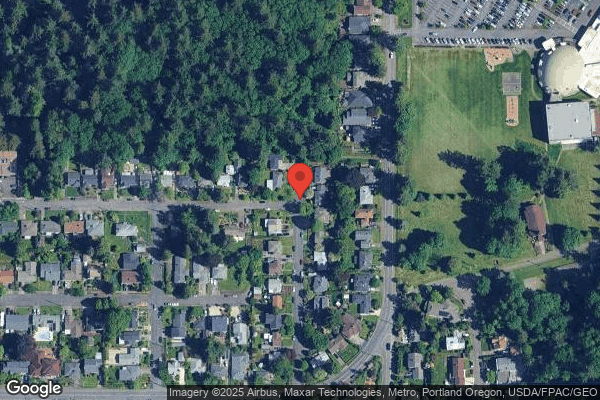

8643 NE BEECH STREET, PORTLAND, OR 97220 (503) 256-2151
For profit - Limited Liability company 55 Beds PACS GROUP Data: November 2025
Trust Grade
23/100
#85 of 127 in OR
Last Inspection: February 2025

Within standard 12-15 month inspection cycle. Federal law requires annual inspections.

Overview

Evergreen Post Acute has received a Trust Grade of F, indicating poor performance and significant concerns about care quality. It ranks #85 out of 127 facilities in Oregon, placing it in the bottom half of nursing homes, and #21 out of 33 in Multnomah County, meaning only a few local options are better. Unfortunately, the facility is worsening, with reported issues increasing from 1 in 2024 to 18 in 2025. Staffing is rated average at 3 out of 5 stars, but the 59% turnover rate is concerning, which may affect continuity of care. Additionally, RN coverage is below average, being less than 96% of facilities in the state, which could lead to missed health issues. Specific incidents include a resident being sent to the hospital for shortness of breath after receiving incorrect medications, and failure to properly sanitize and store personal protective equipment, putting residents at risk for infection. Overall, while the facility does have some average staffing, the troubling trends and serious incidents raise significant concerns for families considering this home.

Trust Score
F
23/100
In Oregon
#85/127
Bottom 34%
Safety Record
High Risk
Review needed
Inspections
Getting Worse
1 → 18 violations
Staff Stability
⚠ Watch
59% turnover. Above average. Higher turnover means staff may not know residents' routines.
Penalties
⚠ Watch
$4,194 in fines. Higher than 76% of Oregon facilities, suggesting repeated compliance issues.
Skilled Nurses
⚠ Watch
Each resident gets only 16 minutes of Registered Nurse (RN) attention daily — below average for Oregon. Fewer RN minutes means fewer trained eyes watching for problems.
Violations
⚠ Watch
39 deficiencies on record. Higher than average. Multiple issues found across inspections.
★★☆☆☆
2.0
Overall Rating
★★★☆☆
3.0
Staff Levels
★★☆☆☆
2.0
Care Quality
★★☆☆☆
2.0
Inspection Score
Stable
2024: 1 issues
2025: 18 issues

The Good

  • Full Sprinkler Coverage · Fire safety systems throughout facility
  • No fines on record

Facility shows strength in fire safety.

The Bad

2-Star Overall Rating

Below Oregon average (3.0)

Below average - review inspection findings carefully

Staff Turnover: 59%

13pts above Oregon avg (46%)

Frequent staff changes - ask about care continuity

Federal Fines: $4,194

Below median ($33,413)

Minor penalties assessed

Chain: PACS GROUP

Part of a multi-facility chain

Ask about local staffing decisions and management

Staff turnover is elevated (59%)

11 points above Oregon average of 48%

The Ugly 39 deficiencies on record

1 actual harm
Feb 2025 18 deficiencies
CONCERN (D)

Potential for Harm - no one hurt, but risky conditions existed

Deficiency F0561 (Tag F0561)

Could have caused harm · This affected 1 resident

Based on observation, interview and record review it was determined the facility failed to honor a resident's preference for timing of wound care for 1 of 1 sampled resident (#42) reviewed for choices...

Read full inspector narrative →
Based on observation, interview and record review it was determined the facility failed to honor a resident's preference for timing of wound care for 1 of 1 sampled resident (#42) reviewed for choices. This placed resident at risk for impaired sleep and reduced quality of life. Findings include: Resident 42 was admitted to the facility in 1/2025 with diagnoses including a stage four pressure ulcer and a non-pressure chronic ulcer with necrosis of the bone (non-healing open sore with loss of bone tissue). A review of Resident 42's physician orders indicated wound care was to be performed twice daily. A review of Resident 42's scheduled pain medication showed administration times to be at 6:00 AM, 12:00 PM, 6:00 PM, and 12:00 AM. Resident 42 also had physician orders for two other separate pain medications every three hours, as needed. On 1/28/25 Resident 42's admissions assessment noted Resident 42 to be social and looked forward to activities and it was very important for her/him to do things with groups of people. On 2/10/25 at 10:41 AM and on 2/12/25 at 1:32 PM, Resident 42 stated it was inconvenient for her/him to receive wound care at lunch time and midnight because it caused her/him to miss scheduled activities and not sleep well at night. Resident 42 stated she/he requested to have her/his scheduled wound care changed to morning and evening, but nothing was changed. On 2/12/25 at 1:16 PM Staff 13 (CNA) stated Resident 42 received her/his pain medication for wound care. On 2/12/25 Resident 42 received wound care from 2:12 PM to 2:42 PM. During an interview on 2/13/25 at 8:18 AM, Staff 30 (RCM) stated Resident 42's wound care was coordinated around the time of her/his pain medication and when nurses could do the wound care. During an interview on 2/18/25 at 11:35 AM, Staff 1 (Administrator) and Staff 2 (DNS) stated treatment times were based on residents' preferences and could be customized. Staff 1 and Staff 2 acknowledged Resident 42's preferences were not honored related to her/his wound care treatments.
CONCERN (D) 📢 Someone Reported This

A family member, employee, or ombudsman was alarmed enough to file a formal complaint

Potential for Harm - no one hurt, but risky conditions existed

Free from Abuse/Neglect (Tag F0600)

Could have caused harm · This affected 1 resident

Based on interview and record review it was determined the facility failed to protect the residents' right to be free from physical abuse by a resident for 1 of 5 sampled residents (#10) reviewed for ...

Read full inspector narrative →
Based on interview and record review it was determined the facility failed to protect the residents' right to be free from physical abuse by a resident for 1 of 5 sampled residents (#10) reviewed for abuse. This placed residents at risk for abuse. Findings include: The facility's Abuse Policy and Procedure dated 8/2024, stated: Abuse is defined as: a. Abuse is the willful infliction of injury, unreasonable confinement, intimidation, or punishment with resulting physical harm, pain or mental anguish. c. Instances of abuse of all residents, irrespective of any mental, physical condition, cause physical harm, pain or mental anguish. It includes verbal abuse, sexual abuse, physical abuse and mental abuse including abuse facilitated or enabled through the use of technology. Resident 10 was admitted to the facility in 4/2017 with diagnoses including obstructive pulmonary disease and dementia. Resident 10's 1/13/25 Annual MDS indicated the resident was cognitively intact. Resident 27 was admitted to the facility in 2/2023 with diagnoses including end stage renal disease and PTSD (Post-traumatic stress disorder). Resident 27's 11/22/24 Quarterly MDS indicated the resident was cognitively intact. A 12/28/24 facility investigation indicated an interaction occurred between Resident 10 and Resident 27. Staff indicated Resident 10 and Resident 27 were near the nurse's station when Resident 27 struck Resident 10 on the left side of the face, one of Resident 27's fingers poked Resident 10 in the eye. On 2/11/25 at 8:40 AM, Resident 10 stated she/he was hit on the side of her/his face and on her/his torso by Resident 27. Resident 10 stated she/he was scared and felt unsafe at the time of the incident. On 2/12/25 at 8:46 AM, Staff 22 (RN) stated she witnessed Resident 27 being physically aggressive with Resident 10 12/28/24. Staff 22 stated Resident 27 struck Resident 10 on the left side of her/his face, resulting in Resident 10 being poked in they eye. On 2/18/25 at 8:21 AM, Staff 17 (CNA) stated she witnessed Resident 27 hit Resident 10 with her/his fist on the left side of the face causing Resident 10 to have swelling and redness on her/his left eye. Staff 17 stated Resident 10 seemed afraid because she/he had been hit on the face. On 2/18/25 at 9:38 AM, Staff 26 (CNA) stated on 12/28/24 she heard a slap and heard Resident 10 repeat she/he had been hit. Staff 26 stated she witnessed Resident 27 punch Resident 10 on her/his face causing redness and swelling to her/his eye. Staff 26 stated Resident 10 stated she/he was scared and repeated she/he had been hit. On 2/18/25 at 11:47 AM, Staff 1 (Administrator), Staff 2 (DNS) and Staff 4 (Regional Nurse Consultant) were aware and acknowledged the physical altercation on 12/28/24 between Resident 10 and Resident 27.
CONCERN (D)

Potential for Harm - no one hurt, but risky conditions existed

Deficiency F0655 (Tag F0655)

Could have caused harm · This affected 1 resident

Based on interview and record review it was determined the facility failed to provide residents and their representatives with a baseline care plan and to ensure baseline care plans included care for ...

Read full inspector narrative →
Based on interview and record review it was determined the facility failed to provide residents and their representatives with a baseline care plan and to ensure baseline care plans included care for an indwelling urinary catheter for 2 of 4 sampled residents (#s 46 and 254) reviewed for care planning and catheter care. This placed residents at risk for being uniformed of their plan of care and complications of catheter use. Findings include: The facility's 5/2024 Baseline Care Plan Policy indicated the following: -A baseline care plan was to be developed for each resident within 48 hours of admission and was to be used until an interdisciplinary, person-centered and comprehensive care plan was developed. -The baseline care plan was to include instructions needed to provide effective, person-centered care of the resident. -The resident and/or representative was to be provided a written summary of the baseline care plan. 1. Resident 46 was admitted to the facility in 12/2024 with diagnoses including cognitive and communication deficit. Review of Resident 46's clinical record revealed no evidence baseline care plan information was provided to the resident or her/his involved family member. On 2/10/25 at 3:04 PM, Witness 1 (Family member) stated she was never provided with a baseline care plan for Resident 46 and she wanted one. On 2/18/25 at 8:28 AM, Resident 46 stated she/he never received a copy of her/his baseline care plan, she/he wanted one and she/he wanted Witness 1 to have a copy. On 2/18/25 at 9:49 AM, Staff 2 (DNS) acknowledged a baseline care plan was not given to Resident 46 or Witness 1. 2. Resident 254 was admitted to the facility in 1/2025 with diagnoses including complications associated with an indwelling urinary catheter with the presence of an indwelling catheter. Resident 254's 1/30/25 Nursing admission Assessment revealed the resident had an indwelling urinary catheter in place. Resident 254's Baseline Care Plan, initiated on 1/30/25, did not include information about the use of the resident's catheter. On 2/12/25 at 10:00 AM, Staff 2 (DNS) acknowledged Resident 254's baseline care plan did not include information regarding her/his catheter.
CONCERN (D)

Potential for Harm - no one hurt, but risky conditions existed

Deficiency F0676 (Tag F0676)

Could have caused harm · This affected 1 resident

Based on observation, interview and record review it was determined the facility failed to provide appropriate treatment and services in the area of communication for 1 of 2 sampled residents (#254) r...

Read full inspector narrative →
Based on observation, interview and record review it was determined the facility failed to provide appropriate treatment and services in the area of communication for 1 of 2 sampled residents (#254) reviewed for communication. This placed residents at risk for diminished quality of life and potential decline in their ability to carry out activities of daily living. Findings include: Resident 254 was admitted to the facility in 1/2025 with diagnoses including dementia and hearing loss. Resident 254's 1/30/25 Baseline Care Plan indicated the resident was hard of hearing and wore bilateral hearing aids, and staff were to ensure the resident's hearing aids were in her/his ears or were to use a dry erase board in order to ensure proper communication. On 2/10/25 at 10:44 AM, Resident 254 was observed in her/his room and sat in her/his wheelchair. No dry erase board was visible in the resident's room and the resident's hearing aids were in her/his ears. The state surveyor greeted the resident and spoke at a loud volume to which the resident stated, I can't hear you. On 2/10/25 at 10:45 AM, Staff 32 (Agency CNA) stated when she started her shift at 6:00 AM, Resident 254's hearing aids were already in her/his ears. On 2/10/25 at 12:38 PM, Resident 254 was observed in the dining room accompanied by Witness 2 (Resident Representative). Resident 254 was unable to hear either the state surveyor or Witness 2, even at a loud volume. Witness 2 removed the resident's hearing aids and stated they were completely dead. Witness 2 returned to the dining room after she placed the resident's hearing aids on the charger in the resident's room and stated it was a constant battle to get staff to remove the resident's hearing aids at night and put them on the charger. Witness 2 stated she visited Resident 254 at the facility daily and there was always a problem with the hearing aids, including the resident's hearing aids not being charged, hanging out of the resident's ears, or just sitting on the charger. On 2/11/25 at 11:30 AM, Resident 254 was observed in the facility's common area and sat in her/his wheelchair. The state surveyor verbally greeted the resident in an elevated voice but the resident did not demonstrate comprehension in either words or actions. On 2/11/25 at 1:47 PM, Staff 27 (CNA) stated she noticed problems with [Resident 254's] hearing aids last week and they did not seem to work at all. On 2/11/25 at 3:04 PM, Staff 28 (CNA) stated Resident 254 could not hear anything without her/his hearing aids. Staff 28 stated Resident 254's hearing aids were pretty crucial because she/he was able to hear pretty good and able to understand more of what was going on when she/he wore them but, sometimes people forgot to charge them. Staff 28 further stated he had not seen a dry erase board in the resident's room until the previous day. On 2/12/25 at 8:39 AM, Staff 33 (SLP) stated Resident 254 was very hard of hearing and her/his ability to follow directions and answer questions was improved when they were written down. Staff 33 stated she talked to all of the CNAs about the resident's ability to respond better to visual commands but had not noticed anyone doing it. Staff 33 stated she brought her own dry erase board each time she worked with Resident 254 as there was never one available in her/his room. Staff 33 further stated it took staff maybe a week to realize [Resident 254] absolutely needed to have [her/his] hearing aids charged. On 2/12/25 at 9:45 AM, Staff 30 (LPN Resident Care Manager) stated she provided Resident 254 with a dry erase board on her/his day of admission to the facility, but was not sure if the board was transferred with the resident when she/he moved rooms on the second day of her/his stay at the facility. On 2/12/25 at 10:00 AM, Staff 2 acknowledged there were concerns around Resident 254's hearing aids and did not comment on the use of the dry erase board to improve communication.
CONCERN (D)

Potential for Harm - no one hurt, but risky conditions existed

ADL Care (Tag F0677)

Could have caused harm · This affected 1 resident

**NOTE- TERMS IN BRACKETS HAVE BEEN EDITED TO PROTECT CONFIDENTIALITY** Based on observation, interview, and record review it was determined the facility failed to ensure dependent residents received ...

Read full inspector narrative →
**NOTE- TERMS IN BRACKETS HAVE BEEN EDITED TO PROTECT CONFIDENTIALITY** Based on observation, interview, and record review it was determined the facility failed to ensure dependent residents received required assistance with ADLs for 1 of 2 sampled residents (#21) reviewed for ADLs. This placed residents at risk for lack of personal hygiene. Findings include: Resident 21 was admitted to the facility in 3/2024 with diagnoses including Parkinson's disease and muscle weakness. Resident 21's admission MDS dated [DATE] indicated the resident had moderate cognitive impairment and required one-person total assistance with personal hygiene and grooming. Resident 21 was observed on 2/10/25 at 12:28 PM, and on 2/12/25 at 1:10 PM, with a significant amount of chin hairs. On 2/10/25 at 12:28 PM, Resident 21 stated she/he did not want to have facial hair but was not able to look at herself/himself or touch her/his face due to lack of mobility in her/his arms from Parkinson's disease. Resident 21 stated she/he relied on staff to shave unwanted facial hair. On 2/12/25 at 3:33 PM, Staff 14 (CNA) stated she obtained information to care for Resident 21 from the [NAME] (bedside care plan) and acknowledged Resident 21 had long chin hairs. On 2/13/25 at 9:58 AM, Staff 2 (DNS) stated she expected staff to implement and follow the care plan, ensuring Resident 21 was provided appropriate personal hygiene care, including the removal of facial hair.
CONCERN (D)

Potential for Harm - no one hurt, but risky conditions existed

Quality of Care (Tag F0684)

Could have caused harm · This affected 1 resident

Based on interview and record review it was determined the facility failed to follow physician orders for daily wound care for 1 of 1 resident (#50) reviewed for discharge. This placed the resident at...

Read full inspector narrative →
Based on interview and record review it was determined the facility failed to follow physician orders for daily wound care for 1 of 1 resident (#50) reviewed for discharge. This placed the resident at risk for complications related to chronic wounds. Findings included: Resident 50 was admitted to the facility in 11/2024 for wound care with diagnoses including lower extremity venous stasis ulcers. admission orders dated 11/18/24 included silver sulfadiazine cream 1 %: Apply to right leg topically one time a day and as needed for wound care. Review of the 11/2024 TAR and nursing notes dated 11/20/24 revealed wound care was not provided on 11/20/24 due to the silver sulfadiazine cream not being available. There was no documentation on the TAR or in nursing notes to indicate if wound care was completed on 11/21/24, however, a physician progress note dated 11/22/24 revealed the resident complained to the provider she/he had not received wound care while in the facility. The resident left the facility AMA (against medical advise) later that day. An attempt was made to contact the resident on 2/14/25 without success. On 2/18/25 at 8:03 AM, Staff 2 (DNS) explained the process for obtaining ordered medications and wound care supplies. Staff 2 stated the facility could have contacted the pharmacy to have the silver sulfadiazine cream delivered the day it was needed. Staff 2 stated these instructions were available to agency nurses or the nurses could have contacted her for assistance. Staff 2 confirmed the facility did not have the silver sulfadiazine cream and resident did not receive wound care as ordered until 11/22/24 the day Resident 50 left the facility.
CONCERN (D)

Potential for Harm - no one hurt, but risky conditions existed

Deficiency F0688 (Tag F0688)

Could have caused harm · This affected 1 resident

Based on observation, interview and record review it was determined the facility failed to provide appropriate treatment and services to maintain and prevent a potential decrease in ROM or mobility fo...

Read full inspector narrative →
Based on observation, interview and record review it was determined the facility failed to provide appropriate treatment and services to maintain and prevent a potential decrease in ROM or mobility for 2 of 2 sampled residents (#s 5 and 28) reviewed for restorative services. This placed residents at risk for loss of ROM and mobility. Findings include: The facility's Restorative Nursing Policy, dated 8/1/24, indicated the following: -It is the policy of this facility to ensure that a resident's communication, mobility, range of motion, performance of ADLs, eating and toileting do not deteriorate unless the deterioration is unavoidable. Residents evaluated with deficits in communication, mobility, range of motion, performance of ADLs, eating or toileting received necessary care and services to attain and maintain their highest practicable physical, mental and psychosocial well-being. -Residents with the need to improve functional status were re-evaluated monthly to determine effectiveness of the current interventions and need to revise goals or interventions. -Residents with the need to maintain current functional status were re-evaluated at least quarterly to determine effectiveness of current interventions and need to revise goals or interventions. 1. Resident 5 was admitted to the facility in 7/2016 with diagnoses including non-traumatic brain hemorrhage (bleed), epilepsy and Wernicke's encephalopathy (a brain injury caused by a lack of vitamin B1). Resident 5's Restorative Nursing Range of Motion Care Plan, last revised 10/29/24 with a target date of 5/8/25, indicated the resident was at risk for a decline and/or complications with ROM in her/his joints. The resident was to receive RA services two times per week. The 1/6/25 Resident Council Meeting Minutes indicated residents requested to have the Restorative Program re-instated because residents wanted help with walking and ROM. Review of Resident 5's ROM RA task logs indicated the last time the resident received RA services was on 11/17/24. Random observations from 2/10/25 through 2/12/25 between the hours of 4:45 AM and 4:15 PM revealed Resident 5 was not observed doing any ROM exercises. Resident 5 was mostly seen in her/his bed with the lights off, sleeping. A sign was observed over Resident 5's bed which indicated the resident received RA services two times a week; on Monday and Saturday. On 2/10/25 at 11:11 AM Resident 5 stated she/he was not currently doing any exercises. On 2/11/25 at 2:53 PM Staff 11 (Director of Rehabilitation) stated there was currently no active RA program in place since at least 12/1/24 due to the facility having no dedicated RA staff. On 2/12/24 at 11:47 AM Staff 1 (Administrator) confirmed the facility did not currently have an active RA program thus Resident 5 did not receive RA services. Staff 1 stated CNAs did not carry-out a resident's RA program because those programs were specialized to each resident and required trained RA staff to complete each resident's individualized program. 2. Resident 28 was admitted to the facility in 8/2023 with diagnoses including a brain stem stroke, severe dementia, Alzheimer's disease and dysphagia (difficulty swallowing). Resident 28's Restorative Nursing Mobility Care Plan, last revised 9/20/24 with a target date of 3/1/25, indicated the resident was to complete five sit to stand exercises in the parallel bars with one person assist using a gait belt. No weekly frequency of RA services was identified. The 1/6/25 Resident Council Meeting Minutes indicated residents requested to have the Restorative Program re-instated because the residents wanted help with walking and ROM. A review of Resident 28's mobility RA task logs indicated the last time the resident received RA services was on 2/24/24. Random observations from 2/10/25 through 2/12/25 between the hours of 4:45 AM and 4:15 PM revealed Resident 28 was either in her/his bed or was up in a wheelchair sitting in the common area. The resident was not observed doing restorative services during observations. On 2/11/25 at 2:53 PM Staff 11 (Director of Rehabilitation) stated there was currently no active RA program in place since at least 12/1/24 due to the facility having no dedicated RA staff. On 2/12/24 at 11:47 AM Staff 1 (Administrator) confirmed the facility did not currently have an active RA program thus Resident 28 did not receive RA services. Staff 1 stated CNAs did not carry-out a resident's RA program because those programs were specialized to each resident and required trained RA staff to complete each resident's individualized program.
CONCERN (D)

Potential for Harm - no one hurt, but risky conditions existed

Incontinence Care (Tag F0690)

Could have caused harm · This affected 1 resident

Based on observation, interview and record review it was determined the facility failed to ensure residents received treatment and services related to the use of an indwelling urinary catheter for 1 o...

Read full inspector narrative →
Based on observation, interview and record review it was determined the facility failed to ensure residents received treatment and services related to the use of an indwelling urinary catheter for 1 of 2 sampled residents (#254) reviewed for catheter care. This placed residents at risk for complications of catheter use. Findings include: The facility's 8/2024 Indwelling Urinary Catheter Policy and Procedure revealed a resident with a catheter was evaluated for the ongoing need for an indwelling catheter following their admission. If the resident did not have appropriate indications for continuing its use, the physician was to be contacted to determine if the catheter could be discontinued. If there was an appropriate indication for use, then orders were to be reviewed to include the medical justification for the catheter use, catheter size, frequency of catheter, bag and tubing changes and catheter irrigations if appropriate. Resident 254 was admitted to the facility in 1/2025 with diagnoses including complications associated with an indwelling urinary catheter with the presence of an indwelling catheter and dementia. Resident 254's 1/30/25 Nursing admission Assessment revealed the resident had an indwelling urinary catheter in place. No evidence was found in Resident 254's clinical record to indicate the need for her/his catheter or treatment and services related to the resident's catheter was provided. Additionally, no orders were received that included detailed information about the resident's catheter On 2/10/25 at 10:44 AM, Resident 254 was observed in her/his room and sat in her/his wheelchair. The tubing and bag of her/his catheter was visible underneath her/his wheelchair. Resident 254 was unable to answer any questions related to her/his catheter at this time. On 2/10/25 at 1:38 PM, Witness 2 (Resident Representative) stated she did not think Resident 254 received regular catheter care, and on one occasion, she observed the resident's catheter to be improperly secured. On 2/11/25 at 1:47 PM, Staff 27 (CNA) stated she did not provide catheter care for Resident 254, which included to empty the resident's catheter bag, from the start of her shift at 6:00 AM until the resident left the facility at 1:45 PM for a medical appointment. Staff 27 further stated she did not know the facility's expectation regarding catheter care for residents and thought this information was found in a resident's care plan. On 2/11/25 at 4:08 PM, Staff 29 (LPN) stated she did not know any information about Resident 254's catheter, including its size or type, or how often the resident received catheter care because the resident did not have any related physician orders. Staff 29 further stated she had not done anything with regards to the resident's catheter because of the lack of physician orders. On 2/11/25 at 4:15 PM, Resident 254 returned to the facility from her/his medical appointment and her/his catheter bag was filled with 600 cubic centimeters of dark yellow urine. On 2/12/25 at 9:45 AM, Staff 30 (LPN Resident Care Manager) stated she was not aware Resident 254 had a catheter until 2/11/25. Staff 30 further stated resident catheter care was to be completed every shift and residents were to have orders in place to reflect catheter indications, specifications and care.
CONCERN (D)

Potential for Harm - no one hurt, but risky conditions existed

Deficiency F0698 (Tag F0698)

Could have caused harm · This affected 1 resident

Based on observation, interview and record review it was determined the facility failed to ensure dialysis services were in place including monitoring and communication with the dialysis provider for ...

Read full inspector narrative →
Based on observation, interview and record review it was determined the facility failed to ensure dialysis services were in place including monitoring and communication with the dialysis provider for 1 of 1 sampled resident (# 27) reviewed for dialysis. This placed residents at risk for dialysis complications and delayed treatment. Findings include: The facility's Dialysis policy, dated 8/1/24, indicated the following: a. The licensed nurse completes the Dialysis Center Communication Form prior to the resident leaving for dialysis. Weights are obtained from Dialysis Communication Center Form. b. Upon return, the post dialysis assessment portion of the form is completed and attached to the resident's medical record. ***Note-Residents who require hemodialysis are provided ongoing assessment and monitoring of the resident's condition before and after dialysis treatments including for complications and interventions as part of nursing standard of practice. Issues are documented, as noted, by the licensed nurse and medical providers are notified. Resident 27 was admitted to the facility in 2/2023 with diagnoses including end stage renal disease and PTSD (Post-traumatic stress disorder). Resident 27's 11/22/24 Quarterly MDS indicated the resident was cognitively intact. Resident 27's 10/29/24 Dialysis Care Plan indicated the resident received dialysis on Monday, Wednesday and Friday at 11:00 AM. From 12/27/24 through 2/12/25, Resident 27 had 18 dialysis treatments. A review of Resident 27's clinical record revealed no evidence nursing staff contacted the dialysis center to obtain a verbal or electronic report due to missing pre-dialysis and post-dialysis information on any of the resident's 18 dialysis visits since 12/27/24 including Resident 27's weights. The clinical record revealed the last documented weight for Resident 27 was on 2/3/25. On 2/11/25 at 11:16 AM, Resident 27 stated she/he went to dialysis on Monday, Wednesday and Friday around 10:30 AM and usually returned to the facility sometime after 5:00 PM. Resident 27 stated when she/he left the for her/his dialysis appointments she/he was not provided a Dialysis Center Communication Form. On 2/12/25 at 10:22 AM, Resident 27 was observed in her/his wheelchair leaving the facility for her/his dialysis appointment. Resident 27 did not have a Dialysis Center Communication Form when she/he left for her/his dialysis appointment. On 2/12/25 at 11:31 AM, Staff 21 (Agency LPN) stated she was not given any instructions on any of the residents prior to starting her shift on 2/12/25. Staff 21 stated she was not aware Resident 27 was on dialysis nor was she aware the resident had a dialysis appointment the morning of 2/12/25. Staff 21 stated the Dialysis Center Communication Form was not filled out or sent with the resident to her/his dialysis appointment. On 2/12/25 at 12:25 PM, and on 2/13/25 at 9:50 AM, Staff 2 (DNS) confirmed the last Dialysis Center Communication Form for Resident 27 was dated 12/24/25 and the last documented weight for Resident 27 was on 2/3/25. Staff 2 stated she expected staff to complete the Dialysis Communication Form and to reach out to the dialysis clinic if there was missing information on the dialysis form.
CONCERN (D)

Potential for Harm - no one hurt, but risky conditions existed

Deficiency F0699 (Tag F0699)

Could have caused harm · This affected 1 resident

Based on observation, interview and record review it was determined the facility failed to ensure residents received trauma informed care for 2 of 7 sampled residents (#s 27 and 46) reviewed for behav...

Read full inspector narrative →
Based on observation, interview and record review it was determined the facility failed to ensure residents received trauma informed care for 2 of 7 sampled residents (#s 27 and 46) reviewed for behavioral-emotional care and abuse. This placed residents at risk for re-traumatization. Findings include: The facility's 8/2024 Trauma-Informed Care Policy and Procedure revealed the following: -The facility screened newly admitted resident for indications of trauma as part of the comprehensive care plan process, accomplished through interview with the resident and/or her/his representative as appropriate. -The center developed an appropriate plan of care and interventions based upon the screening responses and observations of the resident. 1. Resident 27 was admitted to the facility in 2/2023 with diagnoses including end stage renal disease and PTSD (Post-traumatic stress disorder). Resident 27's 11/22/24 Quarterly MDS revealed the resident was cognitively intact, able to make herself/himself understood and understood others without difficulty. On 2/10/25 at 10:16 AM, and on 2/11/25 at 12:52 PM, Resident 27 was observed in her/his room in her/his wheelchair facing the door without the lights or TV on. Resident 27 stated she/he suffered from PTSD as a result of an accident she/he was involved in that left her/him paralyzed. Resident 27 stated no one at the facility discussed the cause of her/his PTSD or potential triggers for re-traumatization. No evidence was found in Resident 27's clinical record to indicate an assessment of the resident's trauma was completed or a care plan was developed to address the resident's potential trauma triggers. On 2/12/25 at 9:09 AM, Staff 5 (Social Services Director) stated resident trauma screenings were to be completed at the time of admission for all residents. Staff 5 stated she did not develop a care plan related to Resident 27's history of trauma or potential triggers. On 2/12/25 at 3:25 PM, Staff 14 (CNA) stated she thought Resident 27 might have PTSD but wasn't sure and was unaware if she/he had any triggers. On 2/18/25 at 10:07 AM, Staff 2 (DNS) acknowledged Resident 27's trauma and nothing was implemented related to her/his trauma triggers. 2. Resident 46 was admitted to the facility in 12/2024 with diagnoses including hemiparesis (partial weakness on one side of the body) and hemiplegia (complete paralysis on one side of the body). Resident 46's 1/7/25 admission MDS indicated the resident was cognitively intact and it was very important to the resident to have family or a close friend involved in discussions about her/his care. Resident 46's 1/7/25 Social History Assessment listed numerous traumatic events the resident either witnessed or experienced. Resident 46's 1/8/25 Activity Care Plan indicated Witness 1 (Family Member) was very involved and helpful in answering questions. No evidence was found in Resident 46's clinical record to indicate a care plan was developed to address the resident's trauma history, the resident was asked specific questions related to triggers of her/his traumas or involved family members were interviewed in order to provide information about the resident's trauma history and potential triggers. On 2/18/25 at 8:28 AM, Resident 46 was observed in her/his room in bed. Resident 46 stated a staff person spoke to her/him a little bit about her/his trauma history but no one spoke with her/him about her/his trauma triggers. Resident 46 further stated she/he saw things that people should never have to see. On 2/13/25 at 9:48 AM, Staff 5 (Social Services Director) stated all residents were screened for trauma, and any resident with a positive trauma screen received a trauma care plan so staff could be aware of behaviors and to avoid re-traumatization. Staff 5 stated Resident 46 listed several traumas during her/his trauma screen, but she did not develop a care plan related to the resident's history of trauma and potential trauma triggers or interview Witness 1 about the resident's trauma history. On 2/18/25 at 11:08 AM, Staff 1 (Administrator), Staff 2 (DNS) and Staff 4 (Regional Nurse Consultant) acknowledged Resident 46's trauma and nothing was implemented related to her/his trauma triggers.
CONCERN (D)

Potential for Harm - no one hurt, but risky conditions existed

Deficiency F0740 (Tag F0740)

Could have caused harm · This affected 1 resident

Based on observation, interview and record review it was determined the facility failed to provide necessary behavioral health care and services for 1 of 5 sampled residents (#46) reviewed for abuse. ...

Read full inspector narrative →
Based on observation, interview and record review it was determined the facility failed to provide necessary behavioral health care and services for 1 of 5 sampled residents (#46) reviewed for abuse. This placed residents at risk for unaddressed behavioral and emotional needs and a decrease in their quality of life. Findings include: The facility's 8/2024 Behavior Monitor Policy and Procedure directed the following: -Residents who resided in the facility who developed behavior symptoms received a comprehensive assessment completed by social services to identify potential precipitating factors as possible causes for behavior. -Target behavior was to be described as specifically as possible and interventions developed based on the resident's targeted behaviors. -If all behavior interventions were attempted and not effective, the charge nurse was to be notified. -The charge nurse was to further evaluate the resident and take further action to manage the behavioral symptoms. -The RNCM and DNS were to be notified through the 24-Hour Report of effectiveness or ineffectiveness of behavioral interventions and use of pharmacological intervention. Resident 46 was admitted to the facility in 12/2024 with diagnoses including hemiparesis (partial weakness on one side of the body) and hemiplegia (complete paralysis on one side of the body). Resident 46's 1/7/25 admission MDS revealed the resident was cognitively intact and she/he felt little interest or pleasure in doing things and felt down, depressed or hopeless over the previous two weeks. The Psychosocial Well-Being CAA indicated activity staff was made aware of the resident's report of little interest in doing things and the resident's psychosocial well-being was to be addressed in her/his care plan with the goal of improvement in this area. Review of Resident 46's Progress Notes from 1/7/25 through 2/3/25 indicated the resident was aggressive, combative, refused care, agitated, uncooperative, irritable, frustrated and was not adjusting well to the facility. Observations of Resident 46 from 2/10/25 to 2/12/25 between 5:27 AM through 4:03 PM revealed the resident to be in her/his room in bed. The television was turned on but the resident frequently had her/his eyes closed or looked out her/his window. A staff member was always present in the resident's room. On 2/10/25 at 3:04 PM, Witness 1 (Family Member) stated Resident 46 spent her/his entire day in bed and was constantly supervised by a staff person in order to prevent falls. Witness 1 stated the resident had a temper and was often mad at herself/himself because her/his body did not work. On 2/11/25 at 11:02 AM, Staff 27 (CNA) stated Resident 46 did not like men to touch her/him, and if they did, the resident was combative. Staff 27 stated she was told by another CNA to make sure to have another staff person assist her when she provided care to Resident 46 on account of her/his behaviors. On 2/11/25 at 4:23 PM, Staff 36 (CNA) stated Resident 46's behaviors were too much. Staff 36 stated the resident was physically and verbally abusive, frequently refused care and would throw her/his bowel movements at staff. Staff 36 stated the resident called him names, told him to go back to the forest, hit and punched him. Staff 36 stated he reported these behaviors to the nurses but was told that this was [the resident's] behavior and was not provided with any assistance or interventions to help mitigate or avoid the behaviors. On 2/12/25 at 5:15 AM, Staff 37 (Agency CNA) stated Resident 46 was frequently verbally and physically abusive and made racist and disparaging comments. Staff 37 stated he reported these behaviors to the nurse who did not seem to care too much. On 2/12/25 at 5:35 AM, Staff 38 (CNA) stated Resident 46 had very bad behavior and no one has given any help or interventions to make care better. Staff 38 stated she no longer reached out to management staff about resident behaviors because they don't reach back. On 2/12/25 at 5:57 AM, Staff 39 (Agency LPN) stated Resident 46 was verbally and physically aggressive to the point staff could not complete care and he was unaware of any behavioral interventions to use with the resident outside of reapproaching her/him at a later time. On 2/13/25 at 9:48 AM, Staff 5 (Social Services Director) stated she initiated a mood and behavior care plan for a resident as soon as she was aware of any mood or behavior issues, which included depression, physical and verbal aggression. Staff 5 stated she was not aware of Resident 46's verbal and physical aggression, racist comments or her/his resistance to care and the resident did not have a care plan in place for these behaviors. Staff 5 stated she did make a referral to a mental health agency following the resident's depressive comments on her/his admission MDS but was unsure of the status of the referral. Staff 5 stated she did not create a care plan related to the resident's depressed mood or phsychsocial well-being. On 2/13/25 at 11:40 AM, Staff 30 (LPN Resident Care Manager) stated Resident 46 was very agitated, physically and verbally aggressive and frustrated by the loss of her/his independence. Staff 30 stated she was not made aware the resident reported feeling down, depressed or hopeless or experienced little interest or pleasure in doing things on her/his admission MDS but thinks she spoke with the resident's provider at one point about the resident's depression. On 2/18/25 at 7:49 AM, Staff 6 (Activities Director) stated she was not made aware of Resident 46's report of feeling little interest or pleasure in doing things. On 2/18/25 at 8:28 AM, Resident 46 was observed in her/his room in bed. Resident 46 stated she/he did not feel great since her/his admission to the facility. Resident 46 stated no one at the facility spoke to her/him about her/his mood and she/he was open to having this conversation. Resident 46 stated she/he did not want to work with a couple of guys who were staff at the facility. Resident 46 stated no one spoke with her/him regarding how to honor her/his care preferences or make her/his care better. On 2/18/24 at 9:32 AM, Staff 2 (DNS) acknowledged Resident 46's mood and behaviors needed to be addressed, evaluated, and a care plan developed to address the residents emotional needs.
CONCERN (D)

Potential for Harm - no one hurt, but risky conditions existed

Deficiency F0806 (Tag F0806)

Could have caused harm · This affected 1 resident

Based on observation, interview and record review it was determined the facility failed to accommodate resident dietary preferences for 1 of 2 sampled residents (#46) reviewed for nutrition. This plac...

Read full inspector narrative →
Based on observation, interview and record review it was determined the facility failed to accommodate resident dietary preferences for 1 of 2 sampled residents (#46) reviewed for nutrition. This placed residents at risk for not receiving preferred food. Findings include: Resident 46 was admitted to the facility in 12/2024 with diagnoses including dysphagia (difficulty swallowing) and cognitive and communication deficit. Resident 46's 1/21/25 Physician Orders directed the resident to receive a regular diet with a minced and moist texture. Resident 46's 1/24/25 Nutrition At Risk Evaluation revealed weight gain was desirable for the resident. A 1/24/25 Social Service Note revealed Witness 1 (Family Member) was informed Resident 46's meal portion size would be increased after she reported to Staff 5 (Social Services Director) the resident was hungry all of the time. On 2/10/25 at 3:04 PM, Witness 1 stated Resident 46 was hungry all of the time. Witness 1 stated she spoke with a staff member at the facility a few weeks ago and requested the resident to receive double portions at mealtimes but she/he still received regular portions. On 2/12/25 at 7:43 AM, Resident 46's breakfast was observed to be plated in the facility's kitchen. The resident's meal ticket did not indicate the resident was to receive double portions and the resident received a regularly portioned meal. On 2/13/25 at 9:48 AM, Staff 5 stated she informed Staff 2 (DNS) about Witness 1's request to increase Resident 46's meal portion size. On 2/13/25 at 10:59 AM, Staff 35 (Cook) stated Resident 46 received regularly portioned meals and he was unaware of any request for the resident to receive large or double portions at meal times. On 2/18/25 at 9:32 AM, Staff 2 stated she requested the kitchen to provide Resident 46 with double portions at every meal on 1/24/25 and was unaware her request had not been completed.
CONCERN (D)

Potential for Harm - no one hurt, but risky conditions existed

Infection Control (Tag F0880)

Could have caused harm · This affected 1 resident

Based on observation, interview and record review it was determined the facility failed to ensure enhanced barrier precautions (EBPs) were followed for 1 of 2 sampled residents (#45) reviewed for cath...

Read full inspector narrative →
Based on observation, interview and record review it was determined the facility failed to ensure enhanced barrier precautions (EBPs) were followed for 1 of 2 sampled residents (#45) reviewed for catheter care. This placed residents at risk for infections, communicable disease and cross-contamination. Findings include: The CDC webinar titled Enhanced Barrier Precautions in Skilled Nursing Facilities, dated 11/15/22, indicated the following: -EBPs were a risk based approach to PPE use designed to reduce the spread of multidrug-resistent organisms (MDROs). -EBPs involved use of gown and gloves during high-contact resident care activities with residents known to be colonized or infected with a MDRO as well as, residents with wounds, indwelling catheters, central lines, feeding tubes, tracheostomies (a surgical opening in the neck where a tube is inserted to provide an artificial airway) and ventilators (a machine that helps people breath). The facility's Transmission Based Precautions Policy, dated 8/1/24, indicated the following: -When a resident was colonized with a MDRO, enhanced barrier precautions were utilized to reduce the risk of spread of a MDRO. -Personnel caring for residents on EBPs wore gloves and a gown. This included residents with tracheostomies, wounds, enteral tubes (feeding tubes), central lines and urinary catheters. Resident 45 was admitted to the facility in 12/2024 with diagnoses including hydronephrosis (a backup of urine into the kidney) with renal and ureteral calculous obstruction (a blockage in the tubes that carry urine from the kidneys to the bladder). Resident 45's 12/19/24 hospital transfer orders indicated the resident had an indwelling catheter. Urinary catheter management was per facility nursing protocol. Resident 45's 12/26/24 admission MDS indicated the resident had an indwelling catheter. Observations from 2/10/25 through 2/11/25 between the hours of 8:00 AM and 4:00 PM revealed Resident 45 had an indwelling catheter, an isolation cart with PPE was not observed outside of the resident's room and no EBP signage was noted on the resident's door or wall outside of her/his room. On 2/11/25 at 12:21 PM, Staff 23 (CNA) stated Resident 45 was not on any infection control precautions and there was no signage or PPE outside the resident's door. At 1:47 PM, Staff 23 stated Resident 45 should have been on EBPs because she/he had a catheter. Staff 23 stated staff should have worn a gown and gloves when caring for Resident 45 and reported Staff 25 (Assistant Director of Nursing) stated the resident should have been on EBPs. On 2/11/25 at 1:50 PM, Staff 24 (CNA) stated she was assigned to care for Resident 45 today and was unaware Resident 45 required EBPs and had not been following any infection control precautions when caring for the resident. On 2/11/25 at 1:52 PM, Staff 25 confirmed Resident 45 had an indwelling catheter, was not currently on isolation precautions but should have been on EBPs. Staff 25 stated her expectation was any resident with a catheter should be placed on EBPs.
CONCERN (E)

Potential for Harm - no one hurt, but risky conditions existed

Deficiency F0679 (Tag F0679)

Could have caused harm · This affected multiple residents

Based on observation, interview and record review it was determined the facility failed to provide an ongoing person-centered activity program for 3 of 4 sampled dependent residents (#s 28, 46 and 254...

Read full inspector narrative →
Based on observation, interview and record review it was determined the facility failed to provide an ongoing person-centered activity program for 3 of 4 sampled dependent residents (#s 28, 46 and 254) reviewed for activities. This placed residents at risk of a decline in psychosocial well-being and diminished quality of life. Findings include: The facility's Activity Program Policy, last revised 6/2018, indicated the following: -Activity programs were designed to meet the interests of and support the physical, mental and psychosocial well-being of each resident. -The activities program included facility-organized group activities, independent individual activities and assisted individual activities. -The facility's activity programs were designed to encourage maximum individual participation and were geared to the individual resident's needs. -All activities were documented in the resident's medical record. 1. Resident 28 was admitted to the facility in 8/2023 with diagnoses including a brain stem stroke, severe dementia, Alzheimer's disease and dysphagia (difficulty swallowing). Resident 28's 8/28/24 Annual MDS revealed the resident had severely impaired cognition. Resident 28 liked doing things in groups of people, keeping up with the news, spending time outdoors, being around animals, listening to music and reading books/magazines and newspapers. Resident 28's Activity Care Plan, last revised 12/23/24, included giving the resident sensory supplies and helping him/her to use them and taking the resident outside when it was warm. The 1/6/25 Resident Council Meeting Minutes indicated residents wanted more in-room activities. The facility's Activity Calendar revealed the following scheduled activities: -2/10/25 10:30 AM: Clipper Cuts 2:00 PM: Farkle 3:30 PM: Stretching 4:00 PM: Charades -2/11/25 10:40 AM: Bible Study 1:30 PM: Yahtzee 3:30 PM: Ladies Group 4:30 PM: Dominoes -2/12/25 11:00 AM: Coffee Cafe 1:30 PM: Bingo 3:15 PM: Mobile Scrabble 4:00 PM: Library Cart 4:45 PM Chair Yoga -2/13/25 10:30 AM: Resident Shoppping 1:30 PM: Volleyball Thursday Therapy/Activities 2:30 PM: Chess 4:00 PM Meditation and Socialization -2/14/25 11:00 AM: Menu Planning 2:00 PM: Valentine's Prom Event 4:30 PM: Valentine's Trivia Resident 28's Activity Participation Logs from 1/10/25 through 2/10/25 indicated Resident 28 participated in a one-on-one exercise activity on 1/14/25 and was brought to group bingo on 1/29/25 with a guest. Random observations of Resident 28 conducted from 2/10/25 through 2/12/25 between the hours of 4:45 AM and 4:15 PM revealed the resident was up in her/his wheelchair for hours at a time, sitting in the living area, in front of the television. Resident 28 sat with her/his eyes closed and was not observed to watch television or look out the window. Frequently, other residents and staff were in the living area but none were observed interacting with Resident 28. On 2/11/25, the resident was seen sitting in the living area in her/his wheelchair in front of the television from 11:36 AM until the surveyor left the facility at 4:15 PM. The resident was not engaged in any activities during any observations. When the resident was not up in her/his wheelchair in the living area, the resident was in bed, positioned on her/his left side facing the wall, in a dark room with no stimulation such as music. There were no books, newpapers, magazines or sensory supplies observed in Resident 28's room. On 2/12/25 at 9:17 AM, Staff 34 (CNA) reported Resident 28 usually got up around 10:00 AM or 11:00 AM and sat in her/his wheelchair in the living area, in front of the TV all day. Staff 34 stated she never saw Resident 28 doing anything other than sitting in her/his wheelchair including no group or one-on-one activities in the resident's room or while sitting in the living area. Staff 34 stated Resident 28 did nothing all day and when the resident was in her/his bed, the room was dark and there was no stimulation such as music, occuring. On 2/18/25 at 7:49 AM, Staff 6 (Activities Director) stated she had no programs developed to provide activities to residents with dementia or residents unable to verbalize. Staff 6 reported Resident 28 was not able to engage while in group activities, such as bingo, and could not converse except to occasionally respond to yes/no questions. Staff 6 stated she had no sensory activities for Resident 28 except holding her/his hand on occasion. Staff 6 stated Resident 28 was not being provided with activities to meet her/his preferences or ability level and she/he should be getting more activities. On 2/18/25 at 10:50 AM, Staff 1 (Administrator) stated he expected the facility to have an activities program for dementia residents and residents who were non-verbal and expected residents to have a person-centered activities program. 2. Resident 46 was admitted to the facility in 12/2024 with diagnoses including cognitive and communication deficit. Resident 46's 12/31/24 Baseline Care Plan indicated the resident was not alert or oriented, enjoyed to play pool and listen to music and her/his daily routine consisted of caring for her/his cat and boat. Resident 46's 1/7/25 Activity Assessment indicated the resident's activity preferences included to sail, and she/he preferred activities to occur in her/his room. Resident 46's 1/7/25 admission MDS revealed the resident was cognitively intact and she/he preferred to listen to music, go outside when the weather was nice, be around pets and to keep up with the news. The MDS also revealed books, magazines and newspapers were not very important activity preferences for the resident. The Activities CAA indicated a care plan was to be developed in order to achieve improvement in this area. Resident 46's 1/8/25 Activity Care Plan revealed the following: -The resident's activity preferences included being around pets. -Witness 1 (Family Member) was very involved. -Ask the resident about her/his cat and sailboat. -Provide the resident with the opportunity to go outdoors and to sit by windows. -Encourage the resident to explore activities that promoted autonomy and independence with preferred activity pursuits. -Provide the resident with activity materials like books, magazines, newspapers, television, radio, arts and crafts in accordance with the resident's interests. The facility's 2/2025 Activity Calendar revealed the following activities: -2/10/25: 10:30 AM Clipper Cuts 1:30 PM Dietary Meeting 2:00 PM Farkle 3:30 PM Stretching 4:00 PM Charades -2/11/25: 10:40 AM Bible Study 1:30 PM Yatzee 3:30 PM Ladies' Group 4:30 PM Dominos -2/12/25: 11:00 Coffee Cafe 1:30 PM Bingo 3:15 PM Mobile Scrabble 4:00 PM Library Cart 4:45 PM Chair Yoga Review of Resident 46's 1/14/2025 through 2/12/2025 Activity Task Logs revealed the resident did not participate in any group activity outside of afternoon treats on 1/28/25 and her/his one-to-ones included four check ins, two family visits and one instance of conversation and reminiscing. Observations of Resident 46 from 2/10/25 through 2/12/25 between 5:27 AM to 4:03 PM revealed the resident to be in bed with her/his television on. On 2/10/25 at 3:04 PM, Witness 1 stated Resident 46 spent all day in her/his room in bed. Witness 1 stated she was never interviewed about the resident's activity preferences, which included to listen to music or a podcast, visit with her/his cat and socialize with others. Witness 1 further stated the resident did not enjoy television. On 2/11/25 at 10:59 AM, Resident 46 was observed in her/his room in bed with the television on. Resident 46 stated she/he loved to sail her/his boat, play pool and be around animals. On 2/12/25 at 9:05 AM, Staff 20 (CNA) stated Resident 46 spent most of her/his time in bed and slept a lot. Staff 20 stated the resident liked to fish but we don't have fishing stuff here so she/he could not engage in this activity interest. Staff 20 stated the resident also enjoyed to talk about her/his boat and cat but she was unaware of any additional activity interests or preferences. On 2/18/25 at 8:28 AM, Resident 46 was observed in her/his room in bed with the television on. Resident 46 stated she/he was interested to go outside and get fresh air and to receive in-room visits, and she/he loved animals and music, especially rock and roll. Resident 46 further stated she/he did not prefer to watch television but may look at it if it was on. On 2/18/25 at 7:49 AM, Staff 6 (Activities Director) stated Resident 46 slept most of the time but was always pleasant whenever she went into her/his room. Staff 6 stated she had not offered the resident an opportunity to participate in any of the activities she/he indicated were preferred on her/his admission MDS, including to go outside, listen to music or receive a pet visit. Staff 6 stated the only activity she offered the resident was to talk about cats and boats. Staff 6 stated she did not have any idea how activity improvement as indicated in the resident's Activity CAA would be achieved and stated many of the resident's activity care plan interventions were not resident-specific but were canned. On 2/18/25 at 10:50 AM and at 11:08 AM Staff 1 (Administrator), Staff 2 (DNS) and Staff 4 (Regional Nurse Consultant) were present for an interview. Staff 1, Staff 2 and Staff 4 acknowledged the lack of activities offered for Resident 28. Staff 1 stated he expected the facility to have an activities program for residents with dementia and expected residents to have a person-centered activities program. 3. Resident 254 was admitted to the facility in 1/2025 with diagnoses including dementia. Resident 254's 1/30/25 Baseline Care Plan indicated the resident was not able to make her/his needs known, she/he liked games and her/his routine included to watch television with other residents. Resident 254's 2/6/25 Activity Assessment revealed the resident was unable to communicate what activities she/he enjoyed in the present or past and her/his preferred location for activities was anywhere in the facility. Resident 254's Activity Care Plan indicated the following: -Meaningful activities for the resident included participation in festive meals and snacks, television and visits with friends and family. -Assist the resident to-and-from activity locations as needed. -Provide one-to-one room visits for socialization if needed. The facility's 2/2025 Activity Calendar revealed the following activities: -2/10/25: 10:30 AM Clipper Cuts 1:30 PM Dietary Meeting 2:00 PM Farkle 3:30 PM Stretching 4:00 PM Charades -2/11/25: 10:40 AM Bible Study 1:30 PM Yatzee 3:30 PM Ladies' Group 4:30 PM Dominos -2/12/25: 11:00 Coffee Cafe 1:30 PM Bingo 3:15 PM Mobile Scrabble 4:00 PM Library Cart 4:45 PM Chair Yoga Review of Resident 254's 1/2025 and 2/2025 Activity Task Logs revealed the resident did not participate in a group activity and her/his one-to-ones included a check in on 1/30/25, calendar delivery on 1/31/25 and filling out menu on 2/7/25. On 2/10/25 at 10:44 AM, Resident 254 was observed in her/his room and sat in her/his wheelchair. No activity or personal items were observed in the resident's room. The televisions of the resident's roommates to both her/his right and left were on and the resident did not watch either. Resident 254 was unable to answer any questions regarding her/his activity interests or preferences at this time. On 2/10/25 at 1:47 PM, Witness 2 (Resident Representative) stated Resident 254 spent her/his day in between two beds in jail with no involvement in activities. Witness 2 stated the resident enjoyed to go outside, golf and listen to music, especially music from the 1940s. Witness 2 stated the resident enjoyed to be around people and she had repeatedly requested staff to allow her/him to participate in activities, and if she/he declined participation, it was likely on account of her/his hearing loss and difficulty with comprehension because of her/his diagnosis of dementia. Witness 2 further stated she was not interviewed about the resident's activity interests or preferences. On 2/11/25 from 10:50 AM to 12:42 PM, Resident 254 was observed in the facility's common area. The resident sat in her/his wheelchair and positioned her/his body away from the television which aired the news and a daytime talk show during this time period. The resident was not observed to watch the television or interact with other residents or staff. On 2/11/25 at 1:47 PM, Staff 27 (CNA) stated she had not seen Resident 254 participate in any activities and did not know the resident's activity interests. On 2/11/25 at 3:04 PM, Staff 28 (CNA) stated he did not know Resident 254's activity interests, the resident was confused a lot of the time and the only time he saw the resident up and in her/his wheelchair was when family visited. On 2/12/25 at 8:51 AM, and 10:52 AM, Resident 254 was observed in her/his room in bed. The televisions of the resident's roommates to both her/his right and left were on and the resident did not watch either. On 2/12/25 at 8:55 AM, Staff 13 (CNA) stated he had not seen Resident 254 participate in any activities, did not know the resident's activity interests and stated if he was curious about her/his activity interests, he would consult the resident's family as they come in enough. On 2/18/25 at 8:00 AM, Staff 6 (Activities Director) stated Resident 254's activity participation consisted primarily of meals in the dining room. Staff 6 stated she had not attempted any sensory activities with Resident 254 and the meaningful activities she included on the resident's care plan were not activity interests expressed by the resident or family but just things I saw [her/him] doing so I included them as meaningful activities. Staff 6 stated the resident had not participated in any group activities at the facility outside of Bingo on one occasion and her check in with the resident consisted of her asking the resident if there was anything [she/he] wanted to do and [she/he] said no. On 2/18/25 at 10:50 AM and at 11:08 AM Staff 1 (Administrator), Staff 2 (DNS) and Staff 4 (Regional Nurse Consultant) were present for an interview. Staff 1, Staff 2 and Staff 4 acknowledged the lack of activities offered for Resident 254. Staff 1 stated he expected the facility to have an activities program for residents with dementia and expected residents to have a person-centered activities program.
CONCERN (E)

Potential for Harm - no one hurt, but risky conditions existed

Deficiency F0804 (Tag F0804)

Could have caused harm · This affected multiple residents

Based on observation and interview it was determined the facility failed to ensure meals served to residents in their rooms were served at palatable temperatures for 1 of 2 carts reviewed for food qua...

Read full inspector narrative →
Based on observation and interview it was determined the facility failed to ensure meals served to residents in their rooms were served at palatable temperatures for 1 of 2 carts reviewed for food quality. This placed residents at risk for decreased enjoyment of food. Findings include: On 2/10/25 at 10:00 AM Resident 40 stated the food temperature for breakfast was cold if she/he wanted to eat in her/his room. On 2/10/25 at 10:10 AM Resident 24 stated breakfast was cold when she/he wanted to eat in her/his room due to it sitting out there for too long. On 2/11/25 at 8:06 AM Resident 40 had breakfast in her/his room and stated, It's cold again. On 2/11/25 at 8:08 AM Resident 24 stated breakfast was served in her/his room and the breakfast was cold. On 2/11/25 at 8:16 AM Resident 15 stated breakfast served in her/his room was cold. An observation on 2/12/25 at 7:13 AM revealed kitchen staff obtained the temperature of the scrambled eggs, which was 188 degrees Fahrenheit. On 2/12/25 at 8:22 AM staff began delivering trays. On 2/12/25 at 8:40 AM the last tray was served. On 2/12/25 at 8:42 AM a test tray was obtained by the survey team. On 2/12/25 at 8:43 AM the breakfast test tray had eggs, toast, oatmeal, juice and milk. The eggs were cold and the toast was cold and soft. During an interview on 2/18/25 at 12:01 PM, Staff 12 (Dietary Director) acknowledged resident complaints regarding cold food served in rooms and stated meals served in residents' rooms were expected to be palatably warm. During an interview on 2/18/25 at 12:25 PM, Staff 1 (Administrator) stated he was aware and acknowledged resident complaints regarding cold food being served in resident rooms.
CONCERN (E)

Potential for Harm - no one hurt, but risky conditions existed

Food Safety (Tag F0812)

Could have caused harm · This affected multiple residents

**NOTE- TERMS IN BRACKETS HAVE BEEN EDITED TO PROTECT CONFIDENTIALITY** Based on observation, interview and record review it was determined the facility failed to ensure food and beverages were labele...

Read full inspector narrative →
**NOTE- TERMS IN BRACKETS HAVE BEEN EDITED TO PROTECT CONFIDENTIALITY** Based on observation, interview and record review it was determined the facility failed to ensure food and beverages were labeled and stored in a manner to minimize spoilage and cross contamination for 1 of 2 unit refrigerators reviewed for sanitary conditions. This placed residents at risk for foodborne illness. Findings include: Review of the US FDA 2022 Food Code indicated the following: -Food prepared and held cold must be clearly marked with date prepared or by day which the food shall be consumed or discarded. -Food must be labeled with a use-by-date if stored for at least 24 hours. -Food could be stored up to seven days. The facility's Resident Food from Outside Source Policy, dated 8/1/24, indicated the following: -Refrigerated food items from an outside source was stored in a container with the date the product was received, the name of the product and the resident's name and room number. -Unlabeled and undated foods would be discarded. On 2/11/25 at 3:50 PM Staff 3 (Administrator in Training) and Staff 12 (Dietary Director) reviewed the residents' refrigerator which contained numerous food and beverage items. The following food and beverages were observed to be stored as follows: -meatballs in a plastic to-go container were unlabeled and undated; -pretzel bites in a plastic to-go container were unlabeled and undated; -shredded meat in a plastic to-go container was unlabeled and undated; -a container of smoked [NAME] cheese dip was unlabeled and undated; -a resident's open bag of burritos had no open date; -a container of chocolate fudge was unlabeled and undated; -a container of fruit cubes was unlabeled and undated; -a pitcher of brown liquid was unlabeled and undated; -a pitcher of purple liquid was unlabeled and dated 12/25/24; -a pitcher of red liquid was unlabeled and undated; -three previously opened, one liter bottles of soda pop were unlabeled and undated. On 2/11/25 at 3:50 PM, Staff 3 and Staff 12 confirmed the above mentioned food and beverage items located in the residents' refrigerator were not properly labeled, dated or thrown out when expired. Staff 3 and Staff 12 stated they expected the residents' food and beverage items to be labeled and dated or discarded if the items were expired or not properly stored.
CONCERN (E)

Potential for Harm - no one hurt, but risky conditions existed

Deficiency F0825 (Tag F0825)

Could have caused harm · This affected multiple residents

**NOTE- TERMS IN BRACKETS HAVE BEEN EDITED TO PROTECT CONFIDENTIALITY** 4. Resident 303 admitted to the facility in 2/2025 with diagnoses including severe chest pain due to reduced blood flow to the h...

Read full inspector narrative →
**NOTE- TERMS IN BRACKETS HAVE BEEN EDITED TO PROTECT CONFIDENTIALITY** 4. Resident 303 admitted to the facility in 2/2025 with diagnoses including severe chest pain due to reduced blood flow to the heart muscle. Resident 303's 2/4/25 Physician Orders revealed PT and OT to be provided as indicated. Resident 303 was evaluated on 2/5/25 by the facility to begin PT four times per week. On 2/10/25 at 10:25AM Resident 303 reported she/he had not been receiving therapy. On 2/12/25 at 1:09PM Staff 11 (Director of Rehabilitation) confirmed Resident 303 was scheduled to have physical therapy four times per week and she/he did not receive therapy. Staff 11 stated there was no physical therapist available to work with Resident 303 and there was no plan in place for coverage when therapy staff were out. 3. Resident 254 was admitted to the facility in 1/2025 with diagnoses including traumatic subdural hemorrhage (a serious brain injury that occurs when blood pools beneath the brain's outermost membrane). Resident 254's 1/31/25 Physician Orders directed the resident to receive physical therapy three times weekly for four weeks. Review of Resident 254's 1/2025 and 2/2025 Physical Therapy Encounter Notes revealed the resident received physical therapy on 1/31/25. On 2/10/25 at 1:38 PM, Resident 254 was observed in the dining room accompanied by Witness 2 (Resident Representative). Witness 2 stated the resident was here for rehab but was not sure the resident received any. On 2/11/25 at 2:57 PM, Staff 11 (Director of Rehab) confirmed Resident 254 was to receive physical therapy three times weekly and had not received any physical therapy since 1/31/25. 2. Resident 21 was admitted to the facility in 3/2024 with diagnoses including Parkinson's disease and muscle weakness. Resident 21's 1/16/25 Physician Orders revealed PT to be provided as indicated. Resident 21's admission MDS dated [DATE] indicated the resident had moderate cognitive impairment. On 2/10/25 at 12:32 PM, Resident 21 stated she/he was supposed to be getting more therapy than she/he was for her/his diagnosis of Parkinson's Disease. Resident 21 stated she/he had not received PT the previous week. On 2/11/25 at 11:30 AM, Staff 15 (PT) stated Resident 21 did not receive three days of PT the previous week because she was out of town and there wasn't coverage. On 2/11/25 at 11:41 AM, Staff 11 (Director of Rehabilitation) stated Resident 21 was receiving PT for functional maintenance program and contracture management. Staff 11 confirmed Resident 21 had not received therapy the week prior due to lack of PT coverage. Staff 11 stated it was his expectation that residents were seen for therapies as scheduled. On 2/11/25 at 1:07 PM, Staff 1 (Administrator) and Staff 4 (Regional Nurse Consultant) were informed of the findings of this investigation. Staff 1 stated it was his expectation that residents continuously received therapies according to the orders. Based on observation, interview and record review it was determined the facility failed to provide physical therapy services as ordered for 4 of 4 sampled residents (#21, 154, 254 and 303) reviewed for rehabilitation services. This placed residents at risk for a decline in functional abilities and diminished quality of life. Findings include: The facility's Therapy Services Policy, last revised 7/2013, indicated therapy services were scheduled in accordance with the resident's treatment plan. 1. Resident 154 was admitted to the facility on [DATE] with diagnoses including contusion (injury caused by trauma) to the right thigh and abnormality of gait. Resident 154's 1/28/25 hospital transfer orders indicated the resident was prescribed PT to assess and treat. Resident 154's 1/30/25 Medicare PT Evaluation and Plan of Treatment indicated the resident needed PT three times a week for eight weeks. Resident 154's 1/2025 and 2/2025 Rehabilitation Service Log Matrix indicated PT assessed the resident on 1/30/25 and she/he did not receive PT treatment until 2/10/25, 11 days after her/his PT evaluation was completed. On 2/10/25 at 10:18 AM Resident 154 stated she/he was admitted to the facility two weeks ago to receive PT services so she/he could be discharged home. Resident 154 stated she/he was assessed soon after admission but, to date, she/he received no PT treatments. On 2/11/25 at 1:56 PM Staff 11 (Director of Rehabilitation) confirmed Resident 154 did not receive PT treatment per her/his treatment plan due to the facility's PT being on vacation and no PT coverage was available during that time. On 2/18/25 at 10:50 AM Staff 1 (Administrator) confirmed Resident 154 did not receive PT services due the facility not having PT coverage.
MINOR (C)

Minor Issue - procedural, no safety impact

Staffing Information (Tag F0732)

Minor procedural issue · This affected most or all residents

Based on observation, interview and record review it was determined the facility failed to post accurate and complete staffing information for 1 of 1 facility reviewed for staffing. This placed reside...

Read full inspector narrative →
Based on observation, interview and record review it was determined the facility failed to post accurate and complete staffing information for 1 of 1 facility reviewed for staffing. This placed residents and the public at risk for incomplete and inaccurate staffing information. Findings include: On 2/10/25 at 9:49 AM the Direct Care Staff Daily Report (DCSDR) posted for 2/10/25 was incomplete for the morning shift. On 2/12/25 at 5:40 AM the DCSDR posted for 2/11/25 was incomplete for the morning, evening, and night shift. On 2/12/25 at 12:43 PM, there was a DCSDR posted by the front entrance of the facility and another DCSDR posted next to where staff clocked in and out. The information on the two forms did not match. On 2/12/25 at 3:40 PM the DCSDR posted for 2/12/25 was incomplete for the morning shift. During an interview on 2/18/25 at 10:59 AM, Staff 31 (Staffing Coordinator) stated the DCSDR were expected to be complete and accurate by 8:00 AM for the morning shift, 4:00 PM for the evening shift, and 12:00 AM for the night shift. Staff 31 stated the DCSDR was to be posted in the area next to where staff clocked in and out. During an interview on 2/18/25 at 11:31 AM, Staff 1 (Administrator) stated that the DCSDR were expected to be complete and accurate by 8:00 AM for the morning shift, 4:00 PM for the evening shift, and 12:00 AM for the night shift. Staff 1 stated the DCSDR was to be posted near the front entrance.
Sept 2024 1 deficiency
CONCERN (D) 📢 Someone Reported This

A family member, employee, or ombudsman was alarmed enough to file a formal complaint

Potential for Harm - no one hurt, but risky conditions existed

Resident Rights (Tag F0550)

Could have caused harm · This affected 1 resident

Based on interview and record review it was determined the facility failed to ensure residents were treated with dignity for 1 of 7 sampled residents (#105) reviewed for dignity and abuse. This placed...

Read full inspector narrative →
Based on interview and record review it was determined the facility failed to ensure residents were treated with dignity for 1 of 7 sampled residents (#105) reviewed for dignity and abuse. This placed residents at risk for lack of dignity. Findings include: The facility's Courtesy Policy, last revised 5/2019, indicated all employees were expected to treat residents, families, visitors and fellow workers with kindness, respect and dignity. Resident 105 was admitted to the facility in 12/2022 with diagnoses including major depressive disorder. On 7/3/24 a public complaint was received by the State Agency which alleged Staff 7 (CNA) talked down to Resident 105 like she/he was a kid and stated, I don't know why you pee in the bed when you have a urinal. You do not need to pee in the bed. On 9/18/24 at 11:43 AM Resident 105 stated Staff 7 kept yelling and talking to her/him like, I am a teenager. Resident 105 stated she/he told Staff 7, I don't have to take it. Resident 105 stated she/he told other CNAs that Staff 7 yelled and cussed at her/him but nothing had gotten better. Resident 105 stated Staff 7 talked to other residents in the same manner. Resident 105 stated she/he did not feel abused but did not like Staff 7 yelling, screaming and talking like a kid to her/him. Resident 105 stated she/he wanted to be treated respectfully and like an equal. On 9/19/24 at 8:13 AM Staff 7 (CNA) stated she had not been directly assigned to Resident 105 for the past month but the resident required two staff to provide care so sometimes she stood outside the resident's door while the primary CNA provided care, but entered the resident's room if the primary CNA needed assistance. Staff 7 stated sometimes her voice escalated and got loud but that was how she talked. Staff 7 stated other residents complained about her and some residents requested she not come into their rooms. On 9/19/24 at 12:06 PM Staff 2 (DNS) stated there had been other resident complaints regarding Staff 7's communication style which resulted in Staff 7 not being able to go into those residents' rooms. Staff 2 reported there were many times when residents felt uncomfortable with Staff 7's communication style. Staff 2 acknowledged Staff 7 did not treat Resident 105 in a dignified and respectful manner. On 9/19/24 at 2:31 PM Staff 1 (Administrator) stated he expected staff to speak with kindness, respect and explain information to residents with a calm tone, and to speak kindly and respectfully to residents. Staff 1 acknowledged Staff 7 did not speak to Resident 105 in a dignified manner.
Oct 2023 8 deficiencies
CONCERN (D)

Potential for Harm - no one hurt, but risky conditions existed

Deficiency F0554 (Tag F0554)

Could have caused harm · This affected 1 resident

Based on observation, interview and record review it was determined the facility failed to ensure residents were assessed for self-administration of medications and a physician order was in place for ...

Read full inspector narrative →
Based on observation, interview and record review it was determined the facility failed to ensure residents were assessed for self-administration of medications and a physician order was in place for 1 of 1 sampled resident (#142) observed for medication administration. This placed residents at risk for adverse medication-related consequences. Findings include: The facility's 3/2020 Self Administration of Medication Policy and Procedure outlined the following: -During the 14-day admission assessment period, the RCM (Resident Care Manager) evaluates the resident's ability to self-administer medications using the Self Administration Evaluation form. No medications are stored at bedside nor self-administered until evaluation [is] complete. -If the evaluation indicates that the resident has the cognitive, physical and emotional ability to self-administer his or her own medications in a safe and prudent manner, a plan for self-administration is established with the resident. A physician order is obtained indicating the specific medications that resident is able to self-administer. Resident 142 was admitted to the facility in 10/2023 with diagnoses including gastro-esophageal reflux disease (a chronic gastrointestinal disorder). Resident 29 was admitted to the facility in 9/2022 with diagnoses including other specified diseases of the spinal cord. Resident 142's 10/11/23 admission MDS revealed the resident was cognitively intact with severely impaired vision (no vision, sees only light, colors or shapes, or does not appear to follow objects with eyes). On 10/17/23 at 12:24 PM Resident 142 was observed sitting up in her/his wheelchair with an overbed table positioned over her/his lap. A half empty bottle of antacid tablets was observed on the overbed table. At 12:37 PM Staff 10 (LPN) entered Resident 142's room to check the resident's blood sugar. Staff 10 picked up the bottle of antacid tablets, looked at it and placed it back on the resident's overbed table. Resident 142 stated she/he took the antacid tablets whenever she/he wanted. On 10/18/23 at 8:46 AM the half-empty bottle of antacid tablets was observed on Resident 142's overbed table. Resident 142 and her/his roommate, Resident 29, were not present in the room. On 10/18/23 at 11:50 AM Resident 142 and Resident 29 were observed in their room. Resident 142 stated she/he did not know anything about the antacid tablets because they did not belong to her/him. Resident 29 stated the bottle of antacids belonged to her/him. Resident 29 stated her/his stomach was bothering [her/him] like crazy so she/he used the tablets for relief. Resident 29 further stated she/he had two bottles of the antacids and one was missing. No evidence was found in either Resident 142 or Resident 29's health record to indicate a Self Administration Evaluation was completed or a Physician Order to self-administer medications was obtained. On 10/18/23 at 12:56 PM Staff 11 (CMA) stated Residents 142 and Resident 29 were not safe to self-administer medications, including over-the-counter medications. On 10/18/23 at 1:51 PM Staff 2 (DNS) acknowledged the findings and stated both Resident 142 and Resident 29 were not assessed as safe to self-administer medications and were not have medications at bedside.
CONCERN (D)

Potential for Harm - no one hurt, but risky conditions existed

Safe Environment (Tag F0584)

Could have caused harm · This affected 1 resident

2. On 10/17/23 at 10:52 AM the following was observed in Resident 13's room: -Small brown stains scattered on the wall beneath the window and on the wall outside of the resident's bathroom. -A chunk o...

Read full inspector narrative →
2. On 10/17/23 at 10:52 AM the following was observed in Resident 13's room: -Small brown stains scattered on the wall beneath the window and on the wall outside of the resident's bathroom. -A chunk of missing dry wall, approximately one inch wide by seven inches long, on the wall outside of the resident's bathroom. -Multiple large brown stains on the resident's bed sheet. On 10/17/23 at 10:52 AM Resident 13 stated someone spilled some coffee on her/his sheet and she/he was unsure of how long the sheet was stained. On 10/18/23 at 8:47 AM and 10/19/23 and 8:48 AM multiple large brown stains were observed on Resident 13's bedsheet and small brown stains were observed on the resident's walls. On 10/19/23 at 9:15 AM and 9:56 AM Staff 8 (CNA) and Staff 14 (CNA) stated resident bedsheets were supposed to be changed on resident shower days and when any spills were observed. On 10/20/23 at 11:28 AM Staff 1 (Administrator) and Staff 7 (Maintenance Director) were present for an interview and walk through of Resident 13's room. Staff 1 stated housekeeping cleaned resident rooms on a daily basis, which included cleaning spills off of the walls, and resident bedsheets were to be changed when observed to be stained. Staff 1 observed the walls with spills and the stained bedsheet and confirmed the walls should have been cleaned and the bedsheet should have been changed. Staff 7 stated he fixed dry wall concerns following a resident discharge and any time a concern was reported to him. Staff 7 observed the missing dry wall in Resident 13's room, stated it was not reported to him and the wall was in need of repair. Based on observation and interview it was determined the facility failed to provide a comfortable, clean and homelike environment for 1 of 1 dining room and 1 of 2 sampled residents (#13) reviewed for dining experience and environment. This placed residents at risk for an unsatisfying meal experience and living in an institutionalized environment. Findings include: 1. During an observation of the dining room for the lunch meal service on 10/18/23 between 11:54 AM and 12:35 PM, six residents were observed to sit at the dining room tables. In addition to nine dining room tables, the following items were observed in the dining room: -Two weight scales -A bed mattress -A wooden tripod -A power wheelchair -An orthopedic walker On 10/19/23 at 12:14 PM Staff 1 (Administrator) observed the dining room with the surveyor. Staff 1 acknowledged he expected the residents dining experience to be homelike, and the items stored in the dining room were not homelike.
CONCERN (D) 📢 Someone Reported This

A family member, employee, or ombudsman was alarmed enough to file a formal complaint

Potential for Harm - no one hurt, but risky conditions existed

Free from Abuse/Neglect (Tag F0600)

Could have caused harm · This affected 1 resident

Based on interview and record review it was determined the facility failed to protect the resident's right to be free from abuse by another resident for 1 of 5 sampled residents (#192) reviewed for ab...

Read full inspector narrative →
Based on interview and record review it was determined the facility failed to protect the resident's right to be free from abuse by another resident for 1 of 5 sampled residents (#192) reviewed for abuse. This placed residents at risk for abuse. Findings include: Resident 192 was admitted to the facility in 1/2020 with diagnoses including morbid (severe) obesity due to excess calories. A review of Resident 192's 3/10/23 Annual MDS revealed she/he was cognitively intact. Resident 193 was admitted to the facility in 4/2023 with diagnoses including diabetes mellitus. A review of Resident 193's 4/19/23 admission MDS revealed she/he was severely cognitively impaired. A 5/29/23 FRI revealed on 5/29/23 at approximately 1:05 AM Resident 192 awoke and saw Resident 193's feet below the privacy curtain. Resident 192 opened the curtain and asked Resident 193 what she/he wanted. Resident 193 yelled at Resident 192 and accused her/him of taking Resident 193's watch. Resident 192 explained to Resident 193 the watch was on Resident 193's table. Resident 193 then struck Resident 192 across the face. The incident investigation completed by Staff 15 (LPN) indicated Resident 192's face had redness and a handprint which quickly faded without residual effects and there were no injuries at or after the time of the incident. A review of the 5/31/23 follow-up interview conducted by Staff 15 revealed Resident 192 stated she/he felt safe in the facility. On 10/20/23 at 8:59 AM Staff 15 reported she responded to the incident shortly after it occurred and she interviewed both residents. Resident 193 confirmed she/he hit Resident 192 on the face. Staff 15 assessed Resident 192 for injury and observed a red mark on her/his face. On 10/20/23 at 12:59 PM Staff 2 (DNS) stated Resident 193 had a diagnosis of dementia and did not recall the incident when interviewed on 5/30/23. On 10/20/23 at 1:07 PM Staff 1 (Administrator) stated the facility substantiated their internal investigation as abuse because Resident 193 hit Resident 192 and it left a mark on Resident 192's face.
CONCERN (D)

Potential for Harm - no one hurt, but risky conditions existed

Comprehensive Care Plan (Tag F0656)

Could have caused harm · This affected 1 resident

**NOTE- TERMS IN BRACKETS HAVE BEEN EDITED TO PROTECT CONFIDENTIALITY** Based on observation, interview and record review, it was determined the facility failed to ensure resident centered care plans ...

Read full inspector narrative →
**NOTE- TERMS IN BRACKETS HAVE BEEN EDITED TO PROTECT CONFIDENTIALITY** Based on observation, interview and record review, it was determined the facility failed to ensure resident centered care plans were implemented for 1 of 4 sampled residents (#29) reviewed for ADLs. This placed residents at risk for unmet needs. Findings include: The facility's 2/2019 Care Plan-[NAME] Policy and Procedure directed the following: -Staff to give care per the [NAME] (a condensed version of the resident Care Plan). -If the resident refused care or was unable to complete the task as outlined in the Care Plan, staff were responsible to report this to the charge nurse. Resident 29 was admitted to the facility in 9/2022 with diagnoses including other specified diseases of the spinal cord. Resident 29's 9/20/23 Quarterly MDS revealed the resident was cognitively intact and required physical assistance from one person to walk in her/his room, to walk in the corridor and for locomotion on unit (how the resident moves between locations in his/her room and adjacent corridor on same floor). Resident 29's 10/17/23 [NAME] indicated the resident was to ambulate to and from the dining room with assistance from one person. On 10/17/23 at 1:36 PM Resident 29 stated she/he preferred to walk to and from the dining room for meals but staff were not always available to help. Resident 29 further stated staff frequently did not offer to assist her/him with walking and told her/him to sit in her/his wheelchair instead. On 10/18/23 at 8:59 AM and 1:34 PM Resident 29 was observed in the dining room following a meal. At 8:59 AM Resident 29 was assisted to her/his room from the dining room by an unidentified CNA. The CNA was not observed to ask the resident if she/he wanted to walk. At 1:34 PM Staff 6 (Activity Director) asked Resident 29 if she/he wanted a ride back to her/his room in her/his wheelchair to which the resident responded no. The resident was observed to ambulate back to her/his room via her/his wheelchair and no staff were observed to offer the resident assistance with walking. On 10/19/23 at 9:19 AM Staff 8 (CNA) stated he gained resident-specific information from the resident's [NAME] and Care Plan. Staff 8 stated Resident 29 was supposed to walk to the dining room and back to her/his room around mealtimes with limited assistance from one staff person. Staff 8 further stated Resident 29 wanted to improve and was willing to walk most of the time when offered. On 10/19/23 at 9:23 AM Resident 29 was observed to sit in her/his wheelchair in her/his room. Resident 29 stated she/he was not provided with an opportunity to walk to breakfast and was told to go to the dining room in her/his wheelchair. Resident 29 further stated no staff offered to help her/him walk back to her/his room after breakfast so she/he returned in her/his wheelchair. On 10/19/23 at 10:28 AM Staff 9 (LPN) stated CNAs brought Resident 29 to and from the dining room in her/his wheelchair. On 10/19/23 at 2:50 PM Staff 2 (DNS) acknowledged the findings and stated she expected staff to offer the resident the opportunity to walk before and after meals.
CONCERN (D)

Potential for Harm - no one hurt, but risky conditions existed

Accident Prevention (Tag F0689)

Could have caused harm · This affected 1 resident

Based on observation, interview and record review it was determined the facility failed to ensure smoking materials were secured and not accessible to residents for 1 of 3 sampled residents (#13) revi...

Read full inspector narrative →
Based on observation, interview and record review it was determined the facility failed to ensure smoking materials were secured and not accessible to residents for 1 of 3 sampled residents (#13) reviewed for accidents. This placed residents at risk for access to hazardous materials and accidents. Findings include: The facility's 3/2020 Smoking Policy and Procedure Independent and Supervised outlined the following: -Residents who wish to smoke have a smoking evaluation completed on admission or at the time they decide to smoke to evaluate their ability to smoke safely and appropriately manage their smoking materials. -For residents requiring assistance/supervision with managing their smoking material the center establishes and provides appropriate storage method per assessment. -Residents who are safe to smoke independently and safely manage their smoking materials are allowed to do so in a manner that is safe according to the assessment. -Should any incidents of unsafe smoking or unsafe management of smoking materials occur, nursing staff are notified immediately, and a new smoking assessment completed to determine further safety measures. Resident 13 was admitted to the facility in 4/2017 with diagnoses including traumatic brain injury. Resident 13's 1/13/23 Annual MDS revealed the resident used tobacco. Resident 13's 5/15/23 SLUMS Examination (a screening tool used to assess cognitive impairment and dementia that is more sensitive than the BIMS) was indicative of dementia. Resident 13's 7/31/23 SNF Smoking Safety Evaluation revealed the following: -The resident knew how smoking materials were to be stored. -The resident demonstrated proper storage of smoking materials. -The resident had a history of smoking related incidents. -The resident was safe to smoke independently. No evidence was found in Resident 13's health record to indicate where and how the resident's smoking materials were to be stored. Resident 13's 10/4/23 Care Plan revealed the resident smoked independently. Resident 13's 10/14/23 Quarterly MDS revealed the resident was cognitively intact. On 10/17/23 at 11:01 AM Resident 13 was in bed watching television. A pack of cigarettes was observed on the overbed table positioned next to the resident's bed. Resident 13 stated she/he kept her/his lighter in her/his pocket which the resident showed the surveyor. Resident 13 removed a cigarette from the pack on the overbed table, stated she/he was going outside to smoke and left the room, leaving the cigarette pack behind on the overbed table. On 10/18/23 at 2:33 PM and 10/19/23 at 8:48 AM Resident 13's pack of cigarettes was observed unattended in her/his room on her/his overbed table. On 10/18/23 at 2:54 PM Resident 13 was observed in her/his wheelchair heading toward the nurse's station with a cigarette between her/his lips. On 10/19/23 at 9:32 AM Resident 13 was observed in her/his wheelchair sitting by the nurse's station with a cigarette in her/his hand. Resident 13's pack of cigarettes was observed unattended in her/his room on her/his overbed table on each of these occasions. On 10/18/23 at 9:42 AM Staff 12 (NA) and on 10/19/23 at 9:09 AM Staff 8 (CNA) stated they were unsure if Resident 13 was independent with smoking or if she/he was to be supervised. Staff 12 and Staff 8 further stated they did not know where the resident's smoking materials were supposed to be stored. On 10/18/23 at 3:03 PM Staff 13 (CNA) stated residents were not allowed to keep [smoking] supplies on them but they do. Staff 13 stated Resident 13 was to be supervised when smoking and her/his smoking materials were stored at the nurse's station. On 10/19/23 at 10:17 AM Staff 9 (LPN) stated smoking supplies for all residents were to be stored in the nurse's station or medication room. Staff 9 further stated Resident 13 was to be supervised when smoking as she/he puts [her/his] cigarettes out in the flowers. On 10/19/23 at 11:22 AM Staff 1 (Administrator) acknowledged the findings and stated Resident 13 was to be supervised when smoking and her/his smoking materials were to be stored in the nurse's station. Staff 1 further stated it was difficult to determine how and where resident smoking supplies should be stored for residents based on the facility's policy and smoking assessment.
CONCERN (D)

Potential for Harm - no one hurt, but risky conditions existed

Deficiency F0804 (Tag F0804)

Could have caused harm · This affected 1 resident

Based on observation, interview and record review it was determined the facility failed to ensure meals were palatable and attractive for 1 of 4 sampled residents (#18) reviewed for food. This placed ...

Read full inspector narrative →
Based on observation, interview and record review it was determined the facility failed to ensure meals were palatable and attractive for 1 of 4 sampled residents (#18) reviewed for food. This placed residents at risk for unmet nutritional needs. Findings include: Resident 18 admitted to the facility in 2019 with diagnoses including chronic obstructive pulmonary disease (chronic breathing condition). Resident 18's 6/24/23 Quarterly MDS indicated the resident was cognitively intact. On 10/17/23 at 1:29 PM Resident 18 stated she/he often received food she/he was not able to eat because it was overcooked and hard. Resident 18 stated she/he received a toasted cheese sandwich which was burnt on one side and not toasted on the other side. On 10/18/23 at 12:54 PM Resident 18 was observed to sit in her/his room with an untouched meal tray on the bedside table in front of her/him. Resident 18 stated the meat looked awful and was too hard to eat. Resident 18 stated she/he tried to eat a slimy looking Brussels sprouts but she/he spit it out. Resident 18 stated the mashed potatoes were not cooked. The surveyor was unable to cut the piece of gray-appearing meat on the resident's plate with the knife provided. The chunks in the mashed potatoes were not smashable with a fork and the Brussels sprouts were not easily cut in half with a fork. On 10/19/23 at 12:47 PM a test tray consisting of fish sticks, tartar sauce, a slice of bread, cooked cabbage, pudding and condiments was sampled. The sampled food lacked flavor. No alternative meal tray was provided to the surveyors due to inadequate food supply. On 10/20/23 at 10:37 AM Staff 17 (Food Service Manager) stated she received complaints about the food from residents. On 10/20/23 at 10:44 AM Staff 1 (Administrator) acknowledged resident concerns of food, and he expected the residents to receive quality, palatable and appetizing food.
CONCERN (D)

Potential for Harm - no one hurt, but risky conditions existed

Deficiency F0806 (Tag F0806)

Could have caused harm · This affected 1 resident

Based on observation, interview and record review it was determined the facility failed to accommodate resident alternative meal replacements for 1 of 1 sampled resident (#18) reviewed for choices. Th...

Read full inspector narrative →
Based on observation, interview and record review it was determined the facility failed to accommodate resident alternative meal replacements for 1 of 1 sampled resident (#18) reviewed for choices. This placed residents at risk for food choices not being honored and unmet nutritional needs. Findings include: Resident 18 admitted to the facility in 2019 with diagnoses including chronic obstructive pulmonary disease (chronic breathing condition). Resident 18's 6/24/23 Quarterly MDS indicated the resident was cognitively intact. Resident 18's 10/2023 Physician Diet Order instructed the facility to provide a heart healthy meal and extra protein with every meal. On 10/19/23 at 12:47 PM a test tray consisting of fish sticks, tartar sauce, a slice of bread, cooked cabbage, pudding and condiments was sampled. The sampled food lacked flavor. No alternative meal tray was provided to the surveyors due to inadequate food supply. The Alternative Menu indicated the following options were available for lunch and dinner meals (no alternatives offered for breakfast): - Peanut Butter and Jelly: Creamy peanut butter and grape jelly on choice of wheat or white bread. - Soup and Sandwich: Meat and cheese sandwich with vegetable or chicken noodle soup. - Chef Salad: Lettuce, deli meat, cheese, tomato, boiled egg, with choice of dressing. On 10/19/23 at 1:01 PM Resident 18 was observed in her/his room with her/his lunch meal tray. The meal tray consisted of two peanut butter and jelly sandwiches and beverages. Resident 18 stated she/he was tired of the limited choices. Resident 18 stated she/he ate a lot of chef salads in the past, but the quality became poor, so she/he changed to peanut butter and jelly sandwiches for alternative meals. On 10/20/23 at 10:37 AM Staff 17 (Food Service Manager) confirmed the alternative menu consisted of three options and did not rotate. Staff 17 acknowledged the facility often ran out of the alternative meal replacements and the alternative menue of the sandwich, soup or salad could be ordered on Monday's for the week. On 10/20/23 at 10:44 AM Staff 1 (Administrator) stated he expected the residents to be provided food alternatives and balanced meal replacements.
CONCERN (F)

Potential for Harm - no one hurt, but risky conditions existed

Infection Control (Tag F0880)

Could have caused harm · This affected most or all residents

3. Based on observation, interview and record review it was determined the facility failed to correctly sanitize and store PPE based on infection control standards for COVID-19 for 1 of 1 facility rev...

Read full inspector narrative →
3. Based on observation, interview and record review it was determined the facility failed to correctly sanitize and store PPE based on infection control standards for COVID-19 for 1 of 1 facility reviewed for infection control. This placed residents at risk for COVID-19. Findings include: The facility's 5/2023 SARS-CoV-2 (COVID-19) Policy and Procedure indicated the following: -The center follows current CDC guidelines and recommendations to minimize exposure to respiratory pathogens including the virus that causes COVID-19. -Eye protection (goggles or a face shield that covers the front and sides of the face) is worn in accordance with the centers local or state health authority recommendations or when caring for residents with suspected or confirmed COVID-19. Oregon Health Authority's 1/2023 At-A-Glance Infection Control for Respiratory Pathogens section entitled SARS-CoV-2 (virus that causes COVID-19) indicated the extended use of N95 and eye protection [is] permissible in [a] cohorted area or for clustered care of confirmed COVID-19 residents/patients only. Disinfect reusable eye protection. The Center for Disease Control's (CDC) undated power point entitled: Operational Considerations for Personal Protective Equipment in the Context of Global Shortages for COVID-19 Pandemic section discussing the reprocessing and reusing [of] disposable face shields for one healthcare worker (HCW) to use on multiple patients with suspected or confirmed COVID-19 indicated: -A face shield should be dedicated to one HCW. -They should be immediately reprocessed when they are visibly soiled, whenever they are removed such as when leaving the isolation area, and at least daily (after every shift). -After reprocessing, store face shield in a transparent plastic container and label with the HCW name to prevent accidental sharing between HCW. On 10/17/23 and 10/18/23 between 9:14 AM and 11:53 AM unlabeled face shields were observed hanging on top of one another on hooks outside of Resident 1, 23 and 27's rooms. On 10/17/23 at 9:57 AM Staff 1 (Administrator) stated Resident 1, Resident 23 and Resident 27 were under isolation precautions due to COVID-19. On 10/17/23 at 10:40 AM Staff 10 (LPN) was observed to exit Resident 1's room. Staff 10 hung an unlabeled face shield on a hook outside of the room and changed her mask. Staff 10 was not observed to perform hand hygiene prior to putting on a new mask or to disinfect the face shield. Staff 10 stated she should have performed hand hygiene prior to putting on a new mask and face shields were to be disinfected prior to donning and doffing. On 10/19/23 at 1:02 PM Staff 4 (Infection Preventionist) stated staff were to disinfect face shields immediately upon exiting a resident room under isolation precautions for COVID-19. Staff 4 stated the face shields used when assisting Resident 1, 23 and 27 were not labeled and were not to be shared. On 10/19/23 at 2:10 PM Staff 2 (DNS) was informed of the findings and stated face shields were not to be shared between staff and were to be disinfected immediately after use. 1. Based on observation, interview and record review it was determined the facility failed to transport clean laundry to prevent cross contamination for 1 of 1 facility reviewed for infection control. This placed residents at risk for cross contamination for spread of infection. Findings include: The facility's 4/2019 Laundry Handling Policy and Procedure indicated laundry personnel were to transport clean linens in a covered cart. On 10/18/23 at 8:57 AM Staff 16 (Housekeeping/Laundry Manager) was observed to transport and distribute clean laundry to residents using an uncovered wire basket on wheels. Staff 16 confirmed the clean laundry was to be covered while she delivered it to residents. On 10/18/23 at 1:56 PM Staff 1 (Administrator) confirmed laundry personnel were to transport clean linens in a covered cart. 2. Based on observation, interview and record review, it was determined the facility failed to develop and implement a water management program and conduct a risk analysis assessment for potential areas of growth and spread of water borne pathogens for 1 of 1 facility reviewed for infection control. This placed all residents at risk for exposure to water borne pathogens. Findings include: On 10/18/23 at 9:37 AM the hopper (a large utility basin used to pre-rinse heavily soiled laundry and linens) in the soiled laundry room was observed to be partially full of standing water with a pinkish layer of residue at the water line and a green layer of residue below the water line. Staff 16 (Housekeeping/Laundry Manager) confirmed the presence of the standing water and residues. Staff 16 stated she never used the hopper and did not know when it was last flushed or cleaned. No evidence was found to indicate a risk analysis related to the facility's water system was completed. On 10/18/23 at 11:05 AM Staff 7 (Maintenance Director) stated the facility did not complete a thorough risk analysis related to the potential spread of waterborne bacteria. Staff 7 stated he believed the housekeeping staff flushed the facility's showers weekly but he was unaware of a tracking system to verify this occurred. Staff 7 said the other place in the facility where it was possible for waterborne bacteria to grow and spread was the hopper room. He confirmed he did not know when or how often the water in the hopper was flushed. He stated he was not aware of the visible residue in and below the standing water in the hopper. Staff 7 further stated he did not know if the facility's water temperatures were sufficient to limit the potential for waterborne bacteria to grow in the facility's water system. On 10/18/23 at 1:56 PM Staff 1 (Administrator) confirmed he expected staff to be aware of the risks associated with waterborne bacteria and manage them appropriately to limit the potential for growth in the facility's water system.
Apr 2023 1 deficiency
CONCERN (D) 📢 Someone Reported This

A family member, employee, or ombudsman was alarmed enough to file a formal complaint

Potential for Harm - no one hurt, but risky conditions existed

Grievances (Tag F0585)

Could have caused harm · This affected 1 resident

Based on interview and record review it was determined the facility failed to resolve a grievance regarding care for 1 of 3 sampled residents (#2) reviewed for grievances. This placed residents at ris...

Read full inspector narrative →
Based on interview and record review it was determined the facility failed to resolve a grievance regarding care for 1 of 3 sampled residents (#2) reviewed for grievances. This placed residents at risk for unresolved needs. Findings include: Resident 2 was admitted to the facility in 6/2021 with diagnoses including heart failure. Review of a Grievance/Concern form dated 4/10/23 revealed Resident 2 filed a grievance with the facility regarding a medication that was not administered as ordered by Staff 1 (RN). The form indicated Resident 2 felt intimidated by Staff 1 who was suspended pending a facility investigation. A follow-up with the resident indicated Resident 2 preferred Staff 1 not provide care for her/him and the staff assignment sheets would be updated appropriately. The form was signed by Staff 3 (DNS) on 4/18/23. Review of progress notes dated 4/21/23 revealed Staff 1 provided care for Resident 2. Review of progress notes dated 4/22/23 revealed Staff 1 provided care for Resident 2. In an interview on 4/18/23 at 9:45 AM Resident 2, who was alert and oriented, said she/he felt intimidated by Staff 1 and filed a grievance with the facility regarding the care provided by Staff 1. Resident 2 said she/he would prefer Staff 1 not provide care for her/him. In an interview on 4/18/23 at 11:30 AM Staff 3 acknowledge Resident 2 had concerns with Staff 1 and agreed Staff 1 should not be assigned to provide care for Resident 2 per the resident's request. In an interview on 4/24/23 at 8:45 AM Staff 2 (RN) said Staff 1 was the only nurse assigned to Resident 2 on 4/21/23 and 4/22/23. In an interview on 4/24/23 at 12:40 PM Resident 2 said on 4/21/23 Staff 1 provided care for him/her. Resident 2 said Staff 1 said I hear you don't want me in your room and the resident said yes. Resident 2 said he/she did not want Staff 1 to provide care for her/him. In an interview on 4/24/23 Staff 3 said Staff 1 was scheduled to work with Resident 2 because there were no other staff available to work those shifts.
Aug 2022 11 deficiencies 1 Harm
SERIOUS (G)

Actual Harm - a resident was hurt due to facility failures

Deficiency F0760 (Tag F0760)

A resident was harmed · This affected 1 resident

**NOTE- TERMS IN BRACKETS HAVE BEEN EDITED TO PROTECT CONFIDENTIALITY** Based on interview and record review it was determined the facility failed to ensure a resident was not administered a discontin...

Read full inspector narrative →
**NOTE- TERMS IN BRACKETS HAVE BEEN EDITED TO PROTECT CONFIDENTIALITY** Based on interview and record review it was determined the facility failed to ensure a resident was not administered a discontinued medication for 1 of 5 sampled residents (#10) reviewed for unnecessary medications. This failure resulted in the resident experiencing diaphoresis (heavy sweating), shortness of breath and diminished lung sounds which required emergency medical services and treatment at the hospital. Findings include: Resident 10 was admitted to the facility in 2/2019 with diagnoses including acute bronchitis (a condition that causes swelling in the lungs). A 2/24/20 physician order indicated Resident 10 was prescribed Roxicodone (an opioid pain medication) every four hours to assist with pain management. A 4/18/22 physician order indicated Resident 10 was to begin receiving Xtampza (an opioid pain medication) once a day for pain management on 4/20/22 and for Roxicodone to be discontinued on 4/20/22. Review of a 4/2022 MAR revealed Resident 10 received both Xtampza and Roxicodone on 4/20/22, 4/21/22 and 4/22/22. A 4/22/22 5:58 PM progress note revealed Resident 10 experienced diaphoresis, shortness of breath, diminished lung sounds and was sent to the hospital on 4/22/22. A 4/29/22 hospital discharge summary revealed Resident 10 was admitted on [DATE] for respiratory failure and damaging metabolic changes (disturbance of brain functions) due to opioid intoxication. On 8/8/22 at 2:37 PM Staff 2 (DNS) confirmed Resident 10 received both medications for two and a half days until she/he was sent to the emergency room. Staff 2 stated that the error was an oversight on her part.
CONCERN (D)

Potential for Harm - no one hurt, but risky conditions existed

Deficiency F0582 (Tag F0582)

Could have caused harm · This affected 1 resident

Based on interview and record review it was determined the facility failed to provide a written Skilled Nursing Facility Advanced Beneficiary Notice of Non-Coverage (SNF ABN) for 2 of 3 sampled reside...

Read full inspector narrative →
Based on interview and record review it was determined the facility failed to provide a written Skilled Nursing Facility Advanced Beneficiary Notice of Non-Coverage (SNF ABN) for 2 of 3 sampled residents (#s 5 and 35) reviewed for Beneficiary Protection Notification. This placed residents at risk for unknown financial liabilities. Findings include: 1. Resident 5 admitted to the facility with Medicare Part A services on 2/2/22. The resident's last covered day of Part A services was 2/18/22 and the facility intiated a discharge from Part A services when benefit days were not exhausted. The resident remained in the facility. A review of the resident's medical record indicated written SNF ABN information was not issued to Resident 5. On 8/11/22 at 10:32 AM Staff 1 (Administrator) stated the facility was required to provide written notification of non-coverage to Resident 5 and the facility failed to provide the resident with the required written information. 2. Resident 35 admitted to the facility with Medicare Part A services on 7/21/22. The resident's last covered day of Part A services was 7/30/22 and the facility initiated a discharge from Part A services when benefit days were not exhausted. The resident remained in the facility. A review of the resident's medical record indicated written SNF ABN information was not issued to Resident 35. On 8/11/22 at 10:32 AM Staff 1 (Administrator) stated the facility was required to provide written notification of non-coverage to Resident 35 and the facility failed to provide the resident with the required written information. .
CONCERN (D)

Potential for Harm - no one hurt, but risky conditions existed

Free from Abuse/Neglect (Tag F0600)

Could have caused harm · This affected 1 resident

Based on interview and record review it was determined the facility failed to ensure residents were free from abuse for 1 of 4 sampled residents (#7) reviewed for abuse. This placed residents at risk ...

Read full inspector narrative →
Based on interview and record review it was determined the facility failed to ensure residents were free from abuse for 1 of 4 sampled residents (#7) reviewed for abuse. This placed residents at risk for negative physical and psychosocial outcomes. Findings include: Resident 7 was admitted in 2/2022 with diagnoses including altered mental status. Resident 31 was admitted in 4/2017 with diagnoses including adult personality and behavior disorder. A facility Resident to Resident Incident investigation revealed on 3/25/22 at approximately 2:25 PM, Resident 31 was outside in the smoking area with Resident 7. Resident 31 walked towards Resident 7 and Resident 7 stated, don't come by me thief. Resident 31 pinched and pushed Resident 7, then followed the resident to the outside door and hit Resident 7 on the back. On 8/8/22 at 11:56 AM and 8/11/22 at 11:31 AM Resident 7 confirmed Resident 31 pinched her/his arm and struck her/him on the back and stated she/he still felt angry and uneasy about the incident. Resident 7 stated it hurt when Resident 31 pinched and punched her/him. On 8/8/22 at 1:11 PM Resident 31 confirmed the incident occurred. On 8/11/22 at 11:17 AM Staff 3 (LPN/Resident Care Manager) confirmed the occurrence of the incident. Staff 3 stated she assisted Resident 7 to her/his room after the incident and conducted an assessment which revealed redness and discoloration on Resident 7's upper arm where she/he was reportedly pinched. On 8/11/22 at 11:40 AM Staff 1 (Administrator) was informed of findings of this investigation and provided no additional information.
CONCERN (D)

Potential for Harm - no one hurt, but risky conditions existed

ADL Care (Tag F0677)

Could have caused harm · This affected 1 resident

Based on interview and record review it was determined the facility failed to provide bathing assistance for 1 of 1 sampled resident (#5) reviewed for bathing services. This placed residents at risk f...

Read full inspector narrative →
Based on interview and record review it was determined the facility failed to provide bathing assistance for 1 of 1 sampled resident (#5) reviewed for bathing services. This placed residents at risk for lack of personal hygiene. Findings include: Resident 5 was admitted to the facility in 2/2022 with diagnoses including Multiple Sclerosis and muscle pain. Resident 5's 2/9/22 admission MDS indicated the resident had no cognitive impairment and required extensive assistance of one person for bathing. Resident 5's current bathing Care Plan indicated the resident required one person extensive assistance for bathing with bathing scheduled on Tuesday and Friday mornings. The 7/2022 and 8/2022 Bathing Documentation Survey Report indicated the resident received bathing on 7/6/22 and 7/20/22. No bathing was provided in 8/2022 until 8/10/22. On 8/8/22 at 1:49 PM Resident 5 stated she/he did not receive bathing services very often which bothered her/him. On 8/10/22 at 9:10 AM and 10:28 AM Staff 9 (CNA) and Staff 10 (CNA) stated Resident 5 was supposed to receive bathing services twice a week. Staff 9 stated Resident 5 accepted showers and could recall only one refusal a long time ago. Staff 10 stated they were unsure when the resident last received a shower but it's been a while. On 8/10/22 at 1:15 PM Staff 3 (LPN/Resident Care Manager) stated she reviewed Resident 5's bathing documentation and Resident 5 had not been bathed in a long time. Staff 3 stated the resident looked disheveled and unkempt and she would be sure Resident 5 received bathing services today. On 8/10/22 at 3:18 PM Staff 1 (Administrator) and Staff 8 (Director of Operations) stated Resident 5 changed rooms and her/his bathing schedule did not get updated which resulted in the resident not receiving consistent bathing services in 7/2022 and 8/2022.
CONCERN (D)

Potential for Harm - no one hurt, but risky conditions existed

Quality of Care (Tag F0684)

Could have caused harm · This affected 1 resident

Based on interview and record review it was determined the facility failed to follow physician's orders for medication administration, failed to monitor the resident when medication was missed and fai...

Read full inspector narrative →
Based on interview and record review it was determined the facility failed to follow physician's orders for medication administration, failed to monitor the resident when medication was missed and failed to notify the resident's provider of missed medication doses for 1 of 7 sampled residents (# 35) reviewed for medications. This placed residents at risk for adverse consequences of missed medication doses. Findings include: Resident 35 was admitted to the facility in 7/2022 with diagnoses including atrial fibrillation (an irregular, rapid heart rate) and diabetes. Resident 35's 7/28/22 admission MDS revealed no cognitive impairment. A 7/21/22 physician's order indicated Resident 35 was prescribed amlodipine (a medication to treat high blood pressure and heart disease) 2.5 mg by mouth one time a day for [resident's] heart. A review of Resident 35's 8/2022 MAR revealed Resident 35 was not administered amlodipine on 8/7, 8/8 or 8/9. The medication was marked as NA (not available) on all three days. The resident's blood pressure was within normal limits on the above mentioned dates per vital sign records. A review of Resident 35's Progress Notes indicated no documentation the resident's amlodipine was missed, no indication the resident was placed on alert charting and monitored due to missed medication doses and no indication Resident 35's medical provider was notified of the missed doses. On 8/8/22 at 9:16 AM Resident 35 stated she/he did not receive one of her/his heart medications for the past two days. On 8/10/22 at 11:02 AM Staff 13 (LPN) stated Resident 35 did not receive amlodipine on 8/7, 8/8 or 8/9. Staff 13 stated she did not know why the medication was not given but normally, if a medication was not in the medication cart, she got the medication from the Cubex (automated medication dispensing system). If the medication was unable to be pulled from the Cubex, Staff 13 stated she called the pharmacy and had the medication sent STAT (immediately) and the medication arrived within four hours. On 8/10/22 at 1:50 PM Staff 3 (LPN/Resident Care Manager) reviewed the medication cart and was able to locate Resident 35's amlodipine filed in another resident's medication section. Staff 3 confirmed Resident 35 did not receive amlodipine as ordered. Staff 3 stated if medication was unavailable, she expected staff to pull the medication from the Cubex or call the pharmacy and nursing staff were expected to document in the resident's medical record regarding the missed medication, place the resident on alert charting and notify the medical provider of the missed medication doses. Staff 13 stated none of that was completed with Resident 35's missed amlodipine doses. On 8/11/22 at 10:39 AM Staff 11 (LPN) stated on 8/9/22, she marked Resident 35's amlodipine as NA because she was unable to locate the medication in the medication cart. Staff 11 stated she did not call the pharmacy, place the resident on alert charting or notify Resident 35's medical provider that the medication was not given.
CONCERN (D)

Potential for Harm - no one hurt, but risky conditions existed

Staffing Information (Tag F0732)

Could have caused harm · This affected 1 resident

Based on interview and record review it was determined the facility failed to ensure the Direct Care Staff Daily Report (DCSDR) postings were accurate for 18 of 39 days reviewed for staffing. This pla...

Read full inspector narrative →
Based on interview and record review it was determined the facility failed to ensure the Direct Care Staff Daily Report (DCSDR) postings were accurate for 18 of 39 days reviewed for staffing. This placed residents at risk for incorrect staffing information. Findings include: Review of the 7/2022 through 8/8/22 DCSDR postings and Daily Nursing Rosters indicated the following days when CNA numbers and hours worked were inaccurately recorded: -7/2, 7/7, 7/8, 7/9, 7/11, 7/12, 7/18, 7/20, 7/21, 7/25, 7/28, 7/30, 8/1, 8/3, 8/4, 8/5, 8/6 and 8/7. On 8/9/22 at 9:58 AM Staff 16 (HR/Payroll/Staffing) reported she was responsible to ensure the DCSDR postings were accurate. Staff 16 stated she counted all CNAs as one CNA regardless of how many hours they worked per shift and reported she was unsure how CNA numbers were properly counted. On 8/11/22 at 11:13 AM Staff 1 (Administrator) confirmed CNA numbers on the DCSDR postings were incorrectly reported on the days identified.
CONCERN (D)

Potential for Harm - no one hurt, but risky conditions existed

Deficiency F0761 (Tag F0761)

Could have caused harm · This affected 1 resident

Based on observation, interview and record review it was determined the facility failed to ensure medication was stored securely for 1 of 1 sampled resident (#35) assessed to be safe to have medicatio...

Read full inspector narrative →
Based on observation, interview and record review it was determined the facility failed to ensure medication was stored securely for 1 of 1 sampled resident (#35) assessed to be safe to have medications at bedside. This placed residents at risk for a loss of medications or unauthorized individuals to access medications. Findings include: Resident 35 was admitted to the facility in 7/2022 with diagnoses including COPD (a lung disease which makes it difficult to breathe). On 8/8/22 at 9:16 AM and 8/9/22 at 12:34 PM and 3:19 PM Resident 35 was observed to have the following medications unsecured on her/his bed or on top of her/his bedside table: -Fluticasone Nasal Suspension (nasal spray); -Ipratropium Bromide Nasal Solution (nasal spray) and -Anoro Ellipta (inhaler to treat COPD). A review of Resident 35's physician orders indicated the resident had current orders for the medications observed at the resident's bedside on 8/8/22 and 8/9/22. Resident 35's 7/28/22 admission MDS revealed no cognitive impairment. Resident 35's 8/4/22 Administration of Medication Evaluation revealed the resident was safe to self-administer the identified medications and was allowed to have those specific medications at the bedside. The facility policy, Self Administration of Medications, last revised 3/2020, indicated the following: -If the resident chooses to have the medications at the bedside, they are contained in a locked cupboard or drawer. The resident and licensed nurse each have a key. On 8/8/22 at 9:16 AM Resident 35 stated her/his breathing medications and inhaler were always at her/his bedside and she/he did not have a locked location to secure the medications. On 8/9/22 at 3:23 PM and 3:32 PM Staff 10 (LPN) and Staff 2 (DNS) stated all residents competent to have medications at their bedside were required to have the medications locked in a lockbox or locked drawer. On 8/9/22 at 3:36 PM Staff 11 (LPN) verified Resident 35 had unsecured medications at her/his bedside.
CONCERN (D)

Potential for Harm - no one hurt, but risky conditions existed

Deficiency F0825 (Tag F0825)

Could have caused harm · This affected 1 resident

Based on interview and record review it was determined the facility failed to ensure residents received scheduled therapy service for 1 of 1 sampled resident (#17) reviewed for therapy services. This ...

Read full inspector narrative →
Based on interview and record review it was determined the facility failed to ensure residents received scheduled therapy service for 1 of 1 sampled resident (#17) reviewed for therapy services. This placed residents at risk for decreased mobility independence. Findings include: Resident 17 was admitted to the facility in 3/2022 with diagnoses including a right lower extremity below the knee amputation. In a therapy encounter note from 6/24/22 at 2:15 PM, Resident 17 was evaluated by physical therapy and had goals developed to improve her/his independence with mobility. Resident 17 requested to receive physical therapy services twice a week to assist with her/his recovery. Review of physical therapy treatment encounter notes from 6/24/22 through 8/6/22 revealed Resident 17 was only provided physical therapy once a week from 7/17/22 through 7/30/22 and not provided any physical therapy from 7/31/22 through 8/6/22. On 8/8/22 at 11:08 AM Resident 17 stated she/he did not receive therapy as scheduled during the prior three weeks. On 8/10/22 at 4:07 PM Staff 7 (Rehab Director) stated the missed physical therapy sessions were due to a physical therapy assistant quitting during the middle of 7/2022 and an inability to find coverage for planned physical therapy sessions. Staff 7 confirmed Resident 17 did not receive physical therapy services twice a week as scheduled for three consecutive weeks from 7/17/22 through 8/6/22. On 8/11/22 at 1:41 Staff 1 (Administrator) was informed of the findings regarding therapy services not being provided as scheduled and provided no additional information.
CONCERN (E)

Potential for Harm - no one hurt, but risky conditions existed

Safe Environment (Tag F0584)

Could have caused harm · This affected multiple residents

**NOTE- TERMS IN BRACKETS HAVE BEEN EDITED TO PROTECT CONFIDENTIALITY** Based on observation and interview it was determined the facility failed to ensure the building was clean and kept in good repai...

Read full inspector narrative →
**NOTE- TERMS IN BRACKETS HAVE BEEN EDITED TO PROTECT CONFIDENTIALITY** Based on observation and interview it was determined the facility failed to ensure the building was clean and kept in good repair for 3 of 3 resident halls and 1 of 1 main resident lobby area reviewed for environment. This placed residents at risk for living in an unkempt and unhomelike environment. Findings include: From 8/8/22 through 8/10/22 between the hours of 10:30 AM and 12:20 PM, the following observations were made: -A blue cloth chair in the east hallway was stained on the seat cushion and an end table had large white stains on the table top; -The main resident lobby area door where residents exited to the back patio had numerous large, deep scrapes and areas lacking paint; -Walls were scraped and gouged behind chairs in the resident main lobby area; -The wall to the left of the dining room door and the wall under the light switch near the administrative offices were scraped and gouged; -Hand railings down each hallway were scraped and gouged; -The windows or sliding glass doors in room [ROOM NUMBER], 6, 7, 8 and 17 were stained and dirty; some with cobwebs and yard debris, which obscured the ability to see outside. The air conditioner in room [ROOM NUMBER] had a collection of cobwebs; -room [ROOM NUMBER] had the wall repaired under the window and the area was left unpainted; -room [ROOM NUMBER] had holes in the wall and the closet was scraped and gouged; -room [ROOM NUMBER] had holes in the wall, deep scrapes along the far wall and closets, an outlet ripped from the wall near the door and another outlet broken into several pieces. The sliding glass door had unsealed spaces around the door frame that were open to the outside; -room [ROOM NUMBER] had a large wall gouge under the window and a large chunk of the wall missing where the door knob hit the wall and -room [ROOM NUMBER] had wall scrapes and areas which needed painting. On 8/10/22 at 12:20 PM Staff 21 (Maintenance Director) stated 90 percent of the time he was notified verbally when repairs were needed but there was also a system where staff logged repair requests into the computer (TELS system) which then notified him of a needed repair. Upon review of the TELS entries, none of the above identified concern areas were logged in the TELS system. A facility walk-through of the facility was completed with Staff 21 who acknowledged the need for repairs and the unhomelike environment. On 8/12/22 at 12:55 Staff 1 (Administrator) and Staff 8 (Director of Operations) were informed of the findings of this investigation and reported they were made aware of concerns by Staff 21.
CONCERN (F)

Potential for Harm - no one hurt, but risky conditions existed

Deficiency F0730 (Tag F0730)

Could have caused harm · This affected most or all residents

Based on interview and record review it was determined the facility failed to complete nurse aide performance reviews at least every 12 months and provide regular in-service education based on the out...

Read full inspector narrative →
Based on interview and record review it was determined the facility failed to complete nurse aide performance reviews at least every 12 months and provide regular in-service education based on the outcome of these reviews for 5 of 5 CNAs (#s 9, 12, 20, 22 and 23) reviewed for sufficient and competent nurse staffing. This placed residents at risk for lack of care by competent staff. Findings include: On 8/10/22 at 10:01 AM facility staff records for Staff 9 (CNA), Staff 12 (CNA), Staff 20 (CNA), Staff 22 (CNA) and Staff 23 (CNA) were reviewed with Staff 16 (HR/Payroll/Staffing) and revealed no information related to annual CNA performance reviews being completed and no regular in-service education was done based on the outcome of the reviews. On 8/10/22 at 9:18 AM and 10:15 AM Staff 9 (CNA) and Staff 12 (CNA) stated they did not receive annual performance reviews. On 8/10/22 at 3:20 PM and 4:09 PM Staff 1 (Administrator) and Staff 8 (Director of Operations) stated they had no annual performance reviews for the identified CNA staff and they were aware the facility was not in compliance with annual CNA performance review requirements. .
CONCERN (F)

Potential for Harm - no one hurt, but risky conditions existed

Food Safety (Tag F0812)

Could have caused harm · This affected most or all residents

Based on observation, interview and record review it was determined the facility failed to ensure proper hand hygiene and failed to store and handle food in a sanitary manner in 1 of 1 kitchen reviewe...

Read full inspector narrative →
Based on observation, interview and record review it was determined the facility failed to ensure proper hand hygiene and failed to store and handle food in a sanitary manner in 1 of 1 kitchen reviewed for food sanitation. This placed residents at risk for cross contamination and food borne illness. Findings include: Observations in the kitchen, dry storage area, refrigerator and freezer revealed the following: -On 8/8/22 at 9:34 AM raw fruit peels were observed to be placed on top of fresh strawberries that were observed sitting on the kitchen countertop; -On 8/8/22 at 9:44 AM the reach in freezer contained used, unmarked, unlabeled meat, vegetables and fruits, all with significant freezer burn; -On 8/9/22 at 2:27 PM a reach in refrigerator contained undated roast beef which was heavily grayed from freezer burn. The refrigerator contained an open bowl of of shriveled and wilted onions. -On 8/9/22 at 2:36 PM multiple open containers of spices including oregano, cream of tartar, bay leaves and cocoa powder were noted without a date; -On 8/9/22 at 2:38 PM the reach in freezer contained frozen sausage not dated and had freezer burn on it. -On 8/9/22 at 2:44 PM an open container of moldy shriveled oranges in the dry storage area; -On 8/9/22 at 2:55 PM Staff 4 (Dietary Manager) prepped and cooked the freezer burned roast beef for dinner; -On 8/10/22 at 11:45 AM Staff 4 was observed removing the cooked chicken from the oven and placing the chicken with bare hands in the food processor. Staff 4 was then observed to wipe counters down with a dirty rag and did not perform hand hygiene after using the rag and; -On 8/10/22 at 11:52 AM Staff 5 (Dietary) wiped her hands with a dirty rag then donned gloves without performing hand hygiene for tray pass. On 8/9/22 at 2:55 PM Staff 4 confirmed freezer, moldy and undated foods were present in the kitchen and stated she was uncertain of how these foods should have been handled. On 8/15/22 at 11:17 AM Staff 1 (Administrator) was presented with findings and provided no additional information.
Understanding Severity Codes (click to expand)
Life-Threatening (Immediate Jeopardy)
J - Isolated K - Pattern L - Widespread
Actual Harm
G - Isolated H - Pattern I - Widespread
Potential for Harm
D - Isolated E - Pattern F - Widespread
No Harm (Minor)
A - Isolated B - Pattern C - Widespread

Questions to Ask on Your Visit

  • "What safeguards are in place to prevent abuse and neglect?"
  • "Why is there high staff turnover? How do you retain staff?"
  • "Can I speak with families of current residents?"
  • "What's your RN coverage like on weekends and overnight?"

Our Honest Assessment

Strengths
  • • $4,194 in fines. Lower than most Oregon facilities. Relatively clean record.
Concerns
  • • Multiple safety concerns identified: Federal abuse finding, 1 harm violation(s). Review inspection reports carefully.
  • • 39 deficiencies on record, including 1 serious (caused harm) violation. Ask about corrective actions taken.
  • • Grade F (23/100). Below average facility with significant concerns.
  • • 59% turnover. Above average. Higher turnover means staff may not know residents' routines.
Bottom line: This facility has a substantiated abuse finding. Extreme caution advised. Explore alternatives.

About This Facility

What is Evergreen Post Acute's CMS Rating?

CMS assigns EVERGREEN POST ACUTE an overall rating of 2 out of 5 stars, which is considered below average nationally. Within Oregon, this rating places the facility higher than 0% of the state's 100 nursing homes. A rating at this level reflects concerns identified through health inspections, staffing assessments, or quality measures that families should carefully consider.
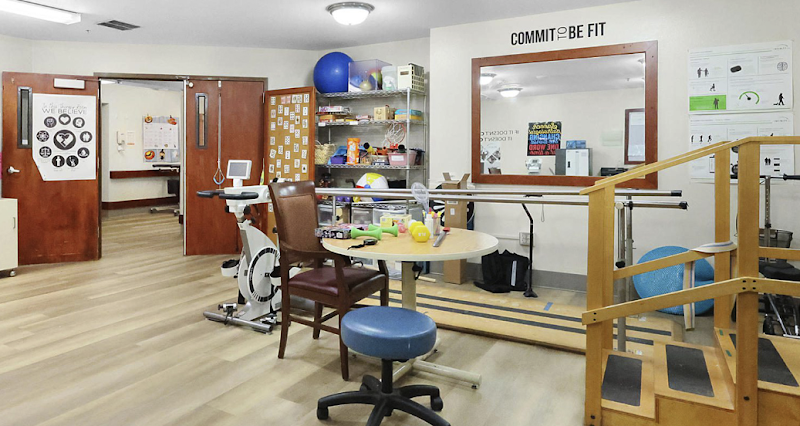
How is Evergreen Post Acute Staffed?

CMS rates EVERGREEN POST ACUTE's staffing level at 3 out of 5 stars, which is average compared to other nursing homes. Staff turnover is 59%, which is 13 percentage points above the Oregon average of 46%. High turnover can affect care consistency as new staff learn residents' individual needs.

What Have Inspectors Found at Evergreen Post Acute?

State health inspectors documented 39 deficiencies at EVERGREEN POST ACUTE during 2022 to 2025. These included: 1 that caused actual resident harm, 37 with potential for harm, and 1 minor or isolated issues. Deficiencies causing actual harm indicate documented cases where residents experienced negative health consequences.
Who Owns and Operates Evergreen Post Acute?

EVERGREEN POST ACUTE is owned by a for-profit company. For-profit facilities operate as businesses with obligations to shareholders or private owners. The facility is operated by PACS GROUP, a chain that manages multiple nursing homes. With 55 certified beds and approximately 52 residents (about 95% occupancy), it is a smaller facility located in PORTLAND, Oregon.
How Does Evergreen Post Acute Compare to Other Oregon Nursing Homes?

Compared to the 100 nursing homes in Oregon, EVERGREEN POST ACUTE's overall rating (2 stars) is below the state average of 3.0, staff turnover (59%) is significantly higher than the state average of 46%, and health inspection rating (2 stars) is below the national benchmark.

What Should Families Ask When Visiting Evergreen Post Acute?

Based on this facility's data, families visiting should ask: "What safeguards and monitoring systems are in place to protect residents from abuse or neglect?" "How do you ensure continuity of care given staff turnover, and what is your staff retention strategy?" "Can I visit during a mealtime to observe dining assistance and food quality?" "How do you handle medical emergencies, and what is your hospital transfer rate?" These questions are particularly relevant given the substantiated abuse finding on record and the facility's high staff turnover rate.

Is Evergreen Post Acute Safe?

Based on CMS inspection data, EVERGREEN POST ACUTE has documented safety concerns. The facility has 1 substantiated abuse finding (meaning confirmed case of resident harm by staff or other residents). The facility has a 2-star overall rating and ranks #100 of 100 nursing homes in Oregon. Families considering this facility should ask detailed questions about what corrective actions have been taken since these incidents.

Do Nurses at Evergreen Post Acute Stick Around?

Staff turnover at EVERGREEN POST ACUTE is high. At 59%, the facility is 13 percentage points above the Oregon average of 46%. High turnover means new staff may not know residents' individual needs, medications, or preferences. It can also be disorienting for residents, especially those with dementia who rely on familiar faces. Families should ask: What is causing the turnover? What retention programs are in place? How do you ensure care continuity during staff transitions?

Was Evergreen Post Acute Ever Fined?

EVERGREEN POST ACUTE has been fined $4,194 across 1 penalty action. This is below the Oregon average of $33,121. While any fine indicates a compliance issue, fines under $50,000 are relatively common and typically reflect isolated problems that were subsequently corrected. Families should ask what specific issues led to these fines and confirm they've been resolved.

Is Evergreen Post Acute on Any Federal Watch List?

EVERGREEN POST ACUTE is not on any federal watch list. The most significant is the Special Focus Facility (SFF) program, which identifies the bottom 1% of nursing homes nationally based on persistent, serious quality problems. Not being on this list means the facility has avoided the pattern of deficiencies that triggers enhanced federal oversight. This is a positive indicator, though families should still review the facility's inspection history directly.