FERNHILL REHABILITATION AND CARE
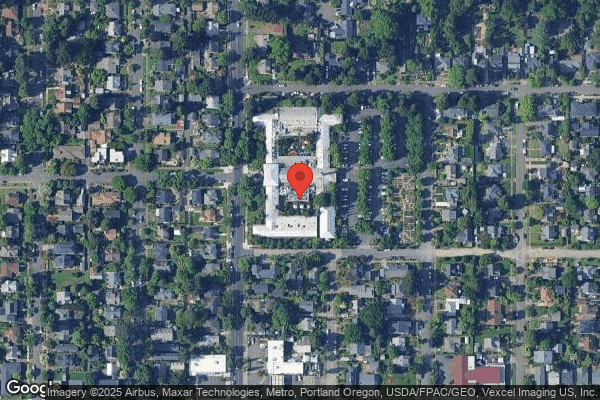
5737 NE 37TH AVENUE, PORTLAND, OR 97211 (503) 288-5967
For profit - Corporation 63 Beds SAPPHIRE HEALTH SERVICES Data: November 2025
Trust Grade
28/100
#86 of 127 in OR
Last Inspection: August 2025

Inspected within the last 6 months. Data reflects current conditions.

Overview

Fernhill Rehabilitation and Care has received a Trust Grade of F, indicating significant concerns about the facility's operations and care quality. Ranked #86 out of 127 in Oregon, it is in the bottom half of the state, and at #22 of 33 in Multnomah County, only a few local options rank lower. While the facility is improving, with issues decreasing from 27 in 2024 to 17 in 2025, it still has a concerning number of incidents. Staffing is a relative strength, with a turnover rate of 0%, much lower than the state average, and they have more registered nurse coverage than 79% of facilities in Oregon. However, one serious incident involved a resident who fell while attempting to transfer alone, leading to a fractured femur, and there have been many complaints from residents about care, cleanliness, and staff responsiveness that were not adequately addressed.

Trust Score
F
28/100
In Oregon
#86/127
Bottom 33%
Safety Record
High Risk
Review needed
Inspections
Getting Better
27 → 17 violations
Staff Stability
○ Average
Turnover data not reported for this facility.
Penalties
○ Average
$11,446 in fines. Higher than 68% of Oregon facilities. Some compliance issues.
Skilled Nurses
✓ Good
Each resident gets 48 minutes of Registered Nurse (RN) attention daily — more than average for Oregon. RNs are trained to catch health problems early.
Violations
⚠ Watch
63 deficiencies on record. Higher than average. Multiple issues found across inspections.
★★☆☆☆
2.0
Overall Rating
★★★☆☆
3.0
Staff Levels
★★☆☆☆
2.0
Care Quality
★★☆☆☆
2.0
Inspection Score
Stable
2024: 27 issues
2025: 17 issues

The Good

  • Full Sprinkler Coverage · Fire safety systems throughout facility
  • No fines on record

Facility shows strength in fire safety.

The Bad

2-Star Overall Rating

Below Oregon average (3.0)

Below average - review inspection findings carefully

Federal Fines: $11,446

Below median ($33,413)

Minor penalties assessed

Chain: SAPPHIRE HEALTH SERVICES

Part of a multi-facility chain

Ask about local staffing decisions and management

The Ugly 63 deficiencies on record

1 actual harm
Aug 2025 13 deficiencies
CONCERN (D) 📢 Someone Reported This

A family member, employee, or ombudsman was alarmed enough to file a formal complaint

Potential for Harm - no one hurt, but risky conditions existed

Deficiency F0557 (Tag F0557)

Could have caused harm · This affected 1 resident

Based on interview and record review it was determined the facility failed to return a power wheelchair to 1 of 3 resident (#51) reviewed for personal property. This placed residents at risk for decre...

Read full inspector narrative →
Based on interview and record review it was determined the facility failed to return a power wheelchair to 1 of 3 resident (#51) reviewed for personal property. This placed residents at risk for decrease independence with mobility. Findings include:Resident 51 was admitted to the facility in 3/2024 with diagnoses including congestive heart failure. A 3/18/24 admission MDS revealed Resident 51's had a BIMS score of 15, which indicated the resident was cognitively intact. On 5/16/24 Resident 51 was transferred to the hospital due to a change in condition and did not return to the facility. Review of the resident's medical records revealed no attempt was made to return Resident 51's power wheelchair to Resident 51 after her/his discharge.On 8/5/25 at 12:57 PM and on 8/6/25 at 9:46 AM Staff 10 (Social Service Director) stated Resident 51 was admitted to the facility and utilized her/his power wheelchair. Staff 10 stated Resident 51 was discharged and transferred to another nearby facility, and the resident's power wheelchair was never delivered to her/him.On 8/6/25 at 10:01 AM Staff 11 (Maintenance Director) stated Resident 51's power wheelchair was kept in a storage shed for six months after the resident discharged . Staff 11 stated he was instructed and disposed of Resident 51's power wheelchair during 10/2024. On 8/6/25 at 12:26 PM Staff 1 (Administrator) stated Resident 51's power wheelchair was found to be non-operational during a large cleanup of the storage area in 10/2024. Staff 1 confirmed Resident 51's power wheelchair was disposed of and not returned to Resident 51.
CONCERN (D)

Potential for Harm - no one hurt, but risky conditions existed

Safe Environment (Tag F0584)

Could have caused harm · This affected 1 resident

**NOTE- TERMS IN BRACKETS HAVE BEEN EDITED TO PROTECT CONFIDENTIALITY** Based on observation and interview it was determined the facility failed to provide a homelike environment for 2 of 3 hallways r...

Read full inspector narrative →
**NOTE- TERMS IN BRACKETS HAVE BEEN EDITED TO PROTECT CONFIDENTIALITY** Based on observation and interview it was determined the facility failed to provide a homelike environment for 2 of 3 hallways reviewed for environment. This placed residents at risk for a lack of homelike environment. Findings include:1. Resident 36 admitted to the facility in 2024 with a diagnosis including congestive heart failure. A 5/9/25 Annual MDS assessed Resident 36 with a BIMS score of 14 which indicated she/he was cognitively intact. During an observation on 8/4/25 at 3:22 PM a personal fan located on the bedside table of Resident 36 and was noted to have a thick, visible accumulation of dust, lint, and grime coating the fan blades. and protective grill. The buildup appeared grey in color, layered, and had visibly adhered to the surfaces. On 8/5/25 at 10:58 AM Resident 36 stated she/he wanted her/his fan cleaned and had been waiting for staff to clean it. On 8/5/25 at 11:23 AM Staff 20 (Housekeeping Supervisor) stated housekeepers were responsible to clean resident’s personal fans. On 8/5/25 at 11:27 AM Staff 1 (Administrator) observed Resident 36’s personal fan, confirmed it needed to be cleaned and stated he expected all personal fans to be clean. 2. Observations on 8/4/25 through 8//7/25 between the hours of 9:00 AM and 4:00 PM revealed the following: -room [ROOM NUMBER]: The walls to the left and across from bed D had numerous scrapes and areas that required painting, the closet was scraped and had residual masking tape on the door and there were missing pieces of wood on the left portion of the bottom closet drawer which were uncleanable. There were multiple holes in the wall to the right of the hand sanitizer dispenser. The center bed area had a large, patched area near the electric outlet that required painting. The wall at the head of bed W had deep scrapes needing repair. -room [ROOM NUMBER]: The walls behind and to the right of the head of bed were scraped, the wall under the window had multiple vertical scrapes and there were multiple screws in the wall across from the bed. -room [ROOM NUMBER]: There were multiple scrapes on the heater, nails and screws in the walls to the left of the bed, and splashes and streaks of an unknown substance at the head of and beside the bed. The vent in the ceiling above the resident was covered in dust build-up, the resident's bedside table was sticky, and the wheels stuck when attempting to move the table. On 8/4/25 at 9:52 AM and 11:31 AM, Resident 17 (room [ROOM NUMBER]) stated they don't clean anything for me. Resident 17 and Resident 52 (room [ROOM NUMBER]) both stated their rooms required cleaning and repairs and the rooms were not homelike. On 8/7/25 at 9:32 AM, Staff 11 (Maintenance Director) stated each resident room needed repairs, painting and updating and confirmed the resident rooms identified were not homelike. On 8/7/25 at 12:30 PM, Staff 1 (Administrator) stated he expected resident rooms to be homelike and confirmed the identified resident rooms required attention.
CONCERN (D) 📢 Someone Reported This

A family member, employee, or ombudsman was alarmed enough to file a formal complaint

Potential for Harm - no one hurt, but risky conditions existed

Free from Abuse/Neglect (Tag F0600)

Could have caused harm · This affected 1 resident

Based on interview and record review it was determined the facility failed to protect the resident's right to be free from physical abuse by Resident 27 for 1 of 4 sampled resident (#24), reviewed for...

Read full inspector narrative →
Based on interview and record review it was determined the facility failed to protect the resident's right to be free from physical abuse by Resident 27 for 1 of 4 sampled resident (#24), reviewed for abuse. This placed residents at risk for additional physical abuse. Findings include:Resident 27 admitted to the facility in 2018 with a diagnosis including a stroke.Resident 24 admitted to the facility in 2024 with diagnoses including depression, scoliosis (abnormal spine).The facility's 1/3/25 Investigation summary concluded from Resident 24's statement she/he woke around 4:00 AM on 12/31/24 and saw Resident 27 in her/his room. When Resident 24 tried to stand up, Resident 27 pushed her/him down onto the bed and proceeded to hold the door shut from the outside. Resident 24 called the police and told staff what had happened.On 8/7/25 at 1:48 PM Staff 1 (Administrator) confirmed physical abuse occurred when Resident 27 pushed Resident 24 onto the bed on 12/31/24. Staff 1 stated all residents were to be free from any type of abuse.
CONCERN (D) 📢 Someone Reported This

A family member, employee, or ombudsman was alarmed enough to file a formal complaint

Potential for Harm - no one hurt, but risky conditions existed

Report Alleged Abuse (Tag F0609)

Could have caused harm · This affected 1 resident

Based on interviews and record review it was determined the facility failed to report allegations of physical abuse within the mandated timeframe for 1 of 4 sampled residents (#24) for 1 of 2 Facility...

Read full inspector narrative →
Based on interviews and record review it was determined the facility failed to report allegations of physical abuse within the mandated timeframe for 1 of 4 sampled residents (#24) for 1 of 2 Facility Reported Incident (FRI) reports reviewed for abuse. This placed residents at risk for further abuse. Findings include:The facility's revised 4/2021 Abuse, Neglect, Exploitation or Misappropriation Prevention Program policy and procedure directed staff to report allegations of abuse within the required timeframes.On 12/31/24 at 11:11 AM, the state agency (SA) received a FRI for the 12/31/24 at 4:00 AM alleged abuse of Resident 24 by Resident 27. The FRI revealed Resident 27 entered Resident 24's room and pushed her/him onto her/his bed, then left and held the door shut from the outside so Resident 24 could not leave the room.On 8/7/25 at 1:48 PM Staff 1 (Administrator) stated he was not informed of the incident until his morning meeting approximately 9:30 AM. He confirmed the incident occurred and staff were aware of the incident at 4:00 AM on 12/31/25. Staff 1 acknowledged the FRI was submitted late to the State Agency (SA).
CONCERN (D)

Potential for Harm - no one hurt, but risky conditions existed

Assessment Accuracy (Tag F0641)

Could have caused harm · This affected 1 resident

Based on observation, interview and record review it was determined the facility failed to ensure accurate MDS assessments were completed for 1 of 1 sampled resident (# 41) reviewed for dental. This p...

Read full inspector narrative →
Based on observation, interview and record review it was determined the facility failed to ensure accurate MDS assessments were completed for 1 of 1 sampled resident (# 41) reviewed for dental. This placed residents at risk for an inaccurate picture of the resident's status. Findings include:Resident 41 was admitted to the facility in 4/2020 with diagnoses including a stroke. On 8/4/25 at 10:28 AM and 8/6/25 at 1:46 PM, Resident 41 was observed to have no upper teeth and missing molars on both sides of the lower jaw with observed difficulty chewing some food textures including cucumbers and large pieces of lettuce. Resident 41 reported she/he had missing upper teeth with three broken tooth fragments and missing teeth on both sides of her lower mouth. Resident 41 stated she had difficulty chewing hard food items. Resident 41's 7/14/25 Quarterly MDS indicated Resident 41 had no cognitive impairment and no difficulty chewing food. Resident 41's 4/13/25 Annual MDS indicated Resident 41 had no cognitive impairment and Resident 41 had no natural teeth or tooth fragments, no obvious or likely broken natural teeth and no difficulty chewing. On 8/7/25 at 10:38 AM, Staff 2 (DNS) verified Resident 41's MDS' were inaccurate and stated her expectation was Resident 41's MDS assessments were correct and accurately reflected the resident's dental status.
CONCERN (D)

Potential for Harm - no one hurt, but risky conditions existed

Comprehensive Care Plan (Tag F0656)

Could have caused harm · This affected 1 resident

**NOTE- TERMS IN BRACKETS HAVE BEEN EDITED TO PROTECT CONFIDENTIALITY** Based on observations, interviews and record review it was determined the facility failed to implement a comprehensive person-ce...

Read full inspector narrative →
**NOTE- TERMS IN BRACKETS HAVE BEEN EDITED TO PROTECT CONFIDENTIALITY** Based on observations, interviews and record review it was determined the facility failed to implement a comprehensive person-centered care plan for 1 of 2 sampled residents (#3) reviewed for accidents. This placed residents at risk for injury related to falls. Findings include:Resident 3 was admitted to the facility in 5/2025 with diagnoses including chronic kidney disease and dementia.A 7/9/25 Significant Change MDS and associated CAA's revealed Resident 3 had experienced falls since admission and her/his functional and cognitive decline placed them at increased risk for injury related to falls.The 7/23/25 Care Plan identified the intervention to have Resident 3's call light within reach and encourage her/him to use it for assistance.On the following occasions Resident 3's call light was observed to be out of reach: -8/5/25 at 8:38 AM-8/5/25 at 3:12 PM-8/6/25 at 8:48 AM-8/6/25 at 10:14 [NAME] 8/5/25 at 8:07 PM Staff 7 (CNA) stated Resident 3 experienced recent falls and knew how to use the call light appropriately.On 8/6/25 at 10:15 AM Staff 8 (CNA) stated Resident 3 experienced more falls recently and that he rounded on the resident hourly. Staff 8 stated he ensured Resident 3's call light was within reach and reminded her/him to use it for help. When Staff 8 entered Resident 3's room while the resident was in bed, they acknowledged the call light was on the floor.On 8/6/25 at 11:25 AM Staff 4 (LPN RCM) stated staff was expected to check for location of call lights every time they were in a resident's room. Staff 4 acknowledged call lights should always be within residents' reach.
CONCERN (D)

Potential for Harm - no one hurt, but risky conditions existed

Deficiency F0679 (Tag F0679)

Could have caused harm · This affected 1 resident

Based on observation, interview and record review, it was determined the facility failed to provide an ongoing program to support individual activity interest and preferences for 1 of 1 sampled reside...

Read full inspector narrative →
Based on observation, interview and record review, it was determined the facility failed to provide an ongoing program to support individual activity interest and preferences for 1 of 1 sampled resident (#36) reviewed for activities. The failure to provide meaningful and preferred activities placed residents at risk for unmet psychosocial needs. Findings include:Resident 36 admitted to the facility in 2024 with a diagnoses including anxiety and major depression.Resident 36's 5/9/25 Annual MDS assessed her/him as cognitively intact. Resident 36 was assessed with leisure interest of the following importance to her/him: Very important: outside to fresh air; to do your favorite activities. Somewhat important: do things with groups of people; pets; listen to music. Not very important: Religious; news; books/reading materials.Resident 36's 3/26/25 Activity admission Assessment (readmission) assessed her/him as completely independent in her/his leisure pursuits, and enjoyed music, walking/wheeling outdoors, watching television, talking, helping others, and to vote.On 8/4/25 at 3:21 PM Resident 36 stated she/he was often bored and nothing on the group calendar interested her/him except Bingo. Resident 36 stated she/he did not have any music to listen to in the room but could watch television. The 8/6/25 care plan for Resident 36 directed staff to assist with one-on-one Chaplin visits, she/he was a Christian, liked to watch television, hunting and fishing interests, socializes with others and to invite to Bingo group. Multiple observations were made between 8/5/25 at 1:37 PM to 8/7/25 at 2:00 PM of Resident 36 not involved in leisure activities or a Bingo group.Review of Resident 36's activity participation from 7/5/25 to 8/6/25 revealed she/he had attended one Bingo group, attended an unidentified group, went outside two times, participated in individual activities on two occasions.On 8/7/25 at 3:54 PM Staff 6 (Activity Director) confirmed Resident 36 was identified as religion not being important to her/him and was care planned for religious activities. Staff 6 acknowledged the lack of documentation for Resident 36 for activity participation. Staff 6 stated it was difficult to plan activities to keep the interests of all residents.On 8/7/25 at 4:24 PM Staff 1 (Administrator) stated he expected personalized activities to be provided for each resident and acknowledged the need for improvement in this area to increase resident engagement. Staff 1 stated he expected resident participation in activities to be documented.
CONCERN (D)

Potential for Harm - no one hurt, but risky conditions existed

Deficiency F0685 (Tag F0685)

Could have caused harm · This affected 1 resident

Based on observation, interview and record review it was determined the facility failed to obtain vision services for 1 of 1 sampled resident (#41) reviewed for vision. This placed residents at risk f...

Read full inspector narrative →
Based on observation, interview and record review it was determined the facility failed to obtain vision services for 1 of 1 sampled resident (#41) reviewed for vision. This placed residents at risk for not adequately addressing vision related needs. Findings include:The facility's Care of the Visually Impaired Resident policy, dated 3/2021, indicated it was the facility's responsibility to assist the resident and representatives in locating available resources, scheduling appointments and arranging transportation to obtain needed services. Resident 41 was admitted to the facility in 4/2020 with diagnoses including a stroke and diabetes. A 3/4/25 Ocular (related to the eyes) Progress Note completed by the facility optometrist (an eye care specialist) indicated Resident 41 was referred to a retina specialist (a medical doctor specializing in the diagnoses and treatment of eye diseases and conditions) on 2/1/24 but the resident was not seen by a specialist. Recommendations instructed the facility to follow-up regarding Resident 41's 2/1/24 referral because the resident reported a continual decline in her/his vision. Resident 41's 4/13/25 Annual MDS indicated the resident had no cognitive impairment and Resident 41 wore corrective lenses and was able to see in adequate light with glasses or visual appliances. Resident 41's 5/19/25 impaired visual function care plan indicated staff would arrange a consultation with an eye care practitioner as required. A review of Resident 41's electronic health record revealed no evidence Resident 41 was scheduled with or seen by a retina specialist. On 8/4/25 at 10:28 AM and 8/7/25 at 8:17 AM Resident 41 stated, for the past four months, she/he had been asking Staff 10 (Social Service Director) to schedule an appointment with an eye doctor because she/he had diabetes and, my eyes are getting really bad. Resident 41 was observed wearing glasses and stated she/he bought several pairs of reading glasses but had no prescription glasses. On 8/5/25 at 2:05 PM, Staff 10 stated she was aware Resident 41 wanted to see an eye doctor because the resident's vision was not great. Staff 10 confirmed no appointment with an eye doctor was scheduled for Resident 41. On 8/7/25 at 10:30 AM, Staff 2 (DNS) confirmed Resident 41 was not scheduled for an appointment with an eye doctor.
CONCERN (D)

Potential for Harm - no one hurt, but risky conditions existed

Dental Services (Tag F0791)

Could have caused harm · This affected 1 resident

Based on observation, interview and record review it was determined the facility failed to obtain dental services for 1 of 1 sampled resident (#41) reviewed for dental services. This placed residents ...

Read full inspector narrative →
Based on observation, interview and record review it was determined the facility failed to obtain dental services for 1 of 1 sampled resident (#41) reviewed for dental services. This placed residents at risk for unaddressed dental care needs. Findings include:The facility's Dental Services policy, dated 3/2021, indicated the following: -The social services representative would assist residents with appointments, transportation arrangements, and for reimbursement of dental services under the state plan, if eligible. -All dental services provided were recorded in the resident's medical record. Resident 41 was admitted to the facility in 4/2020 with diagnoses including a stroke and diabetes. Resident 41's 4/13/25 Annual MDS indicated the resident had no cognitive impairments. Resident 41's 5/19/25 oral/dental health care plan indicated the resident was missing her/his top teeth and the majority of her/his lower teeth. Interventions included coordinating arrangements for dental care and transportation as needed/ordered. A review of Resident 41's electronic record revealed no evidence the resident was seen by a dentist. On 8/4/25 at 10:28 AM and 8/7/25 at 8:17 AM Resident 41 was observed with no upper teeth and only a few lower front teeth which appeared chipped and worn. Resident 41 stated, for the past four months, she/he had been asking Staff 10 (Social Service Director) to schedule an appointment with an outside dental provider because she/he needed three tooth fragments removed from her/his upper gums and the lower teeth pulled so she/he could be fitted for dentures. On 8/5/25 at 2:05 PM, Staff 10 stated she was aware Resident 41 requested to see an outside dental provider and confirmed no appointment was scheduled. On 8/7/25 at 8:26 AM, Staff 4 (LPN-Care Manager) stated she was aware Resident 41 wanted to see an outside dental provider for at least the past few months. Staff 4 stated she was unaware if an appointment was scheduled. On 8/7/25 at 12:40 PM, Staff 2 (DNS) stated Resident 41's outside dental appointment was not yet scheduled and her expectation was the resident's dental appointment should have been scheduled in a more timely manner.
CONCERN (E)

Potential for Harm - no one hurt, but risky conditions existed

Deficiency F0565 (Tag F0565)

Could have caused harm · This affected multiple residents

Based on interview and record review it was determined the facility failed to provide resident council members with responses to concerns identified in resident council for 2 of 4 meetings reviewed fo...

Read full inspector narrative →
Based on interview and record review it was determined the facility failed to provide resident council members with responses to concerns identified in resident council for 2 of 4 meetings reviewed for resident council. This placed residents at risk for delays in addressing care related concerns and diminished quality of life. Findings include:A 2/2021 Resident Council facility policy states, A Resident Council Response Form will be utilized to track issues and their resolution. The facility department related to any issues will be responsible for addressing the item(s) of concern.Resident Council meeting records from 2/25/25 included concerns discussed in the following areas:- residents not receiving toe nail care,- laziness of staff, - cleanliness of the facility on weekends,- care conferences not being provided, - snacks not being assessable at night,- challenges with being able to go outside,- food being cold, and- wanting more fresh fruit.Resident Council meeting records from 7/28/25 included concerns discussed the following areas:- doing community outings,- clothing being lost in laundry,- call lights not being answered, and- not responding to or belittling resident concerns. Review of Resident Council meeting records dated 2/25/25 and 7/28/25 revealed the facility did not address and of the concerns reported during those meetings. No verbal or written responses to the identified concerns were provided to Resident Council members.On 8/7/25 at 10:27 AM Staff 6 (Activities Director) stated she assisted with recording concerns from Resident Council meetings and provided the information to the appropriate department. Staff 6 stated she did not receive any response from staff. On 8/7/25 at 11:32 AM during a Resident Council interview with Resident 2, Resident 24 and Resident 41, the residents stated they identified areas of concern and provided information in writing regarding those concerns to Staff 6 but had not received any response regarding the identified concerns. On 8/7/25 at 12:26 PM Staff 2 (DNS) stated she had not received any information regarding concerns communicated by Resident Council on 7/28/25. On 8/7/25 at 1:05 PM Staff 12 (Dietary Manager) stated she responded verbally with regards to snacks but was not instructed to provide a written response to Resident Council's concerns. On 8/7/25 at 12:54 PM Staff 20 (Housekeeping Manager) stated she had never received any information from the Resident Council regarding laundry concerns.On 8/7/25 at 2:01 PM Staff 1 (Administrator) stated concerns raised during Resident Council meetings were discussed verbally among staff. Staff 1 confirmed no direct communication was provided to the Resident Council regarding the 2/25/25 and 7/28/25 meetings.
CONCERN (E)

Potential for Harm - no one hurt, but risky conditions existed

Grievances (Tag F0585)

Could have caused harm · This affected multiple residents

Based on interview and record review it was determined the facility failed to provide a written grievance resolution or communicate with a resident or resident's representative regarding the resolutio...

Read full inspector narrative →
Based on interview and record review it was determined the facility failed to provide a written grievance resolution or communicate with a resident or resident's representative regarding the resolution of a resident grievance for 1 of 3 (#36) sampled residents reviewed for personal property. This placed residents at risk for unaddressed concerns and grievances. Findings include:The facility's 6/1/25 Resident Grievance & Investigation Policy & Procedure directed residents and staff to complete a grievance form with concerns. Grievances were to be conducted and documented on the Resident Grievance Investigation Form with in five working days. Grievances would be documented on a grievance form and kept in a binder to track and trend concerns Resident 36 was admitted to the facility in 2024 and had diagnoses including depression and anxiety. A 5/9/25 Annual MDS indicated Resident 36 had a BIMS score of 14 which indicated she/he was cognitively intact. On 8/4/25 at 3:17 PM Resident 36 stated she/he had multiple items that were missing and no one did anything about it. The resident stated staff were very aware she/he had concerns of the missing items. The resident expressed no knowledge if these items were being investigated or any resolutions. On 8/5/25 at 4:07 PM the Grievance binder was reviewed for Resident 36's possible grievances. The binder was reviewed from 1/2025 through 8/2025 and revealed four grievances by Resident 36. The Resident Grievance Forms failed to provide resolutions to the concerns, no signatures and no evidence the resident was notified of the investigation. On 8/7/25 at 3:16 PM Staff 10 (Social Services Director) acknowledged she was responsible for following up on the resident grievances. Staff 10 stated the grievances were a work in process and confirmed Resident 36's grievance forms were incomplete and she was not able to provide evidence the resident was notified of the results of any the grievances. On 8/7/25 at 3:25 PM Staff 1 (Administrator) stated he expected all resident grievances to receive a response within five days and the forms should be completed thoroughly to allow for effective trend tracking. He acknowledged the facility had not followed the resident grievance process to investigate concerns and provide residents with documented outcomes.
CONCERN (E)

Potential for Harm - no one hurt, but risky conditions existed

Food Safety (Tag F0812)

Could have caused harm · This affected multiple residents

Based on observation, interview and record review it was determined the facility failed to ensure kitchen food preparation areas were maintained in a clean and sanitary manner for 1 of 1 kitchen revie...

Read full inspector narrative →
Based on observation, interview and record review it was determined the facility failed to ensure kitchen food preparation areas were maintained in a clean and sanitary manner for 1 of 1 kitchen reviewed for sanitary kitchen practices. This placed residents at risk of illness and contaminated food. Finding include: Review of the US Food and Drug Administration 2022 Food Code indicated:The premises shall be maintained free of insects, rodents, and other pests. The presence of insects, rodents, and other pests shall be controlled to eliminate their presence.The initial kitchen tour on 8/4/25 at 9:15 AM and follow-up kitchen visits on 8/6/25 at 9:02 AM and 8/7/25 at 10:01 AM revealed the following: -hundreds of small bugs with wings were observed on the windowsill above the food prep sink, in the food prep sink and on the steel counter where food was prepared. In addition, there were hundreds of small bugs caught in a bug trap sitting on the right side of the windowsill. Bugs were observed flying in the kitchen area near the clean food prep area and in the sanitary cleaning bucket used to wipe down food prep areas. -caulking along the windowsill above the food prep sink was missing and uncleanable. -there was a rancid odor emanating from under the food prep sink. On 8/4/25 at 9:23 AM and 8/7/25 at 10:01 AM, Staff 12 (Dietary Manager) stated they had been having trouble with small bugs with wings for a while. She confirmed there were hundreds of bugs on the windowsill above the food prep sink. Staff 12 stated in the afternoons, the bugs started swarming the window and windowsill which resulted in the window and windowsill being covered with bugs. Staff 12 stated the small bugs started migrating from the windowsill to the food prep sink and counters, so the kitchen staff had to move equipment and limit areas where they prepared food. Staff 12 stated the bugs flew around the kitchen and bit kitchen staff. Staff 12 stated the rancid smell under the food prep sink had been there for a while, the facility tried different things to identify and treat the smell, but the rancid odor persisted. Staff 12 stated the smell was worse on some days compared to others and smelled liked a dead animal.
MINOR (B) 📢 Someone Reported This

A family member, employee, or ombudsman was alarmed enough to file a formal complaint

Minor Issue - procedural, no safety impact

Staffing Information (Tag F0732)

Minor procedural issue · This affected multiple residents

Based on interview and record review it was determined the facility failed to the ensure the DCSDR (Direct Care Staff Daily Report) postings were accurate for 15 of 45 days reviewed for staffing. This...

Read full inspector narrative →
Based on interview and record review it was determined the facility failed to the ensure the DCSDR (Direct Care Staff Daily Report) postings were accurate for 15 of 45 days reviewed for staffing. This placed residents and visitors at risk for inaccurate staffing information. Findings include:Review of the facility's DCSDRs from 6/30/25 through 8/4/25 revealed 15 of 45 days reviewed were inaccurate or incomplete. Issues included, missing or incomplete licensed nurse staff hours, no CNA hours listed, missing census data, incorrect dates, and missing signatures. These deficiencies were noted on the following dates: 6/30/25, 7/2/25, 7/3/25, 7/9/25, 7/11/25, 7/15/25, 7/25/25, 7/26/25, 7/29/25, 7/30/25, 7/31/25, 8/1/25, 8/2/25, 8/3/25 and 8/4/25.On 8/7/25 at 3:55 PM, Staff 15 (Human Resources/Staffing Coordinator) reviewed the 6/30/25 through 8/4/25 DCSDRs and verified the reports were inaccurate or incomplete on the days identified.
Jun 2025 1 deficiency
CONCERN (D) 📢 Someone Reported This

A family member, employee, or ombudsman was alarmed enough to file a formal complaint

Potential for Harm - no one hurt, but risky conditions existed

Accident Prevention (Tag F0689)

Could have caused harm · This affected 1 resident

Based on interview and record review it was determined the facility failed to ensure a resident did not elope for 1 of 3 sampled residents (#1) reviewed for elopement. This placed residents at risk fo...

Read full inspector narrative →
Based on interview and record review it was determined the facility failed to ensure a resident did not elope for 1 of 3 sampled residents (#1) reviewed for elopement. This placed residents at risk for injury. Findings include: Resident 1 admitted to the facility in 5/2024 with a mental health diagnosis. A 5/13/24 hospital Discharge Summary revealed Resident 1 experienced houselessness for more than 40 years and was diagnosed with a mental health condition several decades earlier. Resident 1's mental health was stable until she/he refused to take all medications. Resident 1's cognition was not able to be assessed due to her/his polite refusal to answer most questions. Resident 1's Care Plan revised on 4/23/25 revealed she/he was at risk for elopement. Interventions included staff were to monitor the resident regularly, staff were to redirect, offer foods and fluids, and provide activities during Resident 1's episodes of wandering or exit seeking. Staff were also to provide 1:1 supervision until the exiting behavior resolved. Resident 1's 5/20/25 Elopement Risk Evaluation revealed she/he was cognitively impaired with poor decision-making skills, was able to walk independently without an assistive device, and her/his wandering placed her/him at risk of being in an unsafe location. The assessment indicated Resident 1's former lifestyle affected her/his current behavior and placed the resident at risk for elopement. Resident 1's 5/24/25 Annual MDS revealed she/he was independent with all ADLs, had a mental health diagnosis, refused to take medication, resulting in visual and auditory hallucinations, and the inability to ask for assistance. Resident 1's 6/9/25 Progress Notes revealed the following: - At approximately 4:20 AM a CNA called out to Staff 5 (RN) and reported Resident 1 left the facility. Staff looked for Resident 1 in the facility neighborhood, did not locate the resident, and police were notified. -At 10:45 PM police located Resident 1 seven blocks from the facility on a private residence's porch. Staff 2 (DNS) went to Resident 1's location and as soon as Resident 1 saw Staff 2, she/he stated go away, and when Staff 2 tried to encourage her/him to return to the facility, she/he stated no, I don't want to go back. Staff 2 requested Staff 3 (RNCM) to assist with the situation. -At 11:30 PM Staff 3 arrived at Resident 1's location and provided food and fluids. Resident 1 accepted the food but was resistive to any conversation related to returning to the facility. Staff 3 explained to Resident 1, if she/he did not return to the facility, she/he would be leaving against medical advice. Resident 1 voiced understanding and continued to state she/he did not want to return to the facility. On 6/11/25 at 1:41 PM Staff 7 (CNA) stated on the night shift Resident 1 usually stayed in her/his room but at times would come out for food or to use the bathroom, and did not usually go to the front door. Staff 7 stated on 6/9/25 at approximately 4:11 AM she saw Resident 1 by the front door and her/his assigned CNA (Staff 6) was in a chair monitoring her/him. Staff 7 stated Staff 6 was not too close to Resident 1 because she/he did not like staff to be in her/his bubble. Staff 7 stated she was not sure how long Resident 1 was by the front door. Staff 7 indicated at approximately 4:20 AM she heard another resident call out and reported Resident 1 left the facility. Staff 7 stated when she/he arrived to the front door Resident 1 was no longer present. Staff 7 looked in Resident 1's bedroom, hall bathroom, and did not find Resident 1. Staff then searched the outside of the facility for Resident 1 but did not locate her/him. On 6/12/25 at 4:02 PM Staff 5 stated, on the night shift, Resident 1 usually kept her/his door shut and stayed in her/his room. On 6/9/25 Staff 5 was at the nurses station and he heard a CNA call for assistance. When he arrived at the front door he was notified Resident 1 exited the facility. Staff looked for Resident 1 inside and around the facility neighborhood, but was not able to locate her/him. Staff 5 stated he notified the police. Staff 5 stated he was told Staff 6 monitored Resident 1 while she/he was at the front door, but left for a brief moment, to inform him Resident 1 was attempting to leave the facility. Staff 5 stated Staff 6 intended to write a note to place on the front door, to alert the incoming staff who might enter the front door, because Resident 1 might attempt to leave the facility. On 6/11/25 at 11:59 AM and 6/12/25 at 4:16 PM a telephone call was placed to Staff 6. A return call was not received. On 6/17/25 at 11:07 AM Staff 3 stated Resident 1 kept to herself/himself and did not frequently engage in exit-seeking behavior from the facility. Staff 3 stated Resident 1 had a mental health diagnosis and consistently refused medications which could have been beneficial. Resident 1 did not have a medical power of attorney and family declined to assume guardianship. Staff 3 stated the facility doors were locked with a posted code. Resident 1 was assessed to be at risk for elopement and staff were instructed to offer food and fluids and redirect her/him away from the door if an exit attempt was observed. Staff were to provide 1:1 supervision if Resident 1 was trying to leave the facility. On 6/17/25 at 11:38 AM, Staff 2 acknowledged she was aware of Resident 1's elopement on 6/9/25. Staff 2 stated Resident 1 was at the front door on 6/9/25 and Staff 6 had been providing supervision, but left for a short timeframe in which Resident 1 was able to exit the facility. Staff 2 stated she expect 1:1 supervision whenever Resident 1 exhibited ex-seeking behavior. Staff 2 stated Staff 6 should not have left Resident 1 unattended by the doors without supervision. The deficient practice was identified as Past Noncompliance based on the following: On 6/9/25 the deficient practice was identified by the facility and determined there was a lack of supervision for a resident at risk for elopement. The Plan of Correction included: -All staff reviewed the Wandering and Elopement policy. -Walkies (communication devices) were to be worn at all times by nursing staff on all shifts. -When a resident exhibited exit seeking behaviors staff needed to remain with the resident at all times. -Staff were to notify the DNS and the on-call nurse manager when a resident exhibited exit seeking behaviors. -Staff were reeducated to ensure residents' Kardex were reviewed for elopement interventions. -An elopement drill was performed on 6/9/25 at 11:45 PM.
Apr 2025 3 deficiencies 1 Harm
SERIOUS (G) 📢 Someone Reported This

A family member, employee, or ombudsman was alarmed enough to file a formal complaint

Actual Harm - a resident was hurt due to facility failures

Accident Prevention (Tag F0689)

A resident was harmed · This affected 1 resident

Based on interview and record review it was determined the facility failed to timely assist a resident with a transfer for 1 of 3 sampled residents (#3) reviewed for accidents. As a result, Resident 3...

Read full inspector narrative →
Based on interview and record review it was determined the facility failed to timely assist a resident with a transfer for 1 of 3 sampled residents (#3) reviewed for accidents. As a result, Resident 3 was hospitalized and suffered a fractured femur. Findings include: Resident 3 was admitted to the facility in 2024 with diagnoses including diabetes and end stage renal (kidney) disease. Resident 3's 4/5/25 MDS Annual Assessment revealed a BIMS score of 15, indicating no cognitive deficits. Resident 3's care plan, revised 12/2/24, revealed she/he was a fall risk based on her/his medical conditions, lack of safety awareness and poor impulse control. Interventions included to keep the call light within reach and to anticipate and meet Resident 3's needs. On 11/25/24 the facility submitted a FRI to the State Survey Agency, which indicated on 11/23/24, Resident 3 attempted to self transfer from the bedside commode to the bed, fell during the attempt and was sent to the hospital. The hospital initially had no findings but the resident continued to complain of pain the following day and was sent to the hospital a second time. Resident 3 was diagnosed with a fracture of her/his right femur (thigh bone). The FRI included a statement from Resident 3, which noted she/he had a suppository and needed to use the commode. At 8:30 PM, the resident had the room light on and used the call light. Resident 3 asked the night nurse for help but she in doing wound care. At about 8:55 PM, Resident 3 stated she/he positioned the commode in front of the transfer pole and transferred herself/himself to the commode. Resident 3 noted at 9:15 PM, no staff had come to her/his room, and she/he continued to push her/his call light. Resident 3 indicated her/his leg was cramping up, so she/he stood up to stretch it, took a step to the right, let go of the transfer pole and fell on her/his right side and hit her/his right side of the face on the bottom bar of the bedside table. On 4/25/25 at 1:50 PM, Resident 3 stated she/he recalled the incident and had fractured her/his femur due to the fall. She/he stated she/he had used the bedside commode and needed /did not respond to the call light for an hour so she/he decided to transfer herself/himself. When Resident 3 stood up, her/his leg cramped as she/he attempted to step away from the commode and she/he fell. Resident 3 stated other staff heard her/him screaming and found her/him on the floor. On 4/25/25 at 2:30 PM, Staff 14 stated he was the resident's assigned CNA on 11/23/24. He confirmed he did not respond to Resident 3's call light because another resident had eloped from the facility and he went out to find the resident. Staff 14 recalled he found the missing resident and returned to the facility about an hour after he left. He stated he was unaware Resident 3 needed assistance and had been told by Staff 12 (RN) other staff could assist any residents' needs because it was almost the end of his shift. On 4/25/25 at 2:44 PM, Staff 12 stated he was working on the other hall and was not aware of Resident 3's fall. He confirmed Staff 14 had left the facility to search for an eloped resident on the evening of 11/23/24. On 4/25/25 at 4:01 PM, Staff 8 (LPN) stated she was working on Resident 3's hall on the 11/23/24 evening shift. She recalled checking in with Resident 3, who was on her/his bedside commode but the resident stated she/he wasn't done. Staff 8 stated she completed a tube feed and was on her way to the nurse's station when she heard Resident 3 screaming. She and two CNAs found the resident on the floor and the resident was sent to the hospital. Staff 8 stated this occurred close to 10:00 PM and she did not see Resident 3's assigned CNA. On 4/28/25 at 11:00 AM, Staff 1 (Administrator) and Staff 2 (DNS) were informed of the findings of the investigation and provided no additional information.
CONCERN (D) 📢 Someone Reported This

A family member, employee, or ombudsman was alarmed enough to file a formal complaint

Potential for Harm - no one hurt, but risky conditions existed

Free from Abuse/Neglect (Tag F0600)

Could have caused harm · This affected 1 resident

Based on interview and record review it was determined the facility failed to protect the resident's right to be free from physical abuse for 1 of 3 sampled residents (#6) reviewed for abuse. This pla...

Read full inspector narrative →
Based on interview and record review it was determined the facility failed to protect the resident's right to be free from physical abuse for 1 of 3 sampled residents (#6) reviewed for abuse. This placed residents at risk for abuse. Resident 7 was admitted to the facility in 5/2024, with diagnoses including acute pancreatitis (a condition that inflames the pancreas) and alcohol induced disorder (a condition that triggers mood disorders due to alcohol consumption). A Behavioral Care Plan was initiated on 6/14/24 and revised on 9/12/24, which indicated Resident 7 had a history of problematic manner which were characterized through abusive language, and threats due to a history of alcohol dependence. Staff were directed to remove other residents away from Resident 7 should she/he become aggressive or initiate verbal altercations with residents or staff. In addition, care staff were instructed to remove Resident 7 from the area and provide low stimulus activities and or to leave Resident 7 in a safe area and reapproach again later. Resident 6 was admitted to the facility in 5/2024, with diagnosis including congestive heart failure and depression. A Behavioral Care Plan was initiated on 5/4/24, which indicated Resident 6 had high anxiety due to a history of homelessness and medical conditions. Staff were directed to provide resident with resources for mental health including empathy, reassurance and comfort during moments of high anxiety. A 9/7/24 Clinical Progress Note indicated Resident 7 had been drinking most of the day and engaged in a verbal altercation with Resident 6 near the smoking area. Resident 7 was identified to have punched Resident 6 in the face with her/his right hand and fell to the floor from her/his wheelchair after attempting to hit her/him again with her/his left hand. Facility assessment noted Resident 7 and Resident 6 had no injuries from the altercation. On 4/25/25 at 12:58 PM, Resident 6 confirmed she/he was hit in the face by Resident 7 during a verbal altercation that started due to Resident 6's request for Resident 7 to pick up her/his cigarette butts. Resident 6 stated Resident 7 had been drinking most of the day and was increasingly agitated as a result. Resident 6 stated Resident 7 confronted her/him and punched her/him in the face. Resident 6 stated Resident 7 had intended to hurt her/him during the altercation as Resident 7 threatened her/him just before being punched but noted that no harm had occurred after the punch. On 4/25/25 at 1:38 PM, Staff 7 (CNA) stated Resident's 7 and 6 got into a verbal altercation which resulted in Resident 7 punching Resident 6 in the face. Staff 7 stated Resident 7 had a long history of aggressive behaviors towards residents and staff and had been drinking during the day of the incident which led to an argument between Resident 7 and Resident 6. On 4/25/25 at 2:09 PM, Staff 4 (RCM) stated Resident 7 had identified verbal behaviors days before the incident. Staff 4 stated that when Resident 7 began to engage in verbally inappropriate behavior, care staff would remove the resident and or residents in the immediate area for safety. Staff 4 indicated that on the day of the incident, Resident 7 displayed no verbal behaviors while out on the patio until she/he engaged in an argument with Resident 6. Staff 4 confirmed Resident 7 punched Resident 6 in the face before falling out of her/his wheelchair on their second attempt. Staff 4 further confirmed Resident 7 had been drinking that day. On 4/28/25 at 11:03 AM, Staff 1 (Administrator) and Staff 2 (DNS) acknowledged findings and confirmed Resident 7 had punched Resident 6 in the face.
CONCERN (D) 📢 Someone Reported This

A family member, employee, or ombudsman was alarmed enough to file a formal complaint

Potential for Harm - no one hurt, but risky conditions existed

Deficiency F0760 (Tag F0760)

Could have caused harm · This affected 1 resident

**NOTE- TERMS IN BRACKETS HAVE BEEN EDITED TO PROTECT CONFIDENTIALITY** Based on interview and record review it was determined the facility failed to ensure residents were free from significant medica...

Read full inspector narrative →
**NOTE- TERMS IN BRACKETS HAVE BEEN EDITED TO PROTECT CONFIDENTIALITY** Based on interview and record review it was determined the facility failed to ensure residents were free from significant medication errors for 1 of 3 sampled residents (#2) reviewed for medications. This placed residents at risk of adverse side effects for lack of medication administration. Findings include: Resident 2 was admitted to the facility in 2/2024, with diagnoses including atrial fibrillation (an irregular, often rapid heart rate that commonly causes poor blood flow). Resident 2's 2/14/24 Physician orders revealed the resident was to receive 5 mg of apixaban (an anticoagulant medication which thins the blood) twice a day for atrial fibrillation. On 8/29/24 the State Survey Agency received a public complaint, which alleged Resident 4 did not receive her/his medication for three days following a hospitalization and re-admission to the facility. The complainant stated the resident called her on Tuesday, 8/27/25 stating she/he had a headache and had not received her/his medication since returning from the hospital the previous weekend. Progress notes from 8/22/25 through 8/24/24 indicated Resident 2 was sent to the hospital on 8/22/24 and returned to the facility on 8/24/24. She/he was diagnosed with pneumonia and an antibiotic was ordered. Hospital discharge orders dated 8/24/24 indicated the apixaban was ordered to be continued at the facility. A progress note dated 8/27/24, indicated Resident 2 complained of a headache, was concerned about having a stroke and stated she/he had been taken off her/his blood thinners. Resident 2's 8/2024 MAR revealed the apixaban was not administered on 8/23/24 through 8/27/24. The MAR was coded as hold. There were no nursing notes to indicate why the medication was on hold. Review of Resident 2's 8/24/24 admission Form revealed Staff 15 (Former LPN) was the admitting nurse. On 4/23/25 at 12:42 PM, Witness 3 (Complainant) stated she received a phone call from Resident 2 on 8/27/25 stating she/he had not received her/his apixaban since returning from the hospital the previous Saturday. Witness 3 stated she spoke to the DNS later that day and was told Resident 2 had not received her/his apixaban because the admitting nurse did not input the orders when the resident re-admitted on [DATE]. On 4/24/25 at 10:35 AM, Witness 4 (Physician) stated the apixaban was not supposed to be held when the resident returned to the facility on 8/24/24 and he did not order the medication to be held. On 4/24/25 at 12:03 PM, Staff 9 (LPN) confirmed she administered the apixaban to Resident 2 on 8/22/24, prior to the resident going to the hospital. She stated the medication could have been pulled from the Pixus (facility emergency medication kit) if the medication was not available when the resident returned from the hospital. Staff 15 was not interviewed due to no longer working at the facility. On 4/25/25 at 12:56 PM, Staff 3 (RCM) verified the apixaban was not administered to Resident 2 until 8/27/24 and this constituted a serious medication error.
Dec 2024 2 deficiencies
CONCERN (D) 📢 Someone Reported This

A family member, employee, or ombudsman was alarmed enough to file a formal complaint

Potential for Harm - no one hurt, but risky conditions existed

Comprehensive Care Plan (Tag F0656)

Could have caused harm · This affected 1 resident

Based on observation, interview, and record review it was determined the facility failed to implement the plan of care for 1 of 3 sampled residents (#1) reviewed for resident safety and elopement. Thi...

Read full inspector narrative →
Based on observation, interview, and record review it was determined the facility failed to implement the plan of care for 1 of 3 sampled residents (#1) reviewed for resident safety and elopement. This placed residents at risk of an unsafe elopement. Findings include: Resident 1 admitted to the facility in 5/2024, with diagnoses including schizophrenia and dementia. Resident 1's 8/23/24 MDS Quarterly revealed a BIMS score of 0, indicating severe cognitive impairment. An elopement risk evaluation dated 8/23/24, revealed Resident 1 was a high elopement risk and she/he frequently stood by the entrance door, stating she/he wanted to leave. Resident 1's care plan dated 10/15/24 revealed she/he was an elopement risk/wanderer with a history of attempts to leave the building unattended and she/he had impaired safety awareness. Interventions were to distract the resident by offering diversions, activities, food, conversation, television or a book. On 12/3/24 at 11:39 AM, Staff 10 (CNA) stated she was Resident 1's assigned CNA. She stated staff was aware to watch the resident from leaving and to re-direct the resident. She was not able to describe how to re-direct Resident 1 and stated she had been assigned to Resident 1 twice. On 12/3/24 at 11:43 AM, Staff 11 (CNA) stated she knew Resident 1 had a history of attempting to leave the building and staff was to re-direct the resident and encourage the resident to write in her/his notebook. On 12/3/24 at 11:57 AM, Staff 12 (CNA) stated staff was supposed to watch Resident 1 because she/he liked to escape. On 12/3/24 from 11:22 AM through 12:07 PM, Resident 1 was observed in the South Hall. The resident was seated on an inoperable heating unit which was located right by the front door. Resident 1 was observed writing in a notebook and watching staff as they came into the facility and left the facility. The door was locked and required a security code to be opened from the inside, but no code was required for visitors or staff entering the facility. During the observation period, several CNAs, a Physical Therapist and other facility staff was observed in the South Hall where Resident 1 was seated. During the observation period, no staff attempted to distract or provide a diversion to Resident 1 as care planned. At 12:07 PM, Staff 18 (Activities Director) approached Resident 1 and offered her/him a drink in the Activity Director's office which the resident accepted and left her/his position at the front door. During the survey period, Resident 1 was observed seated by the front door several times writing in a notebook but was not observed attempting to leave the building. On 12/5/24 at 3:15 PM, Staff 1 (Administrator) was informed of the findings of staff not implementing Resident 1's care plan interventions and provided no additional information.
CONCERN (D) 📢 Someone Reported This

A family member, employee, or ombudsman was alarmed enough to file a formal complaint

Potential for Harm - no one hurt, but risky conditions existed

Accident Prevention (Tag F0689)

Could have caused harm · This affected 1 resident

Based on observation, interview, and record review it was determined the facility failed to provide adequate supervision and failed to thoroughly evaluate and analyze an elopement for 1 of 3 sampled r...

Read full inspector narrative →
Based on observation, interview, and record review it was determined the facility failed to provide adequate supervision and failed to thoroughly evaluate and analyze an elopement for 1 of 3 sampled residents (#1) reviewed for elopement. This placed residents at risk for an unsafe elopement. Findings include: a. Resident 1 was admitted to the facility in 5/2024, with diagnoses including schizophrenia and dementia. Resident 1's 8/23/24 Quarterly MDS revealed a BIMS score of 0, which indicated severe cognitive impairment. An elopement risk evaluation dated 8/23/24 revealed Resident 1 was a high elopement risk and she/he frequently stood by the entrance door, stating she/he wanted to leave. Resident 1's most recent care plan dated 10/15/24 revealed she/he was an elopement risk/wanderer with a history of attempts to leave the facility unattended and she/he had impaired safety awareness. Interventions were to distract the resident by offering diversions, activities, food, conversation, television or a book. On 11/25/24 the facility submitted a Facility Reported Incident (FRI) report to the State Survey Agency (SSA) which revealed Resident 1 eloped from the facility on 11/23/24 at approximately 6:50 PM. The FRI stated staff in the facility initiated a search in the neighborhood and Resident 1 was found a block away at a bus stop. The resident returned to the facility with staff at approximately 7:50 PM. On 12/3/24 at 11:39 AM, Staff 10 (CNA) stated she was Resident 1's assigned CNA. She stated staff was aware to watch the resident from leaving and to re-direct the resident. She was not able to describe how to re-direct Resident 1 and stated she had been assigned to Resident 1 twice. On 12/3/24 at 11:43 AM, Staff 11 (CNA) stated she knew Resident 1 had a history of attempting to leave the building and staff was to re-direct the resident and encourage the resident to write in her/his notebook. On 12/3/24 at 11:57 AM, Staff 12 (CNA) stated staff was supposed to watch Resident 1 because she/he liked to escape. On 12/3/24 at 3:20 PM, Staff 13 (RN) stated he worked the day shift on 11/23/24. He stated he saw Resident 1 most of the day and found out she/he eloped the next day. Staff 13 stated Resident 1's exit seeking behaviors was common and the resident walked around the facility most of the time and she/he didn't talk to anyone. On 12/5/24 at 9:33 AM, Staff 14 (CNA) stated she was Resident 1's assigned CNA for the evening shift on 11/23/24. She returned from her break at approximately 6:30 PM and went to Resident 1's room to check on her/him. Staff 14 stated she was unable to locate the resident and notified the charge nurse. Staff 14 stated she and two other CNAs searched the neighborhood for the resident and she/he was found by Staff 16 (CNA) a short time later. Staff 14 stated previous interventions for the resident was to sit down in a chair right next to the resident if she/he was seated by the front door, which resulted in the resident returning to her/his room every time. On 12/5/24 at 9:40 AM, Staff 15 (CNA) stated she was not assigned to Resident 1's hall on 11/23/24, but heard about Resident 1's elopement and decided to search for her/him, along with Staff 14 and Staff 16. Staff 15 stated she observed Resident 1 headed west on a busy street and [resident name] had walked a long way and was waiting for the bus. Staff 15 attempted to talk to Resident 1 to get into her car but Resident 1 refused. Staff 15 stated Staff 16 was on foot and walked with the resident back to the facility. On 12/5/24 at 2:15 PM, Staff 16 stated he was working on the other hall and was informed by the charge nurse Resident 1 was missing. He stated let's go look for [her/him] and immediately walked along the street. Staff 16 stated he walked into a couple of businesses and did not find the resident. He continued to walk and saw Resident 1 standing at the bus stop. He stated he ran across the street to stop her/him from boarding the bus and if it would have been two minutes later, [resident name] would have been gone. Staff 16 stated he walked with Resident 1 back to the facility and the resident had no injuries, had worn a coat and boots and was fine. Observations were made of the bus stop on 12/3/24 at 4:40 PM. The intersection where Resident 1 was located was densely populated, with several businesses, pedestrians and a large amount of motor vehicles observed on both roads. The intersection was several blocks from the facility's location and not one block away, as the facility report indicated. Resident 1 was observed at the facility from 12/3/24 through 12/5/24. She/he was observed seated by the front door several times writing in a notebook but was not observed attempting to leave the facility. Resident 1 was approached by the surveyor on 12/5/24 at 2:45 PM and refused to talk to the surveyor. On 12/5/24 at 3:15 PM, Staff 1 (Administrator) was informed of the findings related to the resident's elopement. No additional information was provided. b. The facility's undated Investigation and Conclusion Report revealed Resident 1 was noted absent from the facility on 11/23/24 at 6:30 PM. A Code Yellow elopement protocol was activated, 911 was contacted and administrative staff were notified. The report only contained a statement from an unnamed nurse regarding the investigative activities. The investigation's conclusion revealed staff began searching for the resident and she/he was found at a bus stop near the facility. The findings noted it is uncertain if [resident name] let [herself/himself] out or if a visitor let [her/him] out as [she/he] is not a reliable historian due to [her/his] diagnosis of schizophrenia. Investigation initiated and employee statements were taken. The investigation did not include who completed the investigation, when the investigation was initiated and completed, and if the Administrator or DNS reviewed the investigation. The Root Cause Analysis did not address the facility's security failure which resulted in the resident eloping or how the resident left the building undetected. No CNA staff who searched for and found Resident 1, nor any CNA staff working the evening shift on 11/23/24 was interviewed as part of the investigation. On 12/5/24 at 9:33 AM, Staff 14 (CNA) stated she was Resident 1's assigned CNA for the evening shift on 11/23/24. She returned from her break at approximately 6:30 PM and went to Resident 1's room to check on her/him. Staff 14 stated she was unable to locate the resident and notified the charge nurse. Staff 14 stated she and two other CNAs searched the neighborhood for the resident, who was found by Staff 16 (CNA) a short time later. Staff 14 stated no management came to the facility after the elopement and she was not interviewed by anyone. On 12/5/24 at 9:40 AM, Staff 15 (CNA) stated she was not assigned to Resident 1's hall on 11/23/24, but heard about Resident 1's elopement and decided to search for her/him, along with Staff 14 and Staff 16. Staff 15 stated she observed Resident 1 headed west on a busy street and the resident had walked a long way and was waiting for the bus. Staff 15 stated no management came to the facility after the elopement and she was not interviewed by anyone. On 12/5/24 at 2:15 PM, Staff 16 stated he was working on the other hall and was informed by the charge nurse Resident 1 was missing. Staff 16 stated he walked into a couple of businesses and did not find the resident. He continued to walk west and saw Resident 1 standing at a bus stop. He stated he ran across the street to stop Resident 1 from boarding the bus and if it would have been two minutes later, [the resident] would have been gone. Staff 16 stated he walked with Resident 1 back to the facility. Staff 16 stated no management came to the facility after the elopement and he was not interviewed by anyone. On 12/5/24 at 3:15 PM, Staff 1 (Administrator) reviewed the Investigation and Conclusion Report with this surveyor and confirmed no staff was identified by name, there was no dates or times of interviews, and no CNA staff who participated in Resident 1's search or worked at the time of Resident 1's elopement was interviewed.
Mar 2024 25 deficiencies
CONCERN (D)

Potential for Harm - no one hurt, but risky conditions existed

Resident Rights (Tag F0550)

Could have caused harm · This affected 1 resident

Based on interview and record review it was determined the facility failed to ensure residents were treated in a dignified manner for 1 of 1 sampled resident (#23) reviewed for dignity. This placed re...

Read full inspector narrative →
Based on interview and record review it was determined the facility failed to ensure residents were treated in a dignified manner for 1 of 1 sampled resident (#23) reviewed for dignity. This placed residents at risk for decreased quality of life. Findings include: Resident 23 was admitted to the facility in 2/2024 with diagnoses including bipolar disorder (mental condition with mood swings). A 2/14/24 admission MDS indicated Resident 23 had normal cognitive function. A 3/15/24 Resident Grievance Form reported Resident 23 stated she/he was awakened by Staff 20 (CNA) on 3/14/24 with her hands down her/his pants, checking to see if she/he needed a brief change. Resident 23 stated she/he did not provide permission and was not sure what Staff 20 was doing at the time of the incident. On 3/21/24 at 12:03 PM Resident 23 stated she/he was asleep during the incident and was uncomfortable because [she/he] woke up with [Staff 20's] hands down my pants. Resident 23 stated she/he felt slightly apprehensive during the night for the following few days but the discomfort has since resolved. On 03/22/24 at 12:23 PM Staff 20 stated Resident 23 was awake during the incident but did not say yes or no prior to care being provided. On 3/21/24 at 2:33 PM Staff 2 (DNS) confirmed the incident occurred and stated staff were expected to knock on the door, announce why they are entering the room and request permission for care prior to providing it.
CONCERN (D)

Potential for Harm - no one hurt, but risky conditions existed

Deficiency F0554 (Tag F0554)

Could have caused harm · This affected 1 resident

Based on observation, interview, and record review it was determined the facility failed to assess a resident's ability to self-administer medications for 1 of 1 sampled resident (#12) reviewed for se...

Read full inspector narrative →
Based on observation, interview, and record review it was determined the facility failed to assess a resident's ability to self-administer medications for 1 of 1 sampled resident (#12) reviewed for self-administration of medications. This placed residents at risk for adverse side effects. Findings include: Resident 12 was admitted to the facility in 7/2023 with diagnoses including chronic respiratory failure. An 8/1/23 physician order instructed albuterol (respiratory inhaler) was to be administered to Resident 12 by a clinician as needed every four hours. On 3/18/24 at 10:27 AM an albuterol inhaler was observed on Resident 12's table. Resident 12 stated the inhaler was left in her/his room and she/he used the inhaler independently as needed. On 3/19/24 at 12:45 PM Staff 5 (LPN Care Manager) stated a resident needed to be assessed prior to being allowed to self-administer any medication. Staff 5 confirmed Resident 12 was not assessed for self-administration of the albuterol inhaler and should not have had the inhaler left at her/his bedside until she/he was determined to be safe for self-administration.
CONCERN (D)

Potential for Harm - no one hurt, but risky conditions existed

Deficiency F0561 (Tag F0561)

Could have caused harm · This affected 1 resident

Based on interview and record review it was determined the facility failed to support a resident's choice to smoke for 1 of 4 sampled residents (#31) reviewed for choices. This placed residents at ris...

Read full inspector narrative →
Based on interview and record review it was determined the facility failed to support a resident's choice to smoke for 1 of 4 sampled residents (#31) reviewed for choices. This placed residents at risk for lack of self-determination. Findings include: The facility's undated Smoking Policy indicated the following: -The facility was to safely accommodate residents who choose to smoke. -A smoking assessment was completed for residents who wanted to smoke and determined if a resident was an independent smoker, or if they required staff supervision or assistance during smoking sessions. Resident 31 was admitted to the facility in 6/2023 with diagnoses including quadriplegia (partial or complete paralysis of both the arms and legs). Resident 31's 1/6/24 Quarterly MDS indicated the resident experienced upper extremity impairment on both sides of her/his body. Resident 31's 1/29/24 Smoking Assessment indicated the following: -The resident did not have cognitive loss. -The resident required a staff member to place a cigarette into her/his mouth and light it. -The resident was able to hold the cigarette in her/his mouth and did not require further assistance until she/he finished smoking. -A staff member needed to remove the finished cigarette from the resident's mouth and place it in an ashtray. -The resident was able to smoke safely with supervision. Resident 31's 3/5/24 Smoking Care Plan revealed the resident enjoyed smoking but was unable to manage her/his cigarettes independently. The care plan stated the resident was able to smoke with the assistance of a family member or visitor only. On 3/18/24 at 1:39 PM Resident 31 stated she/he wanted to smoke but was told by the facility she/he was a liability because [she/he] could not hold the cigarette independently. Resident 31 stated staff previously assisted her/him with smoking but stopped about a month ago. Resident 31 stated she/he smoked for over 20 years and was now only able to do so infrequently because she/he now had to wait for visitors to assist her/him. Resident 31 further stated she/he was being denied her/his right to smoke. On 3/20/24 at 9:46 AM Staff 23 (CNA) stated the facility had a new smoking policy which indicated staff members were no longer required to supervise or assist residents with smoking if they did not want to. Staff 23 stated this meant if no staff volunteered to take a resident or group of residents out to smoke, those residents did not smoke. Staff 23 further stated Resident 31 did smoke but staff were not to help her/him because staff were not allowed to hold cigarettes for her/him. On 3/20/24 at 10:07 AM Staff 14 (CNA) stated Resident 31 needed a staff member to place a cigarette in her/his mouth and remove it when finished in order for her/him to smoke. Staff 14 stated Resident 31's interest in smoking and smoking abilities had not changed since her/his admission to the facility. On 3/21/24 at 10:15 AM Staff 1 (Administrator) and Staff 3 (Regional Nurse Consultant) acknowledged the findings of this investigation and stated employees had the right to refuse to assist residents to smoke.
CONCERN (D) 📢 Someone Reported This

A family member, employee, or ombudsman was alarmed enough to file a formal complaint

Potential for Harm - no one hurt, but risky conditions existed

Notification of Changes (Tag F0580)

Could have caused harm · This affected 1 resident

**NOTE- TERMS IN BRACKETS HAVE BEEN EDITED TO PROTECT CONFIDENTIALITY** Based on interview and record review it was determined the facility failed to notify a resident's representative of a resident's...

Read full inspector narrative →
**NOTE- TERMS IN BRACKETS HAVE BEEN EDITED TO PROTECT CONFIDENTIALITY** Based on interview and record review it was determined the facility failed to notify a resident's representative of a resident's hospitalization for 1 of 2 sampled residents (#96) reviewed for notification of change. This placed residents at risk of their representatives being uninformed. Findings include: Resident 96 was readmitted to the facility in 10/2023 with diagnoses including multiple sclerosis (a disorder of the central nervous system marked by weakness, numbness, a loss of muscle coordination and problems with vision, speech and bladder control). Resident 96's 1/2024 Face Sheet (a document that gives a resident's information at a quick glance) listed Witness 5 (Complainant/Sister) as the resident's power of attorney (the authority to act for another person in specified or all legal or financial matters) for care, first emergency contact and financial responsible party. A review of Resident 96's clinical record indicated the resident was hospitalized from [DATE] to 1/18/24. A 1/16/24 Late Entry Progress Note written by Staff 28 (Agency RN) indicated Resident 96 was sent to the emergency room for an evaluation on 1/15/24 related to abdominal pain and blood in her/his colostomy bag (a small, waterproof pouch used to collect waste from the body). A 1/16/24 Progress Note written by Staff 29 (Agency LPN) revealed a management staff member requested Staff 29 at 2:45 PM on 1/16/24 to figure out which hospital Resident 96 was in and to notify Witness 5 once her/his location was determined. Staff 29 notified Witness 5 on 1/16/24 of Resident 96's hospitalization. On 3/19/24 at 11:52 Witness 5 stated Resident 96 was hospitalized on [DATE] and the facility did not notify her until the next day. Witness 5 said she was concerned about Resident 96's whereabouts and called hospitals on her own all over the city to determine the resident's location. On 3/22/24 at 12:44 PM Staff 2 (DNS) stated a resident's family should be notified immediately when a resident goes out to the hospital. Staff 2 confirmed Witness 5 was not notified in a timely manner of Resident 96's hospitalization.
CONCERN (D)

Potential for Harm - no one hurt, but risky conditions existed

Deficiency F0583 (Tag F0583)

Could have caused harm · This affected 1 resident

Based on observation and interview it was determined the facility failed to ensure a resident's privacy was maintained for 2 of 2 sampled residents (#s13 and 23) reviewed for privacy. This placed resi...

Read full inspector narrative →
Based on observation and interview it was determined the facility failed to ensure a resident's privacy was maintained for 2 of 2 sampled residents (#s13 and 23) reviewed for privacy. This placed residents at risk for loss of dignity and privacy. Findings include: 1. Resident 13 was admitted to the facility in 4/2023 with diagnoses including paraplegia (paralysis that affects all or part of the trunk, legs and pelvic organs). Resident 13's 4/28/23 admission MDS indicated the resident was cognitively intact. On 3/18/24 at 12:07 PM Staff 4 (LPN) entered Resident 13's room without knocking. On 3/18/24 at 12:10 PM Resident 13 stated staff entered her/his room without knocking all the time. Resident 13 further stated only a few staff knock before entering and the rest just burst in. On 3/21/24 at 10:15 AM Staff 1 (Administrator) stated he expected staff to knock and introduce themselves prior to entering a resident room. 2. Resident 23 was admitted to the facility in 2/2024 with diagnoses including metabolic encephalopathy (a problem in the brain caused by a chemical imbalance in the blood). Resident 23's 2/14/24 admission MDS indicated the resident was cognitively intact. On 3/18/24 at 10:10 AM Staff 17 (Business Office) entered Resident 23's room without knocking. On 3/18/24 at 10:20 AM Resident 23 stated staff entered her/his room all the time without knocking and [she/he] preferred it if they did [knock]. On 3/21/24 at 9:46 AM Staff 17 acknowledged he entered Resident 23's room without knocking on 3/18/24 and stated staff should always knock on the door first before entering a resident room. On 3/21/24 at 10:15 AM Staff 1 (Administrator) stated he expected staff to knock and introduce themselves prior to entering a resident room.
CONCERN (D) 📢 Someone Reported This

A family member, employee, or ombudsman was alarmed enough to file a formal complaint

Potential for Harm - no one hurt, but risky conditions existed

Free from Abuse/Neglect (Tag F0600)

Could have caused harm · This affected 1 resident

Based on interview and record review it was determined the facility failed to ensure residents were free from abuse for 3 of 6 sampled residents (#s 16, 18, 22, 34 and 40) reviewed for abuse. This pla...

Read full inspector narrative →
Based on interview and record review it was determined the facility failed to ensure residents were free from abuse for 3 of 6 sampled residents (#s 16, 18, 22, 34 and 40) reviewed for abuse. This placed residents at risk for physical abuse. Findings include: 1. Resident 16 was admitted to the facility in 4/2018 with diagnoses including depression. Resident 16's 2/2/24 Quarterly MDS indicated staff assessed the resident as moderately impaired with the ability to make decisions regarding tasks of daily life and no behaviors. Resident 34 was admitted to the facility in 5/2023 with diagnoses including bipolar disorder (episodes of mood swings). Resident 34's 2/16/24 Quarterly MDS indicated a BIMS score of 14 (cognitively intact) and no behaviors. On 2/5/24 the facility submitted a FRI which indicated Resident 34 hit Resident 16 on the side of the face. The incident was reviewed on the facility video recording and both residents were engaged in the altercation. On 3/19/24 at 12:20 PM Staff 1 (Administrator) confirmed the 2/5/24 incident between Resident 34 and Resident 16 occurred. 2. Resident 22 was admitted to the facility in 2/2022 with diagnoses including dementia. Resident 22's 11/21/23 Significant Change of Condition MDS indicated a BIMS score of five (severe impairment) and no behaviors. Resident 40 was admitted to the facility in 12/2023 with diagnoses including anxiety. On 12/28/23 the facility submitted a FRI which indicated Resident 22 raised her/his hand to block Resident 40's sneeze. Then Resident 40 hit Resident 22 on the face four to five times which caused Resident 22's glasses to fall off her/his face, onto the table. On 3/22/24 at 9:46 AM Staff 1 (Administrator) confirmed the 12/28/23 incident between Resident 22 and Resident 40 occurred. 3. Resident 18 was admitted to the facility in 1/2023 with diagnoses including schizoaffective disorder (mental condition which includes mood swings). Resident 18's 1/13/24 Annual MDS indicated no behaviors were present. Resident 34 was admitted to the facility in 5/2023 with diagnoses including bipolar disorder (episodes of mood swings). Resident 34's 2/16/24 Quarterly MDS indicated a BIMS score of 14 (cognitively intact) and no behaviors. The facility submitted a FRI which reported Resident 34 stated Resident 18 hit her/him on the head on 9/17/23. On 3/20/24 at 10:05 AM Resident 18 did not recall the incident in 9/2023. On 3/20/24 at 10:16 AM Resident 34 stated Resident 18 was in her/his room and very loud. Due to the loud noise, she/he went over and closed Resident 18's door. Resident 18 then followed Resident 34 to her/his room, and she/he was hit from behind on the head by Resident 18. On 3/22/24 at 9:46 AM Staff 1 (Administrator) acknowledged the reported 9/17/23 incident between Resident 18 and Resident 34 occured.
CONCERN (D) 📢 Someone Reported This

A family member, employee, or ombudsman was alarmed enough to file a formal complaint

Potential for Harm - no one hurt, but risky conditions existed

Deficiency F0602 (Tag F0602)

Could have caused harm · This affected 1 resident

Based on interview and record review it was determined the facility failed to ensure resident funds were not used for unauthorized purchases for 1 of 4 sampled residents (#10) reviewed for choices. Th...

Read full inspector narrative →
Based on interview and record review it was determined the facility failed to ensure resident funds were not used for unauthorized purchases for 1 of 4 sampled residents (#10) reviewed for choices. This placed residents at risk for misappropriation of money. Findings include: Resident 10 was admitted to the facility in 4/2020 with diagnoses including quadriplegia (paralysis). Resident 10's Profile Sheet indicated she/he was her/his own financial responsible person. Resident 10's 1/19/23 and 1/20/24 Quarterly MDS assessments revealed the resident had a BIMS of 12, which indicated moderate cognitive impairment. Review of the 1/27/23 Statement of Goods and Services Selected (receipts) for the cremation and monument space had, what appeared to be, three different signatures on the first page. One signature was a scribble and not legible, the others were Staff 34's (Former Social Services Director) and Staff 17's (Business Office). Resident 10's Trust Fund Account revealed two checks were issued on 1/27/23. One check in the amount of $2,185.00 was for cremation and another check in the amount of $8,760.00 was for a monument space. Both checks were signed by Staff 1 (Administrator). On 3/18/24 at 10:39 AM and 3/21/24 at 10:36 AM Resident 10 stated she/he saved too much money and the facility would not let her/him spend it the way she/he wanted. Resident 10 stated she/he did not remember how long ago it was, but remembered she/he spoke to Staff 17 about her/his money. When Resident 10 was shown a receipt for her/his funeral expenses, Resident 10 stated she/he did not recall Staff 17 or any other staff speak to her/him about using her/his money to pay for funeral expenses. Resident 10's health record revealed no documentation related to the resident's money. There was no evidence Staff 17, Staff 34 or Staff 1 spoke to Resident 10 about the money spent on cremation and a monument space and no evidence the resident authorized the charges in advance. No documentation was found to indicate the resident agreed to spend her/his money on funeral expenses. On 3/19/24 at 2:43 PM Staff 17 stated his role included managing residents' funds. Staff 17 stated residents were notified when personal funds reached or exceeded the $2000.00 limit. Staff 17 stated it was usually the Activity Director or Social Services Director who spoke with the resident regarding how they would like to spend down their funds. Staff 17 stated they tried their hardest to get residents to spend their extra money and if they don't want to, then we ask them to think about funeral plans. Staff 17 stated he was diligent to ensure residents did not exceed the $2000.00 limit and there was not a time when Resident 10 exceeded the $2000.00 limit, that he could recall. On 3/19/24 at 3:05 PM Staff 17 provided Resident 10's printed Trust Fund Account. Staff 17 reviewed Resident 10's 1/2023 charges and acknowledged Resident 10's funds reached $13,321.06 on 1/11/23. When asked about the checks for $2,185.00 and $8,760.00, Staff 17 stated the resident spent some money in January on funeral expenses. When asked who helped the resident make the decision to spend the money on funeral expenses, Staff 17 stated he could not recall but it could have been me or someone else. On 3/22/24 at 11:07 AM Staff 34 stated she was responsible for speaking to residents about spending their excess funds. Staff 34 stated she spoke with Resident 10 many times about spending down her/his excess funds. Staff 34 stated Staff 17 went with her as a witness and the resident decided she/he wanted to spend the money on a special monument up on a nice hill. There was no documentation found to indicate the conversations related to Resident 10's money occurred between Staff 34, Staff 17 and Resident 10. On 3/22/24 at 10:16 AM Staff 1 was notified of the findings of this investigation. Staff 1 stated when a resident needed to spend down excessive funds, Staff 17 and Staff 34 had direct conversations with the residents and the residents directed how their money was spent. When asked if the conversations were documented, Staff 1 stated he was not sure. Staff 1 was offered the opportunity to provide additional documentation and no additional information was provided.
CONCERN (D)

Potential for Harm - no one hurt, but risky conditions existed

Comprehensive Assessments (Tag F0636)

Could have caused harm · This affected 1 resident

Based on interview and record review it was determined the facility failed to comprehensively assess residents for 3 of 10 sampled residents (#s 9, 14 and 19) reviewed for medications, skin conditions...

Read full inspector narrative →
Based on interview and record review it was determined the facility failed to comprehensively assess residents for 3 of 10 sampled residents (#s 9, 14 and 19) reviewed for medications, skin conditions and activities. This placed residents at risk for unassessed and unmet needs. Findings include: 1. Resident 14 was admitted to the facility in 5/2021 with diagnoses including dementia. Resident 14's 7/15/23 Annual MDS revealed the resident was not assessed for pain. On 3/21/24 at 10:54 AM Staff 1 (Administrator) and Staff 3 (Regional Nurse Consultant) were notified of the findings of this investigation and acknowledged Resident 14's assessment was incomplete. 2. Resident 19 was admitted to the facility with diagnoses including hemiplegia (paralysis on one side of the body). Resident 19's 11/5/23 Annual MDS revealed the resident was not assessed for cognition and preferences. On 3/21/24 at 10:54 AM Staff 1 (Administrator) and Staff 3 (Regional Nurse Consultant) were notified of the findings of this investigation and acknowledged Resident 19's assessment was incomplete. 3. Resident 9 was admitted to the facility in 6/2023 with diagnoses including a stroke. Resident 9's 7/5/23 admission MDS Section F, Preferences for Customary Routine and Activities, was not completed. Record review revealed Resident 9's Activities admission Assessment was completed on 12/12/23. On 3/21/24 at 8:48 AM Staff 8 (Activity Director) confirmed the 7/5/23 admission MDS, Section F was blank. Staff 8 was not able to provide any other activity assessment used to determine Resident 9's leisure needs. On 3/21/24 at 10:39 AM Staff 3 (Regional Nurse Consultant) confirmed Resident 9's 7/5/23 admission MDS was incomplete and an activity assessment was not completed until 12/12/23. Staff 3 stated she expected assessments to be completed timely.
CONCERN (D)

Potential for Harm - no one hurt, but risky conditions existed

Assessment Accuracy (Tag F0641)

Could have caused harm · This affected 1 resident

2. Resident 31 was admitted to the facility in 6/2023 with diagnoses including quadriplegia (partial or complete paralysis of both the arms and legs). A review of Resident 31's weights revealed the r...

Read full inspector narrative →
2. Resident 31 was admitted to the facility in 6/2023 with diagnoses including quadriplegia (partial or complete paralysis of both the arms and legs). A review of Resident 31's weights revealed the resident weighed 250 pounds on 12/5/23 and 231 pounds on 1/2/24. This represented a 7.60 percent weight loss in approximately one month. Resident 31's 1/6/24 Quarterly MDS indicated the resident had not experienced a weight loss of five percent or more in the last month or loss of ten percent or more in last 6 months. On 3/21/24 at 9:24 AM Staff 3 (Regional Nurse Consultant) confirmed Resident 31's MDS was inaccurate as the resident experienced a weight loss greater than five percent in one month which occurred during the MDS assessment period. Based on interview and record review it was determined the facility failed to ensure MDS assessments were coded accurately for 2 of 2 sampled residents (#s 22 and 31) reviewed for hospice services (specialized care for people near end of life) and hospitalization. This placed residents at risk for inaccurate assessments. Findings include: 1. Resident 22 was admitted to the facility in 2/2022 with diagnoses including dementia. On 10/22/23 Resident 22 was referred to hospice services. On 11/3/23 the facility met with hospice services for Resident 22. Resident 22's 11/21/23 Significant Change of Condition MDS indicated she/he did not have a disease that may result in a life expectancy of less than six months (hospice services). On 3/22/24 at 11:04 AM Staff 3 (Regional Nurse Consultant) confirmed the MDS was inaccurate for Resident 22.
CONCERN (D)

Potential for Harm - no one hurt, but risky conditions existed

Comprehensive Care Plan (Tag F0656)

Could have caused harm · This affected 1 resident

Based on interview and record review it was determined the facility failed to develop a person-centered care plan for activities for 1 of 4 sampled residents (# 9) who were reviewed for activities. Th...

Read full inspector narrative →
Based on interview and record review it was determined the facility failed to develop a person-centered care plan for activities for 1 of 4 sampled residents (# 9) who were reviewed for activities. This placed residents at risk for unmet care needs. Findings include: Resident 9 was admitted to the facility in 6/2023 with diagnoses including a stroke. Record review revealed Resident 9's Activities admission Assessment was completed on 12/12/23. The assessment revealed Resident 9 enjoyed playing basketball with the moveable hoop with a foam basketball, talking about food and places she/he wanted to go, and listening to music such as Rhythm and Blues and the Temptations. Resident 9's revised 2/21/24 Activities Care Plan identified the resident was an elopement and/or wandering risk. The goal was to keep her/him safe. The interventions directed staff that activities staff were to keep Resident 9 busy when she/he was exit seeking. Staff were to attempt music distraction or conversation about her/his life. If the resident grabbed the staff, staff were to talk quietly and if she/he started to yell or present with other behaviors, they were to leave and return later. When the resident was up in her/his wheelchair, staff were to push her/him in the hall and allow Resident 9 to greet people. Resident 9 also liked to go outside and played basketball in high school. On 3/21/24 at 8:48 AM Staff 8 (Activity Director) acknowledged she did not write the care plan. Staff 8 stated the care plan was not person-centered for activities. On 3/22/24 at 10:54 AM Staff 2 (DNS) stated Resident 9 was not an elopement risk. Staff 2 acknowledged the lack of a person-centered plan of care for activities for Resident 9.
CONCERN (D)

Potential for Harm - no one hurt, but risky conditions existed

Deficiency F0657 (Tag F0657)

Could have caused harm · This affected 1 resident

Based on observation, interview and record review it was determined the facility failed to ensure care plans were revised to accurately reflect the needs of residents for 1 of 2 sampled residents (#35...

Read full inspector narrative →
Based on observation, interview and record review it was determined the facility failed to ensure care plans were revised to accurately reflect the needs of residents for 1 of 2 sampled residents (#35) reviewed for care plans. This placed residents at risk for unmet needs. Findings include: Resident 35 was admitted to the facility in 9/2023 with diagnoses including stroke. Resident 35's 10/11/23 admission MDS indicated the resident had no cognitive impairments. Resident 35's 1/11/24 Quarterly MDS indicated the resident had no inattention or concerns with disorganized thinking and Resident 35 was always continent of bowel and bladder. Resident 35 ate meals and completed oral care independently, toileted, which included emptying her/his colostomy bag (a small pouch used to collect bowel contents), without assistance and dressed and completed all of her/his own personal hygiene care. Resident 35 was able to walk independently using a walker. Resident 35's current care plan indicated the following: -Resident 35 had a cognitive impairment so staff were to ask Resident 35 yes and no questions in order to determine the resident's needs and to cue, re-orient and supervise the resident as needed. -Resident 35 was incontinent of bowel and bladder. -Resident 35 required total assistance of one person to complete oral care. -Resident 35 required total assistance of one person for toileting. -Resident 35 required the assistance of one person for dressing and personal hygiene. -Resident 35 required extensive assistance of two people for walking and used a wheelchair. Multiple observations from 3/18/24 through 3/22/24 between the hours of 7:30 AM and 4:30 PM revealed the resident made her/his bed, walked independently throughout the facility using a walker and frequently left the faciity on her/his own. Resident 35 was able to comprehend complex information discussed with her/him and was able to respond with complete thoughts. On 3/18/24 at 12:44 PM Resident 35 stated she/he did all of her/his own care, walked independently throughout the facility, left the premises on her/his own for leisure and appointments and walked to the store and purchased items for herself/himself and other residents. On 3/22/24 at 9:33 AM Staff 2 (DNS) reviewed Resident 35's care plan and stated the resident's care plan was inaccurate and needed to be updated. Staff 2 stated she expected Resident 35's care plan to accurately reflect the resident's current level of functioning.
CONCERN (D)

Potential for Harm - no one hurt, but risky conditions existed

ADL Care (Tag F0677)

Could have caused harm · This affected 1 resident

Based on interview and record review it was determined the facility failed to ensure residents received showers for 1 of 6 sampled residents (#31) reviewed for ADLs. This placed residents at risk for ...

Read full inspector narrative →
Based on interview and record review it was determined the facility failed to ensure residents received showers for 1 of 6 sampled residents (#31) reviewed for ADLs. This placed residents at risk for unmet hygiene needs. Findings include: Resident 31 was admitted to the facility in 6/2023 with diagnoses including quadriplegia (partial or complete paralysis of both the arms and legs). Resident 31's 6/30/23 admission MDS indicated the resident was cognitively intact and experienced upper and lower extremity impairment on both sides of her/his body. Resident 31's 2/19/24 Care Plan revealed the resident was totally dependent on staff for all ADLs and her/his shower days were Tuesday and Friday evenings. A review of Resident 31's 3/2024 Bathing Task revealed the following: -3/1/24: refused -3/12/24: refused -3/15/24: accepted No evidence was found in Resident 31's clinical record to indicate the resident was offered a shower between 3/2/24 and 3/11/24. There was no evidence to indicate Resident 31 was re-offered a shower when the resident was documented to have refused. On 3/18/24 at 1:44 PM Resident 31 stated she/he never received showers on her/his scheduled days. Resident 31 stated she/he had a shower last week, but before that, had waited about three weeks before receiving a shower. Resident 31 further stated she/he had not refused to shower in the last three weeks and showers were not offered. On 3/20/24 at 10:07 AM Staff 14 (CNA) stated he had a good relationship with Resident 31, and the resident told him that other CNAs did not offer her/him a shower. Staff 14 further stated Resident 31 never refused showers when he offered them and thought other staff marked the resident as refusing a shower based on the resident being asleep. On 3/20/24 at 10:37 AM Staff 13 (CNA) and on 3/20/24 at 10:47 AM Staff 12 (CNA) stated Resident 31 did not refuse bathing. On 3/20/24 at 2:13 PM Staff 3 (Regional Nurse Consultant) stated residents received showers twice weekly. Staff 3 reviewed Resident 31's clinical record and stated she did not know if the resident was offered her/his scheduled showers on 3/5/24 or 3/8/24 and confirmed the resident had not received a shower in 3/2024 until 3/15/24.
CONCERN (D) 📢 Someone Reported This

A family member, employee, or ombudsman was alarmed enough to file a formal complaint

Potential for Harm - no one hurt, but risky conditions existed

Quality of Care (Tag F0684)

Could have caused harm · This affected 1 resident

3. Resident 6 was admitted to the facility in 3/2023 with diagnoses including vertebral osteomyelitis (inflammation of the spine which often causes pain). An 8/1/23 Hospital Course discharge summary ...

Read full inspector narrative →
3. Resident 6 was admitted to the facility in 3/2023 with diagnoses including vertebral osteomyelitis (inflammation of the spine which often causes pain). An 8/1/23 Hospital Course discharge summary included information regarding Resident 6's baclofen (medication to treat muscle spasms and pain) pump which included instructions to have 280.4 mcg administered by the continuous internal pump in the left abdomen to decrease pain. On 10/5/23 at 3:48 PM a physician order was received to remove Resident 6's baclofen pump and faxed to the hospital. On 10/13/23 at 8:34 PM a follow-up on Resident 6's physician order was again faxed to the hospital. On 10/21/23 at an underdetermined time, another fax was sent to Resident 6's hospital for removal of the baclofen pump as the pump had completed it's life. On 11/22/23 at 2:05 PM an order was placed by the facility's physician to schedule a physician appointment as soon as possible regarding Resident 6's baclofen pump removal. A 2/21/24 at 10:48 AM progress note stated Staff 5 (LPN Care Manager) communicated with Resident 6's physician regarding plans for the baclofen pump removal. Upon review of records on 3/20/24, no follow up information was found regarding the removal of Resident 6's baclofen pump. On 3/20/24 at 2:11 PM and 3/22/24 at 10:02 AM Staff 2 (DNS) confirmed orders were received to remove the baclofen pump in 10/2023 but staff, who previously managed Resident 6's care, were ineffective at addressing the removal of the pump in an timely manner. 2. Resident 26 was admitted to the facility in 2024 with diagnoses including end-stage renal disease (ESRD). A 12/19/23 Physician Order instructed staff to give Sevelamer (used to control high levels of phosphorus) with meals related to ESRD. The 1/2024 MAR indicated staff did not administer Resident 26's Sevelamer on: -1/2/24 morning shift -1/11/24 morning shift -1/13/24 morning shift -1/18/24 morning shift -1/20/24 morning shift -1/25/24 morning shift -1/27/24 evening shift The 2/2024 MAR indicated staff did not administer Resident 26's Sevelamer on: -2/1/24 morning shift -2/8/24 morning shift -2/10/24 morning shift -2/15/24 morning shift -2/17/24 morning shift -2/18/24 morning shift -2/19/24 evening and night shift -2/20/24 morning shift The 3/2024 MAR indicated staff did not administer Resident 26's Sevelamer on: -3/2/24 -3/7/24 -3/9/24 -3/14/24 -3/16/24 A 12/19/23 Physician Order instructed staff to give Renal-Vite (vitamin supplement for people with kidney disease) every evening for ESRD. The 2/2024 MAR indicated staff did not administer Resident 26's Renal-Vite on 2/19/24 and 2/20/24. The 3/2024 MAR indicated staff did not administer Resident 26's Renal-Vite from 3/20/24 through 3/22/24. A 12/19/23 Physician Order instructed staff to give Atorvastatin Calcium at bed for ESRD. The 2/2024 MAR indicated staff did not administer Resident 26's Atorvastatin Calcium on 2/18/24 and 2/19/24. A 12/19/23 Physician Order instructed staff to give Clopidogrel Bisulfate to (prevent dangerous blood clots) one time a day for peripheral vascular disease (reduced blood flow to the limbs). The 2/2024 MAR indicated staff did not administer Resident 26's Clopidogrel Bisulfate on 2/19/24. Additional documentation was requested related to the missed medication administrations above. No additional documentation was provided. On 3/21/24 at 11:16 AM Staff 2 (DNS) reviewed Resident 26's orders and MAR with the surveyor and acknowledged staff did not administer medications per physician orders. Based on interview and record review it was determined the facility failed to follow physician orders for 3 of 7 sampled residents (#s 6, 10 and 26) reviewed for medications, change of condition and dialysis. This placed residents at risk for unmet care needs and illness. Findings include: 1. Resident 10 was admitted to the facility in 4/2020 with diagnoses including quadriplegia (paralysis). On 3/18/24 at 10:44 AM Resident 10 stated she/he asked for the shingles vaccine several times over the past two months and she/he had not received the vaccine. Review of Resident 10's Physician Orders revealed the following order dated 1/19/24: - Shingrix Intramuscular Suspension Reconstituted 50 MCG/0.5ML (shingles vaccine), Inject one dose intramuscularly one time only for vaccine. Resident 10's health record revealed no evidence the resident received the shingles vaccine. On 3/20/24 at 10:57 AM Staff 2 (DNS) reviewed Resident 10's health record and acknowledged the 1/19/24 Physician Order for the shingles vaccine. Staff 2 confirmed Resident 10 did not receive the vaccine as ordered.
CONCERN (D)

Potential for Harm - no one hurt, but risky conditions existed

Deficiency F0688 (Tag F0688)

Could have caused harm · This affected 1 resident

Based on observation, interview and record review it was determined the facility failed to provide appropriate treatment and services to prevent a potential decrease in range in motion for 1 of 2 samp...

Read full inspector narrative →
Based on observation, interview and record review it was determined the facility failed to provide appropriate treatment and services to prevent a potential decrease in range in motion for 1 of 2 sampled residents (#31) reviewed for position and mobility. This placed residents at risk for worsening contractures (a permanent tightening of the muscle, tendons and skin causing the joint to shorten and stiffen) and conditions. Findings include: Resident 31 was admitted to the facility in 6/2023 with diagnoses including quadriplegia (partial or complete paralysis of both the arms and legs). Resident 31's 6/30/23 admission MDS indicated the resident was cognitively intact and experienced upper and lower extremity impairment on both sides of her/his body. Resident 31's 12/7/23 through 12/22/23 PT Discharge Summary indicated the resident needed to be placed on an RA program. Resident 31's 2/19/24 Care Plan revealed the following: -The resident was totally dependent on staff for all ADLs. -The resident had a passive ROM/stretching program for her/his bilateral (involving both sides) upper and lower extremities. The detailed description of the exercises and stretches was located in a binder in the resident's room. -The ROM/stretching program was to be completed to the resident's tolerance, seven days a week. -Staff 12 (CNA) and Staff 14 (CNA) were trained on the resident's ROM/stretching program. A 2/27/24 Care Conference Note indicated Resident 31 was interested in receiving a routine ROM program. No evidence was found in Resident 31's clinical record to indicate she/he received any assistance with ROM/stretching exercises. On 3/18/24 at 1:27 PM Resident 31 was observed in her/his room in her/his wheelchair wearing splints on both hands. Resident 31 stated she/he was supposed to be on an RA program completed by the CNAs but it had been months since [she/he] had any type of restorative exercises. On 3/20/24 at 10:07 AM Staff 14 stated PT taught him how to complete ROM exercises with Resident 31, but ever since the facility started rotating CNA resident assignments two months ago, it was impossible to do Resident 31's ROM because [he] was working another section. On 3/20/24 at 10:47 AM Staff 12 stated she did not know why only two staff were trained on how to complete ROM exercises with Resident 31. Staff 12 stated she and Staff 14 were trained by PT on how to do these exercises, but stated she had not assisted Resident 31 with her/his ROM in months since she had been assigned to assist residents on the other side of the building. On 3/20/24 at 2:22 PM Staff 3 (Regional Nurse Consultant) stated she expected Resident 31 to receive ROM exercises daily and confirmed no documentation was present to indicate it was completed. Staff 3 further stated Staff 12 and 14 were trained on ROM specifically for Resident 31, but was not aware they were no longer assigned to work in Resident 31's section.
CONCERN (D)

Potential for Harm - no one hurt, but risky conditions existed

Accident Prevention (Tag F0689)

Could have caused harm · This affected 1 resident

2. Resident 7 was admitted to the facility in 2/2024 with diagnoses including hemiplegia and hemiparesis affecting dominant side (muscle weakness) and renal disease (condition in which the kidneys sto...

Read full inspector narrative →
2. Resident 7 was admitted to the facility in 2/2024 with diagnoses including hemiplegia and hemiparesis affecting dominant side (muscle weakness) and renal disease (condition in which the kidneys stop working). A 2/22/24 Brief Interview for Mental Status indicated Resident 7 had no cognitive impairment. On 3/20/24 at 2:31 PM Resident 7 stated after she/he returned to the facility around 12:45 PM from dialysis (process of removing excess water, solutes and toxins from the blood) she/he asked Staff 9 (Maintenance director) to fix her/his wheelchair brakes but he never came back to fix them. Resident 7 stated she/he asked Staff 9 multiple times to fix her/his wheelchair brakes but they never stayed fixed for long. Resident 7 stated she/he went to dialysis three days a week and some of the drivers knew her/his brakes did not lock so they would park her/him on a flat surface before leaving her/him. Resident 7 stated it was difficult for her/him to manually hold the wheelchair brakesin the locked position. Resident 7 further stated during transport to the dialysis clinic her/his wheelchair slid back and forth and she/he was afraid for her/his safety. On 3/20/24 at 2:39 PM Staff 9 stated he was always talking to Resident 7 about her/his wheelchair brakes not working properly. Staff 9 stated he adjusted Resident 7's wheelchair brakes at least five times over a period of a few months, and he was unsure how to fix them. Staff 9 further confirmed he wheeled Resident 7 back to her/his room after dialysis but stated he did not recall Resident 7 asking him to fix her/his wheelchair brakes. He indicated he would follow up with the resident. On 3/20/24 at 2:41 PM Staff 1 (Administrator) and Staff 6 (Maintenance Director) were interviewed. Staff 1 stated he expected staff to address this type of concern timely or order a new wheelchair if it was not repairable. Staff 6 stated he would follow up with Resident 7. On 3/20/24 at 4:24 PM Staff 6 was observed working on Resident 7's wheelchair brakes. Staff 6 confirmed Resident 7's wheelchair brakes were broken and the facility failed to ensure assistive devices were in safe operating condition to prevent accidents. Based on observation, interview and record review the facility failed to ensure the environment was free of potential accident hazards and the facility failed to ensure assistive devices were in safe operating condition to prevent accidents for 2 of 4 sampled residents (#s 7 and 9) reviewed for accidents. This placed the residents at risk for potential accidents. Findings include: 1. Resident 9 was admitted to the facility in 6/2023 with diagnoses including a stroke. Resident 9's 7/5/23 admission MDS revealed she/he had severe cognitive impairment. A 1/9/24 SNF Morse Fall Scale (Skilled Nursing Facility method to assess a person's likelihood for falls) assessed Resident 9 at a score of 75.0 (high risk). Resident 9's 3/19/24 care plan indicated she/he had fallen in the past, was at risk for future falls and often pulled her/himself out of bed. Multiple observations were made of Resident 9 lying in her/his bed on 3/19/24 through 3/21/24 between the hours of 5:15 AM and 3:55 PM. Fall mats were on the floor on both sides of her/his bed. On 3/19/24 at 12:06 PM Resident 9's bed was observed with fall mats on the floor to the right and left side of her/his bed. Resident 9's bed was positioned less than 20 inches (two of the surveyors' feet) from her/his roommate's bed. On 3/21/24 at 9:43 AM Resident 9's bed was observed with fall mats on the floor to the right and left side of her/his bed. Resident 9's bed was positioned less than 20 inches (two of the surveyors' feet) from her/his roommate's bed. On 3/21/24 at 10:06 AM Staff 1 (Administrator) observed the closeness of Resident 9's bed to her/his roommate. Staff 1 acknowledged the risk of injury due to the lack of space between the beds if either resident were to fall between the beds.
CONCERN (D)

Potential for Harm - no one hurt, but risky conditions existed

Deficiency F0697 (Tag F0697)

Could have caused harm · This affected 1 resident

Based on observation, interview and record review it was determined the facility failed to provide appropriate and timely pain management for 1 of 1 sampled resident (#40) reviewed for pain. This plac...

Read full inspector narrative →
Based on observation, interview and record review it was determined the facility failed to provide appropriate and timely pain management for 1 of 1 sampled resident (#40) reviewed for pain. This placed residents at risk for unresolved pain. Findings include: Resident 40 was admitted to the facility in 12/2023 with diagnoses including stroke and anxiety. A 12/25/23 physician order directed staff to administer acetaminophen (mild pain medication) 1000mg one tablet 3 times a day for mild pain. Resident 40's Care Plan, initiated 12/25/23 and revised 1/8/24, directed staff she/he experienced pain. Staff were to administer medications as ordered and monitor for side effects. Staff were to use non-pharmaceutical interventions, such as a warm or cold pack, prior to administering PRN medications. A 12/29/23 physician order directed staff to administer Oxycodone (pain medication) 5mg one tablet every four hours PRN. Resident 40's 1/3/24 admission MDS revealed the resident's cognition was not assessed, she/he used pain medication routinely to include PRN pain medication, no non-pharmaceutical interventions were used and the presence of pain was not assessed. A 1/28/24 SNF (Skilled Nursing Facility) Pain Assessment revealed Resident 40 should not be assessed for pain because the resident was able to voice concerns - c/o [complaints of] pain. Record review of Resident 40's 3/1/24 to 3/21/24 MAR revealed 15 times where pain effectiveness was not assessed after the pain medication was administered. A 3/3/24 SNF Pain Assessment assessed Resident 40 to experience frequent hurting pain in the last five days. This pain negatively affected her/his sleep and daily living frequently. There was no further assessment to explain the change and was not marked for an update or revision to the care plan. On 3/18/24 at 4:14 PM Resident 40 stated she/he experienced a lot of pain. Resident 40 stated she/he had to get up from bed and go out to the medication nurse to get pain medications. Resident 40's face was observed with furrowed eyebrows. On 3/20/24 at 11:53 AM Resident 40 stated she/he was in a lot of pain from her/his shoulder and told staff but they do nothing. Resident 40's face was observed with furrowed eyebrows, a slight wrinkle of the nose and she/he continued to rub her/his left shoulder. In an interview on 3/22/24 at 10:39 AM Staff 32 (LPN/Care Manager) reviewed Resident 40's 3/3/24 SNF Pain Assessment and confirmed the frequency of pain. Staff 32 stated she observed Resident 40 to experience pain occasionally. Staff 32 confirmed Resident 40 asked to have her/his pain managed differently. On 3/22/24 at 11:10 AM Staff 2 (DNS) reviewed Resident 40's 1/3/24 admission MDS as well as the 1/28/24 and 3/3/24 SNF Pain Assessments. Staff 2 stated she would expect more timely pain assessments, changes to the plan of care to address the more frequent pain and a thorough assessment to treat Resident 40's pain effectively. No additional information was provided.
CONCERN (D)

Potential for Harm - no one hurt, but risky conditions existed

Deficiency F0698 (Tag F0698)

Could have caused harm · This affected 1 resident

Based on observation, interview and record review it was determined the facility failed to ensure communication occurred between the facility and the dialysis provider for 1 of 1 sampled residents (#2...

Read full inspector narrative →
Based on observation, interview and record review it was determined the facility failed to ensure communication occurred between the facility and the dialysis provider for 1 of 1 sampled residents (#26) reviewed for dialysis. This placed residents at risk for delayed treatment. Findings include: The facility's 9/2010 End-Stage Renal Disease, Policy and Procedure revealed the following: Education and training of staff includes: -The type of assessment data that was to be gathered about the resident's condition on a daily or per shift basis. -How information will be exchanged between the facilities. Resident 26 was admitted to the facility in 2024 with diagnoses including end-stage renal disease. A 12/19/23 Physician Order revealed Resident 26 received dialysis three days per week. A 2/29/24 Physician Order instructed the facility to send Dialysis Communication Binder with the resident and to collect it upon return. Staff were to fill out the top of the form before dialysis and the bottom of the form when the resident returned from dialysis. A review of Resident 26's Dialysis Communication Forms revealed on 3/1/24 the pre-dialysis information was incomplete, and on 3/15/24 both the pre and post-dialysis information was incomplete for Resident 26 by facility staff. A review of Resident 26's health care record revealed no evidence nursing staff contacted the dialysis center to provide a verbal report on 3/1/24 or provide or obtain report on 3/15/24. On 3/19/24 at 12:15 PM Resident 26 was observed to have a left arm shunt (surgically created connection between the vein and artery). Resident 26 stated she/he was on dialysis. On 3/21/24 at 10:40 AM Staff 4 (LPN) stated nursing staff were to complete the top portion of the Dialysis Communication Form, send the form with the resident to dialysis and upon return ensure the mid-portion was completed by the dialysis center and the bottom portion was completed by facility staff. Staff 4 confirmed the 3/1/24 and 3/15/24 Dialysis Communication Forms were not completed correctly by facility staff and no facility staff contacted the dialysis center to provide or obtain verbal reports on the respective days the forms were incomplete. On 3/21/24 at 10:50 AM Staff 2 (DNS) stated her expectation was for staff to complete the Dialysis Communication Form on the day Resident 26 had dialysis and document communication with the dialysis center. Staff 2 confirmed Resident 26's Dialysis Communication Forms dated 3/1/24 and 3/15/24 were incomplete.
CONCERN (D)

Potential for Harm - no one hurt, but risky conditions existed

Unnecessary Medications (Tag F0759)

Could have caused harm · This affected 1 resident

Based on observation, interview and record review it was determined the facility failed to ensure a medication pass error rate of less than 5%. There were three errors in 32 opportunities resulting in...

Read full inspector narrative →
Based on observation, interview and record review it was determined the facility failed to ensure a medication pass error rate of less than 5%. There were three errors in 32 opportunities resulting in an 9.38% error rate. This placed residents at risk for adverse medication side effects. Findings include: 1. Resident 296 was admitted to the facility in 3/2024 with diagnoses including paraplegia (paralysis). Resident 296's 3/2024 Physician Orders included the following: - metoclopramide (medication for gastric reflux disease) 5 mg, give one tablet by mouth two times a day at 7:00 AM and 7:00 PM. - pantoprazole (medication used to decrease stomach acid) 20 mg, give 20 mg by mouth one time a day at 7:00 AM. On 3/20/24 at 9:08 AM Staff 26 (CMA) administered Resident 296's medications which included metoclopramide 5 mg and pantoprazole 20 mg. On 3/20/24 at 11:43 AM Staff 26 reviewed the metoclopramide and pantoprazole orders and acknowledged the medications were ordered to be administered at 7:00 AM. Staff 26 stated medications were considered to be administered timely if given one hour before or one hour after the ordered time and confirmed the metoclopramide and pantoprazole were administered late. Staff 26 indicated it was often difficult to ensure all 7:00 AM medications were administered timely due to the facility layout and the number of PRNs, such as pain medications, which took priority. On 3/22/24 at 10:38 AM Staff 2 (DNS) was informed Resident 296's metoclopramide and pantoprazole were not administered timely. Staff 2 reviewed Resident 296's Physician Orders, acknowledged the medications were ordered to be administered at 7:00 AM and confirmed the medications were late since they were administered over two hours beyond the prescribed time. 2. Resident 20 was admitted to the facility in 3/2024 with diagnoses including COPD (chronic obstructive pulmonary disease). Resident 20's 3/2024 Physician Orders included the following: - hydroxyzine pamoate (anti-anxiety medication) 25 mg by mouth between 7:00 AM and 9:00 AM. On 3/21/24 at 10:08 AM Staff 27 (CMA) administered Resident 20's medications which included hydroxyzine pamoate 25 mg. On 3/22/24 at 10:38 AM Staff 2 (DNS) was informed Resident 20's hydroxyzine pamoate was not administered timely. Staff 2 reviewed Resident 20's Physician Orders, acknowledged the medication was ordered to be administered between 7:00 AM and 9:00 AM and confirmed the medication was administered late.
CONCERN (D)

Potential for Harm - no one hurt, but risky conditions existed

Infection Control (Tag F0880)

Could have caused harm · This affected 1 resident

**NOTE- TERMS IN BRACKETS HAVE BEEN EDITED TO PROTECT CONFIDENTIALITY** Based on observation, interview and record review it was determined the facility failed to ensure appropriate infection control ...

Read full inspector narrative →
**NOTE- TERMS IN BRACKETS HAVE BEEN EDITED TO PROTECT CONFIDENTIALITY** Based on observation, interview and record review it was determined the facility failed to ensure appropriate infection control during Covid-19 testing for 2 of 2 sampled residents (#s 13 and 33) reviewed for Covid-19 testing. This placed residents at risk for inaccurate Covid-19 test results, cross-contamination and infection. Findings include: The Centers for Disease Control and Prevention's (CDC) undated [NAME] Binaxnow Covid-19 AG Card Test Helpful Testing Tips directed the following when performing an at-home nasal swab test for the purpose of detecting a Covid-19 infection: -Gloves should be changed immediately after collecting, handling and processing a new specimen. Discard used gloves in a biohazardous waste container. -Make sure to label specimens or test cards correctly to avoid record keeping issues. -Avoid cross-contamination between specimens, which includes decontaminating surfaces before processing another specimen. Resident 13 was admitted to the facility in 4/2023 with diagnoses including paraplegia (paralysis that affects all or part of the trunk, legs and pelvic organs). Resident 33 was admitted to the facility in 12/2023 with diagnoses including heart failure. On 3/18/24 at 12:07 PM Staff 4 (LPN) entered Resident 13 and Resident 33's shared room and held two nasal swabs that had already been removed from their packaging. Staff 4 stated Covid test to Resident 33 and then proceeded to insert the swab into one of the resident's nostrils. Without changing gloves or performing hand hygiene, Staff 4 then walked over to Resident 13, stated Covid test and inserted the other swab into one of Resident 13's nostrils while she held Resident 33's used swab in the other hand. When Staff 4 exited the room, she placed both used swabs into her right hand and opened the door to the room with her left hand. On 3/21/24 at 10:15 AM Staff 1 (Administrator) and Staff 3 (Regional Nurse Consultant) were informed of the findings. Staff 3 stated she expected nurses to complete nasal swabs for Covid-19, testing one resident at a time and perform hand hygiene between tests. On 3/21/24 at 10:58 AM Staff 4 stated she usually performed Covid-19 tests for two residents at the same time and would typically put both used swabs in one hand after she completed the swabbing. Staff 4 stated she should have done one test at a time and perform hand hygiene between tests but she had not been instructed otherwise.
CONCERN (E)

Potential for Harm - no one hurt, but risky conditions existed

Safe Environment (Tag F0584)

Could have caused harm · This affected multiple residents

Based on observation and interview it was determined the facility failed to provide a comfortable, clean and homelike environment for 1 of 1 dining/activity room and 1 of 1 resident lounge reviewed fo...

Read full inspector narrative →
Based on observation and interview it was determined the facility failed to provide a comfortable, clean and homelike environment for 1 of 1 dining/activity room and 1 of 1 resident lounge reviewed for environment. This placed residents at risk for an unsatisfying meal and activity experience and living in an institutionalized environment. Findings include: On 3/18/24 at 11:20 AM a resident was observed to sit with a staff member in the resident lounge. They were seated at the table and were surrounded by the following items: -Three mechanical lifts. -Rolling maintenance cart with a hammer and drill on top. -Crash cart (emergency medical equipment). -Lamp. -Large box with containers of disinfectant wipes. -Large weight scale. -Utility ladder. -Empty opened cardboard TV box. -PPE (personal protective equipment) three drawer containers. On 3/18/24 at 11:52 AM the dining/activity room was observed to contain a mechanical lift, a large motorized wheelchair with a tear in the head piece and a worn resident mattress up against the wall. On 3/18/24 at 3:28 PM Staff 1 (Administrator) observed the dining/activity room and resident lounge with the surveyor. Staff 1 acknowledged he expected the residents' dining, activity program and lounge experience to be homelike and the items stored in the dining/activity room and resident lounge were not homelike.
CONCERN (E)

Potential for Harm - no one hurt, but risky conditions existed

Deficiency F0645 (Tag F0645)

Could have caused harm · This affected multiple residents

4. Resident 14 was admitted to the facility in 5/2021 with diagnoses including dementia. Resident 14's 8/11/23 PASSAR, signed by Staff 22 (Social Services), revealed the resident had serious mental h...

Read full inspector narrative →
4. Resident 14 was admitted to the facility in 5/2021 with diagnoses including dementia. Resident 14's 8/11/23 PASSAR, signed by Staff 22 (Social Services), revealed the resident had serious mental health indicators and directed staff to contact the local community health program to request a Level II PASSAR. Review of Resident 14's health record revealed no evidence the local community health program was contacted to request a Level II PASSAR. On 3/19/24 at 12:18 PM Staff 22 stated she was responsible to follow up on Level II PASSAR recommendations. Staff 22 reviewed Resident 14's PASSAR, acknowledged the resident had serious mental health indicators and a Level II PASSAR referral was indicated. Staff 22 stated she had not completed the referral for Resident 14's Level II PASSAR Based on interview and record review it was determined the facility failed to ensure residents were referred to the appropriate state-designated authority for a Level II PASARR evaluation (evaluation for individuals with a mental disorder) for 4 of 4 sampled residents (#s 9, 14, 18 and 34) reviewed for PASARRs. This placed residents at risk for not receiving specialized mental health services. Findings include: 1. Resident 9 was admitted to the facility in 6/2023 with diagnoses including Post-Traumatic Stress Disorder (mental condition which makes it difficult to recover from a terrifying event) and schizophrenia (serious mental condition with breakdowns in thoughts, emotions, and behaviors). A review of Resident 9's Electronic Health Record at the time of the survey revealed there was no Level Il PASARR present. In an interview on 3/21/24 at 3:15 PM Staff 22 (Social Services) stated she was aware of Resident 9's mental health diagnoses and challenging behaviors. She confirmed Resident 9 did not have a Level ll PASARR evaluation or referral for an evaluation completed. On 3/22/24 at 9:46 AM Staff 1 (Administrator) acknowledged the lack of a completed Level ll PASARR and that a system for referrals was needed. Refer to F600. 2. Resident 18 was admitted to the facility in 1/2023 with diagnoses including schizophrenia (serious mental condition with a breakdown in thoughts, emotions, and behaviors), major depressive disorder and schizoaffective disorder (mental condition including schizophrenia and mood disorder). A review of Resident 18's Electronic Health Record at the time of the survey revealed there was no Level Il PASARR present. In an interview on 3/21/24 at 3:15 PM Staff 22 (Social Services) stated she was aware of Resident 18's mental health diagnoses. She confirmed Resident 18 did not have a Level ll PASARR evaluation or referral for an evaluation completed. On 3/22/24 at 9:46 AM Staff 1 (Administrator) acknowledged the lack of a completed Level ll PASARR and that a system for referrals was needed. Refer to F600. 3. Resident 34 was admitted to the facility in 5/2023 with diagnoses including bipolar disorder (mental condition with mood swings). A review of Resident 34's Electronic Health Record at the time of the survey revealed there was no Level Il PASARR present. In an interview on 3/21/24 at 3:15 PM Staff 22 (Social Services) stated she was aware of Resident 34's mental health diagnoses and behaviors. She confirmed Resident 34 did not have a Level ll PASARR evaluation or referral for an evaluation completed. On 3/22/24 at 9:46 AM Staff 1 (Administrator) acknowledged the lack of a completed Level ll PASARR and that a system for referrals was needed. Refer to F600.
CONCERN (E)

Potential for Harm - no one hurt, but risky conditions existed

Deficiency F0679 (Tag F0679)

Could have caused harm · This affected multiple residents

2. Resident 13 was admitted to the facility in 4/2023 with diagnoses including paraplegia (paralysis that affects all or part of the trunk, legs and pelvic organs). Resident 13's 4/28/23 admission MDS...

Read full inspector narrative →
2. Resident 13 was admitted to the facility in 4/2023 with diagnoses including paraplegia (paralysis that affects all or part of the trunk, legs and pelvic organs). Resident 13's 4/28/23 admission MDS indicated the resident was cognitively intact, her/his preferred language was Spanish and she/he needed/wanted an interpreter to communicate with health care staff. The MDS also indicated listening to music, being around animals such as pets, keeping up with the news, going outside when the weather was good and participating in religious services/practices were very important and doing her/his favorite activities and things with groups of people were somewhat important activities to the resident. Resident 13's 11/15/23 Activity Care Plan revealed the resident enjoyed the following activities: -Socializing with other residents; -Watching television/movies; -Attending special events/entertainment; -Listening to favorite music; -Bingo; -Personal visits; -Manicures; and -Attending resident council. Resident 13's Activity Task Record from 2/21/24 through 3/17/24 revealed the resident participated in the following activities: -Bingo on 3/11/24; -Food/Snack on 3/17/24; and -Movie/Video on 3/8/24 and 3/14/24. No evidence was found in Resident 13's clinical record to indicate she/he participated in religious services/practices, being around pets, manicures, special events/entertainment, resident council or Bingo outside of Bingo on 3/11/24. The facility's 3/2024 Activity Calendar, printed in English, had Bingo scheduled every Monday, Wednesday and Friday and revealed the following activities: -3/18/24: 10:30 AM Bingo, 11:00 AM Trivia, 2:00 PM Sewing Fun. -3/19/24: 10:30 AM Exercise Group, 11:00 Word Game, 2:00 PM Movie. -3/20/24: 10:30 AM Bingo, 2:30 PM Book Club. On 3/18/24 at 11:38 AM with the assistance of a translator, Resident 13 stated Bingo was the only activity at the facility she/he could understand because she/he spoke Spanish and all of the activities were in English. Resident 13 stated staff did not invite her/him to participate in activities or take the time to use the translator to communicate. Resident 13 stated she/he tried to attend the Bingo activity earlier this morning but was kicked out and was unsure why. On 3/19/24 at 12:36 PM with the assistance of a translator, Resident 13 stated she/he attended the 11:00 AM Word Game activity. At this time, the resident handed the surveyor the activity papers which were titled Talkin' Baseball, Track and Field and Submarine Crossword Puzzle. Resident 13 stated the activity was entirely in English, she/he understood nothing and there was no staff available to help translate during the activity. On 3/20/24 at 9:52 AM Staff 23 (CNA) stated she spoke Spanish and Resident 13 told her that she/he went out and drank the other day because nobody listened to [her/him] because of the language barrier. Staff 23 stated she did not see other staff utilizing translators when interacting with Resident 13. Staff 23 further stated the resident was late to Bingo on 3/18/24 because she/he was told in English of the activity start time, the resident did not understand the message and showed up late. Staff 23 stated the resident was told in English she/he had to leave the activity because there was not enough space and the resident was confused and frustrated. On 3/20/24 at 10:18 AM Staff 14 (CNA) stated Resident 13 was extremely social but it was hard for the resident because all of the activities were in English and there was only one other Spanish-speaking resident. Staff 14 stated Resident 13 enjoyed Bingo as it was one activity she/he could understand. On 3/20/24 at 10:53 AM Staff 12 (CNA) stated she thought Resident 13 liked to watch television in her/his room and was not sure of any additional activity interests. Staff 12 stated she had not observed any activities in Spanish at the facility. On 3/20/24 at 10:58 AM a group of residents were observed in the facility's main dining room playing Bingo. Resident 13 did not participate. At 2:09 PM and with the assistance of a translator, Resident 13 stated she/he did not participate in this morning's Bingo activity because she/he had a scheduled shower. Resident 13 stated she/he asked her/his CNA if she/he could have a shower during the evening so she/he could play Bingo but the CNA ignored [her/him] and did what they wanted so [she/he] could not go to Bingo. On 3/21/24 at 8:48 AM Staff 8 (Activity Director) stated Bingo was scheduled to occur three times weekly and church services twice weekly. Staff 8 stated these activities were always in English and Resident 13 was always unable to attend one of the weekly Bingo games due to her/his shower. Staff 8 stated she invited Resident 13 to activities in English, printed the facility's activity calendar in English and activities were always in English as she thought Resident 13 could understand a little bit. On 3/21/24 at 10:32 AM Staff 1 (Administrator) was informed of the findings and stated he was unaware Resident 13 experienced difficulty understanding the activity calendar and participating in activities. Based on observation, interview and record review, it was determined the facility failed to provide an ongoing program to support individual activity interests and preferences for 3 of 4 sampled residents (#s 9, 13 and 19) reviewed for activities. This placed residents at risk for unmet psychosocial needs and diminished quality of life. Findings include: 1. Resident 19 was admitted to the facility with diagnoses including hemiplegia (paralysis on one side of the body). Resident 19's 11/5/23 Annual MDS revealed the resident's cognition and activity preferences were not assessed. Resident 19's 11/15/23 Activities Care Plan revealed a goal to participate in three activities every week. The interventions included the following: - give the resident verbal reminders of activities before commencement of the activity. - enjoy conversing about family, history, places to travel. - enjoy bingo, special events/entertainment, music appreciation, movies/documentaries/Ted Talks, book club, spa day, wheeling outdoors and sitting in the sun, listening to music, watching television/news/movies/talk shows. Resident 19's 3/7/24 SNF Activity Quarterly Review revealed the resident enjoyed a wide variety of activities which included having her/his television on, watching movies, music and special events. Resident 19's Activity Participation Log revealed the following activities occurred in the last 30 days: - television occurred on five occasions; - reminiscing occurred on two occasions; - sensory occurred on one occasion; - movie occurred on one occasion; - bingo occurred on two occasions. The 3/2024 Activity Calendar posted in the hallway of the facility revealed the following activities: - 3/18/24: 10:30 AM bingo, 11:00 AM trivia, 2:00 PM sewing fun. - 3/19/24: 10:30 AM exercise group, 11:00 AM word game, 2:00 PM movie. - 3/20/24: 10:30 AM coffee/cocoa and bingo, 2:30 PM book club. - 3/21/24: 10:30 AM ladies and gentlemen manicures, 3:30 PM monthly resident birthday social. Observations of Resident 19 from 3/18/24 through 3/21/24 between the hours of 8:55 AM and 4:30 PM revealed the following: - 03/18/24 at 9:56 AM: lying in her/his bed awake and alert. The window blinds were closed which prevented the sunlight from shining in and the room was quiet and dark. No music played and the television was off. - 3/18/24 at 11:12 AM: lying in her/his bed awake and alert. The window blinds were closed which prevented the sunlight from shining in and the room was quiet and dark. No music played and the television was off. - 3/19/24 at 8:55 AM: lying in bed, awake and alert. Staff assisted the resident with breakfast but did not converse. Her/his window blinds were partially open. No music played and the television was off. - 3/19/24 at 12:02 PM: lying in bed, curled onto left side, awake and alert. The television was on and displayed a cooking show with no sound. - 3/19/24 at 2:22 PM: lying in bed, awake and alert. The television was on and displayed cartoons with no sound. - 3/19/24 at 3:01 PM lying in bed, awake and alert. The television was on and displayed cartoons with no sound. - 3/20/24 at 10:10 AM: up in her/his wheelchair, awake and alert and faced towards the doorway. No music played and the television was off. - 3/21/24 at 9:38 AM: lying in bed, awake. The window blinds were closed which prevented the sunlight from shining and the room was quiet and dark. The television was off and no music played. - 3/21/24 at 10:30 AM: lying in bed, awake and alert. Her/his television was on, displayed a blank screen with a cable provider error message and there was no sound. During this time, a music activity occurred in the dining room and the resident was not observed to be invited. On 3/18/24 at 9:56 AM and 3/20/24 at 10:10 AM Resident 19 was unable to provide details regarding her/his activity preferences. On 3/20/24 at 10:27 AM Staff 30 (CNA) stated she used the resident's care plan to learn about resident activity preferences. Staff 30 stated Resident 19 enjoyed activities such as music and preferred to have her/his television on. Staff 30 stated the activities director was responsible for inviting residents to group activities. On 3/21/24 at 8:48 AM Staff 8 (Activity Director) stated she was responsible for creating the facility activities calendar, planning and inviting residents to group activities, documenting residents' activity participation, updating residents' activity care plans and taking her cart around for independent in-room activities. Staff 8 stated at times it was a challenge to complete all of the tasks. Staff 8 stated she was familiar with Resident 19 and she/he liked bingo, entertainment, special events, music and movies. Staff 8 stated if Resident 19 was up in her/his wheelchair then the resident was invited to activities but if the resident was in bed, then she/he was not invited. When asked if the resident preferred cartoons on the television, Staff 8 replied no and stated she would have turned the station if she witnessed cartoons on her/his television. When asked if the resident preferred being outside in the sunshine, Staff 8 replied yes and confirmed the resident was not outside during the week when it was sunny. 3. Resident 9 was admitted to the facility in 6/2023 with diagnoses including a stroke. Resident 9's 7/5/23 admission MDS assessed her/him with a severe cognitive impairment and Section F, Preferences for Customary Routine and Activities, was not completed. Record review revealed Resident 9's Activities admission Assessment was completed on 12/12/23. The assessment revealed Resident 9 enjoyed playing basketball with a moveable hoop with a foam basketball, enjoyed talking about food and places she/he wanted to go, and enjoyed listening to music such as Rhythm and Blues and the Temptations. Resident 9 was assessed to prefer morning activities, with favorite activities to listen to music and to go outside. Record review of the Activities Task Log participation for group, one-on-one and self-directed activities for 2/21/24 to 3/20/24, revealed the following participation with no refusals: - One on One, 2/21/24, 3/6/24 and 3/18/24; - Independent Activities, 2/28/24, 2/29/24, 3/1/24 and 3/8/24; - Outdoor, 3/18/24; - Exercise, 3/26/24. No other activities or attempts to provide opportunities for meaningful leisure or recreational interests were documented as provided for Resident 9. Multiple observations on 3/18/24 through 3/21/23 between the hours of 5:30 AM to 4:00 PM, Resident 9 did not listen to music in her/his room and had her/his television on with volume very low and could hear her/his roommate's television on a different channel on two occasions. On 3/19/24 at 3:04 PM Staff 31 (CNA) stated she was called in to work with Resident 9 when the resident got up at 12:30 PM. Staff 31 was directed to push Resident 9 around the facility or outside. Staff 31 was not able to provide examples of Resident 9's leisure interests, likes, dislikes or any independent activities. On 3/21/24 at 8:40 AM Resident 9 was observed with no music on in her/his room, the roommate's television played, and Resident 9 was heard to say she/he had nothing to do. During an interview on 3/21/24 at 8:48 AM, Staff 8 (Activities Director) acknowledged the lack of individual activity programming and in-room activities for Resident 9. Staff 8 indicated Resident 9 enjoyed playing basketball with a foam basketball. Staff 8 could not recall the last time she played basketball with Resident 9 and could not recall other in-room activities provided other than to say hello. Staff 8 had no process to ensure the resident's television was on the preferred stations other than she sometimes did it herself. Staff 8 was unaware of any music opportunities in Resident 9's room. Staff 8 stated Resident 9 did not attend group activities due to her/his behaviors and yelling. On 3/21/24 at 10:39 AM Staff 1 (Administrator) acknowledged the lack of programming for personalized, meaningful or purposeful recreation, leisure or diversion activities for Resident 9.
CONCERN (E) 📢 Someone Reported This

A family member, employee, or ombudsman was alarmed enough to file a formal complaint

Potential for Harm - no one hurt, but risky conditions existed

Deficiency F0804 (Tag F0804)

Could have caused harm · This affected multiple residents

Based on observation, interview and record review it was determined the facility failed to ensure food was flavorful, palatable, attractive and served at an appetizing temperature for 3 of 3 sampled r...

Read full inspector narrative →
Based on observation, interview and record review it was determined the facility failed to ensure food was flavorful, palatable, attractive and served at an appetizing temperature for 3 of 3 sampled residents (#s 10, 196 and 246) reviewed for food. This placed residents at risk for diminished nutrition and quality of life. Findings include: 1. Resident 10 was admitted to the facility in 4/2020 with diagnoses including quadriplegia (paralysis). On 3/18/24 at 10:47 AM Resident 10 stated the food could be better and stated the food was cold when served. On 3/18/24 at 12:23 PM Resident 10 was served lunch which consisted of an unidentified shredded meat, green beans, rice, a dinner roll and milk. Resident 10 stated he did not like the food and it was cold. 2. On 5/26/23 a public concern was reported to the State Agency which alleged Resident 196's food was always cold. Resident 196 no longer resided at the facility. 3. Resident 246 was admitted to the facility in 3/2024 with diagnoses including depression. The 3/9/24 Food and Nutrition admission Interview indicated Resident 246 was on a regular textured low sodium diet with regular liquids. Resident 246 enjoyed juice and milk with meals. On 3/18/24 at 10:36 AM Resident 246 stated the food tastes like crap. Resident 246 stated the juice was always watered down and it has no taste. On 3/20/24 at 9:40 AM Resident 246 stated the juice continued to be watered down. On 3/20/24 at 11:48 AM a regular textured lunch tray and an alternate lunch tray were requested by the survey team. On 3/20/24 at 12:21 PM the trays were delivered and surveyors immediately sampled the food provided. The primary tray consisted of turkey slices, mashed potatoes, stuffing, green bean casserole, a roll and chicken noodle soup. The alternate tray consisted of what appeared to be pureed meat which covered half the plate, mashed potatoes, corn and a roll. The majority of hot food items were determined to be slightly warm and not at an appetizing temperature. The alternate tray lacked an appetizing and attractive appearance and the soup was bland, tepid and watered down. On 3/20/24 at 12:32 PM Staff 1 (Administrator) was asked to visualize and sample the test trays. Staff 1 acknowledged that most of the hot food items were only slightly warm and the pureed meat lacked an appetizing and attractive appearance.
CONCERN (E)

Potential for Harm - no one hurt, but risky conditions existed

Deficiency F0809 (Tag F0809)

Could have caused harm · This affected multiple residents

2. Resident 246 was admitted to the facility in 3/2024 with diagnoses including depression. The 3/9/24 Food and Nutrition admission Interview indicated Resident 246 was on a regular textured low sodi...

Read full inspector narrative →
2. Resident 246 was admitted to the facility in 3/2024 with diagnoses including depression. The 3/9/24 Food and Nutrition admission Interview indicated Resident 246 was on a regular textured low sodium diet with regular liquids. Resident 246 enjoyed juice and milk with meals. On 3/18/24 at 10:36 AM Resident 246 stated she/he did not always get her/his evening snack. Resident 246 stated when staff do distribute the evening snack it is a piece of bread with cheese. Resident 246 stated she/he cannot choose what is served, and she/he told staff that she/he was hungry and they told her/him the kitchen was closed until morning. Resident 246 further stated she/he would like a peanut butter and jelly sandwich or fresh fruit for her/his evening snack. On 3/20/24 at 9:40 AM Resident 246 stated since surveyors were in the building, she/he was getting her/his evening snacks. On 3/21/24 at 1:20 PM Staff 14 (CNA) stated a lot of residents complain about not getting evening snacks and this had been a long-standing issue. Staff 14 stated Staff 19 (Dietary Manager) did not always stock the refrigerator and if she did the snacks were not good. Resident snacks included crackers and bread. Staff 14 further stated the snacks were improved since surveyors were in the building. On 3/22/24 at 1:29 PM Staff 2 (DNS) stated she was aware of multiple resident concerns related to not getting evening snacks. Staff 2 stated this was an ongoing issue and management was trying to figure out a solution. Staff 2 stated staff had the code for the resident refrigerator, and she sent reminders for staff to distribute the evening snacks, but it did not always happen. On 3/21/24 at 4:12 PM Staff 19 stated she was aware of multiple residents who expressed concerns about not getting their evening snacks and the snacks were not nourishing. Staff 19 stated this was an ongoing concern for the past few months and management was trying to resolve the concern. Staff 19 stated she stocked the residents refrigerator before she left for the day. Staff had the code to unlock the refrigerator and were expected to distribute evening snacks. Staff 19 stated sometimes when she returned the following day the residents' snacks were still in the refrigerator. Staff 19 acknowledged residents were not getting their evening snacks per their preferences. Based on interview and record review it was determined the facility failed to ensure snacks were available at non-traditional times or outside of scheduled meal service times for 1 of 1 kitchen and 1 of 4 sampled residents (#246) reviewed for food. This placed residents at risk for unmet nutritional needs. Findings include: 1. During the Resident Council meeting on 3/21/24 at 11:30 AM, the residents reported the lack of snack availability. The residents stated the snacks often ran out and staff told them the kitchen was locked and closed, therefore no snacks were available. Residents reported they obtained their own snacks due to hunger. Residents reported snacks were better this week because you are here. We have complained but nothing really changes. Record review of the Resident Grievance Forms for 2/2024 and 3/2024 revealed resident complaints about the lack of snack availability on 2/15/24, 3/8/24, 3/13/24 and twice on 3/14/24. On 3/21/24 between the hours of 5:30 AM to 4:00 PM Staff 24 (CNA) stated she/he recalled many shifts where snacks were limited and not always available to residents. Staff 24 stated kitchen staff were not good at ensuring there were enough snacks made and stocked appropriately. Staff 24 stated there was no access to the kitchen once it was closed. On 3/21/24 between the hours of 5:30 AM to 4:00 PM Staff 25 (CNA) stated snacks were an issue and often not available for residents. Staff 25 stated the residents reported they were not happy, were often hungry at night and bought their own snacks due to hunger. On 3/21/24 at 4:12 PM Staff 19 (Dietary Manager) stated she was aware of multiple resident concerns regarding the lack of snacks. On 3/22/24 at 9:46 AM Staff 1 (Administrator) acknowledged he was aware of the residents' complaints about the limited avalibility of snacks.
CONCERN (E)

Potential for Harm - no one hurt, but risky conditions existed

QAPI Program (Tag F0867)

Could have caused harm · This affected multiple residents

Based on interview and record review it was determined the facility's quality assessment and performance improvement committee (QAPI) failed to systematically identify and correct deficiencies in the ...

Read full inspector narrative →
Based on interview and record review it was determined the facility's quality assessment and performance improvement committee (QAPI) failed to systematically identify and correct deficiencies in the areas of abuse, completing assessments, care plan revisions, activities of daily living, activities meeting resident's needs and preferences, range of motion and mobility and medication error rates. This placed residents at risk of abuse, unassessed care needs, inaccurate care plans, unmet hygiene needs, reduced quality of life, reduced mobility and increased pain and adverse medication side effects. Findings include: The facility's 4/2014 Quality Assurance and Performance Improvement (QAPI) Plan indicated the following: -The QAPI committee shall establish and implement plans to correct deficiencies and to monitor the effects of these action plans on resident outcomes. The facility's 3/22/24 survey identified the following: 1. The facility failed to protect the resident's right to be free from physical abuse. This deficiency was also identified on the 12/20/22 survey. Refer to F600. 2. The facility failed to complete comprehensive resident assessments. This deficiency was also identified on the 12/20/22 survey. Refer to F636. 3. The facility failed to develop comprehensive resident care plans. This deficiency was also identified on the 12/20/22 survey. Refer to F656. 4. The facility failed to ensure care plans were revised and accurately reflected the needs of the residents. This deficiency was also identified on the 12/20/22 survey. Refer to F657. 5. The facility failed to ensure residents received showers. This deficiency was also identified on the 12/20/22 survey. Refer to F677. 6. The facility failed to ensure resident's received meaningful activities to meet their needs and preferences. This deficiency was also identified on the 12/20/22 survey. Refer to F679. 7. The facility failed to provide appropriate treatment and services to prevent further decrease in range of motion. This deficiency was also identified on the 12/20/22 survey. Refer to F688. 8. The facility failed to ensure a medication pass error rate of less than 5%. This deficiency was also identified on the 12/20/22 survey. Refer to F759. There was no evidence provided the facility's QAPI committee developed and implemented action plans to correct previously identified deficiencies. On 3/22/24 at 2:05 PM Staff 1 (Administrator) stated when the facility was cited for a deficiency, a PIP (Performance Improvement Plan (a means of measuring a process or procedure then modifying the process or procedure to increase effectiveness)) was developed and monitored. Staff 1 acknowledged the repeated deficient practices and stated things have fallen through the cracks. Staff 1 reported the committee needed to monitor their PIP's longer, ensure all staff were trained and to continue the PIP until the problem was resolved, instead of closing the PIP out so early.
Jun 2023 1 deficiency
CONCERN (E)

Potential for Harm - no one hurt, but risky conditions existed

Deficiency F0883 (Tag F0883)

Could have caused harm · This affected multiple residents

Based on interview and record review it was determined the facility failed to ensure residents or their representatives were provided education regarding the benefits, risks and potential side effects...

Read full inspector narrative →
Based on interview and record review it was determined the facility failed to ensure residents or their representatives were provided education regarding the benefits, risks and potential side effects of the pneumococcal immunization and provided the opportunity to accept or decline pneumococcal vaccinations for 2 of 5 sampled residents (#s1 and 5) reviewed for immunizations. This placed residents at risk for making uninformed healthcare decisions and not being protected against pneumococcal disease. Findings include: 1. Resident 1 was admitted to the facility in 5/2021 with diagnoses including myocardial infarction (heart attack). A review of Resident 1's clinical records revealed no documentation to indicate the residents or their representatives were provided education regarding the benefits, risks and potential side effects of the pneumococcal immunization or an opportunity to accept or decline the pneumococcal vaccination. On 6/1/23 at 12:24 PM Staff 2 (Interim DNS) confirmed Resident 1 or her/his representatives were not provided with education regarding the benefits, risk or potential side effects of the pneumococcal immunization and Resident 1 was not provided an opportunity to accept or decline the pneumococcal vaccination. 2. Resident 5 was admitted to the facility in 11/2019 with diagnoses including COVID-19. A review of Resident 5's clinical records revealed no documentation to indicate the residents or their representatives were provided education regarding the benefits, risks and potential side effects of the pneumococcal immunization or an opportunity to accept or decline the pneumococcal vaccination. On 6/1/23 at 12:24 PM Staff 2 (Interim DNS) confirmed Resident 5 or her/his representatives were not provided with education regarding the benefits, risk or potential side effects of the pneumococcal immunization and Resident 5 was not provided an opportunity to accept or decline the pneumococcal vaccination.
Mar 2023 2 deficiencies
CONCERN (D) 📢 Someone Reported This

A family member, employee, or ombudsman was alarmed enough to file a formal complaint

Potential for Harm - no one hurt, but risky conditions existed

Quality of Care (Tag F0684)

Could have caused harm · This affected 1 resident

**NOTE- TERMS IN BRACKETS HAVE BEEN EDITED TO PROTECT CONFIDENTIALITY** Based on interview and record review it was determined the facility failed to follow physician orders for 1 of 3 sampled residen...

Read full inspector narrative →
**NOTE- TERMS IN BRACKETS HAVE BEEN EDITED TO PROTECT CONFIDENTIALITY** Based on interview and record review it was determined the facility failed to follow physician orders for 1 of 3 sampled residents (#102) reviewed for medications. This placed residents at risk for unmet care needs. Findings include: 1. Resident 102 was admitted to the facility in 1/2022 with diagnoses including malignant neoplasm of ascending colon (a condition caused by a tumor in the colon or rectum). Resident 102's admission MDS dated [DATE] revealed a BIMS score of 13, indicating no cognitive impairment. The pain assessment revealed Resident 102 reported frequent pain due to her/his medical conditions. Resident 102's physician's orders were for 50 mg of morphine every 1 hour as needed for pain. A nursing note dated 2/1/22 at 5:00 AM written by Staff 4 (RN) indicated Resident 102 received the incorrect medication to manage the resident's pain. Staff 4 stated Resident 102's administration of Morphine was misinterpreted and administered to another resident which caused Resident 102 to miss the requested as needed dose of Morphine. Resident 102 reported complaint of all over body pain at a rate of 9/10 on the pain scale, which was baseline for the resident. Resident 102 was not interviewed due to discharge. On 3/15/23 at 12:56 PM Staff 2 (DNS) confirmed medication administration error for Resident 102. On 3/15/23 at 1:36 PM Surveyor attempted to contact Staff 4 with no response.
CONCERN (D) 📢 Someone Reported This

A family member, employee, or ombudsman was alarmed enough to file a formal complaint

Potential for Harm - no one hurt, but risky conditions existed

Pharmacy Services (Tag F0755)

Could have caused harm · This affected 1 resident

**NOTE- TERMS IN BRACKETS HAVE BEEN EDITED TO PROTECT CONFIDENTIALITY** Based on interview and record review, it was determined the facility failed to ensure timely acquisition, receipt and administra...

Read full inspector narrative →
**NOTE- TERMS IN BRACKETS HAVE BEEN EDITED TO PROTECT CONFIDENTIALITY** Based on interview and record review, it was determined the facility failed to ensure timely acquisition, receipt and administration of medication for 1 of 3 (#100) sampled residents reviewed for medication administration. This placed residents at risk for medication-related adverse consequences. Findings include: Resident 100 admitted to the facility in 2/2023 with diagnoses including cystitis (inflammation of the bladder) and chronic pain syndrome. Resident 100's 5 Day MDS dated [DATE] revealed a BIMS score of 15, indicating no cognitive impairment. The pain assessment revealed Resident 100 reported frequent pain due to her/his medical conditions. Resident 100's physician's orders were for 5 mg of oxycodone every 4 hours PRN (as needed) for pain. The 3/2023 MAR revealed Resident 100 was administered 5 mg of oxycodone on 3/9/23 at 1:37 PM. She/he did not receive any other dose until 3/10/23 at 2:02 AM. Pharmacy records and facility nursing notes for 3/9/23 and 3/10/23 revealed the oxycodone was ordered on 3/9/23 at 7:03 AM and delivered to the facility on 3/10/23 at 1:48 AM. On 3/15/23 at 12:20 PM Staff 5 (Medication Aide) stated the resident's pain medication was PRN and she/he requested them every 4 hours. Staff 4 confirmed the pain medication was last administered by her to Resident 100 on 3/9/23 at 1:37 PM. She stated the facility had already pulled two pills from the emergency kit earlier that day and the facility ran out of the medication. On 3/15/23 at 2:09 PM Resident 100 confirmed she/he had not received oxycodone after she/he was given the medication on 3/9/23 at 1:37 PM and waited until 2:00 AM the next day for another dose. Resident 100 stated she/he was in pain the rest of the day and was told the facility had ran out of the medication. On 3/16/23 at 2:05 PM Staff 2 (DNS) confirmed the facility had ran out of oxycodone on 3/9/23.
Dec 2022 16 deficiencies
CONCERN (D)

Potential for Harm - no one hurt, but risky conditions existed

Deficiency F0552 (Tag F0552)

Could have caused harm · This affected 1 resident

Based on interview and record review it was determined the facility failed to ensure a psychotropic medication consent was provided for 3 of 5 sampled residents (#s 3,18 and 21) reviewed for unnecessa...

Read full inspector narrative →
Based on interview and record review it was determined the facility failed to ensure a psychotropic medication consent was provided for 3 of 5 sampled residents (#s 3,18 and 21) reviewed for unnecessary medications. This placed residents at risk for being uninformed of risks and benefits of medications. Findings include: 1. Resident 3 was admitted to the facility in 4/2020 with diagnoses including Alzheimer's disease, major depressive disorder, and anxiety disorder. Review of Resident 3's health record indicated the resident was her/his own responsible party. Resident 3's 7/26/22 Quarterly MDS indicated the resident had moderate cognitive impairment. A 10/27/22 physician order included Wellbutrin ER 100 mg (psychotropic drug used to treat major depressive disorder) by mouth one time a day. A November and December 2022 MAR revealed the resident received the Wellbutrin ER daily. Resident 3's health record revealed an unsigned Consent for Use of Psychotropic Medication form, which included the risks and benefits of Wellbutrin ER. On 12/19/22 at 9:35 AM Staff 3 (LPN/Resident Care Manager) verified the consent form for the use of the Wellbutrin ER was not signed or reviewed by Resident 3 prior to the initiation of treatment. 2. Resident 18 was admitted to the facility 11/2022 with diagnoses including cerebral infarction (stroke) and major depressive disorder. Review of Resident 18's health record indicated the resident was her/his own responsible party. Resident 18's 11/25/22 admission MDS indicated the resident was cognitively intact. A 11/21/22 physician order included escitalopram (a psychotropic drug used to treat depression and anxiety) 10 mg three tablets by mouth daily. A November and December 2022 MAR revealed the resident received the scitalopram daily. Resident 18's health record revealed an unsigned Consent for Use of Psychotropic Medication form, which included the risks and benefits of escitalopram. On 12/19/22 at 9:35 AM Staff 3 (LPN/Resident Care Manager) verified the consent form for the use of the escitalopram was not signed or reviewed by Resident 18 prior to the initiation of treatment. 3. Resident 21 was admitted to the facility in 1/2021 with diagnoses including schizophrenia. Review of Resident 21's health record indicated the resident was her/his own responsible party. Resident 21's 10/7/22 Quarterly MDS indicated the resident had mild cognitive impairment. Resident 21's 12/2022 signed physician orders included an order for Olanzapine (antipsychotic) 10 mg once a day, initiated on 10/29/22. Resident 21's 10/2022, 11/2022 and 12/2022 MARs indicated the resident received Olanzapine daily as ordered. Review of Resident 21's health record revealed no signed consent to indicate the resident authorized the use of Olanzapine. No evidence was found to indicate Resident 21 was provided with information regarding Olanzapine, including the risks, benefits and potential side effects. On 12/16/22 at 10:00 AM Staff 3 (LPN/Resident Care Manager) was unable to locate a signed consent for Olanzapine and found no evidence to indicate the medication's risks, benefits and potential side effects were discussed with Resident 21. On 12/19/22 2:02 PM Staff 2 (DNS) stated prior to starting a new medication such as an antipsychotic, it was reviewed with the resident and consent was obtained. Staff 2 was notified about the lack of a signed consent for Resident 21's Olanzapine and confirmed the resident's consent should have been obtained prior to the start of the medication.
CONCERN (D)

Potential for Harm - no one hurt, but risky conditions existed

Deficiency F0559 (Tag F0559)

Could have caused harm · This affected 1 resident

**NOTE- TERMS IN BRACKETS HAVE BEEN EDITED TO PROTECT CONFIDENTIALITY** Based on interview and record review it was determined the facility failed to provide advance notice to residents prior to recei...

Read full inspector narrative →
**NOTE- TERMS IN BRACKETS HAVE BEEN EDITED TO PROTECT CONFIDENTIALITY** Based on interview and record review it was determined the facility failed to provide advance notice to residents prior to receiving a new roommate for 1 of 1 sampled resident (#7) reviewed for notification of roommate changes. This placed residents at risk for potential adjustment difficulties. Findings include: Resident 7 was admitted to the facility in 3/2022 with diagnoses including heart failure. Resident 227 was admitted to the facility on [DATE] and moved into Resident 7's room on 12/8/22. On 12/12/22 at 11:26 AM Resident 7 stated Resident 227 moved into her/his room on 12/8/22 when she/he was out of the facility at an appointment. Resident 7 stated the facility did not provide advance notice she/he was to receive a roommate. Resident 7 stated she/he was upset by this lack of notification. No information was found in Resident 7's clinical record to indicate she/he was provided advance notice about receiving a roommate. On 12/14/22 at 1:15 PM Staff 4 (SSD) stated she was responsible for notifying residents and their representatives of roommate changes but other team members, including the Resident Care Manager and DNS, helped with these notifications. She confirmed Resident 7 did not receive advance notice of the roommate. On 12/20/22 at 9:20 AM Staff 1 (Administrator) confirmed Resident 7 was not notified in advance of receiving a roommate.
CONCERN (D) 📢 Someone Reported This

A family member, employee, or ombudsman was alarmed enough to file a formal complaint

Potential for Harm - no one hurt, but risky conditions existed

Free from Abuse/Neglect (Tag F0600)

Could have caused harm · This affected 1 resident

Based on interview and record review it was determined the facility failed to protect the resident's right to be free from physical abuse by a resident for 1 of 2 residents (#177) reviewed for abuse. ...

Read full inspector narrative →
Based on interview and record review it was determined the facility failed to protect the resident's right to be free from physical abuse by a resident for 1 of 2 residents (#177) reviewed for abuse. This placed residents at risk for abuse. Findings include: Resident 20 was admitted to the facility in 4/2018 with diagnoses including cerebrovascular accident (stroke). Resident 177 was admitted to the the facility in 3/2022 with diagnoses including dementia and communication deficits. A progress note from 5/11/22 at 11:10 PM revealed Resident 177 attempted to enter Resident 20's room. Resident 20 responded by yelling and striking Resident 177 which resulted in a .5 cm skin tear on Resident 177's forearm. On 12/14/22 at 1:28 PM Staff 12 (CNA) recalled Resident 177 was struck by Resident 20 which resulted in a skin tear. On 12/15/22 at 10:53 AM Staff 3 (LPN/Resident Care Manager) confirmed Resident 177 was struck by Resident 20 resulting in a skin tear. On 12/15/22 3:44 PM Staff 1 (Administrator) was presented with the findings. No additional information was provided.
CONCERN (D)

Potential for Harm - no one hurt, but risky conditions existed

Deficiency F0604 (Tag F0604)

Could have caused harm · This affected 1 resident

**NOTE- TERMS IN BRACKETS HAVE BEEN EDITED TO PROTECT CONFIDENTIALITY** Based on observation, interview and record review it was determined the facility failed to ensure residents were assessed and mo...

Read full inspector narrative →
**NOTE- TERMS IN BRACKETS HAVE BEEN EDITED TO PROTECT CONFIDENTIALITY** Based on observation, interview and record review it was determined the facility failed to ensure residents were assessed and monitored for physical restraints for 1 of 1 sampled resident (#8) reviewed for restraints. This placed residents at risk for inappropriate use of a restraints. Findings include: The facility's 4/2017 Use of Restraints Policy & Procedure detailed the following: - Physical restraints are defined as any manual method or physical or mechanical device which restricts freedom of movement or restricts normal access to one's body; - If the resident cannot remove a device in the same manner in which the staff applied it given that resident's physical condition, and this restricts her/his typical ability to change position or place, that device is considered a restraint; - Examples of devices that are/may be considered physical restraints include geri-chairs; - Practices that inappropriately utilize equipment to prevent resident mobility are considered restraints and are not permitted, including placing a resident in a chair that prevents the resident from rising; - Prior to placing a resident in restraints, there shall be a pre-restraining assessment and review to determine the need for restraints; - Restraints shall only be used upon the written order of a physician and after obtaining consent from the resident and/or representative. Resident 8 was admitted to the facility in 8/2022 with diagnoses including Parkinson's Disease and dementia. Resident 8's 11/8/22 Significant Change MDS indicated the resident used a wheelchair and no restraints were used. Observations of Resident 8 were conducted from 12/12/22 through 12/20/22 between the hours of 6:45 AM and 5:00 PM. Resident 8 used a geri-chair (a large, padded reclining chair with solid arm rests and a wheeled base) in the reclined position while in her/his room. Resident 8 was also observed in the following positions: - Resident 8's legs were crossed over one another and dangled to the left of the footrest; - Resident 8's legs were crossed over one another and dangled to the right of the footrest; - Resident 8 was scooched down, leaned to her/his left side and her/his left shoulder was pressed against the armrest. Resident 8's left arm dangled outside of the armrest and extended towards the floor; - Standard bed pillows were either tucked deeply on the left side between Resident 8's body and the arm rest, the right side between Resident 8's body and the arm rest or strewn on the floor. During these observations, Resident 8 was unable to uncross her/his legs, replace her/his legs onto the footrest, reposition her/himself to the upright seated position, bring her/his left arm onto the armrest or reposition or replace the bed pillows. Review of Resident 8's health record revealed no documentation to indicate the resident was assessed, care planned or monitored for the use of the geri-chair. There was no evidence a physician order was obtained, the risks and benefits of the geri-chair were reviewed with the resident or resident representative and no evidence to indicate the facility identified medical symptoms and a clinical rationale for the use of the geri-chair. There was no documentation found which demonstrated the facility sought alternative approaches for the resident prior to implementation of the geri-chair. On 12/12/22 at 11:14 AM Resident 8 was unable to answer questions and converse about her/his care. On 12/12/22 at 1:09 PM Witness 3 (Family Member) stated the facility did not discuss the use of the geri-chair with him. On 12/14/22 at 10:18 AM Staff 7 (Nursing Assistant) stated he was unsure why the resident used the geri-chair and stated Resident 8 required staff to reposition her/him, the resident required frequent repositioning because she/he moved around a lot and threw the pillows and stated the resident was not capable of getting in and out of the geri-chair independently. On 12/14/22 at 1:18 PM Staff 8 (LPN) stated Resident 8 used the geri-chair about a week after she/he returned from the hospital on [DATE] and stated prior to the use of the geri-chair, Resident 8 was fidgety, leaned forward and jerked her/his legs when she/he used a wheelchair. Staff 8 stated the resident was unable to control the geri-chair, get in and out of the geri-chair, push the footrest down or unable to recline or decline the geri-chair. Staff 8 stated Resident 8 required frequent repositioning and used bed pillows on both sides for positioning. Staff 8 stated the geri-chair was a restraint and it was much safer than a regular wheelchair. On 12/15/22 at 12:24 PM Staff 3 (LPN/Resident Care Manager) stated Resident 8 used the geri-chair after her/his return from the hospital on [DATE] because she/he leaned to the left. Staff 3 stated the geri-chair required an assessment to determine if the resident was able to reposition her/himself and get in and out of the chair. Staff 3 stated Resident 8 was unable to get in and out of the chair and was unable to lower and raise the footrest. Staff 3 was unable to locate Resident 8's assessment or physician order for the geri-chair. On 12/19/22 at 2:17 PM Staff 2 (DNS) stated Resident 8 used a geri-chair because she/he tried to get up and nearly injured her/himself in a wheelchair. Staff 2 stated the geri-chair limited Resident 8's movements when reclined and confirmed the geri-chair was a restraint. Staff 2 stated the use of the geri-chair required an assessment and was unsure if an assessment was completed.
CONCERN (D)

Potential for Harm - no one hurt, but risky conditions existed

Comprehensive Assessments (Tag F0636)

Could have caused harm · This affected 1 resident

**NOTE- TERMS IN BRACKETS HAVE BEEN EDITED TO PROTECT CONFIDENTIALITY** Based on observation, interview and record review it was determined the facility failed to ensure residents' communication needs...

Read full inspector narrative →
**NOTE- TERMS IN BRACKETS HAVE BEEN EDITED TO PROTECT CONFIDENTIALITY** Based on observation, interview and record review it was determined the facility failed to ensure residents' communication needs and abilities and activity interests were accurately and comprehensively assessed for 1 of 4 sampled residents (#227) reviewed for communication and activities. This placed residents at risk for unmet needs. Findings include: Resident 227 was admitted to the facility in 11/2022 with diagnoses including stroke and aphasia (a language disorder affecting a person's ability to communicate). An admission MDS dated [DATE] identified Resident 227 as follows: *Section B (Hearing, Speech, and Vision) completed by Staff 3 (LPN/Resident Care Manager) indicated the resident was usually understood and usually understands; *Section D (Mood) completed by Staff 4 (Social Services Director) indicated the resident experienced minimal depression; *Section F (Preferences for customary Routine and Activities) completed by Staff 5 (Former Activity Director) indicated the resident was rarely/never understood. The 12/5/22 Communication CAA stated Resident 227 was able to make her/his basic needs known as she/he spoke basic English. The CAA also indicated staff were aware of the resident's needs, strengths and limitations. The Activity CAA stated the resident was not able to participate in activities and she/he preferred to stay in her/his room and watch television. Nursing progress notes from 11/30/22 and 12/2/22 stated staff were unable to understand the resident as she/he communicated in her/his native language and the resident was unable to make her/his needs known due to a language barrier. Observations of Resident 227 from 12/12/22 to 12/15/22 between 9:00 AM to 2:00 PM revealed Resident 227 was not able to understand basic communication in English, including yes or no questions, and all of the resident's verbalizations were in her/his native language. The resident was observed to use gestures and pointing as her/his primary means of communication. On 12/14/22 at 10:35 AM Staff 11 (CNA) stated she was told Resident 227 could understand English, but based on her interactions with the resident, she was not sure this was accurate. On 12/14/22 at 2:22 PM Staff 12 (CNA) entered Resident 227's room to answer the call light. Staff 12 asked the resident a number of yes or no questions to determine her/his needs but was unable to do so. Staff 12 told the resident she did not understand what she/he needed and Resident 227 became tearful. Staff 12 attempted to verbally reassure and physically comfort the resident but stated she did not understand her/his needs or why the resident was upset. On 12/15/22 at 8:52 AM Staff 4 (Social Services Director) stated Resident 227 used gestures to communicate. Staff 4 stated Resident 227 did not give responses outside of a yes or no and she was not aware of the extent of the resident's ability to understand due to the resident's diagnosis of severe aphasia. When asked how she completed the Patient Health Questionnaire (a tool used to screen the presence and severity of depression) on the admission MDS with the resident, she stated she did not use an interpreter and instead acted out the questions with the help of a CNA. On 12/15/22 at 9:57 AM Staff 3 (LPN/Resident Care Manager) stated Resident 227 was able to speak basic English and respond to simple yes or no questions about pain and incontinence needs but she was not sure of the resident's understanding beyond these types of basic interactions. Staff 3 stated she had not heard the resident speak English as the resident only spoke in her/his native language. Staff 3 confirmed the facility had not made any attempts to utilize a translator when completing the resident's admission MDS Assessment. When asked about the coding discrepancy between Section B and F on the MDS, Staff 3 did not provide any additional information or clarification. Staff 5 was unavailable for an interview. Staff 3 stated she was not aware of Resident 227's activity interests any outside of watching television and family visits. On 12/15/22 at 1:03 PM Witness 2 (Family Member) stated Resident 227's understanding of English was limited and she understood her/his native language much better. Witness 2 stated she had previously asked Staff 4 to make a communication board for the resident with both English and the resident's native language but it had yet to happen. Witness 2 said she was not aware of any staff reaching out to the family to help with translation and communication. At this time, Witness 2 asked the resident in her/his native language if she/he was interested in participating in activities at the facility to which the resident responded she/he was willing to participate in musically-themed activities and was interested in sitting outside on the patio. Resident 227 stated in her/his native language she/he refused activities because she/he did not always know what the staff were asking and she/he did not want to attend activities in a hospital gown but staff had not been offering to get her dressed. On 12/19/22 at 3:12 PM Staff 2 (DNS) was informed of the findings and did not provide any additional information.
CONCERN (D)

Potential for Harm - no one hurt, but risky conditions existed

Deficiency F0657 (Tag F0657)

Could have caused harm · This affected 1 resident

**NOTE- TERMS IN BRACKETS HAVE BEEN EDITED TO PROTECT CONFIDENTIALITY** Based on observation, interview and record review it was determined the facility failed to ensure care plans were revised to acc...

Read full inspector narrative →
**NOTE- TERMS IN BRACKETS HAVE BEEN EDITED TO PROTECT CONFIDENTIALITY** Based on observation, interview and record review it was determined the facility failed to ensure care plans were revised to accurately reflect the needs of residents for 2 of 2 sampled residents (#s 8 and 77) reviewed for restraints and dialysis. This placed residents at risk for unmet needs. Findings include: 1. Resident 8 was admitted to the facility in 8/2022 with diagnoses including Parkinson's disease and dementia. Resident 8's 11/8/22 Significant Change MDS indicated the resident used a wheelchair. Observations of Resident 8 were conducted from 12/12/22 through 12/20/22 between the hours of 6:45 AM and 5:00 PM. During these observations, Resident 8 used a geri-chair (a large, padded reclining chair with solid arm rests and a wheeled base). Resident 8 was non-ambulatory and did not use a walker. Resident 8's 8/16/22 electronic health record Care Plan, section titled Person-Centered Care included the following Mobility/Transfers approaches: - Independent ambulation with supervision; - Assistive Devices: FWW (front wheeled walker) and WBAT (weight bearing as tolerated). Resident 8's undated paper care plan indicated the resident used a wheelchair. On 12/14/22 at 10:18 AM Staff 7 (Nursing Assistant) stated he referred to the paper care plan to learn about Resident 8's care needs. Staff 7 stated Resident 8 used a geri-chair at all times while not in bed, did not use a walker and did not independently ambulate. On 12/14/22 at 1:18 PM Staff 8 (LPN) stated she referred to the electronic care plan to learn about Resident 8's care needs. Staff 8 stated Resident 8 returned from the hospital on [DATE] and since that time, used the geri-chair and was no longer able to walk. On 12/19/22 at 2:17 PM Staff 2 (DNS) stated nursing staff referred to Resident 8's care plan for information related to the resident's care needs. Staff 2 stated she expected Resident 8's care plan to include the resident's current non-ambulatory status and her/his use of the geri-chair. 2. Resident 77 was admitted to the facility in 8/2022 with diagnoses including end stage renal disease. Resident 77's care plan, section titled Resident has end stage renal disease, last revised 11/25/22 included the following approach: - Resident on a fluid restriction to 1500 ml per 24 hours. Review of Resident 77's health record revealed no physician order for a fluid restriction. On 12/12/22 at 1:43 PM Resident 77 stated she/he was not on a fluid restriction. On 12/13/22 at 2:47 PM Staff 16 (CNA) stated she referred to the care plan to find information related to Resident 77's care needs. On 12/16/22 at 3:26 PM Staff 3 (LPN/Resident Care Manager) stated she updated the care plan quarterly and as needed when information changed. Staff 3 stated Resident 77 was not on a fluid restriction and had not been on a fluid restriction for a long time. Staff 3 reviewed Resident 77's care plan and confirmed the fluid restriction approach was inaccurate and was not updated. On 12/19/22 at 2:38 PM Staff 2 (DNS) was notified about Resident 77's outdated care plan. No further information was provided.
CONCERN (D)

Potential for Harm - no one hurt, but risky conditions existed

Deficiency F0676 (Tag F0676)

Could have caused harm · This affected 1 resident

**NOTE- TERMS IN BRACKETS HAVE BEEN EDITED TO PROTECT CONFIDENTIALITY** Based on observation, interview and record review it was determined the facility failed to provide appropriate treatment and ser...

Read full inspector narrative →
**NOTE- TERMS IN BRACKETS HAVE BEEN EDITED TO PROTECT CONFIDENTIALITY** Based on observation, interview and record review it was determined the facility failed to provide appropriate treatment and services in the area of communication for 1 of 1 sampled resident (#227) reviewed for communication needs. This placed residents at risk for diminished quality of life and potential decline in their ability to carry out activities of daily living. Findings include: Resident 227 was admitted to the facility in 11/2022 with diagnoses including stroke and aphasia (a language disorder affecting a person's ability to communicate). Nursing progress notes from 11/30/22 and 12/2/22 stated staff were unable to understand the resident as she/he communicated in her/his native language and the resident was unable to make her/his needs known due to a language barrier. An admission MDS dated [DATE] identified the resident as usually understood and usually understands in terms of her/his communication abilities in Section B (Hearing, Speech, and Vision) completed by Staff 3 (LPN/Resident Care Manager) but rarely/never understood in Section F (Preferences for customary Routine and Activities) completed by Staff 5 (Former Activity Director). The 12/5/22 Communication CAA stated Resident 227 was able to make her/his basic needs known as she/he spoke basic English. A review of Resident 227's 12/11/22 care plan revealed the following interventions related to communication: *Encourage the resident to use the communication board kept at bedside; *Ask simple questions requiring a yes-or-no answer; *Provide a quiet, non-hurried environment, free of distractions; and *Repeat what the resident has expressed to validate. Observations of Resident 227 from 12/12/22 to 12/15/22 between 9:00 AM to 2:00 PM revealed the following: *She/he was not able to understand basic communication in English, including yes or no questions; *All of the resident's verbalizations were in her/his native language; *The resident used gestures and pointing as her/his primary means of making her/himself understood; and *The resident was unable to use/understand her/his communication board. Interviews conducted on 12/14/22 at 9:15 AM with Staff 10 (CNA), at 10:35 AM with Staff 11 (CNA) and 11:32 AM with Staff 7 (Nursing Assistant) all indicated a lack of knowledge regarding Resident 227's native language. On 12/14/22 at 2:22 PM Staff 12 (CNA) entered Resident 227's room to answer the call light. Staff 12 was observed to ask the resident a number of yes or no questions to determine the resident's needs but was unable to do so. Staff 12 told the resident she did not understand what she/he needed and Resident 227 became tearful. Staff 12 attempted to verbally reassure and physically comfort the resident but stated she did not understand her/his needs or why the resident was upset. On 12/15/22 at 8:52 AM Staff 4 (Social Services Director) stated she completed Resident 227's communication care plan. Staff 4 stated the resident used gestures to communicate and did not give responses outside of a yes or no. When asked about the effectiveness of the communication board, Staff 4 stated she had not utilized it herself as all of her interactions with the resident had only required yes or no answers. When asked how she evaluated the effectiveness of care plan interventions, Staff 4 stated CNAs followed up with her as to whether or not an intervention was effective. On 12/15/22 at 9:57 AM Staff 3 (LPN/Resident Care Manager) stated Resident 227 was able to speak basic English and respond to simple yes or no questions about pain and incontinence needs but she was not sure of the resident's understanding beyond these types of basic interactions. Staff 3 said she had not heard the resident speak English. Staff 3 confirmed the facility had not attempted to utilize an interpreter or family member to help with interactions with the resident, in the completion of the resident's admission MDS Assessment or in the development of the resident's care plan. Staff 3 stated she initiated speech therapy for residents when clinically indicated, including when there was a change in the resident's ability to swallow, if a resident had trouble speaking/communicating or when she received a recommendation from the hospital. Staff 3 stated Resident 227 was an appropriate candidate for a speech therapy evaluation. On 12/15/22 at 1:03 PM Witness 2 (Family Member) stated Resident 227's understanding of English was limited and she understood her/his native language much better. She stated she had previously asked the Social Services Director to make a communication board for the resident with both English and the resident's native language but it had yet to happen. Witness 2 said she was not aware of any staff reaching out to the family to help with translation and communication. Witness 2 asked Resident 227 in her/his native language if she/he understood the communication board and the resident responded in her/his native language that it was too complicated. On 12/6/22 at 3:12 Staff 4 was informed the family reported Resident 227's understanding of English was limited, the resident preferred communication in her/his native language and the resident did not understand the communication board provided. Staff 4 reviewed Resident 227's care plan and confirmed there was no mention in the resident's care plan of her/his native language, language preference or the need to utilize gestures. On 12/19/22 at 2:48 PM Staff 2 (DNS) was informed of the findings and stated she was surprised the family was not provided an opportunity to provide input into the resident's care plan. Staff 2 confirmed the resident's native language was not included in the care plan, a referral to speech therapy was not made and she thought a communication board with pictures was already in place.
CONCERN (D)

Potential for Harm - no one hurt, but risky conditions existed

Deficiency F0679 (Tag F0679)

Could have caused harm · This affected 1 resident

**NOTE- TERMS IN BRACKETS HAVE BEEN EDITED TO PROTECT CONFIDENTIALITY** 2. Resident 9 was admitted to the facility in 11/2019 with diagnoses including Metachromatic leukodystrophy (a genetic disorder ...

Read full inspector narrative →
**NOTE- TERMS IN BRACKETS HAVE BEEN EDITED TO PROTECT CONFIDENTIALITY** 2. Resident 9 was admitted to the facility in 11/2019 with diagnoses including Metachromatic leukodystrophy (a genetic disorder that affects nerves, muscles, organs and behavior). The 10/28/22 Annual MDS revealed Resident 9 had severe cognitive deficits, was non-verbal and staff needed to anticipate the resident's needs. This assessment identified listening to music and participating in religious activities as activities of interest for Resident 9. The 10/28/22 Activity CAA stated the resident responded well to visits from family and friends and the resident enjoyed listening to music and watching television. Resident 9's 11/25/22 care plan indicated the following: - Arrange a method of contact between resident and family/friends; - Identify relationships the resident could draw on; - Provide one-to-one activities per resident preference, including conversation, pleasure walk, music therapy and reading the bible and short stories; and - Offer individualized care based on customary routine. The 12/2022 Activity Calendar for the facility revealed the following group activities of potential interest for Resident 9: - 12/1/22 at 3:00 PM Bible Study and Hymn Sing - 12/2/22 at 1:00 PM Sing-Along - 12/4/22 at 11:00 AM Worship Service - 12/7/22 at 10:00 AM Exploring Music - 12/8/22 at 3:30 PM Bible Study - 12/9/22 at 1:00 PM Sing-Along - 12/11/22 at 11:00 AM Worship Service - 12/13/22 at 10:00 AM Piano with [NAME] - 12/14/22 at 10:00 AM Exploring Music -12/15/22 at 3:00 PM Bible Study and Hymn Sing A review of the Activity Progress Notes from 12/1/22 through 12/15/22 revealed Resident 9 did not participate in any of these scheduled activities. Observations of Resident 9's activities from 12/12/22 through 12/15/22 between 7:58 AM to 2:30 PM revealed the resident was in her/his room either in bed or in her/his wheelchair with the television on. The resident was not observed to watch or look at the television. Interviews with Staff 10 (CNA) on 12/14/22 at 9:15 AM, Staff 11 (CNA) on 12/14/22 at 10:35 AM and Staff 7 (Nursing Assistant) on 12/14/22 at 11:32 AM confirmed the only activities provided were visits by the facility's Activity Director and turning on the resident's television in her/his room. On 12/15/22 at 11:15 AM Staff 13 (Dietary Manager) stated the Activity Director's last day working at the facility was 12/14/22 and she was responsible for helping with activities until a new Activity Director was hired. Staff 13 stated Resident 9 often had her/his television on in the room but the resident never looked at it. The resident came out of her/his room for activities prior to the COVID-19 pandemic and she was not sure why the resident was not coming out at present. Staff 13 also stated the resident enjoyed being around others. On 12/19/22 at 2:57 PM Staff 2 (DNS) stated there was no medical reason which prevented Resident 9 from leaving her/his room. She stated she did not know why the Activity Director had not involved Resident 9 in group activities of potential interest. Staff 2 stated the resident should have been coming out of her/his room for musically-themed activities and church services as these were activities the resident enjoyed. Staff 2 also stated the resident enjoyed relationships with other residents. 3. Resident 227 was admitted to the facility in 11/2022 with diagnoses including stroke and aphasia (a language disorder affecting a person's ability to communicate). The 12/5/22 admission MDS Assessment identified the resident as usually understood and usually understands in terms of her/his communication abilities in Section B (Hearing, Speech, and Vision) but rarely/never understood in Section F (Preferences for customary Routine and Activities). The Activity CAA revealed the resident was at risk for self-isolation as she/he did not have interpersonal relationships with others and because she/he was not able to participate in activities. This CAA also stated Resident 227 preferred to stay in her/his room and watch television and in-room activities would be offered as the resident allowed. Resident 227's 12/11/22 Care Plan indicated staff were to provide meaningful activities throughout the day the resident enjoyed and the resident preferred to watch television. Observations of Resident 227 from 12/12/22 to 12/14/22 between the hours of 9:00 AM to 3:45 PM revealed the resident was in her/his room lying in bed with the room's blinds closed. The resident was awake, the television was turned off and the resident was not involved in any individual or group activities. Observations of Resident 227 from 12/12/22 to 12/15/22 between 9:00 AM to 3:45 PM revealed the following: - She/he was not able to understand basic communication in English, including yes/no questions; - All of the resident's verbalizations were in her/his native language; and - The resident used gestures and pointing as her/his primary means of making her/himself understood. Staff 5 (Former Activity Director) was unavailable for interview. On 12/15/22 at 8:52 AM Staff 4 (Social Services Director) reviewed Resident 227's care plan and confirmed there was no description of meaningful activities of interest outside of television. On 12/15/22 at 9:57 AM Staff 3 (LPN/Resident Care Manager) stated she was not aware of Resident 227's activity interests outside of watching television and family visits. On 12/15/22 at 11:15 AM Staff 13 (Dietary Manager) stated the Activity Director's last day working at the facility was 12/14/22 and she was responsible for helping with activities until a new Activity Director was hired. She stated she did not have any information about Resident 227's likes, dislikes or activity preferences. On 12/15/22 at 1:03 PM Witness 2 (Family Member) stated the resident loved cooking, singing, music, going outside, shopping and being with family. Witness 2 asked the resident in her/his native language if she/he was interested in participating in activities at the facility to which the resident responded she/he was willing to participate in musically-themed activities and was interested in sitting outside on the patio. Resident 227 stated in her/his native language she refused activities because she/he did not always understand what the staff were asking and she/he did not want to attend activities in a hospital gown but staff had not been offering to get her dressed. On 12/19/22 at 2:48 PM Staff 2 (DNS) was informed of these findings and stated she was surprised the family was not involved in the development of the resident's activity care plan. Based on observation, interview and record review it was determined the facility failed to develop and implement a person-centered activities program for 3 of 4 sampled residents (#s 5, 9, 227) reviewed for activities. This placed residents at risk for unmet activity needs and a diminished quality of life. Findings include: 1. Resident 5 was admitted to the facility in 7/2020 with diagnoses including Alzheimer's disease. Resident 5's 6/28/22 Annual MDS Section C: Cognitive Patterns indicated the resident was moderately impaired and Section F: Preference for Customary Routine and Activities indicated the resident was rarely understood and family was not available. Resident 5's 7/1/22 Activity Assessment completed by Staff 5 (Former Activity Director) indicated the resident's general activity preferences included music and watching television. The assessment did not include information as to how the resident's preferences were obtained. Resident 5's Care Plan included the following activity-related focus areas and approaches: - 7/7/22 Cognition Loss/Dementia: encourage small group programs and/or television programs. - 10/27/22 Activities: resident will express satisfaction with daily routine and leisure activities, involve resident with those who have shared interests, resident very active in group activities, remind her/him of upcoming events. Observations of Resident 5 conducted from 12/12/22 through 12/20/22 between the hours of 6:45 AM and 5:00 PM revealed the resident in bed. During these observations, Resident 5's bed was against the wall and the resident was positioned on her/his back or slightly turned to one side or the other. While in bed, the resident slept, ate meals or her/his eyes were open and she/he stared at the wall or ceiling. At times, Resident 5's bed was enclosed by her/his privacy curtain, the blinds were closed and the overhead lights were on. Resident 5's television was off and located on a table out of view from the resident's line of sight and no music played in the resident's room. On 12/12/22 at 11:39 AM Resident 5 was unable to answer questions or converse about her/his activity preferences. On 12/13/22 at 10:34 AM a music event occurred in the facility day room. During this event, Resident 5 was in bed and not invited to the event. On 12/14/22 at 10:07 AM a televsion concert activity occurred in the facility day room. During this event, Resident 5 was in bed and not invited to the event. On 12/14/22 at 10:08 AM Staff 7 (Nursing Assistant) stated the resident preferred nothing related to activities and Staff 5 was responsible for including and inviting residents to events. On 12/14/22 at 1:10 PM Staff 8 (LPN) stated she was told Resident 5 did not get up and preferred to stay in bed. Staff 8 stated Staff 5 was responsible for providing information about upcoming events and inviting residents to attend. On 12/14/22 at 1:39 PM Staff 5 stated she developed Resident 5's activity care plan based on her observations of the resident's preferences and updated the care plan as needed when she noticed changes with the resident. When asked what Resident 5's preferences included, Staff 5 stated the resident liked to sleep, enjoyed music on her/his televsion, coffee and leisure time. When asked what leisure time consisted of, Staff 5 stated it was when residents were in their rooms. Staff 5 stated she was off work Sundays and Mondays and during that time, activities were self-guided by the residents. Staff 5 was unavailable for further interviews regarding whether Resident 5's activity care plan accurately reflected the resident's preferences and whether Resident 5 was invited to the events. On 12/19/22 at 2:52 PM Staff 2 (DNS) was notified of the findings of this investigation. Staff 2 agreed with Resident 5's lack of involvement and inclusion in person-centered activities and was unable to provide additional information.
CONCERN (D)

Potential for Harm - no one hurt, but risky conditions existed

Deficiency F0688 (Tag F0688)

Could have caused harm · This affected 1 resident

Based on observation, interview and record review it was determined the facility failed to ensure residents received appropriate treatment and services to increase range of motion for 1 of 2 sampled r...

Read full inspector narrative →
Based on observation, interview and record review it was determined the facility failed to ensure residents received appropriate treatment and services to increase range of motion for 1 of 2 sampled residents (#227) reviewed for rehabilitative and restorative services and to ensure residents with limited mobility received appropriate services and equipment for 1 of 2 sampled residents (#9) reviewed for position and mobility. This placed residents at risk for decline in ADL function and worsening contractures. Findings include: 1. Resident 227 was admitted to the facility in 11/2022 with diagnoses including stroke. An 11/20/22 Physical Therapy Treatment Note included in Resident 227's hospital discharge records indicated the resident tolerated increased mobility and was able to sit up in a chair. This note also indicated the resident participated in upper extremity and lower extremity weight shifting exercise. In a Progress Note dated 11/30/22 Resident 227's physician ordered skilled physical therapy and occupational therapy in order to regain enough strength and function to return to her/his previous living situation. There was no documented evidence in Resident 227's clinical record to show she/he received physical therapy and occupational therapy evaluations or treatment as ordered. Resident 227's 12/5/22 admission MDS Assessment indicated the resident was totally dependent upon staff for all ADL care and was independent with set up assistance from staff with eating. The ADL CAA stated the facility would monitor the resident and notify her/his physician of any further decline in ADL functioning. A review of Resident 227's 12/11/22 Care Plan revealed the resident required assistance with ADLs due to right-sided weakness with the goal of no further decline in ADLs. There were no interventions in the resident's care plan related to the prevention of declines in ADLs. Observations of Resident 227 from 12/12/22 to 12/15/22 between 9:15 AM and 2:45 PM revealed the resident was lying in bed either awake or asleep. On 12/14/22 at 11:32 Staff 7 (Nursing Assistant) stated staff did not assist Resident 227 out of bed for meals. On 12/15/22 at 9:57 AM Staff 3 (LPN/Resident Care Manager) stated the resident had not received any physical or occupational therapy. Staff 3 reviewed the resident's clinical record and confirmed Resident 227 had orders on 11/30/22 for both physical and occupational therapy. Staff 3 confirmed the resident's care plan did not indicate when staff should offer to assist the resident out of bed or what to do if she/he refused. On 12/15/22 at 1:03 PM Witness 2 (Family Member) stated Resident 227 admitted to the facility for the purpose of receiving physical and occupational therapy and she did not understand why it had not been started. Resident 227 expressed to Witness 2 in her/his native language her/his interest in working with therapy. On 12/19/22 at 11:05 AM Staff 15 (Rehab Director) confirmed she was not aware of Resident 227's therapy orders until 12/15/22 when Staff 3 initiated the referral. 2. Resident 9 was admitted to the facility in 11/2019 with diagnoses including quadriplegia (paralysis from the neck down, including the trunk, legs and arms) and upper and lower extremity contractures (a permanent shortening of a muscle or joint). The 10/28/22 Annual MDS revealed Resident 9 had severe cognitive deficits, was non-verbal and was totally dependent on staff for all ADL care needs. The 10/28/22 ADL CAA stated the resident's physician would be notified of any further decline in ADLs and worsening of the resident's contractures. No information was found in the resident's clinical record to indicate an initial assessment of the resident's contractures was completed or how and when the monitoring of the contractures was to occur. Observations of Resident 9 from 12/12/22 to 12/14/22 revealed the resident to be either in bed or in her/his wheelchair with a pillow or blanket placed between her/his knees but without any comfort or positioning device placed in her/his contracted hands. The resident's knees were drawn up toward her chest and both legs were bent at the knee and extended out toward the left of her body. The resident's hands were tucked in a tight fist with only a few fingers visible. A review of Resident 9's 10/11/22 Care Plan revealed the resident had bilateral lower extremity contractures and staff were to do the following: - notify the resident's physician for any skin breakdown; and - nursing staff to assess and monitor for skin breakdown during weekly shower. No information was found in the resident's current care plan referencing the resident's upper extremity contractures or the care to be provided to promote comfort and prevent worsening of the resident's contractures. On 12/14/22 at 8:00 AM Staff 8 (LPN) stated she placed a rolled wash cloth in Resident 9's hands to help with comfort on occasion but was not sure what the expectation was regarding care or preventative measures of how to avoid the worsening of the resident's contractures. On 12/14/22 at 10:35 AM Staff 11 (CNA) stated she saw wash cloths placed in Resident 9's hands at times but she was not sure about when, for how long or how the wash cloths should be placed. She stated a pillow or folded blanket was to be placed between the resident's knees to help with positioning but was not sure what the expectation was regarding care or preventative measures of how to avoid the worsening of the resident's contractures. On 12/15/22 at 9:57 AM Staff 3 (LPN/Resident Care Manager) stated the nurses were responsible for placing a rolled wash cloth in each of Resident 9's hands and the resident was to have these wash cloths in place at all times. Staff 3 reviewed the resident's care plan and confirmed there was no mention of the use of rolled wash cloths or of other ways to care for or prevent the worsening of the resident's contractures. Staff 3 further stated no initial assessment of the resident's lower or upper extremity contractures was completed so there was no way to track worsening of the contractures. On 12/19/22 Staff 2 (DNS) was informed of the findings and confirmed an assessment was not completed.
CONCERN (D)

Potential for Harm - no one hurt, but risky conditions existed

Medication Errors (Tag F0758)

Could have caused harm · This affected 1 resident

Based on observation, interview and record review it was determined the facility failed to respond to medication adverse consequences for 1 of 5 sampled residents (#21) reviewed for unnecessary medica...

Read full inspector narrative →
Based on observation, interview and record review it was determined the facility failed to respond to medication adverse consequences for 1 of 5 sampled residents (#21) reviewed for unnecessary medications. This placed residents at risk for worsening medication adverse side effects. Findings include: The facility's 4/2014 Adverse Consequences and Medication Errors Policy & Procedure specified residents receiving any medication that has a potential for an adverse consequence will be monitored to ensure that any such consequences are promptly identified and reported. An adverse consequence is defined as an unpleasant symptom or event that is due to or associated with a medication. Resident 21 was admitted to the facility in 1/2021 with diagnoses including schizophrenia. Resident 21's 1/9/22 Annual MDS and 10/7/22 Quarterly MDS indicated the resident received antipsychotic medications. Resident 21's 12/2022 physician orders included Olanzapine (antipsychotic medication which may cause symptoms such as involuntary lip smacking) and perphenazine (antipsychotic medication which may cause symptoms such as lip smacking), initiated 4/30/22. Observations of Resident 21 were conducted 12/12/22 through 12/20/22 between the hours of 6:45 AM and 5:00 PM. During these observations, Resident 21 displayed moderate lip smacking and puckering. Resident 21 participated in her/his ADLs, ate her/his meals and smoked without difficulty and the symptoms did not interfere with her/his routine. Review of Resident 21's health record revealed a 3/25/22, a 7/12/2022 and a 10/7/2022 AIMS (abnormal involuntary movement scale used to assess the presence of tardive dyskinesia (a disorder that results in involuntary and permanent, repetitive body movements such as lip smacking)): - 3/25/22 AIMS indicated no (scores of 0) tardive dyskinesia symptoms; - 7/12/22 AIMS indicated minimal (scores of 1) tardive dyskinesia symptoms: lip puckering, pouting, lip smacking and jaw biting, clenching, chewing, mouth opening. The assessment concluded no change to the previous assessment and was marked a referral was appropriate for the pharmacist drug review and continue with current plan of care. - 10/7/22 AIMS indicated mild (scores of 2) tardive dyskinesia symptoms: lip puckering, pouting, lip smacking and jaw biting, clenching, chewing, mouth opening. The assessment concluded no change to the previous assessment and was marked a referral was appropriate for the pharmacist drug review and continue with current plan of care. No evidence was found in Resident 21's health record to indicate the physician was notified regarding the resident's increased tardive dyskinesia symptoms or the symptoms were reviewed with the pharmacist during the 9/2022, 10/2022 and 11/2022 monthly medication reviews. On 12/16/22 at 10:00 AM Staff 3 (LPN/Resident Care Manager) stated Resident 21's AIMS were completed quarterly and stated Resident 21 demonstrated movement of [her/his] lips. Staff 3 reviewed Resident 21's 3/25/22, 7/12/22 and 10/7/22 AIMS assessments and confirmed the assessments concluded increased tardive dyskinesia symptoms. Staff 3 stated she did not contact the provider or notify the pharmacist regarding Resident 21's worsening symptoms. On 12/19/22 at 2:02 PM Staff 2 (DNS) was notified of the findings of this investigation and stated she expected Resident 21's AIMS assessment results reported to the physician and the pharmacist.
CONCERN (D)

Potential for Harm - no one hurt, but risky conditions existed

Unnecessary Medications (Tag F0759)

Could have caused harm · This affected 1 resident

Based on observation, interview and record review it was determined the facility failed to ensure a medication error rate of less than 5%. There were six errors in 28 opportunities resulting in a 21.4...

Read full inspector narrative →
Based on observation, interview and record review it was determined the facility failed to ensure a medication error rate of less than 5%. There were six errors in 28 opportunities resulting in a 21.43% error rate. This placed residents at risk for reduced medication efficacy and adverse medication side effects. Findings include: The Journal of Parenteral and Enteral Nutrition, dated 1/2017, section titled, Medication Delivery via Enteral Access Devices specified the following: - Administer each medication separately through an appropriate access; - Avoid mixing together different medications intended for administration through the feeding tube given the risks for physical and chemical incompatibilities, tube obstruction, and altered therapeutic drug responses. The facility's 4/2019 Administering Medications Policy & Procedure indicated medications are administered in accordance with prescriber orders. 1. Resident 9 was admitted to the facility in 11/2019 with diagnoses including Metachromatic leukodystrophy (a genetic disorder that affects nerves, muscles, organs and behavior). Resident 9's 12/15/22 physician orders included the following six medications to be administered in the morning via gastric tube (a tube that delivers food and medications directly to the stomach). - ascorbic acid (vitamin C) tablet, 500 mg; - cholecalciferol (vitamin D3) tablet, 50,000 units; - cyanocobalamin (vitamin B12) tablet, 1,000 mcg; - Miralax powder, 17 grams; - multivitamins with mineral tablet; - Senna-S tablet, 8.6-50 mg. The physician orders did not include directions to crush, dissolve and administer the medications together. On 12/14/22 at 7:52 AM Staff 8 (LPN) was observed during Resident 9's medication administration. Staff 8 dispensed the ascorbic acid, the cholecalciferol, the cyanocobalamin, the multivitamin with mineral and the Senna-S into a plastic medication pouch and crushed the pills together into a powder form. Staff 8 combined the pill powder with the Miralax powder in a plastic cup and added approximately 60 mls of water. Staff 8 entered Resident 9's room and prepared the resident for the medication administration. Staff 8 disconnected Resident 9's tube feed formula, flushed the resident's enteral feeding tube (a tube placed directly into the stomach) with 30 mls of water, administered the 60 mls combination of pills, water and Miralax, flushed the enteral feeding tube with 30 mls of water and resumed Resident 9's tube feed formula. When asked about the standard of practice related to enteral medication administration, Staff 8 stated she crushed the medications and mixed them together because they were just supplements and vitamins. On 12/19/22 at 2:42 PM Staff 2 (DNS) was notified about Resident 9's medication administration observation. Staff 2 stated her understanding included enteral medications could be crushed, dissolved and administered all together. On 12/20/22 at 11:39 AM Staff 9 (Regional Nurse Consultant) stated the standard of practice for enteral medication administration included to administer each medication separately and to flush the enteral tube before and after each medication was administered. Staff 9 was notified of the findings of this investigation and stated unless a physician ordered the medications crushed and administered together, the standard of practice should have been followed.
CONCERN (D)

Potential for Harm - no one hurt, but risky conditions existed

Deficiency F0825 (Tag F0825)

Could have caused harm · This affected 1 resident

Based on interview and record review it was determined the facility failed to obtain specialized rehabilitative services for 1 of 2 sampled residents (#227) reviewed for rehabilitative and restorative...

Read full inspector narrative →
Based on interview and record review it was determined the facility failed to obtain specialized rehabilitative services for 1 of 2 sampled residents (#227) reviewed for rehabilitative and restorative services. This placed residents at risk for a decline in functional abilities and diminished quality of life. Findings include: Resident 227 was admitted to the facility in 11/2022 with diagnoses including stroke. An 11/30/22 Progress Note written by Resident 227's physician ordered skilled physical therapy and occupational therapy for the resident in order to regain enough strength and function to return to her/his previous living situation. There was no documented evidence in Resident 227's clinical record to show she/he received physical therapy and occupational therapy evaluations or treatment as ordered. On 12/15/22 at 9:57 AM Staff 3 (LPN/Resident Care Manager) stated the resident had not received any physical or occupational therapy. Staff 3 confirmed Resident 227 had orders on 11/30/22 for both physical and occupational therapy. On 12/19/22 at 11:05 AM Staff 15 (Rehab Director) confirmed she was not aware of Resident 227's therapy orders until 12/15/22 when Staff 3 initiated a referral.
CONCERN (D)

Potential for Harm - no one hurt, but risky conditions existed

Infection Control (Tag F0880)

Could have caused harm · This affected 1 resident

b. Resident 227 was admitted to the facility in 11/2022 with diagnoses including the presence of gastronomy (an artificial opening to the stomach). Resident 227's current care plan dated 12/11/22 sta...

Read full inspector narrative →
b. Resident 227 was admitted to the facility in 11/2022 with diagnoses including the presence of gastronomy (an artificial opening to the stomach). Resident 227's current care plan dated 12/11/22 stated the resident had a PEG tube (a tube passed into a person's stomach to provide a means of feeding) which was to be flushed twice a day. On 12/12/22 at 3:45 PM a plastic piston syringe was observed resting in a plastic cylinder container filled with a few inches of water on Resident 227's nightstand. The syringe was not labeled and the plastic cylinder container was labeled 12/8 DAY. A second plastic piston syringe was observed on Resident 227's nightstand. The second syringe was located in an opened package and neither the packaging nor syringe were dated. On 12/15/22 at 1:59 PM Staff 2 (DNS) stated tube feeding supplies, including syringes and containers, should be dated and disposed of every 24 hours. Staff 2 stated she expected staff to vigorously flush the syringe with warm water after each use until the syringe was clear of residue. She also stated the piston of the syringe should be separated from the barrel after flushing in order for the equipment to properly dry. Staff 2 was informed of this observation and Staff 2 confirmed the syringes and cylinder container were not properly labeled or stored and should have been thrown away. 2. Based on interview and record review it was determined the facility failed to update infection control policy and procedures annually. This placed residents at risk for outdated infection control information. Findings include: The facility's Infection Prevention and Control Program Policy, revised 10/2018, detailed the infection prevention and control committee, medical director, DNS, and other key clinical and administrative staff were to review the infection control policies at least annually. On 12/15/22 at 1:59 PM Staff 2 (DNS) stated there was no system in place with regards to reviewing infection control policies and procedures. Staff 2 confirmed she was not aware they needed to be reviewed annually. On 12/20/22 at 10:33 AM Staff 1 (Administrator) was informed of these findings who confirmed infection control policies and procedures had not been reviewed in the previous 12 months. 1. Based on observation, interview and record review it was determined the facility failed to properly clean and store reusable medical supplies for 2 of 2 residents (#s 9 and 227) reviewed for tube feeding equipment and medication administration. This placed residents at risk for infections. Findings include: a. Resident 9 was admitted to the facility in 11/2019 with diagnoses including malnutrition. The 10/28/22 Annual MDS revealed Resident 9 received enteral tube feeding (a tube placed directly into the stomach). The Centers for Disease Control and Prevention (CDC) website section titled, Disinfection and Sterilization specified to ensure, at a minimum, noncritical patient-care devices were disinfected when visibly soiled and on a regular basis (such as after use on each patient or once daily). On 12/12/22 at 2:18 PM a plastic piston syringe (a hand-held plunger used to administer water, tube feed formula and medications into a feeding tube) was observed lying on a piece of gauze on Resident 9's nightstand. The syringe was not dated and the tip of the syringe contained a yellowish residue. A plastic cylinder container for water was also sitting on the resident's nightstand. This container held a few inches of water and was labeled 12/8. A review of Resident 9's current physician orders dated 6/30/22 revealed the plastic piston syringe was to be changed every day on evening shift. On 12/14/22 at 7:52 AM Staff 8 administered Resident 9's medications through an enteral feeding tube. During the medication administration, Staff 8 used a plastic piston syringe to administer the crushed medication and liquid mixture and used a plastic cylinder container for water. Upon completion of the medication administration, liquid and medication residue remained in the piston syringe and in the cylinder. Staff 8 did not rinse, clean and dry the piston syringe or the cylinder after use. Staff 8 placed the soiled, damp syringe into a plastic sleeve and left both the syringe and the damp cylinder on the bedside table. When asked about appropriate storage of the supplies, Staff 8 verified the syringe had liquid and medication residue and should have been rinsed, cleaned and dried before placing it in the plastic sleeve. Staff 8 stated the cylinder should have been rinsed and stored upside down or covered to allow it to dry. On 12/15/22 at 1:59 PM Staff 2 (DNS) stated tube feeding supplies, including syringes and containers, should be dated and disposed of every 24 hours. In terms of cleaning tube feeding supplies between uses, Staff 2 stated she expected staff to vigorously flush the syringe with warm water after each use until the syringe was clear of residue. She also stated the piston of the syringe should be separated from the barrel after flushing in order for the equipment to properly dry. Staff 2 was informed of these findings and confirmed the syringes and cylinder containers were not properly labeled or stored and should have been thrown away.
CONCERN (D)

Potential for Harm - no one hurt, but risky conditions existed

Deficiency F0883 (Tag F0883)

Could have caused harm · This affected 1 resident

Based on interview and record review it was determined the facility failed to ensure residents or their representatives were provided education regarding the benefits, risks and potential side effects...

Read full inspector narrative →
Based on interview and record review it was determined the facility failed to ensure residents or their representatives were provided education regarding the benefits, risks and potential side effects of the pneumococcal immunization and provided the opportunity to accept or decline pneumococcal vaccinations for 2 of 5 sampled residents (#s7 and 13) reviewed for immunizations. This placed residents at risk for making uninformed healthcare decisions and not being protected against pneumococcal disease. Findings include: 1. Resident 7 was admitted to the facility in 3/2022 with diagnoses including heart failure. A review of Resident 7's clinical records revealed no documentation to indicate the residents or their representatives were provided education regarding the benefits, risks and potential side effects of the pneumococcal immunization or an opportunity to accept or decline the pneumococcal vaccination. On 12/15/22 at 1:59 PM Staff 2 (DNS) stated the facility did not have a system in place to offer the pneumococcal vaccination to the residents. 2. Resident 13 was admitted to the facility in 4/2020 with diagnoses including human immunodeficiency virus (a virus that attacks the body's immune system). A review of Resident 13's clinical records revealed no documentation to indicate the residents or their representatives were provided education regarding the benefits, risks and potential side effects of the pneumococcal immunization or an opportunity to accept or decline the pneumococcal vaccination. On 12/15/22 at 1:59 PM Staff 2 (DNS) stated the facility did not have a system in place to offer the pneumococcal vaccination to the residents.
CONCERN (E)

Potential for Harm - no one hurt, but risky conditions existed

ADL Care (Tag F0677)

Could have caused harm · This affected multiple residents

3. Resident 9 was admitted to the facility in 11/2019 with diagnoses including quadriplegia (paralysis from the neck down, including the trunk, legs and arms) and upper and lower extremity contracture...

Read full inspector narrative →
3. Resident 9 was admitted to the facility in 11/2019 with diagnoses including quadriplegia (paralysis from the neck down, including the trunk, legs and arms) and upper and lower extremity contractures (a permanent shortening of a muscle or joint). Resident 9's 10/28/22 Annual MDS indicated the resident had severe cognitive deficits, was non-verbal and was totally dependent for all ADL care needs. Review of Resident 9's Bath Day Audit Forms for 11/2022 and 12/2022 revealed the following: - 11/4/22 no indication fingernails were cleaned or trimmed. - 11/8/22 no indication fingernails were cleaned or trimmed. - 11/11/22 audit sheet did not indicate whether or shower or bed bath was completed. - 11/29/22 no indication fingernails were cleaned or trimmed. Observations on 12/12/22 and 12/13/22 between 9:05 AM and 11:13 AM revealed the following: - The fingernail on the resident's right thumb was approximately a quarter of an inch long with a film of debris underneath the nail. - The fingernail on the resident's left index finger was approximately a quarter of an inch long with a film of debris underneath the nail. - Other nails were unable to be visualized due to the resident's hand contractures. On 12/12/22 at 9:05 AM Resident 9 was unable to answer questions or converse about her/his hygiene needs. On 12/14/22 at 8:00 AM Staff 8 (LPN) stated Resident 9 should have her/his fingernails cut short due to her/his hand contractures. Staff 8 stated nail care was the responsibility of CNAs outside of those residents with a diagnosis of diabetes for whom nurses provided nail care. Staff 8 visualized Resident 9's fingernails and stated they were too long and needed to be trimmed. On 12/14/22 at 10:18 AM Staff 7 (Nursing Assistant) stated he did not trim Resident 9's nails and preferred the nurses trim the resident's finger nails. On 12/14/22 at 10:35 AM Staff 11 (CNA) provided nail care for Resident 9. Staff 11 stated resident nail care was supposed to occur on resident bathing days. On 12/15/22 at 9:57 AM Staff 3 (LPN/Resident Care Manager) stated resident nail care was to occur on bathing days, CNAs were responsible for the trimming and cleaning of nails for non-diabetic residents and CNAs completed documentation as to whether or not nail care was completed. Staff 3 stated resident nails should be kept short, clean and free from jagged edges, especially for residents with hand contractures. Staff 3 stated nail care and hand hygiene for Resident 9 should be included in her/his care plan. Staff 3 reviewed the resident's care plan and confirmed there was no mention of nail care, hand hygiene or contracture care. On 12/19/22 at 3:12 PM Staff 2 (DNS) was informed of the findings and stated residents with hand contractures needed regular skin checks and their nails kept short. 4. Resident 13 was admitted to the facility in 4/2020 with diagnoses including paraplegia (paralysis of the legs and lower body) and left-hand contracture (a permanent shortening of a muscle or joint). Resident 13's 10/19/22 Annual MDS indicated she/he was cognitively intact and was totally dependent on staff for personal hygiene, bed mobility, toileting and dressing. On 12/12/22 at 1:05 PM Resident 13's nails were observed to be approximately one quarter inch long with a film of debris underneath. The resident stated her/his nails were too long and wished staff would cut them more often. Review of Resident 13's Bath Day Audit Forms for 11/2022 and 12/2022 revealed the following: - 11/5/22 no indication fingernails were cleaned or trimmed. - 11/16/22 no indication fingernails were cleaned or trimmed. - 11/19/22 no indication fingernails were cleaned or trimmed. - 11/26/22 no indication fingernails were cleaned or trimmed. - 12/3/22 no indication fingernails were cleaned or trimmed. - 12/7/22 a shower was refused. No indication fingernails were cleaned or trimmed. - 12/10/22 no indication fingernails were cleaned or trimmed. - 12/12/22 a shower was refused. No indication fingernails were cleaned or trimmed. On 12/14/22 at 8:00 AM Staff 8 (LPN) stated residents with hand contractures should have their fingernails cut short. Staff 8 stated nail care was the responsibility of CNAs outside of those residents with a diagnosis of diabetes for whom nurses provided nail care. On 12/14/22 at 10:18 AM Staff 7 (Nursing Assistant) stated he did not trim resident nails and preferred the nurses to do it instead. On 12/15/22 at 9:57 AM Staff 3 (LPN/Resident Care Manager) stated resident nail care was to occur on resident bathing days, CNAs were responsible for the trimming and cleaning of nails for non-diabetic residents and CNAs completed documentation as to whether or not nail care was completed. Staff 3 stated resident nails needed to be kept short, clean and free from jagged edges, especially for residents with hand contractures. On 12/15/22 at 10:56 AM Staff 3 (LPN/Resident Care Manager) visualized Resident 13's nails and stated they needed to be cleaned and cut shorter. On 12/19/22 at 3:12 PM Staff 2 (DNS) was informed of the findings and stated residents with hand contractures needed to have regular skin checks and their nails kept short. 5. Resident 15 was admitted to the facility in 4/2020 with diagnoses including vascular dementia (brain damage caused by multiple strokes). Resident 15's 9/23/22 Quarterly MDS Assessment indicated the resident was severely cognitively impaired and required extensive assistance with personal hygiene and was totally dependent on staff for bathing. Observations of Resident 15 conducted from 12/12/22 through 12/15/22 between the hours of 8:15 AM and 4:15 PM revealed the resident had a strong body odor, her/his hair was greasy, her/his facial hair was unshaven and her/his fingernails were long and dirty. Review of Resident 15's health record indicated the resident had received only one shower in 12/2022 and revealed no evidence the resident refused bathing or personal hygiene care. On 12/12/22 at 11:49 AM Resident 15 was unable to answer questions or converse about her/his bathing and hygiene needs. On 12/14/22 at 9:15 AM Staff 10 (CNA) stated she cleaned and cut resident nails on their scheduled shower days, provided the resident was not diabetic. Staff 10 stated Resident 15 often refused showers and hygiene cares. In these instances, Staff 10 stated she requested another CNA to help complete the care task and reported the refusal to the charge nurse. On 12/14/22 at 11:32 AM Staff 7 (Nursing Assistant) stated Resident 15 was agreeable to showers but she/he refused facial hair trimming on occasion. Staff 7 stated he did not trim resident nails and preferred the nurses to do it. On 12/15/22 at 9:57 AM Staff 3 (LPN/Resident Care Manager) stated residents received two showers each week. Facial hair grooming and nail care was offered on resident bathing days. Staff 3 stated the CNAs were expected to re-approach the resident in the case of a refusal and report bathing and hygiene refusals to the nurse. Staff 3 stated Resident 15 was scheduled to bathe on Wednesdays and Saturdays. Staff 3 reviewed the resident's health record and confirmed Resident 15 received one shower in 12/2022 and there was no documentation of bathing or hygiene refusals. Staff 3 visualized Resident 15's nails and confirmed they needed to be cleaned and trimmed. On 12/19/22 at 3:05 PM Staff 2 (DNS) was notified of the findings and stated there was no acceptable amount of time a resident should go unbathed. She also stated staff were to re-approach residents when they refused care, refusals should be reported to the nurse and documented in the resident's health record. 6. Resident 227 was admitted to the facility in 11/2022 with diagnoses including stroke and aphasia (a language disorder affecting a person's ability to communicate). Resident 227's 12/5/22 admission MDS Assessment revealed the resident was totally dependent on staff for personal hygiene and bathing. On 12/15/22 at 8:13 AM Staff 7 (Nursing Assistant) stated Resident 227 was agreeable to bathing. Review of Resident 227's health record revealed no evidence the resident received bathing on 12/1/22, 12/5/22, 12/8/22 or 12/12/22. On 12/15/22 at 9:57 AM Staff 3 (LPN/Resident Care Manager) stated residents were to receive two showers each week and the CNAs were expected to re-approach the resident and report bathing refusals to the nurse. Staff 3 stated Resident 227 was scheduled to receive showers on Mondays and Thursdays. Staff 3 confirmed the resident received one shower by the facility's staff since the resident's admission. Staff 3 confirmed there was no evidence of any bathing refusals in the resident's record. On 12/19/22 at 3:05 PM Staff 3 (DNS) was informed of the findings and confirmed there was no documentation the facility staff bathed the resident. Based on observation, interview and record review it was determined the facility failed to provide adequate bathing, hygiene and grooming for 6 of 10 sampled residents (#s 5, 8, 9, 13, 15, 227) reviewed for ADLs. This placed residents at risk for unmet hygiene and grooming needs. Findings include: The facility's 3/2018 Activities of Daily Living Policy and Procedure detailed the following: - Residents who are unable to carry out activities of daily living independently will receive the services necessary to maintain grooming and personal and oral hygiene; - If residents with cognitive impairment or dementia resist care, staff will attempt to identify the underlying cause of the problem and not just assume the resident is refusing or declining care. Approaching the resident in a different way or at a different time, or having another staff member speak with the resident may be appropriate. 1. Resident 5 was admitted to the facility in 7/2020 with diagnoses including Alzheimer's Disease. Resident 5's 3/31/22 Annual MDS indicated the resident was totally dependent on staff for bathing, hygiene and ADLs. Observations of Resident 5 conducted from 12/12/22 through 12/15/22 between the hours of 6:45 AM and 5:00 PM revealed the resident in bed dressed in a gown. Resident 5 had a thick layer of white debris on her/his teeth and her/his hair was unkempt and greasy. On 12/12/22 at 11:39 AM Resident 5 was unable to answer questions and converse about her/his bathing and hygiene needs. On 12/14/22 at 10:08 AM Staff 7 (Nursing Assistant) stated Resident 5 was unable to care for her/himself and was dependent on staff to provide bathing, hygiene and oral care. Staff 7 stated Resident 5 refused care and did not allow staff to brush her/his teeth. When asked about the process for Resident 5's bathing, hygiene and oral care refusals, Staff 7 stated he tried different approaches and reported the refusal to the nurse. On 12/14/22 at 1:10 PM Staff 8 (LPN) stated Resident 5 relied on staff for bathing, hygiene and oral care. Staff 8 stated Resident 5 refused to have her/his hair brushed, bathing or to have her/his teeth brushed. Staff 8 stated when Resident 5 refused care, staff were supposed to re-approach the resident and try again later. Review of Resident 5's ADL task flowsheet from 11/25/22 through 12/15/22 revealed the following: - 11/25/22 refused bathing; - 11/26/22 refused bathing; - 11/27/22 refused bathing; - 11/28/22 refused bathing; - 11/29/22 refused bathing and oral hygiene; - 11/30/22 refused bathing; - 12/1/22 blank; - 12/2/22 refused bathing and oral hygiene; - 12/3/22 refused bathing; - 12/4/22 blank; - 12/5/22 blank; - 12/6/22 refused bathing; - 12/7/22 refused bathing; - 12/9/22 refused bathing; - 12/12/22 refused bathing and oral hygiene; - 12/13/22 refused bathing; - 12/14/22 refused bathing; - 12/15/22 refused bathing; Review of Resident 5's health record revealed no evidence the resident was re-approached at a later time and no documentation the nurse was notified. On 12/15/22 at 11:07 AM Staff 3 (LPN/Resident Care Manager) stated staff were supposed to provide Resident 5's oral care twice a day and showers twice a week. Staff 3 stated she was unaware Resident 5 refused bathing and stated the resident refused oral care. Staff 3 stated she expected CNAs to report refusals to the nurse and re-approach the resident to ensure care was provided. On 12/19/22 at 2:52 PM Staff 2 (DNS) was notified of the findings of this investigation. No additional information was provided. 2. Resident 8 was admitted to the facility in 8/2022 with diagnoses including Parkinson's disease and dementia. Resident 8's 11/8/22 Significant Change MDS indicated the resident was totally dependent on staff for bathing and required the assistance of one staff for hygiene. Resident 8's undated Care Plan indicated the resident's showers were scheduled on Wednesdays and Saturdays. Observations of Resident 8 conducted from 12/12/22 through 12/16/22 between the hours of 6:45 AM and 5:00 PM revealed the resident had an odor of bowel movement, her/his hair was unkempt and greasy, her/his facial hair was unshaven and her/his fingernails were long. On 12/12/22 at 1:17 PM Witness 3 (Family) stated he was unsure if Resident 8 was bathed and shaved adequately and wanted to ensure the resident was clean. On 12/12/22 at 11:14 AM Resident 8 was unable to answer questions and converse about her/his bathing and hygiene needs. On 12/14/22 at 10:18 AM Staff 7 (Nursing Assistant) stated Resident 8 was dependent on staff to provide bathing and hygiene care. Staff 7 stated Resident 8 probably got bed baths because [the resident] moved around so much and allowed staff to shave her/his facial hair. Staff 7 stated he did not provide Resident 8's nail care and preferred the nurses cut the resident's finger nails. On 12/14/22 at 1:18 PM Staff 8 (LPN) stated she believed Resident 8 always got a shower and CNAs never reported the resident refused bathing and hygiene. Staff 8 stated she was unsure if nail care was provided by the CNAs during showers and she tried to provide residents' nail care once a month if she could. Review of Resident 8's Bath Day Audit Forms from 8/16/22 through 12/14/22 revealed the following: - no bathing, grooming or hygiene care between 8/27/22 and 9/1/22 for a total of six days; - no bathing, grooming or hygiene care between 9/3/22 and 9/8/22 for a total of four days; - no bathing, grooming or hygiene care between 9/10/22 and 9/15/22 for a total of six days; - no bathing, grooming or hygiene care between 9/3/22 and 9/8/22 for a total of four days; - no bathing, grooming or hygiene care between 8/27/22 and 9/1/22 for a total of six days; - no bathing, grooming or hygiene care between 9/3/22 and 9/8/22 for a total of four days; - no bathing, grooming or hygiene care between 10/1/22 and 10/6/22 for a total of six days; - no bathing, grooming or hygiene care between 10/19/22 and 10/24/22 for a total of six days; - no bathing, grooming or hygiene care between 10/26/22 and 11/3/22 for a total of nine days; - no bathing, grooming or hygiene care between 11/5/22 and 11/10/22 for a total of five days; - no bathing, grooming or hygiene care between 11/12/22 and 11/21/22 for a total of 10 days; - no bathing, grooming or hygiene care between 11/26/22 and 12/8/22 for a total of 13 days; - no bathing, grooming or hygiene care between 12/10/22 and 12/14/22 for a total of five days. Review of Resident 8's health record revealed no documentation the resident was re-approached at a later time or the nurse was notified. On 12/15/22 at 12:24 PM Staff 3 (LPN/Resident Care Manager) stated the CNAs were expected to re-approach the resident and report bathing and hygiene refusals to the nurse. Staff 3 stated alternative approaches were ideal to ensure residents received bathing and hygiene care. On 12/19/22 at 2:17 PM Staff 2 (DNS) was notified of the findings of this investigation and stated the four to 13 day gaps of time when Resident 8 was not bathed or provided hygiene care was unacceptable.
CONCERN (F)

Potential for Harm - no one hurt, but risky conditions existed

Deficiency F0882 (Tag F0882)

Could have caused harm · This affected most or all residents

Based on interview and record review it was determined the facility failed to have a qualified and trained Infection Preventionist in place for 1 of 1 facility reviewed for infection prevention and co...

Read full inspector narrative →
Based on interview and record review it was determined the facility failed to have a qualified and trained Infection Preventionist in place for 1 of 1 facility reviewed for infection prevention and control. This placed residents at risk for inadequate infection control. Findings include: On 12/15/22 at 1:59 PM Staff 2 (DNS) identified herself as the Infection Preventionist for the facility, a position she stated she had held for the previous 15 months. Staff 2 stated she had not completed any specialized training in infection prevention and control and was only recently made aware of the training requirement for this position. On 12/20/22 at 9:20 AM Staff 1 (Administrator) confirmed Staff 2 had not completed any specialized training in infection prevention and control.
Understanding Severity Codes (click to expand)
Life-Threatening (Immediate Jeopardy)
J - Isolated K - Pattern L - Widespread
Actual Harm
G - Isolated H - Pattern I - Widespread
Potential for Harm
D - Isolated E - Pattern F - Widespread
No Harm (Minor)
A - Isolated B - Pattern C - Widespread

Questions to Ask on Your Visit

  • "What safeguards are in place to prevent abuse and neglect?"
  • "Can I speak with families of current residents?"
  • "What's your RN coverage like on weekends and overnight?"

Our Honest Assessment

Strengths
  • • Licensed and certified facility. Meets minimum state requirements.
Concerns
  • • Multiple safety concerns identified: Federal abuse finding, 1 harm violation(s). Review inspection reports carefully.
  • • 63 deficiencies on record, including 1 serious (caused harm) violation. Ask about corrective actions taken.
  • • $11,446 in fines. Above average for Oregon. Some compliance problems on record.
  • • Grade F (28/100). Below average facility with significant concerns.
Bottom line: This facility has a substantiated abuse finding. Extreme caution advised. Explore alternatives.

About This Facility

What is Fernhill Rehabilitation And Care's CMS Rating?

CMS assigns FERNHILL REHABILITATION AND CARE an overall rating of 2 out of 5 stars, which is considered below average nationally. Within Oregon, this rating places the facility higher than 0% of the state's 100 nursing homes. A rating at this level reflects concerns identified through health inspections, staffing assessments, or quality measures that families should carefully consider.

How is Fernhill Rehabilitation And Care Staffed?

CMS rates FERNHILL REHABILITATION AND CARE's staffing level at 3 out of 5 stars, which is average compared to other nursing homes.

What Have Inspectors Found at Fernhill Rehabilitation And Care?

State health inspectors documented 63 deficiencies at FERNHILL REHABILITATION AND CARE during 2022 to 2025. These included: 1 that caused actual resident harm, 61 with potential for harm, and 1 minor or isolated issues. Deficiencies causing actual harm indicate documented cases where residents experienced negative health consequences.

Who Owns and Operates Fernhill Rehabilitation And Care?

FERNHILL REHABILITATION AND CARE is owned by a for-profit company. For-profit facilities operate as businesses with obligations to shareholders or private owners. The facility is operated by SAPPHIRE HEALTH SERVICES, a chain that manages multiple nursing homes. With 63 certified beds and approximately 44 residents (about 70% occupancy), it is a smaller facility located in PORTLAND, Oregon.

How Does Fernhill Rehabilitation And Care Compare to Other Oregon Nursing Homes?

Compared to the 100 nursing homes in Oregon, FERNHILL REHABILITATION AND CARE's overall rating (2 stars) is below the state average of 3.0 and health inspection rating (2 stars) is below the national benchmark.

What Should Families Ask When Visiting Fernhill Rehabilitation And Care?

Based on this facility's data, families visiting should ask: "What safeguards and monitoring systems are in place to protect residents from abuse or neglect?" "Can I visit during a mealtime to observe dining assistance and food quality?" "How do you handle medical emergencies, and what is your hospital transfer rate?" "Can I speak with family members of current residents about their experience?" These questions are particularly relevant given the substantiated abuse finding on record.

Is Fernhill Rehabilitation And Care Safe?

Based on CMS inspection data, FERNHILL REHABILITATION AND CARE has documented safety concerns. The facility has 1 substantiated abuse finding (meaning confirmed case of resident harm by staff or other residents). The facility has a 2-star overall rating and ranks #100 of 100 nursing homes in Oregon. Families considering this facility should ask detailed questions about what corrective actions have been taken since these incidents.

Do Nurses at Fernhill Rehabilitation And Care Stick Around?

FERNHILL REHABILITATION AND CARE has not reported staff turnover data to CMS. Staff turnover matters because consistent caregivers learn residents' individual needs, medications, and preferences. When staff frequently change, this institutional knowledge is lost. Families should ask the facility directly about their staff retention rates and average employee tenure.

Was Fernhill Rehabilitation And Care Ever Fined?

FERNHILL REHABILITATION AND CARE has been fined $11,446 across 2 penalty actions. This is below the Oregon average of $33,193. While any fine indicates a compliance issue, fines under $50,000 are relatively common and typically reflect isolated problems that were subsequently corrected. Families should ask what specific issues led to these fines and confirm they've been resolved.

Is Fernhill Rehabilitation And Care on Any Federal Watch List?

FERNHILL REHABILITATION AND CARE is not on any federal watch list. The most significant is the Special Focus Facility (SFF) program, which identifies the bottom 1% of nursing homes nationally based on persistent, serious quality problems. Not being on this list means the facility has avoided the pattern of deficiencies that triggers enhanced federal oversight. This is a positive indicator, though families should still review the facility's inspection history directly.