FRIENDSHIP HEALTH CENTER
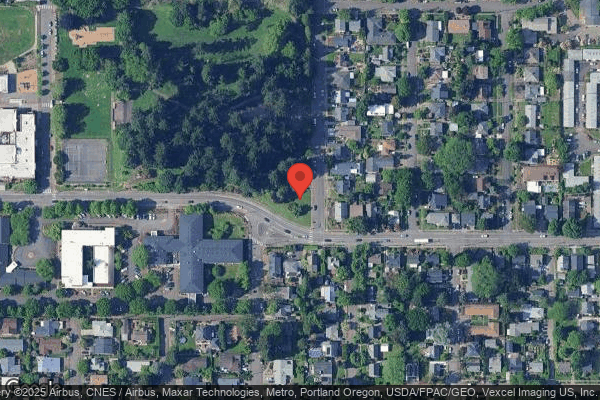
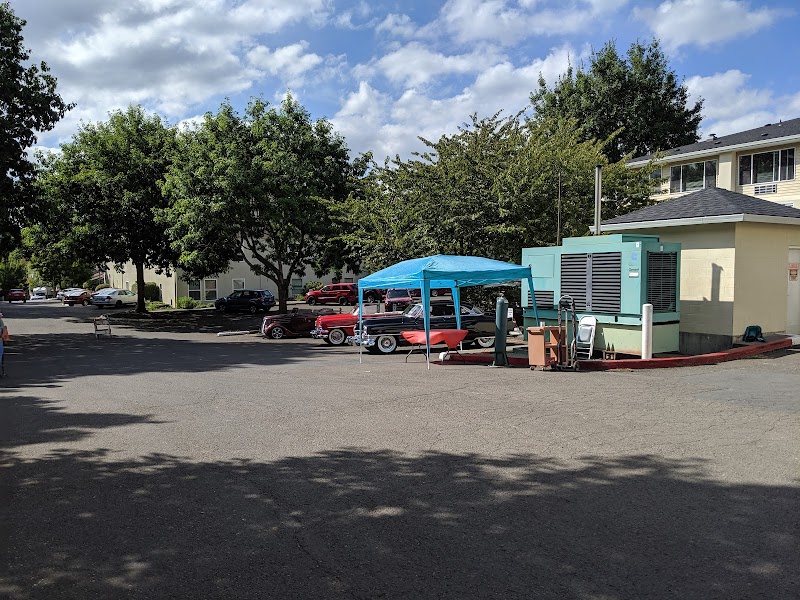
3320 SE HOLGATE BLVD, PORTLAND, OR 97202 (503) 231-1411
Non profit - Corporation 100 Beds Independent Data: November 2025 1 Immediate Jeopardy citation
Trust Grade
0/100
#114 of 127 in OR
Last Inspection: October 2024

Within standard 12-15 month inspection cycle. Federal law requires annual inspections.

Overview

Friendship Health Center in Portland, Oregon, has received a Trust Grade of F, indicating significant concerns about the quality of care provided. Ranking #114 of 127 facilities in the state places it in the bottom half, and #31 of 33 in Multnomah County suggests there are very few local options that perform better. Although the facility is showing an improving trend, going from 31 issues in 2024 to just 1 in 2025, the high turnover rate of 70% is alarming, especially compared to the Oregon average of 49%. Staffing is rated as average with a 3/5 score, but the RN coverage is below that of 80% of state facilities, which is concerning because registered nurses play a crucial role in catching potential problems. Notably, there were serious incidents reported, including a resident not receiving timely rehabilitative services, leading to a decline in their physical health, and others being discharged without adequate wound care instructions, resulting in complications that required re-hospitalization. While there are some strengths in staffing, the overall trust grade and serious findings highlight significant weaknesses that families should carefully consider.

Trust Score
F
0/100
In Oregon
#114/127
Bottom 11%
Safety Record
High Risk
Review needed
Inspections
Getting Better
31 → 1 violations
Staff Stability
⚠ Watch
70% turnover. Very high, 22 points above average. Constant new faces learning your loved one's needs.
Penalties
✓ Good
$103,564 in fines. Lower than most Oregon facilities. Relatively clean record.
Skilled Nurses
○ Average
Each resident gets 33 minutes of Registered Nurse (RN) attention daily — about average for Oregon. RNs are the most trained staff who monitor for health changes.
Violations
⚠ Watch
58 deficiencies on record. Higher than average. Multiple issues found across inspections.
★☆☆☆☆
1.0
Overall Rating
★★★☆☆
3.0
Staff Levels
★★★☆☆
3.0
Care Quality
★☆☆☆☆
1.0
Inspection Score
Stable
2024: 31 issues
2025: 1 issues

The Good

  • Full Sprinkler Coverage · Fire safety systems throughout facility
  • No fines on record

Facility shows strength in fire safety.

The Bad

1-Star Overall Rating

Below Oregon average (3.0)

Significant quality concerns identified by CMS

Staff Turnover: 70%

24pts above Oregon avg (46%)

Frequent staff changes - ask about care continuity

Federal Fines: $103,564

Well above median ($33,413)

Significant penalties indicating serious issues

Staff turnover is very high (70%)

22 points above Oregon average of 48%

The Ugly 58 deficiencies on record

1 life-threatening 2 actual harm
Feb 2025 1 deficiency
CONCERN (D) 📢 Someone Reported This

A family member, employee, or ombudsman was alarmed enough to file a formal complaint

Potential for Harm - no one hurt, but risky conditions existed

Pressure Ulcer Prevention (Tag F0686)

Could have caused harm · This affected 1 resident

Based on observation, interview and record review, it was determined the facility failed to assess and conduct weekly wound evaluations for pressure ulcer care for 1 of 3 sampled residents (#3) review...

Read full inspector narrative →
Based on observation, interview and record review, it was determined the facility failed to assess and conduct weekly wound evaluations for pressure ulcer care for 1 of 3 sampled residents (#3) reviewed for pressure ulcers. This placed residents at an increased risk for delayed healing and inadequate treatment. Findings include: Resident 2 was admitted to the facility in 7/2024, with diagnoses including atherosclerosis of the arteries (build up of plaque in the arteries, narrowing them and reducing blood flow), diabetes, hypertension, chronic heart failure and atrial fibrillation. On 2/27/25 at 9:25 AM, 12:38 PM, and on 2/28/25 at 8:25 AM, Resident 2 was observed sitting in her/his electric wheelchair in her/his room or through the facility. Resident 2 was pleasant, alert and oriented with clear speech. On 2/28/25 at 10:32 AM, RN surveyor observed Resident 2's pressure ulcer located on her/his right buttock, ischial area (lower part of the pelvis) to be closed, smaller than the size of a penny, reddened area. Resident 2's 1/26/25 Weekly Skin Evaluation identified the resident had a right buttock pressure ulcer, 0.25 x 0.25 x 0.0 cm, with no drainage. The stage of the wound was not identified. Resident 2's 1/29/25 Progress Note indicated the resident has open excoriation to the right ischium which has declined and the wound was open., with defined wound edges and measuring 0.4 x 0.5 x 0.0 cm. The wound bed is 100% slough, no serous drainage (a clear, thin, watery fluid that is released from a wound) noted. The open wound appears pressure related and suspected to be an unstageable pressure injury. There was no documented evidence weekly skin evaluations were conducted until 2/16/25, 17 days after 1/29/25. Subsequent weekly skin evaluations on 2/5/25 and 2/12/25 were not conducted. Resident 2's Weekly Skin Evaluations found the following: -2/16/25: Right gluteal fold, pressure. Right buttock pressure injury, clean with wound cleanser, skin prep surrounding skin, cover with a foam dressing every day until resolved. -2/23/25: Wound to right buttock. Moisture associated skin damage (MASD) to right and left quadrant. Dressing to right buttock dry and intact. The Weekly Skin assessments for 2/16/25 and 2/23/25 did not identify the stage of the pressure ulcer, include measurements, or provide a description of the wound. On 2/27/25 at 1:54 PM, Staff 2 (RN/Wound Nurse) stated Resident 2 has a Stage 3 on her/his buttocks due to the resident not wanting to get out of her/his electric wheelchair. Staff stated we encourage the resident to get off her/his buttocks, but the resident prefers to be up in her/his wheelchair. On 2/28/25 at 8:31 AM, Staff 4 (CNA) stated Resident 2 was independent with her/his ADLs and was always in her/his electric wheelchair. In an interview on 2/28/25 at 11:06 AM, Staff 1 (DNS), stated she would expect weekly skin assessments to be conducted and to have a wound staged, measured and description provided on the skin evaluations. Staff stated she had ordered a wheelchair cushion for the resident, but she/he removes the cushion and places it in her/his manual wheelchair.
Oct 2024 27 deficiencies 1 IJ
CRITICAL (J)

Immediate Jeopardy (IJ) - the most serious Medicare violation

Quality of Care (Tag F0684)

Someone could have died · This affected 1 resident

**NOTE- TERMS IN BRACKETS HAVE BEEN EDITED TO PROTECT CONFIDENTIALITY** 2. Resident 38 was admitted to the facility in 7/2021 with diagnoses including hypertension (a condition where the pressure of b...

Read full inspector narrative →
**NOTE- TERMS IN BRACKETS HAVE BEEN EDITED TO PROTECT CONFIDENTIALITY** 2. Resident 38 was admitted to the facility in 7/2021 with diagnoses including hypertension (a condition where the pressure of blood in the blood vessels is consistently too high), coronary artery disease (heart disease) and peripheral vascular disease (a circulatory condition that occurs when blood vessels outside of the brain and heart narrow, spasm or become blocked). Resident 28's [DATE] Annual MDS revealed the resident was cognitively intact and received a diuretic (a medication used to treat fluid retention [edema] and swelling caused by congestive heart failure, liver disease, kidney disease and other medical conditions). The Dehydration/Fluid Maintenance CAA indicated the resident had adequate fluid intake and did not appear dehydrated. In response to the question in the CAA which asked whether or not dehydration/fluid maintenance would be addressed in the resident's care plan, not assessed was checked. A review of Resident 38's weights revealed the following: -On [DATE] the resident weighed 154.5 pounds. -On [DATE] the resident weighed 163.4 pounds. This represented an 8.9 pound weight gain from her/his weight on [DATE]. -On [DATE] the resident weighed 171.5 pounds. This represented an 8.1 pound weight gain from her/his weight on [DATE] and a 17 pound weight gain from her/his weight on [DATE]. Resident 38's [DATE] Physician Progress Note indicated the resident experienced brawny edema (a type of edema that does not indent when pressure is applied, unlike pitting edema, when a swollen part of your body has a dimple [or pit] after you press it for a few seconds) of her/his lower legs. A [DATE] Physician's Order directed Resident 38 to receive furosemide (a diuretic) one time daily for edema. No evidence was found in Resident 38's clinical record to indicate the resident's weight gains had been reported to the resident's physician or the underlying cause of the weight gain had been assessed, any systems were in place to monitor changes in the resident's edema or the potential for fluid overload (indicative of too much water in a person's body which can raise blood pressure and force the heart to work harder) had been assessed. On [DATE] at 12:24 PM Staff 2 (DNS) stated Resident 38's edema was not being monitored and should be and she did not know if Resident 38's physician had been notified of the resident's weight gains. On [DATE] at 12:52 PM Resident 38 was observed in her/his room in bed. Staff 40 (RN) removed the resident's socks in order to assess her/his legs and feet. An indent in each of the resident's legs was observed once the socks were removed. When Staff 40 pushed on the resident's ankles, she/he yelled out and stated Staff 40 was hurting her/him. Staff 40 stated the resident's ankles were a plus 1 for edema (a barely visible dent that immediately rebounded after pressure was applied) but the top of her/his feet were a plus 2 (a slight pit that went away within 15 seconds). Staff 40 stated the resident did not have scheduled monitoring for her/his edema, the top of her/his foot was not normally like that, the change in swelling was not reported to her and the physician had not been notified of this change. On [DATE] at 2:03 PM Staff 41 (Agency RN) stated she was the charge nurse for day shift and was responsible for Resident 38's care. Staff 41 stated she did not receive any reports of Resident 38's edema. On [DATE] at 3:05 PM Staff 2 acknowledged the findings and provided no additional information. Based on observation, interview, and record review it was determined the facility failed to ensure residents' change of condition was assessed for 2 of 6 sampled residents (#s 38 and 89) reviewed for hospitalization and unnecessary medications. This failure, determined to be an immediate jeopardy situation, resulted in the delayed assessment of Resident 89 when she/he was experiencing a significant change in condition, resulting in delayed treatment. Resident 89 later died at the hospital. This placed all residents at risk for delayed assessments and treatments and constituted substandard quality of care. Findings include: Per National Library of Medicine online resource: Bleeding in the upper stomach and intestinal region carries a high morbidity (sudden onset of a health condition) and mortality (death) which can be lowered by timely evaluation and treatment. Signs of this condition include vomit which looked like coffee grounds. 1. Resident 89 was admitted to the facility on [DATE] with a diagnosis of lung cancer with metastasis (cancer spreads to other body systems). Resident 89's [DATE] physician orders revealed Resident 89 was a full code (life sustaining treatment provided if there were no respirations or heart beat). Vital signs from [DATE] to [DATE] revealed Resident 89's vital signs were last obtained on [DATE] at 2:22 PM. Resident 89's pulse was 81 (normal healthy adult range 60-100) and respirations were 18 breaths per minute (normal healthy adult range 12-18) and blood pressure was not obtained. Progress Notes revealed the following: -[DATE] Resident 89 was admitted to the facility for therapy. Resident 89 was alert to person, place, time, and situation and was able to make her/his needs known. Resident 89 was continent of bowel and bladder and was able to eat independently. -[DATE] Resident 89 was able to make her/his needs known. -[DATE] Resident 89 was assessed by her/his physician and was assessed to be a full code. Resident 89 reported she/he wanted to get stronger and go home. Resident 89 was assessed to have a normal thought process, was in no distress, and interacted during the exam. Resident 89's abdomen was soft and nontender. Resident 89 was also assessed to have normal range of motion to her/his arms, had weakness to the left ankle, and her/his skin was normal in appearance and temperature. Resident 89 was a candidate for hospice but prefers to be a full code. -[DATE] and [DATE] Resident 89 participated with therapy without issue and was alert with some forgetfulness. -[DATE] note written at 3:40 AM by Staff 30 (LPN) indicated Resident 89 vomited once, Zofran (treats nausea) was administered, and Resident 89 did not have continued vomiting. Resident 89 was placed on alert charting. There was no documentation of vital signs, characteristics of the vomit, or if the resident's physician was notified. -[DATE] note written at 10:09 AM revealed at 6:50 AM Resident 89 was observed by a nurse to be in bed sleeping. At 7:20 AM a CNA summoned the nurse urgently and Resident 89 was found without a pulse or respirations. Staff initiated CPR (cardiopulmonary resuscitation: chest compressions and manual ventilations), emergency services were notified, and at 8:00 AM Resident 89 was transported to the local hospital. -[DATE] note written at 12:13 PM and 12:20 PM by Staff 2 (DNS) revealed she called Staff 34 (CNA) who worked the night shift on [DATE] and Staff 34 stated Resident 89 reported nausea and vomited once. The vomit looked like coffee grounds. The note indicated Staff 34 reported to Staff 30 (LPN) Resident 89 vomited but nothing else. Staff 34 reported Resident 89 was a little pale, not acting her/himself, and maybe a little lethargic. Staff 34 stated on [DATE] at 5:15 AM she checked on the resident and Resident 89 was pale and sleeping. The note indicated Staff 34 was educated to inform the nurse of the color and consistency of fluids even if the nurse did not ask. Staff 30, who worked [DATE], reported the CNA informed her Resident 89 vomited at about 1:30 AM. Staff 30 stated she assessed the resident, the resident was able to talk, was able to report nausea, had good color and no other signs or symptoms. On [DATE] at 12:41 PM Staff 34 stated prior to [DATE] Resident 89 was usually very talkative and engaged when she provided care. On [DATE] at approximately 11:00 PM Resident 89 was clammy, tired, and did not talk much. Staff 34 stated she requested Staff 30 check on Resident 89. Staff 34 stated she was not sure if Staff 30 checked on Resident 89 because Staff 34 was busy caring for other residents. Staff 34 stated at approximately 1:00 AM, when she next checked on Resident 89, she found the resident with vomit coming out of her/his mouth and on her/his gown, the resident was incontinent of a large bowel movement, and she/he did not respond very much. Staff 34 stated she notified Staff 30. Staff 34 also stated she told Staff 30 Resident 89 had coffee ground vomit. Staff 34 indicated she was in the room with Resident 89 for about 10 minutes providing care after she notified the nurse and the nurse did not come into the room. Staff 34 stated she was not sure when Staff 30 checked on the resident. Staff 34 stated she did not obtain vital signs and the next time she saw Resident 89 was at about 5:15 AM and she/he was breathing but was still pale and clammy. On [DATE] at 1:21 PM Staff 33 (Nurse Practitioner) stated if a resident was a full code, no matter their medical condition, staff needed to treat a resident's change of condition. If a resident had coffee ground vomit and a medical provider was not on site to assess the resident, staff were to send the resident out to the hospital because staff were limited in the interventions they would be able to provide at the facility. On [DATE] at 2:00 PM Staff 35 (Physician) stated if a resident had coffee ground vomit and was stable the facility could monitor the resident in the facility. Monitoring would include vital signs. Staff 35 stated if a resident had a change in mental status, was pale and clammy, in addition to the coffee ground vomit, the resident would not be stable, the physician should be notified for guidance, and the resident should be sent to the hospital for evaluation. On [DATE] at 3:55 PM Staff 30 stated she did not recall Resident 89, but stated if a resident had coffee ground vomit the resident should be sent to the hospital because it could indicate internal bleeding. Staff 30 also stated if a resident's physician was called to obtain orders a note should be made in the progress notes regarding the resident's condition which required communication with the physician. On [DATE] at 12:01 PM and 3:58 PM Staff 2 (DNS) stated when she walked into the building on [DATE] staff were already performing CPR on Resident 89. Staff 2 stated she spoke to staff who worked the night shift and the day shift nurse who found Resident 89 without pulse or respirations. The day nurse stated Staff 30 reported the resident had nausea, vomiting, and nothing else. Staff 30 stated the resident was nauseated, she gave Zofran and it helped. Staff 2 stated Staff 30 reported she did not evaluate or see the vomit. Staff 2 indicated she called Staff 34, asked about the vomit, and she stated you won't believe it, but it looked just like coffee grounds. Staff 2 stated she educated the Staff 34 to always describe to the nurse what the vomit looked like. Staff 2 also educated Staff 30 to always do more of an assessment and ask what the vomit looked like. Staff 2 acknowledged on [DATE] at approximately 1:00 AM Resident 89 was administered Zofran and the resident was found without a pulse or respirations at about 7:00 AM. Staff 2 verified there were no vital signs obtained on [DATE] and there was no assessment of the resident and resident's vomit. Staff 2 stated Staff 30 reported she did an assessment but did not document it. Staff 2 confirmed on [DATE] at approximately 11:40 AM Resident 89 died at the hospital. On [DATE] at 10:18 AM Staff 2 (Administrator) was notified of the immediate jeopardy (IJ) situation and was provided the IJ template related to the facility failure to assess, monitor, and document a resident's significant change of condition. As a result of the deficient practice, treatment was delayed for Resident 89. On [DATE] at 3:27 PM, an acceptable facility IJ removal plan was submitted by the facility. The plan indicated the facility would implement the following: -On [DATE] a review of other residents' change of condition, over the past week that may be affected, was completed by the DNS and designated staff. Other residents identified with a change of condition were to have assessments completed by the end of the day and residents' primary care physicians would be notified as appropriate. -Education for the Nurse and CNA was completed by the assistant DNS after the incident on [DATE]. Further education would be completed on [DATE] with every employee (clinical, administrative, social service, activities, housekeeping, dietary and maintenance) to communicate changes in condition. Employees not on shift would be trained prior to starting shift with review of policy and procedure , then signing off on understanding and implementation. Once notified of a change of condition, the nurse would document, complete an assessment that day, and notify the primary care physician as appropriate. - Performance Improvement Project for change of condition would be initiated by the DNS or designee to audit 1.) Resident change of condition and 2.) Nurse assessments were completed the day of reported change of condition. The audits would be conducted weekly for one month, then twice a month for two months, and randomly thereafter. Results would be shared with Quality Assurance and Performance Improvement committee until substantial compliance was achieved. Additional documentation was later provided to show additional staff were educated about reporting changes of condition by staff 2 during huddles on [DATE], [DATE], [DATE] and [DATE], thereby removing the immediate jepordy on [DATE].
SERIOUS (G) 📢 Someone Reported This

A family member, employee, or ombudsman was alarmed enough to file a formal complaint

Actual Harm - a resident was hurt due to facility failures

Deficiency F0825 (Tag F0825)

A resident was harmed · This affected 1 resident

**NOTE- TERMS IN BRACKETS HAVE BEEN EDITED TO PROTECT CONFIDENTIALITY** Based on observation, interview and record review it was determined the facility failed to ensure residents received timely spec...

Read full inspector narrative →
**NOTE- TERMS IN BRACKETS HAVE BEEN EDITED TO PROTECT CONFIDENTIALITY** Based on observation, interview and record review it was determined the facility failed to ensure residents received timely specialized rehabilitative services (PT and OT services) for 1 of 1 sampled resident (#20) reviewed for rehabilitation and restorative. This failure resulted in Resident 20 displaying a depressed mood, verbalizing feelings of frustration and a decline in physical functioning. Findings include: The facility's 1/2023 Therapy Evaluation Policy indicated the following: -The Rehabilitation Department was to be notified when a physician order was written for therapy evaluation and treatment. -The licensed therapist was to perform a chart review and initiate the evaluation. -The initial evaluation was to be completed within two to three days from the time the referral was written. Resident 20 was admitted to the facility in 9/2022 with diagnoses including a history of falls. A review of Resident 20's clinical record revealed she/he was hospitalized from [DATE] to 10/27/23 related to sepsis (a life-threatening condition that occurs when the body's immune system overreacts to an infection, causing inflammation, blood clots and leaky blood vessels) secondary to a urinary tract infection. Resident 20's 10/26/23 PT Treatment Note completed during the resident's hospital stay indicated the resident was able to complete a stand-pivot transfer to a chair, bedside commode or wheelchair with a gait belt, front-wheeled walker and contact guard assist (a type of assistance where a caregiver places one or two hands on a patient to help with balance but does not provide any other help with a task). The note further indicated the resident required standby assistance from a caregiver for bed mobility. Resident 20's 10/27/23 ICF admission Orders directed nursing staff to continue with the functional mobility and ADL levels established in the hospital as allowed per weightbearing status until the resident was seen by PT. Resident 20's 10/27/23 Physician Orders indicated PT and OT was to assess and treat the resident. Resident 20's 10/27/23 readmission Form indicated the resident required limited assistance from staff with transfers. No evidence was found in Resident 20's clinical record to indicate she/he was assessed and treated by PT or OT since she/he readmitted to the facility from the hospital on [DATE]. Resident 20's 9/1/24 Modification of Annual MDS Assessment indicated the resident was moderately cognitively impaired, dependent on staff assistance for transfers and experienced mild depression. The CAAs further indicated the resident required extensive assistance with bed mobility as she/he experienced deconditioning (a decline in physical and mental function that occurs due to a lack of physical activity or extended bed rest), pain and weakness. Resident 20's 9/11/24 ADL Performance Deficit Care Plan revealed the following: -The resident required assistance from two staff and the use of a Hoyer lift (a mobile device that helps caregivers safely transfer patients with limited mobility from one place to another) for all transfers. -The resident was unable to use a bedside commode or toilet. On 10/7/24 at 12:01 PM Resident 20 was observed in her/his room, in bed. Resident 20 stated she/he did not receive any therapy, no one does any exercises with me and she/he pretty much just stayed in bed and waited for friends to come and visit. Resident 20 stated no one at the facility gave a shit and she/he thought all the staff had written [her/him] off. On 10/10/24 at 1:43 PM Resident 20 stated she/he felt as if she/he had physically declined and was weaker all over. Resident 20 stated she/he did not sit up very well anymore because she/he spent all her/his time laying down, she/he wanted to be able to stand again and she/he did not like feeling weaker and dependent. On 10/10/24 at 10:00 AM Staff 20 (CNA/RA) stated she was not responsible for assisting the resident with any restorative exercises and the resident did not currently receive any therapy services. On 10/10/24 at 10:36 AM Staff 23 (Agency CNA) stated Resident 20 required a Hoyer lift for transfers and the resident no longer used the toilet or bedside commode but had incontinent care provided in bed instead. Staff 23 stated the resident was a more active participant in her/his ADLs a few months ago but right now she had to do everything for [the resident's] lower body. On 10/10/24 at 10:46 AM Staff 24 (CNA) stated she had not seen Resident 20 get out of bed since 2/2024. Staff 24 further stated in 2/2024 the resident required the assistance of one to two staff with transfers but now she/he used a Hoyer lift. On 10/10/24 at 2:12 PM Staff 21 (Director of Therapy) stated she was not aware of Resident 20's order for PT and OT from 10/27/2023 and the last time the resident received therapy services was in 5/2023. On 10/10/24 at 4:37 PM Staff 2 (Interim DNS) acknowledged the findings and confirmed the resident should have received therapy services following her/his hospitalization in 10/2023 but did not.
CONCERN (D)

Potential for Harm - no one hurt, but risky conditions existed

Deficiency F0552 (Tag F0552)

Could have caused harm · This affected 1 resident

2. Resident 77 was admitted to the facility in 3/2024 with diagnoses including anemia and major depressive disorder. Resident 77's 3/22/24 Physician Order indicated the resident was prescribed Celexa ...

Read full inspector narrative →
2. Resident 77 was admitted to the facility in 3/2024 with diagnoses including anemia and major depressive disorder. Resident 77's 3/22/24 Physician Order indicated the resident was prescribed Celexa (antidepressant) for depression. Resident 77's 3/2024 MAR revealed the resident received Celexa daily starting on 3/22/24. Review of Resident 77's health record revealed no documentation to indicate the resident was informed in advance of the risks and benefits of Celexa. On 10/10/24 at 1:30 PM Staff 2 (DNS) reviewed Resident 77's health record, acknowledged there was no documentation the resident was informed of the risks and benefits of Celexa and confirmed a consent was not obtained prior to the resident starting the medication. Based on interview and record review it was determined the facility failed to obtain consents for the use of psychotropic medications for 2 of 6 sampled residents (#s 1 and 77) reviewed for medications. This placed residents at risk for the loss of the right to decline the use of psychotropic medications. Findings include: 1. Resident 1 was admitted to the facility in 5/2024 with a diagnosis of severe malnutrition. An 8/26/24 quarterly MDS revealed Resident 1 was cognitively intact. A 10/2024 MAR revealed Resident 1 was administered the following psychotropic medications: -Sertraline (antidepressant) with a start date of 5/24/24. -Trazodone (antidepressant also used to assist with sleep) with a start date of 5/24/24. Resident 1's clinical record did not include consents for the use of the psychotropic medications. On 10/10/24 at 12:38 PM Staff 2 (DNS) stated social services was to obtain consents for psychotropic medications. Staff 2 acknowledged consents were not completed for Resident 1's psychotropic medications.
CONCERN (D)

Potential for Harm - no one hurt, but risky conditions existed

Deficiency F0561 (Tag F0561)

Could have caused harm · This affected 1 resident

Based on observation, interview, and record review it was determined the facility failed to honor a resident's preference for room layout for 1 of 2 sampled residents (#16) reviewed for choices. This ...

Read full inspector narrative →
Based on observation, interview, and record review it was determined the facility failed to honor a resident's preference for room layout for 1 of 2 sampled residents (#16) reviewed for choices. This placed residents at risk for depression. Findings include: 1. Resident 16 was admitted to the facility in 2/2020 with a diagnosis of diabetes. A 2/29/24 annual MDS revealed Resident 16 was cognitively intact, had weakness, and was in the facility for long term care. On 10/10/24 at 9:08 AM and 10/10/24 at 11:55 AM Resident 16 was observed in her/his room, a transfer pole was positioned on the left side of her/his bed, and Resident 16's spouse was observed in the bed to the right of the transfer pole. Resident 16 stated she/he was in a significant relationship with her/his spouse for 36 years. Resident 16 stated she/he wished the two beds were closer together to allow her/him to hold hands with her/his spouse. Resident 16 also stated she/he had PTSD (post traumatic stress disorder) and her/his spouse was able to calm her/him when she/he woke with vivid dreams. Resident 16 stated she/he requested a bed change and nothing was done. On 10/10/24 at 9:15 AM Staff 9 (Social Services Coordinator) stated in the past she heard Resident 16 wanted her/his bed closer to her/his spouse's bed. Staff 9 stated she was not aware if it was assessed. Staff 9 stated Staff 2 (DNS) would need to approve the move, involve therapy, and other departments to ensure it was safe. On 10/10/24 at 10:39 AM Staff 2 stated she was not aware of Resident 16's desire to be closer to her/his spouse. Staff 2 stated it could be done but an assessment would need to be done to ensure it was safe.
CONCERN (D)

Potential for Harm - no one hurt, but risky conditions existed

Deficiency F0578 (Tag F0578)

Could have caused harm · This affected 1 resident

Based on interview and record review it was determined the facility failed to ensure residents had an advance directive for 2 of 4 sampled residents (#s 1 and 16) reviewed for advance directives. This...

Read full inspector narrative →
Based on interview and record review it was determined the facility failed to ensure residents had an advance directive for 2 of 4 sampled residents (#s 1 and 16) reviewed for advance directives. This placed residents at risk for end-of-life choices not being honored. Findings include: 1. Resident 1 was admitted to the facility in 5/2024 with a diagnosis of severe malnutrition. An 8/26/24 quarterly MDS revealed Resident 1 was cognitively intact. An 8/29/24 Care Conference Meeting form revealed Resident 1 did not have an advance directive. The form did not indicate if staff provided Resident 1 information related to an advance directive or if the resident wanted to fill out an advance directive. On 10/10/24 at 11:38 AM Resident 1 stated she/he used to have an advance directive but did not know where it was and did not recall if the facility talked to her/him about an advance directive. Resident 1 also stated she/he definitely would not want tube feedings. On 10/10/24 at 9:11 AM Staff 9 (Social Services Coordinator) stated advance directive information was reviewed during care conferences and if a resident was provided information it was to be documented in the resident's record. Staff 9 stated there was no indication information was provided to Resident 1. 2. Resident 16 was admitted to the facility in 2/2020 with a diagnosis of diabetes. An 8/11/24 quarterly MDS revealed Resident 16 was cognitively intact. An 8/8/24 Care Conference Meeting form revealed Resident 16 did not have an advance directive. On 10/10/24 at 9:11 AM Staff 9 (Social Services Coordinator) stated advance directive information was reviewed with residents during care conferences. If a resident was offered advance directive information it was documented in the clinical record. Staff 9 stated there was no indication an advance directive was offered.
CONCERN (D)

Potential for Harm - no one hurt, but risky conditions existed

Notification of Changes (Tag F0580)

Could have caused harm · This affected 1 resident

Based on interview and record review it was determined the facility failed to ensure a resident's emergency contact was notified of a resident's hospitalization for 1 of 2 sampled residents (#16) revi...

Read full inspector narrative →
Based on interview and record review it was determined the facility failed to ensure a resident's emergency contact was notified of a resident's hospitalization for 1 of 2 sampled residents (#16) reviewed for hospitalization. This placed residents' representatives at risk for not being informed of a resident's change in medical condition. Finding include: Resident 16 was admitted to the facility in 2/2020 with a diagnosis of diabetes. Resident 13 was admitted to the facility 2/2020 with a diagnosis of dementia. An undated admission Record revealed Resident 13 was Resident 16's first emergency contact and Witness 1 (Acquaintance) was Resident 16's second emergency contact. An 8/4/24 quarterly MDS revealed Resident 13 was cognitively impaired. An 8/11/24 quarterly MDS revealed Resident 16 was cognitively intact. Progress Notes revealed on 6/24/24 Resident 16 vomited, was pale, clammy, and did her/his mental status was not at baseline. Resident 16 was transported to the local hospital for evaluation and treatment. There was no note to indicate Resident 16's first or second emergency contact was notified. On 10/7/24 at 10:25 AM Resident 16 stated Resident 13 was her/his first emergency contact and had dementia. Resident 16 sated no one was called when she/he was hospitalized in 6/2024. On 10/10/24 at 8:05 AM Staff 28 (LPN) stated Resident 16's spouse had dementia. Staff notified Resident 13 when Resident 16 was hospitalized but Resident 13 only understood Resident 16 was not in the room but did not know why. On 10/10/24 at 12:51 PM Staff 2 (DNS) stated there was no indication in Resident 16's clinical record her/his emergency contacts were notified of her/his hospitalization.
CONCERN (D)

Potential for Harm - no one hurt, but risky conditions existed

Deficiency F0582 (Tag F0582)

Could have caused harm · This affected 1 resident

**NOTE- TERMS IN BRACKETS HAVE BEEN EDITED TO PROTECT CONFIDENTIALITY** Based on interview and record review it was determined the facility failed to ensure NOMNC (Notice of Medicare Non-Coverage) not...

Read full inspector narrative →
**NOTE- TERMS IN BRACKETS HAVE BEEN EDITED TO PROTECT CONFIDENTIALITY** Based on interview and record review it was determined the facility failed to ensure NOMNC (Notice of Medicare Non-Coverage) notifications were provided to 2 of 3 sampled residents (#s 75 and 290) and failed to provide SNF ABN (Skilled Nursing Facility Advanced Beneficiary Notice of Non-Coverage) notifications to 2 of 3 sampled residents (#s 49 and 75) reviewed for Beneficiary Notification. This placed residents and their representatives at risk for lack of knowledge regarding their right to appeal and unknown financial liabilities. Findings include: 1. Resident 75 was admitted to the facility on [DATE] with Medicare Part A benefits. Resident 75's SNF Beneficiary Protection Notification Review provided by the facility indicated the resident's last covered day for Medicare Part A services was 5/27/24 and Resident 75 remained in the facility. According to the SNF Beneficiary Protection Notification form, the resident did not receive the required NOMNC notification to notify the resident or their representative when their Medicare Part A coverage ended and provided them the opportunity to appeal, and was not provided with a SNF ABN notification to inform them or their representative of potential out-of-pocket expenses. On 10/14/24 at 1:15 PM and 2:54 PM Staff 9 (Social Services Coordinator) stated the facility did not issue SNF ABN notifications to residents when they were discharged from Medicare Part A services and remained in the facility and confirmed Resident 75 did not receive the required SNF ABN notifications. Staff 9 also confirmed Resident 75 did not receive the required NOMNC notification to notify the resident or their representative when their Medicare Part A coverage ended. On 10/15/24 at 9:01 AM Staff 1 (Interim Administrator) acknowledged the facility was not consistently issuing NOMNC and SNF ABN notifications to residents and their representatives as required. 2. Resident 290 was admitted to the facility on [DATE] with Medicare Part A benefits. Resident 290's SNF Beneficiary Protection Notification Review provided by the facility indicated the resident's last covered day for Medicare Part A services was 7/11/24 and Resident 290 discharged home. According to the SNF Beneficiary Protection Notification form, the resident did not receive the required NOMNC notification to notify the resident or their representative when their Medicare Part A coverage ended and provided them the opportunity to appeal. On 10/14/24 at 1:15 PM and 2:54 PM Staff 9 (Social Services Coordinator) stated Resident 290 did not receive the required NOMNC notification to notify the resident or their representative when their Medicare Part A coverage ended. On 10/15/24 at 9:01 AM Staff 1 (Interim Administrator) acknowledged the facility was not consistently issuing NOMNC and SNF ABN notifications to residents and their representatives as required. 3. Resident 49 was admitted to the facility on [DATE] with Medicare Part A benefits. Resident 49's SNF Beneficiary Protection Notification Review provided by the facility indicated the resident's last covered day for Medicare Part A services was 8/15/24 and Resident 49 remained in the facility. According to the SNF Beneficiary Notification form, the resident was not provided with a SNF ABN notification to inform them or their representative of potential out-of-pocket expenses. On 10/14/24 at 1:15 PM and 2:54 PM Staff 9 (Social Services Coordinator) stated the facility did not issue SNF ABN notifications to residents when they were discharged from Medicare Part A services and remained in the facility and confirmed Resident 49 did not receive the required SNF ABN notification. On 10/15/24 at 9:01 AM Staff 1 (Interim Administrator) acknowledged the facility was not consistently issuing NOMNC and SNF ABN notifications to residents and their representatives as required.
CONCERN (D)

Potential for Harm - no one hurt, but risky conditions existed

Grievances (Tag F0585)

Could have caused harm · This affected 1 resident

Based on interview and record review it was determined the facility failed to ensure a system was in place to resolve resident grievances promptly for 1 of 1 resident (#57) reviewed for abuse. This pl...

Read full inspector narrative →
Based on interview and record review it was determined the facility failed to ensure a system was in place to resolve resident grievances promptly for 1 of 1 resident (#57) reviewed for abuse. This placed residents at risk for unresolved grievances. Findings include: Resident 57 was admitted to the facility in 5/2022 with diagnoses including osteoarthritis (degenerative joint disease) and lower back pain. On 10/7/24 at 4:22 PM Resident 57 expressed she/he had concerns with her/his caregiver the other day. Resident 57 stated she/he told Staff 19 (RN) and Staff 38 (LPN) about her/his concerns and requested a grievance form be completed. On 10/9/24 at 8:23 AM Staff 1 (Interim Administrator) was unaware of Resident 57's concerns about the caregiver and at 9:51 AM Staff 1 confirmed a grievance form was not created for Resident 57's expressed concerns. On 10/9/24 at 11:03 AM Staff 19 confirmed Resident 57 spoke to her about her/his concerns regarding the caregiver on 10/7/24 and she told Staff 17 (Social Services Director) to complete a grievance form. On 10/14/24 at 5:43 AM Staff 38 confirmed Resident 57 told her about the caregiver concerns and she provided Staff 19 with the information. On 10/15/24 at 9:13 AM Staff 1 acknowledged he expected grievance forms to be completed promptly for resident concerns.
CONCERN (D)

Potential for Harm - no one hurt, but risky conditions existed

Assessment Accuracy (Tag F0641)

Could have caused harm · This affected 1 resident

Based on observation, interview and record review it was determined the facility failed to accurately assess residents for communication, dental, and transfers for 3 of 9 sampled residents (#s 1, 14 a...

Read full inspector narrative →
Based on observation, interview and record review it was determined the facility failed to accurately assess residents for communication, dental, and transfers for 3 of 9 sampled residents (#s 1, 14 and 20) reviewed for communication, dental, and rehabilitation. This placed residents at risk for inaccurate assessments and unmet care needs. Findings include: 1. Centers for Medicare & Medicaid Services 10/2024 Resident Assessment Instrument (RAI) Version 3.0 Manual directed the following: -A resident who was able to express requests and ideas clearly should be assessed as understood. -A resident who experienced difficulty communicating some words or finishing thoughts but was able to be understood if prompted or given time, experienced delayed responses or required some prompting to make self understood should be assessed usually understood. -A resident who was able to clearly comprehend the speaker's message and demonstrated comprehension by words or actions/behaviors should be assessed as understands. -A resident who missed some part or intent of the speaker's message but comprehended most of it or who may have periodic difficulties integrating information but generally demonstrated comprehension by responding in words or actions should be assessed as usually understands. Resident 14 was admitted to the facility in 12/2020 with diagnoses including Parkinson's disease (a chronic brain disorder that causes movement problems, mental health issues and other health concerns). Resident 14's 9/8/24 Quarterly MDS revealed the resident was cognitively intact, had unclear speech, was able to make her/himself understood without difficulty and was able to understand others without difficulty. On 10/7/24 at 12:56 PM Resident 14 was observed in her/his room in bed. Resident 14 spoke slowly and softly, experienced delayed responses and required time to express her/himself. Resident 14 frequently repeated her/himself in order to be understood and she/he stated staff needed to be patient with [her/him]. The State Surveyor repeated questions on a number of occasions during the interview in order to improve the resident's understanding. On 10/14/24 at 10:23 AM Staff 25 (CNA) stated Resident 14 was very soft spoken and when she interacted with the resident, she always turned the television off and listened closely. Staff 25 stated the resident needed a second to understand and communicate her/his responses. On 10/14/24 at 10:48 AM Staff 26 (CNA) stated Resident 14's communication was sometimes really good and sometimes [the resident] was really out of it. Staff 26 stated she often asked Resident 14 to repeat her/his message or question, and if she still had trouble understanding, she would get another staff person to help with understanding. On 10/14/24 at 11:21 AM Staff 17 (Social Services Director) stated Resident 14 varied in [her/his] communication abilities as she/he went through different moods and alertness levels. Staff 17 stated she frequently repeated statements to Resident 14, asked the resident if she/he understood her question or message and gave the resident time to answer questions. On 10/14/24 at 1:10 PM Staff 2 (Interim DNS) acknowledged Resident 14's MDS was inaccurately assessed and stated Resident 14's difficulties with communication were not of recent onset. 2. Resident 20 was admitted to the facility in 9/2022 with diagnoses including a history of falls. Resident 20's 9/1/24 Annual MDS indicated the resident required partial-to-moderate assistance from staff with transfers. Resident 20's 9/11/24 ADL Performance Deficit Care Plan revealed the resident required assistance from two staff and the use of a hoyer lift (a mobile device that helps caregivers safely transfer patients with limited mobility from one place to another) for all transfers. On 10/10/24 at 10:36 AM Staff 23 (Agency CNA) and at 10:46 AM Staff 24 (CNA) stated Resident 20 required a hoyer lift for all transfers. On 10/10/24 at 4:37 PM Staff 2 (Interim DNS) acknowledged Resident 20's 9/1/24 Annual MDS was inaccurately assessed as the resident required assistance from two staff and the use of a hoyer lift for all transfers. 3. Resident 1 was admitted to the facility in 5/2024 with a diagnosis of severe malnutrition. On 10/7/24 at 10:46 AM Resident 1 was observed to have no teeth. A 6/7/24 significant change MDS indicated Resident 1 did not have dental issues including not having teeth. On 10/10/24 at 5:01 PM Staff 2 (DNS) acknowledged Resident 1's dental status was not accurately assessed.
CONCERN (D)

Potential for Harm - no one hurt, but risky conditions existed

Deficiency F0676 (Tag F0676)

Could have caused harm · This affected 1 resident

Based on observation, interview and record review it was determined the facility failed to provide appropriate treatment and services in the area of communication for 1 of 4 sampled residents (#53) re...

Read full inspector narrative →
Based on observation, interview and record review it was determined the facility failed to provide appropriate treatment and services in the area of communication for 1 of 4 sampled residents (#53) reviewed for communication. This placed residents at risk for diminished quality of life and potential decline in their ability to carry out activities of daily living. Findings include: Resident 53 was admitted to the facility in 7/2021 with diagnoses including dementia. Resident 53's 9/22/24 Quarterly MDS revealed the resident was severely cognitively impaired and her/his ability to hear was highly impaired. Resident 53's 10/1/24 Communication Problem Care Plan revealed the following: -Use a dry erase board as needed to facilitate communication and understanding. -Use alternative communication tools as needed, such as a communication book/board, writing pad, gestures, signs and pictures. -9/15/21: The resident was not a candidate for hearing aids per family report. On 10/7/24 at 12:37 PM Resident 53 was observed in her/his room in bed. Resident 53 stated she/he was a little bit deaf and wore hearing aides but [she/he] did not know where they were. The State Surveyor needed to repeat questions to the resident, even when speaking at an elevated volume, in order to improve understanding. At this time, no accessible communication tools, including a communication board or dry erase board, were observed in the resident's room. Random observations of Resident 53 conducted from 10/7/24 through 10/14/24 from 5:09 AM to 3:54 PM revealed the resident to be in her/his room either in bed or in her/his wheelchair. No accessible communication tools were observed in the resident's room. On 10/11/24 at 10:15 AM Staff 25 (CNA) stated communicating with Resident 53 was very hard, interactions were often a guessing game and it was difficult to determine what the resident was trying to say. Staff 25 stated she had never utilized any communication tools or devices to improve interactions with the resident, including a communication board, dry erase board or a hearing amplification device. On 10/14/24 at 11:15 AM Staff 17 (Social Services Director) stated Resident 53 was very hard of hearing and she used a white board when she interacted with the resident to improve communication. Staff 17 stated she did not know if Resident 53 had a communication board or white board available in her/his room for other staff to use during their interactions and she was unaware if the resident would benefit from alternative amplification devices or if they had been tried. On 10/14/24 at 12:44 PM Staff 2 (Interim DNS) acknowledged the findings of this investigation and stated she was unsure which communication interventions had been trialed with Resident 53 to improve communication and did not know if current care plan interventions were accurate.
CONCERN (D)

Potential for Harm - no one hurt, but risky conditions existed

ADL Care (Tag F0677)

Could have caused harm · This affected 1 resident

**NOTE- TERMS IN BRACKETS HAVE BEEN EDITED TO PROTECT CONFIDENTIALITY** Based on observation, interview and record review it was determined the facility failed to provide the necessary care and servic...

Read full inspector narrative →
**NOTE- TERMS IN BRACKETS HAVE BEEN EDITED TO PROTECT CONFIDENTIALITY** Based on observation, interview and record review it was determined the facility failed to provide the necessary care and services to maintain personal hygiene for 1 of 5 sampled residents (#51) reviewed for ADLs. This placed residents at risk for poor personal hygiene. Findings include: Resident 51 was admitted to the facility in 6/2024 with a dignoses including dementia. Resident 51's 9/15/24 Quarterly MDS indicated her/his cognition was moderately impaired and she/he required assistance or supervision with personal hygiene. Resident 51 was observed from 10/7/24 at 1:30 PM to 10/11/24 at 12:08 PM with a significant amount of chin hairs. On 10/9/24 at 8:37 AM Resident 51 stated she/he did not want chin hairs and needed help to shave them. The 10/11/24 [NAME] (bedside care plan) directed staff to shave Resident 51 as necessary. On 10/11/24 at 9:57 AM Staff 43 (CNA) stated she obtained information to care for Resident 51 from the [NAME]. On 10/11/24 at 11:30 AM Staff 28 (LPN) confirmed Resident 51 had long chin hairs and staff should assist the resident. Resident 51 told Staff 28 I want my beard shaved off. On 10/11/24 at 12:08 PM Staff 2 (Interim DNS) stated she expected Resident 51 to be shaven on the scheduled days of Monday and Friday.
CONCERN (D) 📢 Someone Reported This

A family member, employee, or ombudsman was alarmed enough to file a formal complaint

Potential for Harm - no one hurt, but risky conditions existed

Accident Prevention (Tag F0689)

Could have caused harm · This affected 1 resident

3. Resident 50 was admitted to the facility in 11/2021 with diagnoses including dementia. Resident 50's 7/13/24 Fall Risk Assessment indicated the resident was considered at moderate risk to fall. R...

Read full inspector narrative →
3. Resident 50 was admitted to the facility in 11/2021 with diagnoses including dementia. Resident 50's 7/13/24 Fall Risk Assessment indicated the resident was considered at moderate risk to fall. Resident 50's 7/14/24 Annual MDS revealed the resident was severely cognitively impaired and experienced two falls without injury since her/his prior assessment. Resident 50's 8/4/24 At Risk For Falls Care Plan revealed the resident's bed was to be in a low position and fall mats were to be placed on both sides of the bed when the resident was in bed. On 10/7/24 at 2:18 PM and on 10/8/24 at 11:50 AM Resident 50 was observed in her/his room in bed. On both occasions, the resident's bed was at knee height and no fall mat was placed on the right side of the resident's bed. On 10/9/24 at 8:19 AM Resident 50 was observed in her/his room in bed. The resident's legs hung off of the right side of the bed, her/his left foot was caught in the sheet and the resident yelled help me get out of bed. On 10/9/24 at 9:21 AM Staff 16 (Agency CNA) stated Resident 50 was considered at risk to fall and she/he needed fall mats sometimes in the evening. On 10/10/24 at 12:35 PM Staff 15 (LPN) stated Resident 50 had occasional falls as she/he would put her/his legs out of bed and then slide. Staff 15 stated the resident's bed was to be in a low position and a fall mat placed on each side of the bed when occupied. At this time, Staff 15 observed the resident in bed, stated her/his bed should be lower than this and lowered the bed to the floor. On 10/10/24 at 3:57 PM Staff 2 (Interim DNS) stated she expected Resident 50's bed to be in a low position with a fall mat on each side of the bed when the resident was in bed. 2. Resident 60 was admitted to the facility in 8/2023 with diagnoses including acute respiratory failure with hypoxia (a condition in which the body does not have enough oxygen in the blood). Resident 60's 8/4/24 Annual MDS indicated the resident was cognitively intact. Observations from 10/7/24 through 10/10/24 between the hours of 8:00 AM and 4:30 PM, Triad Hydrophilic Wound Dressing (a sterile, zinc-oxide based wound dressing) and a bottle of 10% iodine (a topical antiseptic agent used for treatment and prevention of infection in wounds) sat out in the open, on the counter-top, next to the sink in Resident 60's room. On 10/7/24 at 12:39 PM Resident 60 stated the Triad Hydrophilic Wound Dressing and iodine was always on the counter-top for staff to use when they treated wounds on her/his legs and toes. On 10/10/24 at 1:35 PM Staff 14 (LPN) confirmed Trial Hydrophilic Wound Dressing and iodine was on the counter, unsecured and out in the open in Resident 60's room. Staff 14 stated wound care medications should be out of sight, secured in a closed drawer or cabinet so they were not easily grabbed. On 10/14/24 at 12:34 PM Staff 2 (Interim DNS) acknowledged medications left out in the open, unsecured in residents' rooms would be an accident hazard. Based on interview and record review it was determined the facility failed to ensure residents were free from accident hazards for 3 of 6 sampled residents (#s 6, 50 and 60) reviewed for accidents. This placed residents at risk for falls and adverse medication consequences. Findings include: 1. Resident 6 was admitted to the facility 12/2022 with a diagnosis of diabetes. A care plan revised on 6/8/24 revealed Resident 6 was to be transferred by two staff. A 9/29/24 quarterly MDS revealed Resident 6 was cognitively intact. On 9/18/24 Witness 2 (Complainant) reported facility staff was observed to transfer Resident 6 with one staff and not two. It was reported Resident 16 was fearful during the transfer but did not fall. On 10/8/24 at 10:42 AM Witness 2 stated on 9/18/24 Witness 3 (Community Nurse) was entering Resident 6's room and a CNA who was already in the room was transferring Resident 6 with a mechanical device and no additional staff were in the room. On 10/8/24 at 8:11 PM Staff 31 (CNA) stated she recalled a day when she transferred Resident 6, the resident's legs became weak and Resident 6 almost fell. Staff 31 stated another person walked into the room and Staff 31 requested assistance. Staff 31 did not recall if Resident 6 was a one person or a two person transfer at that time. Staff 2 acknowledged on 9/18/24 Resident 6 required two staff for transfers.
CONCERN (D)

Potential for Harm - no one hurt, but risky conditions existed

Deficiency F0742 (Tag F0742)

Could have caused harm · This affected 1 resident

Based on observation, interview and record review it was determined the facility failed to provide treatment and services to correct ongoing signs of depressive behavior for 1 of 1 sampled resident (#...

Read full inspector narrative →
Based on observation, interview and record review it was determined the facility failed to provide treatment and services to correct ongoing signs of depressive behavior for 1 of 1 sampled resident (#20) reviewed for behaviors. This placed residents at risk for not maintaining their highest practicable physical, mental and psychosocial well-being. Findings include: Resident 20 was admitted to the facility in 9/2022 with diagnoses including depression and adjustment disorder (a group of symptoms, such as stress, anxiety, feeling sad or hopeless, and physical symptoms that can occur after you go through a stressful life event). A review of Resident 20's Patient Health Questionnaire-9 (PHQ-9, a nine-item diagnostic tool used to assess for the presence and severity of depressive symptoms and a possible depressive disorder in adult patients in primary care settings) from 3/2024 through 9/2024 revealed the following: -On 3/10/24 the resident scored a 3, indicating she/he felt little interest or pleasure in doing things nearly every day. This score indicated minimal depression. -On 6/9/24 the resident scored a 6, indicating she/he felt little interest or pleasure in doing things nearly every day and felt down, depressed or hopeless nearly every day. This score indicated mild depression. -On 9/1/24 the resident scored an 8, indicating she/he felt little interest or pleasure in doing things nearly every day, felt down, depressed or hopeless nearly every day, had trouble falling or staying asleep or sleeping too much on several days and felt tired or had little energy on several days. This score indicated mild depression. Resident 20's 9/1/24 Annual MDS indicated the resident was moderately cognitively impaired. The CAAs indicated the resident's psychosocial well-being would be addressed in her/his care plan with a goal of improvement in well-being. Resident 20's 9/11/24 Depression Care Plan revealed the following: -The resident's depressed behaviors included feelings of loneliness, negative self-talk and withdrawn behavior. -Monitor, record and report to the resident's physician prn any risk for harm to self. -Monitor, record, report to the resident's physician prn any risk for harming others. -Routine and prn pharmacy review per protocol. -Specific Interventions: encourage the resident to attend group activities as able and assist with calling family. The problems and interventions listed in Resident 20's 9/11/24 Depression Care Plan reflected the same problems and interventions listed in the resident's 6/19/24 Depression Care Plan. No evidence was found in Resident 20's clinical record to indicate any new or additional interventions to address or monitor the resident's deteriorating mood state and/or new mood symptoms were added or trialed. On 10/7/24 at 12:23 PM and 10/10/24 at 1:43 PM Resident 20 was observed in her/his room in bed. Resident 20 stated the staff did not give a shit about her/him, she/he pretty much just stayed in bed and waited for friends to come and visit, she/he spent all her/his time laying down and she/he would do exercises and games, all of those things, but [she/he] was not invited. Resident 20 further stated she/he wanted to talk to the social worker about her/his mood but thought they had written me off. On 10/9/24 at 9:21 AM Staff 16 (Agency CNA) stated Resident 20 did nothing but watch television in her/his room in bed. On 10/11/24 at 10:21 AM Staff 25 (CNA) stated Resident 20 was negative and not happy to be here. Staff 25 further stated she had not seen the resident out of bed for months and she/he spent all of her/his time in bed watching television. On 10/14/24 at 11:40 AM Staff 17 (Social Services Director) stated she used to report changes in resident PHQ-9 scores and/or new mood symptoms to the former resident care manager, but at present, the facility probably did not have a good system. Staff 17 stated she could not recall if she reported the resident's new mood symptoms and/or worsening mood to the facility's current resident care manager and she did not know if any new interventions or monitoring of the resident's mood was put in place following her/his 9/1/24 PHQ-9 evaluation and MDS Assessment. On 10/14/24 at 12:44 PM Staff 2 (Interim DNS) stated she was also the facility's resident care manager. Staff 2 stated she was made not aware of Resident 20's worsening scores on the PHQ-9 or new mood symptoms and she should have been.
CONCERN (D)

Potential for Harm - no one hurt, but risky conditions existed

Pharmacy Services (Tag F0755)

Could have caused harm · This affected 1 resident

2. Resident 49 was admitted to the facility in 5/2024 with diagnoses including hyperlipidemia (high cholesterol) and kidney failure. A 5/31/24 BIMS indicated Resident 49 had normal cognitive function....

Read full inspector narrative →
2. Resident 49 was admitted to the facility in 5/2024 with diagnoses including hyperlipidemia (high cholesterol) and kidney failure. A 5/31/24 BIMS indicated Resident 49 had normal cognitive function. a. A 5/30/24 Physician Order indicated Resident 49 was to receive 20 mg of pravastatin at bedtime for cholesterol. Review of a 10/2024 MAR revealed Resident 49 did not receive pravastatin on the following dates: - 10/1/24, - 10/3/24, - 10/4/24, - 10/5/24, - 10/7/24, - 10/8/24, - 10/9/24, - 10/10/24, - 10/11/24, - 10/12/24 and - 10/13/24 On 10/14/24 at 11:16 AM Staff 13 (LPN) was unable to locate Resident 49's pravastatin in the medication cart. Staff 13 stated he would communicate with the physician about renewing orders when a medication was found to be out of stock. On 10/14/24 at 11:51 AM Staff 2 (Interim DNS) stated she had not been informed Resident 49's pravastatin was not available to be administered until 10/14/24. Staff 2 confirmed Resident 49 had not received pravastatin on the dates listed and no action had been taken to obtain the medication. b. A 5/30/24 Physician Order indicated Resident 49 was to receive five mg of oxycodone every three hours as needed. Review of a 10/2024 MAR revealed Resident 49 did not receive oxycodone on 10/12/24 and 10/13/24. On 10/14/24 at 10:57 AM Resident 49 stated she/he had experienced moderate pain on 10/12/24 and 10/13/24, she/he requested oxycodone to assist with pain reduction, and was told the medication was not available. On 10/14/24 at 11:16 AM Staff 13 (LPN) attempted to locate Resident 49's oxycodone and stated it was not located in the medication cart. Staff 13 did locate a sticky note with information that appeared to be related to Resident 49's oxycodone but stated it was unclear and he was unable to determine if Resident 49 had any extra prescribed doses of oxycodone available. On 10/14/24 at 11:51 AM Staff 2 (Interim DNS) confirmed Resident 49 did not receive her/his oxycodone medication when requested on 10/12/24 and 10/13/24, as it was not available. Based on observation, interview, and record review it was determined the facility failed to obtain and provide routine medication for 2 of 5 sampled residents (#s 33 and 49) reviewed for unnecessary medications. This placed residents at risk for not receiving prescribed medications. Findings include: 1. Resident 33 was admitted to the facility in 12/2021 with diagnoses including chronic respiratory failure with hypoxia (a condition in which the body does not have enough oxygen in the blood). a. Resident 33's 9/17/24 Physician Order indicated the resident was prescribed Vitamin B12, one time a day due to a vitamin deficiency. Resident 33's 9/2024 MAR indicated Vitamin B12 was not available on 9/18/24, 9/19/24, 9/20/24, 9/21/24, 9/22/24 and 9/23/24 which resulted in the resident not receiving the medication. On 10/10/24 at 12:50 PM Staff 19 (RN) reviewed Resident 33's MAR and stated when medications were not available, the charge nurse should be notified. Staff 19 stated Resident 33 went too many days without her/his Vitamin B12 and that's a problem. Staff 19 stated she was unaware Resident 33's Vitamin B12 was not available. On 10/11/24 at 8:55 AM Staff 18 (CMA) reviewed Resident 33's 9/2024 and confirmed the resident's Vitamin B12 was not available on 9/18/24, 9/19/24, 9/20/24, 9/21/24, 9/22/24 and 9/23/24. Staff 18 was unable to recall why Resident 33's Vitamin B12 was unavailable but stated medications should be ordered approximately one week in advance, and if not available, then the charge nurse should be notified so the pharmacy could be contacted. Staff 18 was unsure if he notified the charge nurse that Resident 33's Vitamin B12 was not available. On 10/11/24 at 2:49 PM Staff 2 (Interim DNS) confirmed Resident 33's Vitamin B12 was not available. She stated she expected nursing staff to contact the pharmacy to determine why the medication was unavailable and then call the provider to get direction regarding the missed doses. Staff 2 acknowledged neither the pharmacy nor the provider was contacted. b. Resident 33's 9/17/24 Physician Order indicated the resident was prescribed folic acid (works closely with Vitamin B12 to help make red blood cells and help iron work properly in the body), one time a day. Resident 33's 9/2024 MAR indicated folic acid was not available on 9/19/24, 9/20/24, 9/21/24 and 9/22/24 which resulted in the resident not receiving the medication. On 10/10/24 at 12:50 PM Staff 19 (RN) reviewed Resident 33's MAR and stated when medications were not available, the charge nurse should be notified. Staff 19 stated Resident 33 went too many days without her/his folic acid and that's a problem. Staff 19 stated she was unaware Resident 33's folic acid was not available. On 10/11/24 at 8:55 AM Staff 18 (CMA) reviewed Resident 33's 9/2024 MAR and confirmed the resident's folic acid was not available on 9/19/24, 9/20/24, 9/21/24 and 9/22/24. Staff 18 was unable to recall why Resident 33's folic acid was unavailable but stated medications should be ordered approximately one week in advance, and if not available, then the charge nurse should be notified so the pharmacy could be contacted. Staff 18 was unsure if he notified the charge nurse Resident 33's folic acid was not available. On 10/11/24 at 2:49 PM Staff 2 (Interim DNS) confirmed Resident 33's folic acid was not available. She stated she expected nursing staff to contact the pharmacy to determine why the medication was unavailable and then call the provider to get direction regarding the missed doses. Staff 2 acknowledged neither the pharmacy nor the provider were contacted. c. Resident 33's 9/17/24 Physician Order indicated the resident was prescribed Invokana (a medication to lower blood sugar levels), one time a day for diabetes. Resident 33's 9/2024 MAR indicated Invokana was not available on 9/18/24 and 9/19/24 which resulted in the resident not receiving the medication. On 10/10/24 at 12:50 PM Staff 19 (RN) reviewed Resident 33's MAR and stated when medications were not available, the charge nurse should be notified. Staff 19 stated Resident 33 went too many days without her/his Invokana and that's a problem. Staff 19 stated she was unaware Resident 33's Invokana was not available. On 10/11/24 at 8:55 AM Staff 18 (CMA) reviewed Resident 33's 9/2024 MAR and confirmed the resident's Invokana was not available on 9/18/24 and 9/19/24. Staff 18 was unable to recall why Resident 33's Invokana was unavailable but stated medications should be ordered approximately one week in advance, and if not available, then the charge nurse should be notified so the pharmacy could be contacted. Staff 18 was unsure if he notified the charge nurse Resident 33's Invokana was not available. On 10/11/24 at 2:49 PM Staff 2 (Interim DNS) confirmed Resident 33's Invokana was not available. She stated she expected nursing staff to contact the pharmacy to determine why the medication was unavailable and then call the provider to get direction regarding the missed doses. Staff 2 acknowledged neither the pharmacy nor the provider were contacted.
CONCERN (D)

Potential for Harm - no one hurt, but risky conditions existed

Medication Errors (Tag F0758)

Could have caused harm · This affected 1 resident

Based on interview and record review it was determined the facility failed to ensure a resident was monitored for side effects of antidepressants for 1 of 5 sampled residents (#1) reviewed for unneces...

Read full inspector narrative →
Based on interview and record review it was determined the facility failed to ensure a resident was monitored for side effects of antidepressants for 1 of 5 sampled residents (#1) reviewed for unnecessary medications. This placed residents at risk for an adverse medication regimen. Findings include: Resident 1 was admitted to the facility in 5/2024 with a diagnosis of severe malnutrition. Resident 1's 10/2024 MAR revealed Resident 1 was administered trazodone (antidepressant which can also help with sleep) daily with a start date of 5/24/24 and sertraline (antidepressant) daily with a start date of 5/24/24. A care plan initiated 5/31/24 revealed Resident 1 was administered antidepressants and potential side effects included drowsiness, suicidal thoughts, confusion, and increased falls. Review of Resident 1's clinical record did not indicate staff monitored her/him for psychotropic medication side effects. On 10/10/24 at 12:38 PM Staff 2 (DNS) stated staff were to document psychotropic medication side effect monitoring on the MARs. Staff 2 acknowledged staff did not monitor Resident 1 for possible side effects.
CONCERN (D)

Potential for Harm - no one hurt, but risky conditions existed

Dental Services (Tag F0791)

Could have caused harm · This affected 1 resident

Based on observation, interview, and record review it was determined the facility failed to ensure a follow-up dental exam was scheduled for 1 of 4 sampled residents (#16) reviewed for dental. This pl...

Read full inspector narrative →
Based on observation, interview, and record review it was determined the facility failed to ensure a follow-up dental exam was scheduled for 1 of 4 sampled residents (#16) reviewed for dental. This placed residents at risk for delayed treatment. Findings include: Resident 16 was admitted to the facility in 2/2020 with a diagnosis of diabetes. A 7/23/24 Progress Note indicated all of Resident 16's teeth were extracted. An 8/11/24 quarterly MDS revealed Resident 16 was cognitively intact. An 10/2024 Upcoming Appointment Requests list revealed Resident 16 was not on the list to be seen by a dentist. On 10/7/24 Resident 16 stated her/his teeth were pulled a few months prior, there were no follow-up appointments made and she/he wanted dentures. On 10/11/24 at 9:53 AM and 10/11/24 at 10:20 AM Staff 17 (Social Services Director) stated a dentist came to the facility two to three times a year. Staff 17 stated after teeth were pulled a resident's gums healing time varied from resident to resident and a resident needed to to be examined to determine if denture fitting was appropriate. Staff 17 stated Resident 16 was not on the current list to be seen and she would call to see when Resident 16 required an exam. On 10/16/24 at 11:22 AM Witness 4 (Dentist) stated he pulled Resident 16's teeth and on average, after teeth were pulled, gums healed in approximately eight weeks and the denture process could start.
CONCERN (E)

Potential for Harm - no one hurt, but risky conditions existed

Resident Rights (Tag F0550)

Could have caused harm · This affected multiple residents

Based on observation, interview and record review it was determined the facility failed to ensure dignified language was used to address residents and their equipment for 1 of 1 facility and 1 of 2 sa...

Read full inspector narrative →
Based on observation, interview and record review it was determined the facility failed to ensure dignified language was used to address residents and their equipment for 1 of 1 facility and 1 of 2 sampled residents (#14) reviewed for dignity. This placed residents at risk for a decreased quality of life. Findings include: The Alzheimer's Association's Greater Missouri Chapter's 7/2017 Person Centered Care in Nursing Homes and Assisted Living revealed language is important in the change to person centered care. Language can either support change efforts or undermine them. Concepts of personalization and relationship-building cannot take root when a resident requiring assistance at mealtime is referred to as a feeder or when the act of walking is referred to as ambulation. Purposeful lives unfold in communities, not in facilities. The widely used language of long-term care continues to reflect an institutional orientation. Part of a change effort must be thoughtful consideration of the words and expressions used to describe the care provided and the way people and spaces are referred to in long term care communities. 1. On 10/7/24 at 11:54 AM three metal meal tray carts on the facility's second floor and on 10/15/24 at 10:47 AM one metal meal tray cart on the facility's first floor were observed with a sign posted on each above an open container that read: For bibs/cloth protectors and green wipes only. On 10/15/24 at 9:13 AM Staff 1 (Administrator) acknowledged the findings and did not provide any additional information. 2. Resident 14 was admitted to the facility in 12/2020 with diagnoses including Parkinson's disease (a chronic brain disorder that causes movement problems, mental health issues and other health concerns). A 9/16/24 Progress Note revealed Resident 14 was identified as a 1:1 feeder. On 10/7/24 at 1:04 PM an unidentified CNA entered Resident 14's room with the resident's meal tray and stated the resident was a feeder. On 10/14/24 at 10:48 AM Staff 26 (CNA) stated the facility used the term feeder to describe residents who needed supervision at mealtimes and Resident 14 was considered a feeder. On 10/15/24 9:13 AM Staff 1 (Administrator) acknowledged the findings and did not provide any additional information.
CONCERN (E)

Potential for Harm - no one hurt, but risky conditions existed

Safe Environment (Tag F0584)

Could have caused harm · This affected multiple residents

**NOTE- TERMS IN BRACKETS HAVE BEEN EDITED TO PROTECT CONFIDENTIALITY** Observations of the facility's general environment and residents' rooms from 10/7/24 through 10/15/24 identified the following i...

Read full inspector narrative →
**NOTE- TERMS IN BRACKETS HAVE BEEN EDITED TO PROTECT CONFIDENTIALITY** Observations of the facility's general environment and residents' rooms from 10/7/24 through 10/15/24 identified the following issues: -Hall C had 2 missing handrail end caps on each side of the hall exposing sharp/jagged edges. -The west hall outside the kitchen entrance had a missing handrail end cap. -The handrails across from therapy room had an approximate 2 inch open gap exposing metal. -The sitting area on the 1st floor surrounding the nurses station had four couches made from synthetic material that were torn and tattered. -The library on the 2nd floor had a couch and chair made from synthetic material that were torn and tattered. -Large sections of missing brown paint on the door frames for rooms 135, 144, 156, 169, 183, 184, 260, and the housekeeping closet (1st floor) door across from room [ROOM NUMBER]. -room [ROOM NUMBER]'s door had an approximate 4 inch piece of wood missing on the lower section exposing sharp/jagged edges. -Dirty light fixtures outside room [ROOM NUMBER] and outside the 1st floor elevator on the west hall. -room [ROOM NUMBER] had large sections of missing paint on the door. -The lower sections of the corner walls outside Rooms 237, 243, 253, 256, 283 had an approximate 4 inch gouge with missing paint and exposed drywall. On 10/15/24 at 8:20 AM Staff 1 (Administrator) and Staff 10 (Director of Facility Services) acknowledged the identified rooms and maintenance concerns needed to be repaired. Based on observation, interview and record review it was determined the facility failed to provide a homelike environment for 1 of 1 resident (#340) reviewed for hospice and in 1 of 1 facility reviewed for environment. This placed residents at risk for a lack of autonomy and living in an unkempt environment. Findings include: The facility's revised 7/3/23 Safe and Homelike Environment Policy directed staff in accordance with residents' rights, the facility would provide a safe, clean, comfortable and homelike environment. The facility would create and maintain, to the extent possible, a homelike environment that de-emphasizes the institutional character of the setting. 1. Resident 340 was admitted to the facility in 8/2024 with diagnoses including dementia. On 10/7/24 at 12:01 PM Resident 340 was observed in her/his room with no personalized items or decorations in the room. On 10/10/24 at 1:47 PM Resident 340 stated she/he would like something good to look at in her/his room. On 10/14/24 at 9:50 AM Staff 7 (Activities Coordinator) stated it was up to the residents' family to bring in items to personalize a residents' room. On 10/14/24 at 11:16 AM Staff 9 (Social Services Coordinator) stated she provided social services for Resident 340's room. Staff 9 stated if the long-term residents wanted to decorate the residents' room, they could have their family bring personal items into the facility and she would check with administration first to see if it was okay. To her knowledge, Resident 304's family had not been contacted and the facility had not provided personalized decorations for her/him to look at in her/his room. On 10/15/24 at 9:13 AM Staff 1 (Interim Administrator) acknowledged he expected resident rooms' to be personalized.
CONCERN (E)

Potential for Harm - no one hurt, but risky conditions existed

Deficiency F0625 (Tag F0625)

Could have caused harm · This affected multiple residents

2. Resident 33 was admitted to the facility in 12/2021 with diagnoses including chronic respiratory failure with hypoxia (a condition in which the body does not have enough oxygen in the blood). A re...

Read full inspector narrative →
2. Resident 33 was admitted to the facility in 12/2021 with diagnoses including chronic respiratory failure with hypoxia (a condition in which the body does not have enough oxygen in the blood). A review of Resident 33's health record revealed she/he was transferred to the hospital on 6/1/24, 6/14/24, 7/11/24, 9/8/24 and 10/2/24. No evidence was found in Resident 33's health record to indicate a written notice of the facility's bed hold policy was provided to Resident 33 when she/he was transferred to the hospital on 6/1/24, 6/14/24, 7/11/24, 9/8/24 and 10/2/24. On 10/11/24 at 9:32 AM Staff 3 (Medical Records) stated the facility did not provide residents with a written bed hold policy prior to transferring them to the hospital. On 10/15/24 at 10:27 AM Staff 1 (Interim Administrator) acknowleged residents were not provided with written bed hold policies upon transfer to the hospital. Based on interview and record review it was determined the facility failed to ensure a bed hold policy was provided to a resident when transferred to the hospital for 2 of 2 sampled residents (#s 16 and 33) reviewed for hospitalization. This placed residents at risk for lack of knowledge related to the right to return to the facility. Findings include: 1. Resident 16 was admitted to the facility in 2/2020 with a diagnosis of diabetes. Progress Notes revealed Resident 16 was discharged to the hospital on 6/24/24. Resident 16's clinical record did not indicate Resident 16 was provided a facility bed hold policy. An 8/11/24 quarterly MDS revealed Resident 16 was cognitively intact. On 10/7/24 at 10:25 AM Resident 16 stated she/he did not recall staff providing her/him a bed hold policy when she/he went to the hospital. On 10/10/24 at 12:51 PM Staff 2 (DNS) stated upon admission to the facility residents were provided a bed hold policy. Staff 2 stated usually the admission director provided a bed hold policy upon discharge, but currently there was no admission director. No additional information was provided.
CONCERN (E)

Potential for Harm - no one hurt, but risky conditions existed

Deficiency F0657 (Tag F0657)

Could have caused harm · This affected multiple residents

Resident 7 was admitted to the facility in 11/2019 with diagnoses including multiple sclerosis and depression. Resident 7's health record revealed she/he had contractures to the left shoulder, hips, a...

Read full inspector narrative →
Resident 7 was admitted to the facility in 11/2019 with diagnoses including multiple sclerosis and depression. Resident 7's health record revealed she/he had contractures to the left shoulder, hips, and knees upon admission. A 3/17/24 annual MDS revealed Resident 7 had impaired mobility of her/his upper and lower extremities. A 9/23/24 Care Plan revealed Resident 7 had an RA program related to maintaining baseline ROM to her/his bilateral upper extemities as long as possible. Random observations of Resident 7 from 10/7/24 through 10/11/24 from 11:31 AM to 4:16 PM revealed Resident 7 in bed with her/his left arm contracted. The resident had difficulty turning her/his neck to see who was in the room. On 10/11/24 at 1:56 PM Staff 2 (Interim DNS) stated the RA program for Resident 7 was discontinued on 10/18/23 when she/he was admitted to the hospital. Staff 2 acknowledged the care plan had not been revised. 2. Resident 73 was admitted to the facility in 9/2023 with diagnoses including a fractured hip. a. Resident 73's 9/21/23 Care Plan indicated the resident was incontinent of bowel and bladder. Resident 73's 9/15/24 Annual MDS indicated the resident was always continent of bowel and bladder. On 10/10/24 at 12:04 PM and 12:54 PM Staff 24 (CNA) and Staff 26 (CNA) reported Resident 73 was independent with most care and was continent of bowel and bladder. On 10/11/24 at 10:55 AM Staff 2 (Interim DNS) reviewed Resident 73's current care plan and reported the resident was not incontinent, and the resident's current care plan did not accurately reflect her/his continence status. She stated she expected residents' care plans to accurately reflect current interventions. b. A 7/9/24 Facility Incident report indicated Resident 73 left the facility around 1:00 PM on 7/8/24 and did not return until 7:00 AM on 7/9/24. New interventions were identified which included ensuring the resident took her/his cell phone and water bottle with her/him when leaving the facility. Also, Staff 17 (Social Service Director) would provide Resident 73 with a fanny pack to carry her/his cell phone and wallet, and facility key personnel names and phone contact information would be placed in the fanny pack. Resident 73 was to take her/his fanny pack when she/he left the facility. Resident 73's 9/5/24 Care Plan indicated the following: -The resident was to sign out and tell staff when she/he was leaving the facility. -The resident would take her/his cell phone when going out. Resident 73's 9/15/24 Annual MDS indicated the resident was able to make her/his own decisions and direct her/his own care. On 10/10/24 at 9:51 AM Resident 73 was able to locate her/his fanny pack in her/his room and stated she/he was supposed to take the fanny pack when leaving the facility. On 10/10/24 at 1:55 PM Staff 2 (Interim DNS) reviewed Resident 73's care plan and confirmed the resident's care plan did not accurately reflect her/his current care plan interventions related to leaving the facility. She stated she expected residents' care plans to accurately reflect current interventions. 3. Resident 35 was admitted to the facility in 1/2018 with diagnoses including a stroke and difficulty swallowing. Resident 35's 3/19/22 Care Plan indicated the following: -No straws allowed (due to difficulty swallowing). Resident 35's 5/14/24 SLP Discharge Summary did not indicate the resident was unsafe using straws. Resident 35's 9/8/24 Quarterly MDS indicated the resident had no choking or coughing during the assessment period. Multiple observations from 10/7/24 through 10/14/24 between the hours of 8:00 AM and 4:30 PM revealed Resident 35 used straws to drink liquids. On 10/7/24 at 1:24 PM Staff 25 (CNA) stated the resident used straws when drinking. On 10/14/24 at 10:42 AM Staff 2 (Interim DNS) stated she reviewed Resident 35's care plan interventions and the resident's care plan was inaccurate regarding the resident's safety using straws. She stated she expected residents' care plans to accurately reflect current interventions. Based on observation, interview, and record review it was determined the facility failed to ensure care plans were revised to accurately reflect the needs of residents for 4 of 13 sampled residents (#s 5, 7, 35, and 73) reviewed for accidents, pressure ulcers, position and mobility. This placed residents at risk for unmet needs. Findings include: 1. Resident 5 was admitted to the facility in 4/2024 with a diagnosis of paralysis. A 7/17/24 Pressure Injury investigation revealed a new DTI (Deep tissue injury: damage to the soft tissue beneath the skin caused by pressure or shear. Often appears as a dark purple or maroon area) to the inner knee. The cause of the injury was determined to be from her/his bedside table putting pressure on the knee. Resident 5's care plan was not updated to direct staff to monitor pressure on Resident 5's leg from the bedside table. On 10/11/24 at 9:11 AM Staff 2 (DNS) stated Resident 5 did not have sensation in her/his legs. When the wound nurse performed wound care to the resident's sacral region she found the inner knee DTI. The wound nurse identified the bedside table was pressing on the area. Staff 2 acknowledged the care plan was not updated to ensure pressure was not applied to the resident's legs.
CONCERN (E)

Potential for Harm - no one hurt, but risky conditions existed

Deficiency F0679 (Tag F0679)

Could have caused harm · This affected multiple residents

**NOTE- TERMS IN BRACKETS HAVE BEEN EDITED TO PROTECT CONFIDENTIALITY** 3. Resident 38 was admitted to the facility in 7/2021 with diagnoses including dementia. Resident 38's 6/30/24 Annual MDS reveal...

Read full inspector narrative →
**NOTE- TERMS IN BRACKETS HAVE BEEN EDITED TO PROTECT CONFIDENTIALITY** 3. Resident 38 was admitted to the facility in 7/2021 with diagnoses including dementia. Resident 38's 6/30/24 Annual MDS revealed the resident was cognitively intact and The resident's preferred activities were the following: to read books, magazines and newspapers to, listen to music, spend time around animals, do things with groups of people, go outside and participate in her/his favorite activities and religious practices. Resident 38's 9/26/24 Activity Care Plan revealed the following: -The resident spent most of her/his time in bed and occasionally participated in facility group activities. -Ask the resident if she/he wanted to participate in bingo. -The resident needed assistance/escort to activity functions. -The resident's preferred activities included visits with her/his family, television, music, group activities such as music and bingo, religious visits and to get her/his nails done. The facility's Activity Calendar revealed the following scheduled activities: -10/7/24 8:00 AM Daily Chronicle 11:00 AM Mail time and One-on-Ones 3:00 PM Bingo -10/8/24 8:00 AM Daily Chronicle 11:00 AM Mail time and One-on-Ones 3:00 PM Bible study -10/9/24 8:00 AM Daily Chronicle 11:00 It's Mail time and [NAME] from Holy Family 2:30 PM One-on-Ones with Joy 3:00 PM Wii Bowling -10/10/24 8:00 AM Daily Chronicle 11:00 AM Mail time 2:00 April Trivia and popcorn -10/11/24 8:00 AM Daily Chronicle 11:00 AM It's Mail time 3:00 PM Bingo A review of Resident 38's Activity Task Log and activity documentation from 9/15/24 through 10/11/24 revealed the resident did not participate in any out-of-room or group activities and no documentation was found to indicate she/he was invited to participate. Random observations of Resident 38 conducted between 10/7/24 to 10/11/24 from 5:07 AM through 3:57 PM revealed the resident to be in her/his room in bed with the blinds closed and the television off. On 10/7/24 at 10:59 AM Resident 38 stated she/he did not participate in activities at the facility because she/he did not get invited. Resident 38 stated she/he went to bingo once, and it was fun, but [she/he] did not get invited back. Resident 38 stated she/he would like the opportunity to participate in musical activities as well as other games but thought she/he was not invited as it was a big deal with me because I need the Hoyer [a mechanical device designed to lift and transfer residents from one place to another] and a chair. Resident 38 further stated she/he enjoyed reading large print newspapers, magazines and books when [she/he] could get them. On 10/8/24 at 11:56 AM Resident 38 stated she/he did not go to bingo yesterday because no one invited her/him. On 10/9/24 at 1:42 PM Resident 38 stated she/he wanted to participate in the 3:00 PM scheduled activity of Wii Bowling as it sounded fun. On 10/10/24 at 8:51 AM Resident 38 stated she/he did not participate in Wii Bowling yesterday because no one invited her/him. On 10/11/24 at 10:09 AM Staff 44 (Agency CNA) stated she had never seen Resident 38 do anything and was not aware of any of the resident's activity interests. On 10/11/24 at 10:23 AM Staff 25 (CNA) stated Resident 38 spent her/his day in bed and she had never seen the resident engaged in an activity. Staff 25 stated she knew the resident liked cats but was unsure of any additional activity interests. On 10/11/24 at 3:15 PM Staff 26 (CNA) stated Resident 38 spent her/his days in bed, never really watched television and did not go outside. On 10/14/24 at 9:16 AM Staff 7 (Activity Director) stated Resident 38 was hard to get to engage. Staff 7 stated she stopped inviting the resident to group activities because of the resident's repeated refusals. Staff 7 stated the resident's activity care plan did not include all of her/his activity interests and she had not attempted additional person-centered ideas to get Resident 38 engaged in activities. On 10/15/24 at 9:13 AM Staff 1 (Administrator) was informed of the findings and no additional information was provided. 4. Resident 53 was admitted to the facility in 7/2021 with diagnoses including dementia. Resident 53's 6/30/24 Annual MDS revealed the resident was severely cognitively impaired and her/his ability to hear was highly impaired. The MDS also revealed the following activities were important to Resident 53: to read books, newspapers and magazines, listen to music, be around animals, keep up with the news, do things with groups of people, go outside, do her/his favorite activities and participate in religious practices. Resident 53's 10/1/24 Activity Care Plan revealed the following: -The resident preferred independent and in-room activities. -The resident was able to direct her/his own activities of choice. -The resident preferred to visit with family on the phone in her/his room, read romance books or magazines and watch the news. -The resident would come out of her/his room to stroll the hallway and visit with staff. The facility's Activity Calendar revealed the following scheduled activities: -10/7/24 8:00 AM Daily Chronicle 11:00 AM Mail time and One-on-Ones 3:00 PM Bingo -10/8/24 8:00 AM Daily Chronicle 11:00 AM Mail time and One-on-Ones 3:00 PM Bible study -10/9/24 8:00 AM Daily Chronicle 11:00 It's Mail time and [NAME] from Holy Family 2:30 PM One-on-Ones with Joy 3:00 PM Wii Bowling -10/10/24 8:00 AM Daily Chronicle 11:00 AM Mail time 2:00 April Trivia and popcorn -10/11/24 8:00 AM Daily Chronicle 11:00 AM It's Mail time 3:00 PM Bingo A review of Resident 53's Activity Task Log and activity documentation from 9/15/24 through 10/13/24 revealed the resident had a conversation with a visitor or received a one-to-one on six occasions but did not participate in a group activity, go outside or participate in a religious practice or animal visit. No evidence was found in the resident's clinical record to indicate the resident was invited to any of her/his preferred or favorite activities. Random observations of Resident 53 from 10/7/24 through 10/14/24 from 5:07 AM to 3:54 PM revealed the resident to be in her/his room either in bed or in her/his wheelchair. The resident's television was turned on with a low volume, the blinds were closed, no reading material was available and the lights were either off or low. On 10/8/24 at 3:54 PM Resident 53 was unable to answer questions about her/his activity interests and stated I still can't get you in response to the State surveyor's questions. On 10/11/24 at 10:15 AM Staff 25 (CNA) stated she had never seen Resident 53 participate in an activity and she was unaware of the resident's activity interests. Staff 25 stated Resident 53 usually spent all day in bed. Staff 25 further stated activity staff told her if she was supposed to get a resident ready so they could attend an activity and she had never been asked to assist Resident 53 to get ready for an activity. On 10/14/24 at 9:!6 AM Staff 7 (Activity Director) stated residents with a dementia diagnosis received one-to-one visits. Staff 7 stated Resident 53 was unable to self-initiate activities, the resident was not real talkative and her one-to-one visits with the resident primarily consisted of trying to talk. Staff 7 stated she previously offered the resident a painting activity on one occasion but had not attempted any additional sensory activities with the resident. Staff 7 stated the last time she offered the resident any reading material was last month, the resident had not been invited to a group activity in over a week and all of the resident's activity interests were not included in her/his care plan. On 10/15/24 at 9:13 AM Staff 1 (Administrator) acknowledged the findings of this investigation and did not provide any additional information. Based on observation, interview and record review, it was determined the facility failed to provide an ongoing program to support individual activity interests and preferences for 4 of 4 sampled residents (#s 38, 51, 53 and 340) reviewed for activities. This placed residents at risk for isolation, lack of social interaction and engagement. Findings include: The facility's 2023 Activities Policy indicated the facility was to provide an ongoing program to support residents in their choice of activities based on their comprehensive assessment, care plan and preferences. Facility-sponsored group, individual and independent activities were designed to meet the interests of each resident, as well as support their physical, mental and psychosocial well-being. Special considerations would be made for developing meaningful activities for residents with dementia and/or special needs. 1. Resident 51 was admitted to the facility in 6/2024 with diagnoses including dementia. Resident 51's 7/1/24 Activity Care Plan revealed the following: -The resident was able to communicate verbally and able to make her/his needs known. -The resident was able and preferred to direct her/his own activities of choice. -The resident preferred to visit with family on the phone in her/his room. -The resident preferred the following activities: to read books and magazines; to listen country and Christian music; to read books and magazines; to watch television football, basketball games, news channel 8 and the Hallmark channel. Resident 51's 7/3/24 admission MDS revealed the resident was severely cognitively impaired. The MDS revealed it was somewhat important for Resident 51 to have books, newspapers and magazines to read, listen to music, to be around pets/animals, to keep up with the news, to do things with groups of people, go outside and participate in religious activities. It was very important for her/him to do her/his favorite activities. The facility's 10/2024 Activity Calendar revealed the following scheduled activities: -10/7/24 8:00 AM Daily Chronicle (passed a daily information sheet to resident rooms) 11:00 AM Mail time and One-on-Ones (delivered mail and talked to residents in their rooms) 3:00 PM Bingo -10/8/24 8:00 AM Daily Chronicle 11:00 AM Mail time and One-on-Ones 3:00 PM Bible study (five residents in attendance) -10/9/24 8:00 AM Daily Chronicle 11:00 It's Mail time and [NAME] from Holy Family 2:30 PM One-on-Ones with Joy 3:00 PM Wii Bowling -10/10/24 8:00 AM Daily Chronicle 11:00 AM Mail time 2:00 April Trivia and popcorn (one resident in attendance) -10/11/24 8:00 AM Daily Chronicle 11:00 AM It's Mail time 3:00 PM Bingo A review of Resident 51's Activity participation documentation in progress notes from 6/27/24 through 10/14/24 revealed the resident had the following activity involvement: -9/17/24 Staff 7 (Activity Director) talked to the resident about her/his family; -9/19/24 attended a music session prior to lunch; -10/3/24 was provided a magazine and talked about the Hallmark channel; -10/10/24 was invited to a cards group and resident declined. On 10/8/24 at 9:38 AM Resident 51 stated she/he gets bored and has nothing to do. Random observations of Resident 53 from 10/8/24 through 10/11/24 from 8:37 AM to 3:52 PM revealed the resident to be in her/his room either in bed or in her/his wheelchair. The resident's television was turned on with a low volume to a cartoon channel, the blinds were sometimes closed, no books or magazines were available, and no music played. The resident was observed to go to lunch in the dining room two times. The 10/11/24 [NAME] (bedside care plan) directed staff to report to the nurse of any changes in unusual activity attendance patterns or refusals to attend activities. On 10/14/24 at 9:16 AM Staff 7 (Activity Director) stated residents with a dementia diagnosis received one-to-one visits. Staff 7 stated Resident 51 was unable to self-initiate activities and for her one-to-one visits with the resident she primarily provided a magazine, talked to the resident about her/his family and talked about the Hallmark channel. Staff 7 stated she had gone in there a couple of times to visit and invite her/him to an activity. Staff 7 also confirmed all activity department resident participation was documented in the progress notes. On 10/15/24 at 9:13 AM Staff 1 (Administrator) acknowledged the findings of this investigation and did not provide any additional information. 2. Resident 340 was admitted to the facility in 8/2024 with diagnoses including dementia. Resident 340's 8/16/24 admission MDS revealed the resident was severely cognitively impaired. The MDS also revealed Resident 340 considered it was very important to do her/his favorite activities, to have books, newspapers and magazines to read, to listen to music, to be around animals, to keep up with the news and to go outside. It was not very important to do things with groups of people. Resident 340's 10/11/24 [NAME] (bedside care plan) revealed the following: -The resident was able to communicate physically but not verbally. -The resident was able to direct her/his own activities. -The resident could communicate very well verbally but could actively listen and tried to engage in conversation with peers. -The resident's preferred activities were the following: watch television baseball, football, other sports and the news. On 10/7/24 at 12:01 PM Resident 340 was observed to lie in her/his bed with no television, no music and said loudly if you give me an idea to a CNA. No sensory stimulation was provided in the room. On 10/10/24 at 10:44 AM Resident 340 was observed in bed with her/his television set on a Spanish speaking cartoon. Resident 304 stated she/he does not speak or understand Spanish and never watched cartoons in the past. The resident then attempted to use a television remote unsuccessfully. She/he talked about going to work and she/he wanted something to do and later pointed out her/his window to the beautiful weather. Random observations of Resident 340 from 10/7/24 through 10/10/24 from 8:34 AM to 3:54 PM revealed the resident to be in her/his room in bed. The television was often set to a cartoon channel and no reading materials or music were available. The weather was observed to be warm and not raining. On 10/14/24 at 9:16 AM Staff 7 (Activity Director) stated residents with a dementia diagnosis received one-to-one visits. Staff 7 stated she was unfamiliar with Resident 340 and thought maybe the Activity Assistant staff visited her/him once after her/his admission. Staff 7 confirmed all the activity department resident participation was documented in the progress notes. A review of Resident 340's Progress Note Activity documentation from 8/8/24 through 10/11/24 revealed the resident had no activity department involvement or visits. On 10/15/24 at 9:13 AM Staff 1 (Administrator) acknowledged the findings of this investigation and did not provide any additional information.
CONCERN (E)

Potential for Harm - no one hurt, but risky conditions existed

Deficiency F0688 (Tag F0688)

Could have caused harm · This affected multiple residents

4. Resident 7 was admitted to the facility in 11/2019 with diagnoses including multiple sclerosis and depression. A 3/17/24 annual MDS revealed Resident 7 had impaired mobility of the upper and lower ...

Read full inspector narrative →
4. Resident 7 was admitted to the facility in 11/2019 with diagnoses including multiple sclerosis and depression. A 3/17/24 annual MDS revealed Resident 7 had impaired mobility of the upper and lower extremities. Resident 7's 9/23/24 Care Plan included the following: -The resident had an RA program related to maintaining baseline ROM to bilateral upper extremity as long as possible. -The resident had contractures to left shoulder, hips, and knees upon admission. -The goal of the RA program was to maintain baseline ROM to bilateral upper extremity. -Evaluate for therapy as appropriate. -RCC/RCM would review RA program as needed. A restorative note dated 7/18/23 revealed a new order was received for a restorative program for bilateral upper extremity ROM and the care plan was updated. Random observations of Resident 7 from 10/7/24 through 10/11/24 from 11:31 AM to 4:16 PM revealed Resident 7 in bed with her/his left arm contracted. Staff 20 indicated Resident 7 refused RA when she last worked with the resident. On 10/11/24 at 9:39 AM Staff 20 (CNA/RA) stated she had not worked with Resident 7 for about a year. Staff 20 indicated Resident 7 refused RA when she last worked with the resident. Staff 20 stated the resident's contractures had worsened over the years since she/he was admitted . On 10/11/24 at 1:56 PM Staff 2 (Interim DNS) stated the RA program for Resident 7 was discontinued on 10/18/23 when resident was admitted to the hospital. Staff 2 confirmed the program should have restarted when Resident 7 returned to the facility but was not. 3. Resident 50 was admitted to the facility in 11/2021 with diagnoses including hemiplegia (a total or partial paralysis of one side of the body that results from disease of or injury to the motor centers of the brain) and hemiparesis (muscle weakness or partial paralysis on one side of the body that can affect the arms, legs and facial muscles). Resident 50's 7/14/24 Annual MDS indicated the resident was severely cognitively impaired, experienced upper extremity impairment on one side and an active or passive range of motion program was not provided to the resident in the prior seven days. Resident 50's 7/19/23 through 8/15/23 OT Evaluation and Plan of Treatment indicated the resident exhibited contractures in all right upper extremity joints and pain with ROM. Resident 50's 8/4/24 Care Plan revealed the following: -The resident had an RA program in place to prevent right upper extremity contractures, pain and compromised skin integrity. -Monitor the resident's progress towards an RA program goal of three times daily. -Review the resident's RA program as needed. Resident 50's 8/15/24 OT Discharge Summary directed the resident to receive a restorative program which included gentle passive range of motion to the resident's right shoulder, elbow, wrist and digits with the goal of prevention of further contracture and pain in her/his right upper extremity. No evidence was found in Resident 50's clinical record to indicate the resident's upper extremity impairment was comprehensively assessed, ongoing monitoring of her/his upper extremity impairment was provided or the resident's RA program was re-evaluated for appropriateness. On 10/8/24 at 11:50 AM Resident 50 was observed in her/his room in bed. The resident's right arm was bent at the elbow and her/his right hand rested on the top of her/his chest. The resident's right thumb was tucked into the palm of her/his hand and the right pointer and little finger rested on top of the middle and ring finger. The fingers on Resident 50's left hand were observed to be in a loose fist. Resident 50 stated she/he was unable to move or straighten her/his fingers or thumb on her/his right hand and her/his right hand hurt a little bit. The resident was able to somewhat straighten her/his fingers on her/his left hand with verbal prompting but was unable to straighten them completely. On 10/10/24 at 9:06 AM Staff 20 (CNA/RA) stated she was the facility's RA and she completed restorative exercises with Resident 50 one to two times weekly. Staff 20 further stated she had seen Resident 50's contractures slowly get worse. On 10/10/24 at 9:50 AM Staff 21 (Director of Therapy) stated Resident 50 received a therapy evaluation in 2023 for contracture management and she would expect the resident to be referred back to therapy if she/he experienced new or worsening contractures. At 2:01 PM the State Surveyor and Staff 21 observed Resident 50 in her/his room in bed. Staff 21 stated she thought the right hand seemed more contracted, the left hand had maybe mild contractures, she was unaware of her/his new and worsening contractures and she would have expected to see a referral to therapy to address the resident's contractures. On 10/10/24 at 3:57 PM Staff 2 (Interim DNS) stated she expected the nurses and the RA to report new or worsening contractures to the DNS. Staff 2 further stated Resident 50's contractures had not been assessed, there was no on-going monitoring of the resident's contractures, she could not tell if the resident's contractures had worsened and nothing was being done to prevent contractures from developing in the resident's left hand. Based on observation, interview, and record review it was determined the facility failed to ensure a resident was provided restorative services and a resident with limited range of motion received appropriate treatment and services to prevent further decreases in range of motion for 4 of 10 sampled residents (#s 5, 7, 16 and 50) reviewed for ADLs and mobility. This placed residents at risk for decrease in range of motion and worsening contractures. Findings include: 1. Resident 5 was admitted to the facility in 4/2024 with a diagnosis of paralysis. A 6/5/24 Therapy RA Referral form revealed staff were to assist Resident 5 with exercises three times a week. Exercises included weights for upper body strength and edge of bed exercises. A 7/28/24 quarterly MDS revealed Resident 5 was cognitively intact. On 10/10/24 at 11:49 AM Resident 5 stated she/he was no longer getting therapy and was weaker. On 10/10/24 at 8:11 AM Staff 36 (RA) stated Resident 5 was just restarted on therapy on 10/8/24. Staff 36 stated initially Resident 5 was not able to sit at the edge of the bed because she/he had a pressure ulcer to the coccyx region but was able to do arm exercises in bed. On 10/10/24 at 1:14 PM Staff 2 (DNS) stated initially Resident's RA program was designed to have her/him sit at the bedside and do arm weights. Staff 2 stated due to the pressure ulcer, Resident 5 did not want to sit at the bedside. Staff 2 stated she was not sure the reason the resident was not reassessed to implement in-bed exercises. 2. Resident 16 was admitted to the facility in 2/2020 with a diagnosis of diabetes. A 9/9/24 through 10/8/24 RA Program documentation revealed Resident 16 was to be seen two to three times a week for arm exercises. The form revealed resident 16 refused once and was not available on 16 occasions. Two times it was documented as Not Applicable. On 10/7/24 at 10:22 AM Resident 16 stated staff did not assist with exercises and she/he felt weaker. On 10/10/24 at 8:13 AM Staff 36 (RA) stated if she marked not available it meant the resident was not assisted up by the CNA staff and therefore she was not able to assist the resident to go to to the therapy gym. Staff 36 stated she could assist Resident 16 in a wheelchair but she had other RA appointments and would not be able to see all the other residents. Staff 36 also stated Resident 16 did not refuse to exercise. On 10/10/24 at 10:32 AM Staff 21 (Director of Therapy) stated Resident 16 was in the RA program for quite a while and RA should always try to assist the resident to be up at a specific time to do her/his exercise.
CONCERN (E)

Potential for Harm - no one hurt, but risky conditions existed

Unnecessary Medications (Tag F0759)

Could have caused harm · This affected multiple residents

Based on observation, interview and record review it was it was determined the facility failed to ensure a medication error rate of less than 5%. The facility administration error rate was 19.23% with...

Read full inspector narrative →
Based on observation, interview and record review it was it was determined the facility failed to ensure a medication error rate of less than 5%. The facility administration error rate was 19.23% with 5 errors in 26 opportunities. This placed residents at risk for an ineffective medication regimen. Findings include: Resident 343 was admitted to the facility in10/2024 with a diagnosis of heart disease. Epocrates Online (web based pharmacy resource) revealed levothyroxine (hormone replacement)should be taken 15 to 60 minutes before breakfast with a full glass of water at the same time daily. It also indicated the following drug to drug interactions: -levothyroxine and metformin (treats diabetes): deceases antidiabetic agent. -levothyroxine and metoprolol (treats high blood pressure) may decrease antihypertensive. -levothyroxine and sucubitril (treats heart failure and high blood pressure) may decrease antihypertensive. -levothyroxine and omeprazole (treats acid reflux) may decrease thyroid hormone levels. A current Order Summary Report revealed Resident 343 was to be administered levothyroxine 30 minutes before meals. On 10/9/24 at 8:49 AM Resident 343 was observed with her/his meal tray being removed from her/his room. Resident 343 stated she was done eating. Resident 343's hot cereal bowl was observed to be empty. Staff 32 (Agency LPN) was observed to administer the following medications to Resident 343: -levothyroxine -sucubitril -metformin -omeprazole Staff 32 stated she asked other staff if it was okay to administer levothyroxine with other medications and after meals and staff told her it did not matter. On 10/9/24 at 5:09 PM Staff 2 (DNS) acknowledged Resident 343's physician's order was to administer levothyroxine without food and levothyroxine had drug to drug interactions with multiple medications.
CONCERN (E)

Potential for Harm - no one hurt, but risky conditions existed

Deficiency F0761 (Tag F0761)

Could have caused harm · This affected multiple residents

3. On 10/8/24 at 3:53 PM a treatment cart was observed to be unlocked on 2C. The nurse was not in view of the cart. On 10/8/24 at 4:09 PM Staff 6 (LPN) confirmed the cart was unlocked. 4. On 10/10/24...

Read full inspector narrative →
3. On 10/8/24 at 3:53 PM a treatment cart was observed to be unlocked on 2C. The nurse was not in view of the cart. On 10/8/24 at 4:09 PM Staff 6 (LPN) confirmed the cart was unlocked. 4. On 10/10/24 at 8:22 AM a medication cart was observed to be unlocked on 2C. The nurse was not in view of the cart. On 10/10/24 at 8:26 AM Staff 14 (LPN) confirmed the cart was unlocked. 5. On 10/14/24 at 9:41 AM a medication cart was observed to be unlocked on 2C. The nurse was not in view of the cart. On 10/14/24 at 9:46 AM Staff 8 (CMA) confirmed the cart was unlocked. 6. On 10/14/24 at 9:59 AM a medication cart was observed to be unlocked on 1C. The nurse was not in view of the cart. On 10/14/24 at 10:05 AM Staff 13 (LPN) confirmed the cart was unlocked. 7. On 10/15/24 at 8:06 AM a treatment cart was observed to be unlocked on 1D. The nurse was not in view of the cart. On 10/15/24 at 8:13 AM Staff 2 (DNS) confirmed the cart was unlocked. On 10/15/24 at 8:13 AM Staff 2 stated it was her expectation for the medication and treatment carts to remain locked when unattended. Based on observation and interview it was determined the facility failed to ensure medications and biologicals were secured and accessible only to authorized personnel for 5 of 6 halls (1B, 1C, 1D, 2C and 2D) observed for secure medication and treatment carts. This placed residents at risk for misappropriation of medications and adverse medication consequences. Findings include: 1. On 10/8/24 the following occurred: -8:02 AM a treatment cart on 1D was observed to be unlocked, a CNA walked by the cart but did not lock the cart. -8:07 AM Staff 15 (LPN) locked the cart. Staff 15 stated she was not responsible for the the treatment cart which was unlocked and it was the night shift cart. Staff 15 stated the cart contained medicated creams and should be locked. 2. On 10/10/24 at 5:40 PM a medication cart located on the 1B hall was observed to be unlocked with no staff within sight of the cart. Staff 17 (Social Services Director) indicated the cart was to be locked and she informed a nurse who was in a resident's room.
CONCERN (E)

Potential for Harm - no one hurt, but risky conditions existed

Food Safety (Tag F0812)

Could have caused harm · This affected multiple residents

Based on observation, interview and record review it was determined the facility failed to ensure foods were labeled and stored to ensure proper food storage practices were followed in 1 of 1 kitchen ...

Read full inspector narrative →
Based on observation, interview and record review it was determined the facility failed to ensure foods were labeled and stored to ensure proper food storage practices were followed in 1 of 1 kitchen reviewed. This placed residents at risk for foodborne illness. Findings include: Review of the US FDA 2022 Food Code revealed: -food prepared and held cold must be clearly marked with date prepared or by day which the food shall be consumed or discarded. During the initial tour of the kitchen on 10/7/24 at 9:40 AM Staff 39 (Dietary Manager) verified and threw away the following undated and unlabeled items: Reach-in refrigerator: -A gyro sandwich wrapped in foil; -Prune juice poured into multiple glasses; -Three green salads. Walk-in refrigerator: -An opened container of chicken stock base; -Olives stored in a plastic container; -Cut tomatoes in a plastic container partially covered with plastic wrap; -Shredded carts stored in a plastic container. On 10/7/24 at 9:54 AM Staff 39 stated he expected all items in the refrigerators to be labeled, dated and covered, especially the opened items. On 10/7/24 at 10:00 AM Staff 1 (Interim Administrator) acknowledged he expected all food in the refrigerator to be dated.
CONCERN (F)

Potential for Harm - no one hurt, but risky conditions existed

Deficiency F0847 (Tag F0847)

Could have caused harm · This affected most or all residents

Based on interview and record review it was determined the facility failed to ensure residents were fully informed and understood the binding arbitration agreement for 1 of 1 facility reviewed for bin...

Read full inspector narrative →
Based on interview and record review it was determined the facility failed to ensure residents were fully informed and understood the binding arbitration agreement for 1 of 1 facility reviewed for binding arbitration agreements. This placed residents at risk of being uninformed regarding their legal rights. Findings include: On 10/14/24 at 1:01 PM Staff 1 (Administrator) stated the facility offered a Mediation and Arbitration Clause to residents upon admission. Staff 1 stated he and Staff 5 (Bookkeeper) were responsible for the process of explaining the agreement to residents upon admission. On 10/14/24 at 1:06 PM Staff 5 stated she was responsible to provide residents with information related the facility's Mediation and Arbitration Clause. Staff 5 stated the information was part of the admission handbook, she did not explain the arbitration process to residents nor did she obtain signatures with dates. On 10/14/24 at 1:06 PM Staff 1 acknowledged the facility did not have a clear process for providing information regarding binding arbitration agreements to residents.
CONCERN (F)

Potential for Harm - no one hurt, but risky conditions existed

Infection Control (Tag F0880)

Could have caused harm · This affected most or all residents

3. On 10/10/24 at 12:16 PM Staff 22 (Laundry Services) was observed to deliver clean resident clothing throughout wings B and C on the 2nd floor. A small sheet was draped over a portion of the cart bu...

Read full inspector narrative →
3. On 10/10/24 at 12:16 PM Staff 22 (Laundry Services) was observed to deliver clean resident clothing throughout wings B and C on the 2nd floor. A small sheet was draped over a portion of the cart but did not cover all of the clean clothing as staff went from room to room. On 10/10/24 at 12:16 PM Staff 22 indicated she always delivered clean laundry in this manner. On 10/11/24 at 2:10 PM Staff 1 (Administrator) acknowledged the findings of this investigation and did not provide any additional information. 4. On 10/10/24 at 8:45 AM Staff 10 (Campus Director of Facility Services) was asked about the facility's water management program related to potential areas of Legionella growth. Staff 10 stated she was not aware of a program. Staff 10 stated she had not monitored for areas of potential Legionella growth since taking the position in March 2024. On 10/10/24 at 4:19 PM Staff 1 (Administrator) confirmed the facility had not developed and implemented a water management program. No further information was provided. Based on observation, interview, and record review it was determined the facility failed to ensure community use CBG monitors were cleaned with an approved disinfectant for 3 of 6 sampled units (2, 2D and 1B) observed during medication administration and random observations, failed to implement EBP (enhanced barrier precautions: gloves and gowns worn during high contact for wounds and indwelling devices) timely for 1 of 2 sampled residents (#5) reviewed for pressure ulcers, failed to transport linens in a sanitary manner, and failed to ensure a legionella water management plan for 1 of 1 facility. This placed residents at risk for cross contamination. Findings include: 1. On 10/8/24 at 8:34 AM Staff 15 (LPN) was observed to clean a community use CBG with an alcohol swab. Staff 15 was stopped prior to entering a resident's room to perform a CBG check. Staff 15 stated she used alcohol swabs to clean CBG machines and at times used bleach wipes. On 10/8/24 at 9:05 AM Staff 37 (LPN) sated she cleaned the community use CBG on the 1B hall with alcohol wipes. All residents with CBG orders were reviewed and were found to not have any bloodborne pathogen diagnoses. On 10/8/24 2:35 PM Staff 2 (DNS) acknowledged alcohol wipes were not effective against blood borne pathogens. 2. Resident 5 was admitted to the facility in 4/2024 with a diagnosis of a chronic pressure ulcer. Resident 5's TARs revealed wound care was provided from 4/24/24, date of admission, to the current date. Progress Notes by Staff 29 (IP) revealed the following: -4/25/24 Resident 5 was identified to have a urostomy tube (surgical tube to drain urine from the bladder), an advanced bone infection from a chronic pressure ulcer, and had a history of a drug resistant organism. The note also indicated Resident 5 does not require any Transmission Based Precautions (EBP) at this time. Resident 5's care plan was not updated with EBP until 8/2024. On 10/11/24 at 9:34 AM Staff 29 stated when a resident was admitted to the facility she looked at the admission paperwork to identify if a resident had a clinical need for EBP, including chronic wounds, a care plan was implemented, signage placed on the resident's door and the PPE was placed by the resident's room. Staff 29 acknowledged Resident 5 was admitted to the facility in 4/2024 and EBP was not implemented until 8/2024.
Jul 2024 4 deficiencies 1 Harm
SERIOUS (G) 📢 Someone Reported This

A family member, employee, or ombudsman was alarmed enough to file a formal complaint

Actual Harm - a resident was hurt due to facility failures

Deficiency F0661 (Tag F0661)

A resident was harmed · This affected 1 resident

**NOTE- TERMS IN BRACKETS HAVE BEEN EDITED TO PROTECT CONFIDENTIALITY** Based on interview and record review, the facility failed to complete a discharge summary with required information for wound ca...

Read full inspector narrative →
**NOTE- TERMS IN BRACKETS HAVE BEEN EDITED TO PROTECT CONFIDENTIALITY** Based on interview and record review, the facility failed to complete a discharge summary with required information for wound care and possible wound infection for 1 of 1 sampled resident (# 17) reviewed for unsafe discharge. The facility's failure to provide instructions for the care of the wound and the possible wound infection in the discharge summary information caused the resident's wound to worsen at home resulting in re-admission to a hospital. Findings include: Resident 17 was admitted to the facility in 5/2024 with diagnoses including hip fracture with surgical repair, heart failure, and a history of falling. Resident 17's care plan dated 5/14/24 indicated the resident required frequent skin inspections. Staff were to observe for redness, open areas, scratches, cuts, bruises, and report changes. Resident 17 was also at risk for developing pressure injuries and new skin issues related to her/his right hip fracture from a ground level fall. A hospital Discharge summary dated [DATE] directed the following: follow up with orthopedic surgeon for post operative care, X-ray and staple removal on 5/27/24 and complete INRs (blood test) per facility protocol while on Warfarin. Resident 17 was subsequently discharged from the nursing facility on 6/3/24. At that time, the surgical staples had not been removed, there was no evidence a timely follow-up appointment with the orthopedic surgeon, and an INR scheduled for 6/3/24 was not completed. Resident 17's Weekly Skin Evaluation dated 5/28/24 at 9:38 AM listed the resident's wounds and skin issues as including the following: -Superior incision to the right hip with 9 staples intact. Scant serosanguinous (fluid with small amount of blood) drainage noted. -Inferior incision to the right hip with slough (dead tissue within a wound) and 14 staples intact. Scant serosanguinous (fluid with blood) drainage noted. -Anterior incision to the right thigh with 2 staples intact. 1 staple had fallen out. -More posterior incisions to the right thigh, one with 3 staples intact and another with 2 staples intact. Mild redness noted to staples of all incisions, no abnormal warmth, periwound with moderate bruising and swelling. The resident complained of pain related to the incisions. -Right hip with moderate bruising and swelling. -Scattered scabbing and bruising. -MASD (moisture associated skin damage) to the rectum. -New: mild rash to both axilla (armpits). -Right shin, calf and foot with increased redness and warmth -3+ pitting edema to both flanks, hips, and thighs. -Monitor redness and warmth to the right lower extremities (alert charting) On 5/28/24 at 9:53 AM Staff 25 (LPN) wrote a note to the provider: Resident 17's right shin, calf and foot had increased redness, warmth, and pain. The resident was also noted with new 3+ pitting edema (swelling) to bilateral flanks, hips & thighs. Please assess. On 5/29/24 at 10:01 PM an Alert Note indicated the resident remained on alert to monitor redness and warmth to right lower extremities. On assessment, redness was noted to the right lower extremity, right upper quadrant, and the right lower quadrant. On 5/29/24 at 2:58 PM Staff 27's (Provider) progress note indicated the right lower extremity was no longer warm but still with redness. Please contact surgeons' office and alert them of the change. Did the patient have a follow-up appointment with the surgeon? On 5/29/24 at 2:59 PM Staff 27's (Provider) additional progress note included: The resident's right leg seems somewhat improved today but right lower incision with slough. Continue to monitor closely and alert providers if warmth returns or further concerns. Would like to defer to surgeons' office if able but please call if not able to get a return call within 24 hrs or there is worsening of condition. Discharge Condition: Guarded. Resident 17 will need close follow up. Discharge Instructions: The facility was to provide instructions upon discharge. Home Health needs: Nursing, Physical Therapy, Occupational Therapy Follow up Appointments: Follow up with PCP and specialists upon discharge. Erythema noted to the RLE. Continue to monitor. Continued slough in the lower incision to the right lateral thigh. The resident will need to follow up with surgeon. A review of the facility's 5/31/24 Discharge Instructions Tool revealed the discharge tool was not complete and failed to include the following required information: -No facility physician, Primary Care Physician (PCP), or pharmacy information was included and no contact information was provided. -The In-Home Care section listed To Be Determined. A Home Health Agency was not identified, home health needs were not listed, and no appointments were set up for the resident. Per a medical provider progress note the resident required: Nursing, Physical Therapy, and Occupational Therapy Home Health upon discharge. -No medication education was provided to the resident or representative. -Prevention and Disease Management education was not provided. -COVID testing and Vaccination information was not provided. -A Brief Medical History and Review of Reason for admission was not included. - Current treatments, Therapies, and Education provided: there was only one note present which directed to follow up with hospital ACC (Anticoagulation Clinic) as an INR was due that day. No provider was identified for the follow up INR which was due that day. The resident discharged after 3:30 PM but the INR due that day was not completed by staff. -No infection information was included in the Discharge Tool. On 5/28/24 Staff 25 (LPN)identified lower extremity redness, warmth, and pain. The concern for those symptoms would be a possible infection in the wound. There was no follow-up by staff related to the possible infection and no wound care information or instructions were provided to the resident or family at discharge. The Discharge Tool revealed no information related to the following: mobility level, transfer status, scheduled appointments or tests, or barriers to discharge. A 6/3/24 at 3:27 PM progress note indicated the resident discharged home at 3:30 PM via medical transport. A facility Discharge summary dated [DATE] signed by the physician on 6/15/24 (12 days later) contained a final diagnosis and a summary of the treatment provided but was not given to the resident at the time of discharge. A 6/5/24 hospital Emergency Department discharge to hospital Neurotrauma ICU admission report included the following information: -The resident's family brought the resident into the hospital because she/he had become more lethargic over the last 24 hours and they were concerned about infection in her/his hip. The resident had discharged to home two days prior on 6/3/24 from a skilled nursing facility. -Resident 17 was admitted with a post-operative wound infection and persistent encephalopathy (brain disease which alters brain function or structure). The resident had a progressive and notable decline in mental and functional status over the last few months. -Recent right neck fracture with surgical intervention. Recovered at a skilled nursing facility but did not have follow-up with Orthopedic surgeon. Staples remained in place and per report should have been removed 10 days postoperative. Surgical sites with erythema (redness), exudates (oozing fluid or pus), induration (hardening of soft tissue). Orthopedic surgery consults for evaluation of surgical sites, with follow-up surgical swab completed and now growing Gram-positive bacteria and Gram-negative bacteria. The resident was started on an antibiotic and further antibiotics would be determined pending speciation (formation of new species of bacteria) -SKIN: The resident's skin was pale, warm, dry, with multiple areas of wounds over the chest wall, abdomen, buttock, bilateral arms, and fingertips. The right hip surgical wounds were reviewed and staples remained in place. Upper linear wound with significant drainage. The lower vertical lateral wound had sutures still in place with exudates and some wound dehiscence (wound reopened) and erythema. -Wound History: break in the right femoral neck. Surgical site infection with wound dehiscence. A 6/10/2024 hospital Intraoperative Wound note indicated a right hip irrigation and debridement was performed by the surgeon. On 7/3/24 at 12:30 PM Witness 10 (Family member) stated when the resident discharged home her/his mentation was very different from her/his baseline and her/his physical condition had deteriorated. Witness 10 said the resident was home less than 48 hours when they had to send her/him to the hospital. The resident broke her/his hip on 5/6/24 and the staples should have been removed within 2-3 weeks but they were never taken out and both large incisions were swollen and weeping. The lower incision staples were zigzagged and there were pitted holes along the suture line. When the resident went back to the hospital on 6/5/24, she/he had surgery again to open the wound and flush out an infection. The facility staff did not provide any oral or written communication for wound care or follow up for the possible infection to the resident or family. No plan of care was provided when the resident discharged and Witness 10 said she was completely unprepared for how to care for the resident. On 7/25/24 at 2:23 PM Staff 3 (RNCM) acknowledged the Discharge Tool for Resident 17 was not completed thoroughly. A copy of the completed Tool was supposed to go home with the resident. Staff should be using the Tool which was in place. The resident did not receive all the information required for discharge. On 7/29/24 at 12:38 PM Staff 25 (LPN) stated Resident 17's surgical wounds were draining since admission. There was no follow-up provided with the surgeon while the resident was at the facility. Staff 25 said staff called the surgeon for an urgent appointment but for after the resident discharged . The incision staples were not removed. Staff 25 stated staff must have missed the staple removal order on the admit orders. The admit orders also indicated a surgical follow-up appointment was needed in 3 weeks. Staff 25 said no appointment was mentioned, or the need to make an appointment, in the Discharge Tool. Staff 25 also stated when she looked at the Discharge Tool there were no instructions for the resident's wound care or possible infection and wound care information should have been in the discharge paperwork. On 7/30/24 at 1:08 PM Staff 2 (DNS) acknowledged the Discharge Summary Tool was not complete, thorough or contain the required information for the resident's discharge which should have included wound care instructions and follow-up for the possible wound infection.
CONCERN (D) 📢 Someone Reported This

A family member, employee, or ombudsman was alarmed enough to file a formal complaint

Potential for Harm - no one hurt, but risky conditions existed

Respiratory Care (Tag F0695)

Could have caused harm · This affected 1 resident

Based on interview and record review it was determined the facility failed to follow physician orders and provide correct oxygen administration for 1 of 3 sampled residents (#12) reviewed for physicia...

Read full inspector narrative →
Based on interview and record review it was determined the facility failed to follow physician orders and provide correct oxygen administration for 1 of 3 sampled residents (#12) reviewed for physician orders. This placed residents at risk for improper oxygen administration. Findings include: Resident 12 admitted to the facility in 8/2020 with diagnoses including diabetes and kidney disease. 1. The 3/26/24 Hospital After Visit Summary revealed an order to increase Resident 12's oxygen via nasal cannula to 3/lpm (liters per minute). The March 2024 TARS revealed the following dates and shifts when oxygen was administered incorrectly: -3/26/24 night shift - 2/lpm -3/30/24 day, evening and night shift - 4/lpm -3/31/24 day and evening - 4/lpm On 7/23/24 at 12:15 PM Staff 15 (LPN Resident Care Manager) verified Resident 12's oxygen administration orders were not followed on 3/26/24, 3/30/24 and 3/31/24. 2. The RN Educator website instructed a (regular) oxygen face mask was used for oxygen flow rates from 6 - 12/lpm. A minimum of 6/lpm of oxygen flow was needed to prevent re-breathing of exhaled carbon dioxide. The 3/26/24 Hospital After Visit Summary revealed an order to increase Resident 12's oxygen via nasal cannula to 3/lpm. The 3/26/24 Progress Note revealed Resident 12 complained of difficulty breathing, her/his O2 sat was 88% - 92% (normal range is 95% - 100%), and the resident's oxygen was increased to 3/lpm via face mask. The 4/10/24 Progress Notes revealed the following: -2:44 PM: The previous shift placed Resident 12 on oxygen at 3/lpm via face mask. -2:44 PM: The oxygen flow rate was increased to 4/lpm via face mask. -3:37 PM: Resident 12 requested to use a nasal cannula, her/his current O2 sat was 85% on 4/lpm which was above her/his current O2 order, and the resident would not wear the face mask because she/he was unable to breathe. -3:56 PM: Resident 12 refused to wear the face mask and her/his O2 sat was 85% on 4/lpm via nasal cannula. The resident requested and was transferred to the hospital. On 7/24/24 at 11:40 AM Staff 19 (RN) verified she incorrectly placed an oxygen face mask on Resident 12 on 3/26/24. On 7/23/24 at 12:15 PM Staff 15 (LPN Resident Care Manager) verified Resident 12 was placed on an oxygen face mask incorrectly on 3/26/24 and 4/20/24.
CONCERN (D) 📢 Someone Reported This

A family member, employee, or ombudsman was alarmed enough to file a formal complaint

Potential for Harm - no one hurt, but risky conditions existed

Deficiency F0726 (Tag F0726)

Could have caused harm · This affected 1 resident

Based on interview and record review it was determined the facility failed to ensure licensed nursing staff possessed the competencies and skill sets necessary related to oxygen administration for 1 o...

Read full inspector narrative →
Based on interview and record review it was determined the facility failed to ensure licensed nursing staff possessed the competencies and skill sets necessary related to oxygen administration for 1 of 3 sampled residents (#12) reviewed for physician orders. This placed all residents at risk for unsafe oxygen administration. Findings include: The RN Educator website instructed a (regular) oxygen face mask was used for oxygen flow rates from 6 - 12/lpm (liters per minute). A minimum of 6/lpm of oxygen flow was needed to prevent the rebreathing of exhaled carbon dioxide. Resident 12 admitted to the facility in 8/2020 with diagnoses of diabetes and kidney disease. Resident 12's 3/26/24 Progress Note revealed she/he complained of difficulty breathing, her/his O2 sat was 88% - 92% (normal range is 95% - 100%), and the resident's oxygen was increased to 3/lpm via face mask. The 4/10/24 Progress Notes revealed the following: -2:44 PM: The previous shift placed Resident 12 on oxygen at 3/lpm via face mask. -2:44 PM: The oxygen flow rate was increased to 4/lpm via face mask. -3:37 PM: Resident 12 requested to use a nasal cannula, her/his current O2 sat was 85% on 4/lpm which was above her/his current oxygen order, and the resident would not wear the face mask because she/he was unable to breathe. -3:56 PM: Resident 12 refused to wear the face mask and O2 sat was 85% on 4/lpm via nasal cannula. The resident requested and was transferred to the hospital. On 7/24/24 at 11:40 AM Staff 19 (RN) verified she incorrectly placed an oxygen face mask on Resident 12 on 3/26/24. Staff 19 stated she now realized a minimum of 6/lpm was necessary when the face mask was utilized and she did not know what happened to a resident when less than 6/lpm was used. On 7/23/24 at 12:15 PM Staff 15 (LPN Resident Care Manager) verified Resident 12 was placed on an oxygen face mask incorrectly on 3/26/24 and 4/20/24. Staff 15 stated she did not know what the minimum oxygen requirement was to utilize a face mask, did not know what would happen to a resident when less than 6/lpm was used and had never received oxygen administration training from the facility. On 7/30/24 at 10:05 AM Staff 5 (LPN, Staff Development) acknowledged the facility nursing staff required more training on oxygen administration use. Refer to F695
CONCERN (D) 📢 Someone Reported This

A family member, employee, or ombudsman was alarmed enough to file a formal complaint

Potential for Harm - no one hurt, but risky conditions existed

Safe Environment (Tag F0921)

Could have caused harm · This affected 1 resident

Based on observation, interview and record review it was determined the facility failed to ensure wheelchairs were clean and sanitary for 1 of 3 sampled residents (#13) reviewed for equipment. This pl...

Read full inspector narrative →
Based on observation, interview and record review it was determined the facility failed to ensure wheelchairs were clean and sanitary for 1 of 3 sampled residents (#13) reviewed for equipment. This placed residents at risk for unclean wheelchairs. Findings include: Resident 13 admitted to the facility in 11/2019 with diagnoses including multiple sclerosis (disease which deteriorates the brain and spinal cord) and paraplegia (lower body paralysis). On 7/22/24 at 10:59 AM Resident 13's wheelchair was observed to have crumbs on the bottom cushion and small (approximately 1 inch by 1 inch) brown smudge marks to the bottom cushion and the inside of the left armrest. On 7/24/24 at 10:46 AM Resident 13's wheelchair was observed to have crumbs and a small brown smudge (approximately 1 inch by 1 inch) on the bottom cushion. On 7/26/24 at 12:30 PM Resident 13's wheelchair was observed to be dirty with crumbs on the bottom cushion. [The wheelchair did not appear to be cleaned as documented in the July 2024 TARS.] Resident 13's July 2024 TARS revealed her/his wheelchair was to be cleaned monthly and as needed. The task was documented as completed on 7/26/24. The 4/30/24 Resident Council Notes revealed the residents felt their wheelchairs were either getting dirty or already very dirty and requested the wheelchairs be on a cleaning schedule. The 6/25/24 Resident Council Notes revealed the residents asked to have their wheelchairs cleaned and to start a cleaning schedule. On 7/24/24 at 10:46 Staff 28 (Agency CNA) verified Resident 13's wheelchair had crumbs over the bottom cushion and a small brown smudge mark to the bottom cushion. On 7/24/24 at 10:50 AM Resident 13 stated the facility does not keep her/his wheelchair clean and it was currently dirty. On 7/26/24 at 12:30 PM Staff 29 (LPN) and Staff 15 (LPN Resident Care Manager) verified the wheelchair was dirty. Staff 29 verified she documented the wheelchair was cleaned although she had not cleaned it.
Sept 2023 7 deficiencies
CONCERN (D) 📢 Someone Reported This

A family member, employee, or ombudsman was alarmed enough to file a formal complaint

Potential for Harm - no one hurt, but risky conditions existed

Deficiency F0658 (Tag F0658)

Could have caused harm · This affected 1 resident

**NOTE- TERMS IN BRACKETS HAVE BEEN EDITED TO PROTECT CONFIDENTIALITY** Based on interview and record review it was determined the facility failed to ensure Staff 9 (Agency CNA) met professional stand...

Read full inspector narrative →
**NOTE- TERMS IN BRACKETS HAVE BEEN EDITED TO PROTECT CONFIDENTIALITY** Based on interview and record review it was determined the facility failed to ensure Staff 9 (Agency CNA) met professional standards of care for 1 of 3 sampled residents (#500) reviewed for incidents. This placed residents at risk for unmet care needs. Findings include: OAR [PHONE NUMBER] Conduct Unbecoming a Nursing Assistant: A CNA, regardless of job location, responsibilities, of use of the title CNA, whose behavior fails to conform to the legal standard and accepted standards of the nursing assistant profession, or who may adversely affect the health, safety of welfare of the public, may be found guilty of conduct unbecoming a nursing assistant. Such conduct includes but is not limited to: (1) Conduct, regardless of setting, related to general fitness to perform nursing assistant authorized duties: (a) Demonstrated incidents of violent, abusive, neglectful or reckless behavior; (2) Conduct related to acheiving and maintaining clinical competency: (a) Failing to conform to the essential standards of acceptable and prevailing nursing assistant performance of duties. Actual injury need not be established. Resident 500 admitted to the facility in 4/2023 with diagnoses including hypertension and stroke. Resident 500's 7/9/23 MDS Quarterly revealed she/he had moderate cognitive impairment with a BIMS score of 12. Resident 500's functional status included requiring extensive assistance with most ADLs, including toileting. Resident 500 was frequently incontinent of bowel and bladder. On 5/10/23 the facility reported to the State Agency Staff 9 worked the previous NOC (overnight) shift. At approximately 8:00 AM, the day shift CNA advised Staff 8 (LPN) that Resident 500 was very upset because she/he was not been changed by Staff 9 during the NOC shift. Staff 8 immediately reported the incident to Staff 3 (RNCM), who spoke to the resident. The resident stated Staff 9 came to her/his room after she/he activated the call light. Resident 500 told Staff 9 she/he needed to be changed, was soaked with urine, the bed sheets were urine soaked and she/he had rolled to the edge of the bed to avoid lying in the soaked bed sheets. Staff 9 did not change Resident 500's brief and instead rolled her/him back into the middle of the bed onto the soaked bed sheets and left the room. Staff 2 (DNS) initiated an investigation and interviewed Resident 500 and her/his roommate. Resident 500 confirmed the incident had occurred but denied feeling unsafe. Resident 500's roommate told Staff 2 the CNA didn't come in to help her/him. She/he was wet and pushed her/his call light a few times, each time she (Staff 9) came in, turned off the call light, pushed her/him to the center of the bed and walked out. She/he needs help, you know. I even pushed the call light for her/him a few times. The facility concluded Resident 500 had not received incontinent care by Staff 9, completed a skin assessment and unsuccesfully attempted to get a statement from Staff 9. The facility's plan of action was to ensure Staff 9 did not return to the facility and the resident was placed on alert charting. On 9/8/23 at 10:38 AM, Resident 500 stated she/he remembered the incident but did not recall the name of the CNA and stated it was a long time ago. On 9/12/23 at 1:45 PM, Staff 8 confirmed she was told about the incident and immediately reported it to Staff 3. On 9/12/23 at 2:00 PM, Staff 9 stated she did not recall the incident but remembered the facility called her to discuss a complaint. She stated she called the facility back but didn't reach anyone and never heard anything else. Staff 9 stated she now worked for a different staffing agency, worked at the facility several times since 5/2023 and provided care to Resident 500 since the reported incident. A review of the facility's staffing schedule revealed Staff 9 worked at the facility during 8/2023. On 9/18/23 at 4:00 PM, Staff 1 (Administrator) and Staff 2 were notified of the investigative findings and provided no additional information.
CONCERN (D) 📢 Someone Reported This

A family member, employee, or ombudsman was alarmed enough to file a formal complaint

Potential for Harm - no one hurt, but risky conditions existed

Quality of Care (Tag F0684)

Could have caused harm · This affected 1 resident

**NOTE- TERMS IN BRACKETS HAVE BEEN EDITED TO PROTECT CONFIDENTIALITY** Based on interview and record review it was determined the facility failed to follow physician's orders for 1 of 3 sampled resid...

Read full inspector narrative →
**NOTE- TERMS IN BRACKETS HAVE BEEN EDITED TO PROTECT CONFIDENTIALITY** Based on interview and record review it was determined the facility failed to follow physician's orders for 1 of 3 sampled residents (#200) reviewed for physician orders. This placed residents at risk for lack of medical care. Findings include: 1. Resident 200 admitted to the facility 7/2023 with diagnoses including hip fracture and Parkinson's Disease. Resident 200's admission MDS dated [DATE] revealed no cognitive impairment with a BIMS score of 13. On 9/8/23 at 9:43 AM Witness 1 (Complainant) stated a few weeks into her/his stay, Resident 200 told him she/he had neck and spinal pain and wanted x-rays. Witness 1 stated he contacted the facility and requested the x-rays be completed. However, the facility did not provide the x-rays and Resident 200 used an outside provider to get the x-rays completed. Resident 200 was not interviewed due to discharge. Clincial records reviewed indicated a secure conversation note written by Staff 3 (RNCM) on 8/7/23 at 3:58 PM to the facility's provider which requested an order for x-rays and was approved. No x-ray results were found in the resident's chart. On 9/18/23 at 3:17 PM, Staff 3 confirmed no x-rays were completed by the facility.
CONCERN (E) 📢 Someone Reported This

A family member, employee, or ombudsman was alarmed enough to file a formal complaint

Potential for Harm - no one hurt, but risky conditions existed

Free from Abuse/Neglect (Tag F0600)

Could have caused harm · This affected multiple residents

**NOTE- TERMS IN BRACKETS HAVE BEEN EDITED TO PROTECT CONFIDENTIALITY** Based on observation, interview and record review it was determined the facility failed to ensure residents were free from negle...

Read full inspector narrative →
**NOTE- TERMS IN BRACKETS HAVE BEEN EDITED TO PROTECT CONFIDENTIALITY** Based on observation, interview and record review it was determined the facility failed to ensure residents were free from neglect. The facility failed to ensure residents received basic care for 4 of 4 sampled residents (#s 200, 300, 500, and 700) reviewed for ADL's. This neglect was due to the failure of the facility to provide adequate staffing which resulted in long call light times, lack of timely incontinence care and showers not completed on scheduled days. This failure placed all residents at risk for neglect of care. Findings include: According the the Centers for Medicare and Medicaid Services (CMS), Sec. 483.5, Neglect means the failure of the facility, its employees or service providers to provide goods and services to a resident that are necessary to avoid physical harm, pain, mental anguish, or emotional distress. 1. ADL AND INCONTINENCE CARE a. Resident 200 admitted to the facility on [DATE] with diagnoses including hip fracture and Parkinson's Disease. Resident 200's admission MDS dated [DATE] revealed no cognitive impairment with a BIMS score of 13. The MDS functional status section revealed the resident required extensive assistance with most ADL's, including assistance with showers. On 9/8/23 at 9:43 AM Witness 1 (Complainant) stated Resident 200 did not receive showers for several days after she/he was admitted due to the facility's staffing issues. Resident 200's bathing/shower logs were reviewed and no showers were documented from 7/21/23 through 8/3/23. On 9/18/23 at 3:30 PM, Staff 3 (RNCM) confirmed the facility had staffing issues and the bathing/shower logs reflected no showers were given to Resident 200. Refer to F677, example a. b. Resident 500 admitted to the facility in 4/2023 with diagnoses including hypertension and stroke. On 5/10/23 the facility reported to the State Agency Staff 9 (Agency CNA) failed to change Resident 500 during the overnight shift. Resident 500 told Staff 9 she/he needed to be changed, was soaked with urine, the bed sheets were urine soaked and she/he had rolled to the edge of the bed to avoid lying in the soaked bed sheets. Staff 9 did not change Resident 500's brief and instead rolled her/him back into the middle of the bed onto the soaked bed sheets and left the room. Staff 2 (DNS) initiated an investigation and interviewed Resident 500 and her/his roommate. Resident 500 confirmed the incident had occurred but denied feeling unsafe. The facility concluded Resident 500 had not received incontinence care by Staff 9. On 9/8/23 at 10:38 AM, Resident 500 stated she/he remembered the incident, confirmed the facility frequently had long call light wait times and staff told her/him they had a lot of other residents to care for. On 9/18/23 at 4:00 PM, Staff 1 (Administrator) and Staff 2 (DNS) were notified of the investigative findings and provided no additional information. Refer to F677, example b. c. Resident 700 admitted to the facility 3/2023 with diagnoses including pneumonia and sepsis (a system wide infection that can be life threatening). On 9/8/23 at 1:00 PM Resident 700 stated there were long call light times and some CNAs ignored her/his call light. She/he stated there were a couple of occasions a bowel movement dried on her/his skin before the call light was answered. Resident 700 stated she/he had talked to management about staffing but so far nothing was done about it. On 9/18/23 at 1:04 PM Resident 700 stated she/he waited over 40 minutes after pressing the call light the past weekend. On 9/18/23 at 4:00 PM, Staff 1 (Administrator) and Staff 2 (DNS) were notified of the investigative findings. Staff 1 and Staff 2 said the expected call light response time was five minutes. Staff 2 stated the facility's staffing were to state ratios and not based on resident acuity. Refer to F677, example c. d. Resident 300 admitted to the facility in 4/2022 with diagnoses including kidney disease and heart failure. On 9/8/23 at 10:49 AM, Resident 300 stated there were long call light times that could be up to 30 minutes during day shift and up to an hour and a half on NOC (overnight) shift. Resident 300 reported she/he was so frustrated about the staffing situation that she/he filed a grievance but nothing was done about it. On 9/18/23 at 4:00 PM, Staff 1 (Administrator) and Staff 2 (DNS) were notified of the investigative findings. Staff 1 and Staff 2 said the expected call light response time was five minutes. Staff 2 stated the facility's staffing were to state ratios and not based on resident acuity. Refer to F677, example d. 2. RESIDENT COUNCIL In an interview on 9/18/23 at 11:55 AM, the facility's Resident Council President reported the following concerns: -Facility management are re-assigning long term care staff from upstairs to downstairs where the short term rehabilitation residents are despite the long term residents requesting the same staff remain on the second floor to ensure continuity of care; -Agency staff are assigned to the long term care unit and do not know the residents routines and preferences, which caused distress to the residents; -Agency staff are ignoring call lights and residents are not getting basic cares completed timely; -Regular full time CNAs on the long term care unit are over extended and cannot complete their tasks; -Multiple long term care residents have filed grievances related to staffing in the past month and management did nothing about it. 3. STAFF INTERVIEWS On 9/8/23 at 11:05 AM, Staff 10 (CNA) stated for the past month, the facility was short staffed, the facility terminated almost all agency contracts and retained only one staffing agency. Staff 10 stated at times, agency staff did not show up for assigned shifts. On 9/12/23 at 2:40 PM, Staff 11 (CNA) stated the staffing levels and lack of communication with management were bad at the facility and several regular staff had resigned which resulted in more staffing shortages. Staff 11 reported on the long term care floor the bariatric residents were under-reported to the state agency and in reality there were almost a dozen residents who required two person or more assistance for almost all ADLs. Staff 11 stated there were multiple residents that did not get timely incontinence care, were left in soiled briefs for long periods of time and residents were not getting showers on their assigned shower days because there weren't enough staff to complete the tasks. Staff 11 stated this is their home and management is ignoring the issue. On 9/12/23 at 1:39 PM, Staff 8 (LPN) stated in 8/2023 the facility was short staffed and agency staff was frequently used. Staff 8 stated some agency staff were there just to get a paycheck and more full time staff were needed. On 9/12/23 at 3:12 PM, Staff 14 (LPN) stated there were staffing shortages for both nurses and CNAs. Staff 14 stated the facility took CMAs off the schedule and told nurses to pass medications and complete treatments in addition to their nursing duties. Staff 14 stated there isn't enough nursing staff to complete everything and this will go on my license if there's a problem or something goes wrong. This is unsafe. Staff 14 reported there were shifts when she/he covered two resident units and nurses usually were assigned one unit. On 9/13/23 at 1:12 PM, Staff 15 (LPN) stated there were multiple days in the past couple of months when the facility was short staffed. Staff 15 stated residents were not getting showers, the second floor of the facility had a high acuity level that was not reflected in staff assignments and more than half the residents on the second floor required two person transfers. Staff 15 reported CMA's were no longer on the work schedule and nurses were expected to pass medications and administer treatments such as insulin which resulted in medication administered late and treatments such as blood sugar checks not completed before residents ate meals. On 9/13/23 at 3:20 PM, Staff 12 (CNA) stated the facility's staffing levels were too low and residents were not getting incontinence care completed timely, residents were not getting restorative therapy because the assigned RA was covering CNA duties, and residents complained their call lights were not answered timely. Staff 12 stated CMA's were cut from the schedules and this impacted the nurses as well. On 9/18/23 at 11:26 AM, Witness 4 (Confidential Staff Member) stated the facility had several bariatric residents that were not counted toward state bariatric ratio but still required two or more staff to complete care. Witness 4 stated staff who had worked at the facility for years had left, management was aware of the issue yet did nothing about it. Witness 4 reported residents complained every day about the staffing issue and several grievances were filed by residents. On 9/18/23 at 1:46 PM Staff 3 (Assistant DNS) stated the full time staffing scheduler passed away in August and she and a newly hired staffing coordinator worked on staff scheduling. She stated the facility staffed nurse aides to state ratios although the facility had a high acuity rate that included residents with high care needs and several bariatric residents. These high care needs on certain units required more nurse aides than state ratios recommended and recently the decision was made to remove float CNAs from the schedule. The facility's corporate management made the decision to reduce the number of nurse aides to state ratios which negatively impacted resident care as a result of the reduced staffing levels. 4. STAFFING DOCUMENTATION The facility's bariatric resident count was provided for 9/8/23 and indicated there were two bariatric residents on the first floor and six bariatric residents on the second floor. The Direct Care Staff Daily Report (DCSDR) for that date did not reflect correct CNA to bariatric resident staffing ratios were used. A review of the facility DCSDR's from 8/1/23 through 8/31/23 revealed the facility had insufficient CNA staff based on state minimum staffing ratios for one or more shifts on the following randomized dates chosen: 8/1/23, 8/6/23, 8/13/23, 8/26/23 and 8/31/23 using the bariatric resident ratio. Several DCSDR's were missing for 8/2023. 5. GRIEVANCES Resident grievances for 8/2023 were reviewed. There were a total of nine grievances filed by nine residents related to inaqeduate staffing. 6. CALL LIGHT OBSERVATIONS Call light observations were made on 9/8/23 across two shifts. The first floor rehabilitation unit had several call lights on longer than 15 minutes during those observations. On 9/18/23 at 4:00 PM, Staff 1 (Administrator) and Staff 2 (DNS) were notified of the investigative findings. Staff 1 and Staff 2 said the expected call light response time was five minutes. Staff 2 stated the facility's staffing were to state ratios and not based on resident acuity.
CONCERN (E) 📢 Someone Reported This

A family member, employee, or ombudsman was alarmed enough to file a formal complaint

Potential for Harm - no one hurt, but risky conditions existed

Deficiency F0602 (Tag F0602)

Could have caused harm · This affected multiple residents

**NOTE- TERMS IN BRACKETS HAVE BEEN EDITED TO PROTECT CONFIDENTIALITY** Based on interview and record review it was determined the facility failed to ensure residents were free from misappropriation o...

Read full inspector narrative →
**NOTE- TERMS IN BRACKETS HAVE BEEN EDITED TO PROTECT CONFIDENTIALITY** Based on interview and record review it was determined the facility failed to ensure residents were free from misappropriation of personal property for 2 of 2 sampled residents (#s 400 and 800) reviewed for misappropriation of property. This placed residents at risk for theft. Findlings include: 1. Resident 800 was admitted to the facility on [DATE] with diagnoses including amputation of the left leg below the knee and anxiety disorder. Resident 800's Quarterly MDS dated [DATE] revealed she/he was cognitively intact with a BIMS score of 15. On 8/28/23 the facility reported to the State Agency Resident 800 reported her/his credit/debit card had been stolen 7/2023. The resident initially thought the card was accidentally thrown away but subsequently learned charges were made to the card that she/he had not authorized. The facility initiated an investigation and made a referral to law enforcement. On 9/8/23 at 4:06 PM, Resident 800 confirmed the card was taken from her/his room in July 2023 when she/he left the room to attend physical therapy. Resident 800 stated she/he now used the provided lockbox to store valuables when she/he left the room. On 9/18/23 at 4:00 PM, Staff 1 (Administrator) and Staff 2 (DNS) confirmed Resident 800's debit/credit card was taken from her/his room. 2. Resident 400 was admitted to the facility in 2017 with diagnoses including chronic respiratory failure and major depressive disorder. Resident 400's Quarterly MDS dated [DATE] revealed she/he was cognitively intact with a BIMS score of 15. On 8/11/23 the facility reported to the State Agency Resident 400 reported her/his credit card was missing and the card was used to make charges that she/he had not authorized. The facility initiated an investigation and made a referral to law enforcement. Resident 400 was not interviewed due to hospitalization. On 9/18/23 at 4:00 PM, Staff 1 (Administrator) and Staff 2 (DNS) confirmed Resident 400's debit/credit card was taken from her/his room.
CONCERN (E) 📢 Someone Reported This

A family member, employee, or ombudsman was alarmed enough to file a formal complaint

Potential for Harm - no one hurt, but risky conditions existed

ADL Care (Tag F0677)

Could have caused harm · This affected multiple residents

**NOTE- TERMS IN BRACKETS HAVE BEEN EDITED TO PROTECT CONFIDENTIALITY** Based on interview and record review it was determined the facility failed to provide ADL care to 4 of 4 sampled residents (#s 2...

Read full inspector narrative →
**NOTE- TERMS IN BRACKETS HAVE BEEN EDITED TO PROTECT CONFIDENTIALITY** Based on interview and record review it was determined the facility failed to provide ADL care to 4 of 4 sampled residents (#s 200, 300, 500 and 700) reviewed for ADLs. This placed residents at risk for unmet needs. Findings include: a. Resident 200 admitted to the facility on [DATE] with diagnoses including hip fracture and Parkinson's Disease. Resident 200's admission MDS dated [DATE] revealed no cognitive impairment with a BIMS score of 13. The MDS functional status section revealed the resident required extensive assistance with most ADLs, including assistance with showers. On 9/8/23 at 9:43 AM Witness 1 (Complainant) stated Resident 200 did not receive showers for several days after she/he was admitted due to the facility's staffing issues. Resident 200's bathing/shower logs were reviewed and no showers were documented from 7/21/23 through 8/3/23. On 9/18/23 at 3:30 PM, Staff 3 (RNCM) confirmed the facility had staffing issues and the bathing/shower logs reflected no showers were given to Resident 200. b. Resident 500 admitted to the facility in 4/2023 with diagnoses including hypertension and stroke. Resident 500's 7/9/23 MDS Quarterly revealed she/he had moderate cognitive impairment with a BIMS score of 12. The MDS functional status section revealed the resident required extensive assistance with most ADLs, including toileting. Resident 500 was frequently incontinent of bowel and bladder. On 5/10/23 the facility reported to the State Agency Staff 9 worked the previous NOC (overnight) shift. At approximately 8:00 AM, the day shift CNA advised Staff 8 (LPN) that Resident 500 was very upset because she/he was not changed by Staff 9 during the NOC shift. Staff 8 immediately reported the incident to Staff 3 (RNCM), who spoke to the resident. The resident stated Staff 9 came to her/his room after she/he activated the call light. Resident 500 told Staff 9 she/he needed to be changed and was soaked with urine, the bed sheets were urine soaked and she/he had rolled to the edge of the bed to avoid lying in the soaked bed sheets. Staff 9 did not change Resident 500's brief and instead rolled her/him back into the middle of the bed onto the soaked bed sheets and left the room. Staff 2 (DNS) initiated an investigation and interviewed Resident 500 and her/his roommate. Resident 500 confirmed the incident occurred but denied feeling unsafe. The facility concluded Resident 500 had not received incontinent care by Staff 9. On 9/8/23 at 10:38 AM, Resident 500 stated she/he remembered the incident but did not recall the name of the CNA and stated it was a long time ago. On 9/18/23 at 4:00 PM, Staff 1 (Administrator) and Staff 2 (DNS) were notified of the investigative findings and provided no additional information. c. Resident 700 admitted to the facility 3/2023 with diagnoses including pneumonia and sepsis (a system wide infection that can be life threatening). Resident 700's admission MDS dated [DATE] revealed no cognitive impairment with a BIMS score of 15. The MDS functional status section revealed the resident required extensive assistance with most ADLs, including bed mobility, transfers and dressing. On 9/8/23 at 1:00 PM Resident 700 stated there were long call light times and some CNAs ignored her/his call light. She/he stated there were a couple of occasions a bowel movement dried on her/his skin before the call light was answered. Resident 700 stated she/he talked to management about staffing but so far nothing was done about it. On 9/18/23 at 4:00 PM, Staff 1 (Administrator) and Staff 2 (DNS) were notified of the investigative findings and provided no additional information. d. Resident 300 admitted to the facility in 4/2022 with diagnoses including kidney disease and heart failure. Resident 300's Quarterly MDS dated [DATE] revealed moderate cognitive impairment with a BIMS score of 10. The MDS functional status section revealed she/he required 1-2 person assistance with toileting. On 9/8/23 at 10:49 AM, Resident 300 stated there were long call light times that could be up to 30 minutes during day shift and up to an hour and a half on NOC (overnight) shift. Resident 300 noted I watch the clock when I press the button. On NOC shift it takes a long, long time. Resident 300 reported she/he was so frustrated about the staffing situation that she/he filed a grievance but nothing was done about it. On 9/18/23 at 4:00 PM, Staff 1 (Administrator) and Staff 2 (DNS) were notified of the investigative findings and provided no additional information.
CONCERN (E) 📢 Someone Reported This

A family member, employee, or ombudsman was alarmed enough to file a formal complaint

Potential for Harm - no one hurt, but risky conditions existed

Deficiency F0725 (Tag F0725)

Could have caused harm · This affected multiple residents

**NOTE- TERMS IN BRACKETS HAVE BEEN EDITED TO PROTECT CONFIDENTIALITY** Based on observation, interview and record review it was determined the facility failed to ensure sufficient staffing to meet re...

Read full inspector narrative →
**NOTE- TERMS IN BRACKETS HAVE BEEN EDITED TO PROTECT CONFIDENTIALITY** Based on observation, interview and record review it was determined the facility failed to ensure sufficient staffing to meet resident care needs for 1 of 1 facility reviewed for sufficient and competent staffing. This placed residents at risk for delayed and unmet care needs. Findings include: 1 a. Resident 200 admitted to the facility on [DATE] with diagnoses including hip fracture and Parkinson's Disease. Resident 200's admission MDS dated [DATE] revealed no cognitive impairment with a BIMS score of 13. The MDS functional status section revealed the resident required extensive assistance with most ADLs, including assistance with showers. On 9/8/23 at 9:43 AM Witness 1 (Complainant) stated Resident 200 did not receive showers for several days after she/he was admitted due to the facility's staffing issues. Resident 200's bathing/shower logs were reviewed and no showers were documented from 7/21/23 through 8/3/23. On 9/18/23 at 3:30 PM, Staff 3 (RNCM) confirmed the facility had staffing issues and the bathing/shower logs reflected no showers were given to Resident 200. b. Resident 500 admitted to the facility in 4/2023 with diagnoses including hypertension and stroke. Resident 500's 7/9/23 MDS Quarterly revealed she/he had moderate cognitive impairment with a BIMS score of 12. The MDS functional status section revealed the resident required extensive assistance with most ADLs, including toileting. Resident 500 was frequently incontinent of bowel and bladder. On 9/8/23 at 10:38 AM, Resident 500 confirmed the facility frequently had long call light wait times and staff told her/him they had a lot of other residents to care for. On 9/18/23 at 4:00 PM, Staff 1 (Administrator) and Staff 2 (DNS) were notified of the investigative findings. Staff 1 and Staff 2 said the expected call light response time was five minutes. Staff 2 stated the facility's staffing were to state ratios and not based on resident acuity. c. Resident 700 admitted to the facility 3/2023 with diagnoses including pneumonia and sepsis (a system wide infection that can be life threatening). Resident 700's admission MDS dated [DATE] revealed no cognitive impairment with a BIMS score of 15. The MDS functional status section revealed the resident required extensive assistance with most ADLs, including bed mobility, transfers and dressing. On 9/8/23 at 1:00 PM Resident 700 stated there were long call light times and some CNA's ignored her/his call light. She/he stated there were a couple of occasions a bowel movement dried on her/his skin before the call light was answered. Resident 700 stated staff told her/him several times they were short staffed and there were times no CNA was assigned to Resident 700's wing. She/he stated during those times, the CNA would not be able to see the call lights activated on her/his wing, was unaware of call lights activated and only could see them if the staff walked back to the unit. Resident 700 stated she/he had talked to management about staffing but so far nothing was done about it. On 9/18/23 at 1:04 PM Resident 700 stated she/he waited over 40 minutes after pressing the call light the past weekend. On 9/18/23 at 4:00 PM, Staff 1 (Administrator) and Staff 2 (DNS) were notified of the investigative findings. Staff 1 and Staff 2 said the expected call light response time was five minutes. Staff 2 stated the facility's staffing were to state ratios and not based on resident acuity. d. Resident 300 admitted to the facility in 4/2022 with diagnoses including kidney disease and heart failure. Resident 300's Quarterly MDS dated [DATE] revealed moderate cognitive impairment with a BIMS score of 10. The MDS functional status section revealed she/he required 1-2 person assistance with toileting. On 9/8/23 at 10:49 AM, Resident 300 stated there were long call light times that could be up to 30 minutes during day shift and up to an hour and a half on NOC (overnight) shift. Resident 300 noted I watch the clock when I press the button. On NOC shift it takes a long, long time. Resident 300 stated there were frequently agency staff assigned to their wing, the new agency staff did not know the long term care residents and it was frustrating to have to train them how to provide care to her/him and other residents. Resident 300 reported she/he was so frustrated about the staffing situation that she/he filed a grievance but nothing had been done about it. 2. During an interview on 9/18/23 at 11:55 AM, the facility's Resident Council President stated the following concerns: -Facility management are re-assigning long term care staff from upstairs to downstairs where the short term rehabilitation residents are despite the long term residents requesting the same staff remain on the second floor to ensure continuity of care; -Agency staff are assigned to the long term care unit and do not know the resident's routines and preferences, which caused distress to the residents; -Agency staff are ignoring call lights and residents are not getting basic cares completed timely; -Regular full time CNA's on the long term care unit are over extended and cannot complete their tasks; -Multiple long term care residents have filed grievances related to staffing in the past month and management has done nothing about it. 3. Interviews with staff revealed the following concerns: On 9/8/23 at 11:05 AM, Staff 10 (CNA) stated for the past month, the facility was short staffed, the facility terminated almost all agency contracts and retained only one staffing agency. Staff 10 stated at times, agency staff did not show up for assigned shifts. On 9/12/23 at 2:40 PM, Staff 11 (CNA) stated the staffing levels and lack of communication with management were bad at the facility and several regular staff had resigned which resulted in more staffing shortages. Staff 11 reported on the long term care floor the bariatric residents were under-reported to the state agency and in reality there were almost a dozen residents who required two person or more assistance for almost all ADLs. Staff 11 stated there were multiple residents that did not get timely incontinence care, were left in soiled briefs for long periods of time and residents were not getting showers on their assigned shower days because there weren't enough staff to complete the tasks. Staff 11 stated this is their home and management is ignoring the issue. On 9/12/23 at 1:39 PM, Staff 8 (LPN) stated in 8/2023 the facility was short staffed and agency staff was frequently used. Staff 8 stated some agency staff were there just to get a paycheck and more full time staff were needed. On 9/12/23 at 3:12 PM, Staff 14 (LPN) stated there were staffing shortages for both nurses and CNAs. Staff 14 stated the facility took CMAs off the schedule and told nurses to pass medications and complete treatments in addition to their nursing duties. Staff 14 stated there isn't enough nursing staff to complete everything and this will go on my license if there's a problem or something goes wrong. This is unsafe. Staff 14 reported there were shifts when she/he covered two resident units and nurses usually were assigned one unit. On 9/13/23 at 1:12 PM, Staff 15 (LPN) stated there were multiple days in the past couple of months when the facility was short staffed. Staff 15 stated residents were not getting showers, the second floor of the facility had a high acuity level that was not reflected in staff assignments and more than half the residents on the second floor required two person transfers. Staff 15 reported CMAs were no longer on the work schedule and nurses were expected to pass medications and administer treatments such as insulin which resulted in medication administered late and treatments such as blood sugar checks not completed before residents ate meals. On 9/13/23 at 3:20 PM, Staff 12 (CNA) stated the facility's staffing levels were too low and residents were not getting incontinence care completed timely, residents were not getting restorative therapy because the assigned RA was covering CNA duties, and residents complained their call lights were not answered timely. Staff 12 stated CMAs were cut from the schedules and this impacted the nurses as well. On 9/18/23 at 11:26 AM, Witness 4 (Confidential Staff Member) stated the facility had several bariatric residents that were not counted toward state bariatric ratio but still required two or more staff to complete care. Witness 4 stated staff who had worked at the facility for years had left, management was aware of the issue yet did nothing about it. Witness 4 reported residents complained every day about the staffing issue and several grievances were filed by residents. On 9/18/23 at 1:46 PM Staff 3 (Assistant DNS) stated the full time staffing scheduler passed away in August and she and a newly hired staffing coordinator worked on staff scheduling. She stated the facility staffed nurse aides to state ratios although the facility had a high acuity rate that included residents with high care needs and several bariatric residents. These high care needs on certain units required more nurse aides than state ratios recommended and recently the decision was made to remove float CNAs from the schedule. The facility's corporate management made the decision to reduce the number of nurse aides to state ratios which negatively impacted resident care as a result of the reduced staffing levels. 4. The facility's bariatric resident count was provided for 9/8/23 and indicated there were two bariatric residents on the first floor and six bariatric residents on the second floor. The Direct Care Staff Daily Report (DCSDR) for that date did not reflect correct CNA to bariatric resident staffing ratios were used. A review of the facility DCSDR's from 8/1/23 through 8/31/23 revealed the facility had insufficient CNA staff based on state minimum staffing ratios for one or more shifts on the following randomized dates chosen: 8/1/23, 8/6/23, 8/13/23, 8/26/23 and 8/31/23 using the bariatric resident ratio. Several DCSDR's were missing for 8/2023. 5. Resident grievances for 8/2023 were reviewed. There were a total of nine grievances filed by nine residents related to inaqeduate staffing. 6. Call light observations were made on 9/8/23 across two shifts. The first floor rehabilitation unit had several call lights on longer than 15 minutes during those observations. On 9/18/23 at 4:00 PM, Staff 1 (Administrator) and Staff 2 (DNS) were notified of the investigative findings. Staff 1 and Staff 2 said the expected call light response time was five minutes. Staff 2 stated the facility's staffing were to state ratios and not based on resident acuity.
CONCERN (F) 📢 Someone Reported This

A family member, employee, or ombudsman was alarmed enough to file a formal complaint

Potential for Harm - no one hurt, but risky conditions existed

Deficiency F0865 (Tag F0865)

Could have caused harm · This affected most or all residents

Based on interview and record review the facility failed to implement a Quality Assessment and Performance Improvement (QAPI) program which identified quality deficiencies, developed and implemented a...

Read full inspector narrative →
Based on interview and record review the facility failed to implement a Quality Assessment and Performance Improvement (QAPI) program which identified quality deficiencies, developed and implemented action plans to correct identified quality of care deficiencies. The facility failed to initiate a QA review related to staffing despite multiple concerns relayed to management by staff and residents and failed to respond to complaints and grievances filed by residents related to staffing shortages for 8/2023. This placed all residents at risk of not receiving the care and services for optimal resident outcomes. Findings include: The facility's QAPI policy and procedure, created in 2017 and reviewed 3/2022, stated the facility's QAPI plan would ensure a systematic, comprehensive, data-driven approach to care in order to prevent adverse events, reduce risk to residents and caregivers, promote safety and quality of care, and support each individual's choices and self identified quality of life. The QAPI plan is ongoing and comprehensive, dealing with the full range of services and departments, addresses all systems of care and management practices, includes clinical care, regulatory practice, quality of life and resident autonomy and choice. Observations on 9/8/23 revealed long call light times. Residents interviewed on 9/8/23 through 9/18/23 revealed they routinely did not receive incontinence care for over an hour, call light times were as long as one and a half hours, showers were not given on scheduled days, staffing levels declined and the facility's quality of care was lessened as a result of the reduced staffing levels. Staff interviews conducted from 9/8/23 through 9/18/23 revealed they were not able to respond timely to call lights, could not provide personal care timely, medication administration and nursing treatments were delayed due to CMAs being cut from the schedule and the facility was staffing based on state ratios rather than resident acuity. Staff reported feeling frustrated, reported high staff turnover and acknowledged they were not able to provide the level of care the residents needed. Several staff stated multiple residents required two or more persons for transfers, re-positioning and personal cares which resulted in other residents waiting for extended periods of time to receive personal care. Staff stated they conveyed concerns to administration about staffing levels but nothing was done. On 9/18/23 at 1:46 PM Staff 3 (Assistant DNS) stated the facility staffed nurse aides to state ratios although the facility had a high acuity rate that included residents with high care needs and several bariatric residents. These high care needs on certain units required more nurse aides than state ratios recommended and recently the decision was made to remove float CNAs from the schedule. She confirmed the facility's corporate management made the decision to reduce the number of nurse aides to state ratios which negatively impacted resident care as a result of the reduced staffing levels. On 9/18/23 at 4:00 PM, Staff 1 (Administrator) stated there was no QAPI program in place that addressed the current staffing concerns. Refer to F600 and F725.
Jun 2023 12 deficiencies
CONCERN (D) 📢 Someone Reported This

A family member, employee, or ombudsman was alarmed enough to file a formal complaint

Potential for Harm - no one hurt, but risky conditions existed

Deficiency F0554 (Tag F0554)

Could have caused harm · This affected 1 resident

Based on observation, interview and record review it was determined the facility failed to ensure residents were assessed for self-administration of medications and a physician order was in place for ...

Read full inspector narrative →
Based on observation, interview and record review it was determined the facility failed to ensure residents were assessed for self-administration of medications and a physician order was in place for 1 of 6 sampled residents (#6) observed for medication administration. This placed residents at risk for adverse medication-related consequences. Findings include: Resident 6 was admitted to the facility in 11/2021 with diagnoses including chronic obstructive pulmonary disease (lung disease). Resident 6's 6/1/23 physician orders included the following: - fluticasone propionate suspension 50 mcg, two sprays in each nostril two times a day, to be administered by CMA/Licensed Nurse to ensure adherence. Resident 6's 6/2023 MAR indicated the following: - fluticasone propionate suspension 50 mcg, two sprays in each nostril two times a day, to be administered by CMA/Licensed Nurse to ensure adherence. Resident 6's health record revealed no physician order and no medication self-administration assessment which indicated the resident was able to safely store and self-administer medications. On 6/28/23 at 7:31 AM Staff 21 (CMA) administered Resident 6's morning medications and did not administer the fluticasone propionate nasal spray. On 6/30/23 at 9:37 AM Staff 21 reviewed Resident 6's physician orders and confirmed the fluticasone propionate nasal spray order directed the medication to be administered by the CMA or Licensed Nurse to ensure adherence. Staff 21 stated Resident 6 kept the fluticasone propionate nasal spray in her/his room and she/he self-administered the medication. Staff 21 stated he did not observe Resident 6 self-administer or ensure adherence for the nasal spray. On 6/30/23 at 10:35 AM Staff 2 (DNS) stated a medication self-administration assessment was completed to evaluate if a resident was competent to safely self-administer and store medications. Staff 2 stated once a resident was approved, the facility obtained a physician order for self-administration. Staff 2 reviewed Resident 6's health record and confirmed there was no self-administration assessment or physician order in place.
CONCERN (D) 📢 Someone Reported This

A family member, employee, or ombudsman was alarmed enough to file a formal complaint

Potential for Harm - no one hurt, but risky conditions existed

Deficiency F0558 (Tag F0558)

Could have caused harm · This affected 1 resident

**NOTE- TERMS IN BRACKETS HAVE BEEN EDITED TO PROTECT CONFIDENTIALITY** Based on observation, interview and record review it was determined the facility failed to ensure a call light was readily acces...

Read full inspector narrative →
**NOTE- TERMS IN BRACKETS HAVE BEEN EDITED TO PROTECT CONFIDENTIALITY** Based on observation, interview and record review it was determined the facility failed to ensure a call light was readily accessible for 1 of 1 resident (#1) reviewed for accommodation of needs. This placed the resident at risk for delayed staff assistance. Findings include: Resident 1 was admitted to the facility in 2022 with diagnoses including dementia, history of traumatic brain injury, generalized weakness. According to the admission MDS assessment dated [DATE] and the most recent Quarterly MDS assessment dated [DATE] Resident 1 required extensive assistance for bed mobility. The resident's care plan updated on 5/20/23 under Falls section included the following intervention: Be sure the resident's call light is within reach and encourage the resident to use it for assistance as needed. Observations on 6/27/23 at 9:46 AM revealed Resident 1 in bed with the head of bed near 40 degrees. Resident 1 was observed to have difficulty reaching items on her/his tray table. Resident 1 asked the surveyor for assistance, and was prompted to use her/his call light. The call light was positioned on the right-side bed rail. The resident was observed to reach across her/his body with the left hand from the semi-reclined position. Resident 1 stated, I can't reach it. On 6/29/23 at 8:49 AM Staff 26 (CNA) stated Resident 1 needed assistance to reposition in bed but she believed the resident was able to reach her/his call light. On 6/30/23 at 11:15 AM Staff 22 (LPN Resident Care Coordinator) indicated her expectation was the call light should be within reach at all times and the resident may need one clipped to her/his chest.
CONCERN (D) 📢 Someone Reported This

A family member, employee, or ombudsman was alarmed enough to file a formal complaint

Potential for Harm - no one hurt, but risky conditions existed

Assessment Accuracy (Tag F0641)

Could have caused harm · This affected 1 resident

**NOTE- TERMS IN BRACKETS HAVE BEEN EDITED TO PROTECT CONFIDENTIALITY** 3. Resident 18 was admitted to the facility in 2022 with diagnoses including major depressive disorder. Review of the 5/2023 MAR...

Read full inspector narrative →
**NOTE- TERMS IN BRACKETS HAVE BEEN EDITED TO PROTECT CONFIDENTIALITY** 3. Resident 18 was admitted to the facility in 2022 with diagnoses including major depressive disorder. Review of the 5/2023 MAR indicated daily use of aripiprazole 2mg, an antipsychotic medication. The Significant Change MDS dated [DATE], under medications, did not identify daily use of the antipsychotic medication. On 6/29/23 at 11:14 AM Staff 22 (LPN Resident Care Coordinator) confirmed Resident 18 was prescribed aripiprazole daily and this was a coding error on the 5/25/23 MDS. Based on interview and record review it was determined the facility failed to ensure MDS assessments were coded accurately for 3 of 7 sampled residents (#s 2, 18 and 35) reviewed for food and unnecessary medications. This placed residents at risk for inaccurate assessments. Findings include: 1. Resident 2 was admitted to the facility in 2021 with diagnoses including heart failure. Resident 2's 4/2/23 Quarterly MDS indicated no therapeutic diet or altered food texture. Resident 2's 6/2023 physician orders included the following: - Diabetic 2GM sodium diet, mechanical soft texture. On 6/29/23 at 10:52 AM Staff 22 (LPN Resident Care Coordinator) stated Resident 2 had a therapeutic diet with altered food texture and confirmed the 4/2/23 Quarterly MDS was not coded accurately. 2. Resident 35 was admitted to the facility in 2017 with diagnoses including anxiety disorder. Resident 35's 4/23/23 Significant Change MDS indicated the resident did not receive antipsychotic medication. Resident 35's 4/2023 physician orders included the following: - quetiapine fumarate (antipsychotic medication) 400 mg for depression/anxiety. Resident 35's 4/2023 MAR revealed the resident received quetiapine fumarate daily. On 6/29/23 at 11:45 AM Staff 22 (LPN Resident Care Coordinator) reviewed Resident 35's 4/2023 Significant Change MDS and physician orders. Staff 22 confirmed Resident 35 received an antipsychotic medication daily and the MDS was not coded accurately.
CONCERN (D) 📢 Someone Reported This

A family member, employee, or ombudsman was alarmed enough to file a formal complaint

Potential for Harm - no one hurt, but risky conditions existed

Comprehensive Care Plan (Tag F0656)

Could have caused harm · This affected 1 resident

**NOTE- TERMS IN BRACKETS HAVE BEEN EDITED TO PROTECT CONFIDENTIALITY** Based on observation, interview and record review it was determined the facility failed to implement the care plan related to po...

Read full inspector narrative →
**NOTE- TERMS IN BRACKETS HAVE BEEN EDITED TO PROTECT CONFIDENTIALITY** Based on observation, interview and record review it was determined the facility failed to implement the care plan related to positioning in bed for meals for 1 of 4 sampled residents (#1) reviewed for ADLs. This placed residents at risk for loss of independence, safety and comfort with eating. Findings include: Resident 1 was admitted to facility in 8/2022 with diagnoses of GERD (gastroesophageal reflux disease), dementia and weakness. The resident's Comprehensive Care Plan dated 8/14/2023 included a problem statement related to the resident's diagnosis of GERD. Interventions included to keep the head of Resident 1's bed upright during and for an hour after meals. Resident 1 was to have her/his food cut up into bite-size pieces and was to receive assistance with meals as needed. According to the admission MDS assessment dated [DATE] and the most recent Quarterly MDS dated [DATE] Resident 1 required extensive assistance of one staff person for bed mobility and set-up assistance for eating. On 6/26/23 at 10:39 AM Resident 1 was observed eating breakfast. The resident's head of bed (HOB) was at approximately 40 degrees elevation. Resident 1 had a small fruit bowl spilled on her/his clothing protector. No staff assistance was observed. The resident's food was not cut into bite-size pieces. Observations on 6/27/23 at 9:46 AM revealed Resident 1 in bed with the HOB near 40 degrees. Resident 1 was observed to have difficulty reaching items on her/his tray table during breakfast and was observed eating oatmeal with spilled oatmeal on her/his clothing protector. On 6/29/23 at 8:49 AM Staff 26 (CNA) stated Resident 1 needed assistance to reposition in bed and lately required the assistance of two staff at times. On 6/30/23 at 11:15 AM Staff 22 (LPN Resident Care Coordinator) indicated her expectation was the resident should be positioned upright in bed and the resident's HOB should be elevated higher than 40 degrees.
CONCERN (D) 📢 Someone Reported This

A family member, employee, or ombudsman was alarmed enough to file a formal complaint

Potential for Harm - no one hurt, but risky conditions existed

ADL Care (Tag F0677)

Could have caused harm · This affected 1 resident

2. Resident 8 was admitted to the facility in 2019 with diagnoses including multiple sclerosis and depression. An 11/12/19 Care Plan included Resident 8 required assistance with personal hygiene and g...

Read full inspector narrative →
2. Resident 8 was admitted to the facility in 2019 with diagnoses including multiple sclerosis and depression. An 11/12/19 Care Plan included Resident 8 required assistance with personal hygiene and grooming tasks. Resident 8's 6/2023 Personal Hygiene Care Records revealed she/he required assistance with personal hygiene tasks, including shaving. On 6/26/23 at 11:21 AM Resident 8 was observed to have extensive chin hair. Resident 8 stated she/he did not receive assistance with facial hair grooming as often as needed. On 6/28/23 at 3:07 PM Staff 33 (CNA) was observed assisting Resident 8 with bathing. On 6/28/23 at 3:09 PM Staff 32 (CNA) stated residents received assistance with shaving, usually on shower days. On 6/28/23 at 3:22 PM Staff 33 (CNA) stated she was finished assisting Resident 8 with her/his shower. Staff 33 stated she did not assist Resident 8 with facial shaving. Staff 33 stated she should have asked Resident 8 if she/he wanted to be assisted with shaving. On 6/29/23 at 12:28 PM Staff 22 (LPN Resident Care Coordinator) confirmed shaving assistance should have been provided to Resident 8 as her/his facial hair grows in quickly. Based on interview and record review it was determined the facility failed to provide ADL care to dependent residents for 2 of 4 sampled residents (#s 8 and 19) reviewed for ADL care. This placed residents at risk for unmet hygiene needs. Findings include: Resident 19 was admitted to the facility in 2020 with diagnoses including diabetes. Resident 19's 11/9/22 ADL Care Plan indicated Resident 19 required assistance of one staff for showering twice weekly and as necessary. Staff were to follow the facility's protocol for shower refusals and Resident 19 preferred showers during scheduled shower days. Resident 19's 5/21/23 Quarterly MDS indicated the resident was cognitively intact and bathing did not occur. Resident 19's 5/1/23 through 6/26/23 bathing task logs indicated the resident received a bed bath or shower on the following days: -6/2, 6/7, 6/12, 6/14, 6/21 and 6/26. A review of Resident 19's Progress Notes from 5/1/23 through 6/26/23 revealed no documentation Resident 20 was provided with additional bathing opportunities when bathing was not provided. On 6/26/23 at 10:56 AM Resident 19 stated she/he was supposed to receive showers twice a week but she/he did not receive them consistently. On 6/28/23 at 2:06 PM Staff 23 (CNA) stated Resident 19 was supposed to be showered twice a week. Staff 23 stated when a resident refused showers she informed the charge nurse and documented refusal on the bathing task logs. On 6/28/23 at 3:02 PM Staff 3 (RNCM) reviewed Resident 19's bathing task logs and stated Resident 19 definitely did not receive showers twice weekly. On 6/28/23 at 12:21 PM Staff 2 (DNS) stated he expected Resident 19 to receive showers twice weekly as scheduled.
CONCERN (D) 📢 Someone Reported This

A family member, employee, or ombudsman was alarmed enough to file a formal complaint

Potential for Harm - no one hurt, but risky conditions existed

Deficiency F0679 (Tag F0679)

Could have caused harm · This affected 1 resident

**NOTE- TERMS IN BRACKETS HAVE BEEN EDITED TO PROTECT CONFIDENTIALITY** Based on observation, interview and record review it was determined the facility failed to provide support for a resident's choi...

Read full inspector narrative →
**NOTE- TERMS IN BRACKETS HAVE BEEN EDITED TO PROTECT CONFIDENTIALITY** Based on observation, interview and record review it was determined the facility failed to provide support for a resident's choice of independent activities for 1 of 2 sampled residents (#34) reviewed for activities. This placed residents at risk for unmet psychosocial needs and isolation. Findings include: Resident 34 was admitted to the facility in 2023 with diagnoses including severe morbid obesity and [NAME]-Danlos syndrome (A disorder which affects connective tissue, primarily the skin, joints and blood vessel walls.) On 6/26/23 at 1:58 PM Resident 34 stated she/he was unable to get out of bed due to her/his medical conditions. The resident stated the only activity she had available was the TV and she/he was bored out of (her/his) mind. The resident stated the activities staff did not check on her/him to see if she/he needed or wanted anything else to do. No other independent activities such as books or puzzles were observed in the resident's room. Resident 34's 4/28/23 Activity Evaluation indicated the resident had a past or current interest in various activities including games, crafts, arts, music, reading, audio books, writing, computers, TV, talking, social events and news. Resident 34's activity participation log from 5/29/23 through 6/27/23 revealed no resident refusals of activities. Resident 34's current Care Plan as of 6/28/23 indicated the resident preferred to direct her/his own care and activities of her/his choice. The resident's preferred activities were talking on the phone, visits, music, TV programs and using her/his computer. On 6/29/23 at 10:37 AM and 11:10 AM Staff 7 (Activities Director) stated Resident 34's main interests were using her/his computer and TV. The resident was not interested in group activities and declined offers of puzzles and books. The resident liked music and was shown how to access music channels on the TV. Staff 7 stated she did not make regular scheduled rounds on residents to offer independent activities. Staff 7 stated she has not had an assistant for over a year and it was difficult for her to see all the residents. Staff 7 provided an update that she went to check on Resident 34 and discovered the resident did not have a computer in her/his room because it was a desktop model (not portable such as a laptop or tablet). On 6/29/23 at 12:42 PM Staff 1 (Administrator) confirmed there was only one activities staff for the entire facility. When Staff 1 was asked if having only one activities staff was enough for all 82 residents she shook her head.
CONCERN (D) 📢 Someone Reported This

A family member, employee, or ombudsman was alarmed enough to file a formal complaint

Potential for Harm - no one hurt, but risky conditions existed

Pressure Ulcer Prevention (Tag F0686)

Could have caused harm · This affected 1 resident

Based on interview and record review it was determined the facility failed to consistently perform pressure ulcer assessments and wound care for 1 of 4 sampled residents (# 56) reviewed for pressure u...

Read full inspector narrative →
Based on interview and record review it was determined the facility failed to consistently perform pressure ulcer assessments and wound care for 1 of 4 sampled residents (# 56) reviewed for pressure ulcer care. This placed residents at risk for worsening pressure ulcers. Findings include: Resident 56 was admitted to the facility in 2021 with diagnoses including paraplegia. A 9/14/21 Weekly Skin Evaluation determined Resident 56 acquired an unstageable left ischeal tuberosity (boney prominence at lower inner buttocks) pressure ulcer. The orders of care for this pressure ulcer continued until 6/2023 and included full skin assessments to be completed weekly. On 11/18/21 United Wound Healing began providing weekly sacral wound care and full skin assessments for Resident 56. Review of Resident 56's care records from 2/2023 through 4/2023 revealed United Wound Healing care was provided on 2/2/23 and then not again until 4/20/23. Review of Resident 56's Weekly Skin Evaluations from 2/2023 through 3/2023 performed by facility nursing staff indicated the assessments were performed only on the following dates: - 2/21/23 - 3/17/23 - 3/24/23 - 3/31/23 A review of United Wound Healing documentation indicated the wound improved between 2/2023 through 4/2023. On 6/28/23 at 10:19 AM Staff 31 (LPN) stated United Wound Healing was responsible for performing full wound assessments weekly for Resident 56's sacral pressure ulcer. Staff 31 stated a pressure ulcer assessment included the size and stage of the pressure ulcer. On 6/28/23 at 11:02 AM and 1:23 PM Staff 22 (LPN Resident Care Coordinator) confirmed Resident 58 did not receive wound care and assessments from United Wound Healing as scheduled during 2/2023, 3/2023 and 4/2023 due to a scheduling conflict. Staff 22 stated nursing staff should have continued to perform full wound care and assessments on Resident 56 during 2/2023, 3/2023 and 4/2023 to monitor Resident 56's sacral pressure ulcer.
CONCERN (D) 📢 Someone Reported This

A family member, employee, or ombudsman was alarmed enough to file a formal complaint

Potential for Harm - no one hurt, but risky conditions existed

Respiratory Care (Tag F0695)

Could have caused harm · This affected 1 resident

Based on observation, interview and record review it was determined the facility failed to follow physician orders for oxygen therapy for 1 of 1 sampled resident (#25) reviewed for oxygen. This placed...

Read full inspector narrative →
Based on observation, interview and record review it was determined the facility failed to follow physician orders for oxygen therapy for 1 of 1 sampled resident (#25) reviewed for oxygen. This placed residents at risk for unnecessary oxygen therapy. Findings include: Resident 25 was admitted to the facility in 2023 with diagnoses including sleep apnea. Resident 25's 6/2023 physician orders included oxygen therapy at two liters per minute as needed for shortness of breath. Resident 25's 6/2023 MAR revealed no oxygen administration was documented from 6/1/2023 through 6/28/23. On 6/26/23 at 10:24 AM and on 6/28/23 at 9:03 AM Resident 25 was observed with oxygen administration being provided via nasal cannula at two liters per minute. A review of Resident 25's 6/2023 Progress Notes revealed no evidence the resident complained of shortness of breath on 6/26/23 and 6/28/23. On 6/28/23 at 8:54 AM Staff 4 (CNA) stated Resident 25 was always on oxygen therapy when she/he was in bed. On 6/28/23 at 9:03 AM Staff 5 (RN) stated she had not assessed Resident 25 for shortness of breath and acknowledged the resident was currently receiving oxygen therapy at two liters per minute. Staff 5 verified the resident's oxygen therapy order was PRN for shortness of breath. Staff 5 stated the resident was already on oxygen when she started her shift. On 6/28/23 at 12:12 PM Staff 3 (RNCM) verified Resident 25's oxygen therapy order was PRN for shortness of breath and staff should document a rationale for the use of oxygen therapy. Staff 3 confirmed Resident 25's 6/2023 MAR revealed no staff initials to indicate oxygen therapy was provided.
CONCERN (D) 📢 Someone Reported This

A family member, employee, or ombudsman was alarmed enough to file a formal complaint

Potential for Harm - no one hurt, but risky conditions existed

Deficiency F0712 (Tag F0712)

Could have caused harm · This affected 1 resident

Based on interview and record review it was determined the facility failed to ensure physician visits occurred as required for 1 of 5 sampled residents (#40) reviewed for unnecessary medications. This...

Read full inspector narrative →
Based on interview and record review it was determined the facility failed to ensure physician visits occurred as required for 1 of 5 sampled residents (#40) reviewed for unnecessary medications. This placed residents at risk for unassessed needs. Findings include: Resident 40 was admitted to the facility in 2021 with diagnoses including vascular disease. Review of Resident 40's health record revealed no documentation the resident was seen by her/his physician at least every 60 days. On 6/28/23 at 1:30 PM Staff 22 (LPN Resident Care Coordinator) stated Resident 40's physician did not see the resident very often. Staff 22 reviewed Resident 40's health record and was unable to locate physician notes or documentation to indicate the physician visited the resident as required. On 6/30/23 at 10:52 AM Staff 2 (DNS) was notified of the findings of this investigation and stated the physician was required to see the resident once every 60 days.
CONCERN (D) 📢 Someone Reported This

A family member, employee, or ombudsman was alarmed enough to file a formal complaint

Potential for Harm - no one hurt, but risky conditions existed

Unnecessary Medications (Tag F0759)

Could have caused harm · This affected 1 resident

Based on observation, interview and record review it was determined the facility failed to ensure a medication pass error rate of less than 5%. There were three errors in 28 opportunities resulting in...

Read full inspector narrative →
Based on observation, interview and record review it was determined the facility failed to ensure a medication pass error rate of less than 5%. There were three errors in 28 opportunities resulting in a 10.71% error rate. This placed residents at risk for reduced medication efficacy and adverse medication side effects. Findings include: Resident 6 was admitted to the facility in 11/2021 with diagnoses including chronic obstructive pulmonary disease (lung disease). Resident 6's 6/2023 physician orders included the following: - cholecalciferol tablet, 50 mcg, give two tablets one time a day; - fluticasone propionate suspension 50 mcg, two sprays in each nostril two times a day, to be administered by CMA/Licensed Nurse to ensure adherence; - polyethylene glycol 3350 powder, give 17 gm one time a day. On 6/28/23 from 7:31 to 8:00 AM Staff 21 (CMA) was observed for Resident 6's morning medication administration. During the observation, Staff 21 did not dispense and administer the cholecalciferol tablets, fluticasone propionate nasal spray or the polyethylene glycol 3350 powder. On 6/30/23 at 9:37 AM Staff 21 reviewed Resident 6's 6/28/23 MAR and verified he did not administer the cholecalciferol tablets or the polyethylene glycol 3350 powder during the observed morning medication administration. Staff 21 stated Resident 6 kept the fluticasone propionate nasal spray in her/his room to self-administer and he did not ensure the resident received the nasal spray. Staff 21 confirmed the physician order for the fluticasone propionate nasal spray included direction to be administered by CMA/Licensed Nurse to ensure adherence. On 6/30/23 at 10:35 AM Staff 2 (DNS) was notified of Staff 21's failure to administer Resident 6's cholecalciferol and polyethylene glycol 3350 powder medications as ordered and acknowledged the omissions would be considered medication errors. Staff 2 was notified Staff 21 did not administer or ensure Resident 6 received the fluticasone propionate nasal spray as ordered and acknowledged it was considered a medication error.
CONCERN (D) 📢 Someone Reported This

A family member, employee, or ombudsman was alarmed enough to file a formal complaint

Potential for Harm - no one hurt, but risky conditions existed

Medical Records (Tag F0842)

Could have caused harm · This affected 1 resident

2. Resident 56 was admitted to the facility in 2021 with diagnoses including paraplegia. A 9/14/21 Weekly Skin Evaluation determined Resident 56 acquired an unstageable left ischeal tuberosity (boney...

Read full inspector narrative →
2. Resident 56 was admitted to the facility in 2021 with diagnoses including paraplegia. A 9/14/21 Weekly Skin Evaluation determined Resident 56 acquired an unstageable left ischeal tuberosity (boney prominence at lower inner buttocks) pressure ulcer. The orders of care for this pressure ulcer continued until 6/2023 and included full skin assessments to be completed weekly. Review of Resident 56's wound care records for her/his left ischeal tuberosity ulcer from 3/2023 through 4/2023 revealed the following: - 3/17/23 - No assessment on stage or size of the pressure ulcer documented; - 3/24/23 - No assessment on stage or size of the pressure ulcer documented; - 4/7/23 - No assessment on stage or size of the pressure ulcer documented; - 4/14/23 - No assessment on stage or size of the pressure ulcer documented; - 4/21/23 - No assessment on stage or size of the pressure ulcer documented. On 6/28/23 at 11:02 AM and 1:23 PM Staff 22 (LPN Resident Care Coordinator) stated a full wound assessment included staging and measuring and should be performed and documented weekly to determine a need for modified care for residents with pressure ulcers. Staff confirmed Resident 56's pressure ulcer assessments documented during 3/2023 and 4/2023 were incomplete as the wound was not measured or staged. Based on observation, interview and record review it was determined the facility failed to ensure resident records were accurate for 2 of 10 sampled residents (#s 6 and 56) reviewed for medication administration and pressure ulcer care. This placed residents at risk for inaccurate health records and worsening pressure ulcers. Findings include: 1. Resident 6 was admitted to the facility in 2021 with diagnoses including chronic obstructive pulmonary disease (lung disease). Resident 6's 6/2023 physician orders included the following: - cholecalciferol tablet, 50 mcg, give two tablets one time a day; - fluticasone propionate suspension 50 mcg, two sprays in each nostril two times a day, to be administered by CMA/Licensed Nurse to ensure adherence; - polyethylene glycol 3350 powder, give 17 gm one time a day. On 6/28/23 from 7:31 to 8:00 AM Staff 21 (CMA) was observed for Resident 6's morning medication administration. During the observation, Staff 21 did not dispense and administer the cholecalciferol tablet, fluticasone propionate nasal spray or the polyethylene glycol 3350 powder. Resident 6's 6/28/23 MAR revealed Staff 21 documented he administered the following at 8:08 AM: - cholecalciferol tablet, 50 mcg, two tablets; - fluticasone propionate suspension 50 mcg, two sprays in each nostril; - polyethylene glycol 3350 powder, give 17 gm. On 6/30/23 at 9:37 AM Staff 21 reviewed Resident 6's 6/28/23 MAR and verified his initials and the 8:08 AM administration times. Staff 21 verified he did not administer the cholecalciferol tablets, the fluticasone propionate nasal spray or the polyethylene glycol 3350 powder during the observed morning administration. Staff 21 stated Resident 6 kept the fluticasone propionate nasal spray in her/his room and stated he did not know what time or observe whether the resident received the fluticasone propionate nasal spray. Staff 21 stated he dispensed and administered the cholecalciferol tablets and polyethylene glycol 3350 powder later after breakfast and confirmed the 8:08 AM administration times documented did not accurately reflect the actual administration times of each medication. On 6/30/23 at 10:35 AM Staff 2 (DNS) was notified of the inaccurate documentation of medication administration times. Staff 2 stated he expected the documentation on the MAR to accurately reflect the time of administration.
CONCERN (E) 📢 Someone Reported This

A family member, employee, or ombudsman was alarmed enough to file a formal complaint

Potential for Harm - no one hurt, but risky conditions existed

Safe Environment (Tag F0584)

Could have caused harm · This affected multiple residents

Based on observation and interview it was determined the facility failed to maintain comfortable sound levels for 1 of 1 facility observed for environment. This placed residents at risk for an uncomfo...

Read full inspector narrative →
Based on observation and interview it was determined the facility failed to maintain comfortable sound levels for 1 of 1 facility observed for environment. This placed residents at risk for an uncomfortable environment. Findings include: Resident 51 was admitted to the facility in 2020 with diagnoses including major depression and borderline personality disorder. On 6/13/22 at 10:05 AM Resident 328 (Former resident) reported in the two months prior to 6/13/22, Resident 51 yelled and screamed throughout the day and night. Resident 328 stated Resident 51's constant yelling caused her/him migraine headaches and disrupted family visits. Resident 328 stated she/he spoke to several staff members who acknowledged her/his concerns and informed her/him there was not much they could do. Multiple observations from 6/26/23 through 6/30/23 between the hours of 8:00 AM and 4:00 PM revealed Resident 51 intermittently yelled at different times of the day. Resident 51's voice was audible throughout the first floor, on the second floor and outside of the facility. On 6/27/23 at 2:08 PM Staff 24 (CNA) stated Resident 51 chronically yelled. Staff 24 stated staff did many things to try to console Resident 51 but she/he kept yelling. Staff 24 stated Resident 51 was eventually moved to another floor but she/he continued to yell. On 6/27/23 at 2:49 PM Resident 46 stated in the past few weeks, she/he discussed Resident 51's yelling with most of the nurses but nothing improved. Resident 46 stated she/he made a deal with the nurses to keep her/his door closed but stated I don't know why we have to put up with it. On 6/27/23 at 3:03 PM Staff 5 (RN) stated Resident 51 yelled a lot which made it very hard for the residents. Staff 5 stated staff closed Resident 328's door but the yelling got to the point that Resident 328 could not take it anymore. She stated Resident 51 would not allow staff to close her/his door. Staff 5 stated Resident 51 was finally moved to a different floor. On 6/28/23 at 8:39 AM Staff 25 (CNA) stated Resident 51 yelled constantly. Staff 25 stated when Resident 51 was on the second floor most of the residents were not happy about the yelling. Staff 25 reported some residents were ready to leave the facility because Resident 51 was so loud. Staff 25 stated she could hear Resident 51's yelling sometimes from the parking lot when she arrived to work. Staff 25 reported both staff and residents were frustrated with Resident 51's constant yelling. Staff 5 stated Resident 51 was moved to another floor but the resident still yelled. On 6/29/23 at 12:11 PM Staff 2 (DNS) stated he was aware Resident 51 yelled and this was a problem for the residents and their families. Staff 2 acknowledged Resident 51's yelling affected other residents and impacted the environment.
Feb 2023 1 deficiency
CONCERN (D) 📢 Someone Reported This

A family member, employee, or ombudsman was alarmed enough to file a formal complaint

Potential for Harm - no one hurt, but risky conditions existed

Deficiency F0602 (Tag F0602)

Could have caused harm · This affected 1 resident

Based on interviews and record review it was determined the facility failed to ensure residents were free from misappropriation of financial resources for 1 of 7 sampled residents (#100) reviewed for ...

Read full inspector narrative →
Based on interviews and record review it was determined the facility failed to ensure residents were free from misappropriation of financial resources for 1 of 7 sampled residents (#100) reviewed for abuse. This placed residents at risk for financial abuse. Findings include: The facility's 3/2017 Abuse, Incident and Injury Reporting policy indicated all residents living at the facility will be free from abuse, neglect, exploitation, mistreatment or misappropriation of property. Resident 100 admitted to the facility in 10/2022 with diagnoses including mild cognitive impairment. The facility abuse investigation #6004, dated 12/7/22, indicated the following: - On 12/6/22, Resident 100 was alerted by Witness 1 (Family) of unauthorized charges on her/his debit card. Resident 100 notified the floor nurse who assisted Resident 100 to search for the debit card which could not be located. Witness 1 filed a police report. -On 12/7/22, Resident 100 reported to Staff 8 that Witness 1 discovered unauthorized transactions on her/his debit card. Resident 100 looked in her/his purse for the debit card and both the debit card and $50.00 in cash were missing. -On 12/8/22 the facility determined abuse and a crime occurred. The facility was unable to identify a specific perpetrator but concluded Resident 100's debit card was used and cash was taken from her/his purse while Resident 100 resided at the facility. -On 12/10/22 Resident 100 was reimbursed $50. A 12/12/22 Grievance/Compliment/Concern Form was completed by Staff 8 which indicated on 12/7/22 Resident 100 informed Staff 8 she/he was robbed and was missing $50.00 cash and a debit card. The facility was unable to locate the items and Resident 100 was reimbursed $50.00. On 2/14/23 at 8:50 AM an attempt was made to contact Witness 1. No return call was received. On 2/14/23 at 9:00 AM Staff 8 stated on 12/7/22 she met with Resident 100 to complete discharge paperwork when Resident 100 told her she/he had been robbed. Staff 8 stated Resident 100 reported Witness 1 called her/him the previous evening because there were unauthorized charges on her/his debit card. At that time, Resident 100 determined her/his debit card and $50.00 cash were missing. Staff 8 stated Resident 100 did not leave the facility thus the resident's debit card and cash were stolen while she/he resided at the facility. Staff 8 stated Resident 100 was reimbursed $50.00 cash and Witness 1 filed fraud charges with the bank to have the debit card charges removed. Staff 8 stated she received no further information from the police, Witness 1 or Resident 100 since the resident discharged . On 2/14/23 at 9:14 AM, 9:39 AM and 10:55 AM attempts were made to contact Resident 100. No return call was received. On 2/14/23 at 11:38 AM Staff 2 (DNS) confirmed Resident 100's debit card and cash were stolen while the resident resided in the facility. Staff 2 stated this was abuse and a crime and they were unable to identify the specific perpetrator.
May 2022 6 deficiencies
CONCERN (D)

Potential for Harm - no one hurt, but risky conditions existed

Investigate Abuse (Tag F0610)

Could have caused harm · This affected 1 resident

**NOTE- TERMS IN BRACKETS HAVE BEEN EDITED TO PROTECT CONFIDENTIALITY** Based on interview and record review it was determined the facility failed to investigate an allegation of abuse for 1 of 2 samp...

Read full inspector narrative →
**NOTE- TERMS IN BRACKETS HAVE BEEN EDITED TO PROTECT CONFIDENTIALITY** Based on interview and record review it was determined the facility failed to investigate an allegation of abuse for 1 of 2 sampled residents (#30) reviewed for allegations of abuse. This placed residents at risk for further abuse and psychosocial harm. Findings include: Resident 30 was admitted to the facility on [DATE] with diagnoses including stroke (cerebral infarction) and bowel and bladder incontinence. Resident 30's MDS dated [DATE] revealed a BIMS score of 14 which indicated the resident had no cognitive impairment. Resident 30's 11/28/21 ADL care area assessments revealed she/he required extensive one person assistance for transfers to bed, for toileting and dressing and she/he was frequently incontinent of bowel and bladder. Resident 30's care plan dated 2/2022 indicated Resident 30 had a behavior problem related to a history of confabulating stories and making accusations toward staff. There was no documentation in 2021 or the first quarter of 2022 to indicate these behaviors occurred. On 4/26/22 at 10:24 AM and on 4/29/22 at 12:29 PM, Resident 30 stated on approximately 4/5/22 Staff 17 (CNA) helped Resident 30 transfer onto the toilet, then left. Resident 30 stated she/he finished using the toilet and when Staff 17 returned, Resident 30 commented about the amount of time it took for Staff 17 to answer the call light. Staff 17 told Resident 30 to not speak to him that way or he would leave Resident 30 on the toilet. Resident 30 stated she/he spoke to Staff 9 (Staffing Coordinator) because she did the hiring and firing and told Staff 9 she/he did not want Staff 17 to care for her/him any longer. Staff 9 agreed not to have Staff 17 provide care for Resident 30 any longer and told the resident Staff 17's behavior was unacceptable. Resident 30 stated she/he informed Staff 10 (CMA/CNA) about the incident the following morning. On 5/3/22 at 8:14 AM Staff 10 was interviewed and recalled Resident 30 told him about the incident involving Resident 30 and Staff 17. Staff 10 stated there were words exchanged back and forth. Resident 30 was upset the next day about what happened. On 5/3/22 at 9:49 AM Staff 9 confirmed she talked to Resident 30 about Staff 17 no longer providing care to her/him and about the incident. Staff 9 recalled Resident 30 telling her Staff 17 said he would leave Resident 30 on the toilet if the resident talked to him that way. Staff 9 acknowledged she should have reported the incident to management and confirmed if a resident made an allegation against a staff member, it was the expectation of the facility that staff reported the allegations. On 5/3/22 at 10:04 AM, Staff 1 (Administrator) was informed of the findings of this investigation. She stated there was no investigation initiated and Staff 1 was not aware of the incident. She confirmed it was an expectation of the facility to investigate a reported allegation by a resident against a staff member.
CONCERN (D)

Potential for Harm - no one hurt, but risky conditions existed

Deficiency F0657 (Tag F0657)

Could have caused harm · This affected 1 resident

Based on observation, interview and record review the facility failed to revise and review the plan of care after a completed assessment for 1 of 5 sampled residents (#29) reviewed for ADL care. This ...

Read full inspector narrative →
Based on observation, interview and record review the facility failed to revise and review the plan of care after a completed assessment for 1 of 5 sampled residents (#29) reviewed for ADL care. This placed residents at risk for unmet care needs. Findings include: Resident 29 admitted to the facility in 2/2020 with diagnoses including diabetes and depression. The 2/20/22 Annual MDS revealed Resident 29 required one person to physically assist her/him for bathing and personal hygiene. The 3/17/22 updated care plan revealed Resident 29 was independent for personal hygiene and no reference was found related to bathing needs. Review of Resident 29's clinical record revealed no review of her/his care plan occurred with Resident 28 since 8/2021. On 4/25/22 at 5:19 PM Resident 29 stated she/he needed more assistance with personal hygiene and bed baths as a result of her/his decrease in strength and energy. Resident 29 stated sometimes she/he was too weak to complete her/his own bed bath and it was months since she/he last had a discussion or reviewed her/his plan of care especially related to ADL needs. On 4/27/22 at 2:45 PM Staff 6 (CNA) stated according to her/his care plan Resident 29 was independent after set-up for her/his bed bath and personal hygiene and if she/he required more assistance the resident could request it. On 4/27/22 at 2:54 PM Staff 7 (LPN/CNA) stated he was aware Resident 29 no longer could wash her/his hair without assistance. Staff 7 noticed a decline in her/his ADL abilities over the last month and communicated the change to Staff 8 (LPN). On 4/27/22 at 3:22 PM Staff 5 (RNCM) stated she was not notified of issues with Resident 29's bathing and personal hygiene needs. On 4/27/22 at 3:34 PM Staff 2 (DNS) acknowledged the process to systematically review and involve the resident with care plans did not occur with Resident 29 since 8/2021. On 4/28/22 at 4:04 AM Staff 8 stated she was not aware Resident 29 was care planned for independent personal hygiene and confirmed Resident 29 at her/his baseline was not able to complete her/his bed bath at night. On 4/28/22 at 11:48 AM Staff 2 (DNS) stated Resident 29's bathing needs should be separately noted in the care plan and the care plan should be updated to meet the assessed needs and preferences of the resident.
CONCERN (D)

Potential for Harm - no one hurt, but risky conditions existed

Unnecessary Medications (Tag F0759)

Could have caused harm · This affected 1 resident

Based on observation, interview and record review it was determined the facility failed to ensure the facility maintained a medication error rate of less than 5%. There were 6 errors in 27 opportuniti...

Read full inspector narrative →
Based on observation, interview and record review it was determined the facility failed to ensure the facility maintained a medication error rate of less than 5%. There were 6 errors in 27 opportunities resulting in a 22% medication error rate. This placed residents at risk for adverse side effects from medications. Findings include: On 4/27/22 at 7:05 AM Staff 19 (LPN) prepared the following medications for Resident 12: *amlodipine (blood pressure medication) *vitamin D (supplement) *glipizide (diabetic medication) *Pradaxa (thrombin inhibitor medication) *Culturelle (probiotic supplement) *carvedilol (blood pressure medication) On 4/27/22 at 7:10 AM Staff 19 (LPN) entered Resident 12's room and gave Resident 12 the medicine cup which contained her/his medications. Staff 19 exited the room without monitoring to ensure Resident 12 took the medications. Staff 19 was stopped by the surveyor after she exited the resident room and was asked if Resident 12 had an order to self-administer her/his own medication. Staff 19 stated Resident 12 did not and immediately returned to Resident 12's room. Resident 12 had self-administered her/his medications. Staff 19 then stated she made an error and should not have allowed Resident 12 to self-administer the medication. On 5/2/22 at 12:40 PM Staff 2 (DNS) acknowledged when Staff 19 left Resident 12's medications with the resident to self-administer was a medication error.
CONCERN (D)

Potential for Harm - no one hurt, but risky conditions existed

Infection Control (Tag F0880)

Could have caused harm · This affected 1 resident

Based on observation, interview and record review it was determined the facility failed to follow infection control procedures for a resident on isolation precautions for 1 of 10 sampled residents (#1...

Read full inspector narrative →
Based on observation, interview and record review it was determined the facility failed to follow infection control procedures for a resident on isolation precautions for 1 of 10 sampled residents (#1) reviewed for medication administration. This placed residents at risk for facility acquired infection. Findings include: On 4/27/22 at 7:20 AM Staff 20 (LPN) entered Resident 1's room to administer medication and wore only a N95 mask and face shield. Staff 20 did not don a gown and gloves. Infection control signage on Resident 1's door indicated all staff and visitors were required to don full PPE (personal protection equipment) with a N95 mask prior to entering the room. On 4/27/22 at 7:24 AM Staff 20 verified the infection control signage on Resident 1's door instructed staff to don full PPE. Staff 20 further stated she did not don full PPE prior to entering Resident 1's room and administering the medication.
CONCERN (E)

Potential for Harm - no one hurt, but risky conditions existed

Food Safety (Tag F0812)

Could have caused harm · This affected multiple residents

Based on observation and interview it was determined the facility failed to properly store and label food for 1 of 1 kitchen reviewed for food storage. This placed residents at risk for foodborne illn...

Read full inspector narrative →
Based on observation and interview it was determined the facility failed to properly store and label food for 1 of 1 kitchen reviewed for food storage. This placed residents at risk for foodborne illness. Findings include: On 5/2/22 at 6:20 PM the kitchen walk-in refrigerator was inspected: -Two large clear plastic containers with green lids were observed on the shelf; one contained canned peaches and the other contained sliced beets. Neither container was dated or labeled. -Two small white bowls were observed on the shelf: one bowl contained half of a tomato and the other contained a sliced onion with plastic wrap covering the bowls. Neither of the bowls was dated or labeled. -A stainless steel container was observed on the shelf that contained several cooked sausages with plastic wrap covering the container. The container was not dated or labeled. -A small black plastic bowl was observed to contain an opened block of butter with plastic wrap covering the top of the bowl. Neither the bowl nor the plastic wrap was dated or labeled. On 5/2/22 at 6:29 PM, Staff 11 (Dietary Services) and Staff 12 (Dietary Services) were shown the containers of unlabeled food and confirmed food opened and placed in containers should be labeled and dated. On 5/3/22 at 8:40 AM Staff 4 (Dietary Services Manager) confirmed it was an expectation of the facility that all food placed in containers be labeled and dated.
MINOR (C)

Minor Issue - procedural, no safety impact

Deficiency F0838 (Tag F0838)

Minor procedural issue · This affected most or all residents

Based on interview and record review the facility failed to annually update the facility assessment to include current staffing needs and resources related to COVID-19. This place residents a risk for...

Read full inspector narrative →
Based on interview and record review the facility failed to annually update the facility assessment to include current staffing needs and resources related to COVID-19. This place residents a risk for unmet needs. Findings include: Review of the 6/2018 Facility Assessment revealed the assessment was not updated, as necessary, or at least annually. The assessment was not comprehensive and did not include any changes in staffing since 2019 or reference to facility resources related to COVID-19 requirements. On 5/3/22 at 12:21 PM Staff 13 (Chief Executive Officer) acknowledged the available facility assessment was last updated in 2018 and was not current.
Understanding Severity Codes (click to expand)
Life-Threatening (Immediate Jeopardy)
J - Isolated K - Pattern L - Widespread
Actual Harm
G - Isolated H - Pattern I - Widespread
Potential for Harm
D - Isolated E - Pattern F - Widespread
No Harm (Minor)
A - Isolated B - Pattern C - Widespread

Questions to Ask on Your Visit

  • "What changes have you made since the serious inspection findings?"
  • "Why is there high staff turnover? How do you retain staff?"
  • "Can I speak with families of current residents?"
  • "What's your RN coverage like on weekends and overnight?"

Our Honest Assessment

Strengths
  • • Licensed and certified facility. Meets minimum state requirements.
Concerns
  • • Multiple safety concerns identified: 1 life-threatening violation(s), Special Focus Facility, 2 harm violation(s), $103,564 in fines. Review inspection reports carefully.
  • • 58 deficiencies on record, including 1 critical (life-threatening) violation. These warrant careful review before choosing this facility.
  • • $103,564 in fines. Extremely high, among the most fined facilities in Oregon. Major compliance failures.
  • • Grade F (0/100). Below average facility with significant concerns.
Bottom line: This facility is on CMS's Special Focus list for poor performance. Consider alternatives strongly.

About This Facility

What is Friendship's CMS Rating?

CMS assigns FRIENDSHIP HEALTH CENTER an overall rating of 1 out of 5 stars, which is considered much below average nationally. Within Oregon, this rating places the facility higher than 0% of the state's 100 nursing homes. A rating at this level reflects concerns identified through health inspections, staffing assessments, or quality measures that families should carefully consider.
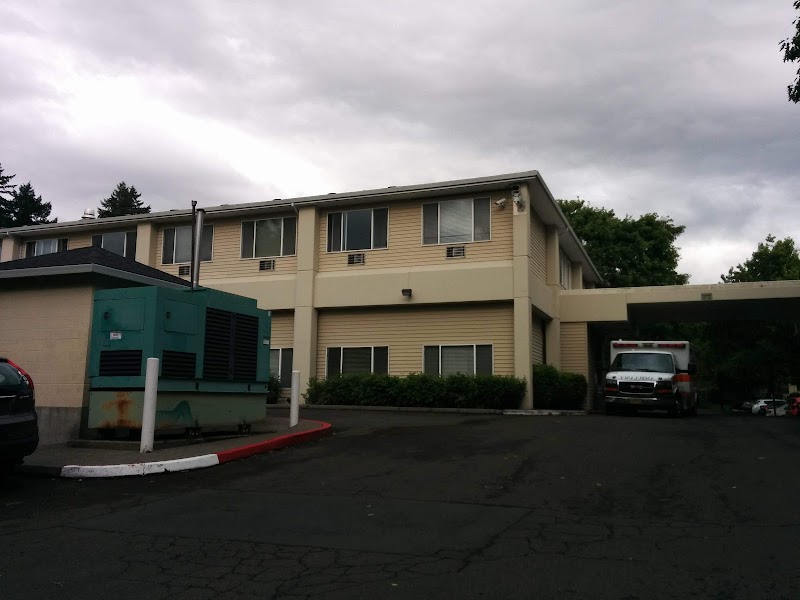
How is Friendship Staffed?

CMS rates FRIENDSHIP HEALTH CENTER's staffing level at 3 out of 5 stars, which is average compared to other nursing homes. Staff turnover is 70%, which is 24 percentage points above the Oregon average of 46%. High turnover can affect care consistency as new staff learn residents' individual needs. RN turnover specifically is 60%, which is notably high. RNs provide skilled clinical oversight, so turnover in this role can affect medical care quality.

What Have Inspectors Found at Friendship?

State health inspectors documented 58 deficiencies at FRIENDSHIP HEALTH CENTER during 2022 to 2025. These included: 1 Immediate Jeopardy (the most serious level, indicating potential for serious harm or death), 2 that caused actual resident harm, 54 with potential for harm, and 1 minor or isolated issues. Immediate Jeopardy findings are rare and represent the most serious regulatory concerns. They require immediate corrective action.
Who Owns and Operates Friendship?

FRIENDSHIP HEALTH CENTER is owned by a non-profit organization. Non-profit facilities reinvest revenue into operations rather than distributing to shareholders. The facility operates independently rather than as part of a larger chain. With 100 certified beds and approximately 65 residents (about 65% occupancy), it is a mid-sized facility located in PORTLAND, Oregon.
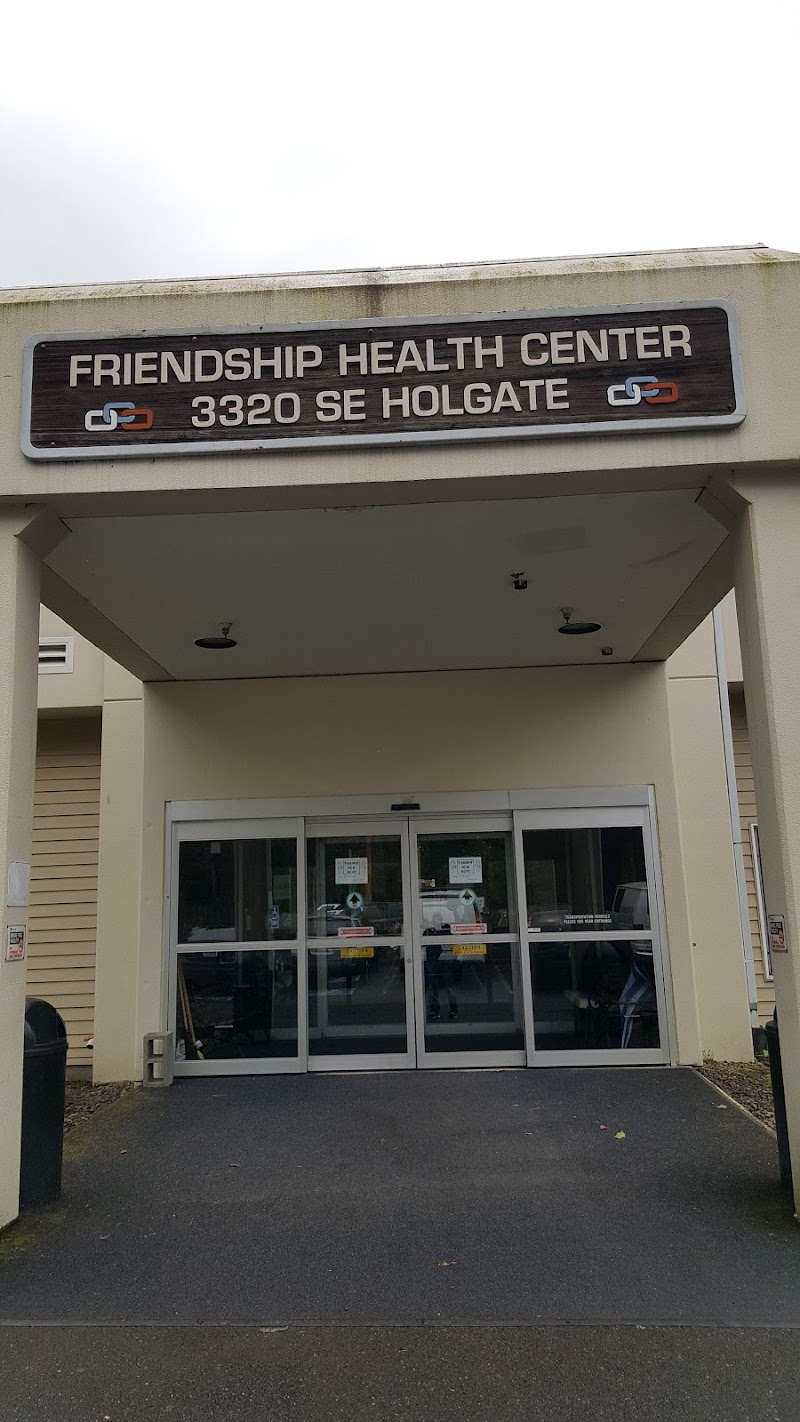
How Does Friendship Compare to Other Oregon Nursing Homes?

Compared to the 100 nursing homes in Oregon, FRIENDSHIP HEALTH CENTER's overall rating (1 stars) is below the state average of 3.0, staff turnover (70%) is significantly higher than the state average of 46%, and health inspection rating (1 stars) is much below the national benchmark.

What Should Families Ask When Visiting Friendship?

Based on this facility's data, families visiting should ask: "What changes have been made since the serious inspection findings, and how are you preventing similar issues?" "How do you ensure continuity of care given staff turnover, and what is your staff retention strategy?" "Can I visit during a mealtime to observe dining assistance and food quality?" "How do you handle medical emergencies, and what is your hospital transfer rate?" These questions are particularly relevant given the facility's Immediate Jeopardy citations and the facility's high staff turnover rate.

Is Friendship Safe?

Based on CMS inspection data, FRIENDSHIP HEALTH CENTER has documented safety concerns. Inspectors have issued 1 Immediate Jeopardy citation (the most serious violation level indicating risk of serious injury or death). The facility is currently on the Special Focus Facility watch list (a federal program monitoring the lowest-performing 1% of nursing homes nationwide). The facility has a 1-star overall rating and ranks #100 of 100 nursing homes in Oregon. Families considering this facility should ask detailed questions about what corrective actions have been taken since these incidents.

Do Nurses at Friendship Stick Around?

Staff turnover at FRIENDSHIP HEALTH CENTER is high. At 70%, the facility is 24 percentage points above the Oregon average of 46%. Registered Nurse turnover is particularly concerning at 60%. RNs handle complex medical decisions and coordinate care — frequent RN changes can directly impact care quality. High turnover means new staff may not know residents' individual needs, medications, or preferences. It can also be disorienting for residents, especially those with dementia who rely on familiar faces. Families should ask: What is causing the turnover? What retention programs are in place? How do you ensure care continuity during staff transitions?

Was Friendship Ever Fined?

FRIENDSHIP HEALTH CENTER has been fined $103,564 across 2 penalty actions. This is 3.0x the Oregon average of $34,115. Fines at this level are uncommon and typically indicate a pattern of serious deficiencies, repeated violations, or failure to correct problems promptly. CMS reserves penalties of this magnitude for facilities that pose significant, documented risk to resident health or safety. Families should request specific documentation of what issues led to these fines and what systemic changes have been implemented.

Is Friendship on Any Federal Watch List?

FRIENDSHIP HEALTH CENTER is currently an SFF Candidate, meaning CMS has identified it as potentially qualifying for the Special Focus Facility watch list. SFF Candidates have a history of serious deficiencies but haven't yet reached the threshold for full SFF designation. The facility is being monitored more closely — if problems continue, it may be added to the official watch list. Families should ask what the facility is doing to address the issues that led to this status.