GATEWAY CARE AND RETIREMENT
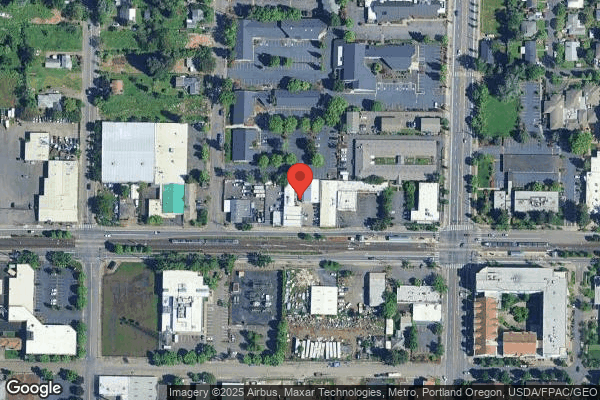
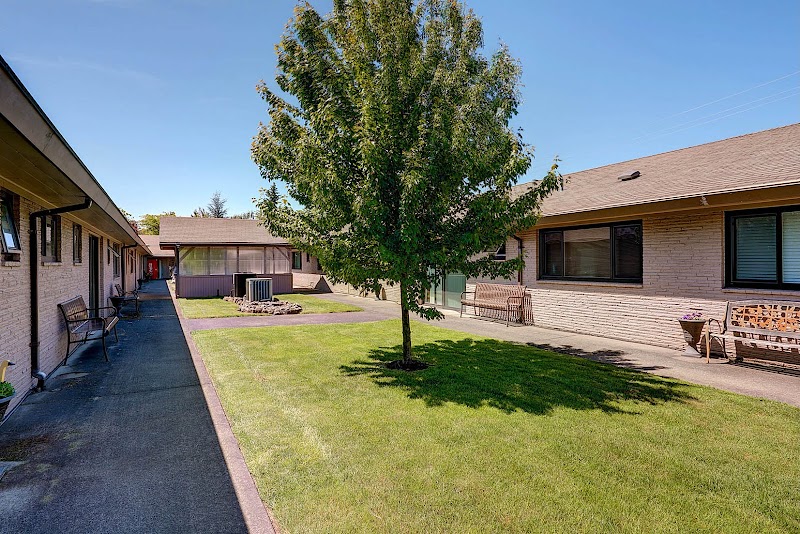
39 NE 102ND AVENUE, PORTLAND, OR 97220 (503) 252-2461
For profit - Limited Liability company 59 Beds SAPPHIRE HEALTH SERVICES Data: November 2025
Trust Grade
60/100
#55 of 127 in OR
Last Inspection: May 2025

Inspected within the last 6 months. Data reflects current conditions.

Overview

Gateway Care and Retirement in Portland, Oregon, has a Trust Grade of C+, indicating that it is slightly above average but not particularly outstanding. It ranks #55 out of 127 facilities in Oregon, placing it in the top half, and #14 of 33 in Multnomah County, which shows that there are only a few better local options. However, the facility's trend is concerning as the number of issues reported rose significantly from 3 in 2024 to 12 in 2025. Staffing appears to be a strength with a low turnover rate of 0%, which is significantly better than the state average of 49%, but the facility has received 34 total deficiencies, mainly concerning sanitary practices and staff training, including incidents of improper food storage and inadequate staff training in dementia care. While there are no fines on record, the inspection findings suggest that while the facility has some strengths, there are important areas that require immediate attention to ensure resident safety and quality care.

Trust Score
C+
60/100
In Oregon
#55/127
Top 43%
Safety Record
Low Risk
No red flags
Inspections
Getting Worse
3 → 12 violations
Staff Stability
○ Average
Turnover data not reported for this facility.
Penalties
✓ Good
No fines on record. Clean compliance history, better than most Oregon facilities.
Skilled Nurses
○ Average
Each resident gets 33 minutes of Registered Nurse (RN) attention daily — about average for Oregon. RNs are the most trained staff who monitor for health changes.
Violations
⚠ Watch
34 deficiencies on record. Higher than average. Multiple issues found across inspections.
★★★☆☆
3.0
Overall Rating
★★★☆☆
3.0
Staff Levels
★★☆☆☆
2.0
Care Quality
★★★☆☆
3.0
Inspection Score
Stable
2024: 3 issues
2025: 12 issues

The Good

  • Full Sprinkler Coverage · Fire safety systems throughout facility
  • No fines on record

Facility shows strength in fire safety.

The Bad

3-Star Overall Rating

Near Oregon average (3.0)

Meets federal standards, typical of most facilities

Chain: SAPPHIRE HEALTH SERVICES

Part of a multi-facility chain

Ask about local staffing decisions and management

The Ugly 34 deficiencies on record

Jul 2025 1 deficiency
CONCERN (F) 📢 Someone Reported This

A family member, employee, or ombudsman was alarmed enough to file a formal complaint

Potential for Harm - no one hurt, but risky conditions existed

Food Safety (Tag F0812)

Could have caused harm · This affected most or all residents

Based on observation, interview and record review it was determined the facility failed to properly store food and failed to maintain sanitary conditions in 1 of 1 kitchen. This placed residents at ri...

Read full inspector narrative →
Based on observation, interview and record review it was determined the facility failed to properly store food and failed to maintain sanitary conditions in 1 of 1 kitchen. This placed residents at risk for foodborne illness and contaminated food. Findings include:The facility's Preventing Foodborne Illness - Employee Hygiene and Sanitary Practices Policy dated 10/2017 indicated Employees must wash their hands: a. After personal body functions (i.e., toileting, blowing/wiping nose, coughing, sneezing, etc.); b. After using tobacco, eating or drinking; c. Whenever entering or re-entering the kitchen; d. Before coming in contact with any food surfaces; e. After handling soiled equipment or utensils; f. During food preparation, as often as necessary to remove soil and contamination and to prevent cross-contamination when changing tasks; and/or g. After engaging in other activities that contaminate the hands, contact between food and bare (ungloved) hands is prohibited, and hair nets or caps and/or beard restraints must be worn to keep hair from contacting exposed food, clean equipment, utensils, and linens.The facility's Food Receiving and Storage Policy dated 2001 indicated Refrigerated foods are labeled, dated, and monitored so they are used by their use-by date, frozen, or discarded.The facility's Preventing Foodborne Illness - Food Handling policy dated 07/2014 indicated Food will be stored, prepared, handled, and served so that the risk of foodborne illness is minimized.On 7/10/25 at 9:53 AM, during the kitchen inspection, the following was observed:-A three-tiered cart was sticky with an unknown substance, covered in food debris, and had clean food storage containers on it.-Two dietary employees were not wearing hair nets while moving through the kitchen and preparing for lunch.-Spill of white sticky substance in the reach-in freezer on the bottom shelf with aluminum foil stuck to it.-Opened, undated and unsealed bags of stuffing and Oreo pieces.-Staff 21 was observed not washing hands with soap and water before donning gloves after touching raw chicken.-A bag of brown and decaying celery on the bottom shelf in the reach-in refrigerator #1.-A food storage container of cream of mushroom soup labeled with no date in the reach-in refrigerator #2.-Raw chicken breast stored over pasteurized eggs and not on the bottom shelf in the reach-in refrigerator #2.-An unknown employee entered the kitchen through the back door from the outdoor area with the dumpsters and did not wash hands or put on a hairnet before walking through the kitchen and exiting.On 7/10/25 at 10:15 AM, Staff 21 (Cook) stated he was unsure what the spills in the reach-in freezer were and confirmed the foil was stuck to the bottom. He also stated the kitchen staff did not have a process for labeling opened foods, and things were not stored properly. Staff 21 stated raw chicken should not be on top of eggs, and raw meats should be stored on the bottom shelf. He stated all food in the reach-in fridge should be dated, labeled, and thrown away three days after it's prepared, and confirmed the cream of mushroom dated 7/2 had passed that threshold.On 07/10/25 at 10:20 AM, Staff 21 threw the celery away and stated it should not be served because it was bad.On 7/10/25 at 10:31 AM, Staff 22 (Dietary Manager) stated employees were to wear a hairnet at all times in the kitchen and confirmed they were not. She stated all food items should be labeled and dated. Staff 22 stated staff were to wash their hands when they enter the kitchen, between tasks and when going from raw food to cooked food. Staff 22 confirmed the cream of mushroom soup was past its serve-by date. She stated raw chicken should be on the bottom shelf, and storing it above pasteurized eggs put residents at risk of cross-contamination and foodborne illness. Staff 22 stated hairnets were to be worn at all times, and hands were to be washed upon entering the kitchen.On 7/10/25 at 11:02 AM, Staff 1 (Administrator) stated he expected staff to follow food safety guidelines and the facility's kitchen policies.
May 2025 10 deficiencies
CONCERN (D) 📢 Someone Reported This

A family member, employee, or ombudsman was alarmed enough to file a formal complaint

Potential for Harm - no one hurt, but risky conditions existed

Report Alleged Abuse (Tag F0609)

Could have caused harm · This affected 1 resident

Based on interview and record review it was determined the facility failed to report results of abuse investigations to the State Survey Agency within the required time frame for 2 of 4 sampled reside...

Read full inspector narrative →
Based on interview and record review it was determined the facility failed to report results of abuse investigations to the State Survey Agency within the required time frame for 2 of 4 sampled residents (#s 7 and 19) reviewed for abuse. This placed residents at risk for abuse. Findings include: Resident 7 was admitted to the facility in 12/2019 with diagnoses including chronic combined systolic and diastolic heart failure (a condition where the heart struggles to both contract and relax properly) and heart attack. A review of Resident 7's health record revealed she/he was cognitively intact and smoked cigarettes. Resident 19 was admitted to the facility in 1/2015 with diagnoses including acute respiratory failure with hypoxia (a condition where the lungs cannot deliver sufficient oxygen to the blood) and diabetes. A review of Resident 19's health record revealed she/he was cognitively intact and smoked cigarettes. A 9/20/24 FRI related to resident to resident abuse between Resident 7 and Resident 19 during a smoke break was submitted to the State Agency on 9/27/24 (one day late). On 5/9/25 at 3:49 PM Staff 24 (Former Administrator) stated she remembered the incident but was unsure why the investigation was submitted late. On 5/12/25 at 11:47 AM Staff 1 (Administrator) acknowledged the facility's investigation was not submitted within five business days and stated it was his expectation for investigations to be submitted timely.
CONCERN (D)

Potential for Harm - no one hurt, but risky conditions existed

Comprehensive Care Plan (Tag F0656)

Could have caused harm · This affected 1 resident

**NOTE- TERMS IN BRACKETS HAVE BEEN EDITED TO PROTECT CONFIDENTIALITY** Based on observation, interview and record review it was determined the facility failed to revise, update and implement the care...

Read full inspector narrative →
**NOTE- TERMS IN BRACKETS HAVE BEEN EDITED TO PROTECT CONFIDENTIALITY** Based on observation, interview and record review it was determined the facility failed to revise, update and implement the care plan for 1 of 5 sampled residents (#48) reviewed for accidents. This placed resident at risk for unmet nutritional needs. Findings include: Resident 48 was admitted to the facility in 4/2025 with diagnoses including dysphagia (difficulty swallowing) and a stroke. Resident 48's 4/15/25 care plan revealed Resident 48 had aspiration precautions related to nutrition as follows: one-on-one assist, slow rate, small bites, fully upright, cups with sip lids, straws okay if supervised to use, pinch straw to reduce sip size. Resident 48's 4/22/25 revised care plan revealed although Resident 48 was independent with eating, she/he required one-person extensive assist, one-on-one supervision, and eating aides (plate guard, sipping lids on all cups, no straws). On 5/7/25 at 8:28 AM, Resident 48 was observed sitting in a wheelchair in her/his room with a plate of food on the table in front of her/him and spooning food into her/his mouth chewing and swallowing without difficulty. The resident chewed and swallowed her/his food without difficulty. There were no staff observed to be in or around her/his room. Resident's table included a tumbler of water with a straw and lid, but no lids on an empty cup or a cup of white liquid. On 5/8/25 at 8:10 AM, Resident 48 was observed sitting in a wheelchair in her/his room with a plate of food on the table in front of her/him and eating independently. There was no lid on a cup of white liquid or on a cup of juice. There were no staff observed to be in or around her/his room. At 8:15 AM, Resident 48 coughed and cleared her/his throat without difficulty and continued to eat. On 5/8/25 at 11:41 AM, Staff 13 (CNA) stated Resident 48 was able to eat independently and drink on her/his own. Staff 13 acknowledged Resident 48 was on aspiration precautions for swallowing, but did not need assistance with eating. Staff 13 stated Resident 48 was to be observed and staff were to listen in on her/him. Staff 13 stated she followed the care plan and [NAME] (a portable plan of care) for Resident 48. On 5/8/25 at 12:13 PM, Staff 14 (CNA) stated Resident 48 needed supervision when eating, but staff did not need to assist her/him with eating. Staff 14 reviewed Resident 48's [NAME] which showed Resident 48 required one-person assistance with eating and supervision. On 5/8/25 at 12:42 PM, Staff 17 (SLP) stated Resident 48 had been on standard aspiration precautions, which included ensuring she/he was upright in a chair and taking slow, small bites of food. Staff 17 acknowledged the resident graduated to set-up with intermittent supervision while eating. Staff 17 stated she could not provide a date when Resident 48 had transitioned to this level of supervision but forgot to update the care plan. Staff 17 stated since she had not yet sent an update regarding Resident 48 no longer requiring one-on-one assistance, she would expect staff to continue following the guidance outlined in the current care plan. On 5/9/25 at 10:27 AM, Staff 2 (DNS) stated her expectations included staff to follow the care plan and [NAME] which included following Resident 48's aspiration precautions. Staff 2 stated she expected staff to continue following the care plan and [NAME] until they were appropriately updated.
CONCERN (D)

Potential for Harm - no one hurt, but risky conditions existed

ADL Care (Tag F0677)

Could have caused harm · This affected 1 resident

Based on observation, interview, and record review it was determined the facility failed to provide the necessary services to maintain good grooming and personal hygiene for 1 of 4 sampled resident (#...

Read full inspector narrative →
Based on observation, interview, and record review it was determined the facility failed to provide the necessary services to maintain good grooming and personal hygiene for 1 of 4 sampled resident (#29) reviewed for ADLs. This placed resident at risk for lack of personal hygiene and ADL care needs. Findings include: Resident 29 was admitted to the facility in 2016 with diagnoses including schizophrenia (***a serious mental health that affects how people think, feel and behave. It could be a mix of hallucinations, delusions, and disorganized thinking and behavior). The 4/26/25 Quarterly MDS indicated Resident 29 required moderate to supervised assistance for all ADLs. The 5/7/25 care plan indicated Resident 29 required at least one staff member to ensure ADL care was completed. During observations from 5/5/25 through 5/7/25 Resident 29 was observed wearing a hospital gown and no socks. The resident's hair was unkempt; tangled, wadded in the back, and looked greasy. Attempts to interview Resident 29 were not successful. On 5/7/25 at 1:25 PM, Staff 20 (CNA) stated Resident 29 was independent with ADLs. He stated the resident was able to get out of bed independently and complete her/his own ADLs. On 5/8/25 at 9:18 AM, Staff 25 (CNA) stated she normally set up supplies for Resident 29 because the resident was independent with her/his ADLs. On 5/9/25 at 1:47 PM, Staff 7 (RNCM) stated Resident 29 required supervision for all ADLs and was not independent.
CONCERN (D) 📢 Someone Reported This

A family member, employee, or ombudsman was alarmed enough to file a formal complaint

Potential for Harm - no one hurt, but risky conditions existed

Deficiency F0679 (Tag F0679)

Could have caused harm · This affected 1 resident

**NOTE- TERMS IN BRACKETS HAVE BEEN EDITED TO PROTECT CONFIDENTIALITY** Based on observation, interview and record review it was determined the facility failed to provide an ongoing person-centered ac...

Read full inspector narrative →
**NOTE- TERMS IN BRACKETS HAVE BEEN EDITED TO PROTECT CONFIDENTIALITY** Based on observation, interview and record review it was determined the facility failed to provide an ongoing person-centered activities program for 1 of 1 sampled resident (#33) reviewed for activities. This placed residents at risk for a decline in psychosocial well-being and diminished quality of life. Findings include: The facility's 6/2018 Activity Program Policy indicated the following: -Activities were offered based on the comprehensive resident-centered assessment and the preferences of each resident. -The activities program was ongoing and included facility-organized group activities, independent individual activities and assisted individual activities. -Individualized and group activities were to reflect the personal preferences, schedules, choices and rights of the residents. -All activities were documented in the resident's medical record. Resident 33 was admitted in 11/2023 with diagnoses including depression. Resident 33's 11/15/24 Activity Care Plan revealed the following: -The resident enjoyed dancing, music, television, reading, spiritual activities, word finds and crossword puzzles. -In room activities were to be offered, which included television, music, books, newspapers and magazines. Resident 33's 11/17/24 Annual MDS indicated the resident was cognitively intact. The MDS also indicated having books, newspapers and magazines to read, listening to music, being around animals, going outside to get fresh air when the weather was good and participating in religious services or practices were important activities to the resident. A review of Resident 33's Activity Task Records from 4/9/25 through 5/8/25 revealed the resident did not participate in any in-or-out-of-room activities or receive a one-to-one visit. The facility's 5/2025 Activity Calendar revealed the following scheduled activities: 5/5/25: -10:30 Dining Room Deco -2:00 Bingo -3:30 Table Games 5/6/25: -10:30 Resident Shopping -2:00 Bingo -3:30 Jeopardy 5/7/25: -10:30 Garden Club -2:00 [NAME] Elephant -3:00 No Judgement Zone Karaoke 5/8/25: -10:00 Spiritual Hour with [NAME] -2:00 Bingo -3:30 Pizza Party On 5/5/25 at 10:20 AM, Resident 33 was observed in her/his room in bed. No books, magazines or newspapers were visible in the the resident's room. Resident 33 stated she/he enjoyed watching television, especially sports programming, but she/he was rarely able to since she/he shared a television with her/his roommate who did not like sports and her/his roommate had the remote to the shared television. Resident 33 further stated she/he also loved flowers and to garden and read. Observations of Resident 33 from 5/6/25 through 5/8/25 from 9:17 AM to 4:10 PM revealed the resident to be in her/his room in bed. The shared television was always on and played a movie or talk show. No books, magazines, newspapers, plants or flowers were visible in the the resident's room. On 5/8/25 at 11:28 AM, Staff 18 (CNA) stated Resident 33 spent her/his time in her/his room in bed. Staff 18 stated Resident 33 enjoyed reading books but she could not remember the last time she saw the resident with a book. Staff 18 stated she thought the resident liked to watch movies on television but was not sure what kind of movies. Staff 18 stated it had been a long time since the resident went outside to get fresh air, she had never heard music on in the resident's room and was unsure if the resident received religious visits from the facility's pastor. Staff 18 further stated the resident liked to chat and joke with staff. On 5/8/25 at 11:45 AM, Staff 19 (CNA) stated Resident 33 spent her/his day in bed watching television. Staff 19 stated the resident liked to watch soap operas and game shows on television but she/he did not have a remote to the shared television. Staff 19 stated she had never seen books, newspapers or magazines in the resident's room and did not think the resident liked to read. Staff 19 stated she thought Resident 33 enjoyed religious visits but had never seen the facility's pastor visit the resident. Staff 19 stated the resident enjoyed visits from staff and was always up for talking. On 5/8/25 at 12:07 PM, Resident 5, Resident 33's roommate, stated she/he had the only remote control to the resident's shared television. Resident 5 stated she/he very seldom put sports programming on the television even though she/he knew Resident 33 enjoyed it. On 5/8/25 at 12:13 PM, Staff 13 (CNA) stated she thought Resident 33 enjoyed music but it had been months since the resident listened to music. Staff 13 stated she did not know if the resident enjoyed religious visits and she had never observed the facility's pastor visit the resident. Staff 13 further stated the resident would never kick you out because she/he was a very happy and chatty person. On 5/8/25 at 1:19 PM, Staff 9 (Activity Director) stated he brought Resident 33 her/his mail every day but he did not provide the resident with one-to-one room visits. Staff 9 stated it had been a while since he last offered the resident a book and he had not offered the resident an opportunity to listen to music since shortly after her/his admission to the facility. Staff 9 stated he was unsure of the resident's music and television preferences and had never offered the resident an opportunity to go outside. Staff 9 acknowledged the resident enjoyed gardening but stated he had never brought any plants or flowers into the resident's room. Staff 9 further stated the resident's preferences included religious visits but she/he had not been offered an opportunity to receive a religious visit since 11/2024. On 5/8/25 at 2:17 PM, Staff 2 (DNS) stated she expected Resident 33 to receive an individualized activity program based on her/his likes and dislikes which included one-to-one in-room visits.
CONCERN (D)

Potential for Harm - no one hurt, but risky conditions existed

Deficiency F0687 (Tag F0687)

Could have caused harm · This affected 1 resident

Based on observation, interview and record review it was determined the facility failed to ensure dependent residents were provided assistance with toenail care for 2 of 4 sampled residents (#s 2 and ...

Read full inspector narrative →
Based on observation, interview and record review it was determined the facility failed to ensure dependent residents were provided assistance with toenail care for 2 of 4 sampled residents (#s 2 and 30) reviewed for foot care. This placed residents at risk for discomfort and inadequate foot care needs. Findings include: The facility's October 2022 Foot Care Policy indicated the following: -Residents are provided with foot care and treatment in accordance with professional standards of practice. -Residents are assisted in making appointments with transportation to and from specialists (e.g., podiatrists) as needed. -Trained staff may provide routine foot care (e.g., toenail clipping) within professional standards of practice. 1. Resident 30 was admitted to the facility in 10/2023 with diagnoses including urinary tract infection and diabetes. A review of Resident 30's 2/5/25 admission MDS revealed she/he was cognitively intact and was dependent for the completion of her/his ADLs. A physician order dated 2/2/25 indicated a podiatry appointment to be scheduled as needed. A progress note dated 11/5/24 indicated Resident 30 wanted her/his toenails trimmed. A review of Resident 30's 4/2025 and 5/2025 TAR revealed no evidence the resident's nails were trimmed. On 5/5/25 at 10:03 AM Resident 30 stated her/his toenails needed to be cut but was told she/he needed a podiatry appointment. On 5/7/25 at 12:18 PM Resident 30 was observed wearing socks and her/his toenails were poking through the fibers of the socks. Resident 30 stated the length and shape of her/his toenails made it difficult to wear compression hose. Resident 30 further stated her/his toenails caused her/him to have corns and discomfort because they rubbed against her/his other toes. On 5/8/25 at 9:16 AM Staff 19 (CNA) stated Resident 30 required assistance from a nurse to trim her/his toenails because she/he was diabetic. Staff 19 stated she did not recall if Resident 30's toenails were long. On 5/8/25 at 11:07 AM Resident 30's toenails were observed to be yellowed, thick and extended beyond the ends of her/his toes. Staff 10 (RN) observed Resident 30's toenails and acknowledged the resident needed a podiatry appointment due to the length and thickness of Resident 30's nails. Staff 10 further stated she did not know where the ball got dropped with regard to Resident 30's need for toenail care. On 5/8/25 at 12:37 PM Staff 2 (DNS) Staff 2 acknowledged Resident 30 did not receive toenail care timely. Staff 2 stated she expected podiatry care to be provided to dependent residents in their rooms if it was needed. 2. Resident 2 was admitted to the facility in 3/2019 with diagnoses including chronic obstructive pulmonary disease. A Physician order dated 1/7/25 indicated Resident 2 was to have a podiatry consult, as needed. Resident 2's 2/7/2025 Quarterly MDS indicated the resident was cognitively intact, had lower body impairment on both sides and was dependent on assistance from one staff for grooming. No documentation was found in Resident 2's health record to indicate the resident was seen by a podiatrist or was provided toenail care in 4/2025 or 5/2025. On 5/5/25 at 3:32 PM Resident 2's toenails were observed. The nails on both big toes were approximately 1 inch in length and curved around the tip of the toes. The additional toenails were approximately a quarter inch in length and jagged. Resident 2 stated she/he was interested in receiving toenail care; however, staff had not offered it. On 5/6/25 at 3:29 PM Staff 31 (CNA) and on 5/7/25 at 9:03 AM Staff 20 (CNA) acknowledged toenail care was the responsibility of the CNAs, both acknowledged they had not provided Resident 2 with toenail care. On 5/8/25 at 9:58 AM and at 10:36 AM Staff 6 (RCM/LPN) stated CNAs were responsible for non-diabetic resident's finger and toenail care. Staff 6 observed Resident 2's toenails and acknowledged her/his nails were too long and should have been trimmed.
CONCERN (D)

Potential for Harm - no one hurt, but risky conditions existed

Accident Prevention (Tag F0689)

Could have caused harm · This affected 1 resident

Based on interview and record review it was determined the facility failed to ensure supervision and safety interventions were in place to prevent smoking related accidents for 1 of 2 sampled resident...

Read full inspector narrative →
Based on interview and record review it was determined the facility failed to ensure supervision and safety interventions were in place to prevent smoking related accidents for 1 of 2 sampled residents (#305) reviewed for smoking safety. This placed residents at risk for burns and accidents. Findings include: The facility 10/2024 Smoking Policy indicated the following: -No resident will be allowed to store any smoking materials in their room. All smoking materials will be stored in a secure designated area. Resident 305 was admitted to the facility in 4/2025 with diagnoses including gastric ulcer with perforation (an open hole in the lining of the stomach which allows leakage of contents into the stomach cavity). The 4/26/25 admission MDS indicated Resident 305 revealed no cognitive impairment. A 4/21/25 Smoking Assessment indicated Resident 305 was to smoke safetly with supervision. An observation on 5/5/25 at 10:29 AM revealed Resident 305 sitting at the edge of her/his bed with a bag of tobacco in her/his hand and was prepared to roll her/his own cigarette. Resident 305 stated the facility had been aware she/he rolled her/his own cigarettes and allowed her/him to keep smoking items in her/his room unsecured. On 5/7/25 at 9:01 AM Staff 13 (CNA) stated residents were required to keep all smoking items at the nurse's station in a secture location. Staff 13 stated it was the policy for residents to return smoking items to the nurse's station after the designated smoking time. On 5/7/25 at 9:15 AM Staff 12 (Agency LPN) stated it was required for residents to leave all smoking items in a secured box located at the nurses station. An observation on 5/7/25 at 1:01 PM revealed Resident 305 sleeping in bed with a bag of tobacco placed next to her/his head. On 5/7/25 at 3:34 PM Staff 5 (RCM) confirmed it was against the facility's smoking agreement for residents to have smoking supplies in their rooms. Staff 5 stated she was unaware Resident 305 was holding her/his own smoking items in her/his room.
CONCERN (D)

Potential for Harm - no one hurt, but risky conditions existed

Deficiency F0804 (Tag F0804)

Could have caused harm · This affected 1 resident

Based on observation, interview and record review it was determined the facility failed to ensure food was served at an appetizing temperature for 1 of 2 sampled residents (#11) reviewed for food. Th...

Read full inspector narrative →
Based on observation, interview and record review it was determined the facility failed to ensure food was served at an appetizing temperature for 1 of 2 sampled residents (#11) reviewed for food. This placed residents at risk for food that was not palatable, safe or appetizing. Findings include: Resident 11 was admitted to the facility in 4/2023 with diagnoses including chronic ulcer of the buttock and malnutrition. A 2/28/25 care conference note revealed Resident 11 complained she/he often received cold meals. A physician's order from 3/14/25 revealed Resident 11 had been put on contact precautions. On 5/5/25 at 10:16 AM Resident 11 stated she/he had often received cold meals and when asking staff to reheat her/his food staff refused and stated they had been informed meals for residents on contact precautions could not be reheated and did not offer to bring her/him a new meal. An observation on 5/6/25 at 11:47 AM revealed staff delivered a lunch tray to Resident 11. Resident 11 stated the chicken she/he had received was cold. An observation on 5/7/25 at 12:23 PM revealed staff delivered a lunch tray to Resident 11. Resident 11 stated her/his Salesbury steak was cold and she/he was not going to bother asking for the meal to be reheated as staff had already explained they had been instructed to not reheat her/his meals. On 5/7/25 at 9:01 AM Staff 14 (CNA) and 5/8/25 at 9:50 AM Staff 32 (CNA) stated they were not allowed to reheat food for residents on precautions. Both staff stated they had not received any other instruction on how to address cold meals being delivered to resident's rooms who were on contact precautions. On 5/7/25 at 12:28 PM a lunch tray was sampled by the survey team. The meal consisted of Salesbury steak, roasted potatoes, and steamed vegetables. The meat and vegetables were cold. On 5/8/25 at at 11:36 AM Staff 33 (Dietary Manager) was aware of Resident 11's cold food complaints from her/his care conference from 2/2025 and the resolution was to buy hot plates for meal service. Staff 33 indicated this had not been done. On 5/9/25 at 10:07 AM Staff 1 (Administrator) stated the expectation for meal service was for meals to be served at appropriate temperatures and if complaints of cold food were received from residents on contact precautions, he excepted staff to replace a cold meal with a hot meal.
CONCERN (E)

Potential for Harm - no one hurt, but risky conditions existed

Safe Environment (Tag F0584)

Could have caused harm · This affected multiple residents

**NOTE- TERMS IN BRACKETS HAVE BEEN EDITED TO PROTECT CONFIDENTIALITY** Based on observation, interview and record review it was determined the facility failed to ensure a comfortable and homelike env...

Read full inspector narrative →
**NOTE- TERMS IN BRACKETS HAVE BEEN EDITED TO PROTECT CONFIDENTIALITY** Based on observation, interview and record review it was determined the facility failed to ensure a comfortable and homelike environment was maintained and reasonable care for the protection of resident property from loss or theft was maintained for 3 of 8 sampled residents (#s 30, 33 and 308) reviewed for environment and personal property. This placed residents at risk for discomfort, lack of a homelike environment and loss of personal items. Findings include: The facility's 2/2021 Homelike Environment Policy directed the following: -Residents were provided with a safe, clean, comfortable and homelike environment and encouraged to use their personal belongings to the extent possible. -Staff were to provide person-centered care that emphasized the residents' comfort, independence and personal needs and preferences. -The facility staff and management would maximize the characteristics of the facility to reflect a personal and homelike setting. These characteristics included a clean, sanitary and orderly environment, personalized furniture and room arrangements and a clean bed that was in good condition. 1. Resident 33 was admitted in 11/2023 with diagnoses including depression. Resident 33's 11/15/24 Activity Care Plan revealed the resident enjoyed watching television in her/his room. Resident 33's 11/17/24 Annual MDS indicated the resident was cognitively intact. On 5/5/25 at 10:20 AM, Resident 33 was observed in her/his room in bed. A television hung in the middle of the wall towards the foot of the resident's bed positioned between Resident 33's side of the room and her/his roommate's side of the room. A privacy curtain was pulled between the two sides of the room and partially obscured the television from Resident 33's position in bed. Resident 33 stated she/he enjoyed watching television, especially sports programming, but she/he was rarely able to since she/he shared a television with her/his roommate who did not like sports and her/his roommate had the remote to the shared television. The resident stated she/he could not always see the television because of the position of the privacy curtain which separated her/his side of the room from her/his roommate's and Resident 33 was unable to independently move the privacy curtain. Observations of Resident 33 from 5/6/25 through 5/8/25 between 9:17 AM to 4:10 PM revealed the resident was in her/his room in bed. The shared television was always on and played a movie or talk show. The privacy curtain was observed to be either partially or fully extended so the resident was unable to see the entire television screen. On 5/8/25 at 12:07 PM, Resident 33 stated she/he did not like to get into watching a program on television because there were times when the privacy curtain would need to be fully extended and she/he was unable to watch the entire program. Resident 33 further stated she/he did not have a remote control for the shared television and did not feel comfortable asking her/his roommate to tune the television to programs of interest, including sports. On 5/8/25 at 11:45 AM, Staff 19 (CNA) stated Resident 33 spent her/his day in bed watching television. Staff 19 stated the resident liked to watch soap operas and game shows on television and she/he did not have a remote to the shared television. On 5/8/25 at 12:07 PM, Resident 5, Resident 33's roommate, stated she/he had the only remote control to the resident's shared television. Resident 5 stated she/he very seldom put sports programming on the television even though she/he knew Resident 33 enjoyed it. On 5/8/25 at 12:13 PM, Staff 13 (CNA) stated Resident 33 spent all day in bed watching television. Staff 13 stated the resident was unable to independently adjust the privacy curtain in her/his room and would complain about not being able to see the television in its entirety. On 5/8/25 at 1:57 PM, Staff 9 (Activity Director) stated residents who shared a television were supposed to have their own remote control and he was responsible for replacing remote controls when they went missing. Staff 9 stated he was unaware Resident 33's remote control was missing. On 5/8/25 at 2:02 PM, Staff 8 (Social Services Director) stated she was unsure how resident television preferences were prioritized for residents who shared a television but thought residents who shared a television maintained their own remote control. Staff 8 stated she had not asked either Resident 33 or Resident 5 about their specific television preferences or if either resident was satisfied with how their individual television preferences were encouraged and allowed. On 5/8/25 at 2:13 PM, Staff 1 (Administrator) stated he was unsure of the facility's system related to residents who shared a television, including which residents maintained remote controls, how both residents were able to watch preferred programming and how rooms should be set up in order to allow full visualization of the television. Staff 1 stated he expected all residents to be able to see their television in its entirety and to be able to watch television programs of interest as interested. 3. The facility's 8/2022 Personal Property Policy indicated the following: -Resident belongings are treated with respect by facility staff, regardless of perceived value. -The residents personal belongings and clothing are inventoried and documented upon admission and updated as necessary. Resident 308 admitted to the facility in 4/2025 with diagnoses including cellulitis (bacterial infection) of the lower limb. A review of Resident 308's medical record revealed no evidence of an inventory list of personal property. On 5/6/25 at 9:12 AM, Resident 308 stated upon admission to the facility, the staff took her/his personal items which included a Portland State jacket, two pairs of jeans, and three t-shirts to be washed in the laundry room. Resident 308 stated she/he had no opportunity to inventory her/his clothing, and they had been missing for 23 days. Resident 308 stated staff were aware of the missing items and had not attempted to resolve the issue. On 5/9/25 at 11:57 PM, Staff 13 (CNA) stated she had been working the day Resident 308 admitted and stated the resident's items came from the hospital in two red plastic bags and were taken immediately to the laundry room to be cleaned before an inventory list could be completed. On 5/7/25 at 12:22 PM, Staff 8 (Social Services Director) stated an inventory list of Resident 308's personal belongings had not been created and she was aware of the resident's missing items. On 5/7/25 at 3:27 PM, Staff 1 (Administrator) was aware Resident 308 personal items were missing and acknowledged they had not been replaced. 2. Resident 30 was admitted to the facility on [DATE] with diagnoses including diabetes. Observations of Resident 30's room from 5/5/25 through 5/8/25, the foot board on the bed was slightly slanted to the right. The standing fan in the room was covered with white lint and was dusty. On 5/5/25 at 9:45 AM, Resident 30 stated the bed had been broken since 2/2025. Resident 30 stated she/he notified staff multiple times and also called the ombudsman. On 5/7/25 at 12:50 PM, Staff 24 (CNA) stated the bed had been broken for a while and she did not consider the bed to be safe because the foot of the bed was broken and was stuck in an elevated position. Staff 24 stated it was difficult to use the features on the bed and to move the bed away from the wall when performing ADLs. Staff 24 acknowledged the screen of the fan was covered with white lint and the fan was dusty. On 5/7/25 at 2:04 PM, Staff 4 (Maintenance Director) stated he was aware of Resident 30's broken bed, and indicated the facility ordered a new bed on 2/12/25. Staff 4 stated he was unsure who was responsible to clean the fans in the facility. On 5/8/25 at 4:04 PM, Staff 1 (Administrator) stated he was unsure who cleaned the standing fans in the facility. He acknowledged the fan was dusty. Staff 1 proceeded to touch the fan, and his finger was covered with white lint.
CONCERN (E)

Potential for Harm - no one hurt, but risky conditions existed

Deficiency F0761 (Tag F0761)

Could have caused harm · This affected multiple residents

Based on observation, interview and record review it was determined the facility failed to store all medications and biologicals under proper temperature controls and ensure expired medications were i...

Read full inspector narrative →
Based on observation, interview and record review it was determined the facility failed to store all medications and biologicals under proper temperature controls and ensure expired medications were identified and disposed of for 1 of 1 medication storage rooms and 1 of 2 medication carts This placed residents at risk for reduced medication efficacy and receiving outdated medications. Findings include: 1. The facility's 11/2020 Medication Storage Policy indicated the following: -Drugs and biologicals used in the facility are stored in locked compartments under proper temperature, light and humidity control. -Medications requiring refrigeration are stored in a refrigerator located in a secured room. 2. The Centers for Disease Control (CDC) 7/31/24 Vaccine Storage and Handling Toolkit noted the following: Exposure of vaccines to temperatures outside the recommended ranges can decrease their potency and reduce the effectiveness and protection they provide. -Temperature monitoring of the storage unit at least two times each workday. -Recording temperature readings on a log. -Store routinely recommended vaccines in a refrigerator between 35 degrees F and 46 degrees F. On 5/8/25 at 11:39 AM, an observation of the medication storage room refrigerator revealed an internal temperature reading of 50 degrees F, verified by Staff 21(Regional Nurse Consultant). Staff 21 located the refrigerator thermometer on the top shelf of the door and moved it onto an inner, middle shelf. On 5/8/25 at 12:16 PM, an observation of the mediation storage room refrigerator revealed an internal temperature of 50 degrees F, verified by both Staff 21 and Staff 22 (Central Supply). Staff 21 stated the medication refrigerator temperatures should be monitored at least once daily, twice daily when vaccines are stored in the refrigerator and temperatures were to be recorded on temperature data logs. No temperature data logs were located for the medication storage room refrigerator. On 5/8/25 at 2:06 PM Staff 21 stated she had asked the nurse if she had checked the refrigerator temperature that morning and the nurse stated she had not. An inventory of the medication room refrigerator with Staff 21 revealed vaccines were stored in the refrigerator. On 5/9/25 at 8:31 AM, Staff 21 stated she had spoken with the pharmacist for the facility and was instructed to dispose of all vaccines due to temperature concerns. On 5/9/25 at 2:14 PM, Staff 2 (DNS) stated nurses were to monitor and document medication refrigerator temperatures twice daily. Staff 2 was unable to locate any temperature logs for the refrigerator and acknowledged she was responsible for ensuring the refrigerator logs were completed. 2a. The facility's 11/2020 Medication Storage Policy indicated discontinued or outdated drugs or biologicals are returned to the dispensing pharmacy or destroyed. On 5/8/25 at 9:12 AM, review of medication cart on Hall 2 revealed a bottle of naloxone which expired in 3/2025. Staff 23 (CMA) acknowledged the medication had expired and should have been removed and destroyed. On 5/8/25 at 11:39 AM, review of the medication storage room revealed the following expired medications: -One bottle of stool softener, expired 10/2024. -One bottle of fiber laxative expired 10/2024. -Six 6 bottles of Ammonium Lactate moisturizing lotion - no expiration date on the bottles. Staff 21 (Regional Nurse consultant) acknowledged the expired medications. On 5/9/25 at 2:14 PM Staff 2 (DNS) stated she was responsible for auditing for expired medications and the expired medications should have been removed and destroyed.
CONCERN (E)

Potential for Harm - no one hurt, but risky conditions existed

Deficiency F0919 (Tag F0919)

Could have caused harm · This affected multiple residents

Based on observation, interview, and record review it was determined the facility failed to ensure the call light sytem was functional for 4 of 24 sampled residents (#s 2, 29, 43 and 304) reviewed for...

Read full inspector narrative →
Based on observation, interview, and record review it was determined the facility failed to ensure the call light sytem was functional for 4 of 24 sampled residents (#s 2, 29, 43 and 304) reviewed for a functional call light system. This placed residents at risk for delayed care needs. Findings include: On 5/5/25 at 11:16 AM, Resident 29 was observed in her/his room watching the television. Per the resident's request, the surveyor pressed the call light. After multiple attempts of pressing the call light, the call light did not activate. On 5/5/25 at 1:00 PM, Resident 43 stated the call light in her/his room was broken. The resident told staff four times the call light was not functional. Resident 43 proceeded to press the call light. The call light did not activate. The resident's roommate pressed her/his call light and staff entered the room. Resident 43 was incontinent of bowel and bladder and required the call light to communicate the need for a brief change. On 5/5/25 at 1:30 PM, additional call lights were tested by the survey team and Residents 2 and Resident 304's call lights were not functional. Interviews were conducted on 5/5/25 from 2:00 PM through 2:05 PM with Staff 27 (CNA), Staff 28 (CNA), and Staff 29 (CNA), all three staff stated they were unaware of call lights not being functional. Staff 27, 28 and 29 stated they notified Staff 4 (Maintenance Director) of any broken equipment. On 5/5/25 at 2:27 PM, Staff 4 stated all staff were able to report broken equipment by using the facility's electronic system. Staff 4 stated two weeks ago the call lights stopped working, but he assumed it was fixed. Staff 4 stated no call light issues were reported to him recently. On 5/5/25 at 2:28 PM, Staff 1 (Administrator) stated Staff 4 was notified about all broken equipment. Staff 1 stated the call light system was an ongoing problem. The call light system stopped working two weeks ago when there was a power outage. Staff 1 stated once the power returned, the call light system seemed to be working again. Staff 1 stated the facility did not conduct an audit to ensure all rooms had functional call lights.
Feb 2025 1 deficiency
CONCERN (D) 📢 Someone Reported This

A family member, employee, or ombudsman was alarmed enough to file a formal complaint

Potential for Harm - no one hurt, but risky conditions existed

Accident Prevention (Tag F0689)

Could have caused harm · This affected 1 resident

Based on observation, interview, and record review it was determined the facility failed to implement care plan interventions to prevent an elopement for 1 of 4 sampled residents (#1) reviewed for elo...

Read full inspector narrative →
Based on observation, interview, and record review it was determined the facility failed to implement care plan interventions to prevent an elopement for 1 of 4 sampled residents (#1) reviewed for elopement. This placed residents at risk for an unsafe elopement and injury. Findings include: Resident 1 was admitted to the facility in 2/2024, with diagnosis including nontraumatic intracerebral hemorrhage (bleeding of the brain without external trauma). Resident 1's 2/29/24 Care Plan indicated the resident presented as a high risk for elopement with interventions to implement a Code Pink protocol. Code Pink was defined as a medical emergency for residents who have wandered away from the facility and was at risk of harm and/or protecting themselves. Resident 1 was revealed to have convulsions related to seizure disorder. Resident 1's 12/5/24 Elopement Assessment identified she/he was a high risk for elopement. A 4/23/24 facility Progress Note revealed Resident 1 had an unwitnessed exit from the facility. Resident 1 was located per facility report to have been found at a nearby hospital. Resident 1 identified to have wandered unsupervised from the facility after being observed smoking in the back park lot of the facility. A 2/2/25 facility Incident Report revealed Resident 1 had an unwitnessed exit from the facility. Resident 1 was located per the facility's investigation to have been found at a nearby hospital. The facility's video footage revealed the resident independently entered the facility's door code and exited the facility. The resident's BIMS score was revealed to be 9 out of 15, which indicated significant cognitive impairment. A 2/3/25 Hospital Record revealed the resident presented to the emergency department after being found wandering the hospital's parking lot. Additional records revealed Resident 1 was assessed and determined to have no significant abnormalities or acute findings before being transferred back to the facility. On 2/6/25 at 12:35 PM, Staff 5 (CNA) indicated she was unaware that Resident 1 was an elopement risk and did not provide 30 minute checks for Resident 1 as she believed Resident 1 was independent. Staff 5 stated she was aware Resident 1 had left the facility and did not report the resident had left the facility until shift exchange. On 2/6/25 at 2:12 PM, Staff 2 (DNS) and Staff 3 (Clinical Management Specialist) confirmed and acknowledged the facility failed to implement care plan interventions to prevent Resident 1's elopement.
May 2024 1 deficiency
CONCERN (D) 📢 Someone Reported This

A family member, employee, or ombudsman was alarmed enough to file a formal complaint

Potential for Harm - no one hurt, but risky conditions existed

Free from Abuse/Neglect (Tag F0600)

Could have caused harm · This affected 1 resident

Based on interview and record review, it was determined the facility failed to ensure residents were free from abuse for 1 of 5 sampled residents (#1) reviewed for abuse. This placed residents at risk...

Read full inspector narrative →
Based on interview and record review, it was determined the facility failed to ensure residents were free from abuse for 1 of 5 sampled residents (#1) reviewed for abuse. This placed residents at risk for abuse. Findings include: On 5/10/24, the Past Non-Compliance was corrected when the facility completed a root cause analysis of the incident and determined there was abuse. The Plan of Correction included: 1. Residents were placed on alert charting for psychosocial mood and behaviors. 2. The effected resident was evaluated for psychosocial harm by a licnesed provider and continued to receive mental health services on a regular basis. 3. All staff were educated for abuse, neglect including reporting abuse and neglect. 4. All residents were assessed for psychosocial distress with no noted safety or abuse concenrs. Adjustments have been made to the effected resident's care plan to ensure residents mood and behavior are continuously monitored by the facility. Resident 1 was admitted to the facility in 3/2024, with diagnoses including acute hypoxic (low oxygen) respiratory failure and history of manic episodes. Resident 1's 3/26/24 admission MDS revealed Resident 1 had no cognitive impairment. Resident 1's 4/15/24 Care Plan revealed Resident 1 with problematic manners characterized by ineffective coping and verbal aggression related to anger, anxiety, and mood disorder. A facility reported incident dated 5/10/24 revealed Witness 1 (Provider) was reported to have gripped the front of Resident 1's shirt and dragged her/him and slammed her/him onto her/his bed and was held down. Witness 1 was reported to have yelled and taunted at Resident 1 during the encounter which including calling Resident 1 a sissy. This incident was further revealed to have been witnessed by two staff members who were reported to have stopped the altercation before Witness 1 was escorted out of the building. On 5/16/24 at 10:23 AM, Resident 1 stated that during a routine visit, Witness 1 began arguing with Resident 1 which led to a physical confrontation between the two. Resident 1 stated Witness 1 held her/him down to the bed by her/his shirt and called her/him a sissy. Resident 1 stated during the altercation she/he felt that her/his pride had been effected but confirmed no harm had occurred during the event. On 5/16/24 at 10:35 AM, Witness 1 (Provider) stated that during a routine medical visit he had a physical confrontation with Resident 1. Witness 1 confirmed that as an act of self-defense he pushed and held Resident 1 to her/his bed. Witness 1 stated that during the altercation, he lost his temper and confirmed yelling at Resident 1 while he held Resident 1 to the bed. Witness 1 denied hitting or intentionally hurting Resident 1. On 5/16/24 at 10:56 AM, Staff 3 (RCM) stated Resident 1 was grabbed and flung on her/his bed by Witness 1 and held down. Staff 3 stated Witness 1 called Resident 1 a little sissy during the altercation. Staff 3 stated that Resident 1 was held down on the bed by Witness 1 for at least two minutes. Staff 3 stated she stopped the altercation and escorted Witness 1 out of the facility. On 5/16/24 at 11:09 AM, Staff 4 (CNA) stated she witnessed Resident 1 being grabbed by the shirt, pushed on the bed, and held to the bed by Witness 1. Staff 4 confirmed Witness 1 had held Resident 1 for several minutes before being confronted by facility staff. On 5/16/24 at 11:58 AM, Staff 6 (CNA) stated Resident 1 had no change in psychosocial mood or behavior during the altercation. Staff 6 stated Resident 1 had no loss of appetite and no decline as a result of the event. A review of a 5/16/24 Facility Investigation Summary revealed the facility determined abuse was substantiated based on resident and witness statements. On 5/17/24 at 10:38 AM, Staff 1 (Administrator) and Staff 2 (DNS) verified the incident occurred on 5/10/24 between Resident 1 and Witness 1.
Apr 2024 1 deficiency
CONCERN (E) 📢 Someone Reported This

A family member, employee, or ombudsman was alarmed enough to file a formal complaint

Potential for Harm - no one hurt, but risky conditions existed

Quality of Care (Tag F0684)

Could have caused harm · This affected multiple residents

**NOTE- TERMS IN BRACKETS HAVE BEEN EDITED TO PROTECT CONFIDENTIALITY** Based on observation, interview and record review it was determined the facility failed to ensure physician orders were followed...

Read full inspector narrative →
**NOTE- TERMS IN BRACKETS HAVE BEEN EDITED TO PROTECT CONFIDENTIALITY** Based on observation, interview and record review it was determined the facility failed to ensure physician orders were followed and medical conditions were assessed for 3 of 3 sampled residents (#s 1, 2 and 5) reviewed for physician orders and weight. This placed residents at risk for worsening health conditions and unmet needs. Findings include: 1. Resident 5 admitted to the facility on [DATE] with diagnoses including pneumonia, acute respiratory disease, acute heart failure, hypertension, and vascular disease. Resident 5's 2/25/24 physician order directed staff to give 40 mg of Furosemide (diuretic medication) every 24 hours PRN for edema (fluid retention), shortness of breath, weight gain of three lbs (pounds) in 24 hours or a weight gain of more than five lbs in one week. Review of Resident 15's health record revealed the following weights: - admission weight: 2/15/24 at 243.8 lbs; - Gained three lbs in 24 hrs on; - 2/19/24 at 244.6 lbs to 2/20/24 at 248.3 lbs; - 3/14/24 at 252.8 lbs to 3/15/24 at 261.6 lbs; - 3/19/24 at 261.4 lbs to 3/20/24 at 266.2 lbs. - Gained five lbs in one week on; - 2/26/24 at 246.2 lbs to 3/4/24 at 252.2 lbs; - 3/12/24 at 253.8 lbs to 3/19/24 at 261.4 lbs. Discharge/hospitalization weight: - 3/25/24 at 267.2 lbs. Resident 5's 2/2024 and 3/2024 MAR revealed the order for 40 mg of Furosemide (diuretic medication) every 24 hours PRN for edema (fluid retention), shortness of breath, weight gain of three lbs in 24 hours or weight gain of more than five lbs in one week was given on 3/21/24 and 3/25/24. No other dates were identified when the medication was given. On 4/25/24 at 2:53 PM Staff 2 (DNS) acknowledged she expected all physician orders to be followed. Staff 2 confirmed Resident 5 experienced weight gain with no PRN Furosemide given according to the physician order. No additional information was provided. 2. Resident 1 admitted to the facility in 3/2023 with diagnoses including pain and depression. Resident 1's health record revealed weights were taken on the following dates: - 1/16/24 at 242.9 lbs (pounds); - 3/23/24 at 199 lbs. (43.9 lbs loss). On 2/28/24 Resident 1 was reviewed with the NAR (Nutrition At Risk) team. The NAR team indicated Resident 1's weight was stable with no changes. A 3/28/24 Weight Warning progress note indicated Resident 1's weight was 199 lbs on 3/23/24 which indicated significant weight loss. A 4/4/24 Nutrition Assessment indicated Resident 1's weight was 199 lbs. No changes in nutritional status and no indication of significant weight loss were identified or assessed. On 4/25/24 at 10:20 AM Staff 2 (DNS) stated the CNAs were expected to obtain resident's weights. She would expect the CNAs to report to the CN (Charge Nurse) if a resident weight was out of normal range, the CN would reweigh the resident, and if the weight was accurate, the CN would report to the RNCM. The RNCM would then take the resident's weight concern to the NAR team to evaluate the information. Resident 1's heath record revealed no attempts to assess, evaluate, provide a justification or referral for NAR team for the significant weight loss recorded on 3/23/24. On 4/25/24 at 2:06 PM Staff 2 acknowledged Resident 1's Weight Warning progress note on 3/28/24. Staff 2 stated the Weight Warning alert trigger in the progress note was cleared by the RD and she was unaware of why it would have been cleared with no follow up. Staff 2 stated she would have expected this weight loss to have been assessed and followed up on to find the root cause. No additional information was provided to indicate the facility assessed, evaluated, or provided a justification for Resident 1's significant weight loss. 3. Resident 2 admitted to the facility in 3/22/24 with diagnoses including heart disease. Record review of Resident 2's health record revealed the following weights: - 3/24/24 at 156.6 lbs (pounds); - 3/25/24 at 156.0 lbs; - 3/26/24 at 154.9 lbs; - 4/2/24 at 162.2 lbs; - 4/6/24 at 162.4 lbs; - 4/9/24 at 168.0 lbs; - 4/10/24 at 170.8 lbs (16 days with a 14.8 lbs weight gain). Resident 2's 3/25/24 Nutritional Assessment revealed no concerns identified her/his nutritional status. Review of Resident 2's health record revealed no assessment, justification or indication for the reason for the weight gain. On 4/25/24 at 10:20 AM Staff 2 (DNS) stated the CNAs were to obtain the resident's weights. She would expect the CNAs to report to the CN (Charge Nurse) if a resident weight was out of normal range, the CN would reweigh the resident, if the weight was accurate, the CN would report to the RNCM. The RNCM would then take the resident's weight concern to the NAR (Nutrition At Risk) team to evaluate the information. Review of Resident 2's health record revealed no information regarding the weight gain. On 4/25/24 at 3:05 PM Staff 2 acknowledged Resident 2's weight gain and stated she would expect the facility to assess the weight gain. No additional information was provided.
Apr 2024 1 deficiency
CONCERN (D) 📢 Someone Reported This

A family member, employee, or ombudsman was alarmed enough to file a formal complaint

Potential for Harm - no one hurt, but risky conditions existed

Accident Prevention (Tag F0689)

Could have caused harm · This affected 1 resident

Based on observation, interview and record review it was determined the facility failed to ensure safety interventions were in place to prevent elopement for 1 of 1 sampled resident (#1) reviewed for ...

Read full inspector narrative →
Based on observation, interview and record review it was determined the facility failed to ensure safety interventions were in place to prevent elopement for 1 of 1 sampled resident (#1) reviewed for elopement. This put residents at risk for potentially avoidable accidents. Findings include: The facility's undated Wandering and Elopements Policy indicates: If a resident is missing, initiate the elopement/missing resident emergency procedure: -Determine if the resident is out on an authorized leave or pass; -If the resident was not authorized to leave, initiate a search of the building(s) and premises; and -If the resident is not located, notify the administrator and the director of nursing services, the resident's legal representative, the attending physician, law enforcement officials, and (as necessary) volunteer agencies (i.e., emergency management, rescue squads, etc.). Resident 1 was admitted to the facility in 11/2023 with diagnoses including peripheral vascular disease (a circulatory condition charactarized by reduced blood flow to the limbs) and cellulitis (a bacterial skin infection). A review of Resident 1's 11/28/23 care plan revealed she/he used a four-wheeled walker for ambulation. A review of Resident 1's 3/4/24 Elopement Risk Evaluation revealed she/he was cognitively impaired with poor decision-making skills and she/he ambulated independently. A 3/24/24 nursing progress note at 5:59 PM by Staff 9 (LPN) indicated Resident 1 was out of the facility. On 4/1/24 at 12:19 PM Staff 3 (CNA) stated Resident 1 left the faciity on 3/24/24. She added,[She/ He didn't tell anybody [she/he] was leaving. [She/he] stayed out for two days, went to the hospital, and then readmitted here. No documentation was found in Resident 1's electronic health record or in the facility's Resident Sign Out Log to indicate she/he left the faciity on 3/24/24. On 4/1/24 at 12:42 PM Staff 6 (RN) stated she provided wound care to resident 1 on 3/24/24 at about 1:00 PM and then gave a report to Staff 9, the oncoming nurse at shift change. Staff 6 stated residents who are alert and oriented are allowed to leave the facility if they sign out and provide staff information about where they are going and when they will be back. She added Resident 1 previously left the facility and was gone all night. Staff 6 stated she called the police when this happened but she did not recall the date. On 4/2/24 at 1:39 PM Staff 9 stated she did not know when Resident 1 left on 3/24/24 but called Staff 2 (DNS) to tell her Resident 1 was out of the facility. On 4/2/24 at 1:45 PM Staff 2 stated she told the night shift nurse to hold off on calling the police because this was a recent change in behavior for Resident 1. On 4/2/24 at 1:57 PM Staff 10 (Assistant Administrator) stated Resident 1 left the faciity on the afternoon of 3/24/24 and was out of the facility all day on 3/25/24. She stated she expected the care plan to reflect a resident's behavior of leaving the facility without telling staff or signing out. No evidence was found in Resident 1's Care Plan to indicate staff developed interventions related to Resident 1's behavior of leaving the facility without informing staff. On 4/2/24 at 2:05 PM Staff 1 (Administrator) acknowledged the facility staff did not know where Resident 1 was from 3/24/24 to 3/26/24 and stated, We should have called the police, updated [Resident 1's] Care Plan with the behavior of [her/him] leaving the facility and documented that we were educating him. She also stated, We have some gaps in the documentation that we need to address as a system.
Dec 2023 7 deficiencies
CONCERN (D)

Potential for Harm - no one hurt, but risky conditions existed

Deficiency F0558 (Tag F0558)

Could have caused harm · This affected 1 resident

2. Resident 3 was admitted to the facility in 10/2023 with a diagnosis of cellulitis (a bacterial skin infection). A review of Resident 3's 10/18/23 admission MDS revealed she/he was cognitively intac...

Read full inspector narrative →
2. Resident 3 was admitted to the facility in 10/2023 with a diagnosis of cellulitis (a bacterial skin infection). A review of Resident 3's 10/18/23 admission MDS revealed she/he was cognitively intact. On 11/29/23 at 8:13 AM a plastic trash bag was observed to be tied to the pull cord of her/his overbed light. On 11/30/23 at 9:07 AM Resident 3 stated she/he could not reach the cord so a caregiver tied the plastic trash bag to the cord as an extender. She/he stated she/he preferred to use a longer cord rather than a plastic trash bag to turn her/his light on and off. On 12/1/23 at 1:16 PM Staff 6 (Maintenance Director) stated he expected staff to report to him when overbed light cords were too short. Based on observation, interview and record review it was determined the facility failed to ensure resident needs and preferences related to lighting were accommodated for 2 of 2 sampled residents (#s 3 and 205) reviewed for accommodation of needs. This placed residents at risk for lack of access to lighting and an unhomelike environment. Findings include: 1. Resident 205 was admitted to the facility in 11/2023 with a diagnosis including cardiac arrest. On 11/28/23 and 9:30 AM Resident 205 stated her/his overbed light cord was too short and she/he could not independently use the light without the extension of the plastic bag provided. On 12/1/23 at 1:16 PM Staff 6 (Maintenance Director) stated he expected staff to report to him when overbed light cords were too short. Staff 6 observed the plastic bag tied to the cord and stated the cord needed the proper extensions on them.
CONCERN (D)

Potential for Harm - no one hurt, but risky conditions existed

Transfer Notice (Tag F0623)

Could have caused harm · This affected 1 resident

Based on interview and record review it was determined the facility failed to ensure the Office of the State Long Term Care Ombudsman was notified of resident hospitalization for 1 of 1 sampled reside...

Read full inspector narrative →
Based on interview and record review it was determined the facility failed to ensure the Office of the State Long Term Care Ombudsman was notified of resident hospitalization for 1 of 1 sampled resident (#33) reviewed for hospitalization. This placed residents at risk for lack of advocacy by the Ombudsman's office. Findings include: Resident 33 was admitted to the facility in 10/2023 with diagnoses of atrial fibrillation and abdominal pain. An 11/10/23 Nursing Note indicated Resident 33 was sent to the hospital. No evidence was found in the resident's clinical record to indicate the Office of the State Long Term Care Ombudsman was notified of Resident 33's hospitalization. On 12/4/23 at 9:54 AM Staff 11 (Social Services Director) stated he was unaware the Office of the State Long Term Care Ombudsman's office was to be notified when a resident was sent to the hospital. On 12/4/23 at 9:57 AM Staff 1 (Administrator) stated that historically the facility did not send out written hospital notifications to the Office of the State Long Term Care Ombudsman.
CONCERN (D)

Potential for Harm - no one hurt, but risky conditions existed

Comprehensive Assessments (Tag F0636)

Could have caused harm · This affected 1 resident

Based on observation, interview and record review it was determined the facility failed to comprehensively assess a resident's dental status for 1 of 1 sampled resident (#46) reviewed for dental. This...

Read full inspector narrative →
Based on observation, interview and record review it was determined the facility failed to comprehensively assess a resident's dental status for 1 of 1 sampled resident (#46) reviewed for dental. This placed residents at risk for lack of dental care and weight loss. Findings include: Resident 46 was admitted to the facility in 10/2023 with diagnosis including infection. On 11/28/23 at 9:37 AM Resident 46 stated he was missing most of his teeth and needed to see a dentist. The facility told her/him they would refer her/him to a dentist but she/he had not heard anything since then. Resident 46's 10/24/23 Oral/Dental Status assessment indicated the resident did not have any dental issues. On 11/29/23 at 1:29 PM Staff 13 (RNCM) verified she completed the 10/24/23 assessment but she did not physically or visually examine the resident's teeth. Staff 13 and the surveyor then examined Resident 46's teeth. The resident only had one tooth in her/his upper gums and a few bottom front teeth. The teeth all appeared decayed and discolored. Resident 46 told Staff 13 her/his teeth bothered her/him and she/he was unable to eat her/his favorite foods. Staff 13 told Resident 46 she would get a dental referral for her/him. Staff 13 acknowledged the assessment was not accurate.
CONCERN (D)

Potential for Harm - no one hurt, but risky conditions existed

Deficiency F0725 (Tag F0725)

Could have caused harm · This affected 1 resident

Based on interview and record review it was determined the facility failed to ensure resident call lights were answered timely for 1 of 4 sampled residents (#36) reviewed for sufficient nurse staffing...

Read full inspector narrative →
Based on interview and record review it was determined the facility failed to ensure resident call lights were answered timely for 1 of 4 sampled residents (#36) reviewed for sufficient nurse staffing. This placed residents at risk for untimely assistance with ADL needs. Findings include: Resident 36 was admitted to the facility in 10/2022 with diagnosis including stroke. On 11/28/23 at 10:56 AM Resident 36 stated it took staff 20 minutes to two hours to answer her/his call light, typically at night. A review of Resident 36's call light record from 11/1/23 through 11/29/23 revealed the following call light response times: - On 11/1/23 at 9:31 PM, the response time was 39 minutes. - On 11/4/23 at 10:02 PM, the response time was 25 minutes. - On 11/7/23 at 10:37 PM, the response time was 25 minutes. - On 11/9/23 at 8:46 PM, the response time was 27 minutes. - On 11/11/23 at 9:07 PM, the response time was 25 minutes. - On 11/14/23 at 9:00 PM, the response time was 28 minutes. - On 11/16/23 at 2:07 AM, the response time was 24 minutes. - On 11/19/23 at 6:28 AM, the response time was 26 minutes. - On 11/19/23 at 10:01 PM, the response time was 1 hour and 5 minutes. On 11/30/23 at 11:35 AM Resident 36's call light record was reviewed with Staff 4 (Assistant Administrator) who stated the facility's expectation was for call lights to be answered within 15 minutes.
CONCERN (D)

Potential for Harm - no one hurt, but risky conditions existed

Unnecessary Medications (Tag F0759)

Could have caused harm · This affected 1 resident

Based on observation, interview and record review it was determined the facility failed to ensure residents were free from a medication error rate of five percent or more for 2 of 8 sampled residents ...

Read full inspector narrative →
Based on observation, interview and record review it was determined the facility failed to ensure residents were free from a medication error rate of five percent or more for 2 of 8 sampled residents (#s 32 and 107) reviewed for medication administration. The facility's medication administration error rate was eight percent. This placed residents at risk for adverse medication consequences. Findings include: 1. Resident 32 was admitted to the facility in 8/2023 with diagnosis including diabetes. Resident 32's 11/2023 Diabetic Administration Record revealed the resident had a physician's order for insulin lispro before meals. On 11/29/23 at 11:49 AM Staff 15 (LPN) prepared Resident 32's insulin lispro pen for administration to the resident. Staff 32 did not prime the pen before preparing to administer the insulin. Staff 32 reviewed the instruction for the needle cartridges and acknowledged the pen was supposed to be primed each time it was used. 2. Resident 107 was admitted to the facility in 11/2023 with diagnosis including chronic sinusitis (inflammation of the nasal passages). On 12/1/23 at 8:28 AM Staff 14 (CMA) attempted to administer Advair (an inhaled medication to prevent asthma attacks) to Resident 107. The resident refused the medication. A review of Resident 107's 12/2023 Physician's Orders revealed the resident did not have a physician's order for Advair. On 12/1/23 Staff 14 acknowledged Resident 14 did not have a physician's order for Advair.
CONCERN (F)

Potential for Harm - no one hurt, but risky conditions existed

Infection Control (Tag F0880)

Could have caused harm · This affected most or all residents

2. The facility's 9/2022 Laundry and Bedding, Soiled Policy Statement indicated the following: -Clean linen was to be stored separately, away from soiled linens, at all times. -Clean linen was to be ...

Read full inspector narrative →
2. The facility's 9/2022 Laundry and Bedding, Soiled Policy Statement indicated the following: -Clean linen was to be stored separately, away from soiled linens, at all times. -Clean linen was to be kept separate from contaminated linen. The use of separate rooms, closets, or other designated spaces with a closing door are used to reduce the risk of accidental contamination. On 11/30/23 at 9:19 AM, the following observations were made of the laundry room: -Wet clean linens were observed in an uncovered metal bin, dirty linens was observed to pass within inches of the uncovered bin. -Both washers had a pink/brown substance on top of them where there was an opening for detergent to go in. -A chemical dispensing container for the washers on the wall above the eye wash station had areas of a pink/brown substance on the outer and inner parts of the plastic container. -Clean linens were observed folded on a counter and hanging on racks across from the washers and were not covered. On 11/30/23 at 10:07 AM Staff 1 (Adminstrator) and Staff 8 (Regional Nurse Consultant) acknowledged the findings. Based on observation, interview and record review it was determined the facility failed to adhere to transmission based precautions for 1 of 1 sampled residents (#107) reviewed for transmission based precautions and failed to process and transport laundry to prevent potential cross contamination for 1 of 1 laundry room reviewed for infection control. This placed residents at risk for infection. Findings include: 1. Resident 107 was admitted to the facility in 11/2023 with diagnosis including leg fracture. On 12/1/23 at 8:28 AM signage posted outside Resident 107's room indicated the resident was on transmission based precautions and staff were to don a mask, gloves, face shield and a gown when providing care. Staff 14 (CMA) donned gloves and an N95 mask then entered Resident 107's room to administer medications including a nasal spray and an inhaler. Staff 14 acknowledged she did not don a face shield or gown before entering the resident's room.
MINOR (C)

Minor Issue - procedural, no safety impact

Deficiency F0848 (Tag F0848)

Minor procedural issue · This affected most or all residents

Based on interview and record review it was determined the facility failed to ensure arbitration would be held in a location convenient to both the resident and the facility for 1 of 1 facilities revi...

Read full inspector narrative →
Based on interview and record review it was determined the facility failed to ensure arbitration would be held in a location convenient to both the resident and the facility for 1 of 1 facilities reviewed for arbitration. This placed residents at risk of not being able to attend arbitration or being burdened with unreasonable travel expenses. Findings include: The Facility's undated Alternative Dispute Resolution Agreement indicated Mediation and Arbitration shall be conducted at a location within the Facility. On 11/30/23 at 11:12 AM Staff 4 (Assistant Administrator) verified the arbitration agreement indicated arbitration would be conducted in the facility.
Oct 2023 1 deficiency
CONCERN (E) 📢 Someone Reported This

A family member, employee, or ombudsman was alarmed enough to file a formal complaint

Potential for Harm - no one hurt, but risky conditions existed

Deficiency F0919 (Tag F0919)

Could have caused harm · This affected multiple residents

Based on observation, interview and record review the facility failed to ensure a call light system was adequately equipped to relay resident calls to caregivers for assistance on 2 of 2 hallways revi...

Read full inspector narrative →
Based on observation, interview and record review the facility failed to ensure a call light system was adequately equipped to relay resident calls to caregivers for assistance on 2 of 2 hallways reviewed for call light response times. This placed residents at risk for lack of timely assistance and unmet needs. Findings include: Resident 100 was admitted to the facility in 2022 with diagnoses including a left knee replacement. On 10/4/23 at 4:36 PM Resident 100 stated during her/his stay in 11/2022 and 12/2022, call light times were frequently delayed. Resident 100 stated she/he required assistance for transferring, ambulating and toileting but often self-transferred and ambulated to the bathroom without assistance because it took so long for staff to respond to her/his call light. Resident 100 stated sometimes her/his call light was on for so long, she/he called the facility's main phone number and asked to have a staff member sent to her/his room for assistance. Resident 100 stated call lights were delayed 30 minutes to over an hour, at times. Resident 100's 11/28/22 through 12/8/22 call light tracking records indicated the following delayed call light response times: -Call light response times over 20 minutes: 12; -Call light response times over 30 minutes: 13; -Call light response times over 40 minutes: 2; -Call light response times over 50 minutes: 4 and -Call light response times over 1 hour: 3. The 11/29/22 Resident Council Meeting Minutes revealed residents' had a continued concern with call lights not being answered in a timely manner. Observations from 10/4/23 through 10/5/23 from 8:30 AM through 3:00 PM revealed a call light monitor mounted on the wall in the south hallway. The monitor was inaudible. On the north hallway, a monitor sat on the counter of nursing station two. The monitor was inaudible. Call light indicators above residents' rooms did not activate and staff did not carry call light notification devices on their person. On 10/5/23 at 9:08 AM Staff 14 (CNA) confirmed call light response times were often delayed because CNA staff were unable to see or hear if residents' call lights were activated unless they walked down the hallway and looked at the call light monitor or a staff member notified them there was a call light on. Staff 14 stated CNA staff did not carry call light notification devices and if they did it would help them respond to call lights faster. On 10/5/23 at 9:15 AM Staff 7 (CNA) stated if he were in a resident's room or not near a call light monitor there was no way of knowing if a residents' call light was activated. Staff 7 stated call light response times were delayed because CNA staff could not hear or see the monitor when they were not in the vicinity of the call light monitors. On 10/5/23 at 9:27 AM Staff 9 (CNA) stated the facility used to provide call light notification devices for the staff to carry but they went missing or were broken and the facility did not replace them. Staff 9 confirmed the only way to know a resident activated her/his call light was to look on the call light monitor. On 10/5/23 at 2:32 PM Staff 1 (Administrator) confirmed Resident 100's call light response times were not acceptable. Staff 1 stated she expected call lights to be addressed within five minutes. Staff 1 stated the facility had a continued problem with lengthy call light response times because there was no way for staff to recognize a resident activated her/his call light unless they looked on the call light monitor since staff currently did not carry call light notification devices.
Sept 2022 11 deficiencies
CONCERN (D)

Potential for Harm - no one hurt, but risky conditions existed

Deficiency F0552 (Tag F0552)

Could have caused harm · This affected 1 resident

Based on interview and record review it was determined the facility failed to obtain informed consent prior to administration of a psychotropic medication for 1 of 5 sampled residents (#17) reviewed f...

Read full inspector narrative →
Based on interview and record review it was determined the facility failed to obtain informed consent prior to administration of a psychotropic medication for 1 of 5 sampled residents (#17) reviewed for unnecessary medications. This placed residents at risk for being uninformed of the risks and benefits of their medications. Findings include: Resident 17 was admitted to the facility in 12/2019 with diagnoses including nontraumatic intracranial hemorrhage (brain bleed). Resident 17's 7/7/22 Quarterly MDS indicated the resident received an anti-depressant medication. A 7/29/22 physician order included Effexor XR Capsule 37.5 mg (psychotropic drug used to treat major depressive disorder) by mouth one time a day related to major depressive disorder. Resident 17's 7/2022, 8/2022 and 9/2022 MARs revealed the resident received the Effexor XR daily. Resident 17's healthcare record revealed no signed consent and no evidence the resident was provided information regarding the risks and benefits of the Effexor XR. On 9/13/22 at 10:38 AM Staff 12 (LPN Resident Care Manager) stated when changing or starting a new medication, the resident needed to provide consent and be presented with risks and benefits of the medication. Staff 12 was unable to locate a consent form in Resident 17's health record which included the risks and benefits of the Effexor XR. On 9/13/22 at 10:50 AM Staff 31 (Regional Nurse Consultant) stated a consent was signed by the resident and the risks and benefits of a medication was reviewed with the resident prior to starting a psychotropic medication. Staff 31 was notified of the findings of this investigation and provided with the opportunity to locate a consent form and evidence Resident 17 was provided with risks and benefits of the Effexor XR. On 9/13/22 at 11:37 AM Staff 31 stated she was unable to locate a consent form or evidence the resident was presented with information regarding the risks and benefits of Effexor XR.
CONCERN (D)

Potential for Harm - no one hurt, but risky conditions existed

ADL Care (Tag F0677)

Could have caused harm · This affected 1 resident

3. Resident 36 was admitted to the facility in 7/2022 with diagnoses including a left ankle fracture. Resident 36's 7/29/22 Care Plan indicated Resident 36 required assistance from one person for bath...

Read full inspector narrative →
3. Resident 36 was admitted to the facility in 7/2022 with diagnoses including a left ankle fracture. Resident 36's 7/29/22 Care Plan indicated Resident 36 required assistance from one person for bathing care. Resident 36's 8/3/22 MDS indicated normal cognitive function. According to 8/2022 task records Resident 36 was scheduled to receive bathing care on Wednesdays and Fridays. On 9/6/22 at 3:53 PM Resident 36 stated she/he often went a week without showers or bed baths being provided. Review of Bathing Documentation Report from 8/2022 revealed bathing care was not attempted to be provided as scheduled on 8/3, 8/12, 8/17, 8/24 and 8/31. Additionally, missed bathing care was not attempted to be made up on days following missed scheduled showers. A review of Resident 36's Progress Notes from 8/1/22 through 8/31/22 revealed no additional bathing opportunities were attempted if bathing care was not provided as scheduled. On 9/12/22 at 10:04 AM Staff 11 (CNA) stated a resident's refusal or acceptance of bathing care was to be documented in the Bathing Documentation Report. On 9/12/22 at 10:17 AM Staff 2 (RNCM) confirmed bathing care was not provided to Resident 36 on the scheduled dates and was not attempted to be made up on any following dates during 8/2022. Based on interview and record review it was determined the facility failed to provide bathing assistance for 3 of 4 sampled residents (#s 20, 36 and 42) reviewed for ADL care. This placed residents at risk for lack of personal hygiene. Findings include: 1. Resident 42 was admitted to the facility in 12/2013 with diagnoses including diabetes and depression. Resident 42's 1/21/22 bathing Care Plan indicated the resident required physical assistance of one person for bathing. Resident 42's 7/30/22 MDS indicated the resident had intact cognition. Resident 42's 8/2022 and 9/2022 Bathing Documentation Reports indicated the resident preferred bathing between 5:30 PM and 6:30 PM. The following was reported: -8/3/22 bathing offered at 2:01 PM: refused, -8/10/22 bathing offered at 3:14 PM: refused, -8/12/22 bathing offered at 9:13 PM: accepted, -8/17/22 bathing offered at 7:46 PM: refused, -8/19/22 bathing offered a 9:15 PM: accepted, -8/24/22 bathing offered at 2:01 PM: refused, -8/26/22 bathing offered at 2:05 PM: refused, -9/2/22 bathing offered at 9:10 PM: refused and -9/7/22 bathing offered at 2:53 PM: out of the facility. A review of Resident 42's Progress Notes from 8/1/22 through 9/7/22 revealed no documentation indicating Resident 42 was provided with additional bathing opportunities if bathing was refused or the resident was out of the facility. On 9/6/22 at 3:56 PM Resident 42 stated she/he was lucky to get one shower per month and weeks went by without being offered a shower. Resident 42 stated she/he did not recall the last time she/he received a shower or had her/his hair washed. On 9/6/22 at 1:06 PM Staff 7 (Shower Aide) stated she worked from 8:00 AM to 4:00 PM, Monday through Friday and provided day and evening showers to all residents. She stated if a resident refused a shower she put the resident on the shower log for the next day or notified the CNA. On 9/9/22 at 9:04 AM Staff 11 (CNA) reported Resident 42 liked showers in the evening around 6:00 PM. She stated if a resident refused a shower she notified the nurse and the nurse placed the resident on the shower log for the next day. On 9/12/22 at 11:21 AM Staff 12 (LPN Resident Care Manager) stated if residents refused a shower the nurse was expected to document the refusal in the progress notes and the resident was showered the next day. Staff 4 was asked to provide information regarding additional bathing opportunities provided to Resident 42 and no additional information was received. 2. Resident 20 was admitted to the facility in 11/2021 with diagnoses including breast cancer, diabetes and dementia. Resident 42's 1/20/22 bathing Care Plan indicated the resident required two person total assistance for bathing. Resident 42's 7/9/22 MDS indicated the resident was moderately cognitively impaired. Resident 20's 8/2022 and 9/2022 Bathing Documentation Reports indicated the following: -8/1/22 refused, -8/3/22 refused, -8/8/22 refused, -8/10/22 refused, -8/15/22 refused, -8/17/22 accepted, -8/22/22 refused, -8/24/22 refused, -8/29/22 accepted, -8/31/22 accepted, -9/5/22 accepted and -9/7/22 accepted. On 9/7/22 at 10:38 AM Resident 20 stated she/he loved getting showers but did not receive them very often because she/he required assistance and the staff did not like to give showers. On 9/6/22 at 1:06 PM Staff 7 (Shower Aide) stated she worked from 8:00 AM to 4:00 PM, Monday through Friday and provided day and evening showers to all residents. She stated if a resident refused a shower she put the resident on the shower log for the next day or notified the CNA. On 9/12/22 at 11:21 AM Staff 12 (LPN Resident Care Manager) stated if residents refused a shower the nurse was expected to document the refusal in the progress notes and the resident was showered the next day. Staff 4 was asked to provide information regarding additional bathing opportunities provided to Resident 20 and no additional information was received.
CONCERN (D)

Potential for Harm - no one hurt, but risky conditions existed

Deficiency F0688 (Tag F0688)

Could have caused harm · This affected 1 resident

Based on observation, interview and record review it was determined the facility failed to ensure residents with limited ROM received appropriate care and services to maintain their level of functioni...

Read full inspector narrative →
Based on observation, interview and record review it was determined the facility failed to ensure residents with limited ROM received appropriate care and services to maintain their level of functioning for 1 of 2 sampled residents (#19) reviewed for positioning and mobility. This placed residents at risk for decreased ROM. Findings include: Resident 19 was admitted to the facility in 6/2022 with diagnoses including a fracture of the second and fourth metacarpal (finger) bones of the right hand. Resident 19's 7/2022 MDS indicated the resident had intact cognition and an upper extremity impairment on one side. The ADL and Functional Potential CAA indicated Resident 19 had right hand fractures. Resident 19's 8/9/22 Plastic and Hand Surgery follow up visit summary indicated Resident 19's right hand splint was removed. At that time, it was observed the resident's right ring finger was contracted with limited range of motion. Recommendations indicated Resident 19 required aggressive hand therapy to help regain range of motion to her/his fingers and wrist. An 8/9/22 physician order requested therapy for aggressive range of motion exercises twice a week for three months. A review of Resident 19's clinical record revealed no evidence Resident 19 was provided with therapy to address range of motion to the resident's right ring finger. On 9/6/22 at 11:43 AM a contracture of Resident 19's right ring finger was observed. Resident 19 stated the contracture was new since she/he broke her/his hand and it interfered with her/his independence. On 9/9/22 at 12:10 PM Staff 12 (LPN Resident Care Manager) stated on 8/9/22 the facility received a therapy order for aggressive range of motion exercises for Resident 19 but the orders were misplaced and not completed.
CONCERN (D)

Potential for Harm - no one hurt, but risky conditions existed

Unnecessary Medications (Tag F0759)

Could have caused harm · This affected 1 resident

Based on observation, interview and record review it was determined the facility failed to ensure a medication administration error rate of less than 5%. There were two errors in 27 opportunities resu...

Read full inspector narrative →
Based on observation, interview and record review it was determined the facility failed to ensure a medication administration error rate of less than 5%. There were two errors in 27 opportunities resulting in a 7.41% error rate. This placed residents at risk for reduced medication efficacy and adverse medication side effects. Findings include: The facility 4/2019 Administering Medications Policy and Procedure indicated medications were to be administered in accordance with prescriber orders, including any required time frame. Medication administration times are determined by resident need and benefit, not staff convenience. Factors that are considered include enhancing optimal therapeutic effect of the medication and preventing potential medication or food interactions. 1. Resident 8 was admitted to the facility in 8/2022 with diagnoses including aftercare following surgery on the digestive system. Resident 8's 8/5/22 physician orders included the following six medications to be administered in the morning: - pantoprazole sodium (medication used to treat digestive problems) packet 40 mg via PEG-tube (a tube that delivers food and medications directly to the stomach) in the morning, empty intact granules into 5 mls apple juice, stir for 5 seconds, then give via PEG tube every AM before breakfast; - gabapentin (used to relieve nerve pain) solution 250 mg/5 mls; - metformin (diabetic medication) 1000 mg; - venlafaxine (anti-depressant) HCL 37.5 mg; - clopidogrel Bisulfate (blood thinner medication) tablet 75 mg; - Norvasc (used to treat high blood pressure) tablet 10 mg. On 9/9/22 at 8:09 AM Staff 8 (LPN) was observed for Resident 8's medication administration. Staff 8 prepared the gabapentin, metformin, venlafaxine, clopidogrel and the Norvasc. Staff 8 entered Resident 8's room and prepared the resident's PEG tube for medication administration. Staff 8 was asked at this time how many medications were ordered for Resident 8 and how many medications she prepared. Staff 8 confirmed she prepared five medications. Staff 8 administered the medications, performed hand hygiene, exited the room and returned to the nursing station. Staff 8 was asked if she administered all of Resident 8's AM medications and Staff 8 stated she did. Staff 8 failed to prepare and administer the pantoprazole sodium packet 40 mg. On 9/13/22 at 12:45 PM Staff 31 (Regional Nurse Consultant) was notified of the medication error. Staff 31 stated the medication should have been administered as ordered. 2. Resident 14 was admitted to the facility in 6/2022 with diagnoses including hyponatremia (low sodium levels). Resident 14's 8/2022 physician orders included levothyroxine sodium (used to treat under active thyroid) tablet 50 mcg, give one tablet by mouth one time a day before breakfast - take on empty stomach. On 9/13/22 at 8:51 AM Staff 34 (CMA) administered the levothyroxine sodium tablet 50 mcg to Resident 14 who resided on the Station One hallway. On 9/13/22 at 12:00 PM Staff 15 (LPN) stated Station One breakfast was served between 7:30 AM and 8:00 AM. On 9/13/22 at 12:06 PM Staff 34 stated she was familiar with levothyroxine sodium medication and was aware the medication should have been administered on an empty stomach. Staff 33 confirmed she administered the medication to Resident 14 after the resident ate breakfast. On 9/13/22 at 12:45 PM Staff 31 (Regional Nurse Consultant) was notified of the medication error. Staff 31 stated the medication should have been administered as ordered.
CONCERN (D)

Potential for Harm - no one hurt, but risky conditions existed

Deficiency F0825 (Tag F0825)

Could have caused harm · This affected 1 resident

Based on interview and record review it was determined the facility failed to implement therapy orders in a timely manner for 1 of 1 sampled resident (#20) reviewed for therapy services. This placed r...

Read full inspector narrative →
Based on interview and record review it was determined the facility failed to implement therapy orders in a timely manner for 1 of 1 sampled resident (#20) reviewed for therapy services. This placed residents at risk for a decline in mobility and lack of quality of life. Findings include: Resident 20 was admitted to the facility in 11/2021 with diagnoses including breast cancer, diabetes and dementia. On 7/29/22, Resident 20's physician ordered PT and OT evaluations and treatment to be completed. There was no documented evidence in Resident 20's clinical record to show she/he received PT or OT evaluations or treatment. On 9/12/22 at 10:59 AM Staff 31 (Regional Nurse Consultant) stated Resident 20's PT and OT evaluation and treatment orders were not completed. On 9/12/22 at 11:09 AM Staff 32 (Rehab Director) confirmed Resident 20's PT and OT evaluation and treatment orders were not completed.
CONCERN (E)

Potential for Harm - no one hurt, but risky conditions existed

Deficiency F0578 (Tag F0578)

Could have caused harm · This affected multiple residents

Based on interview and record review it was determined the facility failed to develop and implement policies and procedures regarding residents' rights to formulate advance directives for 4 of 4 sampl...

Read full inspector narrative →
Based on interview and record review it was determined the facility failed to develop and implement policies and procedures regarding residents' rights to formulate advance directives for 4 of 4 sampled residents (#s 21, 44, 250 and 252) reviewed for advance directives. This placed residents at risk of not having their health care preferences followed. Findings include: 1. Resident 21 was admitted to the facility in 6/2022 with diagnoses including stroke and hypertension. No evidence was found in the resident's clinical record to indicate the facility discussed or received a copy of her/his advance directive. On 9/7/22 at 3:01 PM Resident 21 reported staff members did not discuss with her/him the benefit of creating an advance directive since admitting to the facility. On 9/8/22 at 9:09 AM Staff 6 (Assistant Administrator) confirmed the facility did not have a record stating they asked Resident 21 if she/he had an advance directive. She also confirmed the facility did not have a system in place to discuss the benefit of advance directives with residents upon admission or periodically throughout their stay. 2. Resident 44 was admitted to the facility in 8/2022 with diagnoses including acute kidney failure. No evidence was found in the resident's clinical record to indicate the facility discussed or received a copy of her/his advance directive. On 9/8/22 at 9:09 AM Staff 6 (Assistant Administrator) confirmed the facility did not have a record stating they asked Resident 44 if she/he had an advance directive. She also confirmed the facility did not have a system in place to discuss the benefit of advance directives with residents upon admission or periodically throughout their stay. 3. Resident 250 was admitted to the facility in 8/2022 with diagnoses including a tibia (lower leg) fracture and hypertension. No evidence was found in the resident's clinical record to indicate the facility discussed or received a copy of her/his advance directive. On 9/8/22 at 9:09 AM Staff 6 (Assistant Administrator) confirmed the facility did not have a record stating they asked Resident 250 if she/he had an advance directive. She also confirmed the facility did not have a system in place to discuss the benefit of advance directives with residents upon admission or periodically throughout their stay. 4. Resident 252 was admitted to the facility in 8/2022 with diagnoses including recovery from hip replacement surgery. No evidence was found in the resident's clinical record to indicate the facility discussed or received a copy of her/his advance directive. On 9/8/22 at 9:09 AM Staff 6 (Assistant Administrator) confirmed the facility did not have a record stating they asked Resident 252 if she/he had an advance directive. She also confirmed the facility did not have a system in place to discuss the benefit of advance directives with residents upon admission or periodically throughout their stay.
CONCERN (E)

Potential for Harm - no one hurt, but risky conditions existed

Deficiency F0727 (Tag F0727)

Could have caused harm · This affected multiple residents

Based on interview and record review it was determined the facility failed to ensure RN coverage for eight consecutive hours per day for 9 of 68 days reviewed for staffing. This placed residents at ri...

Read full inspector narrative →
Based on interview and record review it was determined the facility failed to ensure RN coverage for eight consecutive hours per day for 9 of 68 days reviewed for staffing. This placed residents at risk for unassessed needs and lack of care. Findings include: Review of the Direct Care Staff Daily Reports from 7/1/22 through 9/6/22 revealed on 7/11, 7/17, 7/23, 7/31, 8/1, 8/27, 8/28, 9/3 and 9/4 there was no RN coverage for eight consecutive hours. On 9/12/22 at 3:00 PM Staff 1 (Administrator) and Staff 31 (Regional Nurse Consultant) acknowledged the facility lacked RN coverage on the identified days.
CONCERN (E)

Potential for Harm - no one hurt, but risky conditions existed

Deficiency F0761 (Tag F0761)

Could have caused harm · This affected multiple residents

**NOTE- TERMS IN BRACKETS HAVE BEEN EDITED TO PROTECT CONFIDENTIALITY** Based on observation, interview and record review it was determined the facility failed to ensure medications and biologicals we...

Read full inspector narrative →
**NOTE- TERMS IN BRACKETS HAVE BEEN EDITED TO PROTECT CONFIDENTIALITY** Based on observation, interview and record review it was determined the facility failed to ensure medications and biologicals were secured and only accessible to authorized persons for 2 of 2 halls observed. This placed residents at risk for drug diversion. Findings include: The facility Storage of Medications Policy and Procedure, last revised 11/2020, indicated the following: - Drugs and biologicals used in the facility are stored in locked compartments under proper temperature, light and humidity controls. Only persons authorized to prepare and administer medications have access to locked medications. - Compartments (including, but not limited to, drawers, cabinets, rooms, refrigerators, carts, and boxes) containing drugs and biologicals are locked when not in use. Unlocked medications carts are not left unattended. On 9/7/22 at 10:58 AM Staff 8 (LPN) unlocked the treatment cart which contained insulin, needles and medicated creams, ointments and lotions. Staff 8 obtained supplies from the cart, left the cart unlocked and unattended and entered room [ROOM NUMBER]. The unlocked cart was positioned in the Station Two hallway and out of Staff 8's view until 11:02 AM. From 10:58 AM until 11:02 AM staff and residents were observed in close proximity to the unlocked treatment cart. On 9/7/22 at 11:02 AM Staff 8 returned to the hallway and obtained supplies from the unlocked treatment cart. Staff 8 left the cart unlocked and unattended and returned to room [ROOM NUMBER]. The unlocked cart was positioned in the Station Two hallway and out of Staff 8's view until 11:06 AM. Staff 8 acknowledged the cart was left unlocked and unattended. On 9/9/22 at 7:17 AM an unlocked and unattended treatment cart was observed positioned in the station two hallway, between rooms [ROOM NUMBERS]. At 7:21 AM Staff 8 exited room [ROOM NUMBER], approached the cart, acknowledged the cart was unattended and unlocked and confirmed the cart contained insulin, needles and medicated creams and lotions. On 9/9/22 at 1:00 PM an unlocked and unattended treatment cart was observed positioned in the Station Two hallway next to room [ROOM NUMBER]. room [ROOM NUMBER]'s door was closed. At 1:16 PM Staff 33 (LPN) exited room [ROOM NUMBER], approached the cart and acknowledged the cart was unlocked and unattended. Staff 33 stated she forgot to lock the cart and confirmed the cart contained insulin, needles and medicated creams, ointments and lotions. On 9/13/22 at 8:45 AM two medication carts were observed unlocked and unattended at Nursing Station One. At 8:50 AM Staff 34 (CMA) acknowledged the medication carts were left unlocked and unattended and confirmed the carts contained prescription medications including pills, liquids, inhalers, eye drops and patches. Staff 34 stated the carts should have been locked when not in use. On 9/13/22 at 10:58 AM Staff 31 (Regional Nurse Consultant) was notified of the observations of unlocked and unattended treatment and medication carts. Staff 31 stated the carts should have been locked and secured when not in use by authorized staff.
CONCERN (E)

Potential for Harm - no one hurt, but risky conditions existed

Food Safety (Tag F0812)

Could have caused harm · This affected multiple residents

Based on observation, interview, and record review it was determined the facility failed to store food at the appropriate temperature to prevent the spread of food-borne illness and failed to provide ...

Read full inspector narrative →
Based on observation, interview, and record review it was determined the facility failed to store food at the appropriate temperature to prevent the spread of food-borne illness and failed to provide a designated hand hygiene sink in 1 of 1 kitchen reviewed for food storage and hygiene. This placed residents at risk of food-borne illness and cross contamination. Findings include: 1. The facility Refrigerators and Freezers Policy Statement, last revised 12/2014, indicated the following: -Acceptable temperature ranges are 35°F to 40°F for refrigerators and less than 0°F for freezers. During the initial kitchen tour on 9/6/22 at 9:46 AM the temperature in the cook refrigerator was observed to be 50°F. The cook refrigerator contained sliced meat, bacon, eggs, and vegetables to be readily accessible to the Cook. Staff 3 (Cook) confirmed the temperature was too warm and stated it jumped up. She also reported they had problems with the temperature in the cook refrigerator all the time. A review of the facility's Monthly Record of Refrigerator and Freezer Internal Temperatures revealed the cook refrigerator temperature on 9/6/22 was 50°F. On 9/12/22 at 2:00 PM Staff 5 (Cook) confirmed 50°F was too warm for food safety. She reported the cook refrigerator temperature had a history of going warm sometimes and it needed to be repaired. 2. During the initial kitchen tour on 9/6/22 at 9:46 AM the hand washing sink was observed to have inadequate water pressure and temperature for staff to wash their hands. Staff 3 (Cook) stated the sink was in that condition for a long time and kitchen staff used the food prep sink to wash their hands. On 9/12/22 at 1:12 PM Staff 4 (Maintenance) stated the hand washing sink had low water pressure and no hot water since before he worked at the facility. He confirmed higher water pressure and hot water were necessary for kitchen staff to wash their hands adequately. On 9/12/22 at 2:00 PM Staff 5 (Cook) confirmed the hand washing sink had inadequate water pressure and the water never heated up.
CONCERN (F)

Potential for Harm - no one hurt, but risky conditions existed

Deficiency F0943 (Tag F0943)

Could have caused harm · This affected most or all residents

Based on interview and record review it was determined the facility failed to ensure staff received annual training on abuse, neglect, exploitation of resident property and dementia management for 9 o...

Read full inspector narrative →
Based on interview and record review it was determined the facility failed to ensure staff received annual training on abuse, neglect, exploitation of resident property and dementia management for 9 of 10 randomly selected staff (#s 17, 18, 20, 21, 22, 23, 26, 27 and 28) reviewed for sufficient and competent nursing staff. This placed residents at risk for abuse, unmet needs and diminished quality of life. Findings include: The facility's Abuse, Neglect, Exploitation and Misappropriation Prevention Program, last revised 4/2021, indicated the facility provided staff orientation and training programs that included topics such as abuse prevention, identification and reporting of abuse, stress management and handling verbally or physically aggressive resident behavior. On 9/8/22 at 4:08 PM Staff 31 (Regional Nurse Consultant) provided a spreadsheet of trainings and confirmed the following: -Staff 17 (RN) did not complete dementia management; completed abuse training. -Staff 18 (CMA) did not complete dementia management or abuse training. -Staff 20 (CNA) completed dementia management; no abuse training, -Staff 21 (CNA) completed dementia management; no abuse training, -Staff 22 (CNA) completed dementia management; no abuse training, -Staff 23 (CNA) completed dementia management; no abuse training, -Staff 26 (Personal Care Assistant) did not complete dementia management or abuse training, -Staff 27 (Diet Aide) did not complete dementia management or abuse training and -Staff 28 (Diet Aide) did not complete dementia management or abuse training. On 9/12/22 at 3:00 PM Staff 1 (Administrator) and Staff 31 were notified of the findings of this investigation and acknowledged the identifed staff lacked the required trainings.
CONCERN (F)

Potential for Harm - no one hurt, but risky conditions existed

Deficiency F0947 (Tag F0947)

Could have caused harm · This affected most or all residents

Based on interview and record review it was determined the facility failed to have a system in place to ensure CNA staff received 12 hours of in-service training annually for 4 of 5 randomly selected ...

Read full inspector narrative →
Based on interview and record review it was determined the facility failed to have a system in place to ensure CNA staff received 12 hours of in-service training annually for 4 of 5 randomly selected staff members (#s 19, 20, 22 and 23) reviewed for evidence of in-service training. This placed residents at risk for lack of quality care. Findings include: The facility's In-Service Training Program, Nurse Aide, last revised 10/2017, indicated annual in-services must be no less than 12 hours per employment year. On 9/8/22 at 4:08 PM Staff 31 (Regional Nurse Consultant) provided a spreadsheet of trainings and confirmed the following: -Staff 19 (CNA): 8 hours of training, -Staff 20 (CNA): 10 hours of training, -Staff 22 (CNA): 4 hours of training and -Staff 23 (CNA) 3 hours of training. On 9/12/22 at 3:00 PM Staff 1 (Administrator) and Staff 31 were notified of the findings of this investigation and acknowledged the identified CNAs lacked 12 hours of required annual training.
Understanding Severity Codes (click to expand)
Life-Threatening (Immediate Jeopardy)
J - Isolated K - Pattern L - Widespread
Actual Harm
G - Isolated H - Pattern I - Widespread
Potential for Harm
D - Isolated E - Pattern F - Widespread
No Harm (Minor)
A - Isolated B - Pattern C - Widespread

Questions to Ask on Your Visit

  • "Can I speak with families of current residents?"
  • "What's your RN coverage like on weekends and overnight?"

Our Honest Assessment

Strengths
  • • No major safety red flags. No abuse findings, life-threatening violations, or SFF status.
  • • No fines on record. Clean compliance history, better than most Oregon facilities.
Concerns
  • • 34 deficiencies on record. Higher than average. Multiple issues found across inspections.
Bottom line: Mixed indicators with Trust Score of 60/100. Visit in person and ask pointed questions.

About This Facility

What is Gateway Care And Retirement's CMS Rating?

CMS assigns GATEWAY CARE AND RETIREMENT an overall rating of 3 out of 5 stars, which is considered average nationally. Within Oregon, this rating places the facility higher than 0% of the state's 100 nursing homes. This mid-range rating indicates the facility meets federal standards but may have areas for improvement.
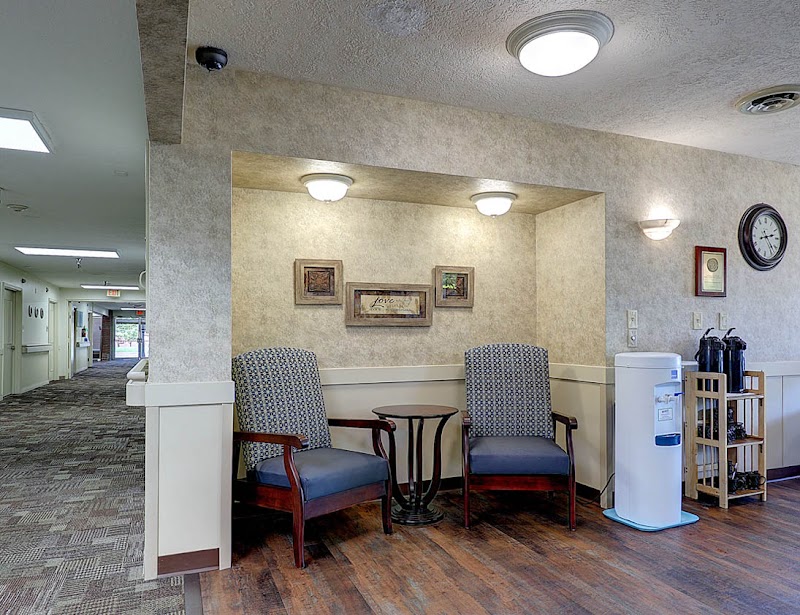
How is Gateway Care And Retirement Staffed?

CMS rates GATEWAY CARE AND RETIREMENT's staffing level at 3 out of 5 stars, which is average compared to other nursing homes.

What Have Inspectors Found at Gateway Care And Retirement?

State health inspectors documented 34 deficiencies at GATEWAY CARE AND RETIREMENT during 2022 to 2025. These included: 33 with potential for harm and 1 minor or isolated issues.
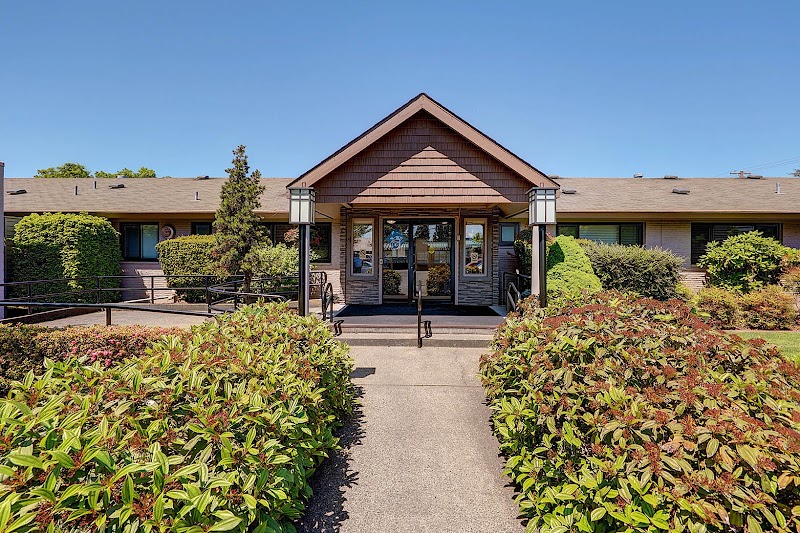
Who Owns and Operates Gateway Care And Retirement?

GATEWAY CARE AND RETIREMENT is owned by a for-profit company. For-profit facilities operate as businesses with obligations to shareholders or private owners. The facility is operated by SAPPHIRE HEALTH SERVICES, a chain that manages multiple nursing homes. With 59 certified beds and approximately 54 residents (about 92% occupancy), it is a smaller facility located in PORTLAND, Oregon.
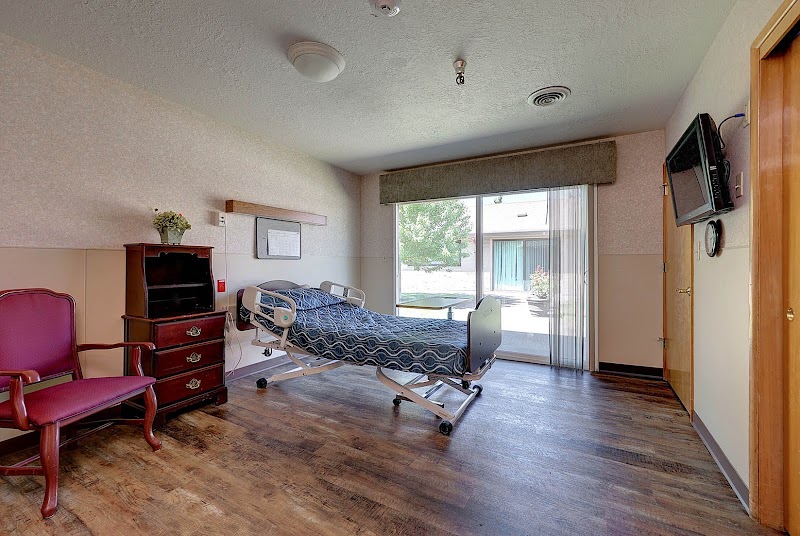
How Does Gateway Care And Retirement Compare to Other Oregon Nursing Homes?

Compared to the 100 nursing homes in Oregon, GATEWAY CARE AND RETIREMENT's overall rating (3 stars) matches the state average and health inspection rating (3 stars) is at the national benchmark.

What Should Families Ask When Visiting Gateway Care And Retirement?

Based on this facility's data, families visiting should ask: "Can I visit during a mealtime to observe dining assistance and food quality?" "How do you handle medical emergencies, and what is your hospital transfer rate?" "Can I speak with family members of current residents about their experience?"

Is Gateway Care And Retirement Safe?

Based on CMS inspection data, GATEWAY CARE AND RETIREMENT has a clean safety record: no substantiated abuse findings (meaning no confirmed cases of resident harm), no Immediate Jeopardy citations (the most serious violation level indicating risk of serious injury or death), and is not on the Special Focus Facility watch list (a federal program monitoring the lowest-performing 1% of nursing homes). The facility has a 3-star overall rating and ranks #1 of 100 nursing homes in Oregon. While no facility is perfect, families should still ask about staff-to-resident ratios and recent inspection results during their visit.

Do Nurses at Gateway Care And Retirement Stick Around?

GATEWAY CARE AND RETIREMENT has not reported staff turnover data to CMS. Staff turnover matters because consistent caregivers learn residents' individual needs, medications, and preferences. When staff frequently change, this institutional knowledge is lost. Families should ask the facility directly about their staff retention rates and average employee tenure.

Was Gateway Care And Retirement Ever Fined?

GATEWAY CARE AND RETIREMENT has no federal fines on record. CMS issues fines when nursing homes fail to meet care standards or don't correct problems found during inspections. The absence of fines suggests the facility has either maintained compliance or corrected any issues before penalties were assessed. This is a positive indicator, though families should still review recent inspection reports for the full picture.

Is Gateway Care And Retirement on Any Federal Watch List?

GATEWAY CARE AND RETIREMENT is not on any federal watch list. The most significant is the Special Focus Facility (SFF) program, which identifies the bottom 1% of nursing homes nationally based on persistent, serious quality problems. Not being on this list means the facility has avoided the pattern of deficiencies that triggers enhanced federal oversight. This is a positive indicator, though families should still review the facility's inspection history directly.