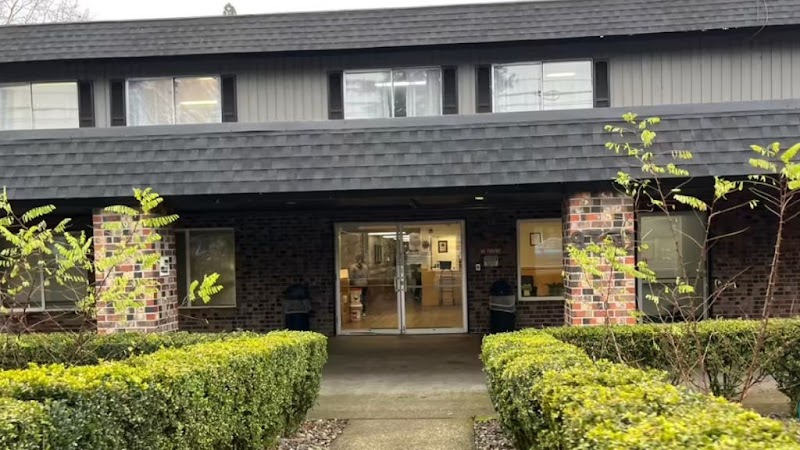
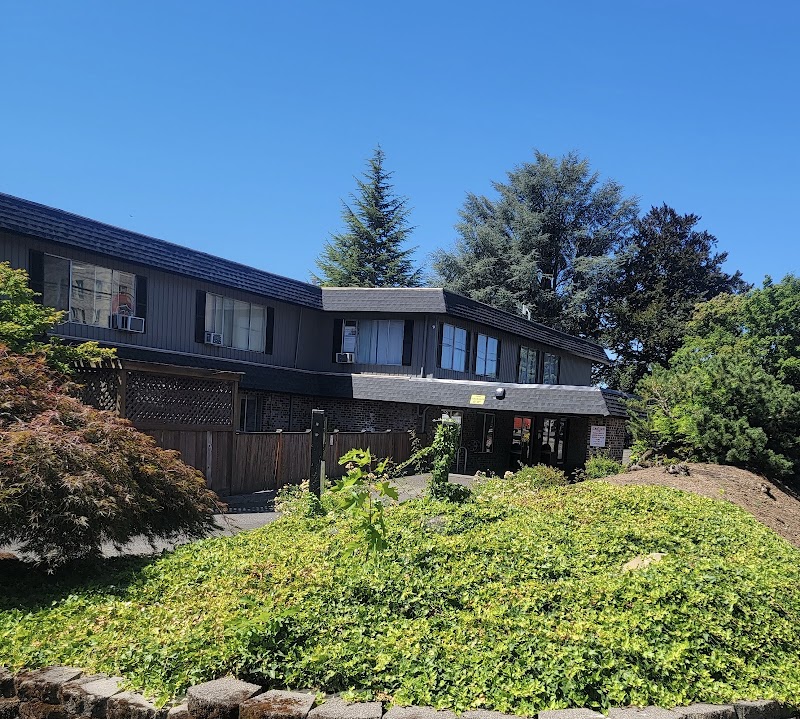

GLISAN POST ACUTE

9750 NE GLISAN STREET, PORTLAND, OR 97220 (503) 256-3920
For profit - Limited Liability company 100 Beds PACS GROUP Data: November 2025 2 Immediate Jeopardy citations
Trust Grade
0/100
#87 of 127 in OR
Last Inspection: November 2024

Within standard 12-15 month inspection cycle. Federal law requires annual inspections.

Overview

Families considering Glisan Post Acute in Portland, Oregon, should be aware that the facility has received a Trust Grade of F, indicating significant concerns and poor quality of care. Ranked #87 out of 127 facilities in Oregon, they fall in the bottom half of state options, and at #23 out of 33 in Multnomah County, there are several better choices nearby. While the facility is showing an improving trend, having reduced issues from 14 in 2024 to 2 in 2025, they still face challenges, including a concerning 61% staff turnover rate, which is higher than the state average. The facility has also incurred $144,752 in fines, which is more than 90% of Oregon facilities, pointing to repeated compliance problems. Specific incidents have raised alarms, such as a failure to monitor a resident after a fall, which led to a severe health decline, and another resident suffering a second-degree burn from hot coffee due to improper handling by staff. Overall, while there are some strengths in quality measures, the weaknesses in staffing, fines, and critical incidents raise significant concerns for potential residents and their families.

Trust Score
F
0/100
In Oregon
#87/127
Bottom 32%
Safety Record
High Risk
Review needed
Inspections
Getting Better
14 → 2 violations
Staff Stability
⚠ Watch
61% turnover. Above average. Higher turnover means staff may not know residents' routines.
Penalties
✓ Good
$144,752 in fines. Lower than most Oregon facilities. Relatively clean record.
Skilled Nurses
⚠ Watch
Each resident gets only 25 minutes of Registered Nurse (RN) attention daily — below average for Oregon. Fewer RN minutes means fewer trained eyes watching for problems.
Violations
⚠ Watch
39 deficiencies on record. Higher than average. Multiple issues found across inspections.
★★☆☆☆
2.0
Overall Rating
★★★☆☆
3.0
Staff Levels
★★★★☆
4.0
Care Quality
★★☆☆☆
2.0
Inspection Score
Stable
2024: 14 issues
2025: 2 issues

The Good

  • 4-Star Quality Measures · Strong clinical quality outcomes
  • Full Sprinkler Coverage · Fire safety systems throughout facility
  • No fines on record

Facility shows strength in quality measures, fire safety.

The Bad

2-Star Overall Rating

Below Oregon average (3.0)

Below average - review inspection findings carefully

Staff Turnover: 61%

15pts above Oregon avg (46%)

Frequent staff changes - ask about care continuity

Federal Fines: $144,752

Well above median ($33,413)

Significant penalties indicating serious issues

Chain: PACS GROUP

Part of a multi-facility chain

Ask about local staffing decisions and management

Staff turnover is elevated (61%)

13 points above Oregon average of 48%

The Ugly 39 deficiencies on record

2 life-threatening 4 actual harm
Jul 2025 1 deficiency
CONCERN (E) 📢 Someone Reported This

A family member, employee, or ombudsman was alarmed enough to file a formal complaint

Potential for Harm - no one hurt, but risky conditions existed

Food Safety (Tag F0812)

Could have caused harm · This affected multiple residents

Based on observation and interview it was determined the facility failed to ensure kitchen equipment and food preparation areas were maintained in a clean and sanitary manner for 1 of 1 kitchen review...

Read full inspector narrative →
Based on observation and interview it was determined the facility failed to ensure kitchen equipment and food preparation areas were maintained in a clean and sanitary manner for 1 of 1 kitchen reviewed for sanitary kitchen practices. This placed residents at risk of illness and contaminated food. Finding include: The facility's Cleaning and Sanitation of Department: Food and Nutritional Services policy, dated 12/11/15, indicated the following: -The food and nutritional services manager would assure compliance of all cleaning and sanitation tasks needed in the department. Observation of the facility's kitchen on 7/8/25 between the hours of 9:30 AM and 2:30 PM, revealed the following: -A fan was blowing directly into the food preparation area with numerous spots of dust and debris clumps on the fan covering. -There was an orange/brown hard coating completely covering the inside of each oven door, and a black, hard substance covering the entire bottom of the oven and on the oven racks. -The grill had hard, burnt substances on the cooking surface, sticky grease-like splashes and food particles on the grill doors, grease build-up and food particles along the top of the grill doors and in the vents on the lower portion of the grill. -The floor to the left of the grill, between the grill and the food steamer, had an orange, greasy-like substance starting at the front of the grill and going the to the back of the grill. -There was a black substance on the flooring behind the steamer, around a pipe and along the wall edge. -The flooring under the steel prep counter next to the food steamer, which housed bulk food bins of oatmeal, flour and sugar, had a black substance under each bulk bin. The bulk bins had spills and food particles on the outside of the containers and on the lids. -Dried food particles and spills were on the facility's large commercial mixer and the mixer stand. -The food preparation steel counter used to cut and prep food and store clean cookware and cutting boards had numerous food particles and an approximate three inch round object of unknown substance in contact with clean pans and cutting boards. -The steam cart's lower shelf, which stored clean cooking items such as steam table pans and covers, had numerous food particles in contact with the clean items. -The clean dishware storage area had numerous food particles on the shelves where clean dishes were stored. -Stainless steel drawers contained cooking utensils which had a sticky substance spilled on the outside of the drawers and coffee spills inside the drawers. -The majority of the kitchen flooring had black debris build-up, spills and food particles where the floor and baseboards came together. -The wall along the entire food prep counter was coated with a sticky-orange substance which was not cleanable. -Walls throughout the kitchen had various sized spills and splashes which needed to be cleaned. On 7/8/25 at 12:46 PM, Staff 3 (Dietary Aid) stated each kitchen staff was responsible for cleaning their own area each shift. Staff 3 stated she was unaware of any routine cleaning protocols and was not required to document what cleaning she completed. Staff 3 reported everybody cleans their own stuff as they go. On 7/8/25 at 12:56 PM, Staff 4 (Dishwasher) stated she was unaware of any routine cleaning requirements but the cooks mopped the kitchen area floor and she mopped the dishwashing area floor each shift. On 7/8/25 at 2:05 PM, Staff 2 (Dietary Manager) stated she was new to the position and confirmed the kitchen did not meet her expectations of cleanliness and stated there was significant cleaning which needed to be completed. On 7/8/25 at 2:35 PM, Staff 1 (Administrator) acknowledged the kitchen equipment and food preparation areas were not clean and sanitary and stated the cleanliness of the kitchen needed to be brought up several levels.
Mar 2025 1 deficiency
CONCERN (D) 📢 Someone Reported This

A family member, employee, or ombudsman was alarmed enough to file a formal complaint

Potential for Harm - no one hurt, but risky conditions existed

Pharmacy Services (Tag F0755)

Could have caused harm · This affected 1 resident

Based on interview and record review it was determined the facility failed to reorder a medication in a timely manner resulting in missed medications for 1 of 3 residents (# 7) reviewed for medication...

Read full inspector narrative →
Based on interview and record review it was determined the facility failed to reorder a medication in a timely manner resulting in missed medications for 1 of 3 residents (# 7) reviewed for medication administration. This placed residents at risk for increased pain. Findings include: Resident 7 was admitted to the facility in 5/2022 with diagnoses including chronic pain. An 11/14/24 Physician Order included 5 mg of oxycodone scheduled to be administered three times a day to assist with pain reduction. Review of 11/14/24 through 12/15/24 Narcotic Book records for oxycodone revealed Resident 7 did not receive her/his scheduled evening dose on 12/4/24 and scheduled morning dose on 12/5/24. A 12/2/24 Pharmacy fax stated the pharmacy was unable to dispense the medication because no refill was available and new orders were required to receive Resident 7's oxycodone medication. Physician orders were placed on 12/4/24 at 9:00 PM to continue Resident 7's oxycodone at 5 mg three times a day to assist with pain reduction. On 3/19/25 at 12:14 PM Resident 7 stated two doses of her/his scheduled oxycodone was not provided to her/him. Resident 7 stated she/he was told is was not available and the facility needed the provider to write new orders. On 3/19/25 at 12:47 PM Staff 7 (CMA) stated Resident 7 did not receive oxycodone as ordered on 12/4/24's evening dose as a refill was not available and new orders had not been signed. Staff 7 stated medications were requested to be refilled or reordered when ten doses remained. On 3/19/25 at 2:20 PM Staff 5 (Resident Care Manager/LPN) stated information was received from the pharmacy which stated no refill for oxycodone was available two days prior to Resident 7's last available dose. Staff 5 confirmed Resident 7 did not receive her/his oxycodone medication for the evening dose on 12/4/24 and the morning dose on 12/5/24 as new orders were not placed until Resident 7's supply of oxycodone pills was depleted.
Nov 2024 12 deficiencies
CONCERN (D)

Potential for Harm - no one hurt, but risky conditions existed

Safe Environment (Tag F0584)

Could have caused harm · This affected 1 resident

Based on observation and interview it was determined the facility failed to ensure shower rooms were clean and in good repair for 1 of 3 shower rooms and to accommodate residents with wheelchair arm r...

Read full inspector narrative →
Based on observation and interview it was determined the facility failed to ensure shower rooms were clean and in good repair for 1 of 3 shower rooms and to accommodate residents with wheelchair arm rests in proper cleanable order for 2 of 7 sampled residents (#28 and 40) reviewed for environment. This placed residents at risk for lack of a clean and homelike environment and with personal equipment in disrepair. Findings include: 1. Multiple random observations from 11/18/24 through 11/20/24 between the hours of 8:00 AM and 4:00 PM revealed the shower on the TCU (Transitional Care Unit) had a black colored substance along the entire metal floor board edging, the left front corner of the shower's flooring had several deep cracks with black substance in the cracks, the overhead fan had a layer of dirt/dust in all vents and made a loud grinding noise. On 11/20/24 at 9:03 AM Staff 14 (Housekeeping Supervisor) confirmed the TCU shower floor board edging was rusted and could not be cleaned, the left corner flooring was cracked and not cleanable and the fan was dirty. Staff 14 acknowledged the TCU shower was not clean or home like. 2. On 11/18/24 at 10:46 AM Resident 28's left wheelchair arm rest was observed with the black covering torn and about three inches of foam exposed. The surface was in disrepair and uncleanable. Resident 40's left wheelchair arm rest was observed with black tape peeled back from the arm rest. The surface was not cleanable under the peel back tape. On 11/20/24 at 10:27 AM Staff 12 (Maintenance Assistant) acknowledged the residents' wheelchairs which need to be fixed were reported the maintenance department to fix. Staff 12 confirmed Resident 28's and Resident 40's wheelchair arm rests were in poor condition. On 11/20/24 at 11:01 AM Staff 2 (DNS) confirmed Resident 28's and Resident 40's wheelchair arm rests were in poor condition and not cleanable.
CONCERN (D)

Potential for Harm - no one hurt, but risky conditions existed

Grievances (Tag F0585)

Could have caused harm · This affected 1 resident

Based on interview and record review it was determined the facility failed to initiate a grievance process for 1 of 2 sampled residents (#169) reviewed for personal property. This placed residents at ...

Read full inspector narrative →
Based on interview and record review it was determined the facility failed to initiate a grievance process for 1 of 2 sampled residents (#169) reviewed for personal property. This placed residents at risk for unaddressed concerns. Findings include: Resident 169 admitted to the facility in 10/2024 with diagnoses of displaced intertrochanteric fracture of left femur and schizophrenia. On 11/18/24 at 12:27 PM Resident 169 stated after he/she arrived staff took her/his clothes to the laundry and did not return them. Resident 169 stated to several staff members that her/his clothing items were missing. Resident 169's 10/31/24 inventory sheet revealed Resident 169 admitted with a shirt, underpants and jeans. On 11/21/24 at 9:54 AM Staff 14 (Housekeeping Supervisor) stated if a resident reported a missing item staff looked for the item. If the item was not found, staff would assist the resident to fill out a grievance form. Staff 14 indicated she/he was not aware Resident 169 was missing clothing. On 11/21/24 at 12:34 PM Staff 22 (CNA) stated resident 169 mentioned her/his clothing was missing, but she did not report it to anyone. On 11/21/24 at 12:58 PM Staff 2 (Director of Nursing) stated if a resident voiced concern regarding missing clothing, staff were to check the inventory sheet and look for the missing items. If items were not found CNAs were to start a grievance and the resident would be reimbursed.
CONCERN (D)

Potential for Harm - no one hurt, but risky conditions existed

Deficiency F0676 (Tag F0676)

Could have caused harm · This affected 1 resident

**NOTE- TERMS IN BRACKETS HAVE BEEN EDITED TO PROTECT CONFIDENTIALITY** Based on observation, interview and record review it was determined the facility failed to provide appropriate treatment and ser...

Read full inspector narrative →
**NOTE- TERMS IN BRACKETS HAVE BEEN EDITED TO PROTECT CONFIDENTIALITY** Based on observation, interview and record review it was determined the facility failed to provide appropriate treatment and services in the area of communication for 1 of 2 sampled residents (#9) reviewed for communication. This placed residents at risk for diminished quality of life and potential decline in their ability to carry out activities of daily living. Findings include: Resident 9 was admitted to the facility in 10/2019 with diagnoses including hemiparesis (partial weakness on one side of the body) and hemiplegia (complete paralysis on one side of the body) following a stroke affecting the left non-dominant side. Resident 9's 9/11/24 Annual MDS Assessment indicated the resident was moderately cognitively impaired, experienced moderate difficulty hearing, the resident's preferred language was Vietnamese and she/he wanted an interpreter to communicate with health care staff. The Communication CAA indicated staff who communicated with the resident needed to elevate their voice, face the resident and minimize background noise due to her/his hearing impairment. Resident 9's 10/2/24 Communication Care Plan revealed the following: -Language: Vietnamese. -The resident was mostly non-English speaking. She/he could say certain simple words. -Telephone interpreter: (503) [PHONE NUMBER]. -The resident could communicate her/his needs. Use interpreter as needed for medical needs. -The resident was to have access to cue cards for communication assistance. On 11/18/24 at 11:32 AM Resident 9 was observed to sit in her/his wheelchair in her/his room. No communication cue cards were observed in the resident's room. The state surveyor communicated with the resident in English, and the resident was able to nod her/his head in response to some basic yes or no questions but was unable to answer specific questions about how long she/he had lived at the facility, the care she/he received at the facility or her/his daily routine. On 11/18/24 at 11:43 AM, 11/18/24 at 2:42 PM and 11/19/24 at 8:55 AM the state surveyor called the phone number listed in Resident 9's Care Plan for an interpreter. On each occasion, the phone did not ring and the screen on the phone read user busy. On 11/19/24 at 3:49 PM Resident 9 was observed in her/his room in bed. No communication cue cards were observed in the resident's room. With the use of the state's translation service, an interview was conducted with the resident in Vietnamese. Resident 9 stated she/he could only speak and understand a little English and the folks here spoke English. Resident 9 stated there was only one staff person she/he was able to communicate with as this staff person spoke Vietnamese. Resident 9 stated she/he was hard of hearing and needed staff to speak slowly and elevate their voice. Resident 9 stated she/he sometimes could not hear or understand the people who take care of me but I pretend to. Resident 9 did not know what a communication cue card was or if she/he had one. On 11/20/24 at 9:41 AM Staff 23 (CNA) stated Resident 9 primarily spoke Vietnamese, she did not necessarily use a translation service when communicating with the resident and she had never seen cue cards for the resident. On 11/20/24 at 9:52 AM Staff 28 stated Resident 9 did not really speak English. Staff 28 stated she never used a translator when communicating with the resident and did not know if the facility had a translation service available. Staff 28 stated she had never seen a cue board used with Resident 9. Staff 28 further stated she thought the resident's hearing was good and she just spoke loud when [the resident] couldn't understand. On 11/20/24 at 11:09 AM Staff 21 (CNA) stated Resident 9 had trouble hearing people with a quieter voice. Staff 21 stated she found information about a resident's hearing impairment and related interventions in the resident's care plan. On 11/20/24 at 2:38 PM and 3:19 PM Staff 6 (RNCM) stated she put a picture board in Resident 9's room about a month ago to help with communication but thought the resident's roommate took it shortly after it was provided and it was never replaced. Staff 6 stated the resident experienced difficulty hearing and interventions including repeating questions, face to face, eliminating loud noises and elevate voice should be in her/his care plan but were not. On 11/20/24 at 2:53 PM Staff 2 (DNS) confirmed the phone number for the translation service listed in Resident 9's care plan did not work, the resident's care plan was missing necessary interventions related to her/his hearing impairment and communication cue cards were not available to the resident and should have been.
CONCERN (D)

Potential for Harm - no one hurt, but risky conditions existed

ADL Care (Tag F0677)

Could have caused harm · This affected 1 resident

Based on observation, interview and record review it was determined the facility failed to provide adequate bathing for 1 of 3 sampled residents (#37) reviewed for ADLs. This placed residents at risk ...

Read full inspector narrative →
Based on observation, interview and record review it was determined the facility failed to provide adequate bathing for 1 of 3 sampled residents (#37) reviewed for ADLs. This placed residents at risk for unmet hygiene needs. Findings include: Resident 37 was admitted to the facility in 11/2023 with diagnoses including neuromuscular dysfunction of the bladder (when a person lacks bladder control due to brain, spinal cord or nerve problems). Resident 37's 8/25/24 Quarterly MDS Assessment indicated the resident was cognitively intact and dependent upon staff assistance for showers/bathing. Resident 37's 9/23/24 ADL Care Plan revealed the resident was to receive showers on Monday and Friday evenings. Resident 37's 10/25/24 through 11/18/24 Bathing Task sheet revealed the following: -10/25/24, Friday: not applicable. -11/4/24, Monday: resident refused. No documentation was found to indicate the resident was reoffered a shower during the shift, the resident's refusal was reported to the nurse or the resident was reoffered a shower on an alternative shift. -11/8/24, Friday: not applicable. -11/11/24, Monday: resident refused. No documentation was found to indicate the resident was reoffered a shower during the shift, the resident's refusal was reported to the nurse or the resident was reoffered a shower on an alternative shift. -11/18/24, Monday: not applicable. On 11/18/24 at 12:33 PM Resident 37 was observed in her/his room and sat in her/his wheelchair. Resident 37 stated she/he was lucky if [she/he] got a shower once every two weeks. Resident 37 stated staff were always too busy to assist her/him with a shower on her/his scheduled days and they don't have time on my off days. Resident 37 stated she/he preferred showers in the afternoons, and on shower days, staff would frequently enter her/his room and say you can have one right now, right now, without any warning. Resident 37 stated she/he needed time to prepare, and if she/he refused, she/he would not be offered a shower at a different time during the shift. Resident 37 further stated she/he was occasionally told she/he could not shower because the shower was broken. On 11/20/24 at 4:07 PM Resident 37 stated she/hetold two people today [she/he] wanted a shower and they said they hope I get one. The resident's room was observed to smell of urine and a plastic bag was observed on the floor in the corner of the room. Resident 37 stated the bag was filled with a draw sheet and wash cloths from last night. Resident 37 stated she/he used the wash cloths to wipe her/his groin area as she/he often felt moist and sticky and the wash cloths would be covered in urine and blood. On 11/21/24 at 8:15 AM Resident 37 was observed in her/his room and sat in her/his wheelchair. Resident 37 stated she/he did not receive a shower yesterday despite her/his request and stated she/he asked this morning for a shower and was told we will have to see. On 11/21/24 at 8:21 AM Staff 23 (CNA) stated CNAs were supposed to offer a resident a shower more than once if the resident refused, and if the resident continued to refuse, CNAs were to report the refusals to the nurse, document the refusals and let the next shift know so they could reoffer a shower. Staff 23 stated Resident 37 would wait to the last hour of her shift before agreeing to take a shower and then I have to tell [her/him] I don't have time. On 11/21/24 at 9:03 AM Staff 26 (CNA) stated residents were supposed to be reoffered showers two to three times, and if they still refused, CNAs were to inform the nurse. CNAs were responsible for documenting refusals, and if a CNA documented not applicable, that would indicate the shower was not offered. Staff 26 stated Resident 37 never refused showers when she worked with her/him. Staff 26 further stated other CNAs did not offer Resident 37 a shower until 8:30 PM or 9:00 PM at night because they knew the resident would refuse at those times. Staff 26 stated other CNAs did not offer showers on alternative days so residents had to wait until their next scheduled day to receive a shower. On 11/21/24 at 9:30 AM Staff 27 (RN) stated Resident 37 preferred to take her/his showers around 4:00 PM to 4:30 PM and showers were very important for the resident because she/he had a lot of folds and could be incontinent in the bed at night. On 11/21/24 at 12:44 PM Staff 2 (DNS) stated CNAs were expected to reoffer a resident a shower three times during their shift, the nurse was expected to document any continued refusals and the next shift was to do a PRN shower. Staff 2 reviewed Resident 37's clinical record, stated she did not know if the resident was offered a shower on 10/25/24, 11/8/24 or 11/18/24 and confirmed there was no documentation to indicate the resident was reoffered a shower on 11/4/24 or 11/11/24.
CONCERN (D)

Potential for Harm - no one hurt, but risky conditions existed

Deficiency F0679 (Tag F0679)

Could have caused harm · This affected 1 resident

2. Resident 9 was admitted to the facility in 10/2019 with diagnoses including hemiparesis (partial weakness on one side of the body) and hemiplegia (complete paralysis on one side of the body) follow...

Read full inspector narrative →
2. Resident 9 was admitted to the facility in 10/2019 with diagnoses including hemiparesis (partial weakness on one side of the body) and hemiplegia (complete paralysis on one side of the body) following a stroke affecting the left non-dominant side. Resident 9's 9/11/24 Annual MDS Assessment indicated the resident was moderately cognitively impaired, the resident's preferred language was Vietnamese and she/he wanted an interpreter to communicate with health care staff. The MDS also indicated listening to music she/he enjoyed, having books, newspapers and magazines to read, being around pets, doing things with groups of people, going outside when the weather was good and participating in religious practices were important activities to the resident. Resident 9's 10/2/24 Activity Care Plan revealed the following: -Activity preferences included to self-propel around the facility, interact with staff and residents, traditional Vietnamese music and food and exercise class. -The resident enjoyed to get her/his nails done, play games and meet with her/his spouse and friends for worship. -The resident wanted to garden when the weather was nicer. -The resident liked to do ball toss for exercise class. Ball toss was one of her/his favorite activities. A review of Resident 9's 10/21/24 through 11/19/24 Activity Tasks which documented activity participation revealed the resident did not participate in a group, one to one or self-directed/independent activity. The facility's 11/2024 Activity Calendar revealed the following scheduled activities: -11/18/24 9:00 AM to 10:00 AM: One to one activities 11:00 AM: Ball Toss 2:30 PM: Crafts -11/19/24 9:00 AM to 10:00 AM: One to one activities 11:00 AM: Resident Council Meeting 2:30 PM: Resident shopping -11/20/24 9:00 AM to 10:00 AM: One to one activities 11:00 AM: Ball Toss 2:30 PM: Bingo -11/21/24 9:00 AM to 10:00 AM: One to one activities 11:00 AM: Ball Toss 2:30 PM: Crafts -11/22/24 11:00 AM: Ball Toss 2:30 PM: Bingo 3:30 PM: Movie and popcorn On 11/19/24 at 3:49 PM Resident 9 was observed in her/his room in bed. With the use of the state's translation service, an interview was conducted with the resident in Vietnamese. Resident 9 stated she/he could only speak and understand a little English, the folks here spoke English and the activities were all in English. Resident 9 stated she/he enjoyed listening to Vietnamese music on a music box she/he had a long time ago, but it was broken so they threw it away. Resident 9 stated she/he really liked exercise but had only been invited to the exercise group once. Resident 9 stated she/he did not get invited to the group ball toss today, but if she/he had been invited, she/he would have participated. Resident 9 stated she/he enjoyed reading the newspaper but all of the newspapers at the facility were in English. Resident 9 further stated she/he could only read large print and the newspapers were all written in small print. On 11/20/24 at 9:41 AM Staff 23 (CNA) stated Resident 9 hung out and did [her/his] own thing. Staff 23 stated she had never seen the resident read, listen to music, receive a pet visit or garden. On 11/20/24 at 9:52 AM Staff 28 (CNA) stated Resident 9 just hung out. Staff 28 stated she did not know if the resident liked pets or to read and was unsure of what type of music the resident enjoyed. Staff 28 stated the resident loved to garden but she had never seen indoor gardening offered at the facility. On 11/20/24 at 10:32 AM Staff 21 (CNA) stated Resident 9 liked group activities and wanted to be in there and participate. On 11/20/24 at 2:20 PM Staff 9 (Activities Director) stated she started to work at the facility on 11/4/24 and she had seen Resident 9 in the hallway briefly but had not had a chance to speak with [the resident] yet. On 11/20/24 at 2:29 PM and 11/21/24 at 11:43 AM Staff 10 (Activities Assistant) stated activity preference information from a resident's MDS assessment should go in the care plan. Staff 10 stated her interactions with Resident 9 over the past few weeks consisted of just saying hi. Staff 10 stated the resident enjoyed to get her/his nails done but she/he had not been getting them done because she did not have a key to the nail supplies. Staff 10 stated the resident enjoyed to garden but she had never tried indoor gardening, all of her interactions with Resident 9 were in English and all of the reading material she provided the resident was in English. On 11/20/24 at 3:27 PM Staff 1 (Administrator) acknowledged the findings and did not provide any additional information. Based on observation, interview and record review it was determined the facility failed to provide an ongoing person-centered activity program for 2 of 4 sampled dependent residents (#s 9 and 36) reviewed for activities. This placed residents at risk of a decline in psychosocial well-being and diminished quality of life. Findings include: The facility's Activity Evaluation policy, dated 2/2023 and Activities Attendance policy, dated 6/2018 indicated the following: -The activity evaluation was used to develop an individualized activity care plan that allowed the resident to participate in activities of her/his choice and interest. -Each resident's activities care plan related to her/his comprehensive assessment and was reflective of the resident's individual needs. -Attendance and participation was recorded for every resident in group and individual activities on a daily basis. 1. Resident 36 was admitted to the facility in 5/2024 with diagnoses including cardiomyopathy (a disease of the heart muscle), dementia, restlessness and anxiety disorder. Resident 36's 6/11/24 Activities Initial Evaluation revealed the following: -Resident 36 wished to participate in activities while in the facility including group and independent activities such as reading and doing puzzles. -Resident 36 wished to go on outings. Resident 36's 9/5/24 Significant Change MDS revealed the resident had moderate cognitive impairments and Resident 36 considered it somewhat to very important to do the following activities: listen to music, be around animals, keep up with the news, have books, newspapers or magazines to read, do things with groups of people, do favorite activities and go outside when the weather permitted. Resident 36's 9/19/24 Activities Care Plan revealed the following: -Resident 36 had a need for activities that were consistent with her/his abilities and interests. Enjoyable and meaningful activities for Resident 36 included but were not limited to: -Bingo; -Board games; -Using her/his cell phone; -Group activities; -Hair appointments; -Movies; -Nail care; -Smoke breaks; -Special events; -Television (Resident 36 liked watching the History Channel, news, science fiction, space shows and anything related to airplanes) and -Visiting with friends and family. The facility's Activity Calendar revealed the following scheduled activities: -11/18/24 9:00 AM to 10:00 AM: One to one activities 11:00 AM: Ball Toss 2:30 PM: Crafts -11/19/24 9:00 AM to 10:00 AM: One to one activities 11:00 AM: Resident Council Meeting 2:30 PM: Resident shopping -11/20/24 9:00 AM to 10:00 AM: One to one activities 11:00 AM: Ball Toss 2:30 PM: Bingo -11/21/24 9:00 AM to 10:00 AM: One to one activities 11:00 AM: Ball Toss 2:30 PM: Crafts -11/22/24 11:00 AM: Ball Toss 2:30 PM: Bingo 3:30 PM: Movie and popcorn A review of Resident 36's 10/20/24 through 11/20/24 Independent, One to One and Group Activity Logs indicated the resident participated in no activities of any kind in the past 30 days. Random observations of Resident 36 conducted from 11/18/24 through 11/20/24 between the hours of 8:00 AM and 4:00 PM revealed the resident was typically in her/his bed with the blinds drawn. The resident was either asleep or fidgeting in her/his bed. The resident had no TV on, no music playing, and no books, newspapers or magazines in the room. The resident was seen one time up in her/his wheelchair but not engaged in any group activities and no one to one activities occurred in Resident 36's room. On 11/20/24 at 8:08 AM Staff 21 (CNA) reported she had never seen Resident 36 out of her/his bed until, yesterday, 11/19/24. Staff 21 stated she had not seen Resident 36 in any group or one to one activities and she did not notice music playing in the resident's room nor her/his TV turned on. Staff 21 reported the only activity she observed occurring with Resident 36 was sometimes her/his family visited. On 11/20/23 at 8:23 AM Staff 23 (CNA) reported she had not seen Resident 36 engaged in any group or one to one activities. She stated the resident typically was in her/his bed and occasionally the TV was on or the resident's daughter visited. Staff 23 stated Resident 36 had no other real activities. On 11/20/24 at 2:20 PM and 11/21/24 at 11:44 AM Staff 9 (Activities Director) and Staff 10 (Activities Assistant) both acknowledged they did not know Resident 36, were unaware of her/his activity preferences and the resident had not been involved in any group or one to one activities. Staff 9 and Staff 10 stated the last activity director left around the third week in 9/2024 and Staff 9 started as the Activity Director on 11/4/24, thus minimal activities occurred since 9/2024. Staff 10 stated she assisted with activities on a very part-time basis up until the last few weeks. Staff 10 stated when she assisted with activities, her primary focus was on the residents she was familiar with.
CONCERN (D)

Potential for Harm - no one hurt, but risky conditions existed

Quality of Care (Tag F0684)

Could have caused harm · This affected 1 resident

Based on interview and record review it was determined the facility failed to ensure physician orders were followed for 1 of 3 sampled residents (#16) reviewed for pain. This placed residents at risk ...

Read full inspector narrative →
Based on interview and record review it was determined the facility failed to ensure physician orders were followed for 1 of 3 sampled residents (#16) reviewed for pain. This placed residents at risk for ongoing pain or over sedation. Findings include: Resident 16 was admitted to the facility in 10/2024 with diagnoses including chronic pain and opioid dependency (a chronic brain disease that causes a person to compulsively seek out opioid pain medications). a. An 11/2/24 Physician Order indicated Resident 16 was prescribed oxycodone (an opioid medication used for pain management) 10 mg every 4 hours as needed for severe pain of 7 to 10 out of a pain scale of 10. A review of Resident 16's 11/2024 MAR revealed the resident was administered 10 mg of oxycodone outside of the physician's parameters on the following days: -11/10/24: pain was documented as 5; -11/13/24: pain was documented as 6; -11/16/24: pain was documented as 5 and -11/20/24: pain was documented as 6. On 11/22/24 at 8:19 AM Staff 2 (DNS) reviewed Resident 16's 11/2024 MAR and acknowledged on 11/10/24, 11/13/24, 11/16/24 and 11/20/24, the resident received 10 mg of oxycodone when she/he should have received 5 mg, and confirmed Resident 16's oxycodone was administered outside of the physician ordered parameters. b. An 11/2/24 Physician Order indicated Resident 16 was prescribed oxycodone (an opioid medication used for pain management) 5 mg every 4 hours as needed for moderate pain of 4 to 6 out of a pain scale of 10. A review of Resident 16's 11/2024 MAR revealed the resident was administered 5 mg of oxycodone outside of the physician's parameters on the following days: -11/11/24: pain was documented as 7 and -11/12/14: pain was documented as 7. On 11/22/24 at 8:19 AM Staff 2 (DNS) reviewed Resident 16's 11/2024 MAR and acknowledged on 11/11/24 and 11/12/24, the resident received 5 mg of oxycodone when she/he should have received 10 mg, and confirmed Resident 16 was administered oxycodone outside of the physician ordered parameters.
CONCERN (D)

Potential for Harm - no one hurt, but risky conditions existed

Pressure Ulcer Prevention (Tag F0686)

Could have caused harm · This affected 1 resident

Based on observation, interview and record review it was determined the facility failed to implement interventions to prevent pressure ulcers and skin breakdown for 1 of 1 sampled resident (#37) revie...

Read full inspector narrative →
Based on observation, interview and record review it was determined the facility failed to implement interventions to prevent pressure ulcers and skin breakdown for 1 of 1 sampled resident (#37) reviewed for skin conditions. This placed residents at risk for the development of pressure ulcers and skin breakdown. Findings include: Resident 37 was admitted to the facility in 11/2023 with diagnoses including neuromuscular dysfunction of the bladder (when a person lacks bladder control due to brain, spinal cord or nerve problems). Resident 37's 8/25/24 Quarterly MDS Assessment revealed the resident was cognitively intact, at risk to develop pressure ulcers/injuries and to have a pressure reducing device for her/his chair. Resident 37's 11/2024 Physician Orders directed the resident to receive wound care to her/his right and left thigh rear skin tears twice daily. On 11/18/24 at 12:33 PM Resident 37 was observed in her/his room and sat on a folded towel in her/his wheelchair. Resident 37 stated she/he experienced skin irritation and breakdown on her/his bottom area and she/he did not have a cushion for her/his wheelchair so she/he had to sit on a folded towel instead. Resident 37 stated the wheelchair was uncomfortable and she/he had asked for a cushion many times and but still did not have one. Random observations of Resident 37 from 11/19/24 to 11/21/24 between 8:15 AM through 4:07 PM revealed the resident to be in bed or in her/his wheelchair. When the resident was observed in her/his wheelchair, she/he sat on a folded towel. On 11/21/24 at 8:15 AM Resident 37 stated the facility offered her/him a cushion for her/his wheelchair about four months ago but it was too thick, caused her/him to sit up too high in her/his wheelchair and was uncomfortable. Resident 37 stated she/he asked again about receiving a cushion for her/his wheelchair a few weeks ago and staff brought back the same one with a stain. Resident 37 further stated she/he asked about trying a different cushion and was told they did not know. On 11/21/24 at 8:21 AM Staff 23 (CNA) stated Resident 37 was supposed to have a cushion when up in her/his wheelchair, and the resident had regular complaints about [her/his] bottom hurting. Staff 23 further stated there were days when the resident was up in the wheelchair a majority of the day. On 11/21/24 at 9:03 AM Staff 26 (CNA) stated Resident 37 usually spent one to three hours up in her/his wheelchair during each day shift. Staff 26 stated she had never seen a cushion in the resident's wheelchair but had seen the resident sit on bath blankets instead. On 11/21/24 at 9:30 AM Staff 27 (RN) stated Resident 37 should sit on a cushion every time [she/he] was in the wheelchair. On 11/21/24 at 12:44 PM Staff 2 (DNS) reviewed Resident 37's clinical record, confirmed she/he was at risk for the development of pressure ulcers/injuries and stated the resident should have a cushion for her/his wheelchair.
CONCERN (D)

Potential for Harm - no one hurt, but risky conditions existed

Deficiency F0688 (Tag F0688)

Could have caused harm · This affected 1 resident

Based on observation, interview and record review it was determined the facility failed to provide appropriate treatment and services to prevent further decreases in range of motion for 2 of 3 sampled...

Read full inspector narrative →
Based on observation, interview and record review it was determined the facility failed to provide appropriate treatment and services to prevent further decreases in range of motion for 2 of 3 sampled residents (#s 9 and 10) reviewed for position and mobility. This placed residents at risk for worsening contractures (a permanent tightening of the muscle, tendons and skin causing the joint to shorten and stiffen) and conditions. Findings include: The facility's 8/2024 Restorative Nursing Policy and Procedure revealed the following: -On-going assessment of each resident's functional status occurred no less often than quarterly with completion of the MDS. -If the Resident Care Manager or licensed staff determined the resident had the ability to improve in one or more area of communication, mobility, range of motion, ADL performance, eating or toileting, a therapy referral or restorative nursing referral was initiated. -If the resident expressed a desire to improve in one or more area of communication, mobility, range of motion, ADL performance, eating or toileting, a restorative nursing referral was initiated. -If the Resident Care Manager or licensed staff determined the resident needed to maintain current function in communication, mobility, range of motion, ADL performance, eating or toileting, a restorative nursing referral was initiated. -The restorative nursing referral documented the resident's current functional status, need to improve or maintain functional status, recommended goals, approaches and plan for periodic re-evaluation of the program. Restorative nursing programs were added to the appropriate nursing care plan and in-room care plan. -Residents with the need to improve functional status were re-evaluated monthly to determine effectiveness of the current interventions and need to revise goals or interventions. -Residents with the need to maintain current function status were re-evaluated at least quarterly to determine effectiveness of the current interventions and need to revise goals or interventions. 1. Resident 9 was admitted to the facility in 10/2019 with diagnoses including hemiparesis (partial weakness on one side of the body) and hemiplegia (complete paralysis on one side of the body) following a stroke and affecting the left non-dominant side. Resident 9's 9/10/24 Restorative Nursing Re-Evaluation indicated the resident had a left hand splint/brace, the splint/brace was too big and OT was going to fit her/him for a new one. Resident 9's 9/11/24 Annual MDS Assessment indicated the resident was moderately cognitively impaired, experienced upper and lower extremity impairment on one side, was dependent on assistance from staff for lower body dressing and required substantial/maximal assistance from staff with upper body dressing and personal hygiene. The Functional Abilities CAA indicated the resident experienced contractures on her/his left side and she/he had ROM exercises and a splint to assist with preventing further contractures. Resident 9's 10/2/24 ADL and Left Sided Weakness/Impairment Care Plans revealed the following: -The resident had contractures to the right arm/hand and right leg. -Adaptive devices as recommended by therapy or physician. Monitor for safe use. Monitor/document to ensure appropriate use of adaptive device. -Assist the resident to wear the left hand palm guard daily as tolerated. -The resident was to use a left hand therapy carrot (a device that helps position hands with severe contractures) as tolerated to facilitate contracture management. -Range of motion exercises to be completed several times a day. -Passive ROM program for right and left upper extremities was to be completed daily. -Monitor/document mobility status. If the resident presents with problems or paralysis, obtain an order for PT and OT to evaluate and treat. Resident 9's 10/22/24 Therapy to Nursing Communication indicated the resident was to wear a left hand palm guard and therapy carrot as tolerated daily to facilitate contracture management. Resident 9's 11/2024 Physician Orders directed the resident's left hand palm protector to be in place continuously. The orders directed the licensed nurse to remove the palm protector at least twice per shift in order to inspect and clean the resident's left hand. A review of Resident 9's 10/21/24 through 11/16/24 Daily Exercise Program for Right and Left Upper Extremities Task revealed the following: -10/21/24: no. -10/22/24: not applicable. -10/23/24: not applicable. -10/24/24: not applicable. -10/25/24: not applicable. -10/26/24: not applicable. -10/27/24: not applicable. -10/28/24: no. -10/29/24: no. -11/2/24: no. -11/4/24: not applicable. -11/5/24: not applicable. -11/6/24: not applicable. -11/7/24: no. -11/9/24: not applicable. -11/10/24: no. -11/12/24: no. -11/13/24: not applicable. -11/16/24: no. Instructions listed on Resident 9's Splint/Brace Assistance Task directed staff to assist the resident to wear left hand palm guard daily as tolerated and the resident was to use the left hand therapy carrot as tolerated. A review of Resident 9's Splint/Brace Assistance Task from 10/24/24 through 11/17/24 revealed the following: -10/24/24: not applicable. -10/25/24: not applicable. -10/26/24: not applicable. -10/27/24: not applicable. -10/28/24: no. -10/28/24: no. -11/1/24: no. -11/2/24: no. -11/4/24: not applicable. -11/5/24: not applicable. -11/6/24: no. -11/7/24: no. -11/8/24: no. -11/9/24: not applicable. -11/12/24: no. -11/13/24: not applicable. -11/16/24: no. -11/17/24: no. On 11/18/24 at 11:32 AM Resident 9 was observed in her/his room and sat in her/his wheelchair. The resident's left thumb was tucked in tightly to the palm of her/his hand and the remaining four fingers on her/his left hand pressed in on top of the left thumb. The tip of a therapy carrot was observed in between the resident's thumb and index finger but a majority of the therapy carrot hung out of the resident's hand. The resident was unable to extend any of her/his fingers or thumb on her/his left hand with verbal prompting and indicated she/he used the therapy carrot sometimes. No splint or brace was observed in the resident's room. On 11/18/24 at 3:09 PM Resident 9 was observed in her/his room in bed. The resident's left thumb was tucked in tightly to the palm of her/his hand and the remaining four fingers on her/his left hand pressed in on top of the left thumb. The tip of a therapy carrot was observed in between the resident's thumb and index finger with a majority of the carrot hanging out of the resident's hand. No splint or brace was observed in the resident's room. On 11/19/24 at 3:49 Resident 9 was observed in her/his room in bed. No splint, brace or therapy carrot was observed in the resident's contracted left hand. With the assistance of a translator, Resident 9 stated her/his left hand hurt all of the time and she/he was very sad about this situation. Resident 9 was unable to answer specific questions about her/his splint, brace or therapy carrot but did state she/he did not participate in any exercise or ROM program at the facility. On 11/20/24 at 9:41 AM Staff 23 (CNA) stated Resident 9 had a brace and a therapy carrot for her/his left hand and the resident put them on and took them off independently. Staff 23 stated she did not know how long each day the resident was supposed to wear the brace or therapy carrot, did not know if the resident had an RA program and stated the resident never refused anything, including to put on her/his therapy carrot or splint when offered. On 11/20/24 at 9:52 AM Staff 28 (CNA) stated she helped to place the therapy carrot in Resident 9's left hand when the resident asked for assistance and the resident was always cooperative. Staff 28 stated PT was responsible for Resident 9's splint and stated she had not done any RA tasks with the resident. On 11/20/24 at 10:08 AM Staff 29 (LPN) stated therapy was still working on getting a new splint so [the resident] did not have one right now. Staff 29 stated he thought Staff 21 (CNA) was responsible for Resident 9's RA program but thought other CNAs could also help. On 11/20/24 at 10:16 AM Staff 30 (Director of Rehab) stated Resident 9 was seen by OT from 9/17/24 and 10/24/24 for left hand contracture management. Staff 30 stated therapy discharge recommendations included the resident to wear the left hand therapy carrot and palm guard daily as tolerated. Staff 30 stated the resident knew she/he needed to wear the therapy carrot and she/he wanted to use it. Staff 30 further stated the resident wheeled her/himself into the therapy room a few times after [she/he] was discharged from therapy for help getting the carrot in. On 11/20/24 at 2:38 PM Staff 6 (RNCM) stated the resident was to wear her/his therapy carrot daily as tolerated and staff were to offer her/him the therapy carrot in the morning and reoffer it again should the resident remove it. Staff 6 reviewed the resident's order for the continuous use of the left palm protector and stated she was not sure when [the resident] should have the palm protector on. Staff 6 reviewed Resident 6's RA tasks and stated she did not know if the RA was offered to the resident when no or not applicable was documented. On 11/20/24 at 2:53 PM Staff 2 (DNS) stated Resident 9's order for the continuous use of the left palm protector needed clarification and staff were to assist the resident to place her/his therapy carrot daily and reoffer to place it if it was observed hanging out of her/his hand. Staff 2 further stated it was unclear from the documentation if the resident was offered RA as indicated. 2. Resident 10 was readmitted to the facility in 11/2023 with diagnoses including dementia. Resident 10's 1/7/24 Annual MDS Assessment indicated the resident was moderately cognitively impaired and experienced upper extremity impairment on one side. The Pressure Ulcer/Injury CAA indicated the resident experienced left-sided weakness since she/he admitted to the facility. An 11/19/24 Physician Assistant Note revealed the resident experienced chronic left-sided deficits and had left upper extremity contractures and edema. No evidence was found in Resident 10's clinical record to indicate the resident's left upper extremity contractures were comprehensively assessed, ongoing monitoring of her/his contractures was being provided or any support or exercises were being provided to maintain or improve the resident's range of motion/mobility or to prevent further declines. No rationale was found as to why range of motion services were not being provided. On 11/18/24 at 12:08 PM Resident 10 was observed in her/his room in her/his geri chair (a large, padded and wheeled chair designed to help people with limited mobility). Resident 10's fingers and thumb on her/his left hand were observed to curl in towards the palm of her/his hand. Resident 10 stated the facility did not do anything for her/his left hand and did not think they even knew about her/his contractures. Resident 10 stated she did not participate in any range of motion exercises for her/his left hand, she/he did not have a therapy carrot (a device that helps position hands with severe contractures), splint or brace for her/his left hand and she/he was willing to try anything that could help. On 11/21/24 at 8:12 AM Resident 10 stated her/his left hand hurt sometimes and she/he was not able to straighten out her/his fingers or thumb on her/his left hand. On 11/21/24 at 8:31 AM Staff 23 (CNA) stated Resident 10 did not have movement in the left side of [her/his] body. Staff 23 stated the resident did not have an RA program, she had never seen the resident use a carrot, splint or brace for her/his left hand and the only assignment she had related to the resident's left hand was to scrub it. On 11/21/24 at 9:15 AM Staff 26 (CNA) stated Resident 10's left hand contractures had gotten worse over the years and nothing recent was being done for [her/his] hand. On 11/21/24 at 9:39 AM Staff 27 (RN) stated she was not aware of any RA program for [Resident 10's] upper extremities, and she had seen the resident use a carrot once or twice. On 11/21/24 at 9:44 AM Staff 30 (Director of Rehab) stated she had not received a referral for Resident 10 to be seen for her/his left-sided weakness. On 11/21/24 at 11:06 AM Staff 4 (LPN-Care Manager) stated a resident's physician and therapy was to be notified if a resident's contracture was observed to worsen, and residents with contractures should have a care plan related to their contractures. Staff 4 stated there was no documentation to indicate Resident 10's contractures were assessed or being monitored and the resident did not have a care plan related to the management of her/his upper extremity contractures. On 11/21/24 at 11:18 Staff 2 (DNS) reviewed Resident 10's clinical record and confirmed the resident's contractures lacked assessment and care planning and stated the resident's contractures should have been evaluated already by therapy.
CONCERN (D)

Potential for Harm - no one hurt, but risky conditions existed

Deficiency F0699 (Tag F0699)

Could have caused harm · This affected 1 resident

**NOTE- TERMS IN BRACKETS HAVE BEEN EDITED TO PROTECT CONFIDENTIALITY** Based on observation, interview and record review it was determined the facility failed to ensure residents who were trauma surv...

Read full inspector narrative →
**NOTE- TERMS IN BRACKETS HAVE BEEN EDITED TO PROTECT CONFIDENTIALITY** Based on observation, interview and record review it was determined the facility failed to ensure residents who were trauma survivors received trauma-informed care for 1 of 2 sampled residents (#62) reviewed for mood. This placed residents at risk for re-traumatization and decreased quality of life. Findings include: The facility's 8/2024 Trauma-Informed Care Policy and Procedure revealed the following: -The facility screened newly admitted residents for indications of trauma as part of the comprehensive care plan process. -The facility developed an appropriate plan of care and interventions based upon the screening responses and observations of the resident. -The facility avoided re-traumatization that may be experienced due to repeated interviews regarding trauma history. The facility observed the resident for changes in behavior or mood that may indicate a need to modify the plan of care, quarterly. Resident 62 was admitted to the facility in 9/2024 with diagnoses including Post traumatic stress disorder (PTSD, a disorder in which a person has difficulty recovering after experiencing or witnessing a terrifying event and with triggers that can bring back memories of the trauma accompanied by intense emotional and physical reactions) and stimulant abuse (the continued use of amphetamine-type substances, cocaine or other stimulants that lead to clinically significant impairment or distress). Resident 62's [DATE] Hospital History and Physical records revealed the following: -The resident was involved in a motor vehicle accident in 2021 which resulted in paraplegia (the inability to voluntarily move the lower parts of the body). -The resident reported being awake during the entirety of this event during which she/he tried to keep a child alive who died on the scene before emergency medical services arrived. -The resident experienced PTSD/panic symptoms related to this event. -The resident reported night terrors every night since this event in which she/he re-enacted the traumatic event in her/his dreams. -The resident reported regular panic attacks which were triggered by being alone. -The resident had a methamphetamine use disorder, and pain and her/his family's home were triggers for substance abuse. -The resident did not want to discharge to a long-term care facility because these types of facilities reminded the resident of being in a correctional facility and she/he would rather discharge to the streets. Resident 62's [DATE] Baseline Care Plan indicated the resident had a known or reported trauma history, received an antidepressant related to her/his diagnosis of PTSD, the medication worked okay and she/he had not had any symptoms of PTSD. Resident 62's [DATE] Social History Assessment indicated the resident had a diagnosis of PTSD and did not exhibit any behaviors related to this diagnosis. Resident 62's [DATE] admission MDS Assessment indicated the resident was cognitively intact. Resident 62's [DATE] Psychosocial-Emotional/Trauma Care Plan revealed the following: -Encourage the resident to express emotions. -Assist to normalize feelings. -Attempt non-pharmacological approaches as indicated such as music therapy, breathing exercises, talking to the resident about her/his feelings, meditation, aroma therapy, reading materials and offering preferred activities. -Evaluate non-verbal cues to assess the degree and severity of pain for pain management. -PTSD triggers include nightmares. Intervention included to wake the resident and reorient to help her/him to get out of the nightmare. Resident 62's 11/2024 MARs revealed the resident received hydroxyzine (an antihistamine used to help control anxiety and tension caused by nervous and emotional conditions) PRN for anxiety on [DATE]. No evidence was found in Resident 62's clinical record to indicate a care plan for her/his PTSD was developed until [DATE], 38 days after the resident admitted to the facility, the resident was asked specific questions related to triggers of her/his traumas, the resident's hospital records were reviewed to help to develop a person-centered trauma care plan, additional staff or relevant family members were offered the opportunity to provide information about the resident's traumas and potential triggers, possible triggers related to the resident's history of incarceration or substance use disorder were considered or why the resident received a PRN medication for anxiety on [DATE]. On [DATE] at 9:50 AM Resident 62 was observed to sit in her/his bed with the privacy curtain pulled and the blinds closed. Resident 62 stated she/he experienced anxiety related to her/his PTSD and a lot of little things triggered her/his anxiety, including hearing a car crash or sirens, doors slamming, people yelling, a loud environment, other residents falling or needing help, being stressed and homeless people asking for a hit of [her/his] vape pen (a battery-operated vaping device) when outside smoking. Resident 62 stated she/he barely watched television because her/his PTSD was triggered by various television shows. Resident 62 stated the guys across the hallway were hard of hearing so their televisions were up loud, and when this happened, the resident put her/his head under a pillow or blanket because there was nothing else she/he could do. Resident 62 stated she/he wanted to discharge to a normal environment where it was not so loud. Resident 62 stated Staff 2 (DNS) spoke with her/him briefly about her/his PTSD but she/he had not spoken with anyone at the facility in-depth about potential triggers for re-traumatization. Resident 62 stated she/he had nightmares about her/his car wreck every night and she/he fell out of bed once in 10/2024 trying to run from [her/his] dream. Resident 62 stated she/he was provided with a larger bed after this incident but the facility had otherwise done nothing to help her/him with her/his nightmares. Resident 62 stated she/he had never been woken up by staff from a dream which was her/his preference if she/he was observed to talk in her/his sleep or was hunched over because this meant she/he was either trying to run from something or hold [her/his] body, and staff had never offered to talk with her/him about her/his nightmares or to assist with any breathing exercises to help her/his anxiety. Resident 62 further stated she/he had an anxiety attack on [DATE] when she/he woke up and there were a lot of people in her/his room assisting her/his roommate and it was really loud. Resident 62 stated she/he felt like she/he had to get out of the room because there were people everywhere. On [DATE] at 10:30 AM Staff 23 (CNA) stated a lot of people in the room, vehicles and erratic drivers hitting the breaks a lot triggered Resident 62's anxiety. Staff 23 stated Resident 62's care plan did not list any triggers related to her/his PTSD or anxiety but she had learned some of the resident's triggers by talking with her/him. On [DATE] at 10:48 AM Staff 18 (LVN/LPN) stated cars and car accidents triggered Resident 62's anxiety and the resident experienced nightmares about the car accident she/he was involved in. Staff 18 stated she gave the resident a PRN medication for anxiety on [DATE] because the resident stated she/he felt really anxious but did not have any additional details about cause of the resident's anxiety. On [DATE] at 11:24 AM Staff 7 (Social Services Director) stated she interviewed Resident 62 on her/his day of admission to the facility about her/his PTSD and possible triggers, and the resident told her confrontation was an issue. Staff 7 stated she had not interviewed the resident about her/his PTSD since admission, did not add confrontation as a trigger for anxiety to the resident's care plan, did not review the resident's clinical record in order to understand other additional triggers of her/his PTSD or ask the resident about other specific potential triggers given her/his history of traumas, including about the environment at the nursing facility. Staff 7 further stated she was not aware the resident experienced nightly night terrors and was not aware she/he experienced an anxiety attack on [DATE]. On [DATE] at 11:51 AM Staff 2 (DNS) confirmed Resident 62's care plan to address her/his PTSD was not developed until [DATE] and after the resident experienced a fall out of bed, and the resident's care plan was not comprehensive. Staff 2 further stated she was not aware the resident experienced an anxiety attack on [DATE].
CONCERN (D)

Potential for Harm - no one hurt, but risky conditions existed

Deficiency F0740 (Tag F0740)

Could have caused harm · This affected 1 resident

Based on observation, interview and record review it was determined the facility failed to provide necessary behavioral health care and services for 1 of 2 sampled residents (#62) reviewed for behavio...

Read full inspector narrative →
Based on observation, interview and record review it was determined the facility failed to provide necessary behavioral health care and services for 1 of 2 sampled residents (#62) reviewed for behavioral-emotional needs. This placed residents at risk for unmet behavioral and emotional needs and a decrease in their quality of life. Findings include: The facility's 2/2019 Behavioral Health Services and 3/2019 Behavioral Assessment, Intervention and Monitoring Policies revealed: -Residents who exhibit signs of emotional/psychosocial distress receive services and support that address their individual needs and goals for care. -As part of the comprehensive assessment, staff will evaluate, based on input from the resident, family and caregivers, review of medical record and general observations, the resident's typical or past responses to stress, fatigue, fear, anxiety frustration and other triggers and the resident's previous patterns of coping with stress, anxiety and depression. -Interventions will be individualized and part of an overall care environment that supports physical, functional and psychosocial needs, and strives to understand, prevent or relieve the resident's distress or loss of abilities. Resident 62 was admitted to the facility in 9/2024 with diagnoses including Post traumatic stress disorder (PTSD, a disorder in which a person has difficulty recovering after experiencing or witnessing a terrifying event and with triggers that can bring back memories of the trauma accompanied by intense emotional and physical reactions) and stimulant abuse (the continued use of amphetamine-type substances, cocaine or other stimulants that lead to clinically significant impairment or distress). Resident 62's 9/29/24 Hospital History and Physical records revealed the following: -The resident was involved in a motor vehicle accident in 2021 which resulted in paraplegia (the inability to voluntarily move the lower parts of the body). -The resident experienced PTSD/panic symptoms related to this event. -The resident reported night terrors every night since this event in which she/he re-enacted the traumatic event in her/his dreams. -The resident reported regular panic attacks which were triggered by being alone. -The resident had a methamphetamine use disorder. -The resident benefited from the support of the hospital's IMPACT (Improving Addiction Care Team) peer team, having a peer recovery mentor and participating in virtual Narcotics Anonymous (NA) meetings. -The resident could be a candidate for the Affect App (a smartphone application designed to provide a digital addiction recovery program) after discharge. Resident 62's 10/8/24 Social History Assessment indicated the resident had a diagnosis of PTSD and did not exhibit any behaviors related to this diagnosis. Resident 62's 10/18/24 admission MDS Assessment indicated the resident was cognitively intact. Resident 62's 11/6/24 Psychosocial-Emotional/Trauma Care Plan revealed the following: -Encourage the resident to express emotions. -Assist to normalize feelings. -Attempt non-pharmacological approaches as indicated such as music therapy, breathing exercises, talking to the resident about her/his feelings, meditation, aroma therapy, reading materials and offering preferred activities. -Evaluate non-verbal cues to assess the degree and severity of pain for pain management. -PTSD triggers included nightmares and the resident was to be woken up and reoriented to help her/him to get out of the nightmare. Resident 62's 11/18/24 Behavior Care Plan revealed the following: -Focused behaviors included yelling, crying, verbal outbursts, constant fidgeting and refusing care. -Interventions included redirection, reminding the resident yelling was not okay, one-to-one conversations, re-approach and music of own choosing. Resident 62's 11/2024 MARs revealed the resident received hydroxyzine (an antihistamine used to help control anxiety and tension caused by nervous and emotional conditions) PRN for anxiety on 11/19/24. No evidence was found in Resident 62's clinical record to indicate the resident was offered the opportunity to receive mental health services or to participate in NA meetings, assistance with obtaining the Affect App, a person-centered care plan was developed to address Resident 62's potential mood symptoms or why the resident received a PRN medication for anxiety on 11/19/24. On 11/22/24 at 9:50 AM Resident 62 was observed to sit in her/his bed with the privacy curtain pulled and the blinds closed. Resident 62 stated she/he had not been offered any counseling, group, peer or therapy services since she/he admitted to the facility and was interested in all of these services as she/he thought they would help to relieve stress and talk it out. Resident 62 stated the facility's social worker won't talk to or help [her/him] and the facility does nothing for her/his PTSD and anxiety outside of giving her/him medications. On 11/22/24 at 10:48 AM Staff 18 (LVN/LPN) stated she gave Resident 62 a PRN medication for anxiety on 11/19/24 because the resident stated she/he felt really anxious but did not have any additional details about the cause of the resident's anxiety. On 11/22/24 at 11:24 AM Staff 7 (Social Services Director) stated Resident 62's behavior care plan was not person-centered as the resident did not yell, cry, have outbursts, fidget or refuse care and reminding the resident not to yell was an inappropriate intervention for this resident. Staff 7 stated she did not know if music therapy, breathing exercises, meditation or aroma therapy were effective interventions to relieve anxiety for Resident 62. Staff 7 stated she had not asked Resident 62 if she/he was interested in receiving peer support, attending support groups or having any additional mental health support outside of asking the resident if she/he wanted to see a therapist at the time of her/his admission to the facility in 9/2024. Staff 7 further stated she was not aware the resident experienced an anxiety attack on 11/19/24. On 11/22/24 at 11:51 AM Staff 2 (DNS) stated she did not know if any mental health services were offered to Resident 62, she was not aware the resident experienced an anxiety attack on 11/19/24 and the resident's care plan was not person-centered.
CONCERN (D)

Potential for Harm - no one hurt, but risky conditions existed

Deficiency F0806 (Tag F0806)

Could have caused harm · This affected 1 resident

Based on observation, interview and record review it was determined the facility failed to accommodate resident food choices for 1 of 7 sampled residents (#37) reviewed for food. This placed residents...

Read full inspector narrative →
Based on observation, interview and record review it was determined the facility failed to accommodate resident food choices for 1 of 7 sampled residents (#37) reviewed for food. This placed residents at risk for food choices not being honored. Findings include: Resident 37 was admitted to the facility in 11/2023 with diagnoses including neuromuscular dysfunction of the bladder (when a person lacks bladder control due to brain, spinal cord or nerve problems). Resident 37's 11/22/23 Food and Nutrition admission Interview revealed the resident normally ate oatmeal for breakfast and requested a salad with meals. The Interview also indicated the resident did not like peas, green beans, pepper, raisin bread or raisins. Resident 37's 8/25/24 Quarterly MDS Assessment revealed the resident was cognitively intact and on a therapeutic diet. Resident 37's 11/11/24 Nutrition At Risk Evaluation revealed the resident received a regular texture diet with small starch portions and sodium limited to two grams. The resident was to receive a salad with lunch and dinner. On 11/18/24 at 1:31 PM Resident 37 was observed in her/his room and sat in her/his wheelchair. The resident's lunch tray sat on top of her/his bed. Resident 37 removed the lid that covered the plate and revealed her/his lunch of garlic bread, pasta with meat sauce and green beans. Resident 37 stated she/he would not touch her/his lunch because she/he did not like green beans and the green beans touched the other food items on her/his plate. Resident 37 stated she/he was served items she/he disliked again and again. No salad was observed on the resident's meal tray. Resident 37 handed the state surveyor her/his meal ticket from the lunch tray which indicated the following: -The resident disliked gravies, gravy on meat, sugar free juice, scrambled eggs, green beans, peas and raisin bread. -No salt packs were to be placed on the resident's tray. On 11/19/24 at 12:43 PM Resident 37 was observed in her/his room and sat in her/his wheelchair. The resident's lunch tray with a salt packet sat on top of the resident's bed. Resident 37 removed the lid that covered the plate and revealed meat and potatoes covered in gravy. Resident 37 stated she/he was not going to eat her/his lunch because it was covered in gravy and she/he did not like gravy. No salad was observed on the resident's meal tray. On 11/20/24 at 12:24 PM Staff 25 (Cook) was observed to plate Resident 37's lunch. Staff 25 used a spoon with holes to drain the mushroom gravy from the beef and placed the strained beef on top of a plate of rice and carrots. Staff 25 stated he intended to serve Resident 37 the beef even though it was coated in gravy because he did not want to give Resident 37 dry meat and wanted her/him to have flavor. Staff 25 further stated the resident could come back to the kitchen and get something else if she/he did not like the beef. On 11/20/24 at 12:36 PM Staff 15 (Dietary Director) reviewed Resident 37's meal ticket, stated the resident did not like gravy and she/he should have not been served the beef coated in gravy. Staff 15 further stated he expected the cooks to follow resident preferences. On 11/20/24 at 12:58 PM Resident 37 stated she/he did not want to eat lunch because it looked like gravy. On 11/20/24 at 1:13 PM Staff 1 (Administrator) acknowledged the findings and did not offer any additional information.
CONCERN (E)

Potential for Harm - no one hurt, but risky conditions existed

Food Safety (Tag F0812)

Could have caused harm · This affected multiple residents

**NOTE- TERMS IN BRACKETS HAVE BEEN EDITED TO PROTECT CONFIDENTIALITY** 2. The facility's 11/2022 Food Preparation and Service Policy and Procedure directed the following: -Gloves were to be worn when...

Read full inspector narrative →
**NOTE- TERMS IN BRACKETS HAVE BEEN EDITED TO PROTECT CONFIDENTIALITY** 2. The facility's 11/2022 Food Preparation and Service Policy and Procedure directed the following: -Gloves were to be worn when handling food directly and changed between tasks. -Refrigerators and/or freezers were to be maintained in good working condition. -Frozen foods were to be maintained at a temperature to keep the food frozen solid. Wrappers of frozen foods must stay intact until thawing. -All food was to be appropriately dated to ensure proper rotation by expiration dates. Received dates (dates of delivery) were to be marked on cases and on individual items removed from cases for storage. Use by dates were to be completed with expiration dates on all prepared food in refrigerators. Expiration dates on unopened food were to be observed and use by dates were to indicate once food was opened. -Supervisors were responsible for ensuring food items in the pantry, refrigerators and freezers were not past the use by or expiration dates. Supervisors were to contact vendors or manufacturers when expiration dates were in question or to decipher codes on packaging. On 11/18/24 at 9:46 AM during the initial tour of the facility's kitchen, the following was observed in the dry storage area: -an opened bag of French onions, undated; -an opened container of vinegar, undated; -an opened bag of Sloppy [NAME] seasoning, undated; -an opened bag of biscuit gravy mix, undated; -an opened bag of mashed potato mix, undated; -an opened bag of chicken gravy mix, undated; -an unopened container of horseradish, expired on 6/25/24; -an unopened container of mayonnaise, expired on 7/18/24; -four unopened coleslaw dressings, expiration date unable to be determined; -two unopened containers of ranch dressing, expiration date unable to be determined; and -three unopened containers of mayonnaise, expiration date unable to be determined. On 11/18/24 at 10:00 AM during the initial tour of the facility's kitchen, the following were observed in the facility's walk-in freezer: -a large chunk of ice attached to a pipe in the back of the freezer hung down and was positioned above an open box of corn. The box contained many chunks of ice that appeared to have broken off from the ice chunk that hung above; -a bag of freezer burned asparagus; and -an open bag of bratwurst. On 11/18/24 at 9:52 AM Staff 15 (Dietary Director) stated all of the opened and undated, expired and freezer burned food items should be thrown out. On 11/20/24 at 11:12 AM Staff 15 stated the items with an expiration date that was unable to be determined needed to be removed from the shelf in the dry storage. On 11/20/24 between 11:55 AM and 12:30 PM during a return visit to the kitchen the following was observed during the lunch tray line service: -At 11:55 AM Staff 25 (Cook) was observed to plate resident meal trays and wore gloves. At 11:57 AM Staff 25 opened a drawer in the kitchen, removed two utensils and resumed plating resident meal trays. Staff 25 did not change his gloves after he touched the kitchen drawer. -At 12:06 PM Staff 25 wore the same pair of gloves and opened the door to the facility's freezer, retrieved a salad and a sandwich, removed the sandwich from the bag, placed the sandwich on a plate and resumed plating resident meal trays. Staff 25 did not change his gloves after he touched the door handle to the freezer. -At 12:10 PM Staff 25 wore the same pair of gloves and opened the door to the facility's freezer and retrieved another sandwich. The state surveyor asked Staff 25 at this time about when he was expected to change his gloves to which Staff 25 stated he changed his gloves when he touched the doors. Staff 25 did not change his gloves and continued to plate resident meal trays. On 11/20/24 at 12:36 PM Staff 15 stated staff were expected to change their gloves between tasks. Based on observation, interview and record review it was determined the facility failed to maintain sanitary equipment to prevent the unintended presence of potentially harmful substances, label and store food appropriately or handle and prepare food in a sanitary manner for 1 of 1 ice machine, 1 of 1 mobile ice carts and 1 of 1 kitchen reviewed for dining services. This placed residents at risk of illness and contaminated food. Finding include: In the dining room on 11/18/24 at 12:25 PM Staff 21 (CNA) was observed to scoop ice from the large ice machine into the mobile ice cart chest. Staff 21 used the ice scoop located to the left of the ice machine, mounted on the wall and contained in a black container. Staff 21 was then observed to use an ice scoop, stored in a white mesh bag on the mobile ice cart, to place ice into a cup. The white mesh bag had a black substance on the bottom of the bag about the size of a playing card. On 11/18/24 at 12:28 PM Staff 21 stated they did not know if the white mesh bag to hold the scoop was clean or not, but it appeared to have mold growth on the bag. On 11/18/24 at 12:32 PM Staff 2 (DNS) stated they would expect the ice scoop to be contained in a clean environment. Staff 2 and surveyor approached Staff 21 with the mobile ice cart. Staff 21 stated the white mesh bag for the mobile ice cart scoop was thrown away. On 11/18/24 at 12:36 PM Staff 11 (Maintenance Director) confirmed the white mesh bag for the mobile ice cart scoop was thrown away because it was nasty. On 11/18/24 at 12:37 PM the surveyor used a white paper towel to wipe the bottom inside of the black ice machine scoop holder mounted on the wall left of the ice machine. The paper towel came out with a black [NAME] debris which felt slimy. On 11/18/24 at 12:40 PM Staff 14 (Housekeeping Supervisor) stated the housekeeping department was responsible to clean the ice scoop and its container to the left of the ice machine. Staff 14 placed a cloth rag into the container and wiped the bottom. Staff 14 confirmed the container was not clean and they were unsure exactly how often it was cleaned. On 11/18/24 at 1:45 PM Staff 1 (Administrator) acknowledged this finding and confirmed they expected both ice scoop containers to be clean.
Jul 2024 1 deficiency 1 Harm
SERIOUS (G) 📢 Someone Reported This

A family member, employee, or ombudsman was alarmed enough to file a formal complaint

Actual Harm - a resident was hurt due to facility failures

Accident Prevention (Tag F0689)

A resident was harmed · This affected 1 resident

Based on interview and record review it was determined the facility failed to ensure cognitively impaired residents did not have access to excessively hot liquids for 1 of 3 sampled residents (#2) rev...

Read full inspector narrative →
Based on interview and record review it was determined the facility failed to ensure cognitively impaired residents did not have access to excessively hot liquids for 1 of 3 sampled residents (#2) reviewed accidents and hazards. This failure resulted in Resident 1 sustaining a second-degree burn (partial thickness involving the first two layers of skin) to her/his thigh. Findings include: Resident 2 was admitted to the facility in 9/2022 with diagnoses including diabetes. A 11/13/23 progress note indicated Staff 9 (Agency CNA) notified Staff 2 (LPN) that Resident 2 spilled hot coffee on her/his lap. A 11/13/23 facility investigation revealed nursing staff took the coffee cart out of the kitchen prior to the coffee cooling to a safe temperature. Resident 2 was provided with coffee that was too hot (above 155 degrees). The resident was found by Staff 9 after she/he spilled the coffee in her/his lap. A 11/23/23 progress note indicated Resident 2 was assessed to have a second degree burn described as a large area of reddened skin noted to the right lateral thigh with several ruptured blisters with clear fluid drainage. The resident reported pain. On 7/22/24 at 11:02 AM and 7/24/24 at 12:36 PM Staff 7 (Dietary Aide) and Staff 8 (Cook) confirmed the coffee was brewed too hot to serve and was supposed to cool before it was served to residents. On 7/22/24 at 11:28 AM Staff 1 (Administrator) stated staff went into the kitchen and took the coffee cart out prior to the coffee cooling to a safe temperature on 11/13/23 which resulted in Resident 2 receiving a second-degree burn. Staff 1 stated there were no other incidents related to hot coffee temperatures since the 11/13/23 incident. Staff 1 stated the facility had already completed their own corrections. On 7/23/24 at 11:35 AM and 12:15 PM Staff 3 (CNA) and Staff 2 (LPN Resident Care Manager) stated coffee temperatures were not checked prior to Resident 2's incident. The deficient practice was determined to be past non-compliance as the facility self-identified this problem (on 11/13/23) and initiated a plan of correction that included: - Policy/procedure change related to coffee preparation. - audit for other potentially effected residents. - All staff education related to hot liquid safety. - audits of new process for distributing hot beverages to ensure completion. - coffee machine brew temperature lowered. These corrections were completed 11/16/23.
Mar 2024 1 deficiency 1 Harm
SERIOUS (G) 📢 Someone Reported This

A family member, employee, or ombudsman was alarmed enough to file a formal complaint

Actual Harm - a resident was hurt due to facility failures

Accident Prevention (Tag F0689)

A resident was harmed · This affected 1 resident

Based on interview and record review it was determined the facility failed to follow the resident's plan of care for 1 of 1 sampled resident (#1) reviewed for falls. As a result, Resident 1 fell and s...

Read full inspector narrative →
Based on interview and record review it was determined the facility failed to follow the resident's plan of care for 1 of 1 sampled resident (#1) reviewed for falls. As a result, Resident 1 fell and suffered a subarachnoid hemorrhage (brain bleed), and placed all residents at risk for significant injury. Findings include: Resident 1 admitted to the facility in 11/2011 with diagnoses including heart failure and osteoporosis. The 1/7/24 Annual MDS revealed Resident 1 had moderate cognitive impairment. The 1/15/24 ADL Care Plan revealed Resident 1 required two person extensive assistance for bed mobility and two or more person assistance to transfer with the mechanical lift. The 3/19/24 Progress Notes revealed at 5:30 AM, Resident 1 fell out of bed, hit her/his head on the floor and assessed to have a bruise on her/his scalp. The floor mats were not in place at the time of the fall as they were removed in preparation for the upcoming mechanical lift transfer. At approximately 11:00 AM, the resident complained of increased neck and upper back pain, the provider was notified and the resident was transferred to the hospital for further evaluation. The resident returned to the facility around 10:00 PM. Staff 2's (CNA) 3/19/24 Written Statement indicated he placed the (lift) sling under the resident and rolled the resident to one side, he then began to walk to the other side of the bed to finish when the resident rolled over (out of bed) and hit her/his head on the floor. The 3/19/24 Facility Investigation revealed Staff 2 did not follow Resident 1's care plan. Staff 2 placed the mechanical lift sling under the resident independently, the resident rolled, fell out of the bed onto the floor and hit her/his head. Staff 2 did not utilize a second person for bed mobility in preparation for the resident's transfer out of bed. The 3/19/24 Hospital Records indicated Resident 1 sustained a minimal left parietal subarachnoid hemorrhage (small bleed to the left side of the brain) and a subcutaneous hematoma (bruise) over the left side of the skull. Additionally, the records revealed Resident 1 had left parietal chronic encephalomalacia of the left parietal lobe (long-term bone softening to the left side of the skull). Resident 1 was evaluated by the initial hospital and then transferred to a second hospital where she/he was observed in the intensive care unit. When the resident's code status was determined to be comfort measures only and Resident 1 was assessed to be stable, Resident 1 returned to the facility. The 3/22/24 facility records revealed the facility identified the deficient practice and instituted the following corrections: *Staff 2 was terminated from the facility. *All residents were evaluated by nursing and therapy staff to determine the need for two person assistance with bed mobility and transfers. *All clinical staff were educated on following the residents plan of care with emphasis on bed mobility and transfers. *The DNS initiated both visual and documentation audits related to following residents' care plans for bed mobility and transfers. Audits would review two to three residents, three times a week for one week and then once a week for four weeks. *Quality Assurance Team involved with correction of the identified deficiencies. *Corporate Office involved with audits and discussion of increase in night shift staffing. On 3/27/24 at 9:38 AM, Resident 1 stated a male CNA transferred her/him alone and she fell and hit her/his head. Resident 1 was unable to remember the details of the fall. On 3/27/24 at 10:15 AM, Staff 1 (Administrator) stated Staff 2 did not follow Resident 1's Care Plan for bed mobility and independently assisted Resident 1 with her/his bed mobility while he set up the sling for transfer. Staff 1 stated all aspects for past non-compliance were in place by 3/22/24. On 3/27/24 at 10:20 AM, Staff 1 was notified the incident on 3/19/24 was determined to qualify for the designation as past non-compliance as the facility identified the deficient practice and instituted corrections. Through staff interviews and record review, survey determined past non-compliance was corrected on 3/22/24 when the facility identified deficient practice, initiated corrections and completed staff education.
Aug 2023 8 deficiencies 1 Harm
SERIOUS (G) 📢 Someone Reported This

A family member, employee, or ombudsman was alarmed enough to file a formal complaint

Actual Harm - a resident was hurt due to facility failures

Accident Prevention (Tag F0689)

A resident was harmed · This affected 1 resident

**NOTE- TERMS IN BRACKETS HAVE BEEN EDITED TO PROTECT CONFIDENTIALITY** Based on interview and record review it was determined the facility failed to ensure fall risk interventions were followed for 1...

Read full inspector narrative →
**NOTE- TERMS IN BRACKETS HAVE BEEN EDITED TO PROTECT CONFIDENTIALITY** Based on interview and record review it was determined the facility failed to ensure fall risk interventions were followed for 1 of 1 sampled resident (#13) reviewed for accidents. This resulted in Resident 13 sustaining wrist and leg fractures which placed residents at risk for falls and injuries. Findings include: Resident 13 was admitted to the facility in 2021 with diagnoses including chronic obstructive pulmonary disease (difficulty breathing), stroke and diabetes. Resident 13's Annual MDS dated [DATE] indicated the resident was moderately impaired in cognition and needed extensive assistance with ADLs. Resident 13's Care Plan dated 6/21/23 identified the resident was at risk for falls due to gait/balance problems. Interventions on the care plan included: extensive two-person assistance for bed mobility, staff were to anticipate the resident's needs, keep the call light and personal items within reach, the resident was to wear non-skid footwear and promptly respond to all requests for assistance. A FRI dated 6/29/23 indicated Resident 13 was provided care by Staff 6 (CNA) on 6/28/23 when a fall occurred. Staff 6 turned Resident 13 on her/his side for care and the resident rolled off the bed, onto her/his right side, onto the floor. Staff 6 stated she saw the resident roll off of the bed onto her/his right side onto the floor. Staff 6 indicated Resident 13 cut her/his lip open and complained of right wrist pain. Staff 5 (LPN) assessed the resident and the resident stated she/he did not want to go to the hospital. A 6/30/23 Alert Note indicated Resident 13 agreed to go to the hospital on 6/29/23. A hospital Inpatient Progress Note dated 7/3/23 revealed Resident 13 sustained a lip laceration, right wrist fracture and had a nondisplaced tibia (shinbone) fracture that was confirmed on a medical imaging scan. On 8/9/23 at 1:38 PM Staff 6 stated she recalled the incident on 6/28/23 when she was assisting Resident 13 with care. Staff 6 stated the incident happened very quickly and she provided care to Resident 13 alone many times. Staff 6 stated the resident had a visible injury to her bottom lip and her right arm was swollen. Staff 6 acknowledged Resident 13 required two-person extensive assistance with bed mobility at the time of the accident and the care plan was not followed. On 8/9/23 at 1:42 PM Staff 5 (LPN) stated Staff 6 did not follow Resident 13's 6/28/23 bed mobility care plan, which resulted in Resident 13's fall. On 8/10/23 at 12:14 PM Staff 3 (RNCM) stated Resident 13 required two-person extensive assistance for bed mobility at the time of the fall. Staff 3 stated the care plan was not followed and Staff 6 should have had a second person helping her. Staff 3 stated it was her expectation the care plans were always followed.
CONCERN (D) 📢 Someone Reported This

A family member, employee, or ombudsman was alarmed enough to file a formal complaint

Potential for Harm - no one hurt, but risky conditions existed

Respiratory Care (Tag F0695)

Could have caused harm · This affected 1 resident

Based on observation, interview and record review it was determined the facility failed to follow physician's orders for supplemental oxygen for 1 of 1 sampled resident (#21) reviewed for oxygen. This...

Read full inspector narrative →
Based on observation, interview and record review it was determined the facility failed to follow physician's orders for supplemental oxygen for 1 of 1 sampled resident (#21) reviewed for oxygen. This placed residents at risk for unmet respiratory needs. Findings include: Resident 21 was admitted to the facility in 2021 with diagnoses including acute respiratory failure. Physician Orders on 7/8/23 indicated Resident 21 required supplemental oxygen to be administered at 2 liters per minute (LPM) as needed for respiratory distress, shortness of breath, difficulty breathing or cyanosis (pale, blue, lips). On 8/7/23 at 2:28 PM, 8/8/23 at 11:40 AM, 8/8/23 at 3:57 PM and 8/9/23 at 2:27 PM Resident 21 was observed receiving supplemental oxygen between 3.5 LPM and 4 LPM. On 8/9/23 at 2:27 PM Staff 18 (LPN) reviewed Resident 21's oxygen orders, observed Resident 21's oxygen flow settings at 4 LPM and confirmed the resident was to receive oxygen at 2 LPM. On 8/10/23 at 1:35 PM Staff 19 (Regional RN) stated he expected the nurses to administer Resident 21's oxygen at 2 LPM per the physician's orders.
CONCERN (D) 📢 Someone Reported This

A family member, employee, or ombudsman was alarmed enough to file a formal complaint

Potential for Harm - no one hurt, but risky conditions existed

Deficiency F0757 (Tag F0757)

Could have caused harm · This affected 1 resident

Based on interview and record review it was determined the facility failed to ensure residents were free from unnecessary medications for 1 of 6 sampled residents (#166) reviewed for medications. This...

Read full inspector narrative →
Based on interview and record review it was determined the facility failed to ensure residents were free from unnecessary medications for 1 of 6 sampled residents (#166) reviewed for medications. This placed residents at risk for adverse medication consequences. Findings include: Resident 166 was admitted to the facility in 5/2023 with diagnoses including diabetes and respiratory failure. Resident 166's 5/25/23 admission physician orders indicated the resident was to receive one Bactrim (antibiotic) tablet every Monday, Wednesday and Friday while on Prednisone 20 mg a day or higher dose. Resident 166's 5/2023 and 6/2023 MARs revealed the resident received one Bactrim tablet three times a day every Monday, Wednesday and Friday from 5/26/23 through 6/2/23 which exceeded the prescribed dosage. Starting 6/5/23, Resident 166 received one Bactrim (one time a day) every Monday, Wednesday and Friday until she/he was discharged from the facility. Resident 166's 5/25/23 through 6/8/23 Progress Notes revealed the resident had no adverse medication consequences due to receiving excessive doses of Bactrim. On 8/10/23 at 11:51 AM Staff 3 (RNCM) reviewed Resident 166's 5/25/23 admission orders and the 5/2023 and 6/2023 MARs. Staff 3 confirmed Resident 166 received two extra doses of Bactrim every Monday, Wednesday and Friday from 5/26/23 through 6/2/23. On 8/10/23 at 1:25 PM Staff 2 (DNS) stated admission orders were checked using a two nurse system. Staff 2 confirmed Resident 166 received unnecessary doses of Bactrim from 5/26/23 through 6/2/23 due to a transcription error which was not identified until 6/5/23. See F842.
CONCERN (D) 📢 Someone Reported This

A family member, employee, or ombudsman was alarmed enough to file a formal complaint

Potential for Harm - no one hurt, but risky conditions existed

Medical Records (Tag F0842)

Could have caused harm · This affected 1 resident

Based on interview and record review it was determined the facility failed to ensure records were accurate for 1 of 6 sampled residents (#166) reviewed for medications. This placed residents at risk f...

Read full inspector narrative →
Based on interview and record review it was determined the facility failed to ensure records were accurate for 1 of 6 sampled residents (#166) reviewed for medications. This placed residents at risk for inaccurate medical records. Findings include: Resident 166 was admitted to the facility in 5/2023 with diagnoses including diabetes and respiratory failure. 1. Resident 166's 5/25/23 admission physician orders indicated the resident was to receive one Bactrim (antibiotic) tablet every Monday, Wednesday and Friday while on Prednisone 20 mg a day or higher dose. Resident 166's 5/2023 facility signed physician orders indicated the resident was to receive one Bactrim tablet three times a day every Monday, Wednesday, Friday while on Prednisone 20 mg a day or higher dose. On 8/10/23 at 11:51 AM Staff 3 (RNCM) reviewed Resident 166's 5/25/23 admission orders, the 5/2023 facility signed physician orders and the 5/2023 and 6/2023 MARs. Staff 3 confirmed Resident 166's admission orders were inaccurately transcribed and instructed staff to administer Bactrim three times a day instead of one time a day as ordered. On 8/10/23 at 1:25 PM Staff 2 (DNS) stated admission orders were checked using a two nurse system. Staff 2 confirmed Resident 166's admission order for Bactrim was inaccurately transcribed on the facility signed physician orders which resulted in the resident receiving excessive doses of Bactrim. 2. Resident 166's 5/25/23 admission physician orders indicated the resident was to receive Milk of Magnesia (a laxative) as needed for no bowel movement in 48 hours. Resident 166's 5/2023 facility signed physician orders indicated the resident was to receive Milk of Magnesia as needed for no bowel movement in 72 hours. On 8/10/23 at 11:51 AM Staff 3 (RNCM) reviewed Resident 166's 5/25/23 admission orders, the 5/2023 facility signed physician orders and the 5/2023 and 6/2023 MARs. Staff 3 confirmed Resident 166's admission orders were inaccurately transcribed and should have instructed staff to administer Milk of Magnesia if no bowel movement in 48 hours instead of 72 hours. On 8/10/23 at 1:25 PM Staff 2 (DNS) stated admission orders were checked using a two nurse system. Staff 2 confirmed Resident 166's admission order for Milk of Magnesia was inaccurately transcribed on the facility signed physician orders.
CONCERN (D) 📢 Someone Reported This

A family member, employee, or ombudsman was alarmed enough to file a formal complaint

Potential for Harm - no one hurt, but risky conditions existed

Infection Control (Tag F0880)

Could have caused harm · This affected 1 resident

Based on observation, interview and record review it was determined the facility failed to perform proper infection control practices for medical equipment and hand hygiene for 1 of 1 nurse reviewed d...

Read full inspector narrative →
Based on observation, interview and record review it was determined the facility failed to perform proper infection control practices for medical equipment and hand hygiene for 1 of 1 nurse reviewed during med pass. This placed residents at risk for infection and cross contamination. Findings include: The Centers for Disease Control and Prevention Best Practices for Assisted Blood Glucose Monitoring and Insulin Administration include: -Wear gloves during blood glucose monitoring and during any other procedure that involves potential exposure to blood or body fluids. -Perform hand hygiene immediately after removal of gloves and before touching other medical supplies intended for use on other persons. CDC's Guideline for Disinfection and Sterilization in Healthcare Facilities (2008) Medical equipment surfaces can become contaminated with infectious agents and contribute to the spread of health-care-associated infections. Noncritical medical equipment surfaces should be disinfected with an EPA-registered low- or intermediate-level disinfectant. Environmental surfaces (e.g., bedside table, medication carts) also could potentially contribute to cross-transmission by contamination of health-care personnel from hand contact with contaminated surfaces, medical equipment, or patients. The CDC's definition of Standard Precautions: In order to perform hand hygiene appropriately, soap, water, alcohol based hand rub, and a sink should be readily accessible in appropriate locations including but not limited to resident care areas, and food and medication preparation areas. Staff must perform hand hygiene (even if gloves are used): -Before and after contact with the resident; -Before performing an aseptic task; -After contact with blood, body fluids, visibly contaminated surfaces or after contact with objects in the resident's room; -After removing personal protective equipment (e.g., gloves, gown, facemask); -After using the restroom; and -Before meals. On 8/9/23 from 7:32 AM to 7:48 AM Staff 20 (LPN) was observed to administer insulin to Resident 35. Staff 20 donned gloves without prior hand hygiene, used the CBG monitoring device to check Resident 35's blood sugar using a lancet (a sharp needle). Staff 20 exited Resident 35's room with the CBG monitoring device and disinfected the device. Staff 20 laid the disinfected CBG monitoring device on the surface of the medication cart without disinfecting the cart or laying down a barrier. Staff 20 removed his gloves and did not perform hand hygiene. Staff 20 then obtained Resident 35's insulin pen and entered the resident's room. Staff 20 did not don gloves or perform hand hygiene prior to administering Resident 35's insulin. Staff 20 disinfected the site on Resident 35's abdomen with an alcohol swab, injected the insulin and wiped away the small blood droplet on Resident 35's abdomen without wearing gloves. On 8/9/23 at 7:45AM Staff 20 acknowledged he failed to perform hand hygiene, failed to disinfect the insulin preparation area of the medication cart and failed to wear gloves when he performed blood glucose monitoring which involved potential exposure to blood or body fluids. Staff 20 stated he was in a hurry and did not take the time to perform hand hygiene. On 8/10/23 at 1:35 PM Staff 19 (Regional RN) stated he expected staff to perform hand hygiene between residents and to wear gloves while performing blood glucose monitoring.
CONCERN (E) 📢 Someone Reported This

A family member, employee, or ombudsman was alarmed enough to file a formal complaint

Potential for Harm - no one hurt, but risky conditions existed

Safe Environment (Tag F0584)

Could have caused harm · This affected multiple residents

**NOTE- TERMS IN BRACKETS HAVE BEEN EDITED TO PROTECT CONFIDENTIALITY** Based on observations and interviews it was determined the facility failed to maintain a clean and homelike environment for 1 of...

Read full inspector narrative →
**NOTE- TERMS IN BRACKETS HAVE BEEN EDITED TO PROTECT CONFIDENTIALITY** Based on observations and interviews it was determined the facility failed to maintain a clean and homelike environment for 1 of 1 facility reviewed for environment. This placed residents at risk for living in an unkempt and along environment. Findings include: Observations of the facility's general environment and residents' rooms on 8/7/23 through 8/10/23 identified the following issues: -room [ROOM NUMBER] had a large dirty spot on the floor in the center of the room and the edges of the flooring and the room's corners had a build-up of dirt. The floors under the lip of the closets and cabinets had a build-up of dirt and grime and the metal base of the sliding glass door had a build-up of dirt inside the base and along the edges of the floor. -Rooms 107, 126 and 127 had corners missing in the floor boards. -The flooring in room [ROOM NUMBER] had a build-up of dirt along the edges and in the corners. There was a large spill in the center of the room and missing flooring under the window. -room [ROOM NUMBER] had missing portions of the blinds on the sliding glass door. The floors were dirty and the closets scraped up. There were areas of the wall which needed to be painted. -room [ROOM NUMBER]'s wall, underneath the window, was scraped with black scuff marks for approximately eight feet in length. The closets were scraped and the paint was peeling. The floors were dirty especially along the floor edges and under the lip of the closet and counter area. The blinds were dirty and dusty. -room [ROOM NUMBER] had brown smudges on the privacy curtains nearest the window. The floors were dirty, especially around the edges of the flooring, around the sliding glass door and under cabinets. The metal base of the sliding glass door had a build-up of dirt inside the base and along the edges of the floor. The blinds on the sliding glass door had a build-up of dust. -The floors in room [ROOM NUMBER] were dirty especially along the edges of the flooring and under the lip of the cabinets and counters. -The floors in room [ROOM NUMBER] were dirty especially along the edges and in the corners and the blinds had a build-up of dust. -room [ROOM NUMBER] had large gouges on the wall near the headboard, the fan on the nightstand had a build-up of dust and the paint was scratched and peeling on the closet doors. -room [ROOM NUMBER] had repairs that were started behind the bed and not completed. -room [ROOM NUMBER] had a bad odor in the room. -room [ROOM NUMBER]'s cabinet was scratched and had missing drawers. -The intermediate and long term care hallway flooring had many spills, dark spots and dirt along the floor edges. -There was torn flooring in the hallway outside of the storage closet near room [ROOM NUMBER]. On 8/10/23 at 2:51 PM Staff 8 (Maintenance Director) stated work orders were submitted through the TELS (an electronic platform to notify maintenance of needed repairs) system or informally via verbal notification. Staff 8 stated he completed routine rounds and audits on a weekly basis. Staff 11 (Housekeeping Director) stated she completed weekly rounds to ensure rooms were clean and homelike. Staff 11 stated housekeeping staff cleaned each resident room on a daily basis. Staff 11 reported housekeeping staff deep cleaned empty rooms when a resident was discharged or moved and deep cleaned occupied rooms when there was an opportunity. A facility walk through was completed with Staff 8 and Staff 11. Staff 8 and Staff 11 both acknowledged the identified rooms were not clean or homelike, the rooms needed to be cleaned more thoroughly and the identified maintenance concerns needed to be repaired.
CONCERN (E) 📢 Someone Reported This

A family member, employee, or ombudsman was alarmed enough to file a formal complaint

Potential for Harm - no one hurt, but risky conditions existed

Deficiency F0725 (Tag F0725)

Could have caused harm · This affected multiple residents

Based on interview and record review it was determined the facility failed to ensure sufficient staffing to meet resident care needs for 1 of 1 facility reviewed for sufficient and competent staffing....

Read full inspector narrative →
Based on interview and record review it was determined the facility failed to ensure sufficient staffing to meet resident care needs for 1 of 1 facility reviewed for sufficient and competent staffing. This placed residents at risk for delayed and unmet care needs. Findings include: On 8/7/23 the facility had a census of 63 and provided a list of residents who: -Required one or two-person assistance with bathing: 19. -Were fully dependent for bathing: 31 -Required one or two-person assistance with dressing: 57. -Were fully dependent for dressing: 2. -Required one or two-person assistance with transfers: 32 -Were fully dependent for transfers: 17. -Required one or two-person assistance with toileting: 49. -Were fully dependent for toileting: 2. -Required one or two-person assistance with eating: 19. -Were fully dependent for eating: 1. -Were occasionally or frequently incontinent of bladder: 36. -Were occasionally or frequently incontinent of bowel: 27. -Had behavioral healthcare needs: 10. On 8/9/23 the facility provided a list of 19 residents who required a two-person mechanical lift for transfers. The 5/2023 and 6/2023 Resident Council Notes revealed resident concerns with long call light wait times. 1. Resident 57 was admitted to the facility in 2023 with diagnoses including diabetes and stroke. Resident 57's 5/29/23 admission MDS indicated the resident was cognitively intact and required extensive assistance of two staff for transfers and toileting. On 8/8/23 at 9:36 AM Resident 57 stated call light response times were delayed up to over an hour so she/he took herself/himself to the bathroom without calling for staff help on many occasions. Resident 57 stated she/he often teamed up with her/his roommate to get things done instead of relying on staff to provide assistance. Resident 57's 7/26/23 through 8/9/23 call light tracking records indicated the following delayed call light response times: -Call light response times over 20 minutes: 7; -Call light response times over 50 minutes: 1; -Call light response times over one hour: 1. On 8/10/23 at 9:10 AM and 8/11/23 at 10:23 AM Staff 1 (Administrator) reported she was responsible for staffing. Staff 1 stated the facility frequently had many staff who called out on a daily basis which impacted the facility's staffing. She reported a reasonable call light response time was seven minutes. 2. Resident 61 was admitted to the facility in 2023 with diagnoses including necrotizing fasciitis (a flesh-eating bacterial infection). Resident 61's 7/5/23 admission MDS indicated the resident was cognitively intact and required extensive assistance of one staff for transfers, toileting, dressing and personal hygiene. On 8/7/23 at 2:17 PM Resident 61 stated it often took a long time for CNA's to respond to her/his call light. Resident 61 stated she/he had a colostomy (a surgical procedure that redirects the colon to an opening in the abdomen) and sometimes the colostomy bag leaked feces which smelled and burned her/his skin. Resident 61 stated when she/he had to wait a long time to be cleaned up, she/he felt embarrassed. Resident 61's 7/26/23 through 8/9/23 call light tracking records indicated the following delayed call light response times: -Call light response times over 20 minutes: 15; -Call light response times over 30 minutes: 7; -Call light response times over 40 minutes: 2; -Call light response times over 50 minutes: 2; -Call light response times over one hour: 1. On 8/10/23 at 9:10 AM and 8/11/23 at 10:23 AM Staff 1 (Administrator) reported she was responsible for staffing. Staff 1 stated the facility frequently had many staff who called out on a daily basis which impacted the facility's staffing. She reported a reasonable call light response time was seven minutes. 3. Resident 25 was admitted to the facility in 2022 with diagnoses including chronic respiratory failure and anxiety. Resident 25's 7/7/23 Quarterly MDS indicated the resident was cognitively intact and required extensive assistance of one staff for bed mobility, dressing, toileting and personal hygiene. On 8/8/23 at 9:12 AM Resident 25 reported the facility was understaffed. The resident stated around shift change and meal times staff did not respond to her/his call light in a timely manner. Resident 25's 7/26/23 through 8/9/23 call light tracking records indicated the following delayed call light response times: -Call light response times over 20 minutes: 21; -Call light response times over 30 minutes: 8; -Call light response times over 40 minutes: 3; -Call light response times over 50 minutes: 1; -Call light response times over one hour: 1. On 8/10/23 at 9:10 AM and 8/11/23 at 10:23 AM Staff 1 (Administrator) reported she was responsible for staffing. Staff 1 stated the facility frequently had many staff who called out on a daily basis which impacted the facility's staffing. She reported a reasonable call light response time was seven minutes. 4. Resident 19 was admitted to the facility in 2022 with diagnoses including chronic cholecystitis (inflammation of the gallbladder) and anxiety. Resident 19's 8/6/23 Quarterly MDS indicated the resident was cognitively intact and required extensive assistance of one to two staff for bed mobility, toileting, personal hygiene and total assistance for bathing. On 8/7/23 at 10:23 AM Resident 19 stated answering call lights was not a priority at the facility. Resident 19 reported she/he often waited between 30 minutes to one hour for assistance. Resident 19's 7/26/23 through 8/9/23 call light tracking records indicated the following delayed call light response times: -Call light response times over 20 minutes: 14; -Call light response times over 30 minutes: 9; -Call light response times over 40 minutes: 2; -Call light response times over 50 minutes: 1; -Call light response times over one hour: 2. On 8/10/23 at 9:10 AM and 8/11/23 at 10:23 AM Staff 1 (Administrator) reported she was responsible for staffing. Staff 1 stated the facility frequently had many staff who called out on a daily basis which impacted the facility's staffing. She reported a reasonable call light response time was seven minutes. 5. Interviews with staff revealed the following concerns: -On 8/9/23 at 8:41 AM Staff 9 (CNA) reported staffing was a problem for at least the past month and a half. Staff 9 stated the section she worked in had residents with high acuity needs including at least 10 residents who required two-person mechanical lift transfers. She stated when the facility was short staffed she was unable to get all of the residents up who wanted to get up, was unable to turn residents every two hours and did not get her breaks or lunches. Staff 9 also stated there were many days when the facility was unable to meet the bariatric staffing requirements. -On 8/9/23 at 10:47 AM Staff 16 (CNA) reported that staffing was horrible for the past three months. Staff 16 stated many staff called out almost every day. Staff 16 stated the section she usually worked in had many residents who required two-person mechanical lift transfers. She stated when the facility was short staffed she was unable to spend adequate amounts of time with the residents, was unable to turn residents every two hours and call light response times were delayed. Staff 16 stated she was unable to consistently take breaks or lunches. -On 8/9/23 at 11:10 AM Staff 13 (CNA) reported the facility was short staffed CNAs on many days. Staff 13 reported staff frequently called out and she did not always get her breaks and lunches. -On 8/9/23 at 11:23 AM Staff 14 (CNA) stated there was a continued problem with staffing. Staff 14 stated when the facility was short staffed it was hard to answer call lights timely and residents became frustrated and angry because of the delays. -On 8/9/23 at 12:08 PM Staff 15 (CNA) stated staffing was rough, very rough almost every day. Staff 15 stated she often did not get breaks or lunches. Staff 15 stated occasionally a non-CNA staff member would help out on the floor but that did not happen very often. On 8/10/23 at 9:10 AM and 8/11/23 at 10:23 AM Staff 1 (Administrator) reported she was responsible for staffing. Staff 1 stated the facility frequently had many staff who called out on a daily basis which impacted the facility's staffing. She stated a reasonable call light response time was seven minutes.
CONCERN (E) 📢 Someone Reported This

A family member, employee, or ombudsman was alarmed enough to file a formal complaint

Potential for Harm - no one hurt, but risky conditions existed

Food Safety (Tag F0812)

Could have caused harm · This affected multiple residents

Based on observation and interview it was determined the facility failed to store food in a sanitary manner for 1 of 1 facility kitchen reviewed for sanitary food storage. This placed residents at ris...

Read full inspector narrative →
Based on observation and interview it was determined the facility failed to store food in a sanitary manner for 1 of 1 facility kitchen reviewed for sanitary food storage. This placed residents at risk for food-borne illness and contaminated food. Findings include: 1. On 8/7/23 at 9:05 AM during the initial tour of the facility's walk-in refrigerator and dry storage room the following were observed: Walk-in refrigerator: -An open and undated container of fruit salad; -An open and undated bag of cheese slices; -Two containers of butter undated and not labeled; -A container of applesauce undated and not labeled; -A plastic bag of meat dated 4/27/23; -A plastic bag of shredded cheese not labeled or dated; -An open bag of sliced roast beef not sealed, with no opened date; -A plastic bag of boiled eggs not labeled or dated; -Multiple individual containers of salad dressing not labeled or dated; -A box of russet potatoes on the floor; -A plastic bag of sliced ham not labeled or dated; -A plastic bag of sliced meatloaf not labeled or dated; and -Poured drinks on a cart with plastic lids not labeled or dated. Dry storage room: -A box of onions on the floor; and -Two boxes of bread on the floor. On 8/7/23 at 9:07 AM Staff 7 (Dietary Aide) confirmed the identified items were not appropriately dated or stored. Staff 7 stated it was the facility's policy for food items to be labeled and dated immediately after initial use. On 8/9/23 at 9:15 AM Staff 4 (Dietary Manager) stated she checked the dates on stored foods every Saturday and it was her expectation all foods were labeled and dated daily after being opened or used. 2. On 8/7/23 at 9:45 AM the ice machine adjacent to the kitchen was observed to have a pink/brown substance on a plastic shield inside the machine. Condensation was observed dripping over the substance onto the ice. On 8/7/23 at 9:45 AM Staff 3 (RNCM) confirmed the existence of the pink/brown substance inside the ice machine. On 8/7/23 at 9:50 AM Staff 8 (Maintenance Director) stated the ice machine was cleaned every month. Staff 8 acknowledged the presence of the pink/brown substance and confirmed the ice machine should be free of any debris or contaminants.
Apr 2023 7 deficiencies 2 IJ
CRITICAL (J) 📢 Someone Reported This

A family member, employee, or ombudsman was alarmed enough to file a formal complaint

Immediate Jeopardy (IJ) - the most serious Medicare violation

Quality of Care (Tag F0684)

Someone could have died · This affected 1 resident

**NOTE- TERMS IN BRACKETS HAVE BEEN EDITED TO PROTECT CONFIDENTIALITY** 1. Based on interview and record review it was determined the facility failed to monitor and assess Resident 7 after a fall and ...

Read full inspector narrative →
**NOTE- TERMS IN BRACKETS HAVE BEEN EDITED TO PROTECT CONFIDENTIALITY** 1. Based on interview and record review it was determined the facility failed to monitor and assess Resident 7 after a fall and failed to recognize and treat a change of condition for 1 of 3 sampled residents (#7) reviewed for medications. This failure was determined to be an immediate jeopardy situation because the facility failed to recognize a change of condition which likely resulted in Resident 7's severe health status change and hospitalization. Findings include: The facility's Accident/Incident Policy and Procedure, revised 10/2022, directed staff to complete an incident investigation was to be completed for the following reasons but not limited to: falls with or with out injury, witnessed or unwitnessed; medication errors - if there was a negative effect on the resident or potential risk of harm. Incident reports were to be completed by the charge nurse at the time of the incident. Resident 7 admitted to the facility on [DATE] with diagnosis including convulsions (sudden, violent, irregular movement of limb or body). Resident 7's [DATE] Physician Order directed staff to administer medications, which included the following: -clobazam (sedative to treat convulsions), 10 mg tablet, two times a day for convulsions. -divalproex sodium extended release of 24 hours (anticonvulsant), 750 mg, two times a day for convulsions. Record review of the [DATE] through [DATE] MARs revealed Resident 7 was not administered her/his clobazam five times and divalproex sodium two times. Resident 7's [DATE] admission Nursing Database Assessment indicated she/he was alert, orient to person, place and time and confused. Resident 7 had clear speech with the ability to express ideas and wants. A progress note on [DATE] at 1:47 AM by Staff 6 (LPN) revealed on [DATE] at 6:20 PM during the nurse hand over shift meeting, he received communication from Staff 5 (RN) that Resident 7 experienced an unwitnessed fall at 4:45 PM. Resident 7 was non-responsive for about 20 minutes. The resident later woke up and started to talk. Neuro checks (neurological and motor skill assessments) were in place. As the night unfolded, she/he was alert, oriented to self and situation, hand grips were moderately strong, pupils reactive, and vital signs taken. Her/his lungs were clear, and no shortness of breath observed. Resident 7 was able to communicate her/his needs. On [DATE] at 12:30 AM the CNA assigned to Resident 7's room yelled for help. Staff 6 rushed to the room and found Resident 7 lying on the bed non-responsive as foam came out of her/his mouth. Staff extended her/his neck to open the airway, started CPR, Staff 6 asked one of the CNAs to call 911 and a second nurse to bring the crash cart (emergency life sustaining equipment). Staff suctioned the resident while two people continued CPR. Ten minutes later a team six (emergency) medical personnel arrived and took over Resident 7's care. CPR continued for another fifteen minutes as the IV medication ran and then transferred Resident 7 to the hospital. On [DATE] at 5:02 AM Staff 5 initiated an incident fall form for Resident 7 for the fall on [DATE] at 4:45 PM. The 5:07 AM progress notes was linked to the report which stated the CNA went to room to help roommate, Resident 7 self-transferred to the bathroom and the CNA heard the fall. The CNA alerted this nurse and assisted Resident 7 back to bed. Neuro checks initiated, PERRLA (pupils equal, round, reactive to light and accommodation), grips equal (hand grips), and feet push and pull were equal. On [DATE] an investigation by Staff 1 (Administrator) concluded Resident 7 missed five doses of clobazam and two doses of divalproex sodium between [DATE] through [DATE]. The investigation indicated Resident 7 had an unwitnessed fall on [DATE] at 6:20 PM and on [DATE] at 12:30 AM. Included was a witness statement from Staff 5 completed on [DATE]. The investigation was focused on the missed medication and not the fall which occurred on [DATE] at 4:45 PM. Record review of the [NAME] check form indicated neuro checks were initiated on [DATE] at 4:45 PM. The form directed staff to complete assessments every 15 minutes for four times, then every 30 minutes for four times, then every hour for four times, then every four hours for four times and then every shift for 72 hours. The Neuro check form indicated several blood pressure measurements out of range, as high as 197/95 (normal range for Resident 7 should have been close to 139/68) at 6:00 PM. The form ended with neuro check information at 8:30 PM. No further neuro checks were documented as completed. Record review did not have any additional assessments of Resident 7 or attempts to notify the medical provider for altered mental status after the fall on [DATE] at 4:45 PM. The incident report was initiated the following day, after Resident 7 discharged . Review of Resident 7's medical record revealed no evidence of comprehensive nursing assessments, identification of potential harm or risks related to the significant medication errors at the time of the incidents. Hospital Records dated [DATE] revealed Resident 7 was found unresponsive at the facility. Emergency Medical Services (EMS) reported the resident was asystole (heart stopped beating) when they arrived at the facility. EMS intubated the resident and brought her/him to the emergency department (ED). Multiple ED notes indicated Resident 7 received ongoing treatments and tests to rule out the cardiac failure. [There were no notes indicating the hospital was aware the resident missed several doses of seizure medications.] On [DATE] at 4:09 PM Staff 5 confirmed he wrote a statement on [DATE] for the investigation about missed medications and the fall which occurred on [DATE] at 4:45 PM. He stated and confirmed Resident 7 was out of it, mostly non-responsive, for 15-20 minutes but started to talk and came back after the time passed. Staff 5 stated he called the on-call doctor and did not get a return call. He stated he was unsure if he had notified the doctor Resident 7 missed doses of the medications prescribed for convulsions. Staff 5 was unsure if the resident hit her/his head during the unwitnessed fall. Staff 5 acknowledged he could send a resident to the hospital if it was urgent, without a doctors order. On [DATE] at 4:37 PM Staff 6 confirmed Resident 7 missed doses of clobazam and divalproex sodium. Staff 6 confirmed his progress note on [DATE] and the statement that Resident 7 was unresponsive for 20 minutes after the fall and stated the resident was out of it mentally. No contact with the physician was made during his shift and no additional assessments were completed. Staff 6 acknowledged he was not required to have physician permission to send a resident to the hospital if it was urgent. On [DATE] at 5:33 AM Staff 7 (CNA) stated he was aware Resident 7 fell on the evening shift on [DATE]. Staff 7 stated there was no documentation of the fall, he knew Resident 7 was a fall risk and she/he was a bit off her/his base line and slept quit a bit during his shift. Staff 7 checked on Resident 7 repeatedly until he found her/him lying in bed with legs hung off the side of the bed, foam came out of the resident's mouth and was she/he was unresponsive. Staff 7 proceeded to alert the LPN and initiate CPR. On [DATE] at 12:03 PM Staff 8 (CNA) stated she was in Resident 7's room when she heard a thud in the bathroom. Staff 8 went to check and found Resident 7 lying face down on the bathroom floor and it looked like she/he hit her/his head. Staff 8 received help from the charge nurse (Staff 5) to assist Resident 7 back to bed. Staff 8 stated Resident 7 had an altered mental status post fall. Staff 8 stated the resident did gain some alertness after 20 minutes but never returned to her/his pre-fall baseline. Staff 8 took Resident 7's vitals through out her shift, stated the vitals were high and she reported them to the charge nurse. Staff 8 stated she had spoken with the resident earlier about many things and the resident was very detail oriented in her/his stories. Resident 7 ate dinner and did talk a little more after dinner but was not back to her/his normal. Staff 8 stated she reported her observations of the resident's changes to the charge nurse through out her shift until 10:00 PM. Staff 8 stated the charge nurse replied to her that he did not know the resident and her/his baseline. On [DATE] at 1:06 PM Staff 2 (DNS) stated she expected if a resident had an unwitnessed fall or if it was known the resident hit their head, then neuro checks would be initiated, and completed as it states on the form for the timelines. Staff 2 expected alert charting every shift after a fall and if the resident experienced a change of mental status, call the doctor to report the change and send the resident out to the hospital if they were unable to get direction from the doctor about the change of condition. On [DATE] at 4:20 PM the facility was notified of the Immediate Jeopardy (IJ) situation and an immediacy removal plan was requested. On [DATE] at 6:08 PM the facility submitted an acceptable immediacy removal plan which would abate the IJ situation. The immediacy removal plan included the following: -Resident 7 no longer in the facility. -Review residents in the last week by [DATE] with a change of condition for appropriate assessment/monitoring/notification. -Educate nurses on Change of Condition monitoring to include comprehensive assessment, monitoring and notification of medical provider. If there is no response from on call physician, the Medical Director will be contacted directly. -Audit resident within system for change of condition for assessment, monitoring and notification daily for one week, weekly for three weeks and monthly for three months. -Results of the audits would be reviewed by the QAPI (Quality Assurance and Performance Improvement) team for further review. On [DATE] staff interviews verified re-education per the immediacy removal plan was competed. A review of facility documentation revealed all aspects of the immediacy removal plan was implemented. On [DATE] at 10:21 AM it was determined the IJ immediacy was removed. 2. Based on interview and record review it was determined the facility failed to provide wound care monitoring and treatment for 1 of 2 sampled residents (#18) reviewed for wound VAC's (Vacuum Assisted Closure of a wound). This placed residents at risk of worsening of wounds. Findings include: Resident 18 admitted to the facility on [DATE] with diagnoses including right toe cellulitis (skin infection), cutaneous (skin) abscess of right foot and diabetes. The [DATE] admission Database (nursing assessment) revealed Resident 18 had a wound VAC to the right lower extremity. The [DATE] admission orders did not include wound VAC care, monitoring and treatment orders. The [DATE] Hospital Records revealed Resident 18 had a surgical right foot wound debridement to the bone and used negative pressure wound therapy. The wound VAC was maintained at 125 mmHg (mm of mercury). The [DATE] Skin Wound Evaluation indicated it was the first assessment of the wound. The [DATE] TARs revealed no wound VAC care, monitoring or treatment was in place until [DATE]. The [DATE] Facility Investigation indicated the nurses neglected to ensure the wound VAC functioned properly the first two days of admission to the facility. The [DATE] facility documentation revealed the resident was admitted on Friday evening ([DATE]) with orders for a wound VAC. The dressing was observed by the admitting RN who assumed the dressing was attached to the VAC. The documentation further revealed no nurse checked to ensure the VAC was set up correctly and functioned properly until day shift on the following Monday ([DATE]). On [DATE] at 9:05 AM Staff 1 (Administrator) verifed Resident 18 did not have wound VAC orders on admission and the wound VAC was not properly monitored or cared for until [DATE].
CRITICAL (J) 📢 Someone Reported This

A family member, employee, or ombudsman was alarmed enough to file a formal complaint

Immediate Jeopardy (IJ) - the most serious Medicare violation

Pharmacy Services (Tag F0755)

Someone could have died · This affected 1 resident

**NOTE- TERMS IN BRACKETS HAVE BEEN EDITED TO PROTECT CONFIDENTIALITY** Based on interview and record review it was determined the facility failed to administer prescribed medications to residents for...

Read full inspector narrative →
**NOTE- TERMS IN BRACKETS HAVE BEEN EDITED TO PROTECT CONFIDENTIALITY** Based on interview and record review it was determined the facility failed to administer prescribed medications to residents for 1 of 3 sampled residents (#7) reviewed for medications. This failure was determined to be an immediate jeopardy situation because the facility failed to follow Resident 7's physician orders and obtain medications which likely resulted in Resident 7's severe change of condition and hospitalization. Findings include: The National Institutes of Health indicated the following: -Depakote [name brand for divalproex sodium], revised 2/2023. Do not stop taking without consulting a healthcare provider. Stopping suddenly can cause serious problems. Stopping a seizure medicine suddenly .can cause seizures. - Clobazam, revised 2/2023. Do not suddenly stop taking Clobazam. Stopping suddenly can cause serious and life-threatening side effects, including, unusual movements, responses, or expressions, seizures, sudden and severe mental or nervous system changes, depression, seeing or hearing things that others do not see or hear, an extreme increase in activity or talking, losing touch with reality, and suicidal thoughts or actions. Call your healthcare provider or go to the nearest hospital emergency room right away if you get any of these symptoms. Resident 7 admitted to the facility on [DATE] with diagnosis including convulsions (sudden, violent, irregular movement of limb or body) and type 2 diabetes. Resident 7's 12/30/22 Physician Order directed staff to administer medications which included the following: -clobazam (sedative to treat convulsions), 10 mg tablet, two times a day for convulsions. -divalproex sodium extended release of 24 hours (anticonvulsant), 750 mg, two times a day for convulsions. -Levocarnitine (helps body use certain chemicals), 330 mg tablet, two times a day related to carnitine levels. -Novolog injection solution (insulin), 100 unit, sliding scale for diabetes. -Novolog Flex pen injector (insulin), inject 15 units with meals for held nutritional insulin and per sliding scale. Record review of the 12/30/22 through 1/2/23 MARs revealed the MAR chart codes indicated a medication marked as NA meant the medication was not available. Resident 7's MARs revealed the chart code of NA for the following medications: -12/30/22: clobazam in PM; Levocarnitine in PM; Novolog injection solution at 11:30 AM and 4:30 PM; Novolog Flex pen injector at 12:00 PM. -12/31/22: clobazam in AM/PM; Levocarnitine in AM/PM; and divalproex sodium in AM/PM. -1/1/23: clobazam in AM/PM. Record review of Resident 7's progress notes between 12/30/22 to 1/2/23 indicated staff contacted the pharmacy about the missing medications which were not delivered. Hospital Records dated 1/2/23 revealed Resident 7 was found unresponsive at the facility. Emergency Medical Services (EMS) reported the resident was asystole (heart stopped beating) when they arrived at the facility. EMS intubated the resident and brought her/him to the emergency department (ED). Multiple ED notes indicated Resident 7 received treatments and tests to rule out the cardiac failure. [There were no notes indicating the hospital was aware the resident missed several doses of seizure medications.] On 1/9/23 an investigation by Staff 1 (Administrator) concluded Resident 7 missed five doses of clobazam and two doses of divalproex sodium between 12/30/22 to 1/1/23. On 4/9/23 at 4:09 PM Staff 5 (RN) confirmed he wrote a statement for the investigation about medications. He confirmed he attempted to get the clobazam and divalproex sodium medications from the pharmacy for Resident 7 who had missed multiple doses. For the doses given of divalproex sodium, he used other means to obtain the divalproex sodium medication for Resident 7 other than it being delivered from the pharmacy for Resident 7. Staff 5 reported, although the current pharmacy delivery of resident's medications had improved, there are times when medications were not delivered timely as ordered by physician. On 4/9/23 at 4:37 PM Staff 6 (LPN) confirmed Resident 7 missed doses of clobazam and divalproex sodium due to the pharmacy not delivering the medications. Staff 6 stated the late delivery of medications was still an issue for residents. On 4/10/23 at 9:45 AM Staff 10 (CMA) confirmed the pharmacy continued to not send prescribed medications upon admission. On 4/10/23 at 12:40 PM Staff 4 (LPN/Resident Care Manager) confirmed she was aware Resident 7 missed medications due the pharmacy not sending the medications. On 4/10/23 at 12:52 PM Staff 1 confirmed her investigation with Resident 7 missed medications due to pharmacy not delivering the medications. Staff 1 believed the issue was resolved. On 4/10/23 at 4:20 PM the facility was notified of the Immediate Jeopardy (IJ) situation and a plan of care was requested. On 4/10/23 at 6:08 PM the facility submitted an acceptable immediacy removal plan which would abate the IJ situation. The immediacy removal plan included the following: -Resident 7 no longer in the facility. -Review new admissions in the last week by 4/10/23 to ensure pharmacy needs were met. -Educate nurse to order medications, to ensure every effort to ensure medications were available, pull medication from the storage unit for medications and how to pull from emergency kit. -Educate to notify DNS or Administrator if medications were not available in the medication storage unit. -Audit two to three new admissions weekly for three weeks and monthly for three weeks. -Audit narcotics to ensure the facility had enough medications to last the weekend. -A facility Performance Improvement Plan in place to address the issue. -Results of the audits would be reviewed by the QAPI (Quality Assurance and Performance Improvement) team for further review. On 4/11/23 staff interviews verified re-education per the immediacy removal plan was competed. A review of facility documentation revealed all aspects of the immediacy removal plan was implemented. On 4/11/23 at 10:21 AM it was determined the IJ immediacy was removed.
CONCERN (D) 📢 Someone Reported This

A family member, employee, or ombudsman was alarmed enough to file a formal complaint

Potential for Harm - no one hurt, but risky conditions existed

Deficiency F0573 (Tag F0573)

Could have caused harm · This affected 1 resident

**NOTE- TERMS IN BRACKETS HAVE BEEN EDITED TO PROTECT CONFIDENTIALITY** Based on interview and record review it was determined the facility failed to provide a copy of the resident's medical record fo...

Read full inspector narrative →
**NOTE- TERMS IN BRACKETS HAVE BEEN EDITED TO PROTECT CONFIDENTIALITY** Based on interview and record review it was determined the facility failed to provide a copy of the resident's medical record for 1 of 3 sampled residents (#2) reviewed for medical records. This placed residents and families at risk for the inability to access medical records. Findings include: Resident 2 re-admitted to the facility on [DATE] with diagnoses including Stage IV cancer. Review of Resident 2's medical record revealed a 3/7/23 record request signed by both the resident and a family member. There was no evidence in the medical record this request was fulfilled. On 4/11/23 Staff 1 (Administrator) verified the facility did not fulfill Resident 2's record request.
CONCERN (D) 📢 Someone Reported This

A family member, employee, or ombudsman was alarmed enough to file a formal complaint

Potential for Harm - no one hurt, but risky conditions existed

Pressure Ulcer Prevention (Tag F0686)

Could have caused harm · This affected 1 resident

**NOTE- TERMS IN BRACKETS HAVE BEEN EDITED TO PROTECT CONFIDENTIALITY** Based on interview and record review it was determined the facility failed to comprehensively assess pressure ulcers upon admiss...

Read full inspector narrative →
**NOTE- TERMS IN BRACKETS HAVE BEEN EDITED TO PROTECT CONFIDENTIALITY** Based on interview and record review it was determined the facility failed to comprehensively assess pressure ulcers upon admission and readmission to the facility for 2 of 3 sampled residents (#s 2 and 13) reviewed for pressure ulcers. This placed residents at risk for a delay in wound treatment. Findings include: 1. Resident 2 admitted to the facility in 2022 with diagnoses including Stage IV Cancer. a. The 1/21/23 Progress Note revealed Resident 2 had an 8 cm round open area to the left buttock. Both Resident 2's family and physician were informed. The 1/25/23 initial wound consultant evaluation revealed Resident 2 had a left medial buttock Stage III pressure ulcer (full-thickness loss of skin). Review of Resident 2's medical record revealed Resident 2 did not have a comprehensive pressure ulcer assessment completed from the time it was first observed on 1/21/23 until the 1/25/23 wound consultant visit. On 4/11/23 at 12:44 PM Staff 2 (DNS) verified the pressure ulcer identified on 1/21/22 was not comprehensively assessed until 1/25/23. b. The 2/14/23 Entry MDS indicated Resident 2 re-admitted to the facility from the hospital. The 2/14/23 SNF (Skilled Nursing Facility) Skin evaluation revealed Resident 2 had a Stage II pressure ulcer (partial-thickness loss of skin with exposed dermis) to the sacrum. The wound assessment did not have measurements, a description of the wound bed, or if drainage, odor or pain was present. [The wound was incorrectly staged as a Stage II and a comprehensive assessment was not completed.] The 2/15/23 Wound Consultant Evaluation revealed a comprehensive assessment of the left medial buttock Stage III (full-thickness loss of skin) pressure ulcer was completed. On 4/11/23 at 12:44 PM and 1:08 PM Staff 2 (DNS) verified the Stage III pressure ulcer was misidentified as a Stage II on 2/14/23 and verified the wound was not comprehensively assessed until 2/15/23. 2. Resident 13 admitted to the facility on [DATE] with diagnoses including a Stage III sacral pressure ulcer (full-thickness loss of skin) and left and right hip unstageable pressure ulcers (full-thickness skin and tissue loss in which the extent of tissue damage within the ulcer cannot be confirmed because the wound bed is obscured by slough (non-viable yellow, tan, gray, green or brown tissue) or eschar (dead or devitalized tissue)). The 3/7/23 admission Nursing Database indicated Resident 13 had three pressure ulcers. A comprehensive assessment of the three wounds was not completed. The 3/8/23 initial wound assessment completed by the wound consultant revealed the following wounds: * Wound one was an unstageable pressure ulcer to the sacrum. * Wound two was an unstageable pressure ulcer to the right ischium (hip). * Wound three was an unstageable pressure ulcer to the left ischium. The assessment further stated Resident 13's wound healing was guarded, may be delayed was at a high risk for complications and current and future wounds may be unavoidable due to her/his comorbidities which impaired wound healing. On 4/12/23 at 8:23 AM Staff 2 (DNS) verified the three pressure wounds were not comprehensively assessed until the wound consult assessed the wounds the day after admission to the facility (3/8/23).
CONCERN (D) 📢 Someone Reported This

A family member, employee, or ombudsman was alarmed enough to file a formal complaint

Potential for Harm - no one hurt, but risky conditions existed

Accident Prevention (Tag F0689)

Could have caused harm · This affected 1 resident

Based on interview and record review it was determined the facility failed to ensure a resident's dietary meal remained free from accident hazards for 1 of 1 sampled resident (#3) reviewed for acciden...

Read full inspector narrative →
Based on interview and record review it was determined the facility failed to ensure a resident's dietary meal remained free from accident hazards for 1 of 1 sampled resident (#3) reviewed for accidents. This placed residents at risk for choking hazards. Findings include: Resident 3 was admitted to the facility in 6/2022 with diagnoses including pulmonary embolism (blood clot in the artery of the lung). Resident 3's Diet Order last revised as of 6/8/22 indicated a heart healthy diet which included the absence of pre-packaged, processed, canned, or fatty meays, dairy products, and pastries. On 4/4/23 at 11:56 AM Resident 3 stated he/she discovered a two-inch-long, two-inch-wide piece of parchment paper in her/his food while taking a bite of tortellini. Resident 3 stated after pulling the object out of her/his mouth they discovered their lunch tray had pieces of parchment paper in their meal. On 4/5/23 at 11:32 AM Staff 12 confirmed the presence of parchment paper in Resident 3's food. Staff 12 indicated a new kitchen manager had placed a sheet of parchment paper underneath the tortellini to prevent burning it. The food then was then placed on the residents tray with the parchment paper attached to it. On 4/14/23 at 11:11 AM Staff 1 (Administrator) verified findings and acknowledged the resident received food that contained a potential choking hazard.
CONCERN (D) 📢 Someone Reported This

A family member, employee, or ombudsman was alarmed enough to file a formal complaint

Potential for Harm - no one hurt, but risky conditions existed

Deficiency F0725 (Tag F0725)

Could have caused harm · This affected 1 resident

Based on interview and record review it was determined the facility failed to ensure there were sufficient qualified staff available to provide care and meet the residents' needs for 1 of 3 sampled re...

Read full inspector narrative →
Based on interview and record review it was determined the facility failed to ensure there were sufficient qualified staff available to provide care and meet the residents' needs for 1 of 3 sampled residents (#2) reviewed for call lights. This placed residents at risk for unmet care needs. Findings include. Resident 2 admitted to the facility in 2022 with diagnoses including Stage IV Cancer. The resident discharged on 3/7/23. On 3/8/23 a public complaint was received which reported Resident 2 waited 30 or more minutes for the call light to be answered and to receive toileting assistance multiple times a week. The January 2022 and February 2022 Resident Council Notes revealed resident concerns with long call light wait times. Review of Resident 2's Call light Log from 2/1/23 through 3/7/23 revealed 25 calls with call light wait times from 20 minutes up to 1 hour, 31 minutes. On 4/11/23 at 2:33 PM Staff 1 (Administrator) acknowledged Resident 2 had 25 occurrences with call light wait times over 20 minutes and further stated Resident 2 had 17 occurrences with call light wait times over 30 minutes.
CONCERN (F) 📢 Someone Reported This

A family member, employee, or ombudsman was alarmed enough to file a formal complaint

Potential for Harm - no one hurt, but risky conditions existed

Deficiency F0802 (Tag F0802)

Could have caused harm · This affected most or all residents

Based on observation and interview, it was determined the facility failed to provide sufficient dietary staff to effectively carry out functions of food service for 1 of 2 meals observed for meal time...

Read full inspector narrative →
Based on observation and interview, it was determined the facility failed to provide sufficient dietary staff to effectively carry out functions of food service for 1 of 2 meals observed for meal times. This placed residents at risk for unmet nutritional needs and food at improper temperatures. Findings include: On 4/4/23 an observation of the lunch meal tray pass was completed. On 4/4/23 at 12:25 PM observation of the kitchen with the presence of Staff 1 (Administrator) showed two dietary staff members prepping trays for lunch service. Staff 1 confirmed dietary staff were delayed passing meal trays due to short staffing in the kitchen. On 4/4/23 at 12:40 PM Staff 12 (Cook) stated lunch was served late due to short staffing and confirmed only two dietary staff including himself working today. Staff 12 pointed to three meal tray carts still needing to be prepped and delivered to the nursing staff for resident delivery. On 4/4/223 at 12:46 PM observations of care staff continuing to pass trays, revealed Resident 4 recieved her/his meal tray. Resident 4 confirmed meal trays were consistently delivered late. On 4/4/23 at 1:00 PM observed Resident 3's meal tray was delivered to the resident. Resident 3 indicated meal trays were delivered late. On 4/4/23 at 1:05 PM one resident was observed to sit in her/his doorway asking where her/his food was. On 4/4/23 at 1:15 PM Staff 13 (LPN) stated meals were frequently an hour or more late which impacted the diabetic residents because she had to administer their insulin. Staff 13 stated one time the dinner meal was not served before the end of her shift which was a problem because it was her responsibility to administer the insulin. Staff 13 further stated two dietary workers was not enough to get the resident meal trays out on time. On 4/4/23 at 1:22 PM last meal tray was observed passed. On 4/14/23 at 11:11 AM Staff 1 (Administrator) verified findings and acknowledged the resident received meal trays late due to insufficient dietary staff.
Dec 2022 3 deficiencies 1 Harm
SERIOUS (G) 📢 Someone Reported This

A family member, employee, or ombudsman was alarmed enough to file a formal complaint

Actual Harm - a resident was hurt due to facility failures

Deficiency F0697 (Tag F0697)

A resident was harmed · This affected 1 resident

**NOTE- TERMS IN BRACKETS HAVE BEEN EDITED TO PROTECT CONFIDENTIALITY** Based on observation, interview and record review, it was determined the facility failed to ensure residents received pain medic...

Read full inspector narrative →
**NOTE- TERMS IN BRACKETS HAVE BEEN EDITED TO PROTECT CONFIDENTIALITY** Based on observation, interview and record review, it was determined the facility failed to ensure residents received pain medication as ordered for 1 of 3 sampled residents (#10) reviewed for medication. As a result, Resident 10 experienced severe, unrelenting pain for several hours on 10/29/22 and 12/10/22. Findings include: The facility's Pain Management policy and procedure form, revised 10/2022, revealed the resident is evaluated every shift for signs and symptoms of pain, receiving pain management according to the Preliminary Plan of Care and/or physician order. This data is collected on the MAR, in the interdisciplinary progress notes and through the MACC (Managing Acute Condition Change) process. Resident 10 admitted to the facility on [DATE] with diagnoses including fractures of the left femur (upper thigh bone), left tibia (lower large leg bone), left fibula (lower small leg bone) and traumatic compartment syndrome (a painful medical condition with muscle pressure reaching dangerous levels) of the lower left leg. Resident 10's care plan, dated 10/29/22 revealed she/he was care planned for pain management. Interventions implemented were to administer medication as ordered, anticipate the resident's need for pain relief and respond immediately to any complaints of pain and to monitor/record/report to the nurse any complaints of pain or requests for pain treatment. Resident 10's most recent comprehensive MDS, dated [DATE] revealed a BIMS score of 15 which indicated no cognitive impairment. Physician Orders for 10/29/22 revealed orders to administer up to 8 mg of Hydromorphone (Dilaudid) every three hours PRN for pain. The facility completed a pain assessment with Resident 10 during the admission process on 10/29/22. The highest acceptable pain level given by the resident was 5 on a 1-10 scale, with 1 being no pain and 10 being severe pain. The 10/2022 MAR revealed on 10/29/22, Resident 10 was not administered pain medication until 10:00 PM. The time of the administration order was 3:30 PM. Nursing/progress notes reviewed for 10/29/22 revealed Resident 10 was admitted to the facility at 1:40 PM and Dilaudid was first administered at 10:00 PM. The facility's Weights and Vitals Summary revealed three pain assessments for Resident 10 on 10/29/22 with the first pain level recorded as 0 at 3:34 PM, the second pain level recorded as 10 at 9:55 PM and the third pain level recorded as 9 at 10:00 PM. In an interview with Resident 10 on 12/8/22 at 2:39 PM, she/he stated she/he arrived at the facility on 10/29/22 around 2:00 PM. She/he stated initially there was no pain in her/his left leg as she/he was given Dilaudid before discharging from the hospital. Resident 10 recalled as the afternoon went on, the surgical wounds on her/his lower left leg started to hurt to the point she/he felt her/his leg was shattered. She/he requested pain medication from staff multiple times and was told the medication was not available. Resident 10 stated she/he was unable to eat dinner due to the pain, she/he felt it was the worst pain she/he had ever experienced and rated it as a definite 10 on a 1-10 scale, with 1 being no pain to 10 being severe, unmanageable pain. Resident 10 stated facility staff told her/him no available pain medication was a common issue in facilities and the medication would be delivered on the night delivery. Resident 10 recalled a nurse telling her/him about some type of safe the medication was in, but I don't know if they had the code. Resident 10 stated she/he called the hospital she/he had discharged from requesting re-admission but was told to stay at the facility since the medication was en route from the pharmacy. In a phone interview with Resident 10 on 12/12/22 at 9:00 AM, Resident 10 stated the facility ran out of her/his pain medication on 12/10/22, which caused in her/him to experience severe pain for several hours. A nursing note written by Staff 16 (RN) on 12/10/22 at 5:12 PM revealed this nurse notified by medication aide that she was giving last dose of Hydromorphone (Dilaudid) at 2:00 PM. Pharmacy contacted to ensure order was current and able to pull from Cubex. A nursing note written by Staff 3 (RCM) on 12/11/22 at 12:42 AM revealed this RCM called pharmacy related to Dilaudid out. Pharmacy informed this RCM it is too soon and insurance would not cover. RCM gave permission to bill facility and stat Dilaudid medication. A nursing note written by Staff 23 (LPN) on 12/11/22 at 1:08 AM revealed CNA notified this LN that resident is requesting pain medication .this LN went into resident's room and explained to resident that pharmacy already notified and will deliver STAT which is between 2 -4 hours from the time the other LN made the call around midnight. Resident started cussing and yelling 'I want my pain meds now.' We will reapproach resident once she/he's calm. The facility's Weights and Vitals Summary did not reflect any pain levels recorded on 12/10/22 after 5:41 PM. Pain levels were recorded on 12/11/22 at 2:25 AM as 8. A nursing note written by Staff 23 revealed the Dilaudid was administered to Resident 10 at 2:25 AM. In an interview with Staff 22 (Director of Pharmacy Services) on 12/14/22 at 12:47 PM he stated the facility had two regularly scheduled pharmacy deliveries daily which were 2:00 PM and 9:00 PM. He stated the resident's pain medication delivery had been ordered for the night delivery on 10/29/22 at 4:50 PM. Staff 22 stated it was common for nursing facilities to have pain medications such as Dilaudid, morphine and hydrocodone in the Cubex (emergency medication kit used to dispense commonly used medications) for situations like new admissions that required medications prior to pharmacy delivery or if a scheduled narcotic prescription ran out. Staff 22 confirmed the facility had Dilaudid in the Cubex at the time of Resident 10's admission and noted there was a physician's order to administer one dose of the Dilaudid on 10/29/22 at 3:30 PM. Staff 22 stated pharmacy records indicated the Dilaudid was delivered as a stat delivery to the facility on [DATE] at 10:34 PM and was signed as delivered to by Staff 18 (LPN). He further stated on 12/10/22, the pharmacy was contacted by the facility, a new prescription was requested as well as a new code to dispense an emergency dose of Dilaudid. Staff 22 stated the pharmacy could not approve a new code for an emergency dose due to federal guidelines and the the pharmacy required a new physician's order, which could have been a verbal or faxed order. The pharmacy did not receive any orders from the facility's provider. In an interview with Staff 18 on 12/14/22 at 2:43 PM, she stated she worked at the facility on 10/29/22 from 6:30 PM to 6:30 AM. At the begining of her shift, Staff 16 (RN) told her Resident 10 was getting the medication through the Cubex. Throughout Staff 18's shift she recalled Resident 10 told Staff 18 she/he was very painful. Staff 18 stated she contacted the pharmacy but was on hold three hours. Staff 18 stated she was unable to pull the pain medication from the Cubex because she was agency/pool staff, did not have the codes required to pull the medication and only full time facility staff had the codes. Staff 18 confirmed the pain medication was not delivered to the facility until after 10:00 PM and she immediately administered the maximum ordered dose to the resident. Staff 18 stated she did not contact the facility's provider to request a new order. In an interview with Staff 3 (RCM) on 12/14/22 at 3:08 PM, she confirmed the facility had an emergency kit on site when Resident 10 was admitted to the facility. Staff 3 confirmed that agency or pool nurses were not given the codes to the emergency kit and the expectation was that a full time staff would have to access the emergency kit. She confirmed the facility ran out of the Dilaudid prescription on 12/10/22 at 2:00 PM. Staff 3 stated she was not aware a new order could have been called in to the pharmacy by the provider to dispense an emergency dose from the emergency kit. In an interview with Staff 2 (DNS) on 12/15/22 at 2:30 PM, she confirmed Resident 10 had not received her/his pain medication timely on 10/29/22 or 12/10/22. Staff 1 (Administrator) was notified of the findings of this investigation on 12/16/22 at 1:00 PM and provided no further information.
CONCERN (D) 📢 Someone Reported This

A family member, employee, or ombudsman was alarmed enough to file a formal complaint

Potential for Harm - no one hurt, but risky conditions existed

Quality of Care (Tag F0684)

Could have caused harm · This affected 1 resident

**NOTE- TERMS IN BRACKETS HAVE BEEN EDITED TO PROTECT CONFIDENTIALITY** Based on interview and record review, it was determined the facility failed to assess a surgical wound for 1 of 3 sampled reside...

Read full inspector narrative →
**NOTE- TERMS IN BRACKETS HAVE BEEN EDITED TO PROTECT CONFIDENTIALITY** Based on interview and record review, it was determined the facility failed to assess a surgical wound for 1 of 3 sampled residents (#10) reviewed for wound care. This placed other residents at risk for lack of wound care. Findings include: The facility's Skin at Risk/Skin Breakdown policy, revised 9/2020, stated Within 8 hours of admission, a licensed nurse examines the resident's entire body to determine if skin impairment is present. Upon admission, skin at risk and any actual skin impairment is identified on the comprehensive care plan with interventions based on risk level identified. A full body skin evaluation is completed weekly by the licensed nurse. Completion of the skin audit is documented. Resident 10 admitted to the facility on [DATE] with diagnoses including fractures of the left femur (upper thigh bone), left tibia (lower large leg bone), left fibula (lower small leg bone) and traumatic compartment syndrome (a painful medical condition with muscle pressure reaching dangerous levels) of the lower left leg. Hospital discharge orders dated 10/29/22 indicated the facility was to contact the orthopaedic surgeon for any signs of infection on the resident's surgical wounds and to not start antibiotics prior to contacting the surgeon's office. The facility's SNF admission Nursing Database form was completed by Staff 16 (RN) on 10/29/22 at 1:42 PM. The 'Skin' section, which includes the number of wounds observed, description of the resident's skin status (number of staples, sutures, etc.) was not completed. Resident 10's initial care plan, dated 10/29/22 did not address any wound care related to her/his surgical wounds. Resident 10's most recent comprehensive MDS, dated [DATE] revealed a BIMS score of 15 which indicated no cognitive impairment. Progress/nursing notes reviewed from 10/29/22 through 11/24/22 revealed nursing staff and providers had examined the wound but had not taken measurements, completed skin grid sheets or completed the skin assessment evaluation. On 11/23/22, a Skin-Wound Evaluation was completed by Staff 21 (RCM) with the notation this is the first assessment of the wound. In an interview with Resident 10 on 12/8/22 at 2:39 PM, she/he stated the facility did not begin wound care until after she/he was sent to the hospital on [DATE]. In an interview with Staff 3 (RCM) on 12/11/22 at 3:08 PM, Staff 3 confirmed Resident 10 should have had a full skin assessment on admission to the facility and weekly thereafter. In an interview with Staff 2 (DNS) on 12/15/22 at 2:30 PM, she confirmed Resident 10 had not received a skin assessment until 11/23/22. On 12/16/22 at 1:00 PM, Staff 1 (Administrator) and Staff 2 (DNS) were notified of the investigation's findings and acknowledged the resident had not received a timely skin assessment.
CONCERN (D) 📢 Someone Reported This

A family member, employee, or ombudsman was alarmed enough to file a formal complaint

Potential for Harm - no one hurt, but risky conditions existed

Deficiency F0800 (Tag F0800)

Could have caused harm · This affected 1 resident

**NOTE- TERMS IN BRACKETS HAVE BEEN EDITED TO PROTECT CONFIDENTIALITY** Based on interview and record review, it was determined the facility failed to meet the dietary needs for 1 of 3 sampled residen...

Read full inspector narrative →
**NOTE- TERMS IN BRACKETS HAVE BEEN EDITED TO PROTECT CONFIDENTIALITY** Based on interview and record review, it was determined the facility failed to meet the dietary needs for 1 of 3 sampled residents (#10) reviewed for food preferences. This placed residents at risk for limited food choices. Findings include: The facility's Food and Nutrition Services policy, reviewed in 2017 stated residents have the right to choose what they eat and where it comes from. Resident 10 admitted to the facility on [DATE] with diagnoses including fractures of the left femur (upper thigh bone), left tibia (lower large leg bone), left fibula (lower small leg bone) and traumatic compartment syndrome (a painful medical condition with muscle pressure reaching dangerous levels) of the lower left leg. Resident 10's most recent comprehensive MDS, dated [DATE] revealed a BIMS score of 15 which indicated no cognitive impairment. On 11/7/22, Resident 10 met with Staff 20 (Dietary Manager) and completed the Food and Nutrition admission Interview. On the section titled What foods don't you like to eat Staff 20 documented cooked carrots as a food disliked by Resident 10. On 12/8/22, Resident 10 was served cooked carrots on her/his dinner tray. In an interview with Resident 10 on 12/13/22 at 11:53 AM, she/he stated she/he had talked to facility staff about her/his dislike of cooked carrots and had previously met with Staff 20 to discuss food preferences. Resident 10 stated she/he sent her/his tray back several times when carrots were served prior to 12/8/22. Resident 10 acknowledged on 12/8/22 she/he became angry when she/he saw the carrots on the dinner tray, went to the kitchen and yelled at the kitchen staff. Resident 10 stated as a result of that incident, facility management changed her/his care plan to reflect two staff to be in her/his room at all times. On 12/13/22 at 12:48 PM, Staff 20 confirmed he was aware of Resident 10's dietary preferences and had completed the Food and Nutrition Assessment with Resident 10 on 11/7/22. He stated he highlighted the area on the dietary slip that indicated no carrots but the dietary staff had not read the slips. Staff 20 confirmed Resident 10 had previously complained about carrots being served to her/him. Staff 20 stated he talked to kitchen staff about reading the dietary slips in order to prevent further occurrences. Staff 20 confirmed residents had the right to make their own food choices. On 12/16/22 at 1:00 PM, Staff 1 (Administrator) was notified of the investigation's findings and provided no further information.
May 2022 5 deficiencies
CONCERN (D)

Potential for Harm - no one hurt, but risky conditions existed

Deficiency F0657 (Tag F0657)

Could have caused harm · This affected 1 resident

2. Resident 16 admitted to the facility in 2/2022 with diagnoses including diabetes and depression. The 2/22/22 admission MDS revealed Resident 16 was very interested in going outside and not very int...

Read full inspector narrative →
2. Resident 16 admitted to the facility in 2/2022 with diagnoses including diabetes and depression. The 2/22/22 admission MDS revealed Resident 16 was very interested in going outside and not very interested in group activities. The assessment was completed by Staff 13 (Activities). The 3/1/22 Activities Initial Interview revealed Resident 16 was currently satisfied with her/his level of activity and staff would continue to monitor through weekly visits three times per week. The 3/22/22 updated care plan revealed Resident 16 did not wish to participate in activities, she/he was able to direct her/his own activities and staff were to remind her/him of group activities. On 5/17/22 at 10:19 AM Resident 16 was observed in bed with no television on and stated she/he wanted to go outside. Resident 16 stated she/he was provided an activity calendar with group activities but it was not helpful because of her/his disability. On 5/17/22 at 1:23 PM and 5/18/22 at 4:54 PM Staff 13 stated she relied on CNAs to get residents up for group activities and acknowledged Resident 16 was not very responsive to group activities when she/he attended. When told about Resident 16's interest to be outside Staff 13 did not recall this information. On 5/18/22 at 5:01 PM Staff 14 (CNA) stated Resident 16 recently wanted to get out of bed and wheel herself/himself outside. Staff 14 also stated the care plan did not list any of Resident 16's interests so conversations and offered activities were limited. On 5/23/22 at 4:03 PM Staff 8 (CNA) stated Resident 16 often visited with her/his spouse who no longer came to visit. Staff 8 stated Resident 16 often requested those visits. On 5/24/22 at 12:21 PM Staff 6 (LPN-Care Manager) expected updated activity care plans for Resident 16 as staff learned about her/him in order to offer care based on her/his needs and requests. On 5/24/22 at 12:58 PM Staff 1 (Administrator) acknowledged care planned activities offered to a resident should reflect her/his needs and interests. Based on observation, interview and record review it was determined the facility failed to revise care plans related to activities and urinary care for 2 of 2 sampled residents (#s 16 and 42) reviewed for activities and catheter care. This placed residents at risk for outdated care plans. Findings include: 1. Resident 42 admitted to the facility in 2020 with diagnoses including neurogenic bladder (lack of bladder control due to spinal cord problems). A 1/7/22 physician order indicated the resident's foley catheter (a flexible tube inserted through the urethra to the bladder to drain urine) was removed. A 2/14/22 order instructed staff to straight catheterize (use a straight thin tube intermittently to drain urine) the resident every six hours. A review of Resident 42's care plan revealed the bladder care area was last updated on 1/21/21 and indicated the resident had a foley catheter and staff were to check routinely to be sure the bag was draining and tubing was not kinked. A review of the resident's Urinary Tasks from 4/18/22 through 5/18/22 revealed the following: -four times the task was not rated due to condom catheter -two times the task was not rated due to indwelling catheter Observations were made of the resident between 5/17/22 and 5/25/22 and there was no foley catheter present. On 5/19/22 at 11:57 AM Staff 19 (CNA) reported she looked at the care plan for resident specific care. She stated the resident had a foley catheter for a long time but no longer had one. She reported the nurses straight catheterized the resident. On 5/23/22 at 12:57 PM Staff 18 (CNA) stated she viewed the care plan to know what care to provide to residents. She reported Resident 42 had a foley catheter. On 5/23/22 at 3:23 PM Staff 4 (Resident Care Manager) reported care plans were updated with changes when they occurred. She stated Resident 42 had the foley catheter removed about three to five months ago. Staff 4 Stated the care plan should have been updated to reflect the change to use of the straight catheter.
CONCERN (D)

Potential for Harm - no one hurt, but risky conditions existed

Deficiency F0679 (Tag F0679)

Could have caused harm · This affected 1 resident

Based on observation, interview and record review it was determined the facility failed to provide activities related to resident preferences for 1 of 1 sampled resident (#16) reviewed for activities....

Read full inspector narrative →
Based on observation, interview and record review it was determined the facility failed to provide activities related to resident preferences for 1 of 1 sampled resident (#16) reviewed for activities. This placed residents at risk for diminished physical, emotional and social well-being. Findings include: Resident 16 admitted to the facility in 2/2022 with diagnoses including diabetes and depression. The 2/22/22 admission MDS revealed Resident 16 was very interested in going outside and not very interested in group activities. The assessment was completed by Staff 13 (Activities). The 3/1/22 Activities Initial Interview revealed Resident 16 was currently satisfied with her/his level of activity and would continue to monitor through weekly visits three times per week. Review of Resident 16's clinicial record revealed no activities occurred since 2/2022. On 5/17/22 at 10:19 AM Resident 16 was observed in bed with no television on and stated she/he wanted to go outside. Resident 16 stated she/he was provided an activity calendar with group activities but it was not helpful. On 5/17/22 at 1:23 PM and 5/18/22 at 4:54 PM Staff 13 indicated she was frightened of Resident 16, only met with her/him five times since she/he arrived and no visits were recorded. Staff 13 also stated she relied on CNAs to get residents up for group activities and acknowledged Resident 16 was not very responsive to group activities. When told about Resident 16's interest to be outside Staff 13 did not recall the information she entered for the MDS. Staff 13 added she believed Resident 16 would adjust like other residents but it did not happen so her/his social interactions did not occur as planned. On 5/24/22 at 12:58 PM Staff 1 (Administrator) acknowledged no activities occurred for Resident 16.
CONCERN (D)

Potential for Harm - no one hurt, but risky conditions existed

Respiratory Care (Tag F0695)

Could have caused harm · This affected 1 resident

Based on observation, interview and record review it was determined the facility failed to ensure respiratory care was provided appropriately for 1 of 2 sampled residents (#59) reviewed for respirator...

Read full inspector narrative →
Based on observation, interview and record review it was determined the facility failed to ensure respiratory care was provided appropriately for 1 of 2 sampled residents (#59) reviewed for respiratory care. This placed residents at risk for respiratory distress. Findings include: Resident 59 was admitted to the facility in 12/2021 with diagnoses including acute and chronic respiratory failure with hypercapnia (excess carbon dioxide in bloodstream) and hypoxia (low O2 level in body tissues), chronic obstructive lung disease and obstructive sleep apnea (intermittent airflow blockage during sleep). After admission, the medical record revealed Resident 59 experienced multiple respiratory episodes which required re-hospitalization, including: -1/3/22: The resident's O2 sats dropped to 72% (normal O2 sat level: 95%-100%) and she/he experienced difficulty breathing. -1/13/22: The resident's O2 sats dropped to the 80 percent range and she/he experienced respiratory distress. -1/26/22: The resident was noted to have an O2 sat of 79% and was unresponsive. The resident returned to the facility on 2/1/22 with orders for continued use of a BiPAP (bi-level positive airway pressure device - used to maintain consistent breathing for people with respiratory conditions) at night and when sleeping. -2/8/22: The resident was not responding and was found to be short of breath with low O2 sats. The resident returned to the facility on 2/11/22 with the following orders: must wear BiPAP w/sleep, naps or when resting and 'might' fall asleep. -4/5/22: The resident was found on the floor, confused and not responsive to questions. On 5/17/22 at 12:20 PM Resident 59 was observed in bed with O2 on at 2 L (liters) per minute via NC (nasal cannula). The resident appeared short of breath as she/he talked rapidly and attempted to explain to the surveyor her/his concerns about the nursing staff not providing her/his O2 properly. Resident 59 explained she/he used the NC for O2 during the day unless she/he was sleeping and then would need to be switched to the BiPAP mask. The resident stated staff did not consistently replace the BiPAP mask after administration of medications or when she/he became tired and fell asleep. The resident's 5/2022 TAR indicated the resident was to receive O2 continuously at 2-4 L per minute per NC. There was no specific information included to indicate when to change the resident's O2 administration from the NC to the BiPAP with the mask. Additionally there was no documentation of how many liters per minute of O2 the resident received. On 5/24/22 at 1:17 PM Staff 21 (CMA) indicated she was aware Resident 59 requested to have her/his BiPAP mask replaced immediately after medications were administered. Staff 21 acknowledged the resident was anxious about having the mask re-applied in a timely manner. On 5/24/22 at 1:49 PM Staff 22 (LPN) stated she was aware of the resident's need to have the BiPAP mask replaced after medications. Staff 22 stated the resident was always anxious about having the mask replaced as she/he quickly became short of breath. Staff 22 acknowledged the 5/2022 TAR did not include specific guidance regarding use of the mask with the BiPAP. On 5/25/22 at 11:23 AM Staff 2 (DNS) acknowledged the lack of specific instructions or information on the 5/2022 TAR for Resident 59's use of the mask with the BiPAP. Staff 2 stated staff should document the amount of liters per minute of O2 the resident received.
CONCERN (D)

Potential for Harm - no one hurt, but risky conditions existed

Medication Errors (Tag F0758)

Could have caused harm · This affected 1 resident

Based on interview and record review it was determined the facility failed to ensure psychotropic drugs were reviewed appropriately for 2 of 5 sampled residents (#s 27 and 38) reviewed for medications...

Read full inspector narrative →
Based on interview and record review it was determined the facility failed to ensure psychotropic drugs were reviewed appropriately for 2 of 5 sampled residents (#s 27 and 38) reviewed for medications. This placed residents at risk for inaccurate medication dosing. Findings include: 1. Resident 27 was admitted to the facility in 2012 with diagnoses including depression, anxiety disorder and chronic pain. Resident 27's medical record revealed she/he received the following psychotropic medications: -Zyprexa (antipsychotic), -Cymbalta (antidepressant) and -Wellbutrin (antidepressant). A Psychoactive Drug Review completed on 3/2/22 indicated Resident 27 displayed the following target behaviors as reasons for use of all three medications: Isolation, lethargy, depressive symptoms, and anxiety. The drug review did not describe resident-specific behaviors for the two different types of medications. Psychoactive Drug Reviews completed on 4/6/22 and 5/4/22 indicated Resident 27 displayed the following target behaviors as reasons for use of all three medications: manipulative behaviors, self limiting, odd behaviors, verbally abusive, threatening behaviors, and depressive mood. The drug review failed to describe resident-specific behaviors for the two different types of medications. On 5/25/33 at 11:47 AM Staff 2 (DNS) acknowledged there should be specific behaviors described for two different types of medications. Staff 2 stated the target behaviors should be detailed to the resident actions and each medication. 2. Resident 38 was admitted to the facility in 2022 with diagnoses including depression, diabetes and a left below the knee amputation. The medical record indicated Resident 38 received Cymbalta (antidepressant) 30 mg every day when she/he was admitted . The resident's 3/31/22 care plan revealed she/he had a mood problem related to depression and adult failure to thrive. Interventions included to report any risk of self harm or suicidal plans. Staff were directed to monitor for signs or symptoms of depression, anxiety or sad mood. Resident 38's medical record revealed the following Progress Notes: -3/28/22: The resident was noted to be tearful, stated she/he would rather be dead and did not want to be on any more medications. -3/30/22: The resident stated she/he would be better off dead than go through what she/he was medically experiencing. The resident denied having a plan to harm herself/himself. -4/4/22: The resident stated she/he would rather be dead than go through what she/he was going through, but had no plan to harm her/himself. A 4/6/22 Psychotropic Drug Review indicated Resident 38 had target behaviors including: restless, failure to thrive, pain, sadness and discomfort. There was no information regarding the resident's expressions of self-harm or ending her/his life. The Psychotropic Drug Review included non-drug interventions: rule out pain and discomfort, offer activities or one-on-one talks and frequent check-ins. The drug review indicated non-drug interventions were noted to be effective and there were no behaviors observed since Resident 38's admission to the facility. A recommendation was made to increase the dose of Cymbalta from 30 mg to 60 mg daily. There was no documentation related to the resident's thoughts of ending her/his life or related interventions included in the drug review. On 5/25/22 at 11:37 AM Staff 2 (DNS) acknowledged the Psychotropic Drug Review lacked information related to the resident's behaviors of harming herself/himself or wishing she/he were dead. Staff 2 agreed the drug review should have included the interventions associated with the resident's thoughts of self-harm and their effectiveness.
CONCERN (F)

Potential for Harm - no one hurt, but risky conditions existed

Food Safety (Tag F0812)

Could have caused harm · This affected most or all residents

Based on observation, interview and record review it was determine the facility failed to ensure proper monitoring, cleaning and sanitation of equipment, food preparation surfaces and the kitchen for ...

Read full inspector narrative →
Based on observation, interview and record review it was determine the facility failed to ensure proper monitoring, cleaning and sanitation of equipment, food preparation surfaces and the kitchen for 1 of 1 kitchen and failed to ensure 1 of 1 ice machine was plumbed correctly to prevent the backflow of contaminated matter into the ice machine. This placed residents at risk for food borne illnesses. 1. An 4/7/22 Dish Machine Service Report revealed the chemistry level for the sanitizer was at 50 ppm (parts per million) and the dish machine operated according to the manufacturer's requirements. On 5/16/22 at 1:39 PM during the initial kitchen observation the low temperature dish machine operated without chemical sanitizer and the Dishwasher Temperatures/Sanitizer Log had no chemical levels entered from 5/1/22 through 5/16/22. On 5/16/22 at 2:01 PM Staff 12 (Dietary Aide) was unable to accurately demonstrate how to test the sanitizer level of the dish machine and confirmed the dish washer was operating without chemical sanitizer. On 5/16/22 at 6:20 PM Staff 11 (Dietary Aide) stated he worked in the dish room for two months and was not trained to ensure adequate levels of chemical sanitizer were used to wash dishes in the dish machine. On 5/16/22 at approximately 2:10 PM and on 5/17/22 at 12:10 PM Staff 15 (Dietary Manager) stated the dish machine should operate with adequate levels of chemical sanitizer according to manufacturer guidelines, the Dishwasher Temperatures/Sanitizer Log for 5/2022 contained no data about the chemical levels, and the facility had no additional information to ensure the dish machine chemical levels were adequately monitored or that staff were properly trained on how to measure sanitizer levels for the dish machine. 2. During general kitchen observations on 5/16/22 and 5/17/22 the following was observed: -The oven duct system had grease observed in the vent opening and hanging from the lip of the vent. -The wall behind the oven had dark brown splatters that covered the area and extended to the floor. A black pipe that extended from the back of the refrigerator had a build-up of dirty yellow material with unidentified debris attached. -The garbage can was not covered while not in use and the wall and a metal box attached to the wall behind the trash can were covered with food debris. -Oven mitts were stored in a manner which exposed them to the unclean floor. -A red bucket with murky water and a rag immersed in the water was observed in the preparation sink. -No monthly cleaning logs were posted except one located in the dish room. No entries for the completion of cleaning tasks during the month were found for 5/2022. -A Sanitizing Bucket Log for 5/2022 was posted in the preparation area. No log entry was completed after 8:00 AM on 5/17/22. In the preparation sink two red buckets were observed. One bucket had a towel immersed in a murky solution. On 5/16/22 at 6:17 PM Staff 9 (Dietary Aide) stated the cleaning log was provided only as a guide of what needed to be done daily and it was not necessary to document what was completed. On 5/16/22 at 6:20 PM Staff 11 (Dietary Aide) stated he cooked one day per week and never cleaned or observed anyone clean the vents. Staff 11 also stated there was no system in place to determine routine deep cleaning tasks in the kitchen. He reported random deep cleaning tasks were posted on the kitchen office door for staff to complete. Staff 11 stated at times kitchen staff informed Staff 15 (Dietary Manager) of cleaning tasks they completed based on their own observations. On 5/17/22 at 12:10 PM Staff 15 stated he completed one sanitation audit over two months since he was assigned to the facility and cleaned what he observed. Staff 15 acknowledged the walls, vents and floors were dirty and relocated the oven mitts off the floor. On 5/17/22 at 4:28 PM Staff 10 (Cook) stated she routinely worked as the cook and used the observed bucket with a murky solution to hold the towel after she cleaned contaminated counters. Staff 10 stated she did not know how to ensure the bucket had an adequate level of sanitizer and stated the bucket was not recently changed. On 5/18/22 at 3:23 PM Staff 10 was again observed working in the kitchen. Staff 15 tested the solution in the red bucket in the preparation sink and acknowledged the level of sanitizer was at 100 ppm instead of 200 ppm as required to meet the minimum requirement for the sanitizer solution and was inadequate to properly sanitize the kitchen work surfaces. Staff 15 stated he expected the sanitizer solution to be changed every two hours in order to best maintain the required level of sanitizer. 3. According to the 2017 Food Code 5-202.13: The water outlet of a drinking water system must not be installed so that it contacts water in sinks, equipment, or other fixtures that use water. Providing an air gap between the water supply outlet and the flood level rim of a plumbing fixture or equipment prevents contamination that may be caused by backflow. On 5/16/22 at approximately 6:30 PM the facility ice machine located in the dining room was observed to have a drain pipe coming from the back panel of the ice machine and extended along the floor approximately four feet where it entered into a wall. The drain pipe was not plumbed to include an air gap between the end of the pipe and where it drained to prevent the potential backflow of contaminated matter. On 5/19/22 at 2:08 PM Staff 1 (Administrator) was shown the ice machine plumbing and stated she was unaware of the requirement for an air gap. On 5/23/22 at 10:35 AM Staff 16 (Maintenance Director) looked at the plumbing from the ice machine into the wall and confirmed water had the potential to backflow based on the plumbing and an air gap was needed.
Understanding Severity Codes (click to expand)
Life-Threatening (Immediate Jeopardy)
J - Isolated K - Pattern L - Widespread
Actual Harm
G - Isolated H - Pattern I - Widespread
Potential for Harm
D - Isolated E - Pattern F - Widespread
No Harm (Minor)
A - Isolated B - Pattern C - Widespread

Questions to Ask on Your Visit

  • "What changes have you made since the serious inspection findings?"
  • "Why is there high staff turnover? How do you retain staff?"
  • "Can I speak with families of current residents?"
  • "What's your RN coverage like on weekends and overnight?"

Our Honest Assessment

Strengths
  • • Licensed and certified facility. Meets minimum state requirements.
Concerns
  • • Multiple safety concerns identified: 2 life-threatening violation(s), 4 harm violation(s), $144,752 in fines, Payment denial on record. Review inspection reports carefully.
  • • 39 deficiencies on record, including 2 critical (life-threatening) violations. These warrant careful review before choosing this facility.
  • • $144,752 in fines. Extremely high, among the most fined facilities in Oregon. Major compliance failures.
  • • Grade F (0/100). Below average facility with significant concerns.
Bottom line: Trust Score of 0/100 indicates significant concerns. Thoroughly evaluate alternatives.

About This Facility

What is Glisan Post Acute's CMS Rating?

CMS assigns GLISAN POST ACUTE an overall rating of 2 out of 5 stars, which is considered below average nationally. Within Oregon, this rating places the facility higher than 0% of the state's 100 nursing homes. A rating at this level reflects concerns identified through health inspections, staffing assessments, or quality measures that families should carefully consider.

How is Glisan Post Acute Staffed?

CMS rates GLISAN POST ACUTE's staffing level at 3 out of 5 stars, which is average compared to other nursing homes. Staff turnover is 61%, which is 15 percentage points above the Oregon average of 46%. High turnover can affect care consistency as new staff learn residents' individual needs. RN turnover specifically is 88%, which is notably high. RNs provide skilled clinical oversight, so turnover in this role can affect medical care quality.

What Have Inspectors Found at Glisan Post Acute?

State health inspectors documented 39 deficiencies at GLISAN POST ACUTE during 2022 to 2025. These included: 2 Immediate Jeopardy (the most serious level, indicating potential for serious harm or death), 4 that caused actual resident harm, and 33 with potential for harm. Immediate Jeopardy findings are rare and represent the most serious regulatory concerns. They require immediate corrective action.

Who Owns and Operates Glisan Post Acute?

GLISAN POST ACUTE is owned by a for-profit company. For-profit facilities operate as businesses with obligations to shareholders or private owners. The facility is operated by PACS GROUP, a chain that manages multiple nursing homes. With 100 certified beds and approximately 77 residents (about 77% occupancy), it is a mid-sized facility located in PORTLAND, Oregon.

How Does Glisan Post Acute Compare to Other Oregon Nursing Homes?

Compared to the 100 nursing homes in Oregon, GLISAN POST ACUTE's overall rating (2 stars) is below the state average of 3.0, staff turnover (61%) is significantly higher than the state average of 46%, and health inspection rating (2 stars) is below the national benchmark.

What Should Families Ask When Visiting Glisan Post Acute?

Based on this facility's data, families visiting should ask: "What changes have been made since the serious inspection findings, and how are you preventing similar issues?" "How do you ensure continuity of care given staff turnover, and what is your staff retention strategy?" "Can I visit during a mealtime to observe dining assistance and food quality?" "How do you handle medical emergencies, and what is your hospital transfer rate?" These questions are particularly relevant given the facility's Immediate Jeopardy citations and the facility's high staff turnover rate.

Is Glisan Post Acute Safe?

Based on CMS inspection data, GLISAN POST ACUTE has documented safety concerns. Inspectors have issued 2 Immediate Jeopardy citations (the most serious violation level indicating risk of serious injury or death). The facility has a 2-star overall rating and ranks #100 of 100 nursing homes in Oregon. Families considering this facility should ask detailed questions about what corrective actions have been taken since these incidents.

Do Nurses at Glisan Post Acute Stick Around?

Staff turnover at GLISAN POST ACUTE is high. At 61%, the facility is 15 percentage points above the Oregon average of 46%. Registered Nurse turnover is particularly concerning at 88%. RNs handle complex medical decisions and coordinate care — frequent RN changes can directly impact care quality. High turnover means new staff may not know residents' individual needs, medications, or preferences. It can also be disorienting for residents, especially those with dementia who rely on familiar faces. Families should ask: What is causing the turnover? What retention programs are in place? How do you ensure care continuity during staff transitions?

Was Glisan Post Acute Ever Fined?

GLISAN POST ACUTE has been fined $144,752 across 3 penalty actions. This is 4.2x the Oregon average of $34,526. Fines at this level are uncommon and typically indicate a pattern of serious deficiencies, repeated violations, or failure to correct problems promptly. CMS reserves penalties of this magnitude for facilities that pose significant, documented risk to resident health or safety. Families should request specific documentation of what issues led to these fines and what systemic changes have been implemented.

Is Glisan Post Acute on Any Federal Watch List?

GLISAN POST ACUTE is not on any federal watch list. The most significant is the Special Focus Facility (SFF) program, which identifies the bottom 1% of nursing homes nationally based on persistent, serious quality problems. Not being on this list means the facility has avoided the pattern of deficiencies that triggers enhanced federal oversight. This is a positive indicator, though families should still review the facility's inspection history directly.