GRACELEN CARE CENTER
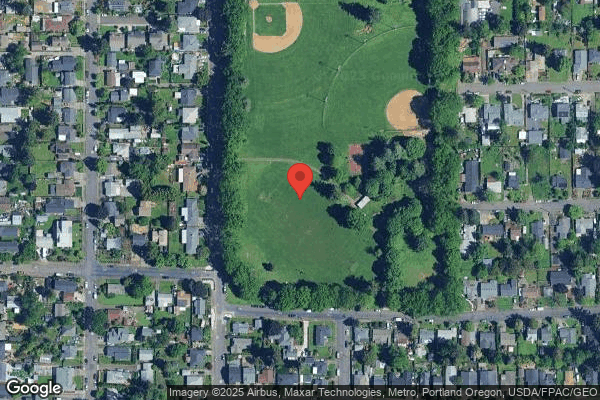

10948 S.E. BOISE, PORTLAND, OR 97266 (503) 760-1727
For profit - Corporation 80 Beds Independent Data: November 2025 1 Immediate Jeopardy citation
Trust Grade
0/100
#115 of 127 in OR
Last Inspection: July 2025

Inspected within the last 6 months. Data reflects current conditions.

Overview

Gracelen Care Center has received a Trust Grade of F, indicating significant concerns about the quality of care provided at this facility. It ranks #115 out of 127 nursing homes in Oregon, placing it in the bottom half, and #32 out of 33 in Multnomah County, suggesting that there are very few options for better care nearby. The facility is showing an improving trend, with issues decreasing from 18 in 2024 to 9 in 2025, although it still has a high number of total deficiencies at 54. Staffing is rated average with a turnover rate of 0%, which is much better than the state average, and there are no fines on record, which is a positive sign. However, serious incidents have occurred, including a resident experiencing a hip fracture due to an avoidable fall and staff failing to perform proper hand hygiene, which poses risks for infection spread. Overall, while there are some positive aspects like low turnover and no fines, the facility's low trust grade and numerous issues raise significant concerns for families considering this nursing home.

Trust Score
F
0/100
In Oregon
#115/127
Bottom 10%
Safety Record
High Risk
Review needed
Inspections
Getting Better
18 → 9 violations
Staff Stability
○ Average
Turnover data not reported for this facility.
Penalties
✓ Good
No fines on record. Clean compliance history, better than most Oregon facilities.
Skilled Nurses
⚠ Watch
Each resident gets only 25 minutes of Registered Nurse (RN) attention daily — below average for Oregon. Fewer RN minutes means fewer trained eyes watching for problems.
Violations
⚠ Watch
54 deficiencies on record. Higher than average. Multiple issues found across inspections.
★☆☆☆☆
1.0
Overall Rating
★★★☆☆
3.0
Staff Levels
★★★★☆
4.0
Care Quality
★☆☆☆☆
1.0
Inspection Score
Stable
2024: 18 issues
2025: 9 issues

The Good

  • 4-Star Quality Measures · Strong clinical quality outcomes
  • Full Sprinkler Coverage · Fire safety systems throughout facility
  • No fines on record

Facility shows strength in quality measures, fire safety.

The Bad

1-Star Overall Rating

Below Oregon average (3.0)

Significant quality concerns identified by CMS

The Ugly 54 deficiencies on record

1 life-threatening 9 actual harm
Aug 2025 1 deficiency 1 Harm
SERIOUS (G) 📢 Someone Reported This

A family member, employee, or ombudsman was alarmed enough to file a formal complaint

Actual Harm - a resident was hurt due to facility failures

Accident Prevention (Tag F0689)

A resident was harmed · This affected 1 resident

**NOTE- TERMS IN BRACKETS HAVE BEEN EDITED TO PROTECT CONFIDENTIALITY** Based on observation, interview and record review it was determined the facility failed to ensure equipment was properly secure ...

Read full inspector narrative →
**NOTE- TERMS IN BRACKETS HAVE BEEN EDITED TO PROTECT CONFIDENTIALITY** Based on observation, interview and record review it was determined the facility failed to ensure equipment was properly secure to prevent falls for 1 of 1 sampled resident (#1) reviewed for accidents. This failure resulted in Resident 1 experiencing an avoidable fall, resulting with a fractured hip which required surgery. The facility identified the failed practice; an avoidable accident related to improper use of a shower gurney (a specialized piece of equipment designed to bathe individuals who are unable to sit upright during a shower). The facility removed the device from use until staff were trained, and competency was demonstrated. Corrective actions were completed on 1/17/25. This failed practice was identified as past noncompliance. Findings include:Resident 1 admitted to the facility in 2023 with diagnosis including movement disorder and chronic incomplete quadriparesis (form of paralysis affecting all four limbs with some motor function and sensation preserved). Resident 1's 8/23/24 Annual MDS revealed the resident was cognitively intact and was dependent on staff for bathing. A FRI was submitted to the State Agency on 11/11/25 at 9:43 AM to report Resident 1 experienced a fall in the shower at 7:50 AM. A 1/11/25 at 10:09 AM Progress Note by Staff 2 (LPN) revealed Resident 1 fell in the shower, 911 was called and the resident was sent to the hospital. At 5:38 PM the hospital called the facility and Resident 1 was admitted to the hospital with a left hip fracture. A care plan dated 1/11/25 indicated Resident 1 was dependent on one staff member for assistance during showers. A 1/17/25 facility investigation revealed on 1/11/25 Staff 3 (CNA) provided Resident 1 with a routine shower in the facility's shower room. The investigation determined the staff failed to ensure the shower gurney was properly locked for safety which caused Resident 1‘s head to lower and fall to the floor. Resident 1 re-admitted to the facility on [DATE] with a diagnosis including a post-surgical repair of the left hip.On 8/28/25 at 9:35 AM Resident 1 recalled her/his 1/11/25 fall in the shower in detail and believed the fall was a freak accident. Resident 1 stated Staff 3 followed her/his care plan and tried to make her/his head more comfortable when the shower gurney head went down. Resident 1 stated she/he did not experience pain at the time of the incident. On 8/28/25 at 10:34 AM Staff 3 stated she provided Resident 1 a shower on 1/11/25 which resulted in a fall. Staff 3 recalled she tried to put a towel under Resident 1's head, the head of the shower gurney (a specialized piece of medical equipment designed to bathe individuals who are unable to stand or sit upright during a shower) fell backwards and the resident fell to the floor. Staff 3 reported the shower gurney was a new piece of equipment and believed it appeared and felt safe when she transported Resident 1 to the shower room. After the fall Staff 3 stated she learned the gurney had a safety clip that should have been in secured however, she was not trained on how to use the equipment prior to its use. On 8/28/25 at 11:00 AM Staff 2 stated she was called to the shower room after Resident 1 had fallen to the floor. She recalled when she arrived at the shower room, the head and lower part of the leg section of the shower gurney had fallen down and Resident 1 was on the floor. Staff 2 called 911, the resident was sent to the hospital and had surgery for a hip fracture. On 8/28/25 at 11:09 AM Staff 4 (Maintenance Director) stated the shower gurney used in Resident 1's 1/11/25 fall was a new piece of equipment and was different from the other shower chairs used in the facility. He stated he inspected the shower gurney after the incident and observed the medal pin was not locked in the pin bar which was necessary for safety. Staff 4 immediately removed the shower gurney from the facility, education was provided, and he was unaware of any other falls from equipment in disrepair or misused. Observations were made of the facility's shower chairs and gurneys on 8/28/25 at 11:14 AM with Staff 4. Staff 4 demonstrated the shower equipment movements and how to place them in locked position. No shower equipment was found in disrepair. On 8/28/25 at 11:40 AM Staff 2 (DNS) confirmed Resident 1's 1/11/25 fall in the shower resulted in hospitalization and hip surgery. Staff 2 confirmed she completed the 1/17/25 investigation which concluded the fall was due to staff not properly securing the shower gurney. She expected all staff to use the shower equipment properly and all parts should be locked while providing a shower. On 1/17/25, the Past Noncompliance was corrected when the facility completed a root cause analysis of the incident and determined staff was not trained for the proper use of the new shower gurney. The Plan of Correction included: 1. Staff educated on shower equipment use. 2. The new shower gurney was removed from the facility until staff were trained and competency was demonstrated. 3. The Maintenance Director inspected all the shower equipment to ensure safety. 4. If new shower equipment was purchased, which was different than current shower equipment used, the Maintenance Director would conduct training prior to the use of the new equipment. 5. The Maintenance Director conducts monthly inspection of all shower equipment. The facility's implementation of corrective actions was verified through the survey process. Observations conducted throughout the facility on 8/28/25 revealed no concerns with use of shower equipment.
Jul 2025 8 deficiencies
CONCERN (D)

Potential for Harm - no one hurt, but risky conditions existed

Report Alleged Abuse (Tag F0609)

Could have caused harm · This affected 1 resident

Based on interview and record review it was determined the facility failed to report an incident of potential abuse to the State Agency within the required timeframe for 1 of 1 sampled resident (#1) r...

Read full inspector narrative →
Based on interview and record review it was determined the facility failed to report an incident of potential abuse to the State Agency within the required timeframe for 1 of 1 sampled resident (#1) reviewed for abuse. This placed residents at risk for abuse. Findings include: The facility's 6/12/18 Abuse Prevention Policy and Procedure revealed it was the policy of the facility that all suspected or alleged cases of abuse shall be reported according to State and Federal regulations. On 7/21/25 at 6:55 PM Witness 3 (Family Member) stated Resident 1 moved rooms because her/his former roommate, Resident 8, shoved her/him into a wall. Witness 3 reported the physical altercations to facility staff immediately. On 7/25/25 at 10:18 AM Staff 21 (RN) stated she did not contact the State Agency to report the allegation of abuse. Staff 21 stated the incident occurred prior to the start of her shift at 6:00 PM and the information was reported to her during shift change. Staff 21 stated she called Staff 1 (Administrator) and Staff 2 (DNS) to report the allegation more than two hours after she was aware of the allegation. On 7/25/25 at 11:32 AM Staff 1 confirmed no report of an allegation of abuse was made to the State Agency which involved Resident 1 and Resident 8. Staff 1 expected all allegations of abuse to be reported to the State Agency within the required two-hour time frame.
CONCERN (D)

Potential for Harm - no one hurt, but risky conditions existed

Investigate Abuse (Tag F0610)

Could have caused harm · This affected 1 resident

Based on interview and record review it was determined the facility failed to complete a thorough investigation of an allegation of abuse for 1 of 1 sampled resident (#1) reviewed for abuse. This plac...

Read full inspector narrative →
Based on interview and record review it was determined the facility failed to complete a thorough investigation of an allegation of abuse for 1 of 1 sampled resident (#1) reviewed for abuse. This placed residents at risk for abuse and inaccurate investigations. Findings include:The facility's 6/12/18 Abuse Prevention Policy and Procedure revealed all suspected or alleged cases of abuse shall be thoroughly and completely investigated. The procedure directed staff as soon as a report of alleged or suspected abuse was received, the investigation would begin and be completed within five days. Resident 1's 7/18/25 progress note revealed she/he had been moved to a new room following an altercation with her/his former roommate. On 7/21/25 at 6:55 PM Witness 3 (Family Member) stated Resident 1 moved rooms because her/his former roommate, Resident 8, shoved her/him into a wall. Witness 3 reported the altercation to staff immediately. On 7/25/25 at 10:18 AM Staff 21 (RN) stated staff told her of an incident which occurred prior to the start of her shift at 6:00 PM, between Resident 1 and Resident 8. Staff 21 spoke to Witness 3 who indicated Resident 8 shoved Resident 1 into a wall. On 7/25/25 at 11:32 AM Staff 1 (Administrator) confirmed a thorough investigation had not been completed for the 7/18/25 allegation of possible abuse between Resident 1 and Resident 8 timely. Staff 1 expected all allegations of abuse to be thoroughly investigated.
CONCERN (D)

Potential for Harm - no one hurt, but risky conditions existed

Comprehensive Care Plan (Tag F0656)

Could have caused harm · This affected 1 resident

**NOTE- TERMS IN BRACKETS HAVE BEEN EDITED TO PROTECT CONFIDENTIALITY** Based on observation, interview and record review it was determined the facility failed to implement the care plan for 2 of 5 sa...

Read full inspector narrative →
**NOTE- TERMS IN BRACKETS HAVE BEEN EDITED TO PROTECT CONFIDENTIALITY** Based on observation, interview and record review it was determined the facility failed to implement the care plan for 2 of 5 sampled residents (#s 3 and 59) reviewed for accidents. This placed residents at risk for avoidable injury. Findings include:1. Resident 59 was admitted to the facility in 10/2024 with diagnoses including stroke and anxiety. A Fall Risk assessment dated [DATE] determined Resident 59 was at high risk for falling. The 5/21/25 Care Plan identified Resident 59 a high fall risk for falls. Interventions included a fall mat to be placed at bedside when the resident was in bed. On 7/24/25 at 8:32 AM Resident 59 was observed asleep in bed without a fall mat in place. On 7/24/25 at 8:34 AM Staff 7 (CNA) stated Resident 59 was at risk for falls but did not have any fall interventions in place. On 7/24/25 at 8:59 AM Staff 3 (Resident Care Manager-LPN) stated Resident 59's Care Plan included having a fall mat in place when the resident was in bed. Staff 3 confirmed Resident 59's care plan were not being implemented, and all CNAs were expected to implement and follow the care plan. 2. Resident 3 was admitted to the facility in 7/2023 with diagnoses including dementia and stroke. Resident 3’s 7/2/25 care plan revealed she/he was a fall risk with interventions including placement of a fall mat when she/he was in bed. On 7/23/25 at 3:22 PM and 7/25/25 at 9:51 AM, Resident 3 was observed in bed sleeping with no fall mat on the floor. On 7/25/25 at 10:12 AM, Staff 11 (CNA) was not sure of the fall interventions for Resident 3. On 7/25/25 at 10:17 AM, Staff 13 (CNA) acknowledged Resident 3 was a fall risk but did not know about her/his fall interventions. On 7/25/25 at 10:38 AM, Staff 3 (Resident Care Manager-LPN) stated Resident 3 was a fall risk, had a history of falling, and expected CNA staff to place a fall mat by Resident 3’s bed when she/he was in bed. Staff 3 observed Resident 3 in bed and acknowledged the absence of a fall mat on the floor and was unable to locate a fall mat in Resident 3's room.
CONCERN (D)

Potential for Harm - no one hurt, but risky conditions existed

Accident Prevention (Tag F0689)

Could have caused harm · This affected 1 resident

**NOTE- TERMS IN BRACKETS HAVE BEEN EDITED TO PROTECT CONFIDENTIALITY** Based on observation, interview and record review it was determined the facility failed to provide care planned interventions to...

Read full inspector narrative →
**NOTE- TERMS IN BRACKETS HAVE BEEN EDITED TO PROTECT CONFIDENTIALITY** Based on observation, interview and record review it was determined the facility failed to provide care planned interventions to prevent falls for 1 of 4 sampled residents (#48) reviewed for falls. This placed residents at risk for injury from falls. Findings include:Resident 48 admitted on 1/2025 with diagnoses including fibromyalgia (health condition which causes pain and tenderness throughout the body).The Quarterly MDS dated [DATE] indicated Resident 48 was cognitively impaired and she/he had a history of falls.The Quarterly MDS dated [DATE] indicated Resident 48 used a FWW (front wheel walker) and wheelchair to assist with ambulation.A review of Resident 48's medical record revealed the resident fell on 1/27/25, 5/11/25, 5/20/25 and 6/4/25.The 5/19/25 care plan indicated Resident 48 was to have a call don't fall sign within eyesight of the resident and was to have a FWW.On 7/21/25 at 9:55 AM and 1:03 PM, Resident 48 was observed leaning behind her/his wheelchair and used it to ambulate to the restroom. Resident 48 stated she/he was not offered a FWW to use. Random observations of Resident 48's room from 7/21/25 through 7/24/25 revealed no visual sign in her/his room and no FWW.On 7/24/25 at 1:59 PM, Staff 17 (CNA) stated there used to be a sign in Resident 48's room, but it was not currently posted. The sign was to remind Resident 48 to use her/his call light before getting out of bed. Staff 17 stated Resident 48 pushed her/his wheelchair and used it to ambulate. Staff 17 stated she/he was not given a FWW. On 7/25/25 at 10:14 AM, Staff 18 (CNA) stated there was no sign in Resident 48's room to remind the resident to utilize her/his call light prior to getting out of bed.On 7/25/25 at 10:38 AM, Staff 5 (LPN) stated Resident 48 walked behind the wheelchair to ambulate. Staff 5 stated she/he was not offered a FWW.On 7/25/25 at 10:44 AM, Staff 3 (Resident Care Manager- LPN) acknowledged the care plan indicated there was supposed to be a sign to remind Resident 48 to utilize the call light prior to getting out of bed. Staff 3 stated Resident 48 used a FWW to ambulate and was unaware Resident 48 used her/his wheelchair to ambulate.
CONCERN (D)

Potential for Harm - no one hurt, but risky conditions existed

Unnecessary Medications (Tag F0759)

Could have caused harm · This affected 1 resident

Based on observation, interview and record review it was determined the facility failed to ensure a medication administration error rate of less than 5%. There were three errors in 25 opportunities re...

Read full inspector narrative →
Based on observation, interview and record review it was determined the facility failed to ensure a medication administration error rate of less than 5%. There were three errors in 25 opportunities resulting in a 12% error rate. This placed residents at risk for reduced medication efficacy and adverse medication side effects. Findings include: The 2019 Insulin Lispro Solostar Pen Manufacturer Instructions for Use and the 2022 How to Use Lantus Pen Manufacturer Instructions specified the following:- to inject your dose, clean site with an alcohol swab, keep the pen straight, insert the needle into your skin, use the thumb to press the injection button all the way down. When the number in the dose window returns to zero as you inject, slowly count to 10 before removing (counting to 10 will makes sure residents received the full insulin dose), release the button and remove the needle from your skin.The facility's 3/2025 Insulin Administration Policy specified the following:-Depress the plunger and remove the needle after approximately five seconds.The 2024 What Happens If I Take CREON Without Food Manufacturer Instructions specified the following:-Creon needs to be taken with every meal and snack to work as expected. The digestive enzymes in CREON need to mix with food and enter the stomach and the small intestine at the same time.The facility's 4/2019 Administering Medications Policy specified the following:- Medications are administered within one hour of their prescribed time, unless otherwise specified (for example, before and after meal orders).1.Resident 3 was admitted to the facility in 2/2024 with diagnoses including type 2 diabetes mellitus (impaired insulin production).Resident 3's 7/2025 MAR included the following:- Insulin lispro injection solution, inject five units subcutaneously with meals.- Insulin glargine solution pen-injector, inject 46 units subcutaneously in the morning.On 7/23/25 at 7:36 AM, Staff 8 (LPN) was observed during Resident 3 and 52's medication administration. Staff 8 prepared five units of lispro insulin and injected Resident 3‘s arm and immediately removed the needle from the skin. Staff 8 did not perform the safety steps as indicated in the manufacturer's instructions.On 7/25/25 at 11:25 AM, Staff 2 (DNS) was informed about Resident 3 insulin administration and the improper use of the insulin pens, which were not held for 10 seconds before needle removal from the resident's skin, and the safety steps were not followed prior to administration. Staff 2 stated she expected staff to follow the safety steps for administering insulin. 2. Resident 52 was admitted to the facility in 12/2022 with diagnoses including type 2 diabetes mellitus (impaired insulin production).Resident 52's 7/2025 MAR included the following:- Insulin glargine solution pen-injector, inject 19 units subcutaneously two times a day.On 7/23/25 at 7:36 AM, Staff 8 (LPN) was observed during Resident 52's medication administration. Staff 8 prepared 19 units of glargine insulin and injected Resident 52's arm and immediately removed the needle from the skin. Staff 8 did not perform the safety steps as indicated in the manufacturer's instructions.On 7/25/25 at 11:25 AM, Staff 2 (DNS) was informed about Resident 52's insulin administration and the improper use of the insulin pens, which were not held for 10 seconds before needle removal from the resident's skin, and the safety steps were not followed prior to administration. Staff 2 stated she expected staff to follow the safety steps for administering insulin. 3. Resident 60 admitted to the facility in 11/2024 with diagnoses including type 2 diabetes mellitus (impaired insulin production).Resident 60's 7/2025 Physician Orders included the following:- Creon delayed release capsule, give one capsule by mouth with meals for digestion.On 7/24/25 at 11:48 AM, Staff 19 (CMA) was observed during Resident 60's medication administration. Staff 19 administered the scheduled medication without offering a snack or meal, and no food was observed in the resident's room. Staff 19 stated it was difficult to coordinate scheduled medications with meals or when meal trays arrived. She mentioned having one hour before and after the scheduled medication times to administer medications.On 7/25/25 at 11:25 AM, Staff 2 (DNS) was informed about Resident 60's Creon not administered with a snack or meal. Staff 2 stated she expected staff to implement and follow physician orders.
CONCERN (D)

Potential for Harm - no one hurt, but risky conditions existed

Deficiency F0761 (Tag F0761)

Could have caused harm · This affected 1 resident

**NOTE- TERMS IN BRACKETS HAVE BEEN EDITED TO PROTECT CONFIDENTIALITY** Based on observation, interview and record review it was determined the facility failed to ensure medication storage was free fr...

Read full inspector narrative →
**NOTE- TERMS IN BRACKETS HAVE BEEN EDITED TO PROTECT CONFIDENTIALITY** Based on observation, interview and record review it was determined the facility failed to ensure medication storage was free from expired biologicals for 1 of 1 medication rooms and treatment carts were locked and secured appropriately for 2 of 2 treatment carts observed (West Hall and East Hall) during random observations for medication and treatment cart storage and medication rooms. This placed residents at risk for unsafe access to stored medications and diminished treatment efficacy. Findings include:The facility's 11/2020 Storage of Medications Policy specified the following: - Drug containers that have missing, incomplete, improper, or incorrect labels are returned to the pharmacy for proper labeling before storing. Discontinued, outdated, or deteriorated drugs or biologicals are returned to the dispensing pharmacy or destroyed. 1.On [DATE] at 11:15 AM, one open, vial of tuberculin (used for the testing in the diagnosis of Tuberculosis) dated [DATE] was observed inside the refrigerator located in the medication storage room. On [DATE] at 11:35 PM, Staff 2 (DNS) acknowledged the vial of tuberculin was expired and expected staff to discard tuberculin vial within 30 days of opening. 2. On [DATE] at 8:19 AM, the East Hall treatment cart was unlocked. Staff and residents were observed to be walking by the treatment cart. On [DATE] at 8:32 AM, Staff 4 (LPN) acknowledged the unlocked treatment cart. The contents inside of the cart included insulin, insulin pens, needles, and resident prescribed oral medications. Staff 4 stated he was supposed to lock the treatment cart before walking away from the treatment cart.3. On [DATE] at 8:30 AM, the [NAME] Hall treatment cart was unlocked. The treatment cart contained insulin supplies, dressings, creams, and resident tube feeding medications. On [DATE] at 8:38 AM, Staff 6 (RN) stated the [NAME] Hall treatment cart was supposed to locked when unattended. On [DATE] at 10:15 AM, Staff 2 (DNS) stated she expected medication and treatment carts to be locked when staff were not in view of them.4. On [DATE] at 12:27 PM, the East Hall treatment cart was unlocked. The contents in the cart included insulin, insulin pens, needles, lubricants, and resident prescribed oral medications. Residents and staff were observed walking past the unlocked treatment cart. On [DATE] at 12:43 PM, Staff 5 (LPN) and Staff 2 (DNS) acknowledged the East Hall treatment cart was unlocked. Both stated treatment carts should not be unlocked when left unattended.
CONCERN (D)

Potential for Harm - no one hurt, but risky conditions existed

Infection Control (Tag F0880)

Could have caused harm · This affected 1 resident

**NOTE- TERMS IN BRACKETS HAVE BEEN EDITED TO PROTECT CONFIDENTIALITY** Based on observation, interview and record review it was determined the facility failed to perform hand hygiene for 1 of 1 sampl...

Read full inspector narrative →
**NOTE- TERMS IN BRACKETS HAVE BEEN EDITED TO PROTECT CONFIDENTIALITY** Based on observation, interview and record review it was determined the facility failed to perform hand hygiene for 1 of 1 sampled resident (#11) reviewed for wound care. This placed residents at an increased risk of infected wounds. Findings include:Resident 11 was admitted to the facility in 2025 with diagnoses including quadriplegia (partial or complete paralysis of all four limbs).The 2024 CDC Clinical Safety: Hand Hygiene for Health care workers specified the following:-Clean your hands immediately after glove removal to prevent the spread of germs and potential infections.A review of Resident 11's Quarterly MDS dated [DATE] indicated the resident was admitted with four pressure ulcers.A review of Resident 11's Annual MDS dated [DATE] indicated the resident acquired an in-facility pressure ulcer.A review of Resident 11's 7/2025 MAR indicated daily wound care to the sacrum (a bone at the base of the spine) and the right ischium (a bone forming the lower and back part of the hip bone) pressure ulcers.On 7/23/25 at 11:01 AM, During wound care to the ischium wound, Staff 8 (LPN) was observed to perform peri-care, removed gloves and donned new gloves. Staff 8 proceeded to cleanse wound, removed gloves and donned new gloves. Staff 8 proceeded to apply dressing, removed gloves and donned new gloves. No hand hygiene was observed in between donning and doffing of gloves.On 7/23/25 at 11:10 AM, During wound care to the sacral wound, Staff 8 was observed to cleanse wound, removed gloves and donned new gloves. No hand hygiene was observed in between donning and doffing of gloves.On 7/23/25 at 11:15 AM, Staff 8 stated he performed hand hygiene before and after care the wound care treatments. He acknowledged the lack of hand hygiene after removing gloves during wound care. On 7/25/25 at 11:25 AM, Staff 2 (DNS) stated she expected staff to perform hand hygiene after removal of gloves when performing wound care.
CONCERN (F)

Potential for Harm - no one hurt, but risky conditions existed

Deficiency F0727 (Tag F0727)

Could have caused harm · This affected most or all residents

Based on interview and record review it was determined the facility failed to ensure RN coverage for 8 consecutive hours 7 days per week for 8 of 62 days reviewed for staffing. This placed residents a...

Read full inspector narrative →
Based on interview and record review it was determined the facility failed to ensure RN coverage for 8 consecutive hours 7 days per week for 8 of 62 days reviewed for staffing. This placed residents at risk for lack of care. Findings include: A review of the Direct Care Staff Daily Reports for 7/1/24 through 7/31/24 and 6/19/25 through 7/24/25 revealed there were eight days without eight consecutive hours of registered nurse coverage on any shift in a 24 hour period:-7/7/24-7/13/24-7/14/24-7/21/24-7/22/24-7/28/24-7/29/24-7/13/25On 7/25/25 at 9:12 AM Staff 16 (Staffing Coordinator) acknowledged the facility did not have adequate RN coverage on the above dates and understood the need to staff the facility with an RN in order to provide residents with care and assessments they needed. On 7/25/25 9:44 AM Staff 1 (Administrator) stated she expected the facility to be staffed appropriately with RN coverage to ensure residents received appropriate care and services.
Dec 2024 2 deficiencies
CONCERN (D) 📢 Someone Reported This

A family member, employee, or ombudsman was alarmed enough to file a formal complaint

Potential for Harm - no one hurt, but risky conditions existed

Free from Abuse/Neglect (Tag F0600)

Could have caused harm · This affected 1 resident

Based on observation, interview, and record review it was determined the facility failed to protect a resident's right to be free from mental abuse by staff for 1 of 5 sampled residents (#8) reviewed ...

Read full inspector narrative →
Based on observation, interview, and record review it was determined the facility failed to protect a resident's right to be free from mental abuse by staff for 1 of 5 sampled residents (#8) reviewed for abuse. This placed residents at risk for further mental abuse. Findings include: On 9/5/24 the State Survey Agency received a public complaint which alleged Resident 8 was spoken to rudely and threatened by a CNA. Resident 8 was admitted to the facility in 9/2024, with diagnoses including vascular dementia and a hip fracture. Resident 8's 9/9/24 admission MDS indicated she/he was cognitively intact. On 12/17/24 at 9:00 AM, Staff 5 (CNA) stated Staff 3 (CNA) stated to her and Staff 4 (CNA) tell Resident 8 that you will put them in a room by herself/himself with the door closed and no call light if Resident 8 was on the call light too much. Staff 5 stated Staff 3 informed them she knew Resident 8 from the hospital and saying those things worked there. Staff 5 stated they immediately reported to management. On 12/19/24 @ 8:03 AM, Staff 4 (CNA) stated Staff 3 (CNA) stated to her and staff 5 (CNA) tell Resident 8 that you will put them in a room by herself/himself with the door closed and no call light if Resident 8 was on the call light too much. Staff 4 stated Staff 3 informed them she knew Resident 8 from the hospital and saying those things worked there. Staff 4 stated her, and Staff 5 reported the incident immediately to management. On 12/19/24 at 9:51 AM, this surveyor attempted to reach Staff 3 via phone. Staff 3 refused to speak to this surveyor. On 12/19/24 at 10:40 AM, Resident 8 stated she/he recalled being threatened by a staff member for using the call light too much. Resident 8 stated they told me if I used the call light too much I would have been put in a room by myself and would not receive any help no matter how much I called. Resident 8 stated Staff 3 (CNA) did also turn off the lights one time. Resident 8 screamed and Staff 3 turned the lights back on. Resident 8 stated it was a terrifying few moments. On 12/13/24 at 2:49 PM, Staff 1 (DNS) and Staff 2 (Administrator) confirmed the incident occurred.
CONCERN (D) 📢 Someone Reported This

A family member, employee, or ombudsman was alarmed enough to file a formal complaint

Potential for Harm - no one hurt, but risky conditions existed

Transfer Requirements (Tag F0622)

Could have caused harm · This affected 1 resident

Based on interview and record review it was determined the facility failed to document the basis for transfer and failed to include code and health status to the receiving provider for 1 of 3 sampled ...

Read full inspector narrative →
Based on interview and record review it was determined the facility failed to document the basis for transfer and failed to include code and health status to the receiving provider for 1 of 3 sampled residents (#7) reviewed for hospitalization. This placed residents at risk for inaccurate health care. Findings include: Resident 7 was admitted to the facility in 8/2024, with diagnoses including traumatic brain injury and delirium. Resident 7's 10/3/24 Discharge MDS indicated the resident was discharged to an acute care hospital. Review of Resident 7's medical record revealed no documentation to indicate the basis for the transfer and if appropriate information was communicated to the receiving hospital. There was no information demonstrating why the facility could not meet the resident's needs and whether the discharge was initiated by the resident or the facility. On 12/19/24 at 10:40 AM, Staff 1 (DNS) was informed of the findings of this investigation and acknowledged the discharge information was not documented in Resident 7's medical record.
Apr 2024 16 deficiencies
CONCERN (D)

Potential for Harm - no one hurt, but risky conditions existed

Resident Rights (Tag F0550)

Could have caused harm · This affected 1 resident

Based on observation, interview and record review it was determined the facility failed to ensure residents were treated with dignity related to dining needs for 1 of 2 sampled dining rooms reviewed f...

Read full inspector narrative →
Based on observation, interview and record review it was determined the facility failed to ensure residents were treated with dignity related to dining needs for 1 of 2 sampled dining rooms reviewed for dining. This placed residents at risk for lack of a dignity. Findings include: The facility's 3/2022 Assistance with Meals Policy indicated residents would receive assistance with meals in a manner that met the individual needs of each resident. Residents unable to feed themselves would be fed with attention to safety, comfort and dignity including not standing over residents while assisting them with meals. On 4/2/24 between the hours of 11:55 AM and 12:30 PM, during the lunch meal in the East dining room, the following observations were made: -The East dining room consisted of four tables with two to three residents placed at each table, one resident placed at a bedside table and another resident sitting in a wheelchair. -Staff 8 (CNA) provided assisted with the lunch meal at a table with three males, standing over one resident as she provided eating assistance. While Staff 8 stood, she also assisted a second resident, alternating eating assistance between the two residents. -Staff 22 (RN) arrived at the table and assisted the third resident with eating assistance while standing over the resident. Both Staff 8 and Staff 22 stood while assisting the residents with their meals. On 4/2/24 at 12:30 PM Staff 8 stated CNAs were not supposed to stand over residents while assisting them at meals because it was not dignified. Staff 8 stated there were not enough stools for all of the CNAs so she had to stand. On 4/2/24 at 12:30 PM Staff 22 stated staff were not supposed to stand while assisting residents during meals. Staff 22 stated staff were to sit and be face-to-face with residents when assisting them. Staff 22 stated there were not enough stools to allow each staff to sit when assisting residents during meals. On 4/8/24 at 10:33 AM Staff 2 (DNS) stated staff were not supposed to stand while providing eating assistance to residents as this was considered a lack of dignity and she expected staff to sit when assisting residents with their meals.
CONCERN (D)

Potential for Harm - no one hurt, but risky conditions existed

Deficiency F0552 (Tag F0552)

Could have caused harm · This affected 1 resident

2. Resident 12 was admitted to the facility in 2024 with diagnoses including anxiety disorders and depression. a. Resident 12's 3/19/24 Physician Order indicated the resident was prescribed clonazepa...

Read full inspector narrative →
2. Resident 12 was admitted to the facility in 2024 with diagnoses including anxiety disorders and depression. a. Resident 12's 3/19/24 Physician Order indicated the resident was prescribed clonazepam (anti-seizure) for anxiety and restlessness. Resident 12's 3/2024 and 4/2024 MARs revealed the resident received clonazepam daily. Review of Resident 12's health record revealed no documentation to indicate the resident was informed in advance of the risks and benefits of clonazepam. b. Resident 12's 3/29/24 Physician Order indicated the resident was prescribed Celexa (anti-depressant) for depression. Resident 12's 3/2024 and 4/2024 MARs revealed the resident received Celexa daily. Review of Resident 12's health record revealed no documentation to indicate the resident was informed in advance of the risks and benefits of Celexa. c. Resident 12's 3/30/24 Physician Order indicated the resident was prescribed asenapine (antipsychotic) for psychotic symptoms. Resident 12's 3/2024 and 4/2024 MARs revealed the resident received asenapine daily. Review of Resident 12's health record revealed no documentation to indicate the resident was informed in advance of the risks and benefits of asenapine. On 4/4/24 at 12:40 PM Staff 3 (LPN Resident Care Manager) reviewed Resident 12's health record, acknowledged there was no documentation to indicate the resident was informed of the risks and benefits of asenapine, clonazepam and Celexa. Staff 3 confirmed consent was not obtained from Resident 12 prior to the resident starting the medications. Based on interview and record review it was determined the facility failed to ensure consent was obtained prior to administering psychotropic and antiviral medications to 2 of 5 sampled residents (#s 12 and 29) reviewed for medications. This placed residents at risk for being uninformed about their medications. Findings include: 1. Resident 29 was admitted to the facility in 12/2023 with diagnoses including Alzheimer's disease. Resident 29's Profile Information Sheet indicated the resident's spouse was the resident's responsible party. Resident 29's 12/2023, 1/2024, 2/2024, 3/2024 and 4/2024 Physician Orders included mirtazapine (antidepressant) and quetiapine (antipsychotic). Resident 29's 12/2023, 1/2024, 2/2024, 3/2024 and 4/2024 MARs revealed the resident received mirtazapine 15 mg daily and quetiapine 25 mg - 50 mg daily. Review of Resident 29's health record revealed no documentation to indicate the resident or her/his representative was informed of the risks, benefits and potential side effects of mirtazapine and quetiapine and no evidence the resident consented to receive the medications. On 4/5/24 at 1:00 PM Staff 12 (LPN Resident Care Manager) reviewed Resident 29's health record and was unable to locate evidence the resident or the resident's representative was informed of the risks, benefits and potential side effects of mirtazapine and quetiapine and was unable to provide documentation the resident's representative consented to the medications prior to administration. On 4/5/24 at 1:32 PM Staff 2 (DNS) was notified of the findings of this investigation and acknowledged the lack of evidence regarding medication information and consent.
CONCERN (D)

Potential for Harm - no one hurt, but risky conditions existed

Deficiency F0558 (Tag F0558)

Could have caused harm · This affected 1 resident

Based on observation, interview and record review it was determined the facility failed to provide reasonable accommodations for 1 of 1 sampled resident (#37) reviewed for wheelchair accommodations. T...

Read full inspector narrative →
Based on observation, interview and record review it was determined the facility failed to provide reasonable accommodations for 1 of 1 sampled resident (#37) reviewed for wheelchair accommodations. This placed residents at risk for unmet needs. Findings include: Resident 37 admitted to the facility in 4/2021 with diagnoses including Parkinson's disease (a disorder affecting movements). Observation on 4/3/24 at 12:21 PM revealed Resident 37 was sitting in her/his wheelchair with her/his calves pressed against the back of exposed metal on her/his chair and the left arm rest pad was missing, leaving a metal bar exposed for her/his arm to rest on. On 4/5/24 at 10:08 AM Resident 37 stated the back of her/his legs hurt. On 4/5/24 at 10:34 AM Staff 10 (CNA) stated she reported the missing arm rest pad to maintenance a while ago. On 4/5/24 at 11:22 AM Staff 3 (LPN Resident Care Manager) stated she was not aware of Resident 37's missing arm rest pad or and that her/his legs were resting against exposed metal. Staff 3 observed the back of Resident 37's calves and stated there were bad indentations because of the exposed metal. Staff 3 stated Resident 37 needed a cushion or wedge to keep her/his legs from resting on the metal. On 4/5/24 at 1:01 PM Staff 7 (Maintenance Director) stated he was not aware of Resident 37's missing arm rest pad or the metal being exposed on the seat of the wheelchair.
CONCERN (D) 📢 Someone Reported This

A family member, employee, or ombudsman was alarmed enough to file a formal complaint

Potential for Harm - no one hurt, but risky conditions existed

Safe Environment (Tag F0584)

Could have caused harm · This affected 1 resident

**NOTE- TERMS IN BRACKETS HAVE BEEN EDITED TO PROTECT CONFIDENTIALITY** Based on observation and interview it was determined the facility failed to maintain a homelike environment for 1 of 1 facility ...

Read full inspector narrative →
**NOTE- TERMS IN BRACKETS HAVE BEEN EDITED TO PROTECT CONFIDENTIALITY** Based on observation and interview it was determined the facility failed to maintain a homelike environment for 1 of 1 facility reviewed for environment. This placed residents at risk for living in an unkempt environment. Findings include: Observations of the facility's general environment and residents' rooms from 4/2/24 through 4/8/24 identified the following issues: -room [ROOM NUMBER] had a section of missing cove base behind the door, scrapes of missing paint along the wall under the window, gouges of missing wood on the window sill and the bedside table base was covered with paint chips. -Floor mats in multiple resident rooms were torn and tattered. -West hall sitting area across from the DNS office had an approximate 12 inch piece of wall covering peeling from underneath the window sill, a long crack in the wall with missing paint above the hand hygiene dispenser, and four large screws sticking out of the wall below the flag quilt. -The west dining room had an area on the north wall with missing paint and brackets were sticking out. On 4/8/24 at 11:31 AM Staff 7 (Maintenance Director) acknowledged these issues created an unkempt environment.
CONCERN (D) 📢 Someone Reported This

A family member, employee, or ombudsman was alarmed enough to file a formal complaint

Potential for Harm - no one hurt, but risky conditions existed

Free from Abuse/Neglect (Tag F0600)

Could have caused harm · This affected 1 resident

Based on observation, interview and record review it was determined the facility failed to protect the resident's right to be free from physical abuse by a resident for 1 of 4 sampled residents (#5) r...

Read full inspector narrative →
Based on observation, interview and record review it was determined the facility failed to protect the resident's right to be free from physical abuse by a resident for 1 of 4 sampled residents (#5) reviewed for abuse. This placed residents at risk for abuse. Findings include: Resident 5 was admitted to the facility in 2/2024 with diagnoses including post-traumatic stress disorder (a disorder in which a person has difficulty recovering after experiencing or witnessing a terrifying event). Resident 5's 3/5/24 admission MDS indicated the resident was moderately cognitively impaired. Resident 4 was admitted to the facility in 3/2024 with diagnoses including alcohol-induced dementia. Resident 4's 3/22/24 admission MDS indicated the resident was moderately cognitively impaired. Resident 4's 5/16/24 Care Plan revealed the following: -The resident was involved in an incident which involved physical aggression on 5/8/24 with another resident and on 5/14/24 with a staff member. -The resident's behaviors included wandering, exit-seeking, verbal aggression and physical aggression. A 5/21/24 FRI indicated Resident 4 was agitated after dinner and was found with her/his hands around the neck of Resident 5. The residents were separated, and Resident 5 did not sustain any injuries. The FRI also indicated Resident 4 had been involved in a similar incident prior to this event. A 5/21/24 Witness Statement completed by Staff 8 (CNA) revealed Resident 4 had been verbally aggressive towards other residents, shouting and swearing at them, prior to the incident that occurred between Residents 4 and 5. A 5/21/24 Witness Statement completed by Staff 5 (CNA) revealed Staff 5 witnessed Resident 4 exhibit violent behavior against Resident 5 in the facility's dining room. The Witness Statement indicated a nurse intervened at the time of this altercation, and Resident 4 was known to experience continuous aggressive changes in behavior. On 5/23/24 at 11:55 AM Resident 4 was observed in her/his room in bed. Staff 4 (CNA) sat in the hallway just outside of the resident's room. Resident 4 stated everything at the facility was good and she/he did not recall any verbal or physical altercations with other residents or staff. On 5/23/24 at 11:59 AM Staff 4 stated Resident 4 required one-to-one supervision because she/he tried to choke Resident 5. On 5/23/24 at 1:06 PM Staff 8 stated Resident 4 had become very aggressive after a fall about a month ago. Staff 8 stated since the fall, Resident 4 became upset easily if a lot was going on and it had to be quiet in the dining room. Staff 8 further stated Resident 4 would often tell other residents to shut up. Staff 8 stated on 5/21/24 Resident 4 was in the dining room prior to the incident that occurred with Resident 5 and was extremely agitated. Staff 8 stated Resident 4 yelled at other residents to shut up and leave her/him alone prior to dinner. Staff 8 stated she did not witness the incident on 5/21/24 between Residents 4 and 5 but was told by Staff 6 (LPN) that Resident 4 put her/his hands around Resident 5's neck. Staff 8 stated Resident 5 was confused after the incident and told her she/he would punch Resident 4 if the resident tried to choke her/him again. On 5/23/24 at 1:21 PM Staff 6 stated he was the nurse on 5/21/24 when the incident between Residents 4 and 5 occurred. Staff 6 stated Resident 4 was agitated at baseline but was extra agitated on this particular day. Staff 6 stated he was in the dining room shortly after dinner on 5/21/24 when he observed Resident 4 place her/his hands around Resident 5's neck. Staff 6 stated he was able to immediately intervene and separate the residents. Staff 6 stated he assessed Resident 5 for injuries and there were none. On 5/23/24 at 1:55 PM Resident 5 was observed in her/his room in bed. Resident 5 stated Resident 4 tried to choke her/him the other night and it hurt when [she/he] did it but hasn't hurt since. Resident 5 stated she/he was worried Resident 4 was going to try and choke her/him again, but she/he was not afraid of the resident. On 5/23/24 at 2:30 PM Staff 7 (CNA) stated Resident 5 reported she/he could not sleep the night following the incident because she/he was concerned about Resident 4. On 5/23/24 at 2:37 PM Staff 5 stated Resident 4 has been physically violent towards staff and has made body motions to indicate physical violence towards residents prior to the incident on 5/21/24. Staff 5 further stated Resident 4's behavior on 5/21/24 had been very violent even prior to the incident. On 5/24/24 at 11:19 AM Staff 2 (DNS) acknowledged Resident 4 experienced both verbal and physically aggressive behaviors, and the resident had her/his hands around Resident 5's neck on 5/21/24.
CONCERN (D)

Potential for Harm - no one hurt, but risky conditions existed

Deficiency F0604 (Tag F0604)

Could have caused harm · This affected 1 resident

Based on observation, interview and record review it was determined the facility failed to obtain consent, assess, monitor and reevaluate for use of a restraint for 1 of 1 sampled resident (#5) review...

Read full inspector narrative →
Based on observation, interview and record review it was determined the facility failed to obtain consent, assess, monitor and reevaluate for use of a restraint for 1 of 1 sampled resident (#5) reviewed for restraints. This placed residents at risk for inappropriate use of a restraint. Findings include: The facility's 4/2017 Use of Restraints Policy stated the following: -Restraints shall only be used upon the written order of a physician and after obtaining consent from the resident and/or representative. -Restrained individuals shall be reviewed regularly (at least quarterly) to determine whether they are candidates for restraint reduction, less restrictive methods of restraints, or total restraint elimination. - Resident and/or surrogate/sponsor shall be informed about the potential risks and benefits of all options under consideration, including the use of restraints, not using restraints, and the alternatives to restraint use. Resident 5 was admitted to the facility in 8/2007 with diagnoses including schizophrenia and dementia with behavioral disturbances. A 7/12/23 Annual MDS reported Resident 5 had a severe cognitive impairment. On 4/3/24 at 9:27 AM Resident 5 was observed laying in bed with four bolster pillows (long tube-shaped pillows) at the left and right sides of the bed. Two pillows were placed on either side of Resident 5's upper body and two pillows were placed on either side of Resident 5's lower body. Review of Resident 5's records revealed consent was not obtained regarding the use of the bolster pillows. Assessment, monitoring and reevaluation of the continued use of the bolster pillows was not performed for the use of bolster pillows. On 4/8/24 at 9:19 AM Staff 3 (LPN Resident Care Manager) stated Resident 5 was able to move in bed and the bolster pillows were there to prevent her/him from falling out of bed. Staff 3 confirmed consent was not obtained from Resident 5's representative for the use of bolster pillows. Staff 3 confirmed no assessment, monitoring or reevaluation was performed for the use of bolster pillows for Resident 5.
CONCERN (D) 📢 Someone Reported This

A family member, employee, or ombudsman was alarmed enough to file a formal complaint

Potential for Harm - no one hurt, but risky conditions existed

Report Alleged Abuse (Tag F0609)

Could have caused harm · This affected 1 resident

Based on interview and record review it was determined the facility failed to report an incident of suspected abuse in a timely manner for 2 of 4 sampled residents (#s 3 and 18) reviewed for abuse. Th...

Read full inspector narrative →
Based on interview and record review it was determined the facility failed to report an incident of suspected abuse in a timely manner for 2 of 4 sampled residents (#s 3 and 18) reviewed for abuse. This placed residents at risk for abuse. Findings include: Resident 3 was admitted to the facility in 12/2020 with diagnoses including dementia with agitation. Resident 18 was admitted to the facility in 12/2020 with diagnoses including dementia with behavior disturbance and delusional disorder. On 7/25/22 at 11:53 AM a FRI was submitted which indicated on 7/22/22 at 6:17 PM Resident 18 and Resident 3 were overheard yelling at each other and then observed hitting each other. On 4/5/24 at 1:36 PM Staff 1 (Administrator) confirmed the incident of abuse between Resident 3 and Resident 18 occurred and there was a delay in reporting the incident within the required two hour reporting timeframe.
CONCERN (D)

Potential for Harm - no one hurt, but risky conditions existed

Deficiency F0657 (Tag F0657)

Could have caused harm · This affected 1 resident

Based on observation, interview and record review it was determined the facility failed to ensure care plans were revised to accurately reflect the needs of residents for 1 of 2 sampled residents (#8)...

Read full inspector narrative →
Based on observation, interview and record review it was determined the facility failed to ensure care plans were revised to accurately reflect the needs of residents for 1 of 2 sampled residents (#8) reviewed for ADLs. This placed residents at risk for unmet needs. Findings include: Resident 8 was admitted to the facility in 12/2023 with diagnoses including schizoaffective disorder (a mental health condition), bipolar disorder (a mental health condition) and stroke. Resident 8's current care plan indicated the following: -Resident 8 required extensive assistance of one person for toileting. -Resident 8 required extensive assistance of one person for dressing and personal hygiene. -Resident 8 required extensive assistance of one person for ambulation while using a front wheeled walker. -Resident 8 required extensive assistance of one person for bed mobility and transfers. Multiple observations from 4/2/24 through 4/8/24 between the hours of 8:00 AM and 3:30 PM revealed Resident 8 independently moved in her/his bed, transferred from the bed to standing and/or to her/his wheelchair without assistance, dressed herself/himself and ambulated independently around her/his room without an assistive device. The resident was also observed walking down the east hallway with her/his walker without staff assistance. On 4/4/24 at 10:16 AM Staff 36 (CNA) reported Resident 8 completed most of her/his ADL care on her/his own and she checked on her/him occasionally to see if the resident needed any help. Staff 36 reported Resident 8 used a urinal and CNA staff emptied it for her/him. Staff 36 stated Resident 8 toileted, transferred and fed herself/himself without assistance. On 4/5/24 at 10:24 Staff 19 (CNA) stated Resident 8 did everything on her/his own. Staff 19 stated the resident changed her/his own brief independently and ambulated with a walker outside frequently to feed the squirrels. On 4/5/24 at 1:01 PM Staff 3 (LPN Resident Care Manager) reported she spoke to CNAs and reviewed Resident 8's care task logs and confirmed Resident 8's care plan did not accurately reflect her/his level of ADL care needs. On 4/8/24 at 10:33 AM Staff 2 (DNS) stated she expected Resident 8's care plan to accurately reflect her/his current level of ADL functioning.
CONCERN (D)

Potential for Harm - no one hurt, but risky conditions existed

Deficiency F0661 (Tag F0661)

Could have caused harm · This affected 1 resident

Based on interview and record review it was determined the facility failed to complete a discharge summary for 1 of 1 sampled resident (#53) reviewed for discharge. This placed residents at risk for u...

Read full inspector narrative →
Based on interview and record review it was determined the facility failed to complete a discharge summary for 1 of 1 sampled resident (#53) reviewed for discharge. This placed residents at risk for unmet discharge needs. Findings include: Resident 53 was admitted to the facility in 10/2023 with diagnoses including normal pressure hydrocephalus (abnormal buildup of fluid in the brain). The resident was discharged from the facility on 1/14/24 as a resident initiated discharge. A review of Resident 53's health record indicated there was no discharge summary documentation. On 4/8/24 at 10:55 AM Staff 2 (DNS) was not able to provide documentation of a discharge summary for Resident 53.
CONCERN (D)

Potential for Harm - no one hurt, but risky conditions existed

Quality of Care (Tag F0684)

Could have caused harm · This affected 1 resident

2. Resident 8 was admitted to the facility in 12/2023 with diagnoses including schizoaffective disorder (a mental health condition), bipolar disorder (a mental health condition) and stroke. A 1/18/24...

Read full inspector narrative →
2. Resident 8 was admitted to the facility in 12/2023 with diagnoses including schizoaffective disorder (a mental health condition), bipolar disorder (a mental health condition) and stroke. A 1/18/24 Physician Order instructed nursing staff to monitor Resident 8's bilateral, lower leg edema (swelling caused by too much fluid trapped in tissues) every 12 hours. There was no evidence in Resident 8's health record to indicate nursing staff monitored Resident 8's bilateral, lower leg edema. On 4/2/24 at 1:21 PM, both of Resident 8's lower legs and ankles were observed to be swollen. On 4/5/24 at 1:35 PM Staff 34 (LPN) stated she was unaware Resident 8 had edema in her/his lower legs and she had not been monitoring the resident's edema until a new order popped up today. On 4/5/24 at 1:42 PM and 2:24 PM Staff 3 (LPN Resident Care Manager) reported she expected nursing staff to monitor Resident 8's bilateral, lower leg edema. Staff 3 confirmed there was no evidence in Resident 8's health record to indicate the resident's bilateral, lower leg edema was monitored by nursing staff. On 4/8/24 at 10:33 AM Staff 2 (DNS) stated she expected nursing staff to follow physician orders for monitoring Resident 8's lower leg edema. Based on observation, interview and record review it was determined the facility failed to follow physician orders for 2 of 3 sampled residents (#s 8 and 19) reviewed for edema and hospice services. This placed residents at risk for unmet care needs. Findings include: 1. The undated Hospice and Nursing Facility Services Agreement specified the facility shall provide in a timely manner, those drugs related to the management of the terminal illness. Resident 19 was admitted to the facility in 4/2018 with diagnoses including Huntington's disease (a degenerative disease which affects movement and cognitive functions). Resident 19's 2/8/24 Significant Change MDS indicated the resident received Hospice services. On 4/2/24 at 10:58 AM Witness 1 (Hospice RN) stated an order for glycopyrrolate 1 mg, prescribed to control Resident 19's oral secretions, was faxed to the facility on 3/29/24. Review of Resident 19's health record revealed the glycopyrrolate was not implemented and administered to Resident 19 until 4/3/24, five days after the medication was prescribed. On 4/4/24 at 4:14 PM Staff 3 (LPN Resident Care Manager) reviewed Resident 19's health record and acknowledged the glycopyrrolate was ordered on 3/29/24 and was not implemented and administered to Resident 19 until 4/3/24. Staff 3 explained Hospice provided medication orders by fax and she expected staff to implement the medication orders upon receipt. On 4/8/24 at 10:17 AM Staff 1 (Administrator) and Staff 2 (DNS) were notified of the findings of this investigation and acknowledged the medication was not implemented as ordered.
CONCERN (D)

Potential for Harm - no one hurt, but risky conditions existed

Deficiency F0757 (Tag F0757)

Could have caused harm · This affected 1 resident

Based on interview and record review it was determined the facility failed to ensure residents were not prescribed unnecessary medications for 1 of 5 sampled residents (#29) reviewed for medications. ...

Read full inspector narrative →
Based on interview and record review it was determined the facility failed to ensure residents were not prescribed unnecessary medications for 1 of 5 sampled residents (#29) reviewed for medications. This placed residents at risk for experiencing adverse medication effects. Findings include: Resident 29 was admitted to the facility in 12/2023 with diagnoses including Alzheimer's disease. A 1/11/24 Physician Order included acyclovir (anitviral medication used to treat herpes simplex viral infections), 800 mg, take one half tablet twice a day for prophylaxis (action taken to prevent disease). The order did not specify which disease the medication was prophylactically prescribed and no further information or rationale for the medication was included in the order. Resident 29's 1/2024, 2/2024, 3/2024 and 4/2024 MARs revealed the resident received acyclovir daily beginning 1/12/24. On 4/5/24 at 1:00 PM Staff 12 (LPN Resident Care Manager) was asked about the indication for use of acyclovir. Staff 12 stated today she asked Staff 35 (Physician) for clarification regarding the use of acyclovir and Staff 35 ordered the medication to be discontinued and to watch for flares. When asked to define what the flares would be in relation to, Staff 12 stated she did not know. Staff 12 stated she reviewed Resident 29's records and was not able to determine an appropriate diagnosis or rationale for the use of daily acyclovir. Staff 12 stated she expected an antiviral medication order to include a proper indication for use and a stop date. On 4/8/24 at 10:38 AM Staff 2 (DNS) and Staff 12 were notified of the findings of this investigation. Staff 12 provided documentation which indicated the acyclovir medication was ordered to be given in addition to chemotherapy which ended in 8/2023. Staff 2 and Staff 12 acknowledged the acyclovir should not have been ordered in 1/2024 or administered beyond 8/2023 and Resident 29 received the acyclovir unnecessarily.
CONCERN (E)

Potential for Harm - no one hurt, but risky conditions existed

Deficiency F0726 (Tag F0726)

Could have caused harm · This affected multiple residents

Based on interview and record review it was determined the facility failed to ensure nursing staff competencies for 5 of 5 sampled staff (#s 14, 22, 23, 24 and 25) reviewed for competencies. This plac...

Read full inspector narrative →
Based on interview and record review it was determined the facility failed to ensure nursing staff competencies for 5 of 5 sampled staff (#s 14, 22, 23, 24 and 25) reviewed for competencies. This placed residents at risk for poor quality of care. Findings include: On 4/4/24 at 3:08 PM and 4/5/24 at 8:40 AM Staff 2 (DNS) and Staff 27 (Staffing Coordinator) were asked to provide evidence of staff competencies for Staff 14 (RN), Staff 22 (LPN), Staff 23 (LPN), Staff 24 (RN) and Staff 25 (RN). On 4/4/24 at 4:40 PM and 4/5/24 at 2:38 PM Staff 2 provided an incomplete competency review for Staff 14. Staff 1 (Administrator) and Staff 27 stated they did not have the requested competencies for Staff 22, Staff 23, Staff 24 and Staff 25. Refer to F880
CONCERN (E)

Potential for Harm - no one hurt, but risky conditions existed

Deficiency F0730 (Tag F0730)

Could have caused harm · This affected multiple residents

Based on interview and record review it was determined the facility failed to ensure CNAs received annual performance reviews for 4 of 5 randomly selected CNA staff (#s 8, 17, 18 and 19) reviewed for ...

Read full inspector narrative →
Based on interview and record review it was determined the facility failed to ensure CNAs received annual performance reviews for 4 of 5 randomly selected CNA staff (#s 8, 17, 18 and 19) reviewed for staffing. This placed residents at risk for lack of care by competent staff. Findings include: A review of personnel records on 4/5/24 with Staff 27 (Staffing Coordinator) indicated the following employees had not received their annual performance evaluations: -Staff 8 (CNA), adjusted seniority date 10/4/08: no annual performance review was completed. -Staff 17 (CNA), adjusted seniority date 11/22/22: no annual performance review was completed. -Staff 18 (CNA), adjusted seniority date 1/21/20: no annual performance review was completed. -Staff 19 (CNA), adjusted seniority date 10/9/21; no annual performance review was completed. On 4/5/24 at 11:52 AM Staff 27 confirmed annual performance reviews for Staff 8, Staff 17, Staff 18 and Staff 19 were not completed. On 4/8/24 at 10:33 AM Staff 2 (DNS) reported she was aware many CNA staff did not have their annual performance reviews completed including Staff 8, Staff 17, Staff 18 and Staff 19.
CONCERN (E)

Potential for Harm - no one hurt, but risky conditions existed

Infection Control (Tag F0880)

Could have caused harm · This affected multiple residents

2. On 4/2/24 between the hours of 11:55 AM and 12:30 PM, during the lunch meal in the East dining room, the following observations were made: -12:02 PM an unidentified CNA put on clean gloves and the...

Read full inspector narrative →
2. On 4/2/24 between the hours of 11:55 AM and 12:30 PM, during the lunch meal in the East dining room, the following observations were made: -12:02 PM an unidentified CNA put on clean gloves and then removed them, positioned a resident upright for eating and placed a bedside table in front of the resident. The staff member then removed a clean pair of gloves from a box of gloves and put them on without completing hand hygiene. Staff 8 (CNA) also removed a pair of clean gloves from a box of gloves and put them on to pass a tray and set-up the resident to eat. Staff 8 removed her gloves, discarded the gloves and then immediately removed another pair of clean gloves from the box of gloves. Both staff put clean gloves on without completing hand hygiene. -12:11 PM Staff 8 repositioned a resident's leg onto leg rests then removed a clean pair of gloves from a box of gloves and put them on without completing hand hygiene. -12:14 PM Staff 8 wore the same pair of gloves while providing eating assistance to two residents at the same time. Staff 8 alternated between one resident and then the other without changing her gloves or completing hand hygiene between residents. -12:18 PM Staff 8 removed her gloves then obtained a clean pair of gloves from a box. Staff 8 put the clean gloves on, retrieved a stool and sat down to assist a resident with eating. Staff 8 did not complete hand hygiene. -12:30 PM Staff 8 assisted two residents with eating, alternating between the two residents while using the same pair of gloves. Resident 8 touched each resident to adjust clothing or sooth the residents. Staff 8 did not change her gloves or complete hand hygiene. On 4/2/24 at 12: 30 PM Staff 8 stated she was supposed to put on gloves, pass a tray, set-up the resident, remove the gloves, complete hand hygiene and put on a new pair of gloves. Staff 8 reported staff were not supposed to use the same gloves between residents. Staff 8 reported she did not consistently change her gloves between residents and did not complete hand hygiene after removing her gloves. She stated, I sometimes get with the motion and just go. On 4/8/24 at 10:33 AM Staff 2 (DNS) stated it was not ok for staff to wear the same gloves between residents and it was her expectation staff complete hand hygiene after removing dirty gloves and prior to putting on clean gloves. Based on observation, interview and record review it was determined the facility failed to ensure appropriate infection control practices for 3 of 11 sampled staff (#s 8, 14 and 15) observed during medication administration and dining. This placed residents at risk for the spread of infection. Findings include: 1. The CDC website, section titled Infection Prevention during Blood Glucose Monitoring and Insulin Administration specified there was an increased risk for exposure to bloodborne viruses through contaminated equipment, such as glucometers (a device used to measure blood sugar levels) when shared. Using a glucometer for more than one person without cleaning and disinfecting it in between uses contributed to transmission of HBV (Hepatitis B virus). Glucometers should be cleaned and disinfected after every use. The facility's 7/2023 Glucometer Disinfection Policy & Procedure specified glucometers were disinfected after each use with an EPA-registered disinfectant that was effective against viruses. The disinfecting procedure directed staff to wash hands before and after the procedure and to remove and discard gloves and perform hand hygiene prior to exiting the resident room. The facility's 8/2015 Handwashing/Hand Hygiene Policy & Procedure specified hand hygiene was the primary means to prevent the spread of infections. Staff should perform hand hygiene before and after direct contact with residents, before and after handling medications, after contact with objects in the immediate vicinity of residents and after removing gloves. a. Resident 36 was admitted to the facility in 4/2022 with diagnoses including stroke. Resident 41 was admitted to the facility in 3/2022 with diagnoses including type 2 diabetes. On 4/4/24 from 11:55 AM to 12:26 PM Staff 14 (RN) was observed for capillary blood glucose monitoring and insulin administration for Resident 36 and Resident 41. Staff 14 stood at the treatment cart, did not perform hand hygiene, donned gloves, unlocked and opened the cart drawers, obtained Resident 41's insulin pen and obtained blood glucose monitoring supplies including a glucometer. Staff 14 entered Resident 41's room, placed the glucometer on the resident's walker seat and placed the insulin and other supplies directly on the resident's bedside table. Staff 14 used a lancet (a sharp device used to prick the finger to obtain blood) to prick the resident's finger, put a sample of blood on the test strip, plugged the test strip into the glucometer and placed the glucometer onto the resident's bedside table. Staff 14 then lifted Resident 41's shirt and administered the resident's insulin into her/his stomach. Staff 14 gathered all of the used supplies into her right gloved hand and escorted the resident to the dining room. Staff 14 returned to the treatment cart, discarded the used lancet and test strip and placed the used glucometer on the surface of the cart. Staff 14 used her gloved hands to retrieve keys from her shirt pocket, unlocked the cart, typed on the keyboard, opened the cart drawer and placed the glucometer into the cart drawer. Staff 14 did not disinfect the glucometer before or after use. Without changing her gloves or performing hand hygiene, Staff 14 then obtained Resident 36's insulin from the cart and drew up five units of insulin from the resident's insulin vial. At 12:17 PM Staff 14 entered Resident 36's room, picked up the resident's personal glucometer from the resident's table, scanned the resident's implanted glucose monitoring device, replaced the glucometer on the table, lifted the resident's shirt sleeve and administered the five units of insulin into the resident's arm. Staff 14 gathered all of the used supplies into her right gloved hand, returned to the cart, doffed her gloves, did not perform hand hygiene and entered the dining room where she stated she was needed to assist residents. On 4/4/24 at 12:31 PM and 1:33 PM Staff 14 was asked about the frequency of hand hygiene and stated she usually washed her hands after contact with a resident if she was not wearing gloves. Staff 14 stated if she wore gloves then she washed her hands after removing the gloves. Staff 14 was asked about her understanding related to glove use and stated if she got something on the gloves, then she put on a new pair. Staff 14 stated the same gloves should not be worn for other residents. When asked about her understanding related to glucometer use and disinfection, Staff 14 stated she was supposed to wipe it down with alcohol between residents and stated I have not done that at all today. On 4/4/24 at 1:49 PM review of Resident 36's, Resident 41's, and all other diabetic residents' health records revealed no diagnoses including viral bloodborne pathogens. On 4/4/24 at 3:08 PM Staff 2 (DNS) was informed about Staff 14's lack of appropriate infection control practices during insulin administration and blood glucose monitoring. Staff 2 stated she expected staff to disinfect the glucometer between each use with an appropriate virucidal (destroys viruses) disinfecting wipe and to wait for the the adequate amount of time for the product to work. Staff 2 stated she expected staff to follow basic infection control practices, perform hand hygiene between resident contact, before and after glove use, and to change gloves if they were soiled and between residents. b. Resident 6 was admitted to the facility in 4/2017 with diagnoses including vascular disease. Resident 20 was admitted to the facility in 4/2022 with diagnoses including heart failure. On 4/8/24 from 9:09 AM to 9:37 AM Staff 15 (CMA) was observed for medication administration. Staff 15 dispensed Resident 20's medications, entered the resident's room, repositioned the resident by using the bed control, handled items in the resident's immediate environment and then administered the medications. Staff 15 returned to the medication cart, did not perform hand hygiene, and began to dispense Resident 6's medications which included opening a medication capsule with her bare hands. Staff 15 approached Resident 6, obtained the resident's blood pressure and then administered Resident 6's medications. On 4/8/24 at 9:38 AM Staff 15 was asked about the frequency of hand hygiene and stated she should wash her hands after touching a resident or their items and upon entrance and exit of resident rooms. On 4/8/24 at 10:18 AM Staff 2 (DNS) was notified regarding Staff 15's lack of appropriate hand hygiene during medication administration. Staff 2 acknowledged the lack of appropriate infection control practices.
CONCERN (E)

Potential for Harm - no one hurt, but risky conditions existed

Deficiency F0947 (Tag F0947)

Could have caused harm · This affected multiple residents

Based on interview and record review it was determined the facility failed to ensure CNA staff received 12 hours of in-service training annually for 4 of 5 randomly selected staff members (#s 16, 17, ...

Read full inspector narrative →
Based on interview and record review it was determined the facility failed to ensure CNA staff received 12 hours of in-service training annually for 4 of 5 randomly selected staff members (#s 16, 17, 18, and 19) reviewed for evidence of in-service training. This placed residents at risk for lack of quality care. Findings include: On 4/5/24 at 1:00 PM Staff 2 (DNS) provided a list of training hours for the sampled staff and confirmed the following: -Staff 16 (CNA): 8.6 annual training hours; -Staff 17 (CNA): 0 annual training hours; -Staff 18 (CNA): 9.10 annual training hours and -Staff 19 (CNA): 4 annual training hours. On 4/5/24 at 1:00 PM and 4/8/24 at 10:33 AM Staff 2 confirmed Staff 16, Staff 17, Staff 18 and Staff 19 did not complete the required 12 hours of annual in-service trainings. Staff 2 stated she was aware CNA trainings were not being completed.
CONCERN (F)

Potential for Harm - no one hurt, but risky conditions existed

Deficiency F0801 (Tag F0801)

Could have caused harm · This affected most or all residents

Based on observation and interview it was determined the Dietary Manager failed to obtain the required certification to provide dietary management services for 1 of 1 facility reviewed for qualified d...

Read full inspector narrative →
Based on observation and interview it was determined the Dietary Manager failed to obtain the required certification to provide dietary management services for 1 of 1 facility reviewed for qualified dietary staff. This placed residents at risk for unmet dietary needs. Findings include: From 4/2/24 through 4/8/24 between the hours of 8:00 AM and 5:00 PM, Staff 33 (Dietary Manager) was observed providing Dietary Manager services in the facility kitchen. On 4/5/24 at 11:31 AM Staff 33 stated he had been the Dietary Manager since 4/2022 and had not completed the required certification required for his position as Dietary Manager. On 4/8/24 at 11:04 AM Staff 1 (Administrator) confirmed she was aware Staff 33 had not obtained the required certification.
Sept 2023 7 deficiencies 4 Harm
SERIOUS (G) 📢 Someone Reported This

A family member, employee, or ombudsman was alarmed enough to file a formal complaint

Actual Harm - a resident was hurt due to facility failures

Notification of Changes (Tag F0580)

A resident was harmed · This affected 1 resident

Based on interview and record review it was determined the facility failed to immediately notify the physician of a significant change in condition and head injury for 2 of 3 sampled residents (#s 1 a...

Read full inspector narrative →
Based on interview and record review it was determined the facility failed to immediately notify the physician of a significant change in condition and head injury for 2 of 3 sampled residents (#s 1 and 3) reviewed for change in condition. This resulted in delayed treatment for Resident 3's significant change in condition and placed residents at risk for unmet needs and delayed treatment. Findings include: 1. Resident 3 was admitted to the facility in 2021 with diagnoses including dementia and partial paralysis. Resident 3's Progress Notes revealed the following: - On 5/23/23: Witness 4 (Physician) assessed Resident 3 related to the resident's family report of pain during a bowel movement. An immediate x-ray was ordered. - On 5/24/23: Results from the x-ray found no definitive evidence of lack of bowel motility or obstruction. - On 6/1/23 at 10:20 AM: Resident 3 was found in their bed with brown and yellow emesis (vomit). The resident's temperature was 101.7 (normal is 98.6), blood sugar 404 (normal is 70 to 100), blood pressure 195/85 (normal is 120/80). The resident's current status was reported to Staff 3 (RNCM) who indicated she would contact the resident's family and physician for possible send out [to the hospital]. (No evidence was found to indicate the resident's physician was immediately notified.) On 9/19/23 at 1:18 PM Staff 3 verified there was no evidence the resident's physician was immediately notified of her/his change in condition. On 9/20/23 at 11:01 AM Witness 4 stated he did not recall, or have notes to indicate, the facility notified him of the resident's change in condition on 6/1/23 at or around 10:20 AM. Refer to F684 example 1. 2. Resident 1 was admitted to the facility in 2018 with diagnoses including Alzheimer's disease. On 12/5/22 a Nursing Facility Reported Incident was received which indicated Resident 1 was found with a raised, red lump on the back of her/his head. The (unnamed) RNCM, DNS and Administrator were notified. A review of Resident 1's health record revealed no notification to the physician of the injury. On 9/21/23 at 10:04 AM Staff 1 (Administrator) and Staff 2 (DNS) verified there was no assessment of the bump, assessment of neurological status, the injury was not monitored or the physician notified. Refer to F684 example 3.
SERIOUS (G) 📢 Someone Reported This

A family member, employee, or ombudsman was alarmed enough to file a formal complaint

Actual Harm - a resident was hurt due to facility failures

Deficiency F0604 (Tag F0604)

A resident was harmed · This affected 1 resident

Based on interview and record reviewed it was determined the facility failed to ensure residents were free from physical restraints for 1 of 3 sampled residents (#6) reviewed for use of physical restr...

Read full inspector narrative →
Based on interview and record reviewed it was determined the facility failed to ensure residents were free from physical restraints for 1 of 3 sampled residents (#6) reviewed for use of physical restraints. This failure resulted in Resident 6 displaying signs of emotional distress and verbalizing feelings of having been raped. Findings include: The facility's Physical Restraint policy and procedure last updated 6/22/23, indicated the following: -Physical restraints were defined as any manual method or physical or mechanical device, material or equipment attached or adjacent to the resident's body that the individual cannot remove easily which restricts freedom of movement or normal access to one's body. -Emergency use of physical restraints could be used when it was determined the resident or others were in a life threatening or safety threatening situation (fear for the safety of the resident or others due to violent behavior such as attacking others). The emergency use of a restraint is only for the period of imminent danger. -The RCM (Resident Care Manager), DNS and Administrator must be notified of any emergency situation that required the use of a physical restraint. -Restraints shall not be used for staff convenience or discipline. Resident 6 was admitted to the facility in 2021 with diagnoses including dementia with behavioral disturbance and delusional disorder. A 5/9/23 Progress Note written at 1:36 PM by Staff 4 (Former RNCM) indicated Resident 6 required a brief change, was agitated and refused care. Staff 4 indicated all attempts to calm, console, redirect and distract the resident were ineffective so Staff 4 held Resident 6's arms above the wrists to prevent her/him from hitting and scratching CNAs so they could complete the resident's brief change, complete peri-care and change the resident's clothing. Staff 4 documented there was no injury to the staff but the resident was emotionally upset. A 6/9/23 Facility Investigation indicated Resident 6 required extensive assistance with incontinence care and the resident often refused to have her/his briefs changed when soiled. Resident 6 was combative at times during hands on care, and the resident had a history of rape which triggered her/him to become fearful when personal hands-on care was provided. On 5/9/23, Resident 6 was brought to her/his room and resisted having her/his brief changed so Staff 4 physically held Resident 6 down by her/his arms to allow the CNA staff to complete the resident's brief change. The investigation substantiated abuse. The 7/6/23 Annual MDS indicated Resident 6 had severe cognitive impairments, had verbal and physical behaviors directed towards others which did not put the resident at risk for physical injury or illness but significantly interfered with the resident's care. Resident 6 rejected care on a daily basis. The behavioral CAA indicated as a result of prior traumatic events, Resident 6 often refused personal care assistance and could become anxious and agitated at times when staff approached her/him too frequently. Resident 6 was known to strike out if staff were persistent in providing her/him care. On 9/18/23 at 11:15 AM Staff 8 (Social Service Director) stated she assisted with the investigation regarding the 5/9/23 incident which involved Resident 6 and confirmed the resident was physically restrained by Staff 4 during ADL care. Staff 8 stated the resident had a fear of people touching her/him based on her/his past history of being raped and being restrained triggered something with the resident associated with being raped. Staff 8 stated the incident occurred on 5/9/23 but was not identified as a problem until a staff member brought the incident up while Staff 8 was completing staff interviews related to a different incident. Staff 8 stated no resident should ever be treated like that and the practice of physically restraining Resident 6 was immediately stopped. On 9/18/23 at 5:52 PM Staff 9 (Nurse Consultant) reported she reviewed Resident 6's health care record and interviewed staff members regarding the 5/9/23 incident. Staff 9 stated she concluded that no interventions were attempted with Resident 6 prior to Staff 4 physically restraining Resident 6. Staff 9 stated her interviews with staff revealed the practice of physically restraining Resident 6 had been going on for a long time. Staff 9 reported many staff stated they were uncomfortable with the practice of restraining Resident 6 but were told by Staff 5 (Former DNS) they had to do whatever necessary to change the resident's brief. On 9/19/23 at 9:22 AM Staff 4 stated on 5/9/23, Resident 6 was in the common area, her/his brief was soiled and she/he needed to have her/his brief changed. Staff 4 reported the resident was agitated and refused ADL care so she asked two CNAs to walk the resident arm-in-arm to her/his room so ADL care could be provided. Staff 4 stated she went to Resident 6's room to assist with ADL care and the resident was attempting to hit and kick the CNAs so she blocked her/him. Staff 4 stated Resident 6's behaviors continued to escalate so she physically restrained the resident because there was no other way to deal with the situation except to restrain [her/him]. Staff 4 stated there were no other staff in the area so she was unable to attempt other interventions. When asked if staff left Resident 6's room to allow her/him time to calm down, Staff 4 stated no. On 9/18/23 and 9/20/21 between 8:46 AM and 12:42 PM, Staff 6 (CNA), Staff 7 (CNA), Staff 10 (CNA), Staff 11 (RN) and Staff 12 (CNA) reported, prior to the 6/9/23 investigation, it was a regular practice to physically restrain Resident 6 by holding her/him down to change her/his briefs. Staff 12 stated she told Staff 4 and Staff 5 she was uncomfortable restraining Resident 6. Staff 12 stated this practice was approved by Staff 4 and Staff 5 when Resident 6 refused to allow her/his briefs to be changed and Staff 4 and Staff 5 assisted in restraining Resident 6, at times. On 9/20/23 at 1:21 PM and 9/21/23 at 9:09 AM Staff 1 (Administrator) confirmed Resident 6 was physically restrained to allow staff to change her/his brief which constituted abuse. Staff 1 stated there were other interventions in place that should have been utilized. Staff 1 stated Resident 6 had a past history of rape and Resident 6 experienced psychosocial harm as a result of being physically restrained to provide ADL care.
SERIOUS (G) 📢 Someone Reported This

A family member, employee, or ombudsman was alarmed enough to file a formal complaint

Actual Harm - a resident was hurt due to facility failures

Quality of Care (Tag F0684)

A resident was harmed · This affected 1 resident

1. Based on interview and record review it was determined the facility failed to promptly transfer a resident to the hospital related to a significant change in condition for 1 of 3 sampled residents ...

Read full inspector narrative →
1. Based on interview and record review it was determined the facility failed to promptly transfer a resident to the hospital related to a significant change in condition for 1 of 3 sampled residents (#3) reviewed for change in condition. This resulted in a subsequent decline in condition and delayed treatment for Resident 3. Findings include: Resident 3 was admitted to the facility in 2021 with diagnoses including dementia and partial paralysis. On 9/18/23 at 9:26 AM Witness 3 (Complainant) stated the facility failed to get Resident 3 timely medical attention prior to the resident being transferred to the hospital on 6/1/23. Resident 3's Progress Notes revealed the following: - On 5/23/23: Witness 4 (Physician) assessed Resident 3 related to the resident's family report of pain during a bowel movement. An immediate x-ray was ordered. - On 5/24/23: Results from the x-ray found no definitive evidence of lack of bowel motility or obstruction. - On 6/1/23 at 10:20 AM: Resident 3 was found in their bed with brown and yellow emesis (vomit). The resident's temperature was 101.7 (normal is 98.6), blood sugar 404 (normal is 70 to 100), blood pressure 195/85 (normal is 120/80). The resident's current status was reported to Staff 3 (RNCM) who indicated she would contact the resident's family and physician for possible send out [to the hospital]. (No clinical rationale was provided for why the resident was not immediately transferred to the hospital.) - On 6/1/23 at 2:18 PM: Resident 3's blood pressure was 85/55, blood sugar 297 and the resident was unresponsive. Staff 3 gave instructions to send the resident to the hospital. - On 6/2/23: Resident 3 was admitted to the hospital for a large kidney stone. On 9/19/23 at 1:18 PM Staff 3 verified no clinical rational was provided for the decision not to immediately send Resident 3 to the hospital 6/1/23 at or around 10:20 AM. On 9/20/23 at 11:01 AM The 6/1/23 10:20 AM Progress Note was reviewed with Witness 4 and he was asked what orders he would have given to the facility had he been notified. Witness 4 stated he would have instructed the facility to send the resident to the hospital. 2. Based on interview and record review it was determined the facility failed to ensure residents were free from avoidable skin impairment for 1 of 3 sampled residents (#2) reviewed for skin. This placed residents at risk for skin injuries and infection. Findings include: Resident 2 was admitted to the facility in 2023 with diagnoses including failure to thrive. On 5/6/23 a Nursing Facility Reported Incident was received which indicated on 5/5/23 a pack of wipes was left underneath the resident's back which caused a skin injury to the resident's left upper back. The wound was described as an open blister with indentation marks. On 9/19/23 at 2:00 PM Staff 1 (Administrator) verified a pack of wipes was left under Resident 2 which caused a skin injury. 3. Based on interview and record review it was determined the facility failed to assess and monitor a head injury for 1 of 3 sampled residents (#1) reviewed for skin. This placed residents at risk for complications related to head injuries snd unmet needs. Findings include: Resident 1 was admitted to the facility in 2018 with diagnoses including Alzheimer's disease. On 12/5/22 a Nursing Facility Reported Incident was received which indicated Resident 1 was found with a raised, red lump on the back of her/his head. The (unnamed) RNCM, DNS and Administrator were notified. A review of Resident 1's clinical record revealed no assessment to rule out a potential head injury, alert charting for a new head injury, assessment of the resident's neurological status, or notification to the physician of the injury. No ongoing monitoring of the injury or the resident's neurological status was found. On 9/21/23 at 10:04 AM Staff 1 (Administrator) and Staff 2 (DNS) verified there was no assessment of the bump, assessment of neurological status, the injury was not monitored or the physician notified.
SERIOUS (G) 📢 Someone Reported This

A family member, employee, or ombudsman was alarmed enough to file a formal complaint

Actual Harm - a resident was hurt due to facility failures

Deficiency F0692 (Tag F0692)

A resident was harmed · This affected 1 resident

Based on interview and record review it was determined the facility failed to ensure residents maintained acceptable parameters for nutrition for 2 of 3 sampled residents (#s 1 and 3) reviewed for wei...

Read full inspector narrative →
Based on interview and record review it was determined the facility failed to ensure residents maintained acceptable parameters for nutrition for 2 of 3 sampled residents (#s 1 and 3) reviewed for weight loss. This resulted in Resident 1 and Resident 3 having severe weight loss and placed residents at risk for weight loss. Findings include: 1. Resident 3 was admitted to the facility in 2021 with diagnoses including dementia and partial paralysis. Resident 3's weight record revealed the following: - On 10/25/21 the resident weighed 177 pounds. - On 11/23/21 the resident weighed 167.2 pounds (a 5.5% weight loss in 29 days). - On 5/4/22 the resident weighed 146.8 pounds (a 17% weight loss over six months). Resident 3's Nutrition At Risk notes revealed the following: - 11/28/21: The resident's 30-day meal intake indicated the resident consumed less than 50% 20 times, 51-75% 24 times, 76-100% 25 times and refused 17 meals. Interventions included a liquid supplement (administration frequency was not specified). The resident required extensive assistance with dining. The Plan was for monthly weights, assistance and encouragement with eating. There was no evidence to indicate the resident's weight loss was addressed or any specific interventions were added to increase the resident's nutritional intake. - 12/13/21: The resident's 30-day meal intake indicated the resident consumed less than 50% 11 times, 51-75% 21 times, 76-100% 53 times and refused 12 meals. Interventions included a liquid supplement (administration frequency was not specified). Resident meal intakes improved with staff assistance The Plan was unchanged from 11/28/21. - 1/25/22: The resident had lost 11.4 pounds or 6.6% from 12/1/21. The resident's 30-day meal intake indicated the resident consumed less than 50% 21 times, 51-75% 27 times, 76-100% 35 times and refused four meals. Interventions included a liquid supplement 240 ml (administration frequency was not specified). The Plan was unchanged from 11/28/21. - 2/15/22: The resident was identified with a seven pound or 4% weight loss since 1/4/22. The resident's 30-day meal intake indicated the resident consumed less than 50% 8 times, 51-75% 33 times, 76-100% 40 times and refused six meals. Interventions included a liquid supplement although administration frequency was not specified). Staff report [the resident] doesn't want to eat but will accept liquid supplement. The Plan included a new intervention for a liquid supplement with meals. No assessment was included related to the indication the resident doesn't want to eat and the resident only refused six meal. - 3/18/22: The resident's 30-day meal intake indicated the resident consumed less than 50% 9 times, 51-75% 29 times, 76-100% 42 times and refused seven meals. Interventions included a liquid supplement (administration frequency was not specified). The resident was identified as having a 18.8 pound or 10.9% weight loss from 10/26/21 to 3/3/22. The Plan included staff assistance and encouragement with intake. No new interventions were included. - 4/21/22: The resident's 30-day meal intake indicated the resident consumed less than 50% 17 times, 51-75% 26 times, 76-100% 31 times and refused 13 meals. Interventions included a liquid supplement which was refused seven times in 14 days . The resident was identified as having a 16.4 pound or 9.7% weight loss from 10/26/21 to 4/2/22. The Plan was unchanged from 3/18/22. - 5/17/22: The resident's 30-day meal intake indicated the resident consumed less than 50% 31 times, 51-75% 17 times, 76-100% 27 times and refused 12 meals. Interventions included a liquid supplement (administration frequency was not specified). The resident was identified as having a 21.7 pound or 12.8% weight loss since 11/3/21. The Plan was updated to include weekly weights for 30 days. No new interventions were included. On 9/20/23 at 11:10 AM Staff 17 (RD) stated the resident admitted to the facility on palliative care and the (unnamed) former Director of Nursing told her it was expected the resident would decline. Staff 17 stated supplements were available, the resident would refuse to eat and they couldn't force her/him to eat. Staff 17 did not provide a clinical rationale for how the resident's condition or being on palliative care was pertinent to the resident's weight loss and lack of additional nutritional interventions. On 9/21/23 at 9:46 AM Staff 1 (Administrator) and Staff 2 (DNS) confirmed there were no new interventions despite Resident 3's ongoing weight loss, or a rationale for why no new interventions were appropriate. 2. Resident 1 was admitted to the facility in 2018 with diagnoses including Alzheimer's disease. Resident 1's weight record revealed the following: - On 3/2/23 the resident weighed 235 pounds. - On 9/1/23 the resident weighed 208 pounds. This was a 27 pound or 11.5% weight loss over six months. A review of Resident 1's Nutrition At Risk notes revealed the following: - 4/19/23: The resident was identified with an 8 pound weight loss since 3/2/23. The resident was dependent on staff for dining assistance. The resident consumed 76-100% for the majority of meals in the prior 30 days. No new interventions were implemented. - 5/4/23: The resident was identified with a 5.8 pound weight loss since 4/4/23 and 12.4 pounds since 2/6/23. The resident consumed 76-100% for the majority of meals in the prior 30 days. No new interventions were implemented. - 5/9/23: The resident was identified with a 4.6 pound weight gain. No new interventions were implemented. - 7/4/23: The resident was identified with a 12.2 pound weight loss since 6/1/23 and 22.8 pounds since 1/5/23. The resident consumed 76-100% for the majority of meals in the prior 30 days. No new interventions were implemented. - 8/3/23: The resident was identified with a 11.2 pound weight loss since 5/2/23. The resident consumed 76-100% for the majority of meals in the prior 30 days. No new interventions were implemented. - 9/6/23: The resident was identified with a 2 pound weight loss since 8/1/23 and 27 pounds since 3/2/23. The resident consumed 76-100% for the majority of meals in the prior 30 days. No new interventions were implemented. On 9/20/23 at 11:10 AM Staff 17 (RD) did not provide a clinical rationale for the lack of additional nutritional interventions. On 9/21/23 at 10:04 AM Staff 1 (Administrator) and Staff 2 (DNS) confirmed there was no assessment to indicate a rationale for why no new interventions were implemented.
CONCERN (D) 📢 Someone Reported This

A family member, employee, or ombudsman was alarmed enough to file a formal complaint

Potential for Harm - no one hurt, but risky conditions existed

Pressure Ulcer Prevention (Tag F0686)

Could have caused harm · This affected 1 resident

Based on interview and record review it was determined the facility failed to assess a pressure ulcer for 1 of 3 sampled residents (#3) reviewed for skin impairment. This placed residents at risk for ...

Read full inspector narrative →
Based on interview and record review it was determined the facility failed to assess a pressure ulcer for 1 of 3 sampled residents (#3) reviewed for skin impairment. This placed residents at risk for worsening pressure ulcers and delayed healing. Findings include: CMS Appendix PP dated 2/3/23 defined the following: Stage 1 Pressure Injury (PI): Non-blanchable erythema of intact skin Intact skin with a localized area of non-blanchable erythema (redness). In darker skin tones, the PI may appear with persistent red, blue, or purple hues. The presence of blanchable erythema or changes in sensation, temperature, or firmness may precede visual changes. Color changes of intact skin may also indicate a deep tissue PI (see below). Resident 3 was admitted to the facility in 2021 with diagnoses including partial paralysis. A Progress Note dated 7/12/22 indicated a Red patch of skin smaller than a dime was found on resident's upper buttocks, close to the left cheek. An order was entered for a sacrum (tail bone) dressing to be changed daily and monitor for increased redness. (The note failed to indicate if the redness was blanchable.) Resident 3's TARs from 10/2021 through 6/1/23 revealed from 7/12/22 through 6/1/23 treatment was in place for a bandage to the resident's sacrum. A review of Resident 3's health record from 7/12/22 through 6/1/23 revealed no assessments of the resident's sacrum/buttock wound. On 9/21/23 at 2:00 PM Staff 2 (DNS) confirmed there were no assessments of Resident 3's sacrum/buttock in the health record.
CONCERN (D) 📢 Someone Reported This

A family member, employee, or ombudsman was alarmed enough to file a formal complaint

Potential for Harm - no one hurt, but risky conditions existed

Accident Prevention (Tag F0689)

Could have caused harm · This affected 1 resident

Based on interview and record review it was determined the facility to ensure safe transfers were performed for 1 of 3 sampled residents (#4) reviewed for transfer safety. This placed residents at ris...

Read full inspector narrative →
Based on interview and record review it was determined the facility to ensure safe transfers were performed for 1 of 3 sampled residents (#4) reviewed for transfer safety. This placed residents at risk for accidents and falls. Findings include: Resident 4 was admitted to the facility in 2017 with diagnoses including Alzheimer's. The facility's Using a Mechanical Lifting Machine policy from 4/2017 stated, at least two nursing assistants are needed to safely move a resident with a mechanical lift. Resident 4's 2/2023 Care Plan stated all transfers were to be performed with a sit to stand mechanical lift. A 5/17/23 Incident Review reported Resident 4 experienced 2 lacerations on her/his head which were determined to be as a result of injury from an unsafe transfer using a sit to stand mechanical lift with the assistance of only one CNA. On 9/19/23 at 9:26 AM Staff 15 stated Resident 4 required the use of a sit to stand mechanical lift which always required two trained nurses to safely use. Staff 15 stated she observed Staff 16 assisting Resident 4 with ADLs on the morning of 5/17/23 and stated she would return to assist with the use of the sit to stand mechanical lift when Staff 16 was ready. Staff 15 reported she returned to Resident 4's room and saw Resident 4 in a wheelchair with two new cuts on her/his forehead. Staff 15 stated she could tell Resident 4 had fallen and Staff 16 was trying to cover up the accident. Staff 15 stated Staff 16 attempted to cover up the incident by stating I was in the room during the fall, assisting her with Resident 4's transfer. On 9/19/23 at 9:38 AM Staff 4 (Former RNCM) confirmed Resident 4 received the assistance of only one CNA who used a sit to stand mechanical lift alone, which resulted in a fall and two small cuts.
CONCERN (D) 📢 Someone Reported This

A family member, employee, or ombudsman was alarmed enough to file a formal complaint

Potential for Harm - no one hurt, but risky conditions existed

Deficiency F0777 (Tag F0777)

Could have caused harm · This affected 1 resident

Based on interview and record review it was determined the facility failed to provide timely lab services for 1 of 3 sampled residents (#1) reviewed for change in condition. This placed residents at r...

Read full inspector narrative →
Based on interview and record review it was determined the facility failed to provide timely lab services for 1 of 3 sampled residents (#1) reviewed for change in condition. This placed residents at risk for delayed treatment. Findings include: Resident 1 was admitted to the facility in 2018 with diagnoses including Alzheimer's disease. Resident 1's Progress Notes revealed the following: - On 6/6/23 at 2:49 PM: The resident's spouse notified the facility the resident's hands and feet were twitching which the spouse thought might be related to a UTI. The resident's provider was notified and a urine sample would be collected. - On 6/6/23 at 8:35 PM: A urine sample was obtained from a urinal. - On 6/7/23 at 2:15 PM: The urine sample was collected. - On 6/9/23 at 9:06 PM: The lab was called to make sure a urine sample could be collected on the weekend before a sample was obtained. No notes were found to indicate why a second urine sample was needed. - On 6/11/23 at 6:41 AM: A urine sample was obtained by straight catheter. - On 6/16/23 at 7:09 AM: A lab report dated 6/14/23 revealed no indication of infection. On 9/21/23 at 10:04 AM Staff 2 (DNS) confirmed the urine sample collected on 6/6/23 was obtained by a urinal which was not the proper procedure and resulted in a delay obtaining a valid urine sample.
Jan 2023 20 deficiencies 1 IJ (1 affecting multiple)
CRITICAL (K) 📢 Someone Reported This

A family member, employee, or ombudsman was alarmed enough to file a formal complaint

Immediate Jeopardy (IJ) - the most serious Medicare violation

Infection Control (Tag F0880)

Someone could have died · This affected multiple residents

b. A review of the facility's 2020 COVID-19 Infection Control Prevention policy revealed: Staff will encourage and assist residents with hand hygiene prior to and after each meal . Resident 55 was adm...

Read full inspector narrative →
b. A review of the facility's 2020 COVID-19 Infection Control Prevention policy revealed: Staff will encourage and assist residents with hand hygiene prior to and after each meal . Resident 55 was admitted to the facility in 2/2022 with diagnoses including calculus of the bile duct with acute cholecystitis without obstruction (a condition characterized by stones in the pathway connecting the liver with the small intestine). Resident 49 was admitted to the facility in 12/2022 with diagnoses including cerebral stroke. On 1/12/23 at 11:47 AM Staff 18 (CNA) was observed delivering lunch plates to Residents 55 and 49 in their shared room. Staff 18 entered the residents' room without performing hand hygiene, adjusted Resident 55's bedding and call light and then cleared and repositioned her/his tray table. Staff 18 then exited the room, collected Resident 55's plate from the cart in the hallway, returned to place it on her/his table and removed the plastic cling wrap covering the food. Without performing hand hygiene, Staff 18 approached Resident 49's bedside and cleared and adjusted her/his tray table. Staff 18 exited the room, collected Resident 49's plate from the cart in the hallway and returned to place it on her/his tray table. Without performing hand hygiene, he removed the cling wrap covering the plate. He then returned to the cart in the hallway, collected two sets of cutlery wrapped in napkins, returned to the room and placed them on the Residents' tray tables. Staff 18 did not perform hand hygiene during this process nor did he offer assistance to Residents 49 and 55 to perform hand hygiene. Staff 18 confirmed he sometimes performed hand hygiene during this process but did not do it today. On 1/19/23 at 1:40 PM Staff 1 (Administrator), Staff 2 (DNS) and Staff 5 (RN/IP) acknowledged these findings and provided no further information. c. On 1/8/23 at 12:04 PM Staff 30 wore gloves as she pushed a lunch cart on the east hallway. Staff 30 removed plastic wrap on the lunch plates and delivered the plates to four of four rooms with no hand hygiene or change of gloves. On 1/13/23 2:32 PM Staff 30 confirmed she did not perform hand hygiene or change gloves when she passed the lunch plates. On 1/19/23 at 1:40 PM Staff 1 (Administrator), Staff 2 (DNS) and Staff 5 (RN/IP) acknowledged these findings and provided no further information. 3. Based on observation and interview, it was determined the facility failed to process laundry in accordance with accepted national standards in order to produce hygienically clean laundry and prevent the spread of infection to the extent possible for 2 of 2 laundry washing machines reviewed for infection control. This placed residents at risk of contaminated laundry. The findings include: According to the Center for Disease Control and Prevention: Guidelines for Environmental Control in Healthcare Facilities (2003); Laundry and Bedding Section G.II.D: -Do not leave damp textiles or fabrics in machines overnight. On 1/10/23 at 9:12 AM Staff 9 (HK/Laundry Supervisor) stated the laundry staff removed the final load of laundry from the washers and placed it in wire baskets at the end of every evening shift at approximately 10:00 PM. She reported housekeeping staff loaded wet laundry into the dryers at 6:30 AM the following morning. On 1/11/23 at 10:58 PM Staff 38 (LPN) provided access to the locked laundry facility using her key. No laundry staff were working and this part of the facility was locked for the night. Wet laundry was observed in two wire baskets covered with sheets and stationed adjacent to the two dryers. The sheets that covered the baskets were observed to be wet. Staff 38 confirmed the laundry was clean and wet and stated laundry should not be stored wet because mold and mildew could grow under these conditions. On 1/12/23 at 8:46 AM Staff 9 confirmed the wet laundry that was observed in the baskets on 1/11/23 at 10:58 PM was loaded into the dryers by laundry staff this morning without being rewashed. She stated this was how the laundry was handled every day. On 1/19/23 at 1:40 PM Staff 1 (Administrator), Staff 2 (DNS) and Staff 5 (RN/IP) acknowledged these findings and provided no further information. 4. Based on interview and record review, it was determined the facility failed to develop and implement a water management program and conduct a risk analysis assessment for potential areas of growth and spread of water borne pathogens. This placed all residents at risk for exposure to water borne pathogens. Findings include: On 1/17/23 at 2:25 PM Staff 8 (Maintenance Director) reported he did not complete a thorough analysis of the facility's water systems to identify and address the risk of water borne pathogens such as legionella. He reported his current plan to limit the risk of exposure to potentially harmful water borne bacteria involved flushing the eye wash stations regularly. He reported he did not complete regular testing of the facility's water supply nor did the facility contract with an agency to conduct a risk assessment or testing of the water supply on their behalf. Staff 8 confirmed the absence of a sustainable plan to mitigate the risks associated with the potential growth of water borne pathogens within the facility's water system. On 1/19/23 at 1:40 PM Staff 1 (Administrator), Staff 2 (DNS) and Staff 5 (RN/IP) acknowledged these findings and provided no further information. 1. Based on observation, interview, and record review it was determined the facility failed to implement infection control measures for a resident with exposed blood and bloodborne pathogens including Viral Hepatitis C for 1 of 1 sampled resident (#52) reviewed for infection control. This failure resulted in an immediate jeopardy situation. Resident 52 walked throughout the facility with an open bleeding head wound, touched various surfaces in common areas and held a bloodstained blanket with bloodstained hands. This placed all residents and staff at risk to contract Viral Hepatitis C, a life-threatening virus. Findings include: According to the CDC website, section titled, Hepatitis C Review, dated 7/28/20, Viral Hepatitis C is highly infectious and is spread through contact with blood from an infected person and inadequate infection control. Viral Hepatitis C can remain active on dry surfaces and equipment for up to six weeks, resulting in a longer period for transmission. Potential adverse outcomes of Viral Hepatitis C include cirrhosis, liver cancer and death. According to the CDC website, section titled, Recommendations for Prevention and Control for Viral Hepatitis C dated 8/7/20, included the following guidance: health-care workers should follow universal blood/body fluid precautions, wear gloves if they must touch another person's blood or open sores and avoid sharing and/or touching personal care items that might have blood on them, such as toothbrushes, razors, nail clippers, etc. Resident 52 was admitted to the facility in 6/2021 with diagnoses including moderate vascular dementia with behavioral disturbance, malignant melanoma (skin cancer), and Viral Hepatitis C. Resident 52's 9/9/22 Care Plan indicated the resident was at risk for actual skin impairment/pressure ulcer and had a sebaceous cyst (a type of liquid-filled bump that occurs on the skin) on top of her/his head. The care plan also indicated Resident 52 was resistant to treatment and ADL cares. The care plan lacked person-centered interventions related to the resident's bleeding cyst. The 10/5/22 Quarterly MDS indicated Resident 52 was severely cognitively impaired, required limited assistance with ADL care and was independent with ambulation. She/he was coded as having an open lesion other than ulcers, rashes, cuts (e.g., cancer lesion). On 1/8/23 between the hours of 11:27 AM and 4:23 PM observations were made of Resident 52. Resident 52's head had a golf-ball sized, protruding red nodule which was actively bleeding down both sides of her/his face and neck. Resident 52 was observed lying in her/his bed with bloodstained sheets and a blanket. Resident 52 walked independently throughout the facility and in communal areas, wore blood stained clothing, carried a bloodstained blanket, had an exposed bloody head wound, and touched/handled a communal chair in the dining room. Resident 52's hands were soiled with dried blood the entire time. Resident 52's hands were observed to have blood on each finger pad, on top of and under her/his nails. Interviews on 1/9/23 revealed the following: -12:35 PM Staff 19 (CNA) stated Resident 52 often picked at the exposed head wound and refused hand hygiene. Staff 19 stated Resident 52 often removed the gauze head bandage and discarded the soiled gauze bandage throughout the facility, including the communal bathroom. -12:36 PM Staff 35 (CNA) stated Resident 52 refused bandaging and treatment of her/his head wound. Staff 35 stated Resident 52 discarded the soiled gauze bandage in the dining room and communal bathroom. Staff 35 stated Resident 52 often picked at the exposed head wound and blood dripped down her/his face. Staff 35 stated Resident 52 easily became agitated and often refused hand hygiene. -12:36 PM Staff 5 (RN/IP) stated Resident 52 had a cancerous tumor on her/his head. Staff 5 stated Resident 52 refused treatment and bandaging of the head wound, walked around the facility with the exposed head wound bleeding, and stated it's an ongoing problem. Staff 5 stated Resident 52, can't keep from messing with it, there's nothing much else we can do. -12:36 PM Staff 3 (RNCM) stated Resident 52 could become belligerent and refused bandaging of the exposed head wound. Staff 3 stated Resident 52 often picked at the exposed head wound and had blood run down her/his face. Staff 3 stated it's an infection control issue because Resident 52 bled and walked around the facility. Staff 3 stated Resident 52 often refused hand hygiene and her/his hands were a mess. -12:40 PM Staff 30 (CNA) stated Resident 52 picked at the exposed head wound, removed, and discarded the soiled gauze bandage throughout the facility daily. Staff 30 stated Resident 52 often refused hand hygiene. Resident 52's 1/9/23 physician order indicated: Keep growth on top of head clean, dry, and covered with gauze at all times. To prevent infection and to contain blood. If resident refuses, reapproach in 15 minutes. On 1/9/23 at 2:24 PM Staff 1 (Administrator) was notified of an immediate jeopardy (IJ) situation related to the facility's failure to do the following: - Failure to have a system in place to ensure Resident 52's hands and personal property were clean and free from blood. - Failure to ensure the physician orders were followed to keep growth on top of her/his head clean, dry, and covered with gauze at all times to prevent infection and to contain blood. - Failure to have a system in place to ensure staff followed appropriate infection control practices and standard precautions. - Failure to ensure residents and staff did not contract Viral Hepatitis C. On 1/9/23 at 7:28 PM the facility submitted a removal plan which was reviewed and approved. The IJ removal plan indicated the facility would implement the following actions: - Resident 52 was moved to a private room and was assigned a one-on-one caregiver 24 hours a day seven days a week as of 1/9/23 at 7:00 PM. The resident's room was stocked with uncontaminated furniture and a commode to reduce the use of the communal bathroom. Resident 52's former room was completely disinfected by housekeeping as soon as the resident moved. - The assigned one-on-one caregiver would have gloves, appropriate alcohol-based hand sanitizer, and clean rags and/or paper towels to clean the resident's hands. When the resident's hands become visibly soiled the one-on-one caregiver would take the resident to the sink and wash her/his hands with soap and water. The resident's clothing would also be changed when contaminated. If the resident refused to change clothes or wash her/his hands, she/he would be re-approached by the one-on-one caregiver or nurse every 15 minutes until the task (washing hands or changing clothes) was completed. - The one-on-one caregiver would have separate red biohazard bags and garbage bins available in the resident's room, one for any waste, another for laundry, washable linen, and clothes. The one-on-one caregiver would have virucidal disinfectant to clean the surfaces in the resident's room when she/he was contaminated with blood. Housekeeping would clean the resident's room once each day shift and evening shift. PPE supplies would be set up in three drawer infection control bins accessible to staff. The supplies would be used in the room and on the portable tote, stocked with appropriate disinfectants and used by the one-on-one caregiver when the resident was up and ambulating. - The IP, RN Educator, or Staffing Coordinator would educate each CNA prior to becoming a one-on-one caregiver. If education was needed after hours, the charge nurse would provide the education. The education would be provided verbally and with a handout for reference. A copy of this education would be kept in the three-drawer bin located in the resident's room. This education would include disinfectant wipes, contact time, standard precautions, and what to do when the resident was mobile. The education would also include the duties expected of the one-on-one caregiver. There would be a sign off sheet when the education was completed for each CNA. Housekeeping would disinfect all community high touch areas four times a day and as needed. This would be done after breakfast and lunch, before dinner, and at bedtime. - A clarification was added to the physician order on the TAR as follows: if resident refuses the dressing changes per MD order re-approach in 15 minutes (one-on-one caregiver will stay with the resident to clean anything she/he touches). - An order was obtained from the physician to start hydroxyzine (anti-itch medication) TID to reduce the resident's anxiety, itching, and picking at wounds. - Hand hygiene will be done for each resident before and after each meal in addition to morning and bedtime routine and as needed for the bathroom/sneezing/touching nose and mouth or any other contamination. A portable tote with appropriate virucidal disinfectant for the one-on-one caregiver would be supplied when the resident was up and ambulating. - A stat lab order was received and sent to the lab to confirm whether the resident had Viral Hepatitis C. If the resident's lab results showed the resident was positive there would be an order to treat if clinically appropriate. An order was received to test and treat all residents and staff for Hepatitis C, if the resident's lab results came back positive. Resident 52's Viral Hepatitis C diagnosis was from 2014. The facility would seek clarification if the Viral Hepatitis C was treated at that time. The resident was placed on alert charting for the nurse to check in with the resident and her/his one-on-one caregiver every hour to ensure the resident was free of blood on her/his clothing or body. On 1/10/23 at 10:00 AM the survey team determined all components of the IJ removal plan were in place and the immediacy was removed. Following the removal of the immediacy, noncompliance remained at isolated with no actual harm with potential for more than minimal harm that is not IJ. 2. Based on observation, interview and record review it was determined the facility failed to ensure proper infection control practices were followed during meal service for 2 of 3 hallways. This placed residents at risk for infections. Findings include: a. Resident 59 was admitted to the facility in 11/2022 with diagnoses including stroke and hemiplegia/hemiparesis (the loss of ability to move part or most of the body) of the non-dominant side. Resident 59's 11/18/22 admission MDS indicated the resident was cognitively intact. On 1/13/23 at 11:47 AM Staff 3 (RNCM) and surveyor were with Resident 59 when Staff 31 (CNA) brought Resident 59's lunch into her/his room. Staff 31 removed the plastic wrap from Resident 59's plate then set the plate followed by cups of liquid on the bedside table approximately one inch from Resident 59's partially filled urinal. Staff 3 observed Staff 31 place the uncovered food and cups of liquid next to and near Resident 59's partially filled urinal and in approximately two to three minutes, Staff 3 left the room and returned with Staff 31. Staff 3 asked Staff 31 to remove the urinal from the bedside table, remove and discard the food and liquids from the bedside table, disinfect the bedside table and provide the resident with a new plate of food and liquids once the bedside table was disinfected. Staff 3 confirmed this practice was an infection control problem. On 1/17/23 at 2:13 PM Resident 59 stated staff frequently placed her/his food and liquids on the bedside table next to or near the urinal. Resident 59 stated she/he did not like staff putting her/his food and liquids next to the urinal, she/he asked staff to move the urinal but it was always a major issue to get anything done. Resident 59 stated sometimes she/he was laying in bed and staff put the nearly full urinal right by her/his plate of food then placed the bedside table over her/him so she/he could eat. Resident 59 stated her/his urinal sometimes sloshed over and spilled on her/his bedside table or bed linens and smelled. The resident stated the urinal often left a ring on the bedside table and staff put her/his silverware in the dirty area. Resident 59 stated she/he would not have pee sitting on her/his dining room table at home and did not want that done at the facility, either. On 1/18/23 at 11:19 AM Staff 1 (Administrator) and Staff 2 (DNS) were provided with the findings of this investigation and acknowledged this practice was an infection control concern.
SERIOUS (G)

Actual Harm - a resident was hurt due to facility failures

Quality of Care (Tag F0684)

A resident was harmed · This affected 1 resident

1. Based on observation, interview and record review it was determined the facility failed to comprehensively assess/measure resident wounds, monitor wounds for signs/symptoms of infection and documen...

Read full inspector narrative →
1. Based on observation, interview and record review it was determined the facility failed to comprehensively assess/measure resident wounds, monitor wounds for signs/symptoms of infection and document the effectiveness of wound treatment for 1 of 1 sampled resident (#27) reviewed for skin conditions. This failure resulted in Resident 27's worsening wound as evidenced by two emergency room trips and three antibiotic courses. Findings include: Resident 27 was admitted to the facility in 10/2021 with diagnoses including Alzheimer's disease and stroke with hemiparesis (weakness to one side of the body) affecting left non-dominant side. The 10/26/22 Care Plan indicated Resident 27 was at risk for actual skin impairment/pressure ulcer. Interventions included: Encourage small, frequent position changes, pressure reduction mattress on bed and chair, turn and reposition every two hours while in bed, use pillows to separate pressure areas, weekly skin audit by the nurse and as needed. The 10/26/22 Annual MDS indicated Resident 27 was moderately cognitively impaired and at risk for pressure ulcers/injuries. The 10/26/22 CAA for Pressure Ulcer/Injury revealed Resident 27 was at risk for skin impairment, required the assistance of two people for all turning and repositioning, had a pressure reducing mattress, and was on a turn and repositioning schedule when in bed to offload any pressure points. A review of Resident 27's progress notes indicated the following; -On 11/11/22 a slight skin breakdown was found upon assessment of lump on Resident 27's upper back. -On 11/15/22 a provider visit indicated Resident 27 was seen due to staff concerns of an area of skin breakdown on her/his back. A lump was noticed on the resident's back and may be an infected cyst. Treatment orders included Keflex (an antibiotic) for seven days, obtain a skin culture, consider a surgical referral if needed and continue to monitor closely. -On 11/15/22 when staff removed the padded bandage from the area, the lump on Resident 27's back was macerated (soft, wet or soggy to the touch) underneath and the bandage was soiled. Resident 27 was started on antibiotics and put on alert monitoring. -On 11/16/22 the physician order was updated to include: Notify RCM (Resident Care Manager) if any signs of redness, swelling, drainage, odor, warmth, or any other signs of worsening or infection every two day(s) for skin breakdown on lump. -On 11/17/22 no worsening condition noted to back. -On 11/18/22 Resident 27 was sent to the emergency department (ED) at the request of Witness 9 (POA/family member) and the Witness's concern the wound looked infected. The resident returned on the same day. The ED after-visit summary indicated a diagnoses of cellulitis and an abscess on Resident 27's back. The discharge orders included a prescription for Bactrim (an antibiotic) and the Keflex was discontinued. -On 11/19/22, there was no documentation of assessments/measurements of the wound, no monitoring of the wound for signs/symptoms of infection including redness, swelling, odor and drainage, and no documentation of the effectiveness of the wound treatment in Resident 27's record. -On 11/20/22 there was no swelling observed, scant bloody drainage on old dressing, darkened (red/purple) skin surrounded the open area, 5cm in diameter. Between 11/21/22- 11/28/22, there was no documentation of assessments/measurements of the wound, no monitoring of the wound for signs/symptoms of infection including redness, swelling, odor and drainage, and no documentation of the effectiveness of the wound treatment in Resident 27's record. -On 11/29/22 the facility provider note indicated Resident 27's back infection had improved, continue to apply dressing until it was fully healed and monitor for any recurring infection. Antibiotic treatment was completed. Between 11/30/22 to 12/9/22, there was no documentation of assessments/measurements of the wound, no monitoring of the wound for signs/symptoms of infection including redness, swelling, odor and drainage, and no documentation of the effectiveness of the wound treatment in Resident 27's record. -On 12/10/22 Resident 27 was noted to have bloody drainage from the wound on her/his back. A request was made for a change in the order to prevent damage from moisture. The new order was scheduled to start the next day. Between 12/11/22 and 12/24/22, there was no documentation of assessments/measurements of the wound, no monitoring of the wound for signs/symptoms of infection including redness, swelling, odor and drainage, and no documentation of the effectiveness of the wound treatment in Resident 27's record. -On 12/25/22 wound assessment documentation indicated the wound on Resident 27's back had signs of infection. The bandage was stuck to the resident's back, worn down with no date written on it and saturated with fluid. When the bandage was removed there was draining fluid, a strong odor, redness, swelling and pain at the site. The resident was laying on her/his side and was given PRN pain medicine for the pain. The family and provider were notified. -On 12/26/22 a nurse changed the dressing on Resident 27's back wound. The bandage was saturated. The on-call provider was notified and gave orders to send the resident out to the hospital. -On 12/26/22 Resident 27 was sent to the ED and returned the same day. The ED visit note indicated Resident 27 had an upper back wound related to an abscess. A new order for antibiotics was given for a soft tissue infection. -On 12/27/22 no signs/symptoms of infection, wound was draining. -On 12/27/22 the facility provider looked at the wound on Resident 27's back after she/he returned from the ED for suspected infection. The facility provider noted the wound looked good and was healing well. The facility provider updated the order and the wound was to be kept clean, dry, and covered. Between 12/28/22-12/31/22, there was no documentation of assessments/measurements of the wound, no monitoring of the wound for signs/symptoms of infection including redness, swelling, odor and drainage, and no documentation of the effectiveness of the wound treatment in Resident 27's record. -On 1/1/23 the dressing was changed on Resident 27's back. The wound had tunneling and drainage was serosanguineous (yellowish with small amounts of blood). Resident 27 was turned side to side. Between 1/2/23-1/5/23, there was no documentation of assessments/measurements of the wound, no monitoring of the wound for signs/symptoms of infection including redness, swelling, odor and drainage, and no documentation on the effectiveness of the wound treatment in Resident 27's record. -On 1/6/23 the dressing was saturated with puss and the wound dressing was changed. The packing was saturated in puss, there was a strong odor, redness, increased pain for resident and the wound had tunneled 1/4cm deeper. On 1/8/23 at 5:54 PM Witness 9 stated the facility notified her on 11/15/22 of a lump on Resident 27's back and it was being watched. Witness 9 stated she/he visited Resident 27 on 11/18/22, was shocked by how the lump looked and requested Resident 27 be sent to the hospital. Between 1/7/23-1/13/23, there was no documentation of assessments/measurements of the wound, no monitoring of the wound for signs/symptoms of infection including redness, swelling, odor and drainage, and no documentation of the effectiveness of the wound treatment in Resident 27's record. On 1/12/23 at 9:21 AM with the resident's permission, wound care was observed by an RN surveyor and a non-RN surveyor. Staff 23 (RN) provided wound care. The RN surveyor observation revealed: wound was jagged, with a linear open area, approximately 1 cm long and .5 cm wide located in the center of Resident 27's mid back, with a small amount of pink-tinged drainage observed. Staff 23 removed the dressing, cleansed the wound with wound cleanser spray and gauze, used a long Q-tip and pressed approximately five inches of gauze packing into the wound and covered the wound with a clean dressing. Staff 23 did not measure the length, width or depth of the wound. Staff 23 did not document characteristics of the wound including the location, size, tissue type(s), color, peri-wound condition, wound edges, sinus tracts, undermining, tunneling, exudate, and odor and whether or not the resident experienced pain. Staff 23 stated she believed the wound was measured by the RNCM and the RNCM should document in the progress notes. On 1/12/23 at 11:03 AM Staff 16 (LPN) stated she was concerned wound care was not done daily because of the lack of documentation. On 1/13/23 at 2:17 PM Staff 3 (RNCM) stated Resident 27's wound was not measured daily and nursing staff should measure the wound weekly and document their findings in the progress notes. Staff 3 confirmed there was no documentation of weekly assessments/measurements, treatment, and effectiveness of treatment to indicate if the wound was healing or not. Staff 3 stated the wound was monitored daily and if there was no progress note, then the wound presumably was healing. Resident 27's progress notes revealed the following: -On 1/14/23 the wound dressing was changed on Resident 27's upper back. The dressing was saturated. The wound was cleaned and packed with calcium alginate per order. The wound was covered with 4x4 adhesive foam dressing. Resident 27 was on her side. Will continue to monitor. On 1/15/23 there was no documentation of the wound treatment in Resident 27's record. -On 1/16/23 wound is healing, tunneling stalled, new tissue was present, drainage has decreased and pain has decreased. -On 1/17/23 there was no documentation of the wound treatment in Resident 27's record. -On 1/18/23 the wound dressing to Resident 27's mid back was changed. The old dressing/packing was removed with yellow brownish drainage. The wound site looked a bit discolored with greyish edges near the wound opening. There was no redness to the wound site. The tunneling wound was packed with packing gauze and covered with a dressing. Resident 27 tolerated the dressing change and was turned, repositioned every 2 hours and as needed. -On 1/19/23, there was no documentation of the wound treatment in Resident 27's record. On 1/19/23 at 11:28 AM Staff 2 (DNS) stated wound assessments and documentation needed to improve. She further stated wound assessment/measurements, monitoring and documentation needed to be completed at least weekly. On 1/19/23 at 11:58 AM Staff 5 (RN/IP) stated wound care documentation was not completed as expected. The expectation was the wound should be assessed/measured, monitored, and documented at least weekly. 2. Based on observation, interview and record review it was determined the facility failed to provide appropriate equipment to address the positioning needs of residents for 1 of 4 sampled residents (#35) reviewed for positioning. This placed residents at risk for discomfort. Findings include: Resident 35 was admitted to the facility in 7/2017 with diagnoses including Alzheimer's disease. The 8/12/20 Assistive Device Evaluation indicated Resident 35 used a tilt-in-space wheelchair (a reclining wheelchair which allowed the resident to tilt backwards). Observations of Resident 35 from 1/8/23 through 1/17/23 between the hours of 9:14 AM and 7:45 PM revealed the resident in a tilt-in-space wheelchair without a head rest. Resident 35 was positioned in a backwards reclined position with her/his head, neck and upper shoulders unsupported. The resident's neck was extended with the top of her/his head tilted backwards and her/his chin directed towards the ceiling. On 1/11/23 at 10:55 AM and 11:04 AM Staff 10 (CNA) and Staff 15 (CNA) observed Resident 35 in her/his tilt-in-space chair and confirmed the resident's head and neck was not supported. On 1/11/23 at 11:19 AM Staff 4 (RNCM) stated she thought Resident 35's tilt-in-space wheelchair headrest was removed a long time ago and she was unsure why it was not replaced. On 1/11/23 at 11:34 AM Staff 2 (DNS) stated she was unaware Resident 35's tilt-in-space wheelchair did not have a headrest and she expected the resident's head, neck and shoulders to be supported while in the chair. On 1/19/23 at 10:58 AM Staff 1 (Administrator) was notified of the findings of this investigation and provided no additional comments or information.
SERIOUS (G) 📢 Someone Reported This

A family member, employee, or ombudsman was alarmed enough to file a formal complaint

Actual Harm - a resident was hurt due to facility failures

Accident Prevention (Tag F0689)

A resident was harmed · This affected 1 resident

**NOTE- TERMS IN BRACKETS HAVE BEEN EDITED TO PROTECT CONFIDENTIALITY** Based on observation, interview and record review it was determined the facility failed to ensure adequate supervision and a saf...

Read full inspector narrative →
**NOTE- TERMS IN BRACKETS HAVE BEEN EDITED TO PROTECT CONFIDENTIALITY** Based on observation, interview and record review it was determined the facility failed to ensure adequate supervision and a safe environment for 2 of 3 sampled residents (#s 41 and 58) reviewed for accidents. This failure placed residents at increased risk for injuries and resulted in Resident 41 sustaining a hip fracture from a fall. Findings include: 1. Resident 41 was admitted to the facility in 6/2018 with diagnoses including frontotemporal dementia (a type of dementia characterized by changes in emotions, behavior, personality and language). Resident 41's 8/31/22 Quarterly MDS indicated the resident's cognition was severely impaired, she/he required extensive assistance from at least two staff for transfers and was totally dependent on staff for locomotion on and off of the unit. Resident 41's 9/12/22 Morse Fall Scale revealed the resident was at high risk for falling. A review of Resident 41's 9/14/22 Care Plan revealed the resident was at risk for falls due to cognitive impairment and lack of impulse control and included the following interventions related to safety and falls: -The resident's room was to be kept free from clutter and floors free from spills; -A fall mat was to be in place; -A tab alarm was to be in place when the resident was in bed; -A seatbelt and tab alarm were to be in place when the resident was in her/his wheelchair; -The bed was to be in the lowest position when occupied; and -The resident was not to be left unattended with her/his bed in the highest position. A review of Resident 41's progress notes revealed she/he fell on 9/21/22 and 10/1/22 as a result of failed self transfers. A 12/1/22 FRI Form revealed Resident 41 was sent to the hospital on [DATE] and returned to the facility on [DATE] with a diagnosis of a left hip fracture, cause unknown. A review of the facility's 12/5/22 Incident Note completed by Staff 4 (RNCM) revealed the following: -11/28/22 Staff 36 (CNA) left the resident unattended in bed with her/his bed in the high position before leaving for a break. While Staff 36 was on her break, the resident was found on the floor in the middle of her/his room. Staff 44 (Agency LPN) determined the resident did not experience discomfort with transferring from the floor into her/his wheelchair and did not have problems standing or pivoting. Staff 44 did not inform Staff 36 the resident had fallen when she returned from her break. -11/29/22 Resident 41 was transferred to the hospital as she/he was observed to be unresponsive. -11/30/22 Resident 41 returned to the facility from the hospital with a diagnosis of left hip fracture. -12/5/22 the left hip fracture was a result of the resident attempting to self transfer and being left unattended in her/his room with her/his bed in a high position. Resident 41's care plan was not followed. A review of Resident 41's health record revealed the following related to Resident 41's fall on 11/28/22: -No evidence the resident was assessed for injury or pain; -No evidence neurological checks were completed; -No evidence the resident was put on alert charting to assess for signs of latent injury; -No evidence an investigation into the root cause of the fall was initiated; and -No evidence the DNS, RNCM, the resident's responsible party or staff working the next scheduled shift were notified the resident experienced a fall. An attempt was made to contact Staff 44 via phone and no return phone call was received. On 1/8/23 at 1:40 PM Witness 8 (Family Member) stated she received a phone call on 11/29/22 at 5:00 PM from Resident 41's attending physician at the hospital who informed her the resident had sustained a left hip fracture which appeared to be from the result of a recent fall. On 1/8/23 at 2:05 PM Staff 36 stated Resident 41 was considered at risk for falls prior to the resident's 11/28/22 fall. She stated Resident 41's care plan at the time of the 11/28/22 fall was for the resident to be supervised when in bed if the bed was in a high position. Staff 36 confirmed she was Resident 41's assigned CNA on 11/28/22. She stated she left Resident 41 in bed unattended with her/his bed in a high position as the resident was not finished drinking her/his liquids before leaving for her break. She stated she was not informed of Resident 41's fall when she returned from her break but was made aware a few days later when she was called by Staff 4 (RNCM) who was completing the fall investigation. On 1/11/23 at 11:32 AM Staff 37 (CNA) stated she worked on 11/28/22 and checked on Resident 41 after she heard a noise coming from the resident's room. She stated she entered the room and discovered the resident on the ground and the resident's bed was raised to a high position. She stated she assisted the resident off of the ground with the help of the nurse and another CNA. On 1/13/23 at 10:12 AM Staff 4 (RNCM) stated Resident 41's bed should have been at knee level for care and during meal times and the resident should have been supervised during these instances. She confirmed Staff 36 should have lowered the resident's bed prior to leaving the room on 11/28/22. Staff 4 further stated Staff 44 should have informed the DNS, RNCM, family and staff working the next shift of the resident's fall, documented her assessment of the resident, started an incident report and initiated alert monitoring. On 1/19/23 at 10:41 AM Staff 2 (DNS) was informed of the findings and no additional information was provided. 2. Resident 58 was admitted to the facility in 10/2022 with diagnoses including alcohol abuse and Wernicke's encephalopathy (a degenerative brain disorder caused by the lack of vitamin B1). Resident 58's 10/19/22 Wandering Risk Scale revealed the resident to be at risk to wander. Resident 58's 10/26/22 admission MDS revealed the resident was moderately impaired in terms of cognitive functioning, was independent for locomotion on and off the unit and wandered. Resident 58's 10/26/22 admission MDS Behavior CAA revealed the resident eloped from the facility shortly after her/his admission due to a malfunction of the keylock pad equipment on the facility's east gate. The resident exited out the east gate and she/he was found shortly thereafter in the facility's parking lot. The resident had wandering/exit-seeking behaviors and regularly talked about returning home and drinking whiskey. Resident 58's 11/28/22 Wandering/Wants To Go Home/Elopement Risk Care Plan listed the following interventions: -Assess and provide appropriate seating in dining room; -Complete wandering assessment on admission, 72 hours post admission, one month post admission, quarterly and as needed; -Encourage socialization with other appropriate residents and provide activities; -Reinforce reasons for placement; -15 minute checks and -Assign one to one if staff were available. A 12/27/22 FRI Form revealed Resident 58 eloped from the facility from the outer east gate which was discovered to be unlocked. A review of the 15 Minute Safety Checks CNA Task completed on 12/27/22 revealed no evidence Resident 58 was checked on from 7:00 PM to 7:43 PM. A review of the 12/30/22 Incident Review/Summary completed by Staff 4 (RNCM) indicated Resident 58 walked outside every day since his admission trying to get the gates open. This Review/Summary revealed the following about the resident's 12/27/22 elopement: -15 minute checks of Resident 58 were completed by Staff 40 (CNA) until she went on break at 7:00 PM and did not resume until she returned from break at approximately 7:30 PM. Staff 40 stated the last time she saw the resident was around 7:00 PM prior to leaving for her break. -Staff 30 (CNA) along with the other CNA assisted another resident in the shower during Staff 40's break. -Staff 40 asked Staff 30 about Resident 58's whereabouts upon return from her break around 7:30 PM. Staff 30 assisted a resident in the shower at this time. -Staff 30 notified Resident 58 was missing around 7:30 PM to 7:35 PM. -It was determined the resident had eloped after the east gate was discovered to be unlocked at approximately 7:45 PM. The facility's video camera footage confirmed Resident 58 eloped through the east gate which was unlocked. Observations of Resident 58 conducted between 1/9/23 and 1/18/23 from 8:00 AM to 4:40 PM revealed the resident to be in bed either watching television, reading the newspaper or walking outside of the facility within the gated grounds. The resident was observed to frequently walk from the west to the east side of the building and push on the east gate. On 1/8/23 2:31 PM Resident 58 reported she/he independently took a trip to the city of Cornelius on TriMet (public transportation company) approximately a week prior. The resident reported falling a few times when on this outing and stated she/he was helped by strangers. On 1/11/23 at 12:05 PM Staff 37 (CNA) stated Resident 58 had a CNA regularly scheduled to provide one to one supervision but this was discontinued. Staff 37 stated when Resident 58's exit-seeking behavior was observed to be more frequent/heightened during a shift, staff reported this behavior, and if there was availability, the resident was assigned a staff person to provide one to one supervision. Staff 37 observed Resident 58's exit-seeking behavior increased in the evenings and nights and the resident usually attempted to exit out of the east gate. On 1/13/23 at 8:54 AM Staff 16 (LPN) stated staff were supposed to redirect Resident 58 when she/he was observed wandering or exit-seeking. She stated CNAs were responsible for completing 15-minute checks of the resident and they implemented one to one supervision of Resident 58 when increased exit-seeking was observed and/or if the resident was talking about wanting to leave the facility. On 1/13/23 at 10:12 AM Staff 4 (RNCM) stated Resident 58 talked about eloping since her/his admission to the facility and the resident checked the integrity of the gates daily since her/his admission. Staff 4 stated the resident eloped in 10/2022 after punching random numbers on the east gate's keypad which opened the gate. After this 10/2022 elopement, Staff 4 stated Resident 58 received daily one to one staff supervision until 12/7/22 when the gates were repaired. Staff 4 stated the 12/27/22 elopement was a result of a power outage and the magnet on the east gate malfunctioning. She stated on 12/27/22 the facility experienced three power glitches when the electricity in the building flickered but did not fully go out. She further stated staff had checked on the integrity of the gates until approximately 5:00 PM and they were locked. Staff 4 stated the gates had a 45-90 minute back up should the power completely go out. In the event of a power outage, a staff person was to chain the gates to prevent any potential resident elopements. Staff 4 stated Staff 39 (Staffing Coordinator) was assigned to train staff what to do in the event of a power outage. On 1/13/23 at 11:00 AM Staff 39 (Staffing Coordinator) stated she did not provide staff with any orientation specific to resident elopements or power outages, including what to do about the facility gates in the case of a power outage. On 1/13/23 at 2:33 PM Staff 40 (CNA) stated she was Resident 58's assigned CNA on the evening of 12/27/22. She stated she observed the resident to have increased wandering that evening as the resident was observed walking outside and around the building approximately every 30 minutes since the start of her shift at 2:00 PM. She further stated Resident 58 was not assigned one to one supervision despite her/his increased behaviors. She stated she took her break from 7:00 PM to 7:30 PM and informed the other two CNAs working in the east wing of the building. She then stated the CNAs were assisting another resident with a shower at the time she left for her break. At approximately 7:35 PM after returning from her break she went to check on Resident 58 and discovered the resident was missing. On 1/13/23 at 3:13 PM Staff 41 (Agency LPN) stated she was the nurse scheduled on the west wing on the evening of 12/27/22. She stated she observed Resident 58 to have increased wandering and exit-seeking behaviors on this evening of 12/27/22, but no one to one supervision was provided. She further stated she was not made aware of the resident's 10/2022 elopement until after her/his elopement on 12/27/22. Staff 41 was not aware of any elopement precautions, including the CNAs completing 15-minute checks on Resident 58. On 1/18/23 at 8:30 AM Staff 15 (CNA) stated Resident 58 gave various reasons where she/he was going when exit-seeking, including going to the bar. Staff 15 stated the resident told her she/he pushed on the gate every day to see if it was locked. On 1/18/23 at 9:34 AM Staff 8 (Maintenance Director) stated he checked the east and west gates on a daily basis to make sure they were locked since Resident 58's 10/2022 elopement. On 12/27/22, Staff 8 stated he and his assistant checked on the east and west gates approximately three times to make sure they remained locked due to the storms and power flickering that occurred on that day. He further stated he checked on the gates around 5:00 PM before leaving for the day and thought all staff were aware of the gate being a potential problem. Before leaving for the day, he spoke to Staff 42 (LPN) because he was worried about the possibility of the gates malfunctioning. He stated he informed Staff 42 of Resident 58's previous elopement and of the gates' previous malfunction. He confirmed there was no system in place for monitoring the gates to make sure they remained locked after he left the facility. On 1/18/23 at 12:44 PM Staff 42 stated Staff 8 did not provide with any warning about the possibility of the gates malfunctioning. She stated she was not made aware of Resident 58's prior elopement in 10/2022 until after her/his 12/27/22 elopement. On 1/19/23 at 10:41 AM Staff 2 (DNS) was informed of the findings of this investigation and provided no additional information.
SERIOUS (G)

Actual Harm - a resident was hurt due to facility failures

Deficiency F0825 (Tag F0825)

A resident was harmed · This affected 1 resident

**NOTE- TERMS IN BRACKETS HAVE BEEN EDITED TO PROTECT CONFIDENTIALITY** Based on observation, interview and record review it was determined the facility failed to ensure residents received timely spec...

Read full inspector narrative →
**NOTE- TERMS IN BRACKETS HAVE BEEN EDITED TO PROTECT CONFIDENTIALITY** Based on observation, interview and record review it was determined the facility failed to ensure residents received timely specialized rehabilitative services (PT and OT services) for 2 of 3 sampled residents (#s15 and 59) reviewed for therapy. This failure resulted in Resident 59 displaying signs of distress, depressed mood, a decline from former social patterns and repeatedly verbalizing feelings of frustration. Findings include: The Stroke Foundation, What to Expect From a Stroke, dated 2023, explained that stroke rehabilitation (PT, OT and SLP) is the therapy and activities that drive recovery by helping to re-learn ways of doing things affected by a stroke. It aims to stimulate the brain to change and adapt. By creating new pathways a person can learn to use other parts of the brain to recover function of those parts affected by the stroke. Improvement after a stroke can continue for years but for many people it's quickest in the first six months. 1. Resident 59 was admitted to the facility in 11/2022 with diagnoses including stroke and hemiplegia/hemiparesis (the loss of ability to move part or most of the body) of the non-dominant side. Multiple random observations from 1/8/23 through 1/17/23 between the hours of 8:00 AM and 11:50 PM revealed Resident 59 had left-sided hemiparesis with no functional movement of her/his left arm or hand and limited movement of her/his left leg. At times the resident was observed laying on her/his left arm/hand. Resident 59 was typically in bed with a hospital gown on. No PT or OT therapy was observed. The 11/11/22 Hospital Discharge Orders indicated the reason Resident 59 discharged to nursing home care was to receive PT and OT services. Written orders for PT and OT to assess and treat were provided. Resident 59's 11/18/22 admission MDS indicated the resident had intact cognition and upper and lower extremity impairment on one side. Resident 59 required limited assistance with one person physical assist for bed mobility, total dependence with two plus persons physical assist for transferring, extensive assistance with one person physical assist for dressing, toilet use and personal hygiene and walking did not occur. The functional rehabilitation section revealed Resident 59 and direct care staff believed the resident was capable of increased independence. The special treatements section indicated there were no therapy minutes documented. There was no evidence in Resident 59's clinical record to show she/he received PT and OT assessments or treatment. On 1/8/23 at 1:02 PM, 1/11/23 at 7:56 AM and 1/12/23 at 8:35 AM and 12:31 PM and 1/18/23 at 8:27 AM Resident 59 stated when she/he was in the hospital, she/he had PT and OT services. Resident 59 stated she/he was told she/he would have rehab services at the facility but had no rehab therapy services. Resident 59 stated she/he was pissed because these people don't even care about us. Why did they even take me when they knew they couldn't give me the rehab I needed. I haven't had shit. I am just sitting in this bed rotting. Resident 59 stated she/he spoke to Staff 3 (RNCM) many times regarding rehab services and went up the chain of command but nothing happened. Resident 59 stated she/he used to be very active; rode her/his bike and walked all of the time. Resident 59 stated up until her/his stroke she/he worked full-time. Resident 59 stated she/he was the goofy grandparent but did not want her/his grandkids to come to visit because Resident 59 did not want them to see her/him this way. Resident 59 stated she/he just wanted to get better so she/he could see her/his grandkids and go home. Resident 59 frequently spoke in an elevated voice, was teary at times and repeatedly verbalized frustration with not having therapy services. On 1/11/23 at 11:16 PM Staff 24 (CNA) stated Resident 59 was uncomfortable with her/his condition and has not learned to live with it. Staff 24 stated Resident 59 needed PT and then she/he would feel more comfortable sitting in her/his wheelchair in the common areas, around others. Staff 24 stated Resident 59 just wanted to work with PT so she/he could get better and then Resident 59 would be so much happier. Staff 24 stated they told Staff 2 (DNS) and Staff 3 (RNCM) many times that Resident 59 needed PT but nothing was done. On 1/13/23 at 11:24 Staff 3 confirmed Resident 59's PT and OT services were not scheduled. Staff 3 stated she was not aware Resident 59 had PT and OT orders when she/he first admitted to the facility and there was a breakdown in communication. Staff 3 stated she learned Resident 59 had PT and OT orders sometime later and notified Staff 7 (SSD) because Staff 7 was responsible for scheduling therapy services. Staff 3 stated she spoke with Resident 59 a couple of times about her/his PT and OT and communicated with Staff 7 but the resident still did not have services. Staff 3 stated it sometimes took a week or two for therapy to be scheduled but services should have been ordered by now. Staff 3 acknowledged Resident 59 was upset and frustrated because of the lack of PT and OT services. On 1/13/23 at 11:47 AM Resident 59 was observed speaking to Staff 3 about her/his frustrations with PT and OT services not being scheduled. Resident 59 verbalized to Staff 3 that she/he did not want to be shitting or pissing in her/his bed. The resident stated she/he should not even be at the facility and her/his goal was to be as independent as possible. Resident 59 stated the whole ball got dropped because nobody cares about me. Resident 59 spoke in an elevated voice and verbalized feelings of frustration. Staff 3 told Resident 59 once therapy started she/he would be able to do better and be more independent. On 1/13/23 at 1:15 PM Staff 2 (DNS) stated Staff 7 scheduled all therapies. Staff 2 stated therapy should be scheduled pretty quickly but sometimes it took up to two weeks but should not take over two months to get therapy services scheduled. She stated the facility did not typically have residents who were at the facility for therapy because therapy was not the focus of the facility so that was probably why Resident 59's therapy orders were missed. Multiple attempts were made by the facility administration and surveyor to contact Staff 7 via email, text and phone and Staff 7 indicated she was not available to be interviewed until her anticipated return on 1/23/23 or 1/26/23. On 1/18/23 at 11:19 AM Staff 1 (Administrator) and Staff 2 were informed of the findings of this investigation. Staff 1 and Staff 2 acknowledged Resident 59 was upset and frustrated over the lack of PT and OT services. No additional information was provided. 2. Resident 15 was admitted to the facility in 2/2022 with diagnoses including stroke and hemiplegia/hemiparesis (the loss of ability to move part or most of the body) of the non-dominant side. Multiple random observations from 1/8/23 through 1/17/23 between the hours of 8:00 AM and 11:50 PM revealed Resident 15 had left-sided hemiparesis with some movement of her/his left side. Resident 15 was always in bed with a hospital gown on. No PT or OT therapy was observed. Resident 15's 12/3/22 Progress Notes indicated the resident was sent to the hospital on an emergency basis and was admitted for care and treatment. Resident 15 was re-admitted to the facility on [DATE]. Resident 15's 12/7/22 Hospital Discharge Orders indicated the resident had signed physician orders for PT and OT services. There was no evidence in Resident 59's clinical record to show she/he received PT or OT assessments or treatment. On 1/8/23 at 2:06 PM Resident 15 stated she/he needed PT to help her/him sit up in a chair. On 1/13/23 at 10:46 AM Staff 3 (RNCM) stated she did not realize Resident 15 had orders for PT and OT but Staff 7 (SSD) should have received a copy of the therapy orders because she was responsible for scheduling therapy services. Staff 3 confirmed Resident 15 was readmitted on [DATE] with orders for PT and OT services and no therapy services were scheduled or completed. On 1/17/23 at 10:23 AM Staff 2 (DNS) stated she was not aware Resident 15 had PT and OT orders. She stated Staff 7 scheduled therapy services but she did not know if Staff 7 scheduled Resident 15's PT and OT therapy. Multiple attempts were made by the facility administration and surveyor to contact Staff 7 via email, text and phone and Staff 7 indicated she was not available to be interviewed until her anticipated return on 1/23/23 or 1/26/23. On 1/18/23 at 11:19 AM Staff 1 (Administrator) and Staff 2 were informed of the findings of this investigation. No additional information was provided.
SERIOUS (H)

Actual Harm - a resident was hurt due to facility failures

QAPI Program (Tag F0867)

A resident was harmed · This affected multiple residents

Based on interview and record review it was determined the facility's quality assessment and assurance committee (QAA) failed to systematically identify and correct deficiencies in the areas of dignit...

Read full inspector narrative →
Based on interview and record review it was determined the facility's quality assessment and assurance committee (QAA) failed to systematically identify and correct deficiencies in the areas of dignity, quality of care, accidents, nursing services, staffing and infection control. This placed residents at risk for adverse consequences, injury and contracting infectious diseases and resulted in a hip fracture for Resident 41 and a worsening wound for Resident 27. Findings include: The facility's 8/15/22 Quality Assurance and Performance Improvement (QAPI) Plan identified the following goal for improvement: -To improve and maintain survey compliance for the rest of 2022 and on-going. The facility's 1/19/2023 survey identified the following: 1. The facility failed to ensure residents were treated in a dignified manner. This deficient practice was also identified on the 1/2022 survey. Refer to F550. 2. The facility failed to assess, monitor and document non-pressure related wounds, provide appropriate equipment to address the positioning needs of residents and follow physician orders. These deficient practices were also identified on the 1/2022 survey. Refer to F684. 3. The facility failed to ensure adequate supervision and a safe environment for residents. This deficient practice was also identified on the 5/2022 and 8/2022 complaint surveys. Refer to F689. 4. The facility failed to provide care and services related to catheter care. This deficient practice was also identified on the 1/2022 survey. Refer to F690. 5. The facility failed to ensure RN coverage for eight consecutive hours per day, seven days per week. This deficient practice was also identified on the 1/2022 survey. Refer to F727. 6. The facility failed to ensure provision of education related to risks and benefits, informed consent and the opportunity to receive administration of pneumococcal immunizations. This deficient practice was also identified on the 1/2022 survey. Refer to F883. There was no indication the facility's QAA Committee developed and implemented action plans to correct previously identified quality deficiencies. On 1/19/23 at 2:21 PM Staff 1 (Administrator) acknowledged the repeated deficient practices. Staff 1 stated the facility's QAA team met quarterly with a smaller sub group of the team meeting at least every other week. Staff 1 stated the focus on the QAA committee was on high level survey issues, specifically abuse prevention and COVID. Staff 1 further stated the facility experienced staffing changes in the positions of the Infection Preventionist (IP) and Resident Care Manager (RNCM) which contributed to failure to correct previously identified deficiencies.
CONCERN (D) 📢 Someone Reported This

A family member, employee, or ombudsman was alarmed enough to file a formal complaint

Potential for Harm - no one hurt, but risky conditions existed

Resident Rights (Tag F0550)

Could have caused harm · This affected 1 resident

Based on observation, interview and record review it was determined the facility failed to ensure dignity for 1 of 3 sampled residents (#59) reviewed for dignity. This placed residents at risk for lac...

Read full inspector narrative →
Based on observation, interview and record review it was determined the facility failed to ensure dignity for 1 of 3 sampled residents (#59) reviewed for dignity. This placed residents at risk for lack of dignity. Findings include: The facility's Quality of Life - Dignity policy revised 3/11/22 revealed: -Residents shall be treated with dignity and respect at all times and -Demeaning practices and standards of care that compromise dignity are prohibited. Resident 59 was admitted to the facility in 11/2022 with diagnoses including stroke and hemiplegia/hemiparesis (the loss of ability to move part or most of the body) of the non-dominant side. Resident 59's 11/18/22 admission MDS indicated the resident was cognitively intact. Multiple random observations from 1/8/23 through 1/17/23 between the hours of 8:00 AM and 11:50 PM revealed food and cups of liquid were frequently observed on the bedside table near Resident 59's urinal. On 1/13/23 at 11:47 AM Staff 3 (RNCM) and surveyor were with Resident 59 when Staff 31 (CNA) brought Resident 59's lunch into her/his room. Staff 31 removed the plastic wrap from Resident 59's plate then set the plate followed by cups of liquid on the bedside table approximately one inch from Resident 59's partially filled urinal and in approximately two to three minutes, Staff 3 left the room and returned with Staff 31. Staff 3 asked Staff 31 to remove the urinal from the bedside table, remove and discard the food and liquids from the bedside table, disinfect the bedside table and provide the resident with a new plate of food and liquids. On 1/17/23 at 2:13 PM Resident 59 stated staff frequently placed her/his food and liquids on the bedside table next to or near the urinal and she/he did not like staff putting her/his food and liquids next to the urinal, she/he asked staff to move the urinal but it was always a major issue to get anything done. Resident 59 stated sometimes she/he was laying in bed and staff put the nearly full urinal right by her/his plate of food then placed the bedside table over her/him so she/he could eat. Resident 59 stated her/his urinal sometimes sloshed over and spilled on her/his bedside table or bed linens and smelled. The resident stated the urinal often left a ring on the bedside table and staff put her/his silverware in the dirty area. Resident 59 stated she/he would not have pee sitting on her/his dining room table at home and did not want that done at the facility, either. On 1/18/23 at 11:19 AM Staff 1 (Administrator) and Staff 2 (DNS) were provided with the findings of this investigation and acknowledged this practice showed a lack of respect for resident dignity.
CONCERN (D) 📢 Someone Reported This

A family member, employee, or ombudsman was alarmed enough to file a formal complaint

Potential for Harm - no one hurt, but risky conditions existed

Notification of Changes (Tag F0580)

Could have caused harm · This affected 1 resident

Based on interview and record review it was determined the facility failed to notify a resident's representative in a timely manner regarding a resident-to-resident incident for 1 of 3 sampled residen...

Read full inspector narrative →
Based on interview and record review it was determined the facility failed to notify a resident's representative in a timely manner regarding a resident-to-resident incident for 1 of 3 sampled residents (# 32) reviewed for accidents. This placed residents and responsible parties at risk for lack of timely notification. Findings include: Resident 32 was admitted to the facility in 4/2018 with diagnoses including Huntington's disease (a progressive brain disorder) and a mental health disorder. Resident 32's admission Record indicated: Witness 1 (Complainant) was Guardian, Care Conference Person, Emergency Contact #1, and Next of Kin. A FRI revealed on 10/14/22 Resident 32 was involved in an incident with Resident 31. It was reported Resident 31 stood behind Resident 32 and grasped and shook Resident 32's head. The facility Alleged Abuse Checklist form dated 10/14/22 revealed Witness 1 (Complainant) was notified of the incident on 10/17/22, three days after the incident occurred. On 1/8/22 at 6:25 PM Witness 1 stated the facility did not notify her until 72 hours after the incident. On 1/13/22 at 2:58 PM Staff 2 (DNS) stated it was the facility's policy to notify the family and/or representative immediately after an accident/incident.
CONCERN (D)

Potential for Harm - no one hurt, but risky conditions existed

Safe Environment (Tag F0584)

Could have caused harm · This affected 1 resident

Based on observation, interview and record review the facility failed to ensure a personalized, homelike environment for 1 of 1 sampled resident (#41) reviewed for personal property. This placed resid...

Read full inspector narrative →
Based on observation, interview and record review the facility failed to ensure a personalized, homelike environment for 1 of 1 sampled resident (#41) reviewed for personal property. This placed residents at risk for living in an unhomelike environment. Findings include: Resident 41 was admitted to the facility in 6/2018 with diagnoses including frontotemporal dementia (a type of dementia characterized by changes in emotions, behavior, personality and language). A review of Resident 41's clinical record revealed the resident moved into a new room on 11/2/22. Observations of Resident 41's room from 1/8/23 to 1/12/23 between the hours of 8:10 AM to 3:20 PM revealed the resident's room to have blank walls except for one picture that did not belong to the resident. On 1/8/23 at 2:04 PM Witness 8 (Family Member) stated Resident 41 moved into her/his current room a few months ago. She stated the resident's previous room had numerous family photos and personalized pictures hanging on the walls. Witness 8 stated she requested the photos and pictures be moved to the resident's current room approximately three weeks ago but the facility had yet to transfer the resident's personal belongings. On 1/8/22 at 2:05 PM Resident 41 confirmed she/he wanted her/his photos and pictures hanging on the walls of her/his current room. On 1/12/23 at 8:16 AM Staff 12 (Activity Director) stated residents and families were encouraged to personalize rooms upon admission to the facility and throughout their stay. She stated activity staff were responsible for hanging photos and pictures on the walls in resident rooms and the goal was to have photos and pictures hung within the first few days post admission and on the same day in the case of a resident room change. Staff 12 confirmed Resident 41 changed rooms a few months prior and she did not transfer her/his personalized belongings in a timely manner. On 1/19/23 at 11:04 AM Staff 1 (Administrator) was informed of these findings and no additional information was provided.
CONCERN (D)

Potential for Harm - no one hurt, but risky conditions existed

Deficiency F0604 (Tag F0604)

Could have caused harm · This affected 1 resident

3. Resident 41 was admitted to the facility in 6/2018 with diagnoses including frontotemporal dementia (a type of dementia characterized by changes in emotions, behavior, personality and language). O...

Read full inspector narrative →
3. Resident 41 was admitted to the facility in 6/2018 with diagnoses including frontotemporal dementia (a type of dementia characterized by changes in emotions, behavior, personality and language). Observations of Resident 41 conducted from 1/8/23 through 1/18/23 between the hours of 8:00 AM and 3:00 PM revealed the resident either in bed or in her/his chair. Resident 41 had a TAB alarm (a device with a pull-string clipped to the resident's clothing which emits a loud, piercing sound activated when the resident attempts to rise from a chair or bed) attached to her/his bed or geri chair (a large, padded chair with a wheeled base designed to assist people with limited mobility) and clothing. On 1/8/23 at 2:09 PM Resident 41's TAB alarm sounded. The resident was unable to turn off the alarm independently. Review of Resident 41's health record revealed no initial assessment which identified a medical symptom or clinical rationale for the TAB alarm and no physician order. A Restraint-Physical Quarterly/Annual Evaluation was completed on 6/15/22 with no evidence additional re-evaluations needed to support the continued use of the TAB alarm were completed. Resident 41's 12/20/22 Significant Change of Condition Assessment indicated the resident had experienced a fall with a major injury and used a bed and chair alarm daily. The Physical Restraints CAA indicated the resident used a TAB alarm when up in her/his wheelchair and when in bed in order to alert staff of attempts to self transfer. The CAA lacked comprehensive assessment components such as justification for the ongoing use of the TAB alarm, including the identification and implementation of alternative interventions to prevent falls and provision of attempts to reduce or discontinue the use of the TAB alarm. A review of Resident 41's 12/21/22 care plan revealed the resident was at risk for falls due to cognitive impairment and lack of impulse control. The care plan included the following interventions related to safety and falls: -A TAB alarm was to be in place when the resident was in bed; and -A TAB alarm was to be in place when the resident was in her/his geri chair. On 1/13/23 at 10:12 AM Staff 4 (RNCM) and Staff 2 (DNS) were presented with the findings of this investigation. Staff 4 confirmed Resident 41 used a TAB alarm both in bed and when up in the geri chair. Staff 2 reviewed Resident 41's health record and confirmed no additional evaluations of the use of the TAB alarm for Resident 41 were completed since 6/15/22. During the interview, Staff 2 and Staff 4 were unable to provide any additional documentation. On 1/19/23 at 10:41 AM Staff 2 (DNS) stated TAB alarms were considered a restraint and required an initial assessment, ongoing monitoring and evaluation, less restrictive intervention attempts, consent from the resident and/or the representative and a physician order. Based on observation, interview and record review it was determined the facility failed to obtain consent, assess, monitor and reevaluate for use of a restraint for 3 of 4 sampled residents (#s 22, 41 and 50) reviewed for restraints. This placed residents at risk for inappropriate use of a restraint. Findings include: 1. Resident 22 was admitted to the facility in 9/2021 with diagnoses including schizophrenia. Resident 22's 12/15/21 Quarterly MDS indicated the resident had two or more falls and used a chair alarm daily. Resident 22's 3/16/22 Quarterly MDS, 6/15/22 Quarterly MDS, 9/14/22 Annual MDS and 12/14/22 Quarterly MDS assessments indicated the resident had no falls and used a chair alarm daily. Resident 22's 9/14/22 Fall CAA revealed the following: - [Resident] actually takes the device with [her/him] to bed to remind [her/himself] to wait for help to get up. If [she/he] turns in bed and activates device accidentally, [she/he] deactivates device by replacing magnet to reset the device. The CAA lacked comprehensive assessment components such as justification for the ongoing use of the TAB alarm (a device with a pull-string clipped to the resident's clothing which emits a loud, piercing sound activated when the resident attempts to rise from a chair or bed), where, when and how the alarm was used, identification and implementation of alternative interventions to prevent falls and attempts to reduce or discontinue the use of the alarm. Resident 22's Care Plan included the following: - 9/9/21 Focus: At risk for falls related to cognitive impairment. - 9/9/21 Goal: No avoidable falls. - 9/9/21 Interventions: TAB alarm when up in wheelchair. Review of Resident 22's health record revealed no initial assessment which identified a medical symptom or clinical rationale for the TAB alarm, no evidence the risks and benefits of the TAB alarm were reviewed with the resident or her/his representative, no indication consent for the TAB alarm was obtained, no re-evaluations to support the continued need for the TAB alarm and no physician order for the TAB alarm. Observations of Resident 22 conducted from 1/8/23 through 1/18/23 between the hours of 7:15 AM and 7:45 PM revealed the resident was either in bed or in her/his room in a wheelchair. Resident 22 had a TAB alarm attached to her/his wheelchair and clothing. On 1/9/23 at 3:33 PM and 1/10/23 at 10:49 AM Resident 22 was interviewed and she/he was unable to answer questions related to the TAB alarm. On 1/12/23 at 9:59 AM Staff 10 (CNA) stated Resident 22 used a TAB alarm while up in her/his wheelchair and in bed because she/he self transferred. 1/12/23 at 1:52 PM Staff 4 (RNCM) and Staff 2 (DNS) were presented with the findings of this investigation. Staff 4 confirmed Resident 22 used a TAB alarm, stated Resident 22 liked the TAB alarm, and the resident removed the alarm independently from her/his chair and bed. Staff 2 reviewed Resident 22's health record and stated Resident 22 had no falls since 11/6/21. During the interview, Staff 2 and Staff 4 were unable to provide the following: - an initial assessment and clinical rationale for the TAB alarm; - documentation of ongoing monitoring and evaluation for the continued use of the alarm; - evidence the risks and benefits were reviewed with the resident or her/his representative; - a physician order; - consent for the TAB alarm. On 1/18/23 at 9:47 AM no further information regarding the TAB alarm was received. On 1/18/23 at 10:59 AM Staff 2 stated TAB alarms were considered a restraint and required an initial assessment, ongoing monitoring and evaluation, less restrictive intervention attempts, consent from the resident and/or the representative and a physician order. 2. Resident 50 was admitted to the facility in 4/2021 with diagnoses including Parkinson's disease. Resident 50's 7/14/21 Physical Restraint Assessment and Initial Evaluation indicated the resident used a bed and chair alarm. Resident 50's 12/14/22 Annual MDS indicated the resident used a bed and chair alarm. A review of Resident 50's health record revealed no physician order for the use of the bed and chair alarm. Observations of Resident 50 from 1/8/23 through 1/18/23 between the hours of 7:15 AM and 7:45 PM revealed the resident used an alarm in her/his bed and chair. On 1/12/23 at 9:59 AM Staff 10 (CNA) stated Resident 50 used a bed and chair alarm. On 1/12/23 at 2:02 PM Staff 4 (RNCM) confirmed Resident 50 used a bed and chair alarm. On 1/18/23 at 11:03 AM Staff 2 (DNS) was notified of the findings of this investigation. Staff 2 stated the TAB alarm was considered a restraint and a physician order was required for use of the specific restraint.
CONCERN (D)

Potential for Harm - no one hurt, but risky conditions existed

Comprehensive Care Plan (Tag F0656)

Could have caused harm · This affected 1 resident

Based on observation, interview and record review it was determined the facility failed to develop and implement a comprehensive person-centered care plan for 1 of 2 sampled residents (#59) reviewed f...

Read full inspector narrative →
Based on observation, interview and record review it was determined the facility failed to develop and implement a comprehensive person-centered care plan for 1 of 2 sampled residents (#59) reviewed for aspiration precautions (practices to help prevent food or fluids from entering the lungs). This placed residents at risk for choking or developing lung infections. Findings include: Resident 59 was admitted to the facility in 11/2022 with diagnoses including stroke and hemiplegia/hemiparesis (the loss of ability to move part or most of the body) of the non-dominant side. Resident 59's 11/18/22 admission MDS indicated the resident was cognitively intact. Resident 59's current Care Plan located in the resident's clinical record indicated Resident 59 was on a modified diet consisting of minced and moist diet textures (diet textures requiring little chewing and are finely chopped, grated, ground or mashed) and mildly thick liquids (liquids thickened to nectar consistency). The following aspiration precautions were in place: -Small bites, chew food completely; -Small sips of fluids between bites; -Check for pocketing of foods; -Position at 90 degree angle when eating or drinking; -Remain upright for 30 minutes after meals and snacks; -If choking or coughing, stop oral intake and remove food and liquids; -Do not place meal plate or drink on table until caregiver is present and seated for one to one assist; -No thin water pitcher at bedside. Resident 59's current CNA Care Plan Reference Sheet located in a binder at the nursing station indicated the resident was on a minced and moist diet and mildly thick liquids. None of Resident 59's aspiration precautions were listed on the Care Plan Reference Sheet. The 1/10/23 Diet Roster, provided each meal by the dietary department to notify staff of residents' diets and required assistance levels, indicated Resident 59 was on a minced and moist diet and mildly thick liquids. The Diet Roster did not indicate Resident 59's aspiration precautions including one to one assist and staff were not to place food or liquids at the resident's bedside until a caregiver was present and seated. Multiple random observations from 1/8/23 through 1/12/23 between the hours of 8:00 AM and 11:50 PM revealed Resident 59 had food at her/his bedside during mealtime and mildly thick liquids at the bedside all of the time within Resident 59's reach and the resident did not have one to one assist. Thin liquids were also observed, at times, sitting on Resident 59's bedside table within the resident's reach. On 1/12/23 at 8:46 AM Staff 34 (CNA) stated she worked with Resident 59 frequently and was unaware Resident 59 had aspiration precautions. Staff 34 stated residents' diet type and aspiration precautions were on the CNA Care Plan Reference Sheet located in the red binder at the nursing station and the kitchen also sent out a Diet Roster at each meal which provided each resident's diet and assist level. After reviewing the Diet Roster, Staff 34 stated it was confusing but she thought Resident 59 was able to eat and drink independently. On 1/12/23 at 9:04 AM Staff 35 (CNA) stated Resident 59 did not have any aspiration precautions. On 1/12/23 at 11:16 AM Staff 16 (Agency LPN) stated she provided thin liquids to Resident 59 and was unaware she/he required thickened liquids. On 1/12/23 at 12:04 PM Staff 3 (RNCM) observed Resident 59 in her/his bed with cups of mildly thick and thin liquids at the bedside. Staff 3 confirmed Resident 59 had mildly thick and thin liquids at her/his bedside within her/his reach and no staff provided one to one assist. Staff 3 stated staff were not following Resident 59's aspiration precautions and the resident was not to have thin liquids. On 1/12/23 at 12:31 PM Resident 59 stated she/he did not like or need her/his diet modified. Resident 59 stated staff were never with her/him during meals or when she/he ate or drank. Resident 59 stated she/he had problems swallowing in the hospital but did not think she/he had problems swallowing any longer. Resident 59 stated she/he did not have her/his swallowing assessed since being in the hospital and did not have any choking episodes at the facility. On 1/17/23 at 1:15 PM Staff 2 (DNS) stated she expected staff to follow Resident 59's diet and aspiration precautions Care Plan. She reviewed Resident 59's Care Plan, the CNA Care Plan Reference Sheet and the Diet Roster and stated staff would not be able to determine Resident 59's aspiration precautions when referencing the CNA Care Plan Reference Sheet or Diet Roster which posed a concern for staff having accurate information regarding Resident 59's aspiration precautions.
CONCERN (D) 📢 Someone Reported This

A family member, employee, or ombudsman was alarmed enough to file a formal complaint

Potential for Harm - no one hurt, but risky conditions existed

Deficiency F0657 (Tag F0657)

Could have caused harm · This affected 1 resident

2. Resident 41 was admitted to the facility in 6/2018 with diagnoses including frontotemporal dementia (a type of dementia characterized by changes in emotions, behavior, personality and language). R...

Read full inspector narrative →
2. Resident 41 was admitted to the facility in 6/2018 with diagnoses including frontotemporal dementia (a type of dementia characterized by changes in emotions, behavior, personality and language). Resident 41's 12/20/22 Significant Change of Condition Assessment ADL CAA indicated the resident recently admitted to Hospice and a geri chair (a large, padded chair with a wheeled base designed to assist people with limited mobility) was ordered to provide comfort. The Physical Restraints CAA indicated the restorative program was discontinued. Resident 41's 12/2022 Care Plan revealed the resident was on a restorative plan in order to maintain or improve strength and endurance in daily activities. Resident 41's current CNA Care Plan Reference Sheet revealed the resident utilized a wheelchair with a seat belt. The Care Plan made no reference to Hospice services being provided. On 1/13/22 at 10:12 AM Staff 4 (RNCM) stated the CNA Care Plan Reference Sheet was designed to be used by staff, such as new CNAs and agency CNAs, who were unfamiliar with the resident and was based on resident care plans. Staff 4 stated Resident 41 was on Hospice and utilized a geri chair for comfort. Staff 4 reviewed Resident 41's CNA Care Plan Reference Sheet and stated Resident 41 no longer utilized a regular wheelchair with a seatbelt. Staff 4 acknowledged the CNA Care Plan Reference Sheet was not revised and missed any reference to Hospice services. Staff 4 also reviewed Resident 41's Care Plan and confirmed the resident was no longer on a restorative plan and acknowledged the Care Plan was not revised to reflect the changes. On 1/13/23 at 10:12 AM Staff 2 (DNS) stated she expected both the CNA Care Plan Reference Sheet and Care Plan to be revised when necessary to accurately reflect Resident 41's health status so the resident received care that aligned with her/his actual needs. Based on interview and record review it was determined the facility failed to ensure resident care plans were revised to accurately reflect the resident needs for 2 of 9 sampled residents (#s 26 and 41) reviewed for ADLs and accidents. This placed residents at risk for unmet needs. Findings include: 1. Resident 26 was admitted to the facility in 3/2020 with diagnoses including stroke. Resident 26's 11/9/22 Quarterly MDS indicated the resident was not on Hospice. Resident 26's undated CNA Care Plan Reference Sheet indicated the resident was on Hospice. On 1/12/23 at 1:39 PM Staff 4 (RNCM) stated the CNA Care Plan Reference Sheet was designed to be used by staff, such as new CNAs and agency CNAs, who were unfamiliar with the resident. Staff 4 stated the reference sheet served as a quick reference with information about the resident and the type of care needed. Staff 4 reviewed Resident 26's CNA Care Plan Reference Sheet, stated Resident 26 was discharged from Hospice in 8/2022 and acknowledged the Care Plan was inaccurate. On 1/18/23 at 10:57 AM Staff 2 (DNS) stated she expected the CNA Care Plan Reference Sheet to accurately reflect Resident 26's health status so the resident received care that aligned with her/his actual needs.
CONCERN (D)

Potential for Harm - no one hurt, but risky conditions existed

ADL Care (Tag F0677)

Could have caused harm · This affected 1 resident

Based on observation, interview and record review it was determined the facility failed to provide necessary care and services related to bathing/showering and nail care for 1 of 6 sampled residents (...

Read full inspector narrative →
Based on observation, interview and record review it was determined the facility failed to provide necessary care and services related to bathing/showering and nail care for 1 of 6 sampled residents (#59) reviewed for ADLs. This placed residents at risk for unmet hygiene needs. Findings include: Resident 59 was admitted to the facility in 11/2022 with diagnoses including stroke and hemiplegia/hemiparesis (the loss of ability to move part or most of the body) of the non-dominant side. Resident 59's 11/18/22 admission MDS indicated the resident had intact cognition and required extensive assistance of one person for bathing/showering and personal hygiene. Resident 59's 12/13/22 through 1/13/23 bathing/showering task logs indicated the resident received showers on Tuesday and Friday evening shift. Resident 59's bathing/showering task logs revealed the following: -12/13 not applicable; -12/16 not applicable; -12/20 not applicable; -12/23 not applicable; -12/27 not applicable; -12/30 shower completed; -1/3 shower completed; -1/6 not applicable; -1/10 not applicable and -1/13 not applicable. No records were found in Resident 59's clinical record regarding nail care. On 1/8/23 at 12:47 PM Resident 59 stated she/he was supposed to receive showers twice a week but was not showered in a while with her/his most recent shower being around five days ago. Resident 59 stated her/his toenails were too long and she/he asked to have them trimmed but nobody did anything about it. Resident 59 was observed to have long, yellowish toenails and was in a hospital gown. On 1/11/23 at 11:16 PM Staff 24 (CNA) stated Resident 59 was supposed to receive a shower on day shift and was not being showered regularly. Staff 24 stated Resident 59 did not refuse showers and asked why she/he was not getting showered like she/he was supposed to. Staff 24 stated Resident 59 was showered one time in the past 30 days. On 1/12/23 at 8:46 AM Staff 34 (CNA) stated Resident 59 did not refuse showers. She stated there was confusion regarding Resident 59's shower times because the resident's showers were recently moved from day to evening shift. Staff 34 stated Resident 59 received two showers in the past 30 days. Staff 34 stated resident's nails were trimmed on shower days and since Resident 59 was not being showered, she/he did not get her/his nails trimmed. On 1/13/23 at 11:24 AM Staff 3 (RNCM) observed Resident 59's toenails and confirmed her/his toenails were long and needed trimming. Resident 59 stated she/he had not been regularly showered and Staff 3 told Resident 59 she/he should receive showers twice a week and there was no reason her/his toenails could not be trimmed. On 1/13/23 at 1:15 PM Staff 2 (DNS) stated she was unable to find documentation to indicate when the resident's nails were last trimmed. Staff 2 stated Resident 59's showers were changed from day to evening shift a while ago but the care plan was not updated and the new shower time was not reflected on the shower assignment sheets which was the reason Resident 59 did not receive her/his showers.
CONCERN (D)

Potential for Harm - no one hurt, but risky conditions existed

Deficiency F0679 (Tag F0679)

Could have caused harm · This affected 1 resident

**NOTE- TERMS IN BRACKETS HAVE BEEN EDITED TO PROTECT CONFIDENTIALITY** 3. Resident 28 was admitted to the facility in 5/2017 with diagnoses including Alzheimer's disease (a type of dementia that affe...

Read full inspector narrative →
**NOTE- TERMS IN BRACKETS HAVE BEEN EDITED TO PROTECT CONFIDENTIALITY** 3. Resident 28 was admitted to the facility in 5/2017 with diagnoses including Alzheimer's disease (a type of dementia that affects memory, thinking and behavior). Resident 28's 11/2/22 Quarterly MDS indicated the resident's cognition was severely impaired and her/his vision and hearing were adequate. Resident 28's 11/15/22 Activities Quarterly/Annual Participation Review revealed the resident enjoyed watching television both in her/his room and in the dining room, listening to guest entertainers, going outside when the weather was nice, doing things with groups of people, listening to old country music, and participating in her/his favorite activities. The review also indicated the resident received one to one visits, participated in regular phone calls with her/his family and activities were very important to the resident. Resident 28's 11/15/22 Activity Care Plan included the following goals and interventions: -Provide activities that match the resident's preference, ability, skill set and participation level. -Participate in sensory (visual, hearing, touch, smell, taste) and mentally stimulating activities as offered per the monthly activities calendar. -Daily drop in visits, 1 to 1 visits, rides in the garden, [NAME] visits and assistance with her/his television, phone calls and face time. -Enjoys watching traveling, fishing and car show videos as well as listen to music, especially old country music. -Likes dogs, doing things with groups of people, going outside when the weather is good, gardening and fishing. -Inform, invite and assist to activities of choice. Observations of Resident 28 conducted from 1/8/23 through 1/13/23 between the hours of 7:30 AM and 4:45 PM revealed the resident in bed or in her/his wheelchair and in her/his room or in the dining room. The television was on at various times in both locations. The resident was observed to be either sleeping or not engaged with her/his surroundings. On 1/8/23 at 12:57 PM and 1/9/23 at 8:45 AM Resident 28 was unable to provide information related to her/his activity preferences. Review of the 1/2023 Activities Calendar revealed the following scheduled activities from 1/8/23 through 1/18/23: - 1/8/23: coffee cart, room visits, fancy fingers (manicure) and movie/snack. - 1/9/23: coffee and treat, religious services, exercise/garden walk, Bingo. - 1/10/23: coffee cart, room visits, exercise/garden walk, brain games. - 1/11/23: coffee cart, feed the wildlife, exercise/garden walk, arts & crafts. - 1/12/23: coffee cart, religious services, exercise/garden walk, movie of choice. - 1/13/23: coffee & cookie, room visits, root beer floats. - 1/14/23: Resident choice movies. - 1/15/23: Resident choice movies. - 1/16/23: coffee & treat, religious services, exercise/garden walk. - 1/17/23: coffee cart, room visits, exercise/garden walk. - 1/18/23: feed the wildlife, movie of choice. Resident 28's 1/2023 Activity Participation Sheet, completed by Staff 12 (Activity Director), indicated the resident participated in the following: -Coffee on 1/13/23. -[NAME] visit on 1/6/23 and 1/13/23. -Movie/TV/Music on 1/2/23, 1/3/23, 1/4/23, 1/5/23, 1/6/23, 1/7/23, 1/8/23, 1/9/23, 1/10/23, 1/11/23, 1/12/23, 1/13/23, 1/14/23, 1/16/23 and 1/17/23. -Drop in Visit on 1/2/23, 1/3/23, 1/4/23, 1/5/23, 1/6/23, 1/7/23, 1/8/23, 1/9/23, 1/10/23, 1/11/23, 1/12/23, 1/13/23, 1/14/23, 1/16/23 and 1/17/23. -Other on 1/4/23 (listened to music in the dining room), 1/6/23 (haircut), 1/9/23 (watched a fishing video on the tablet with activity staff) and 1/11/23 (watched an aquarium video on the tablet with activity staff). None of the activities outlined on the calendar included sensory or mentally stimulating activities consistent with the Resident 41's preferences and abilities outside of garden walks in which the resident did not participate. On 1/13/23 at 8:47 AM Staff 15 (CNA) stated Resident 28 enjoyed music but she was otherwise not sure of the resident's interests. On 1/17/23 at 12:46 PM Staff 12 (Activity Director) stated general activities for the facility consisted mostly of passing coffee and resident room visits which lasted between five and 35 minutes. Staff 12 stated group activities, live events and sensory stimulating activities had not occurred frequently or regularly since 2020. Staff 12 stated Resident 28's activities mostly consisted of watching television and listening to music in her/his room or the dining room. Staff 12 stated Resident 28's family no longer called or visited and Resident 28 enjoyed going outside when the weather was nice but the activity had not occurred in a while. On 1/19/23 at 11:04 AM Staff 1 (Administrator) was informed of the findings of this investigation and acknowledged the facility did not provide adequate person-centered activities. Based on observation, interview and record review it was determined the facility failed to provide an ongoing person-centered activities program for 3 of 4 sampled residents (#s 22, 28 and 50) reviewed for activities. This placed residents at risk for a decline in psychosocial well-being and diminished quality of life. Findings include: 1. Resident 22 was admitted to the facility in 9/2021 with diagnoses including schizophrenia. Resident 22's 9/14/22 Annual MDS indicated the resident's cognition was moderately impaired, her/his vision and hearing were adequate and she/he preferred to read books, newspapers and magazines and liked to listen to music. The Activities CAA indicated Resident 22 liked magazines with news articles and the news was important to her/him. Resident 22's Care Plan included the following activity goals and interventions: - 10/13/22 Goal: provide activities that match resident's preference, ability, skill set and participation level. - Interventions: activities very important to [resident]: read magazines with news in them, rock & roll music, news was important to [her/him]. - 10/13/22 Goal: will participate in sensory (visual, hearing, touch, smell, taste); and mentally stimulating activities as offered per the monthly activities calendar. - Interventions: hand hygiene sanitization of both staff and resident's hands before and after. Review of the 1/2023 Activities Calendar revealed the following scheduled activities from 1/8/23 through 1/18/23: - 1/8/23: coffee cart, room visits, fancy fingers (manicure) and movie/snack. - 1/9/23: coffee and treat, religious services, exercise/garden walk, Bingo. - 1/10/23: coffee cart, room visits, exercise/garden walk, brain games. - 1/11/23: coffee cart, feed the wildlife, exercise/garden walk, arts & crafts. - 1/12/23: coffee cart, religious services, exercise/garden walk, movie of choice. - 1/13/23: coffee & cookie, room visits, root beer floats. - 1/14/23: Resident choice movies. - 1/15/23: Resident choice movies. - 1/16/23: coffee & treat, religious services, exercise/garden walk. - 1/17/23: coffee cart, room visits, exercise/garden walk. - 1/18/23: feed the wildlife, movie of choice. Resident 22's 1/2023 Activity Participation Sheet, completed by Staff 12 (Activity Director) indicated the resident participated in the following: - Coffee on 1/8/23, 1/9/23, 1/10/23, 1/11/23 and 1/12/23. - [NAME] visit on 1/12/23. - Movie/TV/Music 1/8/23, 1/9/23, 1/10/23, 1/11/23, 1/12/23, 1/13/23, 1/14/23, 1/16/23, 1/17/23 and 1/18/23. - Drop in Visit 1/8/23, 1/9/23, 1/10/23, 1/11/23, 1/12/23, 1/13/23, 1/16/23, 1/17/23 and 1/18/23. None of the activities outlined on the calendar and the participation sheet were person-centered to Resident 22's activity preferences. Observations of Resident 22 conducted from 1/8/23 through 1/18/23 between the hours of 7:15 AM and 7:45 PM revealed the resident was either in bed or in her/his room in a wheelchair and her/his TV was on at various times. There were no reading materials, such as magazines or newspapers in Resident 22's environment and there was no rock & roll music played. On 1/9/23 at 3:33 PM and 1/10/23 at 10:49 AM Resident 22 declined to discuss her/his activity preferences. On 1/12/23 at 9:59 AM Staff 10 (CNA) stated Resident 22 liked to watch television. Staff 10 stated group activities were not provided and Staff 38 (Kitchen Staff/Food & Nutrition) visited the residents in their rooms. On 1/17/23 at 11:06 AM and 1/19/23 at 8:56 AM Staff 12 stated general activities for the facility consisted mostly of passing coffee and resident room visits which lasted between five and 35 minutes. Staff 12 stated group activities, live events and sensory stimulating activities had not occurred frequently or regularly since 2020. Staff 12 stated Resident 22's activities mostly consisted of the resident watching television in her/his room and in the dining room. Staff 12 stated Resident 22 enjoyed magazines and was unsure when the resident was last offered or provided with magazines which met her/his interests. When asked how Resident 22's interest in the news was satiated, Staff 12 stated the facility received only a few newspapers a week and a select few residents received them. On 1/19/23 at 11:04 AM Staff 1 (Administrator) was informed of the findings of this investigation and acknowledged the facility did not provide adequate person-centered activities. 2. Resident 50 was admitted to the facility in 4/2021 with diagnoses including Parkinson's disease. Resident 50's 12/14/22 Annual MDS indicated the resident was severely impaired, her/his vision and hearing were adequate and she/he preferred reading books, listening to music, being around animals, doing things with groups of people, participating in favorite activities and spending time outdoors. The Activities CAA indicated activities were very important to Resident 50. Resident 50's Care Plan included the following activity goals and interventions: - 1/5/23 Goal: Provide activities that match resident's preference, ability, skill set and participation level; - Interventions: activities very important to [resident]: listen to music especially blues, pets, play cards and chess, go outside when the weather is good. - 1/5/23 Goal: Will participate in sensory (visual, hearing, touch, smell, taste) and mentally stimulating activities as offered per the monthly activities calendar. - Interventions: hand hygiene sanitization of both staff and resident's hands before and after activity and adapt personal activities for [her/him] accordingly. Review of the 1/2023 Activities Calendar revealed the following scheduled activities from 1/8/23 through 1/18/23: - 1/8/23: coffee cart, room visits, fancy fingers (manicure) and movie/snack. - 1/9/23: coffee and treat, religious services, exercise/garden walk, Bingo. - 1/10/23: coffee cart, room visits, exercise/garden walk, brain games. - 1/11/23: coffee cart, feed the wildlife, exercise/garden walk, arts & crafts. - 1/12/23: coffee cart, religious services, exercise/garden walk, movie of choice. - 1/13/23: coffee & cookie, room visits, root beer floats. - 1/14/23: Resident choice movies. - 1/15/23: Resident choice movies. - 1/16/23: coffee & treat, religious services, exercise/garden walk. - 1/17/23: coffee cart, room visits, exercise/garden walk. - 1/18/23: feed the wildlife, movie of choice. Resident 50's 1/2023 Activity Participation Sheet, completed by Staff 12 (Activities Director) and Staff 38 (Kitchen Staff/Food & Nutrition) indicated the resident participated in the following: - Coffee on 1/9/23, 1/11/23, 1/12/23, /13/23, 1/16/23 and 1/17/23. - [NAME] visit on 1/12/23, 1/13/23, 1/16/23 and 1/17/23. - Movie/TV/Music on 1/8/23, 1/9/23, 1/10/23, 1/11/23, 1/12/23, 1/13/23, 1/14/23, 1/16/23, 1/17/23 and 1/18/23. - Drop in visit on 1/8/23, 1/9/23, 1/10/23, 1/11/23, 1/12/23, 1/13/23, 1/14/23, 1/16/23, 1/17/23 and 1/18/23. None of the activities outlined on the calendar and the participation sheet were person-centered to Resident 50's activity preferences and care plan. Observations of Resident 22 conducted from 1/8/23 through 1/18/23 between the hours of 7:15 AM and 7:45 PM revealed the resident in her/his room with the television turned off, or in the main dining room with the television on various shows. On 1/9/23 at 3:26 PM and 1/10/23 at 9:22 AM Resident 50 was interviewed and she/he was unable to provide information related to her/his activity preferences On 1/12/23 at 9:59 AM Staff 10 (CNA) stated she was familiar with Resident 50 and the resident liked to watch television, listen to music and hang out in the dining room. Staff 10 stated group activities were not often provided and Staff 38 (Kitchen Staff/Food & Nutrition) visited the residents in their rooms. On 1/17/23 at 11:06 AM and 1/19/23 at 8:56 AM Staff 12 stated general activities for the facility consisted mostly of passing coffee and resident room visits which lasted between five and 35 minutes for each resident. Staff 12 stated group activities, live events and sensory stimulating activities had not occurred frequently or regularly since 2020. Staff 12 stated Resident 50's activities mostly consisted of the resident watching television in the dining room and interacting with staff. When asked if any of the activities on the calendar or participation sheet aligned with Resident 50's preferences, Staff 12 stated Resident 50 was independent and chose her/his own activities. On 1/19/23 at 11:04 AM Staff 1 (Administrator) was informed of the findings of this investigation and acknowledged the facility did not provide adequate person-centered activities.
CONCERN (D)

Potential for Harm - no one hurt, but risky conditions existed

Incontinence Care (Tag F0690)

Could have caused harm · This affected 1 resident

Based on observation, interview and record review it was determined the facility failed to ensure residents received care and services related to the use of an indwelling catheter for 1 of 1 sampled r...

Read full inspector narrative →
Based on observation, interview and record review it was determined the facility failed to ensure residents received care and services related to the use of an indwelling catheter for 1 of 1 sampled resident (#15) reviewed for catheter care. This placed residents at risk for unmet catheter needs. Findings include: Resident 15 was admitted to the facility in 2022 with diagnoses including stroke, urinary tract infection (infection in the bladder, kidneys or urethra) and urinary incontinence. The facility policy, Urinary Incontinence-Clinical Protocol, dated 3/11/22 indicated the following: -The staff and physician will monitor the individual for complications of an indwelling catheter such as symptomatic urinary infection, urosepsis, or urethral erosion or pain and for complications of medications used to treat urinary incontinence. -Upon admission or re-admission, residents will be assessed for a catheter in place and will ensure MD (Medical Doctor) order, care plan and TAR are in place. Resident 15's Progress Notes indicated on 12/15/22, Resident 15 was sent to the emergency room due to severe back pain, was diagnosed with urinary retention, an indwelling (Foley) catheter was placed and Resident 15 returned to the facility with the Foley catheter later that day. A review of Resident 15's clinical record indicated there were no physician orders for care and services of Resident 15's catheter until 12/25/22, no care plan was in place for the new catheter and the 12/2022 TAR was blank. There was no evidence found in the clinical record to indicate Resident 15's catheter, drainage bag and drainage tubing were being routinely monitored, maintained and cleaned or changed when necessary prior to 1/1/23. Observations of Resident 15 from 1/8/23 through 1/18/23 between the hours of 8:00 AM and 11:50 PM revealed the resident had an indwelling catheter in place. On 1/12/23 at 9:24 AM Staff 34 (CNA) stated CNA catheter care typically consisted of emptying catheter bags, cleaning the catheter tubing and completing peri-care. Staff 34 stated Resident 15's peri-care was not completed consistently. On 1/12/23 at 11:19 AM Staff 16 (Agency LPN) stated most of Resident 15's catheter care was being done by CNAs. She stated sometimes the licensed nurses did the catheter care but she had not provided Resident 15 with any catheter care for a while. On 1/12/23 at 11:30 AM Staff 23 (Agency RN) stated she was not sure when or how often Resident 15's catheter needed to be changed. She stated licensed nurses did not do much with catheters because the CNAs did most of the care like emptying catheter bags. On 1/13/23 at 10:46 AM Staff 3 (RNCM) stated on 12/15/22 Resident 15 went to the emergency room and returned that day with a catheter. Staff 3 confirmed there were no physician orders for catheter care until 12/25/22 and those orders were not specific enough. She confirmed Resident 15's Care Plan was not updated and Resident 15's catheter TAR was blank. Staff 3 reported there were no CNA task logs set up to document catheter care so she was unable to know if the CNAs were completing catheter care. On 1/17/23 at 10:35 AM Staff 2 (DNS) stated she expected Resident 15 to have physician orders and an updated care plan for catheter care and services and nursing staff should complete the resident's TAR when catheter care and services were provided.
CONCERN (D)

Potential for Harm - no one hurt, but risky conditions existed

Deficiency F0757 (Tag F0757)

Could have caused harm · This affected 1 resident

2. Resident 12 was admitted to the facility in 2017 with diagnoses including bipolar disorder, Alzheimer's disease and vascular dementia. Resident 12's 10/26/22 Quarterly MDS indicated Resident 12 ha...

Read full inspector narrative →
2. Resident 12 was admitted to the facility in 2017 with diagnoses including bipolar disorder, Alzheimer's disease and vascular dementia. Resident 12's 10/26/22 Quarterly MDS indicated Resident 12 had severe cognitive deficits. A review of Resident 12's 1/1/23 through 1/12/23 MAR indicated an order for Senna Plus (a laxative and stool softener) which was administered twice daily for constipation. The order indicated to hold the medication for 24 hours if Resident 12 had loose stools and to notify the Resident Care Manager. The MAR indicated Resident 12 was administered Senna Plus twice daily and there were no instances when the medication was held. A review of Resident 12's Bowel Elimination Flowsheets from 1/1/23 through 1/12/23 indicated Resident 12 had loose stools on 1/5, 1/6, 1/7, 1/9, 1/10, 1/11 and 1/12. On 1/17/23 at 1:09 PM and 1:32 PM Staff 13 (CNA) and Staff 14 (CNA) stated they were responsible for documenting residents' bowel movements on the Bowel Elimination Flowsheet. Staff 13 and Staff 14 stated runny, watery or liquidy stool was documented as loose/diarrhea and when a resident had loose stools, it was reported to the nurse. On 1/17/23 at 12:10 PM and 1/18/23 at 8:41 AM Staff 33 (LPN) and Staff 2 (DNS) reviewed Resident 12's MAR and Bowel Elimination Flowsheets and confirmed Resident 12's Senna Plus should have been held on the identified dates due to the resident having loose stools. Based on interview and record review it was determined the facility failed to ensure residents were free from unnecessary bowel medications for 2 of 5 sampled residents (#s12 and 32) reviewed for unnecessary medications. This placed residents at risk for loose stools and diarrhea. Findings include: Resident 32 was admitted to the facility in 4/2018 with diagnoses including Huntington's disease. Resident 32's 12/2022 physician orders included Senna Plus tablet (a laxative and stool softener) 8.6-50 MG, two tablets by mouth twice a day related to constipation, HOLD for loose stools. Resident 32's 1/2023 MAR revealed Senna Plus was administered twice a day from 1/1/2023 through 1/18/23. Resident 32's 1/2023 Bowel Elimination Flowsheet revealed the resident had loose/diarrhea stools on the following days: - 1/1/23 - 1/3/23 - 1/5/23, two episodes of loose/diarrhea stools - 1/7/23 - 1/11/23 - 1/13/23, two episodes of loose/diarrhea stools - 1/14/23, two episodes of loose/diarrhea stools On 1/17/23 at 1:09 PM and 1:32 PM Staff 13 (CNA) and Staff 14 (CNA) stated they were responsible for documenting residents' bowel movements on the Bowel Elimination Flowsheet. Staff 13 and Staff 14 stated runny, watery or liquidy stool was documented as loose/diarrhea and when a resident had loose stools, it was reported to the nurse. Staff 13 stated Resident 32's bowel movements were always watery and loose and it was reported to the nurse. On 1/17/23 at 2:16 PM Staff 3 (RNCM) reviewed Resident 32's 1/2023 MAR, the physician orders and the Bowel Elimination Flowsheet. Staff 3 verified the Senna Plus order included directions to hold for loose stools, confirmed the resident had loose stools on the identified dates and she/he received the bowel medication unnecessarily. Staff 3 stated she expected the CNAs to report loose stools to the nurse so the nurse could follow the physician order to hold the bowel medication appropriately. On 1/18/23 at 10:50 AM Staff 2 (DNS) was informed of the findings of this investigation. Staff 2 agreed Resident 32 should not have received the bowel medication when she/he experienced loose stools on the identified dates.
CONCERN (D)

Potential for Harm - no one hurt, but risky conditions existed

Unnecessary Medications (Tag F0759)

Could have caused harm · This affected 1 resident

Based on observation, interview and record review it was determined the facility failed to ensure a medication pass error rate of less than 5%. There were six errors in 33 opportunities resulting in a...

Read full inspector narrative →
Based on observation, interview and record review it was determined the facility failed to ensure a medication pass error rate of less than 5%. There were six errors in 33 opportunities resulting in an 18.18% error rate. This placed residents at risk for adverse medication side effects. Findings include: 1. Resident 16 was admitted to the facility in 4/2018 with diagnoses including stroke. Resident 16's 12/2022 physician orders included the following medications: - Senna 8.6 mg (laxative) 1 tab, hold for loose stool; - DSS (stool softener) 250 mg, hold for loose stool; - Protonix (medication for stomach problems) 20 mg, give before breakfast. On 1/12/23 at 7:36 AM Staff 16 (LPN) was observed for Resident 16's medication administration. Staff 16 prepared the Senna, DSS and Protonix and other medications ordered for Resident 16's high blood pressure and entered the resident's room. Resident 16 was eating her/his breakfast and asked Staff 16 to wait a minute so she/he could eat the last two bites of her/his egg. After Resident 16 finished eating, the resident told Staff 16 she/he had diarrhea the night before and asked what medications she/he was taking. Staff 16 told the resident the medications were for her/his blood pressure and administered the medications. On 1/12/23 at 7:54 AM Staff 16 reviewed Resident 16's physician orders for Senna, DSS and Protonix. Staff 16 stated she should not have administered the Senna and DSS after the resident reported diarrhea and confirmed the order directed staff to hold for loose stool. Staff 16 confirmed the Protonix order included directions to administer before breakfast and acknowledged the resident took the medication after her/his breakfast was consumed. On 1/19/23 at 10:23 Staff 2 (DNS) was informed of the identified medication errors. Staff 2 stated she expected the nurse to remove bowel medications if the resident reported loose stools and confirmed the Protonix was ordered to be given before breakfast. 2. Resident 35 was admitted to the facility in 7/2017 with diagnoses including Alzheimer's disease. Resident 35's Standards of Care: Eating and Nutrition Care Plan, last revised on 7/31/20, indicated the resident was at risk for aspiration (inhalation of food and liquids into the lungs) and directed staff to do the following: - Feed slowly with teaspoon, allow to swallow before offering next teaspoon; - encourage chin tuck position; - encourage extra swallow between bites and sips: - check for pocketing (holding food in the cheeks or under the tongue); - must be upright 90 degrees for all oral intake. Resident 35's 12/2022 physician orders included the following: - Acetaminophen 325 mg, 2 tablets - Senna Plus 8.6-50 mg, 1 tablet - Multivitamin, 1 tablet The physician orders included may crush all crushable medications for easier swallowing. On 1/12/23 at 8:06 AM Staff 17 (LPN) was observed for Resident 35's medication administration. Staff 17 dispensed the acetaminophen, Senna Plus and multivitamin, crushed the tablets together and combined the mixture with pudding. Staff 17 entered Resident 35's room, approached the resident who was lying in her/his bed with the head of the bed raised to 60 degrees. Staff 17 quickly administered two full teaspoons of the medication/pudding combination into Resident 35's mouth and exited the room. Staff 17 failed to ensure the resident was positioned appropriately, failed to allow the resident adequate time to swallow before offering the second teaspoonful and failed to ensure the resident swallowed the medication. On 1/12/23 at 8:16 AM Staff 17 stated she was unsure if Resident 35 had medication residue in her/his mouth and stated she did not verify the resident swallowed the medication/pudding mixture. On 1/19/23 at 10:23 AM Staff 2 (DNS) was informed of Resident 35's medication administration observation. Staff 2 stated she expected the nurse to slow down and ensure residents swallowed medications, did not pocket the medication and there was no residue left in the resident's mouth.
CONCERN (D)

Potential for Harm - no one hurt, but risky conditions existed

Deficiency F0883 (Tag F0883)

Could have caused harm · This affected 1 resident

Based on interview and record review it was determined the facility failed to ensure provision of education related to risks and benefits, informed consent and the opportunity to receive administratio...

Read full inspector narrative →
Based on interview and record review it was determined the facility failed to ensure provision of education related to risks and benefits, informed consent and the opportunity to receive administration of pneumococcal immunizations for 1 of 5 sampled residents (#55) reviewed for immunizations. This placed residents at risk for being uninformed of their healthcare options and for contracting infectious diseases. Findings include: Resident 55 was admitted to the facility in 2/2022 with diagnoses including calculus of bile duct with acute cholecystitis without obstruction (a condition characterized by stones in the pathway between the liver with the small intestine). No evidence was found in Resident 55's clinical record to indicate she/he was screened for appropriateness to receive a pneumococcal immunization, provided information related to the risks and benefits or provided the opportunity to consent to or decline the immunization. On 1/19/23 at 12:23 PM Staff 5 (RN/IP) confirmed the resident was not screened, provided education about the immunization, or provided the opportunity to receive or decline the immunization. On 1/19/23 at 1:40 PM Staff 1 (Administrator) and Staff 2 (DNS) acknowledged these findings and provided no further information.
CONCERN (E) 📢 Someone Reported This

A family member, employee, or ombudsman was alarmed enough to file a formal complaint

Potential for Harm - no one hurt, but risky conditions existed

Deficiency F0727 (Tag F0727)

Could have caused harm · This affected multiple residents

Based on interview and record review it was determined the facility failed to ensure RN coverage for eight consecutive hours per day 7 days per week for 9 out of 100 days reviewed for staffing. This p...

Read full inspector narrative →
Based on interview and record review it was determined the facility failed to ensure RN coverage for eight consecutive hours per day 7 days per week for 9 out of 100 days reviewed for staffing. This placed residents at risk for lack of timely assessments and care. Findings include: Review of the Direct Care Staff Daily Reports from 7/1/22 through 8/31/22 and 12/1/22 through 1/8/23 revealed on 7/3, 7/10, 7/11, 8/12, 8/13, 8/14, 12/15, 12/26 and 1/2 there was no RN coverage for eight consecutive hours. On 1/17/23 at 8:41 AM Staff 2 (DNS) acknowledged the facility lacked RN coverage on the identified days.
CONCERN (F)

Potential for Harm - no one hurt, but risky conditions existed

Deficiency F0801 (Tag F0801)

Could have caused harm · This affected most or all residents

Based on observation and interview it was determined the Dietary Manager (DM) did not obtain the required certification to provide dietary management services for 1 of 1 facility reviewed for qualifie...

Read full inspector narrative →
Based on observation and interview it was determined the Dietary Manager (DM) did not obtain the required certification to provide dietary management services for 1 of 1 facility reviewed for qualified dietary staff. This placed residents at risk for unmet dietary needs. Findings include: Observations from 1/9/23 through 1/19/23 from 8:30 AM to 4:30 PM revealed Staff 6 (Dietary Manager) functioned in the capacity of the facility's Dietary Manager. On 1/13/23 at 10:18 AM Staff 6 stated he had been the Dietary Manager since 4/2022 and did not complete the required certification for the position as Dietary Manager. Staff 6 stated it would be approximately nine months until he finished the course. On 1/19/23 at 11:28 AM Staff 2 (DNS) confirmed Staff 6 did not have the required certification for the Dietary Manager position.
CONCERN (F)

Potential for Harm - no one hurt, but risky conditions existed

Deficiency F0882 (Tag F0882)

Could have caused harm · This affected most or all residents

Based on interview and record review it was determined the facility failed to designate a qualified and trained Infection Preventionist for 1 of 1 facility reviewed for infection prevention and contro...

Read full inspector narrative →
Based on interview and record review it was determined the facility failed to designate a qualified and trained Infection Preventionist for 1 of 1 facility reviewed for infection prevention and control. This placed residents at risk for inadequate care related to infection control. Findings include: On 1/8/23 at 12:40 PM Staff 5 (RN/IP) stated he began working as the facility's Infection Preventionist in 9/2022 and he did not complete the CDC Infection Preventionist training by the time he assumed the position. A review of training certificates provided by Staff 5 revealed Staff 5 completed seven of the 23 modules and submodules included in the training. On 1/12/23 at 2:05 PM Staff 5 stated he planned to complete the remaining modules and submodules of the CDC Infection Preventionist training by the end of February 2023. On 1/19/23 at 1:40 PM Staff 1 (Administrator) and Staff 2 (DNS) acknowledged the facility lacked a certified infection preventionist.
Understanding Severity Codes (click to expand)
Life-Threatening (Immediate Jeopardy)
J - Isolated K - Pattern L - Widespread
Actual Harm
G - Isolated H - Pattern I - Widespread
Potential for Harm
D - Isolated E - Pattern F - Widespread
No Harm (Minor)
A - Isolated B - Pattern C - Widespread

Questions to Ask on Your Visit

  • "What changes have you made since the serious inspection findings?"
  • "What safeguards are in place to prevent abuse and neglect?"
  • "Can I speak with families of current residents?"
  • "What's your RN coverage like on weekends and overnight?"

Our Honest Assessment

Strengths
  • • No fines on record. Clean compliance history, better than most Oregon facilities.
Concerns
  • • Multiple safety concerns identified: Federal abuse finding, 1 life-threatening violation(s), 9 harm violation(s). Review inspection reports carefully.
  • • 54 deficiencies on record, including 1 critical (life-threatening) violation. These warrant careful review before choosing this facility.
  • • Grade F (0/100). Below average facility with significant concerns.
Bottom line: This facility has a substantiated abuse finding. Extreme caution advised. Explore alternatives.

About This Facility

What is Gracelen's CMS Rating?

CMS assigns GRACELEN CARE CENTER an overall rating of 1 out of 5 stars, which is considered much below average nationally. Within Oregon, this rating places the facility higher than 0% of the state's 100 nursing homes. A rating at this level reflects concerns identified through health inspections, staffing assessments, or quality measures that families should carefully consider.

How is Gracelen Staffed?

CMS rates GRACELEN CARE CENTER's staffing level at 3 out of 5 stars, which is average compared to other nursing homes.

What Have Inspectors Found at Gracelen?

State health inspectors documented 54 deficiencies at GRACELEN CARE CENTER during 2023 to 2025. These included: 1 Immediate Jeopardy (the most serious level, indicating potential for serious harm or death), 9 that caused actual resident harm, and 44 with potential for harm. Immediate Jeopardy findings are rare and represent the most serious regulatory concerns. They require immediate corrective action.

Who Owns and Operates Gracelen?

GRACELEN CARE CENTER is owned by a for-profit company. For-profit facilities operate as businesses with obligations to shareholders or private owners. The facility operates independently rather than as part of a larger chain. With 80 certified beds and approximately 66 residents (about 82% occupancy), it is a smaller facility located in PORTLAND, Oregon.

How Does Gracelen Compare to Other Oregon Nursing Homes?

Compared to the 100 nursing homes in Oregon, GRACELEN CARE CENTER's overall rating (1 stars) is below the state average of 3.0 and health inspection rating (1 stars) is much below the national benchmark.

What Should Families Ask When Visiting Gracelen?

Based on this facility's data, families visiting should ask: "What changes have been made since the serious inspection findings, and how are you preventing similar issues?" "What safeguards and monitoring systems are in place to protect residents from abuse or neglect?" "Can I visit during a mealtime to observe dining assistance and food quality?" "How do you handle medical emergencies, and what is your hospital transfer rate?" These questions are particularly relevant given the facility's Immediate Jeopardy citations and the substantiated abuse finding on record.

Is Gracelen Safe?

Based on CMS inspection data, GRACELEN CARE CENTER has documented safety concerns. The facility has 1 substantiated abuse finding (meaning confirmed case of resident harm by staff or other residents). Inspectors have issued 1 Immediate Jeopardy citation (the most serious violation level indicating risk of serious injury or death). The facility has a 1-star overall rating and ranks #100 of 100 nursing homes in Oregon. Families considering this facility should ask detailed questions about what corrective actions have been taken since these incidents.

Do Nurses at Gracelen Stick Around?

GRACELEN CARE CENTER has not reported staff turnover data to CMS. Staff turnover matters because consistent caregivers learn residents' individual needs, medications, and preferences. When staff frequently change, this institutional knowledge is lost. Families should ask the facility directly about their staff retention rates and average employee tenure.

Was Gracelen Ever Fined?

GRACELEN CARE CENTER has no federal fines on record. CMS issues fines when nursing homes fail to meet care standards or don't correct problems found during inspections. The absence of fines suggests the facility has either maintained compliance or corrected any issues before penalties were assessed. This is a positive indicator, though families should still review recent inspection reports for the full picture.

Is Gracelen on Any Federal Watch List?

GRACELEN CARE CENTER is not on any federal watch list. The most significant is the Special Focus Facility (SFF) program, which identifies the bottom 1% of nursing homes nationally based on persistent, serious quality problems. Not being on this list means the facility has avoided the pattern of deficiencies that triggers enhanced federal oversight. This is a positive indicator, though families should still review the facility's inspection history directly.