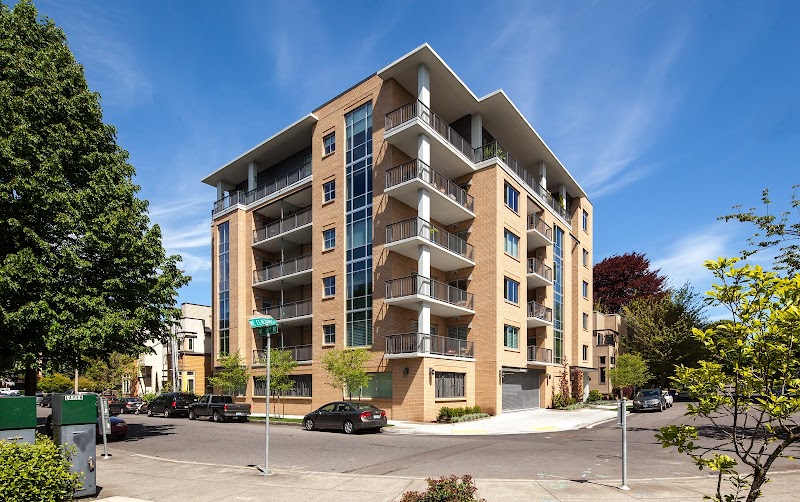

HOLLADAY PARK PLAZA

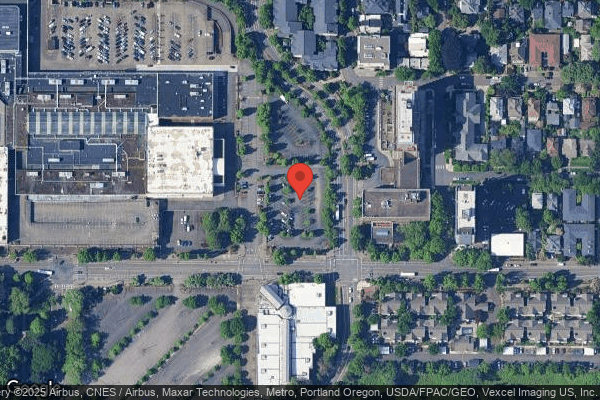
1300 NE 16TH AVENUE, PORTLAND, OR 97232 (503) 288-6671
Non profit - Corporation 51 Beds PACIFIC RETIREMENT SERVICES Data: November 2025
Trust Grade
85/100
#10 of 127 in OR
Last Inspection: June 2024

Within standard 12-15 month inspection cycle. Federal law requires annual inspections.

Overview

Holladay Park Plaza in Portland, Oregon, has a Trust Grade of B+, which means it is recommended and performs above average compared to similar facilities. It ranks #10 out of 127 nursing homes in Oregon and #2 out of 33 in Multnomah County, placing it in the top tier for both the state and local area. The facility shows an improving trend, with issues decreasing from 13 in 2023 to just 2 in 2024. Staffing is a strength, boasting a 5/5 star rating and a turnover rate of 43%, which is better than the state average, indicating that staff are experienced and familiar with residents' needs. However, there are some concerns, including incidents where the facility failed to provide important information about bed hold policies to a resident being transferred to the hospital and not following physician orders for daily weight checks for another resident. Additionally, there was a lack of privacy for a resident during dental care, as their door was left open. While Holladay Park Plaza has many strengths, families should consider these weaknesses as part of their decision-making process.

Trust Score
B+
85/100
In Oregon
#10/127
Top 7%
Safety Record
Low Risk
No red flags
Inspections
Getting Better
13 → 2 violations
Staff Stability
○ Average
43% turnover. Near Oregon's 48% average. Typical for the industry.
Penalties
✓ Good
No fines on record. Clean compliance history, better than most Oregon facilities.
Skilled Nurses
✓ Good
Each resident gets 57 minutes of Registered Nurse (RN) attention daily — more than average for Oregon. RNs are trained to catch health problems early.
Violations
⚠ Watch
17 deficiencies on record. Higher than average. Multiple issues found across inspections.
★★★★★
5.0
Overall Rating
★★★★★
5.0
Staff Levels
★★★★★
5.0
Care Quality
★★★★★
5.0
Inspection Score
Stable
2023: 13 issues
2024: 2 issues

The Good

  • 5-Star Staffing Rating · Excellent nurse staffing levels
  • 5-Star Quality Measures · Strong clinical quality outcomes
  • Full Sprinkler Coverage · Fire safety systems throughout facility
  • No fines on record
  • Staff turnover below average (43%)

    5 points below Oregon average of 48%

Facility shows strength in staffing levels, quality measures, fire safety.

The Bad

Staff Turnover: 43%

Near Oregon avg (46%)

Typical for the industry

Chain: PACIFIC RETIREMENT SERVICES

Part of a multi-facility chain

Ask about local staffing decisions and management

The Ugly 17 deficiencies on record

Jun 2024 2 deficiencies
CONCERN (D)

Potential for Harm - no one hurt, but risky conditions existed

Deficiency F0625 (Tag F0625)

Could have caused harm · This affected 1 resident

Based on interview and record review it was determined the facility failed to provide residents with a written notice of the facility's bed hold policy at the time of transfer to the hospital for 1 of...

Read full inspector narrative →
Based on interview and record review it was determined the facility failed to provide residents with a written notice of the facility's bed hold policy at the time of transfer to the hospital for 1 of 1 resident (# 30) reviewed for hospitalization. This placed residents at risk for lack of knowledge regarding their choices and potential financial responsibilities. Findings include: Resident 30 was admitted to the facility in 3/2024 with diagnoses including congestive heart failure. A 3/23/24 at 12:35 PM Progress Note revealed Resident 30 experienced a change in condition which required increased medical attention and she/he was transferred to a hospital. Review of Resident 30's records revealed no indication a physical copy of the facility's bed hold policy was provided to Resident 30 when she/he was transferred to a hospital on 3/23/24. On 6/13/24 at 12:52 PM Staff 2 (DNS) confirmed a bed hold policy was not provided to Resident 30 when she/he experienced a change in condition and was required to be transferred to a hospital.
CONCERN (D)

Potential for Harm - no one hurt, but risky conditions existed

Quality of Care (Tag F0684)

Could have caused harm · This affected 1 resident

Based on observation, interview and record review it was determined the facility failed to follow physician orders for 1 of 1 sampled resident (#81) reviewed for edema (swelling caused by a collection...

Read full inspector narrative →
Based on observation, interview and record review it was determined the facility failed to follow physician orders for 1 of 1 sampled resident (#81) reviewed for edema (swelling caused by a collection of fluid in the spaces that surround the body's tissues and organs). This placed residents at risk for adverse effects and unmet needs. Findings include: Resident 81 was admitted to the facility in 5/2024 with diagnoses including heart disease and edema. Resident 81's 5/21/24 Physician Encounter Note directed the resident to be weighed each day before breakfast for four weeks. Resident 81's 5/28/24 admission MDS indicated the resident was cognitively intact and experienced edema. A review of Resident 81's 5/2024 and 6/2024 Weights revealed the resident was not weighed on 5/22/24, 5/23/24, 5/25/24, 5/26/24, 5/30/24, 5/31/24, 6/1/24, 6/2/24, 6/4/24, 6/5/24, 6/6/24, 6/7/24, 6/8/24 or 6/9/24. On 6/10/24 at 11:27 AM Resident 81 was observed in her/his room and sat in her/his wheelchair. Resident 81's right leg was observed to be swollen. Resident 81 stated she/he experienced chronic edema in her/his right leg, and the leg caused her/him a great deal of pain. On 6/12/24 at 2:00 PM Staff 3 (LPN-Resident Care Manager) stated residents who experienced excessive edema were typically weighed daily, which included Resident 81. Staff 3 reviewed Resident 81's health record and stated the physician's order from 5/21/24 for daily weights for the resident was missed.
Mar 2023 13 deficiencies
CONCERN (D)

Potential for Harm - no one hurt, but risky conditions existed

Deficiency F0583 (Tag F0583)

Could have caused harm · This affected 1 resident

Based on observation, interview and record review it was determined the facility failed to ensure a resident door was closed during care for 1 of 1 resident (#15) reviewed for privacy. This placed res...

Read full inspector narrative →
Based on observation, interview and record review it was determined the facility failed to ensure a resident door was closed during care for 1 of 1 resident (#15) reviewed for privacy. This placed residents at risk for lack of privacy. Findings include: Resident 15 was admitted to the facility in 2018 with diagnoses including a stroke. A 2/21/23 quarterly MDS indicated the resident was able to be interviewed but had memory issues. On 3/7/23 at 10:49 AM Resident 15 was observed in her/his room with the door open. The resident's head was tilted back and a dental hygienist was providing oral care. Staff 3 (CMA) stated the door should be closed when care was provided. On 3/9/23 at 10:07 AM Resident 15 stated she/he preferred to have the door shut during dental cleanings. On 3/9/23 at 10:10 AM Staff 4 (CNA) stated Resident 15 did not have a good memory but was able to tell you her/his preferences. On 3/13/23 at 11:53 AM Staff 1 (Administrator) stated during resident care, including dental hygienist visits, the door should be closed.
CONCERN (D)

Potential for Harm - no one hurt, but risky conditions existed

Grievances (Tag F0585)

Could have caused harm · This affected 1 resident

Based on interview it was determined the facility failed to follow-up with a report of a missing item for 1 of 1 sampled resident (#11) reviewed for personal property. This placed residents at risk fo...

Read full inspector narrative →
Based on interview it was determined the facility failed to follow-up with a report of a missing item for 1 of 1 sampled resident (#11) reviewed for personal property. This placed residents at risk for missing items. Findings include: Resident 11 was admitted to the facility in 2022 with diagnoses including dementia. On 3/6/23 at 6:47 PM Witness 1 (Family) stated in February 2023 she reported to the facility that Resident 11's cellular phone was missing. Witness 1 stated the facility did not inform her if the phone was found. On 3/8/23 at 10:53 AM Staff 4 (CNA) stated if a resident or resident's family member reported a lost item, it was reported to the nurse. The nurse would then report the lost item to the resident care manager. Staff 4 stated Resident 11 had a cellular phone but recently she did not see the phone in the resident's room. On 3/9/23 at 10:30 AM Staff 5 (Social Services) stated on 2/23/23 she received an e-mail from Witness 1 reporting Resident 11's cellular phone was missing. The e-mail was also sent to the resident's RNCM. Staff 5 indicated she did not respond to the email because she thought the RNCM would address the issue. One week later Witness 1 sent another e-mail because no one responded to Witness 1's first email. Staff 5 indicated she then responded to Witness 1's e-mail, verified with staff the resident had a cellular phone and looked for the phone. Staff 5 stated she was not able to find the phone. Staff 5 indicated she did not fill out a grievance form to forward to administration. Administration, generally, reimbursed residents if the item was verified to have been in the facility during a resident's admission to the facility. Staff 5 acknowledged at this time there has been no resolution for Resident 11's family in regards to the missing phone. On 3/9/23 at 11:14 AM Staff 1 (Administrator) stated lost items were to be documented on a grievance form. Staff did not document Resident 11's missing cellular phone on a grievance form resulting in a delayed resolution.
CONCERN (D)

Potential for Harm - no one hurt, but risky conditions existed

Assessment Accuracy (Tag F0641)

Could have caused harm · This affected 1 resident

2. Resident 21 was admitted to the facility in 12/2021 with diagnoses including stroke. Resident 21's 2/22/2023 quarterly MDS indicated the resident required extensive assistance from two or more sta...

Read full inspector narrative →
2. Resident 21 was admitted to the facility in 12/2021 with diagnoses including stroke. Resident 21's 2/22/2023 quarterly MDS indicated the resident required extensive assistance from two or more staff with transfers. Resident 21's 3/2023 care plan indicated the resident required a Hoyer lift (an assistive device that allows people to be transferred between surfaces by the use of electrical or hydraulic power) with two staff for transfers. On 3/13/23 at 10:45 AM Staff 2 (DNS) confirmed Resident 21 required a Hoyer lift for all transfers and the resident should have been coded as totally dependent instead of needing extensive assistance on her/his 2/22/2023 MDS. Based on interview and record it was determined the facility failed to ensure assessments accurately reflected the residents' status for 2 of 8 sampled residents (#s 18 and 21) reviewed for unnecessary medications and positioning. This placed residents at risk for inaccurate assessments. Findings include: 1. Resident 18 was admitted to the facility in 7/2022 with diagnoses including Alzheimer's disease. Resident 18's 1/26/23 quarterly MDS indicated the resident received an anti-depressant medication. Review of Resident 18's health record revealed the resident did not receive an anti-depressant. On 3/13/23 at 11:56 AM Staff 2 (DNS) stated Resident 18 did not receive an anti-depressant medication and confirmed the 1/26/23 quarterly MDS was inaccurately coded.
CONCERN (D)

Potential for Harm - no one hurt, but risky conditions existed

Deficiency F0657 (Tag F0657)

Could have caused harm · This affected 1 resident

Based on observation, interview and record review it was determined the facility failed to ensure care plans were revised to reflect resident current needs for 2 of 3 sampled residents (#s 1 and 15) r...

Read full inspector narrative →
Based on observation, interview and record review it was determined the facility failed to ensure care plans were revised to reflect resident current needs for 2 of 3 sampled residents (#s 1 and 15) reviewed for hospice and accidents. This placed residents at risk for unmet needs. Findings include: 1. Resident 1 was admitted to the facility in 2021 with diagnoses including dementia. A 2/14/23 physician order revealed staff were to insert a Foley catheter to drain Resident 1's bladder. On 3/7/23 at 10:42 AM Resident 1 was observed to have a Foley catheter. Review of the resident's 9/2021 care plan revealed the resident was incontinent of urine. On 3/9/23 at 11:36 AM Staff 8 (RNCM) stated the Foley catheter was placed 2/14/23 and acknowledged the care plan was not updated. 2. Resident 15 was readmitted to the facility in 2022 with diagnoses including difficulty swallowing. A care plan last updated 1/26/22 revealed the resident required 1:1 supervision to eat due to aspiration (food or fluid is breathed into the airways or lungs). A 2/3/23 Speech Therapy Discharge Summary revealed the resident required distant supervision for meal intake and had mild difficulty swallowing. On 3/8/23 at 2:22 PM Staff 7 (LPN Resident Care Manager) acknowledged the care plan was not updated to reflect the resident required distant supervision and not 1:1 supervision with food intake. Refer to F689 for additional information.
CONCERN (D)

Potential for Harm - no one hurt, but risky conditions existed

Deficiency F0679 (Tag F0679)

Could have caused harm · This affected 1 resident

Based on observation, interview and record review it was determined the facility failed to ensure residents had a meaningful activity program for 1 of 4 sampled residents (#1) reviewed for activities....

Read full inspector narrative →
Based on observation, interview and record review it was determined the facility failed to ensure residents had a meaningful activity program for 1 of 4 sampled residents (#1) reviewed for activities. This placed residents at risk for lack of social engagement. Findings include: Resident 1 was admitted to the facility in 2021 with diagnoses including anxiety. A care plan revised on 9/21/22 revealed the resident's activity preferences were obtained from family. The activity staff could read devotionals to the resident. Interventions also included staff were to invite the resident to balloon toss, provide hand/foot massages, non-intrusive 1:1 visits, strolls and animal visits. A 9/22/22 Annual Activity form indicated current interests included talking with others and magazines. The assessment indicated it was very important for the resident to be with pets and family and somewhat important to be with groups of people. It was very important for the resident to participate in her/his favorite activities. A 12/16/22 Quarterly Participation Review form revealed the resident had 1:1 visits. The form indicated her/his favorite activities included animal and family visits and 1:1 visits. Additional information indicated the resident spent time in bed sleeping and at times attended exercise class if the resident was up and awake. Review of the Activities task from 2/5/23 through 3/7/23 revealed the resident participated in one pet visit, one reading activity and two family visits. On 3/7/23 at 10:41 AM Resident 1 was observed in her/his room, her/his eyes were shut, and the room lights were off. The window blinds were open. On 3/8/23 at 11:12 AM Resident 1 was observed in her/his bed calling out for help. Magazines were not observed in her/his room. On 3/8/23 at 11:50 AM Resident 1 was assisted up to the dining area and was seated on the right side of the hall. On the left side of the hall the other residents were participating in a quizzing game. Resident 1 was not included in the activity. On 3/9/23 at 10:19 AM a therapy dog with its owner were observed with Staff 9 (Activities Assistant) to walk by Resident 1's room. Resident 1's door was open, she/he was in bed and her/his eyes were shut. Staff 9 did not knock on the door. On 3/9/23 at 10:24 AM Resident 1's door was shut, the therapy dog, its owner and Staff 9 walked by Resident 1's door but Staff 9 did not knock to see if the resident was available for a pet visit. On 3/9/23 at 10:18 AM Staff 6 (NA) stated the resident did not do many activities. If the resident did an activity it was documented in the resident record. If an activity was offered and refused the refusal was to be documented. On 3/9/23 at 11:41 AM Staff 8 (RNCM) stated the resident occasionally did balloon toss but did not participate in exercise. Staff 8 acknowledged Resident 1 was not documented to have participated in many activities but Staff 9 could have additional documentation in another location. On 3/9/23 at 12:30 PM Staff 9 stated she obtained Resident 1's activity preferences from the resident's family. Resident 1 liked music, daily devotionals and pets. Staff 9 acknowledged she initially did not knock on the resident's door when they walked by with pet therapy because the resident's eyes were shut and she never woke the residents to participate in activities. Staff 9 reviewed the resident's activity documentation and indicated there could be more 1:1 interaction to Resident 1 because the resident was likely not able to participate in group activities.
CONCERN (D)

Potential for Harm - no one hurt, but risky conditions existed

Quality of Care (Tag F0684)

Could have caused harm · This affected 1 resident

2. Resident 234 was admitted to the facility in 2/2023 with diagnoses including hypertension and congestive heart failure. Resident 234's 2/2023 Physician Orders included metoprolol tartrate (a medic...

Read full inspector narrative →
2. Resident 234 was admitted to the facility in 2/2023 with diagnoses including hypertension and congestive heart failure. Resident 234's 2/2023 Physician Orders included metoprolol tartrate (a medication used to treat high blood pressure) bid for congestive heart failure and hypertension. The order indicated the medication was to be held if the systolic blood pressure (the top number in a blood pressure reading) was less than 100 or if the heart rate was less than 60. Resident 234's 2/2023 MAR revealed the following: - The metoprolol tartrate was administered to Resident 234 on 2/12/23 when the heart rate was documented as 59. Resident 234's current Physician Orders included: - Cardizem (a medication used to treat high blood pressure) once daily for congestive heart failure. Hold for systolic blood pressure less than 100, diastolic blood pressure (the bottom number in a blood pressure reading) less than 55 or if the heart rate was less than 55. - metoprolol succinate extended release (a medication used to treat high blood pressure) once daily for hypertension. Hold for systolic blood pressure less than 100, diastolic blood pressure less than 55 or if the heart rate was less than 55. Resident 234's 3/2023 MAR revealed the following: - The Cardizem was administered to Resident 234 on 3/2/23 and 3/4/23 when the heart rate was documented as 54. - The metoprolol succinate was administered to Resident 234 on 3/2/23 and 3/4/23 when the heart rate was documented as 54. On 3/13/23 at 10:28 AM Staff 2 (DNS) verified Resident 234's metoprolol tartrate, Cardizem, metoprolol succinate were administered outside of physician ordered parameters. Based on observation, interview and record review it was determined the facility failed to reassess a resident after a fall to identity an injury in a timely manner for 1 of 1 sampled resident (#15) reviewed for change of condition and failed to administer medications as ordered by a physician for 1 of 5 sampled residents (#243) reviewed for medications. This placed residents at risk for delayed care and adverse medication consequences. Findings include: 1. Resident 15 was re-admitted to the facility in 9/2022 with diagnoses including a fractured hip. An 11/10/22 Progress Note by Staff 19 (LPN) revealed at 7:00 PM Resident 15 had an unwitnessed fall. The resident was found on the floor in her/his room with both legs extended. The resident complained of right hip and medial thigh pain. Scheduled Tylenol (non-narcotic pain medication) was administered. No other injuries were identified and the physician was notified. A November 2022 MAR revealed the resident received scheduled Tylenol tid. From 11/1/22 though 11/10/22 the resident's pain was documented to be two or less indicating mild to no pain. On 11/10/22 after the fall, the resident was documented to have pain rated at a four indicating moderate pain An 11/11/22 at 5:53 AM Progress Note by Staff 17 (RN) indicated the resident rested quietly during the night shift. The resident had some wincing and pain evident when she/he was turned and moved to the right side. The neurological checks were within the resident's normal limits. The documentation did not include ROM of the resident's right hip despite her/his pain when moved to the right side. On 3/8/23 at 2:05 PM Staff 17 stated he worked the night shift which started at 10:00 PM. After reviewing the 11/11/22 Progress Note with Staff 17, Staff 17 stated he recalled the resident to be pretty uncomfortable. Staff 17 stated the resident did not usually complain of pain. Staff 17 stated he did the neurological assessments which included flexion and extension of the ankles but he did not do ROM of the hips. Staff 17 indicated during the night shift they tried to let the residents sleep and usually the day shift handled the additional assessments because the residents were more active during that time. An 11/11/22 at 10:48 AM note by Staff 18 (RN) indicated the resident reported hip pain and the physician was notified. The physician was to examine the resident and order x-rays as indicated. On 3/8/23 at 12:44 PM Staff 18 stated she worked on 11/11/22 and started her shift at 6:00 AM. Staff 18 indicated she was notified Resident 15 fell during the previous evening shift and it was reported she/he had pain. Staff 18 stated when she came onto her shift she did not see an assessment related to the resident's hip so she assessed the resident and the resident was painful. The resident usually did not complain of pain and she/he reported pain so she knew it was significant. Staff 18 stated when she assessed the resident the resident could not move the her/his leg and she notified the physician. The physician made rounds in the morning and saw the resident at that time. After the physician examined the resident, x-rays were obtained which revealed a fracture. The resident was then transferred to the hospital for additional care. On 3/10/23 at 1:40 PM with Staff 2 (DNS) and Witness 3 (Physician), Witness 3 stated the facility staff notified the resident's physician on 11/10/22 after the resident fell. The nurse who reported the initial fall assessed the resident and reported the resident did not have an injury. Staff 2 acknowledged the night shift progress notes indicted the resident winced when turned and there was no ROM assessment of the resident's hip.
CONCERN (D)

Potential for Harm - no one hurt, but risky conditions existed

Pressure Ulcer Prevention (Tag F0686)

Could have caused harm · This affected 1 resident

Based on observation, interview and record review it was determined the facility failed to follow care planned interventions for positioning for 1 of 3 sampled residents (#21) reviewed for positioning...

Read full inspector narrative →
Based on observation, interview and record review it was determined the facility failed to follow care planned interventions for positioning for 1 of 3 sampled residents (#21) reviewed for positioning. This placed residents at risk for developing and worsening skin conditions. Findings include: Resident 21 was admitted to the facility in 12/2021 with diagnoses including stroke. A 2/11/23 Wound Evaluation completed by Staff 15 (RN) revealed Resident 21 had a skin tear on her/his sacrum. Resident 21's 2/22/2023 quarterly MDS revealed the resident was severely cognitively impaired, required extensive assistance from two or more staff with bed mobility, transfers and toileting, was on a turning/repositioning program, was at risk of developing pressure ulcers/injuries and had a skin tear. Resident 21's 3/10/23 Care Plan included the following interventions related to skin and positioning: - Anticipate and meet needs; - Turn and toileting schedule; - Hoyer lift (an assistive device that allows people to be transferred between surfaces by the use of electrical or hydraulic power) with two staff for transfers; - Utilize pillows or foam wedges to avoid direct contact with bony prominences; - Utilize pressure relieving devices on appropriate surfaces; - Encourage the resident to sit on a waffle cushion when in her/his recliner or wheelchair as tolerated to decrease risk for further breakdown; - Air mattress to decrease risk for skin breakdown and promote healing to pressure ulcer to sacrum; and - Open area to sacrum 2/11/23. On 3/6/23 at 2:29 PM Witness 2 (Family Member) reported her brother found Resident 21 slumped in her/his wheelchair and crying in pain during a recent visit. Witness 2 stated once the resident was repositioned, she/he appeared much more comfortable and she/he stopped crying. Witness 2 stated she was concerned about the length of time the resident was slumped in her/his wheelchair before she/he was repositioned and how often situations such as this occurred. Observations of Resident 21 on 3/8/23 between 8:27 AM to 2:24 PM revealed the following: - At 8:27 AM the resident was sitting up straight in her/his wheelchair having breakfast in the area used for dining. - From 9:36 AM to 10:05 AM the resident was sitting up straight in her/his wheelchair in her/his room watching television. - At 10:05 AM an unidentified nursing staff member entered the resident's room and asked the resident how he/she was doing. No repositioning or encouragement to reposition was provided at this time. - At 10:35 AM Staff 10 (CNA) entered the resident's room and asked the resident if she/he needed anything. Staff 10 informed the resident he would return in 45 minutes to an hour in order to assist the resident to the dining room for lunch. No repositioning or encouragement to reposition was provided at this time. - At 11:49 AM the resident was sitting up straight in her/his wheelchair in the area used for dining. - At 12:56 PM the resident was assisted in her/his wheelchair from the dining room to the therapy room. - From 12:56 PM to 1:30 PM the resident was sitting up straight in her/his wheelchair in the therapy room. - At 1:31 PM the resident was assisted in her/his wheelchair from the therapy room to her/his room by the occupational therapist who remained in the resident's room until 1:36 PM. - From 1:40 PM to 2:24 PM the resident was sitting up straight in her/his wheelchair in her/his room watching television. - At 2:24 PM Staff 10 entered the resident's room and asked the resident if she/he needed anything. No repositioning or encouragement to reposition was provided at this time. On 3/8/23 at 2:24 PM Staff 10 (CNA) stated Resident 21 was supposed to be repositioned every two hours and he was supposed to encourage Resident 21 to reposition in her/his wheelchair but it was difficult to do due to limited space. Staff 10 stated he was Resident 21's assigned CNA for day shift on 3/8/23 and he did not reposition Resident 12 between 7:30 AM and 2:24 PM. On 3/8/23 at 4:14 PM Staff 11 (Agency CNA) stated Resident 21 was supposed to be repositioned every two hours by way of transferring her/him from her/his wheelchair and into her/his bed and vice versa. Staff 11 stated he was unsure how he could reposition the resident in her/his wheelchair. Staff 11 further stated he was informed Resident 21 was repositioned just prior to the start of his shift on 3/8/23 so he did not plan to reposition Resident 21 until just before dinner. On 3/10/23 at 12:04 PM Staff 15 stated the wound she initially identified as a skin tear on Resident 21's sacrum on 2/11/23 was actually a pressure injury. Staff 15 stated repositioning the resident at least every two hours was especially important because of her/his pressure injury. On 3/10/23 at 12:36 PM Staff 14 (RN) stated Resident 21 was not able to communicate whether or not she/he was feeling uncomfortable. Staff 14 stated CNAs were supposed to reposition Resident 21 every two hours during the day by way of assisting the resident into her/his wheelchair and back to bed. On 3/13/23 at 10:28 AM Staff 2 (DNS) confirmed the skin issue identified on Resident 21's sacrum on 2/11/23 was a pressure ulcer and stated she expected CNAs to follow Resident 21's care plan with regards to repositioning.
CONCERN (D)

Potential for Harm - no one hurt, but risky conditions existed

Deficiency F0688 (Tag F0688)

Could have caused harm · This affected 1 resident

Based on interview and record review it was determined the facility failed to ensure a resident was provided RA for 1 of 1 sampled resident (#11) reviewed for ADLs. This placed residents at risk for d...

Read full inspector narrative →
Based on interview and record review it was determined the facility failed to ensure a resident was provided RA for 1 of 1 sampled resident (#11) reviewed for ADLs. This placed residents at risk for decreased ROM. Findings include: Resident 11 was admitted to the facility in 2022 with diagnoses including dementia. A 12/21/22 Care Conference Review form revealed the resident started an RA program. The resident walked well and her/his activity tolerance was good. A care plan initiated 11/4/22 revealed the resident was on an RA program. The program included the resident was to use a lower extremity exercise machine for 10 minutes, an upper extremity exercise machine for 10 minutes, perform exercises including hip flexion and mini-squats. The resident was also to do active range of motion for 15 minutes. The task for Restorative Care for the last 30 days (2/8/22-3/9/22) indicated the resident did not receive RA services. On 3/10/23 at 8:45 AM Staff 20 (RA) stated therapy set up the RA program and the exercises which the staff were to assist the resident perform. The RA program was documented on the care plan. The CNA staff could do the ROM and the exercises which did not require equipment. Staff 20 indicated the resident usually walked to meals. If the resident was offered but did not participate in RA it was to be documented as refused. On 3/13/23 at 11:53 AM Staff 1 (Administrator) indicated nursing staff should be meeting with RA staff to ensure the RA program was being implemented. The documentation of RA participation was to be completed in the resident's tasks.
CONCERN (D)

Potential for Harm - no one hurt, but risky conditions existed

Accident Prevention (Tag F0689)

Could have caused harm · This affected 1 resident

Based on interview and record review it was determined the facility failed to ensure a resident was supervised when provided fluids for 1 of 2 sampled residents (#15) reviewed for accidents. This plac...

Read full inspector narrative →
Based on interview and record review it was determined the facility failed to ensure a resident was supervised when provided fluids for 1 of 2 sampled residents (#15) reviewed for accidents. This placed residents at risk for aspiration. Findings include: Resident 15 was re-admitted to the facility in 2022 with diagnoses including difficulty swallowing. A care plan last updated 1/26/22 revealed the resident required 1:1 supervision with meals due to aspiration. A 2/3/23 Speech Therapy Discharge Summary revealed the resident required distant supervision for meal intake and had mild difficulty swallowing. On 3/8/23 at 2:17 PM Resident 15 was observed in her/his room with thickened liquids within reach. Resident 15 took a drink and did not cough. Staff were not in her/his room and not in the hall within view of the resident. On 3/8/23 at 2:22 PM Staff 7 (LPN Resident Care Manager) stated the resident should not have fluids in room and acknowledged there were no staff in the area to supervise the resident.
CONCERN (D)

Potential for Harm - no one hurt, but risky conditions existed

Incontinence Care (Tag F0690)

Could have caused harm · This affected 1 resident

Based on observation, interview and record review it was determined the facility failed to provide the necessary care and services related to incontinent care for 1 of 3 sampled residents (#21) review...

Read full inspector narrative →
Based on observation, interview and record review it was determined the facility failed to provide the necessary care and services related to incontinent care for 1 of 3 sampled residents (#21) reviewed for positioning. This placed residents at risk for unmet hygiene needs, skin breakdown, and infection. Findings include: Resident 21 was admitted to the facility in 12/2021 with diagnoses including stroke. Resident 21's 2/22/23 quarterly MDS indicated the resident was severely cognitively impaired, required extensive assistance from two or more staff with bed mobility, transfers and toileting, and was always incontinent of both bladder and bowel. The MDS also indicated the resident was at risk of developing pressure ulcers/injuries, had a skin tear, and was on a toileting program. Resident 21's 3/10/23 Care Plan included the following interventions: - Anticipate and meet needs; - Toileting schedule every 2 hours while awake and twice throughout NOC to decrease risk for incontinence; - Hoyer lift (an assistive device that allows people to be transferred between surfaces by the use of electrical or hydraulic power) with two staff for transfers; and - Open area to sacrum 2/11/23. Observations of Resident 21 on 3/8/23 between 8:27 AM to 2:24 PM revealed the following: - At 8:27 AM the resident was sitting up straight in her/his wheelchair having breakfast in the area used for dining. - From 9:36 AM to 10:05 AM the resident was sitting up straight in her/his wheelchair in her/his room watching television. - At 10:05 AM an unidentified nursing staff member entered the resident's room and asked the resident how he/she was doing. No incontinent care was offered or provided at this time. - At 10:35 AM Staff 10 (CNA) entered the resident's room and asked the resident if she/he needed anything. Staff 10 informed the resident he would return in 45 minutes to an hour in order to assist the resident to the dining room for lunch. No incontinent care was offered or provided at this time. - At 11:49 AM the resident was sitting up straight in her/his wheelchair in the area used for dining. - At 12:56 PM the resident was assisted in her/his wheelchair from the dining room to the therapy room. - From 12:56 PM to 1:30 PM the resident was sitting up straight in her/his wheelchair in the therapy room. - At 1:31 PM the resident was assisted in her/his wheelchair from the therapy room to her/his room by the occupational therapist who remained in the resident's room until 1:36 PM. - From 1:40 PM to 2:24 PM the resident was sitting up straight in her/his wheelchair in her/his room watching television. - At 2:24 PM Staff 10 entered the resident's room and asked the resident if she/he needed anything. No incontinent care was offered or provided at this time. On 3/8/23 at 2:24 PM Staff 10 (CNA) stated residents who were incontinent were supposed to be provided incontinent care every 1.5 to two hours. Staff 10 further stated Resident 21 was incontinent of both bladder and bowel and the resident was to be changed in her/his bed. Staff 10 stated he was Resident 21's assigned CNA for day shift on 3/8/23 and he provided incontinent care for the resident at 7:30 AM in the resident's bed before transferring her/him into her/his wheelchair. Staff 10 stated at around 11:45 AM he checked if the resident was incontinent and stated no incontinent care was provided because the resident was dry. Staff 10 later clarified on 3/13/23 at 9:19 AM he checked the resident's brief by putting his hand down the resident's pants to feel if the brief was wet or dry. On 3/8/23 Staff 10 stated he did not provide any incontinent care for Resident 12 between 7:30 AM through 2:24 PM. On 3/8/23 at 4:14 PM Staff 11 (Agency CNA) stated Resident 21 was supposed to receive incontinent care every two hours and this care was to be provided in the resident's bed. Staff 11 further stated he was informed Resident 21 had received incontinent care just prior to the start of his shift at 2:00 PM on 3/8/23 so he did not plan to provide incontinent care for Resident 21 until just before dinner. On 3/9/23 at 10:23 AM Staff 13 (CNA) stated Resident 21 was to have incontinent care completed every two hours and this care was provided in the resident's bed. Staff 13 further stated she assisted the resident to bed to check her/his brief because there was no way to effectively do so when the resident was up in her/his wheelchair. On 3/10/23 at 12:36 PM Staff 14 (RN) stated Resident 21 was not able to communicate her/his incontinence needs or whether or not she/he was feeling uncomfortable. Staff 14 stated CNAs were supposed to provide incontinent care for Resident 21 every two hours and this care was to be provided in the resident's bed. On 3/13/23 at 10:28 AM Staff 2 (DNS) stated she expected CNAs to follow Resident 21's care plan with regards to incontinent care and CNAs should not be reaching their hand into a resident's brief to check for incontinence needs.
CONCERN (D)

Potential for Harm - no one hurt, but risky conditions existed

Deficiency F0742 (Tag F0742)

Could have caused harm · This affected 1 resident

Based on observation, interview and record review it was determined the facility failed to ensure a resident was evaluated for additional interventions and services for 1 of 1 sampled resident (#11) r...

Read full inspector narrative →
Based on observation, interview and record review it was determined the facility failed to ensure a resident was evaluated for additional interventions and services for 1 of 1 sampled resident (#11) reviewed for behavioral and emotional status. This placed residents at risk for increased depression. Findings include: Resident 11 was admitted to the facility in 2022 with diagnoses including major depressive disorder. A 10/13/22 admission MDS and associated CAAs indicated the resident had dementia, was in a new environment and it would take time for the resident to adjust to her/his environment. The goal was to simplify her/his routine and it was too early to consider involving other disciplines. The resident had a remote history of serious depression and was restarted on an antidepressant. The resident was documented to sleep often and had little interest in doing things. The CAAs indicated a care plan was to be developed for psychosocial well being. An 12/9/22 physician Progress Note revealed the resident resided in assisted living from 2018 to 2022 due to a decline in cognition. The resident had a further decline and now was a long term resident in the facility. The resident had some dependence in ADLs. The resident did not have behavioral challenges but was identified to refuse most assistance from staff and refused to get out of bed. The family wanted to focus care on comfort but did not want hospice. The resident had a history of major depressive disorder and was stable on her/his current medication. At the time of the assessment the resident appeared to be in a good mood. A 12/20/22 Care Conference Review form revealed the resident's family wanted the resident in more activities and to eat in the dining room more often. The form indicated there were no specialized services recommended on the admission PASRR (screening tool used to rule out Mental Retardation/Developmental Disability or Serious Mental Illness). The resident was confused and preferred to stay in bed instead of being with others. No referrals were made. A Care Plan initiated 10/2022 did not include psychosocial well being as an identified problem. On 3/8/23 at 10:43 AM at Resident 11 was observed in bed with her/his eyes shut. A television talk show played in the background. On 3/8/23 at 12:04 PM, 3/9/23 at 9:56 AM and 3/9/23 12:10 PM Resident 11 was observed in bed with her/his eyes shut the television was off. On 3/9/23 at 12:50 PM Resident 11 was observed in bed with her/his eyes shut and her/his meal tray was in front of her/him. On 3/8/23 at 10:53 AM Staff 4 (CNA) stated the resident slept a lot. Staff tried to have her/him walk to at least one meal a day. On 3/9/23 at 11:43 AM and 11:50 AM Staff 8 (RNCM) stated she was familiar with Resident 11 when the resident lived in the assisted living community prior to admission to the facility. At the the assisted living community, the resident walked to the dining room for meals and then returned to her/his room. Now the resident often refused to get up for meals and continued to stay in her/his room. Staff 8 stated the resident slept much of the day and night but was capable of doing more. Staff 8 indicated the facility reviewed the resident's medications quarterly and at the last review in 11/2022 there were no recommendations for change. Staff 8 indicated there was no communication with family to see if they were in agreement with a PASRR level 2 (mental health professional provides a comprehensive evaluation) assessment to see if there were additional interventions or services which could benefit the resident or help the resident want be out of bed more often. Staff 8 acknowledged the resident was at risk for skin break down and increased weakness with the amount of time the resident spent in bed and the risks had not been reviewed with the resident's family at this time. On 3/9/23 at 1:02 PM Staff 5 (Social Services) stated the resident was in bed all the time and it was hard to get the resident engaged in activities. The resident was very engaged when her/his family visited and would go on outings with them. Her/his family wanted the resident to be more engaged in her/his daily life to enrich the resident's quality of life. The resident's family reported Resident 11 had significant depression in the past. Staff 5 acknowledged the resident spent much of her/his day in bed sleeping and was not engaged with activities and daily routines. Staff 5 stated she did not communicate with Resident 11's family about a PASRR level 2 evaluation or started the process for a PASRR 2 evaluation but it could be helpful. Staff 5 also indicated there have been no additional interventions to the care plan since 12/2022.
CONCERN (D)

Potential for Harm - no one hurt, but risky conditions existed

Infection Control (Tag F0880)

Could have caused harm · This affected 1 resident

Based on observation and interview it was determined the facility failed to ensure a resident's Foley catheter was maintained in a manner to prevent infections for 1 of 1 sampled resident (#1) reviewe...

Read full inspector narrative →
Based on observation and interview it was determined the facility failed to ensure a resident's Foley catheter was maintained in a manner to prevent infections for 1 of 1 sampled resident (#1) reviewed for hospice. This placed residents at risk for UTIs. Findings include: Resident 1 was admitted to the facility in 2021 with diagnoses including depression. On 3/7/23 at 10:42 AM Resident 1 was observed in a low bed. Her/his Foley catheter drainage bag and drainage port were in contact with the floor. Staff 16 (CNA) stated the resident was at risk for falls and required a low bed. He was not sure how to keep the drainage bag off the floor but acknowledged something could be placed between the drainage bag and the floor to create a clean surface. On 3/13/23 at 12:53 PM Staff 2 (DNS) acknowledged the Foley catheter drainage bag should not be on the floor.
CONCERN (D)

Potential for Harm - no one hurt, but risky conditions existed

Deficiency F0883 (Tag F0883)

Could have caused harm · This affected 1 resident

Based on interview and record review it was determined the facility failed to provide the influenza immunization for 1 of 5 sampled residents (#18) reviewed for immunizations. This placed residents at...

Read full inspector narrative →
Based on interview and record review it was determined the facility failed to provide the influenza immunization for 1 of 5 sampled residents (#18) reviewed for immunizations. This placed residents at risk of illness. Findings include: Resident 18 was admitted to the facility in 7/2022 with diagnoses including Alzheimer's disease. Resident 18's health record revealed an 8/5/22 consent form signed by the resident's representative which indicated consent for the resident to receive the influenza immunization. No evidence was found to indicate Resident 18 received the influenza immunization. On 3/8/23 at 2:06 PM Staff 2 (DNS) was unable to provide documentation to indicate Resident 18 received the influenza immunization. She was unaware as to why the resident did not receive the influenza immunization since consent was provided.
Apr 2022 2 deficiencies
CONCERN (D)

Potential for Harm - no one hurt, but risky conditions existed

Deficiency F0757 (Tag F0757)

Could have caused harm · This affected 1 resident

Based on interview and record review it was determined the facility failed to ensure resident bowel medication was withheld when contraindicated for 1 of 5 sampled residents (#11) reviewed for unneces...

Read full inspector narrative →
Based on interview and record review it was determined the facility failed to ensure resident bowel medication was withheld when contraindicated for 1 of 5 sampled residents (#11) reviewed for unnecessary medication. This placed residents at risk for adverse side effects of medication. Findings include: Resident 11 admitted to the facility in 2/2022 with diagnoses including surgical aftercare. The 4/2022 MAR indicated Resident 11 was to receive sennosides-docusate sodium (stool softener) twice a day for bowel care and polyethylene glycol (laxative) twice a day for bowel care. Both medications were to be held for loose stools. Resident 11's bowel records indicated she/he had loose stools on 4/26/22, 4/27/22 and 4/28/22. The 4/2022 MAR indicated Resident 11 received both bowel medications two times on 4/26/22 and 4/27/22; and the resident received both medications in the morning on 4/28/22. On 4/28/22 at 2:17 PM Staff 7 (CMA) stated she passed medication to Resident 11 on the morning of 4/28/22 and was not aware that Resident 11 was having loose stools. On 4/28/22 at 2:21 PM Staff 6 (RN) acknowledged Resident 11 was having loose stools and stated she would tell the medication aide to withhold Resident 11's next administration of bowel medication. Staff 6 stated bowel medication was usually withheld after a resident had one bowel movement with loose stools. On 4/29/22 at 10:05 AM Staff 2 (DNS) acknowledged Resident 11's bowel medication was not withheld when the resident had loose stools.
CONCERN (D)

Potential for Harm - no one hurt, but risky conditions existed

Deficiency F0806 (Tag F0806)

Could have caused harm · This affected 1 resident

Based on observation, interview and record review it was determined the facility failed to ensure resident food preferences were honored for 1 of 2 sampled residents (#134) reviewed for food concerns....

Read full inspector narrative →
Based on observation, interview and record review it was determined the facility failed to ensure resident food preferences were honored for 1 of 2 sampled residents (#134) reviewed for food concerns. This placed residents at risk for food preferences not being honored. Findings include: Resident 134 was admitted to the facility in 4/2022 with diagnoses including CVA (stroke) with dysphagia (swallowing difficulty) and muscle weakness. A 4/8/22 admission Nutritional Evaluation indicated Resident 134 needed one on one feeding assistance with meals and was able to make her/his dietary needs known. The resident was on a regular diet, with regular texture and thin liquids. Resident 134 indicated she/he ate plant-based proteins and preferred to eat a vegetarian diet. Resident 134 also indicated she/he avoided eating eggs. On 4/25/22 at 11:20 AM Resident 134 stated she/he was following a vegan diet and meals delivered to her/him were often wrong and not what she/he preferred. The resident stated she previously discussed her/his diet preferences with dietary staff. Resident 134 stated, I have been getting wrong or unwanted meat items. On 4/26/22 at 1:30 PM an observation revealed Resident 134 was served a tuna sandwich with lunch. On 4/27/22 at 12:50 PM Resident 134 stated she/he received a grilled ham sandwich for lunch which she/he did not eat. The surveyor observed a ham sandwich on the resident's meal tray. On 4/28/22 at 10:00 AM Staff 6 (LPN) was asked how she ensured residents received the proper diet preferences. Staff 6 stated, I tell staff when a resident is on a special diet and the CNAs can look on the resident's care plan and in the computer. Staff 6 was unable to recall Resident 134's diet. Upon review on Resident's 134's admission Nutritional Evaluation, Staff 6 indicated she was not aware Resident 134's diet preferences were plant-based proteins and acknowledged Resident 134 did not receive the correct diet. On 4/28/22 at 12:02 PM Staff 9 (Certified Dietary Manager) was asked how he ensured Resident 134 received the appropriate meal and dietary preferences. Staff 9 explained the process was to interview the resident and evaluate for appropriate dietary needs and preferences. Kitchen staff were to review meal tickets and provide the appropriate dietary food items. Upon review of Resident 134's admission Nutritional Evaluation and summary, Staff 9 acknowledged Resident 134 should have received a vegetarian diet with plant-based proteins and she/he should not have received meat.
Understanding Severity Codes (click to expand)
Life-Threatening (Immediate Jeopardy)
J - Isolated K - Pattern L - Widespread
Actual Harm
G - Isolated H - Pattern I - Widespread
Potential for Harm
D - Isolated E - Pattern F - Widespread
No Harm (Minor)
A - Isolated B - Pattern C - Widespread

Questions to Ask on Your Visit

  • "Can I speak with families of current residents?"
  • "What's your RN coverage like on weekends and overnight?"

Our Honest Assessment

Strengths
  • • Grade B+ (85/100). Above average facility, better than most options in Oregon.
  • • No major safety red flags. No abuse findings, life-threatening violations, or SFF status.
  • • No fines on record. Clean compliance history, better than most Oregon facilities.
  • • 43% turnover. Below Oregon's 48% average. Good staff retention means consistent care.
Concerns
  • • 17 deficiencies on record. Higher than average. Multiple issues found across inspections.
Bottom line: Generally positive indicators. Standard due diligence and a personal visit recommended.

About This Facility

What is Holladay Park Plaza's CMS Rating?

CMS assigns HOLLADAY PARK PLAZA an overall rating of 5 out of 5 stars, which is considered much above average nationally. Within Oregon, this rating places the facility higher than 99% of the state's 100 nursing homes. This rating reflects solid performance across the metrics CMS uses to evaluate nursing home quality.

How is Holladay Park Plaza Staffed?

CMS rates HOLLADAY PARK PLAZA's staffing level at 5 out of 5 stars, which is much above average compared to other nursing homes. Staff turnover is 43%, compared to the Oregon average of 46%. This relatively stable workforce can support continuity of care.

What Have Inspectors Found at Holladay Park Plaza?

State health inspectors documented 17 deficiencies at HOLLADAY PARK PLAZA during 2022 to 2024. These included: 17 with potential for harm.

Who Owns and Operates Holladay Park Plaza?

HOLLADAY PARK PLAZA is owned by a non-profit organization. Non-profit facilities reinvest revenue into operations rather than distributing to shareholders. The facility is operated by PACIFIC RETIREMENT SERVICES, a chain that manages multiple nursing homes. With 51 certified beds and approximately 30 residents (about 59% occupancy), it is a smaller facility located in PORTLAND, Oregon.

How Does Holladay Park Plaza Compare to Other Oregon Nursing Homes?

Compared to the 100 nursing homes in Oregon, HOLLADAY PARK PLAZA's overall rating (5 stars) is above the state average of 3.0, staff turnover (43%) is near the state average of 46%, and health inspection rating (5 stars) is much above the national benchmark.

What Should Families Ask When Visiting Holladay Park Plaza?

Based on this facility's data, families visiting should ask: "Can I visit during a mealtime to observe dining assistance and food quality?" "How do you handle medical emergencies, and what is your hospital transfer rate?" "Can I speak with family members of current residents about their experience?"

Is Holladay Park Plaza Safe?

Based on CMS inspection data, HOLLADAY PARK PLAZA has a clean safety record: no substantiated abuse findings (meaning no confirmed cases of resident harm), no Immediate Jeopardy citations (the most serious violation level indicating risk of serious injury or death), and is not on the Special Focus Facility watch list (a federal program monitoring the lowest-performing 1% of nursing homes). The facility has a 5-star overall rating and ranks #1 of 100 nursing homes in Oregon. While no facility is perfect, families should still ask about staff-to-resident ratios and recent inspection results during their visit.

Do Nurses at Holladay Park Plaza Stick Around?

HOLLADAY PARK PLAZA has a staff turnover rate of 43%, which is about average for Oregon nursing homes (state average: 46%). Moderate turnover is common in nursing homes, but families should still ask about staff tenure and how the facility maintains care continuity when employees leave.

Was Holladay Park Plaza Ever Fined?

HOLLADAY PARK PLAZA has no federal fines on record. CMS issues fines when nursing homes fail to meet care standards or don't correct problems found during inspections. The absence of fines suggests the facility has either maintained compliance or corrected any issues before penalties were assessed. This is a positive indicator, though families should still review recent inspection reports for the full picture.

Is Holladay Park Plaza on Any Federal Watch List?

HOLLADAY PARK PLAZA is not on any federal watch list. The most significant is the Special Focus Facility (SFF) program, which identifies the bottom 1% of nursing homes nationally based on persistent, serious quality problems. Not being on this list means the facility has avoided the pattern of deficiencies that triggers enhanced federal oversight. This is a positive indicator, though families should still review the facility's inspection history directly.