LAURELHURST POST ACUTE & REHABILITATION
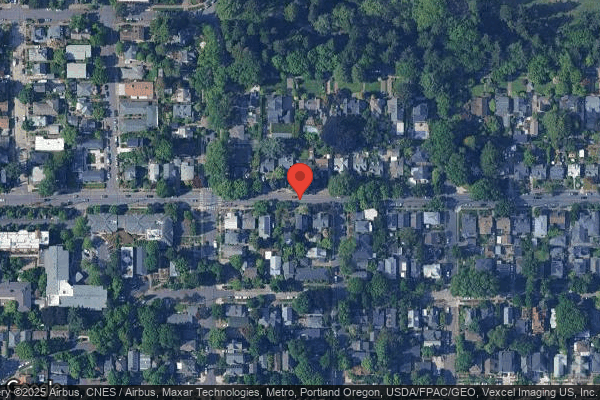
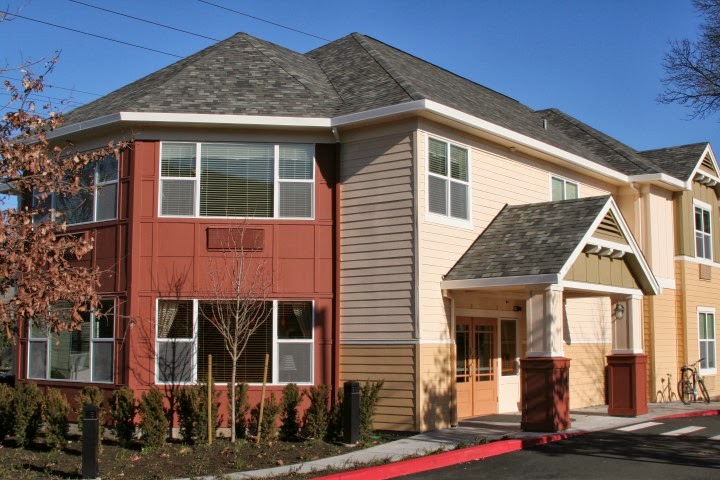
3060 SE STARK STREET, PORTLAND, OR 97214 (503) 535-4700
For profit - Corporation 159 Beds AVAMERE Data: November 2025
Trust Grade
25/100
#57 of 127 in OR
Last Inspection: March 2025

Within standard 12-15 month inspection cycle. Federal law requires annual inspections.

Overview

Laurelhurst Post Acute & Rehabilitation has received a Trust Grade of F, indicating serious concerns about the quality of care provided. Ranked #57 out of 127 facilities in Oregon, they are in the top half, but this is overshadowed by a worsening trend, with issues increasing from 1 in 2024 to 8 in 2025. Staffing is a strength, receiving 5 out of 5 stars with a turnover rate of 38%, which is lower than the state average, indicating that staff are experienced and familiar with residents. However, the facility has faced $33,319 in fines, which is concerning and suggests ongoing compliance issues. Specific incidents raised during inspections include a resident suffering skin tears after being improperly handled by staff and another resident experiencing multiple falls due to inadequate supervision and staffing levels, resulting in a serious injury. Overall, while the staffing quality is strong, significant weaknesses in care delivery and compliance remain.

Trust Score
F
25/100
In Oregon
#57/127
Top 44%
Safety Record
High Risk
Review needed
Inspections
Getting Worse
1 → 8 violations
Staff Stability
○ Average
38% turnover. Near Oregon's 48% average. Typical for the industry.
Penalties
✓ Good
$33,319 in fines. Lower than most Oregon facilities. Relatively clean record.
Skilled Nurses
✓ Good
Each resident gets 51 minutes of Registered Nurse (RN) attention daily — more than average for Oregon. RNs are trained to catch health problems early.
Violations
⚠ Watch
41 deficiencies on record. Higher than average. Multiple issues found across inspections.
★★★☆☆
3.0
Overall Rating
★★★★★
5.0
Staff Levels
★★★★☆
4.0
Care Quality
★★☆☆☆
2.0
Inspection Score
Stable
2024: 1 issues
2025: 8 issues

The Good

  • 5-Star Staffing Rating · Excellent nurse staffing levels
  • 4-Star Quality Measures · Strong clinical quality outcomes
  • Full Sprinkler Coverage · Fire safety systems throughout facility
  • No fines on record
  • Staff turnover below average (38%)

    10 points below Oregon average of 48%

Facility shows strength in staffing levels, quality measures, fire safety.

The Bad

3-Star Overall Rating

Near Oregon average (3.0)

Meets federal standards, typical of most facilities

Staff Turnover: 38%

Near Oregon avg (46%)

Typical for the industry

Federal Fines: $33,319

Below median ($33,413)

Moderate penalties - review what triggered them

Chain: AVAMERE

Part of a multi-facility chain

Ask about local staffing decisions and management

The Ugly 41 deficiencies on record

3 actual harm
Sept 2025 1 deficiency
CONCERN (D) 📢 Someone Reported This

A family member, employee, or ombudsman was alarmed enough to file a formal complaint

Potential for Harm - no one hurt, but risky conditions existed

Deficiency F0627 (Tag F0627)

Could have caused harm · This affected 1 resident

Based on interview and record review it was determined the facility failed to ensure a safe discharge for 1 of 3 sampled residents (#1) reviewed for discharges. This placed residents at risk for an un...

Read full inspector narrative →
Based on interview and record review it was determined the facility failed to ensure a safe discharge for 1 of 3 sampled residents (#1) reviewed for discharges. This placed residents at risk for an unsafe discharge and potential rehospitalization. Findings include:Resident 1 was admitted to the facility on 4/2024, with diagnoses including fibular fracture.Resident 1's 4/15/24 Discharge Care Plan indicated the resident was anticipated to discharge home. Social Services was to arrange support services such as home health (HH) caregiver support, PT, and OT.A 6/12/24 Physician Note revealed the resident would benefit from HH, PT, and OT after discharge.A 6/12/24 Social Services Note revealed a referral was sent to a Home Health agency.A 6/14/24 Social Services Note revealed Resident 1 decided to remain at the facility and had paid for two weeks in advance.Resident 1's 6/19/24 Discharge Summary revealed the resident was discharged from the facility on 6/19/24 without a HH referral.On 9/5/25 at 1:57 PM, Staff 16 stated she did not recall what happened with the Home Health referral for Resident 1.On 9/8/25 at 9:38 AM, Witness 10 (Home Health) stated the agency received a referral for Resident 1 on 6/12/24 with the discharge planned for 6/14/24. The agency called Staff 16 on 6/14/24 as the referral was not complete and was informed that Resident 1 was no longer planning to discharge and to cancel the referral.On 9/8/25 at 12:25 PM, Resident 1 stated Staff 16 knew she/he planned to discharge home on 6/19/24. Resident 1 stated she/he was without caregiver supports until she/he arranged services and supports through her/his physician. Resident 1 stated her/his family member had to quit two jobs in order to provide ADL care until home health caregiver support services were in place. On 9/8/25 at 1:45 PM, Staff 1 (Administrator) and Staff 2 (DNS) acknowledged Resident 1 discharged home without a home health referral for caregiver support, PT, and OT services.
Mar 2025 7 deficiencies
CONCERN (D)

Potential for Harm - no one hurt, but risky conditions existed

Deficiency F0554 (Tag F0554)

Could have caused harm · This affected 1 resident

Based on observation, interview and record review it was determined the facility failed to assess residents for safe self-administration of medication for 2 of 2 sampled residents (#s 65 and 69) revie...

Read full inspector narrative →
Based on observation, interview and record review it was determined the facility failed to assess residents for safe self-administration of medication for 2 of 2 sampled residents (#s 65 and 69) reviewed for self-administering medication. This placed residents at risk for an unsafe medication regimen. Findings include: 1. Resident 65 admitted to the facility in 4/2024 with diagnoses including kidney failure. Resident 65's 1/6/25 Quarterly MDS assessed her/him with a BIMS score of 15, which indicated the resident was cognitively intact. Resident 65's 3/11/25 Physician Orders included an order for Zinc Oxide External Paste 20 % which directed staff to apply to [genital area] topically two times a day for skin care, for three days and apply to affected areas topically as needed for skin care. An order for Hydrocortisone External Cream 2.5 % directed staff to apply to affected areas topically as needed for skin care, apply BID with Ketoconazole (antifungal medication) when skin folds were flared. On 3/11/25 at 9:27 AM, 12:34 PM, 3:30 PM and 3/12/25 at 8:49 AM, Resident 65 was observed to lay in her/his bed with one tube of the Zinc Oxide External Paste and two tubes of the Hydrocortisone External Cream on her/his window seal. Resident 65 stated the tubes were there for the past several months, she/he used the cream as needed and sometimes on her/his neck when it itched. Resident 65's health record showed no evidence she/he was assessed to self-administer the Zinc Oxide External Paste or Hydrocortisone External Cream. On 3/12/25 at 9:20 AM, Staff 7 (LPN/Resident Care Manager) confirmed and removed the tube of Zinc Oxide External Paste and two tubes of the Hydrocortisone External Cream from Resident 69's her/his window seal. Staff 7 stated Resident 65 was not assessed to self-administer the creams and she would expect a nurse to complete an assessment before allowing any resident to keep over-the-counter medications at their bedside. 2. Resident 69 admitted to the facility in 2/2025 with a diagnoses including dementia and diabetes. A 3/3/25 admission MDS assessed Resident 69 with a BIMS score of 15, which indicated the resident was cognitively intact. On 3/10/25 at 10:13 AM, Resident 69 requested her/his cough drops from her/his bedside dresser drawer. Resident 69 stated she/he sucked on her/his cough drops often. On 3/11/25 at 12:53 PM and 3/13/25 at 8:55 AM Resident 69 was observed with three packs of Fisherman's Friend extra strong cough drops at bedside, packs were within her/his reach and she/he was sucking on something. Review of Resident 69's health record reveal no indication she/he was safe to self-administer cough drops from bedside. On 3/13/25 at 9:16 AM Staff 8 (LPN/Resident Care Manager) stated she was unaware Resident 69 used cough drops while in the facility and removed the cough drops from her/his room. Staff 8 stated she expected residents to be assessed by a licensed nurse for safe self-administration of cough drops and for the cough drops to be kept locked up. Staff 8 confirmed Resident 69 did not have a self-administration assessment completed to ensure Resident 69 was safe with the cough drops.
CONCERN (D) 📢 Someone Reported This

A family member, employee, or ombudsman was alarmed enough to file a formal complaint

Potential for Harm - no one hurt, but risky conditions existed

Deficiency F0602 (Tag F0602)

Could have caused harm · This affected 1 resident

**NOTE- TERMS IN BRACKETS HAVE BEEN EDITED TO PROTECT CONFIDENTIALITY** Based on interview and record review it was determined the facility failed to ensure residents were free from misappropriation f...

Read full inspector narrative →
**NOTE- TERMS IN BRACKETS HAVE BEEN EDITED TO PROTECT CONFIDENTIALITY** Based on interview and record review it was determined the facility failed to ensure residents were free from misappropriation for 1 of 1 residents (#357) reviewed for misappropriation. This placed residents at risk for lack of medication efficacy and loss of property. Findings include: Resident 357 admitted to the facility in 9/2024 with diagnoses including hip fracture and lung disease. A 9/20/24 physician order instructed staff to administer Oxycodone (a pain reliever) one to two tablets every four hours as needed for pain. A 9/24/24 admission MDS revealed Resident 357 had a BIMS score of 14, which indicated the resident was cognitively intact, and Resident 357 had frequent pain and received PRN pain medications. A review of Resident 357's clinical record revealed the following: -Discharge paperwork dated 10/9/24 indicated Resident 357 took home 56 Oxycodone tablets. -Discharge summary dated [DATE] indicated Resident 357 took home all medications. -Narcotic logbook records dated 10/9/24 and 10/11/24 revealed Resident 357 signed both pages indicating she/he took home all their 112 Oxycodone tablets. -A facility destruction log dated 10/11/24 indicated 56 of Resident 357's Oxycodone were destroyed by two facility staff. On 3/10/25 at 12:49 PM, Resident 357 stated she/he discharged from the facility on 10/9/25 with her/his belongings including all their medications in a stapled paper bag. Resident 357 stated when she/he arrived home the Oxycodone tablets she/he signed for were not in the bag with the other medications. Resident 357 stated she/he placed a call to the facility on [DATE] and spoke to Staff 15 (LPN) to report the missing Oxycodone. Resident 357 stated Staff 15 informed the resident she placed the Oxycodone in the stapled paper bag sent home with Resident 357. On 3/10/25 at 5:09 PM, and on 3/12/25 at 9:41 AM, Staff 15 stated she discharged Resident 357 on 10/9/24. She stated during the discharge conversation she went over all Resident 357's medications, and signed a form with Resident 357 showing all medications were sent home including 56 Oxycodone. Staff 15 stated Resident 357 called her a few hours after she/he discharged to report the 56 Oxycodone were not in the stapled paper bag sent home with her/him. Staff 15 stated she told Resident 357 to look again and call her back. Staff 15 stated Resident 357 did not call her back and she did not report the missing Oxycodone to upper management. On 3/12/25 at 10:11 AM, Staff 17 (CMA) stated she was aware Resident 357 called the facility on 10/9/24 to report she/he was missing 56 Oxycodone. Staff 17 stated she did not report the missing pain medications to upper management and was unsure why the Oxycodone were destroyed by facility staff. On 3/12/25 at 1:45 PM, Staff 14 (RNCM) stated she unaware of the missing Oxycodone until 3/10/25. Staff 14 acknowledged the 56 Oxycodone were not sent home with Resident 357 and was unsure why the 56 Oxycodone were destroyed by the facility staff. On 3/12/25 at 1:53 PM, Staff 3 (DNS) stated she was unaware of the missing Oxycodone until 3/11/25. Staff 3 acknowledged all 112 Oxycodone belonged to Resident 357 and should have been sent home with the resident. Staff 2 stated she was unsure why 56 Oxycodone were destroyed by facility staff.
CONCERN (D) 📢 Someone Reported This

A family member, employee, or ombudsman was alarmed enough to file a formal complaint

Potential for Harm - no one hurt, but risky conditions existed

Report Alleged Abuse (Tag F0609)

Could have caused harm · This affected 1 resident

**NOTE- TERMS IN BRACKETS HAVE BEEN EDITED TO PROTECT CONFIDENTIALITY** Based on interview and record review it was determined the facility failed to report timely to the State Agency an incident of a...

Read full inspector narrative →
**NOTE- TERMS IN BRACKETS HAVE BEEN EDITED TO PROTECT CONFIDENTIALITY** Based on interview and record review it was determined the facility failed to report timely to the State Agency an incident of alleged misappropriation of medications for 1 of 1 sampled residents (#357) reviewed for misappropriation. This placed residents at risk for diversion of medications and misappropriation of property. Findings include: The facility's 9/2022 Abuse, Neglect, Exploitation and Misappropriation of Resident Property Policy indicated the following: -It is the policy of this facility that all suspected alleged, or actual cases of resident abuse, including injuries of unknown origin, shall be thoroughly and completely investigated and reported according to Federal and/or State regulations. -All covered individuals of the facility are mandatory reporters. It is the responsibility of the Administrator and Director of Nursing Services to ensure that these policies and procedures are followed. Resident 357 admitted to the facility in 9/2024 with diagnoses including hip fracture and lung disease. The 9/24/24 admission MDS revealed Resident 357 had a BIMS score of 14, which indicated the resident was cognitively intact. On 3/10/25 at 12:49 PM Resident 357 stated she/he was discharged from the facility on 10/9/25 with her/his belongings including all their medications in a stapled paper bag. Resident 357 stated when she/he arrived home the Oxycodone tablets she/he signed for were not in the bag with the other medications. Resident 357 stated she/he placed a call to the facility on [DATE] and spoke to Staff 15 (LPN) to report the missing Oxycodone. Resident 357 stated Staff 15 informed the resident she placed the Oxycodone in the stapled paper bag sent home with Resident 357. On 3/10/25 at 5:09 PM, Staff 15 stated Resident 357 called her to report her/his Oxycodone was not sent home with her/him at the time of discharge on [DATE]. Staff 15 acknowledged she did not report the allegation of misappropriation of the Oxycodone to upper management or the State Agency. On 3/12/25 at 10:11 AM, Staff 17 (CMA) stated she was aware Resident 357 called the facility on 10/9/24 to report 56 missing Oxycodone. Staff 17 acknowledged she did not report the allegation of misappropriation of the Oxycodone to upper management or the State Agency. On 3/12/25 at 1:53 PM, Staff 3 (DNS) stated it was her expectation for staff to escalate an allegation of misappropriation to her or a Resident Care Manager. Staff 3 stated she was made aware of the incident on 3/11/25 and confirmed the facility did not report the resident's missing medications to the State Agency.
CONCERN (D)

Potential for Harm - no one hurt, but risky conditions existed

ADL Care (Tag F0677)

Could have caused harm · This affected 1 resident

Based on observation, interview and record review it was determined the facility failed to ensure residents who were unable to carry out ADLs independently received transfer assistance for 1 of 3 samp...

Read full inspector narrative →
Based on observation, interview and record review it was determined the facility failed to ensure residents who were unable to carry out ADLs independently received transfer assistance for 1 of 3 sampled residents (#90) reviewed for activities. This placed residents at risk for lack of transfer assistance and isolation. Findings include: The facility's 3/2018 Activities of Daily Living Policy indicated appropriate care and services were to be provided to residents unable to carry out ADLs independently, including appropriate support and assistance with transfers. Resident 90 was admitted to the facility in 12/2024 with diagnoses including hemiparesis (weakness on one side of the body), hemiplegia (paralysis on one side of the body) and aphasia (a language disorder that affects a person's ability to communicate) following a stroke. Resident 90's 12/25/24 admission MDS indicated the resident was rarely/never understood, severely impaired for decision making and dependent on assistance from staff for transfers. Resident 90's 2/20/25 Care Plan revealed the following: -A tilt-in-space wheelchair (a specialized wheelchair that allowed the entire seating system to tilt backward while maintaining the seat-to-back angle) was provided by therapy. -Staff were to use caution during transfers. -A mechanical lift was to be used for all transfers. Observations of Resident 90 from 3/10/25 through 3/13/25 between 8:33 AM to 3:41 PM revealed the resident to be in her/his room in bed with her/his eyes open at times, and closed at others. When the resident was awake, she/he smiled and attempted to communicate with the state surveyor through gestures and grunts, but her/his responses to questions were unable to be understood. On 3/10/25 at 1:22 PM, Witness 1 (Family Member) stated she wanted staff to assist Resident 90 to transfer into her/his wheelchair as the resident enjoyed to be around people and out of her/his room. On 3/12/25 at 3:46 PM, Staff 21 (CNA) stated Resident 90 loved to be up in the wheelchair, in the dining room and outside. Staff 18 stated therapy staff were the only ones allowed to transfer the resident out of bed into her/his wheelchair, and she was unsure why. On 3/12/25 at 3:57 PM, Staff 16 (LPN) stated it was good to encourage [Resident 90] to get up in the wheelchair but could not recall the last time she offered the resident the opportunity to transfer into her/his wheelchair. On 3/12/25 at 4:02 PM Staff 18 (LPN Resident Care Manager) stated there was no reason why [Resident 90] can't get up, and although the resident did not last long up in her/his wheelchair, she/he liked seeing a different view and it was better than nothing. On 3/13/25 at 10:28 AM, Staff 23 (CNA) stated nursing staff had not been allowed to get [Resident 90] up for weeks because of therapy. On 3/13/25 at 11:24 AM, Staff 24 (Director of Rehabilitation) stated Resident 90 was provided with a tilt-in-space wheelchair on 2/20/25 and she did not know why [the resident] could not get up and be transferred out of bed. Staff 24 further indicated the therapy department never said [she/he] needed to stay in bed. On 3/13/25 at 3:12 PM, Staff 3 (DNS) acknowledged Resident 90 was not getting up out of bed and stated she expected nursing staff to provide transfer assistance to Resident 90. Staff 3 stated if a resident refused, staff were expected to reapproach and offer assistance at different times throughout the day.
CONCERN (D)

Potential for Harm - no one hurt, but risky conditions existed

Deficiency F0679 (Tag F0679)

Could have caused harm · This affected 1 resident

**NOTE- TERMS IN BRACKETS HAVE BEEN EDITED TO PROTECT CONFIDENTIALITY** Based on observation, interview and record review it was determined the facility failed to provide an ongoing program to support...

Read full inspector narrative →
**NOTE- TERMS IN BRACKETS HAVE BEEN EDITED TO PROTECT CONFIDENTIALITY** Based on observation, interview and record review it was determined the facility failed to provide an ongoing program to support individual activity interests and preferences for 2 of 3 sampled residents (#s 72 and 90) reviewed for activities. This placed residents at risk for isolation, lack of social interaction and engagement. Findings include: The facility's 2/2005 Activities Policy indicated the facility would provide an activities program that addressed the intellectual, social, spiritual, creative and physical needs, capabilities and interests of each resident. The activity program would promote each resident's self-respect by providing activities that supported self-expression and choice. 1. Resident 72 was admitted to the facility in 11/2024 with diagnoses including colon cancer and adjustment disorder with anxiety and depression. Resident 72's 11/22/24 Activity Profile revealed the following activity interests and preferences: -The resident preferred afternoon activities in her/his room or in the facility's activity room. -The resident enjoyed music, especially classical and favorites from the past, and television, in particular crime dramas, Channel 10, history documentaries and the news. -The resident liked to read non-fiction books and autobiographies. -The resident enjoyed book reviews, current events and art/music appreciation. -The resident had a spiritual affiliation and wanted to receive clergy visits. Resident 72's 12/17/24 Significant Change in Status MDS indicated the resident was able to make her/himself understood and understand others without difficulty. The MDS also indicated listening to music, being around pets, keeping up with the news, going outside, participating in religious practices and having books, newspapers and magazines to read were important activities to the resident. Resident 72's 1/10/25 Care Plan revealed the following: -The resident would self-initiate activities daily. -The resident's activity interests included to read, watch television, listen to music and to receive visits from the facility's clergy. -Staff were to offer books of interest, activity check-ins and one-to-one visits as tolerated. A review of Resident 72's Activity Task Records from 2/12/25 through 3/13/25 revealed the resident did not participate in any group or self-directed activities and received a one-to-one visit on six different days. No evidence was found in the resident's clinical record to indicate the resident was offered the opportunity to be around pets, go outside, listen to music, read books, newspapers or magazines or participate in activities that involved book reviews, current events or art/music appreciation. The facility's 3/2025 Activity Calendar revealed the following scheduled activities: 3/10/25: -10:00 AM Sensory Visits -2:00 PM Book Cart -4:00 PM UNO Club 3/11/25: -11:00 AM Exercise & Current Events -2:00 PM Crafts Corner -4:00 PM Bingo 3/12/25: -11:00 AM Balloon Pickleball -12:00 PM Music with [NAME] -2:00 PM Fun with Limericks, St Paddy's Day Social 3/13/25: -11:00 AM Exercise & Current Events -2:00 PM [NAME] Pub Music -4:00 PM Craft Corner Observations of Resident 72 from 3/10/25 through 3/13/25 from 9:33 AM to 3:42 PM revealed the resident to be in her/his room in bed. The resident's television was observed to be on at times and off at others. No books, magazines or newspapers were observed in the resident's room. On 3/10/25 at 2:30 PM Resident 72 stated she/he wanted to get into her/his wheelchair everyday and go outside and get fresh air, but it never happened. Resident 72 stated she/he enjoyed socializing with others and did not like watching television. On 3/12/25 at 10:24 AM, Staff 23 (CNA) stated Resident 72 liked to watch television but did not know if she/he enjoyed music. Staff 23 stated the resident did not like to read, and she never observed the resident out of her/his room. On 3/12/25 at 3:39 PM, Staff 26 (CNA) stated Resident 72 was really confused and the resident spent all of her/his time in bed because she/he couldn't walk. On 3/13/25 at 10:37 AM, Staff 22 (LPN) stated Resident 72 never left her/his room, mostly just slept with her/his television on, and she had never seen reading material in the resident's room. On 3/14/25 at 9:41 AM, Staff 10 (Activities Director) stated Resident 72 was often sleeping, and her one-to-ones with the resident consisted of playing music for her/him and the resident's roommate. Staff 10 stated she had not offered the resident the opportunity to participate in any activities related to book reviews, current events or art/music appreciation and acknowledged that these were interests of the resident. Staff 10 stated Resident 72 was unable to self-initiate activities as she/he did not independently make activity requests and required encouragement. Staff 10 stated she had not assisted the resident to go outside when the weather was nice or to sit by a window as she had not seen [her/him] up in the wheelchair. Staff 10 stated the facility did not have any pet visits since the fall. Staff 10 stated she did have a fake cat and bunnies she utilized with residents but had not done so with Resident 72. On 3/14/25 at 10:55 AM, Staff 1 (Administrator) and Staff 2 (Assistant Administrator) acknowledged Resident 72 was not being offered activities tailored to the resident's interests. 2. Resident 90 was admitted to the facility in 12/2024 with diagnoses including hemiparesis (weakness on one side of the body), hemiplegia (paralysis on one side of the body) and aphasia (a language disorder that affects a person's ability to communicate) following a stroke. Resident 90's 12/25/24 admission MDS indicated the resident was rarely/never understood and severely impaired for decision making. The Section F Preferences for Customary Routine and Activities Interview completed by the resident's family or significant other revealed listening to music, being around pets and going outside to get fresh air were important activities for the resident. Resident 90's 1/10/25 Care Plan revealed the following: -The resident preferred in-room activities. -The resident enjoyed classical and calming music, television and family visits. -The resident required one-to-one visits for cognitive stimulation and social interaction. -Staff were to allow the resident the freedom to choose between facility provided group activities and preferred independent pursuits. -Staff were to encourage the resident to go outside in the courtyard to view wildlife. -Staff were to encourage the resident to participate in hallway activities. A review of Resident 90's Activity Task Records from 2/10/25 through 3/11/25 revealed the resident to participate in one group activity, received a one-to-one visit on seven days and watched television in her/his room on two occasions. No evidence was found in the resident's clinical record to indicate the resident was offered the opportunity to be around pets or to go outside or which shows the resident preferred to watch on television. The facility's 3/2025 Activity Calendar revealed the following scheduled activities: 3/10/25: -10:00 AM Sensory Visits -2:00 PM Book Cart -4:00 PM UNO Club 3/11/25: -11:00 AM Exercise & Current Events -2:00 PM Crafts Corner -4:00 PM Bingo 3/12/25: -11:00 AM Balloon Pickleball -12:00 PM Music with [NAME] -2:00 PM Fun with Limericks, St Paddy's Day Social 3/13/25: -11:00 AM Exercise & Current Events -2:00 PM [NAME] Pub Music -4:00 PM Craft Corner Observations of Resident 90 from 3/10/25 through 3/13/25 between 8:33 AM to 3:41 PM revealed the resident to be in her/his room in bed with her/his eyes open at times, and closed at others. When the resident was awake, she/he smiled and attempted to communicate with the state surveyor through gestures and grunts, but her/his responses to questions were unable to be understood. The resident's television was observed to be on and tuned to the SyFy Channel (a channel specializing in science fiction, fantasy, horror and paranormal programming), the History Channel (known for its programming focused on historical events, figures and phenomena) or the Simpson's (an animated sitcom). On 3/10/25 at 1:22 PM, Witness 1 (Family Member) stated Resident 90 always liked to be outside as it had a major effect on [her/his] mental wellness. Witness 1 stated staff were aware it was important for the resident to go outside but the facility was too short staffed to get [her/him] up and get [her/him] outside. Witness 1 stated the resident enjoyed socializing, being around people and out of [her/his] room. Witness 1 further stated the resident enjoyed art, massages and to watch something positive on television such as nature programming. On 3/12/25 at 3:46 PM, Staff 21 (CNA) stated Resident 90 loved to be up in the wheelchair, in the dining room and outside. Staff 21 further stated she did not think the resident cared for music, did not know if she/he liked pets and spent her/his days watching television in her/his room. On 3/12/25 at 3:57 PM, Staff 16 (LPN) stated Resident 90 was not getting up and not sure why. Staff 16 stated she could not recall the last time she offered the resident the opportunity to transfer into her/his wheelchair and thought the resident was comfortable watching her/his shows on the SyFy Channel in her/his room. On 3/12/25 at 4:02 PM, Staff 18 (LPN Resident Care Manager) stated Resident 90 liked to see a different view outside of her/his room, and enjoyed to go outside if the weather was nice or to sit in her/his wheelchair and look out the window in the facility's dining room. Staff 18 stated she had never seen staff assist the resident outside. On 3/13/25 at 10:28 AM, Staff 23 (CNA) stated Resident 90 spent her/his days watching cartoons or the SyFy channel on television and only left her/his room with the assistance of therapy staff. Staff 23 stated she had never observed the resident to listen to music or receive any pet visits. On 3/13/25 at 10:41 AM, Staff 22 (LPN) stated Resident 90 did not like music but enjoyed watching cartoons on television. Staff 22 further stated she had never seen the resident to receive any pet visits. On 3/14/25 at 10:02 AM, Staff 10 (Activities Director) stated the last group activity Resident 90 attended was on 2/27/25 and she could not recall another instance. Staff 10 stated the facility did not have any pet visits since the fall. Staff 10 stated she did have a fake cat and bunnies she utilized with residents but had not done so with Resident 90. Staff 10 stated she put up cute animal pictures in rooms of resident who enjoyed pets but had not offered the activity to Resident 90. Staff 10 stated she was aware the resident enjoyed to go outside but had not offered the resident the opportunity or to sit by a window since 12/25/24. On 3/14/25 at 10:55 AM, Staff 1 (Administrator) and Staff 2 (Assistant Administrator) acknowledged Resident 90 was not being offered activities tailored to the resident's interests.
CONCERN (E)

Potential for Harm - no one hurt, but risky conditions existed

Deficiency F0761 (Tag F0761)

Could have caused harm · This affected multiple residents

Based on observation, interview and record review it was determined the facility failed to properly dispose of expired medications for 3 of 3 medication storage rooms, 4 of 5 medication carts, and 1 o...

Read full inspector narrative →
Based on observation, interview and record review it was determined the facility failed to properly dispose of expired medications for 3 of 3 medication storage rooms, 4 of 5 medication carts, and 1 of 3 medication storage refrigerators. This placed residents at risk for lack of medication efficacy and adverse reactions from expired medications. Findings include: The facility's Storage of Medications policy with revision date 11/2020 did not address vials of medications but indicated outdated medications were to be destroyed by the facility. The manufacturer insert indicated a multi-dose vial of Tuberculin should be dated when opened and thrown away after 30 days to avoid oxidation and degradation. During a review of the fourth-floor medication storage room on 3/11/25 at 3:24 PM, the following expired medication was found: - One box of nicotine transdermal 14mg patches with an expiration date of 2/2025. On 3/11/25 at 3:33 PM, Staff 27 acknowledged the transdermal patches were expired and not discarded. Staff 27 stated the expectation was for expired medications to be discarded. During a review of the third-floor medication cart on 3/11/25 at 3:52 PM, the following expired medications were found: - One bottle of saline nasal spray with an expiration date of 1/2025. - One bottle of liquid geri tussin (cough suppressant) with an expiration date of 10/2024. - One bottle of liquid acid reducer with an expiration date of 2/2025. On 3/11/25 at 3:59 PM, Staff 28 acknowledged the medications were expired and the expectation was expired medications were to be destroyed. Staff 28 admitted not knowing the facility's medication storage policy. During a review of the second-floor medication storage room on 3/11/25 at 4:05 PM, the following expired medications were found: - One bottle of vitamin C 250mg tablets with an expiration date of 2/2025. - One tube of Vitamin A&D Ointment with an expiration date of 12/2024. - One tube of triple antibiotic ointment with an expiration date of 1/2025. On 3/11/25 at 4:16 PM, Staff 16 acknowledged the medications were expired and the expectation was expired medications were to be destroyed. Staff 16 admitted not knowing the facility's medication storage policy. During a review of the second-floor medication cart on 3/11/25 at 4:21 PM, the following expired medication was found: - One bottle of liquid geri tussin with an expiration date of 9/2024. On 3/11/25 at 4:28 PM, Staff 16 acknowledged the medications were expired and the expectation was expired medications were to be destroyed. Staff 16 admitted not knowing the facility's medication storage policy. During a review of the skilled unit first-floor medication storage room on 3/13/25 at 10:05 AM, the following expired medications were found: - Two open and used multi-dose vials of Tuberculin (solution used in testing for Tuberculosis) with no open dates. - One bottle of sodium chloride tablets with an expiration date of 2/2025. On 3/13/25 at 10:25 AM, Staff 17 acknowledged the medications were expired and the expectation was for expired medications to be destroyed or sent back to the pharmacy. During a review of the skilled unit first-floor medication cart on 3/13/25 at 10:31 AM, the following expired medication was found: - One bottle of vitamin C 250mg tablets with an expiration date of 2/2025. On 3/13/25 at 10:40 AM, Staff 17 acknowledged the medications were expired and the expectation was for expired medications to be destroyed or sent back to the pharmacy. During a review of the skilled unit second-floor medication cart on 3/13/25 at 10:43 AM, the following expired medication was found: - One bottle of vitamin C 250mg tablets with an expiration date of 2/2025. On 3/13/25 at 10:50 AM, Staff 29 acknowledged the medications were expired and the expectation was for expired medications to be destroyed and order replacements if needed. Staff 16 admitted not knowing the facility's medication storage policy. On 3/13/25 at 3:56 PM, Staff 3 stated the expectation was for all staff handling medications to know and follow the medication storage policy. She stated the facility policy was to destroy expired medications and order replacements if needed. She stated Tuberculin multi-dose vials should be dated when opened and thrown away after 28 days.
CONCERN (E)

Potential for Harm - no one hurt, but risky conditions existed

Food Safety (Tag F0812)

Could have caused harm · This affected multiple residents

Based on observation, interview and record review it was determined the facility failed to ensure food was labeled and stored in a manner to minimize spoilage and cross contamination for 1 of 1 kitche...

Read full inspector narrative →
Based on observation, interview and record review it was determined the facility failed to ensure food was labeled and stored in a manner to minimize spoilage and cross contamination for 1 of 1 kitchen and 3 of 3 dining room refrigerator units and freezers reviewed for sanitary conditions. This placed residents at risk for foodborne illness and unappetizing meals. Findings include: The facility's Preventing Foodborne Illness - Food Handling Policy dated 7/2014 revealed the following: - Food will be stored, prepared, handled and served so that the risk of foodborne illness is minimized. The facility's Personal Food Storage dated 11/2024 revealed the following: - Food or beverage brought in from outside sources for storage in facility pantries, refrigeration units, or personal room refrigeration units will be monitored by designated staff for food safety. - Designated facility staff will be assigned to monitor individual room storage and refrigeration units for food or beverage disposal. 1. The following items were observed in the facility's main kitchen: On 3/10/25 at 9:22 AM, the refrigerator had an unlabeled plastic wrapped stainless steel container filled with filets of a white product. On 3/10/25 at 9:25 AM, the freezer had a package of unlabeled and undated frozen red patties, which possibly was ground beef. On 3/12/25 at 11:28 AM, the dry storage room had cans of dented apple pie filling, black beans, and diced peaches. There was an unlabeled and undated open bag of croutons. On 3/10/25 at 9:30 AM, Staff 4 (Dietary Manager) acknowledged the unlabeled product in the plastic wrapped stainless steel container and stated the frozen red patties were veggie patties. Staff 4 stated food items were expected to be labeled and dated with the date they were prepared or opened. On 3/12/25 at 11:31 AM, Staff 4 acknowledged the dented cans and stated the dented cans were expected to be taken out of the pantry and placed into the office. Staff 4 acknowledged the bag of opened croutons and could not decipher the writing on the bag. Staff 4 reiterated the expectations of labeling and dating opened packages with the date the package was opened. 2. On 3/10/25 at 11:56 AM, the second floor Intermediate Care Facility (ICF) unit freezer had an unopened package of frozen purple Ube steamed buns unlabeled, undated and expired on 7/24/24. On 3/10/25 at 11:58 AM, Staff 25 (CNA) was unable to confirm who the package belonged to and acknowledged the expiration date. On 3/10/25 at 3:42 PM, Staff 18 (LPN Resident Care Manager) confirmed the expired package in the freezer and stated dietary staff were responsible for cleaning out and monitoring the contents in the refrigerator. On 3/10/25 at 4:00 PM, Staff 20 (CNA) stated it was the responsibility of staff to take resident food items from the resident, label a name or room number onto the item, date any open or unopened product, and staff were to place item into the unit refrigerator. On 3/14/25 at 10:50 AM, Staff 4 (Dietary Manager) stated dietary staff restocked and checked refrigerators daily and were expected to throw away expired product from the unit refrigerators. 3. The following sign was posted on the third floor refrigerator door: - Attention Staff: Please date all containers when opened. From 3/10/25 at 1:04 PM to 3/14/25 at 10:16 AM, the following items were observed on the third floor of the ICF building: Third Floor ICF Refrigerator: - An opened container of vanilla nutritional supplement, not dated. - A tumbler with blue cap filled with white liquid, not labeled or dated. - A plastic container with red chunks of product, not labeled or dated. - An opened container of sour cream, not dated. Third Floor ICF Freezer: - A glass container of frozen blueberries, not labeled or dated. - Homemade popsicles held in their plastic popsicle mold, not labeled or dated. On 3/10/25 at 3:52 PM, Staff 19 (CNA) acknowledged the unlabeled and undated items in the refrigerator and freezer. Staff 19 stated not all CNAs cleaned out the refrigerators. On 3/10/25 at 3:42 PM, Staff 18 (LPN Resident Care Manager) stated dietary staff were responsible for cleaning out and monitoring the contents in the refrigerator. On 3/10/25 at 4:00 PM, Staff 20 (CNA) stated it was the responsibility of staff to take resident food items from the resident, label a name or room number onto the item, date any open or unopened product, and staff were to place item into the unit refrigerator. On 3/14/25 at 10:50 AM, Staff 4 (Dietary Manager) stated dietary staff restocked and checked refrigerators daily and were expected to throw away expired product from the unit refrigerators. 4. The following sign was posted on the fourth floor refrigerator door: - Attention Staff: Please date all containers when opened. From 3/10/25 at 1:15 PM to 3/14/25 at 10:10 AM, the following items were observed on the fourth floor of the ICF building's refrigerator: - A clear cup of white liquid with plastic wrap covering the top, not labeled or dated. - An opened container of thickened white liquid, not dated. The packaging stated to discard four days after opening. - An opened container of thickened juice, with no date which was opened. There was a date of 3/11 on the bottom of the container. On 3/10/25 at 4:00 PM Staff 20 (CNA) stated it was the responsibility of staff to take resident food items from the resident, label a name or room number onto the item, date any open or unopened product, and staff were to place item into the unit refrigerator. On 3/14/25 at 10:45 AM, Staff 4 (Dietary Manager) stated the date on the bottom of the thickened liquids were to indicate the date in which the liquid was delivered to the facility. Staff 4 stated when staff opened the containers, the expectation was for staff to immediately write the date visibly onto the container, as to not create a health hazard for residents. Staff 4 stated dietary staff restocked and checked refrigerators daily and were expected to throw away expired product from the unit refrigerators.
Oct 2024 1 deficiency
CONCERN (D) 📢 Someone Reported This

A family member, employee, or ombudsman was alarmed enough to file a formal complaint

Potential for Harm - no one hurt, but risky conditions existed

Resident Rights (Tag F0550)

Could have caused harm · This affected 1 resident

Based on interview and record review it was determined the facility failed to provide dignified and respectful care for 1 of 3 residents (# 101) reviewed for respect and dignity. This placed residents...

Read full inspector narrative →
Based on interview and record review it was determined the facility failed to provide dignified and respectful care for 1 of 3 residents (# 101) reviewed for respect and dignity. This placed residents at risk of loss of dignity. Findings include: The facility's policy regarding dignity states the following: - Residents shall be cared for in a manner that promotes and enhances her or his sense of well-being, level of satisfaction with life, and feelings of self-worth and self-esteem. - Residents were to be treated with dignity and respect at all times. Resident 101 was admitted to the facility in 6/2023 with diagnoses including depression and dementia. A 6/4/23 Care Plan included instructions to provide Resident 101 with brief changes due to incontinence. A 6/30/23 Alleged Abuse report included statements from Resident 101 regarding care and comments from Staff 3 (CNA) which included: -One morning I saw [Staff 3] standing there, yelling at me . why did you say those things about me? You want me to get fired? I didn't say anything to [Staff 3] because I was scared. I didn't know why she was acting this way towards me. -She also said I peed more than anyone she ever saw. - [Staff 3] was over [me] saying, what the hell happened? Why are you telling people things about me? A 6/30/23 Alleged Abuse report continued with statements from Resident 101 on 7/6/23 saying she/he felt safe in the facility after Staff 3 was terminated. Review of Resident 101's records revealed no indication the statements from Staff 3 had a lasting psychosocial impact on the resident. On 10/31/24 at 12:47 PM Staff 5 (Previous DNS) stated Resident 101 was sensitive and could be offended easily. Staff 5 stated Staff 3 had previous reports of having made statements towards residents which could be seen as undignified. Staff 5 stated Staff 3's statements regarding Resident 101's wet brief were the last straw with concerns of respect and dignity. On 10/31/24 at 1:03 PM Staff 3 (CNA) stated she told Resident 101 she/he was wet from head to toe and then approached another staff member to point out how wet Resident 101 was. Staff 3 stated she did this out of concern for Resident 101's care and stated she felt she had not done anything wrong. On 10/31/24 at 1:27 PM Staff 1 (Administrator) confirmed Staff 3's statements towards Resident 101 were undignified.
Nov 2023 25 deficiencies 3 Harm
SERIOUS (G) 📢 Someone Reported This

A family member, employee, or ombudsman was alarmed enough to file a formal complaint

Actual Harm - a resident was hurt due to facility failures

Free from Abuse/Neglect (Tag F0600)

A resident was harmed · This affected 1 resident

Based on interview and record review it was determined the facility failed to protect the resident's right to be free from abuse by staff for 1 of 3 residents (#40) reviewed for abuse. This resulted i...

Read full inspector narrative →
Based on interview and record review it was determined the facility failed to protect the resident's right to be free from abuse by staff for 1 of 3 residents (#40) reviewed for abuse. This resulted in skin tears, increased anxiety and post-traumatic stress disorder (PTSD) for Resident 40. Findings Include: Resident 40 was admitted to the facility in 2019 with diagnoses including depression. Resident 40's 9/27/22 cognitive assessment indicated normal cognitive function. An incident report dated 12/6/22 indicated Resident 40 was upset regarding the noise early in the morning and asked Staff 27 (Agency LPN) and Staff 29 (Agency CNA) to be quiet while looking through the curtain to her/his roommate's side. Staff 29 told Resident 40 to stay on her side of the room and pushed Resident 40 back into her/his section using the armrests of Resident 40's wheelchair which Resident 40's arms were resting on. This resulted in a 2.75 cm x .72 cm skin tear on her/his left outer forearm and a 3.56 cm x 2.1 cm skin tear on the back of her/his right hand. A 12/7/22 at 11:52 AM Progress Note indicated the resident became distressed and tearful stating 'I feel like I'm getting worse emotionally. I'm going to have a breakdown. I'll take whatever you want to give' regarding medications. A 12/8/22 at 9:33 AM Progress Note indicated Resident 40 was reported to have experienced night terrors and was unable to sleep. Staff 26 reported Resident 40 was in distress when the 12/6/22 abuse incident was discussed. A 12/15/22 Progress Note indicated on 12/13/22 Resident 40 was prescribed prazosin (a medication used to reduce nightmares and general symptoms of PTSD) due to new onset of nightmares and diagnosis of PTSD. On 10/30/23 at 2:38 PM Resident 40 recalled the incident consistent with the incident report and stated she never wanted to see Staff 29 ever again. Resident 40 stated she/he experienced increased anxiety after the incident. On 11/2/23 at 3:51 PM Staff 27 (Agency LPN) stated she witnessed the 12/6/22 incident. Staff 27 stated Staff 29 forcefully pushed Resident 40 backwards into her/his room using the wheelchair armrest while her/his arms were on the armrests. Resident 40 reacted after the incident by yelling, look at what he did . I'm bleeding. Staff 27 stated Resident 40's skin was torn back on both arms and required immediate wound cleaning and bandaging. Staff 27 stated Resident 40 was very vocal and very upset after the incident. Staff 27 stated Resident 40's stress and anxiety continued for two to three weeks after the incident repeatedly saying, make sure he never comes back. Look what he did. Attempts to contact Staff 29 (Agency CNA) were unsuccessful. On 11/1/23 3:51 PM Staff 28 (LPN) confirmed Resident 40 was abused by Staff 29 which resulted in skin tears and triggered the resident's PTSD.
SERIOUS (G) 📢 Someone Reported This

A family member, employee, or ombudsman was alarmed enough to file a formal complaint

Actual Harm - a resident was hurt due to facility failures

Accident Prevention (Tag F0689)

A resident was harmed · This affected 1 resident

Based on observation, interview and record review it was determined the facility failed to follow care plan interventions, assess for care plan effectiveness, identify and implement new fall intervent...

Read full inspector narrative →
Based on observation, interview and record review it was determined the facility failed to follow care plan interventions, assess for care plan effectiveness, identify and implement new fall interventions and provide adequate supervision needed to prevent falls for 1 of 1 sampled resident (#57) reviewed for falls. This failure resulted in the resident having eight falls in ten months, one with serious injury, which resulted in the resident sustaining a fractured hip requiring surgery. Findings include: Resident 57 was admitted to the facility in 2020 with diagnoses including anxiety, depressive disorder and schizo-affective disorder (a mental health disorder). Resident 57's 7/3/23 Quarterly MDS indicated the resident had no cognitive impairments. Resident 57 required supervision for walking in her/his room, the hallway and for toilet transfers. Resident 57 was not on a toileting program. Resident 57's 8/27/23 5 Day MDS indicated the resident had severe cognitive impairment and required extensive assistance of two people for toileting and transfers. The resident was not steady moving from a seated to standing position, walking was unsteady and she/he was only able to stabilize herself/himself with staff assistance. Resident 57 was not on a toileting program. Resident 57's 10/3/23 Quarterly MDS indicated the resident had no cognitive impairment. The resident required supervision to touch assistance when moving from a sitting to standing position and during toilet transfers. Resident 57 was not on a toileting program. From 1/13/23 through 10/31/23, 11 fall risk evaluations were completed. Resident 57 was typically identified to be at a moderate to high fall risk. Resident 57's current Care Plan indicated the resident was at risk for falls related to cognitive problems, deconditioning, gait/balance problems, history of falls, history of self-transferring and self-ambulating. The following fall preventions were in place: -Ensure call light was within reach. Initiated 12/23/20. Revised 1/29/21. -Encourage resident to wear non-skid footwear at all times. Initiated 2/5/21. -Encourage resident to use a front wheeled walker (FWW) when ambulating for safe mobility per therapy. The resident self-ambulated despite reminders to ask for assistance without walker. Initiated 12/24/20. Revised 8/21/23. -One person assistance with transfers with FWW. Initiated 12/24/20. Revised 10/11/23. -The resident required one person supervision with FWW for toilet transfers; however, [she/he] self toileted and did not ask for assistance. If already in the bathroom provide frequent checks. Initiated 12/24/20. Revised 11/1/23. -The resident was sensitive to bright lights and often closed [her/his] eyes while trying to ambulate down the hallway. The resident had sunglasses. Encourage [her/him] to wear the sunglasses when up ambulating. Provide frequent reminders of this and to call for assistance. Initiated 4/5/21. -Review and update fall risk assessments quarterly, post any falls and PRN. Initiated 4/5/21. -Rule out potential causes of fall such as infection, medication side effects, diagnoses related and environmental. Initiated 4/5/21. -Do not leave [the resident] unsupervised in the bathroom or on the beside commode. Initiated 9/27/23. On 11/1/23 this intervention was discontinued and the level of supervision was decreased to frequent checks when in the bathroom. -Keep bed in the lowest position except during care. Initiated 9/27/23. -Mobility bars/bed cane. Initiated 9/27/23. -PT/OT evaluation and/or treatment if indicated. Initiated 9/27/23. -The resident required two person assistance with transfers. Initiated 9/27/23. -FWW for all ambulation. Initiated 9/27/23. -Use gait belt with all transfers. Initiated 9/27/23. From 1/10/23 through 10/28/23, Resident 57 experienced eight falls in the facility, one with serious injury which resulted in a fractured hip requiring surgical intervention. Fall investigations revealed the following: -1/10/23 at 6:35 PM Fall Investigation revealed Resident 57 fell in her/his room and sustained a 2 cm X 15 cm scratch on the left forearm and a skin tear on the fourth left finger. Resident stated she/he was going to the bathroom to take a shower. Summary: Resident continued with limited safety awareness and obsessive behaviors regarding taking showers. The resident continued to be at risk for falling. Falls may not be preventable. No new fall care plan interventions were put in place. -1/21/23 at 1:30 PM Fall Investigation revealed Resident 57 fell in her/his room while going to the sink to wash her/his hands. Resident 57 reported her/his legs became weak which contributed to the fall. The resident was ambulating without assistance. Summary: The resident had another fall. The resident has photosensitivity. Dark sunglasses were recommended but the resident no longer chose to wear them. Falls may be unavoidable. No new fall care plan interventions were put in place. -1/23/23 at 11:42 PM Fall Investigation revealed Resident 57 was found on the floor by her/his door in a sitting position. The nurse was called to come to the unit from the third floor to assess Resident 57. The resident reported she/he was trying to go to the bathroom and bumped into something. Summary: Resident 57 has had multiple falls to and from the bathroom. As per previous documentation, falls may be unavoidable due to resident's choices and mental health issues. -8/19/23 at 3:08 PM Fall Investigation revealed Resident 57 walked from the dining room unassisted and without a walker. Resident 57 was observed by a CNA down the hallway, zig-zagging across the hallway. The resident fell onto her/his right side. Resident 57 was known to have a gait imbalance and ambulated without assistance. Resident 57 was unable to walk after the fall and was sent to the hospital for an evaluation. Resident 57 sustained a hip fracture which required surgical intervention. Summary: Resident 57 self-ambulated from her/his room, to the dining room and on the way back to her/his room the resident fell. Resident 57 was supposed to be ambulating with SBA (stand by assistance) of 1 person with a FWW. Resident 57's care plan was not followed as she/he was supposed to have SBA with a FWW in order to ambulate in the hallway. No new fall care plan interventions were put in place. -9/18/23 at 11:01 AM Fall Investigation revealed Resident 57 was found down on the bathroom floor. Resident 57 stated she/he lost her/his balance. Resident 57 was assisted to the toilet and then back to her/his chair. Summary: Resident 57 had a history of falls. Her/his last fall resulted in a right hip fracture. The resident's medications increased her/his risk of falls. Resident 57 frequently covered her/his eyes due to light sensitivity and self-toileted. The resident had dark sunglasses; the resident did not use the call light. Falls were unavoidable. Will add frequent offers to toilet in the task and frequent checks. -9/26/23 at 2:45 PM Fall Investigation revealed Resident 57 was found in the doorway to her/his bathroom. Patient ambulated without assistance. Summary: The resident had a history of falls related to toileting. Resident 57 had medications that increased the risk of falls. Resident 57 was sensitive to light and had dark sunglasses. The resident did not use the call light. The resident had a history of self-toileting. Falls were determined to be unavoidable. Will add frequent offers to toilet in the tasks as well as frequent checks. Will schedule toileting before and after meals. -10/5/23 at 4:24 PM Fall Investigation revealed Resident 57 fell coming from her/his bathroom. The resident's walker was next to the toilet in the bathroom. The resident ambulated without assistance. Summary: The resident had a history of falls. Resident 57 exhibited impulsive/compulsive behaviors. Resident 57 frequently covered her/his eyes due to being sensitive to light and had dark sunglasses to help her/him ambulate more safely. The resident did not use the call light and had a history of self-toileting. Falls were determined to be unavoidable. No new fall care plan interventions were put in place. -10/28/23 at 7:30 PM Fall Investigation revealed Resident 57 attempted to transfer from her/his bed to the wheelchair and fell. Resident 57 stated her/his legs were too weak and she/he was unable to make it to the bed. The resident was transferring and ambulating without assistance. On 11/1/23, the care plan intervention, which directed staff not to leave the Resident 57 unsupervised while in the bathroom or on the commode, was discontinued and the supervision level was reduced to provide frequent checks on Resident 57 when she/he was in the bathroom. The facility failed to follow care plan interventions, re-assess current interventions and develop new interventions to ensure Resident 57 was adequately supervised and her/his falls were unavoidable. Resident 57 experienced eight falls from 1/10/23 to 10/28/23 and on 8/19/23 Resident 57 fell sustaining a fractured right hip. Resident 57 required surgical intervention to repair her/his broken hip. Random observations between 10/30/23 through 11/3/23 between the hours of 7:30 AM and 9:30 PM revealed the following concerns: -Resident 57 sat for hours on her/his bed with her/his privacy curtains drawn. Resident 57 was not visible from the hallway as staff passed by her/his room. -Staff frequently walked by Resident 57's room without checking on her/him. -No staff were observed using a gait belt with Resident 57 and her/his bed was never in the lowest position as per the care plan. -Staff did not provide two person assistance with transfers as per the care plan. -Resident 57 did not use a call light. -Resident 57 was never observed wearing her/his sunglasses. -Resident 57 was observed self-ambulating in her/his room and to/from the bathroom without staff noticing. In addition, the following concerns were observed: On 11/1/23 at 8:51 AM Resident 57 stood up and ambulated to the bathroom with Staff 6 providing SBA with a FWW. Staff 6 did not use a gait belt. Staff 6 left the resident in the bathroom and was picking up breakfast trays. At 9:11 AM Resident 57 exited the bathroom, walked to the sink and then returned to her/his bathroom without assistance. No staff were in the area to visualize Resident 57 ambulating from the bathroom. On 11/1/23 at 1:24 PM Resident 57 was standing at the door to her/his room yelling for assistance. A CNA intervened and walked the resident back to her/his bed then left the room. At 1:27 PM Resident 57 again ambulated to the door without assistance or using her/his FWW. The resident again yelled for assistance from the doorway. On 11/2/23 between 2:31 PM and 3:31 PM Resident 57 was observed ambulating with her/his FWW to the bathroom. During this time, Resident 57 ambulated to the bathroom, exited the bathroom, washed her/his hands at the sink and returned to her/his bed without staff noticing. No staff checked on the resident during this hour observation. On 11/1/23 at 9:33 AM Staff 4 (Agency RN) reported Resident 57 often fell because she/he had weak legs and got up on her/his own, a lot. She reported the resident did not have much space in her/his room which may contribute to her/his falls. Staff 6 stated staff were supposed to check on Resident 57 every time they passed by her/his room. Staff 6 reported the resident never used her/his call light. On 11/1/23 at 9:44 AM Staff 6 (CNA) stated it was difficult to provide adequate supervision to Resident 57 because there were only three CNA staff scheduled on day shift for 24-26 residents. On 11/1/23 at 10:53 AM Staff 7 (CNA) stated staff were supposed to check on Resident 57 every time they walked by the room but sometimes they were too busy to provide the level of oversight the resident needed. On 11/2/23 at 7:55 AM Staff 8 (LPN) reported Resident 57 had multiple falls due to self-transferring and ambulating without assistance. Staff 8 stated the resident's falls were a result of her/his psychotropic medications and light sensitivity. Staff 8 stated Resident 57 had sunglasses but the resident did not use them. She reported the resident required SBA of one person with a FWW for all ambulation. Staff 8 stated on 8/19/23, Resident 57 ambulated from her/his room all the way to the dining room without anyone noticing her/him until the CNA on the other end of the hallway saw him zig-zagging down the hallway without assistance. The resident fell, was sent to the hospital and diagnosed with a fractured hip. Staff 8 stated there were two CNAs working the evening Resident 57 fell and they were both in rooms helping other residents. On 11/2/23 at 9:08 AM Staff 10 (CNA) stated she worked the evening shift on 8/19/23 when Resident 57 fell. Staff 10 stated as she exited a different resident's room, she observed Resident 57 down the hallway, zig-zagging across the hall. She stated the resident was ambulating unassisted and without a FWW and fell. Staff 10 stated she screamed for help and it took some time before the nurse came. Staff 6 stated they had to wait for the CMA to return from a different floor before they were able to get Resident 57 off of the floor. On 11/3/23 at 12:19 PM Staff 3 (RNCM) stated Resident 57 had multiple falls. Staff 3 stated the resident did not utilize her/his call light for assistance. She reported staff were supposed to provide SBA with FWW for ambulation and complete frequent checks which she defined as peaking around Resident 57's curtain every time a staff member walked by the room. Staff 3 stated the only intervention that would keep Resident 57 safe would be one-to-one supervision but the facility could not provide that level of supervision because the facility did not have the staff. Staff 3 reported she did not complete an analysis of Resident 57's falls to determine any trends but was aware the resident typically fell when going to or from the bathroom. Staff 3 acknowledged the facility was responsible for keeping Resident 57 safe and the facility was not providing adequate supervision for Resident 57. On 11/3/23 at 2:09 PM and 11/6/23 at 10:04 AM Staff 2 (DNS) confirmed on 8/19/23 staff did not follow Resident 57's care plan which resulted in the resident sustaining a fractured hip requiring surgical intervention. Staff 2 acknowledged the level of supervision was not adequate to meet Resident 57's needs. She stated she needed to really drill down with Staff 3 and complete an analysis of Resident 57's falls and determine interventions with the assistance of the interdisciplinary team. Refer to F725.
SERIOUS (G) 📢 Someone Reported This

A family member, employee, or ombudsman was alarmed enough to file a formal complaint

Actual Harm - a resident was hurt due to facility failures

Deficiency F0725 (Tag F0725)

A resident was harmed · This affected 1 resident

**NOTE- TERMS IN BRACKETS HAVE BEEN EDITED TO PROTECT CONFIDENTIALITY** 1. Based on observation, interview and record review it was determined the facility failed to ensure sufficient staffing to meet...

Read full inspector narrative →
**NOTE- TERMS IN BRACKETS HAVE BEEN EDITED TO PROTECT CONFIDENTIALITY** 1. Based on observation, interview and record review it was determined the facility failed to ensure sufficient staffing to meet resident care needs for 1 of 1 facility reviewed for sufficient and competent staffing. This failure resulted in Resident 57 having eight falls in ten months, one with serious injury which resulted in the resident sustaining a fractured hip requiring surgery. Findings include: The facility's 2/2017 Staffing Policy indicated the following: -The facility provided sufficient numbers of staff with the skills and competency necessary to provide care and services for all residents in accordance with resident care plans and the facility assessment. -Staffing numbers and the skill requirements of direct care staff were determined by the needs of the residents based on each resident's plan of care. Resident 57 was admitted to the facility in 2020 with diagnoses including anxiety, depressive disorder and schizo-affective disorder (a mental health disorder). Resident 57's 7/3/23 Quarterly MDS indicated the resident had no cognitive impairments. Resident 57 required supervision for walking in her/his room, the hallway and for toilet transfers. Resident 57 was not on a toileting program. Resident 57's 8/27/23 5 Day MDS indicated the resident had severe cognitive impairment. Toileting and transfers required two person extensive assistance. The resident was not steady moving from a seated to standing position, walking was unsteady and she/he was only able to stabilize herself/himself with staff assistance. Resident 57 was not on a toileting program. Resident 57's 10/3/23 Quarterly MDS indicated the resident had no cognitive impairment. The resident required supervision to touch assistance when moving from a sitting to standing position and during toilet transfers. Resident 57 was not on a toileting program. From 1/10/23 through 10/31/23, 11 fall risk evaluations were completed. Resident 57 was typically identified to be at a moderate to high fall risk. Resident 57's 1/10/23 through 10/31/23 fall investigations revealed the resident experienced eight falls. On 8/19/23, Resident 57 sustained a right hip fracture which required surgical intervention: -1/10/23 (evening shift), 1/21/23 (day shift), 1/23/23 (night shift), 8/19/23 (evening shift), 9/18/23 (day shift), 9/26/23 (evening shift), 10/5/23 (evening shift), and 10/28/23 (evening shift). Random observations between 10/30/23 and 11/3/23 revealed the following concerns: -From 10/30/23 through 11/6/23 between the hours of 7:30 AM to 9:30 PM Resident 57 had her/his privacy curtains pulled and was not visible from the hallway on all observations. -On 10/31/23 at 1:37 PM a second floor resident smelled strongly of urine. -On 11/1/23 at 8:25 AM a call light was on in room [ROOM NUMBER] and the resident was yelling for help -On 11/1/23 between 8:51 AM and 9:11 AM Resident 57 ambulated to the bathroom, exited the bathroom, washed her/his hands at the sink and returned to her/his bed without assistance or being noticed by staff. -On 11/1/23 at 1:24 PM Resident 57 was standing at the door to her/his room yelling for assistance. A CNA intervened and walked the resident back to her/his bed then left the room. At 1:27 PM Resident 57 again ambulated to the door without assistance or using her/his FWW. The resident again yelled for assistance from the doorway. -On 11/2/23 between 2:23 PM and 2:47 PM the two second floor ICF evening CNAs were helping a resident who required two-person assistance with transfers, back to bed. No staff were visualized in the hallway for 24 minutes. -On 11/2/12 between 2:31 PM and 3:31 PM Resident 57, identified as a high fall risk (with a history of multiple falls), walked with her/his FWW to the bathroom, exited the bathroom and returned to her/his bed, unnoticed. During the 60 minute observation, no staff checked on the resident despite being care planned for frequent checks. -On 11/2/23 at 8:34 PM the call light in room [ROOM NUMBER] was activated for 34 minutes. No staff were visualized on the floor. -On 11/3/23 at 7:49 AM a strong urine smell was detected around room [ROOM NUMBER]. Interviews with staff revealed the following concerns: -On 11/1/23 at 9:44 AM Staff 6 (CNA) stated it was difficult to provide adequate supervision to the high fall risk residents, including Resident 57, because there were only three CNA staff scheduled on day shift for 24 to 26 residents. -On 11/1/23 at 10:53 AM Staff 7 (CNA) stated the second floor ICF unit had very heavy care residents and some behavioral residents, too. Staff 7 stated it was hard to provide oversight to high risk fall residents. Staff 7 stated staff were supposed to check on Resident 57 every time they walked by the room but sometimes they were too busy to provide the level of supervision the resident needed. Staff 7 stated the unit had at least 10 residents who required two-person assistance with transfers so often two staff were in a resident's room at one time. On 11/2/23 at 7:55 AM Staff 8 (LPN) stated on 8/19/23, Resident 57 ambulated from her/his room all the way to the dining room without anyone noticing her/him until the CNA on the other end of the hallway saw her/him zig-zagging down the hallway without assistance. The resident fell, was sent to the hospital and diagnosed with a fractured hip. Staff 8 stated there were two CNAs working the evening Resident 57 fell and they were both helping other residents. -On 11/2/23 at 8:31 AM Staff 9 (CNA) stated she typically worked day shift and was assigned the second floor ICF unit. Staff 9 stated the unit usually had 25 to 26 residents and only three CNAs scheduled on day shift. Staff 9 stated once in a while a float CNA was assigned to the unit but that did not occur very often. Staff 9 stated she notified the union regarding her staffing concerns. Staff 9 stated CNAs were unable to adequately supervise residents, unable to complete nail care when giving showers and unable to spend the time needed with residents because of low staffing. -On 11/2/23 at 9:08 AM Staff 10 (CNA) stated staffing was a big issue. Staff 10 stated agency staff were utilized almost every shift and they did not know the residents. Staff 10 stated she was typically assigned 12 to 13 residents on evening shift because only two CNAs were usually assigned on each ICF unit for evening shift. Staff 10 stated the facility determined staffing based on the State minimum staffing ratios and not to the acuity needs of the residents. Staff 10 stated it was difficult to provide good care. She reported some residents took a long time to care for so call light response times were often 30 minutes or more which made residents mad so they got up on their own and got hurt. Staff 10 stated she worked the evening shift on 8/19/23 when Resident 57 fell. Staff 10 stated as she exited a different resident's room, she observed Resident 57 down the hallway, zig-zagging across the hall. She stated the resident was ambulating unassisted and without a FWW and fell. Staff 10 stated she screamed for help and it took some time before the nurse came. Staff 10 stated they had to wait for the CMA to return from a different floor before they were able to get Resident 57 off of the floor. -On 11/2/23 at 8:39 PM Staff 40 (CNA) stated the second floor ICF unit had residents who required very heavy care. She stated there were usually two CNA staff assigned on the evening shift and there were many residents who required two-person assistance with transfers so two CNAs were often in residents' rooms at the same time. Staff 40 stated oftentimes the day shift did not have time to get residents requiring two-person assistance back to bed on their shift so it made it very busy on the evening shift. Staff 40 stated sometimes showers had to be bumped and there were times when she was too busy to take breaks. -On 11/2/23 at 8:40 PM Staff 41 (CNA) stated on the evening shift, third floor ICF unit there were several heavy care residents that required two-person assistance but due to staffing issues two people were often not available to provide the needed assistance which was dangerous. -On 11/2/23 at 8:52 PM Staff 18 (CNA) stated this evening, she spent over one hour trying to track down a resident's dinner tray. She stated the facility staffed float CNAs the past few days because the State was at the facility but usually they did not have float staff assigned or if there was a float staff assigned they were often pulled to cover call-ins. Staff 18 stated on the evening of 11/1/23, there was a resident on the second floor covered in feces, two different times, and the other CNA on duty was not available to help because she took frequent breaks which left Staff 18 running all night. Staff 18 stated a male resident in a wheelchair tracked her down to yell at her because the call light response times were so delayed. -On 11/2/23 at 8:53 PM Staff 16 (Agency CNA) stated this was the second time he worked at the facility and he was assigned a float position covering the second, third and fourth ICF floors. He reported when he arrived, he received a report regarding his second floor residents but not the third or fourth floor residents. Staff 16 stated he did not have access to the electronic health records until around 5:00 PM so he was unsure of the residents' needs, precautions or which residents were high fall risks. Staff 16 stated there was no way to communicate between the floors and no way to know when call lights were activated on his other units. On 11/2/23 at 10:11 AM Staff 13 (Staffing Coordinator) and Staff 14 (Staffing Assistant) reported staffing was determined based on the State minimum staffing ratios and not to the acuity needs of the residents. Staff 13 reported the ICF floors had high acuity residents and many residents required two-person assistance for transfers, one-to-one assistance with feeding and several residents were determined to be high fall risks. Staff 13 and Staff 14 reported staffing was not adequate on ICF units and the day and evening shifts would benefit from at least one additional CNA staff on each unit. Staff 13 stated staff from the Skilled unit asked for additional staffing help but she was unable to provide the requested help. Staff 13 stated she did not check agency staff competencies so she did not know if agency staff were competent to work in the nursing home setting but she tries them out and if they are not good then she blocks them. Staff 13 stated there was no formal orientation for agency staff but they used to have orientation notebooks at each nursing station. Staff 13 stated each floor nurse was responsible for orienting agency staff. On 11/3/23 at 12:19 PM Staff 3 (RNCM) stated the only intervention that would keep Resident 57 safe would be one-to-one supervision but the facility could not provide that level of supervision because the facility did not have the staff. Staff 3 acknowledged the facility was responsible for keeping Resident 57 safe and the facility did not provide adequate supervision to Resident 57. On 11/3/23 at 2:09 PM and 11/6/23 at 10:04 AM Staff 2 (DNS) confirmed on 8/19/23 staff did not follow Resident 57's care plan which resulted in the resident sustaining a fractured hip requiring surgical intervention. Staff 2 acknowledged the level of supervision was not adequate to meet Resident 57's needs. On 11/6/23 at 9:21 AM Staff 1 (Administrator) and Staff 2 (DNS) reported the facility staffed according to the State minimum staffing ratios and not to the acuity needs of the residents. Staff 1 and Staff 2 stated the facility did not review agency staff's competencies but assumed they were competent to work in the nursing home setting because they were licensed. 2. Based on interview and record review it was determined the facility failed to respond timely to residents' call lights for 1 of 3 sampled residents (#192) reviewed for staffing. This placed residents at risk for unmet care needs and accidents. Findings include: Resident 192 was admitted to the facility in 2023 with diagnoses including neck fracture. A review of Resident 192's call light response time record from 1/20/23 through 2/28/23 revealed call light wait times of 20 minutes or greater on the following dates: - 1/26/23 at 3:12 PM for 28 minutes. - 1/26/23 at 8:35 PM for 28 minutes. - 1/27/23 at 7:00 PM for 20 minutes. - 1/28/23 at 9:36 AM for 24 minutes. - 1/30/23 at 8:56 PM for 27 minutes. - 2/1/23 at 4:08 AM for 21 minutes. - 2/1/23 at 7:07 PM for 21 minutes. - 2/2/23 at 7:57 AM for 27 minutes. - 2/4/23 at 5:26 AM for 22 minutes. - 2/4/23 at 5:32 PM for 22 minutes. - 2/4/23 at 8:25 PM for 42 minutes. - 2/7/23 at 8:36 PM for 22 minutes. - 2/8/23 at 9:48 PM for 30 minutes. - 2/16/23 at 10:24 AM for 21 minutes. - 2/16/23 at 10:27 PM for 21 minutes. - 2/17 /23 at 9:05 AM for 21 minutes. - 2/18/23 at 3:44 PM for 30 minutes. - 2/27/23 at 3:22 PM for 21 minutes. - 2/27/23 at 6:36 PM for 21 minutes. On 11/3/23 at 12:05 PM Resident 192's call light record was reviewed with Staff 2 (DNS) who stated a 20 minute call light wait time was at the top of what they would like to see.
CONCERN (D) 📢 Someone Reported This

A family member, employee, or ombudsman was alarmed enough to file a formal complaint

Potential for Harm - no one hurt, but risky conditions existed

Deficiency F0552 (Tag F0552)

Could have caused harm · This affected 1 resident

Based on interview and record review it was determined the facility failed to ensure a consent was obtained prior to administering antipsychotic medications to residents for 1 of 5 sampled residents (...

Read full inspector narrative →
Based on interview and record review it was determined the facility failed to ensure a consent was obtained prior to administering antipsychotic medications to residents for 1 of 5 sampled residents (#60) reviewed for unnecessary medications. This placed residents at risk for being uninformed about their medications. Findings include: The facility's 8/2020 Psychoactive Medication Management Guideline Policy specified to obtain informed consent for psychotropic medication use. Resident 60 was admitted to the facility in 2021 with diagnoses including acute kidney failure and major depressive disorder. Resident 60's 2/23/23 Physician Order indicated the resident was prescribed Abilify (antipsychotic) for major depressive disorder. Resident 60's 2/2023 and 3/2023 MARs revealed the resident received Abilify daily. Review of Resident 60's health record revealed no documentation to indicate the resident was informed in advance of the risks and benefits of Abilify. On 11/2/23 at 4:44 PM Staff 2 (DNS) reviewed Resident 60's health record, acknowledged there was no documentation to indicate the resident was informed of the risks and benefits of Abilify and confirmed a consent was not obtained from Resident 60 prior to the resident starting the medication.
CONCERN (D) 📢 Someone Reported This

A family member, employee, or ombudsman was alarmed enough to file a formal complaint

Potential for Harm - no one hurt, but risky conditions existed

Deficiency F0558 (Tag F0558)

Could have caused harm · This affected 1 resident

Based on observation and interview it was determined the facility failed to ensure resident needs and preferences related to lighting were accommodated for 1 of 1 sampled resident (#60) reviewed for a...

Read full inspector narrative →
Based on observation and interview it was determined the facility failed to ensure resident needs and preferences related to lighting were accommodated for 1 of 1 sampled resident (#60) reviewed for accommodation of needs. This placed residents at risk for lack of access to lighting and an unhomelike environment. Findings include: Resident 60 was admitted to the facility in 2021 with diagnoses including heart failure. On 10/30/23 at 2:40 PM multiple plastic bags were observed tied together in a chain which extended from the cord of Resident 60's overbed light and wrapped around the resident's right assist bar of her/his bed. Resident 60 stated the cord of her/his overbed light was too short and she/he could not independently use the light without the extension the plastic bags provided. On 11/3/23 at 10:10 AM Staff 25 (Maintenance Director) stated he expected staff to report to him when a resident's overbed light cord was too short so he could replace it with a longer one. Staff 25 observed the plastic bags tied to the cord of Resident 60's overbed light and stated he was not aware the resident needed an extended cord. On 11/3/23 at 11:17 AM Staff 1 (Administrator) acknowledged the findings and stated she would not expect trash bags to be used as a solution to extend the resident's overbed light cord.
CONCERN (D) 📢 Someone Reported This

A family member, employee, or ombudsman was alarmed enough to file a formal complaint

Potential for Harm - no one hurt, but risky conditions existed

Deficiency F0602 (Tag F0602)

Could have caused harm · This affected 1 resident

Based on interview and record review it was determined the facility failed to ensure narcotic medications were properly secured for 1 of 1 resident (# 342) reviewed for pain medications. This placed r...

Read full inspector narrative →
Based on interview and record review it was determined the facility failed to ensure narcotic medications were properly secured for 1 of 1 resident (# 342) reviewed for pain medications. This placed residents at risk for loss of property and drug diversion. Findings include: Resident 342 was admitted to the facility in 2023 with diagnoses including heart failure and chronic pain syndrome. Resident 342's 2/2/23 Care Plan indicated the resident used Oxycodone (narcotic pain medication) for chronic pain due to arthritis in both knees. A Nursing Facility Reported Incident dated 3/28/23 indicated 10 pills of Oxycodone used to treat Resident 342 for pain were missing on 3/28/23. A medication reconciliation for Resident 342 was conducted on 3/28/23. Care staff and management were unable to locate the missing medication. On 11/1/23 at 3:07 PM Staff 4 (RN) stated Staff 5 (CMA) reported she left a bubble pack of Oxycodone pills at Resident 342's bedside and 10 pills were missing. Staff 4 stated Resident 342 was assessed and an incident report was started immediately. Staff 4 stated when Resident 342 was asked if she/he had taken the pills, the resident stated she/he had not taken them. On 11/1/23 at 3:46 PM Staff 2 (DNS) confirmed the Oxycodone was missing. On 11/1/23 at 6:05 PM Staff 5 stated she accidentally left a bubble pack of Oxycodone at Resident 342's bedside which was not discovered for several hours. Staff 5 stated when she realized the medication had been left at the resident's bedside, there were 10 pills missing. Staff 5 reported the incident to Staff 4, completed a medication reconciliation and confirmed the facility was unable to locate the missing medication.
CONCERN (D) 📢 Someone Reported This

A family member, employee, or ombudsman was alarmed enough to file a formal complaint

Potential for Harm - no one hurt, but risky conditions existed

Assessment Accuracy (Tag F0641)

Could have caused harm · This affected 1 resident

2. Resident 6 was admitted to the facility in 2023 with diagnoses including depression. A review of Resident 6's 6/4/23 admission MDS indicated the resident was not assessed for cognition. An 8/4/23 ...

Read full inspector narrative →
2. Resident 6 was admitted to the facility in 2023 with diagnoses including depression. A review of Resident 6's 6/4/23 admission MDS indicated the resident was not assessed for cognition. An 8/4/23 Nursing Progress Note revealed Staff 3 (RNCM) acknowledged the resident's cognition was not assessed on 6/4/23. On 11/6/23 at 10:10 AM Staff 3 (RNCM) confirmed Resident 6's cognition was not assessed on admission MDS. Based on interview and record review it was determined the facility failed to accurately assess residents for dialysis and cognition for 2 of 5 sampled residents (#s 6 and 39) reviewed for dialysis and nutrition. This placed residents at risk for inaccurate assessments and unmet care needs. Findings include: 1. Resident 39 was admitted to the facility in 2020 with diagnoses including end-stage renal disease. Resident 39's 5/3/20 Care Plan revealed the resident required dialysis three times a week. Resident 39's 7/31/23 Annual MDS indicated the resident did not receive dialysis. There was no urinary status/dialysis CAA completed. On 11/3/23 at 12:16 PM Staff 3 (RNCM) reported she was responsible for completing Resident 39's Annual MDS related to dialysis. She confirmed Resident 39 continued to receive dialysis and the 7/31/23 MDS was inaccurate.
CONCERN (D) 📢 Someone Reported This

A family member, employee, or ombudsman was alarmed enough to file a formal complaint

Potential for Harm - no one hurt, but risky conditions existed

Deficiency F0679 (Tag F0679)

Could have caused harm · This affected 1 resident

**NOTE- TERMS IN BRACKETS HAVE BEEN EDITED TO PROTECT CONFIDENTIALITY** Based on observation, interview and record review it was determined the facility failed to provide an ongoing program of activit...

Read full inspector narrative →
**NOTE- TERMS IN BRACKETS HAVE BEEN EDITED TO PROTECT CONFIDENTIALITY** Based on observation, interview and record review it was determined the facility failed to provide an ongoing program of activities designed to meet the interests and psychosocial well-being for 1 of 2 sampled residents (#57) reviewed for activities. This placed residents at risk for unmet psychosocial needs and isolation. Findings include: The facility's 2/2005 Activities Policy revealed the facility was to encourage each resident to maintain normal leisure activity. The facility would provide an activities program that addressed the intellectual, social, spiritual, creative and physical needs, capabilities and interest of each resident. The activity program would promote each resident's self-respect by providing activities that supported self-expression and choice. Resident 57 was admitted to the facility in 2020 with diagnoses including anxiety, major depressive disorder and insomnia. Resident 57's 12/31/22 Annual MDS revealed the resident had no cognitive impairment. Her/his activity preferences indicated it was very important to go outside when the weather was good and to listen to music. Resident 57's 12/2020 and revised 7/21/21 Activities Care Plan indicated the following: - Resident 57 enjoyed The Grapes of Wrath, magazines, newspapers, books, crossword puzzles, word search games, card games, music by Jimi [NAME] and the Beatles, hard rock music and bingo. Resident 57 was Protestant. -Provide in-room materials as indicated. -[Resident 57] loved ice cream. -Offer/arrange in-room activities of choice. Resident 57's Activity Notes were reviewed from 10/27/22 through 10/31/23 with the following activities documented: -Halloween treat bag: 10/31/23. -Birthday snack cart: 10/26/23, 9/21/23, 7/27/23 and 4/27/23. -Snack cart: 6/29/23, 6/22/23, 6/15/23, 6/8/23, 6/1/23, 4/29/23, 4/13/23, 3/30/23, 3/23/23, 3/16/23, 3/9/23, 3/2/23, 2/9/23, 1/26/23, 1/19/23, 1/12/23, 1/5/23, 12/8/22, 12/1/22, 11/17/22, 11/10/22, 11/3/22 and 10/17/22. -Easter basket: 4/8/23. -Phone call to brother: 1/23/23. Resident 57's health care record revealed no evidence the resident was provided with walks outside, magazines, books, crossword puzzles, games or music. There was no evidence Resident 57 was offered or participated in bingo games. Observations from 10/30/23 through 11/3/23 between the hours of 7:30 AM and 9:30 PM revealed Resident 57 was in her/his room with the curtains pulled, typically sitting at the edge of or lying across the foot of her/his bed and was not observed engaged in any activities. There were no magazines, newspapers, books, crossword puzzles, word searches or card games in her/his room. There was no music playing. Resident 57 was not observed out of her/his room and sat on her/his bed for hours. On 10/30/23 10:37 AM Resident 57 stated she/he loved to walk outside and had not been outside in over three years. On 11/2/23 at 7:55 AM Staff 8 (LPN) reported Resident 57 always sat in her/his room alone. Staff 8 stated she did not see Resident 57 in group activities and had not observed any one-to-one room activities occurring. Staff 8 stated there were no books, magazines or games available in the resident's room and she never heard music playing. On 11/2/23 at 12:07 PM Resident 57 was observed speaking with Staff 11 (Activities Director). Resident 57 stated she/he wanted to go outside, enjoyed listening to music, reading books and magazines and wanted to be notified of Sunday church services. Resident 57 stated she/he wanted to do more activities that she/he liked. Staff 11 confirmed Resident 57's room had no magazines, books, crossword puzzles or card games. She stated Resident 57 did not like group activities so she/he did not participate in bingo. Staff 11 confirmed Resident 57 was not provided with preferred activities except snack carts and holiday treat bags.
CONCERN (D) 📢 Someone Reported This

A family member, employee, or ombudsman was alarmed enough to file a formal complaint

Potential for Harm - no one hurt, but risky conditions existed

Quality of Care (Tag F0684)

Could have caused harm · This affected 1 resident

**NOTE- TERMS IN BRACKETS HAVE BEEN EDITED TO PROTECT CONFIDENTIALITY** b. Resident 6 was admitted to the facility in 2023 with diagnoses including heart failure and irregular heart beat. i. A Physici...

Read full inspector narrative →
**NOTE- TERMS IN BRACKETS HAVE BEEN EDITED TO PROTECT CONFIDENTIALITY** b. Resident 6 was admitted to the facility in 2023 with diagnoses including heart failure and irregular heart beat. i. A Physician Order dated [DATE] instructed daily weights be obtained and to contact the physician per the following parameters: weight gain of two to three pounds within 24 hours or five pounds in a week to monitor for risk of fluid overload. Record review of Resident 6's TAR dated [DATE] through [DATE] revealed the following: -[DATE] to [DATE] identified a 3.7 pound gain with no documentation to reflect notification to physician; -[DATE] to [DATE] identified a 6.2 pound gain with no documentation to reflect notification to physician; and -[DATE] to [DATE] identified a 3.4 pound gain with no documentation to reflect notification to physician. On [DATE] at 10:10 AM Staff 3 (RNCM) confirmed there was no record of physician notification when weights were outside of parameters. ii. A Physician Order dated [DATE] instructed staff to obtain daily weights to adequately monitor symptoms of heart failure and risk of fluid overload. Resident 6's MAR and TAR dated [DATE] through [DATE] revealed no documentation of daily weights on: -[DATE], [DATE], [DATE], [DATE], [DATE], [DATE], [DATE], [DATE], [DATE], [DATE], [DATE], [DATE], [DATE], [DATE], [DATE], [DATE], [DATE], [DATE], [DATE], [DATE] and [DATE]. On [DATE] at 10:10 AM Staff 3 (RNCM) confirmed daily weights were not completed per physician order. iii. A Physician Order dated [DATE] instructed staff to obtain Resident 6's weight at the same time and in the same manner for three consecutive days. Record review of Resident 6's TAR dated [DATE] through [DATE] revealed the following: -[DATE]: 165.8 pounds and 167.9 pounds. -[DATE]: 165.6 pounds. -[DATE]: No data provided. A [DATE] review of Resident 6's health record revealed no documentation to indicate the Physician's Order was followed. On [DATE] at 10:10 AM Staff 3 (RNCM) acknowledged no weight was obtained for third consecutive day of order for the third consecutive day as ordered. 1. Based on interview and record review it was determined the facility failed to provide treatment for non-pressure skin impairment for 1 of 3 sampled residents (#192) reviewed for pressure ulcers. This placed residents at risk for infection and delayed healing. Findings include: Resident 192 was admitted to the facility in 2023 with diagnoses including neck fracture. Resident 192's 2/2023 TAR revealed no treatment or orders for skin breakdown on the resident's buttocks and thighs. A Progress Note dated [DATE] revealed the resident was sent to the hospital for altered mental status. A Hospital Wound, Ostomy Service Department Progress Note dated [DATE] revealed Resident 192's buttocks were red with excoriation (raw irritated skin) in the gluteal cleft (the groove between the buttocks) and a rash. The resident's right upper rear thigh had moisture associated skin deterioration, a fungal rash and excoriated skin. The resident's buttocks and perineal (area between the genitals and anus) skin were red and a rash was noted. The skin on the resident's heels was red, intact and blanchable. On [DATE] at 12:05 PM Staff 2 (DNS) verified their were no treatments in place for the resident's skin impairments prior to the resident's discharge to the hospital. 2. Based on interview and record review it was determined the facility failed to honor the resident's choices for life sustaining treatment and physician's orders for 1 of 1 sampled resident (#89) reviewed for death. This placed residents at risk for receiving treatment without a physician's order and not according to residents' wishes. Findings include: Resident 89 was admitted to the facility in 2023 with diagnoses including heart failure. Resident 89's undated admission Record indicated the resident was her/his own responsible party. Witness 3 (Family) was listed as the primary emergency contact. The resident's Code Status (instructions for providing CPR) was blank. Resident 89's POLST (Physician Orders for Life-Sustaining Treatment) was signed by the physician on [DATE] and indicated if the resident was unresponsive, pulseless and not breathing then CPR should not be attempted. Resident 89's Order Summary Report included a physician's order dated [DATE] which indicated the resident's code status was DNR (do not resuscitate). Resident 89's Progress Notes dated [DATE] revealed the resident had difficulty breathing after she/he was assisted back to bed after using the bathroom. 911 was called and Staff 49 (RNCM) called Witness 3 and confirmed the resident's code status was DNR. While on the phone with Witness 3 the resident stopped breathing and Witness 3 asked Staff 49 to perform CPR (cardiopulmonary resuscitation). CPR was initiated until the EMTs (Emergency Medical Technicians) arrived and took over. The physician was at the resident's bedside and called Witness 3 to report the resident had died. On [DATE] at 10:14 AM Staff 49 recalled Resident 89's death and confirmed the resident had a physician's order for DNR code status. At the time of the resident's death staff were aware of the resident's code status, the code status was verified with Witness 3 and CPR was initiated against physician's orders. 3. Based on interview and record review it was determined the facility failed to follow physician's orders for 1 of 2 sampled residents (#s 6 and 192) reviewed for therapy services. This placed residents at risk for deconditioning. Findings include: a. Resident 192 was admitted to the facility in 2023 with diagnoses including neck fracture. Hospital discharge orders dated [DATE] included orders for the resident to be up in her/his chair or wheelchair for meals three times daily. Resident 192's clinical record including 2/2023 physician's orders and TAR revealed no evidence the hospital order was implemented. On [DATE] at 12:05 PM Staff 2 (DNS) confirmed the resident's clinical record failed to demonstrate the physician's order was implemented.
CONCERN (D) 📢 Someone Reported This

A family member, employee, or ombudsman was alarmed enough to file a formal complaint

Potential for Harm - no one hurt, but risky conditions existed

Deficiency F0688 (Tag F0688)

Could have caused harm · This affected 1 resident

Based on observation, interview and record review it was determined the facility failed to ensure residents received restorative services for 1 of 2 sampled residents (#17) reviewed for therapy servic...

Read full inspector narrative →
Based on observation, interview and record review it was determined the facility failed to ensure residents received restorative services for 1 of 2 sampled residents (#17) reviewed for therapy services. This placed residents at risk for decreased ROM and mobility. Findings include: Resident 17 was admitted to the facility in 2020 with diagnoses including stroke. An 8/9/22 Therapy Referral Form indicated Resident 17's Restorative Nursing Plan included active ROM exercises three times per week. Resident 17's 9/3/23 Annual MDS indicated she/he had no cognitive impairment and required extensive physical assistance from one staff member for bed mobility, transfers, dressing, toilet use, personal hygiene and bathing. A review of Resident 17's Care Plan revealed her/his Restorative Nursing Plan was revised on 9/14/23 to include the following goals: -gait distance and safety -independence and safety with transfers On 10/30/23 at 2:12 PM Resident 17 was observed to sit in a wheelchair and hold her/his right arm on the arm rest using her/his left hand. Resident 17 stated she/he last had rehab about six months ago and she/he needed more because the right side of her/his right body was still weak. On 11/6/23 at 9:08 AM Staff 35 (Restorative Aide) stated Resident 17 was not currently working with RA. On 11/6/23 at 9:19 AM Staff 37 (Rehab Aide) stated Resident 17's Restorative Nursing Plan from 8/9/2022 was still active. No evidence was found in Resident 17's health record to indicate the facility provided her/him with restorative nursing services to address her/his Care Plan goals dated 9/14/23. On 11/6/23 at 1:15 PM Staff 2 (DNS) confirmed restorative services were not provided as ordered for Resident 17.
CONCERN (D) 📢 Someone Reported This

A family member, employee, or ombudsman was alarmed enough to file a formal complaint

Potential for Harm - no one hurt, but risky conditions existed

Respiratory Care (Tag F0695)

Could have caused harm · This affected 1 resident

Based on observation, interview and record review it was determined the facility failed to ensure oxygen was administered as ordered for 1 of 1 sampled resident (#42) reviewed for respiratory care. Th...

Read full inspector narrative →
Based on observation, interview and record review it was determined the facility failed to ensure oxygen was administered as ordered for 1 of 1 sampled resident (#42) reviewed for respiratory care. This placed residents at risk for adverse respiratory outcomes and discomfort. Findings include: The facility's 10/2010 Oxygen Administration Policy indicated the following: -Verify that there is a physician's order for this procedure. Review the physician's orders or facility protocol for oxygen administration. -Unless otherwise ordered, start the flow of oxygen at the rate of two to three liters per minute. Resident 42 was readmitted to the facility in 8/2019 with diagnoses including acute respiratory failure with hypercapnia (too much carbon dioxide in the blood) and hypoxia (low levels of oxygen in body tissues). Resident 42's 8/19/23 Annual MDS revealed the resident had no cognitive impairment, experienced shortness of breath or trouble breathing with exertion and shortness of breath or trouble breathing when lying flat. Resident 42's 10/2023 Physician Orders directed the resident to receive two liters of oxygen per minute via nasal cannula (a medical device to provide supplemental oxygen therapy) PRN for shortness of breath. On 10/30/23 at 11:32 AM Resident 42 stated she/he utilized the concentrator (a medical device used to help with breathing) when she/he was in her/his room. Resident 42 was observed to use her/his concentrator at this time which was set to 3.5 liters per minute. On 10/30/23 at 2:54 PM and 10/31/23 at 9:05 AM and 1:12 PM Resident 42 was observed to wear her/his nasal cannula. The resident's concentrator was on and was set to 3.5 liters per minute. On 10/31/23 at 1:19 PM Staff 43 (CNA) observed Resident 42's concentrator and confirmed it was set to 3.5 liters per minute. Staff 43 stated nurses were responsible for making adjustments to resident concentrators and she did not know what liter flow of oxygen Resident 42 was supposed to receive. On 11/1/23 at 8:55 AM Staff 31 (LPN) stated Resident 42's was to receive two liters of oxygen per minute when she/he used her/his concentrator. On 11/1/23 at 11:55 AM Staff 2 (DNS) stated Resident 42 was to receive two liters of oxygen per minute and she expected staff to be checking the resident's concentrator more frequently.
CONCERN (D) 📢 Someone Reported This

A family member, employee, or ombudsman was alarmed enough to file a formal complaint

Potential for Harm - no one hurt, but risky conditions existed

Deficiency F0698 (Tag F0698)

Could have caused harm · This affected 1 resident

Based on observation, interview and record review it was determined the facility failed to ensure appropriate provisions for dialysis care were implemented and to ensure post-dialysis communication wi...

Read full inspector narrative →
Based on observation, interview and record review it was determined the facility failed to ensure appropriate provisions for dialysis care were implemented and to ensure post-dialysis communication with the dialysis center was received for 1 of 1 sampled residents (#39) reviewed for dialysis. This placed residents at risk for delayed treatment. Findings include: The facility's 11/2020 Care of the Dialysis Resident Policy and Procedure revealed the following: -Emergency procedures and other pertinent information was documented on the resident's care plan. -Nursing staff were to send a dialysis communication form to the dialysis center and the dialysis center completed a designated portion of the form each time a resident was scheduled for dialysis. Resident 39 was admitted to the facility in 2020 with diagnoses including end-stage renal disease. a. Resident 39's 8/26/22 Care Plan indicated the resident received dialysis three times per week, the resident had a left upper extremity AV fistula (a connection for dialysis access), the dialysis Emergency Procedure Instructions and an Emergency Kit were located inside the resident's closet door. On 11/1/23 at 10:14 AM observations of Resident 39's closet door and room revealed no dialysis Emergency Kit. On 11/1/23 at 11:07 AM Staff 4 (Agency RN) reported she was unaware what supplies were needed or where to locate emergency supplies if Resident 39 had an emergency related to her/his AV fistula. On 11/1/23 at 11:11 AM Staff 3 (RNCM) reported she was unable to locate Resident 39's dialysis Emergency Kit in her/his room. Staff 3 stated all nursing staff should be aware what emergency supplies were needed for a dialysis resident and be able to locate those emergency supplies. b. Resident 39's 5/3/20 Care Plan revealed Resident 39 received dialysis three days per week. A 10/13/22 Physician Order instructed the facility to ensure the Dialysis Communication Report was sent to and returned from the dialysis center. If the form was not completed the staff were to call the dialysis center and obtain a verbal report. A review of Resident 39's Dialysis Communication Reports from 10/17/23 through 10/27/23 revealed the following days when information was not completed by the dialysis center staff: -10/21/23 and 10/31/23. A review of Resident 39's health care record revealed no evidence nursing staff contacted the dialysis center to obtain a verbal report on 10/21/23 or 10/31/23. On 11/1/23 at 9:20 PM Staff 4 (Agency RN) stated nursing staff were to complete the top portion of the Dialysis Communication Report, send the form with the resident to dialysis and upon return ensure the mid-portion was completed by the dialysis center. Staff 4 stated she was unable to locate any of Resident 39's Dialysis Communication Reports. On 1/1/23 at 12:20 PM Staff 3 (RNCM) confirmed the 10/21/23 and 10/31/23 Dialysis Communication Reports were not completed by the dialysis center staff and no facility staff contacted the dialysis center to obtain a verbal report. Staff 3 stated her expectations were for staff to contact the dialysis center staff on the day the resident returned with an incomplete Dialysis Communication Report.
CONCERN (D) 📢 Someone Reported This

A family member, employee, or ombudsman was alarmed enough to file a formal complaint

Potential for Harm - no one hurt, but risky conditions existed

Deficiency F0699 (Tag F0699)

Could have caused harm · This affected 1 resident

Based on interview and record review it was determined the facility failed to provide trauma-informed care for 1 of 1 resident (#40) reviewed for abuse. This placed residents at risk for re-traumatiza...

Read full inspector narrative →
Based on interview and record review it was determined the facility failed to provide trauma-informed care for 1 of 1 resident (#40) reviewed for abuse. This placed residents at risk for re-traumatization, unidentified triggers and unmet care needs. Findings include: Resident 40 was admitted to the facility in 2019 with diagnoses including depression. Resident 40's 9/27/22 cognitive assessment indicated no cognitive impairment. On 12/6/22 Resident 40 experienced physical abuse from a staff member which resulted in increased stress and triggered Post Traumatic Stress Disorder (PTSD) for the resident. Review of Resident 40's records revealed an assessment for trauma-informed care was not performed consistent with Resident 40's mental health needs. On 11/6/23 at 11:10 AM Staff 33 (Social Service Director) confirmed a trauma assessment was not completed for Resident 40 to identify potential triggers of PTSD.
CONCERN (D) 📢 Someone Reported This

A family member, employee, or ombudsman was alarmed enough to file a formal complaint

Potential for Harm - no one hurt, but risky conditions existed

Drug Regimen Review (Tag F0756)

Could have caused harm · This affected 1 resident

Based on interview and record review it was determined the facility failed to ensure pharmacist recommendations were addressed for 1 of 5 sampled residents (#6) reviewed for unnecessary medications. T...

Read full inspector narrative →
Based on interview and record review it was determined the facility failed to ensure pharmacist recommendations were addressed for 1 of 5 sampled residents (#6) reviewed for unnecessary medications. This placed residents at risk for increased depression. Findings include: Resident 6 was admitted to the facility in 2023 with diagnoses including depression. An 8/4/23 Consultant Pharmacist's Medication Regimen Review (MRR) revealed Resident 6 received Cymbalta 30 mg daily (antidepressant) and lansoprazole 30 mg twice daily (proton pump inhibitor). It was recommended to increase Cymbalta to 60 mg and consider discontinuation of lansoprazole 30 mg if needed. On 9/5/23 the pharmacist made a repeat recommendation to increase Cymbalta to 60 mg and consider discontinuation of lansoprazole 30 mg if needed. A review of Resident 6's health record revealed no documentation to indicate the 8/4/23 or 9/5/23 pharmacy recommendations were acted upon. On 11/6/23 at 1:28 PM Staff 2 (DNS) confirmed she was unable to provide documentation in response to pharmacy recommendations dated 8/4/23 or 9/5/23.
CONCERN (D) 📢 Someone Reported This

A family member, employee, or ombudsman was alarmed enough to file a formal complaint

Potential for Harm - no one hurt, but risky conditions existed

Unnecessary Medications (Tag F0759)

Could have caused harm · This affected 1 resident

Based on observation, interview and record review it was determined the facility failed to ensure residents were free from medication error rates of five percent or greater for 2 of 7 sampled resident...

Read full inspector narrative →
Based on observation, interview and record review it was determined the facility failed to ensure residents were free from medication error rates of five percent or greater for 2 of 7 sampled residents (#s 494 and 495) reviewed for medication administration. The facility's medication administration error rate was 6.7 percent. This placed residents at risk for adverse medication consequences. Findings include: 1. Resident 494 was admitted to the facility in 2023 with diagnoses including arthritis. On 11/1/23 at 12:31 PM Staff 38 (CMA) administered Tylenol 650 mg oral tablets to Resident 494. Resident 494's 11/2023 MAR revealed the resident had a physician order for Tylenol 650 mg rectal suppository PRN. The resident did not have an order for Tylenol 650 mg oral tablets PRN. On 11/1/23 at 12:31 PM Staff 38 verified Resident 494's PRN Tylenol order was for rectal suppository not oral tablets. 2. Resident 495 was admitted to the facility in 2023 with diagnoses including chronic pain. On 11/3/23 at 9:27 AM Staff 39 (CMA) applied two lidocaine 5% patches to Resident 8's back. Resident 495's MAR revealed the resident had a physician order for lidocaine 5% three patches daily. On 11/3/23 at 10:06 AM Staff 39 verified the physician order was for three patches and she only applied two patches.
CONCERN (D) 📢 Someone Reported This

A family member, employee, or ombudsman was alarmed enough to file a formal complaint

Potential for Harm - no one hurt, but risky conditions existed

Garbage Disposal (Tag F0814)

Could have caused harm · This affected 1 resident

Based on observation and interview it was determined the facility failed to ensure waste was properly contained in dumpsters and garbage storage areas were maintained in a sanitary condition for 1 of ...

Read full inspector narrative →
Based on observation and interview it was determined the facility failed to ensure waste was properly contained in dumpsters and garbage storage areas were maintained in a sanitary condition for 1 of 1 garbage area reviewed for kitchen sanitation. This placed residents at risk for potential exposure to pathogens related to the harborage and feeding of pests. Findings include: On 11/2/23 at 9:06 AM the following was observed in and around the garbage area used by kitchen and care staff: -The garbage area contained three large metal dumpsters. -One dumpster was uncovered and contained bagged and unbagged food debris and food packaging, bagged and unbagged care items including used briefs, resident care gloves, procedure masks, N-95 masks and face shields. -Food debris was scattered on the ground around and under the dumpsters. -Food packaging was scattered on the ground around the dumpsters. -Used resident care gloves and procedure masks were on the ground near the dumpsters. -A squirrel was observed eating a piece of food near the dumpsters. Outside of the garbage area, a large uncovered metal dumpster was observed to contain bagged and unbagged food and resident care items. On the ground adjacent to the dumpster, the following was observed: -One empty beverage can. -One empty sports beverage bottle. -Used procedure masks. On 11/2/23 at 9:06 AM Staff 48 (Dietary Aide) stated he was in charge of carrying kitchen garbage to the dumpsters during his shifts. Staff 48 said the area was maintained by the maintenance staff. On 11/2/23 at 10:04 AM Staff 25 (Maintenance Director) confirmed the presence of the food scraps on the ground in the garbage area. He also confirmed there was no vermin trap inside the garbage area. He stated he expected the area to be clean. Staff 25 stated the facility had a contract with a pest control agency and they should have placed traps inside the garbage area. He also confirmed the fourth dumpster should not be outside of the garbage area and all the dumpsters should be covered. On 11/2/23 at 4:11 PM Staff 1 (Administrator) stated she expected the dumpsters to be closed and maintained in the garbage area with the area around the garbage area to be clear of food and care debris.
CONCERN (E) 📢 Someone Reported This

A family member, employee, or ombudsman was alarmed enough to file a formal complaint

Potential for Harm - no one hurt, but risky conditions existed

Deficiency F0567 (Tag F0567)

Could have caused harm · This affected multiple residents

3. Resident 42 was admitted to the facility in 2017 with diagnoses including epilepsy (a disorder in which nerve cell activity in the brain is disturbed, causing seizures). Resident 42's 8/19/23 Annua...

Read full inspector narrative →
3. Resident 42 was admitted to the facility in 2017 with diagnoses including epilepsy (a disorder in which nerve cell activity in the brain is disturbed, causing seizures). Resident 42's 8/19/23 Annual MDS indicated the resident had no cognitive impairment. On 11/1/23 at 10:25 AM a sign was observed on the counter of the Business Office which indicated resident trust withdrawal hours were as follows: -Business Office, Monday thru Friday from 9:00 AM - 4:30 PM -Front Desk, Saturday 8:30 AM - 4:00 PM and Sunday 8:30 AM - 2:00 PM On 10/30/23 at 11:42 AM Resident 42 stated she/he had an account with the facility and she/he was unable to access her/his money in the evenings. On 11/1/23 at 8:52 AM and 9:03 AM Staff 30 (CNA) and Staff 31 (LPN) stated residents were able to access their money only during specific time periods at the Business Office and Front Desk. On 11/1/23 at 10:27 AM Staff 32 (Business Office Specialist) stated she was responsible for managing resident trust funds. Staff 32 stated residents were able to withdraw funds during the hours specified on the sign on the counter of the Business Office and no resident withdrawals occurred after business hours. Staff 32 further stated residents were educated on these time frames and would need to wait until the next day to withdraw money. Based on interview and record review it was determined the facility failed to ensure residents had access to petty cash on an ongoing basis for 3 of 3 sampled residents (#s 17, 42 and 242). This placed residents at risk for lack of access to personal funds. Findings include: 1. Resident 17 was admitted to the facility in 2020 with diagnoses including stroke. Resident 17's 9/3/23 Annual MDS indicated she/he had no cognitive impairment. On 11/1/23 at 10:25 AM a sign was observed on the counter of the Business Office which indicated resident trust withdrawal hours were as follows: -Business Office, Monday thru Friday from 9:00 AM - 4:30 PM -Front Desk, Saturday 8:30 AM - 4:00 PM and Sunday 8:30 AM - 2:00 PM On 10/30/23 at 1:47 PM Resident 17 stated her/his daughter helped to manage her/his personal funds and the facility also held money for her/him. Resident 17 stated she/he tried to withdraw money from her/his facility-held funds last night but the teller wasn't there so I couldn't get my money. Resident 17 stated she/he can only access her/his money during business hours. On 11/1/23 at 10:27 AM Staff 32 (Business Office Specialist) stated she was responsible for managing resident trust funds. Staff 32 stated residents were able to withdraw funds during the hours specified on the sign on the counter of the Business Office and no resident withdrawals occurred after business hours. Staff 32 further stated residents were educated on these time frames and would need to wait until the next day to withdraw money. 2. Resident 242 was admitted to the facility in 2022 with diagnoses including pneumonia (an infection that affects one or both lungs). Resident 242's 11/1/23 Quarterly MDS indicated she/he had no cognitive impairment. On 11/1/23 at 10:25 AM a sign was observed on the counter of the Business Office which indicated resident trust withdrawal hours were as follows: -Business Office, Monday thru Friday from 9:00 AM - 4:30 PM -Front Desk, Saturday 8:30 AM - 4:00 PM and Sunday 8:30 AM - 2:00 PM On 10/30/23 at 3:43 PM Resident 242 stated she/he could not access her/his facility-held personal funds at night or on the weekends. She/he stated, It's like a bank. They are open during the day. On 11/1/23 at 10:27 AM Staff 32 (Business Office Specialist) stated she was responsible for managing resident trust funds. Staff 32 stated residents were able to withdraw funds during the hours specified on the sign on the counter of the Business Office and no resident withdrawals occurred after business hours. Staff 32 further stated residents were educated on these time frames and would need to wait until the next day to withdraw money.
CONCERN (E) 📢 Someone Reported This

A family member, employee, or ombudsman was alarmed enough to file a formal complaint

Potential for Harm - no one hurt, but risky conditions existed

Safe Environment (Tag F0584)

Could have caused harm · This affected multiple residents

**NOTE- TERMS IN BRACKETS HAVE BEEN EDITED TO PROTECT CONFIDENTIALITY** Based on observation and interview it was determined the facility failed to maintain a homelike environment for 1 of 1 facility ...

Read full inspector narrative →
**NOTE- TERMS IN BRACKETS HAVE BEEN EDITED TO PROTECT CONFIDENTIALITY** Based on observation and interview it was determined the facility failed to maintain a homelike environment for 1 of 1 facility reviewed for environment. This placed residents at risk for living in an unkempt environment. Findings include: Observations of the facility's general environment and residents' rooms from 10/31/23 through 11/6/23 identified the following issues: -Rooms 117, 375 and 378 had closet doors with veneer coverings that were torn, lifting and peeling. -room [ROOM NUMBER] had a brown water-stained ceiling tile outside the bathroom area and a large hole in the wall behind the resident's bed with exposed drywall and missing paint. -room [ROOM NUMBER] had a large chunk of window ledge that was missing with exposed wood and jagged edges. The countertop laminate was missing on the sink with sharp edges and exposed wood. -Hall 200 had two missing handrail endcaps, one near the elevator and the other near the dining room. -Hall 200 had an approximate 12 inch deep gouge on the lower wall near room [ROOM NUMBER] with exposed drywall and missing paint. -Hall 200 had a 2x4 piece of wood approximately six feet long sitting on the handrail outside room [ROOM NUMBER]. -Hall 400 had a missing piece of laminate on the face of a lower cupboard door with exposed wood and jagged edges in the dining room. -Hall 400 had brown water-stained ceiling tiles outside room [ROOM NUMBER], one tile appeared to have black mildew on it. On 11/6/23 at 8:44 AM Staff 25 (Maintenance Director) acknowledged the identified rooms were not homelike and the identified maintenance concerns needed to be repaired.
CONCERN (E) 📢 Someone Reported This

A family member, employee, or ombudsman was alarmed enough to file a formal complaint

Potential for Harm - no one hurt, but risky conditions existed

Transfer Notice (Tag F0623)

Could have caused harm · This affected multiple residents

3. Resident 193 was admitted to the facility in 2023 with diagnoses including heart disease. A review of Resident 193's health record revealed the resident was sent to the hospital on 9/19/23, 10/3/2...

Read full inspector narrative →
3. Resident 193 was admitted to the facility in 2023 with diagnoses including heart disease. A review of Resident 193's health record revealed the resident was sent to the hospital on 9/19/23, 10/3/23 and 10/16/23. No evidence was found in Resident 193's health record to indicate transfer notices with appeal rights were provided in writing to her/him and their representatives or the Office of the State Long-Term Care Ombudsman was notified of the resident's transfers to the hospital. On 11/2/23 at 4:28 PM Staff 33 (Social Services Director) stated she did not provide residents or their representatives with transfer notices with appeal rights in writing at the time of a resident transfer. Staff 33 further stated she had not provided the Office of the State Long-Term Care Ombudsman with a monthly summary of resident discharges for quite some time because the facility did not have an assigned Ombudsman. Staff 33 did not indicate any efforts had been made to contact the Office of the State Long-Term Care Ombudsman to inquire where the monthly summaries should be sent. On 11/3/23 at 11:01 AM Staff 1 (Administrator) stated the facility had not been providing written transfer notices to residents or their representatives following a resident transfer. Staff 1 further stated the facility previously informed the Ombudsman of resident transfers and discharges when the facility had an assigned Ombudsman but had not done so since the facility lost their assigned Ombudsman. 2. Resident 46 was admitted to the facility in 2021 with diagnoses including rhabdomyolysis (muscle tissue breakdown resulting in damaging proteins being released into the blood). On 11/3/23 at 11:14 AM Staff 26 (LPN) stated Resident 46 was transferred to the hospital on 2/26/23. No evidence was found in Resident 46's health record to indicate a transfer notice with appeal rights was provided in writing to her/him and their representatives or the Office of the State Long-Term Care Ombudsman was notified of the resident's transfers to the hospital. On 11/2/23 at 4:28 PM Staff 33 (Social Services Director) stated she did not provide residents or their representatives with transfer notices with appeal rights in writing at the time of a resident transfer. Staff 33 further stated she had not provided the Office of the State Long-Term Care Ombudsman with a monthly summary of resident discharges for quite some time because the facility did not have an assigned Ombudsman. Staff 33 did not indicate any efforts had been made to contact the Office of the State Long-Term Care Ombudsman to inquire where the monthly summaries should be sent. On 11/3/23 at 11:01 AM Staff 1 (Administrator) stated the facility did not provide written transfer notices to residents or their representatives following a resident transfer. Staff 1 further stated the facility previously informed the Ombudsman of resident transfers and discharges when the facility had an assigned Ombudsman but had not done so since the facility lost their assigned Ombudsman. Based on interview and record review it was determined the facility failed to ensure transfer notices with appeal rights were provided in writing to residents and their representatives and to ensure the Office of the State Long-Term Care Ombudsman was notified of resident hospitalizations for 3 of 3 residents (#s 19, 46 and 193) reviewed for hospitalizations. This placed residents at risk of inappropriate transfers, lack of access to an advocate to inform them of their options and rights and a decreased quality of life. Findings include: 1. Resident 19 was admitted to the facility in 2022 with diagnoses including left leg fracture. A 10/12/23 Progress Note indicated Resident 19 was sent to the hospital. A 10/15/23 Progress Note indicated Resident 19 readmitted to the facility. No evidence was found in Resident 19's health record to indicate transfer notices with appeal rights were provided in writing to her/his and their representatives or the Office of the State Long-Term Care Ombudsman was notified of the resident's transfers to the hospital. On 11/2/23 at 4:28 PM Staff 33 (Social Services Director) stated she did not provide residents or their representatives with transfer notices with appeal rights in writing at the time of a resident transfer. Staff 33 further stated she had not provided the Office of the State Long-Term Care Ombudsman with a monthly summary of resident discharges for quite some time because the facility did not have an assigned Ombudsman. Staff 33 did not indicate any efforts had been made to contact the Office of the State Long-Term Care Ombudsman to inquire where the monthly summaries should be sent. On 11/3/23 at 11:01 Staff 1 (Administrator) stated the facility did not provide written transfer notices to residents or their representatives following a resident transfer. Staff 1 further stated the facility previously informed the Ombudsman of resident transfers and discharges when the facility had an assigned Ombudsman but had not done so since the facility lost their assigned Ombudsman.
CONCERN (E) 📢 Someone Reported This

A family member, employee, or ombudsman was alarmed enough to file a formal complaint

Potential for Harm - no one hurt, but risky conditions existed

Deficiency F0625 (Tag F0625)

Could have caused harm · This affected multiple residents

3. Resident 193 was admitted to the facility in 2023 with diagnoses including heart disease. A review of Resident 193's health record revealed the resident was sent to the hospital on 9/19/23, 10/3/2...

Read full inspector narrative →
3. Resident 193 was admitted to the facility in 2023 with diagnoses including heart disease. A review of Resident 193's health record revealed the resident was sent to the hospital on 9/19/23, 10/3/23 and 10/16/23. No evidence was found in Resident 193's health record to indicate written notice of the facility's bed-hold policy was provided to the resident or their representative on 9/19/23, 10/3/23 or 10/16/23. On 11/2/23 at 3:52 PM Staff 31 (LPN) stated she did not provide residents or their representatives with a copy of the facility's bed-hold agreement at the time of a resident transfer. On 11/3/23 at 9:29 AM Staff 36 (Admissions Coordinator) stated he verbally discussed bed-hold with residents and/or their representatives at the time of a resident transfer but did not provide any written notification. On 11/3/23 at 11:01 AM Staff 1 (Administrator) was informed of the findings and confirmed bed-hold information was relayed to residents and/or their representatives over the phone and not in writing. 2. Resident 46 was admitted to the facility in 2021 with diagnoses including rhabdomyolysis (muscle tissue breakdown resulting in damaging proteins being released into the blood). On 11/3/23 at 11:41 AM Staff 26 (LPN) confirmed Resident 46 was transferred to the hospital on 2/26/23. No documentation was found in Resident 46's health record to indicate she/he or her/his representative were notified of the facility's bed-hold policy. On 11/3/23 at 11:01 AM Staff 1 (Administrator) was informed of the findings and confirmed bed-hold information was relayed to residents and/or their representatives over the phone and not in writing. Based on interview and record review it was determined the facility failed to provide residents with a written notice of the facility's bed-hold policy at the time of transfer to the hospital for 3 of 3 sampled residents (#s 19, 46 and 193) reviewed for hospitalization. This placed residents at risk for lack of knowledge regarding their choices and potential financial responsibilities. Findings include: The facility's undated Bed-Hold Agreement for Oregon indicated the following: -When a resident was discharged to the hospital, the resident or their legal representative would be offered the option of holding the bed the resident currently occupied. At the time of the transfer from the facility to the hospital, the discharging nurse would give the resident or their legal representative a copy of this agreement. If possible, the agreement should be reviewed and completed at that time. -If the agreement was not completed by the time the resident was discharged from the hospital, Admissions Coordinator at the facility would contact the resident or their legal representative within 24 hours of the discharge regarding their choice of holding a bed. At that time, prices for bed holds would be reviewed and any questions would be answered. The choice the resident or the legal representative made at that time would be noted on this agreement. 1. Resident 19 was admitted to the facility in 2022 with diagnoses including left leg fracture. A 10/12/23 Progress Note indicated Resident 19 was sent to the hospital. The resident's health record did not include documentation to indicate the resident was provided the bed-hold policy. On 11/3/23 at 9:29 AM Staff 36 (Admissions Coordinator) stated he verbally discussed bed-hold with residents and/or their representatives at the time of a resident transfer but did not provide any written notification. On 11/3/23 at 11:01 AM Staff 1 (Administrator) was informed of the findings and confirmed bed-hold information was relayed to residents and/or their representatives over the phone and not in writing.
CONCERN (E) 📢 Someone Reported This

A family member, employee, or ombudsman was alarmed enough to file a formal complaint

Potential for Harm - no one hurt, but risky conditions existed

Deficiency F0730 (Tag F0730)

Could have caused harm · This affected multiple residents

Based on interview and record review it was determined the facility failed to ensure CNA staff annual performance reviews were completed for 4 of 5 sampled CNA staff (#s 7, 43, 53 and 54) reviewed for...

Read full inspector narrative →
Based on interview and record review it was determined the facility failed to ensure CNA staff annual performance reviews were completed for 4 of 5 sampled CNA staff (#s 7, 43, 53 and 54) reviewed for sufficient and competent nurse staffing. This placed residents at risk for a lack of care by competent staff. Findings include: On 10/31/23 a review of the facility staff training records for CNAs employed over one year revealed the following: -Staff 7 (CNA), hire date 9/24/2012; had no annual performance review documentation on file. -Staff 43 (CNA), hire date 4/18/2002; had no annual performance review documentation on file. -Staff 53 (CNA), hire date 7/9/2012; had no annual performance review documentation on file. -Staff 54 (CNA), hire date 9/30/2014; had no annual performance review documentation on file. On 11/2/23 at 11:23 AM Staff 19 (Human Resource Director) confirmed she was unable to provide annual performance review documentation for Staff 7, Staff 43, Staff 53 and Staff 54.
CONCERN (E) 📢 Someone Reported This

A family member, employee, or ombudsman was alarmed enough to file a formal complaint

Potential for Harm - no one hurt, but risky conditions existed

Staffing Information (Tag F0732)

Could have caused harm · This affected multiple residents

Based on observation, interview and record review it was determined the facility failed to ensure the Direct Care Staff Daily Reports (DCSDR) were posted in a prominent place readily accessible to res...

Read full inspector narrative →
Based on observation, interview and record review it was determined the facility failed to ensure the Direct Care Staff Daily Reports (DCSDR) were posted in a prominent place readily accessible to residents and visitors for 1 of 1 facility. This placed residents at risk for incorrect staffing information. Findings include: Multiple observations from 10/30/23 through 11/3/23 between the hours of 7:30 AM and 9:30 PM revealed the facility had a skilled building with two floors and a separate building with three floors for long-term care residents. The DCSCRs were only observed in the skilled building, on the first floor unit. The postings were accessible to residents and visitors of the first floor unit only. No DCSCRs were observed in the long-term care building. On 10/30/23 at 3:01 PM Staff 1 (Administrator) confirmed the DCSDRs were located in the skilled building on the first floor unit. On 11/3/23/ at 10:11 AM Staff 13 (Staffing Coordinator) confirmed there were no DCSCR postings in the long-term care building and the current posting location in the skilled building would not be readily accessible to residents or visitors of the long-term care building.
CONCERN (E) 📢 Someone Reported This

A family member, employee, or ombudsman was alarmed enough to file a formal complaint

Potential for Harm - no one hurt, but risky conditions existed

Deficiency F0761 (Tag F0761)

Could have caused harm · This affected multiple residents

3. On 10/31/23 at 9:09 AM a medication cart was observed to be unlocked on the 4th floor. The nurse was not in view of the cart. On 10/31/23 at 9:10 AM Staff 45 (RN) confirmed the cart was unlocked. ...

Read full inspector narrative →
3. On 10/31/23 at 9:09 AM a medication cart was observed to be unlocked on the 4th floor. The nurse was not in view of the cart. On 10/31/23 at 9:10 AM Staff 45 (RN) confirmed the cart was unlocked. Based on observation and interview it was determined the facility failed to ensure medications and biologicals where secured and accessible only to authorized personnel for 1 of 1 facility observed for secure medication and treatment carts. This placed residents at risk for misappropriation of medications and adverse medication consequences. Findings include: The facility's Storage of Medications Policy and Procedure dated 11/2020 stated: Compartments (including, but not limited to, drawers, cabinets, rooms, refrigerators, carts and boxes) containing drugs and biologicals were locked when not in use. Unlocked medication carts were not left unattended. 1. On 10/30/23 at 10:12 AM the treatment cart on the second floor of the skilled care building was unlocked and unattended by staff. On 10/30/23 at 10:12 AM Staff 50 (LPN) confirmed the cart was left unlocked. 2. On 11/1/23 at 12:38 PM the treatment cart on the second floor of the skilled care building was unlocked and unattended by staff. On 11/1/23 at 12:38 PM Staff 50 (LPN) confirmed the cart was left unlocked.
CONCERN (E) 📢 Someone Reported This

A family member, employee, or ombudsman was alarmed enough to file a formal complaint

Potential for Harm - no one hurt, but risky conditions existed

Food Safety (Tag F0812)

Could have caused harm · This affected multiple residents

Based on observation, interview and record review it was determined the facility failed to ensure food was labeled and stored in a manner to minimize spoilage and cross contamination for 1 of 1 kitche...

Read full inspector narrative →
Based on observation, interview and record review it was determined the facility failed to ensure food was labeled and stored in a manner to minimize spoilage and cross contamination for 1 of 1 kitchen and 3 of 3 dining room/snack refrigerators reviewed for sanitary conditions. This placed residents at risk for foodborne illness and unappetizing meals. Findings include: The facility's 6/2020 Food Preparation and Handling policy states: -Food was to be covered and dated for storage. 1. On 10/30/23 at 9:17 AM the following items were observed in the facility's main kitchen: Walk-in refrigerator: -Three small uncovered bowls of applesauce were undated. -A covered dish of a smooth beige substance was undated. -A sandwich wrapped with cling film labeled, PBJ was undated. It was hard to the touch. -A small covered bowl of cottage cheese was undated. -Five small covered bowls of watermelon cubes labeled, 27. There was nothing on the label to indicate the date the bowls were placed in the refrigerator. -One small covered bowl of sliced strawberries with no label or date. -A chef salad covered with cling film was undated. The salad plate sat in a puddle of spilled dressing next to an upturned bowl of salad dressing. Walk-in freezer: -A stainless steel storage bin of frozen quiches partially covered with torn aluminum foil. Dry storage room: -One opened bottle of partially consumed browning and seasoning sauce with no date. On 10/30/23 at 9:20 AM Staff 46 (Kitchen Manager) and Staff 47 (Chef) confirmed they expected the items in refrigerators and the freezer to be covered and labeled with the date they were made. They also stated the dates should be complete (with the month, day and year rather than just the day). 2. On 10/31/23 at 1:55 PM the snack refrigerator on the 3rd floor of the ICF building was observed to contain four half sandwiches wrapped in cling film. One was dated 10/28, the others were dated 10/29. All were hard to the touch. On 11/1/23 at 3:48 PM Staff 46 (Kitchen Manager) stated the dietary staff reviewed the snack refrigerators on each floor every three days to ensure temperatures, labeling and freshness standards were followed. She confirmed she expected the sandwiches to be soft. On 11/2/23 at 4:11 PM Staff 1 (Administrator) stated she expected the food in the kitchen refrigerator to be covered, labeled and dated and for kitchen staff to provide oversight for meal and snack safety.
CONCERN (E) 📢 Someone Reported This

A family member, employee, or ombudsman was alarmed enough to file a formal complaint

Potential for Harm - no one hurt, but risky conditions existed

Deficiency F0947 (Tag F0947)

Could have caused harm · This affected multiple residents

Based on interview and record review it was determined the facility failed to ensure nurse aides completed 12 hours of annual training for 3 of 5 sampled CNAs (#s 7, 52 and 53) reviewed for sufficient...

Read full inspector narrative →
Based on interview and record review it was determined the facility failed to ensure nurse aides completed 12 hours of annual training for 3 of 5 sampled CNAs (#s 7, 52 and 53) reviewed for sufficient and competent nurse staffing. This placed residents at risk for lack of care by competent staff. Findings include: On 11/2/23 at 2:11 PM Staff 19 (Human Resource Director) provided a list of the following CNA training hours: -Staff 7 (CNA): received 6 hours of annual training; -Staff 52 (CNA): received 4.25 hours of annual training and -Staff 53 (CNA): received 0 hours of annual training. On 11/2/23 at 2:11 PM Staff 19 (Human Resource Director) acknowledged the identified CNAs lacked 12 hours of required annual training.
Oct 2022 7 deficiencies
CONCERN (D)

Potential for Harm - no one hurt, but risky conditions existed

Quality of Care (Tag F0684)

Could have caused harm · This affected 1 resident

Based on observation, interview and record review it was determined the facility failed to thoroughly assess residents after a fall for 1 of 2 sampled residents (#27) reviewed for accidents. This plac...

Read full inspector narrative →
Based on observation, interview and record review it was determined the facility failed to thoroughly assess residents after a fall for 1 of 2 sampled residents (#27) reviewed for accidents. This placed resident at risk for falls. Findings include: Resident 27 admitted to the facility in 8/10/2022 with diagnoses including lung and brain cancer. A review of the 8/22 admission MDS revealed Resident 27 had a BIM score of 14 which indicated she/he was cognitively intact. The MDS also indicated Resident 27 reported no pain. An Incident Report from the 10/9/22 fall was provided to the surveyor. A 10/13/22 Incident Report revealed the investigation did not address Resident 27's condition after the fall. Resident 27 refused scheduled Morphine from 10/1/22 - 10/3/22. Scheduled Morphine was discontinued on 10/3/22. No pain medications were administered from 10/1/22 - 10/8/22. From 10/9/22 through 10/11/22 and 10/13/22 through 10/16/22 Resident 27 received PRN pain medication daily for pain rated 3 to 10 out of 10 on the pain scale. On 10/17/22 at 12:07 PM and on 10/19/22 at 9:47 AM Resident 27 was observed grimacing and rubbing her/his left side. Resident 27 said she/he had a fall a few weeks ago and had left rib and hip pain since the fall. In an interview on 10/20/22 at 10:05 AM Staff 26 (LPN) stated she was unaware Resident 27 had a fall. Staff 26 stated Resident 27 did not always report pain to facility staff but occasionally did to her/her family. In an interview on 10/21/22 at 9:27 AM Staff 25 (LPN Resident Care Manager) stated she completed the investigation for Resident 27's 10/9/22 fall. Staff 25 stated she assessed Resident 27 and no injuries were identified. Staff 25 was unsure if Resident 27 had a physician assessment after the fall. Staff 25 stated Resident did not have increased pain since the fall. Staff 25 stated if Resident 27 had increased pain the facility should have notified the physician and requested x-rays.
CONCERN (D)

Potential for Harm - no one hurt, but risky conditions existed

Pressure Ulcer Prevention (Tag F0686)

Could have caused harm · This affected 1 resident

**NOTE- TERMS IN BRACKETS HAVE BEEN EDITED TO PROTECT CONFIDENTIALITY** Based on observation, interview and record review in was determined the facility failed to provide ordered treatment to prevent ...

Read full inspector narrative →
**NOTE- TERMS IN BRACKETS HAVE BEEN EDITED TO PROTECT CONFIDENTIALITY** Based on observation, interview and record review in was determined the facility failed to provide ordered treatment to prevent pressure ulcers from developing and to promote healing of pressure ulcers for 2 of 3 sampled residents (#s 11, 38) reviewed for pressure ulcers. This placed residents at increased risk for worsening skin condition. Findings include: 1. Resident 11 admitted to the facility in 2020 with diagnoses including dementia and diabetes. A 10/8/22 physician order revealed Resident 11's heels were to be floated. On 10/17/22 at 12:22 PM Resident 11 was observed lying in bed without her/his heels floated. A sign above resident's head indicated to float heels and the heels. On 10/18/22 at 9:29 AM Resident 11 was observed lying in bed without her/his heels floated. On 10/19/22 at 11:38 AM Resident 11 was lying in bed without her/his heels floated. At 11:39 AM Staff 26 (LPN) confirmed Resident 11's heels were not floated. Staff 26 stated Resident 11's heels needed to be floated because they were boggy (soft) and pink. On 10/20/22 at 2:00 PM Staff 2 (DNS) confirmed Resident 11 had orders to float heels and acknowledged Resident 11's heels should have been floated. 2. Resident 38 was admitted to the facility in 9/2020 with diagnoses including Parkinson's disease and dementia. The Annual MDS dated [DATE] indicated Resident 38 had impairments to both upper and lower extremities and required two person assistance for bed mobility. The 9/25/20 care plan indicated Resident 38 had skin impairment related to fragile aging skin, required extensive assistance for ADLs, limited mobility, confusion, history of multiple skin breakdown incidents, active incontinence related to MASD (moisture associated skin damage) and a SDTI (suspected deep tissue injury) to the sacrum (bony structure located at the base of the vertebrae). The care plan interventions included: -keep skin clean and dry -turn/reposition every two to three hours -use caution during transfers and bed mobility The [NAME] (CNA care plan) dated 9/25/20 indicated Resident 38 required extensive assistance to reposition and turn in bed, required extensive assistance to turn every two to three hours using pillows and heels floated in bed as the resident tolerates. Physician orders dated 5/25/22 and 8/23/22 indicated staff were to ensure frequent turns to offload sacral area and were not to use incontinent pads and only have loose fitting briefs related to skin impairments and sensitivity. Progress Notes from 10/5/22 through 10/18/22 indicated non-blanchable redness from incontinence related to MASD to sacrum was improving. Staff were educated on the importance of frequent turns and offloading related to Resident 38's diagnosis of Parkinson's. Observations from 10/17/22 through 10/20/22 on day and evening shifts revealed Resident 38 lying on her/his back in bed or sitting up in bed. Resident 38 did not have pillows under her/his heels and did not have pillows under her/him to keep her/him off her/his buttocks. On 10/18/22 at 3:57 PM Staff 8 (CNA) and Staff 10 (CNA) acknowledged Resident 38 was not turned and no pillows were placed under her/his heels or buttocks. On 10/20/22 at 10:53 AM Staff 12 (CNA) stated Resident 38 was to be turned every two hours and have her/his heels on pillows. Staff 12 stated she did not seen the resident turned all day. Staff 12 verified the resident did not have heels on a pillow or pillows under his/his buttocks. On 10/20/22 at 4:08 PM Staff 7 (LPN) and Staff 20 (CNA) stated Resident 38 had a care plan in her/his room and staff should have known to turn her/him every two to three hours. On 10/20/22 at 4:30 PM Staff 5 (LPN Care Manager) stated if CNAs stated they did not turn Resident 38 then education would be provided.
CONCERN (D)

Potential for Harm - no one hurt, but risky conditions existed

Accident Prevention (Tag F0689)

Could have caused harm · This affected 1 resident

Based on observation, interview and record review it was determined the facility failed to ensure resident wheelchairs were in safe working order for 1 of 2 sampled residents (#60) reviewed for accide...

Read full inspector narrative →
Based on observation, interview and record review it was determined the facility failed to ensure resident wheelchairs were in safe working order for 1 of 2 sampled residents (#60) reviewed for accidents. This placed residents at risk for injuries. Findings include: Resident 60 was admitted to the facility in 12/2021 with diagnoses including diabetes and surgical amputation. The 9/20/22 Annual MDS indicated Resident 60 had a BIMS score of 15 which indicated she/he was cognitively intact. A Care Plan dated 10/6/22 indicated Resident 60 used an electric wheelchair for mobility. Observations from 10/18/22 through 10/20/22 on day and evening shifts revealed Resident 60's wheelchair did not have an arm rest on the left side of her/his wheelchair and the arm rest on the right side had no cushion; just a metal frame. The frame was wrapped in plastic tape and had zip ties to keep the metal pieces together and the metal pieces had sharp edges. The control stick was a metal lever with nothing covering it for protection from injuries. Resident 60 slept in her/his wheelchair but could not lay back correctly due to the lack of a head rest. The charger for the wheelchair had exposed wires. Resident 60 stated the right arm rest hurt her/his arm due to the lack of a cover over the metal and the sharp edges. Resident 60 stated she/he asked multiple staff to have her/his chair fixed but staff had no answers. On 10/20/22 at 10:10 AM Staff 15 (Social Service) stated she had not observed Resident 60's wheelchair lately but would observe it with Staff 1 (Administrator). On 10/20/22 at 10:30 AM Staff 15 stated she observed Resident 60's wheelchair and it was in bad shape. On 10/20/22 at 10:41 AM Staff 8 (CNA) stated Resident 60's wheelchair was dangerous for a long time and she notified nursing but nothing was done to fix the wheelchair. On 10/20/22 at 10:59 AM Staff 13 (Maintenance Lead) and Staff 16 (Restorative Aide) observed the wheelchair and acknowledged the wheelchair's right arm rest was all metal, covered with plastic tape and zip ties and there was no left arm rest or headrest. Staff 13 further acknowledged the resident's wheelchair charger had exposed wires.
CONCERN (D)

Potential for Harm - no one hurt, but risky conditions existed

Respiratory Care (Tag F0695)

Could have caused harm · This affected 1 resident

**NOTE- TERMS IN BRACKETS HAVE BEEN EDITED TO PROTECT CONFIDENTIALITY** Based on observation, interview and record review it was determined the facility failed to obtain physician orders for oxygen us...

Read full inspector narrative →
**NOTE- TERMS IN BRACKETS HAVE BEEN EDITED TO PROTECT CONFIDENTIALITY** Based on observation, interview and record review it was determined the facility failed to obtain physician orders for oxygen usage for 1 of 1 sampled resident (#60) reviewed for respiratory care. Findings include: Resident 60 was admitted to the facility in 12/2021 with diagnoses including diabetes and surgical amputation. The Annual MDS dated [DATE] indicated the resident utilized oxygen. On 10/18/22 at 10:24 AM Resident 60 was observed wearing oxygen via nasal cannula (device used to deliver oxygen) connected to an oxygen concentrator (filters and generates medical grade oxygen). Resident 60 stated she/he always wore oxygen to help with shortness of breath. On 10/20/22 at 3:58 PM Staff 5 (LPN) acknowledged Resident 60 did not have an order for oxygen and should not have it on without an order.
CONCERN (D)

Potential for Harm - no one hurt, but risky conditions existed

Deficiency F0697 (Tag F0697)

Could have caused harm · This affected 1 resident

**NOTE- TERMS IN BRACKETS HAVE BEEN EDITED TO PROTECT CONFIDENTIALITY** Based on observation, interview and record review in was determined the facility failed to treat pain for 1 of 2 sampled residen...

Read full inspector narrative →
**NOTE- TERMS IN BRACKETS HAVE BEEN EDITED TO PROTECT CONFIDENTIALITY** Based on observation, interview and record review in was determined the facility failed to treat pain for 1 of 2 sampled residents (#70) reviewed for pain. This placed residents at increased risk for unmanaged pain. Findings include: Resident 70 was admitted to the facility in 6/2021 with diagnoses including dementia, stroke, and hemiparesis (inability to move) of left side of body. The 10/19/22 Skin and Wound Evaluations revealed Resident 70 had three deep pressure injuries (skin is non-blanchable deep red, maroon or purple), three unstageable pressure ulcers due to eschar/slough (cannot be confirmed because it is covered by dead tissue), one Stage 4 pressure ulcer (full-thickness skin and tissue loss with exposed fascia, muscle, tendon, ligament, cartilage or bone) and two unstageable [NAME] Terminal ulcers. A 10/5/22 physician order indicated to premedicate Resident 70 every day shift with Morphine prior to all wound care due to pain from wound care. A review of the 10/2022 MAR and Narcotic Sign Out Log revealed Resident 70 was not given or offered Morphine on 10/6/22, 10/7/22, 10/8/22, 10/9/22, 10/10/22, 10/12/22, 10/14/22, 10/16/22 and 10/17/22. On 10/20/22 at 12:15 PM Staff 9 (CMA) stated she gave Resident 70 Morphine when the nurse requested the medication. On 10/21/22 at 11:00 AM Staff 5 (LPN Care Manager) stated Resident 70 was to be medicated with Morphine daily prior to the dressing change. On 10/21/22 at 12:17 PM Staff 2 (DNS) confirmed Resident 70 was to be medicated with Morphine daily prior to wound care
CONCERN (D)

Potential for Harm - no one hurt, but risky conditions existed

Unnecessary Medications (Tag F0759)

Could have caused harm · This affected 1 resident

Based on observation, interview and record review it was determined the facility failed to ensure the medication error rate was less than 5%. There were 26 medication administration opportunities with...

Read full inspector narrative →
Based on observation, interview and record review it was determined the facility failed to ensure the medication error rate was less than 5%. There were 26 medication administration opportunities with eight errors resulting in an error rate of 30.77%. This placed residents at risk for adverse medication side effects. Findings include: Resident 52 was admitted to the facility in 9/2022 with diagnoses including stroke, dysphagia (difficulty swallowing) and feeding tube placement. The facility's Administering Medication through an Enteral Tube Policy and Procedure dated 11/2018 indicated staff were to crush medications, administer each separately, dilute medications and flush the feeding tube between medications with room temperature or warm purified water. Physician orders dated 9/9/22 indicated: -If administering multiple medications per scheduled dose provide five to 10 mls of warm water between medications. An observation of Staff 7 (LPN) on 10/20/22 at 8:50 AM revealed the following medications administered incorrectly: -Clopidogrel Bisulfate (blood thinner) Oral Tablet 75 mg -Escitalopram Oxalate (antidepressant) Oral Tablet 20 mg -Folic Acid (supplement) Oral Tablet 1 mg -Lactulose (laxative) Oral Solution 15 ml -Liquid Protein Supplement Give 30 ml -Miralax (laxative) Oral Packet 17 gm Give 17 gram via G-Tube in the morning for Bowel care Mix with eight ounces of water -Keppra (seizure medication) Oral Solution 750 mg -Carbidopa-Levodopa (for Parkinson's disease) Oral Tablet 25-100 mg All medications were administered at the same time. Miralax was given with 50 mls of water instead of eight ounces. On 10/20/22 at 1:32 PM Staff 7 acknowledged he mixed all of the medications together instead of administering one at a time and did not administer the correct amount of water for the medications. On 10/20/22 at 3:31 PM Staff 2 (DNS) acknowledged the physician order indicated to administer each medication individually. Staff 2 further acknowledged Staff 7 did not administer the medications correctly.
CONCERN (F)

Potential for Harm - no one hurt, but risky conditions existed

Infection Control (Tag F0880)

Could have caused harm · This affected most or all residents

Based on observation, interview and record review it was determined the facility failed to follow disinfection practices to prevent COVID-19 or other infections for 2 of 4 halls and 1 of 1 laundry roo...

Read full inspector narrative →
Based on observation, interview and record review it was determined the facility failed to follow disinfection practices to prevent COVID-19 or other infections for 2 of 4 halls and 1 of 1 laundry room. This placed residents at risk for infections. Findings include: The EPA (Environmental Protection Agency) approved list of COVID-19 disinfectants revealed Lonza Disinfectant Wipes Plus 2 was effective against COVID-19 with a wet contact time of four minutes and Ecolab Peroxide Multi Surface Cleaner and Disinfectant was effective against COVID-19 with a wet contact time of 30 seconds. On 10/20/22 at 9:58 AM Staff 21 (Housekeeper) was asked to demonstrated the use of Ecolab Peroxide Multi Surface Cleaner and Disinfectant on surfaces. Staff 21 sprayed the peroxide cleaning product on the front of the washing machine and immediately dried the surface with a towel. Staff 21 also verbally described the process she used to clean and sanitize dirty linen bins and surfaces with the peroxide cleaning product with Staff 23 (Housekeeping Manager) present and the cleaning process did not include a 30 second wet contact time. On 10/20/22 at 10:17 AM Staff 23 stated she was new to the facility, had not reviewed product expectations with staff and confirmed Staff 21's demonstrated use of the peroxide cleaning product did not meet expectations. On 10/20/22 at 1:32 PM Staff 22 (Housekeeper) stated she cleaned rooms on the second and third floors and was observed to spray Ecolab Peroxide Multi Surface Cleaner and Disinfectant on a resident's bathroom counter and immediately dried the surface with a towel. Staff 22 proceeded to demonstrate the cleaning of a toilet in a second bathroom and repeated the process. Observations of the housekeeping cart and utility room on the third floor revealed no information regarding the 30 second wet contact time for the Ecolab Peroxide Multi Surface Cleaner and Disinfectant. On 10/20/22 at 3:09 PM Staff 11 (CNA) and Staff 17 (CNA) were working on the third floor and stated they used Lonza Disinfectant Wipes to clean surfaces, hoyer lifts (equipment used to transfer residents between a bed and a chair) and the machine to check vital signs before use with another resident. The staff were unaware of any requirement to have surfaces wet for four minutes for the cleaning product to be effective. On 10/20/22 at 3:36 PM Staff 14 (CNA) was observed to wipe the machine to check vital signs with Lonza Disinfectant Wipes and immediately obtained a paper towel to wipe off the moisture because the vital machine was too wet. Staff 14 stated the expectation was to allow the machine to be unused for 30 seconds in order for the surface to be sanitized. Staff 14 stated she was unaware of what a contact time meant for disinfection. On 10/20/22 at 3:51 PM Staff 18 (Infection Preventionist/RN) confirmed the contact time for the Lonza Disinfectant Wipes was four minutes and staff were trained on contact time but were expected to read and follow each label for the contact time. On 10/20/22 at 5:03 PM Staff 7 (LPN) was unaware of the four minute contact time for Lonza Disinfectant Wipes.
Understanding Severity Codes (click to expand)
Life-Threatening (Immediate Jeopardy)
J - Isolated K - Pattern L - Widespread
Actual Harm
G - Isolated H - Pattern I - Widespread
Potential for Harm
D - Isolated E - Pattern F - Widespread
No Harm (Minor)
A - Isolated B - Pattern C - Widespread

Questions to Ask on Your Visit

  • "What safeguards are in place to prevent abuse and neglect?"
  • "Can I speak with families of current residents?"
  • "What's your RN coverage like on weekends and overnight?"

Our Honest Assessment

Strengths
  • • 38% turnover. Below Oregon's 48% average. Good staff retention means consistent care.
Concerns
  • • Multiple safety concerns identified: Federal abuse finding, 3 harm violation(s), $33,319 in fines. Review inspection reports carefully.
  • • 41 deficiencies on record, including 3 serious (caused harm) violations. Ask about corrective actions taken.
  • • $33,319 in fines. Higher than 94% of Oregon facilities, suggesting repeated compliance issues.
  • • Grade F (25/100). Below average facility with significant concerns.
Bottom line: This facility has a substantiated abuse finding. Extreme caution advised. Explore alternatives.

About This Facility

What is Laurelhurst Post Acute & Rehabilitation's CMS Rating?

CMS assigns LAURELHURST POST ACUTE & REHABILITATION an overall rating of 3 out of 5 stars, which is considered average nationally. Within Oregon, this rating places the facility higher than 0% of the state's 100 nursing homes. This mid-range rating indicates the facility meets federal standards but may have areas for improvement.
How is Laurelhurst Post Acute & Rehabilitation Staffed?

CMS rates LAURELHURST POST ACUTE & REHABILITATION's staffing level at 5 out of 5 stars, which is much above average compared to other nursing homes. Staff turnover is 38%, compared to the Oregon average of 46%. This relatively stable workforce can support continuity of care.

What Have Inspectors Found at Laurelhurst Post Acute & Rehabilitation?

State health inspectors documented 41 deficiencies at LAURELHURST POST ACUTE & REHABILITATION during 2022 to 2025. These included: 3 that caused actual resident harm and 38 with potential for harm. Deficiencies causing actual harm indicate documented cases where residents experienced negative health consequences.
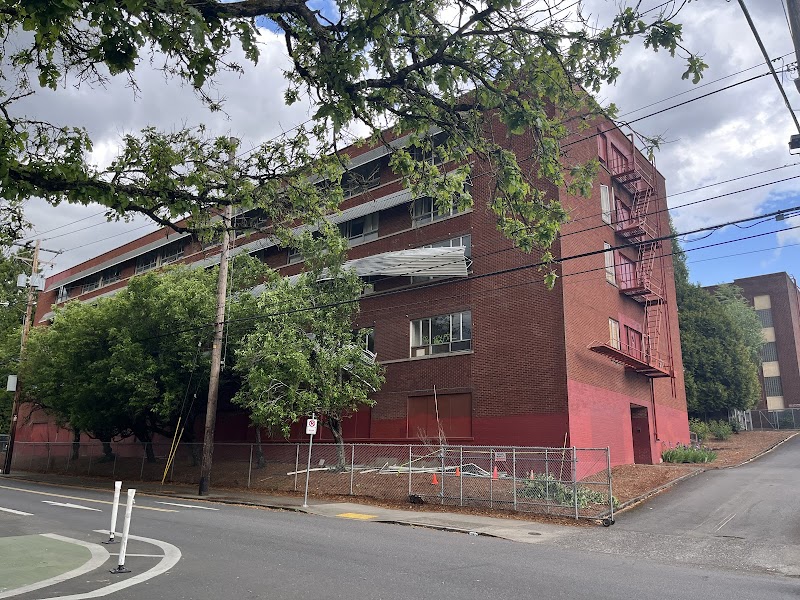
Who Owns and Operates Laurelhurst Post Acute & Rehabilitation?

LAURELHURST POST ACUTE & REHABILITATION is owned by a for-profit company. For-profit facilities operate as businesses with obligations to shareholders or private owners. The facility is operated by AVAMERE, a chain that manages multiple nursing homes. With 159 certified beds and approximately 104 residents (about 65% occupancy), it is a mid-sized facility located in PORTLAND, Oregon.
How Does Laurelhurst Post Acute & Rehabilitation Compare to Other Oregon Nursing Homes?

Compared to the 100 nursing homes in Oregon, LAURELHURST POST ACUTE & REHABILITATION's overall rating (3 stars) matches the state average, staff turnover (38%) is near the state average of 46%, and health inspection rating (2 stars) is below the national benchmark.

What Should Families Ask When Visiting Laurelhurst Post Acute & Rehabilitation?

Based on this facility's data, families visiting should ask: "What safeguards and monitoring systems are in place to protect residents from abuse or neglect?" "Can I visit during a mealtime to observe dining assistance and food quality?" "How do you handle medical emergencies, and what is your hospital transfer rate?" "Can I speak with family members of current residents about their experience?" These questions are particularly relevant given the substantiated abuse finding on record.

Is Laurelhurst Post Acute & Rehabilitation Safe?

Based on CMS inspection data, LAURELHURST POST ACUTE & REHABILITATION has documented safety concerns. The facility has 1 substantiated abuse finding (meaning confirmed case of resident harm by staff or other residents). The facility has a 3-star overall rating and ranks #1 of 100 nursing homes in Oregon. Families considering this facility should ask detailed questions about what corrective actions have been taken since these incidents.

Do Nurses at Laurelhurst Post Acute & Rehabilitation Stick Around?

LAURELHURST POST ACUTE & REHABILITATION has a staff turnover rate of 38%, which is about average for Oregon nursing homes (state average: 46%). Moderate turnover is common in nursing homes, but families should still ask about staff tenure and how the facility maintains care continuity when employees leave.

Was Laurelhurst Post Acute & Rehabilitation Ever Fined?

LAURELHURST POST ACUTE & REHABILITATION has been fined $33,319 across 1 penalty action. This is below the Oregon average of $33,412. While any fine indicates a compliance issue, fines under $50,000 are relatively common and typically reflect isolated problems that were subsequently corrected. Families should ask what specific issues led to these fines and confirm they've been resolved.

Is Laurelhurst Post Acute & Rehabilitation on Any Federal Watch List?

LAURELHURST POST ACUTE & REHABILITATION is not on any federal watch list. The most significant is the Special Focus Facility (SFF) program, which identifies the bottom 1% of nursing homes nationally based on persistent, serious quality problems. Not being on this list means the facility has avoided the pattern of deficiencies that triggers enhanced federal oversight. This is a positive indicator, though families should still review the facility's inspection history directly.