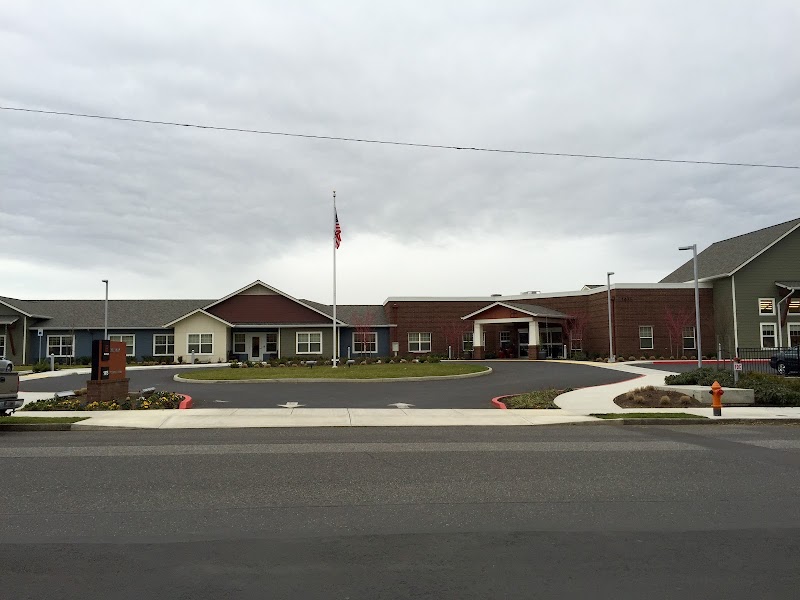

MARQUIS MILL PARK

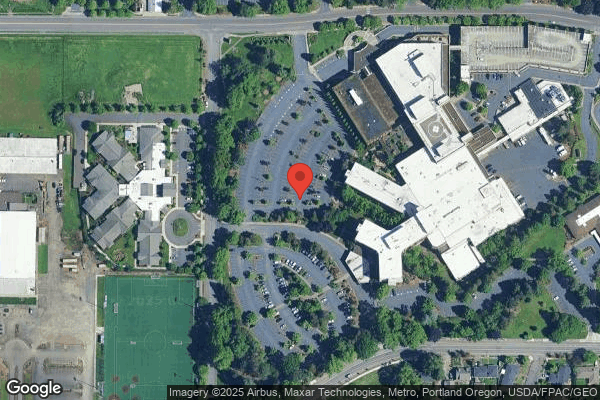
1475 SE 100TH AVENUE, PORTLAND, OR 97216 (503) 262-6000
For profit - Corporation 77 Beds MARQUIS COMPANIES Data: November 2025 1 Immediate Jeopardy citation
Trust Grade
51/100
#60 of 127 in OR
Last Inspection: February 2025

Within standard 12-15 month inspection cycle. Federal law requires annual inspections.

Overview

Marquis Mill Park has a Trust Grade of C, which means it is average and sits in the middle of the pack among nursing homes. It ranks #60 out of 127 facilities in Oregon, indicating it is in the top half, and #16 out of 33 in Multnomah County, suggesting there are only a few better local options. However, the facility's trend is worsening, with issues increasing from 1 in 2023 to 7 in 2025. Staffing is a strong point, earning a 5/5 star rating with a turnover rate of 53%, which is average but still allows for some staff familiarity with residents. On the downside, the facility has faced $17,345 in fines, which is concerning and suggests there may be compliance issues. Notably, there were serious incidents, including a failure to follow infection control practices during a COVID-19 outbreak, putting residents at risk. Additionally, there were instances of inadequate hand hygiene during medication administration, raising concerns about infection spread. Overall, while staffing is strong, families should be aware of these significant weaknesses.

Trust Score
C
51/100
In Oregon
#60/127
Top 47%
Safety Record
High Risk
Review needed
Inspections
Getting Worse
1 → 7 violations
Staff Stability
⚠ Watch
53% turnover. Above average. Higher turnover means staff may not know residents' routines.
Penalties
○ Average
$17,345 in fines. Higher than 57% of Oregon facilities. Some compliance issues.
Skilled Nurses
✓ Good
Each resident gets 73 minutes of Registered Nurse (RN) attention daily — more than 97% of Oregon nursing homes. RNs are the most trained staff who catch health problems before they become serious.
Violations
⚠ Watch
14 deficiencies on record. Higher than average. Multiple issues found across inspections.
★★★☆☆
3.0
Overall Rating
★★★★★
5.0
Staff Levels
★★★☆☆
3.0
Care Quality
★★☆☆☆
2.0
Inspection Score
Stable
2023: 1 issues
2025: 7 issues

The Good

  • 5-Star Staffing Rating · Excellent nurse staffing levels
  • Full Sprinkler Coverage · Fire safety systems throughout facility
  • No fines on record

Facility shows strength in staffing levels, fire safety.

The Bad

3-Star Overall Rating

Near Oregon average (3.0)

Meets federal standards, typical of most facilities

Staff Turnover: 53%

Near Oregon avg (46%)

Higher turnover may affect care consistency

Federal Fines: $17,345

Below median ($33,413)

Minor penalties assessed

Chain: MARQUIS COMPANIES

Part of a multi-facility chain

Ask about local staffing decisions and management

The Ugly 14 deficiencies on record

1 life-threatening
Feb 2025 7 deficiencies 1 IJ (1 affecting multiple)
CRITICAL (K) 📢 Someone Reported This

A family member, employee, or ombudsman was alarmed enough to file a formal complaint

Immediate Jeopardy (IJ) - the most serious Medicare violation

Infection Control (Tag F0880)

Someone could have died · This affected multiple residents

**NOTE- TERMS IN BRACKETS HAVE BEEN EDITED TO PROTECT CONFIDENTIALITY** Based on observation, interview and record review it was determined the facility failed to follow appropriate infection control ...

Read full inspector narrative →
**NOTE- TERMS IN BRACKETS HAVE BEEN EDITED TO PROTECT CONFIDENTIALITY** Based on observation, interview and record review it was determined the facility failed to follow appropriate infection control practices during a COVID-19 outbreak for 2 of 4 halls reviewed for infection control. This deficient practice was determined to be an immediate jeopardy situation and placed residents at risk for contracting COVID-19. Findings include: The CDC's 3/6/24 Preventing Transmission of Viral Respiratory Pathogens in Healthcare Settings website, https://www.cdc.gov/infection-control/hcp/viral-respiratory-prevention/index.html, specified health care personnel are advised to apply appropriate Transmission-Based Precautions when providing care to a patient with known or suspected respiratory infection. Infection prevention and control practices when caring for a patient with suspected or confirmed SARS-CoV-2 infection included to use Droplet Precautions with patients known or suspected to be infected with pathogens transmitted by respiratory droplets that are generated by a patient who is coughing, sneezing or talking. Use an approved particulate respirator with N95 filters or higher, gown, gloves, and eye protection worn during all patient care encounters. Remove face protection before room exit. The CDC's 9/2024 Guideline for Isolation Precautions: Preventing Transmission of Infectious Agents in Healthcare Settings website, https://www.cdc.gov/infection-control/hcp/isolation-precautions/index.html, and the facility's 3/2024 Policy for Isolation - Categories of Transmission Based Precautions specified in all healthcare settings, providing patients who are on Transmission-Based Precautions with dedicated noncritical medical equipment (e.g., stethoscope, blood pressure cuff, electronic thermometer) has been beneficial for preventing transmission. When this is not possible, adequately clean and disinfect the items after each use and before use for another resident. On 1/27/25 and 1/28/25 between the hours of 6:59 AM and 4:24 PM the following observations and interviews occurred: - Rooms 302, 305, 307, 312, 315, 404, 405, 413, 414 and 417 were identified as Transmission Based Precautions (TBP) rooms where COVID-19 positive residents resided. - Staff 20 (CNA) exited room [ROOM NUMBER] with a respirator on her face and goggles on top of her head. Staff 20 removed the goggles with bare hands, placed the goggles in a pocket, removed the respirator and crinkled it into her hand, obtained a new respirator from a package of unused respirators while holding the contaminated respirator in the same hand, and donned the clean respirator. Staff 20 did not perform hand hygiene during the process. - While preparing to enter room [ROOM NUMBER], Staff 23 (LPN) donned a gown and gloves and did not don a new respirator and did not don eye protection. Staff 23 entered room [ROOM NUMBER] and provided close-contact direct care. Staff 23 exited the room, doffed the gown and gloves and did not doff the respirator. Staff 23 stated she was unsure if she needed eye protection during care for a resident known to be infected with COVID-19. Staff 23 stated she did not believe she needed to remove the respirator upon exit of a TBP room and stated the mask needed to be changed only when visibly soiled. - Staff 23 entered room [ROOM NUMBER] with gown, gloves, respirator and face shield. Upon exit, Staff 23 held the used face shield in her bare hands, did not remove or change the respirator and walked down the hall to the treatment cart. Staff placed the used face shield on the treatment cart without a barrier and did not disinfect the shield. Without changing the respirator used in room [ROOM NUMBER], Staff 23 entered room [ROOM NUMBER], a non-COVID-19 room, and provided close contact care. - Staff 24 (CNA) approached room [ROOM NUMBER] with a respirator and eye glasses donned. Staff 24 donned a gown and gloves and picked up a clear plastic bag from the floor which contained a blood pressure cuff, stethoscope, thermometer and oximeter (used to measure blood oxygen levels). Staff 24 entered room [ROOM NUMBER], removed the vitals equipment from the bag and placed the pieces directly on the resident's bed. Staff 24 obtained the resident's vital signs using the various pieces of equipment, placed the thermometer, oximeter and cuff back into the bag and placed the stethoscope around her neck. Staff 24 did not disinfect the equipment at any time during the process. Staff 24 exited the room after doffing the gown and gloves, did not remove the N95 or eye glasses and had the stethoscope draped around her neck. Staff 24 walked down the hall to the nursing station, placed the bag of vitals equipment directly on the counter, donned gloves and wiped the oximeter and thermometer with an alcohol prep pad. Staff 24 did not remove and disinfect the stethoscope and did not change the respirator. Staff 24 stated she did not remove the glasses between resident cares and left them on throughout the entire shift. Staff 24 stated she used the same vitals equipment for all of the residents on the 400 hall, including those residents not infected with COVID-19. - Staff 25 (RN) doffed his respirator, did not perform hand hygiene, donned a new respirator, did not don eye protection and then entered room [ROOM NUMBER]. Staff 25 stated he forgot to don eye protection and stated when he wore eye protection, he used the face shield which hung on the treatment cart in the hallway. - Staff 22 (CNA) stated she thought it was okay to store the used face shields in the PPE storage containers which hung on the room door and the face shields were shared with other staff. - Staff 9 (CNA) exited room [ROOM NUMBER], doffed the face shield and placed the used face shield inside the storage container with clean, unused PPE. Staff 9 stated she left the respirator on upon exit and stated she wore the same respirator in and out of resident rooms and at the nursing station. - Staff 26 (Physical Therapy Assistant) entered room [ROOM NUMBER], wore a respirator and did not don a gown, gloves or face shield. Staff 26 stated he was supposed to don PPE before entering but did not because he checked on the resident real quick. Staff 26 did not doff the respirator upon exit and continued to wear the same respirator throughout the hall. - Staff 27 (Physical Therapist) exited room [ROOM NUMBER] with a respirator and face shield donned. Staff 27 walked to a treatment cart at the end of the hall, donned gloves, removed the face shield, cleaned the shield with a disinfectant wipe, doffed the gloves, performed hand hygiene, tucked the used face shield between her side and arm and walked down the hallway. - Used face shields were stored on name placards outside of TBP rooms. - Used face shields were stored inside PPE storage containers, in contact with clean, unused PPE. - Used face shields were stored on medication and treatment carts in the 200, 300 and 400 hallways. On 1/28/25 at 8:29 AM and 9:55 AM Staff 2 (DNS) and Staff 3 (DNS in training) stated if a resident room was identified on TBP for COVID-19, staff were expected to don the required PPE before crossing through the doorway of the room. Staff 2 and 3 stated appropriate PPE included a gown, gloves, respirator and face shield which should be donned prior to entrance and doffed upon exit. Staff 2 and 3 indicated all PPE worn in a TBP room was considered contaminated and was to be discarded upon exit. Staff 2 and 3 stated they expected staff to don a new respirator right away and the same respirator was not worn in other rooms. Staff 2 indicated there was an abundance of face shields readily accessible and available and goggles were not an acceptable form of eye protection in a TBP room. Staff 2 stated she expected face shields were not shared between staff or used between resident care. She stated if face shields were reused by a single staff, she expected staff to disinfect the shield with the appropriate disinfectant between uses and store the used face shield in the PPE container. Staff 2 stated each TBP room was supplied with a dedicated stethoscope stored inside the room and was used on that resident only. She indicated if resident care equipment was shared among residents, the expectation included the equipment was disinfected with the appropriate product between every resident. Staff 2 acknowledged there was a risk of contamination and spread of infection if staff did not remove potentially contaminated PPE after resident care in a TBP room. Staff 2 stated the facility's first case of COVID-19 was identified on 1/9/25. On 1/28/25 at 12:00 PM Staff 1 (Administrator), Staff 2, Staff 3 and Staff 28 (Administrator in training) were informed the facility's failure to implement appropriate infection control during a COVID-19 outbreak constituted an Immediate Jeopardy situation. An IJ removal plan was requested. On 1/28/25 at 3:21 PM an acceptable facility IJ removal plan was submitted by the facility. The plan indicated the facility would implement the following actions: 1. Immediate staff training was initiated by the DNS and Administrator on COVID transmission protocols, proper use of PPE (donning, doffing and reuse), storage and handling of PPE, disinfecting and use of equipment. 2. Staff who received training included CNAs, nurses, housekeeping, laundry, maintenance, administrative staff, agency staff and contracted staff. 3. Staff training was done immediately for all staff in the facility then at each shift change on 1/28/25. 4. Documentation of training would include a sign in sheet and a PPE competency validation form. 5. Continued training would be conducted at each shift change and/or 1:1 until all staff received training. 6. For staff who were on leave, training would be provided prior to returning to work. 7. Facility will have a quality assurance meeting with the committee (Medical Director, Infection Preventionist, DNS, Administrator and other interdisciplinary members) on 1/28/25 to review policies and procedures on TBP and COVID-19 precautions, including proper use of PPE, storage and equipment use. 8. DNS and Infection Preventionist will conduct visual audits every shift for three days, then weekly for four weeks, then monthly ongoing to ensure continued compliance with COVID and TBP requirements. 9. Audits will be reviewed by the quality assurance team monthly for six months to ensure ongoing compliance. On 1/29/25 at 9:54 AM it was determined the immediacy was removed after verification of completion of the IJ removal plan.
CONCERN (D)

Potential for Harm - no one hurt, but risky conditions existed

Assessment Accuracy (Tag F0641)

Could have caused harm · This affected 1 resident

**NOTE- TERMS IN BRACKETS HAVE BEEN EDITED TO PROTECT CONFIDENTIALITY** 2. Resident 65 was admitted to the facility in 11/2024 with diagnoses including UTI. Resident 65's 12/20/24 Discharge Return No...

Read full inspector narrative →
**NOTE- TERMS IN BRACKETS HAVE BEEN EDITED TO PROTECT CONFIDENTIALITY** 2. Resident 65 was admitted to the facility in 11/2024 with diagnoses including UTI. Resident 65's 12/20/24 Discharge Return Not Anticipated MDS coded the resident as hospitalized . Resident 65's 12/20/24 Discharge Progress Note indicated the resident discharged home. On 1/31/25 at 3:08 PM Staff 2 (DNS) reviewed Resident 65's health record and confirmed the resident discharged home on [DATE]. Staff 2 acknowledged the 12/20/24 Discharge MDS was incorrectly coded as hospitalized and did not accurately reflect the resident's discharge location. Based on observation, interview and record review it was determined the facility failed to accurately code the MDS for 2 of 2 sampled residents (#s 6 and 65) reviewed for dental care and hospitalizations. This placed residents at risk for unmet care needs. Findings include: 1. The facility's 8/2017 Resident Assessment Instrument MDS 3.0 Policy indicated information derived from the comprehensive assessment enabled staff to plan care to allow the resident to reach her/his highest practicable level of functioning and included an assessment of the resident's dental status and the need for, and use of, dentures or other dental appliances. Resident 6 was admitted to the facility in 8/2024 with diagnoses including kidney failure. Resident 6's 8/5/24 Nursing admission Assessment indicated the resident had a full upper and lower set of dentures. Resident 6's 8/11/24 admission MDS revealed the resident was cognitively intact and not edentulous (without teeth). Resident 6's 8/24/24 Dental Care Plan indicated the resident had her/his natural teeth. On 1/27/25 at 12:07 PM Resident 6 was observed in her/his room and sat in her/his wheelchair. Resident 6 was observed to be edentulous, and the resident stated she/he was without teeth for over a decade. On 1/29/25 at 3:44 PM Staff 11 (RNCM) stated Resident 6's admission MDS was coded in error as the resident admitted to the facility without teeth. On 1/30/25 at 12:33 PM Staff 2 (DNS) confirmed Resident 6's 8/11/24 admission MDS was coded inaccurately.
CONCERN (D)

Potential for Harm - no one hurt, but risky conditions existed

Deficiency F0655 (Tag F0655)

Could have caused harm · This affected 1 resident

Based on observation, interview and record review it was determined the facility failed to develop and implement a care plan related to the use of hearing aids for 1 of 1 sampled resident (#269) revie...

Read full inspector narrative →
Based on observation, interview and record review it was determined the facility failed to develop and implement a care plan related to the use of hearing aids for 1 of 1 sampled resident (#269) reviewed for hearing. This placed residents at risk for communication barriers and impaired hearing. Findings include: Resident 269 was admitted to the facility in 1/2025 with diagnoses including respiratory failure. In an interview on 1/27/25 at 10:26 AM, Witness 2 (Family Member) stated Resident 269 wore hearing aids during the day and needed assistance to charge them at night. Witness 2 stated when she/he visited the resident every morning the resident's hearing aids were still in her/his ears and were not charged. A review of Resident 269's care plan revealed no information related to use of hearing aids. On 1/28/25 at 8:43 AM, Resident 269 was observed sitting on her/his bed with one hearing aid in her/his left ear. The other hearing aid was in a charging device, located on the resident's nightstand. During an observation and interview with Resident 269 and Witness 2 on 1/29/25 at 10:21 AM, the resident's hearing aids were on the charging station blinking green. Witness 2 stated when she arrived the hearing aids were still in the resident's ears, and Witness 2 removed the hearing aids and placed them in the charging station. Witness 2 stated when the green light was blinking it indicated the hearing aids were not charged. On 1/29/25 at 11:29 AM, Staff 29 (CNA) and Staff 7 (LPN) were present for an interview. Staff 29 stated she provided care for Resident 296's hearing aids based upon what instructions were indicated in the resident's care plan. Staff 7 reviewed the resident's care plan and found no information related to the resident's hearing aids. On 1/30/25 at 12:35 PM, Staff 2 (DNS) confirmed the care plan lacked information related to the resident's use of hearing aids.
CONCERN (D)

Potential for Harm - no one hurt, but risky conditions existed

Deficiency F0687 (Tag F0687)

Could have caused harm · This affected 1 resident

Based on observation, interview and record review it was determined the facility failed to provide appropriate foot care for 1 of 1 sampled resident (#6) reviewed for skin conditions. This placed resi...

Read full inspector narrative →
Based on observation, interview and record review it was determined the facility failed to provide appropriate foot care for 1 of 1 sampled resident (#6) reviewed for skin conditions. This placed residents at risk for lack of nail care and increased infections. Findings include: Resident 6 was admitted to the facility in 8/2024 with diagnoses including diabetes. Resident 6's 8/11/24 admission MDS revealed the resident was cognitively intact. Resident 6's 10/29/24 Physician Orders indicated the resident was to be seen by a podiatrist for onychomycosis (a fungal infection of the nails) and diabetic foot care. An 11/19/24 Social Services Note revealed a message was left with the podiatrist to get follow up regarding the scheduling of Resident 6's podiatry appointment. A 1/8/25 Physician Encounter Note completed by Staff 13 (Medical Director) indicated the resident had a referral to be seen by a podiatrist from 10/29/24. No evidence was found in Resident 6's clinical record to indicate additional efforts to schedule a podiatry appointment for the resident were made after 11/19/24. On 1/29/25 at 12:54 PM Resident 6 was observed in her/his room. Resident 6 stated she/he had a wound on her/his right foot but was unsure if she/he needed to see a podiatrist. On 1/29/25 at 3:28 PM Staff 5 (Social Services Director) stated the last time she tried to schedule a podiatry appointment for Resident 6 was on 11/19/24. On 1/29/25 at 3:44 PM Staff 11 (RNCM) stated there was no follow up since November regarding the scheduling of Resident 6's podiatry appointment, and she recently spoke with Staff 14 (NP) who indicated she still wanted the resident to be seen by a podiatrist.
CONCERN (D)

Potential for Harm - no one hurt, but risky conditions existed

Deficiency F0699 (Tag F0699)

Could have caused harm · This affected 1 resident

Based on observation, interview and record review it was determined the facility failed to ensure a resident who was a trauma survivor received trauma-informed care for 1 of 1 sampled resident (#6) re...

Read full inspector narrative →
Based on observation, interview and record review it was determined the facility failed to ensure a resident who was a trauma survivor received trauma-informed care for 1 of 1 sampled resident (#6) reviewed for PASARR (Pre-admission Screening and Resident Review). This placed residents at risk for re-traumatization and a decrease in their quality of life. Findings include: The facility's 5/2023 Trauma Informed Care Policy indicated the following: -Nursing staff, Social Services and the attending physician were to identify individuals with a history of trauma, as the resident was willing to disclose, as part of an initial assessment. Information could also be gathered from family and friends in order to identify and implement person-centered trauma-informed care. -Areas of potential life trauma were to be identified and developed into a person-centered care plan based on the Social Services admission Assessment. This Assessment was to gather how trauma impacted the resident's care needs and triggers in addition to the resident's treatment history and/or a specialist that may have been involved in the care/support of the resident's trauma needs/PTSD (Post-traumatic stress disorder). -If the resident was treated for past trauma, facility staff and the provider would obtain and document ongoing reassessments of changes in the individual's behavior, mood and function no less than quarterly. -Staff were to document via Quarterly Social Services Assessment and/or in the MDS CAA interventions attempted and outcomes associated with person-centered trauma-informed interventions. admission records received by the facility on 7/29/24, prior to Resident 6's admission to the facility, revealed the resident had an active diagnosis of PTSD. Resident 6 was admitted to the facility in 8/2024 with diagnoses including bipolar disorder (a chronic mental health condition characterized by extreme mood swings and caused by a complex interplay of multiple factors, including genetics, brain chemistry, psychological factors, other medical conditions and environmental factors such as trauma) and PTSD. Resident 6's 8/5/24 Social Services admission Assessment revealed the resident chose not to share when asked if she/he experienced any traumas, such as war. Resident 6's 8/11/24 admission MDS revealed the resident was cognitively intact. No evidence was found in Resident 6's clinical record to indicate staff were aware of the resident's diagnosis of PTSD or attempted to follow-up with the resident, the resident's family members, or medical providers, related to the resident's diagnosis of PTSD. On 1/27/25 at 11:31 AM Resident 6 was observed in her/his room. Resident 6 tearfully recounted times when she/he witnessed and experienced extreme violence, and indicated facility staff did not ask about her/his history of trauma. On 1/29/25 at 12:54 PM Resident 6 was observed in her/his room and described her/his current leg infection to the state surveyor. Unprompted by the state surveyor, Resident 6 changed the conversation to the topic of the extreme violence she/he witnessed and experienced in the past. On 1/29/25 at 1:11 PM Staff 21 (CNA) stated Resident 6 had bad days when she/he got sad. Staff 21 was unaware of any potential trauma triggers for the resident. On 1/29/25 at 1:36 PM Staff 22 (CNA) did not express awareness of Resident 6's history of trauma. On 1/30/25 at 10:52 AM Staff 5 (Social Services Director), Staff 4 (Social Services Director) and Staff 11 (RNCM) were present for an interview. Staff 5, Staff 4 and Staff 11 stated they were unaware of Resident 6's diagnosis of PTSD and did not reapproach the resident about her/his history of trauma following her/his admission to the facility or reach out to family, friends or providers for additional information about the resident's PTSD and potential trauma triggers. On 1/30/25 at 12:46 PM Staff 2 (DNS) stated residents with a diagnosis of PTSD were to have a related care plan and staff were to reach out to family members when residents declined to discuss their trauma.
CONCERN (D) 📢 Someone Reported This

A family member, employee, or ombudsman was alarmed enough to file a formal complaint

Potential for Harm - no one hurt, but risky conditions existed

Deficiency F0742 (Tag F0742)

Could have caused harm · This affected 1 resident

Based on observation, interview and record review it was determined the facility failed to provide treatment and services to correct ongoing signs of depressive behavior for 1 of 1 sampled resident (#...

Read full inspector narrative →
Based on observation, interview and record review it was determined the facility failed to provide treatment and services to correct ongoing signs of depressive behavior for 1 of 1 sampled resident (#49) reviewed for behavioral-emotional needs. This placed residents at risk for unmet behavioral and emotional needs and a decrease in their quality of life. Findings include: The facility's undated Behavioral Assessment for Un-Met Needs/Psychoactive Medications Policy indicated the following: -A Behavior UDA (assessment) was to be opened by the Social Services Director at the time a new behavior was noted and completed by the interdisciplinary team to ensure environmental/facility practices or medical/clinical causes of behavior, non-pharmacological interventions implemented and delirium were ruled out before the initiation of a medication/increased dosing. -If the physician/NP initiated a psychoactive medication, the RNCM was to follow up with the prescriber regarding the continued use of the medication. If the medication was not discontinued, the Social Services Director was to open a Behavior UDA within 72 hours of the medication start date. -If a resident had active behaviors upon admission, the Behavior UDA was to be completed by day 14 with the MDS. Resident 49 was admitted to the facility in 12/2024 with diagnoses including orthopedic aftercare following a surgical amputation and adjustment disorder (a mental health condition that develops as an unhealthy response to a stressful life event) with anxiety and depressed mood. Resident 49's 12/13/24 Social Services admission Assessment indicated the loss of the resident's leg had her/him feeling down. A 12/17/24 Encounter Note written by Staff 14 (NP) revealed Resident 49 admitted to the facility following a hemipelvectomy (a surgical procedure that involved the removal of half of the pelvis bone and the lower extremity on that side). The note further revealed the resident experienced an increase in irritability, nervousness, anxiety, agitation and depressive mood as well as a lack of motivation in response to her/his amputation. She/he declined treatment with an antidepressant and had lorazepam (a medication used to treat anxiety and sleeping problems related to anxiety) available PRN. Resident 49's 1/10/25 admission MDS revealed the resident was cognitively intact and felt down, depressed or hopeless several days over the previous two weeks. No evidence was found in Resident 49's clinical record to indicate any behavioral health services were offered, an individualized care plan was developed or ongoing monitoring of the resident's mood was completed in order to ensure her/his emotional and psychosocial needs were addressed and met. On 1/27/25 at 4:52 PM Resident 49 was observed in her/his room accompanied by Witness 1 (Family Member). Resident 49 stated she/he was more depressed now than [she/he] had ever been on account of her/his recent amputation. Resident 49 stated she/he was open to any kind of non-pharmacological psychosocial intervention, including counseling, but no one at the facility offered any psychosocial support. Witness 1 stated there was no mood support in the facility which did not make sense with residents like [Resident 49] coping with traumatic losses. On 1/29/25 at 1:11 PM Staff 21 (CNA) stated Resident 49 seemed sad and depressed at times but was not sure why or what to do about it. On 1/30/25 at 10:38 AM Staff 4 (Social Services Director) stated Resident 49 was depressed since she/he had her/his leg amputated. Staff 4 stated the resident coped with multiple losses and did not recall if she offered any psychosocial supports to the resident.
CONCERN (D)

Potential for Harm - no one hurt, but risky conditions existed

Unnecessary Medications (Tag F0759)

Could have caused harm · This affected 1 resident

Based on observation, interview and record review it was determined the facility failed to ensure a medication administration error rate of less than 5%. There were two errors in 29 opportunities resu...

Read full inspector narrative →
Based on observation, interview and record review it was determined the facility failed to ensure a medication administration error rate of less than 5%. There were two errors in 29 opportunities resulting in a 6.9% error rate. This placed residents at risk for reduced medication efficacy and adverse medication side effects. Findings include: The 2023 insulin lispro Kwikpen Manufacturer Instructions For Use and the 2022 How to Use Lantus Pen Manufacturer Instructions specified the following: - to prime pen, turn the Dose Knob to select two units. Hold the pen with the needles pointing up, tap the pen gently to collect air bubbles at the top, continue holding pen with needle pointing up, push the Dose Knob in until it stops and 0 is seen in the Dose Window. Hold the Dose Knob in and count to 5 slowly. Turn the Dose Knob to select the number of units needed. Always perform these safety steps before each injection. Resident 118 was admitted to the facility in 1/2025 with diagnoses including type 2 diabetes mellitus (impaired insulin production). Resident 118's 1/2025 Physician Orders included the following: - Insulin lispro injection solution, inject six units subcutaneously with meals; - Insulin glargine solution pen-injector, inject seven units subcutaneously in the morning. On 1/29/25 at 8:40 AM Staff 6 (LPN) was observed during Resident 118's medication administration. Staff 6 obtained Resident 118's insulin lispro Kwikpen (insulin pen) and dialed the dose knob until six units was observed in the dose window . Staff 6 did not perform the safety steps as indicated in the manufacturer's instructions. Staff 6 obtained Resident 118's Lantus insulin glargine Kwikpen (insulin pen) and dialed the dose knob until seven units was observed in the dose window. Staff 6 did not perform the safety steps as indicated in the manufacturer's instructions. Staff 6 gathered the Kwikpens and administered the insulin to the Resident. On 1/29/25 at 9:11 AM Staff 6 stated he was unaware if preparation of insulin Kwikpens included the safety steps for priming. Staff 6 acknowledged he did not perform the safety steps prior to administration of Resident 118's insulin. On 1/29/25 at 11:33 AM Staff 2 (DNS) was notified Resident 118's insulin Kwikpens were not primed and the safety steps were not followed prior to administration. Staff 2 stated she expected staff to follow the safety steps for priming prior to insulin Kwikpen administration.
Aug 2023 1 deficiency
CONCERN (E)

Potential for Harm - no one hurt, but risky conditions existed

Infection Control (Tag F0880)

Could have caused harm · This affected multiple residents

1. Based on observation, interview and record review it was determined the facility failed to ensure adequate hand hygiene during medication administration for 3 of 9 sampled residents (#s 33, 41 and ...

Read full inspector narrative →
1. Based on observation, interview and record review it was determined the facility failed to ensure adequate hand hygiene during medication administration for 3 of 9 sampled residents (#s 33, 41 and 161) reviewed during medication administration. This placed residents at risk for spread of infection. Findings include: The facility's 5/2020 Handwashing/Hand Hygiene Policy & Procedure specified hand hygiene was the primary means to prevent the spread of infection. Employees must perform hand hygiene before and after direct contact with a resident or their immediate environment. On 8/24/23 at 2:26 PM Staff 3 (LPN) dispensed and administered Resident 41's medication in the resident's room. Staff 3 did not perform hand hygiene before or after she dispensed and administered the medication. On 8/24/23 at 2:36 PM Staff 3 dispensed and administered Resident 33's medications in the resident's room. Staff 3 did not perform hand hygiene before or after she dispensed and administered the medication. On 8/24/23 at 2:44 PM Staff 3 dispensed and administered Resident 161's medications in the resident's room. Staff 3 did not perform hand hygiene before or after she dispensed and administered the medication. On 8/24/23 at 2:50 PM Staff 3 stated she usually performed hand hygiene between residents but forgot to perform hand hygiene before and after the residents' medication administration. On 8/25/23 at 10:48 AM Staff 2 (DNS) Staff 2 was informed of Staff 3's lack of hand hygiene during medication administration and stated staff should perform hand hygiene between each resident and upon entrance and exit of each resident's room. 2. Based on observation, interview and record it was determined the facility failed to ensure provision of hand hygiene to residents prior to meal service for 1 of 4 halls reviewed for food service. This placed residents at risk for an unsanitary dining experience and the spread of infection. Findings include: The facility's 5/2020 Handwashing/Hand Hygiene Policy & Procedure specified hand hygiene was the primary means to prevent the spread of infection. Resident 159 was admitted to the facility in 8/2023 with diagnoses including aftercare following a joint replacement surgery and resided on the 100 hall. Resident 159's 8/13/23 admission MDS indicated the resident was cognitively intact and required the assistance of staff for ADLs. Resident 21 was admitted to the facility in 8/2023 with diagnoses including chronic obstructive pulmonary disease (lung disease) and resided on the 100 hall. Resident 21's 8/14/23 admission MDS indicated the resident was cognitively intact and required the assistance of staff for ADLs. On 8/22/23 at 9:13 AM Resident 159 stated staff did not offer or assist her/him with hand hygiene before meals. On 8/22/23 from 1:06 PM to 1:11 PM Staff 4 (Nursing Assistant), Staff 5 (Nursing Assistant Student) and Staff 6 (Nursing Assistant Student) passed the lunch meal trays to the 100 hall residents. Staff 4, Staff 5 and Staff 6 did not assist, provide or offer hand hygiene to the residents before or during the meal pass. On 8/22/23 at 1:13 PM Staff 5 and Staff 6 acknowledged they did not offer or provide hand hygiene to the 100 hall residents prior to passing the lunch meal trays. On 8/22/23 at 1:14 PM Staff 4 stated she offered residents hand hygiene after taking them to the bathroom and before meals. On 8/22/23 at 1:18 PM Resident 21 was in her/his room with the lunch meal on her/his table. Resident 21 stated she/he was not offered or provided with hand hygiene prior to this lunch meal and was not offered or assisted with hand hygiene before meals on a daily basis. On 8/22/23 at 1:25 PM Resident 159 was in her/his room with the lunch meal on her/his table. Resident 159 stated she/he was not offered or provided with hand hygiene prior to the lunch meal. On 8/25/23 at 10:48 AM Staff 2 (DNS) was notified the residents who resided on the 100 hall were not offered or provided with hand hygiene prior to the lunch meal on 8/22/23 and was informed Resident 21 and Resident 159 voiced concerns regarding the lack of hand hygiene. Staff 2 stated residents should be offered and assisted with hand hygiene as needed before meals.
Jul 2022 6 deficiencies
CONCERN (D)

Potential for Harm - no one hurt, but risky conditions existed

Deficiency F0554 (Tag F0554)

Could have caused harm · This affected 1 resident

2. Resident 13 was admitted to the facility in 4/2022 with diagnoses including pancreatitis (inflammation of the pancreas). On 6/28/22 at 2:00 PM, 6/29/22 at 3:05 PM and 6/30/22 at 9:54 AM, Mylanta (u...

Read full inspector narrative →
2. Resident 13 was admitted to the facility in 4/2022 with diagnoses including pancreatitis (inflammation of the pancreas). On 6/28/22 at 2:00 PM, 6/29/22 at 3:05 PM and 6/30/22 at 9:54 AM, Mylanta (used for gastric upset) was observed on Resident 13's bedside table and Preparation-H (used to treat hemorrhoids) was observed on the window ledge. Resident 13 stated in an interview on 6/29/22 at 3:06 PM the medications were used for her/his occasional upset stomach, nausea and diarrhea. Review of Resident 13's health record revealed no assessment was completed to determine the resident's ability to safely self-administer the medications. On 6/30/22 at 2:32 PM Staff 4 (RNCM) confirmed Resident 13 was not assessed for safe self-administration of medications. On 7/1/22 at 10:40 AM Staff 3 (DNS) acknowledged the licensed nurses should have assessed Resident 13 for her/his ability to self-administer medications and obtained a physician's order prior to leaving medications with the resident. Based on observation, interview and record review it was determined the facility failed to ensure the resident was assessed for safe self administration of medications for 2 of 2 sampled residents (#s 11 and 13) reviewed for self-administration of medications. This placed residents at risk for adverse medication side effects. Findings include: 1. Resident 11 was admitted to the facility in 4/2022 with diagnoses including chronic obstructive pulmonary disease (COPD, a lung disease that makes it difficult to breathe). On 6/28/22 at 10:40 AM, 6/29/22 at 8:50 AM and 3:31 PM and 6/30/22 at 8:41 AM Resident 11's room and bedside table were observed. An Atrovent inhaler (used to treat COPD), Albuterol inhaler (used to treat wheezing and shortness of breath) and a Flonase bottle (used to treat nasal congestion, sneezing and runny nose) were observed to be on Resident 11's bedside table and within the resident's reach. During these observations, Staff 6 (LPN), Staff 8 (RN) and Staff 9 (CNA) entered the resident's room, stood in close proximity to the bedside table and interacted with the resident. On 6/29/22 at 3:31 PM Resident 11 stated the inhalers were for emergencies and she/he used the inhalers when she/he felt the need. Resident 11 picked up the Flonase and stated it was nose stuff and she/he used it about every day. On 6/29/22 at 4:29 PM Staff 7 (CNA) stated if she saw medications in a resident room, she would remove the medications and give them to the nurse. Staff 7 stated Resident 11 had inhalers in her/his room and the resident administered her/his inhalers. On 6/29/22 at 4:35 PM Staff 6 stated residents were unable to store medications in their room and self-administer medications unless an assessment was completed and a physician order was in place. Staff 6 stated she was unsure if Resident 11 was assessed to to self-administer medications. Resident 11's health record did not include a medication self-administration assessment or a self-administration physician order. On 6/30/22 at 9:13 AM Staff 4 (RNCM) stated a medication self-administration assessment was required in order for a resident to keep medications at the bedside to self-administer. Staff 4 stated the assessment was conducted to determine if a resident understood the medication and how and when to administer the medication. Staff 4 stated if a resident was approved for self-administration, a physician order was obtained and the order was transcribed to the MAR so the nurse documented each time the resident self-administered. Staff 4 reviewed Resident 11's health record and confirmed there was no medication self-administration assessment. Staff 4 stated she would not expect to find inhalers or Flonase at Resident 11's bedside without an assessment and physician order. On 7/05/22 at 11:26 AM Staff 3 (DNS) was notified of the findings of this investigation. Staff 3 stated Resident 11's family brought in the inhalers and the resident kept them hidden. Staff 3 was notified the Antrovent and Albuterol inhalers and the Flonase were in plain view on Resident 11's bedside table, within reach of the resident and Staff 6, Staff 8 and Staff 9 were observed in the resident's room several times. Staff 3 stated she expected the staff to see the medications and say something. Staff 3 stated a medication self-administration assessment should be completed to ensure safe self-administration and there should be an order in place from the provider before a resident self-administered any medications.
CONCERN (D)

Potential for Harm - no one hurt, but risky conditions existed

Quality of Care (Tag F0684)

Could have caused harm · This affected 1 resident

Based on interview and record review it was determined the facility failed to administer medications as ordered by the physician and failed to ensure surgical wound care ordered were clarified and sta...

Read full inspector narrative →
Based on interview and record review it was determined the facility failed to administer medications as ordered by the physician and failed to ensure surgical wound care ordered were clarified and standard nursing protocols for wound care were defined and transcribed for a resident with extensive surgical wounds for 2 of 2 sampled residents (#s 90 and 91) reviewed for medications errors and wound care.This placed the resident at risk for insufficient medication levels, delayed treatment, and worsening wounds. Findings include: 1. Resident 90 was admitted in 2/2019 with diagnoses including Stage 4 chronic renal failure (severe kidney disease), chronic anemia (low iron level) and congestive heart failure. On 4/30/21 Resident 90's physician ordered Epoetin Alpha 20,000 units/ml (a medication that stimulates red blood cell production) subcutaneously every seven days. Resident 90's medication administration record indicated the medication was not given on 5/10/21, 5/17/21, 5/24/21 and 5/31/21. In a facility medication error report dated 6/11/21 Staff 17 LPN reported to Staff 18 (Resident Care Manager) the medication was not given because it was not available and indicated Staff 17 was unable to locate the medication which was stored in the medication refrigerator. A 6/11/21 progress note indicated Resident 90's physician was notified several days after not receiving the medications. Staff 17 was unavailable for an interview. Labs were obtained on 6/13/21 for Resident 90, after the missed doses were discovered. The labs indicated the resident's anemia had worsened. Resident 90's physician ordered two iron infusions (a procedure in which iron is delivered through a vein) for the resident. On 6/30/21 at 11:40 AM Staff 3 (DNS) stated, although I was on vacation at the time, I would expect my nursing staff to follow the process. Contact the pharmacy, attempt to locate medication, check the Cubex and let the management or myself know. 2. Resident 91 was admitted to the facility in 2/2022 with diagnoses including diabetes, heart failure, amputation of left great toe and other orthopedic aftercare. The hospital Skilled/Intermediate Nursing Facility Transfer Order dated 2/22/22 indicated Resident 91 was discharged from the hospital with orders for Wound Care: follow standard nursing protocols for wound care and follow up with podiatry in one week for wound check. The orders did not define standard nursing protocols for wound care. A facility Skin and Wound Evaluation dated 2/23/22 indicated Resident 91 admitted with a left poplitial fossa (leg area) surgical wound measuring 8.7 cm by 0.6 cm with staples (material used to close skin wounds) and a right inner thigh surgical wound measuring 36.3 cm by 4.4 cm. A review of Resident 91's 2/2022 and 3/2022 TARs indicated follow standard nursing protocols for wound care was provided every shift; however, did not define standard nursing protocol for wound care. On 6/28/22 at 12:14 PM Witness 1 (Complainant) reported facility staff did not appropriately care for Resident 91's surgical wounds, her/his surgical wound care fell through the cracks and they had to ask many times when the surgical wound staples would be removed. On 6/30/22 at 10:44 AM Staff 10 (RN) indicated that standard nursing wound care protocol orders were temporary orders used until specific orders were secured from a resident's provider. Staff 10 stated if they used the standard nursing protocol orders for wound care, they referred to a binder located at the main nursing station for guidance. On 7/5/22 at 9:52 AM Staff 6 (LPN) stated standard nursing wound care protocol orders were not appropriate to use for surgical wounds because surgical wounds required specific wound care orders since each wound was different; as an example some wounds had staples and other wounds had steri-strips. Staff 6 stated standard nursing wound care protocol orders were used for skin issues such as skin tears and were used temporarily, until specific orders were secured from the provider. Staff 6 stated if nursing used the standard nursing wound care protocols, the protocols were located in a binder at the main nursing station. On 7/5/22 at 11:41 AM Staff 4 (RNCM) stated standard nursing wound care protocols were located in a binder at the main nursing station. Staff 4 and surveyor reviewed the binder and no standard nursing wound care protocol was located for surgical wounds. This was confirmed by Staff 4. Staff 4 stated she could not locate any specific surgical wound care orders in Resident 91's medical records. On 7/6/22 at 2:01 PM and 3:26 PM Staff 2 (DNS) acknowledged the facility did not clarify Resident 91's surgical wound care orders and did not ensure standard nursing protocols for wound care orders were defined and transcribed. Staff 2 stated she was unable to state what treatment was completed for Resident 91's wounds based on the orders available.
CONCERN (D)

Potential for Harm - no one hurt, but risky conditions existed

Respiratory Care (Tag F0695)

Could have caused harm · This affected 1 resident

Based on observation, interview and record review it was determined the facility failed to obtain physician orders for supplemental oxygen use and failed to provide respiratory care and services in ac...

Read full inspector narrative →
Based on observation, interview and record review it was determined the facility failed to obtain physician orders for supplemental oxygen use and failed to provide respiratory care and services in accordance with a resident's needs for 1 of 1 sampled resident (#9) reviewed for respiratory care. This placed residents ar risk for unmet respiratory needs. Findings include: Resident 9 was admitted to the facility in 4/2022 with diagnoses included acute and chronic respiratory failure with hypoxia (an absence of enough oxygen), pneumonia and chronic obstructive pulmonary disease (a lung disease that makes it difficult to breath). Multiple observations from 6/28/22 through 7/6/22 between the hours of 8:30 AM to 4:00 PM indicated the resident utilized supplemental oxygen at all times. The 4/18/22 admission MDS indicated Resident 9 received supplemental oxygen therapy. Resident 9's 4/2022 through 7/2022 oxygen records indicated the resident consistently received oxygen via nasal cannula (a method of delivering supplemental oxygen through the nose). The 4/12/22 through 7/6/22 progress notes indicated Resident 9 consistently received two to five liters of oxygen per minute by nasal cannula. A review of Resident 9's physician orders indicated the facility did not secure orders for supplemental oxygen therapy until 6/9/22, almost two months after her/his admission date. In an interview on 6/28/22 at 3:48 PM Witness 2 (Friend) reported Resident 9 required two to four liters of oxgyen per minute. Witness 2 stated on 5/26/22, Resident 9 was transported from the facility to an appointment. Upon arriving to the appointment, Resident 9 demonstrated shortness of breath and Witness 2's spouse observed that Resident 9's oxygen tank was empty. Witness 2 stated the physician's office provided Resident 9 with supplemental oxygen. Witness 2 contacted the facility and the facility arranged to have medical transportation pick the resident up from her/his appointment since the resident's scheduled transportation was not equipped with oxygen. In an interview on 7/1/22 at 10:22 AM Staff 6 (LPN) stated on 5/26/22, Resident 9 was getting ready for an appointment and she provided her/him with an oxygen tank that was in the resident's room which was not completely full but pretty full. Staff 6 reported Resident 9 was on three liters of oxygen and she did not know the tank would run out. Staff 6 stated the resident care manager came to her and said Resident 9's oxygen ran out and from now on any residents going to an appointment should take two tanks of oxygen instead of one. In an interview on 7/1/22 at 12:05 PM Staff 12 (LPN) stated Resident 9 was consistently on supplemental oxygen since her/his admission. Staff 12 stated when a resident went to an appointment and required supplemental oxygen, she normally provided a full tank of oxygen and checked to be sure the resident was not going to be out for the entire day. Staff 12 stated she was unaware of any way to calculate how much oxygen a resident required based on their oxygen needs and estimated time the resident would be out of the facility until today when she was given a chart that provided guidance on calculating resident's oxygen needs based on various factors. In an interview on 7/1/22 at 3:34 PM and 7/5/22 at 11:30 AM Staff 4 (RNCM) reported on 5/26/22, Resident 9 was given a full tank of oxygen for her/his appointment and while waiting to be picked up from the facility, she/he became anxious and short of breath so staff increased her/his supplemental oxygen which resulted in Resident 9 running out of oxygen. Staff 4 stated Resident 9's physician's office provided supplemental oxygen and medical transport was contacted to transport the resident back to the facility. Staff 4 confirmed Resident 9 was not provided with an adequate amount of oxygen for her/his time out of the facility and the facility did not have orders for supplemental oxygen until 6/9/22. In an interview on 7/6/22 at 2:08 PM Staff 3 (DNS) reported the facility did not properly estimate Resident 9's oxygen needs resulting in the resident running out of oxygen while out of the facility.
CONCERN (D)

Potential for Harm - no one hurt, but risky conditions existed

Deficiency F0849 (Tag F0849)

Could have caused harm · This affected 1 resident

Based on interview and record review it was determined the facility failed to ensure a written agreement with the hospice service was formulated and signed by an authorized representative before hospi...

Read full inspector narrative →
Based on interview and record review it was determined the facility failed to ensure a written agreement with the hospice service was formulated and signed by an authorized representative before hospice care was provided for 1 of 1 sampled resident (#4) reviewed for hospice services. This placed residents at risk for uncoordinated hospice needs. Findings include: Resident 4 was admitted for hospice services on 3/27/22 for Metabolic Encephalopathy (a chemical imbalance the affects brain functioning) and heart attack. On 7/1/22 at 1:00 PM Staff 1 (Administratror) was asked to provide a copy of the facility's hospice service agreements. On 7/1/22 at 1:09 PM surveyor received a hospice service agreement between the facility and the hospice provider. Review of the hospice agreement revealed the effective date of the executed contract began on 7/1/22. On 7/1/22 at 1:21 PM surveyor requested clarification regarding the provided hospice service agreement. Staff 1 was informed that the agreement was initiated and dated as of 7/1/22 when the date of service for Resident 4 began in 3/2022. Surveyor requested if the facility was able to print any service agreements earlier then 7/1/22 and Staff 1 stated she could not.
CONCERN (D)

Potential for Harm - no one hurt, but risky conditions existed

Infection Control (Tag F0880)

Could have caused harm · This affected 1 resident

Based on observation and interview it was determined the facility failed to follow COVID-19 screening procedures for 1 of 2 screening areas reviewed for COVID-19 symptom screening. This placed residen...

Read full inspector narrative →
Based on observation and interview it was determined the facility failed to follow COVID-19 screening procedures for 1 of 2 screening areas reviewed for COVID-19 symptom screening. This placed residents at risk of exposure to the COVID-19 virus. Findings include: The CMS 3/2022 QSO-20-39-NH Nursing Home Visitation Guidance emphasized the importance of maintaining infection prevention practices, given the continued risk of COVID-19 transmission and included the following Core Principle of COVID-19 Infection Prevention which should be adhered to at all times: - Screening of all who enter the facility for signs and symptoms of COVID-19 (e.g., temperature checks, questions about and observations of signs or symptoms). 1. On 7/05/22 at 1:51 PM Staff 5 (RN) entered the facility via the staff entrance. Staff 2 (Administrator in Training) took Staff 5's temperature using an infrared scanner. Staff 2 asked her one question, Do you have any symptoms? Staff 5 stated, I have a little bit of a sore throat. Staff 5 continued into the public area of the facility. On 7/05/22 at 2:24 PM Staff 5 confirmed she had a sore throat and she informed the screener. She stated she administered her own rapid test in the residents' dining area of the 100 hall. Staff 5 stated she waited 15 minutes and had another staff nurse interpret the results. On 7/06/22 at 9:05 AM Staff 2 (Administrator in Training) stated when an employee confirmed symptoms during the screening, an email was automatically sent to Staff 1 (Administrator) and Staff 3 (DNS) and the employee was administered a rapid test if their symptoms were mild or sent home if their symptoms were more severe. Staff 2 stated the rapid test should be administered in the family dining room (next to the staff screening station) or behind the counter at the central nurses' station. He said the employee being tested must wait there for 30 minutes until the test results were read. On 7/06/22 at 11:41 AM Staff 3 confirmed Staff 5 should have been asked about each COVID-19 symptom and possible exposure, had her rapid test administered in the family dining room (or outside of the building if the dining room was occupied), and had her results read after waiting 30 minutes.2. On 7/5/22 at 1:49 PM Staff 16 (Nursing Assistant) entered the facility and approached the employee screening table. There was no staff screener in the vicinity. Staff 16 stood at the table, looked around and then proceeded into the facility to the 400 hall. Staff 16 was not screened for symptoms of COVID-19 and her temperature was not obtained. On 7/5/22 at 1:58 PM Staff 16 was observed sitting in a chair in the 400 hall residents' dining area with five other Nursing Assistants. Staff 16 stated she planned to get her resident assignment and begin work. On 7/5/22 at 2:13 PM Staff 15 (LPN Clinical Instructor) was observed at the employee screening table with Staff 16. Staff 15 obtained Staff 16's temperature and completed the screening process. On 7/5/22 at 2:22 PM Staff 15 stated she learned Staff 16 did not screen for signs of symptoms of COVID-19 before entering the facility. Staff 15 stated she explained to Staff 16 the importance of completing the screening process prior to entering the facility. On 7/6/22 at 11:37 AM Staff 3 (DNS) was notified of the findings of this investigation. Staff 3 stated it was Staff 15's responsibility to ensure each Nursing Assistant was screened prior to entering the facility.
CONCERN (E)

Potential for Harm - no one hurt, but risky conditions existed

Staffing Information (Tag F0732)

Could have caused harm · This affected multiple residents

Based on observation, interview and record review it was determined the facility failed to ensure the Direct Care Staff Daily Report (DCSDR) was posted in a prominent place readily accessible to resid...

Read full inspector narrative →
Based on observation, interview and record review it was determined the facility failed to ensure the Direct Care Staff Daily Report (DCSDR) was posted in a prominent place readily accessible to residents and visitors on 3 of 3 days observed and failed to ensure postings were accurate for 7 of 28 days reviewed for staffing. This placed residents at risk for incorrect staffing information. Findings include: Multiple observations from 6/28/22 through 6/30/22 between the hours of 8:00 AM and 4:00 PM revealed the DCSDRs were in the back of a hanging wall file box located near the main nursing station, folded over so the posting was not visible to the residents or public. Review of the 6/1/22 through 6/28/22 DCSDRs indicated the following days when either the census, number of staff or hours worked were inaccurately recorded or required information was missing on daily postings: -6/1, 6/2, 6/3, 6/5, 6/6, 6/7 and 6/13. On 7/1/22 at 3:00 PM Staff 2 (Administrator-in-Training) confirmed the facility's failure to prominently post DCSDRs and accurately report required information.
Understanding Severity Codes (click to expand)
Life-Threatening (Immediate Jeopardy)
J - Isolated K - Pattern L - Widespread
Actual Harm
G - Isolated H - Pattern I - Widespread
Potential for Harm
D - Isolated E - Pattern F - Widespread
No Harm (Minor)
A - Isolated B - Pattern C - Widespread

Questions to Ask on Your Visit

  • "What changes have you made since the serious inspection findings?"
  • "Can I speak with families of current residents?"
  • "What's your RN coverage like on weekends and overnight?"

Our Honest Assessment

Strengths
  • • Licensed and certified facility. Meets minimum state requirements.
Concerns
  • • Multiple safety concerns identified: 1 life-threatening violation(s). Review inspection reports carefully.
  • • 14 deficiencies on record, including 1 critical (life-threatening) violation. These warrant careful review before choosing this facility.
  • • $17,345 in fines. Above average for Oregon. Some compliance problems on record.
  • • Grade C (51/100). Below average facility with significant concerns.
Bottom line: Mixed indicators with Trust Score of 51/100. Visit in person and ask pointed questions.

About This Facility

What is Marquis Mill Park's CMS Rating?

CMS assigns MARQUIS MILL PARK an overall rating of 3 out of 5 stars, which is considered average nationally. Within Oregon, this rating places the facility higher than 0% of the state's 100 nursing homes. This mid-range rating indicates the facility meets federal standards but may have areas for improvement.

How is Marquis Mill Park Staffed?

CMS rates MARQUIS MILL PARK's staffing level at 5 out of 5 stars, which is much above average compared to other nursing homes. Staff turnover is 53%, compared to the Oregon average of 46%.

What Have Inspectors Found at Marquis Mill Park?

State health inspectors documented 14 deficiencies at MARQUIS MILL PARK during 2022 to 2025. These included: 1 Immediate Jeopardy (the most serious level, indicating potential for serious harm or death) and 13 with potential for harm. Immediate Jeopardy findings are rare and represent the most serious regulatory concerns. They require immediate corrective action.

Who Owns and Operates Marquis Mill Park?

MARQUIS MILL PARK is owned by a for-profit company. For-profit facilities operate as businesses with obligations to shareholders or private owners. The facility is operated by MARQUIS COMPANIES, a chain that manages multiple nursing homes. With 77 certified beds and approximately 66 residents (about 86% occupancy), it is a smaller facility located in PORTLAND, Oregon.

How Does Marquis Mill Park Compare to Other Oregon Nursing Homes?

Compared to the 100 nursing homes in Oregon, MARQUIS MILL PARK's overall rating (3 stars) matches the state average, staff turnover (53%) is near the state average of 46%, and health inspection rating (2 stars) is below the national benchmark.

What Should Families Ask When Visiting Marquis Mill Park?

Based on this facility's data, families visiting should ask: "What changes have been made since the serious inspection findings, and how are you preventing similar issues?" "Can I visit during a mealtime to observe dining assistance and food quality?" "How do you handle medical emergencies, and what is your hospital transfer rate?" "Can I speak with family members of current residents about their experience?" These questions are particularly relevant given the facility's Immediate Jeopardy citations.

Is Marquis Mill Park Safe?

Based on CMS inspection data, MARQUIS MILL PARK has documented safety concerns. Inspectors have issued 1 Immediate Jeopardy citation (the most serious violation level indicating risk of serious injury or death). The facility has a 3-star overall rating and ranks #1 of 100 nursing homes in Oregon. Families considering this facility should ask detailed questions about what corrective actions have been taken since these incidents.

Do Nurses at Marquis Mill Park Stick Around?

MARQUIS MILL PARK has a staff turnover rate of 53%, which is 7 percentage points above the Oregon average of 46%. Moderate turnover is common in nursing homes, but families should still ask about staff tenure and how the facility maintains care continuity when employees leave.

Was Marquis Mill Park Ever Fined?

MARQUIS MILL PARK has been fined $17,345 across 1 penalty action. This is below the Oregon average of $33,252. While any fine indicates a compliance issue, fines under $50,000 are relatively common and typically reflect isolated problems that were subsequently corrected. Families should ask what specific issues led to these fines and confirm they've been resolved.

Is Marquis Mill Park on Any Federal Watch List?

MARQUIS MILL PARK is not on any federal watch list. The most significant is the Special Focus Facility (SFF) program, which identifies the bottom 1% of nursing homes nationally based on persistent, serious quality problems. Not being on this list means the facility has avoided the pattern of deficiencies that triggers enhanced federal oversight. This is a positive indicator, though families should still review the facility's inspection history directly.