MARQUIS PIEDMONT POST ACUTE REHAB
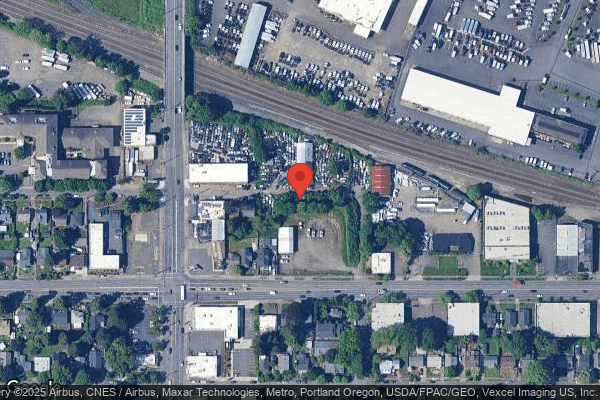
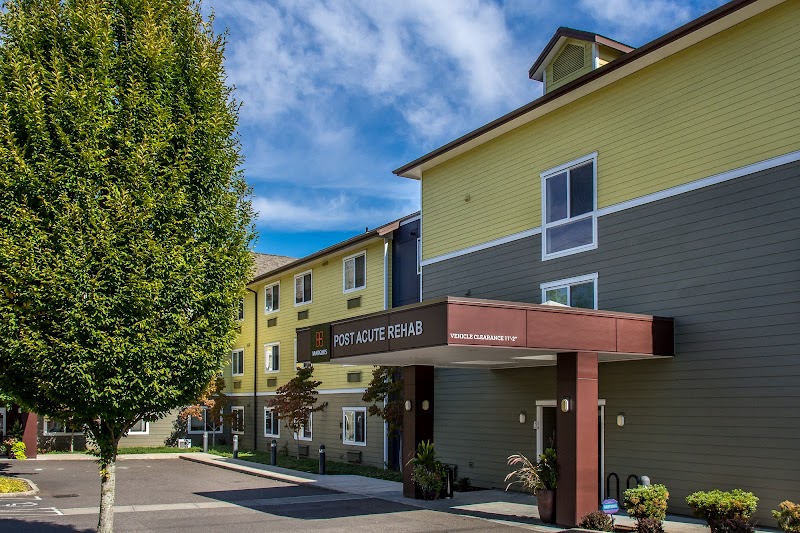
319 NE RUSSET, PORTLAND, OR 97211 (503) 289-5571
For profit - Corporation 70 Beds MARQUIS COMPANIES Data: November 2025
Trust Grade
65/100
#40 of 127 in OR
Last Inspection: December 2024

Within standard 12-15 month inspection cycle. Federal law requires annual inspections.

Overview

Marquis Piedmont Post Acute Rehab has a Trust Grade of C+, which means it is slightly above average but not exceptional. It ranks #40 out of 127 facilities in Oregon, placing it in the top half, and #8 of 33 in Multnomah County, indicating that only a few local options are better. Unfortunately, the facility is experiencing a worsening trend, with the number of reported issues increasing from 3 in 2022 to 6 in 2024. Staffing is a concern here, with a 61% turnover rate, higher than the state average, although it maintains good RN coverage, exceeding 85% of facilities in Oregon. While there have been no fines, which is a positive aspect, inspector findings revealed serious issues, including inadequate staffing that risks unmet care needs and instances of staff not following proper hand hygiene protocols, potentially exposing residents to infection risks.

Trust Score
C+
65/100
In Oregon
#40/127
Top 31%
Safety Record
Moderate
Needs review
Inspections
Getting Worse
3 → 6 violations
Staff Stability
⚠ Watch
61% turnover. Above average. Higher turnover means staff may not know residents' routines.
Penalties
✓ Good
No fines on record. Clean compliance history, better than most Oregon facilities.
Skilled Nurses
✓ Good
Each resident gets 58 minutes of Registered Nurse (RN) attention daily — more than average for Oregon. RNs are trained to catch health problems early.
Violations
⚠ Watch
18 deficiencies on record. Higher than average. Multiple issues found across inspections.
★★★★☆
4.0
Overall Rating
★★★★☆
4.0
Staff Levels
★★☆☆☆
2.0
Care Quality
★★★★☆
4.0
Inspection Score
Stable
2022: 3 issues
2024: 6 issues

The Good

  • 4-Star Staffing Rating · Above-average nurse staffing levels
  • Full Sprinkler Coverage · Fire safety systems throughout facility
  • No fines on record

Facility shows strength in staffing levels, fire safety.

The Bad

Staff Turnover: 61%

15pts above Oregon avg (46%)

Frequent staff changes - ask about care continuity

Chain: MARQUIS COMPANIES

Part of a multi-facility chain

Ask about local staffing decisions and management

Staff turnover is elevated (61%)

13 points above Oregon average of 48%

The Ugly 18 deficiencies on record

1 actual harm
Dec 2024 2 deficiencies
CONCERN (D)

Potential for Harm - no one hurt, but risky conditions existed

Deficiency F0657 (Tag F0657)

Could have caused harm · This affected 1 resident

Based on observation, interview, and record review it was determined the facility failed to ensure care plans were revised to accurately reflect the needs of residents for 1 of 4 sampled residents (#3...

Read full inspector narrative →
Based on observation, interview, and record review it was determined the facility failed to ensure care plans were revised to accurately reflect the needs of residents for 1 of 4 sampled residents (#37) reviewed for nutrition and positioning. This placed residents at risk for receiving unneeded assistance. Findings include: Resident 37 was admitted to the facility in 5/2024 with diagnoses including stroke and a stage 4 pressure injury (a full thickness tissue loss with exposed bone, tendon or muscle). Resident 37's nutrition care plan, dated 5/3/24, and Restorative care plan, dated 6/3/24, indicated Resident 37 was at risk for nutritional deficits such as weight loss and decline in ROM to her/his hand. Interventions included: -1:1 total assistance for all meals and snacks. - Adaptive equipment was to be used including adaptive silverware, scoop plate, and an adaptive cup or coffee cup. - Staff were to put a splint in place in the resident's hand during the day for four hours, and at night, and were to to thoroughly wash and dry the resident's skin before splint application and removal. During observations of Resident 37 from 12/2/24 through 12/5/24, no splint was observed in the resident's hand. On 12/3/24 at 8:40 AM Resident 37 was observed in the dining room during the breakfast meal. Resident 37 was drinking from a regular cup without assistance, and without difficulty. No assistive devices were observed. No hand splint was observed. On 12/3/24 at 12:53 PM Staff 21 (LPN) stated Resident 37 consumed 50-75% of her/his meal and only required staff supervision and encouragement. On 12/4/24 at 3:03 PM Staff 17 (LPN) stated there was a change from 1:1 assistance with meals to providing meal supervision for Resident 37. Staff 17 was unaware of the care plan for use of a hand splint. On 12/5/24 at 12:44 PM Staff 4 (RNCM) stated the hand splint was discontinued because it caused pain to the resident. Staff 4 stated Resident 37 no longer needed 1:1 assistance with meals or adaptive equipment. Staff 4 confirmed resident's care plan was not updated related to use of a splint and nutritional assistance.
CONCERN (D)

Potential for Harm - no one hurt, but risky conditions existed

Infection Control (Tag F0880)

Could have caused harm · This affected 1 resident

Based on observation, interview, and record review it was determined the facility failed to ensure enhanced barrier precautions (EBP) were followed for 1 of 1 resident (#37) reviewed for EBP. This pla...

Read full inspector narrative →
Based on observation, interview, and record review it was determined the facility failed to ensure enhanced barrier precautions (EBP) were followed for 1 of 1 resident (#37) reviewed for EBP. This placed residents at risk for exposure to infections. Findings include: The facility's undated Isolation - Categories of Transmission-Based Precautions policy indicated EBP were to be used for residents with catheters and complex wounds. The precautions included use of gloves and gowns while providing high contact care such as transfers, wound care, peri-care, and dressing assistance. Resident 37 was admitted to the facility in 5/2024 with diagnoses including stroke and stage 4 pressure injury (a complex wound). Resident 37's 5/3/24 care plan indicated she/he was at risk for infection due to a stage 4 pressure injury. Interventions included EBP. On 12/3/24 at 11:56 AM an observation of Resident 37's care revealed Staff 9 (CNA) and Staff 8 (NA) provided transfer assistance and personal hygiene without donning gowns. On 12/3/24 at 12:05 PM Staff 8 (NA) was unable to explain what EBP was required when providing care for Resident 37 and confirmed she did not wear a gown when providing care to the resident. On 12/3/24 at 12:11 PM Staff 9 (CNA) verbalized understanding of EBP and confirmed she did not wear a gown when providing care to the resident. On 12/3/24 at 1:49 PM another observation of Resident 37's care revealed Staff 9 (CNA) and Staff 19 (NA) provided transfer assistance to Resident 37 without donning gowns. On 12/3/24 at 2:00 PM Staff 19 (NA) was unable to explain what EBP was required when providing care for Resident 37 and confirmed she did not wear a gown when providing care to the resident. On 12/5/24 at 12:44 PM Staff 4 (RNCM) was provided with these findings. Staff 4 confirmed staff were to wear gloves and gowns during transfers and personal hygiene care for Resident 37.
Sept 2024 4 deficiencies
CONCERN (D) 📢 Someone Reported This

A family member, employee, or ombudsman was alarmed enough to file a formal complaint

Potential for Harm - no one hurt, but risky conditions existed

Resident Rights (Tag F0550)

Could have caused harm · This affected 1 resident

**NOTE- TERMS IN BRACKETS HAVE BEEN EDITED TO PROTECT CONFIDENTIALITY** Based on observation, interview and record review it was determined the facility failed to treat residents in a dignified manner...

Read full inspector narrative →
**NOTE- TERMS IN BRACKETS HAVE BEEN EDITED TO PROTECT CONFIDENTIALITY** Based on observation, interview and record review it was determined the facility failed to treat residents in a dignified manner for 1 of 3 residents reviewed for resident rights. This placed residents at risk for diminished quality of life. Findings include: This deficient practice was identified at past non-compliance in the area of 483.10 Resident Rights when the facility failed to provide an environment which promoted the maintenance of dignity and respect for residents' quality of life. On 2/20/24, the non-compliance was corrected when the facility completed a root cause analysis of the incident and determined Staff 19 treated residents in a manner which was undignified and disrespectful. The Plan of Correction included: 1. All staff were educated on resident rights, respect, dignity, abuse and neglect. 2. All staff completed written tests on their knowledge of resident rights from the education provided. 3. Dignity and respect audits were completed on residents. 4. The quality assurance committee reviewed audits and grievances with no further incidents. 5. Staff 19 no longer worked at the facility. Resident 18 admitted to the facility on [DATE] with diagnoses including diabetes (body does not produce insulin properly) and edema (fluid retention). Resident 18's 12/17/23 Quarterly MDS indicated a BIMS score of 15 (cognitively intact). Review of the 1/25/24 FRI revealed on 1/22/24 Resident 18 told Staff 20 (Social Services Director) about the night shift CNA, Staff 19 (Former CNA). Resident 18 stated she/he asked to be cleaned after a bowel movement and her/his assigned CNA, Staff 19, refused, and stated I'm not wiping your ass. Resident 18 then went to the charge nurse who also asked Staff 19 to provide care, Staff 19 still refused, stating that the resident could do it her/himself. The charge nurse switched CNA assignments and another CNA provided care to the resident shortly thereafter. On 9/25/24 at 3:05 PM Resident 18 confirmed the 1/22/24 incident with Staff 19. Resident 18 stated she/he did not feel abused but considered Staff 19's comment demeaning. Resident 18 stated she/he was provided care by other staff timely. On 9/26/24 at 10:58 AM Staff 20 acknowledged Resident 18 told him about Staff 19's comment and refusal to provide care. Staff 20 completed resident interviews of other residents Staff 19 was assigned to care for and found two other residents who reported Staff 19 had an attitude problem and made inappropriate comments in the past. On 9/26/24 at 2:08 PM Staff 1 (Administrator) stated she expected all residents to be treated with dignity and respect. Staff 1 stated the facility completed an investigation and found Staff 19 made rude comments to Resident 18 and two other residents. Staff 1 stated Staff 20 completed audits for resident dignity and respect before each monthly Quality Assurance meeting. The facility's implementation of corrective actions was verified through the survey process. Observations conducted throughout the facility 9/24/24 through 9/30/24 revealed no concerns in which the staff treated residents with disrespect or a lack of dignity.
CONCERN (D) 📢 Someone Reported This

A family member, employee, or ombudsman was alarmed enough to file a formal complaint

Potential for Harm - no one hurt, but risky conditions existed

ADL Care (Tag F0677)

Could have caused harm · This affected 1 resident

Based on interview and record review it was determined the facility failed to ensure dependent residents received showers for 1 of 2 sampled residents (#17) reviewed for showers. This placed residents...

Read full inspector narrative →
Based on interview and record review it was determined the facility failed to ensure dependent residents received showers for 1 of 2 sampled residents (#17) reviewed for showers. This placed residents at risk for unmet needs and loss of dignity. Findings include: Resident 17 was admitted to the facility in 5/2024 with diagnoses including multiple sclerosis (a progressive neurological disorder) and morbid obesity (having a body mass index greater than 40). Resident 17's 9/6/24 Quarterly MDS indicated the resident had no cognitive impairment and was dependent for bathing/showering. The facility's 8/2024 shower schedule revealed Resident 17 was to receive showers twice a week, on Sundays and Thursdays. Resident 17's 8/2/24 through 8/31/24 bathing task logs indicated the resident received bathing on the following days: - 8/2, 8/9, 8/21, 8/28 and 8/31. Resident 17 received five out of nine scheduled showers. A review of Resident 17's Progress Notes from 8/1/24 through 8/31/24 revealed no documentation Resident 17 was provided with additional bathing opportunities when bathing was not provided. On 9/24/24 at 10:26 AM and 9/26/24 at 12:30 PM Resident 17 stated she/he was not showered and her/his hair was not washed for three weeks. Resident 17 reported she/he refused only one shower during the month of 8/2024, she/he was not provided with additional opportunities to shower and missed showers were not rescheduled. On 9/24/24 at 3:20 PM, 9/25/24 at 10:12 AM and 9/25/24 at 11:45 AM Staff 9 (CNA), Staff 10 (CNA) and Staff 14 (CNA) reported when showers were missed or refused, the resident's shower typically could not be rescheduled due to staffing issues. On 9/26/24 at 1:22 PM Staff 2 (DNS) reported there was a miscommunication regarding Resident 17's showers which resulted in missed showers. She stated her expectation was residents received a minimum of two showers a week, more if that was their preference. Staff 2 confirmed Resident 17 did not receive two showers each week during 8/2024. On 9/27/24 at 9:52 AM Staff 1 (Administrator) stated she expected nursing staff to document resident refusals in the resident's progress notes. Staff 1 stated residents should be offered the opportunity to reschedule their shower if the resident refused, was unavailable or missed a shower. Staff 1 confirmed there was no evidence Resident 17 was provided with additional showering opportunities if she/he refused or missed showers. Refer to F725.
CONCERN (E) 📢 Someone Reported This

A family member, employee, or ombudsman was alarmed enough to file a formal complaint

Potential for Harm - no one hurt, but risky conditions existed

Staffing Information (Tag F0732)

Could have caused harm · This affected multiple residents

Based on interview and record review it was determined the facility failed to ensure the Direct Care Staff Daily Report (DCSDR) postings were thoroughly completed or accurately reflected the number of...

Read full inspector narrative →
Based on interview and record review it was determined the facility failed to ensure the Direct Care Staff Daily Report (DCSDR) postings were thoroughly completed or accurately reflected the number of staff working and their hours worked for 37 of 37 days reviewed for sufficient staffing. This placed residents at risk for incorrect staffing information. Findings include: Review of the 8/18/24 through 9/24/24 DCSDRs indicated the staff postings were incomplete or inaccurate on all 37 days reviewed. On 9/25/24 at 8:24 AM Staff 2 (DNS) acknowledged the 8/18/24 through 9/24/24 DCSDRs were not accurately completed and did not include the hours staff members worked on all 37 days reviewed.
CONCERN (F) 📢 Someone Reported This

A family member, employee, or ombudsman was alarmed enough to file a formal complaint

Potential for Harm - no one hurt, but risky conditions existed

Deficiency F0725 (Tag F0725)

Could have caused harm · This affected most or all residents

Based on observation, interview and record review it was determined the facility failed to ensure there were sufficient nursing staff available to provide the necessary care and services to meet resid...

Read full inspector narrative →
Based on observation, interview and record review it was determined the facility failed to ensure there were sufficient nursing staff available to provide the necessary care and services to meet residents' needs in 1 of 1 facility reviewed for staffing. This placed residents at risk for unmet care needs. Findings include: On 9/24/24 the facility had a census of 51 residents. On 9/26/24, Staff 1 (Administrator) provided a list of residents who: -Required two-person mechanical lift transfers: 17; -Required two-person extensive or total assistance for bathing: 3; -Required two-person extensive or total assistance for toileting: 3; -Required two-person extensive or total assistance for dressing: 6; -Required one-to-one feeding: 3 -Had behavioral health needs which required monitoring: 50; -Were high fall risks: 28; -Were considered at risk for elopement: 1 and -Required bariatric care (body mass index greater than 40): 6. On 8/26/24 a public complaint was received by the State Agency which alleged staff were not able to provide care such as showers and care was not timely due to low staffing. On 9/24/24 at 10:26 AM and 9/26/24 at 12:30 PM Resident 17 stated she/he was not showered and her/his hair was not washed for three weeks. Resident 17 stated there were not enough staff to assist her at times, especially during mealtime. Resident 17 reported she/he required two staff to assist her/him with most care and it could be difficult for staff to find a second person to help. Resident 17 stated on 9/25/24 at 5:00 PM, she/he activated her/his call light for assistance and was finally assisted at 8:00 PM because staff were assisting residents at dinner and two staff were not available, thus she/he waited three hours before receiving assistance. On 9/26/24 at 9:10 AM Resident 24 stated the facility was understaffed. Resident 24 stated when she/he needed assistance, sometimes it takes a long time. Resident 24 stated at times, staff did not show up so there were not enough staff to provide timely care. On 9/26/24 at 8:36 AM Resident 24's call light was activated for one hour and one minute. On 9/26/24 at 10:05 AM Resident 22 stated the facility was often short-staffed. Resident 22 stated at times, she/he had to go to the bathroom right away and staff were supposed to assist her/him to the bathroom but sometimes it took too long so she/he went to the bathroom without assistance. On 9/24/24 at 2:19 PM Staff 4 (CNA) stated when staff did not show up or called out, it made it difficult to get care done. Staff 4 stated when the facility was short-staffed, it was difficult to get vital signs and showers completed, toileting done and to get residents up. Staff 4 stated everything had to be done fast instead of moving at the rate residents preferred. On 9/25/24 at 10:12 AM Staff 10 (CNA) reported staffing levels did not meet patient care needs. Staff 10 stated, at times, showers had to be skipped and when residents were unavailable for a shower or refused showering then showers could not be rescheduled due to staffing issues. Staff 10 stated CNA staff were frequently late arriving for their shifts which pushed back everything and resulted in CNAs having to hit the floor running. On 9/25/24 at 11:45 AM Staff 14 (CNA) stated the facility needed more staff because it was difficult to give good care because there was not enough time to do what I need to do. Staff 14 stated if a resident required two person assistance, they often had to wait until a second person was available. Staff 14 stated there were not enough staff, especially at mealtimes and staff were unable to make-up showers if a resident was unavailable, missed or refused a shower. On 9/26/24 at 2:00 PM Staff 16 (Staffing Coordinator) stated she staffed CNAs according the State's mandatory minimum staffing ratios and not to the acuity needs of the residents. On 9/27/24 at 9:52 AM Staff 1 (Administrator) confirmed staffing was based on the State's mandatory minimum staffing ratios and not the acuity needs of the residents. Staff 1 stated it was difficult to find enough staff and they had challenges with staff calling out and not showing up for assigned shifts.
Dec 2022 3 deficiencies
CONCERN (D) 📢 Someone Reported This

A family member, employee, or ombudsman was alarmed enough to file a formal complaint

Potential for Harm - no one hurt, but risky conditions existed

Free from Abuse/Neglect (Tag F0600)

Could have caused harm · This affected 1 resident

Based on interview and record review, it was determined the facility failed to ensure residents were free from sexual abuse for 2 of 3 (#s 102 and 103) sampled residents reviewed for abuse. This place...

Read full inspector narrative →
Based on interview and record review, it was determined the facility failed to ensure residents were free from sexual abuse for 2 of 3 (#s 102 and 103) sampled residents reviewed for abuse. This placed other residents at risk for abuse. Findings include: The facility's abuse policy, revised 10/2020, defined sexual abuse as any form of nonconsensual sexual contact, including but not limited to unwanted or inappropriate touching .in the form of touching of the sexual or intimate parts for the purpose of arousing or gratifying the sexual desire of either party. 1. Resident 102 was admitted to the facility in 12/2019 with diagnoses including heart disease and chronic kidney disease. Resident 102's MDS Quarterly dated 10/6/22 revealed a BIMS score of 7, which indicated severe cognitive impairment. Resident 102's care plan dated 10/6/22 revealed she/he had a history of inappropriate sexual behavior, and exposed her/his chest area. Interventions included not seating Resident 102 with residents of the opposite gender unless staff were present at all times, not to leave her/him alone with Resident 104 or seat the residents next to each other. Resident 104 was admitted to the facility in 4/2022 with diagnoses including cerebral infarction (stroke) and Type 2 diabetes. Resident 104's MDS Quarterly dated 10/22/22 revealed a BIMS score of 4, indicating severe cognitive impairment. Resident 104's care plan dated 10/13/22 revealed she/he had a history of inappropriate sexual behavior, touched other residents of the opposite gender. Interventions included not seating Resident 104 with residents of the opposite gender and to supervise her/him in a group setting. A FRI was submitted to the state agency on 4/27/22 which revealed the following: On 4/27/22 at approximately 11:25 AM, Resident 102 and Resident 104 were observed to kiss in the dining room by Staff 13 (Former Kitchen Aide). A few minutes later Staff 13 observed Resident 102 had her/his shirt up and Resident 104 kissed Resident 102's breast. Staff separated the residents and placed them on alert monitoring. The facility's incident report and investigation dated 4/27/22 included written statements from staff who witnessed the incident. Staff 13's written statement dated 4/28/22 indicated he was in the dining room on 4/27/22 and observed the residents to kiss. Staff 13 left the room for a short period of time and when he returned to the dining room, he observed Resident 104 to kiss Resident 102's breast. Staff 13 immediately went to the nurse's station and told Staff 16 (RN) what occurred. Staff 16's written statement dated 4/27/22 revealed she was notified by Staff 13 who reported he saw Resident 104 kiss Resident 102's breast. Staff 16 immediately went to the dining room and observed the residents seated next to another but observed no sexual activity. Staff 16 checked in with the residents, left the dining room and three minutes later observed Resident 102 approach Resident 104 in her/his wheelchair. Resident 102 lifted up her/his shirt while approaching Resident 104. Staff 16 immediately intervened and took Resident 102 to her/his room. Staff 12's (Former DNS) written statement dated 4/27/22 revealed she was notified by staff approximately 20 minutes after the incident occurred. Staff 12 interviewed Resident 102 the same date after lunch and Resident 102 confirmed the incident occurred. Resident 102 told Staff 12 she/he had lifted her/his shirt up but after she/he touched me, I moved away (from Resident 104), I didn't want that. Resident 102 denied being upset about what occurred and no negative psychosocial outcomes were observed. Both resident's care plans were revised on 4/27/22 to reflect not seating either resident next to other residents of the opposite gender. Resident 104 was care planned to be supervised while in a group setting. On 11/29/22 at 10:30 AM, Witness 13 (Complainant) stated she was contacted by the facility on 4/27/22, was told Resident 102 was observed with her/his shirt up and another resident kissed Resident 102 on her/his chest. Observations were made of Resident 102 and Resident 104 from 11/29/22 through 12/1/22 with no concerns. Neither resident was interviewed due to their cognitive status. Staff 12 and Staff 13 were not interviewed due to no longer working at the facility. On 11/30/22 at 12:26 PM, Staff 16 confirmed she had written the statement on 4/27/22 and provided no additional information. On 12/1/22 at 3:00 PM, Staff 1 (Administrator) and Staff 2 (DNS) were notified of the findings of this investigation and provided no additional information. 2. Resident 103 was admitted to the facility in 7/2018 with diagnoses including Type 2 diabetes, schizophrenia and hypertension. Resident 103's MDS Quarterly dated 3/29/22 revealed a BIMS score of 99, indicating she/he was not assessed due to inability to complete the testing. Resident 103's care plan, revised 5/17/22 revealed she/he had anxiety and delusions as a result of her/his psychiatric disorders. Interventions were to provide standard behavioral interventions for the resident's delusions and other mental health behaviors. Resident 104 was admitted to the facility in 4/2022 with diagnoses including cerebral infarction (stroke) and Type 2 diabetes. Resident 104's MDS Quarterly dated 10/22/22 revealed a BIMS score of 4, indicating severe cognitive impairment. Resident 104's care plan dated 10/13/22 revealed she/he had a history of inappropriate sexual behavior, and inappropriately touched other residents of the opposite gender. Interventions included to not seat Resident 104 with residents of the opposite gender and to supervise her/him in a group setting. A FRI was submitted to the state agency on 5/2/22 which revealed the following: On 5/2/22 at 2:20 PM during an activity, Witness 15 was overheard by staff saying that's not nice which alerted staff present in the dining room to inquire about the statement. It was learned Resident 104 had touched Resident 103's breast. Resident 104 was removed from the dining area to the nurse's station. The facility's incident report and investigation dated 5/2/22 included written statements from staff involved in the incident. Staff 12 (Former DNS) was notified Resident 104 had touched Resident 103's breast during bingo. Staff 15 (Activities Director) had been present in the dining room and was immediately interviewed. She stated she overheard Witness 15 (Resident) say don't do that, it's not very nice and Resident 104 responded to Witness 15 to mind your own business. When Staff 15 asked what was not nice, Witness 15 advised her Resident 104 had touched Resident 103's breast. Resident 104 was immediately removed from the activity. Resident 103 and Resident 104 were interviewed by Staff 12 on 5/2/22 immediately afterward but neither recalled the incident. Witness 15 was interviewed on 5/2/22 at 2:29 PM by Staff 12. She recalled the incident and stated Resident 104 had her/his hands on top of Resident 103's breast. Observations were made of Resident 104 from 11/29/22 through 12/1/22 with no concerns. No observations were made of Resident 103 due to her/his discharge from the facility. Staff 12 was not interviewed due to no longer working at the facility. Staff 15 was interviewed on 12/1/22 at 11:26 AM and stated she was the only staff in the dininig room during bingo. She witnessed Resident 103 and Resident 104 hold hands and she frequently reminded them this was not appropriate. Staff 15 assisted another resident and turned away from Resident 103 and Resident 104, who were seated next to each other. When Staff 15 turned around, she saw Resident 104's hand on Resident 103's chest, separated the residents and notified the Social Services Director of the incident. Staff 15 revealed she was not aware of the 4/27/22 care plan change which indicated Resident 104 should not be seated next to residents of the opposite gender. On 12/1/22 at 3:00 PM, Staff 1 (Administrator) and Staff 2 (DNS) were notified of the findings of this investigation and provided no additional information.
CONCERN (D) 📢 Someone Reported This

A family member, employee, or ombudsman was alarmed enough to file a formal complaint

Potential for Harm - no one hurt, but risky conditions existed

Comprehensive Care Plan (Tag F0656)

Could have caused harm · This affected 1 resident

Based on interview and record review it was determined the facility failed to ensure care plan interventions were implemented and followed for 1 of 3 sampled residents (#104) reviewed for care plans. ...

Read full inspector narrative →
Based on interview and record review it was determined the facility failed to ensure care plan interventions were implemented and followed for 1 of 3 sampled residents (#104) reviewed for care plans. This placed other residents at risk for unmet needs. Findings include: Resident 104 was admitted to the facility in 4/2022 with diagnoses including cerebral infarction (stroke) and Type 2 diabetes. Resident 104's MDS Quarterly dated 10/22/22 revealed a BIMS score of 4, indicating severe cognitive impairment. Resident 104's care plan initiated on 4/27/22 revealed she/he had a history of inappropriate sexual behavior and inappropriately touched other residents of the opposite gender. Interventions included to not seat Resident 104 with residents of the opposite gender and to supervise her/him in a group setting. . A FRI and investigation dated 5/2/22 revealed Staff 12 (Former DNS) was notified Resident 104 sat next to a resident of the opposite gender during bingo. Staff 15 (Activities Director) was present in the dining room and immediately intervened. Staff 15 was interviewed on 12/1/22 at 11:26 AM and revealed she was not aware of the 4/27/22 care plan which indicated Resident 104 should not be seated next to residents of the opposite gender. On 12/1/22 at 3:00 PM Staff 1 (Administrator) and Staff 2 (DNS) were notified of the findings of this investigation and provided no additional information.
CONCERN (D) 📢 Someone Reported This

A family member, employee, or ombudsman was alarmed enough to file a formal complaint

Potential for Harm - no one hurt, but risky conditions existed

Deficiency F0760 (Tag F0760)

Could have caused harm · This affected 1 resident

Based on interview and record review it was determined the facility failed to ensure residents were free from significant medication errors for 1 of 3 sampled residents (#106) identified with a medica...

Read full inspector narrative →
Based on interview and record review it was determined the facility failed to ensure residents were free from significant medication errors for 1 of 3 sampled residents (#106) identified with a medication error. As a result, Resident 106 erroneously received an antidepresssant, a preventative blood clot medication, a preventative seizure medication and a vitamin on 10/8/20. The facility identified the noncompliance and immediately initiated a plan of correction which resulted in staff awareness and education to ensure accurate identification of residents and no further medication errors occurred. This incident was identified as meeting criteria for past noncompliance. Findings include: The facility's 10/2020 Administering Medications and Identifying and Managing Medication Errors and Adverse Consequences policy directed The staff and practitioner shall strive to minimize adverse consequenses by: -The staff shall report clinically significant adverse medication consequences and medication errors with adverse clinical consequences to the resident's Attending Physician immediately. -In the event of a clinically significant adverse medication consequence, nursing staff shall implement and follow any Physician orders, and shall monitor closely and document the resident's condition and response to any corrective interventions for at least the next 24 hours or as otherwise directed. -Nursing staff will document appropriately detailed accounts of any incidents on an appropriate report form. -The Medical Director, Director of Nursing Services, and the Consultant Pharmacist shall review medication errors and adverse medication consequenses as part of the facility's Quality Assurance process. Resident 106 was admitted to the facility in 9/2020 with diagnosis including displaced fracture of right femur, hypertension and dementia. On 10/8/20 at 8:30 AM Staff 17 (Former RN) erroneously administered Sertraline (an antidepressant drug) 50 mg, Eliquis (a preventative blood clotting drug) 5 mg, Gabapentin (an anti-seizure drug) 600 mg and calciferol (vitamin D) 25 mcg. Staff 17 evaluated Resident 106, notified Staff 4 (LPN) and the resident of the medication error. The physician was contacted immediately and directed Staff 4 and Staff 17 to monitor Resident 106 for adverse side effects. On 11/30/22 at 1:21 PM Staff 4 stated she was training a new RN when he became distracted and inadvertently walked into the wrong resident room and administered medications to the wrong resident. Staff 4 stated immediate education was provided to Staff 17, he was reeducated on medication administration, received in-service trainings on The Five Rights of Medication Administration and a competency checklist was completed. On 12/2/22 at 11:40 AM Staff 2 (DNS) confirmed the medication error occurred and Resident 106 was placed on alert charting and monitored for adverse side effects. Staff 2 stated a quality assurance process was immediately implemented which included staff not interrupting nurses or CMA's when preparing or passing medications. Additionally, training and reeducation took place and skills audits were conducted to ensure competency of nurses and CMA's. Interviews conducted from 11/29/22 through 12/2/22 between the hours of 8:30 AM and 4:30 PM with Staff 2, Staff 4, Staff 6 (LPN) and Staff 8 (LPN) indicated all staff were aware of The Five Rights of Medication Administration and stated it was expected and the proper procedure to identify the resident with a picture, the resident's name and birthdate prior to adminstration of medications. The situation met the criteria for past noncompliance as follows: 1. The incident indicated noncompliance at F760; 2. The noncompliance occurred after the exit date of the last standard recertification survey (3/2/20) and before the date of this survey (11/29/22); 3. There was sufficient evidence the facility corrected the noncompliance and was in substantial compliance with F760 as evidenced by: -No deficient practice found at F760 with additional sampled residents. On 12/2/22 at 12:45 PM Staff 1 (Administrator) and Staff 2 were notified of the findings of this investigation.
Mar 2020 4 deficiencies
CONCERN (D)

Potential for Harm - no one hurt, but risky conditions existed

Comprehensive Care Plan (Tag F0656)

Could have caused harm · This affected 1 resident

Based on interview and record review it was determined the facility failed to implement care plan interventions in the area of falls for 1 of 2 sampled residents (#22) who were reviewed for falls. Thi...

Read full inspector narrative →
Based on interview and record review it was determined the facility failed to implement care plan interventions in the area of falls for 1 of 2 sampled residents (#22) who were reviewed for falls. This placed residents at risk for falls. Findings include: Resident 22 was admitted to the facility in 3/2019 with diagnoses including stroke and difficulty walking. The Comprehensive Care Plan included the following toileting interventions: - Do not leave unattended in bathroom, - Constant supervision and physical assist for safety. The 5/31/19 Post Fall Assessment indicated on 5/28/19 Resident 22 was in the bathroom, the CNA left the room for several minutes and Resident 22 fell during the CNA's absence. In an interview on 2/25/20 at 10:35 AM, Witness 1 (Complainant) stated Resident 22 had been care planned for supervision at all times when toileting and on 5/28/19 the CNA left Resident 22 unattended in the bathroom which resulted in her/his fall. In an interview on 2/26/20 at 4:47 PM, Staff 4 (LPN Resident Care Manager) stated on 5/28/19 a CNA assisted Resident 22 to the bathroom with a walker, left the resident in the bathroom unattended and Resident 22 self-transferred and fell. Staff 4 stated the CNA did not follow the care plan. In an interview on 3/2/20 at 10:42 AM, Staff 2 (DNS) stated Resident 22 was care planned for supervision in the bathroom, the CNA left Resident 22 and Resident 22 fell. Staff 2 stated she expected nursing staff to always follow the care plan.
CONCERN (D)

Potential for Harm - no one hurt, but risky conditions existed

Medication Errors (Tag F0758)

Could have caused harm · This affected 1 resident

Based on interview and record review it was determined the facility failed to ensure PRN psychotropic medications were limited to 14 days without a documented clinical rationale for continued use for ...

Read full inspector narrative →
Based on interview and record review it was determined the facility failed to ensure PRN psychotropic medications were limited to 14 days without a documented clinical rationale for continued use for 1 of 5 sampled residents (#10) whose medications were reviewed. This placed residents at risk for unnecessary psychotropic medications and potential adverse side effects. Findings include. Resident 10 was admitted to the facility in 9/2019 with diagnoses including vascular dementia with behavior disturbance. Resident 10's 11/25/19 Quarterly MDS indicated the resident received an anti-anxiety psychotropic medication. Resident 10's 3/2020 signed physician orders included clonazepam 0.5 mg by mouth every eight hours PRN for anxiety. Review of Resident 10's MARs revealed the resident received clonazepam 0.5 mg PRN on the following days: -10/2019: 6th, 9th, 10th, 15th, 16th, 21st, 22nd. -11/2019: 4th, 10th, 20th, 25th. -12/2019: 4th, 6th, 15th, 22nd, 29th, and 31st. -1/2020: 5th, 10th, 15th. -2/2020: 7th, 19th, and 23rd. On 3/2/20 at 10:51 AM Staff 17 (RNCM) stated Resident 10 should be evaluated every 14 days for the PRN clonazepam unless the physician provided rationale for continued use. Staff 17 stated she was unsure if this occurred and would need to check. On 3/2/20 at 10:58 AM Staff 2 (DNS) stated Resident 10's PRN clonazepam order required a 14 day stop date and after that, the physician was either required to evaluate the resident to renew the order or document a rationale to extend the order. Staff 2 stated she was unsure why this was missed and would look into it. On 3/2/20 at 1:03 PM Staff 2 (DNS) stated Resident 10 was not specifically evaluated by a physician for the continued use of the PRN clonazepam and was unable to provide documented rationale. On 3/02/20 at 3:02 PM Staff 1 (Administrator) was notified of the findings of this investigation. No other pertinent information was provided.
CONCERN (D)

Potential for Harm - no one hurt, but risky conditions existed

Medical Records (Tag F0842)

Could have caused harm · This affected 1 resident

Based on interview and record review it was determined the facility failed to document follow up for physician recommendations for 1 of 3 sampled residents (#6) reviewed for pressure ulcers. This plac...

Read full inspector narrative →
Based on interview and record review it was determined the facility failed to document follow up for physician recommendations for 1 of 3 sampled residents (#6) reviewed for pressure ulcers. This placed residents at risk for an incomplete medical record. Findings include: Resident 6 was admitted to the facility in 2/2019 with diagnoses including dementia and a pressure ulcer. A 1/14/20 physician note revealed a recommendation for a bowel program to keep stool out of the resident's wound bed. Resident 6's 1/14/20 through 3/2/20 medical records contained no documented response to the physician's recommendation. On 3/2/20 at 3:06 PM Staff 7 (RNCM) stated she spoke with the resident's representatives to ensure a scheduled bowel program was something the family wished to implement due to the resident's high rate of refusal for cares, unwillingness to get out of bed and increased agitation when attempting cares. Staff 7 stated she did not document the conversation with the family representatives but should have. On 3/2/20 at 3:30 PM Staff 2 (DNS) stated she expected staff to document when there was follow up to physician recommendations with family representatives.
CONCERN (F)

Potential for Harm - no one hurt, but risky conditions existed

Food Safety (Tag F0812)

Could have caused harm · This affected most or all residents

Based on observation, interview and record review it was determined the facility failed to ensure proper hand hygiene in 1 of 1 dining rooms and failed to store food in a sanitary manner in 1 of 2 uni...

Read full inspector narrative →
Based on observation, interview and record review it was determined the facility failed to ensure proper hand hygiene in 1 of 1 dining rooms and failed to store food in a sanitary manner in 1 of 2 unit refrigerators. This placed the residents at risk for contamination and foodborne illness. Findings include: 1. Review of the facility's 1/2018 Handwashing Policy revealed staff were to wash their hands after sneezing, facial touching, contact with contaminated objects, when changing tasks or doing activities that contaminate the hands. On 2/24/20 at 12:21 PM Staff 16 (Diet Aide) picked up a walkie talkie, scratched his forehead and continued prepping beverages without washing his hands. On 2/26/20 at 11:58 AM Staff 14 (Prep Server) sneezed while at the steam table, donned gloves and began plating food without washing her hands. On 2/26/20 at 12:02 PM Staff 15 (Diet Aide) rubbed his nose gloveless and continued prepping beverages without washing his hands. In an interview on 2/26/20 at 12:34 PM Staff 16 stated handwashing should be done after touching his face or dirty objects like a walkie talkie and agreed he should of washed his hands before serving beverages. In an interview on 2/27/20 at 1:32 PM Staff 14 stated she realized she forgot to wash her hands after sneezing and stated she should slow down and perform hand hygiene when necessary. In an interview on 2/28/20 at 7:35 AM Staff 15 stated staff should wash their hands after touching their face and he should have paid more attention and washed his hands before continuing to serve beverages. In an interview on 2/28/20 at 11:00 AM Staff 1 (Administrator) stated she expected all staff to practice proper hand hygiene in all departments and the facility policy regarding hand washing should be followed at all times. 2. Review of facility's 4/2018 Resident Food Storage Policy revealed residents' food or beverage must be dated and discarded after three days when stored in the unit refrigerators. On 2/27/20 at 11:55 AM observation of a unit refrigerator revealed the following: -undated sandwich; -undated soups in bowls; -prepackaged Chef salad dated 2/14/19; -yogurt dated 8/11/2019; -sliced cheese dated 11/7/19. On 2/27/20 at 1:00 PM Staff 1 (Administrator) discarded all expired food items found in a North hall unit refrigerator. On 2/27/20 at 1:30 PM Staff 12 (Dietary Manager) stated he expected all food items stored in the North hall unit refrigerators to be dated and discarded after three days.
Jul 2018 5 deficiencies 1 Harm
SERIOUS (G)

Actual Harm - a resident was hurt due to facility failures

Deficiency F0692 (Tag F0692)

A resident was harmed · This affected 1 resident

**NOTE- TERMS IN BRACKETS HAVE BEEN EDITED TO PROTECT CONFIDENTIALITY** Based on interview and record review it was determined the facility failed to maintain acceptable parameters of nutritional stat...

Read full inspector narrative →
**NOTE- TERMS IN BRACKETS HAVE BEEN EDITED TO PROTECT CONFIDENTIALITY** Based on interview and record review it was determined the facility failed to maintain acceptable parameters of nutritional status for 1 of 2 sampled residents (#43) reviewed for nutrition. As a result Resident 43 had a severe weight loss of 19% in less than one month. Findings include: Resident 43 was admitted to the facility on [DATE] with diagnoses including anemia, a femur fracture and anxiety. Resident 43 had the following weights: 6/4/18 116 pounds 6/19/18 116.2 pounds 6/23/18 105 pounds 6/25/18 105.8 pounds 6/27/18 94.2 pounds 6/29/18 93.6 pounds 7/5/18 94.8 pounds 7/9/18 95.3 pounds A 6/26/18 Nutrition Weight Note indicated Resident 43 had a 10.2 pound weight loss resulting in an 8.8% weight loss. The note indicated Resident 43 had complained of nausea which was relieved by Zofran (nausea medication) and staff reported they had noted the resident picking at her/his food and not eating much at times. Oral (PO) intakes had been variable since admission from 0-100% with most meals in the 26-75% range. The note indicated Staff 9 (Dietary Manager) had talked with the resident regarding meal choices and preference and further indicated a recommendation for an RD evaluation. A 7/3/18 Nutrition Weight Note indicated Resident 43 had a 20.7 pound weight loss resulting in 17.8% weight loss. Resident had a 10.5 pound weight loss from the last note on 6/26/18. The RD saw the resident on 6/29/18 and the recommended 2.0 kcal 120 ml BID with med pass and fluid enhancement program. The RD recommendations were implemented on 7/2/18. PO intakes had been variable with most meals in the 26-75% range. The 6/2018 and 7/2018 MARs indicated Resident 43 received the following: -omeprazole (medication that blocks the release of stomach acid) 40 mg once daily for GERD from 6/5/18 to 6/28/18 and omeprazole 40 mg twice daily from 6/28/18 to current (administered as ordered) -lactase (medication to help with digestion) 9000 units PRN for lactose intolerance when eating meals containing lactose (administered 2 times) -Zofran 8 mg every 8 hours PRN for nausea (administered 31 times) On 7/6/18 at 12:39 PM Resident 43 stated she/he did not have a good appetite and had received chocolate health shakes which she/he liked. On 7/6/18 at 1:32 PM Staff 4 (RNCM) stated Resident 43 weighed 116 pounds when she/he was admitted and the first weight loss was identified on 6/23/18. She stated the resident weight meetings were held on Tuesdays, the resident was reviewed on 6/25/18 and the team suggested the RD assess her/him. She further stated the RD saw Resident 43 on 6/29/18 and made recommendations but the recommendations were not implemented until 7/2/18. She stated the physician was not notified of the weight loss until 7/2/18. On 7/10/18 at 1:42 PM Staff 10 (CNA) stated if a resident had a weight change the nurse was notified. State 10 stated if the resident needed to be re-weighed the nurse was present for the re-weigh, they determined if the weights were correct and what needed to be addressed. On 7/10/18 at 1:44 PM Staff 12 (RN) stated CNAs weighed the residents and if a resident had weight loss the physician was notified so a plan could be made to address the weight loss. She acknowledged Resident 43 had weight loss and often had stomach issues. She stated Resident 43 took Zofran for nausea, omeprazole twice daily and lactase since she/he was lactose intolerant. On 7/10/18 at 1:56 PM Staff 9 (Dietary Manager) stated Resident 43 was on a regular diet and often complained of a sour stomach. She stated it was difficult to determine her/his meal intake because the resident would often only eat fruit and did not always take in protein. On 7/10/18 at 2:22 PM Staff 2 (DNS) acknowledged Resident 43's weight loss was noted on 6/23/18 and the RD did not see her/him until 6/29/18. She further acknowledged the RD recommendations of 2 kcal and fluid enhancement were not started until 7/2/18 and the physician was not notified of the weight loss until 7/2/18. She acknowledged the interventions and physician notification of the weight loss were not timely. On 7/11/18 at 9:42 AM Staff 13 (RD) stated she saw Resident 43 on 6/29/18. She stated she ordered to start 2 kcal and fluid enhancement on 6/29/18 and acknowledged those interventions did not start until 7/2/18. She acknowledged staff could have obtained a verbal order from the physician prior to 7/2/18.
CONCERN (D)

Potential for Harm - no one hurt, but risky conditions existed

Deficiency F0554 (Tag F0554)

Could have caused harm · This affected 1 resident

Based on observation, interview and record review it was determined the facility failed to assess self-administration of medication capabilities for 1 of 1 sampled resident (#26) prior to leaving medi...

Read full inspector narrative →
Based on observation, interview and record review it was determined the facility failed to assess self-administration of medication capabilities for 1 of 1 sampled resident (#26) prior to leaving medication at the bed side. This placed residents at risk of unsafe medication administration. Findings include: Resident 26 was admitted in 4/2014 with diagnoses including heart failure, diabetes and severe kidney disease. On 7/5/18 at 9:50 AM, the resident was observed sitting in the wheelchair next to an over-bed table in her/his room. A cup with multiple pills in it and a glass of water was sitting on the table. Staff 6 (RN) entered the room and cued the resident to take her/his medication. Resident 26 then took the medication while Staff 6 assisted another resident in the room. The 7/2018 MAR identified morning medications to address the resident's heart conditions (amidodarone HCI and Lasix), kidney failure (calcium acetate), allergies (cetirizine HCI) and supplement (cholecalciferol) were provided during the 7/5/18 morning medication pass. On 7/6/18 at 9:32 AM the resident was observed in her/his room with an empty medicine cup on the over-bed table and a partially full glass of water next to it. Resident 26 stated staff generally left the medication at the bedside so it could be taken after she/he ate breakfast. There was no evidence in the medical record the self-administration of medication was assessed or care planned. There was no physician order allowing the resident to self-administer her/his medication. In a 7/6/18 interview at 10:32 AM, Staff 6 stated usually medication was only left at the bedside when there was a physician order. In the case of Resident 26, the breakfast tray was late on 7/5/18 and the resident needed to eat prior to taking the medication. Staff 6 left the medication at the bedside with a plan to return when the breakfast tray was delivered. Staff 6 stated they knew the resident always took her/his pills and believed the resident was safe to complete the task. When interviewed on 7/9/18 at 9:07 AM, Staff 3 (LPN Unit Manager) stated no residents on the unit were currently assessed to self-medicate. If a resident voiced a desire to do this, an assessment was completed and the physician also reviewed the resident's clinical capacity to complete the task independently. Staff 3 did not believe Resident 26 was capable of taking the medication independently and confirmed an assessment was required prior to any self-administration of medications.
CONCERN (D)

Potential for Harm - no one hurt, but risky conditions existed

Deficiency F0655 (Tag F0655)

Could have caused harm · This affected 1 resident

Based on observation, interview and record review it was determined the facility failed to develop a baseline care plan related to pain within 48 hours of admission for 1 of 1 sampled residents (#256)...

Read full inspector narrative →
Based on observation, interview and record review it was determined the facility failed to develop a baseline care plan related to pain within 48 hours of admission for 1 of 1 sampled residents (#256) reviewed for pain. This placed residents at risk for unmet needs related to pain. Findings include: Resident 256 admitted to the facility 7/1/18 with diagnoses including pressure ulcer, hip fracture and rheumatoid arthritis. The 6/26/18 History and Physical indicated Resident 256 had long-standing rheumatoid arthritis with worsening pain. The document further indicated the resident had a recent hospitalization for a hip fracture. The July 2018 MAR indicated Resident 256 was administered acetaminophen three times a days since admission for pain. The July 2018 MAR further indicated the resident was administered oxycodone (narcotic pain medication) PRN every 6 hours, 14 times from 7/1/18 through 7/5/18. On 7/5/18 the resident's order for oxycodone was increased to every 4 hours PRN. Review of Resident 256's baseline care plan revealed no indication the resident had been care planned related to her/his needs specific to pain and the relevant diagnoses of rheumatoid arthritis and a recent hip fracture. On 7/2/18 at 1:39 PM Resident 256 was observed in bed. The resident stated she/he had a pressure ulcer on her/his backside, a recent hip fracture and significant pain in her/his joints related to rheumatoid arthritis. On 7/6/18 at 9:40 AM Staff 6 (RN) stated she had administered narcotic pain medication to the resident earlier in the morning. Staff 6 further stated the resident indicated her/his arms and shoulders were in pain, but was unaware of her/his pertinent diagnoses related to pain. Staff 6 confirmed there was no care plan in place related to the resident's pain, and stated she would expect to see a care plan in place for this. On 7/6/18 at 9:55 AM Staff 3 (Unit Manager LPN) confirmed a baseline care plan related to pain for the resident was not completed within 48 hours of admission.
CONCERN (D)

Potential for Harm - no one hurt, but risky conditions existed

Medication Errors (Tag F0758)

Could have caused harm · This affected 1 resident

**NOTE- TERMS IN BRACKETS HAVE BEEN EDITED TO PROTECT CONFIDENTIALITY** 2. Resident 42 admitted to the facility on [DATE] with diagnoses including unspecified psychosis, major depressive disorder and ...

Read full inspector narrative →
**NOTE- TERMS IN BRACKETS HAVE BEEN EDITED TO PROTECT CONFIDENTIALITY** 2. Resident 42 admitted to the facility on [DATE] with diagnoses including unspecified psychosis, major depressive disorder and agoraphobia with panic disorder. Review of the 6/2018 and 7/2018 MARs on 7/9/18 indicated the following orders and administrations for PRN risperidone (antipsychotic): *Resident 42 was administered one PRN administration of risperidone on 6/6/18, with no other administration of PRN risperidone through the review date. *BID PRN risperidone was ordered on 6/6/18 and discontinued on 6/7/18. *BID PRN risperidone was ordered on 6/7/18 and discontinued on 6/26/18. *BID PRN risperidone was ordered on 6/26/18 and was active through the review date of 7/9/18. The 6/8/18 Pharmacist Acknowledgment indicated a clinical rationale for use of risperidone would be required for continuance of the medication beyond 14 days. The document further indicated a 6/11/18 signed physician response which stated I will assess need for prn dosing in 14 days. The 6/14/18 Psychotropic Drug Use CAA indicated the resident had displayed behaviors including self harm, delusions and suicidal tendencies. The CAA further indicated the resident was administered a PRN dose of risperidone on 6/6/18 with some noted improvement. On 6/8/18 the order for risperidone was changed to include a daily scheduled dose BID and a daily PRN dose BID. The CAA further stated the resident's behaviors and anxiety had resolved and the resident had not needed PRN doses of the medication. On 7/10/18 at 12:20 PM Staff 2 (DNS) and Staff 4 (RNCM) confirmed Resident 42 had an order for PRN risperidone for greater than 14 days without a clinical rationale. Based on interview and record review it was determined the facility failed to assure a physician's rationale for the ongoing use of PRN psychotropic medications past 14 days for 2 of 6 sampled residents (#s 42 and 105) reviewed for unnecessary medications. This placed residents at risk for unnecessary psychotropic drug use. Findings include: 1. Resident 105 was admitted on [DATE] with diagnoses including anxiety disorder and acute congestive heart failure. The 6/19/18 admission physician orders included lorazepam (an anti-anxiety medication) 0.5 mg every 2 hours PRN for anxiety. On 6/20/18 the order was rewritten but continued to reflect the availability of lorazepam 0.5 mg every 2 hours PRN for anxiety. The 6/2018 and 7/2018 MAR identified the lorazepam was administered two times for symptoms of anxiety and was considered effective in relief of the resident's symptoms with each administration. There was no evidence in the medical record the PRN lorazepam was reviewed by the physician to establish a rationale for continued use of the medication past 14 days or to establish the expected duration for the Lorazepam use. On 7/9/18 at 12:47 PM, Staff 3 (Unit Manager/LPN) stated Resident 105 experienced anxiety related to pain and shortness of breath but confirmed the continued use of lorazepam PRN past 14 days of the original order was not reviewed by the physician.
CONCERN (D)

Potential for Harm - no one hurt, but risky conditions existed

Dental Services (Tag F0791)

Could have caused harm · This affected 1 resident

Based on interview and record review it was determined the facility failed to ensure an appointment was made to evaluate resident dentures for 1 of 1 sampled residents (#24) reviewed for dental. This ...

Read full inspector narrative →
Based on interview and record review it was determined the facility failed to ensure an appointment was made to evaluate resident dentures for 1 of 1 sampled residents (#24) reviewed for dental. This placed residents at risk for oral pain. Findings include: Resident 24 was admitted to the facility in 2017 with diagnoses including hypertension. On 7/5/18 at 9:12 AM and 9:44 AM Resident 24 stated her/his gums were sore from her/his dentures, had hurt for a couple of weeks and she/he had pain when biting down on hard foods. A 6/11/18 nurse practitioner (NP) assessment indicated Resident 24 stated her/his dentures had caused a sore in her/his mouth preventing her/him from biting down hard on some tougher foods and her/his dentures did not fit. The assessment further indicated the left lower gum had a small white sore where the dentures sat and the dentures did not fit. The plan was for staff to schedule a dental follow up for denture adjustment and Orajel topical PRN for pain symptom management. A 6/11/18 progress note indicated a denture evaluation and adjustment needed to be scheduled. On 7/5/18 at 10:27 AM Staff 4 (RNCM) acknowledged Resident 24 was seen by the NP and a follow-up dental appointment was not scheduled.
Understanding Severity Codes (click to expand)
Life-Threatening (Immediate Jeopardy)
J - Isolated K - Pattern L - Widespread
Actual Harm
G - Isolated H - Pattern I - Widespread
Potential for Harm
D - Isolated E - Pattern F - Widespread
No Harm (Minor)
A - Isolated B - Pattern C - Widespread

Questions to Ask on Your Visit

  • "Why is there high staff turnover? How do you retain staff?"
  • "Can I speak with families of current residents?"
  • "What's your RN coverage like on weekends and overnight?"

Our Honest Assessment

Strengths
  • • No fines on record. Clean compliance history, better than most Oregon facilities.
Concerns
  • • 18 deficiencies on record, including 1 serious (caused harm) violation. Ask about corrective actions taken.
  • • 61% turnover. Above average. Higher turnover means staff may not know residents' routines.
Bottom line: Mixed indicators with Trust Score of 65/100. Visit in person and ask pointed questions.

About This Facility

What is Marquis Piedmont Post Acute Rehab's CMS Rating?

CMS assigns MARQUIS PIEDMONT POST ACUTE REHAB an overall rating of 4 out of 5 stars, which is considered above average nationally. Within Oregon, this rating places the facility higher than 99% of the state's 100 nursing homes. This rating reflects solid performance across the metrics CMS uses to evaluate nursing home quality.
How is Marquis Piedmont Post Acute Rehab Staffed?

CMS rates MARQUIS PIEDMONT POST ACUTE REHAB's staffing level at 4 out of 5 stars, which is above average compared to other nursing homes. Staff turnover is 61%, which is 15 percentage points above the Oregon average of 46%. High turnover can affect care consistency as new staff learn residents' individual needs. RN turnover specifically is 72%, which is notably high. RNs provide skilled clinical oversight, so turnover in this role can affect medical care quality.

What Have Inspectors Found at Marquis Piedmont Post Acute Rehab?

State health inspectors documented 18 deficiencies at MARQUIS PIEDMONT POST ACUTE REHAB during 2018 to 2024. These included: 1 that caused actual resident harm and 17 with potential for harm. Deficiencies causing actual harm indicate documented cases where residents experienced negative health consequences.

Who Owns and Operates Marquis Piedmont Post Acute Rehab?

MARQUIS PIEDMONT POST ACUTE REHAB is owned by a for-profit company. For-profit facilities operate as businesses with obligations to shareholders or private owners. The facility is operated by MARQUIS COMPANIES, a chain that manages multiple nursing homes. With 70 certified beds and approximately 45 residents (about 64% occupancy), it is a smaller facility located in PORTLAND, Oregon.

How Does Marquis Piedmont Post Acute Rehab Compare to Other Oregon Nursing Homes?

Compared to the 100 nursing homes in Oregon, MARQUIS PIEDMONT POST ACUTE REHAB's overall rating (4 stars) is above the state average of 3.0, staff turnover (61%) is significantly higher than the state average of 46%, and health inspection rating (4 stars) is above the national benchmark.

What Should Families Ask When Visiting Marquis Piedmont Post Acute Rehab?

Based on this facility's data, families visiting should ask: "How do you ensure continuity of care given staff turnover, and what is your staff retention strategy?" "Can I visit during a mealtime to observe dining assistance and food quality?" "How do you handle medical emergencies, and what is your hospital transfer rate?" "Can I speak with family members of current residents about their experience?" These questions are particularly relevant given the facility's high staff turnover rate.

Is Marquis Piedmont Post Acute Rehab Safe?

Based on CMS inspection data, MARQUIS PIEDMONT POST ACUTE REHAB has a clean safety record: no substantiated abuse findings (meaning no confirmed cases of resident harm), no Immediate Jeopardy citations (the most serious violation level indicating risk of serious injury or death), and is not on the Special Focus Facility watch list (a federal program monitoring the lowest-performing 1% of nursing homes). The facility has a 4-star overall rating and ranks #1 of 100 nursing homes in Oregon. While no facility is perfect, families should still ask about staff-to-resident ratios and recent inspection results during their visit.

Do Nurses at Marquis Piedmont Post Acute Rehab Stick Around?

Staff turnover at MARQUIS PIEDMONT POST ACUTE REHAB is high. At 61%, the facility is 15 percentage points above the Oregon average of 46%. Registered Nurse turnover is particularly concerning at 72%. RNs handle complex medical decisions and coordinate care — frequent RN changes can directly impact care quality. High turnover means new staff may not know residents' individual needs, medications, or preferences. It can also be disorienting for residents, especially those with dementia who rely on familiar faces. Families should ask: What is causing the turnover? What retention programs are in place? How do you ensure care continuity during staff transitions?

Was Marquis Piedmont Post Acute Rehab Ever Fined?

MARQUIS PIEDMONT POST ACUTE REHAB has no federal fines on record. CMS issues fines when nursing homes fail to meet care standards or don't correct problems found during inspections. The absence of fines suggests the facility has either maintained compliance or corrected any issues before penalties were assessed. This is a positive indicator, though families should still review recent inspection reports for the full picture.

Is Marquis Piedmont Post Acute Rehab on Any Federal Watch List?

MARQUIS PIEDMONT POST ACUTE REHAB is not on any federal watch list. The most significant is the Special Focus Facility (SFF) program, which identifies the bottom 1% of nursing homes nationally based on persistent, serious quality problems. Not being on this list means the facility has avoided the pattern of deficiencies that triggers enhanced federal oversight. This is a positive indicator, though families should still review the facility's inspection history directly.