MENLO PARK POST ACUTE
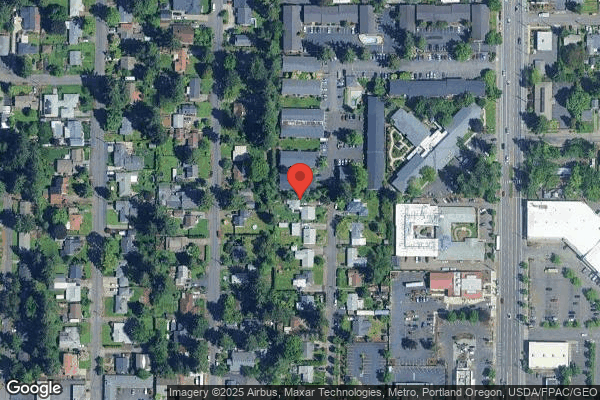
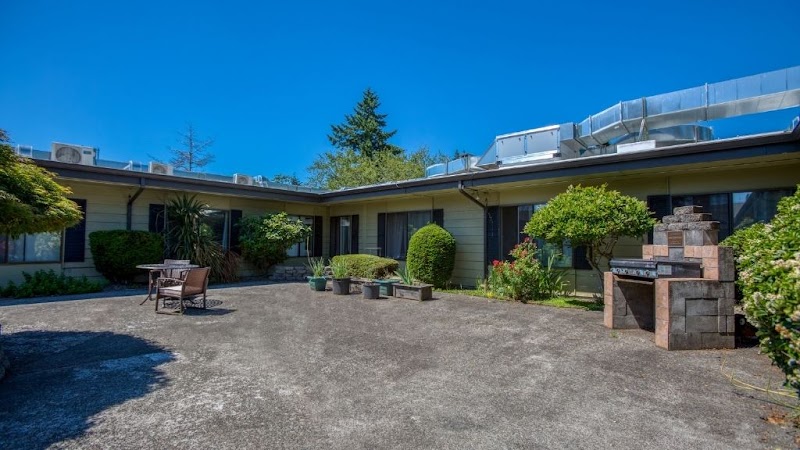
745 NE 122ND AVENUE, PORTLAND, OR 97230 (503) 252-0241
For profit - Corporation 83 Beds PACS GROUP Data: November 2025
Trust Grade
35/100
#93 of 127 in OR
Last Inspection: November 2024

Within standard 12-15 month inspection cycle. Federal law requires annual inspections.

Overview

Menlo Park Post Acute has received a Trust Grade of F, indicating a poor rating with significant concerns about its care quality. Ranked #93 out of 127 facilities in Oregon, this places them in the bottom half of nursing homes in the state, and #24 out of 33 in Multnomah County, where only a handful of options are better. The facility's issues are worsening, increasing from 10 in 2023 to 15 in 2024, and while staffing is rated 4 out of 5 stars with a turnover rate of 43%, there are serious concerns about RN coverage, which is less than 85% of state facilities. Recent inspections revealed troubling incidents, such as staff not completing required annual performance evaluations and training, which could lead to inadequate care, along with instances of poor hygiene practices during meal service. Overall, while there are strengths in staffing stability, the facility's significant issues and poor trust grade raise concerns for families considering this home.

Trust Score
F
35/100
In Oregon
#93/127
Bottom 27%
Safety Record
High Risk
Review needed
Inspections
Getting Worse
10 → 15 violations
Staff Stability
○ Average
43% turnover. Near Oregon's 48% average. Typical for the industry.
Penalties
✓ Good
No fines on record. Clean compliance history, better than most Oregon facilities.
Skilled Nurses
⚠ Watch
Each resident gets only 22 minutes of Registered Nurse (RN) attention daily — below average for Oregon. Fewer RN minutes means fewer trained eyes watching for problems.
Violations
⚠ Watch
33 deficiencies on record. Higher than average. Multiple issues found across inspections.
★★☆☆☆
2.0
Overall Rating
★★★★☆
4.0
Staff Levels
★★★☆☆
3.0
Care Quality
★★☆☆☆
2.0
Inspection Score
Stable
2023: 10 issues
2024: 15 issues

The Good

  • 4-Star Staffing Rating · Above-average nurse staffing levels
  • Full Sprinkler Coverage · Fire safety systems throughout facility
  • No fines on record
  • Staff turnover below average (43%)

    5 points below Oregon average of 48%

Facility shows strength in staffing levels, fire safety.

The Bad

2-Star Overall Rating

Below Oregon average (3.0)

Below average - review inspection findings carefully

Staff Turnover: 43%

Near Oregon avg (46%)

Typical for the industry

Chain: PACS GROUP

Part of a multi-facility chain

Ask about local staffing decisions and management

The Ugly 33 deficiencies on record

Nov 2024 13 deficiencies
CONCERN (D)

Potential for Harm - no one hurt, but risky conditions existed

Deficiency F0552 (Tag F0552)

Could have caused harm · This affected 1 resident

Based on interview and record review it was determined the facility failed to inform residents and/or the residents' responsible party of the risks and benefits, and to ensure consent was obtained for...

Read full inspector narrative →
Based on interview and record review it was determined the facility failed to inform residents and/or the residents' responsible party of the risks and benefits, and to ensure consent was obtained for the use of psychotropic medications for 2 of 5 sampled residents (#s 34 and 66) reviewed for unnecessary medications. This placed residents at risk for lack of informed consent. Findings include: The facility's Psychoactive Medications policy, dated 8/1/24, indicated risks and benefits of drug use and revealed informed consent was to be obtained from the resident/resident representative prior to administration of any psychoactive medication. 1. Resident 34 was admitted to the facility in 3/2023 with diagnoses including major depressive disorder. Resident 34's 10/2024 MAR revealed the resident received the following psychotropic medications as ordered by her/his physician: -Buspirone (a medication to treat anxiety), three times a day for anxiety. -Sertraline (a medication to treat depression), one time a day for major depression. -Clonidine (a medication to treat anxiety), every 6 hours as needed for anxiety. Review of Resident 34's health record revealed no documentation to indicate the resident or her/his representative were informed of the risks and benefits of buspirone, sertraline or clonidine and no evidence the resident consented to receive the medications. On 11/6/24 at 11:51 AM Staff 2 (Interim DNS) stated it was her expectation nursing staff reviewed the risks and benefits of psychotropic medications with residents prior to the residents taking the medications and confirmed Resident 34 received buspirone, sertraline and clonidine without consent being obtained. 2. Resident 66 was admitted to the facility in 10/2024 with diagnoses including major depressive disorder. Resident 66's 10/2024 MAR revealed the resident received the following psychotropic medication as ordered by her/his physician: -Quetiapine (a medication to treat major depressive disorder), one time a day at bedtime. Review of Resident 66's health record revealed no documentation to indicate the resident or her/his representative were informed of the risks and benefits of quetiapine and no evidence the resident consented to receive the medication. On 11/6/24 at 11:51 AM Staff 2 (Interim DNS) stated it was her expectation nursing staff reviewed the risks and benefits of psychotropic medication with residents prior to the residents taking the medication and confirmed Resident 34 received quetiapine without consent being obtained.
CONCERN (D)

Potential for Harm - no one hurt, but risky conditions existed

Free from Abuse/Neglect (Tag F0600)

Could have caused harm · This affected 1 resident

Based on observation, interview and record review it was determined the facility failed to protect the resident's right to be free from verbal abuse by a resident for 1 of 1 sampled residents (#19) re...

Read full inspector narrative →
Based on observation, interview and record review it was determined the facility failed to protect the resident's right to be free from verbal abuse by a resident for 1 of 1 sampled residents (#19) reviewed for abuse. This placed residents at risk for abuse. Findings include: Resident 19 admitted to the facility in 3/2024 with diagnoses including infection and anxiety disorder. A 10/10/24 Quarterly MDS revealed Resident 19 had moderate cognitive impairment. Resident 17 admitted to the facility in 10/2024 with diagnoses including amputation and obesity. A 10/23/24 admission MDS revealed Resident 17 was cognitively intact. On 11/6/24 at 11:55 AM Resident 17 was observed to enter the doorway of Resident 19's room where she/he proceeded to yell and swear at Resident 19. Resident 17 told Resident 19 to stop fucking yelling out and to turn her/his damn tv down. The interaction was observed by Staff 13 (Activities Director), Staff 22 (Physical Therapy Assistant), Staff 21 (CMA) and Witness 1 (Family Member). On 11/6/24 at 12:02 PM Staff 22 stated he was doing a therapy session with Resident 17 when the resident unexpectedly stopped in the doorway of Resident 19's room and started shouting and cursing at Resident 19. Staff 22 stated he went into Resident 19's room to ask if she/he was ok. Staff 22 stated Resident 19 said she/he did not know what happened or why Resident 17 was screaming at her/him. On 11/7/24 9:29 AM Resident 19 stated a resident was at her/his doorway and was yelling at her/him. Resident 19 stated she/he felt scared and did not know why she/he had been yelled at. On 11/7/24 at 9:38 AM Staff 21 stated she observed Resident 17 in the doorway of Resident 19's room yelling at her/him. Staff 21 stated she went to get help from another staff member when Resident 17 was swearing at Resident 19 in an escalated voice. On 11/7/24 at 9:48 AM Staff 13 stated she was in a resident room across the hall when she heard Resident 17 yell at Resident 19 your tv is too fucking loud and you are too loud. Staff 13 stated she went into Resident 19's room to make sure she/he was ok. Staff 13 stated Resident 19 said she/he felt weird and she/he did not know why Resident 17 yelled at her/him. On 11/7/24 at 10:20 AM Resident 17 stated she/he stopped in the doorway of Resident 19's room and yelled at her/him. Resident 17 stated she/he yelled at resident 19 to turn her/his damn tv down, used the f-word a few times, told the resident to use her/his damn call light and told the resident she/he was the rudest person in the building. Resident 17 also stated I have a tendency to lose control of my emotions and I rage at times. Raging has been a part of my life since middle school. On 11/7/24 at 2:18 PM Witness 10 stated Resident 19 had a bad day the day of the incident. Witness 10 stated Resident 19's emotions run high sometimes and she/he rages. On 11/8/24 at 12:22 PM Staff 1 (Administrator) and Staff 2 (Interim DNS) were notified of the findings of this investigation. Staff 1 stated moving forward, Resident 17 was to let staff know when she/he was frustrated. Staff 1 stated it was his expectation to keep residents safe, protected and free from abuse at all times.
CONCERN (D) 📢 Someone Reported This

A family member, employee, or ombudsman was alarmed enough to file a formal complaint

Potential for Harm - no one hurt, but risky conditions existed

Report Alleged Abuse (Tag F0609)

Could have caused harm · This affected 1 resident

Based on interview and record review it was determined the facility failed to timely report an allegation of sexual abuse to the State Agency (SA) for 1 of 3 sampled residents (# 60) reviewed for abus...

Read full inspector narrative →
Based on interview and record review it was determined the facility failed to timely report an allegation of sexual abuse to the State Agency (SA) for 1 of 3 sampled residents (# 60) reviewed for abuse. This placed residents at risk for abuse. Findings include: The facility's 8/2024 Abuse Screening, Training, Identification, Investigation, Reporting and Protection policy directed the following: -Any suspicion of a crime requires notification of law enforcement and the State survey agency immediately by the person who first forms the suspicion of the crime for sexual abuse. -If, with the suspicion of a crime, there is abuse or a serious injury, the staff member must report the incident within 2 hours of forming the suspicion to law enforcement and the State survey agency. Resident 60 was admitted to the facility in 7/2024 with diagnoses including C-difficile infection (a bacterial infection in the colon). Resident 60's 10/15/24 Quarterly MDS indicated the resident had intact cognition. Resident 13 was admitted to the facility in 6/2024 with diagnoses including diabetes and alcohol induced cirrhosis of the liver (damage to the liver due to alcohol abuse). Resident 13's 9/24/24 Quarterly MDS indicated the resident had intact cognition. The facility's 10/27/24 FRI form, completed by Staff 24 (LPN) revealed the following: -Resident 60 alleged Resident 13 touched her/his genital area while she/he slept and upon waking, she/he asked the resident to leave and Resident 13 left the room. -On 10/27/24 around 7:00 AM, Staff 1 (Administrator) was notified by a nurse at the facility that Resident 60 reported being inappropriately touched by Resident 13. -Staff 25 (CNA) confirmed seeing Resident 13 exit Resident 60's room but did not see Resident 13 entering or in Resident 60's room. -Facility security cameras saw Resident 13 in the vacinity of Resident 60's room but did not see Resident 13 enter or exit Resident 60's room. -Resident 13 denied inappropriately touching Resident 60. -The SA was notified of the incident on 10/27/24 at 11:05 AM. On 11/4/24 at 9:54 AM Resident 60 stated she/he was in her/his room waiting for the wound care nurse to come and complete wound care treatment. Resident 60 stated she/he fell asleep and around 11:00 PM on 10/26/24 was awakened because Resident 13 was touching her/his pubic hairs. Resident 60 stated Resident 13 was shocked when she/he woke up and Resident 13 quickly disappeared. Resident 60 stated she/he activated her/his call light and Staff 25 (CNA) responded. Resident 60 stated she/he reported the alleged sexual abuse to Staff 25 who then reported the alleged sexual abuse to Staff 24. On 11/4/24 at 2:51 PM Staff 1 stated he was notified of Resident 60's alleged sexual abuse when he arrived to work on 10/27/24 and began working on the investigation around 7:00 AM. He stated it was his understanding that he had 24 hours to report an allegation of abuse unless there was serious bodily injury so he wanted to complete the investigation prior to notifying the SA. On 11/4/24 at 6:02 PM Staff 25 stated she arrived for her scheduled night shift assignment and was getting report when Resident 60 activated her/his call light. Staff 25 stated she walked towards Resident 60's room and noticed Resident 13 in her/his wheelchair, backing out of Resident 60's room. Staff 25 stated, initially, Resident 60 reported being upset because the wound care nurse had not shown up, so she informed Resident 60 she would notify the night shift charge nurse regarding the resident's concern. Staff 25 stated approximately five minutes later, Resident 60 activated her/his call light again. Staff 25 stated when she arrived in Resident 60's room, the resident told her that Resident 13 had put her/his hand up her/his brief and inappropriately touched her/him. Staff 25 stated she notified Staff 24 between 10:30 PM and 10:50 PM regarding Resident 60's alleged sexual abuse. Staff 25 stated Staff 24 spoke with Resident 60 between 11:00 PM on 10/26/24 and 12:00 AM on 10/27/24. On 11/4/24 at 7:36 PM Staff 24 stated around 12:30 AM on 10/27/24, Staff 25 informed her that Resident 60 wanted to speak with her. Staff 24 reported Resident 60 notified her that Resident 13 had touched her/him inappropriately on her/his upper thigh and private area. Staff 24 stated she attempted to call a nurse manager but they were unreachable so she notified the nurse manager and Staff 1 in the morning. Staff 24 stated she did not report the allegation of sexual abuse to law enforcement or the SA within two hours because she was not familiar with the timeframe for reporting abuse allegations. On 11/6/24 at 11:01 AM Staff 2 (Interim DNS) stated there was some confusion as to the required timeframe for reporting allegations of abuse so the allegation was not reported within the mandated timeframe. Staff 2 stated the expectation was any abuse allegations were reported to the SA immediately but no longer than two hours of the alleged incident.
CONCERN (D)

Potential for Harm - no one hurt, but risky conditions existed

Transfer Notice (Tag F0623)

Could have caused harm · This affected 1 resident

**NOTE- TERMS IN BRACKETS HAVE BEEN EDITED TO PROTECT CONFIDENTIALITY** Based on interview and record review it was determined the facility failed to ensure transfer notices with appeal rights were pr...

Read full inspector narrative →
**NOTE- TERMS IN BRACKETS HAVE BEEN EDITED TO PROTECT CONFIDENTIALITY** Based on interview and record review it was determined the facility failed to ensure transfer notices with appeal rights were provided in writing to residents and their representatives, and to ensure the Office of the State Long-Term Care Ombudsman was notified of resident hospitalizations for 1 of 1 sampled resident (#73) reviewed for hospitalizations. This placed residents at risk for lack of information regarding their options, rights, and lack of advocacy from the Ombudsman Office. Findings include: Resident 73 was admitted to the facility in 9/2024 with diagnoses including complications of a foreign body accidentally left in the body following heart catheterization (a procedure that uses a catheter to diagnose and treat heart conditions). A review of Resident 73's health record revealed she/he was transferred to the hospital on [DATE]. No evidence was found in Resident 73's health record to indicate a transfer notice with appeal rights was provided in writing to the resident or their representative upon transfer to the hospital, or that the Office of the State Long-Term Care Ombudsman was notified of the resident's transfer to the hospital. On 11/7/24 at 2:44 PM Staff 28 (Medical Records) indicated she was aware the Office of the State Long-Term Ombudsman needed to be notified when residents transferred to the hospital but she had not notified the Ombudsman's office of resident hospital transfers since 8/2024. On 11/7/24 at 2:50 PM Staff 2 (Interim DNS) stated the charge nurse was supposed to complete the written notification of transfer for residents transferring to the hospital and Staff 28 was to notify the Office of the State Long Term Care Ombudsman when residents transferred to the hospital. Staff 2 confirmed neither was completed when Resident 73 transferred to the hospital on [DATE].
CONCERN (D)

Potential for Harm - no one hurt, but risky conditions existed

Deficiency F0625 (Tag F0625)

Could have caused harm · This affected 1 resident

**NOTE- TERMS IN BRACKETS HAVE BEEN EDITED TO PROTECT CONFIDENTIALITY** Based on interview and record review it was determined the facility failed to provide residents with a written notice of the fac...

Read full inspector narrative →
**NOTE- TERMS IN BRACKETS HAVE BEEN EDITED TO PROTECT CONFIDENTIALITY** Based on interview and record review it was determined the facility failed to provide residents with a written notice of the facility's bed hold policy at the time of transfer to the hospital for 1 of 1 sampled resident (#73) reviewed for hospitalization. This placed residents at risk for lack of knowledge regarding their choices and potential financial responsibilities. Findings include: Resident 73 was admitted to the facility in 9/2024 with diagnoses including complications of a foreign body accidentally left in the body following heart catheterization (a procedure that uses a catheter to diagnose and treat heart conditions). A review of Resident 73's health record revealed she/he was transferred to the hospital on [DATE]. No evidence was found in Resident 73's health record to indicate a written bed hold policy with reserved bed payment was provided to the resident or their representative upon transferring to the hospital on [DATE]. On 11/7/24 at 2:50 PM Staff 2 (Interim DNS) stated the charge nurse was supposed to provide a written bed hold policy with reserved bed payment to the resident upon transfer to the hospital. Staff 2 confirmed Resident 73 did not receive a written bed hold policy when she/he transferred to the hospital on [DATE].
CONCERN (D)

Potential for Harm - no one hurt, but risky conditions existed

Quality of Care (Tag F0684)

Could have caused harm · This affected 1 resident

3. Resident 8 was admitted 8/2024 with diagnoses that included high blood pressure and sleep apnea. An 8/22/24 Physician Order indicated Resident 8 was prescribed Prozasin (a medication used for high...

Read full inspector narrative →
3. Resident 8 was admitted 8/2024 with diagnoses that included high blood pressure and sleep apnea. An 8/22/24 Physician Order indicated Resident 8 was prescribed Prozasin (a medication used for high blood pressure and treatment of nightmares) with instructions to hold the medication if the systolic blood pressure (SBP) was less that 110. Review of Resident 8's 10/2024 MAR revealed the resident's Prozasin was given outside of the physician's parameters on the following days: -10/11/24 SPB 103 -10/24/24 SBP 94 -10/30/24 SBP 104 -10/31/24 SBP 56 On 11/7/24 at 2:48 PM Staff 3 (RNCM) confirmed medication documentation indicated the medication was administered on the dates the systolic blood pressure was below 110. On 11/8/24 at 8:33 AM Staff 16 (CMA) confirmed medication documentation indicated the medication was administered on the dates the systolic blood pressure was below 110. On 11/8/24 at 11:03 AM Staff 2 (Interim DNS) notified of findings and no additional information was provided. Based on interview and record review it was determined the facility failed to ensure physician orders were followed for 3 of 5 sampled residents (#s 8, 34 and 66) reviewed for unnecessary medications. This placed residents at risk for adverse medication consequences. Findings include: 1. Resident 34 was admitted to the facility in 3/2023 with diagnoses including major depression and diabetes. a. A 10/28/24 Physician Order indicated Resident 34 was prescribed clonidine (an anti-anxiety medication) one tablet every six hours as needed. Hold if systolic blood pressure (SBP-the maximum pressure in your blood vessels when your heart contracts and pumps blood) was less than 110. Resident 34's 10/2024 MAR indicated the resident received clonidine one time on 10/29/24, three times on 10/30/24 and one time on 10/31/24. A review of Resident 34's health record revealed no evidence the resident's blood pressure was assessed prior to administering clonidine. On 11/7/24 at 8:33 AM Staff 12 (LPN) reviewed Resident 34's MAR and stated the resident's SBP was not assessed prior to administering Resident 34's clonidine because the MAR was not set-up in a way staff would know to check the resident's blood pressure and hold the medication if the resident's SBP was less than 110. On 11/7/24 at 11:57 AM Staff 4 (LPN-Care Manager) confirmed there was no evidence staff assessed Resident 34's SBP prior to administering the resident's clonidine. b. An 8/1/24 Physician Order indicated Resident 34 was prescribed metoprolol succinate ER (to treat high blood pressure) to be given in the morning. Hold if systolic blood pressure (SBP-the maximum pressure in your blood vessels when your heart contracts and pumps blood) was less than 110 and/or heart rate (HR) was less than 55. Resident 34's 10/2024 MAR indicated the resident received metoprolol succinate ER on all days. A review of Resident 34's health record revealed no evidence the resident's blood pressure and heart rate were assessed prior to administering metoprolol succinate ER. On 11/7/24 at 8:33 AM Staff 12 (LPN) reviewed Resident 34's MAR and stated the resident's SBP and HR were not assessed prior to administering Resident 34's metoprolol because the MAR was not set-up in a way staff would know to check the resident's blood pressure and HR and hold the medication if SBP was less than 110 and HR was less than 55. On 11/7/24 at 11:57 AM Staff 4 (LPN-Care Manager) confirmed there was no evidence staff assessed Resident 34's SBP and HR prior to administering the resident's metoprolol. 2. Resident 66 was admitted to the facility in 10/2024 with diagnoses including major depressive disorder. a. A 10/8/24 Physician Order indicated Resident 66 was prescribed Clindamycin Phosphate External topical medication (a topical antibiotic) to be applied to affected area every morning and at bedtime. Resident 66's 10/2024 MAR indicated the resident's Clindamycin topical antibiotic was not applied according to physician orders on the following days: -10/9 AM; -10/17 PM. On 11/7/24 at 8:24 AM Staff 12 (LPN) stated on 10/9/24 she did not apply Resident 34's Clindamycin topical antibiotic because she was unable to locate the medication in the cart. On 11/7/24 at 11:21 AM Staff 4 (LPN-Care Manager) confirmed Resident 34's Clindamycin topical antibiotic was not provided on 10/9/24 and 10/17/24 and there was no documentation in the resident's health record as to why the medication was missed. b. A 10/8/24 Physician Order indicated Resident 66 was prescribed Diprolene External Ointment (for relief of redness, swelling, heat, inflammation and itching caused by skin problems) to be applied to affected areas in the morning and at bedtime. Resident 66's 10/2024 MAR indicated the resident's Diprolene was not applied according to physician orders on the following days: -10/9 AM; -10/11 AM. On 11/7/24 at 8:24 AM Staff 12 (LPN) stated on 10/9/24 she did not apply Resident 34's Diprolene External Ointment because she was unable to locate the medication in the cart. On 11/7/24 at 11:21 AM Staff 4 (LPN-Care Manager) confirmed Resident 66's Diprolene External Ointment was not provided on 10/9/24 and 10/11/24 and there was no documentation in the resident's health record as to why the medication was missed. c. A 10/11/24 Physician Order indicated Resident 66 was prescribed Protonix (treats gastric reflux and damage to the esophagus) one time a day. Resident 66's 10/2024 MAR indicated the resident's Protonix was not given according to physician orders on the following days: -10/12; -10/22; -10/25 and -10/26. On 11/7/24 at 8:24 AM Staff 12 (LPN) stated she did not know why Resident 66's Protonix was not administered. On 11/7/24 at 11:21 AM Staff 4 (LPN-Care Manager) confirmed Resident 66's Protonix was not administered on 10/12/24, 10/22/24, 10/25/24 and 10/26/24 and there was no documentation in the resident's health record as to why the medication was missed. Staff 4 stated Protonix was stored in the facility's Cubex (automated medication dispensing system) so the medication was available and should not have been missed.
CONCERN (D)

Potential for Harm - no one hurt, but risky conditions existed

Deficiency F0685 (Tag F0685)

Could have caused harm · This affected 1 resident

Based on observation, interview, and record review it was determined the facility failed to assist in vision care needs for 1 of 1 sampled resident (#34) reviewed for vision. This placed residents at ...

Read full inspector narrative →
Based on observation, interview, and record review it was determined the facility failed to assist in vision care needs for 1 of 1 sampled resident (#34) reviewed for vision. This placed residents at risk for impaired vision. Findings include: Resident 34 was admitted to the facility in 3/2023 with diagnoses including major depression and diabetes. A 12/27/23 Request for Medical Eye Care, resident authorization form, indicated Resident 34 consented to have a vision examination on 12/27/23. The 9/14/24 Quarterly MDS indicated Resident 34 had intact cognitive functioning and the resident wore glasses. A review of Resident 34's heath record revealed no evidence a vision examination was scheduled or completed. Observations from 11/5/24 through 11/7/24 between the hours of 10:14 AM and 9:01 PM revealed Resident 34 was not wearing glasses. On 11/5/24 at 9:23 AM, Resident 34 stated she/he was supposed to get glasses last year around Christmastime but nothing happened. Resident 34 stated she/he asked for an appointment several times but was yet to be scheduled for a vision examination. On 11/7/24 at 8:43 AM, Staff 2 (DNS) confirmed there was no evidence in Resident 34's health record that a vision examination was completed. Staff 2 stated the resident authorized to have a vision examination completed last December but the examination was never scheduled. On 11/7/24 at 8:47 AM, Staff 14 (Social Services Director) confirmed Resident 34 should have been scheduled for a vision examination but her/his examination fell through the cracks and was not completed.
CONCERN (D)

Potential for Harm - no one hurt, but risky conditions existed

Deficiency F0699 (Tag F0699)

Could have caused harm · This affected 1 resident

Based on interview and record review it was determined the facility failed to ensure residents who were trauma survivors received trauma-informed care for 1 of 1 sampled resident (# 39) reviewed for m...

Read full inspector narrative →
Based on interview and record review it was determined the facility failed to ensure residents who were trauma survivors received trauma-informed care for 1 of 1 sampled resident (# 39) reviewed for mood. This placed residents at risk for re-traumatization and decreased quality of life. Findings include: The facility's 8/2024 Trauma-Informed Care Policy and Procedure revealed the following: -Realize the prevalence of trauma: Through education and training of care staff, -Recognize how trauma affects individuals: Through education and identification of triggers, -Responding/putting knowledge into practice: Through development of resident-centered care planning, and -Resisting re-traumatization: Through avoiding identified triggers and making empathetic, reasonable modifications to the care approach and environment. Resident 39 was admitted to the facility in 7/2022 with diagnoses including Post-traumatic stress disorder (PTSD) and major depressive disorder. Resident 39's 7/25/22 Social Services Assessment revealed the resident was not assessed for her/his diagnosis of PTSD. Resident 39's 10/9/24 Quarterly MDS revealed the resident was able to make her/himself understood and understood others without difficulty. No evidence was found in Resident 39's clinical record to indicate an assessment of the resident's trauma was completed or a care plan was developed to address the resident's potential trauma triggers. On 11/5/24 at 3:14 PM Staff 14 (Social Services Director) stated resident trauma screenings were to be completed at the time of admission for all residents, especially those residents with a diagnosis of PTSD. On 11/5/24 at 3:42 PM Staff 4 (LPN Care Manager) acknowledged the findings of this investigation and stated Resident 39 should have had trauma informed screening completed.
CONCERN (E)

Potential for Harm - no one hurt, but risky conditions existed

Safe Environment (Tag F0584)

Could have caused harm · This affected multiple residents

Based on observation and interview it was determined the facility failed to ensure a homelike environment for 1 of 1 facility reviewed for dining. This placed residents at risk for a lessened quality ...

Read full inspector narrative →
Based on observation and interview it was determined the facility failed to ensure a homelike environment for 1 of 1 facility reviewed for dining. This placed residents at risk for a lessened quality of life. Findings include: Observations on 11/5/24 through 11/8/24 between the hours of 8:00 AM and 12:35 PM revealed meals were served with plastic spoons, plastic glasses and Styrofoam cups. On 11/5/24 at 12:38 PM Resident 66 was eating lunch. Resident 66 held up a plastic spoon and stated, they give us this crap to eat with. On 11/6/24 at 1:38 PM Staff 29 (CNA) stated residents usually received regular forks and knives but were given plastic spoons, plastic glasses and Styrofoam cups for at least the past month. Staff 29 stated this was not homelike. On 11/6/24 at 1:42 PM Staff 30 (Dietary Manager) stated the facility did not have enough glasses, cups or silverware for all of the meal service. Staff 30 stated plasticware and Styrofoam cups were not homelike. On 11/8/24 at 9:17 AM Staff 13 (Activities Director) confirmed multiple residents complained about paper and Styrofoam cups, plastic glasses and plastic utensils. Staff 13 reported the residents stated it feels like a fast food restaurant rather than a homelike environment when they received plastic and Styrofoam dishware and utensils.
CONCERN (E)

Potential for Harm - no one hurt, but risky conditions existed

Deficiency F0761 (Tag F0761)

Could have caused harm · This affected multiple residents

3. On 11/5/24 at 8:07 AM the treatment cart in Hall 1 was observed to be unlocked and unattended. Staff 19 (LPN) returned to cart within one minute. He explained the contents of the cart included wou...

Read full inspector narrative →
3. On 11/5/24 at 8:07 AM the treatment cart in Hall 1 was observed to be unlocked and unattended. Staff 19 (LPN) returned to cart within one minute. He explained the contents of the cart included wound treatment supplies, equipment for checking blood sugar levels, and residents' insulin (an injectable medication). He also confirm the treatment cart had been left unlocked and unattended. On 11/8/24 at 11:03 AM Staff 2 (Interim DNS) was notified of the findings. No additional information was provided. 4. On 11/6/24 at 8:55 PM the treatment cart and the Hall 1 medication cart were observed near the south entrance. The treatment cart was unlocked and the computer on the medication cart open to a resident's medical record. Both were unattended. At 9:00 PM Staff 17 (RN) confirmed the cart had been unlocked and the computer had been unsecured. On 11/8/24 at 11:03 AM Staff 2 (Interim DNS) was notified of the findings. No additional information was provided. 2. On 11/7/24 at 9:53 AM a medication cart was observed to be unlocked and unattended on Hall 3. On 11/7/24 at 9:57 AM Staff 32 (LPN) confirmed the cart containing perscription medications and inhalers was left unlocked and unattended. Based on observation and interviews it was determined the facility failed to ensure medications and biologicals were maintained within secured (locked) locations, accessible only to designated staff for 3 of 6 medication and treatment carts reviewed for safe medication storage. This placed residents at risk for unsafe access to medications and diversion of medication. Findings include: The facility's 1/2023 Storage of Medication Policy stated: In order to limit access to prescription medications, only licensed nurses, pharmacy staff, and those lawfully authorized to administer medications (such as medication aides) are allowed access to medication carts. Medication rooms, cabinets and medications supplies should remain locked when not in use or attended by persons with authorized access. 1. On 11/6/24 at 1:38 PM a treatment cart was observed to be unlocked on Hall 1. The nurse was not in view of the cart. On 11/6/24 at 1:47 PM Staff 12 (LPN) confirmed the cart was unlocked.
CONCERN (E)

Potential for Harm - no one hurt, but risky conditions existed

Food Safety (Tag F0812)

Could have caused harm · This affected multiple residents

Based on observation, interview and record review it was determined the facility failed to ensure the ice machine and ice machine scoop were cleaned adequately to maintain sanitary conditions in 1 of ...

Read full inspector narrative →
Based on observation, interview and record review it was determined the facility failed to ensure the ice machine and ice machine scoop were cleaned adequately to maintain sanitary conditions in 1 of 1 kitchen reviewed for sanitary kitchen services. This placed residents at risk of foodborne illness. Findings include: 1. On 11/4/24 at 9:34 AM the ice machine adjacent to the kitchen was observed to have a pink/black substance on a plastic shield inside the machine. Condensation was observed dripping over the substance onto the ice. On 11/4/24 at 9:39 AM Staff 18 (Maintenance Director) stated the ice machine was cleaned every month. Staff 18 acknowledged the presence of the pink/black substance and confirmed the ice machine should be free of any debris or contaminants. On 11/4/24 at 9:58 AM Staff 1 (Administrator) acknowledged the existence of pink/black substance inside the ice machine and stated the ice machine needed to be cleaned. 2. On 11/4/24 at 9:34 AM the ice machine scoop located on the wall next to the ice machine was observed to be stored in a clear plastic container with a black substance and clear slime on the bottom of the container. On 11/4/24 at 9:49 AM Staff 18 (Maintenance Director) stated the ice machine scoop container needed to be cleaned and acknowledged the presence of a black substance and clear slime. On 11/4/24 at 9:58 AM Staff 1 (Administrator) acknowledged the existence of black substance and clear slime on the bottom of the ice scoop container and stated the container needed to be cleaned.
CONCERN (F)

Potential for Harm - no one hurt, but risky conditions existed

Deficiency F0730 (Tag F0730)

Could have caused harm · This affected most or all residents

Based on interview and record review it was determined the facility failed to ensure CNAs received annual performance reviews for 5 of 5 randomly selected CNA staff (#s 6, 7, 8, 9 and 10) reviewed for...

Read full inspector narrative →
Based on interview and record review it was determined the facility failed to ensure CNAs received annual performance reviews for 5 of 5 randomly selected CNA staff (#s 6, 7, 8, 9 and 10) reviewed for sufficient and competent staffing. This placed residents at risk for lack of care by competent staff. Findings include: A review of personnel records on 11/6/24 at 12:01 PM with Staff 23 (Human Resources/Payroll) indicated the following employees had not received their annual performance evaluations: -Staff 6 (CNA), hire date 9/17/15: no annual performance review was completed. -Staff 7 (CNA), hire date 9/16/14: no annual performance review was completed. -Staff 8 (CNA), hire date 9/15/17: no annual performance review was completed. -Staff 9 (CNA), hire date 8/1/08: no annual performance review was completed. -Staff 10 (CNA), hire date 6/24/14: no annual performance review was completed. On 11/6/24 at 12:01 PM Staff 23 confirmed annual performance reviews for Staff 6, Staff 7, Staff 8, Staff 9 and Staff 10 were not completed.
CONCERN (F)

Potential for Harm - no one hurt, but risky conditions existed

Deficiency F0947 (Tag F0947)

Could have caused harm · This affected most or all residents

Based on interview and record review it was determined the facility failed to ensure CNA staff received 12 hours of in-service training annually for 5 of 5 randomly selected staff members (#s 6, 7, 8,...

Read full inspector narrative →
Based on interview and record review it was determined the facility failed to ensure CNA staff received 12 hours of in-service training annually for 5 of 5 randomly selected staff members (#s 6, 7, 8, 9, and 10) reviewed for evidence of in-service training. This placed residents at risk for lack of quality care. Findings include: On 11/6/24 at 1:19 PM Staff 23 (Human Resources/Payroll) provided a list of annual training hours for CNA staff which revealed the following: -Staff 6 (CNA): 0 annual training hours; -Staff 7 (CNA): 8 annual training hours; -Staff 8 (CNA): 11 annual training hours; -Staff 9 (CNA): 0 annual training hours and -Staff 10 (CNA) 8 annual training hours. On 11/6/24 at 1:19 PM Staff 23 confirmed Staff 6, Staff 7, Staff 8, Staff 9 and Staff 10 did not complete the required 12 hours of annual in-service training. On 11/8/24 at 11:09 AM Staff 1 (Administrator) acknowledged CNA staff were required to have 12 hours of annual in-service training.
Oct 2024 1 deficiency
CONCERN (D) 📢 Someone Reported This

A family member, employee, or ombudsman was alarmed enough to file a formal complaint

Potential for Harm - no one hurt, but risky conditions existed

Accident Prevention (Tag F0689)

Could have caused harm · This affected 1 resident

Based on observation, interview and record review it was determined the facility failed to ensure residents were appropriately supervised while smoking for 1 of 3 sampled residents (#106) reviewed for...

Read full inspector narrative →
Based on observation, interview and record review it was determined the facility failed to ensure residents were appropriately supervised while smoking for 1 of 3 sampled residents (#106) reviewed for smoking safety. This placed residents at risk for injury from fire hazards. Findings include: The facility's Smoking Policy, revised 10/2023 stated residents who wished to smoke were evaluated for their ability to smoke safely. Residents who did not meet the safety criteria established by the facility to smoke independently were aided or supervised by facility staff during smoking activities. Resident 106 admitted to the facility in 2016, with diagnoses including diabetes mellitus and stroke. Resident 106's MDS Quarterly dated 7/11/24 revealed a BIMS score of 11, indicating the resident had moderate cognitive impairment. Resident 106's Smoking Safety Evaluation dated 8/14/24 revealed Resident 106 did not have adequate cognitive skills or memory recall, did not recognize designated smoking areas and could not identify proper smoking receptacles. The IDT decision stated observations [of resident] having lighting materials in room, attempting to light cigarette, staff intervened. Conversation with [the resident], commented [she/he] didn't know that [she/he] couldn't smoke in [her/his] room. Due to above findings, [the resident] has been reassessed/changed to supervised smoker. On 10/2/24 at 2:57 PM, Resident 106 was observed in the courtyard smoking area and was smoking a lit cigarette. No designated staff were observed to be in the courtyard supervising the resident. Immediately after the observation was made, Staff 4 (LPN) , who was inside the building close to the smoking area, confirmed Resident 106 was seated in the smoking area. On 10/8/24 at 1:30 PM, Staff 1 (Administrator) and Staff 2 (DNS) were advised of the findings of the investigation and provided no additional information.
Jun 2024 1 deficiency
CONCERN (D) 📢 Someone Reported This

A family member, employee, or ombudsman was alarmed enough to file a formal complaint

Potential for Harm - no one hurt, but risky conditions existed

Deficiency F0602 (Tag F0602)

Could have caused harm · This affected 1 resident

Based on interview and record review it was determined the facility failed to ensure residents were free from misappropriation of property for 1 of 2 sampled residents (# 106) reviewed for misappropri...

Read full inspector narrative →
Based on interview and record review it was determined the facility failed to ensure residents were free from misappropriation of property for 1 of 2 sampled residents (# 106) reviewed for misappropriation. This placed residents at risk for loss of property. Findings include: Resident 106 was admitted to the facility in 2022 with diagnoses including chronic kidney disease and heart failure. Resident 106's MDS Quarterly dated 5/7/24 revealed she/he was cognitively intact with a BIMS score of 15. The facility submitted a report to the state agency on 5/30/23 which stated Resident 106 had loaned Staff 4 (Former CNA) money and the facility started an investigation which included suspending Staff 4. On 5/30/24 at 12:48 PM, Resident 106 confirmed she/he loaned Staff 4 money on several occasions prior to May 2023 and Staff 4 had paid back the money. Resident 106 stated in May 2023 she/he loaned Staff 4 $700.00 for new tires and was not paid back. Staff 4 was unable to be interviewed due to no longer working at the facility. On 6/6/24 at 11:00 AM, Staff 1 (Administrator) and Staff 2 (DNS) were informed of the findings of misappropriation of Resident 106's property and provided no additional information.
Jul 2023 7 deficiencies
CONCERN (D) 📢 Someone Reported This

A family member, employee, or ombudsman was alarmed enough to file a formal complaint

Potential for Harm - no one hurt, but risky conditions existed

Comprehensive Care Plan (Tag F0656)

Could have caused harm · This affected 1 resident

**NOTE- TERMS IN BRACKETS HAVE BEEN EDITED TO PROTECT CONFIDENTIALITY** Based on interview and record review it was determined the facility failed to develop and implement care plans for 1 of 2 sample...

Read full inspector narrative →
**NOTE- TERMS IN BRACKETS HAVE BEEN EDITED TO PROTECT CONFIDENTIALITY** Based on interview and record review it was determined the facility failed to develop and implement care plans for 1 of 2 sampled residents (#18) reviewed for hospitalization. This placed residents at risk for unmet needs. Findings include: Resident 18 admitted to the facility in 2022 with diagnoses including schizoaffective disorder (a mood disorder) and anxiety disorder. The 6/12/23 Quarterly MDS indicated Resident 18 was cognitively intact and was not exhibiting behaviors at that time. A closed care plan from a prior admission to the facility dated 5/11/22 indicated Resident 18 had a history of expressing suicidal ideations in an attempt to be admitted to the hospital. The closed care plan also included extensive resident centered interventions for identified behaviors. Resident 18's current care plan reviewed on 7/30/23 did not include a history of expressing suicidal ideations identified on the 5/11/22 closed care plan, specific behaviors, nor interventions to manage these behaviors. Resident 18's [NAME] (bedside care plan for providing direct resident care) reviewed on 7/30/23 indicated Resident 18 was a good historian of her/his behaviors. No information about what the behaviors were or how to respond appropriately to them was included. On 7/31/23 at 9:34 AM Staff 7 (RNCM), Staff 9 (LPN), Staff 10 (RNCM) confirmed Resident 18 had significant behaviors in the past and was managed well on the current medication regimen. Staff 7, Staff 9, and Staff 10 all confirmed Resident 18's behaviors and interventions should be on the current care plan and accessible to all staff providing care.
CONCERN (D) 📢 Someone Reported This

A family member, employee, or ombudsman was alarmed enough to file a formal complaint

Potential for Harm - no one hurt, but risky conditions existed

Quality of Care (Tag F0684)

Could have caused harm · This affected 1 resident

Based on interview and record review it was determined the facility failed to follow physician orders for 1 of 5 sampled residents (#4) reviewed for unnecessary medications. This placed residents at r...

Read full inspector narrative →
Based on interview and record review it was determined the facility failed to follow physician orders for 1 of 5 sampled residents (#4) reviewed for unnecessary medications. This placed residents at risk for adverse medication consequences. Findings include: Resident 4 was admitted to the facility in 2018 with diagnoses including diabetes and chronic kidney disease requiring dialysis. 1. A 6/13/23 and revised 7/10/23 physician order indicated Resident 4 was prescribed lispro insulin (a rapid acting insulin that lowers blood glucose) before meals. A review of Resident 4's 7/1/23 through 7/26/23 DAR (diabetic administration record) indicated the resident's lispro insulin was not administered according to physician orders on the following days: -7/4 lunch dose missed; -7/6 lunch dose missed; -7/8 lunch dose missed; -7/11 lunch dose missed; -7/15 lunch dose missed; -7/18 lunch dose missed; -7/20 lunch dose missed; -7/22 lunch dose missed; -7/23 lunch dose missed. On 7/27/23 at 11:07 AM Staff 7 (RNCM) reviewed Resident 4's lispro insulin DAR and stated the resident's lispro insulin should have been administered on the dates identified. 2. A 5/19/23 physician order indicated Resident 4 was prescribed gabapentin (to treat nerve pain) every morning and bedtime and to hold all doses of gabapentin on skipped dialysis days. A review of Resident 4's 7/1/23 through 7/27/23 MAR indicated the resident was not administered gabapentin according to physician orders on the following days: -7/1 morning dose missed; -7/2 morning dose missed; -7/3 morning dose missed; -7/5 morning dose missed; -7/7 morning dose missed; -7/10 morning dose missed; -7/12 morning dose missed; -7/16 morning dose missed; -7/17 morning dose missed; -7/19 morning dose missed; -7/24 morning dose missed. A review of Resident 4's health care record indicated the only day the resident skipped dialysis was on 7/25/23. On 7/27/23 at 11:07 AM Staff 7 (RNCM) reviewed Resident 4's gabapentin MAR and stated the resident's gabapentin should have been administered on the dates identified. 3. A 5/18/23 physician order indicated Resident 4 was prescribed lactulose (to reduce ammonia in the blood) three times a day every Tuesday, Thursday and Saturday. A review of Resident 4's 7/1/23 through 7/26/23 MAR indicated the resident's lactulose was not administered according to physician orders on the following days: -7/4 mid-day dose missed; -7/8 mid-day dose missed; -7/11 mid-day dose missed; -7/15 mid-day dose missed; -7/18 mid-day dose missed; -7/22 mid-day dose missed; On 7/27/23 at 11:07 AM Staff 7 (RNCM) reviewed Resident 4's lactulose MAR and stated the resident's lactulose should have been administered on the dates identified. 4. A 5/17/23 physician order indicated Resident 4 was prescribed lanthanum carbonate (to treat excessive phosphate in the blood) three times a day with meals. A review of Resident 4's 7/1/23 through 7/26/23 MAR indicated the resident's lanthanum carbonate was not administered according to physician orders on the following days: -7/4 mid-day dose missed; -7/6 mid-day dose missed; -7/8 mid-day dose missed; -7/11 mid-day dose missed; -7/15 mid-day dose missed; -7/18 mid-day dose missed; -7/22 mid-day dose missed; -7/23 mid-day dose missed; On 7/27/23 at 11:07 AM Staff 7 (RNCM) reviewed Resident 4's lanthanum carbonate MAR and stated the resident's lanthanum carbonate should have been administered on the dates identified. 5. A 5/17/23 physician order indicated Resident 4 was prescribed sevelamer carbonate (used to lower blood phosphate levels when on dialysis) three times a day with meals. A review of Resident 4's 7/1/23 through 7/26/23 MAR indicated the resident's sevelamer carbonate was not administered according to physician orders on the following days: -7/4 lunch dose missed; -7/6 lunch dose missed; -7/8 lunch dose missed; -7/11 lunch dose missed; -7/13 lunch dose missed; -7/15 lunch dose missed; -7/18 lunch dose missed; -7/20 lunch dose missed; -7/22 lunch dose missed. On 7/27/23 at 11:07 AM Staff 7 (RNCM) reviewed Resident 4's sevelamer MAR and stated the resident's sevelamer should have been administered on the dates identified. 6. A 5/16/23 physician order indicated Resident 4 was prescribed Tums (to reduce heartburn) three times a day. A review of Resident 4's 7/1/23 through 7/26/23 MAR indicated the resident's Tums was not administered according to physician orders on the following days: -7/4 mid-day dose missed; -7/6 mid-day dose missed; -7/8 mid-day dose missed; -7/11 mid-day dose missed; -7/15 mid-day dose missed; -7/18 mid-day dose missed; -7/20 mid-day dose missed; -7/22 mid-day dose missed. On 7/27/23 at 11:07 AM Staff 7 (RNCM) reviewed Resident 4's Tums MAR and stated the resident's Tums should have been administered on the dates identified. 7. A 7/21/23 to 7/25/23 physician order indicated Resident 4 was prescribed metoprolol (to treat high blood pressure) two times a day. A review of Resident 4's 7/1/23 through 7/25/23 MAR indicated the resident's metoprolol was not administered according to physician orders on the following days: -7/22 morning and evening dose missed. On 7/27/23 at 11:07 AM Staff 7 (RNCM) reviewed Resident 4's metoprolol MAR and stated the resident's metoprolol should have been administered on the dates identified.
CONCERN (D) 📢 Someone Reported This

A family member, employee, or ombudsman was alarmed enough to file a formal complaint

Potential for Harm - no one hurt, but risky conditions existed

Pressure Ulcer Prevention (Tag F0686)

Could have caused harm · This affected 1 resident

Based on interview and record review it was determined the facility failed to accurately assess and provide or offer pressure ulcer wound care for 1 of 2 sampled residents (#117) reviewed for pressure...

Read full inspector narrative →
Based on interview and record review it was determined the facility failed to accurately assess and provide or offer pressure ulcer wound care for 1 of 2 sampled residents (#117) reviewed for pressure ulcers. This placed residents at risk for worsening pressure ulcers or delayed healing. Findings include: Resident 117 was readmitted to the facility in 2022 with diagnoses including malnutrition. On 12/13/22 at 10:47 AM Witness 1 (Complainant) stated Resident 117 reported the facility should have done more to prevent the resident's pressure ulcers from worsening. Resident 117's Progress Notes from 8/1/22 through 12/12/22 revealed extensive documentation of the resident's refusals of care including pressure ulcer treatment and pressure off-loading. The notes also included frequent education provided to the resident regarding the risks of refusing treatments and off-loading. Resident 117's 9/2022 TAR revealed the resident had wound treatments ordered for pressure ulcers to the left and right buttocks three times per week. The TAR indicated wound care was completed three times out of thirteen opportunities for the right buttock and four out of thirteen opportunities for the left buttock. For both wounds the TAR documented Other/See Progress Notes three times, Drug Refused once, OOF [out of facility] without Meds twice, no documentation four times for the right buttock and no documentation three times for the left buttock. Resident 117's 9/2022 Progress Notes and TAR revealed a lack of documentation to indicate either why wound care was not provided, if the treatments were rescheduled or if the resident was reapproached at a later time. Resident 117's 9/2022 SNF Skin - Wound assessments revealed inaccurate labeling, description and wound bed characterization of the left buttock wound and inaccurate labeling, staging and wound bed characterization of the right buttock wound. On 7/28/23 at 11:11 AM Staff 1 (Administrator), Staff 3 (RN Consultant) and Staff 6 (Regional Director of Operations) agreed in 9/2022 wound care was not provided as ordered, wound assessments were not accurate and documentation was lacking regarding rescheduling wound care or reapproaching the resident.
CONCERN (D) 📢 Someone Reported This

A family member, employee, or ombudsman was alarmed enough to file a formal complaint

Potential for Harm - no one hurt, but risky conditions existed

Accident Prevention (Tag F0689)

Could have caused harm · This affected 1 resident

**NOTE- TERMS IN BRACKETS HAVE BEEN EDITED TO PROTECT CONFIDENTIALITY** 3. Resident 33 was admitted to the facility in 2021 with diagnoses including vascular dementia with behavioral disturbance and g...

Read full inspector narrative →
**NOTE- TERMS IN BRACKETS HAVE BEEN EDITED TO PROTECT CONFIDENTIALITY** 3. Resident 33 was admitted to the facility in 2021 with diagnoses including vascular dementia with behavioral disturbance and general weakness. A 7/19/23 provider progress note revealed Resident 33 was at risk for injury when handling cigarettes as she/he often forgot she/he was holding a cigarette and had been known to burn her/his clothes. One-on-one supervision was required when the resident was smoking. A list of residents who smoked was provided by facility on 7/25/23 and indicated Resident 33 required supervision while smoking. The [NAME] (bed side care plan used for direct resident care) reviewed on 7/27/23 included Resident 33 required a smoking apron while smoking and supervision at all times. Resident 33's Smoking Safety Evaluation completed on 7/26/23 determined the resident always required a smoking vest and supervision while smoking. On 7/27/23 at 10:33 AM Resident 33 was observed through the south east courtyard door window with a lit cigarette in her/his hand and was not wearing a smoking apron with other residents, including Resident 6. No burn marks were observed on Resident 33 clothes. There were no staff observed within line of sight of the resident who was smoking without an apron. Resident 6 went back inside facility and reported Resident 33 dropped ash on her/his fleece pajama pants and did not have staff assistance. Resident 6 reported Staff 15 (CNA) was on her phone and not paying attention to Resident 33. On 7/28/23 at 1:22 PM Staff 9 (LPN) confirmed staff were expected to be physically present with residents for supervision needs not just eyes-on supervision. Staff 9 confirmed the protocol for residents who refused a smoking apron was to notify a nurse or manager for support. On 7/28/23 at 2:28 PM Staff 15 (CNA) confirmed she was the staff member outside in the smoking area on 7/28/23 with Resident 33. Staff 15 reported Resident 33 became upset when offered a smoking apron and refused to wear it. Staff 15 confirmed she proceeded to light a cigarette for Resident 33 anyway and did not notify a nurse or manager as instructed. On 7/31/23 at 9:51 AM Staff 6 (Director of Operations) who was present during the incident on 7/27/23 at 10:36 AM confirmed Resident 33 was not wearing a smoking apron while smoking. He also confirmed all smoking-related instructions were found readily on the [NAME]. Based on observation, interview and record review it was determined the facility failed to ensure smoking care plan interventions were followed and smoking materials were stored in a safe manner for 3 of 3 residents (#s 11, 14 and 33) reviewed for smoking. This placed residents at risk for burns and smoking related accidents. Findings include: The facility's Smoking Policy and Procedure for Independent smokers, last revised 3/2020, indicated the following: -The smoking policy was communicated to the resident prior to or upon admission to the center. -Residents who were safe to smoke independently and safely manage their smoking materials were allowed to do so in a manner that was safe according to the assessment. -Residents who did not adhere to smoking policies were subject to additional interventions and safety measures, including but not limited to, revocation of their ability to smoke while a resident at the center and discharge from the center. 1. Resident 11 was admitted to the facility in 2022 with diagnoses including COPD (a lung disease causing breathing problems) and chronic kidney disease. Resident 11's 5/3/23 Smoking Safety Evaluation indicated the resident was able to smoke independently and knew how to properly store smoking materials. On 7/26/23 at 9:49 AM and 7/27/23 at 12:43 PM Resident 11 was observed with unsecured smoking materials in her/his room. On 7/27/23 at 9:15 AM Staff 8 (Activities Director) stated residents determined to be able to smoke independently were provided outside lockboxes to store their smoking materials. Staff 8 stated smoking materials were to be secured at all times. Staff 8 and surveyor observed Resident 11's lockbox and determined the lockbox was empty though Resident 11 was asleep in her/his room. On 7/27/23 at 12:43 PM Resident 11 stated she/he had an outside lockbox but she/he did not take the time to use it and kept her/his smoking materials unsecured in her/his room. On 7/27/23 at 1:44 PM Staff 1 (Administrator) stated Resident 11 had unsecured smoking materials in her/his room and all smoking materials needed to be secured. 2. Resident 14 was admitted to the facility in 2016 with diagnoses including multiple sclerosis (a progressive disease of the brain and spinal cord). Resident 14's 6/30/23 Smoking Safety Evaluation indicated the resident was able to smoke independently and knew how to properly store smoking materials. On 7/25/23 at 2:11 PM and 7/27/23 at 9:25 AM Resident 14 was observed with unsecured smoking materials in her/his room. On 7/25/23 at 2:11 PM Resident 14 stated she/he kept her/his smoking materials in a bag on the back of her/his wheelchair. Smoking materials were also observed in jars lined up on Resident 14's bed. On 7/27/23 at 9:15 AM Staff 8 (Activities Director) stated residents determined to be able to smoke independently were provided outside lockboxes to store their smoking materials. Staff 8 stated smoking materials were to be secured at all times. Staff 8 and surveyor observed Resident 14's lockbox and determined the lockbox was empty and Resident 14 was in bed. On 7/27/23 at 9:38 AM Staff 1 (Administrator) confirmed Resident 14 had unsecured smoking materials in her/his room and all smoking materials needed to be secured.
CONCERN (D) 📢 Someone Reported This

A family member, employee, or ombudsman was alarmed enough to file a formal complaint

Potential for Harm - no one hurt, but risky conditions existed

Medication Errors (Tag F0758)

Could have caused harm · This affected 1 resident

Based on interview and record review it was determined the facility failed to ensure gradual dose reductions (GDRs) were attempted for residents on psychotropic medications for 1 of 5 sampled resident...

Read full inspector narrative →
Based on interview and record review it was determined the facility failed to ensure gradual dose reductions (GDRs) were attempted for residents on psychotropic medications for 1 of 5 sampled residents (#18) reviewed for unnecessary medications. This placed residents at risk for adverse medication consequences. Findings include: Resident 18 admitted to the facility in 2022 with diagnoses including schizoaffective disorder (mood disorder) and anxiety disorder. The 6/12/23 Quarterly MDS indicated Resident 18 was cognitively intact. Resident 18's current active physician orders indicated the following: - Zyprexa (antipsychotic) 20mg by mouth at bedtime. Order last updated 10/17/22 - Invega (antipsychotic) 3mg extended release one time a day. Order last updated 10/17/22 - Sertraline (antidepressant) 150mg one time a day. Order last updated 9/3/2022 A review of Resident 18's clinical record from 9/2022 through 7/2023 revealed no documentation to support or rationalize gradual dose reductions not being attempted. On 7/31/23 at 10:08 AM Staff 7 (RNCM), Staff 9 (LPN), Staff 10 (RNCM) confirmed the facility did not pursue obtaining GDR due to Resident 18's stability on the current medications. Staff 7, Staff 9, and Staff 10 believed Resident 18's physicians had provided adequate rationale for declination of a GDR but were unable to produce the documentation of physician rationale for not attempting GDRs.
CONCERN (E) 📢 Someone Reported This

A family member, employee, or ombudsman was alarmed enough to file a formal complaint

Potential for Harm - no one hurt, but risky conditions existed

Safe Environment (Tag F0584)

Could have caused harm · This affected multiple residents

**NOTE- TERMS IN BRACKETS HAVE BEEN EDITED TO PROTECT CONFIDENTIALITY** Based on observation and interview it was determined the facility failed to maintain a safe, clean and homelike environment on 4...

Read full inspector narrative →
**NOTE- TERMS IN BRACKETS HAVE BEEN EDITED TO PROTECT CONFIDENTIALITY** Based on observation and interview it was determined the facility failed to maintain a safe, clean and homelike environment on 4 of 4 resident halls and 1 of 1 resident outside courtyard patio reviewed for environment. This placed residents at risk for tripping and living in an unkept and unhomelike environment. Findings include: Observations of the facility's outside resident courtyard patio and resident rooms from 7/25/23 through 7/28/23 found the following issues: -Numerous deep cracks, lifted and uneven cement surfaces and areas of missing cement were observed on the resident courtyard patio which posed a tripping hazard. Multiple residents were observed utilizing the outside courtyard patio on a frequent basis. -room [ROOM NUMBER] had a hole in the wall, chipped paint on the walls, the flooring in front of the window was cracked and non-skid strips in front of the toilet were lifted and peeling which were a tripping hazard. Urine was observed on the far wall to the left of the toilet, a wash cloth with a yellow and brown substance was draped over the garbage container in the bathroom and soiled gloves were on the bathroom floor. -Rooms 108, 127, 130, 137, 138 and 139 had multiple scrapes on the walls ranging from small to large scrapes and areas on the walls that required patching and painting. -room [ROOM NUMBER] had an area of missing tile on the floor, a ceiling stain, a fist sized hole in the wall, scraped walls and areas on the walls which required painting. -room [ROOM NUMBER]'s window was stained and dirty. -room [ROOM NUMBER] had large scrapes on the wall by the window and the resident reported there were ants frequently on the window pane near her/his bed and belongings. -room [ROOM NUMBER] had holes in the ceiling and the ceiling was stained. On 7/28/23 at 9:05 AM Staff 4 (Maintenance Director) stated he completed monthly inspections of the walls and ceilings in residents' rooms. During a walk-through of the facility and the resident outside courtyard, Staff 4 acknowledged the needed repairs in the identified resident rooms. Staff 4 reported prior to his hiring the facility hired a painter but they left before the painting was finished. Staff 4 confirmed the resident outside courtyard patio had multiple areas that were a tripping hazard. Staff 4 stated he previously spoke to a contractor regarding repairing the patio but the cost was too much so he wanted other contractors to provide bids. Staff 4 acknowledged multiple residents used the courtyard on a daily basis and nothing was currently in place to warn residents of the various areas identified as tripping hazards. 7/28/23 at 9:36 AM Staff 6 (Director of Operations) acknowledged the resident courtyard patio had multiple areas that required repair and were tripping hazards for the residents.
CONCERN (F) 📢 Someone Reported This

A family member, employee, or ombudsman was alarmed enough to file a formal complaint

Potential for Harm - no one hurt, but risky conditions existed

Food Safety (Tag F0812)

Could have caused harm · This affected most or all residents

Based on observation and interview it was determined the facility failed to follow appropriate hand hygiene while preparing and serving food for 1 of 1 kitchen reviewed. This placed residents at risk ...

Read full inspector narrative →
Based on observation and interview it was determined the facility failed to follow appropriate hand hygiene while preparing and serving food for 1 of 1 kitchen reviewed. This placed residents at risk for cross contamination and foodborne illness. Findings include: On 7/27/23 at 11:39 AM during the kitchen inspection, Staff 14 (Dietary Aid) was observed touching a kitchen door and handle. The door was white in color with numerous dark brown markings on front and back. Afterwards Staff 14 resumed preparing trays. Staff 14 did not change his gloves and perform hand hygiene. On 7/28/23 between 11:31 AM and 12:08 PM Staff 14 was observed with gloved hands touching a white kitchen door with numerous dark brown markings on front and back, cart handles, refrigerator handles, his clothing, facemask and silverware during lunch food service without changing his gloves and performing hand hygiene. On 7/28/23 between 11:31 AM and 11:50 AM Staff 13 (Cook) and Staff 14 were wearing facemasks pulled down below their noses. Staff 13 and Staff 14 touched their facemasks to adjust them with their gloved hands and did not change their gloves and perform hand hygiene. On 7/28/23 between 11:31 AM and 12:50 PM Staff 13 was wearing gloves and touched a microwave door handle, steam table scoops, her facemask and silverware while plating food from the steam table without changing her gloves and performing hand hygiene. On 7/28/23 at 11:49 AM Staff 16 (Dietary Manager) confirmed it was her expectation all kitchen staff should perform routine hand-hygiene whenever they left the food prep area or touched potentially contaminated surfaces.
Jun 2023 2 deficiencies
CONCERN (D) 📢 Someone Reported This

A family member, employee, or ombudsman was alarmed enough to file a formal complaint

Potential for Harm - no one hurt, but risky conditions existed

Deficiency F0691 (Tag F0691)

Could have caused harm · This affected 1 resident

Based on interview and record review it was determined the facility failed to provide colostomy care for 1 of 1 resident (#301) reviewed for colostomy care. This placed residents at risk of unmet care...

Read full inspector narrative →
Based on interview and record review it was determined the facility failed to provide colostomy care for 1 of 1 resident (#301) reviewed for colostomy care. This placed residents at risk of unmet care needs. Findings include: Resident 301 was admitted to the facility in 9/2022 with diagnoses including hemiplegia (loss of function of one half of the body) and cognitive impairment. Hospital discharge orders from 9/28/22 indicated Resident 301 had colostomy bag used for digestive drainage. The Documentation Survey Report v2 from 10/2022 included instructions for Resident 301's colostomy bag to be emptied every shift. Review of this report revealed Resident 301's colostomy bag was not emptied from 10/1/22 until 10/7/22. Review of additional facility records from 10/2022 revealed no indication Resident 301's colostomy bag was maintained until 10/7/22. On 6/1/23 at 10:30 AM Staff 3 (RCM-LPN) stated Resident 301 arrived to the facility with a colostomy bag which was to be emptied at least every shift. Staff 3 confirmed Resident 301's records indicated Resident 301 did not receive appropriate colostomy bag care.
CONCERN (D) 📢 Someone Reported This

A family member, employee, or ombudsman was alarmed enough to file a formal complaint

Potential for Harm - no one hurt, but risky conditions existed

Infection Control (Tag F0880)

Could have caused harm · This affected 1 resident

**NOTE- TERMS IN BRACKETS HAVE BEEN EDITED TO PROTECT CONFIDENTIALITY** Based on interview and record review it was determined the facility failed to follow infection control isolation practices for 1...

Read full inspector narrative →
**NOTE- TERMS IN BRACKETS HAVE BEEN EDITED TO PROTECT CONFIDENTIALITY** Based on interview and record review it was determined the facility failed to follow infection control isolation practices for 1 of 3 residents (#301) reviewed for infection control practices. This placed residents at risk for exposure to COVID-19 infection. Findings include: Resident 302 was readmitted to the facility in 8/2022 with diagnoses of end stage renal disease (kidney failure). Resident 301 was admitted to the facility in 9/2022 with diagnoses including hemiplegia (paralysis of half of the body). Resident 302's SNF Resident Infection Report from 11/21/22 revealed Resident 302 was determined to have tested positive for COVID-19 with the onset date documented as 11/20/22. Review of the facility's Daily Census Logs from 11/20/22 and 11/21/22 revealed Resident 301 and Resident 302 were in a shared room. These logs also revealed room [ROOM NUMBER] was unoccupied and available to be used on 11/20/22 and 11/21/22. Review of Resident 301's record revealed no room change occurred in 11/2022 when Resident 302 was determined to be positive for COVID-19. On 6/1/23 at 10:07 AM Staff 4 (Infection Preventionist) stated the facility's COVID-19 infection control policy included the following: when a resident showed signs or symptoms or tested positive for COVID-19 in a shared room, one resident was to be moved to single room if available to decrease the risk a resident contracting COVID-19. On 6/1/23 at 10:30 AM Staff 3 (RCM-LPN) confirmed Resident 301 should have been moved to room [ROOM NUMBER] to reduce risk of exposure to COVID-19.
Jan 2023 1 deficiency
CONCERN (D) 📢 Someone Reported This

A family member, employee, or ombudsman was alarmed enough to file a formal complaint

Potential for Harm - no one hurt, but risky conditions existed

Deficiency F0660 (Tag F0660)

Could have caused harm · This affected 1 resident

Based on interview and record review it was determined the facility failed to perform a safe discharge for 1 of 3 sampled residents (#401) reviewed for unsafe discharges. This placed residents at risk...

Read full inspector narrative →
Based on interview and record review it was determined the facility failed to perform a safe discharge for 1 of 3 sampled residents (#401) reviewed for unsafe discharges. This placed residents at risk for unmet needs upon discharge. Findings include: Resident 401 was admitted to the facility in 5/2022 with diagnoses including morbid obesity. Resident 401's BIMS assessment from 11/2022 indicated normal cognitive function. Resident 401's medication orders from 11/28/22 instructed 7.5 mg of oxycodone to be provided every six hours as needed for pain. Review of medication administration records from 12/1/2022 through 12/17/2022 indicated Resident 401 experienced moderate to severe pain and requested oxycodone to decrease pain levels for 12 of 17 days reviewed. Resident 401's discharge orders from 12/17/22 indicated Resident 401 was to discharge from the facility with current medications, including oxycodone. A progress note from 12/17/2022 indicated Resident 401 was discharged from the facility. Review of Resident 401's Narcotic Book record from 12/2022 revealed Resident 401 had 15 remaining 5 mg tablets of oxycodone upon discharge. On 1/3/23 at 10:48 AM Resident 401 stated she/he discharged from the facility on 12/17/22 without her/his remaining oxycodone medication to assist with pain management. Resident 401 stated she/he experienced pain in her/his back at six of ten continuously with increases to nine out of ten after she/he transitioned home. On 1/4/23 at 10:26 AM and 11:47 AM Staff 3 (Resident Care Manager) confirmed Resident 401 was discharged from the facility without her/his oxycodone medication.
Jul 2019 8 deficiencies
CONCERN (D)

Potential for Harm - no one hurt, but risky conditions existed

Assessment Accuracy (Tag F0641)

Could have caused harm · This affected 1 resident

Based on interview and record review, it was determined the facility failed to accurately code falls in resident MDS assessments for 1 of 2 sampled residents (#56) reviewed for falls. This placed resi...

Read full inspector narrative →
Based on interview and record review, it was determined the facility failed to accurately code falls in resident MDS assessments for 1 of 2 sampled residents (#56) reviewed for falls. This placed residents at risk for inaccurate assessments and unmet care needs. Findings include: Resident 56 was admitted to the facility in 11/2016 with diagnoses including dementia and collapsed vertebra. The 11/27/18 Annual MDS and 5/30/19 Quarterly MDS Section J 1700 were coded as no falls since admission, reentry or prior assessment. Fall Incident and Root Cause Analysis Investigations indicated Resident 56 had falls on the following dates: -10/1/18 -5/1/19 On 6/28/19 at 10:14 AM and at 3:14 PM, Staff 4 (RNCM) and on 7/1/19 at 10:59 AM, Staff 2 (DNS)both acknowledged Resident 56's MDS's were inaccurately coded for falls.
CONCERN (D)

Potential for Harm - no one hurt, but risky conditions existed

Comprehensive Care Plan (Tag F0656)

Could have caused harm · This affected 1 resident

2. Resident 56 was admitted to the facility in 11/2016 with diagnoses including dementia and collapsed vertebra. During multiple observations from 6/25/19 through 6/28/19 between the hours of 6:00 AM...

Read full inspector narrative →
2. Resident 56 was admitted to the facility in 11/2016 with diagnoses including dementia and collapsed vertebra. During multiple observations from 6/25/19 through 6/28/19 between the hours of 6:00 AM and 5:30 PM, Resident 56 was in bed with no activities occurring with the exception of her/his television on without volume. The resident's Annual MDS - Section F: Preferences for Customary Routine and Activities completed on 12/3/18, identified her/his important activities were music, doing favorite activities, reading books, newspapers and magazines, being around animals and pets, keeping up with news and participating in groups and religious services. The 5/27/19 Quarterly SNF (Skilled Nursing Facility) Activity Assessment identified her/his activity attendance preferences and participation level with activities as group, event and one to one visits. It also indicated Resident 56 loved to color and show off her/his artwork. The resident's current activity care plan indicated Resident 56 played bingo on occasion, loved to color, enjoyed one on one visits from staff and weekly visits from family. Resident 56's activity care plan did not include all the activities identified in her/his Annual MDS. The care plan did not include specific goals, approaches or interventions. In an interview on 6/28/19 at 8:36 AM, Staff 17 (Activities Director) acknowledged the resident's care plan was not comprehensive. In an interview on 7/1/19 at 10:59 AM, Staff 2 (DNS) stated care plans needed to be personalized, comprehensive, accurate and reflect resident's preferences. Based on observation, interview and record review, it was determined the facility failed to ensure resident centered care plans were developed and implemented for 2 of 4 sampled residents (#s 37 and 56) reviewed for hydration and activities. This placed residents at risk of unmet needs. Findings include: 1. Resident 37 was admitted to the facility in 4/2019 with diagnoses including dementia. Resident 37's 6/2019 physician orders indicated the resident received nectar thick fluids. Resident 37's care plan, last revised 6/2019, directed the resident have one on one staff supervision for all consumption of food and fluids, do not leave unattended, and no food or fluids at bedside. On 6/24/19 at 3:29 PM, Resident 37 was observed awake and lying in bed with an over bed table. There was a full cup of fluid on the over bed table and within the resident's reach. On 6/24/19 at 4:18 PM, Staff 29 (Nurse Aide) stated she left the beverage on Resident 37's table and was watching her/him between caring for other residents. On 6/24/19 at 4:21 PM, Staff 30 (RN) confirmed Resident 37 was able to reach the fluids and should not have fluids at the bedside. On 6/24/19 at 4:27 PM, Staff 2 (DNS) stated Resident 37 was on aspiration precautions and should not have food or fluids on the bedside table.
CONCERN (D)

Potential for Harm - no one hurt, but risky conditions existed

Quality of Care (Tag F0684)

Could have caused harm · This affected 1 resident

Based on observation, interview and record review, it was determined the facility failed to provide wound care as ordered for 1 of 2 sampled residents (#32) reviewed for non-pressure related skin issu...

Read full inspector narrative →
Based on observation, interview and record review, it was determined the facility failed to provide wound care as ordered for 1 of 2 sampled residents (#32) reviewed for non-pressure related skin issues. This placed residents at risk for delayed healing of wounds. Findings include: Resident 32 was readmitted to the facility in 5/2019 with diagnoses including postprocedural complete intestinal obstruction. Upon admission, the resident had a dehisced (open) left-sided abdominal surgical incision with a treatment ordered. On 6/27/19 at 12:33 PM, Resident 32 was observed with a clean, dry bandage visible on the left side of her/his abdomen directly above the resident's pant line. There was no evidence of discharge from the wound. Skin grids from 5/10/19 through 5/29/19 showed progressive healing of the surgical incision. A 6/3/19 wound note identified the resident had two small open areas along the abdominal scar with serous (clear, thin, watery) drainage. No blood or odor was present. Treatment was provided and the physician was notified. On 6/7/19, a new order for a wound nurse to evaluate and treat the wound was obtained. A 6/10/19 progress note identified Resident 32's wound appearance had changed and the two small open areas were now one larger open area. Treatment was provided per physician orders and the physician was notified. The wound nurse evaluated the resident on 6/11/19, 6/18/19 and 6/25/19. On each visit, the treatment orders were revised to promote healing of the wound and communicated via the Wound Assessment and Treatment Notes. On 6/18/19, the treatment order was changed to: Cleanse wound with Dakin's solution 1/4 strength (broad spectrum antimicrobial cleanser), protect periwound with skin protectant, cover the wound with bordered foam, change dressing daily and as needed for soiling saturation or accidental removal. The treatment order was in effect for the next seven days until 6/25/19 when the orders were again changed. There was no evidence the 6/18/19 wound treatment order was transcribed or provided to the resident. In a 6/26/19 interview at 2:03 pm, Staff 28 (RN) stated a treatment of Dakin's solution 1/4 strength had never been used to cleanse Resident 32's wound. When interviewed on 6/26/19 at 4:09 pm, Staff 3 (RCM) stated she generally went with the wound nurse on rounds. The wound nurse generally measured and assessed the wound, verbalized the plan for treatment of each wound for the next week and written orders was available by the next morning. The change in orders on 6/18/19 were missed and the resident did not receive treatment per orders.
CONCERN (D)

Potential for Harm - no one hurt, but risky conditions existed

Respiratory Care (Tag F0695)

Could have caused harm · This affected 1 resident

Based on interview and record review, it was determined the facility failed to ensure specialized respiratory equipment was implemented as ordered for 1 of 1 sampled resident (#45) reviewed for respir...

Read full inspector narrative →
Based on interview and record review, it was determined the facility failed to ensure specialized respiratory equipment was implemented as ordered for 1 of 1 sampled resident (#45) reviewed for respiratory care. This placed residents at risk for respiratory distress. Findings include: Resident 45 was admitted to the facility in 5/2019 with diagnoses including diabetes and obstructive sleep apnea (sleep related breathing disorder). Resident 45's 5/2019 physician orders included the following: -5/21/19, Use CPAP (continuous positive airway pressure) machine at night. In an interview on 6/25/19 at 3:09 PM, Witness 2 (Complainant) and Resident 45 stated the CPAP machine was in the room on 5/21/19 but was not set up and the resident went without her/his CPAP treatment that night. Resident 45 reported she/he experienced increased congestion, was coughing and felt short of breath as a result. Witness 2 and Resident 45 stated on 5/22/19, the CPAP machine was set up and ready for use that night. The 5/22/19 Progress Note indicated the CPAP machine was set up for night shift. No other documentation was noted in the electronic health record to indicate Resident 45 received CPAP treatments prior to 5/22/19's night treatment. In an interview on 6/25/19 at 4:21 PM, Staff 18 (RCM) stated the CPAP treatments should have started for the resident on the same day the order was received. She acknowledged the treatments did not start until the night of 5/22/19. In an interview on 7/1/19 at 10:59 AM, Staff 2 (DNS) stated CPAP treatments should have started right away.
CONCERN (E)

Potential for Harm - no one hurt, but risky conditions existed

Safe Environment (Tag F0584)

Could have caused harm · This affected multiple residents

Based on observation, interview and record review, it was determined the facility failed to maintain an adequate supply of linen and towels for 1 of 1 linen closet observed. This placed residents at r...

Read full inspector narrative →
Based on observation, interview and record review, it was determined the facility failed to maintain an adequate supply of linen and towels for 1 of 1 linen closet observed. This placed residents at risk for an unclean and unhomelike environment, and unmet needs. Findings include: Observations of the linen room revealed the following: 6/26/19 at 4:56 PM: 0 sheets, 8 towels and 0 washcloths; 6/27/19 at 4:07 PM: 5 sheets, 0 towels and 0 washcloths; 6/28/19 at 3:24 AM: 0 sheets, 0 towels, and 0 washcloths and 6/28/19 at 7:44 AM: 0 sheets, 0 towels and 0 washcloths. Review of facility's Out Count records (a document to track laundry available at the start of laundry shift) was completed from 6/10/19 through 7/1/19 and indicated linen shortages as follows: -0 flat sheets 75% of the time; -0 fitted sheets 10% of the time; -0 towels 60% of the time and -0 washcloths 55% of the time. In an interview on 6/24/19 at 9:50 AM, Resident 36 reported she/he often was unable to take showers because there were no towels. In an interview on 6/27/19 at 10:38 AM, Resident 18 reported her/his sheets were not changed when soiled on the night shift many times because there were no sheets available. In an interview on 6/27/19 at 4:11 PM, Staff 23 (CNA) stated sometimes linens were not available during the week and it was worse on the weekends. She reported at times she skipped resident showers due to the lack of linen. She stated once the linen was gone there was no more linen until the laundry staff came in the morning. In an interview on 6/28/19 at 3:33 AM, Staff 25 (CNA) stated day and evening shift typically used all available linens. She stated it impacted care because there were often no sheets available if someone soiled their bed and no towels and washcloths if a resident wanted a shower. In an interview on 6/28/19 at 6:20 AM, Staff 22 (Laundry Aid) stated there was minimal laundry on the shelf when he arrived for his shift at 6:00 AM and linens were usually not fully stocked until 11:00 AM. In an interview on 6/28/19 at 9:45 AM, Staff 1 (Administrator) stated the facility utilized an outside contract company that monitored and tracked the linen. She reported she was unaware there was a lack of linens and would be meeting with Staff 20 (Housekeeping and Laundry Director). In an interview on 7/1/19 at 10:15 AM, Staff 20 acknowledged the facility did not have an adequate supply of linens available to meet resident care needs.
CONCERN (E)

Potential for Harm - no one hurt, but risky conditions existed

Deficiency F0727 (Tag F0727)

Could have caused harm · This affected multiple residents

Based on interview and record review, it was determined the facility failed to provide the services of a registered nurse during a 24 hour period, 7 days a week for 17 of 93 days reviewed for RN staff...

Read full inspector narrative →
Based on interview and record review, it was determined the facility failed to provide the services of a registered nurse during a 24 hour period, 7 days a week for 17 of 93 days reviewed for RN staffing. This placed residents at risk for unassessed care needs. Findings include: A review of Direct Care Staff Daily Report sheets for the past three months, between the dates of 3/15/19 to 6/15/19, revealed lack of RN coverage for the following 17 dates: 3/15/19, 3/16/19, 3/22/19, 3/23/19, 3/29/19, 3/30/19, 3/31/19, 4/5/19, 4/11/19, 4/12/19, 4/13/19, 4/14/19, 4/19/19, 4/20/19, 4/28/19, 4/29/19 and 5/17/19. In an interview on 6/28/19 at 8:05 AM, Staff 2 (DNS) acknowledged the facility was short on RN's for the reviewed dates.
CONCERN (F)

Potential for Harm - no one hurt, but risky conditions existed

Infection Control (Tag F0880)

Could have caused harm · This affected most or all residents

Based on observation and interview, it was determined the facility failed to process laundry in accordance with accepted national standards in order to produce hygienically clean laundry and prevent t...

Read full inspector narrative →
Based on observation and interview, it was determined the facility failed to process laundry in accordance with accepted national standards in order to produce hygienically clean laundry and prevent the spread of infection to the extent possible for 2 of 2 laundry washing machines reviewed for infection control. This placed residents at risk of contamination of laundry. The findings include: According to the Center for Disease Control and Prevention: Guidelines for Environmental Control in Healthcare Facilities (2003); Laundry and Bedding Section G.II.D: -Do not leave damp textiles or fabrics in machines overnight. During an observation on 6/24/19 at 3:20 PM, damp laundry was observed in one of the washing machines after the laundry aid's shift had been completed. (Laundry shifts: 6:00 AM to 2:00 PM). During an observation on 6/28/19 at 3:24 AM, damp laundry was observed in one of the washing machines. In an interview on 6/28/19 at 3:47 AM, Staff 25 (CNA) confirmed damp laundry was in one of the washing machines. She reported nursing staff were not allowed to do laundry and the laundry had been left in the washer all night. In an interview on 6/28/19 at 6:20 AM, Staff 22 (Laundry Aid) acknowledged laundry was left over night in the washing machines. He stated it was common facility practice to leave laundry in the washing machines at the completion of his shift so he could place the laundry in the dryer the next morning. In an interview on 6/28/19 at 9:45 AM, Staff 1 (Administrator) reported that she was not aware damp laundry was being kept in the washing machines over night and stated this is not something we are supposed to be doing. In an interview on 6/28/19 at 3:18 PM, Staff 20 (Housekeeping/Laundry Director) stated laundry was always kept in the washing machines over night so it would be ready to dry in the morning.
MINOR (C)

Minor Issue - procedural, no safety impact

Deficiency F0574 (Tag F0574)

Minor procedural issue · This affected most or all residents

Based on observation and interview, it was determined the facility failed to provide current state complaint contact information for residents for 3 of 3 halls reviewed for public postings. This place...

Read full inspector narrative →
Based on observation and interview, it was determined the facility failed to provide current state complaint contact information for residents for 3 of 3 halls reviewed for public postings. This placed the residents at risk for lack of knowledge regarding their advocacy support system. Findings include: On 6/26/19 at 10:00 AM, a tour of the facility found the contact information on the DHS Public Notice poster informing residents on how to file a complaint to the state of Oregon was outdated and inaccurate. In an interview on 6/26/19 at 1:14 PM, Staff 1 (Administrator) confirmed the information posted was inaccurate.
Understanding Severity Codes (click to expand)
Life-Threatening (Immediate Jeopardy)
J - Isolated K - Pattern L - Widespread
Actual Harm
G - Isolated H - Pattern I - Widespread
Potential for Harm
D - Isolated E - Pattern F - Widespread
No Harm (Minor)
A - Isolated B - Pattern C - Widespread

Questions to Ask on Your Visit

  • "What safeguards are in place to prevent abuse and neglect?"
  • "Can I speak with families of current residents?"
  • "What's your RN coverage like on weekends and overnight?"

Our Honest Assessment

Strengths
  • • No fines on record. Clean compliance history, better than most Oregon facilities.
  • • 43% turnover. Below Oregon's 48% average. Good staff retention means consistent care.
Concerns
  • • Multiple safety concerns identified: Federal abuse finding. Review inspection reports carefully.
  • • 33 deficiencies on record. Higher than average. Multiple issues found across inspections.
  • • Grade F (35/100). Below average facility with significant concerns.
Bottom line: This facility has a substantiated abuse finding. Extreme caution advised. Explore alternatives.

About This Facility

What is Menlo Park Post Acute's CMS Rating?

CMS assigns MENLO PARK POST ACUTE an overall rating of 2 out of 5 stars, which is considered below average nationally. Within Oregon, this rating places the facility higher than 0% of the state's 100 nursing homes. A rating at this level reflects concerns identified through health inspections, staffing assessments, or quality measures that families should carefully consider.
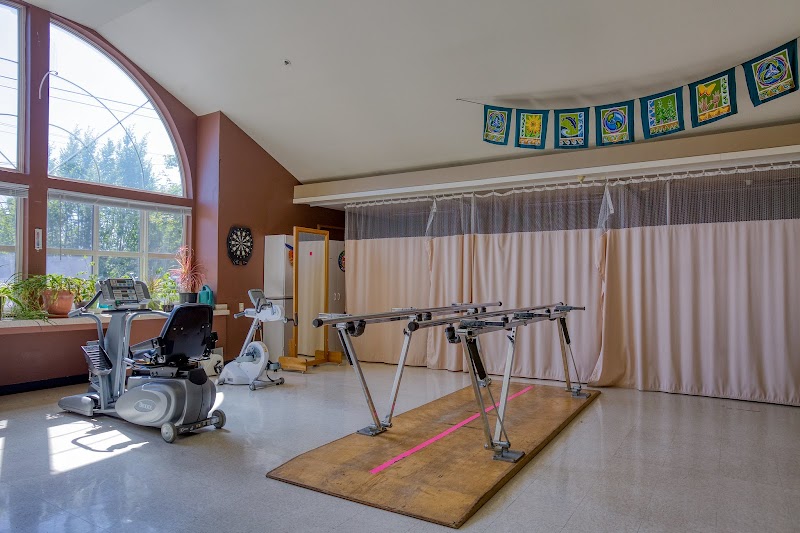
How is Menlo Park Post Acute Staffed?

CMS rates MENLO PARK POST ACUTE's staffing level at 4 out of 5 stars, which is above average compared to other nursing homes. Staff turnover is 43%, compared to the Oregon average of 46%. This relatively stable workforce can support continuity of care.

What Have Inspectors Found at Menlo Park Post Acute?

State health inspectors documented 33 deficiencies at MENLO PARK POST ACUTE during 2019 to 2024. These included: 32 with potential for harm and 1 minor or isolated issues.
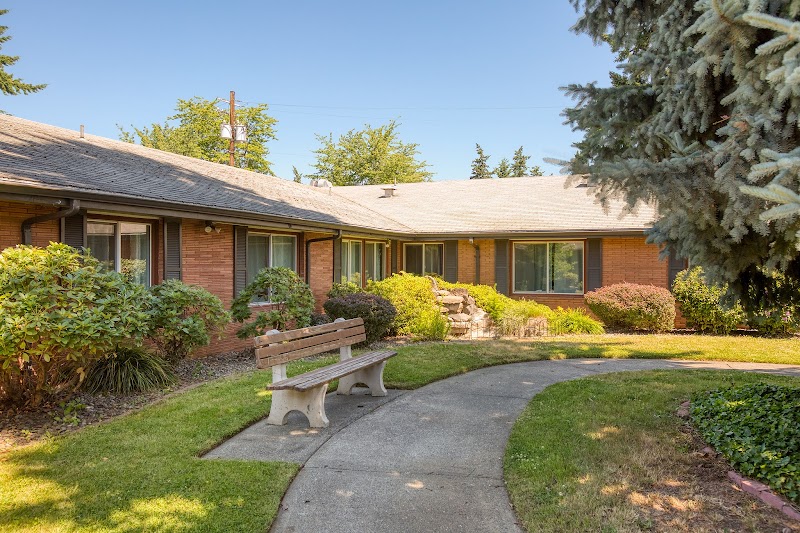
Who Owns and Operates Menlo Park Post Acute?

MENLO PARK POST ACUTE is owned by a for-profit company. For-profit facilities operate as businesses with obligations to shareholders or private owners. The facility is operated by PACS GROUP, a chain that manages multiple nursing homes. With 83 certified beds and approximately 71 residents (about 86% occupancy), it is a smaller facility located in PORTLAND, Oregon.
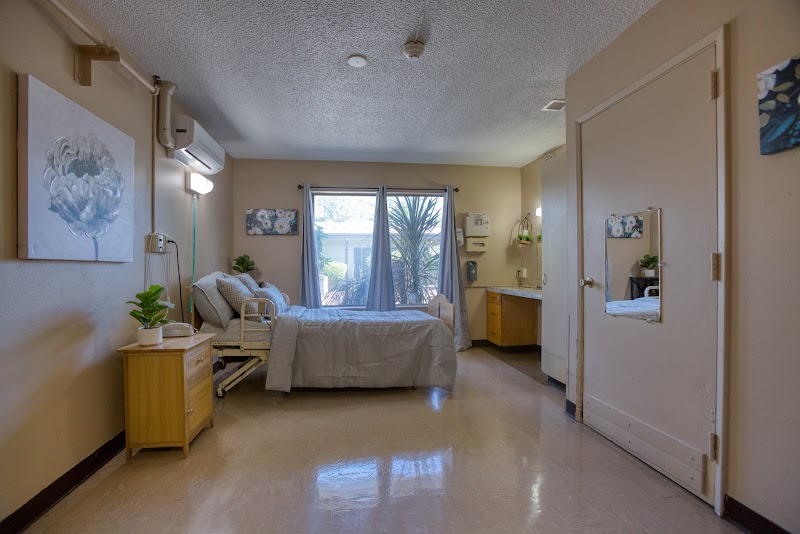
How Does Menlo Park Post Acute Compare to Other Oregon Nursing Homes?

Compared to the 100 nursing homes in Oregon, MENLO PARK POST ACUTE's overall rating (2 stars) is below the state average of 3.0, staff turnover (43%) is near the state average of 46%, and health inspection rating (2 stars) is below the national benchmark.

What Should Families Ask When Visiting Menlo Park Post Acute?

Based on this facility's data, families visiting should ask: "What safeguards and monitoring systems are in place to protect residents from abuse or neglect?" "Can I visit during a mealtime to observe dining assistance and food quality?" "How do you handle medical emergencies, and what is your hospital transfer rate?" "Can I speak with family members of current residents about their experience?" These questions are particularly relevant given the substantiated abuse finding on record.

Is Menlo Park Post Acute Safe?

Based on CMS inspection data, MENLO PARK POST ACUTE has documented safety concerns. The facility has 1 substantiated abuse finding (meaning confirmed case of resident harm by staff or other residents). The facility has a 2-star overall rating and ranks #100 of 100 nursing homes in Oregon. Families considering this facility should ask detailed questions about what corrective actions have been taken since these incidents.

Do Nurses at Menlo Park Post Acute Stick Around?

MENLO PARK POST ACUTE has a staff turnover rate of 43%, which is about average for Oregon nursing homes (state average: 46%). Moderate turnover is common in nursing homes, but families should still ask about staff tenure and how the facility maintains care continuity when employees leave.

Was Menlo Park Post Acute Ever Fined?

MENLO PARK POST ACUTE has no federal fines on record. CMS issues fines when nursing homes fail to meet care standards or don't correct problems found during inspections. The absence of fines suggests the facility has either maintained compliance or corrected any issues before penalties were assessed. This is a positive indicator, though families should still review recent inspection reports for the full picture.

Is Menlo Park Post Acute on Any Federal Watch List?

MENLO PARK POST ACUTE is not on any federal watch list. The most significant is the Special Focus Facility (SFF) program, which identifies the bottom 1% of nursing homes nationally based on persistent, serious quality problems. Not being on this list means the facility has avoided the pattern of deficiencies that triggers enhanced federal oversight. This is a positive indicator, though families should still review the facility's inspection history directly.