Mt. Tabor Health & Rehabilitation
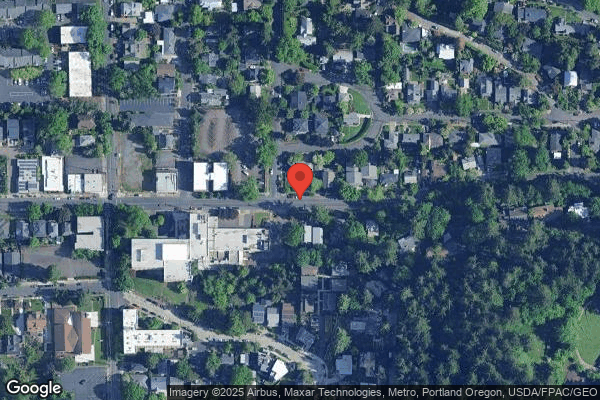
6040 SE BELMONT STREET, PORTLAND, OR 97215 (503) 231-7166
For profit - Corporation 120 Beds MARQUIS COMPANIES Data: November 2025
Trust Grade
65/100
#41 of 127 in OR
Last Inspection: June 2025

Inspected within the last 6 months. Data reflects current conditions.

Overview

Mt. Tabor Health & Rehabilitation has a Trust Grade of C+, indicating it is slightly above average but not exceptional. It ranks #41 out of 127 facilities in Oregon, placing it in the top half, and #9 out of 33 in Multnomah County, meaning only eight local options are better. The facility is improving, having reduced issues from 13 in 2024 to 10 in 2025. Staffing is a strong point with a 5/5 star rating, although the turnover rate is concerning at 62%, higher than the state average. There have been no fines reported, which is a positive sign, and the facility has more RN coverage than 86% of state facilities, ensuring better oversight of resident care. However, there are notable weaknesses. Inspectors found that the facility failed to establish a clear grievance process for residents, which left complaints unaddressed. Additionally, several residents had incomplete medical assessments, indicating potential unmet care needs. There were also instances where prescribed medications were not administered as directed, raising concerns about adherence to physician orders. Overall, while the facility shows promise in staffing and has no fines, families should be aware of the ongoing issues with care management and resident communication.

Trust Score
C+
65/100
In Oregon
#41/127
Top 32%
Safety Record
Low Risk
No red flags
Inspections
Getting Better
13 → 10 violations
Staff Stability
⚠ Watch
62% turnover. Above average. Higher turnover means staff may not know residents' routines.
Penalties
✓ Good
No fines on record. Clean compliance history, better than most Oregon facilities.
Skilled Nurses
✓ Good
Each resident gets 61 minutes of Registered Nurse (RN) attention daily — more than 97% of Oregon nursing homes. RNs are the most trained staff who catch health problems before they become serious.
Violations
⚠ Watch
33 deficiencies on record. Higher than average. Multiple issues found across inspections.
★★★★☆
4.0
Overall Rating
★★★★★
5.0
Staff Levels
★★☆☆☆
2.0
Care Quality
★★★☆☆
3.0
Inspection Score
Stable
2024: 13 issues
2025: 10 issues

The Good

  • 5-Star Staffing Rating · Excellent nurse staffing levels
  • Full Sprinkler Coverage · Fire safety systems throughout facility
  • No fines on record

Facility shows strength in staffing levels, fire safety.

The Bad

Staff Turnover: 62%

16pts above Oregon avg (46%)

Frequent staff changes - ask about care continuity

Chain: MARQUIS COMPANIES

Part of a multi-facility chain

Ask about local staffing decisions and management

Staff turnover is elevated (62%)

14 points above Oregon average of 48%

The Ugly 33 deficiencies on record

Jun 2025 10 deficiencies
CONCERN (D)

Potential for Harm - no one hurt, but risky conditions existed

Resident Rights (Tag F0550)

Could have caused harm · This affected 1 resident

Based on interview and record review it was determined the facility failed to respect resident rights for 1 of 1 sampled resident (#8) reviewed for personal property. This placed residents at risk for...

Read full inspector narrative →
Based on interview and record review it was determined the facility failed to respect resident rights for 1 of 1 sampled resident (#8) reviewed for personal property. This placed residents at risk for diminished quality of life. Findings include: Resident 8 was admitted to the facility in 4/2016 with diagnoses including depression. An 8/31/24 Progress Note revealed the facility called the police related to reports of Resident 8 watching illegal pornography on her/his phone. The police spoke with Resident 8 and directed facility staff to take Resident 8's phone away and not give the phone back. The nurse took Resident 8's phone and locked it in the Resident Care Manager's office. A 5/1/25 Significant Change MDS indicated Resident 8 was cognitively intact. On 6/2/25 at 9:13 AM Resident 8 stated the facility took her/his phone in 9/2024 due to an accusation of watching pornographic videos on her/his phone. Resident 8 stated she/he wanted her/his phone back. On 6/3/25 at 2:10 PM Staff 20 (LPN) stated on 8/31/24 Resident 8 was observed watching illegal pornography and Staff 20 called the police. Staff 20 stated the police came to the facility and told her to take Resident 8's phone away and not to give it back to Resident 8. On 6/4/25 at 9:51 AM Staff 1 (Administrator) stated there was no formal investigation completed after Resident 8's phone was taken on 8/31/24. Staff 1 stated the police instructed Staff 20 to take Resident 8's phone on 8/31/24. Staff 1 stated facility staff assisted Resident 8 with the internet as requested and Resident 8 had access to a cordless phone to make phone call. On 6/5/25 at 11:39 AM Staff 3 (LPN Care Manager) stated Resident 8 had a history of viewing illegal pornography, so her/his phone was locked in the medication room. Staff 3 stated Resident 8 had access to the cordless phone, she assisted Resident 8 with looking up things on the internet, and Resident 8's friend assisted Resident 8 obtain a flip phone without internet access. On 6/5/25 at 12:06 PM Staff 14 (Social Service Director) stated Resident 8's phone was taken in the past, but was given back to Resident 8 because it was her/his right to have her/his phone. Staff 14 was unaware Resident 8 did not have her/his phone. On 6/5/25 at 12:13 PM Staff 2 (DNS) stated Resident 8's phone was lock up in the medication room on 8/31/25 due to Resident 8 watching illegal pornographic videos on her/his phone. On 6/6/25 at 8:36 AM Staff 1 acknowledged it was Resident 8's right to have her/his phone.
CONCERN (D)

Potential for Harm - no one hurt, but risky conditions existed

Deficiency F0554 (Tag F0554)

Could have caused harm · This affected 1 resident

Based on observation, interview and record review it was determined the facility failed to ensure residents were assessed for safe self-administration of medications for 1 of 1 sampled resident (#44) ...

Read full inspector narrative →
Based on observation, interview and record review it was determined the facility failed to ensure residents were assessed for safe self-administration of medications for 1 of 1 sampled resident (#44) reviewed for self-administration of medications. This placed residents at risk for unsafe medication administration and adverse medication side effects. Findings include: The facility's Self-Administration of Drugs policy, dated 5/2010, revealed the following: - Residents who wished to self-administer medications may do so if it was determined they were capable of doing so. -Medications must be stored in a safe and secure place, not accessible by other residents. Resident 44 was admitted to the facility in 1/2025 with diagnoses including a stroke with hemiparesis and hemiplegia (weakness or complete paralysis or loss of function on one side of the body) affecting the left dominant side. During observations on 6/2/25 at 12:13 PM, four round pills and one capsule was observed, unsecured, on top of the resident's nightstand and on 6/3/25 at 8:24 AM, one round pill was observed, unsecured, on top of the same nightstand. Resident 44's 4/22/25 Quarterly MDS indicated the resident had no significant cognitive impairment. Resident 44's 4/2025, 5/2025 and 6/2025 MAR indicated on 4/26/25, the resident was approved by her/his PCP to have Tylenol and Melatonin at the bedside to self administer, every shift, for pain and sleep. A review of Resident 44's health record revealed no self-administration of medication assessment was completed to determine the resident's ability to safely self-administer Tylenol or Melatonin. On 6/2/25 at 12:13 PM and 6/3/25 at 8:24 AM and 11:22 AM, Resident 44 stated, since 4/2025, it was ok for her/him to have medications at the bedside and she/he did not have a lockbox to secure and store the medications. Resident 44 stated every evening shift she/he asked for two Tylenol and two Melatonin pills which were administered to her/him, and if she/he did not need them she/he saved them to take later. On 6/2/25 at 12:13 PM, Resident 44 confirmed there were four round pills and one capsule on top of her/his bedside nightstand and on 6/3/25 at 8:24 AM, the resident confirmed one round pill remained on her/his bedside nightstand because she/he had taken the other pills. On 6/3/25 at 11:09 AM, Staff 4 (CMA) stated Resident 44 was able to have Tylenol and Melatonin at her/his bedside since 4/2025. On 6/3/25 at 12:05 PM and 6/5/25 at 9:17 AM, Staff 3 (LPN Care Manager) stated in the morning on 6/3/25, Resident 44 came to me and reported she/he kept medications at her/his bedside. Staff 3 stated she was unaware the resident kept medications at the bedside. Staff 3 stated in 4/2025, Staff 5 (LPN) obtained a physician order which allowed Resident 44 to have Tylenol and Melatonin at her/his bedside but the nurse did not follow the facility process thus Resident 44 did not have a self-administration of medication assessment completed and no lockbox was given to the resident. Staff 3 stated Resident 44 should not have had medications at her/his bedside. On 6/4/25 at 9:49 AM, Staff 5 stated on 4/26/25, she obtained a physician order which allowed Resident 44 to have her/his Tylenol and Melatonin at her/his bedside. Staff 5 stated she was unsure why Resident 44 did not receive a self-administration of medication assessment until 6/3/25. On 6/5/25 at 1:02 PM, Staff 2 (DNS) confirmed, in 4/2025, nursing staff obtained a physician order which allowed Resident 44 to have Tylenol and Melatonin at her/his bedside. Staff 2 stated the resident care manager missed the order thus Resident 44 did not receive a self-administration of medication assessment. Staff 2 stated she expected all residents, who desired to self-administer medications, have an assessment completed and be provided with a lockbox prior to having medications at the bedside.
CONCERN (D)

Potential for Harm - no one hurt, but risky conditions existed

Safe Environment (Tag F0584)

Could have caused harm · This affected 1 resident

**NOTE- TERMS IN BRACKETS HAVE BEEN EDITED TO PROTECT CONFIDENTIALITY** Based on observation and interview it was determined the facility failed to provide maintenance to maintain a safe, comfortable ...

Read full inspector narrative →
**NOTE- TERMS IN BRACKETS HAVE BEEN EDITED TO PROTECT CONFIDENTIALITY** Based on observation and interview it was determined the facility failed to provide maintenance to maintain a safe, comfortable and homelike environment for 1 of 1 facility reviewed for physical environment. This placed residents at risk for an unsafe and unkempt interior building. Findings include: 1. An observation on 6/2/25 at 9:39 AM, revealed the wall to the right of room [ROOM NUMBER]'s bed was in disrepair with scratches of paint missing from the wall. On 6/5/25 at 2:02 PM, Staff 8 (Maintenance Director) observed the wall to the right of room [ROOM NUMBER]'s bed which was in disrepair with scratches of paint missing from the wall. Staff 8 stated he was unaware of the scratches of paint missing from the wall and he would expect the wall to be painted. On 6/6/25 at 11:25 AM Staff 1 (Administrator) stated she expected all resident rooms to be in good condition and walls maintained. 2. On 6/2/25 at 10:35 AM four sections of approximately 5 feet long areas of carpet were observed buckled 4 inches high in a high traffic area of the third floor. On 6/5/25 at 2:04 PM Staff 8 (Maintenance Director) stated the areas of buckled carpet had been present for a significant amount of time and confirmed they were tripping hazards particularly for those with a shuffling gait. 3. Resident 355 admitted to the facility on [DATE] with diagnoses including aftercare following cardiovascular surgery. On 6/2/25 at 10:03 AM, Resident 355's window was observed to have a bath towel draped over the opening. Resident 355's room was located on the fifth floor of the facility, and she/he stated the towel was to prevent the draft from coming into the room. Resident 355 stated there was nothing holding the window closed and demonstrated by detaching the window. Resident 355 stated the window was this way since her/his admission to the facility. The window was observed to have no screen. On 6/3/25 at 10:18 AM, Resident 355 stated a gust of wind had blown the window and towel down to the floor and Staff 8 (Maintenance Director) screwed the window shut. On 6/5/25 at 3:40 PM, Staff 8 (Maintenance Director) acknowledged the arms of Resident 355's window had broken off the rivets on 6/3/25. Staff 8 stated the detachable window was a safety issue for residents and anybody who came into the room. Staff 8 stated he did not have a system to check facility windows for safety and repair before residents moved into the facility and there was no system to audit current resident windows for repair and maintenance.
CONCERN (D)

Potential for Harm - no one hurt, but risky conditions existed

Assessment Accuracy (Tag F0641)

Could have caused harm · This affected 1 resident

Based on record review and interview it was determined the facility failed to complete MDS assessments which reflected accurate mental health diagnoses for 1 of 5 sampled residents (#45) reviewed for ...

Read full inspector narrative →
Based on record review and interview it was determined the facility failed to complete MDS assessments which reflected accurate mental health diagnoses for 1 of 5 sampled residents (#45) reviewed for medications. This placed residents at risk for inaccurate assessment and care. Findings include: Resident 45 was admitted in 2/2025 with diagnoses including major depressive disorder (mood disorder) and schizophrenia (chronic brain disorder characterized by disconnection from reality). On the 2/7/25 Admissions MDS and the 5/13/25 Quarterly MDS, schizophrenia was coded in Section I. On 6/6/25 at 9:05 AM and at 11: 22 AM, Staff 2 (DNS) stated there was no supporting evidence in the medical record regarding Resident 45's diagnosis of schizophrenia and the MDS should not have been coded without supporting evidence of the diagnosis.
CONCERN (D) 📢 Someone Reported This

A family member, employee, or ombudsman was alarmed enough to file a formal complaint

Potential for Harm - no one hurt, but risky conditions existed

Deficiency F0658 (Tag F0658)

Could have caused harm · This affected 1 resident

Based on interview and record review it was determined the facility failed to ensure Staff 17 (Former Agency LPN) adhered to professional standards for medication management and licensed nurse oversig...

Read full inspector narrative →
Based on interview and record review it was determined the facility failed to ensure Staff 17 (Former Agency LPN) adhered to professional standards for medication management and licensed nurse oversight of assigned residents. This placed residents at risk for adverse side effects of medication and unmet medical needs. Findings include: The facility initiated an investigation on 3/1/24 regarding Staff 17 for her night shift which started on 2/29/24. Staff 2 (DNS) completed interviews and record reviews for residents which were assigned under Staff 17's supervision. Staff 2 concluded on the evening of 2/29/24 until 3/1/24 at about 6:30 AM, Staff 17 slept in her car in the facility parking lot most of the shift and was not available. Staff 2 concluded seven residents missed ordered medications, opportunities for PRN medications or treatments. On 6/4/25 at 6:39 AM Staff 18 (CNA) confirmed Staff 17 was the charge nurse when she worked in the facility on 3/1/24. Staff 18 stated Staff 17 went missing from the facility and at around 6:00 AM she found Staff 17 asleep in her car and Staff 17 told her she did not think she could finish the shift. Staff 18 stated Staff 17 was a mess. On 6/4/25 at 7:39 AM Staff 19 (LPN) confirmed she worked the night shift when Staff 17 was scheduled to work on 3/1/24. Staff 19 reported Staff 17 was late to her shift on 2/29/24, left the facility sometime during the shift and by the time Staff 17 was found on 3/1/24 at 6:00 AM the morning medications were scheduled to be passed. Staff 19 stated she instructed Staff 18 to inform Staff 17 she needed to return to the facility to count medications before the end of the shift. However, Staff 17 told Staff 18 she was not going to return to the shift. On 6/5/25 at 10:38 AM the Agency Staffing company provided three phone numbers to contact Staff 17. Attempts were made to call Staff 17 on 6/5/25 at 10:47 AM. Two of the phone numbers were disconnected, one phone number had a generic voicemail message and a voicemail was left for Staff 17 to return the phone call. No return phone call was received by Staff 17. On 6/6/25 at 9:50 AM Staff 2 confirmed the investigation for Staff 17 leaving the facility during the night shift of 2/29/24 to 3/1/24 and seven residents were found to have missed medications, opportunities for medications or treatments. Staff 2 stated she expected all licensed nurses to attend to the residents they were assigned and to complete provider orders for the medications and treatments. Refer to F684
CONCERN (D)

Potential for Harm - no one hurt, but risky conditions existed

Accident Prevention (Tag F0689)

Could have caused harm · This affected 1 resident

Based on observation, interview and record review, it was determined the facility failed to implement fall interventions to reduce hazards and risks for 1 of 3 sampled resident (#3) reviewed for accid...

Read full inspector narrative →
Based on observation, interview and record review, it was determined the facility failed to implement fall interventions to reduce hazards and risks for 1 of 3 sampled resident (#3) reviewed for accidents. This placed residents at risk for injury. Findings include: Resident 3 was admitted to the facility in 2018 with diagnoses including dementia and diabetes. Fall/Post Fall Assessments reviewed from 11/16/24 to 6/4/25 revealed Resident 3 experienced a fall on the following dates: - 11/16/24; - 11/29/24; - 12/24/24; - 1/4/25; - 2/5/25; - 2/8/25; - 4/23/25; - 5/30/25. Resident 3's 1/14/25 Quarterly MDS was assessed with a BIMS score of three (severely cognitively impaired) and identified over the past quarter she/he experienced two or more falls with no major injury. Resident 3's 6/4/25 at risk for falls care plan directed staff to implement the following: - Make sure the door to the room was opened wide enough so staff could visualize if she/he was attempting to get out of bed; - To keep her/his room door open except when providing care; - Leave wheelchair at bedside at the foot of bed to prevent her/him ambulating on her/his own; - Place her/his cane next to her/his bed, near the head of bed when she/he was in bed and next to her/his wheelchair when she/he was out of bed. On 6/4/25 at 8:07 AM Resident 3's room door was closed more than halfway and unable to visualize her/him from the hallway. On 6/4/26 at 8:10 AM and 9:49 AM Resident 3 was observed to in bed resting and her/his wheelchair was across the room under the television. On 6/4/25 at 4:14 PM Resident 3's door was closed to her/his room and she/he was heard to yell a loud moaning sound multiple times. At 4:21 PM a staff member walked past her/his room and did not open the door. The surveyor knocked and opened the door to check on her/his safety. Resident 3 was observed sitting in her/his wheelchair with no pants on and pointed to the bathroom. On 6/5/25 at 3:41 PM Resident 3 was observed resting in bed and her/his cane was placed next to the bathroom wall and the resident's wheelchair was across the room under the television. On 6/5/25 at 3:45 PM Staff 15 (CNA) confirmed Resident 3's cane was at the bathroom wall and the wheelchair was across the room. Staff 15 stated she obtained her information to care for residents from the care plan and the cane and wheelchair should be near Resident 3's bed while she/he was in the bed. On 6/5/25 at 4:07 PM Staff 21 (LPN) confirmed Resident 3's cane and wheelchair were expected to be near her/his bed at the time for fall prevention. On 6/5/25 at 4:12 PM Staff 2 (DNS) confirmed Resident 3's care planned fall interventions were not in place in her/his room. Staff 2 stated she expected staff to implement and follow the care plan interventions.
CONCERN (E)

Potential for Harm - no one hurt, but risky conditions existed

Grievances (Tag F0585)

Could have caused harm · This affected multiple residents

Based on observation, interview and record review it was determined the facility failed to ensure a system was in place to receive and resolve resident and/or resident representative grievances for 1 ...

Read full inspector narrative →
Based on observation, interview and record review it was determined the facility failed to ensure a system was in place to receive and resolve resident and/or resident representative grievances for 1 of 1 sampled facility reviewed for Resident Council. This placed residents at risk for unreported and unresolved grievances. Findings include: Record review of the facility's 2025 Grievances binder revealed written grievances were completed by residents or family members on the following dates: - 1/20/25; - 3/27/25; - 4/14/25; - 5/24/25; - 5/30/25. Record review of the facility's 2024 Grievances binder revealed written grievances were completed by residents or family members only four times in 10/2025. No other grievance were completed in 2024. During the 6/4/25 at 1:30 PM Resident Council meeting, multiple residents stated they did not know there was a grievance process in the facility, they did not know how to file a grievance and several stated it did not matter because when you reported a concern to staff nothing was ever done. On 6/4/25 the lobby reception area, facility common areas on the third, fourth and fifth floors were observed. No information was clearly visible regarding how to file a grievance in writing or orally, how to submit a grievance anonymously or readily available grievance forms. On 6/5/25 at 1:22 PM Staff 16 (CMA) stated if a resident expressed a concern, they would tell the charge nurse, Resident Care Manager or DNS. Staff 16 stated they had not provided grievance forms to residents. On 6/5/25 at 1:29 PM Staff 5 (LPN/Charge Nurse) stated if a resident expressed concerns, they would tell the Resident Care Manager and they thought there might be a grievance form. On 6/5/25 at 3:31 PM Staff 15 (CNA) stated if a resident or family expressed a concern, they would tell the Charge Nurse. Staff 15 could not recall assisting a resident or family member with a grievance form. On 6/5/25 at 3:42 PM Staff 14 (Social Services) acknowledged for the past week she had been the facility's Grievance Officer. Staff 14 confirmed the 2024 and 2025 grievance binders were correct and no other grievances were on file. Staff 14 acknowledged the grievance forms were not available to residents or family unless a staff member provided and collected the grievance form. On 5/31/24 at 11:01 AM Staff 1 (Administrator) stated the grievance forms were available at nursing stations and residents needed to ask for them. Staff 1 confirmed the residents did not have a means to complete grievance form anonymously. Staff 1 confirmed the lack of grievances filed by residents or resident representatives in 2024 and 2025.
CONCERN (E)

Potential for Harm - no one hurt, but risky conditions existed

Comprehensive Assessments (Tag F0636)

Could have caused harm · This affected multiple residents

Based on interview and record review it was determined the facility failed to complete a comprehensive assessment for 4 of 8 sampled resident (#s 3, 254, 355 and 404) who were reviewed for accidents, ...

Read full inspector narrative →
Based on interview and record review it was determined the facility failed to complete a comprehensive assessment for 4 of 8 sampled resident (#s 3, 254, 355 and 404) who were reviewed for accidents, ADLs, pain and food. This placed residents at risk for unidentified care needs. Findings include: 1. Resident 3 admitted to the facility in 5/2018 with diagnoses including dementia. Resident 3's Annual MDS completion deadline date was 4/22/25 and was incomplete as of 6/4/25 at 12:49 PM. On 6/5/25 at 4:27 PM, Staff 2 (DNS) confirmed Resident 3's Annual MDS was not completed in the required time frame. Staff 2 stated she expected the MDS assessments to be completed within the required timeframes. 2. Resident 254 was readmitted to the facility in 5/2025 with diagnoses including chronic kidney disease and transient ischemic attack (interruption of bloodflow to the brain). Resident 254's admission MDS completion deadline date was 5/9/25 and was incomplete as of 6/5/25 at 1:32 PM. On 6/5/25 at 1:52 PM Staff 2 (DNS) stated she was responsible for completion of Resident 254's admission MDS. Staff 2 confirmed Resident 254 admission MDS had not been completed within the required 14 days of her/his admission. 3. Resident 355 admitted to the facility in 5/2025 with diagnoses including aftercare following cardiovascular surgery. Resident 355's admission MDS completion deadline date was 6/2/25 and was incomplete as of 6/5/25. On 6/5/25 at 11:59 AM, Staff 10 (RNCM) stated she was the person who was responsible for completing MDS assessments and acknowledged Resident 355's MDS assessment was late. Staff 10 stated the facility struggled with completing MDS assessments timely. 4. Resident 404 admitted to the facility in 5/2025 with diagnoses including acute chronic diastolic (congestive) heart failure. Resident 404's admission MDS completion deadline date was 6/1/25. The admission MDS was signed as complete on 6/2/25 (one day late). On 6/5/25 at 11:59 AM, Staff 10(RNCM)stated she was the person responsible for completing MDS assessments and acknowledged the Resident 404's MDS assessment was late. Staff 10 stated the facility struggled with completing MDS assessments timely.
CONCERN (E) 📢 Someone Reported This

A family member, employee, or ombudsman was alarmed enough to file a formal complaint

Potential for Harm - no one hurt, but risky conditions existed

Quality of Care (Tag F0684)

Could have caused harm · This affected multiple residents

Based on interview and record review it was determined the facility failed to ensure Staff 17 (Former Agency LPN) adhered to medication administration and treatment management for 7 of 7 sampled resid...

Read full inspector narrative →
Based on interview and record review it was determined the facility failed to ensure Staff 17 (Former Agency LPN) adhered to medication administration and treatment management for 7 of 7 sampled residents (#s 5, 17, 21, 27, 31, 36, and 155) reviewed for failure to follow physician orders. This placed residents at risk for adverse side effects and unmet medical needs. Findings include: 1. Resident 5 admitted to the facility in 2004 with diagnoses including esophageal reflux (stomach contents leak backwards from the stomach into the food pipe) and Cerebral Palsy (affect ability to move, balance and posture). Review of Resident 5's 3/2024 MAR revealed a physician order which directed staff to administer 20 mg of Omeprazole Suspension 2 MG/ML via G-tube (tube to stomach), and eternal feeding (tube delivers nutrients directly to stomach) water flushes on 3/1/24 at 3:00 AM. Resident 5's 3/1/24 MAR revealed she/he was not administered the medication or treatment on 3/1/24 at 3:00 AM. On 6/5/25 at 9:50 AM Staff 2 (DNS) confirmed Staff 17 did not administer the prescribed medications for Residents 5 on her scheduled shift on 3/1/24. Staff 2 stated she expected all physician orders to be followed. On 6/5/25 at 10:38 AM the Agency Staffing company provided three phone numbers to contact Staff 17. Attempts were made to call Staff 17 on 6/5/25 at 10:47 AM. Two of the phone numbers were disconnected, one phone number had a generic voicemail message and a voicemail was left for Staff 17 to return the phone call. No return phone call was received by Staff 17. 2. Resident 17 admitted to the facility in 2022 with diagnoses including chronic gastritis (inflammation and damage to stomach lining) and Gastro-Esophageal reflux (stomach contents flow back up). Review of Resident 17's 3/2024 MAR revealed a physician order which directed staff to administer 40 mg of Pantoprazole Sodium before breakfast for digestion at 6:00 AM. Resident 17's MAR revealed she/he was not administered Pantoprazole Sodium on 3/1/24. On 6/5/25 at 9:50 AM Staff 2 (DNS) confirmed Staff 17 did not administer the prescribed medication for Resident 17 on her scheduled shift on 3/1/24. Staff 2 stated she expected all physician orders to be followed. On 6/5/25 at 10:38 AM the Agency Staffing company provided three phone numbers to contact Staff 17. Attempts were made to call Staff 17 on 6/5/25 at 10:47 AM. Two of the phone numbers were disconnected, one phone number had a generic voicemail message and a voicemail was left for Staff 17 to return the phone call. No return phone call was received by Staff 17. 3. Resident 21 admitted to the facility in 2020 with diagnoses including hypothyroidism. Resident 21's 3/2024 MAR revealed a physician order for Levothyroxine (treats an underactive thyroid) 100 mg to be administered on 3/1/24 at 6:00 AM. Resident 21's 3/1/24 MAR revealed she/he was not administered the Levothyroxine. On 6/5/25 at 9:50 AM Staff 2 (DNS) confirmed Staff 17 did not administer the prescribed medication for Residents 21 on her scheduled shift on 3/1/24. Staff 2 stated she expected all physician orders to be followed and medication passed as ordered. On 6/5/25 at 10:38 AM the Agency Staffing company provided three phone numbers to contact Staff 17. Attempts were made to call Staff 17 on 6/5/25 at 10:47 AM. Two of the phone numbers were disconnected, one phone number had a generic voicemail message and a voicemail was left for Staff 17 to return the phone call. No return phone call was received by Staff 17. 4. Resident 27 admitted to the facility in 2020 with diagnoses including hypothyroidism. Record review of Resident 27 3/3024 MAR revealed a physician order for Levothyroxine (treats an underactive thyroid) 100 mg to be administered on 3/1/24 at 6:00 AM. Resident 27's 3/1/24 MAR revealed she/he was not administered the Levothyroxine. On 6/5/25 at 9:50 AM Staff 2 (DNS) confirmed Staff 17 did not administer the prescribed medication for Resident 27 on her scheduled shift on 3/1/24. Staff 2 stated she expected all physician orders to be followed and medication passed as ordered. On 6/5/25 at 10:38 AM the Agency Staffing company provided three phone numbers to contact Staff 17. Attempts were made to call Staff 17 on 6/5/25 at 10:47 AM. Two of the phone numbers were disconnected, one phone number had a generic voicemail message and a voicemail was left for Staff 17 to return the phone call. No return phone call was received by Staff 17. 5. Resident 31 admitted to the facility in 2023 with diagnoses including hypothyroidism. Record review of Resident 31's 3/3024 MAR revealed a physician order for Levothyroxine (treats an underactive thyroid) 100 mg to be administered on 3/1/24 at 6:00 AM. Resident 31's 3/1/24 MAR revealed she/he was not administered the Levothyroxine. On 6/5/25 at 9:50 AM Staff 2 (DNS) confirmed Staff 17 did not administer the prescribed medication for Residents 31 on her scheduled shift on 3/1/24. Staff 2 stated she expected all physician orders to be followed and medication passed as ordered. On 6/5/25 at 10:38 AM the Agency Staffing company provided three phone numbers to contact Staff 17. Attempts were made to call Staff 17 on 6/5/25 at 10:47 AM. Two of the phone numbers were disconnected, one phone number had a generic voicemail message and a voicemail was left for Staff 17 to return the phone call. No return phone call was received by Staff 17. 6. Resident 36 admitted to the facility in 2023 with diagnoses including Parkinson's Disease (disorder of central nervous system). Review of Resident 36's 3/3024 MAR revealed a physician order which directed staff to administer Carbidopa-Levodopa (medication for Parkinson's Disease) 0.5 - 1 tablet per resident preference on 3/1/24 at 3:00 AM, Carbidopa-Levodopa one tablet extended release on 3/1/24 at 4:00 AM and she/he was not administered the medication. On 6/5/25 at 9:50 AM Staff 2 (DNS) confirmed Staff 17 did not administer the prescribed medications for Resident 36 on her scheduled shift on 3/1/24. Staff 2 stated she expected all physician orders to be followed and medications passed as ordered. On 6/5/25 at 10:38 AM the Agency Staffing company provided three phone numbers to contact Staff 17. Attempts were made to call Staff 17 on 6/5/25 at 10:47 AM. Two of the phone numbers were disconnected, one phone number had a generic voicemail message and a voicemail was left for Staff 17 to return the phone call. No return phone call was received by Staff 17. 7. Resident 155 admitted to the facility in 2019 with diagnoses including hypothyroidism and pain. Review of Resident 155's 3/3024 MAR revealed a physician order which directed staff to administer Levothyroxine (treats an underactive thyroid) 100 mg at 6:00 AM and Oxycodone 5 MG for pain on 3/1/24 at 6:00 AM. Resident 155's 3/2024 MAR revealed she/he did not receive Levothyroxine or Oxycodone medications as ordered. On 6/5/25 at 9:50 AM Staff 2 (DNS) confirmed Staff 17 did not administer the prescribed medications for Resident 155 on her scheduled shift on 3/1/24. Staff 2 stated she expected all physician orders to be followed and medications passed as ordered. On 6/5/25 at 10:38 AM the Agency Staffing company provided three phone numbers to contact Staff 17. Attempts were made to call Staff 17 on 6/5/25 at 10:47 AM. Two of the phone numbers were disconnected, one phone number had a generic voicemail message and a voicemail was left for Staff 17 to return the phone call. No return phone call was received by Staff 17.
CONCERN (E)

Potential for Harm - no one hurt, but risky conditions existed

Food Safety (Tag F0812)

Could have caused harm · This affected multiple residents

Based on observation, interview and record review it was determined the facility failed to properly store food and failed to maintain sanitary conditions in 1 of 1 kitchen and 1 of 3 unit refrigerator...

Read full inspector narrative →
Based on observation, interview and record review it was determined the facility failed to properly store food and failed to maintain sanitary conditions in 1 of 1 kitchen and 1 of 3 unit refrigerators. This placed residents at risk for food borne illness and contaminated food. Findings include: 1. On 6/2/25 at 8:12 AM during the initial tour of kitchen, the following items were observed in refrigerator walk-in #1: *Tofu salad dated 5/26/25 (stored eight days) *Chicken salad dated 5/26/25 (stored eight days) *Two separate containers of lunch meat which were undated. On 6/2/25 at 10:36 AM Staff 11 (Dietary Manager) confirmed salad was made on 5/26/25 and she discarded the items after four days. The salad should have been removed from the refrigerator. 2. A review of the undated Employee Cleanliness Policy for the kitchen revealed facial hair must be completely covered with a beard net. On 6/2/25 at 8:23 AM Staff 12 (Dietary Aid) was observed with a beard which was uncovered while moving throughout the kitchen prepping items for breakfast. On 06/2/25 at 10:39 AM Staff 8 (Maintenance Director) was observed with a beard and entered the kitchen area without obtaining a beard net. On 6/2/25 at 10:39 AM Staff 11 (Dietary Manager)confirmed staff were required to wear facial beard restraints and hairnets whenever in the kitchen area. 3. An undated Refrigerator Maintenance and Food Storage Policy stated all refrigerators located in unit kitchenettes were to be maintained in a clean, sanitary and operational condition. Cleaning and Maintenance, Housekeeping was responsible to clean and sanitize the refrigerator interior and exterior weekly. It was expected that staff would immediately clean any spills or removed spoiled foods in between cleanings. On 6/3/25 at 1:49 PM a review of the fourth floor unit refrigerator revealed a spilled substance and crumbs on the bottom of the fridge. The following items were undated and unlabeled: *Foiled item in a plastic bag stuck to the bottom of the refrigerator. *Glass container with food unlabeled without a date. On 6/3/25 3:03 PM Staff 4 (CMA)and Staff 13(CNA)were present for an interview. Staff 4 stated staff were responsible for monitoring and discarding food items after three days however she was unsure who was responsible for cleaning the refrigerator. Staff 13 acknowledged food items in the refrigerator were unlabeled. On 6/4/25 at 8:40 AM Staff 8 (Maintenance Director) stated they believed Staff 11 (Dietary Manager) was in charge of the unit refrigerators. On 6/3/25 at 11:19 AM and 6/4/25 at 9:08 AM Staff 11 stated staff were expected to discard any items in the unit refrigerators which were undated or if the date on the food item exceeded three days. Staff 11 stated housekeeping was responsible for cleaning the unit refrigerators. 4. On 6/3/25 at 12:17 PM, 6/4/25 at 9:04 AM, and 6/5/25 at 10:13 AM a fan was observed blowing on a shelving unit with cleaned utensils and dishware. The fan was covered with dark brown debris over the intake vent. On 6/5/25 at 1:43 PM Staff 11 (Dietary Manager) acknowledged the dirty fan in the dishwashing area and confirmed it was not to be placed in the dishwashing area.
Apr 2024 2 deficiencies
CONCERN (D) 📢 Someone Reported This

A family member, employee, or ombudsman was alarmed enough to file a formal complaint

Potential for Harm - no one hurt, but risky conditions existed

Free from Abuse/Neglect (Tag F0600)

Could have caused harm · This affected 1 resident

Based on observation, interview and record review it was determined the facility failed to ensure residents were free from sexual abuse for 1 of 3 sampled residents (#202) reviewed for abuse. This pla...

Read full inspector narrative →
Based on observation, interview and record review it was determined the facility failed to ensure residents were free from sexual abuse for 1 of 3 sampled residents (#202) reviewed for abuse. This placed residents at risk for abuse. Findings include: Resident 202 was admitted to the facility in 4/2024 with diagnoses including hemiplegia (paralysis that affects only one side of the body). Resident 202's 4/5/24 admission: Social Services Assessment indicated the resident was cognitively intact. Resident 201 was admitted to the facility in 2/2024 with diagnoses including unspecified psychosis (a collection of symptoms that affect the mind where there has been some loss of contact with reality). Resident 201's 2/21/24 Socially Inappropriate Sexual Behavior Care Plan revealed the following: -The resident's socially inappropriate sexual behaviors included showing photos of her/his private parts and exposing her/himself to staff. -The resident masturbated in her/his room with the door open. Resident 201's 2/23/24 admission MDS indicated the resident was moderately cognitively impaired. The Behavioral Symptoms CAA indicated the resident had experienced delusions, sexual behaviors and verbal behaviors since her/his admission to the facility. The CAA further indicated the resident yelled, cursed and encouraged staff to look at her/his penis. A 4/8/24 Progress Note revealed Resident 201 attended a movie at the facility on 4/6/24 at 2:30 PM during which she/he masturbated. The resident who sat next to Resident 201 requested to leave the movie. A 4/8/24 Witness Statement completed by Staff 3 (RNCM) revealed Staff 8 (CNA) reported to her that Staff 8 was informed by another unnamed CNA that Resident 201 and Resident 202 attended a movie on 4/6/24 during which Resident 201 pulled down her/his pants and masturbated. On 4/11/24 at 9:44 AM Staff 7 (RN) stated she worked as the charge nurse on 4/6/24 and heard that a resident may have exposed her/himself and was sexually inappropriate during a movie. Staff 7 stated she did not have a recollection of who told her, when she was told or any additional details about the incident. Staff 7 stated she should have asked more questions and started an investigation. Staff 7 stated she found out the details of this incident on 4/8/24 and was informed she should have reported this incident as it was considered sexual abuse. On 4/11/24 at 10:11 AM Staff 8 stated Resident 201 had exhibited sexually inappropriate behaviors since her/his admission to the facility which included masturbating in her/his room with the door open, masturbating while staring at staff and exposing her/his private parts in common areas. Staff 8 stated the resident never wanted [her/his] door closed and would get mad if you closed [her/his] door. Staff 8 stated the resident sat in the hallways with a gown on and her/his legs open, exposing his private parts. Staff 8 stated Staff 6 (CNA) informed her Resident 202 reported to her on 4/7/24 that Resident 201 actively masturbated in front of Resident 202 during a movie on 4/6/24 while staring at the resident. Staff 8 stated she told Staff 6 to inform the nurse of this incident but was not sure if Staff 6 reported it. Staff 8 stated she informed Staff 3 on 4/8/24 of the incident that occurred between Resident 201 and Resident 202 on 4/6/24 and stated the incident was considered abuse. On 4/11/24 at 10:25 AM Resident 201 was observed in her/his room in her/his wheelchair. The resident was observed to independently move in her/his wheelchair and drink from her/his coffee cup. Resident 201 stated she/he could not remember if she/he exposed and/or inappropriately touched her/himself during a movie on 4/6/24. Resident 201 stated she/he had been previously accused of inappropriately touching her/himself in front of another resident at a different nursing facility. On 4/11/24 at 10:39 AM Resident 202 was observed in her/his room sitting in her/his wheelchair. Resident 202 stated she/he was involved in an incident over the past weekend when a guy was playing with [her/himself] during a movie and kept looking at me like do you want to do it for me? Resident 202 stated she/he sat next to Resident 201 during the movie and she/he tried to ignore Resident 201 but she/he just stared at me and made me feel uncomfortable. Resident 202 stated an activity staff member was present during the activity but was not close by. Resident 202 stated she/he reported the incident to Staff 6 (CNA) on 4/7/24, the day after the incident occurred, because she/he was new to the facility, worried about reporting and did not know what to do. On 4/11/24 at 11:02 AM Staff 5 (Activities Assistant) stated Resident 201 and Resident 202 were in attendance for the movie on 4/6/24, the residents sat next to one another and Resident 201 wore a hospital gown. Staff 5 stated she observed Resident 202 to back away from the movie in her/his wheelchair so she checked on the resident. Staff 5 stated Resident 202 repeated she/he wanted to go back to her/his room. On 4/11/24 at 11:57 AM Staff 6 stated Resident 201 often sat in the doorway of her/his room and in common areas with her/his private areas visible. Staff 6 stated Resident 201 would frequently wear a gown and raise it up so that her/his private areas would show and would scream at staff when asked to cover her/himself. Staff 6 stated Resident 202 reported to her on 4/7/24 during a movie, another resident sat next to her/him and played with [her/himself] and kept looking at [her/him] and it made [Resident 202] feel uncomfortable. Staff 6 stated she reported this incident to Staff 7 and Staff 8 on 4/7/24. On 4/11/24 at 12:59 PM Staff 3 stated Resident 201 was observed to sit outside of the door to her/his room and pull her/his gown all the way up so you could see [her/his] scrotum and penis just after her/his admission to the facility, and on several occasions, Resident 201 was observed to masturbate outside of her/his room while she/he stared at staff. Staff 3 stated she was not informed of the incident that occurred during the movie on 4/6/24 until 4/8/24 by Staff 8. Staff 3 stated she interviewed Resident 201 about the incident who indicated she/he was not going to argue the point, it happened. On 4/11/24 at 3:03 PM Staff 2 (DNS) acknowledged the findings of this investigation and stated Resident 201's parts were out, [she/he] was inappropriate and it made [Resident 202] uncomfortable.
CONCERN (D) 📢 Someone Reported This

A family member, employee, or ombudsman was alarmed enough to file a formal complaint

Potential for Harm - no one hurt, but risky conditions existed

Report Alleged Abuse (Tag F0609)

Could have caused harm · This affected 1 resident

Based on interview and record review it was determined the facility failed to timely report allegations of abuse to the State Survey Agency for 2 of 3 sampled residents (#s 201 and 202) reviewed for a...

Read full inspector narrative →
Based on interview and record review it was determined the facility failed to timely report allegations of abuse to the State Survey Agency for 2 of 3 sampled residents (#s 201 and 202) reviewed for abuse. This placed residents at risk for delayed and incomplete investigations. Findings include: The facility's 10/2022 Reporting Abuse to Facility Management Policy directed the following: -Employees, facility consultants and/or Attending Physicians must immediately report any suspected abuse or incidents of abuse to the Administrator. -When an alleged or suspected case of abuse is reported, the facility Administrator or her/his designee will notify the State licensing/certification agency responsible for surveying/licensing the facility within two hours of the allegation being made. Resident 202 was admitted to the facility in 4/2024 with diagnoses including hemiplegia (paralysis that affects only one side of the body). Resident 202's 4/5/24 admission: Social Services Assessment indicated the resident was cognitively intact. Resident 201 was admitted to the facility in 2/2024 with diagnoses including unspecified psychosis (a collection of symptoms that affect the mind where there has been some loss of contact with reality). Resident 201's 2/23/24 admission MDS indicated the resident was moderately cognitively impaired. The facility's 4/8/24 FRI form, completed by Staff 3 (RNCM) revealed the following: -Resident 201 and Resident 202 attended a movie with the activities department on 4/6/24 at 2:30 PM. -During the movie, Resident 201 pulled down her/his pants and masturbated while she/he looked at Resident 202. -Resident 202 informed Staff 5 (Activity Assistant) she/he wanted to return to her/his room. -Resident 202 did not inform Staff 5 about the incident because she/he was afraid but the resident told a CNA upon her/his return to her/his unit in the building. -The SA (state agency) was notified of the incident on 4/8/24 at 8:21 AM. On 4/11/24 at 9:44 AM Staff 7 (RN) stated she worked as the charge nurse on 4/6/24 and heard a resident may have exposed her/himself and was sexually inappropriate during a movie. Staff 7 stated she did not have a recollection of who told her, when she was told or any additional details about the incident. Staff 7 stated she should have asked more questions and started an investigation. Staff 7 stated she found out the details of this incident on 4/8/24 and was informed she should have reported this incident as it was considered sexual abuse. On 4/11/24 at 10:11 AM Staff 8 (CNA) stated Staff 6 (CNA) informed her Resident 202 reported to Staff 6 on 4/7/24 that Resident 201 actively masturbated in front of Resident 202 during a movie on 4/6/24 while staring at Resident 202. Staff 8 stated she told Staff 6 to inform the nurse of this incident but was not sure if Staff 6 reported it. Staff 8 stated she informed Staff 3 on 4/8/24 of the incident that occurred between Resident 201 and Resident 202 on 4/6/24. On 4/11/24 at 10:39 AM Resident 202 stated she/he was involved in an incident over the past weekend when a guy was playing with [her/himself] during a movie and kept looking at me like do you want to do it for me? Resident 202 stated she/he reported the incident to Staff 6 (CNA) on 4/7/24, the day after the incident occurred, because she/he was new to the facility, worried about reporting and did not know what to do. On 4/11/24 at 11:57 AM Staff 6 stated Resident 202 reported to her on 4/7/24 during a movie on 4/6/24, another resident sat next to her/him and played with [her/himself] and kept looking at [her/him] and it made [Resident 202] feel uncomfortable. Staff 6 stated she reported this incident to Staff 7 and Staff 8 on 4/7/24. On 4/11/24 at 12:59 PM Staff 3 stated she was not informed of the incident that occurred during the movie on 4/6/24 until 4/8/24 by Staff 8. Staff 3 stated as soon as the incident was reported, she informed the DNS and initiated a FRI. On 4/11/24 at 3:20 PM Staff 1 (Administrator) confirmed the FRI was not reported timely and she would have expected the FRI have been completed and submitted to the state within two hours after the staff were informed of the incident between Resident 201 and Resident 202 on 4/7/24.
Feb 2024 11 deficiencies
CONCERN (D) 📢 Someone Reported This

A family member, employee, or ombudsman was alarmed enough to file a formal complaint

Potential for Harm - no one hurt, but risky conditions existed

Deficiency F0552 (Tag F0552)

Could have caused harm · This affected 1 resident

Based on interview and record review it was determined the facility failed to ensure consent was obtained prior to administering psychotropic medications to residents for 1 of 5 sampled residents (#30...

Read full inspector narrative →
Based on interview and record review it was determined the facility failed to ensure consent was obtained prior to administering psychotropic medications to residents for 1 of 5 sampled residents (#305) reviewed for unnecessary medications. This placed residents at risk for being uninformed about their medications. Findings include: Resident 305 was admitted to the facility in 1/2024 with diagnoses including congestive heart failure. Resident 305's 1/31/24 Physician Order indicated the resident was prescribed lorazapam for anxiety disorder. Resident 305's 1/2024 and 2/2024 MARs revealed the resident received lorazapam PRN starting on 1/31/24. Review of Resident 305's health record revealed no documentation to indicate the resident was informed in advance of the risks and benefits of lorazapam. On 2/23/24 at 9:25 AM Staff 2 (DNS) reviewed Resident 305's health record, acknowledged there was no documentation to indicate the resident was informed of the risks and benefits of lorazapam and confirmed consent was not obtained from Resident 305 prior to the resident starting the medication.
CONCERN (D) 📢 Someone Reported This

A family member, employee, or ombudsman was alarmed enough to file a formal complaint

Potential for Harm - no one hurt, but risky conditions existed

Notification of Changes (Tag F0580)

Could have caused harm · This affected 1 resident

Based on interview and record review it was determined the facility failed to notify the physician and the resident's responsible party of a change of condition for 1 of 1 sampled resident (#153) revi...

Read full inspector narrative →
Based on interview and record review it was determined the facility failed to notify the physician and the resident's responsible party of a change of condition for 1 of 1 sampled resident (#153) reviewed for change of condition. This placed residents at risk for delayed treatment and uniformed responsible parties. Findings include: The facility's 10/2016 Lab and Diagnostic Test Results - Clinical Protocol stated: If the resident has signs and symptoms of acute illness or condition change and he/she is not stable or improving, or there are no previous results for comparison, then the nurse will notify the Medical practitioner promptly to discuss the situation, including a description of relevant clinical findings as well as the test results. Resident 153 admitted to the facility in 12/2023 with diagnoses including spinal stenosis (narrowing of spaces within spinal canal). Resident 153's clinical record indicated Witness 1 (Family Member) was Resident 153's responsible party, POA (Power of Attorney) and Emergency Contact #1. A physician order dated 1/21/24 indicated Resident 153 had a lab order to test for norovirus. A review of Resident 153's health record revealed the resident's lab results were positive for norovirus. The lab results were reported to the facility on 1/21/24 at 4:49 PM. There was no evidence the physician or Witness 1 was notified of the test results. On 2/21/24 at 8:37 AM Witness 1 stated the facility did not notify her Resident 153 tested positive for norovirus on 1/21/24. On 2/22/24 at 1:49 PM Staff 17 (RNCM) verified there was no documentation to show Resident 153's physician or responsible party had been notified of Resident 153's positive lab results on 1/21/24. Staff 17 stated the facility should have alerted the physician and responsible party in a timely manner.
CONCERN (D) 📢 Someone Reported This

A family member, employee, or ombudsman was alarmed enough to file a formal complaint

Potential for Harm - no one hurt, but risky conditions existed

Deficiency F0602 (Tag F0602)

Could have caused harm · This affected 1 resident

Based on interview and record review it was determined the facility failed to properly secure controlled medications for 1 of 1 sampled resident (#11) reviewed for misappropriation. This placed reside...

Read full inspector narrative →
Based on interview and record review it was determined the facility failed to properly secure controlled medications for 1 of 1 sampled resident (#11) reviewed for misappropriation. This placed residents at risk for loss of medications. Findings include: Resident 11 admitted to the facility in 2023 with diagnoses including chronic pain. The 11/27/23 physician order indicated Resident 11 was to receive oxycodone (narcotic pain medication) 5 mg BID PRN. The Controlled Substance Record Book #113, page 82 indicated the following: -On 12/5/23 the oxycodone 5 mg medication card had 13 doses remaining on 12/5/23 and no additional doses signed out. -On 12/8/23 it was noted this oxycodone medication card was missing. On 2/23/24 at 1:01 PM Staff 2 (DNS) stated she completed the facility investigation and Resident 11's oxycodone was missing on 12/5/23 but was not discovered until 12/8/23 due to staff not counting narcotic medication correctly in between shifts. Staff 2 acknowledged Resident 11's 13 doses of oxycodone were missing and the facility was unable to determine what happened to the medication.
CONCERN (D)

Potential for Harm - no one hurt, but risky conditions existed

Deficiency F0688 (Tag F0688)

Could have caused harm · This affected 1 resident

Based on observation, interview and record review it was determined the facility failed to provide a restorative program to maintain or improve ROM for 1 of 2 sampled residents (#14) reviewed for ROM....

Read full inspector narrative →
Based on observation, interview and record review it was determined the facility failed to provide a restorative program to maintain or improve ROM for 1 of 2 sampled residents (#14) reviewed for ROM. This placed residents at risk for decline in ROM. Findings include: Resident 14 was admitted to the facility in 2010 with diagnoses including heart failure and anxiety. The 12/19/23 Annual MDS indicated Resident 14 had lower extremity impairment on both sides, muscle weakness, and impaired balance. Resident 14 required assistance with ADLs and mobility. Resident 14's 2/2024 restorative care plan indicated Resident 14 had weak ankles. Resident 14's goal was to strengthen her/his ankles and improve her/his ability to self-transfer. Staff were to assist Resident 14 to complete daily exercises consisting of eight to twelve repeated exercises with an exercise band. The care plan indicated staff were to refer to signage posted in the resident's room. Task sheets reviewed from 1/2/24 through 2/22/24 revealed Resident 14 received exercise support on four out of 29 days. On 2/20/24 at 12:00 PM Resident 14 stated staff did not consistently provide her/him with exercise support. Resident 14's room did not have signage posted related to exercises and the exercise band was not in the resident's room. On 2/21/24 at 2:30 PM Staff 26 (CNA) stated CNAs were supposed to provide Resident 14 with exercise support but she was not sure what it entailed. On 2/22/24 at 11:19 AM Staff 3 (RNCM) confirmed Resident 14's exercise band and postings for daily exercises were not in her/his room. Staff 3 reviewed Resident 14's task sheets and confirmed staff did not consistently provide the resident with exercise support.
CONCERN (D)

Potential for Harm - no one hurt, but risky conditions existed

Accident Prevention (Tag F0689)

Could have caused harm · This affected 1 resident

Based on observation, interview and record review it was determined the facility failed to assess for care plan effectiveness, identify and implement new fall interventions or provide adequate supervi...

Read full inspector narrative →
Based on observation, interview and record review it was determined the facility failed to assess for care plan effectiveness, identify and implement new fall interventions or provide adequate supervision needed to prevent falls for 1 of 3 sampled residents (#36) reviewed for falls. This placed residents at risk for avoidable falls. Findings include: Resident 36 was admitted to the facility in 7/2023 with diagnoses including cognitive deficit, osteoporosis and fracture of the left femur (thigh). Resident 36's 7/19/23 admission MDS indicated the resident had severe cognitive impairments. The resident required the extensive assistance of two staff for bed mobility, limited assistance of two staff for transfers and the extensive assistance of one staff for toileting and personal hygiene. The resident was not steady moving from a seated to standing position and was only able to stabilize herself/himself with staff assistance. Resident 36 was incontinent of bowel and bladder and was not on a toileting program. Resident 36's 7/19/23 ADL, Cognition and Fall CAAs indicated the resident had severe cognitive impairments, a history of falls while at home (prior to admission to the facility), was at a high risk for falling due to limited and painful movements, decreased upper body strength, reduced balance and compromised physical exertion during activity. The resident was dependent on staff to meet all mobility and toileting needs. Fall preventions for Resident 36 were important due to her/his diagnosis of osteoporosis and aggravation of the resident's existing injury due to the resident experiencing a fall in the facility on 7/14/23. In addition, the resident required blood thinning medications which increased the risk of bleeding if she/he fell. Standard fall precautions were care planned including, having a fall mat near Resident 36's bed. Resident 36's 10/17/23 Quarterly MDS and 12/15/23 Significant Change MDS indicated the resident had severe cognitive impairments. Resident 36 required partial to moderate assistance from staff with sit to stand movements, substantial to maximal assistance from staff with toileting and supervision to touch assistance from staff when walking. The resident was incontinent of bowel and bladder and was not on a toileting program. Resident 36's 2/2024 Fall Care Plan indicated the resident was at risk for falls related to impaired mobility and a history of falls. The following fall preventions were in place: -Have commonly used items within easy reach. Initiated 7/13/23. -See mobility plan of care. Initiated 7/13/23. -Encourage Resident 36 to use handrails or assistive devices properly. Initiated 8/20/23. -Fall risk. Initiated 8/20/23. -Reinforce the need to call for assistance. Initiated 8/20/23. -Adjust bed height to an appropriate height for Resident 36. Initiated 8/20/23. -Seat Resident 36 in an area of high visibility for supervision. Initiated 8/20/23. Resident 36's 2/2024 Mobility Care Plan indicated the resident required assistance as follows: -Resident 36 required one staff assistance for bed mobility. Initiated 7/13/23. -Resident 36 required intermittent supervision when using a walker and one staff assistance when using the wheelchair. Initiated 7/13/23. -Use a front wheeled walker or manual wheelchair. Initiated 8/31/23. -Prompt Resident 36 to use assistive devices when transferring. Initiated 8/31/23. -Observe ambulation for endurance and steadiness. Initiated 8/31/23. -Provide supervision and cueing with transfers. Initiated 8/31/23. From 7/14/23 through 2/7/24, Resident 36 experienced four falls in the facility. The facility fall investigations revealed the following: -7/14/23 at 12:00 AM: Fall Investigation revealed Resident 36 was found on the floor of her/his room. The resident did not use her/his call light. Resident 36 was getting up to use the bathroom when she/he fell. Fall precautions were reinforced with Resident 36. Fall mats were care planned to be placed near the resident's bed. -7/20/23 at 5:00 PM: Fall Investigation revealed Resident 36 was found in her/his room. The resident did not use her/his call light. Resident 36 was confused, which was her/his baseline, and was unable to explain why she/he attempted to get up. Care plan interventions included continuing to reinforce the use of the call light. A new care plan intervention was recommended to adjust the bed height to an appropriate height for the resident. This was not put into place until 8/20/23. -11/30/23 at 9:30 PM: Fall Investigation revealed the resident was found on the floor in the dining room with her/his walker next to her/him. The resident was unable to provide information related to her/his fall but may have stood without assistance and fell. Recommendations were to continue to encourage the resident to ask for assistance when ambulating with a walker. No new care plan interventions were put into place. -2/7/24 at 5:28 AM: Fall Investigation revealed the resident was found on the floor of her/his room with the walker tipped over near her/him. The resident was unable to provide information related to her/his fall. The call light was activated by Resident 36's roommate after she/he heard a loud bang. The report indicated Resident 36 tended to fall either on the evening or night shifts but rarely fell during the day. The report revealed the resident was impulsive, did not wait for assistance, got up on her/his own and reminding/showing the resident to use the call light was not effective. No new care plan interventions were put into place. There was no indication the facility re-assessed current interventions or developed new interventions to ensure Resident 36 was adequately supervised to prevent falls. Observations on 2/20/24 between the hours of 8:00 AM and 3:00 PM revealed the following: -Only the foot of Resident 36's bed was visible from the hallway, the middle portion and head of the bed were not visible when walking by the resident's room. -On 2/20/24 at 11:09 AM Resident 36 was observed walking with Witness 2 (Family) without her/his walker. Multiple staff were in the vicinity and no staff cued Resident 36 to use her/his walker. -On 2/20/24 at 12:54 PM Resident 36 sat in the area around the nursing station and no assistive device was available for the resident's use. On 2/20/24 at 11:09 AM Witness 2 stated Resident 36 fell last week and hurt her/his back. Witness 2 stated the resident had at least two other falls while at the facility. On 2/22/24 at 8:27 AM and 8:54 AM Staff 4 (CNA) stated Resident 36 roams around the unit independently. Staff 4 stated Resident 36 did not require assistance to get up or down from her/his chair, walked on her/his own and went to the bathroom by herself/himself. Staff 4 stated in the evening the resident went around and around the unit by herself/himself and was not a fall risk, to her knowledge. Staff 4 stated Resident 36 did not use her/his call light. On 2/22/24 at 8:58 AM Staff 6 (LPN) stated Resident 36 roams around the unit by herself/himself and did not require assistance when walking. Staff 6 stated he was unsure of any fall precautions in place for Resident 36. On 2/22/24 at 12:37 PM Staff 3 (RNCM) stated Resident 36 generally fell while attempting to get out of bed, unassisted. Staff 3 reported the falls typically occurred on evening or night shift. Staff 3 reviewed Resident 36's fall investigations and care plan and acknowledged there were minimal interventions to address Resident 36's falls. Staff 3 stated she struggled to determine additional fall care plan interventions for Resident 36 and was not sure what else to do for Resident 36. On 2/23/24 at 12:08 PM Staff 2 (DNS) reported Resident 36 had multiple falls which occurred on the 5th, 3rd and 2nd floor units. Staff 2 stated Resident 36 should have had more supervision to prevent the falls that occurred on the 5th floor. Staff 2 confirmed most of the care plan interventions were not effective and no new care plan interventions were put in place to address Resident 36's falls. Staff 2 reported she and Staff 3 needed to explore other interventions and stated there are other things we could try, for sure.
CONCERN (D)

Potential for Harm - no one hurt, but risky conditions existed

Unnecessary Medications (Tag F0759)

Could have caused harm · This affected 1 resident

Based on observation, interview and record review it was determined the facility failed to maintain a medication error rate of less than 5%. There were 2 errors with 35 opportunities resulting in an 5...

Read full inspector narrative →
Based on observation, interview and record review it was determined the facility failed to maintain a medication error rate of less than 5%. There were 2 errors with 35 opportunities resulting in an 5.71% medication error rate. This placed residents at risk for adverse drug reactions. Findings include: Resident 305 admitted to the facility in 2024 with diagnoses including chronic obstructive pulmonary disease (COPD). The 2/12/24 physician order indicated Resident 305 was to receive the following medications: -fluticasone-salmeterol (Wixela inhaler) one inhalation twice daily for COPD. -pantoprazole 20 mg before breakfast for indigestion. On 2/22/24 at 9:18 AM Staff 16 (CMA) was observed to administer pantoprazole. Resident 305 stated she/he already ate breakfast. Staff 16 was observed to administer the Wixela inhaler. Staff 16 did not instruct the resident to rinse her/his mouth after using the inhaler and the resident was not observed to rinse her/his mouth after using the inhaler. On 2/22/22 at 9:18 AM and 9:51 AM Staff 16 acknowledged the pantoprazole was not given prior to breakfast as ordered. Staff 16 reviewed the Wixela inhaler manufacturer's recommendations and stated she was not aware the resident needed to rinse her/his mouth without swallowing the water to help prevent the risk of thrush and the resident did not rinse her/his mouth after using the Wixela inhaler.
CONCERN (E)

Potential for Harm - no one hurt, but risky conditions existed

Safe Environment (Tag F0584)

Could have caused harm · This affected multiple residents

**NOTE- TERMS IN BRACKETS HAVE BEEN EDITED TO PROTECT CONFIDENTIALITY** Based on observation and interview it was determined the facility failed to maintain a homelike environment for 1 of 1 facility ...

Read full inspector narrative →
**NOTE- TERMS IN BRACKETS HAVE BEEN EDITED TO PROTECT CONFIDENTIALITY** Based on observation and interview it was determined the facility failed to maintain a homelike environment for 1 of 1 facility reviewed for environment. This placed residents at risk for living in an unkempt environment. Findings include: Observations of the facility's general environment and resident rooms from 2/20/24 through 2/23/24 identified the following issues: -Floor 2 on the north side near the elevators had a large area of cracked paint that was peeling. -Floor 4 had nine missing wall guard endcaps. -room [ROOM NUMBER] had a baseboard peeling off the wall near the resident bathroom. -room [ROOM NUMBER] had a privacy curtain with several brown spots and smudges that appeared to be blood. -The wall outside room [ROOM NUMBER] had two quarter-sized patches that were not painted. -room [ROOM NUMBER] had three large areas of ceiling damage between the south wall and resident bed. -room [ROOM NUMBER] had a large unpainted patch on the north wall. -The wall outside room [ROOM NUMBER] had a softball-sized unpainted patch. -room [ROOM NUMBER] had a quarter-sized hole and large areas of cracked paint on the bathroom ceiling. -The ceiling outside room [ROOM NUMBER] had a tile with a large gouge that was approximately four inches long. -The 5th floor had two light covers missing and one broken light cover near the elevators on the southside. -The 5th floor seating area on the northside had a large ceiling tile with brown stains covering it. -The wall near the 5th floor charting station was missing paint and drywall, leaving metal exposed. On 2/23/24 at 11:09 AM Staff 19 (Environmental Services) acknowledged the identified concerns needed to be repaired.
CONCERN (E) 📢 Someone Reported This

A family member, employee, or ombudsman was alarmed enough to file a formal complaint

Potential for Harm - no one hurt, but risky conditions existed

Deficiency F0725 (Tag F0725)

Could have caused harm · This affected multiple residents

Based on interview and record review it was determined the facility failed to ensure timely call light responses on 2 of 2 sampled units and for 1 of 3 sampled residents (#15) reviewed for sufficient ...

Read full inspector narrative →
Based on interview and record review it was determined the facility failed to ensure timely call light responses on 2 of 2 sampled units and for 1 of 3 sampled residents (#15) reviewed for sufficient staffing. This placed residents at risk for delayed and unmet needs. Findings include: 1. Resident 15 was admitted to the facility in 11/2023 with diagnoses including chronic pain and hemiplegia (weakness of one side of the body). On 2/20/24 at 12:52 PM Resident 15 stated call light response times were often 30 minutes or more, depending on the time of day. Review of Resident 15's 1/1/24 through 1/13/24 Call Light Tracking Logs revealed the following call light response times: -1/1/24 at 3:03 AM: call light response time was 26 minutes. -1/1/24 at 6:46 AM: call light response time was 25 minutes. -1/1/24 at 7:26 AM: call light response time was 24 minutes. -1/1/24 at 5:47 PM: call light response time was 22 minutes. -1/2/24 at 1:08 PM: call light response time was 47 minutes. -1/2/24 at 3:02 PM: call light response time was 30 minutes. -1/3/24 at 3:33 AM: call light response time was 18 minutes. -1/3/24 at 9:23 AM: call light response time was 17 minutes. -1/3/24 at 2:27 PM: call light response time was 26 minutes. -1/3/24 at 9:25 PM: call light response time was 17 minutes. -1/3/24 at 10:53 PM: call light response time was 29 minutes. -1/4/24 at 5:18 PM: call light response time was 36 minutes. -1/4/24 at 10:39 PM: call light response time was 35 minutes. -1/5/24 at 11:40 AM: call light response time was 16 minutes. -1/5/24 at 12:45 PM: call light response time was 24 minutes. -1/6/24 at 9:57 AM: call light response time was 24 minutes. -1/6/24 at 2:56 PM: call light response time was 35 minutes. -1/6/24 at 6:26 PM: call light response time was 20 minutes. -1/6/24 at 11:21 PM: call light response time was 31 minutes. -1/7/24 at 12:06 AM: call light response time was 28 minutes. -1/7/24 at 2:21 AM: call light response time was 16 minutes. -1/7/24 at 7:24 AM: call light response time was 18 minutes. -1/7/24 at 7:59 AM: call light response time was 21 minutes. -1/7/24 at 8:20 AM: call light response time was 20 minutes. -1/7/24 at 8:55 AM: call light response time was 33 minutes. -1/7/24 at 11:08 AM: call light response time was 27 minutes. -1/7/24 at 12:54 PM: call light response time was 33 minutes. -1/7/24 at 5:49 PM: call light response time was 17 minutes. -1/7/24 at 11:12 PM: call light response time was 30 minutes. -1/8/24 at 11:54 AM: call light response time was 25 minutes. -1/8/24 at 1:00 PM: call light response time was 39 minutes. -1/8/24 at 1:56 PM: call light response time was 20 minutes. -1/8/24 at 2:36 PM: call light response time was 30 minutes. -1/8/24 at 7:29 PM: call light response time was 16 minutes. -1/8/24 at 11:06 PM: call light response time was 21 minutes. -1/9/24 at 9:23 AM: call light response time was 37 minutes. -1/10/24 at 4:12 AM: call light response time was 18 minutes. -1/10/24 at 11:33 AM: call light response time was 17 minutes. -1/10/24 at 12:21 PM: call light response time was 26 minutes. -1/10/24 at 5:35 PM: call light response time was 20 minutes. -1/10/24 at 7:02 PM: call light response time was 24 minutes. -1/10/24 at 8:43 PM: call light response time was 42 minutes. -1/11/24 at 8:00 AM: call light response time was 15 minutes. -1/11/24 at 4:27 PM: call light response time was 22 minutes. -1/11/24 at 8:19 PM: call light response time was 24 minutes. -1/11/24 at 11:31 PM: call light response time was 34 minutes. -1/12/24 at 1:15 AM: call light response time was 20 minutes. -1/12/24 at 7:19 AM: call light response time was 18 minutes. -1/12/24 at 1:00 PM: call light response time was 19 minutes. -1/12/24 at 2:42 PM: call light response time was 47 minutes. -1/12/24 at 3:13 PM: call light response time was 23 minutes. -1/12/24 at 5:32 PM: call light response time was 31 minutes. -1/12/24 at 6:35 PM: call light response time was 22 minutes. -1/12/24 at 8:03 PM: call light response time was 16 minutes. -1/12/24 at 8:57 PM: call light response time was 24 minutes. -1/13/24 at 9:16 AM: call light response time was 20 minutes. -1/13/24 at 11:02 AM: call light response time was 44 minutes. On 2/22/24 at 2:40 PM Staff 4 (CNA) stated call lights were supposed to be answered immediately and five minute response times were the expected maximum. Staff 4 stated Resident 15 became upset and angry if her/his call light was not answered timely. On 2/22/24 at 2:46 PM Staff 10 (CNA) stated call lights were supposed to be answered in under five minutes and 10 to 15 minute response times were considered the maximum. On 2/22/24 at 2:57 PM Staff 12 (CNA) stated call lights were supposed to be answered within five minutes. Staff 12 stated on night shift there was only one CNA assigned to each unit so when a unit was full the call light response times were much longer than five minutes. On 2/22/24 at 3:15 PM Staff 14 (CNA) stated on night shift there was only one CNA assigned to each unit and there might be two hours of float help during her shift, so call lights took longer because residents had to wait until a staff member was available. Staff 14 stated she wished there was more help on the night shift. On 2/23/24 at 11:41 AM Staff 2 (DNS) stated staff were taught to answer call lights as soon as possible. Staff 2 stated she expected to see call lights typically responded to within five minutes. 2. Review of 4th floor resident Call Light Tracking Logs from 5/8/23 through 5/9/23 revealed the following call light response times: -5/8/23 at 2:04 PM: call light response time was 19 minutes. -5/8/23 at 2:42 PM: call light response time was 16 minutes. -5/9/23 at 9:49 AM: call light response time was 26 minutes. -5/9/23 at 10:17 AM: call light response time was 16 minutes. -5/9/23 at 10:55 AM: call light response time was 33 minutes. -5/9/23 at 1:13 PM: call light response time was 20 minutes. -5/9/23 at 1:32 PM: call light response time was 15 minutes. -5/9/23 at 2:06 PM: call light response time was 24 minutes. -5/9/23 at 4:59 PM: call light response time was 20 minutes. -5/9/23 at 6:46 PM: call light response time was 16 minutes. -5/9/23 at 7:53 PM: call light response time was 25 minutes. -5/9/23 at 9:08 PM: call light response time was 16 minutes. -5/9/23 at 9:25 PM: call light response time was 15 minutes. -5/9/23 at 9:42 PM: call light response time was 22 minutes. -5/9/23 at 10:11 PM: call light response time was 15 minutes. On 2/22/24 at 2:46 PM Staff 10 (CNA) stated call lights were supposed to be answered in under five minutes and 10 to 15 minute response times were considered the maximum. On 2/22/24 at 2:57 PM Staff 12 (CNA) stated call lights were supposed to be answered within five minutes. Staff 12 stated on night shift there was only one CNA assigned to each unit so when a unit was full the call light response times were much longer than five minutes. On 2/22/24 at 3:15 PM Staff 14 (CNA) stated on night shift there was only one CNA assigned to each unit and there might be two hours of float help during her shift, so call lights took longer because residents' had to wait until a staff member was available. Staff 14 stated she wished there was more help on the night shift. On 2/23/24 at 11:41 Staff 2 (DNS) stated staff were taught to answer call lights as soon as possible. Staff 2 stated she expected to see call lights typically responded to within five minutes. 3. Review of 5th floor resident Call Light Tracking Logs from 5/8/23 through 5/9/23 revealed the following call light response times: -5/9/23 at 9:39 AM: call light response time was 21 minutes. -5/9/23 at 7:59 PM: call light response time was 19 minutes. On 2/22/24 at 2:46 PM Staff 10 (CNA) stated call lights were supposed to be answered in under five minutes and 10 to 15 minute response times were considered the maximum. On 2/22/24 at 2:57 PM Staff 12 (CNA) stated call lights were supposed to be answered within five minutes. Staff 12 stated on night shift there was only one CNA assigned to each unit so when a unit was full the call light response times were much longer than five minutes. On 2/22/24 at 3:15 PM Staff 14 (CNA) stated on night shift there was only one CNA assigned to each unit and there might be two hours of float help during her shift, so call lights took longer because residents' had to wait until a staff member was available. Staff 14 stated she wished there was more help on the night shift. On 2/23/24 at 11:41 Staff 2 (DNS) stated staff were taught to answer call lights as soon as possible. Staff 2 stated she expected to see call lights typically responded to within five minutes.
CONCERN (E)

Potential for Harm - no one hurt, but risky conditions existed

Deficiency F0730 (Tag F0730)

Could have caused harm · This affected multiple residents

Based on interview and record review it was determined the facility failed to ensure CNAs received annual performance reviews for 5 of 5 randomly selected CNA staff (#s 7, 13, 28, 29 and 30) reviewed ...

Read full inspector narrative →
Based on interview and record review it was determined the facility failed to ensure CNAs received annual performance reviews for 5 of 5 randomly selected CNA staff (#s 7, 13, 28, 29 and 30) reviewed for staffing. This placed residents at risk for lack of care by competent staff. Findings include: A review of personnel records on 2/21/24 at 2:19 PM with Staff 15 (Human Resources) indicated the following employees had not received their annual performance evaluations: -Staff 7 (CNA), hire date 11/23/22: no annual performance review was completed. -Staff 13 (CNA), hire date 10/18/19: no annual performance review was completed. -Staff 28 (CNA), hire date 12/5/19: no annual performance review was completed. -Staff 29 (CNA), hire date 10/6/06: no annual performance review was completed. -Staff 30 (CNA), hire date 12/21/22: no annual performance review was completed. On 2/21/24 at 2:19 PM Staff 15 confirmed annual performance reviews for Staff 7, Staff 13, Staff 28, Staff 29 and Staff 30 were not completed. On 2/23/24 at 11:41 AM Staff 2 (DNS) stated her expectation was annual CNA performance reviews would be completed during a staff's hire date month. Staff 2 confirmed she did not complete annual performance reviews for Staff 7, Staff 13, Staff 28, Staff 29 or Staff 30.
CONCERN (E) 📢 Someone Reported This

A family member, employee, or ombudsman was alarmed enough to file a formal complaint

Potential for Harm - no one hurt, but risky conditions existed

Deficiency F0761 (Tag F0761)

Could have caused harm · This affected multiple residents

Based on observation, interview, and record review it was determined the facility failed to ensure medications were secured, maintain and log appropriate medication storage temperatures and ensure pro...

Read full inspector narrative →
Based on observation, interview, and record review it was determined the facility failed to ensure medications were secured, maintain and log appropriate medication storage temperatures and ensure proper labeling of biologicals for 3 of 3 floors reviewed for safe medication storage. This placed residents at risk for receiving medications with reduced efficacy and access to potentially harmful medications. Findings include: 1. On 2/22/24 at 10:09 AM the medication room door on the fourth floor by the nurse's station was observed to be open with no staff present nearby. The medication room contained resident medications that were sitting on the counter. Continuous observations from 10:09 AM through 10:15 AM revealed staff were walking by or at the nurse's station while the door remained open. On 2/22/24 at 10:15 AM Staff 20 (LPN) stated she was the nurse for the fourth floor medication room and acknowledged it was left open and contained resident medications. 2. On 2/22/24 at 9:56 AM the medication refrigerator on the fifth floor was observed with Staff 16 (CMA) and contained 2 open vials of Tuberculin (used to test for the diagnosis of Tuberculosis) with no open dates. The manufacturer's instructions indicated to discard the medication 30 days after opening. On 2/22/24 at 9:56 AM Staff 16 acknowledged the two vials of Tuberculin were open and not labeled with an open date. 3. On 2/22/24 at 10:15 AM the medication refrigerator on the fourth floor was observed with Staff 20 (LPN) and contained one open vial of Tuberculin (used to test for the diagnosis of Tuberculosis) with no open date. The manufacturer's instructions indicated to discard the medication 30 days after opening. On 2/22/24 at 10:15 AM Staff 20 acknowledged the vial of Tuberculin was open and not labeled with an open date. 4. On 2/22/22 at 10:00 AM the medication refrigerator temperature logs for the fifth floor were observed to be blank on the following dates: 1/2/24-1/12/24; 1/14/24-1/23/24; 1/26/24-1/29/24; 2/1/24-2/2/24; 2/6/24-2/14/24; and 2/18/24-2/19/24. On 2/22/24 at 10:00 AM Staff 27 (RN) acknowledged the blank temperature logs for the identified dates for the fifth floor medication refrigerator. 5. On 2/22/24 at 10:15 AM the medication refrigerator temperature logs for the fourth floor were observed to be blank on the following dates: 1/1/24-1/2/24; 1/8/24; 1/12/24; 1/15/24; 1/18/24-1/19/24; 1/21/24-1/22/24; 1/26/24; 1/29/24; 2/2/24; 2/5/24; 2/9/24; 2/12/24 and 2/16/24. On 2/22/24 10:15 AM Staff 20 (LPN) acknowledged the blank temperature logs for the identified dates for the fourth floor medication refrigerator. 6. On 2/22/24 at 10:30 AM the medication refrigerator temperature logs for the third floor were observed to be blank on the following dates: 2/1/24-2/18/24 and 2/21/24. There was no temperature log for 1/2024 located in the temperature log book. On 2/22/24 at 10:30 AM Staff 31 (LPN) acknowledged the blank temperature logs and missing temperature log for the identified dates for the third floor medication refrigerator. 7. On 2/22/24 at 10:00 AM the medication room refrigerator on the fifth floor was observed with Staff 27 (RN). The thermometer indicated it was 34 degrees F and the refrigerator contained insulin and Tuberculin (used to test for the diagnosis of Tuberculosis). The temperature log indicated medications should be stored at temperatures between 36-46 degrees F. On 2/22/24 at 10:00 AM Staff 27 acknowledged the refrigerator thermometer was at 34 degrees F and it contained insulin and Tuberculin. Staff 27 acknowledged the temperatures were to be kept between 36 and 46 degrees F.
CONCERN (E)

Potential for Harm - no one hurt, but risky conditions existed

Food Safety (Tag F0812)

Could have caused harm · This affected multiple residents

Based on observation and interview it was determined the facility failed to prepare and serve food in a safe and sanitary environment for 1 of 1 kitchen observed for food service. This placed resident...

Read full inspector narrative →
Based on observation and interview it was determined the facility failed to prepare and serve food in a safe and sanitary environment for 1 of 1 kitchen observed for food service. This placed residents at risk for foodborne illness. Findings include: On 2/20/24 at 9:10 AM the kitchen was toured and the following was observed: -The backsplash in the dishwashing area had a black substance extending up the wall approximately 8-12 inches. -Multiple light fixture covers were dirty where food was prepared and one had a dead spider dangling 12 inches from the light fixture. -Multiple ceiling tiles in the main kitchen area were damaged or missing. On 2/21/24 at 11:23 AM Staff 18 (Dietary Manager) acknowledged the black substance on the wall, dirty light covers and missing tiles. On 2/21/24 at 12:10 PM Staff 1 (Administrator) stated the mentioned areas in the kitchen needed to be cleaned and repaired.
Nov 2022 10 deficiencies
CONCERN (D)

Potential for Harm - no one hurt, but risky conditions existed

Deficiency F0558 (Tag F0558)

Could have caused harm · This affected 1 resident

Based on observation and interview it was determined the facility failed to ensure residents received reasonable accommodation of needs for 1 of 1 sampled resident (#10) reviewed for accommodation of ...

Read full inspector narrative →
Based on observation and interview it was determined the facility failed to ensure residents received reasonable accommodation of needs for 1 of 1 sampled resident (#10) reviewed for accommodation of needs. This placed residents at risk for not meeting resident's individualized needs. Findings include: Resident 10 was admitted in 10/2022 with diagnoses including surgical aftercare for digestive surgery and hematuria (blood in the urine). On 11/14/22 at 1:30 PM Resident 10 reported she/he was unable to access her/his belongings stored on the bookshelf due to the bookshelf being blocked by the resident's TV and TV stand. Resident 10 stated she/he wished they had access to the bookshelf as it contained several personal items the resident wanted. On 11/17/22 at 9:45 AM Resident 10's bookshelf was observed blocked by the resident's TV and TV stand, which made it inaccessible to the resident. On 11/17/22 at 9:46 AM Staff 13 (CNA) stated due to the location of the TV and TV stand, Resident 10 was unable to access items from the bookshelf. Staff 13 stated Resident 10 had to rely on staff to provide items needed from her/his bookshelf. On 11/17/22 at 11:44 AM findings were confirmed with Staff 14 (Maintenance Director). Staff 14 stated the placement of Resident 10's bookshelf prevented the resident's independent access to her/his personal items. Staff 14 stated the resident's personal items such as the TV, TV stand, and bookshelf were improperly positioned.
CONCERN (D)

Potential for Harm - no one hurt, but risky conditions existed

Deficiency F0583 (Tag F0583)

Could have caused harm · This affected 1 resident

Based on observation and interview it was determined the facility failed to ensure resident privacy was provided for 1 of 1 sampled resident (#10) reviewed for dignity. This placed residents at risk f...

Read full inspector narrative →
Based on observation and interview it was determined the facility failed to ensure resident privacy was provided for 1 of 1 sampled resident (#10) reviewed for dignity. This placed residents at risk for lack of privacy. Findings include: Resident 10 was admitted in 10/2022 with diagnoses including surgical aftercare for digestive surgery and hematuria (blood in the urine). On 11/14/22 at 1:30 PM Resident 10 reported her/his roommate's head of the bed extended beyond the privacy curtain towards Resident 10's side of the room. Resident 10 reported the privacy curtain was unable to fully close due to the location of the roommate's bed. Resident 10 stated the roommate had the ability to view her/his care or when she/he slept. On 11/15/22 at 10:05 AM and on 11/17/22 at 9:45 AM observations of Resident 10's room revealed the head of the roommate's bed was positioned on Resident 10's side of the room which prevented the privacy curtain from being fully closed. On 11/17/22 at 9:52 AM Staff 13 (CNA) stated Resident 10's privacy curtain was obstructed and did not provide full privacy. On 11/17/22 at 9:59 AM Staff 3 (CMA) stated Resident 10 often complained about lack of privacy. On 11/17/22 at 11:44 AM findings were confirmed with Staff 14 (Maintenance Director). Staff 14 stated the placement of Resident 10's roommate's bed obstructed the privacy curtain which did not allow Resident 10 full privacy.
CONCERN (D)

Potential for Harm - no one hurt, but risky conditions existed

Deficiency F0604 (Tag F0604)

Could have caused harm · This affected 1 resident

Based on observation, interview and record review it was determined the facility failed to ensure residents were free from physical restraints for 1 of 1 sampled resident (#15) reviewed for restraints...

Read full inspector narrative →
Based on observation, interview and record review it was determined the facility failed to ensure residents were free from physical restraints for 1 of 1 sampled resident (#15) reviewed for restraints. This placed residents at risk for being physically restrained. Findings include: Resident 15 was admitted in 10/2022 with diagnoses including dementia and anxiety. On 11/16/22 at 8:32 AM Resident 15 was observed in bed with bilateral padded bed rails installed on each side of the bed. During the observation, it was determined the resident was unable to be interviewed. A review of Resident 15's clinical record revealed no physician orders or assessments in the resident's record regarding the use of padded bed rails. On 11/16/22 at 8:41 AM Staff 5 (CNA) stated the padded bed rails on Resident 15's bed were used to keep Resident 15 from getting out of bed as she/he was a high fall risk. Staff 5 stated she was unaware of how long the padded bed rails had been there. On 11/16/22 at 8:51 AM Staff 15 (LPN) stated Resident 15's padded bed rails prevented her/him from getting out of bed and falling. Staff 15 stated she was unaware of how long the bed rails had been there. On 11/16/22 at 9:07 AM Resident 15 was observed positioned up right in bed during breakfast. The padded bed rails restricted Resident 15's upper body movement which limited her/his ability to eat independently. On 11/16/22 at 9:10 AM Staff 16 (RNCM) stated the facility did not obtain a consent and physician order for the use of padded bed rails. On 11/17/22 at 12:06 PM findings were confirmed with Staff 1 (Administrator). Staff 1 provided no additional information or documentation regarding the findings.
CONCERN (D)

Potential for Harm - no one hurt, but risky conditions existed

Comprehensive Assessments (Tag F0636)

Could have caused harm · This affected 1 resident

Based on interview and record review it was determined the facility failed to comprehensively assess restraints for 1 of 1 sampled resident (#15) reviewed for physical restraints. This placed resident...

Read full inspector narrative →
Based on interview and record review it was determined the facility failed to comprehensively assess restraints for 1 of 1 sampled resident (#15) reviewed for physical restraints. This placed residents at risk for unassessed physical restraints. Findings include: Resident 15 was admitted in 10/2022 with diagnoses including dementia and anxiety. A review of Resident 15's 11/11/21 and 10/12/22 Annual MDS Assessment for Restraints and Alarms indicated no padded bed rails were used in conjunction with Resident 15's care. On 11/16/22 at 8:32 AM Resident 15 was observed in bed with padded bed rails installed on each side of the bed. On 11/16/22 at 9:10 AM Staff 16 (RNCM) stated upon review of the MDS Assessment for Restraints and Alarms, no assessment was obtained for the use of padded bed rails.
CONCERN (D)

Potential for Harm - no one hurt, but risky conditions existed

ADL Care (Tag F0677)

Could have caused harm · This affected 1 resident

Based on observation, interview and record review it was determined the facility failed to provide nail care for 1 of 3 sampled residents (#17) reviewed for ADL care. This placed residents at risk for...

Read full inspector narrative →
Based on observation, interview and record review it was determined the facility failed to provide nail care for 1 of 3 sampled residents (#17) reviewed for ADL care. This placed residents at risk for unmet care needs. Findings include: Resident 17 was admitted to the facility in 8/2019 with diagnoses including type 2 diabetes. The 8/16/22 Annual MDS revealed Resident 17 had a BIMS score of 13 indicating cognitively intact, was bedbound and required extensive assistance of one person for personal hygiene. Resident's 17's 8/22/22 Comprehensive Care Plan for ADLs indicated Resident 17 required physical assistance for most of her/his ADLs due to impaired mobility and physical limitations. No reference to nail care was made in the resident's care plan. Resident 17's fingernails were noted to be long and dirty during observations made from 11/14/22 to 11/16/22 between the hours of 10:00 AM to 2:00 PM. On 11/16/22 at 3:24 PM and 3:40 PM Staff 5 (CNA) and Staff 10 (CNA) stated it was the responsibility of the nurse to provide diabetic nail care. On 11/16/22 at 4:04 PM Staff 7 (RN) stated nursing staff used common sense in order to determine when to provide resident nail care. He confirmed there was no system in place to document and monitor the completion of resident nail care. He stated nurses were responsible for completing nail care for diabetic residents. Staff 7 observed Resident 17's fingernails and confirmed they were both long, dirty and in need of care. On 11/17/22 at 9:55 AM Staff 11 (RNCM) was informed of Resident 17's fingernails being long and dirty and she was unaware nail care was not provided. She confirmed regular nail care monitoring was indicated for Resident 17 and was missing from her/his care plan.
CONCERN (D)

Potential for Harm - no one hurt, but risky conditions existed

Pressure Ulcer Prevention (Tag F0686)

Could have caused harm · This affected 1 resident

Based on observation, interview and record review it was determined the facility failed to implement interventions to prevent pressure ulcers and skin breakdown for 1 of 1 sampled resident (#17) revie...

Read full inspector narrative →
Based on observation, interview and record review it was determined the facility failed to implement interventions to prevent pressure ulcers and skin breakdown for 1 of 1 sampled resident (#17) reviewed for positioning. This placed residents at risk for the development of pressure ulcers and skin breakdown. Findings include: Resident 17 was admitted to the facility in 8/2019 with diagnoses including type 2 diabetes and a history of skin and subcutaneous tissue (the deepest layer of skin) disease. Resident 17's 8/16/22 Annual MDS revealed the resident was at risk for developing pressure ulcers/injuries, was bedbound and required extensive assistance for bed mobility with two person physical assist. The 11/2022 signed physician orders directed staff to off-load pressure to Resident 17's right lateral ankle each shift and to notify her/his physician if a pressure ulcer or skin breakdown was observed. Multiple observations of Resident 17 between 11/14/22 to 11/18/22 from 10:00 AM to 3:330 PM noted the resident lying in bed with her/his right ankle flat on the mattress. On 11/16/22 at 3:22 PM Resident 17 reported constant pain in her/his right ankle as a result of a fractured right ankle. On 11/18/22 at 10:55 AM the resident reported staff put a blanket under her/his right ankle to relieve pressure once-in-a-while. On 11/16/22 at 3:40 PM Staff 10 (CNA) and 11/18/22 at 11:41 AM Staff 20 (CNA) confirmed they were not aware of their responsibility to assist with relieving pressure to Resident 17's right ankle. On 11/16/22 at 4:04 PM Staff 7 (RN) stated Resident 17's right ankle should be floated at all times to prevent skin breakdown. Staff 7 reported nurses directed CNAs to relieve pressure to the resident's right ankle and nurses documented completion in the TAR. Staff 7 observed Resident 17's right ankle flat on the bed and confirmed the need to relieve the pressure. With the resident's permission, Staff 7 placed a rolled blanket under Resident 17's ankles which she/he accepted. On 11/18/22 at 11:41 AM Staff 19 (LPN) stated nursing staff were supposed to offer to relieve pressure to Resident 17's right ankle each shift, and both licensed nurses and CNAs were responsible for completing this task. On 11/18/22 at 11:42 AM Staff 11 (RNCM) stated interventions to prevent skin issues should be communicated to CNAs through the resident's care plan. She stated Resident 17's current care plan did not include information related to pressure relief of the resident's right ankle. She confirmed the need for this information to be included in Resident 17's care plan.
CONCERN (D)

Potential for Harm - no one hurt, but risky conditions existed

Deficiency F0687 (Tag F0687)

Could have caused harm · This affected 1 resident

Based on observation, interview and record review it was determined the facility failed to provide routine diabetic foot care for 1 of 1 sampled resident (#17) reviewed for foot care. This placed resi...

Read full inspector narrative →
Based on observation, interview and record review it was determined the facility failed to provide routine diabetic foot care for 1 of 1 sampled resident (#17) reviewed for foot care. This placed residents at risk for infection and pain. Findings include: Resident 17 was admitted to the facility in 8/2019 with diagnoses including type 2 diabetes. A 1/31/20 podiatry (foot care) appointment progress note indicated the resident received debridement (procedure to remove debris or infected/dead tissue from a wound) of her/his toenails and return in about 10 weeks. No documentation in Resident 17's clinical record indicated she/he received foot care services post her/his 1/31/20 appointment. On 11/16/22 at 3:22 PM Resident 17's toenails were observed to be thick, yellow and long. The nail on her/his left big toe measured approximately 1.5 inches. Resident 17 confirmed her/his toenails caused her/him pain on a daily basis. On 11/16/22 at 4:04 PM Staff 7 (RN) stated licensed nurses were responsible for the nail care of all diabetic residents. Staff 7 observed Resident 17's toenails and confirmed the toenail care she/he required exceeded what could be provided by the nursing staff. Staff 7 was unaware of the last time the resident received toenail care. On 11/17/22 at 9:49 AM Staff 12 (SSD) stated she was responsible for scheduling podiatry appointments for residents. She confirmed there was no follow up appointment completed after Resident 17's 1/31/20 appointment. On 11/17/22 at 11:03 AM Staff 11 (RNCM) acknowledged toenail care was indicated for Resident 17. She confirmed the resident's current podiatry needs were beyond the scope of practice of the facility nurses given the condition of her/his toenails.
CONCERN (D)

Potential for Harm - no one hurt, but risky conditions existed

Accident Prevention (Tag F0689)

Could have caused harm · This affected 1 resident

**NOTE- TERMS IN BRACKETS HAVE BEEN EDITED TO PROTECT CONFIDENTIALITY** Based on observation, interview and record review it was determined the facility failed to ensure safety interventions were in p...

Read full inspector narrative →
**NOTE- TERMS IN BRACKETS HAVE BEEN EDITED TO PROTECT CONFIDENTIALITY** Based on observation, interview and record review it was determined the facility failed to ensure safety interventions were in place to prevent elopement for 1 of 2 sampled residents (#23) reviewed for elopement. This put residents at risk for potentially avoidable accidents. Findings include: Resident 23 was admitted in 1/2021 with diagnoses including stage 4 pressure ulcers of the sacral region (bottom), chronic obstructive pulmonary disease (a condition that restricts lung capacity) and paralytic syndrome (a condition that causes paralysis in the legs and lower torso). A 5/14/21 physician's order stated Resident 23 may go out of the facility with a responsible individual and appropriate medications. Review of Resident 23's clinical record revealed no assessment was completed that determined the resident's safety or capabilities regarding ambulation to and from the facility. On 11/17/22 at 12:40 PM Resident 23 was observed outside of the facility unsupervised in her/his wheelchair. Resident 23 self ambulated across a high traffic street in an undesignated crossing area. On 11/17/22 at 12:46 PM Staff 3 (CMA) stated all residents were required to sign out prior to leaving the building. The facility's resident sign out book revealed Resident 23 had not signed out of the building. Staff 5 (CNA) stated she was unaware residents were supposed to sign out. Staff 3 (CMA) and Staff 5 (CNA) indicated they were unaware of where Resident 23 currently was. On 11/17/22 at 1:04 PM Staff 4 (RN) indicated residents needed to be assessed to leave the building independently. After an assessment, a physician order was required per facility policy and residents were required to sign in and out of the facility resident sign out book which was located on each individual floor. On 11/17/22 at 1:08 PM Staff 7 (RN) stated the facility did not complete an assessment to determine if Resident 23 could safely leave the facility independently. Staff 7 stated the nurse on shift made the decision to determine Resident 23 could safely leave the facility based on the resident's cognition. On 11/17/22 at 1:53 PM Resident 23 was not observed in the facility. No staff attempted to locate Resident 23 from 12:40 PM to 3:51 PM. On 11/17/22 at 3:51 PM Resident 23 was observed returning to the facility independently. On 11/17/22 at 3:53 PM Staff 10 (CNA) stated residents who left independently must sign out with a staff witness. Staff 10 confirmed Resident 23 did not comply with the facility process. Staff 10 stated she was unsure when Resident 23 left the building. Staff 10 stated if Resident 23 fell to the ground that she/he would be unable to get up on her/his own. On 11/17/22 at 4:11 PM Staff 18 (LPN) stated no formal clinical assessments were completed when Resident 23 returned to the facility on [DATE]. On 11/17/22 at 5:36 PM findings were reviewed with Staff 1 (Administrator). No additional relevant documentation was provided.
CONCERN (E)

Potential for Harm - no one hurt, but risky conditions existed

Food Safety (Tag F0812)

Could have caused harm · This affected multiple residents

Based on observation and interview it was determined the facility failed to store food in a sanitary manner and ensure dietary staff wore facial hair restraints for 1 of 1 kitchen staff serving all re...

Read full inspector narrative →
Based on observation and interview it was determined the facility failed to store food in a sanitary manner and ensure dietary staff wore facial hair restraints for 1 of 1 kitchen staff serving all residents within the facility and 1 of 1 steam carts. This placed residents at risk for food borne illness and contaminated food. Findings include: 1. On 11/14/22 at 9:15 AM during the initial tour of the facility's kitchen, packaged food items were observed stored directly on the floor in the hallway outside of the kitchen and directly on the floor of the dry storage room. Items stored on the floor in the hallway outside of the kitchen included: *A box of scone and shortcake mix; *A box of pasta; *Six cans of three bean salad; *A box of cranberry juice; *A box of white and wheat bread; *A box of white tea rolls; and *A case of V8 juice (one six-pack was removed). Items stored on the floor of the dry storage room included: *A flat of cans of pumpkin; *A flat of cans of red beans (one can was removed); and *A flat of cans of crushed tomatoes (one can was removed). On 11/14/22 at 9:30 AM Staff 21 (Dietary Manager) acknowledged the identified findings and confirmed the food items should have been stored off of the ground. 2. On 11/16/22 at 11:40 AM Staff 22 (Cook) was observed preparing the steam table for lunch service. Staff 22 was not wearing a facial hair restraint and his facial hair was observed to be long and outside of his disposable mask. Staff 22 did not don a beard cover for the duration of lunch service. On 11/16/22 at 1:22 PM these findings were reviewed with Staff 21 (Dietary Manager) and Staff 22. Staff 21 confirmed beard covers should be worn when preparing and serving food. Staff 22 confirmed he should have been wearing a beard cover during meal service.
CONCERN (E)

Potential for Harm - no one hurt, but risky conditions existed

Infection Control (Tag F0880)

Could have caused harm · This affected multiple residents

Based on observation, interview and record review it was determined the facility failed to ensure a common-use glucometer (a device used to obtain blood glucose levels) was appropriately disinfected b...

Read full inspector narrative →
Based on observation, interview and record review it was determined the facility failed to ensure a common-use glucometer (a device used to obtain blood glucose levels) was appropriately disinfected between uses for 3 of 3 sampled residents (#s 10, 24 and 29) reviewed for CBG monitoring. This placed residents at risk for bloodborne infections. Findings include: The facility's 4/2019 Obtaining a Fingerstick Glucose Level Policy and Procedure directed to ensure the glucometer was disinfected before use according to the manufacturer's instructions. The 3/2020 ForaCare GD20 Blood Glucose Monitoring System Owner's Manual specified the following safety precautions: - Users need to adhere to standard precautions when handling or using this device. - All parts of the glucose monitoring system should be considered potentially infectious and are capable of transmitting blood-borne pathogens between patients and healthcare professionals. - The meter should be disinfected after use on each patient. - This Blood Glucose Monitoring System may only be used for testing multiple patients when standard precautions and the manufacturer's disinfection procedures are followed. - Approved disinfecting wipes with active ingredients effective against viruses should be used for glucometer cleaning and disinfection. The Centers for Disease Control and Prevention (CDC) website section titled Infection Prevention during Blood Glucose Monitoring and Insulin Administration specified the [glucometer] should be cleaned and disinfected after every use per manufacturer's instructions. On 11/15/22 at 11:53 AM Staff 9 (LPN) used a glucometer to complete a CBG test on Resident 29. Upon completion of the CBG test Staff 9 did not disinfect the glucometer. Staff 9 exited Resident 29's room, gathered more CBG supplies from the treatment cart and entered Resident 10's room. Staff 9 used the same glucometer to complete a CBG test on Resident 10 and did not disinfect the glucometer before or after use. Staff 9 exited Resident 10's room, gathered CBG supplies from the treatment cart and entered Resident 24's room. Staff 9 used the same glucometer to complete a CBG test on Resident 24 and did not disinfect the glucometer before or after use. Staff 9 exited Resident 24's room, gathered more CBG supplies from the treatment cart and intended to continue CBG tests. Before Staff 9 left the treatment cart, the state surveyor intervened and stopped Staff 9 from obtaining additional CBG tests. When asked about the glucometer disinfection process and frequency, Staff 9 stated he did not know how often the glucometer needed to be disinfected. Staff 9 stated he was not familiar with the CDC's recommendations for disinfection and did not know the facility's policy for glucometer disinfection. Staff 9 stated, I suppose wiping it [the glucometer] between rooms is appropriate and began to wipe the glucometer with an alcohol prep pad. The state surveyor intervened and stopped Staff 9 from incorrectly and ineffectively disinfecting the glucometer with alcohol. Record review of residents who required CBG testing revealed no residents with diagnoses of bloodborne disease resided in the facility at the time of these findings. On 11/15/22 at 12:25 PM Staff 2 (DNS) was notified of Staff 9's failure to appropriately and effectively disinfect the glucometer between Residents 10, 24 and 29 and was notified Staff 9 was unaware of the need to disinfect the glucometer with an approved disinfectant between uses. Staff 2 was notified the surveyor intervened and stopped Staff 9 from performing further CBG tests. Staff 2 stated the glucometer required disinfection with a purple top wipe (EPA approved sani-cloth wipes labeled effective against bloodborne virus and pathogens) between every use. Staff 2 immediately provided education to Staff 9 regarding the frequency and appropriate disinfection of the glucometer.
Understanding Severity Codes (click to expand)
Life-Threatening (Immediate Jeopardy)
J - Isolated K - Pattern L - Widespread
Actual Harm
G - Isolated H - Pattern I - Widespread
Potential for Harm
D - Isolated E - Pattern F - Widespread
No Harm (Minor)
A - Isolated B - Pattern C - Widespread

Questions to Ask on Your Visit

  • "Why is there high staff turnover? How do you retain staff?"
  • "Can I speak with families of current residents?"
  • "What's your RN coverage like on weekends and overnight?"

Our Honest Assessment

Strengths
  • • No major safety red flags. No abuse findings, life-threatening violations, or SFF status.
  • • No fines on record. Clean compliance history, better than most Oregon facilities.
Concerns
  • • 33 deficiencies on record. Higher than average. Multiple issues found across inspections.
  • • 62% turnover. Above average. Higher turnover means staff may not know residents' routines.
Bottom line: Mixed indicators with Trust Score of 65/100. Visit in person and ask pointed questions.

About This Facility

What is Mt. Tabor Health & Rehabilitation's CMS Rating?

CMS assigns Mt. Tabor Health & Rehabilitation an overall rating of 4 out of 5 stars, which is considered above average nationally. Within Oregon, this rating places the facility higher than 99% of the state's 100 nursing homes. This rating reflects solid performance across the metrics CMS uses to evaluate nursing home quality.

How is Mt. Tabor Health & Rehabilitation Staffed?

CMS rates Mt. Tabor Health & Rehabilitation's staffing level at 5 out of 5 stars, which is much above average compared to other nursing homes. Staff turnover is 62%, which is 16 percentage points above the Oregon average of 46%. High turnover can affect care consistency as new staff learn residents' individual needs.

What Have Inspectors Found at Mt. Tabor Health & Rehabilitation?

State health inspectors documented 33 deficiencies at Mt. Tabor Health & Rehabilitation during 2022 to 2025. These included: 33 with potential for harm.

Who Owns and Operates Mt. Tabor Health & Rehabilitation?

Mt. Tabor Health & Rehabilitation is owned by a for-profit company. For-profit facilities operate as businesses with obligations to shareholders or private owners. The facility is operated by MARQUIS COMPANIES, a chain that manages multiple nursing homes. With 120 certified beds and approximately 59 residents (about 49% occupancy), it is a mid-sized facility located in PORTLAND, Oregon.

How Does Mt. Tabor Health & Rehabilitation Compare to Other Oregon Nursing Homes?

Compared to the 100 nursing homes in Oregon, Mt. Tabor Health & Rehabilitation's overall rating (4 stars) is above the state average of 3.0, staff turnover (62%) is significantly higher than the state average of 46%, and health inspection rating (3 stars) is at the national benchmark.

What Should Families Ask When Visiting Mt. Tabor Health & Rehabilitation?

Based on this facility's data, families visiting should ask: "How do you ensure continuity of care given staff turnover, and what is your staff retention strategy?" "Can I visit during a mealtime to observe dining assistance and food quality?" "How do you handle medical emergencies, and what is your hospital transfer rate?" "Can I speak with family members of current residents about their experience?" These questions are particularly relevant given the facility's high staff turnover rate.

Is Mt. Tabor Health & Rehabilitation Safe?

Based on CMS inspection data, Mt. Tabor Health & Rehabilitation has a clean safety record: no substantiated abuse findings (meaning no confirmed cases of resident harm), no Immediate Jeopardy citations (the most serious violation level indicating risk of serious injury or death), and is not on the Special Focus Facility watch list (a federal program monitoring the lowest-performing 1% of nursing homes). The facility has a 4-star overall rating and ranks #1 of 100 nursing homes in Oregon. While no facility is perfect, families should still ask about staff-to-resident ratios and recent inspection results during their visit.

Do Nurses at Mt. Tabor Health & Rehabilitation Stick Around?

Staff turnover at Mt. Tabor Health & Rehabilitation is high. At 62%, the facility is 16 percentage points above the Oregon average of 46%. High turnover means new staff may not know residents' individual needs, medications, or preferences. It can also be disorienting for residents, especially those with dementia who rely on familiar faces. Families should ask: What is causing the turnover? What retention programs are in place? How do you ensure care continuity during staff transitions?

Was Mt. Tabor Health & Rehabilitation Ever Fined?

Mt. Tabor Health & Rehabilitation has no federal fines on record. CMS issues fines when nursing homes fail to meet care standards or don't correct problems found during inspections. The absence of fines suggests the facility has either maintained compliance or corrected any issues before penalties were assessed. This is a positive indicator, though families should still review recent inspection reports for the full picture.

Is Mt. Tabor Health & Rehabilitation on Any Federal Watch List?

Mt. Tabor Health & Rehabilitation is not on any federal watch list. The most significant is the Special Focus Facility (SFF) program, which identifies the bottom 1% of nursing homes nationally based on persistent, serious quality problems. Not being on this list means the facility has avoided the pattern of deficiencies that triggers enhanced federal oversight. This is a positive indicator, though families should still review the facility's inspection history directly.