PORTHAVEN POST ACUTE
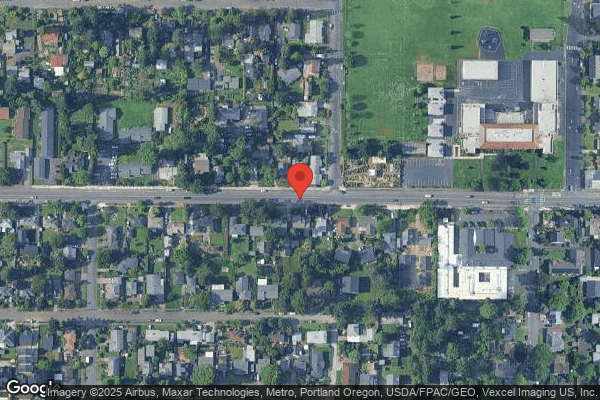
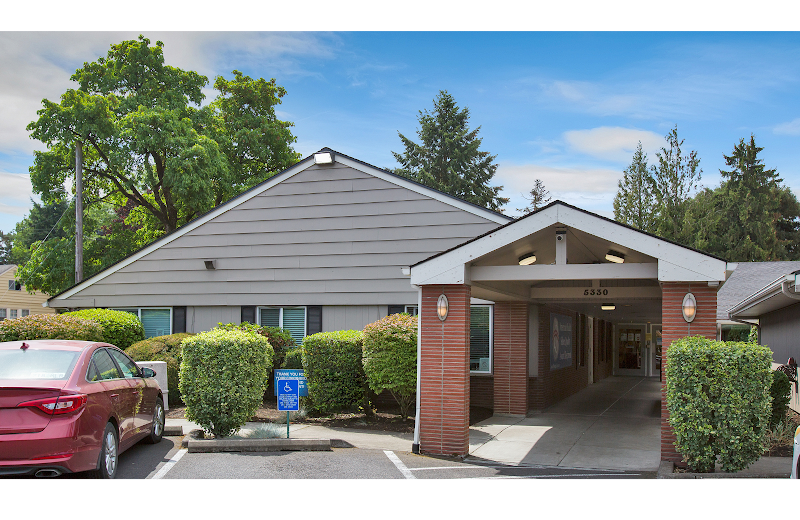
5330 NE PRESCOTT STREET, PORTLAND, OR 97218 (503) 288-6585
For profit - Corporation 99 Beds PACS GROUP Data: November 2025 1 Immediate Jeopardy citation
Trust Grade
8/100
#95 of 127 in OR
Last Inspection: August 2024

Within standard 12-15 month inspection cycle. Federal law requires annual inspections.

Overview

Porthaven Post Acute in Portland, Oregon has received an F grade, indicating significant concerns and a poor overall evaluation. They rank #95 out of 127 nursing homes in Oregon, placing them in the bottom half, and #25 out of 33 in Multnomah County, meaning only a few local options are worse. While the facility is showing improvement, having reduced issues from 23 in 2024 to 4 in 2025, there are serious weaknesses, including a critical incident where residents were placed at risk for sexual abuse due to staff inaction. Staffing is a relative strength, earning 4 out of 5 stars, but with a 53% turnover rate, which is average. However, the facility also faces challenges, as they incurred $43,788 in fines and have reported incidents of neglect concerning residents’ safety and care.

Trust Score
F
8/100
In Oregon
#95/127
Bottom 26%
Safety Record
High Risk
Review needed
Inspections
Getting Better
23 → 4 violations
Staff Stability
⚠ Watch
53% turnover. Above average. Higher turnover means staff may not know residents' routines.
Penalties
✓ Good
$43,788 in fines. Lower than most Oregon facilities. Relatively clean record.
Skilled Nurses
⚠ Watch
Each resident gets only 28 minutes of Registered Nurse (RN) attention daily — below average for Oregon. Fewer RN minutes means fewer trained eyes watching for problems.
Violations
⚠ Watch
46 deficiencies on record. Higher than average. Multiple issues found across inspections.
★★☆☆☆
2.0
Overall Rating
★★★★☆
4.0
Staff Levels
★★★★☆
4.0
Care Quality
★★☆☆☆
2.0
Inspection Score
Stable
2024: 23 issues
2025: 4 issues

The Good

  • 4-Star Staffing Rating · Above-average nurse staffing levels
  • 4-Star Quality Measures · Strong clinical quality outcomes
  • Full Sprinkler Coverage · Fire safety systems throughout facility
  • No fines on record

Facility shows strength in staffing levels, quality measures, fire safety.

The Bad

2-Star Overall Rating

Below Oregon average (3.0)

Below average - review inspection findings carefully

Staff Turnover: 53%

Near Oregon avg (46%)

Higher turnover may affect care consistency

Federal Fines: $43,788

Above median ($33,413)

Moderate penalties - review what triggered them

Chain: PACS GROUP

Part of a multi-facility chain

Ask about local staffing decisions and management

The Ugly 46 deficiencies on record

1 life-threatening 2 actual harm
Aug 2025 1 deficiency
CONCERN (D) 📢 Someone Reported This

A family member, employee, or ombudsman was alarmed enough to file a formal complaint

Potential for Harm - no one hurt, but risky conditions existed

Deficiency F0627 (Tag F0627)

Could have caused harm · This affected 1 resident

Based on interview and record review it was determined the facility failed to ensure a safe discharge from the facility for 1 of 3 sampled residents (#5) reviewed for discharge. This placed residents ...

Read full inspector narrative →
Based on interview and record review it was determined the facility failed to ensure a safe discharge from the facility for 1 of 3 sampled residents (#5) reviewed for discharge. This placed residents at risk for an unsafe discharge. Findings include:Resident 5 was readmitted to the facility in 2/2025, for congestive heart failure and delusional disorders.On 8/4/25 at 2:40 PM and 8/5/2025 at 4:01 PM, Witness 1 (Primary Physician) stated Resident 5 was discharged unsafely to the resident's family home, which had no running water, rats, and no heat in the winter. Witness 1 further stated the facility had never included them in any discharge planning nor had the facility informed them that Resident 5 was discharged . On 8/6/2025 at 4:20 PM, Witness 2 (former Social Services Director) stated Resident 5 was really discouraged from returning to his/her family home due to unsafe situations, including a rat infestation, no running water, and no electricity.Resident 5's clinical records indicated an IDT meeting was held on 11/17/2024, which stated it was unsafe to discharge Resident 5. Resident 5's Social History Review dated 5/9/2025 indicated Resident 5 wanted to discharge back to her/his family home, which was an unsafe discharge.Resident 5's Discharge Summary, signed on 5/20/2025, indicated the resident was discharged on 5/21/2025 at 11:00 AM to their home/community.There was no documented evidence that the facility's interdisciplinary team met to ensure Resident 5 was safely discharged on 5/21/2025.On 8/7/2025 at 1:01 PM, Staff 2 (Administrator), Staff 5 (Director of Nursing), and Staff 6 (Regional RN Consultant) were informed of Resident 5's unsafe discharge and no additional information was provided.
Apr 2025 1 deficiency 1 Harm
SERIOUS (G) 📢 Someone Reported This

A family member, employee, or ombudsman was alarmed enough to file a formal complaint

Actual Harm - a resident was hurt due to facility failures

Free from Abuse/Neglect (Tag F0600)

A resident was harmed · This affected 1 resident

Based on interview and record review it was determined the facility failed to protect the resident's right to be free from physical abuse for 1 of 1 resident (#2) reviewed for physical abuse. This res...

Read full inspector narrative →
Based on interview and record review it was determined the facility failed to protect the resident's right to be free from physical abuse for 1 of 1 resident (#2) reviewed for physical abuse. This resulted in physical injury and prolonged pain which required increased pharmaceutical interventions. Findings include: Resident 2 was admitted to the facility in 4/2023 with diagnoses including multiple spinal fractures and mild cognitive impairment. The 1/9/25 Quarterly MDS, revealed Resident 2 had severe cognitive impairment and was independent with mobility. Resident 1 was admitted to the facility in 11/2023 with diagnoses including restlessness and agitation. A 8/13/24 Quarterly MDS, revealed Resident 1 had severe cognitive impairment and was independent with mobility. An email communication record from 11/30/23 from Staff 19 (Prior Interim DNS) reported Resident 1 was a very violent person with behaviors and provided contact information for Resident 1's probation officer. A review of Resident 1's clinical record including her/his care plan revealed no information regarding her/his violent behavior. A 3/27/25 Progress Note revealed Resident 2 stopped when walking by Resident 1 in the hallway. Resident 1 was observed pushing Resident 2 to the ground and punching Resident 2. Resident 2 reported pain and numbness in her/his right side after the incident. A 3/27/25 Emergency Department Encounter Note reported Resident 2 was determined to have a lumbar spinal fracture, rib pain and difficulty breathing as a result of the incident. A review of Resident 2's pain records (pain scale, which rates pain from 1 to 10, to describe how pain affects daily activity. Mild Pain [1-3], moderate pain [4-6] and severe pain [7-10]) from 3/28/25 through 4/9/25 revealed the following: - 3/28/25 8 out of 10 pain, - 3/30/25 8 out of 10 pain, - 3/31/25 5 out of 10 pain, - 4/1/25 8 out of 10 pain, - 4/2/25 8 out of 10 pain, - 4/3/25 9 out of 10 pain, - 4/4/25 8 out of 10 pain, - 4/5/25 10 out of 10 pain, - 4/6/25 5 out of 10 pain and - 4/9/25 9 out of 10 pain. Review of the 3/2025 and 4/2025 MARs revealed the following medications were provided to Resident 2 to address increased and prolonged pain: - Acetaminophen at 650 mg was received one to two times a day from 3/28/25 through 4/3/25 with a pain level recorded at moderate to severe pain levels recorded upon administration. - Ibuprofen at 600 mg three times a day was received from 3/28/25 through 4/2/25. - Oxycodone at 5 mg was received two to four times a day from 3/31/25 through 4/5/25 with moderate to severe pain levels recorded upon administration. - Fentanyl Patch at 12 mcg was applied on 4/7/25. - Morphine sulfate at .5 ml was provided three times a day on 4/5/25 and 4/6/25. - Morphine sulfate at .25 ml was provided twice on 4/9/25. A 4/3/25 Facility Investigation Summary reported on 3/27/25 at 3:45 PM Resident 1 called Resident 2 a bitch when walking past her/him. Resident 2 asked Resident 1, What did you say? Resident 1 responded by saying, Fuck you, motherfucker and then pushed Resident 2 causing her/him to lose her/his balance, hit the wall behind her/him and fall to the ground. Staff were required to immediately intervene and separate the two residents. A 4/5/25 Progress Note written by Staff 20 (Licensed Vocational Nurse) revealed Resident 2 was experiencing increased confusion and agitation, was refusing to eat, was refusing to take medications and refusing all care. Attempts to contact Resident 1 were unsuccessful and Resident 2 passed away. On 4/15/25 at 10:57 AM Staff 17 (CNA) stated Resident 2 was mostly independent prior to the incident but was bedridden and often screamed out in pain when ADL care and repositioning assistance was provided. On 4/15/25 at 11:22 AM Staff 16 (CNA) stated Resident 2 was thriving before the incident. Staff 16 stated Resident 2 did not like to be touched after the incident due to increased pain. Staff 16 stated Resident 2 regularly walked around the facility prior to the incident but did not continue due to increased and prolonged pain for weeks after the incident. On 4/15/25 at 11:44 AM Staff 12 (Social Service Director) and Staff 13 (Social Services Assistant) stated they collected information regarding the incident. Staff 12 reported Resident 2 was walking by Resident 1 when Resident 1 made an unknown verbal remark towards Resident 2. Resident 2 was hard of hearing and asked for the statement to be repeated, upon which Resident 1 pushed Resident 2 against the wall. This caused Resident 2 to fall to the floor. Resident 1 was observed to be punching Resident 2 which required staff intervention. Staff 12 reported the police were called and Resident 1 was arrested immediately after the incident. Staff 12 and Staff 13 reported Resident 2 experienced increased pain and remained in bed all day. On 4/15/25 at 1:14 PM Staff 11 (RN) stated she witnessed the incident. Staff 11 stated she heard yelling down the hall and observed Resident 1 push Resident 2 down with both hands resulting in a fall to the ground over her/his walker. Staff 11 stated she was required to rush over to separate Resident 1 and Resident 2. Staff 11 stated Resident 2 was on the ground and yelled get me up! get me up, while complaining of pain to her/his ribs. Staff 11 stated Resident 2 appeared in shock immediately following the incident. Staff 11 stated she considered what she observed as assault. During an interview on 4/15/25 at 1:54 PM with Staff 10 (LPN-Resident Care Manager) and Staff 7 (LPN-Resident Care Manager), Staff 7 stated Resident 2 was medically stable prior to the incident. Staff 7 and Staff 10 stated Resident 2 changed from being up and walking around to not getting out of bed after the incident. Staff 10 stated Resident 2 had increased pain and decreased ability to hold a conversation after the incident. Staff 10 confirmed the incident was abuse. On 4/15/25 at 2:47 PM Staff 1 (Administrator) acknowledged Resident 2 was physically abused by Resident 1 on 3/27/25.
Apr 2025 2 deficiencies
CONCERN (D) 📢 Someone Reported This

A family member, employee, or ombudsman was alarmed enough to file a formal complaint

Potential for Harm - no one hurt, but risky conditions existed

Medical Records (Tag F0842)

Could have caused harm · This affected 1 resident

Based on interview and record review it was determined the facility failed to accurately document wound assessments and dressing change refusals for 1 of 3 sampled residents (# 3) reviewed for accurac...

Read full inspector narrative →
Based on interview and record review it was determined the facility failed to accurately document wound assessments and dressing change refusals for 1 of 3 sampled residents (# 3) reviewed for accuracy of medical records. This placed residents at risk for inaccurate medical records and risk for injury and/or decreased ability for recovery. Findings include: Resident 3 was admitted to the facility in 1/2025 with diagnoses including acute and subacute infective endocarditis (infection). An undated facility policy pertaining to documentation indicated the following: - all nursing staff must document resident assessments. - Documentation should be timely, complete and entered in the appropriate PCC module. - Refusals of care are to be documented in the progress notes including interventions used, resident response, and any notifications made. Resident 3 had the following weekly wound assessments documented in her/his medical record: 1/20/25, 1/24/25, 1/30/25, 2/6/25, 2/13/25, 2/20/25, 2/27/25, 3/6/25, 3/7/25, 3/20/25, and 4/7/25. There was no documented assessments found between 3/20/25 and 4/7/25. Weekly wound assessments dated 1/20/25, 1/24/25, 1/30/25, 2/6/25, 2/13/25, 2/20/25, 2/27/25, 3/7/25, and 4/7/25 were found to be incomplete. The assessments were missing all or part of the following: - wound measurements; - wound description; - percentage of slough vs granulation vs epithelial; - type of wound. On 4/9/25 at 7:28 AM, Staff 5 (LPN/Care Manager) stated Resident 3 had refused the last three wound assessments from an outside wound agency. This information was not documented in Resident 3's medical record. On 4/9/25 at 8:03 AM, Staff 3 (RN) stated the nurses were instructed to fill in the assessment form after they had completed their wound assessment. Staff 3 confirmed weekly wound assessments were not fully completed. On 4/9/25 at 8:26 AM, Staff 3 (RN) and Staff 4 (RN) confirmed the weekly wound assessments were incomplete and not all refusals of care were documented appropriately.
CONCERN (D) 📢 Someone Reported This

A family member, employee, or ombudsman was alarmed enough to file a formal complaint

Potential for Harm - no one hurt, but risky conditions existed

Infection Control (Tag F0880)

Could have caused harm · This affected 1 resident

Based on observation, interview and record review it was determined the facility failed to follow infection control standards for 1 of 3 residents (# 2) sampled reviewed for infection control. This pl...

Read full inspector narrative →
Based on observation, interview and record review it was determined the facility failed to follow infection control standards for 1 of 3 residents (# 2) sampled reviewed for infection control. This placed residents at risk for exposure and contraction of infectious diseases. Findings include: Resident 2 was admitted to the facility in 3/2025 with diagnoses including open wound to left foot. A 3/20/25 admission MDS revealed Resident 2 was cognitively intact. On 4/8/25 at 10:00 AM, during an observation of a chronic wound dressing change, an unidentified female placed an enhanced barrier precaution sign on the door to Resident 2's room. Staff 6 (RN) and Staff 5 (LPN/Care Manager) were observed to then put appropriate PPE on and continue Resident 2's dressing change. There was no documentation found in Resident 2's clinical record indicating she/he had been placed on enhanced barrier precautions for a chronic wound. On 4/8/25 at 10:56 AM, Staff 6 confirmed he had not worn appropriate PPE (gown) when he provided care to Resident 2. On 4/8/25 at 10:59 AM, Resident 2 stated she/he had been in the facility since mid-March. Resident 2 stated today (4/8/25) was the first day she/he had seen staff wear PPE gowns when they provided care for her/his chronic wound. On 4/8/25 at 3:05 PM, Staff 5 (LPN/Care Manager) stated normal procedure was to implement enhanced barrier precautions for a chronic wound, catheter, central line, feeding tube, etc. upon admission. Staff 5 confirmed there should have been an enhanced barrier precautions sign posted and appropriate PPE worn.
Aug 2024 1 deficiency
CONCERN (D) 📢 Someone Reported This

A family member, employee, or ombudsman was alarmed enough to file a formal complaint

Potential for Harm - no one hurt, but risky conditions existed

Free from Abuse/Neglect (Tag F0600)

Could have caused harm · This affected 1 resident

Based on observation, interview and record review it was determined the facility failed to protect the resident's right to be free from sexual abuse by another resident for 1 of 1 sampled residents (#...

Read full inspector narrative →
Based on observation, interview and record review it was determined the facility failed to protect the resident's right to be free from sexual abuse by another resident for 1 of 1 sampled residents (#11) reviewed for sexual abuse. This placed residents at risk for psychological harm. Findings include: The facility's Abuse policy, revised 1/2023, stated the facility and staff would protect residents from all types of abuse. The facility's Resident Sexual Consent policy dated 9/2022, stated a resident's consent to engage in sexual activity is not valid if a resident lacks the capacity to consent. Any forced sexual activity with a resident is considered sexual abuse. Resident 10 admitted to the facility 7/2024, with diagnoses including Alzheimer's disease. Resident 10's 8/2024 MDS indicated she/he was cognitively intact. Resident 10 was discharged home on 8/28/24. Resident 11 admitted to the facility 5/2024, with diagnoses including Factor X chromosome (a genetic disorder causing developmental and intellectual disability). Resident 11's Quarterly Minimum Data Set (MDS) indicated the resident had severe cognitive impairment. Review of Resident 10 and Resident 11's clinical record found no evidence a Sexual Consent Form was completed. A Facility Reported Incident (FRI) dated 8/20/24 at 6:30 PM, revealed Resident 10 was observed to be rubbing Resident 11's genitalia in an annexed TV area. Both residents were immediately separated and were assessed for injuries by Staff 5 (LPN) and Staff 6 (RN). No injuries were noted. Observations made on 8/29/24 at 11:05 AM, revealed Resident 10 was discharged . Resident 11 attended meals in the dining room and self-propelled via wheelchair through-out the community. On 8/29/24 at 11:05 AM, Resident 11 was observed in the hallway and self-propelled her/himself via wheelchair to the dining room for bingo. Resident 11 stated she/he was not afraid of any other resident at the facility. On 8/29/24 at 11:20 AM, Resident 12, Resident 13 and Resident 14 all stated they had not been inappropriately touched while residing in the facility. On 8/30/24 at 1:03 PM, Staff 6 stated she was notified by Staff 8 (CNA) a resident was being touched inappropriately by another resident in the TV room. Staff 6 stated the residents were immediately separated, management and providers were notified and both residents were brought back to their individual rooms and placed on alert monitoring. Resident 10 was placed on a 1:1 supervision and Resident 11 had a STOP sign placed on their room door. On 8/30/24 at 1:28 PM, Staff 8 stated on 8/20/24 around 6:10 PM, she witnessed Resident 10's hand on Resident 11's genitals and Resident 10 was rubbing aggressively. Staff 8 stated Resident 10 saw her and stopped. Staff 8 separated the two residents and notified Staff 6 immediately. On 8/30/24 at 4:45 PM, Staff 1 (Administrator) acknowledged Resident 11 had been sexually abused and will continue to monitor the resident for any psychological impact.
Aug 2024 14 deficiencies
CONCERN (D)

Potential for Harm - no one hurt, but risky conditions existed

Deficiency F0553 (Tag F0553)

Could have caused harm · This affected 1 resident

Based on interview and record review it was determined the facility failed to involve residents/representatives in the care planning process for 2 of 2 sampled residents (#s 4 and 41) reviewed for car...

Read full inspector narrative →
Based on interview and record review it was determined the facility failed to involve residents/representatives in the care planning process for 2 of 2 sampled residents (#s 4 and 41) reviewed for care planning and dementia. This placed residents at risk for unmet needs. Findings include: 1. Resident 4 was admitted to the facility in 5/2009 with diagnoses including dementia. A review of Resident 4's medical record revealed the last care conference completed for Resident 4 was on 2/5/24. On 8/15/24 at 10:12 AM Staff 11 (SSD) stated Resident 4 had not had a care conference completed since 2/5/24. On 8/15/24 at 12:54 AM Staff 6 (LPN Resident Care Manager) and Staff 4 (LPN Resident Care Manager) stated care plan revisions and reviews are reviewed with the resident and/or representatives on a quarterly basis during the care conference. Staff 6 stated Resident 4 was overdue for a care conference. 2. Resident 41 was admitted to the facility in 1/2023 with diagnoses including acute respiratory failure. A 6/15/24 Quarterly MDS revealed Resident 41 had moderate cognitive decline. A review of Resident 41's medical record revealed the last care conference completed for Resident 41 was on 1/24/24. On 8/14/24 at 11:22 AM Staff 4 (LPN Resident Care Manager) stated Resident 41 had a care conference completed in June 2024, she was unsure of the date, she was unsure if the resident's representative was invited and she was unable to provide documentation of the care conference being completed in June 2024. On 8/14/24 at 11:48 AM Staff 11 (SSD) stated the last care conference documented for Resident 41 was in 1/2024. Staff 11 stated she was getting caught up and back on track with care conferences. On 8/15/24 at 12:54 PM Staff 4 and Staff 6 (LPN Resident Care Manager) stated care plan revisions and reviews are reviewed with the resident and/or representatives on a quarterly basis during the care conference.
CONCERN (D) 📢 Someone Reported This

A family member, employee, or ombudsman was alarmed enough to file a formal complaint

Potential for Harm - no one hurt, but risky conditions existed

Grievances (Tag F0585)

Could have caused harm · This affected 1 resident

Based on interview and record review it was determined the facility failed to follow up on grievances for 1 of 1 resident (#309) reviewed for personal property. This placed residents at risk for unmet...

Read full inspector narrative →
Based on interview and record review it was determined the facility failed to follow up on grievances for 1 of 1 resident (#309) reviewed for personal property. This placed residents at risk for unmet needs. Findings include: Resident 309 was admitted to the facility in 6/2020 with diagnoses including depression. On 7/8/24 a public complaint was received with allegations of missing personal property. On 8/12/24 at 5:25 PM Witness 1 (Complainant) stated Resident 309 was discharged from the facility in 4/2024 and was missing some personal belongings. Witness 1 stated she informed the facility via phone of the missing items but had not received a reply from the facility. On 8/13/24 at 9:41 AM Staff 4 (SSD) stated she never received a complaint or grievance related to missing personal items from Resident 309 or her/his representatives. An 8/14/24 review of the facility grievance binder revealed no evidence of a grievance from Resident 309 or her/his representatives. On 8/14/24 at 11:20 AM Staff 4 (LPN Resident Care Manager) stated she was Resident 309's care manager but had not received any grievances or complaints from Resident 309 or her/his representatives related to missing personal items. On 8/15/24 at 10:42 AM Staff 12 (Receptionist) stated she received a call from Witness 1 after Resident 309 discharged . Staff 12 stated Witness 1 reported not all of Resident 309's personal items had transferred with her/him upon discharge. Staff 12 stated she could not remember if she reported this to management. On 8/15/24 at 11:29 AM Staff 1 (Administrator) stated he had not received a report of Resident 309 missing any personal items. On 8/16/24 at 8:15 AM Staff 11 stated she was the facility grievance officer. Staff 11 stated she expected staff to report all written and verbal grievances to her or the administrator. On 8/16/24 at 8:25 AM Staff 1 stated verbal grievances are expected to be treated and followed up on just like written grievances.
CONCERN (D)

Potential for Harm - no one hurt, but risky conditions existed

Transfer Notice (Tag F0623)

Could have caused harm · This affected 1 resident

Based on interview and record review it was determined the facility failed to ensure the Office of the State Long Term Care Ombudsman was notified of resident hospitalizations for 1 of 1 sampled resid...

Read full inspector narrative →
Based on interview and record review it was determined the facility failed to ensure the Office of the State Long Term Care Ombudsman was notified of resident hospitalizations for 1 of 1 sampled resident (# 56) reviewed for hospitalization. This placed residents at risk for lack of advocacy by the Ombudsman's office. Findings include: Resident 56 was admitted to the facility in 5/2024 with diagnoses including urinary tract infection and bacteremia (bacteria in blood). Resident 56's 5/23/24 Discharge MDS indicated the resident was discharged to an acute care hospital. A review of Resident 56's health record revealed no documentation to indicate the state/local Ombudsman was notified Resident 56 was discharged to a hospital. On 8/15/24 at 12:51 PM Staff 1 (Administrator) stated the facility did not notify the Ombudsman of discharged residents.
CONCERN (D)

Potential for Harm - no one hurt, but risky conditions existed

Deficiency F0625 (Tag F0625)

Could have caused harm · This affected 1 resident

Based on interview and record review it was determined the facility failed to provide residents with a written notice of the facility's bed hold policy at the time of transfer to the hospital for 2 of...

Read full inspector narrative →
Based on interview and record review it was determined the facility failed to provide residents with a written notice of the facility's bed hold policy at the time of transfer to the hospital for 2 of 3 residents (#s 4 and 56 ) reviewed for hospitalization. This placed residents at risk for lack of knowledge regarding their choices and potential financial responsibilities. Findings include: 1. Resident 4 was admitted to the facility in 5/2009 with diagnoses including epilepsy and dementia. A 1/31/24 Progress Note revealed Resident 4 experienced a change in condition which required increased medical attention and she/he was transferred to a hospital. A review of Resident 4's health record revealed no documentation to indicate a copy of the facility's bed hold policy was provided to Resident 4 when she/he experienced a change in condition and was transferred to a hospital. On 8/15/24 at 1:24 PM Staff 1 (Administrator) confirmed a bed hold policy was not provided to Resident 4 when she/he experienced a change in condition and was required to be transferred to a hospital. On 8/16/24 at 8:52 AM Staff 3 (Interim DNS) confirmed a bed hold policy was not provided to Resident 4 when she/he was transferred to a hospital. 2. Resident 56 was admitted to the facility in 5/2024 with diagnoses including urinary tract infection and bacteremia (bacteria in blood). A 5/23/24 Progress Note revealed Resident 56 experienced a change in condition which required increased medical attention and she/he was transferred to a hospital. A review of Resident 56's health record revealed no documentation to indicate a copy of the facility's bed hold policy was provided to Resident 56 when she/he experienced a change in condition and was transferred to a hospital. On 8/15/24 at 1:24 PM Staff 1 (Administrator) confirmed a bed hold policy was not provided to Resident 56 when she/he experienced a change in condition and was required to be transferred to a hospital. On 8/16/24 at 8:52 AM Staff 3 (Interim DNS) confirmed a bed hold policy was not provided to Resident 56 when she/he was transferred to a hospital.
CONCERN (D) 📢 Someone Reported This

A family member, employee, or ombudsman was alarmed enough to file a formal complaint

Potential for Harm - no one hurt, but risky conditions existed

Assessment Accuracy (Tag F0641)

Could have caused harm · This affected 1 resident

2. Resident 37 was readmitted to the facility in 2/2024 with diagnoses including diabetes, peripheral vascular disease (a circulatory condition in which narrowed blood vessels reduce blood flow to the...

Read full inspector narrative →
2. Resident 37 was readmitted to the facility in 2/2024 with diagnoses including diabetes, peripheral vascular disease (a circulatory condition in which narrowed blood vessels reduce blood flow to the limbs) and an acquired absence of right toes. Resident 37's 5/10/24 and 5/17/24 Podiatry Outpatient Notes indicated the resident had a diabetic foot ulcer. Resident 37's 7/14/24 Quarterly MDS indicated the resident had a surgical wound and she/he did not have a diabetic foot ulcer. On 8/16/24 at 11:46 AM Staff 2 (DNS) and Staff 3 (Interim DNS) acknowledged the findings of this investigation and Staff 3 confirmed Resident 37's MDS was inaccurate. Based on observation, interview and record review it was determined the facility failed to accurately assess residents for oxygen therapy and wounds for 2 of 6 sampled residents (#s 22 and 37) reviewed for respiratory care and skin conditions. This placed residents at risk for inaccurate assessments and unmet care needs. Findings include: 1. Resident 22 was admitted to the facility in 1/2023 with diagnoses including heart attack and chronic obstructive pulmonary disease (a group of lung diseases that make it difficult to breathe). Resident 22's 12/17/24 through 6/11/24 Physician Order indicated the resident was to receive supplemental oxygen therapy at 2 LPM (liters per minute) per NC (nasal cannula-a non-invasive medical device that provides supplemental oxygen to resident's through their noses) for signs of cyanosis (bluish or purple discoloration of the skin, lips and nail beds caused by lack of oxygen), symptoms of dyspnea (difficulty breathing) or shortness of breath. Resident 22's 6/11/24 through 7/30/24 Physician Order indicated the resident was to receive supplemental oxygen therapy at 3 LPM to 5 LPM as needed per NC. Resident 22's 7/30/24 Physician Order indicated the resident was to receive supplemental oxygen therapy at 2 LPM to 4 LPM continuously per NC. Resident 22's 6/12/24, 7/3/24 and 8/6/24 Significant Change MDSs indicated Resident 22 did not require supplemental oxygen therapy. Multiple observations from 8/12/24 through 8/16/24 between the hours of 8:00 AM and 3:30 PM revealed Resident 22 received supplemental oxygen therapy. On 8/15/24 at 11:35 AM Staff 4 (RNCM) confirmed Resident 22 received supplemental oxygen therapy and the resident's MDSs should have reflected the resident's need for oxygen.
CONCERN (D) 📢 Someone Reported This

A family member, employee, or ombudsman was alarmed enough to file a formal complaint

Potential for Harm - no one hurt, but risky conditions existed

Deficiency F0657 (Tag F0657)

Could have caused harm · This affected 1 resident

2. Resident 28 was admitted to the facility in 8/2023 with diagnoses including heart failure. Resident 28's 5/31/24 Nutrition At Risk Care Plan indicated the resident was to be weighed weekly. Resid...

Read full inspector narrative →
2. Resident 28 was admitted to the facility in 8/2023 with diagnoses including heart failure. Resident 28's 5/31/24 Nutrition At Risk Care Plan indicated the resident was to be weighed weekly. Resident 28's 8/2024 Physician Orders directed the resident to be weighed daily. On 8/15/24 at 9:39 AM Staff 29 (CNA) stated she was unsure if Resident 28 was to be weighed weekly or daily but stated she found this information in the resident's care plan. On 8/15/24 at 12:14 PM Staff 3 (Interim DNS) reviewed Resident 28's Physician Orders, stated she/he was to be weighed daily and confirmed the care plan needed to be revised. Based on observation, interview and record review it was determined the facility failed to ensure care plans were revised to accurately reflect the needs of residents for 2 of 7 sampled residents (#s 22 and 28) reviewed for respiratory care and unnecessary medications. This placed residents at risk for unmet needs. Findings include: 1. Resident 22 was admitted to the facility in 1/2023 with diagnoses including heart attack and chronic obstructive pulmonary disease (a group of lung diseases that make it difficult to breathe). Resident 22's 7/30/24 Physician Order indicated the resident was to receive supplemental oxygen therapy at 2 to 4 LPM (liters per minute) continuously per NC (nasal cannula-a non-invasive medical device that provides supplemental oxygen through the nose). Resident 22's 5/14/24 (most current) Care Plan indicated the resident was to receive oxygen per NC at 2 LPM as needed to maintain oxygen saturation levels (a measurement of how well the lungs are working) between 88% and 92%. Observations from 8/12/24 through 8/16/24 between the hours of 8:00 AM to 3:30 PM revealed Resident 22 received oxygen therapy at 3 LPM, continuously. On 8/14/24 at 2:49 PM Staff 21 (RN) stated Resident 22 received continuous oxygen per NC. On 8/15/24 at 12:48 PM Staff 3 (Interim DNS) reviewed Resident 22's oxygen orders and current care plan. Staff 3 stated Resident 22's care plan did not reflect the resident's current supplemental oxygen orders and she expected the resident's care plan and oxygen orders to match.
CONCERN (D)

Potential for Harm - no one hurt, but risky conditions existed

ADL Care (Tag F0677)

Could have caused harm · This affected 1 resident

Based on observation, interview and record review it was determined the facility failed to provided nail care services to 1 of 1 resident (# 24) reviewed for ADL care. This placed residents at risk of...

Read full inspector narrative →
Based on observation, interview and record review it was determined the facility failed to provided nail care services to 1 of 1 resident (# 24) reviewed for ADL care. This placed residents at risk of unmet care needs. Findings include: Resident 24 was admitted to the facility in 2/2020 with diagnoses including a stroke resulting in hemiplegia (partial or complete loss of function of one side of the body). Physician orders from 7/11/22 stated a licensed nurse was to check fingernails and toe nails once a week and trim as needed. A 6/5/24 Care Plan included Resident 24 requiring extensive assistance with ADL tasks including hygiene and grooming. Review of LN Care Records from 6/2024 through 8/2024 revealed nail care was marked as not needed on the following dates: - 6/3/24, - 6/24/24, - 7/1/24, - 7/8/24, - 7/15/24, - 7/22/24, - 7/29/24, - 8/5/24 and - 8/12/24. Review of LN Care Records from 6/2024 revealed Resident 24 refused nail trimming on the following dates: - 6/10/24 and - 6/17/24. On 8/13/24 at 12:35 PM Resident 24 stated her/his nails were too long, nail care had not been offered to her/him recently and she/he would not have refused nail care if it was offered. Resident 24's nails were observed to be extended a quarter of an inch and had dirt under each of the nails on both hands. On 8/13/24 at 1:06 PM Staff 4 (RNCM) confirmed Resident 24's nails were dirty and had not been trimmed for an extended period.
CONCERN (D)

Potential for Harm - no one hurt, but risky conditions existed

Quality of Care (Tag F0684)

Could have caused harm · This affected 1 resident

**NOTE- TERMS IN BRACKETS HAVE BEEN EDITED TO PROTECT CONFIDENTIALITY** 2. Resident 4 was admitted to the facility in 5/2009 with diagnoses including depression. A review of Resident 4's 4/10/23 hospi...

Read full inspector narrative →
**NOTE- TERMS IN BRACKETS HAVE BEEN EDITED TO PROTECT CONFIDENTIALITY** 2. Resident 4 was admitted to the facility in 5/2009 with diagnoses including depression. A review of Resident 4's 4/10/23 hospital readmission orders revealed orders for sertraline (a medication used to treat depression). A review of Resident 4's 4/2023 MAR revealed no evidence sertraline was added to her/his MAR as ordered on her/his 4/10/23 hospital readmission orders. A 4/4/24 [NAME] Psychiatric Consultant Progress Note revealed Resident 4 continued to have physical and verbal behaviors with care activities and these behaviors had increased in 6/2023 and persisted since. A recommendation were made for Resident 4 to restart previous medication that was stopped in 4/2023. A 4/11/24 Provider Progress Note revealed Resident 4 was having increased behaviors and stated Resident 4 stopped taking sertraline about a year ago. A review of Resident 4's medical record revealed sertraline was restarted on 5/6/24. On 8/15/24 at 1:07 PM Staff 3 (Interim DNS) stated Resident 4's sertraline was ordered and not transcribed on her/his 4/10/23 readmission to the facility. Staff 3 confirmed this was a medication error. Based on observation, interview and record review it was determined the facility failed to start antibiotic treatment timely or follow physician orders for 2 of 9 sampled residents (#s 4 and 28) reviewed for skin condition and unnecessary medications. This placed residents at risk for unmet needs. Finding include: 1. Resident 28 was admitted to the facility in 8/2023 with diagnoses including heart failure, diabetes with a foot ulcer and cellulitis (a bacterial skin infection) of the left lower limb. a. Resident 28's 5/20/24 Quarterly MDS revealed the resident was cognitively intact, had a total of two venous ulcers (leg ulcers caused by problems with blood flow in a person's leg veins) and arterial ulcers (a painful, deep sore or wound in the skin of the lower leg or foot) and received the application of nonsurgical dressings and ointments/medications other than to her/his feet. A 6/26/24 Progress Note indicated Resident 28 was observed to have three large greenish patches on her/his right lower extremity with a slight odor. The progress note also indicated the resident's on-call provider was notified, a wound culture was ordered and the provider requested the wound nurse obtain the wound culture during her visit on 6/27/24. A 6/27/24 Encounter Note completed by Staff 30 (NP) stated the wound nurse obtained a culture of Resident 28's leg and indicated the wound might be infected and the resident's pain was a little worse than normal. A 6/27/24 United Wound Healing Note completed by Staff 31 (Wound Nurse) indicated Resident 28's leg wounds had heavy serous (clear fluid that leaks out of wounds) to green drainage with odor. The note indicated a wound culture was obtained by Staff 31 and Staff 31 would notify the facility of the results of the culture which was typically in three to five days. A 7/1/24 Wound Culture Report indicated Resident 28's wound culture was positive for multiple bacteria. Resident 28's 7/2024 MAR revealed the resident received vancomycin (a strong antibiotic used to treat infections caused by bacteria) intravenously (by means of a vein) from 7/18/24 through 7/28/24 and levofloxacin (an oral antibiotic) from 7/18/24 through 7/27/24. No evidence was found in Resident 28's clinical record to indicate Staff 30 was informed of the resident's wound culture results prior to 7/18/24. On 8/13/24 at 3:55 PM Staff 21 (RN) stated she recalled the wound culture was completed on 6/27/24 and would have expected to have seen the results by 7/4/24. Staff 21 stated Staff 30 was not notified of the results of the wound culture until 7/18/24 and that was why the resident started on antibiotics late. On 8/14/24 at 11:12 AM Staff 15 (RN) stated a resident's provider typically received results of a wound culture within three days and was unsure why there was a delay in Staff 30 receiving Resident 28's wound culture results. On 8/14/24 at 2:54 PM Resident 28 was observed to sit in her/his room in her/his wheelchair. Both of the resident's lower extremities were covered in bandages. Resident 28 was unable to recall the state of her/his wounds or pain caused by the wounds from the prior month. Resident 28 stated her/his wounds had been bad for so long and they had progressively gotten worse and the pain was the same. On 8/14/24 at 3:18 PM Staff 6 (Infection Preventionist) and Staff 2 (DNS) acknowledged the findings of this investigation. Staff 6 confirmed Resident 28's provider was not notified of the wound culture results until 7/18/24, and as a result, did not receive timely treatment for her/his wound infections. b. Resident 28's 8/2024 Physician Orders directed the resident to be weighed daily and for her/his physician to be notified if the resident gained two pounds in two days or five or more pounds in a week. Resident 28's 7/2024 and 8/2024 LN Task Records revealed the following: -On 7/9/24, the resident weighed 240.5 lbs (pounds). -On 7/11/24, the resident weighed 243.5 lbs (a gain of 3.5 lbs). -On 7/26/24, the resident weighed 236.5 lbs. -On 7/28/24, the resident weighed 240 lbs (a gain of 3.5 lbs). -On 8/1/24, the resident weighed 235 lbs. -On 8/3/24, the resident weighed 240 lbs (a gain of 5 lbs). No evidence was found in Resident 28's clinical record to indicate her/his physician was notified of her/his weight gains. On 8/15/24 Staff 3 (Interim DNS) stated Resident 28's provider should have been notified of her/his weight gains on 7/11/24, 7/28/24 and 8/3/24 and was not.
CONCERN (D)

Potential for Harm - no one hurt, but risky conditions existed

Accident Prevention (Tag F0689)

Could have caused harm · This affected 1 resident

2. Resident 360 was admitted to the facility in 7/2024 with diagnoses including urinary tract infection and acute kidney failure. An Investigation Report dated 8/9/24 indicated on 8/3/24 at about 10:0...

Read full inspector narrative →
2. Resident 360 was admitted to the facility in 7/2024 with diagnoses including urinary tract infection and acute kidney failure. An Investigation Report dated 8/9/24 indicated on 8/3/24 at about 10:00 PM, Resident 360 was found on the floor by a CNA during rounds and Resident 360 had been sleeping prior to event and had a urinal at bedside. Resident 360 was disoriented and forgot she/he had a urinal when she/he woke up. The resident stated at the time she/he was getting up to go to the bathroom. When questioned later by a facility RCM (Resident Care Manager), Resident 360 did not remember what happened. The investigation did not include witness statements. On 8/15/24 at 3:36 PM Staff 4 (RNCM) stated the only witness to Resident 360's fall was Staff 28 (CNA). Staff 4 stated she tried calling Staff 28 for a follow up, but Staff 28 did not respond. On 8/15/24 at 4:44 PM staff 28 stated she was driving and needed to call back for an interview. She did not call back. On 8/16/24 at 9:34 AM Staff 4 acknowledged that she did not interview Staff 28. Staff 4 was informed this investigation did not include a witness statements, and Staff 4 agreed. On 8/16/24 at 11:26 AM Staff 3 (Interim DNS) stated the RNCM was expected to obtain resident and witness statements, and the investigation should show the whole picture. Staff 2 (DNS) acknowledged abuse or neglect could not be ruled out because the investigation was not thorough. Based on interview and record review it was determined the facility failed to ensure necessary interventions were in place and followed to reduce the risk of falls and to thoroughly investigate the cause of a fall for 2 of 5 sampled residents (#s 37 and 360) reviewed for skin conditions and falls. This placed residents at risk for falls. Findings include: 1. Resident 37 was admitted to the facility in 7/2023 with diagnoses including diabetes, acquired absence of left foot, acquired absence of right toes and peripheral vascular disease (a circulatory condition in which narrowed blood vessels reduce blood flow to the limbs). Resident 37's 7/9/23 Morse Fall Scale indicated the resident was at high risk to fall. Resident 37's 3/7/24 At Risk For Falls Care Plan revealed the following: -The resident experienced impaired physical mobility as a result of the surgical amputation of her/his left foot. -The resident had a history of falls. -The resident's call light/personal items were to be within reach. -The resident was to wear nonskid footwear when transferring. -Staff were to remind the resident to use the call light for assistance. -The resident was at low risk to fall. Resident 37's 3/7/24 ADL Care Plan revealed the resident was non-ambulatory and no weight bearing left. Resident 37's 4/13/24 Quarterly MDS indicated the resident was cognitively intact, experienced lower extremity impairment on one side and used a wheelchair. A 5/13/24 Incident Report revealed the following: -Resident 37 experienced an unwitnessed fall in her/his room. -The resident stated she/he attempted to walk as she/he wanted to go back home and she/he had stairs in her/his home. -The resident had no restrictions related to her/his ability to bear weight. -Conclusion: The resident adhered to her/his physician orders when this event occurred. No evidence was found in Resident 37's health record to indicate the resident's care plan was followed prior to the fall or a thorough investigation was completed after the fall. No detailed information about the resident's fall was obtained, including where in the room the resident was found at the time of the fall, whether or not her/his call light was activated, the last time she/he interacted with staff, whether or not the resident wore nonskid footwear or whether or not the resident's personal items were in reach. On 8/16/24 at 11:30 AM Staff 2 (DNS) and Staff 3 (Interim DNS) acknowledged the findings of this investigation. Staff 3 stated a thorough fall investigation included an evaluation of the events that lead up to the fall, resident and witness statements, a review of the resident's care plan and an interview with the staff person who provided care to the resident prior to the fall. Staff 3 confirmed the investigation of Resident 37's fall on 5/13/24 was not thorough and stated it was unclear if the resident's care plan was followed. Staff 3 further stated the resident's At Risk For Falls Care Plan and the conclusion of the investigation were inaccurate.
CONCERN (D)

Potential for Harm - no one hurt, but risky conditions existed

Respiratory Care (Tag F0695)

Could have caused harm · This affected 1 resident

Based on interview and record review it was determined the facility failed to follow physician orders and provide correct humidity administration for 1 of 1 sampled resident (#17) reviewed for respira...

Read full inspector narrative →
Based on interview and record review it was determined the facility failed to follow physician orders and provide correct humidity administration for 1 of 1 sampled resident (#17) reviewed for respiratory care. This placed residents at risk for improper humidity administration. Findings include: A Respiratory Treatment Policy and Procedure dated 6/22/22 stated: It is the policy of this center that residents receive respiratory treatments and monitoring per their physician orders, standards of practice and care plan. Resident 17 admitted to the facility in 3/2024 with diagnoses including respiratory failure which included a tracheostomy required to breathe and malnutrition. A 3/13/24 physician order for Resident 17 revealed the resident used humidity mist via her/his tracheostomy with a flow rate of eight liters per minute at all times. The 6/13/24 Quarterly MDS indicated Resident 17 was severely cognitively impaired. On 8/15/24 at 8:50 AM Staff 19 (LPN) observed Resident 17's humidity mist and confirmed it was set at four liters per minute. On 8/15/24 at 10:57 AM Staff 3 (Interim DNS) confirmed Resident 17's humidity mist was to be set a eight liters at all times.
CONCERN (D)

Potential for Harm - no one hurt, but risky conditions existed

Deficiency F0840 (Tag F0840)

Could have caused harm · This affected 1 resident

**NOTE- TERMS IN BRACKETS HAVE BEEN EDITED TO PROTECT CONFIDENTIALITY** Based on interview and record review it was determined the facility failed to employ a Physical Therapist to provide therapy ser...

Read full inspector narrative →
**NOTE- TERMS IN BRACKETS HAVE BEEN EDITED TO PROTECT CONFIDENTIALITY** Based on interview and record review it was determined the facility failed to employ a Physical Therapist to provide therapy services to 1 of 1 resident (# 209) reviewed for therapy services. This placed residents at risk of a decline in function and/or a delayed recovery. Findings include: Resident 209 admitted to the facility on [DATE] with diagnoses including multiple left toe fractures. Hospital orders from 8/6/24 included instructions for Resident 209 to receive a PT evaluation and services. Review of therapy records on from 8/6/24 to 8/13/24 revealed Resident 209 had not been evaluated by PT and therefore had not received PT services to assist with her/his transfer safety and mobility. On 8/14/24 at 2:50 PM Staff 20 (Rehabilitation Director) stated the facility had not been able to have a consistent physical therapist who performed evaluations or provided therapy services. Staff 20 stated the frequency and duration of therapy services had to be reduced for all residents due to insufficient therapy staff. Staff 20 stated ideally residents who required therapy would have received one discipline of therapy five times a week and another disciple based on their areas of deficiencies. Staff 20 confirmed Resident 209 had not received physical therapy services from 8/6/24 through 8/13/24.
CONCERN (D)

Potential for Harm - no one hurt, but risky conditions existed

Deficiency F0849 (Tag F0849)

Could have caused harm · This affected 1 resident

Based on interview and record review it was determined the facility failed to have a plan in place to coordinate care and document hospice services for 1 of 1 sampled resident (#359) reviewed for hosp...

Read full inspector narrative →
Based on interview and record review it was determined the facility failed to have a plan in place to coordinate care and document hospice services for 1 of 1 sampled resident (#359) reviewed for hospice. This placed residents at risk for lack of coordination of care. Findings include: Resident 359 admitted to the facility in 7/2024 with diagnoses including failure to thrive and acute kidney failure. Resident's 359's health record indicated the resident was admitted to hospice services on 8/6/24. There was no further documentation including contact information, physican's orders for hospice services, hospice care plan or hospice notes. On 8/13/24 at 2:01 PM Staff 11 (Social Services Director) stated resident 359 began hospice services on 8/6/24 and Staff 11 did not know when they came in to care for the resident. On 8/14/24 at 10:00 AM Staff 23 (CNA) stated she thought the resident received hospice services, but had not seen any hospice providers and had no communication with any hospice staff. On 8/15/24 at 10:17 AM Staff 5 (RNCM) acknowledged there was no hospice documentation in Resident 359's health record.
CONCERN (E)

Potential for Harm - no one hurt, but risky conditions existed

Safe Environment (Tag F0584)

Could have caused harm · This affected multiple residents

**NOTE- TERMS IN BRACKETS HAVE BEEN EDITED TO PROTECT CONFIDENTIALITY** Based on observation and interview it was determined the facility failed to maintain a homelike environment for 3 of 4 halls rev...

Read full inspector narrative →
**NOTE- TERMS IN BRACKETS HAVE BEEN EDITED TO PROTECT CONFIDENTIALITY** Based on observation and interview it was determined the facility failed to maintain a homelike environment for 3 of 4 halls reviewed for environment. This placed residents at risk for living in an unkempt environment. Findings include: Observations of the facility's general environment and residents' rooms from 8/12/24 through 8/16/24 identified the following issues: -A light cover on the annex hall near room [ROOM NUMBER] was cracked with missing chunks of the lighting cover. -One hall light was out on the annex hall near room [ROOM NUMBER]. -Two lights were out in the dining room. -Dirty vent covers in rooms 155, 157, 158, the center hall outside the employee room and outside the RCM office near the west hall. -The east hall near the O2 storage closet had a torn/jagged baseboard to the left of the closet door. -The east hall near the emergency exit had broken pieces of plastic on both wall corners approximately 3 inches in length that were sharp/jagged. -A lower corner wall near the west hall and RCM office was separated with approximately 3 inches of separation with sharp/jagged edges. -A lower corner wall near the center hall and resident bathroom had approximately 6 inches of missing/broken plastic with sharp/jagged edges. -The entrance to the clean laundry area had a wall corner with broken sharp/jagged edges in three different areas on the wall protector. -The entrance to the facility where the directory sign was had a corner with approximately 3-4 inches of missing plastic protector with sharp/jagged edges. -The west hall outside the nurses station had a wall corner with approximately 3-4 inches of missing plastic protector with sharp/jagged edges. On 8/16/24 at 10:24 AM Staff 1 (Administrator) and Staff 18 (Maintenance Director) acknowledged the identified concerns.
CONCERN (F)

Potential for Harm - no one hurt, but risky conditions existed

Infection Control (Tag F0880)

Could have caused harm · This affected most or all residents

**NOTE- TERMS IN BRACKETS HAVE BEEN EDITED TO PROTECT CONFIDENTIALITY** 4. On 8/13/24 at 12:56 PM Staff 13 (CNA) was observed in the east hall picking up dirty food trays. Staff 13 picked up room [ROO...

Read full inspector narrative →
**NOTE- TERMS IN BRACKETS HAVE BEEN EDITED TO PROTECT CONFIDENTIALITY** 4. On 8/13/24 at 12:56 PM Staff 13 (CNA) was observed in the east hall picking up dirty food trays. Staff 13 picked up room [ROOM NUMBER]'s dirty tray, placed it in the cart and went into room [ROOM NUMBER], no hand hygiene was completed. Staff 13 exited room [ROOM NUMBER] and went into room [ROOM NUMBER], no hand hygiene was completed. Staff 13 exited room [ROOM NUMBER] with a dirty food tray, placed it in the cart and with into room [ROOM NUMBER], no hand hygiene was completed. Staff 13 was observed in room [ROOM NUMBER] attempting to assist the resident with eating, the resident refused the meal, staff 13 exited room [ROOM NUMBER] with the dirty food tray and placed it in the cart, no hand hygiene was completed. Staff 13 stated she was not taught to clean her hands between picking up dirty food trays. On 8/16/24 at 8:35 AM Staff 3 (Interim DON) stated staff are expected to perform hand hygeine each time they go in and out of rooms. Based on observation, interview, and record review it was determined the facility failed to follow infection control standards for 2 of 4 halls (East and Annex Halls), 1 of 1 dining room, and 2 of 4 sampled residents (#s 28 and 37) reviewed for dining and skin conditions. This placed residents at risk for exposure and contraction of infectious diseases. Findings include: 1. The Centers for Disease Control and Prevention website, section titled Infection Prevention during Blood Glucose Monitoring and Insulin Administration specified there was an increased risk for exposure to bloodborne viruses through contaminated equipment, such as glucometers, when shared. Using a [glucometer] for more than one person without cleaning and disinfecting it in between uses contributed to transmission of HBV (Hepatitis B virus). [Glucometers] should be cleaned and disinfected after every use. The facility's 4/2019 Disinfection of Point-of-Care Devices/Instrument Policy & Procedure specified all point-of-care devices, including glucometers, will be cleaned and disinfected according to manufacturer recommendation using EPA (Environmental Protection Agency) approved disinfectants. Resident 37 was admitted to the facility in 7/2023 with diagnoses including type II diabetes. Resident 28 was admitted to the facility in 8/2023 with diagnoses including type II diabetes. On 8/14/24 at 12:29 PM Staff 32 (Agency RN) was observed in Resident 28 and 37's shared room. Staff 32 used a glucometer and obtained Resident 28's blood sugar. Staff 32 returned to the medication cart in the hallway, placed the glucometer on the top surface of the cart and disinfected the glucometer with an alcohol prep pad. At 12:35 PM Staff 32 returned to the room with the used glucometer and stated she was going to obtain Resident 37's blood sugar. The State Surveyor requested to speak with Staff 32 prior to obtaining Resident 37's blood sugar. Staff 32 stated she used alcohol wipes to disinfect shared glucometers because the purple top wipes caused a lot of errors and she had seen other nurses use them at the facility. On 8/14/24 at 12:40 PM Staff 6 (Infection Preventionist) stated she was unsure if alcohol wipes were effective against blood borne pathogens. On 8/14/24 at 1:05 PM Staff 6 provided the glucometer's manufacturer instructions which indicated the glucometer was to be disinfected between patient uses by wiping it with a CaviWipe towelette (durable towelettes that offer quick, easy-to-use, time-saving convenience and kill organisms in only three minutes) or EPA-registered disinfecting wipe in between tests and be cleaned prior to disinfecting. Review of Resident 28 and Resident 37's health record revealed no diagnoses including viral bloodborne pathogens. On 8/14/24 at 2:33 PM Staff 2 (DNS) stated glucometers were to be disinfected according to manufacturer instructions and alcohol wipes were not to be used to disinfect glucometers as they did not kill blood borne pathogens. 2. The facility's 7/2024 Transmission Based Precautions Policy & Procedure specified the following related to Enhanced Barrier Precautions (EBP): -Residents with wounds required EBP. -Personnel was to wear gloves and a gown when dressing, bathing/showering, transferring, providing hygiene, changing linens, changing briefs or assisting with toileting, therapy and device care/use for a resident on EBP. -EBP applies when a wound is open and/or draining. Resident 28 was admitted to the facility in 8/2023 with diagnoses including heart failure, diabetes with a foot ulcer, cellulitis (a bacterial skin infection) of the left lower limb and acquired absence of the right foot. Resident 28's 5/20/24 Quarterly MDS revealed the resident was cognitively intact, had a total of two venous ulcers (leg ulcers caused by problems with blood flow in a person's leg veins) and arterial ulcers (a painful, deep sore or wound in the skin of the lower leg or foot) and received the application of nonsurgical dressings and ointments/medications other than to her/his feet. On 8/12/24 at 10:20 AM Staff 24 was observed to push Resident 28 in her/his wheelchair from the facility's shower room, down the hall and into the resident's shared room. The resident's legs were not covered and revealed large open wounds with chunks of missing skin and yellowish puss on both legs. A sign outside of Resident 28's room indicated she/he was on EBP. After Staff 24 assisted the resident to her/his side of the room, Staff 24 placed a towel under the resident's left foot and right stump, removed the resident's breakfast tray and exited the room. Staff 24 did not wear gloves or a gown when she pushed the resident in her/his wheelchair or when she placed a towel under her/his foot/stump. Staff 24 was not observed to perform hand hygiene after she pushed the resident in her/his wheelchair and prior to retrieving the towel that was placed under her/his bare foot/stump. At 10:23 AM Resident 28 was observed with her/his bare foot/stump off of the towel and directly on the floor. At this time, the resident's right leg was observed with blood running down. On 8/12/24 at 10:32 AM Staff 24 stated staff were supposed to wear gloves, a mask and a gown whenever they worked with residents who were on EBP. Staff 24 stated Resident 28 was on EBP and she did not wear the appropriate PPE when she transported the resident from the shower room or when providing her/him with a towel. Staff 24 further stated she liked to put a towel under the resident's foot/stump because they leaked water. Observations of Resident 28 on 8/12/24 from 10:23 AM to 10:59 AM revealed Resident 28's foot/stump to rest uncovered on the floor of her/his room. A pool of clear fluid was observed on the ground where the resident's foot/stump had previously rested. At 10:43 AM Staff 15 (RN) entered the resident's room, asked the resident if the towel was underneath her/his foot/stump, said oh, pointed to the towel on the ground and left the room. On 8/12/24 at 10:59 AM Staff 15 re-entered the resident's room to provide treatments to both of the resident's legs. Prior to completing the treatments, Staff 15 was observed to step in the pool of clear fluid on the floor of the resident's room. At 11:47 AM Staff 15 stated she expected staff to wear gloves when they assisted Resident 28 when her/his wounds were uncovered. Staff 15 stated she thought the resident's foot and stump should be on a towel when uncovered because they wept a lot and I don't know what else to do. On 8/13/24 at 12:45 PM Resident 28 was observed to sit in her/his wheelchair in her/his room. The resident's leg wounds were covered and she/he wore non-skid socks over the bandages on her/his feet. No towel was observed underneath the resident's foot/stump and a wet towel was observed in a clump next to the foot of the resident's bed. Resident 28 stated her/his foot and stump were always leaking but she/he could not tell or feel it when they did. On 8/14/24 at 9:40 AM Staff 10 (CNA) stated she had frequently seen a trail of liquid coming from Resident 28's feet on the floor throughout the facility. Staff 10 stated she had not been instructed on what to do when she noticed the trail of liquid on the floor from the resident's feet but thought housekeeping regularly mopped the floors. Staff 10 further stated she regularly changed the resident's socks and towel as they were often soaked all the way through with liquid from her/his feet. On 8/14/24 at 10:21 AM Staff 29 (CNA) stated she had noticed a couple of times in the hallway liquid trails coming from Resident 28's feet. Staff 29 stated she noticed some staff just put a towel down when they noticed the trail but she would clean it up with a towel and then take the dirty towel to the laundry. On 8/14/24 at 11:53 AM Resident 28 was observed to wheel her/himself down the hall, around a corner and into a shared resident bathroom. A trail of clear liquid was observed on the ground that followed the resident from her/his room to the bathroom. An unidentified staff person assisted the resident into the bathroom, closed the door behind the resident and stepped into the liquid left on the floor. From 11:53 AM to 12:15 PM five different staff and two different residents were observed to step in the liquid Resident 28 left behind on the floor. On 8/14/24 at 2:54 PM Resident 28 stated her/his room was cleaned and mopped only once in the morning each day. On 8/15/24 at 9:38 AM Staff 29 was observed to leave the resident shower room with a black garbage bag filled with used towels. Staff 29 did not wear gloves or a gown. At 9:39 AM Staff 29 stated she just gave Resident 28 a shower during which she wore gloves and a mask but not a gown. Staff 29 stated the garbage bag was filled with dirty towels from Resident 28's shower. On 8/15/24 at 11:50 AM Staff 6 (Infection Preventionist) and Staff 17 (RN Consultant) acknowledged the findings of this investigation. Staff 17 stated she expected staff to wear a gown and gloves when with Resident 28 any time her/his wounds were not covered and when assisting her/him with a shower. Staff 17 stated she expected Resident 28's wounds to be covered when out of her/his room and staff should clean the floor as soon as possible if the liquid coming from Resident 28's foot/stump could not be contained. Staff 17 further stated she expected staff to keep on top of changing the resident's dressings and socks. 3. The facility's Hand Hygiene Policy, last revised 12/15/21, indicated hand hygiene was the primary means of preventing the transmission of infection. On 8/12/24 between the hours of 12:11 PM and 12:30 PM, during the lunch meal in the main dining room and residents' lunch tray pass on the Annex Hall, the following observations were made: -12:18 PM Staff 26 (CNA) was observed in the main dining area wearing a surgical mask which was below her nose. Staff 26 adjusted her surgical mask and then assisted a resident to prepare and set-up their lunch tray. No hand hygiene was performed. Staff 26 was, again, observed with her surgical mask below her nose, adjusted her mask and then assisted another resident to prepare and set-up their tray, touching the resident's silverware and tray items. No hand hygiene was completed after adjusting her mask or between assisting residents. -12:25 PM Staff 27 (CNA) was observed passing beverages on Annex Hall. Staff 27 entered room [ROOM NUMBER], adjusted the resident's bedside table and moved objects on the table prior to placing the beverage down. Staff 27 was observed repeating this process for residents' in rooms 113, 114, 116 and 119. Staff 27 did not complete hand hygiene after exiting or before entering any of the residents' rooms. On 8/12/24 at 12:22 PM Staff 26 stated she was not supposed to touch her surgical mask but if she did, she was supposed to complete hand hygiene. Staff 26 confirmed she did not complete hand hygiene after touching her mask or between residents. On 8/12/24 at 12:31 PM Staff 27 stated he was supposed to complete hand hygiene after touching something belonging to a resident. Staff 27 stated he tried to do as much hand hygiene as possible but did not always consistently perform hand hyiene. On 8/16/24 at 8:35 AM and 10:01 AM Staff 1 (Administrator), Staff 2 (DNS) and Staff 3 (Interim DNS) stated staff were expected to complete hand hygiene each time they went in and out of a resident's room. Staff 1 and Staff 2 stated they also expected hand hygiene to be completed after touching something dirty and before touching something clean.
May 2024 1 deficiency
CONCERN (E) 📢 Someone Reported This

A family member, employee, or ombudsman was alarmed enough to file a formal complaint

Potential for Harm - no one hurt, but risky conditions existed

Deficiency F0725 (Tag F0725)

Could have caused harm · This affected multiple residents

**NOTE- TERMS IN BRACKETS HAVE BEEN EDITED TO PROTECT CONFIDENTIALITY** Based on observation and interview it was determined the facility failed to have adequate staff available to meet resident care ...

Read full inspector narrative →
**NOTE- TERMS IN BRACKETS HAVE BEEN EDITED TO PROTECT CONFIDENTIALITY** Based on observation and interview it was determined the facility failed to have adequate staff available to meet resident care needs in a timely manner for 1 of 1 facility reviewed for staffing and call light response times. This placed residents at risk for delayed and unmet needs and lengthy call light response times. Findings include: On 5/9/24 the facility had a census of 63 residents. On 5/13/24, Staff 2 (DNS) provided a list of residents who: -Required two-person mechanical lift transfers: 12 -Required one or two-person extensive or total assistance for bathing: 58 -Required one or two-person extensive or total assistance for toileting: 22 -Required one or two-person extensive or total assistance for dressing: 39 -Required suctioning due to a tracheostomy (an opening into the trachea from the outside due to obstructed breathing): 2 -Required tube feedings: 4 -Had behavioral healthcare needs: 8 Observations from 5/9/24 through 5/13/24 from the hours of 8:15 AM to 1:30 PM revealed the following concerns: -5/9/24 at 8:36 AM the call light in room [ROOM NUMBER] was activated. The call light was responded to at 9:23 AM for a total wait time of 47 minutes. -5/9/24 at 10:41 AM the call light in room [ROOM NUMBER] was activated. The call light was responded to at 11:10 AM for a total wait time of 29 minutes. -5/9/24 at 11:33 AM the call light in room [ROOM NUMBER] was activated. The call light was responded to at 1:15 PM for a total wait time of one hour and 42 minutes. During that time, the resident's spouse was observed, several times, to leave room [ROOM NUMBER] in an attempt to find assistance. On several occasions, multiple staff were observed walking past room [ROOM NUMBER] without responding to the activated call light. -5/9/24 at 12:38 PM the call light in room [ROOM NUMBER] was activated. The call light was responded to at 1:16 PM for a total wait time of 38 minutes. -5/9/24 at 12:43 PM the call light in room [ROOM NUMBER] was activated. The call light was responded to at 1:16 PM for a total wait time of 33 minutes. -5/9/24 at 1:14 PM the call light in room [ROOM NUMBER] was activated. The call light was responded to at 2:25 PM for a total wait time of one hour and 41 minutes. -5/10/24: at 8:15 AM the call light in room [ROOM NUMBER] was activated. The call light was responded to at 8:59 AM for a total wait time of 44 minutes. -5/13/24 at 8:52 AM the call light in the east front hall bathroom was activated. The call light was responded to at 9:17 for a total wait time of 25 minutes. On 5/9/24 at 10:13 AM Witness 1 (Complainant) reported Resident 4 arrived at the facility from the hospital around noon on 2/17/24. Witness 1 stated Resident 4 was taken to her/his assigned room but nobody checked on her/him so Resident 4 activated her/his call light and, still no one came. Witness 1 stated Resident 4 then called a neighbor who came and picked the resident up from the facility and took her/him home. Witness 1 stated Resident 4 left because of the lack of available and timely help. On 5/9/24 at 12:40 PM Witness 2 (Family) reported the call light in room [ROOM NUMBER] was activated since 11:33 AM because Resident 9 wanted to get back into bed after therapy. Witness 2 stated Resident 9 required two-person assistance, using a mechanical lift, to get back into bed so the resident had to wait until the CNAs finished feeding other residents. Resident 9 stated she/he was tired but OK. At 1:14 PM, Witness 2 was observed notifying Staff 11 (RN) that Resident 9 had been sitting up too long and needed to be assisted back to bed. On 5/9/24 at 2:02 PM Staff 12 (CNA) stated the facility was always short staffed. Staff 12 stated she was assigned several high acuity residents, including two residents who took over one hour to feed and another resident who would get up and fall if not watched closely. Staff 12 stated she ran all over the place and it was difficult to get all of the residents' care done in a timely manner. On 5/9/24 at 3:05 PM Staff 14 (CNA) stated as far back as 9/2023, the facility was short staffed. She stated during 1/2024 and 2/2024, she was assigned as many as 12 residents. Staff 12 stated there was an ongoing issue with CNAs being assigned several residents who required a lot of care and a lot of time. Staff 14 stated when the facility was short staffed, CNAs were unable to provide the social interaction that enriches the lives of residents and resident interactions became task-centered instead of person-centered. In addition, Staff 14 stated when staffing was not adequate, showers were missed and resident falls increased. Staff 14 stated she never took a break and often had to stay late to complete resident care and get her charting done. On 5/10/24 at 9:20 AM Staff 15 (CNA) reported over the past year and up until 2/2024, staffing was horrid. Staff 15 stated the facility was always short staffed and CNAs were overloaded. Staff 15 stated she was assigned up to 10 residents, at times, which resulted in a lack of care for the residents. Staff 15 stated when the facility was inadequately staffed, residents had to wait longer to get changed, showers were missed and call light response times were long. On 5/10/24 at 10:22 AM and 5/13/24 at 9:50 AM Resident 9 stated it could take an hour to an hour and a half to be assisted. Resident 9 reported around mealtime there was no CNA assistance available because there were two residents that required total assistance for eating and they each took up to an hour each to eat. Resident 9 stated over the weekend, she/he did not receive a shower because there was not adequate staff to assist her/him. Resident 9 stated, because of her/his medical condition, she/he was scared when staff were not available to answer the call light timely when she/he was alone in her/his room. On 5/13/24 at 10:18 AM Staff 24 (Staffing Coordinator) stated she determined CNA staffing based on the mandatory minimum CNA staffing ratios. Staff 24 stated she did not know the acuity needs of the residents, including the newly admitted residents, unless a CNA or nurse notified her but there was a lack of communication regarding resident acuity. Staff 24 stated the facility was aware of long call light response times but was unsure as to why long call light response times persisted and were an ongoing problem. Staff 24 stated staff were expected to respond to call lights within 15 minutes. On 5/13/24 at 11:52 AM staffing concerns, including long call light response times, were reviewed with Staff 1 (Administrator). Staff 1 stated the facility typically staffed according to the mandatory minimum CNA staffing ratios and he expected call lights to be responded to promptly but within 15 minutes, maximum.
Feb 2024 1 deficiency 1 IJ
CRITICAL (J) 📢 Someone Reported This

A family member, employee, or ombudsman was alarmed enough to file a formal complaint

Immediate Jeopardy (IJ) - the most serious Medicare violation

Free from Abuse/Neglect (Tag F0600)

Someone could have died · This affected 1 resident

Based on interview and record review it was determined the facility failed to implement policies and procedures for the prevention of sexual abuse for 2 of 2 sampled residents (#s 1 and 2) reviewed fo...

Read full inspector narrative →
Based on interview and record review it was determined the facility failed to implement policies and procedures for the prevention of sexual abuse for 2 of 2 sampled residents (#s 1 and 2) reviewed for abuse. This failure, determined to be an immediate jeopardy situation, placed residents at risk for sexual abuse when staff witnessed repeated nonconsensual sexual activity without putting interventions in place. Findings include: A 1/2023 facility abuse policy indicated the following. - A thorough investigation is completed through a systematic collection and review of evidence/information that describes and explains an event or series of events. It seeks to determine if abuse occurred, and how to prevent further occurrences. - Sexual abuse is defined as sexual contact where the resident has no ability to consent. - Residents with sexual behaviors are assessed to determine their ability to give informed consent related to sexual acts. - Staff with knowledge of inappropriate sexual comments or contact between residents are to report immediately to the facility administration. Resident 1 was admitted in 12/2022 with diagnoses including schizoaffective disorder, bipolar disorder and cognitive impairment. Resident 1's 1/12/24 Quarterly MDS indicated moderate cognitive impairment. Resident 2 was admitted in 4/2023 with a diagnosis of cognitive impairment. Resident 2's 1/19/24 Quarterly MDS indicated moderate cognitive impairment. A Facility Reported Incident (FRI) was submitted on 1/29/24 which indicated Resident 1 was observed fellating Resident 2 on 1/27/24. Staff 3 (CNA) separated the two residents and informed management. A Review of Resident 1 and 2's clinical records from 1/1/24 through 1/27/24 revealed the following regarding their sexual interactions: - No progress notes. - No physician orders. - No monitoring tasks for CNAs. - No care plan revisions for Resident 1. - No sexual behavior care plan for Resident 2. - No notification of Resident 2's public guardian. - No notification of either physician. - No facility sexual consent assessment. - An untitled document dated 1/15/24, written by Witness 1 (Licensed Clinical Social Worker, LCSW), which indicated a sexual incident between Resident 1 and Resident 2 occurred a few days prior. The document indicated Resident 1 did not have the cognitive capacity to understand the consequences of engaging in a sexual relationship. Witness 1 recommended moving either resident's room to a different room to monitor Resident 1's safety as Resident 1 was at risk for sexual abuse. On 1/30/24 at 10:45 AM Staff 1 (Administrator) and Staff 2 (DNS) stated on 1/29/24 the facility put interventions in place to prevent sex abuse. The facility initiated one on one supervision of Resident 1. The ombudsman, police, providers, and responsible parties were notified. Resident 1 was moved to the other side of the facility. Staff 2 requested a psychological review of both residents. In-services were initiated for all staff related to identification and reporting of abuse. On 1/30/24 at 11:48 AM Staff 3 (CNA) confirmed she observed Resident 1 and Resident 2 engaging in a sex act in the doorway of Resident 2's room on 1/27/24. Staff 3 stated she reported the incident to Staff 4 (LPN). Staff 3 stated the incident was reported to Staff 5 (HR/Payroll) the manager of the day on 1/27/24. Staff 3 indicated she was told by management that because both residents were cognitively impaired there was no problem with the behavior. Staff 3 confirmed she only reported the incident because it occurred within eyesight of other residents. On 1/30/24 at 1:23 PM Staff 5 stated, on 1/27/24 when she was manager of the day, Staff 4 came to her and said I don't know what to do, [Resident 1] and [Resident 2] were doing something. Staff 5 stated she told Staff 4, If the residents were doing something to make sure neither of them were doing anything they didn't want to. If one doesn't want to then separate them. When asked to clarify what was meant by doing something, Staff 5 indicated she was not sure what occurred. Staff 5 stated she did not know Resident 1 and Resident 2 were involved in an actual sex act and told Staff 4 she should have been notified sooner. Staff 5 stated she never followed up with Staff 4 regarding this incident. Staff 5 stated she would have had to ask what the proper procedure was. On 2/1/24 at 4:00 PM Witness 1 stated her understanding at the time of the 1/15/24 evaluation was that a sex act occurred. Witness 1 stated she shared her recommendations with facility administration and asked repeatedly from 1/15/24 through 1/29/24 if the residents were moved for Resident 1's safety. On 2/1/24 at 10:51 AM Staff 7 (CNA) indicated she observed Residents1 and Resident 2 engage in a sexual activity during a bible study activity during the week of 1/22/24. Staff 7 stated she saw Resident 1 holding Resident 2's exposed genitalia. Staff 7 stated management was made aware of the incident and as a result staff were told to try to keep the residents apart. Staff 7 stated keeping the residents separated was very difficult because Resident 1 and Resident 2's rooms were right across from each other. Staff 7 stated she was aware of sexual activity between Residents 1 and 2 since approximately 1/11/24. On 2/1/24 at 11:38 AM Staff 8 (CNA) indicated she was made aware of Resident 1 and Resident 2's sexual activities by fellow staff but received no instruction from management on how to keep the residents safe. Staff 8 stated the attempts to keep Residents 1 and 2 separate were constant the last week and a half. Staff 8 stated staff did not have an updated plan of care regarding the residents' sexual activity, and as a result did not know to keep Residents 1 and 2 separated. On 2/1/24 at 12:07 PM Staff 9 (LPN) stated it was difficult to pinpoint when Resident 1 and Resident 2's sexual activities started because the facility staff did not react when they became aware of the incidents. Staff 9 stated she expected an investigation of the residents' relationship would have occurred, and interventions put in place. Staff 9 estimated the residents' sexual activities started on approximately 1/1/24. During interviews on 1/30/24 at 12:40 PM, 2/1/24 at 12:43 PM, and 2/2/24 at 9:38 AM Staff 6 (Social Services Director) stated 1/27/24 was the first time anything was reported to me. Staff 6 stated until something is written down and documented I do not respond. Staff 6 confirmed she heard talk of Resident 1 and 2 having a sexual relationship prior to 1/27/24 but did not investigate it. Staff 6 stated she was aware of the evaluation completed and was aware of the recommendation to separate Residents 1 and 2 for their safety. Staff 6 confirmed Resident 2 was moved on 1/29/24, 14 days after it was recommended the residents be separated for Resident 1's safety, and two days after the 1/27/29 incident. Staff 6 confirmed the residents' sexual interactions should have been documented from the beginning. Staff 6 confirmed no action was taken regarding the 1/27/29 sexual incident between Residents 1 and 2 until 1/29/24. On 2/1/24 at 1:20 PM Staff 10 (RN) stated staff were not trained properly in what to do when they observed a sex act between two residents. Staff 10 confirmed there was no documentation that Residents 1 and 2 were monitored for sexual behavior. On 1/30/24 at 10:24 AM time Staff 2 acknowledged Witness 1's recommendations for Resident 1's safety were not followed. Staff 2 indicated in response to the sexual activity between Residents 1 and 2 the facility should have put immediate safety interventions in place, requested a psychiatric consult for both residents, notified all needed parties, and updated care plans. Staff 2 indicated staff who were aware of the sexual activities should have separated the residents and informed management, and management should have initiated an investigation when the first incident occurred. Staff 2 confirmed these activities were not initiated until 1/29/24, two days after the date of the most recent incident. On 2/2/24 at 2:39 PM the facility was notified of the Immediate jeopardy (IJ) situation, determined to begin as of 1/15/24, and an immediacy removal plan was requested. On 12/2/24 at 4:20 PM the facility submitted an acceptable immediacy removal plan. The immediacy removal plan included the following: Residents 1 and 2 still reside in the facility. Resident 1 was assessed for s/sx of psychological distress and has been placed on 1:1 staff supervision. Resident 2 was assessed for s/sx of psychological distress. Completed on 1/31/24. Residents 1 and 2's care plans have been updated to reflect the current plan of care, including sexual consent capacity assessments. Resident 2 has been educated on safe sex practices and sexual consent facility policy. Completed on 1/30/24. Residents who reside in the facility are at potential risk for this deficient practice. Resident and staff interviews to be completed to determine if there have been any other sexual relationships identified. Completed 2/2/24 by 4:00pm. 1. The alleged perpetrator was interviewed regarding the behavior and placed on 1:1 supervision. Completed on 1/29/24. Resident placed on alert monitoring for any continued behaviors. Completed 1/29/24. Complete sexual consent capacity assessment 1 and 2. Completed on 1/31/24. 2. Alleged victim interviewed regarding the incident and assessed for any emotional distress due to the interaction.Completed 1/29/24. Resident placed on alert monitoring for any distress related to the incident. Completed on 1/29/24. Complete a sexual consent capacity assessment for resident 1 and 2. Completed on 1/31/24. 3. Providers of the involved residents notified. Completed 1/29/24. 4. Families/POA of the involved residents notified. Completed on 1/30/24. 5. Local police notified. Completed 1/29/24. 6. Ombudsman notified. Completed on 1/29/24. 7. Pharmacy consultant notified to complete medication review on alleged perpetrator. Completed on 1/31/24. 8. Interview able residents questioned regarding their interactions with other residents to help identify any other potential residents the female resident may have performed sexual acts on. Completed 1/30/24. If other residents are identified, the center will complete steps 2 through 7 for them. Completed 1/30/24. 9. Non-interview able residents had their skin assessments completed to identify any potential impairments to their groin area indicating sexual contact. Completed on 1/31/24. If other residents are identified, center will complete steps 2 through 7 for them. Completed on 1/31/24. 10. Staff interviews initiated to help identify any other instances where the resident may have been engaged in sexual activity with another resident. Completed on 2/1/24. For any additional instances identified, the center will follow steps 2 through 7. Completed on 2/1/24. 11. Current actively working Staff have been re-educated on center abuse and neglect policy on 2/2/24 by 5:00pm. All Staff have been notified that they need to be reeducated prior to the start of shift. Resident council held to review resident rights with those in attendance, completed on 2/1/24. 12. Resident care plan reviewed and updated on 1/31/24. 13. An ad hoc QAPI meeting held with the medical director and members of the IDT to review incident and active plan to prevent abuse in the center. Feedback from the medical director solicited for any recommended additions to the current interventions. Completed on 1/30/24. - Administrator and/or designee-initiated re-education with staff on what to do if they see residents engaging in sexual acts with other residents, who to alert, and how to protect the residents from non-consensual sex. Education was initiated on the facility's abuse and neglect policy, and sexual consent policy. Completed on 2/2/24. - Record reviews on Resident 1 and Resident 2 were completed to look for any other incidents to investigate. Completed on 2/1/24. - QAPI meeting and medical director in agreement with IDT. Social Services involved in assessment process along with medical director. Completed on 1/31/24. - To ensure ongoing compliance, DNS or designee will conduct chart review, resident and staff interviews around sexual activities weekly x 4, then monthly x 2, and will continue until compliance is achieved. Results of audits will be brought to the QAPI committee for review and recommendations as determined by the committee or until substantial compliance has been achieved. - The Administrator is responsible for compliance. - Dates when the corrective action will be completed: 2/2/24. The immediacy was determined to be removed on 2/2/24 at the close of business based on onsite verification of implementation of the IJ removal plan.
Jan 2024 6 deficiencies 1 Harm
SERIOUS (G) 📢 Someone Reported This

A family member, employee, or ombudsman was alarmed enough to file a formal complaint

Actual Harm - a resident was hurt due to facility failures

Accident Prevention (Tag F0689)

A resident was harmed · This affected 1 resident

Based on interview and record review it was determined the facility failed to ensure a resident was provided supervision and positioning assistance with eating and follow a resident's care plan relate...

Read full inspector narrative →
Based on interview and record review it was determined the facility failed to ensure a resident was provided supervision and positioning assistance with eating and follow a resident's care plan related to bed mobility and bathing for 2 of 3 sampled residents (#s 5 and 11) reviewed for accidents. This resulted in Resident 5 aspirating while eating without supervision and positioning assistance. Findings include: 1. Resident 5 was admitted to the facility in 2023 with diagnoses including difficulty swallowing following a stroke and respiratory failure. Resident 5's Care Plan initiated on 7/11/23 indicated the resident required one-on-one staff supervision while eating. A Progress Note dated 7/23/23 indicated Resident 5's breakfast tray was left at the resident's bedside without the head of the bed elevated. The resident ate breakfast without staff assistance, began coughing and displayed signs and symptoms of aspiration (when food enters the lungs or airway by accident). The nurse assisted the resident with deep breathing and appeared to clear the obstruction. The resident's lung sounds were diminished with wheezing. A facility incident investigation dated 7/23/23 indicated a morning meal tray was left at the resident's bedside and the resident started eating without the head of the bed raised. The resident was coughing significantly and had signs and symptoms of aspiration. The report indicated Neglect not substantiated. A chest x-ray dated 7/23/23 indicated Resident 5 had basal infiltrate (substance denser than air in an area of the lungs which should normally be clear) and small left-sided pleaural effusion (fluid between the two linings of the lung cavity) possibly due to aspiration. Resident 5's 7/24/23 Cognitive Loss / Dementia, Nutritional Status and ADL Functional / Rehabilitation Potential CAAs indicated the resident had some impaired cognition related to a recent stroke. The resident had impaired swallowing and required altered food texture including thickened fluids due to a recent stroke. The resident required extensive assistance with most ADLs. On 12/21/23 at 10:25 AM Staff 8 (CNA) stated on the morning of 7/23/23 she was assigned to answer call lights while other staff were passing meal trays to residents in their rooms. She stated she told the staff passing trays Resident 5 needed staff assistance with eating. Staff 8 did not know who left the tray at Resident 5's bedside unsupervised. On 12/21/23 at 1:22 PM Staff 9 (CNA) stated she may have left the tray at Resident 5's bedside and she did not know the resident required supervision with eating. Staff 9 stated the resident's care plan indicated she/he only needed to have the tray set up for her/him. On 12/21/23 at 12:06 PM Staff 10 (Regional Director of Operations) and Staff 1 (Administrator) confirmed Resident 5's care plan was not followed and their internal investigation should have substantiated neglect. 2. Resident 11 was admitted to the facility in 2023 with diagnoses including right knee fracture and obesity. a. Resident 11's Care Plan initiated on 7/3/23 indicated the resident required the extensive assistance of two people with bathing, bed mobility and toileting. The resident required a mechanical lift and the extensive assistance of two people with transfers. A facility incident report dated 8/9/23 indicated Resident 11 fell in the shower while being assisted by Staff 6 (CNA). The resident's care plan was not followed because the resident was non-weight bearing on the right leg and used a mechanical lift for transfers. On 1/4/24 at 9:10 AM Staff 6 stated Resident 11 started to sit on the shower chair but missed the edge and slid to the floor. Staff 6 acknowledged he was the only staff assisting the resident with the shower at the time of the fall and stated he was not aware the resident was non-weight bearing. On 1/4/24 at 9:58 AM Staff 1 (Administrator) confirmed Resident 11's care plan was not followed which resulted in a fall. b. Resident 11's Care Plan initiated on 7/3/23 indicated the resident required the extensive assistance of two people with bathing, bed mobility and toileting. The resident required a mechanical lift and the extensive assistance of two people with transfers. A facility incident report dated 8/17/23 indicated Resident 11 fell out of her/his bed when Staff 7 (CNA) rolled the resident over too far while providing incontinence care. On 1/3/24 at 9:11 AM Staff 7 stated Resident 11 rolled over too far and her/his momentum took her/him off the bed. Staff 7 did not recall another staff assisting her and most staff provided care with just one staff because the resident was able to help. On 1/4/24 at 9:58 AM Staff 1 (Administrator) confirmed Resident 11's care plan was not followed which resulted in a fall.
CONCERN (D) 📢 Someone Reported This

A family member, employee, or ombudsman was alarmed enough to file a formal complaint

Potential for Harm - no one hurt, but risky conditions existed

Free from Abuse/Neglect (Tag F0600)

Could have caused harm · This affected 1 resident

Based on interview and record review it was determined the facility failed to ensure residents were free from abuse for 1 of 3 sampled residents (#1) reviewed for abuse. This placed residents at risk ...

Read full inspector narrative →
Based on interview and record review it was determined the facility failed to ensure residents were free from abuse for 1 of 3 sampled residents (#1) reviewed for abuse. This placed residents at risk for abuse. Findings include: Resident 1 was admitted to the facility in 12/2019 with diagnoses including stroke and dementia. Resident 2 was admitted to the facility in 3/2023 with diagnoses including anxiety and depression. A facility incident report dated 4/30/23 indicated at approximately 9:45 AM Resident 1 (who was on one-to-one staff supervision due to behavioral issues.) and Resident 2 started arguing with each other during a smoking break. Resident 2 told Resident 1 to shut up and used a racial slur. On 12/21/23 at 1:09 PM Staff 3 (CNA) stated on 4/30/23 she was assigned to monitor Resident 1 related to her/his behavior issues. Staff 3 stated while out in the smoking area Resident 1 was talking a lot and Resident 2 told Resident 1 to shut the [profanity] up. The argument escalated with the residents verbally and physically threatening each other and Resident 1 told Resident 2 shut up [racial slur]. Staff 3 stated she stepped in between the residents and called for help. Once the residents were separated Staff 3 stated she continued to monitor Resident 1 who was not really upset about the altercation. On 12/27/23 at 10:01 AM Staff 1 (Administrator) confirmed the event occurred as described in the 4/30/23 incident report.
CONCERN (D) 📢 Someone Reported This

A family member, employee, or ombudsman was alarmed enough to file a formal complaint

Potential for Harm - no one hurt, but risky conditions existed

Report Alleged Abuse (Tag F0609)

Could have caused harm · This affected 1 resident

Based on interview and record review it was determined the facility failed to timely report allegations of abuse for 2 of 3 sampled residents (#s 6 and 7) reviewed for abuse reporting. This placed res...

Read full inspector narrative →
Based on interview and record review it was determined the facility failed to timely report allegations of abuse for 2 of 3 sampled residents (#s 6 and 7) reviewed for abuse reporting. This placed residents at risk for abuse. Findings include: 1. Resident 6 was admitted to the facility in 6/2020 with diagnoses including seizures and anxiety. A facility incident report dated 7/21/23 indicated on 7/21/23 an unnamed CNA reported Resident 6 was found wet, with a garbage bag underneath her/him during morning cares on 7/19/23. A Nursing Facility Reported Incident Form dated 7/21/23 indicated the incident was reported to the Sate Agency on 7/21/23. On 12/28/23 at 9:45 AM Staff 1 (Administrator) confirmed the incident was not reported to the State Agency in a timely manner. 2. Resident 7 was admitted to the facility in 10/2022 with diagnoses including obesity and anxiety. A facility incident report dated 7/26/23 indicated on 7/24/23 an unnamed CNA reported another unnamed CNA threw a gown at Resident 7. A Nursing Facility Reported Incident Form dated 7/26/23 indicated the incident was reported to the Sate Agency on 7/26/23. On 12/28/23 at 9:45 AM Staff 1 (Administrator) confirmed the incident was not reported to the State Agency in a timely manner.
CONCERN (D) 📢 Someone Reported This

A family member, employee, or ombudsman was alarmed enough to file a formal complaint

Potential for Harm - no one hurt, but risky conditions existed

Deficiency F0660 (Tag F0660)

Could have caused harm · This affected 1 resident

Based on interview and record review it was determined the facility failed to ensure a safe discharge for 1 of 3 sampled residents (#13) reviewed for discharge. This placed residents at risk for accid...

Read full inspector narrative →
Based on interview and record review it was determined the facility failed to ensure a safe discharge for 1 of 3 sampled residents (#13) reviewed for discharge. This placed residents at risk for accidents and lack of ADL care. Findings include: Resident 13 was admitted to the facility in 10/2023 with diagnoses including neck surgery and foot fracture. Resident 13's SNF Utilization Review Skilled dated 11/7/23 indicated the resident had upper body weakness, needed assistance with eating and the resident's upper body (strength and mobility) did not improve. The resident needed maximum assistance with dressing, toileting and bathing. The discharge plan indicated the resident still needed to work on upper body strength. Resident 13's Discharge Summary/Plan of Care dated 12/4/23 indicated the resident was discharging to her/his private residence and home health services would be arranged. Resident 13's Progress Notes dated 12/4/23 indicated the resident was discharged to her/his home with home health services set up. On 12/27/23 at 3:00 PM Witness 5 (Complainant) stated Resident 13 was discharge home but still could not move her/his arms well enough to feed her/himself or get out of bed. The facility said she/he would get help at home. On 12/28/23 at 9:08 AM Witness 6 (Home Health Services Triage RN) stated there was no record of Resident 13 in their system. On 12/28/23 at 11:30 AM and 11:59 PM Staff 5 (Social Services Director) acknowledged Resident 13 should have received home health services when she/he discharged from the facility. Staff 5 stated she had no answer for why home health services were not arranged for the resident upon discharge.
CONCERN (D) 📢 Someone Reported This

A family member, employee, or ombudsman was alarmed enough to file a formal complaint

Potential for Harm - no one hurt, but risky conditions existed

ADL Care (Tag F0677)

Could have caused harm · This affected 1 resident

Based on interview and record review it was determined the facility failed to ensure a resident was provided ADL care for 1 of 3 sampled residents (#4) reviewed for ADLs. This placed residents at risk...

Read full inspector narrative →
Based on interview and record review it was determined the facility failed to ensure a resident was provided ADL care for 1 of 3 sampled residents (#4) reviewed for ADLs. This placed residents at risk for poor hygiene and pressure ulcers. Findings include: Resident 4 was admitted to the facility in 5/2023 with diagnoses including diabetes and anxiety. An undated facility Event Summary indicated overnight between 6/23/23 and 6/24/23 Resident 4 reported she/he was left in her/his wheelchair all night. Staff 4 (CNA) who was assigned to Resident 4 during the night shift stated she was not aware the resident was in her/his wheelchair all night. Staff 4 was terminated for neglect of Resident 4. On 12/27/23 at 10:34 AM Staff 1 (Administrator) confirmed the incident occurred according to the Event Summary.
CONCERN (E) 📢 Someone Reported This

A family member, employee, or ombudsman was alarmed enough to file a formal complaint

Potential for Harm - no one hurt, but risky conditions existed

QAPI Program (Tag F0867)

Could have caused harm · This affected multiple residents

Based on interview and record review it was determined the facility's quality assessment and performance improvement committee (QAPI) failed to systematically identify and correct deficiencies in the ...

Read full inspector narrative →
Based on interview and record review it was determined the facility's quality assessment and performance improvement committee (QAPI) failed to systematically identify and correct deficiencies in the areas of reporting abuse, safe discharge and accident prevention. This placed residents at risk of abuse, accidents and injuries. Findings include: The facility's 1/4/2024 complaint survey identified the following: 1. The facility failed to report allegations of abuse timely. This deficient practice was also identified on the 2/2024 revisit survey. During an interview on 2/28/24 at 4:22 PM and 2/29/24 at 11:16 AM Staff 1 (Administrator), Staff 2 (Interim DNS) and Staff 3 (Regional RN) acknowledged the QAPI system the facility had in place was not effective. Staff 3 shared audits she completed which did not systematically address the identified residents and areas the QAPI committee was to address in the facility's plan of correction. Additional information provided by the facility on 2/29/24 and 3/1/24 failed to demonstrate a root cause analysis, systems to identify, report, track, investigate, analyzed, use data and information collected related to the identified citations on the 1/4/24 2567 Form. Refer to F609. 2. The facility failed to ensure safe resident discharges from the facility. This deficient practice was also identified on the 2/2024 revisit survey. During an interview on 2/28/24 at 4:22 PM and 2/29/24 at 11:16 AM Staff 1 (Administrator), Staff 2 (Interim DNS) and Staff 3 (Regional RN) acknowledged the QAPI system the facility had in place was not effective. Staff 3 shared audits she completed which did not systematically address the identified residents and areas the QAPI committee was to address in the facility's plan of correction. Additional information provided by the facility on 2/29/24 and 3/1/24 failed to demonstrate a root cause analysis, systems to identify, report, track, investigate, analyzed, use data and information collected related to the identified citations on the 1/4/24 2567 Form. Refer to F660. 3. The facility failed to provide ensure care plans were followed to prevent accidents. This deficient practice was also identified on the 2/2024 revisit survey. During an interview on 2/28/24 at 4:22 PM and 2/29/24 at 11:16 AM Staff 1 (Administrator), Staff 2 (Interim DNS) and Staff 3 (Regional RN) acknowledged the QAPI system the facility had in place was not effective. Staff 3 shared audits she completed which did not systematically address the identified residents and areas the QAPI committee was to address in the facility's plan of correction. Additional information provided by the facility on 2/29/24 and 3/1/24 failed to demonstrate a root cause analysis, systems to identify, report, track, investigate, analyzed, use data and information collected related to the identified citations on the 1/4/24 2567 Form. Refer to F689.
Jul 2023 3 deficiencies
CONCERN (D) 📢 Someone Reported This

A family member, employee, or ombudsman was alarmed enough to file a formal complaint

Potential for Harm - no one hurt, but risky conditions existed

Accident Prevention (Tag F0689)

Could have caused harm · This affected 1 resident

Based on interview and record review it was determined the facility failed to prevent elopement for 1 of 2 sampled residents (#100) reviewed for elopement. This placed residents at risk for lack of su...

Read full inspector narrative →
Based on interview and record review it was determined the facility failed to prevent elopement for 1 of 2 sampled residents (#100) reviewed for elopement. This placed residents at risk for lack of supervision and elopement. Findings include: Resident 100 admitted the facility 3/31/23 with diagnoses including stroke and kidney failure. Resident 100's care plan dated 4/12/23 indicated she/he had significant impaired cognitive functioning and was at risk for elopement and wandering. There were no interventions in place on the care plan. On 6/25/23 the facility submitted a report to the state agency indicating Resident 100 left the faciity on that date at approximately 12:15 PM. She/he walked out to the smoking area and was observed to walk away from the facility by another resident. Nursing notes dated 6/25/23 at 2:09 PM revealed the facility implemented a search in the faciity and surrounding neighborhood but were unable to locate Resident 100. She/he was found several blocks away by a passerby after the resident fell on the sidewalk. The facility was contacted and the resident was sent to the emergency department. She/he had bruising and scabs on her/his face but sustained no serious injuries. Resident 100 was observed during the survey period to have one on one supervision by staff and did not recall the incident. On 7/31/23 at 2:00 PM Staff 1 (Administrator) and Staff 2 (DNS) were advised of the investigative findings and provided no additional information.
CONCERN (D) 📢 Someone Reported This

A family member, employee, or ombudsman was alarmed enough to file a formal complaint

Potential for Harm - no one hurt, but risky conditions existed

Incontinence Care (Tag F0690)

Could have caused harm · This affected 1 resident

**NOTE- TERMS IN BRACKETS HAVE BEEN EDITED TO PROTECT CONFIDENTIALITY** Based on interview and record review, it was determined the facility failed to provide appropriate catheter care for 1 of 2 samp...

Read full inspector narrative →
**NOTE- TERMS IN BRACKETS HAVE BEEN EDITED TO PROTECT CONFIDENTIALITY** Based on interview and record review, it was determined the facility failed to provide appropriate catheter care for 1 of 2 sampled residents (#101) reviewed for catheter care. This placed residents at risk for medical complications. Findings include: The facility's In-Dwelling Urinary Catheter Policy and Procedure, revised 2/2019 stated catheter care included bag and tubing changes, prevention of drag on the catheter tubing, routine catheter care and monitoring for signs of complications. Resident 101 was admitted to the facility on [DATE] with diagnoses including quadriplegia (paralysis of all four limbs) and respiratory failure. Resident 101's care plan and initial nursing assessment dated [DATE] indicated Resident 101 had an indwelling Foley catheter due to a neurogenic bladder (lack of bladder control due to a brain, spinal cord or nerve injury). Interventions were to ensure adequate catheter care, monitor and document signs and symptoms of pain and discomfort and/or UTI symptoms and ensure the tubing was free of kinks. A late entry nursing note written by Staff 8 (Former LPN) dated 5/10/23 at 3:41 PM revealed Resident 101 complained of pain in her/his lower abdomen and requested that staff flush her/his catheter. This procedure was completed by Staff 8 with no relief noted. The catheter was replaced and the resident reported immediate relief. An alert note written by Staff 8 dated 5/10/23 at 6:54 PM revealed Resident 101 reported feeling pressure in the abdominal area again and her/his urine was observed to be bloody. The on call physician was contacted, orders for another catheter flush were received, and the resident's blood thinner medication was placed on hold. The catheter was flushed again and the resident had no further complaints of pressure or pain at that time. A late entry provider noted dated 5/11/23 revealed Resident 101 was seen by the facility's physician due to the reports of hematuria (bloody urine) the previous day. Resident 101 stated the catheter change was rough and the physician recommended staff observe and review precautions related to the resident's medical conditions. The resident's catheter was observed by the physician to be clearing with a few small clots observed in the tubing and her/his vital signs were stable. A nursing note dated 5/11/23 at 8:37 PM revealed the resident was complaining of pain, was shivering and had a temperature of 101.1. The on call provider was contacted and the resident was sent to the emergency department (ED) at approximately 10:30 PM. ED notes dated 5/11/23 and 5/12/23 revealed Resident 101 was diagnosed with sepsis from urinary source and from other infectious sources and revealed the foley balloon was inflated in the resident's urethra rather than the bladder. On 7/19/23 at 9:20 AM, Witness 2 (Complainant) stated she/he was told by hospital staff Resident 101's catheter was placed incorrectly and blew out her/his urethra. She/he also reported the resident was heavily bleeding as a result of the misplaced catheter. On 7/27/23 at 11:00 AM, Witness 1 (ED physician) confirmed the catheter was inflated in Resident 101's urethra and should have been inflated in the bladder. Witness 1 confirmed the resident experienced blood loss but noted the blood loss was also attributed to the resident's blood thinner prescription and hemorrhagic cystitis (an inflammatory condition of the bladder resulting in bleeding not caused by the catheter change). Witness 1 stated the catheter was removed in the ED and a referral to urology was made. On 7/27/23 at 2:18 PM, Staff 1 (Administrator) and Staff 2 (DNS) confirmed Staff 8 changed Resident 101's catheter on 5/10/23 and the resident was sent to the ED on 5/11/23.
CONCERN (D) 📢 Someone Reported This

A family member, employee, or ombudsman was alarmed enough to file a formal complaint

Potential for Harm - no one hurt, but risky conditions existed

Respiratory Care (Tag F0695)

Could have caused harm · This affected 1 resident

**NOTE- TERMS IN BRACKETS HAVE BEEN EDITED TO PROTECT CONFIDENTIALITY** Based on interview and record review it was determined the facility failed to provide respiratory care and services for 1 of 1 s...

Read full inspector narrative →
**NOTE- TERMS IN BRACKETS HAVE BEEN EDITED TO PROTECT CONFIDENTIALITY** Based on interview and record review it was determined the facility failed to provide respiratory care and services for 1 of 1 sampled resident (#101) reviewed for tracheostomy care (a surgical opening made in the windpipe to provide an airway to the lungs). This placed residents at risk for adverse respiratory effects. Findings include: The facility's Tracheostomy Tube Insertion policy and procedure, reviewed 4/2022 listed procedures nurses were to complete for tracheostomy cares as ordered by the attending physician. Resident 101 was admitted to the facility on [DATE] with diagnoses including quadriplegia (paralysis of all four limbs) and respiratory failure. Orders on the 5/2023 TAR were to change disposable inner cannula (a thin tube inserted into the windpipe) every day and PRN every day shift and to change trache twill ties or trache tube holder on bath days and PRN. The TAR reflected Staff 8 (Former LPN) changed the cannula on 5/10/23 and 5/11/23 and the twill ties on 5/11/23. On 5/11/23 at approximately 10:30 PM, Resident 101 was sent to the emergency department (ED) with complaints of abdominal pain and fever. A review of Resident 101's clinical record revealed no indication the resident had no respiratory issues on 5/11/23 prior to going to the hospital. Hospital notes from 5/11/23 revealed CT scans of the resident's chest and airway were completed and the tracheostomy tube was noted to be located in the soft tissue of Resident 101's throat rather than in the airway. Resident 101 did not have breathing issues while at the ED and was breathing room air on her/his own. On 7/27/23 at 11:00 AM, Witness 1 (ED Physician) stated he ordered the CT scans of the resident's chest due to wanting to rule out pneumonia because Resident 101 was diagnosed with sepsis. The trach tube was observed to be in the wrong position. Witness 1 stated this finding was incidental, Resident 101 was breathing on her/his own on room air and had no respiratory issues when she/he admitted to the ED. On 7/27/23 at 2:18 PM Staff 1 (Administrator) and Staff 2 (DNS) confirmed Staff 8 changed the resident's tracheostomy cannula on 5/11/23 and provided no additional information.
May 2023 15 deficiencies
CONCERN (D) 📢 Someone Reported This

A family member, employee, or ombudsman was alarmed enough to file a formal complaint

Potential for Harm - no one hurt, but risky conditions existed

Deficiency F0578 (Tag F0578)

Could have caused harm · This affected 1 resident

Based on interview and record review it was determined the facility failed to provide written information to residents concerning the right to formulate an advance directive for 3 of 3 sampled residen...

Read full inspector narrative →
Based on interview and record review it was determined the facility failed to provide written information to residents concerning the right to formulate an advance directive for 3 of 3 sampled residents (#s 1, 44 and 99) reviewed for advance directives. This placed residents at risk for not having their health care decisions honored. Findings include: Records reviewed for Residents 1, 44 and 99 revealed no documentation of an advance directive or documentation to indicate the residents were informed of or provided written information concerning their right to formulate an advance directive. On 5/3/23 at 10:02 AM Staff 19 (Regional Director of Operations) stated advance directives were typically sent with the resident from the hospital and placed in their medical record. Staff 19 stated it was his expectation staff asked for advance directives prior to admission and offered one within the first 72 hours of admission. On 5/3/23 at 11:32 AM Staff 1 (Administrator) stated she had not educated social services on going over advance directives prior to admission or offering one within the first 72 hours. Staff 1 stated it was her expectation a physical copy was provided upon admission and residents were offered an opportunity to formulate and advance directive.
CONCERN (D) 📢 Someone Reported This

A family member, employee, or ombudsman was alarmed enough to file a formal complaint

Potential for Harm - no one hurt, but risky conditions existed

Deficiency F0582 (Tag F0582)

Could have caused harm · This affected 1 resident

**NOTE- TERMS IN BRACKETS HAVE BEEN EDITED TO PROTECT CONFIDENTIALITY** Based on interview and record review it was determined the facility failed to provide a Notice of Medicare Non-coverage for 2 of...

Read full inspector narrative →
**NOTE- TERMS IN BRACKETS HAVE BEEN EDITED TO PROTECT CONFIDENTIALITY** Based on interview and record review it was determined the facility failed to provide a Notice of Medicare Non-coverage for 2 of 3 sampled residents (#s 102 and 103) reviewed for beneficiary notification. This placed residents at risk for unknown financial liabilities. Findings include: 1. Resident 102 was admitted to the facility on [DATE] with diagnoses including influenza and heart attack. Resident 102's Clinical Census (reviewed on 5/5/23) indicated the resident's last covered day of Medicare Part A services (skilled services including therapy) was 1/21/23. On 5/4/23 at 9:26 AM Staff 1 (Administrator) was asked to provide documentation demonstrating Resident 102 was provided a Notice of Medicare Non-Coverage (NOMNC) which notified the resident of skilled services ending and their rights of appeal. On 5/4/23 at 11:20 Staff 19 (Regional Director of Operations) stated Resident 102 was not provided with a NOMNC prior to discharge, but a notice should have been provided. 2. Resident 103 was admitted to the facility on [DATE] with diagnoses including seizures. Resident 103's Clinical Census (reviewed on 5/5/23) indicated the resident's last covered day of Medicare Part A services (skilled services including therapy) was 4/17/23. On 5/4/23 at 9:26 AM Staff 1 (Administrator) was asked to provide documentation demonstrating Resident 103 was provided a Notice of Medicare Non-Coverage (NOMNC) which notified the resident of skilled services ending and their rights of appeal. On 5/4/23 at 11:20 Staff 19 (Regional Director of Operations) stated Resident 102 was not provided with a NOMNC prior to discharge, but a notice should have been provided.
CONCERN (D) 📢 Someone Reported This

A family member, employee, or ombudsman was alarmed enough to file a formal complaint

Potential for Harm - no one hurt, but risky conditions existed

Free from Abuse/Neglect (Tag F0600)

Could have caused harm · This affected 1 resident

Based on interview and record review it was determined the facility failed to protect the resident's right to be free from verbal abuse by a resident for 1 of 1 sampled resident (#248) reviewed for ab...

Read full inspector narrative →
Based on interview and record review it was determined the facility failed to protect the resident's right to be free from verbal abuse by a resident for 1 of 1 sampled resident (#248) reviewed for abuse. This placed residents at risk for abuse. Findings include: Resident 21 was admitted to the facility in 2019 with diagnoses including dementia with behavior disturbance. Resident 21's 3/16/22 Care Plan included monitoring for behaviors including verbal and physical aggression. Resident 248 was admitted to the facility in 1/2023 with diagnoses including anxiety disorder. Resident 248's 2/2023 cognitive assessment concluded normal cognitive function. Review of a 3/6/23 Facility Incident Report indicated Resident 21 was attempting to get hot chocolate from the kitchen and was asked to wait. Resident 21 observed Resident 248 laughing with staff members and assumed Resident 248 was laughing at her/him. Resident 21 approached and verbally threatened to strike Resident 248. Staff 13 (CNA) intervened and removed Resident 248 from the altercation. A Progress Note dated 3/7/23 at 8:35 AM stated, Resident [248] less interactive with staff and residents while out of room this shift than baseline. Speech was lower, gaze directed downward and unrelaxed posture present. A Progress Note dated 3/7/23 at 7:38 PM reported Resident 248 stated, I don't have to put up with it. I am allowed to be safe here too regarding the incident between her/himself and Resident 21. On 5/4/23 at 10:17 AM Resident 248 stated she/he did not feel safe and had to watch where Resident 21 was after the incident. Resident 248 stated she/he didn't know if [Resident 21] was going to go off at any time. On 5/4/23 at 10:40 AM Staff 13 stated she recalled Resident 21 threatened to beat us up with a cane during the incident on 3/6/23. Staff 13 stated Resident 248 became upset and required redirection to avoid a physical altercation. On 5/4/23 at 11:04 AM Staff 1 (Administrator) and Staff 2 (Interim DNS) confirmed verbal abuse occurred during the incident described above.
CONCERN (D) 📢 Someone Reported This

A family member, employee, or ombudsman was alarmed enough to file a formal complaint

Potential for Harm - no one hurt, but risky conditions existed

Comprehensive Care Plan (Tag F0656)

Could have caused harm · This affected 1 resident

**NOTE- TERMS IN BRACKETS HAVE BEEN EDITED TO PROTECT CONFIDENTIALITY** Based on interview and record review is was determined the facility failed to ensure a resident's care plan reflected the needs ...

Read full inspector narrative →
**NOTE- TERMS IN BRACKETS HAVE BEEN EDITED TO PROTECT CONFIDENTIALITY** Based on interview and record review is was determined the facility failed to ensure a resident's care plan reflected the needs of the resident for 1 of 2 sampled residents (#99) reviewed for ADLs. This placed residents at risk for pain and injury. Findings include: Resident 99 was admitted to the facility in 2023 with diagnoses including paralysis and [NAME]-Danlos syndrome (a disorder which can cause overly flexible joints which can cause pain and dislocations). A review of Resident 99's Care Plan initiated on 4/19/23 revealed no instructions for staff to handle the resident carefully to prevent joint pain or dislocation. On 5/2/23 at 9:29 AM Resident 99 stated during care staff caused a subluxation (partial dislocation) of her/his left shoulder which caused severe pain. A 4/25/23 incident investigation indicated while Resident 99 was being turned in bed, the resident's arm dropped and caused pain to the resident's left shoulder. The investigation concluded the resident's disease process caused the resident's bones to pop in and out. No new care plan interventions were recommended. On 5/3/23 at 1:50 PM Staff 2 (Interim DNS) verified Resident 99's care plan did not include instructions for staff to handle the resident carefully to prevent joint pain or dislocation. Staff 2 also verified the care plan was not updated after the 4/25/23 incident.
CONCERN (D) 📢 Someone Reported This

A family member, employee, or ombudsman was alarmed enough to file a formal complaint

Potential for Harm - no one hurt, but risky conditions existed

ADL Care (Tag F0677)

Could have caused harm · This affected 1 resident

**NOTE- TERMS IN BRACKETS HAVE BEEN EDITED TO PROTECT CONFIDENTIALITY** 2. Resident 6 was admitted to the facility in 2022 with diagnoses including a knee fracture and obesity. Resident 6's 3/10/23 Q...

Read full inspector narrative →
**NOTE- TERMS IN BRACKETS HAVE BEEN EDITED TO PROTECT CONFIDENTIALITY** 2. Resident 6 was admitted to the facility in 2022 with diagnoses including a knee fracture and obesity. Resident 6's 3/10/23 Quarterly MDS indicated the resident had intact cognition and was totally dependent with one person physical assistance for bathing. Resident 6's 4/8/23 through 4/29/23 bathing task logs indicated the following information: -4/8: resident refused; -4/12: activity did not occur; -4/15: resident refused; -4/22: not applicable; -4/26: bed bath provided; -4/29: activity did not occur. A review of Resident 6's Progress Notes from 4/1/23 through 4/30/23 revealed no documentation indicating Resident 6 was provided with additional bathing opportunities if bathing was refused or not provided. On 5/1/23 at 3:38 PM Resident 6 stated she/he preferred bed baths and did not receive them on a regular basis. Resident 6 stated she/he never refused bed baths. On 5/3/23 at 8:45 AM Staff 6 (CNA) stated Resident 6 never refused bed baths. On 5/3/23 at 12:07 PM Staff 3 (LPN/Care Manager) stated Resident 6's bathing schedule in the electronic health record did not match the CNA's bathing assignments which resulted in Resident 6's bed baths being missed. Staff 3 confirmed Resident 6 received only one bed bath in 4/2023. Based on observation, interview and record review it was determined the facility failed to provide bed baths for 2 of 2 sampled residents (#s 6 and 99) reviewed for ADLs. This placed residents at risk for lack of hygiene. Findings include: 1. Resident 99 was admitted to the facility in 2023 with diagnoses including paralysis. On 5/2/23 at 9:31 AM Resident 99 stated she/he had not received a bed bath since she/he was admitted to the facility on [DATE] because the facility had to order hypoallergenic soap. Resident 99's bathing record from 4/20/23 through 5/1/23 indicated the resident received bed baths on 4/24/23, 4/27/23 and 4/29/23. On 5/3/23 at 11:36 AM Staff 13 (CNA) confirmed Resident 99 was not receiving bed baths because the facility did not have the special soap for Resident 99 and were just wiping the resident down with water. On 5/3/23 at 12:19 PM Staff 1 (Administrator) stated she ordered the special soap for Resident 99 and it was delivered the last week of 4/2023. The soap was called Vanicream. On 5/3/23 at 12:27 PM the bottle of Vanicream was found in Resident 99's room. The bottle indicated it was a shampoo, not body wash. On 5/3/23 at 12:36 PM Staff 1 stated the Vanicream was what she was told to order.
CONCERN (D) 📢 Someone Reported This

A family member, employee, or ombudsman was alarmed enough to file a formal complaint

Potential for Harm - no one hurt, but risky conditions existed

Quality of Care (Tag F0684)

Could have caused harm · This affected 1 resident

2. Resident 43 was admitted to the facility in 2/2023 with diagnoses including a left leg above the knee amputation. A 3/17/23 physician's order indicated Resident 43 was to wear two shrinker stockin...

Read full inspector narrative →
2. Resident 43 was admitted to the facility in 2/2023 with diagnoses including a left leg above the knee amputation. A 3/17/23 physician's order indicated Resident 43 was to wear two shrinker stockings at all times to prepare for a prosthetic fitting. On 5/3/23 at 10:58 AM Resident 43 was observed not wearing shrinker stockings. Resident 43 stated she/he did not plan on using the shrinker stockings anymore. On 5/3/23 at 12:24 PM Staff 17 (RN) was observed assisting Resident 43. Staff 17 provided no instructions or education to Resident 43 regarding wearing shrinker stockings. Resident 43 was observed not wearing shrinker stockings when Staff 17 exited Resident 43's room. On 5/3/23 at 1:26 PM Staff 23 (RNCM) stated Resident 43 was to wear shrinker stockings at all times. If Resident 43 refused to wear the shrinker stockings education was to be provided regarding why the stockings were required. Staff 23 approached Staff 17 and confirmed no education was provided to Resident 43 regarding wearing shrinker stockings. On 5/3/23 at 1:57 PM Staff 2 (Interim DNS) confirmed Resident 43 should have been checked to determined if she/he was wearing the shrinker stockings and should have been provided education on the risk of not wearing the shrinker stockings when she/he refused. Based on interview and record review it was determined the facility failed to ensure physician orders were followed for 2 of 6 sampled residents (#s 23 and 43) reviewed for unnecessary medications and amputation healing. This placed residents at risk for adverse medication consequences and inadequate amputation healing. Findings include: 1. Resident 23 was admitted to the facility in 2/2020 with diagnoses including heart failure, high blood pressure and arteriosclerotic heart disease (thickening and hardening of the heart arteries). A 10/31/22 physician order indicated Resident 23 was prescribed clonidine transdermal patch for hypertensive heart disease with heart failure (heart damage due to chronic high blood pressure), to be applied every Monday and the old patch removed. A review of Resident 23's 4/2023 MAR indicated the clonidine patch was not applied and the old patch was not removed on Monday, 4/10/23. A review of Resident 23's 4/2023 Progress Notes revealed no documentation regarding the resident's missed clonidine patch and no evidence Resident 23's medical provider was informed of the missed medication. On 5/3/23 at 10:07 AM and 11:21 AM Staff 4 (RNCM) confirmed Resident 23 did not receive the clonidine patch on 4/10/23 as prescribed which resulted in the resident not receiving the medication for an entire week. Staff 4 stated she spoke with the nurse on duty 4/10/23 and the nurse reported she did not administer Resident 23's clonidine patch, did not document the missed medication in Resident 23's healthcare record and did not notify the medical provider regarding the missed medication.
CONCERN (D) 📢 Someone Reported This

A family member, employee, or ombudsman was alarmed enough to file a formal complaint

Potential for Harm - no one hurt, but risky conditions existed

Pressure Ulcer Prevention (Tag F0686)

Could have caused harm · This affected 1 resident

Based on observation, interview and record review it was determined the facility failed to provide necessary services for pressure ulcer care for 1 of 1 sampled resident (#7) reviewed for pressure ulc...

Read full inspector narrative →
Based on observation, interview and record review it was determined the facility failed to provide necessary services for pressure ulcer care for 1 of 1 sampled resident (#7) reviewed for pressure ulcers. This placed residents at risk for worsening pressure ulcers. Findings include: Resident 7 was admitted to the facility in 2019 and was diagnosed with a Stage 4 pressure ulcer (full thickness tissue loss with exposed bone, tendon, or muscle) on her/his coccyx (tailbone) in 1/2022. Resident 7's 1/2023 Care Plan included instructions for pressure ulcer healing for her/his coccyx including repositioning Resident 7 at least every two hours. On 5/1/23 at 2:52 PM Resident 7 said, [she/he] would be lying if [she/he] said I was repositioned every two hours. On 5/2/23 at 10:21 AM Resident 7 stated she/he had not been repositioned since she/he had received breakfast around 8:00 AM that morning. Observations of Resident 7 were made on 5/3/23 from 10:15 AM through 12:27 PM. No positioning change assistance was provided during the observation period. At 12:27 PM, Resident 7 stated she/he had not been repositioned since she/he received breakfast that day. On 5/3/23 at 12:37 PM Staff 27 (CNA) stated she was assigned Resident 7 on 5/3/23. Staff 27 stated she did not know if Resident 7 required repositioning for pressure ulcer care. Staff 27 stated Resident 7 had not been repositioned since the start of her shift that morning. On 5/3/23 at 12:43 PM Staff 26 (RNCM) confirmed Resident 7 was to be repositioned at least every two hours to reduce the risk of worsening pressure ulcers.
CONCERN (D) 📢 Someone Reported This

A family member, employee, or ombudsman was alarmed enough to file a formal complaint

Potential for Harm - no one hurt, but risky conditions existed

Deficiency F0687 (Tag F0687)

Could have caused harm · This affected 1 resident

Based on observation, interview and record review it was determined the facility failed to provide foot care for 1 of 2 sampled residents (#6) reviewed for ADLs. This placed residents at risk for incr...

Read full inspector narrative →
Based on observation, interview and record review it was determined the facility failed to provide foot care for 1 of 2 sampled residents (#6) reviewed for ADLs. This placed residents at risk for increased foot problems. Findings include: Resident 6 was admitted to the facility in 12/2022 with diagnoses including a knee fracture and obesity. Resident 6's 3/10/23 Quarterly MDS indicated the resident had intact cognition and required extensive assistance with one person physical assistance for personal hygiene. On 5/1/23 at 3:38 PM and 5/3/23 at 8:58 AM Resident 6 was observed with long, yellow and very thick toenails on both feet. Resident 6 stated her/his toenails were starting to get long before she/he was admitted to the facility and the toenails grew a lot since her/his admission. Resident 6 stated she/he asked a nurse to trim her/his toenails a long time ago but they said they did not have the right type of clippers. Resident 6 stated nothing had been done about her/his long toenails. A review of Resident 6's health record did not include evidence the resident received toenail care. On 5/3/23 at 9:10 AM Staff 7 (RN) stated he frequently provided skin care to Resident 6's legs and feet but did not focus on the resident's toenails so he did not notice that Resident 6's toenails were long. Staff 7 confirmed Resident 6 had long, yellow, and very thick toenails on both feet which needed to be cut. Staff 7 stated he would attempt to cut the resident's toenails and if unable he would refer her/him to a podiatrist. On 5/3/23 at 12:07 PM Staff 3 (LPN/Care Manager) reported Staff 7 was unable to cut Resident 6's toenails and acknowledged the resident required the services of a podiatrist.
CONCERN (D) 📢 Someone Reported This

A family member, employee, or ombudsman was alarmed enough to file a formal complaint

Potential for Harm - no one hurt, but risky conditions existed

Deficiency F0688 (Tag F0688)

Could have caused harm · This affected 1 resident

Based on observation, interview and record review it was determined the facility failed to provide brace/splint devices to prevent further decrease in range of motion for 2 of 2 sampled residents (#s ...

Read full inspector narrative →
Based on observation, interview and record review it was determined the facility failed to provide brace/splint devices to prevent further decrease in range of motion for 2 of 2 sampled residents (#s 14 and 27) reviewed for ROM. This placed residents at risk for worsening contractures. Findings include: 1. Resident 14 was admitted to the facility in 2018 with diagnoses including stroke and left sided flaccid hemiplegia (severe or complete loss of motor function on one side of the body). Resident 14's 1/26/23 Annual MDS indicated the resident had upper and lower extremity impairment on one side and there were 0 days with brace/splint assistance. Resident 14's current Care Plan instructed staff to apply the resident's brace twice daily for four hours and remove for four hours in between. Resident 14's 4/1/23 through 4/30/23 Brace Donning log indicated the following: -Staff documented Resident 14 wore her/his brace for 3-15 minutes on 11 days. -Staff documented Resident 14 refused her/his brace on 13 days. -Staff documented not applicable on 15 days. Observations on 5/1/23 at 11:45 AM, 5/2/23 at 1:43 PM and 4:52 PM, 5/3/23 at 10:38 AM, 5/4/23 at 2:27 PM and 5/5/23 at 8:28 AM revealed Resident 14 not wearing a brace/splint on her/his left arm as ordered. On 5/1/23 at 11:45 AM Resident 14 stated her/his left arm was paralyzed and was dead. Resident 14 stated she/he was supposed to wear a brace on her/his left arm, daily. The resident stated she/he was unable to put the brace on herself/himself and nobody puts it on. Resident 14 reported she/he did not wear the brace because it went missing a long time ago. On 5/2/23 at 2:32 PM Staff 10 (CNA) stated the restorative aid or therapy applied residents' braces. On 5/3/23 at 8:26 AM Staff 12 (CNA) stated Resident 14 did not have a brace. On 5/3/23 at 12:23 PM Staff 4 (RNCM) reported she did not recall Resident 14 wearing a brace for a long time. On 5/3/23 at 3:19 PM Resident 14 was observed telling Staff 3 (LPN/Care Manager) that her/his brace had been missing for a long time. Staff 3 asked Resident 14 if she/he would wear the brace if it was available and Resident 14 replied, yes. Resident 14 reported she/he never refused to wear the brace. On 5/4/23 at 2:30 PM Staff 4 reported speaking with several CNAs and confirmed Resident 14's brace was not being put on and staff were incorrectly documenting on the Brace Donning log. 2. Resident 27 was admitted to the facility in 2020 with diagnoses including stroke and right sided hemiplegia/hemiparesis (Loss of strength on one side of the body.) Resident 27's 3/12/23 Quarterly MDS indicated the resident had upper and lower extremity impairment on one side and there were 0 days with brace/splint assistance. Resident 27's current Right Upper Extremity Contracture Care Plan instructed staff to apply brace/splint for right wrist/hand at bedtime for at least two hours. Resident 27's 4/2023 Documentation Survey Report for the resident's brace/splint indicated 26 out of 30 days were marked as NA (not applicable). On 5/1/23 at 9:44 AM Resident 27 stated she/he was supposed to wear a brace on her/his right hand but the brace no longer fit. Resident 27 was observed with her/his right middle, ring and little finger contracted and was unable to extend these three fingers. Resident 27 showed Surveyor her/his brace and attempted to place it on her/his right wrist/hand but the brace no longer fit properly. On 5/3/23 at 8:08 AM and 8:23 AM Staff 11 (CNA) and Staff 12 (NA) stated Resident 27 did not have a brace for her/his right hand. On 5/3/23 at 12:27 PM Resident 27 told Staff 4 (RNCM) that staff were not putting on her/his brace or completing exercises on her/his right hand as ordered. Resident 27 took her/his brace from her/his bedside dresser drawer. Staff 4 attempted to put the brace on Resident 27's right wrist/hand but the brace no longer fit. Staff 4 stated Resident 27's contractures had worsened. On 5/4/23 at 2:30 PM Staff 4 stated she expected staff to put on Resident 27's brace and if the brace no longer fit, staff should let the nurse know so an alert could be made and the Care Manager notified. Staff 4 stated a new OT evaluation would be needed to address Resident 27's worsened contractures.
CONCERN (D) 📢 Someone Reported This

A family member, employee, or ombudsman was alarmed enough to file a formal complaint

Potential for Harm - no one hurt, but risky conditions existed

Accident Prevention (Tag F0689)

Could have caused harm · This affected 1 resident

**NOTE- TERMS IN BRACKETS HAVE BEEN EDITED TO PROTECT CONFIDENTIALITY** 2. Based on observation, interview and record review it was determined the facility failed to ensure smoking care plan intervent...

Read full inspector narrative →
**NOTE- TERMS IN BRACKETS HAVE BEEN EDITED TO PROTECT CONFIDENTIALITY** 2. Based on observation, interview and record review it was determined the facility failed to ensure smoking care plan interventions were followed and smoking materials were stored in a safe manner for 1 of 3 residents (#14) reviewed for smoking. This placed residents at risk for burns and smoking related accidents. The facility's Smoking Policy and Procedure for Independent and Supervised, last revised 3/2020, indicated the following: -Smoking policy is communicated to the resident prior to or upon admission to the center. -Residents who are safe to smoke independently and safely manage their smoking materials are allowed to do so in a manner that is safe according to the assessment. -Residents who do not adhere to the smoking policies are subject to additional interventions and safety measures, including but not limited to, revocation of their ability to smoke while a resident at the center and discharge from the center. Resident 14 was admitted to the facility in 2018 with diagnoses including a stroke. a. Resident 14's 1/26/23 and 4/27/23 Smoking Safety Evaluations revealed the resident was independent for smoking when using a smoking apron. The 4/27/23 Smoking Safety Evaluation revealed Resident 14 refused to wear a smoking apron and the resident rolled her/his own cigarettes which may make them looser than normal and cause the fire to fall onto her/his clothing. Resident 14's revised 2/8/23 Smoking Care Plan indicated the resident was able to smoke, unsupervised, when wearing a smoking apron. On 5/1/23 at 11:49 AM Resident 14 stated she/he was instructed to wear a smoking apron while smoking but she/he never wore it. On 5/1/23 at 12:29 Resident 14 was observed in the outside smoking area with no smoking apron on. On 5/3/23 at 8:30 AM Staff 5 (Regional Nurse) confirmed Resident 14 had been assessed on 4/27/23 and care planned as being safe to independently smoke as long as she/he wore a smoking apron. She further stated Resident 14 refused to wear a smoking apron so on 5/1/23 she reassessed her and determined Resident 14 no longer required a smoking apron in order to smoke unsupervised. b. On 5/1/23 at 12:36 PM a tray of loose smoking tobacco heaped in a large pile, large bag of smoking tobacco (approximately 5 lbs.) and numerous cigarette papers attached to filters were observed in Resident 14's room. The smoking materials were easily visible from the hallway. Random observations from 5/1/23 between the hours of 8:00 AM and 2:00 PM revealed Resident 14 was frequently out of her/his room, leaving her/his smoking materials unattended and visible from the hallway. On 5/1/23 at 1:24 PM Staff 1 (Administrator) provided a list of five residents who were cognitively impaired and independently walked throughout the facility. On 5/4/23 at 3:15 PM Staff 2 (Interim DNS) and Staff 5 acknowledged Resident 14's smoking materials were not properly stored and stated they were working with the residents and staff to ensure smoking materials were safely stored. 1. Based on observation and interview it was determined the facility failed to ensure residents' environment was free from hazards for 1 of 1 facilities randomly observed. This placed residents at risk for injury and blood borne infection. Findings include: a. A random observation on 5/1/23 at 11:14 AM revealed several unused syringes on top of a medication cart by room [ROOM NUMBER]. The syringes were unsecured and unmonitored by staff. On 5/1/23 at 11:18 AM Staff 1 (Administrator) verified the syringes were unsecured. b. A random observation on 5/2/23 at 9:21 AM revealed a large sharps container on a cart by room [ROOM NUMBER]. The sharps container did not have a lid on the top and numerous used sharps and syringes were in the container. The container was not being monitored by staff. On 5/2/23 at 10:29 AM Staff 20 (former Administrator) verified the sharps container did not have a lid and had used sharps including syringes.
CONCERN (D) 📢 Someone Reported This

A family member, employee, or ombudsman was alarmed enough to file a formal complaint

Potential for Harm - no one hurt, but risky conditions existed

Deficiency F0698 (Tag F0698)

Could have caused harm · This affected 1 resident

Based on observation, interview and record review it was determined the facility failed to conduct post dialysis assessments of resident's condition for 1 of 1 sampled resident (#31) reviewed for dial...

Read full inspector narrative →
Based on observation, interview and record review it was determined the facility failed to conduct post dialysis assessments of resident's condition for 1 of 1 sampled resident (#31) reviewed for dialysis. This placed residents at risk for potential unmet care needs upon return from dialysis. Findings include: Resident 31 was re-admitted to the facility in 12/2022 with diagnosis including end stage renal disease and diabetes with other diabetic kidney complications. Resident 31's Care Plan identified she/he needed dialysis due to end stage renal disease, which was scheduled every Monday, Wednesday and Friday. Interventions included to monitor and report any problems with the resident's access site to the physician or dialysis nurse. The facility's Dialysis Transfer Form included a Post Dialysis Nursing Assessment to be completed by the facility upon the residents return from dialysis. The Post Dialysis Nursing Assessment included the following sections: Lung sounds, access site, bruit, thrill, signs/symptoms of post dialysis complications, temperature, pulse, rate, BP and did the resident eat her/his lunch/snacks. Review of the residents Dialysis Transfer Forms from 4/1/23 through 5/3/23, found the following dates where the Post Dialysis Nursing Evaluation was not completed: -4/3/23 -4/5/23 -4/7/23 -4/10/23 -4/14/23 -4/17/23 -4/21/23 -4/24/23 -4/29/23 -5/1/23 There was no documentation in the resident's Progress Notes from 4/1/23 to 5/3/23 of a post dialysis evaluation. In an interview on 5/3/23 at 8:30 AM Staff 17 (RN) stated Resident 31 had a dialysis book which went with the resident to her/his dialysis appointments and upon return staff were to complete the second part of the form (Post Dialysis Nursing Assessment). Staff 17 stated their process was to complete the post dialysis evaluation and stated she understood not completing the post evaluation form could be seen as the evaluation not being done. On 5/3/23 at 11:36 AM Resident 31 was observed in her/his room sitting in her/his wheelchair. Resident 31 stated she/he was on dialysis and showed this surveyor her/his fistula site located on the upper left arm, which was covered with a clean dressing. On 5/3/23 at 12:26 PM Resident 31 was observed to have removed her/his pressure dressing on her/his fistuala site and there was a small amount of fresh blood at the site. On 5/3/23 at 12:22 PM Resident 31 stated she/he had to wait often for staff to assess her/him after dialysis appointments. In an interview on 5/3/23 at 12:33 PM Staff 17 (RN) Staff 17 acknowledged she did not complete the resident's vital signs until one hour after Resident 31 had returned to the facility. Staff 17 also acknowledged Resident 31's pressure dressing had been removed too soon and the dialysis access site was noted to have bled. In an interview on 5/3/23 at 1:36 PM Staff 4 (RNCM) stated her expectation was the Post Dialysis Nursing Assessments were completed to show staff conducted the residents post dialysis evaluation. Staff 4 stated she was not aware the forms were not being completed and acknowledged the missing assessments. In an interview on 5/4/23 at 9:07 AM Staff 18 (LPN) stated the facility did not have a process to alert her when Resident 31 returned to the facility from her/his dialysis appointments. Staff 18 stated she did not complete the Post Dialysis Nursing Assessment forms. In an interview on 5/4/23 at 2:42 PM Staff 2 (DNS) stated she expected staff to check vital signs within 30 minutes to ensure the resident's dressing was clean, dry and intact, assess the resident upon return to the facility and document on the Post Dialysis Nursing Assessment form.
CONCERN (D) 📢 Someone Reported This

A family member, employee, or ombudsman was alarmed enough to file a formal complaint

Potential for Harm - no one hurt, but risky conditions existed

Medical Records (Tag F0842)

Could have caused harm · This affected 1 resident

**NOTE- TERMS IN BRACKETS HAVE BEEN EDITED TO PROTECT CONFIDENTIALITY** 2. Resident 43 was admitted to the facility in 2023 with diagnoses including a left leg above the knee amputation. A 3/17/23 ph...

Read full inspector narrative →
**NOTE- TERMS IN BRACKETS HAVE BEEN EDITED TO PROTECT CONFIDENTIALITY** 2. Resident 43 was admitted to the facility in 2023 with diagnoses including a left leg above the knee amputation. A 3/17/23 physician's order indicated Resident 43 was to wear two shrinker stockings at all times to prepare for a prosthetic fitting. Resident 43's 5/2023 TAR included orders to wear two shrinker stockings on her/his left leg at all times. On 5/3/23 at 10:58 AM Resident 43 was observed not wearing shrinker stockings on her/his left leg. Resident 43 stated she/he stopped wearing the stockings on 5/2/23 and did not plan on using the shrinker stockings anymore. On 5/3/23 at 12:24 PM Staff 17 (RN) was observed assisting Resident 43. Resident 43 was observed not wearing shrinker stockings on her/his left leg when Staff 17 exited Resident 43's room. Review of Resident 43's TAR on 5/3/23 at 1:20 PM revealed Staff 17 recorded Resident 43 was wearing two shrinker stockings on her/his left leg. On 5/3/23 1:26 PM Staff 23 (RNCM) stated Resident 43 was to wear two shrinker stockings on his left leg at all times. Staff 23 was asked to review Resident 43's 5/2023 TAR and stated it indicated Resident 43 was recorded to be wearing two shrinker stockings. Staff 23 approached Resident 43 and asked if she/he was wearing two shrinker stockings. Resident 43 stated she/he was not and had not worn the shrinker stockings since 5/2/23. On 5/3/23 at 1:57 PM Staff 2 (Interim DNS) confirmed Resident 43 should not have been documented as wearing shrinker stockings if she/he was not wearing them. Refer to F684 example 2. Based on interview and record review it was determined the facility failed to ensure resident records were accurate for 2 of 3 sampled residents (#s 43 and 99) reviewed for bathing and skin conditions. This placed residents at risk for poor hygiene and improper amputation healing. Findings include: 1. Resident 99 was admitted to the facility in 2023 with diagnoses including paralysis. On 5/2/23 at 9:31 AM Resident 99 stated she/he had not received a bed bath since she/he was admitted to the facility on [DATE] because the facility had to order hypoallergenic soap. Resident 99's bathing record from 4/20/23 through 5/1/23 indicated the resident received bed baths on 4/24/23, 4/27/23 and 4/29/23. On 5/3/23 at 11:36 AM Staff 13 (CNA) confirmed Resident 99 was not receiving bed baths because they did not have the special soap for Resident 99 and were just wiping the resident down with water. Refer to F677 example 1.
CONCERN (D) 📢 Someone Reported This

A family member, employee, or ombudsman was alarmed enough to file a formal complaint

Potential for Harm - no one hurt, but risky conditions existed

Infection Control (Tag F0880)

Could have caused harm · This affected 1 resident

Based on observation and interview it was determined the facility failed to maintain respiratory care equipment in a sanitary manner and perform wound care in a sterile manner for 2 of 2 sampled resid...

Read full inspector narrative →
Based on observation and interview it was determined the facility failed to maintain respiratory care equipment in a sanitary manner and perform wound care in a sterile manner for 2 of 2 sampled residents (#s 29 and 99) reviewed for respiratory care. This placed residents at risk for infection. Findings include: 1. Resident 99 was admitted to the facility in 2023 with diagnoses including paralysis. A physician order dated 4/20/23 indicated staff were to change Resident 99's disposable inner cannula (The smaller inner tube which inserted into the larger outer tube of a tracheostomy (an independent airway created by a surgical incision in the neck into the windpipe)) every day. Resident 99's 5/2023 TAR included replacement of the inner cannula and tracheostomy care every day and PRN. On 5/3/23 at 9:42 AM Staff 17 (RN) was observed as she performed tracheostomy care for Resident 99. Resident 99 had a vertical tracheotomy (the incision which created the tracheostomy) which extended slightly below the outer cannula and a bandage was in place over the incision. Staff 17 obtained a new bandage which was too large and found scissors in a drawer of the resident's room to cut the bandage in half. The Surveyor stopped Staff 17 from cutting the bandage because she had not sanitized the scissors. Staff 17 asked the Surveyor if it was appropriate to clean the scissors with soap and water. The Surveyor indicated alcohol should be used. Staff 17 cleaned the scissors with alcohol and cut the bandage in half. Staff 17 opened a sterile tracheostomy care kit, donned sterile gloves and opened the container of cleaning solution. Staff 17 used her sterile gloves to remove the resident's dirty dressing. While wearing the same gloves, Staff 17 took gauze from the kit, wetted it with the cleaning solution to clean around the resident's tracheotomy and wiped across the incision (The standard of practice for wound or incision cleaning is to wipe away from the wound or incision to prevent debris or contaminants from getting into the wound or incision). Staff 17 put the new bandage over the tracheotomy incision while wearing the same gloves. Staff 17 then removed the resident's inner cannula and replaced it with a new one again while wearing the same gloves. On 5/3/23 at 10:21 AM Resident 99's tracheostomy care provided by Staff 17 was discussed with Staff 22 (Resource RN). Staff 22 confirmed removal of the dirty bandage and cleaning was a clean procedure which should have been completed first. Staff 22 stated when cleaning the wound or tracheostomy the procedure was to wipe away from the wound. Tracheostomy care was a sterile procedure which should have been completed after the cleaning and bandage was replaced. On 5/3/23 at 11:02 AM the concerns with tracheostomy care technique were discussed with Staff 17 who did not provide any additional information. 2. Resident 39 was admitted to the facility in 2023 with diagnoses including cancer of the tongue and tracheostomy (an independent airway created by a surgical incision in the neck into the windpipe). On 5/1/23 at 9:48 AM Resident 29's Yankauer (tool used to suction secretions from the mouth and throat) was observed lying in a drawer of the resident's bedside table. The Yankauer was uncovered and in direct contact with the drawer. On 5/1/23 at 9:48 AM Staff 21 (RN) verified the Yankauer should have been covered.
CONCERN (D) 📢 Someone Reported This

A family member, employee, or ombudsman was alarmed enough to file a formal complaint

Potential for Harm - no one hurt, but risky conditions existed

Deficiency F0919 (Tag F0919)

Could have caused harm · This affected 1 resident

Based on observation, interview and record review it was determined the facility failed to ensure residents' call lights were functional for 1 of 1 sampled resident (#27) reviewed for call light funct...

Read full inspector narrative →
Based on observation, interview and record review it was determined the facility failed to ensure residents' call lights were functional for 1 of 1 sampled resident (#27) reviewed for call light functioning concerns. This placed residents at risk for delayed assistance. Findings include: Resident 27 was admitted to the facility in 2020 with diagnoses including a stroke. On 5/1/23 at 3:00 PM, 5/2/23 at 8:30 AM and 9:29 AM and 5/3/23 at 8:19 AM Resident 27 turned on her/his call light which was observed to not be activated on the call light monitors located in the hallways and at the nursing station. On 5/1/23 at 3:00 PM Resident 27 stated her/his call light did not work and had not been working for a while. On 5/3/23 at 8:20 AM Resident 27 turned on her/his call light and Staff 11 (CNA) confirmed the resident's call light did not activate. Staff 11 pulled the call light cord from the device and re-inserted it and the call light still did not activate. On 5/3/23 at 10:40 AM Staff 16 (Maintenance Director) confirmed Resident 27's call light was not working. Staff 16 stated he completed monthly facility rounds to check call light functioning. Staff 16 was asked to provide documentation which indicated when the last monthly call light round occurred. No documentation was received.
CONCERN (E) 📢 Someone Reported This

A family member, employee, or ombudsman was alarmed enough to file a formal complaint

Potential for Harm - no one hurt, but risky conditions existed

Deficiency F0725 (Tag F0725)

Could have caused harm · This affected multiple residents

4. Resident 18 was admitted to the facility in 2023 with diagnosis including congestive heart failure and chronic respiratory failure. Resident 18's 3/10/23 Annual MDS revealed the resident was cognit...

Read full inspector narrative →
4. Resident 18 was admitted to the facility in 2023 with diagnosis including congestive heart failure and chronic respiratory failure. Resident 18's 3/10/23 Annual MDS revealed the resident was cognitively intact. Resident 18's 3/22/23 Self Care Performance ADL Plan indicated the resident required extensive assistance for bed mobility and toileting. Resident 18's 4/18/23 through 5/2/23 iAlert (call light tracking records) indicated the following delayed response times: Call light times between 20 minutes and 30 minutes: 10 Call light times between 31 minutes and 45 minutes: 4 Call light times between 46 minutes and one hour: 3 Resident 18's call light times were delayed 12% of the time. On 5/1/23 at 3:00 PM Resident 18 stated she/he used her/his call light and had to wait up to an hour for staff to assist her/him with ADL care. On 5/4/23 at 10:47 AM Staff 8 (Staffing Coordinator) stated the expected call light response time was no longer than 15 minutes. Based on observation, interview and record review it was determined the facility failed to ensure sufficient staffing to meet resident care needs in a timely manner for 4 of 6 residents (#s 6, 14, 18 and 25) reviewed for staffing concerns. This placed residents at risk for delayed and unmet care needs. Findings include: 1. Resident 6 was admitted to the facility in 2022 with diagnoses including a knee fracture and obesity. Resident 6's 3/10/23 Quarterly MDS revealed the resident was cognitively intact. Resident 6's 12/1/22 Self Care Performance ADL Care Plan indicated the resident required extensive assistance with one to two person assistance for bed mobility, dressing, toileting, transfers and personal hygiene. Resident 6's 4/18/23 through 5/2/23 iAlert (call light tracking records) indicated the following delayed response times: Call light times between 20 minutes and 30 minutes: 17 Call light times between 31 minutes and 45 minutes: 7 Call light times between 46 minutes and one hour: 8 Call light times over one hour: 3 Resident 6's call light times were delayed 26% of the time. On 5/1/23 at 3:44 PM Resident 6 stated the facility was always understaffed and sometimes took 30 minutes to three hours to answer her/his call light. Resident 6 reported she/he gets stuck waiting to have her/his briefs changed. Resident 6 stated she/he had to call the facility's front desk several times to ask them to answer her/his light. On 5/4/23 at 10:47 AM Staff 8 (Staffing Coordinator) stated the expected call light response time was no longer than 15 minutes. 2. Resident 14 was admitted to the facility in 2018 with diagnoses including a stroke. Resident 14's 1/26/23 Annual MDS revealed the resident was cognitively intact. Resident 14's 5/10/19 Self Care Performance ADL Care Plan indicated the resident required extensive assistance with one person assistance for bed mobility, dressing, toileting, transfers and personal hygiene. Resident 14's 4/18/23 through 5/2/23 iAlert (call light tracking records) indicated the following delayed response times: Call light times between 20 minutes and 30 minutes: 2 Call light times between 31 minutes and 45 minutes: 5 Call light times over one hour: 3 Resident 14's call light times were delayed 45% of the time. On 5/1/23 at 11:40 AM Resident 14 stated it sometimes took over one hour for staff to answer her/his call light. Resident 14 reported recently at bedtime, she/he was groggy after taking sleeping medication and fell from the wheelchair because she/he waited so long for staff to respond to her/his call light. On 5/4/23 at 10:47 AM Staff 8 (Staffing Coordinator) stated the expected call light response time was no longer than 15 minutes. 3. Resident 25 was admitted to the facility in 2020 with diagnoses including paraplegia (inability to move the lower body secondary to spinal injury.) Resident 25's 4/4/23 Quarterly MDS revealed the resident was cognitively intact. Resident 25's 9/25/20 Self Care Performance ADL Care Plan indicated the resident required extensive assistance to total dependence with one to two person assistance for bed mobility, dressing, toileting, transfers and personal hygiene. Resident 25's 4/18/23 through 5/2/23 iAlert (call light tracking records) indicated the following delayed response times: Call light times between 20 minutes and 30 minutes: 7 Call light times between 31 minutes and 45 minutes: 3 Call light times over one hour: 2 Call light times over two hours: 1 Call light times over 3 hours: 1 Resident 25's call light times were delayed 23% of the time. On 5/1/23 at 2:03 PM Resident 25 reported her/his call light was on since 11:19 AM and she/he was sick of the staff taking so long to respond to her/his call light. Resident 25 stated she/he had not seen a CNA the entire day. Surveyor observed the call light monitor located at the main nursing station and, with Staff 15 (Medical Records), confirmed Resident 25's call light was activated at 11:19 AM and indicated not taken status. On 5/4/23 at 10:47 AM Staff 8 (Staffing Coordinator) stated the expected call light response time was no longer than 15 minutes.
Mar 2022 1 deficiency
CONCERN (D)

Potential for Harm - no one hurt, but risky conditions existed

Respiratory Care (Tag F0695)

Could have caused harm · This affected 1 resident

3. Resident 37 admitted to the facility in 2/2021 with diagnoses including dementia and chronic obstructive lung disease. The resident received supplemental oxygen from an oxygen concentrator (a cabin...

Read full inspector narrative →
3. Resident 37 admitted to the facility in 2/2021 with diagnoses including dementia and chronic obstructive lung disease. The resident received supplemental oxygen from an oxygen concentrator (a cabinet that houses an air compressor and filters to provide long term oxygen via tubing). According to the World Health Organization (WHO), an oxygen concentrator draws in room air and passes it through a series of filters that remove dust, bacteria, and other particulates. A 3/9/22 order instructed staff to clean the resident's oxygen concentrator filter every Sunday. On 3/22/22 at 10:56 AM Resident 37's oxygen concentrator was observed and it did not have a filter in place. On 3/22/22 at 11:08 AM Staff 7 (RN) confirmed there was not a filter on the concentrator. On 3/22/22 at 3:28 PM Staff 4 (LPN Resident Care Manager) stated the concentrator needed a filter. Based on observation, interview and record review it was determined the facility failed to ensure oxygen concentrators were maintained appropriately for 3 of 5 sampled residents (#s 24, 28 and 37) reviewed for respiratory care and hospitalizations. This placed residents at risk for breathing unclean air. Findings include: 1. Resident 24 was admitted to the facility in 2016 with diagnoses including chronic pain and respiratory failure with hypercapnia (excessive carbon dioxide in the bloodstream due to inadequate respiration). a. On 3/17/22 at 10:53 AM Resident 24 was observed lying in bed and she/he received O2 (oxygen) via a nasal cannula. Resident 24 stated the staff previously did not change the nasal cannula or O2 tubing regularly, but they started to change them recently. On 3/18/22 at 10:50 AM the O2 concentrator (a machine that filters and concentrates O2 from ambient air to provide 90 to 95 percent pure O2) filter was observed and found covered with a layer of dust. Resident 24's 10/17/20 Care Plan did not include information related to her/his use of O2. The 2/2022 TAR indicated the nasal cannula and tubing was changed weekly every Sunday. The TAR did not include information regarding cleaning the concentrator filter. The 3/2022 TAR indicated an entry dated 3/21/22 to clean the concentrator and the concentrator filter every day shift on Mondays. On 3/22/22 at 9:47 AM Staff 8 (CNA) stated Resident 24's O2 was kept on continuously, staff helped with monitoring the O2 and any problems were reported to the nurses. On 3/22/22 at 10:52 AM the filter of Resident 24's O2 concentrator was observed to have a covering of dust and did not appear to have been cleaned recently. On 3/22/22 at 12:29 PM Staff 7 (RN) stated the cannula and tubing was changed weekly by the nurses. Staff 7 indicated there was another staff member who took care of all the O2 tubing and changed filters but they no longer worked at the facility. During an interview on 3/22/22 at 2:32 PM Staff 4 (LPN Resident Care Manager) acknowledged the O2 therapy and related care was not included on Resident 24's Care Plan as a focus area. Staff 4 stated it was documented on the 3/2022 TAR that the concentrator filter was cleaned and she did not know why it was not done. b. A 2/17/20 Physician Order indicated the resident was to receive O2 continuous at 1 L (liter) per minute via nasal cannula. Staff were to monitor the resident's O2 sats every shift. Staff were instructed they could increase the O2 by 0.5 L if the O2 sat was less than 90 to a maximum O2 of 2 L per minute. Resident 24's 1/1/22 through 2/21/22 TARs revealed on 107 occasions staff documented administration of 2.5 L of O2 to the resident for O2 sats that were greater 90. On 3/23/22 at 11:36 AM Staff 5 (RNCM) acknowledged the physician orders were not followed for the amount of O2 administered. 2. Resident 28 was admitted to the facility in 12/2019 with diagnoses including chronic obstructive lung disease and sleep apnea. On 3/17/22 at 2:52 PM Resident 28 was observed in bed and appeared drowsy. The resident's O2 was not on due to the nasal cannula and tubing being lodged between the side of the bed and the left side rail device. The resident verbalized she/he was aware the O2 tubing and cannula was stuck down the side of the bed. The resident's O2 concentrator (a machine that filters and concentrates O2 from ambient air to provide 90 to 95 percent pure O2) filter was observed and found to be covered with a layer of dust. On 3/18/22 at 11:25 AM Resident 28's O2 concentrator filter was observed to be covered with dust. On 3/22/22 at 1:35 PM Staff 1 (Administrator) and the surveyor discussed the lack of a clean O2 concentrator filter for Resident 28. Staff 1 indicated the filters should be part of a routine cleaning schedule and if it was on the TAR the nurses would be responsible. On 3/22/22 at 2:32 PM Staff 4 (LPN Resident Care Manager) provided copies of task sheets for the past 30 days and there was no documented evidence Resident 28's concentrator filter was cleaned.
Understanding Severity Codes (click to expand)
Life-Threatening (Immediate Jeopardy)
J - Isolated K - Pattern L - Widespread
Actual Harm
G - Isolated H - Pattern I - Widespread
Potential for Harm
D - Isolated E - Pattern F - Widespread
No Harm (Minor)
A - Isolated B - Pattern C - Widespread

Questions to Ask on Your Visit

  • "What changes have you made since the serious inspection findings?"
  • "What safeguards are in place to prevent abuse and neglect?"
  • "Can I speak with families of current residents?"
  • "What's your RN coverage like on weekends and overnight?"

Our Honest Assessment

Strengths
  • • Licensed and certified facility. Meets minimum state requirements.
Concerns
  • • Multiple safety concerns identified: Federal abuse finding, 1 life-threatening violation(s), 2 harm violation(s), $43,788 in fines. Review inspection reports carefully.
  • • 46 deficiencies on record, including 1 critical (life-threatening) violation. These warrant careful review before choosing this facility.
  • • $43,788 in fines. Higher than 94% of Oregon facilities, suggesting repeated compliance issues.
  • • Grade F (8/100). Below average facility with significant concerns.
Bottom line: This facility has a substantiated abuse finding. Extreme caution advised. Explore alternatives.

About This Facility

What is Porthaven Post Acute's CMS Rating?

CMS assigns PORTHAVEN POST ACUTE an overall rating of 2 out of 5 stars, which is considered below average nationally. Within Oregon, this rating places the facility higher than 0% of the state's 100 nursing homes. A rating at this level reflects concerns identified through health inspections, staffing assessments, or quality measures that families should carefully consider.
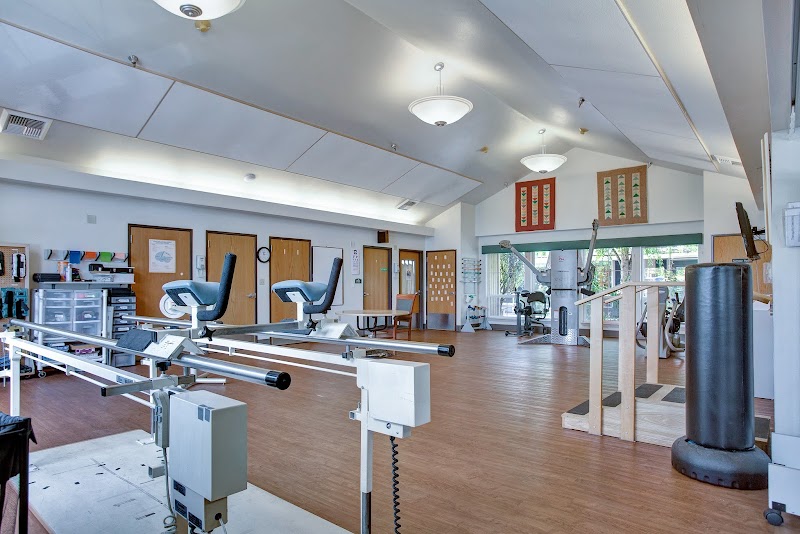
How is Porthaven Post Acute Staffed?

CMS rates PORTHAVEN POST ACUTE's staffing level at 4 out of 5 stars, which is above average compared to other nursing homes. Staff turnover is 53%, compared to the Oregon average of 46%.

What Have Inspectors Found at Porthaven Post Acute?

State health inspectors documented 46 deficiencies at PORTHAVEN POST ACUTE during 2022 to 2025. These included: 1 Immediate Jeopardy (the most serious level, indicating potential for serious harm or death), 2 that caused actual resident harm, and 43 with potential for harm. Immediate Jeopardy findings are rare and represent the most serious regulatory concerns. They require immediate corrective action.
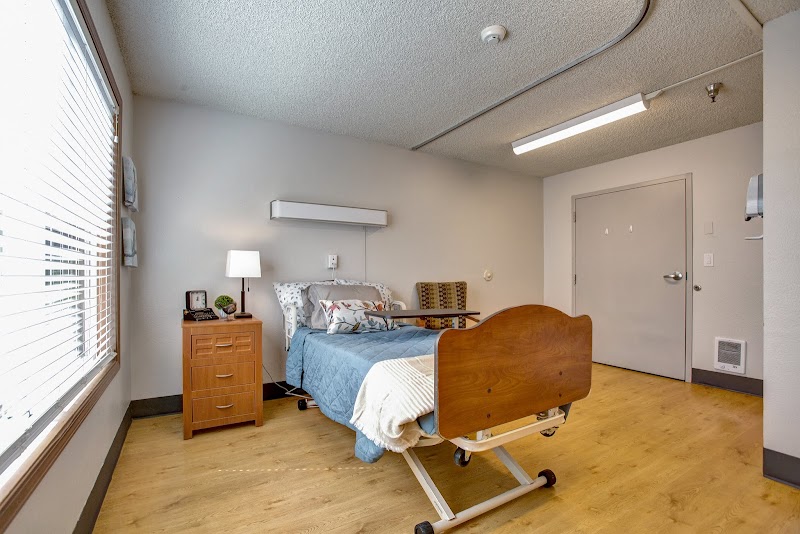
Who Owns and Operates Porthaven Post Acute?

PORTHAVEN POST ACUTE is owned by a for-profit company. For-profit facilities operate as businesses with obligations to shareholders or private owners. The facility is operated by PACS GROUP, a chain that manages multiple nursing homes. With 99 certified beds and approximately 81 residents (about 82% occupancy), it is a smaller facility located in PORTLAND, Oregon.
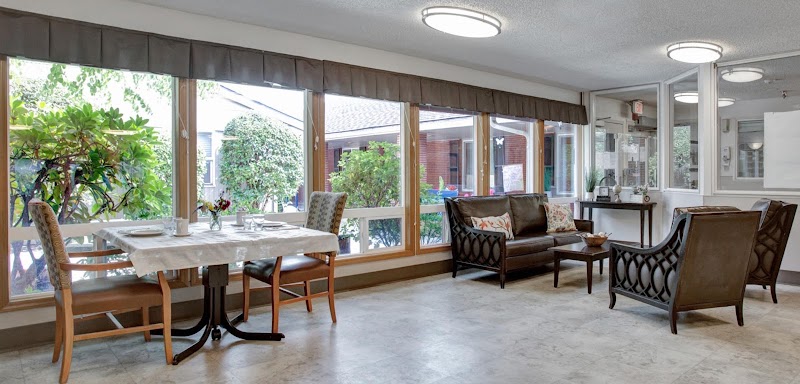
How Does Porthaven Post Acute Compare to Other Oregon Nursing Homes?

Compared to the 100 nursing homes in Oregon, PORTHAVEN POST ACUTE's overall rating (2 stars) is below the state average of 3.0, staff turnover (53%) is near the state average of 46%, and health inspection rating (2 stars) is below the national benchmark.

What Should Families Ask When Visiting Porthaven Post Acute?

Based on this facility's data, families visiting should ask: "What changes have been made since the serious inspection findings, and how are you preventing similar issues?" "What safeguards and monitoring systems are in place to protect residents from abuse or neglect?" "Can I visit during a mealtime to observe dining assistance and food quality?" "How do you handle medical emergencies, and what is your hospital transfer rate?" These questions are particularly relevant given the facility's Immediate Jeopardy citations and the substantiated abuse finding on record.

Is Porthaven Post Acute Safe?

Based on CMS inspection data, PORTHAVEN POST ACUTE has documented safety concerns. The facility has 1 substantiated abuse finding (meaning confirmed case of resident harm by staff or other residents). Inspectors have issued 1 Immediate Jeopardy citation (the most serious violation level indicating risk of serious injury or death). The facility has a 2-star overall rating and ranks #100 of 100 nursing homes in Oregon. Families considering this facility should ask detailed questions about what corrective actions have been taken since these incidents.

Do Nurses at Porthaven Post Acute Stick Around?

PORTHAVEN POST ACUTE has a staff turnover rate of 53%, which is 7 percentage points above the Oregon average of 46%. Moderate turnover is common in nursing homes, but families should still ask about staff tenure and how the facility maintains care continuity when employees leave.

Was Porthaven Post Acute Ever Fined?

PORTHAVEN POST ACUTE has been fined $43,788 across 3 penalty actions. The Oregon average is $33,517. While any fine indicates a compliance issue, fines under $50,000 are relatively common and typically reflect isolated problems that were subsequently corrected. Families should ask what specific issues led to these fines and confirm they've been resolved.

Is Porthaven Post Acute on Any Federal Watch List?

PORTHAVEN POST ACUTE is not on any federal watch list. The most significant is the Special Focus Facility (SFF) program, which identifies the bottom 1% of nursing homes nationally based on persistent, serious quality problems. Not being on this list means the facility has avoided the pattern of deficiencies that triggers enhanced federal oversight. This is a positive indicator, though families should still review the facility's inspection history directly.