PORTLAND HEALTH & REHABILITATION CENTER
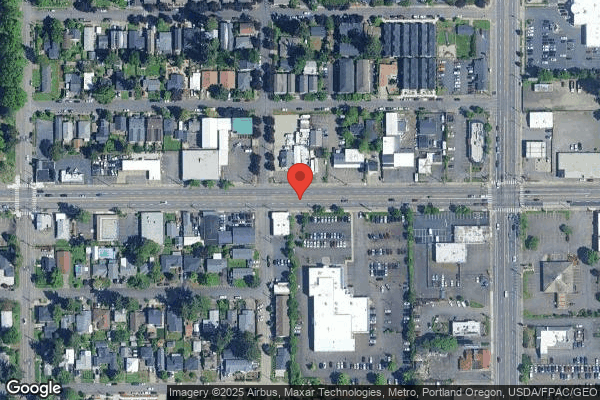

12441 SE STARK STREET, PORTLAND, OR 97233 (503) 255-7040
For profit - Corporation 105 Beds EMPRES OPERATED BY EVERGREEN Data: November 2025
Trust Grade
38/100
#96 of 127 in OR
Last Inspection: October 2024

Within standard 12-15 month inspection cycle. Federal law requires annual inspections.

Overview

Portland Health & Rehabilitation Center has a Trust Grade of F, indicating significant concerns and a poor overall reputation. They rank #96 out of 127 facilities in Oregon, placing them in the bottom half, and #26 out of 33 in Multnomah County, meaning there are only a few local options that are worse. However, the facility is showing improvement, with issues decreasing from 19 in 2024 to just 2 in 2025. Staffing is a strength, earning a 4 out of 5 stars, with turnover at a standard 50%, but the facility has faced serious issues, including failing to assess residents' changing conditions in a timely manner, resulting in untreated pain and hospital visits. Additionally, there were incidents of inadequate RN coverage for several hours, which raises concerns about the quality of care provided.

Trust Score
F
38/100
In Oregon
#96/127
Bottom 25%
Safety Record
Moderate
Needs review
Inspections
Getting Better
19 → 2 violations
Staff Stability
⚠ Watch
50% turnover. Above average. Higher turnover means staff may not know residents' routines.
Penalties
○ Average
$24,827 in fines. Higher than 63% of Oregon facilities. Some compliance issues.
Skilled Nurses
✓ Good
Each resident gets 50 minutes of Registered Nurse (RN) attention daily — more than average for Oregon. RNs are trained to catch health problems early.
Violations
⚠ Watch
40 deficiencies on record. Higher than average. Multiple issues found across inspections.
★★☆☆☆
2.0
Overall Rating
★★★★☆
4.0
Staff Levels
★★★☆☆
3.0
Care Quality
★★☆☆☆
2.0
Inspection Score
Stable
2024: 19 issues
2025: 2 issues

The Good

  • 4-Star Staffing Rating · Above-average nurse staffing levels
  • Full Sprinkler Coverage · Fire safety systems throughout facility
  • No fines on record

Facility shows strength in staffing levels, fire safety.

The Bad

2-Star Overall Rating

Below Oregon average (3.0)

Below average - review inspection findings carefully

Staff Turnover: 50%

Near Oregon avg (46%)

Higher turnover may affect care consistency

Federal Fines: $24,827

Below median ($33,413)

Minor penalties assessed

Chain: EMPRES OPERATED BY EVERGREEN

Part of a multi-facility chain

Ask about local staffing decisions and management

The Ugly 40 deficiencies on record

2 actual harm
Jul 2025 2 deficiencies
CONCERN (D) 📢 Someone Reported This

A family member, employee, or ombudsman was alarmed enough to file a formal complaint

Potential for Harm - no one hurt, but risky conditions existed

Accident Prevention (Tag F0689)

Could have caused harm · This affected 1 resident

Based on interview and record review, it was determined that the facility failed to implement care plan interventions for aspiration precautions for 1 of 3 sampled residents (#6) reviewed for respirat...

Read full inspector narrative →
Based on interview and record review, it was determined that the facility failed to implement care plan interventions for aspiration precautions for 1 of 3 sampled residents (#6) reviewed for respiratory services and aspiration precautions. This placed residents at risk for a lack of nutritional assistance and aspiration. Findings include: Resident 6 was admitted to the facility in 7/2025, with diagnoses including chronic respiratory failure and congestive heart failure.Resident 6's care plan dated 7/4/25 revealed she/he was on aspiration precautions and required one-to-one supervision for all meals.On 7/10/25 at 1:10 PM, Resident 6 was overheard calling out for staff in her/his room. Upon entering the resident's room, a meal tray with partially eaten food was observed on the resident's bedside table. No staff were observed present in the room with Resident 6. After the state surveyor exited the resident's room, Staff 6 (Speech Therapist) was observed to enter the resident's room and assist the resident to her/his care conference.On 7/10/25 at 1:40 PM, Staff 6 stated she was Resident 6's speech therapist. She confirmed the resident was supposed to be a one-to-one supervision while eating and stated she observed the meal tray in Resident 6's room with no staff present.On 7/10/25 at 1:48 PM, Staff 9 (CNA) stated he was Resident 6's assigned CNA. He was unaware of the resident's care plan interventions for supervised eating and stated he had not worked with the resident before that shift.On 7/11/25 at 11:18 AM, Staff 4 (RCM) confirmed Resident 6 was on aspiration precautions and required one-to-one supervision for all meals.
CONCERN (E) 📢 Someone Reported This

A family member, employee, or ombudsman was alarmed enough to file a formal complaint

Potential for Harm - no one hurt, but risky conditions existed

Quality of Care (Tag F0684)

Could have caused harm · This affected multiple residents

**NOTE- TERMS IN BRACKETS HAVE BEEN EDITED TO PROTECT CONFIDENTIALITY** Based on observation, interview, and record review, it was determined that the facility failed to provide care in accordance wit...

Read full inspector narrative →
**NOTE- TERMS IN BRACKETS HAVE BEEN EDITED TO PROTECT CONFIDENTIALITY** Based on observation, interview, and record review, it was determined that the facility failed to provide care in accordance with professional standards and failed to ensure care needs were met for 3 of 3 sampled residents (#s 1, 3 and 5) reviewed for call lights. This placed residents at risk for unmet care needs. Findings include: 1. Resident 5 was admitted to the facility in 2/2024 for diagnoses including congestive heart failure and surgical aftercare.Resident 5's care plan dated 2/26/24 indicated she/he needed moderate assistance with ADLs such as dressing, bathing, toileting hygiene and transfers.On 3/6/24 the State Survey Agency (SSA) received a complaint which stated Resident 5 had waited over 45 minutes the morning of 3/6/24 for help with personal care.On 7/9/25 at 11:21 AM Witness 1 (Complainant) stated when Resident 5 was at the facility, she/he would activate the call light and CNA staff would come in, turn off the call light and ask what she/he needed. Resident 5 made her/his specific request and was told the staff would get the nurse but nobody came. She/he would use the call light again, staff would come back, ask what she/he needed, would leave and the resident would wait even longer, up to one and a half hours.2. Resident 3 was admitted to the facility in 9/2024 with diagnoses including acute transverse myelitis (inflammation of the spinal cord, which causes nerve damage) and diabetes mellitus.Resident 3's care plan revealed she/he needed moderate assistance with ADLs such as dressing, bathing, and toileting hygiene.On 10/25/24, the SSA received a complaint which stated Resident 3's call light was not answered for over 20 minutes on 10/25/24, and CNA staff were never to be found when residents needed assistance.On 7/10/25 at 2:03 PM, Resident 3 stated call light response times varied anywhere from 15 minutes to over an hour and occurred on all shifts. Resident 3 recalled an incident last fall on NOC shift where a cognitively impaired resident came into her/his room and started going through her/his things. She/he stated nobody responded to the call light, so she/he had to start screaming to get a staff into her/his room. She/he stated long call light times had been an issue since she/he was admitted to the facility.3. Resident 1 was admitted to the facility in 3/2025 with diagnoses including hypertension and atrial fibrillation.Resident 1's care plan revealed she/he needed substantial assistance with ADLs such as dressing, bathing, toileting, hygiene and transfers.On 3/11/25, the SSA received a complaint which stated Resident 1's call light was not answered timely, and she/he had to wait over half an hour for assistance.On 7/10/25 at 9:00 AM, Witness 4 (Complainant) stated she was the resident's authorized representative. She stated Resident 1 frequently called her upset because she/he had activated the call light, needed help with incontinence care, and staff would turn her/his call light off and leave the room without assisting the resident. Witness 4 stated she spoke to the DNS about the issue and was told they would work on it.Resident 1's Nursing Note dated 3/12/25 at 2:48 PM noted Staff 2 (DNS) talked to the resident and the resident mentioned long call light response time, especially when she/he wanted to use the bathroom, and that she/he has not been cleared yet to ambulate to the bathroom by herself/himself. Call light response time was addressed with the staff.Review of Resident Council notes from 11/2024 to 5/2025 indicated the following call light concerns: -11/19/24: Call lights taking hours, frequently saying they will return and do not. Seeing staff on phones and not working.-12/18/24: NOC shift call lights.-1/22/25: NOC shift call lights. (Resident name) ostomy bag breaking, waiting 4+ hours on it being changed. Response to call lights are very long. CNAs on phones. CNA's passing off things to next shift and not addressing.-2/19/25: NOC shift nurses/CNAs not answering call lights. Aides on phone, not being responsive. Call light audits to be done.-3/20/25: Call light times.night staff absent. Showers/bed baths not being done.-4/16/25: Call light times NEED TO BE ADDRESSED. ‘I'll be right back' is trending.-5/21/25: Call light times still an issue.Interviews with residents revealed the following concerns:On 7/9/25 at 12:43 PM, Resident in room [ROOM NUMBER] stated she/he activated the call light over an hour ago, wanted something to eat, and had not had breakfast or lunch.On 7/10/24 at 12:24 PM, Resident in room [ROOM NUMBER] stated call lights were an ongoing issue. She/he verified the ostomy bag statement from the 1/2025 Resident Council meeting and stated it sometimes took hours for staff to respond to call lights, and it occurred on all shifts. The resident stated she/he had waited two hours for a response time in the past six weeks and stated staff know my situation (bed bound and has an ostomy bag); they should at least come down and tell me they're working on it. It has not improved at all. I shouldn't have to lie in poop for two hours.On 7/11/25 at 10:45 AM, the Resident Council President stated call light times had gotten worse, but had always been an issue at the facility.On 7/11/25 at 12:52 PM, Resident in room [ROOM NUMBER] stated call light times were over an hour. The resident stated she/he spilled a water bottle and got water all over the floor early this morning. She/he told staff about it, and they still haven't cleaned or mopped the floor. A pillow was observed on the floor with water stains on the pillow. The resident stated, I put that down there to soak up the water, and it's still there. On 7/10/25 at 1:33 PM, Staff 10 (CNA) stated it was an expectation that call lights be answered immediately.On 7/10/25 at 3:49 PM, Staff 11 (CNA) stated she was able to answer call lights timely, but if staff were giving residents showers or cares it could take longer. On 7/10/25 at 4:10 PM, Staff 12 (LPN) stated call light response times depended on whether other residents were receiving showers or other care. He also stated that response times took longer during meal tray pass. On 7/11/25 at 11:30 AM, Staff 2 (DNS) was informed of the findings of long call light wait times and provided no additional information.
Oct 2024 15 deficiencies 2 Harm
SERIOUS (G) 📢 Someone Reported This

A family member, employee, or ombudsman was alarmed enough to file a formal complaint

Actual Harm - a resident was hurt due to facility failures

Quality of Care (Tag F0684)

A resident was harmed · This affected 1 resident

Based on observation, interview and record review it was determined the facility failed to ensure residents' change of condition was assessed timely for 2 of 2 residents (#s 8 and 22) reviewed for ski...

Read full inspector narrative →
Based on observation, interview and record review it was determined the facility failed to ensure residents' change of condition was assessed timely for 2 of 2 residents (#s 8 and 22) reviewed for skin conditions. This failure resulted in Resident 8 experiencing untreated and significant pain, sustaining multiple fractures and receiving treatment at the hospital. Findings include: 1. Resident 8 was readmitted to the facility in 10/2018 with diagnoses including hemiplegia (a severe or complete loss of strength or paralysis on one side of the body) and hemiparesis (a mild or partial loss of strength on one side of the body) following a stroke. a. Resident 8's 1/7/24 Quarterly MDS Assessment revealed the resident was usually able to make her/himself understood and understand others, experienced upper and lower extremity impairment on one side of her/his body and required substantial-to-maximal assistance with transfers. A review of Resident 8's clinical record revealed the following: -On 2/25/24 at 6:59 AM a Progress Note written by Staff 34 (Former LPN) indicated the resident experienced increased pain to her/his right knee, the knee was painful to the touch and the resident refused to move it. Staff 34 contacted the resident's provider to request an order for PRN Tylenol (pain reliever used to treat minor aches and pains). The note indicated Staff 34 would pass this information on to the day shift nurse to follow up. -On 2/25/24 at 11:16 AM a Progress Note indicated an X-ray was to be completed stat due to symptoms and per the provider's verbal orders. -On 2/25/24 at 11:20 AM the resident received her/his first dose of PRN Tylenol for ankle pain rated as a four out of 10. -On 2/25/24 at 2:21 PM X-ray results were reported to the resident's provider which indicated the resident had fractures involving the distal fibula (the lower end of the fibula bone in the leg) and the medial malleolus (the bony prominence on the inner side of the ankle). -On 2/26/24 at 1:21 AM a Progress Note written by Staff 34 stated the resident possibly hit her/his right ankle and the facility was waiting for the provider to review the X-ray results. -On 2/26/24 at 3:09 PM a Progress Note written by Staff 35 (LPN) indicated a call was placed to the resident's provider as Staff 35 was concerned about the resident's right ankle and leg pain and noted the resident was unable to move her/his right leg. Non-emergency transportation was called as the resident agreed to go to the emergency department for evaluation. -On 2/26/24 at 3:20 PM the resident received PRN Tylenol for ankle pain rated as a nine out of 10. -On 2/26/24 at 3:42 PM a Progress Note indicated the resident was transported to the hospital. 2/26/24 to 2/27/24 Emergency Department Provider Notes indicated the resident experienced significant pain in the right ankle and her/his ankle required splinting (a medical procedure that involves immobilizing the ankle joint with a rigid device to treat injuries or other conditions) in the emergency department. A 3/1/24 Injury of Unknown Origin Investigation of Resident 8's distal fibula and medial melleolus fractures revealed the following: -On 2/25/24 the resident complained her/his right ankle hurt. -An unidentified nurse assessed the resident's ankle on 2/25/24 and noted it to be swollen and tender to the touch. -The resident confirmed her/his ankle was injured and indicated the injury occurred in the last couple days. -Immediate actions included: an X-ray was completed, the resident's provider was notified of the X-ray results, the resident was placed on alert charting and the facility waited for further orders from the provider. The investigation did not indicate any times for these action items. -The resident declined to go to the hospital at this time. The investigation did not indicate what time the resident was offered to go to the hospital, if the resident was informed she/he had fractured multiple bones or if the resident was re-offered the opportunity to go to the hospital. No evidence was found in Resident 8's clinical record to indicate any pain relief alternatives were offered or provided to the resident following the resident's first documented report of pain on 2/25/24 at 6:59 AM until she/he received Tylenol at 11:20 AM on 2/25/24 or any action was taken by the facility between 2/25/24 at 2:21 PM through 2/26/24 at 3:09 PM following the receipt of the X-ray that confirmed the resident experienced multiple fractures. On 10/23/24 at 2:53 PM Resident 8 was observed in her/his room in her/his wheelchair. Resident 8 was able to answer yes or no questions and confirmed she/he broke her/his ankle during a transfer from her/his wheelchair to bed when she/he was assisted by an unidentified staff person in 2/2024. Resident 8 further confirmed she/he experienced a great deal of pain during this time period, indicated she/he reported her/his pain to multiple staff and it took a long time until any one at the facility realized she/he was hurt. On 10/28/24 at 3:31 PM Staff 37 (CNA) stated she assisted Resident 8 with restorative exercises on Friday, 2/23/24, and at this time, the resident was great. Staff 37 stated she worked as a CNA on Saturday, 2/24/24, and recalled Resident 8 did not get out of bed for either breakfast or lunch on this day, which was unusual for the resident as she/he was usually always up and in her/his wheelchair by 5:00 AM. Staff 37 stated she asked Staff 5 (CNA), the resident's assigned day shift CNA on 2/24/24, about Resident 8 and was told the resident did not feel well. On 10/28/24 at 3:51 PM Staff 5 stated she recalled Resident 8 was totally fine on 2/23/24. Staff 5 stated she was the resident's assigned day shift CNA on 2/24/24, and when she started her shift, the resident complained her/his foot hurt and she/he would not let me do anything with [her/his] leg. Staff 5 stated the resident would yell no, no, no any time she tried to touch her/his leg know and she let the nurse know immediately. Staff 5 stated Resident 8 was normally a a very active resident and on 2/24/24 she/he refused to be touched or do anything. Staff 5 stated she reported this change of condition to multiple nurses on 2/24/24 many, many times. On 10/29/24 at 10:08 AM Staff 35 (LPN) stated she worked evening shift on 2/25/24. Staff 35 stated she asked CNAs how long Resident 8 had been in pain and nobody gave me answers. Staff 35 stated she had worked with Resident 8 for years and knew she/he was not her/himself and she/he just seemed like she/he was in pain. Staff 35 stated she was not told much about what happened and she did not know when Resident 8's injury occurred. Staff 35 stated she recalled asking the resident if she/he wanted to go to the emergency room to which she/he was agreeable. On 10/29/24 at 11:00 AM Staff 1 (Administrator) and Staff 2 (DNS) acknowledged the findings and confirmed Resident 8's change of condition was not addressed timely. b. Resident 8's 8/11/23 Care Plan revealed the following: -Staff were to ask the resident yes or no questions in order to determine her/his needs. -The resident required extensive assistance from one staff with dressing and personal hygiene and extensive assistance from one-to-two staff with showers. -CNAs were to monitor for changes in skin integrity during dressing, personal care and showers and alert the licensed nurse immediately of any changes. An 8/14/23 Progress Note revealed the following: -Staff 36 (CNA) reported to the nurse Resident 8's right fifth toe was black. -The nurse assessed Resident 8's fifth toe and noted the black area covered the entire bottom of her/his toe and the wound measured approximately 1.5 cm long and 1 cm wide. -Staff 36 observed a red blister on Resident 8's fifth toe last week and didn't tell anyone then. -Staff 36 was educated on the importance of reporting abnormal skin impairments right away. An 8/14/23 Incident and Investigation determined the facility failed to ensure identification of a skin issue and provide needed care and services in a timely manner. On 10/23/24 at 2:50 PM Resident 8 was observed in her/his room and sat in her/his wheelchair. The resident was able to indicate through yes or no questions her/his toe was black months ago but was unable to provide any additional details about this skin impairment. On 10/28/24 at 7:43 AM Staff 36 stated she recalled she assisted Resident 8 with range of motion in 2/2024 when she noticed the resident's right fifth toe was a different color. Staff 36 stated the toe really looked different and was black the second time she observed it a few days later. Staff 36 stated she thought she informed a nurse of the resident's toe discoloration after her initial observation but could not recall for sure but stated she did report it to Staff 18 (Former DNS) after her second observation. On 10/29/24 at 11:00 AM Staff 1 (Administrator) and Staff 2 (DNS) acknowledged the findings and did not provide any additional information. 2. Resident 22 was admitted to the facility in 11/2022 with diagnoses including stroke. Resident 22's 9/2024 and 10/2024 Physician's Orders revealed the following: -All wounds must be evaluated by the physician or NP at first opportunity. -The resident was to receive a weekly skin evaluation and each skin impairment was to be evaluated. Resident 22's 9/24/24 Weekly Skin Evaluation identified the resident to have self-inflicted scratches and dry scabs all over her/his bilateral upper extremities. The evaluation did not indicate if the resident's physician or NP was notified of the wounds or if a treatment was to be implemented. Resident 22's Weekly Skin Evaluations from 9/30/24 through 10/22/24 made no mention of the resident's bilateral upper extremity wounds, including any measurements, number of wounds or whether or not they had improved, worsened or stayed the same. Resident 22's 10/3/24 Potential/Actual Impairment to Skin Integrity Care Plan indicated weekly treatment documentation of skin breakdown was to include the width, length and depth of the skin impairment as well as any other notable changes or observations. Resident 22's 10/10/24 Annual MDS Assessment revealed the resident was able to make her/himself understood and understood others without difficulty and received application of nonsurgical dressings and ointments/medications other than to her/his feet. The CAAs revealed the resident recently had open skin on her/his left shin area which was partially due to her/his scratching, a wound culture was completed that indicated the wound was positive for Methicillin-resistant Staphylococcus aureus (MRSA, a type of bacteria that is resistant to certain antibiotics and an infection that can be serious and difficult to treat, especially if left untreated), the resident was treated with antibiotics and she/he refused several doses. On 10/23/24 at 11:33 AM Resident 22 was observed in her/his room in bed. The resident's arms were observed to have numerous scattered scabs, some of which were opened and revealed streaks of blood. Resident 22 stated she/he was recently treated with antibiotics for a staph infection related to the wounds on her/his legs. Resident 22 stated the scabs on her/his arms had been there for weeks, the scabbing on her/his arms looked like the wounds on her/his legs, her/his arms itched regularly and the facility was not doing anything to treat the scabs on her/his arms. On 10/24/24 at 12:28 PM Witness 8 (Family Member) stated he discussed Resident 22's leg and arm wounds with Staff 4 (LPN Resident Care Manager) in 9/2024 but thought only the leg wounds were addressed. Witness 8 wondered if the continued itching and scabbing of the resident's arms was a result of an allergic reaction but never got a resolution. On 10/25/24 at 10:11 AM Staff 5 (CNA) stated the scabs on Resident 22's arms had been there for at least a month and the resident complained about and scratched them. Staff 5 stated she reported these scabs to the nurse and was not sure if anything was done. On 10/25/24 at 10:34 AM Staff 23 (CNA) stated she noticed the resident's arms were scratched up really bad about a week or two ago and stated she reported this to the nurse. On 10/25/24 at 11:07 AM Staff 31 (LPN) observed Resident 22's arms and confirmed the resident had scattered scabbing throughout her/his bilateral upper extremities. Staff 31 stated the resident did not have these scabs the last time she worked with the resident last month and the scabbing had not been reported to her. Staff 31 stated a resident's physician or NP was to be notified in the case of any new skin issue in order to obtain a treatment. Staff 31 reviewed the resident's electronic record and stated it did not look like the doctor had been notified of the resident's arm wounds. On 10/25/24 at 2:52 PM Staff 4 observed Resident 22's arms. Staff 4 stated she was not aware of the resident's arm wounds and neither was the resident's physician. On 10/25/24 at 3:28 PM Staff 33 (NP) stated she was not aware of any new skin issues for Resident 22, including any wounds or scabs on her/his arms. On 10/25/24 at 3:42 PM Staff 2 (DNS) confirmed the wounds on Resident 22's arms had not been reported to the resident's physician or NP and were not being monitored or treated and should have been.
SERIOUS (G) 📢 Someone Reported This

A family member, employee, or ombudsman was alarmed enough to file a formal complaint

Actual Harm - a resident was hurt due to facility failures

Accident Prevention (Tag F0689)

A resident was harmed · This affected 1 resident

3. Resident 48 was admitted to the facility in 5/2024 with diagnoses including traumatic subdural hemorrhage (condition that occurs when blood pools between the skull and the brain after a head injury...

Read full inspector narrative →
3. Resident 48 was admitted to the facility in 5/2024 with diagnoses including traumatic subdural hemorrhage (condition that occurs when blood pools between the skull and the brain after a head injury). Resident 48's 9/24/24 Significant Change in Status MDS Assessment revealed the resident was cognitively intact and had not experienced any falls since her/his prior assessment. Resident 48's 10/18/24 Fall Investigation revealed the resident experienced a non-injury fall out of bed on 10/18/24. The investigation concluded a perimeter mattress (a mattress with raised edges used to help prevent residents from rolling out of bed) to define bed perimeter would be implemented to reduce the risk of the resident rolling out of bed. Resident 48's 10/21/24 At Risk for Falls Care Plan indicated the following: -The resident was considered a high risk to fall related to a history of falls. -The resident's bed was to be kept at an appropriate height. -A perimeter mattress was to be placed on the resident's bed when it became available. Random observations of Resident 48 from 10/23/24 at 12:35 PM through 10/25/24 at 9:26 AM revealed the resident to be in her/his room in bed. The resident laid on a regular mattress and her/his bed was at approximately waist height and no fall mats were observed on the ground. The resident was unable to answer any questions about her/his care. On 10/25/24 at 10:05 AM Staff 5 (CNA) stated she was unsure if Resident 48 was considered at risk to fall or if the resident had experienced any recent falls. On 10/25/24 at 10:34 AM Staff 23 (CNA) stated she thought Resident 48 was considered at risk to fall but was not aware of any recent falls or interventions. On 10/28/24 at 11:48 AM Staff 4 (LPN Care Manger) stated Resident 48 fell out of bed on 10/18/24, following which she ordered a perimeter mattress for the resident's bed to help with safety. Staff 4 stated staff were supposed to use wedges to help keep the resident safe until the perimeter mattress arrived at the facility but she did not care plan the use of wedges. On 10/28/24 at 12:14 PM Staff 2 (DNS) stated the facility's interdisciplinary team determined a perimeter mattress was the best intervention to implement following the resident's fall on 10/18/24. Staff 2 stated the resident's bed was to be kept in a low position when occupied with a fall mat in place until the perimeter mattress was put in place. Staff 2 confirmed these temporary safety interventions should have been care planned and were not. 2. Resident 40 was readmitted to the facility in 5/2024 with diabetes, pneumonia and metabolic encephalopathy (brain dysfunction caused by an underlying illness or organs not working well). From 5/30/24 through 10/16/24, 10 fall risk assessments were completed. Resident 40 was identified to be at high risk for falling on all assessments. Resident 40's 5/30/24 Fall Care Plan, with revisions on 6/10/24, 9/17/24, 9/30/24, 10/14/24, 10/22/24 and 10/23/24, indicated the resident was a high fall risk due to gait/balance problems and impaired cognition. The following fall precautions were in place: -Anticipate and meet the resident's needs. Initiated 5/30/24. -Be sure the resident's call light was within reach and encourage the resident to use it for assistance. Initiated 5/30/24. Revised 9/30/24. -Ensure the resident was wearing appropriate footwear such as rubber soled shoes or non-skid socks when ambulating or mobilizing in her/his wheelchair. Initiated 5/30/24. Revised 6/10/24. -Follow facility fall protocol. Initiated 5/30/24. -PT evaluation and treatment as ordered or PRN. Initiated 5/30/24. -Review information on past falls and attempt to determine cause of falls. Record possible root causes. Alter or remove any potential causes, if possible. Provide education to the resident/family/caregivers/IDT (interdisciplinary team) as to causes. Initiated 5/30/24. -The resident needed a safe environment with even floors free from spills and/or clutter, adequate glare free light, a working and reachable call light and personal items within reach. Initiated 5/30/24. Revised 6/10/24. -For no apparent acute injury, determine and address causative factors of the fall. Initiated 9/17/24. -Provide one-to-one activities that promote exercise and strength building where possible. Provide one-to-one activities if bed bound. Initiated 9/17/24. -PT consultation for strength and mobility. Initiated 9/17/24. -The resident had frequent falls due to self-transferring. Initiated 9/30/24. -Place a full sized mattress on the floor by Resident 40's bed when she/he was in bed. The bed was to be in the lowest position. Initiated 10/14/24. Revised 10/23/24. -Keep Resident 40's wheelchair out of her/his view. Initiated 10/14/24. -Enhanced activities for fall prevention. Initiated 10/22/24. Resident 40's 8/4/24 Significant Change MDS indicated Resident 40 had moderately impaired cognition and the resident required substantial to maximal assistance for bed mobility and standing. Resident 40's 10/10/24 Discharge with Return Anticipated MDS indicated Resident 40 had short term memory deficits, severe impairment making decisions regarding tasks of daily life and required substantial to maximal assistance for bed mobility and partial to moderate assistance for standing. From 7/12/24 through 10/16/24, Resident 40 sustained 12 non-injury falls in the facility. Fall investigations revealed the following: -7/12/24 at 4:50 AM: Resident 40's fall investigation revealed Resident 40 was found kneeling on the floor in front of her/his bed. The report indicated Resident 40 tried to pick something up off the floor. According to the report, at the time of the fall, the resident required one person assistance for standing, had a fall mat, high/low bed and the bed was against the wall. The resident was reminded that staff needed to pick up items if she/he dropped them. No new fall care plan interventions were put into place. -9/17/24 at 4:00 AM: Resident 40's fall investigation revealed Resident 40 was found on the floor in her/his room, next to her/his bed. The resident's bed was in the lowest position, she/he had on non-skid socks and the call light was by the resident but not activated. The resident was educated regarding the importance of using the call light. -9/26/24 at 7:00 AM: Resident 40's fall investigation revealed the resident was found sitting on the floor in her/his room leaning on the right side of her/his bed. Resident 40 was alert with confusion and exhibited impulsivity with poor safety judgement. No new fall care plan interventions were put into place. -9/26/24 at 9:55 PM: Resident 40's fall investigation revealed the resident was found on the floor in her/his room on the right side of her/his bed. The resident was wearing non-skid socks. No new fall care plan interventions were put into place. -9/29/24 at 12:40 PM: Resident 40's fall investigation revealed the resident was found on her/his floor. The resident's bed was in the lowest position and the resident was wearing non-skid socks. Resident 40 tried to transfer herself/himself to the wheelchair. Resident 40's call light was within reach and the area was free from clutter. The resident was very confused. No new fall care plan interventions were put into place. -10/5/24 at 7:35 AM: Resident 40's fall investigation revealed the resident was found down on her/his room floor. The resident was wearing non-skid socks and the lights were on in her/his room. The resident had impaired memory, gait and balance. Resident 40 had a history of self-transferring. No new fall care plan interventions were put into place. -10/7/24 at 8:30 PM. Resident 40's fall investigation revealed the resident was found on the floor in her/his room very close to the bed. The resident's bed was in the lowest position and she/her wore non-skid socks. The resident had impaired memory and a history of self-transferring. No new fall care plan interventions were put into place. -10/10/24 at 7:00 AM: Resident 40's fall investigation revealed the resident was found on the floor in her/his room leaning against the bed. The resident had on non-skid socks and the lights were on in her/his room. The call light was within reach and the area was free of clutter. Resident 40 had a history of self-transferring and impaired gait/balance. No new fall care plan interventions were put into place. -10/14/24 at 11:00 AM: Resident 40's fall investigation revealed the resident was found on the floor in her/his room by the bed after attempting to self-transfer. Resident had on non-skid socks and the floor was dry. A new intervention was identified to have Resident 40's wheelchair put away and out-of-sight to prevent the resident from self-transferring. -10/14/24 at 2:48 PM: Resident 40's fall investigation revealed the resident was found on the floor in her/his room. The resident wore non-skid socks, the fall mat was in place, the resident's bed was in the lowest position and the call light was within reach and not activated. Resident 40 indicated via pointing that she/he was attempting to reach her/his wheelchair. A new intervention was care planned to have a full sized mattress next to Resident 40's bed while she/he was in bed. Resident 40's care plan was not followed as her/his wheelchair was supposed to be put away and out-of-sight to prevent the resident from self-transferring. -10/14/24 at 11:26 PM: Resident 40's fall investigation revealed the resident was found sitting on the floor mat by her/his bed. The resident had on non-skid socks, the room was free of clutter and Resident 40's call light was within reach. A new intervention was care planned for Activities to develop a structured activities plan for the resident. -10/16/24 at 12:05 PM: Resident 40's fall investigation revealed the resident was found on the floor in her/his room, attempting to get to her/his wheelchair which was located on the other side of the room. The resident had multiple falls due to attempts to self-transfer in her/his room. Resident 40's care plan was not followed as her/his wheelchair was supposed to be put away and out-of-sight to prevent the resident from self-transferring. No new fall care plan interventions were put into place. Random observations from 10/23/24 through 10/29/24 between the hours of 7:30 AM and 3:30 PM revealed the following concerns: -Resident 40 was in her/his wheelchair in her/his room being interviewed by the State surveyor and attempted to get up from the wheelchair without assistance. -Resident 40 was observed multiple times resting in her/his bed, at times appearing to be asleep and other times awake, with the curtains drawn which resulted in staff being unable to visualize the resident from the hallway. -On two separate observations, Resident 40 was observed in her/his bed with her/his wheelchair parked next to the end of the bed, visible to the resident. -Resident 40 was not observed engaged in one-to-one or group activities during any observations. On 10/25/24 at 9:30 AM Staff 22 (CNA) stated Resident 40 fell a lot so he tried to keep the resident up. He stated if the resident was in bed then he put the full sized mattress next to the bed. Staff 22 stated he did not see Resident 22 engaged in group or one-to-one activities. On 10/25/24 at 9:41 AM and 10:44 AM Staff 5 (CNA) reported Resident 40 liked to have meals in the dining room and then get back into bed. Staff 5 stated Resident 40 had many falls and her/his fall precautions included having a full sized mattress at the resident's bedside and ensuring the resident's bed was in the lowest position. At 10:44 AM, Staff 5 entered Resident 40's room and the resident was sitting on the edge of the bed with her/his wheelchair parked at the end of the bed, in full view. Staff 5 acknowledged that Resident 40's wheelchair was supposed to be put away, out-of-sight. On 10/25/24 at 10:13 AM Staff 23 (CNA) stated Resident 40's falls always occurred in her/his room. Staff 23 stated she had not seen any one-to-one activities occurring with Resident 40 and thought the resident liked activities such as playing volleyball and painting. Staff 23 stated the resident was supposed to have a fall mat at the bedside and the wheelchair should be out-of-sight but sometimes co-workers aren't doing things right which resulted in Resident 40 falling. Staff 23 stated Resident 40 did not use the call light to summon assistance. On 10/28/24 at 8:05 AM Staff 25 (RN) stated Resident 40 was at risk for falling and had many falls because the resident attempted to get to her/his wheelchair and fell. Staff 25 stated Resident 40's wheelchair was supposed to be put away and out-of sight. Staff 25 entered Resident 40's room and confirmed the resident's wheelchair was parked at the end of the resident's bed, in full view, and the wheelchair was not supposed to be in her/his sight. On 10/28/24 at 9:31 AM Staff 14 (Activities Director) stated Resident 40 rarely went to group activities and doing one-to-one activities with the resident was not a frequent thing. On 10/28/24 at 10:40 AM Staff 4 (LPN Care Manager) stated Resident 40 was a frequent faller and will try to stand-up and go right down. Staff 4 stated Resident 40 was supposed to be engaged in group or one-to-one activities and have her/his wheelchair out-of-sight. Staff 4 stated Resident 40 did not use her/his call light. Staff 4 reviewed Resident 40's falls and acknowledged staff did not consistently follow the resident's care plan including providing group and one-to-one activities and ensuring the resident's wheelchair was out-of-sight when she/he was in bed. Staff 4 confirmed there were multiple falls where no new fall care plan interventions were identified or implemented. Staff 4 stated she expected other care plan interventions to be attempted and put into place. On 10/28/24 at 2:34 PM Staff 1 (Administrator) stated he was aware Resident 40 experienced frequent falls. Staff 1 stated they needed to do more root cause analysis regarding the resident's falls and look into what else we can do to prevent the falls. Refer to F679. Based on observation, interview and record review it was determined the facility failed to assess for care plan effectiveness, identify and implement new fall interventions or provide adequate supervision needed to prevent falls for 3 of 3 sampled residents (#s 40, 48 and 108) reviewed for falls. This failure resulted in Resident 108's hospitalization and placed residents at risk for falls and injury. Findings include: 1. Resident 108 was admitted to the facility in 9/2023 with diagnoses including cancer, severe protein-calorie malnutrition, abnormal weight loss, chronic fatigue, and weakness. Resident 108's 9/9/23 admission MDS indicated she/he was cognitively intact and while she/he moved about her/his room and facility, she/he required supervision with the assistance of one other person. The MDS indicated Resident 108 experienced falls prior to admission to the facility. Review of Resident 108's 9/2/23 care plan indicated she/he was a high risk for falls. The care plan directed staff to provide a safe environment free from clutter or spills, adequate and glare-free light, a reachable call light which worked, encouragement to participate in activities, physical therapy, and have her/his bed in a low position. The 9/2/23 Visual Bedside Individual Service Plan (bedside care plan) indicated Resident 108 was independent with ambulation, used a wheelchair and mobility was with a wheelchair which required one person to assist with mobility. A 10/4/23 at 1:25 PM Progress Note revealed Resident 108 walked independently in the hallway and fell face-forward. The resident was transported to the hospital. A 10/4/23 at 8:59 PM Progress Note revealed Resident 108 returned from the hospital with a fractured orbital wall (break in one or more of the eye socket bones), which was swollen, bruised with a small laceration (cut). Review of Resident 108's 10/4/23 fall investigation provided was not a thorough investigation or assessment of the fall. The investigation was not completed until 10/13/23 (three days after discharge). No fall care plan revisions were found as completed or implemented. A 10/5/23 at 8:57 PM Progress Note revealed Resident 108 tripped and fell walking in the hallway. The resident acquired 1 cm bilateral scrapes on both knees. Review of Resident 108's 10/5/23 fall investigation provided was not a thorough investigation or assessment of the fall. The investigation was not completed until 10/15/23 (five days after discharge). No fall care plan revisions were found as completed or implemented. Review of a 10/6/23 fall investigation revealed Resident 108 fell in her/his room and was found on the floor. The resident believed the wheelchair brakes did not work and the facility found one of the brakes was loose and the facility repaired the wheelchair brake. No evidence of the 10/6/23 fall was found in the resident's electronic health record, progress notes or alert charting, no revision of care plan interventions, the investigation was not a thorough investigation or assessment of the fall. The investigation was completed 10/15/23 (five days after discharge). A 10/10/23 at 3:02 AM Progress Note revealed Resident 108 was found on the floor next to her/his bed face-forward and bled from her/his nose and mouth. Resident 108 was sent to the hospital. On 10/11/23 at 12:59 AM Staff 4 (LPN) received a phone call from the hospital to inform the facility Resident 108 passed away in the hospital. No evidence was found to reflect Resident 108's care plan interventions were revised prior to her/his discharge. The fall investigations were not timely, did not identify all known, foreseeable and unforeseeable accident hazards in her/his environment. No evidence was found of a plan for attempts to reduce fall risks or identify possible assistance to prevent an avoidable accident. On 10/29/24 at 9:51 AM Staff 1 (Administrator) and Staff 2 (DNS) acknowledged the lack of care plan revisions for Resident 108's falls. Staff 1 and Staff 2 acknowledged the fall investigations were not comprehensive and were completed after the resident's discharge to the hospital. Staff 1 and Staff 2 would expect thorough fall investigations and care plan revisions for falls to be completed and implemented timely. No additional information was provided.
CONCERN (D) 📢 Someone Reported This

A family member, employee, or ombudsman was alarmed enough to file a formal complaint

Potential for Harm - no one hurt, but risky conditions existed

Resident Rights (Tag F0550)

Could have caused harm · This affected 1 resident

Based on interview, and record review it was determined the facility failed to ensure a resident was treated in a dignified manner and free from a derogatory slur for 1 of 4 sampled residents (#110) r...

Read full inspector narrative →
Based on interview, and record review it was determined the facility failed to ensure a resident was treated in a dignified manner and free from a derogatory slur for 1 of 4 sampled residents (#110) reviewed for dignity. This placed residents at risk for being treated in a disrespectful manner. Findings include: Resident 110 was admitted to the facility in 6/2023 with diagnoses including after care for surgical amputation and was assessed as cognitively intact. Review of the 6/15/23 FRI and facility investigation revealed on 6/14/23 Staff 20 (LPN) called Staff 18 (Former DNS) at 6:00 PM to report during the dinner service, Resident 110 overheard Staff 19 (Former Hospitality Aide) use the homophobic slur of faggot in conversation and Staff 21 (Former CNA) observed the comments. Staff 20 reported he interviewed Resident 110 who reported feeling afraid to be at the facility. Resident 110 did not want to be a whistle blower as she/he had experienced similar incidents in the past and she/he was later retaliated against. Staff 18 also interviewed Resident 110 who stated she/he overheard Staff 19 complaining to several other CNAs about work bonuses and she used the f word several times. Resident 110 stated she/he did not want to get anyone in trouble, experienced homophobic issues at another facility and she/he felt retaliated against when she/he reported to management. Staff 18 also interviewed Staff 21 who observed the event. Staff 21 confirmed she heard Staff 19 loudly use the word faggot several times in conversation with other staff and Resident 110 overheard. Staff 21 stated she noticed Resident 110 was upset and she spoke to her/him. Staff 21 confirmed Resident 110 said she/he overheard the slur of faggot. The resident appeared uncomfortable, talked about how she/he took it in a negative manner and stated she/he was afraid. Staff 18 also interviewed Staff 20 who confirmed when Resident 110 spoke to him the evening prior, the resident stated she/he overheard the term of faggot, interpreted it as a homophobic slur, felt uncomfortable about being at the facility, did not feel safe and feared retaliation for talking about it. The 6/15/23 investigation revealed Staff 18 also interviewed Staff 19 whom did not recall using the word faggot and confirmed she was upset when she talked to staff and used swear words in conversation. Review of Resident 110's Progress Notes form 6/15/23 through 6/28/23 revealed she/he was placed on alert monitoring for psychosocial well-being with no negative outcomes to the resident reported. In an interview on 10/23/24 at 11:44 AM Resident 110 recalled her/his stay at the facility and would not comment about overhearing homophobic language. On 10/24/24 at 12:30 PM Staff 1 (Administrator) stated he expected all residents to be treated with dignity and respect and to live in an environment free from homophobic slurs.
CONCERN (D) 📢 Someone Reported This

A family member, employee, or ombudsman was alarmed enough to file a formal complaint

Potential for Harm - no one hurt, but risky conditions existed

Safe Environment (Tag F0584)

Could have caused harm · This affected 1 resident

**NOTE- TERMS IN BRACKETS HAVE BEEN EDITED TO PROTECT CONFIDENTIALITY** Based on observation, interview and record review it was determined the facility failed to ensure residents' bed mattresses were...

Read full inspector narrative →
**NOTE- TERMS IN BRACKETS HAVE BEEN EDITED TO PROTECT CONFIDENTIALITY** Based on observation, interview and record review it was determined the facility failed to ensure residents' bed mattresses were in good repair for 1 of 1 sampled resident (#5) reviewed for restraints and a comfortable environment free from offensive odors for 1 of 1 facility observed for environment. This placed residents at risk for an uncomfortable environment. Findings include: 1. Resident 5 was admitted to the facility in 8/2010 with diagnoses including abnormal posture, cognitive deficits and depression. Observations from 10/23/24 through 10/25/24 between the hours of 7:39 AM and 3:30 PM revealed Resident 5's bed mattress had a large divot in the center, covering approximately 3/4's of the entire mattress and was several inches deep. On 10/25/24 at 9:49 AM Staff 5 (CNA) reported Resident 5's bed mattress had a large divot in the center for at least the last year. On 10/25/24 at 10:23 AM Staff 23 (CNA) stated Resident 5's bed mattress was played out, old and needed to be replaced. Staff 23 stated Resident 5 had to fight the divot to roll over. On 10/25/24 at 11:24 AM Staff 20 (Maintenance Director) looked at Resident 5's bed mattress and stated the mattress had a big divot, was old and broken down. Staff 20 confirmed Resident 5's mattress needed to be replaced. 2. On 9/5/23 the State agency received a public complaint which alleged residents' bathrooms in the facility were not clean and smelled of urine. On 9/13/23 the State agency received a public complaint which alleged the facility had offensive odors in all three halls during multiple visits to the facility. On 10/23/24 at 11:17 AM Room eight's shared bathroom smelled of urine, the toilet base had old caulking which was dark in color, and the flooring tiles were cracked. On 10/24/24 at 4:41 PM Witness 2 (Family) confirmed the public complaint. He worked in long term care facilities previously and the facility smelled rancid from urine and fecal matter on multiple visits to the facility. On 10/24/24 at 11:19 AM there was a very strong smell of urine in the south hallway near room nine. On 10/25/24 at 12:11 PM Room eight's shared bathroom smelled of urine, the toilet base had old caulking which was dark in color, and the flooring tiles were cracked. On 10/25/24 at 2:37 PM the south hallway near room two had a strong smell of urine. On 10/28/24 at 10:53 AM room [ROOM NUMBER]'s shared bathroom had a strong smell of urine. On 10/28/24 at 11:01 AM the hallway near rooms three and four smelled of urine. Multiple housekeeping staff were observed multiple times from 10/23/24 though 10/28/24 between 7:30 AM to 4:30 PM to clean hallways, resident rooms and resident bathrooms with appropriate cleaning products and procedures. On 10/28/24 at 12:33 PM Staff 20 (Maintenance Director) during a facility walkthrough, acknowledged the floor of the toilet in room nine appeared clean but cracked tiles and the lack of a seal around the base of the toilet could contribute to the odor and the cracks in the hallway between rooms one and two needed to be sealed. On 10/28/24 at 12:47 PM Staff 1 (Administrator) confirmed the smell of urine in room eight's bathroom and the cracked tiles in the hallway between room one and two where odors were observed.
CONCERN (D)

Potential for Harm - no one hurt, but risky conditions existed

Assessment Accuracy (Tag F0641)

Could have caused harm · This affected 1 resident

3. Resident 22 was admitted to the facility in 11/2022 with diagnoses including stroke. Resident 22's 10/10/24 Annual MDS Assessment indicated the resident was able to make her/himself understood and...

Read full inspector narrative →
3. Resident 22 was admitted to the facility in 11/2022 with diagnoses including stroke. Resident 22's 10/10/24 Annual MDS Assessment indicated the resident was able to make her/himself understood and understand others without difficulty and required supervision or touch assistance with eating. Resident 22's 10/10/24 Nutrition Note revealed the resident was able to eat independently after she/he received set-up assistance. On 10/23/24 at 11:28 AM Resident 22 stated she/he needed assistance with removing lids, opening packages at meal times and spreading condiments but was otherwise able to eat independently. On 10/24/24 at 12:52 PM and 10/25/24 at 8:49 AM unidentified staff were observed to deliver a meal tray to Resident 22 in her/his room. The staff member was observed to provide set-up assistance to the resident on each occasion. No supervision or touch assistance was provided. On 10/24/24 at 3:54 PM Staff 32 (CNA) stated Resident 22 did not need supervision at meal times and she/he did not like help. Staff 32 stated she provided set-up assistance at mealtimes for the resident, which included cutting food items and spreading condiments. On 10/25/24 at 9:46 AM Staff 22 (CNA) stated Resident 22 was able to eat independently after she/he was provided set-up assistance. On 10/25/24 at 3:36 PM Staff 2 (DNS) stated Resident 22's MDS was inaccurately coded as the resident required set-up and not supervision or touch assistance at mealtimes. Based on observation, interview and record review it was determined the facility failed to ensure accurate assessments for 3 of 7 sampled residents (#s 14, 22 and 45) reviewed for communication, dental and ADLs. This placed residents at risk for unmet care needs. Findings include: 1. Resident 14 was admitted to the facility in 6/2023 with a diagnosis of chronic respiratory failure with hypoxia (a respiratory disorder that results in less oxygen entering the blood stream and less carbon dioxide getting out). A review of Resident 14's 7/22/24 Significant Change MDS revealed she/he was cognitively intact and had adequate hearing. On 10/23/24 at 10:30 AM Resident 14 was observed interacting with her/his roommate and Staff 27 (LPN) about sharing her/his extra oatmeal. Resident 14 was not able to hear her/his roommate or Staff 27 when they were speaking with normal to elevated vocal intensity. Resident 14 reported, I have to tell them to talk real loud to me. A review of Resident 14's Care Plan revealed no there were no interventions in place to address Resident 14's impaired hearing ability. On 10/25/24 at 2:31 PM Resident 14 stated, I am very, very hard of hearing and was observed to have difficulty hearing Staff 13 (MDS Coordinator) who spoke with Resident 14 using typical vocal intensity. Resident 14 occasionally responded to Staff 13 stating she/he could hear and understand her but also asked her to repeat questions saying she/he could not hear what was asked. Resident 14 stated she/he wanted to have her/his hearing aids brought to the facility. On 10/25/24 at 2:42 PM Staff 13 confirmed she completed Resident 14's 7/22/24 Significant Change MDS assessment and did not accurately capture her/his hearing ability. She added accurately assessing and coding Resident 14's hearing abilities would have triggered a CAA for communication and her/his care plan would have been revised to indicated her/his needs for interventions related to impaired hearing. On 10/28/24 at 11:57 AM Staff 27 stated he worked with Resident 14 regularly since her/his admission to the facility. He confirmed she/he had difficulty hearing him and he had to lean in close and speak loudly so she/he could hear him. On 10/28/24 at 12:20 PM Staff 40 (RN) stated she worked with Resident 14 regularly since her/his admission to the facility. She stated Resident 14 was hard of hearing and she had to lean in and speak loudly for Resident 14 to hear her. She added she was not aware of anything in Resident 14's care plan related to her/his hearing impairment. On 10/28/24 at 12:34 PM Staff 28 (CNA) stated he worked with Resident 14 and she/he cannot hear well. He added he never saw her/him use hearing aids and added, You have to speak up for [her/him] to hear. On 10/29/24 at 1:02 PM Staff 1 (Administrator) stated he expected the MDS assessments related to hearing to be accurate. 2. Resident 45 was admitted to the facility in 10/2024 with a diagnosis of gram-negative sepsis (a condition caused by bacteria or their products in the bloodstream). A review of Resident 45's 10/13/2024 admission MDS revealed she/he was cognitively intact and was not edentulous (without teeth). On 10/23/24 at 3:22 PM Resident 45 was observed to be edentulous. She/he stated her/his swallowing was not assessed since admitting to the facility and she/he received soft food which she/he did not like. Resident 45 stated she/he did not have teeth prior to admitting to the facility and she/he ate regular food at home without problems. On 10/25/24 at 3:27 PM Staff 13 (MDS Coordinator) stated she should have coded Resident 45 as edentulous and she probably just pressed the wrong button. On 10/28/24 at 12:38 PM Staff 27, LPN stated he worked with Resident 45 regularly since her/his admission to the facility. He stated she/he was edentulous and did not know if she/he had dentures. On 10/29/24 1:02 PM Staff 1 (Administrator) acknowledged Resident 45's MDS was coded inaccurately for her/his dental status. He stated he expected the assessments to be completed accurately.
CONCERN (D)

Potential for Harm - no one hurt, but risky conditions existed

PASARR Coordination (Tag F0644)

Could have caused harm · This affected 1 resident

**NOTE- TERMS IN BRACKETS HAVE BEEN EDITED TO PROTECT CONFIDENTIALITY** Based on interview and record review it was determined the facility failed to complete a PASARR (Preadmission Screening and Resi...

Read full inspector narrative →
**NOTE- TERMS IN BRACKETS HAVE BEEN EDITED TO PROTECT CONFIDENTIALITY** Based on interview and record review it was determined the facility failed to complete a PASARR (Preadmission Screening and Resident Review) Level II evaluation for residents with a positive Level I PASARR for 1 of 1 resident (#22) reviewed for PASARR. This placed residents at risk for unmet behavioral and emotional needs and a decrease in their quality of life. Findings include: Resident 22 was admitted to the facility in 11/2022 with diagnoses including bipolar disorder (a mental illness that causes unusual shifts in a person's mood, energy, activity levels, and concentration), depression and panic disorder (an anxiety disorder characterized by unexpected and repeated episodes of intense fear accompanied by physical symptoms that may include chest pain, heart palpitations, shortness of breath, dizziness or abdominal distress). Resident 22's 11/9/22 PASARR Level I identified the resident to have indicators of a serious mental illness. Resident 22's 2/13/23 Quarterly Social Services Evaluation indicated the resident experienced difficulty coping with stress, her/his depression had increased tremendously and she/he received risperdal (an antipsychotic medication used to treat schizophrenia, bipolar disorder) for her/his diagnosis of bipolar disorder. A review of Resident 22's clinical record revealed the resident was hospitalized from [DATE] to 3/15/23. An additional PASARR Level I was completed on 3/15/23 following this hospitalization which indicated the resident did not have any indicators of a serious mental illness. Resident 22's 7/23/24 Quarterly Social Services Evaluation indicated the resident had a current psychiatric diagnosis and the resident's depression had increased. Resident 22's 10/3/24 Care Plan revealed the following: -The resident demonstrated behaviors related to depression, panic disorder and bipolar disorder and a behavior monitor was in place. -The resident's behaviors included verbal and physical aggression, swearing, yelling at staff, false accusations, threats and resisting care. -A psychiatric consult was to be arranged. Resident 22's 10/10/24 Annual MDS Assessment revealed the resident was able to make her/himself understood, understood others without difficulty and exhibited physical and verbal behavioral symptoms that significantly interfered with her/his care and with her/his participation in activities or social interactions. No evidence was found in Resident 22's clinical record to indicate a PASARR Level II was completed following the Level I completed on 11/9/22, which indicated the resident experienced indicators of a serious mental illness, or if the second Level I completed on 3/15/23 was accurate. On 10/24/24 at 12:28 PM Witness 8 (Family Member) stated Resident 22 had dealt with her/his bipolar disorder for decades and it usually manifested itself through increased depression. Witness 8 stated he asked staff at the facility on multiple occasions for a mental health evaluation for Resident 22, but one had not been done. On 10/25/24 at 11:58 AM Staff 15 (Social Services Director) stated she had not received any formal training about the PASARR process. Staff 15 stated she did not know if anything was done following Resident 22's initial 11/9/22 PASARR Level I which indicated the resident experienced indicators of a serious mental illness, or if the second Level I completed on 3/15/23 was accurate. On 10/25/24 at 3:50 PM Staff 1 (Administrator) stated Resident 22 should have received a PASARR Level II evaluation following the 11/9/22 Level I screen and the resident's second Level I screen from 3/15/23 should have been clarified for accuracy.
CONCERN (D)

Potential for Harm - no one hurt, but risky conditions existed

Deficiency F0679 (Tag F0679)

Could have caused harm · This affected 1 resident

2. Resident 48 was admitted to the facility in 5/2024 with diagnoses including traumatic subdural hemorrhage (condition that occurs when blood pools between the skull and the brain after a head injury...

Read full inspector narrative →
2. Resident 48 was admitted to the facility in 5/2024 with diagnoses including traumatic subdural hemorrhage (condition that occurs when blood pools between the skull and the brain after a head injury). Resident 48's 9/24/24 Significant Change in Status MDS Assessment and CAAs revealed the resident was cognitively intact, enrolled in hospice care and going outside to get fresh air, keeping up with the news and listening to music were important activity preferences identified by the resident. Resident 48's 9/24/24 Activity Progress Note revealed the following: -The resident did not participate in scheduled calendar activities due to a significant change in condition. -The resident's favorite activities included watching television and visiting with her/his spouse. -The resident was to receive scheduled one-to-one visits and daily invitations to group to one-to-one visits. Resident 48's 10/8/24 Activity Care Plan revealed the resident preferred self-directed or independent activities in her/his room including watching television, reading and games on the iPad (a a touchscreen tablet computer). The facility's 10/2024 Activity Calendar revealed the following activities: -10/23/24 11:30 AM Shopping 2:00 PM Murder Mystery -10/24/24: 11:30 AM Paint Therapy 2:00 PM Bingo -10/25/24: 11:30 AM One-to-Ones 2:00 PM Popcorn Social -10/26/24: 8:00 AM Coffee & Radio 2:00 PM Activity Cart -10/27/24: 8:00 Coffee & Radio 2:00 PM Activity Cart -10/28/24: National Chocolate Day: Send a Gram A review of Resident 48's Activity Task logs from 9/29/24 through 10/28/24 revealed the resident did not participate in a group activity or receive a one-to-one visit. Random observations of Resident 48 from 10/23/24 through 10/28/24 between 9:26 AM to 3:45 PM revealed the resident to be in her/his room in bed with the television on tuned to a news channel. Neither reading material nor an iPad was observed in the resident's room. On 10/25/24 at 10:05 AM Staff 5 (CNA) stated Resident 48 spent her/his days in her/his room in bed. Staff 5 stated she had not seen the resident participate in either an in-room or out-of-room activity, the resident was unable to self-initiate activities and she was unaware of any of the resident's activity interests outside of watching television. Staff 5 further stated she had never seen the resident go outside, listen to music or use an iPad. On 10/25/24 at 10:34 AM Staff 23 (CNA) and on 10/28/24 at 8:47 AM Staff 22 (CNA) stated they did not know any of Resident 48's activity interests and had never seen the resident use an iPad, listen to music or go outside. On 10/25/24 at 2:40 PM Resident 48 was in her/his room in bed and stated she/he liked to watch football on television, listen to rock music and read books. Resident 48 further stated she/he enjoyed to go outside if someone invited her/him. On 10/28/24 at 9:32 AM Staff 14 (Activity Director) stated Resident 48 has not ever participated with me for anything and she did not offer the resident one-to-one visits because she had not been instructed to do so. Staff 14 stated she had no idea if the resident had an iPad, could not remember if she had ever provided reading material to the resident, was unaware of what kind of music the resident enjoyed, had never put on any music in the resident's room and had never assisted the resident outside. Staff 14 further stated Resident 48 was unable to self-direct her/his activities. On 10/28/24 at 12:30 PM Staff 1 (Administrator) acknowledged the findings and stated he expected Resident 48 to be offered one-to-one activity visits. Based on observation, interview and record review it was determined the facility failed to provide an ongoing person-centered activity program for 2 of 3 sampled dependent residents (#s 40 and 48 ) reviewed for activities. This placed residents at risk of a decline in psychosocial well-being and diminished quality of life. Findings include: The facility's 5/2002 Specialized Activities Policy indicated the activity staff offered specialized activities to meet the specific resident needs. 1. Resident 40 was readmitted to the facility in 5/2024 with diagnoses of diabetes, pneumonia and metabolic encephalopathy (brain dysfunction caused by an underlying illness or organs not working well). Resident 40's 5/2024 (revised on 9/17/24 and 10/22/24) Care Plan revealed the following: -Resident 40 preferred to communicate in Korean. The facility was to provide a translator as necessary to communicate with the resident. -Invite the resident to scheduled activities. -Encourage the resident to go to activities as tolerated. -Encourage the resident to participate in activities that promote exercise, physical activity for strengthening and improved mobility such as exercise class. -Use task segmentation to support short-term memory deficits. Break tasks into one step at a time. -Provide one-to-one activities if bed bound. -Enhanced activities for fall prevention. -Daily activities per activity calendar. Resident 40's 6/5/24 admission MDS revealed the resident had cognitive impairments in short term memory, long term memory and in making decisions regarding tasks of daily life. The MDS also revealed Resident 40 considered it was somewhat to very important to do the following activities: listen to music, be around animals, keep up with the news, do things with groups of people, do favorite activities and go outside when the weather permitted. The facility's Activity Calendar revealed the following scheduled activities: -10/23/24 11:30 AM Shopping (Activities Director shopped for residents) 2:00 PM Murder Mystery -10/24/24 11:30 Paint Therapy 2:00 PM Bingo -10/25/24 11:30 AM One-to-ones 2:00 PM Popcorn Social -10/28/24 National Chocolate Day Send A Gram -10/29/24 Pink Out Breast Cancer Awareness A review of Resident 40's Activity Attendance Log and activity documentation from 9/29/24 through 10/29/24 revealed the following: -The resident attended a one-to-one session on 10/21/24 and 10/25/24. -The resident attended bingo on 10/24/24. Random observations of Resident 40 conducted from 10/23/24 through 10/29/24 between the hours of 7:30 AM and 3:30 PM revealed the resident had meals in the dining room, sat around the nursing station or in the hallway in her/his wheelchair or was in bed. Resident 40 was not observed in any group or one-to-one activity sessions. On 10/25/24 at 9:30 Staff 22 (CNA) reported Resident 40 loved to do exercise classes. He stated he had not seen the resident involved in activities over the past several months and the only activity he noticed was Resident 40 carried her/his phone everywhere. Staff 22 stated he did not see one-to-one activities conducted with Resident 40. On 10/25/24 at 9:41 Staff 5 (CNA) reported Resident 40 enjoyed watching television and movies. Staff 5 stated Resident 40 spoke Korean with limited English and her/his television only broadcast in English. Staff 5 stated she did not see one-to-one activities conducted with Resident 40. On 10/28/24 at 9:31 AM Staff 14 (Activities Director) stated she had minimal experience and no training in developing or implementing an activities program with the adult population residing in a nursing facility. Staff 14 stated Resident 40 doesn't do any of the groups. Resident 40 was brought to a bingo group but was very disruptive and started taking the tops off of the juice bottles. Staff 14 stated she thought Resident 40 attended an exercise class last month, sometime. Staff 14 stated she did not have an enhanced activity program developed for Resident 40 and one-to-one activities with the resident were not a frequent thing. On 10/28/24 at 2:34 PM Staff 1 (Administrator) reported Staff 14 did not receive much training and he and Staff 2 (DNS) were working with her on activity ideas. Staff 1 acknowledged they needed to develop an activity program for Resident 40 which included one-to-one activities.
CONCERN (D)

Potential for Harm - no one hurt, but risky conditions existed

Deficiency F0697 (Tag F0697)

Could have caused harm · This affected 1 resident

Based on observation, interview and record review it was determined the facility failed to provide appropriate and timely pain management for 1 of 3 sampled residents (#22) reviewed for pain. This pla...

Read full inspector narrative →
Based on observation, interview and record review it was determined the facility failed to provide appropriate and timely pain management for 1 of 3 sampled residents (#22) reviewed for pain. This placed residents at risk for pain. Findings include: Resident 22 was admitted to the facility in 11/2022 with diagnoses including right upper quadrant pain, low back pain and arthritis. Resident 22's 10/10/24 Annual MDS Assessment and CAAs revealed the resident was able to make her/himself understood and understand others without difficulty, had left hand contractures and received scheduled and PRN pain medication. Resident 22's 10/2024 Physician Orders directed the resident to receive daily wound care to her/his left hand and to administer PRN oxycodone (a narcotic drug used to treat moderate to severe pain) 30 minutes to an hour prior to treatment was provided. The orders also indicated the resident's fingers on her/his left hand were very contracted and painful to move. On 10/23/24 at 11:16 AM Resident 22 was observed in her/his room in bed. The resident's fingers on her/his left hand were observed to be contracted and gripped a rolled up wash cloth. Resident 22 stated she/he was unable to open the fingers on her/his left hand. Resident 22 further stated when the nurses at the facility provided treatment to her/his left hand, the pain was ridiculous and they always gave her/him pain medicine just prior to or sometimes even after the treatment was completed which was stupid. On 10/24/24 at 12:28 PM Witness 8 (Family Member) stated Resident 22 experienced excruciating pain in her/his left hand any time the fingers were moved. Witness 8 stated he had spoken with facility staff about administering pain medication prior to completing any treatments to the resident's left hand and to allow enough time for the medication to take effect but facility staff continued to administer pain medication immediately before working on [her/him] which did not give it [the pain medication] time to work. On 10/24/24 at 3:54 PM Staff 32 (CNA) stated Resident 22 complained about pain in her/his left hand and she was careful with the resident's hand when she assisted the resident with personal care. On 10/25/24 at 11:07 AM Staff 31 (LPN) stated she did not offer Resident 22 pain medication prior to completing treatments to her/his left hand because the resident did not complain about [her/his] left hand and the resident did not have pain in her/his hand. At 11:21 AM Staff 31 entered Resident 22's room to provide a treatment to the resident's left hand. Staff 31 placed a disposable incontinent pad under the resident's left arm and when she reached for the resident's left hand, the resident yelled no you are not goddammit, give me an oxy [oxycodone] before! On 10/25/24 at 11:31 AM Staff 31 re-entered the resident's room to offer a pain pill. On 10/25/24 at 3:46 PM Staff 2 (DNS) stated he expected nurses to ask about Resident 22's level of pain and to offer pain medication prior to providing treatments.
CONCERN (D)

Potential for Harm - no one hurt, but risky conditions existed

Deficiency F0740 (Tag F0740)

Could have caused harm · This affected 1 resident

Based on observation, interview and record review it was determined the facility failed to obtain necessary services for the behavioral health care needs of residents and review and revise behavioral ...

Read full inspector narrative →
Based on observation, interview and record review it was determined the facility failed to obtain necessary services for the behavioral health care needs of residents and review and revise behavioral health care plan interventions to ensure interventions were appropriate and effective for 1 of 1 resident (#22) reviewed for PASARR (Preadmission Screening and Resident Review). This placed residents at risk for unmet behavioral health care needs and for not attaining their highest practicable well-being. Findings include: Resident 22 was admitted to the facility in 11/2022 with diagnoses including bipolar disorder (a mental illness that causes unusual shifts in a person's mood, energy, activity levels, and concentration), depression and panic disorder (an anxiety disorder characterized by unexpected and repeated episodes of intense fear accompanied by physical symptoms that may include chest pain, heart palpitations, shortness of breath, dizziness or abdominal distress). Resident 22's 2/13/23 Quarterly Social Services Evaluation indicated the resident experienced difficulty coping with stress, her/his depression had increased tremendously and she/he received risperdal (an antipsychotic medication used to treat schizophrenia, bipolar disorder) for her/his diagnosis of bipolar disorder. Resident 22's 7/10/24 Quarterly MDS Assessment revealed the resident was able to make her/himself understood and understand others without difficulty, the resident did not provide a response to the questions on the mood interview and declined to answer if she/he felt lonely or isolated from those around him/her. Resident 22's 7/23/24 Quarterly Social Services Evaluation indicated the resident had no interest in relating with other residents at the facility, had difficulty coping with stress and the loss of independence and her/his depression had increased. Resident 22's 10/3/24 Behavior Monitor, Activity and Bipolar/Depression Care Plans revealed the following: -The resident demonstrated behaviors related to depression, panic disorder and bipolar disorder and a behavior monitor was in place. -The resident's behaviors included verbal and physical aggression and refusals of care. Behavior triggers included pain, time of day, approach and over stimulation. Interventions included to address pain, reapproach, listen to concerns and reduce stimulation. -The goal was for the resident to have reduced and manageable behaviors. -Introduce the resident to residents with a similar background and encourage/facilitate interactions. -Invite the resident to scheduled activities. -Arrange for a psychiatric consult and follow-up as indicated. -Encourage time out of room. -Monitor, document and report PRN any signs or symptoms of depression. Resident 22's 10/10/24 Annual MDS Assessment revealed the resident was able to make her/himself understood and understand others without difficulty, the resident did not provide a response to the questions on the mood interview, declined to answer if she/he felt lonely or isolated from those around him/her and had active diagnoses of depression, anxiety and bipolar disorder. The Behavioral Symptoms CAA indicated the Social Services Director was to assist the resident with depression and anxiety, the interdisciplinary team would review PRN and a referral to another discipline was warranted. No evidence was found in Resident 22's clinical record to indicate any mood symptoms for the resident were monitored, a referral to another discipline was made to address the resident's on-going mood symptoms and behaviors or documentation to indicate if current mood and behavior interventions were effective. Random observations of Resident 22 from 10/23/24 to 10/25/24 between 8:26 AM to 3:41 PM revealed the resident to be in her/his room in bed. Resident 22 stated she/he never left her/his room, did not participate in any activities at the facility and was unhappy. On 10/24/24 at 12:28 Witness 8 (Family Member) stated Resident 22 dealt with her/his bipolar disorder for decades and it usually manifested itself through increased depression. Witness 8 stated Resident 22 had asked for a gun to kill [her/himself] several times since she/he admitted to the facility. Witness 8 stated he reported these comments to the facility, requested a mental health evaluation and nothing had been done. On 10/24/24 at 3:54 PM Staff 32 (CNA) stated Resident 22 was verbally and physically aggressive, which included spitting, punching, yelling at and making racist comments to staff. Staff 32 further stated the resident did not get out of bed or participate in any activities outside of watching television in her/his room and these behaviors were not of recent onset. On 10/25/24 at 10:34 AM Staff 23 (CNA) stated the resident yelled and was very foul even when staff were as nice as they could be with her/him and you just had to put up with [her/his] verbal abuse. On 10/25/24 at 11:58 AM Staff 15 (Social Services Director) stated Resident 22 did not generally seem happy and was prone to care refusals and being verbally aggressive towards staff. Staff 15 stated Resident 22 refused to talk to her so she assessed the resident's mood and behaviors from reports from staff and by reviewing the resident's behavior monitor. Staff 15 stated the resident's behavior monitor, completed by CNAs, focused the resident's verbal and physical aggression and refusals of care and did not allow for monitoring of mood symptoms and it should have since she/he showed signs and symptoms of depression. Staff 15 stated interventions in place to address the resident's depression included encouraging out-of-room activities and just trying to talk to [her/him]. Staff 15 stated she was not aware of any additional interventions that had been tried to address the resident's depression and further stated encouraging out-of-room activities was not an appropriate intervention since the resident did not like to leave her/his room. Staff 15 stated the resident should have been referred to the facility's in-house psychiatrist, had not been referred and she did not know why. On 10/25/24 at 2:52 PM Staff 4 (LPN Resident Care Manager) stated Resident 22 was not happy about being here [the facility], very difficult and abusive to staff and just laid there and wouldn't get up. Staff 4 stated she encouraged the resident to take her/his prescribed antibiotics last month and told the resident it could be fatal if she/he continued to refuse the antibiotics. Staff 4 stated the resident's response was good, maybe that will get me out of here. On 10/25/24 at 3:50 PM Staff 1 (Administrator) acknowledged the findings and confirmed Resident 22's mood and behavioral needs had not been fully addressed.
CONCERN (D) 📢 Someone Reported This

A family member, employee, or ombudsman was alarmed enough to file a formal complaint

Potential for Harm - no one hurt, but risky conditions existed

Medical Records (Tag F0842)

Could have caused harm · This affected 1 resident

Based on interview and record review it was determined the facility failed to ensure the correct POLST was readily available and accessible to enable staff to provide the appropriate interventions for...

Read full inspector narrative →
Based on interview and record review it was determined the facility failed to ensure the correct POLST was readily available and accessible to enable staff to provide the appropriate interventions for 1 of 5 residents (#42) reviewed for choices. This placed residents at risk for not receiving care per their current wishes. Findings include: Resident 42 admitted to facility in 10/2023 with a diagnosis of chronic obstructive pulmonary disease. Resident 42's 10/5/23 admission MDS indicated she/he was cognitively intact. A public complaint received on 6/4/24 alleged Resident 42 wanted to be full code (all life saaving measures provided). The 6/4/24 public complaint alleged the resident's POLST was filled out incorrectly. Resident 42's clinical record revealed two signed POLST documents. The 10/4/23 POLST for Resident 42 indicated she/he wished to be full code. The 10/27/23 POLST for Resident 42 indicated she/he wished to be Do not resuscitate (DNR). On 10/28/24 Staff 4 (LPN care manager) interviewed resident 42, at which time Resident 42 indicated she/he was to be full code. Staff 4 confirmed Resident 42's code status was currently documented DNR which was not accurate. On 10/29/24 at 7:31 AM Resident 42's code status was still DNR. On 10/29/24 at 7:38 AM and 7:42 AM Staff 27(LPN) and Staff 25(RN) indicated where to locate Resident 42's code status. The code status at the designated location was DNR. On 10/29/24 at 10:13 AM Staff 2 (DNS) confirmed Resident 42's Code status should reflect her/his desired status.
CONCERN (D)

Potential for Harm - no one hurt, but risky conditions existed

Deficiency F0849 (Tag F0849)

Could have caused harm · This affected 1 resident

Based on observation, interview and record review it was determined the facility failed to establish an effective communication process between the facility and hospice provider in order to ensure the...

Read full inspector narrative →
Based on observation, interview and record review it was determined the facility failed to establish an effective communication process between the facility and hospice provider in order to ensure the needs of the resident were addressed and met 24 hours per day for 1 of 1 resident (#48) reviewed for hospice. This placed residents at risk for unmet needs. The facility's 9/2017 Hospice Policy revealed the following: -The hospice and facility communicate, establish and agree upon a coordinated Plan of Care (POC) reflecting the hospice philosophy and based on an evaluation of the individual needs of the resident. -Hospice establishes the POC related to the terminal illness, related conditions, directives for management of pain and other uncomfortable symptoms. -The facility maintains a POC that is consistent with the hospice POC. The plan is reviewed and updated as needed but no less often then quarterly. -The hospice provider is responsible for notifying the facility of changes in provision of care. Resident 48 was admitted to the facility in 5/2024 with diagnoses including traumatic subdural hemorrhage (condition that occurs when blood pools between the skull and the brain after a head injury). Resident 48's 9/24/24 Significant Change in Status MDS Assessment and CAAs revealed the resident was cognitively intact, experienced pain or hurt and was enrolled in hospice care. Resident 48's 9/24/24 Terminal Prognosis Care Plan indicated the following: -Observe the resident closely for signs of pain, administer pain medications as ordered and notify the physician immediately if there was breakthrough pain. -Work cooperatively with hospice team to ensure the resident's spiritual, emotional, intellectual, physical and social needs were met. Resident 48's 10/1/24 Physician Order from the resident's hospice provider directed the resident to receive a fentanyl patch (used to relieve severe and persistent pain in people who are tolerant to narcotic pain medications and who cannot be treated with other medications) to be placed on the skin of the upper chest and changed every 72 hours for pain. Resident 48's 10/2024 MAR revealed the resident's fentanyl patch was started on 10/5/24. On 10/23/24 at 12:35 PM Resident 48 was observed in her/his room in bed. A clear patch was observed on Resident 48's upper right arm that was dated 10/20/24. Resident 48 was unable to answer any questions about her/his care at this time. On 10/23/24 at 1:11 PM Witness 1 (Family Member) stated the communication between the hospice team and the facility was not strong and there was a time lag from when hospice wrote an order to when it was implemented at the facility. Witness 1 further stated she was told by hospice that a fentanyl patch was going to be used to treat Resident 48's pain and it was to be placed on the resident's upper chest on 10/1/24 but the fentanyl patch was still being placed on the resident's arms. On 10/25/24 at 11:34 AM Witness 2 (Hospice RN) stated she had experienced problems in general with hospice orders being implemented timely for Resident 48. Witness 2 stated hospice provided the facility with an order for Resident 48 to start a fentanyl patch on 10/1/24 but the order was not started until 10/5/24. Witness 2 further stated she spoke with Staff 4 (LPN Care Manager) last week about placing the fentanyl patch on the resident's upper chest instead of the arm and this issue was still not resolved. On 10/25/24 at 2:40 PM Resident 48 was observed in her/his room in bed. A clear patch was observed on Resident 48's upper right arm dated 10/23/24. On 10/28/24 at 7:32 AM Staff 25 (RN) stated she placed Resident 48's fentanyl patches on her/his arms and had not been instructed to do otherwise. On 10/28/24 at 11:48 AM Staff 4 stated Resident 48 received an order from hospice to start a fentanyl patch on 10/1/24 and she did not know why the order was not implemented until 10/5/24. Staff 4 further stated Resident 48's fentanyl patch was to be placed on her/his chest and she had observed it on one occasion on the resident's shoulder. On 10/28/24 at 12:14 PM Staff 2 acknowledged the findings and stated he was not aware of the delay in the start of Resident 48's fentanyl patch or the order for the patch to be placed on the resident's upper chest.
CONCERN (E)

Potential for Harm - no one hurt, but risky conditions existed

Deficiency F0565 (Tag F0565)

Could have caused harm · This affected multiple residents

Based on interview and record review it was determined the facility failed to ensure residents were provided with the opportunity to organize and participate in Resident Council for 1 of 1 facility re...

Read full inspector narrative →
Based on interview and record review it was determined the facility failed to ensure residents were provided with the opportunity to organize and participate in Resident Council for 1 of 1 facility reviewed for Resident Council. This placed residents at risk for a lack of participation in group discussions regarding facility policies, procedures and resident rights. Findings include: The facility's Resident Council policy dated 5/2002 indicated the following: -Resident Council was intended to promote resident interest and involvement in the Center as well as, a forum for residents to voice concerns and to suggest changes. -Resident Council was to meet monthly or at the frequency determined by the Council members. -Resident Council was open to residents of the Center. On 10/23/24 the facility had a census of 55 residents. A review of the facility's Resident Council Minutes revealed the last Resident Council meeting was on 3/20/24. On 10/25/24 at 10:53 AM Staff 14 (Activities Director) stated she was hired in 5/2024. She stated Resident Council meetings did not occur because residents were not interested in having Resident Council meetings. On 10/25/25 at 1:30 PM Resident 25 stated she/he was the Resident Council president. Resident 25 stated the facility used to have Resident Council meetings but after the previous Activities Director left sometime before 5/2024, the meetings stopped. Resident 25 stated nobody asked her/him if she/he wanted to continue with Resident Council meetings. In addition, interviews with Resident 18, Resident 24 and Resident 43 indicated they wanted to have Resident Council meetings but no meetings had been organized since the last Activities Director left. On 10/25/24 at 2:20 PM Staff 1 (Administrator) confirmed there had been no Resident Council meetings since 3/2024. Staff 1 stated he started his position in 8/2024 and the previous DNS told him no residents wanted to have Resident Council, which he took at face value.
CONCERN (E)

Potential for Harm - no one hurt, but risky conditions existed

Deficiency F0680 (Tag F0680)

Could have caused harm · This affected multiple residents

Based on interview and record review it was determined the facility failed to provide a qualified professional to direct the activities program for 1 of 1 facility reviewed for activities. This placed...

Read full inspector narrative →
Based on interview and record review it was determined the facility failed to provide a qualified professional to direct the activities program for 1 of 1 facility reviewed for activities. This placed residents at risk for unmet physical, mental and psychosocial needs. Findings include: The facility's Key Personnel list provided on 10/23/24, indicated Staff 14 was the facility's Activities Director. On 10/28/24 at 9:31 AM Staff 14 stated she was hired in 5/2024 and had minimal experience and no training in developing or implementing an activities program with the adult population residing in a nursing facility. Staff 14 stated she did not receive training when she was hired regarding developing an activities program or how to structure a daily program. Staff 14 stated she pretty much developed the activities program by using resources on the Internet. Staff 14 reported she was given no training or direction on how to work with residents with dementia or those who were unable to speak, and the previous administrator was supposed to enroll her in an activity training course but that did not happen. She reported the activity involvement in the facility was low. On 10/28/24 at 2:34 PM Staff 1 (Administrator) confirmed Staff 14 was hired as the Activities Director in 5/2024. Staff 1 reported Staff 14 did not receive training on developing and implementing an activities program, and he and Staff 2 (DNS) were working with her on activity ideas until she was trained. Refer to F679.
CONCERN (E)

Potential for Harm - no one hurt, but risky conditions existed

Deficiency F0730 (Tag F0730)

Could have caused harm · This affected multiple residents

Based on interview and record review it was determined the facility failed to complete nurse aide performance reviews every twelve months for 5 of 5 sampled CNAs (#s 5, 6, 7, 8 and 9) reviewed for sta...

Read full inspector narrative →
Based on interview and record review it was determined the facility failed to complete nurse aide performance reviews every twelve months for 5 of 5 sampled CNAs (#s 5, 6, 7, 8 and 9) reviewed for staffing. This placed residents at risk for a lack of care by competent staff. Findings include: Review of personnel records found the following employees had not received their annual performance evaluations: -Staff 5 (CNA), hire date 8/31/23: no annual performance review was completed. -Staff 6 (CNA), hire date 5/1/23: no annual performance review was completed. -Staff 7 (CNA), hire date 8/9/22: no annual performance review was completed. -Staff 8 (CNA), hire date 6/14/19: no annual performance review was completed. -Staff 9 (CNA), hire date 6/20/17: no annual performance review was completed. On 10/25/24 at 3:52 PM Staff 11 (Business Office Manager) confirmed annual performance reviews for Staff 5, Staff 6, Staff 7, Staff 8 and Staff 9 were not completed. On 10/28/24 at 12:08 PM Staff 1 (Administrator) stated his expectation was annual CNA performance reviews would be completed every 12 months, and confirmed Staff 5, Staff 6, Staff 7, Staff 8 and Staff 9 did not have annual performance reviews completed.
CONCERN (E)

Potential for Harm - no one hurt, but risky conditions existed

Infection Control (Tag F0880)

Could have caused harm · This affected multiple residents

Based on observation and interview it was determined the facility failed to properly store laundry to prevent cross contamination for 1 of 1 facility reviewed for infection control. This placed reside...

Read full inspector narrative →
Based on observation and interview it was determined the facility failed to properly store laundry to prevent cross contamination for 1 of 1 facility reviewed for infection control. This placed residents at risk for cross contamination and the potential spread of infection. Findings include: On 10/24/24 at 2:22 PM during a tour of the facility's laundry room, a metal rack containing towels, fabric room divider curtains and sheets was observed against the wall opposite from the washing machines. The rack was draped with a cloth sheet that was held in place by metal binder clips. The top of the rack was completely uncovered. Staff 26 (Housekeeping / Laundry) stated the items on the rack were extra, new and clean items. When asked if this section of the laundry room was considered soiled or clean, Staff 26 reported the racks were on the soiled side of the room. She stated the rack had been in the soiled section for as long as she could remember. On 10/25/24 at 8:09 AM the rack with the same items was observed to still be stored on the soiled side of the laundry room. Staff 26 stated the clean items should not be stored on the soiled side of the room and she would talk to her coworker about a location for the rack and items on the clean side of the laundry room to avoid cross contamination from soiled laundry items. On 10/25/24 at 10:37 AM Staff 11 (Business Office Manager) who was overseeing the Housekeeping and Laundry departments confirmed the clean items should not be stored on the soiled side of the laundry room. She stated she was developing a solution to move the current storage location to the clean side of the laundry room. On 10/25/24 at 10:51 AM Staff 1 (Administrator) acknowledged the clean and new linens needed to be moved and stated, They should not have been stored on the dirty side.
Mar 2024 1 deficiency
CONCERN (D) 📢 Someone Reported This

A family member, employee, or ombudsman was alarmed enough to file a formal complaint

Potential for Harm - no one hurt, but risky conditions existed

Deficiency F0624 (Tag F0624)

Could have caused harm · This affected 1 resident

Based on interview and record review it was determined the facility failed to ensure a safe and orderly discharge for 1 of 3 sampled residents (#103) reviewed for discharge. This placed residents at r...

Read full inspector narrative →
Based on interview and record review it was determined the facility failed to ensure a safe and orderly discharge for 1 of 3 sampled residents (#103) reviewed for discharge. This placed residents at risk for an unsafe discharge related to medication needs. Findings include: Resident 103 was admitted to the facility on 1/2024 with diagnoses including diabetes and cellulitis (a bacterial skin infection) of the lower leg. Resident 103's medication orders included the following medications: -Insulin Glargine-inject 19 units subcutaneously two times a day related to Type 2 diabetes mellitus. -Metformin oral tablet 1000 mg-Give one tablet two times a day for diabetes. -Oxycodone tablet 5 mg-Give 5 mg by mouth every 6 hours as needed for pain. On 1/31/24, a concern was received which alleged Resident 103 was discharged from the facility with no medications and the resident was an insulin-dependent diabetic. A review of the resident's Discharge Transition Plan dated 1/26/24 revealed none of Resident 103's medications were listed on the discharge form. Resident 103 discharged from the facility on 1/28/24. On 3/29/24 at 9:24 AM, Staff 4 (LPN) stated she signed the discharge paperwork at Staff 3's (SSD) request. Staff 4 stated she was unaware the resident had left without her/his medications and typically agency nurses did not do resident discharges. On 3/21/24 at 2:05 PM, Staff 3 stated she was responsible for discharge paperwork. She confirmed the discharge plan did not have the resident's medications listed and the resident discharged without her/his medications.
Feb 2024 3 deficiencies
CONCERN (E) 📢 Someone Reported This

A family member, employee, or ombudsman was alarmed enough to file a formal complaint

Potential for Harm - no one hurt, but risky conditions existed

Deficiency F0725 (Tag F0725)

Could have caused harm · This affected multiple residents

**NOTE- TERMS IN BRACKETS HAVE BEEN EDITED TO PROTECT CONFIDENTIALITY** Based on observation, interview and record review it was determined the facility failed to ensure sufficient staffing to meet re...

Read full inspector narrative →
**NOTE- TERMS IN BRACKETS HAVE BEEN EDITED TO PROTECT CONFIDENTIALITY** Based on observation, interview and record review it was determined the facility failed to ensure sufficient staffing to meet resident care needs for 1 of 1 facility reviewed for sufficient staffing. This placed residents at risk for unmet care needs and lengthy call light response times. Findings include: On 2/7/24 the facility had a census of 56 residents. On 2/8/24 Staff 2 (DNS) provided a list of residents who: -Required two-person mechanical lift transfers: 14 -Required two-person assistance with transferring: 11 -Had behavioral healthcare needs: 20 -Were determined to be at a high fall risk: 15 Observations from 2/7/24 through 2/8/24 from the hours of 8:00 AM to 3:30 PM revealed the following concerns: -2/7/24 at 9:41 AM the call light in room [ROOM NUMBER] was activated for 22 minutes and the call light in room [ROOM NUMBER] was activated for 17 minutes; -2/7/24 at 9:44 AM the resident in room [ROOM NUMBER] was yelling loudly and the roommate was yelling back, shut-up; -2/7/24 at 10:04 AM the call light in room [ROOM NUMBER] was activated for 41 minutes and the call light in room [ROOM NUMBER] was activated for 49 minutes; -2/7/24 at 10:44 AM the call light in room [ROOM NUMBER] was activated for one hour and 25 minutes; -2/7/24 at 2:29 PM the call light in room [ROOM NUMBER] was activated for 37 minutes; -2/8/24 at 9:40 AM the call light in room [ROOM NUMBER] was activated for 30 minutes; -2/8/24 at 11:37 AM the call light in room [ROOM NUMBER] was activated for 45 minutes. Interviews with staff and residents revealed the following concerns: On 2/7/24 at 10:19 AM the resident in room [ROOM NUMBER]'s call light went unanswered for one hour. The resident reported her/his call light was on for a long time and she/he wanted to have her/his brief changed. The resident's call light continued to be activated for an additional 25 minutes before she/he received CNA assistance. On 2/7/24 at 10:51 AM Staff 4 (LPN) stated, at the onset of her/his shift, staff typically wasted up to an hour waiting for scheduled staff to arrive. Staff 4 stated the schedule was usually not accurate regarding which staff worked that shift which resulted in staff getting behind in their duties. On 2/7/24 at 12:09 PM Staff 5 (RN) stated staffing for nursing was poor due to call-ins and being short staffed due to a few nurses being let go recently. Staff 5 stated sometimes facility and agency nurses did not show up for their assigned shifts which resulted in the facility not having enough licensed nurses. On 2/7/24 at 2:02 PM Staff 3 (RN) stated licensed nurse staffing was short due to staff call-ins. Staff 3 stated she worked the entire facility by herself at times. Staff 3 stated there were issues with nursing staff not knowing until the last minute who was coming in. On 2/7/24 at 2:35 PM Staff 6 (LPN) stated there was not enough licensed nurses or CNA help and staff tried to do their best but it was challenging at times. On 2/7/24 at 10:19 PM Staff 8 (LPN) stated the facility had two new admissions earlier in the day. Staff 8 stated one CNA did not show up so they were one CNA short for night shift. On 2/8/24 at 8:13 AM Staff 9 (RN) stated there were six or seven times in the past six months when staffing was inadequate. Staff 9 stated there were times when she was the only nurse working the floor during day shift. Staff 9 stated when that occurred, it was unsafe for the residents. On 2/8/24 at 9:34 AM Staff 11 (CNA) stated the facility was sometimes short staffed and she was assigned eight or nine residents on day shift. Staff 11 stated there were many heavy care residents who required mechanical lift or two person assistance with transfers and several residents had behaviors that needed to be monitored closely. Staff 11 stated when the facility was short staffed, residents did not get their showers and call light response times were delayed. Staff 11 stated there was one specific resident who would get up or self-transfer to the commode if staff took too long to answer her/his call light. On 2/8/24 at 9:44 AM Staff 13 (CNA) stated some days scheduled staff did not show up and they did not find out for an hour or more after the shift started. Staff 13 stated when the facility was short staffed some residents did not get showered and they had to close the residents' communal dining room. Staff 13 stated there were many heavy care residents. Staff 13 reported at times the facility was short staffed by two or three CNAs and when staffing was that low, there was no way CNAs could provide all of the care the residents needed. On 2/8/24 at 9:58 AM Staff 14 (CNA) stated frequently, when she arrived for her shift, it took at least 30 to 45 minutes to figure out who was here and who wasn't which resulted in delays getting their resident assignments. Staff 14 stated there were staff that did not show up and other staff that came in late. Staff 14 stated sometimes the facility was short staffed by two or three CNAs and when that occurred, some resident's care could not be completed. On 2/8/24 at 11:57 AM the resident in room [ROOM NUMBER] reported her/his call light was activated for the past 45 minutes. The resident stated she/he needed her/his brief changed but her/his CNA went on a break so they had to wait for care until the CNA returned from their break. On 2/9/24 at 9:55 AM Staff 19 (Staffing Coordinator) stated CNA staffing was determined based on census and the state mandatory minimum staffing ratios unless otherwise directed by a nurse manager or administration staff. Staff 19 stated staff reported that the facility was short staffed licensed nurses but she did not understand why the nurses would say that. Staff 19 confirmed there were days when the facility did not have adequate CNA staffing. Staff 19 stated call light response times were expected to be no longer than 15 minutes. On 2/9/24 at 12:01 PM Staff 1 (Administrator) and Staff 2 (DNS) were informed of the findings of this investigation. No additional information was provided.
CONCERN (E) 📢 Someone Reported This

A family member, employee, or ombudsman was alarmed enough to file a formal complaint

Potential for Harm - no one hurt, but risky conditions existed

Staffing Information (Tag F0732)

Could have caused harm · This affected multiple residents

Based on interview and record review it was determined the facility failed to ensure the Direct Care Staff Daily Report (DCSDR) postings were complete and accurately reflected actual staff working for...

Read full inspector narrative →
Based on interview and record review it was determined the facility failed to ensure the Direct Care Staff Daily Report (DCSDR) postings were complete and accurately reflected actual staff working for 25 of 68 days reviewed for sufficient staffing. This placed residents at risk for incorrect staffing information. Findings include: Review of the 12/1/23 through 2/6/24 DCSDRs indicated the following days when the daily postings were inaccurate or incomplete: December 2023: -12/3/23; -12/4/23; -12/5/23; -12/7/23; -12/22/23; -12/23/23. January 2024: -1/1/24; -1/3/24; -1/4/24; -1/5/24; -1/6/24; -1/7/24; -1/11/24; -1/15/24; -1/16/24; -1/17/24; -1/18/24; -1/19/24; -1/20/24; -1/21/24; -1/25/24; -1/28/24. February 2024: -2/1/24; -2/2/24; -2/3/24. On 2/9/24 at 9:55 AM Staff 19 (Staffing Coordinator) confirmed the facility's failure to accurately complete required information on the DCSDRs.
CONCERN (F) 📢 Someone Reported This

A family member, employee, or ombudsman was alarmed enough to file a formal complaint

Potential for Harm - no one hurt, but risky conditions existed

Deficiency F0727 (Tag F0727)

Could have caused harm · This affected most or all residents

Based on interview and record review it was determined the facility failed to ensure an RN was available for at least eight consecutive hours per day seven days per week for 4 of 68 days reviewed for ...

Read full inspector narrative →
Based on interview and record review it was determined the facility failed to ensure an RN was available for at least eight consecutive hours per day seven days per week for 4 of 68 days reviewed for staffing. This placed residents at risk for lack of timely RN assessments and care. Findings include: Review of the Direct Care Staff Daily Reports from 12/1/23 through 2/6/24 revealed on 12/10/23, 1/2/24, 1/5/24 and 1/11/24, RN coverage was not provided for at least eight consecutive hours per day. On 2/9/24 at 9:55 AM Staff 19 (Staffing Coordinator) acknowledged the facility lacked RN coverage on the identified days. On 2/9/24 at 12:01 PM Staff 1 (Administrator) and Staff 2 (DNS) were informed of the findings of this investigation. Staff 2 stated the facility might have RN coverage on the dates identified and the facility would provide additional information by 2/12/24 at 5:00 PM if additional information was found. No additional information was received.
Jul 2023 18 deficiencies
CONCERN (D)

Potential for Harm - no one hurt, but risky conditions existed

Deficiency F0554 (Tag F0554)

Could have caused harm · This affected 1 resident

Based on observation, interview and record review it was determined the facility failed to ensure residents were assessed for safe self-administration of medications for 1 of 1 sampled residents (#29)...

Read full inspector narrative →
Based on observation, interview and record review it was determined the facility failed to ensure residents were assessed for safe self-administration of medications for 1 of 1 sampled residents (#29) reviewed for self-administration of medications. This placed residents at risk for adverse medication side effects. Findings include: Resident 29 was admitted to the facility in 6/2020 with diagnoses including stroke and dysphagia (difficulty swallowing). Resident 29's 6/8/23 Quarterly MDS revealed the resident experienced short and long term memory loss and was severely impaired for decision-making. Resident 29's 7/2023 Physician Orders revealed the resident took her/his medications crushed with applesauce. Resident 29's clinical record revealed no physician order and no medication self-administration assessment which indicated the resident was able to safely store and self-administer medications. On 7/11/23 at 11:04 AM a small plastic medication cup was observed on Resident 29's bedside table. The cup contained a plastic spoon and what appeared to be applesauce and chunks of white pills. Resident 29 repeatedly motioned toward the cup with her/his left hand while making grunting noises. Staff 18 (CNA) entered the room and observed the resident pointing and grunting at the cup to which Staff 18 stated, you know I am not allowed to give you that. On 7/13/23 at 12:14 PM Staff 3 (LPN Resident Care Manager) stated medications should not be left at bedside unless a resident was assessed as being able to safely self-administer medications. Staff 3 stated Resident 29 was not able to self-administer medications and she expected medications would never be left at her/his bedside. On 7/17/23 at 11:10 AM Staff 2 (DNS) and Staff 14 (Regional Nurse) acknowledged the findings and no additional information was provided.
CONCERN (D) 📢 Someone Reported This

A family member, employee, or ombudsman was alarmed enough to file a formal complaint

Potential for Harm - no one hurt, but risky conditions existed

Investigate Abuse (Tag F0610)

Could have caused harm · This affected 1 resident

Based on interview and record review it was determined the facility failed to complete a thorough investigation of a fall for 1 of 3 sampled residents (#9) reviewed for accidents. This placed resident...

Read full inspector narrative →
Based on interview and record review it was determined the facility failed to complete a thorough investigation of a fall for 1 of 3 sampled residents (#9) reviewed for accidents. This placed residents at risk for abuse and inaccurate investigations. Findings include: Resident 9 was admitted to the facility in 9/2022 with diagnoses including a history of falls. Resident 9's 12/2/22 Significant Change MDS indicated the resident was moderately impaired in cognition and she/he had no falls since admission. A 2/21/23 facility Investigation, completed by Staff 2 (DNS) specified the following summary of Resident 9's fall in 11/2022. Resident 9 usually remembered to use her/his call light for assistance. The investigation provided did not include a thorough investigation for the factors which lead to the fall. There was no mention of when the resident was last seen, toileted, if the call light was initiated or if the resident's care planned interventions to prevent falls were in place. On 7/17/23 at 10:28 AM Staff 2 (DNS) acknowledged the investigation did not include factors which could have led to the fall and no further documentation was provided regarding Resident 9's fall.
CONCERN (D) 📢 Someone Reported This

A family member, employee, or ombudsman was alarmed enough to file a formal complaint

Potential for Harm - no one hurt, but risky conditions existed

Assessment Accuracy (Tag F0641)

Could have caused harm · This affected 1 resident

3. Resident 29 was admitted to the facility in 6/2020 with diagnoses including stroke. Resident 29's 3/14/23 Modification of Quarterly MDS revealed the resident had upper extremity impairment on both...

Read full inspector narrative →
3. Resident 29 was admitted to the facility in 6/2020 with diagnoses including stroke. Resident 29's 3/14/23 Modification of Quarterly MDS revealed the resident had upper extremity impairment on both sides. Resident 29's 6/8/23 Quarterly MDS revealed the resident had upper extremity impairment on one side. Observations of Resident 29 from 7/11/23 to 7/17/23 between 9:45 AM to 3:45 PM revealed the resident's right arm to be tightly curled inward and positioned close to her/his chest with her/his fingers on her/his right hand curled in. The pinky, ring and middle finger on the resident's left hand curled into the palm of her/his hand. On 7/13/23 at 12:24 PM Staff 3 (LPN Resident Care Manager) stated she considered Resident 29 to have bilateral upper extremity impairment as both of her/his hands had contractures (a permanent tightening of the muscle, tendons and skin causing the joint to shorten and stiffen). On 7/13/23 at 12:50 PM the surveyor along with Staff 3 and Staff 4 (MDS Coordinator) observed Resident 29 in bed. The resident's right arm was curled inward and positioned close to her/his chest with her/his fingers on her/his right hand curled in. Resident 29 was asked to open the fingers on her/his left hand which she/he was able to do with the use of her/his right hand. Following this observation, Staff 4 confirmed Resident 29 experienced upper extremity impairment on both sides. 2. Resident 17 was admitted to the facility in 11/2022 with diagnoses including cutaneous abscess (a pus-filled bump on or below the skin) of the buttock. On 7/11/23 at 2:38 PM Resident 17 was observed to be edentulous (without natural teeth). The resident stated her/his daughter lost her/his dentures four years ago and she/he cannot chew vegetables without her teeth. Resident 17's 8/31/22 Annual MDS indicated she/he did not have a broken or loosely fitting full or partial denture and she/he was not edentulous. On 7/13/23 at 1:23 PM Staff 4 (MDS Coordinator) stated she did not work in the facility at the time Resident 17's 8/31/22 annual MDS assessment was completed and she tried to look in residents' mouths when completing the oral/dental portion of the MDS assessment. On 7/17/23 at 2:16 PM Staff 2 (DNS) confirmed she was aware of Resident 17's dental needs and stated, We needed to get [her/his] insurance coverage changed and it just needed to get done. Based on observation, interview and record review the facility failed to accurately code the MDS for 3 of 4 sampled residents (#s 17, 18 and 29) reviewed for positioning and dental. This placed residents at risk for unmet needs. Findings include: 1. Resident 18 was admitted to the facility in 2/2016 with diagnoses including hemiplegia (paralysis to one side of the body) which followed a cerebral infraction (stroke) which affected her/his left side. Resident 18's current physician orders directed staff it was okay for her/him to wear a sling every two hours a day on her/his left hand. The resident was to wear a hand splint daily. Resident 18's 5/13/23 Quarterly MDS, completed by Staff 2 (MDS Coordinator) assessed her/him without the use of a splint or brace. On 7/12/23 at 11:29 AM Resident 18 was observed to wear a brace/splint on her/his left hand. On 7/13/23 at 10:59 AM Staff 17 (CNA) stated Resident 18 usually wore her/his brace/splint several hours a day. On 7/17/23 at 10:18 AM Staff 2 (DNS) acknowledged Resident 18's 5/13/23 Quarterly MDS was miscoded for the use of a splint or brace.
CONCERN (D)

Potential for Harm - no one hurt, but risky conditions existed

Comprehensive Care Plan (Tag F0656)

Could have caused harm · This affected 1 resident

Based on observation, interview and record review it was determined the facility failed to develop and implement care plans for 1 of 1 sampled resident (#35) reviewed for communication. This placed re...

Read full inspector narrative →
Based on observation, interview and record review it was determined the facility failed to develop and implement care plans for 1 of 1 sampled resident (#35) reviewed for communication. This placed residents at risk for unmet needs. Findings include: Resident 35 was admitted to the facility in 5/2023 with diagnoses including diabetes. The 7/2023 care plan indicated Resident 35 experienced an altered communication need she/he only as spoke Korean. The care plan interventions were the following: -Resident preferred to communicate in Korean. -Monitor and document frustration level. -Wait 30 seconds before providing the resident with a word. -Provide a translator as necessary to communicate. Translator is: (blank). -Refer to speech therapy for evaluation and treatment as ordered. The 7/2023 care plan indicated Resident 35 experienced impaired cognitive functioning and directed staff to provide the following interventions: -Ask yes/no questions to determine the resident's needs. -Communicate with the resident/family/caregivers about the resident's capabilities and needs. -Use interpreter PRN by phone or call son for assistance. On 7/13/23 at 9:03 AM no communication pictures, Korean written materials to communicate needs or interpreter phone numbers were observed in Resident 35's room. On 7/13/2 at 10:32 Staff 17 (CNA) stated it was difficult to communicate with and understand what Resident 35 wanted at times. Staff 17 often asked yes/no questions, which at times took a very long time, and at times ended with neither of them understanding what the resident wanted. Staff 17 was unaware of an interpreter, family to call or communication board/pictures. On 7/13/23 at 12:04 PM Staff 3 (LPN/Resident Care Manager) acknowledged Resident 35 only spoke the Korean language. Staff 3 stated the caregivers needed to use their own cell phones to access the free web-based site for a translator. Staff 3 stated sometimes the resident's son was at the facility to interpret. Staff 3 confirmed the care plan provided no direction for staff to how to communicate with or understand the requests from Resident 35. On 7/13/23 at 12:12 PM Staff 2 (DNS) and Staff 14 (Regional Nurse) acknowledged they would expect Resident 35's communication care plan to be more detailed to provide assistance with communication needs.
CONCERN (D)

Potential for Harm - no one hurt, but risky conditions existed

Deficiency F0657 (Tag F0657)

Could have caused harm · This affected 1 resident

Based on interview and record review the facility failed to revise the care plan for 1 of 4 sampled residents (#9) reviewed for nutrition. This placed residents at risk for unmet needs. Findings inclu...

Read full inspector narrative →
Based on interview and record review the facility failed to revise the care plan for 1 of 4 sampled residents (#9) reviewed for nutrition. This placed residents at risk for unmet needs. Findings include: Resident 9 was admitted to the facility in 9/2022 with diagnoses including depression. Record review revealed Resident 9 weighed 223.8 pounds on 2/14/23. On 7/11/23 she/he weighed 199.8 pounds which was a 10.72% weight loss. The 3/8/23 Nutrition Note revealed a Registered Dietitian referral was completed. The report indicated Resident 9 was referred due to weight loss and a significant change. The weight loss was related to a decreased food intake. Resident 9's 6/7/23 Quarterly MDS indicated a BIMS score of 2 (severe impairment) and no weight loss or weight gain over the past quarter. A 7/13/23 Nutrition Hydration Skin Committee Review Form indicated Resident 9 was reviewed for weight loss. During an interview on 7/12/23 at 2:55 PM Resident 9 was oriented to self, person, place and time. Resident 9 recalled she/he lost and gained weight recently and was unable to describe the reason why the changes occurred with her/his weight. During an interview on 7/14/23 at 1:53 PM Staff 3 (LPN/Resident Care Manager) stated Resident 9's weight loss was likely due to her/his fall, fractured wrist and she/he was not able to feed her/himself. Staff 3 confirmed no care plan interventions were revised to reflect the weight loss. On 7/14/23 at 2:03 PM Staff 2 (DNS) acknowledged although Resident 9 was back to her/his baseline weight, she expected the care plan interventions reflect changes in Resident 9's health status.
CONCERN (D)

Potential for Harm - no one hurt, but risky conditions existed

Deficiency F0658 (Tag F0658)

Could have caused harm · This affected 1 resident

**NOTE- TERMS IN BRACKETS HAVE BEEN EDITED TO PROTECT CONFIDENTIALITY** Based on observation, interview and record review it was determined the facility failed to ensure Staff 12 (LPN) adhered to prof...

Read full inspector narrative →
**NOTE- TERMS IN BRACKETS HAVE BEEN EDITED TO PROTECT CONFIDENTIALITY** Based on observation, interview and record review it was determined the facility failed to ensure Staff 12 (LPN) adhered to professional nursing standards related to provision of medications for 1 of 1 sampled resident (#150) during a medication administration observations. This placed residents at risk for not receiving ordered medications. Findings include: OAR [PHONE NUMBER] Scope of Practice Standards for Licensed Practical Nurses specified the board recognizes that the scope of practice for the licensed practical nurse encompasses a variety of roles, including but not limited to: Under the clinical direction of the RN or other licensed provider who has the authority to make changes in the plan of care, and applying practical nursing knowledge drawn from the biological, psychological, social, sexual, economic, cultural and spiritual aspects of the client's condition or needs, the Licensed Practical Nurse shall implement the plan of care by: - Implementing treatments and therapy, appropriate to the context of care, including but not limited to, medication administration, nursing activities, nursing, medical and interdisciplinary orders; - Documenting nursing interventions and responses. OAR [PHONE NUMBER] Conduct Derogatory to the Standards of Nursing specified nurses, regardless of role, whose behavior fails to conform to the legal standard and accepted standards of the nursing profession, or who may adversely affect the health, safety, and welfare of the public, may be found guilty of conduct derogatory to the standards of nursing. Such conduct shall include, but is not limited to, inaccurate recordkeeping in client or agency records. On 7/14/23 from 9:14 AM to 9:28 AM Staff 12 (LPN) was observed for Resident 150's medication administration. Staff 12 dispensed the following 12 medications into a medication cup: - amlodipine besylate 10 mg; - aspirin delayed release 81 mg; - fluoxetine 10 mg; - furosemide 20 mg; - lisinopril 40 mg; - magnesium oxide 400 mg; - omeprazole 20 mg; - Tamsulosin 0.8 mg; - vitamin C 1000 mg; - Eliquis 5 mg; - metoprolol tartrate 12.5 mg; - Tylenol 1000 mg. On 7/14/23 at 9:26 AM Staff 12 opened several drawers of the medication cart and looked through the medication bubble pack cards and bottles. Staff 12 continued to search through the cart and without dispensing additional medications, closed and locked the cart. The State Surveyor asked Staff 12 if any of Resident 150's medications were missing and Staff 12 responded, No. On 7/14/23 at 9:28 AM Staff 12 administered the 12 medications to Resident 150 and did not dispense or administer the following medications: - Allopurinol 300 mg by mouth one time a day for gout; - Centrum Performance vitamin one tablet by mouth one time a day for supplement; - Finasteride 5 mg by mouth one time a day for overactive bladder; - potassium gluconate 83 mg by mouth one time a day for supplement; - cholecalciferol (vitamin D) 2000 units by mouth two times a day for supplement; - Preservision AREDS by mouth two times a day for supplement. Resident 150's 7/2023 Physician Orders included the following medications: - Allopurinol 300 mg by mouth one time a day for gout; - amlodipine besylate 10 mg one time a day for atrial fibrillation; - aspirin delayed release 81 mg by mouth one time a day for blood clot prevention; - Centrum Performance vitamin one tablet by mouth one time a day for supplement; - Finasteride 5 mg by mouth one time a day for overactive bladder; - fluoxetine 10 mg by mouth one time a day for depression; - furosemide 20 mg by mouth one time a day for high blood pressure; - lisinopril 40 mg by mouth one time a day for high blood pressure; - magnesium oxide 400 mg by mouth one time a day for supplement; - omeprazole 20 mg by mouth one time a day for gastric reflux; - potassium gluconate 83 mg by mouth one time a day for supplement; - Tamsulosin 0.8 mg by mouth one time a day for overactive bladder; - vitamin C 1000 mg by mouth one time a day for supplement; - cholecalciferol (vitamin D) 2000 units by mouth two times a day for supplement; - Eliquis 5 mg by mouth two times a day for atrial fibrillation; - metoprolol tartrate 12.5 mg by mouth two times a day for high blood pressure; - Preservision AREDS by mouth two times a day for supplement; - Tylenol 1000 mg by mouth three times a day for pain. Resident 150's 7/2023 MAR directed the following times each medication was to be administered: - Allopurinol 300 mg at 8:00 AM; - amlodipine besylate 10 mg at 8:00 AM; - aspirin delayed release 81 mg at 8:00 AM; - Centrum Performance vitamin at 8:00 AM; - Finasteride 5 mg at 8:00 AM; - fluoxetine 10 mg at 8:00 AM; - furosemide 20 mg at 8:00 AM; - lisinopril 40 mg at 8:00 AM; - magnesium oxide 400 mg at 8:00 AM; - omeprazole 20 mg at 7:30 AM; - potassium gluconate 83 mg at 9:00 AM; - Tamsulosin 0.8 mg at 8:00 AM; - vitamin C 1000 mg at 8:00 AM; - cholecalciferol (vitamin D) 2000 units at 8:00 AM; - Eliquis 5 mg by mouth at 8:00 AM; - metoprolol tartrate 12.5 mg at 8:00 AM; - Preservision AREDS at 8:00 AM; - Tylenol 1000 mg at 9:00 AM; Resident 150's 7/14/23 MAR Administration History Details revealed Staff 12 documented the medications were administered at the following times: - Allopurinol 300 mg at 9:29 AM; - amlodipine besylate 10 mg at 9:29 AM; - aspirin delayed release 81 mg at 9:17 AM; - Centrum Performance vitamin at 9:29 AM; - Finasteride 5 mg at 9:31 AM; - fluoxetine 10 mg at 9:16 AM; - furosemide 20 mg at 9:18 AM; - lisinopril 40 mg at 9:29 AM; - magnesium oxide 400 mg at 9:24 AM; - omeprazole 20 mg at 9:16 AM; - potassium gluconate 83 mg at 9:21 AM, coded OO; - Tamsulosin 0.8 mg at 9:19 AM; - vitamin C 1000 mg at 9:19 AM; - cholecalciferol (vitamin D) 2000 units at 9:29 AM; - Eliquis 5 mg by mouth at 9:17 AM; - metoprolol tartrate 12.5 mg at 9:18 AM; - Preservision AREDS at 9:19 AM; - Tylenol 1000 mg at 9:22 AM. On 7/17/23 at 2:45 PM and 3:07 PM Staff 2 (DNS) and Staff 14 (Regional Nurse) were notified Staff 12 was observed for Resident 150's medication administration on 7/14/23. Staff 2 and Staff 14 were notified the Allopurinol, Centrum Performance vitamin, Finasteride, potassium gluconate, cholecalciferol and Preservision were not dispensed or included in the medications. Staff 2 and Staff 14 reviewed Resident 150's 7/2023 MAR and the 7/14/23 MAR Administration History Details and acknowledged Staff 12 documented the omitted medications as administered. On 7/17/23 at 3:10 PM Staff 12 was asked about Resident 150's 7/14/23 medication administration. When asked specifically about the Allopurinol and Finasteride, Staff 12 stated he remembered two of Resident 150's medications were not available but was unable to recall which of the medications were not administered. Staff 12 stated in that case, the medications should have been documented as not available. When asked about the cholecalciferol, Staff 12 stated he thought he administered the tablets. When asked about the Centrum Performance and Preservision, Staff 12 stated he administered a house vitamin in place of the Centrum Performance and Preservision. When asked why he rummaged through the medication cart for several minutes on 7/14/23, Staff 12 responded he was looking for Resident 150's extra medication cards and acknowledged on 7/14/23, he told the State Surveyor no medications were missing. Staff 12 then stated after the State Surveyor walked away, he administered the omitted medications to Resident 150. On 7/17/23 at 3:20 PM Staff 1 (Administrator) and Staff 2 were notified of Staff 12's statements regarding Resident 150's omitted medications. Staff 2 stated Staff 12's explanations were unacceptable.
CONCERN (D)

Potential for Harm - no one hurt, but risky conditions existed

ADL Care (Tag F0677)

Could have caused harm · This affected 1 resident

2. Resident 29 was admitted to the facility in 6/2020 with diagnoses including hemiplegia (a severe or complete loss of strength or paralysis on one side of the body) and hemiparesis (a mild or partia...

Read full inspector narrative →
2. Resident 29 was admitted to the facility in 6/2020 with diagnoses including hemiplegia (a severe or complete loss of strength or paralysis on one side of the body) and hemiparesis (a mild or partial weakness or loss of strength on one side of the body) following a stroke. Resident 29's 9/22/22 ADL Self-Care Performance Deficit Care Plan revealed the following: - Nail care per licensed nurse. The resident was diabetic. - Report to licensed nurse if the resident was in need of nail care. Resident 29's 6/8/23 Quarterly MDS revealed the resident experienced short and long term memory loss, was severely impaired for decision-making and required extensive assistance from one person with dressing, personal hygiene and bed mobility. Resident 29's 7/2023 Physician Orders indicated diabetic nail care was to be performed by a licensed nurse weekly. The licensed nurse was instructed to document if the nail care was completed, not needed or refused. A review of Resident 29's 6/2023 and 7/2023 TARs related to nail care revealed the following: - 6/8/23: Resident refused. - 6/15/23: Resident refused. - 6/22/23: Nail care was not needed. - 6/29/23: Resident refused. - 7/6/23: Resident refused. Observations of Resident 29 from 7/11/23 to 7/13/23 between 9:45 AM and 3:45 PM revealed the resident's right arm to be tightly curled inward and positioned close to her/his chest with her/his fingers on her/his right hand curled in. The pinky, ring and middle finger on the resident's left hand curled into the palm of her/his hand. All of the resident's fingernails were observed to be greater than one inch long and the nail of the resident's middle left finger cut into the palm of the resident's hand. On 7/13/23 at 12:24 PM Staff 3 (LPN Resident Care Manager) stated Resident 29's nails should not be long at all and should be buffed to the finger. Staff 3 stated she expected licensed nurses to report Resident 29's continued refusals of nail care to her as well as to the resident's physician. Staff 3 stated she was not aware of Resident 29's repeated refusals. On 7/13/23 at 12:50 PM the Surveyor along with Staff 3 and Staff 4 (MDS Coordinator) observed Resident 29 in bed. Staff 17 (CNA) was also present in the room. The resident's right arm was curled inward and positioned close to her/his chest with her/his fingers on her/his right hand curled in. Staff 3 observed Resident 29's fingernails on her/his right hand and confirmed they were too long and needed to be cut. On 7/17/23 at 11:10 AM Staff 2 (DNS) and Staff 14 (Regional Nurse) acknowledged the findings and no additional information was provided. Based on observation, interview and record review it was determined the facility failed to ensure residents received showers and adequate nail care for 2 of 3 sampled residents (#s 29 and 41) reviewed for ADLs. This placed residents at risk for unmet hygiene and grooming needs. Findings include: 1. Resident 41 was admitted to the facility in 4/2023 with diagnoses including surgical aftercare. Resident 41's 5/4/23 admission MDS indicated the resident was cognitively intact and required the assistance of one staff for bathing and hygiene care. Resident 41's 5/23/23 Care Plan indicated the resident was dependent on staff to meet her/his physical needs related to physical limitations and her/his bathing/shower days were Wednesday and Sunday. Resident 41's Individual Service Plan (ISP) did not include information related to bathing and showers. Resident 41's 6/2023 Bathing Task Log indicated the resident received a shower on 6/26/23. No other documentation was found on the Bathing Task Log or in Resident 41's health record to indicate Resident 41 received a shower in 6/2023. On 7/11/23 at 11:48 AM and 07/12/23 at 10:56 AM Resident 41 stated she/he was upset because she/he had not received a shower in two weeks. Resident 41 stated she told staff on multiple occasions she/he had not received a shower for weeks and each time, she/he was told it was not her/his scheduled bathing day. Resident 41 was dressed in a gown and her/his hair was unkempt and dirty. On 7/12/23 at 11:10 AM Staff 11 (CNA) stated she referred to Resident 41's ISP for information about the resident's care needs. Staff 11 stated Resident 41 required help with bathing and showers and thought the resident received showers on the evening shift. On 7/12/23 at 1:08 PM Staff 10 (RN) stated Resident 41 was oriented, able to communicate her/his care needs and required staff to assist her/him with bathing and showers. Staff 10 stated CNAs were responsible to provide showers, document in the resident's health record when the shower was completed and notify the nurse if the resident did not receive the shower. Staff 10 reviewed Resident 41's Bathing Task Log, verified there was no documentation other than on 6/26/23 which indicated the resident received a shower and stated she was not aware the resident had not received a shower since that date. On 7/12/23 at 2:44 PM Staff 3 (LPN Resident Care Manager) reviewed Resident 41's health record and stated the shower days were not reflected on Resident 41's ISP. Staff 3 verified the resident was scheduled to receive showers every Wednesday and Sunday on day shift and was unable to find documentation to indicate the resident received a shower other than on 6/26/23. On 7/12/23 at 2:49 PM Staff 2 (DNS) and Staff 14 (Regional Nurse) were notified of the findings of this investigation. Staff 2 and Staff 14 reviewed Resident 41's health record and confirmed there was no documentation to indicate Resident 41 received a shower other than on 6/26/23.
CONCERN (D)

Potential for Harm - no one hurt, but risky conditions existed

Deficiency F0679 (Tag F0679)

Could have caused harm · This affected 1 resident

Based on observation, interview and record review it was determined the facility failed to develop and implement an activity care plan and failed to include residents in group and individual activitie...

Read full inspector narrative →
Based on observation, interview and record review it was determined the facility failed to develop and implement an activity care plan and failed to include residents in group and individual activities for 2 of 4 sampled residents (#s 26 and 35) reviewed for activities. This placed residents at risk for isolation and lack of social interaction and engagement. Findings include: 1. Resident 26 was admitted to the facility in 7/2019 with diagnoses including a stroke, dementia, and anxiety. Resident 26's 4/26/23 Quarterly MDS indicated her/his cognition was moderately impaired and was dependent on staff for care needs. The 4/27/23 Activity Quarterly Review revealed Resident 26 enjoyed music on her/his phone, TV (television)/movies and to watch the birds out of her/his window. Resident 26's 7/2023 care plan directed staff to provide assistance and escort her/him to activity functions. Resident 26's preferred activities were the following: individual visits, art, music, outdoors, animals, TV, movies and the outdoors. On 07/11/23 at 11:21 AM a gardening group activity was scheduled on the Activity Calendar. Two residents were observed outside in the garden group while Resident 26 lay in her/his bed with the window blinds closed. On 7/11/23 at 1:25 PM Witness 2 (family) stated Resident 26 was a nature person and loved to look and go outside. On the following dates and times, Resident 26 was observed in her/his room, in bed on her/his back and/or side, looked at the blank wall, the privacy curtain was pulled around foot of bed, no lights were on in the room, the window blinds were closed and the TV was on with little to no volume and the roommates TV was on a different station with the volume overheard: -7/12/23 at 8:50 AM, 10:42 AM, 12:57 PM, 12:57 PM, and 2:23 PM; -7/13/23 at 8:58 AM and 10:20 AM. On 7/12/23 at 2:23 PM Staff 19 (CNA) stated Resident 26 could answer yes/no questions sometimes. Staff 19 stated Resident 26 did not really get out of bed. On 7/13/23 at 10:32 AM Staff 17 (CNA) stated Resident 26 did not get up for activities and could not recall the last time the resident went outside. On 7/17/23 Staff 6 (Activity Director) was unavailable for interview. On 7/17/23 at 10:21 AM Staff 2 (DNS) acknowledged she expected the activities care plan to be followed and the residents had their psychosocial needs met. 2. Resident 35 was admitted to the facility in 5/2023 with diagnoses including diabetes. Resident 35's 6/6/23 admission MDS indicated her/his cognition was moderately impaired. It was very important for Resident 35 to do things with groups of people, go outside for fresh air and participate in her/his favorite activities. It was somewhat important for her/him to listen to music and be around animals. The 6/14/23 Activity Initial Evaluation revealed Resident 35's current recreational, leisure and diversional interests were the following: animals/pets, board games, events/trivia, exercise, education, gardening/flower arrangement, movies, music/instruments, politics, radio, reading library and television. Resident 35 enjoyed being around people and to watch Korean TV (television). Resident 35's 7/2023 care plan revealed she/he was dependent on staff for emotional, intellectual, physical and social needs. Staff were directed to invite her/him to scheduled activities. On 07/11/23 11:21 AM a gardening group activity was scheduled on the Activity Calendar. Two residents were observed outside in the gardening group while Resident 35 was alone and self-propelled her/his wheelchair around the dining room and appeared emotionless. On 7/11/23 at 1:03 PM Staff 6 (Activity Director) stated Resident 35 liked to observe activities because English was her/his second language. At 1:48 PM she stated Resident 35 did not participate because she/he did not understand English well. The dog print sticker outside of resident rooms indicated that resident would like pet visits when animals visited the facility. On 7/12/23 at 11:28 AM Resident 35 was observed to sit in the dining room, alone, in silence and drinking a cup of coffee. On 7/12/23 at 1:51 PM Resident 35 was observed in her/his room with her/his remote control for the TV. When asked, any Korean? she/he stated no. On 7/13/23 at 10:32 AM Staff 17 (CNA) revealed it was difficult to communicate with Resident 35 due to the language barrier. He stated Resident 35 spoke Korean and could answer some yes/no questions. On 7/17/23 at 8:01 AM Resident 35's door frame to her/his room did not have a dog print sticker. On 7/17/23 at 10:21 AM Staff 2 (DNS) acknowledged she expected the activities care plan to be followed and for residents to have their psychosocial needs met.
CONCERN (D)

Potential for Harm - no one hurt, but risky conditions existed

Quality of Care (Tag F0684)

Could have caused harm · This affected 1 resident

Based on observation, interview and record review it was determined the facility failed to follow physician orders for 1 of 4 sampled residents (#11) reviewed for skin issues and positioning. This pla...

Read full inspector narrative →
Based on observation, interview and record review it was determined the facility failed to follow physician orders for 1 of 4 sampled residents (#11) reviewed for skin issues and positioning. This placed residents at risk for lack of necessary treatment. Findings include: 1. Resident 11 was admitted to the facility in 9/2020 with diagnoses including bipolar disorder (a mental illness that causes unusual shifts in mood, ranging from extreme highs to lows). Resident 11's 4/20/23 Quarterly MDS revealed the resident experienced short and long term memory loss and was moderately impaired in decision-making. Resident 11's 7/2023 Physician Orders revealed the following order dated 6/28/23: - Soak right great toe twice daily and as needed in warm, soapy water or warm wash cloth and paint with betadine for ingrown toenail until resolved. - Okay to use cotton or dental floss underneath nail. - Contact podiatry to evaluate in house. - Notify for worsening drainage. On 7/11/23 at 12:48 AM Resident 11 was observed wincing in pain. Resident 11 stated she/he had an ingrown toenail on her/his right big toe. Resident 11 stated her/his right toe caused her/him a great deal of pain and she/he wanted to have it seen by a podiatrist. On 7/13/23 at 12:14 PM Staff 3 (LPN Resident Care Manager) stated the facility's Social Services Director was responsible for scheduling resident podiatry appointments. Staff 3 stated she had not contacted the podiatrist regarding Resident 11's physician order. On 7/13/23 at 1:31 PM Staff 5 (Social Services Director) stated the facility's podiatrist came to the facility on a quarterly basis and was due next in September 2023. Staff 5 stated she was not aware Resident 11 had an order to be seen by the podiatrist for her/his ingrown toenail. On 7/17/23 at 11:20 AM Staff 2 (DNS) and Staff 14 (Regional Nurse) were informed of the findings. Staff 2 stated September was too far out for Resident 11 to be seen by the podiatrist.
CONCERN (D)

Potential for Harm - no one hurt, but risky conditions existed

Deficiency F0688 (Tag F0688)

Could have caused harm · This affected 1 resident

Based on observation, interview and record review it was determined the facility failed to provide appropriate treatment and services to prevent further decrease in range in motion for 1 of 3 sampled ...

Read full inspector narrative →
Based on observation, interview and record review it was determined the facility failed to provide appropriate treatment and services to prevent further decrease in range in motion for 1 of 3 sampled residents (#29) reviewed for position and mobility. This placed residents at risk for worsening contractures (a permanent tightening of the muscle, tendons and skin causing the joint to shorten and stiffen) and conditions. Findings include: Resident 29 was admitted to the facility in 6/2020 with diagnoses including hemiplegia (a severe or complete loss of strength or paralysis on one side of the body) and hemiparesis (a mild or partial weakness or loss of strength on one side of the body) following a stroke. Resident 29's 6/13/20 Nursing Evaluation indicated the resident had contractures in her/his left arm. Resident 29's 6/20/20 admission MDS ADL Functional/Rehabilitation Potential CAA indicated the resident had left hemiparesis, right upper extremity weakness and contracture of the left hand. Resident 29's 9/20/20 Nursing Evaluation indicated the resident did not have contractures. Resident 29's 9/22/22 Care Plan revealed the following: - Focus: The resident had limited physical mobility related to contracture of her/his right hand, left hemiparesis and weakness of her/his right upper extremity. - Goal: The resident will remain free of complications related to immobility, including contractures. - Interventions: Monitor, document and report as needed any signs and symptoms of immobility: contractures forming or worsening, thrombus (blood clot) formation, skin-breakdown and fall related injury. Physical Therapy and Occupational Therapy referrals as ordered, as needed. Resident 29's 3/14/23 Modification of Quarterly MDS revealed the resident had upper extremity impairment on both sides (which included the shoulder, elbow, wrist or hand). Resident 29's 6/8/23 Quarterly MDS revealed the resident experienced short and long term memory loss, was severely impaired for decision-making and had upper extremity impairment on one side. No evidence was found in the resident's clinical record to indicate Resident 29's contractures or upper extremity impairments were being monitored or any changes were reported. Observations of Resident 29 from 7/11/23 to 7/17/23 between 9:45 AM to 3:45 PM revealed the resident's right arm to be tightly curled inward and positioned close to her/his chest with her/his fingers on her/his right hand curled in. The pinky, ring and middle finger on the resident's left hand curled into the palm of her/his hand. Resident 29 was unable to answer questions regarding her/his contractures. On 7/13/23 at 12:24 PM Staff 3 (LPN Resident Care Manager) stated she considered Resident 29 to have bilateral upper extremity impairments as both of her/his hands had contractures. Staff 3 stated the facility was not doing anything at present to prevent the worsening of the resident's contractures and she did not remember when Resident 29 developed her/his contractures. Staff 3 stated the facility did not have a formal assessment for monitoring contractures and staff were expected to eyeball the impairments and report any changes they observed. On 7/13/23 at 12:50 PM the Surveyor along with Staff 3 and Staff 4 (MDS Coordinator) observed Resident 29 in bed. Staff 17 (CNA) was also present in the room. The resident's right arm was curled inward and positioned close to her/his chest with her/his fingers on her/his right hand curled in. Resident 29 was asked to open the fingers on her/his left hand which she/he was able to do with the use of her/his right hand. Following this observation, Staff 4 confirmed Resident 29 experienced upper extremity impairment on both sides. During this observation, Staff 17 was asked about Resident 29's contractures and if he thought they had worsened over time to which Staff 17 stated he could not remember. On 7/17/23 at 11:10 AM Staff 2 (DNS) and Staff 14 (Regional Nurse) acknowledged the findings and no additional information was provided.
CONCERN (D) 📢 Someone Reported This

A family member, employee, or ombudsman was alarmed enough to file a formal complaint

Potential for Harm - no one hurt, but risky conditions existed

Deficiency F0692 (Tag F0692)

Could have caused harm · This affected 1 resident

**NOTE- TERMS IN BRACKETS HAVE BEEN EDITED TO PROTECT CONFIDENTIALITY** Based on interview and record review it was determined the facility failed to identify and monitor weight loss for 1 of 4 sample...

Read full inspector narrative →
**NOTE- TERMS IN BRACKETS HAVE BEEN EDITED TO PROTECT CONFIDENTIALITY** Based on interview and record review it was determined the facility failed to identify and monitor weight loss for 1 of 4 sampled residents (#249) reviewed for nutrition. This placed residents at risk for unidentified weight changes. Findings include: The facility's 7/2008 Supervision of Resident Nutrition policy outlined the following: - Food and fluid intake is observed by nursing at each meal. As necessary, the amount eaten is recorded and/or reported to the nurse. This information is available for staff, including the Physician, Dietician, Dietary Manager and nurses. - When a nutritional problem is observed, the Interdisciplinary Team reviews the resident's nutritional problems and coordinate resolutions. Recommendations are presented to the attending physician when beyond scope of the RD (Registered Dietician). Resident 249 was admitted to the facility on [DATE] with diagnoses including compression fracture of the spine. Resident 249's 10/4/22 Establish Baseline Plan of Care Care Plan indicated the resident received a regular diet with regular texture and ate meals independently. Resident 249's 10/5/22 Food Preferences Record revealed the resident did not like acidic or spicy foods but did not identify any additional special dietary likes or dislikes. Resident 249's 10/10/22 admission MDS Nutritional Status CAA revealed the following: - No therapeutic diet was indicated at this time; - Intakes were variable and the resident may benefit from an additional 1000 calories at meals; - The resident did not experience any issues chewing or swallowing; - The resident was at risk for nutritional decline with weight loss; - A care plan was in place to monitor intake and weight and to provide the best possible nutrition. Resident 249's 10/12/22 Nutrition Evaluation Form completed by Staff 24 (Regional Registered Dietician) revealed the following: - The resident's eating abilities were independent to needing limited assistance; - The resident consumed 50-75% of breakfast, lunch and dinner; - The resident's intakes were variable and she/he may benefit from additional 1000 calories at meals; - The resident was at risk for nutrition related to diagnoses of chronic kidney disease, hypertension and dementia. A review of Resident 249's weights from 10/2022 and 11/2022 revealed the following: - 10/4/22 the resident weighed 168.0 pounds. - 10/19/22 the resident refused to be weighed. - 10/25/22 the resident refused to be weighed. - 11/2/22 the resident refused to be weighed. - 11/8/22 the resident refused to be weighed. - 11/15/22 the resident weighed 144.8 pounds. This represented a 13.81% loss compared to the resident's initial weight taken on 10/4/22. A review of Resident 249's Fluids and Meals Monitor from 10/4/22 to 11/14/22 revealed: - The resident refused 28 meal opportunities. - The resident's intake was at or below 50% for an additional 32 meal oppportunities. A review of Resident 249's Progress Notes from 10/4/2022 to 11/14/22 revealed multiple notations the resident refused meals. No documentation was found indicating the physician or Registered Dietician was notified of the meal refusals. There was no documented evidence the facility educated the resident about the risks associated with refusal of weight monitoring until 11/8/22, over a month from the date of her/his admission weight. A review of Resident 249's care plan revealed no nutrition at risk focus or interventions were developed until 11/22/22. On 7/12/23 at 9:59 AM Witness 2 (Family) stated Resident 249 did not eat much after admitting to the facility and she could tell the resident was losing weight because her/his skin started hanging. Witness 2 stated she brought her nutritional concerns to the attention of the CNAs and nurses but felt as if the facility was not responsive to her concerns. Witness 2 stated she reported Resident 249 enjoyed eggs and toast but was told by Staff 5 (Social Services Director) the facility did not take special requests. Witness 2 stated she asked the facility to re-weigh Resident 249 but they refused. On 7/12/23 at 2:30 PM Staff 25 (CNA) stated Resident 249 did not eat a lot. Staff 25 stated the resident enjoyed the snacks at the facility which included peanut butter and jelly sandwiches, potato chips and peaches, but did not like the meals. Staff 25 stated no one informed her of the resident's food preferences but she discovered them by getting to know the resident. On 7/12/23 at 2:41 PM Staff 24 stated newly admitted residents who refused weights should be educated on the risks of their refusals. Staff 24 stated she expected residents to sign an informed consent related to refusals of being weighed, and if the refusals continued, the resident's physician should be notified. Staff 24 stated there was no formal policy regarding re-weighing residents who refused, but she expected staff to reapproach residents who refused to be weighed, especially newly admitted residents, within a day. Staff 24 stated she wrote an order for Resident 249 to receive nutrition enhanced meals on 10/12/22 but no other nutritional interventions or care plan interventions were put in place until after the resident's weight loss was identified on 11/15/23. Staff 24 reviewed Resident 249's clinical record and stated no attempts to re-weigh the resident after her/his refusals were completed, no education was provided to the resident about the importance of monitoring her/his weights until 11/8/23, the physician was not notified of the resident's continued weight and meal refusals until 11/15/23 and she was not notified the resident was refusing meals. On 7/17/23 at 11:16 AM Staff 2 (DNS) and Staff 14 (Regional Nurse) acknowledged the findings and no additional information was provided.
CONCERN (D)

Potential for Harm - no one hurt, but risky conditions existed

Deficiency F0698 (Tag F0698)

Could have caused harm · This affected 1 resident

Based on observation, interview and record review it was determined the facility failed to monitor physician-ordered fluid restrictions for 1 of 1 sampled resident (#250) reviewed for dialysis care. T...

Read full inspector narrative →
Based on observation, interview and record review it was determined the facility failed to monitor physician-ordered fluid restrictions for 1 of 1 sampled resident (#250) reviewed for dialysis care. This placed residents at risk for complications related to dialysis. Findings include: The facility's Fluid Restriction Worksheet Policy outlined the following procedure for residents on a fluid restriction: - List total fluid restriction ordered per physician in cc (cubic centimeters) per 24 hours. - Ask Nursing how much fluid is needed for medication passes in cc per 24 hours. - Subtract number two from number one to determine amount of fluid left for Dietary distribution. - Visit resident to determine preferences for fluid distribution by Dietary. Indicate cc of fluids to be provided at each meal and any other times. - The completed form is placed in the Dietary section of the Medical Record. A copy is placed in the Medication Administration Record (MAR) for the resident. The Dietary Manager also keeps a copy for his/her records. - Care plan is updated to reflect fluid restriction. Resident 250 was admitted to the facility in 7/2023 with diagnoses including end stage renal disease and dependence on renal dialysis. Resident 250's 7/2023 Physician Orders revealed the following: - 2000cc (cubic centimeters) per 24 hours fluid restriction. - Dietary to provide 1440cc per 24 hours. Nursing to provide 560cc per 24 hours (day shift=200cc evening shift=200cc and night shift= 160cc). - Every shift to enter total fluids per shift and night shift to add nursing and dietary daily cc (from tasks) and record the total 24 hour fluid intake. Resident 250's 7/5/23 Establish Baseline Plan of Care Care Plan revealed the resident was on a 2000cc daily fluid restriction with 1440cc coming from dietary and 560cc from nursing. On 7/11/23 at 10:38 AM Resident 250 stated she/he was on a fluid restriction. Resident 250 stated she/he was not sure how much she/he was allowed to drink so she/he just guessed and often avoided drinking much at all. Resident 250 stated the kitchen always sent soy milk on her/his meal trays but she/he never drank the soy milk because she/he did not like milk. Resident 250 stated she/he had informed many staff of her/his preference to not drink soy milk. During this interview, a plastic pitcher was observed on the resident's overbed table containing 600cc of water which the resident stated she/he asked staff to remove. On 7/13/23 at 9:53 AM Staff 20 (CNA) and at 10:25 AM Staff 18 (CNA) stated Resident 250 was not on a fluid restriction. On 7/13/23 at 12:54 PM and on 7/14/23 at 9:32 AM a plastic pitcher was observed on the resident's overbed table containing 600cc of water. On 7/14/23 at 9:38 AM Staff 21 (Agency CNA) stated she was unsure if Resident 250 was on a fluid restriction. Staff 21 reviewed the facility's Resident Roster which indicated whether or not a resident was on a fluid restriction and stated Resident 250 was not on a fluid restriction. On 7/14/23 at 9:46 AM Staff 22 (RN) stated Resident 250 was on a fluid restriction. Staff 22 stated the resident received milk on her/his meal trays but she/he did not like milk so she/he often asked for ice and tea. Staff 22 stated CNAs were responsible to document what the resident drank at each meal in the resident's electronic health record, and she added what the CNAs documented plus the amount the resident reported drinking to the TAR in order to determine the total number of cc the resident drank on that shift. Staff 22 stated Resident 250 was alert so she would ask her/him how much fluid she/he received during her/his medication passes. On 7/14/23 at 12:11 PM Staff 3 (LPN Resident Care Manager) stated Resident 250 was on a fluid restriction and should not have a water pitcher at bedside. Staff 3 stated CNA staff utilized the Resident Roster to determine if a resident was on a fluid restriction. Staff 3 reviewed the Resident Roster last updated 7/13/23 and stated it did not list Resident 250 as having a fluid restriction. On 7/14/23 at 12:52 PM Staff 12 (LPN) stated he was aware of Resident 250's fluid restriction and gave her/him between 40-50cc of fluid with each medication pass. Staff 12 stated he was never informed of how much fluid he should be giving to the resident during the medication passes and he did not report to any staff or document anywhere in the resident's clinical record how much fluid was given. On 7/14/23 at 12:57 PM Staff 6 (Activity Director) stated she was aware Resident 250 was on dialysis and had a fluid restriction. Staff 6 stated she gave Resident 250 a root beer float on 7/11/23 but did not report how much the resident drank because she did not think a small root beer float would affect her/him. On 7/14/23 at 1:44 PM Staff 20 stated she gave Resident 250 240cc of fluid outside of what was delivered on her/his meal tray. Staff 20 stated she did not realize the resident was restricted to 200cc on day shift. On 7/17/23 at 11:10 AM Staff 2 (DNS) and Staff 14 (Regional Nurse) were informed of the findings. Staff 2 stated the facility needed a better system for monitoring fluid restrictions.
CONCERN (D)

Potential for Harm - no one hurt, but risky conditions existed

Unnecessary Medications (Tag F0759)

Could have caused harm · This affected 1 resident

Based on observation, interview and record review it was determined the facility failed to ensure a medication error rate of less than 5%. There were seven errors out of 26 opportunities resulting in ...

Read full inspector narrative →
Based on observation, interview and record review it was determined the facility failed to ensure a medication error rate of less than 5%. There were seven errors out of 26 opportunities resulting in a 26.92% error rate. This placed residents at risk for adverse medication effects. Findings include: The facility 6/2017 Medication Administration Policy & Procedure specified the following: - The nurse signs for the medication after administration; - If the medication is unable to be administered, the nurse signs their initials, circles them and documents on the MAR/TAR the reason for non-administration. 1. Resident 150 was admitted to the facility in 7/2023 with diagnoses including cellulitis (skin infection). Resident 150's 7/2023 Physician Orders included the following medications: - Allopurinol 300 mg by mouth one time a day for gout (inflammation of the joints); - amlodipine besylate 10 mg one time a day for atrial fibrillation (irregular heartbeat); - aspirin delayed release 81 mg by mouth one time a day for blood clot prevention; - Centrum Performance vitamin one tablet by mouth one time a day for supplement; - Finasteride 5 mg by mouth one time a day for overactive bladder; - fluoxetine 10 mg by mouth one time a day for depression; - furosemide 20 mg by mouth one time a day for high blood pressure; - lisinopril 40 mg by mouth one time a day for high blood pressure; - magnesium oxide 400 mg by mouth one time a day for supplement; - omeprazole 20 mg by mouth one time a day for gastric reflux; - potassium gluconate 83 mg by mouth one time a day for supplement; - Tamsulosin 0.8 mg by mouth one time a day for overactive bladder; - vitamin C 1000 mg by mouth one time a day for supplement; - cholecalciferol (vitamin D) 2000 units by mouth two times a day for supplement; - Eliquis 5 mg by mouth two times a day for atrial fibrillation; - metoprolol tartrate 12.5 mg by mouth two times a day for high blood pressure; - Preservision AREDS by mouth two times a day for supplement; - Tylenol 1000 mg by mouth three times a day for pain. Resident 150's 7/2023 MAR directed the following times each medication was to be administered: - Allopurinol 300 mg at 8:00 AM; - amlodipine besylate 10 mg at 8:00 AM; - aspirin delayed release 81 mg at 8:00 AM; - Centrum Performance vitamin at 8:00 AM; - Finasteride 5 mg at 8:00 AM; - fluoxetine 10 mg at 8:00 AM; - furosemide 20 mg at 8:00 AM; - lisinopril 40 mg at 8:00 AM; - magnesium oxide 400 mg at 8:00 AM; - omeprazole 20 mg at 7:30 AM; - potassium gluconate 83 mg at 9:00 AM; - Tamsulosin 0.8 mg at 8:00 AM; - vitamin C 1000 mg at 8:00 AM; - cholecalciferol (vitamin D) 2000 units at 8:00 AM; - Eliquis 5 mg by mouth at 8:00 AM; - metoprolol tartrate 12.5 mg at 8:00 AM; - Preservision AREDS at 8:00 AM; - Tylenol 1000 mg at 9:00 AM. On 7/14/23 from 9:14 AM to 9:28 AM Staff 12 (LPN) was observed for Resident 150's medication administration. Staff 12 reviewed the MAR and dispensed the following 12 medications into a medication cup: - amlodipine besylate 10 mg; - aspirin delayed release 81 mg; - fluoxetine 10 mg; - furosemide 20 mg; - lisinopril 40 mg; - magnesium oxide 400 mg; - omeprazole 20 mg; - Tamsulosin 0.8 mg; - vitamin C 1000 mg; - Eliquis 5 mg; - metoprolol tartrate 12.5 mg; - Tylenol 1000 mg. On 7/14/23 at 9:26 AM State Surveyor asked Staff 12 if any of Resident 150's medications were missing and Staff 12 responded, No. On 7/14/23 at 9:28 AM Staff 12 administered the 12 medications to Resident 150 and did not dispense or administer the following medications: - Allopurinol 300 mg by mouth one time a day for gout; - Centrum Performance vitamin one tablet by mouth one time a day for supplement; - Finasteride 5 mg by mouth one time a day for overactive bladder; - potassium gluconate 83 mg by mouth one time a day for supplement; - cholecalciferol (vitamin D) 2000 units by mouth two times a day for supplement; - Preservision AREDS by mouth two times a day for supplement. Resident 150's 7/14/23 MAR Administration History Details revealed Staff 12 documented the medications were administered at the following times: - Allopurinol 300 mg at 9:29 AM; - amlodipine besylate 10 mg at 9:29 AM; - aspirin delayed release 81 mg at 9:17 AM; - Centrum Performance vitamin at 9:29 AM; - Finasteride 5 mg at 9:31 AM; - fluoxetine 10 mg at 9:16 AM; - furosemide 20 mg at 9:18 AM; - lisinopril 40 mg at 9:29 AM; - magnesium oxide 400 mg at 9:24 AM; - omeprazole 20 mg at 9:16 AM; - potassium gluconate 83 mg at 9:21 AM, coded OO; - Tamsulosin 0.8 mg at 9:19 AM; - vitamin C 1000 mg at 9:19 AM; - cholecalciferol (vitamin D) 2000 units at 9:29 AM; - Eliquis 5 mg by mouth at 9:17 AM; - metoprolol tartrate 12.5 mg at 9:18 AM; - Preservision AREDS at 9:19 AM; - Tylenol 1000 mg at 9:22 AM. On 7/17/23 at 2:45 PM and 3:07 PM Staff 2 (DNS) and Staff 14 (Regional Nurse) were notified Staff 12 was observed for Resident 150's medication administration on 7/14/23. Staff 2 and Staff 14 were notified the Allopurinol, Centrum Performance vitamin, Finasteride, potassium gluconate, cholecalciferol and Preservision were not dispensed or included in the medications that were observed to be administered. Staff 2 and Staff 14 reviewed Resident 150's 7/2023 MAR and the 7/14/23 MAR Administration History Details and acknowledged Staff 12 documented the omitted medications as administered. Staff 2 acknowledged the omeprazole was ordered to be administered at 7:30 AM daily and was administered one hour and 46 minutes later than the ordered time. Staff 2 stated the potassium gluconate was coded with OO which indicated the medication was not available. She stated she was unsure how the potassium gluconate was unavailable some days, yet other days it was documented as available and thought they had trouble getting that medication. Staff 2 and Staff 14 were notified the five omitted medications and one late medication resulted in medication errors and verbalized their understanding. 2. Resident 9 was admitted to the facility in 9/2022 with diagnoses including history of falls. Resident 9's 7/2023 Physician Orders included the following: - pantoprazole sodium DR (delayed release) 40 mg by mouth twice daily. On 7/13/23 at 9:09 AM Staff 13 (LPN) was observed for Resident 9's medication administration. Staff 13 dispensed and administered pantoprazole 40 mg which was not delayed release. On 7/14/23 at 2:15 PM Staff 2 (DNS) looked at the medication card which contained Resident 9's pantoprazole 40 mg pills. Staff 2 confirmed the pantoprazole pills in the card were not the DR form of the medication and confirmed the order indicated the DR form was to be administered.
CONCERN (D)

Potential for Harm - no one hurt, but risky conditions existed

Deficiency F0790 (Tag F0790)

Could have caused harm · This affected 1 resident

Based on observation, interview and record review it was determined the facility failed to provide routine dental services for 1 of 1 sampled resident (#17) reviewed for dental care. This placed resid...

Read full inspector narrative →
Based on observation, interview and record review it was determined the facility failed to provide routine dental services for 1 of 1 sampled resident (#17) reviewed for dental care. This placed residents at risk of unmet dental needs. Findings include: Resident 17 was admitted to the facility in 11/2022 with diagnoses including cutaneous abscess (a pus-filled bump on or below the skin) of the buttock. Resident 17's 5/18/23 Quarterly MDS indicated she/he was cognitively intact. On 7/11/23 at 2:38 PM Resident 17 was observed to be edentulous (without natural teeth) and stated she/he discussed her need for dentures with Staff 5 (Social Services Director) four or five months ago and continued to wait for an update. On 7/13/23 at 12:42 PM Staff 5 stated she submitted a request to the resident's case manager to update her/his dental coverage to include dentures. Staff 5 stated the resident's case manager advised her to have the resident call the case manager to confirm she/he wanted the coverage changed. A review of the Resident 17's medical record revealed Staff 5 submitted a request to the case manager for dental care on 1/5/2023. Staff 5 stated she told the resident to speak with her/his case manager to request a change in her/his coverage but did not document the conversation. Staff 5 confirmed she should have followed up with the resident to confirm the change was made. On 7/17/23 at 2:16 PM Staff 2 (DNS) confirmed she was aware of Resident 17's dental needs and stated, We needed to get [her/his] insurance coverage changed and it just needed to get done.
CONCERN (D)

Potential for Harm - no one hurt, but risky conditions existed

Medical Records (Tag F0842)

Could have caused harm · This affected 1 resident

Based on interview and record review it was determined the facility failed to ensure resident records were accurate related to medication administration for 1 of 7 sampled residents (#150) reviewed fo...

Read full inspector narrative →
Based on interview and record review it was determined the facility failed to ensure resident records were accurate related to medication administration for 1 of 7 sampled residents (#150) reviewed for medication administration. This placed residents at risk for inaccurate health records. Findings include: 1. Resident 150 was admitted to the facility in 7/2023 with diagnoses including cellulitis (skin infection). Resident 150's 7/2023 Physician Orders included the following medications: - Allopurinol 300 mg by mouth one time a day for gout (inflammation of the joints); - Centrum Performance vitamin one tablet by mouth one time a day for supplement; - Finasteride 5 mg by mouth one time a day for overactive bladder; - cholecalciferol (vitamin D) 2000 units by mouth two times a day for supplement; - Preservision AREDS by mouth two times a day for supplement. Resident 150's 7/2023 MAR directed the following times each medication was to be administered: - Allopurinol 300 mg at 8:00 AM; - Centrum Performance vitamin at 8:00 AM; - Finasteride 5 mg at 8:00 AM; - cholecalciferol (vitamin D) 2000 units at 8:00 AM; - Preservision AREDS at 8:00 AM. On 7/14/23 from 9:14 AM to 9:28 AM Staff 12 (LPN) was observed for Resident 150's medication administration. Staff 12 did not dispense or administer the following medications: - Allopurinol 300 mg by mouth one time a day for gout; - Centrum Performance vitamin one tablet by mouth one time a day for supplement; - Finasteride 5 mg by mouth one time a day for overactive bladder; - cholecalciferol (vitamin D) 2000 units by mouth two times a day for supplement; - Preservision AREDS by mouth two times a day for supplement. Resident 150's 7/14/23 MAR Administration History Details revealed Staff 12 documented the medications were administered at the following times: - Allopurinol 300 mg at 9:29 AM; - Centrum Performance vitamin at 9:29 AM; - Finasteride 5 mg at 9:31 AM; - cholecalciferol (vitamin D) 2000 units at 9:29 AM; - Preservision AREDS at 9:19 AM. On 7/17/23 at 2:45 PM and 3:07 PM Staff 2 (DNS) and Staff 14 (Regional Nurse) were notified Staff 12 was observed for Resident 150's medication administration on 7/14/23. Staff 2 and Staff 14 were notified the Allopurinol, Centrum Performance vitamin, Finasteride, potassium gluconate, cholecalciferol and Preservision were not dispensed or included in the medications that were observed to be administered. Staff 2 and Staff 14 reviewed Resident 150's 7/2023 MAR and the 7/14/23 MAR Administration History Details and acknowledged Staff 12 documented the omitted medications as administered during the time of the other medications. Staff 2 and Staff 14 acknowledged Resident 150's MAR Administration History Details inaccurately reflected the medications as administered.
CONCERN (D)

Potential for Harm - no one hurt, but risky conditions existed

Deficiency F0883 (Tag F0883)

Could have caused harm · This affected 1 resident

**NOTE- TERMS IN BRACKETS HAVE BEEN EDITED TO PROTECT CONFIDENTIALITY** Based on interview and record review it was determined the facility failed to ensure residents were offered and received the pne...

Read full inspector narrative →
**NOTE- TERMS IN BRACKETS HAVE BEEN EDITED TO PROTECT CONFIDENTIALITY** Based on interview and record review it was determined the facility failed to ensure residents were offered and received the pneumococcal vaccination according to Center for Disease Control and Prevention (CDC) guidelines for 2 of 5 sampled residents (#s 8 and 11) reviewed for immunizations. This placed residents at risk for acquiring pneumonia. Findings include: The 2/2023 CDC Pneumococcal Vaccination website, section titled, Pneumococcal Vaccination, indicated the following: - Vaccines help prevent pneumococcal disease which is any type of illness caused by Streptococcus pneumoniae bacteria. There are two kinds of pneumococcal vaccines available in the United States: * Pneumococcal conjugate vaccines (PCV13, PCV15 and PCV20) * Pneumococcal polysaccharide vaccine (PPSV23) - CDC recommends pneumococcal vaccination for adults [AGE] years old and older; - Adults 65 years or older who have previously received PCV13 should receive PCV20. a. Resident 8 was admitted to the facility in 11/2011 with diagnoses including stroke. Resident 8's immunization record indicated the resident received the PCV13 vaccination in 10/2018. No evidence was found in Resident 8's health record to indicate the resident was offered or provided the PPSV23. On 7/17/23 at 1:22 PM Staff 23 (Infection Preventionist RN) reviewed Resident 8's immunization health records, confirmed the resident was eligible for the PPSV23 and verified there was no indication the resident was offered or received additional pneumococcal vaccinations. On 7/17/23 at 1:59 PM Staff 2 (DNS) was notified Resident 8's health record reflected the resident was not offered or received additional pneumococcal vaccinations as directed by the CDC and was offered the opportunity to provide additional documentation. b. Resident 11 was admitted to the facility in 9/2020 with diagnoses including bipolar disorder (mental illness). Resident 11's immunization record indicated the resident had not received a pneumococcal vaccination. No evidence was found in Resident 11's health record to indicate the resident was offered or provided with a pneumococcal vaccination. On 7/17/23 at 1:26 PM Staff 23 (Infection Preventionist RN) reviewed Resident 11's health record and was unable to locate documentation to indicate the resident was offered or received a pneumococcal vaccination. On 7/17/23 at 1:59 PM Staff 2 (DNS) was notified Resident 11's health record reflected the resident was not offered or received a pneumococcal vaccination as directed by the CDC and was offered the opportunity to provide additional documentation.
CONCERN (E)

Potential for Harm - no one hurt, but risky conditions existed

Safe Environment (Tag F0584)

Could have caused harm · This affected multiple residents

Based on observation, interview and record review it was determined the facility failed to ensure a well maintained and homelike resident rooms for 2 of 3 halls reviewed for environment. This placed r...

Read full inspector narrative →
Based on observation, interview and record review it was determined the facility failed to ensure a well maintained and homelike resident rooms for 2 of 3 halls reviewed for environment. This placed residents at risk for a non-homelike environment. Findings include: 1. Resident 11 was admitted to the facility in 9/2020 with diagnoses including bipolar disorder (a mental illness that causes unusual shifts in mood, ranging from extreme highs to lows). On 7/11/23 at 12:53 PM a large patch of grey scratches measuring approximately one foot by one foot was observed on the wall next to the left side of Resident 11's bed. On 7/17/23 at 9:45 AM Staff 8 (Maintenance Director) stated he completed a walkthrough and necessary maintenance to each resident room on a quarterly basis as part of the facility's preventative maintenance program; however, he stated he was not painting resident rooms at this point on a quarterly basis and it had been a few years since they painted all of the rooms. Staff 8 also stated staff were responsible for adding items and issues in need of maintenance to the facility's repair log which included paint scratches and chips. During a facility walkthrough on 7/17/23 at 9:50 AM Staff 8 observed the paint scratches on Resident 11's wall and stated he was not aware her/his wall needed to be painted and he would have expected a CNA or manager to have reported it to him via the repair log. On 7/17/23 at 11:25 AM Staff 1 (Administrator) acknowledged the findings and no additional information was provided. 2. Resident 29 was admitted to the facility in 6/2020 with diagnoses including stroke. On 7/11/23 at 1:59 PM multiple patches of scratched and missing paint were observed on three different walls around Resident 29's bed. On 7/17/23 at 9:45 AM Staff 8 (Maintenance Director) stated he completed a walkthrough and necessary maintenance to each resident room on a quarterly basis as part of the facility's preventative maintenance program; however, he stated he was not painting resident rooms at this point and it had been a few years since they painted all of the rooms. Staff 8 also stated staff were responsible for adding items and issues in need of maintenance to the facility's repair log which included paint scratches and chips. During a facility walkthrough on 7/17/23 at 9:50 AM Staff 8 observed the patches of scratched and missing paint on Resident 29's walls and stated he was not aware her/his walls needed to be painted and he would have expected a CNA or manager to have reported it to him via the repair log. On 7/17/23 at 11:25 AM Staff 1 (Administrator) acknowledged the findings and no additional information was provided. 3. Resident 35 was admitted to the facility in 5/2023 with diagnoses including pneumonia. Resident 35's 6/6/23 admission MDS indicated it was very important for her/him to take care of her/his personal belongings or things. On 7/11/23 at 1:11 PM Witness 1 (Family) mentioned the tape on the outlet in Resident 35's room. On 7/12/23 at 8:44 AM tape was observed in Resident 35's room around the plug in the outlet on the right hand side of the resident's bed. On 7/17/23 at 9:45 AM Staff 8 (Maintenance Director) stated he completed a walk through and necessary maintenance to each resident room on a quarterly basis as part of the facility's preventative maintenance program. Staff 8 also stated staff were responsible for adding items and issues in need of maintenance to the facility's repair log which included general maintenance. During a facility walkthrough on 7/17/23 at 9:50 AM Staff 8 observed Resident 35's room and stated he was not aware of the tape around the electrical plug and did not know the purpose. Staff 8 stated he would have expected a CNA or manager to have reported it to him via the repair log. On 7/17/23 at 11:25 AM Staff 1 (Administrator) was informed of the findings and expected residents' rooms to be homelike. No additional information was provided.
CONCERN (E)

Potential for Harm - no one hurt, but risky conditions existed

Infection Control (Tag F0880)

Could have caused harm · This affected multiple residents

**NOTE- TERMS IN BRACKETS HAVE BEEN EDITED TO PROTECT CONFIDENTIALITY** 1. Based on observation, interview and record review it was determined the facility failed to ensure resident shared equipment w...

Read full inspector narrative →
**NOTE- TERMS IN BRACKETS HAVE BEEN EDITED TO PROTECT CONFIDENTIALITY** 1. Based on observation, interview and record review it was determined the facility failed to ensure resident shared equipment was appropriately disinfected for 3 of 3 halls reviewed for infection control. This placed residents at risk for spread of infection. Findings include: The Centers for Disease Control and Prevention website, section titled Transmission-Based Precautions, specified Contact Precautions were used for patients with known or suspected infections that represent an increased risk for contact transmission. Use disposable or dedicated patient care equipment. If common use of equipment for multiple patients is unavoidable, clean and disinfect such equipment before use on another patient. The facility's 5/2015 Cleaning and Disinfecting Resident Care Items and Equipment Policy & Procedure specified reusable resident care equipment was cleaned and disinfected between residents. On 7/12/23 at 11:34 AM room [ROOM NUMBER] was observed with Enhanced Barrier Precautions (EBP: an infection control intervention designed to reduce transmission of multidrug resistant organisms) signage and PPE supplies. Staff 11 (CNA) exited room [ROOM NUMBER] with a sit-to-stand mechanical lift, pushed the lift through the facility and placed it on the East hallway near the nursing station. Staff 11 was not observed to disinfect the lift after use. On 7/12/23 at 11:37 AM Staff 11 stated the sit-to-stand mechanical lift was used by multiple residents and stated the equipment was not disinfected between every resident. Staff 11 stated she disinfected the mechanical lift if she saw body fluids on it or if it was visibly dirty. On 7/13/23 at 9:24 AM room [ROOM NUMBER] was observed to have Contact Precautions signage and PPE supplies. On 7/13/23 at 9:30 AM Staff 26 (CNA) exited room [ROOM NUMBER] with a mechanical lift and placed the lift in the East hallway. Staff 26 was not observed to disinfect the mechanical lift after use. On 7/13/23 at 9:31 AM Staff 26 stated she did not disinfect shared equipment, such as the mechanical lift, between residents. Staff 26 stated no disinfecting materials were available to clean the shared equipment. On 7/17/23 at 12:54 PM Staff 23 (Infection Preventionist RN) was informed of the observations of no disinfection of shared equipment between resident use. Staff 23 stated she expected staff to disinfect shared equipment with appropriate disinfecting wipes between each resident use. 2. Based on observation, interview and record review it was determined the facility failed to ensure appropriate hand hygiene during medication administration for 1 of 4 sampled staff (#13) observed for medication administration. This placed residents at risk for spread of infection. Findings include: The facility's 6/2017 Medication Administration Policy & Procedure specified the nurse washed hands or used approved hand sanitizer between residents. If gloves were used, the nurse washed hands before and after donning/removal of gloves. On 7/13/23 from 9:09 AM to 9:24 AM Staff 13 (LPN) was observed to administer medications to Resident 32 and Resident 9. Staff 13 dispensed Resident 32's medications, donned gloves, entered the resident's room and administered the medications. Staff 13 removed her gloves upon exit of Resident 32's room, returned to the medication cart, donned gloves and dispensed Resident 9's medications. Staff 13 did not perform hand hygiene before and after glove use and between residents. On 7/13/23 at 9:26 AM Staff 13 stated she did not like the alcohol-based hand rub and preferred to wash her hands in the sink. When asked how often she performed hand hygiene, Staff 13 stated probably every other resident. 07/17/23 12:54 PM Staff 23 (Infection Preventionist RN) was informed of Staff 13's inadequate hand hygiene during the medication administration observation. Staff 23 stated she expected staff to perform hand hygiene between each resident and upon entrance and exit of resident rooms.
Jun 2022 1 deficiency
CONCERN (E)

Potential for Harm - no one hurt, but risky conditions existed

Infection Control (Tag F0880)

Could have caused harm · This affected multiple residents

Based on observation, interview and record review it was determined the facility failed to ensure proper infection control measures were implemented for a community use glucometer (device used to meas...

Read full inspector narrative →
Based on observation, interview and record review it was determined the facility failed to ensure proper infection control measures were implemented for a community use glucometer (device used to measure blood glucose levels through blood contact) between resident use for 1 of 2 sampled residents (#11) observed for CBG testing. This placed residents at risk for blood borne illnesses. Findings include: The Evercare CBG glucometer manufacture guidelines revealed a community use glucometer was to be cleaned and disinfected with Medline Micro-kill Bleach Germicidal Bleach Wipes between residents. A 2017 facility Disinfecting Glucometer policy and procedure followed the manufacturer's guidelines and instructed staff to clean and sanitize a multiuse community glucometer with an appropriate bleach product between residents. On 6/15/22 at 11:40 AM Staff 4 (LPN) was observed to remove a glucometer from the treatment cart and cleanse the glucometer with a wipe containing 75% ethyl alcohol then obtain a blood sugar level from Resident 11. When asked if other residents used the same glucometer, Staff 4 stated the glucometer was shared between Resident 11 and Resident 38. Staff 4 was questioned on how the shared glucometer was cleaned and sanitized to protect residents from blood-borne pathogens. Staff 4 stated the glucometer was cleaned with an alcohol wipe and was uncertain if the alcohol wipe killed blood-borne pathogens. On 6/15/22 at 4:38 PM Staff 2 (DNS) confirmed staff should use an appropriate bleach wipe with the multiuse glucometer as proper infection control practice against all blood borne pathogens.
Understanding Severity Codes (click to expand)
Life-Threatening (Immediate Jeopardy)
J - Isolated K - Pattern L - Widespread
Actual Harm
G - Isolated H - Pattern I - Widespread
Potential for Harm
D - Isolated E - Pattern F - Widespread
No Harm (Minor)
A - Isolated B - Pattern C - Widespread

Questions to Ask on Your Visit

  • "Can I speak with families of current residents?"
  • "What's your RN coverage like on weekends and overnight?"

Our Honest Assessment

Strengths
  • • Licensed and certified facility. Meets minimum state requirements.
Concerns
  • • 40 deficiencies on record, including 2 serious (caused harm) violations. Ask about corrective actions taken.
  • • $24,827 in fines. Higher than 94% of Oregon facilities, suggesting repeated compliance issues.
  • • Grade F (38/100). Below average facility with significant concerns.
Bottom line: Trust Score of 38/100 indicates significant concerns. Thoroughly evaluate alternatives.

About This Facility

What is Portland Health & Rehabilitation Center's CMS Rating?

CMS assigns PORTLAND HEALTH & REHABILITATION CENTER an overall rating of 2 out of 5 stars, which is considered below average nationally. Within Oregon, this rating places the facility higher than 0% of the state's 100 nursing homes. A rating at this level reflects concerns identified through health inspections, staffing assessments, or quality measures that families should carefully consider.

How is Portland Health & Rehabilitation Center Staffed?

CMS rates PORTLAND HEALTH & REHABILITATION CENTER's staffing level at 4 out of 5 stars, which is above average compared to other nursing homes. Staff turnover is 50%, compared to the Oregon average of 46%. RN turnover specifically is 67%, which is notably high. RNs provide skilled clinical oversight, so turnover in this role can affect medical care quality.

What Have Inspectors Found at Portland Health & Rehabilitation Center?

State health inspectors documented 40 deficiencies at PORTLAND HEALTH & REHABILITATION CENTER during 2022 to 2025. These included: 2 that caused actual resident harm and 38 with potential for harm. Deficiencies causing actual harm indicate documented cases where residents experienced negative health consequences.

Who Owns and Operates Portland Health & Rehabilitation Center?

PORTLAND HEALTH & REHABILITATION CENTER is owned by a for-profit company. For-profit facilities operate as businesses with obligations to shareholders or private owners. The facility is operated by EMPRES OPERATED BY EVERGREEN, a chain that manages multiple nursing homes. With 105 certified beds and approximately 53 residents (about 50% occupancy), it is a mid-sized facility located in PORTLAND, Oregon.

How Does Portland Health & Rehabilitation Center Compare to Other Oregon Nursing Homes?

Compared to the 100 nursing homes in Oregon, PORTLAND HEALTH & REHABILITATION CENTER's overall rating (2 stars) is below the state average of 3.0, staff turnover (50%) is near the state average of 46%, and health inspection rating (2 stars) is below the national benchmark.

What Should Families Ask When Visiting Portland Health & Rehabilitation Center?

Based on this facility's data, families visiting should ask: "Can I visit during a mealtime to observe dining assistance and food quality?" "How do you handle medical emergencies, and what is your hospital transfer rate?" "Can I speak with family members of current residents about their experience?"

Is Portland Health & Rehabilitation Center Safe?

Based on CMS inspection data, PORTLAND HEALTH & REHABILITATION CENTER has a clean safety record: no substantiated abuse findings (meaning no confirmed cases of resident harm), no Immediate Jeopardy citations (the most serious violation level indicating risk of serious injury or death), and is not on the Special Focus Facility watch list (a federal program monitoring the lowest-performing 1% of nursing homes). The facility has a 2-star overall rating and ranks #100 of 100 nursing homes in Oregon. While no facility is perfect, families should still ask about staff-to-resident ratios and recent inspection results during their visit.

Do Nurses at Portland Health & Rehabilitation Center Stick Around?

PORTLAND HEALTH & REHABILITATION CENTER has a staff turnover rate of 50%, which is about average for Oregon nursing homes (state average: 46%). Moderate turnover is common in nursing homes, but families should still ask about staff tenure and how the facility maintains care continuity when employees leave.

Was Portland Health & Rehabilitation Center Ever Fined?

PORTLAND HEALTH & REHABILITATION CENTER has been fined $24,827 across 1 penalty action. This is below the Oregon average of $33,327. While any fine indicates a compliance issue, fines under $50,000 are relatively common and typically reflect isolated problems that were subsequently corrected. Families should ask what specific issues led to these fines and confirm they've been resolved.

Is Portland Health & Rehabilitation Center on Any Federal Watch List?

PORTLAND HEALTH & REHABILITATION CENTER is not on any federal watch list. The most significant is the Special Focus Facility (SFF) program, which identifies the bottom 1% of nursing homes nationally based on persistent, serious quality problems. Not being on this list means the facility has avoided the pattern of deficiencies that triggers enhanced federal oversight. This is a positive indicator, though families should still review the facility's inspection history directly.