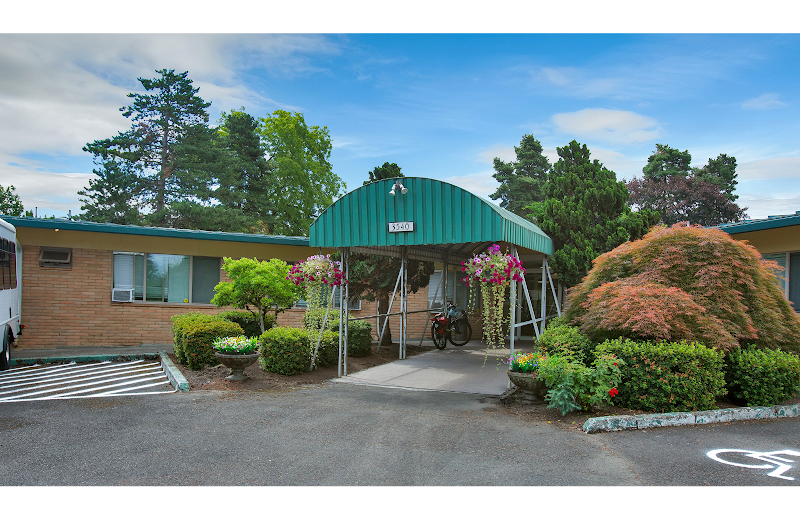
REEDWOOD POST ACUTE

3540 SE FRANCIS STREET, PORTLAND, OR 97202 (503) 232-5767
For profit - Corporation 64 Beds PACS GROUP Data: November 2025
Trust Grade
90/100
#24 of 127 in OR
Last Inspection: June 2025

Inspected within the last 6 months. Data reflects current conditions.

Overview

Reedwood Post Acute in Portland, Oregon, has received an excellent Trust Grade of A, which indicates a high level of recommended care. Ranking #24 out of 127 facilities in Oregon means they are in the top half, and #7 out of 33 in Multnomah County shows they offer one of the better options locally. The facility is improving, with reported issues decreasing from six in 2024 to zero in 2025. Staffing is rated at 4 out of 5 stars, with a turnover rate of 41%, which is lower than the state average, suggesting that staff are experienced and familiar with the residents. There have been no fines on record, which is a positive indicator of compliance. However, there are some weaknesses to consider. Recent inspections found concerns regarding food safety practices, such as staff not changing gloves after handling potentially contaminated items, and issues with the sanitary transport of clean laundry, which could pose a risk of infection. Additionally, there were maintenance concerns noted in resident rooms that had not been addressed for some time, indicating a need for better upkeep in certain areas. Overall, while Reedwood Post Acute has many strengths, families should weigh these concerns when considering the facility for their loved ones.

Trust Score
A
90/100
In Oregon
#24/127
Top 18%
Safety Record
Low Risk
No red flags
Inspections
Getting Better
6 → 0 violations
Staff Stability
○ Average
41% turnover. Near Oregon's 48% average. Typical for the industry.
Penalties
✓ Good
No fines on record. Clean compliance history, better than most Oregon facilities.
Skilled Nurses
○ Average
Each resident gets 39 minutes of Registered Nurse (RN) attention daily — about average for Oregon. RNs are the most trained staff who monitor for health changes.
Violations
⚠ Watch
11 deficiencies on record. Higher than average. Multiple issues found across inspections.
★★★★★
5.0
Overall Rating
★★★★☆
4.0
Staff Levels
★★★★★
5.0
Care Quality
★★★★★
5.0
Inspection Score
Stable
2024: 6 issues
2025: 0 issues

The Good

  • 4-Star Staffing Rating · Above-average nurse staffing levels
  • 5-Star Quality Measures · Strong clinical quality outcomes
  • Full Sprinkler Coverage · Fire safety systems throughout facility
  • No fines on record
  • Staff turnover below average (41%)

    7 points below Oregon average of 48%

Facility shows strength in staffing levels, quality measures, fire safety.

The Bad

Staff Turnover: 41%

Near Oregon avg (46%)

Typical for the industry

Chain: PACS GROUP

Part of a multi-facility chain

Ask about local staffing decisions and management

The Ugly 11 deficiencies on record

Mar 2024 6 deficiencies
CONCERN (D) 📢 Someone Reported This

A family member, employee, or ombudsman was alarmed enough to file a formal complaint

Potential for Harm - no one hurt, but risky conditions existed

Free from Abuse/Neglect (Tag F0600)

Could have caused harm · This affected 1 resident

Based on interview and record review it was determined the facility failed to protect the resident's right to be free from physical abuse for 1 of 2 sampled residents (#'s 12 and 97) reviewed for resi...

Read full inspector narrative →
Based on interview and record review it was determined the facility failed to protect the resident's right to be free from physical abuse for 1 of 2 sampled residents (#'s 12 and 97) reviewed for resident-to-resident abuse. This placed residents at risk for abuse. Findings include: Resident 12 was admitted to the facility in 8/2019 with diagnoses including dementia with behaviors. Resident 12's 12/31/23 Quarterly MDS indicated a BIMS score of two (severe cognitive impairment) and no behaviors demonstrated. Resident 97 was admitted to the facility in 5/2023 with diagnoses including dementia with mild agitation. Resident 97's 10/23/23 Significant Change of Condition MDS indicated a BIMS score of two (severe cognitive impairment) and yelling behaviors. On 9/30/23 the facility submitted a FRI which indicated Resident 12 hit Resident 97. On 3/5/24 at 11:00 AM Staff 15 (CNA) stated she went to get Resident 12 a sweater and overheard Resident 97 yelling, which was a normal behavior. When she returned, Resident 12 had self-propelled herself/himself over to Resident 97, near the nursing station. Staff 15 witnessed Resident 12 hit Resident 97 on the arm and she separated and redirected the residents. On 3/7/24 at 11:22 AM Staff 1 (Administrator) and Staff 2 (DNS) acknowledged the 9/30/23 incident between Resident 12 and Resident 97.
CONCERN (D)

Potential for Harm - no one hurt, but risky conditions existed

Deficiency F0625 (Tag F0625)

Could have caused harm · This affected 1 resident

Based on interview and record review the facility failed to provide the required written notice of a bed hold policy before or upon transfer to the hospital for 1 of 3 residents (#8) reviewed for hosp...

Read full inspector narrative →
Based on interview and record review the facility failed to provide the required written notice of a bed hold policy before or upon transfer to the hospital for 1 of 3 residents (#8) reviewed for hospitalization. This placed residents at risk to be uninformed of their rights. Findings include: A facility bed hold policy last reviewed 3/2019 indicated the resident and/or resident representative will be informed of this policy in writing upon admission, transfer or leave of absence. If unable to provide at the time of transfer or leave of absence, the policy will be provided within 24 hours. Resident 8 re-admitted to the facility in 1/2024 with a diagnosis of paraplegia (loss of control of motor function). A 1/6/24 progress note indicated Resident 8 was discharged to the hospital for a medical condition. A 1/8/24 progress note indicated Resident 8 was re-admitted to the facility. Record review completed on 3/5/24 revealed Resident 8 and her/his family were not provided with a written bed hold policy or a bed hold agreement when Resident 8 discharged to the hospital on 1/6/24 or within 24 hours. Further record review also revealed Resident 8 and her/his family did not receive the facility's bed hold policy and did not sign a bed hold agreement upon admission. On 3/6/24 at 11:15 AM Staff 6 (Social Services Director) confirmed she did not provide a written bed hold agreement or discuss holding Resident 8's bed with her/his family when Resident 8 discharged to the hospital. Staff 6 confirmed there was no record a bed hold policy or agreement was provided to Resident 8 or her/his family upon admission.
CONCERN (D) 📢 Someone Reported This

A family member, employee, or ombudsman was alarmed enough to file a formal complaint

Potential for Harm - no one hurt, but risky conditions existed

Assessment Accuracy (Tag F0641)

Could have caused harm · This affected 1 resident

3. Resident 20 was admitted to the facility in 7/2019 with diagnoses including left-sided hemiplegia (paralysis of one side of the body) and hemiparesis (one-sided muscle weakness). Resident 20's Left...

Read full inspector narrative →
3. Resident 20 was admitted to the facility in 7/2019 with diagnoses including left-sided hemiplegia (paralysis of one side of the body) and hemiparesis (one-sided muscle weakness). Resident 20's Left Arm and Leg Pain Care Plan, initiated 7/18/19, indicated the resident had a left hand contracture. Resident 20's 7/9/23 Annual MDS indicated the resident had upper extremity impairment on one side, needed or wanted an interpreter to communicate with health care staff and the resident's preferred language was Chinese. Resident 20's 10/8/23 and 1/7/24 Quarterly MDS Assessments indicated the resident did not have an upper extremity impairment. On 3/4/24 at 10:19 AM and 3/5/24 at 11:17 AM Resident 20 was observed in her/his room in bed. Resident 20's left elbow was tightly bent in towards her/his chest and her/his left hand rested on the top of her/his chest. The fingers of the resident's left hand were tucked into the palm of her/his hand. With assistance from Witness 1 (Interpreter), the resident demonstrated she/he could not fully straighten her/his left arm or fingers on her/his left hand. On 3/6/24 at 11:35 AM Staff 4 (RNCM) stated Resident 20 had an upper extremity impairment and the 10/8/23 and 1/7/24 Quarterly MDS Assessments were inaccurate. On 3/6/24 at 1:08 PM Staff 2 (DNS) was informed of the findings and stated Resident 20's upper extremity impairment was inaccurately assessed on her/his 10/8/23 and 1/7/24 Quarterly MDS Assessments. 2. Resident 297 was admitted to the facility in 12/2018 with diagnoses including diabetes and osteoporosis (disease that causes bones to become weak). On 11/26/23 a Fall Investigation revealed the resident had an unwitnessed fall in her/his room which resulted in the resident having a fractured nose. The 12/17/23 Annual MDS indicated Resident 297 had two or more non-injury falls since admission. On 3/6/24 at 10:20 AM Staff 4 (RNCM) stated she was responsible for completing Resident 297's Annual MDS related to falls. Staff 4 confirmed Resident 297 had a fall with injury and the 12/17/23 Annual MDS was inaccurate. On 3/7/24 at 9:45 AM Staff 2 (DNS) acknowledged Resident 297's MDS was inaccurate for falls. Based on observation, interview and record review it was determined the facility failed to accurately assess 3 of 7 sampled residents (#s 6, 20 and 297) reviewed for unnecessary medications and accidents. This placed residents at risk for unassessed needs. Findings include: 1. Resident 6 admitted to the facility in 2015 with diagnoses including mood disorder. A 6/5/21 physician order indicated Resident 6 received Seroquel (antipsychotic) BID for bipolar disorder (a mental illness that causes unusual shifts in a person's mood, energy, activity levels, and concentration). Resident 6's 12/2023 MAR revealed she/he was administered Seroquel from 12/1/23 through 12/31/23. The 12/31/23 Annual MDS indicated the resident did not receive Seroquel during the MDS look back period from 12/24/23 through 12/31/23. On 3/5/24 at 3:14 PM Staff 2 (DNS) acknowledged Resident 6's MDS was inaccurate.
CONCERN (D)

Potential for Harm - no one hurt, but risky conditions existed

ADL Care (Tag F0677)

Could have caused harm · This affected 1 resident

Based on observation, interview and record review it was determined the facility failed to ensure dependent residents received required assistance with ADLs for 1 of 2 sampled residents (#14) reviewed...

Read full inspector narrative →
Based on observation, interview and record review it was determined the facility failed to ensure dependent residents received required assistance with ADLs for 1 of 2 sampled residents (#14) reviewed for ADLs. This placed residents at risk for unmet ADL needs and loss of dignity. Findings include: Resident 14 was admitted to the facility in 3/2020 with diagnoses including dementia. Observations from 3/4/24 through 3/6/24 between the hours of 8:00 AM and 4:00 PM revealed Resident 14 had numerous hairs, up to approximately 1.5 inches long, on the lower portion of her/his chin. Resident 14's 12/24/23 Quarterly MDS indicated the resident had moderate cognitive impairment and required the substantial to maximal assistance of one staff for personal hygiene care which included shaving. Resident 14's 3/2024 Care Plan revealed the resident required the assistance of one staff with hair, make-up and shaving. On 3/4/24 at 12:26 PM Resident 14 stated she/he did not like hair on her/his chin and wanted the hair removed. On 3/5/24 at 2:34 PM Staff 14 (CNA) stated she was frequently assigned Resident 14 and never shaved the resident's chin hair. On 3/5/24 at 2:43 PM Staff 20 (CNA) reported she did not shave Resident 14's chin hair because she did not know how. Staff 20 stated she did not ask Resident 14 if she/he wanted her/his chin hair removed because I would not point that out. On 3/6/24 at 10:16 AM Staff 3 (RNCM) confirmed Resident 14 had long chin hairs present. Resident 14 told Staff 3 she/he wanted her/his chin hair removed. On 3/7/24 at 8:24 AM Staff 2 (DNS) stated she expected staff to shave Resident 14's chin hairs if the resident wanted them removed.
CONCERN (D)

Potential for Harm - no one hurt, but risky conditions existed

Deficiency F0679 (Tag F0679)

Could have caused harm · This affected 1 resident

Based on observation, interview and record review it was determined the facility failed to provide an ongoing person-centered activities program for 1 of 3 sampled residents (#9) reviewed for activiti...

Read full inspector narrative →
Based on observation, interview and record review it was determined the facility failed to provide an ongoing person-centered activities program for 1 of 3 sampled residents (#9) reviewed for activities. This placed residents at risk of a decline in psychosocial well-being and diminished quality of life. Findings include: Resident 9 was readmitted to the facility in 9/2023 with diagnoses including dementia. Resident 9's 12/12/23 Activity Assessment indicated the resident's favorite activities included exercise groups, socials and performers. Resident 9's 12/30/23 Annual MDS revealed the resident was severely cognitively impaired. The MDS Staff Assessment of Daily and Activity Preferences indicated the following activities were important to Resident 9: -Listening to music; -Doing things with groups of people; -Participating in favorite activities; and -Participating in religious activities or practices. Resident 9's 2/22/23 Care Plan revealed the following related to the resident's activity goals and interventions: -The resident was to receive one-to-one visits from staff two-to-three times per week for sensory stimulation. -The resident previously spoke Chinese, was non verbal at this time and was hard of hearing. Staff must write in Chinese to communicate. -The resident enjoyed watching television and reading Chinese newspapers and books. -Ensure adaptive equipment was provided, including paper and pen. -Invite the resident to scheduled activities. -The resident needed assistance/escort to activity functions. -The resident was to be up in her/his wheelchair daily and offered daily activities. Resident 9's 2/6/24 through 3/5/24 Activity Daily #1 and #2 Task Records revealed the resident participated in an independent activity on a daily basis, participated in music/singing on 2/17/24 and 2/22/24, participated in a special event on 2/23/24 and refused an activity on 3/5/24. Resident 9's 2/7/24 through 3/5/24 Activity Task Record revealed the resident received regular one-to-one visits which consisted of socializing/conversing. The facility's 3/2024 Activity Calendar revealed the following scheduled activities: -3/4/24: 9:45 AM Exercise 10:30 AM Playdough 3:30 PM Bingo 6:15 PM News -3/5/24: 9:45 AM Exercise 10:00 AM Youtube Videos 3:30 PM Crafts 6:15 PM Dice No evidence was found in Resident 9's clinical record to indicate the resident participated in her/his identified favorite and preferred activities of exercise and religious activities/practices from 2/6/24 through 3/5/24 or that the resident refused activities outside of the single instance on 3/5/24. Resident 9's clinical record identified socials and doing things with groups of people as important to the resident. Resident 9's clinical record indicated she/he participated in a group activity on three occasions from 2/6/24 through 3/5/24. Observations of Resident 9 conducted on 3/4/24 and 3/5/24 between 8:38 AM to 3:43 PM revealed the resident to be in her/his room either in bed or in her/his wheelchair with the television on. No paper, pens or Chinese newspapers or books were observed in the resident's room. On 3/5/24 at 9:57 AM Resident 9 was observed in her/his wheelchair in her/his room. The resident opened her/his eyes in response to the surveyor greeting. The facility's exercise group occurred at this time in the dining room. On 3/6/24 at 9:20 AM Staff 16 (CNA) stated Resident 9 enjoyed being involved and social. Staff 16 stated the resident enjoyed being out of her/his room and being around people or sitting by the window near the front entrance. Staff 16 stated the resident did not actively participate in activities, including exercise, but she/he still liked to watch. Staff 16 stated Resident 9 did not read newspapers or books and she communicated with her/him by talking, not by writing. On 3/6/24 at 9:27 AM Staff 17 (CNA) stated it had been a little while since [Resident 9] had been at a group activity and she noticed a decline in the resident's out-of-room activity participation when the resident received a feeding tube. Staff 17 stated she had never seen the resident read either newspapers or books, use writing and reading to communicate or have music on in her/his room. On 3/6/24 at 12:31 PM Staff 18 (Life Enrichment Assistant) stated Resident 9 enjoyed card games, music, socials and group activities. Staff 18 stated it had been a long time since they wrote on paper to communicate with the resident and she/he no longer read the newspaper or books. Staff 18 stated the resident did not go to exercise group often and it had been a while since she/he last attended the facility's church service. Staff 18 stated she completed one-to-one visits with Resident 9 one-to-two times per week which consisted of her asking the resident how she/he was doing, if she/he felt better or if she/he needed help. Staff 18 stated she would sometimes bring music to these visits but had never attempted additional sensory activities with Resident 9 during these visits outside of talking and music, on occasion. Staff 18 further stated she recorded the resident as participating in an independent activity any time she saw the resident in her/his room with her/his eyes opened and the television on. On 3/6/24 at 2:41 PM Staff 1 (Administrator) and Staff 19 (Administrator-in-Training) acknowledged the findings of this investigation. Staff 1 stated he expected Resident 9 to receive different types of sensory activities outside of those that were verbal and Resident 9's care plan was in need of revision.
CONCERN (E) 📢 Someone Reported This

A family member, employee, or ombudsman was alarmed enough to file a formal complaint

Potential for Harm - no one hurt, but risky conditions existed

Safe Environment (Tag F0584)

Could have caused harm · This affected multiple residents

3. On 3/4/24 at 10:19 AM two large patches of dry wall mud (used for repairing cracks and holes in existing drywall and plaster surfaces) were observed on the wall behind Resident 20's bed. Multiple g...

Read full inspector narrative →
3. On 3/4/24 at 10:19 AM two large patches of dry wall mud (used for repairing cracks and holes in existing drywall and plaster surfaces) were observed on the wall behind Resident 20's bed. Multiple gouges were observed on the resident's wooden baseboard along the wall to the right of the resident's bed which revealed jagged sections in the baseboard. With the assistance of Witness 1 (Interpreter), Resident 20 stated the condition of her/his walls and baseboard had been this way for quite some time, their condition bothered her/him and she/he wanted them repaired. On 3/7/24 at 10:16 AM Staff 1 (Administrator), Staff 8 (Maintenance Director) and Staff 19 (Administrator-in-Training) were present for an interview and facility walk-through. Staff 8 stated staff were expected to add any maintenance concerns to the facility's electronic maintenance system so he could follow up and complete the repairs. Staff 8 stated he was also in resident rooms at least weekly or monthly looking for issues. Staff 1 stated when the facility had resident beds available, he tried to do bed management and move residents around so rooms could be painted and repaired. Staff 1 stated Resident 20's room had not been empty in a long time and was in need of repair. On 3/7/24 at 10:29 AM Staff 1, Staff 8 and Staff 19 observed Resident 20's room. Staff 8 stated he was not aware the resident's baseboards were in need of repair and that he mudded the wall above Resident 20's bed approximately two-to-three months ago but had not been able to return to sand and paint the wall. 4. On 3/4/24 at 10:56 AM light spills were observed on the wall as well as scratches and gouges to the wooden baseboard behind Resident 9's bed. On 3/7/24 at 10:16 AM Staff 1 (Administrator), Staff 8 (Maintenance Director) and Staff 19 (Administrator-in-Training) were present for an interview and facility walk-through. Staff 8 stated staff were expected to add any maintenance concerns to the facility's electronic maintenance system so he could follow up and complete the repairs. Staff 8 stated he was also in resident rooms at least weekly or monthly looking for issues including wall damage. On 3/7/24 at 10:29 AM Staff 1, Staff 8 and Staff 19 observed Resident 9's room. Staff 8 stated he was not aware the resident's baseboards were in need of repair. Staff 8 further stated he was not aware of the condition of Resident 9's wall and acknowledged it needed to be cleaned. 5. On 3/4/24 at 12:37 PM large scrapes were observed on the wall next to Resident 14's recliner. On 3/7/24 at 10:16 AM Staff 1 (Administrator), Staff 8 (Maintenance Director) and Staff 19 (Administrator-in-Training) were present for an interview and facility walk-through. Staff 8 stated staff were expected to add any maintenance concerns to the facility's electronic maintenance system so he could follow up and complete the repairs. Staff 8 stated he was also in resident rooms at least weekly or monthly looking for issues including wall damage. On 3/7/24 at 10:29 AM Staff 1, Staff 8 and Staff 19 observed Resident 14's room. Staff 8 stated he was not aware the resident's wall was damaged and acknowledged it was in need of repair. 2. Observations of the facility's general environment from 3/4/24 through 3/7/24 identified the following issues: -End cap on the lower wall guard next to the fish tank was broken with sharp and jagged edges. -End cap on the lower wall guard outside the storage room on the south hall was broken with sharp and jagged edges. -End cap on the lower wall guard to the right of the nurses station was broken with sharp and jagged edges. -End cap on the lower wall in the entryway was broken and cracked. On 3/7/24 at 10:15 AM Staff 1 (Administrator) and Staff 8 (Maintenance Director) acknowledged the identified concerns needed to be repaired. Based on observation, interview, and record review it was determined the facility failed to maintain comfortable temperature levels, and a safe and home like environment for 1 of 1 facility reviewed for comfortable temperatures and homelike environment. This placed residents at risk for an uncomfortable and unhomelike environment. Findings include: 1. On 12/26/23, 1/17/24 and 1/18/24 public concerns were reported to the State Agency which alleged residents had to endure cold temperatures due to heating issues in the facility and many residents had to wear coats, hats and gloves to stay warm. The report indicated the facility had some heat in the hallways so residents gathered in common areas with coats and hats on but individual resident rooms were ice boxes due to the heating system not working properly since 11/2023. The report alledged the facility's temperatures were cruel and inhumane treatment. Multiple observations from 3/4/24 through 3/6/24 between the hours of 8:00 AM and 4:00 PM revealed the following: -Many residents in their rooms and hallways wore extra clothing, coats, shawls and hats; -Many residents in their rooms were covered with two or more blankets; -Cold drafts were felt in some areas of the hallways, common areas and in some residents' rooms; -Some residents opened their room windows to cool off their rooms. On 3/4/24 at 9:46 AM and 3/5/24 at 12:38 PM and 1:06 PM Resident 38 stated in the past, her/his room was really cold but on 3/5/24, her/his room was about 105 degrees and she/he was sweating so she/he opened the window. Resident 38 stated the room was so hot she/he wanted to sleep in the hallway. Resident 38 stated sometimes her/his room was too hot so she/he had to open her/his window or the door to do anything I can to regulate her/his room temperature. On 3/4/24 at 10:47 AM Resident 247 stated she/he was a resident in the facility in 11/2023 through the end of 12/2023. Resident 247 stated during her/his stay, there were periods when the facility had no heat, her/his room was always freezing and during the night her/his room was below 61 F. Resident 247 reported Staff 8 (Maintenance Director) covered the inside of her/his room window with plastic but the room remained cold so Staff 8 placed plastic on the outside of her/his room window. Resident 247 reported she/he continued to be cold so she/he was moved to a different room which was colder and more confining. Resident 247 reported she/he was provided with an electric blanket which then confined her/him to her/his room in order to stay warm and also caused her/him to be too hot, sweat and then freeze. Resident 247 stated the temperatures in the facility fluctuated between cold and hot depending on the location in the building. Resident 247 stated there were many residents that congregated at the end of the hallway where a wall heating/cooling device was mounted and blew warm air and many residents wore coats, hats and gloves to stay warm. Resident 247 reported she/he didn't have real healing until I discharged because of the frigid temperatures she/he had to endure for one month before being discharged home. Resident 247 stated at the time of her/his discharge, the heating system was not yet fixed. On 3/6/24 at 8:10 AM Resident 197 was observed in bed, covered with three blankets. Resident 197 stated her/his room was drafty. A cold draft was evident when standing near Resident 197's bed and in the middle of the room. Resident 197 reported she/he was freezing and she/he usually needed extra blankets to stay warm. Resident 32 shared the room with Resident 197 and reported she/he was also freezing and required extra blankets. Staff 13 (CNA) reported the two residents were always cold and Resident 32 frequently verbalized she/he was freezing. On 3/6/24 at 9:15 AM Resident 98 was observed dressed with a coat, hat and shawl while in the dining room and then sitting in the area surrounding the nurses station. With the assistance of Witness 3 (Interpreter), Resident 98 stated she/he was always cold. On 3/6/24 at 9:17 AM Resident 7 was observed in the dining room and then sitting in the area by the fishtank near the nurses station, wearing two shirts, a wool vest and a crocheted shawl. With the assistance of Witness 3 (Interpreter), Resident 7 stated her/his room was cold which made her/him shake. Resident 7 stated her/his room was especially cold all night long which made it hard to sleep. On 3/6/24 at 1:50 PM Resident 10 stated she/he got cold at night and used an electric blanket to warm up. Resident 10 stated when she/he got cold, her/his bones ache and hurt. On 3/5/24 Staff 8 provided temperature logs from 12/1/23 through 3/1/24. The temperature logs were completed weekly and seven resident rooms were audited for temperature levels, each week. Temperature readings ranged from a low of 67 F to a high of 90 F. On 3/5/24 at 1:06 PM and 3/6/24 at 8:06 AM Staff 8 assessed temperatures of various areas of the facility including common areas such as the dining room, hallways, around the nurses station and multiple residents' rooms. Temperature readings ranged from a low of 66 F to a high of 87 F. On 3/5/24 at 12:26 PM Staff 8 reported in 10/2023, he noted the pilot light for the heater was not working correctly so he contacted a service company. On 10/24/23, the service company partially completed the necessary repairs but additional repairs were still needed. Staff 8 stated, to date, the additional repairs had not been completed. Staff 8 reported there were other parts of the heating system that broke and were serviced in 1/2024 and 2/2024. Staff 8 stated Resident 247 complained about cold temperatures and a draft in her/his room so he covered the room window with plastic and Resident 247 was provided an electric blanket. Staff 8 stated Resident 247 was moved to another room. Staff 8 reported some of the residents' rooms were colder and some were warmer because there was no way to regulate temperatures in the residents' rooms because the heating system was so old. Staff 8 stated he attempted to keep temperatures between 68 F and 75 F. On 3/7/24 at 10:24 AM and 11:57 AM Staff 1 (Administrator) stated temperature issues in the facility related to the heating system were identified in 11/2023. Staff 1 stated he created a PIP (Performance Improvement Plan (a means of measuring a process or procedure then modifying the process or procedure to increase effectiveness)) to address temperature concerns. Staff 1 stated the PIP was ongoing but they had not been completing daily resident audits to ensure residents were warm and the facility was meeting the residents' comfort needs, as outlined in the PIP. Staff 1 stated the facility bought hats, extra blankets, a blanket warmer, moved residents to different rooms and encouraged residents to wear extra clothing, sit in warmer areas of the facility or leave their room doors open for warmth. For rooms that were too hot, the facility provided fans and encouraged the residents to open their room windows to cool their rooms down. Staff 1 stated the heating system was kind of but not really fixed and they continued to wait on parts. Staff 1 reported he was surprised at the number of residents that complained about the temperatures but they had not formally checked in with the residents for awhile. Staff 1 stated his goal was to maintain temperatures at a comfortable level for the residents.
Dec 2022 5 deficiencies
CONCERN (D)

Potential for Harm - no one hurt, but risky conditions existed

Deficiency F0657 (Tag F0657)

Could have caused harm · This affected 1 resident

**NOTE- TERMS IN BRACKETS HAVE BEEN EDITED TO PROTECT CONFIDENTIALITY** Based on observation, interview and record review it was determined the facility failed to update a care plan to reflect changes...

Read full inspector narrative →
**NOTE- TERMS IN BRACKETS HAVE BEEN EDITED TO PROTECT CONFIDENTIALITY** Based on observation, interview and record review it was determined the facility failed to update a care plan to reflect changes in care needs for 2 of 3 sampled residents (#s 24 and 40) reviewed for ADLs. This placed residents at risk for unmet needs. Findings include: 1. Resident 24 was admitted to the facility in 2019 and readmitted in 2021 with diagnoses including history of stroke with left sided weakness and hypoxia (low levels of oxygen in the body). Resident 24's 10/6/19 care plan included interventions to apply a left foot boot while in bed and apply a left arm sling. An intervention was added to apply a left palm protector on 6/6/2020, and re-initiated in 7/7/2021 when the resident was readmitted from the hospital. On 11/30/22 between 12:40 PM and 3:16 PM, 12/1/22 between 8:57 AM and 3:23 PM, and 12/2/22 between 8:49 AM and 10:30 AM, Resident 24 was observed in bed without the left palm protector, left arm sling, and left foot boot. On 11/30/22 at 1:22 PM Staff 14 (CNA) stated she did not recall Resident 24 using a palm protector, left arm sling, and left foot boot. On 12/1/22 at 9:21 AM Staff 15 (CNA) stated Resident 24 did not have a palm protector, arm sling or boot. Staff 15 checked the [NAME] (a brief care plan for staff providing direct care) and stated she did not place a palm protector in the resident's hand and had not seen one in the resident's room Staff 15 was unable to locate the devices in the resident's room. On 12/2/22 at 10:32 AM Staff 5 (LPN) stated the resident's care plan was updated quarterly at care conferences with the resident, family, and interdisciplinary team. Staff 5 stated each item on the care plan was reviewed at care conferences. Staff 5 stated the left palm protector, arm sling and boot were trialed during the resident's initial 2019 admission but were discontinued and were not removed from the care plan. 2. Resident 40 was admitted to the facility in 8/2022 with diagnoses including colitis (inflammation in the colon). Resident 40's 7/29/22 physician's diet order indicated the resident was ordered pureed texture. Resident 40's Diet Order and Communication changed to minced and moist texture on 11/22/22. Review of Resident 40's care plan on 11/30/22 provided no information of resident's current diet texture. On 11/29/22 at 1:17 PM Witness 1 (Family) expressed concern about Resident 40's weight and stated the family requested a diet upgrade from puree texture to minced and moist diet texture in early 11/2022 to improve the resident's nutritional intake. On 12/1/22 at 9:27 AM and 12/1/22 at 2:38 PM Staff 13 (CNA) and Staff 14 (CNA) stated the resident's diet texture was pureed. On 12/1/22 at 3:20 PM Staff 17 (LPN) stated the resident's diet was minced and moist, then Staff 17 looked in the resident's health record and stated it was puree. On 12/2/22 at 1:54 PM Staff 5 (LPN) confirmed the care plan and health record was not updated.
CONCERN (D)

Potential for Harm - no one hurt, but risky conditions existed

Deficiency F0679 (Tag F0679)

Could have caused harm · This affected 1 resident

**NOTE- TERMS IN BRACKETS HAVE BEEN EDITED TO PROTECT CONFIDENTIALITY** Based on observation, interview and record review it was determined the facility failed to provide an ongoing activities program...

Read full inspector narrative →
**NOTE- TERMS IN BRACKETS HAVE BEEN EDITED TO PROTECT CONFIDENTIALITY** Based on observation, interview and record review it was determined the facility failed to provide an ongoing activities program designed to meet the individual interests and needs of residents for 1 of 4 sampled residents (#29) reviewed for activities. This placed residents at risk for diminished physical, emotional and psychosocial well-being. Findings include: Resident 29 was admitted to the facility in 2021 with diagnoses including Alzheimer's disease and dementia without behavioral, mood or psychotic disturbance. The 1/18/21 Activities Initial Interview revealed Resident 29 used to go to church, read the Bible, watched some TV and wished to participate in activities. The activity participation section revealed it was unknown if the resident wanted to participate in group activities, go on outings, wanted one-to-one visits or liked independent activities. It was indicated Resident 29's activities needed to be modified to accommodate for the resident's cognitive and communication deficits and communication needed to be kept to simple yes/no questions. The 1/16/22 Annual MDS revealed Resident 29 had severe cognitive deficits and her/his preferred activities included snacks between meals, staying up past 8:00 PM, reading books/newspapers/magazines, doing things in groups of people, spending time outdoors and participating in religious activities or practices. The 7/11/22 Activity Assessment-Annual and Quarterly indicated Resident 29 attended some group activities and participated at times, the resident enjoyed reading and activity related focuses remained appropriate as per current care plan. The 10/11/22 Activity Assessment-Annual and Quarterly indicated due to a cognitive decline, Resident 29 showed little interest in doing things and spent most of her/his time sleeping. Resident 29 enjoyed holding a stuffed animal/cat. The resident interacted some during one-to-one visits and the resident used to like to read but primarily slept now. The plan indicated activity related focuses remained appropriate per the current care plan and the interventions were partially effective in attaining goals. The 10/11/22 Social Service Quarterly Assessment indicated Resident 29 had no significant change in cognition, the resident was directable by staff and staff could typically entertain the resident by providing her/him with reading materials. Resident 29's current care plan indicated the following: -Dependent for activities; -Ensure activities the resident is attending are compatible with physical and mental capabilities, compatible with known interests and preferences, adapted as needed (such as large print, holders if resident lacks hand strength, task segmentation), compatible with individual needs and abilities and age appropriate; -Provide the resident with materials for individual activities as desired. The resident likes the following independent activities: books, although the resident does not read, having books around her/him is comfort for her/him; -Play classic jazz music from [NAME] for the resident. The resident's favorite song is Blue Sky by [NAME]; -Likes to read her/his Bible. Please offer it to her/him and -Offer activity apron, coloring and snacks. Resident 29's Daily Activity logs from 11/3/22 through 12/2/22 indicated the following: 11/3: exercise group; 11/9: exercise group; 11/16: exercise group; 11/22: movies; 11/29: exercise group and music and 12/2: exercise group. Resident 29's Independent Daily Activity logs from 11/3/22 through 12/2/22 indicated the resident participated in independent activities on 28 out of 30 days. Resident 29's One-to-One Activity log from 11/3/22 through 12/2/22 indicated the resident had no one-to-one visits prior to 12/2/22. Observations of Resident 29's activities included the following: -11/30/22 at 12:28 PM Resident 29 was sitting at the nursing station staring ahead. The resident did not have a stuffed animal/cat, books around her/him, her/his Bible or coloring materials. No residents or staff were interacting with Resident 29. -11/30/22 at 12:50 PM, 2:27 PM and 3:35 PM Resident 29 was in bed with her/his TV on and the volume was inaudible. Resident 29 did not have music playing, a stuffed animal/cat or books around her/him. There was no Bible available. -12/1/22 at 8:38 AM and 8:57 AM Resident 29 was dressed and sitting at the nursing station with her/his eyes intermittently closed and other times looking around. At one point, Resident 29 was holding her/his head in her/his hands, slouched forward. The resident did not have a stuffed animal/cat, books around her/him, her/his Bible or coloring materials. No residents or staff were interacting with Resident 29. -12/1/22 at 9:07 AM Resident 29 was taken to the Vietnamese church group by a staff member. On the way to the activity, Resident 29 asked the staff member if she/he could go outside and the staff member responded no and placed the resident in the Vietnamese church activity. At 9:26 AM the resident remained in the Vietnamese church activity with the activity being conducted in Vietnamese (Resident 29 spoke English). Resident 29 was slouched over. -12/1/22 at 10:44 AM Resident 29 was observed in a fingernail grooming activity group leaning on her/his right hand with her/his eyes closed, positioned in the group. The staff member was painting a different resident's nails while speaking Chinese. -12/1/22 at 3:55 PM Resident 29 was sitting in the hallway at the nursing station. The resident did not have a stuffed animal/cat, books around her/him, her/his Bible or coloring materials. No residents or staff were interacting with Resident 29. -12/2/22 at 8:30 AM and 9:25 AM Resident 29 was dressed and sitting at the nursing station. Resident 29 was alert and talking to herself/himself. Resident 29 did not have a stuffed animal/cat, books around her/him, her/his Bible or coloring materials. No residents or staff were interacting with the resident. -12/2/22 10:34 AM Resident 29 was in a badminton group. Staff 4 (Activities Director) batted a balloon at Resident 29 and the resident made no attempt to respond to the balloon coming directly towards her/him. -12/2/22 at 2:08 PM Resident 29 was in bed with her/his TV on and the volume was inaudible. Resident 29 did not have music playing, a stuffed animal/cat or books around her/him. No Bible was available. On 12/1/22 at 9:34 AM Staff 12 (CNA) reported Resident 29 liked to drink tea, liked the facility's interactive toy cat, coloring, someone sitting next to her/him and talking, enjoyed music, singing and getting her/his nails done. Staff 12 stated Resident 29 was unable to complete independent activities and required assistance for everything. She stated Resident 29 used to enjoy reading, especially the Bible but the resident could no longer read. Staff 12 stated Resident 29 went to exercise groups but usually did not participate. On 12/1/22 at 11:08 AM Staff 13 (CNA) reported Resident 29 enjoyed reading especially large printed materials such as signs around the facility. Staff 13 stated Resident 29 liked to interact with the facility's interactive toy cat. Staff 13 stated Resident 29 was not able to complete independent activities and rarely participated when in the exercise group. Staff 13 stated she did not observe Resident 29 interacting with the TV. On 12/2/22 at 8:50 AM Staff 4 (Activities Director) stated with dementia residents she made activities more simple like relaxing touch and massage, music and sensory activities such as putting fragrant lotion on resident's hands. Staff 4 stated music was powerful with the dementia population and she offered music in the resident's rooms and in groups. Staff 4 stated Resident 29 enjoyed music, eating, one-on-ones and the facility's interactive toy cat. Staff 4 stated Resident 29 used to read but Resident 29's reading skills had declined over the past month. She stated Resident 29 was dependent for activities and unable to complete independent activities. Staff 4 reviewed Resident 29's activity logs and confirmed the majority of the activities documented were independent activities (which the resident was incapable of performing) and no one-to-one activities were completed in the past 30 days. Staff 4 stated she was unsure if music played in the resident's room and Resident 29 used to have books in her/his room but was not sure what happened to them. Staff 4 reported Resident 29 did not watch the TV when it was on in her/his room. Staff 4 stated it was not appropriate to have Resident 29 in the Vietnamese church group and she was unsure why the resident was brought to that activity.
CONCERN (D)

Potential for Harm - no one hurt, but risky conditions existed

Deficiency F0772 (Tag F0772)

Could have caused harm · This affected 1 resident

Based on interview and record review it was determined the facility failed to provide timely laboratory services for 1 of 5 sampled residents (#24) reviewed for unnecessary medications. This placed re...

Read full inspector narrative →
Based on interview and record review it was determined the facility failed to provide timely laboratory services for 1 of 5 sampled residents (#24) reviewed for unnecessary medications. This placed resident at risk for delayed treatment. Findings include: Resident 24 was admitted to the facility in 2019 with diagnoses including convulsions. The Note to Attending Physician/Prescriber dated 2/25/22 identified the need for a Depakote (an anti-convulsant) level at the next convenient blood draw day per CMS regulatory compliance. On 2/28/22 Staff 22 (Nurse Practitioner) checked Agree and wrote will check valproic acid (Depakote) at next blood draw. A review of Resident 24's health record revealed the resident had blood draws for basic metabolic panels on 9/17/22 and 10/14/22. The resident's valproic acid level blood draw was not completed until 11/9/22, which was over eight months after the pharmacy recommendation was made. On 12/2/22 at 10:28 AM Staff 5 (LPN) stated to minimize discomfort, when a non-urgent lab was ordered, it was added to the next scheduled routine blood draw. Staff 5 acknowledged the resident had routine labs drawn in 9/2022 and 10/2022. Staff 5 confirmed Resident 24's valproic acid level lab was not drawn until 11/2022. On 12/05/22 at 10:02 AM Staff 2 (DNS) confirmed facility's policy of combining non-urgent lab draws with the next routine blood draw. Provided no additional information.
CONCERN (F)

Potential for Harm - no one hurt, but risky conditions existed

Food Safety (Tag F0812)

Could have caused harm · This affected most or all residents

Based on observation, interview and record review it was determined the facility failed to prepare and handle food in a sanitary manner in 1 of 1 kitchen reviewed for food service. This placed residen...

Read full inspector narrative →
Based on observation, interview and record review it was determined the facility failed to prepare and handle food in a sanitary manner in 1 of 1 kitchen reviewed for food service. This placed residents at risk for foodborne illness. Findings include: On 12/1/22 at 11:14 AM Staff 18 (Dietary Aide) walked out of the kitchen and into the hallway while wearing gloves. Staff 18 unlocked a food storage door, retrieved a beverage cart, and returned to the kitchen without performing hand hygiene or changing her gloves. Staff 18 proceeded to the back of the kitchen to the sink/dishwasher area and wiped down the countertops then walked towards the front of the kitchen and began handling clean coffee cups to prepare drinks for lunch. On 12/1/22 from 11:44 AM through 12:18 PM, the following observations of the resident lunch tray service were made: - Staff 19 (Cook) used her gloved hand and grabbed noodles from one bowl to add to another bowl then added beef soup to both bowls after having touched various other surfaces and utensils with the same gloves. -After completing hand hygiene, Staff 19 (Cook) dried her hands with paper towels and placed her used paper towels on the stove top next to the clean plates and scoops. -Staff 20 (Dietary Aide) and Staff 21 (Cook) placed their fingers in the inner surface of bowls prior to placing them on the food tray after touching other potentially unclean surfaces. On 12/5/22 at 10:20 AM Staff 3 (Dietary Manager) confirmed he was made aware of the concerns and was already planning staff training.
CONCERN (F)

Potential for Harm - no one hurt, but risky conditions existed

Infection Control (Tag F0880)

Could have caused harm · This affected most or all residents

Based on observation, interview and record review it was determined the facility failed to develop and follow practices to sanitarily transport, store and handle laundry for 1 of 1 laundry cart and 1 ...

Read full inspector narrative →
Based on observation, interview and record review it was determined the facility failed to develop and follow practices to sanitarily transport, store and handle laundry for 1 of 1 laundry cart and 1 of 1 laundry room reviewed for infection control. This placed residents at risk for receiving contaminated laundry and infection. Findings include. 1. On 11/29/22 12:06 PM Staff 7 (Laundry) was observed delivering clean resident laundry using a small uncovered metal cart. On 11/30/22 and 12/1/22 between 8:45 AM and 9:03 AM Staff 7 was observed delivering clean resident laundry using a plastic cart with shelving. The cart had a cover; however, one side remained open and uncovered for the duration of laundry delivery. Staff 7 was observed to leave the laundry cart parked in a resident hallway with the uncovered side of the cart open to the hallway. On 12/1/22 at 10:31 AM Staff 7 stated she never used the small metal cart without a cover to deliver resident laundry. She stated she was unaware she needed to use the covers on the clean laundry cart during the transportation and delivery of clean laundry. On 12/2/22 at 12:25 PM Staff 1 (Administrator) was informed of these findings. He did not express any concerns about resident laundry being delivered uncovered and provided no additional information. 2. On 12/1/22 at 10:31 AM observations of the facility's laundry room revealed a small metal cart used to move laundered linen from the washing machine to the dryer placed in the soiled utility room of the laundry area directly next to the sink used to rinse overly soiled linen. On 12/1/22 at 10:31 AM Staff 7 (Laundry) was asked about the use and location of the small metal cart. At this time, Staff 7 moved the small metal cart from the soiled utility room of the laundry area and positioned it next to the washing machines in the clean portion of the laundry area and loaded it with freshly washed laundry from the washing machine without cleaning the cart. She stated the cart should never be left in the soiled portion of the laundry area but nursing staff had access to the laundry room and moved items around. On 12/2/22 at 12:25 PM Staff 1 (Administrator) was informed of these findings. He stated he was unaware of any issues related to laundry and no additional information was provided. 3. The facility's 12/2021 Soiled Laundry and Bedding Policy and Procedure specified the following procedure when handling and transporting laundry: *Place contaminated laundry in a bag or container at the location where it is used and do not sort or rinse at the location of use. *Place and transport contaminated laundry in bags or containers in accordance with established policies governing the handling and disposal of contaminated items. *Anyone who handles soiled laundry wears protective gloves and other appropriate protective equipment (e.g., gowns if soiling of clothing is likely). *Environmental services and nursing staff will place and transport contaminated laundry that is wet enough to potentially leak or soak through the bag or container in double bags or leak-proof bags or containers. CNA interviews regarding the process for handling overly soiled resident laundry revealed the following: *On 12/1/22 at 11:26 AM Staff 9 (CNA) stated she wiped resident bowel movements off of resident clothing using incontinence wipes in the resident room. She stated she placed the wiped off clothing in a plastic bag and placed the plastic bag containing the contaminated linen in the bin in the soiled utility room. She stated she never used the sink in the soiled utility room to rinse overly soiled resident clothing. *On 12/1/22 at 11:42 AM Staff 8 (CNA) stated she cleaned overly soiled laundry in the sink in the soiled utility room wearing only gloves and a mask. *On 12/1/22 at 3:49 PM Staff 10 (CNA) stated he rinsed bowel movements out of resident clothing in the soiled utility room and then put the rinsed clothing in the resident's mesh laundry bag located on a hook inside of each resident's closet. He stated he placed these laundry bags in the bin in the soiled area of the facility's laundry room at the end of his shift. He stated he never wore any personal protective equipment when rinsing overly soiled linen outside of gloves and a mask. *On 12/2/22 at 4:04 PM Staff 11 (CNA) stated she washed resident laundry containing bowel movements in the resident's personal sink. Once rinsed, she stated she placed the laundry in the resident's mesh laundry bag located on the hook inside of each resident's closet and placed the laundry bag into the bin in the soiled utility room. On 12/2/22 at 12:25 PM Staff 1 (Administrator) was informed of these findings. He stated he was unaware of any issues related to laundry and no additional information was provided.
Understanding Severity Codes (click to expand)
Life-Threatening (Immediate Jeopardy)
J - Isolated K - Pattern L - Widespread
Actual Harm
G - Isolated H - Pattern I - Widespread
Potential for Harm
D - Isolated E - Pattern F - Widespread
No Harm (Minor)
A - Isolated B - Pattern C - Widespread

Questions to Ask on Your Visit

  • "Can I speak with families of current residents?"
  • "What's your RN coverage like on weekends and overnight?"

Our Honest Assessment

Strengths
  • • Grade A (90/100). Above average facility, better than most options in Oregon.
  • • No major safety red flags. No abuse findings, life-threatening violations, or SFF status.
  • • No fines on record. Clean compliance history, better than most Oregon facilities.
  • • 41% turnover. Below Oregon's 48% average. Good staff retention means consistent care.
Concerns
  • • 11 deficiencies on record. Higher than average. Multiple issues found across inspections.
Bottom line: Generally positive indicators. Standard due diligence and a personal visit recommended.

About This Facility

What is Reedwood Post Acute's CMS Rating?

CMS assigns REEDWOOD POST ACUTE an overall rating of 5 out of 5 stars, which is considered much above average nationally. Within Oregon, this rating places the facility higher than 99% of the state's 100 nursing homes. This rating reflects solid performance across the metrics CMS uses to evaluate nursing home quality.

How is Reedwood Post Acute Staffed?

CMS rates REEDWOOD POST ACUTE's staffing level at 4 out of 5 stars, which is above average compared to other nursing homes. Staff turnover is 41%, compared to the Oregon average of 46%. This relatively stable workforce can support continuity of care.

What Have Inspectors Found at Reedwood Post Acute?

State health inspectors documented 11 deficiencies at REEDWOOD POST ACUTE during 2022 to 2024. These included: 11 with potential for harm.

Who Owns and Operates Reedwood Post Acute?

REEDWOOD POST ACUTE is owned by a for-profit company. For-profit facilities operate as businesses with obligations to shareholders or private owners. The facility is operated by PACS GROUP, a chain that manages multiple nursing homes. With 64 certified beds and approximately 50 residents (about 78% occupancy), it is a smaller facility located in PORTLAND, Oregon.

How Does Reedwood Post Acute Compare to Other Oregon Nursing Homes?

Compared to the 100 nursing homes in Oregon, REEDWOOD POST ACUTE's overall rating (5 stars) is above the state average of 3.0, staff turnover (41%) is near the state average of 46%, and health inspection rating (5 stars) is much above the national benchmark.

What Should Families Ask When Visiting Reedwood Post Acute?

Based on this facility's data, families visiting should ask: "Can I visit during a mealtime to observe dining assistance and food quality?" "How do you handle medical emergencies, and what is your hospital transfer rate?" "Can I speak with family members of current residents about their experience?"

Is Reedwood Post Acute Safe?

Based on CMS inspection data, REEDWOOD POST ACUTE has a clean safety record: no substantiated abuse findings (meaning no confirmed cases of resident harm), no Immediate Jeopardy citations (the most serious violation level indicating risk of serious injury or death), and is not on the Special Focus Facility watch list (a federal program monitoring the lowest-performing 1% of nursing homes). The facility has a 5-star overall rating and ranks #1 of 100 nursing homes in Oregon. While no facility is perfect, families should still ask about staff-to-resident ratios and recent inspection results during their visit.

Do Nurses at Reedwood Post Acute Stick Around?

REEDWOOD POST ACUTE has a staff turnover rate of 41%, which is about average for Oregon nursing homes (state average: 46%). Moderate turnover is common in nursing homes, but families should still ask about staff tenure and how the facility maintains care continuity when employees leave.

Was Reedwood Post Acute Ever Fined?

REEDWOOD POST ACUTE has no federal fines on record. CMS issues fines when nursing homes fail to meet care standards or don't correct problems found during inspections. The absence of fines suggests the facility has either maintained compliance or corrected any issues before penalties were assessed. This is a positive indicator, though families should still review recent inspection reports for the full picture.

Is Reedwood Post Acute on Any Federal Watch List?

REEDWOOD POST ACUTE is not on any federal watch list. The most significant is the Special Focus Facility (SFF) program, which identifies the bottom 1% of nursing homes nationally based on persistent, serious quality problems. Not being on this list means the facility has avoided the pattern of deficiencies that triggers enhanced federal oversight. This is a positive indicator, though families should still review the facility's inspection history directly.