ROBISON JEWISH HEALTH CENTER
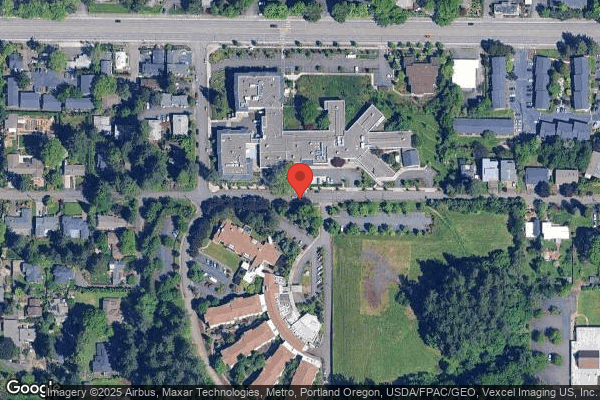

6125 SW BOUNDARY STREET, PORTLAND, OR 97221 (503) 535-4300
For profit - Corporation 92 Beds Independent Data: November 2025
Trust Grade
58/100
#45 of 127 in OR
Last Inspection: August 2024

Within standard 12-15 month inspection cycle. Federal law requires annual inspections.

Overview

Robison Jewish Health Center has a Trust Grade of C, indicating that it is average compared to other facilities, which means it is neither outstanding nor significantly lacking. It ranks #45 out of 127 nursing homes in Oregon, placing it in the top half, and #11 out of 33 in Multnomah County, suggesting only ten local options are better. The facility is improving, having reduced its issues from 9 in 2024 to 4 in 2025. Staffing is a strength, with a 5/5 star rating and a low turnover rate of 26%, well below the state average of 49%, which means staff members are likely familiar with the residents' needs. However, there are some concerns, as the facility has incurred $38,329 in fines, indicating some compliance issues, and it reported serious incidents, including a resident who fell due to improper transfer procedures and another resident who wandered off, resulting in injuries. Overall, while there are notable strengths in staffing and improvements in compliance, families should be aware of the serious incidents that have occurred.

Trust Score
C
58/100
In Oregon
#45/127
Top 35%
Safety Record
Moderate
Needs review
Inspections
Getting Better
9 → 4 violations
Staff Stability
✓ Good
26% annual turnover. Excellent stability, 22 points below Oregon's 48% average. Staff who stay learn residents' needs.
Penalties
✓ Good
$38,329 in fines. Lower than most Oregon facilities. Relatively clean record.
Skilled Nurses
✓ Good
Each resident gets 52 minutes of Registered Nurse (RN) attention daily — more than average for Oregon. RNs are trained to catch health problems early.
Violations
⚠ Watch
33 deficiencies on record. Higher than average. Multiple issues found across inspections.
★★★★☆
4.0
Overall Rating
★★★★★
5.0
Staff Levels
★★★★★
5.0
Care Quality
★★☆☆☆
2.0
Inspection Score
Stable
2024: 9 issues
2025: 4 issues

The Good

  • 5-Star Staffing Rating · Excellent nurse staffing levels
  • 5-Star Quality Measures · Strong clinical quality outcomes
  • Low Staff Turnover (26%) · Staff stability means consistent care
  • Full Sprinkler Coverage · Fire safety systems throughout facility
  • No fines on record
  • Staff turnover is low (26%)

    22 points below Oregon average of 48%

Facility shows strength in staffing levels, quality measures, staff retention, fire safety.

The Bad

Federal Fines: $38,329

Above median ($33,413)

Moderate penalties - review what triggered them

The Ugly 33 deficiencies on record

2 actual harm
Sept 2025 1 deficiency
CONCERN (E) 📢 Someone Reported This

A family member, employee, or ombudsman was alarmed enough to file a formal complaint

Potential for Harm - no one hurt, but risky conditions existed

Quality of Care (Tag F0684)

Could have caused harm · This affected multiple residents

Based on observation, interview and record review it was determined the facility failed to ensure physician orders were followed, and failed to identify, assess, and treat a change in a resident's ski...

Read full inspector narrative →
Based on observation, interview and record review it was determined the facility failed to ensure physician orders were followed, and failed to identify, assess, and treat a change in a resident's skin condition for 3 of 9 sampled residents (#s 19, 84 and 87) reviewed for unnecessary medications and skin conditions. This placed residents at risk for adverse medication effects and untreated and worsening skin impairments. Findings include: 1.The facility's Medication Administration policy revised 10/1/24 stated the following:- Administer within 60 minutes prior to or after scheduled time unless otherwise ordered by physician. Resident 84 was admitted to the facility in 8/2025 with diagnoses including Multiple Myeloma (a cancer of white blood cells). Resident 84's 8/11/25 admission MDS indicated the resident had moderate cognitive impairment. Resident 84's 8/2025 and 9/2025 MAR indicated the resident was to receive:- Venetoclax (a cancer medication) 100 mg, four tablets at 9:00 AM and 11:00 AM daily. Do not crush; swallow one whole at a time with applesauce. A time stamped Medication Administration Audit Report from 8/8/25 through 9/17/25 indicated the following:- Twenty-seven times Resident 84's Venetoclax was administered more than 60 minutes late. On 9/15/25 at 2:24 PM Witness 4 (Family Member) expressed concerns the resident was not receiving her/his cancer medication on time. On 9/17/25 at 10:01 AM Resident 84 stated she/he had not received her/his 9:00 AM dose of Venetoclax. On 9/17/25 at 10:17 AM Staff 30 (CMA) was observed administering Resident 84's 9:00 AM dose of Venetoclax. Staff 30 acknowledged administration was late and stated the resident required up to a half hour to take the medication and they did not have time to wait. Staff 30 stated they were told to administer Resident 84's Venetoclax at the end of medication pass due to the extended administration time needed. On 9/22/25 at 4:42 PM Staff 27 (LPN) stated facility policy allowed medications to be given within one hour before and after the scheduled time. Staff 27 stated Resident 84 took a long time to swallow her/his Venetoclax and sometimes refused the medication. Staff 27 stated she was aware during medication pass, the CMAs would attempt to administer Resident 84's medication first, but if she/he refused they moved on to other residents and returned later to reapproach her/him. On 9/22/25 at 8:46 AM Staff 2 (DNS) stated staff had reported they were unable to consistently administer Resident 84's Venetoclax on time due to the resident's difficulty swallowing and it could take up to an hour for the resident to finish. Staff 2 stated the facility was unable to commit to Resident 84 getting her/his Venetoclax “on the dot” due to the needs of other residents. Staff 2 was made aware of the number of late administrations for Resident 84's medication and acknowledged the medications were not given timely. 2. Resident 19 admitted to the facility in 8/2025 with diagnoses including epilepsy (seizure disorder) and right-side hemiplegia (paralysis). An 8/7/25 provider order for Lacosamide 100mg (an antiseizure medication) was instructed to be administered twice a day at 8:00 AM and 8:00 PM. Multiple progress notes from the morning of 8/8/25 indicated a script for Lacosamide was not sent with Resident 19 upon admission, the 8/7/25 8:00 PM administration was missed, the provider was contacted about the missed administration, and the provider wrote a new script for the medication. A progress note from 8/8/25 at 2:48 PM indicated the Lacosamide had arrived from the pharmacy. The note indicated the provider was contacted and gave permission for a late administration of the medication and instructed facility staff to administer the next dosages according to the set schedule. A review of the 8/2025 MAR indicated Resident 19 did not receive Lacosamide on 8/7/25, and received the 8/8/25 8:00 AM administration of Lacosamide late. No other administrations of Lacosamide were missed. A review of the 8/2025 Medication Admin Audit Report revealed the following: - On 8/8/25 Lacosamide was given at 2:28 PM. - On 8/9/25 Lacosamide was given at 10:42 AM. - On 8/9/25 Lacosamide was given at 10:05 PM. - On 8/10/25 Lacosamide was given at 9:34 AM. - On 8/11/25 Lacosamide was given at 9:11 AM. - On 8/14/25 Lacosamide was given at 11:14 AM. - On 8/17/25 Lacosamide was given at 9:55 AM. - On 8/22/25 Lacosamide was given at 9:14 PM. - On 8/25/25 Lacosamide was given at 9:06 PM. - On 8/26/25 Lacosamide was given at 9:35 PM. - On 8/27/25 Lacosamide was given at 9:14 AM. On 9/19/25 at 12:34 PM, Witness 5 stated Resident 19 had missed multiple doses of her/his Lacosamide, and received multiple doses of Lacosamide later than the provider instructed administration times during 8/2025. On 9/22/25 at 4:26 PM, Staff 39 (CMA) stated she administered medications on all halls of the facility. She stated antiseizure medications were to be given at specific times to avoid poor outcomes for the residents. On 9/22/25 at 4:35 PM, Staff 40 (RN) stated she administered medications at the facility while Resident 19 was a resident, but did not remember her/him. She stated antiseizure medications were to be administered within one hour prior or one hour after the provider instructed time. On 9/22/25 at 11:05 AM, Staff 3 (RNCM) stated she remembered Resident 19 and the situation regarding the medication script not being sent upon admission. She stated the expectation for new admissions was to ensure all needed scripts were sent to the pharmacy, and all medications were administered according to provider instructions. On 9/22/25 at 1:03 PM, Staff 2 (DNS) acknowledged Resident 19's antiseizure medication was not given as the provider instructed. She stated the expectation for administering antiseizure medications was for them to be prioritized and administered within an hour before or an hour after the provider scheduled time. 3. Resident 87 was admitted to the facility in 6/2025 with diagnoses including Parkinsonism unspecified (a group of symptoms that are similar to Parkinson's disease but do not have a definitive underlying cause). Resident 87's 6/28/25 admission Record indicated the resident had no known allergies. Resident 87's 7/4/25 admission MDS revealed the resident was cognitively intact. On 9/15/25 at 1:34 AM, Resident 87 was observed in her/his room in bed. Resident 87 stated she/he experienced constant itching on her/his back, shoulders and neck since she/he admitted to the facility. Resident 87 stated she/he scratched so much she/he frequently made her/himself bleed. Resident 87 stated she/he thought she/he was allergic to the material of the bedding, and she/he informed all of the CNAs but nothing had been done to relieve her/his itchiness. On 9/16/25 at 2:57 PM, Resident 87 was observed in her/his room in bed. Resident 87 did not wear a shirt and her/his robe was partially draped over her/his upper body. A bright red ring and scratch marks were observed around the resident's neck that spanned from shoulder to shoulder and was approximately six inches in width. A small spot of blood was observed in the center of her/his chest. Resident 87 stated she/he had been scratching and thought she/he was experiencing an allergic reaction. On 9/17/2025 at 2:04 PM, Witness 4 (Family Member) stated Resident 87 started to itch as soon as she/he moved into the 400 Hall. Witness 4 stated she reported the resident's itchiness to various staff but nothing had been done. On 9/17/25 at 3:26 PM, Staff 29 (CNA) stated Resident 87 complained about being itchy and allergic to the bedding for at least two months, and she observed the resident to itch daily. Staff 29 stated she did not report the resident's itchiness or possible allergy to a nurse but did report the resident's concerns to Staff 38 (Housekeeping/Laundry Supervisor). Staff 29 further stated she did not think anything had been done to alleviate the resident's itchiness. On 9/18/25 at 2:49 PM, Staff 31 (CNA) stated when he worked with Resident 87 last week the resident talked a lot about being itchy and allergic to the bedding. Staff 31 stated he did not report these concerns to anyone as the resident stated she/he had already reported the concerns to upper management. On 9/19/25 at 6:44 AM, Staff 37 (CNA) stated Resident 87 had been scratchy for the past few months, the resident stated she/he thought it was an allergic reaction to the bedding and all the nurses were aware of her/his itchiness and possible allergy. Staff 37 stated some nurses put lotion on the resident when she/he was observed to itch but was unaware of any additional interventions tried to improve the resident's comfort. On 9/19/25 at 9:16 AM, Staff 18 (LPN) stated Resident 87 experienced itchiness on her/his back, and when she observed the resident to itch, she applied lotion. Staff 18 stated she had not informed the resident's resident care manager or physician of her/his itchiness. On 9/19/25 at 10:17 AM, Staff 38 stated she was questioned about the material of the facility's sheets a few weeks ago but was not informed about any concerns related to Resident 87. On 9/19/25 at 10:48 AM, Staff 1 (Administrator) stated Resident 87's physician should have been notified of her/his itchiness as soon as it was observed.
Sept 2025 2 deficiencies
CONCERN (D) 📢 Someone Reported This

A family member, employee, or ombudsman was alarmed enough to file a formal complaint

Potential for Harm - no one hurt, but risky conditions existed

ADL Care (Tag F0677)

Could have caused harm · This affected 1 resident

Based on interview and record review it was determined, the facility failed to provide assistance with bathing for 1 of 3 sampled residents (#4) reviewed for bathing. This placed residents at risk of ...

Read full inspector narrative →
Based on interview and record review it was determined, the facility failed to provide assistance with bathing for 1 of 3 sampled residents (#4) reviewed for bathing. This placed residents at risk of unmet care needs. Findings include:Resident 4 was admitted to the facility in 5/2025, with a diagnosis including stroke. Resident 4 was unable to be observed or interviewed as she/he no longer resided in the facility.Resident 4's 5/19/25 care plan indicated Resident 4 required maximum assistance with a Hoyer (a mechanical device used to transfer residents with limited mobility) and was dependent on one staff for showering twice weekly and as necessary.A review of Resident 4's 6/2025, 7/2025, and 8/2025 Task Charting revealed on 6/6/25, 6/20/25, 6/26/25, 8/8/25, and 8/15/25, bathing was documented as NA.(not applicable) by Staff 24 (CNA), Staff 25 (CNA), and Staff 26 (CNA). There was no evidence that a make-up shower was provided.On 9/8/25 at 4:17 PM, Staff 25 stated she charted NA for bathing on 8/8/25 for Resident 4 because she wasn't able to find someone to help get Resident 4 up using the Hoyer and bathing was not provided.On 9/4/25 at 12:35 PM, Witness 1 (Family Member) stated Resident 4 was not provided assistance with showers twice weekly.On 9/8/25 at 4:33 PM, Staff 26 stated on 8/15/25 she charted NA because bathing was not completed for Resident 4 due to a lack of assistance from other staff.On 9/9/25 at 9:09 AM, Staff 24 stated that he charted NA on 6/6/25, 6/20/25, and 6/26/25 for bathing because he was unable to complete Resident 4's bathing due to a lack of staff and Hoyer lifts not being available.On 9//9/25 at 1:05 PM, Staff 3 (RNCM) stated she was not surprised Resident 4 was not bathed or showered on the above dates because the facility had difficulties with staffing.On 9/10/24 at 10:14 AM, the findings were reviewed with Staff 1 (Administrator) and Staff 2 (DNS) who stated residents should be bathed in accordance with their care plans and as needed.
CONCERN (D) 📢 Someone Reported This

A family member, employee, or ombudsman was alarmed enough to file a formal complaint

Potential for Harm - no one hurt, but risky conditions existed

Quality of Care (Tag F0684)

Could have caused harm · This affected 1 resident

Based on observation, interview, and record review, it was determined that the facility failed to ensure residents received treatment and care according to professional standards of practice related t...

Read full inspector narrative →
Based on observation, interview, and record review, it was determined that the facility failed to ensure residents received treatment and care according to professional standards of practice related to neurological checks after a fall for 2 of 3 sampled residents (#s 5 and 6) reviewed for falls. This placed residents at risk for unmet care needs. Findings include: The Facility's 2025 Resident Fall Procedure Guidance revealed residents who experienced falls in the facility were to be placed on neurological checks (neuro checks) for 72 hours to monitor any changes of condition or altered cognitive status. Each neuro check was to be documented in the Neuro Check Binder at the nurse's station until the 72-hour mark had been reached.1. Resident 5 was admitted to the facility in 8/2025, with diagnoses including joint replacement surgery.Resident 5's 8/23/25 Care Plan revealed the resident had self-care performance deficits with activities of daily living due to her/his joint replacement surgery. Resident 5's 8/23/25 Fall Risk Evaluation rated Resident 5 as a high fall risk.An Incident Note dated 8/23/25 at 6:00 PM, revealed Resident 5 experienced an unwitnessed fall to the floor when attempting to self-transfer to the restroom. Staff 9 (LPN) was noted to have assessed and administered pain medication to Resident 5 after she/he reported back pain from the fall.A Progress Note dated 8/24/25 at 1:17 PM, revealed Resident 5 began experiencing excruciating pain from the mid back to the left hip. Staff 10 documented in the resident's clinical progress note that Staff 9 failed to complete neuro check assessments and monitor Resident 5 after her/his fall in the facility.On 9/12/25 at 12:13 PM, a review of Resident 5's clinical record found no documented evidence that neuro check assessments were completed after the resident fell on 8/23/25. 2. Resident 6 was admitted to the facility in 7/2025, with diagnoses including right femur fracture and dementia.Resident 6's 8/2025 Care Plan revealed the resident had limited mobility and a self-care performance deficit due to a right femur fracture and dementia.Resident 6's 8/2/25 Fall Risk Evaluation rated Resident 6 as a high fall risk.A Progress Note dated 8/14/25 at 12:19 PM, revealed Staff 12 (LPN) identified a bruise on Resident 6's left hand when being assisted with toileting. Staff 12 stated a documented fall occurred earlier that morning at 3:33 AM. Staff 12 indicated Resident 6 complained of significant pain in the left hip area and was placed on neuro checks after the fall.On 9/12/25 at 12:13 PM, a review of Resident 6's clinical record found no documented evidence that neuro check assessments were completed. On 9/9/25, this surveyor attempted to interview Staff 9 and Staff 12 but was unable to reach them.On 9/8/25 at 2:54 PM, Staff 7 (LPN) stated all residents who experienced a fall in the facility were to be placed on neuro checks to confirm any changes in their condition. Staff 7 indicated staff weren't always able to meet this requirement due to time being spent caring for other residents. On 9/9/25 at 11:58 AM, Staff 4 (Medical Records) confirmed no neuro check documentation was completed for Resident 5 and Resident 6.On 9/10/25 at 10:14 AM, Staff 1 (Administrator) and Staff 2 (DNS) confirmed Staff 9 and Staff 12 did not follow Resident 5 and Resident 6's post-fall procedures related to neuro checks.
Feb 2025 1 deficiency
CONCERN (D) 📢 Someone Reported This

A family member, employee, or ombudsman was alarmed enough to file a formal complaint

Potential for Harm - no one hurt, but risky conditions existed

Deficiency F0557 (Tag F0557)

Could have caused harm · This affected 1 resident

Based on observation, interview and record review it was determined the facility failed to ensure residents were treated with dignity and respect for 1 of 2 sampled residents (#1) reviewed for dignity...

Read full inspector narrative →
Based on observation, interview and record review it was determined the facility failed to ensure residents were treated with dignity and respect for 1 of 2 sampled residents (#1) reviewed for dignity and respect. This placed residents at risk for decreased quality of life. Findings include: Resident 1 admitted to the facility in 10/2021, with diagnosis including acute cerebrovascular insufficiency (a condition where blood flow is reduced in the brain causing damage). Resident 1's 1/24/23 Care Plan revealed the resident with a communication and ADL self-care performance deficit related to cognitive impairment and left sided weakness. Facility interventions included adequately timed and non-rushed guided care, ensuring a safe environment through eye contact and continuous face to face verbal communication and cues when providing peri-care. A video recorded incident report dated 1/5/25 revealed the following: Resident 1 was observed through an observational security camera receiving cares from Staff 4 (CNA). Staff 4 was viewed while providing peri-care grabbing Resident 1's groin without cues or prompting causing Resident 1 to respond verbally in a painful manner. The facility's investigation dated 1/9/25 concluded Resident 1 showed no adverse behaviors, physical or psycho-social injuries as a result of the incident. On 2/4/25 at 11:12 AM, Resident 1 was observed in her/his room, clean, no markings or bruises were noted on her/his body. Resident 1 did not appear frightful during interaction no odors related to poor incontinence care were observed. On 2/4/25 at 12:39 PM, review of the video was confirmed to have occurred on 1/2/25 at 5:43 AM. Staff 1 (Administrator) and Staff 4 (CNA) confirmed Staff 4 was the CNA identified in video. Staff 4 during the video was viewed stating to Resident 1 to stop touching her/his genitals in a frustrated manner. Staff 4 was viewed grabbing Resident 1's genitals without cueing or directing which prompted Resident 1 to yell oww. Observation of video could not confirm abuse or neglect had occurred. On 2/4/25 at 12:48 PM, Staff 4 denied allegations that she provided inappropriate care to Resident 1. Staff 4 stated Resident 1 yelled to many times and becomes handsy during care. Staff 4 then confirmed this was her in the video and confirmed care was not performed according to Resident 1's care plan and denied allegations of abuse. On 2/4/25 at 12:50 PM, Staff 1 during observation of the video confirmed that Staff 4 made contact with Resident 1's genitals and provided care that was not performed in a dignified manner in accordance with Resident 1's care plan.
Aug 2024 9 deficiencies 1 Harm
SERIOUS (G) 📢 Someone Reported This

A family member, employee, or ombudsman was alarmed enough to file a formal complaint

Actual Harm - a resident was hurt due to facility failures

Accident Prevention (Tag F0689)

A resident was harmed · This affected 1 resident

**NOTE- TERMS IN BRACKETS HAVE BEEN EDITED TO PROTECT CONFIDENTIALITY** Based on interview and record review it was determined the facility failed to implement interventions to prevent a fall for 1 of...

Read full inspector narrative →
**NOTE- TERMS IN BRACKETS HAVE BEEN EDITED TO PROTECT CONFIDENTIALITY** Based on interview and record review it was determined the facility failed to implement interventions to prevent a fall for 1 of 3 sampled residents (# 20) reviewed for accidents. This failure resulted in Resident 20 having a fall with serious injury including a head hematoma (a pool of blood under the skin), a gluteal hematoma, multiple rib fractures and skin avulsions (skin tears) which required emergency medical services and treatment at the hospital. Findings include: Resident 20 was admitted to the facility 12/2020 with diagnoses including dementia and anxiety. Resident 20's 12/10/23 Annual MDS indicated Resident 20 was noted to have wandering behavior and was exit seeking. A 4/17/24 Behavior and Psychotropic Meeting Note indicated Resident 20 exhibited wandering behaviors. Resident 20's 6/11/24 Quarterly MDS revealed she/he had severe cognitive impairment. A 6/18/24 Care Plan indicated Resident 20 had a pattern of wandering. A 7/9/24 Facility Incident Report revealed Resident 20 had an unwitnessed exit from her/his unit and was found at the bottom of the stairs where she/he had fallen with her/his walker. Facility door alarms were found not to be armed when Resident 20 exited the side door from her/his unit resulting in a fall with injuries. A 7/9/24 Incident Note reported Resident 20 experienced an abrasion to her/his right arm, lump on the forehead, lump on top of the head, and a lump on the right side of her/his head as a result of the fall. The resident also had a small bruise to the left side of her/his eye and was holding her/his side. A 7/12/24 Hospital Record revealed Resident 20 was admitted to the hospital from [DATE] through 7/12/24 due to injuries sustained from her/his fall at the facility on 7/9/24. Resident 20 was treated for displaced left rib fractures, hematomas to the frontal scalp and gluteal posterior and an avulsion to her/his right forearm. On 7/31/24 at 8:27 AM Staff 19 (CNA) stated Resident 20 would push on doors in an attempt to open them and would try to follow people out of doors. Staff 19 also stated if the door alarms had been armed, they would have sounded for the resident's protection. On 7/31/24 at 8:38 AM Staff 9 (CNA) stated Resident 20 was exit seeking and would try to follow people out of doors. Staff 9 also stated there were no exit seeking/wandering interventions in place prior to the resident's fall and she/he had started wandering more often a few weeks before she/he fell. On 8/1/24 at 11:55 AM Staff 4 (RNCM) stated the door alarm was not armed at the time of Resident 20's unwitnessed fall on 7/9/24. Staff 4 stated an unknown staff member exited the door and did not reset the alarm which resulted in an unwitnessed fall with multiple injuries. Staff 4 acknowledged Resident 20 had increased wandering prior to the fall but no new interventions or care plan updates had been implemented. On 8/1/24 at 12:12 PM Staff 2 (DNS) confirmed Resident 20 experienced a fall with injuries as a result of fall interventions not being implemented.
CONCERN (D)

Potential for Harm - no one hurt, but risky conditions existed

Comprehensive Care Plan (Tag F0656)

Could have caused harm · This affected 1 resident

2. Resident 8 was admitted to the facility in 7/2023 with diagnoses including other pulmonary embolism with acute cor pulmonale (a blood clot in the lung that causes the heart to work hard to pump blo...

Read full inspector narrative →
2. Resident 8 was admitted to the facility in 7/2023 with diagnoses including other pulmonary embolism with acute cor pulmonale (a blood clot in the lung that causes the heart to work hard to pump blood in and out of the lungs). Review of Resident 8's Order Summary Report included Apixaban 5 mg (an anticoagulant and high-risk medication used for the treatment of blood clots in the lungs) started 7/12/23. Resident 8's care plan did not include monitoring of high-risk medication. Staff 2 (DNS) on 8/2/24 at 11:13 AM confirmed the expectation for high-risk medications, such as an anticoagulant, to be on the care plan. She confirmed Resident 8's care plan did not include high-risk medication. Based on observations, interviews and record review it was determined the facility failed to develop and implement person centered care plans for 2 of 8 residents (#s 3 and 8) reviewed for falls and medications. This placed residents at risk for falls and adverse medication effects. Findings include: 1. Resident 3 was admitted to the facility in 5/2021 with diagnoses including congestive heart failure. A 5/26/24 Fall Risk Evaluation determined Resident 3 to be at a moderate risk for falls. A 6/14/24 Care Plan identified Resident 3 at a moderate risk for falls with interventions including placing her/his bed in a low position to decrease the risk of injuries from falls. On 7/31/24 at 10:03 AM Resident 3 was observed asleep in bed with the bed at a normal height. On 7/31/24 at 10:09 AM Staff 30 (CNA) stated Resident 3 was not at risk for falls and was not aware of interventions in place regarding bed positioning to reduce the risk for falls. On 7/31/24 at 11:30 AM Staff 4 (RNCM) stated Resident 3's care plan including having her/his bed in a low position. Staff 4 observed Resident 3's bed position and stated her/his bed was not in a low position. Staff 4 confirmed Resident 3's fall prevention techniques included in her/his care plan were not being implemented which placed Resident 3 at an increased risk for falls.
CONCERN (D)

Potential for Harm - no one hurt, but risky conditions existed

Quality of Care (Tag F0684)

Could have caused harm · This affected 1 resident

Based on interview and record review it was determined the facility failed to follow physician orders for medication administration for 1 of 5 residents (#26) reviewed for unnecessary medications. Thi...

Read full inspector narrative →
Based on interview and record review it was determined the facility failed to follow physician orders for medication administration for 1 of 5 residents (#26) reviewed for unnecessary medications. This placed residents at risk for medical complications. Findings include: Resident 26 admitted to the facility in 10/2021 with diagnoses including paroxysmal atrial fibrillation (irregular heart beat), hemiplegia as result of a stroke (loss of function of one side of the body) and high blood pressure. A 7/22/22 Physician Order included 5 mg of apixaban (a medication used to prevent blood clotting) to be administered two times a day for paroxysmal atrial fibrillation. Review of 6/2024 and 7/2024's MARs revealed apixaban was documented as refused on the following dates and times: - 6/1/24 in the morning, - 6/14/24 in the evening, - 6/16/24 in the evening, - 6/17/24 in the evening, - 6/18/24 in the evening, - 6/28/24 in the evening, - 6/29/24 in the evening, - 6/30/24 in the evening, - 7/2/24 in the evening, - 7/5/24 in the evening, - 7/10/24 in the evening, - 7/12/24 in the evening, - 7/16/24 in the evening, - 7/17/24 in the evening and - 7/23/24 in the morning. A 7/9/24 Encounter Note from Staff 31 (NP) included a statement of Resident 26 refusing medications especially in the evenings. On 8/2/24 at 9:46 AM Staff 32 (LPN) stated Resident 26 often refused medications in evenings when she/he was in bed, but accepted them when out of bed. Staff 32 stated Resident 26 usually received assistance with getting out of bed between 7:00 AM and 8:00 AM and was usually out of bed at 7:00 PM when Staff 32's shift ends. On 8/2/24 at 10:02 AM Staff 4 (RNCM) stated Resident 26 had a pattern of medication refusals which had existed for at least a year especially in the evenings after she/he was in bed. Staff 4 stated an intervention implemented to address refusals of apixaban was an increased administration window which changed from a two hour window to a four hour window, between 7:00 PM and 11:00 PM. Staff 4 confirmed a pattern of refusals had continued with Resident 26 after this change and had no additional information of other interventions implemented.
CONCERN (D)

Potential for Harm - no one hurt, but risky conditions existed

Deficiency F0712 (Tag F0712)

Could have caused harm · This affected 1 resident

Based on interview and record review, it was determined the facility failed to ensure the residents were seen by a physician at least once every 30 days for the first 90 days after admission, and at l...

Read full inspector narrative →
Based on interview and record review, it was determined the facility failed to ensure the residents were seen by a physician at least once every 30 days for the first 90 days after admission, and at least once every 60 days thereafter for 1 of 5 sampled residents (#8) reviewed for medications. This placed residents at risk for unassessed needs. Findings include: Resident 8 was admitted to the facility in 7/2023 with diagnoses including atrial fibrillation (a type of irregular heartbeat that causes the heart to beat too fast). A review of Resident 8's health record indicated there were no physician visits documented since his/heradmission. Staff 4 (RNCM) on 8/1/24 at 2:54 PM he/she stated Resident 8 had not been seen by their primary care physician since the time of admission. Staff 2 (DNS) on 8/2/24 at 11:13 AM stated the facility policy was for residents to have been seen by the physician every 30 days for 90 days, and every 60 days thereafter. She verified Resident 8 had not been seen by her physician since his/her admission 7/2023.
CONCERN (D)

Potential for Harm - no one hurt, but risky conditions existed

Deficiency F0760 (Tag F0760)

Could have caused harm · This affected 1 resident

**NOTE- TERMS IN BRACKETS HAVE BEEN EDITED TO PROTECT CONFIDENTIALITY** Based on interview and record review it was determined the facility failed to ensure expired COVID-19 immunizations were not adm...

Read full inspector narrative →
**NOTE- TERMS IN BRACKETS HAVE BEEN EDITED TO PROTECT CONFIDENTIALITY** Based on interview and record review it was determined the facility failed to ensure expired COVID-19 immunizations were not administered to 2 of 11 residents (#s 19 and 36) reviewed for immunizations. This placed residents at risk for adverse immunization consequences. Findings include: 1. Resident 19 admitted to the facility in 9/2022 with diagnoses including congestive heart failure. The [DATE] Quarterly MDS indicated Resident 19 had moderately impaired cognition. A [DATE] Event Progress Note indicated Resident 19 received an expired COVID-19 vaccine on [DATE]. Resident 19 was placed on alert charting and monitored for adverse side effects. On [DATE] at 2:08 PM Staff 8 (RN) stated she was distracted when she administered the COVID-19 vaccine to Resident 19 and did not check the expiration date prior to administering the vaccine. On [DATE] at 3:23 PM Staff 2 (DNS) stated it was her expectation the expired vaccines were disposed of in a timely manner. 2. Resident 36 admitted to the facility in 11/2023 with diagnoses including fracture of left femur. The [DATE] Quarterly MDS indicated Resident 36 had moderately impaired cognition. A [DATE] Event Progress note indicated Resident 36 received an expired COVID-19 vaccine on [DATE]. Resident 36 was placed on alert charting and monitored for adverse side effects. On [DATE] at 2:08 PM Staff 8 (RN) stated she was distracted when she administered the COVID-19 vaccine to Resident 36 and did not check the expiration date prior to administering the vaccine. On [DATE] at 3:23 PM Staff 2 (DNS) stated it was her expectation the expired vaccines were disposed of in a timely manner.
CONCERN (E)

Potential for Harm - no one hurt, but risky conditions existed

Deficiency F0761 (Tag F0761)

Could have caused harm · This affected multiple residents

**NOTE- TERMS IN BRACKETS HAVE BEEN EDITED TO PROTECT CONFIDENTIALITY** 2. On 7/31/24 at 8:13 AM Staff 10 (LPN) discovered expired Lantus (an injectable insulin for treatment of Diabetes) in a medicat...

Read full inspector narrative →
**NOTE- TERMS IN BRACKETS HAVE BEEN EDITED TO PROTECT CONFIDENTIALITY** 2. On 7/31/24 at 8:13 AM Staff 10 (LPN) discovered expired Lantus (an injectable insulin for treatment of Diabetes) in a medication cart. On 7/31/24 at 8:13 AM with Staff 10 confirmed the Lantus insulin had expired on 7/24/24 and should not be in the medication cart. In the medication storage room on 07/31/24 at 08:20 AM with Staff 10 (LPN) noted the emergency refrigerator was unlocked. Staff 10 (LPN) on 07/31/24 at 08:20 AM confirmed the emergency medication refrigerator should have been locked. On 7/31/24 at 11:29 AM Staff 17 (CMA) reviewed a medication cart on the 400 hall. Staff 17 observed a bottle of fish oil (a supplement) with an expiration date of 6/2024 and confirmed the supplement was expired and did not belong on the cart. On 7/31/24 at 12:13 PM an observation in the medication storage room with Staff 4 (RNCM) the medication refrigerator contained four boxes Fluzone High Dose Quadrivalent prefilled syringes and one box Seqirus Influenza vaccine an Adjuvanted Fluad Quadrivalent prefilled syringes (two types of influenza vaccines) that expired in 6/2024 . On 7/31/24 at 12:13 PM Staff 4 confirmed the prefilled syringes had expired 6/2024 and should not be in the refrigerator. On the 200 hall on 8/1/24 at 10:56 PM revealed two medication carts were left unlocked and unattended. Staff 16 (RN) on 8/1/24 at 11:17 PM, confirmed the two medication carts on the 200 hall were left unlocked and unattended. Staff 2 (DNS) on 8/2/24 at 11:25 AM stated her expectation was the carts and refrigerators would not contain expired medications and would be locked when unattended. Based on observation and interview it was determined the facility failed to ensure drugs and biologicals were secured and not expired for 3 of 4 medication carts and 1 of 1 medication room reviewed for medication storage. This placed residents at risk for adverse medication effects. Findings include: The facility Storage of Medication policy statement dated April 2007, stated The facility shall not use discontinued, outdated, or deteriorated drugs or biologicals. Compartments (including, but not limited to, drawers, cabinets, rooms, refrigerators, carts, and boxes.) containing drugs and biologicals shall be locked when not in use, and trays or carts used to transport such items shall not be left unattended if open or otherwise potentially available to others. 1. On 8/1/24 at 11:06 PM the treatment cart on the [NAME] Hall was observed to be unlocked and unattended by staff. On 8/1/24 at 11:31 PM Staff 16 (RN) confirmed she left the treatment cart unlocked and unattented.
CONCERN (F) 📢 Someone Reported This

A family member, employee, or ombudsman was alarmed enough to file a formal complaint

Potential for Harm - no one hurt, but risky conditions existed

Deficiency F0725 (Tag F0725)

Could have caused harm · This affected most or all residents

Based on interview and record review it was determined the facility failed to ensure there was sufficient nursing staff available to provide the necessary care and services to meet residents' needs in...

Read full inspector narrative →
Based on interview and record review it was determined the facility failed to ensure there was sufficient nursing staff available to provide the necessary care and services to meet residents' needs in 1 of 1 facility reviewed for staffing. This placed residents at risk for unmet care needs. Findings include: The facility's revised 4/2007 Staffing Policy indicated the facility provided adequate staffing to meet the needed care and services of the residents. On 7/29/24 the facility had a census of 39 residents in four houses (each house was a self-contained unit). On 8/2/24, Staff 2 (DNS) provided a list of residents who: -Required two-person mechanical lift transfers: 13; -Required one or two-person extensive or total assistance for bathing: 24; -Required one or two-person extensive or total assistance for toileting: 29; -Required one or two-person extensive or total assistance for dressing: 30; -Required two person assistance at all times for all care: 2; -Had behavioral healthcare needs which required monitoring: 7; -Were at risk for elopement: 2; -Were considered high fall risks: 2 and -Were bariatric residents (having a body mass index greater than 40): 4. On 7/29/24 at 10:33 AM Resident 8 reported the facility did not have enough staff and she/he had to wait a while in her/his bathroom for assistance, at times. On 7/31/24 at 8:55 AM Staff 23 (CNA) stated each of the four houses typically had two CNAs assigned on day and evening shift. Staff 23 stated staffing was an issue because there were times on day shift when both CNAs were in a room providing care and no other staff were in the house so residents were left unattended. Staff 23 stated approximately 50% of the time there were enough staff to manage the residents. On 7/31/24 at 9:44 AM Staff 24 (CNA) stated the facility was at least one CNA short, at times, which made it hard for staff to provide two person assistance with transfers and to provide all of the care the residents required. Staff 24 stated the residents ended up waiting longer for call lights to be answered. On 7/31/24 at 2:10 PM Staff 18 (Staffing Coordinator) stated she used the State mandatory minimum staffing ratio to determine CNA staffing. Staff 18 stated the facility had three residents who were approved to receive the State bariatric rate but was unaware the facility was required to staff an additional CNA per shift. Staff 18 stated staffing was challenging since COVID-19 and especially since the facility stopped utilizing agency staff. Staff 18 stated any staffing over the State mandatory minimum staffing requirements were determined by Staff 1 (Administrator) and Staff 2 (DNS). On 8/1/24 at 8:46 AM Staff 22 (CNA) stated the facility had many residents who required two person assistance with transfers and care, and the 400 house had residents with the highest acuity needs. Staff 22 reported there were three residents in the facility that required close monitoring and frequent checks. Staff 22 stated on night shift, there were not enough CNAs and nursing staff to provide the level of care and supervision necessary to monitor the residents and keep them safe so residents wandered into other resident's rooms and there were increased falls, especially in the 400 house. Staff 22 stated many times there were no other staff available to assist with two person transfers or care so she had to provide care by herself. Staff 22 stated she reported her concerns to Staff 2 (DNS) and Staff 18 (Staffing Coordinator) but nothing changed. On 8/1/24 at 9:57 AM Staff 28 (LPN) stated the facility needed more CNA and nursing staff, especially on the night shift. Staff 28 stated there were not enough staff available to supervise all of the residents who were at high risk for falling and elopement or to take care of the residents' needs. Staff 28 stated there were many heavy care residents, especially in the 400 house, and many residents who required two person assistance with transfers and care. In addition, there were two residents who required frequent checks and constant monitoring for safety. Staff 28 stated she assisted CNAs when she could but often was too busy so CNAs had to provide two person assistance with transfers and care with only one staff. Staff 28 stated there were nights when it was impossible to provide the level of care and supervision that was needed. On 8/1/24 at 10:52 AM Staff 20 (CNA) stated the facility was in the process of being sold so many staff in housekeeping and activities were let go which resulted in the CNA staff having to pick up extra tasks such as spot cleaning carpets and transporting residents to and from activities. Staff 20 stated CNAs were responsible for several other non-resident care tasks which included doing residents' laundry, taking out the garbage, getting groceries and stocking the individual house kitchens. Staff 20 stated in order to get all of the required tasks completed and provide care for the residents, she had to skip breaks. On 8/1/24 at 11:04 AM Staff 19 (CNA) stated sometimes the facility was short staffed. Staff 19 stated evening shift was especially challenging because there were many residents who required two person assistance with transfers or care and residents had to wait a long time to get back to bed or to get their showers because another staff member was not always available. On 8/1/24 at 11:10 AM Staff 13 (CNA) stated night shift was very challenging because there was only one CNA assigned to each house and the facility had many residents who required frequent checks and had to be closely monitored. Staff 13 stated it was challenging to ensure another staff member was available to cover the house while she was in a room providing care. On 8/1/24 at 11:24 AM Staff 21 (CNA) stated on evening and night shift, there were often no other staff to cover the houses when CNAs were providing two person assistance with care, and that left the houses unattended. Staff 21 stated, at times, a nurse was available to assist but not always, so CNA staff had no other choice except to leave the residents unattended. Staff 21 stated staff were concerned because there was a resident in the 400 house who required close supervision because she/he was fast and did a lot of wandering and staff were not always able to provide the level of supervision the resident needed. Staff 21 stated she would try to reach a nurse to help cover the house but the nurse can't be every where at once. Staff 21 stated staff were often unable to get all of the required tasks and care done because they were too busy chasing around the resident that required frequent checks and close monitoring. Staff 21 stated staffing issues were ongoing since the last survey. On 8/1/24 at 11:37 AM Resident 7 stated the facility did not have enough staff in the 400 house, especially on night shift. Resident 7 stated she/he often waited between 30 and 90 minutes for her/his brief to be changed. Resident 7 stated the lack of staff resulted in residents not being properly supervised and on 8/1/24 in the early morning, a resident, who required 15 minute checks, wandered into her/his room naked. Resident 7 stated people are falling because it took too long for staff to respond to call lights so residents got up and fell. Resident 7 stated, because of the staffing issues, she/he did not feel the 400 house was safe during the night shift. On 8/1/24 at 11:09 PM Staff 26 (CNA) stated staffing on evening shift was challenging because it was difficult to get help when residents required two person assistance with transfers or care. In addition, Staff 26 stated when she worked the night shift, at times, she was the only person available to provide care to the residents who needed two person assistance because there were no other staff available. Staff 26 reported the biggest issue with staffing on night shift was having no help. On 8/1/24 at 11:25 PM Staff 27 (CNA) stated there was a resident in the 400 house who is up all night and has trouble sleeping and required 15 minutes checks. Staff 27 stated when both CNAs were with a resident, the resident who wandered had to be left unattended which was unsafe. On 8/2/24 at 10:41 AM Staff 2 (DNS) stated she assisted with staffing and staffing was determined based on the State mandatory minimum CNA ratios. Staff 2 reported the facility had three State approved bariatric residents but she was unaware of the bariatric staffing requirements. Staff 2 reported she had been informed that staff were not always readily available in a house when two person assistance with transfers or care was required, so staff had to attempt to locate a staff member from a different house. Also, staff reported that sometimes they had to wait a long time for help to arrive and sometimes a staff member said they would come to help, but then never showed up. Staff 2 stated she expected the facility to be staffed so the residents got the care they needed in a timely manner.
CONCERN (F)

Potential for Harm - no one hurt, but risky conditions existed

Food Safety (Tag F0812)

Could have caused harm · This affected most or all residents

Based on observation, interview and record review it was determined the facility failed ensure the ice machine was cleaned adequately to maintain sanitary conditions in 1 of 1 kitchen reviewed for san...

Read full inspector narrative →
Based on observation, interview and record review it was determined the facility failed ensure the ice machine was cleaned adequately to maintain sanitary conditions in 1 of 1 kitchen reviewed for sanitary kitchen services. This placed residents at risk of foodborne illness. Findings include: On 7/29/24 at 9:49 AM the facility's ice machine located adjacent to the dry storage area and non-meat side of the kitchen was observed to have a powdery gray/green substance accumulated in the grooves of the panel directly above supply of ice. Condensation dripped across the panel's grooves and onto the supply of ice. Staff 29 (Executive Chef/Director of Dining Services) acknowledged the presence of the powdery substance and stated, It should not be like that and should be cleaned. A review of the Ice Machine Cleaning Log posted adjacent to the ice machine revealed staff cleaned the machine on a monthly basis. The task of cleaning the ice machine was not indicated in the kitchen's weekly Deep Cleaning Schedule or Daily Cleaning Schedule. On 8/2/24 at 11:48 AM Staff 29 stated she expected the ice machine to be cleaned to prevent ice provided to residents from being contaminated.
CONCERN (F)

Potential for Harm - no one hurt, but risky conditions existed

Infection Control (Tag F0880)

Could have caused harm · This affected most or all residents

2. The facility Administering Medication policy (revised 2019) specified Staff follows established facility infection control procedures (e.g., handwashing, antiseptic technique, gloves, isolation pre...

Read full inspector narrative →
2. The facility Administering Medication policy (revised 2019) specified Staff follows established facility infection control procedures (e.g., handwashing, antiseptic technique, gloves, isolation precautions, etc.) for the administration of medications, as applicable. The facility procedure guidelines Administering Oral Medications (revised October 2010) included 26 steps. Three steps in the procedure were related to infection control practices: -1. Wash your hands. - 9 e. for tablets or capsules from a bottle. Pour the desired number into the bottle cap and transfer to the medication cup. Do not touch the medication with your hands. -23. Perform hand antisepsis. During medication administration on 7/31/24 at 8:45 AM. Staff 15 (LPN) used her fingers to retrieve a pill out of the med cup and placed it in a resident's mouth. Staff 15 did not perform hand hygiene. She then returned to cart, prepared another resident's medications, and administered them without performing hand hygiene. Staff 15 on 7/31/24 at 9:15 AM stated she was expected to perform hand hygiene before and after administering medication and should not touch medications with bare hands. Staff 15 confirmed she touched the medication with her bare hand and did not complete hand hygiene before and after medication administration. Staff 2 (DNS) on 8/2/24 at 11:21 AM confirmed her expectation that hand hygiene should be completed before and after each medication administration and the medications should not be touched with bare hands. Based on observations, interviews and record review it was determined the facility failed to implement infection control practices for 18 of 18 residents (#s 2, 4, 5, 8, 9, 10, 11, 14, 18, 21, 25, 26, 27, 29, 31, 33, 34 and 36) and 1 of 4 staff (# 15) reviewed for infection control. This placed residents at risk for infection. Findings include: 1. The Center for Disease Control and Prevention (CDC) website section titled Implementation of Personal Protective Equipment (PPE) Use in Nursing Homes to Prevent Spread of Multidrug-Resistant Organisms (MDROs) specified enhanced barrier precautions (EBP) include the use of gowns and gloves during high contact resident care activities when a resident has a wound or an indwelling medical device such as an urinary catheter. Examples of high contact resident care activities requiring gown and glove use for EBPs include: - Dressing - Bathing/showering - Transferring - Providing hygiene - Changing linens - Changing briefs or assisting with toileting - Device care or use: central line, urinary catheter, feeding tube, tracheostomy/ventilator - Wound care: any skin opening requiring a dressing Review of medical records revealed four residents (#s 2, 11, 25 and 29) had a urinary catheter and were to be placed on enhanced barrier precautions. Review of medical records revealed 14 residents (#s 4, 5, 8, 9, 10, 14, 18, 21, 26, 27, 31, 33, 34 and 36) received wound care and were to be placed on enhanced barrier precautions. Observations of all units of the facility on 7/30/24 and 7/31/24 revealed enhanced barrier precautions were not implemented for any of the residents listed above when high contact resident care activities were being provided. On 7/31/24 nursing staff were interviewed in each section of the facility. All staff stated gloves were worn when providing care which involved direct resident contact but gowns were not worn when providing care with any residents in the facility. On 7/31/24 at 3:54 PM Staff 2 (DNS) stated she was the facility's Infection Preventionist. Staff 2 stated infection control techniques were only used with residents with an active infection and enhanced barrier precautions could be used based on their discretion when a resident does not have an active infection. On 8/1/24 10:13 AM Staff 2 (DNS) confirmed enhanced barrier precautions including use of gloves and gowns should have been in place for residents who received wound care or had a catheter.
Apr 2023 10 deficiencies 1 Harm
SERIOUS (G) 📢 Someone Reported This

A family member, employee, or ombudsman was alarmed enough to file a formal complaint

Actual Harm - a resident was hurt due to facility failures

Accident Prevention (Tag F0689)

A resident was harmed · This affected 1 resident

**NOTE- TERMS IN BRACKETS HAVE BEEN EDITED TO PROTECT CONFIDENTIALITY** Based on observation, interview and record review it was determined the facility failed to safely transfer a resident with the u...

Read full inspector narrative →
**NOTE- TERMS IN BRACKETS HAVE BEEN EDITED TO PROTECT CONFIDENTIALITY** Based on observation, interview and record review it was determined the facility failed to safely transfer a resident with the use of a mechanical device for 1 of 1 sampled resident (#301) reviewed for accidents. This failure resulted in Resident 301 falling during a transfer and was hospitalized with a subdural hematoma (a pool of blood between the brain and its outermost covering). Findings include: Resident 301 was admitted to the facility in 11/2022 with diagnoses including atrial fibrillation. Resident 301's 11/7/22 Care Plan indicated the following: -The resident required assistance from two staff via a mechanical lift as necessary; and -The resident was on anticoagulant therapy (medicine to prevent blood clots). A 1/14/23 Progress Note revealed the resident slipped out of the sling connected to the mechanical lift and her/his head hit the floor. The resident sustained a bump to the back of her/his head as a result of the fall and was sent to the hospital. A review of the Resident 301's clinical record indicated she/he was hospitalized from [DATE] to 1/16/23 with a subdural hematoma. A 1/14/23 Post Fall Assessment revealed the following: -Two CNAs were helping the resident transfer with a mechanical lift to the bedside commode prior to the fall; -Staff 18 (Agency CNA) assisted the resident into the sling; -Staff 19 (Former CNA) was assisting with the mechanical lift and transfer; and -The sling for the mechanical lift was not placed correctly, contributing to the resident sliding out of the sling. On 4/20/23 at 8:58 AM Witness 5 (Family Member) stated Resident 301 was hospitalized for two nights as a result of the fall out of the mechanical lift. Witness 5 stated the resident suffered and was in a great deal of pain as a result of this fall. On 4/20/23 at 10:21 AM Staff 19 (Former CNA) stated she went to grab the resident's commode while Staff 18 hooked the sling containing the resident up to the mechanical lift. Staff 18 stated she operated the lift and the resident slid out because Staff 18 failed to cross the straps of the sling under the resident's legs which was standard practice. Staff 18 stated when the resident fell, the first part of the resident's body to hit the ground was her/his head. On 4/20/23 at 11:47 AM Staff 20 (Former RNCM) stated she was the manager on duty at the time of the incident. Staff 20 stated she entered the resident's room shortly after the fall and found the resident on the ground yelling get me up, my neck hurts. Staff 20 stated the resident was immediately sent to the hospital. Staff 20 stated she was unable to interview Staff 18 as she was unable to locate her after the fall. Staff 20 stated she interviewed Staff 19 who indicated the straps of the sling were not crossed under the resident's legs during the transfer. Staff 20 stated the correct placement of the sling was to have the straps crossed underneath the resident's legs.
CONCERN (D) 📢 Someone Reported This

A family member, employee, or ombudsman was alarmed enough to file a formal complaint

Potential for Harm - no one hurt, but risky conditions existed

Safe Environment (Tag F0584)

Could have caused harm · This affected 1 resident

**NOTE- TERMS IN BRACKETS HAVE BEEN EDITED TO PROTECT CONFIDENTIALITY** Based on observation and interview it was determined the facility failed to provide a homelike environment for 1 of 4 units (200...

Read full inspector narrative →
**NOTE- TERMS IN BRACKETS HAVE BEEN EDITED TO PROTECT CONFIDENTIALITY** Based on observation and interview it was determined the facility failed to provide a homelike environment for 1 of 4 units (200, 300, 400 and 500 units) reviewed for environment. This placed residents at risk for living in an unhomelike environment. Findings include: From 4/17/23 through 4/20/23 between the hours of 8:00 AM and 4:00 PM, the following observations were made on the 400 unit: -Two arm chairs, one to the right of the fireplace and one across from the television in the main gathering area, had brownish stains on both arms and the seat of the chairs. -room [ROOM NUMBER] had several dark, discolored spots on the carpet in the center of the room. -room [ROOM NUMBER] had an approximate eight inch by six inch area gouged from the wall at the head of the bed that needed repairing and painting. -room [ROOM NUMBER] had an approximate one foot in diameter dark, discolored stain on the carpet between the bed and the window. -room [ROOM NUMBER] had multiple dark brown/black spots on the carpet from the door to the area between the bed and the bathroom. On 4/20/23 at 4:08 PM and 4:14 PM Staff 10 (Lead Maintenance Technician) stated he received information related to needed repairs and areas of the facility that required cleaning from various different sources; via the computer, verbally from staff or residents and during walk-throughs of the facility. A walk-through of unit 400 was completed with Staff 10 who acknowledged the needed repairs and stained carpets and upholstery were not homelike. .
CONCERN (D) 📢 Someone Reported This

A family member, employee, or ombudsman was alarmed enough to file a formal complaint

Potential for Harm - no one hurt, but risky conditions existed

Comprehensive Assessments (Tag F0636)

Could have caused harm · This affected 1 resident

**NOTE- TERMS IN BRACKETS HAVE BEEN EDITED TO PROTECT CONFIDENTIALITY** Based on observation, interview and record review it was determined the facility failed to comprehensively assess the dental hea...

Read full inspector narrative →
**NOTE- TERMS IN BRACKETS HAVE BEEN EDITED TO PROTECT CONFIDENTIALITY** Based on observation, interview and record review it was determined the facility failed to comprehensively assess the dental health of 1 of 1 resident (#20) reviewed for dental care needs. This placed residents at risk of unmet dental needs. Findings include: Resident 20 was admitted to the facility in 2018 with primary diagnoses including quadriplegia (paralysis affecting a person's limbs and body from the neck down). On 4/18/23 at 10:11 AM Resident 20 was observed to have missing teeth and reported she/he had a broken lower molar. Resident 20 reported caregivers provided assistance to brush her/his teeth once a week at best and stated her/his teeth and gums hurt when they were brushed. A review of Resident 20's most recent Annual MDS assessment dated [DATE] revealed she/he had no obvious or likely decay or broken natural teeth. On 4/19/23 at 12:40 PM Resident 20 stated nursing staff did not look in her/his mouth to assess her/his teeth. On 4/21/23 at 10:40 AM Staff 16 (MDS Coordinator) stated she was responsible for assessing Resident 20's oral and dental health. She reported the most recent oral/dental Annual MDS Assessment autopopulated from the previous assessment and she did not look at the resident's teeth during the assessment. She confirmed she typically looked in residents' mouths when completing their MDS assessments related to dental health but she did not do it for Resident 20.
CONCERN (D) 📢 Someone Reported This

A family member, employee, or ombudsman was alarmed enough to file a formal complaint

Potential for Harm - no one hurt, but risky conditions existed

ADL Care (Tag F0677)

Could have caused harm · This affected 1 resident

Based on interview and record review it was determined the facility failed to provide necessary care and services related to showering for 1 of 4 sampled residents (#2) reviewed for ADLs. This placed ...

Read full inspector narrative →
Based on interview and record review it was determined the facility failed to provide necessary care and services related to showering for 1 of 4 sampled residents (#2) reviewed for ADLs. This placed residents at risk for unmet hygiene needs. Findings include: Resident 30 was admitted to the facility in 2/2022 with diagnoses including dementia. Resident 30's 2/22/23 Annual MDS indicated the resident required extensive assistance with one person physical assist for showering/personal hygiene. Resident 30's 3/23/23 through 4/16/23 showering task logs indicated the resident received showers on Sunday evenings and Thursday mornings. Resident 30's showering task logs indicated the following: -3/23: resident refused; -3/25: shower completed; -3/30: not applicable; -4/2: not applicable; -4/6: not applicable; -4/8: shower completed; -4/9: shower completed; -4/12: shower completed; -4/13: not applicable; -4/15: shower completed. Resident 30 was not showered from 3/25/23 until 4/8/23 for a total of 13 days. On 4/17/23 at 2:14 PM Resident 30 stated she/he was suppose to receive showers twice a week but sometimes only received a shower every two or three weeks. On 4/18/23 at 2:06 PM Staff 3 (CNA) and Staff 7 (CNA) stated residents received a minimum of two showers a week and Resident 30 rarely refused showering. On 4/21/23 at 8:35 AM Staff 2 (DNS) stated the assigned shower dates on Resident 30's electronic health record shower task log did not match the assigned shower dates on the unit's shower log which resulted in missed showers. Staff 2 stated the expectation was for Resident 30 to receive showers at least twice weekly.
CONCERN (D) 📢 Someone Reported This

A family member, employee, or ombudsman was alarmed enough to file a formal complaint

Potential for Harm - no one hurt, but risky conditions existed

Quality of Care (Tag F0684)

Could have caused harm · This affected 1 resident

**NOTE- TERMS IN BRACKETS HAVE BEEN EDITED TO PROTECT CONFIDENTIALITY** Based on interview and record review it was determined the facility failed to provide timely notification to a resident's physic...

Read full inspector narrative →
**NOTE- TERMS IN BRACKETS HAVE BEEN EDITED TO PROTECT CONFIDENTIALITY** Based on interview and record review it was determined the facility failed to provide timely notification to a resident's physician of a missed seizure medication dose for 1 of 7 sampled residents (#151) reviewed for medications. This placed residents at risk for adverse consequences of missed medication doses, including seizures. Findings include: Resident 151 was admitted to the facility on [DATE] at 2:45 PM with diagnoses including epilepsy, a disorder in which nerve cell activity in the brain is disturbed, causing seizures. Resident 151's 8/2/22 Physician Orders included lacosamide (a medication used to treat seizures) twice daily related to seizure management. An 8/2/22 at 10:09 PM Progress Note revealed the lacosamide was not administered as the medication was not available and the pharmacy was contacted. An 8/3/22 at 7:10 AM Progress Note indicated the nurse spoke with a pharmacy technician who stated the lacosamide was on back up and the pharmacy was waiting for another manufacturer to deliver the medication to the pharmacy. The note indicated the physician was informed of the unavailability of the lacosamide and the resident was being closely monitored. An 8/3/22 at 9:47 AM Progress Note indicated the facility received a call from the pharmacist who stated the lacosamide would arrive by 11:00 AM and no equivalent substitution was available due to patient allergies. On 4/18/23 Witness 2 (Pharmacy Technician) stated the pharmacy received a telephone order for Resident 151's lacosamide on 8/2/22 at 4:42 PM. Witness 2 stated the pharmacy faxed the facility at 7:38 PM on 8/2/22 informing them that the medication was not available as it was on backorder. On 4/19/23 Witness 3 (Complainant) stated Resident 151 had hip surgery on 7/25/22 following which she/he developed seizures. Witness 3 stated Resident 151 was trialed on various seizure medications when in the hospital and the lacosamide was the most effective without side effects. Witness 3 stated Resident 151 received her/his morning dose of lacosamide while in the hospital and was supposed to receive the evening dose once at the facility. Witness 3 stated she spoke with Resident 151's physician on 8/3/22 who indicated she was not aware the lacosamide was unavailable until 8/3/22. Witness 3 further stated the physician indicated if she had been made aware sooner that she would have done something to get the medication to the facility. On 4/20/23 at 11:01 AM Staff 6 (LPN/Clinical Care Coordinator) stated the lacosamide was on backorder from the pharmacy and facility administered the medication as soon as it was received which was at 11:47 AM on 8/3/23. Staff 6 stated the resident was supposed to receive the AM lacosamide between 7:00 AM to 11:00 AM. On 4/20/23 at 1:58 PM Staff 12 (Medical Director) stated Resident 151 could have suffered a seizure from even one missed dose of the lacosamide. Staff 12 stated a physician should have been notified of the lacosamide's unavailability on 8/2/23, and if she had received notification, she would have made sure Resident 151 had an order for Ativan (a sedative that can be used to treat seizure disorders) in the case of a seizure. Staff 12 reviewed the resident's clinical record and confirmed she/he did not have an order for Ativan on 8/2/23. On 4/20/23 at 2:03 PM Staff 2 (DNS) confirmed the facility should have notified the provider on 8/2/23 that the lacosamide was not available.
CONCERN (D) 📢 Someone Reported This

A family member, employee, or ombudsman was alarmed enough to file a formal complaint

Potential for Harm - no one hurt, but risky conditions existed

Pressure Ulcer Prevention (Tag F0686)

Could have caused harm · This affected 1 resident

Based on interview and record review it was determined the facility failed to consistently assess pressure ulcers and notify the physician of a new pressure ulcer for 1 of 2 sampled residents (#47) re...

Read full inspector narrative →
Based on interview and record review it was determined the facility failed to consistently assess pressure ulcers and notify the physician of a new pressure ulcer for 1 of 2 sampled residents (#47) reviewed for pressure ulcers. This placed residents at risk for worsening or delayed healing of pressure ulcers. Findings include: Resident 47 was admitted to the facility in 3/2023 with diagnoses including neck fracture and a deficit in cognition and communication. Resident 47's 3/10/23 admission MDS indicated the resident was moderately cognitively impaired, did not have a pressure ulcer and was at risk for developing pressure ulcers. The MDS indicated she/he had a pressure reducing device for her/his chair and bed, was on a turning/repositioning program, and had nutrition or hydration intervention to manage skin problems. Resident 47's 3/10/23 Pressure Ulcer/Injury CAA indicated the resident was at risk for developing pressure ulcers related to impairment in ADLs and incontinence. The CAA indicated a licensed nurse would assess the resident's skin each week and the physician would be notified of any abnormal findings so treatment orders could be obtained. A 3/23/23 Skin Evaluation identified Resident 47 had multiple new skin issues including: -bruising to the left buttocks with two purple spots measuring 1cmx1cm; and -an unstageable pressure ulcer to the left heel measuring 0.5cmx0.5cm. A New Pressure Skin Incident Report was completed on 3/24/23 as a follow up to the 3/23/23 Skin Evaluation revealed Resident 47 had purple spots to her/his bilateral heels and buttocks. The Incident Report noted the following: -Resident 47 did not like to be repositioned, preferring to lay flat on her/his back; -Heels would be floated; -Staff would encourage the resident to turn to offload pressure to her/his buttock; -Barrier cream applied to buttock; -Skin prep to be applied to heels until resolved; -Physician and family were notified. No documented evidence was found in the clinical record that the resident was informed of potential negative outcomes related to refusal to be repositioned including but not limited to new or worsening pressure ulcers. A 4/6/23 Skin Evaluation identified Resident 47 as having the following skin issues: -red non-blanchable redness to the left buttock measuring 2cmx3cm; -an unstageable pressure ulcer to the left heel measuring 0.5cmx0.5cm; and -non-blanchable redness to the right heel measuring 2cmx2cm. A 4/13/23 Skin Evaluation identified Resident 47 as having the following skin issues: -red non-blanchable redness to the left buttock measuring 2cmx3cm; -an unstageable pressure ulcer to the left heel measuring 0.5cmx0.5cm; and -non-blanchable redness to the right heel measuring 2cmx2cm. On 4/19/23 at 11:59 AM Staff 8 (LPN) stated nurses completed head-to-toe skin assessments on all residents weekly. Staff 8 stated when she identified a resident with purple or non-blanching skin she reported her findings to an RN for additional investigation and follow-up. Staff 8 confirmed she completed Resident 47's 4/6/23 Skin Evaluation and stated she did not complete a skin incident report as she thought she had already completed one for Resident 47's skin issues. Staff 8 stated she continued with the same treatment at this point for Resident 47's skin issues which included skin prep to her/his heels. Staff 8 stated the wound nurse became involved in the cases when a skin issue required additional treatments. On 4/19/23 at 1:25 PM Staff 9 (LPN) stated residents were supposed to have their skin checked by the nurse on a weekly basis and nurses were to fill out an assessment documenting any skin issues. Staff 9 stated she completed Resident 47's 4/13/23 Skin Assessment and did not complete an incident report or notify the resident's RNCM, physician or family as the skin issues she noted had been previously identified. On 4/20/23 at 3:57 PM Staff 22 (RNCM) and Staff 16 (MDS Coordinator) confirmed Resident 47's skin was not checked, her/his skin issues were not monitored between 3/23/23 to 4/6/23 and the resident's provider was not notified of the resident's worsening skin issues.
CONCERN (D) 📢 Someone Reported This

A family member, employee, or ombudsman was alarmed enough to file a formal complaint

Potential for Harm - no one hurt, but risky conditions existed

Deficiency F0692 (Tag F0692)

Could have caused harm · This affected 1 resident

Based on interview and record review it was determined the facility failed to monitor nutritional parameters for 1 of 1 sampled residents (#47) reviewed for change of condition. This placed residents ...

Read full inspector narrative →
Based on interview and record review it was determined the facility failed to monitor nutritional parameters for 1 of 1 sampled residents (#47) reviewed for change of condition. This placed residents at increased risk of unplanned weight loss. Findings include: Resident 47 was admitted to the facility in 3/2023 with diagnoses including neck fracture and a deficit in cognition and communication. Resident 47's 3/4/23 Care Plan indicated the resident was at increased nutritional risk related to variable oral intake and weight loss noted since admission. Nutritional interventions included: -Fluid enhancement program to promote hydration; -Monitor daily intakes; -Monitor weights per orders; and -Nutritional supplements as ordered. Resident 47's 3/2023 Physician Orders revealed the resident received a nutrient dense supplement drink twice daily, weighed daily for the first three days and then weekly. A review of Resident 47's clinical record revealed the following weights: -3/4/23: refused; -3/5/23: refused; -3/6/23: 152.1 lbs; -3/7/23: no weight recorded or progress note made; -3/14/23: progress note indicated weight was not collected; -3/15/23: 151.6 lbs; -3/21/23: 149.2 lbs; -3/28/23: refused; -4/4/23: refused; and -4/11/23: 141.2 lbs (a 7.17% loss from 3/6/23). There was no documented evidence indicating any attempts were made to educate or reapproach the resident following refusals to be weighed. No weights were obtained from 3/21/23 to 4/11/23. A 3/21/23 Physician Encounter Note stated the resident was not eating much and had complained of not feeling hungry. Resident 47 was started on mirtazapine (an antidepressant used to stimulate appetite). A 4/17/23 Weight/Nutrition at Risk Assessment completed by Staff 11 (RD) noted the resident experienced a significant weight loss and consumed an average of 26-50% of most meals. Staff 11 recommended adding Magic Cups (a frozen dessert option used to add calories and protein) twice daily. On 4/19/23 at 1:51 PM Staff 22 (RNCM) stated when a resident refused to be weighed, staff were supposed to attempt to reweigh the resident within 24 hours and document any refusals. If weight loss was noted, the physician was notified and the resident was added to the Nutrition At Risk, which included a weekly weight review by the clinical team. Staff 22 stated Resident 47's eating was sporadic and was on mirtazapine to help with her/his weight. Staff 22 stated Resident 47 was on weekly weights and the resident regularly refused to be weighed. Staff 22 reviewed the resident's clinical record and confirmed no attempts to reweigh the resident after her/his refusals were made outside of 4/16/23 when the resident again refused. Staff 22 confirmed the physician was not notifed of Resident 47's weight loss until 4/17/23.
CONCERN (D) 📢 Someone Reported This

A family member, employee, or ombudsman was alarmed enough to file a formal complaint

Potential for Harm - no one hurt, but risky conditions existed

Deficiency F0725 (Tag F0725)

Could have caused harm · This affected 1 resident

**NOTE- TERMS IN BRACKETS HAVE BEEN EDITED TO PROTECT CONFIDENTIALITY** Based on interview and record review it was determined the facility failed to ensure sufficient staffing to meet resident care n...

Read full inspector narrative →
**NOTE- TERMS IN BRACKETS HAVE BEEN EDITED TO PROTECT CONFIDENTIALITY** Based on interview and record review it was determined the facility failed to ensure sufficient staffing to meet resident care needs in a timely manner for 2 of 8 residents (#s 2 and 40) reviewed for staffing concerns. This placed residents at risk for delayed and unmet care needs. Findings include: 1. Resident 2 was admitted to the facility in 2021 with diagnoses including asthma and diabetes. Resident 2's 11/29/22 Annual MDS revealed the resident was cognitively intact. Resident 2's Care Plan for ADL performance (last revised 3/14/23) indicated the resident required extensive assistance with two staff for bed mobility, dressing, toileting, transfers and personal hygiene. Resident 2's 4/5/23 through 4/19/23 [NAME]-Care (call light tracking records) indicated the following delayed call light response times: -Call light response times between 20 minutes and 30 minutes: 12 -Call light response times between 31 minutes and 45 minutes: 5 -Call light response times between 46 minutes and one hour: 1 -Call light response times over one hour: 4 Resident 2's call light response times were delayed 16% of the time. On 4/18/23 at 8:39 AM and 9:34 AM Resident 2 stated it often took staff a long time to respond to her/his call light. Resident 2 stated upon waking she/he was often confused or scared and her/his anxiety increased when staff took a long time to respond to the call light. Resident 2 stated she/he would be less confused and scared if staff were quicker to respond to her/his call light. On 4/19/23 at 3:17 PM and 4/20/23 at 3:54 PM Staff 2 (DNS) acknowledged the call light response times for Resident 2 were not acceptable and staff were expected to respond to resident's call lights within 10 minutes. 2. Resident 40 was admitted to the facility in 2022 with diagnoses including central cord syndrome (partial damage to the spinal cord impacting movement and sensation) and diabetes. Resident 40's 4/2/23 Quarterly MDS revealed the resident was cognitively intact. Resident 40's 6/2022 Care Plan for ADL performance indicated the resident required maximum assistance with one to two staff for bed mobility, dressing, toileting, transfers and personal hygiene. Resident 40's 4/5/23 through 4/19/23 [NAME]-Care (call light tracking records) indicated the following delayed call light response times: -Call light response times between 20 minutes and 30 minutes: 2 -Call light response times between 31 minutes and 45 minutes: 2 -Call light response times between 46 minutes and one hour: 1 Resident 40's call light response times were delayed 13% of the time. On 4/20/23 at 8:51 AM Resident 40 stated she/he did not like to use her/his call light because she/he had no faith anyone would answer the call light. Resident 40 reported recently she/he activated the call light when her/his blood sugar was low and it took so long for someone to respond that she/he became scared for her/his health. On 4/19/23 at 3:17 PM and 4/20/23 at 3:54 PM Staff 2 (DNS) acknowledged the call light response times for Resident 40 were not acceptable and staff were expected to respond to resident's call lights within 10 minutes.
CONCERN (D) 📢 Someone Reported This

A family member, employee, or ombudsman was alarmed enough to file a formal complaint

Potential for Harm - no one hurt, but risky conditions existed

Deficiency F0757 (Tag F0757)

Could have caused harm · This affected 1 resident

Based on interview and record review it was determined the facility failed to ensure residents were free from unnecessary bowel medications for 1 of 5 sampled residents (#7) reviewed for unnecessary m...

Read full inspector narrative →
Based on interview and record review it was determined the facility failed to ensure residents were free from unnecessary bowel medications for 1 of 5 sampled residents (#7) reviewed for unnecessary medications. This placed residents at risk for loose stools and diarrhea. Findings include: Resident 7 was admitted to the facility in 12/2022 with diagnoses including stroke and acute respiratory failure (lack of oxygen). Resident 7's 12/9/22 admission MDS indicated Resident 7 had severe cognitive deficits. A review of Resident 7's 3/20/23 through 4/18/23 MAR indicated an order for Senna (a laxative and stool softener) which was administered twice a day for constipation. The order indicated to hold the medication if Resident 7 had loose stools. The MAR indicated Resident 7 was administered Senna twice daily and there were no instances when the medication was held. A review of Resident 7's Bowel Elimination Flowsheets from 3/20/23 through 4/18/23 indicated Resident 7 had loose stools on 3/23, 3/24, 3/25, 3/26, 3/27, 3/28, 3/29, 3/30, 3/31, 4/1, 4/8, 4/11, 4/13, 4/14 and 4/17. On 4/19/23 at 8:29 AM Staff 4 (CNA) reported Resident 7 usually had loose stools. On 4/19/23 at 11:32 AM Staff 2 (DNS) and Staff 6 (LPN/Clinical Care Coordinator) confirmed Resident 7's Senna should have been held on the identified dates due to the resident having loose stools.
CONCERN (F) 📢 Someone Reported This

A family member, employee, or ombudsman was alarmed enough to file a formal complaint

Potential for Harm - no one hurt, but risky conditions existed

Food Safety (Tag F0812)

Could have caused harm · This affected most or all residents

Based on observation, interview and record review it was determined the facility failed to ensure food was prepared and served under sanitary conditions for 1 of 1 kitchen reviewed for kitchen service...

Read full inspector narrative →
Based on observation, interview and record review it was determined the facility failed to ensure food was prepared and served under sanitary conditions for 1 of 1 kitchen reviewed for kitchen services. This placed residents at risk of cross contamination and foodborne illness. Findings include: 1. On 4/20/23 at 11:43 AM Staff 14 (Meat Cook) was observed in the meat kitchen without a hair restraint while slicing meat. At 11:50 AM Staff 15 (Line Cook) was observed in the tray line kitchen without hair restraints on his head or beard while placing trays of cooked carrots and mashed potatoes on the steam table for lunch service. Staff 13 (Executive Chef/Director of Dining Services) was present during these observations and acknowledged both staff members were not wearing hair restraints. She confirmed it was her expectation staff should wear hair restraints while handling food. 2. On 4/21/23 at 8:56 AM the ice machine adjacent to the dry storage and non-meat side of the kitchen was observed to have a grey/green slimy substance in the creases of a plastic shield inside the machine. Condensation was observed dripping over the substance onto the ice. At 8:59 AM Staff 13 (Executive Chef/Director of Dining Services) stated the ice machine was scheduled to be cleaned every 60 days. She reported it was cleaned in 2/2023 and was supposed to be cleaned again at the end of 4/2023. A review of the ice machine cleaning log posted on the wall adjacent to the machine revealed the last logged cleaning was 7/2022. Staff 13 stated the posted cleaning log was old and removed it from the wall. She acknowledged the presence of the grey/green slimy substance and confirmed it was her expectation the ice machine should be cleaned regularly and be free of this debris.
Mar 2022 10 deficiencies
CONCERN (D)

Potential for Harm - no one hurt, but risky conditions existed

Comprehensive Assessments (Tag F0636)

Could have caused harm · This affected 1 resident

**NOTE- TERMS IN BRACKETS HAVE BEEN EDITED TO PROTECT CONFIDENTIALITY** Based on interview and record review it was determined the facility failed to ensure pressure ulcers were comprehensively assess...

Read full inspector narrative →
**NOTE- TERMS IN BRACKETS HAVE BEEN EDITED TO PROTECT CONFIDENTIALITY** Based on interview and record review it was determined the facility failed to ensure pressure ulcers were comprehensively assessed for 1 of 2 sampled residents (#44) reviewed for pressure ulcers. This placed residents at risk for worsening pressure ulcers. Findings include: Resident 44 was admitted to the facility on [DATE] with diagnoses including cancer. A 12/30/21 Skin Only Evaluation indicated Resident 44 had an open wound on her/his sacrum. a. The 1/6/22 admission MDS indicated Resident 44 had an unhealed pressure ulcer. The 1/6/22 Pressure Ulcer/Injury CAA indicated Resident 44 had a pressure ulcer. The CAA did not indicate the location, size, stage, status, or prognosis for the pressure ulcer. b. The 2/10/22 Significant Change MDS indicated Resident 44 had an unhealed pressure ulcer. The 2/10/22 Pressure Ulcer/Injury CAA indicated Resident 44 had a pressure ulcer. The CAA did not indicate the location, size, stage, status, or prognosis for the pressure ulcer. On 3/14/22 at 11:31 AM Staff 20 (MDS Coordinator) acknowledged the CAAs lacked resident-specific information and were not comprehensive.
CONCERN (D)

Potential for Harm - no one hurt, but risky conditions existed

Deficiency F0655 (Tag F0655)

Could have caused harm · This affected 1 resident

**NOTE- TERMS IN BRACKETS HAVE BEEN EDITED TO PROTECT CONFIDENTIALITY** Based on interview and record review it was determined the facility failed to ensure baseline care plans included care for a pre...

Read full inspector narrative →
**NOTE- TERMS IN BRACKETS HAVE BEEN EDITED TO PROTECT CONFIDENTIALITY** Based on interview and record review it was determined the facility failed to ensure baseline care plans included care for a pressure ulcer for 1 of 2 sampled residents (#44) reviewed for pressure ulcers. This placed residents at risk for worsening pressure ulcers. Findings include: Resident 44 was admitted to the facility on [DATE] with diagnoses including cancer. A 12/30/21 Skin Only Evaluation indicated Resident 44 had an open wound on her/his sacrum. The 12/30/21 admission Care Plan indicated Resident 44 had potential for skin impairment, but did not indicate the presence of an actual pressure ulcer. On 3/14/22 at 11:09 AM Staff 2 (DNS) acknowledged the baseline care plan did not include information regarding Resident 44's pressure ulcer.
CONCERN (D)

Potential for Harm - no one hurt, but risky conditions existed

ADL Care (Tag F0677)

Could have caused harm · This affected 1 resident

Deficiency Text Not Available

Read full inspector narrative →
Deficiency Text Not Available
CONCERN (D)

Potential for Harm - no one hurt, but risky conditions existed

Deficiency F0711 (Tag F0711)

Could have caused harm · This affected 1 resident

Based on interview and record review it was determined the facility failed to ensure the total program of care was reviewed and physician notes were documented during physician visits for 1 of 5 sampl...

Read full inspector narrative →
Based on interview and record review it was determined the facility failed to ensure the total program of care was reviewed and physician notes were documented during physician visits for 1 of 5 sampled residents (#25) reviewed for unnecessary medications. This placed residents at risk for untreated care needs. Findings include: Resident 25 was admitted to the facility in 7/2020 with diagnoses including heart disease. During a review of the resident's clinical record on 3/14/22 no physician visit notes were found since 6/21/21 and no evidence was found to indicate a physician reviewed the resident's total program of care since 6/21/21. On 3/14/22 at 1:17 PM Staff 2 (DNS) stated Resident 44 saw a physician in 9/2021 and 12/2021, but acknowledged there was no evidence to indicate Resident 44's physician reviewed the resident's total program of care or documented physician visit notes.
CONCERN (D)

Potential for Harm - no one hurt, but risky conditions existed

Deficiency F0712 (Tag F0712)

Could have caused harm · This affected 1 resident

Based on interview and record review it was determined the facility failed to ensure physician visits occurred at least every 60 days for 1 of 5 sampled residents (#25) reviewed for physician visits. ...

Read full inspector narrative →
Based on interview and record review it was determined the facility failed to ensure physician visits occurred at least every 60 days for 1 of 5 sampled residents (#25) reviewed for physician visits. This placed residents at risk for untreated care needs. Findings include: Resident 25 was admitted to the facility in 7/2020 with diagnoses including heart disease. A review of Resident 44's clinical record on 3/14/22 revealed physician visits occurred in 3/2021, 6/2021, 9/2021 and 12/2021. No evidence was found to indicate physician visits occurred every 60 days. On 3/14/22 at 1:17 PM Staff 2 (DNS) acknowledged there was no evidence to indicate Resident 44 had a physician visit every 60 days.
CONCERN (D)

Potential for Harm - no one hurt, but risky conditions existed

Deficiency F0757 (Tag F0757)

Could have caused harm · This affected 1 resident

Based on interview and record review it was determined the facility failed to ensure residents had appropriate indication for use of medication for 1 of 5 sampled residents (#25) reviewed for unnecess...

Read full inspector narrative →
Based on interview and record review it was determined the facility failed to ensure residents had appropriate indication for use of medication for 1 of 5 sampled residents (#25) reviewed for unnecessary medications. This placed residents at risk for receiving unnecessary medications. Findings include: Resident 25 was admitted to the hospital in 7/2020 with diagnoses including heart disease. Resident 25's diagnoses did not include Alzheimer's disease or dementia. The 7/15/20 admission MDS, the 10/29/20 admission MDS, and the 1/4/22 Significant Change MDS all indicated Resident 25 did not have a diagnosis of Alzheimer's disease or dementia. A 12/17/20 physician order indicated Resident 25 was to receive donepezil (cognition enhancing medication) for Alzheimer's-type dementia. No rationale for the use of donepezil was found in the resident's clinical record. The 12/2020 MAR indicated Resident 25 began receiving donepezil daily on 12/18/20. No evidence was found to indicate Resident 25 was monitored for the use of a new medication when the resident began to receive donepezil. On 3/14/22 at 12:46 PM Staff 2 (DNS) acknowledged there was no indication for Resident 25's use of donepezil and there was no evidence Resident 25 was monitored for the use of a new medication when the resident began to receive donepezil.
CONCERN (E)

Potential for Harm - no one hurt, but risky conditions existed

Deficiency F0725 (Tag F0725)

Could have caused harm · This affected multiple residents

**NOTE- TERMS IN BRACKETS HAVE BEEN EDITED TO PROTECT CONFIDENTIALITY** 2. Resident 14 was admitted to the facility in 2/2020 with diagnoses including broken internal right hip prosthesis and anxiety ...

Read full inspector narrative →
**NOTE- TERMS IN BRACKETS HAVE BEEN EDITED TO PROTECT CONFIDENTIALITY** 2. Resident 14 was admitted to the facility in 2/2020 with diagnoses including broken internal right hip prosthesis and anxiety disorder. Resident 14's Care Plan for ADL self-care (last revised 12/8/20) indicated the resident required one person assistance for dressing, personal hygiene, transfers and bathing. Resident 14 was dependent on two staff for bed mobility. Resident 14's 1/11/22 through 2/28/22 [NAME]-Care indicated the following: -January 2022: 15 out of 20 days had call light activations over 30 minutes with response times ranging from 30 minutes to one hour and 16 minutes. -February 2022: 24 out of 28 days had call light activations over 30 minutes with response times ranging from 30 minutes to one hour and 51 minutes. On 3/3/22 at 9:30 AM Resident 14 stated she/he had been waiting for staff to assist her/him for over one hour. On 3/3/22 at 9:47 AM Staff 8 (CNA) stated she was aware the resident's call light was on but was not able to assist Resident 14 because she was working the house alone and assisting other residents. 3. Resident 34 was admitted to the facility in 9/2019 with diagnoses including hypertension, paroxysmal atrial fibrillation and heart disease. Resident 34's Care Plan for ADL self-care performance (last revised 9/28/21) indicated the resident was totally dependent on two staff for dressing, personal hygiene, transfers, toileting and bathing. Resident 34's 1/11/22 through 2/28/22 [NAME]-Care indicated the following: -January 2022: 12 out of 20 days had call light activations over 30 minutes with response times ranging from 30 minutes to two hours and 49 minutes. -February 2022: 26 out of 28 days had call light activations over 30 minutes with response times ranging from 30 minutes to one hour and 31 minutes. On 3/4/22 at 10:57 AM Resident 34 stated there were times throughout the night she/he would push her/his call light, and no one showed up. The resident also stated she/he would have to stay in a wet brief during the night for long periods of time waiting for staff assistance. 4. Resident 6 was admitted to the facility in 1/2022 with diagnoses including Type 2 Diabetes with neuropathy, chronic respiratory failure, dependence on renal dialysis, fracture of right femur and acute pain. Resident 6's Care Plan for ADL self-care performance (last revised 5/6/20) indicated the resident required one person assistance with toilet use, bed mobility and bathing. Resident 6's February 2022 [NAME]-Care indicated the following: -February 2022: 3 out of 28 days had call light activations over 30 minutes with response times ranging from 30 minutes to 58 minutes. On 3/4/22 at 12:08 PM Resident 6 stated she/he had to wait a half hour or longer for her/his call light to be answered and stated she/he would have to get up during the middle of the night to try to find assistance from staff. On 3/9/22 at 1:45 PM Staff 10 (CNA) stated residents have long call light times when there was only one staff working in the houses and that it can be a challenge to find assistance from another staff member to help with two person transfers. 5. Resident Council Minutes dated 3/4/22 indicated Residents would like more nursing staff hired to assist them. On 3/9/22 at 2:12 PM, Staff 3 (Nursing Staffing Coordinator) stated staffing was challenging in the houses and she attempted to staff a CMA and nurse to help the CNA staff in the houses but was unable to achieve this at times. Staff 3 stated she tried to assign a float to help cover during the times CNAs were in rooms assisting residents who required two person assistance but she was not always able to do this. On 3/14/22 at 8:24 AM, Staff 1 (Administrator) and Staff 2 (DNS) were informed of the findings of this investigation. No further information was received. Based on observation, interview and record review it was determined the facility failed to ensure sufficient staffing levels were maintained to assure resident safety and well-being for 1 of 2 facility wings reviewed for sufficient staffing. This placed residents at risk for delayed and unmet care needs. Findings include: 1. Resident 2 was admitted to the facility in 2/2020 with diagnoses including rheumatoid arthritis and failure to thrive. Resident 2's Care Plan for ADL self care performance (last revised 9/15/20) indicated the resident was totally dependent on two staff for bed mobility, dressing, personal hygiene, transfers and bathing. Resident 2's 1/11/22 through 2/28/22 [NAME]-Care (call light tracking records) indicated the following: -January 2022: 13 out of 20 days had call light activations over 32 minutes with response times ranging from 31 minutes to two hours and four minutes. -February 2022: 20 out of 27 days had call light activations over 30 minutes with response times ranging from 33 minutes to two hours and 57 minutes. Observations on 3/11/22 from 10:32 AM to 11:01 AM and 11:44 AM to 11:54 AM revealed there were two CNAs assigned to the 300 house. During both observations, there were two residents in the main area of the house sitting in chairs in front of the TV and several residents in their rooms. The two CNAs assigned to the house were providing care to a resident who required two person assistance at all times. The floor was unattended and no care staff were visualized for 27 minutes during the first observation and 10 minutes during the second observation. On 3/7/22 at 9:00 AM, Resident 2 stated there were not enough CNA staff to provide timely care to residents in the 300 house because several residents required two person CNA assistance. She/He stated there was usually one to two CNA staff assigned to the house and call light times were variable depending on staffing but could be up to two hours or more. On 3/8/22 at 11:10 AM, Staff 13 (CNA) reported when they worked with a resident who required two person assistance, they worried about the other residents because several residents were confused and unable to utilize their call lights so they might fall. Staff 13 stated sometimes the nurse assisted during these times but not always because the nurses split their time between two houses. On 3/8/22 at 2:32 PM, Staff 16 (CNA) reported there were usually one or two CNAs assigned to the 300 house during day shift and four of the residents required two person assistance. Staff 16 reported when the CNAs provided care to residents who required two person assistance, there was usually no staff watching the other residents. Staff 16 stated the residents sitting in the main area of the house did not have call lights available and there were some residents who were not oriented enough to use their call lights if they needed help. Staff 16 reported staffing was so low for so long that it was the norm. On 3/9/22 at 1:00 PM, Staff 18 (CNA) stated there were five or six residents in the 300 house who required two person assistance and, as a result, other residents did not get much care. Staff 18 reported they were concerned about residents falling or choking because the residents were not being properly attended to and there was not adequate staffing, at times, due to the acuity needs of the residents. Staff 18 reported call lights could be at least an hour or more depending on which two person resident was being assisted. On 3/10/22 at 10:42 AM, Staff 30 (CNA) stated when CNAs needed to provide care to residents who required two person assistance, they placed some residents in front of the TV in the main house area. Staff 30 stated during two person care, there might be lights going off or residents yelling. They reported during this time, residents went for periods of time without oversight. Staff 30 stated residents had to wait until the CNAs left the two person assist room which could be an hour or more.
CONCERN (E)

Potential for Harm - no one hurt, but risky conditions existed

Deficiency F0761 (Tag F0761)

Could have caused harm · This affected multiple residents

4. On 3/3/22 at 3:37 PM a treatment cart was observed to be unlocked and unattended in the 200 House. The nurse was not in view of the cart. On 3/3/22 at 3:45 PM Staff 4 (RN) acknowledged the treatme...

Read full inspector narrative →
4. On 3/3/22 at 3:37 PM a treatment cart was observed to be unlocked and unattended in the 200 House. The nurse was not in view of the cart. On 3/3/22 at 3:45 PM Staff 4 (RN) acknowledged the treatment cart was unlocked. On 3/8/22 at 10:41 AM a treatment cart was observed to be unlocked and unattended in Hall 800. The nurse was not in view of the cart. On 3/8/22 at 10:45 AM Staff 9 (LPN) acknowledged the treatment cart was unlocked. 3. On 3/9/22 at 8:32 AM the 500 House treatment cart was observed unlocked and unattended by nursing staff. On 3/9/22 at 8:45 AM Staff 3 (LPN) acknowledged the treatment cart should have been secured. On 3/11/22 at 9:01 AM the 500 House treatment cart was observed unlocked and unattended by nursing staff. Based on observation, interview and record review it was determined the facility failed to store drugs and biologicals in locked compartments for 5 of 7 treatment carts and 2 of 7 medication carts observed during this survey. This placed residents at risk for medication diversion and accidents. Findings include: The facility's 4/2007 Security of Medication Storage Cart noted: The nurse must secure the medication cart during the medication pass to prevent unauthorized entry and medication carts must be securely locked at all times when out of the nurse's view. 1. On 3/10/22 at 2:04 PM an unlocked medication cart was observed on the 900 Hall. No staff were observed on the hall. On 3/10/22 at 2:06 PM Staff 2 (DNS) confirmed the medication cart was left unlocked. 2. On 3/10/22 at 2:26 PM an unlocked treatment cart was observed in the 500 House. No nurses were observed in the area. On 3/10/22 at 2:28 PM Staff 23 (LPN) acknowledged the treatment cart was left unlocked.
CONCERN (E)

Potential for Harm - no one hurt, but risky conditions existed

Infection Control (Tag F0880)

Could have caused harm · This affected multiple residents

**NOTE- TERMS IN BRACKETS HAVE BEEN EDITED TO PROTECT CONFIDENTIALITY** Based on observation, interview and record review it was determined the facility failed to implement infection control procedure...

Read full inspector narrative →
**NOTE- TERMS IN BRACKETS HAVE BEEN EDITED TO PROTECT CONFIDENTIALITY** Based on observation, interview and record review it was determined the facility failed to implement infection control procedures for 1 of 1 facility reviewed for infection control. This placed residents at risk for infections and communicable diseases. Findings include: 1. The facility's Indoor Visitation COVID-19 policy revised on 8/25/21 revealed the facility would apply core principles of COVID-19 infection prevention for visitors including, .Hand hygiene is performed with the use of alcohol-based hand rub (ABHR) prior to and following visit . and .Cleaning and disinfecting high frequency touched surfaces in the facility often, and designated visitation areas after each visit. Multiple observations on 3/3/22 and 3/7/22 found visitors entering the facility did not complete hand hygiene upon entering the facility. Staff 11 (Receptionist) and 28 (Receptionist) did not consistently request visitors to perform hand hygiene. During an observation on 3/3/22 at 9:45 AM Staff 11 grabbed the ink pens from a container on the COVID-19 screening table, which were labeled dirty and placed them into a container with other pens which were labeled clean without sanitizing them. She then walked away from the table towards the facility entrance before returning to her desk behind a transparent sealed area to assist a visitor. After assisting the visitor, Staff 11 confirmed placing the dirty pens into the clean pens' container. Staff 11 acknowledged this was something she normally did and stated she would clean them in a minute. As another guest entered the facility and approached the reception counter the state surveyor asked Staff 11 to clean the pens as there were no clean pens for visitors to use to complete the screening questionnaire. On 3/3/22 at 10:50 AM Staff 11 stated she was responsible to ensure visitors used hand sanitizer, got their temperature checked and filled out the visitor questionnaire while she was on shift. On 3/7/22 at 2:00 PM Staff 28 indicated reception staff complete the screening process with visitors and asked visitors to use hand sanitizer upon entrance if they did not do so. On 3/10/22 at 11:36 AM Staff 29 (Nurse Consultant) confirmed reception staff were to screen visitors upon entrance, ensure hand hygiene was completed upon entrance and dirty pens should not have been placed into the clean pen container without being disinfected. On 3/10/22 at 4:14 PM Staff 1 (Administrator) and Staff 2 (DNS) confirmed reception staff should have requested visitors to perform hand hygiene upon entering the facility if they did not do so. Both confirmed used pens should not have been placed in the clean pen container after use without being disinfected. 2. The facility's Departmental (Environmental Services) - Laundry and Linen document from the Infection Control Policy and Procedure Manual revised January 2014 revealed the following: - Sorting Soiled Linen: 2.Always wash hands after completing the task and removing gloves.; - Washing Linen and other Soiled Items: 4. Do not leave damp linen in washing machines overnight. On 3/8/22 at 10:30 AM Staff 27 (Laundry) was observed transporting the soiled laundry cart to the 700 Hall. When asked about the facility's laundry process Staff 27 stated he left wet linen in the washer overnight because there was nobody else to do the laundry after he left for the day. He added .it was okay, it's not smelling moldy or anything and stated if he did not do this there would not be enough time to finish the facility's laundry. Staff 27 was observed to gather soiled laundry at the 700 Hall soiled laundry room. He put on gloves and moved soiled laundry from the soiled laundry bin to the cart for transport. Without removing his gloves and performing hand hygiene, he transported the soiled linen cart to the 800 Hall and grabbed the soiled laundry room door handle to gather the soiled laundry. When done, he removed the gloves, but did not wash his hands before leaving the 800 Hall soiled laundry area and the door handle was not sanitized. On 3/8/22 at 10:39 AM while in the laundry room Staff 27 was observed to put on gloves, grab an already tied personal protective equipment (PPE) gown off a hook and placed it over his head before putting his arms through the sleeves. He then put on a pair of eye protection glasses. While sorting visibly soiled laundry, Staff 27 used his right gloved hand to grab the PPE gown near his neck grabbing his shirt and touching his neck 11 times within 13 minutes. He adjusted the eye protection glasses with the same gloved hand. After sorting the laundry Staff 27 put the eye protection glasses back on the hook without disinfecting them. He then sprayed the empty soiled linen cart with a sanitizing disinfectant, placed a towel on the rim of the soiled linen cart, waited approximately 4 minutes then proceeded to wipe the cart without using gloves. When asked about his PPE use, he stated he usually ties and unties the PPE gown and uses gloves when wiping down the soiled linen cart but didn't do that today. On 3/10/22 at 3:34 PM while in the laundry area with Staff 19 (Maintenance Director) wet linen was observed in the washer. Staff 19 confirmed laundry staff were gone for the day and wet laundry was left in the washer overnight because the facility had two staff throughout the week for laundering but only one launderer onsite per day. She stated not all the laundry could be done before the end of the launderer's shift. Staff 19 confirmed staff should switch out gloves between halls when collecting soiled laundry and perform hand hygiene after removing gloves. On 3/10/22 at 4:14 PM Staff 1 (Administrator) and Staff 2 (DNS) confirmed staff should change gloves between halls after picking up soiled linens, perform hand hygiene after removing gloves, and should use gloves when cleaning out the soiled linen bins. Staff 1 confirmed linens should not be left wet in the washer overnight. Both Staff 1 and 2 acknowledged staff should not be adjusting their PPE, touching personal clothing and skin while handling soiled laundry without performing hand hygiene in between. 3. The facility's undated Reprocessing Eye Protection document provided the following instructions: - 1.carefully wipe the inside, followed by the outside of the face shield or goggles using a paper towel saturated with EPA-registered external icon hospital disinfectant solution or cleaner wipe . - 5. Cleaned and disinfected eye protection are to be stored in designated plastic bags clearly labeled with your name. Bags are not to be touching during storage. On 3/3/22 at 9:40 AM, 3/8/22 at 9:00 AM and 10:14 AM, and 3/10/22 at 11:07 AM observations of the facility's staff face shield storage area in room [ROOM NUMBER] found visibly soiled face shields on a table and on metal shelves which were not sealed in individual bags and were without a barrier between the face shields and the surface contact. On 3/10/22 at 11:36 AM Staff 2 (DNS) confirmed the face shields should not be on a surface without a barrier and should be placed into individual bags. At 12:07 PM Staff 2 went into room [ROOM NUMBER] with surveyors. Staff 2 confirmed three face shields were visibly soiled, not in individual bags and had no barrier between them and the surface they were on. Staff 2 immediately threw them away. At 4:11 PM another observation of a face shield, in the same spot as one thrown away earlier by Staff 2 was not in a bag and there was no barrier between it and the surface. Staff 2 immediately went into room [ROOM NUMBER] and threw the face shield away. On 3/10/22 at 4:14 PM Staff 1 (Administrator) was informed of the findings and confirmed barriers should be between the face shields and surface as well as bagged individually.
CONCERN (F)

Potential for Harm - no one hurt, but risky conditions existed

Deficiency F0727 (Tag F0727)

Could have caused harm · This affected most or all residents

Deficiency Text Not Available

Read full inspector narrative →
Deficiency Text Not Available
Understanding Severity Codes (click to expand)
Life-Threatening (Immediate Jeopardy)
J - Isolated K - Pattern L - Widespread
Actual Harm
G - Isolated H - Pattern I - Widespread
Potential for Harm
D - Isolated E - Pattern F - Widespread
No Harm (Minor)
A - Isolated B - Pattern C - Widespread

Questions to Ask on Your Visit

  • "Can I speak with families of current residents?"
  • "What's your RN coverage like on weekends and overnight?"

Our Honest Assessment

Strengths
  • • 26% annual turnover. Excellent stability, 22 points below Oregon's 48% average. Staff who stay learn residents' needs.
Concerns
  • • 33 deficiencies on record, including 2 serious (caused harm) violations. Ask about corrective actions taken.
  • • $38,329 in fines. Higher than 94% of Oregon facilities, suggesting repeated compliance issues.
  • • Grade C (58/100). Below average facility with significant concerns.
Bottom line: Mixed indicators with Trust Score of 58/100. Visit in person and ask pointed questions.

About This Facility

What is Robison Jewish's CMS Rating?

CMS assigns ROBISON JEWISH HEALTH CENTER an overall rating of 4 out of 5 stars, which is considered above average nationally. Within Oregon, this rating places the facility higher than 99% of the state's 100 nursing homes. This rating reflects solid performance across the metrics CMS uses to evaluate nursing home quality.

How is Robison Jewish Staffed?

CMS rates ROBISON JEWISH HEALTH CENTER's staffing level at 5 out of 5 stars, which is much above average compared to other nursing homes. Staff turnover is 26%, compared to the Oregon average of 46%. This relatively stable workforce can support continuity of care.

What Have Inspectors Found at Robison Jewish?

State health inspectors documented 33 deficiencies at ROBISON JEWISH HEALTH CENTER during 2022 to 2025. These included: 2 that caused actual resident harm and 31 with potential for harm. Deficiencies causing actual harm indicate documented cases where residents experienced negative health consequences.

Who Owns and Operates Robison Jewish?

ROBISON JEWISH HEALTH CENTER is owned by a for-profit company. For-profit facilities operate as businesses with obligations to shareholders or private owners. The facility operates independently rather than as part of a larger chain. With 92 certified beds and approximately 63 residents (about 68% occupancy), it is a smaller facility located in PORTLAND, Oregon.

How Does Robison Jewish Compare to Other Oregon Nursing Homes?

Compared to the 100 nursing homes in Oregon, ROBISON JEWISH HEALTH CENTER's overall rating (4 stars) is above the state average of 3.0, staff turnover (26%) is significantly lower than the state average of 46%, and health inspection rating (2 stars) is below the national benchmark.

What Should Families Ask When Visiting Robison Jewish?

Based on this facility's data, families visiting should ask: "Can I visit during a mealtime to observe dining assistance and food quality?" "How do you handle medical emergencies, and what is your hospital transfer rate?" "Can I speak with family members of current residents about their experience?"

Is Robison Jewish Safe?

Based on CMS inspection data, ROBISON JEWISH HEALTH CENTER has a clean safety record: no substantiated abuse findings (meaning no confirmed cases of resident harm), no Immediate Jeopardy citations (the most serious violation level indicating risk of serious injury or death), and is not on the Special Focus Facility watch list (a federal program monitoring the lowest-performing 1% of nursing homes). The facility has a 4-star overall rating and ranks #1 of 100 nursing homes in Oregon. While no facility is perfect, families should still ask about staff-to-resident ratios and recent inspection results during their visit.

Do Nurses at Robison Jewish Stick Around?

Staff at ROBISON JEWISH HEALTH CENTER tend to stick around. With a turnover rate of 26%, the facility is 19 percentage points below the Oregon average of 46%. Low turnover is a positive sign. It means caregivers have time to learn each resident's needs, medications, and personal preferences. Consistent staff also notice subtle changes in a resident's condition more quickly. Registered Nurse turnover is also low at 29%, meaning experienced RNs are available to handle complex medical needs.

Was Robison Jewish Ever Fined?

ROBISON JEWISH HEALTH CENTER has been fined $38,329 across 8 penalty actions. The Oregon average is $33,462. While any fine indicates a compliance issue, fines under $50,000 are relatively common and typically reflect isolated problems that were subsequently corrected. Families should ask what specific issues led to these fines and confirm they've been resolved.

Is Robison Jewish on Any Federal Watch List?

ROBISON JEWISH HEALTH CENTER is not on any federal watch list. The most significant is the Special Focus Facility (SFF) program, which identifies the bottom 1% of nursing homes nationally based on persistent, serious quality problems. Not being on this list means the facility has avoided the pattern of deficiencies that triggers enhanced federal oversight. This is a positive indicator, though families should still review the facility's inspection history directly.