Rose City Nursing and Rehabilitation

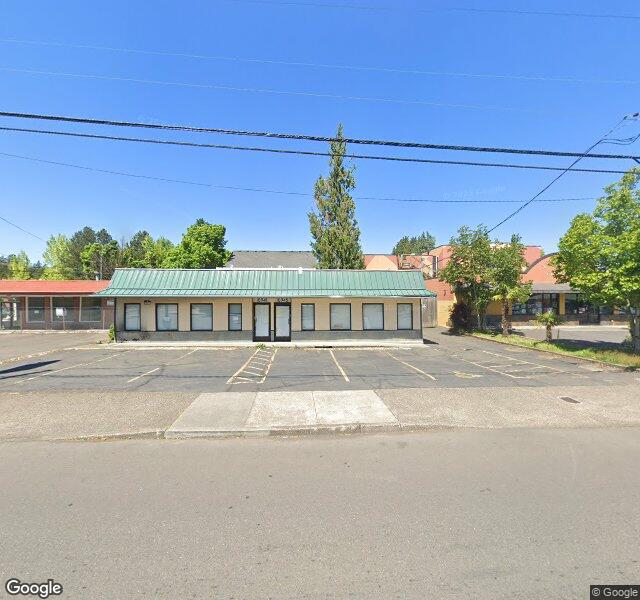
11325 NE WEIDLER STREET, PORTLAND, OR 97220 (503) 231-0276
For profit - Limited Liability company 55 Beds Independent Data: November 2025
Trust Grade
53/100
#70 of 127 in OR
Last Inspection: February 2025

Within standard 12-15 month inspection cycle. Federal law requires annual inspections.

Overview

Rose City Nursing and Rehabilitation has a Trust Grade of C, indicating that it is average and falls in the middle of the pack among nursing homes. It ranks #70 out of 127 facilities in Oregon, placing it in the bottom half of options available in the state, and #17 out of 33 in Multnomah County, meaning there are better local alternatives. Unfortunately, the facility's performance is worsening, with the number of issues identified increasing from 2 in 2024 to 9 in 2025. Staffing is a significant concern here, with a low rating of 1 out of 5 stars and a lack of consistent RN coverage, which has put residents at risk for timely assessments and care. Specific incidents include a resident requiring hospitalization and surgery due to severe constipation that was not effectively managed, and issues with food safety practices that could lead to foodborne illnesses. While the facility has a strong quality measures rating of 5 out of 5, the overall context suggests that families should weigh both the strengths and weaknesses carefully.

Trust Score
C
53/100
In Oregon
#70/127
Bottom 45%
Safety Record
Moderate
Needs review
Inspections
Getting Worse
2 → 9 violations
Staff Stability
○ Average
Turnover data not reported for this facility.
Penalties
⚠ Watch
$2,797 in fines. Higher than 98% of Oregon facilities. Major compliance failures.
Skilled Nurses
○ Average
Each resident gets 36 minutes of Registered Nurse (RN) attention daily — about average for Oregon. RNs are the most trained staff who monitor for health changes.
Violations
⚠ Watch
32 deficiencies on record. Higher than average. Multiple issues found across inspections.
★★★☆☆
3.0
Overall Rating
★☆☆☆☆
1.0
Staff Levels
★★★★★
5.0
Care Quality
★★★☆☆
3.0
Inspection Score
Stable
2024: 2 issues
2025: 9 issues

The Good

  • 5-Star Quality Measures · Strong clinical quality outcomes
  • Full Sprinkler Coverage · Fire safety systems throughout facility
  • No fines on record

Facility shows strength in quality measures, fire safety.

The Bad

3-Star Overall Rating

Near Oregon average (3.0)

Meets federal standards, typical of most facilities

Federal Fines: $2,797

Below median ($33,413)

Minor penalties assessed

The Ugly 32 deficiencies on record

1 actual harm
Feb 2025 9 deficiencies
CONCERN (D)

Potential for Harm - no one hurt, but risky conditions existed

Accident Prevention (Tag F0689)

Could have caused harm · This affected 1 resident

Based on observation, interview and records review it was determined the facility failed to assess safety with smoking for 1 of 1 resident (#19) reviewed for smoking. This placed residents at risk for...

Read full inspector narrative →
Based on observation, interview and records review it was determined the facility failed to assess safety with smoking for 1 of 1 resident (#19) reviewed for smoking. This placed residents at risk for unsafe smoking. Findings include: The facilities 8/2022 Smoking Policy for Residents states resident smoking status is evaluated upon admission. If a smoker, the evaluation includes: - current level of tobacco consumption; - method of tobacco consumption; - desire to quit smoking; and - ability to smoke safely with or without supervision (per a completed Safe Smoking Evaluation). Resident 19 was admitted to the facility in 1/2025 which diagnoses including congestive heart failure. A review of Resident 19's clinical record revealed no indication a smoking assessment was completed or if the resident was an independent smoker. On 2/23/25 at 10:07 AM a list of residents who smoke was received from Staff 1 (Administrator) and Resident 19 was not included on the list. On 2/25/25 at 12:15 PM Resident 19 was observed independently entering the smoking area with smoking supplies. On 2/25/25 at 12:20 PM Staff 1 was observed entering the smoking area. At 12:25 PM Staff 1 reentered the facility holding Resident 19's cigarettes and lighter. Staff 1 stated I'm going to be back to do a smoking assessment on [her/him]. On 2/25/25 at 12:42 PM Staff 9 (CNA) stated Resident 19 kept her/his own smoking supplies and went out on her/his own to smoke since the resident was admitted to the facility. On 2/25/25 at 1:29 PM Staff 3 (DNS/RNCM) acknowledged Resident 19 was not assessed for smoking safety and should have been prior to being allowed to smoke independently for Resident 19's safety.
CONCERN (D)

Potential for Harm - no one hurt, but risky conditions existed

Deficiency F0698 (Tag F0698)

Could have caused harm · This affected 1 resident

Based on observation, interview and record review it was determined the facility failed to ensure dialysis services were in place including monitoring and communication with the dialysis provider for ...

Read full inspector narrative →
Based on observation, interview and record review it was determined the facility failed to ensure dialysis services were in place including monitoring and communication with the dialysis provider for 1 of 1 sampled resident (# 20) reviewed for dialysis. This placed residents at risk for dialysis complications and delayed treatment. Findings include: Resident 20 was admitted to the facility in 8/2024 with diagnoses including diabetes, end-stage renal disease and dependence on dialysis (a medical treatment that removes waste products from the blood when the kidneys are not working properly). Resident 20's 8/18/24 admission MDS indicated the resident had no cognitive impairments and received dialysis. Resident 20's 1/26/25 Dialysis Care Plan indicated the resident received dialysis on Tuesday, Thursday and Saturday. From 2/1/25 through 2/25/25, Resident 20 had 10 dialysis treatments. A review of Resident 20's Dialysis Communication Forms from 2/1/25 through 2/25/25 revealed the following days when the facility did not have pre-dialysis and post-dialysis information: -2/4/25, 2/6/25 and 2/15/25. A review of Resident 20's health record revealed no evidence nursing staff contacted the dialysis center to obtain a verbal or electronic report on 2/4/25, 2/6/25 or 2/15/25. On 2/25/25 at 1:36 PM, Resident 20 was out of the facility for dialysis and at 2:01 PM, she/he was observed returning to the facility from her/his scheduled dialysis appointment. On 2/23/25 at 10:01 AM, Resident 20 stated she/he went to dialysis three times a week; on Tuesday, Thursday and Saturday. Resident 20 stated the facility did not consistently complete the Dialysis Communication Form and nursing did not always assess her/him upon returning back to the facility from the dialysis center for several hours after she/he returned. On 2/26/25 at 8:09 AM and 12:16 PM Staff 3 (DNS/RNCM) stated the top portion of the Dialysis Communication Form was to be completed by the nurse and sent with the resident to dialysis. She stated upon the resident's return, the dialysis center should have completed the mid-portion of the Dialysis Communication Form, the nurse assessed the resident and then completed the last section of the report. Staff 3 confirmed the facility did not have pre-dialysis and post-dialysis information for Resident 20 on 2/4/25, 2/6/25 and 2/15/25 and there was no evidence nursing staff contacted the dialysis center to obtain a verbal or electronic report. Staff 3 stated she expected communication between the facility and dialysis center via the Dialysis Communication Form for each dialysis visit and, if information was missing, she expected staff to contact the dialysis center to obtain the information.
CONCERN (E)

Potential for Harm - no one hurt, but risky conditions existed

Deficiency F0679 (Tag F0679)

Could have caused harm · This affected multiple residents

**NOTE- TERMS IN BRACKETS HAVE BEEN EDITED TO PROTECT CONFIDENTIALITY** Based on observation, interview and record review it was determined the facility failed to provide an ongoing person-centered ac...

Read full inspector narrative →
**NOTE- TERMS IN BRACKETS HAVE BEEN EDITED TO PROTECT CONFIDENTIALITY** Based on observation, interview and record review it was determined the facility failed to provide an ongoing person-centered activity program for 3 of 3 sampled residents (#s 5,10 and 20) reviewed for activities. This placed residents at risk of a decline in psychosocial well-being and diminished quality of life. Findings include: The facility's Activity Programs-Staffing Policy, revised 6/2018, indicated the following: The activity director/coordinator's responsibilities included the following: -completing or delegating the completion of the activities component of the comprehensive assessment; -ensuring activity goals and approaches reflected in the residents' care plans were individualized to match the skills, abilities and interests/preferences of each resident; -monitoring and evaluating the residents' responses to activities and revising the approaches as appropriate; -developing, implementing, supervising and evaluating activity programs at least quarterly; -sufficient activity personnel were on duty to meet the needs of the residents and the functions of the activities program. 1. Resident 10 was admitted to the facility in 12/2020 with diagnoses included non-traumatic subarachnoid hemorrhage (bleeding in the brain not due to any head trauma), mild cognitive impairment and failure to thrive. Resident 10's 12/3/20 admission Activities Assessment indicated the resident was very social and enjoyed being around people, loved to watch old TV shows such as I Love Lucy and The [NAME] Bunch, and liked to play dominos and bingo. The resident's identified preferences included arts and crafts, music and watching TV. Resident 10's Activity Care Plan, last revised 5/9/24, included one-to-one visits, pet visits, sensory one-to-one activities including hand massages, watching old TV shows including cartoons and animal shows, coloring, painting, visiting with others, going on walks and being outside. Resident 10's 9/30/24 Annual MDS revealed the resident had no cognitive impairments. Resident 10 reported it was somewhat to very important to use the phone in private, have books/newspapers/magazines to read, listen to music, be around animals, keep up with the news, do things in groups of people, do favorite activities, go outside when the weather was nice and participate in religious services or practices. Resident 10's 12/20/24 Activity Quarterly Review indicated the resident participated in group activities, enjoyed one-to-one activities and walks outside. The 12/18/24 Resident Council Meeting Minutes indicated residents wanted more bingo and a gaming system. The facility's Activity Calendar revealed the following scheduled activities: -2/24/25 10:00 AM: 1:1 Visits 1:00 PM: Bingo -2/25/25 11:00 AM: Games and Music 1:00 PM: Bingo 3:00 PM: Smoothie Day -2/26/25 10:00 AM: 1:1 Visits 1:00 PM: Bingo 3:00 PM: Birthday Party Resident 10's Activity Participation Logs for 1/2025 and 2/2025 indicated Resident 10 participated in a reminiscing activity on 1/2/25. Random observations of Resident 10 conducted from 2/23/25 through 2/25/25 between the hours of 8:00 AM and 4:30 PM revealed Resident 10 resided in the only upstairs bedroom of a two story house, with one roommate and no other residents around. Resident 10 was not observed out of her/his room, at anytime. The resident was observed watching shows on her/his tablet, lying in bed with the lights off, sleeping or sitting at the edge of the bed. Resident 10 was not observed in any group or one-to-one activities and no books, newspapers, magazines or music was observed in the resident's room. On 2/24/25 bingo was scheduled but did not occur and on 2/25/25 games, music and bingo were scheduled but did not occur. On 2/23/25 at 11:01 AM, Resident 10 stated she/he liked to socialize and play bingo but was unable to participate because she/he could no longer walk, therefore, could not go downstairs where the majority of residents resided and group activities occurred. Resident 10 stated she/he was no longer able to socialize with other seniors because she/he could no longer go downstairs. On 2/25/25 at 8:24 AM, Staff 9 (CNA) stated Resident 10 liked to be downstairs to watch television and play bingo. Staff 9 stated Resident 10 was unable to walk, and was unable to go downstairs for approximately the last month and a-half. Staff 9 stated there were no activities occurring in the facility except maybe bingo once a month, there were no real activities here and there was nothing going on in Resident 10's room except for the resident watching her/his tablet. On 2/13/25 at 10:13 AM, Staff 11 (Activity Director/Social Service Director) stated he was new to the position and served as the activity director for approximately three months. Staff 11 stated he received two weeks of training which occurred concurrently with his medical records training and he had no previous experience running an activities program in a long-term care setting. Staff 11 stated it was his responsibility to complete the activities section on the MDS, complete an admission/annual activity assessment, develop the residents' activity care plans, complete quarterly activity reviews and document all activities in residents' electronic health records. Staff 11 stated Resident 10 enjoyed coming downstairs for bingo and playing games such as Uno, checkers or chess. Staff 11 reported Resident 10 had been one of his most active residents who regularly participated in group activities but the resident was no longer able to walk downstairs, so was unable to participate in activities. Staff 11 stated his job also included social service director and working in medical records and, because of his schedule, he usually missed two to three scheduled activities a week. On 2/26/25 at 12:52 PM Staff 2 (Administrator-In-Training) and at 1:11 PM Staff 1 (Administrator) were present for an interview. Staff 2 stated he was aware activities were an issue but did not realize the extent of the problem. Staff 2 acknowledged scheduled activities were being missed. Staff 1 stated he expected activities to be planned based on residents' requests, preferences, physical and mental abilities, and activities occurred every day and at various times of the day. 2. Resident 20 was admitted to the facility in 8/2024 with diagnoses including end-stage renal disease, major depressive disorder and anxiety disorder. Resident 20's 8/12/24 admission Activities Assessment indicated the resident enjoyed relaxing, being outdoors, music, nature, long-boarding and reading. The resident had a list of preferred activities and was open to trying new activities at the facility. Resident 20's 8/18/24 Annual MDS revealed the resident had no cognitive impairments. The resident's activity preferences and interests were not assessed. Resident 20's Activities Care Plan, last revised 11/27/24, indicated to identify at least two activities the resident liked to participate in, Resident 20 would participate in two preferred activities per week, arrange 1:1 visits with the resident and remind Resident 20 when an activity was to occur. Resident 20's 11/29/24 admission Activities Assessment indicated the resident enjoyed music, board games and watching television. The 12/18/24 Resident Council Meeting Minutes indicated residents wanted more bingo and a gaming system. The facility's Activity Calendar revealed the following scheduled activities: -2/24/25 10:00 AM: 1:1 Visits 1:00 PM: Bingo -2/25/25 11:00 AM: Games and Music 1:00 PM: Bingo 3:00 PM: Smoothie Day -2/26/25 10:00 AM: 1:1 Visits 1:00 PM: Bingo 3:00 PM: Birthday Party Resident 20's 1/2025 and 2/2025 Activity Participation Logs indicated the resident played video games on 1/2/25 and 1/6/25. Random observations of Resident 20 conducted from 2/23/25 through 2/25/25 between the hours of 8:00 AM and 4:30 PM revealed the resident was often in her/his room with ear phones on, sleeping or sitting at the edge of the bed. The resident was observed walking in the hallways of the facility, at times. The resident left the facility for dialysis (a medical treatment that removes waste products and excess fluid from the blood when the kidneys stop working properly). On 2/24/25 bingo was scheduled but did not occur and on 2/25/25 games, music and bingo were scheduled but did not occur. On 2/23/25 at 10:01 AM and 2/24/25 at 1:04 PM, Resident 20 stated there were no activities in the facility and she/he was stuck staring at the walls in her/his room or watching television. Resident 20 reported she/he was an artist but there were no art supplies except color crayons and coloring pages designed for kids and there were no enrichment activities like arts/crafts, exercising or chair yoga. Resident 20 stated Staff 11 (Activity Director/Social Service Director) was so busy he was unable to walk with the resident when it was nice outside. Resident 20 reported she/he spoke-up at Resident Council and tried to offer ideas and solutions for the lack of activities. On 2/25/25 at 8:24 AM, Staff 9 (CNA) stated Resident 20 liked bingo and hanging-out with people. Staff 9 stated there were no activities occurring in the facility except maybe bingo once a month, there were no real activities here and there was nothing going on in Resident 20's room that he was aware of. On 2/25/25 at 10:13 AM, Staff 11 stated he was new to the position of activity director and had been in this role for approximately three months. Staff 11 stated he received two weeks of training which occurred concurrently with his medical records training and he had no previous experience running an activities program in a long-term care setting. Staff 11 stated it was his responsibility to complete the activities section on the MDS, complete an admission/annual activity assessment, develop the residents' activity care plans, complete quarterly activity reviews and document all activities in residents' electronic health records. Staff 11 stated Resident 20 liked to watch anime and play bingo and Uno with the group. Staff 11 stated his job also included social service director and working in medical records and, because of his schedule, he usually missed two to three scheduled activities a week. On 2/26/25 at 12:52 PM Staff 2 (Administrator-In-Training) and at 1:11 PM Staff 1 (Administrator) were present for an interview. Staff 2 stated he was aware activities were an issue but did not realize the extent of the problem. Staff 2 acknowledged scheduled activities were being missed. Staff 1 stated he expected activities to be planned based on residents' requests, preferences, physical and mental abilities, and activities occurred every day and at various times of the day. 3. Resident 5 was admitted to the facility in 8/2024 with diagnoses including heart failure. An 8/27/24 Activity admission Assessment revealed Resident 5 was interested in participating in activities. A 9/3/24 Annual MDS indicated Resident 5 had no cognitive impairments and was interested in participating in group activities. Resident 5's Care Plan revised on 12/9/24 included goals of increased participation in activities with interventions including giving Resident 5 verbal reminders of activities before the start of activities. A review of Resident 5's activity Task Records from 1/25/25 through 2/24/25 revealed Resident 5 did not participate in any activities. On 2/23/25 at 9:33 AM Resident 5 stated she/he was rarely invited to activities and activities rarely occurred as scheduled. Review of the 2/2025 Activity Calendar revealed the following activities were scheduled on 2/24/25: - Games and Music at 11:00 AM - Bingo at 1:00 PM Random observations on 2/24/25 from 8:00 AM through 4:00 PM revealed no scheduled games, music or bingo occurred. On 2/25/25 at 8:24 AM Staff 9 (CNA) stated the only activity he ever observed occurring was bingo which only happened once a month. On 2/25/25 at 10:17 AM Staff 11 (Activity Director/Social Services Director) stated Resident 5's activity participation was documented in the activity logs, but he had not completed any documentation specifically regarding Resident 5's participation. Staff 11 acknowledged activities did not occur as scheduled due to the challenges of fulfilling responsibilities as both the Activity Director and the Social Service Director.
CONCERN (E)

Potential for Harm - no one hurt, but risky conditions existed

Deficiency F0680 (Tag F0680)

Could have caused harm · This affected multiple residents

Based on interview and record review it was determined the facility failed to provide a qualified professional to direct the activities program for 1 of 1 facility reviewed for activities. This placed...

Read full inspector narrative →
Based on interview and record review it was determined the facility failed to provide a qualified professional to direct the activities program for 1 of 1 facility reviewed for activities. This placed residents at risk for unmet physical, mental and psychosocial needs. Findings include: On 2/25/25 at 10:17 AM Staff 11 (Activity Director/Social Services Director) stated one of his roles at the facility was to organize and lead activities. Staff 11 stated he was told a certification was not necessary to performed the duties of an Activity Director and confirmed he had not started or completed the necessary training required. On 2/26/25 at 1:11 PM Staff 1 (Administrator) confirmed Staff 11 did not have the necessary Activity Director certification.
CONCERN (E)

Potential for Harm - no one hurt, but risky conditions existed

Deficiency F0761 (Tag F0761)

Could have caused harm · This affected multiple residents

**NOTE- TERMS IN BRACKETS HAVE BEEN EDITED TO PROTECT CONFIDENTIALITY** Based on observation, interview and record review it was determined the facility failed to properly dispose of expired medicatio...

Read full inspector narrative →
**NOTE- TERMS IN BRACKETS HAVE BEEN EDITED TO PROTECT CONFIDENTIALITY** Based on observation, interview and record review it was determined the facility failed to properly dispose of expired medications for 1 of 1 resident medication storage refrigerators and 1 of 1 medical storage rooms reviewed for medication storage. This placed residents at risk for lack of medication efficacy and adverse reactions from expired medications. Findings include: The facility's Storage of Medications policy with revision date 11/2020 did not address vials of medications but indicated outdated medications were to be destroyed by the facility. The manufacturer insert indicated an open and in use multi-dose vial of Tuberculin should be thrown away after 30 days to avoid oxidation and degradation. During a review of the resident medication storage refrigerator on 2/24/25 at 11:33 AM Staff 12 (LPN) verified the following expired medication was found: - one open and used multi-dose vial of Tuberculin (solution used in testing for Tuberculosis) with an open date of 1/22/25. On 2/24/25 at 11:36 AM Staff 12 stated the facility policy was to throw away open vials after 30 days. During a review of the medication storage room on 2/24/25 at 1:22 PM Staff 2 (Administrator-In-Training) verified the following expired medications were found: - two bottles of [NAME] lotion (lotion for relief of itching) with 9/2022 expiration dates. - three bottles of [NAME] lotion with 3/2023 expiration dates. On 2/24/25 at 1:25 PM Staff 2 stated the facility policy for expired medications was to throw away the expired medications and order replacements if needed.
CONCERN (F)

Potential for Harm - no one hurt, but risky conditions existed

Deficiency F0727 (Tag F0727)

Could have caused harm · This affected most or all residents

Based on interview and record review it was determined the facility failed to ensure an RN was available for at least eight consecutive hours per day, seven days per week for 33 of 61 days reviewed fo...

Read full inspector narrative →
Based on interview and record review it was determined the facility failed to ensure an RN was available for at least eight consecutive hours per day, seven days per week for 33 of 61 days reviewed for staffing. This placed residents at risk for lack of timely RN assessments and care. Findings include: The facility's Staffing, Sufficient and Competent Nursing Policy, last revised 8/2022, indicated the following: -A registered nurse provided services at least eight consecutive hours every 24 hours, seven days a week. A review of the facility's DCSDRs (Direct Care Staff Daily Reports) revealed the following: In 7/2024, nine days were reviewed and revealed four days without appropriate RN coverage on 7/16/24, 7/20/24, 7/22/24 and 7/23/24. In 8/2024, 22 days were reviewed and revealed 12 days without appropriate RN coverage on 8/4/24, 8/5/24, 8/6/24, 8/10/24, 8/11/24, 8/12/24, 8/13/24, 8/17/24, 8/18/24, 8/19/24, 8/20/24 and 8/24/24. In 9/2024, 30 days were reviewed and revealed 17 days without appropriate RN coverage on 9/1/24, 9/3/24, 9/8/24, 9/9/24, 9/10/24, 9/11/24, 9/14/24, 9/15/24, 9/16/24, 9/17/24, 9/21/24, 9/23/24, 9/24/24, 9/26/24, 9/28/24, 9/29/24 and 9/30/24. On 2/25/25 at 4:01 PM and 2/26/25 at 12:04 PM, Staff 1 (Administrator) and Staff 2 (Administrator-In-Training) reported RN coverage for the facility had been challenging for several months. Staff 1 and Staff 2 reviewed the DCSDRs for 7/2024, 8/2024 and 9/2024 and staff payroll records, and acknowledged the lack of RN coverage on the days identified.
CONCERN (F)

Potential for Harm - no one hurt, but risky conditions existed

Food Safety (Tag F0812)

Could have caused harm · This affected most or all residents

Based on observation, interview and record review it was determined the facility failed to ensure food and beverages were labeled and stored in a manner to minimize spoilage and cross contamination fo...

Read full inspector narrative →
Based on observation, interview and record review it was determined the facility failed to ensure food and beverages were labeled and stored in a manner to minimize spoilage and cross contamination for 4 of 4 kitchen refrigerators and 1 of 1 unit refrigerator reviewed for sanitary conditions. This placed residents at risk for foodborne illness. Findings include: Review of the US FDA 2022 Food Code indicated the following: -Food prepared and held cold must be clearly marked with date prepared or by day which the food shall be consumed or discarded. -Food must be labeled with a use-by-date if stored for at least 24 hours. -Food could be stored up to seven days. The facility's Food Receiving and Storage Policy, last revised 10/2017, revealed the following: -Foods shall be received and stored in a manner that complies with safe food handling practices. -All foods stored in the refrigerator or freezer will be covered, labeled and dated (use by date). -All food belonging to residents must be labeled with the resident's name, the item and the use by date. -Beverages must be dated when opened and discarded after 24 hours. 1. On 2/23/25 at 9:02 AM, a brief kitchen tour was completed and revealed the following: -In refrigerator number one, a block of cheese slices was unlabeled and undated and a plastic to-go container with a white grated substance was unlabeled and undated. -In refrigerator number two, two pitchers of red liquid were unlabeled and undated. -In refrigerator number four, 24 one pound cubes of butter were undated and three five pound blocks of cheese were unlabeled and undated. On 2/23/25 at 9:02 AM, Staff 5 (Cook) confirmed the items identified in refrigerator one, refrigerator two and refrigerator four were not properly labeled or dated. On 2/26/25 at 9:45 AM, Staff 4 (Dietary Manager) stated she expected all food and beverage items to be labeled and dated. 2. On 2/25/25 at 10:00 AM and 10:09 AM, Staff 6 (Cook) and Staff 13 (CNA) reviewed the residents' refrigerator which contained numerous food and beverage items. The following food and beverages were observed to be stored as follows: -a previously opened, one liter bottle of soda pop was unlabeled and undated. -a previously opened 12 ounce bottle of cola was unlabeled and undated. -a previously opened 12 ounce bottle of tea was unlabeled and undated. -a dirty and stained cloth bag containing a bottle of liquid and various food items was unlabeled and undated. On 2/25/25 at 10:09 AM, Staff 6 and Staff 13 confirmed the above mentioned food and beverage items located in the residents' refrigerator were not properly labeled or dated and a dirty cloth bag of beverages and food should not be stored in the refrigerator due to concerns with cross contamination. On 2/26/25 at 9:45 AM, Staff 4 (Dietary Manager) stated she expected all food and beverage items in the residents' refrigerator should be labeled and dated. 3. On 2/26/25 at 9:45 AM, a follow-up kitchen visit was completed with Staff 4 (Dietary Manager) which revealed the following: -In refrigerator number one, seven individual servings of brown sauce in plastic to-go cups were unlabeled and undated and four, one pound cubes of butter were undated. -In refrigerator number three, a plastic to-go container of pasta was unlabeled and undated. -In refrigerator number four, 22 one pound cubes of butter were undated and three five pound blocks of cheese were unlabeled and undated. On 2/26/25 at 9:45 AM, Staff 4 (Dietary Manager) stated she expected all food and beverage items to be labeled and dated.
MINOR (B)

Minor Issue - procedural, no safety impact

Transfer Notice (Tag F0623)

Minor procedural issue · This affected multiple residents

Based on interview and record review it was determined the facility failed to ensure a transfer notice with appeal rights was provided in writing to the resident or their representative, and the facil...

Read full inspector narrative →
Based on interview and record review it was determined the facility failed to ensure a transfer notice with appeal rights was provided in writing to the resident or their representative, and the facility failed to ensure the Office of the State Long-Term Care Ombudsman was notified of the resident's hospitalization for 1 of 1 sampled resident (#3) reviewed for hospitalizations. This placed residents at risk for lack of access to an advocate to inform them of their options and rights, and lack of information regarding discharge. Findings include: The facility's Bed Hold Policy: Bed-Holds and Returns with revision date 10/2022 stated all residents of the facility were to be provided with written notice at least twice; once in the admission packet, and again at the time of transfer or if the transfer was an emergency within 24 hours. Resident 3 admitted to the facility in 1/2025 with diagnoses including hypothermia (body temperature too low) and sepsis (severe infection). A 1/29/25 admission MDS indicated Resident 3 was cognitively intact. A review of Resident 3's health record revealed she/he was transferred to the hospital on 2/15/25. No evidence was found in Resident 3's health record to indicate a transfer notice with appeals rights was provided to the resident or their representative upon transfer. Resident 3's health record also had no indication the Office of the State Long-Term Care Ombudsman was notified of the resident's hospitalization. On 2/26/25 8:45 AM Staff 3 (DNS/RNCM) stated a transfer notice was to be sent with a resident at time of transfer by the facility nurse and the RNCM was to follow up to ensure the notice was given to the resident. She stated she was not aware the Office of the State Long-Term Care Ombudsman was to be notified at time of transfer. She verified a transfer notice was not given to Resident 3 or her/his representative, and the Office of the State Long-Term Care Ombudsman was not notified of the resident's hospitalization. She stated the expectation was for the facility bed hold policy to be followed with every transfer out of the facility.
MINOR (B)

Minor Issue - procedural, no safety impact

Staffing Information (Tag F0732)

Minor procedural issue · This affected multiple residents

Based on observation, interview and record review it was determined the facility failed to post accurate and complete staffing information for 1 of 1 facility reviewed for staffing. This placed reside...

Read full inspector narrative →
Based on observation, interview and record review it was determined the facility failed to post accurate and complete staffing information for 1 of 1 facility reviewed for staffing. This placed residents and the public at risk for incomplete and inaccurate staffing information. Findings include: The facility's Staffing, Sufficient and Competent Nursing Policy, last revised 8/2022, indicated the following: -Direct care daily staffing numbers (the number of nursing personnel responsible for providing direct care to residents) were posted in the facility for every shift. A review of the facility's DCSDRs (Direct Care Staff Daily Reports) revealed the following: From 1/21/25 through 2/22/25, 32 days were reviewed and revealed 11 days when portions of the DCSDRs were incomplete or inaccurate on 1/23/25, 1/24/25, 1/29/25, 1/30/25, 1/31/25, 2/12/25, 2/13/25, 2/14/25, 2/20/25, 2/21/25 and 2/20/25. On 2/25/25 at 4:01 PM, Staff 1 (Administrator) and Staff 2 (Administrator-In-Training) reviewed the 1/21/25 through 2/22/25 DCSDRs and verified the reports were incomplete or inaccurate on the days identified. Staff 1 and Staff 2 stated they expected the DCSDRs to be completed accurately and with all information included.
Mar 2024 2 deficiencies 1 Harm
SERIOUS (G) 📢 Someone Reported This

A family member, employee, or ombudsman was alarmed enough to file a formal complaint

Actual Harm - a resident was hurt due to facility failures

Quality of Care (Tag F0684)

A resident was harmed · This affected 1 resident

Based on interview and record review it was determined the facility failed to ensure bowel status was assessed and a bowel care medication regimen was administered as ordered for 1 of 3 sampled reside...

Read full inspector narrative →
Based on interview and record review it was determined the facility failed to ensure bowel status was assessed and a bowel care medication regimen was administered as ordered for 1 of 3 sampled residents (#1) reviewed for bowel care. Resident 1 developed abdominal pain, was admitted to the hospital and required surgery to remove part of the large intestine due to impaction (hardened stool stuck in the rectum or lower colon due to chronic constipation-occurs when constipated for a long time) and a colostomy (surgical procedure used to bring the healthy end of the large intestine through the abdominal wall for feces to leave the body) was placed. Findings include: Resident 1 was admitted to the facility 10/4/23 with diagnoses including developmental delay and stroke. An 10/3/23 hospital physician Progress Note revealed Resident 1 had a diagnosis of severe constipation, chronic-improved and had a history of chronic constipation with past frequent admissions. The resident was to continue senna (laxative) and Miralax (Miralax) at a high frequency in the hopes of getting more doses in her/him as the resident often refused the medication. The goal was for the resident to have one bowel movement per day. The note also indicated the resident's family reported Miralax was an effective medication regimen at home. An 10/4/23 hospital Discharge Order included glycolax (generic for Miralax) administered four times a day. Review of the 10/2023 MAR revealed Resident 1's physician order for glycolax four times a day was not initiated. Progress Notes for 10/2023 revealed no staff communication with Resident 1's physician requesting to discontinue the glycolax four times a day. A care plan initiated 10/4/23 did not address the resident's history of constipation. An 10/11/23 admission MDS and associated CAAs did not address Resident 1's history of constipation, past hospitalizations for constipation or goals identified in the resident's hospital records for the resident to have one bowel movement a day. Resident 1's 1/2024 bowel record revealed she/he had up to three bowel movements a day except on 1/2/24 when the resident did not have a bowel movement. 11 of 63 bowel movements were documented as small. A 2/2024 bowel record revealed the following: -2/1/24 no bowel movement -2/2/24 small soft bowel movement on the night shift -2/3/24 and 2/4/24 no bowel movement -2/5/24 medium soft bowel movement on the day shift -2/6/24 through 2/11/24 no bowel moment -2/12/24 small soft bowel movement on night shift -2/13/24 large formed bowel movement on the evening shift -2/14/24 and 2/15/24 no bowel movement -2/16/24 small soft bowel movement on the evening shift and a large soft bowel movement on the night shift -2/17/24 small soft bowel movements on day and night shifts -2/18/24-2/20/24 no bowel movement (Resident 1 had nine bowel movements in 20 days. Resident 1 was discharged on 2/21/24 at approximately 1:00 AM). On 3/6/24 at 2:18 PM Staff 5 (CNA) stated when Resident 1 had a bowel movement on 2/17/21 it was the size of a small plastic spoon and was the consistency of peanut butter. On 3/7/24 at 1:03 PM Staff 4 (CNA) stated when Resident 1 had a bowel movement on 2/17/24 it was the size of a golf ball. Staff 4 stated on 2/20/24 when the resident went to the hospital her/his stomach was very big and it was not like that on 2/17/24. If it was big, she would have reported it to the nurse. Resident 1's 2/2024 MAR from 2/1/24 through 2/20/24 revealed the following: -Sennosides (treats constipation) BID was refused 9 of 40 opportunities. -Bisacodyl rectal suppository was to be administered if the resident did not have a bowel movement for greater than 48 hours. -there were no documented refusals when the resident did not have a bowel movement from 2/6/24-2/11/24 -Resident one refused bisacodyl on 2/13/24 (Lactulose/laxative was administered; see below) -One dose was administered on 2/20/24 at 12:03 AM prior to the resident's discharge to the hospital -Lactulose BID if bisocodyl was refused. -Lactulose was administered on 2/5/25 but no indication a bisocodyl suppository was refused -Lactulose was administered on 2/9/24 but no indication a bisacodyl suppository was refused (documented as ineffective but not readministered) -Lactulose was administered on 2/13/24 after the suppository was refused -Lactulose was administered on 2/20/24 prior to the resident's hospitalization Glycolax every four hours PRN: -a dose was administered on 2/3/24,was documented as ineffective, the resident was not administered another dose and the resident did not have a bowel movement on 2/3/24 -a dose was administered 2/10/24 at 10:03 PM and documented as ineffective and another dose was not given until 2/12/24 at 7:08 AM -a dose was administered on 2/13/24 at 9:34 PM and effectiveness was documented as unknown. No dose was re-administered when the resident did not have a bowel movement on 2/14/24. Progress notes revealed on 2/13/23 Resident 1 did not have a bowel moment for three days, had hypoactive bowel sounds (reduced regularity of sound indicating slowed bowel activity), her/his abdomen was distended and non-tender. Resident 1 stated she/he passed gas, refused a suppository and was administered Lactulose. On 2/21/24 the note indicated Resident 1 screamed in pain, her/his abdomen was slighted distended and reported something was not right. The resident was administered a suppository at approximately 12:00 AM, the physician was notified and the resident was sent to the hospital. Resident 1's record did not include additional assessments when the resident did not have a bowel movement from 2/6/24 through 2/11/24 or an assessment related to the change in the resident's bowel pattern from 1/2024 to 2/2024. A 2/15/24 Managed Risk Agreement indicated Resident 1 refused ADL care, dietary recommendations, physician visits, CBGs, insulin, therapy, mental health services and interactions with staff. The form did not address bowel care refusals. A 2/21/24 at 1:29 AM Emergency Department Provider Note indicated Resident 1 vomited upon arrival to the hospital and had a firm, distended, tender abdomen. The resident had imaging which showed a very large colon with very large stool burden. Resident 1's diagnosis was fecal impaction and stercoral colitis (chronic constipation leads to fecal impaction, colon distention and masses of dehydrated fecal material). Aggressive bowel care was provided. A 2/24/24 Operative Report revealed Resident 1 had stercoral colitis and a large bowel obstruction. Findings included an immensely dilated rectum and immense stool burden with no possibility of cleaning out the colon resulting in a colostomy. On 3/7/24 at 9:12 AM Staff 1 (DNS) stated the initial screening of documents for new admissions to the facility was usually completed by the DNS or the RNCM. The DNS or RNCM reviewed the documents provided by the hospital including the history and the orders. Staff 1 acknowledged the facility had the information related to the resident's history of constipation, the resident's frequent hospitalizations related to constipation, and the facility did not assess and implement a care plan specific to the resident's bowel care needs. Staff 1 stated the orders were initially entered into the computer by the RNCM and the floor nurses reviewed the hospital orders prior to the first medication administration. A request was made to Staff 1 to provide documentation at the time of the resident's admission to the facility the staff clarified with the physician the glycolax was not to be administered four times a day and only PRN. No additional information was provided.
CONCERN (D) 📢 Someone Reported This

A family member, employee, or ombudsman was alarmed enough to file a formal complaint

Potential for Harm - no one hurt, but risky conditions existed

Deficiency F0625 (Tag F0625)

Could have caused harm · This affected 1 resident

Based on interview and record review it was determined the facility failed to ensure a resident representative was provided written notice of the facility bed hold policy for 1 of 3 sampled residents ...

Read full inspector narrative →
Based on interview and record review it was determined the facility failed to ensure a resident representative was provided written notice of the facility bed hold policy for 1 of 3 sampled residents (#1) reviewed for bowel care. This placed residents and responsible parties at risk for lack of knowledge related to rights to return to the facility. Findings include: Resident 1 was admitted to the facility in 2023 with a diagnosis of a stroke. Resident 1's record revealed she/he had an appointed guardian. A Bed-Holds and Returns policy last revised 3/2022 revealed residents were to receive written information in the admission packet about the bed-hold policy and within 24 hours of an emergency transfer. Progress Notes revealed Resident 1 was sent to the emergency department on 2/21/24. The notes indicated the guardian was contacted on 2/27/24, the guardian reported she/he wanted the facility to hold the resident's bed and was then was notified by the facility she/he would be financially responsible to place a hold for the resident's bed. The 2/28/24 note indicated the guardian deliberated the cost of the bed-hold, did not want to hold Resident 1's bed and the facility notified the guardian the resident's belongings would be stored at the facility until they were able to pick up the items. On 3/7/24 at 2:13 PM Witness 1 (Hospital Case Manager) stated when she spoke to Resident 1's guardian she/he indicated she/he did not receive written information about the bed-hold policy and was told by phone she/he had to pay in order to allow Resident 1 to be readmitted to the facility. Resident 1's guardian could not afford to hold the bed and did not understand the resident could go back to the facility. On 3/7/24 and 3/8/24 via e-mail Staff 6 (Administrator In Training) indicated Resident 1's guardian was notified by phone and not in writing of the facility's bed-hold policy after the resident was discharged from the facility. On 3/8/24 Staff 6 also stated the resident's guardian was not provided an admission agreement which contained a bed-hold policy when the resident was initially admitted to the facility.
Oct 2023 15 deficiencies
CONCERN (D) 📢 Someone Reported This

A family member, employee, or ombudsman was alarmed enough to file a formal complaint

Potential for Harm - no one hurt, but risky conditions existed

Notification of Changes (Tag F0580)

Could have caused harm · This affected 1 resident

2. Resident 18 was admitted to the facility in 2023 with diagnoses including brain damage. Review of weight records from 8/2023 through 10/2023 revealed Resident 18 weighed 127.4 on 8/9/23. On 10/15/2...

Read full inspector narrative →
2. Resident 18 was admitted to the facility in 2023 with diagnoses including brain damage. Review of weight records from 8/2023 through 10/2023 revealed Resident 18 weighed 127.4 on 8/9/23. On 10/15/23 Resident 18 weighed 113.1 pounds which was an 11.22% loss. Review of Resident 18's 8/2023 through 10/2023 records revealed no physician notification was made regarding Resident 18's unplanned weight loss. On 10/19/23 at 10:48 AM Staff 2 (DNS) confirmed Resident 18's physician should have been notified of Resident 18's unplanned weight loss. Based on interview and record review it was determined the facility failed to notify the physician of a worsening wound and weight loss for 2 of 2 sampled residents (#18 and #72) reviewed for wounds and nutrition. This placed residents at risk for inappropriate treatment, delayed healing and weight loss. Findings include: 1. Resident 72 was admitted to the facility in 2003 with diagnoses including stroke. Resident 72's Progress Notes from 9/21/22 through 10/7/22 revealed the following: - On 9/22/22 the resident's right big toenail was loose and bleeding after the resident's sock was removed. The provider gave treatment orders to apply a band-aid to secure the nail and change the band-aid daily. - On 9/27/22 the resident's toenail was coming off while in the shower with a moderate amount of bleeding. Pressure was applied, cleaned with wound cleanser and wrapped with gauze bandage wrap. A referral was received for the resident to be seen by a podiatrist. No notification to the physician or request for new treatment orders was found in the resident's clinical record. - On 9/30/22 no signs of infection were noted to the resident's right big toe and second toe. The note did not indicate what the issue was with the second toe or why it was monitored for infection. - On 10/7/22 the resident's right big toe and second right toenails came off, there were no signs or symptoms of infection and they both appeared healed. On 10/18/23 at 10:45 AM, 11:38 AM and 12:27 PM Staff 2 (DNS) acknowledged there was no indication the physician was notified when the condition worsened. Refer to F684
CONCERN (D) 📢 Someone Reported This

A family member, employee, or ombudsman was alarmed enough to file a formal complaint

Potential for Harm - no one hurt, but risky conditions existed

Safe Environment (Tag F0584)

Could have caused harm · This affected 1 resident

**NOTE- TERMS IN BRACKETS HAVE BEEN EDITED TO PROTECT CONFIDENTIALITY** Based on observations and interviews it was determined the facility failed to maintain a homelike environment for 1 of 1 facilit...

Read full inspector narrative →
**NOTE- TERMS IN BRACKETS HAVE BEEN EDITED TO PROTECT CONFIDENTIALITY** Based on observations and interviews it was determined the facility failed to maintain a homelike environment for 1 of 1 facility reviewed for environment. This placed residents at risk for living in an unkempt environment. Findings include: Observations of the facility's general environment and residents' rooms from 10/17/23 through 10/20/23 identified the following issues: -rooms [ROOM NUMBERS] had missing light covers on their walls. -rooms [ROOM NUMBERS] had missing portions of blinds on the windows. -room [ROOM NUMBER]'s sink had pulled away from the wall approximately 1 inch leaving a gap between the sink and wall. -The wood frame of the awning covering the outdoor smoking area had a broken [NAME] and rotten wood. -The wooden threshold between a door and the smoking area had a two inch gap where the wood was missing. The remaining wood of the threshold contained divots and was missing paint. On 10/19/23 at 11:20 AM a facility walk through was completed with Staff 1 (Administrator) and Staff 6 (Maintenance Director). Staff 1 and Staff 6 both acknowledged the identified rooms were not homelike and the identified maintenance concerns needed to be repaired.
CONCERN (D) 📢 Someone Reported This

A family member, employee, or ombudsman was alarmed enough to file a formal complaint

Potential for Harm - no one hurt, but risky conditions existed

Comprehensive Assessments (Tag F0636)

Could have caused harm · This affected 1 resident

Based on interview and record review it was determined the facility failed to comprehensively assess a resident for dementia for 1 of 1 sampled resident (#8) reviewed for dementia. This placed residen...

Read full inspector narrative →
Based on interview and record review it was determined the facility failed to comprehensively assess a resident for dementia for 1 of 1 sampled resident (#8) reviewed for dementia. This placed residents at risk for unmet care needs. Findings include: Resident 8 was admitted to the facility in 2022 with diagnoses including stroke and dementia. Resident 8's 8/28/23 CAA for Cognitive Loss/Dementia failed to indicate specifically how dementia was a problem for the resident, how the resident's dementia manifested, the impact on the resident or a rationale for the care planning decision. On 10/19/23 at 9:48 AM the CAA was reviewed with Staff 1 (Administrator), Staff 2 (DNS) and Staff 3 (Regional RN Consultant) who acknowledged the assessment was not comprehensive.
CONCERN (D) 📢 Someone Reported This

A family member, employee, or ombudsman was alarmed enough to file a formal complaint

Potential for Harm - no one hurt, but risky conditions existed

Deficiency F0637 (Tag F0637)

Could have caused harm · This affected 1 resident

Based on interview and record review it was determined the facility failed to timely assess a resident for a significant change in condition for 1 of 1 sampled resident (#8) reviewed for dementia, hos...

Read full inspector narrative →
Based on interview and record review it was determined the facility failed to timely assess a resident for a significant change in condition for 1 of 1 sampled resident (#8) reviewed for dementia, hospice and unnecessary medications. This placed residents at risk for unmet care needs. Findings include: Resident 8 was admitted to the facility in 2022 with diagnoses including stroke and dementia. A physician's order dated 8/11/23 indicated Resident 8 was admitted to hospice on 8/11/23. Resident 8's significant change in status MDS was dated 8/28/23. On 10/19/23 at 9:48 AM the MDS assessment date was reviewed with Staff 1 (Administrator), Staff 2 (DNS) and Staff 3 (Regional RN Consultant) who acknowledged the assessment was completed late.
CONCERN (D) 📢 Someone Reported This

A family member, employee, or ombudsman was alarmed enough to file a formal complaint

Potential for Harm - no one hurt, but risky conditions existed

Assessment Accuracy (Tag F0641)

Could have caused harm · This affected 1 resident

Based on interview and record review it was determined the facility failed to accurately assess a resident for behaviors for 1 of 1 sampled resident (#8) reviewed for dementia. This placed residents a...

Read full inspector narrative →
Based on interview and record review it was determined the facility failed to accurately assess a resident for behaviors for 1 of 1 sampled resident (#8) reviewed for dementia. This placed residents at risk for unmet care needs. Findings include: Resident 8 was admitted to the facility in 2022 with diagnoses including stroke and dementia. Resident 8's 8/28/23 MDS indicated the resident had no indicators for psychosis or behavioral symptoms. Resident 8's 10/19/23 Care Plan indicated the resident's behavior was monitored due to the resident's tendency to yell aggressively, curse, engage in inappropriate behavior toward female staff and argue with her/his roommate. On 10/19/23 at 9:48 AM Staff 1 (Administrator), Staff 2 (DNS) and Staff 3 (Regional RN Consultant) verified Resident 8's care plan was accurate, the resident was on behavior monitoring and the MDS assessment was not correct.
CONCERN (D) 📢 Someone Reported This

A family member, employee, or ombudsman was alarmed enough to file a formal complaint

Potential for Harm - no one hurt, but risky conditions existed

Quality of Care (Tag F0684)

Could have caused harm · This affected 1 resident

Based on interview and record review it was determined the facility failed to provide wound care and obtain physician's orders for wound care for 1 of 1 sampled resident (#72) reviewed for wounds. Thi...

Read full inspector narrative →
Based on interview and record review it was determined the facility failed to provide wound care and obtain physician's orders for wound care for 1 of 1 sampled resident (#72) reviewed for wounds. This placed residents at risk for infection and delayed healing. Findings include: Resident 72 was admitted to the facility in 2003 with diagnoses including stroke. Resident 72's Progress Notes from 9/21/22 through 10/7/22 revealed the following: - On 9/22/22 the resident's right big toenail was loose and bleeding after the resident's sock was removed. The provider gave treatment orders to apply a band-aid to secure the nail and change the band-aid daily. - On 9/27/22 the resident's toenail was coming off while in the shower with a moderate amount of bleeding. Pressure was applied, cleaned with wound cleanser and wrapped with gauze bandage wrap. A referral was received for the resident to be seen by a podiatrist. No notification to the physician or request for new treatment orders was found in the resident's clinical record. - On 9/30/22 no signs of infection were noted to the resident's right big toe and second toe. The note did not indicate what the issue was with the second toe or why it was monitored for infection. - On 10/2/22 no signs of infection were noted to the right big toe and second toe. Cleaned with wound cleaner and [left] open to air (no bandage was applied). No physician's order for this treatment was found in the resident's clinical record. - On 10/4/22 No bleeding from the right foot. Cleaned with wound cleaner and left open to air. - On 10/7/22 the resident's right big toe and second right toenails came off, there were no signs or symptoms of infection and they both appeared healed. Resident 72's 9/2022 and 10/2022 TARs revealed no indication treatment was provided to the resident's right big toe. On 10/18/23 at 10:45 AM, 11:38 AM and 12:27 PM Staff 2 (DNS) acknowledged there was no indication daily treatment was provided as ordered on 9/22/22, no indication the physician was notified when the condition worsened or updated treatment orders were provided.
CONCERN (D) 📢 Someone Reported This

A family member, employee, or ombudsman was alarmed enough to file a formal complaint

Potential for Harm - no one hurt, but risky conditions existed

Deficiency F0692 (Tag F0692)

Could have caused harm · This affected 1 resident

Based on observation, interview and record review it was determined the facility failed to assess and monitor weight loss for 1 of 1 sampled resident (#18) reviewed for nutrition. This placed resident...

Read full inspector narrative →
Based on observation, interview and record review it was determined the facility failed to assess and monitor weight loss for 1 of 1 sampled resident (#18) reviewed for nutrition. This placed residents at risk for unidentified weight changes. Findings include: Resident 18 was admitted to the facility in 7/2023 with diagnoses including brain damage. Review of weight records from 8/2023 through 10/2023 revealed Resident 18 weighed 127.4 on 8/9/23. On 10/15/23 Resident 18 weighed 113.1 pounds which was an 11.22% weight loss. Review of Resident 18's Dietary Orders from 8/2023 through 10/2023 revealed only a single change was made on 8/25/23 with an increase of banana flakes given twice a day to three times a day. No other dietary changes were made for Resident 18. On 10/19/23 at 10:48 AM Staff 2 (DNS) stated Resident 18's weight loss was unplanned and dietary modification were not attempted to appropriately address this unplanned weight loss. On 10/19/23 at 2:23 PM Staff 16 (Dietary Manager) confirmed no additional changes after 8/25/23 were made for Resident 18's dietary orders regarding her/his unplanned weight loss.
CONCERN (D) 📢 Someone Reported This

A family member, employee, or ombudsman was alarmed enough to file a formal complaint

Potential for Harm - no one hurt, but risky conditions existed

Drug Regimen Review (Tag F0756)

Could have caused harm · This affected 1 resident

2. Resident 9 was admitted to the facility in 2023 with diagnoses including stroke and anxiety disorder. Monthly pharmacist reviews of Resident 9's medication regimen revealed the following: -On 9/1...

Read full inspector narrative →
2. Resident 9 was admitted to the facility in 2023 with diagnoses including stroke and anxiety disorder. Monthly pharmacist reviews of Resident 9's medication regimen revealed the following: -On 9/11/23 the pharmacist recommendation advised the prescriber to reassess if PRN lorazepam was needed. If the medication was continued, then rationale and duration of treatment was required. No response from the provider was found in Resident 9's health care record or provided by the facility. -On 10/9/23 the pharmacist made a repeat recommendation which again advised the prescriber to reassess if PRN lorazepam was needed. If the medication was continued, then rationale and duration of treatment was required. No response from the provider was found in Resident 9's health care record or provided by the facility. On 10/20/23 at 10:30 AM Staff 2 (DNS) confirmed the facility did not receive a response from Resident 9's provider regarding the 9/2023 and 10/2023 pharmacist's recommendations. Based on interview and record review it was determined the facility failed to ensure pharmacist recommendations were addressed for 2 of 5 sampled residents (#s 8 and 9) reviewed for unnecessary medications. This placed residents at risk for unnecessary medications. Findings include: 1. Resident 8 was admitted to the facility in 2022 with diagnoses including anemia. Monthly pharmacist reviews of Resident 8's medication regimen revealed the following: - On 8/7/23 the pharmacist recommended the resident's vitamin B12 supplement be discontinued because a 7/14/23 laboratory test indicated the resident's B12 level was 695 (normal range is 160 to 950). - On 9/11/23 the pharmacist made a repeat recommendation to discontinue the vitamin B12. - On 10/9/23 the pharmacist made a repeat recommendation to discontinue the vitamin B12. Resident 8's clinical record revealed no indication the pharmacist's repeated recommendations to discontinue the vitamin B12 were followed up. On 10/19/23 at 11:48 AM Staff 2 (DNS) stated she had no explanation for why the pharmacist's recommendations were not followed up.
CONCERN (D) 📢 Someone Reported This

A family member, employee, or ombudsman was alarmed enough to file a formal complaint

Potential for Harm - no one hurt, but risky conditions existed

Deficiency F0757 (Tag F0757)

Could have caused harm · This affected 1 resident

Based on interview and record review it was determined the facility failed to discontinue a medication per physician's order for 1 of 5 sampled residents (#8) reviewed for unnecessary medications. Thi...

Read full inspector narrative →
Based on interview and record review it was determined the facility failed to discontinue a medication per physician's order for 1 of 5 sampled residents (#8) reviewed for unnecessary medications. This placed residents at risk for adverse medication consequences. Findings include: Resident 8 was admitted to the facility in 2022 with diagnoses including anemia. Resident 8's 10/2023 MAR revealed the resident had a physician's order for vitamin B12 daily with a start date of 10/8/23. The MAR revealed the vitamin B12 was administered from 10/1/23 through 10/19/23. A physician's order dated 10/10/23 indicated the vitamin B12 was discontinued. On 10/19/23 at 11:48 AM Staff 2 (DNS) and Staff 15 (RNCM) verified the vitamin B12 should have been discontinued on 10/10/23 and was administered to the resident from 10/10/23 through 10/19/23.
CONCERN (D) 📢 Someone Reported This

A family member, employee, or ombudsman was alarmed enough to file a formal complaint

Potential for Harm - no one hurt, but risky conditions existed

Medication Errors (Tag F0758)

Could have caused harm · This affected 1 resident

2. Resident 9 was admitted to the facility in 2023 with diagnoses including stroke and anxiety disorder. An 8/14/23 Physician Order indicated Resident 9 was prescribed lorazepam (a psychotropic medic...

Read full inspector narrative →
2. Resident 9 was admitted to the facility in 2023 with diagnoses including stroke and anxiety disorder. An 8/14/23 Physician Order indicated Resident 9 was prescribed lorazepam (a psychotropic medication used to treat anxiety) every four hours PRN anxiety, agitation, inability to relax and/or insomnia. The medication had an end date of 10/10/23. The resident received lorazepam on the following days in 2023: -8/15/23, 9/10/23, 9/11/23, 9/12/23, 9/17/23, 10/1/23 and 10/8/23. A review of Resident 9's health care record revealed no rationale was provided for use of PRN lorazepam beyond 14 days. A 10/10/23 Physician Order indicated Resident 9 was prescribed lorazepam every four hours PRN anxiety, agitation, inability to relax and/or insomnia. The resident received lorazepam on the following days in 2023: -10/14/23, 10/18/23 and 10/19/23. A review of Resident 9's health care record revealed no duration of treatment or rationale for use of PRN lorazepam beyond 14 days. A 9/2023 and 10/2023 pharmacist's recommendation indicated Resident 9 needed to be evaluated in person by the physician, document a rationale and duration to extend the PRN lorazepam beyond 14 days. On 10/20/23 at 10:30 AM Staff 2 (DNS) confirmed there was no rationale and/or duration of treatment for continued use of the resident's PRN lorazepam. Staff 1 (Administrator) stated he expected all providers to follow the regulations regarding PRN psychotropic medications. Based on interview and record review it was determined the facility failed to ensure PRN psychotropic medications were ordered with duration of treatment and rationale for 2 of 5 sampled residents (#s 8 and 9) reviewed for unnecessary medications. This placed residents at risk for unnecessary psychotropic medications. Findings include: 1. Resident 8 was admitted to the facility in 2022 with diagnoses including stroke and dementia. Resident 8's 10/2023 MAR revealed the resident had a physician's order for lorazepam (antianxiety medication) PRN with a start date of 8/14/23 and was discontinued on 10/10/23. A pharmacist's recommendation dated 10/9/23 indicated Resident 8 needed to be evaluated in person by the physician, document a rationale and duration to extend the PRN lorazepam beyond 14 days. The physician's response, to the pharmacist's recommendation, dated 10/10/23 indicated Continue for 90 days with a rationale Hospice Care Package. On 10/19/23 at 12:41 PM Staff 1 (Administrator) acknowledged the rationale to continue the lorazepam was not adequate.
CONCERN (D) 📢 Someone Reported This

A family member, employee, or ombudsman was alarmed enough to file a formal complaint

Potential for Harm - no one hurt, but risky conditions existed

Deficiency F0760 (Tag F0760)

Could have caused harm · This affected 1 resident

Based on interview and record review it was determined the facility failed to ensure residents were free from significant medication errors for 1 of 5 sampled residents (#8) reviewed for unnecessary m...

Read full inspector narrative →
Based on interview and record review it was determined the facility failed to ensure residents were free from significant medication errors for 1 of 5 sampled residents (#8) reviewed for unnecessary medications. This placed residents at risk for adverse medication consequences. Findings include: Resident 8 was admitted to the facility in 2022 with diagnoses including high blood pressure. Resident 8's 9/2023 and 10/2023 MARs revealed the resident had a physician's order for metoprolol (treats high blood pressure) with a start date of 2/18/23 and parameters to not administer the medication if the resident's heart rate was less than 60. The MARs indicated the resident's heart rate was less than 60 and the medication was administered on: 9/2/23, 9/3/23, 9/5/23, 9/9/23, 9/20/23, 9/27/23, 9/23/23, 10/2/23, 10/3/23, 10/5/23, 10/7/23, 10/17/23 and 10/19/23. On 10/20/23 at 10:25 AM and 10:31 AM Staff 15 (RNCM) and Staff 2 (DNS) acknowledged the metoprolol should not have been administered when the resident's heart rate was less than 60.
CONCERN (D) 📢 Someone Reported This

A family member, employee, or ombudsman was alarmed enough to file a formal complaint

Potential for Harm - no one hurt, but risky conditions existed

Medical Records (Tag F0842)

Could have caused harm · This affected 1 resident

Based on interview and record review it was determined the facility failed to ensure records were accurate for 2 of 5 sampled residents (#s 3 and 8) reviewed for hospice and unnecessary medications. T...

Read full inspector narrative →
Based on interview and record review it was determined the facility failed to ensure records were accurate for 2 of 5 sampled residents (#s 3 and 8) reviewed for hospice and unnecessary medications. This placed resident at risk for inaccurate treatment. Findings include: 1. Resident 8 was admitted to the facility in 2022 with diagnoses including stroke and dementia. A physician's order dated 8/11/23 indicated Resident 8 was admitted to hospice on 8/11/23 with a terminal diagnosis of unspecified illness. On 10/19/23 at 9:48 AM Staff 1 (Administrator) acknowledged the resident's hospice admission order did not include a qualifying terminal diagnosis for admission to hospice. 2. Resident 3 was admitted to the facility in 2003 with diagnoses including diabetes. Resident 3's 10/2023 signed Physician Orders indicated as of 11/2022 the resident was to have a Hemoglobin A1C lab test (blood test that measures blood sugar levels over a three month period) completed every six months due to long-term psychotropic medication use. A 5/5/23 progress note indicated Resident 3's Hemoglobin A1C lab was discontinued per hospice. A review of Resident 3's health care record revealed no evidence the physician's order for a Hemoglobin A1C lab test was discontinued as instructed in the 5/5/23 progress note. On 10/19/23 at 8:54 AM Staff 2 (DNS) stated physician orders to complete Resident 3's Hemoglobin A1C lab test currently remained active and she had the resident's physician write a discontinuation order for the lab test on 10/19/23.
CONCERN (E) 📢 Someone Reported This

A family member, employee, or ombudsman was alarmed enough to file a formal complaint

Potential for Harm - no one hurt, but risky conditions existed

Unnecessary Medications (Tag F0759)

Could have caused harm · This affected multiple residents

Based on observation, interview and record review it was determined the facility failed to ensure residents were free from medication error rates of five percent or greater for 4 of 6 sampled resident...

Read full inspector narrative →
Based on observation, interview and record review it was determined the facility failed to ensure residents were free from medication error rates of five percent or greater for 4 of 6 sampled residents (#s 2, 4, 10 and 15) reviewed for medication administration. The facility's medication error rate was 18.5 percent. This placed residents at risk for adverse medication consequences. Findings include: 1. Resident 10 was admitted to the facility in 2022 with diagnoses including rib fractures. Resident 10's 10/2023 MAR included a physician's order for morphine sulphate (narcotic pain medication) 5 mg TID at 8:00 AM, 2:00 PM and 8:00 PM. On 10/18/23 at 10:15 AM Staff 8 (CMA) administered 5 mg of morphine sulphate to Resident 10. On 10/18/23 at 1:10 PM Staff 8 acknowledged the morphine sulphate was administered late. On 10/18/23 at 1:15 PM Staff 2 (DNS) stated the expectation was for medications to be administered within one hour before or after the scheduled administration times. 2. Resident 2 was readmitted to the facility 2023 with diagnoses including hip pain and palliative care. Resident 2's 10/2023 MAR included a physician's order for acetaminophen 650 mg (pain medication) TID at 8:00 AM, 2:00 PM and 8:00 PM. a. On 10/18/23 at 10:31 AM Staff 8 (CMA) administered acetaminophen 650 mg to Resident 2. On 10/18/23 at 1:10 PM Staff 8 acknowledged the acetaminophen was administered late. b. On 10/20/23 at 9:42 AM Staff 8 (CMA) administered acetaminophen 650 mg to Resident 2. On 10/20/23 at 9:42 AM Staff 8 acknowledged the acetaminophen was administered late. On 10/18/23 at 1:15 PM Staff 2 (DNS) stated the expectation was for medications to be administered within one hour before or after the scheduled administration times. 3. Resident 15 was admitted to the facility in 2022 with diagnoses including diabetes. Resident 15's 10/2023 MAR included a physician's order for insulin glargine (treats high blood sugar) 50 unit injection. On 10/18/23 at 11:46 AM Staff 9 (LPN) prepared Resident 8's insulin glargine injector pen. Staff 9 did not prime the pen by activating a 2 unit test dose to remove air from the needle. Staff 9 was stopped before she administered the insulin to the resident. Staff 9 then activated a test dose. On 10/18/23 at 1:15 PM Staff 2 (DNS) verified insulin pens were supposed to be primed before use. 4. Resident 4 was readmitted to the facility in 2023 with diagnoses including chronic pain. Resident 4's 10/2023 MAR included a physician's order for acetaminophen 650 mg (pain medication) BID at 7:00 AM and 7:00 PM. On 10/20/23 at 9:21 AM Staff 8 (CMA) administered acetaminophen 650 mg to Resident 4. On 10/20/23 at 9:36 AM Staff 8 acknowledged the acetaminophen was administered late. On 10/18/23 at 1:15 PM Staff 2 (DNS) stated the expectation was for medications to be administered within one hour before or after the scheduled administration times.
CONCERN (E) 📢 Someone Reported This

A family member, employee, or ombudsman was alarmed enough to file a formal complaint

Potential for Harm - no one hurt, but risky conditions existed

Deficiency F0947 (Tag F0947)

Could have caused harm · This affected multiple residents

Based on interview and record review it was determined the facility failed to ensure CNA staff received 12 hours of in-service training annually for 2 of 5 randomly selected staff members (#s 13 and 1...

Read full inspector narrative →
Based on interview and record review it was determined the facility failed to ensure CNA staff received 12 hours of in-service training annually for 2 of 5 randomly selected staff members (#s 13 and 14) reviewed for evidence of in-service training. This placed residents at risk for lack of quality care. Findings include: On 10/19/23 at 12:29 PM Staff 10 (Business Office Manager) provided a list of training hours for the sampled staff and confirmed the following: -Staff 13 (CNA): 0 annual training hours; -Staff 14 (CNA): 3 annual training hours. On 10/20/23 at 10:30 AM Staff 1 (Administrator) was notified of the findings of this investigation and acknowledged Staff 13 and Staff 14 lacked the required 12 hours of annual training.
CONCERN (F) 📢 Someone Reported This

A family member, employee, or ombudsman was alarmed enough to file a formal complaint

Potential for Harm - no one hurt, but risky conditions existed

Deficiency F0727 (Tag F0727)

Could have caused harm · This affected most or all residents

Based on interview and record review it was determined the facility failed to ensure an RN worked eight consecutive hours per day seven days per week for 46 of 97 days reviewed for RN coverage. This p...

Read full inspector narrative →
Based on interview and record review it was determined the facility failed to ensure an RN worked eight consecutive hours per day seven days per week for 46 of 97 days reviewed for RN coverage. This placed residents at risk for lack of RN oversight including resident assessment, care and services. Findings include: Review of the Direct Care Staff Daily Reports from 1/1/23 through 1/25/23, 2/19/23 through 2/28/23, 3/1/23 through 3/31/23 and 9/16/23 through 10/16/23 revealed the following days in 2023 with no RN coverage for eight consecutive hours: -January: 1, 2, 9, 10, 12, 13, 16, 17, 22, 23 and 24. -February: 19, 20, 21, 22, 24, 25, 26, 27 and 28. -March: 3, 4, 5, 6, 7, 12, 13, 14, 16, 18, 19, 20, 22, 23, 24, 25, 26, 27, 28, 29, 30 and 31. -September: 17. -October: 1, 8 and 15. On 10/18/23 at 1:10 PM Staff 1 (Administrator) and Staff 5 (HR/Hiring Specialist) confirmed the facility lacked RN coverage on the identified dates.
Oct 2022 6 deficiencies
CONCERN (D)

Potential for Harm - no one hurt, but risky conditions existed

Deficiency F0558 (Tag F0558)

Could have caused harm · This affected 1 resident

Based on observation, interview and record review it was determined the facility failed to ensure the call light was within reach for 1 of 1 sampled resident (#16) reviewed for accommodation of needs....

Read full inspector narrative →
Based on observation, interview and record review it was determined the facility failed to ensure the call light was within reach for 1 of 1 sampled resident (#16) reviewed for accommodation of needs. This placed residents at risk for delayed assistance and unmet needs. Findings include: Resident 16 admitted to the facility in 2/2002 with diagnoses including amyotrophic lateral sclerosis (a nuerological disease that affects the nerve cells). Resident 16's 8/31/22 Quarterly MDS noted a BIMS score of 15 (cognitively intact). A 9/25/22 Nursing re-admission Assessment noted Resident 16 was able to make her/his needs known and to have the call light in reach. Resident 16's care plan (completion date of 10/5/22) indicated staff were to reinforce the need for the resident to call for assistance as an intervention related to impaired mobility. On 10/3/22 at 3:10 PM Resident 16's call light was observed to be out of her/his reach. Resident 16 stated the call light was regularly outside of her/his reach. Observations on 10/4/22 at 12:41 PM and 2:02 PM and on 10/5/22 at 11:01 AM noted Resident 16's call light was out of her/his reach. On 10/5/22 at 2:24 PM Staff 9 (CNA) stated he placed the call light in Resident 16's hand before leaving the room. On 10/5/22 at 3:50 PM Staff 19 (CNA) stated Resident 16 used the call light at times. She stated she placed the call light on Resident 16's stomach per the resident's preference. Upon walking into Resident 16's room to visualize the call light placement, Staff 19 found Resident 16's call light hanging off the right side of the bed. Staff 19 picked up the call light and handed it to Resident 16. Resident 16 demonstrated her/his ability to call for assistance using the call light once in her/his hand. On 10/7/22 at 10:44 AM Staff 1 (Administrator) and Staff 2 (Administrator in Training) were informed of Resident 16's call light not being within reach. Staff 1 and 2 did not provide any further information.
CONCERN (D)

Potential for Harm - no one hurt, but risky conditions existed

Deficiency F0578 (Tag F0578)

Could have caused harm · This affected 1 resident

Based on interview and record review it was determined the facility failed to obtain information related to advance directives and healthcare decisions for 1 of 1 sampled resident (#17) reviewed for a...

Read full inspector narrative →
Based on interview and record review it was determined the facility failed to obtain information related to advance directives and healthcare decisions for 1 of 1 sampled resident (#17) reviewed for advance directive. This placed residents at risk for not having their healthcare decisions honored. Findings include: Resident 17 was admitted to the facility in 9/2021 with diagnoses including congestive heart failure and chronic obstructive pulmonary disease (lung disease that causes obstructive airflow from the lungs). On 9/22/21 Resident 17 signed an advance directive attestation form upon admission which stated she/he wished for an advance directive to be completed and provided to the facility. Resident 17's care plan dated 1/2022 revealed Resident 17 wished to have her/his family involved with writing an advance directive. No evidence was found in Resident 17's clinical record to indicate the resident was provided with an opportunity to formulate an advance directive. On 10/5/22 at 11:27 AM Staff 3 (DNS) confirmed no follow up was performed regarding Resident 17's wish to have an advance directive formulated.
CONCERN (D)

Potential for Harm - no one hurt, but risky conditions existed

Deficiency F0679 (Tag F0679)

Could have caused harm · This affected 1 resident

Based on observation, interview, and record review it was determined the facility failed to provide a resident-centered activity program for 1 of 3 sampled residents (#12) reviewed for activities. Thi...

Read full inspector narrative →
Based on observation, interview, and record review it was determined the facility failed to provide a resident-centered activity program for 1 of 3 sampled residents (#12) reviewed for activities. This placed residents at risk for a diminished quality of life. Findings include: Resident 12 was readmitted in 7/2019 with diagnoses including vascular dementia with behavioral disturbance. The resident's 9/28/22 care plan indicated Resident 12 had a deficit in memory, judgement, decision making and thought process related to dementia. The resident had a communication impairment related to expressive and receptive aphasia (a disorder that affects how a person communicates). Ball toss, ring toss, church services and observing painting/arts/crafts were listed as activities of her/his preference. The care plan revealed Resident 12 enjoyed being part of most group activities and played bingo with assistance. Activity interventions included one-to-one visits as needed and providing the resident with verbal reminders of activities prior to activity start. The 10/4/22 activity calendar listed morning check-ins (no specified time), balloon ball at 2:00 PM and outdoor lounging at 3:00 PM. The 10/5/22 activity calendar listed TV spiritual services (no specified time), shopping lists at 2:00 PM and resident shopping at 3:00 PM. The 10/6/22 activity calendar listed morning check-ins (no specified time), jokes & trivia at 2:00 PM and 3:00 PM stories with CNAs. From 10/4/22 to 10/6/22 multiple observations of Resident 12 were conducted between the hours of 10:00 AM to 3:30 PM. Observations during these times revealed the resident lying in bed, walking the facility or sitting/standing in the day/dining room. When lying in bed, the resident was often observed awake, face down kicking her/his legs. There was no television or music on while the resident was in her/his room. When in the day/dining room, the resident was not engaged in watching the television. Overall, Resident 12 was not observed to be involved in any organized activity. On 10/3/22 at 12:41 PM Witness 1 (Resident Representative) stated Resident 12 played a weekly game of bingo and that was the only activity offered by the facility. Interviews completed on 10/5/22 and 10/6/22 with Staff 9 (CNA), Staff 10 (CNA), Staff 11 (CNA) and Staff 17 (LPN) confirmed the only activities they observed Resident 12 participate in were Bingo and watching television in the dining room. Staff 9 further stated he had not seen activities occurring at the facility for a while and received notification CNAs were to engage residents in activities, but he did not have the time to do that. On 10/6/22 at 11:18 AM Staff 5 (Activity Director) stated Resident 12 enjoyed playing weekly bingo with her/his brother. Staff 5 said he did not conduct one-to-one visits with the resident as he did not believe Resident 12 was at risk for isolation. Staff 5 confirmed Resident 12 did not participate in scheduled activities on 10/3/22, 10/4/22 or 10/5/22. Staff 5 indicated he did not made any attempt to wake Resident 12 for the scheduled activities and did not provide the resident with an activity reminder. On 10/7/22 at 10:44 AM Staff 1 (Administrator) and Staff 2 (Administrator in Training) were informed of these findings. Staff 1 and 2 did not provide any further information.
CONCERN (D)

Potential for Harm - no one hurt, but risky conditions existed

Quality of Care (Tag F0684)

Could have caused harm · This affected 1 resident

2. a. Resident 18 was admitted to the facility in 8/2022 with diagnoses including congestive heart failure and dementia. Resident 18's 8/24/22 physician orders instructed staff to administer nystatin ...

Read full inspector narrative →
2. a. Resident 18 was admitted to the facility in 8/2022 with diagnoses including congestive heart failure and dementia. Resident 18's 8/24/22 physician orders instructed staff to administer nystatin powder to the right antecubital area (the area opposite to the elbow) topically two times a day for fungus. There was an order instructing staff to complete COVID-19 screening every day and evening shift which included symptoms to be monitored. Resident 18's 8/25/22 physician order instructed staff to administer levothyroxine one time a day for hypothyroidism. Resident 18's 9/2022 MAR and TAR revealed there was no documentation indicating the following was administered: - nystatin powder on 9/12, 9/14, 9/18 and 9/27 - COVID-19 screening on the day shift on 9/12, 9/14, 9/18 and 9/27. - levothyroxine on 9/15, 9/17 and 9/22. There was no evidence in the resident's health record indicating the powder was applied, COVID-19 screening was completed and medication was administered on the dates identified. On 10/5/22 at 2:19 PM and 2:50 PM Staff 3 (DNS) confirmed the medication and screenings were not administered as ordered on the indicated dates. b. An undated facility Bowel Protocol indicated if a resident did not have a bowel movement in 72 hours the licensed nurse was to perform an abdominal assessment and offer Miralax (a laxative). If a resident was ordered to receive narcotic medication the licensed nurse was to ask for an order for scheduled or PRN bowel medications. Resident 18 was admitted to the facility in 8/2022 with hospice services and diagnoses including congestive heart failure and dementia. Resident 18's 8/23/22 care plan revealed the resident had a communication barrier and received hospice services. Resident 18 was care planned for pain due to a terminal diagnosis and end of life care, with interventions which included observing her/him for constipation and to report occurrences to the physician. There was no description of constipation signs and symptoms for staff to look for. Resident 18's 9/2022 physician's orders revealed the resident was ordered to receive pain medications including narcotics and an antipsychotic with possible constipation side effects. Resident 18 had a bowel care treatment order as follows: - bisacodyl (laxative) 10 mg by mouth or rectally daily PRN for Bowel Care. - Miralax powder (laxative) 17 gram by mouth in the morning for bowel care. Hold for diarrhea. - Senna Lax tablet (laxative) 8.6 mg give 1 tablet by mouth one time a day for bowel management. Resident 18's bowel record revealed Resident 18 did not have a bowel movement from 9/7/22 through 9/11/22 and from 9/14/22 through 9/19/22. Resident 18's 9/2022 MAR and TAR revealed Resident 18 was administered biscodyl 10 mg by mouth on 9/11/22 but it was ineffective. On 9/19/22 Resident 18 was administered bisacodyl 10 mg rectally and it was effective. A review of the resident's 9/2022 progress notes found no documentation regarding any bowel incontinence, signs or symptoms of constipation or constipation interventions from 9/7/22 through 9/11/22 and 9/14/22 through 9/19/22. A 9/11/22 at 10:39 PM progress note revealed 10 mg of biscodyl by mouth was administered and [the] Resident had no BM [Bowel Movement] in 3 days. A 9/12/22 at 6:22 AM progress note revealed the medication was ineffective. There were no progress notes regarding further bowel interventions until 9/19/22. A 9/19/22 at 10:40 PM progress note revealed 10 mg of bisacodyl was administered rectally and [the] Resident had no BM in 3 days. A 9/20/22 at 2:11 AM progress note revealed the treatment was effective. Resident 18's 9/29/22 psychotropic medication care plan revealed a goal for Resident 18 to remain free of drug related complications which included constipation/impaction. There was no description of constipation signs and symptoms for staff to look for and no interventions instructing staff of what to do in the event the resident was constipated. On 10/6/22 at 2:12 PM Staff 11 (CNA) confirmed Resident 18 was incontinent of bowel and CNAs documented bowel care in the resident's electronic health record. Staff 11 stated nurses were to follow up with any medications or interventions necessary. On 10/6/22 at 2:20 PM Staff 4 (Regional Nurse Consultant) stated she was unable to find any additional information regarding Resident 18's bowel care. She confirmed there was no notification to the resident's physician and there was no documentation indicating interventions were implemented from 9/7/22 until 9/11/22 and 9/14/22 until 9/19/22. She stated Resident 18 was followed by hospice but there was no hospice bowel protocol and she expected facility staff to follow the facility's bowel protocol. On 10/7/22 at 10:31 AM Staff 3 (DNS) confirmed Resident 18 did not have a bowel incontinence care plan and she expected her/him to have one. 3. Resident 3 was admitted to the facility in 2020 with diagnoses including a stroke, aphasia (loss of ability to understand or express speech) and depression. Resident 3's 6/1/22 physician order instructed staff to complete COVID-19 screening every day and evening shift which included symptoms to be monitored. Resident 3's 9/2022 TAR revealed the following: - COVID-19 screening was blank on the day shift on 9/12, 9/14, 9/18 and 9/27. There was no evidence in the resident's health record indicating COVID-19 screening was completed on the dates identified. On 10/5/22 at 2:50 PM Staff 3 (DNS) confirmed Resident 3 was not screened for COVID-19 on the dates discussed. Based on interview and record review it was determined the facility failed to ensure physician orders were followed and failed to provide bowel care for 3 of 5 sampled residents (#s 3,18 and 21) reviewed for medications. This placed residents at risk for adverse medications consequences and a lack of identification of symptoms of COVID-19. Findings include: 1. Resident 21 was admitted to the facility in 2021 with diagnoses including pain. Resident 21's current Clinical Physician Orders included tramadol (narcotic pain medication) every eight hours PRN only for pain greater than 5 (on a one to ten scale). Resident 21's 9/2022 MAR revealed the tramadol was administered to the resident on 9/12/22, 9/18/22, 9/19/22, 9/24/22, 9/25/22 and 9/29/22 when the resident's pain was documented as five or less. On 10/6/22 at 10:47 AM Staff 3 (DNS) verified the tramadol order specified for pain greater than five and on the indicated dates the tramadol was administered when the resident's pain was five or less.
CONCERN (D)

Potential for Harm - no one hurt, but risky conditions existed

Drug Regimen Review (Tag F0756)

Could have caused harm · This affected 1 resident

Based on interview and record review it was determined the facility failed to ensure residents medication regimen was reviewed by the licensed pharmacist at least monthly for 1 of 5 sampled residents ...

Read full inspector narrative →
Based on interview and record review it was determined the facility failed to ensure residents medication regimen was reviewed by the licensed pharmacist at least monthly for 1 of 5 sampled residents (#21) reviewed for unnecessary medications. This placed residents at risk for adverse medication consequences. Findings include: Resident 21 was admitted to the facility in 2021 with diagnoses including borderline personality disorder, post-traumatic stress disorder, depression, anxiety, pain, insomnia and mood disorder. A review of Resident 21's clinical record and the facility's Consultant Pharmacist medication regimen review binder revealed no indication the resident's medication regimen was reviewed for 5/2022 and 6/2022. On 10/6/22 at 10:52 AM Staff 4 (Regional Nurse Consultant) confirmed Consultant Pharmacist reviews were supposed to be in the binder and acknowledged Resident 21's 5/2022 and 6/2022 reviews were not there. Staff 4 and Staff 3 (DNS) were asked to provide documentation to demonstrate the resident's medication regimen was reviewed in 5/2022 and 6/2022. No additional documentation was provided.
CONCERN (D)

Potential for Harm - no one hurt, but risky conditions existed

Dental Services (Tag F0791)

Could have caused harm · This affected 1 resident

**NOTE- TERMS IN BRACKETS HAVE BEEN EDITED TO PROTECT CONFIDENTIALITY** Based on interview and record review it was determined the facility failed to address dental needs in a timely manner for 2 of 2...

Read full inspector narrative →
**NOTE- TERMS IN BRACKETS HAVE BEEN EDITED TO PROTECT CONFIDENTIALITY** Based on interview and record review it was determined the facility failed to address dental needs in a timely manner for 2 of 2 sampled residents (#s 17 and 21) reviewed for dental needs. This placed residents at risk for dental pain, ill-fitting dentures and weight loss. Findings include: 1. Resident 17 was admitted to the facility in 2021 with diagnoses including failure to thrive. Resident 17's dental care plan initiated on 9/17/21 indicated the resident had poor fitting dentures and the resident's lower denture would fall out when she/he was sleeping. Resident 17's 9/28/21 Dental Care CAA identified the resident had poor nutrition but did not assess the resident's loose denture or its potential impact on the resident's nutritional status. A Social Services Quarterly assessment dated [DATE] indicated the resident had no dental status changes and Staff 5 (SSD) would continue to monitor the resident for dental needs. Resident 17's weight record from 9/24/21 through 10/2/22 revealed the resident gained weight. On 10/3/22 at 9:49 AM Resident 17 stated her/his bottom denture was loose and it was supposed to be replaced but the resident did not know when. The resident stated the food provided by the facility was hard to eat. A review of Resident 17's clinical record revealed no indication the resident's loose dentures, identified on 9/17/21, was referred to a dentist or denturist for refitting in a timely manner. On 10/5/22 at 12:53 AM Staff 5 stated Resident 17 would go to sleep with her/his dentures in and they would slide out. Staff 5 stated he needed to find a denturist to see the resident. Staff 5 was asked to provide evidence or documentation to demonstrate the facility promptly obtained dental services related to the resident's loose denture which was identified on 9/17/21. On 10/5/22 at 1:16 PM Staff 5 provided a Mobile Dentist note dated 2/11/22 which indicated Resident 17 refused to have the denture refitted but accepted denture adhesive instead. No additional documentation was provided to demonstrate prompt follow up by the facility related to the resident's identified dental needs. 2. Resident 21 was admitted to the facility in 2021 with diagnoses including depression, seizures and pain. Resident 21's dental care plan initiated on 5/27/21 included a single intervention to provide the resident with oral hygiene supplies because the resident was independent with oral ADLs. Resident 21's 6/6/22 Dental Needs CAA indicated in 2/2022 the resident was seen by the mobile dentist and was noted to have several missing teeth, teeth with fractures, decay and loose teeth. It was recommended the resident have the teeth extracted and have dentures fitted. The resident declined at that time. A Mobile Dentist note dated 8/16/22 indicated Resident 21 complained of sharp pains in her/his upper teeth. The resident indicated she/he was ready to have the teeth extracted and to get fitted for dentures. The resident was to be referred to the hospital for extraction of the teeth. The dentist discussed the extractions, cleaning of the lower teeth and four-to-six-week healing period before denture fabrication with Resident 21. The resident stated lets hurry up. The hospital referral was to be in six to eight weeks. A review of Resident 21's clinical record revealed no indication the resident was referred or scheduled for tooth extraction. On 10/3/22 9:59 AM Resident 21 indicated she/he had a problem with her/his teeth and needed to see a dentist. The resident spoke with her/his mouth clenched closed and did not elaborate on her/his dental needs. On 10/5/22 Staff 5 (SSD) stated he was not aware of Resident 21's need for a hospital referral for tooth extraction. Staff 5 was asked to provide any evidence or documentation which would demonstrate the facility acted upon the resident's need for a referral for tooth extraction. No additional information was provided.
Understanding Severity Codes (click to expand)
Life-Threatening (Immediate Jeopardy)
J - Isolated K - Pattern L - Widespread
Actual Harm
G - Isolated H - Pattern I - Widespread
Potential for Harm
D - Isolated E - Pattern F - Widespread
No Harm (Minor)
A - Isolated B - Pattern C - Widespread

Questions to Ask on Your Visit

  • "Can I speak with families of current residents?"
  • "What's your RN coverage like on weekends and overnight?"

Our Honest Assessment

Strengths
  • • $2,797 in fines. Lower than most Oregon facilities. Relatively clean record.
Concerns
  • • 32 deficiencies on record, including 1 serious (caused harm) violation. Ask about corrective actions taken.
  • • Grade C (53/100). Below average facility with significant concerns.
Bottom line: Mixed indicators with Trust Score of 53/100. Visit in person and ask pointed questions.

About This Facility

What is Rose City Nursing And Rehabilitation's CMS Rating?

CMS assigns Rose City Nursing and Rehabilitation an overall rating of 3 out of 5 stars, which is considered average nationally. Within Oregon, this rating places the facility higher than 0% of the state's 100 nursing homes. This mid-range rating indicates the facility meets federal standards but may have areas for improvement.

How is Rose City Nursing And Rehabilitation Staffed?

CMS rates Rose City Nursing and Rehabilitation's staffing level at 1 out of 5 stars, which is much below average compared to other nursing homes.

What Have Inspectors Found at Rose City Nursing And Rehabilitation?

State health inspectors documented 32 deficiencies at Rose City Nursing and Rehabilitation during 2022 to 2025. These included: 1 that caused actual resident harm, 29 with potential for harm, and 2 minor or isolated issues. Deficiencies causing actual harm indicate documented cases where residents experienced negative health consequences.

Who Owns and Operates Rose City Nursing And Rehabilitation?

Rose City Nursing and Rehabilitation is owned by a for-profit company. For-profit facilities operate as businesses with obligations to shareholders or private owners. The facility operates independently rather than as part of a larger chain. With 55 certified beds and approximately 18 residents (about 33% occupancy), it is a smaller facility located in PORTLAND, Oregon.

How Does Rose City Nursing And Rehabilitation Compare to Other Oregon Nursing Homes?

Compared to the 100 nursing homes in Oregon, Rose City Nursing and Rehabilitation's overall rating (3 stars) matches the state average and health inspection rating (3 stars) is at the national benchmark.

What Should Families Ask When Visiting Rose City Nursing And Rehabilitation?

Based on this facility's data, families visiting should ask: "Can you walk me through typical staffing levels on day, evening, and night shifts?" "Can I visit during a mealtime to observe dining assistance and food quality?" "How do you handle medical emergencies, and what is your hospital transfer rate?" "Can I speak with family members of current residents about their experience?" These questions are particularly relevant given the below-average staffing rating.

Is Rose City Nursing And Rehabilitation Safe?

Based on CMS inspection data, Rose City Nursing and Rehabilitation has a clean safety record: no substantiated abuse findings (meaning no confirmed cases of resident harm), no Immediate Jeopardy citations (the most serious violation level indicating risk of serious injury or death), and is not on the Special Focus Facility watch list (a federal program monitoring the lowest-performing 1% of nursing homes). The facility has a 3-star overall rating and ranks #1 of 100 nursing homes in Oregon. While no facility is perfect, families should still ask about staff-to-resident ratios and recent inspection results during their visit.

Do Nurses at Rose City Nursing And Rehabilitation Stick Around?

Rose City Nursing and Rehabilitation has not reported staff turnover data to CMS. Staff turnover matters because consistent caregivers learn residents' individual needs, medications, and preferences. When staff frequently change, this institutional knowledge is lost. Families should ask the facility directly about their staff retention rates and average employee tenure.

Was Rose City Nursing And Rehabilitation Ever Fined?

Rose City Nursing and Rehabilitation has been fined $2,797 across 1 penalty action. This is below the Oregon average of $33,107. While any fine indicates a compliance issue, fines under $50,000 are relatively common and typically reflect isolated problems that were subsequently corrected. Families should ask what specific issues led to these fines and confirm they've been resolved.

Is Rose City Nursing And Rehabilitation on Any Federal Watch List?

Rose City Nursing and Rehabilitation is not on any federal watch list. The most significant is the Special Focus Facility (SFF) program, which identifies the bottom 1% of nursing homes nationally based on persistent, serious quality problems. Not being on this list means the facility has avoided the pattern of deficiencies that triggers enhanced federal oversight. This is a positive indicator, though families should still review the facility's inspection history directly.