SECORA REHABILITATION OF CASCADIA
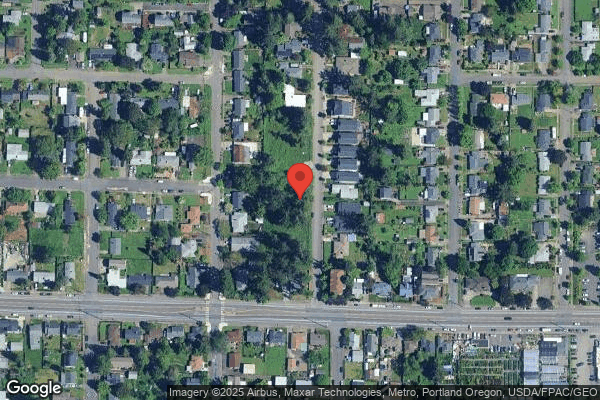

10435 SE CORA STREET, PORTLAND, OR 97266 (503) 760-1737
For profit - Limited Liability company 53 Beds CASCADIA HEALTHCARE Data: November 2025
Trust Grade
55/100
#72 of 127 in OR
Last Inspection: March 2025

Within standard 12-15 month inspection cycle. Federal law requires annual inspections.

Overview

Secora Rehabilitation of Cascadia has a Trust Grade of C, indicating that it is average compared to other nursing homes. It ranks #72 out of 127 facilities in Oregon, putting it in the bottom half, and #18 out of 33 in Multnomah County, meaning only a few local options are better. The facility is currently worsening, with issues increasing from 2 in 2024 to 14 in 2025. Staffing is rated at 4 out of 5 stars, which is good, but a turnover rate of 61% is concerning as it exceeds the state average of 49%. Although there have been no fines reported, which is a positive sign, there are significant concerns regarding hygiene practices; for example, the dishwasher was found to be operating at unsafe temperatures, risking the cleanliness of dishware, and an ice machine was improperly installed, posing a health risk. Overall, while the staffing quality is a strength, the facility has serious issues that families should consider.

Trust Score
C
55/100
In Oregon
#72/127
Bottom 44%
Safety Record
Low Risk
No red flags
Inspections
Getting Worse
2 → 14 violations
Staff Stability
⚠ Watch
61% turnover. Above average. Higher turnover means staff may not know residents' routines.
Penalties
✓ Good
No fines on record. Clean compliance history, better than most Oregon facilities.
Skilled Nurses
○ Average
Each resident gets 39 minutes of Registered Nurse (RN) attention daily — about average for Oregon. RNs are the most trained staff who monitor for health changes.
Violations
⚠ Watch
47 deficiencies on record. Higher than average. Multiple issues found across inspections.
★★★☆☆
3.0
Overall Rating
★★★★☆
4.0
Staff Levels
★★★★☆
4.0
Care Quality
★★★☆☆
3.0
Inspection Score
Stable
2024: 2 issues
2025: 14 issues

The Good

  • 4-Star Staffing Rating · Above-average nurse staffing levels
  • 4-Star Quality Measures · Strong clinical quality outcomes
  • Full Sprinkler Coverage · Fire safety systems throughout facility
  • No fines on record

Facility shows strength in staffing levels, quality measures, fire safety.

The Bad

3-Star Overall Rating

Near Oregon average (3.0)

Meets federal standards, typical of most facilities

Staff Turnover: 61%

15pts above Oregon avg (46%)

Frequent staff changes - ask about care continuity

Chain: CASCADIA HEALTHCARE

Part of a multi-facility chain

Ask about local staffing decisions and management

Staff turnover is elevated (61%)

13 points above Oregon average of 48%

The Ugly 47 deficiencies on record

Aug 2025 1 deficiency
CONCERN (D) 📢 Someone Reported This

A family member, employee, or ombudsman was alarmed enough to file a formal complaint

Potential for Harm - no one hurt, but risky conditions existed

Deficiency F0573 (Tag F0573)

Could have caused harm · This affected 1 resident

Based on interview and record review it was determined the facility failed to ensure access to medical records upon oral or written request within the required timeframe for 1 of 3 sampled residents (...

Read full inspector narrative →
Based on interview and record review it was determined the facility failed to ensure access to medical records upon oral or written request within the required timeframe for 1 of 3 sampled residents (#801) reviewed for the right to access medical records. This placed residents at risk for uninformed health care needs and delayed access to records. Findings include: The facility's 10/15/22 Medical Record Policy and Procedure revealed the following: -The resident may have access to their medical record upon request to nursing leadership. -The resident and/or responsible party request for medical record documents may be made orally or in writing. It will be provided in the form and format requested, if it is readily producible in such format within two business days. 1. Resident 801 was admitted to the facility in 6/2024 with diagnoses including morbid obesity and chronic pain. The 7/5/25 Annual MDS indicated Resident 801 was cognitively intact. Record review revealed on 4/21/25 Resident 801's attorney's office had requested the facility Please: Provide Medical Records and [NAME] from 12/3/24 to Present. On 7/28/25 a public complaint was received which alleged Witness 1 (Complainant) stated Resident 801's attorney had requested medical records on 4/21/25 and did not receive the completed list of medical records until 7/29/25.On 7/31/25 at 12:24 PM Witness 2 (Case Manager) stated the attorney's office had initially sent the request for Resident 801's medical records to the facility on 4/21/25. Witness 2 stated the facility sent Resident 801's Progress Notes on 4/29/25 but no billing documentation was included. From 5/6/25 through 7/21/25, eight follow-up requests were made for Resident 801's records. All requested records were not released by the facility until 7/29/25, approximately four months later. On 7/31/25 at 2:25 PM Staff 10 (Business Office Manager) stated she had received voicemails and phone calls from Resident 801's attorney's office but had not followed up with the attorney's office because she was too busy. On 7/31/25 at 11:05 AM Staff 1 (Administrator) acknowledged a portion of Resident 801's requested medical records were provided/released to Resident 801's attorney on 4/29/25. Staff 1 acknowledged the requested billing documentation was omitted from the medical records and the billing records were subsequently received by the attorney's office on 7/29/25.a. On 7/28/25 a public complaint was received which alleged Resident 801 requested her/his medical records on 7/24/25 and had not received them in a timely manner. A review of Resident 801's medical records revealed no documentation indicating the resident received her/his requested medical records. Additionally, there was no evidence found in the medical record of a third-party request for medical records. A Disclosure/Release of Protected Health Information form dated 7/24/25, signed by Resident 801, included a request for her/his history and physical, progress notes, medication list, care plan, all financial data, foot wound care documentation, and notes from a transportation ride to be provided to the resident.On 7/30/25 at 10:10 AM Resident 801 stated she/he had not yet received the records she/he had requested and signed for on 7/24/25, approximately one week earlier. On 7/31/25 at 12:01 PM Staff 1 (Administrator) acknowledged Resident 801 was not provided a copy of her/his medical records which were formally requested on 7/24/24. Staff 1 stated the medical records were not delivered or made available to Resident 801 in the required timeframe.
Mar 2025 13 deficiencies
CONCERN (D)

Potential for Harm - no one hurt, but risky conditions existed

Deficiency F0554 (Tag F0554)

Could have caused harm · This affected 1 resident

Based on observation, interview and record review it was determined the facility failed to ensure residents were assessed for safe self-administration of medications for 1 of 1 sampled resident (#28) ...

Read full inspector narrative →
Based on observation, interview and record review it was determined the facility failed to ensure residents were assessed for safe self-administration of medications for 1 of 1 sampled resident (#28) reviewed for self-administration of medications. This placed residents at risk for unsafe medication administration and adverse medication side effects. Findings include: The facility's Self-Administration of Medications policy, dated 11/28/17, revealed the resident may self-administer drugs if the interdisciplinary team (IDT) determined the practice was safe as follows: -The resident had the capacity to follow directions. -The resident had comprehension of instructions for the medications they were taking. -The resident had the ability to store medications securely and safely. -Appropriate notation of determinations were documented in the resident's medical record and care plan. Resident 28 was admitted to the facility in 1/2024 with diagnoses including major depressive disorder. Resident 28's 1/31/25 Annual MDS indicated the resident had no cognitive impairment. During multiple observations from 3/24/25 through 3/26/25 between the hours of 9:00 AM and 4:00 PM, mycostatin (a medication used to treat infections caused by fungi) and trimincolone acetonide (a potent corticosteroid medication used to treat inflammatory conditions of the skin) were observed on the resident's nightstand, within the resident's reach. Multiple staff, residents and resident visitors were observed going in and out of the room. Resident 28 reported that she/he self-administered the medications at times. Review of Resident 28's health record revealed no self-administration of medication assessment was completed to determine the resident's ability to safely self-administer the mycostatin or trimincolone acetonide and there were no physician orders for either medication. On 3/26/25 at 8:49 AM, Staff 11 (CMA) stated when any medications were left at the bedside, a self-administration of medication assessment needed to be completed before allowing the resident to self-administer medications. On 3/26/25 at 10:14 AM, Staff 10 (CNA) stated no medications were to be left at a resident's bedside and if medications were left at the beside, the nurse should be notified. Staff 10 confirmed mycostatin and trimincolone acetonide were on Resident 28's nightstand within reach of the resident. On 3/26/25 at 10:16 AM, Staff 4 (DNS) observed Resident 28's medications within the resident's reach. Staff 4 confirmed the resident was not assessed to safely self-medicate and the medications should not be left in her/his room.
CONCERN (D)

Potential for Harm - no one hurt, but risky conditions existed

Deficiency F0578 (Tag F0578)

Could have caused harm · This affected 1 resident

Based on interview and record review it was determined the facility failed to assist residents to formulate an advance directive for 1 of 2 residents (#21) reviewed for advance directives. This placed...

Read full inspector narrative →
Based on interview and record review it was determined the facility failed to assist residents to formulate an advance directive for 1 of 2 residents (#21) reviewed for advance directives. This placed residents at risk for healthcare decisions to conflict with resident wishes. Findings include: The facility's Advance Directives/Health Care Decisions Policy dated 10/1/17 states: If a resident has not executed an advance directive, the facility advises the resident and family of the right to establish an advance directive, including but not limited to: - Offering assistance if the resident wishes to execute one or more directives. Resident 21 admitted to the facility in 9/2024 with diagnoses including pneumonia and anxiety. A 9/16/24 Advance Directive Review form signed by Resident 21 stated Resident 21 would like assistance with formulating an advance directive plan. A review of Resident 21's clinical record revealed no advance directive on file. On 3/26/25 at 8:27 AM Resident 21 reported she/he had not received assistance with establishing an advance directive. On 3/25/25 at 2:47 PM Staff 5 (Social Services Director) stated she had discussed advance directives with Resident 21 after she/he arrived at the facility, but no follow-up occurred with assisting Resident 21 with formulating an advance directive. On 3/28/25 at 12:55 PM Staff 1 (Administrator) confirmed no follow-up had be completed to assist Resident 21 with formulating an advance directive.
CONCERN (D)

Potential for Harm - no one hurt, but risky conditions existed

ADL Care (Tag F0677)

Could have caused harm · This affected 1 resident

**NOTE- TERMS IN BRACKETS HAVE BEEN EDITED TO PROTECT CONFIDENTIALITY** Based on interview and record review it was determined the facility failed to ensure dependent residents received showers for 1 ...

Read full inspector narrative →
**NOTE- TERMS IN BRACKETS HAVE BEEN EDITED TO PROTECT CONFIDENTIALITY** Based on interview and record review it was determined the facility failed to ensure dependent residents received showers for 1 of 5 sampled residents (#16) reviewed for ADLs. This placed residents at risk for a lack of personal hygiene and loss of dignity. Findings include: Resident 16 was admitted to the facility on [DATE] with diagnoses including diabetes and morbid obesity (having a body mass index greater than 40). Resident 16's 3/7/25 admission MDS indicated the resident had moderate cognitive impairment and required partial to moderate assistance with bathing/showering. Resident 16's 3/13/25 bladder and bowel care plan indicated the resident was incontinent of urine and frequently incontinent of bowel. Resident 16's 2/2025 and 3/2025 bathing task logs indicated the resident received bathing on the following days: - 3/8, 3/12, 3/19, 3/22 and 3/26/25. Resident 16 was not showered until eight days after being admitted and received only one shower between 3/9/25 and 3/15/25. On 3/24/25 at 10:40 AM and 3/26/25 at 9:14 AM, Resident 16 stated she/he was scheduled for showers on Wednesday and Saturday, she/he did not receive showers as scheduled and if she/he missed a shower, the shower was not made-up on another day. Resident 16 stated she/he was incontinent of urine and bowel and, as a result, needed more than one shower a week. On 3/27/25 at 9:09 AM and 9:43 AM, Staff 12 (CNA) and Staff 15 (CNA) stated Resident 16 liked taking showers and rarely refused. Staff 15 stated if a resident refused showers the nurse was notified. Staff 15 stated they tried to make-up refused or missed showers on another day but that only occurred if the shower aid had time. On 3/27/25 at 9:53 AM, Staff 9 (CNA) stated Resident 16 typically showered on evening shift but the resident recently asked for a shower during the day and the resident's request could not be accommodated because she could not get to it. Staff 9 stated if a resident refused or missed a shower, the resident usually had to wait until their next shower day unless a slot opened up with the shower aid. On 3/27/25 at 1:18 PM, Staff 6 (LPN-Care Manager) stated residents should receive at least two showers a week, more if they wanted. Staff 6 stated CNA staff should make-up any refused or missed showers. On 3/28/25 at 9:37 AM, Staff 4 (DNS) reviewed Resident 16's shower task logs and stated her expectation was residents received a minimum of two showers a week, more if that was their preference. Staff 4 confirmed Resident 16 did not receive showers twice a week.
CONCERN (D)

Potential for Harm - no one hurt, but risky conditions existed

Deficiency F0679 (Tag F0679)

Could have caused harm · This affected 1 resident

**NOTE- TERMS IN BRACKETS HAVE BEEN EDITED TO PROTECT CONFIDENTIALITY** Based on observation, interview and record review it was determined the facility failed to implement an activity care plan and f...

Read full inspector narrative →
**NOTE- TERMS IN BRACKETS HAVE BEEN EDITED TO PROTECT CONFIDENTIALITY** Based on observation, interview and record review it was determined the facility failed to implement an activity care plan and failed to include residents in group and individual activities for 1 of 3 sampled residents (# 302) reviewed for activities. This placed residents at risk for isolation, lack of social interaction and engagement. Findings include: The facility's 11/2017 Activities Policy included the following information: - The facility provides, based on the comprehensive assessment and care plan and the preferences of each resident, an ongoing program to support residents in the choice of activities, both facility-sponsored group and individual activities and independent activities, designed to meet the interests of and support the physical, mental, and psychosocial well-being of each resident, encouraging both independence and interaction in the community. - The recreation program provides stimulation or solace, promotes a sense of usefulness, and provides a sense of belonging. - The facility considers accommodations in schedules, supplies and timing in order to optimize a resident's ability to participate in an activity of choice. Examples of accommodations may include, but are not limited to: assisting residents, as needed, to get to and participate in desired activities; providing supplies (i.e. books/magazines, music.). - For the resident who has withdrawn from previous activity interests/customary routines and isolates self in room/bed most of the day: provide in-room volunteer visits, music or videos of choice; invite to special events; invite resident to participate on facility committee; invite the resident outdoors. Resident 302 was admitted to the facility in 1/2024 with diagnoses including metabolic encephalopathy (a condition where the brain does not receive enough nutrients or oxygen to function properly) and Cerebral Palsy (neurological disorder affecting movement). Resident 302's 10/5/24 Significant Change MDS indicated Resident 302 had impaired communication related to being non-verbal and was dependent on staff for care and mobility. Resident 302's 10/2024 Activity Profile revealed Resident 302 preferred to watch action movies, enjoyed exercise/sports, gardening/plants, music, pet visits, and spiritual/religious activities. Resident 302 also preferred talking books in the afternoon. Resident 302's 1/9/25 Care Plan indicated for Resident 302 to be invited, encouraged, and assisted to activities. Resident 302 also enjoyed non-group activities including listening to music, audio books, and spending one-on-one time with staff. Although Resident 302 was on Contact Isolation Precautions effective 3/24/25, she/he was to be encouraged to participate in activities. On 3/25/25 at 2:38 PM, Staff 7 (Activities Director) was observed inviting Resident 302's roommate to a group Bingo game. Resident 302's eyes were open, but she/he was not invited to the game. At 3:55 PM, Resident 302 was observed to be laying in bed with eyes toward the ceiling and the TV off. Audio books and music were not seen in Resident 302's area. On 3/26/25 the activity schedule included games, Uno, and Yahtzee at 1:00 PM and Activity Cart at 3:15 PM. At 1:10 PM Resident 302 was observed lying in bed with the television off and no music on. At 3:01 PM Resident 302 was observed staring at the ceiling, no television or music on. At 3:15 PM an activity cart was not seen throughout the facility. At 3:26 PM Resident 302 was observed laying in bed, no television or music on. On 3/27/25 the activity schedule included Chapel Service at 3:30 PM. At 3:36 PM, a religious program was playing on the living room television, and Resident 302 was absent from the service. On 3/27/25 at 9:08 AM Staff 9 (CNA) confirmed Resident 302 was dependent on staff for care and stated to not know if staff had ever tried to get her/him up for Bingo or other activities. On 3/27/25 at 10:04 AM Staff 8 (RN) stated he was not sure if Resident 302 participated in any activities. He stated it was usually Staff 7 (Activities Director) who turned music on for Resident 302. On 3/28/25 at 10:04 AM Staff 10 (CNA) was not sure of Resident 302's likes or activities but stated it could be found on the Activities section of the [NAME]. On 3/27/25 at 11:42 AM Staff 7 (Activities Director) stated she was responsible for inviting residents to group activities. Staff 7 acknowledged she was supposed to invite Resident 302 to group activities and had not been inviting her/him. Staff 7 acknowledged that she was supposed to invite and do other activities with Resident 302 but had not been doing so. Staff 7 stated she had been struggling with doing activities with non-verbal residents as she did not know if they wanted to do anything or not. Staff 7 stated the facility had not procured any music or audio/talking books, but the software applications were accessible on her cell phone. At 3:20 PM, Staff 7 stated she did not know about asking CNAs for help with resident activities, because she did not manage the CNAs. On 3/28/25 at 8:42 AM Staff 4 (Director of Nursing Services) stated she expected staff to follow Resident 302's care plan. Staff 4 stated this included assisting residents with turning on and off televisions and music for residents. Staff 4 stated activities was a shared task amongst care and activities staff, and a resident's preferred activities could clearly be found on a resident's [NAME] and care plan.
CONCERN (D)

Potential for Harm - no one hurt, but risky conditions existed

Pressure Ulcer Prevention (Tag F0686)

Could have caused harm · This affected 1 resident

**NOTE- TERMS IN BRACKETS HAVE BEEN EDITED TO PROTECT CONFIDENTIALITY** Based on observation, interview and record review it was determined the facility failed to ensure pressure injury wounds were co...

Read full inspector narrative →
**NOTE- TERMS IN BRACKETS HAVE BEEN EDITED TO PROTECT CONFIDENTIALITY** Based on observation, interview and record review it was determined the facility failed to ensure pressure injury wounds were comprehensively assessed and care plans were followed for 2 of 4 sampled residents (#s 15 and 16) reviewed for pressure ulcers and positioning. This placed residents at risk for incomplete assessments and worsening of wounds. Findings include: The facility's Prevention and Treatment of Pressure Ulcers and Other Skin Alterations, last revised 10/15/22, indicated the facility had a system in place to promote skin integrity, prevent pressure ulcer development/other skin alterations, promote healing of existing wounds and prevent further development of additional skin alterations unless the individual's clinical condition demonstrated they were unavoidable. When assessing the pressure injury and/or non-pressure areas it was important that documentation addressed: -the type of injury; -the stage of the injury (a method of classifying wounds based on the depth of tissue damage); -a description of the pressure injury's characteristics; -if infection was present; -the presence of pain, what was done to address it, and the effectiveness of the intervention and -a description of the dressings and treatment. 1. Resident 16 was admitted to the facility on [DATE] with diagnoses including diabetes and acute kidney failure. Resident 16's 3/7/25 admission MDS indicated the resident did not have any pressure injuries. Resident 16's 3/19/25 Skin and Wound Evaluation indicated Resident 16 had a new pressure injury wound to her/his left heel which developed since the resident's admission. The Skin and Wound Evaluation did not include the stage of the pressure injury or any wound characteristics such as a description of the wound bed, if odor was present, a description of the periwound (the area of skin/tissue around the wound), how the wound was acquired or if the resident experienced pain. A review of Resident 16's health record revealed no additional Skin and Wound Evaluations regarding the resident's left heel pressure ulcer. Resident 16's skin and tissue integrity care plan, dated 3/19/25, indicated the resident had a new pressure related injury to her/his left heel. A 3/20/25 skin and tissue intervention indicated staff were to off-load (minimize or remove pressure from the heel area) pressure to Resident 16's heel using a pressure relieving boot or pillows. Multiple observations on 3/25/25, between the hours of 8:00 AM and 4:30 PM revealed Resident 16 in bed without her/his left heel being off-loaded with pillows or a pressure relieving boot. On 3/26/25 at 9:28 AM, Staff 6 (LPN-Care Manager) examined Resident 16's left heel which was resting directly on the floor. Staff 6 prepared Resident 16 for wound care on her/his left heel pressure injury and stated Resident 16's left heel should not have been resting directly on a hard surface. Staff 6 stated nursing staff should have caught that before and ensured the resident had orders to wear her/his pressure relieving boot while out of bed, as well as, when in bed. On 3/26/25 at 11:48 AM, Staff 8 (RN) stated he found Resident 16's left heel pressure injury on 3/19/25 and contacted hospice. Hospice sent an LPN the same day to look at the wound, but the wound was not staged or comprehensively assessed. Staff 8 stated Resident 16 was not supposed to have her/his heel on the floor and was supposed to have her/his left heel off-loaded using pillows or a pressure relieving boot when in bed. Staff 8 stated once in a while the resident refused to have her/his heel off-loaded but any refusals would be documented in the resident's health record. A review of Resident 16's 3/25/25 progress notes revealed no refusals for off-loading her/his left heel. On 3/27/25 at 9:09 AM and 9:22 AM and 3/28/25 at 11:35 AM, Staff 12 (CNA) and Staff 13 (CNA) stated they did not off-load Resident 16's left heel when she/he was in bed. Staff 22 (CNA) stated Resident 16 did not have a pressure relieving boot until yesterday and the resident allowed staff to off-load her/his left heel as long as her/his legs were not too painful. On 3/28/25 at 9:37 AM, Staff 4 (DNS) stated she was made aware of concerns regarding Resident 16's left heel pressure injury, yesterday, and there were some miscommunications with hospice regarding Resident 16. Staff 4 stated she expected staff offered to off-load Resident 16's left heel while in bed using pillows or a pressure relieving boot and new physician orders were secured to ensure Resident 16 wore her/his pressure relieving boot while out of bed. 2. Resident 15 was admitted to the facility in 7/2019 with diagnoses including spinal stenosis, cervical region (a narrowing of the spaces in the spinal canal characterized by back pain and other nerve issues) and spondylosis with radiculopathy, lumbar region (age-related wear and tear of the lower back spinal disks which result in back and leg pain). A review of Resident 15's 12/14/24 Quarterly MDS revealed she/he had mild cognitive impairment and was dependent on staff for assistance with bed mobility. Resident 15's 3/24/25 quarterly Braden Scale for Predicting Pressure Sores indicated she/he was at moderate risk for developing pressure sores, her/his ability to change and control body position was very limited and required moderate to maximum assistance for repositioning. Resident 15's care plan dated 4/25/24 revealed she/he was at risk of skin/tissue integrity related to impaired mobility, incontinence, fragile skin, age, and use of an anticoagulant. Resident 15's care plan indicated her/his heals were to be floated on a pillow or wear prevalon boots while in bed. Resident 15 signed orders for a Specialty Air Mattress with settings for, low air loss, alternating, 120 lbs. The order reflected Resident 15's care plan and Kardex a note to, Notify nursing if settings need to be adjusted. A review of Resident 15's weight history revealed she/he weighed 135.9 pounds on 3/21/25. On 3/24/25 at 11:17 AM Resident 15 was observed in bed with the right side of her/his neck pushed into the air mattress. Resident 15 stated she/he was uncomfortable on the air mattress and told staff she/he wanted a regular mattress instead. On 3/25/25 at 1:58 PM Resident 15 was observed in bed. Resident 15 was in the middle of the bed, the air mattress was deflated and her/his heels were not floated on a pillow. Resident 15 stated she/he requested a regular mattress and staff told her/him the air mattress was better for her/him. Resident 15 stated her/his position on the air mattress created a hollow feeling which added to her/his discomfort. On 3/26/25 at 8:26 AM Resident 15 was observed in the same sunken position with her/his heals not floated or wearing prevalon boots. Resident 15 reported she/he did not sleep well because of the uncomfortable mattress. On 3/26/25 at 9:37 AM Staff 10 (CNA) stated Resident 15 needed to be repositioned every two hours because the air mattress had a tendency to pull her/him down into it. Staff 10 stated she should report Resident 15's sunken position to the nurse. Staff 10 reviewed Resident 15's air mattress settings and stated the air mattress was supposed to be set at 120 pounds but was set at 50 pounds. On 3/26/25 at 9:52 AM Staff 28 (LPN) stated Resident 15 weighed 135 pounds and verified the air mattress was to be set at 120 pounds. Staff 28 observed Resident 15's air mattress setting and confirmed it was set at 50 pounds but the physician order was for the air mattress setting to be at 120 pounds. On 3/27/25 at 11:52 AM Staff 4 (DNS) stated the air mattress alleviated pressure in places which were prone to skin breakdown. Staff 4 stated she expected staff to follow physician orders. Staff 4 stated she was unaware resident 15 did not care for the air mattress. 3. Resident 15 was admitted to the facility in 7/2019 with diagnoses including spinal stenosis, cervical region (a narrowing of the spaces in the spinal canal characterized by back pain and other nerve issues) and spondylosis with radiculopathy, lumbar region (age-related wear and tear of the lower back spinal disks which result in back and leg pain). A review of Resident 15's 12/14/24 Quarterly MDS revealed she/he had mild cognitive impairment and was dependent on staff for assistance with bed mobility. Resident 15's 3/24/25 quarterly Braden Scale for Predicting Pressure Sores indicated she/he was at moderate risk for developing pressure sores, her/his ability to change and control body position was very limited and she/he required moderate to maximum assistance for repositioning. Resident 15's care plan 4/25/24 revealed she was at risk of skin/tissue integrity related to impaired mobility, incontinence, fragile skin, age, and use of an anticoagulant. Resident 15's care plan indicated her/his heals were to be floated on a pillow or she/he was to wear prevalon boots while in bed. On 3/25/25 at 1:56 PM and 3/26/25 at 8:25 AM Resident 15 was observed in bed and slumped to her/his right. Resident 15's heels were not floated. On 3/26/25 at 9:37 AM Staff 10 (CNA) stated Resident 15's heels were to be offloaded when she/he was in bed. Staff 10 entered Resident 15's room and acknowledged her/his heels were not offloaded. On 3/26/25 at 10:05 AM Staff 6 (LPN Care Manager) acknowledged Resident 15's heels were not floated and stated she expected Resident 15's heels to be floated to prevent skin breakdown. On 3/27/25 at 11:52 AM Staff 4 (DNS) stated she expected staff to float Resident 15's heels as an intervention to prevent pressure ulcers and to follow the care plan.
CONCERN (D)

Potential for Harm - no one hurt, but risky conditions existed

Deficiency F0730 (Tag F0730)

Could have caused harm · This affected 1 resident

Based on interview and record review it was determined the facility failed to ensure CNAs received annual performance reviews for 1 of 4 randomly selected CNA staff (#19) reviewed for sufficient and c...

Read full inspector narrative →
Based on interview and record review it was determined the facility failed to ensure CNAs received annual performance reviews for 1 of 4 randomly selected CNA staff (#19) reviewed for sufficient and competent staffing. This placed residents at risk for lack of care by competent staff. Findings include: A review of personnel records on 3/27/25 at 12:41 PM with Staff 20 (Human Resources) indicated the following employee had not received their annual performance evaluation: -Staff 19 (CNA), hire date 11/6/23: no annual performance review was completed. On 3/28/25 at 1:44 PM, Staff 20 confirmed an annual performance review for Staff 19 was not completed.
CONCERN (D)

Potential for Harm - no one hurt, but risky conditions existed

Deficiency F0740 (Tag F0740)

Could have caused harm · This affected 1 resident

Based on observation, interview and record review it was determined the facility failed to provide necessary behavioral health care and services and develop a comprehensive, person-centered behavioral...

Read full inspector narrative →
Based on observation, interview and record review it was determined the facility failed to provide necessary behavioral health care and services and develop a comprehensive, person-centered behavioral health care plan for 1 of 1 sampled resident (#16) reviewed for behavioral-emotional needs. This placed residents at risk for unmet behavioral and emotional needs and a decrease in their quality of life. Findings include: The facility's Behavioral Health Services policy, last revised 10/15/22, indicated the facility: -provided trauma informed care which referred to approaches to care that treat the whole person, taking into account past trauma and the resulting coping mechanisms when attempting to understand behaviors and treat the resident; -ensured necessary care and services were person-centered and reflected the resident's goals for care; -monitored residents for signs and symptoms of depression, anxiety disorders, verbal behavioral symptoms directed towards others such as screaming at others. Resident 16 was admitted to the facility in 2/2025 with diagnoses including schizoaffective disorder (a mental health condition including schizophrenia and mood disorder symptoms). Resident 16's 2/28/25 Clinical Evaluation admission indicated the resident had a history of behaviors and was prescribed anti-psychotic medications. Resident 16's 3/2/25 Psychosocial Evaluation indicated the resident had schizoaffective disorder and Bipolar II (a mental health disorder characterized by depressive and hypomanic episodes) and her/his mental health was unstable. Resident 16 was in a psychiatric hospital for eight months in 2024, discharged home and failed. There were no trauma triggers identified and the resident liked to be left alone when under stress. Resident 16's 3/3/25 Suicide Risk Evaluation identified the resident as having mild depression and anxiety at a high or panic state. Resident 16 expressed feelings of helplessness, hopelessness, withdrawal and the resident had some constructive coping strategies. Resident 16 had vague, fleeting and intrusive thoughts of suicide but no suicide plan. Resident 16 was described as being labile (rapid, often exaggerated changes in mood where strong emotions such as uncontrolled laughter or crying occurred), hyperfocused on people controlling her/him and experienced thought disturbances. Resident 16's 3/4/25 care plan identified the resident as exhibiting accusations of being dishonest behaviors. No other behavioral health focuses, goals or interventions were identified. Resident 16's 3/7/25 admission MDS indicated the resident had moderate cognitive impairment and received anti-anxiety and routine anti-psychotic medications. No evidence was found in Resident 16's health record to indicate any anxiety, mood or behavioral symptoms for the resident were monitored and a comprehensive, person-centered care plan was developed to address the resident's anxiety, feelings of helplessness or hopelessness and withdrawal, lack of coping skills, thoughts of suicide, lability or concerns regarding people controlling her/him. On 3/24/25 through 3/25/25 between the hours of 8:00 AM and 4:00 PM, Resident 16 exhibited multiple episodes of yelling and screaming. The resident reported a frequent sensation of bugs crawling on her/him. Resident 16 was observed speaking with various nursing staff, including the hospice nurse, regarding her/his anxiety and feeling bugs were crawling on her/him. The resident was observed to be upset and anxious and reported needing some medication to help reduced the sensation of bugs crawling on her/him. At times, Resident 16 mumbled and was not able to make herself/himself understood. On 3/24/25 at 11:02 AM and 3/25/25 at 8:17 AM, Resident 16 stated she/he frequently experienced a sensation of bugs crawling all over her/him, she/he needed something to help reduced this sensation but nobody understood what she/he was trying to explain to them. On 3/26/25 at 10:02 AM and 3/28/25 at 11:48 AM, Staff 10 (CNA) stated Resident 16 was easily frustrated and yelled, at times. Staff 10 stated Resident 16 became upset when people talked to her/him about being in the facility. On 3/26/25 at 10:35 AM, Staff 5 (Social Service Director) stated Resident 16 was often labile and her/his mood was mountains and mole hills. Staff 5 stated there was no behavior monitoring in place for Resident 16 and no care plan interventions for the resident's spiraling stuff. On 3/27/25 at 9:09 AM, Staff 12 (CNA) stated Resident 16 was sporadic at times and had outbursts. Staff 12 stated Resident 16 accused other residents of wearing her/his clothing and the resident usually yelled and screamed when she/he was anxious. 3/27/25 at 9:22 AM, Staff 13 (CNA) stated Resident 16 had outbursts and called people names when she/he was upset. On 3/28/25 at 9:37 AM, Staff 4 (DNS) stated any resident with mental health diagnoses were expected to be monitored and care planned for behaviors. Staff 4 confirmed Resident 16 had behaviors that were not being monitored and a comprehensive, behavioral care plan was not developed. Staff 4 stated staff should have identified Resident 16's triggers and devised strategies to help her/him feel better, asserting Resident 16 should not have experienced such distress.
CONCERN (D) 📢 Someone Reported This

A family member, employee, or ombudsman was alarmed enough to file a formal complaint

Potential for Harm - no one hurt, but risky conditions existed

Deficiency F0760 (Tag F0760)

Could have caused harm · This affected 1 resident

Based on interview and record review it was determined the facility failed to ensure residents were free from significant medication errors for 1 of 6 sampled residents (#35) reviewed for unnecessary ...

Read full inspector narrative →
Based on interview and record review it was determined the facility failed to ensure residents were free from significant medication errors for 1 of 6 sampled residents (#35) reviewed for unnecessary medications. This placed residents at risk for adverse side effect of medications. Findings include: The facility's 8/1/23 Medication Errors policy outlined the following: -A significant medication error is one which causes the resident discomfort or jeopardizes their health and safety. -In the event of a significant medication error, immediate action is taken as necessary to protect the resident's safety and welfare. -The prescriber is notified promptly of the error. -A medication error/adverse reaction report is completed. Resident 35 was admitted to the facility in 3/2024 with diagnoses including vascular dementia (cognitive decline caused by damage to the blood vessels in the brain) and a stroke. A review of Resident 35's 4/4/24 admission MDS revealed she/he was cognitively intact and received anticoagulant therapy. A review of Resident 35's health record revealed a 4/12/24 signed physician order for 20 mg tablet of Rivaroxaban to be administered one time a day for other cerebral infarction due to occlusion or stenosis of small artery. A review of Resident 35's medication administration record revealed her/his prescribed Rivaroxaban (an anticoagulant) was not administered on 4/14/24, 4/15/24 and 4/16/24. A facility investigation completed by Staff 29 (Former Administrator) indicated Resident 35's Rivaroxaban was available but Staff 30 (LPN) failed to administer it to her/him on 4/14/24, 4/15/24, and 4/16/24. The investigation also indicated on 4/17/24 Resident 35 presented with strokelike symptoms including being unable to hold up her/his head, her/his right pupil was pinpoint and fixed, she/he had weakness on the right side of her/his body, and was unable to respond verbally to questions. As a result, Staff 31 (RN, Former DNS) sent Resident 35 to the hospital emergency department. On 3/27/25 at 11:43 AM Staff 4 (DNS) stated Resident 35 was not administed her/his medications as ordered and developed stroke-like symptoms for which she/he was sent to the hospital. Staff 4 stated Staff 30 did not notify staff, contact the provider or call the pharmacy. Staff 4 stated Staff 30 did not follow appropirate protocol or follow physician orders. On 3/27/25 at 5:23 PM Staff 31 acknowledged Staff 30 did not administer Resident 35's medication as ordered and did not notify nursing staff, call the provider, pharmacist, or write a progress note about the missed scheduled doses. Staff 31 stated Staff 30 was terminated due to the incident. On 3/28/25 at 1:56 PM Staff 30 stated she looked for Resident 35's Rivaroxaban but was unable to locate the medication. Staff 30 stated it was her mistake, she was overwhelmed by work and forgot to call the pharmacy as well as the doctor.
CONCERN (E)

Potential for Harm - no one hurt, but risky conditions existed

Deficiency F0847 (Tag F0847)

Could have caused harm · This affected multiple residents

Based on interview and record review it was determined the facility failed to ensure residents were fully informed and understood the binding arbitration agreement for 2 of 2 sampled residents (#s 16 ...

Read full inspector narrative →
Based on interview and record review it was determined the facility failed to ensure residents were fully informed and understood the binding arbitration agreement for 2 of 2 sampled residents (#s 16 and 304) reviewed for binding arbitration agreement. This placed residents at risk of being uninformed of their legal rights. Findings include: The facility's undated arbitration agreement included the following: - The Resident and/or Legal Representative understands that his Arbitration Agreement may be rescinded by giving written notice to the Facility within 10 days of its execution, this Arbitration of its execution. If not rescinded within 10 days of its execution, this Arbitration Agreement shall remain in effect for all claims arising out of the Resident's stay at the Facility. 1. Resident 16 was admitted to the facility in 2/2025 with diagnoses including congestive heart failure (a condition where the heart muscle is weakened and cannot pump blood effectively). Record review revealed Resident 16's legal representative signed the facility's arbitration agreement on 3/5/25. On 3/28/25 at 1:54 PM Resident 16's legal representative stated she/he did not know about her/his right to rescind the arbitration agreement within 30 days of signing it. On 3/28/25 at 1:45 PM Staff 2 (Administrator-In-Training) stated the facility's arbitration agreement had an inaccurate timeframe for the signed agreement to be rescinded and confirmed Resident 16's arbitration agreement was signed with an inaccurate timeframe. 2. Resident 304 was admitted to the facility in 1/2025 with diagnoses including metabolic encephalopathy (a condition where the brain does not receive enough nutrients or oxygen to function properly). Resident 304's 1/27/25 Admissions MDS indicated the resident had severely impaired cognition. Resident 304's records included the facility's Voluntary Agreement For Arbitration, dated 1/13/25 and signed as verbal consent. On 3/28/25 at 1:38 PM Resident 304 stated she/he did not know or understand the Arbitration Agreement and did not remember signing the form or giving verbal consent. On 3/28/25 at 1:45 PM Staff 2 (Administrator-In-Training) stated the facility's arbitration agreement had an inaccurate timeframe for the signed agreement to be rescinded and confirmed Resident 304's arbitration agreement was signed with an inaccurate timeframe.
CONCERN (E)

Potential for Harm - no one hurt, but risky conditions existed

Deficiency F0947 (Tag F0947)

Could have caused harm · This affected multiple residents

Based on interview and record review it was determined the facility failed to ensure CNA staff received 12 hours of in-service training annually for 2 of 5 randomly selected staff members (#s 9 and 18...

Read full inspector narrative →
Based on interview and record review it was determined the facility failed to ensure CNA staff received 12 hours of in-service training annually for 2 of 5 randomly selected staff members (#s 9 and 18) reviewed for evidence of in-service training. This placed residents at risk for lack of quality care. Findings include: The facility's Inservice Education/Training policy, last revised on 10/15/22, indicated employee education and in-service training was provided to assist in maintaining the continuing competence and knowledge of the staff. On 3/27/25 at 2:44 PM, Staff 3 (Clinical Resource) provided a list of annual training hours for CNA staff which revealed the following: -Staff 9 (CNA): 7.5 annual training hours and -Staff 18 (CNA): 1.5 annual training hours. On 3/28/25 at 1:06 PM, Staff 2 (Administrator-In-Training) and Staff 3 confirmed Staff 9 and Staff 18 did not complete the required 12 hours of annual in-service training.
CONCERN (F)

Potential for Harm - no one hurt, but risky conditions existed

Food Safety (Tag F0812)

Could have caused harm · This affected most or all residents

Based on observation, interviews and record review it was determined the facility failed to ensure dishwasher temperatures met the minimum requirements for 1 of 1 dishwasher reviewed for the kitchen. ...

Read full inspector narrative →
Based on observation, interviews and record review it was determined the facility failed to ensure dishwasher temperatures met the minimum requirements for 1 of 1 dishwasher reviewed for the kitchen. This placed residents at risk for communicable diseases, un-sanitized dishware and utensils. Findings include: The facility's Dishwashing in the Dish Machine Policy dated 1/1/2018 states: - Test the dish machine for proper water temperatures and sanitizer levels (for low-temp machine), and record readings prior to washing the dishware. - Do not use the dish machine if sanitizer and water temperatures are not acceptable. On 3/27/25 at 11:45 AM the facility's dishwashing machine was observed with instructions stating the minimum operating temperature was 120 degrees F. On 3/27/25 the following observations were made of Staff 27 (Dietary Staff) washing dishes: - At 11:57 AM trays were washed with the water temperature reading at 90 degrees F, - At 11:59 AM plates were washed with the water temperature reading at 110 degrees F, - At 12:03 PM forks were washed with the water temperature reading at 115 degrees F and - At 1:34 PM plates and cups were washed with the water temperature reading at 118 degrees F. On 3/27/25 at 1:34 PM Staff 26 (Dietary Manager) was requested to test the dishwasher water temperature using an external thermometer which read 118 degrees F. Staff 26 stated the dishwasher water temperature should be at least 120 degrees F for adequate sanitization. Staff 26 confirmed the dishwater temperature did not meet the minimum requirements.
MINOR (C)

Minor Issue - procedural, no safety impact

Safe Environment (Tag F0584)

Minor procedural issue · This affected most or all residents

Based on observation and interview it was determined the facility failed to maintain a clean and homelike environment for 1 of 1 facility reviewed for homelike environment. This placed residents at ri...

Read full inspector narrative →
Based on observation and interview it was determined the facility failed to maintain a clean and homelike environment for 1 of 1 facility reviewed for homelike environment. This placed residents at risk for adverse health conditions related to an unclean environment. Findings include: Observations of the air intake floor vents in the north and south residents' hallways and the entrance hallway from 3/24/25 through 3/28/25 between the hours of 7:45 AM and 4:30 PM revealed accumulations of dust, fuzz and paper debris on and below the grates covering them. On 3/24/25 at 1:47 PM Resident 14 stated staff swept the dust from the floors into the vents on the floor which made them filthy. On 3/26/25 at 2:17 PM Staff 25 (Maintenance Manager) stated cleaning the floor vents was part of housekeeping's duties and he was involved if they needed to be fixed. On 3/27/25 at 10:11 AM Staff 24 (Housekeeping Manager) stated the floor vents were cleaned every quarter and their most recent cleaning was 11/21/24. She acknowledged the vents were filthy. On 3/28/25 at 12:39 PM Staff 2 (Administrator in Training) acknowledged the vents were dirty and needed to be cleaned. Staff 2 stated he expected the floor vents to be cleaned weekly by housekeeping and more frequently if staff noticed the vents were dirty.
MINOR (C)

Minor Issue - procedural, no safety impact

Staffing Information (Tag F0732)

Minor procedural issue · This affected most or all residents

Based on interview and record review it was determined the facility failed to the ensure the Direct Care Staff Daily Report (DCSDR) postings were accurate for 13 of 38 days reviewed for staffing. This...

Read full inspector narrative →
Based on interview and record review it was determined the facility failed to the ensure the Direct Care Staff Daily Report (DCSDR) postings were accurate for 13 of 38 days reviewed for staffing. This placed residents and visitors at risk for inaccurate staffing information. Findings include: The facility's Posting Licensed and Unlicensed Direct Care Staff policy, dated 11/28/17, indicated the facility posted nurse staffing data on a daily basis at the beginning of each shift which included facility name, current date, total number of actual hours worked by licensed and unlicensed staff and the resident census. A review of the facility's DCSDRs revealed the following: From 2/15/25 through 3/24/25, 38 days were reviewed and revealed 13 days when licensed nurse staff hours were inaccurate or the postings had missing/incomplete information on 2/16/25, 2/18/25, 2/19/25, 2/28/25, 3/1/25, 3/2/25, 3/4/25, 3/10/25, 3/16/25, 3/17/25, 3/18/25, 3/21/25 and 3/24/25. On 3/27/25 at 1:41 PM, Staff 23 (Staffing Coordinator) reviewed the 2/15/25 through 3/24/25 DCSDRs and verified the reports were inaccurate or incomplete on the days identified.
Sept 2024 2 deficiencies
CONCERN (D) 📢 Someone Reported This

A family member, employee, or ombudsman was alarmed enough to file a formal complaint

Potential for Harm - no one hurt, but risky conditions existed

Deficiency F0604 (Tag F0604)

Could have caused harm · This affected 1 resident

Based on interview and record review it was determined the facility failed to ensure residents were free from physical restraints for 1 of 3 sampled residents (#7) reviewed for restraints. This placed...

Read full inspector narrative →
Based on interview and record review it was determined the facility failed to ensure residents were free from physical restraints for 1 of 3 sampled residents (#7) reviewed for restraints. This placed residents at risk for mistreatment. Findings include: On 6/8/23, the Past Noncompliance was corrected when the facility implemented a plan of correction, which included: -Residents on the same unit were interviewed and no other restraints were found to be improperly utilized; -Educated the staff responsible and placed on corrective discipline; -Provided in-service training to all nursing staff for abuse and neglect which included the use of restraints; and -Provided signature sheet verifying nursing staff had completed the training. Resident 7 was admitted to the facility in 5/2023, with diagnoses including stroke and repeated falls. Resident 7's care plan dated 5/4/23 revealed she/he was a high fall risk and had a history of falls. Staff were to encourage Resident 7 to transfer to her/his bed, wheelchair or ambulate when she/he was on the unit to prevent further falls. On 6/7/23 the facility submitted a report to the State Survey Agency (SSA) which stated Resident 7 had been placed in a device which limited her/his ability to stand. Staff 3 (RCM) assisted the resident to the bathroom and found the resident's gait belt was tied to the resident's wheelchair. Staff 11 (CNA) told Staff 3 he had tied the gait belt to the wheelchair to keep Resident 7 from falling while Staff 11 assisted other residents. The facility investigation revealed Staff 11 was suspended, the resident was placed on alert, a skin check was completed and staff education was initiated. The investigation included a handwritten statement from Staff 11 dated 6/7/23 which stated in part, Resident 7 was a super high fall risk. In order to keep a close watch on [the resident] and also be able to care for my other residents, I wheeled [the resident] along with me to rooms. I had a gait belt around [the resident's] waist and tied the extra length of the belt to part of [the resident's] wheelchair. If [the resident's] alarm chimed, I would have enough time to conclude whatever I am doing and still get to [the resident]. On 9/19/24 at 12:55 PM, Staff 3 confirmed on 6/7/23, Resident 7 was observed by her to have a gait belt tied to her/his wheelchair. She stated she completed a full skin check with no negative findings and Resident 7 did not report any pain or discomfort as a result of the restraint. On 9/19/24 at 1:20 PM, Staff 11 confirmed he had written the statement on 6/7/23 and had tied Resident 7's gait belt to her/his wheelchair to keep her/him from falling. On 9/19/24 at 1:30 PM, Staff 1 (Administrator) and Staff 2 (DNS) were advised of the investigative findings and provided no additional information.
CONCERN (D) 📢 Someone Reported This

A family member, employee, or ombudsman was alarmed enough to file a formal complaint

Potential for Harm - no one hurt, but risky conditions existed

Deficiency F0697 (Tag F0697)

Could have caused harm · This affected 1 resident

**NOTE- TERMS IN BRACKETS HAVE BEEN EDITED TO PROTECT CONFIDENTIALITY** Based on interview and record review it was determined the facility failed to provide pain management to 1 of 3 sampled resident...

Read full inspector narrative →
**NOTE- TERMS IN BRACKETS HAVE BEEN EDITED TO PROTECT CONFIDENTIALITY** Based on interview and record review it was determined the facility failed to provide pain management to 1 of 3 sampled residents (#3) reviewed for abuse. This placed residents at increased risk of unmanaged pain. Findings include: The facility's pain management policy, revised 10/2022 recognized a resident's right to be free of pain and promoted pain relief utilizing a pain management plan during the resident's stay at the facility. Facility procedures included an initial pain assessment upon admission for all residents. Resident 3 admitted to the facility in 10/2023, with diagnoses including spinal fractures and chronic pain syndrome. Resident 3's physician orders dated 10/23/23 included a prescription for morphine tablets (15 mg), to be administered every 12 hours for pain. Resident 3's care plan dated 10/24/23 revealed she/he was at risk for acute pain related to her/his diagnoses following a spinal cord injury. Interventions were to administer medications as ordered, anticipate need for pain relief and respond immediately to any complaint of pain. Resident 3's initial pain assessment was completed on 10/24/23 at 5:46 PM by Staff 12 (RN). The assessment revealed Resident 3 reported a pain level of 10 and she/he was in severe pain. Resident 3's 10/2023 MAR revealed she/he was not administered morphine on 10/24/23 evening shift due to the medication being unavailable. Pharmacy delivery records revealed the morphine was delivered to the facility on [DATE] at 2:30 AM. The MAR revealed the resident received the first dose of morphine on 10/25/23 at 8:00 AM. A nursing note written on 10/25/23 at 9:20 AM by Staff 4 (RCM) revealed she gave Resident 3 her/his morning medications which included the morphine, the resident was upset and said she/he had asked for the medication earlier but had not received it. On 9/19/24 at 11:23 AM, Staff 5 (LPN) stated she completed resident assessments for new admissions to the facility. If a resident complained of pain during her/his assessment, the facility was expected to provide pain medication to the resident as ordered. If the resident's pain medication was not available, it was the responsibility of the admitting nurse to contact the pharmacy and get a code for the Cubix (a medication system that dispenses common medications for emergent care needs). Staff 5 stated pain medications typically found in the Cubix included morphine. Resident 3's clinical record did not reveal any efforts were made by nursing staff on 10/24/23 to dispense pain medications from the Cubix. On 9/19/24 at 11:40 AM, Staff 4 confirmed the morphine was not administered to Resident 3 on 10/24/23 and there were no progress notes to explain the delay of the medication's delivery to the facility. Resident 3 was not interviewed due to discharging from the facility. Staff 12 was not interviewed due to medical leave. On 9/19/24 at 1:00 PM, Staff 1 (Administrator) and Staff 2 (DNS) stated it was an expectation that residents receive pain medication timely.
Nov 2023 18 deficiencies
CONCERN (D) 📢 Someone Reported This

A family member, employee, or ombudsman was alarmed enough to file a formal complaint

Potential for Harm - no one hurt, but risky conditions existed

Deficiency F0558 (Tag F0558)

Could have caused harm · This affected 1 resident

Based on observation and interview it was determined the facility failed to ensure resident needs and preferences related to lighting were accommodated for 3 of 3 sampled residents (#s 4, 10, and 13) ...

Read full inspector narrative →
Based on observation and interview it was determined the facility failed to ensure resident needs and preferences related to lighting were accommodated for 3 of 3 sampled residents (#s 4, 10, and 13) reviewed for accommodation of needs. This placed residents at risk for lack of access to lighting and an unhomelike environment. Findings include: Resident 4 was admitted to the facility in 2023 with diagnosis including severe protein-calorie malnutrition. Resident 10 was admitted to the facility in 2018 with diagnosis including cerebrovascular (condition which affects the blood vessels in the brain) disease. Resident 13 was admitted to the facility in 2023 with diagnosis including severe protein-calorie malnutrition. On 11/13/23 multiple plastic bags were observed tied together in a chain which extended and hung from the cords of Residents 4, 10 and 13's overbed lights. On 11/13/23 at 10:55 AM Resident 4 stated her/his overbed light cord was too short and she/he could not independently use the light without the extension the plastic bags provided. On 11/14/23 at 1:00 PM Staff 7 (Maintenance Director) stated he expected staff to report to him when overbed light cords were too short. Staff 7 observed the plastic bags tied to the cords and stated the cords needed the proper extensions on them. On 11/14/23 at 1:39 PM Staff 1 (Administrator) acknowledged the findings and stated trash bags were not the solution to extend overbed light cords.
CONCERN (D) 📢 Someone Reported This

A family member, employee, or ombudsman was alarmed enough to file a formal complaint

Potential for Harm - no one hurt, but risky conditions existed

Deficiency F0561 (Tag F0561)

Could have caused harm · This affected 1 resident

Based on observation, interview and record review it was determined the facility failed to provide a menu as requested for 1 of 3 sampled residents (#153) reviewed for choices. This placed residents a...

Read full inspector narrative →
Based on observation, interview and record review it was determined the facility failed to provide a menu as requested for 1 of 3 sampled residents (#153) reviewed for choices. This placed residents at risk for decreased food intake, weight loss and lack of choices being honored. Findings include: Resident 153 was admitted to the facility in 2023 with diagnoses including fracture of the spine. Resident 153's 11/9/23 Mini Nutritional Evaluation indicated the resident was at risk for nutritional decline related to impaired mobility and chronic pain. Resident 153's 11/9/23 ADL Self Care Performance Deficit and At Risk for Nutritional Decline Care Plans revealed the following interventions: -Ambulation: Distant supervision with ambulation with the assistance of one person. Devices used: front wheel walker, back brace and verbal cueing. -Locomotion: substantial/maximum assistance for wheelchair mobility with the assistance of one staff. Device used: wheelchair with footrests. -Provide feeding/dining assistance as needed. -The resident received a regular diet with a regular texture and thin liquids. On 11/13/23 at 10:24 AM Resident 153 stated she/he asked the facility's dietary manager for a menu approximately three days ago and made the same request to various other staff but was still waiting to receive a menu. Resident 153 further stated without a menu she/he had no idea what she/he was going to be served for each meal and was unaware of any available meal alternatives. On 11/15/23 at 9:01 AM Staff 15 (CNA) stated CNAs were supposed to provide residents with a paper menu upon request and Resident 153 had requested a menu. Staff 15 stated the chef was supposed to place the paper menu for the day, which also listed available meal alternatives, in a plastic wall pocket in both resident hallways. At this time, Staff 15 pointed to the empty wall pocket in Resident 153's hall and stated the kitchen forgot today. On 11/15/23 at 10:06 AM Staff 16 (LPN) stated a former Activity Assistant delivered weekly menus to residents on the weekends but this person no longer worked at the facility so the weekly menus were not being delivered to residents. Staff 16 further stated CNAs were supposed to help deliver menus to residents, but because the facility used a lot of agency staff, menus were not being delivered. On 11/15/23 at 10:47 AM Staff 11 (Agency CNA), on 11/15/23 at 4:00 PM, Staff 18 (CNA) and on 11/16/23 at 8:15 AM Staff 19 (Agency CNA) stated they had not been instructed to deliver menus to residents or to offer residents meal alternatives. On 11/15/23 at 3:15 PM Staff 17 (Dietary Manager) stated the only menu posted in the facility was located outside of the kitchen, which included the meals for the week along with available alternatives. Staff 17 stated he provided Resident 153 with a menu a few days prior upon the resident's request. Staff 17 further stated he did not inquire if Resident 153 wanted to receive ongoing menus as the facility typically did not do that but informed the resident the menu was posted outside of the kitchen because the resident was mobile. On 11/15/23 at 3:51 PM Resident 153 stated she met with Staff 17 a few days earlier when she/he requested a menu. Resident 153 stated Staff 17 said he would bring her/him a menu but never did. Resident 153 stated she/he was never informed a menu was posted outside of the kitchen, and stated, even if I was, why the hell would I want to walk all the way over there? Resident 153 further stated she/he would probably get in trouble if [she/he] walked all the way over there because [she/he] didn't think [she/he was] allowed to walk on [her/his] own. On 11/16/23 at 11:15 AM Staff 1 (Administrator) acknowledged the findings and stated the resident should have been provided with a menu upon her/his request.
CONCERN (D) 📢 Someone Reported This

A family member, employee, or ombudsman was alarmed enough to file a formal complaint

Potential for Harm - no one hurt, but risky conditions existed

Deficiency F0578 (Tag F0578)

Could have caused harm · This affected 1 resident

Based on interview and record review it was determined the facility failed to assist residents with formulating an advance directive for 3 of 3 sampled residents (#s 12, 27 and 304) reviewed for advan...

Read full inspector narrative →
Based on interview and record review it was determined the facility failed to assist residents with formulating an advance directive for 3 of 3 sampled residents (#s 12, 27 and 304) reviewed for advance directive. This placed residents at risk of not having their healthcare wishes followed. Findings include: 1. Resident 12 was admitted to the facility in 2023 with diagnoses including diabetes. Resident 12's Advance Directive Review dated 4/21/23 indicated the resident wanted assistance formulating an advance directive plan. A review of Resident 12's clinical record revealed no advance directive on file. On 11/14/23 at 1:47 PM Staff 10 (Social Services Director) stated she had not followed up with the resident to assist her/him with formulating an advance directive and the resident had not completed an advance directive. 2. Resident 27 was admitted to the facility in 2020 with diagnoses including depression. Resident 27's Advance Directive Review dated 12/20/22 indicated the resident wanted assistance formulating an advance directive plan. A review of Resident 27's clinical record revealed no advance directive on file. On 11/14/23 at 1:47 PM Staff 10 (Social Services Director) stated she had not followed up with the resident to assist her/him with formulating an advance directive and the resident had not completed an advance directive. 3. Resident 304 was admitted to the facility in 2023 with diagnoses including infection. Resident 304's Advance Directive Review dated 11/23/23 indicated the resident wanted assistance formulating an advance directive plan. A review of Resident 304's clinical record revealed no advance directive on file. On 11/14/23 at 1:47 PM Staff 10 (Social Services Director) stated she had not followed up with the resident to assist her/him with formulating an advance directive and the resident had not completed an advance directive.
CONCERN (D) 📢 Someone Reported This

A family member, employee, or ombudsman was alarmed enough to file a formal complaint

Potential for Harm - no one hurt, but risky conditions existed

Assessment Accuracy (Tag F0641)

Could have caused harm · This affected 1 resident

2. Resident 18 was admitted to the facility in 2019 with diagnoses including stroke. Resident 18's 2/7/22 Ocular (vision) Progress Notes revealed the following: -The resident appeared to have vision ...

Read full inspector narrative →
2. Resident 18 was admitted to the facility in 2019 with diagnoses including stroke. Resident 18's 2/7/22 Ocular (vision) Progress Notes revealed the following: -The resident appeared to have vision problems per caregiver and could not answer questions about self. -The resident had a left eye cataract (cloudy area in the lens of the eye). Resident 18's 10/6/23 Annual MDS revealed the resident's native language was Russian, the resident had no speech, experienced short and long term memory problems, was severely impaired for decision making and had adequate vision. Resident 18's 10/14/23 Clinical Evaluation completed by Staff 2 (DNS) indicated Staff 2 was unable to determine if the resident was visually impaired. Resident 18's 10/16/23 Visual Function CAA indicated the resident had cataracts, glaucoma (eye condition which damages the optic nerve) or macular degeneration (disease affecting the retina of the eye) and experienced impaired visual function related to poor visual acuity. On 11/15/23 at 2:20 PM Staff 20 (MDS Coordinator) stated she was responsible for completing the vision section on MDS assessments. Staff 20 stated she did not complete vision assessments for residents but used the information from the resident's most recent Clinical Evaluation to assist her with determining a resident's visual abilities on the MDS. Staff 20 reviewed Resident 18's most recent Clinical Evaluation and Annual MDS and stated her coding of adequate vision did not match the findings of the Clinical Evaluation. On 11/15/23 at 2:45 PM Staff 2 acknowledged the findings and confirmed the coding of adequate vision for Resident 18 was incorrect. Based on interview and record review it was determined the facility failed to accurately assess weight gain and vision for 2 of 3 sampled residents (#s 8 and 18) reviewed for nutrition and sensory communication. This placed residents at risk for inaccurate assessments and unmet care needs. Findings include: 1. Resident 8 admitted to the facility in 2023 with diagnoses of Multiple Sclerosis (disease of the nerve cells). Resident 8's 5/12/23 Quarterly MDS indicated she/he weighed 119 lb (pounds). Resident 8's 11/1/23 Quarterly MDS indicated she/he experienced no weight gain over the past six months. The MDS indicated she/he weighed 142 lb. Resident 8's weight documentation revealed the following: -5/17/23 at 122 lb. -10/12/23 at 144.5 lb. -11/9/23 at 142 lb. On 11/16/23 at 2:13 PM Staff 20 (MDS Coordinator) confirmed the 5/12/23 MDS and 11/1/23 MDS weights and stated Resident 8 should have been assessed for a weight gain. On 11/16/23 at 2:28 PM Staff 2 (DNS) acknowledged Resident 8's weight were not assessed correctly on the 11/1/23 MDS.
CONCERN (D) 📢 Someone Reported This

A family member, employee, or ombudsman was alarmed enough to file a formal complaint

Potential for Harm - no one hurt, but risky conditions existed

Comprehensive Care Plan (Tag F0656)

Could have caused harm · This affected 1 resident

Based on observation, interview and record review it was determined the facility failed to implement a person-centered care plan for 1 of 1 sampled resident (#40) reviewed for accidents. This placed r...

Read full inspector narrative →
Based on observation, interview and record review it was determined the facility failed to implement a person-centered care plan for 1 of 1 sampled resident (#40) reviewed for accidents. This placed residents at risk for injury. Findings include: Resident 40 admitted to the facility in 2023 with diagnoses including intercranial (head) injury. Resident 40's 11/13/23 Physician Order directed staff to use a bedside impact absorbing floor mat next to the resident's bed while she/he was in bed. The 11/13/23 Care Plan for Resident 40 directed staff to provide a bedside impact absorbing floor mat next to Resident 40's bed while she/he was in bed. On 11/13/23 at 11:21 AM Resident 40 was observed in bed with the fall mat folded and placed next to her/his bedside table away from the bedside. On 11/15/23 at 2:20 PM and 11/16/23 at 10:40 AM Resident 40 was observed in bed without a fall mat on the floor at the bedside. On 11/17/23 Staff 14 (CNA) stated she obtained information to care for residents in the resident's care plan. She stated the care plan was expected to be followed for resident care. On 11/17/23 at 9:33 AM Staff 2 (DNS) stated she expected Resident 40's care plan to be followed and a bedside impacting floor mat was care planned to be in place on the floor while Resident 40 was in bed.
CONCERN (D) 📢 Someone Reported This

A family member, employee, or ombudsman was alarmed enough to file a formal complaint

Potential for Harm - no one hurt, but risky conditions existed

Deficiency F0657 (Tag F0657)

Could have caused harm · This affected 1 resident

2. Resident 18 was admitted to the facility in 2019 with diagnoses including stroke. Resident 18's 10/6/23 Annual MDS revealed the resident experienced short and long term memory problems, was severe...

Read full inspector narrative →
2. Resident 18 was admitted to the facility in 2019 with diagnoses including stroke. Resident 18's 10/6/23 Annual MDS revealed the resident experienced short and long term memory problems, was severely impaired for decision making and had a right hand contracture. Resident 18's 10/26/23 Care Plan revealed the following: -The resident used a hand splint related to a right hand contracture. -Resting hand splint on right hand to prevent increased contractures. Encourage the resident to wear the splint for two to three hours or as tolerated BID. -Staff were to put the hand brace on during the day and take it off at HS. On 11/15/23 at 8:57 AM Staff 15 (CNA) stated Resident 18 wore her/his right hand splint for two to three hours each day. On 11/15/23 at 11:16 AM Staff 4 (CNA) stated Resident 18 wore her/his right hand splint during the day and it was to be removed in the evening. Staff 4 further stated she found this information in the resident's care plan. On 11/16/23 at 9:16 AM Staff 2 (DNS) acknowledged Resident 18's care plan was in need of revision and stated the intervention related to staff putting the brace on during the day and removing at night was inaccurate. Based on observation, interview and record review it was determined the facility failed to ensure comprehensive, person-centered care plans were revised for 2 of 3 sampled residents (#s 13 and 18) reviewed for nutrition, position and mobility. This placed residents at risk for unmet care needs. Findings include: The facility's 10/2022 Care Plan Policy indicated the resident care plan was reviewed after each assessment except discharge assessments, and revised based on changing goals, preferences and needs of the resident and in response to current interventions. 1. Resident 13 was admitted to the facility in 2023 with diagnoses including severe protein-calorie malnutrition and epilepsy (seizure disorder). A 6/13/23 admission MDS and associated CAAs revealed Resident 13 was cognitively impaired and for staff to provide one-to-one feeding and dining assistance as needed. A Care Plan initiated on 6/19/23 revealed the resident was at risk for nutritional decline and required one-to-one supervision with meals. On 11/14/23 at 12:57 PM Resident 13 was observed in bed with her/his lunch tray on the overbed table. No staff were in the room with the resident. On 11/15/23 at 8:45 AM Resident 13 was observed in bed with her/his breakfast tray on the overbed table. No staff were in the room with the resident. On 11/15/23 at 9:31 AM Staff 11 (CNA) stated Resident 13 was independent with her/his meals and did not require staff supervision. On 11/15/23 at 10:01 AM Staff 2 (DNS) acknowledged the resident no longer required one-to-one supervision bud did require distant supervision due to Resident 13's hands trembling.
CONCERN (D) 📢 Someone Reported This

A family member, employee, or ombudsman was alarmed enough to file a formal complaint

Potential for Harm - no one hurt, but risky conditions existed

Deficiency F0660 (Tag F0660)

Could have caused harm · This affected 1 resident

2. Resident 203 was admitted to the facility in 2023 with diagnoses including acute respiratory failure. Resident 203 was discharged from the facility on 8/3/23. Resident 203's 7/16/23 Care Plan for d...

Read full inspector narrative →
2. Resident 203 was admitted to the facility in 2023 with diagnoses including acute respiratory failure. Resident 203 was discharged from the facility on 8/3/23. Resident 203's 7/16/23 Care Plan for discharge planning indicated a referral for home health was to be ordered. On 11/15/23 at 4:14 PM Witness 1 (Home Health Agency) confirmed home health orders were received on 8/9/23 (six days after the resident was discharged from the facility). On 11/16/23 at 9:20 AM Staff 10 (RNCM) stated Resident 203 had home health orders and it was her expectation home health orders would be completed and a referral made to the home health agency at the time of discharge. On 11/16/23 at 12:49 PM Staff 10 (Social Services Director) acknowledged Resident 203's home health needs were ordered late. On 11/16/23 at 2:11 PM Staff 2 (DNS) stated she expected home health to be setup in a timely manner so services were provided at the time of discharge. Based on interview and record review it was determined the facility failed to ensure discharge planning was developed and implemented for 2 of 5 sampled residents (#s 203 and 303) reviewed for discharge planning. This placed residents at risk for unmet care needs. Findings include: 1. Resident 303 was admitted to the facility in 2023 with diagnoses including stroke. Resident 303's Progress Notes dated 4/14/23 revealed the resident was discharged from the facility. A review of Resident 303's clinical record revealed no indication the facility developed and documented a discharge plan or discussed the discharge plan with the resident and the resident's representative. On 11/15/23 at 12:35 PM and 11/16/23 at 9:50 AM Staff 1 (Administrator) and Staff 10 (Social Services Director) confirmed there was no discharge plan in the resident's clinical record. Staff 1 stated his expectation was for discharge planning to begin within 72 hours of a resident's admission to the facility. Staff 1 stated he would have liked better documentation of Resident 303's discharge plan.
CONCERN (D) 📢 Someone Reported This

A family member, employee, or ombudsman was alarmed enough to file a formal complaint

Potential for Harm - no one hurt, but risky conditions existed

Deficiency F0661 (Tag F0661)

Could have caused harm · This affected 1 resident

Based on interview and record review it was determined the facility failed to complete a discharge summary for 1 of 5 sampled residents (#206) reviewed for discharge. This placed residents at risk for...

Read full inspector narrative →
Based on interview and record review it was determined the facility failed to complete a discharge summary for 1 of 5 sampled residents (#206) reviewed for discharge. This placed residents at risk for unmet discharge needs. Findings include: Resident 206 was admitted to the facility in 2023 with diagnoses including metabolic encephalopathy (chemical imbalance affecting the brain). The resident was discharged from the facility on 8/2/23 on a resident initiated discharge. A review of Resident 206's medical record indicated there was no discharge summary documentation. On 11/16/23 at 2:12 PM Staff 2 (DNS) was not able to provide documentation of a discharge summary for Resident 206. Staff 2 stated it was her expectation for discharge summaries to be completed upon discharge.
CONCERN (D) 📢 Someone Reported This

A family member, employee, or ombudsman was alarmed enough to file a formal complaint

Potential for Harm - no one hurt, but risky conditions existed

ADL Care (Tag F0677)

Could have caused harm · This affected 1 resident

Based on observation, interview and record review it was determined the facility failed to provide adequate grooming and toenail care for 2 of 5 sampled residents (#s 18 and 47) reviewed for ADLs. Thi...

Read full inspector narrative →
Based on observation, interview and record review it was determined the facility failed to provide adequate grooming and toenail care for 2 of 5 sampled residents (#s 18 and 47) reviewed for ADLs. This placed residents at risk for unmet ADL needs. Findings include: 1. Resident 18 was admitted to the facility in 2019 with diagnoses including stroke. Resident 18's 10/6/23 Annual MDS revealed the resident had no speech, experienced short and long term memory problems, was severely impaired for decision making and was dependent upon staff for personal hygiene. Resident 18's 10/26/23 ADL Self Care Performance Deficit Care Plan indicated the resident required extensive assistance with personal hygiene. Observations conducted on 11/13/23 at 11:29 AM and on 11/14/23 at 11:24 AM revealed Resident 18 was in bed with white hairs approximately one inch in length on her/his chin. Resident 18 was unable to answer questions or converse about her/his personal hygiene preferences on either of these occasions. On 11/13/23 at 12:41 PM Witness 2 (Family Member) stated Resident 18 was no longer able to express her/his preferences but he felt the resident would want the hair on her/his chin removed. Witness 2 further stated he thought Resident 18 was cooperative with care, but even if she/he was not, he believed Resident 18 would want staff to try and shave [the chin hair]. On 11/15/23 at 8:55 AM Staff 15 (CNA) stated one CNA at the facility was primarily responsible for shaving all residents because he was so good at it. Staff 15 stated CNAs were supposed to report any resident refusals of shaving to the nurse. Staff 15 further stated she had experience shaving Resident 18 and the resident liked it and did not refuse shaving. On 11/15/23 at 9:58 AM Staff 16 (LPN) stated CNAs were supposed to provide shaving assistance on resident shower days, and if a resident refused, the nurse should be informed, the refusal should be documented and nurses were to follow up with the resident. Staff 16 stated she was not aware of any reports of Resident 18 refusing to be shaved. On 11/16/23 at 9:07 AM Staff 2 (DNS) stated the expectation was for residents to be shaved on their scheduled shower days and PRN. Staff 2 stated if a resident refused to be shaved, she would expect the nurse to be notified, and for those resident's who did not want to be shaved, a care plan put into place to reflect the resident's preference. Staff 2 stated she did not believe Resident 18 allowed staff to shave her/him but added it was dependent on the specific staff person who approached her/him. Staff 2 confirmed there was no documentation of Resident 18's shaving refusals or a care plan in place reflecting the resident's personal hygiene preferences. 2. Resident 47 was admitted to the facility in 2023 with diagnoses including COPD (a disease which causes airflow blockage in the lungs). On 11/13/23 at 10:55 AM Resident 47 was observed with extremely long toenails with jagged edges. The resident stated she/he had been waiting for the podiatrist to look at her/his toenails. Resident 47's 11/2023 TAR indicated toenail care was provided on 11/4/23 and 11/11/23. On 11/14/23 at 2:00 PM Staff 2 (DNS) examined the resident's toenails. Staff 2 stated it did not look like nail care was provided.
CONCERN (D) 📢 Someone Reported This

A family member, employee, or ombudsman was alarmed enough to file a formal complaint

Potential for Harm - no one hurt, but risky conditions existed

Deficiency F0679 (Tag F0679)

Could have caused harm · This affected 1 resident

Based on observation, interview and record review it was determined the facility failed to provide an ongoing person-centered activities program for 1 of 3 sampled residents (#18) reviewed for activit...

Read full inspector narrative →
Based on observation, interview and record review it was determined the facility failed to provide an ongoing person-centered activities program for 1 of 3 sampled residents (#18) reviewed for activities. This placed residents at risk for a decline in psychosocial well-being and diminished quality of life. Findings include: The facility's Activity Programs Policy and Procedure dated 11/28/17 outlined the following: -The resident who was confined or choose to remain in his/her room was provided with in-room recreation programs in keeping with life-long interests. Staff assisted the resident with recreation programs that could be pursued independently. -For the resident who had withdrawn from previous activity interests/customary routines and isolated self in room/bed most of the day: a. Provide activities just before or after meal time and where the meal was served (out of the room). b. Provide in-room volunteer visits, music or videos of choice. c. Encourage volunteer-type work. d. Invite to special events with a trusted peer or family/friend. e. Engage in activities that give the resident a sense of value. f. Invite resident to participate on facility committees. g. Invite the resident outdoors. h. Involve in gross motor exercise (e.g., aerobics, light weight training) to increase energy and uplift mood. Resident 18 was admitted to the facility in 2019 with diagnoses including stroke. Resident 18's 10/6/23 Annual MDS revealed the resident's native language was Russian, the resident had no speech, experienced short and long term memory problems, was severely impaired for decision making and was dependent upon staff for all ADL care needs. The MDS also revealed the resident had the following activity preferences: -Listening to music. -Doing things with groups of people. -Participating in favorite activities. -Spending time outdoors. -Participating in religious activities or practices. Resident 18's 10/26/23 Activity Care Plan revealed the following interventions: -Assure the activities the resident attended were compatible with physical and mental capabilities. -Preferred activities: live entertainment, music programs, spiritual services and sensory groups. -When the resident declined to participate in organized activities, turn on television/music in room to provide sensory stimulation. No evidence was found in Resident 18's health record she/he was offered or participated in one-to-one visits, group music activities, outdoor activities or sensory activities from 10/17/23 through 11/13/23. Observations of Resident 18 on 11/13/23 from 10:00 AM to 3:12 PM revealed the resident was in bed with her/his eyes open at times and closed at others. No music was observed to play and the resident's television was off. Resident 18 was unable to answer questions or converse about her/his activity interests or preferences. On 11/13/23 at 12:41 PM Witness 2 (Family Member) stated Resident 18 enjoyed listening to classical music, being outside and around others. On 11/15/23 at 8:48 AM Staff 15 (CNA) stated Resident 18 enjoyed music, watching television, church and group activities. Staff 15 further stated the resident never complained about getting up out of bed and attending activities. On 11/15/23 at 11:10 AM Staff 4 (CNA) stated Resident 18 spent most of her/his time in bed and that the resident was nonverbal. Staff 4 stated the resident did not come out for group activities, go outside or attend religious services. Staff 4 further stated she tried to turn on the television and open the blinds for something but she did not know what the resident want[ed] to watch and [the resident was] not able to tell you if [she/he] liked it or not. On 11/15/23 at 12:31 PM Staff 9 (Activity Director) stated she provided one-to-one visits for those residents who were more impaired, less cognitive or choose not to come out of their room and [made] sure they [had] things that [were] important to them such as a radio or television. Staff 9 stated her goal was to provide one-to-one visits at least weekly but she sometimes [she] could not get to them weekly because all of the computer work. Staff 9 stated Resident 18 was appropriate for both one-to-one visits and sensory activities, during which she would hold the resident's hands, talk with the resident and play music. Staff 9 stated she had not attempted any additional sensory activities with Resident 18 outside of holding hands and playing music and had not been able to complete timely one-to-one visits for Resident 18. Staff 9 was informed of the observations of the resident in bed without the television or music on, and she stated CNAs usually turned on music when the resident was in her/his room and she needed to work with CNAs more because [the resident] should at least have music on. Staff 9 confirmed the activity preferences from the 10/6/23 Annual MDS were accurate, but stated the resident no longer came out of her/his room for activities because she was told the resident was in pain. Staff 9 stated she had not offered to take the resident outside since the summer, the resident had not participated in spiritual sing alongs, an activity of known enjoyment, since the facility's Activity Assistant left about a month ago and she had not increased the frequency of her one-to-one visits with the resident since her/his out-of-room activity participation had declined over a month ago. On 11/16/23 at 10:52 AM Staff 1 (Administrator) stated residents who were cognitively impaired should receive a lot of one-to-ones. Staff 1 acknowledged the findings and added the facility purchased an interactive sensory toy cat and a radio on 11/15/23 to fill the [activity] gap for Resident 18.
CONCERN (D) 📢 Someone Reported This

A family member, employee, or ombudsman was alarmed enough to file a formal complaint

Potential for Harm - no one hurt, but risky conditions existed

Accident Prevention (Tag F0689)

Could have caused harm · This affected 1 resident

**NOTE- TERMS IN BRACKETS HAVE BEEN EDITED TO PROTECT CONFIDENTIALITY** Based on observation, interview and record review the facility failed to ensure safety hazards were not accessible for 1 of 2 ha...

Read full inspector narrative →
**NOTE- TERMS IN BRACKETS HAVE BEEN EDITED TO PROTECT CONFIDENTIALITY** Based on observation, interview and record review the facility failed to ensure safety hazards were not accessible for 1 of 2 halls reviewed for accidents. This placed residents at risk for injury. Findings include: Resident 37 was admitted to the facility in 2023 with diagnoses including stroke. Resident 46 was admitted to the facility in 2023 with diagnoses including stroke. On 11/13/23 at 1:42 PM the resident bathroom and shower room to the right of room [ROOM NUMBER] was observed with an unlocked cabinet which contained four blue disposable razors, an unlabeled personal electric shaver and five bottles of cleaning chemicals. On 11/14/23 at 5:41 AM the resident bathroom and shower room to the right of room [ROOM NUMBER] was observed with an unlocked cabinet which contained two blue disposable razors, an unlabeled personal electric shaver, shampoo, hair conditioner, a purple deodorant stick and four bottles of cleaning chemicals. On 11/15/23 at 9:31 AM and 10:08 AM the resident bathroom and shower room to the right of room [ROOM NUMBER] was observed with an unlocked cabinet which contained an unlabeled personal electric shaver, shampoo, hair conditioner, a purple deodorant stick and three bottles of cleaning chemicals. On 11/15/23 at 10:04 AM Resident 46 was observed to walk near the open door to the resident bathroom to the right of room [ROOM NUMBER]. At nearly the same time, Resident 37 was observed to self-propel her/himself into the resident bathroom. Resident 37 was alone and closed the door. On 11/15/23 at 10:22 PM Staff 1 (Administrator) confirmed the resident bathroom, to the right of room [ROOM NUMBER], cabinet was unlocked and contained cleaning chemicals, razors, and items which he did not expect to be accessible to residents. On 11/15/23 at 11:25 AM Staff 10 (Social Services Director) confirmed Resident 37 and Resident 46 experienced memory impairment.
CONCERN (D) 📢 Someone Reported This

A family member, employee, or ombudsman was alarmed enough to file a formal complaint

Potential for Harm - no one hurt, but risky conditions existed

Tube Feeding (Tag F0693)

Could have caused harm · This affected 1 resident

Based on interview and record review it was determined the facility failed to prevent complications of tube feeding for 1 of 1 sampled resident (#303) reviewed for tube feeding. This placed residents ...

Read full inspector narrative →
Based on interview and record review it was determined the facility failed to prevent complications of tube feeding for 1 of 1 sampled resident (#303) reviewed for tube feeding. This placed residents at risk for complications related to tube feeding. Findings include: Resident 303 was admitted to the facility in 2023 with diagnoses including stroke. Resident 303's Progress Notes dated 4/13/23 indicated the resident was bleeding profusely from her/his feeding tube site. Pressure was applied but the resident continued to bleed through the towels [used to apply pressure]. The resident's feeding tube was not completely out [dislodged from the resident's abdomen]. The resident was sent to the hospital. A review of Resident 303's clinical record revealed no indication the resident ever attempted to pull on the feeding tube. There was no explanation for the cause of the partially dislodged feeding tube and no indication a facility investigation was completed. No new interventions were developed to prevent a reoccurrence after the resident returned from from the hospital on 4/14/23. On 11/16/23 at 11:54 AM and 11/16/23 at 12:55 PM Staff 2 (DNS) stated Resident 303 had a history of pulling on the feeding tube during her/his admission to the facility and they discussed a binder (to protect the resident's feeding tube). Staff 2 verified there was no documentation in the resident's clinical record which indicated the resident pulled on the feeding tube or the use of a binder was discussed. Staff 2 stated no investigation was initiated to determine the cause of the resident's partially dislodged feeding tube.
CONCERN (D) 📢 Someone Reported This

A family member, employee, or ombudsman was alarmed enough to file a formal complaint

Potential for Harm - no one hurt, but risky conditions existed

Respiratory Care (Tag F0695)

Could have caused harm · This affected 1 resident

Based on observation, interview and record review it was determined the facility failed to obtain a physician order and develop a care plan for the use of an oral suction machine for 1 of 1 sampled re...

Read full inspector narrative →
Based on observation, interview and record review it was determined the facility failed to obtain a physician order and develop a care plan for the use of an oral suction machine for 1 of 1 sampled resident (#18) reviewed for respiratory care. This placed residents at risk for unmet respiratory needs. Findings include: Resident 18 was admitted to the facility in 2019 with diagnoses including stroke and dysphagia (difficulty swallowing). Resident 18's 10/6/23 Annual MDS revealed the resident had no speech, experienced short and long term memory problems, was severely impaired for decision making and had a feeding tube in place. On 11/13/23 at 10:00 AM and 2:34 PM Resident 18 was observed in bed and an oral suction machine at the resident's bedside. The canister of the oral suction machine contained a yellow liquid and was about a third of the way full. Resident 18 was unable to answer questions or converse about the oral suction machine on either of these occasions. No evidence was found in Resident 18's health record to indicate an order or a care plan for the oral suction machine was in place. On 11/14/23 at 11:18 AM Staff 16 (LPN) stated the facility utilized oral suction machines PRN for residents who were on tube feedings, such as Resident 18, and all residents who needed an oral suction machine should have a physician's order in place. Staff 16 reviewed Resident 18's health record and stated she/he did not have a physician's order for the use of the suction machine. On 11/14/23 at 11:33 AM Staff 2 (DNS) stated the facility used oral suction machines for residents who were on tube feedings as needed, which included Resident 18. Staff 2 stated she expected Resident 18 have a physician order for the use of the oral suction machine and confirmed one was not in place. Staff 2 further stated she thought interventions related to the use of the resident's oral suction machine were listed in the resident's tube feeding care plan and confirmed no such interventions were in place.
CONCERN (D) 📢 Someone Reported This

A family member, employee, or ombudsman was alarmed enough to file a formal complaint

Potential for Harm - no one hurt, but risky conditions existed

Drug Regimen Review (Tag F0756)

Could have caused harm · This affected 1 resident

Based on interview and record review it was determined the facility failed to follow up timely on pharmacist recommendations for 1 of 5 sampled residents (#47) reviewed for unnecessary medications. Fi...

Read full inspector narrative →
Based on interview and record review it was determined the facility failed to follow up timely on pharmacist recommendations for 1 of 5 sampled residents (#47) reviewed for unnecessary medications. Findings include: Resident 47 was admitted to the facility in 2023 with diagnoses including COPD (a disease which causes airflow blockage). Resident 47's 9/2023 MAR revealed the resident was administered the following medications: - Multivitamin (supplement) once daily in the AM. - Doxycycline (antibiotic) twice daily for 14 days with a start date of 9/23/23. - Magnesium Chloride (supplement) twice daily. A pharmacist's Note To Attending Physician/Prescriber dated 9/26/23 was sent to Resident 47's physician with a recommendation to consider holding the resident's mineral supplements while the resident was administered doxycycline due to a significant interaction. Resident 47's 9/2023 and 10/2023 TARs revealed no changes were made to Resident 47's multivitamin, doxycycline and magnesium chloride administration. A copy of the 9/26/23 Note To Attending Physician/Prescriber with a handwritten response from the physician was dated 10/17/23 indicated the resident's doxycycline administration ended on 10/7/23. On 11/17/23 at 9:22 AM Staff 2 (DNS) verified the physician did not respond to the 9/26/23 recommendation until 10/17/23. Staff 2 verified the facility could have modified the administration times of the resident's mineral supplements without waiting for the physician to respond.
CONCERN (E) 📢 Someone Reported This

A family member, employee, or ombudsman was alarmed enough to file a formal complaint

Potential for Harm - no one hurt, but risky conditions existed

Deficiency F0565 (Tag F0565)

Could have caused harm · This affected multiple residents

Based on observation and interview it was determined the facility failed to provide a private space for resident council meetings for 1 of 1 resident council group reviewed. This placed the residents ...

Read full inspector narrative →
Based on observation and interview it was determined the facility failed to provide a private space for resident council meetings for 1 of 1 resident council group reviewed. This placed the residents at risk for unaddressed concerns and needs related to resident care and quality of life. Findings include: On 11/15/23 at 11:30 AM the resident council group meeting was held in the facility dining room with state surveyors. The facility dining room did not provide privacy as the dining room was open to the lobby and living room. There were no doors or barriers to provide privacy. During the meeting, staff walked into the dining room to administer medications to one of the residents, one staff sat in the corner on her computer, the hallways were loud with staff and residents walking past the dining room and staff were vacuuming nearby while residents were speaking making it difficult to hear them. On 11/15/23 at 2:14 PM Resident 2 stated there were privacy concerns with resident council meetings. She/he confirmed the resident council meetings were held in the facility dining room. There were no private areas in the facility to hold the resident council meetings. Resident 2 expressed some residents were afraid to speak out in meetings due to the lack of privacy. The resident also stated the facility had not implemented any measures to make the meetings more private. On 11/15/23 at 2:20 PM Resident 14 confirmed the resident council meetings were held in the facility dining room. She/he stated the dining room was open and did not feel very comfortable voicing concerns. The resident expressed this was the residents' home and there was no privacy for the meetings. She/he stated there have been employee arguments, outside noises, vacuuming, guests coming in and out of the facility, residents walked to and from staff offices and staff walked into the meetings to administer medications to residents during the resident council meeting. On 11/16/23 at 9:09 AM Staff 9 (Activities Director) stated she was not aware of any of any privacy concerns. Staff 9 confirmed the resident council meetings were held in an open space and it was the only place the meetings could be held. When asked about any measures to ensure privacy during these meetings, Staff 9 indicated there had not been any other privacy measures implemented. On 11/16/23 at 9:15 AM Staff 1 (Administrator) stated he was unaware of the issues regarding privacy and acknowledged no other privacy measures have been put into place.
CONCERN (E) 📢 Someone Reported This

A family member, employee, or ombudsman was alarmed enough to file a formal complaint

Potential for Harm - no one hurt, but risky conditions existed

Safe Environment (Tag F0584)

Could have caused harm · This affected multiple residents

**NOTE- TERMS IN BRACKETS HAVE BEEN EDITED TO PROTECT CONFIDENTIALITY** 3. Observations of the facility's general environment and residents' rooms from 11/13/23 through 11/17/23 identified the followi...

Read full inspector narrative →
**NOTE- TERMS IN BRACKETS HAVE BEEN EDITED TO PROTECT CONFIDENTIALITY** 3. Observations of the facility's general environment and residents' rooms from 11/13/23 through 11/17/23 identified the following issues: - room [ROOM NUMBER]A had a light cover missing above the resident's bed on the wall. - Damaged flooring on the south hall near the courtyard entryway. - Missing endcap on the wall guard outside room [ROOM NUMBER]. - room [ROOM NUMBER] had a torn privacy curtain. - room [ROOM NUMBER]C had a broken overbed light and the cord was missing. - The wall guard on the north hall near room [ROOM NUMBER] had a gap that was sharp to the touch. - A light cover in the hall near the dining room was cracked. On 11/17/23 at 9:33 AM Staff 1 (Administrator) stated the identified issues did not meet the facility standards or expectations. Based on observation and interview it was determined the facility failed to ensure a clean and homelike environment for 1 of 1 facility and for 1 of 1 sampled resident (#26) reviewed for homelike environment and clean wheelchairs. This placed residents at risk for adverse health conditions and an unclean environment. Findings include: 1. On 11/15/23 at 9:29 AM to 10:06 AM the floor vents in the north hallway were observed with a thick layer of dust on the vent covers. On 11/15/23 at 1:40 PM the floor vents in the north hallway were observed with a thick layer of dust on the vent covers. On 11/15/23 at 10:07 AM Staff 22 (Housekeeping) acknowledged the floor vents were dirty and housekeeping was not responsible to clean them. Staff 22 stated the facility did not have a housekeeping manager. On 11/15/23 at 10:11 AM Staff 1 (Administrator) acknowledged the facility did not have a housekeeping manager. Staff 1 confirmed the floor vents were dirty with a thick layer of dust and needed to be cleaned. 2. Resident 26 was admitted to the facility in 2022 with a diagnoses including psoriasis (condition in which skin cells build up and form scales and itchy dry patches). On 11/13/23 at 12:24 PM Resident 26 stated she/he had psoriasis which caused her/him to shed a lot of skin flakes. Resident 26 expressed concern for the cleanliness of her/his wheelchair due to the skin flakes. Resident 26 stated her/his wheelchair was scheduled to be washed on her/his scheduled shower days, which were Tuesdays and Fridays. Resident 26's wheelchair was observed with an abundance of white flaky particles which coated many parts of her/his wheelchair. A sign was observed on her/his closet door with large lettering of Shower days Tuesdays and Fridays Eve. On 11/15/23 at 9:27 AM Resident 26's wheelchair was observed with an abundance of white flaky particles which covered many parts of her/his wheelchair. On 11/15/23 at 9:32 AM Staff 21 (CNA) stated all resident wheelchairs or assistive devices were expected to be washed or wiped down on the resident's shower days. On 11/15/23 at 9:34 AM Staff 2 (DNS) stated Resident 26 was expected to get her/his wheelchair wiped down as cleaned on scheduled shower days on Tuesdays and Fridays. Staff 2 observed Resident 26's wheelchair and confirmed it did not appear clean.
CONCERN (E) 📢 Someone Reported This

A family member, employee, or ombudsman was alarmed enough to file a formal complaint

Potential for Harm - no one hurt, but risky conditions existed

Abuse Prevention Policies (Tag F0607)

Could have caused harm · This affected multiple residents

Based on interview and record review it was determined the facility failed to implement its abuse policy and procedure to screen new hires for 5 of 5 staff (#s 4, 5, 6, 7, and 8) reviewed for backgrou...

Read full inspector narrative →
Based on interview and record review it was determined the facility failed to implement its abuse policy and procedure to screen new hires for 5 of 5 staff (#s 4, 5, 6, 7, and 8) reviewed for background checks. This placed residents at risk for abuse. Findings include: The facility's Abuse Policy revised 7/23/19 indicated seven key components which included the screening of potential employees for history of abuse. On 11/14/23 a random sample of five newly hired staff members was reviewed for background and reference checks with Staff 3 (Human Resources). There was no evidence criminal history checks were completed for Staff 4 (CNA), Staff 5 (CNA), Staff 6 (LPN), Staff 7 (Maintenance Manager) and Staff 8 (Maintenance Assistant) had reference checks conducted prior to their employment at the facility. On 11/14/23 at 1:42 PM Staff 3 (Human resources) acknowledged the criminal history checks for Staff 5 and Staff 6 were not completed.
MINOR (C) 📢 Someone Reported This

A family member, employee, or ombudsman was alarmed enough to file a formal complaint

Minor Issue - procedural, no safety impact

Deficiency F0577 (Tag F0577)

Minor procedural issue · This affected most or all residents

Based on observation and interview it was determined the facility failed to post notice of the availability of the previous year's survey results in areas of the facility which were prominent for 1 of...

Read full inspector narrative →
Based on observation and interview it was determined the facility failed to post notice of the availability of the previous year's survey results in areas of the facility which were prominent for 1 of 1 facility reviewed for required postings. This placed residents and visitors at risk for not being informed of the facility's survey history. Findings include: Observations on 11/13/23 revealed the state survey history binder was located on the wall outside of the nurses' station across from the therapy department near the North hall. There were no postings throughout the facility which identified the location or availability of the state survey binder. On 11/15/23 at 11:30 AM during the resident council group meeting all seven resident attendees indicated they were unaware of where to access a copy of the previous year's survey results in the facility or postings to direct residents where to locate this information. On 11/16/23 at 9:15 AM Staff 1 (Administrator) stated the survey results were located next to the nurse's station in a public location. He acknowledged there were no postings to notify residents or visitors as to where the state survey results binder was located.
Jul 2023 1 deficiency
CONCERN (D) 📢 Someone Reported This

A family member, employee, or ombudsman was alarmed enough to file a formal complaint

Potential for Harm - no one hurt, but risky conditions existed

Quality of Care (Tag F0684)

Could have caused harm · This affected 1 resident

Based on interview and record review it was determined the facility failed to provide medication as ordered for 1 of 3 sampled residents (#3) reviewed for medication administration. This placed reside...

Read full inspector narrative →
Based on interview and record review it was determined the facility failed to provide medication as ordered for 1 of 3 sampled residents (#3) reviewed for medication administration. This placed residents at risk for increased abdominal pain. Findings include: Resident 3 was admitted to the facility in 2022 with diagnoses including Crohn's disease (persistent inflammation of the digestive tract). Physician Orders from 3/6/23 stated Resident 3 was to receive Stelara as an injection every eight weeks for Crohn's disease. Review of the 5/2023 MAR revealed Resident 3 was scheduled to receive Stelara on 5/25/23 but did not receive the medication. An Electronic MAR Note from 5/25/23 at 3:56 PM by Staff 7 (LPN) reported Stelara was not administered due to the medication being on order from the pharmacy. The note also states the pharmacy and management were notified. Review of the 5/2023, 6/2023 and 7/2023 MAR revealed Stelara was not administered until 7/6/23. On 7/14/23 at 10:41 AM Staff 3 (RNCM) confirmed Resident 3 did not receive a Stelara injection when scheduled on 5/25/23 and no follow up on the missed medication was done between the end of May through early July when it was discovered to have been missed.
Oct 2022 12 deficiencies
CONCERN (D)

Potential for Harm - no one hurt, but risky conditions existed

Deficiency F0554 (Tag F0554)

Could have caused harm · This affected 1 resident

**NOTE- TERMS IN BRACKETS HAVE BEEN EDITED TO PROTECT CONFIDENTIALITY** 2. Resident 35 was admitted to the facility in 12/2021 with diagnoses including respiratory failure and stroke. On 10/3/22 at 1...

Read full inspector narrative →
**NOTE- TERMS IN BRACKETS HAVE BEEN EDITED TO PROTECT CONFIDENTIALITY** 2. Resident 35 was admitted to the facility in 12/2021 with diagnoses including respiratory failure and stroke. On 10/3/22 at 1:48 PM, 10/4/22 at 2:26 PM and 3:45 PM and 10/5/22 at 8:18 AM Resident 35's room and bedside table were observed. An albuterol inhaler (used to treat wheezing and shortness of breath) was observed to be on Resident 35's bedside table within the resident's reach. During these observations, various staff were observed to enter the resident's room and stood in close proximity to the bedside table and interacted with the resident. On 10/5/22 at 9:03 AM Resident 35 stated she/he utilized the inhaler every day, several times a day and she/he did not have a lock box to store her/his medication. Resident 35's health record did not include evidence the resident was assessed for safe self-administration of medications, there were no physician orders allowing Resident 35 to have medications at bedside and no evidence Resident 35 was able to administer the medications according to the physician orders. On 10/5/22 at 10:02 AM Staff 10 (CNA) stated Resident 35 kept her/his inhaler on the bedside table, without a lockbox, for her/him to use anytime. On 10/5/22 at 8:44 AM and 11:20 AM Staff 4 (LPN) stated all medications, including inhalers, required a physician order if they were left at a resident's bedside. Staff 4 stated even when residents were cleared to have medications at the bedside they needed to be supervised and monitored to ensure they took the medications correctly and all medications needed to be secured in a lock box. Staff 4 stated she was unaware Resident 35 had medications at her/his bedside. On 10/5/22 at 2:16 PM Staff 3 (RNCM) reported in order for residents to have medications at their bedside, a medication self-administration evaluation was required, physician orders clearing the resident were then obtained, a nursing order was written to ensure the MAR reflected that the resident could self-administer medications and the care plan was updated. Staff 3 stated she was aware Resident 35 had unlocked medications at her/his bedside and none of the required assessments or documentation were in place. 3. Resident 141 was admitted to the facility in 8/2022 with diagnoses including juvenile diabetes and end-stage kidney disease. On 10/3/22 at 1:03 PM Resident 141's room and bedside table were observed. An albuterol inhaler and nasal spray was observed to be on Resident 141's bedside table within the resident's reach. Resident 141 stated the medications belonged to her/him and she/he used them when needed. No additional observations were made due to Resident 141 being transferred to the hospital on [DATE]. Resident 141's health record did not include evidence the resident was assessed for safe self-administration of medications, there were no physician orders allowing Resident 141 to have medications at bedside and no evidence Resident 141 was able to administer the medications according to the physician orders. On 10/5/22 at 8:44 AM and 11:20 AM Staff 4 (LPN) stated all medications, including inhalers, required a physician order if they were left at a resident's bedside. Staff 4 stated even when residents were cleared to have medications at the bedside they needed to be supervised and monitored to ensure they took the medications correctly and all medications needed to be secured in a lock box. On 10/5/22 at 2:16 PM Staff 3 (RNCM) reported in order for residents to have medications at their bedside a medication self-administration evaluation was required, physician orders clearing the resident were then obtained, a nursing order was written to ensure the MAR reflected that the resident could self-administer medications and the care plan was updated. Staff 3 stated she was aware Resident 141 had unlocked medications at her/his bedside and none of the required assessments or documentation were in place. Based on observation, interview and record review it was determined the facility failed to ensure residents were assessed for safe self-administration of medications for 3 of 3 sampled residents (#s 35, 39 and 141) reviewed for self-administration of medications. This placed residents at risk for adverse medication side effects. Findings include: 1. Resident 39 was admitted to the facility in 9/2022 with diagnoses including type 2 diabetes mellitus. On 10/3/22 at 10:10 AM Resident 39 was lying in her/his bed with an overbed table within reach. A medication cup which contained two white, round pills was on Resident 39's overbed table and no nursing staff were present in the room. Resident 39's health record did not include evidence the resident was assessed for safe self-administration of medications. No documentation was found to indicate Resident 39 was able to correctly identify her/his medications and the reason for their use. On 10/5/22 at 7:03 AM and 7:30 AM Staff 4 (LPN) and Staff 5 (LPN) stated during medication administration, nurses were required to stay with the resident to ensure the medication was consumed. Staff 4 and Staff 5 stated medications could not be left at residents' bedsides and unattended. On 10/5/22 at 2:16 PM Staff 3 (RNCM) stated there was a required process related to self-administration of medications. Staff 3 stated in order for a resident to self-administer medications, an assessment was completed and if the resident was determined to be appropriate to self-administer medications, a physician order was obtained and a lock box was utilized to safely secure the medications. On 10/5/22 at 2:32 PM Staff 12 (RN) stated on 10/3/22 at around 9:00 AM, she administered two Tylenol pills to Resident 39 and stated she thought the resident swallowed the pills. Staff 12 stated she discovered the pills in Resident 39's hands after the state surveyor exited the resident's room on 10/3/22. On 10/6/22 2:04 PM Staff 2 (DNS) was notified of the findings of this investigation. Staff 2 stated nursing staff were not allowed to leave medications at a resident's bedside without an assessment for safe self-administration, a physician order for self-administration and a lock box to secure the medications.
CONCERN (D)

Potential for Harm - no one hurt, but risky conditions existed

Deficiency F0578 (Tag F0578)

Could have caused harm · This affected 1 resident

2. Resident 39 was admitted to the facility in 9/2022 with diagnoses including osteomyelitis (bone infection) of the spine and depression. No information was found in Resident 39's health record to in...

Read full inspector narrative →
2. Resident 39 was admitted to the facility in 9/2022 with diagnoses including osteomyelitis (bone infection) of the spine and depression. No information was found in Resident 39's health record to indicate the facility discussed advance directives with the resident or resident representative. On 10/4/22 at 4:18 PM and 10/7/22 at 8:43 AM Staff 8 (Social Services) stated the advance directive procedure was to have the receptionist review advance directives with the resident with admission paperwork. Staff 8 confirmed she did not discuss the benefit of advance directives with the resident upon admission. Based on interview and record review it was determined the facility failed to obtain, request and review copies of advance directives if available or periodically review resident wishes to execute an advance directive for 2 of 4 sampled residents (#s 39 and 141) reviewed for advance directives. This placed residents at risk for not having their health care decisions honored. Findings include: 1. Resident 141 was admitted to the facility in 8/2022 with diagnoses including juvenile diabetes and end-stage kidney disease. No evidence was found in Resident 141's health record to indicate the facility discussed advance directives with the resident or resident representative. On 10/4/22 at 4:18 PM Staff 8 (Social Services) confirmed the facility did not discuss the benefit of advance directives with Resident 141 upon admission.
CONCERN (D)

Potential for Harm - no one hurt, but risky conditions existed

Safe Environment (Tag F0584)

Could have caused harm · This affected 1 resident

**NOTE- TERMS IN BRACKETS HAVE BEEN EDITED TO PROTECT CONFIDENTIALITY** Based on observation and interview it was determined the facility failed to ensure the building was kept in good repair for 3 of...

Read full inspector narrative →
**NOTE- TERMS IN BRACKETS HAVE BEEN EDITED TO PROTECT CONFIDENTIALITY** Based on observation and interview it was determined the facility failed to ensure the building was kept in good repair for 3 of 29 resident rooms and 1 of 1 main resident lobby area reviewed for environment. This placed residents at risk for living in an unkempt and unhomelike environment. Findings include: During resident screening throughout the day on 10/3/22, it was found that rooms [ROOM NUMBERS] had broken window blinds. Additionally, room [ROOM NUMBER] had large scrapes and gouges on the wall next to the bed and the floor had an approximate six inch in diameter spot that appeared to be dirty flooring on the left side of the room. In the residents' lobby area, there were three leather-like arm chairs which had ripped armrests with large areas of leather missing and uncleanable fabric exposed. On 10/7/22 at 12:00 PM Staff 1 (Administrator) and the surveyor completed a facility walk-through. Staff 1 verified the broken window blinds, ripped chairs and dirty flooring. Staff 1 stated it was important to replace the broken blinds and ripped chairs and the floors needed to be stripped and waxed in several resident rooms.
CONCERN (D)

Potential for Harm - no one hurt, but risky conditions existed

Deficiency F0624 (Tag F0624)

Could have caused harm · This affected 1 resident

Based on interview and record review it was determined the facility failed to document evidence of sufficient preparation and orientation to residents to ensure a safe and orderly transfer from the fa...

Read full inspector narrative →
Based on interview and record review it was determined the facility failed to document evidence of sufficient preparation and orientation to residents to ensure a safe and orderly transfer from the facility for 1 of 1 sampled resident (#43) reviewed for hospitalization. This placed residents at risk for misinformation. Findings include: Resident 43 was admitted to the facility in 7/2022 with diagnoses including second degree burn of right foot and open wound of left foot. Resident 43's 8/22/22 Discharge MDS indicated the resident was discharged to an acute care hospital. Review of Resident 43's health record revealed no documentation to indicate the resident was prepared and notified regarding the discharge to the hospital. No evidence was found to indicate Resident 43 was informed about where she/he was going and if the resident understood the reason for the discharge. On 10/10/22 at 9:09 AM Staff 2 (DNS) was notified of the findings of this investigation and acknowledged there was no documentation in Resident 43's health record which indicated the resident was informed and understood the discharge to the hospital.
CONCERN (D)

Potential for Harm - no one hurt, but risky conditions existed

Deficiency F0679 (Tag F0679)

Could have caused harm · This affected 1 resident

**NOTE- TERMS IN BRACKETS HAVE BEEN EDITED TO PROTECT CONFIDENTIALITY** Based on observation, interview and record review it was determined the facility failed to invite and include residents to activ...

Read full inspector narrative →
**NOTE- TERMS IN BRACKETS HAVE BEEN EDITED TO PROTECT CONFIDENTIALITY** Based on observation, interview and record review it was determined the facility failed to invite and include residents to activities events for 1 of 2 sampled residents (#38) reviewed for activities. This placed residents at risk for social isolation. Findings include: Resident 38 was admitted to the facility in 3/2022 with diagnoses including cerebral infarction (stroke) with right-sided hemiplegia (paralysis). Resident 38's 3/24/22 admission MDS indicated the resident was sometimes understood, was able to understand others and was totally dependent on staff assistance for locomotion on and off the unit. The MDS indicated Resident 38 was unable to complete the activity preferences interview, there was potential for resident isolation and the Activity Director would investigate areas of interest through trial and error. Resident 38's care plan included an activities focus, last revised 3/28/22, which included the following interventions: - Activity Director will continue to attempt to learn resident needs on a trial and error basis related to [resident] being non verbal; - Encourage and invite and assist as needed to activities of choice/interest as tolerated; - Provide activity calendar in room. Resident 38's 9/19/22 Activities Assessment indicated the resident's favorite activities included the following: - rest in bed; - up for meals; - observe exercise groups; - observe/passively participate in music groups. Resident 38's undated [NAME] (a tool used by CNAs to direct resident care and preferences) indicated the following: - Activity Director will continue to attempt to learn resident needs on a trial and error basis [related to resident] being non verbal; - Engage [resident] in simple, structured activities that avoid overly demanding tasks. The facility's 10/2022 Activities Calendar included the following events which were assessed as Resident 38's favorite activities: - 10/4/22 at 10:30 AM: group exercises; - 10/5/22 at 2:00 PM: songs with Sydney; - 10/6/22 at 10:30 AM: group exercises. Observations of Resident 38 were conducted from 10/3/22 through 10/7/22 between the hours of 7:56 AM and 4:15 PM. During these observations, Resident 38 was in her/his wheelchair in the hallway for meals or in her/his bed. Resident 38's TV was on at times without the volume. Resident 38 was not in attendance at the 10/4/22, 10/5/22 or 10/6/22 activity events and was not observed in other activities. On 10/3/22 at 9:50 AM Resident 38 was interviewed. Resident 38 was awake, did not appropriately answer questions and was unable to provide detailed information regarding her/his care and activity preferences. On 10/5/22 at 9:17 AM Staff 14 (CNA) stated she used the [NAME] to obtain information regarding Resident 38's care needs and preferences. Staff 14 stated she was responsible for Resident 38's ADLs and getting the resident ready for activity events when needed. When asked what Resident 38's activity preferences were, Staff 14 stated the resident worked with physical therapy, liked to watch western shows in bed, preferred to lay down and she thought the resident attended activities in the past. On 10/5/22 at 1:58 PM Staff 15 (Activity Director) invited various residents on the South hall to a live singer/piano event. No observations were made to indicate Resident 38 was invited to the event. At 2:00 PM there were six residents in attendance at the singer/piano event. Resident 38 was not in attendance. On 10/5/22 at 2:09 PM Staff 15 stated Resident 38's activity preferences included to sit in bed, watch TV and attend groups. Staff 15 stated she remembered a time when Resident 38 attended a music event, she/he tapped her/his foot to the music and the resident appeared to enjoy the music. Staff 15 stated she was unsure if other staff invited the resident to the live singer/piano event and stated she did not invite Resident 38 to the event. On 10/10/22 at 9:55 AM Staff 2 (DNS) was notified of the findings of this investigation. Staff 2 agreed Resident 38 was care planned to be invited to activities and she expected the resident to be included in the activity events.
CONCERN (D)

Potential for Harm - no one hurt, but risky conditions existed

Quality of Care (Tag F0684)

Could have caused harm · This affected 1 resident

Based on interview and record review it was determined the facility failed to ensure physician orders were followed for 1 of 5 sampled residents (#141) reviewed for unnecessary medications. This place...

Read full inspector narrative →
Based on interview and record review it was determined the facility failed to ensure physician orders were followed for 1 of 5 sampled residents (#141) reviewed for unnecessary medications. This placed residents at risk for adverse health consequences. Findings include: Resident 141 was admitted to the facility in 8/2022 with diagnoses including juvenile diabetes and end stage renal disease. An 8/26/22 physician order indicated Resident 141 was prescribed insulin Lispro-aabc Solution 100 unit/ML; subcutaneously before meals per sliding scale. The order specified to notify the medical provider if the resident's blood sugar was 400 or greater. A 9/23/22 physician order indicated Resident 141 was prescribed insulin Lispro Solution 100 unit/ML; subcutaneously before meals and at bedtime per sliding scale. The order specified to notify the medical provider if the resident's blood sugars were 350 or greater. A review of Resident 141's health record indicated the following times when the resident's medical provider was not notified of blood sugars as per physician orders: -9/1/22 at 11:30 AM blood sugar of 449; -9/24/22 at 7:00 AM blood sugar of 400; -9/24/22 at 12:00 PM blood sugar of 437 and -9/30/22 at 12:00 PM blood sugar of 494. On 10/6/22 at 11:36 AM Staff 4 (LPN) reported she completed Resident 141's blood sugars on the identified dates which lacked physician notification. Staff 4 and the surveyor reviewed Resident 141's health record and were unable to locate any evidence Resident 141's medical provider was notified of the resident's high blood sugars as per physician orders. On 10/6/22 at 12:22 PM Staff 3 (RNCM) confirmed there was no evidence Resident 141's medical provider was notified of the resident's high blood sugars as per physician orders.
CONCERN (D)

Potential for Harm - no one hurt, but risky conditions existed

Deficiency F0688 (Tag F0688)

Could have caused harm · This affected 1 resident

**NOTE- TERMS IN BRACKETS HAVE BEEN EDITED TO PROTECT CONFIDENTIALITY** Based on observation, interview and record review it was determined the facility failed to ensure physician orders for splint de...

Read full inspector narrative →
**NOTE- TERMS IN BRACKETS HAVE BEEN EDITED TO PROTECT CONFIDENTIALITY** Based on observation, interview and record review it was determined the facility failed to ensure physician orders for splint devices were implemented for 1 of 2 sampled residents (#15) reviewed for mobility. This placed residents at risk for worsening contractures. Findings include: Resident 15 was admitted to the facility in 11/2017 with diagnoses including cerebral infarction (stroke). Resident 15's 8/15/22 Quarterly MDS indicated the resident had upper extremity impairment to one side and used a splint. Resident 15's 10/2022 physician orders included the following: - Apply hand splint to left hand [every day], wear for four hours during the day. Monitor BID for alteration in skin. Resident 15's 10/2022 TAR revealed the following documentation for the splint physician order: - 10/3/22 days: checkmark with staff initials; - 10/3/22 evenings: NN with staff initials; - 10/4/22 days: NN with staff initials; - 10/4/22 evenings: NA with a checkmark and staff initials; - 10/5/22 days: + with a checkmark and staff initials. The TAR indicated NN = other - see nurse notes and NA = medication not available Review of Resident 15's progress notes revealed no documentation related to the resident's splint. Resident 15's 10/2022 tasks included the following: - Wear [left] hand splint for two - three hours daily. Check under splint for irritation. Resident 15's Care Plan and [NAME] (a tool used by CNAs to direct resident care and preferences) directed the following: - RA to encourage resident to wear brace/splint to left forearm/hand to prevent further contractures. Nurse to check skin under brace with donning and doffing; - Wash left hand, pat dry , stretch before applying brace; - Encourage [resident] to wear brace for two to three hours as tolerated. Observations were conducted 10/3/22 at 9:45 AM and 12:20 PM, 10/4/22 at 10:58 AM and 2:08 PM and 10/5/22 at 8:12 AM. During these observations, Resident 15 had a left hand contracture and her/his fingers were curled into a fist, a blue splint device was on Resident 15's nightstand and the resident did not have a splint donned on her/his left hand. On 10/5/22 at 11:26 AM a blue foam roll was observed in Resident 15's hand with her/his fingers curled around it. On 10/3/22 at 9:45 AM and 10/4/22 at 10:58 AM Resident 15 was interviewed. Resident 15 was unable to provide detailed information regarding her/his splint. Interviews were conducted on 10/5/22 at 9:17 AM, 11:40 AM, 11:52 AM, 11:59 AM and 12:15 PM with Staff 5 (LPN), Staff 13 (CNA/RA), Staff 14 (CNA) and Staff 16 (CNA). Staff 14 and Staff 16 stated they referred to the [NAME] to learn information regarding Resident 15's care needs and stated the resident had a left contracture. Staff 16 stated her responsibilities included to strongly encourage Resident 15 to wear the splint. Staff 13 stated he provided RA services to residents, he was responsible to don Resident 15's splint and he had not worked with the resident yet. Staff 5 stated her responsibility included checking Resident 15's left hand skin and the CNAs and RA were responsible to don the splint. At 12:15 PM, Staff 14 stated she was assigned to Resident 15, observed the blue foam roll in her/his hand and was unaware who applied the roll or when it was applied. On 10/5/22 at 12:32 PM Staff 3 (RNCM) stated Resident 15 had a left hand contracture and interventions included to don the splint for two to three hours. Staff 3 stated nurses were responsible to don/doff the splint. Staff 3 reviewed Resident 15's physician orders, TAR, Care Plan and [NAME] for the splint and acknowledged the discrepancies between the splint order, TAR, Care Plan and [NAME]. On 10/5/22 at 12:51 PM Staff 2 (DNS) was notified of the findings of this investigation. Staff 2 acknowledged the physician order for the splint differed from the Care Plan and [NAME] and confirmed the CNAs, the RA and the nurses were confused related to whose responsibility it was to don/doff Resident 15's splint. Staff 2 stated a checkmark with staff initials on the TAR indicated the task was completed and if staff documented NN, there should have been a corresponding progress note. Staff 2 stated she expected Resident 15's splint to be donned according to the physician orders.
CONCERN (D)

Potential for Harm - no one hurt, but risky conditions existed

Respiratory Care (Tag F0695)

Could have caused harm · This affected 1 resident

Based on observation, interview and record review it was determined the facility failed to ensure respiratory equipment was properly maintained for 1 of 1 sampled resident (#91) reviewed for respirato...

Read full inspector narrative →
Based on observation, interview and record review it was determined the facility failed to ensure respiratory equipment was properly maintained for 1 of 1 sampled resident (#91) reviewed for respiratory care. This placed residents at risk for discomfort. Findings include: Resident 91 was admitted to the facility in 9/2022 with diagnoses including cancer. Resident 91's 9/30/22 admission MDS indicated the resident used supplemental oxygen. On 10/3/22 at 9:56 AM Resident 91 was lying in bed in her/his room and receiving oxygen which was produced and delivered from an oxygen concentrator. The concentrator was powered on and set at two LPM (liters per minute) of oxygen. A humidifier bottle was attached to the concentrator, dated 9/21/22 and contained no fluid. A nasal cannula and tubing was attached to the oxygen concentrator and placed in Resident 91's nose. Observations from 10/3/22 at 12:12 PM through 10/6/22 at 12:03 PM revealed no humidifier bottle attached to the oxygen concentrator. On 10/05/22 at 11:16 AM Resident 91 was not in her/his room and the nasal cannula was on the resident's bed. The nasal cannula was coated with thick, brown dried debris. Resident 91's health record included a 9/21/22 physician order for the following: - Change oxygen tubing, humidification bottle and clean filter every week, every night shift every Sunday for maintenance. Resident 91's 9/2022 and 10/2022 TARs revealed a check mark and staff initials on Sunday 9/25/22 and Sunday 10/2/22. On 10/6/22 at 12:03 PM Staff 5 (LPN) stated Resident 91 used oxygen to maintain her/his oxygen saturation and for comfort. Staff 5 stated there was a task to change the tubing, nasal cannula and humidifier bottle and it was scheduled to be completed every Sunday night. Staff 5 stated she was the day shift nurse for Resident 91 and her duties included to ensure the humidifier bottle was filled with distilled water, ensure the tubing was free of condensation and ensure the nasal cannula was clean. Staff 5 visualized the oxygen concentrator, tubing and nasal cannula and confirmed the nasal cannula was dirty and confirmed there was no humidifier bottle. On 10/6/22 at 12:45 PM Staff 3 (RNCM) stated Resident 91 used oxygen for respiratory maintenance. Staff 3 stated there was an order for the nurses to clean the filter and change the tubing and humidifier bottle every Sunday. Staff 3 verified staff initials and a checkmark on the TAR indicated the respiratory equipment task was completed. Staff 3 was notified regarding the empty humidifier bottle dated 9/21/22 and the dirty nasal cannula. Staff 3 stated she expected the task to be completed as ordered. On 10/7/22 at 8:40 AM and 8:48 AM Staff 17 (RN) stated he worked on 9/25/22 and 10/2/22. Staff 17 confirmed his initials on Resident 91's 9/2022 and 10/2022 TAR corresponding to the physician order to change oxygen tubing, humidification bottle and clean filter every week, every night shift, every Sunday for maintenance. Staff 17 stated he attempted to complete the task and Resident 91 requested Staff 17 come back at a later time. Staff 17 stated his shifts became very busy and he was unable to return to Resident 91's room. Staff 17 confirmed he did not complete the task on 9/25/22 and 10/2/22.
CONCERN (D)

Potential for Harm - no one hurt, but risky conditions existed

Deficiency F0810 (Tag F0810)

Could have caused harm · This affected 1 resident

Based on observation, interview and record review it was determined the facility failed to implement appropriate adaptive dining equipment for 1 of 3 sampled residents (#38) reviewed for nutrition. Th...

Read full inspector narrative →
Based on observation, interview and record review it was determined the facility failed to implement appropriate adaptive dining equipment for 1 of 3 sampled residents (#38) reviewed for nutrition. This placed residents at risk for decreased food intake and an undignified dining experience: Findings include: Resident 38 was admitted to the facility in 3/2022 with diagnoses including cerebral infarction (stroke) with right-sided hemiplegia (paralysis). Resident 38's care plan for ADL self care performance deficit with eating, last revised 3/18/22, included the intervention to use a scoop plate (an adaptive meal plate with a high, curved rim which enables food to be rolled back onto the spoon to minimize spillage) for all meals for maximum independence. Resident 38's health record included an 8/23/22 physician order for the following: - Scoop plate for resident meals to promote self-feeding abilities. Observations of Resident 38 were conducted from 10/3/22 through 10/7/22 between the hours of 7:56 AM and 4:15 PM. During these observations, Resident 38 was in her/his wheelchair in the hallway for the breakfast and lunch meals. For each of the meals observed, Resident 38's food was served on a ceramic plate. On 10/3/22 from 12:53 PM until 1:07 PM, Resident 38 unsuccessfully attempted to gather the food onto her/his spoon from the ceramic plate. As a result, up to 50% of the resident's food was on her/his lap or scraped off the plate onto the table. At 1:07 PM Staff 13 (CNA/RA) cleared Resident 38's meal tray. On 10/5/22 at 9:17 AM Staff 14 (CNA) stated Resident 38 liked to eat, she/he tried to eat independently and staff often helped her/him with meals when needed. Staff 14 stated she was not aware if Resident 38 used adaptive dining equipment such as a scoop plate. On 10/6/22 at 1:58 PM Staff 5 (LPN) stated she was familiar with Resident 38. Staff 5 stated the resident often required cueing during meals and tried to feed herself/himself. Staff 5 stated she did not believe Resident 38 used a scoop plate for meals. On 10/6/22 at 2:19 PM Staff 7 (Kitchen Manager) stated the printed diet slips included information regarding the use of adaptive equipment such as a scoop plate. Staff 7 obtained Resident 38's diet slip and acknowledged the diet slip indicated the resident required a scoop plate. Staff 7 stated he expected dietary staff to follow the diet slip. On 10/7/22 at 8:06 AM Resident 38 ate breakfast in the hallway and used a ceramic plate. Staff 3 (RNCM) observed Resident 38's ceramic plate, stated she was unsure if Resident 38 used a scoop plate for meals and needed to look at the resident's care plan. At 8:11 AM, Staff 3 stated she looked at Resident 38's care plan and stated staff should have provided a scoop plate for meals.
CONCERN (D)

Potential for Harm - no one hurt, but risky conditions existed

Garbage Disposal (Tag F0814)

Could have caused harm · This affected 1 resident

Based on observation and interview it was determined the facility failed to ensure waste was properly contained in dumpsters and garbage storage areas were maintained in a sanitary condition for 1 of ...

Read full inspector narrative →
Based on observation and interview it was determined the facility failed to ensure waste was properly contained in dumpsters and garbage storage areas were maintained in a sanitary condition for 1 of 1 facility garbage area reviewed for sanitary disposal of garbage. This placed residents at risk for exposure to pathogens related to the harborage and feeding of pests. Findings include: On 10/6/22 at 2:01 PM old furniture, a broken door, broken service carts, empty food boxes, large empty vegetable cans (with remnants of vegetables inside), and empty half-gallon milk jugs (with remnants of milk inside) were observed to be discarded outside of the kitchen door on the pavement and grassy area adjacent to the kitchen door on the north side of the building. Staff 7 (Kitchen Manager) stated the kitchen staff placed larger food garbage items such as cans and boxes outside of the door prior to taking them to the dumpster around the corner from the kitchen door. He stated the boxes and other recyclables were also placed outside the kitchen door before they were broken down and added to the recycle bin. Staff 7 acknowledged the area should be kept clear of debris. On 10/6/22 at 2:43 PM Staff 1(Administrator) stated, Obviously we can do better and confirmed the need to clear the area of discarded items. He stated the facility was in the process of purging old equipment and furniture. On 10/6/22 at 4:12 PM seven large empty tomato soup cans (with remnants of soup inside) and one large empty fruit can (with remnants of fruit and juice inside) were observed to be stacked on the window unit air conditioner adjacent to the exterior kitchen door on the north side of the building. Staff 9 (Maintenance Director) reported he planned to take the large items that were discarded outside of the kitchen door on the north side of the building to the dump once there was enough to fill a truck. On 10/10/22 at 10:31 AM Staff 1 (Administrator) stated, We have some work to do as far as training to make sure they know about the potential problem with regard to the garbage and making sure that it's not just out there for pests to find it.
CONCERN (E)

Potential for Harm - no one hurt, but risky conditions existed

Deficiency F0727 (Tag F0727)

Could have caused harm · This affected multiple residents

Based on interview and record review it was determined the facility failed to use the services of an RN for eight consecutive hours per day for 16 of 30 days reviewed for staffing. This placed residen...

Read full inspector narrative →
Based on interview and record review it was determined the facility failed to use the services of an RN for eight consecutive hours per day for 16 of 30 days reviewed for staffing. This placed residents for unmet medical-based care needs. Findings include: A review of the Direct Care Staff Daily Reports dated 9/1/22 through 9/30/22 revealed there were 16 days (9/1, 9/2, 9/3, 9/7, 9/8, 9/9, 9/10, 9/15, 9/16, 9/17, 9/21, 9/22, 9/23, 9/24, 9/29, 9/30) with no RN coverage. On 10/7/22 at 11:15 AM Staff 2 (DNS) stated she was under the impression if she was present in the facility she was counted as an RN on the daily staffing report and was not aware she had to dedicate time for direct patient care. Staff 2 confirmed there was no RN coverage on the identified dates.
CONCERN (F)

Potential for Harm - no one hurt, but risky conditions existed

Food Safety (Tag F0812)

Could have caused harm · This affected most or all residents

Based on observation and interview it was determined the facility failed to prevent potential contamination of the ice machine in 1 of 1 kitchen reviewed for sanitation. This placed residents at risk ...

Read full inspector narrative →
Based on observation and interview it was determined the facility failed to prevent potential contamination of the ice machine in 1 of 1 kitchen reviewed for sanitation. This placed residents at risk for potential infections related to foodborne pathogens. Findings include: The Federal Food Sanitation Rules code 5-402.11 Backflow Prevention directed facilities to ensure a direct connection may not exist between the sewage system and a drain originating from equipment in which food, portable equipment, or utensils are placed. On 10/3/22 at 9:30 AM the ice machine was observed to drain directly into the plumbing without an air gap. This allowed for backflow into the ice machine from the sewer. Staff 7 (Kitchen Manager) reported, It's been like that since I started working here in September 2022. On 10/6/22 at 2:47 PM Staff 1 (Administrator) confirmed the ice machine did not have an air gap. He stated, I didn't know that was an issue.
Understanding Severity Codes (click to expand)
Life-Threatening (Immediate Jeopardy)
J - Isolated K - Pattern L - Widespread
Actual Harm
G - Isolated H - Pattern I - Widespread
Potential for Harm
D - Isolated E - Pattern F - Widespread
No Harm (Minor)
A - Isolated B - Pattern C - Widespread

Questions to Ask on Your Visit

  • "Why is there high staff turnover? How do you retain staff?"
  • "Can I speak with families of current residents?"
  • "What's your RN coverage like on weekends and overnight?"

Our Honest Assessment

Strengths
  • • No major safety red flags. No abuse findings, life-threatening violations, or SFF status.
  • • No fines on record. Clean compliance history, better than most Oregon facilities.
Concerns
  • • 47 deficiencies on record. Higher than average. Multiple issues found across inspections.
  • • Grade C (55/100). Below average facility with significant concerns.
  • • 61% turnover. Above average. Higher turnover means staff may not know residents' routines.
Bottom line: Mixed indicators with Trust Score of 55/100. Visit in person and ask pointed questions.

About This Facility

What is Secora Rehabilitation Of Cascadia's CMS Rating?

CMS assigns SECORA REHABILITATION OF CASCADIA an overall rating of 3 out of 5 stars, which is considered average nationally. Within Oregon, this rating places the facility higher than 0% of the state's 100 nursing homes. This mid-range rating indicates the facility meets federal standards but may have areas for improvement.

How is Secora Rehabilitation Of Cascadia Staffed?

CMS rates SECORA REHABILITATION OF CASCADIA's staffing level at 4 out of 5 stars, which is above average compared to other nursing homes. Staff turnover is 61%, which is 15 percentage points above the Oregon average of 46%. High turnover can affect care consistency as new staff learn residents' individual needs. RN turnover specifically is 70%, which is notably high. RNs provide skilled clinical oversight, so turnover in this role can affect medical care quality.

What Have Inspectors Found at Secora Rehabilitation Of Cascadia?

State health inspectors documented 47 deficiencies at SECORA REHABILITATION OF CASCADIA during 2022 to 2025. These included: 44 with potential for harm and 3 minor or isolated issues.

Who Owns and Operates Secora Rehabilitation Of Cascadia?

SECORA REHABILITATION OF CASCADIA is owned by a for-profit company. For-profit facilities operate as businesses with obligations to shareholders or private owners. The facility is operated by CASCADIA HEALTHCARE, a chain that manages multiple nursing homes. With 53 certified beds and approximately 49 residents (about 92% occupancy), it is a smaller facility located in PORTLAND, Oregon.

How Does Secora Rehabilitation Of Cascadia Compare to Other Oregon Nursing Homes?

Compared to the 100 nursing homes in Oregon, SECORA REHABILITATION OF CASCADIA's overall rating (3 stars) matches the state average, staff turnover (61%) is significantly higher than the state average of 46%, and health inspection rating (3 stars) is at the national benchmark.

What Should Families Ask When Visiting Secora Rehabilitation Of Cascadia?

Based on this facility's data, families visiting should ask: "How do you ensure continuity of care given staff turnover, and what is your staff retention strategy?" "Can I visit during a mealtime to observe dining assistance and food quality?" "How do you handle medical emergencies, and what is your hospital transfer rate?" "Can I speak with family members of current residents about their experience?" These questions are particularly relevant given the facility's high staff turnover rate.

Is Secora Rehabilitation Of Cascadia Safe?

Based on CMS inspection data, SECORA REHABILITATION OF CASCADIA has a clean safety record: no substantiated abuse findings (meaning no confirmed cases of resident harm), no Immediate Jeopardy citations (the most serious violation level indicating risk of serious injury or death), and is not on the Special Focus Facility watch list (a federal program monitoring the lowest-performing 1% of nursing homes). The facility has a 3-star overall rating and ranks #1 of 100 nursing homes in Oregon. While no facility is perfect, families should still ask about staff-to-resident ratios and recent inspection results during their visit.

Do Nurses at Secora Rehabilitation Of Cascadia Stick Around?

Staff turnover at SECORA REHABILITATION OF CASCADIA is high. At 61%, the facility is 15 percentage points above the Oregon average of 46%. Registered Nurse turnover is particularly concerning at 70%. RNs handle complex medical decisions and coordinate care — frequent RN changes can directly impact care quality. High turnover means new staff may not know residents' individual needs, medications, or preferences. It can also be disorienting for residents, especially those with dementia who rely on familiar faces. Families should ask: What is causing the turnover? What retention programs are in place? How do you ensure care continuity during staff transitions?

Was Secora Rehabilitation Of Cascadia Ever Fined?

SECORA REHABILITATION OF CASCADIA has no federal fines on record. CMS issues fines when nursing homes fail to meet care standards or don't correct problems found during inspections. The absence of fines suggests the facility has either maintained compliance or corrected any issues before penalties were assessed. This is a positive indicator, though families should still review recent inspection reports for the full picture.

Is Secora Rehabilitation Of Cascadia on Any Federal Watch List?

SECORA REHABILITATION OF CASCADIA is not on any federal watch list. The most significant is the Special Focus Facility (SFF) program, which identifies the bottom 1% of nursing homes nationally based on persistent, serious quality problems. Not being on this list means the facility has avoided the pattern of deficiencies that triggers enhanced federal oversight. This is a positive indicator, though families should still review the facility's inspection history directly.