WEST HILLS HEALTH & REHABILITATION
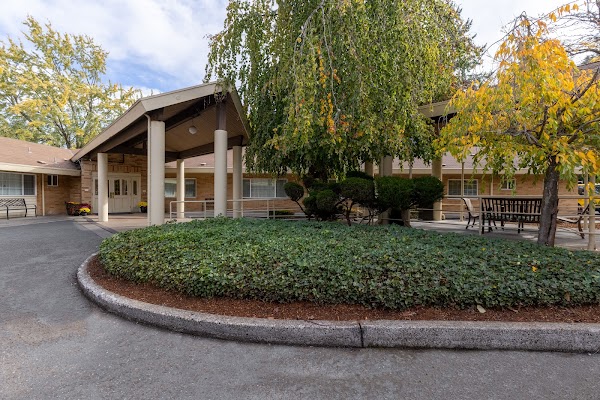
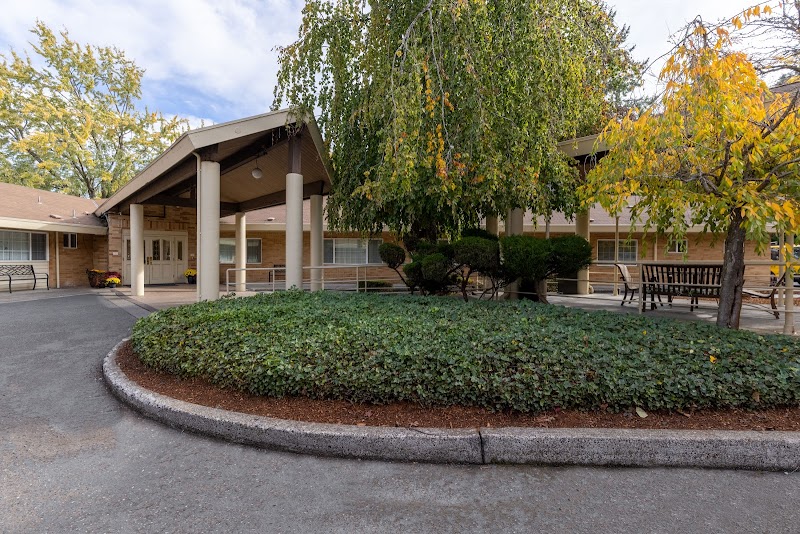
5701 SW MULTNOMAH BLVD, PORTLAND, OR 97219 (503) 244-1107
For profit - Partnership 180 Beds THE GOODMAN GROUP Data: November 2025
Trust Grade
48/100
#74 of 127 in OR
Last Inspection: April 2025

Within standard 12-15 month inspection cycle. Federal law requires annual inspections.

Overview

West Hills Health & Rehabilitation has a Trust Grade of D, which indicates below-average performance with some concerns regarding care quality. The facility ranks #74 out of 127 nursing homes in Oregon, placing it in the bottom half of options available in the state, and ranks #19 out of 33 in Multnomah County, meaning only a few local facilities are rated higher. Although the overall trend is improving, with issues decreasing from 5 in 2024 to 3 in 2025, there are still notable weaknesses, including two serious incidents where residents suffered harm due to failure to follow care plans, resulting in a fall and a fractured hip. Staffing is a relative strength, with a rating of 4 out of 5 stars and a turnover rate of 45%, which is slightly better than the state average. However, the facility has incurred $12,659 in fines, suggesting some compliance issues, and the RN coverage is considered average, which may not catch all potential problems that could be missed by CNAs.

Trust Score
D
48/100
In Oregon
#74/127
Bottom 42%
Safety Record
Moderate
Needs review
Inspections
Getting Better
5 → 3 violations
Staff Stability
○ Average
45% turnover. Near Oregon's 48% average. Typical for the industry.
Penalties
✓ Good
$12,659 in fines. Lower than most Oregon facilities. Relatively clean record.
Skilled Nurses
○ Average
Each resident gets 33 minutes of Registered Nurse (RN) attention daily — about average for Oregon. RNs are the most trained staff who monitor for health changes.
Violations
⚠ Watch
29 deficiencies on record. Higher than average. Multiple issues found across inspections.
★★★☆☆
3.0
Overall Rating
★★★★☆
4.0
Staff Levels
★★★★☆
4.0
Care Quality
★★★☆☆
3.0
Inspection Score
Stable
2024: 5 issues
2025: 3 issues

The Good

  • 4-Star Staffing Rating · Above-average nurse staffing levels
  • 4-Star Quality Measures · Strong clinical quality outcomes
  • Full Sprinkler Coverage · Fire safety systems throughout facility
  • No fines on record
  • Staff turnover below average (45%)

    3 points below Oregon average of 48%

Facility shows strength in staffing levels, quality measures, fire safety.

The Bad

3-Star Overall Rating

Near Oregon average (3.0)

Meets federal standards, typical of most facilities

Staff Turnover: 45%

Near Oregon avg (46%)

Typical for the industry

Federal Fines: $12,659

Below median ($33,413)

Minor penalties assessed

Chain: THE GOODMAN GROUP

Part of a multi-facility chain

Ask about local staffing decisions and management

The Ugly 29 deficiencies on record

2 actual harm
Apr 2025 3 deficiencies
CONCERN (D)

Potential for Harm - no one hurt, but risky conditions existed

Deficiency F0554 (Tag F0554)

Could have caused harm · This affected 1 resident

Based on observation, interview and record review it was determined the facility failed to ensure residents were assessed for safe self-administration of medications for 1 of 1 sampled resident (#293)...

Read full inspector narrative →
Based on observation, interview and record review it was determined the facility failed to ensure residents were assessed for safe self-administration of medications for 1 of 1 sampled resident (#293) reviewed for self-administration of medications. This placed residents at risk for unsafe medication administration. Findings include: The facility's Self-Administration of Medications policy, dated 11/20/16, revealed: A resident may only self-administer medications after the facility's interdisciplinary team has determined which medications may be self-administered safely. Resident 293 admitted to the facility in 4/2025 with diagnoses including spinal stenosis (a condition were the spaces within the spine narrow). A review of Resident 293's record revealed there was no assessment for Resident 293 to self-administer medications. On 4/21/25 at 9:57 AM Resident 293 was observed alone in her/his room with a small cup on her/his bedside table, the cup contained multiple medications. On 4/21/25 at 12:23 PM Resident 293 was in her/his room, the same cup with medications was on the bedside table. Resident 293 stated she/he was waiting for someone to tell her/him what the medications were. On 4/21/25 at 12:29 PM Staff 39 (LPN) confirmed the medications were on Resident 293's bedside table and stated she passed medications that morning but Resident 293 was in the restroom when the morning medications were delivered to the room. Staff 39 confirmed the following medications were in the cup on Resident 293's bedside table: - Cholecalciferol Oral Tablet (Vitamin D supplement) - Lansoprazole (medication for indigestion and acid reflux) - Docusate Sodium (stool softener) - Duloxetine HCl (an antidepressant) - Probiotic - Sennoside (a medication used to treat constipation). On 4/24/25 at 11:13 AM Staff 2 (DNS) confirmed Resident 293 was not assessed for self administration of her/his medications and should not have medications left in her/his room.
CONCERN (D)

Potential for Harm - no one hurt, but risky conditions existed

Deficiency F0578 (Tag F0578)

Could have caused harm · This affected 1 resident

Based on interview and record review it was determined the facility failed to obtain information related to advance directives and health care decisions for 3 of 3 sampled residents (#s 45, 62 & 392) ...

Read full inspector narrative →
Based on interview and record review it was determined the facility failed to obtain information related to advance directives and health care decisions for 3 of 3 sampled residents (#s 45, 62 & 392) reviewed for advance directives. This placed residents at risk for not having health care decisions honored. Findings include: a. Resident 45 admitted to the facility in 2/2025 with diagnosis including chronic inflammatory demyelinating polyneuritis (an autoimmune disease that leads to weakness). Resident 45's care plan initiated 4/24/25 indicated advance directives are in effect, and they will be carried out in accordance with the wishes on an ongoing basis. A 2/26/25 care conference note indicated an advanced directive was reviewed. A review of Resident 45's clinical record found no advanced directive. During an interview on 04/22/25 11:45am Resident 45 stated she/he had not completed an advanced directive. During an interview on 4/23/24 at 2:31pm Staff 11 (Social Services Coordinator) stated Resident 45 did not have an advanced directive on file, could not remember whether Resident 45 had an advanced directive, and she/he should have followed up with Resident 45 about this, but had not. b. Resident 62 admitted to the facility in 4/2025 with diagnosis including sepsis (an extreme inflammatory response to an infection) and metabolic encephalopathy (a disease that alters brain function). Resident 62's care plan initiated 4/7/25 indicated advance directives are in effect, and they will be carried out in accordance with the resident's wishes on an ongoing basis. An 2/22/24 Care conference note indicated Resident 62's advance directive was reviewed. A review of resident 62's clinical record found no advanced directive. During an interview on 4/22/25 at 11:50am Resident 62 stated she/he was not sure if she had an advance directive completed. An interview with Staff 11 (Social Services Coordinator) on 4/24/25 at 12:02pm confirmed Resident 62 did not have an advanced directive on file. c. Resident 392 admitted to the facility in 3/2025 with diagnoses including stroke. Resident 392's care plan initiated on 3/28/25 indicated advance directives are in effect, and they will be carried out in accordance with the resident's wishes on an ongoing basis. A 3/31/25 Care conference note indicated Resident 392's advanced directive was reviewed and documentation was needed from the POA. A review of Resident 392's clinicial record found no advanced directive and no evidence a POA was contacted. During an interview on 4/22/25 at 9:50am Resident 392 stated she/he had an advanced directive but wasn't sure if the facility had a copy of it. She/he said it would benefit the facility to know his/her wishes. During an interview on 4/23/25 at 2:31pm Staff 11 (Social Services Coordinator) confirmed Resident 392 did not have an Advanced Directive on file. She/he stated the initial checkmark in the 3/31/25 care conference indicated that it was requested or discussed and that she/he should have followed up with the resident to get the advanced directive since the care conference and had not. During an interview on 4/25/25 at 9:27am Staff 1 (Executive Director) stated during the admission process the facility provided a blank advanced directive in the paperwork and further stated ideally all advance directive follow-up was documented.
CONCERN (F)

Potential for Harm - no one hurt, but risky conditions existed

Food Safety (Tag F0812)

Could have caused harm · This affected most or all residents

Based on observation, interview, and record review it was determined the facility failed to ensure proper personal hygiene practices and safe food storage handling techniques for 1 of 1 facility kitch...

Read full inspector narrative →
Based on observation, interview, and record review it was determined the facility failed to ensure proper personal hygiene practices and safe food storage handling techniques for 1 of 1 facility kitchen and 2 of 2 facility ice machines reviewed for kitchen sanitation. This placed residents at risk for cross contamination and foodborne illnesses. Findings include: On 4/21/25 at 9:50 AM, Staff 29 (Cook) was observed to have head and facial hair exposed with no facial and head hair restraints. Staff 30 (Cook) was observed to have with facial hair exposed and no facial hair covering. Staff 29 and Staff 30 were actively prepping the lunch meal. On 4/21/25 at 10:20 AM, Staff 8 (AM Dining Services Director) acknowledged hair and beard nets were to be worn at all times when working in the kitchen. She stated the facility provided hair restraints for all staff. On 4/23/25 at 11:10 AM, Staff 7 (PM Dining Services Director) was observed to pick up a pen off the floor and then changed her gloves without performing hand hygiene. Staff 7 confirmed she did not wash her hands after removing her gloves and putting new gloves on. On 4/23/25 at 11:20 AM, Staff 8 was observed plating food for the lunch meal. Staff 8 did not performed hand hygiene. On 4/25/25 at 9:56 AM, Staff 8 stated there were multiple signs in the kitchen to remind staff to practice proper hand hygiene and agreed hand hygiene was required after the removal of gloves. On 4/24/25 at 2:45 PM, a sealed plastic bag of raw chicken dated 4/21/25 was observed in a gray bin on the bottom shelf of the kitchen refrigerator. An undated plastic container with sliced tomatoes was observed on a shelf in the refrigerator. On 4/24/25 at 2:47 PM, Staff 29 stated frozen food could thaw in the refrigerator for up to five days. Staff 7 stated raw poultry needed to be used within one to two days. Staff 7 confirmed the lack of proper labeling for the chicken and tomatoes and stated undated food items were to be discarded. On 4/25/25 at 9:56 AM, Staff 8 stated all meat and poultry transferred into the refrigerator from freezer to thaw, should be discarded within three days. Staff 8 confirmed staff did not properly label and did not properly perform food storage practices. On 4/23/25 from 2:05 PM to 2:26 PM, observations of the facility's unit refrigerators found the following: - [NAME] unit: an undated banana cream pie and a plastic container of unidentifiable food. - East unit: an undated plastic container with unidentifiable food and decorated Easter eggs on a plate. - East Bistro unit: an undated partial eaten container of sushi and a plastic container of unidentifiable food. On 4/23/25 at 2:26 PM, Staff 37 (CNA) was observed placing an undated soup container in the East unit refrigerator. On 4/24/25 at 2:34 PM, Staff 37 (LPN) stated staff were to label food items with the resident's name and opened date. She stated the kitchen staff discarded undated food items. On 4/24/25 at 2:56 PM, Staff 7 stated it was the responsibility of unit staff to discard undated items in the unit refrigerators. On 4/25/25 at 9:56 AM, Staff 8 stated the cook was responsible to discard all undated food items in the unit refrigerators. Staff 8 stated this was an ongoing problem. On 4/24/25 at 9:45 AM, the automatic ice machine, located outside the kitchen entry area, was observed draining condensation into a transparent plastic container which was placed inside the drain area. The plastic container was observed to contain a pool of dirty water from the ice machine. There was also a sealed plastic wrapped food item in the plastic container. The upper inside section of the ice maker was observed to have black spotting. On 4/24/25 at 10:06 AM and at 10:15 AM, Staff 8 stated the Dining Services Director who works in the evening sanitizes the ice machine located in the kitchen. Staff 8 was unable to identify the plastic wrapped food found under the ice machine. Staff 8 discarded the plastic container and unidentified wrapped food item. Staff 8 used a paper towel to wipe the inside of the ice machine lid, and a black substance transferred to the paper towel. Staff 8 confirmed the black spotting on the inside of the ice machine lid. Staff 8 immediately stopped use of the ice machine and proceeded to clean it. On 4/24/25 at 9:15 AM, the drain pipes under the east bistro automatic ice machine was observed to be covered in dark brown and black speckles with slimy substance upon touch. Some areas appeared to have been covered with black mold. The area where the ice maker releases the ice was covered with a pink mold substance that touched the ice when dispensed. On 4/24/25 at 09:38 AM, Staff 34 (CNA) was observed getting ice from the east bistro ice machine and took it to a resident. Staff 34 was asked to remove the cup of ice from the resident's room. On 4/24/25 at 10:00 AM, Staff 32 (Maintenance Director) stated maintenance staff was responsible for sanitizing the ice machine located at the east Bistro. Staff 32 touched the two drain pipes under the ice machine, and she confirmed it was covered with debris and chunks of dark grain. With her left index finger, Staff 32 touched the inside of the dripping pipe, and her finger was covered with slime. On 4/25/25 at 11:09 AM, Staff 1 (Administrator) was informed of the findings and stated it was a great learning opportunity.
Dec 2024 2 deficiencies
CONCERN (D) 📢 Someone Reported This

A family member, employee, or ombudsman was alarmed enough to file a formal complaint

Potential for Harm - no one hurt, but risky conditions existed

Deficiency F0624 (Tag F0624)

Could have caused harm · This affected 1 resident

Based on interview and record review it was determined the facility failed to provide education and training for the self-administration of an anticoagulant subcutaneous medication prior to discharge ...

Read full inspector narrative →
Based on interview and record review it was determined the facility failed to provide education and training for the self-administration of an anticoagulant subcutaneous medication prior to discharge for 1 of 3 sampled residents (#2) reviewed for discharge. This placed residents at risk for an unsafe discharge. Findings include: The 10/14/24 Facility Discharge Planning Policy stated it is the facility's responsibility to develop and implement an effective discharge planning process that focused on the resident's discharge goals, and the preparation of residents to be active partners so they may be effectively transitioned into post-discharge care to prevent readmissions. This included an evaluation of the resident's discharge needs, the development of a final discharge plan, and continuous education to be provided to the resident and the resident's family to ensure any unnecessary delays in the resident's care post discharge. Resident 2 was admitted to the facility in 2024, with diagnosis including left femur fracture and stroke. Resident 2's Care Plan revealed the resident received subcutaneous injectable anticoagulant therapy with interventions that included resident, family and caregiver training and education on medication administration. A review of Resident 2's July MAR revealed the resident was prescribed a subcutaneous injectable medication upon admission that was used to treat blood clots. The medication prescribed was noted with an end date of use by 7/10/24. Resident 2 was noted to have discharged from the facility on 7/1/24 with the prescription still in active use. Additional review of Resident 2's progress notes and assessments revealed no documentation Resident 2 or her/his representative were trained and educated on self-administration of the injectable medication. On 12/10/24 at 10:21 AM, Staff 4 (LPN) stated she was the nurse responsible for discharge planning. Staff 4 stated it was the facility's procedure for the nurse to review all medications including how to administer medications upon discharge. Staff 4 stated she could not confirm if Resident 2 received training and education on how to administer injectable anticoagulant therapies. On 12/10/24 at 11:48 AM, Staff 3 (RNCM) stated the facility had no documentation to show the resident safely discharged from the facility with the training on how to self-administer the injectable anticoagulant medication. Staff 3 stated it was the expectation of care staff to document, train and educate residents on self-administration of medication prior to discharge. On 12/11/24 at 11:09 AM, Staff 2 (DNS) confirmed findings and stated the facility was responsible in ensuring residents and resident representatives were to be trained on how to administer medications prior to discharge.
CONCERN (D) 📢 Someone Reported This

A family member, employee, or ombudsman was alarmed enough to file a formal complaint

Potential for Harm - no one hurt, but risky conditions existed

Deficiency F0760 (Tag F0760)

Could have caused harm · This affected 1 resident

Based on interview and record review it was determined the facility failed to ensure residents were free from significant medication errors for 1 of 3 sampled residents (#5) reviewed for medication ad...

Read full inspector narrative →
Based on interview and record review it was determined the facility failed to ensure residents were free from significant medication errors for 1 of 3 sampled residents (#5) reviewed for medication administration. This placed residents at risk for adverse medication consequences. Findings include: The Facility's 10/14/24 Medication Administration Procedure revealed the following: Medication Incidents are to be reported to the Director of Nurses so that an investigation can be initiated. Medication incidents are incidents where medication is omitted from the order, administered to the incorrect resident, provided with the wrong dosage, form, route or time of administration, and/or provided with unprescribed medications. When the incident is made, the person committing the incident shall: - Notify the nurse of the resident (if this incident is made by the nurse, then the supervisor or DON is to be notified immediately). - Complete a medication incident form when appropriate which will go directly to the DNS and the ED. - Notify the MD, family, and relay physician response. - Record the facts in the resident chart, indicate physician notified regarding medications and family and clinical outcomes as appropriate. When the incident is discovered on a subsequent shift, the person discovering the incident will be responsible for notifying the charge nurse and the physician and initiating the medication incident form. The DON will follow facility protocol including follow up with any person or persons involved in medication error and ensure the completion of the incident report. Resident 5 was admitted to the facility in 2024, with diagnosis including hypothyroidism and hypertension. A review of Resident 5's December MAR revealed the resident was ordered levothyroxine 25 mcg (a thyroid hormone medication) and spironolactone 25 mg (a blood pressure medication) that was to be administered at 6 AM before meals. The MAR indicated the resident was not administered any of the medications. On 12/10/24 at 3:09 PM, Staff 6 (LPN) confirmed Resident 5 was not administered his/her thyroid medication or blood pressure medication. Staff 6 stated she wasn't aware of when or what time Resident 5's morning medications should be administered. Staff 6 stated it was not her responsibility to review any previous medication passes to confirm if they had been completed by the last shift. Staff 6 stated she did not report this missed medication administration to the RCM, DNS or the Physician. On 12/11/24 at 11:03 AM, Staff 2 (DNS) confirmed findings and indicated the oncoming nurse failed to review the previous med pass to ensure they were completed. Staff 2 stated it was the responsibility of the oncoming facility nurse to ensure all medications had been passed when beginning their shift. Staff 2 indicated it is the expectation of the facility that any nurse who discovered a medication error should report it to the DNS, RCM, and Physician and file an incident report.
May 2024 3 deficiencies
CONCERN (D) 📢 Someone Reported This

A family member, employee, or ombudsman was alarmed enough to file a formal complaint

Potential for Harm - no one hurt, but risky conditions existed

Accident Prevention (Tag F0689)

Could have caused harm · This affected 1 resident

Based on interview and record review it was determined the facility failed to implement care plan interventions to ensure adequate supervision was provided to prevent accidents for 1 of 3 sampled resi...

Read full inspector narrative →
Based on interview and record review it was determined the facility failed to implement care plan interventions to ensure adequate supervision was provided to prevent accidents for 1 of 3 sampled residents (#100) reviewed for hot beverage safety. This placed residents at risk for accidents. Findings include: Resident 100 was admitted to the facility in 2020 with diagnoses including encephalopathy (a disturbance of brain function) and dementia. Resident 100's care plan dated 3/22/23, revealed she/he was on an altered diet and required one to one supervision for meals to encourage intake. A care plan revision dated 4/11/23, noted that staff were not to leave cups in front of her/him without supervision. On 3/27/23 the facility submitted a report to the state agency which revealed Resident 100 was given a hot cup of tea on 3/26/23. Resident 100 picked up the cup, dropped it and some of the hot liquid splashed on her/his left thigh which resulted in a first degree burn. Resident 100 was not interviewed due to she/he was discharged from the facility. On 5/8/24 at 1:15 PM, Staff 5 (CNA) recalled the incident from 3/26/23 and stated an agency staff was assigned to supervise Resident 100 while she/he was eating in the dining room. Staff 5 stated she saw the resident grab the cup and it looked like the resident was about to throw it down. Staff 5 stated she walked to the nurse's station for about 30 seconds and by the time she walked back into the dining room, Resident 100 had dropped the cup and had hot liquid on her/his leg. Staff 5 did not recall where the agency staff was but confirmed the staff was not assisting Resident 100 with eating or drinking. On 5/9/24 at 11:44 AM, Staff 2 (DNS) stated she completed the risk management form related to Resident 100's burn. She stated the resident sustained a first degree burn with no blisters as a result of the liquid spill on 3/26/23.
CONCERN (D) 📢 Someone Reported This

A family member, employee, or ombudsman was alarmed enough to file a formal complaint

Potential for Harm - no one hurt, but risky conditions existed

Deficiency F0804 (Tag F0804)

Could have caused harm · This affected 1 resident

**NOTE- TERMS IN BRACKETS HAVE BEEN EDITED TO PROTECT CONFIDENTIALITY** Based on observation, interview and record review it was determined the facility failed to ensure meals were served in a palatab...

Read full inspector narrative →
**NOTE- TERMS IN BRACKETS HAVE BEEN EDITED TO PROTECT CONFIDENTIALITY** Based on observation, interview and record review it was determined the facility failed to ensure meals were served in a palatable and at appetizing temperatures for 2 of 2 sampled residents (#s 105 and 106) reviewed for food. This placed residents at risk for unmet nutritional needs. Findings include: The facility's Food Temperature policy, revised 8/2023, noted food should be transported as quickly as possible to maintain temperatures for delivery and service. The facility's 3/2024 Resident Council notes documented the food is always cold and tasteless, have to ask for coffee 2X (two times) because it's cold and portions are inconsistent. Resident 105 was admitted to the facility in 2022 with diagnoses including acute cystitis (bladder infection) and weakness. On 5/1/24 at 3:16 PM, Resident 105 stated the food was terrible and she/he usually ate peanut butter and jelly sandwiches for lunch and oatmeal and cinnamon rolls for dinner. She/he stated the scalloped potatoes were hard and most meals were not palatable. Resident 106 was admitted to the facility in 2023 with diagnoses including transverse myelitis (inflammation of the spinal cord) and Hepatitis B. On 5/7/24 at 11:49 AM, Resident 106 stated the food was horrible after the menus changed and the quality of the food had gone downhill. Resident 106 stated she/he ate salads the majority of the time due to the poor food quality. On 5/1/24 at 2:51 PM, the facility's Resident Council President stated the food was always late and at times was cold. She/he stated there had been complaints during Resident Council meetings about the food. On 5/2/24 at 12:53 PM, Staff 7 (CNA) stated almost all the residents complained the food was too cold, too salty, the meat was overcooked and the food was not palatable. On 5/7/24 at 1:25 PM a test tray was sampled. The meal consisted of shrimp coated in breading, salad, rice with vegetables, and sauteed vegetables. The shrimp's coating did not appear to be cooked and the shrimp was lukewarm, the rice was bland, had no taste and the sauteed vegetables were mushy and unappetizing. On 5/7/24 at 4:20 PM, Staff 9 (National Culinary Director for The [NAME] Group) stated the company used a standardized program across the country. Staff 9 stated he met with residents on 5/7/24 to discuss the food situation and the company was in the process of hiring a new dietary manager and acknowledged residents had complained about the food's palatability. On 5/9/24 at 9:08 AM, Staff 6 (CNA) stated about 90% of the residents complained the food was not palatable. On 5/9/24 at 1:30 PM, Staff 1 (Administrator) acknowledged there were multiple complaints about the food and she was working on hiring a new dietary manager.
CONCERN (F) 📢 Someone Reported This

A family member, employee, or ombudsman was alarmed enough to file a formal complaint

Potential for Harm - no one hurt, but risky conditions existed

Deficiency F0802 (Tag F0802)

Could have caused harm · This affected most or all residents

Based on interview and record review it was determined the facility failed to ensure sufficient dietary staff were available to ensure food service was delivered in a timely manner for 1 or 1 kitchens...

Read full inspector narrative →
Based on interview and record review it was determined the facility failed to ensure sufficient dietary staff were available to ensure food service was delivered in a timely manner for 1 or 1 kitchens reviewed. This placed residents at risk for unmet nutritional needs. Findings include: A public complaint was made to the state agency on 10/9/23 which alleged all meals were served late daily and timeliness had been an issue for several months. Witness 2 (Complainant) stated meals were served hours after the posted times and residents complained to staff their meals were late. On 5/1/24 at 2:51 PM, the Resident Council President stated the food was always served late and at times was cold. On 5/7/24 at 11:30 AM, Staff 10 (Cook) stated the dining room was served meals first, then east hall due to several residents who required one to one assistance with eating, then west hall and lastly, the skilled hall. Staff 10 stated there were staffing shortages in the facility. On 5/8/24 at 1:15 PM, Staff 5 (CNA) stated there was a shortage of dietary staff last fall and CNA's were told meals would be late due to the staff shortages. Staff 5 stated the meals were still served late on weekends and could be up to 45 minutes late. On 5/9/24 at 9:08 AM, Staff 6 (CNA) stated meals were served at least 45 minutes late and it was worse on weekends. Staff 6 stated there currently was still a shortage of dietary staff. On 5/9/24 at 1:30 PM, Staff 1 (Administrator) acknowledged meals were served late and she was in the process of hiring a new Dietary Manager.
Dec 2023 16 deficiencies 1 Harm
SERIOUS (G) 📢 Someone Reported This

A family member, employee, or ombudsman was alarmed enough to file a formal complaint

Actual Harm - a resident was hurt due to facility failures

Deficiency F0760 (Tag F0760)

A resident was harmed · This affected 1 resident

**NOTE- TERMS IN BRACKETS HAVE BEEN EDITED TO PROTECT CONFIDENTIALITY** Based on interview and record review it was determined the facility failed to administer medication as ordered for 1 of 6 sample...

Read full inspector narrative →
**NOTE- TERMS IN BRACKETS HAVE BEEN EDITED TO PROTECT CONFIDENTIALITY** Based on interview and record review it was determined the facility failed to administer medication as ordered for 1 of 6 sampled residents (#485) reviewed for medication administration. This failure resulted in an increased potassium level and required Resident 485's hospitalization. Findings include: On 6/14/23, the Past Noncompliance was corrected when the facility completed a root cause analysis of the incident and staff were trained on steps to take if a medication was thought to be missing which included: -Performing a thorough search of all med carts and the med room including the refrigerator to find the missing medication. -Placing notes on or in the med cart to advise oncoming workers of a medication's location. -Providing detailed documentation of why the medication was not given beyond only writing unavailable. -Notifying the provider and documenting when the provider was notified. According to the National Library of Medicine, revised 6/20/23, the normal range for potassium is 3.7 milliequivalent per liter (mEq/L) to 5.2 mEq/L. High levels of potassium can result in decreased heart muscle activity and can lead to life-threatening heart problems. Resident 485 was admitted to the facility in 5/2023 with diagnoses including chronic kidney disease. Hospital discharge orders from 5/9/23 included instructions for Resident 485 to receive patiromer sorbitex calcium (used to treat high blood potassium) at 8.4 grams once a day for hyperkalemia (a high potassium level). A review of Resident 485's 5/2023 medication orders included documentation the medication was received at the facility on 5/10/23. A 5/2023 MAR revealed Resident 485 did not receive patiromer sorbitex calcium on 5/10/23, 5/11/23, 5/12/23, 5/13/23, 5/14/23, 5/15/23, 5/16/23 and 5/17/23. A review of Resident 485's progress notes from 5/10/23 through 5/17/23 revealed daily notes which stated the patiromer sorbix calcium medication was unavailable. A 5/17/23 hospital progress note indicated Resident 485 underwent a blood lab test while at a doctor's appointment. Lab results revealed Resident 485's potassium level was 6.6 mEq/L. A Progress Note from 5/17/23 at 7:48 PM reported Resident 485's nephrologist (a physician specializing in kidney function) contacted the facility to inform staff Resident 485's potassium was at a critical level and wanted her/him to be admitted to the emergency department for treatment. A review of hospital records revealed Resident 485 was admitted to the hospital on [DATE] and required hospital care until she/he discharged home on 5/31/23. On 12/15/23 at 11:29 AM Staff 2 (DNS) stated Resident 485's kidneys did not function properly and required patiromer sorbix calcium to allow Resident 485 to have controlled potassium levels. Staff 2 stated heart problems were the biggest concern as a result of Resident 485's high potassium level. Staff 2 confirmed a major mistake was made with Resident 485 not receiving the patiromer sorbix medication as ordered to control potassium levels which resulted in Resident 485 requiring emergency hospitalization.
CONCERN (D)

Potential for Harm - no one hurt, but risky conditions existed

Safe Environment (Tag F0584)

Could have caused harm · This affected 1 resident

**NOTE- TERMS IN BRACKETS HAVE BEEN EDITED TO PROTECT CONFIDENTIALITY** Based on observation and interview it was determined the facility failed to maintain a homelike environment for 1 of 1 facility ...

Read full inspector narrative →
**NOTE- TERMS IN BRACKETS HAVE BEEN EDITED TO PROTECT CONFIDENTIALITY** Based on observation and interview it was determined the facility failed to maintain a homelike environment for 1 of 1 facility reviewed for environment. This placed residents at risk for living in an unkempt environment. Findings include: Observations of the facility's general environment and residents' rooms from 12/11/23 through 12/18/23 identified the following issues: -Rooms 106, 121, 127, 129 and 134 had wood wall protectors behind resident beds that were chipped with sharp/jagged edges and missing paint. -room [ROOM NUMBER] had a screen door that lead to the patio area with the door off the tracks that was unable to open or close properly. -room [ROOM NUMBER] had an approximate three inch piece of wood missing on the resident door with sharp/jagged edges. -room [ROOM NUMBER] had a missing transition strip from the hall to the room exposing a gap in the flooring which was not a cleanable surface. -Ceiling tiles in the library had a green/brown substance on them above the fish tank. -A wall near room [ROOM NUMBER] had veneer that was torn and peeling. -The west [NAME]-[NAME] hall transition strip had carpet lifting and torn rubber stripping. -The main dining area across from the front reception area had three broken tiles on the floor with large gaps of missing tile which were not a cleanable surface. On 12/15/23 at 12:50 PM Staff 1 (Executive Director) acknowledged the identified concerns needed to be repaired.
CONCERN (D)

Potential for Harm - no one hurt, but risky conditions existed

Comprehensive Assessments (Tag F0636)

Could have caused harm · This affected 1 resident

Based on interview and record review it was determined the facility failed to comprehensively assess cognitive abilities and mood state for 1 of 2 sampled residents (#21) reviewed for communication. T...

Read full inspector narrative →
Based on interview and record review it was determined the facility failed to comprehensively assess cognitive abilities and mood state for 1 of 2 sampled residents (#21) reviewed for communication. This placed residents at risk for unassessed needs. Findings include: Resident 21 was admitted to the facility in 11/2023 with diagnoses including lower back fracture. Resident 21's 11/20/23 admission MDS indicated the resident's preferred language was Russian, the resident wanted an interpreter to communicate with health care staff and the resident did not experience any difficulties with communication. No evidence was found in Resident 21's clinical record to indicate her/his cognitive abilities or mood state was assessed. On 12/13/23 at 9:03 AM and on 12/14/23 at 9:18 AM an interview was conducted with Resident 21 with the use of a translation service. Resident 21 stated staff did not regularly use the translator service when interacting with her/him nor had anyone from the facility asked her/him about her/his mood. Resident 21 further stated she/he was sad all of the time because of the way [the staff] treat[ed] [her/him]. On 12/13/23 at 9:27 AM Staff 22 (CNA) stated she thought the resident was pretty with it and able to understand more basic questions. Staff 22 stated she observed the resident to be depressed during the previous week as she noticed the resident to eat and smile less and the resident reported she/he wanted to die to another CNA. On 12/14/23 at 12:43 PM Staff 23 (Social Services Assistant) stated an assessment of a resident's cognition and mood should always be completed as part of the MDS. Staff 23 stated she attempted to complete an assessment of Resident 21's cognitive abilities and mood state for the resident's admission MDS using Witness 6 (Family Member) as the translator. Staff 23 stated Witness 6 refused to help translate after only a few questions related to cognition were asked so she stopped the interview. Staff 23 stated she did not follow up with the resident to assess either her/his cognition or mood with an outside translation service or complete a staff assessment of the resident's cognitive abilities or mood state. On 12/14/23 at 3:59 PM Staff 2 (DNS) acknowledged the findings and stated assessments of Resident 21's cognition and mood should have been attempted using an outside translation service. On 12/18/23 at 9:12 AM Staff 3 (Social Services Director) stated he was responsible for completing staff assessments of resident cognition and mood in those cases when a resident interview was unable to be completed on the MDS. Staff 3 stated he was unaware the cognition and mood interviews were not completed on Resident 21's admission MDS and confirmed a staff assessment of the resident's cognition and mood should have been completed.
CONCERN (D)

Potential for Harm - no one hurt, but risky conditions existed

Comprehensive Care Plan (Tag F0656)

Could have caused harm · This affected 1 resident

Based on interview and record review, it was determined the facility failed to develop a person-centered comprehensive care plan for 1 of 2 sampled residents (#10) reviewed for respiratory care. This ...

Read full inspector narrative →
Based on interview and record review, it was determined the facility failed to develop a person-centered comprehensive care plan for 1 of 2 sampled residents (#10) reviewed for respiratory care. This placed residents at risk for unmet needs. Findings include: Resident 10 was readmitted to the facility in 10/2022 with diagnoses including tracheostomy (an artificially created opening in the windpipe to help air reach the lungs) status. Resident 10's 10/2023 Annual MDS indicated the resident was severely cognitively impaired. Resident 10's 10/2023 Respiratory Care Plan revealed the following: -The resident required a long term tracheostomy to maintain airway and adequate oxygen levels. -Report any signs of respiratory distress, decreased saturations, fever, changes in mentation, increased vital signs and purulent (thick fluid caused by infection) tracheostomy secretions. -Check settings on air compressor- oxygen and temperature 80-85 degrees. -Check tubing and clear if water present. -Check tracheostomy strap (a band that goes around the neck to hold the tracheostomy tube in place) each shift and alert nurse of any redness or changes in skin under strap. -Routine tracheostomy care per protocol. -Check tracheostomy for signs of plugging if any signs of respiratory distress, tracheostomy care per orders. -Check stoma (opening in the body) for signs of infection or pressure. Resident 10's 12/2023 Physician Orders directed the following: -Suction tracheostomy immediately if patient vomits and notify physician. -Change oxygen tubing and related equipment on Monday. Clean concentrator filter. -Tracheostomy care: clean inner cannula (a thin tube inserted into a person's body cavity to drain fluid, administer medication or provide oxygen) via sterile technique each shift and PRN for respiratory distress. Do not suction unless there is an emergency due to previous issues from suction. If changing tracheostomy straps, please check to make sure straps are not tight against the skin. Should be able to easily put fingers between strap and skin. -Check water connected to tracheostomy mister. Ensure it is full to the fill line and use distilled water when needed. Check this at the beginning of every shift and as needed throughout shift. Do not run dry. -Patient may be off tracheostomy mist for four hours a day and PRN. No evidence was found in Resident 10's care plan or physician orders related to specifications of the resident's type and size of cannula or instructions for what staff should do in the case of tracheostomy complication. On 12/14/23 at 3:36 PM Staff 2 (DNS) confirmed specifications of the resident's type and size of cannula and tracheostomy emergency procedures were not in Resident 10's health record and should have been.
CONCERN (D)

Potential for Harm - no one hurt, but risky conditions existed

Deficiency F0657 (Tag F0657)

Could have caused harm · This affected 1 resident

Based on observation, interview and record review it was determined the facility failed to ensure resident care plans were revised to accurately reflect resident needs for 1 of 1 sampled resident (#18...

Read full inspector narrative →
Based on observation, interview and record review it was determined the facility failed to ensure resident care plans were revised to accurately reflect resident needs for 1 of 1 sampled resident (#18) reviewed for skin conditions. This placed residents at risk for unmet care needs. Findings include: Resident 18 was admitted to the facility in 5/2017 with diagnoses including hemiplegia (muscle weakness or partial paralysis on one side of the body). On 12/11/23 at 3:34 PM Resident 18 was observed to have multiple red marks that appeared to be scabbed over on her/his right shoulder. Resident 18 stated she/he did not know what they were. On 12/13/23 at 3:01 PM Resident 18 was observed to have similar red marks and scabs on her/his leg. Resident 18 stated the sores were healing and she/he thought they were dry skin. She/he stated staff applied cream to them but she/he did not remember when. On 12/15/23 at 9:29 AM Staff 15 (LPN) stated Resident 18 had really dry skin and she/he picked at it. She confirmed Resident 18's skin sores were treated with calamine (a lotion used to treat mild itchiness) and hydroxyzine (antihistamine tablets used to treat skin rashes) as ordered by her/his physician. An alert nursing progress note on 9/29/23 indicated Resident 18 had a new diagnosis of scabies (a contagious, intensely itchy skin condition caused by a tiny burrowing mite). A review of Resident 18's 10/2/23 Care Plan revealed the facility was to provide resident, family, and caregiver education regarding precautions to minimize the risk of transferring the infestation. On 12/15/23 at 9:55 AM Staff 31 (CMA) stated Resident 18 was on precautions when she/he first received the diagnosis of scabies. She did not know when the scabies diagnosis was resolved but stated, it's been a few weeks. On 12/15/23 at 10:08 AM Staff 5 (LPN/Resident Care Coordinator) stated she did not believe Resident 18 actually had scabies but she/he was treated with the medications as ordered by her/his provider. Staff 5 stated the precautions for scabies needed to come off of the care plan because it was resolved. On 12/15/23 at 11:00 AM Staff 2 (DNS) acknowledged Resident 18's Care Plan still contained the precautions related to scabies. She confirmed she expected residents' care plans to be updated when their conditions and needs changed.
CONCERN (D) 📢 Someone Reported This

A family member, employee, or ombudsman was alarmed enough to file a formal complaint

Potential for Harm - no one hurt, but risky conditions existed

ADL Care (Tag F0677)

Could have caused harm · This affected 1 resident

3. Resident 21 was admitted to the facility in 11/2023 with diagnoses including a lower back fracture. Resident 21's 11/20/23 admission MDS indicated the resident's preferred language was Russian, the...

Read full inspector narrative →
3. Resident 21 was admitted to the facility in 11/2023 with diagnoses including a lower back fracture. Resident 21's 11/20/23 admission MDS indicated the resident's preferred language was Russian, the resident wanted an interpreter to communicate with health care staff and the resident did not experience any difficulties with communication. The MDS also indicated the resident was dependent on staff for personal hygiene and lower body dressing and required substantial/maximal assistance with upper body dressing. Observations of Resident 21 conducted from 12/11/23 through 12/13/23 from 8:59 AM to 4:16 PM revealed the resident was dressed in a hospital gown with approximately one inch of white and gray hair on her/his upper lip. On 12/13/23 at 9:03 AM an interview was conducted with Resident 21 with the use of a translation service. Resident 21 stated she/he preferred to wear clothing instead of a gown and staff had not assisted her/him to get dressed. Resident 21 further stated she/he wanted her/his facial hair shaved but no one offered any assistance. On 12/13/23 at 9:27 AM Staff 22 (CNA) stated Resident 21 did not have any personal clothing items at the facility so she/he wore hospital gowns. Staff 22 stated the facility had a donation area where staff would get clothing for residents who came to the facility without clothing. Staff 22 stated she had not retrieved any clothing for Resident 21 from the facility's donation area or assisted the resident to get dressed. Staff 22 further stated she had not asked the resident if she/he wanted her/his facial hair removed. On 12/13/23 at 11:03 AM Staff 24 (CNA) stated he had only seen the resident dressed and out of a hospital gown on one occasion since she/he came to the facility. Staff 24 further stated he had not assisted the resident with facial hair grooming. On 12/14/23 at 4:02 PM Staff 2 (DNS) acknowledged the findings and stated she expected staff to assist the resident to get dressed and with grooming her/his facial hair. Based on observation, interview and record review it was determined the facility failed to ensure dependent residents received required assistance with ADLs for 3 of 4 sampled residents (#s 3, 4 and 21) reviewed for ADLs. This placed residents at risk for unmet ADL needs and loss of dignity. Findings include: 1. Resident 3 was admitted to the facility in 5/2023 with diagnoses including a broken ankle. A review of Resident 3's 11/7/23 Quarterly MDS revealed she/he was cognitively intact. On 12/11/23 at 10:05 AM Resident 3 was observed sitting up in her/his bed with a tuft of facial hair that was longer than an inch growing from her/his chin. She/he reported, I wish they would trim it. They never offer. Resident 3's Care Plan dated 5/9/23 indicated she/he had a self-care deficit and required assistance to complete ADL tasks due to her/his limited mobility. A review of Resident 3's 11/7/23 Quarterly MDS revealed she/he required moderate assistance to complete personal hygiene tasks. On 12/13/23 1:07 PM Staff 29 (CNA) stated she worked with Resident 3 today and last week. Staff 29 stated Resident 3 was dependent on staff to assist her/him to shave her/his face. Staff 29 stated CNAs were supposed to ask residents if they wanted to be shaved. Staff 29 confirmed she noticed Resident 3's long facial hairs last week but did not ask if she/he wanted them removed. On 12/14/23 at 12:45 PM Staff 5 (LPN/Resident Care Coordinator) confirmed Resident 3 was dependent on her/his caregivers to shave her/his facial hair. She also stated CNAs were supposed to document when they offered to assist Resident 3 to shave and if she/he refused. She confirmed there was no documentation in Resident 3's chart to indicate she/he was offered assistance to shave. On 12/18/23 at 11:57 AM Staff 1 (Executive Director) confirmed she expected residents be assisted to shave their facial hair if the residents wanted to shave. 2. Resident 4 was admitted to the facility in 2/2021 with diagnoses including multiple sclerosis (a progressive neurological disease). Resident 4's 2/2/22 Care Plan, revised 12/23/23, revealed the resident required extensive assistance for grooming and personal hygiene and preferred showers so she/he could have her/his hair shampooed. The staff were to brush Resident 4's hair daily. Resident 4's 9/27/23 Quarterly MDS revealed she/he had moderate cognitive impairment, required total assistance for bathing/showering, required extensive assistance for personal hygiene and had no rejection of care. Resident 4's 11/22/23 through 12/16/23 Shower Task Logs indicated the resident received bathing/showering on the following days: -12/2/23 and -12/9/23. A review of Resident 4's health record from 11/22/23 through 12/16/23 revealed no documentation that Resident 4 was provided with additional bathing/showering opportunities when bathing/showering was not provided. On 12/11/23 at 2:48 PM and 12/12/23 at 8:39 AM Resident 4 looked disheveled. The resident had an area at the crown of her/his head with a large tangled, untidy mass of hair (hair matte) and the front portion of her/his hair was stringy and greasy. On 12/11/23 at 2:48 PM and 12/13/23 at 10:13 AM Resident 4 stated staff did not regularly brush her/his hair which resulted in a large hair matte at the back of her/his head that was painful to brush out. Resident 4 stated her/his family brushed her/his hair when they visited but they did not visit daily. Resident 4 stated her/his showers were scheduled for evening shift but by evening time she/he was too tired to take a shower so she/he often refused showering. Resident 4 stated she/he would take showers if they were offered in the morning. On 12/11/23 at 3:21 PM Witness 5 (Family) reported Resident 4 did not receive showers frequently enough which resulted in the resident having poor hygiene. Witness 5 stated Resident 4 used to be scheduled for showers in the morning but about six to eight months ago, her/his showers were changed to evening shift. Witness 5 stated Resident 4 began refusing showers so she spoke with several staff regarding the resident's showering preferences but nothing changed. Witness 5 stated Resident 4 always had a large hair matte at the back of her head, which was full of ants last month, because staff did not routinely brush the resident's hair. On 12/13/23 at 8:25 AM Staff 13 (CNA) stated Resident 4 required extensive assistance to meet her/his care needs. Staff 13 stated Resident 4 was scheduled for evening showers but the resident preferred to shower in the morning thus the resident often refused showers. Staff 13 stated Resident 4's hair tangled into a matte at the back of her/his head and she told the resident she/he needed to shower in order to get the hair matte out. On 12/13/3 at 8:56 AM Staff 14 (CNA) stated Resident 4 frequently refused evening showers and staff were unable to make showers up because they had too many showers already scheduled for each shift. Staff 14 stated with the current staffing model, residents had to wait until their next scheduled shower time if they refused or missed a shower and it would be helpful if more CNA staff were scheduled. Staff 14 stated Resident 4's hair was often matted. On 12/13/23 at 12:08 AM and 12/14/23 at 1:56 PM Staff 5 (LPN/Resident Care Coordinator) stated there was an ongoing issue with Resident 4's hair tangling and becoming matted because Resident 4 often refused showering. Staff 4 stated if residents refused showers the CNA staff could not usually make up the shower because there was not enough CNA staff since they already had six showers on the day and evening shift. Staff 5 stated she was notified in 11/2023 that Resident 4 refused showers because she/he preferred showering in the morning but Staff 5 had to wait until a resident moved or discharged from the unit in order to accommodate Resident 4's preference for morning showers because there was not enough staff to add any more residents to the day shift shower schedule. Staff 5 confirmed Resident 4 did not receive showers on a regular basis and often had matted hair. On 12/18/23 at 10:09 AM Staff 1 (Executive Director) stated she expected staff to accommodate showers at alternative times and make up showers if a resident refused or missed a shower. Refer to F725.
CONCERN (D)

Potential for Harm - no one hurt, but risky conditions existed

Deficiency F0679 (Tag F0679)

Could have caused harm · This affected 1 resident

**NOTE- TERMS IN BRACKETS HAVE BEEN EDITED TO PROTECT CONFIDENTIALITY** Based on observation, interview, and record review it was determined the facility failed to provide a person-centered activity p...

Read full inspector narrative →
**NOTE- TERMS IN BRACKETS HAVE BEEN EDITED TO PROTECT CONFIDENTIALITY** Based on observation, interview, and record review it was determined the facility failed to provide a person-centered activity program for 1 of 1 sampled resident (#21) reviewed for activities. This placed residents at risk for a diminished quality of life. Findings include: Resident 21 was admitted to the facility in 11/2023 with diagnoses including lower back fracture. Resident 21's 11/20/23 admission MDS indicated the resident's preferred language was Russian, the resident wanted an interpreter to communicate with health care staff and the resident did not experience any difficulties with communication. The MDS also indicated listening to music she/he liked and being around animals, such as pets, were important activities to Resident 21. Resident 21's 11/21/23 Activities Initial Assessment completed with the resident indicated she/he liked music, dogs, playing cards and board games and getting her/his nails done. Resident 21's 11/22/23 Activity Care Plan revealed the following interventions: -Provide the resident with a television guide to watch movies and television shows. -Encourage the resident to attend bingo when scheduled. -Invite the resident to music performances when scheduled. -Schedule one-to-one pet therapy and provide magazines from the life enrichment cart. The facility's posted Activity Schedule for 12/10/23 through 12/13/23 included the following activities: -12/10/23: Christian Fellowship, Movie Social and Life Enrichment Visits. -12/11/23: Life Enrichment Visits East, Chapel with [NAME], Music Therapy with Daisie and [NAME] Bingo. -12/12/23: 1:1 Visits with Life Enrichment. -12/13/23: Life Enrichment Visits. A review of Resident 21's Individual Activity Engagement and Group Activity Engagement Tasks from 11/2023 and 12/2023 revealed the resident participated in a religious/spiritual activity on 11/16/23. No evidence was found to indicate the resident was invited to, or participated in, any other activity since her/his admission to the facility. Observations of Resident 21 from 12/11/23 through 12/13/23 from 8:59 AM to 4:16 PM revealed the resident to be in her/his room either in bed or in her/his wheelchair with the television on and tuned to the Hallmark channel with English language audio. On 12/11/23 at 4:01 PM Witness 6 (Family Member) stated Resident 21 understood very little English. On 12/13/23 at 9:03 AM an interview was conducted with Resident 21 with the use of a translation service. Resident 21 stated she/he could only understand some English and she/he enjoyed music, church and television. Resident 21 stated she/he especially enjoyed listening to classical music and watching Russian television. Resident 21 stated she/he had not been invited to activities at the facility and she/he often did not like or understand the programs the staff put on her television. On 12/13/23 at 10:45 AM Staff 22 (CNA) and at 11:03 AM Staff 24 (CNA) stated they were unsure of Resident 21's activity interests and the resident usually spent most of the day in bed. On 12/14/23 at 1:04 PM Staff 26 (Life Enrichment Assistant), Staff 27 (Life Enrichment Director) and Staff 28 (Life Enrichment Assistant) were present for an interview. Staff 28 stated activity preferences learned during the resident's initial activity assessment and from the completion of the Preferences for Routine and Activities interview on the admission MDS should be included in a resident's activity care plan. Staff 28 further stated the life enrichment team completed one-to-one visits for residents who were bed bound or did not participate in group activities and their goal was to complete one-to-one visits at least weekly. Staff 26 stated she considered Resident 21 appropriate for one-to-one visits and confirmed no one-to-one visits had been completed with Resident 21 outside of the visit on 11/16/23. Staff 26, Staff 27 and Staff 28 confirmed they had not attempted board or card games, painting nails, pet therapy or Russian television with Resident 21 and Resident 21's care plan did not include all of the resident's activity interests. On 12/14/23 at 4:06 PM Staff 2 (DNS) acknowledged the findings and stated Resident 21 should have been involved in more activities, including music and pet therapy.
CONCERN (D)

Potential for Harm - no one hurt, but risky conditions existed

Quality of Care (Tag F0684)

Could have caused harm · This affected 1 resident

Based on observation, interview and record review it was determined the facility failed to ensure physician orders were implemented as ordered for 1 of 1 sampled resident (#437) reviewed for edema. Th...

Read full inspector narrative →
Based on observation, interview and record review it was determined the facility failed to ensure physician orders were implemented as ordered for 1 of 1 sampled resident (#437) reviewed for edema. This placed residents at risk for worsened edema and unmet needs. Findings include: Resident 437 was admitted to the facility in 12/2023 with diagnoses including fracture of the right femur (thigh bone) and Down syndrome. Resident 437's admission MDS was in progress and the resident's assessment information was not completed. A 12/7/23 Encounter Note written by Staff 25 (Physician) included the following: - Tubigrips [support bandage] until compression stockings can be put on. Also ACE wraps [stretchable cloth] if Tubigrips are not available. Resident 437's Physician Orders included a 12/7/23 order for ACE wraps to be used daily to lower legs during the day. Resident 437's 12/2023 TAR revealed the 12/7/23 order for ACE wraps was not implemented until 12/12/23, five days after the Physician Order. On 12/11/23 at 11:25 AM Witness 2 (Family) stated she visited Resident 437 every day since the resident was unable to direct her/his care due to her/his diagnosis of Down syndrome. Witness 2 stated staff did not put the ACE wraps on Resident 437's legs daily as Staff 25 ordered on 12/7/23. Resident 437's lower legs were observed to be bare and did not have ACE wraps donned. On 12/15/23 at 12:50 PM Staff 6 (RNCM) stated she reviewed provider notes and if the notes included an order, she put the order in the resident's health record. Staff 6 reviewed Resident 437's health record and confirmed the ACE wraps order should have been implemented on 12/7/23 when Staff 25 placed the order. On 12/18/23 at 10:37 AM Staff 2 (DNS) reviewed Resident 437's health record and acknowledged the ACE wraps order was not implemented timely.
CONCERN (D) 📢 Someone Reported This

A family member, employee, or ombudsman was alarmed enough to file a formal complaint

Potential for Harm - no one hurt, but risky conditions existed

Respiratory Care (Tag F0695)

Could have caused harm · This affected 1 resident

**NOTE- TERMS IN BRACKETS HAVE BEEN EDITED TO PROTECT CONFIDENTIALITY** Based on observation, interview and record review it was determined the facility failed to ensure the provision of appropriate e...

Read full inspector narrative →
**NOTE- TERMS IN BRACKETS HAVE BEEN EDITED TO PROTECT CONFIDENTIALITY** Based on observation, interview and record review it was determined the facility failed to ensure the provision of appropriate equipment at a resident's bedside in the case of a complication related to a laryngectomy (surgical removal of all or part of the larynx (voicebox)), a care plan was developed with appropriate interventions for respiratory care and physician orders for respiratory equipment were followed for 2 of 3 sampled residents (#s 74 and 435) reviewed for respiratory care. This placed residents at risk for respiratory distress and unmet needs. Findings include: 1. Resident 74 was admitted to the facility in 6/2023 with diagnoses including acquired absence of larynx. Resident 74's 8/2023 Laryngectomy Care Plan indicated the following: -Clean tube per order directions. -Monitor/document for restlessness, agitation, confusion, increased heart rate and bradycardia (slow heart rate). -Monitor/document level of consciousness, mental status and lethargy PRN. -Provide good oral care daily and PRN. -Suction as necessary. Resident 74's 9/2023 Quarterly MDS indicated the resident was cognitively intact and received tracheostomy (an opening created at the front of the neck so a tube can be inserted into the windpipe to help with breathing) care. Resident 74's 12/2023 Physician Orders directed the following: -Laryngectomy tube care four times a day for respiratory care. -Remove laryngectomy tube, run in running water and dry before reinserting. -Apply lubrication to tube to ease reinsertion. -Notify physician of any issues. No evidence was found in Resident 74's care plan or physician orders related to specifications of the resident's type and size of laryngectomy tube or instructions for what staff should do in the case of laryngectomy complication. On 12/11/23 at 10:52 AM Resident 74 was observed in bed with a laryngectomy tube in her/his neck. On 12/13/23 at 12:12 PM and 12:39 PM Staff 7 (RN) stated she did not know what type or size of laryngectomy tube Resident 74 used and stated this information was not available in the resident's care plan or physician orders. On 12/14/23 at 10:02 AM and 10:55 AM Staff 18 (RN) stated he was unsure how long Resident 74 could sustain if her/his laryngectomy tube became dislodged, and if this occurred, he would call the DNS or nurse manager on duty for information on how to proceed. Staff 18 stated he would expect to see information related to the type and size of Resident 74's laryngectomy tube as well as information on what to do should an emergency occur in the resident's record and stated neither of which were documented in Resident 74's health record. On 12/14/23 at 11:20 AM Staff 6 (RNCM) stated the type and size of Resident 74's laryngectomy tube should be in her/his care plan and confirmed that information was not. Staff 6 stated the facility should have backup laryngectomy supplies on hand and available in the resident's room in case of an emergency. At this time, Staff 6, along with the surveyor, observed Resident 74's room and Staff 6 confirmed the facility did not have any backup supplies on hand for Resident 74. On 12/14/23 at 3:36 PM Staff 2 (DNS) acknowledged the findings and confirmed specifications of Resident 74's laryngectomy tube should have been documented in the resident's health record and emergency supplies should have been available in the resident's room in case of an emergency. 2. Resident 435 was admitted to the facility on [DATE] with diagnoses including sepsis (infection) and discharged from the facility on 6/1/23. Resident 435's 5/30/23 Hospital Transfer Orders indicated the resident required the use of an overnight CPAP (a device that delivers pressurized air into the nose and mouth to keep airways open and prevent breathing interruptions). A 5/30/23 Progress Note written by Staff 7 (RN) revealed Resident 435 admitted to the facility at 5:00 PM on 5/30/23. The Progress Note indicated the resident used a CPAP at night and to follow physician orders including the cleaning protocol. Resident 435's 5/2023 TAR indicated the CPAP order was not initiated until 5/31/23 at 7:00 PM, the resident's second night in the facility. On 12/18/23 at 10:21 AM Staff 2 (DNS) was notified of the findings of this investigation. Staff 2 reviewed Resident 435's health record and acknowledged the 5/30/23 CPAP order was not initiated until the resident's second night in the facility. Staff 2 stated if a resident admitted to the facility with a CPAP order, the facility was responsible to ensure respiratory equipment was in place when a resident admitted .
CONCERN (D)

Potential for Harm - no one hurt, but risky conditions existed

Deficiency F0699 (Tag F0699)

Could have caused harm · This affected 1 resident

Based on interview and record review it was determined the facility failed to ensure a resident who was a trauma survivor received trauma-informed care for 1 of 1 sampled resident (#21) reviewed for m...

Read full inspector narrative →
Based on interview and record review it was determined the facility failed to ensure a resident who was a trauma survivor received trauma-informed care for 1 of 1 sampled resident (#21) reviewed for mood. This placed residents at risk for re-traumatization and a decrease in their quality of life. Findings include: The facility's 2019 Trauma-Informed Care Policy revealed the following: -Each resident would be screened for a history of trauma upon admission. -The facility would account for residents' experiences, preferences, and cultural differences in order to eliminate or mitigate triggers that may cause re-traumatization of the resident and a care plan would be completed as appropriate. Care plan interventions would be reviewed and modified as appropriate. -If the resident was non-English speaking, the facility would identify how communication would occur with the resident. The facility would engage the services of an interpreter to monitor or evaluate the effect of cultural interventions for non-English speaking residents. -The facility would collaborate with resident trauma survivors, and as appropriate, the resident's family, friends, the primary care physician, and any other health care professionals to develop and implement individualized care plan interventions. -In situations where a trauma survivor was reluctant to share their history, the facility would still try to identify triggers which may re-traumatize the resident, and develop care plan interventions which minimized or eliminated the effect of the trigger on the resident. Resident 21 was admitted to the facility in 11/2023 with diagnoses including lower back fracture. Resident 21's 11/17/23 Trauma Screening Tool indicated the resident experienced multiple traumas, including physical assault and combat or exposure to a war zone. No trauma triggers were identified. Resident 21's 11/20/23 admission MDS indicated the resident's preferred language was Russian, the resident wanted an interpreter to communicate with health care staff and the resident did not experience any difficulties with communication. No evidence was found in Resident 21's clinical record to indicate a care plan was developed to address the resident's history of trauma. On 12/13/23 at 9:03 AM Resident 21 stated she/he spoke Russian and only understood some English. Resident 21 stated she/he experienced trauma in her/his lifetime and no one at the facility spoke to her/him about triggers of her/his trauma. On 12/13/23 at 10:45 AM Staff 22 (CNA) and at 11:03 AM Staff 24 (CNA) stated they were unsure if Resident 21 had experienced any trauma and were unaware of any possible triggers of trauma for Resident 21. Staff 22 and Staff 24 stated they found trauma-related information in resident care plans. On 12/13/23 at 3:14 PM Staff 3 (Social Services Director) stated he completed the trauma screen from Resident 21 and confirmed the resident expressed she/he had experienced multiple traumas. Staff 3 stated he did not create a trauma-informed care plan for Resident 21 as she/he did not express any triggers related to her/his traumas. On 12/13/23 at 3:50 PM Staff 2 (DNS) acknowledged the findings and stated Resident 21 should have a trauma-informed care plan in place.
CONCERN (D)

Potential for Harm - no one hurt, but risky conditions existed

Deficiency F0761 (Tag F0761)

Could have caused harm · This affected 1 resident

**NOTE- TERMS IN BRACKETS HAVE BEEN EDITED TO PROTECT CONFIDENTIALITY** Based on observation and interview it was determined the facility failed to ensure medications and biologicals were secured and ...

Read full inspector narrative →
**NOTE- TERMS IN BRACKETS HAVE BEEN EDITED TO PROTECT CONFIDENTIALITY** Based on observation and interview it was determined the facility failed to ensure medications and biologicals were secured and accessible only to authorized personnel for 1 of 1 facility observed for secure medication and treatment carts. This placed residents at risk for misappropriation of medications and adverse medication consequences. Findings include: The facility Medication Storage Policy and Procedure dated 11/12/15 stated: -During a medication pass, medications must be under the direct observation of the person administering medications or locked in the medication storage area/cart. On 12/11/23 at 10:08 AM the treatment cart on the west hall was unlocked and unattended by staff. On 12/11/23 at 10:34 AM Staff 17 (LPN) confirmed the cart was left unlocked and unattended. On 12/15/23 at 11:06 AM the medication cart on the [NAME]/[NAME] hall was unlocked and unattended by staff. On 12/15/23 at 11:20 AM Staff 18 (RN) confirmed the cart was left unlocked and unattended. On 12/15/23 at 11:34 AM Staff 2 (DNS) stated it was her expectation for the medication and treatment carts to remain locked when unattended.
CONCERN (E) 📢 Someone Reported This

A family member, employee, or ombudsman was alarmed enough to file a formal complaint

Potential for Harm - no one hurt, but risky conditions existed

Deficiency F0558 (Tag F0558)

Could have caused harm · This affected multiple residents

4. Resident 21 was admitted to the facility in 11/2023 with diagnoses including lower back fracture. Resident 21's 11/20/23 admission MDS indicated the resident's preferred language was Russian, the r...

Read full inspector narrative →
4. Resident 21 was admitted to the facility in 11/2023 with diagnoses including lower back fracture. Resident 21's 11/20/23 admission MDS indicated the resident's preferred language was Russian, the resident wanted an interpreter to communicate with health care staff and the resident did not experience any difficulties with communication. The MDS also indicated the resident was dependent on staff for personal hygiene and lower body dressing and required substantial/maximal assistance with upper body dressing. Observations of Resident 21 conducted from 12/11/23 through 12/13/23 from 8:59 AM to 4:16 PM revealed the resident to be dressed in a hospital gown with approximately one inch of white and gray on her/his upper lip. On 12/13/23 at 9:03 AM an interview was conducted with Resident 21 with the use of a translation service. Resident 21 stated she/he preferred to wear clothing instead of a gown but she/he had not been given a choice with regards to getting dressed. Resident 21 further stated she/he wanted her/his facial hair shaved but no one had offered any assistance. On 12/13 /23 at 9:27 AM Staff 22 (CNA) stated Resident 21 did not have any personal clothing items at the facility so she/he wore hospital gowns. Staff 22 stated the facility had a donation area where staff would get clothing for residents who came to the facility without clothing. Staff 22 stated she was unaware of Resident 21's preferences for getting dressed, she had not asked the resident and she had not retrieved any clothing for Resident 21 from the facility's donation area. Staff 22 further stated she was unaware of Resident 21's preferences for facial hair and she had not asked the resident if she/he wanted her/his facial hair removed. On 12/13/23 at 11:03 AM Staff 24 (CNA) stated he was not aware of Resident 21's preferences for getting dressed and had only seen the resident dressed and out of a hospital gown on one occasion since she/he came to the facility. Staff 24 further stated he was unaware of Resident 21's preferences for facial hair and he had not asked the resident if she/he wanted her/his facial hair removed. On 12/14/23 at 11:41 AM Staff 6 (RNCM) stated she was unaware of Resident 21's preferences for getting dressed and facial hair. On 12/14/23 at 4:02 PM Staff 2 (DNS) acknowledged the finding and stated Resident 21 should have been asked about her/his preferences for getting dressed and facial hair. 2. Resident 3 was admitted to the facility in 5/2023 with diagnoses including a fractured ankle. A review of Resident 3's 11/7/23 Quarterly MDS revealed she/he was cognitively intact. On 12/11/23 at 10:08 AM Resident 3 was observed to have two plastic trash bags tied to her/his overbed light cord. Resident 3 stated she/he was unable to get out of bed to reach the cord so a caregiver tied the trash bags there to serve as an extension. Resident 3 stated she/he preferred to have a regular pull cord instead of a trash bag to turn her/his light on and off. On 12/13/23 at 12:53 PM Staff 20 (Maintenance Director) stated he expected staff to report to him when overbed light cords were too short. On 12/18/23 at 11:57 AM Staff 1 (Executive Director) acknowledged that some residents had trash bags tied to their light cords. She confirmed she expected the light cords to be fixed relatively quickly when they were broken. 3. Resident 440 was admitted to the facility in 12/2023 with diagnoses including chronic obstructive pulmonary disease (lung disease). On 12/12/23 at 3:02 PM plastic bags were observed tied together which extended from the cord of Resident 440's overbed light to the right side of her/his bed to assist the resident with using the light. On 12/13/23 at 12:53 PM Staff 20 (Maintenance Director) stated he expected staff to report to him when overbed light cords were too short. Staff 20 observed the plastic bags tied to cords and stated the cords needed the proper extensions on them. Based on observation, interview and record review it was determined the facility failed to ensure resident needs and preferences related to showers and lighting were accommodated for 4 of 6 sampled residents (#s 3, 4, 21 and 440) reviewed for ADLs and accommodation of needs. This placed residents at risk for lack of personal hygiene, an unhomelike environment and not honoring preferences. Findings include: The facility's 10/22/23 Accommodation of Needs policy indicated: -The facility would assist residents in maintaining or achieving independent functioning, dignity and well-being to the extent possible. -The facility would make efforts to reasonably accommodate the needs and preferences of the resident. 1. Resident 4 was admitted to the facility in 2/2021 with diagnoses including multiple sclerosis (a progressive neurological disease). Resident 4's 9/27/23 Quarterly MDS revealed she/he had moderate cognitive impairment, required total assistance for bathing/showering and had no rejection of care. An 11/15/23 Progress Note written by Staff 15 (LPN) indicated Resident 4 refused her/his evening shower because she/he did not like to shower in the evening. The note revealed Resident 4 refused showers quite often. An 11/16/23 Progress Note written by Staff 21 (LPN) indicated Resident 4 refused a bed bath and shower because she/he preferred to shower during the day. Staff 21 reminded Resident 4 her/his showers were in the evening now but the resident continued to refuse a bath/shower. Resident 4's 11/22/23 through 12/16/23 Shower Task Logs indicated the resident received bathing/showering on the following days: -12/2/23 and -12/9/23. On 12/11/23 at 2:48 PM and 12/12/23 at 8:39 AM Resident 4 looked disheveled. The resident had an area at the crown of her/his head with a large tangled, untidy mass of hair (hair matte) and the front portion of her/his hair was stringy and greasy. On 12/11/23 at 3:21 PM Witness 5 (Family) reported Resident 4 did not receive showers frequently enough which resulted in the resident having poor hygiene. Witness 5 stated Resident 4 used to be scheduled for showers in the morning but about six to eight months ago, her/his showers were changed to evening shift. Witness 5 stated Resident 4 began refusing showers so she spoke with several staff regarding the resident's showering preferences but nothing changed. On 12/13/23 at 8:25 AM Staff 13 (CNA) stated Resident 4 required extensive assistance to meet her/his care needs. Staff 13 stated Resident 4 was scheduled for evening showers but the resident preferred to shower in the morning. Staff 13 stated Resident 4's hair tangled up into a matte at the back of her/his head and she told the resident she/he needed to shower in order to get the hair matte out but the resident often refused evening showers. On 12/13/23 at 10:13 AM Resident 4 stated she/he always showered in the morning but now her/his showers were scheduled for evenings. Resident 4 stated she/he did not understand why her/his showers were in the evening but by evening time she/he was too tired to take a shower so she/he often refused showering. Resident 4 stated she/he would take showers in the morning if they were scheduled at that time. On 12/14/23 at 1:26 PM Staff 15 stated on 11/15/23, Resident 4 informed her that she/he preferred to receive showers in the morning. Staff 15 stated her usual process was to relay information regarding changes in showering preferences to Staff 5 (LPN/Resident Care Coordinator) and she notified Staff 5 of Resident 4's shower preferences. On 12/14/23 at 1:56 PM Staff 5 stated she was notified in 11/2023 that Resident 4 refused showers because she/he preferred showering in the morning. Staff 5 stated Resident 4 was scheduled for evening showers but she had to wait until a resident moved or discharged from the unit in order to accommodate Resident 4's preference for morning showers because there was not enough staff to add any more residents to the day shift shower schedule. On 12/18/23 at 10:09 AM Staff 1 (Executive Director) stated she expected residents' shower preferences to be accommodated. Refer to F725.
CONCERN (E) 📢 Someone Reported This

A family member, employee, or ombudsman was alarmed enough to file a formal complaint

Potential for Harm - no one hurt, but risky conditions existed

Deficiency F0725 (Tag F0725)

Could have caused harm · This affected multiple residents

3. Resident 71 was admitted to the facility in 5/2023 with diagnoses including acute transverse myelitis (a spinal cord disorder which often causes weakness, sensory deficits, and bowel/bladder dysfun...

Read full inspector narrative →
3. Resident 71 was admitted to the facility in 5/2023 with diagnoses including acute transverse myelitis (a spinal cord disorder which often causes weakness, sensory deficits, and bowel/bladder dysfunction). Resident 71's 11/1/23 through 12/12/23 call light tracking records indicated the following delayed call light response times: -Call light response times between 20 minutes and 30 minutes: 35 -Call light response times between 31 minutes and 45 minutes: 21 -Call light response times between 46 minutes and one hour: 3 On 12/12/23 at 11:27 AM Resident 71 stated nursing response to call lights was often delayed beyond 20 minutes. Resident 71 stated she/he often required brief changes and was required to wait for extended periods to receive care. On 12/18/23 at 10:09 AM Staff 1 (Executive Director) reported the facility struggled with long call light response times which continued to be a problem. Staff 1 stated her expectation was staff would respond to call lights as close to 20 minutes as possible. Based on interview and record review it was determined the facility failed to ensure sufficient staffing to meet resident care needs and to ensure resident call lights were answered timely for 1 of 1 facility and 3 of 4 sampled residents (#s 2, 68 and 71) reviewed for sufficient nurse staffing. This placed residents at risk for unmet care needs and lengthy call light response times. Findings include: 1. Resident 2 was admitted to the facility in 7/2022 with diagnoses including dementia. Resident 2's 11/1/23 through 12/12/23 call light tracking records indicated the following delayed call light response times: -Call light response times between 20 minutes and 30 minutes: 7 -Call light response times between 31 minutes and 45 minutes: 2 -Call light response times between 46 minutes and one hour: 2 On 12/14/23 at 8:41 AM Witness 3 (Family) reported the facility did not have enough staff which resulted in long call light response times and Resident 2 sitting in soiled garments for extended periods of time. On 12/18/23 at 10:09 AM Staff 1 (Executive Director) reported the facility struggled with long call light response times which continued to be a problem. Staff 1 stated her expectation was staff would respond to call lights as close to 20 minutes as possible. 2. Resident 68 was admitted to the facility in 7/2023 with diagnoses including dementia. Resident 68's 11/1/23 through 12/12/23 call light tracking records indicated the following delayed call light response times: -Call light response times between 20 minutes and 30 minutes: 19 -Call light response times between 31 minutes and 45 minutes: 6 -Call light response times between 46 minutes and one hour: 3 On 12/14/23 at 11:02 AM Witness 4 (Family) reported Resident 68's call light response times were frequently delayed, especially during or after meals. Witness 4 stated the biggest concern related to staffing was agency staff not knowing the residents or their care needs. On 12/18/23 at 10:09 AM Staff 1 (Executive Director) reported the facility struggled with long call light response times which continued to be a problem. Staff 1 stated her expectation was staff would respond to call lights as close to 20 minutes as possible. Interviews with staff revealed the following staffing concerns: -On 12/14/23 at 9:39 AM Staff 10 (CNA) stated CNA staff were not able to get the staffing help they needed because the facility goes by the minimums. Staff 10 stated some of the CNAs had a heavier load than others because the facility did not assign the residents to CNA staff equally which resulted in some CNAs having more residents than other CNA staff. Staff 10 stated on the long-term care units there were many residents who required two-person mechanical lift transfers and many residents with behaviors. Staff 10 stated low staffing resulted in residents not being changed as frequently as needed, long call light response times and staff getting burned-out and snappy. -On 12/14/23 at 10:01 AM Staff 11 (CNA) stated the facility was always short staffed and used a lot of agency staff. Staff 11 stated the facility typically staffed to the minimums and the long-term care units were staffed the worst. Staff 11 reported there were not enough staff to take care of the acuity needs of the residents because many residents had mental health issues and there were residents who required extra supervision. Staff 10 stated low staffing resulted in residents eating meals in their beds without supervision which was a choking concern and residents not being changed timely. Staff 11 stated weekends were a nightmare with long call light response times and poor quality of care provided to residents. -On 12/13/3 at 8:56 AM Staff 14 (CNA) stated with the current staffing model, residents had to wait until their next scheduled shower time if they refused or missed a shower because there were not enough staff and it would be helpful if more CNA staff were scheduled. -On 12/13/23 at 12:08 AM and 12/14/23 at 1:56 PM Staff 5 (LPN/Resident Care Coordinator) stated if residents refused showers the CNA staff could not usually make up the shower because there was not enough CNA staff since they already had six showers on the day and evening shift. Staff 5 stated residents had to wait until a resident moved or discharged from the unit in order to accommodate shower preferences because there was not enough staff to add any more residents to the shower schedule. Staff 5 stated it would be wonderful if the facility was staffed to acuity so she would not have to manipulate the shower schedule. Staff 5 stated the long-term care units often ended up short staffed because CNA staff got pulled to the skilled unit. Staff 5 stated the facility should staff to the needs of the residents but that was currently not happening. -On 12/15/23 at 10:54 AM Staff 2 (DNS) stated there were two staffing coordinators who were responsible to staff at least to the state minimums. Staff 2 stated she was aware of long call light response times but was unsure of the root cause. Staff 2 stated staff reported concerns with low staffing but she thought the facility was adequately staffed. Staff 2 acknowledged the facility was supposed to staff to the acuity needs of the residents. She stated her expectation was for staff to respond to call lights within 20 minutes.
CONCERN (E)

Potential for Harm - no one hurt, but risky conditions existed

Deficiency F0745 (Tag F0745)

Could have caused harm · This affected multiple residents

Based on observation, interview and record review it was determined the facility failed to ensure medically related social services were provided to support residents' individual needs through the ass...

Read full inspector narrative →
Based on observation, interview and record review it was determined the facility failed to ensure medically related social services were provided to support residents' individual needs through the assessment process and obtain personal items for 1 of 2 sampled residents (#21) reviewed for communication needs. This placed residents at risk for unmet needs and decreased dignity. Findings include: Resident 21 was admitted to the facility in 11/2023 with diagnoses including lower back fracture. Resident 21's 11/17/23 Trauma Screening Tool indicated the resident experienced multiple traumas, including physical assault and combat or exposure to a war zone. Resident 21's 11/20/23 admission MDS indicated the resident's preferred language was Russian, the resident wanted an interpreter to communicate with health care staff and the resident did not experience any difficulties with communication. The BIMS, Staff Assessment for Mental Status, Resident Mood Interview and Staff Assessment of Resident Mood were all marked as not assessed. The Psychosocial Well-Being CAA indicated doing her/his favorite activities was not very important to Resident 21. No evidence was found in Resident 21's clinical record to indicate a care plan was developed to address the resident's history of trauma, her/his cognitive abilities or mood state were assessed or her/his psychosocial well-being was evaluated. Observations of Resident 21 conducted from 12/11/23 through 12/13/23 from 8:59 AM to 4:16 PM revealed the resident to be in her/his room either in bed or in her/his wheelchair and dressed in a hospital gown. The resident's television was observed on and tuned to the Hallmark channel with English language audio. On 12/11/23 at 4:01 PM Witness 6 (Family Member) stated Resident 21 understood very little English. On 12/13/23 at 9:03 AM and on 12/14/23 at 9:18 AM an interview was conducted with Resident 21 with the use of a translation service. Resident 21 stated she/he spoke Russian and only understood some English. Resident 21 stated she/he had experienced trauma in her/his lifetime and no one at the facility spoke to her/him about triggers of her/his trauma. Resident 21 stated staff did not regularly use the translator service when interacting with her/him nor had anyone from the facility asked her/him about her/his mood. Resident 21 stated she/he was sad all of the time because of the way [the staff] treat[ed] [her/him]. Resident 21 stated she/he had not been invited to activities at the facility and she/he often did not like watching the programs the staff put on her television. Resident 21 further stated she/he preferred to wear clothing instead of a gown but she/he had not been assisted to get dressed. On 12/13/23 at 3:14 PM and on 12/18/23 at 9:12 AM Staff 3 (Social Services Director) stated he completed the trauma screen for Resident 21 and confirmed the resident expressed she/he had experienced multiple traumas. Staff 3 stated he did not create a trauma-informed care plan for Resident 21 as she/he did not express any triggers related to her/his trauma. Staff 3 stated he was not really sure why [the Psychosocial Well-Being CAA] triggered on Resident 21's admission MDS and confirmed he did not create a CAA or have any follow-up conversations with the resident about her/his psychosocial well-being. Staff 3 stated he was responsible for completing staff assessments of resident cognition and mood in those cases when a resident interview was unable to be completed on the MDS. Staff 3 stated he was unaware the cognition and mood interviews were not completed on Resident 21's admission MDS and confirmed a staff assessment of the resident's cognition and mood should have been completed. Staff 3 further stated he was unaware of the resident's preference for getting dressed and he had not assisted the resident in obtaining any personal clothing. On 12/14/23 at 12:43 PM Staff 23 (Social Services Assistant) stated an assessment of a resident's cognition and mood should always be completed as part of the MDS. Staff 23 stated she attempted to complete an assessment of Resident 21's cognitive abilities and mood state for the resident's admission MDS using Witness 6 (Family Member) as the translator. Staff 23 stated Witness 6 refused to help translate after only a few questions related to cognition were asked, so she stopped the interview. Staff 23 stated she did not follow up with the resident to assess either her/his cognition or mood with an outside translation service or complete a staff assessment of the resident's cognitive abilities or mood state. On 12/18/23 at 10:25 AM Staff 1 (Executive Director) acknowledged the findings and did not provide any additional information.
CONCERN (E)

Potential for Harm - no one hurt, but risky conditions existed

Food Safety (Tag F0812)

Could have caused harm · This affected multiple residents

**NOTE- TERMS IN BRACKETS HAVE BEEN EDITED TO PROTECT CONFIDENTIALITY** 2. According to U.S. Department of Health and Human Services, Public Health Services, Food and Drug Administration Food Code, Hi...

Read full inspector narrative →
**NOTE- TERMS IN BRACKETS HAVE BEEN EDITED TO PROTECT CONFIDENTIALITY** 2. According to U.S. Department of Health and Human Services, Public Health Services, Food and Drug Administration Food Code, High Temperature Dishwasher (heat sanitization methods) the wash cycle should be 150-165 degrees F and final rinse should be 180 degrees or 165 degrees F for a stationary rack single temperature machine. Facilities are mandated to log the dishwasher temperatures during each shift (documented three times daily) to ensure compliance with temperature regulations for safety and sanitation. On 12/11/23 at 9:46 AM the High Temperature Dishwasher Log was observed, it lacked consistent documentation of temperatures. Documentation of temperatures were recorded on only three days from 12/1/23 through 12/11/23. Staff 33 (Dining Services Director) confirmed the temperatures were not monitored as required. 3. The facility Food and Nutrition Services Food Safety policy indicated that food, including leftovers, will be labeled and dated in the refrigerator. On 12/14/23 at 1:25 PM the Bistro refrigerator was observed to have reddish-colored food spillage dried on the bottom section of the refrigerator. The refrigerator contained the following improperly labeled and expired food items: * Small [NAME] cake dated 12/6/23 (eight days old) * One package of Pita bread dated 12/1/23 (12 days old) * Three undated containers of food and one undated foil-wrapped item (contents unknown) with a room number written on the package * Small chef salad, undated * Greek yogurt labeled room [ROOM NUMBER] expired on 10/26/23 * A small container of potato salad, undated * An undated cup of uncovered, dried-out formally fresh fruit * A package of 14 yogurts with an expiration date of 12/6/23 On 12/14/23 at 1:26 PM these findings were reviewed with Staff 1 (Executive Director) who confirmed the food was outdated and nursing staff were responsible to date foods they placed in refrigerators. She also stated that kitchen staff were responsible for stocking nourishments and cleaning the refrigerator. Based on observation, interview and record review it was determined the facility failed to ensure resident personal refrigerators were free of expired and/or unlabeled foods for 1 of 5 residential halls and dishwasher water temperature was monitored for 1 of 1 kitchen reviewed for food safety and sanitation. This placed residents at risk for food-bourne illness. Findings include: 1. On 12/11/23 at 11:28 AM Resident 15's personal refrigerator was observed to have a turkey sandwich dated 12/2/23, an undated ham and cheese sandwich, three small containers of undated and unlabeled ranch dressing, one container of mayonnaise with a use by date of 12/5/23 and four containers of peach yogurt with a use by date of 12/5/23. On 12/11/23 at 11:35 AM Staff 19 (CMA/CNA) stated the items should have been dated or thrown away. On 12/11/23 at 11:49 AM Resident 14's personal refrigerator was observed to have a small container of orange juice dated 11/3/23, a small container of Kool Aid gel snack dated 5/17/23, a small container of mandarin oranges with an expiration date of 11/23/23, one 12 pack of cheese sticks dated 4/20/23, one 12 pack of cheese sticks dated 5/4/23, a medium size container of prunes dated 9/2022, a 32 ounce bottle of coffee sweetener dated 10/2021 and unidentifiable yellow substance on a plate not dated or labeled. On 12/11/23 at 12:18 PM Staff 14 (CNA) stated there was not a cleaning schedule for the personal refrigerators and it was the responsibility of the CNAs to clean out the personal refrigerators. Staff 14 stated the food and drink items should have been labeled and dated. On 12/11/23 at 12:43 PM Staff 2 (DNS) stated it was her expectation to make sure all food and drink items were dated and not expired.
CONCERN (F)

Potential for Harm - no one hurt, but risky conditions existed

Infection Control (Tag F0880)

Could have caused harm · This affected most or all residents

Based on observation, interview and record review it was determined the facility failed to ensure appropriate hand hygiene was performed for 1 of 1 sampled staff (#7) and 1 of 1 sampled resident (#74)...

Read full inspector narrative →
Based on observation, interview and record review it was determined the facility failed to ensure appropriate hand hygiene was performed for 1 of 1 sampled staff (#7) and 1 of 1 sampled resident (#74) observed during respiratory and stoma care. This placed residents at risk for acquiring an infection. Findings include: The facility's 10/2023 Hand Hygiene Policy revealed the following: -Hand hygiene was required before and after manipulation of intravenous therapy sites, tube feeding sites and/or tubing and after contact with blood, urine, feces, oral secretions, mucous membranes or broken skin. -The facility would follow current CDC recommendations for hand hygiene techniques and recommended hand hygiene products. 1. The CDC's 1/20/20 Hand Hygiene in Healthcare Settings Guidance directed healthcare personnel to use an alcohol-based hand rub or wash with soap and water for the following clinical indications: -Before handling invasive medical devices. -After contact with blood, body fluids or contaminated surfaces. -Immediately after glove removal. Resident 74 was admitted to the facility in 6/2023 with diagnoses including acquired absence of larynx (voice box). Resident 74's 9/2023 Quarterly MDS indicated the resident was cognitively intact and received tracheostomy (an opening created at the front of the neck so a tube can be inserted into the windpipe to help with breathing) care. Resident 74's 12/2023 Physician Orders directed the following: -Laryngectomy tube (a soft flexible silicone tube that fits inside the opening between windpipe and food pipe) care four times a day for respiratory care. -Remove laryngectomy tube, run in running water and dry before reinserting. -Apply lubrication to tube to ease reinsertion. -Notify physician of any issues. On 12/13/23 at 12:39 PM Staff 7 (RN) was observed to perform laryngectomy care for Resident 74. After donning gloves, Staff 7 removed the resident's laryngectomy collar (a medical device used to secure a laryngectomy tube in its position) and tube and cleaned the blood out of the tube. After the tube was cleaned, Staff 7 removed her soiled gloves, donned a pair of clean gloves, reinserted the resident's tube and replaced her/his collar. Staff 7 was not observed to perform hand hygiene prior to reinserting the resident's tube. Staff 7 stated she did not perform hand hygiene following the removal of soiled gloves and prior to a sterile procedure as it made it difficult to get a new pair of gloves on and she felt changing gloves without performing hand hygiene was adequate. On 12/14/23 at 3:45 PM Staff 2 (DNS) acknowledged the findings and stated she expected staff to perform hand hygiene following the removal of soiled gloves and prior to starting a sterile procedure. 2. Resident 74 was admitted to the facility in 6/2023 with diagnoses including acquired absence of larynx (voice box). Resident 74's 9/2023 Quarterly MDS indicated the resident was cognitively intact and used a feeding tube. Resident 74's 12/2023 TAR indicated the following: -Begin teaching resident to do cares in preparation to going home. Teach hands on training for cleaning and replacing G-tube (a gastronomy tube inserted through the belly that brings nutrition directly to the stomach) and J-tube (a jejunostomy tube that delivers food and medicine) dressings. -Cleanse G-tube site with wound cleanser. Pat dry, apply skin prep (a skin protectant wipe), apply split drain gauze (dressings designed to fit around tubing) and secure with tape. Change BID. -Cleanse J-tube site with wound cleanser. Pat dry, apply skin prep, apply split drain gauze and secure with tape. Change BID. On 12/13/23 at 12:39 PM Staff 7 (RN) was observed to assist Resident 74 with the replacement of her/his G and J-tube dressings. Without being offered or performing any hand hygiene and with bare hands, Resident 74 removed the tape and gauze from her/his G and J-tube sites and cleaned the stoma areas with soaked gauze provided by Staff 7. Staff 7 then put cream on Resident 74's bare finger, and Resident 74 applied the cream to the stoma sites. Staff 7 then provided Resident 74 with clean gauze which she/he applied to the stoma sites. Staff 7 did not offer or provide Resident 74 an opportunity for hand hygiene before, during or after the entire procedure. When asked about offering Resident 74 an opportunity for hand hygiene , Staff 7 stated that had not crossed [her] brain and [the resident] should hand sanitize prior to. On 12/13/23 at 2:44 PM Resident 74 stated she/he had been performing her/his own G and J-tube dressing changes for months. Resident 74 stated she/he was only sometimes offered hand hygiene prior to completing her/his dressing changes. On 12/14/23 at 3:45 PM Staff 2 (DNS) acknowledged the findings and stated she expected nurses to offer Resident 74 an opportunity for hand hygiene when changing her/his dressings. Based on interview and record review, it was determined the facility failed to develop and implement a water management program and conduct a risk analysis assessment for potential areas of growth and spread of waterborne pathogens for 1 of 1 facility reviewed for infection control. This placed all residents at risk for exposure to waterborne pathogens. Findings include: On 12/14/23 at 9:53 AM Staff 20 (Maintenance Director) confirmed he was in charge of the facility's legionella program and reported he did not receive any training on how to protect the facility from waterborne pathogens such as legionella. He also stated was not aware of the need to complete a thorough analysis of the facility's water systems to identify and address the risk of waterborne pathogens such as legionella. Staff 20 reported he did not know where to find a water flow chart that would help to identify problem areas within the facility's system. He added, It's probably in a set of plans somewhere. Staff 20 confirmed he tested water temperatures but did not complete any other testing of the facility's water supply nor did the facility contract with an agency to conduct a risk assessment or testing of the water supply on their behalf. Staff 20 confirmed the absence of a sustainable plan to mitigate the risks associated with the waterborne pathogens in the facility's water system. On 12/14/23 at 10:45 AM Staff 1 (Administrator) acknowledged these findings and confirmed she expected Staff 20 to understand the risks associated with waterborne pathogens and to have a plan in place to minimize risks to the facility's residents.
Nov 2022 3 deficiencies 1 Harm
SERIOUS (G) 📢 Someone Reported This

A family member, employee, or ombudsman was alarmed enough to file a formal complaint

Actual Harm - a resident was hurt due to facility failures

Accident Prevention (Tag F0689)

A resident was harmed · This affected 1 resident

**NOTE- TERMS IN BRACKETS HAVE BEEN EDITED TO PROTECT CONFIDENTIALITY** Based on observation, interview and record review it was determined the facility failed to provide properly maintained assistive...

Read full inspector narrative →
**NOTE- TERMS IN BRACKETS HAVE BEEN EDITED TO PROTECT CONFIDENTIALITY** Based on observation, interview and record review it was determined the facility failed to provide properly maintained assistive devices to prevent falls and implement the resident care plan for 2 of 3 sampled residents (#s 100 and 105) reviewed for accidents. As a result of staff not following care planned interventions, Resident 100 fell, fractured her/his right hip, sustained a head laceration, required hospitalization and surgery. Findings include: 1. Resident 100 admitted to the facility in 2/2021 with diagnoses including Multiple Sclerosis and malnutrition. Resident 100's most recent MDS dated [DATE] revealed a BIMS score of 15, indicating no cognitive impairment. Resident 100 was care planned for a two person extensive assist for dressing, grooming, toileting, bed mobility and transfers. She/he also required a mechanical lift for all transfers. The facility submitted a FRI on 3/14/22 which revealed Resident 100 fell from the mechanical lift during a transfer. At the time of the report, the resident and Staff 22 (CNA) stated they did not know how the resident fell. The facility's investigation completed on 3/17/22 by Staff 25 (Former DNS) revealed Staff 22 attempted to transfer Resident 100 from the wheelchair to the resident's bed without assistance from another staff, which resulted in her/him falling out of the mechanical lift's sling to the floor. Resident 100's vitals were checked and the resident stated she/he heard her/his head crack when she/he hit the floor and felt pain all over her/his body with a pain level of 10/10. Resident 100 agreed to go to the hospital, was diagnosed with a fractured hip which required surgery on 3/15/22 and staples were placed in the back of her/his head for the laceration. On 11/1/22 at 3:10 PM Resident 100 confirmed she/he fell out of the mechanical lift's sling in March 2022, reported she/he cracked her/his head and was yelling in pain. Resident 100 confirmed two people were supposed to assist her/him with transfers. On 11/3/22 at 2:11 PM Staff 22 confirmed she transferred Resident 100 by herself because the resident reported feeling ill. There was nobody on the unit to help her. She was aware Resident 100 was a two person transfer. On 11/10/22 at 2:00 PM Staff 1 (Administrator) was notified of the findings of this investigation and no further information was provided. Refer to F725. 2. Resident 105 admitted to the facility in 7/2020 with diagnoses including Alzheimer's Disease with late onset, rib fractures on the left side and unspecified fracture of the left femur. Resident 105's most recent MDS dated [DATE] revealed a BIMS score of 10, indicating moderate cognitive impairment. Resident 105 was care planned for one person extensive assist for bathing, dressing and transfers. She/he was considered a high fall risk due to a history of falls prior to admission, urinary incontinence and poor safety awareness due to cognitive impairment. A review of Resident 105's fall history from 7/2020 through 10/2022 revealed multiple falls due to the resident's attempts to transfer herself/himself out of her/his wheelchair or falling after attempting to sit down in the wheelchair. Maintenance requests were reviewed for Resident 105 from 11/20/21 through 12/28/21 and revealed: -11/20/21: Left brake on wheelchair is not there at all - huge safety risk -11/25/21: W/C brakes too tight and right wheel is very loose and wobbly -12/18/21: Left brake on W/C is gone -12/28/21: Both brakes on W/C are broken-right brake will not stay locked very long-unlocks itself On 12/28/21 the facility completed a fall occurrence report which revealed Resident 105 was found on the floor of her/his room. Staff 24 (Former nurse) noted CNA said the wheelchair brake looks like it needs to be fixed. The report further revealed the resident was interviewed and told staff she/he finished brushing her/his teeth, attempted to sit down in the wheelchair but it rolled backwards due to the brakes not working, which caused the resident to fall. Staff 24 checked the wheelchair brakes and found one brake was completely missing. On 12/31/21 Staff 23 (Former RCM) noted in the occurrence report to replace resident's w/c with new w/c which fits resident and is fully functional. On 11/1/22 at 12:50 PM, Resident 105 was observed in her/his room, seated in her/his new wheelchair. On 11/1/22 at 12:55 PM, Witness 100 (Complainant) stated Resident 105 experienced multiple falls due to slow call light response times and improperly working equipment. Witness 100 revealed Resident 105 was not assisted to bed timely and this resulted in the resident attempting to put herself/himself to bed and falling several times. Witness 100 confirmed the resident's wheelchair had malfunctioned since November 2021 until it was replaced. On 11/9/22 at 10:05 PM Staff 12 (Maintenance Director) stated he was on medical leave when the maintenance requests were received in November 2021. He further stated he was the only maintenance staff during November and most of December. No maintenance repairs were completed during his absence. Staff 12 said he reviewed the maintenance requests when he returned from medical leave and stated the first thing I thought was why didn't somebody just change the wheelchair; why didn't anybody in the care staff get a different wheelchair? Staff 12 was unable to recall the number of repairs needed for the wheelchair but recalled he fixed the chair after the resident's fall on 12/28/21. Staff 12 stated if resident medical equipment needed too many repairs, he recommended new equipment to the care manager. Staff 12 confirmed it was expected the resident's wheelchair should have been replaced in November 2021 and resident medical equipment be in proper working condition. On 11/9/22 at 11:02 AM Staff 19 (RNCM) revealed she was not working at the facility in 2021 but was familiar with Resident 105. She revealed the resident was confused, frequently tried to transfer herself/himself but was not physically able to and had poor safety awareness. Staff 19 confirmed long call light times were an issue and may have contributed to the resident's attempts to self transfer. On 11/10/22 at 2:00 PM, Staff 1 (Administrator) was notified of the findings of this investigation and no further information was provided.
CONCERN (E) 📢 Someone Reported This

A family member, employee, or ombudsman was alarmed enough to file a formal complaint

Potential for Harm - no one hurt, but risky conditions existed

Deficiency F0725 (Tag F0725)

Could have caused harm · This affected multiple residents

**NOTE- TERMS IN BRACKETS HAVE BEEN EDITED TO PROTECT CONFIDENTIALITY** 4. Resident 114 admitted to the facility in 8/2021 with diagnosis including hypertension and anxiety. Resident 114's quarterly ...

Read full inspector narrative →
**NOTE- TERMS IN BRACKETS HAVE BEEN EDITED TO PROTECT CONFIDENTIALITY** 4. Resident 114 admitted to the facility in 8/2021 with diagnosis including hypertension and anxiety. Resident 114's quarterly MDS dated [DATE] revealed a BIMS score of 15, indicating no cognitive impairment. On 11/3/22 at 12:15 PM Resident 114 stated she/he waited for assistance from nursing staff for over four hours on 11/2/22. Resident 114 stated a 45 minute or longer wait for nursing assistance was typical. Resident 114 stated she/he continuously pushed her/his call light button in hopes staff would come assist her/him sooner. Review of Resident 114's call light records revealed the following: -10/27/22 at: -6:53 AM: Call light answered in 37 minutes; -9:05 AM: Call light answered in 58 minutes; -10:53 AM: Call light answered in 41 minutes; -5:02 PM: Call light answered in 1 hour and 5 minutes. -10/28/22 at: -5:14 PM: Call light answered in 59 minutes; -10/29/22 at: -3:15 PM: Call light answered in 1 hour and 11 minutes. -10/31/22 at: -11:55 AM: Call light answered in 40 minutes; -2:03 PM: Call light answered in 34 minutes. -11/1/22 at: -5:43 PM: Call light answered in 1 hour and 39 minutes; -9:30 PM: Call light answered in 1 hour and 56 minutes. -11/2/22 at: -10:42 PM: Call light answered in 4 hours and 3 minutes. On 11/2/22 at 12:05 PM Staff 6 (CNA) stated the facility did not have enough staff to meet the residents needs. Staff 6 stated she was not always able to complete her daily assignments and some residents missed their showers. On 11/2/22 at 2:45 PM Staff 15 (RA/CNA) stated staffing was not good and there was high staff turnover. Staff 15 stated residents waited for long periods of time to have their call lights answered and staff had a hard time assisting residents with meals in a timely manner. On 11/10/22 at 2:00 PM, Staff 1 and Staff 2 were informed of the findings of this investigation and provided no further information. 5. Resident 112 admitted to the facility in 5/2022 with diagnosis including fracture of the sacrum and Parkinson's Disease. Resident 112's most recent MDS revealed a BIMS score of 15, indicating no cognitive impairment. Resident 112 was care planned for extensive assist with showers, dressing, personal hygiene and toileting. On 11/7/22 at 9:40 AM a call light monitor indicated Resident 112's call light had been activated at 8:18 AM. During an interview on 11/7/22 at 9:43AM Resident 112 confirmed she/he waited for assistance with being changed since 8:18 AM. Resident 112 stated waiting extended periods for staff to respond to call lights was not unusual. Review of Resident 112's call light records revealed the following: -11/1/22 at: -10:34 PM: Call light answered in 45 minutes. -11/2/22 at: -9:10 AM: Call light answered in 55 minutes; -4:28 PM: Call light answered in 60 minutes; -7:52 PM: Call light answered in 54 minutes. -11/3/22 at: -10:01 PM: Call light answered in 1 hour and 24 minutes. -11/4/22 at: -7:29 AM: Call light answered in 1 hour and 31 minutes; -9:16 AM: Call light answered in 1 hour and 4 minutes; -2:40 PM: Call light answered in 48 minutes; -9:22 PM: Call light answered in 58 minutes. -11/5/22 at: -10:11 PM: Call light answered in 4 hours and 30 minutes. -11/6/22 at: -7:48 AM: Call light answered in 1 hour and 14 minutes; -10:18 AM: Call light answered in 1 hour and 7 minutes; -1:33 PM: Call light answered in 56 minutes; -10:04 PM: Call light answered in 1 hour and 3 minutes. -11/7/22 at: -9:49 AM: Call light answered in 1 hour and 30 minutes; -2:59 PM: Call light answered in 51 minutes; -5:10 PM: Call light answered in 1 hour and 31 minutes. -11/8/22 at: -9:59 AM: Call light answered in 1 hour and 49 minutes; -4:18 PM: Call light answered in 1 hour and 8 minutes; -8:13 PM: Call light answered in 55 minutes. -11/9/22 at: -1:13 PM: Call light answered in 1 hour and 29 minutes. On 11/2/22 at 12:05 PM Staff 6 (CNA) stated the facility did not have enough staff to meet the residents needs. Staff 6 stated she was not always able to complete her daily assignments and some residents missed their showers. On 11/2/22 at 2:45 PM Staff 15 (RA/CNA) stated staffing was not good and there was high staff turnover. Staff 15 stated residents waited for long periods of time to have their call lights answered and staff had a hard time assisting residents with meals in a timely manner. On 11/10/22 at 2:00 PM, Staff 1 and Staff 2 were informed of the findings of this investigation and provided no further information. Based on observation, interview and record review it was determined the facility failed to provide sufficient staffing to ensure call lights were answered timely and personal care was provided for 2 of 3 halls (East and West) reviewed for staffing and call lights. This placed residents at risk for delayed and unmet care needs. Findings include: The facility's Nursing Services and Sufficient Staff policy, created in 10/2017 and reviewed in 10/2022 revealed the facility's census, acuity and diagnoses of the resident population will be considered based on the facility assessment. Resident Council notes were reviewed from 5/2022 through 11/2022. Resident grievance forms were attached to the notes with resident complaints regarding long call light times, lack of staff retention and insufficient staffing levels in 7/2022, 8/2022, 9/2022 and 11/2022. 1. Resident 100 admitted to the facility in 2/2021 with diagnoses including Multiple Sclerosis and malnutrition. Resident 100's most recent MDS dated [DATE] revealed a BIMS score of 15, indicating no cognitive impairment. Resident 100 was care planned for a two person extensive assist for dressing, grooming, toileting, bed mobility and transfers. She/he also required a mechanical lift for all transfers. On 11/1/22 at 3:10 PM Resident 100 stated the facility needed more care staff, call light times were long and she/he often waited 45 minutes to an hour to receive incontinence care. Resident 100 reported being depressed as a result of waiting in her/his soiled briefs. On 11/3/22 at 11:09 AM, Staff 20 (CNA) stated the quality of care had declined over the past couple of months, agency CNA staff were reduced and staff did not have time to complete resident care tasks. On 11/4/22 at 2:09 PM, Staff 21 (Staffing Coordinator) stated the facility was staffing to state ratios, the facility had a high acuity rate that included residents with high care needs and the facility's corporate management made the decision to reduce the numbers to state ratios. Staff 21 confirmed resident care was negatively impacted as a result of the reduced staffing levels. On 11/7/22 at 3:17 PM, Staff 2 (Interim DNS) stated during a recent COVID outbreak the facility used staff ratios of 5:1 and the facility decided to reduce staff ratios to 7:1 after the outbreak. She revealed call lights were monitored by nurses and Staff 1 (Administrator). On 11/10/22 at 2:00 PM, Staff 1 and Staff 2 were informed of the findings of this investigation and provided no further information. 2. Resident 105 admitted to the facility in 7/2020 with diagnoses including Alzheimer's Disease with late onset, multiple rib fractures of the left side and unspecified fracture of the left femur. Resident 105's most recent MDS dated [DATE] revealed a BIMS score of 10, indicating moderate cognitive impairment. Resident 105 was care planned for a one person extensive assist for bathing, dressing, toileting and transfers. Review of Resident 105's call light records revealed the following: -10/14/21 at: -9:28 AM: Call light answered in 54 minutes; -12:49 PM: Call light answered in 32 minutes; -4:07 PM: Call light answered in 48 minutes; -5:44 PM: Call light answered in 53 minutes; -7:52 PM: Call light answered in 53 minutes. -12/21/21 at: -4:56 PM: Call light answered in 37 minutes. -3/28/22 at: -10:39 AM: Call light answered in 48 minutes; -4:23 PM: Call light answered in 38 minutes; -7:16 PM: Call light answered in 33 minutes. -8/31/22 at: -11:35 AM: Call light answered in 1 hour and 3 minutes; - 1:29 PM: Call light answered in 1 hour and 1 minute. -10/13/22 at: -10:39 AM: Call light answered in 1 hour 42 minutes; -5:25 PM: Call light answered in 2 hours and 8 minutes; -7:00 PM: Call light answered in 5 hours 46 minutes; -10:02 PM: Call light answered in 2 hours and 24 minutes. On 11/3/22 at 11:09 AM, Staff 20 (CNA) stated the quality of care had declined over the past couple of months, agency CNA staff were reduced and staff did not have time to complete resident care tasks. On 11/4/22 at 2:09 PM, Staff 21 (Staffing Coordinator) stated the facility staffed nurse aides to state ratios although the facility had a high acuity rate which included residents with high care needs. These high care needs on certain units required more nurse aides than state ratios recommended. The facility's corporate management made the decision to reduce the number of nurse aides to state ratios which negatively impacted resident care as a result of the reduced staffing levels. On 11/7/22 at 3:17 PM, Staff 2 (Interim DNS) stated during a recent COVID outbreak the facility used staff ratios of 5:1 and the facility decided to reduce staff ratios to 7:1 after the outbreak. She revealed call lights were monitored by nurses and Staff 1 (Administrator). On 11/10/22 at 2:00 PM, Staff 1 and Staff 2 were informed of the findings of this investigation and provided no further information. 3. Resident 111 was admitted to the facility in 7/2021 with diagnoses including Myasthenia Gravis (an autoimmune disease which causes weakness in the skeletal muscles) without acute exacerbation and congestive heart failure. On 11/3/22, observations were made of Resident 111's room after her/his call light was activated at 11:41 AM. There was no response to the resident's room until 12:29 PM, 48 minutes later. On 11/8/22 at 1:50 PM, Witness 200 (Complainant) stated on 10/29/22, Resident 111 went to the hallway to find staff to help her/him to bed because nobody responded to the resident's call light. Resident 111's call light logs were reviewed for 10/29/22 and revealed his/her call light was activated at 8:46 PM and answered 60 minutes later. On 11/3/22 at 11:09 AM, Staff 20 (CNA) stated the quality of care had declined over the past couple of months, agency CNA staff were reduced and staff did not have time to complete resident care tasks. On 11/4/22 at 2:09 PM, Staff 21 (Staffing Coordinator) stated the facility staffed nurse aides to state ratios although the facility had a high acuity rate that included residents with high care needs. These high care needs on certain units required more nurse aides than state ratios recommended. The facility's corporate management made the decision to reduce the number of nurse aides to state ratios which negatively impacted resident care as a result of the reduced staffing levels. On 11/7/22 at 3:17 PM, Staff 2 (Interim DNS) stated during a recent COVID outbreak the facility used staff ratios of 5:1 and the facility decided to reduce staff ratios to 7:1 after the outbreak. She revealed call lights were monitored by nurses and Staff 1 (Administrator). On 11/10/22 at 2:00 PM, Staff 1 and Staff 2 were informed of the findings of this investigation and provided no further information.
CONCERN (E) 📢 Someone Reported This

A family member, employee, or ombudsman was alarmed enough to file a formal complaint

Potential for Harm - no one hurt, but risky conditions existed

Deficiency F0865 (Tag F0865)

Could have caused harm · This affected multiple residents

Based on interview and record review the facility failed to implement a Quality Assessment and Performance Improvement (QAPI) program which identified quality deficiencies, developed and implemented a...

Read full inspector narrative →
Based on interview and record review the facility failed to implement a Quality Assessment and Performance Improvement (QAPI) program which identified quality deficiencies, developed and implemented action plans to correct identified quality of care deficiencies. The facility failed to conduct analysis of quality care data, design interventions, test those interventions, and determine if the desired outcome had been achieved or sustained. This placed all residents at risk of not receiving the care and services for optimal resident outcomes. Findings include: The facility's QAPI policy and procedure, created in 2016 and reviewed 10/2022, stated the facility's QAPI plan would address the following elements: a. Design and scope of the facility's QAPI program and QAA Committee responsibilities and actions. b. Policies and procedures for feedback, data collection systems, and monitoring. The facility drew data from multiple sources, including input from all staff, residents, families and others as appropriate. c. Process addressing how the committee will conduct activities necessary to identify and correct quality deficiencies. Key components of this process include, but are not limited to, the following: i. Tracking and measuring performance. ii. Establishing goals and thresholds for performance improvements. iii. Identifying and prioritizing quality deficiencies. iv. Systematically analyzing underlying causes of systemic quality deficiencies. v. Developing and implementing corrective action or performance improvement activities. vi. Monitoring and evaluating the effectiveness of corrective action/performance improvement activities and revising as needed. Observations from 11/1/22 through 11/8/22 revealed long call light times. Residents and witnesses interviewed revealed residents routinely did not receive incontinence care for over an hour, call light times were as long as five hours, staffing levels declined and the facility's quality of care was lessened as a result of the reduced staffing levels. Staff interviews conducted from 11/1/22 through 11/8/22 revealed they were not able to respond timely to call lights due to reduced staffing levels and the facility was staffing based on state ratios rather than resident acuity. Staff reported feeling frustrated, reported high staff turnover and acknowledged they were not able to provide the level of care the residents needed. Several staff stated due to multiple residents who required a two person transfer, other residents waited extended periods of time to receive personal care. Staff stated they conveyed concerns to administration about staffing levels but nothing was done. On 11/4/22 at 2:09 PM, Staff 21 (Staffing Coordinator) stated the facility staffed nurse aides to state ratios although the facility had a high acuity rate that included residents with high care needs. These high care needs on certain units required more nurse aides than state ratios recommended. The facility's corporate management made the decision to reduce the number of nurse aides to state ratios which negatively impacted resident care as a result of the reduced staffing levels. On 11/7/22 at 3:17 PM, Staff 1 (Administrator) and Staff 2 (Interim DNS) provided the facility's most recent QAPI notes from August/September 2022. Long call light wait times were identified as an issue with objectives to answer call light times were to answer call lights within appropriate time and to decrease call light time. There was no indication the facility completed a root cause analysis to determine the reasons behind long call light times. Instead, a decision was made to provide weekly rewards (food) and a banner to the unit with the least amount of call light times. Staff 1 reviewed reports (call logs) every week for the previous week and gave out awards. There was no indication the committee implemented additional corrective actions or evaluated the success of the food rewards on call light wait times in the following two months. On 11/7/22 at 3:30 PM Staff 1 revealed he was aware staffing levels were reduced and agreed with the corporate decision to reduce the levels due to severe overstaffing. Refer to F725.
Aug 2019 2 deficiencies
CONCERN (D)

Potential for Harm - no one hurt, but risky conditions existed

Medication Errors (Tag F0758)

Could have caused harm · This affected 1 resident

Based on observation, interview and record review it was determined the facility failed to ensure adequate indication and clinical rationale for the use of an antipsychotic medication for 1 of 5 sampl...

Read full inspector narrative →
Based on observation, interview and record review it was determined the facility failed to ensure adequate indication and clinical rationale for the use of an antipsychotic medication for 1 of 5 sampled residents (#67) whose medications were reviewed. This placed residents at risk for receiving unnecessary psychotropic medications and experiencing adverse side effects. Findings include: Resident 67 was admitted to the facility in 2/2019 with diagnoses including dementia with behavioral disturbance. Resident 67's 2/2019 TAR indicated Behavior Monitoring two times a day for the following: - behaviors for depression: anxiety, self-isolation, crying etc. - document number of occurrences of refusal of care. A 3/27/19 Care Visit Progress Note specified Resident 67 continued to refuse basic care including skin and peri-care, resulting in skin lesions; plan: Start Risperdal (an antipsychotic medication) 0.25 mg bid. Resident 67's signed Physician Orders included risperidone (generic form of Risperdal) 0.25 mg bid started on 3/28/19. Resident 67's 4/10/19 Psychotropic Medication Use CAA indicated Resident 67 was placed on Risperdal 0.25 mg bid for diagnosis of dementia with behaviors causing [her/him] to be a danger to self or others due to refusal of care, wound care and treatments. Resident 67's 4/13/19 Behavioral Symptoms CAA indicated Resident 67 refused care and medications routinely .this has been life long. Resident 67's BIMS was a score of 5, however there was no dementia diagnosis on record. She/he preferred quiet and to be left alone. The CAAs lacked comprehensive analysis to rule out possible contributing factors and diagnoses to warrant the use of an antipsychotic medication. There was no documentation of any behaviors to indicate Resident 67 posed a danger to self or others, such as aggression, combativeness, frightful distress, hallucinations, delusions, or continuous crying out. Resident 67's Behavior Monitoring for 3/2019, 4/2019, 5/2019, 6/2019 and 7/2019 indicated continued intermittent refusals of care. A 7/2/19 Progress Note indicated Resident 67 continued on Risperdal 0.25 mg bid and did not get out of bed or come out of her/his room despite staff attempts to engage resident in conversation and activities. Will ask primary care provider to decrease Risperdal to 0.25 mg at HS. Resident 67's health record revealed no follow up to the progress note and the physician was not contacted. No other analyses or assessments were found to warrant the continued use of the Risperdal 0.25 mg bid. On 7/31/19 at 10:59 AM, 8/1/19 at 12:36 PM and 8/2/19 at 1:37 PM, Resident 67 was observed lying in bed, clean, groomed, alert and in no apparent distress or pain. Resident 67 stated she/he was just fine and if anything was needed, she/he would ask for it. On 7/31/19 at 11:01 AM, Staff 11 (CNA) stated Resident 67 often refused cares by saying no. Staff 11 stated if staff talked and explained what they were doing and re-approached Resident 67, she/he was agreeable to cares. Staff 11 stated Resident 67 did not have behaviors, preferred to stay in her/his room and was not combative or aggressive. On 7/31/19 at 3:22 PM, Staff 8 (CNA) stated Resident 67 refused personal cares by saying no. Staff 8 stated Resident 67 agreed to personal cares and repositioning once staff explained and showed the resident the intended plan of care. Staff 8 stated Resident 67 was pleasant, preferred to stay in her/his room, was able to make her/his needs known and was not aggressive. On 7/31/19 at 3:42 PM, Staff 12 (LPN) stated Resident 67 was sweet, very direct in conversation and thanked staff for cares. Staff 12 stated Resident 67 hollered out sometimes and would occasionally yell in the shower, but would later say thank you. Staff 12 stated Resident 67 was not aggressive or combative, preferred to stay in her/his room, and had dementia. Staff 12 stated if staff explained any cares and ADLs to the resident prior to starting, Resident 67 was agreeable. On 8/1/19 at 12:30 PM, Staff 13 (CNA) stated Resident 67 was confused, forgetful, refused cares frequently and was easily redirected. Staff 13 stated if she talked to Resident 67 throughout the ADL tasks and established a routine, Resident 67 would be agreeable and allow cares. Staff 13 stated if Resident 67 continued to refuse, staff would re approach at a later time. Staff 13 stated Resident 67 did not have any behaviors. On 8/5/19 at 10:41 AM, Staff 6 (RNCM) stated the clinical indication for Risperdal was a diagnosis of dementia with behaviors posing a danger to self and others. When asked how Resident 67 was assessed for use of Risperdal, Staff 6 stated Resident 67 was already taking the antipsychotic when she/he transferred to the unit. When asked how Resident 67 demonstrated danger to self and others, Staff 6 stated she didn't think Resident 67 posed a danger to others, however the resident did not want to be changed or bothered and that was dangerous because the resident could get a pressure ulcer or infection. Staff 6 stated other than not wanting to be bothered, Resident 67 did not have any behaviors and was agreeable to ADL care when staff explained procedures. When asked about ongoing assessments and rationale for continued use of Risperdal, Staff 6 stated she reviewed the behavior monitor for frequency of refusals of care. On 8/5/19 at 1:52 PM, the findings were shared with Staff 1 (Administrator) and Staff 14 (DNS) regarding Resident 67's antipsychotic medication. No further pertinent information was provided.
CONCERN (F)

Potential for Harm - no one hurt, but risky conditions existed

Food Safety (Tag F0812)

Could have caused harm · This affected most or all residents

Based on observation and interview, it was determined the facility failed to provide a clean and sanitary environment for 1 of 1 kitchen observed. This placed residents at risk of receiving contaminat...

Read full inspector narrative →
Based on observation and interview, it was determined the facility failed to provide a clean and sanitary environment for 1 of 1 kitchen observed. This placed residents at risk of receiving contaminated food. Findings include: On 7/29/19 at 10:15 AM, during the initial tour of the kitchen with Staff 3 (Cook) the following kitchen observations were identified: - Build up of dust and debris on multiple ceiling vents and overhead pipes going throughout the kitchen including those directly above food preparation areas. - Build up of dust and grease on a metal shelf with bread items placed on it. - Build up of dust and grease on the back of the metal stove hood vent near a food preparation countertop. - The ceiling over a food preparation area was sagging, peeling, and had loose material hanging from it. - Dried on food debris and splatter located under the shelf directly above the steam table. On 7/29/19 at 4:10 PM and 7/31/19 at 3:38 PM, Staff 2 (RD/Dietary Manager) was shown and acknowledged the identified areas were in need of cleaning and repair.
Understanding Severity Codes (click to expand)
Life-Threatening (Immediate Jeopardy)
J - Isolated K - Pattern L - Widespread
Actual Harm
G - Isolated H - Pattern I - Widespread
Potential for Harm
D - Isolated E - Pattern F - Widespread
No Harm (Minor)
A - Isolated B - Pattern C - Widespread

Questions to Ask on Your Visit

  • "Can I speak with families of current residents?"
  • "What's your RN coverage like on weekends and overnight?"

Our Honest Assessment

Strengths
  • • 45% turnover. Below Oregon's 48% average. Good staff retention means consistent care.
Concerns
  • • 29 deficiencies on record, including 2 serious (caused harm) violations. Ask about corrective actions taken.
  • • $12,659 in fines. Above average for Oregon. Some compliance problems on record.
  • • Grade D (48/100). Below average facility with significant concerns.
Bottom line: Trust Score of 48/100 indicates significant concerns. Thoroughly evaluate alternatives.

About This Facility

What is West Hills Health & Rehabilitation's CMS Rating?

CMS assigns WEST HILLS HEALTH & REHABILITATION an overall rating of 3 out of 5 stars, which is considered average nationally. Within Oregon, this rating places the facility higher than 0% of the state's 100 nursing homes. This mid-range rating indicates the facility meets federal standards but may have areas for improvement.
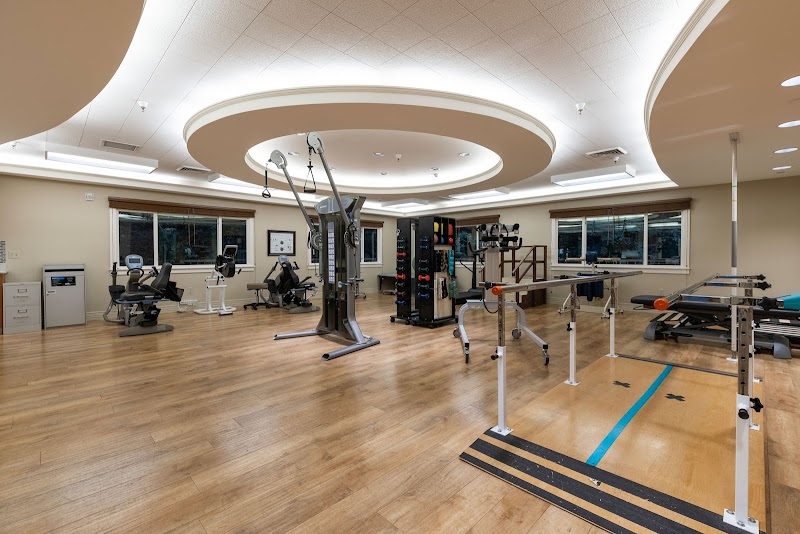
How is West Hills Health & Rehabilitation Staffed?

CMS rates WEST HILLS HEALTH & REHABILITATION's staffing level at 4 out of 5 stars, which is above average compared to other nursing homes. Staff turnover is 45%, compared to the Oregon average of 46%. This relatively stable workforce can support continuity of care.

What Have Inspectors Found at West Hills Health & Rehabilitation?

State health inspectors documented 29 deficiencies at WEST HILLS HEALTH & REHABILITATION during 2019 to 2025. These included: 2 that caused actual resident harm and 27 with potential for harm. Deficiencies causing actual harm indicate documented cases where residents experienced negative health consequences.
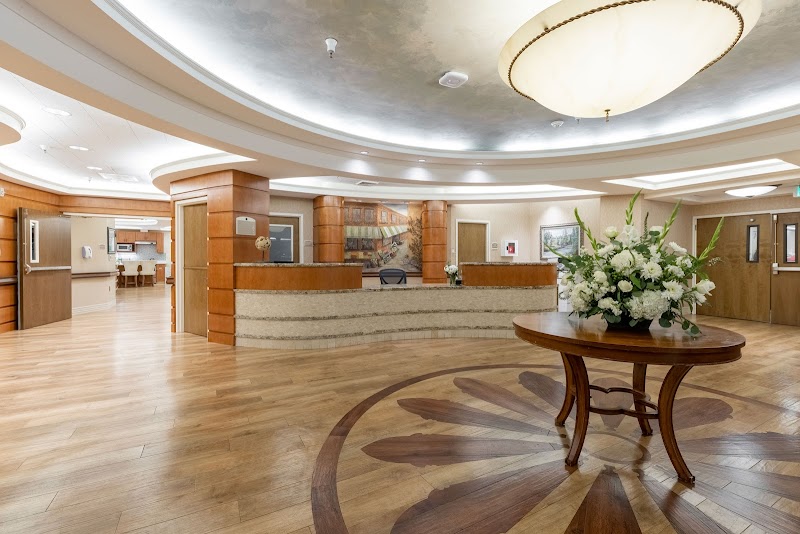
Who Owns and Operates West Hills Health & Rehabilitation?

WEST HILLS HEALTH & REHABILITATION is owned by a for-profit company. For-profit facilities operate as businesses with obligations to shareholders or private owners. The facility is operated by THE GOODMAN GROUP, a chain that manages multiple nursing homes. With 180 certified beds and approximately 91 residents (about 51% occupancy), it is a mid-sized facility located in PORTLAND, Oregon.
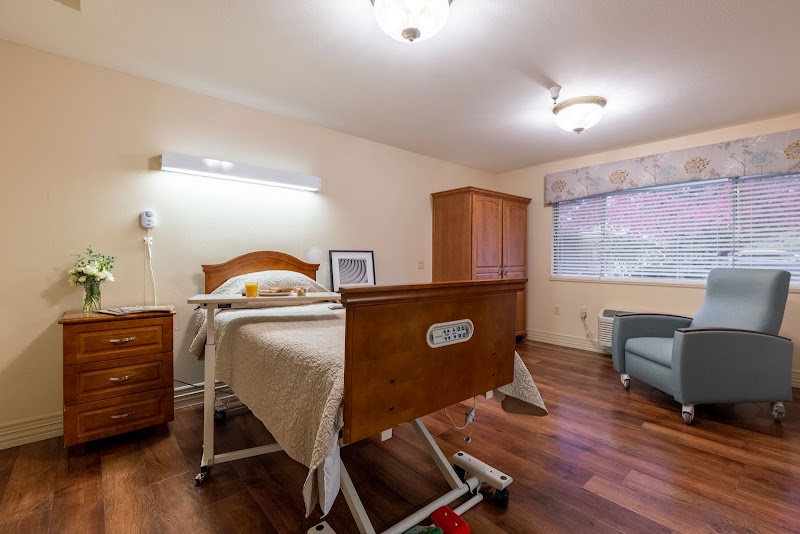
How Does West Hills Health & Rehabilitation Compare to Other Oregon Nursing Homes?

Compared to the 100 nursing homes in Oregon, WEST HILLS HEALTH & REHABILITATION's overall rating (3 stars) matches the state average, staff turnover (45%) is near the state average of 46%, and health inspection rating (3 stars) is at the national benchmark.

What Should Families Ask When Visiting West Hills Health & Rehabilitation?

Based on this facility's data, families visiting should ask: "Can I visit during a mealtime to observe dining assistance and food quality?" "How do you handle medical emergencies, and what is your hospital transfer rate?" "Can I speak with family members of current residents about their experience?"

Is West Hills Health & Rehabilitation Safe?

Based on CMS inspection data, WEST HILLS HEALTH & REHABILITATION has a clean safety record: no substantiated abuse findings (meaning no confirmed cases of resident harm), no Immediate Jeopardy citations (the most serious violation level indicating risk of serious injury or death), and is not on the Special Focus Facility watch list (a federal program monitoring the lowest-performing 1% of nursing homes). The facility has a 3-star overall rating and ranks #1 of 100 nursing homes in Oregon. While no facility is perfect, families should still ask about staff-to-resident ratios and recent inspection results during their visit.

Do Nurses at West Hills Health & Rehabilitation Stick Around?

WEST HILLS HEALTH & REHABILITATION has a staff turnover rate of 45%, which is about average for Oregon nursing homes (state average: 46%). Moderate turnover is common in nursing homes, but families should still ask about staff tenure and how the facility maintains care continuity when employees leave.

Was West Hills Health & Rehabilitation Ever Fined?

WEST HILLS HEALTH & REHABILITATION has been fined $12,659 across 1 penalty action. This is below the Oregon average of $33,205. While any fine indicates a compliance issue, fines under $50,000 are relatively common and typically reflect isolated problems that were subsequently corrected. Families should ask what specific issues led to these fines and confirm they've been resolved.

Is West Hills Health & Rehabilitation on Any Federal Watch List?

WEST HILLS HEALTH & REHABILITATION is not on any federal watch list. The most significant is the Special Focus Facility (SFF) program, which identifies the bottom 1% of nursing homes nationally based on persistent, serious quality problems. Not being on this list means the facility has avoided the pattern of deficiencies that triggers enhanced federal oversight. This is a positive indicator, though families should still review the facility's inspection history directly.