UMPQUA VALLEY NURSING & REHABILITATION CENTER

525 W. UMPQUA STREET, ROSEBURG, OR 97471 (541) 464-7100
For profit - Limited Liability company 118 Beds VOLARE HEALTH Data: November 2025
Trust Grade
33/100
#124 of 127 in OR
Last Inspection: May 2024

Within standard 12-15 month inspection cycle. Federal law requires annual inspections.

Overview

Umpqua Valley Nursing & Rehabilitation Center has received a Trust Grade of F, indicating significant concerns about the quality of care provided. They rank #124 out of 127 facilities in Oregon, placing them in the bottom half of the state and #3 out of 3 in Douglas County, meaning they have the lowest ranking in the area. While the facility is improving, going from 24 issues in 2024 to 1 in 2025, it still faces serious challenges, with 49 total issues found, including a case where a resident developed a severe pressure ulcer that became infected. Staffing is a relative strength with a rating of 4 out of 5 stars and a turnover rate of 44%, which is below the state average. However, they have been fined $8,824, raising concerns about compliance with care standards, and recent inspections revealed issues such as inadequate snack availability and food safety practices, which can affect residents' well-being.

Trust Score
F
33/100
In Oregon
#124/127
Bottom 3%
Safety Record
Moderate
Needs review
Inspections
Getting Better
24 → 1 violations
Staff Stability
○ Average
44% turnover. Near Oregon's 48% average. Typical for the industry.
Penalties
✓ Good
$8,824 in fines. Lower than most Oregon facilities. Relatively clean record.
Skilled Nurses
○ Average
Each resident gets 40 minutes of Registered Nurse (RN) attention daily — about average for Oregon. RNs are the most trained staff who monitor for health changes.
Violations
⚠ Watch
49 deficiencies on record. Higher than average. Multiple issues found across inspections.
★☆☆☆☆
1.0
Overall Rating
★★★★☆
4.0
Staff Levels
★★★☆☆
3.0
Care Quality
★☆☆☆☆
1.0
Inspection Score
Stable
2024: 24 issues
2025: 1 issues

The Good

  • 4-Star Staffing Rating · Above-average nurse staffing levels
  • Full Sprinkler Coverage · Fire safety systems throughout facility
  • No fines on record
  • Staff turnover below average (44%)

    4 points below Oregon average of 48%

Facility shows strength in staffing levels, fire safety.

The Bad

1-Star Overall Rating

Below Oregon average (3.0)

Significant quality concerns identified by CMS

Staff Turnover: 44%

Near Oregon avg (46%)

Typical for the industry

Federal Fines: $8,824

Below median ($33,413)

Minor penalties assessed

Chain: VOLARE HEALTH

Part of a multi-facility chain

Ask about local staffing decisions and management

The Ugly 49 deficiencies on record

1 actual harm
Aug 2025 1 deficiency
CONCERN (D) 📢 Someone Reported This

A family member, employee, or ombudsman was alarmed enough to file a formal complaint

Potential for Harm - no one hurt, but risky conditions existed

Safe Environment (Tag F0921)

Could have caused harm · This affected 1 resident

**NOTE- TERMS IN BRACKETS HAVE BEEN EDITED TO PROTECT CONFIDENTIALITY** Based on observation and interview it was determined the facility failed to ensure air conditioning units were free from leaks a...

Read full inspector narrative →
**NOTE- TERMS IN BRACKETS HAVE BEEN EDITED TO PROTECT CONFIDENTIALITY** Based on observation and interview it was determined the facility failed to ensure air conditioning units were free from leaks and bathroom doors were operational in resident rooms for 2 of 5 facility hallways reviewed for physical environment. This placed residents at risk for an unsafe, lack of privacy and unsanitary environment that was not homelike. Findings include: 1. On 8/18/25 at 12:07 PM room [ROOM NUMBER]'s air conditioning was observed dripping water along the entire bottom panel onto the bedside table and down the wall causing the wall panel to [NAME]. On 8/19/2025 at 3:04 PM Staff 21 (CNA) stated the air conditioning unit had been leaking for the entire summer and the maintenance department was in the room to look at the unit several times, but the problem was ongoing. On 8/19/25 at 3:13 PM Staff 22 (CNA) stated she noticed the air conditioning leaking about six weeks ago and notified the nurse and maintenance staff of the concern.On 8/20/25 at 11:20 AM Staff 23 (Maintenance Assistant) acknowledged the air conditioning unit in room [ROOM NUMBER] was dripping water along the bottom panel to the dresser and along the wall. Staff 23 stated he unaware the unit was leaking. Staff 23 stated the maintenance department did not complete monthly audits and relied on housekeeping and nursing staff to report concerns regarding room repairs.On 8/21/25 at 10:44 AM Staff 11 (Maintenance Director) stated he was aware the air conditioning unit in room [ROOM NUMBER] was leaking. Staff 11 stated the leak was caused from the coils in the unit forming ice when the temperature was turned down too low and then would melt when the unit was turned off.On 8/21/25 at 2:24 PM Staff 1 (Administrator) stated the facility was in the process of replacing air conditioning units and expected all the units to be functioning properly.a. On 8/20/25 at 2:26 PM during a Resident Council meeting residents reported room [ROOM NUMBER]'s air conditioning was leaking and ruining posters and shelving below the unit.On 8/21/25 at 10:15 AM Staff 27 (CNA) stated she reported the air conditioning leaking in room [ROOM NUMBER] to nursing and maintenance.On 8/21/25 at 10:44 AM Staff 11 (Maintenance Director) stated he was aware the air conditioning unit in room [ROOM NUMBER] was leaking. Staff 11 stated the leak was caused from the coils in the unit forming ice when the temperature was turned down too low and then would melt when the unit was turned off.On 8/21/25 at 2:24 PM Staff 1 (Administrator) stated the facility was in the process of replacing air conditioning units and expected all the units to be functioning properly.2. On 8/20/25 at 2:26 PM during the Resident Council meeting it was revealed the pocket doors for the bathroom in room [ROOM NUMBER] and room [ROOM NUMBER] were broken and were replaced with shower curtains. Residents stated they did not feel they had privacy, odor control and was a potential fire safety concern without an appropriate door.On 8/21/25 at 10:44 AM Staff 11 (Maintenance Director) acknowledged room [ROOM NUMBER] and room [ROOM NUMBER] pocket doors were broken and shower curtains were used as a replacement. Staff 11 stated parts for the pocket doors were no longer available.On 8/21/25 at 2:24 PM Staff 1 (Administrator) acknowledged the pocket doors were broken, and the facility was in the process of repairing the doors.
May 2024 23 deficiencies
CONCERN (D) 📢 Someone Reported This

A family member, employee, or ombudsman was alarmed enough to file a formal complaint

Potential for Harm - no one hurt, but risky conditions existed

Deficiency F0552 (Tag F0552)

Could have caused harm · This affected 1 resident

Based on interview and record review it was determined the facility failed to provide medication-related risk and benefits information to residents or resident representatives prior to administration ...

Read full inspector narrative →
Based on interview and record review it was determined the facility failed to provide medication-related risk and benefits information to residents or resident representatives prior to administration for 2 of 6 sampled residents (#s 77 and 52) reviewed for medications. This placed residents and resident representatives at risk for lack of informed consent. Findings include: 1. Resident 77 admitted to the facility in 2023 with a diagnosis of stroke. A 6/18/23 physician order instructed staff to administer one tablet of Ativan (to treat anxiety) by mouth every eight hours PRN for anxiety and two tablets by mouth every eight hours PRN for anxiety. A 6/21/23 nurse practitioner order instructed staff to administer Escitalopram Oxalate (to treat depression and anxiety) one time a day for depression. A 6/23/23 nurse practitioner order instructed staff to administer buspirone (to treat anxiety) two times a day for anxiety. A 6/30/23 signed nurse practitioner order instructed staff to administer Seroquel (an antipsychotic to treat certain mental and mood disorders such as schizophrenia, bipolar, and sudden episodes of mania) every four hours as needed for anxiety. A 6/2024 MAR instructed staff to administer the following medications: -Ativan: administer one tablet by mouth every eight hours PRN with start date of 6/18/23 and a discontinue date of 6/30/23; Ativan was administered three times in 6/2024 under this order; Administer two tablets every eight hours PRN for anxiety; Ativan was administered six times in 6/2024 under this order. -Escitalopram: administer one time a day for depression with a start date of 6/22/23; Escitalopram was administered daily in 6/2024. -Buspirone: administer one tablet two times a day with start date of 6/24/23; buspirone was administered daily in 6/2024. -Seroquel: administer every six hours PRN for mood with start date of 6/18/23 and a discontinue date of 6/21/23; Seroquel was administered on 6/19/23 and 6/20/23. No documentation was found in clinical records risk and benefits information or consent was provided or received for Resident 77 or her/his representative for the use of Ativan, Escitalopram, buspirone, or Seroquel. On 5/16/23 at 9:07 AM Witness 2 (Family Member and Representative) stated she did not receive any information about Resident 77's Ativan, Escitalopram, buspirone, or Seroquel. On 5/17/24 at 10:12 AM Staff 14 (LPN Unit Manager) confirmed no consents were completed for the above medications and it was expected of staff to complete these before administering the medications. 2. Resident 52 admitted to the facility in 2023 with diagnoses including a stroke. On 5/7/24 a physician order was obtained to start Buspar (antianxiety medication). A review of the clinical record revealed no information Resident 52 was notified of the new medication and it's risks and benefits. There was no indication Resident 52 had a surrogate decision maker. On 5/17/24 at 9:26 AM Staff 10 (LPN Unit Manager) was asked about Resident 52's consent for the use of Buspar. Staff 10 stated she did not discuss the medication with Resident 52's son. Staff 10 was asked if Resident 52's son was Resident 52's representative. Staff 10 stated she assumed Resident 52's son could sign the consent.
CONCERN (D)

Potential for Harm - no one hurt, but risky conditions existed

Deficiency F0560 (Tag F0560)

Could have caused harm · This affected 1 resident

Based on interview and record review it was determine the facility failed to honor a resident's right to refuse a transfer to another room for 1 of 2 sampled residents (#25) reviewed for positioning. ...

Read full inspector narrative →
Based on interview and record review it was determine the facility failed to honor a resident's right to refuse a transfer to another room for 1 of 2 sampled residents (#25) reviewed for positioning. This placed residents at risk for lack of honored choices. Findings include: Resident 25 admitted to the facility in 2023 with diagnoses including depression and seizures. An 4/3/24 Written Notice of Room Change indicated Resident 25 was asked to move to a semi-private room from a private room on 4/17/24 and Resident 25 refused to sign the room change notification. An 4/3/24 facility Daily Census indicated multiple vacant resident rooms were available on this date. An 4/25/24 Profile for Resident 25 indicated she/he was moved to a different room. On 5/13/24 at 3:53 PM Resident 25 stated she/he refused to sign the 4/3/24 Written Notice of Room Change because she/he had the right to remain in her/his room and did not want to move. On 5/14/24 at 3:33 PM Staff 5 (Social Services) acknowledged the 4/3/24 notification was given to Resident 25 because the facility was choosing to repurpose the use of the resident's private room for the benefit of a new hospice admission. Staff 5 stated she was unsure if Resident 25's refusal to sign the document was an indication of her/his room transfer refusal. On 5/16/24 at 4:15 PM Staff 1 (Administrator) and Staff 2 (DNS) stated the room transfer for Resident 25 was completed because of the benefit to the facility and community. Staff 1 acknowledged she was unaware of the details of the requirements under the regulation.
CONCERN (D)

Potential for Harm - no one hurt, but risky conditions existed

Deficiency F0582 (Tag F0582)

Could have caused harm · This affected 1 resident

Based on interview and record review it was determined the facility failed to issue a Notice of Medicare Non-Coverage (NOMNC) for 1 of 3 (#378) sampled residents reviewed for beneficiary notification....

Read full inspector narrative →
Based on interview and record review it was determined the facility failed to issue a Notice of Medicare Non-Coverage (NOMNC) for 1 of 3 (#378) sampled residents reviewed for beneficiary notification. This placed residents at risk for lack of appeal information. Findings include: Resident 378 admitted to the facility with Medicare Part A services on 12/1/23 with diagnoses including cellulitis (an infection of the skin) of the right lower limb. A 1/12/2024 Social Services Note revealed Resident 378 had home health set up upon discharge from the facility, a ramp in place at home and Resident 378 was ready to discharge home once her/his IV antibiotics were completed. A 1/17/24 Progress Note revealed Resident 378's IV antibiotics were completed. Resident 378 discharged from the facility on 1/19/24. A 5/14/24 medical record review revealed no evidence the facility issued a NOMNC for Resident 378. On 5/14/24 at 1:24 PM Staff 35 (Social Service Director) confirmed Resident 378 discharged on 1/19/24 once her/his goals were met. Staff 35 stated Resident 378 was not issued a NOMNC prior to discharge.
CONCERN (D)

Potential for Harm - no one hurt, but risky conditions existed

Grievances (Tag F0585)

Could have caused harm · This affected 1 resident

Based on observation, interview, and record review it was determined the facility failed to resolve a resident's report of missing clothing for 1 of 2 sampled residents (#6) reviewed for personal prop...

Read full inspector narrative →
Based on observation, interview, and record review it was determined the facility failed to resolve a resident's report of missing clothing for 1 of 2 sampled residents (#6) reviewed for personal property. This placed residents at risk for missing items. Findings include: Resident 6 admitted to the facility in 2024 with diagnoses including a surgical infection. An 4/17/24 admission MDS revealed Resident 6 was cognitively intact. On 5/13/24 at 1:12 PM Resident 6 stated over one week prior she reported to the laundry staff her/his black jacket and a shrinker sock (special sock to wear over an amputation prior to placing a prosthetic) was missing. On 5/14/24 at 1:04 PM Staff 6 (Laundry) stated if a resident reported a missing item staff immediately looked for the item. If the item was not found, staff wrote the resident's name and missing item on a chalk board and also on a piece of paper to alert staff to look for the item. With Staff 6 the chalk board was observed to not have Resident 6's name or missing items listed. Staff 6 stated she did not see Resident 6's name on any paper to alert staff to look for the missing items. Staff 6 also stated she was not aware Resident 6 was missing a shrinker sock or jacket. On 5/15/24 at 12:19 PM Staff 5 (Social Services) stated in 2023 Resident 6 had a shrinker sock replaced but she was not aware of current missing items. Staff 5 stated in addition to the laundry process for monitoring for reported lost items, grievances were addressed in the daily staff meetings. On 5/15/24 at 4:07 PM Staff 7 (Regional Activities and Social Service Consultant) stated if staff did not log a resident's missing item on a Grievance sheet the facility would not be able to track if the item was found, replaced, or if the concern had a resolution. Staff 7 also indicated grievances were to be addressed within seven days.
CONCERN (D) 📢 Someone Reported This

A family member, employee, or ombudsman was alarmed enough to file a formal complaint

Potential for Harm - no one hurt, but risky conditions existed

Report Alleged Abuse (Tag F0609)

Could have caused harm · This affected 1 resident

Based on interview and record review it was determined the facility failed to report allegations of abuse and misappropriation to the state agency or local law enforcement for 2 of 6 sampled residents...

Read full inspector narrative →
Based on interview and record review it was determined the facility failed to report allegations of abuse and misappropriation to the state agency or local law enforcement for 2 of 6 sampled residents (#s 1 and 47) reviewed for abuse and medications. This placed residents at risk for abuse. Findings include: 1. Resident 1 admitted to the facility in 10/2023 with diagnoses including quadriplegia. A review of a 2/22/24 grievance revealed Resident 1 had $160 go missing on 2/15/24, and the facility replaced the money on 3/21/24. A review of an 4/22/24 MDS revealed Resident 1 was cognitively intact. On 5/16/24 at 10:48 AM Staff 1 (Administrator) stated she did not think the money was missing to begin with. Staff 1 acknowledged the allegation of missing money was not reported to the state agency or to local law enforcement, and stated if there was a trend of missing money in the facility, it would have been reported. 2. Resident 47 admitted to the facility in 2021 with diagnoses including stroke and severe cognitive impairment. Resident 52 admitted to the facility in 2023 with diagnoses including a stroke. The clinical record indicated on 5/4/24 at 10:30 PM Resident 52 was sitting in the 100 hall near the nursing station. Resident 47 was mobilizing in her/his wheelchair on the 100 hall toward the nursing station and when she/he got near Resident 52, Resident 52 reached out and hit Resident 47 in the face. A nurse intervened and attempted to educate Resident 52 about the inappropriateness of hitting others and Resident 52 stated I do what I want. An investigation, finalized on 5/9/24, concluded there was no abuse as Resident 52 was not injured in the altercation and Resident 47 did not recall the event. On 5/17/24 at 10:52 AM Staff 1 (Administrator) acknowledged the facility reported the altercation late on 5/16/24 and additional education was needed.
CONCERN (D) 📢 Someone Reported This

A family member, employee, or ombudsman was alarmed enough to file a formal complaint

Potential for Harm - no one hurt, but risky conditions existed

Investigate Abuse (Tag F0610)

Could have caused harm · This affected 1 resident

Based on interview and record review it was determined the facility failed to complete thorough investigations for allegations of abuse for 2 of 6 sampled residents (#s 1 and 47) reviewed for abuse an...

Read full inspector narrative →
Based on interview and record review it was determined the facility failed to complete thorough investigations for allegations of abuse for 2 of 6 sampled residents (#s 1 and 47) reviewed for abuse and medications. This placed residents at risk for abuse. Findings include: 1. Resident 1 admitted to the facility in 10/2023 with diagnoses including quadriplegia. A review of a 2/22/24 grievance revealed Resident 1 had $160 go missing on 2/15/24, the facility replaced the money on 3/21/24. A review of an 4/22/24 MDS indicated Resident 1 was cognitively intact. On 5/16/24 at 10:48 AM Staff 1 (Administrator) stated she did not think the money was missing to begin with, and acknowledged the allegation of missing money was not investigated. 2. Resident 47 admitted to the facility in 2021 with diagnoses including a stroke and cognitive impairment. Resident 52 admitted to the facility in 2023 with diagnoses including a stroke. A progress note dated 5/4/24 at 10:30 PM documented Resident 52 was sitting in her/his wheelchair on the 100 hall near the nursing station. Resident 47 was mobilizing in her/his wheelchair on the 100 hall toward the nursing station and as she/he got near Resident 52, Resident 52 reached out and started hitting Resident 47 in the face. On 5/16/24 at 11:27 AM Staff 11 (LPN) stated Resident 52 had a stroke and the facility was unable to determine what triggered her/his aggressive and combative behaviors but added Resident 52 was difficult to redirect. On 5/16/24 at 2:27 PM Staff 10 (LPN Unit Manager) stated Resident 52 was transferred to the 300 hall to maintain a distance from Resident 47. Staff 10 stated Resident 52 was always agitated and he clocked Resident 47 when passing in the hall. On 5/17/24 at 9:37 Staff 14 (LPN Unit Manager) relayed the event and added the residents passed each other often over the past few months and there were no issues. Staff 14 stated Resident 52 made it clear she/he hit Resident 47 on purpose. The Investigation dated 5/4/24 did not include witness statements, evaluation of either residents orientation, contained inaccurate cognitive information for Resident 52 or statements from the residents involved. The investigation ruled out abuse and neglect based on lack of injury to Resident 52 and Resident 47's lack of recall of the event. On 5/17/24 at 10:55 AM Staff 29 (Regional Director of Clinical) stated abuse was ruled out because Resident 47 was not injured and there was no mental anguish related to the event. Staff 29 was asked about witness statements from staff working on 5/4/24. Staff 29 added there may have been additional witness information completed on separate papers. No additional information was provided.
CONCERN (D) 📢 Someone Reported This

A family member, employee, or ombudsman was alarmed enough to file a formal complaint

Potential for Harm - no one hurt, but risky conditions existed

Deficiency F0624 (Tag F0624)

Could have caused harm · This affected 1 resident

Based on interview and record review it was determined the facility failed to ensure a safe and orderly discharge for 1 of 2 sampled residents (#77) reviewed for discharge. This placed residents at ri...

Read full inspector narrative →
Based on interview and record review it was determined the facility failed to ensure a safe and orderly discharge for 1 of 2 sampled residents (#77) reviewed for discharge. This placed residents at risk for unmet medications needs. Findings include: Resident 77 admitted to the facility in 2023 with a diagnosis of stroke. A 12/7/23 Discharge Orders and Instructions (discharge packet) revealed instructions for Resident 77 to continue medication on the Discharge Medication List and the medications were sent to pharmacy of choice. The signed Orders and Summary report included the following: Amlodipine (to treat high blood pressure), Atorvastatin (to treat high bad cholesterol), Baclofen (to treat muscle spasms), buspirone (to treat anxiety), clopidogrel (used to prevent heart attacks and strokes), Diclofenac (to treat mild to moderate pain and swelling), Docusate (to treat constipation), Escitalopram (to treat depression), Ibuprofen (to treat mild to moderate pain), Insulin (to treat diabetes), Levoxyl (to treat an underactive thyroid), Lisinopril (to treat high blood pressure), and Miralax (to treat constipation). The Discharge Planning Review revealed a section to document medications sent with Resident 77 at the time of discharge, but the area was blank with no documentation of which medications were sent. No documentation was found in Resident 77's clinical record which medications were sent with the resident at the time of discharge, or if the pharmacy was provided the prescriptions by the facility. A public complaint was received on 2/1/24 which indicated Resident 77 was not provided her/his insulin and other medications upon discharge from the facility. Witness 1 (Complainant) stated during a discharge planning meeting she was informed she would receive 30 days of medications and the prescriptions. On the day of discharge Staff 21 (Agency LPN) informed Witness 1 Resident 77 was not on insulin which was not correct. When Witness 1 went to the pharmacy she was informed it was a typed list of medications and not a prescription. It took two days to get Resident 77's insulin and approximately three weeks to obtain all of Resident 77's medications. On 5/13/24 at 11:11 AM Witness 1 confirmed the above information. No documentation was found in Resident 77's clinical record the pharmacy was contacted for the missing medications. On 5/16/24 at 9:45 AM Staff 21 stated he did not complete many discharges at the facility. Staff 21 stated the facility did not go over the directions, policy, or check list with him on how to discharge a resident from the facility. Staff 21 stated he went over upcoming appointments and went over the medications list. On 5/17/24 at 10:12 AM Staff 14 (LPN Unit Manager) stated she was notified Resident 77 did not get all her/his medications upon discharge and she called the pharmacy the day after discharge. Staff 14 stated she did not remember which medications were missing and she did not document in Resident 77's clinical record about the missing medications or notify the pharmacy.
CONCERN (D)

Potential for Harm - no one hurt, but risky conditions existed

Deficiency F0679 (Tag F0679)

Could have caused harm · This affected 1 resident

Based on observation, interview, and record review it was determined the facility failed to ensure a resident was provided an activity program for 1 of 1 sampled resident (#63) reviewed for activities...

Read full inspector narrative →
Based on observation, interview, and record review it was determined the facility failed to ensure a resident was provided an activity program for 1 of 1 sampled resident (#63) reviewed for activities. This placed residents at risk for decreased quality of life. Findings include: Resident 63 admitted to the facility in 2023 with a diagnosis of chronic kidney disease. A 1/8/24 My Ways activity assessment revealed Resident 63 reported she he did not like group activities and did not want to be invited to church groups, really enjoyed short 1:1 visits, and appreciated the library cart when brought to her/him. A 1/31/24 Significant Change MDS revealed Resident 63 had memory issues. Activities Resident 63 identified as somewhat important included magazines, music, pets and being with groups of people. It was assessed Resident 63 thought it was very important to do her/his favorite activities. Resident 63's Care Plan revised on 2/8/24 revealed staff were to encourage ongoing family involvement, 1:1 bedside visits, reading, family visits, and rest. An 4/30/24 Nursing Note revealed staff and hospice met with Resident 63 and Witness 3 (Family Member) who participated by the phone. The note revealed Resident 63's family requested more magazines be provided to the resident. The note indicated the resident liked magazines, books, and television. Resident 63's clinical record revealed no activities were provided from 4/14/24 through 5/14/24. Observations revealed: -5/13/24 at 12:51 PM Resident 63 was observed in bed with her/his eyes shut. The television was off and music was not playing in the background. -On 5/15/24 at 11:52 AM Resident 63 was in bed with her/his eyes open, the television was off and the resident was observed to have a magazine on the bedside table. The magazine was under a book and not within reach of the resident. -On 5/15/24 at 1:46 PM Resident 63 was observed in bed with her/his eyes open and looking straight ahead. The television was not on and there was no music playing. On 5/14/24 at 9:25 AM Witness 3 stated Resident 63 reported she/he was bored. Witness 3 stated Resident 63 chose not to get out of bed and was very weak and dizzy when staff attempted to assist the resident out of bed. Witness 3 stated at a recent care conference she suggested staff offer more magazines to Resident 63 but was not sure if staff assisted the resident to sit upright in her/his bed and ensured the magazines were accessible. Witness 3 stated the resident did not like television but loved to interact with people. Witness 3 also indicated she was only able to visit once a day for short periods of time. On 5/15/24 at 11:28 AM and 1:48 PM Staff 8 (CNA) stated Resident 63 was usually in bed and did not participate in activities, tired easily, and slept most of the time. Staff 8 indicated Resident 63 did not ask for assistance and staff routinely checked on the resident to ensure she/he was clean and repositioned. Staff 8 stated if a resident participated in an activity she documented in the resident's record. On 5/15/24 at 11:30 AM Resident 63 stated she/he enjoyed family visits most but also loved music. Resident 63 stated music was good for a person and liked all genres. Resident 63 stated she liked magazines, but often was not able to reach the magazines. Resident 63 also stated she/he preferred not to be alone. Resident 63 stated she/he did not like to watch television, but sat with others if they watched television. On 5/15/24 at 1:29 PM Staff 37 (Activity Director) stated the activity department did not document activities in residents' clinical records, but tracked the activities provided, including 1:1 visits, on a monthly calendar. Activity staff documented the names of the residents who participated in the activity which was on the calendar. Staff 37 stated currently Resident 63 did not leave her/his room and enjoyed family visits. In 1/2024, prior to Resident 63's admission to hospice services, she/he used to go to church. Staff 37 reviewed the calendar of events and stated Resident 63 did not attend any activities for 4/2024 or 5/2024, including 1:1 visits. Staff 37 indicated the resident needed assistance and staff should provide assistance with magazines and 1:1 visits. Staff 37 also stated staff could provide a radio for music, but staff would need to assist the resident to ensure the music was played when the resident chose.
CONCERN (D) 📢 Someone Reported This

A family member, employee, or ombudsman was alarmed enough to file a formal complaint

Potential for Harm - no one hurt, but risky conditions existed

Quality of Care (Tag F0684)

Could have caused harm · This affected 1 resident

Based on interview and record review it was determined the facility failed to respond to changes in condition in a timely manner and failed to follow physician orders for 3 of 9 sampled residents (#s ...

Read full inspector narrative →
Based on interview and record review it was determined the facility failed to respond to changes in condition in a timely manner and failed to follow physician orders for 3 of 9 sampled residents (#s 32, 52 and 77) reviewed for change of condition, pain, and medications. This placed residents at risk for delay of treatment. Findings include: 1. Resident 77 admitted to the facility in 2023 with a diagnosis of stroke. A 6/17/23 admission readmission Evaluation indicated Resident 77 was alert with orientation of person, place, and situation with appropriate verbal skills with slow speech. Resident 77 was continent of bladder and had moderate complaints of pain. A 6/18/23 Administration Note revealed the following: -6:44 AM Resident 77 was agitated and yelling and screaming out that she/he was in pain and was going to die. Resident 77 stated she/he was getting worse and not better. Resident 77 only had Tylenol (to treat mild to moderate pain) available. -7:34 AM indicated Resident 77 was still agitated and yelling about random things and less about pain. -9:16 AM the on-call provider was notified the Tylenol was not effective. -9:36 AM a verbal order was received for Seroquel (to treat certain mental and mood disorders such as schizophrenia, bipolar, and sudden episodes of mania) every six hours PRN for mood. A 6/2023 Documentation Survey Report revealed on 6/18/23 Resident 77 weighed 167 pounds and on 6/25/23 she/he weighed 158 pounds. A five percent weight loss in seven days. A 6/20/23 Nutrition Dietary Note indicated Resident 77 had inadequate oral intake of less than 50 percent of all meals. Supplements were added to assist with nutritional needs. A 6/23/23 nurse practitioner order instructed staff to administer buspirone two times a day for anxiety and to obtain a urinalysis one time only for possible UTI. A 6/2023 Lab and Diagnostic Administration Report instructed staff to obtain a urinalysis one time only for possible UTI. It was documented as completed on 6/24/23. No documentation was found in clinical records Resident 77 received the 6/23/23 ordered urinalysis. A 6/2023 Monitors report revealed on 6/22/23, 6/23/23, and 6/24/23 Resident 77 had persistent crying and tearfulness during the night shift. There was no documentation for 6/23/23 through 6/25/23 and 6/28/23 through 6/30/23 during the day shift. A 7/1/23 Nursing Note revealed Resident 77 was found with a blood and urine-soaked incontinent pad. Resident 77 stated she/he had to urinate, and a bed pan was placed with no urine output. When the bed pan was removed Resident 77 stated here it comes and bloody fluid drained out onto the incontinent pad in copious amounts. Resident 77 was on blood thinners. The Note documented additional relevant areas of change in condition: increased confusion, increased agitation, restless and not able to adequately verbalize what was bothering her/him, painful urination, blood in urine, and new or worsening incontinence. An order was received to start Pyridium (to relieve symptoms caused by irritation of a urinary tract), Ciprofloxacin (antibiotic to treat bacterial infections), and to complete a urinalysis and a bladder scan. A 7/2023 Lab and Diagnostic Administration Report instructed staff to obtain a urinalysis one time only for bladder pain and bleeding for three days. On 7/1/23 the report documented to hold the urinalysis and referred the reader to progress notes at 5:24 PM. 7/2/23 through 7/4/23 were blank with no documentation. A 7/1/23 Administration Note revealed to obtain a urinalysis one time only for bladder pain and bleeding for three days. The order was not completed because Resident 77 was no longer having pain, and the bleeding started to subside. No documentation was found in clinical records Resident 77 received a urinalysis or a bladder scan. A 7/3/23 fax from Staff 19 (RN) to the nurse practitioner revealed on 7/1/23, according to notes, Resident 77 had a hematuria (blood in the urine). The on-call provider was notified, and staff were instructed to obtain a urinalysis. The on-call provider also ordered ciprofloxacin and Pyridium. Both medications were started, but it appeared the urinalysis was not collected. The fax requested advisement on how the facility should proceed. The provider response on 7/6/23 indicated it was too late for a urinalysis and to continue with the medications until completed. On 2/1/24 a public complaint was received which indicated in late 6/2023 or early 7/2023 a CNA reported Resident 77 might have a UTI and they would obtain a urinalysis. For three weeks Witness 1 (Complainant) asked about the UA results and was told it was slow and they would have to wait. It was reported to Witness 1 that Resident 77 had blood in her/his urine and the facility never checked her/him for a UTI. On 5/13/24 at 11:11 AM Witness 1 confirmed the above public complaint. On 5/16/24 at 10:04 AM Staff 19 stated she would observe the urinalysis results before starting an antibiotic. Staff 19 stated in 6/2023 and 7/2023 there were a lot of agency staff working in the facility as well as new nurses and it was most likely a learning curve for them. Staff 19 stated she did not report the unaddressed urinalysis to management. On 5/17/24 at 10:28 AM Staff 29 (Regional Director of Clinical) was informed of the above findings, and she stated she would like to conduct a review. No additional information was provided. 2. Resident 32 admitted to the facility in 2024 with a diagnosis of high blood pressure. An 4/8/24 signed physician orders instructed staff to administer Cozaar (to treat high blood pressure) one time a day for high blood pressure with a start date of 4/6/24. An 4/2024 MAR instructed staff to administer Cozaar one time a day for high blood pressure. The MAR includes areas to document heart rate and blood pressure. On 4/11/24, 4/12/24, and 4/14/24 the MAR revealed Resident 32's vitals were outside of parameters for administration and her/his Cozaar was not administered. The order did not specify to hold administering the Cozaar if Resident 32's blood pressure or heart rate were within certain parameters. No documentation was found in clinical records the physician was notified Resident 32 was not administered Cozaar. On 5/17/24 at 8:41 AM Staff 10 (LPN Unit Manager) stated staff were going by their nursing judgement instead of notifying the physician on Resident 32's blood pressure and heart rate parameters to hold the Cozaar. 3. Resident 52 admitted to the facility in 2023 with diagnoses including a stroke. On 1/20/24 the Consultant Pharmacist made a recommendation to obtain a lipid panel (used to evaluate cholesterol) and to discontinue a heart medication. On 1/31/24 the provider agreed to discontinue the heart medication, obtain a lipid panel and to monitor the resident's vital signs daily for 14 days. On 2/17/24 the Consultant Pharmacist made a recommendation to clarify whether twice a day parameters to hold carvedilol (a heart medication) were still appropriate based on the recent vital signs. On 2/22/24 the provider wrote an order to change blood pressure and pulse monitoring to once a week. On 5/16/24 a review of the clinical record revealed no lipid panel was completed or vital sign monitoring was changed as ordered. On 5/16/24 at 2:27 PM Staff 10 (LPN Unit Manager) was asked about Resident 52's orders and stated Resident 52 refused the lab draw when it was attempted on 2/8/24. Staff 10 agreed staff should reattempt the lab draw and the change in vital signs monitoring was not implemented as ordered.
CONCERN (D) 📢 Someone Reported This

A family member, employee, or ombudsman was alarmed enough to file a formal complaint

Potential for Harm - no one hurt, but risky conditions existed

Deficiency F0687 (Tag F0687)

Could have caused harm · This affected 1 resident

Based on interview and record review it was determined the facility failed to provide appropriate foot care for 1 of 2 sampled residents (#77) reviewed for ADLs. This placed residents at risk for lack...

Read full inspector narrative →
Based on interview and record review it was determined the facility failed to provide appropriate foot care for 1 of 2 sampled residents (#77) reviewed for ADLs. This placed residents at risk for lack of nail care, pain, and increased infections. Findings include: Resident 77 admitted to the facility in 2023 with diagnosis of diabetes. A 6/30/23 care plan indicated Resident 77 had diabetes. Interventions included to refer to a podiatrist or foot care nurse, to monitor and document foot care needs and to cut long nails. No documentation was found in clinical record Resident 77 was referred to a podiatrist or foot care nurse. From 6/18/23 through 11/5/23 no documentation was found in clinical record Resident 77 received nail care to her/his feet. On 11/6/23 a Nursing Note indicated Resident 77 was provided nail care. From 11/7/23 through 12/11/23 no documentation was found in clinical record Resident 77 received nail care to her/his feet. A public complaint was received on 2/1/24 which indicated while Resident 77 was residing at the facility between 6/2023 and 12/2023 she/he did not receive nail care to her/his feet. Resident 77 reported to Witness 1 (Complainant) her/his feet hurt, Witness 1 removed Resident 77's socks and her/his toenails were growing into her/his toes. On 5/13/24 at 11:11 AM Witness 1 confirmed Resident 77's toenails were growing into her/his feet because they were too long. On 5/17/24 at 10:10 AM Staff 2 (DNS) stated she did not find any documentation related to nail care for Resident 77's feet.
CONCERN (D)

Potential for Harm - no one hurt, but risky conditions existed

Accident Prevention (Tag F0689)

Could have caused harm · This affected 1 resident

Based on observation, interview and record review it was determined the facility failed to ensure a resident's environment remained free from smoking hazards for 1 of 6 sampled residents (#57) reviewe...

Read full inspector narrative →
Based on observation, interview and record review it was determined the facility failed to ensure a resident's environment remained free from smoking hazards for 1 of 6 sampled residents (#57) reviewed for accidents. This placed residents at risk for a hazardous environment. Findings include: Resident 57 admitted to the facility in 2023 with diagnoses including COPD (Chronic Obstructive Pulmonary Disease) and chronic pain. A 3/2023 revised Physical Environment Facility with Independent and Supervised Smokers policy indicated residents deemed as independent smokers were to store smoking materials in an individual storage box located outside the resident's room. A 2/7/24 Nursing Smoking Screen indicated Resident 57 was safely able to smoke or vape (inhaled nicotine mist created by an electronic device) independently and had a history of hiding her/his smoking materials from staff. A 2/7/24 revised care plan indicated to notify the charge nurse if Resident 57 violated the facility smoking policy which included the storage of her/his smoking materials in her/his room. A 5/15/24 Nursing Smoking Screen indicated Resident 57 was compliant with the facility smoking protocol and kept her/his smoking and vaping materials at the nurses' station. On 5/14/24 at 9:36 AM Resident 57 stated she/he kept her/his electronic vaping cartridges in a bag around her/his neck. An electronic vaping cartridge was observed charging on the resident's night stand. Staff 33 (CNA) entered Resident 57's room and removed the bag which contained Resident 57's smoking materials from the resident's room and the electronic vaping cartridge remained charging on Resident 57's night stand. Staff 33 acknowledged Resident 57 was to return her/his smoking materials to the nurses' station when she/he returned from smoking. On 5/17/24 at 8:59 AM Staff 10 (LPN Unit Manager) stated she was not informed of Resident 57's noncompliance with her/his smoking materials on 5/14/24. Staff 10 acknowledged Resident 57's electronic vaping cartridge should not be charged in her/his room.
CONCERN (D)

Potential for Harm - no one hurt, but risky conditions existed

Deficiency F0692 (Tag F0692)

Could have caused harm · This affected 1 resident

Based on interview and record review it was determined the facility failed to ensure a resident was evaluated timely after weight loss for 1 of 5 sampled residents (#127) reviewed for nutrition. This ...

Read full inspector narrative →
Based on interview and record review it was determined the facility failed to ensure a resident was evaluated timely after weight loss for 1 of 5 sampled residents (#127) reviewed for nutrition. This placed residents at risk for continued weight loss. Findings include: Resident 127 admitted to the facility in 4/2024 with a diagnosis of a surgical infection. A 5/2/24 admission MDS revealed Resident 127 was obese, but weight loss was not a goal at that time due to calories required to heal from a surgical infection. Staff were to weigh the resident weekly and then monthly. Resident 127's 4/2024 and 5/2024 weight record revealed on 4/26/24, the resident weighed 232 lbs, on 4/29/24 239 pounds, and on 5/7/24 was 217 pounds. From 4/29/24 to 5/7/24 Resident 127 had a 9.21% weight loss. Resident 127's clinical record did not contain an assessment, re-weigh, or rationale for the 9.21% weight loss. On 5/15/24 at 11:03 AM Staff 3 (LPN Resident Care Manager) stated if a resident had a significant weight change, staff were to re-weigh the resident to ensure the recorded weight was accurate. Staff 3 acknowledged Resident 127's record did not indicate she/he was re-weighed to verify an error. Staff 3 indicated on 5/11/24, four days after the resident had a weight loss, she/he weighed 332 pounds which was significantly more. On 5/12/24 the resident was re-weighed and was 232 pounds and it was determined the 332 pound weight on 5/11/24 was inaccurate and was identified in the record as an error. Staff 3 indicated the 5/7/24 weight was likely inaccurate but the resident was not re-weighed. Staff 3 stated she would provide additional weight data if the resident was weight etween 5/7/24 and 5/11/24. No additional information was provided.
CONCERN (D) 📢 Someone Reported This

A family member, employee, or ombudsman was alarmed enough to file a formal complaint

Potential for Harm - no one hurt, but risky conditions existed

Deficiency F0697 (Tag F0697)

Could have caused harm · This affected 1 resident

3. Resident 61 admitted to the facility in 11/2023 with diagnoses including low back pain. A review of a 1/16/24 Progress Note revealed orders for a lumbar MRI (magnetic resonance imaging which is a m...

Read full inspector narrative →
3. Resident 61 admitted to the facility in 11/2023 with diagnoses including low back pain. A review of a 1/16/24 Progress Note revealed orders for a lumbar MRI (magnetic resonance imaging which is a medical imaging technique that uses magnets and radio waves to make detailed pictures of the inside of the body) due to sciatica pain (nerve pain that travels from the buttock and down each leg). A review of a 2/10/24 MDS revealed Resident 61 was cognitively intact. A review of a 3/26/24 Physician Progress Note revealed Resident 61's health insurance denied payment for an MRI and the provider was going to order a lumbar CT scan (computed tomography scan which is a medical imaging technique used to obtain detailed internal images of the body) instead. On 5/14/24 at 8:42 AM Resident 61 stated her/his pain was not controlled. Resident 61 was observed lying on her/his right side with facial grimacing observed with movement. On 5/15/24 at 1:29 PM Staff 14 (LPN Unit Manager) stated Resident 61's provider did not order a CT scan and she was unaware of the provider's note regarding a lumbar CT scan. Staff 14 stated she did not read the provider's notes. On 5/15/24 at 3:57 PM Staff 2 (DNS) stated she was unaware of the provider's note regarding ordering a lumbar CT scan. Staff 2 acknowledged they should have read the note when the 24-our report was reviewed. Staff 2 stated she would follow up with the provider. Based on observation, interview and record review the facility failed to provide pain management for 3 of 10 sampled residents (#s 32, 61, and 77) reviewed for pain management, change of condition and unnecessary medications. This placed residents at risk for lack of pain control. Findings include: 1. Resident 32 admitted to the facility in 2024 with diagnoses including surgical aftercare and disc degeneration in the lumbar region (age-related deterioration of the discs in the lower back). An 4/6/24 care plan revealed Resident 32 had pain, with interventions including evaluation of the effectiveness of the resident's pain management every shift, monitor and document the resident's pain characteristics; the quality, severity, anatomical location, onset, duration, aggravating factors, and relieving factors. An 4/11/24 MDS indicated Resident 32 was cognitively intact and had frequent pain presence which affected her/his sleep occasionally and affected therapy and day to day activities frequently. Resident 32 was at risk for uncontrolled pain, social isolation, and decline. An 4/2024 MAR instructed staff to administer Roxicodone (to treat moderate to severe pain) every four hours PRN for pain with a start date of 4/5/24. A review of Monitors from 4/6/24 through 4/30/24 instructed staff to question Resident 32 about presence of pain or burning including pressure points, and to monitor for pain using a zero to 10 scale with zero for no pain and 10 as the worst pain possible every day and night shift. Out of 50 opportunities Resident 32's presence of pain was not documented 33 times. A review of Administration Notes from 4/6/24 through 4/30/24 revealed no documentation of Resident 32's pain quality, anatomical location, aggravating factors or relieving factors before administration of PRN Roxicodone on the following dates: 4/6/24 two times, 4/7/24 two times, 4/8/24 three times, 4/9/24 two times, 4/10/24 four times, 4/11/24 three times, 4/12/24 three times, 4/13/24 four times, 4/14/24 five times, 4/15/24 five times, 4/16/24 four times, 4/17/24 five times, 4/18/24 three times, 4/19/24 four times, 4/20/24 four times, 4/21/24 four times, 4/22/24 six times, 4/23/24 four times, 4/24/24 four times, 4/25/24 six times, 4/26/24 five times, 4/27/24 six times, 4/28/24 five times, 4/29/24 five times, and 4/30/24 six times. On 5/13/24 at 1:18 PM Resident 32 stated she/he sometimes had to wait an hour to an hour and a half for her/his pain medication after the time it was due for administration. On 5/17/24 at 8:41 AM Staff 10 (LPN Unit Manager) stated she noticed on 5/16/24 about the missing monitoring and confirmed it should be completed. 2. Resident 77 admitted to the facility in 2023 with diagnosis of stroke. A 6/21/23 MDS indicated Resident 77 was moderately impaired in cognition, she/he received PRN pain medications and had moderate pain. A 6/22/23 care plan revealed Resident 77 was at risk for pain with interventions including to anticipate the need for pain relief and respond immediately, evaluate the effectiveness of pain interventions, review for compliance with alleviating of symptoms, dosing schedules, satisfaction with results, and impact on functional ability and cognition. The care plan also indicated to monitor, record and report signs and symptoms of non-verbal pain, changes in breathing, vocalizations, mood, and body changes such as appearing tense or rigid. A 6/26/23 nurse practitioner order instructed staff to administer Tramadol (To treat moderate to moderately severe pain) every eight hours PRN for pain. A 6/2024 MAR instructed staff to administer one tablet of Tramadol every eight hours PRN for pain with a start date of 6/26/23. From 6/26/23 through 6/30/23 Tramadol was administered eight times. A review of Administration Notes from 6/26/23 through 7/31/23 revealed no documentation of Resident 77s pain quality, anatomical location, aggravating factors or relieving factors before administration of PRN Tramadol on the following dates: 6/26/23 two times, 6/27/23 one time, 6/28/23 one time, 6/29/23 two times, 6/30/23 one time, 7/2/23 one time, 7/5/23 one time, 7/6/23 one time, 7/8/23 one time, 7/11/23 one time, 7/13/23 one time, 7/14/23 one time, 7/15/23 one time, 7/23/23 one time, 7/27/23 one time, 7/28/23 one time, 7/29/23 one time, and 7/30/23 one time. A 7/2024 MAR instructed staff to administer one tablet of Tramadol every eight hours PRN for pain. In 7/2024 Tramadol was administered 16 times. A 7/2023 Monitors report instructed staff to question Resident 77 about presence of pain or burning including pressure points, and to monitor for pain using a zero to 10 scale with zero for no pain and 10 as the worst pain possible every day and night shift. rlevant to F697?Out of 62 opportunities Resident 77's presence of pain was not documented 26 times. On 2/1/24 a public complaint was received which indicated Witness 1 (Complainant) did not know why Resident 77 required Tramadol. During a visit Resident 77 stated she/he was in pain but could not identify where the pain was located. Witness 1 stated she was informed by a staff member when Resident 77 was administered Tramadol it knocked [her/him] out. On 5/17/24 at 10:28 AM Staff 29 (Regional Director of Clinical) was informed of the above findings, and she stated she would like to review the issue. No additional information was provided.
CONCERN (D)

Potential for Harm - no one hurt, but risky conditions existed

Deficiency F0698 (Tag F0698)

Could have caused harm · This affected 1 resident

Based on interview and record review it was determined the facility failed to consistently monitor a dialysis access site for 1 of 1 sampled resident (#26) reviewed for dialysis. This placed residents...

Read full inspector narrative →
Based on interview and record review it was determined the facility failed to consistently monitor a dialysis access site for 1 of 1 sampled resident (#26) reviewed for dialysis. This placed residents at risk for dialysis complications. Resident 26 admitted to the facility in 2020 with diagnoses including stroke and end stage renal disease. An order dated 3/12/24 instructed staff to monitor the resident's dialysis access site for bruit (whooshing) and thrill (vibration) twice a day. A review of the clinical record revealed the site was monitored for bruit and thrill 11 of 39 opportunities in 3/2024, 14 of 60 opportunities in 4/2024, and one time in 32 opportunities in 5/2024. On 5/17/24 at 9:59 AM Staff 14 (LPN Unit Manager) was asked about dialysis monitoring. Staff 14 stated staff were expected to check the site for any bleeding, check bruit and thrill and to ensure there was a dressing in place. Staff 14 was asked about the lack of site monitoring. No additional information was provided.
CONCERN (D)

Potential for Harm - no one hurt, but risky conditions existed

Deficiency F0883 (Tag F0883)

Could have caused harm · This affected 1 resident

Based on interview and record review it was determined the facility failed to ensure pneumonia vaccines were offered for 2 of 5 sampled residents (#s 42 and 67). This placed residents at risk for resp...

Read full inspector narrative →
Based on interview and record review it was determined the facility failed to ensure pneumonia vaccines were offered for 2 of 5 sampled residents (#s 42 and 67). This placed residents at risk for respiratory illness. Findings include: A 2/9/23 CDC shared Clinical Decision-Making tool revealed: If a resident over 65 completed the pneumonia vaccine series with PCV 13 AND PPSV23, PCV20 was not routinely recommended. Factors including residing in a nursing home or residents who had more than one chronic medical condition including heart and lung disease, diabetes and a weakened immune system should be evaluated for PCV 20 appropriateness. 1. Resident 42 admitted to the facility in 2021 with a diagnosis of heart disease. Immunization records revealed Resident 42 received two pneumonia vaccines. Resident 42 was eligible for but not assessed by the resident's physician for an additional vaccine. On 5/14/24 at 2:09 PM Staff 3 (IP) acknowledged Resident 42's pneumonia vaccines were complete but an additional vaccine could be administered after clinical evaluation. A request was made to Staff 3 to provide documentation the resident's physician evaluated the resident for an additional vaccine. No additional information was provided. 2. Resident 67 admitted to the facility in 2024 with a diagnosis of heart disease. Immunization records revealed Resident 67 received two pneumonia vaccines. Resident 67 was eligible for but not assessed by the resident's physician for an additional vaccine. On 5/14/24 at 2:09 PM Staff 3 (IP) acknowledged Resident 42's pneumonia vaccines were complete but an additional vaccine could be administered after clinical evaluation. A request was made to Staff 3 to provide documentation Resident 42's physician evaluated the resident for an additional vaccine. No additional information was provided.
CONCERN (D) 📢 Someone Reported This

A family member, employee, or ombudsman was alarmed enough to file a formal complaint

Potential for Harm - no one hurt, but risky conditions existed

Deficiency F0947 (Tag F0947)

Could have caused harm · This affected 1 resident

Based on interview and record review it was determined the facility failed to provide abuse training for 3 of 5 (#'s 26, 27, and 28) staff reviewed for abuse training. This placed residents at risk fo...

Read full inspector narrative →
Based on interview and record review it was determined the facility failed to provide abuse training for 3 of 5 (#'s 26, 27, and 28) staff reviewed for abuse training. This placed residents at risk for abuse. Findings include: A review of the facility's in-service records identified the following issues: -Staff 26 (CNA) had no documentation of completing the annual abuse training. -Staff 27 (CNA) had no documentation of completing the annual abuse training. -Staff 28 (CNA) had no documentation of completing the annual abuse training. On 5/16/24 at 2:00 PM Staff 1 (Administrator) acknowledged the above staff did not complete their annual abuse training.
CONCERN (E) 📢 Someone Reported This

A family member, employee, or ombudsman was alarmed enough to file a formal complaint

Potential for Harm - no one hurt, but risky conditions existed

Deficiency F0725 (Tag F0725)

Could have caused harm · This affected multiple residents

Based on interview and record review it was determined the facility failed to provide sufficient staffing to meet the needs of residents for 1 of 7 sampled resident (#77) and 1 of 1 facility reviewed ...

Read full inspector narrative →
Based on interview and record review it was determined the facility failed to provide sufficient staffing to meet the needs of residents for 1 of 7 sampled resident (#77) and 1 of 1 facility reviewed for staffing. This placed residents at risk for unmet needs. Findings include: Resident 77 admitted to the facility in 2023 with a diagnosis of stroke. A 6/21/23 MDS indicated Resident 77 was moderately impaired in cognition and required extensive two-person assist with toilet use. Resident 77 was at risk for increased incontinence which could lead to skin rashes, infections, altered skin integrity, falls and isolation. An 8/7/23 care plan revealed Resident 77 had incontinence and decreased awareness of the need to eliminate. Interventions included a bladder retraining program. Resident 77 required assistance with ADLs with interventions including provide reminders and cueing as needed, and assistance of staff for toilet use and incontinence care. The plan also indicated to ensure Resident 77's call light was in reach while she/he was in the bathroom. A review of Council Minutes revealed the following: -6/2/23 after dinner CNAs could not be located. -9/14/23 call lights wait times at night were too long and CNAs did not check in on independent residents. -11/2023 after dinner call light wait times were too long. Review of the Direct Care Staff Daily Report sheets from 6/15/23 through 7/15/23, 9/1/23 through 9/15/23, and 11/1/23 through 11/15/23 revealed the facility did not meet State minimum CNA staffing requirements for 97 shifts out of 366 shifts. A public complaint was received on 2/1/24 which indicated Witness 1 (Complainant) observed call light wait times up to one to two hours long, staff did not respond timely to Resident 77's call light for toileting, and she/he had incontinent episodes as a result when otherwise she/he would not if calls were responded to timely. On 5/13/24 at 11:11 AM Witness 1 confirmed the above complaint and stated Resident 77 tried to hold bowel movements for a long time because of the call light wait times, and had incontinent episodes because she/he had to wait a long time for the call light to be answered. Witness 1 stated since Resident 77 discharged home she/he did not have incontinent episodes with the timely assistance at home. On 5/16/23 at 8:02 AM Staff 16 (Agency CNA) stated she worked in the facility between 8/2023 and 11/2023 and was assigned up to 15 residents on day shift. Staff 16 stated she did not have enough time to complete all care and services for residents. Some residents complained of long call light wait times. Residents also had incontinent episodes because they could not wait any longer for staff to assist them. At times residents had to wait over 30 minutes for call lights to be answered after activation. On 5/16/24 at 9:45 AM Staff 21 (Agency LPN) stated during 11/2023 and 12/2023 the facility was short-staffed. Staff 21 stated staff were running around trying to get everything done and it was overwhelming for some of the nurses. Staff 21 stated he had to help CNAs constantly because they were short-staffed and needed assistance with residents. On 5/17/24 at 8:15 AM Staff 23 (CNA) stated during the Summer and Fall of 2023 it was difficult because of low staffing at the facility. At times she did not have enough time to do all her rounds of checking on the residents and did not have time to complete all required showers for residents. Call light wait times were extensively long during mealtimes as the system for delivering meals did not allow time for CNAs to answer call lights. Residents were left on the toilet, bedside commode or bed pan too long for about one time period per shift. On 5/17/24 at 1:45 PM Staff 1 (Administrator) and Staff 2 (DNS) were informed of staffing concerns. No additional information was provided.
CONCERN (E) 📢 Someone Reported This

A family member, employee, or ombudsman was alarmed enough to file a formal complaint

Potential for Harm - no one hurt, but risky conditions existed

Deficiency F0730 (Tag F0730)

Could have caused harm · This affected multiple residents

Based on interview and record review it was determined the facility failed to ensure CNA staff annual performance reviews were completed for 5 of 5 sampled CNA staff (#s 24, 25, 26, 27 and 28) reviewe...

Read full inspector narrative →
Based on interview and record review it was determined the facility failed to ensure CNA staff annual performance reviews were completed for 5 of 5 sampled CNA staff (#s 24, 25, 26, 27 and 28) reviewed for staffing. This placed residents at risk for a lack of competent staff. Findings include: A review of staff records conducted on 5/14/24 revealed the following: - Staff 24 was hired on 3/9/22, performance evaluation not found. - Staff 25 was hired on 1/2/18, performance evaluation not found. - Staff 26 was hired on 1/25/17, performance evaluation not found. - Staff 27 was hired on 3/23/18, performance evaluation not found. - Staff 28 was hired on 5/13/20, performance evaluation not found. On 5/14/24 at 3:49 PM Staff 1 (Administrator) acknowledged the performance evaluations were not completed annually for Staff 24 (CNA), Staff 25 (CNA), Staff 26 (CNA), Staff 27 (CNA) and Staff 28 (CNA).
CONCERN (E) 📢 Someone Reported This

A family member, employee, or ombudsman was alarmed enough to file a formal complaint

Potential for Harm - no one hurt, but risky conditions existed

Staffing Information (Tag F0732)

Could have caused harm · This affected multiple residents

Based on observation, interview, and record review it was determined the facility failed to post accurate and complete staffing information for 1 of 1 facility reviewed for staffing. This placed resid...

Read full inspector narrative →
Based on observation, interview, and record review it was determined the facility failed to post accurate and complete staffing information for 1 of 1 facility reviewed for staffing. This placed residents at risk for incomplete and inaccurate staffing information. Findings include: A review of the DCSDR (Direct Care Staff Daily Reports) from 6/15/23 through 7/15/23, 9/1/23 through 9/15/23 and 11/1/23 through 11/15/23 revealed the following: -6/15/23 no staff hours listed on day shift. -6/16/23 no staff hours on day shift. -6/20/23 no staff hours for CNAs on evening shift. -6/21/23 no staff hours for CNAs on evening shift. -7/14/23 no staff hours for CNAs on evening shift. -9/8/23 no staff hours for CNAs on day shift. -11/3/23 no staff hours for CNAs on evening shift and no census on night shift. -11/15/23 no staff hours for CNAs on evening shift. On 5/13/24 at 11:36 AM the DCSDR was observed with no day shift resident census posted. At 3:53 PM the DCSDR was observed posted and not updated to include the evening shift information. On 5/15/24 at 4:11 PM the DCSDR was observed posted with no resident census completed on day shift and evening shift. On 5/17/24 at 1:45 PM Staff 1 (Administrator) and Staff 2 (DNS) were notified of the incomplete postings. No additional information was provided.
CONCERN (E)

Potential for Harm - no one hurt, but risky conditions existed

Deficiency F0757 (Tag F0757)

Could have caused harm · This affected multiple residents

Based on interview and record review it was determined to facility failed to consistently monitor residents for adverse side effects to anticoagulant medication for 3 of 5 (#s 18, 32 and 52) sampled r...

Read full inspector narrative →
Based on interview and record review it was determined to facility failed to consistently monitor residents for adverse side effects to anticoagulant medication for 3 of 5 (#s 18, 32 and 52) sampled residents reviewed for unnecessary medications. This placed residents at risk for adverse side effects to medications. Findings include: 1. Resident 18 admitted to the facility in 2/2023 with diagnoses including atrial fibrillation (an irregular heart beat). A review of Resident 18's orders revealed a 1/29/24 order for Eliquis (an anticoagulant medication that thins the blood). A 5/16/24 review of Resident 18's 4/2024 MARs revealed an order to monitor twice a day for adverse side effects to the anticoagulant medication and revealed the task was signed as completed 11 out of 60 times. A 5/16/24 review of Resident 18's 5/1/24 through 5/15/24 MARs revealed an order to monitor twice a day for adverse side effects to the anticoagulant medication and revealed the task was signed as completed one out of 30 times. On 5/16/24 at 4:15 PM Staff 10 (LPN Unit Manager) stated adverse side effects to anticoagulant medications were monitored by the nurse twice a day and documented in the MAR. Staff 10 acknowledged the documentation in 4/2024 was sporadic and the task was signed as complete only once so far for Resident 18 in 5/2024. 2. Resident 32 admitted to the facility in 2024 with a diagnosis of peripheral vascular disease (a buildup of fatty plaque in the arteries which narrows or blocks and reduces blood flow). An 4/8/24 signed physician order instructed staff to administer warfarin (blood thinner to prevent blood clots) five milligrams by mouth one time a day every day except Thursday and one and half milligrams on Thursdays. The 4/2024 MAR instructed staff to administer warfarin five milligrams by mouth one time a day every day except Thursday and one and half millagrams on Thursdays. Documentation indicated Resident 35 was administered warfarin as ordered. A Monitors report from 4/8/24 through 4/30/24 instructed staff to monitor of adverse reactions for use of the warfarin every day and night shift. Out of 46 opportunities there were 31 times Resident 35 was not monitored for adverse reactions for the use of an anticoagulant. On 5/17/24 at 8:41 AM Staff 10 (LPN Unit Manager) confirmed staff were not monitoring as expected. 3. Resident 52 admitted to the facility in 2023 with diagnoses including a stroke. An order dated 1/4/24 instructed staff to monitor for adverse side effects of an anticoagulant medication on day and night shift. A review of the clinical record indicated adverse side effects of the anticoagulant medication were monitored 11 of 60 opportunities in 4/2024 and 2 of 16 opportunities in 5/2024. On 5/16/24 at 4:56 PM Staff 2 (DNS) and Staff 29 (Regional Director of Clinical) were asked about evaluation of medications, effectiveness, adverse side effects and resident behaviors. Staff 29 stated staff were expected to document each shift for behaviors and adverse side effects of medications.
CONCERN (E) 📢 Someone Reported This

A family member, employee, or ombudsman was alarmed enough to file a formal complaint

Potential for Harm - no one hurt, but risky conditions existed

Medication Errors (Tag F0758)

Could have caused harm · This affected multiple residents

**NOTE- TERMS IN BRACKETS HAVE BEEN EDITED TO PROTECT CONFIDENTIALITY** 2. Resident 18 admitted to the facility in 2/2023 with diagnoses including depression and insomnia. A review of Resident 18's or...

Read full inspector narrative →
**NOTE- TERMS IN BRACKETS HAVE BEEN EDITED TO PROTECT CONFIDENTIALITY** 2. Resident 18 admitted to the facility in 2/2023 with diagnoses including depression and insomnia. A review of Resident 18's orders revealed a 2/15/23 order for trazodone (a medication used to treat depression and insomnia) and a 5/11/23 order for citalopram (a medication used to treat depression). A 5/16/24 review of Resident 18's 4/2024 MARs revealed an order to monitor for adverse side effects to antidepressant medications twice a day and revealed the task was signed as completed 11 out of 60 opportunities. A 5/16/24 review of Resident 18's 5/1/24 through 5/15/24 MARs revealed an order to monitor for adverse side effects to antidepressant medications twice a day and revealed the task was signed as completed one time out of 30 opportunities. On 5/16/24 at 4:15 PM Staff 10 (LPN Unit Manager) stated adverse side effects to antidepressant medications were monitored by the nurse twice a shift and documented in the MAR. Staff 10 acknowledged the documentation in 4/2024 was sporadic and the task was signed as complete only once so far for Resident 18 in 5/2024. Based on observation, interview and record review it was determined the facility failed to consistently and thoroughly monitor residents on psychotropic medications for 4 of 6 sampled residents (#s 4, 18, 52 and 77) reviewed for psychotropic medications and change of condition. This placed residents at risk for receiving unnecessary psychotropic medications. Findings include: 1. Resident 4 admitted to the facility in 2021 with diagnoses including depression and psychosis (mental disruptions of reality). A 1/10/24 physician order indicated to administer quetiapine (antipsychotic medication) to Resident 4 twice daily due to psychotic disturbances. A 1/11/24 physician order indicated to administer Zoloft (antidepressant medication) to Resident 4 daily due to major depression. The 3/2024 through 5/14/24 nursing Monitors for Resident 4 indicated to monitor for behaviors and side effects of medication which included: excessive sleepiness, verbal expression of sadness, distressing hallucinations (a false perception of objects or events), yelling, combativeness during care or to reference progress notes every day and night related to the resident's antipsychotic and antidepressant medications. No behaviors or side effects were documented for Resident 4. The 4/2024 Documentation Survey Report (document completed by CNAs) indicated Resident 4 had 13 occurrence of behaviors during the month which included yelling and screaming. There was no option to document if Resident 4 had hallucinations. The 5/2/24 Psychotropic Medication Review indicated Resident 4's targeted behaviors related to the resident's antidepressant and antipsychotic medications included her/his hallucinations and tearfulness. On 5/14/24 at 8:10 AM Staff 28 (CNA) stated Resident 4 typically had hallucinations three times in a week, CNAs had no place to chart these episodes and nurses were aware. Resident 4 was observed to fall asleep while Staff 28 assisted with her/his meal intake. On 5/15/24 at 4:33 PM an attempted conversation with Resident 4 was not completed due to her/his inability to stay awake. On 5/16/24 at 9:05 AM Staff 38 (RD) stated Resident 4 was routinely awake for three days and then slept for three days. On 5/17/24 at 8:16 AM Staff 5 (Social Services) stated Resident 4's behaviors and hallucinations both required documentation in order to appropriately monitor any increase or decrease in behaviors and side effect episodes. On 5/17/24 at 12:00 PM Staff 29 (Regional Director of Clinical) acknowledged there were opportunities for improved documentation related to Resident 4's behaviors and medication side effects. 3. Resident 52 admitted to the facility in 2023 with diagnoses including a stroke. The clinical record indicated Resident 52 received antidepressant and antianxiety medications. The medications were ordered to be monitored for adverse side effects twice a day. Resident 52 was also having behaviors of aggression toward others which were to be monitored twice a day. Review of the 4/2024 and 5/2024 MARs revealed: -the antidepressant side effects and behaviors were monitored 11 of 60 opportunities in 4/2024. -the antidepressant side effects and behaviors were monitored 2 of 32 opportunities in 5/2024. -the antianxiety side effects were monitored one time in six opportunities in 5/2024. There was no consent for the use of Buspar (antianxiety medication) in the clinical record. On 5/16/24 at 11:27 AM Staff 11 (LPN) stated Resident 52 had a stroke and the facility was unable to determine what triggered her/his aggressive and combative behaviors, but added Resident 52 was difficult to redirect. On 5/17/24 at 9:26 AM Staff 10 (LPN Unit Manager) was asked about Resident 52's consent for the use of Buspar. Staff 10 stated she did not discuss the medication with Resident 52's son. Staff 10 was asked if Resident 52's son was the decision maker. Staff 10 stated she assumed Resident 52's son could sign the consent. On 5/16/24 at 4:56 PM Staff 2 (DNS) and Staff 29 (Regional Director of Clinical) were asked about evaluation of medications, effectiveness, adverse side effects and resident behaviors. Staff 29 added staff were expected to document each shift for behaviors and adverse side effects of medications. Surveyor: [NAME], [NAME] K. 4. Resident 77 admitted to the facility in 2023 with a diagnosis of stroke. A 6/18/23 physician order instructed staff to administer one tablet of Ativan (to treat anxiety) by mouth every eight hours PRN for anxiety and two tablets by mouth every eight hours PRN for anxiety. A 6/21/23 nurse practitioner order instructed staff to administer Escitalopram Oxalate (to treat depression and anxiety) one time a day for depression. A 6/23/23 nurse practitioner order instructed staff to administer buspirone (to treat anxiety) two times a day for anxiety and to obtain a urinalysis one time only for possible UTI for one day. A 6/30/23 signed nurse practitioner order instructed staff to administer Seroquel (an antipsychotic to treat certain mental and mood disorders such as schizophrenia, bipolar, and sudden episodes of mania) every four hours as needed for anxiety. A 6/2024 MAR instructed staff to administer the following medications: -Ativan: administer one tablet by mouth every eight hours PRN with start date of 6/18/23 and a discontinue date of 6/30/23; Ativan was administered three times in 6/2024 under this order; Administer two tablets every eight hours PRN for anxiety; Ativan was administered six times in 6/2024 under this order. -Escitalopram: administer one time a day for depression with a start date of 6/22/23; Escitalopram was administered daily in 6/2024. -Buspirone: administer one tablet two times a day with start date of 6/24/23; buspirone was administered daily in 6/2024. -Seroquel: administer every six hours PRN for mood with start date of 6/18/23 and a discontinue date of 6/21/23; Seroquel was administered on 6/19/23 and 6/20/23. A 6/30/23 care plan indicated Resident 77 used psychotropic medications for anxiety and depression with interventions including to monitor for side effects and effectiveness every shift. A 7/2023 MAR instucted staff to administer Ciprofloxacin for UTI from 7/1/23 through 7/7/23. No documentation was found in clinical records Resident 77 was reassessed for the use of Ativan, Escitalopram and Buspirone after the treatment of UTI. An 8/13/23 Note to Attending Physician Prescriber revealed the pharmacist requested a review at the PRN Ativan which continued beyond 14 days for a clinical rationale. No clinical rationale was documented, but it was documented to continue for another 90 days. A Monitors reports for the following months instructed staff to monitor the following: 6/18/23 through 6/30/23: -Adverse reactions for use of antidepressant medication; out of 19 opportunities monitoring was not completed six times. -Adverse reactions for antianxiety medications; out of 21 opportunities monitoring was not completed six times. 7/2023: -Adverse reactions for use of antidepressant medication; out of 62 opportunities monitoring was not completed 26 times. -Adverse reactions for antianxiety medications; out of 62 opportunities monitoring was not completed 26 times. 8/2023: -Adverse reactions for use of antidepressant medication; out of 62 opportunities monitoring was not completed 17 times. -Adverse reactions for antianxiety medications; out of 62 opportunities monitoring was not completed 17 times. 9/2023: -Adverse reactions for use of antidepressant medication; out of 60 opportunities monitoring was not completed nine times. -Adverse reactions for antianxiety medications; out of 60 opportunities monitoring was not completed nine times. 10/2023: -Adverse reactions for use of antidepressant medication; out of 62 opportunities monitoring was not completed 15 times. -Adverse reactions for antianxiety medications; out of 62 opportunities monitoring was not completed 15 times. 11/2023: -Adverse reactions for use of antidepressant medication; out of 60 opportunities monitoring was not completed 21 times. -Adverse reactions for antianxiety medications; out of 60 opportunities monitoring was not completed 21 times. 12/1/23 through 12/12/23: -Adverse reactions for use of antidepressant medication.; out of 23 opportunities monitoring was not completed 17 times. -Adverse reactions for antianxiety medications; out of 23 opportunities monitoring was not completed 17 times. On 5/17/24 at 8:41 AM Staff 10 (LPN Unit Manager) confirmed staff were not monitoring as required. Refer to F684
CONCERN (E)

Potential for Harm - no one hurt, but risky conditions existed

Infection Control (Tag F0880)

Could have caused harm · This affected multiple residents

**NOTE- TERMS IN BRACKETS HAVE BEEN EDITED TO PROTECT CONFIDENTIALITY** Based on observation, interview, and record review it was determined the facility failed to implement EBP (Enhanced Barrier Prec...

Read full inspector narrative →
**NOTE- TERMS IN BRACKETS HAVE BEEN EDITED TO PROTECT CONFIDENTIALITY** Based on observation, interview, and record review it was determined the facility failed to implement EBP (Enhanced Barrier Precautions: implementation of personal protective equipment [gown, gloves, masks and/or goggles] when a resident has an indwelling medical device or wound) timely for 4 of 9 sampled residents (#s 6, 9, 32, and 127) reviewed for infection control and unnecessary medications. This placed residents at risk for cross-contamination. Findings include: 1. Resident 6 admitted to the facility 4/11/24 with a diagnosis of wound infection. Resident 6's Care Plan revealed she/he was not started on EBP for her/his chronic wound infection until 5/2/24. On 5/14/24 at 1:52 PM Staff 3 (IP) stated all new residents, prior to admission, were reviewed for the need for EBP. Staff 3 acknowledged EBP were to be implemented in nursing homes, effective 4/1/24, but the facility did not educate and implement the process until the end of 4/2024. Staff 3 acknowledged Resident 6 was not placed on EBP until 5/2/24. 2. Resident 9 admitted to the facility on [DATE] with a diagnosis of a fractured ankle. A 2/26/24 admission CAA revealed Resident 9 had cellulitis (infection of the deeper layers of the skin usually caused by bacteria) of her/his left leg. An 4/15/24 Progress Note revealed Resident 9 was started on an antibiotic for cellulitis of the left leg. The leg had three open areas with yellow drainage. A 5/2024 TAR revealed Resident 9 had open areas to the left leg On 5/16/24 Resident 9's room was not identified to require EBP. On 5/16/24 at approximately 12:00 PM Staff 11 (LPN) stated Resident 9 had MRSA (methicillin-resitant Staphylococcus aureus [drug resistant bacteria]) in the past to the left leg and currently had blisters to the leg. Staff 11 also stated the blisters resolved then reappeared. On 5/16/24 at 12:04 PM Staff 10 (LPN Unit Manager) stated Resident 9 had abrasions and swelling which leaked fluid which started on 5/14/24. Staff 10 stated, previously, the resident was on EBP for this condition and when her/his skin issue resolved the EBP were removed. Staff 10 stated the EBP were not re-implemented on 5/14/24. On 5/16/24 at 12:16 PM Staff 3 (IP) stated she was not notified Resident 9's skin condition reopened. Staff 9 stated due to the resident's history of MRSA the resident should have been placed on EBP due to the drainage. A wound culture was sent but results were not yet available. 3. Resident 32 admitted to the facility 4/5/24 with a nephrostomy tube (surgically placed tube in the kidney to drain urine). Resident 32's care plan indicated EBP were not implemented until 5/2/24. On 5/14/24 at 1:52 PM Staff 3 (IP) stated all new residents, prior to admission, were reviewed for the need for EBP. Staff 3 acknowledged EBP were to be implemented in nursing homes effective 4/1/24 but the facility did not educate and implement the process until the end of 4/2024. Staff 3 acknowledged Resident 32 was not placed on EBP until 5/2/24. 4. Resident 127 was admitted to the facility 4/26/24 with a surgical wound infection and received medications through a surgically placed catheter in a vein. Resident 6's care plan revealed EBP were implemented 5/6/24. On 5/14/24 at 1:52 PM Staff 3 (IP) stated all new residents, prior to admission, were reviewed for the need for EBP. Staff 3 acknowledged EBP were to be implemented in nursing homes effective 4/1/24 but the facility did not educate and implement the process until the end of 4/2024. Staff 3 acknowledged Resident 127 was not placed on EBP until 5/6/24.
CONCERN (E) 📢 Someone Reported This

A family member, employee, or ombudsman was alarmed enough to file a formal complaint

Potential for Harm - no one hurt, but risky conditions existed

Antibiotic Stewardship (Tag F0881)

Could have caused harm · This affected multiple residents

Based on interview and record review it was determined the facility failed to ensure antibiotic stewardship for 3 of 9 sampled residents (#s 1, 32, and 77) reviewed for infection control, UTIs and cha...

Read full inspector narrative →
Based on interview and record review it was determined the facility failed to ensure antibiotic stewardship for 3 of 9 sampled residents (#s 1, 32, and 77) reviewed for infection control, UTIs and change of condition. Findings include: 1. Resident 1 admitted to the facility in 10/2023 with diagnoses including bladder cancer. A review of Resident 1's medical record revealed 4/19/24 orders to start Augmentin (an antibiotic) for 21 days. A review of Resident 1's labs revealed an 4/22/24 urine analysis (UA) with culture and sensitivity which grew pseudomonas aerugimosa (a type of bacteria), which was not sensitive to Augmentin. On 5/15/24 at 11:19 AM Staff 3 (Infection Preventionist) stated Resident 1's 4/22/24 UA was sent to the urologist. Staff 3 was unable to produce documentation of the urologist's review of the UA. A 5/15/24 review of Resident 1's medical record revealed no evidence for an antibiotic time-out. On 5/15/24 at 3:16 PM Staff 2 (DNS) and Staff 30 (Regional Director of Clinical) acknowledged an antibiotic time-out was not completed and pseudomonas aerugimosa was not sensitive to Augmentin. 3. Resident 77 admitted to the facility in 2023 with diagnosis of stroke. A 6/18/23 Administration Notes revealed the following: -6:44 AM Resident 77 was agitated and yelling and screaming out she/he was in pain and was going to die. Resident 77 stated she/he was getting worse and not better. Resident 77 only had Tylenol (to treat mild to moderate pain) available. -7:34 AM indicated Resident 77 was still agitated and yelling about random things and less about pain. -9:16 AM the on-call provider was notified the Tylenol was not effective. -9:36 AM verbal order of Seroquel (to treat certain mental and mood disorders such as schizophrenia, bipolar, and sudden episodes of mania) every six hours as needed for mood. A 6/23/23 Physician order instructed staff to obtain a urinalysis one time only for possible UTI for one day. A 6/2023 Lab and Diagnostic Administration Report instructed staff to obtain a urinalysis one time only for possible UTI for one day. It was documented as completed on 6/24/23. No documentation was found in clinical records Resident 77 received the 6/23/23 ordered urinalysis. A 7/1/23 Nursing Note revealed Resident 77 was found with blood and urine-soaked incontinent pad. Resident 77 stated she/he had to urinate, and a bed pan was placed with no urine output. When the bed pan was removed Resident 77 stated here it comes and bloody fluid drained out onto the incontinent pad in copious amounts. Resident 77 was on blood thinners. Relevant areas of change in condition: increased confusion, increased agitation, restless and not able to adequately verbalize what was bothering her/him, painful urination, blood in urine, new or worsening incontinence. An order was received to start Ciprofloxacin (antibiotic to treat bacterial infections) and to complete a urinalysis and a bladder scan. A 7/2023 Lab and Diagnostic Administration Report instructed staff to obtain a urinalysis one time only for bladder pain and bleeding for three days. On 7/1/24 the report documented to hold and referred the reader to progress notes at 5:24 PM. 7/2/23 through 7/4/23 notes were blank with no documentation. A 7/1/23 Administration Note revealed to obtain a urinalysis one time only for bladder pain and bleeding for three days. A urinalysis was not obtained because Resident 77 was no longer having pain, and the bleeding was starting to subside. A 7/2023 MAR instructed staff to administer Ciprofloxacin one tablet two times a day for UTI, bladder infection for seven days with a start date of 7/1/23. Resident 77 was administered Ciprofloxacin from 7/1/23 through 7/7/23. No documentation was found in clinical records Resident 77 received a urinalysis or a bladder scan. On 5/17/24 at 10:28 AM Staff 29 (Regional Director of Clinical) was informed of the above findings, and she stated she would like to review the issue. No additional information was provided. 2. Resident 32 admitted to the facility in 2024 with a diagnosis of kidney stones. An 4/12/24 Emergency Department Document revealed Resident 32 was evaluated for increased pain and was started on an antibiotic for a possible UTI. An 4/2024 MAR revealed Resident 32 was administered antibiotics from 4/13/24 through 4/17/24. An 4/14/24 urine culture revealed no growth. Resident 32's clinical record did not reveal the facility staff communicated with the resident's physician for the continued use of an antibiotic when the resident's culture showed no growth. On 5/15/24 at 10:44 AM Staff 3 (IP) acknowledged Resident 32's urine culture was negative but the resident's antibiotics continued to be administered. Staff 3 stated if the floor staff obtained the urine culture and it was negative they should have notified the physician to determine if the resident benefitted from continued antibiotic use. A request was made to Staff 3 to provide documentation Resident 32's physician assessed the risk versus benefit of continued use of an antibiotic. No additional information was provided.
Jan 2024 1 deficiency
CONCERN (D) 📢 Someone Reported This

A family member, employee, or ombudsman was alarmed enough to file a formal complaint

Potential for Harm - no one hurt, but risky conditions existed

Accident Prevention (Tag F0689)

Could have caused harm · This affected 1 resident

Based on interview and record review it was determined the facility failed to ensure food was served at the proper temperature to prevent avoidable burns for 1 of 4 sampled residents (#4) reviewed for...

Read full inspector narrative →
Based on interview and record review it was determined the facility failed to ensure food was served at the proper temperature to prevent avoidable burns for 1 of 4 sampled residents (#4) reviewed for food temperature. This placed residents at risk for oral burns. Findings include: Resident 4 admitted to the facility in 2022 with diagnoses including stroke and quadriplegia (paralysis of all four limbs). The 1/9/24 BIMS assessment score was 4 out of 15 which indicated severe cognitive impairment. The 1/1/24 Facility Investigation revealed Resident 4 sustained an injury which had discoloration, edema and blistering to the inner bottom lip of the mouth which measured 2 cm x 0.6 cm. The investigation revealed on 12/31/23 around 5:00 PM Staff 4 (CNA) obtained Resident 4's food tray directly from the kitchen tray line and brought it to the resident. Resident 4 grimaced and made a loud noise with the first bite of food. Staff 4 stated the food burned Resident 4 and proceeded to place a spoonful of the pureed food onto her own arm and determined the food felt too hot. At the time of the incident the resident was able to confirm she/he was burned by the food. An email received on 1/24/24 from Staff 2 (DNS) indicated on 12/31/23 the evening meal food temperature checks were completed one hour prior to serve out and had the following temperatures: 177F for the chicken and vegetables and 180F for the mashed potatoes and gravy. On 1/24/24 at 10:47 AM Staff 2 verified Resident 4 was burned by food on 12/31/23 and stated the injury healed quickly, within a few days. Additionally, Staff 2 stated when the incident occurred, the facility completed a full investigation into the situation, changed their food temperature check policy, educated staff, began frequent auditing and there was no re-occurrence of this type of incident. On 1/24/24 at 11:09 AM Staff 3 (Dietary Manager) verified the food temperatures listed in the email and stated a full investigation was completed, a policy change went into effect related to timing of food temperature checks, what to do if the temperature was too high to serve, staff education was completed and audits started. Staff 3 verified this was the one and only resident injury related to food temperature. On 1/24/24 at 11:30 AM Resident 4 communicated she/he did not remember the incident. The following was completed by 1/12/24 to ensure no more burns occurred: -Investigation on 1/4/24 through 1/5/24 initiated and procedure for temperature checks changed. -Dietary Manager conducted informal education with staff on 1/8/24. -Food temperature tracking (per new food temping policy) began on 1/9/24. -Dietary Manager conducted a follow-up in-service on 1/12/24. - Audits continue to be conducted to ensure continued compliance.
Feb 2023 14 deficiencies
CONCERN (D)

Potential for Harm - no one hurt, but risky conditions existed

Resident Rights (Tag F0550)

Could have caused harm · This affected 1 resident

Based on observation, interview and record review it was determined the facility failed to ensure dignity and respect for 1 of 1 sampled resident (#2) reviewed for dignity. This placed residents at ri...

Read full inspector narrative →
Based on observation, interview and record review it was determined the facility failed to ensure dignity and respect for 1 of 1 sampled resident (#2) reviewed for dignity. This placed residents at risk for lack of dignity and respect. Findings include: Resident 2 was admitted to the facility in 2019 with a diagnoses including quadriplegia, traumatic brain injury, speech and language deficits. A 7/10/22 Dehydration and Fluid Maintenance CAA revealed Resident 2 was at risk for dehydration and was a one to one feeder. A 7/20/22 comprehensive care plan indicated Resident 2 had a potential fluid deficit and was a one-to-one person feeder. On 2/7/23 at 8:28 AM three nursing students were observed assisting three different residents to eat. Staff 16 (Nursing student) was standing over Resident 2 as she assisted her/him to eat. On 2/8/23 at 12:13 PM Staff 11 (CNA) stated residents who required assistance with eating or drinking were called assisted feeders. On 2/9/23 at 8:33 AM Staff 10 (CNA) stated they separated the residents in the dining room to feed the feeders. On 2/9/23 at 10:12 AM Staff 13 (Unit Manager) stated the term for a resident who needed assistance with dining was assisted diner. The term of feeder should not be used and was considered disrespectful. Staff 13 stated it was not appropriate to use the term feeder on the MDS or the care plan. Staff 13 stated staff were expected to be seated and engaged with the residents while assisting them to eat.
CONCERN (D)

Potential for Harm - no one hurt, but risky conditions existed

Deficiency F0554 (Tag F0554)

Could have caused harm · This affected 1 resident

Based on observation, interview and record review it was determined the facility failed to assess residents for safe self-administration of medication for 1 of 5 sampled residents (#53) reviewed for u...

Read full inspector narrative →
Based on observation, interview and record review it was determined the facility failed to assess residents for safe self-administration of medication for 1 of 5 sampled residents (#53) reviewed for unnecessary medications. This placed residents at risk for unsafe medication administration. Findings include: Resident 53 admitted to the facility in 2021 with diagnoses including end stage kidney disease. An 10/25/22 Physician order revealed orders for sevelamer carbonate oral tablet (a medication to decrease phosphate levels in patients with kidney disease). A 11/23/22 Annual MDS revealed Resident 53 had a BIMS of 11 which indicated moderate cognitive impairment. On 2/6/23 at 11:39 AM Resident 53 was observed in bed asleep and there was a white pill in a medication cup on her/his overbed table. On 2/6/23 at 11:45 AM Staff 3 (LPN) and Staff 31 (LPN Unit Manager) confirmed the medication was sevelamer carbonate and stated Resident 53 was alert and oriented and cleared to self-administer medication. On 2/6/23 at 11:47 AM Resident 53 stated the nurses gave her/him sevelamer carbonate upon request and she/he took the medication when she/he ate. A 2/6/23 review of Resident 53's medical record revealed no orders for self-administration of medication and no assessment for safe self-administration of medication. On 2/10//23 at 11:00 AM Staff 1 (Administrator) and Staff 2 (DNS) confirmed Resident 53 did not have orders to self-administer medication, was not assessed for self-administration of medication and medications were not to be left at Resident 53's bedside.
CONCERN (D)

Potential for Harm - no one hurt, but risky conditions existed

Deficiency F0558 (Tag F0558)

Could have caused harm · This affected 1 resident

2. Resident 28 was admitted to the facility in 2018 with a diagnoses including stroke. A 7/5/22 revised care plan indicated Resident 28's call light should be within reach while she/he was in her/his...

Read full inspector narrative →
2. Resident 28 was admitted to the facility in 2018 with a diagnoses including stroke. A 7/5/22 revised care plan indicated Resident 28's call light should be within reach while she/he was in her/his room. On 2/6/23 at 12:43 PM Resident 28 reported her/his back hurt. Resident 28's call light was wrapped around her/his grab bar which was located by her/his mid-upper arm. Resident 28 could not reach the call light to request assistance. Staff were obtained to assist Resident 28, at 12:48 PM staff repositioned Resident 28, placed the call light in reach, left the room and Resident 28 activated her/his call light. On 2/8/23 at 9:31 AM, 10:48 AM and on 2/9/23 at 8:10 AM Resident 28's call light was wrapped around the grab bar at her/his mid-upper arm with the call light out of reach. On 2/8/23 at 9:44 AM Staff 9 (CNA) stated Resident 28 did not always use her/his call light effectively and would at times throw it on the floor or pull it and disconnect it from the wall connector. On 2/8/23 at 11:11 AM Staff 4 (CNA) stated Resident 28 used to have a touch pad call light. Staff 4 stated staff used to attach the call light to her/his gown but she/he did not like it. Staff 4 stated if Resident 28 was in proper placement in bed she/he could reach the call light. On 2/9/23 at 10:39 AM Staff 13 (Unit Manager) stated she expected Resident 28 to have her/his call light on her/his chest while in bed. 3. Resident 3 was admitted to the facility in 7/2021 with diagnoses including diabetes and muscle weakness. A 3/8/22 revised care plan revealed Resident 3 was at risk for falls with interventions which included to make sure her/his call light was within reach and to encourage Resident 3 to use it for assistance as needed. On 2/6/23 at 11:29 AM Resident 3 was observed lying in bed with the call light tied to her/his grab bar, and the call light activation button hung below the mattress out of Resident 3. At 1:02 PM Resident 3's call light was not in reach and she/he asked for assistance. Staff 15 (CNA) was obtained to assist. Staff 15 stated Resident 3 could use her/his call light. On 2/9/23 at 10:41 AM Staff 13 (Unit Manager) stated staff were expected to place Resident 3's call light on her/his chest. Based on observation, interview and record review it was determined the facility failed to keep call lights within reach of 3 of 3 sampled residents (#s 3, 28 and 68) reviewed for call lights. This placed residents at risk for not being able to call for assistance. Findings include: 1. Resident 68 was admitted to the facility in 6/2022 with diagnoses including fractured leg. The 6/14/22 care plan indicated staff were to ensure Resident 68's call light was within reach. On 2/6/23 at 12:07 PM Resident 68 sat in her/his room on the side of her/his bed. Resident 68's call light was wrapped around the wheel of the bed not in reach of the resident. Resident 68 reached for her/his call light for assistance to the restroom. The resident bent down, tried to grab the call light, and fell back on the bed due to being dizzy. On 2/6/23 at 12:10 PM Staff 41 (CNA) viewed Resident 68's call light underneath her/his bed and stated Resident 68's call light should be within reach of the resident. On 2/8/23 at 11:59 AM Staff 13 (Unit Manager) stated she expected Resident 68 to have her/his call light within reach at all times.
CONCERN (D)

Potential for Harm - no one hurt, but risky conditions existed

Notification of Changes (Tag F0580)

Could have caused harm · This affected 1 resident

Based on interview and record review it was determined the facility failed to notify the physician in a timely manner for 1 of 5 sampled residents (#31) reviewed for medications. This placed residents...

Read full inspector narrative →
Based on interview and record review it was determined the facility failed to notify the physician in a timely manner for 1 of 5 sampled residents (#31) reviewed for medications. This placed residents at risk for unmet needs. Findings include: Resident 31 was admitted to the facility in 2019 with diagnoses including heart failure and history of mini strokes. A 1/16/23 signed physician order instructed staff to administer Xarelto (prevents blood clots) every evening for blood clot prevention. A 1/2023 MAR instructed staff to administer Xarelto by mouth for blood clot prevention. From 1/22/23 through 1/31/23 Resident 31 refused the medication. A 2/2023 MAR instructed staff to administer Xarelto by mouth for blood clot prevention. From 2/1/23 through 2/8/23 Resident 31 refused the medication. No documentation was found in the clinical record the physician was notified of Resident 31's refusals of taking Xarelto. On 2/9/23 at 10:19 AM Staff 13 (Unit Manager) stated the physician was notified on 2/9/23 about Resident 31's refusal of taking Xarelto. Staff 13 stated she expected staff to notify the physician after two to three days.
CONCERN (D)

Potential for Harm - no one hurt, but risky conditions existed

Quality of Care (Tag F0684)

Could have caused harm · This affected 1 resident

2. Resident 65 was admitted to the facility in 2022 with diagnoses including Huntington's Disease (a brain disorder that causes uncontrolled movements). Resident 65's comprehensive ADL care plan revis...

Read full inspector narrative →
2. Resident 65 was admitted to the facility in 2022 with diagnoses including Huntington's Disease (a brain disorder that causes uncontrolled movements). Resident 65's comprehensive ADL care plan revised 10/14/22 revealed she/he required one on one assistance from staff for eating, was only to eat with supervision and was an assisted diner. On 2/7/23 at 8:01 AM Resident 65 was set up for breakfast in her/his room and left alone to eat. On 2/8/23 at 8:05 AM Staff 50 (CNA) delivered Resident 65's breakfast tray, set up her/his meal and left the room. Staff 50 stated Resident 65 did not need assistance for meals but staff were to just check up on her/him during the meal. On 2/8/23 at 8:11 AM Staff 17 (CNA) stated Resident 65 needed set up for meals and staff were to check on her/him. On 2/8/23 at 9:57 AM Staff 23 (Unit Manager) reviewed the current care plan for Resident 65 and confirmed it indicated she/he was to receive one on one supervision for meals. Staff 23 further stated the facility staff probably just knew Resident 65 and were comfortable leaving her/him in the room for meals. Staff 23 stated Resident 65 wanted to be as independent as possible and did not want to eat in the assisted dining room but acknowledged this was not indicated in the medical record. Based on observation, interview and record review it was determined the facility failed to follow physician orders and follow the comprehensive care plan for 2 of 7 sampled residents (#s 61 and 65) reviewed for ROM and nutrition. This placed residents at risk for unmet needs. Findings include: 1. Resident 61 was admitted to the facility in 12/2021 with diagnoses including diabetes and altered mental status. A physician order dated 12/5/22 indicated, staff were to cleanse the residents hands with soap and water, dry thoroughly, place palm grip in hands and remove at HS. The revised care plan dated 12/6/22 indicated Resident 61 was to wear palm protectors in the morning and to be removed at night to bilateral hands to prevent skin breakdown related to hand contractures. Random observations from 2/7/23 through 2/9/23 during day and evening shifts revealed Resident 61's hands were in a fist, her/his nails dug into her/his palms and the resident was not wearing her/his palm protectors. On 2/8/23 at 2:57 PM Staff 44 (CNA) verified Resident 61 was not wearing her/his palm protectors. On 2/8/23 at 4:16 PM Staff 41 verified Resident 61 was not wearing her/his palm protectors. On 2/8/23 at 4:31 PM Staff 13 (Unit Manager) acknowledged Resident 61 was to wear her/his palm protectors from morning until night and was not wearing them.
CONCERN (D)

Potential for Harm - no one hurt, but risky conditions existed

Deficiency F0688 (Tag F0688)

Could have caused harm · This affected 1 resident

Based on observation, interview and record review it was determined the facility failed to implement mobility devices to ensure residents maintained ROM for 1 of 1 sampled resident (#41) reviewed for ...

Read full inspector narrative →
Based on observation, interview and record review it was determined the facility failed to implement mobility devices to ensure residents maintained ROM for 1 of 1 sampled resident (#41) reviewed for range of motion. This placed residents at risk for a decline in their range of motion and functional abilities. Findings include: Resident 41 was admitted to the facility in 2020 with diagnoses including a stroke. A review of the facility's 6/2018 Restorative Nursing Program policy revealed the following: - The facility provides services, care and equipment to assure that a resident maintains and/or improves his/her level of range of motion and mobility unless a reduction is clinically unavoidable. - Residents will be routinely assess for the need of a formalized Restorative Nursing program. - Restorative Nursing programs will be developed and/or formalized by a supervising nurse, contain measurable objective (s) and be included in the resident's care plan. - Restorative Nursing will be re-evaluated periodically by a licensed nurse and updated as necessary. A 12/3/22 Quarterly MDS revealed Resident 41 required staff assistance with ADLs and she/he received RA. A 1/23/23 Care Plan revealed Resident 41 was to receive passive ROM on her/his right upper extremity as part of her/his RA program. On 2/6/23 at 2:03 PM Witness 11 (Visitor) stated Resident 41's ROM was decreased for her/his right hand. Witness 11 stated Resident 41 did not receive assistance with ROM from staff. Resident 41 nodded in agreement to Witness 11's statement. On 2/7/23 at 2:31 PM Staff 33 (CNA) stated CNAs were expected to complete ROM during resident care but there was not enough time. Staff 33 stated she was informed by the Unit Managers to chart ROM completed when the staff assisted a resident to get dressed. On 2/9/23 at 11:50 AM Staff 34 (CNA) stated the Unit Managers informed her the ROM task was completed when the staff assisted a resident to get dressed. On 2/9/23 at 2:42 PM Staff 13 (Unit Manager) confirmed she informed CNAs they could provide ROM during resident care and ROM was completed when staff assisted a resident with getting dressed. Staff 13 stated the RA program was reviewed approximately every three months and stated Resident 41's RA program was reviewed on 11/8/22. Staff 13 stated she did not review Resident 41's RA participation and did not assess to ensure Resident 41's ROM did not decline. Stated 41 stated the charge nurses assessed residents daily and notified her if there were any changes. A review of 11/2022, 12/2022, 1/2023, and 2/1/23-2/9/23 progress notes revealed no documentation to indicate Resident 41's RA program was reviewed. On 2/10/23 at 11:00 AM Staff 1 (Administrator) and Staff 2 (DNS) stated CNAs were expected to complete ROM with residents as care planned and while it could be completed while CNAs dressed a resident, the act of dressing residents was not intended to replace ROM. Staff 1 and Staff 2 confirmed Unit Managers were expected to routinely review residents' RA programs and evaluate the effectiveness of the programs to ensure there were no avoidable declines in ROM.
CONCERN (D)

Potential for Harm - no one hurt, but risky conditions existed

Accident Prevention (Tag F0689)

Could have caused harm · This affected 1 resident

Based on observation, interview and record review it was determined the facility failed to accurately assess smoking and ensure residents' environment was free of smoking hazards for 3 of 4 sampled re...

Read full inspector narrative →
Based on observation, interview and record review it was determined the facility failed to accurately assess smoking and ensure residents' environment was free of smoking hazards for 3 of 4 sampled residents (#12, 43 and 53) reviewed for smoking. This placed residents at risk for smoking hazards. Findings include: A review of the 5/2018 Facility's Independent and Supervised Smokers policy revealed the following: - Smoking would occur in designated areas only. - Residents who wished to smoke would be assessed for smoking safety by nursing. - Residents deemed safe to be independent in smoking would have their personal smoking paraphernalia locked in a secure area, not in the resident's room. - Residents who are independent smokers would obtain their smoking paraphernalia staff upon request and residents would return items for storage after smoking. 1. Resident 12 admitted to the facility in 2022 with diagnoses including dementia and nicotine addiction. A review of Resident 12's progress notes revealed the following: - On 9/21/22 Resident 12 was observed smoking in a non-designated smoking area. - On 9/23/22 Resident 12 was observed smoking in a non-designated smoking area and was notified about the facility smoking policy, all lighting/smoking material were to be locked up in the nurse's station while resident was in the facility and Resident 12 verbalized understanding. - On 10/5/22 Resident 12's smoking materials were confiscated. A review of the 11/4/22 Smoking Screen signed by Staff 31 (Unit Manager) revealed Resident 12 was an independent smoker and had no history of smoking in non-designated smoking areas, no history of hiding smoking supplies from staff and no history of noncompliance with the facility smoking policy. On 2/9/23 the following observations and interviews occurred: - At 4:50 PM Staff 46 (LPN) stated resident smoking supplies were kept in a drawer in the locked medication room and residents turned in their smoking materials at the end of the day. Staff 46 verified Resident 12's smoking supplies were not in the drawer where resident smoking materials were stored . - At 4:56 PM Resident 12 was not observed in the designated smoking area. - At 5:02 PM Staff 1 (Administrator), Staff 2 (DNS) and Staff 31 were notified. - At 5:09 PM Staff 1 reported Resident 12 had her/his smoking supplies in her/his room and she put Resident 12's smoking supplies in the drawer in the locked medication room. Staff 1 confirmed residents' lighters were expected to be locked up at the nursing station when not in use. On 2/10/23 the following observations and interviews occurred: - At 7:40 AM the smoking area was observed, Resident 12 was not smoking. - At 7:41 AM Staff 47 (RN) verified Resident 12's smoking supplies were not in the drawer where resident smoking materials were stored . - At 7:46 AM Resident 12 was observed in her/his room in bed. - At 7:50 AM Staff 1 was notified. On 2/10/23 at 10:20 AM Staff 31 stated a thorough smoking evaluation was completed on 11/4/22 and Resident 12 was safe to smoke independently. Staff 31 stated she was not aware of the progress notes dated 10/5/22, 9/23/22 and 9/21/22. Staff 31 confirmed Resident 12's smoking evaluation was not accurate and she/he had a history of noncompliance with the facility smoking policy. On 2/10/23 at 11:00 AM Staff 1 confirmed residents were expected to keep their smoking supplies locked up at the nursing station. 2. Resident 43 admitted to the facility in 2022 with diagnoses including nicotine dependency. A review of the 1/16/23 Smoking Screen revealed Resident 43 was an independent smoker. On 2/10/23 the following interviews and observations occurred: - At 7:40 AM the smoking area was observed, Resident 43 was not smoking. - At 7:41 AM Staff 47 (RN) verified Resident 43's smoking supplies were not in the drawer where resident smoking materials were stored . - At 7:46 AM Resident 43 was observed in her/his room in bed. - At 7:50 AM Staff 1 (Administrator) was notified. On 2/10/23 at 11:00 AM Staff 1 confirmed residents were expected to keep their smoking supplies locked up at the nursing station. 3. Resident 53 was admitted to the facility in 2021 with diagnoses including end stage kidney disease. On 2/6/23 at 12:19 PM Resident 53 stated she/he smoked cigarettes independently and kept her/his smoking supplies in her/his bag. A review of the 2/6/23 Smoking Evaluation revealed Resident 53 was an independent smoker. On 2/10/23 the following observations and interviews occurred: - At 7:40 AM the smoking area was observed, Resident 53 was not smoking. - At 7:41 AM Staff 47 (RN) verified Resident 53's smoking supplies were not the drawer where resident smoking materials were stored . - At 7:46 AM Resident 53 was observed in her/his room in bed. - At 7:50 AM Staff 1 (Administrator) was notified. On 2/10/23 at 11:00 AM Staff 1 confirmed residents were expected to keep their smoking supplies locked up at the nursing station.
CONCERN (D)

Potential for Harm - no one hurt, but risky conditions existed

Deficiency F0804 (Tag F0804)

Could have caused harm · This affected 1 resident

Based on observation, interview and record review it was determined the facility failed to provide palatable meals for 1 of 3 sampled residents (#12) reviewed for food. This placed residents at risk f...

Read full inspector narrative →
Based on observation, interview and record review it was determined the facility failed to provide palatable meals for 1 of 3 sampled residents (#12) reviewed for food. This placed residents at risk for impaired nutrition. Findings include: Resident 29 admitted to the facility in 2021 with diagnoses including type 2 diabetes. A review of the 1/4/23 Interdisciplinary Team Care Plan Conference/Welcome meeting evaluation revealed Resident 29 stated the soups were too soupy. Staff 27 (Dietary Manager) was listed as an attendee. On 2/6/23 at 1:15 PM Resident 29 stated the chicken noodle soup tasted like, warm water with guts in it. Resident 29 stated she/he notified the dietary manager but nothing was done about it. On 2/8/23 at 12:52 PM the chicken noodle soup was sampled. The soup was warm but the broth tasted like water. On 2/10/23 at 1:00 PM Staff 27 confirmed she was notified during the week of 1/30/23 the chicken noodle soup tasted watered-down and acknowledged she did not inform the cook until after the meal was sampled on 2/8/23.
CONCERN (D)

Potential for Harm - no one hurt, but risky conditions existed

Deficiency F0806 (Tag F0806)

Could have caused harm · This affected 1 resident

Based on observation, interview and record review it was determine the facility failed to address and honor food preferences for 2 of 7 sampled residents (#s 12 and 34) reviewed for food. This placed ...

Read full inspector narrative →
Based on observation, interview and record review it was determine the facility failed to address and honor food preferences for 2 of 7 sampled residents (#s 12 and 34) reviewed for food. This placed residents at risk for lack of honored preferences and meal satisfaction. Findings include: 1. Resident 12 was admitted to the facility in 4/2022 with diagnoses including diabetes and dementia. The 12/24/22 care plan indicated Resident 12 was independent for meals and food preferences were to be honored. A 2/1/23 IDT (Interdisciplinary Team) Care Plan Conference/Welcome Meeting Form indicated Resident 12 complained her/his meat at meals was tough. On 2/6/23 Resident 12 stated she/he complained to the dietary department the meat at meals was tough but there was no follow up on her/his concern because meat at meals continued to be tough. Resident 12 also stated she/he often did not receive the food she/he ordered. On 2/8/23 at 12:57 PM Staff 37 (CNA) stated Resident 12's tray lacked a food item. Resident 12's meal tray was observed and compared to her/his meal ticket which revealed Resident 12 received no diabetic shortcake although Resident 12 ordered it. Resident 12 became frustrated and indicated missing tray items was a repeat concern. On 2/8/23 at 1:15 PM Staff 35 (Cook) stated not enough diabetic shortcake was prepared. Staff 39 (Dietary Aide) stated she was to cross off the diabetic shortcake from Resident 12's meal ticket, provide a substitute item and because that process did not occur Resident 12 received no dessert. On 2/9/23 at 4:48 PM Staff 29 (RD) and Staff 27 (Dietary Manager) stated Resident 12 could request gravy for her/his meat daily on her/his own but acknowledged there was no follow through to address interventions for Resident 12's tough meat especially for a resident with dementia. Staff 29 and Staff 27 also acknowledged there was a lack of diabetic desserts on 2/8/23 and meal production sheets should be followed. 2. Resident 34 was admitted to the facility in 11/2021 with diagnoses including heart failure and Hospice care. The 9/26/22 Significant Change MDS indicated Resident 34's BIMS score was 12 which indicated mild cognitive impairment. On 2/8/23 at 11:12 AM Resident 34 stated she/he did not receive the food she/he ordered. Resident 34 stated she/he liked chef salads but was not provided salad dressing. Staff 34 stated when she/he asked staff for salad dressing they stated they would go to the kitchen to retrieve it but did not come back so she/he ate the salad plain. Resident 34 stated meals were often not what she/he chose. On 2/7/23 at 11:47 AM and 2/8/23 at 12:32 PM Resident 34 was observed to have a Chef Salad with no salad dressing. Resident 34 also had chicken which was not what she/he ordered. Resident 34 stated this occurred daily. On 2/8/23 at 12:52 PM a lunch test tray from the kitchen was received by the survey team which consisted of a Chef Salad with no dressing. A verbal request was sent to the kitchen requesting salad dressing. No salad dressing was provided.
CONCERN (E)

Potential for Harm - no one hurt, but risky conditions existed

Safe Environment (Tag F0584)

Could have caused harm · This affected multiple residents

Based on observation and interview it was determined the facility failed to provide a homelike dining experience for 2 of 2 dining rooms reviewed for dining. This place residents at risk for a lack of...

Read full inspector narrative →
Based on observation and interview it was determined the facility failed to provide a homelike dining experience for 2 of 2 dining rooms reviewed for dining. This place residents at risk for a lack of homelike dining. Findings include: On 2/7/23 at 8:06 AM 19 residents were observed in the dining room for breakfast. The tables lacked table clothes, centerpieces or condiments. Trays were served to various residents at four different tables. The plates remained on the trays and plate covers were left on the tables next to the residents. Two female residents were served at their table while the remaining two residents sat approximately 10 minutes while waiting for their meals to be served. On 2/7/23 at 8:26 AM another table was observed with three student nurses standing while assisting residents with their meals. A facility CNA was seated at the same table assisting another resident. On 2/7/23 at 2:50 PM Staff 33 (CNA) stated staff were supposed to serve the entire table at the same time but the carts were disorganized and staff were told not to leave trays sitting too long. Staff 33 added they should serve residents who needed assistance with meals last to ensure staff were readily available to help. On 2/8/23 at 12:21 PM two male residents were seated at two different tables eating their meals while several other residents at their tables waited for the dining service to begin. On 2/10/23 at 1:44 PM Staff 51 (CNA) stated staff should serve meal plates off of the delivery trays when residents were served in the dining room. On 2/10/23 at 1:47 PM Staff 1 (Administrator) acknowledged dining services were not homelike.
CONCERN (E)

Potential for Harm - no one hurt, but risky conditions existed

Deficiency F0657 (Tag F0657)

Could have caused harm · This affected multiple residents

5. Resident 65 was admitted to the facility in 2022 with diagnoses including Huntington's Disease (a brain disorder that causes uncontrolled movements). Resident 65's comprehensive ADL care plan revi...

Read full inspector narrative →
5. Resident 65 was admitted to the facility in 2022 with diagnoses including Huntington's Disease (a brain disorder that causes uncontrolled movements). Resident 65's comprehensive ADL care plan revised 10/14/22 indicated Resident 65 required one on one assistance from staff for eating, was only able to eat with supervision and was an assisted diner. A 11/8/22 Speech Therapy Discharge Summary recommended Resident 65 receive distant supervision for meals. On 2/7/23 at 8:01 AM Resident 65 was set up for breakfast in her/his room and left alone to eat. On 2/8/23 at 8:05 AM Staff 50 (CNA) delivered Resident 65's breakfast tray, set her/his meal up and left the room. Staff 50 stated Resident 65 did not need assistance for meals but staff were to just check up on her/him during the meal. On 2/8/23 at 8:11 AM Staff 17 (CNA) stated Resident 65 needed set up for meals and staff were to check on her/him. On 2/8/23 at 8:18 AM Staff 23 (Unit Manager) stated Resident 65 was to eat with distant supervision, was able to independently feed her/himself but the door to her/his room was to be open for staff to monitor for safety. On 2/8/23 at 10:45 AM Staff 23 provided Resident 65's 11/8/22 Speech Therapy Discharge Summary. Staff 23 stated the speech therapist recommended Resident 65 was to have distant supervision but this was missed and the comprehensive care plan was not updated. 3. Resident 4 was admitted to the facility in 1/2020 with diagnoses including seizures and spinal stenosis (narrowing of the spinal canal). A 1/31/21 physician progress note revealed Resident 4 had THC (psychoactive substance found in marijuana) edibles for seizures and chronic pain and the effectiveness was to be monitored. An 8/21/21 physician order revealed Resident 4 may self-administer THC edibles which were to be kept in a locked box in her/his room. Resident 4's current care plan did not contain any information related to the resident's self-administration or storage of THC edibles. On 2/7/23 at 3:54 PM Resident 4 was observed with a container of THC edibles at her/his bedside. Resident 12 stated she/he obtained and administered the THC edibles on her/his own to address her/his pain and stored the additional THC edibles in her/his drawer which was unlocked. On 2/8/23 at 2:31 PM Staff 33 (CNA) stated she was aware Resident 4 self-administered THC edibles and indicated there was no information related to the THC edibles on Resident 4's care plan. On 2/8/23 at 3:37 PM Staff 31 (Unit Manager) stated Resident 4 was to keep her/his THC edibles locked but was unaware if her/his care plan reflected her/his use of the THC edibles. On 2/9/23 at 3:59 PM Staff 2 (DNS) acknowledged there was no information on Resident 4's care plan related to the resident's use and storage of the THC edibles. 4. Resident 35 was admitted to the facility in 12/2021 with diagnoses including depression and difficulty walking. The 12/4/22 Annual MDS indicated Resident 35 required two person to assist with bed mobility, transfers, toileting and walking. The 1/6/23 revised care plan indicated Resident 35 required one staff for transfers with use of her/his front wheel walker and gait belt, staff were to assist with toileting and bed mobility and the RA program was to walk with Resident 35 to the toilet using her/his front wheel walker and gait belt. A 1/20/23 Physical Therapy Discharge Summary revealed a restorative program was not indicated for Resident 35 at that time. On 2/9/23 at 11:39 AM Staff 37 (CNA) stated Resident 35 had declined in her/his ability to transfer over the previous few months and Resident 35's commode was now next to her/his bed. Staff 37 stated Resident 35 required two staff for most care and nurses were informed. On 2/9/23 at 11:43 AM Staff 52 (CNA) stated Resident 35's care plan was not accurate, Resident 35 refused to walk and the only restorative exercises provided to Resident 35's were related to her/his arms which Staff 52 was unable to chart. Staff 52 stated she informed nursing of the charting and care plan issues. On 2/9/23 at 12:45 PM Staff 46 (LPN) stated Resident 35's changes related to walking, transfers and restorative exercises were mentioned to Staff 31 (Unit Manager). Staff 46 stated she was not able to update Resident 35's care plan because of the details needed to make it accurate. On 2/9/23 at 2:14 PM Staff 31 stated Resident 35 completed physical therapy on 1/20/23 and she did not review the recommendations to update Resident 35's care plan. Staff 31 stated staff did not report any recent decline in Resident 35's transfer ability and no documentation audit was done since 12/2022 to see that Resident 35 now required two person rather than one person for most care. Staff 31 stated any nurse could update a resident's care plan and acknowledged Resident 35's care plan was not accurate. Based on observation, interview and record review it was determined the facility failed to revise comprehensive care plans for 5 of 10 sampled residents (#s 4, 35, 42, 65 and 81) reviewed for weight loss, pain management and positioning and mobility. This placed residents at risk for unmet needs. Findings include: 1. Resident 42 was admitted to the facility in 2022 with diagnoses including hip fracture and difficulty swallowing. The medical record documented a weight loss of 16 percent from 8/26/22 to 2/5/23 indicating severe weight loss. A review of Resident 42's nutrition care plan revealed a problem related to high body mass index (signifying overweight status), therapeutic diet, hip fracture, arthritis, low sodium levels and gastroesophageal reflux disorder (GERD). The care plan goal was for no significant weight loss and interventions included to provide diet as ordered and refer to the RD PRN. On 2/7/23 at 10:10 AM Resident 42 stated prior to admission she/he was not on a special diet but there were things she/he could not eat. Resident 42 indicated some foods caused irritation pointing to her/his chest. Resident 42 added she/he had three esophageal dilations and could not have any more in order to open up her/his esophagus. The care plan was not revised to address Resident 42's weight loss, esophageal stricture (narrowing of the esophagus), history of dilations and supplements/snacks to address weight loss. On 2/10/23 at 10:42 AM Staff 13 (Unit Manager) agreed the care plan for Resident 42 needed to be revised. 2. Resident 81 was admitted to the facility in 2022 with sepsis (blood infection) and difficulty swallowing. The medical record documented a weight loss of eight percent the first month in the facility and an overall loss of 14 percent since admission, indicating a severe weight loss. A review of Resident 81's nutrition care plan revealed a problem related to altered texture diet, no natural teeth and UTI. The care plan goal was for no significant weight loss and to maintain adequate nutritional status. Interventions included medications as ordered, fluids at the bedside, OT screen for adaptive equipment PRN, diet as ordered and monitor intake, RD referral PRN and up in wheelchair for all meals. On 2/6/23 at 2:03 PM Resident 81 stated she/he had been very sick and lost a lot of weight. Resident 81 stated nothing really tasted good and she/he knew the facility wanted her/him to sit up in the wheelchair for meals, but it was too uncomfortable and she/he could only tolerate sitting for more than a few minutes. Resident 81 added the facility offered her/him other things like cottage cheese or yogurt but they made her/him gag. On 2/8/23 at 8:06 AM Resident 81's breakfast tray was on the over bed table. Resident 81 was laying in bed, turned away from the door and covered with blankets up over her/his shoulders. On 2/8/23 at 11:47 AM Staff 20 (CMA) stated Resident 81 did not eat, and when offered a health shake Resident 81 complained of being allergic and them making her/him sick. Staff 20 stated they had a nutritional drink too and sometimes they gave her/him those even though the orders said health shake, adding she/he did not like them either because they tasted like vitamins and Resident 81 had a lot of anxiety. The care plan was not revised to address Resident 81's significant anxiety around food, weight loss, interventions to relieve the resident's discomfort while sitting up in a wheelchair, swallowing problems and food complaints. On 2/9/23 at 12:14 PM Staff 31 (Unit Manager) was asked about the care plan for nutritional problems and stated Resident 81 did not like the food and was ordered health shakes TID. No additional information was provided.
CONCERN (E)

Potential for Harm - no one hurt, but risky conditions existed

Infection Control (Tag F0880)

Could have caused harm · This affected multiple residents

**NOTE- TERMS IN BRACKETS HAVE BEEN EDITED TO PROTECT CONFIDENTIALITY** 2. Based on observation, interview and record review it was determined the facility failed to wear appropriate PPE for 3 of 5 ha...

Read full inspector narrative →
**NOTE- TERMS IN BRACKETS HAVE BEEN EDITED TO PROTECT CONFIDENTIALITY** 2. Based on observation, interview and record review it was determined the facility failed to wear appropriate PPE for 3 of 5 halls (TCU, skilled and 300) reviewed for infection control. This placed residents at risk for infections. Findings include: a. On 2/6/23 at 11:42 AM Staff 22 (CNA) was observed in resident room [ROOM NUMBER]. Staff 22 stood directly in front of the resident and spoke to the resident regarding the upcoming meal. Staff 22's mask was under her chin exposing her mouth and nose throughout the conversation. On 2/6/23 at 11:45 AM Staff 22 stated she moved the mask down for the conversation and was aware the mask should have covered her mouth. On 2/9/23 at 4:14 PM Staff 30 (Infection Preventionist) stated facility staff were to wear their face masks appropriately at all times while in resident rooms. b. The facility's undated CPAP/BIPAP (machines that use pressurized air to keep the airway open) Guidance indicated: - All residents who utilize CPAP's/BIPAP's will require signage on their room door stating CPAP/BIPAP removed and two hour post removal time frame has been reached - Resident room door to remain closed (as resident allows) during above mentioned 2 hours - When entering room during use and during two hour time frame, wear full PPE (N95, face shield, gown, gloves) - When leaving room, doff gloves and gown in room, close door behind you - Use hand sanitizer - Put on a clean pair of gloves, remove and clean face shield with wipes (air dry for suggested manufacture dry time) - Use hand sanitizer - Remove and throw away N95 - Use hand sanitizer - Place on a new mask and replace your clean face shield On 2/6/23 at 1:00 PM resident room [ROOM NUMBER] was observed to have an AGP (aerosol generating procedures which included CPAP and BIPAP use) sign at the door, a precaution cart was outside the room and the cart had two uncovered face shields on top of it. On 2/6/23 at 1:41 PM Staff 48 (CNA) verified the shields on top of the precaution cart in front of resident room [ROOM NUMBER] were clean but usually they were stored in the second drawer of the cart. On 2/6/23 at 2:20 PM resident room [ROOM NUMBER] had an AGP precaution sign and two face shields on top of the precaution cart outside the door. On 2/6/23 at 2:21 PM Staff 49 (housekeeper) stated the precaution cart outside resident room [ROOM NUMBER] did not have cleaning wipes inside so the two shields on top of the precaution cart were probably dirty and were placed there until they were cleaned. On 2/7/23 at 8:13 AM resident room [ROOM NUMBER] had an AGP in use sign on the door, and there was an uncovered face shield on top of the precaution cart outside the room. On 2/7/23 at 11:24 AM resident room [ROOM NUMBER] had an AGP sign outside the door, and there was an uncovered face shield on top of the precaution cart outside the room. On 2/8/23 at 7:53 AM resident room [ROOM NUMBER] had a sign which indicated AGPs had been in use and staff were to use precaution until 8:25 AM (two hours after the AGP ended). Two uncovered face shields were observed on the top of the precaution cart outside the room. On 2/8/23 at 8:12 AM Staff 24 (CNA) was observed to enter resident room [ROOM NUMBER] wearing just a procedure mask, delivered and set up the resident meal and exited the room. Staff 24 stated staff were to wear an N95, gown and gloves during AGPs, but once the machine was off it was okay to enter the room without additional precautions. On 2/9/23 at 4:14 PM Staff 30 (Infection Preventionist) observed resident room [ROOM NUMBER] and stated the face shields left on the top of the cart were not okay because anyone could touch them between uses. Staff 30 stated the facility at one time kept paper bags in the cart for face shield storage but none were currently there. On 2/10/23 at 11:42 AM Staff 30 stated staff were to wear the full PPE (N95, gown and gloves) to enter a resident room during AGPs and for two hours after. 1. Based on observation, interview and record review it was determined the facility failed to follow proper infection control techniques during wound care for 1 of 1 sampled resident (#61) reviewed for pressure ulcers. This placed residents at risk for cross contamination. Findings include: Resident 61 was admitted to the facility in 12/2021 with diagnoses including diabetes and Stage 4 pressure ulcer (wound reaching muscle, ligaments, or bones). On 2/8/23 at 2:57 PM Staff 13 (Unit Manager) was observed to perform a dressing change on Resident 61. Staff 13 removed the dirty dressing from the wound and then proceeded to clean the wound with dirty gloves. Staff 13 donned clean gloves and used a sterile Q-tip to place calcium alginate (natural fiber dressing to promote wound healing) inside the wound, cleaned around the wound and retrieved and opened a package of clean bandages without changing her gloves. Staff 13 acknowledged she did not change her gloves after she removed the soiled dressing and should have changed her gloves before retrieving and opening the new bandages.
CONCERN (F)

Potential for Harm - no one hurt, but risky conditions existed

Deficiency F0809 (Tag F0809)

Could have caused harm · This affected most or all residents

4. Resident 29 admitted to the facility in 2019 with diagnoses including type 2 diabetes. On 2/6/23 at 1:15 PM Resident 29 stated there were not enough snacks provided for all resident and on most nig...

Read full inspector narrative →
4. Resident 29 admitted to the facility in 2019 with diagnoses including type 2 diabetes. On 2/6/23 at 1:15 PM Resident 29 stated there were not enough snacks provided for all resident and on most nights there were no snacks available by 9:00 PM. On 2/7/23 at 10:28 AM the 300-hall refrigerator contained three half sandwiches and two containers of pudding for resident snacks. On 2/7/23 at 2:31 PM Staff 33 (CNA) stated the 300-hall refrigerator was not stocked daily and resident snacks were frequently not available. On 2/8/23 at 10:41 AM the 300-hall refrigerator contained a half sandwich for resident snacks. On 2/8/23 at 12:33 PM Staff 44 (Regional Dietary Manager), Staff 27 (Dietary Manager) and Staff 29 (Registered Dietician) observed and verified the 300-hall refrigerator contained a half sandwich for resident snacks. Staff 44 stated the CNAs were expected to request needed items from the kitchen during kitchen hours, and Staff 44 confirmed the dietary department was expected to stock the refrigerator daily. 2. The 2/2022 and 3/2022 Resident Council notes indicated meal times were changed due to COVID quarantine, snacks were always available and residents were to request snacks from nursing any time of the day. The 2/2/23 through 2/8/23 ICF (Intermediate Care Facility) Snack List indicated on 2/6/23 through 2/8/23 snacks of peanut butter, pudding and cottage cheese were empty when daily inventory and restocking was completed and inventory of health shakes, egg sandwiches and peanut butter and jelly sandwiches was increased sometime during the week. On 2/7/23 at 9:28 AM the ICF snack refrigerator was observed and all sandwiches and individual pudding cups were dated 2/6/23 and expired. On 2/7/23 at 2:31 PM Staff 33 (CNA) stated the kitchen normally stocked the snack refrigerator around 1:00 PM, nursing staff were to ask the kitchen for snack supplies when the kitchen was open and nursing staff would often be screamed at by kitchen staff when nursing staff requested resident snacks because the kitchen snack items were often not yet prepared for the day. Staff 33 stated when a meal replacement was provided it was only a soup or sandwich even when the missed meal was substantial. On 2/8/23 at 9:51 AM Staff 37 (CNA) stated the ICF snack refrigerator was often empty when resident snacks were needed because the refrigerator supplied snacks for three halls of residents. On 2/8/23 at 12:33 PM Staff 29 (RD) and Staff 27 (Dietary Manager) stated nursing staff were expected to get snack items from the kitchen when the kitchen was open. On 2/9/23 at 12:19 PM Staff 45 (CMA) stated the ICF snack refrigerator was often empty when she began her shift at 6:00 AM and food was not available to offer snacks to residents if they requested during medication pass. Staff 45 stated snacks for residents with a special diet or texture were often missing. Staff 45 stated she did go to the kitchen for resident snacks, sometimes was met with resistance by kitchen staff and recently needed to prepare a sandwich for a resident on her own because the kitchen staff wanted a resident to wait for a requested snack. On 2/9/23 at 4:48 PM Staff 29 and Staff 27 stated the food committee was involved to determine what snacks residents wanted and the food inventory of the refrigerator should have been increased sooner. Staff 29 stated education would be provided to ensure medically necessary foods and snacks were provided to residents immediately. On 2/10/23 at 12:42 PM Resident 29 stated she/he attended the food committee meetings and residents were not involved to help determine what snacks were needed for residents once the dining hours were changed. 3. Resident 35 was admitted to the facility in 12/2021 with diagnoses including depression and difficulty walking. The 2/6/23 Documented Survey Report revealed at 1:59 PM Resident 35 did not take a snack and at 7:42 PM a snack was offered but refused. On 2/6/23 at 1:20 PM Resident 35 was observed sitting in her/his wheelchair with her/his head resting on her/his bedside table. Staff 9 (CNA) entered Resident 35's room with the resident's lunch tray, Resident 35 refused all food and requested to lay down. On 2/6/23 at 3:29 PM Resident 35 stated she/he only consumed juice until dinner on 2/6/23 and no snack was offered after lunch. On 2/10/23 at 9:35 AM Staff 9 stated on 2/6/23 lunch service was late and no snack was offered to Resident 35 before Staff 9 left at 2:00 PM for the day although nursing was informed. On 2/10/23 at 2:00 PM Staff 29 (RD) stated snacks should be offered if a resident refused a meal. Based on observation, interview and record review it was determined the facility failed to ensure the time between the start of the evening meal and the start of the breakfast meal did not exceed 14 hours without providing a substantial evening snack and snacks were suitable and available at non-traditional times for 1 of 1 facility, 1 of 3 facility snack refrigerators and 2 of 7 sampled residents (#s 29 and 35) reviewed for food and dining. This placed residents at risk for unmet nutritional needs and hunger. Findings include: 1. A review of the meal service times revealed dinner started at 4:30 PM and breakfast started at 7:30 AM, a span of 15 hours. On 2/7/23 at 9:28 AM the snack refrigerator was observed to contain three half sandwiches, two thickened cranberry juice cocktails and two milk substitutes. On 2/7/23 at 2:31 PM Staff 33 (CNA) stated the kitchen was supposed to stock the refrigerator at 1:00 PM. At times the items were not ready and the CNAs were asked to stock. Staff 33 added they were given puddings, cottage cheese and applesauce. There were no sugar free items available. On 2/8/23 at 9:43 AM a nursing student was observed looking in the 300 hall refrigerator for milk requested by a resident. There was no milk available. Three half sandwiches were visible. On 2/8/23 at 9:51 AM Staff 37 (CNA) stated there was a new list on the refrigerator but the items on the list were not available. The snack items were not stocked until 1:00 PM so they had to go to the kitchen if something was needed. Staff 37 added there were not enough snacks in the refrigerator for three halls. On 2/8/23 at 11:04 AM the 100 hall refrigerator was observed. There was new signage about available snacks. The refrigerator contained only drinks. On 2/8/23 at 12:33 PM the refrigerators were observed with Staff 44 (Regional Dietary Manager) and the 300 hall refrigerator contained only one half sandwich. Staff 44 stated she expected the CNAs to go to the kitchen and get what was needed during kitchen hours. On 2/9/23 at 12:40 PM Staff 28 (CMA) stated she would go to the 100 hall refrigerator because there were less residents on that hall and she could usually find what she needed because the 300 hall refrigerator was not stocked. On 2/10/23 at 12:26 PM Staff 30 (RD) stated she agreed there were not enough snacks in the refrigerators.
CONCERN (F)

Potential for Harm - no one hurt, but risky conditions existed

Food Safety (Tag F0812)

Could have caused harm · This affected most or all residents

Based on observation, interview and record review it was determined the facility failed to ensure standard food safety practices were followed for 1 of 1 kitchen and 2 of 2 unit refrigerators. This pl...

Read full inspector narrative →
Based on observation, interview and record review it was determined the facility failed to ensure standard food safety practices were followed for 1 of 1 kitchen and 2 of 2 unit refrigerators. This placed residents at risk for food borne illnesses. 1. On 2/6/23 the documented dinner time for residents began at 4:30 PM. On 2/6/23 at 3:05 PM the kitchen steam table was observed with cooked food on the steam table line including: whole black beans and a container of pureed green food. Three additional unidentified food containers sat in the steam table covered with foil. On 2/6/23 at 4:08 PM Staff 38 (Dietary Aide) stated he was the designated cook for dinner and started to prepare the puree foods around 12:30 PM and placed them on the steam table beginning at 1:00 PM. Staff 38 stated he understood food was not to be on the steam table line earlier than two hours prior to the meal service. On 2/8/23 at 11:20 AM Staff 29 (RD) stated foods should not be on the steam table line earlier than 30 minutes prior to meal service. 2. On 2/7/23 at 9:28 AM the ICF (Intermediate Care Facility) snack refrigerator was observed with three sandwiches dated 2/6/23 which were expired, two thickened cranberry juice cocktail boxes that expired on 8/16/22 and a container of almond milk, two containers of silk milk that were opened and not dated. All available portions of pudding were dated 2/6/23 which were expired. On 2/8/23 at 9:43 AM the ICF snack refrigerator was observed with the same two containers of silk milk opened and undated and two cranberry juice cocktail boxes that were expired. On 2/8/23 at 11:04 AM the snack refrigerator in the 100 hall was observed with three sandwiches dated 2/7/22 which was expired, a box of thickened dairy drink dated 10/8/22 and a box of prune juice and bottle of apple juice that were opened with no date. On 2/8/23 at 12:33 PM Staff 44 (Regional Dietary Manager) acknowledged the expectation for labeling and dating opened food and removing expired food items was not met.
Jan 2022 10 deficiencies 1 Harm
SERIOUS (G)

Actual Harm - a resident was hurt due to facility failures

Pressure Ulcer Prevention (Tag F0686)

A resident was harmed · This affected 1 resident

Based on interview and record review it was determined the facility failed to provide appropriate services to prevent, treat and identify changes in pressure ulcers for 1 of 2 sampled residents (#67) ...

Read full inspector narrative →
Based on interview and record review it was determined the facility failed to provide appropriate services to prevent, treat and identify changes in pressure ulcers for 1 of 2 sampled residents (#67) reviewed for pressure ulcers. Resident 67 acquired a pressure ulcer which became severely infected resulting in gas gangrene (a life threatening condition in which a bacterial infection produces toxins that release gas and cause tissue death) and required acute care intervention. Findings include: Resident 67 admitted to the facility in 11/2021 with diagnoses including depression, chronic pain and chronic venous insufficiency (lack of sufficient blood flow). The resident received hospice services. The 11/29/21 admission Assessment indicated the resident had no pressure ulcers upon admission to the facility. The resident's 12/1/21 Care Plan indicated the resident had potential for impairment to skin related to her/his fragile skin. Interventions in place to prevent skin impairments included the following: *Avoid scratching and keep hands and body parts from excessive moisture. Keep fingernails short. *Educate resident of causative factors and measures to prevent skin injury. *Encourage good nutrition and hydration in order to promote healthier skin. *Use a draw sheet or lifting device to move resident to prevent shearing. *Report any areas of concern to the nurse. *Keep skin clean and dry. Use lotion on dry skin. *Perform and document weekly skin checks. Notify MD if skin integrity becomes compromised. *Use caution during transfers and bed mobility to prevent striking arms, legs, and hands against any sharp or hard surface. The 12/1/21 Care Plan did not include interventions for pressure ulcer prevention. A 12/6/21 New Pressure Investigation revealed a CNA reported the resident had a new sore on her/his right ankle. Staff 12 (RN) completed the incident report and indicated she noted a 3 cm x 2 cm Stage 2 pressure ulcer (a partial thickness wound which presents as a shallow, open ulcer with a red or pink wound bed) on the resident's right outer ankle. A 12/6/21 wound care order instructed staff to cleanse the ulcer with wound cleanser, pat dry and apply a foam dressing every other day and PRN. The first Wound Evaluation was done four days later on 12/10/21 and revealed Resident 67 developed an unstageable pressure ulcer (a pressure ulcer covered with a significant amount of dead tissue which prevents viewing of the wound bed) on her/his right lateral malleolus (outer ankle). The pressure ulcer measured 2.12 cm x 1.21 cm. The Wound Evaluation indicated additional treatment provided was a foam mattress and a repositioning program. The care plan was not updated at the time of identification of the pressure ulcer or with the first evaluation. The wound care orders were changed to: cleanse, apply calcium alginate (a dressing made of natural fibers designed to be highly absorbent of wound drainage) and foam dressing every two days. A week after the initial discovery of the pressure ulcer, a 12/13/21 Hospice Clinical Note indicated Staff 12 requested an alternating pressure and pump (AP&P) mattress for Resident 67. The following day, on 12/14/21, it was documented Staff 12 called again to clarify the resident required a bariatric AP&P mattress. A 12/15/21 Hospice Clinical Note revealed an AP&P mattress was not available in the bariatric size and a low air loss bariatric mattress was delivered to the facility instead. A 12/15/21 Wound Evaluation indicated the pressure ulcer grew in size by 63% and deteriorated. The pressure ulcer measured 2.58 cm x 1.38 cm x 0.1 cm. On 12/15/21 the resident's Care Plan was revised to indicate the resident had actual impaired skin integrity to her/his right outer ankle. The interventions were updated to include float the resident's heels while in bed and reposition every two hours as the resident allowed. A 12/21/21 Hospice Clinical Note revealed Staff 16 (RN) contacted hospice to inform them the mattress delivered on 12/15/21 did not fit the bed frame. A 12/22/21 Hospice Clinical Note indicated a new mattress was delivered and was in use. The 12/22/21 Wound Evaluation indicated the pressure ulcer was stable and measured 2.76 cm x 1.05 cm x 0.1 cm. It was noted the ulcer had a small amount of drainage. The wound care orders were changed to: cleanse, apply Hydrogel (a dressing for dry to minimally draining wounds used to breakdown slough) to wound bed and cover with foam dressing every day. The 12/27/21 Wound Evaluation indicated the pressure ulcer was stable and measured 2.47 cm x 1.63 cm x 0.1 cm. According to the Wound Evaluation the ulcer had a light amount of drainage and no odor. Additional care included an air flow pad and a heel suspension device. The 1/4/22 Wound Evaluation revealed the pressure ulcer was deteriorating and increased in size by 90%. The pressure ulcer measured 3.31 cm x 2.51 cm. According to the Wound Evaluation the ulcer had a light amount of drainage and no odor. It was noted Resident 67 was resistant to elevation of the foot of the bed and was educated related to compliance with elevation. On 1/4/22 the wound care orders were updated to include: secure foam dressing with an ace wrap to ensure the dressing did not become displaced. Additionally a nursing order instructed staff to check every six hours to ensure the dressing was intact and the right foot was elevated. A 1/8/22 12:36 AM progress note revealed the dressing change was uncomfortable for the resident. A 1/9/22 12:52 AM progress note revealed Resident 67 reported pain with movement of her/his right leg and dressing change. On 1/9/22 at 3:15 PM a progress note indicated the resident again reported pain in her/his right leg. The dressing was found to be partially saturated and was removed. According to the progress note after cleansing the wound Staff 16 noted an exposed and necrotizing (dying) tendon that smelled like rotting flesh. The resident was sent to the hospital. A review of all facility MD and Nurse Practitioner encounter notes from 11/24/21 through 1/10/22 revealed no mention of the pressure ulcer. On 1/10/22 at 3:21 PM Staff 16 stated he began working in the wound care nurse position a month prior but had not received training on wounds yet. He stated there were issues with getting a pressure relieving mattress for Resident 67 after the identification of the pressure ulcer. Staff 16 reported he assessed the ulcer on 1/4/22 during the weekly wound evaluation and when he saw it next on 1/9/22, it had major changes and went downhill really fast. Staff 16 reported the dressing was saturated and once he removed it, the site was likely infected and was black around the wound's border. A 1/10/22 Hospital Progress Record revealed Resident 67 had osteomyelitis (bone infection) of the right foot with gas gangrene and would likely require a below the knee amputation. The resident ended her/his hospice services to pursue treatment. On 1/12/22 at 12:34 PM Staff 21 (CNA) reported she assisted the nurse with the resident's dressing change on 1/8/22 and the ulcer looked much worse. On 1/12/22 at 4:58 PM Staff 12 reported she did the dressing change on the resident's pressure ulcer on 1/7/22 and stated it had increased drainage but did not appear infected. Staff 12 further reported the facility MD and Nurse Practitioner never looked at the resident's wounds themselves. On 1/12/22 at 6:00 PM Staff 16 reported he put wound care orders into the system. He stated he would discuss the wounds and orders with Staff 2 (Director of Nursing) as needed. Staff 16 stated he did not know if the facility MD or Nurse Practitioner reviewed the orders. On 1/13/22 at 6:01 PM Staff 25 (RN), who documented she provided the wound care on the two evenings prior to the resident's hospitalization, reported the resident's pressure ulcer was about baseball size, blackish with stringy stuff coming out of it and was horribly smelly. She stated she provided wound care for Resident 67 on two days the previous week and the ulcer was much worse on 1/9/22. Staff 25 stated she would not call anyone about concerns related to wounds because she worked the night shift and instead she would pass it on to the oncoming nurse. On 1/13/22 at 3:43 PM and 6:08 PM Staff 2 stated the wound care treatments were decided by the nurse who did the weekly wound evaluation and was based on the facility's wound care protocol. She reported the facility MD or Nurse Practitioner did not personally see the wound. Staff 2 stated staff did not report a worsening pressure ulcer to her. She said she expected nurses to notify the MD if they noticed a wound worsened or appeared infected.
CONCERN (D)

Potential for Harm - no one hurt, but risky conditions existed

Comprehensive Care Plan (Tag F0656)

Could have caused harm · This affected 1 resident

Based on interview and record review it was determined the facility failed to ensure the care plan was developed related to hospice services for 1 of 3 (#67) sampled residents reviewed for hospice. Th...

Read full inspector narrative →
Based on interview and record review it was determined the facility failed to ensure the care plan was developed related to hospice services for 1 of 3 (#67) sampled residents reviewed for hospice. This placed residents at risk for unmet end of life needs. Findings include: Resident 67 admitted to the facility in 11/2021 with diagnoses including chronic venous insufficiency, atrial fibrillation (a heart dysrythmia) and major depressive disorder. The 11/23/21 Hospital Discharge Summary indicated the resident qualified for hospice services and would be enrolled upon discharge. The 11/29/21 admission Assessment indicated the resident received hospice services. A review of Resident 67's care plan dated 12/15/21 indicated the resident had a terminal diagnosis and received hospice services. The only intervention listed on the hospice care plan was Resident is on hospice. A review of the resident's electronic health record revealed no information related to the name or contact information of the hospice agency which provided the services to the resident. On 1/10/22 at 3:21 PM Staff 16 (RN) reported he did not know which hospice agency provided services for Resident 67. On 1/11/21 at 5:26 PM Staff 1 (Administrator) stated she expected the resident's care plan to indicate the resident received hospice services and the name of the hospice agency. On 1/12/21 at 4:58 PM Staff 12 (RN) was not aware of the hospice agency who provided services for Resident 67. On 1/13/21 at 3:40 PM Staff 6 (Unit Manager LPN) stated a hospice care plan should include the agency name and contact information.
CONCERN (D)

Potential for Harm - no one hurt, but risky conditions existed

Deficiency F0657 (Tag F0657)

Could have caused harm · This affected 1 resident

Based on interview and record review it was determined the facility failed to ensure the care plan was revised for current medications and precautions for 1 of 5 sampled residents (#80) reviewed for m...

Read full inspector narrative →
Based on interview and record review it was determined the facility failed to ensure the care plan was revised for current medications and precautions for 1 of 5 sampled residents (#80) reviewed for medications. This placed residents at risk for inaccurate care and services. Findings include: Resident 80 was admitted to the facility in 8/2021 with diagnoses including a periprosthetic fracture around an internal prosthetic right hip joint (a broken bone around a total hip replacement) and osteoarthritis (degenerative joint disease). Resident 80's medical record revealed an 8/2/21 physician order for Lovenox (anticoagulant) once a day for 14 days. The resident's care plan indicated on 8/3/21 she/he was on anticoagulant therapy for post surgical status and listed multiple interventions related to the use and precautions of the medication. On 1/4/22 at 3:21 PM Resident 80 stated she/he no longer received an anticoagulant medication. Review of Resident 80's 1/6/22 Order Review History Report revealed no current orders for an anticoagulant medication. During an interview on 1/13/22 at 2:06 PM Staff 2 (DNS) and Staff 6 (Unit Manager, LPN) described how care plans were updated. Staff 6 stated the Unit Manager created the initial care plan and subsequent updates were completed by the MDS nurse. Staff 2 and Staff 6 agreed Resident 80's care plan was not updated regarding her/his use of an anticoagulant.
CONCERN (D)

Potential for Harm - no one hurt, but risky conditions existed

Deficiency F0679 (Tag F0679)

Could have caused harm · This affected 1 resident

Based on observation, interview and record review it was determined the facility failed to ensure activities met the needs and preferences of residents for 2 of 4 (#s 51 and 58) sampled residents revi...

Read full inspector narrative →
Based on observation, interview and record review it was determined the facility failed to ensure activities met the needs and preferences of residents for 2 of 4 (#s 51 and 58) sampled residents reviewed for activities. This placed residents at risk for lack of activities. Findings include: 1. Resident 51 was admitted to the facility in 11/2020 with diagnoses including anxiety and muscle weakness. The 11/2020 admission MDS indicated activities were very important to the resident. The 6/2021 activity care plan indicated staff were to provide one to one in room visits and activities if the resident was unable to attend out of room events. The resident preferred independent activities including watching TV and reading newspapers. The 9/2021 fall care plan indicated the resident was at risk for decreased mobility and weakness. The care plan also indicated staff were to encourage the resident to participate in activities that promoted exercise and physical activity. On 1/4/22 at 9:46 AM Resident 51 was observed in her/his room lying in bed with no activity. On 1/4/22 at 1:09 PM Resident 51 stated she/he preferred one to one social visits and exercise activities which the facility did not offer. Resident 51 stated she/he felt alone and depressed. On 1/6/22 at 9:15 AM six residents were observed sitting around the nursing station and not engaged in activities. On 1/6/22 at 9:37 AM Staff 31 (CNA) stated Resident 51 enjoyed exercise activities and the facility did not offer exercise programs. On 1/6/22 the activity calendar located near the nursing station indicated an exercise activity was scheduled at 10:00 AM. Staff 10 (Recreation Director) was observed at 10:15 AM taking down holiday decorations and did not coordinate the scheduled activity. On 1/6/22 at 10:26 AM Staff 15 (RN) confirmed the 10:00 AM exercise activity did not occur. On 1/6/22 at 1:39 PM six residents were observed sitting around the nursing station and were not engaged in activities. On 1/7/22 at 1:07 PM Staff 27 (CMA) stated Resident 51 used to participate in restorative therapy for exercise activities. Staff 27 stated the facility no longer offered exercise activities. Staff 27 further stated Resident 51 asked staff daily to assist her/him with exercise activities. On 1/10/22 at 12:40 PM Staff 1 (Administrator) stated residents reported concerns related to not receiving exercise activities. On 1/12/22 at 10:11 AM Staff 33 (Activity Assistant) was observed sitting in the activity office. The exercise activity scheduled for 10:00 AM did not occur. On 1/13/22 at 5:28 PM Staff 1 stated she expected staff to remind and assist residents to and from scheduled activities. Staff 1 confirmed the facility did not meet Resident 51's activity needs. 2. Resident 58 admitted to the facility in 5/2021 with diagnoses including developmental disorder, anxiety and muscle weakness. The 6/2021 activity care plan indicated staff were to provide one to one in-room visits and activities if the resident was unable to attend out-of-room events. The care plan also indicated staff were to encourage the resident to participate in activities that promoted exercise and physical activity. On 1/4/22 at 12:43 PM Resident 58 stated the facility stopped providing exercise activities. Resident 58 further stated exercise activities were added to the activity calendar currently. The resident stated she/he was not aware of upcoming exercise activities and staff did not remind her/him. On 1/4/22 at 12:51 PM Staff 24 (CMA) stated Resident 58 was asking staff daily to assist her/him with exercise activities. Staff 24 further stated they did not have time to assist residents with exercise activities. On 1/6/22 at 9:15 AM six residents were observed sitting around the nursing station and were not engaged in activities. On 1/6/22 at 9:37 AM Staff 31 (CNA) stated Resident 58 enjoyed exercise activities and the facility did not offer exercise programs. On 1/6/22 the activity calendar indicated an exercise activity was scheduled for 10:00 AM. Staff 10 (Recreation Director) was observed at 10:15 AM taking down holiday decorations and did not coordinate the scheduled activity. On 1/6/22 at 10:26 AM Staff 15 (RN) confirmed the 10:00 AM exercise activity did not occur. On 1/6/22 at 1:39 PM six residents were observed sitting around the nursing station and were not engaged in activities. On 1/7/22 at 1:07 PM Staff 27 (CMA) stated Resident 58 used to participate in restorative therapy for exercise activities. Staff 27 stated the facility no longer offered exercise activities. Staff 27 further stated Resident 58 asked staff to assist her/him with exercise activities. On 1/10/22 at 12:40 PM Staff 1 (Administrator) acknowledged residents reported concerns related to not receiving exercise activities. On 1/12/22 at 10:11 AM Staff 33 (Activity Assistant) was observed sitting in the activity office. The exercise activity scheduled for 10:00 AM did not occur. On 1/13/22 at 5:28 PM Staff 1 stated she expected staff to remind and assist residents to and from scheduled activities. Staff 1 confirmed the facility did not meet Resident 58's activity needs.
CONCERN (D)

Potential for Harm - no one hurt, but risky conditions existed

Quality of Care (Tag F0684)

Could have caused harm · This affected 1 resident

Based on interview and record review it was determined the facility failed to coordinate with hospice and ensure bowel care was provided for 2 of 4 sampled residents (#s 15 and 80) reviewed for hospic...

Read full inspector narrative →
Based on interview and record review it was determined the facility failed to coordinate with hospice and ensure bowel care was provided for 2 of 4 sampled residents (#s 15 and 80) reviewed for hospice and accidents. This placed residents at risk for failure to receive required care and services. Findings include: 1. Resident 15 was admitted to the facility in 7/2021 with diagnoses including dementia and repeated falls. a. A facility bowel care protocol was requested on 1/10/22 and at 2:28 PM Staff 2 (DNS) provided a Bowel Care List that included the following guidance: * Milk of Magnesia the evening of the third day (with no BM [bowel movement]), * A suppository the morning of the fourth day (with no BM), * An enema the evening of the fourth day (with no BM), and * Charge Nurse Assess / MD Notification. Resident 15 was admitted to the facility in 7/2021 with diagnoses including dementia and repeated falls. Resident 15's bowel care records revealed from 10/1/21 night shift through 10/6/21 day shift, no recorded BMs for 14 shifts or four days and from 10/19/21 evening shift through 10/27/21 night shift, no recorded BMs for 26 shifts, or eight days. An alert note dated 10/27/21 at 10:18 AM indicated Resident 15 had no BMs for six days and would receive a suppository that shift. Administration Notes on 10/28/21 revealed the resident was administered a suppository at 5:40 AM and at 6:24 AM the suppository was documented as ineffective. Resident 15's bowel care records revealed from 10/28/21 evening shift through 11/2/21 day shift, no recorded BMs for 15 shifts, or four days. The resident's 10/2021 MAR indicated an enema was administered on 10/29/21 at 4:41 AM. There was no documentation regarding the effectiveness of the enema. An Alert Note on 11/2/21 at 3:37 PM indicated Resident 15 had a small BM and she/he would dig BM out of her/his brief and throw it on the floor. The resident's bowel tones were hyponormal (less active) in all four quadrants of the abdomen. Resident 15's bowel care records revealed from 11/6/21 day shift through 11/14/21 evening shift, no recorded BMs for 26 shifts, or seven days. Administration Notes on 11/11/21 indicated MOM (Milk of Magnesia) was administered at 1:00 PM after no BM for three days and at 6:48 PM the MOM was documented as not effective. The resident's bowel care records from 11/15/21 day shift through 11/26/21 day shift revealed no recorded BMs for 34 shifts, or 11 days. Resident 15's Administration Notes revealed the following: * A suppository was administered on 11/21/21 at 4:50 AM and at 9:32 PM the effectiveness of suppository was documented as unknown, * MOM was administered on 11/23/21 at 9:16 AM and at 1:58 PM the MOM was documented as ineffective, * MOM was administered on 11/25/21 at 8:35 AM and at 6:25 PM the effectiveness of the MOM was documented as unknown, * A suppository was administered on 11/25/21 at 10:33 PM and on 11/26/21 at 5:34 AM the suppository was documented as not effective and * An enema was administered on 11/26/21 at 5:34 AM and at 10:58 AM the enema was noted to be ineffective The resident's bowel care records from 11/28/21 day shift through 12/3/21 night shift revealed no recorded BMs for 18 shifts, or six days. Administration Notes on 12/2/21 indicated a suppository was administered to Resident 15 at 12:34 AM and at 4:41 AM the effectiveness of the suppository was documented as unknown. Resident 15's bowel care records from 12/5/21 day shift through 12/12/21 evening shift revealed no recorded BMs for 26 shifts, or eight days. The resident's record included no documentation of PRN bowel care medications administered during that time. The resident's bowel care records from 12/18/21 day shift through 12/25/21 day shift revealed no recorded BMs for 22 shifts, or eight days. Administration Notes on 12/24/21 at 7:31 PM indicated Resident 15 was administered senna (stimulant laxative) and on 12/25/21 at 12:01 AM the senna was documented as effective. Resident 15 experienced multiple periods greater than three days without having a BM and was not provided with bowel care treatment according to the facility protocol. On 1/11/22 at 2:49 PM Staff 27 (CNA/CMA) stated the resident had some constipation lately and required healthshakes for additional nutrition. During an interview on 1/11/22 at 4:52 PM Staff 1 (Administrator) and Staff 2 (DNS) acknowledged the facility bowel care program was not followed and the resident went too long without having a BM. On 1/12/22 at 10:13 AM Staff 15 (LPN) stated the bowel care protocol was usually completed by the night nurses and a copy of the results were provided to the day shift. b. A hospice sheet with a phone number and Resident 15's name was taped to the inner side of the nursing desk near Hall 200 of the facility. The sheet included an admission date of 10/6/21 and names of hospice contact personnel. Resident 15's medical record revealed admission orders from hospice dated 10/7/21. The resident's care plan was not updated with comfort measures including oxygen for shortness of breath/comfort or a resident specific bowel care program. A 10/8/21 Progress Note at 8:31 AM indicated hospice contacted the facility regarding Resident 15's status and was informed the facility did not have the appropriate documentation. At 10:05 AM a Progress Note indicated the resident was now on hospice. Resident 15's medical record included no additional hospice documentation including progress notes. On 1/7/22 additional hospice records were requested. On 1/7/22 at 12:50 PM hospice clinical notes from 12/3/21 through 1/5/22, that were faxed to the facility from hospice at 12:16 PM, were provided. On 1/6/22 at 9:48 AM Staff 31 (CNA) revealed the hospice nurses told her or the other facility nurses about any changes Resident 15 might have. Staff 31 stated it was really just more word of mouth for communication. On 1/7/22 at 1:03 PM Staff 30 (100 Unit Manager) indicated there was a notification that was hung at the front desk for hospice information. Staff 30 stated we normally follow facility policies for bathing, bowel care and hospice documentation. She reported the hospice staff documented their care in their own system and they left little notes sometimes. Staff 30 stated much of the coordination between the facility nurses and hospice personnel was done verbally. On 1/11/22 at 2:55 PM Staff 17 (LPN) indicated hospice usually came in if they contacted them. Staff 17 did not recall a hospice care plan. On 1/11/22 at 2:49 PM Staff 27 (CNA/CMA) stated hospice staff came in and visited with Resident 15 and she was not sure what they did for her or how often they were there. On 1/11/22 at 4:16 PM Staff 29 (Agency LPN) stated she did not interact much with Resident 15's hospice agency and facility staff followed the facility care plan for her/his needs. During an interview on 1/11/22 at 4:52 PM Staff 1 (Administrator) and Staff 2 (DNS) discussed the failure to ensure hospice information was available and included in the resident's medical record to ensure continuity of care. 2. Resident 80 was admitted to the facility in 8/2021 with diagnoses including a periprosthetic fracture around internal prosthetic right hip joint (a broken bone around a total hip replacement) and osteoarthritis (degenerative joint disease). Resident 80's bowel care records from 12/6/21 night shift through 12/12/21 day shift revealed no recorded BMs (bowel movements) for 17 shifts, or five days. The resident's medical record revealed a one time physician order was received on 12/10/21 to administer a suppository, document effectiveness, if ineffective after eight hours, administer tap water enema or equivalent and report changes/outcome to physician. Resident 80 received a suppository on 12/20/21 at 6:39 PM. The medical record revealed no documentation of the effectiveness of the suppository. On 1/4/22 at 3:00 PM and 1/5/22 at 10:30 AM Resident 80 reported constipation was a problem at times due to taking narcotic pain pills and it lasted up to three days at times. The resident stated it was very uncomfortable and she/he was not sure whether she/he received medication to relieve it. On 1/13/22 at 2:06 PM Staff 2 (DNS) and Staff 6 (Unit Manager LPN) reviewed the lack of timely bowel care for Resident 80. Staff 2 stated the resident had her/his own specific bowel care orders that indicated administration of treatment after three days without a BM.
CONCERN (D)

Potential for Harm - no one hurt, but risky conditions existed

Deficiency F0688 (Tag F0688)

Could have caused harm · This affected 1 resident

**NOTE- TERMS IN BRACKETS HAVE BEEN EDITED TO PROTECT CONFIDENTIALITY** Based on interview and record review it was determined the facility failed to provide restorative services for 2 of 4 sampled re...

Read full inspector narrative →
**NOTE- TERMS IN BRACKETS HAVE BEEN EDITED TO PROTECT CONFIDENTIALITY** Based on interview and record review it was determined the facility failed to provide restorative services for 2 of 4 sampled residents (#s 6 and 58) reviewed for mobility. This placed residents at risk for decreased range of motion and mobility. Findings include: 1. Resident 6 admitted to the facility on [DATE] with diagnoses including major depressive disorder and anxiety, The limited physical mobility care plan, last revised on 6/21/20 indicated staff were to provide the resident with passive and active ROM. Restorative Program Notes reviewed from 10/20/21 through 1/13/22 revealed the resident did not receive active ROM 25 out of 80 days. The notes further revealed the resident did not receive any passive ROM. On 1/7/22 at 1:07 PM Staff 27 (CNA/CMA) stated the facility no longer provided restorative therapy and the residents did not have access to exercise equipment. Staff 27 stated Resident 6 asked staff daily to assist with exercise and became depressed when she told the resident they did not have time. On 1/10/22 at 12:40 PM Staff 1 (Administrator) stated she spoke with only a few residents who expressed concerns about not being provided restorative therapy and confirmed the facility no longer provided restorative therapy. 2. Resident 58 admitted to the facility in 5/2021 with diagnoses including developmental disorder, anxiety and muscle weakness. The resident's 6/2021 activity care plan interventions indicated staff were to encourage the resident to participate in activities that promoted exercise and physical activity. The resident's care plan indicated staff were to provide ROM three to five days a week. Restorative Program Notes reviewed from 10/20/21 through 1/13/22 revealed the resident did not receive ROM 23 out of 53 days. Restorative Program Notes reviewed from 10/20/21 through 1/13/22 revealed no documentation for the time period from 10/20/21 through 11/4/21. On 1/4/22 at 12:43 PM Resident 58 stated stated staff told her/him that restorative therapy was no longer offered and the resident did not have access to the therapy gym. On 1/7/22 at 1:07 PM Staff 27 (CNA/CMA) state Resident 58 no longer received restorative therapy. On 1/10/22 at 12:40 PM Staff 1 (Administrator) stated she spoke with only a few residents who expressed concerns about not being provided restorative therapy and confirmed the facility no longer provided restorative therapy.
CONCERN (D)

Potential for Harm - no one hurt, but risky conditions existed

Accident Prevention (Tag F0689)

Could have caused harm · This affected 1 resident

Based on observation, interview and record review it was determined the facility failed to re-assess planned interventions for effectiveness related to falls for 2 of 2 sampled residents (#s 15 and 80...

Read full inspector narrative →
Based on observation, interview and record review it was determined the facility failed to re-assess planned interventions for effectiveness related to falls for 2 of 2 sampled residents (#s 15 and 80) reviewed for accidents. This placed residents at risk for falls. Findings include: 1. Resident 15 was admitted to the facility in 7/2021 with diagnoses including dementia and repeated falls. A Fall Risk Evaluation dated 7/20/21 revealed Resident 15 was at risk for falls due to age, multiple falls, visual impairment, incontinence, impaired gait and balance, osteoporosis (brittle fragile bones) and dementia. The evaluation noted the resident was very impulsive and fall mats were in place. A 7/26/21 MDS admission Assessment revealed Resident 15 had a BIMS score of 7 indicating severe cognitive impairment. Resident 15's care plan focus area for falls, initiated 7/21/21, indicated she/he was at risk for falls related to confusion, attempts to self-transfer/ambulation, history of falls, weakness, diagnoses of dementia, osteoporosis, encephalopathy (brain disease/disorder), gait/balance problems, unaware of safety needs. Care Plan Fall Interventions included: *Anticipate and meet resident's needs, *Be sure call light is within reach and encourage resident to use it for assistance, resident needs prompt response to all requests for assistance, *Bed against wall, fall mat on open side of bed, bed in lowest position, *Resident needs activities that minimize potential for falls while providing diversion and distraction (initiated 10/26/21), *Ensure fall mat in place (initiated 8/20/21), *Educate resident, family and caregivers about safety reminders and what to do if a fall occurs, *Encourage resident to participate in activities that promote exercise, physical activity for strengthening and improved mobility, *Encourage/remind resident to use mobility aides when ambulating/transferring, *Ensure commonly used items are within reach of resident on low table beside her/his bed, *Ensure resident is wearing appropriate footwear, *Resident first to lay down after meals, *Offer to assist resident into bed after meals, *PT evaluation and treat as ordered PRN, and *Safety checks for resident, monitor location and safety (updated 11/12/21). Resident 15's medical record revealed the following: * 7/22/21 PN (progress note) - Resident 15 was found lying on her/his right side in the doorway of her/his room and sustained three skin tears and bruising to the right rib area. * 7/22/21 IR (Incident Report) completed on 7/26/21, indicated care plan interventions in place were to anticipate the resident's needs, be sure call light is within reach and report all skin issues. There was no documentation to indicate the effectiveness of the interventions was reviewed. * 8/9/21 PN - Resident 15 was discovered sitting up on the floor next to her/his bed. The resident stated, I just sat down, I wanted to stand. * 8/9/21 IR - completed on 8/16/21, revealed care plan interventions were to anticipate and meet the resident's needs, be sure call light is within reach, report all skin issues, no skid rugs on each side of bed, low bed and safety checks. There was no evaluation of the effectiveness of previous interventions including anticipating the resident's needs and ensuring the call light was within the resident's reach. * 8/13/21 PN - Resident 15 was discovered lying on the floor of the gathering room after she/he fell out of the wheelchair, and she/he was unable to recall what happened. The resident had a small skin tear on her/his left upper extremity and complained of left-sided pain with movement. Resident 15 was sent to the Emergency Department for an X-ray and was diagnosed with a fracture of the left pelvis. * 8/13/21 IR - completed on 8/18/21, revealed care plan interventions including: use of a low bed, no skid rugs on each side of the bed, use of non-skid shoes/socks, ensure commonly used items are within resident's reach, encourage/remind resident to use mobility aides when ambulating/transferring, educate resident/family/staff about what to do if a fall occurs, ensure call light within resident's reach and encourage her/him to use it for assistance and resident needs prompt response to all requests for assistance. There was no documented evaluation of the effectiveness of fall interventions including staff provision of safety education to the resident to ensure she/he uses staff assistance for all transfers. * 8/16/21 PN - Resident 15 was found on the floor of her/his room near the sink. The IR indicated the call light was available, but the resident did not activate it. * 8/16/21 IR - completed on 8/20/21, included the care plan interventions listed for the 8/13/21 incident. There was no evaluation of the effectiveness of the listed interventions or how they minimized the resident's potential for future falls. A new intervention was added to encourage the resident to participate in activities that promote exercise, physical activity for strengthening and improved mobility. * 8/17/21 PN - At 10:00 AM Resident 15 was moved to a room closer to the nurse's station related to falls. * 8/17/21 PN - At 7:21 PM Resident 15 was found on the floor in the activities area of the facility and she/he was unable to recall how the fall occurred. The resident sustained a skin tear to the right posterior forearm and a bruise on the side of her/his right calf. * 8/17/21 IR - completed on 8/20/21, included all of the care plan interventions from the 8/13/21 and 8/16/21 incidents. The IR provided no documentation to indicate whether interventions were effective in minimizing the potential for falls, including a move closer to the nurse's station. In addition to no skid rugs the IR noted fall mats were now also in place for fall prevention. * An 8/25/21 physician's note indicated Resident 15 . should probably focus on wheelchair mobility to prevent any further falls. The physician indicated the resident could technically weight bear once fractures were no longer painful but was not sure of any benefit if resident was at such a fall risk. There was no documentation this information was included in the resident's care plan. * 9/12/21 PN - Resident 15 was found in another resident's room lying on her/his back next to the bed. The resident stated she/he was trying to go to bed and fell. * 9/12/21 IR - completed on 9/17/20, listed the prior care plan interventions and included to keep the resident's bed against the wall. The IR did not include documentation of the effectiveness of previous fall interventions. * 9/21/21 PN - Resident 15 was found on the floor of her/his room sitting on a fall mat. * 9/21/21 IR - completed on 9/24/21, included the same interventions without a documented evaluation of effectiveness related to the resident's falls. New interventions listed were to anticipate and meet the resident's needs and for PT to evaluate and treat as ordered or PRN. * 9/30/21 PN - Resident 15 was referred to hospice services due to decline, weight loss and increased dementia. * 10/21/21 PN - Resident 15 was discovered lying on the floor near the left side of the 200 hallway double doors. The resident was transferred back to bed with the assistance of three CNAs. * A 10/21/21 PN - indicated the resident experienced a fall last shift and complained of a lot of pain in her/his right foot and ankle during transfers. An X-ray was ordered, and no injury was detected. * 10/21/21 IR - completed on 10/26/21, revealed there were no updated care plan interventions and no evaluation of the effectiveness of fall interventions. The IR lacked information regarding the PT evaluation recommended as an intervention on 9/21/21. * 11/5/21 - A Fall Risk Evaluation was completed and revealed the resident was at risk for falls due to age, a history of 1 to 2 falls in the past three months, visual impairment, incontinence and gait and balance impairment. The evaluation indicated: Hospice patient, currently bed bound d/t significant decline. Historically, multiple self-transfer attempts and impulsivity resulting in falls. No recent incident secondary to decline. * Resident 15's medical record revealed she/he experienced eight falls from 8/9/21 through 10/21/21. * 11/9/21 PN - Resident 15 was found in another resident's room on the floor next to the bed. * 11/12/21 IR - completed on 11/12/21, listed the care plan interventions in place at the time of the incident were: anticipate and meet needs, be sure call light is within reach of resident, report all skin issues, bed against wall, fall mat on open side of bed. The IR did not reflect any review of the effectiveness of these interventions during prior incidents. * 11/15/21 PN - Resident 15 was found on the floor in the Activities/Family room, lying between the easy chair and her/his wheelchair. On 11/16/21 a bruise was noted on the bottom of the resident's right foot. * 11/15/21 IR - completed on 11/16/21, indicated care plan interventions at time of incident were unchanged: anticipate and meet needs, be sure call light is within reach of resident, report all skin issues, bed against wall, fall mat on open side of bed. The IR lacked information describing the effectiveness of these interventions for minimizing Resident 15's falls. * 12/4/21 PN - Resident 15 was discovered lying on the floor in another resident's room. * 12/4/21 IR - completed on 12/6/21, indicated care plan interventions were unchanged from the 11/15/21 incident and there was no documented evaluation of effectiveness in minimizing falls. Resident 15 experienced 11 incidents from 7/22/21 through 12/4/21 where she/he was found on the floor of her/his room, different resident rooms, and other areas of the facility. The resident sustained injuries multiple times including a non-displaced fracture of the pelvis, bruises and skin tears. Resident 15's medical record lacked documented evidence to show fall interventions were evaluated for their effectiveness to minimize falls. The resident's care plan revealed no substantial revisions to fall interventions. On 1/6/22 at 10:18 AM Resident 15 was observed asleep in bed, with no footwear on and the call light was placed under her/his head. On 1/11/22 at 11:54 AM Staff 26 (CNA) stated Resident 15 had quite a few falls and staff tried to make sure she/he had what she/he needed and had the call light. Staff 26 indicated the resident was very impulsive and likely forgot to use the call light. On 1/11/22 at 2:49 PM Staff 27 (CNA/CMA) revealed Resident 15 fell a lot, did not like her/his wheelchair and tried to get somewhere else to another chair. Staff 27 stated the resident did not use the call light any longer. On 1/11/22 at 2:55 PM Staff 17 (LPN) revealed Resident 15 was always looking for a comfortable place to lie down and she/he cannot tell us what she/he wants due to her/his confusion. On 1/11/22 at 4:16 PM Staff 29 (Agency LPN) stated the resident was confused, fell frequently and was not able to use her/his call light. Staff 29 indicated the resident was able to make it out of her/his room and then ended up on the floor. During an interview on 1/11/22 at 4:54 PM Staff 1 (Administrator) and Staff 2 (DNS) reviewed Resident 15's history of multiple falls with this surveyor. No additional information was provided to demonstrate how fall interventions were evaluated for effectiveness to minimize further falls. 2. Resident 80 was admitted to the facility in 8/2021 with diagnoses including a periprosthetic fracture around internal prosthetic right hip joint (a broken bone around a total hip replacement) and osteoarthritis (degenerative joint disease). A Fall Risk Evaluation completed on 8/2/21 indicated the resident was at risk for falls due to her/his age, she/he had a history of multiple falls, needed assistance with elimination and her/his use of narcotic pain medications. Resident 80's care plan focus area for falls dated 8/3/21 revealed she/he was at risk for falls and had gait/balance problems. Fall interventions included the following: * Be sure the call light is within reach and encourage use, * Educate the resident/family/caregivers about safety reminders and what to do if a fall occurs, * Encourage the resident to participate in activities that promote exercise, physical activity for strengthening and improved mobility, * Encourage/remind resident to use mobility aides when ambulating or transferring, * Ensure commonly used items are within reach of resident, * Ensure resident is wearing appropriate footwear prior to transfers or ambulating * PT evaluate and treat as ordered or PRN. A Fall Risk Evaluation completed on 11/5/21 indicated Resident 80 was not at risk for falls and had no history of falls in the past three months. The fall risk evaluation did not include information related to the resident's fall with a major leg fracture which was the reason for her/his admission to the facility. On 11/9/21 Resident 80's care plan was updated to indicate she/he at times exhibits forgetfulness, confusion. Interventions included to engage the resident in simple, structured activities that avoid overly demanding tasks and to identify yourself at each interaction. Staff were instructed to face the resident when speaking and make eye contact, reduce any distractions, provide necessary cues and stop and return if agitated. A 11/21/21 PN (Progress Note) indicated Resident 80 fell in her/his room while a CNA was present. The resident was on the floor in front of her/his wheelchair, with gripper socks on, yelling she/he was okay and no injuries were noted. A 11/21/21 IR (Incident Report) revealed Resident 80 attempted to self-transfer and did not request assist from staff. The IR indicated all care plan interventions were in place at the time of the incident. There was no documented evaluation of the effectiveness of the interventions, including of the resident's ability to ask for help from staff when transferring. A 12/7/21 IR revealed Resident 80 was found sitting on the floor in her/his bathroom in a puddle of urine. The resident stated she/he did not hit her/his head and complained of right hip pain and her/his feet slipped out from under her/him. After the resident was transferred into bed she/he complained of severe hip pain and was sent to the hospital for evaluation and treatment. There was no documented evidence care plan interventions for falls were evaluated for effectiveness or revised on the care plan. The IR indicated the resident was provided education about the importance of calling for staff assistance. A 12/7/21 Progress Note indicated the resident was diagnosed with a right hip fracture and should remain non-weight bearing until seen by the doctor on 12/13/21. On 12/7/21, fall interventions on the resident's care plan to encourage her/him to participate in activities that promote exercise, physical activity for strengthening and improved mobility and to encourage her/him to use mobility aides when ambulating/transferring to aid with fall prevention were noted as a Revision. There was no documentation on the care plan related to the resident's fall that resulted in a major injury, including ongoing weight bearing restrictions. On 1/4/22 at 2:09 PM Resident 80 was observed in her/his room seated in a wheelchair with her/his right leg elevated in an immobilizer attached to the wheelchair. The resident stated she/he fell at home and broke her/his right upper leg and then slid out of her/his chair here at the facility and her/his upper right leg was rebroken. Resident 80 described how she/he used a slide board to transfer from the bed to the wheelchair with assistance from a caregiver. On 1/11/22 at 11:51 AM Staff 26 (CNA) stated Resident 80 was more independent and had a couple falls since admission. During an interview on 1/13/22 at 2:06 PM Staff 2 (DNS) and Staff 6 (Unit Manager) Resident 80's falls were reviewed. Staff 2 and Staff 6 indicated care planned interventions were in place when the resident experienced falls. No information was provided related to how fall interventions were evaluated for effectiveness. On 1/13/22 at 5:04 PM Resident 80's falls were discussed with Staff 1 (Administrator), Staff 2 and Staff 28 (Regional Nurse Consultant). Staff 1 stated it was important to ensure the care plan was followed and determine whether any injuries occurred. No additional information was provided.
CONCERN (D)

Potential for Harm - no one hurt, but risky conditions existed

Deficiency F0740 (Tag F0740)

Could have caused harm · This affected 1 resident

**NOTE- TERMS IN BRACKETS HAVE BEEN EDITED TO PROTECT CONFIDENTIALITY** Based on interview and record review it was determined the facility failed to provide behavioral health services for 1 of 4 samp...

Read full inspector narrative →
**NOTE- TERMS IN BRACKETS HAVE BEEN EDITED TO PROTECT CONFIDENTIALITY** Based on interview and record review it was determined the facility failed to provide behavioral health services for 1 of 4 sampled residents (#58) reviewed for behavioral health. This placed residents at risk for unmet psychosocial needs. Findings include: Resident 58 admitted to the facility on [DATE] with diagnosis including developmental disorder and anxiety. A Psychotropic Medication Quarterly Review dated 2/24/21 indicated the resident had behaviors including depression, and high levels of anxiety affecting cares and interpersonal relationships. The 5/10/21 PASRR Level I assessment indicated the resident had Mental Retardation/Developmental Disability (MR/DD) indicators. A physician order dated 9/28/21 indicated a psychiatry referral for uncontrolled anxiety. No documentation was located in the resident's medical record to indicate follow up. The 11/18/21 Social Service Quarterly & Annual Evaluation indicated for staff to complete care plan evaluation for psychosocial well-being and behaviors. No documentation was located in the residents medical record to indicate the resident was evaluated for psychosocial well-being and behaviors. On 1/5/22 at 1:15 PM Resident 58 expressed having anxiety and depression and stated she/he was not receiving counseling services for her/his anxiety and depression. On 1/6/22 at 2:16 PM Staff 27 (CMA) stated she was aware of Resident 58's anxiety and depression. Staff 27 stated the resident's anxiety occurred daily and impacted her/his well-being. Staff 27 stated the resident had a behavioral monitor but she did not know what it included. Staff 27 further stated she was not aware of any behavioral health services occuring for Resident 58. On 1/7/22 at 12:11 PM Staff 17 (LPN) stated Resident 58 had poor coping skills related to developmental disabilities and had frequent anxiety. Staff 17 stated he was not aware of any behavioral health services ocuring for Resident 58. On 1/10/22 at 11:30 AM Staff 6 (Unit Manager) confirmed the resident had intellectual disabilities and high levels of anxiety that affected her/him daily. Staff 6 stated during the weekend of 1/8/22 and 1/9/22 Resident 58's anxiety caused her/him to have a panic attack and the resident called 911. Staff 6 stated she was not aware of the physician order dated 9/28/21 requesting a psychiatric referral related to the resident's uncontrolled anxiety and confirmed the facility did not follow up with the referral request. On 1/12/22 at 10:39 AM during an interview Resident 58 was lying in bed waiting on staff to assist her/him with getting into her/his wheelchair. Resident 58 became increasingly anxious during the interview and started to call out repeatedly for staff to help. On 1/12/22 at 10:45 AM Staff 35 (CMA) stated Resident 58 had frequent anxiety and this was typical for her/him. Staff 35 stated the resident cried a lot if her/his needs were not met quickly. Staff 35 further stated she was told Resident 58 experienced a lot of anxiety during the weekend of 1/8/22 and 1/9/22 and called 911. On 1/12/22 at 2:53 PM Staff 7 (Social Service Director) stated she was not aware of the resident's anxiety attacks and the resident was not being seen by the facility psychologist. Staff 7 confirmed the facility failed to follow up with a physician order dated 9/28/21 for a psychiatric referral related to uncontrolled anxiety. Staff 7 reviewed the resident's care plan and confirmed interventions were not effective and it was not person-centered.
CONCERN (D)

Potential for Harm - no one hurt, but risky conditions existed

Deficiency F0742 (Tag F0742)

Could have caused harm · This affected 1 resident

**NOTE- TERMS IN BRACKETS HAVE BEEN EDITED TO PROTECT CONFIDENTIALITY** Based on interview and record review it was determined the facility failed to ensure residents who had a history of trauma and/o...

Read full inspector narrative →
**NOTE- TERMS IN BRACKETS HAVE BEEN EDITED TO PROTECT CONFIDENTIALITY** Based on interview and record review it was determined the facility failed to ensure residents who had a history of trauma and/or PTSD (post-traumatic stress disorder) received appropriate treatment and services for 1 of 4 sampled residents (#62) reviewed for behavioral health services. This placed residents at risk for unmet psychosocial needs. Findings include: Resident 62 admitted to the facility on [DATE] with diagnoses including anxiety, major depression, PTSD, and Bipolar disorder (mood disorder). The Annual MDS assessment dated [DATE] indicated behavioral symptoms that significantly interfered with the resident's participation in activities or social interactions. The 11/26/21 Annual MDS triggered CAAs for Behavioral Symptoms and indicated staff to document the nature of Resident 62's behavioral problem and need related to PTSD, Bipolar disorder, anxiety and depression, and additionally Resident 62 was established with the VA (Veteran's Administration)mental health clinic. The behavioral symptoms care plan was not updated after the 11/26/21 MDS, and did not include resident centered interventions for the following areas: mood including history of suicidal statements, PTSD triggers and interventions, mental health services provided by the VA mental health clinic, and anxiety. On 1/4/22 at 2:59 PM Resident 62 was laying in bed in a dark room. The resident stated she/he was depressed all the time, and nobody talked to her/him about it. On 1/6/22 at 9:19 AM Resident 62 was sitting up in her/his wheelchair. Resident 62 stated I'm here to die, I'm here to die. Resident 62 then said go away. On 1/6/22 at 9:30 AM Staff 31 (CNA) stated she was familiar with the resident and her/his anxiety and depression. Staff 31 stated the resident preferred to lay in bed in the dark and often talked about dying. Staff 31 stated the resident had a behavior monitor and it did not include interventions about dying. Staff 31 stated the care plan interventions were not effective or revised. On 1/6/22 at 2:32 PM Staff 24 (CMA) stated the resident was very depressed and frequently made suicidal comments. Staff 24 stated the resident preferred to stay in bed, in the dark. On 1/6/22 at 2:46 PM Staff 27 (CMA) stated the resident always talked about someone killing her/him and stated I'm just going to die. Staff 27 stated the resident's care plan interventions were usually ineffective. The resident had anxiety and only wanted to stay in bed in the dark. Staff 27 further stated the resident had a behavior monitor but she did not fill it out because it would not change anything. On 1/7/22 at 11:54 AM Staff 17 (LPN) stated the VA provided behavioral health services but did not know what they included. The resident made statements including questions such as are you going to kill me? Staff 17 stated the resident had a behavior monitor and trusted the CNAs documented the resident's behaviors but did not verify. On 1/10/22 at 9:25 AM Staff 6 (Unit Manager) stated she was aware of the resident's anxiety. The resident had a history of making suicidal statements and made comments almost daily about dying such as don't kill me. Staff 6 stated the resident received behavioral health services from the VA but was not aware of what services they provided. Staff 6 confirmed no documentation was found in the resident's medical record to verify behavioral services. On 1/11/22 at 1:35 PM Staff 7 (Social Service Director) stated Resident 62's serious mental health conditions impacted her/his level of care and she/he often made statements about wanting to die or being killed. Staff 7 stated Resident 62 was very depressed about her/his decline in ADL status and current living condition and she/he chose to self-isolate. Staff 7 stated this was the resident's normal behavior and was often depressed all the time. Staff 7 stated since 2016 the resident was seen by the VA for mental health services but she did not communicate or coordinate with the VA to discuss the resident's plan of care. Staff 7 stated she wished they had better communication with each other. Staff 7 confirmed the facility failed to ensure the resident received appropriate person-centered behavioral health treatment, services and care.
CONCERN (F)

Potential for Harm - no one hurt, but risky conditions existed

Food Safety (Tag F0812)

Could have caused harm · This affected most or all residents

Based on observation, interview and record review it was determined the facility failed to ensure the kitchen for 1 of 1 kitchen reviewed. This placed residents at risk for foodborne illness. Findings...

Read full inspector narrative →
Based on observation, interview and record review it was determined the facility failed to ensure the kitchen for 1 of 1 kitchen reviewed. This placed residents at risk for foodborne illness. Findings include: On 1/6/22 at 7:27 AM observations of the kitchen revealed the following: -Staff hand washing sink had rust around drain and hot and cold water nozzle. -Caulking on the back end of the staff hand washing sink had a build up of rust and the caulking was chipping on the back side of the sink. -Chipping paint on left side oven next to the cook stove. -Kitchen appliances including stove burners and deep fryer had dirt/grease build up. On 1/6/22 at 7:30 AM Staff 9 (Dietary Manager) confirmed the kitchen was not thoroughly cleaned and the staff hand washing sink had rust and needed repair.
Understanding Severity Codes (click to expand)
Life-Threatening (Immediate Jeopardy)
J - Isolated K - Pattern L - Widespread
Actual Harm
G - Isolated H - Pattern I - Widespread
Potential for Harm
D - Isolated E - Pattern F - Widespread
No Harm (Minor)
A - Isolated B - Pattern C - Widespread

Questions to Ask on Your Visit

  • "Can I speak with families of current residents?"
  • "What's your RN coverage like on weekends and overnight?"

Our Honest Assessment

Strengths
  • • 44% turnover. Below Oregon's 48% average. Good staff retention means consistent care.
Concerns
  • • 49 deficiencies on record, including 1 serious (caused harm) violation. Ask about corrective actions taken.
  • • Grade F (33/100). Below average facility with significant concerns.
Bottom line: Trust Score of 33/100 indicates significant concerns. Thoroughly evaluate alternatives.

About This Facility

What is Umpqua Valley Nursing & Rehabilitation Center's CMS Rating?

CMS assigns UMPQUA VALLEY NURSING & REHABILITATION CENTER an overall rating of 1 out of 5 stars, which is considered much below average nationally. Within Oregon, this rating places the facility higher than 0% of the state's 100 nursing homes. A rating at this level reflects concerns identified through health inspections, staffing assessments, or quality measures that families should carefully consider.
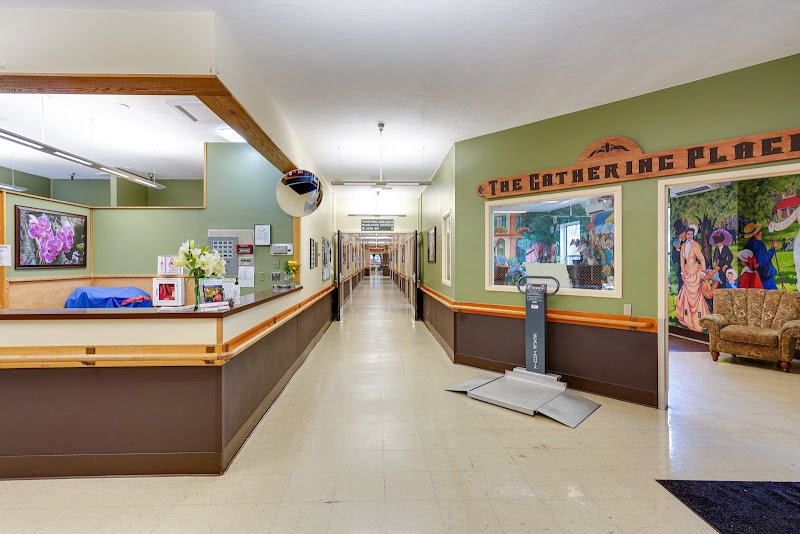
How is Umpqua Valley Nursing & Rehabilitation Center Staffed?

CMS rates UMPQUA VALLEY NURSING & REHABILITATION CENTER's staffing level at 4 out of 5 stars, which is above average compared to other nursing homes. Staff turnover is 44%, compared to the Oregon average of 46%. This relatively stable workforce can support continuity of care.

What Have Inspectors Found at Umpqua Valley Nursing & Rehabilitation Center?

State health inspectors documented 49 deficiencies at UMPQUA VALLEY NURSING & REHABILITATION CENTER during 2022 to 2025. These included: 1 that caused actual resident harm and 48 with potential for harm. Deficiencies causing actual harm indicate documented cases where residents experienced negative health consequences.
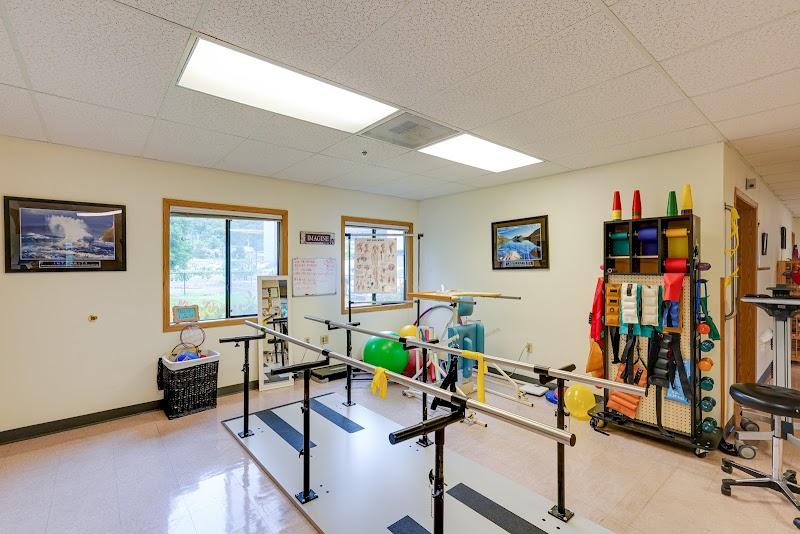
Who Owns and Operates Umpqua Valley Nursing & Rehabilitation Center?

UMPQUA VALLEY NURSING & REHABILITATION CENTER is owned by a for-profit company. For-profit facilities operate as businesses with obligations to shareholders or private owners. The facility is operated by VOLARE HEALTH, a chain that manages multiple nursing homes. With 118 certified beds and approximately 76 residents (about 64% occupancy), it is a mid-sized facility located in ROSEBURG, Oregon.
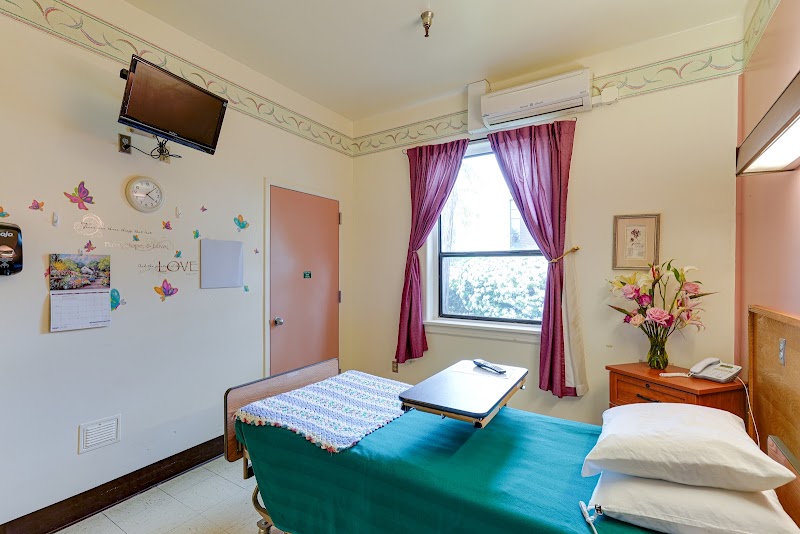
How Does Umpqua Valley Nursing & Rehabilitation Center Compare to Other Oregon Nursing Homes?

Compared to the 100 nursing homes in Oregon, UMPQUA VALLEY NURSING & REHABILITATION CENTER's overall rating (1 stars) is below the state average of 3.0, staff turnover (44%) is near the state average of 46%, and health inspection rating (1 stars) is much below the national benchmark.

What Should Families Ask When Visiting Umpqua Valley Nursing & Rehabilitation Center?

Based on this facility's data, families visiting should ask: "Can I visit during a mealtime to observe dining assistance and food quality?" "How do you handle medical emergencies, and what is your hospital transfer rate?" "Can I speak with family members of current residents about their experience?"

Is Umpqua Valley Nursing & Rehabilitation Center Safe?

Based on CMS inspection data, UMPQUA VALLEY NURSING & REHABILITATION CENTER has a clean safety record: no substantiated abuse findings (meaning no confirmed cases of resident harm), no Immediate Jeopardy citations (the most serious violation level indicating risk of serious injury or death), and is not on the Special Focus Facility watch list (a federal program monitoring the lowest-performing 1% of nursing homes). The facility has a 1-star overall rating and ranks #100 of 100 nursing homes in Oregon. While no facility is perfect, families should still ask about staff-to-resident ratios and recent inspection results during their visit.

Do Nurses at Umpqua Valley Nursing & Rehabilitation Center Stick Around?

UMPQUA VALLEY NURSING & REHABILITATION CENTER has a staff turnover rate of 44%, which is about average for Oregon nursing homes (state average: 46%). Moderate turnover is common in nursing homes, but families should still ask about staff tenure and how the facility maintains care continuity when employees leave.

Was Umpqua Valley Nursing & Rehabilitation Center Ever Fined?

UMPQUA VALLEY NURSING & REHABILITATION CENTER has been fined $8,824 across 1 penalty action. This is below the Oregon average of $33,167. While any fine indicates a compliance issue, fines under $50,000 are relatively common and typically reflect isolated problems that were subsequently corrected. Families should ask what specific issues led to these fines and confirm they've been resolved.

Is Umpqua Valley Nursing & Rehabilitation Center on Any Federal Watch List?

UMPQUA VALLEY NURSING & REHABILITATION CENTER is not on any federal watch list. The most significant is the Special Focus Facility (SFF) program, which identifies the bottom 1% of nursing homes nationally based on persistent, serious quality problems. Not being on this list means the facility has avoided the pattern of deficiencies that triggers enhanced federal oversight. This is a positive indicator, though families should still review the facility's inspection history directly.