SAINT HELENS POST ACUTE
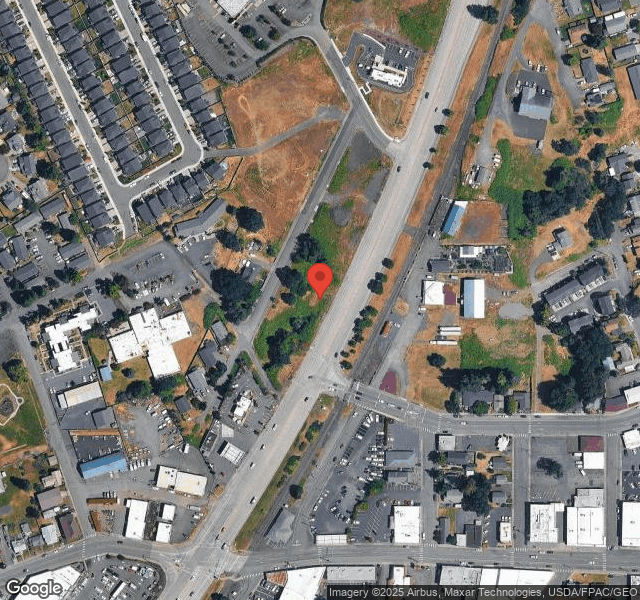
75 SHORE DRIVE, SAINT HELENS, OR 97051 (503) 397-2713
For profit - Corporation 92 Beds CALDERA CARE Data: November 2025 1 Immediate Jeopardy citation
Trust Grade
23/100
#99 of 127 in OR
Last Inspection: January 2025

Within standard 12-15 month inspection cycle. Federal law requires annual inspections.

Overview

Saint Helens Post Acute has received a Trust Grade of F, indicating significant concerns about the quality of care provided. The facility ranks #99 out of 127 in Oregon, placing it in the bottom half of nursing homes in the state, and is the second-best option in Columbia County, with only one local facility rated higher. Unfortunately, the facility is worsening, with issues increasing from four in 2024 to 22 in 2025. Staffing is a notable weakness, with only 1 out of 5 stars and a concerning turnover rate of 67%, which is higher than the state average. There have been critical incidents, such as failing to assess smoking safety for residents, which increases their risk of injury, and staff-related issues resulting in bruising of a resident, highlighting serious concerns about resident safety and care quality. While it has a strong rating of 5 out of 5 stars for quality measures, the overall picture presents significant risks that families should carefully consider.

Trust Score
F
23/100
In Oregon
#99/127
Bottom 23%
Safety Record
High Risk
Review needed
Inspections
Getting Worse
4 → 22 violations
Staff Stability
⚠ Watch
67% turnover. Above average. Higher turnover means staff may not know residents' routines.
Penalties
○ Average
$40,173 in fines. Higher than 61% of Oregon facilities. Some compliance issues.
Skilled Nurses
⚠ Watch
Each resident gets only 6 minutes of Registered Nurse (RN) attention daily — below average for Oregon. Fewer RN minutes means fewer trained eyes watching for problems.
Violations
⚠ Watch
68 deficiencies on record. Higher than average. Multiple issues found across inspections.
★★☆☆☆
2.0
Overall Rating
★☆☆☆☆
1.0
Staff Levels
★★★★★
5.0
Care Quality
★☆☆☆☆
1.0
Inspection Score
Stable
2024: 4 issues
2025: 22 issues

The Good

  • 5-Star Quality Measures · Strong clinical quality outcomes
  • Full Sprinkler Coverage · Fire safety systems throughout facility
  • No fines on record

Facility shows strength in quality measures, fire safety.

The Bad

2-Star Overall Rating

Below Oregon average (3.0)

Below average - review inspection findings carefully

Staff Turnover: 67%

21pts above Oregon avg (46%)

Frequent staff changes - ask about care continuity

Federal Fines: $40,173

Above median ($33,413)

Moderate penalties - review what triggered them

Chain: CALDERA CARE

Part of a multi-facility chain

Ask about local staffing decisions and management

Staff turnover is elevated (67%)

19 points above Oregon average of 48%

The Ugly 68 deficiencies on record

1 life-threatening 1 actual harm
Apr 2025 1 deficiency
CONCERN (D) 📢 Someone Reported This

A family member, employee, or ombudsman was alarmed enough to file a formal complaint

Potential for Harm - no one hurt, but risky conditions existed

Medical Records (Tag F0842)

Could have caused harm · This affected 1 resident

Based on interview and record review it was determined the facility failed to ensure resident records were accurate for 1 of 3 sampled residents (# 5) reviewed for medical records. This placed residen...

Read full inspector narrative →
Based on interview and record review it was determined the facility failed to ensure resident records were accurate for 1 of 3 sampled residents (# 5) reviewed for medical records. This placed residents at risk for inaccurate health records. Findings include: Resident 5 admitted to the facility in 10/2024, with diagnoses including Parkinson's disease. Review of Resident 5's 10/2024 MAR indicated she/he had received one dose of Tramadol (a pain medication) on 10/26/24 and one dose on 10/27/24. The facility's Narcotic logbook indicated Resident 5 had received two doses of Tramadol on 10/26/24 and one dose on 10/27/24. On 3/24/25 at 10:32 AM, Witness 1 (Family Member) indicated she/he was told Resident 5 had received a dose of Tramadol on 10/25/24. On 3/28/25 at 12:07 PM and 1:15 PM, Staff 4 (LPN), Staff 6 (LPN), and Staff 7 (LPN) stated they could not remember any specifics about Resident 5. Staff 4, Staff 6, and Staff 7 agreed accuracy of medication logs were important. On 3/31/25 at 12:00 PM, Staff 2 (DNS) stated he could not recall any specifics about this resident. Staff 2 confirmed the dosage logged in the narcotic logbook for Resident 5 showed three pills were given. Staff 2 confirmed the MAR showed two pills were given. Staff 2 stated the MAR and narcotic logbook should match.
Jan 2025 21 deficiencies
CONCERN (D)

Potential for Harm - no one hurt, but risky conditions existed

Deficiency F0582 (Tag F0582)

Could have caused harm · This affected 1 resident

Based on interview and record review, it was determined the facility failed to provide documentation that Notification of Medicare Non-Coverage (NOMNC) letters were provided in a timely manner for 1 o...

Read full inspector narrative →
Based on interview and record review, it was determined the facility failed to provide documentation that Notification of Medicare Non-Coverage (NOMNC) letters were provided in a timely manner for 1 of 3 sampled residents (# 205) reviewed for liability and appeal notices. This placed residents at risk of being uninformed of their right to appeal. Findings include: Resident 205's NOMNC letter indicated services were scheduled to end on 8/9/24. There was no documented evidence the resident was notified of her/his services ending. On 1/16/25 at 5:20 PM, Staff 1 (Executive Director) verified there was no documentation that Resident 205 was informed of her/his services ending. On 1/17/25 at 8:14 AM, Staff 5 (Social Services Director) confirmed there was no documentation that Resident 205 was informed of her/his services ending.
CONCERN (D) 📢 Someone Reported This

A family member, employee, or ombudsman was alarmed enough to file a formal complaint

Potential for Harm - no one hurt, but risky conditions existed

Deficiency F0602 (Tag F0602)

Could have caused harm · This affected 1 resident

Based on interview and record review it was determined the facility failed to ensure residents were free from misappropriation for 1 of 1 resident (#50) reviewed for misappropriation. This placed resi...

Read full inspector narrative →
Based on interview and record review it was determined the facility failed to ensure residents were free from misappropriation for 1 of 1 resident (#50) reviewed for misappropriation. This placed residents at risk for lack of medication efficacy and loss of property. Findings include: Resident 50 was admitted to the facility in 1/2024 with diagnoses including arthritis and stroke. A 1/4/24 signed admission physician orders instructed staff to administer Oxycodone (to treat pain) one to two tablets every six hours as needed for moderate pain. Sixty tablets were physician ordered with no refills. The admission MDS with an assessment review date of 1/11/24, revealed Resident 50 had a BIMS score of 15, which indicated the resident was cognitively intact. Resident 50 had frequent pain and received PRN pain medications. A 1/18/24 signed physician order instructed staff to administer Oxycodone one to two tablets by mouth every six hours as needed for pain with a quantity of 56 tables ordered. A review of Resident 50's 1/2024 MAR instructed staff to administer Resident 50 the following Oxycodone medications: -One tablet every six hours as needed for moderate pain with a start date of 1/4/24 and discontinued on 1/20/24 with five administrations. -One tablet every six hours as needed for pain with a start date of 1/20/24 through 2/3/24 with 39 administrations. -Two tablets every six hours as needed for moderate pain with start date of 1/4/24 and discontinued on 1/20/24 with 62 tablets administered. A review of Resident 50's narcotic logbook for Oxycodone revealed the following: -A page dated 1/5/24 with typed information indicating Oxycodone one to two tablets every six hours as needed for moderate pain with a quantity of 30. All 30 tablets were administered in one or two doses from 1/5/24 through 1/12/24. -A page dated 1/7/24 with typed information indicating Oxycodone one to two tables every six hours as needed for moderate pain with a quantity of 15. All 15 tablets were administered from 1/9/24 through 1/14/24. -A page dated 1/14/24 with handwritten information indicating Oxycodone with directions to see the MAR and the quantity of 22. All 22 tablets were administered from 1/15/24 through 1/19/24. -A Page dated 1/25/24 with typed information indicating Oxycodone one to two tablets every six hours as needed for moderate pain with quantity of 30. All 30 tablets were administered from 1/25/24 through 1/31/24. The MAR dated 1/4/24 through 2/3/24 revealed106 tablets were administered to Resident 50, while the narcotic logbook indicated 97 tablets of Oxycodone were administered to Resident 50. A 1/19/24 Care Conference Note indicated Resident 50 had a grievance regarding her/his Oxycodone not being administered timely manner. Staff 5 (Social Service Director) spoke to Staff 22 (Former DNS) to ensure Resident 50 received the correct medication. Resident 50 reported to Staff 5 a CMA informed Resident 50 her/his Oxycodone did not come in from the pharmacy because of an ice storm. A family member brought in her/his Oxycodone from home and a nurse removed them from Resident 50's room. The note indicated Staff 22 was investigating the concern and Staff 5 would complete a grievance. A 1/25/24 Social Services Note indicated Staff 5 spoke to Resident 50 about her/his Oxycodone. Resident 50 stated the medication bottle was missing and staff administered the medication from her/his bottle instead of the medication cards. Staff 5 spoke to Staff 22 and an investigation would be completed. On 2/27/24 the State Survey agency received a public complaint which indicated Resident 50's Oxycodone 5/325 medication was brought into the facility from her/his home. There were 30 pills in the bottle and facility staff removed the bottle and started using the Oxycodone out of the medication cart. The facility did not return Resident 50's bottle of Oxycodone. On 1/13/25 at 8:58 AM Witness 4 (Complainant) stated she reported her/his Oxycodone was removed from her/his room. Witness 4 stated the medication was administered to Resident 50 out of the medication cart. Resident 50 did not receive her/his personal medication back when she/he was discharged from the facility. On 1/14/25 Staff 5 stated she remembered an investigation was completed by Staff 22 for the 1/2024 Oxycodone, but it was not found and she did not remember the outcome of the investigation. Staff 5 stated she also could not find any grievance form was completed for Resident 50's missing Oxycodone. On 1/16/25 at 11:27 AM Staff 9 (LPN) stated if a narcotic medication was removed from a resident room it would be stored in the medication cart and would be counted in the narcotic log. Staff 9 also stated the facility did not administer narcotics brought from home. No documentation was provided to indicate Resident 50's Oxycodone from home was stored in the medication cart, counted in the narcotic log or returned to Resident 50 upon discharge. In interviews on 1/13/24 at 2:26 PM and 1/15/24 at 11:20 AM with Staff 2 (DNS) and on 1/17/25 at 8:18 AM with Staff 1 (Administrator) Staff 2 and Staff 3 (Regional Director of Clinical Operations), Staff 3 stated she saw the note in Resident 50's clinical records indicating an investigation and grievance should have been completed for Resident 50's missing Oxycodone and she could not find either. Staff 3 stated she would expect to see a grievance and follow up investigation for the concern. Staff 3 stated there was no facility policy or procedures regarding the removal of medications from a resident's room. Staff 1 stated if a family member brings in medications the expectation would be to send them back home and make a note in progress notes indicating the medication was sent home. Staff 1 stated she remembered Resident 50 having missing Oxycodone but did not remember the outcome. Staff 3 stated the facility could have a more streamlined way to handle medications brought into the facility by family members.
CONCERN (D)

Potential for Harm - no one hurt, but risky conditions existed

Comprehensive Care Plan (Tag F0656)

Could have caused harm · This affected 1 resident

**NOTE- TERMS IN BRACKETS HAVE BEEN EDITED TO PROTECT CONFIDENTIALITY** Based on observation, interviews and record review it was determined the facility failed to ensure a comprehensive care plan add...

Read full inspector narrative →
**NOTE- TERMS IN BRACKETS HAVE BEEN EDITED TO PROTECT CONFIDENTIALITY** Based on observation, interviews and record review it was determined the facility failed to ensure a comprehensive care plan addressed dental needs for 1 of 1 sampled resident (#28) reviewed for dental. This placed residents at risk for unmet dental needs. Findings include: Resident 28 was admitted to the facility on [DATE] with diagnoses including chronic obstructive pulmonary disease (lung disease) and dental caries (permanently damaged areas in teeth). The 1/23/24 Food Preference Record revealed Resident 28 had .all broken teeth no dentures can't chew most or all foods, NSM (Nutrition Services Manager) will continue to monitor & follow up as needed. The 1/29/24 admission MDS Assessment revealed Resident 28 had a BIMS of 14 (cognitively intact) and had dental caries. An 8/27/24 Nutrition/Therapy Communication revealed the resident's diet was downgraded to mechanical soft. The 10/28/24 Nutrition Evaluation revealed Resident 28 had missing, broken teeth with dental caries and she/he required a soft diet. There was no evidence Resident 28's dental care needs were addressed in her/his care plan. On 1/13/25 at 10:12 AM and throughout the facility's recertification survey, Resident 28 was observed to have broken blackish and missing front teeth on both top and bottom gumlines. Resident 28 stated she/he told staff about her/his teeth and nobody did anything about it. She/He stated her/his teeth were also broken at the gum line in the back of her/his mouth which were observed by the state surveyor. On 1/16/25 at 9:58 AM Staff 34 (CNA) stated information about the resident's care should be on the care plan. She was aware of Resident 28's missing and broken teeth and stated a request was made several months prior for the resident to see a dentist. On 1/16/25 at 11:14 AM Staff 5 (Social Services) stated she was familiar with Resident 28 and her/his dental needs. She remembered talking about the resident's dental needs in the past but was not sure if she documented the conversations. On 1/17/25 at 9:10 AM Staff 3 (Regional Director of Clinical Operations) provided a copy of Resident 28's dental care plan and confirmed it was dated 1/16/25 (almost one year after the resident was admitted to the facility). On 1/17/25 at 9:40 AM Staff 4 (Resident Care Coordinator) confirmed the resident should have had a comprehensive dental care plan one month after she/he admitted to the facility and did not have one until 1/16/25. On 1/17/25 at 10:00 AM findings of this investigation were shared with Staff 1 (Executive Director). No additional information was provided.
CONCERN (D) 📢 Someone Reported This

A family member, employee, or ombudsman was alarmed enough to file a formal complaint

Potential for Harm - no one hurt, but risky conditions existed

Deficiency F0688 (Tag F0688)

Could have caused harm · This affected 1 resident

Based on observation, interview and record review it was determined the facility failed to provide appropriate treatment and services to prevent further decreases in range of motion for 1 of 1 sampled...

Read full inspector narrative →
Based on observation, interview and record review it was determined the facility failed to provide appropriate treatment and services to prevent further decreases in range of motion for 1 of 1 sampled resident (# 37) reviewed for rehab and restorative services. This placed residents at risk for decreased range of motion and a decreased physical condition. Findings include: Resident 37 admitted to the facility in 9/2024 with a diagnosis of lupus (immune system attacks own organs), depression and obesity. Resident 37's 1/8/25 Quarterly MDS indicated she/he was cognitively intact and she/he received zero hours or days of active or passive RA services. On 1/12/25 at 3:04 PM Resident 37 stated she/he does not get the opportunity to do any exercises and she/he would like to exercise to gain strength to be able to discharge from the facility. Resident 37 was observed in her/his bed with no exercise equipment available for use in the room. Record review of Resident 37's health records provided no indication she/he received RA services. On 1/16/25 at 11:37 AM Staff 24 (CNA) stated Resident 37 was not offered any RA services since Resident 37 moved to her/his room many months ago. Staff 24 stated the facility does not provide RA services because they do not have enough staff to provide. On 1/16/25 at 3:19 PM Staff 4 (Resident Care Coordinator) confirmed Resident 37 did not receive RA services or have a RA services plan. Staff 4 acknowledged the facility does not have a RA program at this time. On 1/17/25 at 9:37 AM Staff 1 (Administrator) confirmed Resident 37 did not receive RA services and acknowledged the facility should offer RA services to maintain physical strength of the residents.
CONCERN (D)

Potential for Harm - no one hurt, but risky conditions existed

Incontinence Care (Tag F0690)

Could have caused harm · This affected 1 resident

**NOTE- TERMS IN BRACKETS HAVE BEEN EDITED TO PROTECT CONFIDENTIALITY** Based on interview and record review it was determined the facility failed to provide adequate incontinence care for 1 of 1 samp...

Read full inspector narrative →
**NOTE- TERMS IN BRACKETS HAVE BEEN EDITED TO PROTECT CONFIDENTIALITY** Based on interview and record review it was determined the facility failed to provide adequate incontinence care for 1 of 1 sampled resident (#8) reviewed for incontinence care. This placed residents at risk for unmet incontinence needs. Resident 8 was admitted to the facility in 7/2014 with diagnoses including traumatic brain injury and contractures of the left and right ankles. Resident 8's care plan revised on 12/9/21 indicated the resident had an ADL self-care performance deficit and needed frequent checks. Resident 8 had an alteration in bowel elimination and incontinence. Resident 8 needed to be checked every two hours and provided with peri care after each incontinent episode. Resident 8's Annual MDS dated [DATE] identified the resident was always incontinent of both bowel and bladder and required staff assistance with toileting. Resident 8 was rarely to never understood when communicating. The 12/31/24 Urinary Incontinence CAA identified the type of incontinence as functional, meaning the resident could not get to the toilet in time due to physical disability or problems thinking or communicating. According to the CAA, Resident 8 depended on staff for incontinent care. On 1/13/25 at 7:39 AM Witness 1 (Family Member) stated the facility staff did not always clean Resident 8 appropriately during incontinent care. Witness 1 stated she requested Resident 8's groin area be trimmed of hair so feces would not be left on her/him. On 1/15/25 at 7:34 AM Staff 10 (CNA) stated that each time she came on her shift, she would provide Resident 8 with incontinent care and find feces in her/his groin hair. Staff 10 stated it was a problem throughout the facility as staff were not cleaning feces out of women's vaginas and under men's testicles. Staff 10 mentioned there was a peri care spray that helped loosen feces from residents, but the facility did not always have this spray in supply. Staff 10 stated she had reported this concern to the administration. On 1/15/24 at 8:47 AM Staff 7 (CNA) stated there were a few times she had observed Resident 8 not being cleaned well during incontinent care. In an interview on 1/17/25 at 8:25 AM with Staff 1 (Administrator) Staff 2 (DNS) and Staff 3 (Regional Director of Clinical Operations), Staff 1 stated the facility completed rounds and monitored staff for their care and competence in the care of the residents. Staff 2 stated in 8/2024 there was a resident who had a concern for lack of incontinent care. Staff 1 stated she was not aware there were any current concerns about other residents in the facility not being cleaned properly during incontinent care. Staff 1 and Staff 2 further stated they did not see a grievance from the family regarding a concern with incontinent care for Resident 8.
CONCERN (D)

Potential for Harm - no one hurt, but risky conditions existed

Dental Services (Tag F0791)

Could have caused harm · This affected 1 resident

**NOTE- TERMS IN BRACKETS HAVE BEEN EDITED TO PROTECT CONFIDENTIALITY** Based on observation, interviews and record review it was determined the facility failed to ensure prompt routine and emergency ...

Read full inspector narrative →
**NOTE- TERMS IN BRACKETS HAVE BEEN EDITED TO PROTECT CONFIDENTIALITY** Based on observation, interviews and record review it was determined the facility failed to ensure prompt routine and emergency dental services were obtained for 1 of 1 sampled resident (#28) reviewed for dental. This placed residents at risk for unmet dental needs. Findings include: Resident 28 was admitted to the facility on [DATE] with diagnoses including chronic obstructive pulmonary disease (lung disease) and dental caries (permanently damaged areas in teeth). The 1/23/24 Food Preference Record revealed Resident 28 had .all broken teeth no dentures can't chew most or all foods, NSM (Nutrition Services Manager) will continue to monitor & follow up as needed. The 1/29/24 admission MDS Assessment revealed Resident 28 had a BIMS of 14 (cognitively intact) and had dental caries. The 5/16/24 Social Services Quarterly Evaluation revealed Dental will be at the facility on May 30th. There was no additional documentation or evidence in Resident 28's electronic health record she/he was seen by the dentist on 5/30/24. A 7/15/24 progress note by Staff 28 (LPN) revealed a request for a dental appointment for broken missing teeth. The 7/31/24 Care Conference revealed the Hearing, Vision and Dental section was noted Vision will be out 9/3. There was no documentation referencing Resident 28's dental needs. An 8/27/24 Nutrition/Therapy Communication revealed the resident's diet was downgraded to mechanical soft. The 10/28/24 Nutrition Evaluation revealed Resident 28 had missing, broken teeth with dental caries and she/he required a soft diet. The 12/17/24 Social Services Evaluation revealed the Hearing, Vision and Dental section was noted NA. There was no documentation referencing Resident 28's dental needs. On 1/13/25 at 10:12 AM Resident 28 was observed to have broken blackish and missing front teeth on both top and bottom gumlines. Resident 28 stated she/he told staff about her/his teeth when she/he admitted to the facility a year ago and nobody made her/him a dental appointment or did anything about it. She/He stated her/his teeth were also broken at the gum line in the back of her/his mouth which were observed by the state surveyor. On 1/13/25 at 3:48 PM no evidence was found addressing Resident 28's dental care needs in her/his care plan. On 1/15/25 at Resident 28 stated the staff knew her/his mouth hurt and added I haven't seen a dentist yet. I just want to be able to smile again nobody wants to look at this [pointed to mouth] it's embarrassing. I know it's bad. I just want it fixed. On 1/16/25 at 9:58 AM Staff 34 (CNA) stated she was aware of Resident 28's missing and broken teeth and stated a request was made several months prior for the resident to see a dentist, but she was not aware of any follow up. On 1/16/25 at 10:11 AM Staff 7 (CNA) stated she was familiar of Resident 28 and aware of her/his broken and missing teeth. On 1/16/25 at 11:14 AM Staff 5 (Social Services) stated she was familiar with Resident 28 and her/his dental needs. She said dental would be in the facility soon. She stated she remembered talking about the resident's dental needs in the past but was not sure if she documented the conversations. Staff 5 stated she made Resident 28 a dental appointment on 12/19/24 and the appointment was scheduled for 1/28/25 (more than one year after the resident admitted to the facility). On 1/17/25 at 9:40 AM Staff 4 (Resident Care Coordinator) confirmed Resident 28 did not have a care plan related to her/his dental needs. On 1/17/25 at 10:00 AM findings of this investigation were shared with Staff 1 (Executive Director). No additional information was provided.
CONCERN (E)

Potential for Harm - no one hurt, but risky conditions existed

Deficiency F0577 (Tag F0577)

Could have caused harm · This affected multiple residents

Based on observations and interviews the facility failed to ensure the state survey inspection results were readily accessible for 1 of 1 facility reviewed for resident council. This placed residents ...

Read full inspector narrative →
Based on observations and interviews the facility failed to ensure the state survey inspection results were readily accessible for 1 of 1 facility reviewed for resident council. This placed residents and the public at risk of not being informed of the facility's survey history. Findings include: On 1/14/25, 1/15/25 and 1/16/25 a notice of survey results was observed located near the front entrance on the wall approximately five feet high up on the wall. The notice indicated the state survey binder was in the basket below the notice. The basket was dark in color and angled in a way that protruded from the wall at the top. There was no state survey binder in the basket. The notice was not visible to someone in a wheelchair. During a resident council interview on 1/15/25 at 3:11 PM, seven resident attendees indicated they did not know where to find the state survey inspection results in the facility. On 1/16/25 at 8:49 AM Staff 1 (Executive Director) stated the state survey books were located at the nurses station. She was observed to pull two four-inch binders off of a shelf, which were about six feet high, from behind the nurses station. Staff 1 confirmed residents in wheelchairs would not be able to see the notice or the binders.
CONCERN (E) 📢 Someone Reported This

A family member, employee, or ombudsman was alarmed enough to file a formal complaint

Potential for Harm - no one hurt, but risky conditions existed

Abuse Prevention Policies (Tag F0607)

Could have caused harm · This affected multiple residents

Based on interviews and record review it was determined the facility failed to implement written policies and procedures to thoroughly investigate all alleged violations, retain documents showing that...

Read full inspector narrative →
Based on interviews and record review it was determined the facility failed to implement written policies and procedures to thoroughly investigate all alleged violations, retain documents showing that all alleged violations were thoroughly investigated, to further prevent abuse and failed to establish coordination with the QAPI program regarding alleged staff and resident abuse for 3 of 7 sampled residents (#s 19, 23 and 202) reviewed for abuse. This placed residents at risk for verbal and physical abuse by staff. Findings include: The facility's 8/2022 Prevention and Reporting: Resident Mistreatment, Neglect, Abuse, Including Injures of Unknown Source and Misappropriation of Resident Property policy revealed the following: - Thoroughly investigate all alleged violations and retain documents showing that all alleged violations are thoroughly investigated. - Prevent further potential abuse, neglect, exploitation, or mistreatment while the investigation is in progress . - Coordination with QAPI: Coordination of allegations of abuse will be completed monthly by the QAPI committee, and will utilize Point Click Care and Shift-to-Shift report to communicate across all shifts allegations, and necessary care and further information. The facility's undated QAPI/QAA Plan revealed the following: - Systems Monitoring, Feedback & Data Systems regarding abuse was to be collected weekly; analyzed by the facility's leadership team weekly; communicated with Board members, QAPI committee and state reporting agency; and to communicate data analysis via reporting requirements via weekly meetings. - Performance Improvement Plans (PIPs): The QAA committee will review data and input on a quarterly basis to look for potential topics for PIPs. 1. On 11/15/24 at 5:30 PM a FRI was received by the State Survey Agency (SSA) for an allegation of staff to resident physical abuse which occurred on 11/15/24 at 5:00 PM. The alleged perpetrator was Staff 33 (CNA) and the resident was identified as Resident 16. The facility's 11/15/24 Alleged Abuse investigation did not include a statement from the alleged perpetrator or the family witness identified in the internal investigation. The investigation conclusion was dated 11/20/24 and revealed Staff 33 was terminated due to multiple complaints regarding his caregiving. A review of Staff 33's personnel file found one concern related to an unsafe transfer dated 11/14/24. There was no evidence in Staff 33's personnel file related to the multiple complaints and no follow up documentation from the 11/14/24 safe transfer concern. On 1/16/25 at 5:00 PM Staff 2 (Director of Nursing) stated he did not have witness statements from the alleged perpetrator or the family member present during the alleged physical abuse. Staff 2 confirmed there was no disciplinary action documentation in Staff 33's personnel file. During an interview with Staff 2 and Staff 3 (Regional Director of Clinical Operations) on 1/21/25 at 2:32 PM Staff 2 stated Staff 5 (Social Services) will go around and talk to residents to see if they feel safe from abuse. If it happened in a specific area she will follow up in that area. Staff 2 stated there were no staff trainings related to abuse after the 11/15/24 allegation of staff to resident abuse. Staff 2 stated he did not have a tracking system in place to monitor identified concerns of abuse to share with the facility's QAPI committee. He added the facility had incident reports and if something happened once or twice a month for three months it was not a trend. When asked how he tracked issues needing to be addressed Staff 2 said he wrote them down but did not keep the paperwork. When asked how he knew if a concern was a trend, he pointed to his head. Staff 2 and Staff 3 confirmed there were no root cause analyses or trend tracking for abuse allegations for coordination with QAPI. On 1/21/25 at 3:50 PM Staff 3 confirmed there were no PIPs in place for abuse. At 4:08 PM Staff 3 confirmed there were no abuse audits completed by Staff 5 related to staff to resident verbal and physical abuse allegations which occurred on 11/15/24. 2. On 8/6/24 at 9:12 AM a FRI was received by the State Survey Agency (SSA) for an allegation of staff to resident physical abuse which occurred on 8/3/24 at an unknown time. The alleged perpetrator was Staff 41 (CNA) and the resident was identified as Resident 202. The facility's 8/3/24 Alleged Abuse investigation did not include a statement from the alleged perpetrator, Staff 41. The investigation conclusion was dated 8/7/24 and revealed Staff 41 was terminated due to multiple complaints. During an interview with Staff 2 and Staff 3 (Regional Director of Clinical Operations) on 1/21/25 at 2:32 PM Staff 2 stated Staff 5 (Social Services) will go around and talk to residents to see if they feel safe from abuse. If it happened in a specific area she will follow up in that area. Staff 2 stated there were no staff trainings related to abuse after the 8/3/24 allegations of staff to resident abuse. Staff 2 stated he did not have a tracking system in place to monitor identified concerns of abuse to share with the facility's QAPI committee. He added the facility had incident reports and if something happened once or twice a month for three months it was not a trend. When asked how he tracked issues which needed to be addressed, Staff 2 said they were often written on a post-it note and he did not keep the paperwork. When asked how he knew if a concern was a trend, he pointed to his head. Staff 2 and Staff 3 confirmed there were no root cause analyses or trend tracking for abuse allegations for coordination with QAPI. On 1/21/25 at 3:50 PM Staff 3 confirmed there were no PIPs in place for abuse. At 4:08 PM Staff 3 confirmed there were no abuse audits completed by Staff 5 related to staff to resident verbal and physical abuse allegations which occurred on 8/3/24. 3. On 8/6/24 at 9:12 AM a FRI was received by the State Survey Agency (SSA) for an allegation of staff to resident physical abuse which occurred on 8/5/24 prior to 11:00 AM. The alleged perpetrator was Staff 41 (CNA) and the resident was identified as Resident 23. The facility's 8/5/24 Alleged Abuse investigation did not include a statement from the alleged perpetrator, Staff 41. The investigation conclusion was dated 8/8/24 and revealed Staff 41 was terminated due to multiple complaints. During an interview with Staff 2 and Staff 3 (Regional Director of Clinical Operations) on 1/21/25 at 2:32 PM Staff 2 stated Staff 5 (Social Services) will go around and talk to residents to see if they feel safe from abuse. If it happened in a specific area she will follow up in that area. Staff 2 stated there were no staff trainings related to abuse after the 8/5/24 allegations of staff to resident abuse. Staff 2 stated he did not have a tracking system in place to monitor identified concerns of abuse to share with the facility's QAPI committee. He added the facility had incident reports and if something happened once or twice a month for three months it was not a trend. When asked how he tracked issues which needed to be addressed, Staff 2 said they were often written on a post-it note, he did not keep the paperwork. When asked how he knew if a concern was a trend, he pointed to his head. Staff 2 and Staff 3 confirmed there were no root cause analyses or trend tracking for abuse allegations for coordination with QAPI. On 1/21/25 at 3:50 PM Staff 3 confirmed there were no PIPs in place for abuse. At 4:08 PM Staff 3 confirmed there were no abuse audits completed by Staff 5 related to the staff to resident verbal and physical abuse allegations which occurred on 8/5/24.
CONCERN (E) 📢 Someone Reported This

A family member, employee, or ombudsman was alarmed enough to file a formal complaint

Potential for Harm - no one hurt, but risky conditions existed

Report Alleged Abuse (Tag F0609)

Could have caused harm · This affected multiple residents

**NOTE- TERMS IN BRACKETS HAVE BEEN EDITED TO PROTECT CONFIDENTIALITY** Based on interviews and record review it was determined the facility failed to report allegations of verbal and physical abuse w...

Read full inspector narrative →
**NOTE- TERMS IN BRACKETS HAVE BEEN EDITED TO PROTECT CONFIDENTIALITY** Based on interviews and record review it was determined the facility failed to report allegations of verbal and physical abuse within the mandated timeframe for 3 of 7 sampled residents (#s 19, 23, and 202) reviewed for abuse. This placed residents at risk for verbal and physical abuse from staff. Findings include: 1. Resident 19 was admitted to the facility on [DATE] with diagnoses including cirrhosis of the liver (chronic liver damage), mild cognitive impairment and obesity. The facility's 11/15/24 Verbal Aggression Received investigation revealed Resident 19 arrived at the facility for admission by private vehicle on 11/15/24 at 4:30 PM. The investigation alleged Staff 33 (CNA) verbally abused Resident 19 by yelling at her/him while Staff 33 assisted Resident 19 out of the vehicle. Staff 30 (CNA) witnessed the event and reported it to Staff 31 (LPN). A FRI for the 11/15/24 alleged verbal abuse from Staff 33 to Resident 19 was submitted to the state agency on 11/18/24 (three days after the alleged verbal abuse occurred). On 1/14/25 at 7:05 PM Staff 30 (CNA) stated she reported the 11/15/24 alleged verbal abuse incident to Staff 31 immediately after witnessing the incident. On 1/16/25 at 11:53 AM Staff 31 stated she notified Staff 2 of the alleged verbal abuse by Staff 33 to Resident 19 on 11/15/24. On 1/16/25 at 4:00 PM Staff 2 (DNS) confirmed he did not send the FRI report to the state agency until 11/18/24. 2. Resident 23 was admitted to the facility in 2021 with diagnoses including stroke and mild cognitive impairment. The facility's Alleged Abuse investigation revealed Resident 23 reported potential abuse on 8/5/24 at 11:30 AM. A FRI for the 8/5/24 alleged abuse was submitted to the state agency on 8/6/24 at 9:12 AM (one day after the alleged verbal abuse occurred). On 1/16/25 at 4:00 PM Staff 2 (DNS) confirmed he did not send the 8/5/24 allegation of abuse FRI report to the state agency until 8/6/24 and not within the two-hour required reporting. 3. Resident 202 was admitted to the facility in 5/2024 with diagnoses including stroke and mild cognitive impairment. The facility's Alleged Abuse investigation revealed on 8/3/24 at 4:00 PM Resident 202 may have experienced potential verbal abuse. A FRI for the 8/3/24 alleged abuse was submitted to the state agency on 8/6/24 at 9:12 AM (three days after the alleged verbal abuse occurred). On 1/16/25 at 4:00 PM Staff 2 (DNS) confirmed he did not send the 8/3/24 allegation of abuse FRI report to the state agency until 8/6/24 and not within the two-hour required reporting.
CONCERN (E) 📢 Someone Reported This

A family member, employee, or ombudsman was alarmed enough to file a formal complaint

Potential for Harm - no one hurt, but risky conditions existed

Investigate Abuse (Tag F0610)

Could have caused harm · This affected multiple residents

**NOTE- TERMS IN BRACKETS HAVE BEEN EDITED TO PROTECT CONFIDENTIALITY** Based on interviews and record review it was determined the facility failed to thoroughly investigate alleged physical and verba...

Read full inspector narrative →
**NOTE- TERMS IN BRACKETS HAVE BEEN EDITED TO PROTECT CONFIDENTIALITY** Based on interviews and record review it was determined the facility failed to thoroughly investigate alleged physical and verbal abuse from staff for 3 of 7 sampled residents (#s 16, 19 and 202) reviewed for abuse. This placed residents at risk for physical and verbal abuse from staff. Findings include: The facility's 8/2022 Prevention and Reporting: Resident Mistreatment, Neglect, Abuse, Including Injures of Unknown Source and Misappropriation of Resident Property policy revealed the following: - Thoroughly investigate all alleged violations and retain documents showing that all alleged violations are thoroughly investigated. 1. Resident 19 was admitted to the facility on [DATE] by a family member in a private vehicle, with diagnoses including cirrhosis of the liver (chronic liver damage), mild cognitive impairment and obesity. The facility's 11/15/24 Verbal Aggression Received investigation revealed Resident 19 arrived at the facility for admission with family by private vehicle on 11/15/24 at 4:30 PM. The investigation alleged Staff 33 (CNA) verbally abused Resident 19 by yelling at her/him while Staff 33 assisted Resident 19 out of the vehicle. The investigation did not include a statement from Staff 33 or the family witness. On 1/14/25 at 12:41 PM Witness 5 (family member) stated she was present with another family member when Staff 33 assisted Resident 19 out of the vehicle and into a wheelchair. Witness 5 stated multiple times, in no way was Staff 33 verbally abusive or rushed and he did not say anything rude or mean to Resident 19. Witness 5 said she was not asked to provide a statement regarding what happened. On 1/15/25 at 3:40 PM Staff 33 stated he remembered Resident 19 and her/his arrival to the facility on [DATE]. He said he assisted the resident out of the car and stated I was talking to her to get out of the car. She said she was going to fall and she did not want to fall and I keep telling her I won't let you fall. We got her transferred into the wheelchair safely and into the building. Staff 33 denied yelling at or speaking loudly to Resident 19. Staff 33 stated he was not provided an opportunity to explain what happened and did not know there was a problem until he was walked out of the facility and later fired by Staff 2 (Director of Nursing) for abuse. On 1/16/25 at 5:00 PM Staff 2 stated he did not have witness statements from the alleged perpetrator or a family member who was present during the alleged verbal abuse. During an interview with Staff 2 and Staff 3 (Regional Director of Clinical Operations) on 1/21/25 at 2:32 PM, Staff 2 stated Staff 5 (Social Services) will go around and talk to residents to see if they feel safe from abuse. If it happened in a specific area she will follow up in that area. On 1/21/25 at 4:08 PM Staff 3 confirmed there were no abuse audits completed by Staff 5 related to the staff to resident abuse allegations which occurred on 11/15/24. 2. Resident 16 was readmitted to the facility in 8/2024 with diagnoses including diabetes and dementia. The facility's 11/15/24 Alleged Abuse investigation revealed Resident 16 returned to the facility on [DATE] at 5:00 PM from an outing with a family member. The family member requested Resident 16 be put to bed. The investigation alleged Staff 33 (CNA) physically abused Resident 16 by pushing the resident down on the bed telling the resident she/he had to go to sleep because Resident 16's family member wanted her/him to. The investigation did not include a statement from Staff 33 or the family witness. On 1/14/25 at 6:40 PM Witness 6 (family member) stated she was present while Staff 33 helped Resident 16 to get into bed. Witness 6 said Staff 33 was not rough and did not act like he was in a rush. Witness 6 stated Staff 31 (LPN) jumped on him [Staff 33] and could have managed her approach differently because Staff 33 didn't do anything wrong. Witness 6 confirmed she was not asked by the facility to submit a statement regarding what she witnessed. On 1/15/25 at 3:40 PM Staff 33 stated he remembered Resident 16 and her/his return to the facility on [DATE]. He said he assisted the resident into the bed from the wheelchair and the resident's family member was present during the transfer. Staff 33 denied pushing or abusing the resident. Staff 33 stated he was not provided an opportunity to explain what happened and did not know there was a problem until he was walked out of the facility and later fired by Staff 2 (DNS) for abuse. On 1/16/25 at 5:00 PM Staff 2 stated he did not have witness statements from the alleged perpetrator or a family member who was present during the alleged physical abuse. During an interview with Staff 2 and Staff 3 (Regional Director of Clinical Operations) on 1/21/25 at 2:32 PM Staff 2 stated Staff 5 (Social Services) will go around and talk to residents to see if they feel safe from abuse. If it happened in a specific area she will follow up in that area. On 1/21/25 at 4:08 PM Staff 3 confirmed there were no abuse audits completed by Staff 5 related to staff to the resident abuse allegations which occurred on 11/15/24. 3. Resident 202 was admitted to the facility in 5/2024 with diagnoses including stroke and mild cognitive impairment. The facility's 8/3/24 Alleged Abuse investigation revealed Witness 7 (former resident) made a statement on 8/6/24 which alleged Staff 41 (CNA) and another unknown staff member abused Resident 202. The investigation did not indicate who the other staff member was or provide any other statements. On 1/14/24 at 6:17 PM Staff 41 stated she/he had no opportunity to provide a written or verbal statement for the 8/3/24 abuse allegation with Resident 202. Staff 41 stated they were told to come to the facility, when they arrived, she/he was told not to return to the premises and was never given an opportunity to give a statement. Staff 41 stated she/he was very thankful to be given chance to tell her/his side of story. On 1/15/24 at 8:52 AM Staff 41 provided a written statement for the 8/3/24 incident with Resident 202. Staff 41 described the incident and how she/he assisted another colleague and the difficult time they had to assist Resident 202 into her/his bed. On 1/16/25 at 3:57 PM Staff 1 (Executive Director) confirmed the facility provided all the information for the Resident 202's 8/3/24 abuse allegation investigation. The file provided included the following: -Resident general information sheet; -An Alleged Abuse investigation, a statement from Witness 7, Staff 2 (DNS) indicated he attempted contact with Staff 41 for a statement, no other interviews; -Grievance for Resident 202, dated 8/3/24, for alleged abuse by Staff 41, completed by an unknown person, included the word over with no additional information; -Resident 205's care plan; -Two disciplinary action reports for Staff 41 dated 7/3/24 and 8/8/24; -Grievance form for another staff person's behavior with Resident 202, unknown date or time, person completing the form or who receivedthe form; -FRI form; -A hand written statement on 8/5/24 by unknown person who worked an evening shift on an unknown date, with an unknown resident and the information did not alledge any abuse by Staff 41. During an interview with Staff 2 and Staff 3 (Regional Director of Clinical Operations) on 1/21/25 at 2:32 PM Staff 2 stated Staff 5 (Social Services) will go around and talk to residents to see if they feel safe from abuse. If it happened in a specific area she will follow up in that area. On 1/21/25 at 4:08 PM Staff 3 confirmed the investigation was not through and there was no additional information and no abuse audits completed related to the alledged staff to resident abuse which occurred on 8/3/24
CONCERN (E) 📢 Someone Reported This

A family member, employee, or ombudsman was alarmed enough to file a formal complaint

Potential for Harm - no one hurt, but risky conditions existed

Quality of Care (Tag F0684)

Could have caused harm · This affected multiple residents

**NOTE- TERMS IN BRACKETS HAVE BEEN EDITED TO PROTECT CONFIDENTIALITY** 2. A facility Wound Documentation-Wound Rounds Policy dated 9/2023 indicated at the time of a new admission or readmission the r...

Read full inspector narrative →
**NOTE- TERMS IN BRACKETS HAVE BEEN EDITED TO PROTECT CONFIDENTIALITY** 2. A facility Wound Documentation-Wound Rounds Policy dated 9/2023 indicated at the time of a new admission or readmission the resident would have a head-to-toe skin assessment by the wound nurse, charge nurse or designee within eight hours of admission. If a skin issue was noted the area would be entered in wound rounds which includes, but is not limited to, measurements, drainage and wound descriptors. The nurse's note was completed to document findings and summarize the initial assessment or findings. A care plan would be initiated. Skin check frequency would be indicated on the TAR weekly and was to be completed by a licensed staff. If skin issues were noted, orders would be written and transferred to the TAR as appropriate. Resident 100 was admitted to the facility in 1/2025 with diagnoses including disorder of circulatory system and chronic total occlusion (blockage or closing of an opening, blood vessel or hollow organ) of an artery of the extremities. A review of signed admission orders dated 1/8/25 instructed staff to administer Pradaxa (a blood thinner that prevents blood clots) one tablet two times a day for peripheral arterial (narrowing of the arteries) occlusive disease. A review of Resident 100's admission Evaluation dated 1/8/25 revealed Resident 100 had bruising to the left and right forearms and hands. A 1/8/25 Progress note indicated Resident 100 had multiple bruises to her/his upper and lower extremities. A review of Resident 100's care plan revised on 1/9/25 revealed she/he was on anticoagulant therapy with interventions which included to report any signs or symptoms of bleeding. Resident 100 had bruises on her/his upper and lower extremities bilaterally due to hospitalization. Interventions included to assess the area until healed. A review of Resident 100's 1/2025 MAR instructed staff to administer Pradaxa two times a day for occlusion. A review of the 1/2025 TAR revealed no monitoring for Resident 100's bruising. On 1/12/25 at 12:13 PM Resident 100 had a dark purple bruise on the inside of her/his right forearm. The bruise was approximately three inches wide and 10 to 12 inches long. On the inside of her/his left elbow, there was a large round purple bruise approximately three inches wide. On the top of Resident 100's hand by her/his thumb, there was a round bruise approximately two inches wide. Resident 100 stated she/he came from the hospital and she/he did not know where she/he received the bruising. On 1/15/25 at 5:48 AM Staff 11 (LPN) stated monitoring of bruises would be completed in the Skin and Wound evaluations. Staff 11 also stated he did not know about any large bruises on Resident 100's arms. On 1/15/25 at 11:15 AM Staff 4 (Resident Care Coordinator) stated she did not know until 1/15/24 she should have put in a nursing order to monitor Resident 100's bruising until the bruises resolved. Staff 4 further stated she completed the initial nursing admission assessment for Resident 100 and knew about the bruising. In interviews on 1/15/24 at 11:20 AM with Staff 2 (DNS) and on 1/17/25 at 8:18 AM with Staff 1 (Administrator) Staff 2 and Staff 3 (Regional Director of Clinical Operations), Staff 2 stated it was the expectation of staff to do weekly skin checks and monitor on the TAR. If a resident was on an anti-coagulant, the staff should monitor the resident daily for bleeding. The staff who completed the initial skin assessment for a resident was responsible for placing the nursing order for the bruise monitoring. Based on observation, interview, and record review it was determined the facility failed to provide care and treatment as care planned and physician ordered for 3 of 5 residents (#s 15, 100 and 202) reviewed for skin, monitoring and labs. This placed residents at risk for delayed treatment and unmet needs. Findings include: 1. Resident 15 was initially admitted to the facility in 2018 and readmitted on [DATE] after hospitalization with diagnoses including cerebral palsy, epilepsy with seizures and phenytoin (Dilantin) toxicity. Resident 15 had a 1/16/24 physician order to obtain a Dilantin level every day shift every 1 month(s) for 4 day(s) for a Dilantin level with a start date of 2/6/24. A review of Resident 15's MAR/TAR from April 2024 through August 2024 revealed the following: April 2024 - 4/6/24 and 4/7/24 were documented 8 (Other / See Nurse Notes). - 4/8/24 and 4/9/24 were documented with a checkmark (indicating task completed). May 2024 - 5/6/24 was documented 8. - 5/7/24 was left blank. - 5/8/24 and 5/9/24 were documented with a checkmark. June 2024 - 6/6/24 was left blank. - 6/7/24, 6/8/24 and 6/9/24 was documented with a checkmark. July 2024 - 7/6/24 and 7/7/24 were documented 8. - 7/8/24 was documented with a checkmark. - 7/9/24 was left blank. A review of facility progress notes revealed no evidence bloodwork was drawn for labs related to Dilantin levels from 4/2024 through 7/2024. Progress notes related to the MAR/TAR documentation included the following: - 4/6/24 and 4/7/24 no labs on weekends - 4/8/24 and 4/9/24 there was no documentation revealing the resident had lab work completed or if the results were sent to her/his physician. - 5/6/24 need order clarification. - 5/7/24 there was no documentation revealing the blank on the MAR/TAR, if the resident had lab work completed or if results were sent to her/his physician. - 5/8/24 and 5/9/24 there was no documentation revealing the resident had lab work completed or if the results were sent to her/his physician. - 6/6/24 there was no documentation revealing the blank on the MAR/TAR, or if the resident had lab work completed or if results were sent to her/his physician. - 6/7/24, 6/8/24 and 6/9/24 there was no documentation revealing the resident had lab work completed or if the results were sent to her/his physician. - 6/10/24 progress note revealed Lab appt set up at legacy lab in St. Helens on June 12,2024 @ 9:15am North west ride to p/u resident from facility @ 8:30-9am and drop back off at facility between 9:30am-10:00am. Resident made aware of appointment. There was no follow up documentation revealing the resident had lab work completed or if the results were sent to her/his physician. - 7/6/24 and 7/7/24 not done; waiting for supplies. - 7/8/24 there was no documentation revealing the resident had lab work completed or if the results were sent to her/his physician. - 7/9/24 there was no documentation revealing the blank on the MAR/TAR, if the resident had lab work completed or if results were sent to her/his physician. There was no evidence in the resident's health record revealing bloodwork was drawn for labs related to Dilantin levels per the 1/16/24 physician order. An 8/26/24 provider note revealed Resident 15 was hospitalized from [DATE] to 8/23/24 for Dilantin toxicity. The provider note revealed Resident 15 had a Dilantin level of 19 on 3/15/24. There were no Dilantin or phenytoin levels until 8/17/24 when the resident's phenytoin level was 42 at the hospital. On 1/17/24 at 1:36 PM Staff 40 (Medical Director) stated Resident 15's case was very complex with a long-standing epileptic history and a history of break through seizure activity with normal Dilantin levels between 17 and 19. Staff 40 was unable to provide dates of Dilantin lab levels taken from 4/2024 through 7/2024. Staff 40 stated Resident 15 was hospitalized in 7/2024 for heart surgery and returned to the facility with a physician ordered increase in dosage for Dilantin which was followed by the facility. He stated the increased dosage may have been normal for the resident while she/he was in the hospital and the resident was discharged with those orders. Staff 40 went on to add, Resident 15 was admitted to the hospital on [DATE] for symptoms of phenytoin toxicity and her/his phenytoin levels at the hospital were 41, with 50 and above considered very toxic. Staff 40 again stated the facility followed the orders the resident readmitted with. On 1/21/25 at 7:43 AM Staff 3 (Regional Director of Clinical Services) stated no labs were done. Staff 3 stated she called the lab and the resident's neurologist, and both stated no labs were done. Staff 3 confirmed the checkmark documentation on the MAR/TAR indicated the task was complete and lab results or communication to the neurologist was found. At 1:35 PM Staff 3 stated she spoke to one nurse responsible for documenting check marks on the MAR/TAR and was informed they must have been done in error. Staff 3 stated the other nurse responsible for the documentation no longer worked for the facility and confirmed labs were not done from 4/2024 through 7/2024. 3. Resident 202 was admitted to the facility in 5/2024 with diagnoses including stroke and mild cognitive impairment. An 8/3/24 Alleged Abuse investigation reveled Resident 202 obtained an abrasion to her/his right iliac crest (rear). Staff 2 (DNS) wrote he concluded Resident 202 was mistreated by a CNA. Review of Resident 202's health record revealed no skin assessment, monitoring or treatments were completed. No assessment or monitoring for psychosocial impact was completed. During an interview on 1/17/25 Staff 1 (Executive Director), Staff 2 (DNS) and Staff 3 (Regional Director of Clinical Operations) reviewed Resident 202's health record. Staff 2 stated the facility documented new skin concerns in the alert charting progress notes. Staff 2 confirmed Resident 205's abrasion on the 8/3/24 investigation report. Staff 1 and Staff 3 acknowledged they would expect behavior monitoring in alert charting after a resident may have been a victim of abuse. No evidence was found to indicate Resident 202's skin abrasion or behavior was monitored or assessed after the 8/3/24 incident. No additional information was provided.
CONCERN (E)

Potential for Harm - no one hurt, but risky conditions existed

Deficiency F0761 (Tag F0761)

Could have caused harm · This affected multiple residents

Based on observation and interview it was determined the facility failed to ensure expired medications were removed from 1 of 1 medication storage rooms and 3 of 4 medication carts reviewed for medica...

Read full inspector narrative →
Based on observation and interview it was determined the facility failed to ensure expired medications were removed from 1 of 1 medication storage rooms and 3 of 4 medication carts reviewed for medication storage. This put residents at risk for reduced efficacy of medications. Findings include: During a review of the medication storage room on 1/14/25 at 9:38 AM Staff 26 (CMA) verified the following expired medications were found: - one bottle of Latanoprost eyedrops (eye pressure relief drops) with an expiration date of 12/2024 - one bottle of Zioptan eyedrops (eye pressure relief drops) with an expiration date of 8/2024 - 10 vials of powdered Cephazolin (an antibiotic medication) with an expiration date of 10/2024 On 1/14/25 at 9:53 AM Staff 26 stated the expectation for expired medications was for them to be removed per the facility policy. The facility Storage and Expiration Dating of Medications, Biologicals Policy, with revision date 7/21/22, stated the facility should ensure all expired medications and biologicals were stored separately from other medications until destroyed or returned to the pharmacy or supplier. During a review of the Hall B medication cart on 1/14/25 at 10:22 AM Staff 27 (CMA) verified the following expired medications were found: - one bottle of MiraLAX (medication for treatment of constipation) with an expiration date of 12/2024 - one vial of Lispro insulin (medication for diabetes management) with an expiration date of 12/25/24 On 1/14/25 at 10:34 AM Staff 27 stated she was not sure if there was a facility policy for expired medications, but the expectation for expired medications was for them to be removed from the medication cart. During a review of the Hall A room one to five medication cart on 1/14/25 at 10:36 AM Staff 28 (LPN) verified the following expired medication was found: - one bottle of mucus relief (medication to thin mucus in air passages) with an expiration date of 10/2024 On 1/14/25 at 10:39 AM Staff 28 stated she thought there was a facility policy for expired medications and the expectation was for all expired medications to be removed from the medication cart. During a review of the treatment cart for Hall A and C on 1/15/25 at 12:05 PM Staff 29 (RN) verified the following expired medications were found: - one tube hemorrhoid cream (medication to decrease swelling and discomfort) with an expiration date of 8/2024 - one tube of Miconazole 7 cream (an antifungal medication) with an expiration date of 6/2024 - one tube of triple antibiotic ointment (an antibiotic medication) with an expiration date of 6/2024 On 1/15/25 at 12:22 PM Staff 29 stated she was not sure if a policy existed for expired medications, but the expectation was for expired medications to be reordered and removed from the medication cart. On 1/16/25 at 1:35 PM Staff 2 (DNS) stated the facility medication storage policy directed staff to remove expired medications from medication carts and medication storage rooms. He stated the expectation was for every nurse and CMA to check the medication carts and the medication storage room on a regular basis to remove and replace expired medications.
CONCERN (E)

Potential for Harm - no one hurt, but risky conditions existed

Food Safety (Tag F0812)

Could have caused harm · This affected multiple residents

Based on observation, interviews and record review it was determined the facility failed to ensure dishwasher temperatures were monitored daily to ensure the dishwasher functioned properly during an i...

Read full inspector narrative →
Based on observation, interviews and record review it was determined the facility failed to ensure dishwasher temperatures were monitored daily to ensure the dishwasher functioned properly during an influenza outbreak for 1 of 1 dishwasher reviewed for the kitchen. This placed residents at risk for communicable diseases, un-sanitized dishware and utensils. Findings include: On 1/12/25 at 10:20 AM the facility was observed to have one low temperature dishwasher in the kitchen. A dishwasher temperature log was observed to have blanks for the month and year and the spaces to fill in temperatures for three cycles of washes were blank for the following dates: - 1/3/25 last cycle wash, rinse, parts per million (PPM) (a unit of measurement used to express very small concentrations of a solute within a solvent) and initials - 1/4/25 first and second cycles wash, rinse, PPM and initials - 1/8/25 through 1/12/25 all three cycles wash, rinse, PPM and initials On 1/12/25 at 10:20 AM Staff 39 (Cook) confirmed the facility was in an influenza outbreak and the dishwasher temperature logs were to be filled out daily but were not. On 1/12/25 at 10:45 AM the facility's undated Low Temperature Dish Machine instructions revealed All staff take temps and log on sheet as well as sign of sheet. On 1/12/25 at 10:50 AM Staff 35 (Dietary Aide) confirmed the dishwasher temperature log with the missing temperatures was for January 2025. Staff 35 stated the dishwasher temperature logs were to be completed daily and when the dishwasher was not working the three-sink method was used. He added the dishwasher was working during his shifts in the last week. Staff 35 added the kitchen manager held a training for all kitchen staff before she went on leave which included logging the dishwasher temperatures. On 1/16/25 at 3:16 PM Staff 37 (Dietary Manager) stated all kitchen staff were in-serviced on 12/24/24. She stated she expected the kitchen staff to fill in the dishwasher temperature logs. On 1/16/25 at 4:00 PM Staff 1 (Executive Director) confirmed the kitchen staff were in-serviced by Staff 37 and provided no additional information.
CONCERN (E)

Potential for Harm - no one hurt, but risky conditions existed

Deficiency F0838 (Tag F0838)

Could have caused harm · This affected multiple residents

Based on interview and record review it was determined the facility failed to conduct and complete a comprehensive facility wide assessment for 1 of 1 sampled facility. This placed residents at risk f...

Read full inspector narrative →
Based on interview and record review it was determined the facility failed to conduct and complete a comprehensive facility wide assessment for 1 of 1 sampled facility. This placed residents at risk for lack of quality of care and reduced quality of life. Findings include: On 1/21/25 at 3:16 PM Staff 3 (Regional Director of Clinical Operations) provided a copy of the facility's assessment. The assessment lacked evaluation and information for the following areas: -Listing of contracts, memorandums of understanding and other agreements with third parties who provide services or equipment to the facility during both normal operations and emergencies. -A facility-based and community-based risk assessment was not identified in the plan and there was no assessment or plan to address continuity of care during an emergency. -The care required by the resident population, using evidence-based, data-driven methods that considered the types of diseases, conditions, physical and behavioral health needs, cognitive disabilities, overall acuity, and other pertinent facts that were present within that population, consistent with and informed by individual resident assessments. -Evaluation of any ethnic, cultural, or religious factors that may potentially affect the care provided by the facility. -Infection Control specific information related to current infection control standards, evaluation of the provision of services related to communicable diseases, including Covid-19, Influenza or a plan to ensure immunizations were provided timely. On 1/21/25 at 2:25 PM Staff 3 and Staff 2 (DNS) acknowledged the facility assessment was not comprehensive. The facility assessment provided, with attached handwritten notes including a resident medication and discharge charge order, were reviewed with Staff 3 and Staff 2 (DNS). Staff 2 and Staff 2 acknowledged the facility assessment did not include all aspects of a comprehensive facility assessment. No additional information was provided.
CONCERN (E)

Potential for Harm - no one hurt, but risky conditions existed

Deficiency F0847 (Tag F0847)

Could have caused harm · This affected multiple residents

Based on interview and record review it was determined the facility failed to ensure residents understood the meaning of an arbitration agreement (disputes are resolved with a neutral party and not in...

Read full inspector narrative →
Based on interview and record review it was determined the facility failed to ensure residents understood the meaning of an arbitration agreement (disputes are resolved with a neutral party and not in court) for 3 of 3 sampled residents (#s 44, 201, 300) reviewed for arbitration. This placed residents at risk for being uninformed of their legal rights. Findings include: 1. Resident 44 admitted to the facility in 12/2024 with diagnoses including Fibromyalgia and asthma. Review of a 1/10/25 admission MDS indicated Resident 44 was cognitively intact. Resident 44's chart revealed she/he signed a facility Voluntary Arbitration Agreement form on 12/16/24. On 1/16/25 at 1:49 PM Resident 44 stated she/he knew what arbitration meant and remembered signing a lot of paperwork on admission but did not remember signing a facility Voluntary Arbitration Agreement form. On 1/16/25 at 5:18 PM Staff 25 (Business Office Manager) stated the facility Voluntary Arbitration Agreement form was explained to residents and signed by residents on admission. She stated a paper copy of all signed paperwork was available upon request, and she informed all residents she was available to answer any questions about arbitration. 2. Resident 201 admitted to the facility in 1/2025 with diagnoses including Fibromyalgia and COPD. Review of a 1/14/25 BIMS assessment (an assessment to determine cognitive status) indicated Resident 201 was cognitively intact. Resident 201's chart revealed she/he signed a facility Voluntary Arbitration Agreement form on 1/10/25. On 1/16/25 at 1:23 PM Resident 201 stated she/he did not know what arbitration was and she/he thought their daughter signed all the admission paperwork. On 1/16/25 at 5:18 PM Staff 25 (Business Office Manager) stated the facility Voluntary Arbitration Agreement form was explained to residents and signed by residents on admission. She stated a paper copy of all signed paperwork was available upon request, and she informed all residents she was available to answer any questions about arbitration. 3. Resident 300 admitted to the facility in 1/2025 with diagnoses including diabetes and skin infection. Review of a 1/13/25 BIMS assessment (an assessment to determine cognitive status) indicated Resident 300 was cognitively intact. Resident 300's chart revealed she/he signed a facility Voluntary Arbitration Agreement form on 1/13/25. On 1/16/25 at 11:01 AM Resident 300 stated she/he did not know what arbitration was and did not remember signing a facility Voluntary Arbitration Agreement form. On 1/16/25 at 5:18 PM Staff 25 (Business Office Manager) stated the facility Voluntary Arbitration Agreement form was explained to residents and signed by residents on admission. She stated a paper copy of all signed paperwork was available upon request, and she informed all residents she was available to answer any questions about arbitration.
CONCERN (E)

Potential for Harm - no one hurt, but risky conditions existed

Deficiency F0883 (Tag F0883)

Could have caused harm · This affected multiple residents

Based on interview and record review it was determined the facility failed to ensure vaccines were offered for 2 of 5 sampled residents (#s 8 and 301) reviewed for immunizations. This placed residents...

Read full inspector narrative →
Based on interview and record review it was determined the facility failed to ensure vaccines were offered for 2 of 5 sampled residents (#s 8 and 301) reviewed for immunizations. This placed residents at risk for respiratory infections. Findings include: A review of the facility's Influenza Vaccine Policy Statement revised in 2019 indicated all residents who have no medical contraindications to the vaccine will be offered the influenza vaccine annually to encourage and promote the benefits associated with vaccinations against influenza. The facility shall provide pertinent information about the risks and benefits of vaccines to residents or their legal representatives. 1. Resident 8 was admitted in 7/2014 with diagnoses including traumatic brain injury and contractures of the left and right ankles. A Pneumococcal, COVID-19 and Annual Influenza Vaccine Information and Request form indicated on 9/25/23 Resident 8's representative consented to request influenza vaccine annually. No additional documentation was found in Resident 8's clinical record annual influenza vaccine was offered or received in 2024. In interviews on 1/14/25 at 11:56 AM with Staff 2 (DNS) and 1/17/25 at 8:26 AM with Staff 1 (Administrator) Staff 2 and Staff 3 (Regional Director of Clinical Operations), Staff 2 stated he did not find recent consents for Resident 8, annual consents should be completed at a resident's care conference and it was his responsibility to have them completed yearly. 2. Resident 301 was admitted to the facility 12/2024 with diagnoses including chronic obstructive pulmonary disease (lung condition caused by damage to the airways which limits airflow and oxygen exchange) An undated typed document received from the facility indicated Resident 301 did not have any current vaccine consents. A review of Resident 301's immunization records revealed she/he received her/his last influenza vaccine on 10/3/23. No additional documentation was found in Resident 301's clinical record the annual influenza vaccine was offered or received in 2024. In interviews on 1/14/25 at 11:56 AM with Staff 2 (DNS) and 1/17/25 at 8:26 AM with Staff 1 (Administrator) Staff 2 and Staff 3 (Regional Director of Clinical Operations), Staff 2 stated he did not find recent consents for Resident 301. Staff 2 stated it is expected of staff to obtain vaccine consents on admission and the facility had difficulty with agency staff not completing them.
CONCERN (E)

Potential for Harm - no one hurt, but risky conditions existed

Deficiency F0887 (Tag F0887)

Could have caused harm · This affected multiple residents

Based on interview and record review it was determined the facility failed to ensure residents received risk and benefit of the COVID-19 vaccine information for 2 of 5 sampled residents (#s 8, and 301...

Read full inspector narrative →
Based on interview and record review it was determined the facility failed to ensure residents received risk and benefit of the COVID-19 vaccine information for 2 of 5 sampled residents (#s 8, and 301) reviewed for immunizations. This placed residents at risk for lack of information regarding vaccines. Findings include: A review of the facility policy COVID-19 Policy and Procedure revised 12/2022 revealed all residents would be offered COVID-19 vaccines to aid in preventing COVID-19 and COVID like illness. Prior to, or upon admission, residents would be assessed for eligibility to receive the COVID-19 vaccine series, and when indicated, would be offered the vaccine series within thirty days of admission to the facility unless medically contraindicated or the resident was already vaccinated. Assessments of the COVID-19 vaccination status would be conducted within five working days of the resident's admission if not conducted prior to admission. Residents should receive the risks and benefits and have the right to refuse the vaccination. If refused, staff would reapproach the resident or representative annually to offer the opportunity to accept or refuse the vaccine. 1. Resident 8 was admitted to the facility in 7/2014 with diagnoses including traumatic brain injury and contractures of the left and right ankles. A Pneumococcal, COVID-19 and Annual Influenza Vaccine Information and Request form indicated on 9/25/23 Resident 8's representative refused the COVID-19 vaccination. No additional documentation was found in Resident 8's clinical record the COVID-19 risks and benefits were offered or received in 2024. In interviews on 1/14/25 at 11:56 AM with Staff 2 (DNS) and 1/17/25 at 8:26 AM with Staff 1 (Administrator) Staff 2 and Staff 3 (Regional Director of Clinical Operations), Staff 2 stated he did not find recent consents for Resident 8, annual consents should be completed at a resident's care conference and it was his responsibility to have them completed yearly. 2. Resident 301 was admitted to the facility 12/2024 with diagnoses including chronic obstructive pulmonary disease (lung condition caused by damage to the airways which limits airflow and oxygen exchange) An undated typed document received from the facility indicated Resident 301 did not have any current vaccine consents. A review of Resident 301's immunization records revealed she received her last COVID-19 booster on 12/20/22. No additional documentation was found in Resident 301's clinical record the COVID-19 vaccination or risk and benefits were offered or received in 2024. In interviews on 1/14/25 at 11:56 AM with Staff 2 (DNS) and 1/17/25 at 8:26 AM with Staff 1 (Administrator) Staff 2 and Staff 3 (Regional Director of Clinical Operations), Staff 2 stated he did not find recent consents for Resident 301. Staff 2 stated it is expected of staff to obtain vaccine consents on admission and the facility had difficulty with agency staff not completing them.
CONCERN (E)

Potential for Harm - no one hurt, but risky conditions existed

Safe Environment (Tag F0921)

Could have caused harm · This affected multiple residents

Based on observation and interview it was determined the facility failed to ensure a functional and comfortable environment for 1 of 3 shower rooms reviewed for environment. This placed residents at r...

Read full inspector narrative →
Based on observation and interview it was determined the facility failed to ensure a functional and comfortable environment for 1 of 3 shower rooms reviewed for environment. This placed residents at risk for an uncomfortable bathing experience. Findings include: On 1/12/25 at 2:31 PM a resident stated the ambient air in the shower room near resident room one was cold when she/he bathed and the heater in there could not be used. On 1/15/25 at 1:42 PM the State surveyor stood in the shower room between rooms one and two for about 10 minutes. The surveyors' fingertips became cold. A DO NOT turn heater on! fire hazard!! handwritten sign was observed posted in the shower room. On 1/17/25 at 8:03 AM Staff 1 (Executive Director) was aware of the lack of a heat source in the shower room. Staff 1 confirmed the shower room heater between rooms one and two was an issue and needed to be replaced.
CONCERN (F)

Potential for Harm - no one hurt, but risky conditions existed

Deficiency F0727 (Tag F0727)

Could have caused harm · This affected most or all residents

Based on interview and record review it was determined the facility failed to ensure an RN was available for at least eight consecutive hours per day seven days per week for 4 of 68 days reviewed for ...

Read full inspector narrative →
Based on interview and record review it was determined the facility failed to ensure an RN was available for at least eight consecutive hours per day seven days per week for 4 of 68 days reviewed for staffing. This placed residents at risk for lack of timely RN assessments and care. Findings include: Review of the PBJ (payroll based journal) Staffing Data Report for Quarter 4 (July 1, 2024 - September 30, 2024) revealed the facility reported on 7/7/24, 7/13/24, 7/20/24, 7/28/24, 8/4/24, 9/1/24, and 9/2/24, RN coverage was not available for at least eight consecutive hours per day. Review of the Direct Care Staff Daily Reports from 12/13/24 through 1/13/25 revealed on 12/22/24, RN coverage was not available for at least eight consecutive hours per day. On 1/16/25 at 11:41 AM Staff 23 (Staffing Coordinator) acknowledged the facility lacked RN coverage on the identified days on the PBJ and Direct Care Staff Daily Reports. On 1/17/25 at 8:48 AM Staff 1 (Executive Director) acknowledged the facility's failure to meet RN coverage for eight consecutive hours per day on the dates provided. No additional information was provided.
CONCERN (F)

Potential for Harm - no one hurt, but risky conditions existed

Deficiency F0865 (Tag F0865)

Could have caused harm · This affected most or all residents

Based on interview and record review the facility failed to implement a Quality Assessment and Performance Improvement (QAPI) program which identified quality deficiencies, developed and implemented a...

Read full inspector narrative →
Based on interview and record review the facility failed to implement a Quality Assessment and Performance Improvement (QAPI) program which identified quality deficiencies, developed and implemented action plans to correct identified quality of care deficiencies. The facility failed to initiate a QAPI review related to abuse, investigations, timely reporting and immunizations. This placed residents at risk of not receiving care and services for optimal resident outcomes. Findings include: The facility's QAPI policy and procedure, created in 4/2021 and reviewed 5/2023, stated the facility's QAPI is a data driven and proactive approach to quality improvement. continuously identifying opportunities for improvement. Gaps in systems are addressed through planned interventions with goal of improving the overall quality of life and quality of care and services delivered to nursing home residents. The Executive Director will ensure that the QAPI plan is reviewed minimally on an annual basis by the QAA (quality assessment and assurance) committee. On 1/21/25 at 2:32 PM Staff 2 (DNS) and Staff 3 (Regional Director of Clinical Operations) stated there was no QAPI program in place that addressed the current identified concerns of the QA process related to abuse, investigations, timely reporting and immunizations. Refer to F607, F609, F610 and F883.
CONCERN (F)

Potential for Harm - no one hurt, but risky conditions existed

QAPI Program (Tag F0867)

Could have caused harm · This affected most or all residents

**NOTE- TERMS IN BRACKETS HAVE BEEN EDITED TO PROTECT CONFIDENTIALITY** Based on interview and record review it was determined the facility failed to ensure effective systems were in place to identify...

Read full inspector narrative →
**NOTE- TERMS IN BRACKETS HAVE BEEN EDITED TO PROTECT CONFIDENTIALITY** Based on interview and record review it was determined the facility failed to ensure effective systems were in place to identify problems, and take action to improve and monitor its performance for 1 of 1 facility reviewed for quality assessment and assurance. This failure placed residents at risk for worsening care. Findings include: On 1/21/25 at 2:15 PM the facility's undated 2024 Quality Assurance and Performance Improvement (QAPI) Plan for [NAME] Care (Meadow Park Care facility) included oversight of Administration, Clinical Care Services, Nutrition Services, Pharmacy Services, Quality of Life and Engagement, Maintenance Services, Housekeeping, and Training And Orientation. The plan included use of a QAPI Committee, Analytics, Core Processes, and Medical Oversight for purposes of Performance Improvement Projects, Systematic Analysis, Communication, QAPI Self-Assessment, as well as Feedback and Data Monitoring. A review of the facility's Quality Assessment and Assurance (QAA) 2024 records revealed no evidence the facility enacted procedures related to problem identification, analysis, performance improvement, and monitoring. On 1/21/25 at 2:32 PM Staff 2 (DNS) and Staff 3 (Regional Director of Clinical Operations) acknowledged the lack of evidence of an effective QAA program.
Nov 2024 2 deficiencies
CONCERN (D) 📢 Someone Reported This

A family member, employee, or ombudsman was alarmed enough to file a formal complaint

Potential for Harm - no one hurt, but risky conditions existed

Transfer Notice (Tag F0623)

Could have caused harm · This affected 1 resident

Based on interview and record review it was determined the facility failed to provide a written discharge notice to the resident and failed to notify the resident's representative of a discharge for 1...

Read full inspector narrative →
Based on interview and record review it was determined the facility failed to provide a written discharge notice to the resident and failed to notify the resident's representative of a discharge for 1 of 1 sampled resident (#2) reviewed for discharge. This placed residents at risk for lack of information regarding discharge and for their representatives being notified. Findings include: Resident 2 was admitted to the facility in 9/2024, with diagnoses including encephalopathy (a condition that affects the brain) and dementia. A review of Resident 2's clinical record revealed Resident 2 was not provided a written notice to the resident or the resident's representative regarding discharge from the facility on 10/26/24. On 10/30/24 at 1:23 PM, Staff 6 (LPN) stated Resident 2 was not provided a written discharge notification prior to discharge. On 10/30/24 at 3:23 PM, Witness 1 (Resident Representative) stated she/he was not notified or provided with written documentation of Resident 2's 10/26/24 discharge. On 11/4/24 at 1:31 PM, Staff 2 (DNS) confirmed the findings and stated the discharge paperwork for Resident 2 was not completed or provided to Resident 2 prior to her/his 10/26/24 discharge.
CONCERN (D) 📢 Someone Reported This

A family member, employee, or ombudsman was alarmed enough to file a formal complaint

Potential for Harm - no one hurt, but risky conditions existed

Accident Prevention (Tag F0689)

Could have caused harm · This affected 1 resident

Based on interview and record review it was determined the facility failed to ensure residents received adequate supervision to prevent an elopement for 1 of 3 sampled residents (#2) reviewed for acci...

Read full inspector narrative →
Based on interview and record review it was determined the facility failed to ensure residents received adequate supervision to prevent an elopement for 1 of 3 sampled residents (#2) reviewed for accidents. This placed residents at risk for elopement from the facility. Findings include: Resident 2 was admitted to the facility in 9/2024, with diagnoses including encephalopathy (a condition that affects the brain) and dementia. Resident 2's 9/5/24 Care Plan revealed the resident as a fall risk due to visual and sensory communication issues including the inability to see at night, hearing loss due to a history of tinnitus, and vertigo. Facility interventions included monitoring and reporting any changes in Resident 2's cognition, decision making abilities, recall, and awareness of her/his surroundings. On 10/30/24 at 1:13 PM, Staff 4 (CNA) stated she and Staff 5 (CNA) identified Resident 2 was missing from the building and located Resident 2 approximately one mile away from the facility. On 10/30/24 at 1:25 PM, Staff 6 (LPN) confirmed Resident 2 had eloped from the facility without staff's awareness. On 10/31/24 at 11:51 AM, Staff 5 (CNA) reported that she saw Resident 2 on the side of the highway on her way to work. Staff 5 stated upon arriving to work, she reported the incident and Staff 4 and her went to look for Resident 2. Staff 5 confirmed Resident 2 was found on the side of the highway 30 minutes later after being initially spotted by staff. Staff 5 stated Resident 2 reported feeling lost and confused after she/he was found. Staff 5 reported Resident 2's elopement was a result of the facility being short staffed with CNAs. Staff 5 indicated the facility was short 2 CNAs for Day Shift on 10/26/24 prior to Resident 2's elopement earlier that morning. On 10/31/24 at 1:33 PM, Staff 7 (Assigned CNA) stated Resident 2 eloped from the facility as a result of the facility being short staffed. Staff 7 confirmed the facility was short 2 CNAs during Resident 2's elopement on 10/26/24 and could not safely monitor residents to prevent an elopement. A review of the facility's 10/2024 Direct Care Daily Staff Report revealed the facility was short 2 CNAs on 10/26/24. On 11/4/24 at 1:31 PM, Staff 2 (DNS) confirmed the findings and stated the lack of CNA staff attributed to Resident 2's elopement from the facility.
Feb 2024 2 deficiencies
CONCERN (D) 📢 Someone Reported This

A family member, employee, or ombudsman was alarmed enough to file a formal complaint

Potential for Harm - no one hurt, but risky conditions existed

Deficiency F0552 (Tag F0552)

Could have caused harm · This affected 1 resident

Based on interview and record review it was determined the facility failed to provide risk & benefit information for psychotropic medications for 1 of 3 sampled residents (#1) reviewed for medications...

Read full inspector narrative →
Based on interview and record review it was determined the facility failed to provide risk & benefit information for psychotropic medications for 1 of 3 sampled residents (#1) reviewed for medications. This placed residents at risk for being uninformed of medications. Findings include: Resident 1 was admitted to the facility in 9/2023 with diagnoses including metabolic encephalopathy (a chemical imbalance that effects the brain). A 9/20/23 Physicians Order revealed Resident 1 received Olanzapine (antipsychotic) daily for agitation. A review of Resident 1's medical record revealed Resident 1 received six doses of Olanzapine (9/20/23 - 9/26/23) without obtaining consent from the resident or the resident's representative. On 2/5/2024 at 12:35 PM Staff 2 (DNS) stated the risk and benefit information for the Olanzapine was not reviewed with Resident 1 or her/his representative at the time of admission. Staff 2 acknowledged that Resident 1 was administered six doses of Olanzapine prior to obtaining consent.
CONCERN (D) 📢 Someone Reported This

A family member, employee, or ombudsman was alarmed enough to file a formal complaint

Potential for Harm - no one hurt, but risky conditions existed

Investigate Abuse (Tag F0610)

Could have caused harm · This affected 1 resident

Based on interview and record review, it was determined the facility failed to thoroughly investigate for potential injuries of unknown cause and failed to rule out potential abuse or neglect without ...

Read full inspector narrative →
Based on interview and record review, it was determined the facility failed to thoroughly investigate for potential injuries of unknown cause and failed to rule out potential abuse or neglect without adequate documentation for 1of 3 sampled residents (#1) reviewed for abuse and accidents. This placed residents at risk for abuse and neglect. Findings include: Resident 1 was admitted to the facility in 9/2023 with diagnoses including metabolic encephalopathy (a chemical imbalance that effects the brain). A 9/29/23 admission Assessment identified Resident 1 had a severe cognitive impairment. A 9/29/23 Alert Note indicated during rounds, Resident 1 became physically aggressive and agitated towards residents and staff. Resident 1 was sent to the hospital due to a confrontation with staff. A 9/29/23 Facilty Incident Report indicated Emergency Medical Services and Law Enforcement were called to the facility due Resident 1's confrontation with staff. No witnesses were noted and there was no documentation of any staff interviews or evaluation of the resident for potential injuries of unknown cause. The incident report and event investigation failed to indicate if abuse or neglect was ruled out. Resident 1 was unable to state what happened or report any potential injuries that could have occurred. On 2/5/24 at 1:54 PM Staff 2 (DNS) acknowledged the facility investigation did not include detailed information about Resident 1's hospitalization or witness statements. Staff 2 also acknowledged abuse and neglect were not ruled out and there was no doumentation regarding the presence of any potential injuries of unknown cause.
Sept 2023 26 deficiencies 1 IJ (1 affecting multiple)
CRITICAL (K) 📢 Someone Reported This

A family member, employee, or ombudsman was alarmed enough to file a formal complaint

Immediate Jeopardy (IJ) - the most serious Medicare violation

Accident Prevention (Tag F0689)

Someone could have died · This affected multiple residents

**NOTE- TERMS IN BRACKETS HAVE BEEN EDITED TO PROTECT CONFIDENTIALITY** 2. Based on observation, interview and record review it was determined the facility failed to assess and care plan for smoking s...

Read full inspector narrative →
**NOTE- TERMS IN BRACKETS HAVE BEEN EDITED TO PROTECT CONFIDENTIALITY** 2. Based on observation, interview and record review it was determined the facility failed to assess and care plan for smoking safety for 3 of 7 sampled residents (#s 17, 31 and 36) reviewed for accidents. This placed residents at increased risk for injury related to smoking. Findings include: a. Resident 36 was admitted to the facility in 9/2022 with diagnoses including heart failure. Resident 36's 9/19/22 admission MDS indicated the resident was cognitively intact and used tobacco. Resident 36's health record revealed a 9/19/22 signed Smoking Agreement. No evidence was found in Resident 36's health record that a Smoking Assessment was completed On 9/8/23 at 11:21 AM Staff 2 (DNS) stated smoking assessments should be completed at least annually and upon readmission. b. Resident 31 was admitted to the facility in 3/2023 with diagnoses including chronic obstructive pulmonary disease. Resident 31's signed 3/7/23 Non-Smoking Agreement indicated the resident would not be in possession of smoking products while at the facility. Resident 31's 3/13/23 Smoking Evaluation revealed the resident was assessed as safe to smoke independently. Resident 31 discharged from the facility on 8/8/2023 and was readmitted on [DATE]. Resident 31's 9/2023 Physician Orders directed the resident to receive oxygen at three liters via nasal cannula (tube) continuously. No evidence was found in Resident 31's health record that a Smoking Assessment was completed after the resident's readmission to the facility in 8/2023 or a Care Plan was developed related to the resident's smoking abilities and needs. On 9/5/23 at 3:06 PM Resident 31 was observed in bed and used a concentrator (a medical device used to administer oxygen). Resident 31 stated she/he kept her/his cigarettes and lighter in an unlocked drawer in her/his room. On 9/6/23 at 10:07 AM Staff 18 (CNA) stated she found information related to a resident's smoking needs and abilities in the Care Plan. Staff 18 stated smoking materials were supposed to be kept in a lock box at the nurse's station but residents refused to do adhere to this policy so they maintained their own materials. Staff 18 stated Resident 31 smoked independently and she was unsure of where the resident's smoking materials were kept. Staff 18 stated Resident 31 was supposed to leave her/his oxygen at the nurse's station before going outside to smoke. On 9/6/23 at 10:17 AM Staff 19 (CNA) stated Resident 31 maintained her/his own smoking supplies in her/his room and was encouraged to remove her/his oxygen before going outside to smoke. On 9/6/23/at 11:13 AM Staff 1 (Executive Director) acknowledged the findings and confirmed the facility's policy was for resident smoking materials to be secured when not in use. On 9/8/23 at 11:21 AM Staff 2 (DNS) acknowledged the findings and stated smoking assessments should be completed at least annually and upon readmission, and she expected Resident 31 to have a Care Plan for smoking in place. c. Resident 17 was readmitted to the facility in 4/2021 with diagnoses including congestive heart failure. Resident 17's 4/23/21 Smoking Assessment revealed the resident was able to smoke independently without special equipment. Resident 17 discharged from the facility on 7/16/21 and was readmitted on [DATE]. Resident 17's 1/19/23 Non-Smoking Agreement, signed by Resident 17, indicated the resident would not be in possession of smoking products while at the facility. Resident 17's 1/26/23 Annual MDS revealed the resident used tobacco. Resident 17's 6/8/23 Smoking Care Plan revealed the following: - Complete smoking data collection and assessment. - Store smoking materials under lock and key in her/his room. Resident 17's 7/29/23 Quarterly MDS revealed the resident was cognitively intact and was independent with locomotion on-and-off the unit. No evidence was found in Resident 17's clinical record that a Smoking Assessment was completed after 4/23/21, including after her/his readmission to the facility in 7/2021. On 9/6/23 at 9:41 AM Resident 17 stated she/he smoked independently and maintained her/his own smoking materials. Resident 17 stated she/he kept her/his cigarettes and lighter in her/his backpack which hung on the back of her/his wheelchair as well as additional cigarettes in an unlocked drawer of her/his dresser. At this time, Resident 17 opened her/his dresser drawer and revealed two packages of cigarettes. On 9/6/23 at 10:17 AM Staff 19 (CNA) and at 10:31 AM Staff 11 (LPN) stated Resident 17 smoked independently and maintained her/his own smoking materials. Staff 19 and Staff 11 stated they did nothing when unsecured resident smoking supplies were observed because a majority of residents maintained their own smoking materials. On 9/6/23/at 11:13 AM Staff 1 (Executive Director) acknowledged the findings and confirmed the facility's policy was for resident smoking materials to be secured when not in use. On 9/8/23 at 11:21 AM Staff 2 (DNS) acknowledged the findings and stated Smoking Assessments should be completed at least annually and upon readmission. 3. Based on interview and record review it was determined the facility failed to ensure adequate supervision and a safe environment for 2 of 7 sampled residents (#s 1 and 17) reviewed for accidents. This placed residents at increased risk for injuries. Findings include: The facility's 2/3/23 Accidents and Incidents Policy stated the center strived to provide an environment free from hazards over which the center has control and provided supervision and assistance devices to each resident to prevent avoidable accidents. The Policy defined an avoidable accident as an incident that occurred when the center failed to identify environmental hazard and resident risk. The proper action following a fall included the following: -Determined what may have caused the fall. -Address the contributing factors of the fall. -Revise the care plan and/or the centers' practices to reduce the likelihood of another fall. -An evaluation of factors which lead to the residents' fall was necessary to provide appropriate intervention(s) to help prevent future occurrences. a. Resident 17 was readmitted to the facility in 7/2021 with diagnoses including congestive heart failure. Resident 17's 4/28/23 Quarterly MDS revealed the resident was cognitively intact, was independent with locomotion on-and-off the unit and used a wheelchair for mobility. A 6/17/23 Fall Incident Report revealed the following: - Resident 17 and Staff 26 (CNA) were outside of the facility, but on the property, and headed towards the street together to view an accident. - Staff 26 pushed Resident 17 in her/his wheelchair on a gravel road down an incline. - Staff 26 slipped and lost control of Resident 17's wheelchair. - Resident 17 fell out of her/his wheelchair, landed on the ground, sustained abrasions to her/his face, right hand, right arm and bilateral knees. The resident also experienced pain in her/his ribs. A 6/18/23 Progress Note completed by Staff 24 (RN) revealed the following: - Resident 17 fell out of her/his wheelchair when outside with Staff 26. After the fall, Staff 26 pulled [her/him] right up by [her/his] pants and into the chair quickly. - Resident 17 was assisted back to the facility immediately after the fall when a nurse assessment was completed, vitals were taken and wounds were cleaned. A 6/21/23 Witness Statement completed by Staff 26 revealed the following: - Staff 26 was smoking outside of the facility and Resident 17 was present. - Staff 26 asked Resident 17 to accompany her to see an accident up the road. - Staff 26 pushed Resident 17 in her/his wheelchair down a hill. - Staff 26 slipped on rocks and Resident 17 fell out of her/his wheelchair. - Staff 24 was informed of the fall and treated the resident's injuries. On 9/5/23 at 11:34 AM Resident 17 stated she/he recalled the incident that occurred in 6/2023 when she/he fell out of her/his wheelchair outside of the facility. Resident 17 stated Staff 26 pushed her/him in her/his wheelchair in order to see an accident that occurred in the neighborhood. Resident 17 stated along the way, the path changed from paved to gravel, and her/his wheelchair got stuck in the gravel, and she/he flew out of [her/his] wheelchair. Resident 17 stated Staff 26 picked her/him up off the ground by her/his shorts and she/he sustained scratches on her/his right leg and left knee. Resident 17 further stated the gravel tore up her/his hands and she/he had to wear bandages for four or five days. On 9/6/23 at 3:28 PM Staff 11 (LPN) stated she completed the incident report as soon as she was made aware of Resident 11's fall. Staff 11 stated she was informed Staff 26 pushed Resident 17 down a gravel road in her/his wheelchair, Staff 26 slipped and Resident 17 fell out of her/his wheelchair onto the gravel. Staff 11 stated the resident complained of rib pain, an x-ray was obtained and no injury was found. On 9/7/23 at 2:43 PM an attempt was made to interview Staff 26. Staff 26 was unavailable for an interview. On 9/8/23 at 11:21 AM Staff 2 (DNS) stated the incident was an unfortunate accident and was avoidable. 1. Based on observation, interview and record review it was determined the facility failed to ensure a safe environment related to smoking for 4 of 4 sampled residents (#s 6, 16, 17 and 36) reviewed for smoking. This deficient practice was determined to be an immediate jeopardy (IJ) situation and placed all residents at risk for serious harm, serious injury or death and constituted substandard quality of care. Findings include: The facility's undated Non-Smoking Policy & Procedure, provided to the survey team on 9/5/23, specified the following: POLICY: - [The] Center does not permit smoking within the Center or on its campus. Smoke, smoking and smoking materials refer to the use of cigarettes, cigars, pipes, tobacco, inhaled tobacco substitutes, matches and lighters. PROCEDURE: - Screen all residents who smoke upon admission, quarterly and with a significant change of condition to determine ability to smoke independently; - Store resident's smoking materials in a secure area at the nurses' station or in a locked box in their room for all residents who desire to smoke off campus. The facility's undated Non-Smoking Agreement specified the facility was a non-smoking facility, a few residents were here prior to becoming non-smoking and the facility was required to let them smoke. The Non-Smoking Agreement included the following requirements [for] which the resident's signature of acknowledgement was required: 1) Not smoke on the campus at any time; 2) Will not be in possession of smoking products. 3) Any violation of this agreement will result in discharge and the decision will be final. Resident 16 was admitted to the facility in 10/2022 with diagnoses including quadriplegia. Resident 16's 10/19/22 admission MDS indicated the resident was cognitively intact and used tobacco. Resident 16's 5/16/23 Care Plan revealed the resident was at risk for injury when smoking related to her/his diagnoses which included quadriplegia. Resident 16's 5/17/23 Non-Smoking Agreement revealed the resident refused to sign the document. Resident 16's 6/5/23 and 9/6/23 Smoking Evaluations indicated the resident smoked independently. An 8/28/23 Progress Note written by Staff 24 (RN) indicated she called non-emergency police due to a very strong, chemical smoky haze inside [Resident 16's] room which traveled down Hallway A. Resident 6 was admitted to the facility in 3/2020 with diagnoses including atrial fibrillation (irregular heart rhythm). Resident 6's health record revealed a signed 3/3/20 Smoking Agreement. Resident 6's 5/14/23 Quarterly MDS indicated the resident was cognitively intact and used tobacco. Resident 17 was admitted to the facility in 4/2021 with diagnoses including congestive heart failure. Resident 17's health record revealed a signed 1/19/23 Non-Smoking Agreement. Resident 17's 1/26/23 Annual MDS indicated the resident was cognitively intact and used tobacco. Resident 36 was admitted to the facility in 9/2022 with diagnoses including heart failure. Resident 36's health record revealed a signed 9/19/22 Smoking Agreement. Resident 36's 9/19/22 admission MDS indicated the resident was cognitively intact and used tobacco. A 6/14/23 Progress Note written by Staff 11 (LPN) revealed Resident 36 was caught smoking in her/his bathroom on 6/11/23. On 9/5/23 at 10:44 AM Resident 6 was observed with cigarette butts, electronic cigarettes and rolled cigarettes in her/his sweatshirt pocket. Resident 6 stated she/he preferred to keep smoking materials with him/her and in her/his room. On 9/5/23 at 1:25 PM Resident 36 was observed with a pack of cigarettes and a lighter on her/his bedside table. Resident 36 stated she/he kept smoking materials in her/his room at all times. On 9/6/23 at 9:41 AM Resident 17 stated she/he smoked independently and maintained her/his own smoking materials. Resident 17 stated she/he kept her/his cigarettes and lighter in her/his backpack which hung on the back of her/his wheelchair as well as additional cigarettes in an unlocked drawer of her/his dresser. During the interview, Resident 17 opened her/his dresser drawer which revealed two packages of cigarettes. On 9/6/23 at 10:10 AM Resident 16 stated she/he smoked in the facility in her/his room often because it was [her/his] home and she/he could smoke in [her/his] home anytime [she/he] wanted. Resident 16 stated she/he did not have a lock box in her/his room for smoking materials and stated she/he kept smoking materials in a bag near her/his person. Observations of the contents of Resident 16's bag included a tobacco pipe, cigarette butts and a lighter. A flower pot which contained five lighters was observed on Resident 16's window sill. On 9/6/23 at 11:13 AM Staff 1 (Executive Director) stated the facility had difficulty with Resident 16 and her/his willingness to comply with the facility's Smoking Policy for approximately eight months. Staff 1 stated he had many conversations with Resident 16 about the Smoking Policy but the resident did what she/he wanted to do. Staff 1 stated he received reports of Resident 16, as well as others, smoking in their rooms but staff did not intervene at these times because staff only smelled the smoke and did not actually see residents smoking. Staff 1 stated he was aware Resident 16 as well as other residents maintained their own smoking materials on their person or in other unlocked areas and confirmed the smoking materials should be locked either at the nurses' station or in the residents' rooms when not in use. Staff 1 further stated the facility was in the process of reviewing the entire Smoking Policy as the facility was supposed to be a non-smoking campus. On 9/6/23 at 4:36 PM Witness 1 (Complainant) stated Resident 16 smoked in her/his room frequently and the smoke traveled through the halls and vents of the facility. Witness 1 stated she called 911 one night recently because the smell was so bad and she feared the smoke affected other residents with respiratory illnesses. Witness 1 stated she brought her concerns to management who responded by saying their hands were tied and residents were allowed to smoke in their own home. Witness 1 stated when residents had smoking materials such as cigarettes and lighters in plain view, management directed staff there was nothing they could do and to call the police. Witness 1 stated Resident 36 also smoked in her/his room and it smelled bad in the hallway near her/his room. Interviews from 9/5/23 through 9/6/23 between the hours of 10:07 AM and 3:18 PM with Staff 11 (LPN), Staff 13 (Medical Records), Staff 14 (RN), Staff 15 (Housekeeping), Staff 17 (CNA), Staff 18 (CNA), Staff 19 (CNA), Staff 35 (CNA) and Staff 36 (CNA) revealed Resident 16 smoked in her/his room and bathroom frequently, the smell of smoke was strong throughout the facility, there were smoking materials visible in her/his room and cigarette butts were found in the resident's plastic-lined trash can. Staff stated Resident 36 smoked and kept smoking materials in her/his room. Staff stated there was no system in place to secure smoking materials and no training was provided regarding the facility's Smoking Policy. Staff stated they reported their concerns to management many times, who stated it was the residents' right to smoke and directed staff not to remove smoking materials from residents' rooms. Staff stated they witnessed residents smoking directly outside the facility's front door and not off campus. On 9/6/23 at 2:29 PM Staff 1, Staff 2 (DNS) and Staff 20 (Regional Nurse) were informed of the IJ situation related to the facility's failure to ensure a safe environment regarding smoking. The IJ template was provided and an IJ removal plan was requested. On 9/6/23 at 5:45 PM the facility submitted an IJ removal plan which was approved by the survey team. The IJ removal plan indicated the facility would implement the following actions: - Staff education regarding the facility's Smoking Policy; - Residents identified as smokers would be assessed and care planned for safe smoking practices and educated on the facility Smoking Policy; - Smoking materials secured at the nursing station or in a lockbox in the resident room on a case-by-case basis; - Residents who violate the Smoking Policy will be issued a 30-day notice of discharge for the health and safety of themselves and others; - Establish a designated smoking area with a fire extinguisher, cigarette receptacle, fire blanket and smoking aprons; - Staff will observe the smoking area approximately every two hours to ensure safe smoking practices; - Residents who display any signs of unsafe smoking will be reported to Staff 1 and 2; - Oxygen in use signs shall be used to identify rooms where residents use supplemental oxygen; they should not have roommates that smoke. On 9/7/23 at 11:06 AM Resident 16 stated she/he was provided a lockbox to secure smoking materials in her/his room. On 9/7/23 at 11:46 AM Staff 21 (Assistant DNS) provided documentation which indicated all staff were educated on the Smoking Policy and procedures. On 9/7/23 from 11:06 AM through 12:34 PM interviews were conducted with Resident 16, Staff 13, Staff 14, Staff 15, Staff 16 (CNA), Staff 17, Staff 18, Staff 19, Staff 21 and Staff 36. Staff and Resident 16 confirmed they received education regarding the facility's Smoking Policy and procedures related to the designated smoking area and securing smoking materials. On 9/7/23 at 1:04 PM the designated smoking area was observed with a fire extinguisher and an appropriate cigarette receptacle. On 9/7/23 at 1:14 PM the survey team and Staff 1 verified all elements of the IJ removal plan were completed. b. Resident 1 was admitted to the facility in 1/2021 with diagnoses including cerebral palsy (impaired muscle coordination). Resident 1's 8/7/23 Quarterly MDS indicated she/he was not able to answer the cognitive questions to assess cognition. An 8/29/23 Progress Note revealed Resident 1 experienced a fall on 8/29/23. Resident 1 was found with her/his face on the floor, lying on her/his left hand, with feet still up on the bed. The resident was lifted back into her/his bed. The RN obtained vitals and made an assessment. The assessment revealed Resident 1's left hand was discolored and light purple in color up to her/his wrist and left temple area was red and slightly swollen. Neurological assessments (evaluation of the nervous system) were initiated. Record review of Resident 1's health record revealed no evidence of an 8/29/23 post fall assessment other than the progress note immediately following the fall. No evidence of neurological assessments, alert charting to follow injuries, evaluation/investigation for the cause of the fall or Care Plan revisions to prevent possible future occurrences were found in the health record for the 8/29/23 fall. On 9/8/23 at 11:14 AM Staff 2 (DNS) confirmed there was no record of Resident 1's 8/29/23 post fall assessments, Care Plan revision, alert charting or neurological assessments completed for the fall. Staff 2 acknowledged no investigation for the cause of the fall was completed and she expected these to be completed after a fall. No further information was provided.
CONCERN (D) 📢 Someone Reported This

A family member, employee, or ombudsman was alarmed enough to file a formal complaint

Potential for Harm - no one hurt, but risky conditions existed

Resident Rights (Tag F0550)

Could have caused harm · This affected 1 resident

Based on observation, interview and record review it was determined the facility failed to ensure residents were treated in a dignified manner for 3 of 3 sampled residents (#s 1, 15 and 96) reviewed f...

Read full inspector narrative →
Based on observation, interview and record review it was determined the facility failed to ensure residents were treated in a dignified manner for 3 of 3 sampled residents (#s 1, 15 and 96) reviewed for dignity. This placed residents at risk for a decreased quality of life. Findings include: 1. Resident 15 was admitted to the facility in 8/2023 with diagnoses including spinal fracture. On 9/5/23 at 11:27 AM the State Surveyor was in Resident 15's room with the door closed. Staff 12 (RN) opened the door and entered Resident 15's room without knocking. Staff 12 approached Resident 15 with medications without announcing or introducing himself, indicated he needed to go back to crush the resident's medications and left the room. Resident 15 stated she/he did not know who that staff member was or why that person was in her/his room. On 9/7/23 at 8:34 AM Staff 23 (CNA) stated staff were supposed to knock and announce themselves before entering a resident's room. On 9/07/23 at 10:07 AM Staff 2 (DNS) was notified about the observation when Staff 12 did not knock, announce or introduce her/himself to Resident 15. Staff 2 stated she expected staff should knock, announce and introduce themselves prior to entering a resident's room. 2. Resident 96 was admitted to the facility in 8/2023 with diagnoses including leg fracture. Resident 96's 8/31/23 admission Nursing Evaluation assessed her/him to be cognitively intact. On 9/5/23 at 2:03 PM the State Surveyor was in Resident 96's room with the door closed. Staff 27 (Physical Therapy Assistant) opened the door and entered Resident 96's room without knocking. Staff 27 approached Resident 96 without announcing or introducing herself, looked around the room while Resident 96 asked if she/he could help find something three times. Staff 27 answered on the third time, and stated she left papers in the resident's room. Staff 27 took some papers from the resident's side table and left the room. Resident 96 stated it was not uncommon for staff to enter her/his room without knocking or introducing themselves. On 9/7/23 at 8:34 AM Staff 23 (CNA) stated staff were supposed to knock and announce themselves before entering a resident's room. On 9/7/23 at 10:07 AM Staff 2 (DNS) stated she expected staff should knock, announce, and introduce themselves prior to entering a resident's room. 3. Resident 1 was admitted to the facility in 1/2021 with diagnoses including neuromuscular dysfunction of the bladder. A 6/2023 Physician Order indicated Resident 1 required a suprapubic urinary catheter (tube used to drain urine from the bladder into a bag). On 9/6/23 at 9:44 AM and 3:25 PM and 9/8/23 at 8:23 AM, Resident 1 was observed from the common area hallway lying in her/his bed with a urinary catheter bag which hung from the right side of her/his bed and was visible to other residents, visitors and staff. On 9/8/23 at 9:08 AM Staff 2 (DNS) stated it was a standard of care to cover residents' urinary catheter bags. She expected urinary catheter bags to be covered and not visible to others.
CONCERN (D) 📢 Someone Reported This

A family member, employee, or ombudsman was alarmed enough to file a formal complaint

Potential for Harm - no one hurt, but risky conditions existed

Deficiency F0554 (Tag F0554)

Could have caused harm · This affected 1 resident

Based on observation, interview and record review it was determined the facility failed to ensure residents were assessed for safe self-administration of medications for 1 of 1 sampled resident (#96) ...

Read full inspector narrative →
Based on observation, interview and record review it was determined the facility failed to ensure residents were assessed for safe self-administration of medications for 1 of 1 sampled resident (#96) reviewed for self-administration of medications. This placed residents at risk for adverse medication side effects. Findings include: Resident 96 was admitted to the facility in 8/2023 with diagnoses including anxiety and sleep apnea. Resident 96's 8/2023 Physician Order included an order for Albuterol Sulfate inhaler solution (breathing medication) every four hours as needed for shortness of breath and wheezing. On 9/5/23 at 12:45 PM Resident 96 stated the staff left the medication with her/him and no assessment was completed to ensure she/he was able to use the medication correctly. On 9/6/23 at 9:23 AM and 4:03 PM and 9/7/23 at 3:08 PM Resident 96 was lying in her/his bed with an overbed table within reach. An Albuterol Sulfate inhaler was observed on Resident 96's overbed table, and no nursing staff were present in the room. A review of Resident 96's health record revealed no evidence the resident was assessed for safe self-administration of medications. No documentation was found to indicate Resident 96 was able to correctly identify her/his medications or the reason for the use and self-administer correctly. On 9/8/23 at 11:14 AM Staff 2 (DNS) was notified of the findings of this investigation. Staff 2 stated nursing staff were not allowed to leave medications at a resident's bedside without an assessment for safe self-administration, and a Physician Order for self-administration. No additional information was provided.
CONCERN (D) 📢 Someone Reported This

A family member, employee, or ombudsman was alarmed enough to file a formal complaint

Potential for Harm - no one hurt, but risky conditions existed

Deficiency F0561 (Tag F0561)

Could have caused harm · This affected 1 resident

Deficiency Text Not Available

Read full inspector narrative →
Deficiency Text Not Available
CONCERN (D) 📢 Someone Reported This

A family member, employee, or ombudsman was alarmed enough to file a formal complaint

Potential for Harm - no one hurt, but risky conditions existed

Deficiency F0578 (Tag F0578)

Could have caused harm · This affected 1 resident

Based on interview and record review it was determined the facility failed to obtain copies of advance directives for 2 of 4 sampled residents (#s 27 and 40) reviewed for advance directives. This plac...

Read full inspector narrative →
Based on interview and record review it was determined the facility failed to obtain copies of advance directives for 2 of 4 sampled residents (#s 27 and 40) reviewed for advance directives. This placed residents at risk of not having their health care decisions honored. Findings include: 1. Resident 27 was admitted to the facility in 7/2023 with diagnoses including displaced subtrochanteric fracture of right femur (a leg fracture near the hip). Resident 27's 7/25/23 admission MDS indicated the resident was cognitively intact. Resident 27's 7/19/23 Social Services Admission/Discharge Evaluation revealed she/he was her/his own person and did not have an advance directive. Resident 27's 7/25/23 Care Plan indicated the resident was her/his own decision maker with a goal to continue to make choices related to her/his end of life concerns or advance directive topics. On 9/8/23 at 11:07 AM Resident 27 reported she/he had an advance directive but did not know if the facility had a copy of it. No evidence was found in Resident 27's health record to indicate the facility had a copy of her/his advance directive. On 9/8/23 at 12:00 PM Staff 3 (Social Services Director) stated she did not obtain a copy of Resident 27's advance directive from the resident or her/his family. Staff 3 acknowledged she was behind in this process and it was her responsibility to obtain and retain a copy while the resident was in the facility. On 9/12/23 at 11:43 AM Staff 1 (Executive Director) confirmed he expected the facility to obtain a copy of each resident's advance directive upon admission if they had one. 2. Resident 40 was admitted to the facility in 6/2023 with diagnoses including hemiplegia and hemiparesis following cerebral infarction (weakness and paralysis of one side of the body after a stroke). Resident 40's 6/3/23 admission Nursing Evaluation indicated the resident was alert and oriented to person, place, time and situation. A review of Resident 40's 6/6/23 Social Services Admission/Discharge Evaluation revealed she/he was her/his own person and did not have an advance directive. On 9/8/23 at 11:07 AM Resident 40 stated she/he talked about an advance directive with her/his spouse and completed paperwork prior to admitting to the facility but did not recall reviewing information about an advance directive with facility staff. No evidence was found in Resident 40's health record to indicate the facility had a copy of her/his advance directive. On 9/11/23 at 1:13 PM Staff 3 (Social Services Director) acknowledged she was behind in the process and stated it was her responsibility to discuss advance directives with residents upon admission and to keep a copy in the residents' health records while they were in the facility. She stated she tried to discuss it with residents during quarterly care conferences and during the admission process. On 9/12/23 at 11:43 AM Staff 1 (Executive Director) confirmed he expected the facility to obtain a copy of each resident's advance directive upon admission if they had one.
CONCERN (D) 📢 Someone Reported This

A family member, employee, or ombudsman was alarmed enough to file a formal complaint

Potential for Harm - no one hurt, but risky conditions existed

Safe Environment (Tag F0584)

Could have caused harm · This affected 1 resident

**NOTE- TERMS IN BRACKETS HAVE BEEN EDITED TO PROTECT CONFIDENTIALITY** Based on observation and interview it was determined the facility failed to maintain a comfortable homelike environment for 1 of...

Read full inspector narrative →
**NOTE- TERMS IN BRACKETS HAVE BEEN EDITED TO PROTECT CONFIDENTIALITY** Based on observation and interview it was determined the facility failed to maintain a comfortable homelike environment for 1 of 3 sampled residents (#96) reviewed for dignity. This placed residents at risk for an unkempt environment. Findings include: Resident 96 was admitted to the facility in 8/2023 with diagnoses including a leg fracture. Resident 96's 8/31/23 admission Nursing Evaluation indicated she/he was cognitively intact. On 9/5/23 at 12:45 PM Resident 96, in room [ROOM NUMBER], stated she/he stopped using the bathroom in her/his room due to the dirty floors. She/he thought it seemed unsanitary. The Surveyor observed the bathroom floor which appeared dirty, with water-stained lines on the edges of the floor and under the toilet which went out and under the bathroom door. A large crack in the flooring was about three feet long in front and to the right of the toilet. When the Surveyor attempted to remove the water-stained lines, no substance came off the floor and there was no change in the appearance of the floor. On 9/8/23 at 8:27 AM Staff 8 (Environmental Services Manager) stated he personally completed a deep clean of room [ROOM NUMBER] prior to the resident moving into the room, which included the bathroom. Staff 8 acknowledged the poor condition of the bathroom floor. Staff 8 stated he used multiple cleaning products and brushes to try to get the bathroom floor to appear clean, but it was stained. He reported this to Staff 1 (Executive Director) multiple times in the past. On 9/8/23 at 9:45 AM Staff 4 (Maintenance Director) acknowledged the poor condition of the floor in room [ROOM NUMBER]'s bathroom. Staff 4 stated he was aware of the poor conditions of the floor and Staff 1 was aware of the poor floor conditions throughout the facility.
CONCERN (D) 📢 Someone Reported This

A family member, employee, or ombudsman was alarmed enough to file a formal complaint

Potential for Harm - no one hurt, but risky conditions existed

Report Alleged Abuse (Tag F0609)

Could have caused harm · This affected 1 resident

2. Resident 17 was admitted to the facility in 4/2021 with diagnoses including congestive heart failure. A 6/18/23 Progress Note revealed Resident 17 fell out of her/his wheelchair when outside the f...

Read full inspector narrative →
2. Resident 17 was admitted to the facility in 4/2021 with diagnoses including congestive heart failure. A 6/18/23 Progress Note revealed Resident 17 fell out of her/his wheelchair when outside the facility with Staff 26 (CNA) at 9:00 PM on 6/17/23. A FRI Form was received by the State Agency on 6/21/23 at 12:00 PM which revealed Resident 17 experienced a fall out of her/his wheelchair on 6/17/23. On 9/8/23 at 11:21 AM Staff 2 (DNS) confirmed the incident was not reported to the State Agency within the required time frame. Based on interview and record review it was determined the facility failed to report an incident of potential abuse to the State Agency within the required timeframe for 2 of 7 sampled residents (#s 1 and 17) reviewed for accidents. This placed residents at risk for abuse. Findings include: The facility's 2/2023 Accidents and Incidents policy outlined the following: - All unusual occurrences will be reported immediately to the Manager/Supervisor on call and an electronic accident/incident report shall be completed. - Notify the Executive Director and Director of Nursing immediately if alleged abuse, neglect, mistreatment, injuries of unknown source and/or misappropriation and immediately complete the required reporting to the applicable State and other agencies. 1. Resident 1 was admitted to the facility in 1/2021 with diagnoses including cerebral palsy. Resident 1's 8/29/23 Progress Note indicated she/he experienced an unwitnessed fall out of bed, sustained a head and wrist injury. No evidence of a completed FRI form was found for the 8/29/23 fall. On 9/8/23 at 11:16 AM Staff 2 (DNS) acknowledged the incident was not reported to the State Agency within the required time frame. No further information was provided.
CONCERN (D) 📢 Someone Reported This

A family member, employee, or ombudsman was alarmed enough to file a formal complaint

Potential for Harm - no one hurt, but risky conditions existed

Investigate Abuse (Tag F0610)

Could have caused harm · This affected 1 resident

Based on interview and record review it was determined the facility failed to thoroughly investigate the contributing factors of a fall for 1 of 7 sampled residents (#1) reviewed for accidents. This p...

Read full inspector narrative →
Based on interview and record review it was determined the facility failed to thoroughly investigate the contributing factors of a fall for 1 of 7 sampled residents (#1) reviewed for accidents. This placed residents at risk for abuse and further injury. Findings include: Resident 1 was admitted to the facility in 1/2021 with diagnoses including cerebral palsy. Resident 1's 8/29/23 Progress Note indicated she/he experienced an unwitnessed fall out of bed, sustained a head and wrist injury. No evidence of a completed investigation was found for the 8/29/23 fall. On 9/8/23 at 11:16 AM Staff 2 (DNS) acknowledged the incident on 8/29/23 and stated she had not completed an investigation. No further information was provided.
CONCERN (D) 📢 Someone Reported This

A family member, employee, or ombudsman was alarmed enough to file a formal complaint

Potential for Harm - no one hurt, but risky conditions existed

Comprehensive Assessments (Tag F0636)

Could have caused harm · This affected 1 resident

2. Resident 30 was admitted to the facility in 10/2021 with diagnoses including stroke. Resident 30's 8/19/23 Annual MDS revealed the resident was able to make her/himself understood, understand othe...

Read full inspector narrative →
2. Resident 30 was admitted to the facility in 10/2021 with diagnoses including stroke. Resident 30's 8/19/23 Annual MDS revealed the resident was able to make her/himself understood, understand others without difficulty and indicated a mental status and mood interview was to be attempted with the resident. A review of Resident 30's 8/19/23 Annual MDS revealed the following: - All questions on the BIMS were marked as not assessed. - All questions on the Resident Mood Interview were marked as not assessed. - Section Q entitled Participation in Assessment and Goal Setting noted not assessed/no information regarding the resident's participation in the assessment. - No CAAs related to cognition, mood or discharge/goal setting were completed. On 9/5/23 at 10:53 AM Resident 30 stated she/he was not involved in her/his assessment or discussions about her/his care which really upset her/him. On 9/8/23 at 8:51 AM Staff 3 (Social Services Director) stated she was responsible to complete the mental status, mood and discharge interviews with residents. Staff 3 stated she sent her completed interviews to an off-site staff person in the corporate office who was responsible to input the responses from these interviews into the MDS. Staff 3 stated she did not complete CAAs for comprehensive assessments, Resident 30 was interviewable and Resident 30's interviews were missed. On 9/8/23 at 11:21 AM Staff 2 (DNS) confirmed Resident 30's cognition, mood and discharge interviews on her/his recent MDS and subsequent assessments were not completed and should have been. Based on interview and record review it was determined the facility failed to comprehensively assess cognition, mood, activities and discharge for 2 of 3 sampled residents (#s 25 and 30) reviewed for activities and care planning. This placed residents at risk for unassessed needs. Findings include: 1. Resident 25 was admitted to the facility in 9/2023 with diagnoses including seizures. A review of Resident 25's 6/9/23 Significant Change MDS revealed the following: - All questions on the BIMS were marked as not assessed. - All questions on the Resident Mood Interview were marked as not assessed. - Section F: Preferences for Routine & Activities were not marked as assessed. On 9/8/23 at 8:51 AM Staff 3 (Social Services Director) stated she was responsible for completing the mental status, mood and discharge interviews with residents. Staff 3 stated she sent her completed interviews to an off-site staff person in the corporate office who was responsible for inputting the responses from these interviews into the MDS. On 9/8/23 at 11:21 AM Staff 2 (DNS) acknowledged resident assessments should be thoroughly completed. No further information was provided.
CONCERN (D) 📢 Someone Reported This

A family member, employee, or ombudsman was alarmed enough to file a formal complaint

Potential for Harm - no one hurt, but risky conditions existed

Assessment Accuracy (Tag F0641)

Could have caused harm · This affected 1 resident

Based on interview and record review it was determined the facility failed to ensure accurate assessments for 1 of 2 sampled residents (#15) reviewed for food. This placed residents at risk for inaccu...

Read full inspector narrative →
Based on interview and record review it was determined the facility failed to ensure accurate assessments for 1 of 2 sampled residents (#15) reviewed for food. This placed residents at risk for inaccurate assessments. Findings include: Resident 15 was admitted to the facility in 8/2023 with diagnoses including spine fracture. Resident 15's 8/9/23 admission MDS indicated the resident was edentulous (no natural teeth). On 9/5/23 at 11:16 AM Resident 15 was observed to have his/her own natural teeth. On 9/7/23 at 8:34 AM Staff 23 (CNA) stated Resident 15 had her/his own teeth. On 9/7/23 at 8:50 AM Staff 2 (DNS) was notified Resident 15's admission MDS indicated she/he had no teeth and observations of the resident revealed she/he had her/his own teeth. Staff 2 stated Resident 15's admission MDS was completed by a former MDS coordinator and acknowledged it was assessed inaccurately.
CONCERN (D) 📢 Someone Reported This

A family member, employee, or ombudsman was alarmed enough to file a formal complaint

Potential for Harm - no one hurt, but risky conditions existed

Comprehensive Care Plan (Tag F0656)

Could have caused harm · This affected 1 resident

Based on observation, interview and record review it was determined the facility failed to implement care plan interventions in the area of ADLs for 1 of 2 sampled residents (#11) who were reviewed fo...

Read full inspector narrative →
Based on observation, interview and record review it was determined the facility failed to implement care plan interventions in the area of ADLs for 1 of 2 sampled residents (#11) who were reviewed for position and mobility. This placed residents at risk for potential injury. Findings include: Resident 11 was admitted to the facility in 7/2014 with diagnoses including traumatic brain injury. Resident 11's 6/30/23 Quarterly MDS revealed the resident was severely cognitively impaired and required extensive assistance from two or more staff with dressing. Resident 11's 12/2021 ADL Self Care Performance Deficit Care Plan directed the following: - Provide long sleeves and/or geri sleeves (used to protect skin from tears and abrasions) to protect arms. - Put knee socks on only. Observations of Resident 11 on 9/5/23 at 12:23 PM and on 9/6/23 at 10:27 AM revealed the resident in her/his wheelchair wearing ankle-high fleece socks and a short-sleeved shirt. On 9/7/23 at 3:34 PM Staff 11 (LPN) stated she was unsure what type of socks Resident 11 wore and the resident usually wore fleece socks. On 9/11/23 at 8:56 AM Staff 18 (CNA) stated she did not know if Resident 11 was supposed to wear anything specific with regard to sleeves. On 9/11/23 at 1:41 PM Staff 2 (DNS) acknowledged the findings and stated she expected staff to implement Resident 11's Care Plan.
CONCERN (D) 📢 Someone Reported This

A family member, employee, or ombudsman was alarmed enough to file a formal complaint

Potential for Harm - no one hurt, but risky conditions existed

Deficiency F0657 (Tag F0657)

Could have caused harm · This affected 1 resident

**NOTE- TERMS IN BRACKETS HAVE BEEN EDITED TO PROTECT CONFIDENTIALITY** 2. Resident 11 was admitted to the facility in 7/2014 with diagnoses including traumatic brain injury. Resident 11's 6/30/23 Qu...

Read full inspector narrative →
**NOTE- TERMS IN BRACKETS HAVE BEEN EDITED TO PROTECT CONFIDENTIALITY** 2. Resident 11 was admitted to the facility in 7/2014 with diagnoses including traumatic brain injury. Resident 11's 6/30/23 Quarterly MDS revealed the resident was severely cognitively impaired and required extensive assistance from two or more staff with dressing, bed mobility and transfers. Resident 11's 9/2023 Care Plan revealed the following focus areas and interventions: - Limited Physical Mobility (focus): the resident was not to have foot rests on her/his wheelchair due to the risk of injury (intervention). - Safety Device (focus): reclining wheelchair with leg rests to be used related to resident leaning forward to lay head in lap for potential prevention of falls (intervention). On 9/5/23 at 12:54 PM and 9/6/23 at 9:47 AM Resident 11 was observed in her/his wheelchair with leg rests in place. On 9/7/23 at 3:34 PM Staff 11 (LPN) stated Resident 11 usually had foot rests as well as a leg pad in place on her/his wheelchair to help keep the resident's legs in place. On 9/8/23 at 12:04 PM Staff 2 (DNS) stated Resident 11's Care Plan needed to be revised and the resident utilized leg rests on her/his wheelchair. Based on observation, interview and record review it was determined the facility failed to ensure care plans were revised to accurately reflect care needs for 2 of 8 sampled resident (#s 11 and 15) reviewed for unnecessary medications, pressure ulcers and position and mobility. This placed residents at risk for incorrect care and unmet needs. Findings include: 1. Resident 15 was admitted to the facility in 8/2023 with diagnoses including spinal fracture. Resident 15's 8/9/23 admission MDS indicated the resident had unhealed pressure ulcers and injuries. Resident 15's 8/4/23 Care Plan revealed the resident had community acquired pressure ulcers and injuries related to the clamshell brace (full torso brace) worn at all times except when showering. Resident 15's current [NAME] revealed the resident must be up in her/his wheelchair prior to having the clamshell brace removed. An 8/31/23 Skin/Wound Note revealed Resident 15 no longer had to wear the clamshell brace which was the cause of the [pressure ulcers and injuries]. On 9/7/23 at 8:34 AM Staff 23 (CNA) stated she used Resident 15's [NAME] and Care Plan for information related to the resident's care needs. Staff 23 stated she was assigned to Resident 15 and planned to place the clamshell brace on Resident 15 according the [NAME] instructions. On 9/7/23 at 10:07 AM Staff 2 (DNS) was notified Resident 15's [NAME] and Care Plan were not updated to accurately reflect the clamshell brace was discontinued. Staff 2 was made aware Staff 23 followed the [NAME] and planned to place the clamshell brace according the [NAME] instructions. Staff 2 stated the clamshell brace was discontinued and the [NAME] and Care Plan should have been updated to accurately reflect Resident 15's care needs.
CONCERN (D) 📢 Someone Reported This

A family member, employee, or ombudsman was alarmed enough to file a formal complaint

Potential for Harm - no one hurt, but risky conditions existed

ADL Care (Tag F0677)

Could have caused harm · This affected 1 resident

2. Resident 40 was admitted to the facility in 6/2023 with diagnoses including hemiplegia and hemiparesis following cerebral infarction (weakness and paralysis of one side of the body after a stroke)....

Read full inspector narrative →
2. Resident 40 was admitted to the facility in 6/2023 with diagnoses including hemiplegia and hemiparesis following cerebral infarction (weakness and paralysis of one side of the body after a stroke). A review of the 6/3/23 admission Nursing Evaluation revealed Resident 40 was alert and oriented to person, place, time and situation and she/he required extensive assistance to complete personal hygiene. Resident 40's 6/5/23 Care Plan indicated she/he required extensive assistance to complete personal hygiene and staff were to assist her/him with hand hygiene before and after meals. On 9/5/23 at 1:03 PM Resident 40 stated staff did not offer to help her/him complete hand hygiene before meals. The resident stated she/he often poured water onto a paper towel or over her/his hands into a water glass to wash them her/himself. On 9/11/23 at 12:22 PM Staff 25 (CNA) delivered Resident 40's lunch tray to her/his room. Staff 25 did not offer assistance to wash Resident 40's hands. Resident 40 confirmed staff never help her/him wash her/his hands before meals. On 9/11/23 12:31 PM Staff 25 confirmed she did not offer to wash Resident 40's hands but stated she should have reviewed the resident's Care Plan to know how much assistance she/he needed with personal hygiene. On 9/12/23 at 11:43 AM Staff 1 (Executive Director) stated he expected staff to follow residents' Care Plans to understand the assistance each resident required. Based on observation, interview and record review it was determined the facility failed to provide the necessary services to maintain grooming assistance and hand hygiene for 2 of 5 sampled residents (#s 25 and 40) reviewed for ADLs. This placed residents at risk of unmet grooming and hygiene needs. Findings include: 1. Resident 25 was admitted to the facility in 4/2023 with diagnoses including seizures. Resident 25's 6/9/23 Significant Change MDS indicated she/he required extensive assistance from two people with personal hygiene. The current 6/13/23 Care Plan revealed Resident 25 was totally dependent on staff for daily personal hygiene. On 9/5/23 at 10:30 AM Resident 25 was observed lying in bed with 10 to 15 two-inch long chin hairs and messy hair. Resident 25 stated it was very important to her/him to not have chin hair and to have her/his hair look nice. On 9/6/23 at 9:42 AM and 3:31 PM Resident 25 was observed with 10 to 15 two-inch long chin hairs. On 9/7/23 at 1:41 PM Staff 30 (CNA) stated she received information to care for residents from the care plan, which included personal hygiene. On 9/7/23 at 1:44 PM Staff 2 (DNS) confirmed Resident 25's long chin hairs and stated she expected the facial hair to be removed as part of the standard of care for residents.
CONCERN (D) 📢 Someone Reported This

A family member, employee, or ombudsman was alarmed enough to file a formal complaint

Potential for Harm - no one hurt, but risky conditions existed

Deficiency F0679 (Tag F0679)

Could have caused harm · This affected 1 resident

Based on observation, interview and record review it was determined the facility failed to provide an ongoing person-centered activities program for 2 of 2 sampled residents (#s 11 and 25) reviewed fo...

Read full inspector narrative →
Based on observation, interview and record review it was determined the facility failed to provide an ongoing person-centered activities program for 2 of 2 sampled residents (#s 11 and 25) reviewed for activities. This placed residents at risk for a decline in psychosocial well-being and diminished quality of life. Findings include: The facility's 7/2016 Life Enrichment Manual outlined the following: - The center involves the resident in an ongoing program of activities that is designed to appeal to his or her interests and to enhance the resident's highest practicable level of physical, mental and psychosocial well-being. - For the resident who prefers to stay in her/his own room or is unable to leave her/his room: in-room visits by staff/other residents/volunteers with similar interests/hobbies, touch and sensory activities such as massage or aroma therapy, access to art/craft materials, cards, games, reading materials, access to technology of interest and/or visits from spiritual counselors. - For the resident with cognitive impairment: smaller groups without interruption and one-to-one activities. 1. Resident 11 was admitted to the facility in 7/2014 with diagnoses including traumatic brain injury. Resident 11's 12/28/22 Annual MDS revealed the following activities were important to the resident: - listening to music; - being around animals, such as pets; - doing things with groups of people; and - participating in favorite activities. Resident 4/7/23 Activity Care Plan revealed the following activity goals and interventions: - Will participate in one to three one-to-one's weekly with staff by playing ball toss, working with sewing snake and drumming/shakers/hand clapping to music (goal). - One to three social visits per week until next assessment date (goal). - Life enrichment staff will encourage staff to get the resident up and bring to sensory group/in-room to maintain her/his level of function (goal). [sic] - Invite to scheduled activities, especially exercise and outdoor activities (intervention). - Needs one-to-one bedside/in-room visits and activities if unable to attend out-of-room events (intervention). - Preferred activities are: Bang A Drum!, ball toss, balloon volley, stretching, watching television (intervention). - Engage in simple, structured activities such as music related and exercise focused activities (intervention). - Provide a program of activities that is of interest and empowers the resident by encouraging/allowing choice, self-expression and responsibility (intervention). Resident 11's 6/30/23 Quarterly MDS revealed the resident was severely cognitively impaired for decision making and she/he experienced short and long term memory loss. The facility's 9/2023 Activity Calendar listed the following activities: 9/4/23: - Game at 1:30 PM 9/5/23: - Exercise at 10:30 PM - Craft at 1:30 PM - Game: Pass the Pig at 3:00 PM 9/6/23: - Exercise at 10:30 AM - Game: Pass Potato at 1:30 PM 9/7/23: - Exercise at 10:30 AM - Craft at 1:30 PM A review of Resident 11's Planned Activities Task List from 8/9/23 through 9/7/23 revealed the resident did not participate in any planned activities. A review of Resident 11's Daily Routine Activities Task List from 8/9/23 through 9/7/23 revealed the resident participated in the following activities: - Watched television daily; - Took a walk on 9/6/23; and - Marked as Other on 8/9/23, 8/10/23, 8/13/23, 8/16/23, 8/20/23, 8/23/23, 8/25/23, 8/26/23, 8/27/23, 8/30/23/ 8/31/23, 9/1/23, 9/2/23, 9/3/23 and 9/5/23. Observations of Resident 11 conducted from 9/5/23 to 9/11/23 between 8:53 AM through 3:09 PM revealed the following: - Resident 11 was both awake and asleep in bed with the television on. - Resident 11 was in her/his wheelchair sitting in the doorway of her/his room or in the dining room for a meal. - Resident 11 was not observed to receive a one-to-one visit or participate in an in-room or out-of-room activity. On 9/7/23 at 1:47 PM Staff 19 (CNA) stated Resident 11 previously participated in exercise but she had not observed the resident in the activity for about two months. On 9/8/23 at 10:49 AM Staff 12 (RN) stated he had not seen Resident 11 participate in activities. On 9/11/23 at 10:07 AM Staff 5 (Life Enrichment Assistant) stated she was responsible for facilitating resident activities during the weekdays. Staff 5 stated she was not sure of the difference between the Planned Activities and Daily Routine Activities Tasks and thought CNAs were responsible for their documentation. Staff 5 stated she kept her own attendance of resident participation in activities and confirmed she did not have any documentation of Resident 11 participating in a group activity or receiving a one-to-one visit for 8/2023 or 9/2023. Staff 5 stated she delivered the facility's Daily Chronicle handout to Resident 11 and informed her/him of the date each morning but did not otherwise complete any additional one-to-one visits with the resident. On 9/12/23 at 10:01 AM Staff 1 (Executive Director) was informed of the findings and stated the facility needed more fulfilling activities for residents. 2. Resident 25 was admitted to the facility in 4/2023 with diagnoses including seizures. Resident 25's 5/2/23 Life Enrichment Evaluation indicated a leisure interest was to watch television. No other preferred diversional activities or leisure interests were indicated. Record review of Resident 25's health record provided no evidence of further evaluation of preferred diversional activities or leisure interests. Resident 25's Activity Care Plan, initiated on 6/13/23, revealed the following activity interventions: - Ensure the needed adaptive equipment was provided, present and functional; such as glasses, hearing aid and communication. - Ensure the activities the resident attends were: compatible with interest and preferences; adaptive needs; compatible with individual needs and abilities; and age appropriate. The facility's 9/2023 Activity Calendar listed the following activities: 9/4/23: - Game at 1:30 PM 9/5/23: - Exercise at 10:30 PM - Craft at 1:30 PM - Game: Pass the Pig at 3:00 PM 9/6/23: - Exercise at 10:30 AM - Game: Pass Potato at 1:30 PM 9/7/23: - Exercise at 10:30 AM - Craft at 1:30 PM A review of Resident 25's Planned Activities Task List from 8/9/23 through 9/7/23 revealed the resident did not participate in any planned activities. A review of Resident 25's Daily Routine Activities Task List from 8/9/23 through 9/7/23 revealed the resident participated in the following activities: - Watched television almost daily. - Other on 13 occasions. On 9/5/23 at 10:33 AM Resident 25 was observed in a dark room, lying in the bed closest to the door, television turned on to the National Weather Channel with the volume lower than the sound of the oxygen concentrator (medical device to administer oxygen) in her/his room, and the window curtains were pulled closed. Resident 25 stated she/he was often bored. Resident 25 picked up a printed paper and stated today she/he received this daily news flyer, but I've already read this one. Resident 25 stated she/he previously had a bed by the window, and she watched the birds all day instead of looking at the same thing, over and over, every day in this bed. Resident 25 stated she/he enjoyed the outdoors, being social, music, watching television and reading. Observations of Resident 25 conducted from 9/5/23 to 9/7/23 between 9:42 AM through 3:31 PM revealed she/he was both awake and asleep in bed with the television on while the oxygen concentrator was louder than the television volume, and the curtains were closed to the outside, the room was dark at times and the overhead light was on occasionally. On 9/7/23 at 1:41 PM Staff 30 (CNA) stated she had not observed Resident 25 to participate in activities other than watch television in her/his room and she/he only got up for showers sometimes. Staff 30 was not able to describe what would be considered an other activity in the resident activities task documentation. On 9/11/23 at 10:07 AM Staff 5 (Life Enrichment Assistant) stated she was responsible for facilitating resident activities during the weekdays. Staff 5 stated she was not sure of the difference between the Planned Activities and Daily Routine Activities Tasks and thought CNAs were responsible for documentation in the health record for the residents. Staff 5 stated she delivered the facility's Daily Chronicle handout to residents and informed them of the date each morning but did not complete any additional one-to-one visits with the residents. On 9/12/23 at 10:01 AM Staff 1 (Executive Director) was informed of the findings and stated the facility needed more fulfilling activities for residents.
CONCERN (D) 📢 Someone Reported This

A family member, employee, or ombudsman was alarmed enough to file a formal complaint

Potential for Harm - no one hurt, but risky conditions existed

Deficiency F0680 (Tag F0680)

Could have caused harm · This affected 1 resident

Based on interview and record review it was determined the facility failed to provide a qualified professional to direct the activities program for 1 of 1 facility reviewed for activities. This placed...

Read full inspector narrative →
Based on interview and record review it was determined the facility failed to provide a qualified professional to direct the activities program for 1 of 1 facility reviewed for activities. This placed residents at risk for unmet physical, mental and psychosocial needs. Findings include: On 9/11/23 at 10:07 AM Staff 5 (Life Enrichment Assistant) stated the facility's Activity Director was out since the last week of 5/2023 and she was the replacement since this time. Staff 5 stated she did not have the certification, experience or training required for the position. On 9/12/23 at 10:01 AM Staff 1 (Executive Director) stated Staff 5 stepped in to cover activities two to three months ago. Staff 1 acknowledged Staff 5 lacked the required certification, experience or training required for the Activity Director position.
CONCERN (D) 📢 Someone Reported This

A family member, employee, or ombudsman was alarmed enough to file a formal complaint

Potential for Harm - no one hurt, but risky conditions existed

Deficiency F0697 (Tag F0697)

Could have caused harm · This affected 1 resident

Based on observation, interview and record review it was determined the facility failed to manage pain for 1 of 1 sampled resident (#27) reviewed for pain management. This placed residents at risk of ...

Read full inspector narrative →
Based on observation, interview and record review it was determined the facility failed to manage pain for 1 of 1 sampled resident (#27) reviewed for pain management. This placed residents at risk of increased pain. Findings include: Resident 27 was admitted to the facility in 7/2023 with diagnoses including displaced subtrochanteric fracture of right femur (a leg fracture near the hip). The 7/25/23 admission MDS indicated Resident 27 was cognitively intact. A review of Resident 27's 7/21/23 Nursing admission Pain Evaluation revealed her/his hip and knee pain limited her/his ability to move and participate in activities. Resident 27's 8/30/23 Care Plan specified staff were to anticipate her/his need for pain relief and respond to any complaints of pain. A review of Resident 27's 7/18/23 Physician Orders revealed she/he was to receive hydromorphone HCI Oral Tablet 2 MG every three hours as needed for excessive pain. A Progress Note dated 8/25/23 at 6:49 PM revealed Resident 27 reported 10 out of 10 pain to nursing staff. At 7:40 PM on the same evening a Progress Note indicated out of pain medication, will come in am. On 9/5/23 at 1:46 PM Resident 27 was observed sitting up in her/his bed. She/he stated the facility ran out of her/his pain medication about two weeks ago and was informed a refill was not ordered by facility staff. She/he stated the facility ran out of her/his pain medication again a week later. On 9/8/23 at 11:22 AM Staff 10 (LPN) stated Resident 27 had to ask for her/his pain medications because they were administered PRN. She stated the resident should receive the pain medication within 10 to 15 minutes of requesting it. She reported there were problems getting pain medications for residents in a timely manner and that it was kind of a normal thing. On 9/8/23 at 2:46 PM Staff 28 (CMA) stated she told the nursing staff when she/he ran low on her/his supply of hydromorphone tablets. Staff 28 confirmed the facility ran out of Resident 27's hydromorphone on 8/18/23 and 8/25/23. On 9/8/23 at 12:08 PM Staff 3 (Social Services Director) acknowledged Resident 27 submitted a grievance on 8/25/23 related to the facility running out of her/his hydromorphone tablets on 8/18/23 and 8/25/23. On 9/12/23 at 9:47 AM Staff 11 (LPN) stated the facility ran out of Resident 27's hydromorphone a few times and she confirmed it would be best if residents did not run out of pain medications. On 9/12/23 at 11:41 AM Staff 2 (DNS) acknowledged there was more than one instance of Resident 27's pain medication running out. She confirmed she expected the facility to maintain pain medications available for residents and for nursing staff to order pain medication replacements by the time a resident ran out.
CONCERN (D) 📢 Someone Reported This

A family member, employee, or ombudsman was alarmed enough to file a formal complaint

Potential for Harm - no one hurt, but risky conditions existed

Medication Errors (Tag F0758)

Could have caused harm · This affected 1 resident

2. Resident 17 was admitted to the facility in 10/2021 with diagnoses including depression. A 4/15/23 Pharmacy Recommendation revealed the following: - Resident 17 received bupropion (an antidepres...

Read full inspector narrative →
2. Resident 17 was admitted to the facility in 10/2021 with diagnoses including depression. A 4/15/23 Pharmacy Recommendation revealed the following: - Resident 17 received bupropion (an antidepressant medication) 150mg daily for depression and duloxetine (an antidepressant medication) 60mg daily for depression. - Resident 17 received these antidepressants since 10/24/21. - Consider a dose reduction of one of the medications unless contraindicated to reduce either at this time. - If dual therapy was to continue, the prescriber should document an assessment of risk versus benefit, indicating that the medications continue to be valid therapeutic interventions. No pharmacy recommendations were made for Resident 17 in 6/2023, 7/2023 or 8/2023. Resident 17's 8/2023 Physician Orders included an order for bupropion 150mg daily for depression and duloxetine 30mg daily for depression. No evidence was found in Resident 17's clinical record to indicate any additional dose reductions were attempted prior to the 4/2023 reduction of the duloxetine or physician documentation demonstrating why a dose reduction was contraindicated for the duloxetine. No evidence was found in Resident 17's clinical record to indicate a dose reduction was attempted or physician documentation demonstrating why a dose reduction was contraindicated for the bupropion. On 9/11/23 at 1:48 PM Staff 2 (DNS) confirmed GDR attempts were not made timely for Resident 17 and there was no physician documentation in the resident's health record for either medication to indicate a dose reduction was contraindicated. Based on interview and record review it was determined the facility failed to ensure a GDR (gradual dose reduction) was attempted for psychotropic medications for 2 of 5 sampled residents (#s 1 and 17) reviewed for unnecessary medications. This placed residents at risk for adverse effects of psychotropic medications and unnecessary medications. Findings include: The facility's 1/2023 Psychoactive Medications Policy related to psychopharmacologic medications indicated the following: - Tapering should be attempted during at least two separate quarters (with at least one month between the attempts) unless clinically contraindicated. After the first year, a tapering should be attempted annually, unless clinically contraindicated. - Clinically contraindicated means the physician has documented the clinical rationale for why any attempted dose reduction would be likely to impair the resident's function or cause psychiatric instability by exacerbating an underlying medical or psychiatric disorder or the resident's target symptoms returned or worsened after the most recent attempt at tapering the dose within the center and the physician has documented the clinical rationale for why any additional attempted dose reduction at that time would be likely to impair the resident's function or cause psychiatric instability by exacerbating an underlying medical or psychiatric disorder. 1. Resident 1 was admitted to the facility in 1/2021 with diagnoses including depression. Resident 1's 8/7/23 Quarterly MDS indicated the resident received mirtazapine (antidepressant medication), experienced no behaviors and no GDR was conducted in the past year. Resident 1's 8/2023 Physician Orders included mirtazapine 15 MG daily. Resident 1's 8/2023 through 9/7/23 MARs revealed the resident received mirtazapine 15 MG daily. Resident 1's health record revealed no evidence to indicate a GDR for mirtazapine was attempted, and no physician documentation to demonstrate why a GDR was contraindicated for the mirtazapine. On 9/8/23 at 11:14 AM Staff 2 (DNS) reviewed Resident 1's health record and acknowledged there was no attempt to reduce the mirtazipine. Staff 2 stated Staff 13 (Medical Records) may have documentation about the GDR. On 9/8/23 at 2:31 PM Staff 13 confirmed GDR attempts were not made for Resident 1's antidepressant medication and there was no physician documentation in the resident's clinical record for either medication to indicate a dose reduction was contraindicated.
CONCERN (D) 📢 Someone Reported This

A family member, employee, or ombudsman was alarmed enough to file a formal complaint

Potential for Harm - no one hurt, but risky conditions existed

Deficiency F0810 (Tag F0810)

Could have caused harm · This affected 1 resident

Based on observation, interview and record review it was determined the facility failed to provide adaptive equipment for 1 of 2 sampled residents (#30) reviewed for nutrition. This placed residents a...

Read full inspector narrative →
Based on observation, interview and record review it was determined the facility failed to provide adaptive equipment for 1 of 2 sampled residents (#30) reviewed for nutrition. This placed residents at risk for decreased independence and weight loss. Findings include: Resident 30 was admitted to the facility in 10/2021 with diagnoses including stroke. Resident 30's 5/21/23 Quarterly MDS revealed the resident was cognitively intact and ate independently with set-up assistance only. Resident 30's 8/12/23 ADL Care Plan revealed the resident used adaptive utensils and a wrist weight when eating due to tremors. Resident 30's 9/2023 Physician Orders indicated the resident needed weighted utensils. On 9/5/23 at 10:44 AM Resident 30 stated she/he was supposed to have weighted silverware at mealtimes but she/he was only ever provided with built-up silverware. Resident 30's breakfast tray was observed at this time which revealed silverware with built-up handles. On 9/7/23 at 12:36 PM observations of Resident 30's lunch tray revealed a fork and knife with built-up handles. The diet ticket on the resident's tray indicated the resident was to receive a built-up fork and knife. On 9/7/23 at 3:02 PM Staff 6 (Dietary Manager) stated she was unsure of the difference between built-up and weighted silverware. Staff 6 showed the utensils the kitchen provided to Resident 30 at meal times, which were built-up and not weighted. On 9/8/23 at 11:49 AM Staff 2 (DNS) stated she expected dietary staff to provide Resident 30 with weighted silverware at mealtimes.
CONCERN (D) 📢 Someone Reported This

A family member, employee, or ombudsman was alarmed enough to file a formal complaint

Potential for Harm - no one hurt, but risky conditions existed

Food Safety (Tag F0812)

Could have caused harm · This affected 1 resident

Based on observation and interview it was determined the facility failed to store and handle food in a sanitary manner for 1 of 1 kitchen reviewed. This placed residents at risk for foodborne illnesse...

Read full inspector narrative →
Based on observation and interview it was determined the facility failed to store and handle food in a sanitary manner for 1 of 1 kitchen reviewed. This placed residents at risk for foodborne illnesses. Findings include: 1. On 9/5/23 at 9:13 AM the refrigerator and freezer in the facility's kitchen were observed to contain the following stored items: -open bag of grated cheese (undated without a discard date); -plastic sandwich bag of cooked bacon (undated and without a discard date); -small bowl of salad (uncovered, undated and without a discard date); -plastic bag of unknown, possible red pasta (unlabeled, undated and without a discard date); -tartar sauce in paper cups (uncovered, undated and without a discard date); -unknown food in a plastic container (unlabeled, undated and without a discard date); -meat was stored in an uncovered plastic bin container on a shelf above the butter; -frozen bag of possible chicken nuggets (unlabeled, undated and without a discard date); -frozen box of meat patties (undated in an opened cardboard box without a discard date); -frozen bag of muffins (dated 8/6 without a discard date); -frozen garbage bag of unknown contents (unlabeled, undated and without a discard date). On 9/5/23 at 9:33 AM Staff 4 (Dietary Manager) stated all items in the refrigerator and freezer were expected to be labeled and dated. Staff 4 removed the unlabeled and undated items from the refrigerator and freezer, then disposed of the items in the garbage receptical. Staff 4 acknowledged the items were stored improperly and should have been been labeled and dated. 2. On 9/7/23 at 11:37 AM Staff 37 (Cook) was observed to retrieve a hot pan of ham from the oven and placed the pan on the counter behind her, which spilled juice onto the counter and a stack of plastic sandwich bags. Staff 37 wiped the area with a dry rag, left the sandwich bags and did not use disinfectant. At 11:41 AM Staff 37 was observed with gloved hands and touched her personal water bottle, touched the dirty dish sink faucet, touched a piece of used foil, discarded the foil, touched the cole slaw container on the steam table, opened serving utensil drawers and obtained clean utensils, placed her hands on the steam table serving surface and stirred the food on the steam table. Staff 37 completed all of these tasks without changing her gloves or performing hand hygiene. On 9/8/23 at 10:21 AM Staff 4 (Dietary Manager) acknowledged the lack of hand hygiene and stated she would expect hand hygiene and glove changes between touching dirty and clean items. 3. On 9/7/23 at 11:30 AM the steam table was observed with a plastic board. The plastic board had multiple dark scratches, which appeared dirty with stains. The microwave oven was observed with debris on the temperature adjustment knob. Multiple drawers were observed in the kitchen with debris spilled inside the drawers. On 9/8/23 at 10:21 AM Staff 4 (Dietary Manager) confirmed the lack of cleanliness of the kitchen items. Staff 4 stated the kitchen staff used a check off sheet for cleaning at the end of each shift but the staff needed more education on how to deep clean after each shift and more time to complete the cleaning tasks. Staff 4 stated the steam table plastic board was old and the staff were not able to get the board clean due to the scratches in the plastic. Staff 4 acknowledged Staff 1 (Executive Director) was aware of the need for a new steam table surface. Staff 4 expected all items in the kitchen to be clean and free from debris.
CONCERN (D) 📢 Someone Reported This

A family member, employee, or ombudsman was alarmed enough to file a formal complaint

Potential for Harm - no one hurt, but risky conditions existed

Room Equipment (Tag F0908)

Could have caused harm · This affected 1 resident

Deficiency Text Not Available

Read full inspector narrative →
Deficiency Text Not Available
CONCERN (E) 📢 Someone Reported This

A family member, employee, or ombudsman was alarmed enough to file a formal complaint

Potential for Harm - no one hurt, but risky conditions existed

Quality of Care (Tag F0684)

Could have caused harm · This affected multiple residents

5. Resident 17 was admitted to the facility in 4/2021 with diagnoses including congestive heart failure. Resident 17's 9/2023 Physician Orders indicated the following: - Daily weights. Notify the ph...

Read full inspector narrative →
5. Resident 17 was admitted to the facility in 4/2021 with diagnoses including congestive heart failure. Resident 17's 9/2023 Physician Orders indicated the following: - Daily weights. Notify the physician if increase/decrease by three pounds in one day or five pounds in one week. - Lab Work (dated 6/2/23): complete blood count (CBC), basic metabolic panel (BMP) and urine culture with sensitivity. A review of Resident 17's weights from the 8/2023 and 9/2023 TARs revealed: - 8/27/23: 211.6 pounds. - 8/28/23: no weight recorded. - 8/29/23: 206.5 pounds [a decrease of 5.1 pounds from the last weight recorded]. - 8/30/23: 212 pounds [an increase of 5.5 pounds from the last weight recorded]. - 8/31/23: 212 pounds. - 9/1/23: 215 pounds [an increase of 3 pounds from the last weight recorded]. - 9/2/23: no weight recorded. - 9/3/23: no weight recorded. - 9/4/23 209.1 pounds [a decrease of 5.9 pounds from the last weight recorded]. No evidence was found in Resident 17's health record to indicate the resident's physician was notified of any of the weight changes or the ordered lab work was completed. On 9/11/23 at 1:11 PM Staff 14 (RN) stated Resident 17's weight was checked daily and the physician was to be notified when the resident's weight changed by two to three pounds in a day or more than five pounds in a week. Staff 14 stated she/he would document physician notification of the weight change in the resident's Progress Notes. Staff 14 reviewed Resident 17's weights for 9/2023 and stated she/he could not tell if the physician had been notified as no Progress Notes were written. Staff 14 further stated nurses also documented in the Provider Communication Notebook when notifying the physician of a weight change. A review of the Provider Communication Notebook from 8/2023 through 9/2023 revealed no evidence Resident 17's physician was notified of any of her/his weight changes. On 9/11/23 at 1:46 PM Staff 2 (DNS) reviewed Resident 17's health record and confirmed the resident's physician was not notified of any of the weight changes and her/his lab work was not completed. 6. Resident 30 was admitted to the facility in 10/2021 with diagnoses including stroke. Resident 30's 5/21/23 Quarterly MDS revealed the resident was cognitively intact. Resident 30's 8/19/23 Annual MDS revealed the resident had open lesion(s) other than ulcers, rashes and cuts, she/he received application of nonsurgical dressing other than to feet and received applications of ointments/medications other than to feet. [sic] Resident 30's 9/2023 Physician Orders indicated the following: - ACE (stretchable cloth used to decrease swelling) wraps for bilateral edema. Put on in the morning and remove at night. - Wound Care: Cleanse bilateral lower extremities with mild shampoo and warm water in a basin. Pat dry well. Apply moisturizing lotion to bilateral lower extremities. Wrap with gauze and secure with ACE bandage. ACE bandages may be removed at night if the resident desires. Every day shift every three days for skin care. A review of Resident 30's 8/2023 and 9/2023 TARs revealed the following: - No documentation/blank on 8/5/23 and 8/20/23 for the application of ACE wraps in the morning. - No documentation/blank on 8/1/23, 8/2/23, 8/4/23, 8/6/23, 8/10/23, 8/13/23, 8/16/23, 8/17/23, 8/22/23, 8/25/23, 8/30/23 and 9/1/23 for the removal of ACE wraps at night. - Other/See Nurse Notes on 8/8/23, 8/9/23, 8/11/23, 8/14/23, 8/15/23, 8/18/23, 8/20/23, 8/21/23 and 8/28/23 for the removal of ACE wraps at night. - No documentation/blank on 8/5/23 and Other/See Nurse Notes on 8/20/23 for the resident's wound care. A review of Resident 30's 8/2023 and 9/2023 Progress Notes revealed the leg wraps and/or treatments were not completed for the following reasons: - Did not complete. - Did not complete due to time/staff. - Went to apply new wraps and old wraps from yesterday were still on. On 9/5/23 at 10:18 AM Resident 30 stated the nurses were supposed to remove her/his leg wraps at night and put on new ones in the morning. Resident 30 stated she/he received new wraps and dressing changes maybe every few days and usually only after she/he complained. Resident 30's legs were observed with white gauze which loosely hung around the resident's left ankle and touched the floor. [NAME] gauze was observed around the resident's right leg which was loosely twisted around her/his leg all the way from the resident's ankle and up to the resident's knee. Resident 30 stated she/he did not think her/his dressings had been changed in three or four days. On 9/6/23 at 4:36 PM Staff 24 (RN) stated her/his ability to apply Resident 30's leg wraps and complete her/his wound care was dependent on the shift. Staff 24 stated she/he was often responsible for all nursing care, treatments, fall investigations, emergencies, taking blood sugars and administering medications, and as a result, was not always able to complete ordered treatments. On 9/7/23 at 12:28 PM Resident 30 was observed with wraps on both of her/his legs. Resident 30 stated a nurse put the wraps on her/his legs two or three days ago after she/he bugged them and the wraps had been on ever since. Resident 30 further stated no one came in the previous night and offered to remove them. On 9/7/23 at 3:26 PM Staff 14 (RN) stated Resident 30's leg wraps were supposed to be applied every morning and removed at night. Staff 14 stated she/he did not have time to offer Resident 30 her/his wraps earlier in the day, and when she/he offered them in the afternoon, the resident refused. On 9/8/23 at 11:46 AM Staff 2 (DNS) stated she expected staff to follow Resident 30's Physician Orders related to the leg wraps and wound care. Staff 2 further stated she expected Resident 30's leg wraps to be offered/applied prior to 11:00 AM. 3a. The facility's undated Constipation Procedure indicated actual constipation was defined as three or more days without defecation. Standard bowel care to relieve constipation included Milk of Magnesia 30 mls at bedtime after eight shifts of no bowel movement, a Bisacodyl suppository if no bowel movement after the Milk of Magnesia and Fleets enema rectally if no results from the suppository. [sic] Resident 15 was admitted to the facility in 8/2023 with diagnoses including spinal fracture. Resident 15's 8/9/23 admission MDS indicated the resident was incontinent of bowel. Resident 15's 8/2023 Physician Orders included the following bowel care medications: - Milk of Magnesia Suspension (Magnesium Hydroxide), give 30 ml by mouth as needed for constipation, give at bedtime or at resident preferred time if no bowel movement on 3rd day. - Dulcolax Suppository (Bisacodyl), insert one suppository rectally every 24 hours as needed for constipation, if no results from Milk of Magnesia after 12 hours. - Fleet Enema (Sodium Phosphates), insert one application rectally every 24 hours as needed for constipation, if no results from Dulcolax in 4-6 hours. If no results from enema, notify [physician]. Resident 15's 8/2023 Bowel Movement Flow Sheet revealed the resident had no bowel movement for six days from 8/9/23 through 8/14/23. Resident 15's 8/2023 MAR revealed the resident did not receive PRN bowel care medications as ordered to alleviate her/his constipation until 8/15/23. The MAR revealed a Dulcolax suppository was administered on 8/15/23, which was the seventh day without a bowel movement. The MAR revealed the suppository was effective and the resident had a bowel movement on 8/15/23. Resident 15's 8/2023 Bowel Movement Flow Sheet revealed the resident had no bowel movement for six days from 8/26/23 through 8/31/23. Resident 15's 8/2023 MAR revealed the resident did not receive PRN bowel care medications as ordered to alleviate her/his constipation until 8/30/23. The MAR revealed Milk of Magnesia was administered on 8/30/23 which was the fifth day without a bowel movement. The MAR indicated it was unknown if the resident had a bowel movement as a result of the Milk of Magnesia and no further bowel care was administered. Resident 15's 9/2023 Bowel Movement Flow Sheet revealed the resident had a bowel movement on 9/1/23, which was the seventh day. On 9/5/23 at 11:16 AM Resident 15 stated she/he had constant pressure in her/his rectum and was often constipated for days. On 9/7/23 at 9:06 AM Staff 14 (RN) stated PRN bowel care was supposed to be initiated when residents were identified with no bowel movement for three days. On 9/7/23 at 10:07 AM Staff 2 (DNS) was notified Resident 15 complained of constipation and had no bowel movement for six days in two separate weeks in 8/2023. Staff 2 stated bowel care was supposed to be initiated if a resident was identified as not having a bowel movement for 64 hours. Staff 2 acknowledged Resident 15 should not have gone six days without PRN bowel care to alleviate her/his constipation. 3b. Resident 15's 8/9/23 admission MDS indicated the resident received scheduled pain medication. Resident 15's 8/2023 Physician Orders included acetaminophen (pain reliever) 1000 mg every six hours for pain, not to exceed three grams (3000 mg) in 24 hours. Resident 15's 8/2023 and 9/2023 MARs revealed the resident received acetaminophen 1000 mg every six hours daily which equaled 4000 mg and exceeded 3000 mg in 24 hours. On 9/7/23 at 8:50 AM Staff 2 (DNS) was notified about Resident 15's acetaminophen Physician Order. Staff 2 acknowledged the Physician Order needed to be corrected and Resident 15 received more than 3000 mg of acetaminophen daily. 4. Resident 33 was admitted to the facility in 9/2022 with diagnoses including constipation. Resident 33's 9/2022 Physician Orders included Dulcolax Suppository 10 mg insert one suppository rectally every 24 hours as needed for constipation. Resident 33's 9/2022 Bowel Records revealed the resident did not have a bowel movement for five days from 9/22/22 through 9/26/22. Resident 33's 9/2022 MAR revealed the resident did not receive a Dulcolax suppository until 9/26/22. Resident 33's Bowel Records indicated the resident had a bowel movement as a result of the suppository on 9/26/22. A 9/26/22 Progress Note written by Staff 11 (LPN) specified Resident 15 was going on day 5 of no [bowel movement] and asked for bowel care today. Resident 33's 7/2/23 Quarterly MDS indicated the resident had no cognitive or memory impairment. On 9/5/23 at 10:10 AM Resident 33 stated in 9/2022, she/he was constipated for several days and staff would not administer a laxative timely as she/he requested. On 9/7/23 at 9:06 AM Staff 14 (RN) stated PRN bowel care was supposed to be initiated when residents were identified with no bowel movement for three days. On 9/11/23 at 11:25 AM Staff 2 (DNS) was informed Resident 33 did not have a bowel movement for five consecutive days in 9/2022 and received no PRN bowel care as ordered. Staff 2 stated bowel care Physician Orders should have been followed. Based on observation, interview and record review it was determined the facility failed to follow Physician Orders for 6 of 12 sampled residents (#s 1, 15, 17, 25, 30 and 33) reviewed for position and mobility, bowel care, activities, edema and unnecessary medications. This placed residents at risk for worsening medical conditions and hospitalization. Findings include: 1. Resident 1 was admitted to the facility in 1/2021 with diagnoses including cerebral palsy. A 6/2/23 Physician Order instructed staff to assist Resident 1 to wear a hand splint on her/his left hand at bedtime daily for eight hours. Resident 1's 8/7/23 Quarterly MDS indicated she/he wore a splint or brace five of the past seven lookback days. Record review of Resident 1's TAR from 8/1/23 to 9/7/23 revealed no documentation to indicate the splint was provided on 8/4/23, 8/13/23, 8/16/23, 8/17/23, 8/22/23, 8/30/23, 9/1/23 and 9/7/23. On 9/8/23 at 11:14 AM Staff 2 (DNS) confirmed the days with lack of documentation for the hand splint in Resident 1's 8/2023 and 9/2023 TAR. Staff 2 confirmed if the space was empty it indicated the task had not occurred. Staff 2 stated she expected the task to be completed and documented per Physician Order. 2. Resident 25 was admitted to the facility in 4/2023 with diagnoses including a Stage 4 pressure ulcer. Resident 25's 8/31/23 Skin Grid Assessment for skin impairments indicated no skin impairments. On 9/5/23 at 10:30 AM Resident 25 was observed with red, rough skin around the corners of her/his mouth approximately the size of a 50-cent coin. On 9/6/23 at 9:42 AM and 3:31 PM Resident 25 was observed with red, rough skin around the corners of her/his mouth slightly larger than the size of a 50-cent coin. On 9/7/23 at 1:30 PM Resident 25 was observed with darkening redness around the corners of her/his mouth, slightly larger than the size of a 50-cent coin. Review of Resident 25's health record revealed no evidence of a identification, assessment, Care Plan or Physician Order to treat the mouth skin impairment. On 9/7/23 at 1:41 PM Staff 30 (CNA) stated Resident 25 had the rash around her/his face for a while now. On 9/7/23 at 1:44 PM Staff 2 (DNS) observed Resident 25 and confirmed the skin impairment around the corners of her/his mouth should be assessed by the facility wound care specialist.
CONCERN (E) 📢 Someone Reported This

A family member, employee, or ombudsman was alarmed enough to file a formal complaint

Potential for Harm - no one hurt, but risky conditions existed

Deficiency F0730 (Tag F0730)

Could have caused harm · This affected multiple residents

Based on interview it was determined the facility failed to ensure CNAs received annual performance reviews for 4 of 4 sampled CNAs (#s 18, 23, 28 and 30) reviewed for staffing. This placed residents ...

Read full inspector narrative →
Based on interview it was determined the facility failed to ensure CNAs received annual performance reviews for 4 of 4 sampled CNAs (#s 18, 23, 28 and 30) reviewed for staffing. This placed residents at risk for lack of care by competent staff. Findings include: On 9/8/23 at 12:09 PM Staff 2 (DNS) stated she started working for the facility nine months ago and had not completed annual performance reviews for CNAs. Staff 2 further stated she was unsure the last time annual performance reviews were completed. On 9/8/23 from 1:35 PM to 2:30 PM Staff 18 (CNA), Staff 23 (CNA), Staff 28 (CNA/CMA) and Staff 30 (CNA) stated they had not received a performance review in over a year. On 9/12/23 at 10:43 AM Staff 1 (Executive Director) stated he expected CNA performance evaluations to be completed annually. Staff 1 confirmed he did not have any record of completed performance evaluations for Staff 18, Staff 23, Staff 28 and Staff 30.
CONCERN (E) 📢 Someone Reported This

A family member, employee, or ombudsman was alarmed enough to file a formal complaint

Potential for Harm - no one hurt, but risky conditions existed

Deficiency F0801 (Tag F0801)

Could have caused harm · This affected multiple residents

Based on interview and record review it was determined the facility failed to ensure consultations from a qualified dietitian or other clinically qualified nutrition professional for 1 of 1 facility r...

Read full inspector narrative →
Based on interview and record review it was determined the facility failed to ensure consultations from a qualified dietitian or other clinically qualified nutrition professional for 1 of 1 facility reviewed for qualified dietary staff. This placed residents at risk for unmet dietary needs. Findings include: On 9/7/23 at 11:36 AM Staff 4 (Dietary Manager) stated she had not worked with an RD for a very long time. On 9/8/23 at 11:12 AM Staff 2 (DNS) stated she was unaware if an RD worked in the facility over the past year. Staff 2 stated the facility hired an RD several weeks ago and the RD was to work with Staff 2, and Staff 2 was to make resident diet recommendation changes. Staff 2 stated the new RD would not work on site to assist the dietary staff with recommendations. On 9/8/23 at 11:49 AM Staff 4 confirmed she had not worked with an RD consultant in the past year for any recommendations with the kitchen or staff. Staff 4 stated the facility hired a new RD, but she had not met her and understood the RD would only work remotely and not make recommendations for the kitchen or kitchen staff.
CONCERN (F) 📢 Someone Reported This

A family member, employee, or ombudsman was alarmed enough to file a formal complaint

Potential for Harm - no one hurt, but risky conditions existed

Deficiency F0725 (Tag F0725)

Could have caused harm · This affected most or all residents

Based on observation, interview and record review the facility failed to provide sufficient nursing staff to ensure residents attained and maintained their highest practicable mental, physical and psy...

Read full inspector narrative →
Based on observation, interview and record review the facility failed to provide sufficient nursing staff to ensure residents attained and maintained their highest practicable mental, physical and psychosocial well-being for 1 of 1 facility reviewed for staffing. This placed residents at risk for unmet needs. Findings include: 1. A 9/2/23 Progress Note for each of the following residents revealed they were on alert for missed medications: - Residents 1, 4, 5, 6, 7, 8, 9, 10, 11, 12, 13, 15, 17, 20, 22, 31, 33, 40, 97, 98 and 196. - Four additional residents who were discharged at the time of this investigation. On 9/6/23 at 4:02 PM Staff 11 (LPN) stated she worked as the day shift charge nurse on 9/2/23 and over 20 residents did not receive their medications during the preceeding night shift. Staff 11 stated a CMA was not scheduled to work on this particular night shift which made it very difficult for the nurse to administer medications and complete resident treatments. Staff 11 further stated the facility did not have a CMA scheduled to work the evening shift approximately four times in the previous week, which made the shift extremely difficult for the nurses. On 9/6/23 at 4:36 PM Staff 24 (RN) stated when a CMA was not scheduled to work during her/his shift, she/he was responsible for completing all of the nursing cares, resident treatments, fall assessments, blood sugars and medications in addition to being responsible for a potential emergency situations. Staff 24 stated it was impossible to pass medications timely with all of her/his other responsibilities. Staff 24 stated she/he reported her/his concerns to management and was told do your best and to not write due to staffing as a reason for a treatment not being completed or a medication not passed. On 9/7/23 at 4:01 PM Staff 22 (Human Resources and Staffing Coordinator) stated the facility recently had CMAs work as CNAs. Staff 22 stated as a result of this scheduling change, the charge nurse was responsible for passing all resident medications during the shift. On 9/8/23 at 8:41 AM Staff 12 (RN) stated she/he did not feel she/he received enough training in terms of her/his responsibilities as a charge nurse, and when she/he reported her/his need for additional training to management, she/he was told corporate said no. Staff 12 stated medications were usually passed late to residents and she/he regularly worked three hours past the end of her/his shift in order to ensure treatments were completed. Staff 12 further stated she/he felt as if the facility was setting [her/him] up to fail as a nurse. On 9/8/23 at 12:09 PM Staff 2 (DNS) stated she spoke with Staff 31 (LPN), the charge nurse on the evening of 9/1/23, who stated to Staff 2 he made a judgement call and had to decide who got medications and who did not because he was also responsible for blood sugars, insulins and two falls. Staff 2 stated she was in the process of completing an incident report related to these missed medications and confirmed 25 residents missed their evening medications on 9/1/23. On 9/12/23 at 10:19 AM Staff 1 (Executive Director) acknowledged the findings and stated he was still trying to figure out how to better reconfigure staffing. 2. Resident 30 was admitted to the facility in 10/2021 with diagnoses including stroke. Resident 30's 5/21/23 Quarterly MDS revealed the resident was cognitively intact. Resident 30's 9/2023 Physician Orders indicated the following: - ACE (stretchable cloth used to decrease swelling) wraps for bilateral edema. Put on in the morning and remove at night. - Wound Care: Cleanse bilateral lower extremities with mild shampoo and warm water in a basin. Pat dry well. Apply moisturizing lotion to bilateral lower extremities. Wrap with gauze and secure with ACE bandage. ACE bandages may be removed at night if the resident desires. Every day shift every three days for skin care. A review of Resident 30's 8/2023 and 9/2023 TARs revealed the following: - No documentation/blank on 8/5/23 and 8/20/23 for the application of ACE wraps in the morning. - No documentation/blank on 8/1/23, 8/2/23, 8/4/23, 8/6/23, 8/10/23, 8/13/23, 8/16/23, 8/17/23, 8/22/23, 8/25/23, 8/30/23 and 9/1/23 for the removal of ACE wraps at night. - Other/See Nurse Notes on 8/8/23, 8/9/23, 8/11/23, 8/14/23, 8/15/23, 8/18/23, 8/20/23, 8/21/23 and 8/28/23 for the removal of ACE wraps at night. - No documentation/blank on 8/5/23 and Other/See Nurse Notes on 8/20/23 for the resident's wound care. A review of Resident 30's 8/2023 and 9/2023 Progress Notes revealed the leg wraps and/or treatments were not completed due to the following: - Did not complete. - Did not complete due to time/staff. - Went to apply new wraps and old wraps from yesterday were still on. On 9/5/23 at 10:18 AM Resident 30 stated the nurses were supposed to remove her/his leg wraps at night and put on new ones in the morning. Resident 30 stated she/he received new wraps and dressing changes maybe every few days and usually only after she/he complained. On 9/6/23 at 4:36 PM Staff 24 (RN) stated her/his ability to apply Resident 30's leg wraps and complete the resident's wound care was dependent on the shift. Staff 24 stated she/he was often responsible for all nursing cares, treatments, fall investigations, emergencies, taking blood sugars and administering medications, and as a result, was not always able to complete ordered treatments. Staff 24 stated she/he reported her/his concerns to management and was told do your best and to not write due to staffing as a reason for a treatment not being completed or a medication not passed. On 9/7/23 at 4:01 PM Staff 22 (Human Resources and Staffing Coordinator) stated the facility recently had CMAs work as CNAs. Staff 22 stated as a result of this scheduling change, the charge nurse was responsible for passing all resident medications during the shift. On 9/7/23 at 3:26 PM Staff 14 (RN) stated Resident 30's leg wraps were supposed to be applied every morning and removed at night. Staff 14 stated she/he did not have time to offer the wraps to the resident in the morning on this day, and by the time she/he offered them to the resident in the afternoon, the resident refused. On 9/8/23 at 8:41 AM Staff 12 (RN) stated she/he did not feel she/he received enough training in terms of his responsibilities as a charge nurse, and when she/he reported her/his need for additional training to management, she/he was told corporate said no. Staff 12 stated medications were usually passed late to residents, and she/he regularly worked three hours past the end of her/his shift in order to ensure treatments were completed. Staff 12 further stated she/he felt as if the facility was setting [her/him] up to fail as a nurse. On 9/12/23 at 10:19 AM Staff 1 (Executive Director) acknowledged the findings and stated he was still trying to figure out how to better reconfigure staffing. Refer to F-684. 3. The Centers for Disease Control and Prevention (CDC) website section titled Manage Blood Sugar and dated 9/30/22 indicated typical times to check a blood sugar include: - When you first wake up, before you eat and drink anything. - Before a meal. - Two hours after a meal. - At bedtime. Resident 29 was admitted to the facility in 6/2022 with diagnoses including diabetes. Resident 29's 9/2023 Physician Orders indicated to check blood sugar and notify physician if CBG results were less than 60 or more than 400. On 9/7/23 at 8:24 AM Staff 11 (LPN) was observed in Resident 29's room. Resident 29 sat on the edge of her/his bed and ate breakfast. Staff 11 stated to Resident 29, You eat so fast, I can't keep up with you. Staff 11 was observed at this time to take the resident's CBGs and administer insulin. On 9/7/23 at 8:29 AM Staff 11 stated CBGs should be done prior to meals but she did not have time to take them prior to Resident 29 starting her/his meal. Staff 11 stated the facility had a lot of staffing issues, including only having two nurses working the floor completing all resident treatments and administering all medications. Staff 11 stated she voiced her concerns to management but was told her workload was manageable. Staff 11 further stated she worked two hours past the end of her shift on the previous day in order to complete all of her tasks. On 9/12/23 at 10:19 AM Staff 1 (Executive Director) acknowledged the findings and stated he was still trying to figure out how to better reconfigure staffing.
CONCERN (F) 📢 Someone Reported This

A family member, employee, or ombudsman was alarmed enough to file a formal complaint

Potential for Harm - no one hurt, but risky conditions existed

Deficiency F0847 (Tag F0847)

Could have caused harm · This affected most or all residents

Based on interview and record review it was determined the facility failed to ensure residents were fully informed and understood the binding arbitration agreement for 1 of 1 facility reviewed for bin...

Read full inspector narrative →
Based on interview and record review it was determined the facility failed to ensure residents were fully informed and understood the binding arbitration agreement for 1 of 1 facility reviewed for binding arbitration agreements. This placed residents at risk of being uninformed regarding their legal rights. Findings include: On 9/5/23 at 9:23 AM Staff 1 (Executive Director) stated the facility offered a Voluntary Binding Arbitration Agreement to residents upon admission. Staff 1 stated he and Staff 29 (Business Office Manager) were responsible for the process of explaining the agreement to residents upon admission. On 9/11/23 at 12:11 PM Staff 29 stated she was not responsible to provide residents with information related the facility's Voluntary Arbitration Agreement. Staff 29 stated she believed it was provided to residents by Staff 13 (Medical Records) upon admission. On 9/11/23 at 1:44 PM Staff 13 stated the admitting nurse was responsible to provide residents with the facility's admission Agreement and she did not know if the arbitration agreement was included in that process. On 9/12/23 at 11:43 AM Staff 1 acknowledged the facility did not have a clear process for providing information regarding binding arbitration agreements to residents. He confirmed he expected this information to be provided to residents because it was a service the facility offered.
CONCERN (F) 📢 Someone Reported This

A family member, employee, or ombudsman was alarmed enough to file a formal complaint

Potential for Harm - no one hurt, but risky conditions existed

QAPI Program (Tag F0867)

Could have caused harm · This affected most or all residents

Based on interview and record review it was determined the facility's Quality Assessment and Assurance Committee (QAA) failed to systematically identify and correct deficiencies in the areas of smokin...

Read full inspector narrative →
Based on interview and record review it was determined the facility's Quality Assessment and Assurance Committee (QAA) failed to systematically identify and correct deficiencies in the areas of smoking, assessments, care plans, quality of care, accidents and staffing. This placed residents at risk for accidents, injuries and unmet care needs. Findings include: 1. The facility failed to identify and establish priorities for its improvement activities related to smoking, which resulted in an immediate jeopardy situation: - The need to educate staff regarding the facility's smoking policies. - The need to educate residents regarding the facility's smoking policies. - The need to complete smoking assessments to ensure residents who smoke can independently follow safe smoking practices and comply with the facility smoking policy. - The need to secure all smoking materials at the nursing station or in a lockbox in the resident room. - The need for staff to monitor residents while they smoked. On 9/12/23 at 11:55 AM Staff 1 (Executive Director) acknowledged the deficient practices related to smoking. He stated the facility identified the need to create a designated resident smoking area and improve resident Care Plans related to smoking but the facility failed to address the identified issues and concerns with residents who smoked. Staff 1 further stated the facility failed to identify the additional risks related to smoking that related in the immediate jeopardy situation. Refer to F689 2. The facility's 9/12/23 recertification survey identified the following: - The facility failed to ensure accuracy of assessments. This deficient practice was also identified during the 8/2022 recertification survey. Refer to F641 - The facility failed to ensure Care Plans were revised to accurately reflect care needs. This deficient practice was also identified during the 8/2022 recertification survey. Refer to F657 - The facility failed to follow Physician Orders. This deficient practice was also identified during the 8/2022 recertification survey. Refer to F684 - The facility failed to implement interventions to prevent accidents. This deficient practice was also identified during the 3/2023 complaint survey. Refer to F689 - The facility failed to ensure an RN worked as the charge nurse for eight consecutive hours between the start of day shift and the end of evening shift. This deficient practice was also identified during the 8/2022 recertification survey. Refer to M182 On 9/12/23 at 11:55 AM Staff 1 (Executive Director) acknowledged the repeated deficient practices and confirmed the facility did not implement effective systems to ensure deficiencies were not repeated.
Mar 2023 2 deficiencies 1 Harm
SERIOUS (G) 📢 Someone Reported This

A family member, employee, or ombudsman was alarmed enough to file a formal complaint

Actual Harm - a resident was hurt due to facility failures

Free from Abuse/Neglect (Tag F0600)

A resident was harmed · This affected 1 resident

Based on interview and record review it was determined the facility failed to protect a resident's right to be free from physical abuse by a staff member for 1 of 1 sampled resident (#2) reviewed for ...

Read full inspector narrative →
Based on interview and record review it was determined the facility failed to protect a resident's right to be free from physical abuse by a staff member for 1 of 1 sampled resident (#2) reviewed for abuse. This placed residents at risk for physical abuse. Findings include: Resident 2 was admitted to the facility in 11/2022 with diagnoses including kidney injury and congestive heart failure. Resident 2's BIMS from 11/5/22 was 11 which indicates moderate cognitive impairment. An 11/28/22 at 12:21 PM progress note from Staff 11 (Social Services Director) revealed Resident 2 reported she/he had bruises on her/his shoulder, arm and hand after Staff 9 (Former CNA) provided care. According to an 11/30/22 Incident Investigation Report, Resident 2 was observed to be bruised on her/his right hand and left bicep. Staff 9 was immediately suspended and removed from the schedule during the investigation. Resident 2 denied any residual pain from the incident. Resident 2 stated she/he felt safe in the facility after the incident. On 3/1/23 at 11:55 AM Staff 10 (Former CNA) stated she worked with Resident 2 on 11/28/22 and recalled having observed new dark bruising on Resident 2's right hand, right elbow and left shoulder. When asked about the new bruises, Resident 2 stated she/he was treated roughly by Staff 9 during the overnight shift which began on 11/27/22. Resident 2 stated her/his arm was pulled when repositioned in bed which resulted in pain and Staff 9 had not responded to Resident 2's request to stop pulling her/his arm during bed repositioning. On 3/1/23 at 12:04 PM Resident 2 recalled the interaction with Staff 9. Staff 9 grabbed and pulled her/his arm when she/he was repositioned in bed. Resident 2 requested Staff 9 to stop because of pain in her/his right arm, but Staff 9 did not stop and stated Resident 9 could not to tell her what to do. Attempts to contact Staff 9 were unsuccessful. On 3/1/23 at 11:32 AM Staff 11 stated she conducted the facility investigation regarding the incident. Staff 11 stated Resident 2 had bruising and what appeared to have been indentation of finger marks on his right hand and arm when she assessed Resident 2 on 11/29/22. Staff 11 confirmed Resident 2 was physically abused by Staff 9.
CONCERN (D) 📢 Someone Reported This

A family member, employee, or ombudsman was alarmed enough to file a formal complaint

Potential for Harm - no one hurt, but risky conditions existed

Accident Prevention (Tag F0689)

Could have caused harm · This affected 1 resident

**NOTE- TERMS IN BRACKETS HAVE BEEN EDITED TO PROTECT CONFIDENTIALITY** Based on interview and record review it was determined the facility failed to implement care plan interventions to prevent a fal...

Read full inspector narrative →
**NOTE- TERMS IN BRACKETS HAVE BEEN EDITED TO PROTECT CONFIDENTIALITY** Based on interview and record review it was determined the facility failed to implement care plan interventions to prevent a fall for 1 of 3 sampled residents (#1) reviewed for falls. This placed residents at increased risk for injury. Findings include: Resident 1 was admitted to the facility in 7/2020 with diagnoses including progressive supranuclear ophthalmoplegia (a brain disorder that causes problems with walking, balance, eye movements and swallowing). The 4/1/22 Quarterly MDS revealed the resident was cognitively intact and required extensive assistance with the help of one person for transfers. A 4/8/22 Physical Therapy Progress Note indicated Resident 1 declined in mobility and recommended she/he receive extensive assistance with the help of two staff for all transfers. The 4/12/22 Care Plan indicated Resident 1 required extensive assistance with transfers from two staff with a gait belt (an assistive device used to help safely transfer a person from a bed to a wheelchair, assist with sitting and standing, and help with walking). A 5/8/22 Incident Report revealed the following: - Resident 1 was assisted to the floor by Staff 3 (CNA) during a transfer from the resident's bed to the commode. Staff 3 was the only staff member who assisted with the transfer. - Resident 1's care plan indicated the resident required assistance from two staff for all transfers. - Resident 1 did not sustain any injuries from the fall. On 3/1/23 at 11:25 AM Staff 4 (LPN) confirmed she was the charge nurse on 5/8/22 when Resident 1 experienced a fall. Staff 4 stated Staff 3 (CNA) independently transferred Resident 1 when the resident was care planned to receive extensive assistance from two staff with all transfers. On 3/1/23 between 11:25 AM and 3:00 PM Staff 4 (LPN), Staff 5 (CNA), Staff 6 (CNA) and Staff 7 (CNA) stated they obtained information regarding a resident's transfer status from the resident's [NAME] (a tool generated directly from a resident's care plan that lists care and person-centered interventions). An attempt to contact Staff 3 (CNA) was unsuccessful. On 3/1/23 at 3:26 PM Staff 8 (Former RNCM) confirmed Staff 3 (CNA) transferred Resident 1 by herself when the resident should have been assisted by two staff according to the resident's care plan. On 3/1/23 at 3:58 PM Staff 1 (Administrator) and Staff 2 (DNS) were informed of the findings and no additional information was provided.
Aug 2022 14 deficiencies
CONCERN (D)

Potential for Harm - no one hurt, but risky conditions existed

Assessment Accuracy (Tag F0641)

Could have caused harm · This affected 1 resident

Based on observation, interview and record review it was determined the facility failed to ensure resident assessments were accurate for 2 of 5 sampled residents (#s 2 and 10) reviewed for dental need...

Read full inspector narrative →
Based on observation, interview and record review it was determined the facility failed to ensure resident assessments were accurate for 2 of 5 sampled residents (#s 2 and 10) reviewed for dental needs and accidents. This placed residents at risk for unmet needs. Findings include: 1. Resident 2 was admitted to the facility in 1/2022 with diagnoses including chronic kidney disease. The 2/7/22 admission MDS revealed Resident 2 had no missing natural or broken teeth. A 5/31/22 provider progress note revealed Resident 2 had a left lower incisor with half a tooth. On 8/23/22 at 10:49 AM Resident 2 indicated she/he had problems with her/his teeth and showed the surveyor a broken left molar. Resident 2 was also missing a bottom front tooth. On 8/24/22 at 12:24 Staff 6 (SSD) stated Resident 2 informed her of having a broken tooth before her/his admission to the facility. On 8/25/22 at 10:05 AM Staff 2 (DNS) stated the facility's MDS Coordinator quit and they did not have an MDS Coordinator onsite. He added, a corporate staff person, Staff 24 (Director of Revenue Integrity) assisted in completing MDS assessments over the phone. An 8/25/22 at 11:35 AM correspondence from Staff 34 (Chief Reimbursement Officer) to Staff 1 (Administrator) revealed the facility's practice was to follow the RAI manual in regards to completing accurate MDS assessments. 2. Resident 10 was admitted to the facility in 8/2018 with diagnoses including hemiplegia (paralysis on one side of the body) affecting her/his right dominant side and slurred speech after a stroke. The 6/2022 Significant Change MDS assessment revealed Resident 10 was coded to not have any alarm restraints. A 3/6/22 physician order revealed a start date for a Wanderguard alarm (alarm used for elopement alerts). Observations on 8/22/22 and 8/25/22 found a Wanderguard alarm on the back of Resident 10's wheelchair. On 8/25/22 at 10:05 AM Staff 2 (DNS) stated the facility's MDS Coordinator quit and they did not have an MDS Coordinator onsite. He added, a corporate staff person, Staff 24 (Director of Revenue Integrity) assisted in completing MDS assessments over the phone. Staff 2 confirmed Resident 10 had a Wanderguard alarm on her/his wheelchair due to elopement risks. An 8/25/22 at 11:35 AM correspondence from Staff 34 (Chief Reimbursement Officer) to Staff 1 (Administrator) revealed the facility's practice was to follow the RAI manual in regards to completing accurate MDS assessments.
CONCERN (D)

Potential for Harm - no one hurt, but risky conditions existed

Deficiency F0657 (Tag F0657)

Could have caused harm · This affected 1 resident

Based on interview and record review it was determined the facility failed to ensure comprehensive care planning included resident representatives for 1 of 1 sampled resident (#10) reviewed for notifi...

Read full inspector narrative →
Based on interview and record review it was determined the facility failed to ensure comprehensive care planning included resident representatives for 1 of 1 sampled resident (#10) reviewed for notification of changes. This placed residents at risk for unmet needs. Findings include: Resident 10 was admitted to the facility in 8/2018 with diagnoses including hemiplegia (paralysis on one side of the body) affecting her/his right dominant side and slurred speech after a stroke. On 8/23/22 at 11:16 AM Witness 4 (Resident Representative) stated there was a lack of communication regarding Resident 10's care and services. There was no evidence in the resident's health record to indicate the resident's representative was invited to care conferences to discuss the resident's plan of care and there was no evidence care conferences were held. On 8/29/22 at 11:33 AM Staff 6 (SSD) stated she could not find quarterly care conferences in Resident 10's health record and said she did not remember holding one. Staff 6 stated she recently learned care conferences were to be completed quarterly. Staff 6 was observed to search paper files in her office and she confirmed the care conferences were not completed for Resident 10. On 8/29/22 at 12:00 PM Staff 1 (Administrator) confirmed care conferences were to be completed quarterly and resident representatives were to be informed and invited.
CONCERN (D)

Potential for Harm - no one hurt, but risky conditions existed

Deficiency F0658 (Tag F0658)

Could have caused harm · This affected 1 resident

Based on an observation, interview and record review it was determined the facility failed to ensure Staff 19 (LPN) adhered to professional standards related to sterile procedures while flushing a cat...

Read full inspector narrative →
Based on an observation, interview and record review it was determined the facility failed to ensure Staff 19 (LPN) adhered to professional standards related to sterile procedures while flushing a catheter for 1 of 1 sampled resident (#33) reviewed for infection control. This placed residents at an increased risk for infection. Findings include: According to The Lippincott Manual of Nursing Practices 10th edition the procedure for irrigating a catheter is as follows: 1. Wash hands. Put on Gloves. 2. Using aseptic technique, pour sterile irrigating solution into sterile container. 3. Clean around catheter and drainage tubing connection with alcohol swabs. 4. Disconnect catheter from drainage tubing. Cover tubing with a sterile cap. 5. Place a sterile drainage basin under the catheter. 6. Connect a large-volume syringe to the catheter and irrigate catheter using prescribed amount of sterile irrigant. 7. Remove syringe and place end of catheter over drainage basin, allowing returning fluid to drain into basin. 8. Repeat irrigation procedure until fluid is clear or according to order. For clot irrigation, pull back gently on syringe. 9. Disinfect the distal end of the catheter and end of drainage tubing; reconnect the catheter and tubing. Dispose of irrigation solution and syringe. Remove gloves. Wash hands. 10. Document type and amount of irrigating solution, color and character of returning fluid, presence of sediment/blood clots, and patient's reaction. Resident 33 was admitted to the facility in 1/2021 with a diagnosis of neuromuscular dysfunction of bladder (lack of bladder control due to brain, spinal cord, or nerve problems). A review of Resident 33's physician orders, dated 1/28/2021, revealed she/he had suprapubic catheter (a tube inserted into the bladder through a small hole in the abdomen that drains urine from the bladder) and the facility was to change the dressing around the catheter insertion site and flush the catheter every day. On 8/24/22 at 2:23 PM Staff 14 (LPN) was observed walking to the Medical Records Office with a bottle saline and a handful of unwrapped gauze. Staff 14 and Staff 13 (LPN) went into Resident 33's room with the same supplies. Staff 14 placed the supplies on Resident 33's bedside table and informed Resident 33 that she was going to flush her/his catheter. Staff 14 removed the soiled dressing around Resident 33's suprapubic catheter. Staff 14 discarded her gloves and applied a new pair of gloves without performing hand hygiene. Staff 14 cleaned the skin around Resident 33's suprapubic catheter and proceeded to flush Resident 33's catheter without changing gloves or performing hand hygiene. Staff 14 opened a new container of saline and pulled a syringe out of Resident 33's bedside table drawer. The syringe was in the original packaging which was previously opened. Staff 14 inserted the non-sterile syringe into the sterile saline and withdrew an amount sufficient to flush the catheter. Staff 14 disconnected the catheter from the drainage tubing and handed the drainage tubing to Staff 13. Staff 14 flushed the catheter with the contaminated saline and placed the syringe back into the container of saline. Staff 14 reconnected the catheter to the drainage tubing and observed the flush draining from the catheter into the collection bag. Wearing the same gloves, Staff 14 applied gauze on the skin around Resident 33's catheter and removed the syringe from the saline and put it back in the packaging. Staff 14 confirmed the date written on the syringe packaging was 8/14/22. Staff 14 put the lid on the saline and wrote 8/24/22 on the bottle. Staff 14 returned the contaminated saline and contaminated syringe to the second drawer in Resident 33's bedside table. Staff 14 discarded her gloves and walked out of the room. In the hallway, Staff 14 stated she liked to use the syringe only one time but there were supply issues and there were no syringes available. Staff 14 stated she could get two uses out of the bottle of saline as long as it was not contaminated. Staff 14 could not describe what would contaminate the saline and stated again that she would not use the saline more than twice. At 3:08 PM Staff 14 had not completed hand hygiene; the surveyor asked when she would complete hand hygiene and she used alcohol based sanitizer at that time. On 8/24/22 at 4:45 PM the surveyor and Staff 15 (Central Supplies) confirmed sterile syringes and irrigation kits were readily available. On 8/24/22 at 5:15 PM. Staff 2 (DNS) stated the saline and syringe were to be discarded after one use and confirmed that the syringe used to flush Resident 33's catheter was contaminated and should not have been used. On 8/25/22 Staff 23 (Director of Staff Education) stated the facility used The Lippincott Manual for Nursing Practice for procedural guidance and there was a copy at the nurse's station. Refer to F880.
CONCERN (D)

Potential for Harm - no one hurt, but risky conditions existed

Quality of Care (Tag F0684)

Could have caused harm · This affected 1 resident

**NOTE- TERMS IN BRACKETS HAVE BEEN EDITED TO PROTECT CONFIDENTIALITY** 2. Resident 28 was admitted to the facility on [DATE] with diagnoses including diabetes. Resident 28 had a physician's order dat...

Read full inspector narrative →
**NOTE- TERMS IN BRACKETS HAVE BEEN EDITED TO PROTECT CONFIDENTIALITY** 2. Resident 28 was admitted to the facility on [DATE] with diagnoses including diabetes. Resident 28 had a physician's order dated 7/27/22 for Insulin NPH (long-acting insulin) to be given with breakfast and dinner. Review of the resident's medical record indicated there were no written parameters for holding the NPH insulin. On 7/28/22 Staff 14 (LPN) documented the morning NPH was held and see nurses notes. No CBG result was documented on the MAR. The Progress Note stated: Deciding to hold and monitor. CBG 150, but not eating much. Don't want a crash. Between 8/1/22 and 8/24/22 nursing staff held Resident 28's morning dose of 32 units NPH insulin 10 times for CBG results between 78 and 194. There was no documented evidence the physician was notified of the nurses' concerns or the decision to withhold the resident's prescribed insulin. Between 8/1/22 and 8/24/22 nursing staff held Resident 28's evening dose of 25 units NPH insulin nine times for CBG results between 104 and 178. There was no documented administration or reason for not giving the insulin on 8/11/22 and 8/18/22. There was no documented evidence the physician was notified of the nurses' concerns or the decision to withhold the resident's prescribed insulin. On 8/24/22 at 11:35 AM Staff 14 stated she used nursing judgement when holding insulin as she was familiar with the residents. Staff 14 stated there were no physician parameters for Resident 28 and confirmed the resident's physician was not notified the insulin was withheld. On 8/24/22 at 2:22 PM Staff 2 (DNS) stated Resident 28 did not have a (sliding) scale or standing order for blood sugar parameters. Staff 2 stated the assigned nurse used nursing judgement to hold insulin. He stated typically if Resident 28's blood sugar was around 80, the MD/NP [prescriber] would be notified. On 8/25/22 at 3:42 PM Staff 23 (Director of Staff Education) confirmed the LPNs held long-acting insulin for residents without an order and without notifying the prescriber. Based on observation, interview and record review it was determined the facility failed to follow physician orders for 2 of 7 sampled residents (#s 18 and 28) reviewed for medications. This placed residents at risk for unmet care needs. Findings include: 1. Resident 18 was admitted to the facility on 6/2020 with diagnoses including dementia (a condition that impairs memory and judgment). Resident 18's current Care Plan dated 7/31/20 revealed she/he was at risk for oral infections which included white or black tongue plaque, inflammation, ulcers, and lesions. A 4/7/22 Clinical Note from Staff 14 (LPN) indicated Resident 18 had visible thrush (a condition caused by a fungal infection of the mouth) on her/his tongue. A 4/10/22 physician's order revealed Resident 18 was prescribed Nystatin Oral Solution (an oral antifungal medication used to treat fungus and yeast) four times a day for 14 days to treat Oral Thrush. A review of Resident 18's record revealed the prescription for Nystatin was not administered as ordered on 4/10/22. On 8/24/22 at 9:20 AM Resident 18 was observed in bed with her/his mouth open; a white coating was observed on the resident's tongue. On 8/24/22 at 2:01 PM Staff 14 (LPN) indicated Resident 18 developed an oral infection on her/his tongue that continued to worsen. Staff 14 stated she was unaware of any prescriptions that were ordered to treat this infection. On 8/24/22 at 4:45 PM the white coating was again observed on Resident 18's tongue by the survey team including a RN surveyor. On 8/25/22 at 2:10 PM Staff 2 (DNS) confirmed the 4/10/22 order was not administered.
CONCERN (D)

Potential for Harm - no one hurt, but risky conditions existed

Deficiency F0688 (Tag F0688)

Could have caused harm · This affected 1 resident

Based on observation, interview and record review it was determined the facility failed to ensure a resident with limited range of motion received appropriate treatment and serviecs to increase and ma...

Read full inspector narrative →
Based on observation, interview and record review it was determined the facility failed to ensure a resident with limited range of motion received appropriate treatment and serviecs to increase and maintain upper extremity mobility to prevent further decrease in range of motion for 1 of 3 sampled residents (#18) reviewed for ADL care. This placed residents at risk for unmet care needs. Findings include: Resident 18 was admitted in 6/2020 with diagnoses including dementia (a condition that impairs memory and judgment). Resident 18's 6/27/20 and 7/30/20 Care Plan revealed she/he had an ADL self-care performance deficit due to bilateral hand contractures (a condition which causes rigidity and deformity of the muscles and tendons). Resident 18 required daily placement of a carrot orthosis (a soft carrot-shaped device used to position the fingers away from the palm to protect the skin and excessive moisture, pressure and the risk of nail puncture injuries) to improve range of motion. On 8/22/22 at 1:17 PM Resident 18's hands were observed contracted with no carrot orthosis placed in the resident's hands. On 8/23/22 at 9:23 AM Resident 18 was observed with a sign above her/his bed indicating she/he required daily assistance with placement of the carrot orthosis. No carrot orthosis was observed in her/his hands. On 8/24/22 at 9:20 AM, 11:38 AM and at 12:47 PM Resident 18 was observed with no carrot orthosis in her/his hands. On 8/24/22 at 1:49 PM Staff 21 (CNA) indicated Resident 18 was dependent on staff assistance with placement of the carrot orthosis for hand contractures. On 8/24/22 at 2:01 PM Staff 14 (LPN) stated Resident 18 required extensive assistance hand contractures. On 8/25/22 at 8:58 AM Staff 35 (Director of Rehab) indicated Resident 18 required daily extensive assistance with placement of the carrot orthosis. On 8/25/22 at 9:42 AM Staff 2 (DNS) stated he was unaware Resident 18 had hand contractures and required carrot orthosis. On 8/25/22 at 3:30 PM Staff 1 (Administrator) was informed of the findings of this investigation and provided no additional information.
CONCERN (D)

Potential for Harm - no one hurt, but risky conditions existed

Respiratory Care (Tag F0695)

Could have caused harm · This affected 1 resident

Based on observation, interview and record review it was determined the facility failed to ensure resident respiratory equipment was maintained for 1 of 3 sampled residents (#32) reviewed for respirat...

Read full inspector narrative →
Based on observation, interview and record review it was determined the facility failed to ensure resident respiratory equipment was maintained for 1 of 3 sampled residents (#32) reviewed for respiratory care. This placed residents at risk for respiratory infections. Findings include: A review of the Nebulizer Medication Administration procedure provided by the facility revealed: after nebulizer administration, drain excess medication by detaching nebulizer from gas source and shaking out any residual medication following completion of therapy. If rinsing is necessary, use sterile H20 or saline. If mask is used: A. Rinse the mask or mouthpiece and T-shaped part with running water. If possible, use distilled or sterile water for rinsing. B. after rinsing, shake off excess water. Air-dry pieces on a clean cloth or paper towel. Put the mask or mouthpiece and T-shaped part, cup, and tubing back together and connect the device to the machine. C. Run the machine for 10-20 seconds to dry the inside of the nebulizer. D. Refer to Disposable Equipment Change Schedule procedure located in the manual for additional guidance. Store the dry nebulizer in a storage bag labeled with the resident's name, room number, and date. Resident 32 was admitted to the facility in 8/2022 with diagnoses including chronic obstructive pulmonary disease (COPD - a condition involving constriction of the airways and difficulty or discomfort in breathing) and chronic respiratory failure. A review of Resident 32's medical record revealed an 8/5/22 order for Ipratropium-Albuterol Solution, a medication that helps open up the air passages in the lungs, four times a day for COPD. On 8/22/22 at 11:01 AM and on 8/23/22 at 12:45 PM Resident 32's nebulizer tubing and mouthpiece were observed connected and lying directly on the bedside table. There was no date on the the tubing. On 8/24/22 at 12:20 PM Resident 32's undated nebulizer tubing and mouthpiece were observed connected, lying on the bedside table and the mouthpiece was on top of a package of toilet wipes. On 8/26/22 at 10:11 AM Staff 12 (LPN) described the process for cleaning nebulizer equipment. Staff 12 said she rinsed the nebulizer chamber before giving the medication, gave the medication, rinsed the chamber, reassembled the tubing and placed it on the bedside table. According to Staff 12, the night shift did the routine changing of nebulizer tubing. A review of Resident 32's MAR, TAR, and medical record revealed there was no documented evidence of the nebulizer chamber and tubing being changed weekly or cleaned after each use. On 8/26/22 at 10:14 AM Staff 2 (DNS) described the process the for nebulizer treatments. Staff 2 said the nebulizer chamber should be cleaned before every treatment and when treatment was completed the chamber should have been cleaned again, put back together and placed on the bedside table. Staff 2 stated the tubing and chamber were changed weekly but it was not documented. Staff 2 also said the documentation for changing the equipment (tubing, mouthpiece, and chamber) should have been on the MAR.
CONCERN (D)

Potential for Harm - no one hurt, but risky conditions existed

Deficiency F0700 (Tag F0700)

Could have caused harm · This affected 1 resident

**NOTE- TERMS IN BRACKETS HAVE BEEN EDITED TO PROTECT CONFIDENTIALITY** Based on observation, interview and record review it was determined the facility failed to conduct a safety assessment and obtai...

Read full inspector narrative →
**NOTE- TERMS IN BRACKETS HAVE BEEN EDITED TO PROTECT CONFIDENTIALITY** Based on observation, interview and record review it was determined the facility failed to conduct a safety assessment and obtain orders prior to initiating the use of bed rails for 1 of 1 sampled resident (#28) reviewed for bed rails. This placed residents at risk for potential accidents and/or injuries. Findings include: Resident 28 was admitted to the facility in 7/2022 with diagnosis including obesity. The admission MDS assessment dated [DATE] indicated Resident 28 required extensive assistance from two staff for bed mobility and transfer out of bed. Resident 28's current Care Plan did not include the use of bed rails and there was no documented evaluation for use. On 8/22/22 at 10:32 AM Resident 28 was observed in bed with bilateral quarter bed rails in the upright position. On 8/25/22 at 11:30 AM Staff 7 (CNA) and Staff 11 (CNA) were observed to assist the resident with bed mobility. Staff 7 stated the resident verbalized fear of falling and staff placed the resident's hands on the bed rails for reassurance. The resident did not self-initiate bed mobility or holding onto the bed rails. On 8/25/22 at 10:05 AM Staff 5 (Medical Records) confirmed there was no assessment completed for the use of the bed rails and no physician's order was obtained prior to their use.
CONCERN (D)

Potential for Harm - no one hurt, but risky conditions existed

Deficiency F0760 (Tag F0760)

Could have caused harm · This affected 1 resident

**NOTE- TERMS IN BRACKETS HAVE BEEN EDITED TO PROTECT CONFIDENTIALITY** 2. Resident 185 was admitted to the facility on [DATE] with diagnoses including infarction of spleen (a condition in which blood...

Read full inspector narrative →
**NOTE- TERMS IN BRACKETS HAVE BEEN EDITED TO PROTECT CONFIDENTIALITY** 2. Resident 185 was admitted to the facility on [DATE] with diagnoses including infarction of spleen (a condition in which blood flow supply to the spleen is compromised), chronic atrial fibrillation (a heart disorder marked by an irregular or rapid heartbeat) and traumatic subdural hemorrhage (a pool of blood between the brain and its outermost covering). An 8/22/22 at 5:03 PM progress note revealed .Medication error occurred this shift, no ill effects or adverse effects noted during this shift. There was no documentation of what medications were administered in error and what Resident 185 was being monitored for. A Medication Error report dated 8/22/22 at 5:20 PM revealed Resident 185 was administered the following medications in error: - Gabapentin 100 mg (anticonvulsant and nerve pain medication) - Metformin 500 mg (anti-diabetic medication) - Metoprolol 25 mg (beta blocker used to treat high blood pressure, chest pain and heart failure) - Apixaban 5mg (anticoagulant medication) The Medication Error report revealed Resident 185's vitals were taken, she/he was assessed and did not appear to have any adverse effects. The report revealed none of the medications the resident was administered in error were on her/his allergy list. On 8/23/22 at 11:10 AM Resident 185 was observed sleeping soundly. On 8/24/22 at 8:35 AM Witness 5 (Resident Representative) stated Resident 185 was administered someone else's medications on 8/22/22 and she felt this was why Resident 185 was so tired. On 8/24/22 at 10:08 AM Resident 185 was observed asleep. On 8/25/22 at 7:55 AM Resident 185 was observed sitting up in bed, talking and eating breakfast. When asked how she/he was feeling Resident 185 responded, I don't know. On 8/25/22 at 12:13 PM Staff 13 (LPN) confirmed he administered medication to Resident 185 which should have been administered to a different resident. He stated he was training under the supervision of Staff 12 (LPN) and thought Staff 12 pointed to Resident 185's room and told him which bed the resident was in. Staff 13 stated he received training in medication administration and indicated he was aware of the medication administration process. On 8/25/22 at 12:24 PM Staff 2 (DNS) confirmed Resident 185 received another resident's medications in error. He stated Staff 12 was logged into the medication administration computer system and she should have administered the medication to the resident instead of directing Staff 13 to complete the task. Staff 2 stated Resident 185 was monitored and had no side effects as a result of receiving medications she/he was not prescribed. On 8/25/22 at 1:44 PM Staff 12 stated she was training Staff 13, popped the pills from the medication card into a cup and gave them to Staff 13 on 8/22/22 at 10:00 AM. Staff 12 told Staff 13 to give the medications to the first bed and thought she pointed to the room closest to the medication cart. Staff 13 went to the room next to the one she thought she pointed to and administered the medications to Resident 185. Staff 12 said she notified the physician immediately and began monitoring Resident 185's vitals and for adverse side effects. She stated Resident 185 was not allergic to any of the medications she/he received in error and had no adverse side effects. Based on observation, interview and record review it was determined the facility failed to ensure residents were free of significant medication errors for 2 of 2 sampled residents (#s 27 and 185) reviewed for medication errors. This placed residents at risk for delay in treatment or adverse reactions to un-prescribed medication. Findings include: 1. Resident 27 was admitted to the facility on [DATE] with diagnoses including diabetes, osteomyelitis (infection of bone) and other soft-tissue infection. The resident's admission orders included an antibiotic, Cefazolin 2000 mg to be given intravenously (IV) every 8 hours for 10 days to treat the bacterial infection. Review of the resident's MAR for 7/2022 revealed the Cefazolin was not administered while the resident was at the facility and nursing staff documented the medication was not available. A total of four doses were missed between the time the resident arrived at the facility and when the resident was discharged back to the hospital on 7/17/22. On 8/22/22 at 12:13 PM Resident 27 confirmed she/he was previously on IV antibiotics for an infection and was not aware any doses were missed. On 8/25/22 at 8:05 AM Staff 12 (LPN) stated typically there were no barriers to obtaining medications for newly admitted residents. She recalled the orders for Resident 27's antibiotic were faxed to the pharmacy but the pharmacy did not deliver the medication. The facility DNS was involved. She stated she believed the pharmacy had the wrong start date for the medication. On 8/29/22 at 9:23 AM Staff 2 (DNS) stated Resident 27 did not arrive at the facility with the order already in place and because it was the weekend, they were unable to get the Cefazolin from the pharmacy. Resident 27 returned to the hospital for an unrelated issue and received all prescribed doses there. Since then, the facility requested orders from the hospital at least two hours in advance of the arrival of new admissions. Staff 2 confirmed the resident missed four doses of the medication prior to returning the the hospital.
CONCERN (D)

Potential for Harm - no one hurt, but risky conditions existed

Deficiency F0761 (Tag F0761)

Could have caused harm · This affected 1 resident

**NOTE- TERMS IN BRACKETS HAVE BEEN EDITED TO PROTECT CONFIDENTIALITY** 2. On [DATE] at 10:36 AM a medication cart was observed near rooms [ROOM NUMBERS] with a key in the lock; no facility staff were...

Read full inspector narrative →
**NOTE- TERMS IN BRACKETS HAVE BEEN EDITED TO PROTECT CONFIDENTIALITY** 2. On [DATE] at 10:36 AM a medication cart was observed near rooms [ROOM NUMBERS] with a key in the lock; no facility staff were observed at the medication cart. At 10:47 AM Staff 16 (RN) returned to the medication cart. Staff 16 confirmed the keys were in the unlocked medication cart. On [DATE] at 10:14 AM these findings were discussed with Staff 2 (DNS). Staff 2 confirmed unattended medication carts should have remained locked. Based on observation and interview it was determined the facility failed to ensure that sterile urinary catheters were not expired and were stored in a manner to maintain the integrity of the sterile packaging in 1 of 2 supply storage areas and 1 of 3 medication carts were kept locked when not in use. This placed residents at risk of unauthorized access to medications and compromised safety of medications and supplies. Findings include: 1. On [DATE] at 5:12 PM inspection of the facility's Central Supply room revealed 15 urinary catheters hanging on the back of the door with sterile packaging pierced. Several catheters were stored on an adjacent shelf. One of those, a Dover Silicone Foley catheter, expired in [DATE]. On [DATE] at 5:12 PM Staff 2 (DNS) stated he believed the catheters were not being used. Staff 2 confirmed the seals of the sterile packaging were compromised. On [DATE] at 9:08 AM Staff 15 (Central Supply) confirmed the expiration date of the silicone catheter and stated the catheters used in the facility were those stored on the hooks.
CONCERN (D)

Potential for Harm - no one hurt, but risky conditions existed

Deficiency F0806 (Tag F0806)

Could have caused harm · This affected 1 resident

2. Resident 26 was admitted to the facility in 10/2021 with diagnoses including stroke and gastro-esophageal reflux disease (a condition that causes stomach acid to repeatedly flow back to the esophag...

Read full inspector narrative →
2. Resident 26 was admitted to the facility in 10/2021 with diagnoses including stroke and gastro-esophageal reflux disease (a condition that causes stomach acid to repeatedly flow back to the esophagus). Resident 26's 8/22/20 Care Plan revealed the resident was nutritionally at risk and included to provide Resident 26 with food preferences including gluten free preferences to encourage meal intake. On 8/22/22 at 11:10 AM an observation of Resident 26's meal ticket indicated the resident's gluten free preference was only honored when product was available on hand. On 8/22/22 at 11:12 AM Resident 26 indicated the facility didnt always honor the resident's preferred gluten free diet. On 8/24/22 at 2:01 PM Staff 19 (Dietary Manager) indicated the kitchen wasn't able to honor all resident food preferences due to budget restrictions and lack of availability of food resources. On 8/25/22 at 11:04 AM Staff 1 (Administrator) revealed the kitchen experienced budget limitations which created a lack of available alternatives for food supplies and preferences. Based on observation, interview and record review it was determined the facility failed to accommodate resident meal preferences for 2 of 2 sampled residents (#s 2 and 26) reviewed for food preferences. This placed residents at risk for not having choices of alternative and preferred foods. Findings include: 1. Resident 2 was admitted to the facility in 1/2022 with diagnoses including chronic kidney disease. On 8/23/22 at 10:46 AM Resident 2 stated there were no choices regarding meals and You get what they give you. She/he stated residents were not provided with a menu. Resident 2 went on to state We always get chicken for meals, hard boiled eggs for breakfast and as a snack. Resident 2 stated the kitchen was on a budget which was cut recently and impacted meal and snack choices. A review of the facility's undated menu, but identified as Week 3 at the top of the page, revealed no alternative meal choices for breakfast, lunch and dinner. On 8/25/22 at 11:04 AM Staff 1 (Administrator) confirmed the kitchen was on a budget restriction and acknowledged the lack of meal and snack choices for residents.
CONCERN (D)

Potential for Harm - no one hurt, but risky conditions existed

Medical Records (Tag F0842)

Could have caused harm · This affected 1 resident

3. Resident 28 was admitted to the facility in 7/2022 with diagnoses including diabetes, morbid obesity, kidney and liver disease. Review of the resident's 8/2022 MAR identified multiple entries on 8...

Read full inspector narrative →
3. Resident 28 was admitted to the facility in 7/2022 with diagnoses including diabetes, morbid obesity, kidney and liver disease. Review of the resident's 8/2022 MAR identified multiple entries on 8/3, 8/7 and 8/13 for multiple medications were incomplete or unclear as to if the medication was administered. On 8/26/22 at 9:03 AM Staff 2 (DNS) confirmed there should be no blanks on the MAR and TAR. 2. Resident 14 was admitted in 5/2018 with diagnoses including schizoaffective disorder (a condition that causes hallucinations, delusions, and mood disorder). A review of Resident 14's medication administration summary from 8/11/22 through 8/13/22 revealed missing documentation for resident medication administration during the evening shift for the following medications: - Atorvastatin Calcium Tablet; - Benztropine Mesylate; - Senna Plus Tablet; - Tamsulosin HCI Capsule; - Flovent Diskus Aerosol Powder Breath; - Gabapentin Capsule; - Propranolol HCI Tablet; - Combivent Respimat Aerosol Solution. On 8/29/22 at 11:58 AM Staff 2 (DNS) indicated the documentation for resident medication administration for 8/11/22 through 8/13/22 should not have been blank. Based on interview and record review it was determined the facility failed to ensure records were complete and accurate for 3 of 7 sampled residents (#s 10, 14 and 28) reviewed for medications. This placed residents at risk for inaccurate records. Findings include: 1. Resident 10 was admitted to the facility in 8/2018 with diagnoses including hemiplegia (paralysis on one side of the body) affecting her/his right dominant side and slurred speech after a stroke. A 3/6/22 physician order revealed a start date for a Wanderguard alarm (alarm used for elopement alerts). Review of the resident's 7/2022 and 8/2022 MARs and TARs revealed 56 administration opportunites had missing documentation and multiple days where an 8 (see other/nurse notes) was documented. The MARs and TARs had an 11/8/21 expiration date for the Wanderguard. Nursing notes for 7/2022 and 8/2022 revealed no specific information regarding the missing documentation and no information of the resident's medications and treatments which were coded with an 8 on the MAR and TARs. On 8/26/22 at 9:03 AM Staff 2 (DNS) confirmed the resident's records were inaccurate and stated there should not be any blanks on the MAR and TAR.
CONCERN (E)

Potential for Harm - no one hurt, but risky conditions existed

Pharmacy Services (Tag F0755)

Could have caused harm · This affected multiple residents

4. Resident 28 was admitted to the facility in 7/2022 with diagnoses including kidney and liver disease. admission physician's orders for Resident 28 included ferrous gluconate (iron supplement) to b...

Read full inspector narrative →
4. Resident 28 was admitted to the facility in 7/2022 with diagnoses including kidney and liver disease. admission physician's orders for Resident 28 included ferrous gluconate (iron supplement) to be given daily with breakfast. According to the 7/2022 MAR, the ferrous gluconate was documented as not available on 7/28/22, refused on 7/29/22 and administered on 7/30 and 7/31/22. Review of the 8/2022 MAR revealed the following: • 8/1 - 8/10 - Not available or on order; • 8/11-8/12 Med Given; • 8/13 - 8/20 - Not available or not in stock; • 8/21 - Refused; • 8/22-8/23 - Not available; • 8/23 - Refused; On 8/24/22 at 2:24 PM Staff 2 (DNS) stated iron supplements were available in the facility and he did not know why staff were documenting it was not available. Staff 2 stated Resident 28 was known to refuse medications. 3. Resident 23 was admitted to the facility in 7/2020 with diagnoses including weakness. Resident 23's 6/2021 physician orders included an order for lidocaine patch 4%, apply to each shoulder topically in the morning for pain, apply one patch to each shoulder. Resident 23's 7/2022 and 8/2022 MARs indicated the lidocaine patch was not administered 21 times between 7/11-8/23/22. On 8/25/22 and 8/26/22 11:38 AM and 8:37 AM Staff 12 (LPN) stated the lidocaine patches were often not available or on order. Staff 12 stated she notified central supply for more lidocaine patches but they were always on backorder. Staff 12 stated there was an order for muscle rub if the lidocaine patches were not available. Staff 12 added but for some reason, the order for the muscle rub is no longer active. On 8/26/22 at 11:00 AM Staff 15 (Central Supply) stated she ordered eight boxes of lidocaine patches per week. Staff 15 stated sometimes the order is short, I think it's a supply issue. On 8/26/22 at 11:03 AM Staff 2 (DNS) found 11 lidocaine patches in a medication cart. Staff 2 stated it was his expectation that if an ordered medication was not available for months, he would be alerted. On 8/26/22 at 2:29 PM Resident 23 stated her/his shoulders hurt. Resident 23 pointed to the patches on her/his shoulders and stated, sometimes the staff put these on. Based on observation, interview and record review it was determined the facility failed to ensure ordered medications were available for administration for 1 of 8 sampled residents (#32) observed during medication pass and 3 of 7 sampled residents (#s 23, 27 and 28) for whom medications were reviewed. This placed residents at risk for not receiving medications as ordered. Findings include: 1. Resident 32 was admitted to the facility in 8/2022 with diagnoses including osteoporosis and hip fracture. On 8/26/22 at 9:40 AM, during a medication pass observation, Staff 33 (LPN) was unable to give ordered Docusate Sodium (DSS) 50 mg (to prevent constipation) and Calcitrate (calcium supplement) to Resident 32. Staff 33 stated the facility was out of DSS 50 and Calcium Citrate for Resident 32. Review of the resident's MAR indicated the calcium citrate was not given because it was not available nine times between 8/15 - 8/23/22. It was documented as given on 8/24/22 and 8/25/22 although there was no bottle found on the cart on 8/26/22. The DSS 50 was documented as given since admission but it was not available on the medication cart on 8/26/22. On 8/29/22 at 9:23 AM Staff 2 (DNS) stated when medications were not available on the medication cart the nurse was expected to look in the medication storage room or Omnicell (automated dispensing cabinet). If the medication was not available there, they should let the DNS and Central Supply know so more could be ordered. 2. Resident 27 was admitted to the facility in 7/2022 with diagnoses including diabetes and stroke. In an interview on 8/22/22 at 11:05 AM the resident stated she/he had chronic diarrhea and needed to take Imodium (a medication used to treat diarrhea) daily. Resident 27 was admitted with a physician order for Guar Gum Packet (fiber suppliment) 1 packet by mouth two times a day. According to WebMD.com, guar gum supplement is used to help normalize the moisture content of the stool, absorbing excess liquid in those with diarrhea, and softening the stool in those with constipation. It also might help decrease the amount of cholesterol and sugar that is absorbed in the gut. Review of the 8/2022 MAR showed the Guar Gum Packet was not administered 40 times during the month, with the reason generally documented as Not Available. On 8/25/22 at 8:05 AM Staff 12 (LPN) confirmed that Guar Gum Packets were not administered for the month of August. On 8/29/22 at 9:23 AM Staff 2 (DNS) confirmed the facility did not have a system for reviewing MARs and eMAR notes to identify multiple missed doses of medications due to not available.
CONCERN (F)

Potential for Harm - no one hurt, but risky conditions existed

Deficiency F0727 (Tag F0727)

Could have caused harm · This affected most or all residents

Based on interview and record review it was determined the facility failed to use the services of a registered nurse for eight hours a day, seven days a week for 44 of 53 days reviewed for RN coverage...

Read full inspector narrative →
Based on interview and record review it was determined the facility failed to use the services of a registered nurse for eight hours a day, seven days a week for 44 of 53 days reviewed for RN coverage. This placed residents at risk for lack of RN oversight including resident care and services. Findings include: Direct Care Staff Daily Reports from 7/1/22 through 8/22/22 were reviewed. The report indicated there was no RN on duty for 44 out of 53 days reviewed. On 8/26/22 at 2:22 PM Staff 1 (Administrator) confirmed the facility did not have RN coverage on the identified days and acknowledged the requirement to have a RN each day.
CONCERN (F)

Potential for Harm - no one hurt, but risky conditions existed

Infection Control (Tag F0880)

Could have caused harm · This affected most or all residents

**NOTE- TERMS IN BRACKETS HAVE BEEN EDITED TO PROTECT CONFIDENTIALITY** Based on observation, interview and record review it was determined the facility failed to utilize Personal Protective Equipment...

Read full inspector narrative →
**NOTE- TERMS IN BRACKETS HAVE BEEN EDITED TO PROTECT CONFIDENTIALITY** Based on observation, interview and record review it was determined the facility failed to utilize Personal Protective Equipment (PPE) appropriately throughout the facility including the facility entrance and resident care halls for 1 of 1 facility reviewed for infection control practices; and failed to implement infection control measures when completing dressing changes and catheter flushing for 1 of 1 sampled resident (#33) observed for catheter care. This placed residents at increased risk for cross contamination and infections. Findings include: 1. Resident 33 was admitted to the facility in 1/2021 with a diagnosis of neuromuscular dysfunction of bladder (lack of bladder control due to brain, spinal cord, or nerve problems). A review of Resident 33's 8/2022 physician orders, dated 1/28/22, revealed she/he had a suprapubic catheter (a tube inserted into the bladder through a small hole in the abdomen that drains urine from the bladder) and the facility was to change the dressing around the catheter insertion site and flush the catheter every day. On 8/25/2022 the facility provided the following procedure for Dressings changes: 1. Clean bedside stand. Establish a clean field. 2. Place the clean equipment on the clean field. Arrange the supplies so they can be easily reached. 3. Tape a biohazard or plastic bag on the bedside stand or use a waste basket below clean field. 4. Position resident and adjust clothing to provide access to affected area. 5. Wash and dry your hands thoroughly. 6. Put on glean gloves. Loosen tape and remove soiled dressing. 7. Pull glove over dressing and discard into plastic or biohazard bag. 8. Wash and dry your hands thoroughly. 9. Open dry, clean dressing(s) by pulling corners of exterior wrapping outward, touching on the exterior surface. 10. Label tape or dressing with date, time, and initials. Place on clean field. 11. Using clean technique, open other products (i.e., prescribed dressing, dry, lean gauze). 12. Wash and dry your hands thoroughly. 13. Put on clean gloves. 14. Assess the wound and surrounding skin for edema, redness, drainage, tissue healing progress and wound stage. 15. Cleanse the wound with ordered cleanser. If using gauze, use clean gauze for each cleansing stroke. Clean from the least contaminated are to the most contaminate area (usually, from the center outward). 16. Use dry gauze to pat the wound dry. 17. Apply to ordered dressing and secure with tap or bordered dressing per order. (Note: Use non-allergenic tape as indicated.) label with date and initials to top of dressing. 18. Discard disposable items into the designated container. 19. Remove disposable gloves and discard into designated container. Wash and dry your hands thoroughly. 20. Reposition the bed covers. Make the resident comfortable. 21. Place the call light within easy reach of the resident. 22. Clean the bedside stand. 23. Wash and dry your hands thoroughly. 24. If the resident desires, return the door and curtains to the open position and if visitors are waiting, tell them that they may now enter room. On 8/25/2022 Staff 23 (Director of Education & Training) stated the facility used The Lippincott Manual of Nursing Practice for Procedures and there was a copy of [NAME] at the nurse's station. According to The Lippincott Manual of Nursing Practice 10th Edition the procedure for irrigating a catheter is as follows: 1. Wash hands. Put on Gloves. 2. Using aseptic technique, pour sterile irrigating solution into sterile container. 3. Clean around catheter and drainage tubing connection with alcohol swabs. 4. Disconnect catheter from drainage tubing. Cover tubing with a sterile cap. 5. Place a sterile drainage basin under the catheter. 6. Connect a large-volume syringe to the catheter and irrigate catheter using prescribe amount of sterile irrigant. 7. Remove syringe and place end of catheter over drainage basin, allowing returning fluid to drain into basin. 8. Repeat irrigation procedure until fluid is clear or according to order. For clot irrigation, pull back gently on syringe. 9. Disinfect the distal end of the catheter and end of drainage tubing; reconnect the catheter and tubing. Dispose of irrigation solution and syringe. Remove gloves. Wash hands. 10. Document type and amount of irrigating solution, color and character of returning fluid, presence of sediment/blood clots, and patient's reaction. On 8/24/22 at 2:23 PM Staff 14 (LPN) was observed walking to the Medical Records Office with a bottle saline and a handful of unwrapped gauze. Staff 14 and Staff 13 (LPN) went into Resident 33's room with the same supplies. Staff 14 placed the supplies on Resident 33's bedside table and informed Resident 33 she was going to flush her/his catheter. Wearing gloves Staff 14 removed the dressing around the suprapubic catheter. She removed those gloves and put on new gloves without completing hand hygiene. Staff 14 cleaned the skin around the catheter insertion site with the unwrapped gauze and saline. Staff 14 proceeded to flush Resident 33's catheter without changing her gloves or performing hand hygiene. Staff 14 opened a new container of saline and pulled a syringe out of Resident 33's bedside table drawer. The syringe was in the original packaging which was previously opened. Staff 14 inserted the contaminated syringe into the sterile saline. Staff 14 disconnected the catheter from the drainage tubing and handed the drainage tubing to Staff 13. Staff 14 flushed the catheter with the contaminated saline and placed the syringe back into the container of saline. Staff 14 reconnected the catheter to the drainage tubing and observed the flush draining from the catheter into the collection bag. Wearing the same gloves, Staff 14 cut a slit into some unwrapped gauze, placed the gauze on skin around the catheter, taped the gauze down, reached into her pocket for a pen and wrote the date on the tape. With the same gloves on, Staff 14 removed the syringe from the saline and put it back in the packaging. Staff 14 confirmed the date written on the syringe packaging was 8/14/22. Staff 14 put the lid on the saline and wrote the date on the bottle. Staff 14 returned the contaminated saline and the contaminated syringe into the second drawer of Resident 33's bedside table. Staff 14 discarded her gloves and walked out of the room. In the hallway, Staff 14 stated she liked to use the syringe only one time but there were supply issues and there were no syringes available. Staff 14 stated she could get two uses out of the bottle of saline as long as it was not contaminated. Staff 14 could not describe what would contaminate the saline and stated again she would not use the saline more than twice. At 3:08 PM Staff 14 had not completed hand hygiene; the surveyor asked when she would complete hand hygiene and she used alcohol based sanitizer at that time. On 8/24/22 at 5:15 PM Staff 2 (DNS) stated the bottle of saline and the syringe should have been discarded after one use and confirmed the syringe used to flush Resident 33's catheter was contaminated and should have not been reused. On 8/26/22 at 10:24 AM Staff 2 (DNS) said gauze should have been placed on a clean surface and not brought to the room with bare hand; the gauze should have been placed in either a container or gloved hands. Staff 2 also said nurses should have washed their hands before and after treatment, and hand sanitizer could be used when gloves were changed during a treatment. 2. On 8/22/22 at 9:30 AM a notification was observed posted on the facility's front entrance door revealing there were COVID-19 cases in the facility. There was no staff at the facility's screening area to assist visitors. The facility's entry screening area included an automated touchless device for a COVID-19 screening process which tracked head movement for yes and no responses. If the device was unable to recognize the head movement response, the device provided touch screen response options. The last question during this screening process asked if the screen was touched and if so the respondent was directed to use a wipe to clean the screen. No EPA authorized sanitizing wipes were available in the screening area. On 8/22/22 at 10:08 AM Staff 26 (Housekeeping) removed his face shield and placed it on a side table without a barrier next to the COVID-19 entry screening area. He then walked out the door. At 10:11 AM Staff 26 re-entered the facility, picked up his face shield and walked down the hall without performing any hand hygiene or sanitizing the face shield and side table. At 10:13 AM Staff 26 returned to the screening area, removed his face shield and placed it on the same side table as earlier without a barrier and headed for the door. The Surveyor stopped Staff 26 to ask about hand hygiene and the process of handling PPE when leaving the building. Staff 26 confirmed leaving his face shield on the side table and said, Well I don't know where to put it then. On 8/22/22 at 10:10 AM a male visitor was observed to enter the facility, took a N95 mask but did not put it on and proceeded to walk down the hall towards the nurses station without completing the screening process and without performing any hand hygiene. On 8/22/22 at 10:29 AM Staff 1 (Administrator) confirmed there were four COVID-19 positive residents in the facility. On 8/22/22 at 10:45 AM Staff 1, Staff 2 (DNS) and Staff 33 (Administrator in Training) were informed of the observations and interview with Staff 26 at the entry screening area. Staff 1 stated staff were to assist with greeting guests at the door if the assigned door greeter was not available. Staff 1 stated everyone should have been screened upon entering the facility and he confirmed there were no sanitizing wipes available at the screening area. Staff 1 acknowledged staff should direct guests to wear face masks and to perform hand hygiene upon entrance. Staff 1 stated staff were to remove their face shields and carry it with them outside the facility and sanitize them with the wipes at the screening area when they returned. On 8/24/22 at 12:20 PM Staff 6 (SSD) was observed in her office with two other staff, within three feet of each other. Staff 6's face mask was below her nose and then under her chin. Staff 6 was observed to pull her face mask up over her nose and then pulled it away from her face while talking to the staff. During an interview at 12:27 PM Staff 6 wore her face mask below her nose and pulled the face mask away from her face as she spoke to the surveyor. On 8/24/22 at 2:02 PM Staff 7 (CNA) was observed at the nurses station without eye protection and a face mask. On 8/24/22 at 4:43 PM Staff 15 (Central Supply) stated she ordered supplies weekly on Thursdays and they were received on the following Monday. When asked about glove supply Staff 15 stated the facility ran out of gloves for resident care about a month ago and Staff 1 (Administrator) had to purchase more from a nearby store. Staff 15 stated she had a budget of $750.00 per week for all supplies and tried to purchase eight cases of gloves. On 8/25/22 at 11:04 AM Staff 1 (Administrator) confirmed staff performing resident care ran out of gloves. He stated he had to run to the store to purchase gloves. Staff 1 confirmed Staff 15 had budget restrictions for purchasing supplies which was set by the facility's corporate operation. On 8/25/22 at 12:13 PM Staff 13 (LPN) was observed without eye protection. When asked about infection control eye protection Staff 13 pulled the prescription eye glasses from on top of his head down onto the bridge of his nose and tapped on one of the lenses and said, There! When asked if he thought his eye glasses were considered as PPE for infection control he stated it was his 3rd day working for the facility and he was not provided with eye protection. On 8/25/22 at 12:24 PM Staff 2 (DNS) was informed Staff 13 stated he had no eye protection. Staff 2 stated he would provide eye protection to Staff 13 On 8/25/22 at 2:13 PM Staff 13 was observed walking from the B Hall to the nurses station without a face mask on. 3. Based on observation and interview it was determined the facility failed to implement infection control practices while retrieving soiled laundry and failed to ensure wet laundry was not left in the washer overnight for 1 of 1 laundry services reviewed for infection control practices. This placed residents at risk for cross contamination and infections. Findings include: On 8/25/22 at 8:05 AM Staff 27 (Laundry) stated she worked in laundry twice a week and picked up the last round of linens for laundering between 11:30 AM and 11:45 AM. She stated the wet linens did not always get put into the dryer before the end of her shift. She stated the wet linens remained in the washer overnight until morning when they were placed into the dryer. On 8/25/22 at 11:04 AM Staff 1 (Administrator) confirmed wet laundry should not have been left in the washer overnight. On 8/26/22 at 8:40 AM Staff 28 (Laundry) was observed retrieving the soiled linen bin without gloves on and took it to the laundry room. She did not perform hand hygiene before putting on PPE to sort the laundry. She stated she thought she was not supposed to wear gloves on resident halls. Staff 28 confirmed wet laundry was sometimes left in the washer overnight.
Understanding Severity Codes (click to expand)
Life-Threatening (Immediate Jeopardy)
J - Isolated K - Pattern L - Widespread
Actual Harm
G - Isolated H - Pattern I - Widespread
Potential for Harm
D - Isolated E - Pattern F - Widespread
No Harm (Minor)
A - Isolated B - Pattern C - Widespread

Questions to Ask on Your Visit

  • "What changes have you made since the serious inspection findings?"
  • "Why is there high staff turnover? How do you retain staff?"
  • "Can I speak with families of current residents?"
  • "What's your RN coverage like on weekends and overnight?"

Our Honest Assessment

Strengths
  • • Licensed and certified facility. Meets minimum state requirements.
Concerns
  • • Multiple safety concerns identified: 1 life-threatening violation(s), 1 harm violation(s), $40,173 in fines. Review inspection reports carefully.
  • • 68 deficiencies on record, including 1 critical (life-threatening) violation. These warrant careful review before choosing this facility.
  • • $40,173 in fines. Higher than 94% of Oregon facilities, suggesting repeated compliance issues.
  • • Grade F (23/100). Below average facility with significant concerns.
Bottom line: Trust Score of 23/100 indicates significant concerns. Thoroughly evaluate alternatives.

About This Facility

What is Saint Helens Post Acute's CMS Rating?

CMS assigns SAINT HELENS POST ACUTE an overall rating of 2 out of 5 stars, which is considered below average nationally. Within Oregon, this rating places the facility higher than 0% of the state's 100 nursing homes. A rating at this level reflects concerns identified through health inspections, staffing assessments, or quality measures that families should carefully consider.
How is Saint Helens Post Acute Staffed?

CMS rates SAINT HELENS POST ACUTE's staffing level at 1 out of 5 stars, which is much below average compared to other nursing homes. Staff turnover is 67%, which is 21 percentage points above the Oregon average of 46%. High turnover can affect care consistency as new staff learn residents' individual needs. RN turnover specifically is 86%, which is notably high. RNs provide skilled clinical oversight, so turnover in this role can affect medical care quality.

What Have Inspectors Found at Saint Helens Post Acute?

State health inspectors documented 68 deficiencies at SAINT HELENS POST ACUTE during 2022 to 2025. These included: 1 Immediate Jeopardy (the most serious level, indicating potential for serious harm or death), 1 that caused actual resident harm, and 66 with potential for harm. Immediate Jeopardy findings are rare and represent the most serious regulatory concerns. They require immediate corrective action.
Who Owns and Operates Saint Helens Post Acute?

SAINT HELENS POST ACUTE is owned by a for-profit company. For-profit facilities operate as businesses with obligations to shareholders or private owners. The facility is operated by CALDERA CARE, a chain that manages multiple nursing homes. With 92 certified beds and approximately 44 residents (about 48% occupancy), it is a smaller facility located in SAINT HELENS, Oregon.
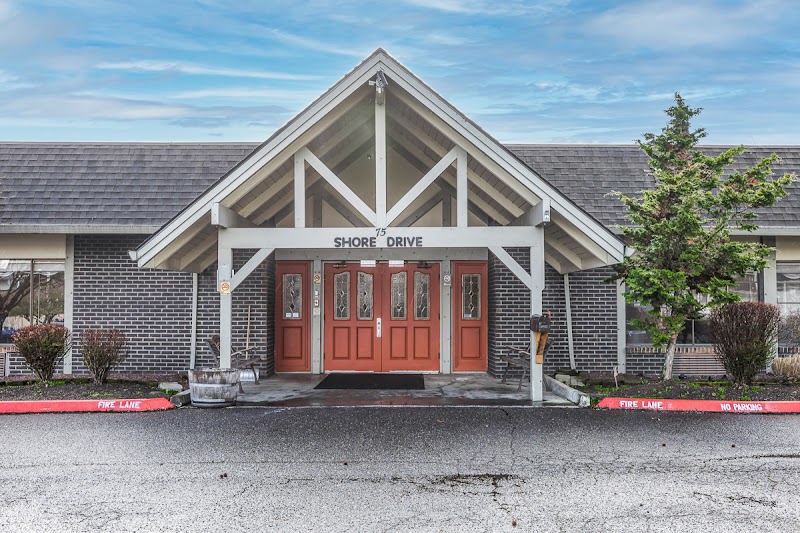
How Does Saint Helens Post Acute Compare to Other Oregon Nursing Homes?

Compared to the 100 nursing homes in Oregon, SAINT HELENS POST ACUTE's overall rating (2 stars) is below the state average of 3.0, staff turnover (67%) is significantly higher than the state average of 46%, and health inspection rating (1 stars) is much below the national benchmark.

What Should Families Ask When Visiting Saint Helens Post Acute?

Based on this facility's data, families visiting should ask: "What changes have been made since the serious inspection findings, and how are you preventing similar issues?" "How do you ensure continuity of care given staff turnover, and what is your staff retention strategy?" "Can you walk me through typical staffing levels on day, evening, and night shifts?" "Can I visit during a mealtime to observe dining assistance and food quality?" These questions are particularly relevant given the facility's Immediate Jeopardy citations, the facility's high staff turnover rate, and the below-average staffing rating.

Is Saint Helens Post Acute Safe?

Based on CMS inspection data, SAINT HELENS POST ACUTE has documented safety concerns. Inspectors have issued 1 Immediate Jeopardy citation (the most serious violation level indicating risk of serious injury or death). The facility has a 2-star overall rating and ranks #100 of 100 nursing homes in Oregon. Families considering this facility should ask detailed questions about what corrective actions have been taken since these incidents.

Do Nurses at Saint Helens Post Acute Stick Around?

Staff turnover at SAINT HELENS POST ACUTE is high. At 67%, the facility is 21 percentage points above the Oregon average of 46%. Registered Nurse turnover is particularly concerning at 86%. RNs handle complex medical decisions and coordinate care — frequent RN changes can directly impact care quality. High turnover means new staff may not know residents' individual needs, medications, or preferences. It can also be disorienting for residents, especially those with dementia who rely on familiar faces. Families should ask: What is causing the turnover? What retention programs are in place? How do you ensure care continuity during staff transitions?

Was Saint Helens Post Acute Ever Fined?

SAINT HELENS POST ACUTE has been fined $40,173 across 2 penalty actions. The Oregon average is $33,481. While any fine indicates a compliance issue, fines under $50,000 are relatively common and typically reflect isolated problems that were subsequently corrected. Families should ask what specific issues led to these fines and confirm they've been resolved.

Is Saint Helens Post Acute on Any Federal Watch List?

SAINT HELENS POST ACUTE is not on any federal watch list. The most significant is the Special Focus Facility (SFF) program, which identifies the bottom 1% of nursing homes nationally based on persistent, serious quality problems. Not being on this list means the facility has avoided the pattern of deficiencies that triggers enhanced federal oversight. This is a positive indicator, though families should still review the facility's inspection history directly.