AVALON CARE CENTER - SCAPPOOSE
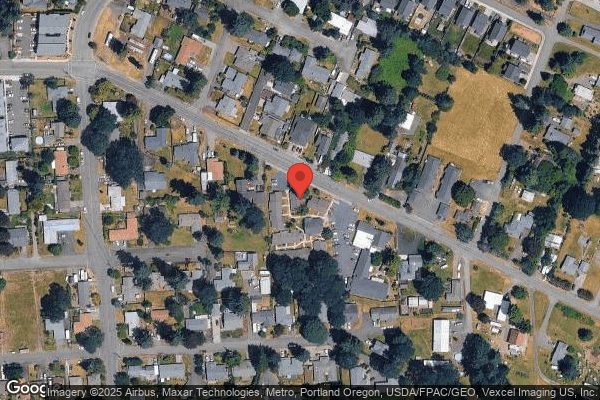
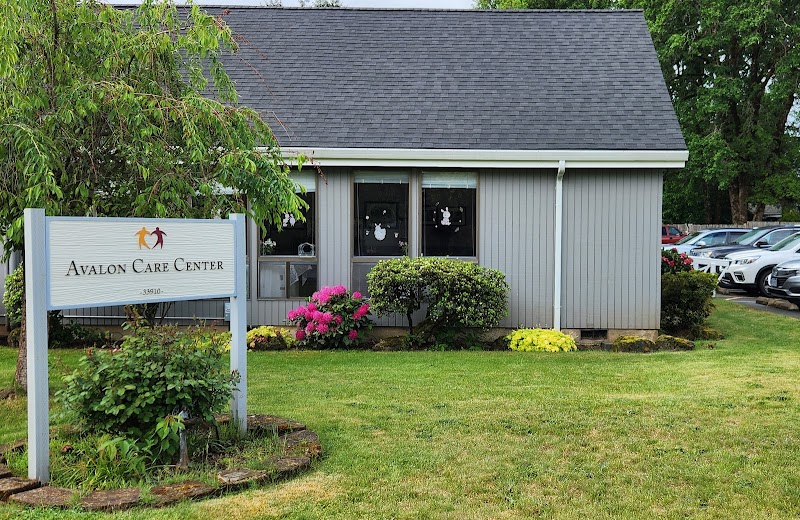
33910 E. COLUMBIA AVENUE, SCAPPOOSE, OR 97056 (503) 543-7131
For profit - Corporation 40 Beds AVALON HEALTH CARE Data: November 2025
Trust Grade
85/100
#2 of 127 in OR
Last Inspection: August 2024

Within standard 12-15 month inspection cycle. Federal law requires annual inspections.

Overview

Avalon Care Center in Scappoose, Oregon, has a Trust Grade of B+, indicating it is above average and recommended for families considering care options. It ranks #2 out of 127 facilities in the state, placing it in the top tier of nursing homes in Oregon, and is the best option out of the two available in Columbia County. The facility is improving, with issues decreasing from four in 2024 to one in 2025, and it has a low staff turnover rate of 0%, which is well below the state average. However, families should be aware of some concerns; for instance, there were reports of a resident suffering from a fracture that required emergency care, and there have been multiple complaints about food being served cold, which could affect nutrition. Overall, while the staffing and overall quality are strong points, attention to food quality and safety practices needs improvement.

Trust Score
B+
85/100
In Oregon
#2/127
Top 1%
Safety Record
Moderate
Needs review
Inspections
Getting Better
4 → 1 violations
Staff Stability
○ Average
Turnover data not reported for this facility.
Penalties
✓ Good
No fines on record. Clean compliance history, better than most Oregon facilities.
Skilled Nurses
○ Average
Each resident gets 35 minutes of Registered Nurse (RN) attention daily — about average for Oregon. RNs are the most trained staff who monitor for health changes.
Violations
⚠ Watch
12 deficiencies on record. Higher than average. Multiple issues found across inspections.
★★★★★
5.0
Overall Rating
★★★☆☆
3.0
Staff Levels
★★★★★
5.0
Care Quality
★★★★☆
4.0
Inspection Score
Stable
2024: 4 issues
2025: 1 issues

The Good

  • 5-Star Quality Measures · Strong clinical quality outcomes
  • Full Sprinkler Coverage · Fire safety systems throughout facility
  • No fines on record

Facility shows strength in quality measures, fire safety.

The Bad

Chain: AVALON HEALTH CARE

Part of a multi-facility chain

Ask about local staffing decisions and management

The Ugly 12 deficiencies on record

1 actual harm
Aug 2025 1 deficiency
CONCERN (D) 📢 Someone Reported This

A family member, employee, or ombudsman was alarmed enough to file a formal complaint

Potential for Harm - no one hurt, but risky conditions existed

Grievances (Tag F0585)

Could have caused harm · This affected 1 resident

Based on interview and record review it was determined the facility failed to honor a grievance resolution for 1 of 3 residents (#401) reviewed for grievances. This placed residents at risk of not hav...

Read full inspector narrative →
Based on interview and record review it was determined the facility failed to honor a grievance resolution for 1 of 3 residents (#401) reviewed for grievances. This placed residents at risk of not having their preferences honored regarding ADL care. Findings include:Resident 401 was admitted to the facility in 3/2025 with diagnoses including dementia and a femur fracture.A 3/30/25 admission MDS indicated Resident 401 had significant cognitive impairments.A 6/19/25 Grievance Form revealed concerns of Staff 4 (CNA) forcing Witness 1 (Power of Attorney) to leave Resident 401's room when care was provided. When Witness 1 requested to remain present, Staff 4 was reported to have stormed out of the room. A request was made by Witness 1 for Staff 4 to no longer provide care to Resident 401.A 6/24/25 Grievance Summary Report completed by Staff 2 (DNS) revealed the resolution was for Staff 4 to no longer provide care to Resident 401.Review of the 6/2025 and 7/2025 Documentation Survey Reports revealed Staff 4 provided ADL care which included brief changes, oral hygiene and/or showers to Resident 401 on 6/25, 6/27, 7/2, 7/3, 7/4, 7/5, 7/16 and 7/22.Review of vital tracking records during 6/2025 and 7/2025 revealed Staff 4 assessed Resident 4's vitals on 6/25 and 7/22. A 7/23/25 Interdisciplinary Team Care Plan Conference Quarterly Review included comments from Witness 1 ensuring Staff 4 did not provide care to Resident 401.On 8/26/25 at 12:18 PM ADL care and vital records from 6/2025 and 7/2025 were reviewed with Staff 4. Staff 4 acknowledged her initials were were recorded as having provided care to Resident 401 on 6/25, 6/27, 7/2, 7/3, 7/4, 7/5, 7/16 and 7/22. On 8/26/25 at 2:23 PM Witness 1 stated she/he visited Resident 401 on 7/16/25 and observed Staff 4 providing one on one care to Resident 401. Witness 1 stated she/he reported her/his concerns regarding Staff 4 not providing care to Resident 401 on 7/16/25 and again during a care conference on 7/23/25.On 8/26/25 at 2:40 PM Staff 2 was informed Staff 4 continued to provide care to Resident 401 after the grievance was addressed. Staff 2 did not provide any additional information. Staff 2 confirmed records showed Staff 4 continued to provide care to Resident 401 following the resolution of the grievance.
Aug 2024 4 deficiencies 1 Harm
SERIOUS (G) 📢 Someone Reported This

A family member, employee, or ombudsman was alarmed enough to file a formal complaint

Actual Harm - a resident was hurt due to facility failures

Accident Prevention (Tag F0689)

A resident was harmed · This affected 1 resident

Based on interview and record review it was determined the facility failed to provide care in accordance with care planned interventions while pushing a resident in a wheelchair for 1 of 1 sampled res...

Read full inspector narrative →
Based on interview and record review it was determined the facility failed to provide care in accordance with care planned interventions while pushing a resident in a wheelchair for 1 of 1 sampled resident (#1) reviewed for accidents. This failure resulted in an avoidable fracture to Resident 1's left ankle. Findings include: Resident 1 was admitted to the facility in 2015 with diagnoses including dementia. The 6/2023 Annual MDS revealed Resident 1 had a BIMS of 11 (moderate cognitive impairment). Resident 1's mobility care plan dated 12/9/22 instructed staff to promote Resident 1's independence with locomotion as tolerated without leg rests and revealed Resident 1 needed assistance with leg rests in place for wheelchair mobility when being pushed by staff. A 12/6/23 FRI report revealed on 12/3/23 Resident 1 mobilized her/himself independently while in her/his wheelchair from the dining room toward her/his room. Resident 1 became tired and Staff 11 (CNA) pushed Resident 1 towards her/his room. Staff 11 felt resistance while pushing Resident 1 and immediately stopped while Resident 1 yelled Ow! Staff 12 (LPN) was nearby and told Staff 11 to put Resident 1 into bed so he could look at Resident 1's ankle. Resident 1's ankle had a normal range of motion. Staff 12 administered medication for pain management and applied ice to the resident's ankle. Resident 1's physician was notified and staff were instructed to obtain an X-ray if the resident experienced increased pain or swelling. The FRI revealed Resident 1 had moderate pain and swelling to her/his left ankle, and 12/5/23 X-ray notes revealed she/he sustained an .oblique [slanting] fracture involving the distal fibula [a prominent bone on outside of the ankle] with minimal callus [a temporary development that occurs at the site of a bone fracture and helps the bone move from the inflammatory phase to the repair phase] and mild displacement. The joint alignment is maintained. There is associated soft tissue swelling . The resident was taken to the emergency department for an evaluation. A 12/4/23 5:57 PM progress note by Staff 12 revealed Resident 1 was on alert charting, rested in bed, and her/his behavior was at baseline. Resident 1 stated her/his left ankle hurt when it was moved. The resident's left ankle was noted to be slightly swollen and tender, and she/he complained of pain twice during the shift. Staff 12 administered pain medication. A 12/5/23 3:10 AM progress note by Staff 13 (LPN) revealed Resident 1's left ankle was swollen and painful to touch. The resident requested an ice pack for comfort which was effective. A 12/5/23 10:15 PM progress note by Staff 14 (LPN) revealed a new physician's order was received for a left ankle X-ray to rule out a fracture. A 12/6/23 1:54 AM progress note by Staff 15 (LPN) revealed X-ray results of Resident 1's left ankle found an oblique fracture with mild displacement and soft tissue swelling. Resident 1's physician was notified and orders were provided to offer ice packs and to send Resident 1 to the emergency department in the morning since the resident was stable and effective pain management was in place. Resident 1's 12/6/23 hospital after visit summary and X-ray results revealed she/he had a left foot ankle fracture. The facility obtained a follow up statement from Staff 11 on 12/6/23 at 9:00 AM. Staff 11 stated Resident 1 wheeled her/himself partway down a hall. Staff 11 assisted Resident 1 as she/he sounded out of breath and wanted to go to bed. As they approached the nurses station Resident 1 dropped her/his foot. Staff 11 felt resistance and stopped pushing the wheelchair. Resident 1 cried out and her/his ankle was assessed by another staff. Staff 11 was instructed to assist the resident back to her/his room. Staff 11 stated she then pushed Resident 1 very slowly and reminded her/him to hold her/his legs up. Staff 11 stated she knew how to access care plans and thought she reviewed Resident 1's care plan. An untitled facility document dated 12/8/23 by Staff 16 (former DNS) revealed Staff 11 pushed Resident 1 in her/his wheelchair without leg rests which resulted in Resident 1's fractured left ankle. An interview with the resident found she/he felt safe and comfortable with Staff 11 continuing to provide care. On 8/12/24 at 1:00 PM Resident 1 was observed self propelling slowly in her/his wheelchair with no leg rests. During an interview on 8/12/24 at 2:46 PM Staff 12 stated he assessed the resident at the time of the incident and put ice on her/his foot because she/he complained of pain but there was no swelling or bruising at the time. He indicated the resident was able to identify pain appropriately. Staff 12 stated Resident 1 self propelled in her/his wheelchair independently but when she/he got tired staff placed leg rests on her/his wheelchair before pushing her/him. On 8/13/24 at 10:47 AM Witness 1 (resident representative) stated she was informed of the 12/3/23 incident right away and believed it was a pure accident. She added, Resident 1 would take the leg rests off her/his wheelchair or she/he would ask the staff to remove them. Witness 1 stated Resident 1 was pretty independent and liked to move her/his wheelchair on her/his own but when she/he got tired or was not feeling well she/he asked for help and staff would place the leg rests on the wheelchair before pushing her/him. On 8/14/24 at 3:58 PM Staff 11 confirmed she pushed Resident 1 down the hallway to her/his room without the leg rests on her/his wheelchair, which resulted in Resident 1 sustaining a fractured ankle. Staff 11 stated the resident's foot was not swollen and had no bruising immediately after the accident. On 8/15/24 at 7:18 PM Staff 15 confirmed the incident happened when she was not on shift but she did observe Resident 1's foot on 12/5/24. Staff 15 stated Resident 1 was placed on alert charting, was monitored every shift and received pain medication. Staff 15 stated she observed Resident 1's foot was swollen and the resident said it was slightly painful when she/he moved it. Staff 15 said the day shift nurse ordered the X-ray but she received the X-ray report. Since Resident 1 was stable at the time and it was the middle of the night, a physician's order was received for ice packs if Resident 1 needed it and the on-call doctor gave the okay to go to the hospital in the morning which allowed the resident to sleep. Staff 15 stated if Resident 1 was in a lot of pain she/he would have been sent to the emergency room sooner. Staff 15 added, she believed Resident 1 was care planned to have the footrests on the wheelchair when being pushed by staff before the incident happened and this hasn't happened again to her knowledge. During an interview on 8/16/24 at 9:40 AM Staff 1 (Administrator), Staff 2 (DON), and Staff 3 (Regional Nurse Consultant) were informed of the findings of this investigation. They all confirmed the incident occurred. On 12/8/23, the Past Noncompliance was corrected when the facility completed a root cause analysis of the incident and determined there was a failure to follow Resident 1's care plan to ensure leg rests were on her/his wheelchair before pushing her/him. The Plan of Correction included: 1. Staff education, for all staff, on placing leg rests onto resident wheelchairs, and how to look resident care plans and resident profiles. 2. A notice was created for Resident 1's wheelchair to remind staff to put the leg rests on her/his wheelchair before pushing her/him and what to do if Resident 1 declined the use of the leg rests. 3. Licensed nursing staff monitored use of leg rests on resident wheelchairs for residents who required assistance with mobilizing in wheelchairs.
CONCERN (D)

Potential for Harm - no one hurt, but risky conditions existed

Comprehensive Care Plan (Tag F0656)

Could have caused harm · This affected 1 resident

Based on observation, interview and record review it was determined the facility failed to implement a comprehensive person-centered care plan for 1 of 1 sampled resident (#24) reviewed for communicat...

Read full inspector narrative →
Based on observation, interview and record review it was determined the facility failed to implement a comprehensive person-centered care plan for 1 of 1 sampled resident (#24) reviewed for communication-sensory services. This placed residents at risk for decreased ability to communicate their wants and needs. Findings include: Resident 24 was admitted to the facility in 6/2024 with diagnoses including aphasia (a language disorder that affects a person's ability to communicate) following non-traumatic subarachnoid hemorrhage (bleeding in the space between the brain and the surrounding membrane) and dysarthria (weakness in the muscles used for speech, causing slowed, slurred speech) following non-traumatic subarachnoid hemorrhage. A review of Resident 24's 6/27/24 admission MDS revealed she/he had adequate hearing but did not speak during the assessment. On 8/13/24 at 9:31 AM Resident 24 was observed sitting up in bed. Her/his eyes were closed and she/he was awake. She/he did not speak when asked how she/he felt, but she/he gestured to a pool of saliva on her/his shirt. A review of Resident 24's 6/20/24 care plan revealed she/he was at risk of impaired communication related to low tone of voice, post subarachnoid hemorrhage and some cognitive impairment. Resident 24's care plan revised on 6/28/24 indicated she/he was able to read written communication and had a picture board for communication kept at the nurses' station. On 8/13/24 at 10:41 AM Resident 24 was observed in her/his room with a caregiver. Resident 24 did not communicate verbally with the caregiver and there was no evidence of a communication board in her/his room. On 8/14/24 at 9:15 AM Staff 7 (CNA) reported Resident 24 nodded to indicate she/he understood but and used weird facial expressions to indicate she/he did not understand. Staff 7 stated staff did not have a communication board for Resident 24 and she thought, it would be a great idea. She also stated, I don't know if a board is in the works. On 8/14/24 at 12:49 PM Staff 6 (Activities / Recreation Director) reported she was not aware of a communication board on Resident 24's care plan but she thought it would be a good tool for many departments to use when communicating with her/him. On 8/14/24 at 1:21 PM Staff 6 reported she found the communication board at the nurses station under a big pile of stuff and stated I didn't even know it was there. It's not specific for her. I don't know if she has ever used it. On 8/14/24 at 1:30 PM Staff 1 (Administrator) acknowledged staff members were not using the communication board as instructed on Resident 24's care plan. He stated, I expect that if it is on the care plan, the caregivers and nurses should be following it. There should be a copy of it for her in her room rather than just at the nurses station.
CONCERN (E)

Potential for Harm - no one hurt, but risky conditions existed

Deficiency F0804 (Tag F0804)

Could have caused harm · This affected multiple residents

Based on observation, interview, and record review it was determined the facility failed to ensure proper food temperatures were maintained for meals served to residents on 3 of 3 halls reviewed for d...

Read full inspector narrative →
Based on observation, interview, and record review it was determined the facility failed to ensure proper food temperatures were maintained for meals served to residents on 3 of 3 halls reviewed for dining. This placed residents at risk for increased risk for impaired nutrition. Findings include: Observation on 8/12/24 at 11:45 AM during tray pass Resident 1 complained of cold food. Observation on 8/12/24 at 11:47 AM during tray pass Resident 4 complained of cold food. Resident Council Meeting documentation from 5/2024 recorded residents complaints that breakfast was often cold. On 8/14/24 at 3:37 PM Staff (5) Dietary Manager confirmed the residents had complained about cold food. Twelve residents were interviewed during a Resident Council meeting on 8/15/24 at 10:21 AM. The residents complained about cold food on all halls. On 8/15/24 at 2:51 PM the concern related to cold food was shared with Staff 1 (Administrator). No additional information was provided.
CONCERN (E)

Potential for Harm - no one hurt, but risky conditions existed

Food Safety (Tag F0812)

Could have caused harm · This affected multiple residents

Based on observation, interview, and record review it was determined the facility failed to monitor temperatures and cleanliness of 1 of 1 unit refrigerator. This placed the residents at risk for food...

Read full inspector narrative →
Based on observation, interview, and record review it was determined the facility failed to monitor temperatures and cleanliness of 1 of 1 unit refrigerator. This placed the residents at risk for food-borne illness. Findings include: The facility guideline for Dietary Service Resident Community Refrigerator stated: -Housekeeping staff/designee will monitor the refrigerator daily for cleanliness. Concerns will be delegated to the designated department. - Each refrigerator will have an approved thermometer inside the refrigerator. Designated staff will record the temperature at least daily. On 8/14/24 at 12:48 PM the unit refrigerator used for resident snacks and personal foods was observed to have yellow liquid spilled on a lower shelf. There was no thermometer in the refrigerator. On 8/14/24 at 12:49 PM Staff 5 (Dietary Manager) stated the cleaning and monitoring of unit refridgerators was the responsibility of the kitchen staff. She confirmed the refridgerator needed to be cleaned and no thermometer was present. She was not able to locate a temperature log for the refrigerator.
Dec 2019 3 deficiencies
CONCERN (D)

Potential for Harm - no one hurt, but risky conditions existed

Resident Rights (Tag F0550)

Could have caused harm · This affected 1 resident

Based on observation, interview and record review, it was determined the facility failed to ensure residents were treated in a dignified manner for 1 of 2 sampled residents (#72) reviewed for dignity....

Read full inspector narrative →
Based on observation, interview and record review, it was determined the facility failed to ensure residents were treated in a dignified manner for 1 of 2 sampled residents (#72) reviewed for dignity. This placed residents at risk for lack of dignity. Findings include: Resident 72 was admitted to the facility in 9/2018 with diagnoses including urine retention. The 9/18/19 MDS indicated Resident 72 had a BIMS score of 15, which indicated no cognitive impairment. Resident 72's Care Plan under Alteration in Elimination indicated a Foley catheter was added on 10/2/19 for urine retention. Multiple observations were made of Resident 72 on 12/9/19 and 12/11/19 between the hours of 8:30 AM to 4:30 PM. The door to the resident's room was open and the right side of the resident's bed was visible from the hallway. During these observations, the urinary drainage bag from the Foley catheter was hanging on the right side of the bed with no privacy cover and was visible from the hallway. The urinary drainage bag had contents of yellow urine inside. In an interview on 12/10/19 at 11:51 AM, Resident 72 stated she/he was bothered by the urinary drainage bag being uncovered and visible from the doorway to her/his room. She/he also stated the staff never covered the drainage bag when she/he was up in her/his wheelchair and out in common areas. She/he further stated at one time there was a privacy bag used, but was unsure as to what happened to it. In an interview on 12/12/19 at 9:29 AM, Staff 5 (CNA) stated she was unaware a privacy bag was not being used for Resident 72's urinary drainage bag. She stated she had seen one used before but was not sure what happened to it. She verified there was currently no privacy cover on the urinary drainage bag which was hanging from the right side of the resident's bed and visible from the hallway. She stated one was supposed to be used. In an interview on 12/12/19 at 3:15 PM, Staff 2 (DNS) was informed of the observations of Resident 72's urinary drainage bag not being covered and visible from the hallway. She stated the urinary drainage bag should be covered by a privacy cover at all times when visible.
CONCERN (D)

Potential for Harm - no one hurt, but risky conditions existed

Free from Abuse/Neglect (Tag F0600)

Could have caused harm · This affected 1 resident

Based on interview and record review it was determined the facility failed to ensure residents were free from physical abuse for 1 of 4 sampled residents (#6) reviewed for resident to resident inciden...

Read full inspector narrative →
Based on interview and record review it was determined the facility failed to ensure residents were free from physical abuse for 1 of 4 sampled residents (#6) reviewed for resident to resident incidents. This placed residents at risk for potential abuse. Findings include: The 12/2018 Facility Abuse Prohibition Policy outlined the following: - All residents will be free from verbal, sexual, physical, mental abuse and involuntary seclusion. d. Physical abuse includes hitting, slapping, pinching, kicking, biting, unnecessary restraints or other means of inappropriate physical contact. Resident 1 was admitted to the facility in 11/2017 with diagnoses including dementia. Resident 1's 4/26/19 Significant Change MDS indicated the resident had moderate cognitive impairment and poor memory recall. Resident 6 was admitted to the facility in 7/2018 with diagnoses including dementia. Resident 6's 10/16/19 Significant Change MDS indicated the resident had moderate cognitive impairment and poor memory recall. Review of the 8/25/19 Facility Incident & Accident Report revealed Resident 6 slapped Resident 1 and caused a 4 cm abrasion with scant bleeding on Resident 1's arm. At the time of the incident, Resident 1's statement included it hurts, [she/he] hit me. Interviews related to the 8/25/19 incident were not conducted with Resident 1 and Resident 6 due to the residents' diagnoses including dementia and poor memory recall. On 12/11/19 at 9:11 AM Staff 3 (RN) stated she was the nurse on duty during the 8/25/19 incident. She stated Staff 8 (CNA) informed her Resident 6 hit Resident 1 in the facility dining room. Staff 3 stated she attempted to interview both residents regarding the incident but the residents were cognitively impaired and unable to provide details. Staff 3 stated she conducted an assessment for injury and psychosocial harm, directed staff to ensure the residents were not seated next to one another and provided first aid treatment to Resident 1's arm. Staff 3 stated Resident 1 and Resident 6 were monitored after the incident and did not appear to suffer any psychosocial harm. On 12/11/19 at 9:35 AM Staff 8 (CNA) stated she was in the dining room during the 8/25/19 incident. Staff 8 stated Resident 1 hollered, Resident 6 told Resident 1 to shut up and smacked her/him on the arm. Staff 8 stated she separated the residents immediately and notified Staff 3 (RN). On 12/11/19 at 10:31 AM Staff 2 (RNCM/DNS) stated she was notified of the 8/25/19 incident directly after it occurred. Staff 2 stated Resident 1 yelled, Resident 6 was irritated and slapped Resident 1's arm. Staff 2 stated she conducted an assessment for injury and Resident 1 sustained a small scratch on her/his arm. Staff 2 stated both residents appeared calm and did not suffer any emotional distress. Staff 2 stated she notified the state agency, the physician and the family of the incident and the residents' care plans were updated. Staff 2 stated there was no history of physical or verbal altercations between Resident 1 and Resident 6. On 12/13/19 at 10:38 AM Staff 1 (Administrator) was notified of the findings for this investigation and no pertinent information was provided.
CONCERN (D)

Potential for Harm - no one hurt, but risky conditions existed

Comprehensive Care Plan (Tag F0656)

Could have caused harm · This affected 1 resident

2. Resident 4 was admitted to the facility in 9/2015 with diagnoses including schizophrenia, depression and anxiety. On 8/1/19 a Facility Reported Incident was received by the State Agency which indi...

Read full inspector narrative →
2. Resident 4 was admitted to the facility in 9/2015 with diagnoses including schizophrenia, depression and anxiety. On 8/1/19 a Facility Reported Incident was received by the State Agency which indicated Resident 4 had a fall as a result of Staff 6 (CNA) not following the resident's care plan. The facility's description of the incident indicated Resident 4 required two persons to safely transfer her/him; however, Staff 6 completed the transfer without assistance which resulted in Resident 4 falling. The facility Fall Incident Report dated 8/1/19 indicated Resident 4 required two persons to transfer her/him and Staff 6 transferred Resident 4 without assistance. The 7/24/19 transfer care plan indicated Resident 4 required two persons to transfer her/him when completing a stand pivot transfer. In an interview on 12/10/19 at 3:10 PM, Staff 6 (CNA) stated on 8/1/19 he completed a stand-pivot transfer with Resident 4 without assistance. Staff 6 stated Resident 4's care plan was available and accurate. He reported he did not make himself aware of the care plan thus was unaware Resident 4 required two persons to transfer her/him which resulted in Resident 4 falling. In an interview on 12/11/19 at 1:54 PM, Staff 2 (RNCM/DNS) stated Staff 6 did not follow the care plan which resulted in Resident 4 sustaining a fall. In an interview on 12/13/19 at 10:16 AM, Staff 1 (Administrator) confirmed Resident 4 fell as a result of the care plan not being followed. 3. Resident 18 was admitted to the facility in 9/2018 with diagnoses including Alzheimer's disease and dementia. On 7/8/19 a Facility Reported Incident was received by the State Agency which indicated Resident 18 had a fall as a result of Staff 4 (CNA) not following the resident's care plan. The facility's description of the incident indicated Resident 18 required two persons to safely transfer her/him; however, Staff 4 completed the transfer without assistance which resulted in Resident 18 falling. The facility Fall Incident Report dated 7/11/19 indicated Resident 18 required two persons to transfer her/him and Staff 4 transferred Resident 18 without assistance. The 7/2/19 transfer care plan indicated Resident 18 required two persons to transfer her/him. In an interview on 12/11/19 at 11:18 AM, Staff 4 (CNA) stated she thought Resident 18 was a one person transfer. She stated she transferred the resident without assistance and the resident slid to the ground. In an interview on 12/11/19 at 1:54 PM, Staff 2 (RNCM/DNS) stated Staff 4 did not follow the care plan which resulted in Resident 18 sustaining a fall. In an interview on 12/13/19 at 10:16 AM, Staff 1 (Administrator) confirmed Resident 18 fell as a result of the care plan not being followed. Based on interview and record review it was determined the facility failed to ensure the care plan was followed for 3 of 3 sampled residents (#s 4, 18 & 172) whose care plans were reviewed for falls. This placed residents at risk for falls. Findings include: 1. Resident 172 was admitted to the facility in 8/2017 with diagnoses including dementia. The 10/7/19 Quarterly MDS Section J: Health Conditions indicated Resident 172 had a history of falls. Resident 172's Care Plan directed Resident 172 was not to be left alone while in her/his wheelchair. The 6/17/19 Facility Reported Incident described Resident 172's 6/14/19 unwitnessed, non-injury fall from her/his wheelchair. The incident report indicated staff left Resident 172 alone and did not follow the care plan. In an interview on 12/11/19 at 10:22 AM Staff 2 (DNS) confirmed Resident 172 had an unwitnessed, non-injury fall from her/his wheelchair, was left alone in her/his wheelchair and staff did not follow the care plan. In an interview on 12/11/19 at 12:27 PM Staff 1 (Administrator) acknowledged Resident 172 was left alone in her/his wheelchair and staff did not follow the care plan.
Apr 2018 4 deficiencies
CONCERN (D)

Potential for Harm - no one hurt, but risky conditions existed

Safe Environment (Tag F0584)

Could have caused harm · This affected 1 resident

**NOTE- TERMS IN BRACKETS HAVE BEEN EDITED TO PROTECT CONFIDENTIALITY** Based on observation, interview and record review, it was determined the facility failed to ensure maintenance services provided...

Read full inspector narrative →
**NOTE- TERMS IN BRACKETS HAVE BEEN EDITED TO PROTECT CONFIDENTIALITY** Based on observation, interview and record review, it was determined the facility failed to ensure maintenance services provided a homelike environment for 1 of 3 resident halls (room [ROOM NUMBER]) reviewed for environment. This placed residents at risk for living in an unhomelike environment. Findings include: On 4/10/18 at 3:19 PM, the window blinds in room [ROOM NUMBER] were observed to be in disrepair. The cord holding the blinds in place was broken and the blinds were hanging to one side. A white bed sheet was thumb tacked to cover half of the window. The window looked out to the porch of the front entrance of the facility. The broken blinds and the white bed sheet were visible to the community upon entrance to the facility. The room was occupied by a hospice resident. Review of maintenance logs on 4/10/18, revealed two entries indicating the blinds were broken in room [ROOM NUMBER]: - 2/2/18 entry indicated the blinds were broken and on 2/3/18 they were modified. - 3/6/18 entry indicated the blinds were broken in room [ROOM NUMBER] with no comments indicating they were repaired. On 4/11/18 at 10:33 AM, Staff 5 (CNA/RA/Maintenance Director) stated there was another maintenance staff who was working on ordering new blinds to replace the broken blinds. Staff 5 was unaware if the new blinds were ordered. Staff 5 stated he modified the broken blinds on 2/3/18 by covering half of the window with a bed sheet. Staff 5 checked and confirmed the new blinds were not ordered. On 4/11/18 at 3:15 PM, Staff 1 (Administrator) acknowledged the blinds were broken and new blinds had not been ordered.
CONCERN (D)

Potential for Harm - no one hurt, but risky conditions existed

Medication Errors (Tag F0758)

Could have caused harm · This affected 1 resident

Based on observation, interview and record review, it was determined the facility failed to have an appropriate indication for the continued use of an antipsychotic medication for 1 of 5 sampled resid...

Read full inspector narrative →
Based on observation, interview and record review, it was determined the facility failed to have an appropriate indication for the continued use of an antipsychotic medication for 1 of 5 sampled residents (#23) who were reviewed for unnecessary medications. This placed residents at risk for receiving unnecessary medications and for experiencing adverse side effects. Findings include: Resident 23 was admitted to the facility in 3/2017 with diagnoses including dementia with behavioral disturbances, Parkinson's disease, Alzheimer's and hypertension. Resident 23's 4/2018 MAR included she/he received Seroquel (an antipsychotic medication) 25 mg every night for the diagnosis of dementia with behavioral or psychological symptoms (BPSD - behavior symptoms present a danger to resident or others and/or the symptoms are identified as being due to mania or psychosis: auditory, visual or other hallucinations, delusions, paranoia). Resident 23's Psychotropic Review Committee Progress Note dated 1/4/18, documented the resident received Seroquel for dementia with behavioral disturbances and she/he had a history of striking out at staff, became agitated with cares and had adjusted well this past quarter. Resident 23's Behavior Flow Sheets for 3/2018, 2/2018, 1/2018 and 12/2017, included targeted behaviors of hitting, kicking, grabbing, pinching, making threatening statements, cursing, exit seeking and refusing and resisting cares. The resident's behavior flow sheets failed to identify hallucinations and delusions as targeted behaviors despite these behaviors identified as a reason for her/his antipsychotic drug use. Resident 23's Cognitive Loss/Dementia and Behavioral Symptoms CAAs completed on 3/20/18, assessed the resident's behaviors as striking out at staff during care followed by the resident apologizing and stating I don't know why I did that. The resident's physical acting out usually occurred during care and she/he can be startled when staff assist her/him with care. Other physical behaviors included hitting, kicking, pushing, grabbing, cursing and verbally threatening staff while resisting care. Resident 23's Psychotropic Drug Use CAA completed on 3/20/18, indicated the resident used Seroquel 25 mg every day and assessed her/his behavior issues as agitation and resisting care at time especially with showers . The resident's assessments failed to provide a comprehensive evaluation of the resident's physical, mental, behavioral, and/or psychosocial signs and symptoms or related causes were persistent or clinically significant enough (i.e. causing functional decline) to warrant the continuation of her/his antipsychotic medication use. On 4/10/18 at 3:08 PM and on 4/11/18 at 8:55 AM, Resident 23 was observed to present with significant cognitive impairment with incoherent speech. No behaviors were observed. In an interview on 4/11/18 at 9:13 AM, Staff 4 (CNA/RA) stated the resident was a nice person and would grab at staff. Staff 4 stated when the resident states no, you did not try to change her/his mind and re-approach. Staff 4 stated she had not observed the resident with hallucination or delusional behaviors. In an interview on 4/11/18 at 1:42 PM, Staff 6 (RN) stated the resident could be combative, but had not observed the resident with hallucination or delusional behaviors. In an interview on 4/12/18 at 12:11 PM, Staff 10 (SSD) stated the resident was combative with staff during her/his cares due to the resident's dementia. Staff 10 stated the resident had adjusted and staff reported her/his behavior had improved when staff used her/his care planned interventions. Staff 10 stated the resident's behaviors of hallucinations and delusions was a potential but she did not know the history or how these behaviors were exhibited. In an interview on 4/12/18 at 2:58 PM, Staff 11 (LPN) stated the resident on occasion was combative with staff especially during cares. Staff stated she had not observed the resident with hallucination or delusional behaviors. In an interview on 4/12/18 at 3:18 PM, Staff 9 (CNA) stated the resident had physical behaviors of grabbing and hitting but she/he was sweet and would apologize afterwards. Staff 9 stated he had not observed the resident with hallucination or delusional behaviors. In an interview on 4/13/18 at 9:23 AM, Staff 1 (Administrator) and Staff 2 (DNS) were informed of the lack of evaluation for the continued use of Seroquel. Staff 1 and Staff 2 stated the resident used Seroquel due to her/his diagnosis of dementia with behavioral symptoms or psychological symptoms (BPSD) and felt this was an appropriate diagnosis. Staff 1 and Staff 2 were unable to provide further information on the resident's history of hallucinations or delusions, how these behaviors were exhibited or how the resident's behaviors caused such distress as to warrant the continuation of her/his Seroquel use.
CONCERN (D)

Potential for Harm - no one hurt, but risky conditions existed

Deficiency F0760 (Tag F0760)

Could have caused harm · This affected 1 resident

**NOTE- TERMS IN BRACKETS HAVE BEEN EDITED TO PROTECT CONFIDENTIALITY** Based on interview and record review, it was determined the facility failed to administer insulin medication as ordered which re...

Read full inspector narrative →
**NOTE- TERMS IN BRACKETS HAVE BEEN EDITED TO PROTECT CONFIDENTIALITY** Based on interview and record review, it was determined the facility failed to administer insulin medication as ordered which resulted in a significant medication error for 1 of 2 sampled residents (#13) reviewed for hospitalization. This placed the resident at risk of adverse side effects of medications. Findings include: Resident 13 was admitted to the facility in 2/2018 with diagnoses including diabetes. The 4/2018 signed Physician's Orders revealed Resident 13 was ordered Lispro (diabetic insulin medication) 100 unit/mL. The order instructed nursing staff to administer 10 units by injection tid before meals. The 4/2018 MAR revealed on 4/7/18, Resident 13 received 100 units of Lispro. A Medication Error Report dated 4/7/18 indicated the resident received 100 units of insulin instead of 10 units (which was 10 times more than the physician ordered). A 4/7/18 progress note written by Staff 3 (LPN) indicated Resident 13's blood sugar level was 145 and she/he was given 100 units of Lispro instead of the prescribed 10 units. The on-call physician was called immediately and orders to give the resident 16 ounces of orange juice and to take CBG's every 15 minutes were received. The resident was to be transported to the emergency room if her/his CBGs dropped below 70. Resident 13 also ate two large cookies. - at 9:05 AM, the resident's CBG was 105 - at 9:30 AM, the resident's CBG was 104 - at 9:30 AM an order was received to transport Resident 13 to the hospital - at 9:40 AM, Resident 13 was transported to the hospital via ambulance A 4/7/18 progress note indicated the facility was contacted by the hospital to inform the resident remained hospitalized overnight for observation. The 4/8/18 discharge summary from the hospital indicated Resident 13 was hospitalized on [DATE] due to an accidental insulin overdose 10 times higher than what was intended. This lead to low blood sugars, which wore off after a few hours. The resident returned to the facility the next day. The 4/11/18 medication error investigation revealed Resident 13 was administered 100 units of Lispro instead of 10 units on 4/7/18 by Staff 3. Resident 13 was transported to the hospital and was hospitalized overnight. There was no documentation of any adverse outcomes as a result of the medication error. On 4/9/18 at 2:15 PM, Resident 13 stated she/he received an overdose of insulin medication a few days prior and spent the night at the hospital. Resident 13 stated Staff 3 (LPN) made an error and immediately called the doctor and gave her/him orange juice. The resident stated her/his blood sugars dropped and she/he was taken to the hospital but stated it was okay and I didn't die, it was a mistake. It happens. On 4/10/18 at 10:00 AM, Staff 2 (DNS) confirmed Resident 13 was administered 100 units of insulin instead of 10 units on 4/7/18 by Staff 3. Staff 2 stated Resident 13 went to the hospital for overnight observation and returned to the facility the next day. On 4/11/18 at 4:40 PM, Staff 3 (LPN) stated she had worked the night shift on 4/6/17 and was asked to work part of the day shift on 4/7/18. Staff 3 confirmed she administered 100 units of insulin instead of 10 units to Resident 13 and immediately realized it was an error.
CONCERN (E)

Potential for Harm - no one hurt, but risky conditions existed

Deficiency F0688 (Tag F0688)

Could have caused harm · This affected multiple residents

4. Resident 228 was admitted to the facility in 3/2018 for diagnoses including osteoarthritis and generalized muscle weakness. The 3/22/18 admission MDS under section G: Functional Status indicated R...

Read full inspector narrative →
4. Resident 228 was admitted to the facility in 3/2018 for diagnoses including osteoarthritis and generalized muscle weakness. The 3/22/18 admission MDS under section G: Functional Status indicated Resident 228 had impairments to both upper extremities (UE) and section O: Special Treatments, Procedures, and Programs indicated Resident 228 had two days of passive range of motion (PROM) services. The 3/29/18 ADL Self Care Deficit care plan indicated Resident 228 was to have no further decline in strength and function with ADLs and mobility. The 4/2018 Restorative Aide (RA) Flow Sheet indicated Resident 228 was to be provided PROM to upper and lower extremities three to five times weekly. The documentation on the flow sheet indicated Resident 228 did not receive PROM at all between 4/1/18 through 4/9/18. On 4/9/18 at 10:08 AM, Resident 228 stated PROM was not provided and was observed to have limited movement with both arms. On 4/11/18 at 10:46 AM, Staff 4 (CNA/RA) stated RA services were not provided because she was pulled from RA duties to work as a CNA. On 4/13/18 at 2:54 PM, Staff 1(Administrator) and Staff 2 (DNS) stated the documentation on Resident 228's RA flow sheet indicated no RA services were provided. 3. Resident 7 was admitted to the facility in 10/2003 with diagnoses including cerebral palsy, muscle spasms and traumatic brain injury. The 1/2018 Alteration in Mobility care plan revealed the resident was on a restorative program which included Active Range of Motion (AROM) to maintain and increase strength of upper and lower limbs. The 2/2018 Restorative Aide flow sheet indicated Resident 7 was to be provided various leg strengthening exercises, arm exercises and ambulation in the hallway two times per week. The documentation on the flow sheet revealed Resident 7 was provided restorative services one time (2/25/18) between 2/15/18 through 2/28/18. The 2/2018 Restorative Nursing Program Monthly Record progress notes revealed .restorative services was not available like it should be. On 4/9/18 at 9:15 AM, Staff 4 (CNA/RA) indicated RA was not available because she was often pulled from RA duties to work as a CNA. On 4/12/18 at 10:54 AM, Staff 5 (CNA/RA/Maintenance Director) confirmed RA was not available due to being rushed and he did not have the time to do it. On 4/12/18 at 11:25 AM, Staff 2 (DNS) indicated RA may not have been available due to the need for RA staff to work in other positions. On 4/12/18 at 11:50 AM, Staff 1 (Administrator) confirmed RA services were not provided. Based on observation, interview and record review it was determined the facility failed to ensure care and services were provided for residents to maintain their level of range of motion for 4 of 7 sampled residents (#s 7, 11, 18 and 228) reviewed for range of motion. This placed residents at risk for a decrease in their range of motion. Findings include: 1. Resident 11 was admitted to the facility in 3/2012 with diagnoses including hemiplegia (paralysis of half of the body) and hemiparesis (weakness of one entire side of the body). The 2/13/18 Quarterly MDS under Section G: Functional Status indicated Resident 11 had impairments on one side to upper extremities (UE) and lower extremities (LE) and Section O: Special Treatments, Procedures and Programs indicated the resident had seven days of active range of motion (AROM) for restorative nursing during the look back period. The 8/21/17 ADL CAA Summary indicated Resident 11 ambulated with RA staff at least five days a week and was always eager to participate. The 2/13/18 quarterly Nursing Assessment indicated Resident 11 participated in the RA program and worked on AROM and PROM. The 2/23/18 Alteration in Self Care ADL's and Alteration in Mobility care plans were related to limited range of motion, hemiplegia and weakness. The care plan goals included maintain/increase strength of upper and lower limbs and maintain the highest level of self-care possible, with assistance as needed. Interventions included restorative program; active range of motion (AROM) and passive range of motion (PROM). The 2/2018, 3/2018 and 4/2018 Restorative Aide (RA) Flow Sheets indicated Resident 11 was to be provided AROM/PROM to left leg/foot in bed, PROM to left arm/hand/fingers and AROM to right upper and lower extremities five times weekly. The documentation on the flow sheets indicated Resident 11 did not receive the AROM/PROM five times a week due to restorative not being available or offered. On 4/11/18 at 9:13 AM Staff 4 (CNA/RA) stated RA services were not provided at times because she was pulled from RA duties to work as a CNA. On 4/12/18 at 10:54 AM, Staff 5 (CNA/RA/Maintenance) stated RA services were not provided at times because he was rushed or did not have the time to do RA services due to needing to do other duties (CNA or maintenance). On 4/12/18 at 11:25 AM, Staff 2 (DNS) indicated RA may not have been available due to the need for RA staff to work in other positions. On 4/16/18 at 10:26 AM, Staff 1 (Administrator), Staff 2 (DNS) and Staff 7 (RNCM) were asked about the RA program and the documentation of RA services not being done consistently. Staff 1 acknowledged the documentation on Resident 11's RA flow sheet indicated no RA services were provided and the RAs were pulled to do CNA duties at times. 2. Resident 18 was admitted to the facility in 5/2016 with diagnoses including dementia and age related physical debility. The 2/17/18 Quarterly MDS under Section G: Functional Status indicated Resident 18 had no physical impairments and Section O: Special Treatments, Procedures and Programs indicated the resident had three days of walking for restorative nursing during the look back period. The 8/21/17 ADL CAA Summary indicated Resident 18 ambulated with RA staff at least five days a week and was always eager to participate. The 2/17/18 quarterly Nursing Assessment indicated Resident 18 had a restorative plan in place as resident tolerated. The resident worked routinely with the RA ambulating in the hallway using a gait belt, front-wheeled walker (FWW) and RA stand by assist (SBA). The 2/28/18 Alteration in Self Care ADL's care plan was related to impaired balance/coordination, weakness, impaired mobility. The care plan goals included maintain the highest level of self-care possible, with assistance as needed. Interventions included restorative program and walk with FWW to restroom and with restorative. The 2/2018, 3/2018 and 4/2018 Restorative Aide (RA) Flow Sheets indicated Resident 18 was to ambulate in the hallway with FWW and SBA five times weekly. The documentation on the flow sheets indicated Resident 18 did not receive the RA services five times a week due to restorative not being available or offered. On 4/11/18 at 9:13 AM Staff 4 (CNA/RA) stated RA services were not provided at times because she was pulled from RA duties to work as a CNA. Staff 4 acknowledged Resident 18 was not getting RA services. On 4/12/18 at 10:54 AM, Staff 5 (CNA/RA/Maintenance) stated RA services were not provided at times because he was rushed or did not have the time to do RA services due to needing to do other duties (CNA or maintenance). On 4/12/18 at 11:25 AM, Staff 2 (DNS) indicated RA may not have been available due to the need for RA staff to work in other positions. On 4/16/18 at 10:26 AM, Staff 1 (Administrator), Staff 2 (DNS) and Staff 7 (RNCM) were asked about the RA program and the documentation of RA services not being done consistently. Staff 1 acknowledged the documentation on Resident 18's RA flow sheet indicated no RA services were provided and the RAs were pulled to do CNA duties at times.
Understanding Severity Codes (click to expand)
Life-Threatening (Immediate Jeopardy)
J - Isolated K - Pattern L - Widespread
Actual Harm
G - Isolated H - Pattern I - Widespread
Potential for Harm
D - Isolated E - Pattern F - Widespread
No Harm (Minor)
A - Isolated B - Pattern C - Widespread

Questions to Ask on Your Visit

  • "Can I speak with families of current residents?"
  • "What's your RN coverage like on weekends and overnight?"

Our Honest Assessment

Strengths
  • • Grade B+ (85/100). Above average facility, better than most options in Oregon.
  • • No fines on record. Clean compliance history, better than most Oregon facilities.
Concerns
  • • 12 deficiencies on record, including 1 serious (caused harm) violation. Ask about corrective actions taken.
Bottom line: Generally positive indicators. Standard due diligence and a personal visit recommended.

About This Facility

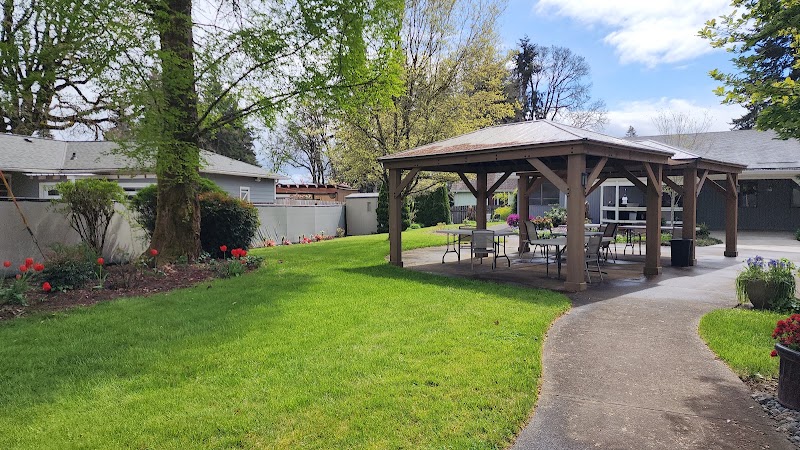
What is Avalon - Scappoose's CMS Rating?

CMS assigns AVALON CARE CENTER - SCAPPOOSE an overall rating of 5 out of 5 stars, which is considered much above average nationally. Within Oregon, this rating places the facility higher than 99% of the state's 100 nursing homes. This rating reflects solid performance across the metrics CMS uses to evaluate nursing home quality.
How is Avalon - Scappoose Staffed?

CMS rates AVALON CARE CENTER - SCAPPOOSE's staffing level at 3 out of 5 stars, which is average compared to other nursing homes.

What Have Inspectors Found at Avalon - Scappoose?

State health inspectors documented 12 deficiencies at AVALON CARE CENTER - SCAPPOOSE during 2018 to 2025. These included: 1 that caused actual resident harm and 11 with potential for harm. Deficiencies causing actual harm indicate documented cases where residents experienced negative health consequences.
Who Owns and Operates Avalon - Scappoose?

AVALON CARE CENTER - SCAPPOOSE is owned by a for-profit company. For-profit facilities operate as businesses with obligations to shareholders or private owners. The facility is operated by AVALON HEALTH CARE, a chain that manages multiple nursing homes. With 40 certified beds and approximately 31 residents (about 78% occupancy), it is a smaller facility located in SCAPPOOSE, Oregon.
How Does Avalon - Scappoose Compare to Other Oregon Nursing Homes?

Compared to the 100 nursing homes in Oregon, AVALON CARE CENTER - SCAPPOOSE's overall rating (5 stars) is above the state average of 3.0 and health inspection rating (4 stars) is above the national benchmark.

What Should Families Ask When Visiting Avalon - Scappoose?

Based on this facility's data, families visiting should ask: "Can I visit during a mealtime to observe dining assistance and food quality?" "How do you handle medical emergencies, and what is your hospital transfer rate?" "Can I speak with family members of current residents about their experience?"

Is Avalon - Scappoose Safe?

Based on CMS inspection data, AVALON CARE CENTER - SCAPPOOSE has a clean safety record: no substantiated abuse findings (meaning no confirmed cases of resident harm), no Immediate Jeopardy citations (the most serious violation level indicating risk of serious injury or death), and is not on the Special Focus Facility watch list (a federal program monitoring the lowest-performing 1% of nursing homes). The facility has a 5-star overall rating and ranks #1 of 100 nursing homes in Oregon. While no facility is perfect, families should still ask about staff-to-resident ratios and recent inspection results during their visit.

Do Nurses at Avalon - Scappoose Stick Around?

AVALON CARE CENTER - SCAPPOOSE has not reported staff turnover data to CMS. Staff turnover matters because consistent caregivers learn residents' individual needs, medications, and preferences. When staff frequently change, this institutional knowledge is lost. Families should ask the facility directly about their staff retention rates and average employee tenure.

Was Avalon - Scappoose Ever Fined?

AVALON CARE CENTER - SCAPPOOSE has no federal fines on record. CMS issues fines when nursing homes fail to meet care standards or don't correct problems found during inspections. The absence of fines suggests the facility has either maintained compliance or corrected any issues before penalties were assessed. This is a positive indicator, though families should still review recent inspection reports for the full picture.

Is Avalon - Scappoose on Any Federal Watch List?

AVALON CARE CENTER - SCAPPOOSE is not on any federal watch list. The most significant is the Special Focus Facility (SFF) program, which identifies the bottom 1% of nursing homes nationally based on persistent, serious quality problems. Not being on this list means the facility has avoided the pattern of deficiencies that triggers enhanced federal oversight. This is a positive indicator, though families should still review the facility's inspection history directly.