SALEM TRANSITIONAL CARE
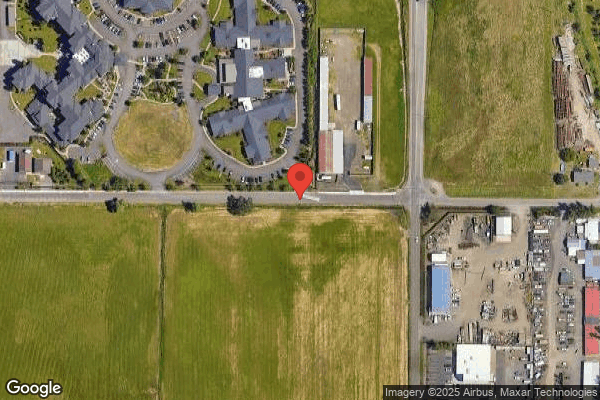
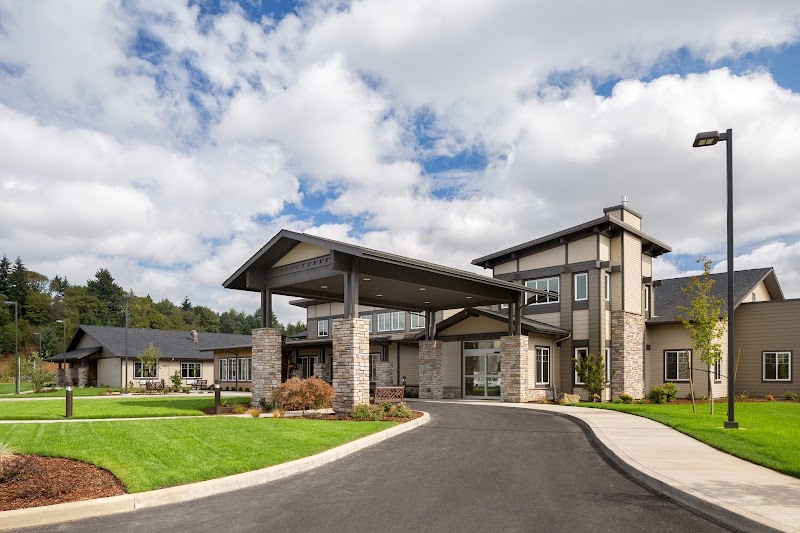
3445 BOONE ROAD SE, SALEM, OR 97317 (503) 576-3000
For profit - Corporation 80 Beds AVAMERE Data: November 2025
Trust Grade
48/100
#71 of 127 in OR
Last Inspection: April 2025

Within standard 12-15 month inspection cycle. Federal law requires annual inspections.

Overview

Salem Transitional Care has a Trust Grade of D, indicating below-average quality and some concerning issues. They rank #71 out of 127 facilities in Oregon, placing them in the bottom half, but they are #3 out of 8 in Marion County, meaning there are only two local options that are better. Unfortunately, the facility is worsening, with reported issues increasing from 11 in 2024 to 12 in 2025. Staffing is a strength, rated at 4 out of 5 stars with a turnover rate of 44%, which is below the state average, suggesting that staff are relatively stable and familiar with the residents. However, there are significant concerns, including a serious incident where a resident developed Stage 4 pressure ulcers due to insufficient monitoring, and another case where the facility failed to ensure annual performance reviews for staff, potentially affecting the quality of care. Additionally, they incurred fines totaling $22,523, which is average but may indicate compliance problems.

Trust Score
D
48/100
In Oregon
#71/127
Bottom 45%
Safety Record
Moderate
Needs review
Inspections
Getting Worse
11 → 12 violations
Staff Stability
○ Average
44% turnover. Near Oregon's 48% average. Typical for the industry.
Penalties
○ Average
$22,523 in fines. Higher than 67% of Oregon facilities. Some compliance issues.
Skilled Nurses
○ Average
Each resident gets 31 minutes of Registered Nurse (RN) attention daily — about average for Oregon. RNs are the most trained staff who monitor for health changes.
Violations
⚠ Watch
29 deficiencies on record. Higher than average. Multiple issues found across inspections.
★★★☆☆
3.0
Overall Rating
★★★★☆
4.0
Staff Levels
★★★☆☆
3.0
Care Quality
★★★☆☆
3.0
Inspection Score
Stable
2024: 11 issues
2025: 12 issues

The Good

  • 4-Star Staffing Rating · Above-average nurse staffing levels
  • Full Sprinkler Coverage · Fire safety systems throughout facility
  • No fines on record
  • Staff turnover below average (44%)

    4 points below Oregon average of 48%

Facility shows strength in staffing levels, fire safety.

The Bad

3-Star Overall Rating

Near Oregon average (3.0)

Meets federal standards, typical of most facilities

Staff Turnover: 44%

Near Oregon avg (46%)

Typical for the industry

Federal Fines: $22,523

Below median ($33,413)

Minor penalties assessed

Chain: AVAMERE

Part of a multi-facility chain

Ask about local staffing decisions and management

The Ugly 29 deficiencies on record

2 actual harm
Apr 2025 12 deficiencies 1 Harm
SERIOUS (G) 📢 Someone Reported This

A family member, employee, or ombudsman was alarmed enough to file a formal complaint

Actual Harm - a resident was hurt due to facility failures

Accident Prevention (Tag F0689)

A resident was harmed · This affected 1 resident

Based on interview and record review it was determined the facility failed to ensure a heat pack was safely applied for 1 of 1 sampled resident (#76) reviewed for accidents. Resident 76 sustained burn...

Read full inspector narrative →
Based on interview and record review it was determined the facility failed to ensure a heat pack was safely applied for 1 of 1 sampled resident (#76) reviewed for accidents. Resident 76 sustained burns. Findings include: On 11/23/24 the Past Noncompliance was corrected when the facility initiated an investigation, identified the root cause of the incident, and provided CNA and nurse in-service training on the use of heat packs. The training included: 1. A nurse was to approve a heat pack prior to use for each resident, 2. A barrier was to be applied between the heat source and the resident's skin, and 3. A heat pack was only to be left on for a maximum of 20 minutes. Resident 76 was admitted to the facility in 10/2024 with a diagnosis of kidney disease. Resident 76's 11/3/24 admission MDS revealed she/he was cognitively intact, required partial assistance with upper body dressing, and did not have skin impairment. Resident 76's 11/2024 TAR did not have interventions for a heat pack. Resident 76's Progress Notes revealed the following: -11/23/24: Resident 76 was provided a heat pack on 11/22/24 and she/he did not know there was a limit on how long to apply the heat pack. Resident 76 was not able to verbalize how long the heat pack was left on her/his skin. The resident's skin was assessed to have small uncapped blisters to the shoulder and arm. Resident 76's skin was red and the blisters were noted to be superficial. A 11/23/24 Burn investigation revealed on 11/23/24 Resident 26 presented with superficial blisters on the left shoulder and underarm. Resident 26 reported the blisters were from a heat pack. The investigation revealed a CNA obtained the heat pack without communicating with a nurse prior to providing the heat pack to Resident 76. The heat pack was an insta-hot pack which was activated when pressure was applied. The CNA did not apply the heat pack but handed it to Resident 76. A barrier was not provided to the resident. On 4/8/25 at 2:26 PM Staff 18 (CNA) stated in 11/2024 she recalled providing Resident 76 a heat pack and Resident 76 applied the heat pack her/himself. Staff 18 stated she did not recall additional details. On 4/9/25 at 10:42 AM a telephone call was placed to Resident 76. The phone number was no longer in service. On 4/9/25 at 11:42 AM Staff 2 (DNS) stated Resident 76 had standing orders for a heat pack but the orders were not transcribed onto the TAR. An unidentified CNA provided the heat pack, the resident applied the heat pack, but staff did not ensure the heat pack was removed timely. On 4/10/25 at 9:14 AM Staff 14 (LPN) stated Resident 76 had chronic skin conditions. On 11/22/24 Resident 76 requested a heat pack at the end of a CNA's shift. An unidentified CNA provided a heat pack to the resident and left the facility. Resident 76 kept the heat pack on for a long time, exact amount of time was unknown. The next morning, Resident 76 reported she/he had itching to her/his arm and shoulder region and when Staff 14 assessed the area, she observed clear blisters and uncapped blisters. It looked like the top of her/his skin came off. Staff 14 stated Resident 14 did not report increased pain.
CONCERN (D) 📢 Someone Reported This

A family member, employee, or ombudsman was alarmed enough to file a formal complaint

Potential for Harm - no one hurt, but risky conditions existed

Deficiency F0561 (Tag F0561)

Could have caused harm · This affected 1 resident

Based on interview and record review, the facility failed to honor resident preference for medication administration for 1 of 1 resident (#77) reviewed for choices. This placed residents at risk for n...

Read full inspector narrative →
Based on interview and record review, the facility failed to honor resident preference for medication administration for 1 of 1 resident (#77) reviewed for choices. This placed residents at risk for not having the opportunity to exercise her/his autonomy (self-governance) regarding choices. Findings include: Resident 77 was admitted to the facility in 9/2024 with diagnoses including stroke. A FRI (Facility Reported Incident) was received on 9/20/24. It alleged Resident 77 was administered her/his medications with a spoon, all at one time, by Staff 30 (Former CNA). Resident 77 was to receive her/his medication one pill at a time with water or applesauce. Resident 77 and Witness 7 (Friend) told Staff 30 to stop administering the medications multiple times, but she did not stop. Witness 7 went to the nurses station and found a nurse to stop Staff 30 from administering Resident 77's medications. Resident 77 and Witness 7 told Staff 14 (LPN) the resident took her/his medications one at a time with water or applesauce per her/his choice. A 9/20/24 Nursing Care Note added to special instructions per resident request: Meds: one at a time with water, cut large pills in half Instructions placed on the cover sheet for staff to follow. On 4/9/25 at 3:12 PM, Staff 32 (LPN-RCM) stated Resident 77 took her/his medication one pill at a time with water or applesauce, one at a time per her/his choice.
CONCERN (D) 📢 Someone Reported This

A family member, employee, or ombudsman was alarmed enough to file a formal complaint

Potential for Harm - no one hurt, but risky conditions existed

Free from Abuse/Neglect (Tag F0600)

Could have caused harm · This affected 1 resident

Based on interview and record review, it was determined the facility failed to honor resident choice for 1 of 1 sampled resident (#77) reviewed for medication administration. This placed residents at ...

Read full inspector narrative →
Based on interview and record review, it was determined the facility failed to honor resident choice for 1 of 1 sampled resident (#77) reviewed for medication administration. This placed residents at risk for choking. Findings include: Resident 77 was admitted to the facility in 9/2024 with diagnoses including brain cancer and stroke. A 9/20/24 FRI was received on 9/20/24 which alleged Staff 30 (Former CNA) administered medication to Resident 77. The 4/2019 facility policy, Administering Medications indicated: -Only persons licensed or permitted by this state to prepare, administer, and document the administration of medications may do so. -The 10/2024 Scope of Practice Nurses vs CNAs indicated when medications are left in the resident's room, (usually not allowed) notify the nurse; do not administer or assist. The FRI indicated Staff 29 (CMA) entered Resident 77's room with her/his morning medications and realized Staff 30 was providing personal care for Resident 77. Staff 29 placed the resident's medication on the bedside table and left the resident's room. Staff 30 attempted to administer the medications to Resident 77. Witness 7 (Friend) ran out of Resident 77's room to the nurses station and yelled, Staff 30 was administering medications to Resident 77 by the spoonful, but Resident 77 was only able to take medications one at a time with water. Witness 7 stated, Resident 77 was yelling no, no, no and spitting the medications back into the medication cup, but Staff 30 did not stop. On 4/9/25 at 11:21 AM, 4/10/25 at 9:39 AM, and 4/10/25 at 9:45 AM, Staff 30 was called multiple times for an interview, answered the phone, then hung up. On 4/9/25 at 3:12 PM, Staff 14 (LPN) stated Staff 29 left Resident 77's medication on the bedside table and left the resident's room while Staff 30 provided personal care for Resident 77. Staff 30 attempted to administer Resident 77's medications while the resident and Witness 7 told her to stop. On 4/10/25 at 8:29 AM, Staff 29 stated he went to Resident 77's room to administer her/his morning medication, but Staff 30 was providing personal care, so he left her/his medication at the bedside to return later to administer the medication. Staff 29 stated Witness 7 came out of Resident 77's room yelling Staff 30 administered Resident 77's medications by the spoonful, was told to stop multiple times but did not stop. On 4/10/25 at 9:04 AM, Staff 32 (RCM-LPN) heard Witness 7 yelling and headed to the nurses station, stating Staff 30 was administering Resident 77's medications, and Resident 77 and Witness 7 told her to stop multiple times but she did not stop. On 4/10/25 at 9:12 AM, Staff 7 (CNA) stated she went into Resident 77's room to assist Staff 30 with care for Resident 77 and observed Staff 30 administering medications to Resident 77. Resident 77 and Witness 7 were yelling for her to stop, but she did not. Staff 29 and Staff 32 came into the resident's room to assist the resident and remove Staff 30 from the resident's room. On 4/15/25 at 9:38 AM, Staff 2 (DNS) stated Staff 30 was observed administering Resident 77 her/his medications when she knew this was outside her scope of practice. Staff 2 stated if a resident is stating no, staff need to stop what they are doing. Staff 2 stated her expectation was certified staff and nurses were the only staff allowed to administer medications, not CNAs.
CONCERN (D)

Potential for Harm - no one hurt, but risky conditions existed

Transfer Notice (Tag F0623)

Could have caused harm · This affected 1 resident

2. Resident 52 was admitted to the facility in 3/2024 with a diagnosis of Parkinson's disease. Resident 52's Progress Notes revealed on 3/18/25 she/he was discharged to the hospital. Resident 52's cl...

Read full inspector narrative →
2. Resident 52 was admitted to the facility in 3/2024 with a diagnosis of Parkinson's disease. Resident 52's Progress Notes revealed on 3/18/25 she/he was discharged to the hospital. Resident 52's clinical record did not indicate the State's LTCO's (Long Term Care Ombudsman) office was notified of her/his facility discharge. On 4/10/25 at 12:02 PM Staff 23 (Discharge Coordinator) stated she did not notify the State's LTCO office of residents' discharges. On 4/10/25 at 3:04 PM Staff 2 (DNS) stated she thought Staff 23 notified the LTCO office when residents were discharged . Staff 2 stated the LTCO office was not notified on 3/18/25 when Resident 52 was discharged from the facility. Based on interview and record review it was determined the facility failed to notify office of the State long-term care ombudsman of the transfer/discharge for 2 of 2 sampled residents (#s 26 and 52) reviewed for hospitalization. This placed residents at risk for lack of notification of their transfer/discharge. Findings include: Resident 26 admitted to the facility in 2/2025 with diagnoses including acute kidney failure and sepsis. A 3/15/25 progress note indicated Resident 26 was sent to the hospital on 3/17/25 for shortness of breath. A review of the resident's clinical record revealed no evidence the Long-term care ombudsman's office was notified of the resident's transfer/discharge. On 3/18/25 at 12:33 PM Staff 2 (DNS) acknowledged the ombudsman was not notified of Resident 26's discharge to the hospital.
CONCERN (D)

Potential for Harm - no one hurt, but risky conditions existed

Deficiency F0625 (Tag F0625)

Could have caused harm · This affected 1 resident

Based on interview and record review it was determined the facility failed to provide a resident representative a bed hold policy for 1 of 2 sampled residents (#52) reviewed for hospitalization. This ...

Read full inspector narrative →
Based on interview and record review it was determined the facility failed to provide a resident representative a bed hold policy for 1 of 2 sampled residents (#52) reviewed for hospitalization. This placed residents at risk for lack of knowledge related to their right to return to the facility. Findings include: Resident 52 was admitted to the facility in 3/2024 with a diagnosis of Parkinson's disease. Resident 52's 3/11/25 admission MDS revealed she/he was cognitively impaired. Resident 52's Progress Notes revealed she/he was discharged to the hospital on 3/18/25. Resident 52's clinical record did not indicate Witness 6 (Spouse) was notified of the facility's bed hold policy. On 4/7/25 at 3:28 PM Witness 6 stated on 3/18/25, when Resident 52 was hospitalized , she/he was not notified of the bed hold policy. On 4/10/25 at 10:27 AM Staff 23 (Admissions) stated she provided the bed-hold policy to residents and/or their representative upon admission to the facility and when residents were hospitalized . If a resident was hospitalized she called the resident or representative and provided the information by phone then documented in the resident's progress notes. Staff 23 stated on 3/18/25 she did not notify Resident 52's representative of the bed-hold policy. Staff 23 stated if she was not in the facility, nurses were to provide the notification and document in the progress notes. On 4/10/25 at 3:04 PM Staff 2 (DNS) verified on 3/18/25 the bed hold policy was not provided to Resident 52 or her/his representative.
CONCERN (D) 📢 Someone Reported This

A family member, employee, or ombudsman was alarmed enough to file a formal complaint

Potential for Harm - no one hurt, but risky conditions existed

Deficiency F0658 (Tag F0658)

Could have caused harm · This affected 1 resident

Based on interview and record review, it was determined the facility staff failed to follow professional standards of practice for medication administration for 1 of 1 sampled resident (# 77) reviewed...

Read full inspector narrative →
Based on interview and record review, it was determined the facility staff failed to follow professional standards of practice for medication administration for 1 of 1 sampled resident (# 77) reviewed for medication administration.This placed residents at risk for unsafe medication administration. Findings include: Resident 77 was admitted to the facility in 9/2024 with diagnoses including brain cancer and stroke. On 9/20/24, a FRI was received on 9/20/24 which alleged Staff 30 (Former CNA) administered medication to Resident 77. The 4/2019 facility policy; Administering Medications indicated: -Only persons licensed or permitted by this state to prepare, administer, and document the administration of medications may do so. -The 10/2024 Scope of Practice Nurses vs CNAs indicated when medications are left in the resident's room, (usually not allowed) notify the nurse; do not administer or assist. The FRI indicated Staff 29 (CMA) entered Resident 77's room with morning medications and found Staff 30 was providing personal care for Resident 77. Staff 29 left the resident's medication on the bedside table and left the resident's room. Staff 30 attempted to administer medication to Resident 77, but Resident 77 stated no, no no and told Staff 30 to stop. Witness 7 (Friend) also told Staff 30 to stop administering medication to Resident 77, ran out of Resident 77's room to the nurses station, and yelled, Staff 30 was administering medication to Resident 77 by the spoonful. Resident 77 was able to take medications one at a time with water. Witness 7 stated, Resident 77 was yelling no, no, no and spitting the medication back into the medication cup. Witness 7 stated Staff 30 continued to administer medications until Staff 29 and Staff 32 (RCM-LPN) removed her from Resident 77's room. Resident 77 was discharged from the facility on 10/31/24. On 4/9/25 at 11:21 AM, 4/10/25 at 9:39 AM, and 4/10/25 at 9:45 AM, Staff 30 was called for an interview multiple times, answered the phone, then hung up. On 4/9/25 at 3:12 PM, Staff 32 stated Staff 29 left Resident 77's medication on the bedside table while Staff 30 provided personal care for the resident and left the resident's room to provide privacy. Staff 30 began administering the resident's medications; Resident 77 and Witness 7 told her to stop but she did not. On 4/10/25 at 8:29 AM, Staff 29 stated he went to Resident 77's room to administer her/his morning medication, but Staff 30 was providing personal care, so he left the resident's medication on the bedside table and left the resident's room. Staff 29 stated Witness 7 came out of the resident's room yelling Staff 30 was administering Resident 77's medication by the spoonful, and she/he told her to stop, but she did not stop. Staff 29 stated he went to Resident 77's room with Staff 32 to help the resident. Staff 29 acknowledged he should not have left medications on the resident's bedside table. On 10/4/25 at 9:04 AM, Staff 14 (LPN) stated she heard Witness 7 yelling and headed to the nurses station, stating Staff 30 was administering Resident 77's medication, and Resident 77 told Staff 30 to stop, but she did not. On 4/10/25 at 9:12 AM, Staff 7 (CNA) stated she went into Resident 77's room to assist Staff 30 with personal care for the resident and observed Staff 30 administering medication to Resident 77. Resident 77 and Witness 7 yelled for her to stop. Staff 29 and Staff 27 came into the resident's room to assist the resident and removed Staff 30 from the resident's room. On 4/10/25 at 3:33 PM, Staff 2 (DNS) stated Staff 30 acknowledged she understood administering medications to residents was a task she was not allowed to complete. Staff 2 stated CNAs should not administer medications, and her expectation is for certified, trained staff to administer medications, and definitely not a CNA.
CONCERN (D) 📢 Someone Reported This

A family member, employee, or ombudsman was alarmed enough to file a formal complaint

Potential for Harm - no one hurt, but risky conditions existed

Pressure Ulcer Prevention (Tag F0686)

Could have caused harm · This affected 1 resident

**NOTE- TERMS IN BRACKETS HAVE BEEN EDITED TO PROTECT CONFIDENTIALITY** Based on observation, interview, and record review it was determined the facility failed to ensure residents' pressure injuries ...

Read full inspector narrative →
**NOTE- TERMS IN BRACKETS HAVE BEEN EDITED TO PROTECT CONFIDENTIALITY** Based on observation, interview, and record review it was determined the facility failed to ensure residents' pressure injuries were monitored and care plans were updated for 2 of 3 sampled residents (#s 52 and 77) reviewed for pressure ulcers and choices. This placed residents at risk for worsening pressure injuries. Findings include: 1. Resident 52 was readmitted to the facility on [DATE] with a diagnosis of blood loss anemia. Resident 52's care plan for skin impairment initiated 3/7/25 and last revised on 3/10/25 revealed she/he was at risk for pressure ulcers due to weakness. Interventions included weekly skin assessments and new skin impairments were to be reported to the nurse. Resident 52's 3/18/25 admission MDS revealed Resident 52 was admitted to the facility with no pressure ulcers but had maroon discoloration to her/his great toes. Staff were to monitor her/his skin weekly. Resident 52's 3/30/25 admission Nursing Database revealed Resident 52 did not have skin impairment. Resident 52's Progress Notes dated 3/31/25 by Staff 13 (RN) revealed a second skin check was completed and Resident 52 was assessed to have redness to the tips of both great toes. Resident 52's clinical record had no additional assessments related to the redness to the tips of the great toes related to size and if the impairment was blancheable (Pushing on a red area of the skin impedes circulation, when the pressure is removed, the areas is white and should return to the original color). Resident 52's 4/2025 TAR revealed staff applied compression socks in the morning and removed the socks at bedtime from 4/1/25 though 4/8/25. On 4/7/25 at 3:30 PM, during a phone interview, Witness 6 (Spouse) stated Resident 52 had pressure areas to the tips of her/his toes from he/his compression socks. Witness 6 stated she/he tried to loosen the toes of Resident 52's compression socks to prevent pressure. On 4/8/25 at 3:31 PM with Staff 16 (RNCM/Assistant DNS) Resident 52 was observed to have dark red/brown areas to the tops of both great toes. Staff 16 stated Resident 52's clinical record indicated she/he did not have skin impairment on 4/2/25. A 4/9/25 Weekly Skin Audit revealed a skin irregularity was previously identified. DTIs (Deep tissue injury-purple or maroon localized area of discolored intact skin due to damage of underlying soft tissue from pressure and/or shear). On 4/9/25 at 3:14 PM an interview occurred with Staff 16 and Staff 2 (DNS). Staff 2 stated if a skin issue was identified she was to be notified then she reassessed the skin injury and determined the type of care and monitoring the injury required. Staff 2 stated if a skin injury was a pressure ulcer it should be monitored and measured weekly. Staff 2 stated she was not aware Resident 52 had skin impairment to her/his great toes. On 4/9/25 at 3:26 PM Staff 13 (RN) stated on 3/31/25 when she assessed Resident 52, she/he had red areas to her/his great toes. Staff 13 stated she did not measure the red areas and did not reassess the areas after 3/31/25. Staff 13 stated the redness may have been from the compression socks. Staff 20 (LPN) stated he believed he checked the red areas to Resident 52's toes, the areas were blancheable, and Resident 52 expressed pain when the toes were touched. 2. Resident 77 was admitted to the facility in 9/2024 with diagnoses including brain cancer and stroke. The facility's Accident and Incidents-Investigation and Reporting policy dated 7/2017 indicated the nurse supervisor, charge nurse, and/or the department director or supervisor shall promptly initiate and document an investigation of an accident or incident. The 9/12/24 Nursing admission Evaluation revealed Resident 77 had intact skin, bruising around an IV (Intravenous line), and a small scab on her/his right shin. There was no evidence which indicated Resident 77 had redness to her/his coccyx (tailbone) or to her/his buttocks. The 9/16/24 admission MDS indicated: Resident 77 was incontinent of bladder and bowel, at risk for skin breakdown, and needed assistance with bed mobility. The resident had no pressure injuries and was cognitively intact. Staff would proceed to the care plan for ongoing assessment for prevention of skin breakdown. Staff would monitor and document the location, size, and treatment of any skin injury. Staff would report abnormalities, failure to heal, signs and symptoms of infection, maceration (softening of skin due to moisture), etc., to the MD (Medical Doctor). Staff would report any new skin impairment to the LN (Licensed Nurse) immediately. The 9/17/24 Skin and Wound Evaluation indicated Resident 77 developed a facility-acquired Stage 2 (partial-thickness skin loss) pressure wound to the sacrum (triangular bone at the base of the spine), medial, and middle areas. The wound measured 77.9 cm by 8.9 cm by 11.3 cm. On 4/10/25 at 10:38 AM, Staff 2 (DNS) acknowledged the resident's wound was most likely present upon admission but was not identified until 9/17/24. Staff 2 stated the resident had a DTI (deep tissue injury) from the coccyx to the medial gluteal cleft (the crease between the buttocks), a Stage 2 pressure ulcer to the right buttocks, and redness to the surrounding areas. Staff 2 acknowledged the wound assessment was not accurate, the care plan was not revised related to the wounds, and no incident report was completed. Staff 2 stated her expectation was if a new wound was identified, the nurses should call the physician, start an investigation, document accurately, and update the care plan.
CONCERN (D)

Potential for Harm - no one hurt, but risky conditions existed

Incontinence Care (Tag F0690)

Could have caused harm · This affected 1 resident

Based on interview and record review, it was determined the facility failed to provide adequate catheter care for 1 of 2 sampled residents (#226) reviewed for catheter care. This placed residents at r...

Read full inspector narrative →
Based on interview and record review, it was determined the facility failed to provide adequate catheter care for 1 of 2 sampled residents (#226) reviewed for catheter care. This placed residents at risk for unmet catheter needs. The facility's External Catheter Policy, dated 2001, revealed: To verify a physician's order existed for the procedure, review the resident's care plan to assess any special needs, and assemble the equipment and supplies. Resident 226 was admitted to the facility in 4/2025 with a diagnosis including kidney failure. A 4/3/25 Hospital History and Physical Notes indicated Resident 226 had an external urinary catheter placed on 3/31/25. A 4/6/24 SBAR (Situation, Background, Assessment, and Recommendation) Note indicated Resident 226 continued to void dark urine, denied any urinary issue, and her/his catheter was changed. Resident 226's care plan lacked documentation of a catheter, and no physician-ordered treatment for a catheter was found on the TAR. On 4/10/25 at 1:05 PM, Resident 226 stated her/his catheter was removed on 4/9/25. On 4/11/25 at 10:59 AM, Staff 9 (Agency LPN) stated he changed Resident 226's catheter on 4/6/25 because the original catheter, brought from the hospital, had dislodged. Staff 9 obtained and replaced it with a new catheter of the same size, and acknowledged he did not review the physician's order beforehand. Staff 9 stated he documented the catheter change in notes, not on the TAR. On 4/15/25 at 7:25 AM Staff 22 (Administrator in Training) stated she expected physician orders for Resident 226's catheter care to be on the TAR and catheter information included in the care plan.
CONCERN (D) 📢 Someone Reported This

A family member, employee, or ombudsman was alarmed enough to file a formal complaint

Potential for Harm - no one hurt, but risky conditions existed

Pharmacy Services (Tag F0755)

Could have caused harm · This affected 1 resident

2. Resident 62 was admitted to the facility in 3/2025 with diagnoses including hypertension (high blood pressure) and heart disease. The 3/2025 and 4/2025 MARs directed one time a day administration o...

Read full inspector narrative →
2. Resident 62 was admitted to the facility in 3/2025 with diagnoses including hypertension (high blood pressure) and heart disease. The 3/2025 and 4/2025 MARs directed one time a day administration of isosorbide mononitrate (prevents chest pain and dilates blood vessels) for hypertension. Resident 62 received five doses from 3/19/25 through 3/23/25, five doses from 3/27/25 through 3/31/25, and four doses from 4/1/25 through 4/4/25. On 4/5/25, the MAR referred to electronic medication administration record (eMAR) notes. The MAR indicated medication administration on 4/6/25 and 4/7/25, but on 4/8/25, it referred to the eMAR notes. A 4/5/25 eMAR Order Note directed the administration of isosorbide mononitrate once daily and noted the medication card was not available within the facility. A 4/8/25 eMAR Order Note directed the administration of isosorbide mononitrate once daily and noted the medication was unavailable; the pharmacy was contacted, and the facility awaited delivery. On 4/11/25 at 9:10 AM, Staff 10 (CMA) confirmed on 4/5/25 she was unable to locate the isosorbide mononitrate in the medication cart or elsewhere in the facility. Staff 10 stated her usual procedure when a medication could not be found was to notify the nurse and verify if it had already been ordered from the pharmacy. Staff 10 could not remember if it had been ordered from the pharmacy. On 4/11/25 at 9:19 AM, Witness 4 (Pharmacist) stated Resident 62's isosorbide mononitrate was ordered on 3/18/25 with a 14-day supply, another order was received on 4/8/25, and the medication was sent out the same day. On 4/15/25 at 7:31 AM Staff 2 (DNS) stated she expected the staff to call the pharmacy if a resident's medication was not available. Based on interview and record review it was determined the facility failed to provide timely pharmaceutical services for 2 of 10 sampled residents (#61 and 62) reviewed for medications and pain management. This placed residents at risk for lack of treatment. Findings include: 1. Resident 61 was admitted to the facility in 3/2025 with diagnoses including cancer. The 4/2025 MAR directed staff to start Nystatin Mouth/Throat Suspension (antifungal liquid for the mouth and throat) on 3/31/25 five times a day for thrush (yeast infection). A Progress Note dated 4/6/25 showed Nystatin Mouth/Throat Suspension was ordered, but staff could not find the medication. A Progress Note dated 4/7/25 showed Nystatin Mouth/Throat Suspension was not available, and staff were waiting for delivery from the pharmacy. A Progress Note dated 4/13/25 showed the medication was not available in the cubex (emergency medication dispensary), and staff were waiting for delivery. A Progress Note dated 4/13/25 showed Nystatin Mouth/Throat Suspension was unavailable. LN (Licensed Nurse) called the pharmacy, and the pharmacy thought the medication should have a stop date, so they only sent a small amount. According to LN, there was no stop date. This was reordered on 4/7/25, and they still had not received more. LN stated it should arrive that night. On 4/13/25 at 9:44 AM, Staff 31 (CMA) confirmed on 4/6/25, 4/7/25, and 4/13/25 she could not locate the Nystatin Mouth/Throat Suspension for the medication cart or in the cubex. Staff 31 stated the usual procedure when a medication could not be found was to notify the nurse and verify if it had already been ordered from the pharmacy. The medication should be ordered three days before running out. On 4/11/25 at 2:37 PM, Staff 2 (DNS) indicated the pharmacist stated Resident 61's Nystatin Mouth/Throat Suspension was ordered on 4/7/25 and was delivered to the facility on 4/15/25. On 4/15/25 at 7:31 AM Staff 2 (DNS) stated she expected staff to call the pharmacy if a resident's medication was not available.
CONCERN (D) 📢 Someone Reported This

A family member, employee, or ombudsman was alarmed enough to file a formal complaint

Potential for Harm - no one hurt, but risky conditions existed

Deficiency F0760 (Tag F0760)

Could have caused harm · This affected 1 resident

**NOTE- TERMS IN BRACKETS HAVE BEEN EDITED TO PROTECT CONFIDENTIALITY** Based on interview and record review it was determined the facility failed to ensure a resident was administered ibuprofen (NSAI...

Read full inspector narrative →
**NOTE- TERMS IN BRACKETS HAVE BEEN EDITED TO PROTECT CONFIDENTIALITY** Based on interview and record review it was determined the facility failed to ensure a resident was administered ibuprofen (NSAIDS/nonsteroidal anti-inflammatory drug) as prescribed for 1 of 2 sampled residents (#52) reviewed for hospitalization. This contributed to Resident 52's intestinal bleed and hospitalization. Findings include: Resident 52 was admitted to the facility in 3/2025 with a diagnosis of obesity. Resident 52's Progress Notes revealed on 3/14/25 staff communicated with Resident 52's physician, reported her/his family was at the facility, and family was concerned about Resident 52's increased tremors and shaking. Staff indicated Resident 52 reported she/he was cold, but did not have a fever, or other signs and symptoms of infection. Per epocrates.com (online pharmacy resource: ibuprofen Black Box Warnings (content published with prescribing information if the Food and Drug Administration released proposed language for a new or updated boxed warning) indicated NSAIDs increase risk of serious and potentially fatal GI (Gastrointestinal-digestive system) adverse events including bleeding, ulcer, and stomach or intestine perforation; GI events may occur at any time during use and without warning; elderly patients and patients with a history of peptic ulcer disease or GI bleeding at greater risk for serious GI events. A 3/14/25 SBAR (situation, background, assessment, and recommendation) provider response form revealed: Staff 14 (Physician) would assess Resident 52 and provided orders including: 1. Give one gram Tylenol (pain medication) now and continue every eight hours scheduled. 2. Ibuprofen 600 mg by mouth now then 600 mg by mouth every eight hours PRN chills/fever. Resident 52's 3/2025 MAR revealed Ibuprofen was incorrectly transcribed as scheduled and not entered as a PRN order. As a result Resident 52's Ibuprofen was scheduled to be administered three times a day at 4:00 AM, 12:00 PM and 8:00 PM. The resident was administered Ibuprofen from 3/14/25 at 8:00 PM through 3/17/24 at 12:00 PM, a total of nine scheduled doses. Resident 52's 3/18/25 Lab/X-Ray Note revealed from a 3/17/24 blood draw her/his hemoglobin (red blood cells which carry oxygen) was 10.4 (normal is 14-18) and hematicrit (percent of red blood cells in a person's total blood volume) was 32.4% (normal is 40-54%). Resident 52's Progress Notes revealed on 3/18/25 Resident 52 had a large, dark red liquid bowel movement in her/his brief. The nurse observed clots in the bowel movement and blood was coming from Resident 52's rectum. Resident 52's Nurse Practitioner assessed her/him and Resident 52 was transported to the hospital for evaluation and treatment. A 3/18/25 Medication Error investigation revealed Staff 14 identified Resident 52 was administered scheduled ibuprofen when the ibuprofen was ordered PRN. Prior to the identification of the medication error, Resident 52 had a large amount of blood in her/his brief and was transported to the local hospital. It was unclear at the time of transfer if the medication error contributed to the hospitalization. A pharmacy consultant reviewed Resident 52's record and the review indicated Resident 52 had normal kidney function, and risk factors included age, and a low hemoglobin while hospitalized . The pharmacist believed the ibuprofen affected the upper GI (esophagus/stomach and duodenum) stomach more than lower GI (middle part of the small intestines to the anus). Resident 52's 3/31/25 hospital Progress Notes revealed Resident 52 was admitted to the hospital on [DATE] with rectal bleeding. Resident 52 had studies performed which showed no active bleeding, a clean based duodenal ulcer (first part of the small interesting immediately beyond the stomach) and diverticula (small pouches that bulge outward through weak spots of the colon) without active bleeding. Resident 52's assessment indicated acute blood loss anemia, suspected diverticular bleed, duodenal ulcer, and colon polyp (abnormal tissue growth). On 4/9/25 at 11:26 AM Staff 14 stated Resident 52 had severe rigors (intense involuntary muscle contractions and shaking) and she ordered ibuprofen PRN to assist with the resident's pain from the rigors. Resident 52's family wanted Resident 52 to be comfortable and wanted her/him to be treated in the facility. Staff 14 stated it was not good for this population, (elderly) to take ibuprofen, and generally she did not prescribe ibuprofen, but Resident 52 was so uncomfortable she wanted the ibuprofen to be available PRN. Staff 14 stated Resident 52 was likely bleeding prior to the start of the ibuprofen and the ibuprofen made the situation worse. When resident 52 was admitted to the hospital the site of the bleeding was never identified. If a resident was bleeding and ibuprofen was administered, it could make it worse. On 4/9/25 at 11:27 AM Staff 2 and stated she did the investigation and when the physician sent in the electronic orders, a nurse entered ibuprofen as scheduled and not PRN. Staff 26 (Regional Director of Quality Assurance) stated the pharmacist reported he could not say for sure what caused the bleed. On 4/15/25 at 12:35 PM Staff 2 indicated multiple orders for Resident 52 were submitted by the physician on 3/14/25. When a nurse entered the orders, ibuprofen was entered as scheduled and not PRN. A second nurse reviewed the orders and did not identify the error.
CONCERN (E) 📢 Someone Reported This

A family member, employee, or ombudsman was alarmed enough to file a formal complaint

Potential for Harm - no one hurt, but risky conditions existed

Deficiency F0730 (Tag F0730)

Could have caused harm · This affected multiple residents

Based on interview and record review, it was determined the facility failed to ensure annual performance reviews for CNA staff were completed for 5 of 5 sampled CNA staff (#s 3, 4, 5, 6, and 7) review...

Read full inspector narrative →
Based on interview and record review, it was determined the facility failed to ensure annual performance reviews for CNA staff were completed for 5 of 5 sampled CNA staff (#s 3, 4, 5, 6, and 7) reviewed for staffing. This placed residents at risk due to lack of competent staff. Findings include: A review of personnel profile records revealed the following. -Staff 3 (hired on 2/19/15): performance review dated 3/20/20. -Staff 4 (hired on 1/13/15): performance review dated 2/2/18. -Staff 5 (hired on 3/23/15): performance review dated 3/11/21. -Staff 6 (hired on 12/5/18): performance review dated 3/25/20. -Staff 7 (hired on 2/19/20): No performance review provided. In a 4/15/25 interview at 7:18 AM with Staff 1 (Administrator), Staff 2 (DNS), and Staff 22 (Administrator in Training), Staff 2 stated she expected annual performance reviews to be completed in a timely manner.
CONCERN (E) 📢 Someone Reported This

A family member, employee, or ombudsman was alarmed enough to file a formal complaint

Potential for Harm - no one hurt, but risky conditions existed

Deficiency F0947 (Tag F0947)

Could have caused harm · This affected multiple residents

Based on interview and record review, it was determined the facility failed to have a system to ensure CNA staff received 12 hours of in-service training annually for 4 of 5 randomly selected staff me...

Read full inspector narrative →
Based on interview and record review, it was determined the facility failed to have a system to ensure CNA staff received 12 hours of in-service training annually for 4 of 5 randomly selected staff members (#s 4, 5, 6, and 7) reviewed for in-service training. This placed residents at risk for care provided by incompetent staff. Findings include: A review of the facility's staff training records revealed the following: -Staff 4 (CNA), hired 1/13/15, had 1.5 hours of documented training (1/13/24-1/13/25). -Staff 5 (CNA), hired 3/23/15, had 2.25 hours of documented training (3/23/24-3/23/25). -Staff 6 (CNA), hired 12/5/18, had no documented training hours (12/5/23-12/5/24). -Staff 7 (CNA), hired 2/19/20, had 8.62 hours of documented training (2/19/24-2/19/25). In a 4/15/25 interview at 7:18 AM with Staff 1 (Administrator), Staff 2 (DNS), and Staff 22 (Administrator in Training), Staff 2 stated CNA staff were expected to complete the required 12 hours of training annually.
Oct 2024 2 deficiencies
CONCERN (D) 📢 Someone Reported This

A family member, employee, or ombudsman was alarmed enough to file a formal complaint

Potential for Harm - no one hurt, but risky conditions existed

Resident Rights (Tag F0550)

Could have caused harm · This affected 1 resident

Based on interview and record review it was determined the facility failed to ensure residents were treated with dignity for 1 of 2 sampled residents (#1) reviewed for dignity and abuse. This placed r...

Read full inspector narrative →
Based on interview and record review it was determined the facility failed to ensure residents were treated with dignity for 1 of 2 sampled residents (#1) reviewed for dignity and abuse. This placed residents at risk for lessened quality of life. Findings include: The facility's Dignity Policy, last revised 2/2021, indicated staff were to treat all residents with dignity and speak respectfully. Resident 1 was admitted to the facility in 6/2024 with diagnoses including dementia and a stroke with speech deficit. A 6/25/24 admission MDS indicated Resident 1 was unable to participate in cognitive testing due to a speech deficit but did understand yes and no questions. An 8/10/24 revised care plan revealed Resident 1 had known behaviors of fidgeting, anger, frustration, and yelling. The care plan included triggers and interventions. A review of a 8/12/24 facility investigation regarding alleged lack of dignity and respect indicated Staff 3 (LPN) willfully intimidated Resident 1. Staff 3 was terminated from employment. On 10/14/24 at 12:39 PM Staff 4 (CNA) stated Resident 1 had behaviors of yelling and she observed Staff 3 taunt the resident by encouraging her/him to yell louder. Staff 4 stated she observed Staff 3 incorrectly transfer the resident by picking the resident up like a baby and placing on the bed. Staff 4 stated she reported Staff 3 to facility management. On 10/14/24 at 3:02 PM Staff 5 (CNA) stated Resident 1 had behaviors including yelling. The resident sat at the nurse's station frequently and one evening Staff 5 observed Staff 3 become annoyed with Resident 1's yelling. Staff 3 stood over the resident and placed his hand above the resident's head, like dangling a treat if she/he behaved. Staff 5 stated she observed Staff 3 incorrectly transfer the resident and scooped the resident up like a child and placed the resident on the bed. Staff 5 stated she reported Staff 3 to facility management. On 10/15/24 at 12:53 PM Staff 3 stated he worked with Resident 1 and became annoyed when the resident yelled throughout his shift. Staff 3 stated he frequently reminded her/him to be quiet in a not so nice tone. Staff 3 stated he did stand over the resident while she/he yelled. Staff 3 stated he did scoop the resident up for transfers. On 10/15/24 at 1:48 PM Staff 2 (DNS) acknowledged the findings and stated Staff 3 was terminated from employment.
CONCERN (D) 📢 Someone Reported This

A family member, employee, or ombudsman was alarmed enough to file a formal complaint

Potential for Harm - no one hurt, but risky conditions existed

Deficiency F0658 (Tag F0658)

Could have caused harm · This affected 1 resident

**NOTE- TERMS IN BRACKETS HAVE BEEN EDITED TO PROTECT CONFIDENTIALITY** Based on interview and record review it was determined the facility failed to ensure Staff 3 (LPN) adhered to professional stand...

Read full inspector narrative →
**NOTE- TERMS IN BRACKETS HAVE BEEN EDITED TO PROTECT CONFIDENTIALITY** Based on interview and record review it was determined the facility failed to ensure Staff 3 (LPN) adhered to professional standards of practice regarding residents' dignity and plan of care for 1 of 2 sampled residents (#1) reviewed for abuse and dignity. This placed residents at risk for abuse and undignified treatment. Findings include: The Oregon State Board of Nursing Conduct Derogatory to the Standards of Nursing (OAR [PHONE NUMBER]) outlined nurses, regardless of role, whose behavior fails to conform to the legal standard and accepted standards of the nursing profession, or who may adversely affect the health, safety, and welfare of the public, may be found guilty of conduct derogatory to the standards of nursing. Such conduct shall include, but is not limited to, the following: -Failing to respect the dignity and rights of residents; - Failing to develop, implement and/or follow through with the plan of care; Resident 1 was admitted to the facility in 6/2024 with diagnoses including dementia and a stroke with speech deficit. An 8/10/24 revised care plan revealed Resident 1 had known behaviors of fidgeting, anger, frustration, and yelling. The care plan included triggers and interventions. A review of an 8/12/24 facility investigation regarding alleged lack of dignity and respect indicated Staff 3 (LPN) willfully intimidated Resident 1. On 10/15/24 at 12:53 PM Staff 3 stated he worked with Resident 1 and became annoyed when the resident yelled throughout his shift. Staff 3 stated he frequently reminded her/him to be quiet in a not so nice tone. Staff 3 stated he did stand over the resident while she/he yelled. Staff 3 stated he did scoop the resident up for transfers. On 10/15/24 at 1:48 PM Staff 2 (DNS) acknowledged the findings and stated Staff 3 was terminated from employment. Refer to F550.
May 2024 2 deficiencies
CONCERN (D) 📢 Someone Reported This

A family member, employee, or ombudsman was alarmed enough to file a formal complaint

Potential for Harm - no one hurt, but risky conditions existed

Report Alleged Abuse (Tag F0609)

Could have caused harm · This affected 1 resident

Based on interview and record review, it was determined the facility failed to ensure allegation of verbal abuse was reported to the SSA (State Survey Agency) within the required reporting time of two...

Read full inspector narrative →
Based on interview and record review, it was determined the facility failed to ensure allegation of verbal abuse was reported to the SSA (State Survey Agency) within the required reporting time of two hours for 1 of 3 sampled residents (#4) reviewed for verbal abuse. This placed residents at risk for potential ongoing abuse. Findings include: Resident 4 was admitted to the facility in 1/2024, with diagnoses including bilateral leg fractures and chronic pain. Resident 4's 1/17/24 admission MDS revealed she/he was cognitively intact and had no behaviors. A Grievance Community Form dated 1/18/24, indicated Resident 4 reported to Staff 4 (LPN/RCM) an incident involving Witness 1 (Agency Nurse). Resident 4 reported Witness 1 was rude and disrespectful during a dressing change and failed to use caution when moving her/his fractured leg. Staff 4 indicated she assisted Resident 4 with completing the Grievance Community Form and contacted Witness 1 and did not receive a call back. A Grievance Community Form dated 1/22/24, revealed Resident 4 and her/his family requested to talk with Staff 4 a second time regarding the 1/18/24 incident. Resident 4 reported to Staff 4 she/he experienced pain when Witness 4 moved her/his foot and it was unprofessional and she/he was frightened. Staff 4 documented the incident was addressed on 1/18/24, and Resident 4 and her/his family were happy with resolution. On 2/13/24 the SSA received a FRI for the facility's 1/18/24 incident reported by Resident 4. This was 18 days after the allegation of verbal abuse should have been reported to the SSA. The FRI revealed the facility had leadership changes on 2/13/24, and upon review of the grievance log, the incident was deemed appropriate to be reported to the SSA and an investigation was ongoing at this time. During an interview on 5/17/24 at 9:58 AM, Staff 2 (DNS), Staff 3 (Assistant DNS) and Staff 4 (LPN/RCM) acknowledged the verbal abuse incident for Resident 4 was not reported timely to the SSA.
CONCERN (D) 📢 Someone Reported This

A family member, employee, or ombudsman was alarmed enough to file a formal complaint

Potential for Harm - no one hurt, but risky conditions existed

Investigate Abuse (Tag F0610)

Could have caused harm · This affected 1 resident

Based on interview and record review, it was determined the facility failed to thoroughly investigate an allegation of verbal abuse for 1 of 3 sampled residents (#4) reviewed for verbal abuse. This pl...

Read full inspector narrative →
Based on interview and record review, it was determined the facility failed to thoroughly investigate an allegation of verbal abuse for 1 of 3 sampled residents (#4) reviewed for verbal abuse. This placed residents at risk for potential ongoing abuse. Findings include: Resident 4 was admitted to the facility in 1/2024, with diagnoses including bilateral leg fractures and chronic pain. Resident 4's 1/17/24 admission MDS revealed she/he was cognitively intact and had no behaviors. Resident 4's medical record indicated facility Grievance Community Forms were completed on 1/18/24 and 1/22/24 related to an allegation of verbal abuse by Witness 1 (Agency Nurse). Resident 4 reported Witness 1 was rude and disrespectful and failed to use caution when moving her/his leg during a dressing change. On 2/13/24 the SSA (State Survey Agency) received a FRI for the facility's 1/18/24 incident reported by Resident 4, which was 18 days after the allegation of verbal abuse occurred. The FRI indicated an investigation was ongoing at this time. The facility's 1/22/24 Incident Report included three entries dated 2/15/24 titled RCM [Resident Care Manager] Investigation, which revealed information regarding Resident 4's allegation of verbal abuse on 1/18/24. The RCM investigation included information from the Grievance Community Forms and included the incident occurred on 1/17/24 and involved Witness 1. The investigation lacked observations of Resident 4 following the verbal abuse allegation, interviews with potential witnesses or staff, and record review for relevant information pertinent to the incident. During an interview on 5/17/24 at 9:58 AM, Staff 2 (DNS), Staff 3 (Assistant DNS) and Staff 4 (LPN/RCM) indicated the initial process following an allegation of abuse included completing a quick investigation, submitting a FRI if appropriate, and removing the problem or staff member. Staff 2 stated a full investigation is started following completion of the initial actions. Staff 2 stated the incident involving Resident 4 was first investigated as a grievance and later identified to be an allegation of abuse by Witness 2 (Nurse Consultant). Staff 2 acknowledged Resident 4's allegation of verbal abuse lacked a thorough investigation.
Feb 2024 1 deficiency 1 Harm
SERIOUS (G) 📢 Someone Reported This

A family member, employee, or ombudsman was alarmed enough to file a formal complaint

Actual Harm - a resident was hurt due to facility failures

Pressure Ulcer Prevention (Tag F0686)

A resident was harmed · This affected 1 resident

**NOTE- TERMS IN BRACKETS HAVE BEEN EDITED TO PROTECT CONFIDENTIALITY** Based on interview and record review it was determined the facility failed to accurately assess, monitor, and prevent worsening ...

Read full inspector narrative →
**NOTE- TERMS IN BRACKETS HAVE BEEN EDITED TO PROTECT CONFIDENTIALITY** Based on interview and record review it was determined the facility failed to accurately assess, monitor, and prevent worsening of pressure ulcers for 1 of 3 residents (#1) reviewed for pressure ulcers. This failure resulted in the resident developing bilateral (both sides) Stage 4 pressure ulcers to the buttocks which required hospitalization, surgical intervention and placed other residents at risk for worsening pressure ulcers. Findings include: The National Pressure Ulcer Advisory Panel defined the following pressure injury stages: Stage 2 pressure ulcers: partial-thickness skin loss with exposed dermis presenting as a shallow open ulcer. The wound bed is viable, pink or red, moist, and may also present as an intact or open/ruptured blister. Adipose (fat) is not visible and deeper tissues are not visible. Granulation tissue, slough and eschar are not present. Stage 4 Pressure Injury: Full-thickness skin and tissue loss. Full-thickness skin and tissue loss with exposed or directly palpable fascia, muscle, tendon, ligament, cartilage, or bone in the ulcer. Slough and/or eschar may be visible. Epibole (rolled edges), undermining and/or tunneling often occur. Depth varies by anatomical location. If slough or eschar obscures the extent of tissue loss this is an Unstageable Pressure Injury. Unstageable Pressure Injury: Obscured full-thickness skin and tissue loss. Full-thickness skin and tissue loss in which the extent of tissue damage within the ulcer cannot be confirmed because it is obscured by slough or eschar. If slough or eschar is removed, a Stage 3 or Stage 4 pressure injury will be revealed. Stable eschar (i.e., dry, adherent, intact without erythema or fluctuance) on the heel or ischemic limb should not be softened or removed. Resident 1 admitted to the facility in 12/2023 with diagnoses including diabetes with a foot ulcer, renal failure, spinal cord injury, and failure to thrive. On 12/14/23 a Brief Interview for Mental Status Evaluation the resident had a score of 15 which indicated she/he was cognitively intact. On 12/14/23 A Braden Scale for Predicting Pressure Sore Risk indicated the resident scored 16 and was at risk for developing pressure ulcers. An admission Nursing database note dated 12/14/23 under skin integrity indicated the resident's skin was normal, warm, and dry. The resident had no open wounds. There was blanchable redness to the buttocks, a penny size scab to the mid abdomen, a scar scab to the left shin, a left second toe pressure sore, and groin redness. Resident 1's 12/2023 TAR contained an order with a start date of 12/15/23 for staff to monitor the blanching redness to the buttocks and to notify the provider if any worsening occurred until resolved and every day shift ensure CNAs were applying barrier cream. The TAR indicated staff documented they monitored the redness and ensured the barrier cream was applied from 12/16/23 through 12/27/23. The nursing staff monitoring the redness on the buttocks failed to identify a Stage 2 pressure ulcer that developed on 12/20/23 or that it worsened to an Unstageable pressure ulcer on 12/27/23. An admission MDS dated [DATE] indicated the resident was at risk for developing pressure ulcers based on needing extensive assistance with bed mobility. The MDS also indicated the resident had a Stage 2 pressure ulcer and a deep tissue injury (DTI) on admission. According to admission Nursing Database records the resident did not have a Stage 2 pressure ulcer or a (DTI) on admission. A review of the daily Nursing Advanced Skilled Evaluations for Resident 1 from 12/14/23 through 1/3/24 revealed nursing staff failed to identify the redness on the resident's buttocks had deteriorated to a Stage 2 pressure ulcer on 12/20/23 and then to an Unstageable pressure ulcer on 12/27/23. A Documentation Survey Report for December 2023 directed CNAs to encourage frequent position changes to promote skin integrity and was put in place on 12/27/23, after the resident's wound was identified as an Unstageable pressure ulcer. A facility receipt indicated an air mattress for Resident 1 was delivered on 1/11/2024. Its placement on the resident's bed was not noted in the resident's documentation until 1/17/23. A review of the six Facility Wound Evaluations beginning 12/20/23 revealed the following: -On 12/20/23 a Stage 2 pressure ulcer was found on the resident's coccyx. The area measured 32.6 cm2 by 7.7 cm length and 5.34 cm width. Treatment was a general wound cleanser and zinc barrier cream. The wound was healable. - On 12/27/23 the wound was now a bilateral (both sides) Unstageable coccyx wound. No measurements were found. The facility added stoma powder crusting to the treatment. Notes indicated the resident spent most of her/his time in a recliner and slept there as well. The nurse spoke to the resident about repositioning. -On 1/3/23 the wound looked substantially larger but no measurements were found. Meta-honey alginate was added to the treatment. Notes indicated the resident was staying in bed more and sleeping there. The nurse requested an air mattress. -On 1/10/23 wound measurements were provided as follows: Area: 242.37 cm2 increased +643 % Length: 21.14 cm increased +174 % Width: 15.07 increased +182% The wound bed had evidence of infection-redness and inflammation. No documentation was found to indicate the evidence of infection was addressed by staff. -On 1/17/23 no wound measurements were found. There was evidence of infection listed as redness and inflammation. An air mattress was added for the resident but no documentation was found related to treatment for the evidence of infection. -On 1/24/23 no wound measurements were found. No evidence of infection was listed. The wound was progressing as expected. A Hospital History and Physical dated 1/25/24 indicated Resident 1 was hospitalized prior to admission to the facility. While at the facility, the resident developed sacral decubitus ulcers. The resident was seen at the wound care clinic and referred to the emergency department related to the sacral wounds. The decubitus ulcers were deep and appeared to extend to the bone. They were described as malodorous and when cultured, were positive for infection. The resident received an antibiotic. On 2/2/24 at 1:52 PM Witness 2 (Hospital Licensed Clinical Social Worker) reported on 1/25/24 the resident was admitted to the hospital for wounds on the buttocks and Resident 1's surgeon had concerns about the resident's care while at the facility. The resident was seen six weeks prior at the wound clinic for a diabetic foot wound and had no buttock pressure ulcers at the time. The resident went to a wound care appointment on 1/25/24 and the physician found significant bilateral (both sides) buttock pressure ulcers. The wounds also smelled. The surgeon felt the resident may not have received adequate repositioning and off-loading (not bearing weight on an extremity with a wound or where a wound could develop, which included the buttocks or hips if bed or chair-bound) at the facility. The wound care clinic physician sent the resident directly to the emergency department for wound care. On 1/25/24 a Brief Operative Note indicated Resident 1's Pre-Operative diagnosis was sacral decubitus ulcer bilateral. The Post Operative diagnosis was Stage 4 sacral decubitus ulcer bilateral. Findings included: Right wound measures: 11 cm by 7 cm by 4.5 cm with tunneling (wounds extend from the skin surface to various underlying issues.) Left wound measures: 8 cm by 4 cm by 2 cm deep with tunneling. On 2/16/24 at 2:50 PM Staff 2 (DNS) acknowledged the following: -The wound was facility acquired and not present on admission. -The facility knew the resident sat and slept in a recliner all the time and interventions and education should have been done sooner. -Assessments were not thorough as evidenced by not identifying wounds accurately, missing measurements and limited description of the wound condition. -Daily Skilled Nursing Evaluations failed to capture the wounds or the deterioration until 1/4/2024. -The TAR monitoring by staff failed to capture the wound and the deterioration of the wound from 12/16/23 to 12/27/23. -Signs of an infection were indicated by the wound nurse on 1/10/24 and 1/17/24 but no interventions were put in place and the resident was found to have a bacterial infection on admission to the hospital on 1/25/24.
Jan 2024 6 deficiencies
CONCERN (D)

Potential for Harm - no one hurt, but risky conditions existed

Comprehensive Care Plan (Tag F0656)

Could have caused harm · This affected 1 resident

Based on observation, interview and record review it was determined the facility failed to develop a comprehensive care plan to address hearing loss and the use of hearing aids for 1 of 1 sampled resi...

Read full inspector narrative →
Based on observation, interview and record review it was determined the facility failed to develop a comprehensive care plan to address hearing loss and the use of hearing aids for 1 of 1 sampled resident (#8) reviewed for hearing. This placed residents at risk for decreased ability to communicate. Findings include: Resident 8 admitted to the facility in 11/2023 with diagnoses including hearing loss. A 11/13/23 admission Nursing Assessment indicated Resident 8 was hard of hearing in both ears, used hearing aids, and had moderate difficulty hearing when not using the aids. A review of Resident 8's care plan on 1/11/24 revealed no information regarding the resident's impaired hearing or use of hearing aids. On 1/10/24 at 11:32 AM and 1/11/24 at 9:24 AM Resident 8 was observed to have difficulty hearing and the resident was not wearing hearing aids. Resident 8 stated she/he did not wear the hearing aids because they were broken. During interviews from 1/11/24 through 1/12/24 with Staff 9 (CMA), Staff 11 (CNA), and Staff 12 (LPN) the staff indicated Resident 8 was hard of hearing. On 1/12/24 at 12:49 PM during an interview with Staff 1 (Administrator) and Staff 2 (DNS) the staff acknowledged the lack of care planning regarding Resident 8's hearing impairment.
CONCERN (D) 📢 Someone Reported This

A family member, employee, or ombudsman was alarmed enough to file a formal complaint

Potential for Harm - no one hurt, but risky conditions existed

Deficiency F0658 (Tag F0658)

Could have caused harm · This affected 1 resident

Based on interview and record review it was determined the facility failed to ensure staff adhered to professional standards related to the administration of pain medication. This placed residents at ...

Read full inspector narrative →
Based on interview and record review it was determined the facility failed to ensure staff adhered to professional standards related to the administration of pain medication. This placed residents at risk for experiencing pain. Findings include: Resident 221 admitted to the facility in 8/2023 with diagnoses including femur fracture. An 8/19/23 physician order indicated Resident 221 was to receive oxycontin (opioid pain medication) every 12 hours for pain at 9:00 AM and 9:00 PM. The 9/2023 MARs indicated the following: -Resident 221's oxycontin was to be administered at 9:00 PM. -On 9/9/23 at 9:00 PM the MAR was blank. -No documentation was found to indicate the reason the MAR was left blank on 9/9/23. The 9/11/23 facility investigation indicated the following: -On 9/10/23 Resident 221 told Staff 4 (LPN) she/he did not receive pain medication on the evening of 9/9/23. Resident 221 stated she/he asked for pain medication on 9/9/23 between 9:00 PM and 10:00 PM. Two hours later she/he requested pain medication again. Resident 221 stated Staff 3 (Agency RN) came into her/his room and stated he gave the resident her/his pain medication, but the resident did not receive it. Staff 3 later told the resident he was sorry for lying and admitted he did not give the resident's pain medication. On 9/10/23 at 3:00 AM Staff 3 told the resident she/he had to wait for pain medication until the morning shift nurse arrived as he was not licensed to give narcotics. -A progress note by Staff 3 on 9/10/23 at 5:43 AM indicated he was unable to give controlled medication for pain due to a technical reason. -Staff 3 worked the night shift on 9/9/23 and scheduled oxycontin was due at 9:00 PM. The medication was available but was not given. -A progress note by Staff 4 on 9/10/23 indicated Resident 221 reported she/he did not receive pain medication and was painful as a result. Staff 4 confirmed the evening medications were not administered and it was reported to the DNS. -A phone interview with Staff 3 revealed he did not remember not giving the evening medications to Resident 221 and did not give a reason why they were not administered. Staff 3 stated he could not get the narcotic pain medication because he did not have access, however there was a supply available in the medication cart. -Resident 221 received oxycontin and PRN Tylenol on 9/10/23 at 7:15 AM for 8/10 pain and PRN oxycodone at 11:03 AM for a pain level of 8/10 and a follow up pain level of 0/10 was noted. Facility narcotic logs indicated Resident 221 had oxycontin available in the medication cart. On 1/9/24 at 4:04 PM Staff 3 stated he remembered working with Resident 221 on 9/9/23. Staff 3 was asked about the scheduled 9:00 PM dose of oxycontin for Resident 221. Staff 3 stated the resident was asleep at 9:00 PM and did not ask for pain medication. Staff 3 stated he did not generally wake residents up to administer scheduled pain medication. Staff 3 further stated Resident 221 did not ask for pain medication until approximately 5:00 AM on 9/10/23 and that was when he realized the medication was not available. On 1/9/24 at 4:32 PM Staff 4 stated she arrived to work on day shift on 9/10/23 and Staff 3 did not report he was unable to give Resident 221 pain medication. Staff 4 stated when she looked in the clinical record Staff 3 indicated he administered oxycontin but then it was struck out (indicating it was not administered). Staff 4 stated Resident 221 reported she/he was painful. The oxycontin was available in the medication cart and she administered the medication to the resident. Staff 4 stated she reported the incident to the DNS. On 1/10/24 at 10:23 AM Staff 2 (DNS) stated Staff 3 indicated he was not authorized to give narcotics even though the oxycontin was available in the medication cart. Staff 2 further stated Staff 3 could not give a reasonable explanation as to why he did not administer the scheduled oxycontin to Resident 221 on 9/9/23 at 9:00 PM. Staff 2 stated Resident 221 did not miss regular daily activites due to her/his pain on 9/9/23.
CONCERN (D)

Potential for Harm - no one hurt, but risky conditions existed

Deficiency F0685 (Tag F0685)

Could have caused harm · This affected 1 resident

Based on observation, interview, and record review it was determined the facility failed to assist with a hearing device for 1 of 1 sampled resident (#8) reviewed for hearing. This placed residents at...

Read full inspector narrative →
Based on observation, interview, and record review it was determined the facility failed to assist with a hearing device for 1 of 1 sampled resident (#8) reviewed for hearing. This placed residents at risk for social isolation and decreased quality of life. Findings include: Resident 8 admitted to the facility in 11/2023 with diagnoses including hearing loss. A 11/13/23 admission Nursing Assessment indicated Resident 8 was hard of hearing in both ears, used hearing aids, and had moderate difficulty hearing when not using the aids. The 11/19/23 admission MDS indicated Resident 8 had adequate hearing and did not use hearing aids. A review of Resident 8's care plan on 1/11/24 revealed no information regarding the resident's impaired hearing or use of hearing aids. On 1/10/24 at 11:32 AM and 1/11/24 at 9:24 AM Resident 8 was observed to have difficulty hearing and the resident was not wearing hearing aids. When interviewed on 1/10/24 at 11:32 AM Resident 8 stated she/he did not wear the hearing aids because they were broken. On 1/11/24 at 11:15 AM Staff 11 (CNA) indicated Resident 8 was hard of hearing and got frustrated at not being able to hear. Staff 11 indicated Resident 8 told her she/he did not use the hearing aids because they were broken. Staff 11 stated Staff 13 (SSD) was involved when residents had problems with hearing aids. Staff 11 stated she did not know if Staff 13 was aware that Resident 8's hearing aids were broken. On 1/12/24 at 11:52 AM Staff 10 (CMA) indicated Resident 8 was hard of hearing and had hearing aids but did not use them because they did not work. Staff 10 stated she was not sure if Staff 13 was aware of the problem with Resident 8's hearing aids. On 1/12/24 at 11:54 AM Staff 13 stated he was not aware of any problems with Resident 8's hearing aids. Staff 13 stated he was not sure if he would be involved in assisting with a resident's broken hearing aids. On 1/12/24 at 11:59 AM Staff 2 (DNS) stated Staff 13 was able to assist residents with broken hearing aids.
CONCERN (D)

Potential for Harm - no one hurt, but risky conditions existed

Accident Prevention (Tag F0689)

Could have caused harm · This affected 1 resident

**NOTE- TERMS IN BRACKETS HAVE BEEN EDITED TO PROTECT CONFIDENTIALITY** Based on observation, interview, and record review it was determined the facility failed to implement care planned interventions...

Read full inspector narrative →
**NOTE- TERMS IN BRACKETS HAVE BEEN EDITED TO PROTECT CONFIDENTIALITY** Based on observation, interview, and record review it was determined the facility failed to implement care planned interventions for falls for 1 of 3 sampled residents (#21) reviewed for falls. This placed residents at risk for injury from falls. Findings include: Resident 21 admitted to the facility in 12/2023 with diagnoses including repeated falls. The resident's care plan for falls, initiated on 12/2/23, indicated Resident 21's bed was to be kept low except during care. A 12/7/23 incident report indicated Resident 21 experienced a fall with no injuries. The 12/8/23 admission MDS indicated Resident 21 had a history of falls including one since admission to the facility. A 12/9/23 incident report indicated Resident 21 experienced a fall with no injuries. A 12/25/23 incident report indicated Resident 21 experienced a fall with injury. The resident's [NAME] (condensed care plan for quick reference by staff) was reviewed on 1/11/24 and indicated Resident 21's bed was to be kept in the lowest position except during care. On 1/12/24 at 10:25 AM and 11:01 AM Resident 21 was observed alone in her/his room, in bed, and the bed was not in low position. On 1/12/24 at 11:06 AM Staff 14 (CNA) stated she was assigned to Resident 21's care. Staff 14 acknowledged Resident 21 was a fall risk. Staff 14 acknowledged the bed was not in low position. Staff 14 then lowered the bed to the lowest position. On 1/12/24 at 12:07 PM Staff 15 (LPN) stated Resident 21 was a fall risk and her/his bed was to be in the lowest position when the resident was in bed. On 1/12/24 at 2:10 PM Resident 21 was observed alone in her/his room, in bed, and the bed was not in low position. On 1/12/24 at 2:14 PM Staff 6 (LPN Resident Care Manager) confirmed Resident 21's bed was not in the lowest position. Staff 6 confirmed Resident 21's bed was to be in the lowest position when the resident was in bed.
CONCERN (D) 📢 Someone Reported This

A family member, employee, or ombudsman was alarmed enough to file a formal complaint

Potential for Harm - no one hurt, but risky conditions existed

Deficiency F0697 (Tag F0697)

Could have caused harm · This affected 1 resident

Based on interview and record review it was determined the facility failed to ensure residents received pain medication as ordered for 1 of 3 sampled residents (#221) reviewed for pain. This placed re...

Read full inspector narrative →
Based on interview and record review it was determined the facility failed to ensure residents received pain medication as ordered for 1 of 3 sampled residents (#221) reviewed for pain. This placed residents at risk for increased pain. Findings include: Resident 221 admitted to the facility in 8/2023 with diagnoses including femur fracture. An 8/19/23 physician order indicated Resident 221 was to receive oxycontin (opioid pain medication) every 12 hours for pain at 9:00 AM and 9:00 PM. The 9/2023 MARs indicated the following: -Resident 221's oxycontin was to be administered at 9:00 PM. -On 9/9/23 at 9:00 PM the MAR was blank. -No documentation was found to indicate the reason the MAR was left blank on 9/9/23. A 9/11/23 facility investigation indicated Staff 3 (Agency RN) worked the night shift on 9/9/23 and did not administer Resident 221's oxycontin at 9:00 PM as ordered due to a technical reason. Staff 4 (LPN) administered pain medications to Resident 221 on day shift after the resident reported she/he did not receive scheduled oxycontin on 9/9/23 at 9:00 PM. Resident 221 received oxycontin and PRN Tylenol on 9/10/23 at 7:15 AM for 8/10 pain and PRN oxycodone at 11:03 AM for a pain level of 8/10 and a follow up pain level was completed and her/his pain decreased to 0/10. On 1/9/24 at 4:04 PM Staff 3 stated he remembered working with Resident 221 on 9/9/23. Staff 3 was asked about the scheduled 9:00 PM dose of oxycontin for Resident 221. Staff 3 stated the resident was asleep at 9:00 PM and did not ask for pain medication. Staff 3 stated he did not generally wake residents up to administer scheduled pain medication. Staff 3 further stated Resident 221 did not ask for pain medication until approximately 5:00 AM on 9/10/23 and that was when he realized the medication was not available. On 1/9/24 at 4:32 PM Staff 4 stated she arrived to work on day shift on 9/10/23 and Staff 3 did not report he was unable to administer Resident 221's pain medication. Staff 4 stated when she looked in the clinical record Staff 3 indicated he administered oxycontin but then it was struck out (indicating it was not administered). Staff 4 stated Resident 221 reported she/he was painful. The oxycontin was available in the medication cart and she administered the medication to the resident. Staff 4 stated she reported the incident to the DNS. On 1/10/24 at 10:23 AM Staff 2 (DNS) stated Staff 3 indicated he was not authorized to give narcotics even though the oxycontin was available in the medication cart. Staff 2 further stated Staff 3 could not give a reasonable explanation as to why he did not administer the scheduled oxycontin to Resident 221 on 9/9/23 at 9:00 PM. Staff 2 stated Resident 221 did not miss regular daily activites due to her/his pain on 9/9/23.
CONCERN (E)

Potential for Harm - no one hurt, but risky conditions existed

Deficiency F0761 (Tag F0761)

Could have caused harm · This affected multiple residents

Based on observation, interview, and record review it was determined the facility failed to ensure appropriate medication storage temperatures were logged and maintained, and failed to ensure proper l...

Read full inspector narrative →
Based on observation, interview, and record review it was determined the facility failed to ensure appropriate medication storage temperatures were logged and maintained, and failed to ensure proper labeling of biologicals for 2 of 2 medication storage refrigerators reviewed for safe medication storage. This placed residents at risk for receiving medications with reduced efficacy. Findings include: 1. On 1/12/24 at 11:52 AM the medication refrigerator on the 200 hall was observed with Staff 9 (CMA). The thermometer inside of the refrigerator indicated it was at 24 degrees F. Staff 9 confirmed the thermometer read 24 degrees F. The 1/2024 temperature log indicated to keep the refrigerator between 36 degrees F and 46 degrees F. On 1/12/24 at 12:35 PM the medication refrigerator on the 200 hall was observed with Staff 2 (DNS). The thermometer inside of the refrigerator indicated it was 34 degrees F. On 1/12/24 at 12:35 PM Staff 2 acknowledged the refrigerator temperature should be between 36 degrees F and 46 degrees F. Staff 2 further acknowledged the refrigerator contained emergency kits, insulin and tuberculin (used for the testing in the diagnosis of Tuberculosis). 2. On 1/12/24 at 12:32 PM the medication refrigerator on the 300 hall was observed with Staff 2 (DNS). The digital thermometer did not work. On 1/12/24 at 12:32 PM Staff 2 acknowledged the refrigerator temperature should be between 36 degrees F and 46 degrees F. Staff 2 further acknowledged the refrigerator contained emergency kits, insulin and tuberculin (used for the testing in the diagnosis of Tuberculosis) and the digital thermometer did not work. 3. On 1/12/24 at 11:52 AM the medication refrigerator temperature logs for the 200 hall were observed to be blank from 1/1/24 through 1/7/24, and from 1/11/24 through 1/12/24. On 1/12/24 at 12:35 PM Staff 2 (DNS) acknowledged the blank temperature logs for the identified dates for the 200 hall medication refrigerator. 4. On 1/12/24 at 12:14 PM the medication refrigerator temperature logs for the 300 hall were observed to be blank on 1/1/24, 1/2/24, from 1/6/24 through 1/9/24 and from 1/11/24 through 1/12/24. On 1/12/24 at 12:32 PM Staff 2 (DNS) acknowledged the blank temperature logs for the identified dates for the 300 hall medication refrigerator. 5. On 1/12/24 at 11:52 AM one open, undated vial of tuberculin (used for the testing in the diagnosis of Tuberculosis) was observed in the medication room refrigerator on the 200 hall. The manufacturer's instructions indicated to discard the medication 30 days after opening. On 1/12/24 at 11:52 AM Staff 9 (CMA) acknowledged the vial of tuberculin was open and not labeled with the date opened. 6. On 1/12/24 at 12:32 PM one open, undated vial of tuberculin (used for the testing in the diagnosis of Tuberculosis) was observed in the medication room refrigerator on the 300 hall. The manufacturer's instructions indicated to discard the medication 30 days after opening. On 1/12/24 at 12:32 PM Staff 2 (DNS) acknowledged the vial of tuberculin was open and not labeled with the date opened.
Sept 2023 1 deficiency
CONCERN (D) 📢 Someone Reported This

A family member, employee, or ombudsman was alarmed enough to file a formal complaint

Potential for Harm - no one hurt, but risky conditions existed

Deficiency F0825 (Tag F0825)

Could have caused harm · This affected 1 resident

**NOTE- TERMS IN BRACKETS HAVE BEEN EDITED TO PROTECT CONFIDENTIALITY** Based on interview and record review it was determined the facility failed to provide rehabilitation services for 1 of 3 sampled...

Read full inspector narrative →
**NOTE- TERMS IN BRACKETS HAVE BEEN EDITED TO PROTECT CONFIDENTIALITY** Based on interview and record review it was determined the facility failed to provide rehabilitation services for 1 of 3 sampled residents (#2) reviewed for rehabilitation services. This placed residents at risk for declined mobility and lack of quality of life. Findings include: Resident 2 admitted to the facility on [DATE] and discharged on 1/10/23 with diagnoses including muscle weakness. On 1/25/23 a concern was reported to the State Agency indicating Resident 2's therapy sessions were sometimes canceled and the resident received two physical therapy sessions in 10 days. Review of the 12/22/22 Physical Therapy Plan of Treatment indicated Resident 2 was to receive daily therapy services five times a week. Review of the therapy Service Log Matrix from 12/22/22 through 1/10/23 indicated Resident 2 missed 12 physical therapy sessions. On 9/11/23 at 10:45 AM Staff 4 (Therapy Director) acknowledged Resident 2 did not receive physical therapy on the identified dates.
Jan 2023 1 deficiency
CONCERN (D) 📢 Someone Reported This

A family member, employee, or ombudsman was alarmed enough to file a formal complaint

Potential for Harm - no one hurt, but risky conditions existed

Comprehensive Care Plan (Tag F0656)

Could have caused harm · This affected 1 resident

**NOTE- TERMS IN BRACKETS HAVE BEEN EDITED TO PROTECT CONFIDENTIALITY** Based on interview and record review it was determined the facility failed to ensure care plan interventions were implemented an...

Read full inspector narrative →
**NOTE- TERMS IN BRACKETS HAVE BEEN EDITED TO PROTECT CONFIDENTIALITY** Based on interview and record review it was determined the facility failed to ensure care plan interventions were implemented and followed for 1 of 3 sampled residents (#2) reviewed for accidents. This placed residents at risk for falls and injury. Findings include: Resident 2 admitted to the facility on 12/2022 with diagnoses including left hip replacement and was non-weightbearing to the left leg. Resident 2 was observed in bed between 1/3/23 from 2:56 PM to 3:22 PM, a front wheel walker was at the foot of the bed with a gait belt hanging from the walker. Resident 2 had two signs with bold, large print that read NWB LLE (non-weightbearing to left lower extremity) on the closet door and on the side of the closet. On 1/4/23 between 10:23 AM and 11:30 AM Resident 2 was observed self-propelling in a wheelchair at the nurses' station and in her/his room. A front wheel walker was in resident's room with a gait belt hanging on the walker. A review of the Care Plan initiated 12/6/22 under toilet use and transfers indicated Resident 2 required assistance of one staff person to use a slide board and bedside commode. The resident was to be NWB on her/his LLE. Resident 2's undated [NAME] (a brief care plan for staff providing direct care) under the transferring section included the following directive: DO NOT USE FWW (front wheel walker). A review of Occupational Therapy Treatment Encounter Note dated 12/28/22 indicated COTA (certified occupational therapy assistant) reinforced PHP (posture hip precautions) and NWB, recommending slide board transfers only. COTA reviewed patient's CNA's knowledge of Resident 2's transfer status, the CNA reported the patient stood with a FWW for transfer but also admitted the resident was standing on LLE. COTA emphasized the need for adherence to utilize the slide board and offered education. The CNA declined. On 1/3/23 at 3:15 PM Staff 13 (CNA) stated she did not use a slide board with Resident 2 because of her/his confusion and was easier to use the FWW. On 1/4/23 at 10:24 AM Staff 14 (CNA) stated she transferred Resident 2 with the use of a FWW or at times utilized a slide board transfer. When asked about resident's weightbearing status, Staff 14 stated Resident 2 was 20 to 25% weightbearing and she/he could put weight on the left leg. When asked about the NWB LLE signs in the room, Staff 14 stated she was told by therapy Resident 2 was 20 to 25% weightbearing. On 1/4/23 at 10:41 AM Staff 15 (CNA) stated she assisted Resident 2 with transfers and was a one or two person transfer with the use of a FWW. On 1/4/23 at 1:05 PM Staff 19 (Occupational Therapist/Director of Rehabilitation) stated Resident 2 continued to be NWB on LLE. On 1/4/23 at 1:09 PM Staff 18 (Interim DNS) stated he was unaware the CNAs were not following the care plan for Resident 2. Staff 18 indicated he expected staff to review the care plan prior to start of shift.
Nov 2022 4 deficiencies
CONCERN (D) 📢 Someone Reported This

A family member, employee, or ombudsman was alarmed enough to file a formal complaint

Potential for Harm - no one hurt, but risky conditions existed

Comprehensive Care Plan (Tag F0656)

Could have caused harm · This affected 1 resident

**NOTE- TERMS IN BRACKETS HAVE BEEN EDITED TO PROTECT CONFIDENTIALITY** Based on interview and record review it was determined the facility failed to develop a comprehensive care plan for seizure diag...

Read full inspector narrative →
**NOTE- TERMS IN BRACKETS HAVE BEEN EDITED TO PROTECT CONFIDENTIALITY** Based on interview and record review it was determined the facility failed to develop a comprehensive care plan for seizure diagnosis and anticoagulation (blood thinner) treatment for 1 of 5 sampled residents (#4) reviewed for unnecessary medications. This placed residents at risk for unmet medical needs. Findings include: Resident 4 was admitted to the facility in 10/2022 with diagnoses of atrial fibrillation (irregular heartbeat) and seizures. A 10/11/22 physician orders revealed Resident 4 took antiseizure medications (divalproex sodium and phenobarbital) for convulsions (irregular body movements) and a blood thinner (warfarin) for atrial fibrillation. The 10/11/22 Care Plan and the 10/11/22 [NAME] revealed staff were not directed to monitor for side effects related to use of blood thinner or for seizure activity. Resident 4's 10/2022 TAR did not include monitoring for blood thinner side effects or seizure activity. On 11/3/22 at 12:40 PM Resident 4 stated she/he took blood thinners since 2003 and she/he took antiseizure medications to help control seizures. Resident 4 stated she/he fell in 9/2022 due to seizures. On 11/3/22 at 12:47 PM Staff 17 (CNA) stated he was made aware of the care each resident required by reading the [NAME] and was unaware of the need to monitor Resident 4 for blood thinner side effects or seizure activity. On 11/3/22 at 12:48 PM Staff 9 (LPN) stated residents who took blood thinners were monitored for bleeding and bruising, this was documented in the TAR. On 11/3/22 12:51 PM Staff 11 (Resident Care Manager LPN) stated Resident 4 took a blood thinner and antiseizure medications for convulsions. Staff 11 stated nurses monitored for bleeding when a resident took blood thinners and should monitor for tremors or abnormal movements related to seizure history and antiseizure medications, this would be documented in the TAR. Staff 11 confirmed there was no care plan or order in TAR for Resident 4 to be monitored for bleeding, tremors or abnormal movements. On 11/4/22 at 9:23 AM Staff 2 (DNS) confirmed Resident 4's care plan did not include monitoring for blood thinner side effects or seizure activity and this was expected to be on the care plan.
CONCERN (D) 📢 Someone Reported This

A family member, employee, or ombudsman was alarmed enough to file a formal complaint

Potential for Harm - no one hurt, but risky conditions existed

Deficiency F0657 (Tag F0657)

Could have caused harm · This affected 1 resident

**NOTE- TERMS IN BRACKETS HAVE BEEN EDITED TO PROTECT CONFIDENTIALITY** Based on interview and record review it was determined the facility failed to revise a care plan to reflect resident seizure-lik...

Read full inspector narrative →
**NOTE- TERMS IN BRACKETS HAVE BEEN EDITED TO PROTECT CONFIDENTIALITY** Based on interview and record review it was determined the facility failed to revise a care plan to reflect resident seizure-like activity for 1 of 3 sampled residents (#23) reviewed for accidents. This placed residents at risk for unmet care needs. Finding include: Resident 23 was admitted to the facility in 2022 with diagnoses including Parkinson's Disease (a progressive disease of the nervous system) and weakness. A Progress Note dated 10/13/22 indicated Resident 23 was sent to the hospital emergency department on 10/13/22 for altered mental status and a possible seizure. Resident 23 returned to the facility on [DATE] with a diagnosis of transient alteration of awareness (a brief episode of losing normal awareness). A Progress Note dated 10/17/22 indicated Resident 23 was sent to the hospital emergency department on 10/17/22 for convulsions (involuntary contraction of muscles). Resident 23 returned to the facility on [DATE] with diagnoses of UTI and seizure-like activity. A Progress Note dated 10/20/22 indicated Resident 23 was sent to the hospital emergency department on 10/20/22 for convulsions and unresponsiveness. Resident 23 returned to the facility on [DATE] with a new physician's order for Keppra (anti-convulsant medication) for seizure-like activity. A review of Resident 23's current care plan revised on 10/31/22 revealed the care plan was not updated to include a focus, goals, or interventions for seizures or seizure-like activity after the resident was newly diagnosed with and started on medication for seizure-like activity. On 11/4/22 at 8:37 AM Staff 3 (RNCM) was asked how staff would know about a change in a resident's condition and Staff 3 reported it would be in the resident's care plan. Staff 3 confirmed the current care plan did not reflect seizure-like activity or include interventions for seizure-like activity. On 11/4/22 at 10:11 AM Staff 2 (DNS) acknowledged seizure-like activity should have been included on Resident 23's care plan.
CONCERN (D) 📢 Someone Reported This

A family member, employee, or ombudsman was alarmed enough to file a formal complaint

Potential for Harm - no one hurt, but risky conditions existed

Quality of Care (Tag F0684)

Could have caused harm · This affected 1 resident

1. Based on interview and record review it was determined the facility failed to provide appropriate treatment to a non-pressure wound for 1 of 2 sampled residents (#4) reviewed for non-pressure wound...

Read full inspector narrative →
1. Based on interview and record review it was determined the facility failed to provide appropriate treatment to a non-pressure wound for 1 of 2 sampled residents (#4) reviewed for non-pressure wound care. This resulted in an infection and deterioration of a non-pressure wound on Resident 4's left shin. This placed residents at risk for worsening wounds and infections. Findings include: The facility's undated Negative Pressure Wound Therapy (wound method that uses vacuum assisted closure (Wound V.A.C.) to draw out fluid and infection from a wound to help it heal) Dressing Change procedure indicated to window pane around the edges of the wound with transparent drape (place a clear dressing on the skin around the wound). Resident 4 admitted to the facility in 10/2022 with a non-pressure wound to her/his left shin. Resident 4's 10/11/22 physician order revealed the following: Wound V.A.C. to left shin wound: cleanse wound with normal saline, apply no sting barrier film and window pane around wound; apply foam to wound bed, cover with film drape and place suction. The 10/2022 TAR revealed Resident 4's Wound V.A.C. dressing was changed on 10/17/22 by Staff 13 (LPN). The 10/18/22 progress note revealed Resident 4 had new redness and warmth to left lower extremity and new burning pain to the wound. A 10/18/22 Physician Visit Progress Note from a surgeon appointment indicated Resident 4's skin was, severely damaged from foam sitting on skin around entire wound. Need to protect skin prior to apply vac and foam. A 10/21/22 physician order revealed new orders for Augmentin (an antibiotic) for contusion of left lower leg. A 10/21/22 progress note from nurse practitioner revealed Resident 4 was started on Augmentin on 10/21/22 by her/his surgeon for concerns of possible infection to left shin area. On 11/2/22 at 1:22 PM Staff 7 (RN Infection Preventionist and Wound Nurse) stated on 10/18/22 she noted the skin around Resident 4's left shin wound was red. Staff 7 stated the dressing was changed by Staff 13 on 10/17/22. Staff 7 stated Resident 4's dressing was removed at a surgeon appointment on 10/18/22 and the wound had worsened due to the placement of foam on Resident 4's intact skin around the wound. On 11/2/22 at 5:17 PM Staff 13 stated she changed Resident 4's Wound V.A.C. dressing on 10/17/22. Staff 13 stated she forgot to use transparent dressing to protect the resident's intact skin from the foam dressing and when the dressing was changed at the surgeon's office the next day the skin around the wound had increased redness. 2. Based on interview and record review it was determined the facility failed to administer diuretics as ordered for 1 of 2 sampled resident (#10) reviewed for edema. This placed residents at risk for untreated medical needs. Findings include: Resident 10 admitted to the facility in 10/2022 with a diagnosis of systolic congestive heart failure (a condition that prevents the heart from pumping adequately). A 10/24/22 physician order revealed an order for Bumex (medication that helps the body get rid of extra water) to start on 10/25/22. A review of the 10/2022 MAR revealed on 10/25/22 Bumex was not given to Resident 10 because she/he was at the hospital and on 10/26/22, 10/27/22, 10/29/22 and 10/30/22 Bumex was not given to Resident 10 because it was not available. A review of Resident 10's progress notes from 10/25/22 through 10/31/22 revealed no indication Resident 10's physician was notified of the missed doses of Bumex until 10/31/22. On 11/3/22 at 10:23 AM Staff 11 (Resident Care Manager LPN) stated if a medication was not available the physician should be notified. Staff 11 confirmed Resident 10's ordered Bumex was not given on 10/25/22, 10/26/22, 10/27/22, 10/29/22 and 10/30/22. Staff 11 stated the physician should have been notified each day Bumex was not given and there was no documentation physician was notified until 10/31/22. On 11/4/22 at 9:48 AM Staff 2 (DNS) stated when a medication was not available to be given the nurse was expected to call the pharmacy, the DNS and the physician. Staff 2 acknowledged the physician was not notified until 10/31/22.
CONCERN (E) 📢 Someone Reported This

A family member, employee, or ombudsman was alarmed enough to file a formal complaint

Potential for Harm - no one hurt, but risky conditions existed

Infection Control (Tag F0880)

Could have caused harm · This affected multiple residents

**NOTE- TERMS IN BRACKETS HAVE BEEN EDITED TO PROTECT CONFIDENTIALITY** Based on observation and interview it was determined the facility failed to ensure staff completed appropriate hand hygiene for ...

Read full inspector narrative →
**NOTE- TERMS IN BRACKETS HAVE BEEN EDITED TO PROTECT CONFIDENTIALITY** Based on observation and interview it was determined the facility failed to ensure staff completed appropriate hand hygiene for 2 of 6 halls ([NAME] Hills and [NAME] Creek) reviewed for infection control. This placed residents at risk for infections. Findings include: On 11/2/22 at 12:17 PM Staff 21 (CNA) delivered meals on [NAME] Hills hall, she delivered and set up meal trays in rooms 212, 215 and 219 without completing hand hygiene before and between each room. On 11/2/22 at 12:20 PM Staff 21 stated she did not completed hand hygiene but should have between each room when she delivered meals. On 11/3/22 at 12:12 PM Staff 5 (CNA) delivered meal trays on [NAME] Creek Hall, she delivered and set up the meal tray in room [ROOM NUMBER] and then went down the hall to two additional rooms without completing hand hygiene between each room. On 11/4/22 at 10:22 AM Staff 2 (DNS) stated staff were to complete hand hygiene between each resident room when delivering meal trays.
Understanding Severity Codes (click to expand)
Life-Threatening (Immediate Jeopardy)
J - Isolated K - Pattern L - Widespread
Actual Harm
G - Isolated H - Pattern I - Widespread
Potential for Harm
D - Isolated E - Pattern F - Widespread
No Harm (Minor)
A - Isolated B - Pattern C - Widespread

Questions to Ask on Your Visit

  • "Can I speak with families of current residents?"
  • "What's your RN coverage like on weekends and overnight?"

Our Honest Assessment

Strengths
  • • 44% turnover. Below Oregon's 48% average. Good staff retention means consistent care.
Concerns
  • • 29 deficiencies on record, including 2 serious (caused harm) violations. Ask about corrective actions taken.
  • • $22,523 in fines. Higher than 94% of Oregon facilities, suggesting repeated compliance issues.
  • • Grade D (48/100). Below average facility with significant concerns.
Bottom line: Trust Score of 48/100 indicates significant concerns. Thoroughly evaluate alternatives.

About This Facility

What is Salem Transitional Care's CMS Rating?

CMS assigns SALEM TRANSITIONAL CARE an overall rating of 3 out of 5 stars, which is considered average nationally. Within Oregon, this rating places the facility higher than 0% of the state's 100 nursing homes. This mid-range rating indicates the facility meets federal standards but may have areas for improvement.
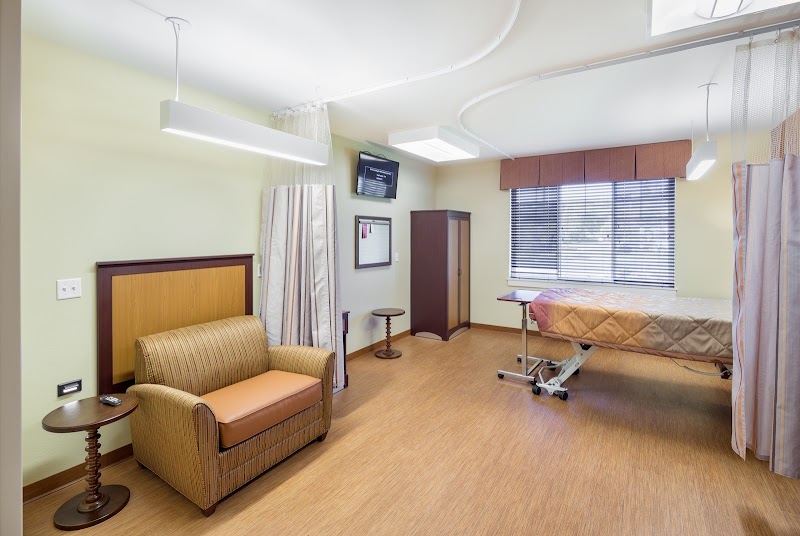
How is Salem Transitional Care Staffed?

CMS rates SALEM TRANSITIONAL CARE's staffing level at 4 out of 5 stars, which is above average compared to other nursing homes. Staff turnover is 44%, compared to the Oregon average of 46%. This relatively stable workforce can support continuity of care.

What Have Inspectors Found at Salem Transitional Care?

State health inspectors documented 29 deficiencies at SALEM TRANSITIONAL CARE during 2022 to 2025. These included: 2 that caused actual resident harm and 27 with potential for harm. Deficiencies causing actual harm indicate documented cases where residents experienced negative health consequences.

Who Owns and Operates Salem Transitional Care?

SALEM TRANSITIONAL CARE is owned by a for-profit company. For-profit facilities operate as businesses with obligations to shareholders or private owners. The facility is operated by AVAMERE, a chain that manages multiple nursing homes. With 80 certified beds and approximately 63 residents (about 79% occupancy), it is a smaller facility located in SALEM, Oregon.
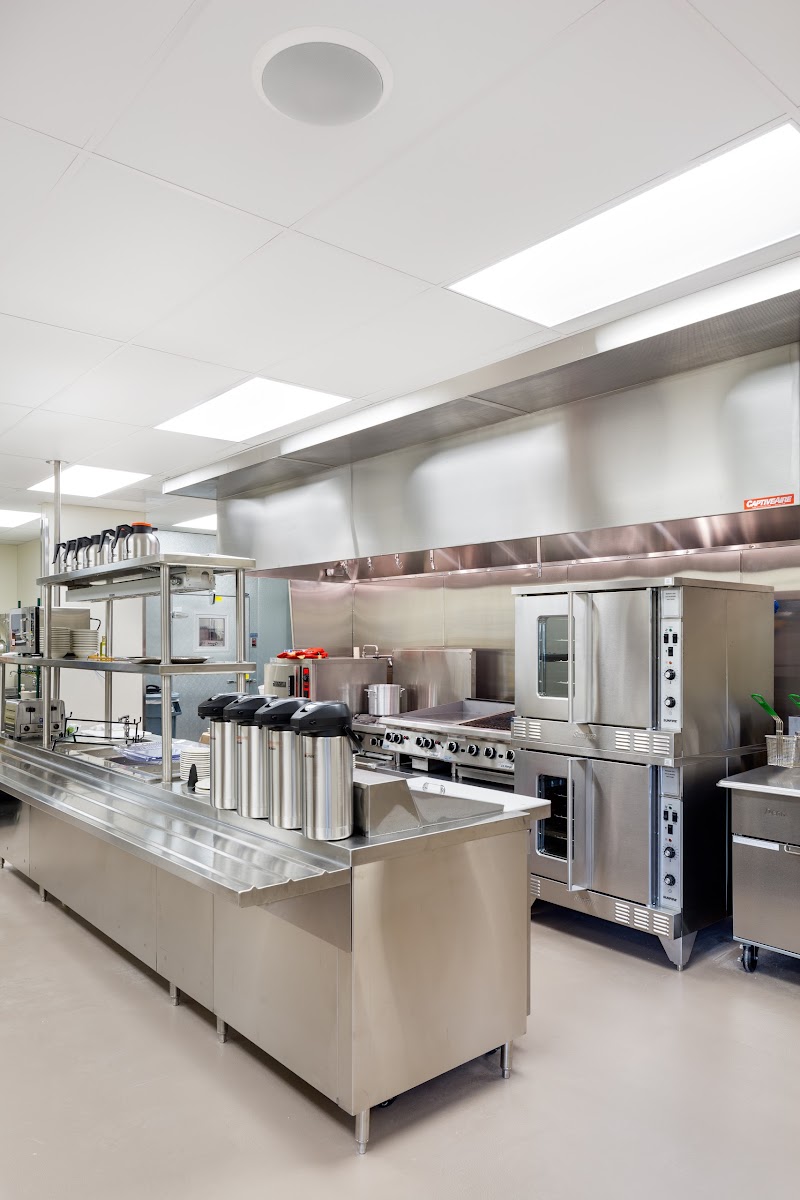
How Does Salem Transitional Care Compare to Other Oregon Nursing Homes?

Compared to the 100 nursing homes in Oregon, SALEM TRANSITIONAL CARE's overall rating (3 stars) matches the state average, staff turnover (44%) is near the state average of 46%, and health inspection rating (3 stars) is at the national benchmark.

What Should Families Ask When Visiting Salem Transitional Care?

Based on this facility's data, families visiting should ask: "Can I visit during a mealtime to observe dining assistance and food quality?" "How do you handle medical emergencies, and what is your hospital transfer rate?" "Can I speak with family members of current residents about their experience?"

Is Salem Transitional Care Safe?

Based on CMS inspection data, SALEM TRANSITIONAL CARE has a clean safety record: no substantiated abuse findings (meaning no confirmed cases of resident harm), no Immediate Jeopardy citations (the most serious violation level indicating risk of serious injury or death), and is not on the Special Focus Facility watch list (a federal program monitoring the lowest-performing 1% of nursing homes). The facility has a 3-star overall rating and ranks #1 of 100 nursing homes in Oregon. While no facility is perfect, families should still ask about staff-to-resident ratios and recent inspection results during their visit.

Do Nurses at Salem Transitional Care Stick Around?

SALEM TRANSITIONAL CARE has a staff turnover rate of 44%, which is about average for Oregon nursing homes (state average: 46%). Moderate turnover is common in nursing homes, but families should still ask about staff tenure and how the facility maintains care continuity when employees leave.

Was Salem Transitional Care Ever Fined?

SALEM TRANSITIONAL CARE has been fined $22,523 across 1 penalty action. This is below the Oregon average of $33,304. While any fine indicates a compliance issue, fines under $50,000 are relatively common and typically reflect isolated problems that were subsequently corrected. Families should ask what specific issues led to these fines and confirm they've been resolved.

Is Salem Transitional Care on Any Federal Watch List?

SALEM TRANSITIONAL CARE is not on any federal watch list. The most significant is the Special Focus Facility (SFF) program, which identifies the bottom 1% of nursing homes nationally based on persistent, serious quality problems. Not being on this list means the facility has avoided the pattern of deficiencies that triggers enhanced federal oversight. This is a positive indicator, though families should still review the facility's inspection history directly.