COLUMBIA BASIN CARE FACILITY
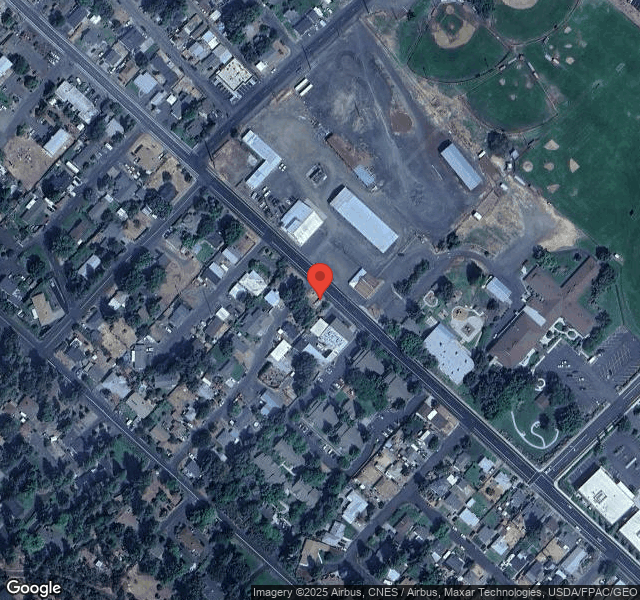

1015 WEBBER STREET, THE DALLES, OR 97058 (541) 296-2156
Non profit - Corporation 90 Beds Independent Data: November 2025
Trust Grade
40/100
#52 of 127 in OR
Last Inspection: August 2024

Within standard 12-15 month inspection cycle. Federal law requires annual inspections.

Overview

Columbia Basin Care Facility has a Trust Grade of D, indicating below-average performance with some significant concerns. It ranks #52 out of 127 facilities in Oregon, placing it in the top half, but is #3 out of 3 in Wasco County, meaning there are two better local options. The facility's trend is worsening, as it has increased its number of issues from 11 in 2023 to 16 in 2024. Staffing is a relative strength with a 4/5 rating, but the turnover rate is concerning at 70%, significantly higher than the state's average. The facility has faced $58,220 in fines, which is higher than 82% of Oregon facilities, indicating compliance issues. Specific incidents include a serious finding where a resident was not adequately supervised, leading to potential altercations with other residents. Additionally, there were concerns about food safety, with raw meat improperly stored above eggs, risking cross-contamination. Lastly, there were issues with documentation and evaluation of residents' care plans, which raises questions about the quality of care. Overall, while there are strengths in staffing, significant weaknesses in supervision, food safety, and documentation need to be carefully considered by families.

Trust Score
D
40/100
In Oregon
#52/127
Top 40%
Safety Record
Moderate
Needs review
Inspections
Getting Worse
11 → 16 violations
Staff Stability
⚠ Watch
70% turnover. Above average. Higher turnover means staff may not know residents' routines.
Penalties
✓ Good
$58,220 in fines. Lower than most Oregon facilities. Relatively clean record.
Skilled Nurses
✓ Good
Each resident gets 55 minutes of Registered Nurse (RN) attention daily — more than average for Oregon. RNs are trained to catch health problems early.
Violations
⚠ Watch
35 deficiencies on record. Higher than average. Multiple issues found across inspections.
★★★☆☆
3.0
Overall Rating
★★★★☆
4.0
Staff Levels
★★★☆☆
3.0
Care Quality
★★★☆☆
3.0
Inspection Score
Stable
2023: 11 issues
2024: 16 issues

The Good

  • 4-Star Staffing Rating · Above-average nurse staffing levels
  • Full Sprinkler Coverage · Fire safety systems throughout facility
  • No fines on record

Facility shows strength in staffing levels, fire safety.

The Bad

3-Star Overall Rating

Near Oregon average (3.0)

Meets federal standards, typical of most facilities

Staff Turnover: 70%

23pts above Oregon avg (46%)

Frequent staff changes - ask about care continuity

Federal Fines: $58,220

Above median ($33,413)

Moderate penalties - review what triggered them

Staff turnover is elevated (70%)

22 points above Oregon average of 48%

The Ugly 35 deficiencies on record

1 actual harm
Aug 2024 16 deficiencies
CONCERN (D)

Potential for Harm - no one hurt, but risky conditions existed

Safe Environment (Tag F0584)

Could have caused harm · This affected 1 resident

Based on observation and interview it was determined the facility failed to ensure resident care equipment was in good repair for 1 of 4 sampled residents (#3) reviewed for environment. This placed re...

Read full inspector narrative →
Based on observation and interview it was determined the facility failed to ensure resident care equipment was in good repair for 1 of 4 sampled residents (#3) reviewed for environment. This placed residents at risk for uncomfortable and unsanitary care equipment. Findings include: Resident 3 was admitted to the facility in 2017 with diagnoses including multiple sclerosis (a degenerative disease). Resident 3's 7/19/24 Quarterly MDS indicated the resident was cognitively intact and used a wheelchair. Observations from 8/26/24 through 8/29/24 between the hours of 7:00 AM and 5:30 PM revealed Resident 3 to sit in her/his wheelchair. The wheelchair's left armrest vinyl covering was torn open approximately five inches with protruding sharp, rough edges. The wheelchair's right armrest vinyl covering was torn and cracked with protruding sharp, rough edges. Resident 3 stated she/he used the wheelchair everyday and the armrests were ugly and rough on her/his skin. On 8/29/24 at 11:05 AM Staff 6 (CNA) stated if resident care equipment was in disrepair, it was reported to maintenance. Staff 6 stated she cared for Resident 3 for several days and had not noticed or reported any issues with the resident's wheelchair. On 8/29/24 at 11:13 AM Staff 21 (RNCM) stated staff were assigned to complete wheelchair inspections every evening. Staff 21 observed Resident 3's wheelchair armrests and confirmed they were torn and in disrepair.
CONCERN (D) 📢 Someone Reported This

A family member, employee, or ombudsman was alarmed enough to file a formal complaint

Potential for Harm - no one hurt, but risky conditions existed

Free from Abuse/Neglect (Tag F0600)

Could have caused harm · This affected 1 resident

**NOTE- TERMS IN BRACKETS HAVE BEEN EDITED TO PROTECT CONFIDENTIALITY** Based on interviews and record review, it was determined the facility failed to protect the resident's right to be free from phy...

Read full inspector narrative →
**NOTE- TERMS IN BRACKETS HAVE BEEN EDITED TO PROTECT CONFIDENTIALITY** Based on interviews and record review, it was determined the facility failed to protect the resident's right to be free from physical abuse by a resident for 1 of 3 sampled residents (#16) reviewed for abuse. This placed residents at risk for abuse. Findings include: Resident 16 was admitted to the facility in 1/2024 with diagnoses including stroke. Resident 16's admission MDS dated [DATE] revealed a BIMS score of 3, which indicated severe cognitive impairment. Resident 13 was admitted to the facility in 11/2023 with diagnoses including stroke and depression. Resident 13's Incident Note revealed on 7/6/24 Resident 16 was sitting near the nurses station not talking and Resident 13 yelled do not touch my chair or I am fucking going to let you have it. Resident 13 and 16 were separated and Resident 13 continued to yell out and cuss at residents and staff. Resident 13 was placed into her/his room. A 7/8/24 facility investigation report revealed Resident 13 and Resident 16 were near each other in the hallway near the nurses station. Resident 13 thought two men were holding her/his wheelchair. There was only one resident close to Resident 13 and she/he was not holding her/his chair. Resident 13 yelled let go of my chair. Resident 13 then hit Resident 16 in the face with an open hand leaving a small open area on her/his face. Resident 13 was confused at the time related to her/his current disease processes and history of behaviors. Resident 16 was in proximity and potentially caused the situation to occur. The residents were separated. Resident 13's quarterly MDS dated [DATE] revealed a BIMS of 10 which indicated moderate cognitive impact. On 8/28/24 at 6:32 AM Resident 13 stated on 7/6/24 she/he was trying to go to lunch or dinner and two residents grabbed her/his wheelchair on both sides. Resident 13 told them to let go or she/he was going to hit her/him. The residents did not let go so Resident 13 hit one of the residents. On 8/28/24 at 8:26 AM Staff 5 (Medication Aide) stated on 7/6/24 she had the medication cart by the medication room, and she heard Resident 13 being extremely loud and was punching the crap out of Resident 16. Staff 5 stated it was like boom, boom, boom Staff 5 stated Resident 16 was very gentle and was not the type of person to come up on someone. Staff 5 stated Resident 13 was having a bad day. The nurse told her Resident 13 had attempted to punch her. Staff 5 stated a few times a month Resident 13 gets angry for no reason. On 8/28/24 at 8:13 AM Staff 4 (LPN) stated on 7/6/24 she was at the nurses station. Resident 16 was speaking to another resident and Resident 13 was behind Resident 16. Resident 13 hit Resident 16 on the temple area and she separated them and took Resident 13 to her/his room. Resident 13 had attempted to hit Staff 4 and verbally abused staff and attempted to hit staff. Resident 13 told her she/he punched Resident 16 because she/he would not shut up. On 8/29/24 at 10:54 AM Resident 16 stated she/he felt safe in the facility. Resident 16 stated Resident 13 made her/him uncomfortable to be around but she/he no longer felt uncomfortable around Resident 13. On 8/30/24 at 8:50 AM Staff 1 (Administrator) and Staff 2 (Interim DNS) were notified of the investigative findings
CONCERN (D)

Potential for Harm - no one hurt, but risky conditions existed

Deficiency F0637 (Tag F0637)

Could have caused harm · This affected 1 resident

Based on interview and record review it was determined the facility failed to document and conduct a significant change MDS assessment for 1 of 5 sampled residents (#13) reviewed for medications. This...

Read full inspector narrative →
Based on interview and record review it was determined the facility failed to document and conduct a significant change MDS assessment for 1 of 5 sampled residents (#13) reviewed for medications. This placed residents at risk for unassessed care needs. Findings include: Resident 13 was admitted to the facility in 11/2023 with diagnoses including stroke and depression. Review of the 11/9/24 admission MDS for Resident 13 revealed the following: -BIMS of 14 which indicated the resident was cognitively intact. -Substantial to maximal assistance with toileting hygiene, bathing self, sit to lying, lying to sitting, chair to bed transfer, toilet transfer, and shower transfer. -Partial to moderate assistance rolling left and right -Occasionally incontinent of bowel and bladder. -No physical restraints or alarms. Review of a 2/15/24 Alert Note indicated Resident 13 had a seizure lasting approximately three to four minutes. A new physician's order for topiramate (anticonvulsant) was prescribed. Review of a 2/15/24 New Prescription report indicated Resident 13 was prescribed topiramate for epilepsy. Review of a 7/9/24 care plan revealed Resident 13 had a resident-to-resident altercation where Resident 13 and made physical contact with Resident 16. Review of the 7/26/24 quarterly MDS for Resident 13 revealed the following: -BIMS of 10 which indicated moderate cognitive impairment. -Dependent for toileting hygiene, bathing self, sit to lying, lying to sitting, chair to bed transfer, toilet transfer, and shower transfer. -Substantial to maximal assistance rolling left and right. -Always incontinent of bowel and bladder. -WanderGuard (to alert staff when residents wander). No significant change assessment was found in Resident 13's clinical record. On 8/28/24 at 7:31 AM Resident 13 stated she/he had good days and bad days with her/his cognition and she/he did not know why. On 8/28/24 at 8:13 AM Staff 4 (LPN) stated Resident 13 will randomly cuss the f bomb. Staff 4 stated she/he has behaviors after a family member visits the facility which was about every three weeks. Resident 13 verbally abuses staff and tries to hit them. Resident 13 will masturbate during showers then apologize after. Staff 4 stated Resident 13 hit Resident 16 in the head in 7/2024. On 8/30/24 at 8:44 AM Staff 1 (Administrator) and Staff 2 (Interim DNS) confirmed Resident 13 should have a significant change MDS completed.
CONCERN (D)

Potential for Harm - no one hurt, but risky conditions existed

Deficiency F0645 (Tag F0645)

Could have caused harm · This affected 1 resident

Based on interview and record review it was determined the facility failed to ensure PASARR I (Pre-admission Screening/Resident Review) screening was completed prior to admission for 1 of 1 sampled re...

Read full inspector narrative →
Based on interview and record review it was determined the facility failed to ensure PASARR I (Pre-admission Screening/Resident Review) screening was completed prior to admission for 1 of 1 sampled resident (#25) reviewed for PASARR. This placed residents at risk for inappropriate placement in a nursing facility and lack of needed services. Findings include: Resident 25 admitted to the facility in 7/2024 with diagnoses including multiple sclerosis (a chronic disease of the central nervous system that interrupts the flow of information within the brain and between the brain and body) and major depressive disorder (a mental health disorder characterized by persistently depressed mood causing significant impairment in daily life). A review of Resident 25's 7/23/24 admission MDS revealed she/he was cognitively intact and required substantial assistance/was dependent on staff for the completion of her/his ADLs. No evidence was found in Resident 25's health record to indicate the facility completed a PASARR I prior to her/his admission to the facility. On 8/28/24 at 9:17 AM Staff 3 (Social Services Director) stated every resident admitted to the facility needed a PASARR I because it justified their placement in a nursing facility. She stated she expected to have a PASARR I for every resident in the building either on the date of admission or by the following business day. Staff 3 confirmed Resident 25 was in the facility for more than a month and her/his PASARR I was not added to her/his electronic health record.
CONCERN (D)

Potential for Harm - no one hurt, but risky conditions existed

Deficiency F0658 (Tag F0658)

Could have caused harm · This affected 1 resident

Based on interview and record review it was determined facility staff failed to follow professional standards of practice for a diagnosis for 1 of 5 (#13) sampled residents reviewed for medications. F...

Read full inspector narrative →
Based on interview and record review it was determined facility staff failed to follow professional standards of practice for a diagnosis for 1 of 5 (#13) sampled residents reviewed for medications. Findings include: Resident 13 was admitted to the facility in 11/2023 with diagnoses including stroke and depression. A 11/9/23 admission MDS indicated Resident 13 was cognitively intact and did not have a diagnosis of seizure disorder or epilepsy. A review of Resident 13's current comprehensive care plan revealed no documentation of seizure disorder or epilepsy. Review of Resident 13's Alert Notes revealed the following: -2/14/24 on alert for new medication olanzapine (antipsychotic). -2/15/24 had a seizure at 10:50 AM lasting approximately three to four minutes. A new physician order for topiramate (anticonvulsant) was prescribed. -2/16/24 had a seizure on dayshift. New orders to increase topiramate. -2/18/24 sent to the emergency department because of confusion, and slurred speech. A review a 2/15/24 New Prescription report indicated Resident 13 was prescribed topiramate for epilepsy. A 2/21/24 Hospitalist Discharge Summary revealed Resident 13 was admitted for sepsis due to UTI. A 7/26/24 quarterly MDS indicated Resident 13 did not have a diagnosis of seizure disorder or epilepsy. An 8/2024 MAR instructed staff to administer topiramate in the morning for convulsions with a start date of 2/16/24. No documentation was found in Resident 13's clinical record to indicate she/he had a history of epilepsy. On 8/28/24 at 6:32 AM Resident 13 stated when she/he was not administered gabapentin in a timely manner she/he would get muscle cramps from head to toe and they would appear as convulsions when the cramps became intense. On 8/28/24 at 11:59 AM Staff 9 (Pharmacist Consultant) stated the possibility was low for Resident 13 to have a seizure as a side effect for olanzapine. Staff 9 stated Resident 13 had COVID-19 in 1/2024 and sepsis in 2/2024 which also could have caused the seizure. Staff 9 stated there was a lot going on around that time for Resident 13. On 8/30/24 at 8:44 AM Staff 1 (Administrator) and Staff 2 (Interim DNS) stated Staff 29 (Nurse Practitioner) should consult with the physician about the diagnosis of epilepsy.
CONCERN (D)

Potential for Harm - no one hurt, but risky conditions existed

ADL Care (Tag F0677)

Could have caused harm · This affected 1 resident

Based on observation, interview, and record review it was determined the facility failed to ensure dependent residents received required assistance with ADLs for 1 of 2 sampled residents (#13) reviewe...

Read full inspector narrative →
Based on observation, interview, and record review it was determined the facility failed to ensure dependent residents received required assistance with ADLs for 1 of 2 sampled residents (#13) reviewed for ADLs. This placed residents at risk for unmet needs. Findings include: Resident 13 was admitted to the facility in 11/2023 with diagnoses including a stroke and chronic pain. A 11/21/23 care plan indicated Resident 13 had a self-care deficit which required substantial assistance with ADL tasks including grooming. Review of the Documentation Survey Report on 8/26/24 revealed no documentation Resident 13 received personal hygiene on day shift or evening shift. On 8/26/24 at 10:55 AM, 8/27/24 at 12:44 PM and 8/28/24 at 9:16 AM Resident 13 was observed with a brown stain going from the left side of her/his mouth down to the bottom of her/his chin approximately one-half inch wide. On 8/28/24 at 9:19 AM Staff 8 (RCM Assistant) confirmed Resident 13's brown stain on her/his chin. On 8/30/24 at 8:42 AM Staff 1 (Administrator) and Staff 2 (Interim DNS) stated the expectation of staff were to clean Resident 13's face.
CONCERN (D)

Potential for Harm - no one hurt, but risky conditions existed

Accident Prevention (Tag F0689)

Could have caused harm · This affected 1 resident

Based on observation, interview, and record review it was determined the facility failed to ensure implementation of care plan interventions for 1 of 1 sampled resident (#23) reviewed for falls. This ...

Read full inspector narrative →
Based on observation, interview, and record review it was determined the facility failed to ensure implementation of care plan interventions for 1 of 1 sampled resident (#23) reviewed for falls. This placed residents at risk for injury. Findings include: Resident 23 was admitted to the facility in 5/2019 with diagnoses including fracture of left lower leg, dementia, and high blood pressure. Resident 23's 7/24/24 quarterly MDS revealed the resident had a history of a fall. A review of progress notes revealed the resident reported an unwitnessed fall on 4/27/24. No injuries were noted. Review of Resident 23's Care Plan initiated 3/27/24 identified the resident was at risk for falls. Intervention revisions on 4/30/24 included a fall mat at the side of the bed. This intervention was also on the in room care plan. Observations on 8/26/24, 8/27/24, and 8/28/24 between 6:23 AM and 12:42 PM revealed a fall mat was not placed at the side of the bed. On 8/27/24 and 8/28/24 at 12:57 PM, 3:48 PM, and 9:24 AM Staff 19 (CNA), Staff 22 (NA), and Staff 23 (CNA) stated Resident 23 had an in room care plan checked daily. They did not know there was supposed to be a fall mat at bedside. On 8/28/24 at 9:43 AM Staff 12 (RNCM) confirmed the intervention for a fall mat at bedside was on the Care Plan and the in room care plan. She confirmed the fall mat was not placed at bedside.
CONCERN (D)

Potential for Harm - no one hurt, but risky conditions existed

Deficiency F0694 (Tag F0694)

Could have caused harm · This affected 1 resident

**NOTE- TERMS IN BRACKETS HAVE BEEN EDITED TO PROTECT CONFIDENTIALITY** Based on observation, interview and record review it was determined the facility failed to obtain a physician order and provide ...

Read full inspector narrative →
**NOTE- TERMS IN BRACKETS HAVE BEEN EDITED TO PROTECT CONFIDENTIALITY** Based on observation, interview and record review it was determined the facility failed to obtain a physician order and provide PICC (peripherally inserted central catheter) dressing care for 1 of 1 sampled resident (#146) reviewed for intravenous (IV) medications. This placed residents at risk for central catheter-related infections. Findings include: The 2011 CDC (Centers for Disease Control) guidelines on how to handle and maintain central lines specified to perform routine dressing changes every two to seven days and the CDC's Checklist for Prevention of Central Line Associated Blood Stream Infections specified to change semipermeable dressings at least every seven days. The facility's 3/2022 Peripheral and Midline IV Dressing Changes Policy and Procedure specified the following: - Maintain sterile dressing (transparent semi-permeable membrane [TSM] dressing for all peripheral catheter sites. - Change the dressing at least every seven days for TSM dressing. Resident 146 was admitted to the facility on [DATE] with diagnoses including lung abscess with pneumonia. Resident 146's 8/2024 admission MDS indicated the resident was cognitively intact. Resident 146's 8/14/24 admission Orders included the following: - Central Venous Access Care (PICC), per facility protocol. Review of Resident 146's 8/14/24 through 8/26/24 health record revealed no physician order or resident-specific protocol for PICC dressing care. There was no documentation which indicated Resident 146's PICC dressing care was provided during the 12 day period from 8/14/24 to 8/26/24. On 8/26/24 at 1:15 PM Resident 146's left upper arm was observed with a PICC and TCM dressing. The PICC dressing was dated 8/26/24. Resident 146 stated the dressing was changed today and had not been changed since she/he was admitted to the facility on [DATE]. On 8/27/24 at 1:11 PM Staff 24 (RN) stated she changed Resident 146's PICC dressing on 8/26/24 after she noticed it had not been changed since the resident's admission on [DATE]. Staff 24 acknowledged she did not document the PICC dressing care was completed and confirmed there was no physician order or protocol in Resident 146's health record. On 8/27/24 at 1:16 PM Staff 21 (RNCM) stated the PICC dressing care facility protocol and PICC care standard of practice included to ensure PICC dressings were changed every 7 days and as needed. Staff 21 stated Resident 146's PICC dressing care was not provided until 8/26/24, 12 days after the resident's admission.
CONCERN (D)

Potential for Harm - no one hurt, but risky conditions existed

Deficiency F0712 (Tag F0712)

Could have caused harm · This affected 1 resident

Based on interview and record review it was determined the facility failed to ensure residents were seen by a physician for 1 of 5 sampled residents (#13) reviewed for medications. This placed residen...

Read full inspector narrative →
Based on interview and record review it was determined the facility failed to ensure residents were seen by a physician for 1 of 5 sampled residents (#13) reviewed for medications. This placed residents at risk for unmet medical needs. Findings include: Resident 13 was admitted to the facility in 11/2023 with diagnoses including a stroke and chronic pain. A review of Resident 13's clinical record indicated there were no physician visits documented since his/her admission. On 8/28/24 at 12:45 PM Staff 1 (Administrator) and Staff 3 (Social Services Supervisor) confirmed there was no physician visit for Resident 13 since admission.
CONCERN (D)

Potential for Harm - no one hurt, but risky conditions existed

Pharmacy Services (Tag F0755)

Could have caused harm · This affected 1 resident

**NOTE- TERMS IN BRACKETS HAVE BEEN EDITED TO PROTECT CONFIDENTIALITY** Based on observation, interview, and record review it was determined the facility failed to ensure the provision of prescribed m...

Read full inspector narrative →
**NOTE- TERMS IN BRACKETS HAVE BEEN EDITED TO PROTECT CONFIDENTIALITY** Based on observation, interview, and record review it was determined the facility failed to ensure the provision of prescribed medications for 1 of 8 sampled residents (#147) reviewed for medications. This placed residents at risk for not receiving prescribed medications. Findings include: Resident 147 was admitted to the facility on [DATE] with diagnoses including pelvis fracture. Resident 147's 8/22/24 Physician Orders included the following: - Preservision AREDs 2 oral capsule by mouth in the morning; - Psyllium oral capsule 0.52 grams, 2 capsules in the evening; - Tolterodine Tartrate ER capsule 4 mg in the morning. Resident 147's 8/2024 MAR revealed Preservision AREDs 2 oral capsule, psyllium oral capsule and the tolterodine tartrate were marked 9 on 8/22/24, 8/23/24, 8/24/24, 8/25/24 and 8/26/24. On 8/27/24 at 9:44 AM Staff 7 (CMA) stated the 9 documented on the MAR meant the medication was not available. Staff 7 stated the pharmacy should be notified and the facility should get the medications as soon as possible. Staff 7 stated she had not contacted the pharmacy to notify the medications were not available for five days since the resident admitted and was unsure if the physician was notified. On 8/27/24 at 10:00 AM Staff 12 (RNCM) stated medications should be available when a resident admits to the facility. Staff 12 stated if a medication was unavailable, staff needed to check the cubex (supply of back up medications) and if the medication was not in the cubex, the pharmacy was called to deliver the medications right away. Staff 12 reviewed Resident 147's MAR and stated she was unaware the medications were not available. Staff 12 stated she expected staff to call the pharmacy and notify the physician within one day of recognizing a medication was not available.
CONCERN (D)

Potential for Harm - no one hurt, but risky conditions existed

Drug Regimen Review (Tag F0756)

Could have caused harm · This affected 1 resident

Based on interview and record review it was determined the facility failed to follow up on pharmacy recommendations for 1 of 5 sampled residents (#13) reviewed for medications. This placed residents a...

Read full inspector narrative →
Based on interview and record review it was determined the facility failed to follow up on pharmacy recommendations for 1 of 5 sampled residents (#13) reviewed for medications. This placed residents at risk for adverse medication reactions. Findings include: Resident 13 was admitted to the facility in 11/2023 with diagnoses including insomnia. Resident 13's 6/7/24 Pharmacist's Report to Nursing revealed the following recommendation: -Resident 13 was ordered trazodone (to treat depression) at bedtime for insomnia and to administer one extra tablet if not asleep within one hour. Recommendations were to discontinue the current trazodone order and re-enter the order with scheduled and PRN portions separated so the administration could be charted on each portion. Resident 13's 6/2024 MAR revealed trazodone continued as previously ordered and the pharmacist's recommendations were not implemented. Resident 13's 7/8/24 Pharmacist's Report to Nursing revealed the following recommendation: -Resident 13 was ordered trazodone (to treat depression) at bedtime for insomnia and to administer one extra tablet if not asleep within one hour. Recommendations were to discontinue the current trazodone order and re-enter the order with scheduled and PRN portions separated. A handwritten note on the report revealed done 7/15/24. Resident 13's 7/2024 MAR revealed trazodone continued as previously ordered. On 7/16/24 the same order for trazodone was added to the PRN section of the MAR. The Consultant Pharmacist's recommendations were not fully implemented. On 8/30/24 at 8:53 AM Staff 1 (Administrator) and Staff 2 (Interim DNS) stated they would like pharmacy recommendations implemented within a week.
CONCERN (D)

Potential for Harm - no one hurt, but risky conditions existed

Medication Errors (Tag F0758)

Could have caused harm · This affected 1 resident

Based on interview and record review it was determined the facility failed to adequately monitor psychotropic medications for 1 of 5 sampled residents (#13) reviewed for medications. This placed resid...

Read full inspector narrative →
Based on interview and record review it was determined the facility failed to adequately monitor psychotropic medications for 1 of 5 sampled residents (#13) reviewed for medications. This placed residents at risk for lack of effective medication management. Findings include: Resident 13 was admitted to the facility in 11/2023 with diagnoses including insomnia, depression and pain. A 5/12/24 revised care plan indicated Resident 13 received psychotropic drugs which included fluoxetine for depression, trazodone for insomnia and olanzapine for depression. Interventions included to monitor and document the side effects and effectiveness of the medications every shift. No documentation was found in Resident 13's clinical record to indicate her/his medications' side effects and medication effectiveness were documented every shift. A review of Resident 19's signed Physician Order Summary Report dated 8/1/24 revealed the following medications: -Trazodone (for depression) 50 mg at bedtime for insomnia. -Olanzapine (an antipsychotic to treat severe agitation) 2.5 mg two times a day for depression. -Fluoxetine (antidepressant) 20 mg in the morning for depression. On 8/28/24 at 8:13 AM Staff 4 (LPN) stated when the facility switched systems to track clinical records resident side effect monitoring was no longer added to their records. Staff 4 stated she notified management of the needed monitoring, but it was not added. On 8/28/24 at 12:45 PM Staff 1 (Administrator) and Staff 3 (Social Services Supervisor) confirmed there was no monitoring for antipsychotic and antidepressant medications.
CONCERN (E)

Potential for Harm - no one hurt, but risky conditions existed

Deficiency F0711 (Tag F0711)

Could have caused harm · This affected multiple residents

3. Resident 23 was admitted to the facility in 5/2019 with diagnoses including dementia, hypertension, and high blood pressure. Resident 23's provider visit notes from 6/21/24, 7/12/24 and 8/16/24 by ...

Read full inspector narrative →
3. Resident 23 was admitted to the facility in 5/2019 with diagnoses including dementia, hypertension, and high blood pressure. Resident 23's provider visit notes from 6/21/24, 7/12/24 and 8/16/24 by Staff 29 (Gerontology Nurse Practitioner) were reviewed. The provider visit documentation lacked sufficient evidence to indicate the provider evaluated Resident 23's condition or reviewed the resident's total program of care. On 8/29/24 at 3:57 PM Staff 29 stated she visited the residents at the scheduled times and as needed and was not sure where the documentation ended up in the residents' electronic health record. Staff 29 did not provide additional information in regard to her reviews, evaluations and documentation of Resident 23's total program of care. On 8/30/24 at 10:02 AM Staff 1 (Administrator) and Staff 2 (DNS) reviewed Staff 29's provider notes. Staff 2 stated the notes could be better and stated Staff 29's notes were not comprehensive. 2. Resident 21 was admitted to the facility in 2/2023 with diagnoses including chronic pain and dementia. Resident 21's provider visit notes from 4/2024, 6/2024 and 8/2024 by Staff 29 (Gerontology Nurse Practitioner) were reviewed. The provider visit documentation lacked sufficient evidence to indicate the provider evaluated Resident 21's condition or reviewed the resident's total program of care. On 8/29/24 at 3:57 PM Staff 29 stated she visited the residents at the scheduled times and as needed and was not sure where the documentation ended up in the residents' electronic health record. Staff 29 did not provide additional information in regard to her reviews, evaluations and documentation of Resident 21's total program of care. On 8/30/24 at 10:02 AM Staff 1 (Administrator) and Staff 2 (DNS) reviewed Staff 29's provider notes. Staff 2 stated the notes could be better and stated Staff 29's notes were not comprehensive. Based on interview and record review it was determined the facility failed to ensure a resident's total program of care was reviewed and documented for 3 of 5 sampled residents (#s 4, 21 and 23) reviewed for medications. This placed residents at risk for unassessed medical needs and adverse side effects of medication. Findings include: 1. Resident 4 was admitted to the facility in 2020 with diagnoses including neuralgia (nerve pain). Resident 4's 3/2024, 5/2024 and 7/2024 provider visits, conducted and documented by Staff 29 (Gerontology Nurse Practitioner) were reviewed. The provider visit documentation lacked sufficient evidence to indicate the provider evaluated Resident 4's condition and reviewed the resident's total program of care. On 8/29/24 at 3:57 PM staff 29 stated she visited the residents at the scheduled times and as needed and was not sure where the documentation ended up in the residents' electronic health record. Staff 29 did not provide additional information in regard to her reviews, evaluations and documentation of Resident 4's total program of care. On 8/30/24 at 10:02 AM Staff 1 (Administrator) and Staff 2 (DNS) reviewed Staff 29's provider notes. Staff 2 stated the notes could be better and stated Staff 29's notes were not comprehensive.
CONCERN (E)

Potential for Harm - no one hurt, but risky conditions existed

Staffing Information (Tag F0732)

Could have caused harm · This affected multiple residents

Based on interview and record review it was determined the facility failed to the ensure the Direct Care Staff Daily Report (DCSDR) postings were accurate for 16 of 27 days reviewed for staffing. This...

Read full inspector narrative →
Based on interview and record review it was determined the facility failed to the ensure the Direct Care Staff Daily Report (DCSDR) postings were accurate for 16 of 27 days reviewed for staffing. This placed residents and visitors at risk for inaccurate staffing information. Findings include: Review of the 8/1/24 through 8/27/24 DCSDR indicated the following days when the number of hours CNAs and/or NAs worked were inaccurate on the daily postings: 8/1, 8/2, 8/3, 8/4, 8/5, 8/6, 8/9, 8/10, 8/11, 8/14, 8/19, 8/20, 8/23, 8/25, 8/26, and 8/27. On 8/29/24 at 8:24 AM Staff 17 (Staffing Coordinator) stated she did not fully understand how to complete the DCSDR and did not update the report to reflect changes that occurred in the schedules. On 8/29/24 at 10:10 AM Staff 1 (Administrator) stated she expected the DCSDR to be accurate.
CONCERN (E)

Potential for Harm - no one hurt, but risky conditions existed

Infection Control (Tag F0880)

Could have caused harm · This affected multiple residents

**NOTE- TERMS IN BRACKETS HAVE BEEN EDITED TO PROTECT CONFIDENTIALITY** 4. Resident 296 was admitted to the facility in 8/2024 with diagnoses including a leg fracture requiring a leg immobilizer and h...

Read full inspector narrative →
**NOTE- TERMS IN BRACKETS HAVE BEEN EDITED TO PROTECT CONFIDENTIALITY** 4. Resident 296 was admitted to the facility in 8/2024 with diagnoses including a leg fracture requiring a leg immobilizer and history of a stroke. Resident 296's 8/20/2024 admission MDS revealed the resident used an indwelling catheter. An observation on 8/26/24 at 10:49 AM revealed Resident 296 had a catheter drainage bag on the side of the bed. The resident confirmed she/he used an indwelling catheter. There were no Enhanced Barrier Precautions in place. On 8/29/24 at 1:59 PM Staff 21 (RNCM) confirmed resident 296 should have been on Enhanced Barrier Precautions due to his/her indwelling catheter. 2. Resident 43 was admitted to the facility in 7/2024 with diagnoses including an infected right leg wound. A 7/30/24 Physician Order stated wound care which included wound cleaning and redressing for Resident 43's infected right leg wound. A 8/9/24 cognitive assessment determined Resident 43 to have normal cognitive function. On 8/26/24 from 11:00 AM through 3:00 PM staff were observed entering rooms throughout the facility determined to require enhanced barrier precautions without wearing gloves and/or gowns. Staff were observed leaving these same rooms after providing brief changes with plastic bags which included soiled briefs and other fluid exposed materials. On 8/26/24 at 2:55 PM Staff 32 (LPN) stated she provided Resident 43's dressing change that day. Staff 32 stated she wore gloves and a mask, but did not wear a gown. Staff 32 stated she had never been instructed to wear a gown when providing wound care. On 8/26/24 at 2:59 PM Resident 43 stated staff who provided hands on care had worn gloves when providing care, but had never worn a gown. On 8/29/24 at 9:08 AM Staff 33 (CNA) stated containers with PPE have been located outside of resident rooms with EBP, including Resident 43, but PPE had not previously been worn when providing contact care with these residents. On 8/29/24 at 9:34 AM Staff 34 (Infection Preventionist) stated she was not aware gowns were required to be worn when providing hands on care to residents on EBP. Staff 34 confirmed enhanced barrier precautions were required for residents with open wounds or any tubes used for fluid drainage, including Resident 43. 3. On 08/26/24 at 11:17 AM the following observations were made of rooms requiring enhanced barrier precautions: - A container labeled as PPE disposal was located outside of rooms [ROOM NUMBERS]. Used PPE was observed inside both of these containers. - No PPE disposal container was observed outside or inside room [ROOM NUMBER]. On 8/26/24 at 3:07 PM Staff 1 (Administrator) and Staff 2 (DNS) were shown the current infection control practices regarding disposal of used PPE in rooms with enhanced barrier precautions and confirmed the incorrect practices were being performed. Based on observation, interview, and record review it was determined the facility failed to implement appropriate Enhanced Barrier Precautions (EBP) and failed to ensure appropriate use of PPE for 3 of 3 sampled residents (#s 3, 146, and 296) reviewed for infection control. This placed residents at risk for the spread of infection. Findings include: 1. The CDC's 4/3/24 website, section titled, Transmission Based Precautions, specified Contact Precautions are the second tier of basic infection control and are to be used in addition to Standard Precautions for patients who may be infected or colonized with certain infectious agents for which additional precautions are needed to prevent infection transmission. Use personal protective equipment (PPE) appropriately, including gloves and gown. Wear a gown and gloves for all interactions that may involve contact with the patient or the patient's environment. Donning PPE upon room entry and properly discarding before exiting the patient room is done to contain pathogens. Resident 146 was admitted to the facility in 8/2024 with diagnoses including abscess of the lung with pneumonia. Observations on 8/26/24 and 8/27/24 between the hours of 7:45 AM and 3:50 PM revealed Contact Precautions signage was posted on the wall adjacent to Resident 146's door. A trash receptacle, labeled PPE DISPOSAL was located outside Resident 146's room. Multiple staff were observed at various times to enter Resident 146's room and provide care. Staff did not don PPE prior to entering the room. On 8/26/24 at 12:46 PM Staff 26 (NA) stated she was unsure what PPE she needed to don prior to entering Resident 146's room. On 8/27/24 at 8:28 AM Resident 146 stated since her/his admisison to the facility, staff did not consistently don PPE while providing care. On 8/29/24 at 11:42 AM Staff 21 (RNCM) stated there was confusion regarding the Contact Precautions placed on Resident 146. On 8/29/24 at 1:39 PM Staff 1 (Administrator) and Staff 2 (DNS) were notified of the findings of this investigation. Staff 2 acknowledged Contact Precautions indicated staff should don PPE prior to entering the resident's room.
CONCERN (F)

Potential for Harm - no one hurt, but risky conditions existed

Food Safety (Tag F0812)

Could have caused harm · This affected most or all residents

Based on observation, interview, and record review it was determined the facility failed to store and handle food in a manner to minimize cross contamination in 1 of 1 kitchen and 1 of 2 snack refrige...

Read full inspector narrative →
Based on observation, interview, and record review it was determined the facility failed to store and handle food in a manner to minimize cross contamination in 1 of 1 kitchen and 1 of 2 snack refrigerators reviewed for sanitary conditions. This placed residents at risk for foodborne illness. Findings include: 1. On 8/26/24 at 10:16 AM during the initial tour of the facility's kitchen, the following was observed in the walk in refrigerator and dry storage area: -Raw meat stored in the walk in refrigerator on a wire rack shelf directly above eggs and cartons of liquid whole eggs; and -Plastic handled scoops stored in the brown sugar, powdered sugar, white sugar and dry pasta storage bins. The scoops' handles touched the food in the bins. On 8/26/24 at 10:24 AM Staff 30 (Food Service Director) stated the meat in the refrigerator should be stored on the bottom shelf to avoid it dripping on the food below it and the scoops should be stored in their holsters to avoid cross contamination. Staff 30 stated, somebody just got lazy. 2. On 8/28/24 at 11:39 AM while plating foods for lunch service, Staff 31 (Dietary Cook) opened the oven door to remove a cooked chicken breast and placed it on a plate. He then picked up a dinner roll with the same gloved hand he used to open the oven door and placed it on a resident's lunch plate and did not change gloves. On 8/28/24 at 11:40 AM Staff 31 stated he did not change his gloves after touching the oven door handle and that created an opportunity for cross contamination. He stated, That was my mistake. I could have used tongs to plate the dinner roll. On 08/28/24 12:05 PM Staff 30 (Food Service Director) stated he expected staff to change gloves after touching potentially contaminated equipment and before touching food being served. 3. Review of the US FDA 2022 Food Code revealed: -food prepared and held cold must be clearly marked with date prepared or by day which the food shall be consumed or discarded with a maximum of seven days if held at 41 degrees F. On 8/27/24 at 10:20 AM two plastic mugs with sip lids were observed in the snack refrigerator within the 2nd floor Kitchenette / Nurse station. The mugs were not labeled and they contained a brown thickened liquid. On 8/27/24 at 10:24 AM Staff 21 (RNCM) stated the drinks needed to be labeled and she removed them from the refrigerator. On 8/27/24 at 10:35 AM Staff 30 (Food Service Director) stated he did not know who placed the mugs in the refrigerator. He stated, Everything brought up from the kitchen to any of the snack fridges should be labeled and dated to make sure we know when it was added and when it should be removed. Also if it is for a specific resident, staff need to know that.
May 2023 11 deficiencies 1 Harm
SERIOUS (G) 📢 Someone Reported This

A family member, employee, or ombudsman was alarmed enough to file a formal complaint

Actual Harm - a resident was hurt due to facility failures

Accident Prevention (Tag F0689)

A resident was harmed · This affected 1 resident

Based on observation, interview and record review it was determined the facility failed to ensure adequate supervision to prevent resident-to-resident altercations for 1 of 4 sampled residents (#51) r...

Read full inspector narrative →
Based on observation, interview and record review it was determined the facility failed to ensure adequate supervision to prevent resident-to-resident altercations for 1 of 4 sampled residents (#51) reviewed for accidents. This placed residents at risk for resident-to-resident altercations, injury and abuse. Findings include: Resident 51 was admitted to the facility in 3/2023 with diagnoses including dementia with agitation. A review of Resident 51's Progress Notes from 3/17/23 through 4/28/23 revealed the following: -The resident was confused and wandered all over the unit and into other resident rooms. -The resident experienced agitation and was physically aggressive towards staff. -The resident yelled at other residents. -The resident was difficult to redirect and required the administration of an antipsychotic medication by mouth and intramuscularly to deescalate her/his behaviors. Two incidents occurred on 4/29/23 in which Resident 51 was involved. First, Resident 51 squeezed Resident 161's left wrist and hit her/his hand on a bedside table. Second, Resident 51 dug her/his nails into Resident 23's skin and twisted the skin. On 5/1/23 at 1:53 PM Resident 51 was observed in Resident 23's room without staff present. Resident 23 and her/his roommate yelled at Resident 51 to leave and Resident 23's roommate attempted to push Resident 51's wheelchair back out of the room. Staff 7 (RN) intervened and removed Resident 51 from the room. The 5/2/23 Occurrence Investigation Final Summary Reports for the incidents that occurred on 4/29/23 between Resident 51 and Resident 161 and Resident 51 and Resident 23 indicated both of the altercations were isolated events. The Report indicated staff were to keep Resident 51 separated from Resident 23 and Resident 161. On 5/4/23 at 10:30 AM Staff 19 (Human Resources Director) stated staffing levels were determined by the facility census and resident acuity. Staff 19 stated she was a part of the daily management team meeting during which resident needs were discussed. On 5/4/23 at 11:02 AM Staff 6 (Agency CNA) stated Resident 51 was confused, aggravated and wandering on 4/29/23. Staff 6 stated she was instructed by the nurse to keep an eye on Resident 51 as best as she could but stated that was impossible as she was responsible for the care of nine residents on 4/29/23, including Resident 51. Staff 6 stated the facility was not adequately staffed to provide sufficient supervision of Resident 51. On 5/5/23 at 9:28 AM Staff 5 (RN) stated two CNAs were assigned to the second floor on 4/29/23 at the time of the two resident-to-resident altercations that involved Resident 51. Staff 5 stated Staff 6 (Agency CNA) was responsible for the care of nine residents at the time, including Resident 51. Staff 5 stated the daily CNA staffing sheets were pre-assigned. Staff 5 stated she requested additional CNA support prior to 4/29/23 on the second floor but did not receive it as the census was low. Staff 5 stated she requested additional CNA support after the altercations but did not recall having more than two CNAs assigned to the second floor. Staff 5 stated she did not feel staff were able to adequately supervise Resident 51. Staff 5 further stated Resident 51 received an injection of Haldol (antipsychotic medication prescribed for agitation) in the early morning of 5/5/23 as she/he was agitated and physically aggressive. On 5/5/23 at 10:14 AM Staff 19 (Human Resources Director) and Staff 20 (CNA/Staffing) stated they worked closely together with regards to the facility's staffing needs and were responsible for filling out the staffing sheets for both floors of the facility. Staff 19 stated they made CNA assignments according to the census and resident behaviors. Staff 20 stated she assigned staff to provide Resident 51 with one-to-one supervision when increased behaviors were reported and staff were available. Staff 20 stated she was not aware of any recent behaviors of Resident 51 or of any resident-to-resident altercations involving Resident 51. Staff 20 stated she thought Resident 51 had been doing way better and if she had been made aware of her/his behaviors, she would have assigned the float CNA to the second floor instead of the first floor where the float was consistently assigned. Staff 20 stated she was not aware Resident 51 received any PRN medication during the nightshift as a result of behaviors. On 5/5/23 at 10:01 AM Staff 15 (CNA/CMA) stated he was currently responsible for the care of nine residents on his shift, including Resident 51. Staff 15 stated he did not feel he was able to provide sufficient supervision of Resident 51, and when he entered other resident rooms to assist with care, he hoped and prayed everything went well with regards to Resident 51. Staff 15 stated he found Resident 51 in other resident rooms on a daily basis and was only sometimes able to find another staff to supervise Resident 51 when he went into other resident rooms or on break. On 5/5/23 Staff 1 (Administrator) stated Staff 19 participated in the daily morning meetings during which staffing and residents were discussed. Staff 1 stated providing additional staff to supervise Resident 51 was dependent upon her/his behaviors. Staff 1 stated she was surprised Staff 19 was not aware of Resident 51's behaviors on account of her participation in the daily meetings and did not have any additional information to provide. Based on observation, interview and record review it was determined the facility failed to ensure residents did not experience an injury during a transfer for 2 of 4 sampled residents (#s 14 and 160) reviewed for accidents. This failure resulted in major injury and hospitalization. Findings include: 1. Resident 14 was admitted to the facility in 4/2015 with diagnoses including Alzheimer's disease. Resident 14's 4/11/17 Care Plan indicated the resident required a mechanical lift transfer with two staff. Resident 14's 11/23/20 Quarterly MDS indicated the resident was severely cognitively impaired, her/his arms were impaired and she/he was totally dependent on two people for transfers. A 12/21/20 Progress Note written by Staff 26 (Former Staff RN) revealed at 6:25 AM, Resident 14 fell from the mechanical lift sling while being transferred from her/his bed to the wheelchair. Resident 14 fell backwards and head first to the ground. Staff 26 assessed Resident 14 and noted the back of the resident's head had a 8 cm x 7 cm hematoma (mass of blood and bruising), a 4 cm x 0.8 cm laceration (open area) and was bleeding from the back of her/his head. Staff 26 applied pressure and observed the resident wince and frown in pain. Staff 26 cleansed Resident 14's head laceration, applied steri-strips and the wound continued to bleed and swell. Staff 26 received a physician order to send the resident to the emergency room for treatment and Resident 14 was sent out. A 12/21/20 Event Report, written by Staff 26, indicated Staff 14 (CNA) and Staff 27 (Former CNA) attempted to transfer Resident 14 from her/his bed to the wheelchair. During the transfer with the mechanical lift, the left sling loop detached from the lift hook, which caused the resident to fall head first to the floor. It was determined Staff 14 and Staff 27 followed the resident's care plan and the lift was used appropriately. The 12/21/20 Emergency Department Notes indicated the resident sustained a contusion (injury resulting in tissue damage and bleeding) and a 2.5 cm scalp laceration to the back of her/his head which required sutures. On 5/2/23 at 10:36 AM Witness 1 (Complainant) stated he was concerned about Resident 14 being dropped from the mechanical lift in 2020 and was concerned it was not the only time this type of event occurred. On 5/2/23 at 12:54 PM Staff 12 and Staff 14 were observed to appropriately transfer Resident 14 from her/his wheelchair to the bed with the mechanical lift. After Staff 12 and Staff 14 completed Resident 14's transfer, Staff 14 was asked if Resident 14 had a fall from the mechanical lift. Staff 14 stated awhile ago, she and another CNA attempted to transfer Resident 14 using a mechanical lift when the sling hook just slid out of the hook causing the resident to fall to the floor. Staff 14 stated the resident's head hit the floor, it was awful and there was blood everywhere. She stated the fall incident occurred a long time ago and she could not recall the name of the other CNA or nurse who helped. Staff 14 stated the incident was the weirdest thing and had not happened again since 2020. Staff 14 stated mechanical lift transfers required two staff at all times. Review of Resident 14's health record and event history revealed no other incidents when the resident fell from the mechanical lift. On 5/4/23 at 12:20 PM Staff 1 (Administrator) and Staff 2 (DNS) acknowledged Resident 14 fell from the mechanical lift, sustained a contusion and scalp laceration, was sent to the emergency department due to continued bleeding and swelling and required sutures. No additional information was provided. 2. Resident 160 was admitted to the facility in 9/2021 with diagnoses including malignant neoplasm (cancer) of the long bones lower in the left limb. Resident 160's 9/11/21 admission MDS indicated a BIMS score of 15 (cognitively intact) and she/he required a two-person extensive assist with transfers. Resident 160's 9/2021 Care Plan directed staff to provide her/him with a two person assist for transfers. A 9/11/21 Progress Note by Staff 3 (RNCM) indicated a CNA notified her Resident 160 experienced increased hip pain after a transfer from her/his wheelchair to the bed. During the assessment Resident 160 reported 12/10 pain level (1/10 scale with 10 the highest pain) and stated, hip just doesn't feel right. When Staff 3 asked what happened, Resident 160 stated she/he stood from the wheelchair and when she/he sat down to the low positioned bed, it caused the hip to go out. Resident 160 was sent to the emergency room. A 9/11/21 Progress Note revealed Resident 160's family stated she/he needed another surgery due to her/his hip dislocation. A 9/13/21 Progress Note indicated Resident 160 was treated for a dislocated hip per hospital communication with the facility. An undated root cause analysis by Staff 29 (Former Administrator) concluded Resident 160's in-room care plan instructed staff to use two people when transferring her/him. One CNA completed the transfer on 9/11/21 when the hip was dislocated. The CNA told Staff 29 Resident 160 was insistent to get back to bed. The CNA did not follow the care plan and one person assist was used to transfer Resident 160 into her/his bed. During an interview on 5/4/23 at 12:26 PM Witness 7 (Complainant) stated Resident 160 told her that on 9/11/21 two staff came into the room but one left. The one staff who stayed attempted to get her/him into bed on her own and did not use a gait belt and the bed was in a low position. Resident 160 told her she/he was dropped during the transfer which caused the hip to dislocate. Resident 160 was sent to the hospital after the incident and required surgery due a severely dislocated hip and fracture. She observed Resident 160 in extreme pain before and after the surgery. On 5/4/23 at 1:28 PM Staff 2 (DNS) acknowledged Resident 160's progress notes and the incident. Staff 2 stated she expected the care plan to be followed by staff when care was provided. On 5/5/23 at 10:10 AM Staff 1 (Administrator) acknowledged the incident and the root cause analysis from the former administrator. Staff 1 expected staff to follow the care plan. No additional information was provided.
CONCERN (D) 📢 Someone Reported This

A family member, employee, or ombudsman was alarmed enough to file a formal complaint

Potential for Harm - no one hurt, but risky conditions existed

Free from Abuse/Neglect (Tag F0600)

Could have caused harm · This affected 1 resident

2. Resident 161 was admitted to the facility in 4/2023 with diagnoses including fracture of the femur. Resident 161's 4/28/23 admission MDS revealed the resident was cognitively intact. Resident 23 ...

Read full inspector narrative →
2. Resident 161 was admitted to the facility in 4/2023 with diagnoses including fracture of the femur. Resident 161's 4/28/23 admission MDS revealed the resident was cognitively intact. Resident 23 was admitted to the facility in 12/2020 with diagnoses including dementia with behaviors. Resident 23's 2/23/23 Quarterly MDS revealed the resident experienced moderate cognitive impairement. Resident 51 was admitted to the facility in 3/2023 with diagnoses including dementia with agitation. Resident 51's admission MDS revealed the resident experienced severe cognitive impairment. A review of Resident 51's Progress Notes from 3/17/23 through 4/28/23 revealed the following: -The resident was confused and wandered all over the unit and into other resident rooms. -The resident experienced agitation and was physically aggressive towards staff. -The resident yelled at other residents. -The resident was difficult to redirect and required the administration of PRN antipsychotic medications (medications used to help reduce psychotic symptoms like hallucinations, delusions and disordered thinking) by mouth and intramuscularly to deescalate her/his behaviors. A 4/29/23 Event Report completed by Staff 5 (RN) revealed the following: -Resident 51 was found in Resident 161's room at 10:05 AM by Staff 6 (Agency CNA). -Staff 6 observed Resident 51 squeezing Resident 161's left wrist and banging Resident 161's hand on the bedside table. -Staff 6 removed Resident 51 from Resident 161's room. -Staff 5 assessed Resident 161 and determined no injuries from this incident occurred. -Resident 51 was not receptive to redirection and required constant monitoring by staff. A 4/29/23 Event Report completed by Staff 5 (RN) revealed the following: -Resident 51 was found in Resident 23's room at 11:09 AM with both hands wrapped around Resident 23's right forearm. Resident 51 dug her/his nails into Resident 23's skin and twisted the skin. -Staff 5 was alerted to this incident as Resident 23 yelled. -Staff 5 removed Resident 51's hands from Resident 23's forearm and escorted her/him out of the room. -Resident 23 had four fingernail markings on her/his forearm. An attempt to interview Resident 51 occurred on 5/1/23 at 1:31 PM but the resident was unable to participate due to cognitive impairment. Random observations of Resident 51 conducted from 5/1/23 through 5/5/23 between 5:10 AM to 2:24 PM revealed the resident in her/his wheelchair. The resident wandered the hallways, wandered into other resident rooms and engaged in activities at the nurse's station. On 5/3/23 at 9:51 AM Resident 161 stated Resident 51 entered her/his room on 4/29/23, grabbed her/his right hand and squeezed it really hard. Resident 161 stated it hurt but she/he did not sustain an injury from the incident. Resident 161 stated she/he told Resident 51 to stop but she/he did not, and it took approximately five minutes before a staff member intervened. Resident 161 stated a stop sign was placed on her/his doorway after the incident and she/he had not experienced any issues with Resident 51 since this time. Resident 161 stated she/he felt safe in the facility and was not worried about a repeat occurrence. On 5/3/23 at 1:18 PM Resident 23 stated Resident 51 entered her/his room on 4/29/23. Resident 23 stated she/he told the resident to leave but she/he refused. Resident 23 stated Resident 51 grabbed her/his right arm and that the incident scared [her/him] more than anything. Resident 23 stated a nurse intervened after she/he screamed and removed Resident 51 from her/his room. Resident 23 stated she/he sustained a small bruise from the incident on her/his forearm. Resident 23 stated she/he did not think Resident 51 would attempt to re-enter her/his room but also you never know. On 5/4/23 at 9:45 AM Staff 5 (RN) stated she checked on Resident 161 on 4/29/23 after she heard the resident yell, which was out of character for this resident. Staff 5 stated Resident 51 held Resident 161's left arm with both hands and banged it on the bedside table. Staff 5 stated she removed Resident 51's hands from Resident 161, removed Resident 51 from the room, assessed Resident 161 for injuries and noted there were none. Staff 5 stated this incident occurred around 9:30 AM, and prior to the incident, Resident 51 had been going into other resident rooms throughout the morning and had been difficult to redirect. Staff 5 stated she brought Resident 51 to the nurse's station where she could observe the resident following the incident with Resident 161. Staff 5 indicated Resident 51 was both agitated and restless following the incident with Resident 161. Staff 5 stated she left Resident 51 alone at the nurse's station at around 11:00 AM as she had to check resident blood sugars, and it was shortly thereafter when Resident 23 yelled get him off of me. Staff 5 stated she entered Resident 23's room and saw Resident 51 digging the nails of both hands into the resident's right arm. Staff 5 stated Resident 23 was very scared and she removed Resident 51 from the room. Staff 5 stated Resident 23 sustained a 1cmx1.5cm bruise to her/his right forearm from the incident. Staff 5 stated Resident 51 required one-to-one supervision on this shift but they did not have enough staff to provide it. On 5/4/23 at 3:29 PM Staff 1 (Administrator) and Staff 2 (DNS) were informed abuse was substantiated and provided no additional information related to either incident. Based on observation, interview and record review it was determined the facility failed to protect the resident's right to be free from physical abuse by a resident for 2 of 5 sampled residents (#s 159 and 23) reviewed for 4 allegations of resident-to-resident abuse. This placed residents at risk for abuse. Findings include: 1. Resident 157 was admitted to the facility in 8/2021 with diagnoses including dementia with behaviors and mixed receptive-expressive language disorder. Resident 157's 8/9/22 Annual MDS indicated she/he was not able to answer cognitive questions to assess a BIMS score. Staff assessed Resident 157 with short term memory problems and impaired decision-making skills. Resident 159 was admitted to the facility in 1/2016 with diagnoses including chronic heart failure. Resident 159's 4/1/22 Annual MDS indicated a BIMS score of 13 (cognitively intact). A FRI was submitted to the State Agency on 6/20/22 which revealed the following: On 6/20/22 Resident 159 used her/his foot to push Resident 157 away from her/his feet so her/his feet did not get run over by Resident 157's wheelchair. Resident 157 then struck Resident 159 in the face. Resident 159 put her/his arm up and Resident 157 hit her/his arm. Resident 159 reported she/he was pinched by Resident 157 on her/his top right hand. Resident 159 obtained a bruise on the top of her/his right hand. Staff relocated the residents, assessed for injury and completed an investigation. On 5/5/23 at 10:10 AM Staff 1 (Administrator) confirmed the incident and findings of abuse from the facility investigation. Staff 1 expected residents to be free from abuse. No additional information was provided.
CONCERN (D)

Potential for Harm - no one hurt, but risky conditions existed

Comprehensive Assessments (Tag F0636)

Could have caused harm · This affected 1 resident

Based on interview and record review it was determined the facility failed to complete a comprehensive assessment for 1 of 3 sampled residents (#51) reviewed for accidents. This placed residents at ri...

Read full inspector narrative →
Based on interview and record review it was determined the facility failed to complete a comprehensive assessment for 1 of 3 sampled residents (#51) reviewed for accidents. This placed residents at risk for unmet needs. Findings include: Resident 51 was admitted to the facility in 3/2023 with diagnoses including dementia with agitation. A review of Resident 51's 3/13/23 admission MDS ADLs Functional Status/Rehabilitation Potential, Urinary Incontinence and Indwelling Catheter and Nutritional Status CAAs identified the following problem areas: - Bed Mobility self-performance; - Transfer self-performance; - Walk in Room self-performance; - Walk in Corridor self-performance; - Locomotion On-Unit self-performance; - Dressing self-performance; - Eating self-performance; - Toilet Use self-performance; - Grooming/Personal Hygiene self-performance; - Bathing self-performance; - Urinary continence; - Weight was too low or too high and - Therapeutic Diet was indicated. The 3/13/23 Functional Status/Rehabilitation Potential, Urinary Incontinence and Indwelling Catheter and Nutritional Status CAAs referred to the Initial/Annual Nursing Assessment Summary dated 3/29/23 for a comprehensive assessment of each care area. A review of Resident 51's 3/29/23 Initial/Annual Nursing Assessment Summary revealed the assessment was blank. On 5/4/23 at 12:08 PM Staff 3 (RNCM) confirmed both Resident 51's 3/13/23 CAAs and 3/29/23 Initial/Annual Nursing Assessment Summary were not completed and should have been within 14 days following Resident 51's admission. On 5/4/23 at 3:29 PM Staff 1 (Administrator) and Staff 2 (DNS) were informed of the findings and confirmed the CAAs should have been completed within 14 days after Resident 51 was admitted to the facility.
CONCERN (D)

Potential for Harm - no one hurt, but risky conditions existed

Assessment Accuracy (Tag F0641)

Could have caused harm · This affected 1 resident

Based on interview and record review it was determined the facility failed to accurately code behaviors in resident MDS assessments for 1 of 3 sampled residents (#51) reviewed for accidents. This plac...

Read full inspector narrative →
Based on interview and record review it was determined the facility failed to accurately code behaviors in resident MDS assessments for 1 of 3 sampled residents (#51) reviewed for accidents. This placed residents at risk for inaccurate assessments and unmet care needs. Findings include: Resident 51 was admitted to the facility in 3/2023 with diagnoses including dementia with agitation. A review of Resident 51's Progress Notes revealed the following: -On 3/10/23 the resident was found downstairs on the first floor looking for her/his room. A CNA brought her/him back to the second floor. -On 3/11/23 the resident was found downstairs by the doors leading to the outside of the facility. A Wander Guard (a bracelet worn by residents at-risk for wandering that sends an alert when residents get close to a monitored door) was placed on Resident 51's left ankle. A review of Resident 51's 3/13/23 admission MDS revealed the resident did not exhibit the behavior of wandering. On 5/3/23 at 1:42 PM Staff 4 (RNCM) stated Resident 51 had exhibited wandering since her/his admission to the facility. On 5/4/23 at 9:45 AM Staff 5 (RN) stated the Wander Guard was put on Resident 51 shortly after her/his admission because she/he pushed on the doors at the end of the second floor hallways . Staff 5 further stated Resident 51 had successfully gotten on the elevator and went downstairs independently, which was unsafe for this resident. On 5/4/23 at 11:45 AM Staff 3 (RNCM) stated Resident 51 was very impulsive and wandered the hallways. Staff 3 reviewed the resident's admission MDS and stated wandering should have been coded.
CONCERN (D)

Potential for Harm - no one hurt, but risky conditions existed

Comprehensive Care Plan (Tag F0656)

Could have caused harm · This affected 1 resident

Based on observation, interview and record review it was determined the facility failed to develop a care plan for the use of a table tray for 1 of 2 sampled residents (#1) reviewed for physical restr...

Read full inspector narrative →
Based on observation, interview and record review it was determined the facility failed to develop a care plan for the use of a table tray for 1 of 2 sampled residents (#1) reviewed for physical restraints. This placed residents at risk for unmet needs. Findings include: Resident 1 was admitted to the facility in 1999 with diagnoses including quadriplegia (paralyzed). Resident 1's 3/22/23 Restraint/Adaptive Assessment indicated Resident 1 used a lap tray on her his wheelchair. Observations were made of Resident 1 with a lap tray on her/his wheelchair on 5/1/22 at 2:30 PM, 5/2/23 at 1:39 PM and 5/4/23 at 11:41 AM. On 5/4/23 at 1:09 PM Staff 17 (CNA) stated she referred to the resident's in-room care plan to determine the resident's care needs. Record review of Resident 1's 5/4/23 in room care plan did not indicate she/he used a lap tray. On 5/5/23 at 9:25 AM Staff 4 (RNCM) confirmed the lap tray was not included on the in-room care plan which directed staff when and how to use the lap tray. Staff 4 stated she expected items such as a lap tray to be on the in-room care plan so staff would know how to care for the resident.
CONCERN (D)

Potential for Harm - no one hurt, but risky conditions existed

Deficiency F0657 (Tag F0657)

Could have caused harm · This affected 1 resident

**NOTE- TERMS IN BRACKETS HAVE BEEN EDITED TO PROTECT CONFIDENTIALITY** Based on interview and record review, it was determined the facility failed to revise care plans in the areas of safety and fall...

Read full inspector narrative →
**NOTE- TERMS IN BRACKETS HAVE BEEN EDITED TO PROTECT CONFIDENTIALITY** Based on interview and record review, it was determined the facility failed to revise care plans in the areas of safety and fall prevention for 1 of 4 sampled residents (#51) reviewed for accidents. This placed residents at risk for repeated falls. Findings include: Resident 51 was admitted to the facility in 3/2023 with diagnoses including dementia with agitation. Resident 51's admission MDS indicated the resident was severely cognitively impaired, experienced a fall in the last month prior to admission, experienced a fall in the last two to six months prior to admission and experienced a fracture from a fall in the last six months prior to admission. Event Reports for Resident 51 revealed she/he experienced a fall on 3/21/23, 3/22/23, 3/24/23, 3/27/23, 4/15/23, 4/18/23, 4/21/23 and 4/29/23. The 3/21/23 Fall Investigation Report completed by Staff 2 (DNS) indicated the following care plan interventions remained appropriate and were followed: -Keep the bedroom door open as the resident allowed. -The resident was to wear non-skid socks or be barefoot when in bed and wear non-skid socks or shoes when out of bed. -Frequent checks. The 3/24/23 Fall Investigation Report completed by Staff 2 (DNS) indicated the following care plan interventions remained appropriate and were followed: -Keep the bedroom door open as the resident allowed. -The resident was to wear non-skid socks or be barefoot when in bed and wear non-skid socks or shoes when out of bed. -Frequent checks when the resident was in her/his room. -Call light to be within the resident's reach. -Signage in room (above television and on bathroom door) to remind the resident to ask for assistance prior to transferring. On 5/2/23 at 1:11 PM Resident 51 was observed sitting alone in her/his room in her/his wheelchair without shoes or socks on attempting to stand. Resident 51 was observed to use the overbed table to push up on, resulting in her/him raising up out of the wheelchair a few inches for a short time and then fell backwards into her/his wheelchair. The surveyor turned on the resident's call light at 1:11 PM as the resident continued to attempt to unsafely stand. At 1:18 PM Staff 18 (Nurse Practitioner) entered the room followed by Staff 21 (CMA) at 1:20 PM. On 5/2/23 at 2:05 PM Resident 51's in-room care plan was observed in the closet. Checkmarks were placed by non-skid socks, floor mat (with a date of 4/27/23) and Wander Guard (a bracelet worn by residents at-risk of wandering that sends an alertwhen residents get close to a monitored door) in the section entitled Safety Measures. An undated hand-written note was added to the care plan that stated the resident was at risk for injury related to wandering into resident rooms and she/he was to be redirected to her/his room. A note dated 5/1/23 instructed staff to keep Resident 51 separated from residents in rooms [ROOM NUMBERS]A. There was no mention of the care plan interventions listed in the 3/21/23 and 3/24/23 Fall Investigation Reports on Resident 51's posted in-room care plan. On 5/3/23 at 10:05 AM Staff 21 (CMA) stated she gained information about how to care for residents from their in-room care plans located inside the closet in each resident room. On 5/3/23 at 3:12 PM Staff 22 (CNA) stated he used the in-room care plan to obtain interventions related to falls and behaviors for the residents. Staff 22 reviewed Resident 51's in-room care plan and stated it was not a thorough care plan. On 5/4/23 at 3:29 PM Staff 1 (Administrator) and Staff 2 (DNS) were informed of the findings. Staff 2 stated nursing staff received information on care plan interventions for residents from staff daily huddles and from the resident in-room care plans. Staff 2 reviewed a copy of Resident 51's posted in-room care plan and confirmed the additional fall prevention interventions were not added to the in-room care plan.
CONCERN (D)

Potential for Harm - no one hurt, but risky conditions existed

Deficiency F0658 (Tag F0658)

Could have caused harm · This affected 1 resident

**NOTE- TERMS IN BRACKETS HAVE BEEN EDITED TO PROTECT CONFIDENTIALITY** Based on interview and record review it was determined the facility failed to ensure the services provided met professional stan...

Read full inspector narrative →
**NOTE- TERMS IN BRACKETS HAVE BEEN EDITED TO PROTECT CONFIDENTIALITY** Based on interview and record review it was determined the facility failed to ensure the services provided met professional standards of practice related to prescribing antipsychotic medication for 1 of 5 sampled residents (#10) reviewed for unnecessary medications. This placed residents at risk for unnecessary antipsychotic medications and adverse medication side effects. Findings include: OAR [PHONE NUMBER] Scope and Standards of Practice for All Licensed Advanced Practice Registered Nurses (APRN) indicated the following: - The APRN independently provides healthcare services within the scope of practice for which the APRN is educationally prepared and clinically trained with competency maintained in accordance with any other applicable rules, regulations, and prevailing standards. All standards and scope of practice found in OAR 851-045 related to the practice of Registered Nursing are applicable to APRNs. OAR [PHONE NUMBER] Scope of Practice Standards for Registered Nurses indicated the following: - Standards related to the Registered Nurse's responsibility for nursing practice implementation. Applying nursing knowledge, critical thinking and clinical judgment effectively in the synthesis of biological, psychological, social, sexual, economic, cultural and spiritual aspects of the client's condition or needs, the Registered Nurse shall: - Conduct and document initial and ongoing comprehensive and focused nursing assessments of the health status of clients by collecting objective and subjective data from observations, examinations, interviews, and written records in an accurate and timely manner as appropriate to the client's health care needs and context of care; - Validate data by utilizing available resources, including interactions with the client and health team members; - Establish and document nursing diagnostic statements and/or reasoned conclusions which serve as the basis for the plan or program of care. Resident 10 was admitted to the facility in 12/2022 with diagnoses including dementia and leg fracture. Resident 10's 3/14/23 Quarterly MDS and 3/27/23 Significant Change MDS indicated she/he had severe cognitive impairment, did not have hallucinations or delusions and no physical, verbal or other behaviors. The MDS assessments indicated the resident received an antipsychotic medication on a routine basis and did not have an active psychiatric or mood disorder. Review of Resident 10's 12/2022, 1/2023, 2/2023 and up to 3/11/23 health records revealed no documented evidence the resident experienced hallucinations, delusions, behaviors, distress or agitation. A 3/8/23 Provider Care Visit Note, written by Staff 8 (APRN) revealed no documentation which indicated the resident experienced hallucinations, delusions, behaviors, distress or agitation. A 3/11/23 facsimile to the facility from Staff 8 revealed a new order for Seroquel (antipsychotic medication) 12.5 mg by mouth every 12 hours. The fax did not include a diagnosis or a clinical indication for use of the Seroquel. Review of Resident 10's 3/2023, 4/2023 and 5/2023 MARs revealed the resident received Seroquel 12.5 mg every 12 hours, every day beginning 3/11/23. On 5/5/23 at 8:44 AM Staff 4 (RNCM) stated she could not recall why Staff 8 prescribed the Seroquel to Resident 10. Staff 4 reviewed Resident 10's health record and was unable to find documentation she/he experienced behaviors, agitation or distress and was unable to find a clinical rationale for the Seroquel. Staff 4 acknowledged Seroquel was an antipsychotic and agreed the medication required an appropriate diagnosis and clinical rationale before prescribing. On 5/8/23 at 12:35 PM Staff 8 stated she was Resident 10's provider, visited the resident in the facility twice between 12/2022 and 5/2023 and confirmed she prescribed the Seroquel on 3/11/23. When asked about the process related to prescribing antipsychotics, Staff 8 responded she generally preferred not to but if a resident was actively hallucinating, then she would prescribe the medication for 14 days. Staff 8 stated Witness 5 (family) kept her apprised of Resident 10 and stated Witness 5 reported Resident 10 was confused. When asked if she spoke with the facility's staff who directly cared for the resident or if she reviewed Resident 10's health record for evidence of hallucinations, delusions, confusion, behaviors, agitation or distress prior to prescribing the Seroquel, Staff 8 responded Witness 5 told her the resident was confused and Witness 5 knew the resident better than anyone. On 5/8/23 at 1:07 PM Staff 1 (Administrator) was informed Resident 10 received an antipsychotic every 12 hours twice daily since 3/11/23 without evidence of documented clinical rationale in her/his health record. Staff 1 stated prior to a provider prescribing an antipsychotic to a resident, she expected documented evidence an antipsychotic was necessary and clinically appropriate. Staff 1 stated documented evidence included an assessment for the use of the antipsychotic, behaviors tracked and monitored, care planned interventions, evidence of non-pharmacological interventions and evidence other factors, such as infection, were ruled out.
CONCERN (D)

Potential for Harm - no one hurt, but risky conditions existed

Pressure Ulcer Prevention (Tag F0686)

Could have caused harm · This affected 1 resident

Based on observation, interview and record review it was determined the facility failed to assess the root cause, notify the physician, obtain a treatment order, update the care plan, routinely monito...

Read full inspector narrative →
Based on observation, interview and record review it was determined the facility failed to assess the root cause, notify the physician, obtain a treatment order, update the care plan, routinely monitor and implement a plan of care for a facility acquired pressure ulcer for 1 of 1 sampled resident (#10) reviewed for pressure ulcers. This placed residents at risk for worsening pressure ulcers. Findings include: Resident 10 was admitted to the facility in 12/2022 with diagnoses including dementia and leg fracture. Resident 10's 3/14/23 Quarterly MDS and 3/27/23 Significant Change MDS indicated the resident had an unhealed Stage II (open wound) pressure ulcer and required pressure ulcer care. A 3/5/23 Wound Management Detail Report, completed by Staff 24 (former LPN), indicated the resident had an area of necrotic (dead) tissue which measured 3 cm in length and 3.5 cm in width on her/his left heel. The Report did not include a root cause analysis to determine how or when the wound developed, whether the provider was notified, if wound treatment was provided or needed or if the care plan was updated. A 3/8/23 Provider Care Visit Note revealed the following: - [Patient] is noted to have developed a new pressure ulcer of [her/his] heel. The note did not indicate whether the provider assessed the wound or if treatment for wound care was ordered and initiated. A 3/10/23 Wound Management Detail Report, completed by Staff 10, indicated the following: - scab on heel measuring 2 x 2.7 cm. Scab intact with no [signs and symptoms] of infection. No [complaint of] pain. Cleaned area and using foam boots to keep pressure off heels. The Report did not include whether the provider was notified, if the treatment was approved by the provider or if the care plan was updated. A 3/17/23 Wound Management Detail Report, completed by Staff 10, indicated the following: - wound on heel stable, area of eschar (dead tissue) with no [signs and symptoms] of infection. No drainage or redness. Using podus boot to keep pressure [off] heels. 1.5 cm in length and 2 cm in width. The Report did not indicate whether the provider was notified, if the treatment was approved by the provider or if the care plan was updated to include the use of the boots. A 3/24/23 Wound Management Detail Report, completed by Staff 25 (former LPN), indicated the following: - necrotic tissue, 1.5 cm in length and 2 cm in width. The Report did not include whether the provider was notified, if the treatment was approved by the provider or if the care plan was updated to include the necrotic tissue. A 4/7/23 Wound Management Detail Report, completed by Staff 10, indicated the following: - wound is stable. Resident using posey boots to offload pressure. 1 cm in length and 1.5 cm in width. The Report did not indicate the provider was notified or if the care plan was updated. A 4/14/23 Wound Management Detail Report, completed by Staff 10, indicated the following: - wound on heel stable. Cleaned area measured at 1 cm x 1.5 cm. No complaints from the resident. Added moisturizer to legs and feet. Resident continues to wear 'podus boots.' The Report did not include whether the provider was notified, if the treatment was approved by the provider or if the care plan was updated to include the use of the boots. Review of Resident 10's health record revealed no Wound Management Detail Report and no other type of comprehensive assessment of the heel wound was completed after 4/14/23. Resident 10's Care Plan, last reviewed 3/30/23, indicated the resident had a Stage II pressure ulcer on her/his coccyx (tail bone area). The interventions included the following: - Braden scale (risk for pressure ulcer assessment) upon admission, quarterly, annually and PRN; - See nutrition plan of care; - See urinary care plan; - 1/2 side rails to head of bed to enhance independence with bed mobility; - PT/OT/ST per current order; - See ADL care plan. The Care Plan lacked resident-centered interventions related to wound care and prevention and did not include information regarding a heel wound/pressure ulcer. Resident 10's undated in-room care plan did not contain any information related to the Stage II pressure ulcer on the coccyx, wounds or pressure ulcers on her/his heels and did not include the use of the foam boots. Observations of Resident 10 from 5/1/23 through 5/8/23 between the hours of 5:00 AM and 4:15 PM revealed the resident in her/his room and in bed with foam boots donned on both feet. When asked if she/he had wounds, Resident 10 replied she/he did not know. On 5/2/23 at 2:04 PM Staff 10 (LPN) stated she believed Resident 10 had a pressure ulcer on one of her/his heels. Staff 10 stated she was unsure how or when the wound started and believed the wound was stable. Staff 10 stated she used the care plan in Resident 10's closet to find information related to the resident's care needs. On 5/2/23 at 2:20 PM Staff 11 (CNA) stated she thought Resident 10 might have a wound on her/his heels and one on her/his bottom and stated the resident was supposed to wear foam boots on both feet. Staff 11 stated she referred to the care plan in Resident 10's closet to find information related to the resident's care needs. On 5/3/23 at 10:22 AM and 12:54 PM Staff 9 (LPN) and Staff 13 (CNA) stated Resident 10 did not have pressure ulcers or wounds. On 5/3/23 1:14 PM Staff 4 (RNCM) stated when a new wound or pressure ulcer was identified, the process included a comprehensive assessment of the wound, the resident was placed on alert charting, the provider was notified, a treatment plan obtained, the care plan updated, and the wound was assessed and measured weekly. When asked if Resident 10 had pressure ulcers or wounds, Staff 4 stated she believed Resident 10 had a pressure ulcer on her/his heel. Staff 4 reviewed Resident 10's health record and acknowledged Resident 10 had a heel wound identified on 3/5/23. Staff 4 acknowledged there were no wound assessments and measurements completed after 4/14/23 and no documentation to indicate if the wound was worsened or healed. She confirmed there was no treatment plan implemented, the care plan was not updated to reflect Resident 10's wounds and the care plan lacked wound specific interventions. On 5/3/23 at 1:29 PM Staff 2 (DNS) stated Resident 10 had a pressure ulcer on her/his left heel which was identified on 3/5/23. Staff 2 stated when Resident 10's heel wound was identified on 3/5/23, the nurse failed to stage the pressure ulcer appropriately, notify the provider and obtain a treatment order, write a progress note about the wound, create a skin event, update the care plan and notify the family.
CONCERN (D)

Potential for Harm - no one hurt, but risky conditions existed

Deficiency F0692 (Tag F0692)

Could have caused harm · This affected 1 resident

Based on interview and record review it was determined the facility failed to identify and comprehensively assess weight loss and ensure weights were monitored for 2 of 3 sampled residents (#s 42 and ...

Read full inspector narrative →
Based on interview and record review it was determined the facility failed to identify and comprehensively assess weight loss and ensure weights were monitored for 2 of 3 sampled residents (#s 42 and 51) reviewed for nutrition. This placed residents at risk for unidentified weight changes. Findings include: The facility's Weight Assessment and Intervention Policy and Procedure, revised 3/2022, instructed the following: -Residents were weighed upon admission and at established intervals; -Weights were recorded in each individual's medical record and on the unit weight record; -Any weight change of five percent or more since last weight assessment was retaken the next day for confirmation. 1. Resident 51 was admitted to the facility in 3/2023 with diagnoses including dementia with agitation and lung cancer. Resident 51's admission MDS indicated she/he was severely cognitively impaired. Resident 51's 3/15/23 Initial Nutritional Assessment completed by Staff 16 (RD) revealed the resident's oral intake was very good at each meal and she/he met her/his nutritional needs. The Assessment also identified the resident as being a low nutritional risk. A review of Resident 51's weights since admission revealed the following: -3/7/23: 234 pounds; -3/8/23: 235.4 pounds; -3/9/23: 233.4 pounds; -3/16/23: 233.6 pounds; -3/23/23: weight not taken; -3/30/23: weight not taken and -4/18/23: 216.7 pounds (a 7.23% loss from 3/16/23 which is considered severe). No evidence was found in the resident's record to indicate the severe weight loss was identified or any action was taken. On 5/3/23 at 11:02 AM Staff 17 (CNA) stated when weights were entered into the resident's electronic health record, the system automatically identified and flagged if a resident had lost or gained three pounds. Staff 17 stated CNAs were responsible for notifying the nurse of these weight changes. On 5/3/23 at 11:50 AM Staff 16 (RD) stated she completed nutritional assessments for residents at the time of admission and with any weight loss. Staff 16 stated she was not aware of Resident 51's weight loss until 5/3/23. On 5/3/23 at 11:55 AM Staff 2 (DNS) confirmed the facility did not identify or take action regarding Resident 51's severe weight loss in a timely manner. On 5/4/23 at 12:13 PM Staff 3 (RNCM) stated Resident 51's provider was not made aware of the resident's severe weight loss until 5/4/23. 2. Resident 42 was admitted to the facility in 12/2022 with diagnoses including renal failure. Resident 42's 4/19/23 Quarterly MDS indicated a BIMS score of 15 (cognitively intact). A review of Resident 42's weights since admission revealed the following: - 12/5/22 at 152.4 pounds - 12/15/22 at 161 pounds - 1/20/23 at 157.2 pounds - 1/24/23 at 150.2 pounds - 1/31/23 at 151.2 pounds - 2/7/23 at 116.2 pounds - 2/10/23 at 158.6 pounds - 3/7/23 at 157.8 pounds - 3/10/23 at 154.8 pounds No evidence was found in the resident's record to indicate the severe weight loss or gain was identified or any action was taken. On 5/3/23 at 11:55 AM Staff 17 (CNA) stated that when weights were entered into the resident's electronic health record, the system automatically identified and flagged if a resident had lost or gained three pounds. Staff 17 stated CNAs were responsible for notifying the nurse of these weight changes. On 5/3/23 at 11:55 AM Staff 2 (DNS) confirmed the CNAs were flagged by the computer with abnormal weight entries and she expected the CNAs to report to the charge nurse who would then put the resident on a list to be reweighed the following day. On 5/4/23 at 12:13 PM Staff 3 (RNCM) confirmed Resident 42 had weights identified as out of range. She stated Resident 42 should have been reweighed the day after out of range weights were obtained to confirm the weight gains and losses were accurate.
CONCERN (D)

Potential for Harm - no one hurt, but risky conditions existed

Medication Errors (Tag F0758)

Could have caused harm · This affected 1 resident

Based on observation, interview and record review it was determined the facility failed to ensure residents were assessed appropriately before administration of an anti-psychotic medication for 1 of 5...

Read full inspector narrative →
Based on observation, interview and record review it was determined the facility failed to ensure residents were assessed appropriately before administration of an anti-psychotic medication for 1 of 5 sampled residents (# 10) reviewed for unnecessary medications. This placed residents at risk for unnecessary medication adverse side effects. Findings include: The facility's 7/2022 Psychotropic Medication Use Policy & Procedure specified the following: - Residents who have not used psychotropic medications are not prescribed or given these medications unless the medication is determined to be necessary to treat a specific condition that is diagnosed and documented in the medical record; - Consideration of the use of any psychotropic medication is based on comprehensive review of the resident. This includes evaluation of the resident's signs and symptoms in order to identify underlying causes; - Non-pharmacological approaches are used to minimize the need for medications; - When determining whether to initiate, modify or discontinue medication therapy, the [interdisciplinary team] conducts an evaluation of the resident to clarify other causes for symptoms have been ruled out and signs and symptoms are clinically significant enough to warrant medication therapy. Resident 10 was admitted to the facility in 12/2022 with diagnoses including dementia and leg fracture. Resident 10's 3/14/23 Quarterly MDS and 3/27/23 Significant Change MDS indicated she/he had severe cognitive impairment, did not have hallucinations or delusions and no physical, verbal or other behaviors. The MDS indicated the resident received an antipsychotic medication on a routine basis and did not have an active psychiatric or mood disorder. A 3/8/23 Provider Care Visit Note, written by Staff 8 (ARNP: Advanced Registered Nurse Practitioner) revealed no documentation the resident experienced hallucinations, delusions, behaviors, distress or agitation. Review of Resident 10's 12/2022, 1/2023, 2/2023 and up to 3/11/23 health records revealed no documentation the resident experienced hallucinations, delusions, behaviors, distress or agitation. A 3/11/23 facsimile (fax) to the facility from Staff 8 revealed a new order for Seroquel (an antipsychotic medication) 12.5 mg by mouth every 12 hours. The fax did not include a diagnosis or indication for the use for the Seroquel. Review of Resident 10's 3/2023, 4/2023 and 5/2023 MARs revealed the resident received Seroquel 12.5 mg every 12 hours, every day beginning 3/11/23. Observations of Resident 10 from 5/1/23 through 5/8/23 between the hours of 5:00 AM and 4:15 PM revealed the resident in her/his room and in bed. Resident 10 asked if it was day or night, was not agitated and she/he engaged in simple conversation when she/he was awake. On 5/2/23 at 2:20 PM and 5/5/23 at 8:38 AM Staff 11 (CNA) and Staff 12 (CNA) stated the resident was sweet, confused at times and talked to the wall and people who weren't in the room sometimes. Staff 11 and Staff 12 stated the resident was not agitated, upset or distressed during times of her/his occasional confusion. On 5/5/23 at 8:44 AM Staff 4 (RNCM) stated Resident 10 was confused at times, tried to stand up once, was mostly peaceful and quiet, and did not have unusual behaviors, agitation or distress. Staff 4 stated she could not recall why the Seroquel was prescribed. Staff 4 reviewed Resident 10's health record and was unable to find documentation she/he experienced behaviors, agitation or distress and was unable to find a clinical rationale for the Seroquel. Staff 4 acknowledged Seroquel was an antipsychotic and agreed the medication required an appropriate diagnosis and adequate evidence in the resident's health record that behaviors, agitation and distress occurred, documentation of non-pharmacological interventions attempted to alleviate the resident's condition and what other underlying causes for the behaviors were ruled out. On 5/8/23 at 12:35 PM Staff 8 stated she was Resident 10's provider. Staff 8 confirmed she prescribed the Seroquel on 3/11/23 after Resident 10's daughter told her the resident was confused. On 5/8/23 at 11:48 AM and 1:07 PM Staff 1 (Administrator) was informed Resident 10 received an antipsychotic medication every 12 hours twice daily since 3/11/23 without evidence of clinical rationale documented in her/his health record. Staff 1 stated prior to a provider prescribing an antipsychotic to a resident, she expected the resident's health record to include documentation of an assessment, behaviors tracked and monitored, care planned interventions, evidence non-pharmacological interventions were attempted and evidence other factors, such as infections, were ruled out.
CONCERN (D)

Potential for Harm - no one hurt, but risky conditions existed

Dental Services (Tag F0791)

Could have caused harm · This affected 1 resident

Based on observation, interview and record review it was determined the facility failed to provide routine dental services for 1 of 1 sampled resident (#6) reviewed for dental needs. This placed resid...

Read full inspector narrative →
Based on observation, interview and record review it was determined the facility failed to provide routine dental services for 1 of 1 sampled resident (#6) reviewed for dental needs. This placed residents at risk of unmet dental needs. Findings include: Resident 6 was admitted to the facility in 6/2020 with diagnoses including stroke. A review of Resident 6's 4/17/23 Annual MDS revealed she/he was cognitively intact. On 5/2/23 at 9:45 AM Resident 6 was observed to have several missing upper front teeth. Many of her/his remaining native teeth appeared decayed, broken and grey. Resident 6 stated she/he was independent when completing oral care and had a history of multiple extractions. A review of Resident 6's progress notes revealed she/he was assessed by a dentist on 11/29/21. The dentist recommended extracting the resident's remaining teeth and fitting her/him for dentures. Resident 6 declined this treatment due to her/his preference for implants. The dentist recommended the resident return for further treatment. No additional notes were found in Resident 6's electronic health record to indicate she/he was assessed by a dentist after 11/29/21 or that the facility attempted to arrange additional appointments. On 5/2/23 at 2:26 PM Staff 3 (RNCM) confirmed Resident 6 did not have a follow-up appointment with a dentist after 11/29/21. She stated it was a long time ago and we should be checking in with [her/him] more regularly about it.
Nov 2022 1 deficiency
CONCERN (E) 📢 Someone Reported This

A family member, employee, or ombudsman was alarmed enough to file a formal complaint

Potential for Harm - no one hurt, but risky conditions existed

ADL Care (Tag F0677)

Could have caused harm · This affected multiple residents

Based on interview and record review it was determined the facility failed to ensure bathing was provided for 4 of 4 sampled residents (#s 1, 5, 14, and 18) reviewed for sufficient staffing. This plac...

Read full inspector narrative →
Based on interview and record review it was determined the facility failed to ensure bathing was provided for 4 of 4 sampled residents (#s 1, 5, 14, and 18) reviewed for sufficient staffing. This placed residents at risk for poor hygiene. Findings include: 1. Resident 1 admitted to the facility on 2/2020 with diagnoses including hypertension. Record review of the Point of Care History bathing records from 10/2022 revealed Resident 1 was not offered or provided bathing from 10/15/22 to 10/26/22, 11 days. On 11/3/22 at 1:01 PM Staff 8 (CNA) stated CNAs did not have time to shower or bathe residents due to the lack of staff. On 11/4/22 at 10:28 AM Staff 2 (DNS) stated it was standard practice to offer residents a shower two times a week and as needed or requested. Staff 2 acknowledged many residents did not get bathed as care planned due to lack of staff. 2. Resident 5 admitted to the facility on 8/2022 with diagnoses including a fracture to lower leg. Record review of the untitled form identified showers missed with one column of showers not completed in greater than seven days and another column of refusals. Resident 5 was listed on 11/2/22 with 26 days since last shower. No refusals were documented. On 11/3/22 at 1:01 PM Staff 8 (CNA) stated CNAs did not have time to shower or bathe residents due to the lack of staff. On 11/4/22 at 10:28 AM Staff 2 (DNS) stated it was standard practice to offer residents a shower two times a week and as needed or requested. Staff 2 acknowledged many residents did not get bathed as care planned due to lack of staff. 3. Resident 14 admitted to the facility on 1/2016 with diagnoses including stroke. Record review of the untitled form identified showers missed with one column of showers not done in greater than seven days and another column of refusals. Resident 14 was listed on 11/1/22 with 14 days since last shower. No refusals were documented. On 11/3/22 at 1:01 PM Staff 8 (CNA) stated CNAs did not have time to shower or bathe residents due to the lack of staff. On 11/4/22 at 10:28 AM Staff 2 (DNS) stated it was standard practice to offer residents a shower two times a week and as needed or requested. Staff 2 acknowledged many residents did not get bathed as care planned due to lack of staff. 4. Resident 18 admitted to the facility in 10/2017 with diagnoses including dementia. Record review of the untitled form identified showers missed with one column of showers not done in greater than seven days and another column of refusals. Resident 18 was listed on 11/2/22 with 17 days since last shower. No refusals were documented. On 11/3/22 at 1:01 PM Staff 8 (CNA) stated CNAs did not have time to shower or bathe residents due to the lack of staff. On 11/4/22 at 10:28 AM Staff 2 (DNS) stated it was standard practice to offer residents a shower two times a week and as needed or requested. Staff 2 acknowledged many residents did not get bathed as care planned due to lack of staff.
Mar 2022 7 deficiencies
CONCERN (D)

Potential for Harm - no one hurt, but risky conditions existed

Deficiency F0578 (Tag F0578)

Could have caused harm · This affected 1 resident

c. Resident 50 was admitted to the facility in 7/2012 with diagnoses including dementia without behavioral disturbance and major depressive disorder. Resident 50's 2/21/22 Annual MDS indicated the re...

Read full inspector narrative →
c. Resident 50 was admitted to the facility in 7/2012 with diagnoses including dementia without behavioral disturbance and major depressive disorder. Resident 50's 2/21/22 Annual MDS indicated the resident was severely cognitively impaired. The 4/16/18 facility Advance Directive Acknowledgement form indicated Resident 50 executed an Advance Directive. There was no copy of Resident 50's Advance Directive found in the resident's clinical record. On 3/24/22 at 12:57 PM, Staff 8 (Social Services) confirmed the facility did not have a copy of Resident 21, 47 or 50's Advance Directive. On 3/25/22 at 12:02 PM, Staff 1 (Administrator) and Staff 2 (DNS) were notified of the findings of the investigation. No other information was provided. Based on interview and record review it was determined the facility failed to obtain copies of Advance Directives in resident records for 3 of 4 sampled residents (#s 21, 47 and 50) reviewed for Advance Directives. This placed residents at risk for not having their health care decisions honored. Findings include: a. Resident 21 had multiple facility admissions and was last admitted to the facility 9/2021. The admission Advance Directive form indicated the resident had an Advance Directive. No copy of an Advance Directive was located in the resident's record. On 3/24/22 at 9:02 AM Resident 21 stated she/he did not recall giving the facility a copy of the Advance Directive although the resident did state she/he recalled completing one. b. Resident 47 was admitted to the facility in 2014 with advanced dementia. A facility Advanced Directive Acknowledgement form indicated Resident 47 executed an advanced directive. No copy of an Advance Directive was located in the resident's record.
CONCERN (D)

Potential for Harm - no one hurt, but risky conditions existed

Comprehensive Assessments (Tag F0636)

Could have caused harm · This affected 1 resident

**NOTE- TERMS IN BRACKETS HAVE BEEN EDITED TO PROTECT CONFIDENTIALITY** Based on observation, interview and record review it was determined the facility failed to assess a resident's ability to indepe...

Read full inspector narrative →
**NOTE- TERMS IN BRACKETS HAVE BEEN EDITED TO PROTECT CONFIDENTIALITY** Based on observation, interview and record review it was determined the facility failed to assess a resident's ability to independently complete oral care for 1 of 1 sampled resident (#17) reviewed for oral care. This placed residents at risk for unmet needs. Findings include: Resident 17 was admitted in 11/2005. Diagnoses included neuromuscular disorder, pain in right shoulder, and gastrostomy (a feeding tube inserted through the abdominal wall). An Annual MDS dated [DATE] identified the resident required extensive assistance of one person for personal hygiene which included brushing teeth. There was no CAA completed by nursing staff for the assessment area of ADLs. On 3/22/22 at 11:15 AM Resident 17 was observed to have missing top teeth, debris coating lower teeth, and thick, white particles in her/his mouth that were visible when speaking. The resident confirmed not taking any food or fluids by mouth and later confirmed she/he was not able to brush her/his own teeth. On 3/25/22 at approximately 3:00 PM Staff 4 (Assistant Resident Care Manager-LPN) was asked how she monitored or assessed Resident 17 for oral health. She stated she had not noticed the status of the resident's mouth and confirmed she had not directly observed the resident's mouth or asked the resident or direct care givers about oral care. Refer to F677
CONCERN (D)

Potential for Harm - no one hurt, but risky conditions existed

Deficiency F0657 (Tag F0657)

Could have caused harm · This affected 1 resident

Based on interview and record review it was determined the facility failed to update the resident's care plan related to skin integrity for 1 of 2 sampled residents (#10) reviewed for pressure ulcers....

Read full inspector narrative →
Based on interview and record review it was determined the facility failed to update the resident's care plan related to skin integrity for 1 of 2 sampled residents (#10) reviewed for pressure ulcers. This placed residents at risk of unmet needs. Findings include: Resident 10 was admitted to the facility in 2017. The resident had diagnoses including peripheral neuropathy (chronic nerve pain), edema, depression, and weakness. The Comprehensive Care Plan dated 2/17/21, under Pressure Ulcer identified Resident 10 at risk for skin damage related to advancing age, incontinence, medication use, needing staff assistance with some ADLs and independence of ambulation. On 3/11/22 a urinary catheter was ordered and implemented due to urinary retention. The resident remained incontinent of bowel only. Between 3/16/22 and 3/24/22 the resident developed pressure-related skin injuries to her/his bilateral heels, coccyx and left lower extremity. On 3/23/22 Staff 20 (LPN) determined the resident should not be wearing shoes until the areas on the resident's heels were resolved. The Comprehensive Care Plan was updated on 3/17/22 and 3/23/22 related to the identification of a possible deep tissue injury to coccyx and bilateral heels. Resident 10's In Room Care Plan intended for direct care staff, included a directive dated 2/28/17 to make sure to float heels and change position due to current pressure concerns. It did not specify location of the current wounds or the directive not to wear shoes. The In Room Care Plan was not updated to include the use of the catheter. On 3/25/22 at 3:32 PM findings related to the care plans were discussed with Staff 2 (DNS) and Staff 4 (Assistant Resident Care Manager-LPN). Staff 4 expressed understanding of concerns about not having details on the In Room Care Plan. Refer to F686
CONCERN (D)

Potential for Harm - no one hurt, but risky conditions existed

ADL Care (Tag F0677)

Could have caused harm · This affected 1 resident

**NOTE- TERMS IN BRACKETS HAVE BEEN EDITED TO PROTECT CONFIDENTIALITY** Based on observation, interview and record review it was determined the facility failed to ensure a resident received adequate o...

Read full inspector narrative →
**NOTE- TERMS IN BRACKETS HAVE BEEN EDITED TO PROTECT CONFIDENTIALITY** Based on observation, interview and record review it was determined the facility failed to ensure a resident received adequate oral care for 1 of 1 sampled resident (#17) reviewed for oral care. This placed residents at increased risk of infection. Findings include: Resident 17 was admitted in 2005 with diagnoses including a neuromuscular disorder, history of antibiotic resistant infections, and pneumonia. The resident was NPO (nothing by mouth) and received nutrition through a gastrostomy tube (tube inserted into the stomach through the abdomen). According to the most recent annual MDS dated [DATE] the resident was cognitively intact and required extensive assistance of one person for personal hygiene. There were no identified dental concerns. The 12/20/21 CAA worksheet referenced the Initial/Annual Nursing Assessment Summary dated 1/7/22. The 1/7/22 Annual Nursing Assessment Summary was blank. The resident's Comprehensive Care Plan for ADLs was last updated 9/15/21 and indicated Resident 17 required extensive assistance for most of her/his ADLs due to generalized weakness and impaired mobility. According to the care plan the resident could brush her/his own teeth but may need help setting up as she/he had an electric toothbrush. On 3/22/22 at 11:15 AM Resident 17 was observed to have missing top teeth, debris coating lower teeth, and thick white particles in her/his mouth that were visible when speaking. The resident confirmed not taking any food or fluids by mouth. On 3/23/22 at 12:26 PM Staff 23 (CNA) stated she had not ever seen the resident brush her/his teeth and did not do it for the resident. On 3/24/22 at 6:54 AM Resident 17 was asked if she/he had an electric toothbrush. The resident stated, yes, but I don't use it. My hands don't work. The resident gestured to show she/he could not bring hands high enough. The resident further explained she/he doesn't eat, therefore is not putting anything in her/his mouth. A thick white substance was again observed on the resident's lower teeth. On 3/24/22 at 9:21 AM Staff 24 (CNA) stated she was familiar with Resident 17 and stated the resident did her/his own oral care. On 3/25/22 at approximately 3:00 PM Staff 4 (Assistant Resident Care Manager-LPN) was asked how she monitored or assessed Resident 17 for oral health. She stated Resident 17 had last been to the dentist for a cleaning in 2019. She stated she had not noticed the status of the resident's mouth and did not know she/he was not cleaning her/his teeth.
CONCERN (D)

Potential for Harm - no one hurt, but risky conditions existed

Pressure Ulcer Prevention (Tag F0686)

Could have caused harm · This affected 1 resident

**NOTE- TERMS IN BRACKETS HAVE BEEN EDITED TO PROTECT CONFIDENTIALITY** 2. Resident 25 was admitted to the facility in 1/2022 with diagnoses including left hip fracture, pain and dementia. From 3/21/2...

Read full inspector narrative →
**NOTE- TERMS IN BRACKETS HAVE BEEN EDITED TO PROTECT CONFIDENTIALITY** 2. Resident 25 was admitted to the facility in 1/2022 with diagnoses including left hip fracture, pain and dementia. From 3/21/22 to 3/24/22 between the hours of 8:30 AM to 4:30 PM, observations were made of Resident 25. During these observations the resident's heels were observed to be floated and placed in Podus Boots (foot boot to prevent and heal ulcers of the heel and toe and safeguard against foot drop) when in bed and both heels were placed in soft boots when out of bed and up in her/his wheelchair. The 1/6/22 Admit nursing note indicated Resident 25 had blanching redness on her/his coccyx area with an open area on the left buttock that was dime sized. The 1/7/22 Baseline Care plan indicated Resident 25 had a Stage 2 pressure ulcer on the left buttock and was at high risk of skin breakdown. Progress Notes indicated the following: On 1/9/22, Resident 25 was noted having a dressing on her/his coccyx that was removed and having a possible pressure sore under it with the skin still being intact. Treatment orders were made to start skin paste bid/PRN to the resident's coccyx. On 1/15/22, Resident 25's bilateral heels were noted to have possible unstageable pressure areas. The left center heel had a 3 cm x 4 cm fluid filled [blister] with apparent serous (thin clear or light yellow) fluid. The left lateral heel had a 1 cm x 2 cm [blister] with apparent serosanguinous (a mixture of serous fluid and blood) fluid. The right center heel had a 2 cm x 3 cm with apparent serous filled blister. A nursing order was entered to monitor bid and to notify the primary care physician if the wounds worsened. Care plan interventions of floating the resident's heels while in bed and apply cushioned heel protectors when up in her/his wheelchair were implemented. The 1/18/22 Nursing Assessment indicated Resident 25 was admitted to the facility with a Stage 2 pressure ulcer with treatment in place. The location of the Stage 2 pressure was not documented. The assessment also noted the resident had Unstageable pressure ulcers to her/his bilateral heels and treatment orders were received. The 1/31/22 Pressure Ulcer Care Plan indicated Resident 25 was at risk for pressure injury due to decreased mobility. She/he was noted to have a Stage 2 pressure ulcer on coccyx/Unstageable pressure ulcer bilateral heels and spend the majority of her/his time in bed/wheelchair. For the Stage 2 pressure ulcer on Resident 25's coccyx that was identified by the facility during the resident's admission, there was no documentation of any wound assessments or evaluations (including size, fluid if present, pain, description of the wound, and evidence of healing) or monitoring in the resident's clinical record. The status and condition of the pressure ulcer on the resident's coccyx was unknown due to the lack of documentation. For the unstageable pressure ulcers to Resident 25's bilateral heels that were identified by the facility on 1/15/22, there was no follow up documentation (with the exception of a 2/2/22 Wound Management sheet) of any wound assessments or evaluations (including size, fluid if present, pain, description of the wound, and evidence of healing) after the initial assessment in the resident's clinical record. The status and condition of the pressure ulcers on the resident's bilateral heels were unknown due to the lack of documentation. The facility did not have a system in place to ensure the protocols for daily monitoring and for periodic documentation of measurements, terminology, frequency of assessment, and documentation were implemented. In an interview on 3/21/22 at 2:35 PM, Staff 5 (RN) was not aware of any pressure ulcers on Resident 25's coccyx, but stated the resident had pressure ulcers on her/his heels. Staff 5 was not able to provide any information on the status of the resident's pressure ulcers. In an interview on 3/24/22 at 9:27 AM, Staff 3 (RNCM) verified Resident 25 had pressure ulcers on her/his coccyx and bilateral heels. She stated the resident was admitted with a pressure ulcer on her/his coccyx which to her knowledge was now healed. Staff 3 was unable to locate any assessment, evaluation or monitoring of the coccyx pressure ulcer in the resident's record. Staff 3 stated she had recently observed the resident's heel pressure ulcers, but did not document her observation. When asked about documenting skin checks and pressure ulcer observations, Staff 3 stated the nurses should be doing weekly skin checks and documenting them. She acknowledged there was no documentation of any assessment or evaluation of the resident's coccyx pressure ulcer and limited documentation of the heel pressure ulcers in the resident's record. On 3/24/22 at 9:55 AM, wound observations were made by Staff 3 (RNCM) and an RN Surveyor with permission from the resident. A skin assessment of Resident 25 was completed which included an assessment of the resident's heels and coccyx/buttock area. The Stage 2 pressure ulcer on the resident's coccyx had resolved. The unstageable pressure ulcers on the resident's bilateral heels were measured and noted to show improvement toward healing. In an interview on 3/24/22 at 12:01 PM, Staff 2 (DNS) was notified of the lack of documentation for the pressure ulcers on Resident 25's coccyx and heels. Staff 2 acknowledged Resident 25's weekly skin sheets and wound observations were not documented in the resident's record. Based on observation, interview and record review it was determined the facility failed to consistently implement the plan of care related to repositioning, inform direct care staff of new areas of skin breakdown and comprehensively assess and periodically evaluate pressure ulcers for 2 of 2 sampled residents (#s 10 and 25) reviewed for pressure ulcers. This placed the residents at increased risk for complications associated with pressure ulcers. Findings include: 1. Resident 10 was admitted to the facility in 2017. The resident had diagnoses including history of bowel obstruction, chronic atrial fibrillation with use of anticoagulant, peripheral neuropathy (chronic nerve pain), edema, depression, skin cancer, osteoporosis and weakness. An annual MDS dated [DATE] identified moderate cognitive impairment, incontinence of bowel and bladder and constant moderate pain. According to the MDS, Resident 10 required extensive assistance from one staff person for bed mobility and transfer and was not ambulatory. The resident was not identified to have weight loss or pressure ulcers but was identified at risk for pressure ulcers. The Pressure Ulcer CAA referenced the Annual Nursing assessment dated [DATE]. This document was blank. There was no comprehensive assessment in the record of the resident's risk factors, co-morbid conditions, medications, refusal of care, cognitive impairment, exposure of skin to urinary and fecal incontinence, or potential nutrition deficits. The Comprehensive Care Plan dated 2/17/21, under Pressure Ulcer identified Resident 10 was at risk for skin damage related to advancing age, incontinence, medication use, needing staff assistance with some ADLs and independence of ambulation. On 3/11/22 a urinary catheter was ordered and implemented due to urinary retention. The resident remained incontinent of bowel only. A Skin Integrity Event dated 3/16/22 identified the resident had several reddish/purple non-blanchable spots located on her/his coccyx. This area measured 5 cm by 6 cm with the skin intact. Airbed initiated and treatment to rinse with NS, apply skin prep and hydrocolloid dressing. A second Skin Integrity Event dated 3/22/22 described suspected deep tissue injury on the resident's bilateral heels. The left heel was 3.5 cm x 1.5 cm deep red purple. The right heel measured 5 cm x 2.5 cm and was described as a serosanguinous (blood mixed with clear fluid) filled blister. Deep Tissue Pressure Injury (DTPI): Persistent non-blanchable deep red, maroon or purple discoloration of intact skin with localized area of persistent non-blanchable deep red, maroon, purple discoloration due to damage of underlying soft tissue. This injury results from intense and/or prolonged pressure and shear forces at the bone-muscle interface. The wound may evolve rapidly to reveal the actual extent of tissue injury, or may resolve without tissue loss. The care plan was updated on 3/17/22 and 3/23/22 related to the identification of a possible deep tissue injury to the resident's coccyx and bilateral heels. Interventions included an air bed, nutrition consult as needed, update wound management document weekly, and notify physician for signs or symptoms of infection or if the wound deteriorates. Resident 10's In Room Care Plan intended for direct care staff included a directive to, make sure to float heels and change position due to current pressure concerns. It did not specify location of the wounds or specifically mention the wound on the resident's coccyx. On 3/23/22 at 8:41 AM an RN surveyor observed wound care to the resident's bilateral heels with Staff 10 (LPN). The right heel had an intact blister filled with dark reddish-purple fluid. The left heel had a smaller dark reddish-purple area. The surrounding skin was normal in appearance. Staff 10 stated she wanted Staff 20 (LPN Wound Care Nurse) to look at the resident's heels. Staff 20 looked at the resident's wounds and determined current treatment was appropriate but added protective foam dressings and stated the resident should not be wearing regular socks and shoes until the wounds resolved. On 3/24/22 at 7:09 AM Resident 10 was observed seated in a wheelchair near the nurses' station with shoes over the dressings on her/his feet. A catheter leg bag was affixed to the resident's ankle with a strap. Staff 10 (LPN) was observed to remove the resident's shoes and replace with non-skid socks. The resident's In Room Care Plan did not include the directive to avoid wearing shoes. Observations on 3/24/22 between 7:00 am and 1:30 PM indicated Resident 10 remained up in a wheelchair throughout the morning until after Resident 10 finished lunch. On 3/24/22 at 1:31 PM, with the resident's permission, an RN surveyor observed the resident transferred to bed by Staff 22 (CNA) via a mechanical lift. The resident's incontinence garment was changed due to soiling from bowel incontinence. An intact dressing was observed over the resident's coccyx area. In an interview on 3/24/22 at 1:42 PM Staff 22 confirmed Resident 10 was up in her/his wheelchair all morning until after lunch. Staff 22 stated she offered to help the resident to lay down before lunch but the resident refused. On 3/24/22 at 1:49 PM, an RN surveyor with permission from Resident 10, observed Staff 10 (LPN) provide wound care to the resident's coccyx. The resident's urinary catheter leg bag was observed to be wrapped under the resident's left lower leg above the ankle. When Staff 10 undid the strap she found two additional areas of skin injury under the strap. The wounds appeared dark reddish-purple with intact skin. The coccyx dressing was then removed. The resident's coccyx area was slightly reddened and there was a shallow open area with a pink wound bed and a small amount of straw colored drainage on the dressing. Staff 10 stated the wound did not look, as good as it did yesterday. On 3/25/22 at 10:05 AM Staff 16 (CNA) stated Resident 10 was to be repositioned every two hours. It had been four days since she last worked with Resident 10. She stated she knew the resident had skin breakdown on the heels and on the left lower extremity from the catheter leg bag, which was no longer in use. She did not know the resident had a wound on her/his coccyx. On 3/25/22 at 2:36 PM Staff 21 (CNA) confirmed she was assigned to Resident 10 for the evening shift. She stated the resident had been up in her/his wheelchair since before lunch and was still up as she/he wanted to eat a snack. She was not aware the resident had any areas of skin breakdown and would find out by looking at the care plan or from a report from the last shift. She indicated the resident had been up in her/his wheelchair for approximately 2-1/2 hours. On 3/25/22 at 3:32 PM observations of extended time up in wheelchair, staff interviews, missing CAAs and the care plan were discussed with Staff 2 (DNS) and Staff 4 (Assistant Resident Care Manager-LPN). Staff 4 stated Resident 10 had a recent overall decline. They were aware of problems with assessments and care plans and confirmed the resident should be repositioned every two hours. They stated they may be conducting a significant change assessment for Resident 10.
CONCERN (D)

Potential for Harm - no one hurt, but risky conditions existed

Deficiency F0688 (Tag F0688)

Could have caused harm · This affected 1 resident

**NOTE- TERMS IN BRACKETS HAVE BEEN EDITED TO PROTECT CONFIDENTIALITY** Based on observation, interview and record review it was determined the facility failed to provide restorative services as recom...

Read full inspector narrative →
**NOTE- TERMS IN BRACKETS HAVE BEEN EDITED TO PROTECT CONFIDENTIALITY** Based on observation, interview and record review it was determined the facility failed to provide restorative services as recommended by a physical therapist for 1 of 2 sampled residents (#44) reviewed for mobility. This placed residents at risk for a decline in functional ability. Findings include: Resident 44 was admitted in 11/2021 with diagnoses including sepsis, depression, multiple sclerosis, and partial paralysis of one side. An admission MDS dated [DATE] indicated Resident 44 required extensive assistance from two persons for bed mobility and transfer, and extensive assistance from one person for dressing and hygiene. The Quarterly MDS dated [DATE] indicated the resident required extensive assist from one person for bed mobility, dressing and hygiene and extensive assistance from two persons for transfer. Review of Physical Therapy notes indicated Resident 44 received five days of skilled therapy and was discharged to a Restorative Aide (RA) program on 12/2/21. The resident's Comprehensive Care plan was updated on 1/22/22 to include a problem statement related to ADL Functional/ Rehabilitation Potential. The problem was defined as physical limitations that prevent [her/him] from completing . ADLs without assistance. Interventions included PT/OT as ordered and desired, and an RA program as ordered; review progress monthly and as needed. On 3/21/22 at 2:48 PM the resident demonstrated her/his right shoulder limited ROM. Resident 44 stated she/he was supposed to get RA for 15 minutes, three times a week which the resident stated was not enough. Resident 44 stated most of the time RA staff was not present. The resident reported she/he was evaluated by PT while being still ill from a urinary tract infection and believed she/he could do more now that she/he had recovered. On 3/23/22 at 9:56 AM Staff 25 (CMA/CNA/RA) stated she worked as an RA three days a week, Monday, Wednesday and Friday. She stated she was pulled from RA duties to work as a CNA, CMA or transportation assistant when needed. Review of the RA documentation for Resident 44 from 12/13/21 to 3/23/22 indicated the resident received 18 out of 48 ordered sessions during that time frame. A 2/28/22 Restorative Meeting progress note documented the resident was, using omni cycle to lower extremities [three times] per week and doing well. Will continue with program. There was no mention of frequency of actual sessions, the resident's satisfaction with the program or alternative therapy the resident might consider when RA was unavailable. There was no documentation found to indicate Resident 44 experienced a decline in functional abilities. On 3/25/22 at 3:11 PM Staff 4 (Assistant Resident Care Manager-LPN) stated there was a period of time in 2/2022 when the resident was not able to go upstairs to receive RA services as ordered due to a positive COVID-19 case in the facility and also during 2/2022 the RA staff was pulled from RA duties due to COVID-related staffing shortages. She confirmed the resident did not receive RA services as ordered or planned.
CONCERN (E)

Potential for Harm - no one hurt, but risky conditions existed

Infection Control (Tag F0880)

Could have caused harm · This affected multiple residents

Based on observation, interview and record review it was determined the facility failed to ensure staff performed adequate hand hygiene and use of personal protection equipment (PPE) for 2 of 2 floors...

Read full inspector narrative →
Based on observation, interview and record review it was determined the facility failed to ensure staff performed adequate hand hygiene and use of personal protection equipment (PPE) for 2 of 2 floors reviewed for infection control. This placed residents at risk for spread of COVID-19 infection. Findings include: The Centers for Disease Control (CDC) Coronavirus Disease 2019 (COVID-19), last revised 6/19/20, directed nursing facilities to implement Universal Source Control which referred to facemasks to cover a person's mouth and nose to prevent spread of respiratory secretions when talking, sneezing or coughing. Because of the potential for asymptomatic and pre-symptomatic transmission, source control measures are recommended for all staff in the healthcare facility, even if they do not have symptoms of COVID-19. Healthcare providers should wear a facemask at all times while they are in the healthcare facility, including breakrooms or other spaces where they might encounter co-workers. Staff should be aware of the importance of performing hand hygiene immediately before and after any contact with their facemasks. The Centers for Disease Control (CDC), Core Infection Prevention and Control Practices for Safe Healthcare Delivery in All Settings - Recommendations of the Healthcare Infection Control Practices Advisory Committee(HICPAC) requires the use of Standard Precautions to care for all patients in all settings including maintaining effective areas in hand hygiene and risk assessment with the use of appropriate personal protective equipment (e.g. gloves, gowns, face masks based on activities being performed to prevent the transmission of infections to healthcare personnel or patients as indicated in core practice guidance. Section 5A - Subsection 2: Requires the use of alcohol-based hand rub or wash with soap and water for the following clinical indications: immediately before touching a patient, before performing an aseptic task, before moving from work on a soiled body site to a clean body site on the same patient, after touching a patient or the patients immediate environment, after contact with blood, body fluids or contaminated surfaces, immediately after glove removal. According to the CDC signage posted on the door for a resident on quarantine precautions, PPE should be donned in the following order gown, mask, face shield and gloves. On 3/24/22 at 9:04 AM Staff 9 (RN) entered a resident's room who was recently admitted and placed on quarantine precautions. At 9:07 AM, Staff 9 donned gloves, gown, face shield, tied back of gown, walked down the hall to the medication cart, opened the med cart, returned to the room and brought in all equipment with the same gloves on. At 9:10 AM, Staff 9 adjusted her face shield and N-95 mask with her gloves on, asked a surveyor to hand her some ice packs that were located on the isolation cart and took the ice packs. Staff 9 did not change her gloves or complete hand hygiene at any time during the observed sequence. On 3/24/22 at 11:50 AM Staff 11 (CNA) and Staff 18 (CNA) were observed at the first floor Nurses' Station talking with other care staff with their masks down below their chins, exposing their mouth and nose with their eye protection off. On 3/24/22 at 12:16 PM Staff 15 (Environmental Services Director) was observed conversing in the Social Services Directors Office with Staff 8 (Social Services Director) with his mask off, less than six-feet apart from Staff 8. On 3/24/22 at 12:19 PM Staff 18 (CNA) passed trays to residents during lunch time with her mask below her nose. At 12:32 PM, Staff 18 transferred residents to and from the dining room with her mask below her nose. On 3/24/22 at 12:21 PM Staff 8 and Staff 15 were interviewed regarding the facility's mask wearing and PPE policy and procedures. Staff 8 stated when under an Executive Order, staff were required to wear masks and face shields at all times. Staff 8 stated when the facility was not under an Executive Order, masks were still required, but when staff were in private offices they were allowed to have their mask off when they are alone and not with another staff member. Staff 15 indicated he was new to the facility and was not aware of the requirement. On 3/24/22 at 12:35 PM Staff 3 (Resident Care Manager) was observed to don gloves and self-administer a COVID-19 test. After the test was self-administered, Staff 3 placed the test swab in the vial, used the pen on the table, filled out documentation while wearing the same gloves she had used to self-administer the COVID-19 test and was observed placing the pen back on the table and doffed her gloves. Staff 3 was not observed to change gloves, perform hand hygiene, or sanitize the pen during the observation. On 3/24/22 at 12:55 PM Staff 7 (CNA) was observed in the second floor dining room rubbing her eyes while she assisted a resident. Staff 7 did not perform hand hygiene procedures after she rubbed her eyes and continued to assist the resident with meal service. On 3/25/22 at approximately 5:30 PM, the findings were shared with Staff 1 (Administrator) and Staff 2 (DNS). No other information was provided.
Understanding Severity Codes (click to expand)
Life-Threatening (Immediate Jeopardy)
J - Isolated K - Pattern L - Widespread
Actual Harm
G - Isolated H - Pattern I - Widespread
Potential for Harm
D - Isolated E - Pattern F - Widespread
No Harm (Minor)
A - Isolated B - Pattern C - Widespread

Questions to Ask on Your Visit

  • "Why is there high staff turnover? How do you retain staff?"
  • "Can I speak with families of current residents?"
  • "What's your RN coverage like on weekends and overnight?"

Our Honest Assessment

Strengths
  • • Licensed and certified facility. Meets minimum state requirements.
Concerns
  • • Multiple safety concerns identified: 1 harm violation(s), $58,220 in fines, Payment denial on record. Review inspection reports carefully.
  • • 35 deficiencies on record, including 1 serious (caused harm) violation. Ask about corrective actions taken.
  • • $58,220 in fines. Extremely high, among the most fined facilities in Oregon. Major compliance failures.
  • • Grade D (40/100). Below average facility with significant concerns.
Bottom line: Trust Score of 40/100 indicates significant concerns. Thoroughly evaluate alternatives.

About This Facility

What is Columbia Basin Care Facility's CMS Rating?

CMS assigns COLUMBIA BASIN CARE FACILITY an overall rating of 3 out of 5 stars, which is considered average nationally. Within Oregon, this rating places the facility higher than 0% of the state's 100 nursing homes. This mid-range rating indicates the facility meets federal standards but may have areas for improvement.

How is Columbia Basin Care Facility Staffed?

CMS rates COLUMBIA BASIN CARE FACILITY's staffing level at 4 out of 5 stars, which is above average compared to other nursing homes. Staff turnover is 70%, which is 23 percentage points above the Oregon average of 46%. High turnover can affect care consistency as new staff learn residents' individual needs. RN turnover specifically is 77%, which is notably high. RNs provide skilled clinical oversight, so turnover in this role can affect medical care quality.

What Have Inspectors Found at Columbia Basin Care Facility?

State health inspectors documented 35 deficiencies at COLUMBIA BASIN CARE FACILITY during 2022 to 2024. These included: 1 that caused actual resident harm and 34 with potential for harm. Deficiencies causing actual harm indicate documented cases where residents experienced negative health consequences.

Who Owns and Operates Columbia Basin Care Facility?

COLUMBIA BASIN CARE FACILITY is owned by a non-profit organization. Non-profit facilities reinvest revenue into operations rather than distributing to shareholders. The facility operates independently rather than as part of a larger chain. With 90 certified beds and approximately 39 residents (about 43% occupancy), it is a smaller facility located in THE DALLES, Oregon.

How Does Columbia Basin Care Facility Compare to Other Oregon Nursing Homes?

Compared to the 100 nursing homes in Oregon, COLUMBIA BASIN CARE FACILITY's overall rating (3 stars) matches the state average, staff turnover (70%) is significantly higher than the state average of 46%, and health inspection rating (3 stars) is at the national benchmark.

What Should Families Ask When Visiting Columbia Basin Care Facility?

Based on this facility's data, families visiting should ask: "How do you ensure continuity of care given staff turnover, and what is your staff retention strategy?" "Can I visit during a mealtime to observe dining assistance and food quality?" "How do you handle medical emergencies, and what is your hospital transfer rate?" "Can I speak with family members of current residents about their experience?" These questions are particularly relevant given the facility's high staff turnover rate.

Is Columbia Basin Care Facility Safe?

Based on CMS inspection data, COLUMBIA BASIN CARE FACILITY has a clean safety record: no substantiated abuse findings (meaning no confirmed cases of resident harm), no Immediate Jeopardy citations (the most serious violation level indicating risk of serious injury or death), and is not on the Special Focus Facility watch list (a federal program monitoring the lowest-performing 1% of nursing homes). The facility has a 3-star overall rating and ranks #1 of 100 nursing homes in Oregon. While no facility is perfect, families should still ask about staff-to-resident ratios and recent inspection results during their visit.

Do Nurses at Columbia Basin Care Facility Stick Around?

Staff turnover at COLUMBIA BASIN CARE FACILITY is high. At 70%, the facility is 23 percentage points above the Oregon average of 46%. Registered Nurse turnover is particularly concerning at 77%. RNs handle complex medical decisions and coordinate care — frequent RN changes can directly impact care quality. High turnover means new staff may not know residents' individual needs, medications, or preferences. It can also be disorienting for residents, especially those with dementia who rely on familiar faces. Families should ask: What is causing the turnover? What retention programs are in place? How do you ensure care continuity during staff transitions?

Was Columbia Basin Care Facility Ever Fined?

COLUMBIA BASIN CARE FACILITY has been fined $58,220 across 1 penalty action. This is above the Oregon average of $33,661. Fines in this range indicate compliance issues significant enough for CMS to impose meaningful financial consequences. Common causes include delayed correction of deficiencies, repeat violations, or care failures affecting resident safety. Families should ask facility leadership what changes have been made since these penalties.

Is Columbia Basin Care Facility on Any Federal Watch List?

COLUMBIA BASIN CARE FACILITY is not on any federal watch list. The most significant is the Special Focus Facility (SFF) program, which identifies the bottom 1% of nursing homes nationally based on persistent, serious quality problems. Not being on this list means the facility has avoided the pattern of deficiencies that triggers enhanced federal oversight. This is a positive indicator, though families should still review the facility's inspection history directly.