THE DALLES HEALTH & REHABILITATION CENTER

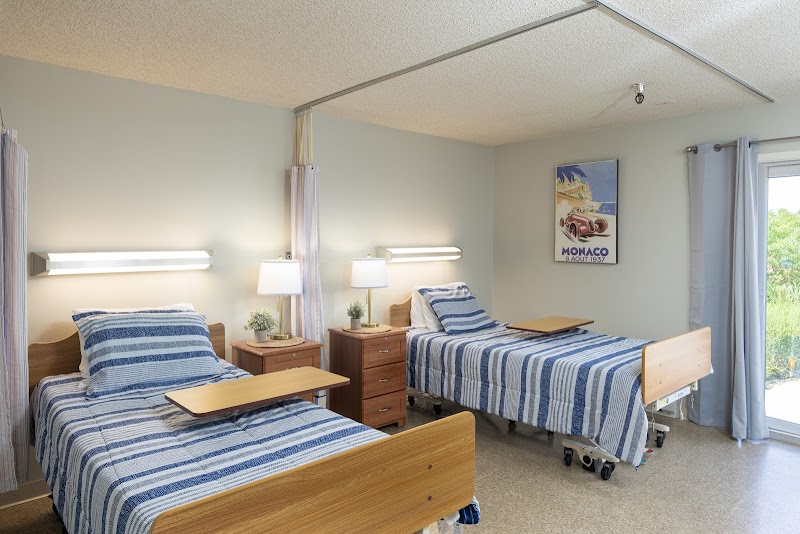
1023 W. 25TH STREET, THE DALLES, OR 97058 (541) 298-5158
For profit - Corporation 121 Beds EMPRES OPERATED BY EVERGREEN Data: November 2025
Trust Grade
65/100
#47 of 127 in OR
Last Inspection: December 2024

Within standard 12-15 month inspection cycle. Federal law requires annual inspections.

Overview

The Dalles Health & Rehabilitation Center holds a Trust Grade of C+, which indicates it is slightly above average in quality but not outstanding. It ranks #47 out of 127 facilities in Oregon, placing it in the top half, and #2 out of 3 in Wasco County, meaning only one local option is better. The facility is currently improving, having reduced its number of reported issues from 6 to 5 in the past year. Staffing is rated well at 4 out of 5 stars, with RN coverage exceeding 87% of other Oregon facilities, although the turnover rate is at 51%, which is average for the state. While there have been no fines reported, serious incidents have occurred, including a resident falling from a lift during a transfer, resulting in lacerations and a hospital visit, and another resident developing contractures due to inadequate care. Overall, the center shows both strengths in staffing and care but also notable weaknesses in incident management and resident safety.

Trust Score
C+
65/100
In Oregon
#47/127
Top 37%
Safety Record
Moderate
Needs review
Inspections
Getting Better
6 → 5 violations
Staff Stability
⚠ Watch
51% turnover. Above average. Higher turnover means staff may not know residents' routines.
Penalties
✓ Good
No fines on record. Clean compliance history, better than most Oregon facilities.
Skilled Nurses
✓ Good
Each resident gets 46 minutes of Registered Nurse (RN) attention daily — more than average for Oregon. RNs are trained to catch health problems early.
Violations
⚠ Watch
20 deficiencies on record. Higher than average. Multiple issues found across inspections.
★★★★☆
4.0
Overall Rating
★★★★☆
4.0
Staff Levels
★★★★☆
4.0
Care Quality
★★★★☆
4.0
Inspection Score
Stable
2023: 6 issues
2024: 5 issues

The Good

  • 4-Star Staffing Rating · Above-average nurse staffing levels
  • 4-Star Quality Measures · Strong clinical quality outcomes
  • Full Sprinkler Coverage · Fire safety systems throughout facility
  • No fines on record

Facility shows strength in staffing levels, quality measures, fire safety.

The Bad

Staff Turnover: 51%

Near Oregon avg (46%)

Higher turnover may affect care consistency

Chain: EMPRES OPERATED BY EVERGREEN

Part of a multi-facility chain

Ask about local staffing decisions and management

The Ugly 20 deficiencies on record

2 actual harm
Dec 2024 4 deficiencies 1 Harm
SERIOUS (G) 📢 Someone Reported This

A family member, employee, or ombudsman was alarmed enough to file a formal complaint

Actual Harm - a resident was hurt due to facility failures

Accident Prevention (Tag F0689)

A resident was harmed · This affected 1 resident

Based on interview and record review it was determined the facility failed to ensure staff provided two-person assistance when transferring a resident for 1 of 4 sampled residents (#33) reviewed for a...

Read full inspector narrative →
Based on interview and record review it was determined the facility failed to ensure staff provided two-person assistance when transferring a resident for 1 of 4 sampled residents (#33) reviewed for accidents. This failure resulted in Resident 33 falling from a mechanical lift and sustaining a laceration to the forehead which required sutures. Findings include: Resident 33 admitted to the facility in 4/2022 with diagnoses including heart disease and memory loss. A care plan dated 1/21/24 revealed Resident 33 was dependent on staff for her/his ADL care needs and required two-person assistance with a mechanical lift for transfers. A Fall Investigation initiated on 8/2/24 and completed on 8/5/24 revealed the following: -On 8/2/24 at approximately 7:30 PM, Staff 25 (Former CNA) attempted to transfer Resident 33 using a mechanical lift. While lifting the resident and moving the lift so Resident 33 was over the bed, the wheel rolled over a metal strip on the floor causing the lift to jerk. The sling tilted, and Resident 33 fell out of the sling and onto the floor. -Staff 25 attempted to stop the resident from falling, reached for the resident's right arm, and inadvertently caused lacerations with his fingers. Resident 33 hit her/his head and sustained a laceration from the fall. -Staff 8 (LPN/Social Service Director) was notified immediately, assessed the resident, and managed the bleeding from Resident 33's head and right arm. The resident was able to speak and converse appropriately per her/his baseline. -The resident was transferred to the hospital for further evaluation and received sutures to her/his left forehead. An 8/3/24 Hospital Record revealed Resident 33 sustained a laceration to the left forehead, which required three sutures, and had an abrasion to her/his right forearm from falling out of a mechanical lift. On 12/17/24 at 1:19 PM, Staff 25 stated he recalled the incident with Resident 33 on 8/2/24. Staff 25 stated Resident 33 was dependent on staff for all ADL care needs and required two-person assistance with a mechanical lift for transfers. Staff 25 stated it was a busy night and he could not find any staff to assist him with the transfer, and he wanted to get the resident into bed. Staff 25 stated Resident 33 was in the mechanical lift and when he moved the lift, the leg of the lift caught on something on the floor, causing the sling to swing. He attempted to grab the resident's right arm but it was too late, and the resident fell to the floor, hitting her/his head. Staff 25 stated there was blood coming from the resident's head and she/he had a bruise on her/his right arm from him trying to stop the fall. Staff 25 immediately got Staff 8, who assessed the resident and stopped the bleeding. Staff 25 stated it was his fault and he felt terrible about the incident. Staff 25 stated he knew Resident 33 required two-person transfer assistance but he did not follow the care plan. On 12/18/24 at 10:23 AM, Staff 3 (Assistant Executive Director/Social Service) stated he was alerted of the incident and came into the facility. Staff 3 stated he learned Staff 25 transferred Resident 33 on his own and did not follow the care plan. Staff 3 stated Resident 33's laceration was visible and bleeding when he arrived. Staff 3 stated the resident was eventually sent out to the hospital to be evaluated further. Staff 3 stated It appeared to him the wheel of the mechanical lift got caught on a metal divider on the floor, which caused Resident 33 to be tossed out of her/his sling. The sling was evaluated and found to be functional. Staff 3 stated facility staff used a different sling after the 8/2/24 incident. Staff 3 stated in-service training and education were provided to all staff regarding following the care plan, and proper use of the mechanical lift and slings. On 12/18/24 at 2:19 PM, Staff 8 (LPN) and on 12/19/24 at 1:17 PM, Staff 2 (DNS) were present for an interview. Staff 8 stated Staff 25 attempted a mechanical lift transfer with Resident 33 without a second CNA present, which caused the resident to fall out of the sling and hit her/his head on the frame of the mechanical lift. The resident had bruising to her/his right arm from Staff 25 attempting to stop the fall out of the sling. Staff 8 stated Resident 33 was bleeding and he could not get the bleeding to stop. Staff 8 stated it was evidence the the laceration needed stitches. Staff 8 stated the resident had dementia and did not understand what happened. Staff 2 and Staff 8 stated training and in-service were provided to all staff regarding the incident. The deficient practice was determined to be past noncompliance as the facility addressed the deficient practice on 8/3/24 by completing the following actions: 1. Conducted a thorough investigation of the incident. 2. Educated Staff 25 to follow the care plan and was placed on a 90 day probationary period. 3. Provided staff education on proper use of two staff persons when using the mechanical lift and following resident care plans explicitly.
CONCERN (D) 📢 Someone Reported This

A family member, employee, or ombudsman was alarmed enough to file a formal complaint

Potential for Harm - no one hurt, but risky conditions existed

Quality of Care (Tag F0684)

Could have caused harm · This affected 1 resident

2. Resident 9 was admitted to the facility in 5/2023 with diagnoses including heart failure and a history of Gastrointestinal (GI) hemorrhage (any type of bleeding in the digestive tract). The 5/1/24...

Read full inspector narrative →
2. Resident 9 was admitted to the facility in 5/2023 with diagnoses including heart failure and a history of Gastrointestinal (GI) hemorrhage (any type of bleeding in the digestive tract). The 5/1/24 Annual MDS indicated Resident 9 was severely cognitively impaired. A 11/8/24 Progress Note indicated Resident 9 was sent to the hospital and admitted for a GI bleed. A 11/10/24 Hospital Discharge Summary revealed a physician order to discontinue aspirin 81 mg, hold Eliquis 5 mg for one week and start Eliquis 2.5 mg BID on 11/15/24. It was noted the dosage was reduced due to a history of GI bleed. A review of the 11/2024 and 12/2024 MAR revealed Resident 9 received the following: -Eliquis 2.5 mg BID for three days, 11/10/24 through 11/13/24 AM. -Eliquis 5 mg BID from 11/13/24 PM through 12/19/24. -aspirin 81 mg from 11/10/24 through 12/19/24. On 12/20/24 at 8:21 AM Staff 2 (DNS) stated the 11/10/24 hospital discharge orders were inaccurately transcribed in Resident 9's medical record. Staff 2 acknowledged the physician orders were not followed; Resident 9 received the incorrect dosage of Eliquis from 11/13/24 through 12/19/24, and received aspirin after it was discontinued by the physician. Based on interview and record review it was determined the facility failed to follow physician orders for 2 of 7 sampled residents (#s 9 and 12) reviewed for hospitalizations and medications. This placed residents at risk for adverse medication side effects and fluid overload. Findings include: 1. Resident 12 was admitted to the facility in 1/2024 with diagnoses including chronic heart failure and COPD (Chronic Obstructive Pulmonary Disease). A Physician Order dated 4/19/24 revealed the following: -Daily Weights were to be obtained every morning and staff were to contact the provider for the following weight gain related to heart failure. -Three pounds in 24 hours. -Five pounds in a week. -If weight falls less less then 195, notify the provider. A review of Resident 12's 11/2024 and 12/2024 TARs and Weights and Vitals Summary revealed multiple occasions when Resident 12's weight increased by more than three pounds in a 24 hour period. There was no evidence found in Resident 12's medical record the physician was notified of the three pound weight gain in 11/2024 and 12/2024. On 12/18/24 at 3:37 PM, Staff 5 (LPN) and on 12/19/24 at 9:18 AM, Staff 8 (LPN) stated they obtained daily weights due to the resident's heart failure and concerns with edema. Staff 8 stated staff were to notify the physician when Resident 12 had a three pound increase in a 24 hour period. Staff 8 acknowledged the physician was not notified of the weight variances for 11/2024 and 12/2024. On 12/19/24 at 12:56 PM, and 12/20/24 at 8:37 AM, Staff 2 (DNS) confirmed staff did not follow physician orders related to monitoring Resident 12's weight gain. Staff 2 stated she expected staff to notify the physician when Resident 12 had a three pound increase in a 24 hour period.
CONCERN (D) 📢 Someone Reported This

A family member, employee, or ombudsman was alarmed enough to file a formal complaint

Potential for Harm - no one hurt, but risky conditions existed

Medical Records (Tag F0842)

Could have caused harm · This affected 1 resident

Based on interview and record review it was determined the facility failed to ensure records were complete and accurate for 1 of 5 sampled residents (#12) reviewed for medications. This placed residen...

Read full inspector narrative →
Based on interview and record review it was determined the facility failed to ensure records were complete and accurate for 1 of 5 sampled residents (#12) reviewed for medications. This placed residents at risk for inaccurate medical records. Findings include: Resident 12 was admitted to the facility in 1/2024 with diagnoses including chronic heart failure and COPD (Chronic Obstructive Pulmonary Disease). a. A Physician Order dated 4/19/24, revealed the following: -Daily Weights were to be obtained every morning and staff were to contact the provider for the following weight gain related to heart failure. -Three pounds in 24 hours. -Five pounds in a week. -If weight falls less less then 195, notify the provider. A review of Resident 12's 11/2024 and 12/2024 TARs and Weights and Vitals Summary revealed the following: 11/2024: Resident 12's weight was consistently below 195 pounds. 12/2024: Resident 12's weight was below 195 pounds until 12/17/24, when her/his weight was 198.5. On 12/19/24 at 12:56 PM, and 12/20/24 at 8:37 AM, Staff 2 (DNS) stated the 4/18/24 physician order was inaccurate. Staff 2 stated the order needed to be updated because Resident 12's weight was consistently averaging in the 180s and the physician was aware of the resident's weight status b. A Physician Order dated 7/29/24, directed staff to administer seven units of insulin subcutaneously with meals for diabetes. Staff were to hold insulin for blood sugars less than 100 and were to notify the physician if blood sugars were less than 80 or greater than 350. A Physician Order dated 7/29/24, directed staff to administer insulin per sliding scale as followed: -201 - 250 administer one unit; -251 - 300 administer two units; -301 - 350 administer three units; -351 - 400 administer four units; -401 - 450 administer five units; -451 administer six units and then notify the PCP after re-checking the resident in two hours related to diabetes. A review of the 12/2024 TARs revealed the resident had four instances where her/his blood sugar was greater than 350. A review of Resident 12's medical record revealed no evidence the physician was notified of the high blood sugars. On 12/19/24 at 12:56 PM, and 12/20/24 at 8:37 AM, Staff 2 (DNS) stated the 7/29/24 physician order was not intended to include contacting the physician if Resident 12's blood sugar was greater than 350. Staff 2 stated staff were to follow the 7/29/24 sliding scale order for when to notify the physician if the resident's blood sugar was greater than 451.
CONCERN (E) 📢 Someone Reported This

A family member, employee, or ombudsman was alarmed enough to file a formal complaint

Potential for Harm - no one hurt, but risky conditions existed

Deficiency F0730 (Tag F0730)

Could have caused harm · This affected multiple residents

Based on interview and record review it was determined the facility failed to ensure CNAs received annual performance reviews for 5 of 5 randomly selected CNA staff (#s 6, 10, 14, 23 and 24) reviewed ...

Read full inspector narrative →
Based on interview and record review it was determined the facility failed to ensure CNAs received annual performance reviews for 5 of 5 randomly selected CNA staff (#s 6, 10, 14, 23 and 24) reviewed for staffing. This placed residents at risk for lack of care by competent staff. Findings include: On 12/18/24 at 10:00 AM, Staff 2 (DNS) was asked for the annual performance reviews for Staff 6, Staff 10, Staff 14, Staff 23 and Staff 24. On 12/18/24 at 12:52 PM, Staff 1 (Administrator) and Staff 2 were present for an interview. Staff 2 stated Staff 6, Staff 10, Staff 14, Staff 23 and Staff 24 did not have annual performance reviews completed. Staff 2 stated she did not provide annual performance reviews.
May 2024 1 deficiency
CONCERN (D) 📢 Someone Reported This

A family member, employee, or ombudsman was alarmed enough to file a formal complaint

Potential for Harm - no one hurt, but risky conditions existed

Deficiency F0557 (Tag F0557)

Could have caused harm · This affected 1 resident

Based on interview and record review it was determined the facility failed to treat residents with dignity and respect for 1 of 3 sampled residents (#2) reviewed for dignity. This placed residents at ...

Read full inspector narrative →
Based on interview and record review it was determined the facility failed to treat residents with dignity and respect for 1 of 3 sampled residents (#2) reviewed for dignity. This placed residents at risk for a decrease in quality of life. Findings include: On 2/21/24, the Past Noncompliance was corrected when the facility identified the incident and determined Resident 2 was not treated with dignity and respect. The facility's Plan of Correction included: -Removed Staff 7 from her duties; -Audited the hall Staff 7 was assigned to; -Provided in-service training to all nursing staff for abuse and the reporting of abuse; and -Provided signature sheets verifying nursing staff had completed the training. Resident 2 admitted to the facility in 2022, with diagnoses including infection and inflammation. Resident 2's care plan dated 1/18/24, indicated she/he had moderate cognitive impairment but was able to make her/his needs and preferences known. On 2/21/24 the facility submitted a report to the state agency which indicated on 2/20/24, Staff 7 (Former CNA) yelled at Resident 2 and tried to get her/him out of her/his recliner to go to bed. When Resident 2 refused, Staff 7 threw something which hit the resident's hand. The facility initiated an investigation, determined Staff 7 verbally abused Resident 2 and terminated her employment. On 5/15/24 at 12:00 PM, Resident 2 was observed eating lunch in the dining room and later that day sleeping in her/his room. On 5/15/24 at 12:02 PM, Witness 1 (Spouse) stated she/he visited Resident 2 at the facility daily. Witness 1 saw Resident 2 the day after the incident occurred and stated she/he was not fearful or depressed about the incident but angry at Staff 7 for waking her/him up. On 5/16/24 at 1:44 PM, Staff 6 (CNA) stated she was the NOC shift CNA assigned to Resident 2 on 2/20/24. Staff 6 stated the previous shift's CNA told her Resident 2 wanted to sleep in her/his recliner that night and reported she/he had been sleeping well in the chair. Staff 6 stated Staff 7 asked her why Resident 2 was in her/his chair. Staff 6 told Staff 7, Resident 2 wanted to sleep in her/his chair as this was the best sleep the resident has had in a long time. Staff 6 stated she told Staff 7 she would take care of the resident, however, Staff 7 went to Resident 2's room. Staff 6 observed Resident 2's call light was on and went to the resident's room. Staff 6 observed Staff 7 flinging the sit to stand lift out of the resident's room and heard Resident 2 state I don't understand what's happening. I want to be left alone. Staff 6 stated she heard Staff 7 state the resident doesn't want to fucking go to bed and she/he is being a jerk and if the resident didn't go to bed and her/his butt hurt later, it would be the resident's fault. Staff 6 stated her and Staff 7 left Resident 2's room at the resident's request. Staff 6 stated she returned a few minutes later and the resident stated she/he didn't know why she/he was treated that way by Staff 7 and she/he just wanted to be left alone. Resident 2 told Staff 6 she/he was fine but Staff 7 had taken off her/his blankets, told her/him to go to bed and threw the blankets back on the resident when she/he refused. Staff 6 stated she observed the resident's blankets piled up around her/him and helped the resident straighten them out. Staff 6 stated the next day Resident 2 was fine and had no other issues as a result of the incident. On 5/17/24 at 11:50 AM, Staff 7 stated she had not yelled at Resident 2 but had to raise her voice because the resident was hard of hearing. Staff 7 stated she was not assigned to Resident 2's hall on 2/20/24, but the person assigned is lazy and wouldn't do it so I went to check on her/him. Staff 7 stated Resident 2 yelled at her when she went to her/his room and told her to get the f-out of her/his room. Staff 7 told Resident 2 that was fine and tried to put the call light on her/his blanket but the resident kept yelling at her, so she placed the call light on the bedside table and left the room. Staff 7 denied she threw the blankets or that she used profanity with the resident and stated she wanted to help her/him because she/he had sat in the recliner for over eight hours. On 5/17/24 at 12:41 PM, Staff 1 (Administrator) stated he interviewed Resident 2 the next day and the resident stated she/he didn't want Staff 7 to provide care to her/him any longer. Resident 2 stated she/he had not been sleeping well in her/his bed and wanted to sleep in the recliner, which nursing staff said was fine. Staff 1 stated Resident 2 reported to him that Staff 7 went to her/his room, woke her/him up, put the overhead light on, removed the blankets off her/him and told her/him to go to bed. Staff 1 stated Resident 2 further reported she/he asked Staff 7 to leave her/his room, which Staff 7 then threw her/his blankets back on to the resident and told the resident if her/his butt was sore not to blame her. Staff 1 stated Staff 7 was immediately placed on administrative leave, was interviewed and she stated Resident 2 was rude to her and noncompliant with getting into bed. Staff 1 confirmed he terminated Staff 7's employment when the investigation was completed and it was an expectation residents were treated with dignity and respect.
Oct 2023 6 deficiencies
CONCERN (D) 📢 Someone Reported This

A family member, employee, or ombudsman was alarmed enough to file a formal complaint

Potential for Harm - no one hurt, but risky conditions existed

Deficiency F0578 (Tag F0578)

Could have caused harm · This affected 1 resident

Based on interview and record review it was determined the facility failed to ensure a resident's advance directive was obtained for 1 of 4 sampled residents (#22) reviewed for advance directives. Thi...

Read full inspector narrative →
Based on interview and record review it was determined the facility failed to ensure a resident's advance directive was obtained for 1 of 4 sampled residents (#22) reviewed for advance directives. This placed residents at risk of not having their healthcare wishes honored. Findings include: Resident 22 was admitted to the facility in 2022 with diagnoses including hip fracture, cognitive impairment and dementia. Resident 22's 3/30/22 MDS indicated the resident's cognitive status was severely impaired. Resident 22's 10/5/23 face sheet indicated Witness 1 (Family) was the resident's power of attorney. A review of Resident 22's clinical record revealed no indication Witness 1 was asked if the resident had an advance directive or to provide a copy of the resident's advance directive if one already existed. On 10/4/23 at 8:49 AM Witness 1 stated she was aware of what an advance directive was. She stated Resident 22 already had an advance directive and she told the facility the resident had one, but the facility had not requested a copy. On 10/4/23 at 10:25 AM Staff 5 (SSD) stated she had previously asked Witness 1 if the resident had an advance directive and was told the resident did not have one. Staff 5 stated she would look through her notes for the documentation. No additional documentation was provided to indicate Witness 1 was asked if the resident had an advance directive or Witness 1 stated the resident did not have an advance directive.
CONCERN (D) 📢 Someone Reported This

A family member, employee, or ombudsman was alarmed enough to file a formal complaint

Potential for Harm - no one hurt, but risky conditions existed

Notification of Changes (Tag F0580)

Could have caused harm · This affected 1 resident

Based on interview and record review it was determined the facility failed to follow Physician Orders to notify the physician of weight changes for 1 of 2 sampled residents (#24) reviewed for nutritio...

Read full inspector narrative →
Based on interview and record review it was determined the facility failed to follow Physician Orders to notify the physician of weight changes for 1 of 2 sampled residents (#24) reviewed for nutrition. This placed residents at risk for delayed treatment. Findings include: Resident 24 was admitted to the facility in 2023 with diagnoses including diabetes and congestive heart failure. A physician order dated 8/30/23 stated Resident 24 was to be weighed daily and the physician was to be notified of weight changes of 3 pounds or greater in 2 days or 5 pounds or greater in a week. A review of Resident 24's daily Weight Summary records from 9/2023 through 10/2023 revealed the following: -From 9/8/23 to 9/10/23 Resident 24 experienced a weight change from 277 pounds to 270 pounds or 7 pounds. No physician notification was made regarding this change. -From 9/8/23 through 9/14/23 Resident 24 experienced a weight change from 277 pounds to 267.9 pounds or 9.1 pounds. No physician notification was made regarding this change. -From 9/19/23 to 9/21/23 Resident 24 experienced a weight change from 274 to 269.4 or 4.6 pounds. No physician notification was made regarding this change. -From 9/22/23 through 9/28/23 Resident 24 experienced a weight change from 262.7 pounds to 269 pounds or 6.3 pounds. No physician notification was made regarding this change. On 10/4/23 at 10:27 AM Staff 2 (DNS) confirmed Physician's Orders regarding notification of Resident 24's weight changes were not followed.
CONCERN (D) 📢 Someone Reported This

A family member, employee, or ombudsman was alarmed enough to file a formal complaint

Potential for Harm - no one hurt, but risky conditions existed

Comprehensive Assessments (Tag F0636)

Could have caused harm · This affected 1 resident

Based on interview and record review it was determined the facility failed to comprehensively assess a resident for dementia for 1 of 5 sampled residents (#12) reviewed for medications. This placed re...

Read full inspector narrative →
Based on interview and record review it was determined the facility failed to comprehensively assess a resident for dementia for 1 of 5 sampled residents (#12) reviewed for medications. This placed residents at risk for unassessed care needs. Findings include: Resident 12 was admitted to the facility in 2020 with diagnoses including dementia. Resident 12's 5/10/23 CAA for Cognitive Loss/Dementia failed to indicate specifically how dementia was a problem for the resident, how the resident's dementia manifested, the impact on the resident or a rationale for the care planning decision. On 10/4/23 at 1:10 PM the CAA was reviewed with Staff 2 (DNS) who acknowledged the assessment was not comprehensive.
CONCERN (D) 📢 Someone Reported This

A family member, employee, or ombudsman was alarmed enough to file a formal complaint

Potential for Harm - no one hurt, but risky conditions existed

Respiratory Care (Tag F0695)

Could have caused harm · This affected 1 resident

Based on observation, interview and record review it was determined the facility failed to ensure oxygen equipment was properly maintained for 1 of 2 sampled residents (#6) reviewed for respiratory ca...

Read full inspector narrative →
Based on observation, interview and record review it was determined the facility failed to ensure oxygen equipment was properly maintained for 1 of 2 sampled residents (#6) reviewed for respiratory care. This placed residents at risk for respiratory complications. Findings include: Resident 6 was admitted to the facility in 2022 with diagnoses including chronic combined systolic and diastolic heart failure. Observations on 10/2/23 at 3:29 PM and on 10/3/23 at 10:30 AM revealed Resident 6 used oxygen which flowed via nasal cannula from an oxygen concentrator in her/his room. The tubing was labeled and dated 9/16/23, indicating the last time the tubing had been changed. Resident 6's 9/2023 TAR instructed staff to change Resident 6's oxygen tubing every Saturday on the NOC shift. The TAR indicated the resident's tubing was changed on 9/23/23 and 9/30/23. On 10/3/23 at 10:43 AM Staff 3 (RNCM) confirmed the oxygen tubing was dated 9/16/23 and was not changed on 9/23/23 and 9/30/23. Staff 3 stated it was her expectation the tubing was changed weekly and then documented it had been completed.
CONCERN (D) 📢 Someone Reported This

A family member, employee, or ombudsman was alarmed enough to file a formal complaint

Potential for Harm - no one hurt, but risky conditions existed

Medical Records (Tag F0842)

Could have caused harm · This affected 1 resident

Based on observation, interview and record review it was determined the facility failed to accurately document in the medical record for 1 of 2 sampled residents (#6) reviewed for oxygen equipment. Th...

Read full inspector narrative →
Based on observation, interview and record review it was determined the facility failed to accurately document in the medical record for 1 of 2 sampled residents (#6) reviewed for oxygen equipment. This placed residents at risk for inaccurate medical records. Findings include: Resident 6 was admitted to the facility in 6/2022 with diagnoses including chronic combined systolic and diastolic heart failure. Observations on 10/2/23 at 3:29 PM and on 10/3/23 at 10:30 AM revealed Resident 6 used oxygen which flowed via nasal cannula from an oxygen concentrator in her/his room. The tubing was labeled and dated 9/16/23, indicating the last time the tubing had been changed. Resident 6's 9/2023 TAR instructed staff to change Resident 6's oxygen tubing every Saturday on the NOC shift. The TAR indicated the resident's tubing was changed on 9/23/23 and 9/30/23. On 10/3/23 at 10:43 AM Staff 3 (RNCM) confirmed the oxygen tubing was dated 9/16/23 and was not changed on 9/23/23 and 9/30/23. Staff 3 stated it was her expectation the tubing was changed weekly and then documented it had been completed.
CONCERN (E) 📢 Someone Reported This

A family member, employee, or ombudsman was alarmed enough to file a formal complaint

Potential for Harm - no one hurt, but risky conditions existed

Safe Environment (Tag F0584)

Could have caused harm · This affected multiple residents

**NOTE- TERMS IN BRACKETS HAVE BEEN EDITED TO PROTECT CONFIDENTIALITY** Based on observations and interviews it was determined the facility failed to maintain a homelike environment for 1 of 1 facilit...

Read full inspector narrative →
**NOTE- TERMS IN BRACKETS HAVE BEEN EDITED TO PROTECT CONFIDENTIALITY** Based on observations and interviews it was determined the facility failed to maintain a homelike environment for 1 of 1 facility reviewed for environment. This placed residents at risk for living in an unkempt environment. Findings include: Observations of the facility's general environment and residents' rooms from 10/2/23 through 10/5/23 identified the following issues: -room [ROOM NUMBER] had jagged edges on the door with paint scratched and peeling. The area below the resident's sink had unfinished patches of drywall. -room [ROOM NUMBER]'s sliding glass patio door was unable to stay securely closed, allowing air to come in and not close properly. -room [ROOM NUMBER] had jagged edges on the door with paint scratched and peeling. -room [ROOM NUMBER] had jagged edges on the door with paint scratched and peeling. -room [ROOM NUMBER] had jagged edges on the door with paint scratched and peeling. -room [ROOM NUMBER] had jagged edges on the door with paint scratched and peeling. -room [ROOM NUMBER] had tape on the window to seal where the rubber was missing, the aluminum edge was missing (outside seal) and the window screen was bent approximately 2-3 inches outward. -room [ROOM NUMBER] had jagged edges on the door with paint scratched and peeling. -The front doors were jagged with paint scratched and peeling. -The carpeted area surrounding the nurses station had multiple dark brown and black areas. -Hall 300 shower room had missing tiles, missing grout, rust on top of the heater, chipped paint on the handrail and paint patches on the walls where repairs had been started but not completed. On 10/5/23 at 8:45 AM Staff 4 (Maintenance Director) stated he was notified of needed repairs when staff wrote down repair concerns or alerted him verbally notifications. Staff 4 stated he completed rounds and audits on a weekly basis. Staff 1 (Administrator) stated he was aware of the identified concerns. A facility walk through was completed with Staff 1 and Staff 4. Staff 1 and Staff 4 acknowledged the identified rooms were not homelike and the identified maintenance concerns needed to be repaired.
Jul 2022 9 deficiencies 1 Harm
SERIOUS (G)

Actual Harm - a resident was hurt due to facility failures

Deficiency F0688 (Tag F0688)

A resident was harmed · This affected 1 resident

Based on observation, interview and record review it was determined the facility failed to prevent loss of range of motion and development of contractures for 1 of 1 sampled resident (#6) reviewed for...

Read full inspector narrative →
Based on observation, interview and record review it was determined the facility failed to prevent loss of range of motion and development of contractures for 1 of 1 sampled resident (#6) reviewed for contractures. This failure resulted in Resident 6 developing bilateral (both) ankle contractures, reduced range of motion of both hips and pain in the lower extremities. Findings include: Resident 6 was admitted to the facility in 2017 with diagnoses including dislocation of the right shoulder and contractures of both hands, wrists and elbows. The facility Policy on the Restorative Program (RA) updated 3/2019 indicated the program's focus was on achieving and maintaining optimal physical, mental and psychosocial functioning of the resident and to attain and maintain each resident's practicable functioning. The Policy Guidelines included the following residents may be appropriate for a restorative program: *Any resident who had a decline in level of function from baseline. *Any resident discontinued from active therapy that required ongoing restorative to maintain their functional gains. * Any resident at risk for declining in function. Additionally, residents would be evaluated on Admission, Quarterly, or if a Significant Change occurred. No documentation was found in the resident's medical record to indicate regular evaluations of an RA program were performed for Resident 6. An undated addition to the Restorative Program Policy was stapled to the front of the policy and read: Due to staffing shortages the facility would use therapy services to provide on-going restorative training, using the gym equipment, under supervision of the therapy team and programs specific to a resident would be assigned to the nursing staff with training on how to carry out the task safely and appropriately. Resident 6 discharged from the facility's skilled physical therapy on 11/10/20. A 4/14/22 Physician/ARNP/PA Note indicated Resident 6 had contractures of both elbows, wrists, hands and a chronic right shoulder dislocation. No contractures of the ankles or issues with the knees or hips were noted. On 7/11/22 at 3:15 PM Resident 6 was observed lying in bed and appeared to be in an uncomfortable position. The resident was grimacing as if in pain. Resident 6 was non-verbal so Staff 27 (CNA) was asked to look and see if the resident's position was normal and if the resident was in pain. Staff 27 said the resident needed the pillow between her/his legs repositioned to make her/him comfortable. On 7/12/22 at 12:44 PM Resident 6 was observed lying in bed. The resident had significant contractures of the elbows, wrists and hands. It also appeared the resident had contractures of the ankles and feet and her/his feet were turned inwards. On 7/13/22 at 1:56 PM Witness 1 (Hospice RN) stated Resident 6 was admitted to hospice due to her/his decline. She stated residents would benefit from an RA program and she recommended it even for residents on hospice. On 7/14/22 at 11:06 AM Staff 28 (Therapy Manager) recalled when she started working at the facility in 5/2022 she asked if they could start an RA program because there was not one in place. With the facility's current temporary plan only two or three residents would actually be physically able to come down and exercise in the gym with a therapist present. The CNAs were responsive to assisting but the therapy department had to be cautious because they could not ensure safety without their oversight and provision of the additional training required. Resident 6 would be a perfect candidate for an RA program. When told it appeared the resident developed contractures in her/his feet she indicated she would take a look at the resident. On 7/14/22 at 12:45 PM Staff 28 returned and indicated she looked at the resident and her/his condition, including her/his feet, had worsened. She requested a PT evaluation. On 7/14/22 a physician's order was received for a physical therapy evaluation due to internal rotation of Resident 6's bilateral hips. On 7/14/22 at 1:37 PM Staff 27 (CNA) stated she made sure Resident 6 had her/his hand braces on but she did not provide any exercises or ROM with the resident. On 7/15/22 at 11:55 AM Staff 25 (CNA/CMA) indicated she did not do any exercises or ROM for residents. On 7/15/22 at 12:05 PM Staff 9 (RN) stated she did not do exercises or ROM with residents. On 7/15/22 at 1:06 PM Staff 26 (CNA) stated staff did not have a lot of time to perform RA or ROM exercises. Staff 26 stated they could really use an RA program because the CNAs did not have time to do as much as they would like and it would really benefit the residents. On 7/15/22 a Physical Therapy Evaluation was completed for Resident 6. The referral was to assess ROM of the lower extremities and positioning. The evaluation found the resident had developed bilateral ankle contractures and reduced ROM of both hips, wideswept posture in supine (abduction and external rotation of one hip with the adduction and internal rotation of the other) and was at high risk for contractures, skin breakdown and increased pain in the lower extremities. Resident 6 would benefit from skilled PT to improve ROM and flexibility. Therapy would also implement education on appropriate positioning in bed and the geri chair in order to prevent further contractures and skin breakdown and promote optimal comfort for the resident. On 7/15/22 at 1:15 PM Staff 2 (DNS) acknowledged the facility did not identify the worsening condition of Resident 6's lower extremities. She was informed of the results of the PT evaluation which indicated the resident developed new contractures of the feet, and her/his knees and hips were involved in her/his physical decline. The resident also had reduced ROM of both hips and was at high risk for further contractures, skin breakdown and increased lower extremity pain. Staff 2 indicated she was aware of the need to have an RA program in place.
CONCERN (D)

Potential for Harm - no one hurt, but risky conditions existed

ADL Care (Tag F0677)

Could have caused harm · This affected 1 resident

2. Resident 18 was admitted to the facility in 8/2020 with diagnoses including heart failure and dementia. A 6/3/22 MDS revealed Resident 18 had a Brief Interview for Mental Status (BIMS) score of 5, ...

Read full inspector narrative →
2. Resident 18 was admitted to the facility in 8/2020 with diagnoses including heart failure and dementia. A 6/3/22 MDS revealed Resident 18 had a Brief Interview for Mental Status (BIMS) score of 5, which indicated Resident 18 was severely cognitively impaired. On 7/12/22 at 9:02 AM Resident 18's toenails were observed to be long and discolored. A review of Resident 18's medical record revealed there was no documentation for the last thirty days that her/his nails received care. A review of the Documentation Survey Report for June 2022 and July 2022 revealed Resident 18 rejected care three times in the last thirty days; on 6/20/22, 6/27/22, and 6/28/22. A review of Resident 18's care plan revealed staff were to check nail length, trim and clean on bath days and as necessary, and were to report any changes to the nurse. A 6/28/22 Skin Alert/Body Alert revealed Resident 18 refused nail care. A 7/1/22 Skin Alert/Body Alert revealed the staff were unable to clip Resident 18's toenails. A 7/5/22 Skin Alert/Body Alert revealed the staff did not clip Resident 18's toenails. A 7/12/22 Skin Alert/Body Alert revealed the staff did not clip Resident 18's toenails. In an interview on 7/13/22 at 11:46 AM Staff 11 (CNA) stated Resident 18 had pretty interesting toenails and the charge nurse was to provide her/his nail care. In an interview on 7/13/22 at 3:44 PM Staff 20 (CNA) stated Resident 18 received extensive assistance with cares, and her/his toenails were really thick and the nurse was to provide care. In an interview on 7/14/22 at 9:16 AM Staff 9 (RN) stated the CNAs provided care for Resident 18's toenails. In an interview on 7/14/22 at 10:26 AM Staff 5 (RNCM) stated he had not heard of any issues with Resident 18's toenails, stated the CNAs were to check them every day, and there was no order for the charge nurse to check the toenails. On 7/14/22 at 11:13 AM Staff 5 was observed trimming Resident 18's toenails. Staff 5 stated Resident 18's nails were long and one looked bad. In an interview on 7/14/22 Staff 2 (DNS) stated she was unable to find documentation of Resident 18's nail care being completed in 2022. Based on observation, interview and record review it was determined the facility failed to provide nail care for 2 of 2 sampled residents (#s 5 and 18) reviewed for activities of daily living. This placed residents at risk for unmet needs. Findings include: 1. Resident 5 was admitted to the facility in 2022 with diagnoses including brain damage and leg fracture. Resident 5's care plan dated 1/25/22 included the resident was to be encouraged to perform self-care for showers as able and staff were to provide extensive assistance to finish the shower, including nail care. On 7/11/22 at 4:37 PM and 7/13/22 at 2:31 PM Resident 5 was observed to have very long fingernails with a dark brown substance under all the nails. On 7/14/22 at 2:24 PM Staff 22 (CNA) observed Resident 5's nails and verified they were very dirty and long. Staff 22 stated the current condition of the resident's nails was not acceptable and she would trim and clean the fingernails.
CONCERN (D)

Potential for Harm - no one hurt, but risky conditions existed

Quality of Care (Tag F0684)

Could have caused harm · This affected 1 resident

Based on interview and record review the facility failed to follow physician orders for 1 of 5 residents (#2) reviewed for unnecessary medications. This placed residents at risk for medical needs not ...

Read full inspector narrative →
Based on interview and record review the facility failed to follow physician orders for 1 of 5 residents (#2) reviewed for unnecessary medications. This placed residents at risk for medical needs not being met. Findings include: Resident 2 was admitted to the facility in 1/2022 with diagnoses including hypertension. A review of the 7/2022 Treatment Administration Record (TAR) revealed an order for staff to weigh Resident 2 daily and to notify the PCP of weight gain over 3 pounds in a day. The TAR revealed on 7/11/22 Resident 2 weighed 166.8 pounds and on 7/12/22 Resident 2 weighed 171.9 pounds, a gain of 5.1 pounds in one day. A review of the medical record revealed there was no documentation that the physician was notified of Resident 2's weight gain. In an interview on 7/14/22 at 11:09 AM Staff 5 (RNCM) acknowledged the physician was not notified.
CONCERN (D)

Potential for Harm - no one hurt, but risky conditions existed

Pressure Ulcer Prevention (Tag F0686)

Could have caused harm · This affected 1 resident

Based on observation, interview and record review it was determined the facility failed to ensure residents received accurate assessments and treatment of pressure ulcers for 1 of 1 sampled resident (...

Read full inspector narrative →
Based on observation, interview and record review it was determined the facility failed to ensure residents received accurate assessments and treatment of pressure ulcers for 1 of 1 sampled resident (#27) reviewed for pressure ulcers. This placed residents at risk for unmet needs. Findings include: Resident 27 was admitted to the facility in 2022 with diagnoses including leg fracture. According to the National Pressure Ulcer Advisory Panel's (NPUAP): Stage 2 Pressure Ulcer: Partial-thickness skin loss with exposed dermis. The wound bed is viable, pink or red, moist and may also appear as an intact or ruptured serum filled blister. These injuries commonly result from a blister presenting as a shallow open ulcer. A readmission Nursing Evaluation for skin issues document dated 6/23/22 indicated Resident 27 had multiple blisters to the right lower leg. There were no further skin evaluation documents found in Resident 27's medical record. A physician order dated 6/24/22 indicated staff were to monitor open blisters on posterior calf and thigh for changes or resolution. On 7/12/22 at 10:15 AM Resident 27 stated she/he had blisters to the back of her/his right leg which had no dressings, were draining and stuck to her/his sheets. Resident 27 stated the blisters were from a brace she/he wore while in the hospital. On 7/13/22 at 3:42 PM Staff 9 (RN) revealed four open areas to the back of Resident 27's right leg. The open areas had scabs on the outer edges but were open in the middle of the wound. Staff 9 touched the large wound and the resident winced in pain. Staff 9 stated staff were to monitor the wounds only and there was no treatment in place for the wounds. Staff 9 stated the wounds were from a stabilizer brace which rubbed against the top layer of skin and opened the wounds. On 7/13/22 at 4:30 PM Staff 7 (admission Director/RN) stated when Resident 27 readmitted she/he had multiple blisters to the back of her/his right leg and the admitting nurse did not measure each blister individually because there were multiple blisters. Staff 7 stated the blisters should have been documented as Stage 2 pressure wounds. Staff 7 stated the nurses were to complete a head to toe assessment within two hours of admission. If wounds were found measurements were to be completed, the PCP was to be called and treatment orders obtained. Staff 7 stated there was only one skin assessment document found in the resident's medical record regarding the blisters. On 7/15/22 at 11:11 AM Staff 2 (DNS) stated the blisters were Stage 2 wounds. The wounds should have been assessed accurately, the physician notified and treatment orders obtained.
CONCERN (D)

Potential for Harm - no one hurt, but risky conditions existed

Respiratory Care (Tag F0695)

Could have caused harm · This affected 1 resident

Based on observation, interview and record review it was determined the facility failed to provide care and services for a resident's CPAP (continuous positive airway pressure machine that uses mild a...

Read full inspector narrative →
Based on observation, interview and record review it was determined the facility failed to provide care and services for a resident's CPAP (continuous positive airway pressure machine that uses mild air pressure via a mask to keep breathing airways open during sleep) equipment for 1 of 1 sampled resident (#12) reviewed for respiratory care. This placed residents at risk for respiratory distress. Findings include: Resident 12 was admitted to the facility in 2017 with diagnoses including heart failure and obstructive sleep apnea (inability to breathe normally because of upper airway obstruction). A physician order dated 8/15/21 directed staff to apply the CPAP at bedtime related to obstructive sleep apnea. Staff were to place the CPAP on at bedtime and remove it in the morning. On 7/5/22 at 10:01 PM an Orders Administration Note indicated Resident 6 did not want the CPAP on that night. The resident was using oxygen via nasal cannula. On 7/8/22 at 10:23 AM an Orders Administration Note included the CPAP was not in use at this time, it was non-functioning. On 7/11/22 at 11:05 PM an Orders Administration Note included the resident used oxygen via nasal cannula at night. The note did not indicate the CPAP was not functioning. On 7/15/22 at 10:53 AM Resident 12 stated her/his CPAP machine had not been working for well over a month. She/he could not wear it because it just pushed the air all over. Resident 12 stated the staff did not seem to understand that she/he could not breathe with the machine on in its current state. Resident 12 was adamant she/he did not use the machine since it broke and it broke over a month ago. On 7/14/22 at 4:22 PM Staff 9 (RN) stated she knew about the broken CPAP machine. The chin area of the mask was not sealing so the air blew all over. The resident used oxygen at night while they waited for an appointment to get the CPAP repaired. In a review of Resident 12's medical record no documentation was found to indicate the physician was notified of the CPAP machine not working. No date was found for when the machine originally stopped working or when the staff began using the oxygen as a replacement. On 7/15/22 at 1:14 PM Staff 2 (DNS) indicated she was unable to find the date when the CPAP was broken, the date when staff started using the oxygen at night, or that the physician was notified.
CONCERN (D)

Potential for Harm - no one hurt, but risky conditions existed

Drug Regimen Review (Tag F0756)

Could have caused harm · This affected 1 resident

Based on interview and record review it was determined the facility failed to ensure pharmacy recommendations were addressed by the physician for 1 of 5 sampled residents (#27) reviewed for unnecessar...

Read full inspector narrative →
Based on interview and record review it was determined the facility failed to ensure pharmacy recommendations were addressed by the physician for 1 of 5 sampled residents (#27) reviewed for unnecessary medications. This placed residents at risk for medication complications. Findings include: Resident 27 was admitted to the facility in 2022 with diagnoses including depression and post traumatic stress disorder (PTSD). A physician order dated 6/23/22 indicated the resident received lursidone (antipsychotic medication). A Pharmacist's Medication Regimen Review dated 6/24/22 indicated, The resident is receiving an antipsychotic agent but lacks an allowable diagnosis to support its use. On 7/15/22 at 11:26 AM Staff 2 (DNS) acknowledged the pharmacist review was not reported to the attending physician or the medical director and the recommendations were not implemented.
CONCERN (D)

Potential for Harm - no one hurt, but risky conditions existed

Medication Errors (Tag F0758)

Could have caused harm · This affected 1 resident

Based on interview and record review it was determined the facility failed to ensure residents were aware of the risk and benefits and had accurate diagnoses for psychotropic medication for 2 of 5 sam...

Read full inspector narrative →
Based on interview and record review it was determined the facility failed to ensure residents were aware of the risk and benefits and had accurate diagnoses for psychotropic medication for 2 of 5 sampled residents (#s 2 and 27) reviewed for unnecessary medications. This placed residents at risk for adverse side effects and unnecessary medications. Findings include: 1. Resident 2 was admitted to the facility in 1/2022 with diagnoses including anxiety. A review of Resident 2's medication orders revealed an order for buspirone (antianxiety medication) for anxiety. A review of Resident 2's 7/2022 MAR revealed Resident 2 received buspirone twice daily. Resident 2's medical record did not include a signed consent for risk versus benefits related to buspirone. In an interview on 7/14/22 at 12:21 Staff 2 (DNS) stated there was no signed consent for Resident 2 to receive buspirone. 2 a. Resident 27 was admitted to the facility in 2022 with diagnoses including depression and post traumatic stress disorder (PTSD). A signed physician order dated 7/1/22 with a start date of 6/23/22 revealed Resident 27 received fluoxetine (antidepressant medication) and lurasidone (antipsychotic medication). Resident 27's medical record did not include signed consents for risk versus benefits related to fluoxetine and lurasidone. On 7/15/22 at 11:26 AM Staff 2 (DNS) stated there were no signed consents for Resident 27 to receive fluoxetine and lurasidone. b. Resident 27 was admitted to the facility in 2022 with diagnoses including post traumatic stress disorder (PTSD) and depression. A signed physician order dated 7/1/22 with a start date of 6/23/22 instructed staff to administer lurasidone (antipsychotic medication) in the evening as ordered. No rationale for the use of an antipsychotic medication was found in the resident's medical record. On 7/15/22 at 11:26 AM Staff 2 (DNS) acknowledged the lurasidone did not have a rationale for use.
CONCERN (D)

Potential for Harm - no one hurt, but risky conditions existed

Dental Services (Tag F0791)

Could have caused harm · This affected 1 resident

Based on interview and record review it was determined the facility failed to provide routine dental services to meet the resident's needs for 1 of 1 sampled resident (#18) reviewed for dental care. T...

Read full inspector narrative →
Based on interview and record review it was determined the facility failed to provide routine dental services to meet the resident's needs for 1 of 1 sampled resident (#18) reviewed for dental care. This placed residents at risk for unmet dental needs. Findings include: Resident 18 was admitted to the facility in 2020 with diagnoses including heart failure. In an interview on 7/12/22 at 11:09 AM Witness 2 (family member) stated Resident 18's lower denture was broken a two years ago and she/he could no longer use them. Care Conference evaluations dated 8/3/21, 11/3/21, 4/8/22 and 7/8/22 revealed no documentation of dental appointments being offered to Resident 18. Social Services Assessments dated 8/10/21,11/5/21 and 2/5/22 revealed no documentation of dental services being offered to Resident 18. On 7/15/22 at 10:07 AM Staff 6 (Social Services Director) stated dental appointments were made if the resident, family or nurse requested them. Staff 6 stated there was no tracking to ensure regular dental appointments were made. On 7/15/22 at 10:11 AM and 1:10 PM Staff 2 (DNS) stated social services was responsible for dental appointments and the facility should make dental referrals every six months based on what the insurance provided. Staff 2 confirmed Resident 18 did not have a dental appointment since admission to the facility in 2020.
CONCERN (E)

Potential for Harm - no one hurt, but risky conditions existed

Deficiency F0578 (Tag F0578)

Could have caused harm · This affected multiple residents

2. Resident 26 was admitted to the facility in 2021 with diagnoses including heart disease and kidney disease. A review of the medical record revealed Resident 26 did not have an advance directive an...

Read full inspector narrative →
2. Resident 26 was admitted to the facility in 2021 with diagnoses including heart disease and kidney disease. A review of the medical record revealed Resident 26 did not have an advance directive and there was no information to indicate the facility periodically followed up with the resident related to her/his desire to execute an advance directive. On 7/12/22 at 12:53 PM Resident 26 stated she/he was not offered an advanced directive. On 7/13/22 at 3:11 PM AM Staff 6 (Social Service Director) stated residents were asked at admission about advance directives. Staff 6 added she did not follow-up with the resident after the advanced directive form was given to them. Based on interview and record review it was determined the facility failed to obtain, request, review copies of advance directives if available or periodically review resident wishes to execute an advance directive for 4 of 6 sampled residents (#s 12, 14, 26, 27) reviewed for advance directives. This placed residents at risk for not having their health care decisions honored. Findings include: 1. Resident 12 admitted to the facility in 2021 with diagnoses including stroke. A Statement of Receipt Advanced Healthcare Directive Information was signed by the resident on 7/30/21 with her/his admission paperwork. There was no documentation to indicate there was any follow up with the resident related to advance directives. A 5/19/22 Care Conference form contained a box to check for review of advance directives. The box was checked but no information was included in the notes section to indicate if the resident understood what an advance directive was, if the resident wanted or did not want an advance directive or if the facility staff followed up with the resident or their families who had an advance directive to ensure a copy was received and placed in the resident's medical record. A review of Resident 12's medical record indicated there was no follow up to the information provided to the resident after initial admission. There was no documentation to indicate if the resident wanted or refused an advance directive. On 7/13/22 at 11:28 AM Staff 7 (admission Director) stated she provided the advance directive information to the resident with the admission packet but she did not follow up on it. On 7/13/22 at 3:11 PM Staff 6 (Social Service Director) said advance directives were only done on admission and she had no part in it. They reviewed advance directives annually in care meetings. There was a box that was checked on the care meeting sheet that it was reviewed. If the resident did not have an advance directive they will offer or provide the form. Staff 6 said they did not get many forms back from residents and she did not follow up on the forms. There was no documentation in the record to verify if forms were offered or provided to residents or if they accepted or refused the forms. On 7/13/22 at 3:19 PM Staff 1 (Administrator) provided the facility's Advance Directive Policy, updated August 2010. Advance directive information was offered by admissions staff and reviewed at annual care conferences. Staff 1 indicated understanding that increased documentation was needed by staff to clearly identify the resident's choices related to advance directive and follow up on advance directive forms by staff was needed. 3. Resident 27 was admitted to the facility in 2022 with diagnoses including leg fracture. A review of the medical record revealed Resident 27 did not have an advance directive and there was no information to indicate the facility periodically followed up with the resident related to her/his desire to execute an advance directive. On 7/12/22 at 12:47 PM Resident 27 stated she/he was not offered an advanced directive. On 7/13/22 at 3:11 PM Staff 6 (Social Service Director) stated residents were asked at admission about advance directives. Staff 6 added she did not follow-up with the resident after the advanced directive form was given to them. 4. Resident 14 was admitted to the facility in 2013 with diagnoses including depression and dementia. A 5/27/22 Annual MDS revealed Resident 14 had a BIMS of 9 which indicated moderately impaired cognitive deficits. A review of Resident 14's medical record revealed no advance directive. A review of Care Conference forms from 7/22/21, 10/22/21, 2/9/22, 3/17/22, 5/27/22 revealed no advance directives were reviewed. In an interview on 7/13/22 at 3:11 PM Staff 6 (Social Services Director) stated advance directives were done on admission and reviewed annually. Staff 6 also stated she did not often get completed advance directive forms back from residents after the facility provided them and stated she did not follow up with the residents on these forms. In an interview on 7/13/22 at 4:32 PM Staff 2 (DNS) acknowledged advance directives for Resident 14 were not reviewed.
Understanding Severity Codes (click to expand)
Life-Threatening (Immediate Jeopardy)
J - Isolated K - Pattern L - Widespread
Actual Harm
G - Isolated H - Pattern I - Widespread
Potential for Harm
D - Isolated E - Pattern F - Widespread
No Harm (Minor)
A - Isolated B - Pattern C - Widespread

Questions to Ask on Your Visit

  • "Can I speak with families of current residents?"
  • "What's your RN coverage like on weekends and overnight?"

Our Honest Assessment

Strengths
  • • No fines on record. Clean compliance history, better than most Oregon facilities.
Concerns
  • • 20 deficiencies on record, including 2 serious (caused harm) violations. Ask about corrective actions taken.
Bottom line: Mixed indicators with Trust Score of 65/100. Visit in person and ask pointed questions.

About This Facility

What is The Dalles Health & Rehabilitation Center's CMS Rating?

CMS assigns THE DALLES HEALTH & REHABILITATION CENTER an overall rating of 4 out of 5 stars, which is considered above average nationally. Within Oregon, this rating places the facility higher than 99% of the state's 100 nursing homes. This rating reflects solid performance across the metrics CMS uses to evaluate nursing home quality.
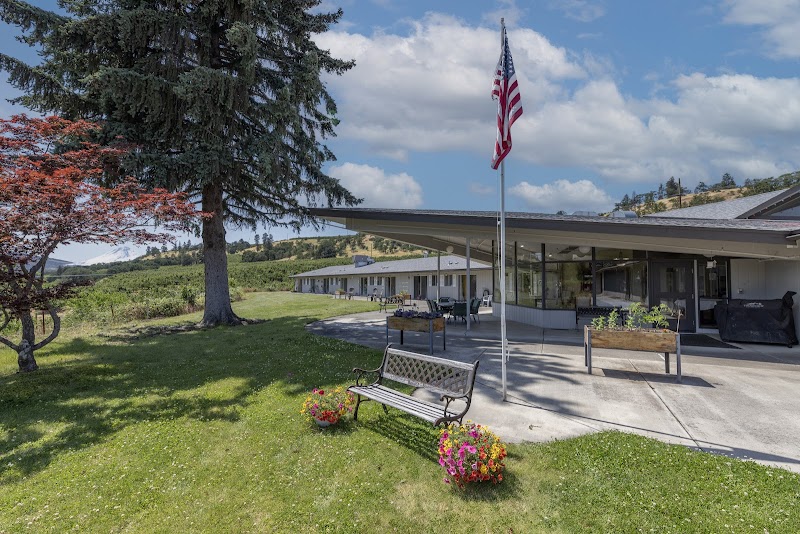
How is The Dalles Health & Rehabilitation Center Staffed?

CMS rates THE DALLES HEALTH & REHABILITATION CENTER's staffing level at 4 out of 5 stars, which is above average compared to other nursing homes. Staff turnover is 51%, compared to the Oregon average of 46%.

What Have Inspectors Found at The Dalles Health & Rehabilitation Center?

State health inspectors documented 20 deficiencies at THE DALLES HEALTH & REHABILITATION CENTER during 2022 to 2024. These included: 2 that caused actual resident harm and 18 with potential for harm. Deficiencies causing actual harm indicate documented cases where residents experienced negative health consequences.
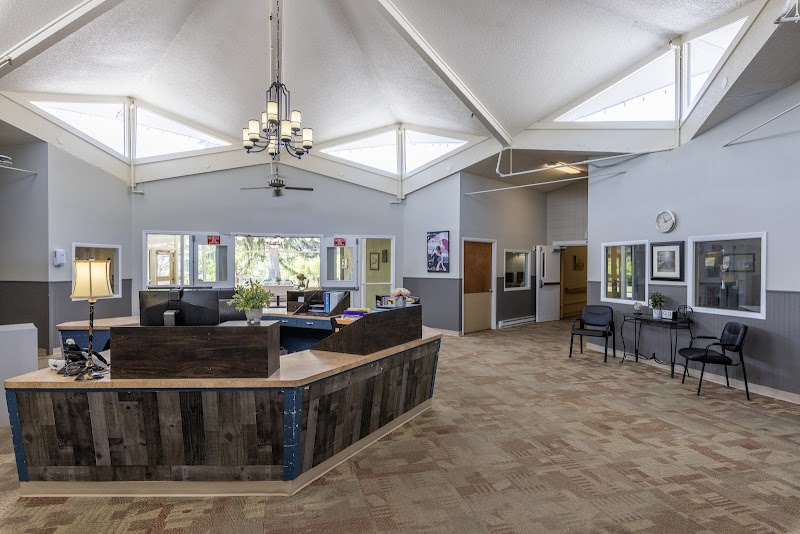
Who Owns and Operates The Dalles Health & Rehabilitation Center?

THE DALLES HEALTH & REHABILITATION CENTER is owned by a for-profit company. For-profit facilities operate as businesses with obligations to shareholders or private owners. The facility is operated by EMPRES OPERATED BY EVERGREEN, a chain that manages multiple nursing homes. With 121 certified beds and approximately 37 residents (about 31% occupancy), it is a mid-sized facility located in THE DALLES, Oregon.
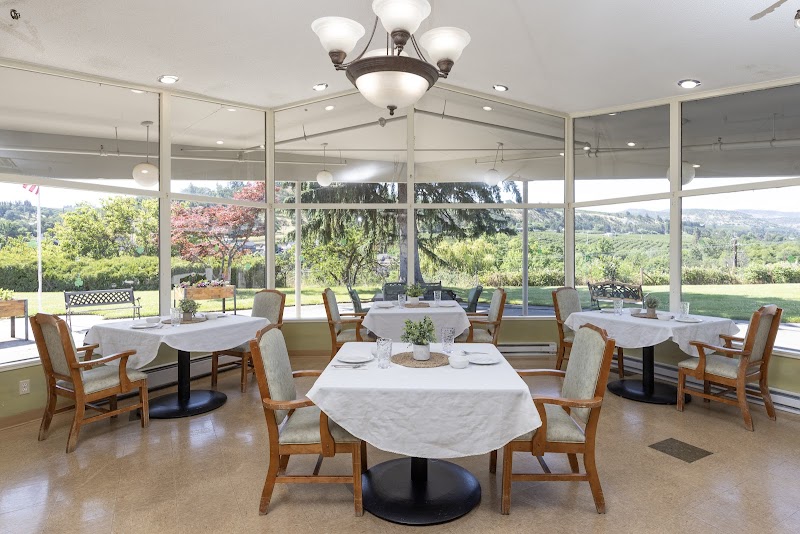
How Does The Dalles Health & Rehabilitation Center Compare to Other Oregon Nursing Homes?

Compared to the 100 nursing homes in Oregon, THE DALLES HEALTH & REHABILITATION CENTER's overall rating (4 stars) is above the state average of 3.0, staff turnover (51%) is near the state average of 46%, and health inspection rating (4 stars) is above the national benchmark.

What Should Families Ask When Visiting The Dalles Health & Rehabilitation Center?

Based on this facility's data, families visiting should ask: "Can I visit during a mealtime to observe dining assistance and food quality?" "How do you handle medical emergencies, and what is your hospital transfer rate?" "Can I speak with family members of current residents about their experience?"

Is The Dalles Health & Rehabilitation Center Safe?

Based on CMS inspection data, THE DALLES HEALTH & REHABILITATION CENTER has a clean safety record: no substantiated abuse findings (meaning no confirmed cases of resident harm), no Immediate Jeopardy citations (the most serious violation level indicating risk of serious injury or death), and is not on the Special Focus Facility watch list (a federal program monitoring the lowest-performing 1% of nursing homes). The facility has a 4-star overall rating and ranks #1 of 100 nursing homes in Oregon. While no facility is perfect, families should still ask about staff-to-resident ratios and recent inspection results during their visit.

Do Nurses at The Dalles Health & Rehabilitation Center Stick Around?

THE DALLES HEALTH & REHABILITATION CENTER has a staff turnover rate of 51%, which is 5 percentage points above the Oregon average of 46%. Moderate turnover is common in nursing homes, but families should still ask about staff tenure and how the facility maintains care continuity when employees leave.

Was The Dalles Health & Rehabilitation Center Ever Fined?

THE DALLES HEALTH & REHABILITATION CENTER has no federal fines on record. CMS issues fines when nursing homes fail to meet care standards or don't correct problems found during inspections. The absence of fines suggests the facility has either maintained compliance or corrected any issues before penalties were assessed. This is a positive indicator, though families should still review recent inspection reports for the full picture.

Is The Dalles Health & Rehabilitation Center on Any Federal Watch List?

THE DALLES HEALTH & REHABILITATION CENTER is not on any federal watch list. The most significant is the Special Focus Facility (SFF) program, which identifies the bottom 1% of nursing homes nationally based on persistent, serious quality problems. Not being on this list means the facility has avoided the pattern of deficiencies that triggers enhanced federal oversight. This is a positive indicator, though families should still review the facility's inspection history directly.