AVAMERE REHABILITATION OF KING CITY
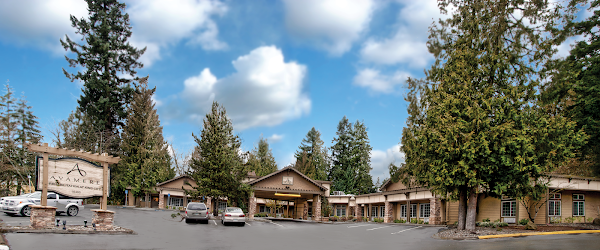
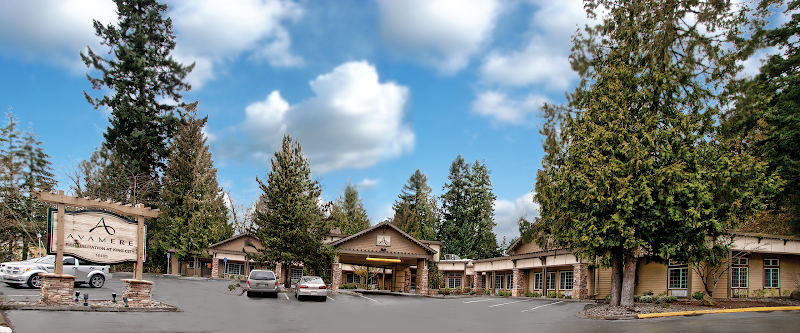
16485 SW PACIFIC HIGHWAY, TIGARD, OR 97224 (503) 620-5141
For profit - Corporation 148 Beds AVAMERE Data: November 2025 1 Immediate Jeopardy citation
Trust Grade
33/100
#78 of 127 in OR
Last Inspection: July 2024

Within standard 12-15 month inspection cycle. Federal law requires annual inspections.

Overview

Avamere Rehabilitation of King City has received a Trust Grade of F, which indicates significant concerns about the facility's care and operations. Ranked #78 out of 127 nursing homes in Oregon, they are in the bottom half of facilities in the state and #8 out of 9 in Washington County, meaning only one local option is better. While the facility shows an improving trend, reducing issues from 12 to 1 in the last year, it still has alarming deficiencies, including a critical incident where they failed to investigate potential sexual abuse adequately. Staffing is a strength, with a 4 out of 5-star rating and a turnover rate of 38%, which is lower than the state average. However, they have incurred $49,348 in fines, reflecting ongoing compliance issues. Additionally, the facility lacks sufficient infection prevention protocols, which could pose health risks to residents.

Trust Score
F
33/100
In Oregon
#78/127
Bottom 39%
Safety Record
High Risk
Review needed
Inspections
Getting Better
12 → 1 violations
Staff Stability
○ Average
38% turnover. Near Oregon's 48% average. Typical for the industry.
Penalties
✓ Good
$49,348 in fines. Lower than most Oregon facilities. Relatively clean record.
Skilled Nurses
✓ Good
Each resident gets 42 minutes of Registered Nurse (RN) attention daily — more than average for Oregon. RNs are trained to catch health problems early.
Violations
⚠ Watch
29 deficiencies on record. Higher than average. Multiple issues found across inspections.
★★☆☆☆
2.0
Overall Rating
★★★★☆
4.0
Staff Levels
★★★★☆
4.0
Care Quality
★★☆☆☆
2.0
Inspection Score
Stable
2024: 12 issues
2025: 1 issues

The Good

  • 4-Star Staffing Rating · Above-average nurse staffing levels
  • 4-Star Quality Measures · Strong clinical quality outcomes
  • Full Sprinkler Coverage · Fire safety systems throughout facility
  • No fines on record
  • Staff turnover below average (38%)

    10 points below Oregon average of 48%

Facility shows strength in staffing levels, quality measures, fire safety.

The Bad

2-Star Overall Rating

Below Oregon average (3.0)

Below average - review inspection findings carefully

Staff Turnover: 38%

Near Oregon avg (46%)

Typical for the industry

Federal Fines: $49,348

Above median ($33,413)

Moderate penalties - review what triggered them

Chain: AVAMERE

Part of a multi-facility chain

Ask about local staffing decisions and management

The Ugly 29 deficiencies on record

1 life-threatening
Jan 2025 1 deficiency
CONCERN (E) 📢 Someone Reported This

A family member, employee, or ombudsman was alarmed enough to file a formal complaint

Potential for Harm - no one hurt, but risky conditions existed

Deficiency F0725 (Tag F0725)

Could have caused harm · This affected multiple residents

4. Resident 15 was admitted to the facility in 6/24/24 with diagnoses including urinary tract infection and diabetes. The 12/29/24 Quarterly MDS indicated Resident 15 was cognitively intact and requir...

Read full inspector narrative →
4. Resident 15 was admitted to the facility in 6/24/24 with diagnoses including urinary tract infection and diabetes. The 12/29/24 Quarterly MDS indicated Resident 15 was cognitively intact and required substantial assistance with showering. On 1/9/25 at 1:08 PM Resident 15 stated her/his shower days were on Tuesdays and Fridays and was unsure if she/he missed any showers. Resident 15's December 2024 shower log revealed the resident received a shower on 12/13/24, refused a shower on 12/17/24, and received showers on 12/20/24 and on 12/27/24. Resident 15 went seven days between showers for two weeks. On 1/10/25 at 11:32 AM Staff 16 (CNA) stated Resident 15 did not receive a shower due to staffing shortage. Staff 16 stated Resident 15 was scheduled for a shower on 12/24/24, however, due to staffing shortage, no scheduled showers were completed on that day. On 1/10/25 at 12:16 PM Staff 2 (Regional RN) stated it was her expectation that all showers were completed as scheduled. If a shower was refused or missed, it would be completed at the next shift or next day. Staff 2 confirmed Resident 15 received three showers in two weeks. Based on interview and record review it was determined the facility failed to ensure there were sufficient nursing staff available to provide the necessary care and services to meet residents' needs in 1 of 1 facility reviewed for staffing. This placed residents at risk for unmet care needs. Findings include: The facility's 10/2019 Staffing Policy indicated the facility provided an on-going review of resident acuity and ensured adequate staffing to meet scheduled and unscheduled needs of the residents. 1. A review of the Resident Council notes revealed the following: -The 9/2024 Resident Council notes revealed resident concerns about call light wait times. -The 10/2024 Resident Council notes revealed residents call lights were deactivated without providing care. -The 12/2024 Resident Council notes revealed residents stated the 300 Hall required heavy care. The residents felt more staff was needed and the residents stated they had to wait a long time for food trays to be removed. The facility's 9/2024 through 12/2024 Direct Care Staff Daily reports revealed the facility was understaffed for CNAs for 39 of 116 days reviewed for the state minimum staffing requirements. On 1/7/25 the facility had a census of 60 residents. On 1/7/25, Staff 1 (Administrator) provided a list of residents who: -Required two-person mechanical lift transfers:16; -Were dependent for ADLs: 13; -Were considered high fall risks: 21 and -Were at risk for elopement: 3 On 1/9/25 at 2:45 PM Staff 20 (Scheduling Coordinator) confirmed, from 9/7/24 through 12/31/24, CNA staffing was short on many shifts. On 1/10/25 at 1:32 PM Staff 1 (Administrator) acknowledged the facility struggled to maintain adequate staffing levels and made efforts to meet the state minimum CNA requirements. 2. On 10/22/24 a public complaint was received by the State Agency which alleged the facility was short staffed CNAs resulting in long call light response times and basic care not being met. On 10/25/24 three public complaints were received by the State Agency which alleged the facility was short staffed CNAs on 9/28/24, 10/6/24 and 10/7/24 resulting in decreased quality of care, requests not met timely, safety of residents at risk for a fall, and long call light response times. It was reported that residents were anxious, agitated, and worried they would not receive the care they needed. On 12/26/24 a public complaint was received by the State Agency which alleged the facility was short staffed CNAs on 12/24/24 and 12/26/24 resulting in residents not receiving showers and long call light response times. On 12/30/24 a public complaint was received by the State Agency which alleged the facility was short staffed CNAs resulting in residents not receiving showers, lack of timely incontinence care and long call light response times of over an hour. On 1/7/25 at 11:26 AM and 11:35 AM Staff 23 (CNA) and Staff 3 (CNA) stated the evening shift often ran short staffed CNAs. Staff 23 stated several residents required two person assistance and some residents were at risk for elopement. Staff 3 stated residents' scheduled showers often were not completed when the facility ran short staffed. On 1/7/25 at 1:34 PM, 3:19 PM and 3:36 PM Staff 10 (CNA), Staff 17 (CNA) and Staff 16 (CNA) stated when the facility ran short staffed CNAs on the evening and night shifts they were directed to provide residents with basic care, which resulted in increased behaviors from residents. On 1/8/25 at 2:32 PM Staff 24 (RN) stated the night shift on weekends ran short staffed of CNAs and there were several residents who are up all night. On 1/8/25 at 2:43 PM Staff 25 (CNA) stated evenings and weekends tended to have longer call light wait times due to the short staffed CNAs. On 1/8/25 at 3:02 PM and at 3:08 PM Staff 26 (CNA) and Staff 14 (CNA) stated due to short staffed CNAs the staff did not receive their scheduled breaks and lunches. Staff 14 stated it was very tough to complete tasks like showers. On 1/9/25 at 10:12 AM Staff 21 (CMA) stated on 12/24/24 the evening shift was short staffed CNAs; only three CNAs arrived for work. Staff 21 stated ADL tasks were not offered and documentation in resident medical records was not completed. On 1/9/25 at 2:45 PM Staff 20 (Scheduling Coordinator) stated she staffed CNAs based on the census and by the CNA mandatory minimum staffing ratios. Staff 20 confirmed, from 9/7/24 through 12/31/24, CNA staffing was short on many shifts. On 1/10/25 at 1:32 PM Staff 1 (Administrator) acknowledged the facility struggled to maintain adequate staffing levels and made efforts to meet the state minimum CNA requirements. Staff 1 stated he was unaware of residents not receiving scheduled showers due to short staffing. 3. Resident 6 was admitted to the facility in 2019 with diagnoses including fibromyalgia and diabetes. The 10/26/24 Quarterly MDS indicated Resident 6 was cognitively intact and required substantial assistance with showering. On 12/30/24 a public complaint was received by the State Agency which alleged the facility was short staffed CNAs on 12/24/24 and 12/26/24 resulting in residents not receiving showers. A review of the 12/2024 shower log revealed the resident was not available and did not receive a shower on 12/26/24, and the last shower received was on 12/22/24. A review of the 12/26/24 progress notes revealed Resident 6 was offered a shower by the CNA and refused. On 1/8/25 at 2:31 PM Witness 2 (Complainant) stated the facility was often understaffed, especially on evening shift. Witness 2 stated Resident 6 did not receive a scheduled shower on 12/26/24 due to short staffed CNAs. On 1/9/25 at 11:40 AM Staff 19 (CNA) stated they worked the evening shift on 12/26/24 and the facility was short staffed three CNAs. Staff 19 stated Resident 6's scheduled shower was not completed due to low staffing and the resident required two-person assistance. Staff 19 stated Resident 6 never refused a shower on 12/26/24. On 1/9/25 at 1:04 PM Resident 6 stated she/he did not receive a shower on 12/26/24 as the facility was short staffed CNAs so the shower was skipped. The resident stated that was a common occurrence. On 1/9/25 at 11:52 AM Staff 2 (Regional RN) confirmed Resident 6 did not receive a shower on 12/26/24. On 1/10/25 at 12:40 PM Staff 22 (RN) stated they worked the evening shift on 12/26/24 and recalled the facility was short staffed CNAs that shift. Staff 22 stated Resident 6 required two-person assistance with showering and that was difficult to complete when they are short staffed. On 1/10/25 at 1:33 PM Staff 1 (Administrator) stated he was unaware of residents not receiving scheduled showers due to short staffing. 5. Resident 10 admitted to the facility 2014 with a diagnosis of a stroke. Resident 10's 9/30/24 Annual MDS revealed a BIMS score of 15 (cognitively intact). A review of the updated 12/24/24 Facility Shower Schedule indicated showers were given to Resident 10 on Tuesdays and Fridays. A review of the Documentation Survey Report from 12/2024 revealed a shower were not provided to Resident 10 on 12/24/24. On 1/9/25 at 12:22 PM Staff 16 (CNA) stated they worked the evening shift on 12/24/24 with two other CNAs. Staff 16 stated with three CNAs during the evening and a census of 58 it was impossible to complete ADL tasks for the residents. Staff 16 stated during the evening shift on 12/24/24 showers were not provided to any residents. On 1/9/25 at 12:34 PM Staff 18 (CNA) stated during the evening shift on 12/24/24 showers were not provided to residents due to being understaffed. On 1/10/25 at 12:09 PM Staff 2 (Regional RN) acknowledged a shower was not provided to Resident 10 on 12/24/24. Staff 2 confirmed the expectation for the facility was to offer residents showers as scheduled and if the facility was short staffed the resident must be offered a shower the next day.
Jul 2024 12 deficiencies
CONCERN (D)

Potential for Harm - no one hurt, but risky conditions existed

Assessment Accuracy (Tag F0641)

Could have caused harm · This affected 1 resident

Based on observation, interview and record review it was determined the facility failed to accurately assess a resident's cognition for 1 of 1 sampled resident (#47) reviewed for communication. This p...

Read full inspector narrative →
Based on observation, interview and record review it was determined the facility failed to accurately assess a resident's cognition for 1 of 1 sampled resident (#47) reviewed for communication. This placed residents at risk for unassessed needs. Findings include: Resident 47 was admitted to the facility in 11/2023 with diagnoses including dementia. Resident 47's 11/27/23 admission MDS, 2/27/24 Quarterly MDS and 5/29/24 Quarterly MDS Assessments indicated the resident's preferred language was Vietnamese, and the resident needed or wanted an interpreter to communicate with a doctor or health care staff, was usually able to understand others and was usually able to make her/himself understood. Resident 47's 11/27/23 admission MDS, 2/27/24 Quarterly MDS and 5/29/24 Quarterly MDS Assessments indicated a BIMS interview was not attempted with the resident as the resident was rarely/never understood. No evidence was found in Resident 47's clinical record to indicate an interpreter was utilized to help assess the resident's cognition during the 11/27/23 admission MDS, 2/27/24 Quarterly MDS or 5/29/24 Quarterly MDS Assessments . On 7/17/24 at 11:31 AM Resident 47 was observed in her/his room in her/his wheelchair. With the assistance of a Vietnamese translator, Resident 47 stated she/he felt as if no one at the facility understood her/him. On 7/17/24 at 12:24 PM Staff 25 (Social Services Director) stated when she evaluated Resident 47's cognition, she completed a staff assessment instead of using a translator with the resident. On 7/17/23 at 12:36 PM Staff 23 stated he was unaware of Resident 47's preference for an interpreter when communicating with health care staff. Staff 23 confirmed he completed all MDS interviews with the resident in English and without an interpreter. On 7/17/24 at 4:40 PM Staff 2 (DNS) acknowledged the findings and stated she expected staff to utilize a translator during all interactions with Resident 47, especially when completing interviews required for the MDS.
CONCERN (D)

Potential for Harm - no one hurt, but risky conditions existed

Deficiency F0645 (Tag F0645)

Could have caused harm · This affected 1 resident

Based on interview and record review it was determined the facility failed to ensure a Level I PASARR (Preadmission Screening for Individuals with a Mental Disorder and Individuals with Intellectual D...

Read full inspector narrative →
Based on interview and record review it was determined the facility failed to ensure a Level I PASARR (Preadmission Screening for Individuals with a Mental Disorder and Individuals with Intellectual Disability) was completed for 1 of 1 sampled resident (#45) reviewed for PASARR. This placed residents at risk for inappropriate placement in a nursing facility and a lack of needed services. Findings include: Resident 45 was admitted to the facility in 6/2023 with diagnoses including stroke and schizophrenia (a mental disorder). A review of the resident's electronic health record revealed no evidence Resident 45 had a screening Level I PASARR completed prior to admission. On 7/17/24 at 11:13 AM Staff 11 (Medical Records) and Staff 1 (Administrator) confirmed they were unable to locate a screening Level 1 PASARR for Resident 45.
CONCERN (D) 📢 Someone Reported This

A family member, employee, or ombudsman was alarmed enough to file a formal complaint

Potential for Harm - no one hurt, but risky conditions existed

Comprehensive Care Plan (Tag F0656)

Could have caused harm · This affected 1 resident

Based on observation, interview and record review it was determined the facility failed to implement care plan interventions in the area of dining and nutrition for 1 of 2 sampled residents (#10) revi...

Read full inspector narrative →
Based on observation, interview and record review it was determined the facility failed to implement care plan interventions in the area of dining and nutrition for 1 of 2 sampled residents (#10) reviewed for nutrition. This placed residents at risk for unmet nutritional needs. Findings include: Resident 10 was admitted to the facility in 12/2016 with diagnoses including dysphagia (difficulty swallowing). Resident 10's 5/2/24 Annual MDS revealed the resident experienced short-and-long-term memory loss, was moderately impaired for decision making, required supervision or touching assistance with eating and was edentulous (without teeth). Resident 10's 5/16/24 Nutrition at Risk Care Plan indicated staff were to ensure the resident was in an upright position of 75 to 90 degrees during meals as the resident was considered at risk to aspirate. On 7/15/24 at 11:53 AM Resident 10 was observed to eat in bed. The resident's head-of-bed was elevated to approximately 45 degrees. On 7/17/24 at 8:07 PM Staff 10 (CNA) and at 8:27 PM Staff 19 (CNA) stated they were unsure of any positioning interventions or requirements at mealtimes for Resident 10. On 7/18/24 at 11:57 AM Resident 10 was observed to eat in bed. The resident's head-of-bed was elevated to approximately 45 degrees. Resident 10 was observed to hold her/his plate in her/his lap and food spilled from the resident's utensil as she/he attempted to eat. At 12:16 PM Staff 2 (DNS) and Staff 21 (Resident Care Coordinator) observed Resident 10 in bed with her/his meal tray. Staff 21 stated Resident 10 was supposed to be in an upright position at mealtimes. Staff 2 stated the resident's head-of-bed was between 30 to 40 degrees which was not considered an upright position.
CONCERN (D)

Potential for Harm - no one hurt, but risky conditions existed

Deficiency F0657 (Tag F0657)

Could have caused harm · This affected 1 resident

Based on observation, interview and record review it was determined the facility failed to ensure care plans were revised to accurately reflect the needs of residents for 2 of 7 sampled residents (#s ...

Read full inspector narrative →
Based on observation, interview and record review it was determined the facility failed to ensure care plans were revised to accurately reflect the needs of residents for 2 of 7 sampled residents (#s 45 and 48) reviewed for ADLs and falls. This placed residents at risk for unmet needs. Findings include: 1. Resident 45 was admitted to the facility in 6/2023 with diagnoses including stroke and schizophrenia (a mental disorder). Resident 45's 6/14/24 Annual MDS indicated the resident required supervision or touch assistance for eating. Resident 45's current Care Plan indicated Resident 45 required one person assistance for eating. Observations from 7/15/24 through 7/18/24 between the hours of 8:00 AM to 4:30 PM revealed Resident 45 ate her/his meals without assistance. On 7/17/24 at 7:43 AM, 7:48 AM and 8:05 AM Staff 9 (CNA), Staff 10 (CNA) and Staff 16 (CNA) reported Resident 45 ate her/his meals without assistance. Staff 9 stated staff set-up Resident 45's tray and then the resident was independent with eating. On 7/19/24 at 8:43 AM Staff 3 (LPN-Care Manager) stated Resident 45 was independent with eating and no longer required one person assistance. Staff 3 stated she expected the care plan to accurately reflect the resident's current level of functioning. 2. Resident 48 was admitted to the facility in 6/2024 with diagnoses including osteomyelitis (inflammation or swelling in the bone caused by an infection) and muscle weakness. A 6/24/24 Fall Investigation indicated Resident 48 required bilateral mobility bars on her/his bed to aid in bed mobility and provide tactile reminders as to where the edge of the bed was in order to prevent Resident 48 from rolling out of bed. A 6/25/24 Physician Order indicated Resident 48 required bilateral mobility bars for bed mobility. A 6/25/24 Safety Device Assessment and Consent indicated Resident 48 consented to have bilateral mobility bars on her/his bed. Resident 48's 6/17/24 Bed Mobility Care Plan indicated Resident 48 assisted staff with turning herself/himself in bed. Resident 48's Fall Care Plan indicated the resident required one person assistance with transfers. There were no care plan interventions reflective of Resident 48's use of bilateral mobility bars to aid in bed mobility or provide reminders as to where the edge of the bed was in order to prevent the resident from rolling out of bed. Observations from 7/15/24 through 7/17/24 between the hours of 8:35 AM to 8:27 PM revealed Resident 45 had mobility bars on her/his bed. On 7/18/24 at 11:09 AM Staff 2 (DNS) confirmed Resident 48's care plan was not revised to reflect the resident's use of bilateral mobility bars and she expected the care plan to accurately reflect the resident's current bed mobility and fall prevention interventions.
CONCERN (D)

Potential for Harm - no one hurt, but risky conditions existed

Deficiency F0676 (Tag F0676)

Could have caused harm · This affected 1 resident

Based on observation, interview and record review it was determined the facility failed to provide appropriate treatment and services in the area of communication for 1 of 1 sampled resident (#47) rev...

Read full inspector narrative →
Based on observation, interview and record review it was determined the facility failed to provide appropriate treatment and services in the area of communication for 1 of 1 sampled resident (#47) reviewed for communication. This placed residents at risk for diminished quality of life and potential decline in their ability to carry out activities of daily living. Findings include: Resident 47 was admitted to the facility in 11/2023 with diagnoses including dementia. Resident 47's 11/27/23 admission MDS, 2/27/24 Quarterly MDS and 5/29/24 Quarterly MDS Assessments indicated the resident's preferred language was Vietnamese, and the resident needed or wanted an interpreter to communicate with a doctor or health care staff, was usually able to understand others and was usually able to make her/himself understood. Resident 47's 4/11/24 Communication Care Plan indicated the following: -Arrange translator for Vietnamese as necessary to communicate with the resident. -Use the iPad (a small touchscreen computer) at the nurse's station to log in and indicate the language needed. Resident 47's 6/4/24 Comprehensive Plan of Care Review indicated the resident was able to understand very simple instructions and responded at times. On 7/15/24 at 1:09 PM Staff 26 (CNA) stated the facility did not have a translation service available to use with Resident 47. Staff 26 further stated staff asked Resident 47 yes or no questions and the resident usually said yes to everything. On 7/15/24 at 1:13 PM Witness 6 (Family Member) stated Resident 47's native language was Vietnamese and the resident spoke and understood limited English. Witness 6 stated the resident was able to communicate only her/his basic needs in English. On 7/17/24 at 10:19 AM Staff 14 (CNA) stated she thought Resident 47's native language was Taiwanese and did not know if the facility had a translation service available to use when interacting with the resident. Staff 14 stated Resident 47 said yes to everything and there were things [she/he] did not understand. Staff 14 stated she was unaware of the resident's interests and preferences, and since [she/he] got here, it is just room to dining room for meals and back to [her/his] room. On 7/17/24 at 10:45 AM Staff 20 (CNA) stated she never utilized a translation service when interacting with Resident 47. Staff 20 stated Resident 47 was only able to say excuse me, yes, no and usually said nothing. On 7/17/24 at 11:00 AM Staff 27 (CNA) stated she had trouble communicating with Resident 47 because she did not speak Cantonese. On 7/17/24 at 11:31 AM with the assistance of a Vietnamese translator, Resident 47 stated she/he felt as if no one at the facility understood her/him. Resident 47 further stated no one at the facility had ever asked her/him about her/his likes, interests or preferences. On 7/17/24 at 12:24 PM Staff 25 (Social Services Director) stated she did regular check-ins with Resident 47 in English. Staff 25 stated Resident 47 did not respond appropriately at times or respond at all due to her/his dementia and confirmed her interactions with the resident were exclusively in English. On 7/17/24 at 4:40 PM Staff 2 (DNS) stated she expected staff to utilize the translation service on the iPad all the time when interacting with Resident 47 and acknowledged the resident's communication care plan was unclear.
CONCERN (D) 📢 Someone Reported This

A family member, employee, or ombudsman was alarmed enough to file a formal complaint

Potential for Harm - no one hurt, but risky conditions existed

ADL Care (Tag F0677)

Could have caused harm · This affected 1 resident

2. Resident 28 was admitted to the facility in 2/2019 with diagnoses including obesity and polyneuropathy (damage to nerves in extremities resulting in weakness, numbness and/or pain). A 5/8/24 cogni...

Read full inspector narrative →
2. Resident 28 was admitted to the facility in 2/2019 with diagnoses including obesity and polyneuropathy (damage to nerves in extremities resulting in weakness, numbness and/or pain). A 5/8/24 cognitive assessment indicated Resident 28 had normal cognitive function. A 5/10/24 Care Plan indicated Resident 28 required assistance from two staff members with bed baths. Review of bathing records from 3/2024 through 7/2024 indicated Resident 28 was to receive bed baths twice a week. During this period, Resident 28 was documented to have refused bed baths on the following dates: - 3/7/24, - 3/11/24, - 4/4/24, - 4/7/24, - 4/28/24, - 5/12/24, - 5/26/24, - 6/16/24 and - 6/23/24. On 7/18/24 at 10:27 AM Staff 12 (CNA) stated multiple residents especially those who required assistance from two member did not receive showers or bed baths during 3/2024 and 4/2024 due to staffing shortages. On 7/19/24 at 9:51 AM Resident 28 stated she/he had refused only two bed baths since she/he was admitted . Resident stated she/he had been told by CNAs a bed bath could not be provided during 3/2024 and 4/2024 because only one staff member was available. On 7/19/24 at 12:18 PM Staff 2 (DNS) confirmed missed showers/bed baths were determined to a problem, potentially due to CNA staffing levels, but was unable to determine if this issued had been resolved. Refer to F725 and M183. Based on observation, interview and record review it was determined the facility failed to ensure dependent residents received required assistance with ADLs for 2 of 5 sampled residents (#s 19 and 28) reviewed for ADLs. This placed residents at risk for unmet ADL needs and loss of dignity. Findings include: Resident 19 was admitted to the facility in 1/2017 with diagnoses including respiratory failure with hypoxia (when the respiratory system can not provide adequate oxygen to the body) and major depressive disorder. Observations from 7/15/24 through 7/17/24 between the hours of 8:12 AM and 2:39 PM revealed Resident 19 had numerous hairs, approximately 1/2 inch long, on her/his upper lip and lower portion of her/his chin. Resident 19's 5/16/24 Quarterly MDS indicated the resident had severe cognitive impairment and required substantial to maximal assistance from staff for personal hygiene care which included shaving. On 7/16/24 At 2:39 PM Resident 19 indicated she/he did not like hair on her/his upper lip and chin and she/he wanted the hair removed. On 7/17/24 at 8:13 AM Staff 14 (CNA) stated she had never been instructed to remove Resident 19's facial hair and she did not shave the resident's upper lip or chin hair. On 7/17/24 at 12:36 PM Staff 13 (LPN) confirmed Resident 9 had facial hair on her/his upper lip and lower portion of the chin. Staff 13 stated CNA staff would shave a resident's facial hair if the resident agreed. Resident 19 indicated to Staff 13 that she/he wanted her/his facial hair removed. On 7/18/24 at 8:57 AM Staff 2 (DNS) stated she expected staff to offer Resident 19 the opportunity to have her/his face shaved and to shave the resident if she/he agreed.
CONCERN (D)

Potential for Harm - no one hurt, but risky conditions existed

Quality of Care (Tag F0684)

Could have caused harm · This affected 1 resident

Based on interview and record review it was determined the facility failed to ensure physician orders were followed for 1 of 5 sampled residents (#24) reviewed for unnecessary medications. This placed...

Read full inspector narrative →
Based on interview and record review it was determined the facility failed to ensure physician orders were followed for 1 of 5 sampled residents (#24) reviewed for unnecessary medications. This placed residents at risk for adverse medication consequences. Findings include: Resident 24 was admitted to the facility in 10/2023 with diagnoses including dementia A 12/7/23 Physician Order indicated Resident 24 was prescribed a lidocaine 4% pain patch to be applied to the resident's lower back, one patch once daily. The lidocaine 4% pain patch was to be on for 12 hours and off for 12 hours. A review of Resident 24's 7/1/24 through 7/31/24 MAR indicated the resident's lidocaine 4% pain patch was not administered according to the physician orders on the following days: -7/6/24, 7/8/24, 7/9/24 and 7/10/24. On 7/18/24 at 12:17 PM Staff 7 (CMA) stated there were no lidocaine 4% pain patches available in the facility on 7/10/24, so she was unable to provide Resident 24 with her/his lidocaine pain patch. On 7/18/24 at 12:27 PM Staff 8 (Maintenance Director) stated he was responsible for ordering Resident 24's lidocaine 4 % pain patches and the pain patches were not ordered timely because ordering supplies was a new task for him and he was unsure how the ordering system worked. On 7/19/24 at 10:23 AM Staff 1 (Administrator) stated Staff 8 took over the responsibility of ordering supplies on 7/1/24 so he was not familiar enough with the supply ordering process but that should never happen.
CONCERN (D)

Potential for Harm - no one hurt, but risky conditions existed

Deficiency F0688 (Tag F0688)

Could have caused harm · This affected 1 resident

**NOTE- TERMS IN BRACKETS HAVE BEEN EDITED TO PROTECT CONFIDENTIALITY** 2. Resident 25 admitted to the facility in 10/2022 with diagnoses including history of falls, and stroke with hemiplegia and hem...

Read full inspector narrative →
**NOTE- TERMS IN BRACKETS HAVE BEEN EDITED TO PROTECT CONFIDENTIALITY** 2. Resident 25 admitted to the facility in 10/2022 with diagnoses including history of falls, and stroke with hemiplegia and hemiparesis (paralysis and weakness of one side of the body). The quarterly MDS, dated [DATE], showed a BIMS score of 15 which indicated she/he was cognitively intact, and required minimal assistance from one staff for eating and oral/personal hygiene, maximal assistance from one to two staff for ADLs/cares, and she/he was dependent on one to two staff for wheelchair mobility and transfers. The resident's care plan, updated 4/6/23, revealed that she/he was at moderate risk for falls and needed a restorative care program to prevent decline in level of function. Interventions were updated on 6/6/24 to include a detailed ROM plan with monthly reviews. On 7/15/24 at 1:11PM Resident 25 demonstrated her/his ability to move arms effectively, and inability to move their legs effectively. Resident 25 stated they were supposed to receive restorative therapy three times a week, she/he received restorative therapy once a week on average, and during care conference on 6/13/24 a restorative therapy plan was discussed with her/him and their responsible party. Review of 5/2/24 restorative therapy program referral for Resident 25 noted ROM and balance exercises, with interventions for upper and lower body, to be conducted in sessions three to five times per week. A care conference note on 6/13/24 indicated Resident 25 was encouraged to work with restorative therapy daily for four weeks prior to a resident requested physical therapy evaluation. Review of RA documentation for Resident 25 from 6/15/24 to 7/16/24 indicated nine therapy sessions and one resident refusal out of 13 to 22 ordered sessions. There was no documentation to indicate Resident 25 experienced a decline in functional abilities. On 7/17/24 at 8:55 AM Staff 15 (CNA/RA) stated RA staff had a restorative therapy plan for Resident 25 averaging three days per week, and Resident 25 had shown increased willingness to do work and participate. She stated RA staff had been pulled to the floor to work as CNA staff frequently this summer. On 7/17/24 at 2:13 PM Staff 23 (MDS Coordinator) stated he implemented and monitored restorative therapy, and three sessions per week was a standard schedule. He stated if restorative therapy staff were pulled to the floor as CNA staff, the restorative therapy team attempted make up sessions with residents. He stated some missed days could not be made up, and he prioritized sessions for residents with multiple missed sessions. On 7/19/24 at 1:42 PM findings were discussed with Staff 2 (DNS), and no additional information was provided. Based on observation, interview and record review it was determined the facility failed to ensure residents with limited range of motion and/or mobility received restorative services and equipment to prevent a further decrease in range of motion for 2 of 4 sampled residents (#s 10 and 25) reviewed for position/mobility and rehab/restorative. This placed residents at risk for worsening contractures and physical decline. Findings include: 1. Resident 10 was admitted to the facility in 12/2016 with diagnoses including hemiplegia (complete paralysis on one side of the body) and hemiparesis (partial weakness on one side of the body) following a stroke. Resident 10's 5/2/24 Annual MDS revealed the resident experienced short-and-long-term memory loss, upper and lower extremity impairment on one side of her/his body and did not utilize splint or brace assistance. Resident 10's 7/2024 Physician Orders directed the resident to wear a right hand splint as tolerated. Observations conducted from 7/15/24 to 7/18/24 between 7:42 AM through 8:19 PM revealed Resident 10 to be in her/his wheelchair or bed. The resident's right hand was in a fist and the resident did not wear a splint. On 7/16/24 at 3:12 PM Resident 10 was able to partially open the four fingers on her/his right hand with visual prompting but was unable to answer any questions regarding her/his hand, a splint or pain. On 7/17/24 at 8:07 PM Staff 10 (CNA), on 7/17/24 at 8:27 PM Staff 19 (CNA) and on 7/18/24 at 12:02 PM Staff 20 (CNA) stated they had never seen Resident 10 wear a brace and did not know she/he had one. No evidence was found in Resident 10's clinical record to indicate the resident's upper extremity impairment was comprehensively assessed, ongoing monitoring of her/his upper extremity impairment was being provided, a care plan was developed to address the resident's upper extremity impairment or the right hand splint was available and offered to the resident. On 7/18/24 at 12:39 PM Staff 2 (DNS) and Staff 21 (Resident Care Coordinator) acknowledged the findings of this investigation. Staff 2 stated assessments and on-going monitoring of Resident 10's right hand contracture were not completed and she was unsure if the resident's hand splint was even appropriate.
CONCERN (D)

Potential for Harm - no one hurt, but risky conditions existed

Deficiency F0805 (Tag F0805)

Could have caused harm · This affected 1 resident

Based on observation, interview and record review it was determined the facility failed to ensure the appropriate diet texture was followed for 1 of 2 sampled residents (#10) reviewed for nutrition. T...

Read full inspector narrative →
Based on observation, interview and record review it was determined the facility failed to ensure the appropriate diet texture was followed for 1 of 2 sampled residents (#10) reviewed for nutrition. This placed residents at risk for choking. Findings include: Resident 10 was admitted to the facility in 12/2016 with diagnoses including dysphagia (difficulty swallowing). The facility's 9/2019 Food Size & Testing Methods Form defined a regular, easy to chew diet as the following: -No restrictions to food piece size. -Normal, everyday foods of soft and tender texture. -Foods must break apart easily and pass the fork pressure test. Resident 10's 5/2/24 Annual MDS revealed the resident experienced short-and-long-term memory loss, was moderately impaired for decision making, required supervision or touch assistance with eating and was edentulous (without teeth). Resident 10's 7/2024 Physician Orders directed the resident to receive a regular, easy to chew diet. On 7/15/24 at 11:53 AM Resident 10 was observed to eat in bed. The resident's meal tray sat on top of an overbed table and the meal ticket on the tray stated beef fajitas. Resident 10 was observed to attempt a bite of the beef fajitas and was unable to bite through the tortilla with her/his gums. The contents of the fajita spilled out of the tortilla and landed on the resident's chest. The resident picked up the beef pieces which ranged from one-to-two inches in length and put them in her/his mouth. Resident 10 was unable to answer any questions about her/his diet. On 7/17/24 at 8:27 PM Staff 19 (CNA) stated Resident 10 was not considered at risk to aspirate and thought the resident received a regular diet. On 7/18/24 at 12:16 PM Staff 2 (DNS) and Staff 21 (Resident Care Coordinator) along with the State Surveyor observed Resident 10 in bed with her/his meal tray on an overbed table in front of the resident. Staff 2 attempted to cut the meat on the resident's plate with a fork and could not. Staff 2 confirmed the meat Resident 10 was served was not easy to chew and should have been. Staff 2 and Staff 21 were informed of the beef fajitas served to Resident 10 on 7/15/24, and Staff 2 stated beef fajitas and tortillas were not considered easy to chew foods.
CONCERN (E)

Potential for Harm - no one hurt, but risky conditions existed

Deficiency F0679 (Tag F0679)

Could have caused harm · This affected multiple residents

3. Resident 47 was admitted to the facility in 11/2023 with diagnoses including dementia. Resident 47's 11/23/23 Activity Profile indicated the resident spoke Vietnamese and was unable to communicate...

Read full inspector narrative →
3. Resident 47 was admitted to the facility in 11/2023 with diagnoses including dementia. Resident 47's 11/23/23 Activity Profile indicated the resident spoke Vietnamese and was unable to communicate or answer questions in English. Resident 47's 11/27/23 admission MDS indicated the resident experienced short-and-long-term memory loss and identified the following as activity preferences for the resident: -Reading books, newspapers or magazines; -Listening to music; -Being around animals such as pets; -Keeping up with the news; -Doing things with groups of people; -Participating in favorite activities; and -Spending time outdoors. Resident 47's 2/27/24 Social Determinants of Health Form indicated the resident spoke Vietnamese, she/he needed or wanted an interpreter to communicate with a doctor or health care staff and she/he sometimes felt lonely or isolated from those around her/him. Resident 47's 3/17/24 Activity Care Plan revealed the following: -The resident's activity goal was to attend/participate in activities of choice two-to-three times per week. -The resident was dependent upon staff for activities. -The resident's activity interests included passively participating in large group activities, watching television, one-to-one conversation and chair exercises. -One-to-one in-room activities were needed if the resident was unable to attend out of room events. -The resident required an escort to activity functions. A review of Resident 47's 6/17/24 through 7/15/24 activity participation records revealed no evidence the resident participated in a group, one-to-one or self-directed activity during this timeframe. The facility's 7/2024 Activity Calendar revealed the following scheduled activities: Monday, 7/15/24: -8:30 AM Morning Room Rounds -11:00 AM Large Group: Exercises -1:00 PM Birdhouse Building & Painting -3:00 PM Afternoon Rounds & Mail -6:00 PM Independent Activities (CNA led) Tuesday, 7/16/24: -8:30 AM Morning Room Rounds -11:30 AM Resident Shopping -1:00 PM Gardening Club -3:00 PM Afternoon Rounds & Mail -6:00 PM Featured Movie (CNA led) Wednesday, 7/17/24: -8:30 AM Morning Room Rounds -11:00 AM Large Group: Exercises -1:00 PM Resident Council -3:00 PM Afternoon Rounds & Mail -6:00 PM Independent Activities (CNA led) Observations of Resident 47 conducted from 7/15/24 to 7/17/24 between 9:41 AM through 4:28 PM revealed the resident to be in bed in her/his room or in her/his wheelchair in her/his room or in the dining room. The resident's eyes were observed to be closed during each observation. When the resident was observed in her/his room, no television or music played and no books, magazines or newspapers were observed. Resident 47's roommate's television could be heard from the hallway and the content was in English. When the resident was observed in the dining room, the television was on and content played in English. On 7/15/24 at 1:04 PM, 7/17/24 at 9:41 AM and 7/17/24 at 11:31 AM the resident verbally responded to the surveyor's greeting with her/his eyes closed. On 7/15/24 at 1:13 PM Witness 6 (Family Member) stated Resident 47's native language was Vietnamese and the resident spoke and understood limited English. Witness 6 stated the resident was able to communicate only her/his basic needs in English. On 7/17/24 at 10:19 AM Staff 14 (CNA) stated she was unaware of any activity interests for Resident 47. Staff 14 stated since the resident came to the facility, it was just room to dining room for meals and back to [her/his] room to lay down. Staff 14 further stated the resident never participated in group activities, went outside, had the television or music on in her/his room or had books, newspapers or magazines available to read. On 7/17/24 at 10:45 AM Staff 20 (CNA) stated Resident 47 spent all of her/his time either sleeping or eating. Staff 20 stated the resident did not participate in group activities or go outside. Staff 20 further stated she had never seen the resident with books, newspapers or magazines. On 7/17/24 at 11:00 AM Staff 27 (CNA) stated she thought Resident 47 enjoyed listening to music and watching television but it was difficult for her/him to do either in her/his room because the resident's roommate's television was really loud. Staff 27 stated Resident 47 did not open her/his eyes often. On 7/17/24 at 11:17 AM a group of residents was observed in the facility's dining room and participated in an exercise activity with a ball and parachute. Resident 47 was observed at this time in her/his room in bed with the lights and television off. On 7/17/24 at 11:31 AM Resident 47 was observed in her/his room and sat in her/his wheelchair with her/his eyes closed. The State Surveyor, with the assistance of a Vietnamese translator attempted an interview at this time. As soon as the resident heard the translator speak in Vietnamese, the resident pulled opened her/his eyelids with her/his hand and verbally engaged in the interview. Resident 47 stated I don't do anything here. Resident 47 stated she/he would love to participate in group activities and go outside when the weather was nice but no one offered these activities. Resident 47 further stated she/he enjoyed reading, songs, exercise and pets but no one at the facility had ever asked her/him about her/his likes and preferences. On 7/17/24 at 4:09 PM Staff 6 (Activity Director) stated she did not attempt the Preferences for Customary Routine and Activities interview required at the time of Resident 47's 11/27/23 admission MDS Assessment with the resident because she was informed the resident did not speak English, so she interviewed Witness 6 instead. Staff 6 stated she typically added the resident activity preferences and interests she learned from this interview to the resident's care plan and stated Resident 47's activity care plan needed to be updated. Staff 6 stated she completed one-to-one visits with Resident 47 during mealtimes when she would primarily ask the resident in English about her/his meal. Staff 6 stated she did not use a translator during her interactions with Resident 47. Staff 6 stated she documented resident activity participation in each resident's clinical record which included any refusals and if the resident was sleeping. Staff 6 acknowledged Resident 47 did not have any activities, refusals or instances of sleeping documented from 6/17/24 to 7/15/24 and stated she sometimes did not get to charting at the end of the day. Staff 6 stated CNAs were responsible to turn on Resident 47's television when she/he was in her/his room and the resident watched television with English programming when in the dining room. Staff 6 further stated she did not invite Resident 47 to the group exercise activity this morning because the resident's eyes were closed and she did not like to bother residents if they were sleeping. On 7/17/24 at 4:40 PM Staff 2 (DNS) stated she expected resident activity participation to be documented daily and staff to utilize a translation service when interacting with Resident 47. Staff 2 further stated she expected books, newspapers and magazines to be provided to Resident 47, television and music to be available to Resident 47 and one-to-one visits to be offered to Resident 47 daily, all in Vietnamese. Based on observation, interview and record review it was determined the facility failed to provide an ongoing person-centered activity program for 3 of 3 sampled dependent residents (#s 9, 24 and 47) reviewed for activities. This placed residents at risk of a decline in psychosocial well-being and diminished quality of life. Findings include: The facility's 2/2005 Activities Policy revealed the facility was to encourage each resident to maintain normal leisure activity. The facility would provide an activities program that addressed the intellectual, social, spiritual, creative and physical needs, capabilities and interests of each resident. The activity program would promote each resident's self-respect by providing activities that supported self-expression and choice. 1. Resident 9 was admitted to the facility in 5/2021 with diagnoses including major depressive disorder and dementia. Resident 9's 6/11/21 and revised 11/16/21 Activities Care Plan indicated the following: -Resident 9 liked music, pet therapy, visiting with the chaplain, gardening, flowers and birds. -Resident 9 was to have one-on-one bedside visits and activities to include music, animal visits, bird watching discussions, manicures, hand massages and assistance looking through magazines. -Resident 9 was Christian and the Activities Department was to provide gospel music and set-up Chaplain visits as needed. Resident 9's 6/24/24 Significant Change MDS revealed the resident had severe cognitive impairments. Her/his activity preferences indicated it was somewhat or very important to have books, newspapers and magazines to read, do favorite activities, participate in religious services and practices and be around animals. Resident 9's 6/16/24 through 7/16/24 Group Activity Task Log and One-On-One Activity Task Log contained no data regarding activity participation. A review of Resident 9's electronic health record contained no evidence the resident participated in any activities. The facility's 7/2024 Activity Calendar revealed the following scheduled activities: Monday, 7/15/24: -8:30 AM Morning Room Rounds -11:00 AM Large Group: Exercises -1:00 PM Birdhouse Building & Painting -3:00 PM Afternoon Rounds & Mail -6:00 PM Independent Activities (CNA led) Tuesday, 7/16/24: -8:30 AM Morning Room Rounds -11:30 AM Resident Shopping -1:00 PM Gardening Club -3:00 PM Afternoon Rounds & Mail -6:00 PM Featured Movie (CNA led) Wednesday, 7/17/24: -8:30 AM Morning Room Rounds -11:00 AM Large Group: Exercises -1:00 PM Resident Council -3:00 PM Afternoon Rounds & Mail -6:00 PM Independent Activities (CNA led) Observations from 7/15/24 through 7/18/24 between the hours of 8:00 AM and 7:30 PM revealed Resident 9 was in her/his room, typically with the blinds closed and the lights low, and was not engaged in any activities. No magazines, books or newspapers were observed; no music was playing and no one-on-one activities took place. On 7/16/24 at 2:30 PM Resident 9 stated she/he liked to play bingo and the balls. Resident 9 stated she/he loved to read anything I can get my hands on. On 7/17/24 at 7:40 AM Staff 9 (CNA) stated Resident 9 rarely got up out of bed. She stated she had not seen any activities occurring in Resident 9's room and she was not aware of any one-on-one activities being done in residents' rooms, just group activities being conducted in the dining room. On 7/17/24 at 8:16 AM Staff 14 (CNA) stated she had never seen Resident 9 engaged in any one-on-one activities in the resident's room. On 7/18/24 at 8:33 AM Staff 6 (Activities Director) stated she was the only person in the activities department and she was responsible for completing all of the care conferences, Activity MDS Assessments, Activity admission Profiles, shopping for the residents, delivering mail, engaging residents in group and one-on-one person-centered activities; as well as assisting with many resident requests. She stated there was no one to provide activities on the weekends. Staff 6 was unable to provide dates or times of any specific activities completed with Resident 9 and confirmed no activities documentation was completed. On 7/19/24 at 9:40 AM Staff 1 (Administrator) stated his expectation was all residents received activities according to their person-centered care plan and he needed to work on getting additional help in the activities department. 2. Resident 24 was admitted to the facility in 10/2023 with diagnoses including dementia. Resident 24's 10/30/23 Activity Profile indicated the resident spoke Farsi/Arabic and required a translator. Resident 24's 11/8/23 and revised 11/16/23 Activities Care Plan indicated the following: -Resident 24 liked visits from her/his spouse, eating ice cream and other comfort foods, watching television and reading. -Resident 24 was to have twice weekly social visits for special updates on activities and assistance with self-directed activities. Resident 24's 4/30/24 Significant Change MDS revealed the resident had short and long term memory deficits. Her/his activity preferences indicated it was somewhat or very important to listen to music, be around animals, go outside to get fresh air when the weather was good, do things with groups of people, do favorite activities and participate in religious services or practices. Resident 24's 6/16/24 through 7/16/24 Group Activity Task Log and One-On-One Activity Task Log contained no data regarding activity participation. A review of Resident 24's electronic health record revealed no evidence the resident participated in any activities. The facility's 7/2024 Activity Calendar revealed the following scheduled activities: Monday, 7/15/24: -8:30 AM Morning Room Rounds -11:00 AM Large Group: Exercises -1:00 PM Birdhouse Building & Painting -3:00 PM Afternoon Rounds & Mail -6:00 PM Independent Activities (CNA led) Tuesday, 7/16/24: -8:30 AM Morning Room Rounds -11:30 AM Resident Shopping -1:00 PM Gardening Club -3:00 PM Afternoon Rounds & Mail -6:00 PM Featured Movie (CNA led) Wednesday, 7/17/24: -8:30 AM Morning Room Rounds -11:00 AM Large Group: Exercises -1:00 PM Resident Council -3:00 PM Afternoon Rounds & Mail -6:00 PM Independent Activities (CNA led) Observations from 7/15/24 through 7/18/24 between the hours of 8:00 AM and 8:00 PM revealed the resident was in her/his room with no music, books or materials to complete self-directed activities. Resident 24 was typically awake in bed with her/his television on without sound and closed captioning (text that reflects an audio track that can be read while watching visual content) on in English. On one occasion in the evening, Resident 24 was observed up in her/his wheelchair in a lobby area, placed in front of a television being broadcast in English, with four other residents. No one-on-one activities were observed during any observations. On 7/17/24 at 9:53 AM Staff 4 (CNA) stated she tried to get an I-Pad for Resident 24 to watch television on because her/his room television did not have Arabic channels but she was not successful getting an I-Pad. Staff 4 stated she had not seen any one-on-one activities occurring with Resident 24 and the resident just sits in her/his room unless her/his spouse comes to visit. On 7/18/24 at 8:33 AM Staff 6 (Activities Director) stated she was the only person in the activities department and she was responsible for completing all of the care conferences, Activity MDS Assessments, Activity admission Profiles, shopping for the residents, delivering mail, engaging residents in group and one-on-one person-centered activities; as well as assisting with many resident requests. She stated there was no one to provide activities on the weekends. Staff 6 was unable to provide dates or times of any specific activities completed with Resident 24 and confirmed no activities documentation was completed. On 7/19/24 at 9:40 AM Staff 1 (Administrator) stated his expectation was all residents received activities according to their person-centered care plan and he needed to work on getting additional help in the activities department.
CONCERN (E)

Potential for Harm - no one hurt, but risky conditions existed

Food Safety (Tag F0812)

Could have caused harm · This affected multiple residents

Based on observation, interview and record review it was determined the facility failed to ensure beverages were labeled and stored in a manner to minimize spoilage and bulk food items were stored in ...

Read full inspector narrative →
Based on observation, interview and record review it was determined the facility failed to ensure beverages were labeled and stored in a manner to minimize spoilage and bulk food items were stored in a manner to minimize cross contamination in 1 of 1 kitchen reviewed for sanitary conditions. This placed residents at risk of foodborne illness. Findings include: On 7/15/24 at 9:49 AM during the initial tour of the kitchen dry storage area, a plastic scoop was observed to be partially buried in the bulk sugar. Staff 24 acknowledged the scoop was not stored appropriately and stated it should be in the provided holster above the sugar rather than in the supply of sugar, to minimize the risk of cross contamination. On 7/15/24 at 9:57 AM the following items were observed to be stored in the snack refrigerator in the facility's 100 hallway: -A previously-opened liter container of nectar-thick lemon water dated 6/23 -A previously-opened liter container of nectar-thick lemon water dated 6/4 -A previously-opened liter container of nectar-thick orange juice labeled Use by 6/26 Staff 24 acknowledged the manner in which these items were labeled was unclear as they did not indicate if the dates referred to when they were opened or when they should be discarded. He stated these items should be discarded as it was unsafe to store and use juice beyond seven days after it was opened. Staff 24 stated he was not clear about who was supposed to monitor and discard outdated items in the snack refrigerator. On 7/19/24 at 1:12 PM Staff 1 acknowledged the deficiencies observed in the kitchen's dry storage area and in the snack refrigerator. He stated he expected the facility staff to label items when they were opened and when they should be discarded in order to reduce the risk of spoilage. He stated he also expected staff to store dry goods in a manner to avoid cross contamination.
CONCERN (F) 📢 Someone Reported This

A family member, employee, or ombudsman was alarmed enough to file a formal complaint

Potential for Harm - no one hurt, but risky conditions existed

Deficiency F0725 (Tag F0725)

Could have caused harm · This affected most or all residents

Based on interview and record review it was determined the facility failed to ensure there were sufficient nursing staff available to provide the necessary care and services to meet residents' needs i...

Read full inspector narrative →
Based on interview and record review it was determined the facility failed to ensure there were sufficient nursing staff available to provide the necessary care and services to meet residents' needs in 1 of 1 facility reviewed for staffing. This placed residents at risk for unmet care needs. Findings include: On 7/25/24 the facility had a census of 62 residents. On 7/18/24, Staff 1 (Administrator) provided a list of residents who: -Required two-person mechanical lift transfers: 23; -Required one or two-person extensive or total assistance for bathing: 47; -Required one or two-person extensive or total assistance for toileting: 47; -Required one or two-person extensive or total assistance for dressing: 49; -Required two person assistance at all times for all care: 11; -Had behavioral healthcare needs which required monitoring: 28; -Were at risk for elopement: 5 and -Were considered high fall risks: 14 1. On 2/1/24 a public complaint was received by the State Agency which alleged the facility was short staffed CNAs on all shifts resulting in residents not being toileted timely, long call light response times and basic care not being met. The complaint indicated the facility had been short staffed for months. On 2/12/24 a public complaint was received by the State Agency which alleged the facility was short staffed CNAs on all shifts but evening shift was impacted the most, staff were unable to provide showers and, in general, resident care was diminished. On 4/8/24 a public complaint was received by the State Agency which alleged the facility was short staffed CNAs which resulted in residents not receiving showers and staff not being able to properly monitor residents who required supervision when eating. On 5/20/24 a public complaint was received by the State Agency which alleged the facility was short staffed CNAs, especially on night shift which resulted in residents not getting needed care. On 6/17/24 two public complaints were received by the State Agency which alleged the facility was short staffed CNAs for the past several months resulting in staff not being able to properly monitor and supervise residents during meals and some residents were unable to be showered. On 7/15/24 at 11:16 AM Resident 35 stated she/he sometimes waited over 30 minutes, pretty much daily, for someone to answer her/his call light. Resident 35 stated long call light times occurred across all shifts. On 7/15/24 at 1:15 PM Resident 22 stated call light response times could take up to one hour. Resident 22 stated the facility was short-handed, especially on the weekends. Resident 22 stated, I filled my diaper a couple of times because they didn't get here in time. On 7/15/24 at 1:24 PM Resident 36 stated the facility needed more staff. Resident 36 stated she/he required two persons using a mechanical lift to transfer her/him and sometimes she/he was told there were not enough staff to transfer her/him to the chair. On 7/16/24 at 8:34 AM Witness 4 (Complainant) reported since 2/2024 there was constant low CNA staffing. Witness 4 stated the facility was often three to four CNA staff short. Witness 4 stated staffing was bad which resulted in increased falls, residents missing showers and residents having to remain up in their chairs longer than they should. On 7/16/24 at 8:21 AM Witness 3 (Complainant) reported CNA staffing was bad, especially on weekends, since approximately 2/2024. Witness 3 stated the facility was three or four CNA staff short on many shifts in 2/2024 and 3/2024 and now CNA staffing was often one to two CNAs short on many shifts. Witness 3 stated when CNA staffing was low, call light response times were longer and CNA staff did not have time to provide showers to residents. On 7/16/24 at 1:28 PM Witness 1 (Complainant) stated the facility did not staff CNAs to meet the mandatory CNA minimum staffing ratio requirements. Witness 1 stated CNAs were frequently working one to two CNAs short, especially on the weekends. Witness 1 stated low staffing occurred off and on for months. Witness 1 stated low CNA staffing impacted staff's ability to monitor residents which resulted in increased falls. Witness 1 stated the facility continued to admit new residents even though they were unable to meet CNA staffing ratios, which had the potential to result in injuries to the resident and/or staff. On 7/16/24 at 2:58 PM Witness 2 (Complainant) stated low CNA staffing was ongoing since 1/2024, especially on the weekends. Witness 2 stated staff were unable to provide showers to residents or properly supervise residents who were identified to be at high risk for aspiration (inhaling food or liquids into the lung). Witness 2 stated she was concerned residents might choke. Witness 2 stated the facility had many residents who required two person assistance with transfers but many times transfers were completed with only one person due to a lack of available staff. Witness 2 reported the facility continued to accept new admits even when they knew they were unable to adequately staff CNAs. On 7/17/24 at 4:51 PM Witness 5 (Complainant) stated staffing was horrible and many CNA staff quit. Witness 5 stated when CNA staffing was low, staff could not provide showers, staff were unable to complete two person mechanical lift transfers and staff were unable to toilet residents in a timely manner which resulted in a lack of dignity for the residents. Witness 5 stated CNA staffing was a dumpster fire since 1/2024. Witness 5 reported many staff did not get their breaks. Witness 5 stated the facility did not have the right staffing for the level of acuity of the residents. On 7/17/24 at 7:52 AM, 8:08 AM and 8:16 AM Staff 16 (CNA), Staff 10 (CNA) and Staff 14 (CNA) reported the facility was consistently short staffed one to two CNAs, especially on the weekends. Staff 16 and Staff 14 reported CNA staff often did not get their breaks or lunches. Staff 16 and Staff 14 stated residents who required two person mechanical lift transfers often had to wait a long time, showers got bumped and staff were unable to provide supervision to residents who ate in their rooms. Staff 10 reported the facility had difficulty retaining CNA staff. On 7/18/24 at 9:14 AM Staff 18 (Staffing Coordinator) stated she staffed CNAs based on the census and by the CNA mandatory minimum staffing ratios. Staff 18 stated she heard there were staffing concerns. Staff 8 confirmed, from 2/2024 through 7/14/24, CNA staffing was short on many shifts. On 7/19/24 at 9:14 AM Staff 1 (Administrator) stated he was aware the facility had staffing issues and struggled to maintain adequate staffing levels. 2. Resident 22 was admitted to the facility in 1/2024 with diagnoses including a fractured hip. A 6/23/24 5-Day MDS indicated Resident 22 had no cognitive impairment and assistance levels ranged from moderate to maximal assistance from staff for multiple ADLs. Review of Resident 22's 6/1/24 through 7/17/24 Call Light Tracking Sheet revealed the following call light response times: -6/1/24 at 9:37 PM: call light response time 38 minutes; -6/4/24 at 5:54 AM: call light response time 32 minutes; -6/6/24 at 3:00 AM: call light response time 24 minutes; -6/6/24 at 5:27 PM: call light response time 23 minutes; -6/6/24 at 3:54 PM: call light response time 16 minutes; -6/8/24 at 9:58 AM: call light response time 20 minutes; -6/9/24 at 3:37 AM: call light response time 20 minutes; -6/9/24 at 9:09 PM: call light response time 18 minutes; -6/10/24 at 5:38 AM: call light response time 40 minutes; -6/10/24 at 2:33 PM: call light response time 37 minutes; -6/12/24 at 12:23 AM: call light response time 17 minutes; -6/12/24 at 5:37 AM: call light response time 18 minutes; -6/12/24 at 11:50 AM: call light response time 17 minutes; -6/19/24 at 1:24 PM: call light response time 23 minutes; -6/19/24 at 8:18 PM: call light response time 40 minutes; -6/20/24 at 6:22 AM: call light response time 27 minutes; -6/20/24 at 2:23 PM: call light response time 16 minutes; -6/23/24 at 8:03 PM: call light response time one hour; -6/23/24 at 9:19 PM: call light response time 21 minutes; -6/24/24 at 3:58 PM: call light response time 18 minutes; -6/24/24 at 9:38 PM: call light response time 19 minutes; -6/27/24 at 5:03 AM: call light response time 22 minutes; -6/27/24 at 9:44 AM: call light response time 16 minutes; -6/29/24 at 10:40 AM: call light response time 24 minutes; -7/2/24 at 2:38 PM: call light response time 20 minutes; -7/3/24 at 7:17 AM: call light response time 21 minutes; -7/6/24 at 8:14 AM: call light response time 29 minutes; -7/9/24 at 10:30 AM: call light response time 19 minutes; -7/10/24 at 3:51 PM: call light response time 17 minutes; -7/11/24 at 8:21 AM: call light response time 24 minutes; -7/15/24 at 7:44 AM: call light response time 16 minutes and -7/15/24 at 9:56 AM: call light response time 20 minutes. On 7/15/24 at 1:15 PM Resident 22 stated call light response times could take up to one hour. Resident 22 stated the facility was short-handed, especially on the weekends. Resident 22 stated, I filled my diaper a couple of times because they didn't get here in time. On 7/19/24 at 9:14 AM and 12:45 PM Staff 1 (Administrator) stated he was aware the facility had staffing issues and struggled to maintain adequate staffing levels. Staff 1 stated he would like to see call light response times no longer than 15 minutes and anything longer than 15 minutes would be an issue. 3. Resident 25 was admitted to the facility in 10/2022 with diagnoses including a stroke with hemiplegia and hemiparesis (paralysis and weakness of one side of the body). Resident 25's 10/31/22 Fall Prevention Care Plan instructed staff to remind the resident to wait for staff assistance when she/he was up in her/his chair and to ensure the call light was within Resident 25's reach. A 5/30/24 Quarterly MDS indicated Resident 25 had no cognitive impairment and assistance levels ranged from maximal to dependent assistance from staff for multiple ADLs. Review of Resident 25's 6/1/24 through 7/17/24 Call Light Tracking Sheet revealed the following call light response times: -6/2/24 at 11:46 AM: call light response time 16 minutes; -6/3/24 at 5:00 PM: call light response time 40 minutes; -6/5/24 at 4:20 AM: call light response time 43 minutes; -6/6/24 at 2:47 AM: call light response time 24 minutes; -6/9/24 at 1:22 PM: call light response time 22 minutes; -6/13/24 at 2:04 PM: call light response time 21 minutes; -6/15/24 at 2:40 AM: call light response time 23 minutes; -6/16/24 at 1:28 PM: call light response time 16 minutes; -6/17/24 at 10:39 PM: call lighte response time 29 minutes; -6/18/24 12:06 AM: call light response time 17 minutes; -6/18/24 at 1:50 AM: call light response time 17 minutes; -6/18/24 at 9:41 PM: call light response time 16 minutes; -6/25/24 at 7:42 AM: call light response time 25 minutes; -6/25/24 at 11:21 AM: call light response time 29 minutes; -6/26/24 at 5:28 PM: call light response time 32 minutes; -6/30/24 at 12:04 PM: call light response time 22 minutes; -7/1/24 at 7:13 AM: call light response time 17 minutes; -7/2/24 at 6:02 AM: call light response time 36 minutes; -7/2/24 at 2:54 PM: call light response time 18 minutes; -7/4/24 at 11:33 AM: call light response time 21 minutes; -7/4/24 at 6:39 PM: call light response time 17 minutes; -7/6/24 at 10:52 AM: call light response time 16 minutes; -7/6/24 at 6:00 PM: call light response time 24 minutes; -7/7/24 at 6:54 PM: call light response time 49 minutes; -7/10/24 at 11:18 AM: call light response time 36 minutes; -7/11/24 at 9:25 AM: call light response time 26 minutes; -7/11/24 at 6:48 PM: call light response time 18 minutes; -7/12/24 at 10:55 AM: call light response time 17 minutes; -7/12/24 at 4:47 PM: call light response time 22 minutes; -7/16/24 at 4:53 AM: call light response time 16 minutes and -7/16/24 at 6:32 PM: call light response time 20 minutes. On 7/15/24 at 1:11 PM Resident 25 stated her/his call light response times were up to 30 to 40 minutes, at times. On 7/19/24 at 9:14 AM and 12:45 PM Staff 1 (Administrator) stated he was aware the facility had staffing issues and struggled to maintain adequate staffing levels. Staff 1 stated he would like to see call light response times no longer than 15 minutes and anything longer than 15 minutes would be an issue.
Apr 2023 10 deficiencies
CONCERN (D) 📢 Someone Reported This

A family member, employee, or ombudsman was alarmed enough to file a formal complaint

Potential for Harm - no one hurt, but risky conditions existed

Safe Environment (Tag F0584)

Could have caused harm · This affected 1 resident

Based on observation and interview it was determined the facility failed to ensure a resident's bathroom was clean and free of persistent odor for 1 of 4 sampled residents (#31) reviewed for environme...

Read full inspector narrative →
Based on observation and interview it was determined the facility failed to ensure a resident's bathroom was clean and free of persistent odor for 1 of 4 sampled residents (#31) reviewed for environment. This placed residents at risk for lack of a clean, homelike environment. Findings include: On 4/5/23 at 11:10 AM there was a strong odor of urine in Resident 31's bathroom. A pile of crumpled paper towels and a large puddle of liquid were observed on the floor near the toilet. On 4/5/23 at 11:19 AM Staff 23 (Housekeeper) was asked about the process for cleaning resident rooms. Staff 23 stated it was divided between shifts and every room including bathrooms and showers was cleaned daily. When asked about Resident 31's room Staff 23 indicated the resident frequently urinated on the floor and her/his room was a priority for cleaning. Resident rooms were not cleaned during meal times and he had not cleaned the resident room yet that day. He stated when he cleaned the resident's room he mopped the floor around the bed working his way to the bathroom. He stated the resident often tracked urine from the bathroom around her/his room. Staff 23 indicated housekeeping cleaned Resident 31's room once a day. On 4/5/23 at 12:25 PM the resident's bathroom was noted to be recently cleaned, however the urine odor remained. Observations from 4/5/23 and 4/7/23 at various times of the day revealed a persistent odor of urine in the resident's bathroom. On 4/6/23 at 7:26 AM Staff 1 (Administrator) stated the facility was aware of an issue with urine in Resident 31's room. Housekeeping made regular rounds and the CNAs cleaned in between. On 4/6/23 at 9:02 AM Staff 20 (CNA) stated she regularly worked both day and evening shift. Resident 31 was independent with toileting but sometimes urinated on the floor in her/his room and bathroom. She stated CNAs only used towels and bath blankets to soak up the urine.
CONCERN (D) 📢 Someone Reported This

A family member, employee, or ombudsman was alarmed enough to file a formal complaint

Potential for Harm - no one hurt, but risky conditions existed

Grievances (Tag F0585)

Could have caused harm · This affected 1 resident

Based on interview and record review it was determined the facility failed to ensure a resident representative was able to file a grievance in a timely manner for 1 of 1 sampled resident reviewed for ...

Read full inspector narrative →
Based on interview and record review it was determined the facility failed to ensure a resident representative was able to file a grievance in a timely manner for 1 of 1 sampled resident reviewed for grievances (#31). This placed residents at risk for unresolved concerns. Findings include: Resident 31 was admitted to the facility in 2020 with diagnoses including bipolar disorder and vascular dementia. On 4/4/23 at 1:32 PM Witness 4 (Family) stated the facility sent a grievance form by email but she was not able to open the attachment. She wanted to follow up on concerns about a missing cell phone. According to a social services progress note dated 1/5/23 by Staff 6 (Social Service Coordinator) Witness 4 reported the missing cell phone and stated she wasn't able to video chat with the resident. The note indicated the facility would check on the lost items. A Social Services progress note by a different staff member dated 1/9/23 stated Witness 4 was told we have to file a grievance to get the phone replaced. A 4/6/2023 at 11:32 AM Social Services Note indicated a copy of a blank grievance was sent to Witness 4 to fill out for the missing cell phone on 1/9/23. The blank form was sent via encrypted email. At 2:54 PM on 4/6/23 an email was received from Witness 4 stating she was unable to open the form. On 4/6/23 at 2:25 PM Staff 6 (Social Services Coordinator) confirmed the resident's family member reported the missing cell phone on 1/5/23 and according to social service notes the facility was to check on it but there was no follow up found. She emailed Witness 4 about this but Witness 4 could not open the encrypted email. She indicated she would send another form by postal mail. On 4/10/23 at 11:24 AM Staff 3 (Regional Nurse Consultant) stated the staff person hearing the grievance could fill out the form. She confirmed it was not necessary that the resident representative fill out the form herself and indicated the three month delay was avoidable.
CONCERN (D)

Potential for Harm - no one hurt, but risky conditions existed

Comprehensive Care Plan (Tag F0656)

Could have caused harm · This affected 1 resident

**NOTE- TERMS IN BRACKETS HAVE BEEN EDITED TO PROTECT CONFIDENTIALITY** Based on observation, interview and record review it was determined the facility failed to implement or develop a comprehensive ...

Read full inspector narrative →
**NOTE- TERMS IN BRACKETS HAVE BEEN EDITED TO PROTECT CONFIDENTIALITY** Based on observation, interview and record review it was determined the facility failed to implement or develop a comprehensive care plan for 1 of 5 sampled residents (# 16) reviewed for medications. This placed residents at risk for unmet needs. Findings include: Resident 16 was admitted to the facility in 2022 with diagnoses including stroke and thrombophilia (blood clots too easily). Resident 16's 10/17/22 CAAs indicated the resident had a history of recurrent strokes secondary to thrombophilia. Resident 16 had INR (blood test to determine dosing for anticoagulant medication) testing ordered and was followed by hematology (treatment of blood disorders) as an outpatient. Resident 16's 4/2023 physician's orders included warfarin (anticoagulant medication) once daily for thrombophilia. Resident 16's 4/2023 care plan did not include safety interventions and monitoring for bruising or bleeding related to anticoagulant use. On 4/10/23 at 9:46 AM Staff 16 (CNA) stated he would have to ask the nurse or medication aide if a resident took an anticoagulant. Staff 16 reported he did not see monitoring for side effects of an anticoagulant on Resident 16's [NAME] (patient care summary). On 4/10/23 at 10:33 Staff 5 (Resident Care Coordinator/LPN) confirmed Resident 16 received an anticoagulant medication (warfarin) which placed the resident at greater risk for bruising and bleeding. Staff 5 verified the resident's care plan did not include monitoring for bruising or bleeding related to anticoagulant use.
CONCERN (D)

Potential for Harm - no one hurt, but risky conditions existed

Deficiency F0657 (Tag F0657)

Could have caused harm · This affected 1 resident

Based on observation, interview and record review it was determined the facility failed to revise care plans in the areas of nutrition and ADLs for 1 of 1 sampled resident (#309) reviewed for nutritio...

Read full inspector narrative →
Based on observation, interview and record review it was determined the facility failed to revise care plans in the areas of nutrition and ADLs for 1 of 1 sampled resident (#309) reviewed for nutrition. This placed residents at risk for unmet needs. Findings include: Resident 309 was admitted to the facility in 3/2023 with diagnoses including stroke and hemiplegia (paralysis of one side of the body). Resident 309's 3/15/23 Physician Orders revealed the resident received a pureed texture diet and was able to feed herself/himself with guidance and supervision for safety. Resident 309's 3/16/23 Care Plan revealed the following interventions: -Close supervision and some physical help with eating; -Alternate between solids and liquids; -Encourage the resident to remain in an upright position for at least 30 minutes after meals; -Ensure the resident completed swallowing without pocketing foods; and -Instruct the resident to chew slowly and not to talk while chewing or swallowing. Resident 309's 3/20/23 admission MDS revealed the resident was cognitively intact and required set-up assistance with supervision when eating. On 4/4/23 at 9:33 AM Resident 309 stated she/he ate independently and did not require any assistance from staff. On 4/5/23 at 1:03 PM Staff 17 (RN) stated Resident 309 required set-up assistance at meal times but was otherwise independent with eating. Observations of Resident 309 on 4/7/23 from 7:47 AM to 8:02 AM revealed the resident to be sitting up on the side of her/his bed eating breakfast. No staff were present in the resident's room. The resident could be visualized from the hallway but no staff members in the hallway during this time period were observed to look into the resident's room until 8:02 AM when a staff member entered the room to answer the resident's roommate's call light. No coughing or other evidence of Resident 309 not being able to clear her/his airway was observed. On 4/7/23 at 8:08 AM Staff 8 (CNA) stated Resident 309 was at risk to aspirate when eating so staff were responsible for watching the resident at meal times. She stated staff did not have to be in the room but had to be close by in order to see the resident when she/he was eating. On 4/7/23 at 12:49 PM Staff 5 (LPN/Resident Care Coordinator) stated according to the care plan, staff were supposed to have continuous eyesight of Resident 309 when she/he was eating. Staff 5 confirmed the observations from 4/7/23 of the resident during breakfast were not consistent with the interventions outlined in the resident's care plan. The resident's care plan did not match his current level of function.
CONCERN (D)

Potential for Harm - no one hurt, but risky conditions existed

Deficiency F0688 (Tag F0688)

Could have caused harm · This affected 1 resident

Based on observation, interview and record review it was determined the facility failed to ensure residents with limited range of motion received equipment to prevent further decrease in range of moti...

Read full inspector narrative →
Based on observation, interview and record review it was determined the facility failed to ensure residents with limited range of motion received equipment to prevent further decrease in range of motion for 1 of 3 sampled residents (#32) reviewed for position and mobility. This placed residents at risk for worsening contractures. Findings include: Resident 32 was admitted to the facility in 8/2019 with diagnoses including Alzheimer's disease. Resident 32's 3/9/23 Quarterly MDS revealed the resident was severely cognitively impaired, required extensive assistance from staff with dressing, personal hygiene and eating and had upper extremity impairment on one side. Resident 32's 3/7/23 Care Plan indicated the resident was to have bilateral inflatable cone shaped splints (called carrots) placed in both hands. The Care Plan indicated the carrot splints were okay to be removed when the resident participated with eating and dressing. Observations of the resident from 4/3/23 to 4/7/23 between 8:35 AM to 4:20 PM revealed the resident's right thumb was tucked in under the remaining four fingers curling into the resident's right palm and the left thumb tucked completely under the resident's index finger with the remaining four fingers curling into the resident's left palm. Resident 32 was not observed to have bilateral carrot splints placed in her/his hands at any point during these observations. On 4/5/23 at 2:53 PM Staff 20 (CNA) stated staff used to put little blue cones or a rolled wash cloth in each of Resident 32's hands but staff were no longer doing this. On 4/5/23 at 4:16 PM Staff 21 (LPN) stated Resident 32 was supposed to have hand rolls in at all times because her/his hands were making a fist. On 4/7/23 at 12:46 PM Staff 5 (LPN/Resident Care Coordinator) confirmed Resident 32 was supposed to have carrot splints in her/his hands at all times.
CONCERN (D) 📢 Someone Reported This

A family member, employee, or ombudsman was alarmed enough to file a formal complaint

Potential for Harm - no one hurt, but risky conditions existed

Deficiency F0757 (Tag F0757)

Could have caused harm · This affected 1 resident

Based on interview and record review it was determined the facility failed to withhold a blood pressure medication according to physician ordered parameters for 1 of 5 sampled residents (#49) reviewed...

Read full inspector narrative →
Based on interview and record review it was determined the facility failed to withhold a blood pressure medication according to physician ordered parameters for 1 of 5 sampled residents (#49) reviewed for medications. This placed residents at risk for low blood pressure. Findings include: Resident 49 was admitted to the facility in 10/2022 with diagnoses including paroxysmal atrial fibrillation (an irregular heart rate that commonly causes poor blood flow). Resident 49's 3/11/23 Physician Orders included metoprolol tartrate (treats high blood pressure, chest pain and heart failure) twice daily and to hold the medication if the resident's systolic (the upper number in a blood pressure reading) blood pressure was less than 100 or if the resident's heart rate was less than 70. Resident 49's 3/2023 and 4/2023 MARs revealed the metoprolol tartrate was administered on 3/12/23, 3/14/23, 3/18/23, 3/20/23, 3/21/23, 3/23/23, 3/26/23, 3/27/23, 3/29/23, 3/31/23, 4/1/23 and 4/4/23 when the resident's heart rate was less than 70. On 4/7/23 at 10:15 AM Staff 22 (CMA) reviewed Resident 49's 3/2023 and 4/2023 MARs and confirmed the metoprolol tartrate should have been held on the identified dates as the resident's pulse was outside of parameters. On 4/7/23 at 1:09 PM Staff 5 (LPN/Resident Care Coordinator) verified Resident 49 was administered metoprolol tartrate on 3/12/23, 3/14/23, 3/18/23, 3/20/23, 3/21/23, 3/23/23, 3/26/23, 3/27/23, 3/29/23, 3/31/23, 4/1/23 and 4/4/23 when the resident's heart rate was less than 70.
CONCERN (D) 📢 Someone Reported This

A family member, employee, or ombudsman was alarmed enough to file a formal complaint

Potential for Harm - no one hurt, but risky conditions existed

Unnecessary Medications (Tag F0759)

Could have caused harm · This affected 1 resident

Based on observation, interview and record review it was determined the facility failed to ensure a medication error rate of less than five percent for 1 of 6 sampled residents (#309) reviewed for med...

Read full inspector narrative →
Based on observation, interview and record review it was determined the facility failed to ensure a medication error rate of less than five percent for 1 of 6 sampled residents (#309) reviewed for medication administration. There were five errors in 29 opportunities resulting in a 17.24% error rate. This placed residents at risk for adverse medication consequences. Findings include: Resident 309 was admitted to the facility in 2023 with diagnoses including stroke. Resident 309's 3/15/23 physician's orders included: - crush medications in a teaspoon of puree (a smooth blended food) - aspirin chewable - multivitamin with minerals - atorvastatin (cholesterol lowering medication) - levetiracetam (used to treat seizures) - tamsulosin (urinary retention medication) Resident 309's March and April 2023 MARs and TARs did not include the physician's order for the resident's medications to be crushed. Resident 309's 3/16/23 Care Plan included an aspiration precaution intervention to crush medications in applesauce or pudding. On 4/6/23 at 9:25 AM Staff 22 (CMA) was observed to administer Resident 309's aspirin, multivitamin, atorvastatin, levetiracetam and tamsulosin medications whole with a drink. Staff 22 stated the resident had an order to crush her/his medications but the resident preferred them given whole. In an interview on 4/10/23 at 10:45 AM with Staff 5 (Resident Care Coordinator/LPN) and Staff 3 (Regional Nurse Consultant) Staff 5 stated Resident 390 was to receive her/his medications crushed with puree, applesauce or pudding. Staff 5 reported she was not aware the resident was taking her/his medications whole. Staff 5 reported she would expect the CMA administering medications to notify the nurse of the resident's preference to take the medications whole for follow-up with the doctor and speech therapy.
CONCERN (E)

Potential for Harm - no one hurt, but risky conditions existed

Deficiency F0578 (Tag F0578)

Could have caused harm · This affected multiple residents

Based on interview and record review it was determined the facility failed to provide written information to residents concerning the right to formulate an advance directive for 5 of 5 sampled residen...

Read full inspector narrative →
Based on interview and record review it was determined the facility failed to provide written information to residents concerning the right to formulate an advance directive for 5 of 5 sampled residents (#s 2, 7, 20, 23 and 50) reviewed for advance directives. Findings include: Records reviewed for Residents 2, 7, 20, 23 and 50 revealed no documentation of an advance directive or documentation to indicate the residents were informed of or provided written information concerning their right to formulate an advance directive. On 4/5/23 at 2:39 PM Staff 6 (Social Services Coordinator) stated she asked about a POLST (Physician Orders for Life Sustaining Treatment) upon admission but not advance directives. Staff 6 stated the facility had no process for discussing advance directives upon admission and was unable to provide documentation to verify residents were notified of their right to formulate an advance directive or to ensure a copy was obtained if a resident had an advance directive.
CONCERN (E) 📢 Someone Reported This

A family member, employee, or ombudsman was alarmed enough to file a formal complaint

Potential for Harm - no one hurt, but risky conditions existed

Deficiency F0727 (Tag F0727)

Could have caused harm · This affected multiple residents

Based on interview and record review it was determined the facility failed to ensure an RN was available for at least eight consecutive hours for 16 of 40 days reviewed for RN coverage. This placed re...

Read full inspector narrative →
Based on interview and record review it was determined the facility failed to ensure an RN was available for at least eight consecutive hours for 16 of 40 days reviewed for RN coverage. This placed residents at risk for delayed nursing assessments. Findings include: A review of the DCSDR (Direct Care Staff Daily Reports) revealed the following: In 7/2022 12 days were reviewed and revealed eight days without RN coverage on 7/20/22, 7/21/22, 7/25/22, 7/26/22, 7/27/22, 7/29/22, 7/30/22 and 7/31/22. In 8/2022 12 days were reviewed and revealed seven days without out RN coverage on 8/7/22, 8/12/22, 8/13/22, 8/14/22, 8/19/22, 8/20/22 and 8/21/22. In 10/2022 16 days were reviewed and revealed one day without RN coverage on 10/27/22. On 4/7/23 at 2:16 PM Staff 1 (Administrator) and Staff 2 (DNS) acknowledged the lack of RN coverage for 7/2022, 8/2022 and 10/2022. Staff 1 stated they were working to ensure the facility had appropriate RN coverage.
CONCERN (E)

Potential for Harm - no one hurt, but risky conditions existed

Food Safety (Tag F0812)

Could have caused harm · This affected multiple residents

Based on observation and interview it was determined the facility failed to store food in a sanitary manner for 1 of 1 facility kitchen reviewed for sanitary food storage. This placed residents at ris...

Read full inspector narrative →
Based on observation and interview it was determined the facility failed to store food in a sanitary manner for 1 of 1 facility kitchen reviewed for sanitary food storage. This placed residents at risk for food-borne illness and contaminated food. Findings include: On 4/3/23 at 9:15 AM during the initial tour of the facility's walk-in refrigerator and dry storage room the following were observed: Walk-in refrigerator: -An open and undated bag of sliced cheese; -An open and undated container of chocolate pudding covered with plastic wrap; -An open and undated bottle of teriyaki sauce; and -An open and undated bottle of sesame dressing. Dry storage room: -An open and undated package of turkey powder gravy mix; -An open and undated package of chicken powder gravy mix; -An open and undated package of brown powder gravy mix; -An open and undated bag of spaghetti; and -Two open and undated bags of cereal. On 4/3/23 at 9:18 AM Staff 24 (Cook) confirmed the above items were not appropriately dated and stated it was policy for food items to be dated immediately after initial use. On 4/4/23 at 1:20 PM Staff 25 (Dietary Manager) stated food items were to be dated as soon as they were opened.
Mar 2023 2 deficiencies 1 IJ
CRITICAL (J) 📢 Someone Reported This

A family member, employee, or ombudsman was alarmed enough to file a formal complaint

Immediate Jeopardy (IJ) - the most serious Medicare violation

Investigate Abuse (Tag F0610)

Someone could have died · This affected 1 resident

**NOTE- TERMS IN BRACKETS HAVE BEEN EDITED TO PROTECT CONFIDENTIALITY** Based on observation, interview and record review it was determined the facility failed to thoroughly investigate and rule out i...

Read full inspector narrative →
**NOTE- TERMS IN BRACKETS HAVE BEEN EDITED TO PROTECT CONFIDENTIALITY** Based on observation, interview and record review it was determined the facility failed to thoroughly investigate and rule out incidents of potential sexual abuse without adequate evidence for 1 of 2 sampled residents (#100) reviewed for abuse. This deficient practice was determined to be an immediate jeopardy situation and placed Resident 100 at risk of sexual abuse. Findings include: Resident 100 was admitted to the facility in 2/2022 with diagnoses including hypertensive chronic kidney disease (a condition caused by damage to the blood flow of the kidneys). Resident 100's 2/6/23 MDS identified resident with a BIMS score of 5 (severe cognitive impairment). Resident 101 was admitted to the facility in 2/2019 with diagnoses including cellulitis of the left lower limb (a condition caused by painful, swollen, and inflamed legs). Resident 101's 1/25/23 MDS identified resident with a BIMS score of 15 (cognitively intact) A 3/19/23 Facility Document indicated around 12:30 PM, Staff 3 (CNA) discovered Staff 4 (RA) in room [ROOM NUMBER]-B with Resident 100. Resident 100's pants were observed to be down to her/his ankles. Staff 4 indicated he was about to perform (ROM) exercises for the resident. Staff 3 asked why Resident 100's pants were down; Staff 4 became defensive and left the room. Staff 3 (CNA) reported the matter to Staff 5 (Resident Care Manager). On 3/19/23 at 1:40 PM, Staff 5 (Resident Care Manager) documented that Resident 100 was discovered with her/his pants below their ankles, Staff 5 instructed Staff 3 and Staff 4 to return to work. Staff 5 indicated the incident was a he said, she said situation and did not believe the sitatuation warrented an investigation. Staff 5 stated she did not determine how Resident 100's pants were removed. A review of facility records revealed no investigation report was created to determine cause of incident, no FRI was reported to the State Agency, Resident 101 was not monitored for safety, and Staff 4 was not reassigned or removed from the facility. On 3/22/23 at 10:19 AM, Resident 101 stated she/he felt unsafe with Staff 4 (RA) performing cares on her/him due to inappropriate verbal conversations and touching of her/his arms. Resident 101 stated she/he reported this to the facility but Resident 101 indicated she/he still felt scared due to Staff 4's continuance to access her/his room even though Staff 4 was reassigned to a different hall. On 3/22/23 at 11:25 AM, Staff 6 (CNA) indicated he performed care and a brief change with Resident 100 exactly 30 minutes prior to the date of the 3/22/23 incident. Staff 6 stated he witnessed an argument occur between the Staff 3 and Staff 4. Staff 6 was asked by Staff 3 to enter the room and discovered Resident 100's pants were below the resident's ankles with Staff 4 present in the room. Staff 6 stated that the incident was reported to Staff 1 (Administrator) and Staff 2 (DNS), but Staff 4 was not removed from the floor. On 3/22/23 at 11:40 AM, Staff 1 (Administrator) confirmed Resident 100 was discovered to have her/his pants down in the resident's room. The Administrator stated no investigation was conducted to rule out abuse and no FRI was submitted on the basis that no abuse had occurred as no marks were discovered on Resident 100 upon completion of Resident Care Manager's assessment. Staff 1 stated that Staff 4 (RA) was not placed on suspension and was still on the schedule. Staff 1 stated that no additional investigation was necessary, and the resident was not placed on behavior monitoring as they believed no abuse had occurred. On 3/22/23 at 11:40 AM, Staff 1 (Administrator) confirmed Staff 4 was not placed on suspension and is currently still on the schedule working the floor. On 3/22/23 at 4:41 PM Staff 4 confirmed he was in Resident 100's room with the resident's pants down but denied the allegation. On 3/22/23 at 2:34 PM the facility was notified of the Immediate Jeopardy (IJ) situation and an immediacy removal plan was requested. On 3/22/23 at 4:29 PM the facility submitted an acceptable immediacy removal plan. The immediacy removal plan included the following: [Res 100] is still a resident of this facility. Assessment will be completed of resident for any signs or symptoms of any type of physical assault. This will be documented in the resident's HER. Resident will be placed on alert for the next 72 hours to monitor for any adverse potential effects. Admin/DNS or designee will complete thorough investigation into reported incident. [Staff 4] involved in the potential incident has been removed from the schedule and has been informed that he is not allowed on the facility premises until otherwise notified by Admin. All current interviewable residents will be interviewed by Department managers in regard to care and concerns they may have. Any issues brought forth will be immediately investigated and reported (FRI) if appropriate. This will be completed within the next 24 hours. Department manages will be in-serviced by Regional Nurse Consultant in regards to company and state policy regarding how to complete an investigation. This will be completed within the next 24 hours. Admin/DNS or designee will complete 5 random resident interviews weekly utilizing the abaqis resident interviews. Any issues or concerns will be investigated and reported as appropriately outlined in the policy. These audits will continue weekly for 2 months and then every 2 weeks. Results of these audits will be brought to monthly QAPI until substantial compliance has been met for 3 consecutive months On 3/23/23 at 2:00 PM observations, record reviews and interviews were completed which verified the immediacy removal plan was fully implemented on 3/23/23.
CONCERN (D) 📢 Someone Reported This

A family member, employee, or ombudsman was alarmed enough to file a formal complaint

Potential for Harm - no one hurt, but risky conditions existed

Report Alleged Abuse (Tag F0609)

Could have caused harm · This affected 1 resident

Based on interview and record review, it was determined the facility failed to develop and/or implement policies and procedures for ensuring the reporting of a reasonable suspicion of a crime in accor...

Read full inspector narrative →
Based on interview and record review, it was determined the facility failed to develop and/or implement policies and procedures for ensuring the reporting of a reasonable suspicion of a crime in accordance with section 1150B of the Act for 1 of 2 sampled residents (#100). This placed Resident 100 at risk for further abuse and placed other residents at increased risk for abuse. Findings include: Resident 100 was admitted to the facility in 2/2022 with diagnoses including hypertensive chronic kidney disease (a condition caused by damage to the blood flow of the kidneys). Resident 100's 2/6/23 MDS identified resident with a BIMS score of 5 (severe cognitive impairment). A 3/19/23 Facility Document indicated around 12:30 PM, Staff 3 (CNA) discovered Staff 4 (Restorative Aide) in Resident 100's room with the residents pants pulled down to her/his ankles. Staff 4 indicated he was about to perform range of motion (ROM) exercises for the resident. Staff 3 asked why Resident 100's pants were down; Staff 4 became defensive and left the room. Staff 3 (CNA) reported the matter to Staff 5 (Resident Care Manager). A review of facility records from 3/19/23 to 3/22/23 revealed no FR report was filed with the State Agency. On 3/22/23 at 11:40 AM, Staff 1 (Administrator) confirmed that Resident 100 was discovered to have her/his pants down in the residents room. Administrator stated that no investigation was conducted to rule out abuse and no FRI was submitted on the basis that no abuse had occurred as no marks were discovered on Resident 100's upon completion of RCM's assessment.
Feb 2022 4 deficiencies
CONCERN (D)

Potential for Harm - no one hurt, but risky conditions existed

Deficiency F0692 (Tag F0692)

Could have caused harm · This affected 1 resident

Based on interview and record review it was determined the facility failed to follow dietician recommendations timely for 1 of 1 sampled resident (#38) reviewed for nutrition. This placed residents at...

Read full inspector narrative →
Based on interview and record review it was determined the facility failed to follow dietician recommendations timely for 1 of 1 sampled resident (#38) reviewed for nutrition. This placed residents at risk for weight loss. Findings include: Resident 38 admitted to the facility in 2019 with diagnoses including heart disease and dementia. A 2/11/22 nutritional progress note revealed Resident 38 had a 7.1% weight loss over the past 36 days and the dietician recommendations included: to obtain weekly weights for NAR (nutrition at risk), to obtain an order for 60 ml of the house nutritional supplement twice daily between meals and to document the amount of the house nutritional supplement consumed. Review of Resident 38's clinical record revealed the facility followed up on the dietician's recommendations 2/16/22, five days after the recommended were received. On 2/16/22 at 1:06 PM Staff 6 (RN) stated often the dietician made recommendations directly to the nurse. When recommendations were received directly from the dietician, the nurse usually processed them by the end of the shift and notified (Staff 9) LPN Resident Care Manager. On 2/17/22 at 11:05 AM Staff 7 (LPN) stated recommendations from the dietician went to Staff 9 who processed the orders and passed the information onto the nursing staff. On 2/16/22 at 3:13 PM Staff 8 (Dietician) stated nutritional recommendations were written in a progress note and an email was sent to Staff 9, DNS, Dietary Manager and the Administrator. Staff 8 confirmed she sent the email with Resident 38's recommendations on 2/11/22. Staff 8 stated recommendations were generally processed and orders were obtained within a couple of days. On 2/18/22 at 9:29 AM Staff 9 stated when the dietician recommendations were received via email at the end of the day they were typically processed the next day. Staff 9 confirmed the dietician's recommendations for Resident 38 were not followed up on timely.
CONCERN (D)

Potential for Harm - no one hurt, but risky conditions existed

Food Safety (Tag F0812)

Could have caused harm · This affected 1 resident

Based on observation, interview and record review it was determined the facility failed to use a hairnet and complete hand hygiene while serving food during a random kitchen observation and a tray lin...

Read full inspector narrative →
Based on observation, interview and record review it was determined the facility failed to use a hairnet and complete hand hygiene while serving food during a random kitchen observation and a tray line observation for 1 of 1 kitchen reviewed. This placed residents at risk for food borne illness. Findings include: 1. The 5/2018 facility Food Safety and Sanitation Policy indicated hair restraints were required in the kitchen and should cover all hair on the head. On 2/18/22 at 9:49 AM Staff 13 (Cook) was observed in the kitchen without a hair net. Staff 13 stated she sometimes wore a hair net and on this day had her hair pulled back and planned on using a hairnet later in the day. On 2/18/22 at 10:01 AM Staff 14 (Dietary Manager) stated staff were expected to wear hairnets at all times in the kitchen. 2. The 5/2018 facility Food Safety and Sanitation Policy indicated all staff will wash their hands just before they start to work in the kitchen and when they used their hands in an unsanitary way such as smoking, sneezing, using the restroom, handling poisonous compounds, dirty dishes, touching face, hair other people, etc. On 2/18/22 at 11:24 AM during a tray line observation while wearing gloves Staff 13 (Cook) used a spatula to scoop up a piece of fish and held the fish on the spatula with her hand. Staff 13 then used a spatula to scoop up some french fries onto the plate and adjusted the fries on the plate with her gloved hand. She then opened a warming oven door to access some vegetables. Staff 13 was about to continue to dish more food onto the plate but this surveyor stopped her and pointed out her hand touched the warming oven door handle. Staff 13 recognized and acknowledged she should have changed her gloves before continuing to serve food. On 2/18/22 at 11:51 AM Staff 14 (Dietary Manager) acknowledged Staff 13 should have changed gloves after she touched the warming oven door handle.
CONCERN (D)

Potential for Harm - no one hurt, but risky conditions existed

Infection Control (Tag F0880)

Could have caused harm · This affected 1 resident

**NOTE- TERMS IN BRACKETS HAVE BEEN EDITED TO PROTECT CONFIDENTIALITY** Based on observation, interview and record review it was determined the facility failed to ensure an unvaccinated, newly admitte...

Read full inspector narrative →
**NOTE- TERMS IN BRACKETS HAVE BEEN EDITED TO PROTECT CONFIDENTIALITY** Based on observation, interview and record review it was determined the facility failed to ensure an unvaccinated, newly admitted resident was placed on Transmission-Based Precautions (TBP) for COVID-19 for 1 of 1 sampled resident (# 200) and failed to ensure appropriate Personal Protective Equipment (PPE) was used while conducting resident COVID-19 testing for 2 of 2 staff (#s 9 and 17) reviewed for infection control. This placed the residents at risk for contracting and/or spreading COVID-19. Findings include: 1. The CDC's Interim Infection Prevention and Control Recommendations to Prevent SARS-CoV-2 Spread in Nursing Homes updated 2/2/22, recommended the use of Transmission-Based Precautions (quarantine) for residents who are newly admitted to the facility if they are not up to date with all recommended COVID-19 vaccine doses. Resident 200 admitted to the facility in 2/2022 with diagnoses including pneumonia. The resident's 2/2022 admission MDS indicated she/he was cognitively intact. Resident 200's immunization record revealed the resident was not vaccinated for COVID-19. On 2/11/22 at 2:08 PM Resident 200 was observed to have her/his door open with no signage on the door to indicate she/he was on TBP and there was no PPE cart located outside of the resident's room. On 2/14/22 at 10:13 AM Staff 2 (Interim DNS) confirmed Resident 200 was a newly admitted , unvaccinated resident and should have been placed on TBP. 2. The CDC's Interim Guidelines for Collecting and Handling of Clinical Specimens for COVID-19 Testing, updated 10/25/21, recommended facility staff who collected specimens of residents maintain proper infection control and use recommended PPE, which included an N95 mask or higher-level respirator, eye protection, gloves, and a gown. The Avamere SNF Division: 2/14/22 COVID-19 Testing Program Guidelines stated: During specimen collection, facilities must maintain proper infection control and use recommended PPE, which includes the tester to wear an N95, eye protection, gloves, and a gown, when collecting specimens. On 2/15/22 at 9:20 AM Staff 9 (LPN Resident Care Manager) and Staff 17 (Interim LPN Resident Care Manager) were observed to enter resident rooms 309, 403 and room [ROOM NUMBER] and tested the residents for COVID-19 using a nasal swab. Both staff members were observed to wear N95's, face shields and gloves. Neither of the staff members wore a gown. On 2/17/22 at 1:06 PM Staff 2 (Interim DNS) stated she conducted COVID-19 testing on residents and did not wear a gown to test the residents. Staff 2 stated the facility's policy was to wear a gown for testing and staff should have worn a gown.
CONCERN (F)

Potential for Harm - no one hurt, but risky conditions existed

Deficiency F0882 (Tag F0882)

Could have caused harm · This affected most or all residents

Based on interview and record review it was determined the facility failed to designate a qualified and trained Infection Preventionist for 1 of 1 facility reviewed for Infection Prevention and Contro...

Read full inspector narrative →
Based on interview and record review it was determined the facility failed to designate a qualified and trained Infection Preventionist for 1 of 1 facility reviewed for Infection Prevention and Control. This placed residents at increased risk for contracting an infection. Findings include: The CDC's Interim Infection Prevention and Control Recommendations to Prevent SARS-CoV-2 Spread in Nursing Homes, updated 2/2/22, stated a strong infection prevention and control (IPC) program is critical to protect both residents and healthcare personnel. An IPC program should be assigned to one or more individuals with training in infection prevention and control to provide on-site management of the IPC program. On 2/17/22 at 1:06 PM Staff 2 (Interim DNS) stated the facility did not have an Infection Preventionist. She stated she did not take the Infection Preventionist training course and was not certified. On 2/22/22 at 10:30 AM Staff 1 (Administrator) stated the facility did not have an Infection Preventionist (IP) and did not have anyone certified in that role. Staff 1 stated his expectation was to have a certified IP.
Understanding Severity Codes (click to expand)
Life-Threatening (Immediate Jeopardy)
J - Isolated K - Pattern L - Widespread
Actual Harm
G - Isolated H - Pattern I - Widespread
Potential for Harm
D - Isolated E - Pattern F - Widespread
No Harm (Minor)
A - Isolated B - Pattern C - Widespread

Questions to Ask on Your Visit

  • "What changes have you made since the serious inspection findings?"
  • "Can I speak with families of current residents?"
  • "What's your RN coverage like on weekends and overnight?"

Our Honest Assessment

Strengths
  • • 38% turnover. Below Oregon's 48% average. Good staff retention means consistent care.
Concerns
  • • Multiple safety concerns identified: 1 life-threatening violation(s), $49,348 in fines. Review inspection reports carefully.
  • • 29 deficiencies on record, including 1 critical (life-threatening) violation. These warrant careful review before choosing this facility.
  • • $49,348 in fines. Higher than 94% of Oregon facilities, suggesting repeated compliance issues.
  • • Grade F (33/100). Below average facility with significant concerns.
Bottom line: Trust Score of 33/100 indicates significant concerns. Thoroughly evaluate alternatives.

About This Facility

What is Avamere Rehabilitation Of King City's CMS Rating?

CMS assigns AVAMERE REHABILITATION OF KING CITY an overall rating of 2 out of 5 stars, which is considered below average nationally. Within Oregon, this rating places the facility higher than 0% of the state's 100 nursing homes. A rating at this level reflects concerns identified through health inspections, staffing assessments, or quality measures that families should carefully consider.
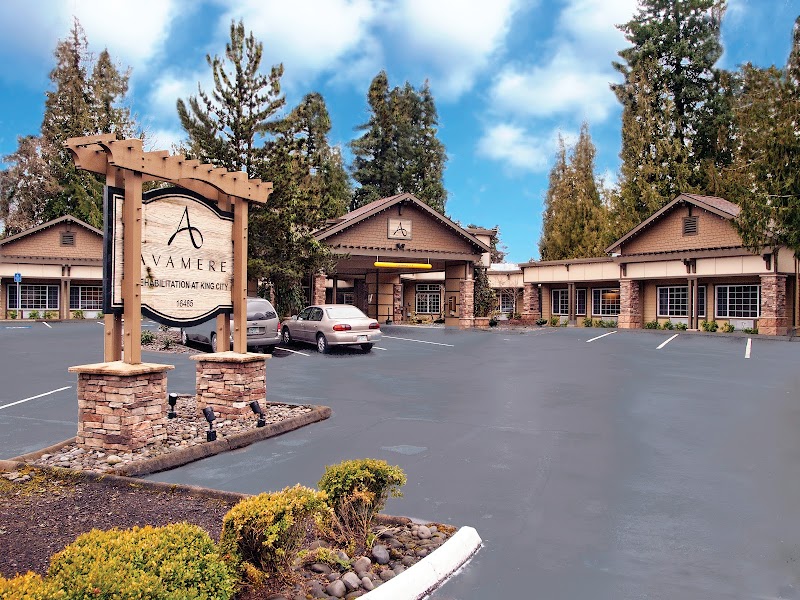
How is Avamere Rehabilitation Of King City Staffed?

CMS rates AVAMERE REHABILITATION OF KING CITY's staffing level at 4 out of 5 stars, which is above average compared to other nursing homes. Staff turnover is 38%, compared to the Oregon average of 46%. This relatively stable workforce can support continuity of care.

What Have Inspectors Found at Avamere Rehabilitation Of King City?

State health inspectors documented 29 deficiencies at AVAMERE REHABILITATION OF KING CITY during 2022 to 2025. These included: 1 Immediate Jeopardy (the most serious level, indicating potential for serious harm or death) and 28 with potential for harm. Immediate Jeopardy findings are rare and represent the most serious regulatory concerns. They require immediate corrective action.
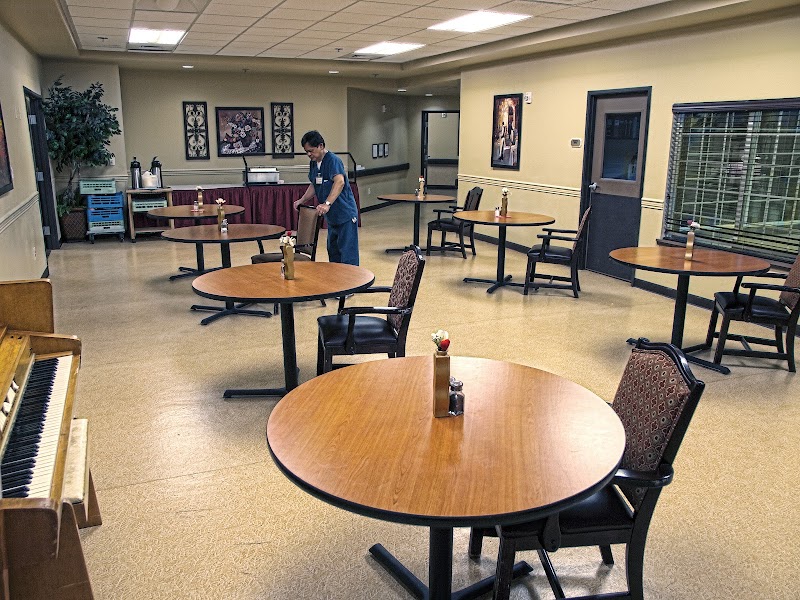
Who Owns and Operates Avamere Rehabilitation Of King City?

AVAMERE REHABILITATION OF KING CITY is owned by a for-profit company. For-profit facilities operate as businesses with obligations to shareholders or private owners. The facility is operated by AVAMERE, a chain that manages multiple nursing homes. With 148 certified beds and approximately 63 residents (about 43% occupancy), it is a mid-sized facility located in TIGARD, Oregon.
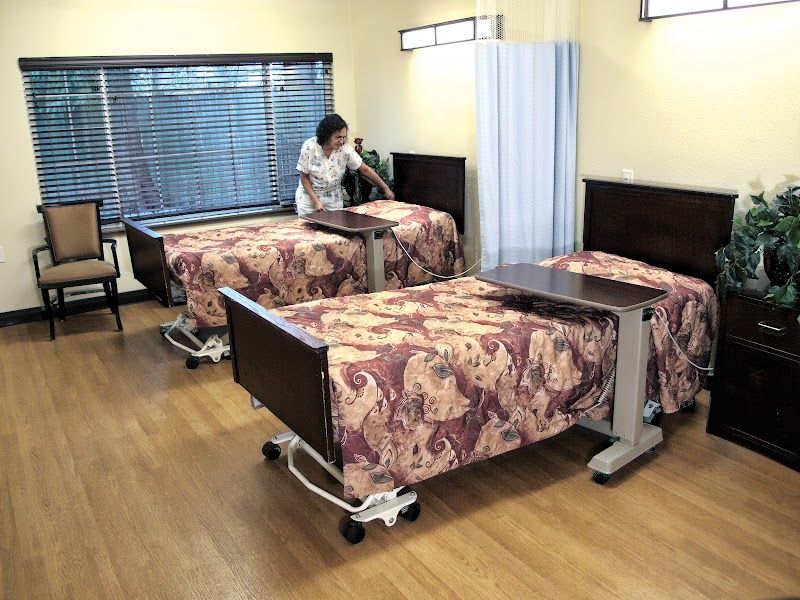
How Does Avamere Rehabilitation Of King City Compare to Other Oregon Nursing Homes?

Compared to the 100 nursing homes in Oregon, AVAMERE REHABILITATION OF KING CITY's overall rating (2 stars) is below the state average of 3.0, staff turnover (38%) is near the state average of 46%, and health inspection rating (2 stars) is below the national benchmark.

What Should Families Ask When Visiting Avamere Rehabilitation Of King City?

Based on this facility's data, families visiting should ask: "What changes have been made since the serious inspection findings, and how are you preventing similar issues?" "Can I visit during a mealtime to observe dining assistance and food quality?" "How do you handle medical emergencies, and what is your hospital transfer rate?" "Can I speak with family members of current residents about their experience?" These questions are particularly relevant given the facility's Immediate Jeopardy citations.

Is Avamere Rehabilitation Of King City Safe?

Based on CMS inspection data, AVAMERE REHABILITATION OF KING CITY has documented safety concerns. Inspectors have issued 1 Immediate Jeopardy citation (the most serious violation level indicating risk of serious injury or death). The facility has a 2-star overall rating and ranks #100 of 100 nursing homes in Oregon. Families considering this facility should ask detailed questions about what corrective actions have been taken since these incidents.

Do Nurses at Avamere Rehabilitation Of King City Stick Around?

AVAMERE REHABILITATION OF KING CITY has a staff turnover rate of 38%, which is about average for Oregon nursing homes (state average: 46%). Moderate turnover is common in nursing homes, but families should still ask about staff tenure and how the facility maintains care continuity when employees leave.

Was Avamere Rehabilitation Of King City Ever Fined?

AVAMERE REHABILITATION OF KING CITY has been fined $49,348 across 1 penalty action. The Oregon average is $33,572. While any fine indicates a compliance issue, fines under $50,000 are relatively common and typically reflect isolated problems that were subsequently corrected. Families should ask what specific issues led to these fines and confirm they've been resolved.

Is Avamere Rehabilitation Of King City on Any Federal Watch List?

AVAMERE REHABILITATION OF KING CITY is not on any federal watch list. The most significant is the Special Focus Facility (SFF) program, which identifies the bottom 1% of nursing homes nationally based on persistent, serious quality problems. Not being on this list means the facility has avoided the pattern of deficiencies that triggers enhanced federal oversight. This is a positive indicator, though families should still review the facility's inspection history directly.