MARQUIS TUALATIN POST ACUTE REHAB
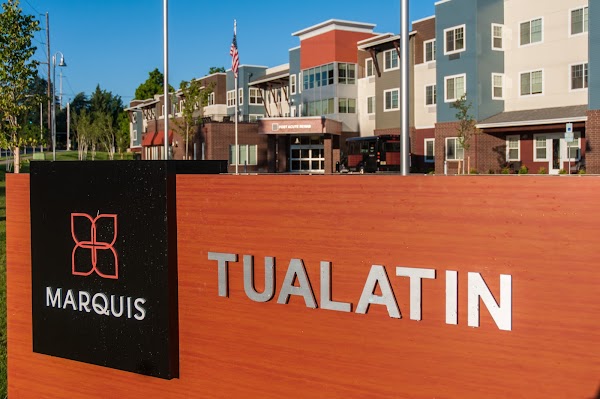
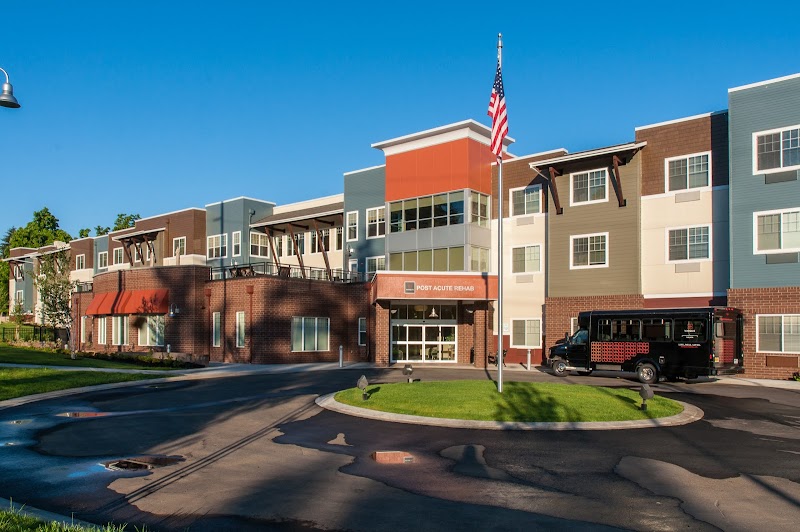
19945 SW BOONES FERRY ROAD, TUALATIN, OR 97062 (503) 612-5400
For profit - Corporation 54 Beds MARQUIS COMPANIES Data: November 2025
Trust Grade
85/100
#17 of 127 in OR
Last Inspection: February 2025

Within standard 12-15 month inspection cycle. Federal law requires annual inspections.

Overview

Marquis Tualatin Post Acute Rehab has a Trust Grade of B+, which indicates the facility is above average and recommended for care. It ranks #17 out of 127 nursing homes in Oregon, placing it in the top half of facilities statewide, and #2 out of 13 in Clackamas County, meaning only one local option is better. The facility's trend is stable, with 12 concern-level issues documented in both 2024 and 2025, suggesting ongoing challenges. Staffing is rated at 4 out of 5 stars, but turnover is average at 57%, which is higher than the state average. There have been no fines recorded, which is a positive sign. However, specific incidents, such as failures to ensure that a registered nurse was present on multiple days and issues with securing medication carts, indicate areas needing improvement. Overall, while the facility has strengths in its ratings and no fines, families should be aware of the documented concerns regarding staffing and medication safety.

Trust Score
B+
85/100
In Oregon
#17/127
Top 13%
Safety Record
Low Risk
No red flags
Inspections
Holding Steady
3 → 3 violations
Staff Stability
⚠ Watch
57% turnover. Above average. Higher turnover means staff may not know residents' routines.
Penalties
✓ Good
No fines on record. Clean compliance history, better than most Oregon facilities.
Skilled Nurses
✓ Good
Each resident gets 43 minutes of Registered Nurse (RN) attention daily — more than average for Oregon. RNs are trained to catch health problems early.
Violations
⚠ Watch
12 deficiencies on record. Higher than average. Multiple issues found across inspections.
★★★★★
5.0
Overall Rating
★★★★☆
4.0
Staff Levels
★★★☆☆
3.0
Care Quality
★★★★★
5.0
Inspection Score
Stable
2024: 3 issues
2025: 3 issues

The Good

  • 4-Star Staffing Rating · Above-average nurse staffing levels
  • Full Sprinkler Coverage · Fire safety systems throughout facility
  • No fines on record

Facility shows strength in staffing levels, fire safety.

The Bad

Staff Turnover: 57%

10pts above Oregon avg (46%)

Frequent staff changes - ask about care continuity

Chain: MARQUIS COMPANIES

Part of a multi-facility chain

Ask about local staffing decisions and management

Staff turnover is elevated (57%)

9 points above Oregon average of 48%

The Ugly 12 deficiencies on record

Feb 2025 3 deficiencies
CONCERN (D) 📢 Someone Reported This

A family member, employee, or ombudsman was alarmed enough to file a formal complaint

Potential for Harm - no one hurt, but risky conditions existed

Deficiency F0602 (Tag F0602)

Could have caused harm · This affected 1 resident

**NOTE- TERMS IN BRACKETS HAVE BEEN EDITED TO PROTECT CONFIDENTIALITY** Based on interview and record review it was determined the facility failed to prevent misappropriation of financial resources by...

Read full inspector narrative →
**NOTE- TERMS IN BRACKETS HAVE BEEN EDITED TO PROTECT CONFIDENTIALITY** Based on interview and record review it was determined the facility failed to prevent misappropriation of financial resources by Staff 7 (Former Agency CNA) for 1 of 1 sampled resident (#145) reviewed for misappropriation of property. This placed residents at risk for misuse of personal funds. Findings include: The facility's 5/2010 Misappropriation of Property- Lost Items policy specified misappropriation of resident property as the patterned or deliberate exploitation of a resident's belongings or money without the resident's consent. Resident 145 was admitted to the facility in 10/2024 with diagnoses including right femur fracture (a break in the thigh bone). The 10/16/24 admission MDS indicated Resident 145 was cognitively intact. Resident 145 discharged from the facility on 11/2/24. A 12/4/24 FRI indicated on 12/4/24 Witness 1 (Family) reported to Staff 1 (Administrator) a fraudulent check was written from Resident 145's check book while a resident at the facility. The check was made out to Staff 7 while she/he was a resident On 12/4/24 Staff 1 contacted local law enforcement, and a report was made. It was noted Staff 7 would not return to work at the facility. The 12/10/24 facility investigation indicated Staff 7 was assigned as Resident 145's CNA on 11/3/24, 11/7/24, 11/8/24, and 11/9/24. Staff 7 was asked not to return to the facility on [DATE] due to declining to take care of residents in her assigned section. On 11/9/24 the fraudulent check was cashed, and it was noted Resident 145's signature was forged. The Oregon Board of Nursing was notified of Staff 7's misconduct and law enforcement was also notified. The facility investigation concluded that abuse occurred but was limited to Resident 145. On 2/26/25 at 1:57 PM Witness 1 stated the fraudulent check was written to Staff 7 for $2,000. Witness 1 stated the signature on the check was not Resident 145's. On 2/26/25, 2/27/25 and 2/28/25 attempts to contact Staff 7 were unsuccessful. On 2/27/25 at 9:53 AM Resident 145 stated she/he first became aware of the fraudulent check when the monthly bank statement was received. Resident 145 stated her/his check book was kept in the nightstand drawer next to the bed at the facility. Resident 145 stated she/he never offered staff money, staff never asked her/him for money and there were no pre-signed checks in the check book. Resident 145 stated she/he did not sign the check made out to Staff 7 for $2,000. On 2/28/25 at 9:14 AM and 10:55 AM Staff 1 acknowledged Resident 145's misappropriation of funds and indicated there were no other reports of misappropriation of property.
CONCERN (D) 📢 Someone Reported This

A family member, employee, or ombudsman was alarmed enough to file a formal complaint

Potential for Harm - no one hurt, but risky conditions existed

Investigate Abuse (Tag F0610)

Could have caused harm · This affected 1 resident

**NOTE- TERMS IN BRACKETS HAVE BEEN EDITED TO PROTECT CONFIDENTIALITY** Based on interview and record review it was determined the facility failed to thoroughly investigate alleged misappropriation of...

Read full inspector narrative →
**NOTE- TERMS IN BRACKETS HAVE BEEN EDITED TO PROTECT CONFIDENTIALITY** Based on interview and record review it was determined the facility failed to thoroughly investigate alleged misappropriation of property for 1 of 1 sampled resident (#145) reviewed for abuse. This placed residents at risk for misuse of personal funds. Findings include: The facility's 5/2010 Misappropriation of Property- Lost Items policy specified when an incident of misappropriation of resident property was reported, the administrator would appoint a staff member to investigate the incident. The investigation would consist of the following: -An interview with the resident. -An interview with the employee(s) accused of taking the resident's property. -A review of the resident's personal inventory record to determine if missing items were recorded on the report. -Interviews with staff members (on all shifts as applicable) having contact with the resident. Resident 145 was admitted to the facility in 10/2024 with diagnoses including right femur fracture (a break in the thigh bone). The 10/16/24 admission MDS indicated Resident 145 was cognitively intact. Resident 145 discharged from the facility on 11/2/24. A 12/4/24 FRI indicated on 12/4/24 Witness 1 (Family) reported to Staff 1 (Administrator) a fraudulent check was written from Resident 145's check book while she/he resided at the facility. The check was made out to Staff 7 (Former Agency CNA). On 12/4/24 Staff 1 contacted local law enforcement, and a report was made. It was noted Staff 7 would not return to work at the facility. The 12/10/24 facility investigation indicated Staff 7 was assigned as Resident 145's CNA on 11/3/24, 11/7/24, 11/8/24, and 11/9/24. Staff 7 was asked not to return to the facility on [DATE] due to declining to take care of residents in her assigned section. On 11/9/24 the fraudulent check was cashed, and it was noted Resident 145's signature was forged. The Oregon Board of Nursing was notified of Staff 7's misconduct, law enforcement was also notified. The facility investigation concluded that abuse occurred but was limited to Resident 145. The facility's investigation included an interview with Staff 8 (CNA) and Staff 9 (CNA) who worked with Staff 7 on several shifts and two residents who resided on the same hallway as Resident 145. Review of the facility's 12/10/24 investigation revealed it was not thorough and did not address the following: -An interview with the resident. -An interview with the employee(s) accused of taking the resident's property. -A review of the resident's personal inventory record to determine if missing items were recorded on the report. -Interviews with staff members (on all shifts as applicable) having contact with the resident. On 2/28/25 at 9:14 AM and 10:55 AM Staff 1 acknowledged Resident 145 and Staff 7 were not interviewed as part of the investigation. Staff 1 stated Resident 145's personal inventory record could not be found and staff members who had contact with Resident 145 were not interviewed. Staff 1 verified the facility investigation was not thorough.
CONCERN (E) 📢 Someone Reported This

A family member, employee, or ombudsman was alarmed enough to file a formal complaint

Potential for Harm - no one hurt, but risky conditions existed

Deficiency F0761 (Tag F0761)

Could have caused harm · This affected multiple residents

Based on observation, interview and record review it was determined the facility failed to ensure medications and biologicals were secured for 1 of 4 medication and treatment carts reviewed for safe m...

Read full inspector narrative →
Based on observation, interview and record review it was determined the facility failed to ensure medications and biologicals were secured for 1 of 4 medication and treatment carts reviewed for safe medication storage. This placed residents at risk for unauthorized access to medications. Findings include: The facility's 5/2010 Security of Medication Cart Policy specified the following: -The nurse must secure the medication cart during the medication pass to prevent unauthorized entry. -The medication cart must be securely locked at all times when out of the nurse's view. a. On 2/26/25 at 11:38 AM, the medication cart adjacent to the nursing station entered A-hall was unlocked and unattended. At 11:40 AM Staff 6 (RN) entered the A-hallway with a different medication and treatment cart. As Staff 6 passed by the unlocked and unattended cart she was observed to push in the lock on the cart to secure it and kept walking. Staff 6 went to a resident's room nearby and Staff 5 (RN) was observed to exit that same resident's room. During an interview with Staff 5 and Staff 6 on 2/26/25 at 11:42 AM Staff 5 stated he did leave the medication and treatment cart unlocked and it should have been locked when he was out of sight of the cart. Staff 6 confirmed she locked the cart as she walked by. b. On 2/26/25 at 12:29 PM, the medication cart adjacent to the nursing station on the A-hall was unlocked and unattended. At 12:31 PM Staff 5 approached the medication and treatment cart, and was observed to have pushed in the lock on the cart to secure it. On 2/26/25 at 12:32 PM Staff 5 acknowledged he left the medication and treatment cart unlocked and was out of sight. On 2/26/25 at 12:45 PM Staff 2 (DNS) was notified the medication and treatment cart on the A-hall was left unlocked and unattended with the contents accessible to unauthorized staff and residents on two separate occasions by the same staff member. Staff 2 acknowledged the cart was to be locked when unattended.
Jun 2024 3 deficiencies
CONCERN (D) 📢 Someone Reported This

A family member, employee, or ombudsman was alarmed enough to file a formal complaint

Potential for Harm - no one hurt, but risky conditions existed

Notification of Changes (Tag F0580)

Could have caused harm · This affected 1 resident

Based on interview and record review the facility failed to notify a resident's representative of a fall for 1 of 3 sampled residents (#1) reviewed for falls. This placed resident representatives at r...

Read full inspector narrative →
Based on interview and record review the facility failed to notify a resident's representative of a fall for 1 of 3 sampled residents (#1) reviewed for falls. This placed resident representatives at risk for being uninformed of resident accidents. Findings include: Resident 1 was admitted to the facility in 11/2023 with diagnoses including BPH (benign prostatic hyperplasia) and depression. Resident 1's admission Record revealed Witness 15 (Family Member) was Resident 1's resident representative and emergency contact. No information was found in the clinical record to indicate Witness 15 signed paperwork as Resident 1's resident representative. On 6/5/24 at 12:48 PM Witness 15 stated Resident 1 fell at the facility on the morning of 12/3/23, and no one from the facility contacted Witness 15 regarding the incident. On 6/6/24 at 11:22 AM Staff 12 (LPN) stated she did not contact the family after Resident 1's fall because the resident was her/his own representative. On 6/6/24 at 12:47 PM Staff 4 (RNCM) stated Witness 15 should have been notified of the fall if Witness 15 was Resident 1's resident representative. On 6/7/24 at 10:15 AM Staff 3 (Admissions Director) stated she reviewed all admission paperwork with residents and family members. Staff 3 stated Witness 15 was Resident 1's resident representative. Staff 3 stated Resident 1 appointed Witness 15 to be her/his resident representative. Staff 3 stated she was present and there was a verbal agreement, but no paperwork signed during the admission process. Staff 3 stated she ensured the information was entered into the resident's medical record. On 6/7/24 at 10:52 AM Staff 2 (Administrator) acknowledged Witness 15 was Resident 1's representative and should have been notified regarding Resident 1's fall on 12/3/23. Refer to F689
CONCERN (D) 📢 Someone Reported This

A family member, employee, or ombudsman was alarmed enough to file a formal complaint

Potential for Harm - no one hurt, but risky conditions existed

Accident Prevention (Tag F0689)

Could have caused harm · This affected 1 resident

Based on interview and record review it was determined the facility failed to ensure residents received care plan interventions for safe transfer and failed to ensure residents were monitored after a ...

Read full inspector narrative →
Based on interview and record review it was determined the facility failed to ensure residents received care plan interventions for safe transfer and failed to ensure residents were monitored after a fall for 1 of 3 sampled residents (#1) reviewed for accidents. This placed residents at risk for latent injury. Findings include: Resident 1 was admitted to the facility in 11/2023 with diagnoses including BPH (benign prostatic hyperplasia) and depression. A review of the resident's care plan, dated 11/28/23, indicated Resident 1 required a two-person mechanical lift with transfers, wore non skid socks when out of bed, and the call light was to be within reach. a. A Fall/Post Fall Assessment and Investigation dated 12/3/24 revealed the following: -At 9:45 AM, Resident 1 was found on the floor next to the left side of her/his bed by Staff 12 (LPN). -The resident was previously sitting in her/his wheelchair and Staff 12 heard Resident 1 calling for help. -Resident 1 stated she/he became dizzy and fell forward out of the wheelchair. -The resident was toileted at 7:00 AM and was last observed at 8:30 AM while eating breakfast. The resident received her/his medications, and was offered fluids. -Staff 12 assessed the resident, who denied pain and her/his range of motion was within normal limits. The resident was injured with a bruise to the left side of her/his forehead. A neurological (assessing mental status and level of consciousness, pupillary response, motor strength, sensation, and gait) assessment was completed. The resident was assisted back into bed. No abuse or neglect was identified. -The investigation indicated Resident 1 was her/his own responsible party and was marked as no requirement to notify others. The Resident Representative section was blank. No information was found in Resident 1's clinical record to indicate she/he was monitored for latent injuries after the 12/3/23 fall. On 6/5/24 at 12:48 PM Witness 15 (Family Member) stated Resident 1 fell at the facility on the morning of 12/3/23. Witness 15 stated the facility did not monitor the resident appropriately prior to and after the resident fell out of her/his wheelchair. On 6/6/24 at 11:22 AM Staff 12 stated she recalled when Resident 1 fell out of her/his wheelchair due to dizziness on 12/3/24. Staff 12 stated the resident sustained a bruise to her/his left forehead. Staff 12 stated she did not contact Witness 15 but notified the physician. Staff 12 stated Resident 1 was to be placed on alert charting to monitor for latent injury, but she did not recall if this occurred or not. On 6/6/24 at 12:47 PM Staff 4 (RNCM) stated she expected staff to place Resident 1 on 72-hour alert charting to monitor for latent injury. Staff 4 acknowledged and verified Resident 1 was not placed on alert charting from her/his fall on 12/3/24. On 6/7/24 at 10:52 AM Staff 2 (Administrator) acknowledged Resident 1 was not placed on alert charting after the fall on 12/3/24 to monitor for latent injuries b. On 6/5/24 at 12:48 PM, Witness 15 (Family Member) stated an incident occurred during an evening visit with Resident 1 on an unknown date. Witness 15 stated he observed two CNAs using a mechanical lift to transfer Resident 1. The CNA operating the lift was in a hurry, which caused the mechanical lift to strike Resident 1's head as the two CNAs lowered the resident into the wheelchair. Witness 15 stated the CNA guiding Resident 1's legs yelled at the other CNA to slow down, but the CNA operating the mechanical lift did not listen, which resulted in Resident 1's head being struck. Witness 15 stated after the CNAs placed Resident 1 in the wheelchair, both CNAs left the room without assessing the resident for potential injuries. Witness 15 stated Resident 1 was not a complainer, and did not call out in pain, but staff should have reported the incident to a nurse so the resident could be evaluated. On 6/5/24 at 4:33 PM Staff 10 (Agency CNA) stated she recalled transferring Resident 1 with another CNA using a mechanical lift. The CNA operating the lift was not paying attention and moving quickly. Staff 10 stated she was guiding Resident 1's feet and hollered at the other CNA to slow down, but the CNA operating the lift did not listen, and the lift struck Resident 1 in the head. Staff 10 stated she asked Resident 1 if she/he was hurt, and the resident said she/he was not hurt. Staff 10 stated she did not report the incident to a nurse and acknowledged the incident should have been reported to rule out an injury. On 6/6/24 at 12:47 PM Staff 4 (RNCM) stated she was unaware Resident 1 was struck in the head while being transferred with a mechanical lift. Staff 4 stated she expected staff to report any incident involving a potential injury to the charge nurse right away to ensure an assessment was completed. On 6/7/24 at 10:52 AM Staff 2 (Administrator) acknowledged the findings and stated CNAs were to report any potential injury with a mechanical lift to a charge nurse so the resident could be assessed appropriately.
CONCERN (D) 📢 Someone Reported This

A family member, employee, or ombudsman was alarmed enough to file a formal complaint

Potential for Harm - no one hurt, but risky conditions existed

Incontinence Care (Tag F0690)

Could have caused harm · This affected 1 resident

**NOTE- TERMS IN BRACKETS HAVE BEEN EDITED TO PROTECT CONFIDENTIALITY** Based on interview and record review it was determined the facility failed to provide appropriate catheter care for a resident's...

Read full inspector narrative →
**NOTE- TERMS IN BRACKETS HAVE BEEN EDITED TO PROTECT CONFIDENTIALITY** Based on interview and record review it was determined the facility failed to provide appropriate catheter care for a resident's urinary catheter for 1 of 3 sampled residents (#1) reviewed for catheter care. This placed residents at increased risk for infection. Findings include: Resident 1 was admitted to the facility in 11/2023 with diagnoses including BPH (benign prostatic hyperplasia) and hematuria (blood in the urine). A Nursing admission Assessment, dated 11/28/23 at 9:19 AM, revealed Resident 1 admitted due to urosepsis (a urinary tract infection which spreads to the kidneys) with hematuria. The resident had a urinary catheter with a large amount of hematuria present. The resident was at risk for functional incontinence related to weakness, impaired mobility, and dependence on staff to meet mobility and toileting needs. Resident 1 was care planned for staff assistance with toileting, used a large brief, received daily urinary catheter care, and skilled therapy services to promote toileting safety and mobility. A review of the resident's care plan, dated 11/28/23, indicated the presence of a urinary catheter. The care plan indicated staff were to provide catheter care with soap and water every day and were to monitor for signs and symptoms of infection. A 12/2/23 Skilled Nursing Progress Note revealed Resident 1 was alert but disoriented, was able to follow simple instructions and cooperative with care and services. The urinary catheter was in place with adequate output. Hematuria was noted around the genital area. A 12/5/23 Progress Note revealed at the beginning of evening shift Resident 1 had a temperature of 99.3. The resident's temperature was taken again at 6:00 PM and was 102.2. Tylenol was given, and the physician was called. Due to the resident's current symptoms and history, it was decided the resident would be sent out to the hospital for further evaluation. Resident 1 had a urinary analysis collected and the results were a high white blood cell count. A Lab Results Report dated 12/5/23 revealed Resident 1's white blood cell count was elevated. On 12/7/23 a public complaint was received from Witness 16 (Complainant), alleging Resident 1 arrived at the hospital on [DATE] with a catheter and UTI. When the catheter was removed, it was leaking and caused pain, accompanied by dark cloudy urine. Additionally, there were also sores on the resident's genitalia. On 6/5/24 and 6/6/24 attempts were made to reach Witness 16 but were unsuccessful. On 6/5/24 at 12:48 PM Witness 15 (Family Member) stated the facility did not provide adequate catheter care for Resident 1. Witness 15 stated the resident was sent to the hospital on [DATE], and hospital staff observed and reported to Witness 15 that Resident 1 had blood and discharge coming from the genitalia. Witness 15 stated hospital staff reported Resident 1 had erosion at the catheter entry point which indicated possible improper positioning of the catheter. Witness 15 stated the situation was gruesome and upsetting. On 6/5/24 at 2:32 PM Staff 9 (CNA) stated Resident 1 required daily catheter care to maintain cleanliness and prevent infection. Staff 9 expressed concerns that residents did not receive appropriate catheter care in 11/2023 and 12/2023. Staff 9 stated agency staff did not consistently provide appropriate ADL care. On 6/5/24 at 4:33 PM Staff 10 (Agency CNA) stated Resident 1 had a catheter, and she emptied the catheter bag at the end of her shift but did not provide any other care related to the catheter, such as cleaning the catheter or providing peri care. On 6/6/24 at 10:26 AM Staff 11 (CNA) stated Resident 1 was alert and oriented but had some baseline confusion. Staff 11 stated she provided catheter care and the resident's catheter, was uncomfortable and caused tugging. Staff 11 recalled the resident had redness and blood coming out of the tip of the resident's genitalia a few times and she informed the nurse. Staff 11 stated a skin protective barrier was applied to the tender, red area. Staff 11 stated catheter care was to be performed once daily using soap and water. On 6/6/24 at 10:46 AM Staff 7 (LPN) stated Resident 1 required catheter care provided by CNA staff. Staff 7 stated catheter care was not always provided adequately and depended on which CNAs were working. Staff 7 expressed concerns about a lack of appropriate catheter care in 11/2023 and 12/2023 due to staff unfamiliarity with the residents. On 6/6/24 at 11:48 AM Staff 8 (LPN) stated Resident 1 was confused at baseline and admitted with a catheter and hematuria. Staff 8 stated catheter care was provided during day shift. Staff 8 stated she assumed CNAs provided catheter care and expected CNAs to review Resident 1's care plan prior to starting their shift. Staff 8 recalled Resident 1 had dried blood on the tip of her/his genitalia, and the area was red but did not appear painful. Staff 8 stated she did not remove the stat lock (stabilization device and support) to the catheter but provided the resident with a little more slack in the tubing that inserted into her/his genitalia. Staff 8 stated the resident was not alert enough to respond to questions. On 6/6/24 at 12:47 PM Staff 4 (RNCM) acknowledged Resident 1 was not provided with appropriate catheter care. Staff 4 stated staff were expected to provide appropriate catheter care to residents and to report any new concerns to herself or the physician. On 6/7/24 at 10:27 AM Staff 5 (Regional Nurse Consultant) and at 10:52 AM Staff 2 (Administrator) stated all CNA staff were expected to know and provide daily catheter care once daily with soap and water. Staff 5 stated if staff were unable to provide catheter care, they were to report to the charge nurse to ensure residents' received appropriate catheter care. Staff 2 acknowledged Resident 1 was not provided with appropriate catheter care.
Aug 2022 6 deficiencies
CONCERN (D)

Potential for Harm - no one hurt, but risky conditions existed

Quality of Care (Tag F0684)

Could have caused harm · This affected 1 resident

Based on interview and record review it was determined the facility failed to ensure bowel care was appropriately provided to 1 of 5 sampled residents (#17) reviewed for medications. This placed resid...

Read full inspector narrative →
Based on interview and record review it was determined the facility failed to ensure bowel care was appropriately provided to 1 of 5 sampled residents (#17) reviewed for medications. This placed residents at risk for bowel complications. Findings include: Resident 17 was admitted to the facility in 2021 with diagnoses including Parkinson's disease (central nervous system disorder), pancreatitis (inflammation and swelling of the pancreas) and dementia. The 6/26/22 Annual MDS revealed the resident had a BIMS of three (severe cognitive impairment) and was incontinent of bowel with no constipation present. The resident's 5/18/21 Care Plan lacked information regarding her/his multiple three to five day periods without having a documented BM (bowel movement). Resident 17's medical record revealed the following PRN bowel care protocol: -Miralax Powder (osmotic type laxative, holds water in the stool) daily every morning, or PRN bowel care for no BM (bowel movement) in 48 hours. -Senna (stimulant laxative, increases intestinal activity) daily at HS, or PRN bowel care for no BM in 48 hours. -Dulcolax Suppository (stimulant laxative) PRN bowel care if no BM when the Miralax or Senna are not effective within 24 hours. -Docusate Sodium (combination of stool softener and laxative) every 24 hours PRN for bowel care. -Tap water enema (used to stimulate a BM), if Dulcolax suppository does not yield at least medium stool results within eight hours, may repeat one time PRN for bowel care. Resident 17's 5/2022 through 8/2022 MAR/TARs and medical record revealed the following information: *May 2022: 5/11/22 at 10:25 PM through 5/14/22 at 9:34 PM: three days (nine shifts) without a documented BM. 5/30/22 at 4:46 AM through 6/3/22 at 1:09 PM: four days (14 shifts) without a documented BM. Bowel care medications provided: -Docusate Sodium: 5/11/22 at 11:07 AM, results noted as I (Ineffective). 5/22/22 at 11:55 AM, results note as U (Unknown). -Senna: 5/15/22 at 12:02 PM, results noted as I. 5/16/22 at 9:58 AM, results noted as E (Effective). 5/19/22 at 12:37 PM, results noted as E. *June 2022: 6/3/22 at 8:58 PM through 6/7/22 at 9:27 PM: four days (13 shifts) without a documented BM. 6/8/22 at 9:18 PM through 6/12/22 at 11:15 PM: four days (13 shifts) without a documented BM. 6/18/22 at 1:54 PM through 6/22/22 at 8:30 PM: four days (12 shifts) without a documented BM. 6/23/22 at 8:58 AM through 6/27/22 at 5:30 AM: four days (13 shifts) without a documented BM. Bowel care medications provided: -Docusate Sodium: 6/1/22 at 2:52 PM, results noted as I. 6/2/22 at 8:12 PM, results noted as I. 6/7/22 at 1:38 PM, results noted as I. 6/21/22 at 1:25 PM, results noted as I. 6/25/22 at 9:28 PM, results noted as refused. 6/26/22 at 9:28 AM, results noted as I. -Senna: 6/2/22 at 12:15 PM, results noted as I. 6/6/22 at 8:50 AM, results noted as I. 6/11/22 at 8:26 AM, results noted as I. 6/12/22 at 8:18 AM, results noted as I. 6/21/22 at 9:56 PM, results noted as I. 6/22/22 at 8:43 AM, results noted as I. 6/25/22 at 8:28 AM, results noted as I. -Dulcolax Suppository: 6/12/22 at 7:22 PM, results noted as U. 6/22/22 at 7:04 PM, results noted as E. *July 2022: 7/2/22 at 9:42 PM through 7/7/22 at 1:31 PM: five days (15 shifts) without a documented BM. Bowel care medications provided: -Senna: 7/5/22 at 1:22 PM, results noted as I. 7/6/22 at 12:21 PM, results noted as I. 7/7/22 at 1:10 PM, results noted as I. 7/19/22 at 9:31 AM, results noted as I. 7/20/22 at 8:49 AM, results noted as I. -Dulcolax Suppository: 7/6/22 at 12:27 PM, noted as resident refused. 7/7/22 at 1:10 PM, noted as resident refused. 7/8/22 at 6:56 PM, results noted as U. 7/20/22 at 3:57 AM, results noted as E. 7/25/22 at 12:10 PM, results noted as E. -Miralax Powder: 17 gm; PRN: 7/7/22 at 1:10 PM, results noted as I. *August: 8/7/22 at 8:21 PM through 8/11/22 4:38 PM: four days (12 shifts) without a documented BM. Bowel care medications provided: -Senna: 8/6/22 at 8:27 AM, results were documented as E. 8/11/22 at 12:50 PM, results were documented E. -Miralax: 8/11/22 at 12:50 PM, results were documented as E. From 5/11/22 through 8/11/22 Resident 17 experienced multiple periods of three to five days without having a documented BM. The resident's PRN bowel care medications were not administered according to the physician's protocol and there was a lack of follow up provided when the medications were documented as ineffective or the results were unknown. On 8/12/22 at 9:54 AM Staff 22 (Licensed Nurse) stated when residents have a BM it was documented in the Task system and when a resident did not have a BM it was reported to the charge nurse. On 8/12/22 at 9:57 AM Staff 8 (LPN) acknowledged Resident 17 was not having regular BMs and required PRN bowel care. Staff 8 stated their system triggered an alert if a resident went 48 hours without a BM, so Miralax was offered and a bowel care list was generated. The bowel care list was provided to the day shift charge nurses to follow up. In an interview on 8/12/22 at 10:10 AM Staff 7 (LPN) stated Resident 17 was on the bowel list frequently. Staff 7 indicated the senna usually worked for her/him and she/he sometimes refused the PRN bowel medications. Staff 7 stated they also tried prune juice or apple juice along with the Miralax or senna. On 8/12/22 at 1:24 PM Staff 2 (DNS) and this surveyor reviewed Resident 17's bowel care and staff failure to follow her/his physician-order protocol. Staff 2 confirmed the resident's BMs were tracked in their system and alerted staff when PRN interventions were required. Staff 2 voiced understanding regarding Resident 17's frequent periods without BMs and the need to ensure the bowel care protocol was administered and monitored appropriately.
CONCERN (D)

Potential for Harm - no one hurt, but risky conditions existed

Deficiency F0725 (Tag F0725)

Could have caused harm · This affected 1 resident

Based on interview and record review it was determined the facility failed to provide sufficient staffing to timely address care needs for 1 of 1 sampled residents (#8) reviewed for dental services. T...

Read full inspector narrative →
Based on interview and record review it was determined the facility failed to provide sufficient staffing to timely address care needs for 1 of 1 sampled residents (#8) reviewed for dental services. This placed residents at risk for unmet needs. Resident 8 was admitted to the facility in 2020 with diagnoses including heart failure and spinal stenosis (narrowing of the spinal canal). The 5/21/22 Quarterly MDS indicated Resident 8 was totally dependent on staff for locomotion in her/his room and required two person assistance for transfers. The 7/2022 updated care plan revealed to observe Resident 8 for signs of fatigue when sitting in the chair. On 8/10/22 at 10:58 AM Resident 8 stated on 6/21/22 she/he returned to the facility after an appointment during the day and a long time in her/his wheelchair. Resident 8 requested assistance to be transferred from her/his wheelchair to the bed and remained in her/his wheelchair for a total of three hours. Resident 8 stated staff informed her/him they were short-handed when she/he returned from the appointment and became more uncomfortable during the wait for care. On 8/10/22 at 11:13 AM Staff 9 (CNA) recalled the event on 6/21/22 and stated Resident 8 did not like to remain in her/his wheelchair for more than 30 minutes due to pain. Staff 9 stated she was aware Resident 8 was left in her/his chair and Staff 9 worked overtime to eventually assist the CNA assigned to Resident 8's care. Staff 9 commented that residents who required two person transfers may remain for extended periods of time without timely transfers due to lack of staff or time management. On 8/12/22 at 11:04 AM Staff 1 (Administrator) stated she expected Resident 8 should be transferred into her/his bed when she/he requested. Staff 1 also stated the CNA assigned to Resident 8's care should have sought assistance to timely transfer Resident 8 even if the CNA needed to ask the RN for the day. The Direct Care Staff Daily Report and Daily Staffing Assignment by Zone for 6/21/22 were reviewed with Staff 1 which indicated there was no RN coverage for the day and one CNA worked the designated COVID-19 unit and unavailable to assist in other units. No additional comments were provided.
CONCERN (E)

Potential for Harm - no one hurt, but risky conditions existed

Deficiency F0578 (Tag F0578)

Could have caused harm · This affected multiple residents

Based on interview and record review it was determined the facility failed to develop and implement policies and procedures regarding residents' rights to formulate an advance directive for 4 of 5 res...

Read full inspector narrative →
Based on interview and record review it was determined the facility failed to develop and implement policies and procedures regarding residents' rights to formulate an advance directive for 4 of 5 residents (#s 5, 8, 13, and 22) reviewed for advance directives. This placed residents at risk for not having their health care preferences honored. Findings include: Records reviewed for Residents 5, 8, 13, and 22 revealed no documentation of an advance directive or documentation to indicate the residents were informed of or provided written information concerning their right to formulate an advance directive. On 8/10/22 at 10:53 AM Staff 3 (Admissions Director) stated the facility did not have a process for discussing advance directives with residents upon admission to the facility. Staff 3 was unable to provide documentation to verify residents were notified of their right to formulate an advance directive. On 8/10/22 at 11:03 AM Staff 4 (Social Services) stated she would ask about a POLST (Physician Orders for Life Sustaining Treatment) and advance directive upon admission to the facility. Staff 4 stated she asked new admissions if they had an advance directive and if they had any questions to let her know. No documentation was found in Resident 5, 8, 13, or 22's medical records or social services notes to verify the facility offered, assisted, obtained or periodically reviewed advance directives. On 8/10/22 at 12:27 PM Staff 1 (Administrator) stated it was her expectation for staff to go over advance directives upon admission and she would provide education to Staff 3 and Staff 4.
CONCERN (E)

Potential for Harm - no one hurt, but risky conditions existed

Safe Environment (Tag F0584)

Could have caused harm · This affected multiple residents

**NOTE- TERMS IN BRACKETS HAVE BEEN EDITED TO PROTECT CONFIDENTIALITY** Based on observation and interview it was determined the facility failed to maintain a clean and homelike environment on 2 of 2 ...

Read full inspector narrative →
**NOTE- TERMS IN BRACKETS HAVE BEEN EDITED TO PROTECT CONFIDENTIALITY** Based on observation and interview it was determined the facility failed to maintain a clean and homelike environment on 2 of 2 halls due to soiled, stained flooring and damaged wall surfaces reviewed for environment. This placed residents at risk of an unkempt and non-homelike environment. Findings include: Resident 5 was admitted to the facility in 2020 with a diagnosis including dementia. Resident 5 resided in room [ROOM NUMBER]-B. On 8/8/22 at 2:51 PM Witness 2 (Family) stated the floor in the resident's room was dirty. Observations of 125-B's floor on 8/8/22 through 8/10/22 revealed crumb debris scattered on the floor and under the bed along with a sock, a tube of lotion, a wadded napkin and a broken handle from a coffee cup. The wall behind Resident 5's bed had exposed, crumbling plaster. Observation on 8/11/22 at 9:47 AM revealed Resident 5's floor was swept of the crumb debris but the sock, tube of lotion, wadded napkin remained on the floor. Observations of resident rooms on 8/8/22 through 8/12/22 identified the following: Hall A room [ROOM NUMBER], 109, 110, 112 and 113 had stained and soiled carpet. Hall B room [ROOM NUMBER], 126, 127, 128, 129 and 133 had stained and soiled carpet. On 8/11/22 at 1:36 PM Staff 13 (Maintenance Assistant) stated he was aware of the exposed plaster in room [ROOM NUMBER]-B. Staff 13 stated he could not complete the wall repair while Resident 5 was in the room due to the fumes. On 8/12/22 at 10:11 AM Staff 17 (Housekeeping Supervisor) stated housekeeping staff provide daily cleaning of resident's floors, including vacuuming and sweeping. Staff 17 stated all staff, including CNAs and nurses should pick up items off resident's floors. On 8/12/22 at 12:39 PM Staff 1 (Administrator) stated housekeepers provided daily floor care to all residents' rooms and all staff should help keep resident rooms tidy including picking up items off resident's floors. Staff 1 acknowledged the stained and soiled carpet.
CONCERN (E)

Potential for Harm - no one hurt, but risky conditions existed

Food Safety (Tag F0812)

Could have caused harm · This affected multiple residents

Based on observation and interview it was determined the facility failed ensure facial hair was restrained by staff preparing food in 1 of 1 kitchen surveyed. This placed residents at risk for contami...

Read full inspector narrative →
Based on observation and interview it was determined the facility failed ensure facial hair was restrained by staff preparing food in 1 of 1 kitchen surveyed. This placed residents at risk for contaminated foods. Findings include: On 8/8/22 at 1:09 PM Staff 16 (Dietary Manager) and Staff 15 (Cook) were observed working directly with food preparing lunches for resdents. Both staff members had beards and were not wearing beard restraints. Staff 16 confirmed he and Staff 15 should have been wearing beard restraints while working in the kitchen. On 8/11/22 at 9:58 AM Staff 15 was observed emptying cans of beans into holding trays and did not wear a beard restraint. On 8/11/22 at 10:04 AM Staff 16 (Dietary Manager) reported beard restraints were available to all dietary employees and confirmed Staff 15 should wear a beard restraint while working in the kitchen.
CONCERN (F)

Potential for Harm - no one hurt, but risky conditions existed

Deficiency F0727 (Tag F0727)

Could have caused harm · This affected most or all residents

Based on interview and record review it was determined the facility failed to ensure an RN worked as the charge nurse for eight hours a day, seven days a week. This placed residents at risk for unmet ...

Read full inspector narrative →
Based on interview and record review it was determined the facility failed to ensure an RN worked as the charge nurse for eight hours a day, seven days a week. This placed residents at risk for unmet assessment needs. Findings include: Direct Care Staff Daily Reports on 6/21/22 and from 7/1/22 through 8/8/22 were reviewed. A RN did not provide direct resident care for seven out of the 40 days reviewed: 6/21/22, 7/4/22, 7/19/22, 7/20/22, 7/21/22, 7/26/22 and 8/7/22. On 8/11/22 at 1:37 PM Staff 10 (Staffing Coordinator) stated he was aware there were multiple days when there was no RN coverage and policy changes to cover those shifts were in process. On 8/12/22 at 11:04 AM Staff 1 (Administrator) acknowledged the requirement to have a RN each day.
Understanding Severity Codes (click to expand)
Life-Threatening (Immediate Jeopardy)
J - Isolated K - Pattern L - Widespread
Actual Harm
G - Isolated H - Pattern I - Widespread
Potential for Harm
D - Isolated E - Pattern F - Widespread
No Harm (Minor)
A - Isolated B - Pattern C - Widespread

Questions to Ask on Your Visit

  • "Why is there high staff turnover? How do you retain staff?"
  • "Can I speak with families of current residents?"
  • "What's your RN coverage like on weekends and overnight?"

Our Honest Assessment

Strengths
  • • Grade B+ (85/100). Above average facility, better than most options in Oregon.
  • • No major safety red flags. No abuse findings, life-threatening violations, or SFF status.
  • • No fines on record. Clean compliance history, better than most Oregon facilities.
Concerns
  • • 12 deficiencies on record. Higher than average. Multiple issues found across inspections.
  • • 57% turnover. Above average. Higher turnover means staff may not know residents' routines.
Bottom line: Generally positive indicators. Standard due diligence and a personal visit recommended.

About This Facility

What is Marquis Tualatin Post Acute Rehab's CMS Rating?

CMS assigns MARQUIS TUALATIN POST ACUTE REHAB an overall rating of 5 out of 5 stars, which is considered much above average nationally. Within Oregon, this rating places the facility higher than 99% of the state's 100 nursing homes. This rating reflects solid performance across the metrics CMS uses to evaluate nursing home quality.
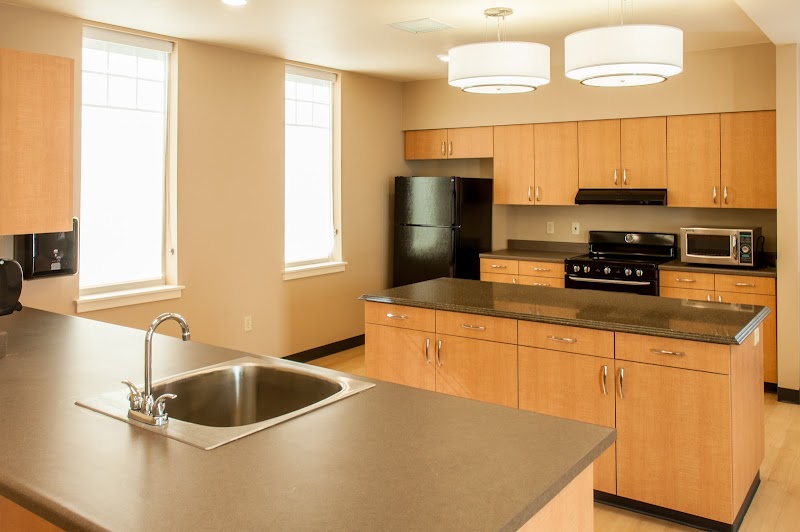
How is Marquis Tualatin Post Acute Rehab Staffed?

CMS rates MARQUIS TUALATIN POST ACUTE REHAB's staffing level at 4 out of 5 stars, which is above average compared to other nursing homes. Staff turnover is 57%, which is 10 percentage points above the Oregon average of 46%. High turnover can affect care consistency as new staff learn residents' individual needs.

What Have Inspectors Found at Marquis Tualatin Post Acute Rehab?

State health inspectors documented 12 deficiencies at MARQUIS TUALATIN POST ACUTE REHAB during 2022 to 2025. These included: 12 with potential for harm.

Who Owns and Operates Marquis Tualatin Post Acute Rehab?

MARQUIS TUALATIN POST ACUTE REHAB is owned by a for-profit company. For-profit facilities operate as businesses with obligations to shareholders or private owners. The facility is operated by MARQUIS COMPANIES, a chain that manages multiple nursing homes. With 54 certified beds and approximately 47 residents (about 87% occupancy), it is a smaller facility located in TUALATIN, Oregon.
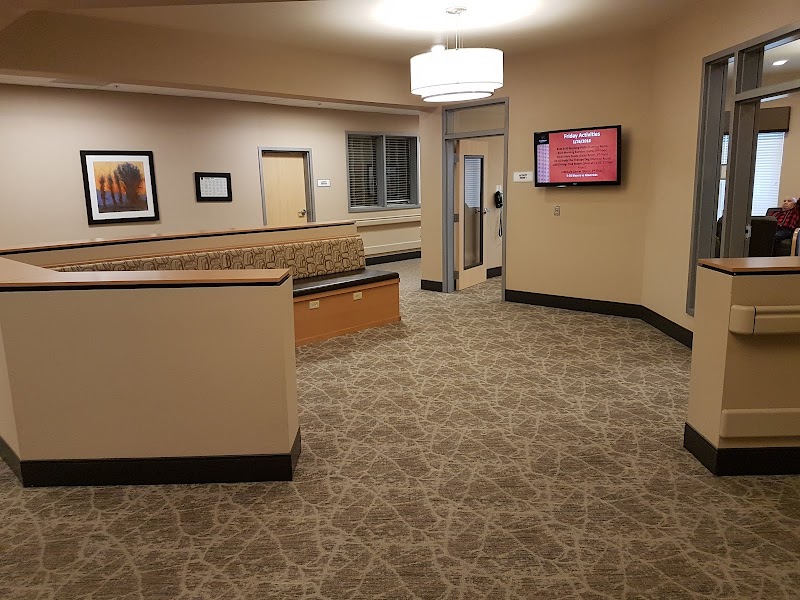
How Does Marquis Tualatin Post Acute Rehab Compare to Other Oregon Nursing Homes?

Compared to the 100 nursing homes in Oregon, MARQUIS TUALATIN POST ACUTE REHAB's overall rating (5 stars) is above the state average of 3.0, staff turnover (57%) is significantly higher than the state average of 46%, and health inspection rating (5 stars) is much above the national benchmark.

What Should Families Ask When Visiting Marquis Tualatin Post Acute Rehab?

Based on this facility's data, families visiting should ask: "How do you ensure continuity of care given staff turnover, and what is your staff retention strategy?" "Can I visit during a mealtime to observe dining assistance and food quality?" "How do you handle medical emergencies, and what is your hospital transfer rate?" "Can I speak with family members of current residents about their experience?" These questions are particularly relevant given the facility's high staff turnover rate.

Is Marquis Tualatin Post Acute Rehab Safe?

Based on CMS inspection data, MARQUIS TUALATIN POST ACUTE REHAB has a clean safety record: no substantiated abuse findings (meaning no confirmed cases of resident harm), no Immediate Jeopardy citations (the most serious violation level indicating risk of serious injury or death), and is not on the Special Focus Facility watch list (a federal program monitoring the lowest-performing 1% of nursing homes). The facility has a 5-star overall rating and ranks #1 of 100 nursing homes in Oregon. While no facility is perfect, families should still ask about staff-to-resident ratios and recent inspection results during their visit.

Do Nurses at Marquis Tualatin Post Acute Rehab Stick Around?

Staff turnover at MARQUIS TUALATIN POST ACUTE REHAB is high. At 57%, the facility is 10 percentage points above the Oregon average of 46%. High turnover means new staff may not know residents' individual needs, medications, or preferences. It can also be disorienting for residents, especially those with dementia who rely on familiar faces. Families should ask: What is causing the turnover? What retention programs are in place? How do you ensure care continuity during staff transitions?

Was Marquis Tualatin Post Acute Rehab Ever Fined?

MARQUIS TUALATIN POST ACUTE REHAB has no federal fines on record. CMS issues fines when nursing homes fail to meet care standards or don't correct problems found during inspections. The absence of fines suggests the facility has either maintained compliance or corrected any issues before penalties were assessed. This is a positive indicator, though families should still review recent inspection reports for the full picture.

Is Marquis Tualatin Post Acute Rehab on Any Federal Watch List?

MARQUIS TUALATIN POST ACUTE REHAB is not on any federal watch list. The most significant is the Special Focus Facility (SFF) program, which identifies the bottom 1% of nursing homes nationally based on persistent, serious quality problems. Not being on this list means the facility has avoided the pattern of deficiencies that triggers enhanced federal oversight. This is a positive indicator, though families should still review the facility's inspection history directly.